Introduction
Can a $369 lens really compete with a $6,600 Leica?
Fair warning: some results may surprise Leica fans, for better or worse.
Today I’m taking a closer look at the Thypoch Simera 35mm f/1.4 ASPH. Thypoch entered the market about two years ago, joining a growing group of Chinese manufacturers initially producing lenses for the Leica M mount. Since then, they’ve expanded their lineup from 21mm to 75mm, mostly with fast f/1.4 apertures, and have begun offering additional mounts beyond M.
In this post, I’ll be testing the Nikon Z version of the 35mm f/1.4—and putting it side by side with Leica’s own Summilux FLE II.
 I tested this lens on a 46 Mp Nikon Z7ii and a Nikon Zf (Sample images were taken with a Nikon Zf)
 You can see this review as a YouTube video here!
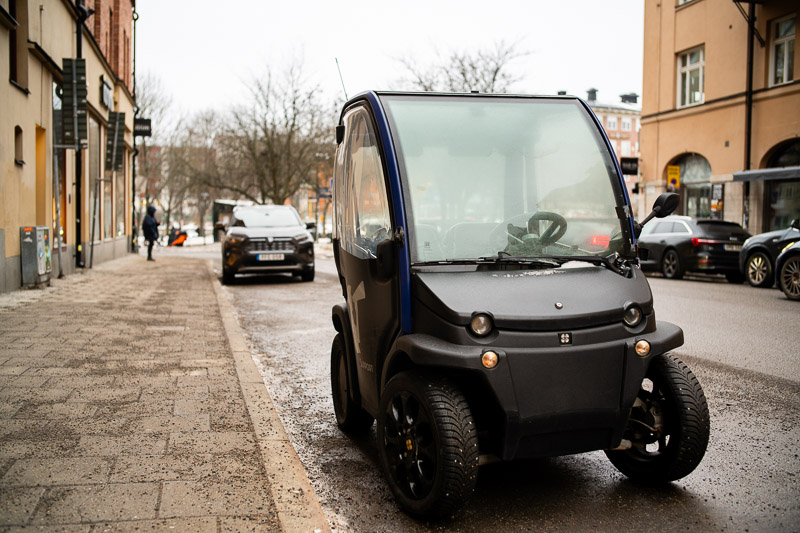
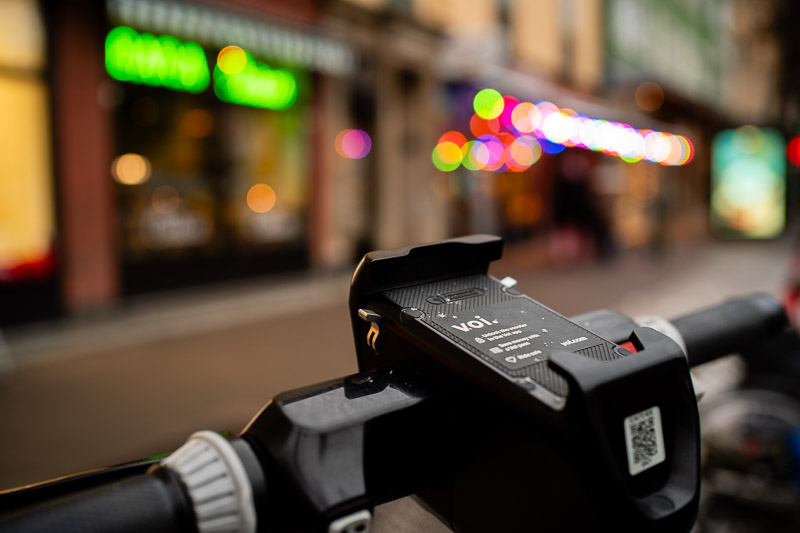
Sample Images







Specifications
| Focal Length | 35mm |
| Angle of View | 64° |
| # of Aperture Blades | 14 |
| Max Aperture | f/1.4 |
| Min Aperture | f/16 |
| Min Focus Distance | 0.45m |
| Filter Size | 49 mm |
| Lens Mount | M, Z, RF, E |
| Weight | ≈309g |
| Size (D x L) | ≈65 mm x 66.4 mm |
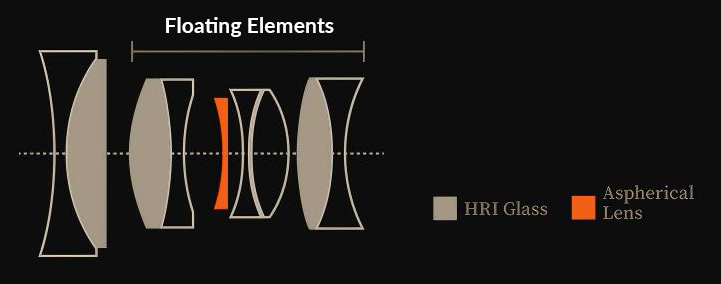
| Elements/Group | 9 / 5 |
| Buy new: Thypoch Store, Amazon (anywhere), B&H for $369 (Affiliate links) |
Disclosure
Thypoch kindly provided this lens for test and review purposes. Summilux text shots and sample images by Bastian.
Comparison Note
Most of the sample images in this review and many more can be found in higher resolution here.
It’s important to note that both the Simera and the Summilux were originally designed for the Leica M mount. Thypoch uses the same optical design for the Nikon Z and Sony E versions of the Simera—the mount has changed, but the lens itself has not. Because we often receive our test lenses at different times, I haven’t had both on hand for a true side-by-side comparison. That said, the testing methods have been consistent.
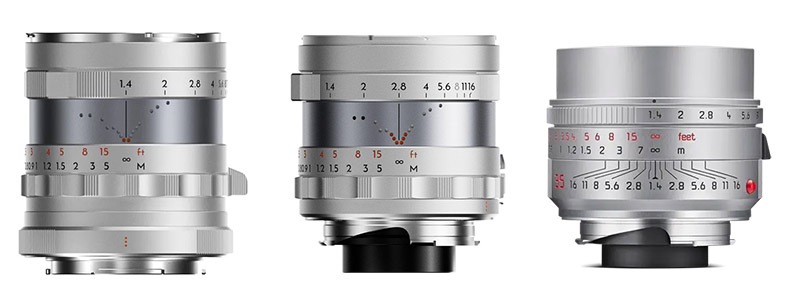
All Simera tests were conducted on Nikon cameras. The Summilux was partially tested here on a Sony A7R II via an adapter, though many of the tests were performed on a Leica M10—which, if anything, should favor the Summilux.
Handling and Build Quality
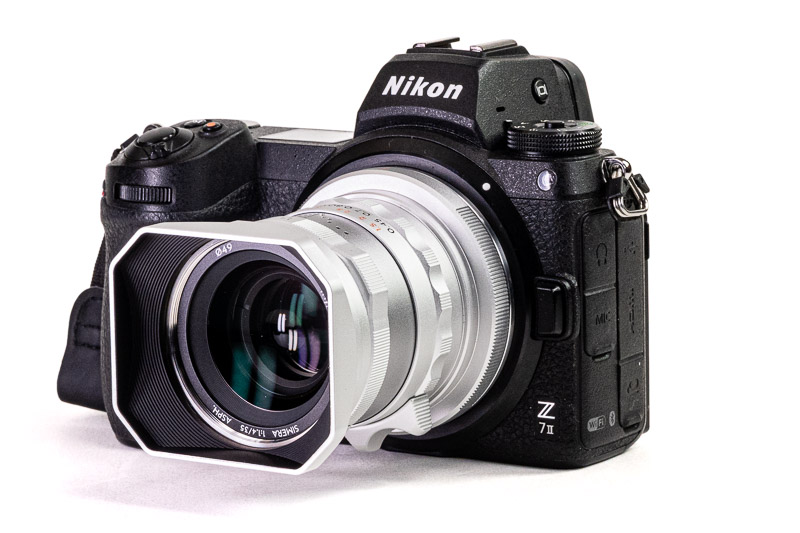
This is a fully manual lens, with manual focus and aperture, no electronic contacts for EXIF data or aperture control, and no in-lens stabilization. It is built entirely from metal and glass and, while relatively small for a full-frame 35mm f/1.4 lens, gives a very solid impression, though there is no visible weather sealing around the mounting plate. The lens I tested is finished in silver, though it’s also available in black. I must say it reminds me a little of classic Leica lenses.
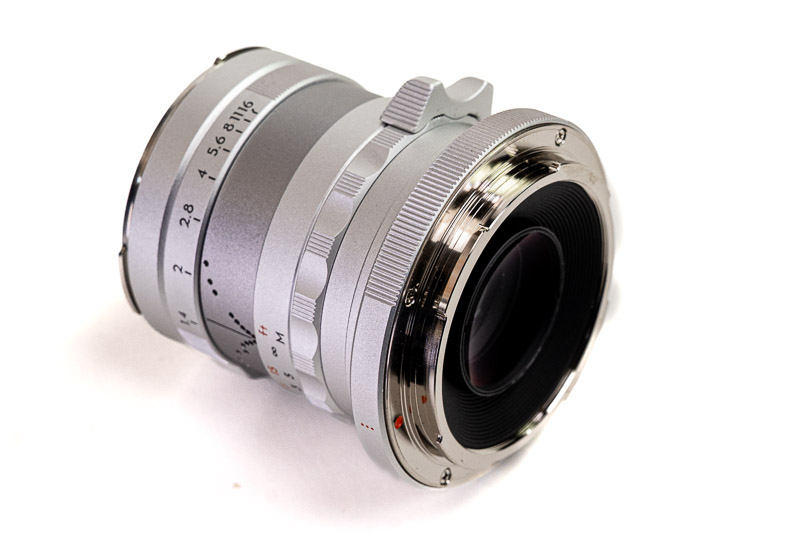
The aperture ring is placed closest to the front element, which differs from conventional placement. All the markings, including the aperture values, are engraved on the ring at variable distances and filled with paint, giving a stylish appearance. The clicks themselves are very gentle, but they also seem somewhat random—at least at first sight: 1/3-stop clicks between f/1.4 and f/4.0, half-stop clicks between f/4.0 and f/8.0, and full-stop clicks between f/8.0 and f/16. This makes it rather difficult to judge how far you’ve stopped the lens down by feel alone, without looking at the ring.
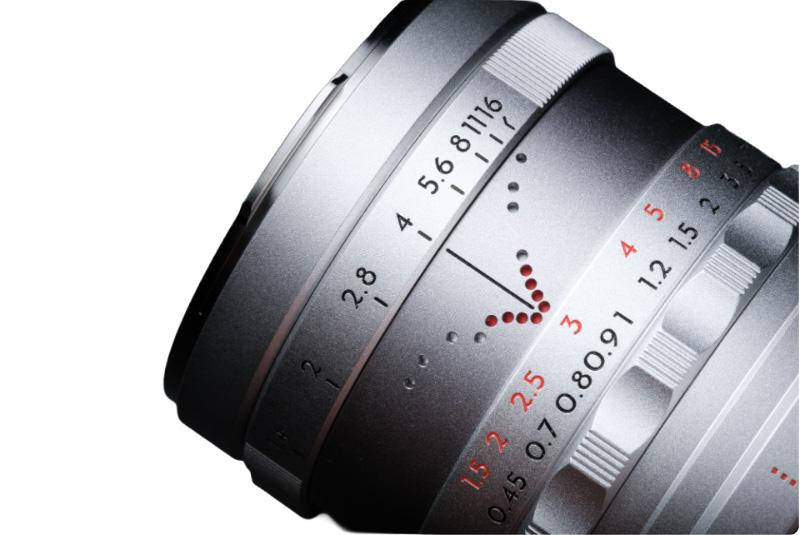
This Simera 35mm lens features a depth-of-field scale design Alpa introduced in 1951 under the name “Visifocus.” Instead of simple bars or lines, it uses red dots that “light up” as you change the aperture setting. At first sight this looks pretty cool, but the downside is that they take up more space on the lens barrel, forcing the focusing ring to shrink to a much narrower band than it otherwise would.

The aperture ring can be declicked via a switch on the ring, marked with a sun for clicked operation and a crescent moon for the declicked position.
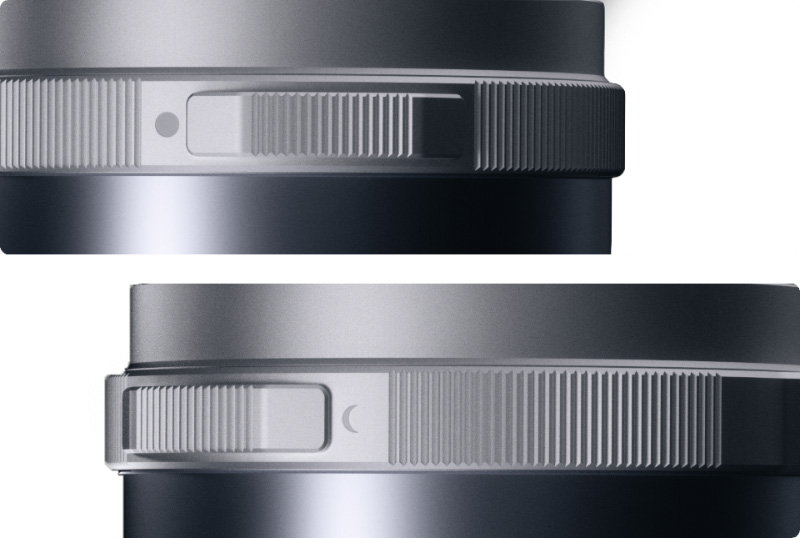
The focus ring is therefore positioned very close to the camera and isn’t that easy to get a hold of. I think Thypoch realised this, which is why they added a crescent-shaped tab beneath the focusing ring. It actually helps a lot when trying to reach and locate the ring without fumbling or mistakenly turning the aperture ring while looking through the viewfinder.
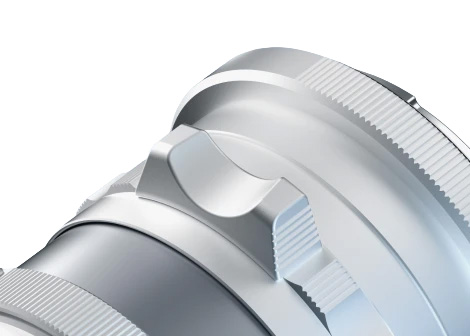
The focusing ring turns very smoothly over about 105°, but the damping could be better. I often found it too easy to turn the ring slightly more than intended while focusing, and it can also be moved very easily after focus is set. As a result, I ended up with more misfocused images than usual.
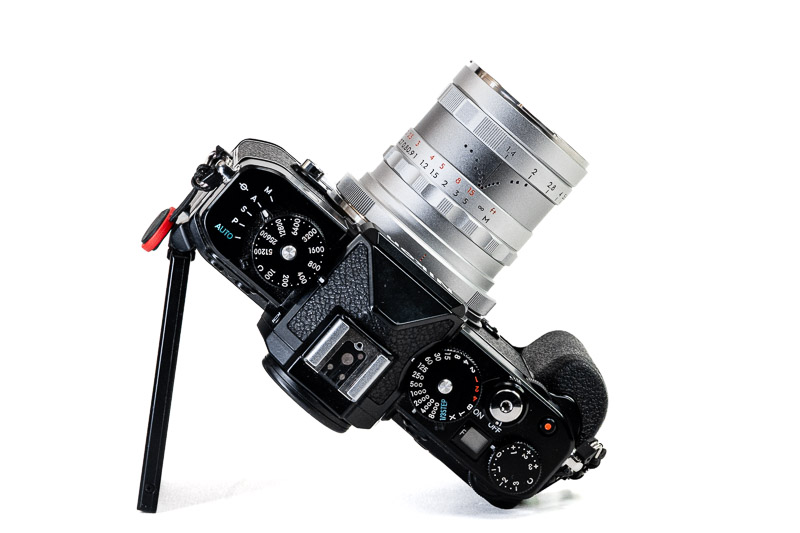
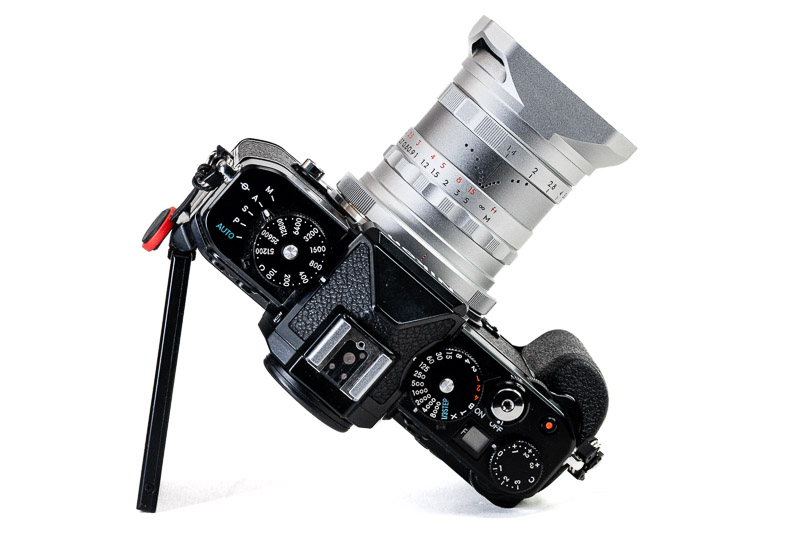
The lens comes with a square metal lens hood and two metal lens caps: one for use without the hood and one for use with the hood attached. While the inside of the hood is painted matte black, the lens features a shiny front ring, similar to those found on some Voigtländer lenses. This reflective front ring can lead to additional unwanted flare artefacts.
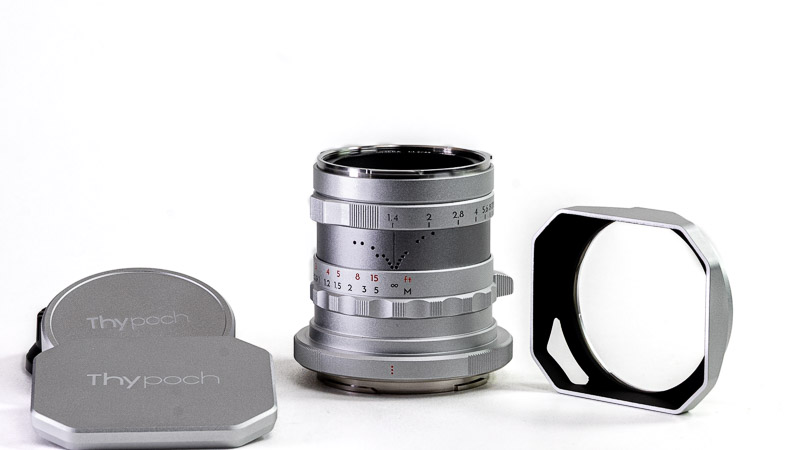
In this category, the Simera delivers a look and finish that can compete with Leica’s—aside from the typeface, which is ultimately subjective. When it comes to build quality and handling, however, they’re in different leagues. Leica wins hands down.
Optical Features
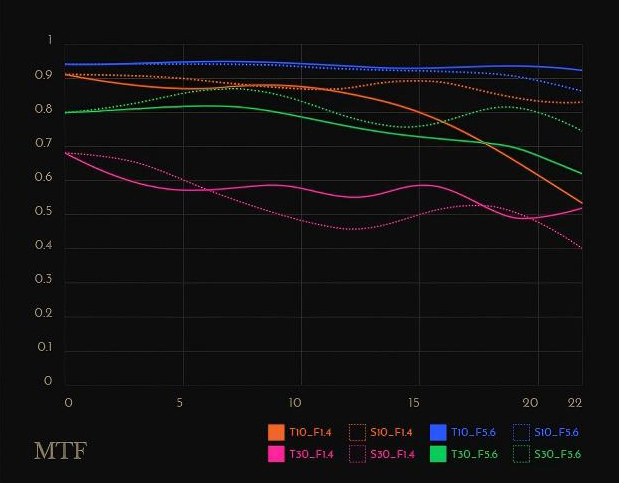
This is where things get more interesting. I mentioned earlier that its design slightly resembles a Leica. As it turns out, the optical formula does more than just resemble one—it closely mirrors the Leica Summilux 35mm f/1.4 ASPH. FLE, a lens widely regarded as a benchmark among Leica users.
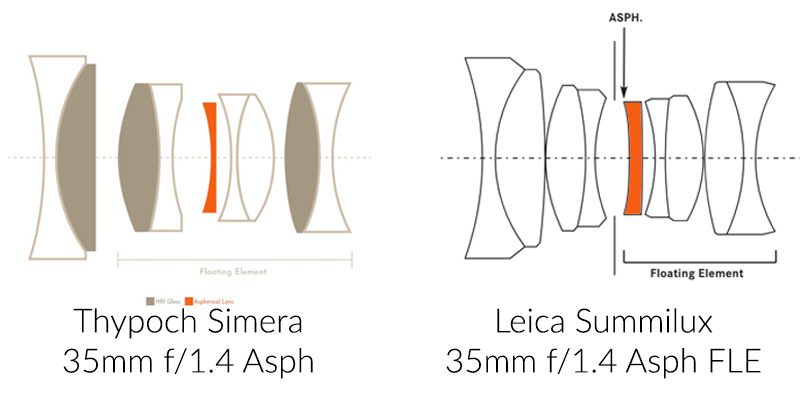
The similarity is striking. Let’s see how it behaves in practice.
Sharpness (Infinity)
For the infinity sharpness test, we look at three areas of the image, center, mid-frame, and corner, see highlighted areas in the image below!
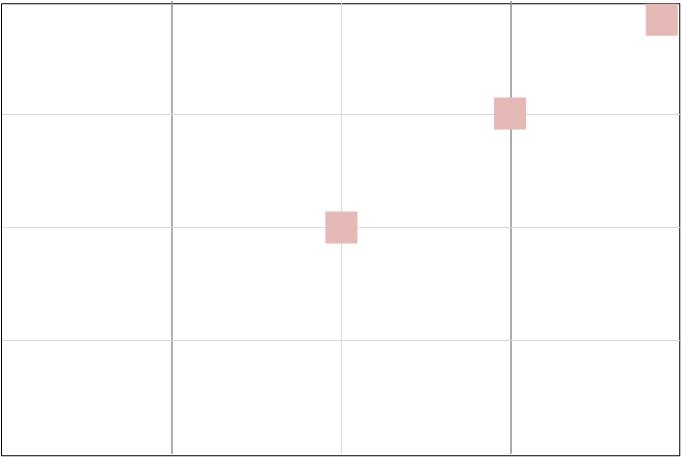

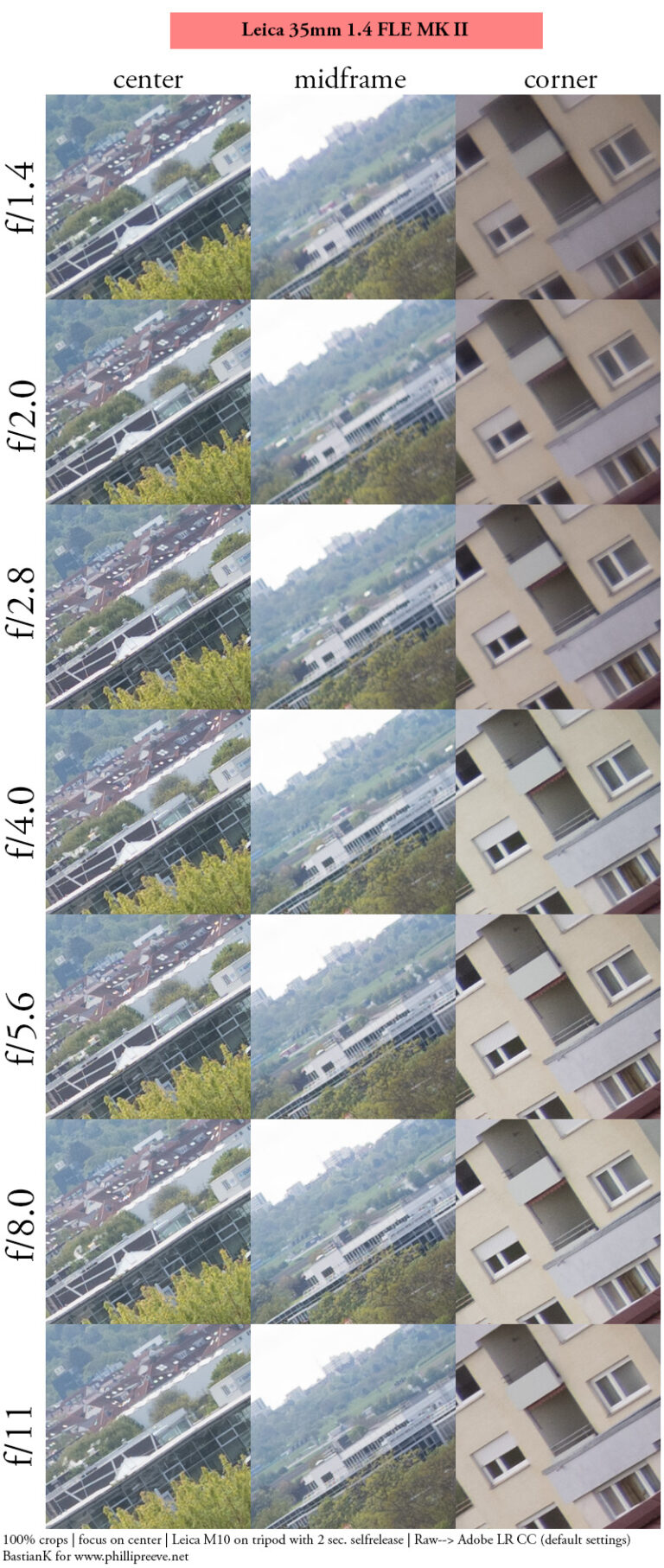
Center sharpness is already very good wide open at f/1.4. The midframe is decent, though the corners are a bit soft. Some color fringing is visible at f/1.4.
By f/2.8, midframe sharpness improves significantly to a very good level, and the color fringing disappears. At f/5.6, the lens delivers sharp results across the entire frame, although corner sharpness never quite reaches the same level as the center.
Compared to the Summilux, the center is at least as good, but the Summilux seems to be free from fringing, and its corner is about 2 stops better.
Sharpness (Portrait)
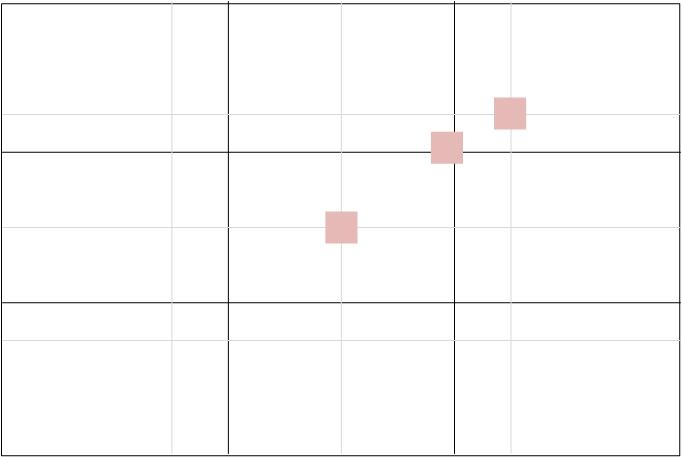
Let’s look at the points of interest for portraits at the portrait distance: the very center, the center’s inner periphery (1/3 rule intersection), and the center’s outer periphery (1/4th intersection).
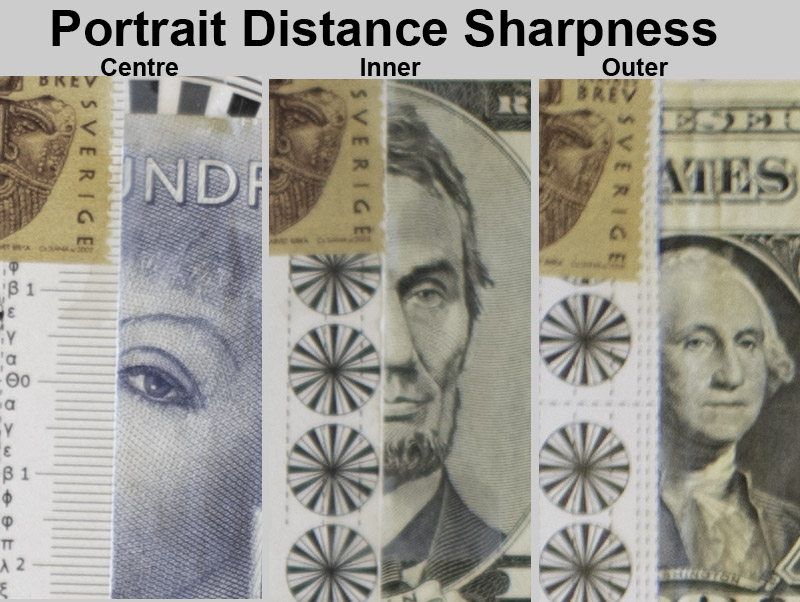
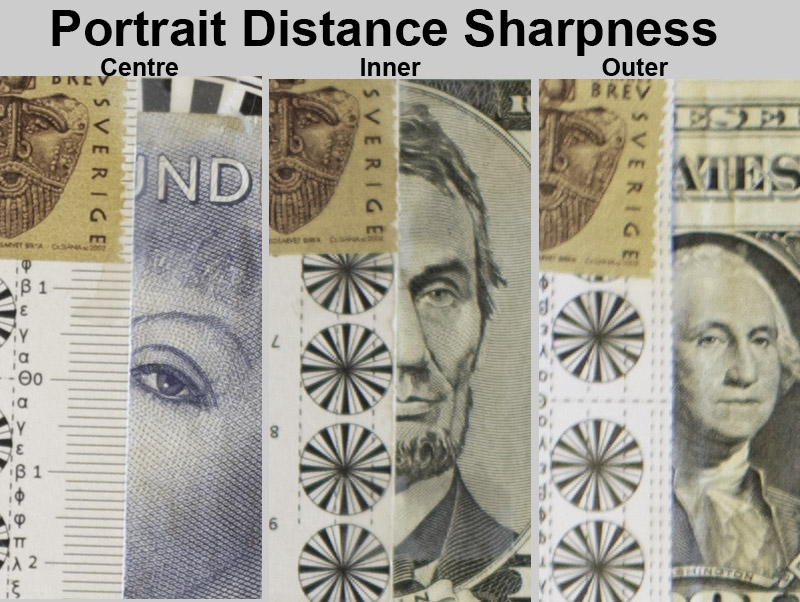
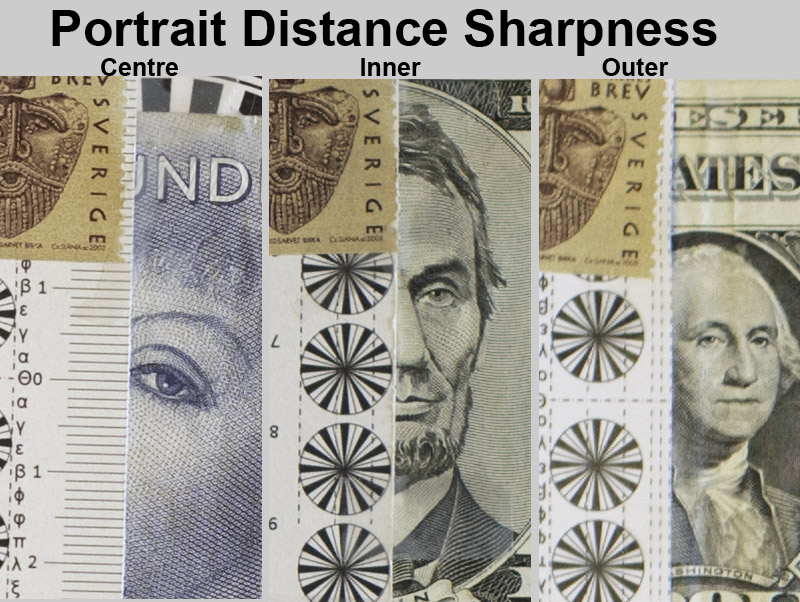
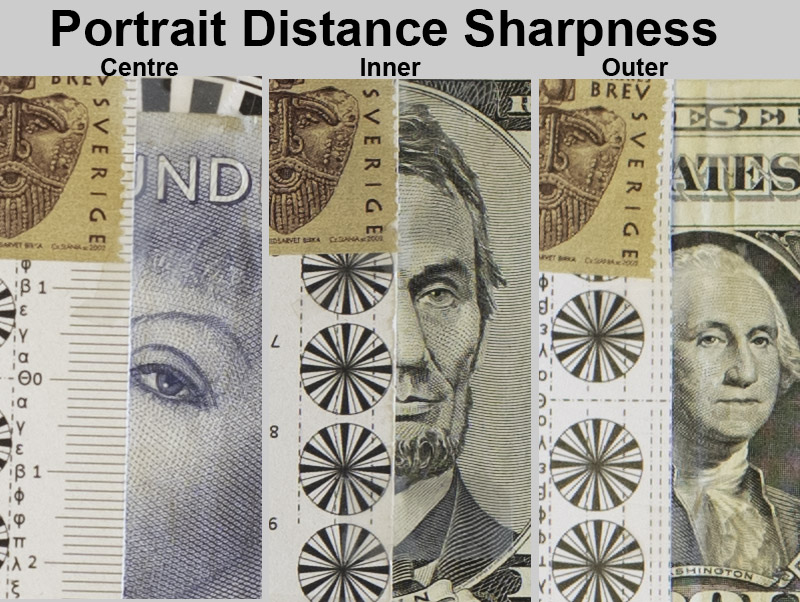
Center sharpness is already very good at f/1.4, but contrast is low and there appears to be a slight veil over the image, possibly indicating spherical aberration. The inner circle is just OK, while the outer circle, though usable, looks soft. At f/2, the center improves further, contrast increases, and the veil disappears. The inner circle is now good, but the outer circle remains soft. By f/2.8, center sharpness becomes excellent, the inner circle is very good, and the outer circle is finally good. At f/4, both the center and inner circle are excellent, with the outer circle reaching very good levels.
Now to the comparison, Thypoch Simera on a Nikon Zf, Leica Summilux on a Leica M10:


It’s a very close race. Under a loupe, the Summilux has a slight edge at f/1.4. By f/2, the Simera appears sharper in the center and inner image circle, while the Summilux still holds a small advantage toward the outer areas. The differences are so minor that they would be invisible in real-world use unless you’re doing this kind of direct side-by-side comparison.
In direct comparisons, the Simera exhibits more spherical aberration wide open, which results in slightly lower contrast and resolution than the Summilux. Both lenses improve noticeably at f/2, though the Summilux still retains a small edge. By f/2.8, the Simera appears marginally sharper. From there to f/4, performance remains essentially unchanged.
Sharpness (Close-up)








Near the minimum focusing distance, sharpness is good, but contrast is low and there appears to be a veil over the image. By f/2, contrast is boosted and the veil is gone, most likely due to reduced spherical aberration, sharpness is very good now. From f/2.8 onward, sharpness at close distances is excellent. At f/16, a drop in sharpness due to diffraction is easily visible.
Lens Distortion
This Simera lens exhibits very mild and negligible wavy distortion.

The Leica performs equally well here.
Vignetting
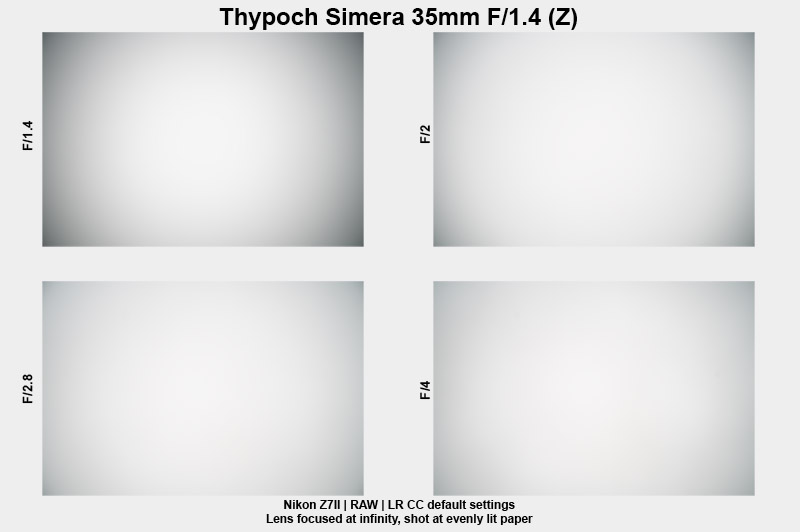
Vignetting is high for a 35mm f/1.4 lens and never becomes negligible, even when stopped down. That said, it’s not much worse than other lenses of this size.
| f-stop | Simera – Nikon Z7II | Summilux II – A7RII |
|
|
|
Compared to the Leica Summilux 35mm f/1.4 FLE II, the Simera shows noticeably less vignetting up to f/5.6. At that aperture, the Summilux has a slight advantage, but it’s not noticeable in real-world use.
Focus Shift & Aberrations
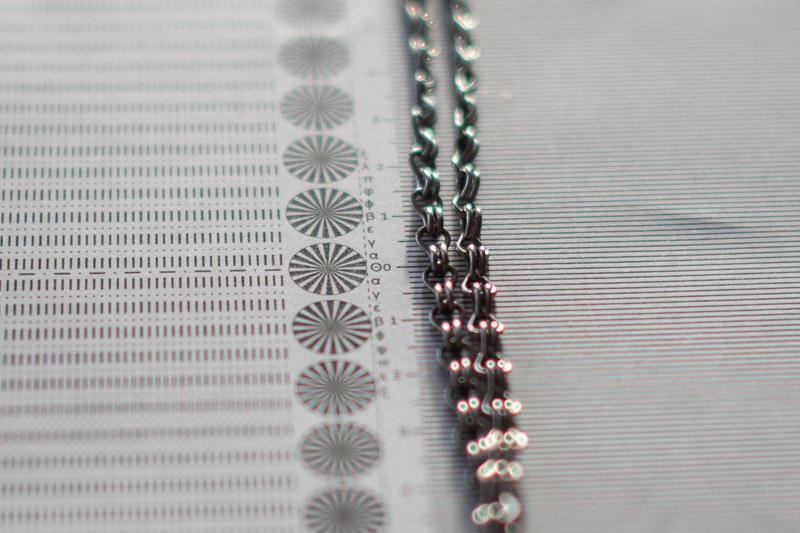
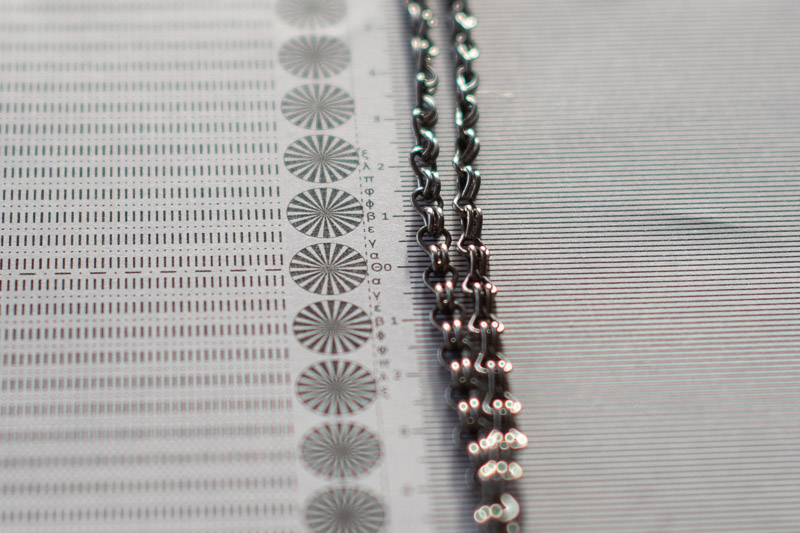
This test reveals two things. First, there is some longitudinal chromatic aberration wide open, which improves when stopping down to f/2 but does not disappear completely. By f/2.8 it is reduced to a very low level that won’t be noticeable in most practical situations, and it is completely gone by f/4.
Second, we can see that the focus point shifts farther away when stopping down (compare the f/4 shot with the refocused f/4 shot). This is a clear sign of what we suspected earlier: spherical aberration.
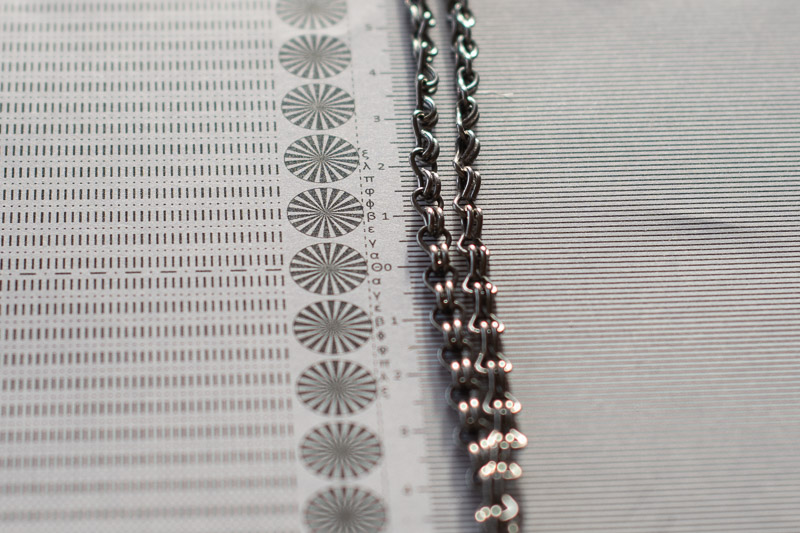

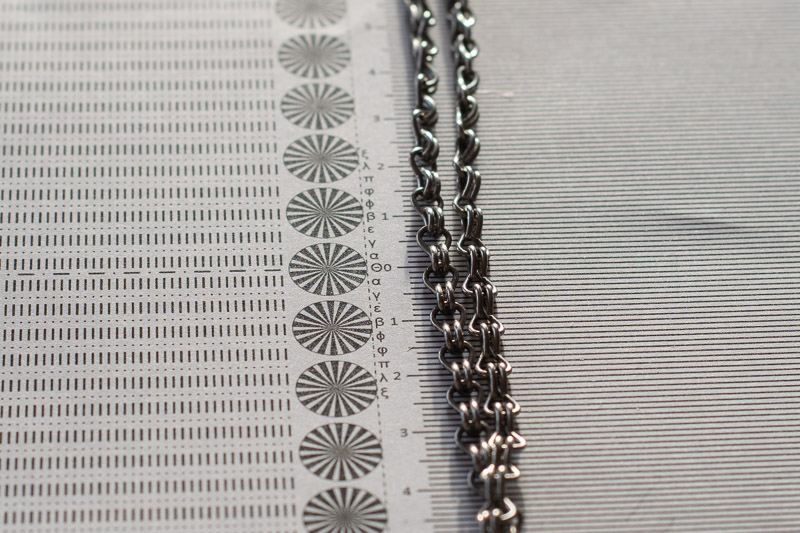
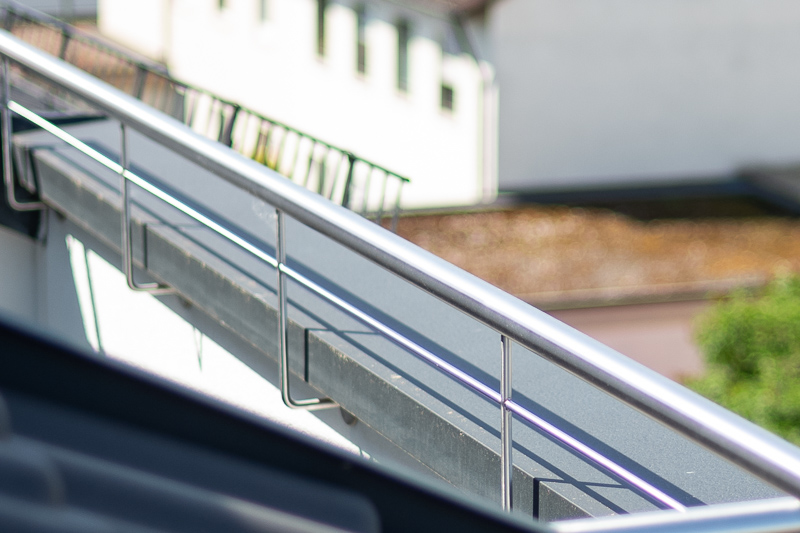

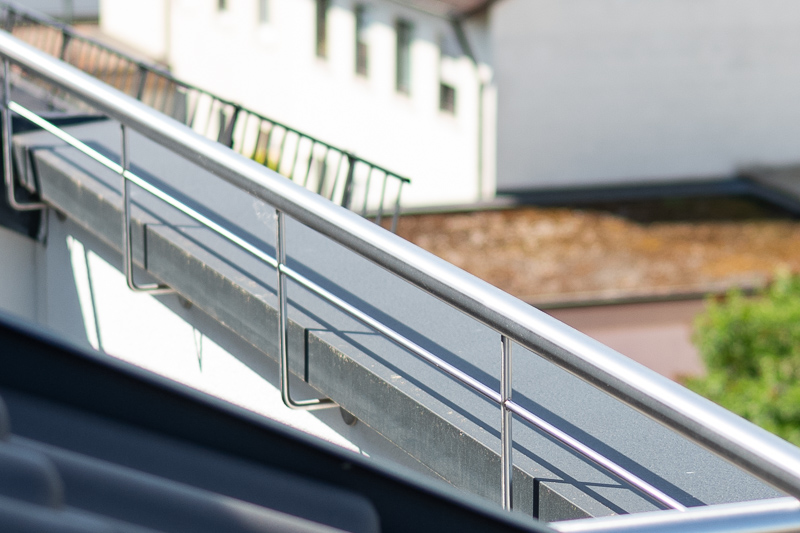
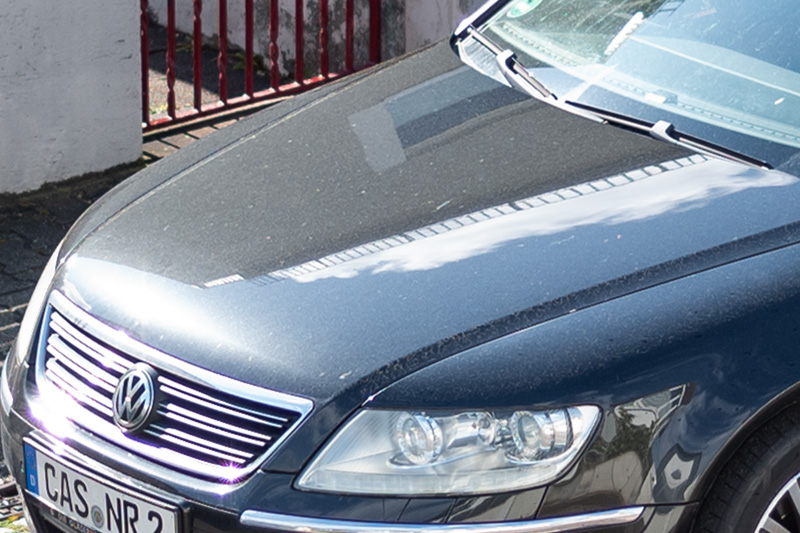
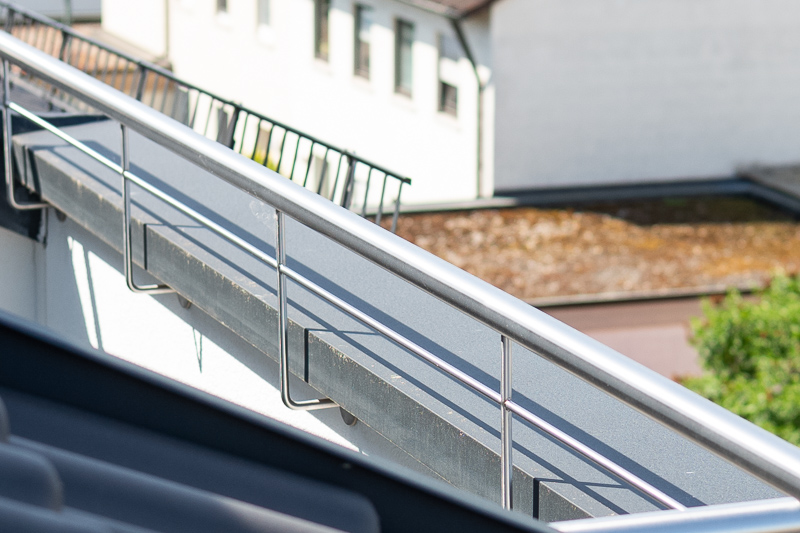

Here, with the Leica Summilux on a Leica M10, we see very typical performance for a 35mm f/1.4 lens, with rather strong fringing at maximum aperture that doesn’t completely clear up even by f/2.8. Also note that the Thypoch Simera tests were done on a 46 MP camera, while the Leica tests were on a 24 MP body, which, if anything, should favor the Leica here.
There is a small amount of lateral chromatic aberration, visible as blue fringing in extreme backlit situations. Under normal shooting conditions, this is not noticeable, and it is easily corrected with a single click in post-processing. Here you can see a 100% crop from an image corner in a high-contrast backlit scene, shown with and without correction. The Summilux shows a similar amount of LaCA.


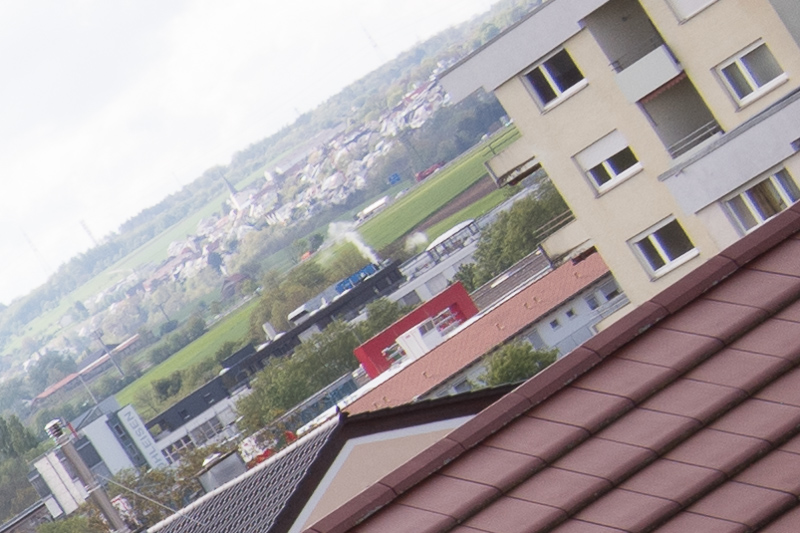
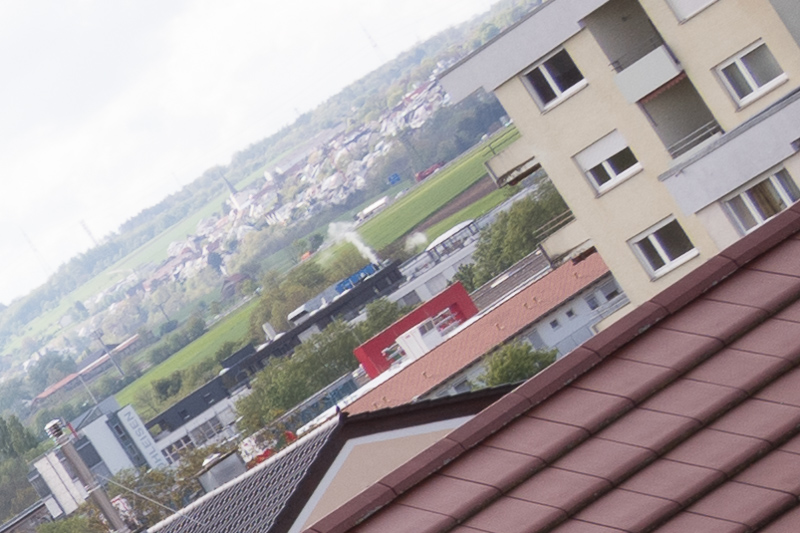
As for the comparison, the Simera exhibits some focus shift, which the Summilux FLE II does not. It’s worth noting that both the pre-FLE Summilux and the Summilux FLE (I) showed clear focus shift, but fortunately, this has been corrected in the latest version.
LoCA is visible on both lenses, though the Simera has a slight edge here — it shows less of it, and it disappears more quickly when stopping down. LaCA performance, on the other hand, is very similar between the two.
Flare Resistance
In this category, you can make almost any lens look bad if you try hard enough. I did just that here: by deliberately placing the sun in critical positions, I was able to produce some noticeable flares. That said, the results can change dramatically with even a slight shift in angle or position — generally, the lower the sun, the higher the risk of ghosting.
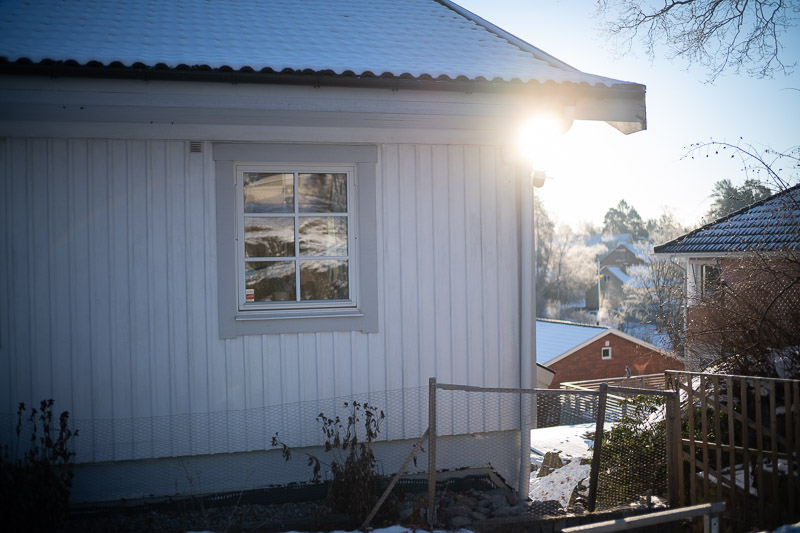
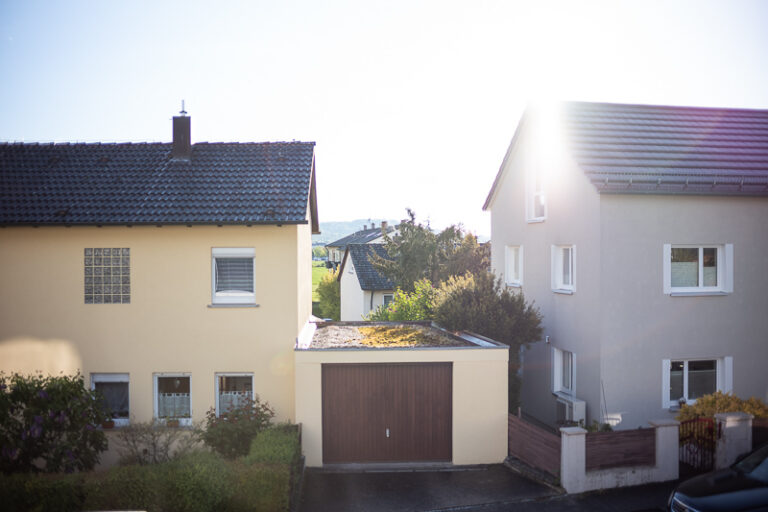
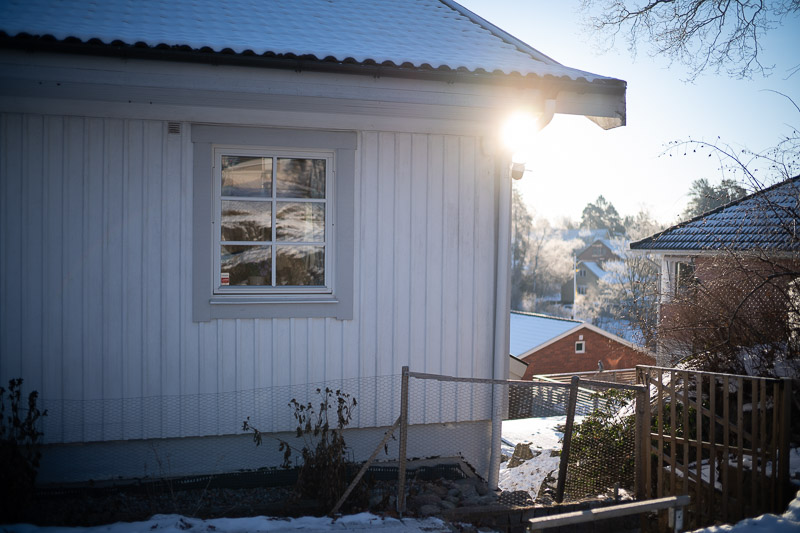
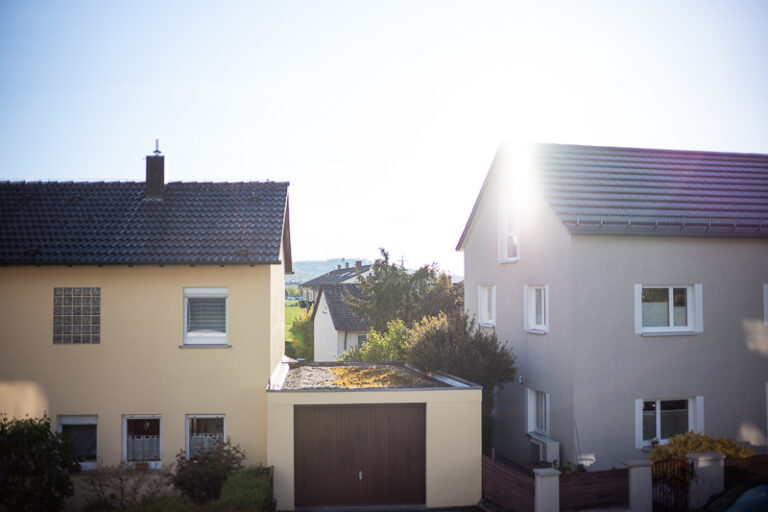
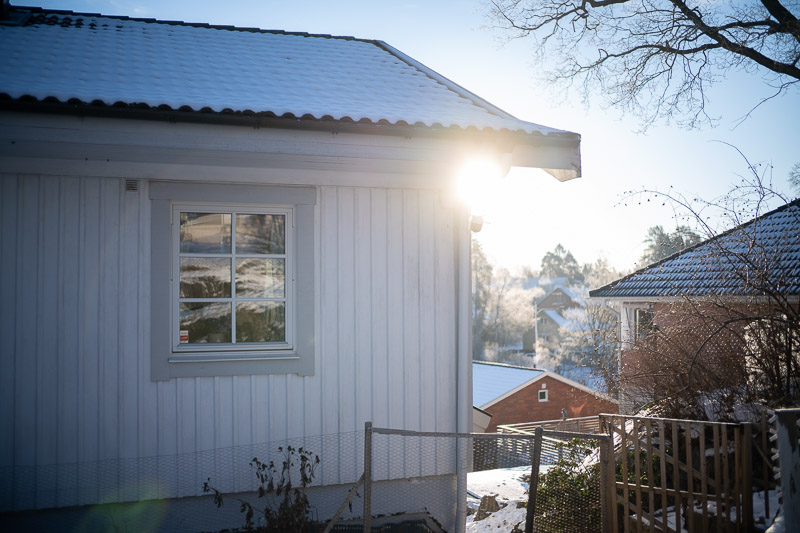
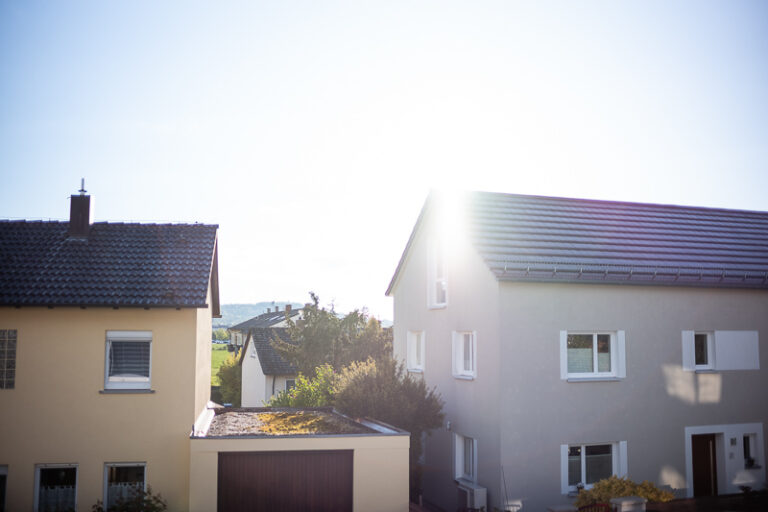
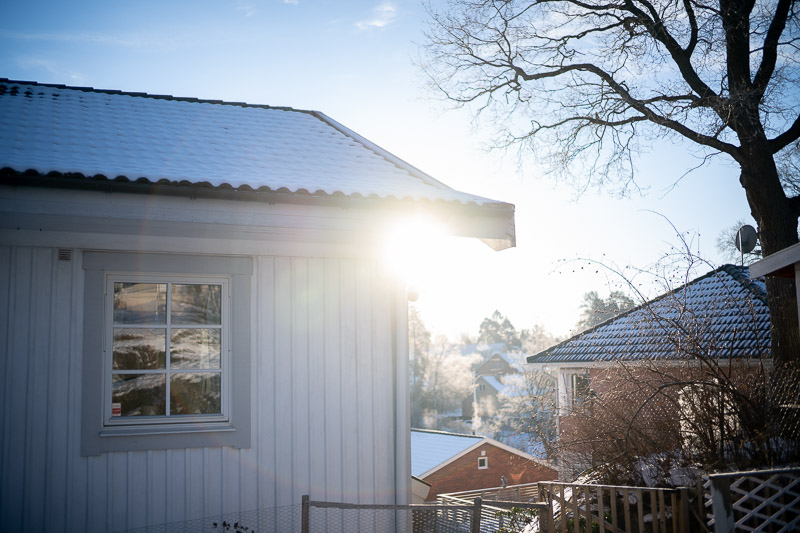
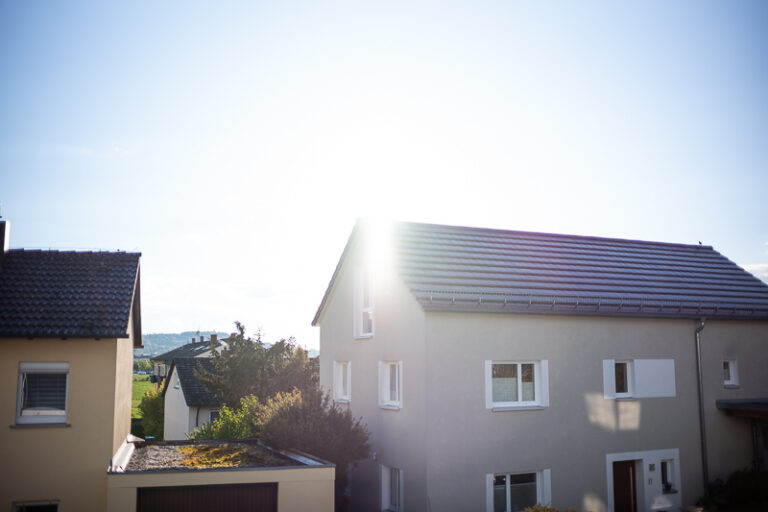
Stopped down, the situation changes completely.

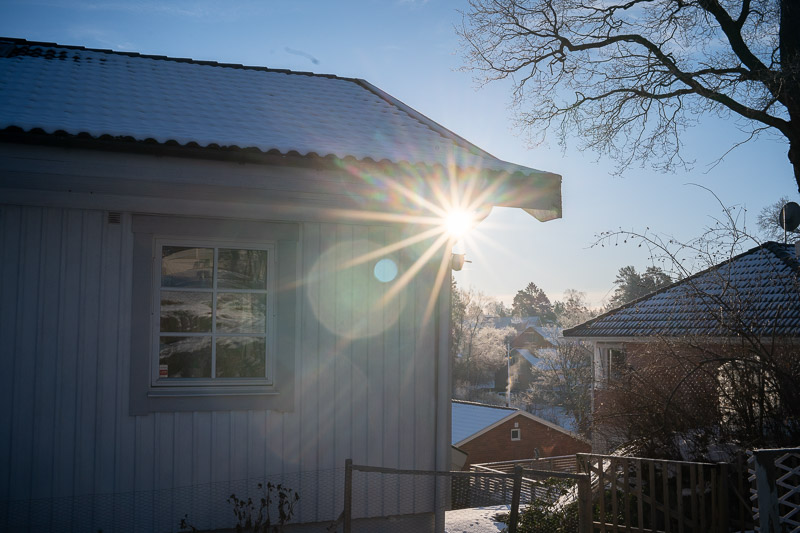
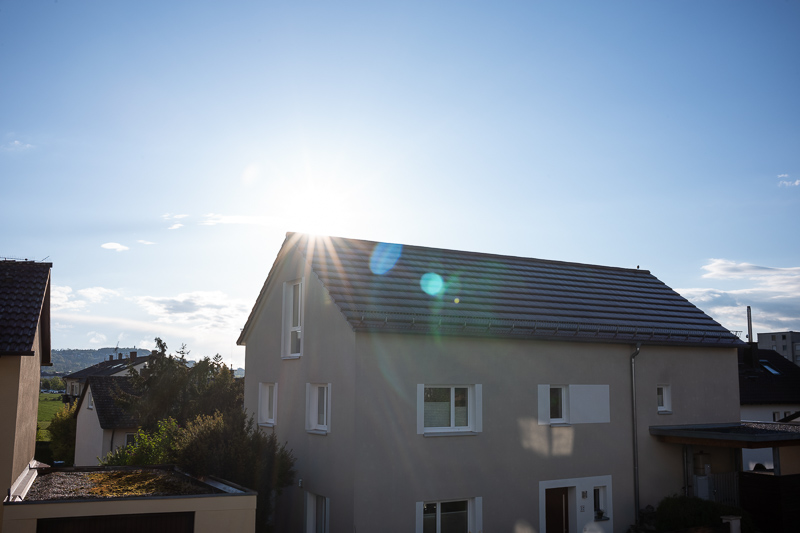
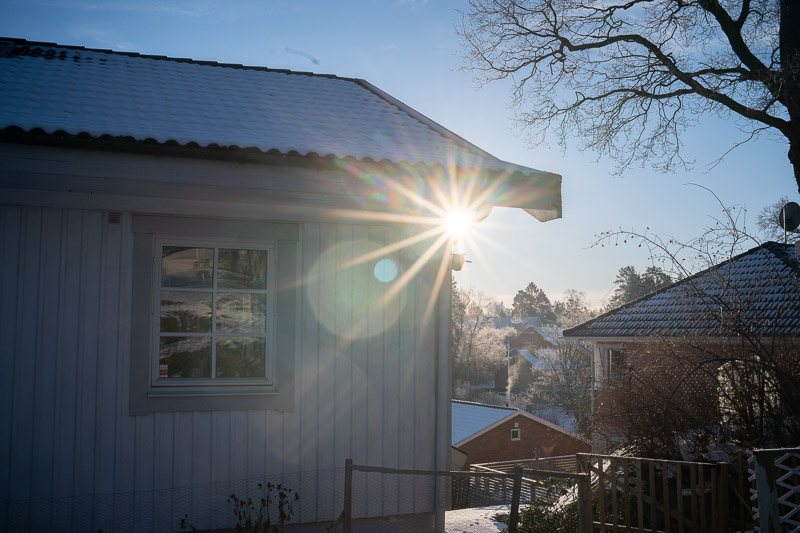

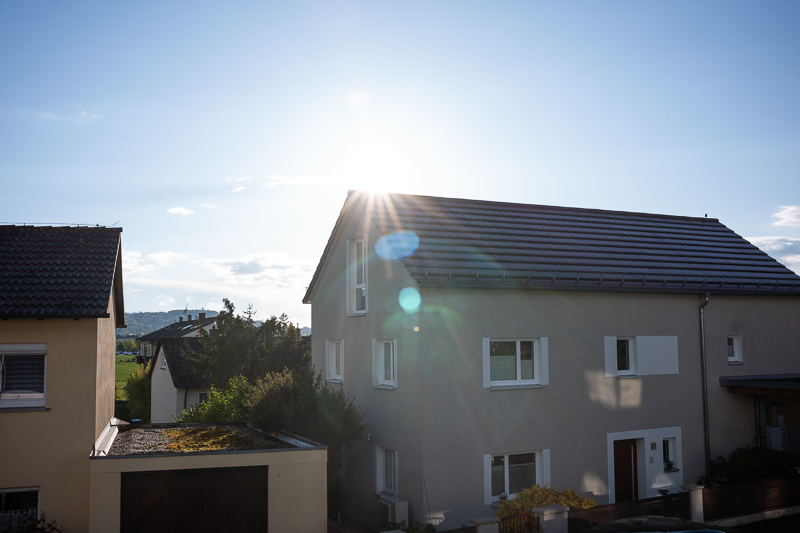

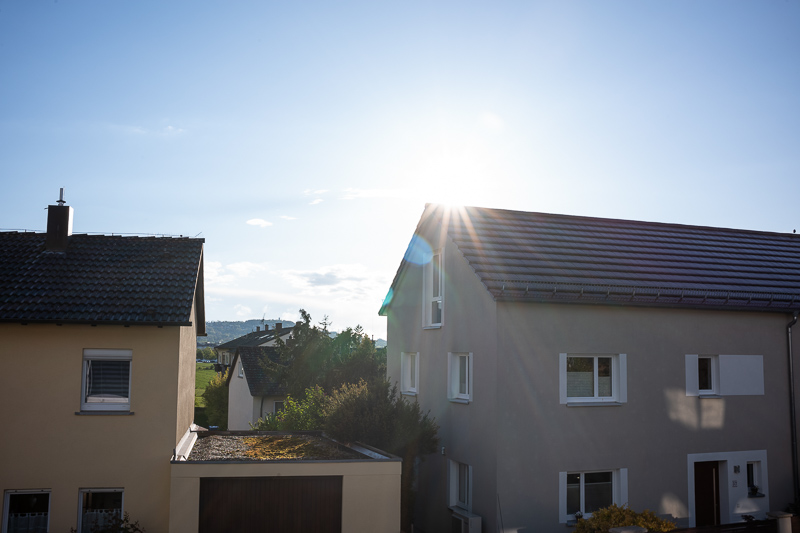

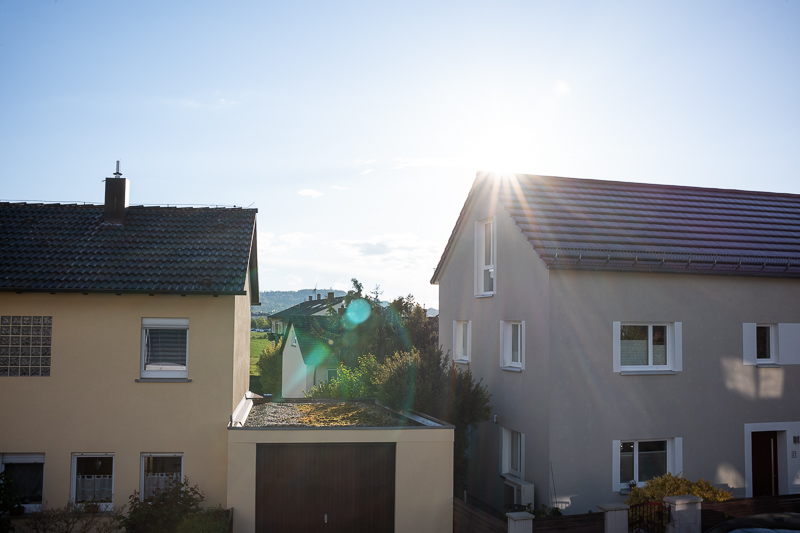
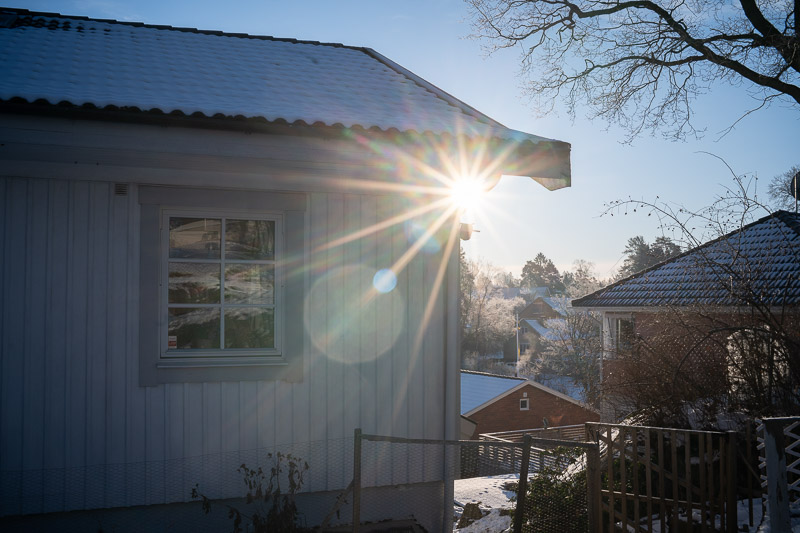
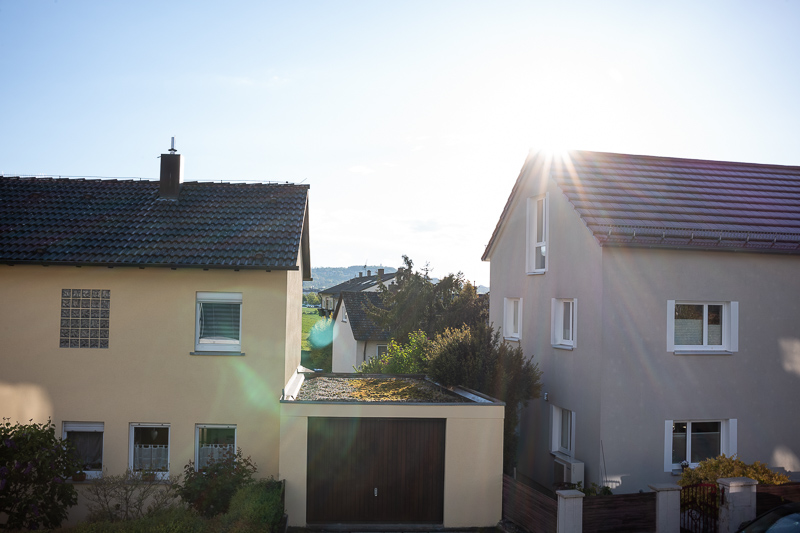
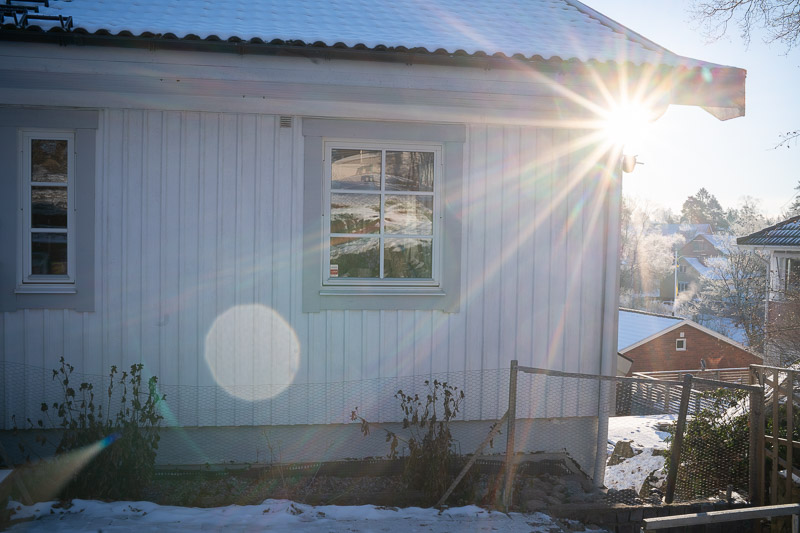

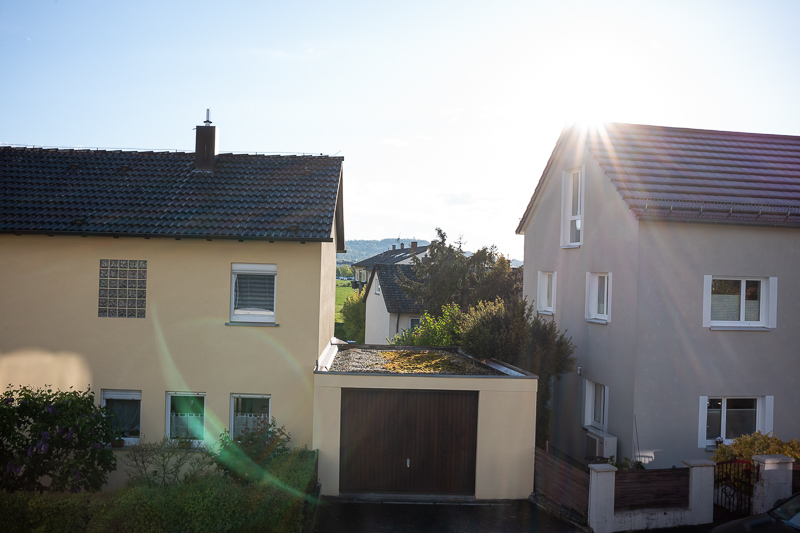
Here, the Simera performed reasonably well wide open, and its results stopped down were a mix — sometimes better, sometimes worse — depending on the sun’s height and intensity. Interestingly, Leica, despite its enormous resources, didn’t perform any better in this test. On this front, both lenses were rather mediocre.
Coma
The 35mm 1.4 shows obvious Coma at wider apertures. it improves quickly by stopping down and by f/2.8 the coma is negligible.
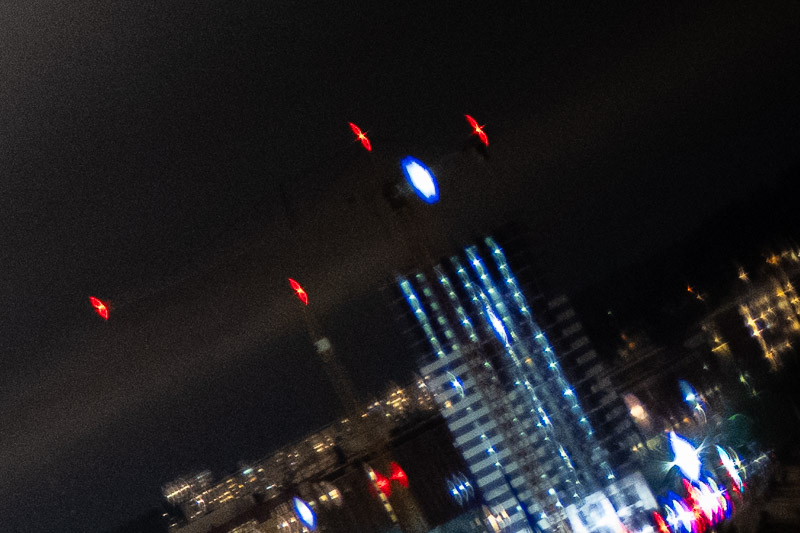
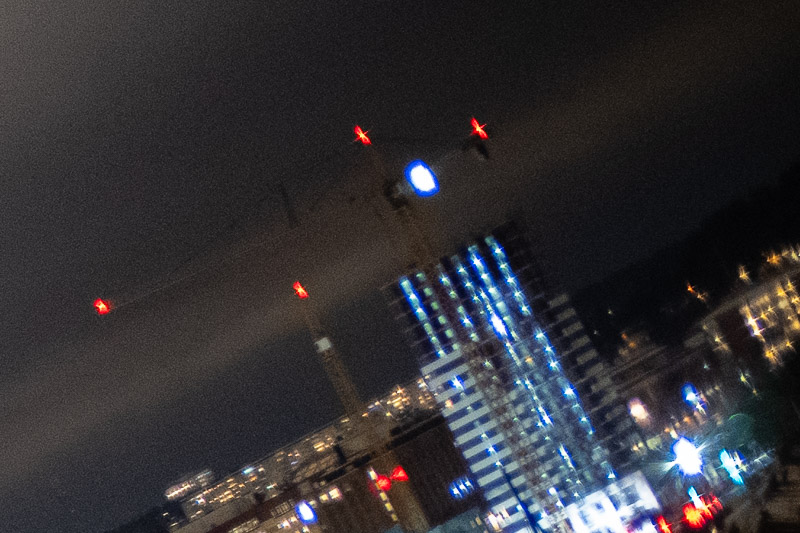
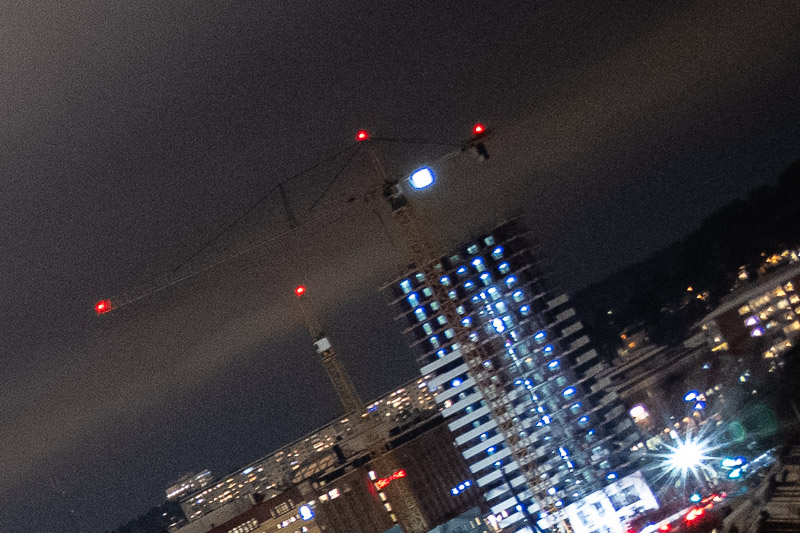
Now let’s look at the Summilux 35mm f/1.4 FLE II on a Leica M10.
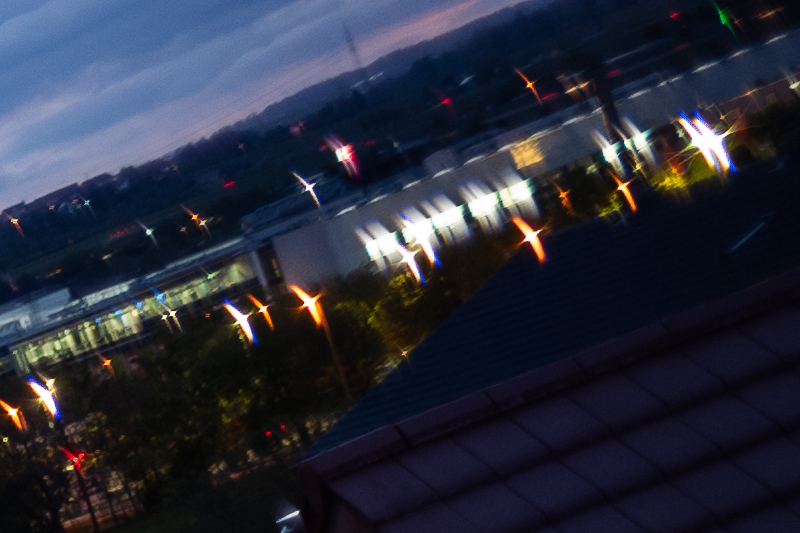
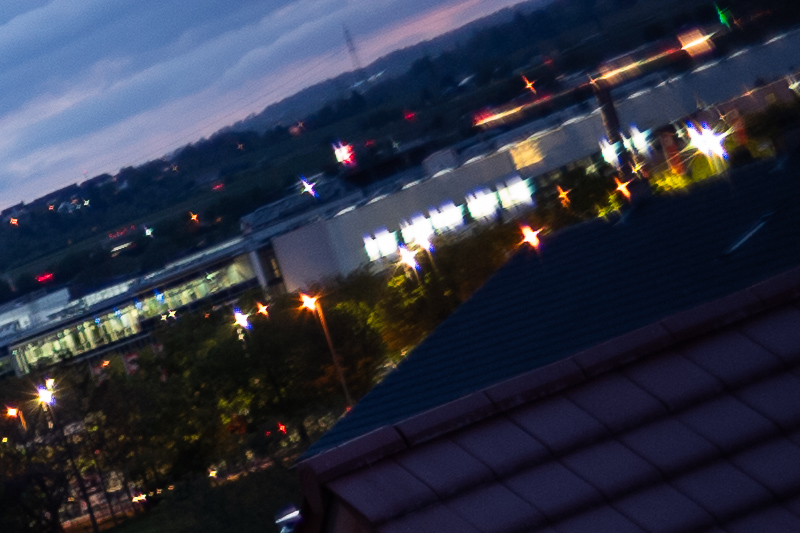

It may be hard to believe, but the Simera performs at least as well as the Summilux—if not better. At f/2.8, coma completely disappears in the Simera, while a tiny bit remains in the Summilux’s image.
Sunstars
This Simera lens can produce nice sunstars from f/2.8, but they become distinct with equally long rays from f/5.6. From f/11 they are really nice with long and very distinct rays.
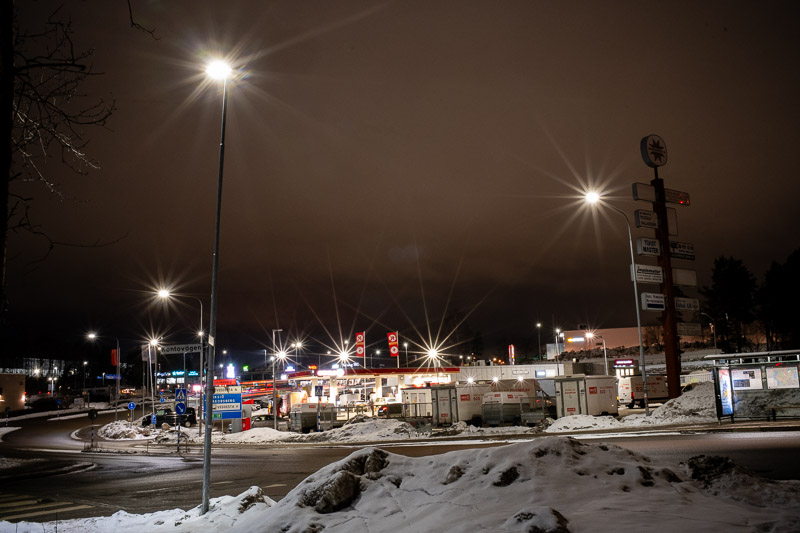
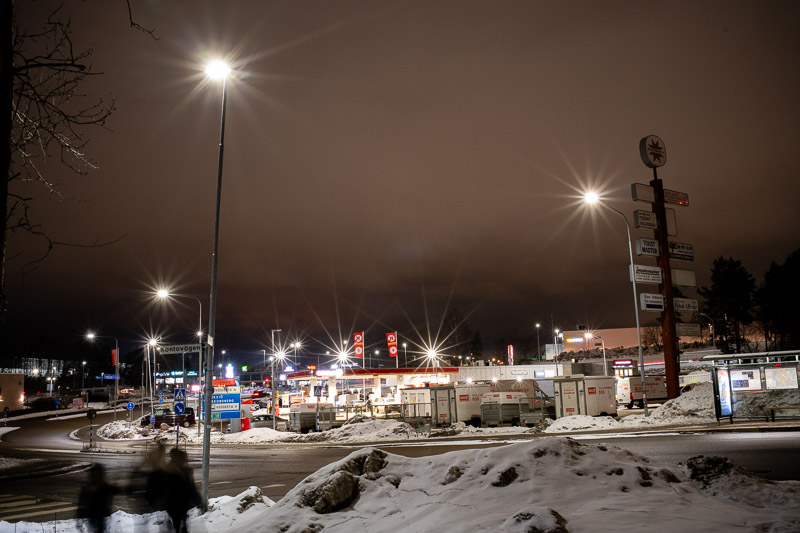
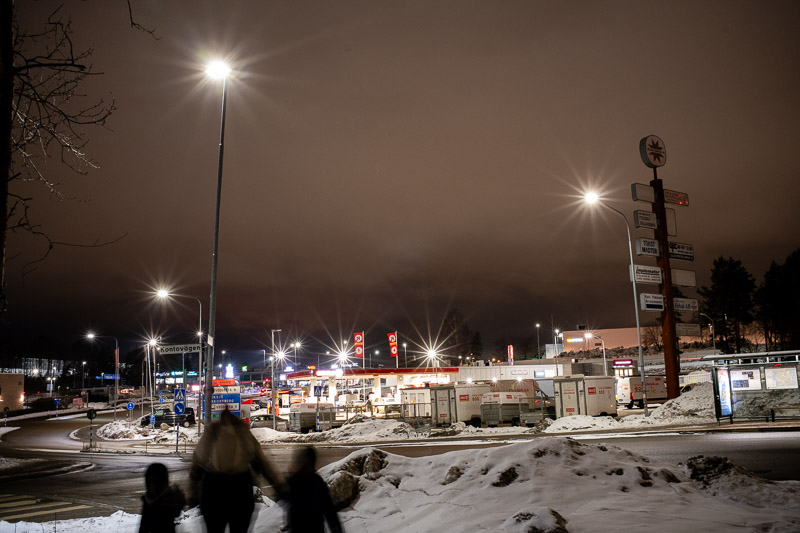
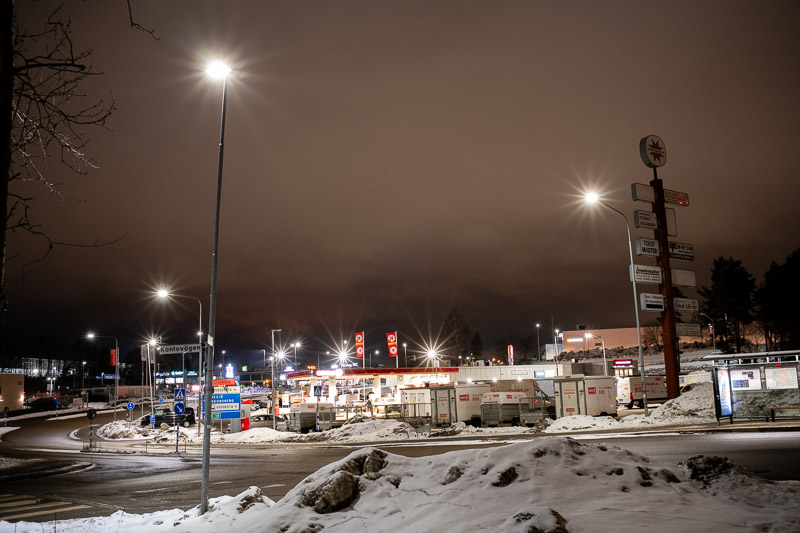

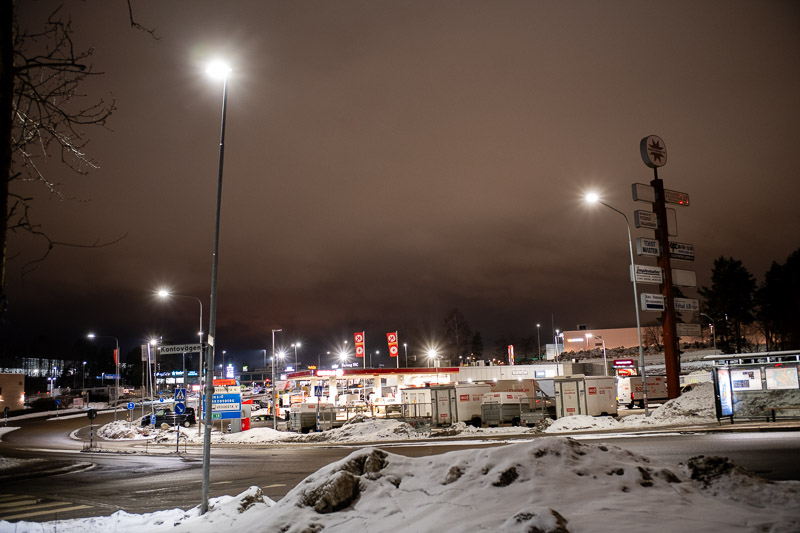
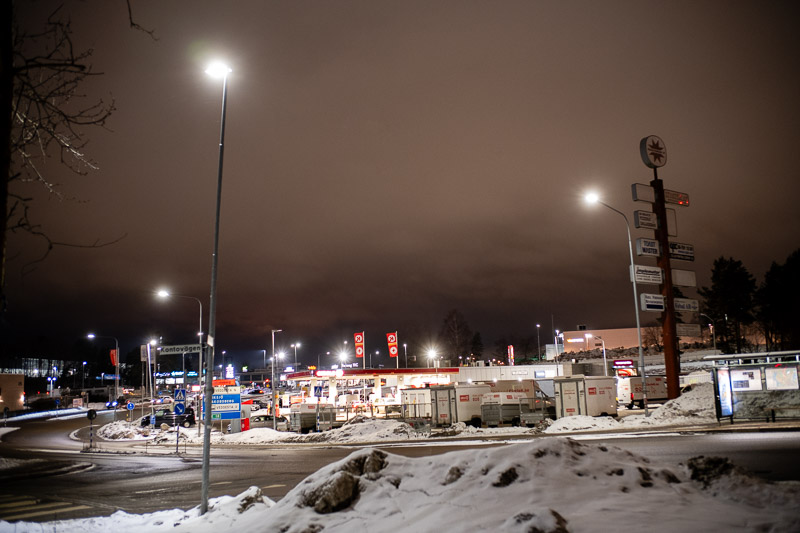
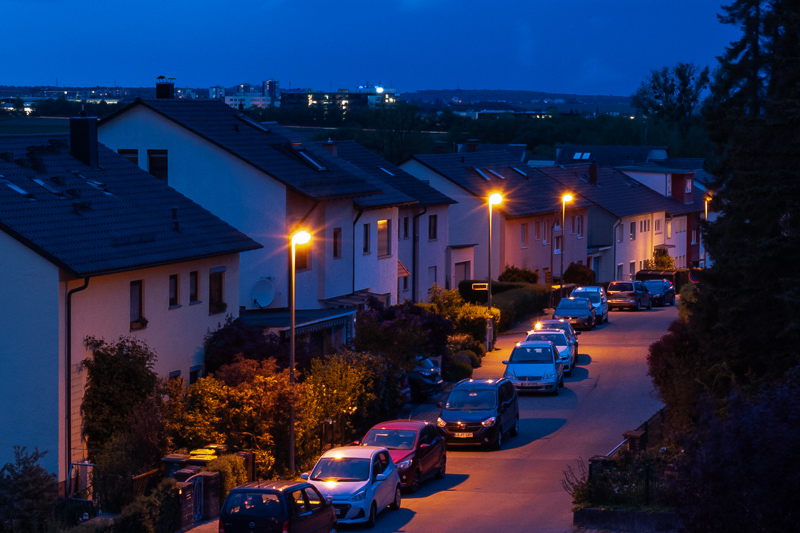
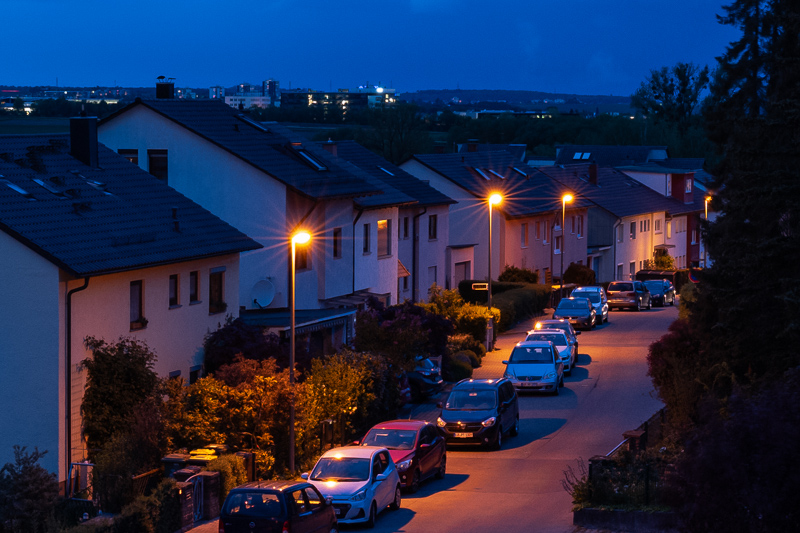
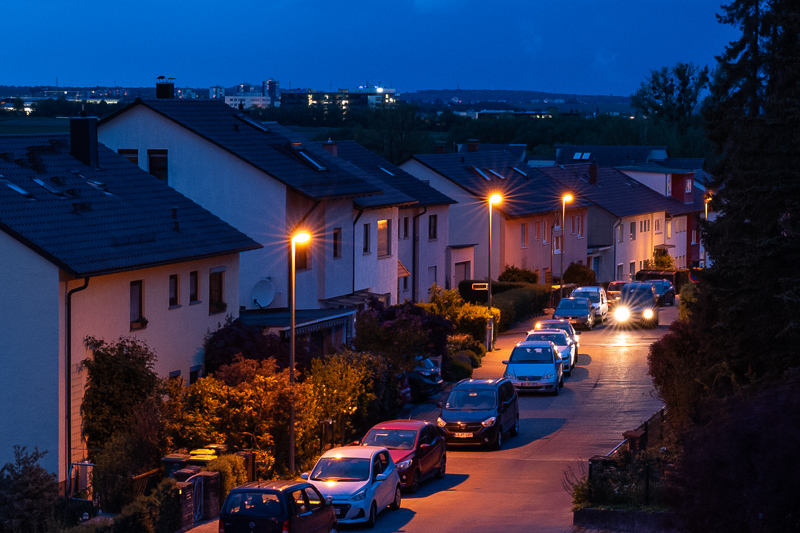
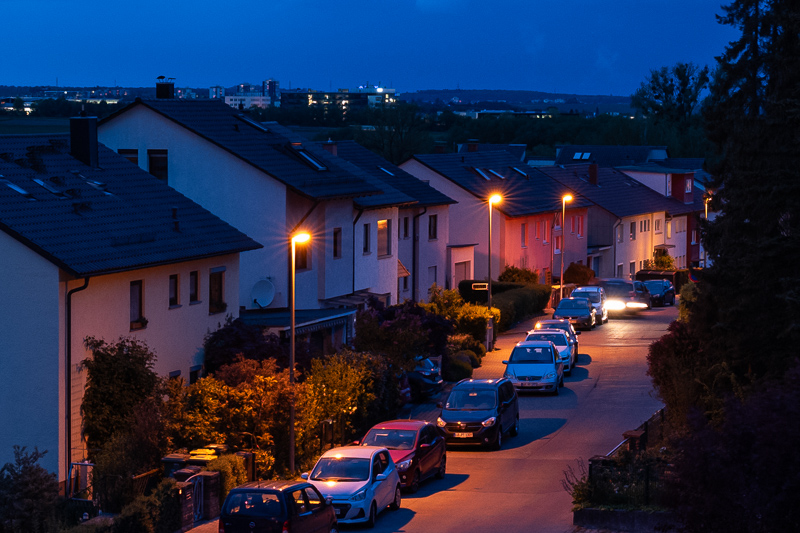
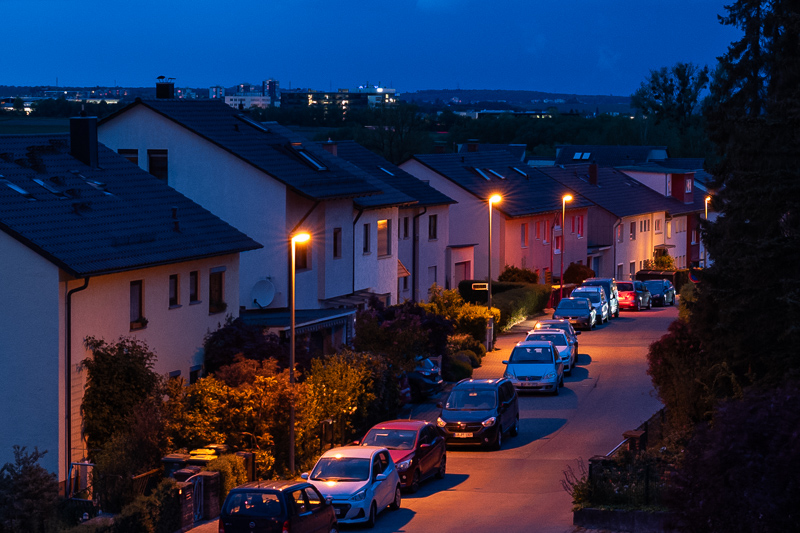
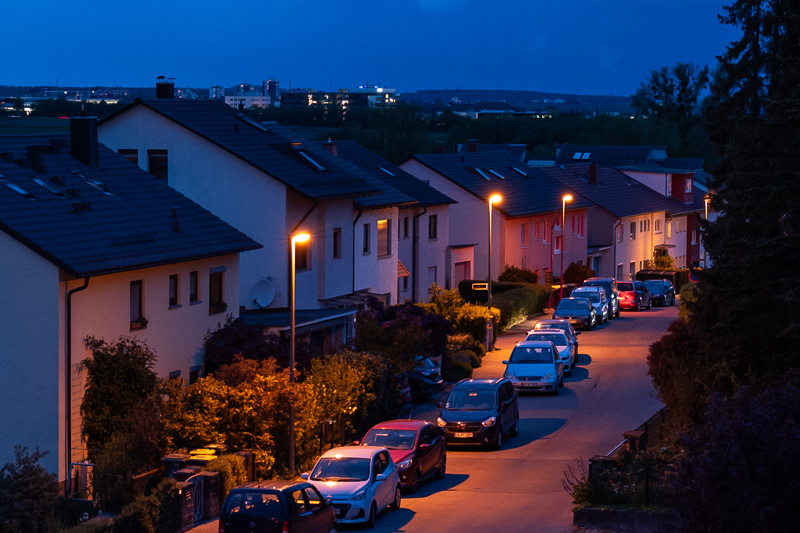
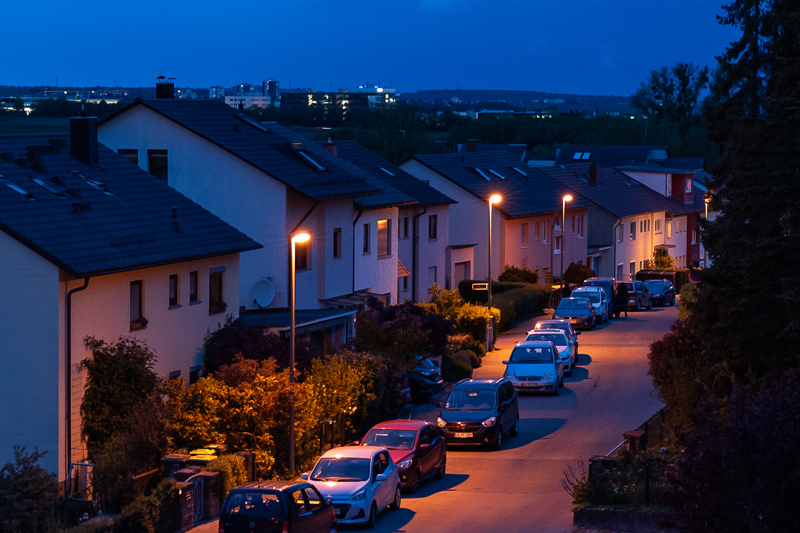
In this category the Simera is clearly stronger with more distinct stars at more aperture settings.
Focus Breathing
The Simera 35mm f/1.4 ASPH shows pretty heavy focus breathing, and you’ll definitely see the framing shift when pulling focus. That’s not ideal if you’re shooting video.

Bokeh
The bokeh balls look nice, with no trace of onion rings, soft transitions, and even illumination. They do show some minor color fringing and take on a moderate cat’s-eye shape toward the corners, but neither effect is overly distracting. More concerning is that while the bokeh balls have soft edges in the center, some of them become double-edged toward the frame edges and corners.

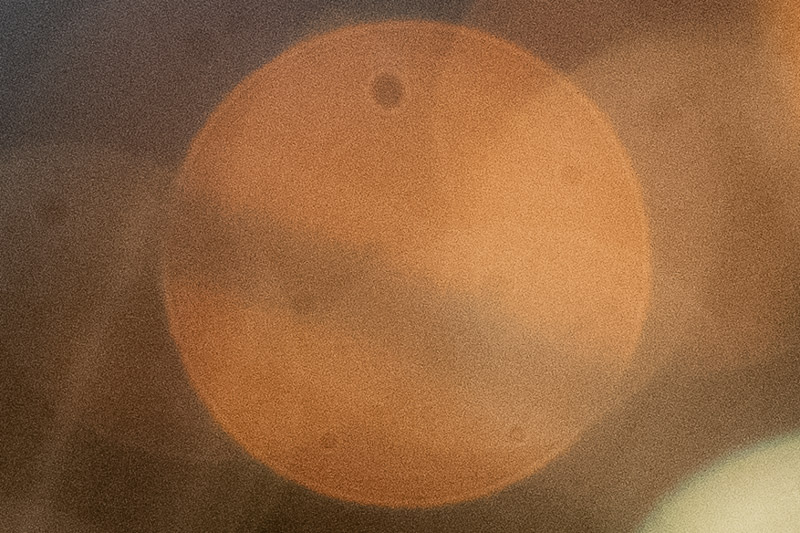
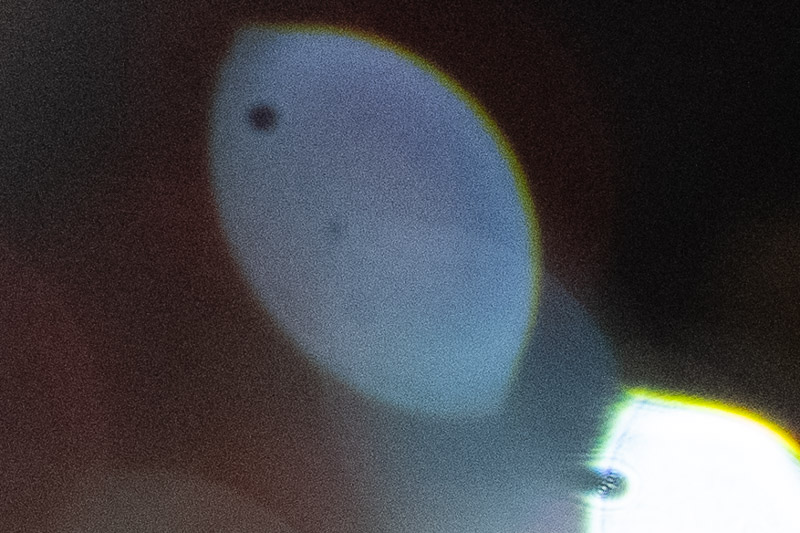
And now, let’s have a closer look at the background blur at different distances!





From up close, the bokeh is quite nice, creamy soft without any distractions.


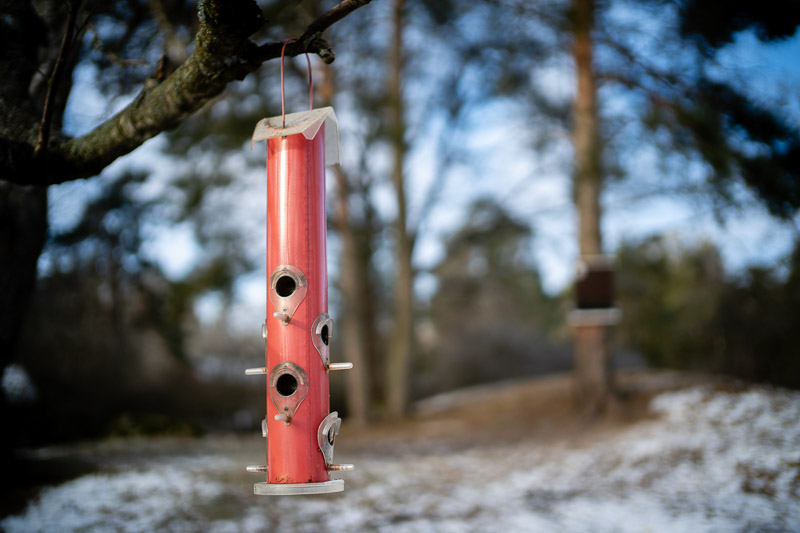
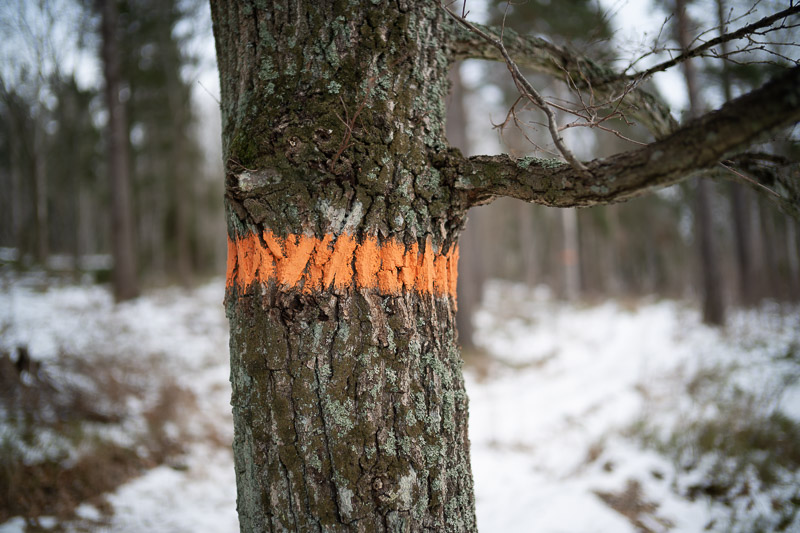
At midium distances, it is not very smooth, but it has a little character to it, a vintage look if you want, like a Leica lens, if you are a fan of that kind of bokeh.


The vintage rendering of the background blur is retained when we move back to long distances.
As for the comparison, the bokeh rendering of both lenses is very similar; here you can see three images with the Summilux 35mm FLE II at the three different distances.


Conclusion
| I LIKE | AVERAGE | I DON’T LIKE |
|
|
|
This lens’s physical appearance, with its silver finish, sets it apart from most lenses available for Nikon cameras and, while not entirely unique, still looks quite exotic among modern digital mirrorless designs. For some photographers, this alone may be a selling point. Its small size is also widely appreciated.
The lens behaves very much like a good vintage lens. It is sharp in the center, with a noticeable veil caused by spherical aberration at the widest aperture (f/1.4). To achieve good sharpness across the frame, especially in the corners, stopping down to f/5.6 is necessary. Bokeh is soft at close distances but develops a certain “character” as you step back—a type of “vintage” rendering many people find appealing. Flare resistance is average. Chromatic aberration, coma, focus shift, and focus breathing are all present as well, again in a manner reminiscent of a better vintage lens. The aperture click-stops are a little weird, though.
The appeal is straightforward: while the build quality and handling are not on Leica’s level, optically this is arguably the closest affordable alternative for those who have always wanted a Leica lens but couldn’t justify the cost — or simply don’t own a Leica body. It’s compact, looks the part, and its optical formula closely mirrors that of the Leica Summilux. Even the name feels like a subtle nod to Leica.
To achieve the classic Leica “3D pop,” stopping down to about f/2.8 is recommended. At that aperture, center sharpness is excellent, while the lens still retains a slightly vintage-style rendering in the background. Most importantly, its overall rendering is remarkably similar to the Leica Summilux 35mm f/1.4 ASPH, and in some areas — such as vignetting, LoCA, flare resistance, sunstars, and coma — it even has a slight edge. Best of all, it mounts directly to a mirrorless body with no adapter required, delivering all of this at a fraction of the cost of a Summilux.
People who purchase a Leica do not — and should not — do so solely for absolute optical perfection. Many modern Nikon, Canon, or Sony lenses outperform Leica in measurable performance. What Leica buyers are really investing in is heritage, craftsmanship, the Leica Glow, and the tactile experience of the lens. It’s about the prestige of joining an exclusive circle while still enjoying optics that have historically set the standard for excellence.
The price may defy logic for most, but for those who choose it, the reasoning is simple: if you know, you know. If you want a Leica-style rendering — or a lens that delivers at least 90% of what a Leica does — and you actually plan to use it for photography, instead of keeping it in a display cabinet, this is a very good option at just 6% of the cost of a Summilux. Otherwise… well, you know.
Well, I think this might be my longest conclusion ever…
Writing articles like this one is both time-consuming and costs us a lot of money. If you found this article helpful and decided to buy one of these lenses, please consider using one of the affiliate links.
If you are not interested in buying any of the lenses, but you still found this article useful, interesting, or it saved you a lot of money, treat us to a coffee (donate)!
| Buy new: Thypoch Store, Amazon (anywhere), B&H for $369 (Affiliate links) |
Alternatives
Leica Summilux 35mm f/1.4 ASPH
This is the original Summilux lens with the same optical formula as the latest but without floating lens elements
Leica Summilux 35mm f/1.4 ASPH FLE
This is the same Leica Summilux, with floating lens elements.
Leica Summilux 35mm f/1.4 ASPH FLE II
This is the improved Summilus with floating lens elements, which gives you a closer minimum focus distance and fixes the focus shift present in previous versions.
Voigtländer VM 35mm 1.5 Nokton
A smaller and lighter option, corner sharpness at portrait distance is weaker than on Leica, but better than on Thypoch
Buy new: amazon (anywhere) for $ (Affiliate links)
Buy used: ebay.com, ebay.de, ebay.co.uk from $ (Affiliate links)
More Sample Images









Most of the sample images in this review and many more can be found in higher resolution here.
Further Reading
- What camera gear and accessories do I use most frequently?
- Leica Summilux 35mm 1.4 Asph FLE
- Leica 35mm 1.4 Summilux-M Asph FLE MK II
- Review: Voigtländer VM 35mm 1.5 Nokton
Support Us
Did you learn something new, find this article useful, or simply enjoy reading it? We’ve put a lot of time and resources into creating it, and your support helps us keep going. If you’d like to show your appreciation, please consider clicking the Donate button!



(Donations via Paypal or bank card)
What’s in my camera bag? MY 2024 KIT!!
- Main camera : https://amzn.to/3TsGtKg
- Camera grip : https://amzn.to/4e0G3CR
- Memory Card 1: https://amzn.to/47pA20i
- Memory Card 2 : https://amzn.to/3XHYxlZ
- Camera 2 : https://amzn.to/3Xifou8
- Camera grip: https://amzn.to/4dYYpV9
- Memory card 1: https://amzn.to/4e5h2H0
- Memory card 2: https://amzn.to/3zu7W7n
- Small travel tripod: https://amzn.to/4goIX68
- Mini tripod: https://amzn.to/4e09XXX
- Small shoulder bag: https://amzn.to/47tPMiY
- Medium shoulder bag: https://amzn.to/4ej4bjY
This site contains affiliate links, for which I may receive a small commission if you purchase via the links at no additional cost to you. This helps support the creation of future content.


Martin
Latest posts by Martin (see all)
- REVIEW: Nikon Z 20mm f/1.8 S - March 25, 2026
- Review: Nikon Z 24-200mm f/4-6.3 - March 22, 2026
- Analogue Photography: Part 6 – Kodak Gold 200 - March 11, 2026
Thank you, Martin. As a Nikon Z5 owner, I’m always very interested in your reviews. Here you write:
‘To achieve the classic Leica “3D pop,” stopping down to f/2.8 is recommended.’
You mean f/2.8, or is it just a typo? I ask because you present, as sample images, many f/2.5 photos here, but not f/2.8. f/2.8, a few, I could find only in test sections.
I should have written, “stopping down to about f/2.8 is recommended.”
Normally, a 1/3-stop difference in either direction doesn’t make a significant impact. I personally chose to go 1/3 stop wider for slightly more background blur.
I’ve added “about” to the review text.
I would like to ask two things. First, what is your opinion about the Typoch 35 f1.4 vs Kipon Elegant 35 f2.4 (sharpness at edges) , and second, do you know if the behavior of this lenses is similar on Nikon and Canon bodies ( sensors stack filters)
Unfortunately, I have no experience of Kipon lenses.
I didn’t know that there was any interest in Kipon lenses, although they were one of the first third party manufacturers that offered native Z mount lenses.
I think the “Elegant” series is the same as the “Iberits” but with better build quality, right?
Here’s a review of the Kipon Iberit 35/1.4.
https://alikgriffin.com/handevision-35mm-f2-4-review-sample-photos/
Spoiler: it’s optically poor.
I have read a review about Kipon https://sonyalpha.blog/2018/11/22/kipon-iberit-35mm-f2-4/ and Thypoch https://sonyalpha.blog/2024/09/04/thypoch-simera-35mm-f1-4/ and it seems that the Kipon is better than Thypoch as of edge sharpness . That’s why I’m asking Martin for his opinion. I think Nikon’s sensor is better for Leica M lenses than Sony’s. I ‘m sure about canon sensors.
I ‘m not sure about canon sensors
can you please suggest an alternative 50mm lens that comes close to the leica pop 3d rendering.
https://phillipreeve.net/blog/review-ttartisan-50mm-1-4/
Comparison to Leica 50mm 1.4 included it its review:
https://phillipreeve.net/blog/review-leica-50mm-1-4-summilux-m-asph/#Compared_to_TTArtisan_50mm_14_Asph