In 2001 – with digital photography slowly taking off – Nikon not only released their beautiful FM3a analogue camera, but also a tiny pancake lens to go with it: the Nikon 45mm 2.8 Ai-P Nikkor. This is actually Nikon’s smallest F-mount lens, which is probably one of the main reasons it is still rather expensive on the used market. Thanks to a reader I get the chance to check it out in detail, so let’s have a closer look!
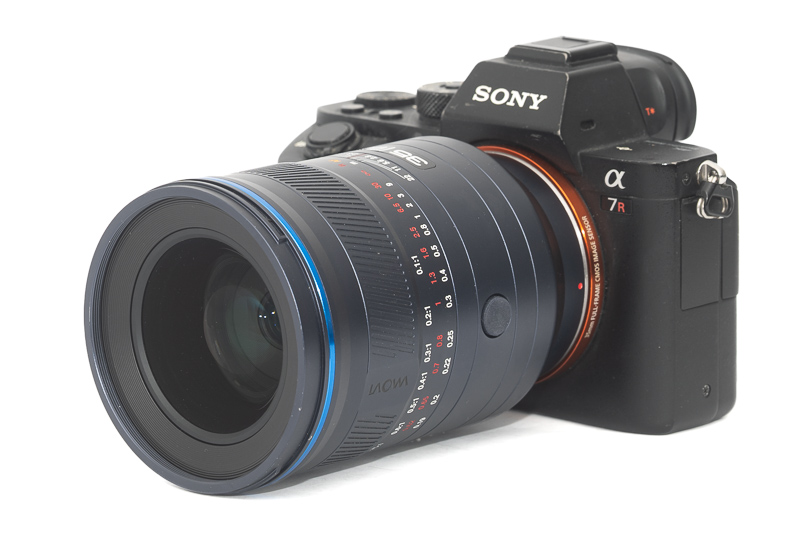
While the E-mount system has almost any lens you wish for these days, there is something that was missing: a true 35mm macro lens. I would actually have use for a lens like that as I think that focal length would be perfect to take pictures of small mushrooms and flowers in the forest, so I even tried my luck with the APS-C 35mm 2.8 Tokina macro back in the day. Finally Laowa decided to release a 35mm fullframe lens: this Laowa 35mm 2.8 Apo Macro 1.0X Acris. Let’s have a closer look!
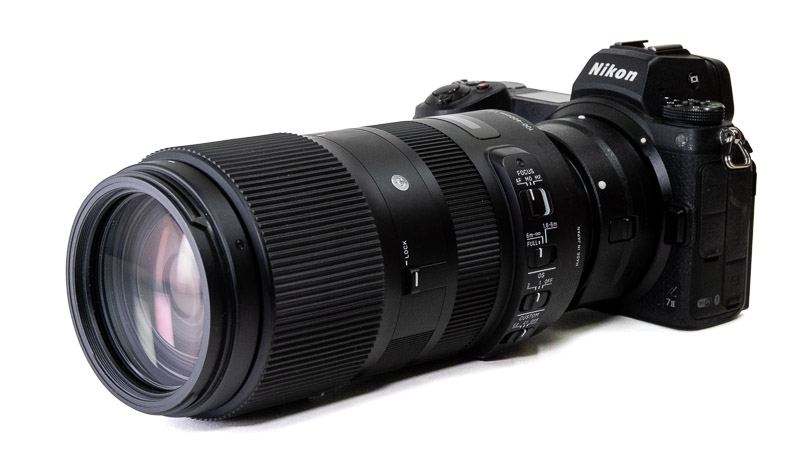
Today we’re looking at a somewhat older autofocus telephoto zoom, the Sigma 100-400mm f/5-6.3 DG OS HSM Contemporary, introduced in 2017.
As part of Sigma’s Contemporary line, it was designed to combine refined optical performance with a compact and lightweight construction.
After testing Nikon’s AF-S 200-500mm f/5.6E ED, I decided to go with this lens, mainly because of its lighter and more compact design. I also appreciated the 100mm focal length at the short end, which makes it more versatile when using the same lens for landscape photography. This meant giving up 20% of the telephoto reach, but without making too many compromises in optical quality. It also works perfectly well on APS-C cameras, where the crop factor gives it an equivalent field of view of 150-600mm.
Let’s see how well it holds up today.
I tested this lens on a 46 MpNikon Z7ii (Sample images were taken with a Nikon Zf and a Nikon D7200) You can see this review as a YouTube video here! Sample images in high resolution here.
Disclosure
I purchased this lens with my own funds at retail price. No manufacturer or distributor was involved in this review, and all opinions are our own.
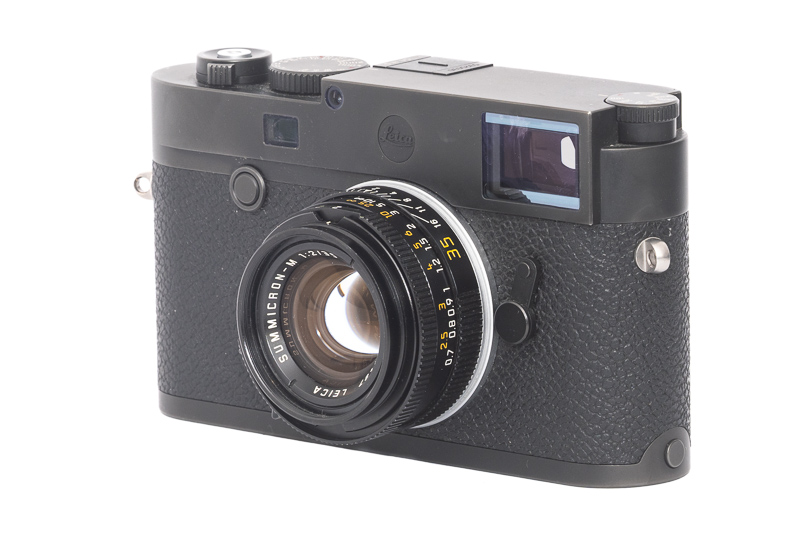
There have been many different versions of the Leica 35mm 2.0 Summicron-M over the years, but version “IV” – the last version without aspherical elements – seems to be especially popular, also because of its appealing form factor. Let’s have a closer look! This lens will be reviewed on the 24mp Leica M10.
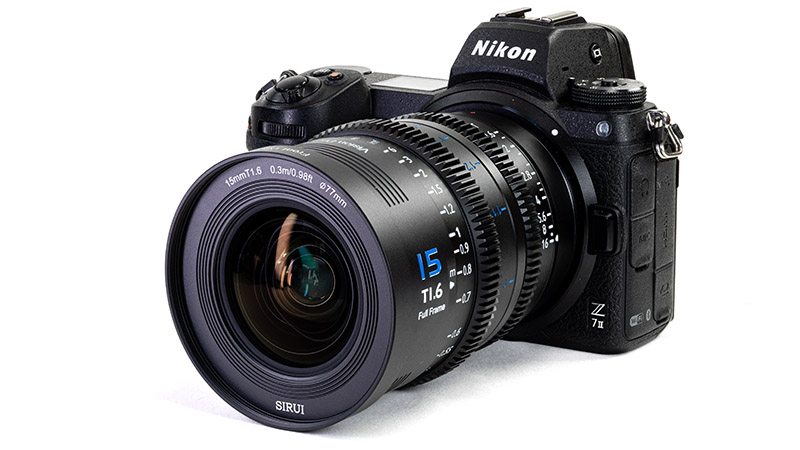
Today, we’re looking at the Sirui Vision Prime 15mm T1.6, an ultra-wide-angle cine lens with an impressive maximum T-stop of T1.6. That’s a pretty fast lens for an ultra-wide-angle, especially for a cine lens.
But this lens also has a rather unusual trick up its sleeve: the same lens can be used on Sony E, Nikon Z, Canon RF, and L-mount cameras.
Sony α | Leica M | Nikon Z/F New articles every week
This website uses cookies to improve your experience. We'll assume you're ok with this, but you can opt-out if you wish.AcceptRead More
Privacy & Cookies Policy
Privacy Overview
This website uses cookies to improve your experience while you navigate through the website. Out of these, the cookies that are categorized as necessary are stored on your browser as they are essential for the working of basic functionalities of the website. We also use third-party cookies that help us analyze and understand how you use this website. These cookies will be stored in your browser only with your consent. You also have the option to opt-out of these cookies. But opting out of some of these cookies may affect your browsing experience.
Necessary cookies are absolutely essential for the website to function properly. This category only includes cookies that ensures basic functionalities and security features of the website. These cookies do not store any personal information.
Any cookies that may not be particularly necessary for the website to function and is used specifically to collect user personal data via analytics, ads, other embedded contents are termed as non-necessary cookies. It is mandatory to procure user consent prior to running these cookies on your website.














 I tested this lens on a
 You can see this review as a
 Sample images in high resolution