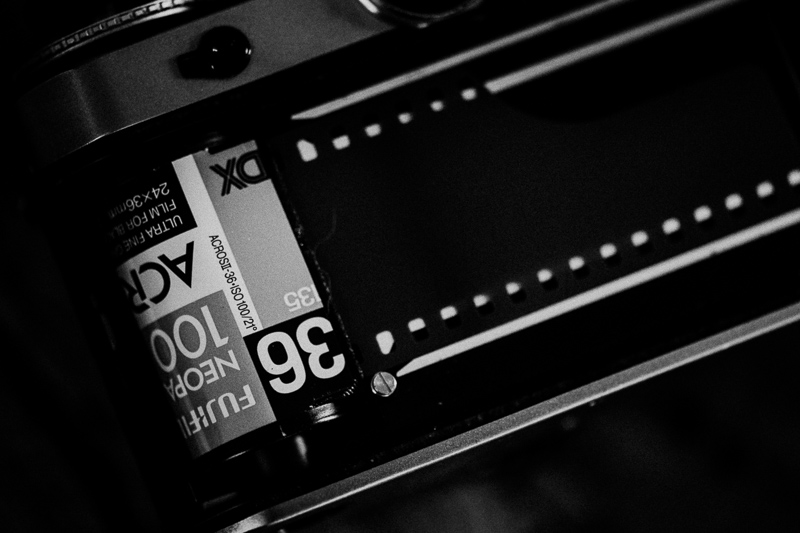
The Fujifilm Neopan Acros 100 II is a black and white film which is still in production today. Let’s have a closer look.
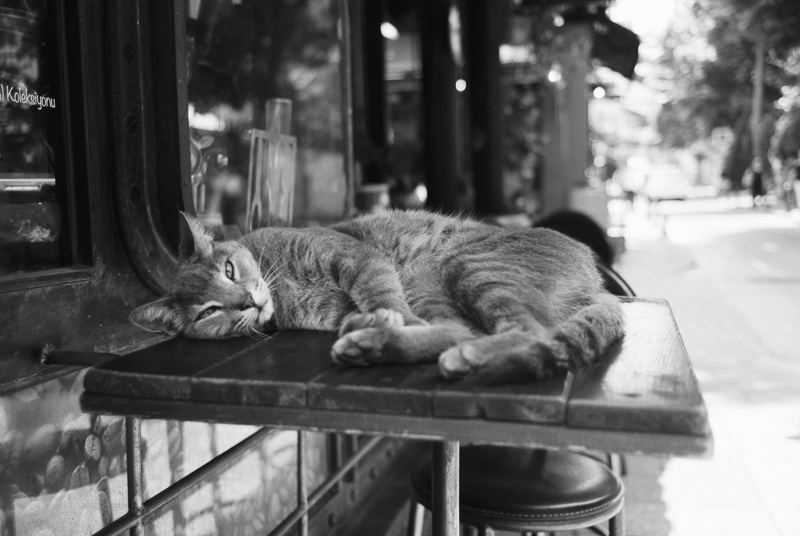
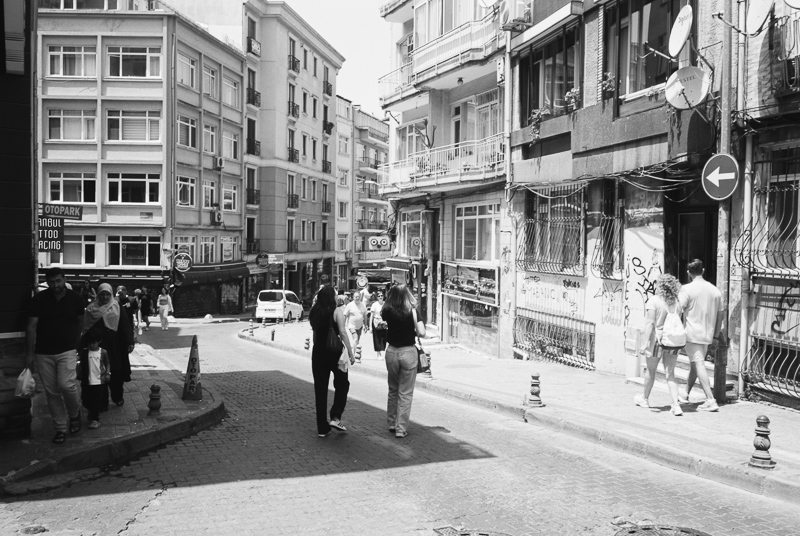
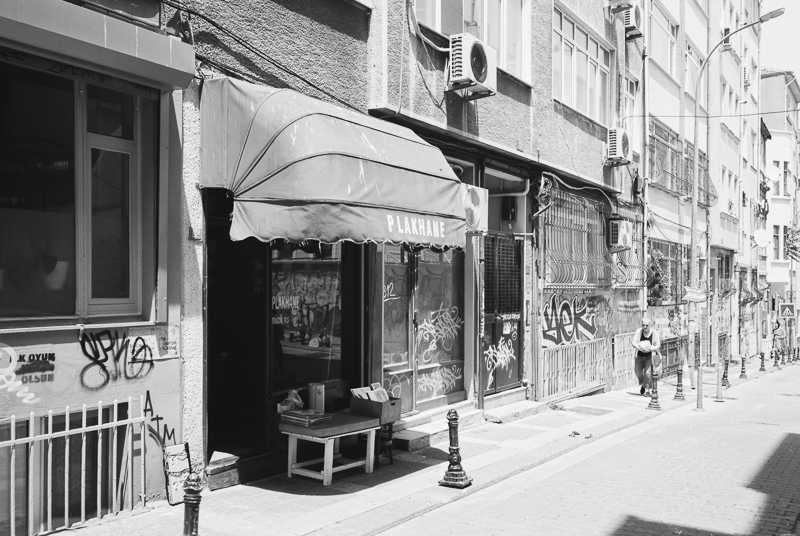
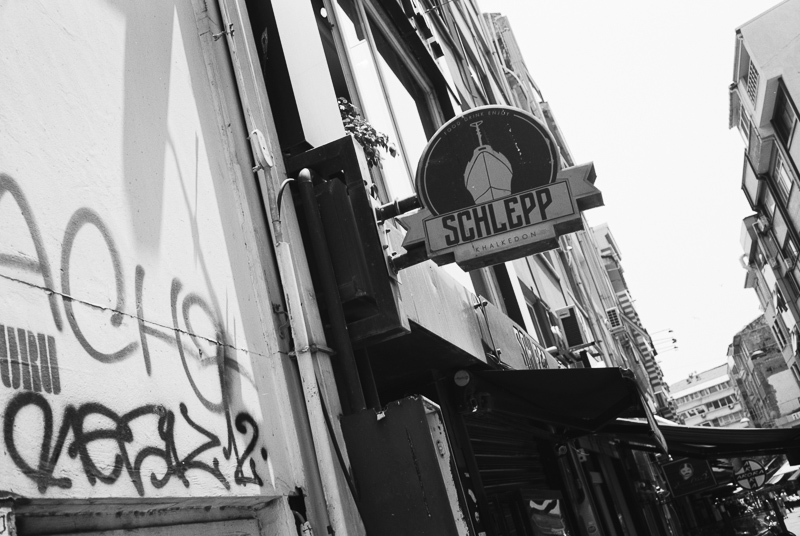
Processing and scanning was done at urbanfilmlab in Germany, the pictures in this article are from one roll of film which was exposed as ISO 100.
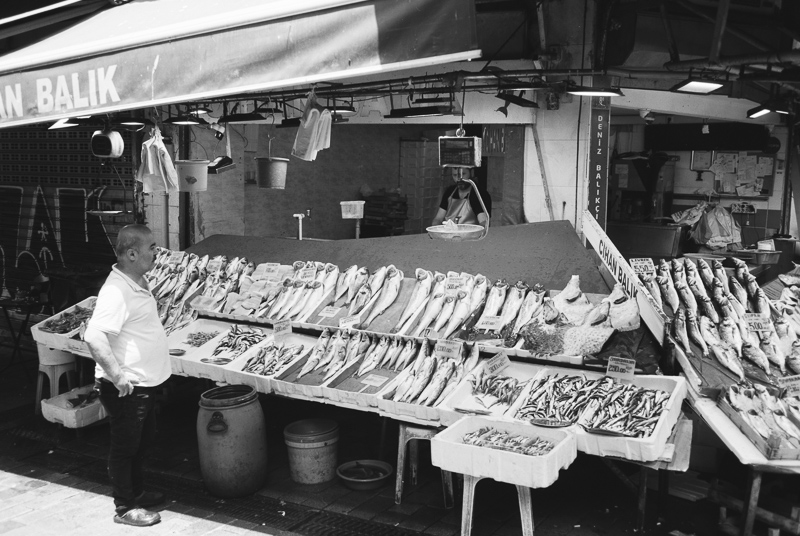
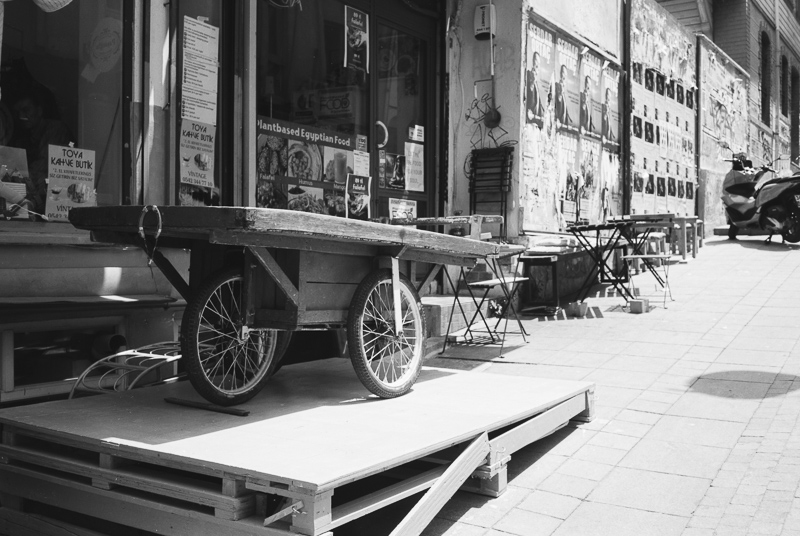
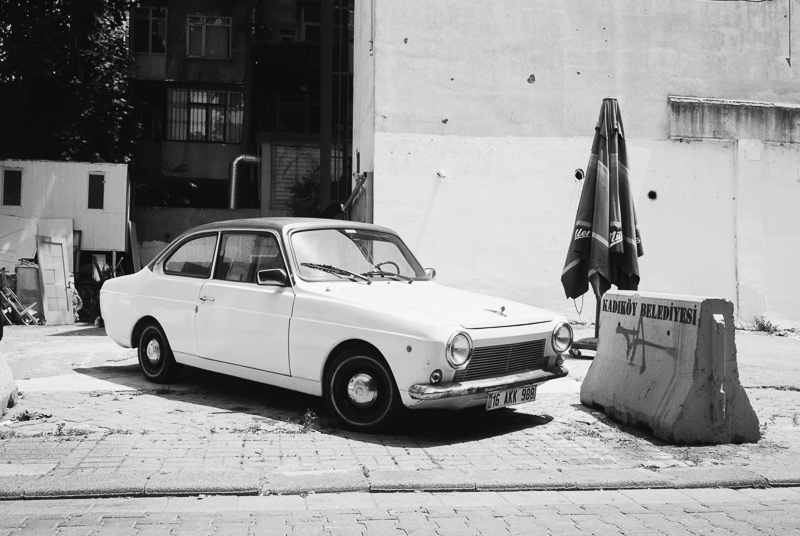
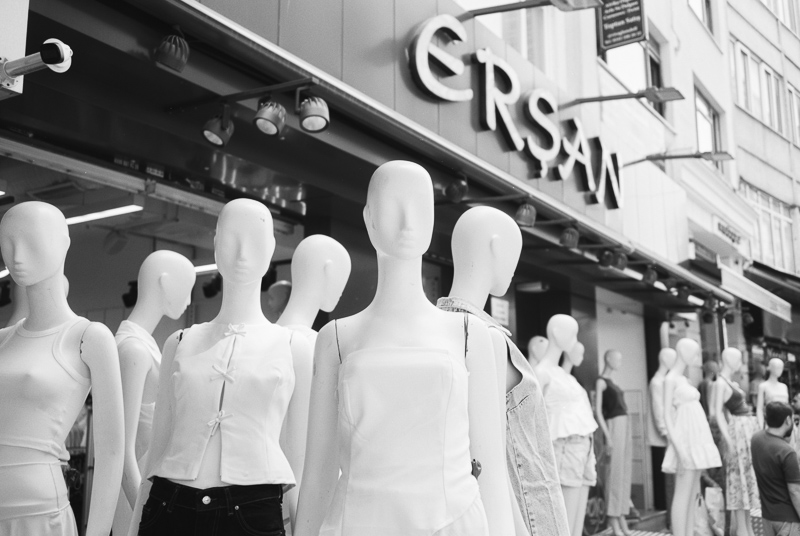
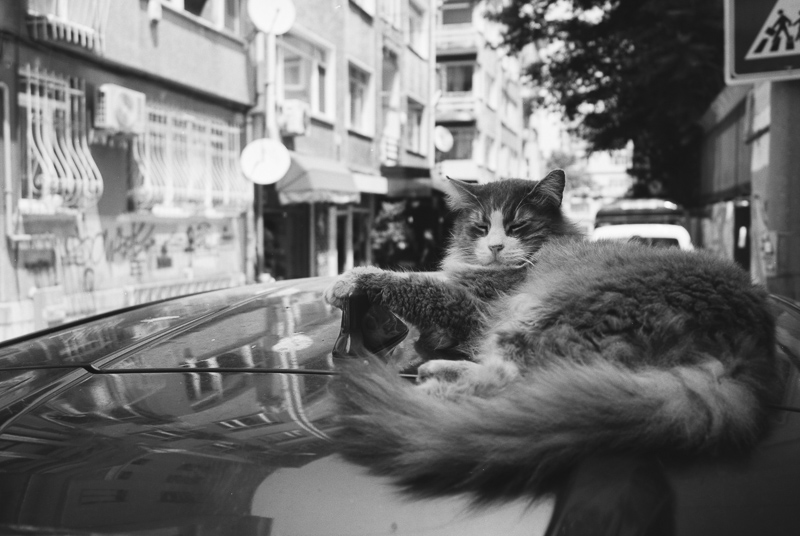
This is a new emulsion so it shouldn’t come as a surprise that this film is able to create high quality pictures with a wide dynamic range and very high resolution.

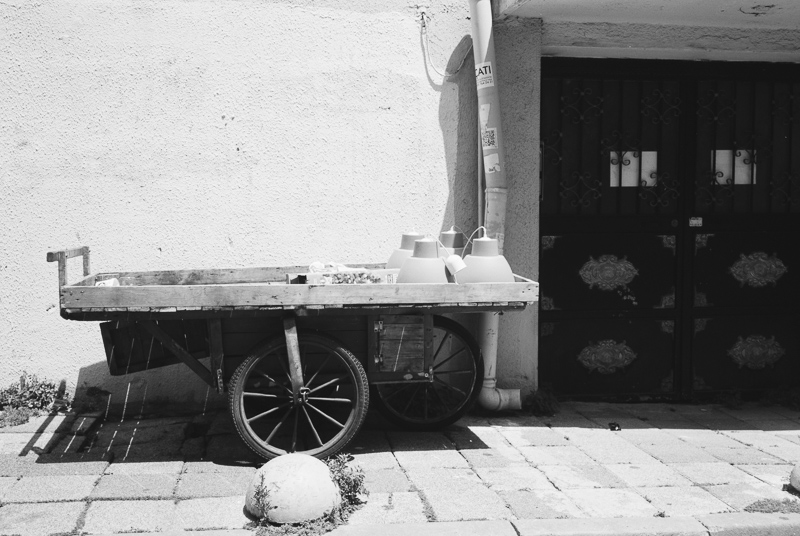
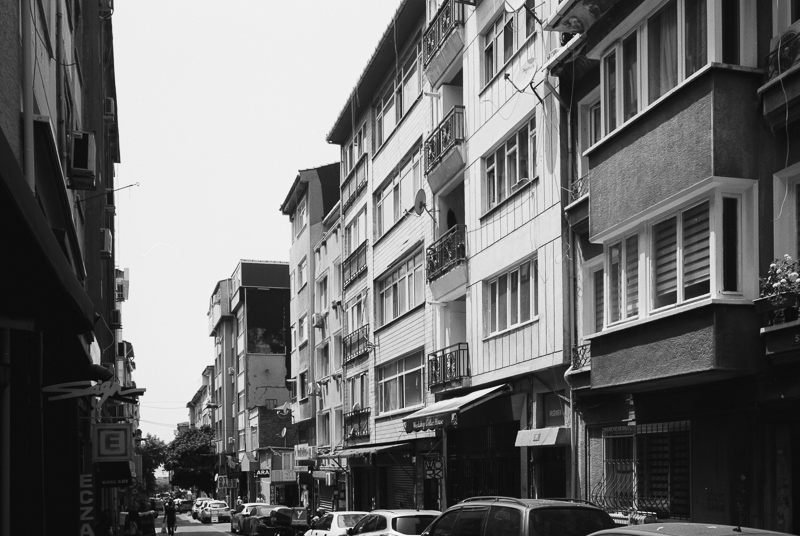
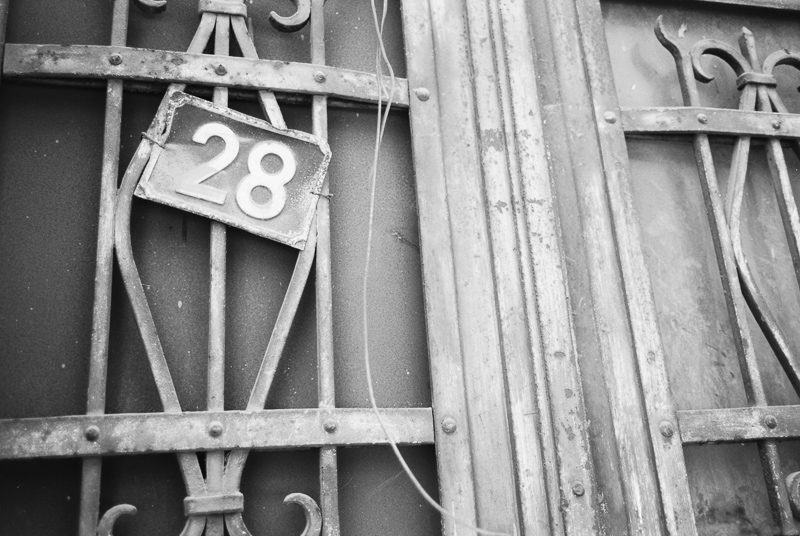
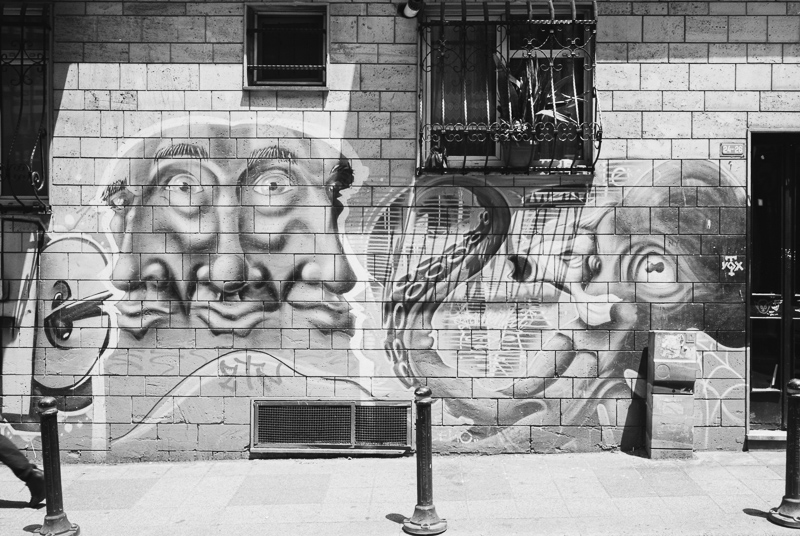
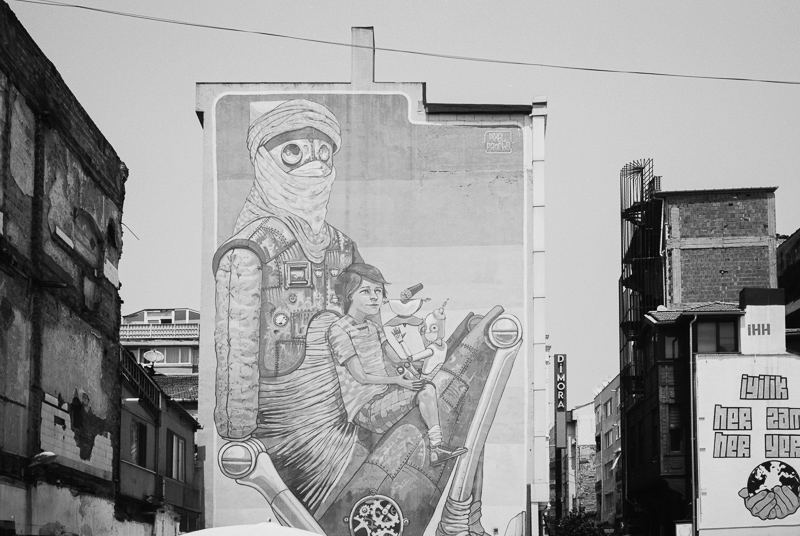
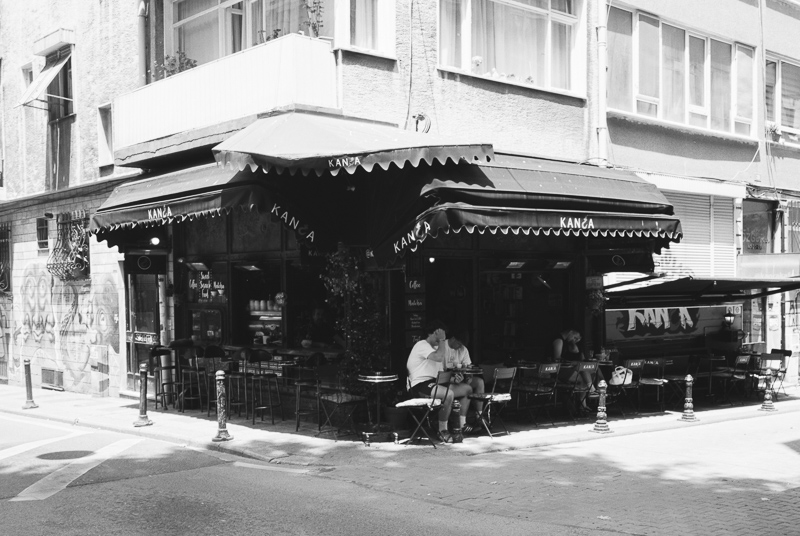
This film creates very neutral pictures, almost digital-like. If you are looking for a B&W film yielding high image quality this could be it. It does not create a very distinct high contrast look as some other B&W films do though – at least not when shot at box speed.
I haven’t shot a lot of B&W film yet, but I intend to do that more often in 2026.

Further Reading
- Analogue Adventures Landing Page
- Review: Nikon 35Ti
- Review: Nikon AF-S 58mm 1.4G
- Review: Nikon AF-S 200mm 2.0G VRI
Support Us
Did you find this article useful or just liked reading it? Treat us to a coffee or a roll of film!

 via Paypal


Latest posts by BastianK (see all)
- Review: Sigma 17mm 4.0 DG DN Contemporary - February 21, 2026
- Review: Songraw 50mm 1.2 Moonlit - February 14, 2026
- Review: Nikon AF-S 14-24mm 2.8G – Way ahead of its time - February 11, 2026
Your description (neutral almost digital like) of this film is spot on. It is not always a caveat though. One can use this as benefit because there is great headroom to manipulate this with exposure/development combination and/or in the darkroom/lightroom.
There is one great advantage of Acros100 not mentioned. Given the low sensitivity to Schwarzschild effect (reciprocity failure) you can shoot this film for up to 120 seconds without worrying about exposure increase. It is the far best film for long exposures given this regard.
Do you happen to know which development process / chemistry the lab used? In B&W films, this usually has quite some impact on the results.
Actually I don’t. You are already the second person who asked 🙂
This has a simple reason: B/W film development has no standardized process, like C41 for color negatives. The results may be totally different if you use a different process and chemicals.
Back in the old times, this was a big thing: Lot of people had own recipes and habits. How to shake the pot etc, Miraculix style.
Commercial labs usually go for a neutral style, which is good in this case: The images show a find grain, neutral contrasts and, got me, an impressively good image quality. This is surely a vey good basis to try own approaches.
A quick question: how is the inversion from negative to positive done here? I guess the scan gives a positive image as a result, but you could do the reversing in Lightroom or some other SW as well.
I’m digitizing my own old BW negatives by photographing them with a bellows and macro lens, and then I need to make the image positive by turning the curves upside down in Capture One. Works, but some learning is needed to use the adjustment tools the opposite way. And usually a linear conversion is not good. There are very different negatives, requiring very different adjustments to make the result look decent.
The lab does the scanning, I already get positive files.
Lab scans and unknown development methods usually lead to neutral or generic images. I’ve never seen a lab scan that was any good, never mind any indicator as to what the film is all about.
The whole thing about film is that you get to personalize it by choosing very specific chemistry to develop it in, how much time you use, how you agitate the film during development, and then, how you would print it with an enlarger. Even the water you have coming out of your tap will influence the process.
Or now, it’s all about how you scan it, and then how you render the tones after you convert it to a positive.
Every step along the way influences contrast, grain and acuity. Some developers are soft, like D-76 or ID-11, while other are more energetic like HC-110, and on and on.
They all have their signature, and it takes a long time to try them all and find what works for you.
This is why I don’t shoot film. Since I can’t do develop at home (nor scan, but that”s easier to solve), I can’t be a part of the full creative process, and it’s a very significant part.
Sure, if I had a local lab that did a great job (to my liking) with colour film at least, that would be something. I don’t. Black and white film I’d like to develop in a specific way, since this affects the look more than choice of film; it’s a huge deal. But some people hit the jackpot with their labs of choice and get the results they are perfectly happy with.
Luckily, you keep the negatives (many people choose not to, which to me sounds insane), and you can always change your mind and re-scan later.
These Acros scans actually very much remind me of Fuji’s in-camera jpegs, I couldn’t tell a difference. I guess this means that they look pretty much default, for better or worse.
This would probably work very well for portraits (I’ve seen some great work with this stock).
In any case, it’s always interesting to see Bastian’s black and white attempts, something that’s not his recognizable style. And since b&w requires different thinking, I’m really curious to see more and how the future work evolves. From my experience, it’s a really strange feeling when you can’t revert back to colour, and change your mind in post. But this permanence can also feel freeing.
Maybe you overestimate the complexity of developing films yourself.
If you use a changing bag, you can do it in any bathroom, no darkroom required.
You just need to get the film into the development tank within the bag, everything else can happen with light.
The difficult part is doing paper prints – however, if you scan the negatives, this is not required today.
You’re right, Sebastian, it’s not that complex. I’d witnessed the process a few times, and my father used to do the whole darkroom process even as a child in the late 70’s, from shooting to making prints. I face two problems – the availability of desired chemistry on the local market (I’d bring it on the plane if I could), and convincing certain people to allow me to use that chemistry in our bathroom.
I’m figuring these things out yet.
But yes, I’d definitely only scan the negatives; at least for a while. I’m still debating whether to buy a decent printer for printing at home, let alone an enlarger. Never say never though.
my favorite film! it’s soo good for portraits. deep shadows, very good response to skintones and it’s quite forgiving to use.
i like to push it to 200 just to get an extra punch in contrast and added texture.
sadly it’s abit hard to find where im from. hope fujifilm keeps on making this filmstock