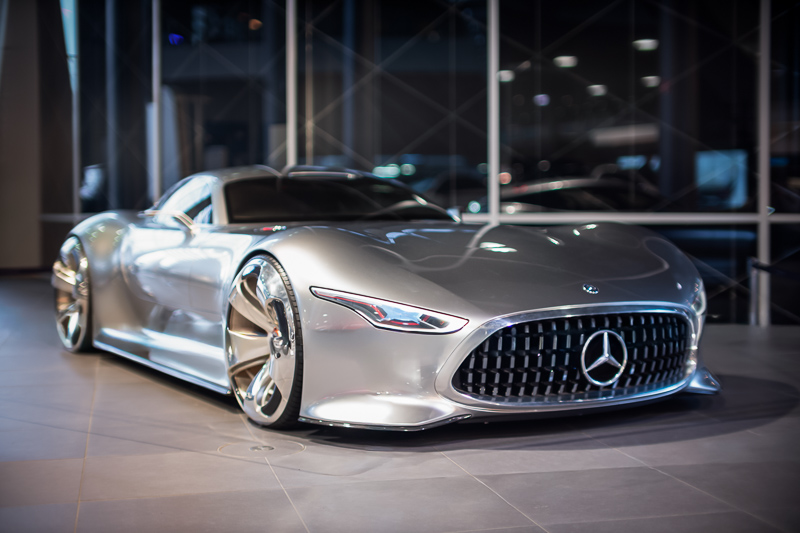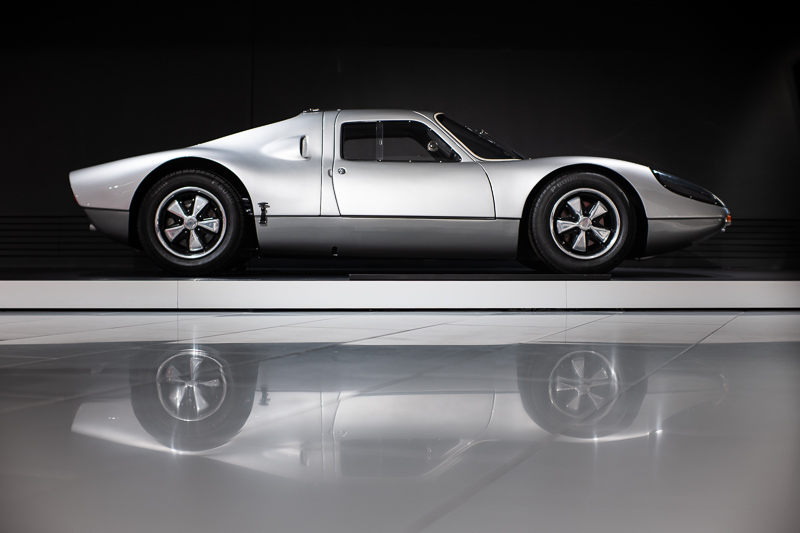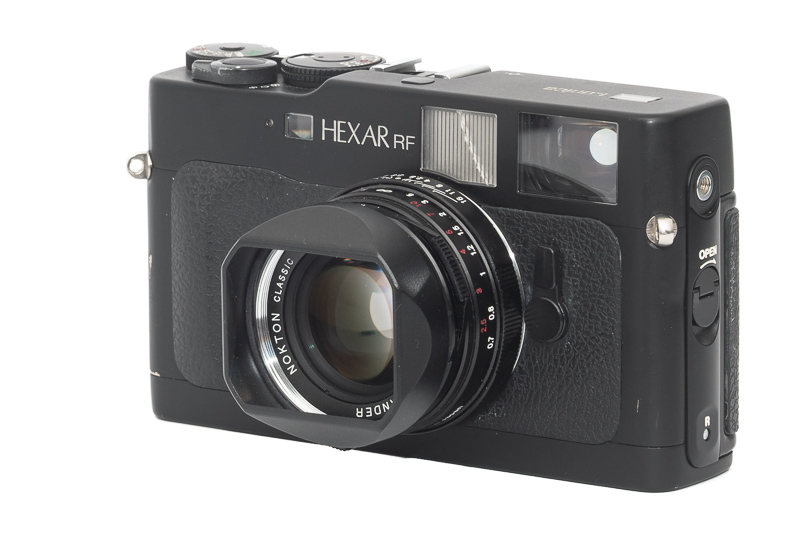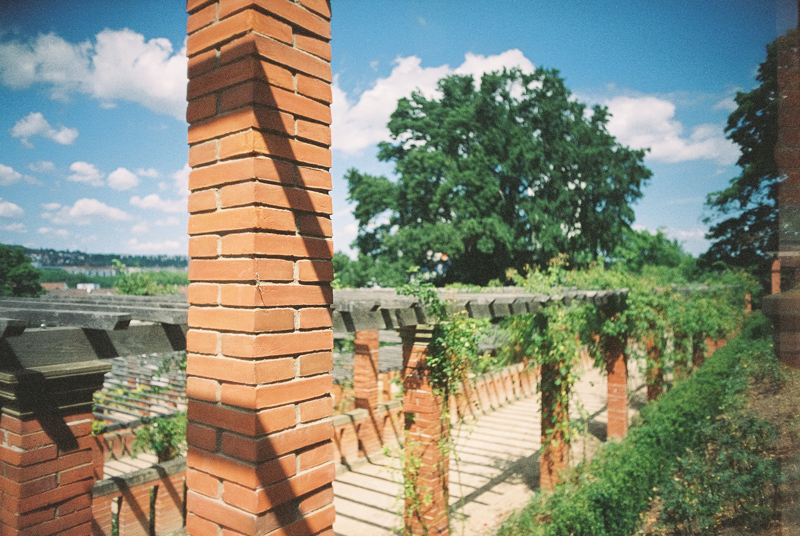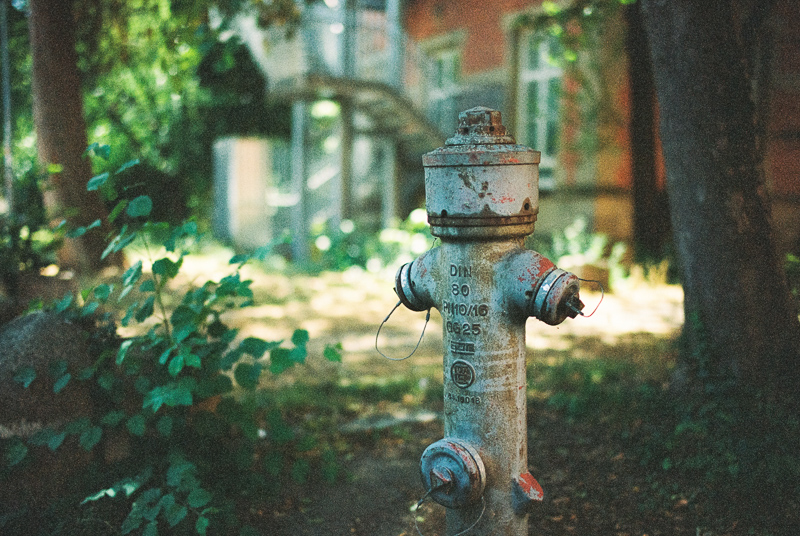
Tübingen is a nice town about 40 km south of Stuttgart in southern Germany. If you are a regular reader you will surely have come across pictures taken there in one of my reviews. This time I was only using a film camera and various films from the golden to the blue hour.
Zeiss Milvus 25mm 1.4 via Sigma MC-11 on Sony A7rII
About a year after the release of the Zeiss Otus 28mm 1.4 Distagon – to the surprise of many – Zeiss released this Zeiss Milvus 25mm 1.4 Distagon. Almost as complex optical design, almost as big, almost as heavy, but “only” half the price – making it the most expensive lens of the Milvus lineup. What are you giving up in terms of performance compared to the 28mm Otus? Let’s try to find out in this review.
I am not someone who buys a new smartphone every year – quite the opposite actually – but when I need a new one I always look for the one with the most capable cameras. I did that in 2019 and ended up with the Huawei Mate 20 Pro and when I needed a new phone in 2025, after a lot of research, I decided to go with the Vivo X200 Ultra. On paper this looks like the death of the 1″ sensor compact camera segment, so let’s have a closer look at this intriguing device. Update 12/25: Extender lens sections added
All fast Nikon AF-S fullframe primes from 20 to 200mm
From 2004 to 2018 Nikon produced 14 different AF-S primes from 20 to 200mm for fullframe with maximum apertures ranging from f/1.4 to f/2.0. Among those the “Gold Ring” primes were the highlight of the F-mount lens lineup, mostly aimed at professional photographers, who were not satisfied by the light gathering capabilities of the f/2.8 zooms. The f/1.8 primes on the other hand were aimed at consumers looking for more affordable options. Some of these lenses can be found at very attractive prices on the used market today, so after having used all of them personally, I thought it was time to give you this overview.
After getting back into film and starting the Analogue Photography series with the iconic Kodak Tri-X, I turned to its European counterpart for this round — the equally legendary Ilford HP5 Plus. Long favored by press photographers, photojournalists, and enthusiasts who needed a reliable workhorse, HP5 Plus has earned its reputation as a versatile and forgiving black-and-white film.
For this installment, I chose a location much older than the film stock itself — a historic engine factory that felt like the perfect match: the Pythagoras Hot-Bulb Engine Factory.
Engine operator Kent-Peder StiggelMachine details ADrilling tool and the factory
Sony α | Leica M | Nikon F/Z New article every week
This website uses cookies to improve your experience. We'll assume you're ok with this, but you can opt-out if you wish.AcceptRead More
Privacy & Cookies Policy
Privacy Overview
This website uses cookies to improve your experience while you navigate through the website. Out of these, the cookies that are categorized as necessary are stored on your browser as they are essential for the working of basic functionalities of the website. We also use third-party cookies that help us analyze and understand how you use this website. These cookies will be stored in your browser only with your consent. You also have the option to opt-out of these cookies. But opting out of some of these cookies may affect your browsing experience.
Necessary cookies are absolutely essential for the website to function properly. This category only includes cookies that ensures basic functionalities and security features of the website. These cookies do not store any personal information.
Any cookies that may not be particularly necessary for the website to function and is used specifically to collect user personal data via analytics, ads, other embedded contents are termed as non-necessary cookies. It is mandatory to procure user consent prior to running these cookies on your website.