Introduction
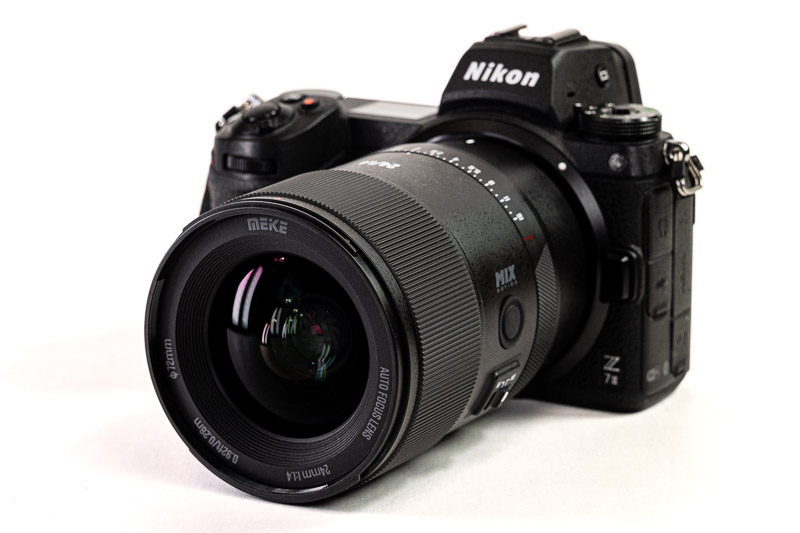
Today I’m taking a look at another lens from Meike’s high-end MIX series of autofocus primes: the 24mm f/1.4 MIX. I reviewed their 85mm f/1.4 not long ago and was pleasantly surprised—even impressed—by its features and optical quality. Now it’s time to see whether the 24mm can live up to that standard.
 I tested this lens on a 46 Mp Nikon Z7ii (Sample images were taken with a Nikon Zf)
 You can see this review as a YouTube video here!
 Sample images in high resolution here.
Sample Images
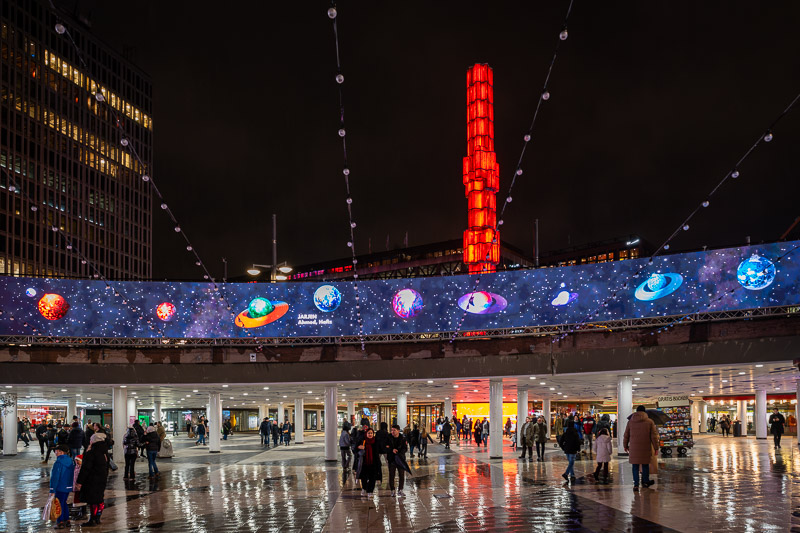
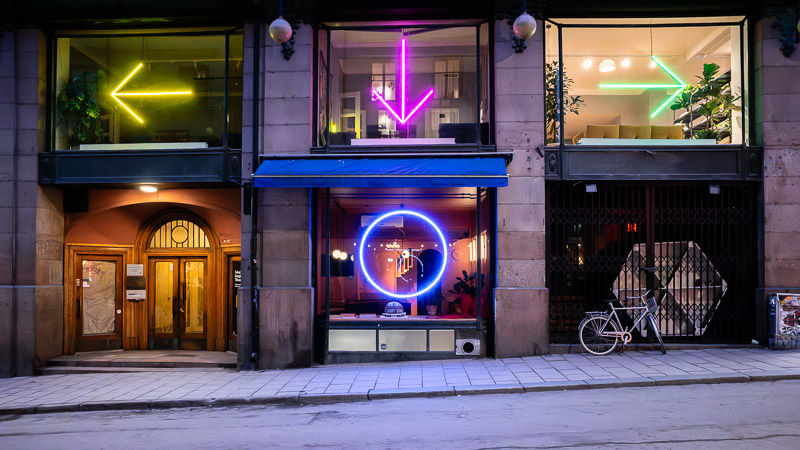
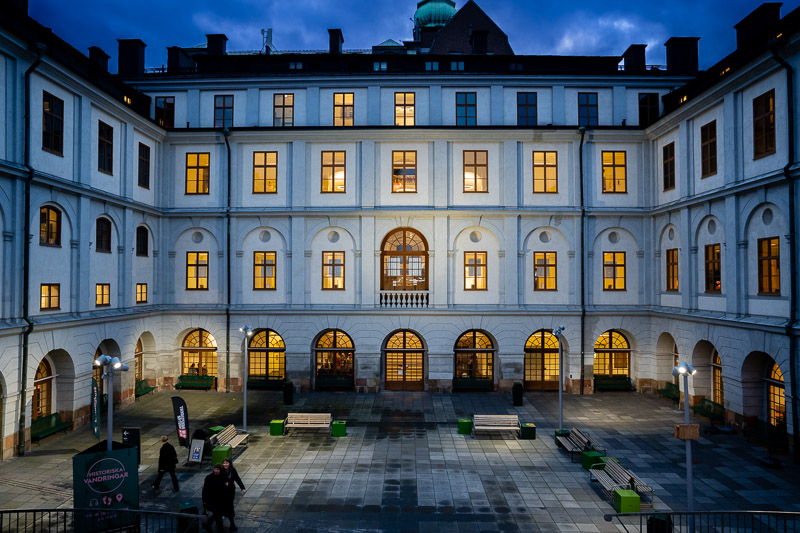
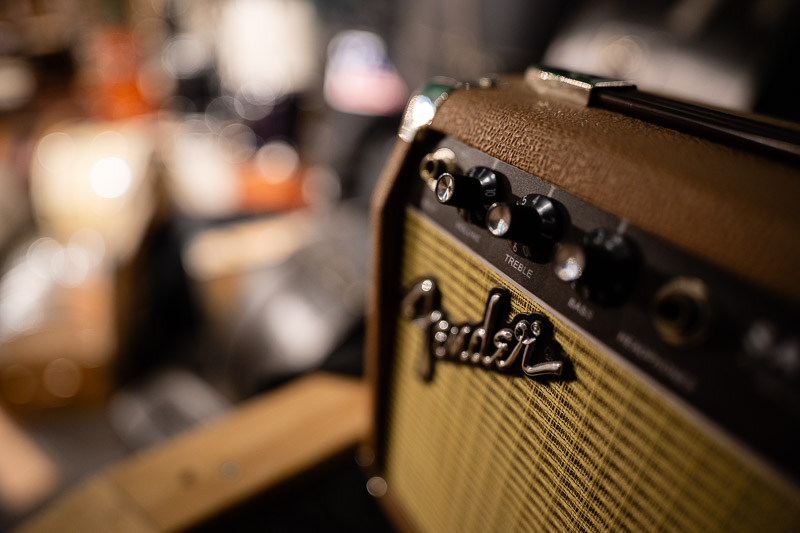

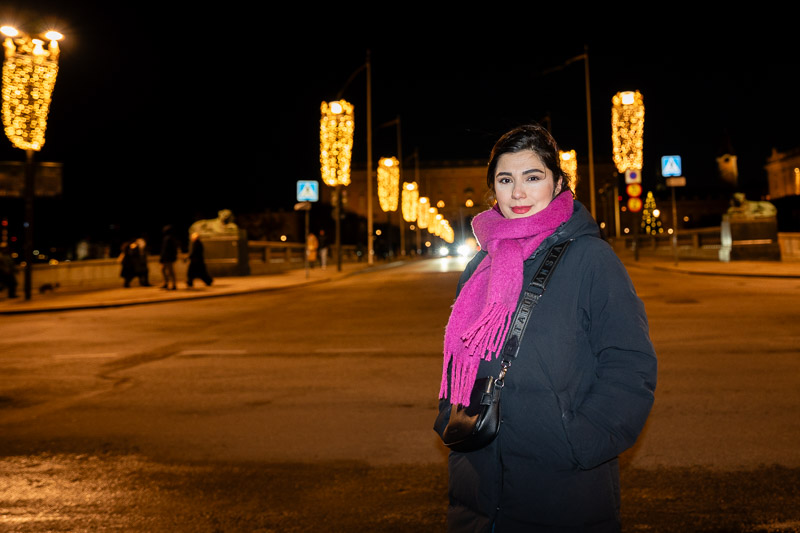

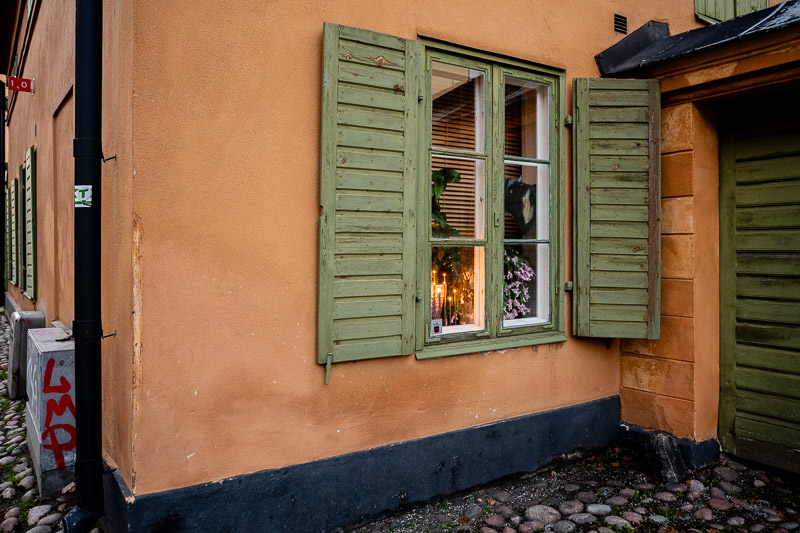

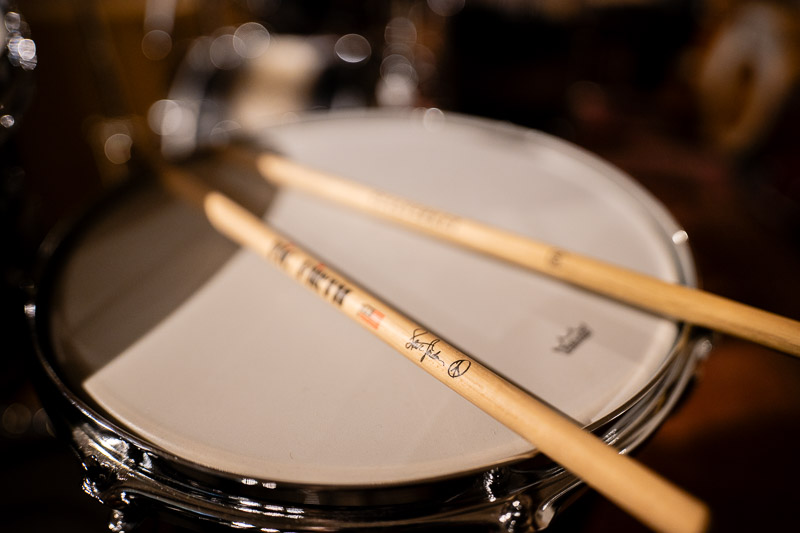

Most of the sample images in this review and many more can be found in higher resolution here.
Specifications
| Focal Length | 24mm |
| Angle of View | 84.8° |
| # of Aperture Blades | 11 |
| Max Aperture | f/1.4 |
| Min Aperture | f/16 |
| Min Focus Distance | 0.28 m |
| Filter Size | 72mm |
| Lens Mount | Z | FE |
| Weight | 560 g (Z) | 556 g (EF) |
| Size (D x L) | 79 mm x 107 mm |
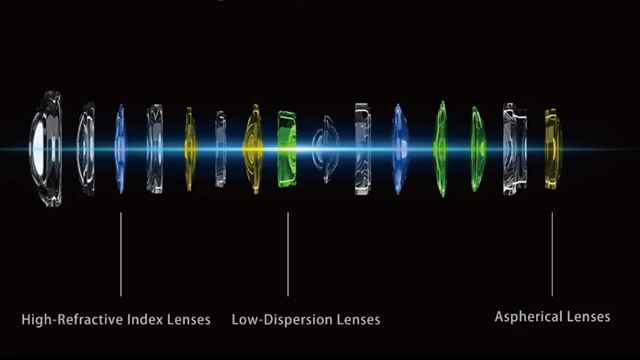
| Elements/Group | 15 / 12 (2 HRI, 3 Asph, 3 LD) |
| Buy new: Meike’s Store, B&H, Amazon (anywhere) for $589 (Affiliate links) Buy used: eBay |
Disclosure
Meike kindly provided this lens for test and review purposes.
Variations
Handling and Build Quality
This is an autofocus lens with electronic contacts for EXIF data transmission and aperture control from the camera. It is relatively large and heavy at 560g and does not include image stabilization. The lens appears well built, although the choice of materials — along with the printed text and markings on the rings and barrel — slightly diminish its overall sense of quality.
The lens features a metal mount with an integrated USB-C port for firmware updates, and a colored sealing gasket that adds a stylish touch, reminiscent of the red accents on sports cars.
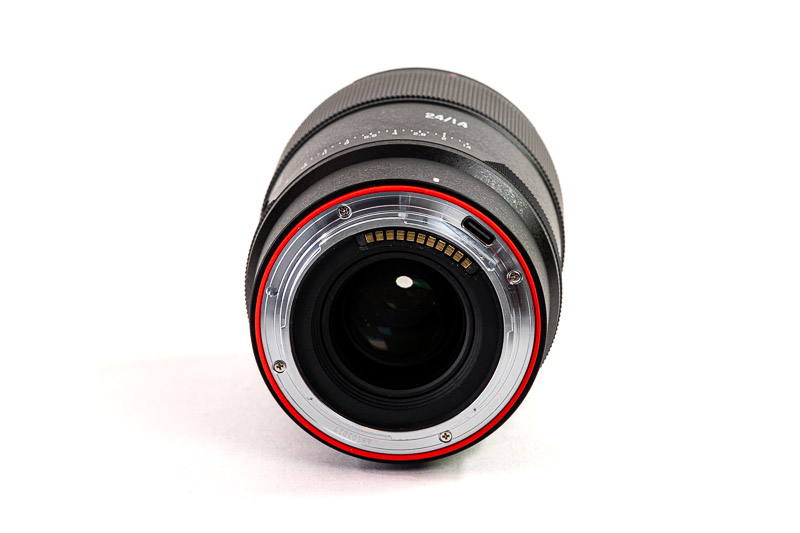
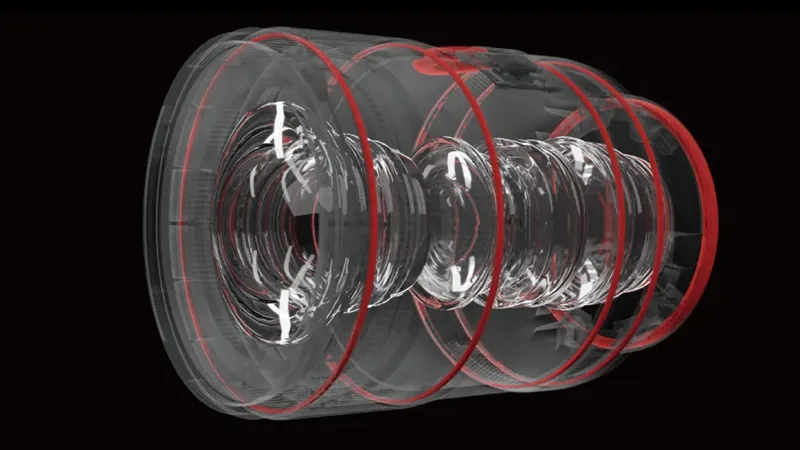
The lens offers more extensive weather sealing, with a professional-grade drip-proof and dust-resistant design that blocks falling water droplets, according to Meike.
The aperture ring features distinct clicks from f/1.4 to f/16 at equidistant 1/3-stop increments, along with an Auto position for electronic aperture control in A and P modes. Although the clicks are fairly gentle, this makes it easy to accidentally move out of the Auto position. The aperture ring cannot be declicked.
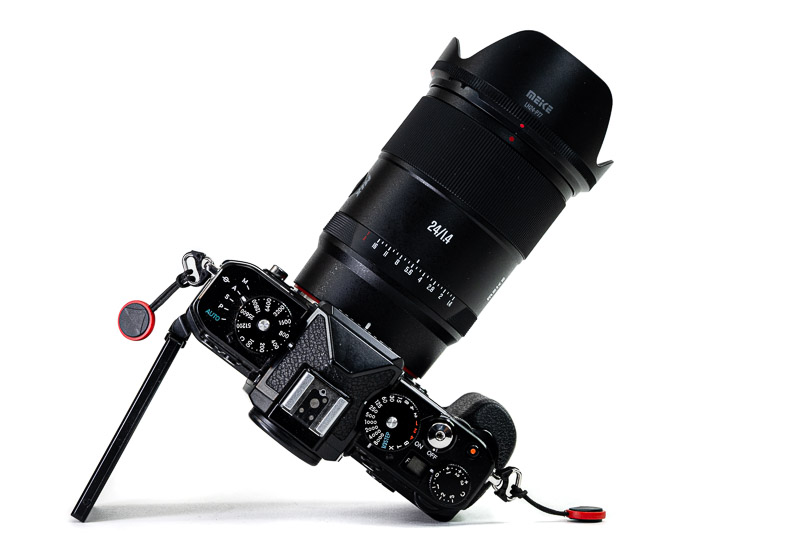
The ring is followed by a customizable focus hold/function button and an Auto-Manual focus switch.
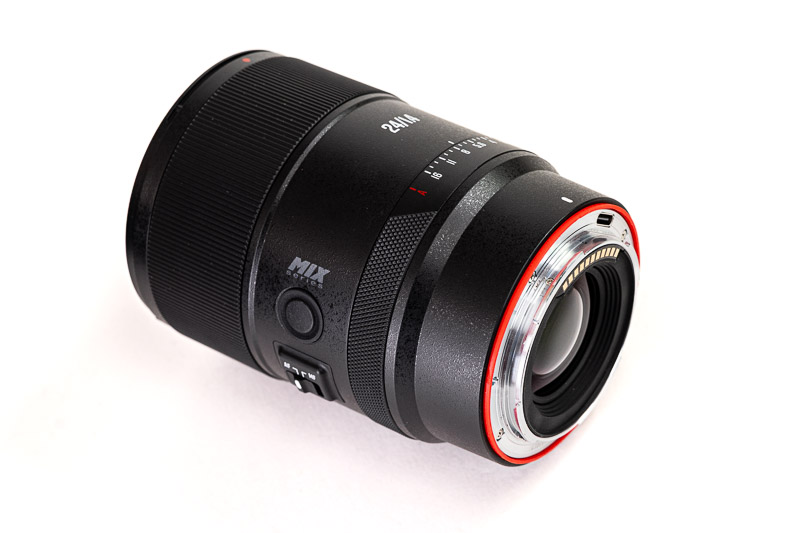
Finally, the lens has a large plastic focus ring. Manual focus feels slightly jerky, but autofocus is accurate and silent. Achieving focus isn’t a problem, though the speed is only average — which isn’t a major concern for a 24mm lens.
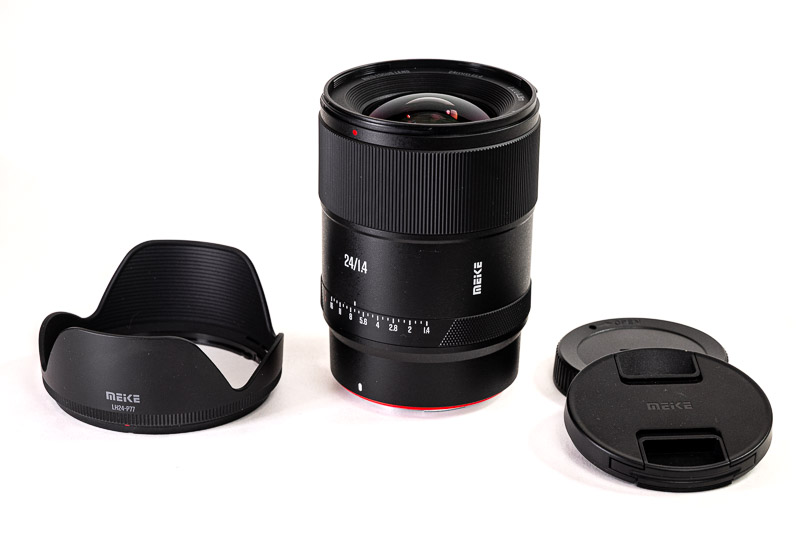
The lens comes with a decently sized plastic hood. Overall, the build and handling are solid, especially considering the lens’s price.
Optical Features
Sharpness (Infinity)
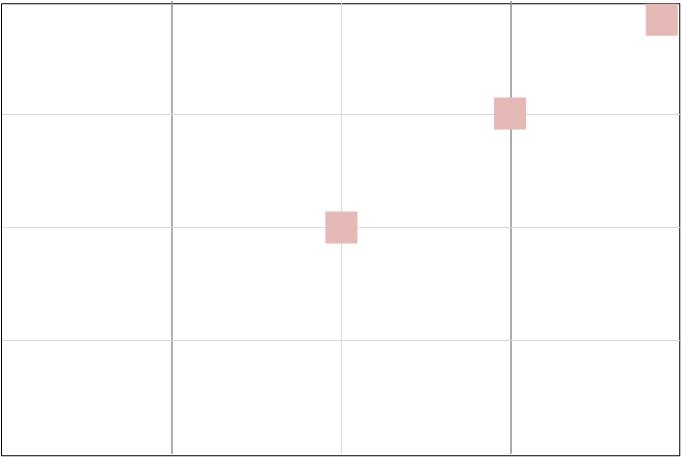
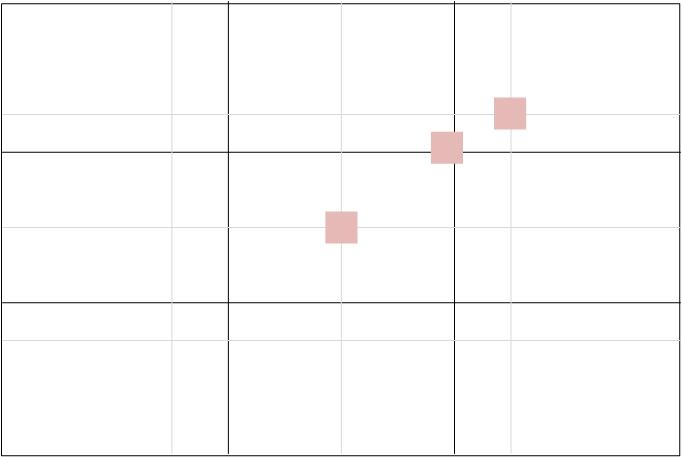
For the infinity sharpness test, we look at three areas of the image, center, mid-frame, and corner, see highlighted areas in the image below!
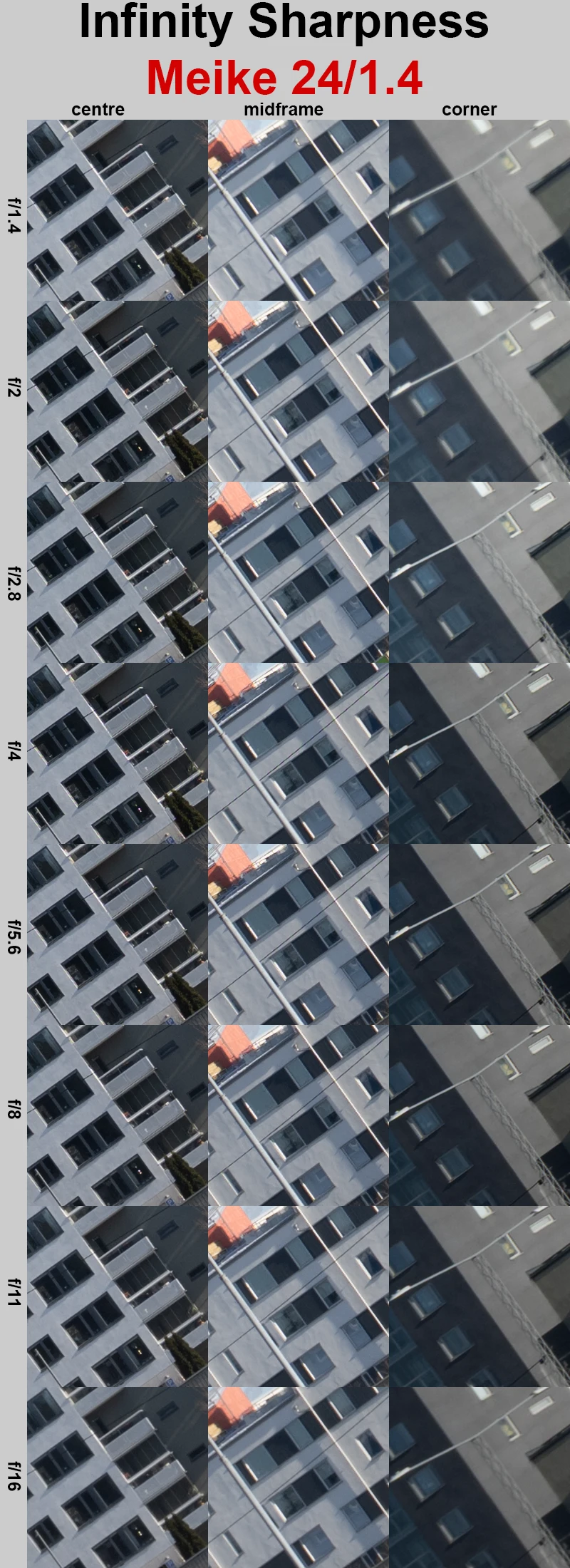
The corners show noticeable color fringing, which I corrected for this test. Below, you can see how the corner shot at f/4 looked before and after correction, although this color fringing is independent of aperture.

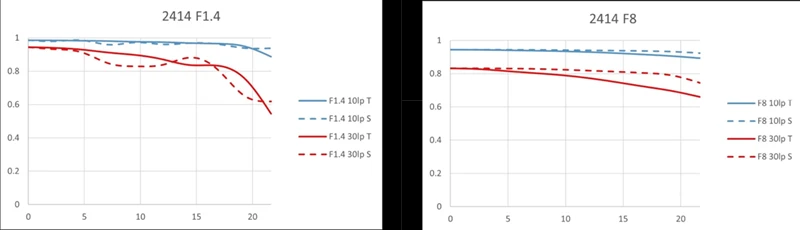
Center sharpness is very good wide open at f/1.4, and the midframe is also good, while the corners are just acceptable.
At f/2, the center becomes excellent, the midframe very good, and the corners improve slightly. By f/2.8, both center and midframe are excellent, with the corners reaching good levels.
The corners become very good at f/4 and excellent at f/5.6, although they never quite match the center. Sharpness remains similar at f/8, while diffraction causes a slight drop at f/11, becoming more noticeable at f/16.
Sharpness (Portrait)
Let’s look at the points of interest for portraits at the portrait distance: the very center, the center’s inner periphery (1/3 rule intersection), and the center’s outer periphery (1/4th intersection).
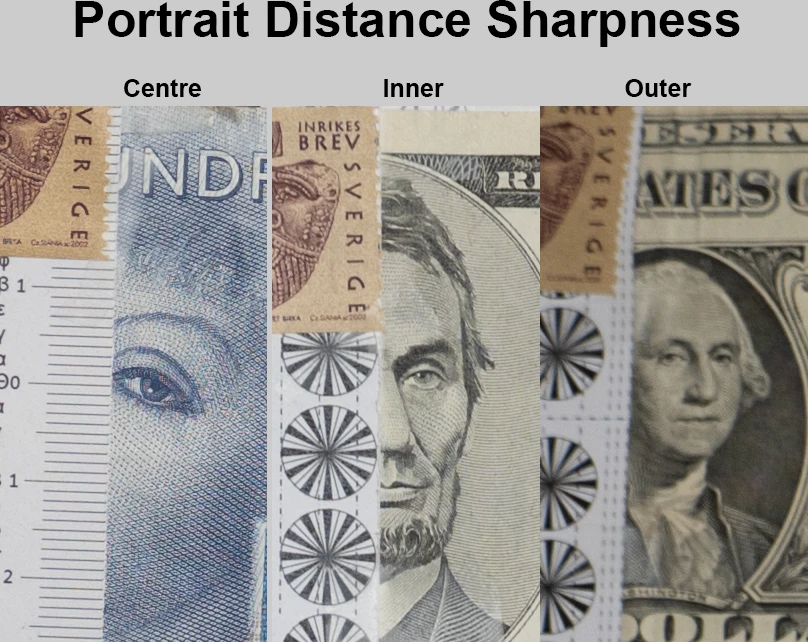
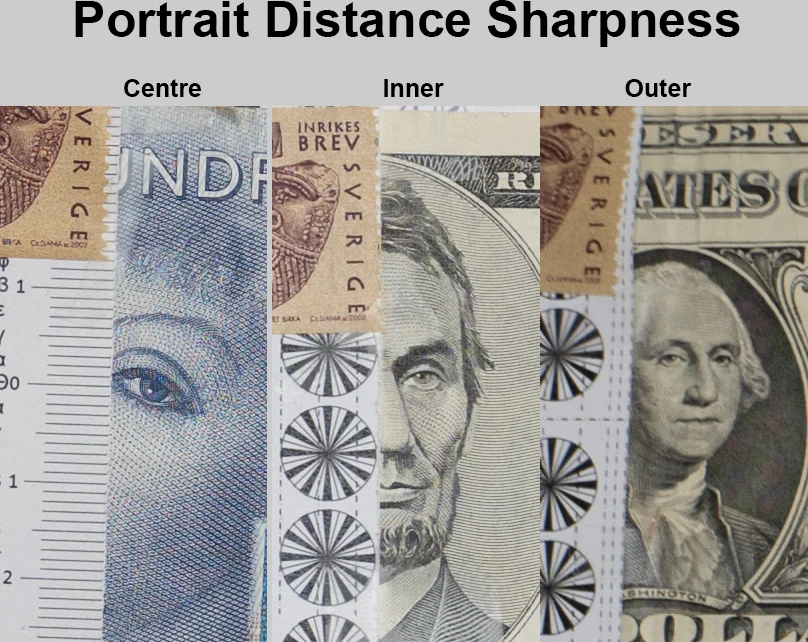
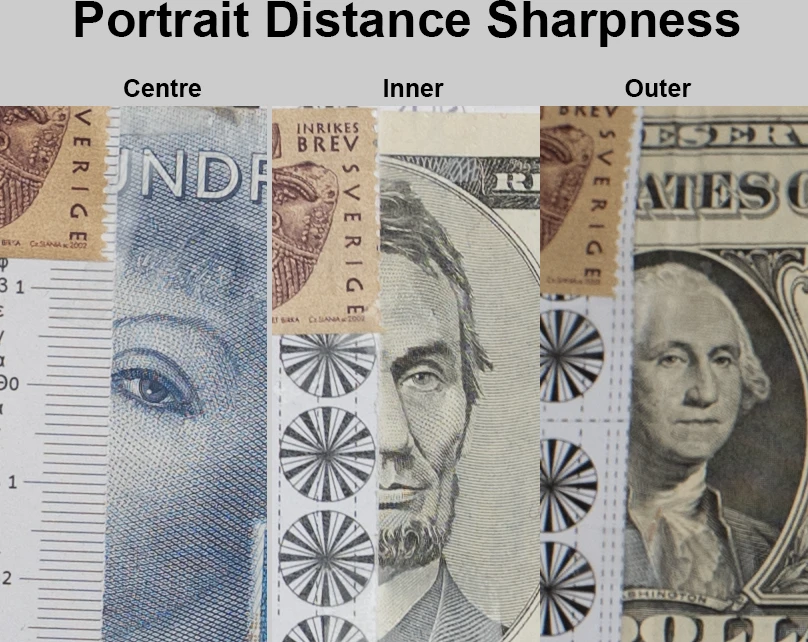
At f/1.4, both the center and inner circle show very good sharpness, while the outer circle is soft, though still acceptable.
Stopping down to f/2 works wonders: contrast and sharpness improve significantly across all measured points, especially in the outer circle, which becomes very good. The other areas reach excellent levels.
Sharpness (Close-up)








Close-up sharpness is very good wide open and becomes excellent by f/2. It maintains this excellent level up to f/11, where it drops slightly due to diffraction. At f/16, the decrease in sharpness becomes more noticeable.
Lens Distortion
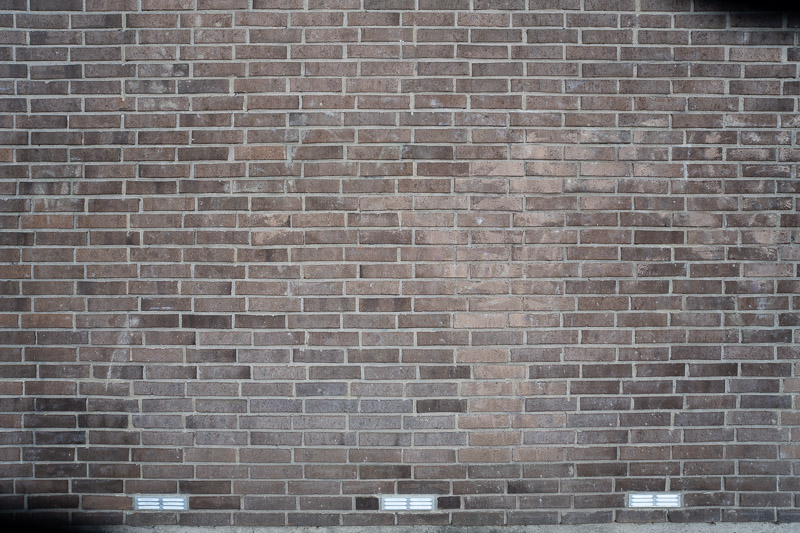
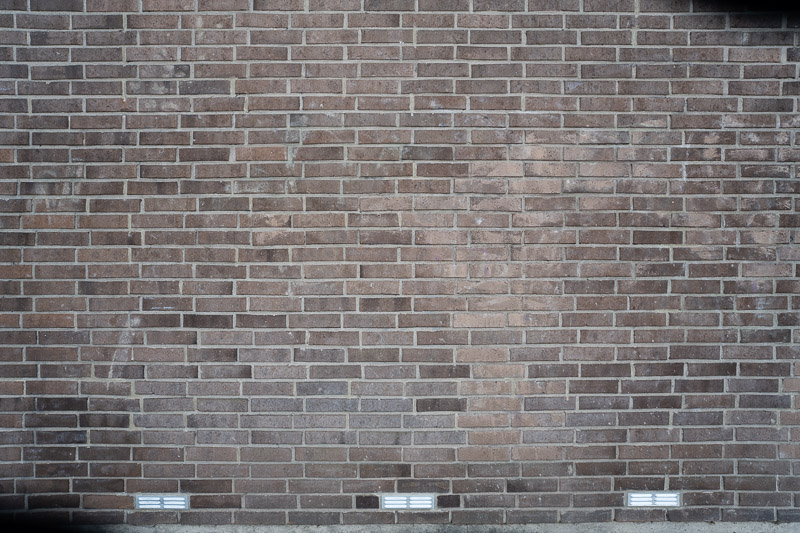
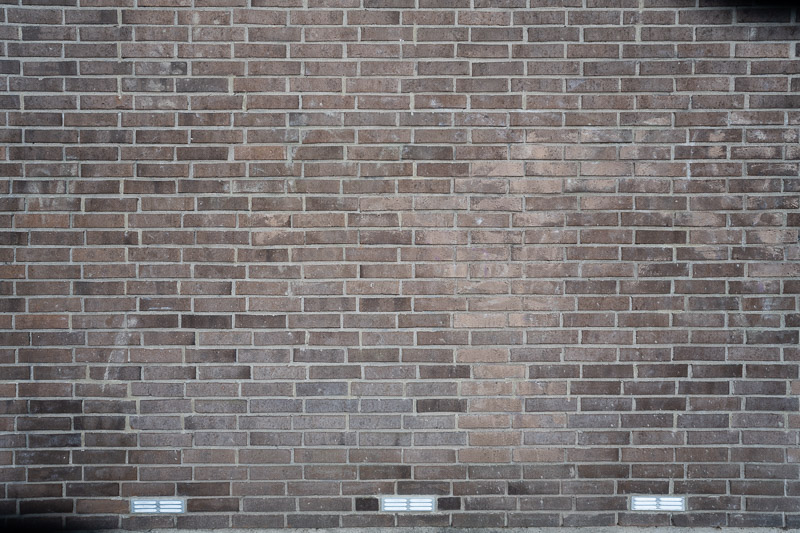
The lens exhibits a very small, almost negligible, amount of wavy barrel distortion. I would leave it uncorrected, but if you want to refine it, dialing in +2 in Photoshop or Lightroom does the trick.
Lightroom offers a built-in profile for automatic correction; however, it overcompensates and introduces noticeable pincushion distortion. I would avoid using it.
Vignetting
At f/1.4, vignetting is visible, but lower than most competitors, likely due to the large barrel design. By f/2, it reduces to a moderate level, though it may still be noticeable in evenly lit scenes. Further stopping down brings only marginal additional improvement, while competing lenses tend to improve more noticeably. Overall, this is a well-managed result for a 24mm f/1.4, even if some rivals control fall-off more effectively at smaller apertures.
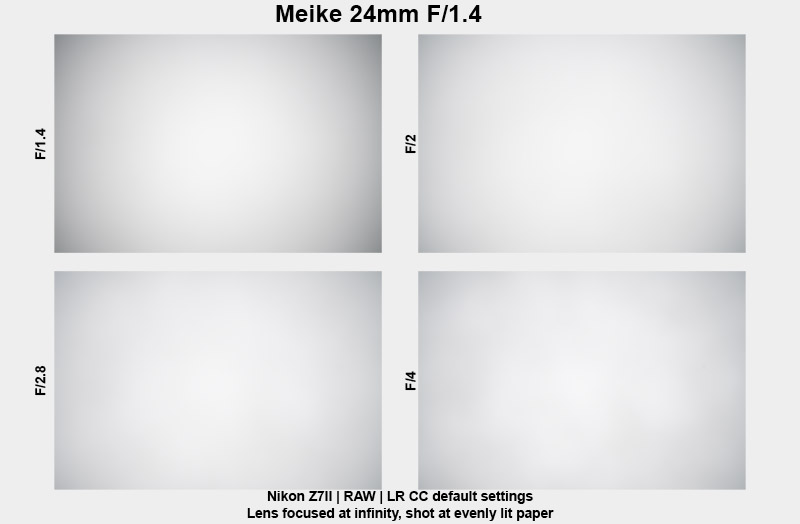
- F/1.4: 2.3 EV
- F/2.0: 1.9 EV
- F/2.8: 1.8 EV
- F/4.0: 1.8 EV
- F/5.6: 1.8 EV
Chromatic Aberrations
Longitudinal chromatic aberration is exceptionally well controlled—one of the best performances I’ve seen among 24mm lenses.
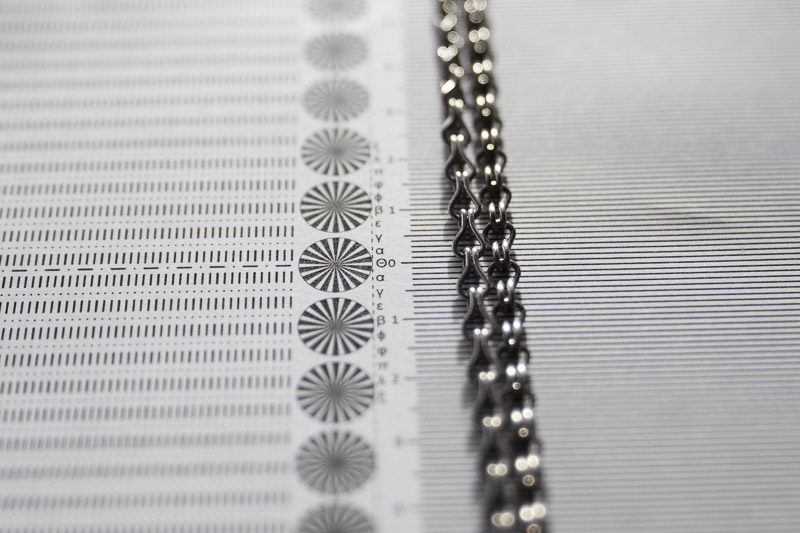

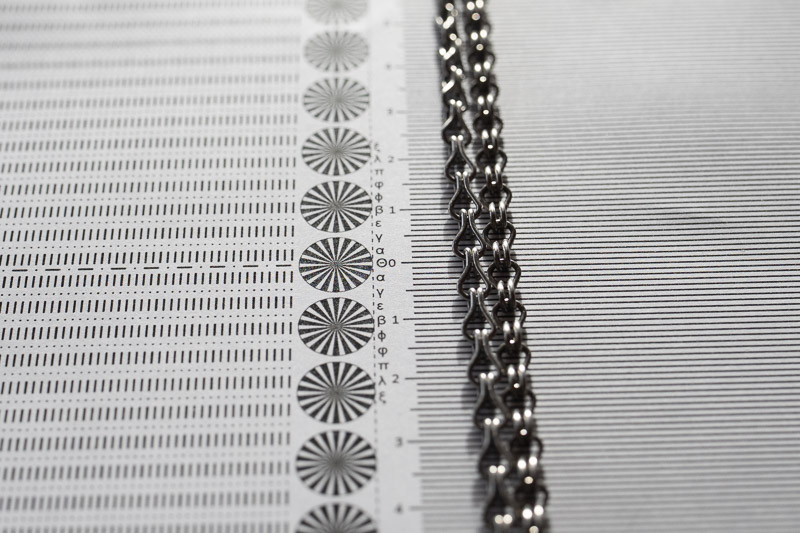
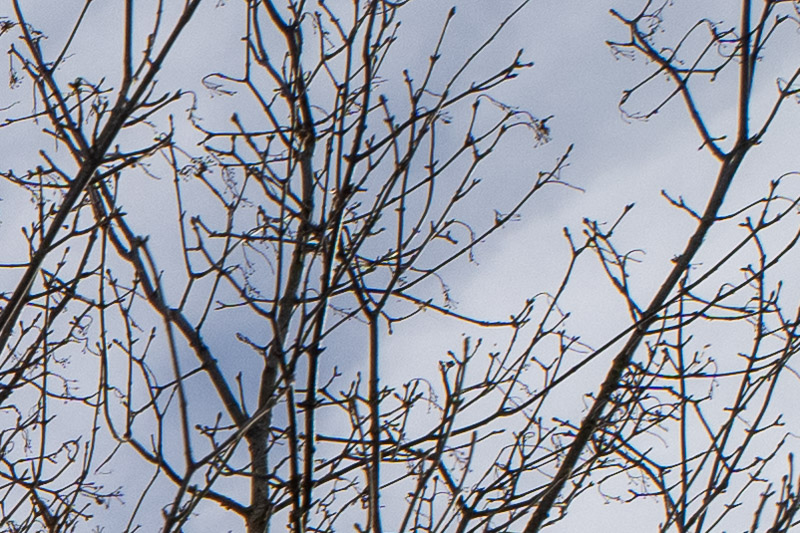
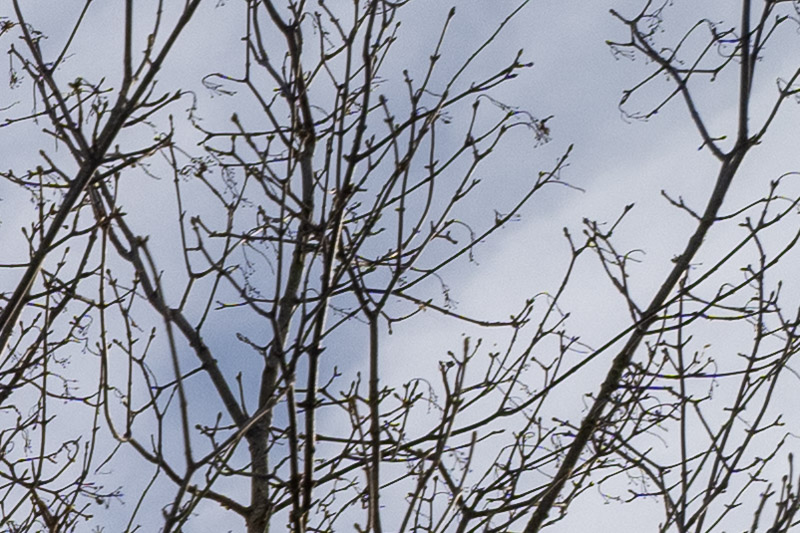
Lateral chromatic aberrations are less well controlled than the LoCA, with some visible color fringing in the corners that slightly affects corner performance, as previously seen in the infinity sharpness tests. Thankfully, it’s easily corrected in post-processing.
Flare Resistance
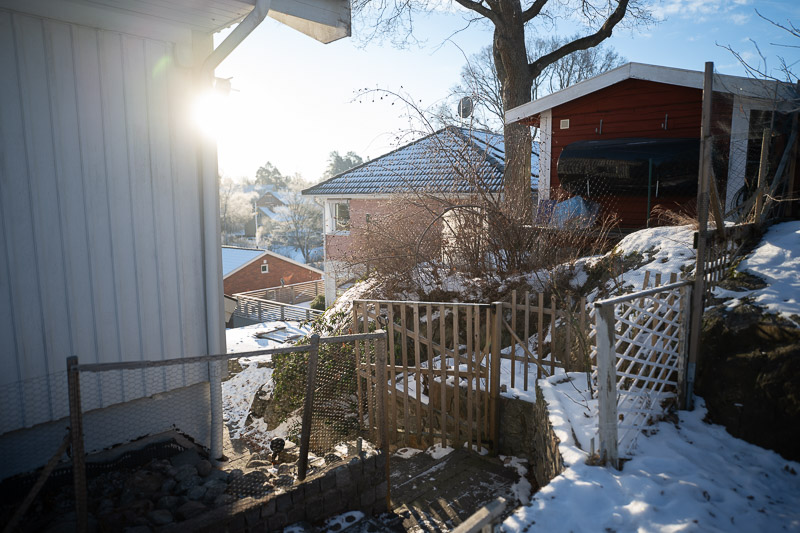
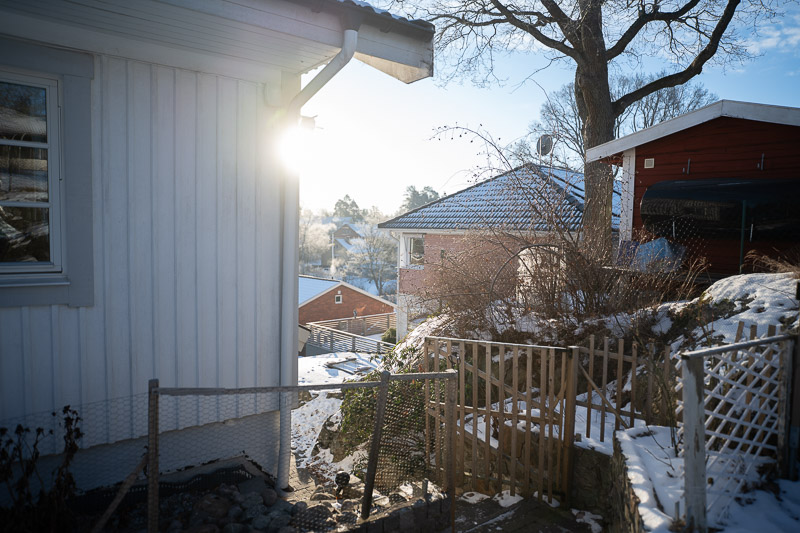
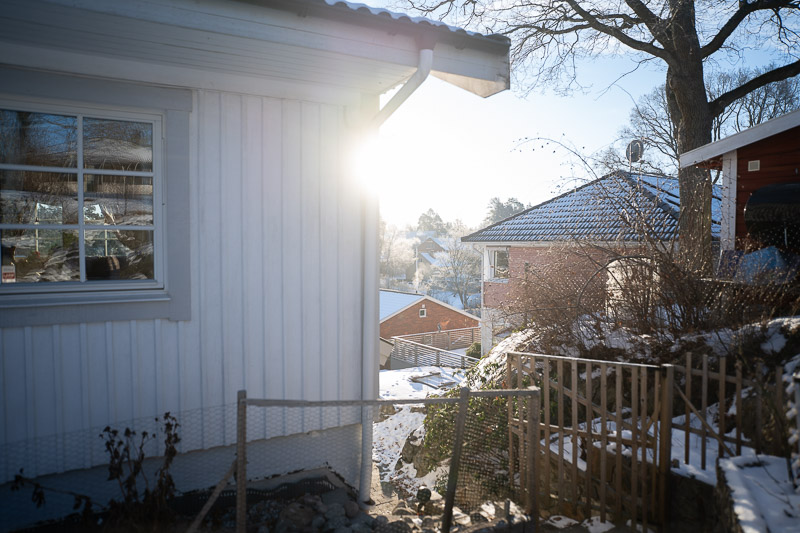
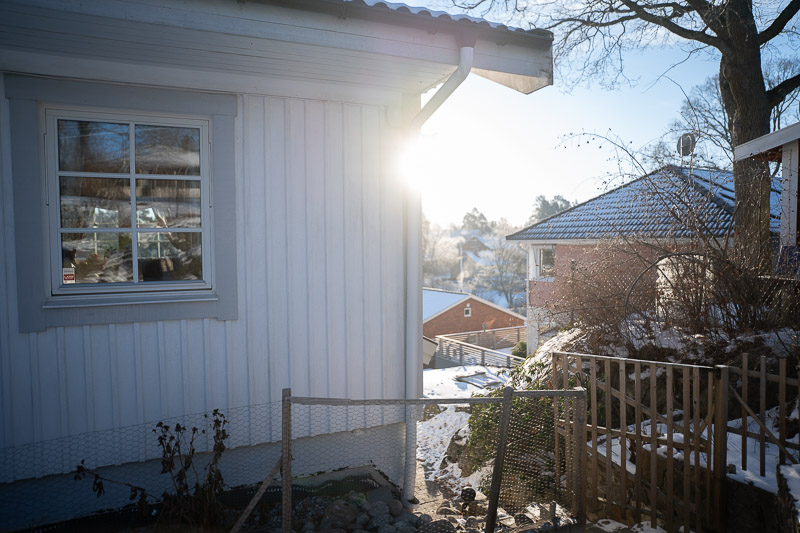
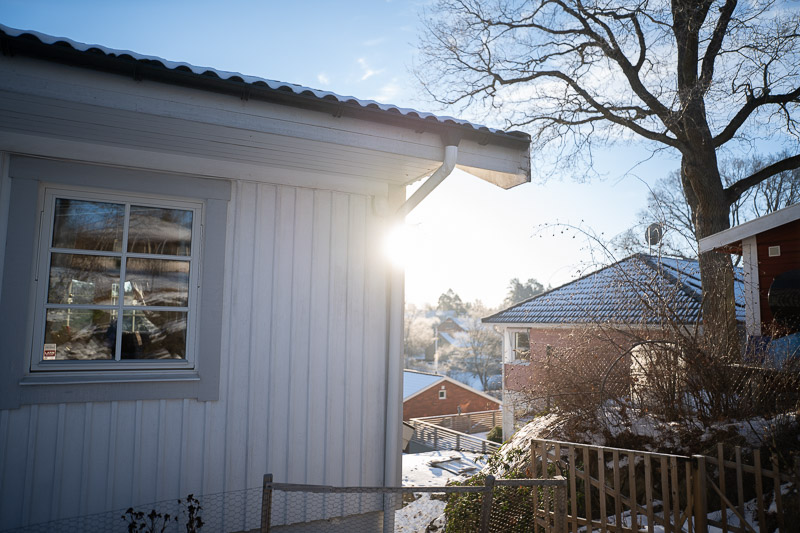
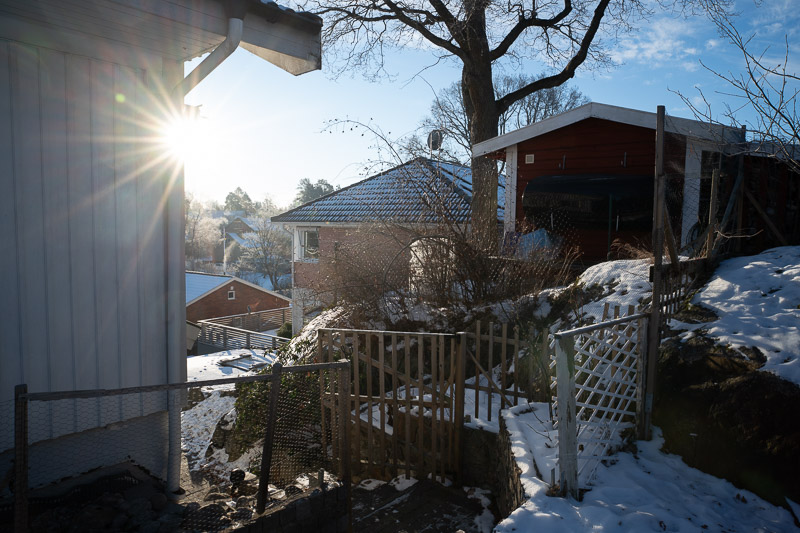
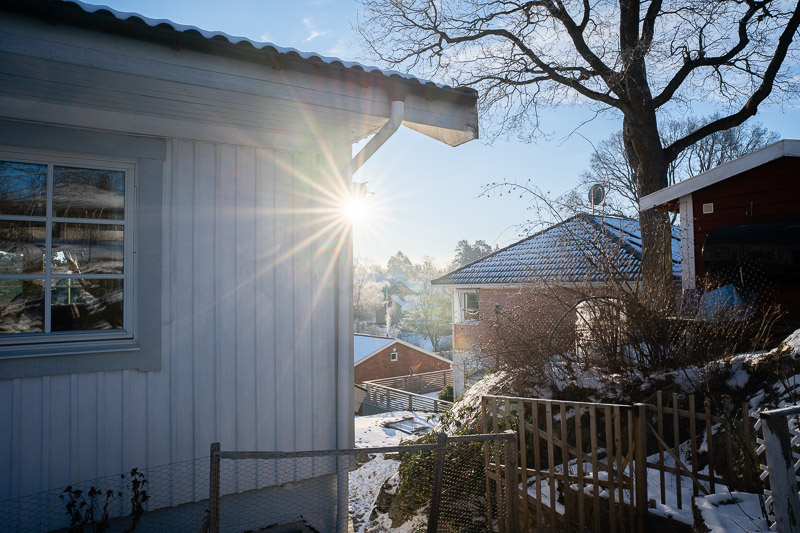
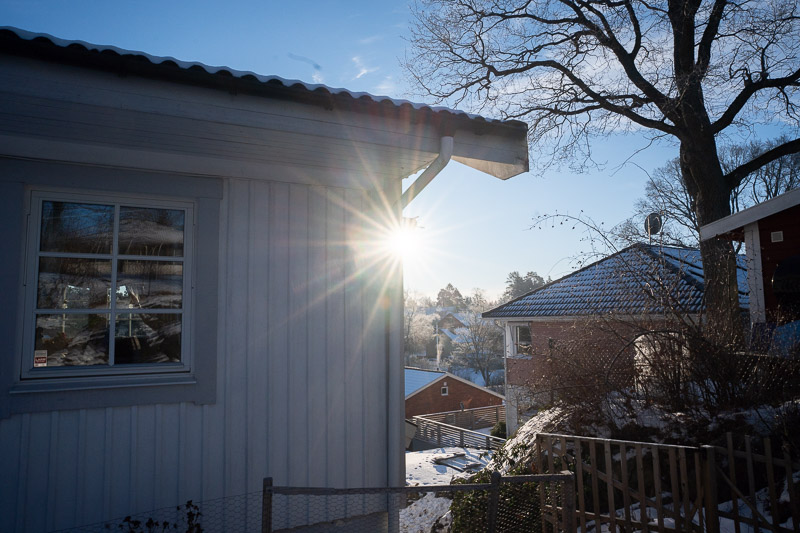
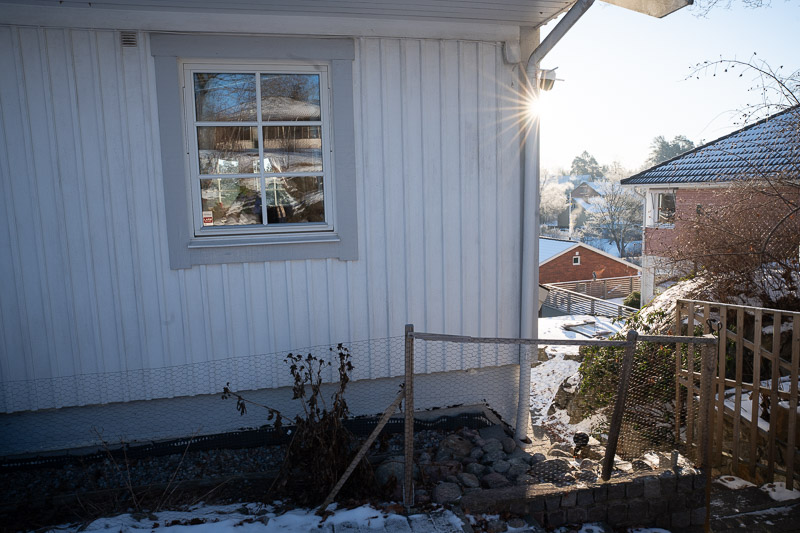
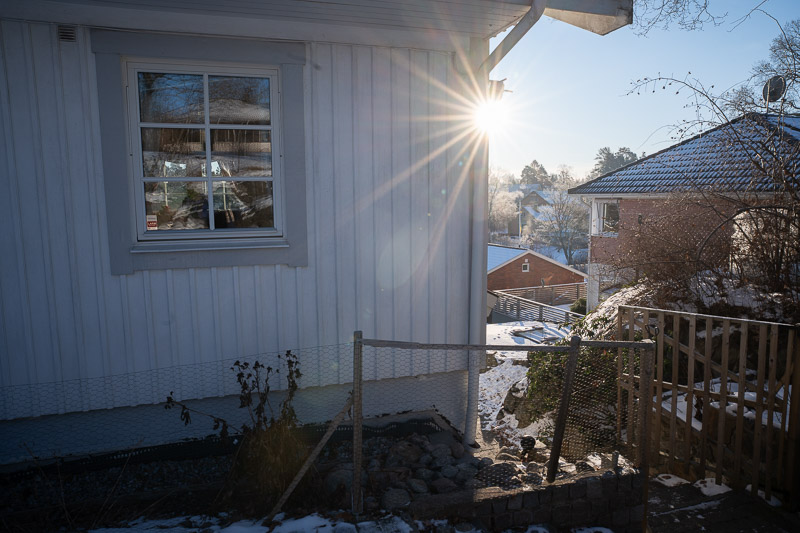
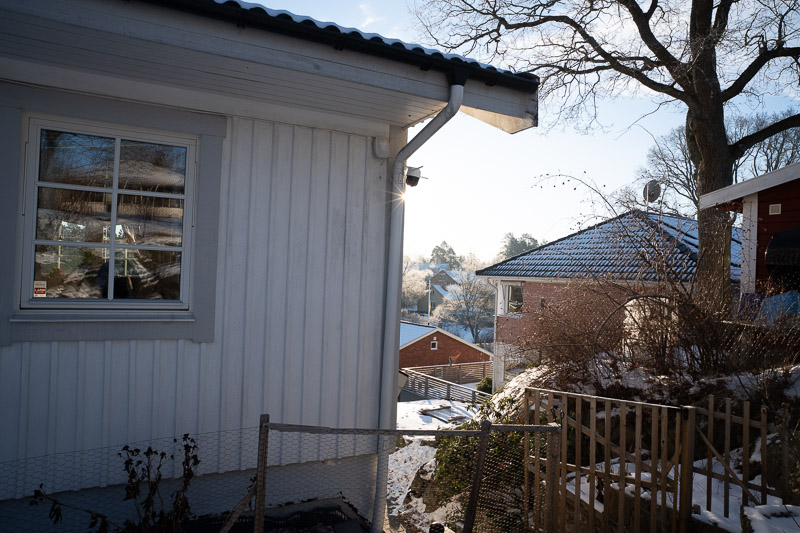
As mentioned in the introduction, based on my earlier tests of Meike’s 85mm f/1.4, I had high expectations for this lens, which is part of their MIX series. Even so, I did not expect it to handle flare as well as it does.
At wide apertures, there is only a minor loss of contrast around the sun. More impressively, when stopped down, flare and ghosting are very well controlled. For a lens in this price range, this performance is excellent.
Wide aperture (f/1.4)

Small aperture (f/11)

Coma
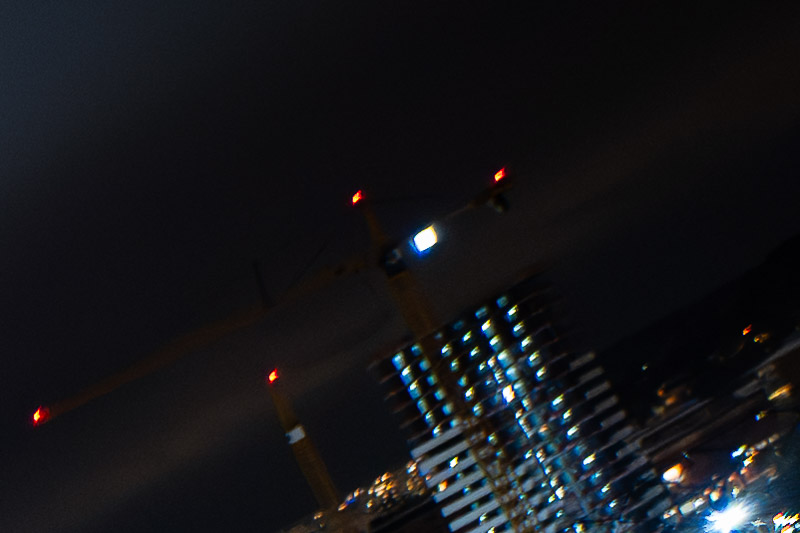
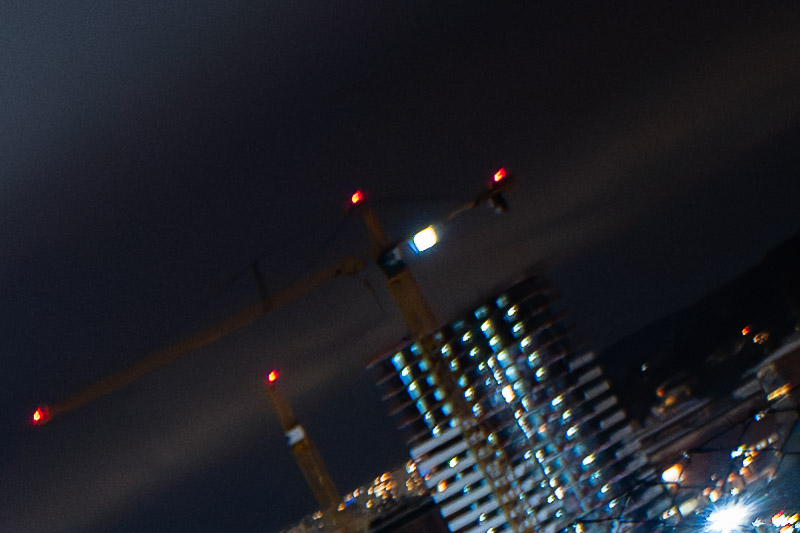
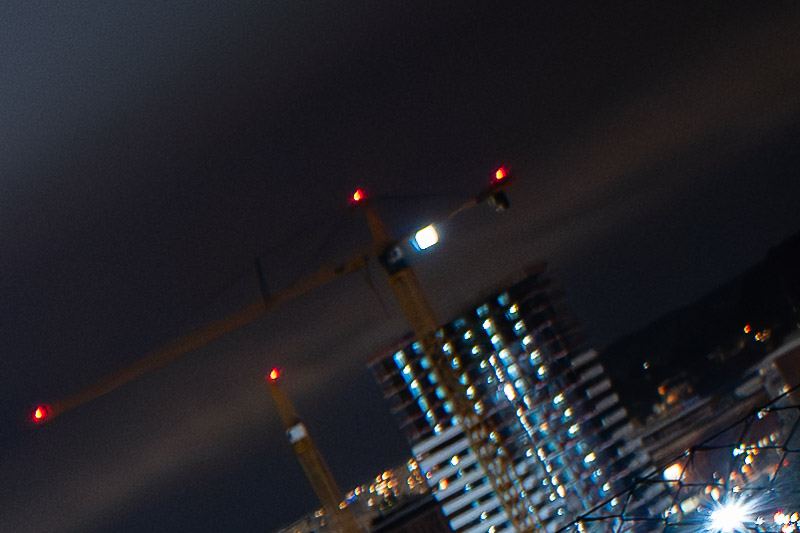
There is a very small, almost negligible amount of coma visible at f/1.4, as shown in the image below. I would not hesitate to use the lens wide open for astrophotography. By f/2, the coma is completely gone.
Sunstars
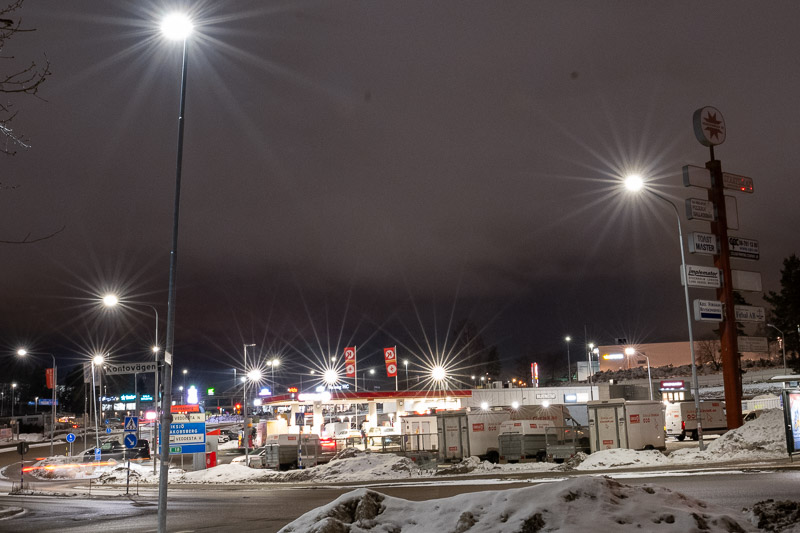
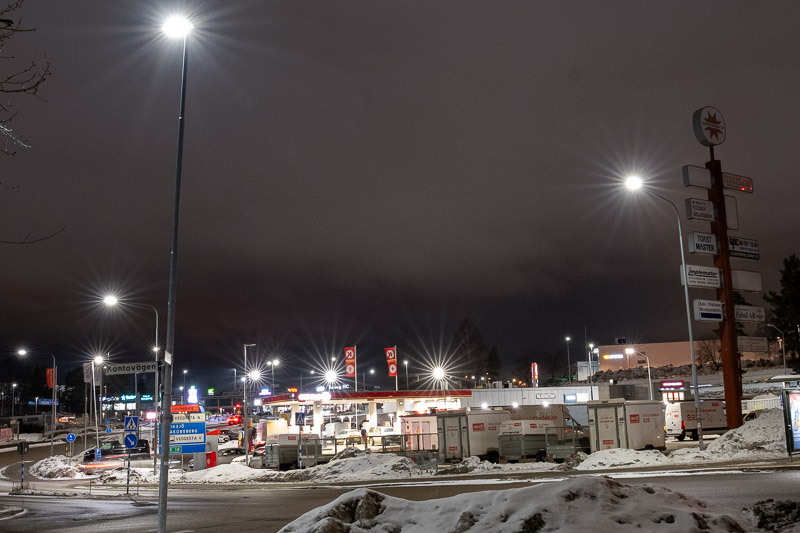
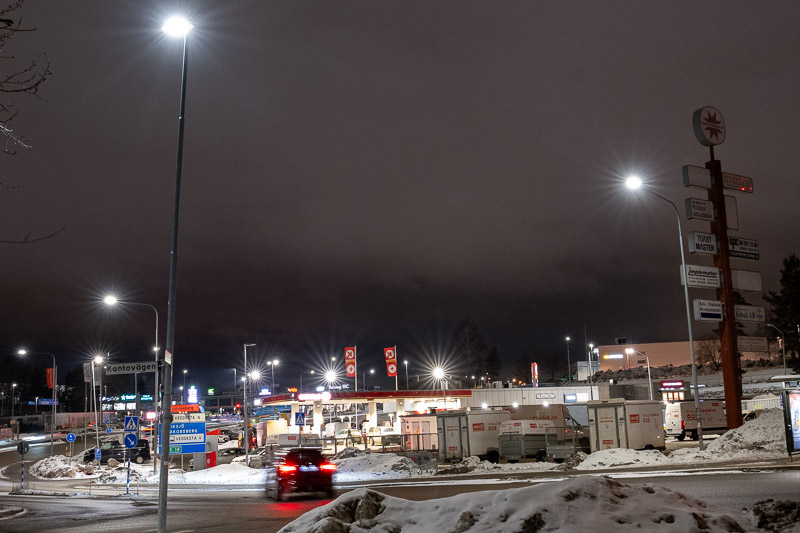
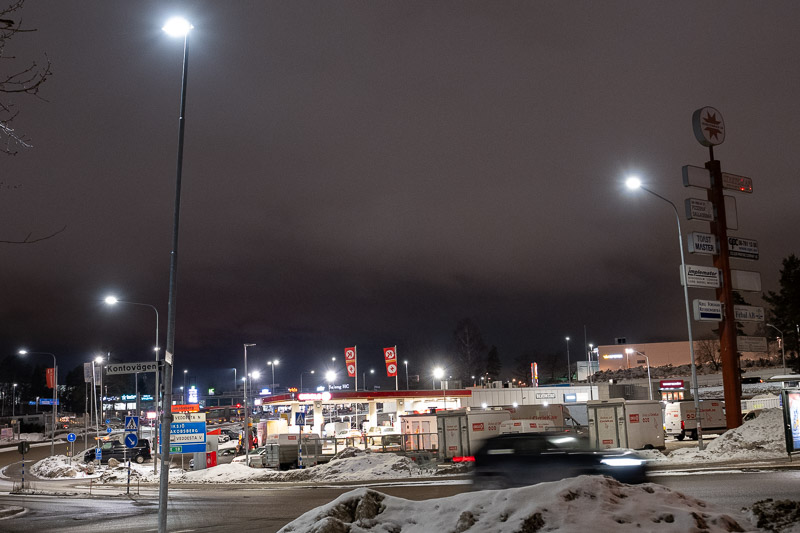
This lens produces distinct and attractive sunstars despite its 11 aperture blades. Sunstars begin to appear at f/5.6, become well defined at f/8, and at f/11 — especially f/16 — the rays grow longer and more pronounced.


Focus Breathing

Unfortunately, focus breathing is quite pronounced—the first significant drawback we’ve encountered in testing so far.
Bokeh
The bokeh is pleasing, though it shows a slight bubble character, and a hint of onion-ring structures can be seen in the highlights. The large barrel diameter helps keep optical vignetting very low, so we don’t see pronounced cat’s-eye shapes in the corners. However, as observed earlier, some color fringing is still visible there.
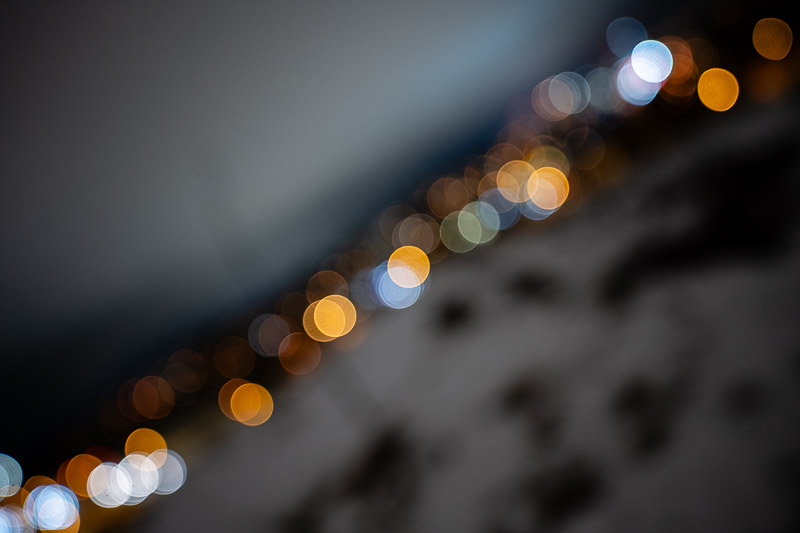
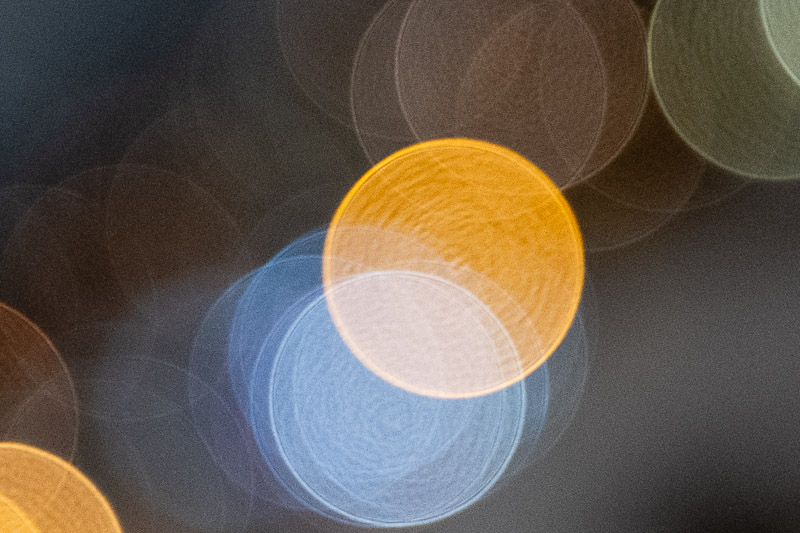

Let’s take a closer look at the background blur in real-world use.

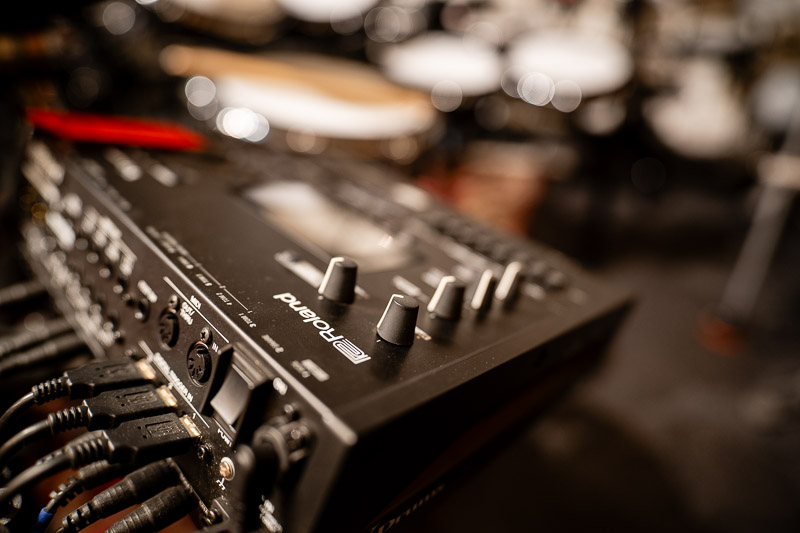
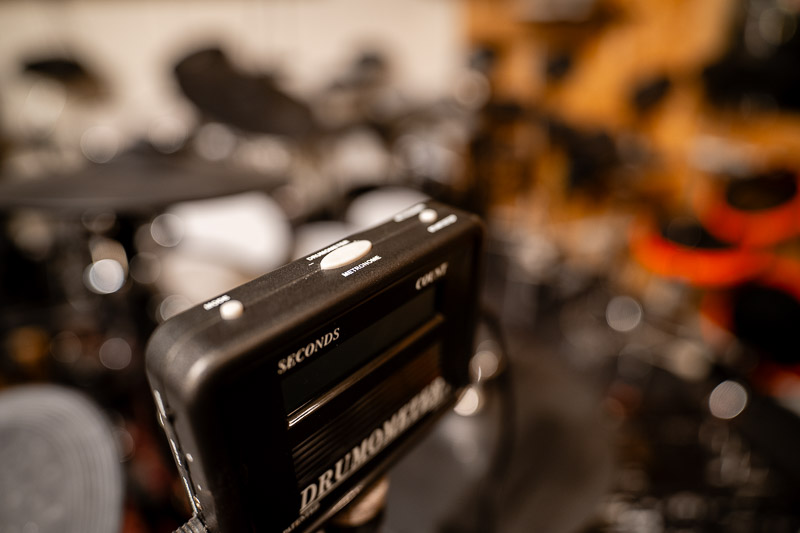
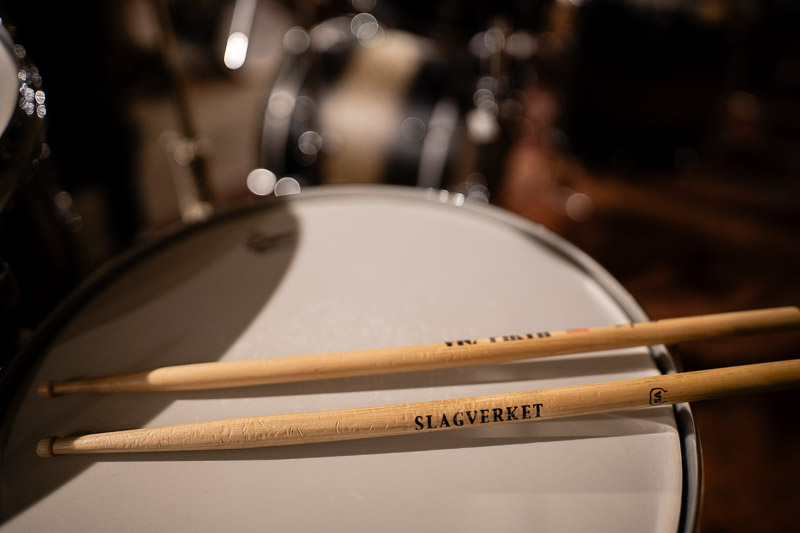

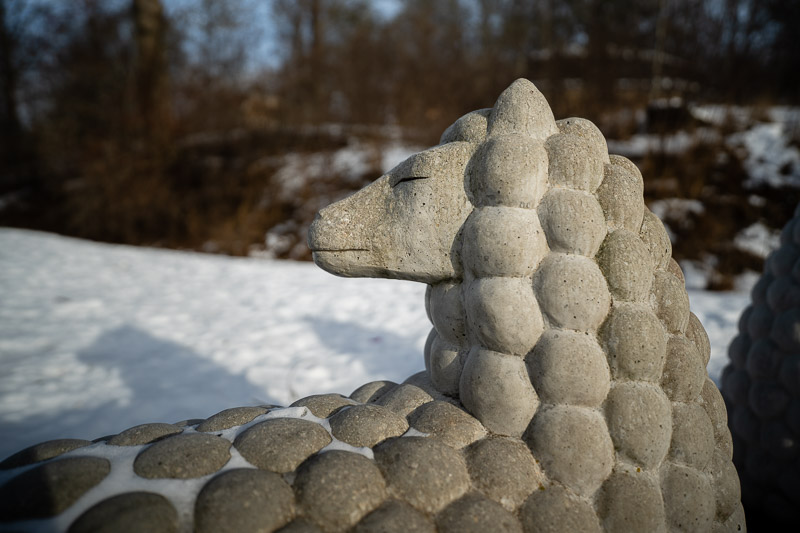


Creating background blur is easy with this lens. Up close, it looks soft and pleasing, and even at portrait or medium distances, the blur stays unobtrusive while still helping separate your subject. Bokeh is subjective, of course, but to my eyes, this lens produces pleasant background blur in most situations.
Conclusion
| I LIKE | AVERAGE | I DON’T LIKE |
|
|
|
Wow, this was unexpected. I had certain expectations regarding this lens’s optical capabilities, but it has clearly exceeded them.
Sharpness is excellent across the frame at all apertures, with the exception of the corners at the widest settings. Bokeh is pleasing, and distortion, vignetting, LoCA, and coma are all well controlled. Autofocus is accurate, and flare resistance is very good. Lateral CA, AF speed, and build quality aren’t quite as strong, but they’re far from bad. The only area that could use improvement — mainly for videographers — is focus breathing.
Nikon does not currently offer a native 24mm f/1.4 for the Z mount. Comparable options from Canon or Sony are significantly more expensive, often costing around three times as much. Sigma’s 24mm f/1.4 Art provides similar optical performance, but at a somewhat higher price.
While the optical performance is impressive, I wish Meike had invested a bit more in the materials and overall build refinement. Even so, I wouldn’t describe the build as poor by any means.
All in all, for a 24mm f/1.4 of this quality, the price at $589 is quite reasonable. If you’re looking for one, this is a good choice — provided you don’t mind the size.
Writing articles like this one is both time-consuming and costs us a lot of money. If you found this article helpful and decided to buy one of these lenses, please consider using one of the affiliate links.
If you are not interested in buying any of the lenses, but you still found this article useful, interesting, or it saved you a lot of money, treat us to a coffee (donate)!
| Buy new: Meike’s Store, B&H, Amazon (anywhere) for $589 (Affiliate links) Buy used: eBay |
Alternatives
To date, there aren’t any autofocus alternatives for the Nikon Z mount, as far as I know (please let me know if I’ve missed one). So if you’re looking for a native 24mm f/1.4 for Z mount, this is currently your only option. Below, I list a few alternatives in other mounts, all of which are adaptable to Nikon Z:
Nikon AF-S 24mm f/1.4G ED
This is Nikon’s own pro-level 24mm from its DSLR lineup (Nikon F mount). Unfortunately, it was never updated with a native Z-mount version. It is the only lens in this list that is both heavier and larger in diameter than the reviewed lens. The build quality is noticeably more robust than the Meike’s. Optically, while it is excellent, I believe the Meike actually has a slight edge. Not long ago, this lens was selling for around $1,999. In addition to being larger and heavier than the Meike, it also requires an adapter for use on a Z camera, making the overall setup even bulkier.
Buy new: Amazon (anywhere) for $1397 (Affiliate links)
Sigma 24mm f/1.4 DG HSM Art
This is also a DSLR design and available in Nikon F mount. It was released after Nikon’s AF-S 24/1.4 and was considered to have better sharpness, but otherwise on par with that Nikon at a lower price.
Buy new: Amazon (anywhere) for $879 (Affiliate links)
Sigma 24mm f/1.4 DN DG Art
Sigma’s updated mirrorless version of the aforementioned lens is available in Sony E and Leica L mounts. you can adapt the Sony version to Nikon Z, which adds to the cost.
Buy new: Amazon (anywhere) for $879 (Affiliate links)
Sony FE 24mm f/1.4 GM
This Sony lens is both smaller and lighter than the lot and is considered to have outstanding build and optical quality, with unparalleled sharpness and coma correction. Although I am not convinced that it has a better coma correction than the reviewed Meike.
Buy new: Amazon (anywhere) for $1598 (Affiliate links)
Canon RF 24mm f/1.4 L VCM
Buy new: Amazon (anywhere) for $1549 (Affiliate links)
More Sample Images

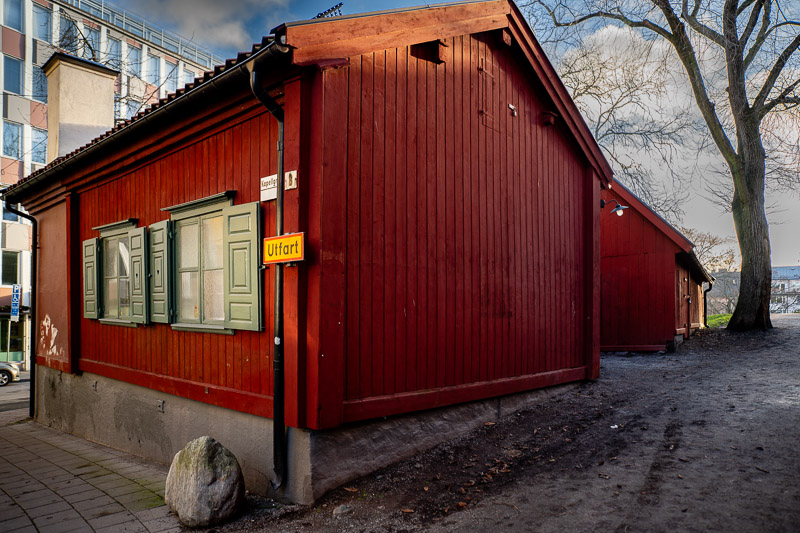

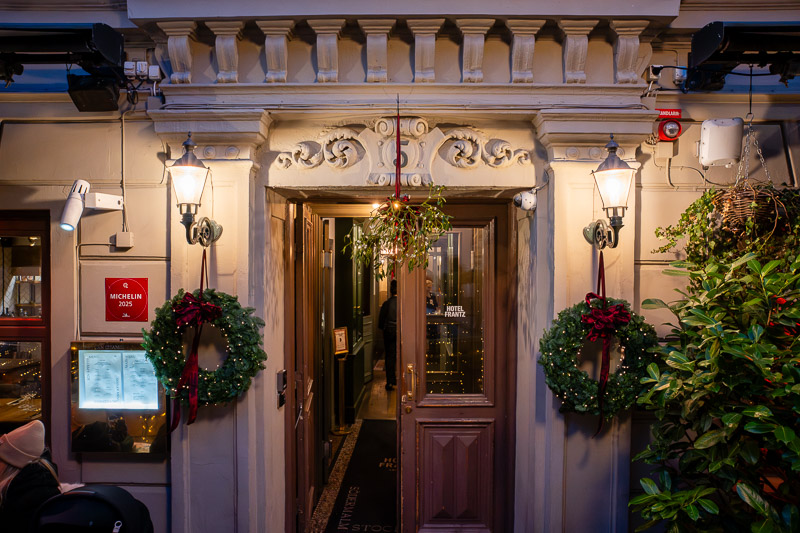
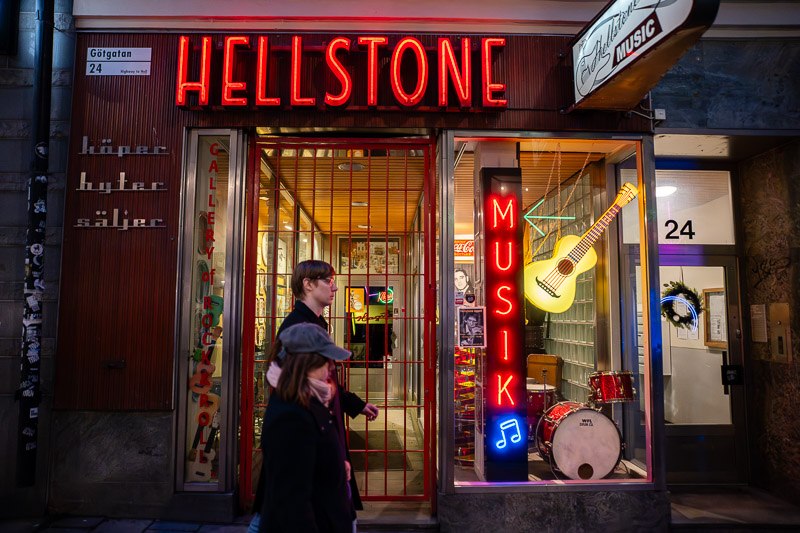
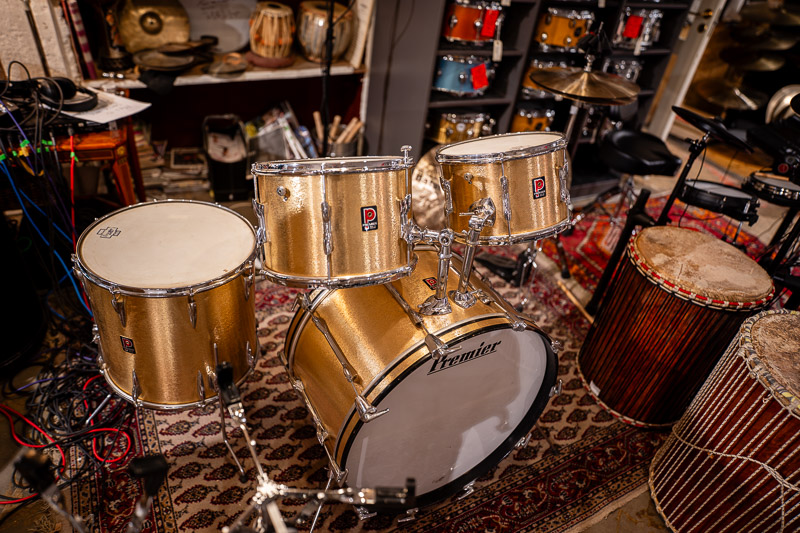

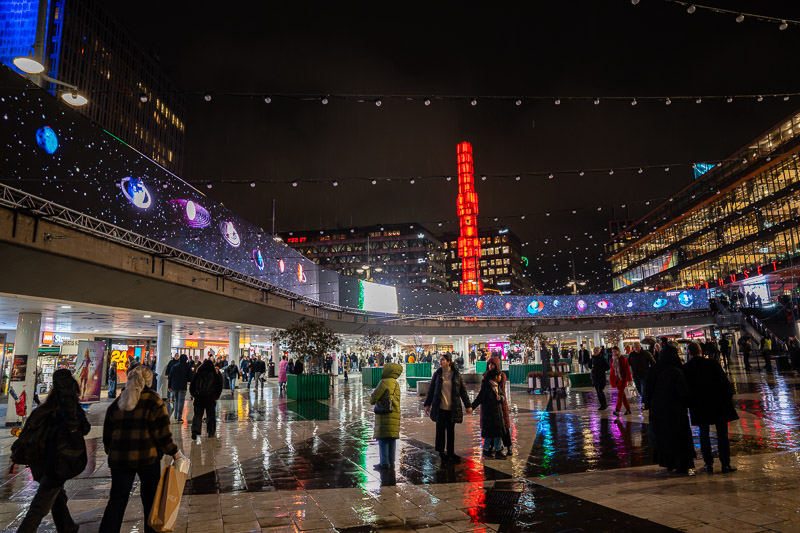

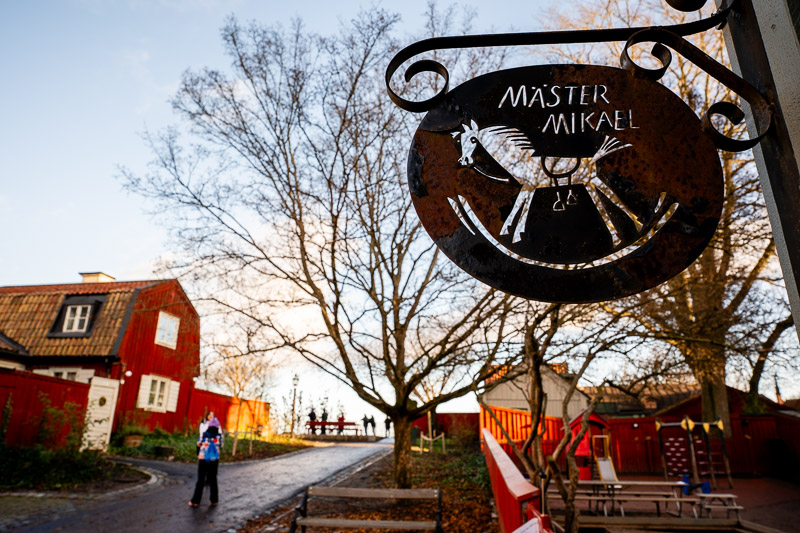

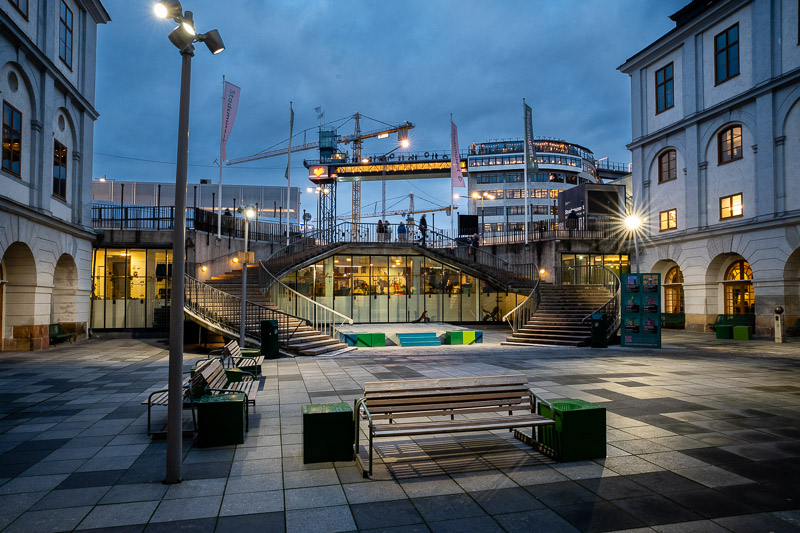
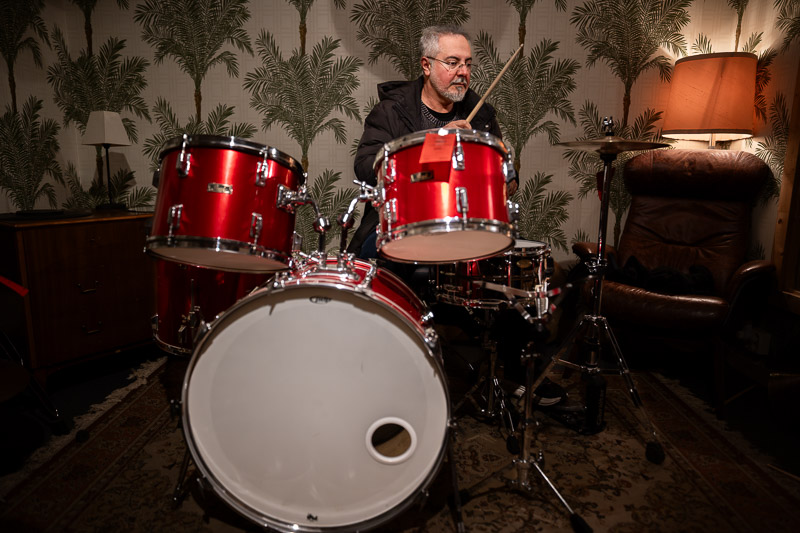

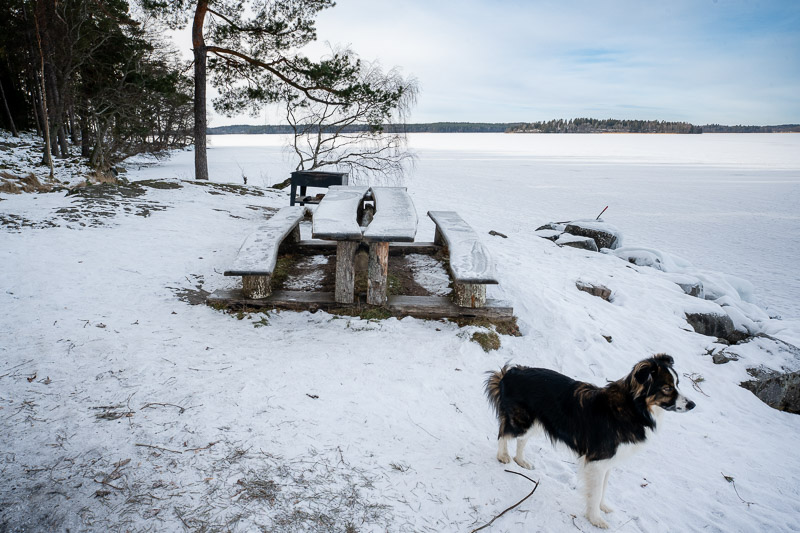
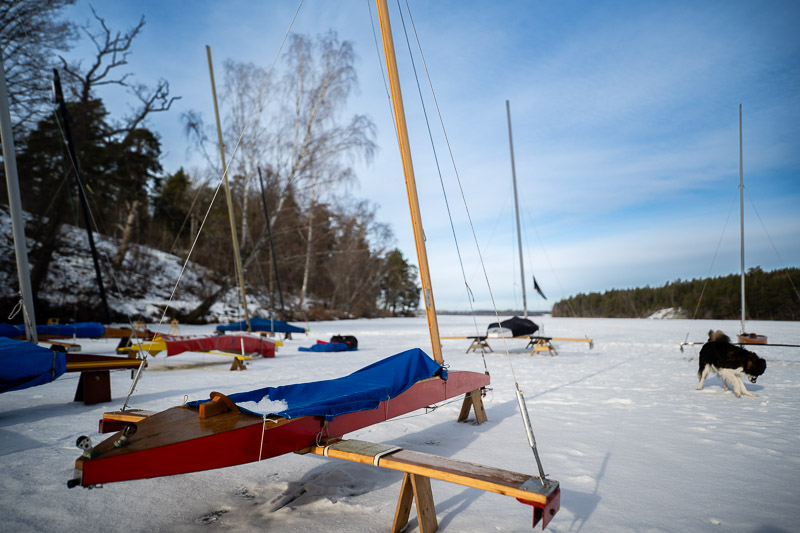

Most of the sample images in this review and many more can be found in higher resolution here.
Further Reading
- What camera gear and accessories do I use most frequently?
- Review: Nikon AF-S 24mm 1.4G – Outdated or Modern Classic?
- Review: Sony FE 24mm 1.4 GM
Support Us
Did you learn something new, find this article useful, or simply enjoy reading it? We’ve put a lot of time and resources into creating it, and your support helps us keep going. If you’d like to show your appreciation, please consider clicking the Donate button!



(Donations via Paypal or bank card)
What’s in my camera bag? MY 2024 KIT!!
- Main camera : https://amzn.to/3TsGtKg
- Camera grip : https://amzn.to/4e0G3CR
- Memory Card 1: https://amzn.to/47pA20i
- Memory Card 2 : https://amzn.to/3XHYxlZ
- Camera 2 : https://amzn.to/3Xifou8
- Camera grip: https://amzn.to/4dYYpV9
- Memory card 1: https://amzn.to/4e5h2H0
- Memory card 2: https://amzn.to/3zu7W7n
- Small travel tripod: https://amzn.to/4goIX68
- Mini tripod: https://amzn.to/4e09XXX
- Small shoulder bag: https://amzn.to/47tPMiY
- Medium shoulder bag: https://amzn.to/4ej4bjY
This site contains affiliate links, for which I may receive a small commission if you purchase via the links at no additional cost to you. This helps support the creation of future content.


Martin
Latest posts by Martin (see all)
- Analogue Photography: Part 6 – Kodak Gold 200 - March 11, 2026
- REVIEW: TTArtisan Tilt-Shift 17mm F4 ASPH. - March 4, 2026
- REVIEW: Meike 24mm f/1.4 MIX - February 25, 2026
I bought one of these and it was massively decentered. Oh well. However, to be fair, the good side was very good. So keep in mind that as with all Chinese lenses, it’s a quality control lottery.
But if you can get a good sample, it’s outrageously sharp and the flare resistance is amazing.
I had the same experience as AW. My copy was very decentered, rendering the entire right 1/3 of the image unusable. The left side looked great though. Not sure if I want to gamble on getting another one.
It seems that Meike has serious problems with its quality control. Unfortunately, inconsistent quality control is an issue with many Chinese lenses, which is one reason why the major brands are typically more expensive.