Introduction
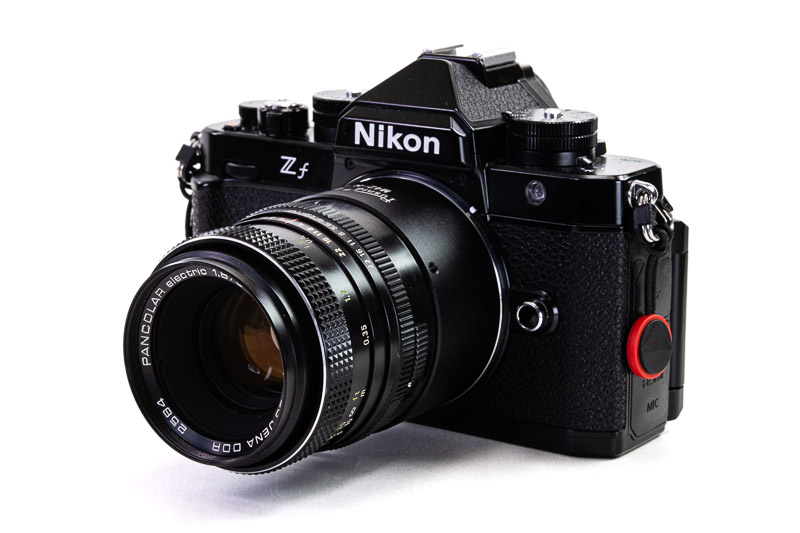
Zeiss Jena designed the first Pancolar 50mm with a maximum aperture of f/2 in 1960, partly to offer a faster and better-performing alternative to the Tessar 50mm f/2.8. As competitors began designing and releasing standard 50mm lenses with f/1.8 apertures, Zeiss found it necessary to respond with a lens of similar specification. The result was the Pancolar 50mm f/1.8, which was designed and produced starting in 1964. It was considered one of the best lenses of its era and remains quite popular today. When this lens was around, I was using Japanese cameras and lenses, so I’ve often wondered whether it was better than what I had. Let’s see how it actually performs by modern standards.
 I tested this lens on a 46 Mp Nikon Z7ii (Sample images were taken with a Nikon Zf)
 You can see this review as a YouTube video here!
 Sample images in high resolution here.
Sample Images

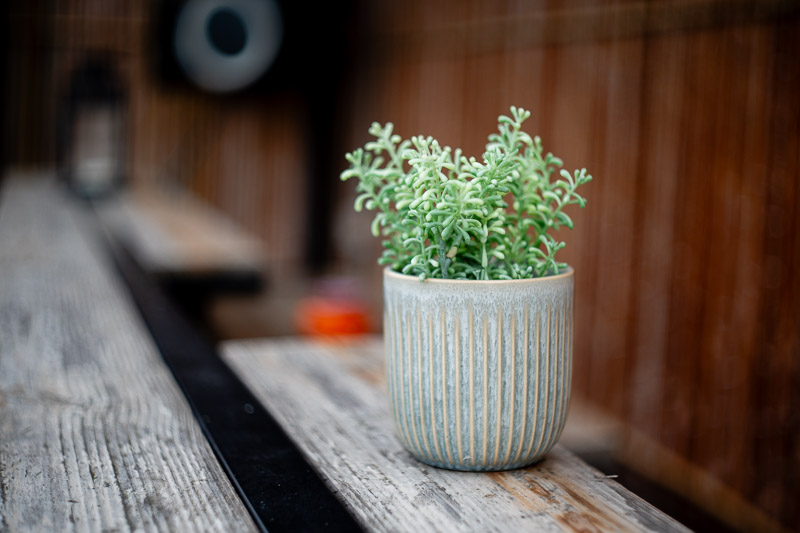
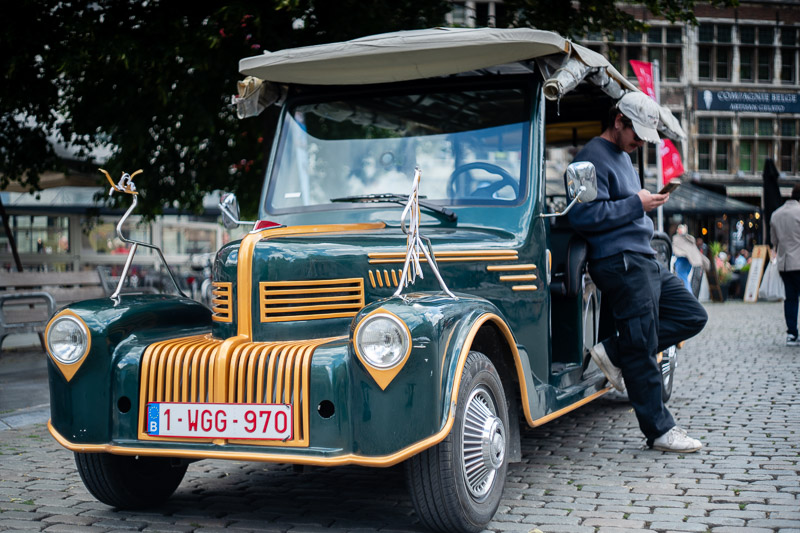
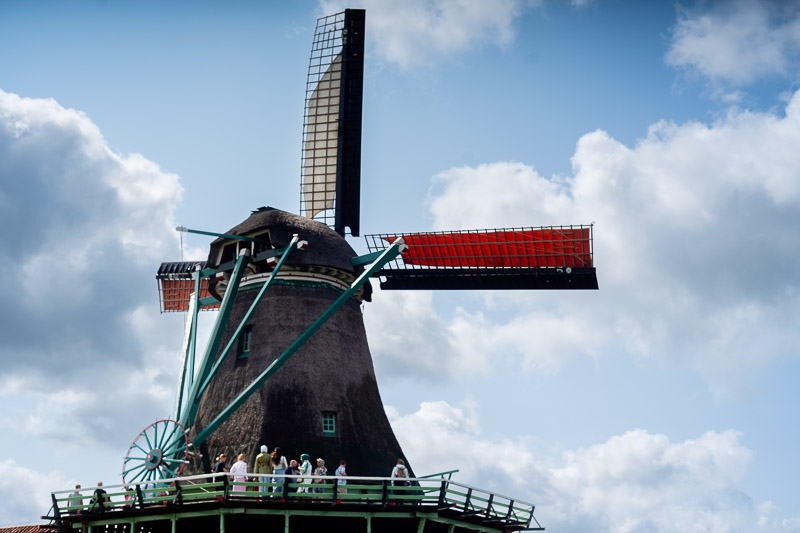


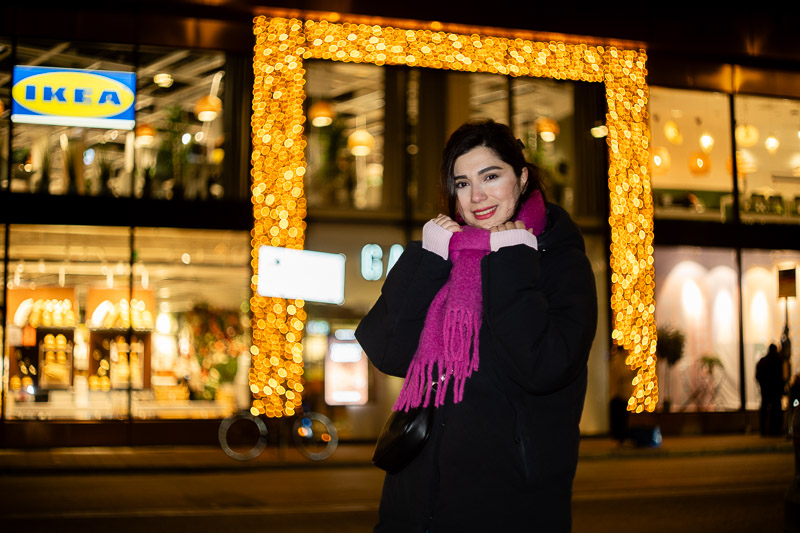
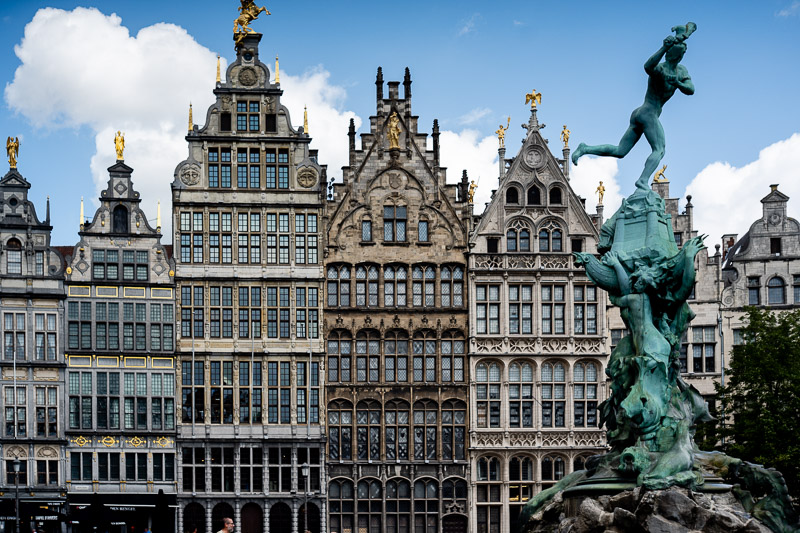
Most of the sample images in this review and many more can be found in higher resolution here.
Specifications
| Focal Length | 50mm |
| Angle of View | ≈ 47° |
| # of Aperture Blades | 6 (rounded) |
| Max Aperture | f/1.8 |
| Min Aperture | f/22 |
| Min Focus Distance | 0.35 m |
| Filter Size | 49mm |
| Lens Mount | M42 |
| Weight | 230 g |
| Size (D x L) | ≈ 47 x 65 mm |
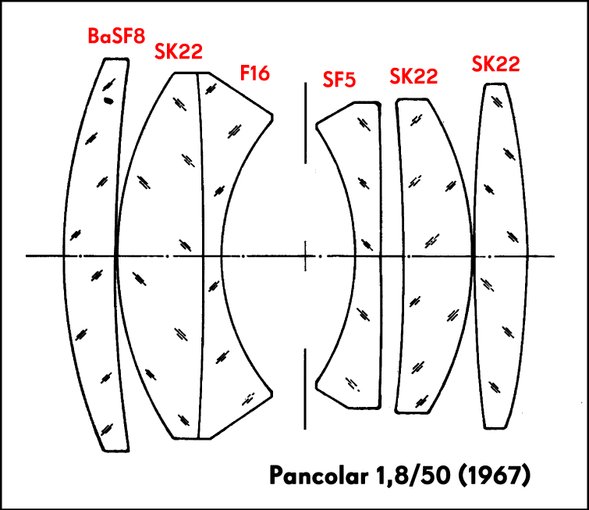
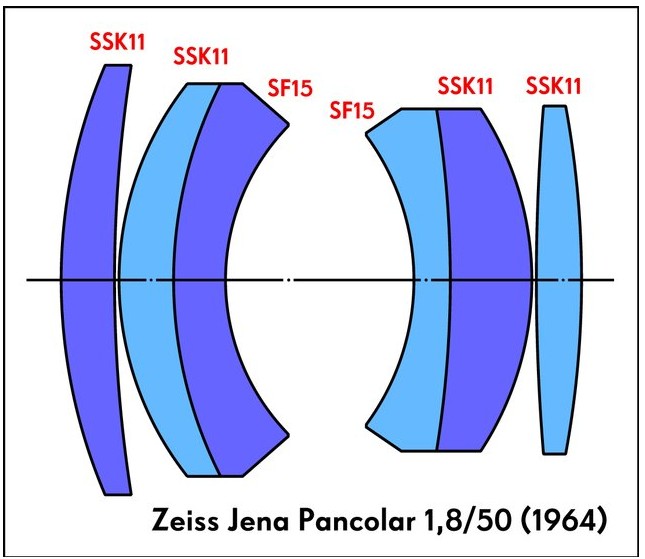
| Elements/Group | 6 elements in 5 groups (6 elements in 4 – early versions) |
| Buy : eBay.com, eBay.de, eBay.co.uk from €110 (Affiliate links)
Adapters: |
Disclosure
I purchased this lens for the sole purpose of reviewing it.
Variations and History
The 50mm f/1.8 Zeiss Pancolar was produced between 1964 and 1982 in several versions. Early models (up to 1967) used a Double Gauss 6 elements, 4 groups design with high-refractive-index thorium glass, which was slightly radioactive and contained toxic heavy metals. These lenses were expensive, and their glass could yellow and become slightly opaque over time. Most had 8 aperture blades with a zebra design.
Later versions used safer, more stable glass with a lower refractive index. To maintain high optical quality, the formula was revised to a more advanced 6-element, 5-group design, and the number of aperture blades was reduced to 6 to save costs.
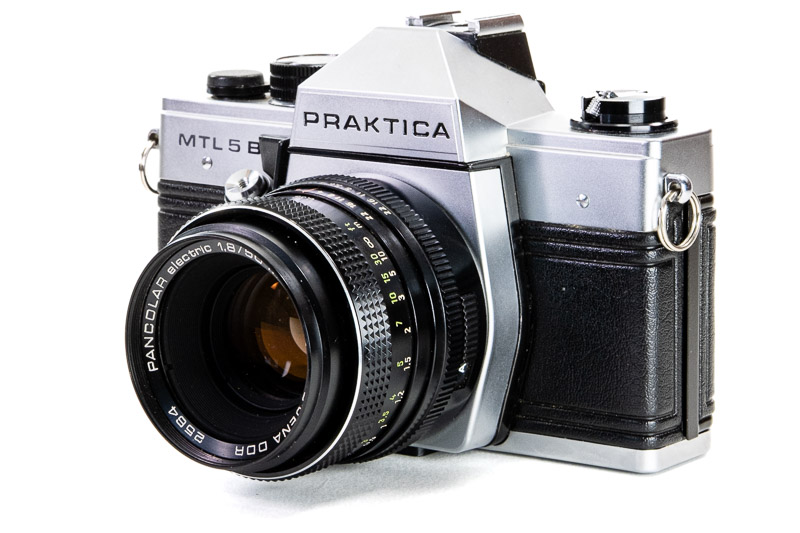
The earliest lenses feature the well-known zebra finish. These can be found with different aperture number styles: either black numbers on a white background or white numbers on a black background. Later models are finished entirely in black, which is typical of the multi-coated (MC) versions. Early MC lenses have distance markings in orange, while later versions use green markings.
The Pancolar 50mm f/1.8 was produced in M42 mount, in EXA mount, and in Praktica B mount from 1979 to 1982 (with a minimum aperture of f/16).
The following names can be found on the front ring, depending on the version:
- Carl Zeiss Jena Pancolar 1,8/50
- aus JENA Pancolar 1.8/50 (EXA version)
- CARL ZEISS JENA DDR PANCOLAR outo 1.8/50 MC (EXA version)
- CARL ZEISS JENA DDR PANCOLAR 1,8/50
- CARL ZEISS JENA DDR PANCOLAR electric 1,8/50 MC
- Standard version
- Short version
- aus JENA PRACTICAR 1:1.8 50mm
The lens reviewed here is a later all-black M42 version with multi-coated (MC) elements (the fifth variant listed above). This version exists in two physical variants: a standard version and a slightly shorter one. My sample is the standard version.
If you are looking for one of the newest examples with the least age for use on a mirrorless camera, the Practicar version is the best choice, paired with a Praktica B–to–your-mount adapter.

Handling and Build Quality
This is a manual-focus lens built entirely of metal and glass.
The focusing ring turns smoothly with good damping and has a very long focus throw of approximately 320°. It is marked with distance scales in both meters and feet. There is also a depth-of-field scale on the barrel, followed by the aperture ring.
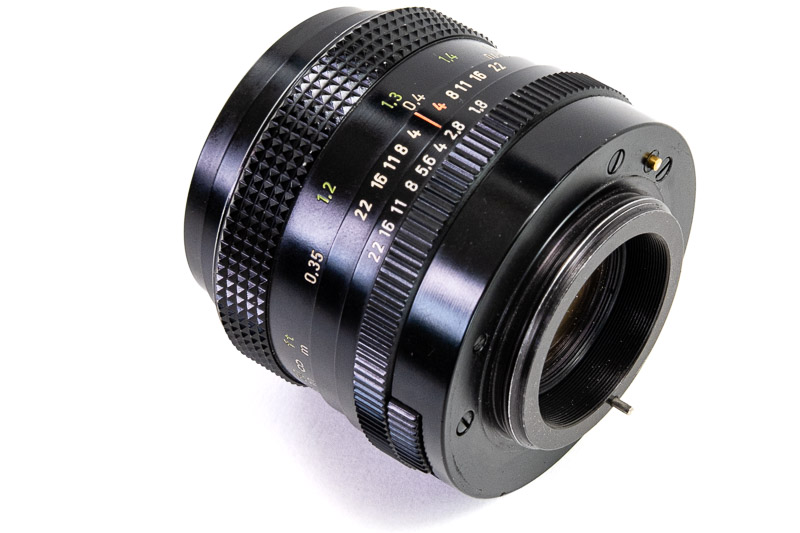
The aperture ring is marked with full-stop values, but it clicks distinctly at half-stop intervals. Between f/1.8 and f/2.8 there are two clicks—one at f/2 and another at f/2.2—neither of which is marked on the ring. All markings, including those on the front ring, are engraved and filled with paint.

There is an A-M switch on the barrel for switching between Automatic (wide open metering) and Manual (stopped down metering).
On the rear of the lens are a metal pin and three spring-loaded, gold-colored contacts. The pin is the standard mechanism for aperture control and is used in two situations. When the lens is set to the A position, the pin closes the diaphragm to the selected aperture at the moment of exposure, allowing for wide-open metering. It is also used for depth-of-field preview: when the camera’s depth-of-field lever is pressed, the pin closes the diaphragm to the working aperture and holds it there for as long as the lever is depressed, allowing you to judge depth of field in the viewfinder.
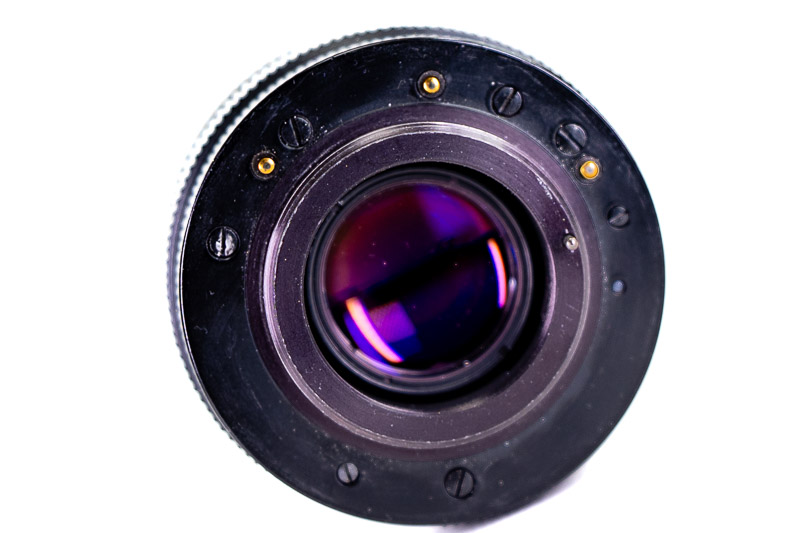
The three spring-loaded, gold-colored contacts on the mount plate report the selected aperture to compatible cameras during wide-open metering. This allows the aperture to remain fully open even when smaller apertures are set on the lens.
Optical Features
Sharpness (Infinity)
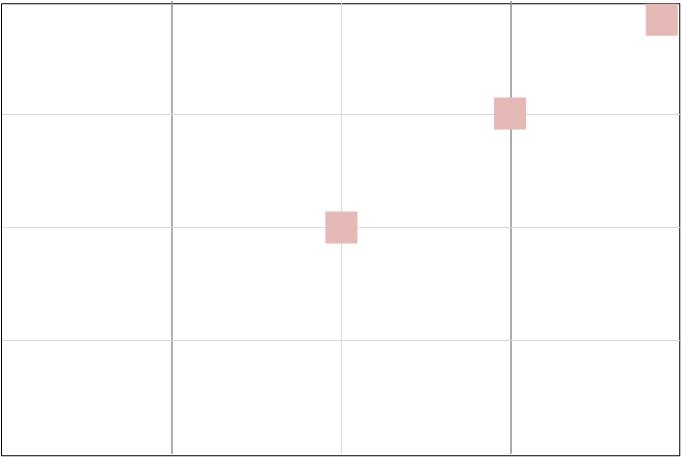
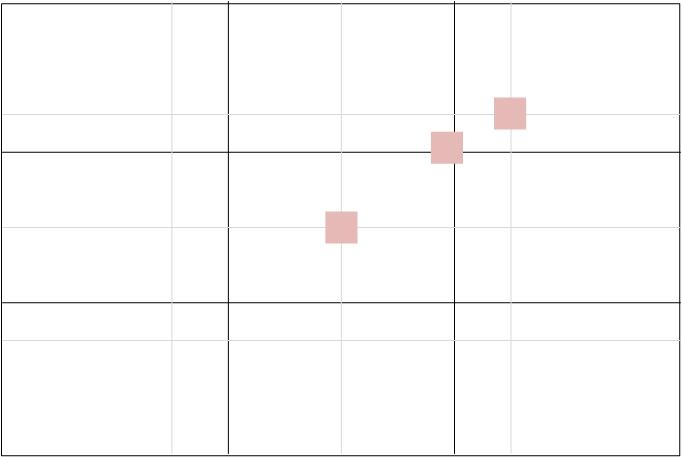
For the infinity sharpness test, we look at three areas of the image, centre, mid-frame, and corner, see highlighted areas in the image below!
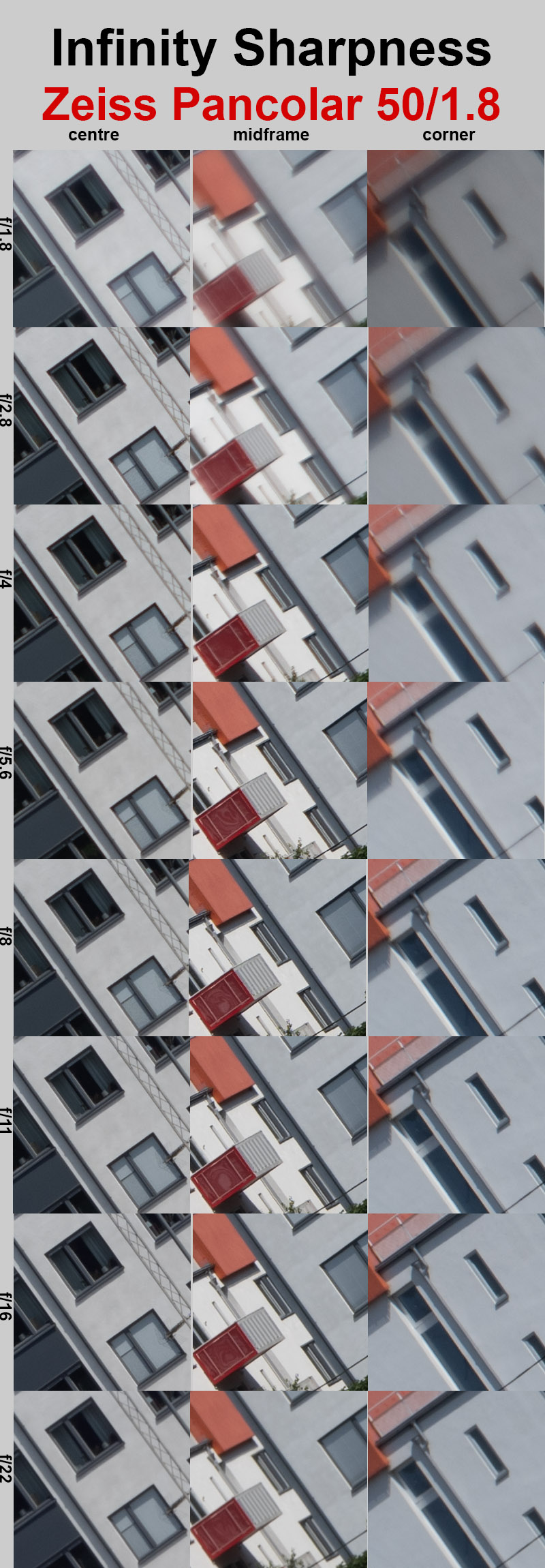
Wide open at f/1.8, centre sharpness is good, though contrast is a little low. The mid-frame is on the verge of being acceptable, and the corners are soft.
At f/2.8, centre sharpness improves to a level that is clearly good. The mid-frame and corners also improve: the mid-frame is now fully acceptable, but the corners remain weak. Contrast is also good from this aperture.
Stopped down to f/5.6, the centre and mid-frame become very good, while the corners are acceptable.
At f/8, the corners finally become good. The mid-frame improves slightly, while the centre remains unchanged, still very good.
At f/11, some diffraction becomes visible, but performance is largely similar to f/8. At f/16, there is a little more loss of sharpness due to diffraction, though the image remains usable. Diffraction is most obvious at f/22, where overall sharpness drops a bit further.
Sharpness (Portrait)
Let’s look at the points of interest for portraits at the portrait distance: the very centre, the centre’s inner periphery (1/3 rule intersection), and the centre’s outer periphery (1/4th intersection).
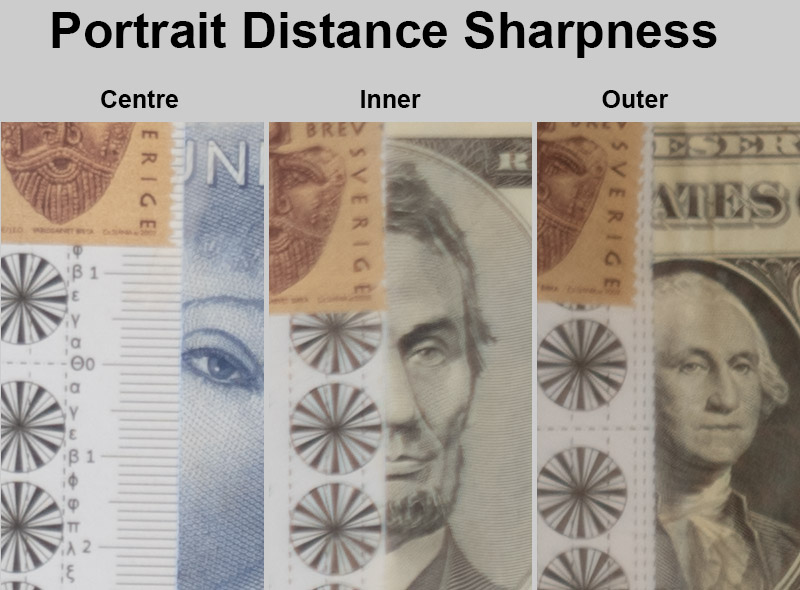
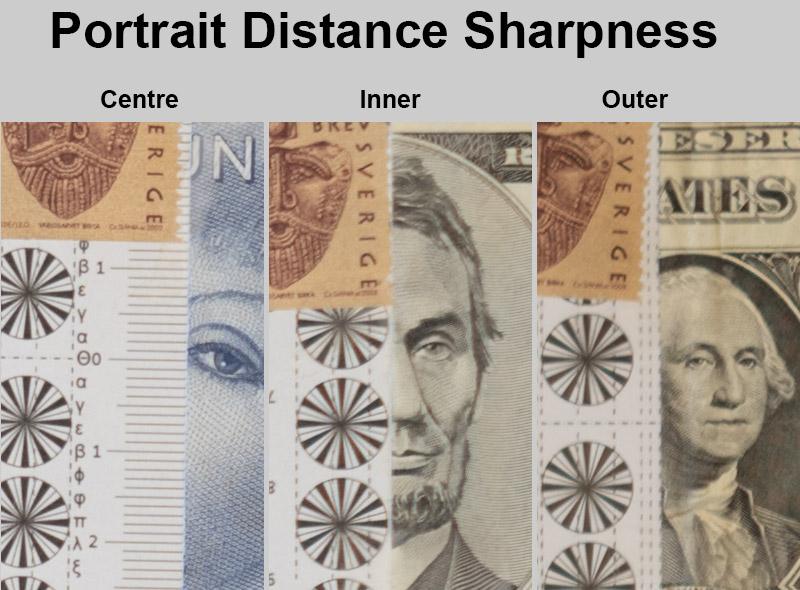
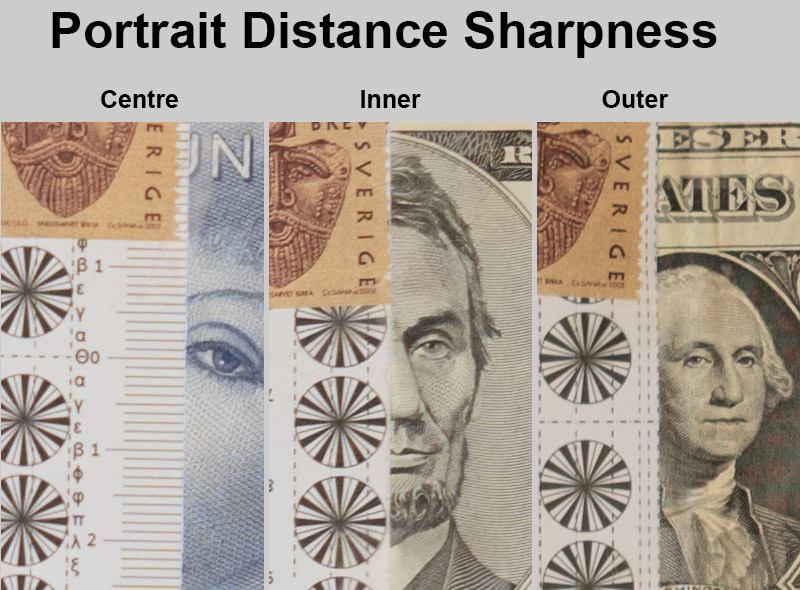
Wide open at f/1.8, the image is generally a little soft and low in contrast. Centre sharpness is still good enough for attractive portraits, and other areas, while a little soft, are also usable. At f/2.8, sharpness and contrast improve significantly. At f/4, centre sharpness stays similar, but the inner and outer zones become noticeably sharper.
Sharpness (Close-up)
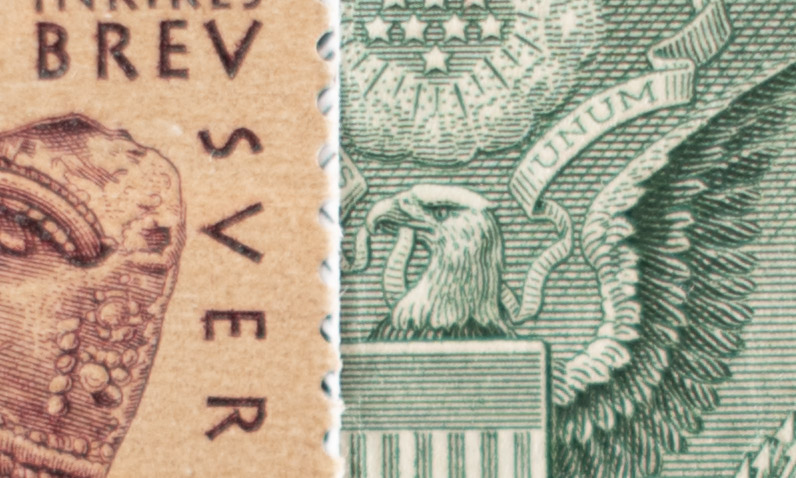
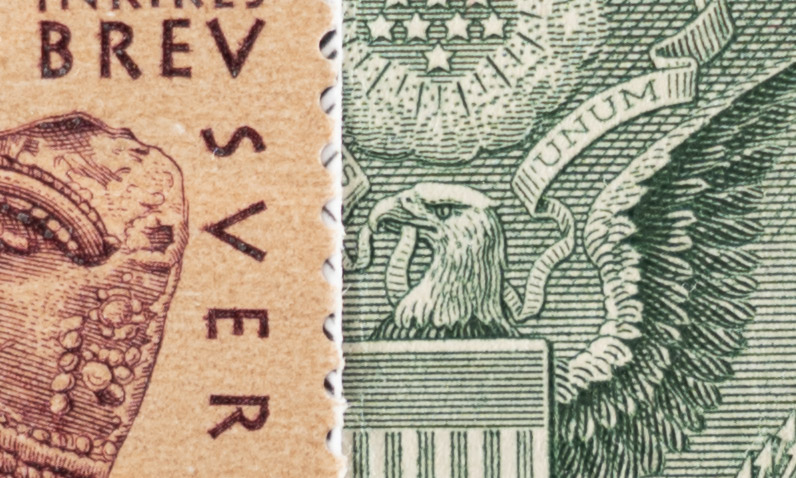
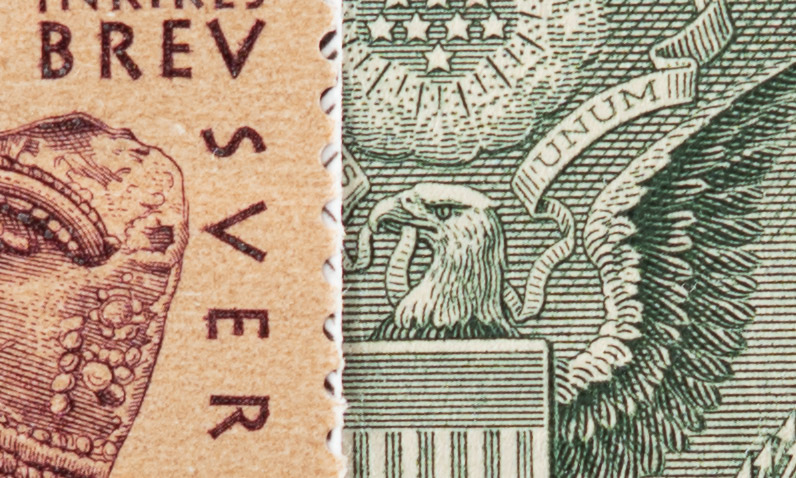
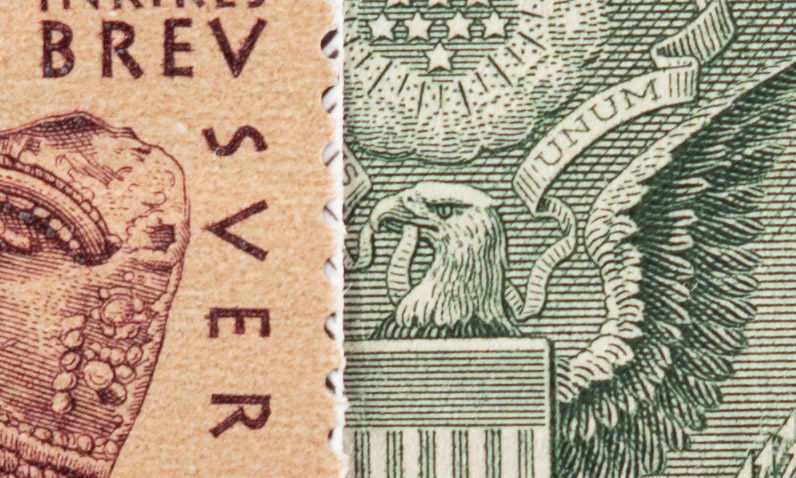


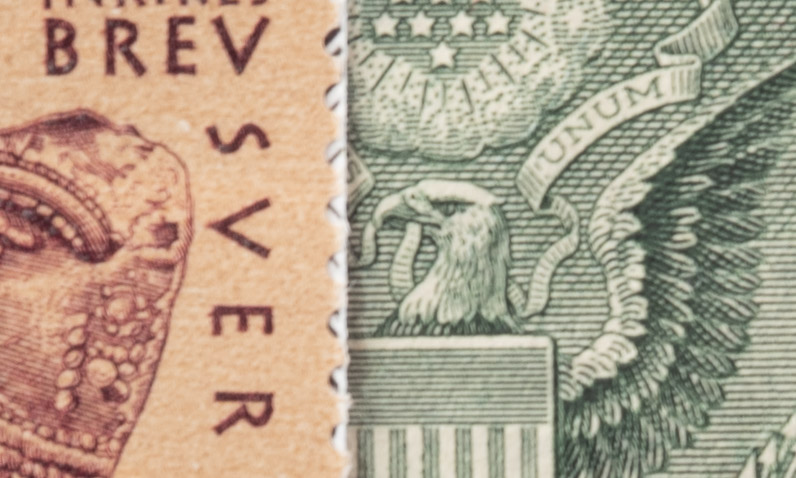
Close-up sharpness is acceptable wide open, but nothing to get excited about. It improves to good at f/2.8 and becomes very good from f/4 onward. Sharpness remains very good up to f/11. At f/16, sharpness drops slightly due to diffraction, which becomes clearly noticeable at f/22.
Lens Distortion
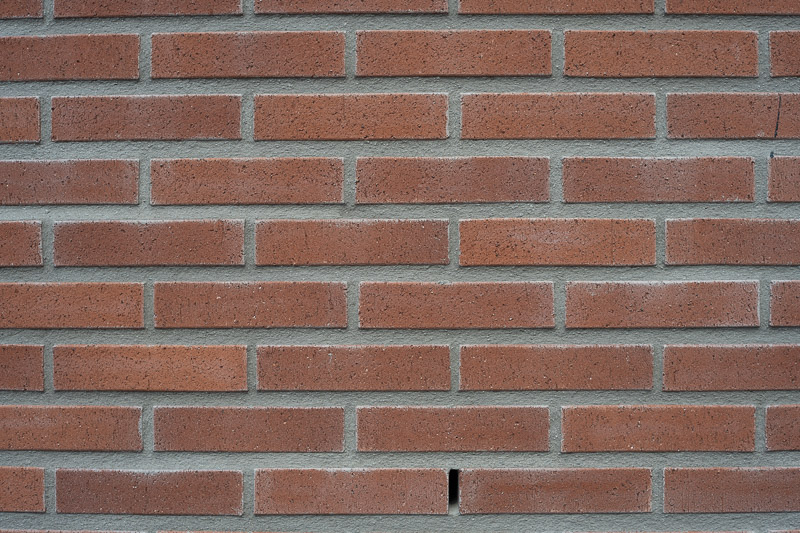
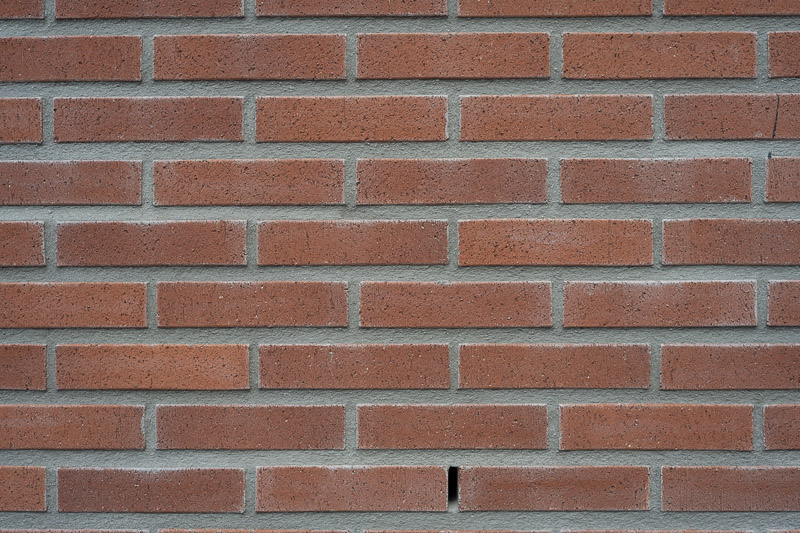
A small amount of barrel distortion is visible, but it is mild and can be ignored in most situations. Correcting it requires a setting of about +4 in Lightroom or Photoshop.
Vignetting
Light fall-off is typical for a lens with these specifications. It is noticeable wide open, improves significantly when stopping down one stop to f/2.8, and is only visible in homogeneous scenes such as snow landscapes. From f/4 onward, it becomes negligible.
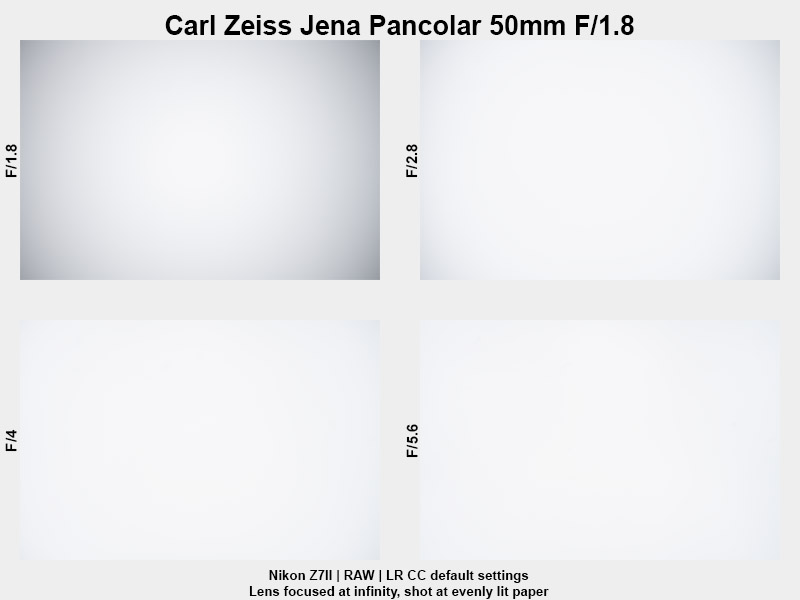
- F/1.8: 2.0 EV
- F/2.8: 1.3 EV
- F/4.0: 0.6 EV
- F/5.6: 0.5 EV
Focus Shift & Aberrations
This Pancolar shows a slight focus shift, but no more than many competitors from the same era.
There is also some longitudinal chromatic aberration, though again it is better controlled than on most competitors. To eliminate it completely, stopping down to f/8 is required, but it is unlikely to be noticeable in most real-world situations.
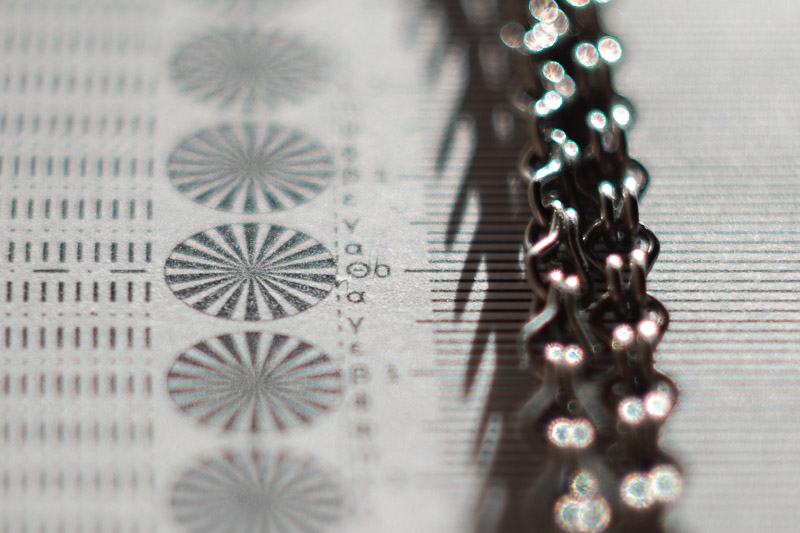
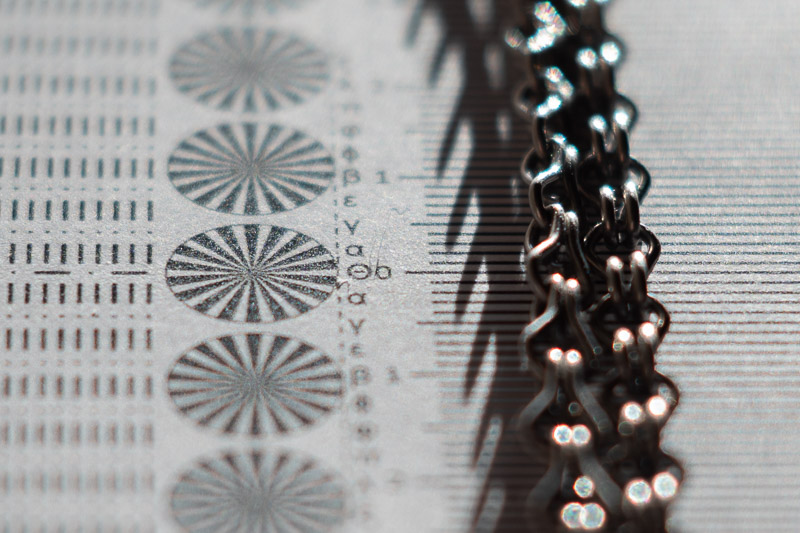
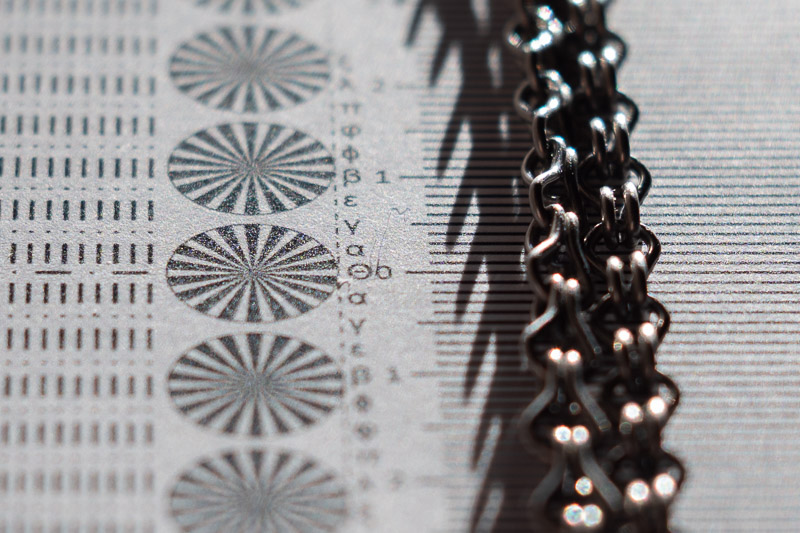
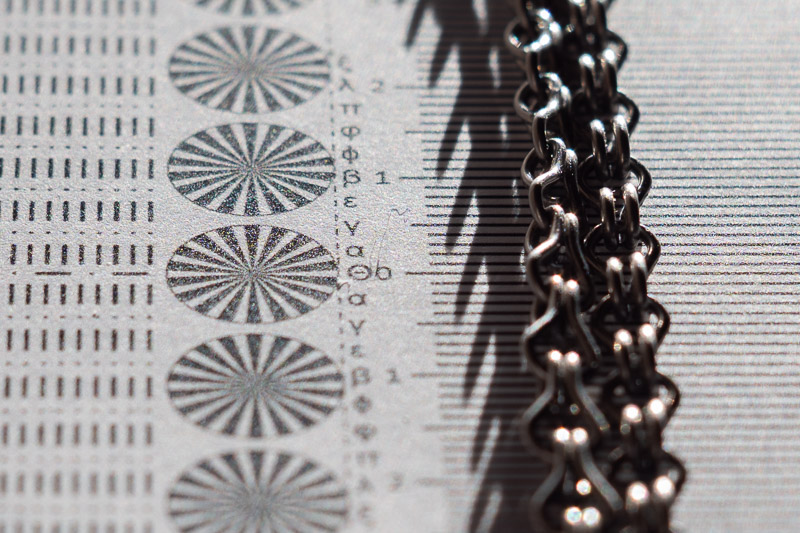
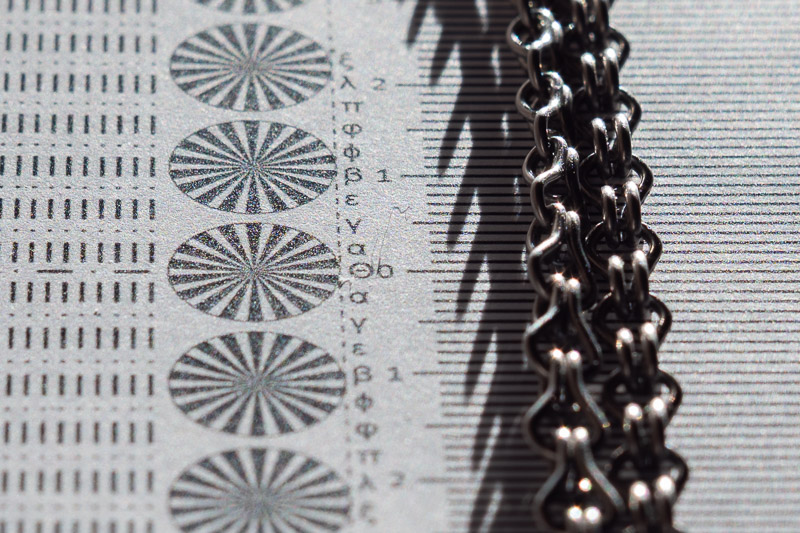
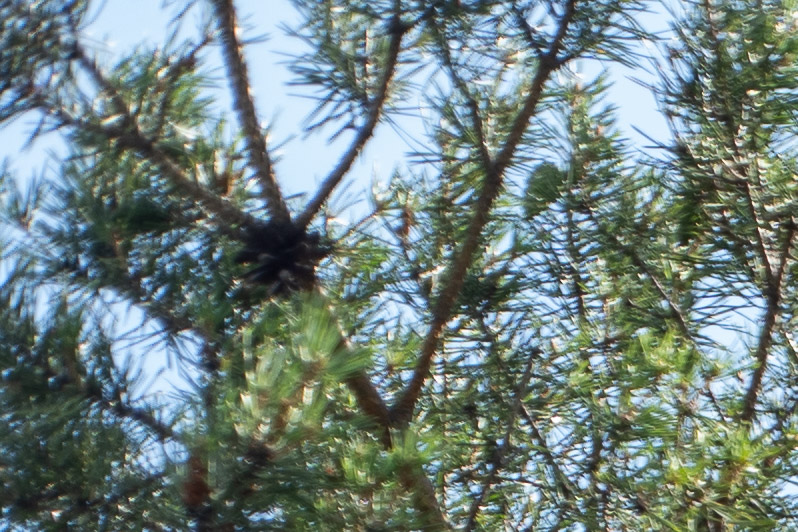
A small amount of lateral chromatic aberration is also present, but it is minor and will go unnoticed in most cases.

Flare Resistance
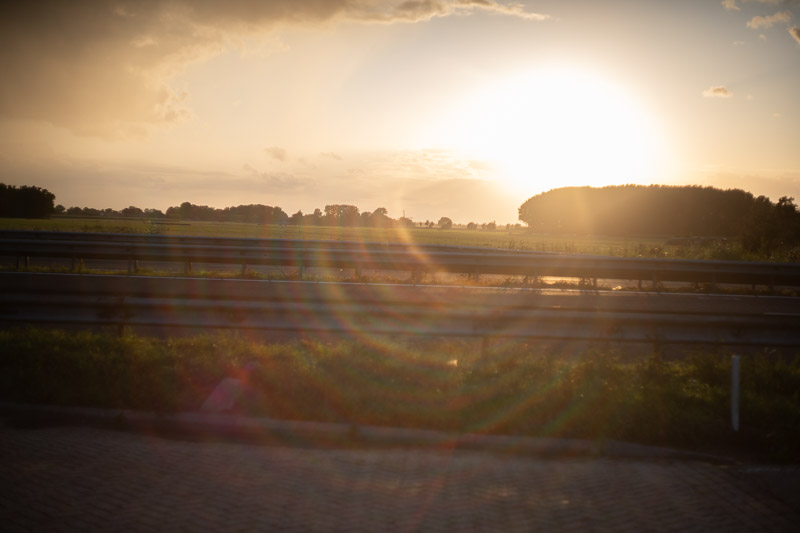
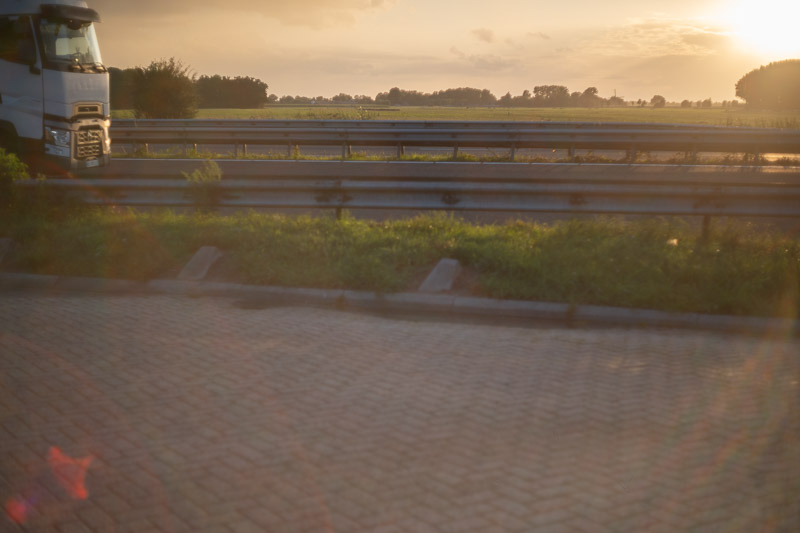
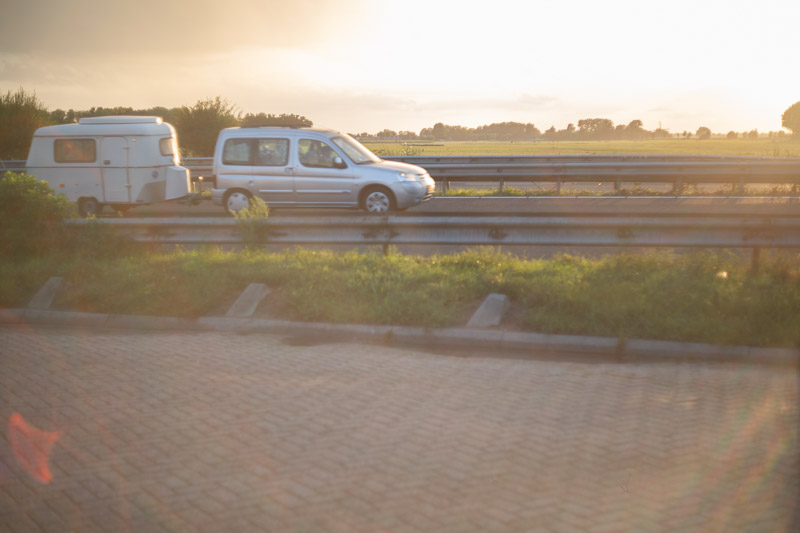
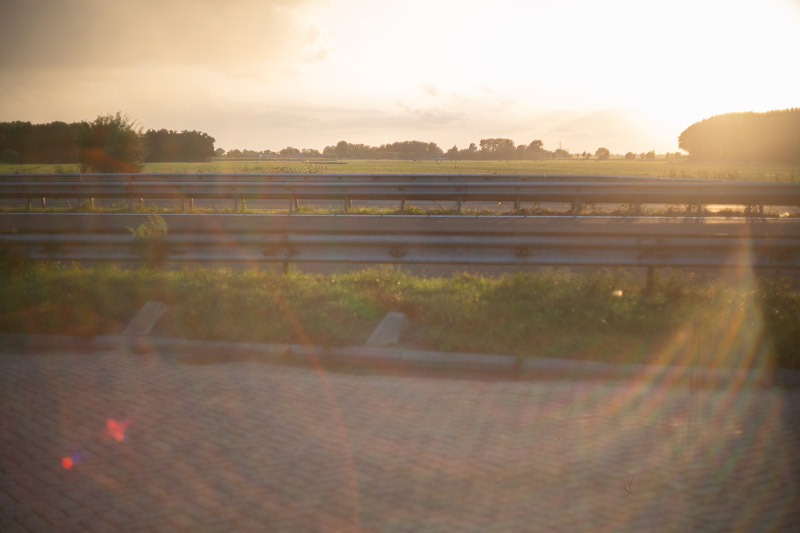
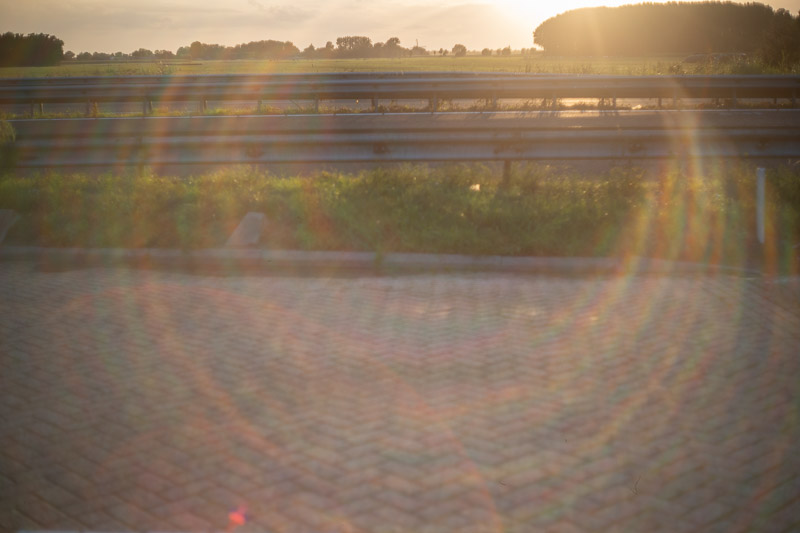
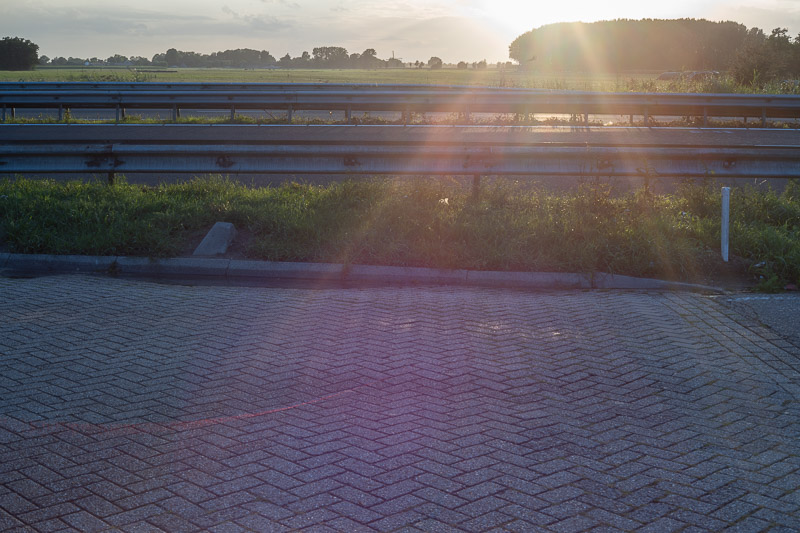
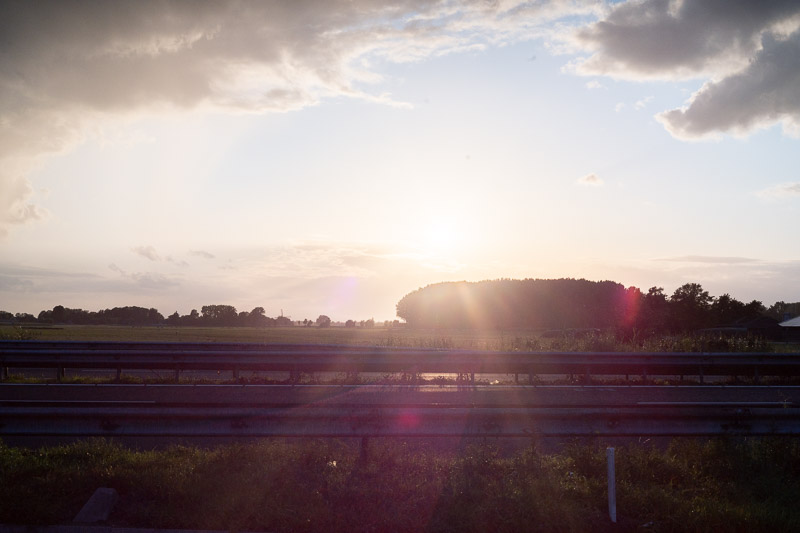
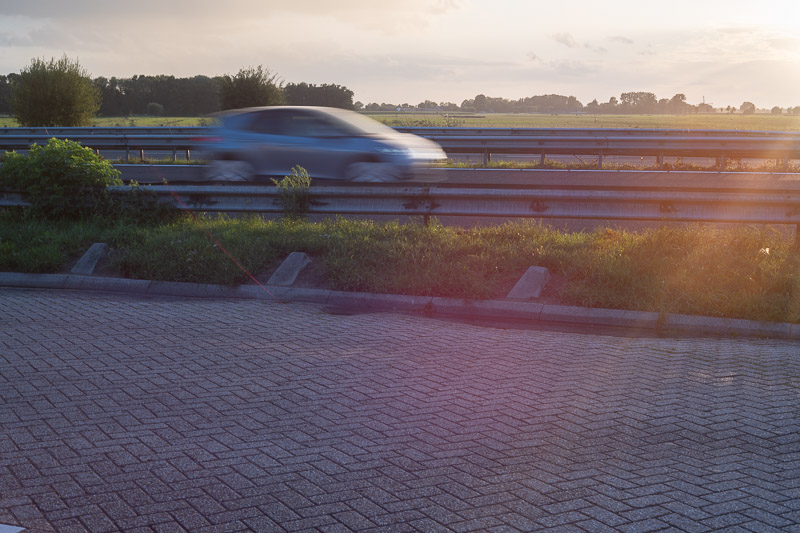
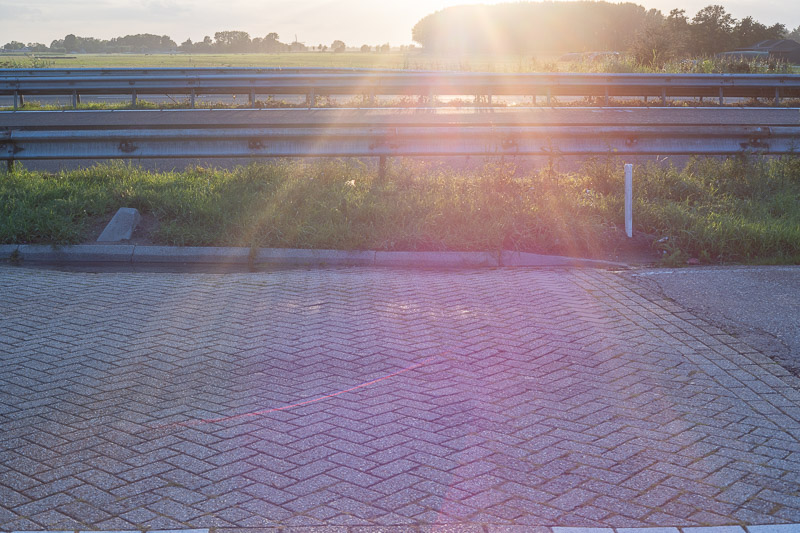
This version of the lens, unlike earlier versions, has a recessed front element, which greatly helps reduce flare from stray light in most normal situations. However, if the sun is in the frame or near its edge, flare becomes unavoidable, producing both veiling and ghosting.

Coma
Coma is a significant issue with this lens, particularly affecting corner sharpness. To eliminate it, you need to stop down to at least f/8, which also explains why corner sharpness only becomes good at that aperture.


Sunstars
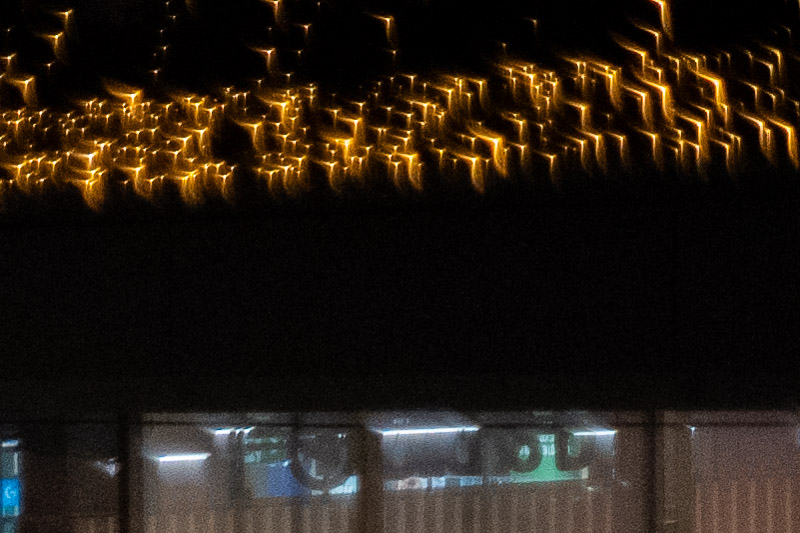
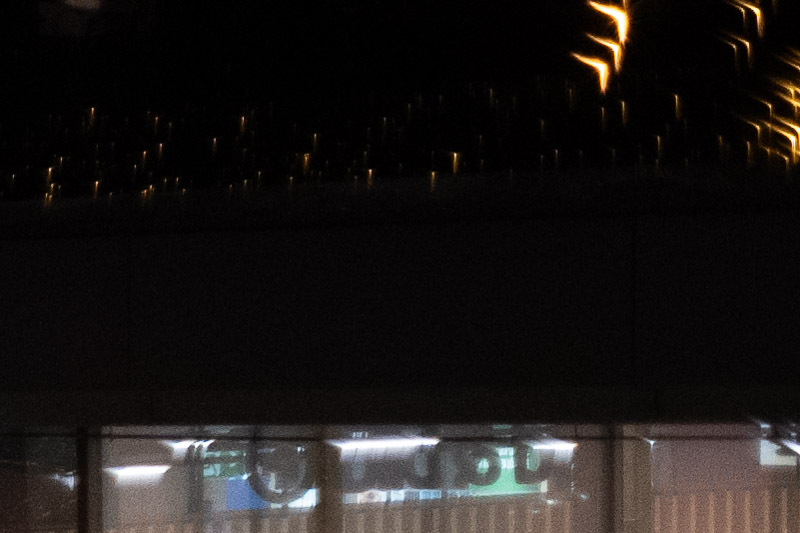
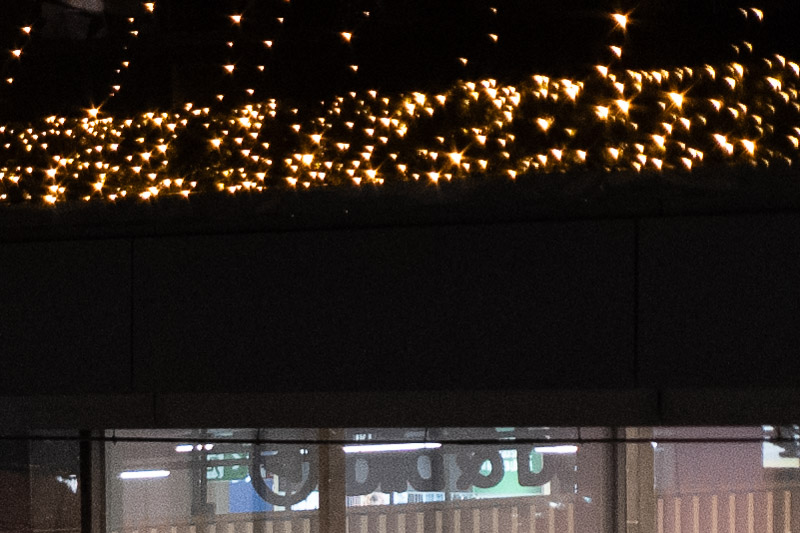
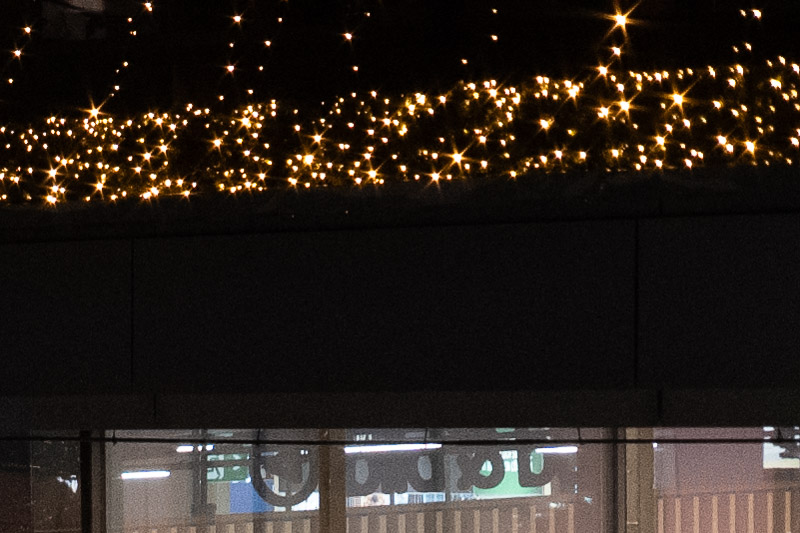
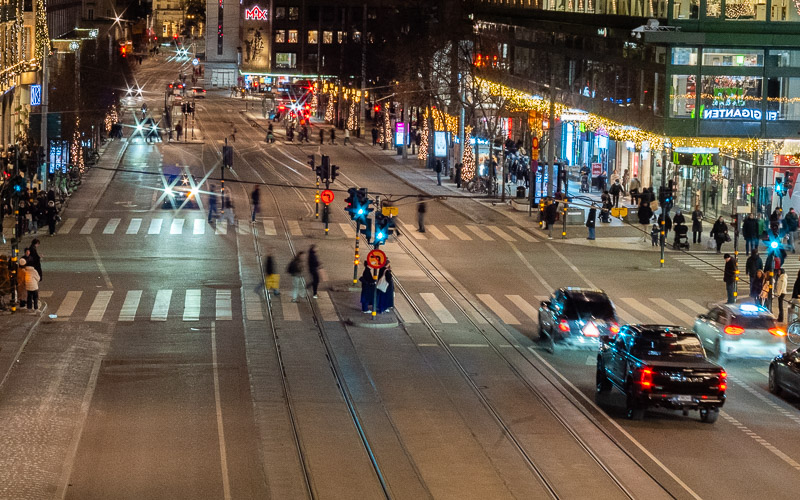
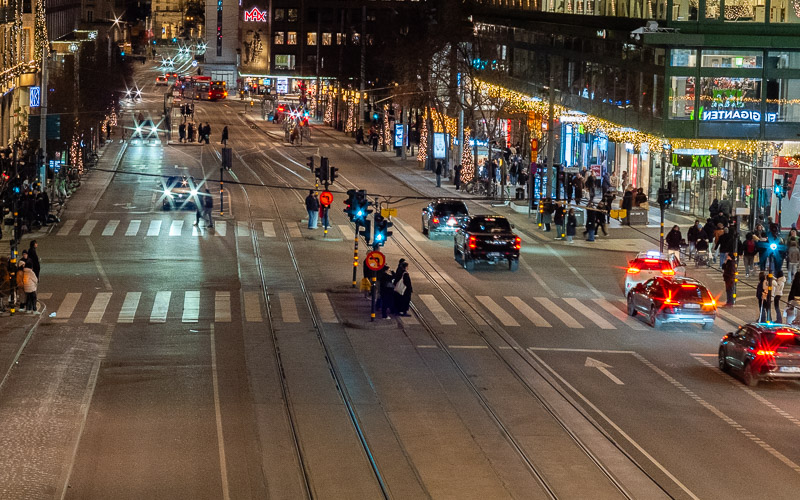
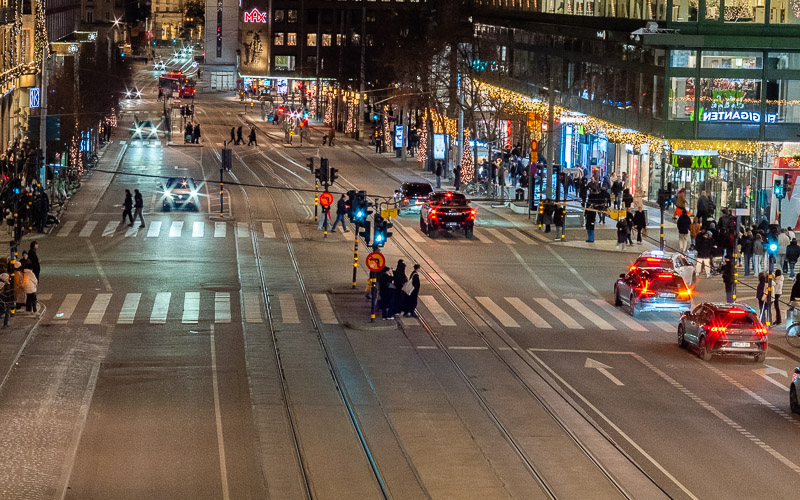
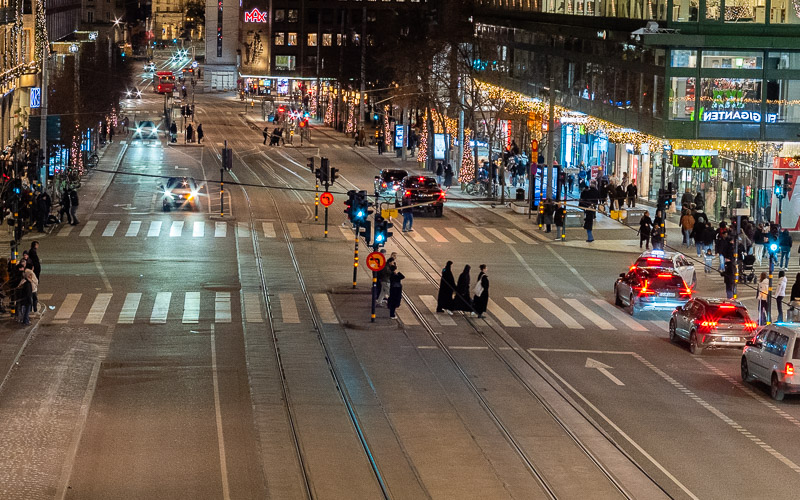
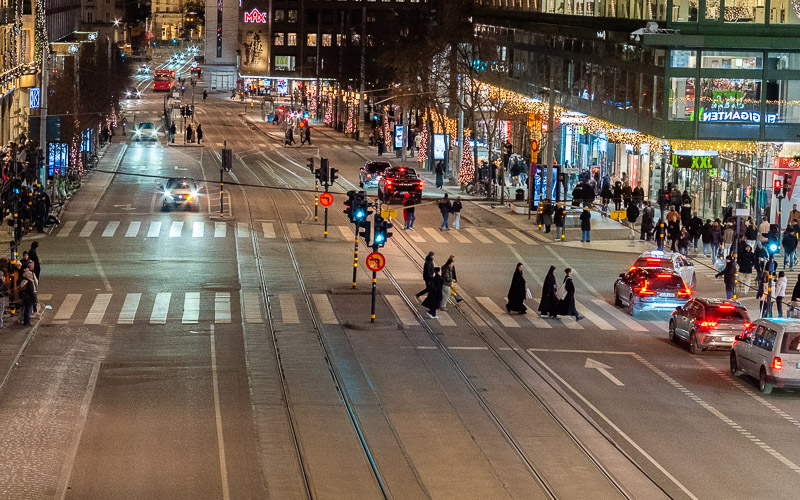
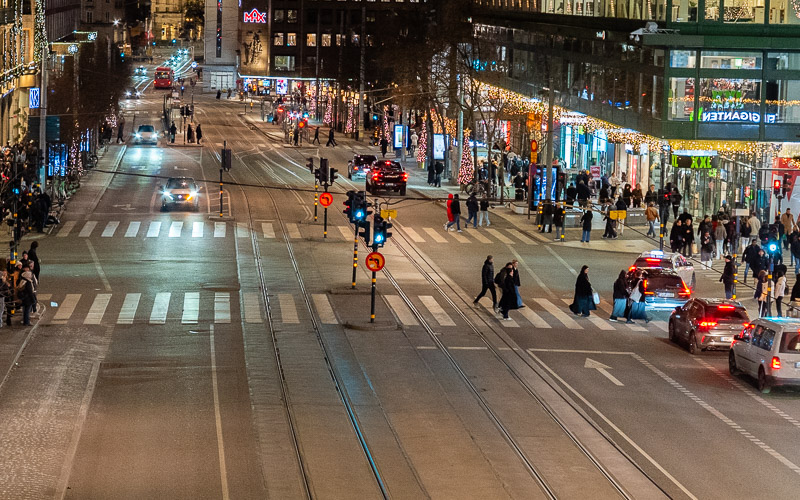
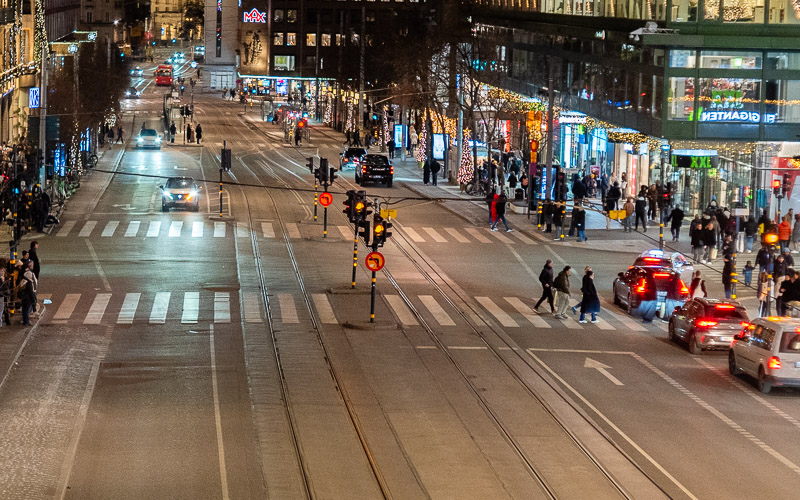
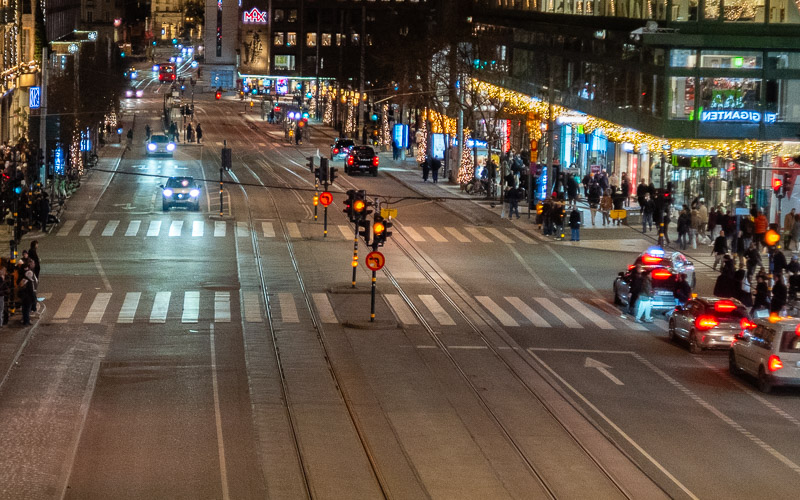
The Pancolar 50mm f/1.8 can produce six-ray sunstars, visible as early as f/4, though the rays are short and not very distinct at this aperture. They become more pronounced from f/8, and by f/16 they are clearly visible with average length. In the examples below, the images are cropped by 50% to better illustrate the effect.
Focus Breathing
This lens exhibits significant focus breathing, which makes it less suitable for video work.
Bokeh
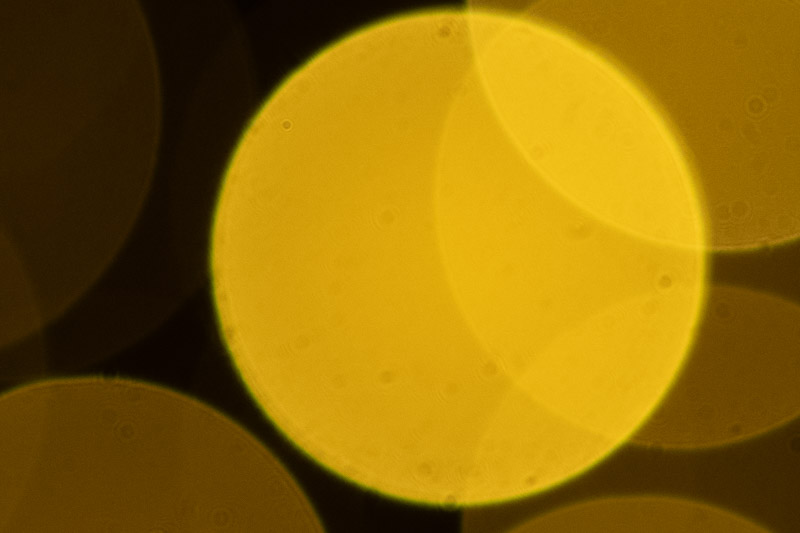
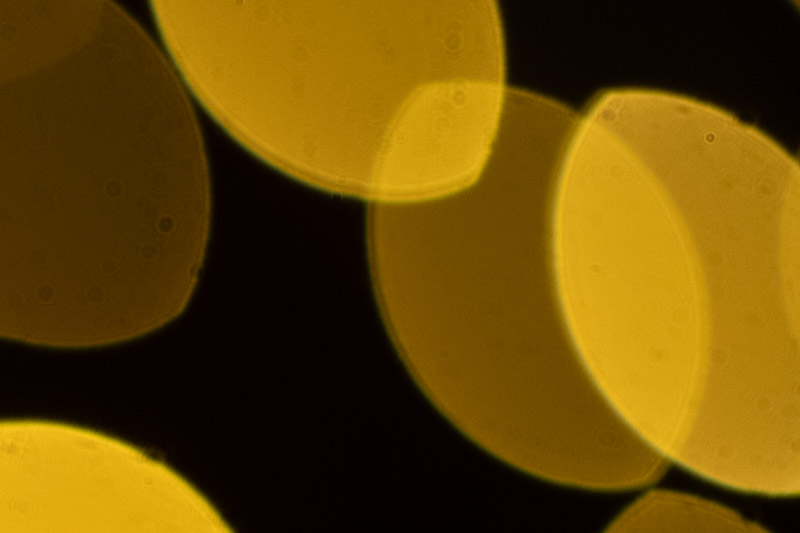
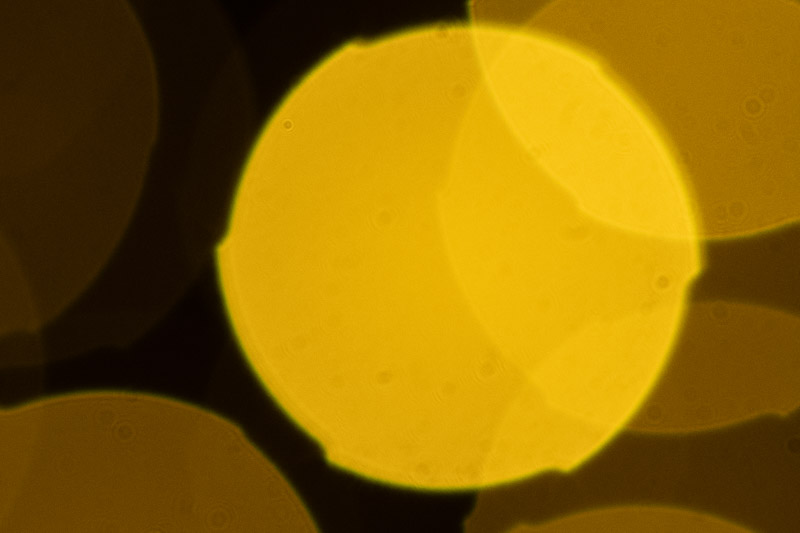
Bokeh highlights show some artifacts, including very small bubbles, slightly colour-fringed edges, and some double edging. At any aperture other than wide open at f/1.8, the bokeh balls change shape, turning into less pleasing, saw-toothed circles and even hexagons at smaller apertures.

And now, let’s take a closer look at the background blur at different distances.
Short Distance (Near MFD)
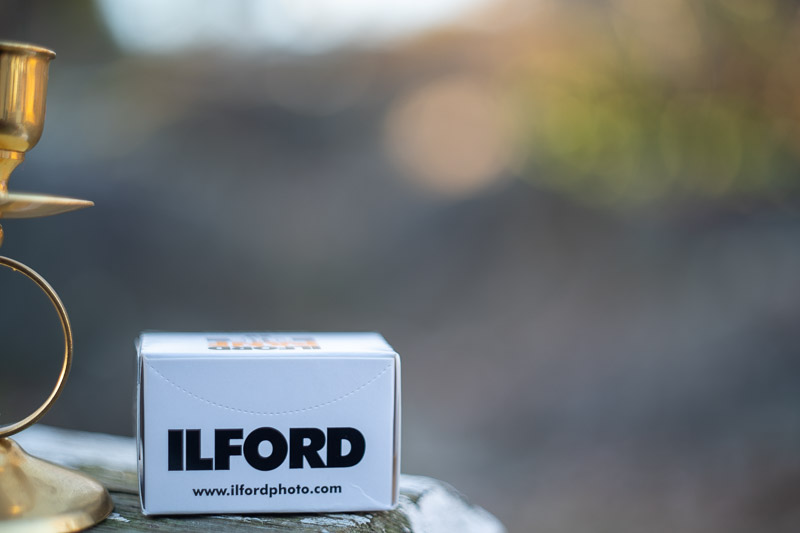
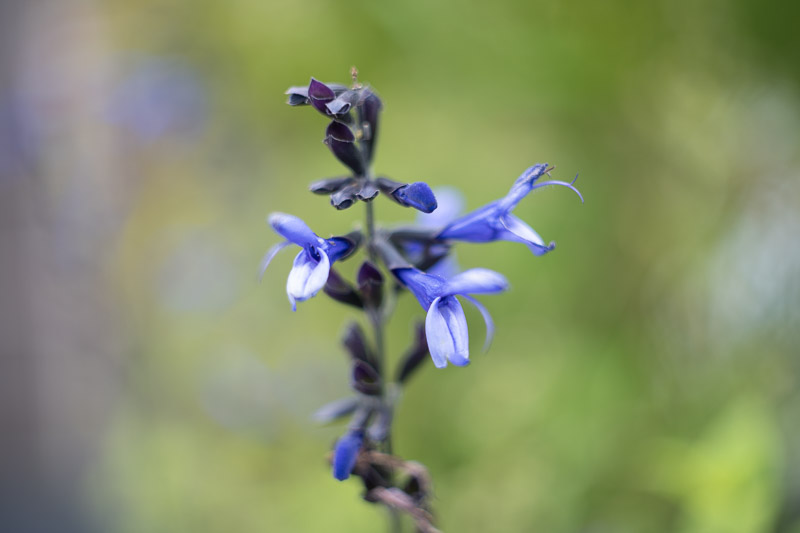
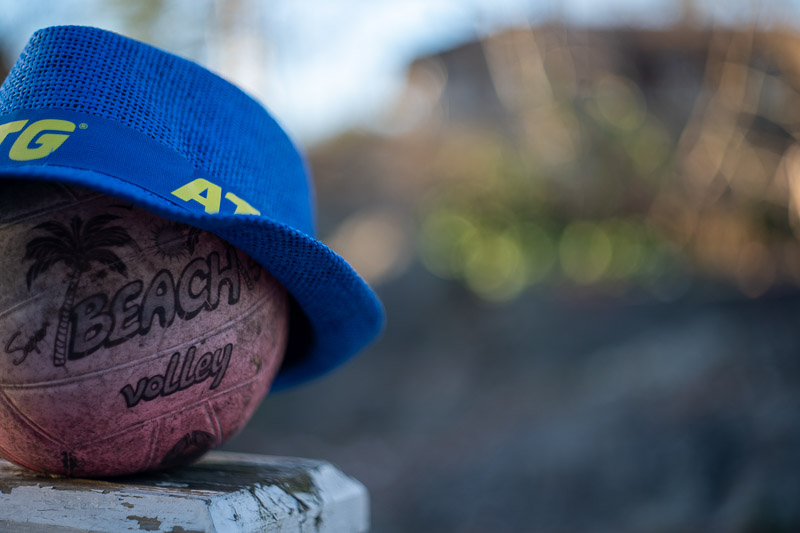
Thanks to the relatively short minimum focus distance, the background melts into a soft, unrecognizable color veil, a very pleasant bokeh in this situation.
Short Distance
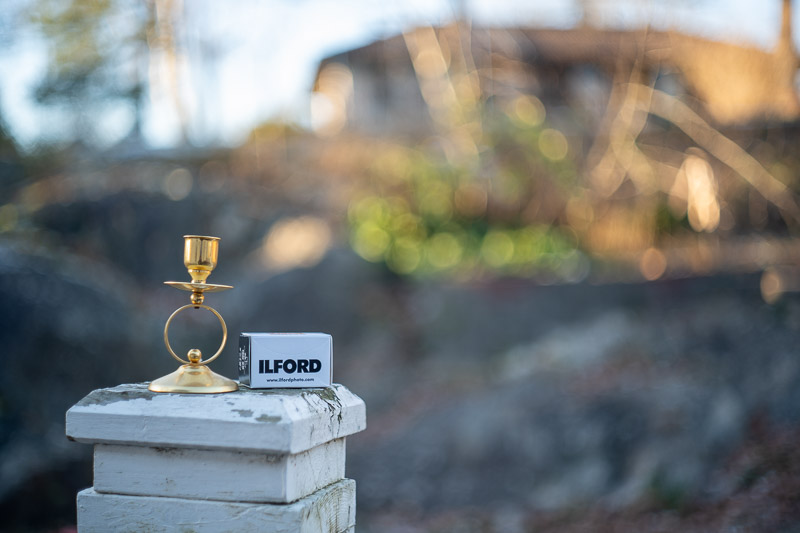
When you step slightly away from the subject but remain close, the background can appear a bit nervous in high-contrast scenes.
Mid-Distance

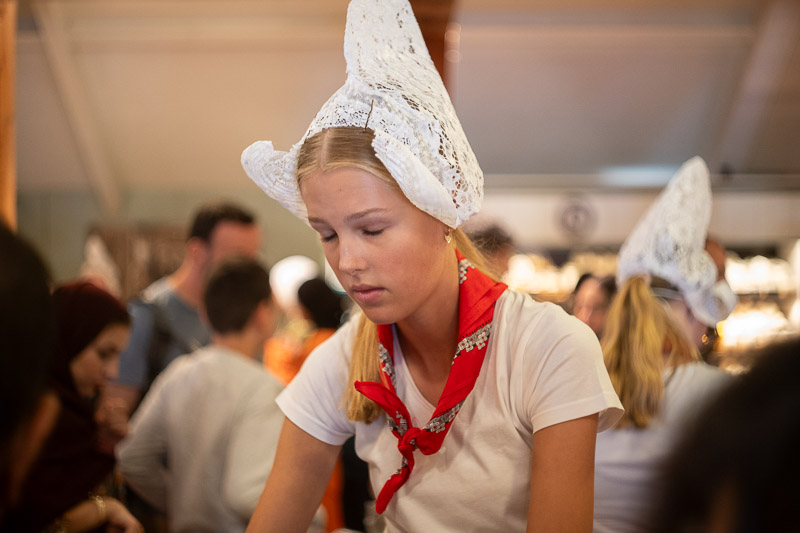


Step a little further back to mid- or portrait distance, and the background’s nervousness becomes even more noticeable. I would call this a vintage type of bokeh; some people might refer to it as the “3-D pop.”
Long Distance



The background’s character becomes even more noticeable when shooting from farther away.
Conclusion
| I LIKE | AVERAGE | I DON’T LIKE |
|
|
|
The Pancolar 50mm f/1.8 was excellent by 1960s standards, when sharpness was the main measure of a lens’s quality. By today’s standards, it can’t compete with modern lenses in clinical sharpness or other aspects such as coma, chromatic aberration, contrast, focus shift, focus breathing, or corner sharpness at wider apertures—but it offers a distinctive vintage character with good enough sharpness. (I have boosted the contrast of all sample images to my taste, sometimes quite heavily.)
Likely among the best lenses Carl Zeiss Jena produced in that era, it remains usable on digital mirrorless cameras, adding personality with sufficient sharpness, and is also a strong choice for vintage film cameras (Praktica, Pentacon, Pentax).
However, even by the standards of its time, it doesn’t quite match later Japanese or West German 50mm lenses, such as the Nikon AI(s) 50mm f/1.4 or the Carl Zeiss Planar 50mm f/1.4 and f/1.7, which trade some character for a more modern look—but as a vintage lens with character, it remains a very appealing option.
Writing articles like this one is both time-consuming and costs us a lot of money. If you found this article helpful and decided to buy one of these lenses, please consider using one of the affiliate links.
If you are not interested in buying any of the lenses, but you still found this article useful, interesting, or it saved you a lot of money, treat us to a coffee (donate)!
| Buy : eBay.com, eBay.de, eBay.co.uk from €110 (Affiliate links)
Adapters: |
Alternatives
As it is a vintage lens, I also include some f/1.4 lenses
Nikon NIKKOR 50mm f/1.8 Ai-s
Very good build and optical quality. If you don’t mind the f/1.8 this is a cheaper version of the same great lens in a smaller package. Buy from: ebay.com, ebay.de, ebay.co.uk, ebay.com.au (Affiliate links)
Nikon 50mm f/1.4 AI-s
This was the pro version of the Nikkor 50/1.8 Ai-s and should have even better build and it is faster but it is also a little more expensive
Buy used: ebay.com, ebay.de, ebay.co.uk (Affiliate links)
Carl Zeiss Planar 50mm f/1.7
This is one of the absolute best 50mm vintage lenses made for Contax cameras. It has a more modern rendering, with excellent build, but is a little more expensive.
Buy used: ebay.com, ebay.de, ebay.co.uk (Affiliate links)
Carl Zeiss Planar 50mm 1.4
The faster f/1.4 version of the above lens, also a fantastic lens made for Contaxt cameras, but I think the optical quailty of the f/1.7 version is a little better, although this one is faster at f/1.4.
Buy used: ebay.com, ebay.de, ebay.co.uk (Affiliate links)
Nikon NIKKOR 50mm f/1.2 Ai and Ai-s
Successor of the aforementioned 55mm/1.2 Buy from: ebay.com, ebay.de, ebay.co.uk, ebay.com.au (Affiliate links)
Voigtländer 58 mm 1:1.4 Nokton SL II – S
Same lens as the aforementioned one but with a different appearance. The SL II-S, compared to SL II, has some cosmetic changes to resemble the classic Nikon NIKKOR 50/1.4 lenses from 60s. This lens is still in production and you can buy it brand new for $550 in the US.
Buy new: amazon.com, amazon.de (Affiliate links)
Carl Zeiss Milvus 50 mm f/1.4
Huge lens, almost 4 times heavier at 922g and 2 to 3 times larger. Optically better than any of the previously listed lenses with 10 elements in 8 groups and 9 aperture blades. Buy new: amazon.com, amazon.de for $1300 (Affiliate links) Buy used: ebay.com, ebay.de, ebay.co.uk, ebay.com.au ~$800 (Affiliate links)
Zeiss Distagon Otus 55 mm f/1.4 APO
Largest, heaviest, and optically the most advanced and modern of the lot, until the advent of the Nikon Z 58/0.95 and Nikon Z 50/1.2 (and Nikon NIKKOR Z 50mm F1.2 S) with the juicy price of $5000 new. It was considered the sharpest standard lens ever made, an optical wonder, when it was introduced in 2013. Buy new: amazon.com, amazon.de for $5000 (Affiliate links) Buy used: ebay.com, ebay.de, ebay.co.uk, ebay.com.au ~$1200-1500 (Affiliate links)
Samyang 50mm F1.4 AS UMC Buy New: amazon.com, amazon.de (Affiliate links)
A modern affordable f/1.4 lens although without AF or any electronic contact with the camera, as the reviewed lens. Buy new from manufacturers web site: TTArtisan_Shop ( $214) (Affiliate links) Buy New: amazon.com, amazon.de $240 (Affiliate links)
Buy new: amazon (anywhere) for $ (Affiliate links)
Buy used: ebay.com, ebay.de, ebay.co.uk (Affiliate links)
More Sample Images





Most of the sample images in this review and many more can be found in higher resolution here.
Support Us
Did you learn something new, find this article useful, or simply enjoy reading it? We’ve put a lot of time and resources into creating it, and your support helps us keep going. If you’d like to show your appreciation, please consider clicking the Donate button!



(Donations via Paypal or bank card)
Further Reading
- What camera gear and accessories do I use most frequently?
- Review: Nikon NIKKOR 50mm f/1.4 Ai-S
- REVIEW: Meyer-Optik Görlitz Trioplan 50mm f/2.9 V – Soap Bubble Bokeh Treasure or Garbage?
- REVIEW: Artralab Nocty-NONIKKOR 50mm f/1.2 – An Homage to Classic Nikkor 50mm f/1.2
- Review: Meyer-Optik Görlitz Domiplan 50mm 2.8
What’s in my camera bag? MY 2024 KIT!!
- Main camera : https://amzn.to/3TsGtKg
- Camera grip : https://amzn.to/4e0G3CR
- Memory Card 1: https://amzn.to/47pA20i
- Memory Card 2 : https://amzn.to/3XHYxlZ
- Camera 2 : https://amzn.to/3Xifou8
- Camera grip: https://amzn.to/4dYYpV9
- Memory card 1: https://amzn.to/4e5h2H0
- Memory card 2: https://amzn.to/3zu7W7n
- Small travel tripod: https://amzn.to/4goIX68
- Mini tripod: https://amzn.to/4e09XXX
- Small shoulder bag: https://amzn.to/47tPMiY
- Medium shoulder bag: https://amzn.to/4ej4bjY
This site contains affiliate links, for which I may receive a small commission if you purchase via the links at no additional cost to you. This helps support the creation of future content.


Martin
Latest posts by Martin (see all)
- Review: Zeiss Milvus 35mm f/2 - April 8, 2026
- REVIEW: Zeiss Milvus 21mm f/2.8 - April 5, 2026
- REVIEW: Nikon Z 20mm f/1.8 S - March 25, 2026
IIRC mainly its CA was notably better controlled compared to its western counterparts. Nowadays it fetches relatively high prices for a M42 lens. The “Zeiss” label is probably to blame.
Both points are correct, I’ve stated the point about the CA in the review, and point about the price in the conclusion table
I own both lenses, the CZJ 50mm & the 80mm (since GDR times 😉 ) the 50mm is not my favorite at all. The 80mm is way better, although both have a slightly too “warmish” tone for my taste…. at that time many lenses were either too warm or too cold (asia) in terms of color rendition. For B&W and the “sh*ty” ORWO films back than it was no issue, I guess… (I shot B&W most of the time). Later I tested those lenses on Sigma SD cameras and Sony A7R*. But now it’s on my shelf, unused for several years. Compare it to a Leitz lens from this time and you know why 😉 Cheers from a long term user ….
Yes, for being a vintage lens it is a good lens, better than many from early 60s, but it is not among the best vintage lenses from late 60s or 70s
Great photos, Martin, and a nice review!
I also own the 50mm and the (always rare) 80mm Pancolar. The 80mm is better in terms of sharpness, I can confirm that.
But I find the way the 50mm renders images simply beautiful for portraits and video. However, I mostly use the Minolta 50mm f/1.4 these days. I don’t mind a little focus breathing.
Thanks Dirk. I personally don’t have any experience with the Minolta, but I know it also is a good lens.
I own this lens in the PANCOLAR auto 1.8/50 MC (M42 with green distance markings) variant and use it occasionaly with the Praktika MTL-3, never on digital.
Did some testing some years ago on Sony A7II, it didn’t compare well against Western German Rollei Planar or my Minolta 50ies.
Mine may be a bad sample, sample variation is always an issue with GDR lenses. Sharpness is as described here, but mine behaves horribly in back light with massive pink color cast over the whole frame. Very nervous bokeh. Short MFD is the only good thing about this lens.
Yes, both west German Zeiss Planar and the better Japanese 50mm lenses, like Nikon AIs, Canon FD, and Minolta lenses, were a little better, but this lens was better that many other 50mm lenses.
Have you tested the rollei hft planar 50 mm 1.8? I was wondering how this lens is compared to that one?
No, I have not tested Rollei Panar 50/1.8, but we have tested Carl Zeiss Planar 50/1.7 (Contax/Yashica) and Zeiss Contarex Planar 50/2.