Introduction
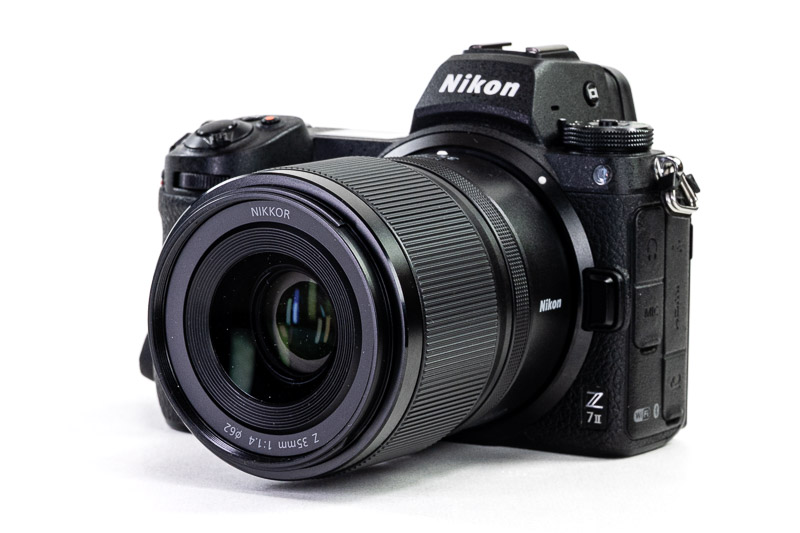
In this review, we take a look at the Nikon Z 35mm f/1.4, released several years after the original Z-series 35mm, the Z 35mm f/1.8 S. It brings the long-sought f/1.4 aperture typically found on Nikon’s pro lenses, which is always an exciting option, but without the “S” designation used for the company’s higher-end optics.
The pricing is what really stands out: the f/1.8 S is actually more expensive, despite being about two-thirds of a stop slower. So which one makes more sense? A direct comparison should help clarify which lens is the better fit—and what compromises, if any, come with the faster option.
 I tested this lens on a 46 Mp Nikon Z7ii (Sample images were taken with a Nikon Zf)
 You can see this review as a YouTube video here!
 Sample images in high resolution here.
Sample Images

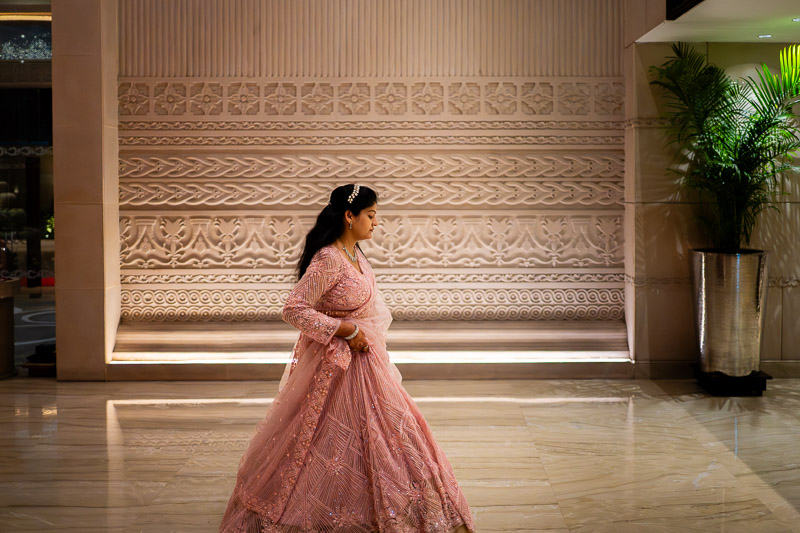


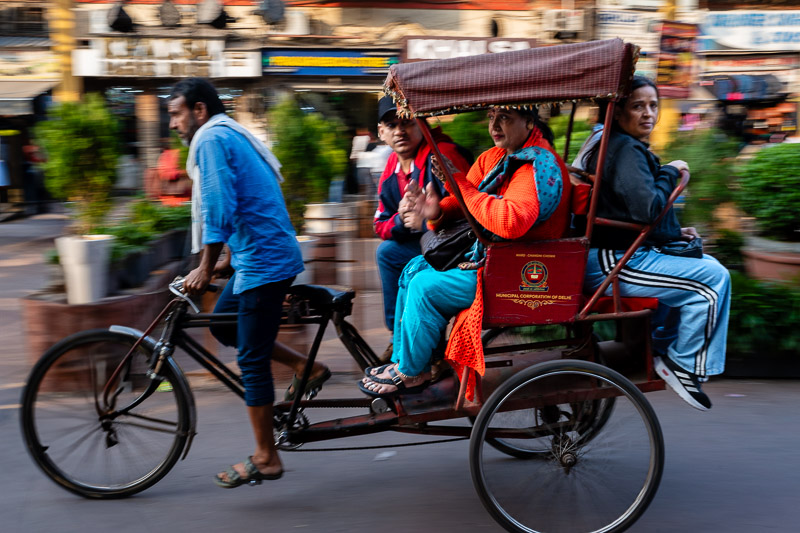







Most of the sample images in this review and many more can be found in higher resolution here.
Specifications
| Focal Length | 35 mm |
| Angle of View | 63° |
| # of Aperture Blades | 9 (rounded) |
| Max Aperture | f/1.4 |
| Min Aperture | f/16 |
| Min Focus Distance (Magnification) | 0.27 m (0.18×) |
| Filter Size | 62 mm |
| Lens Mount | Nikon Z |
| Weight | ≈ 415 g |
| Size (D x L) | ≈ 74.5 mm× 86.5 mm |
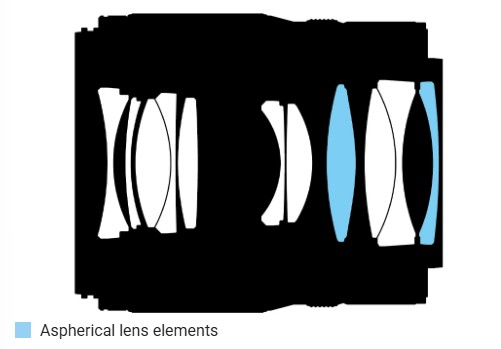
| Elements/Group | 11 elements in 9 groups |
IMG
| Buy new: B&H, Amazon (anywhere) for $ (Affiliate links) Buy used: eBay |
Disclosure
I bought this lens for test and review purposes.
Handling and Build Quality
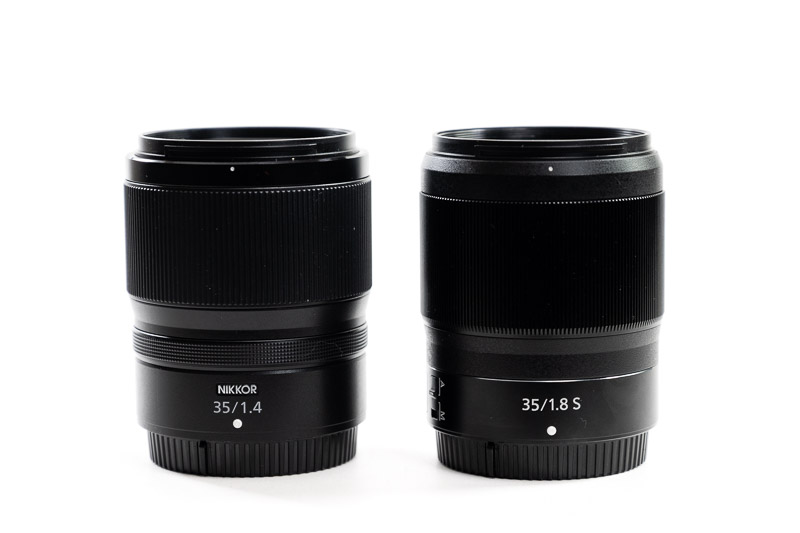
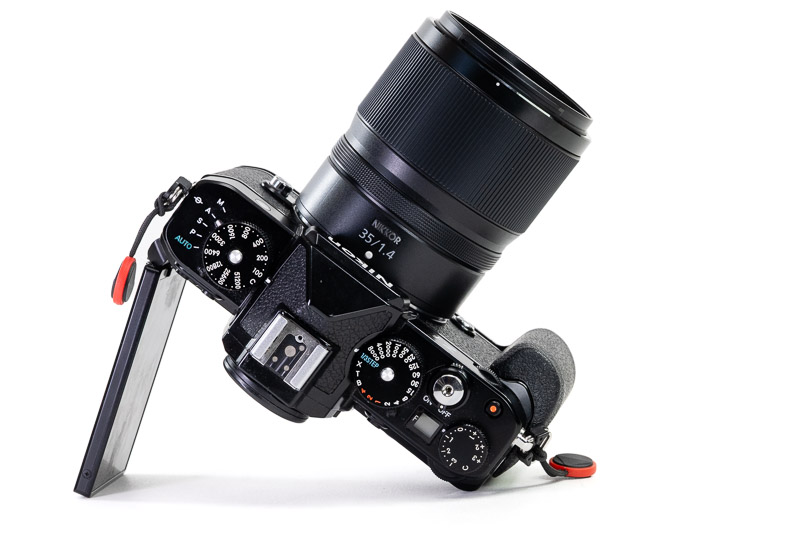
The Nikon Nikkor Z 35mm f/1.4 looks and feels very well-built, much like its sibling, the 35mm f/1.8 S. It’s mostly made of plastic, but the mount is metal. The size, form factor and style of the lenses are very similar. Note, though, that the 35/1.8 S has a metal focusing ring.
I’m a little surprised by Nikon’s choice of control points on this lens. There’s no AF–MF switch, which is usually the first thing manufacturers include when a lens only has one control point. Instead, you get a customizable control ring. It turns smoothly and, by default, controls the aperture, but you can also set it to adjust ISO, exposure compensation, or disable it completely.
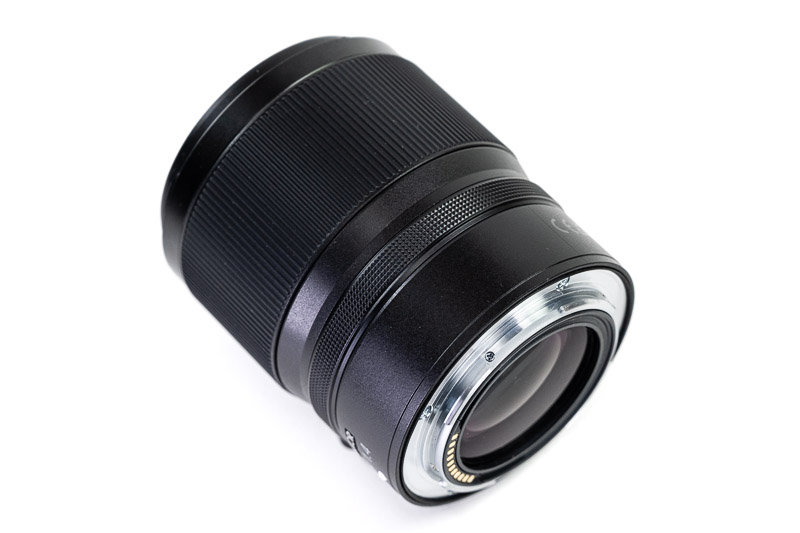
The large plastic focus ring is rubberised and feels responsive when focusing manually. Autofocus is accurate. The AF speed isn’t super fast, but it’s acceptable. There is a subtle whirring sound when autofocusing, but it’s not disturbing. The focus system uses focus-by-wire, which means the manual focus throw changes depending on how fast you turn the ring—shorter when you turn it quickly and longer when you turn it slowly. But on Nikon bodies, you can switch it to linear focusing so it behaves more like a true manual-focus lens.
You can also go into the camera’s custom settings and set up many functions from there. One odd thing is that I’d expect this set of function options to be on the function ring rather than the focusing ring. You can swap the roles of the two rings, but in that case, you have to do manual focus with the smaller ring.
The included lens hood is plastic and fairly basic, but it does snap securely onto the front of the lens. There’s no image stabilisation built into the lens.
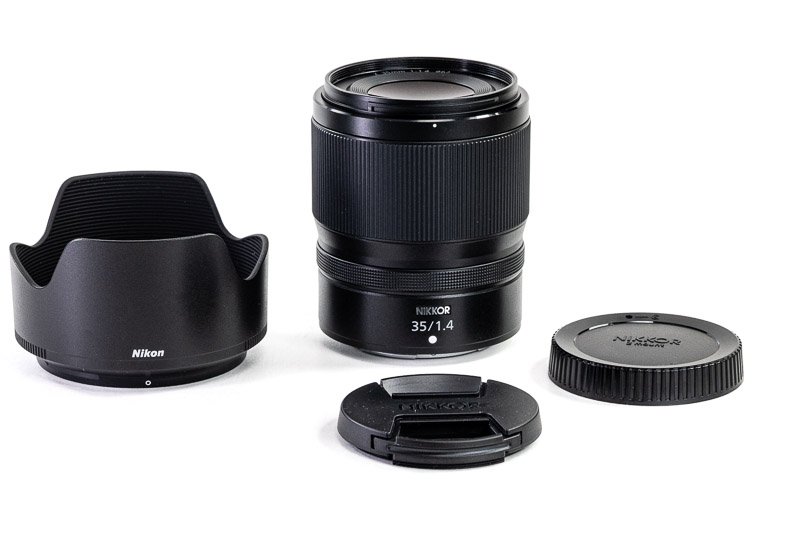
The lens is weather-sealed, with a rubber gasket around the mount as well as sealing around all moving and critical points inside the lens, according to Nikon.
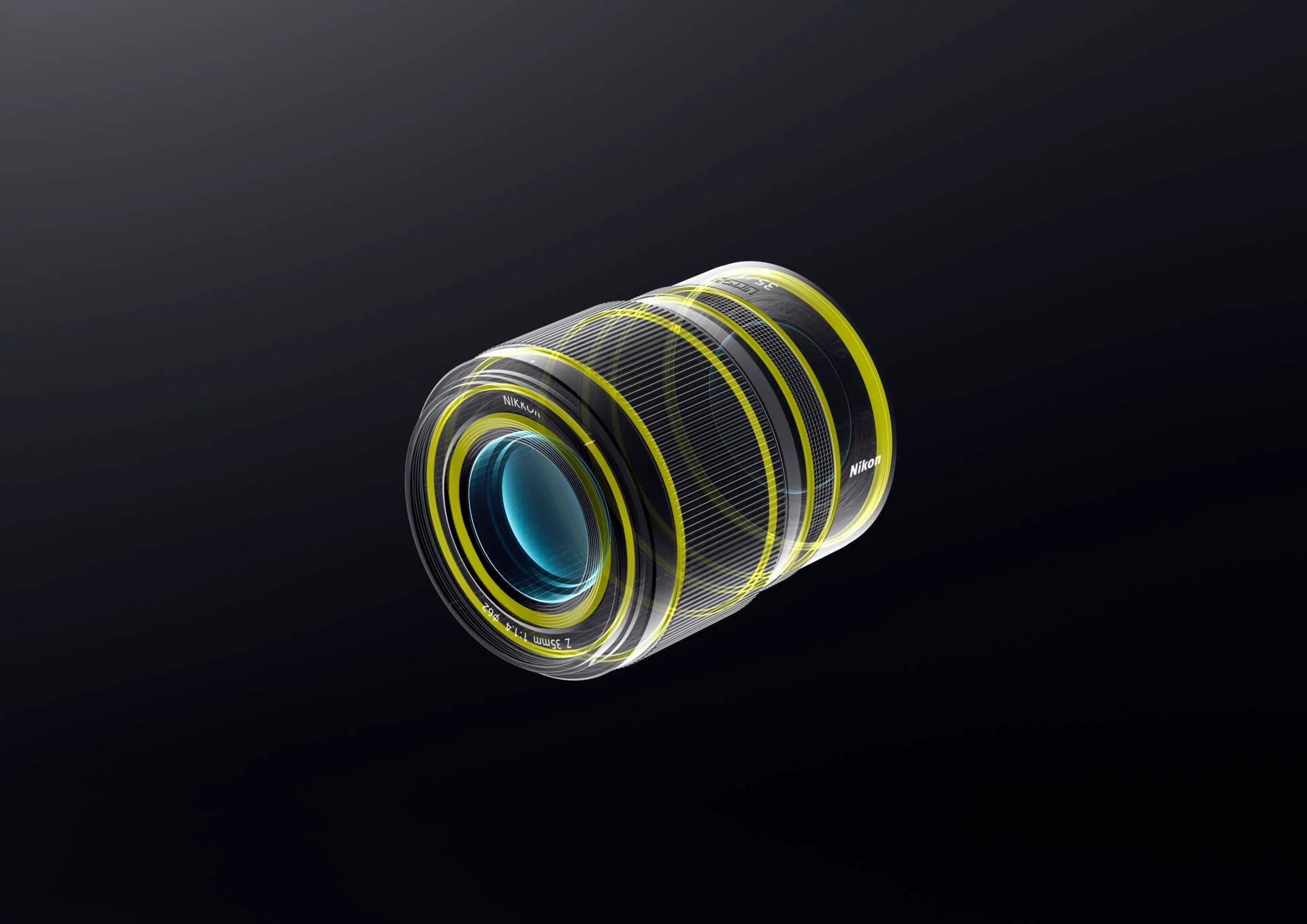
It does not feature Nikon’s high-end Nano Crystal Coat or the fluorine coating on the front element found on the 35mm f/1.8 S. As a result, the f/1.4 is more susceptible to ghosting and flare when shooting into strong light, with slightly reduced contrast in backlit situations. The front element is also a bit harder to clean if it gets dirty or is touched by accident.
Optical Features
|
|
|
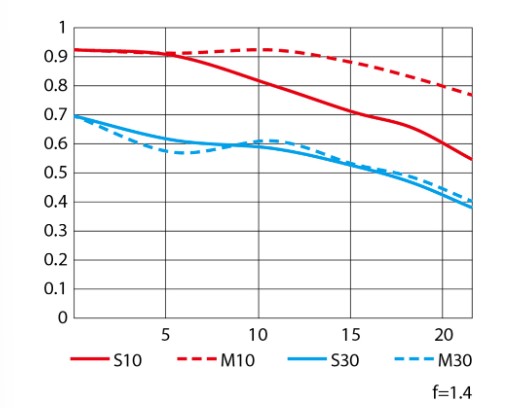
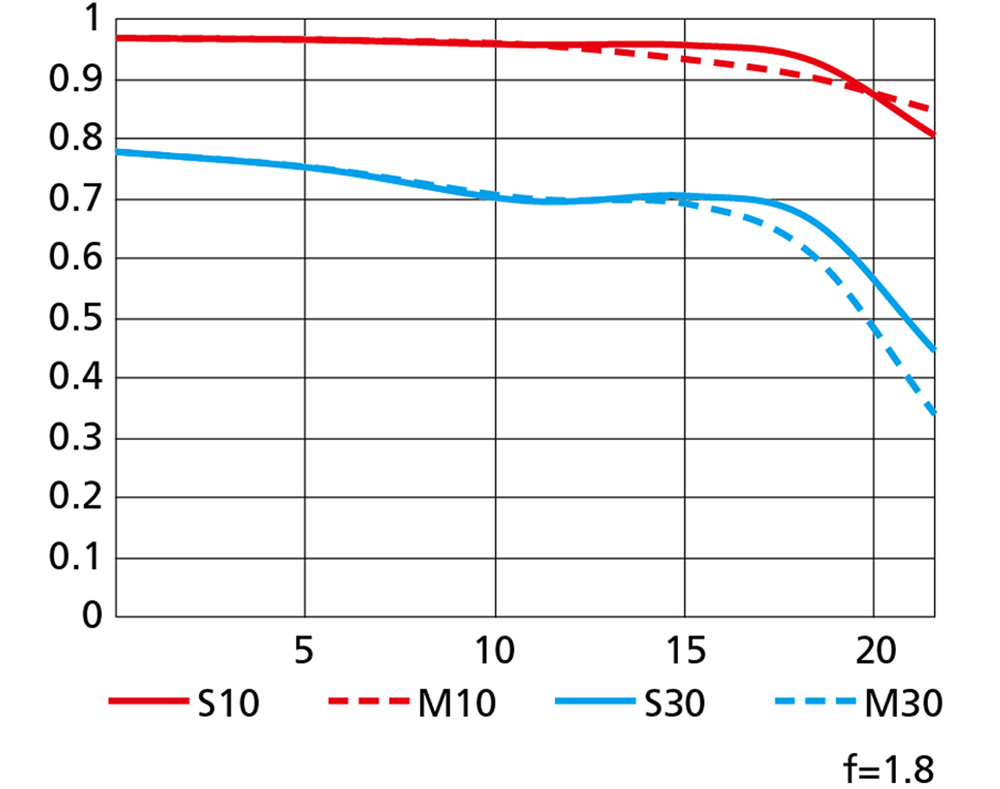
Based purely on Nikon’s published MTF charts, the f/1.8 S should deliver slightly better sharpness and contrast. Let’s see how that holds up in real-world use.
Sharpness (Infinity)
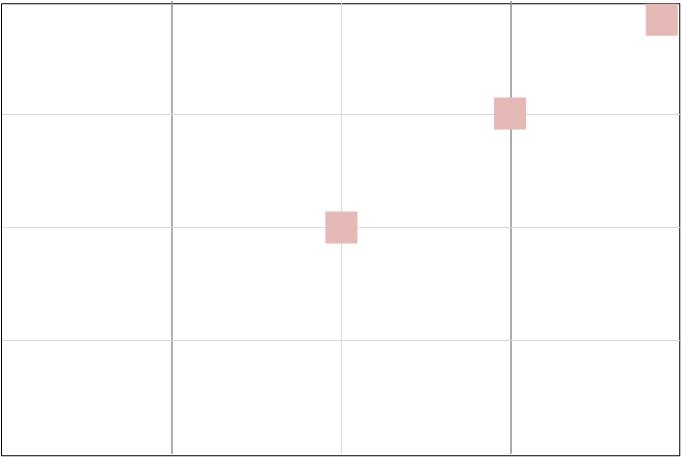
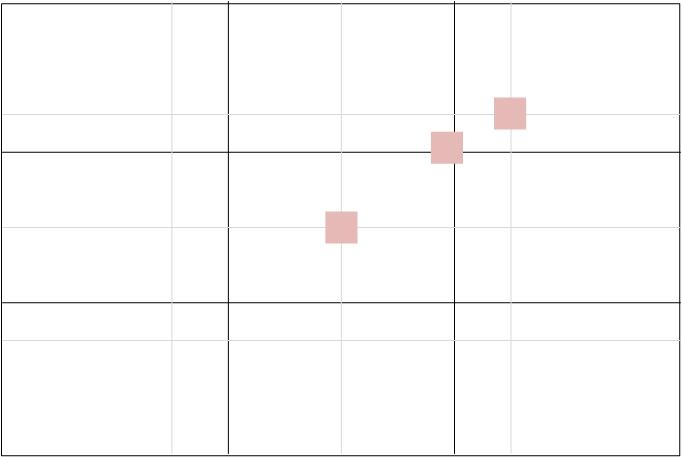
For the infinity sharpness test, we look at three areas of the image, centre, mid-frame, and corner, see highlighted areas in the image below!

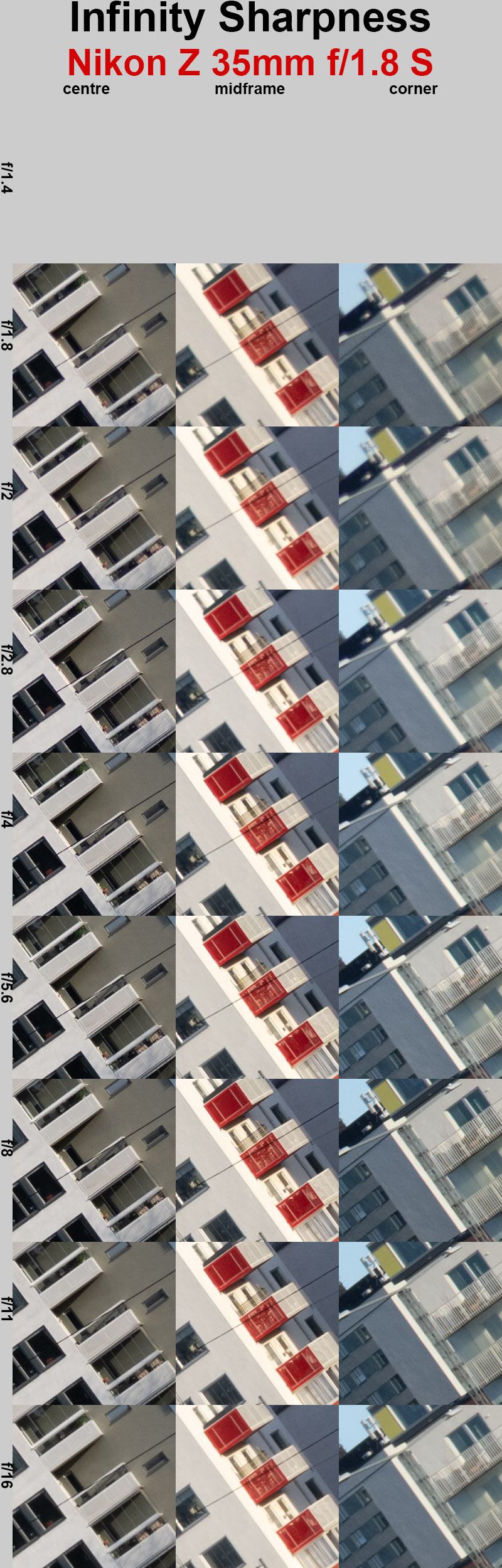
No doubt this is a sharp lens, but wide open at f/1.4, while very good sharpness, we see some purple fringing, midframe is also good, but the corner is just OK with very low contrast.
At f/2, center sharpness is very good, with some improvement across the rest of the frame. By f/2.8, the center becomes excellent and the corners reach a good level. Sharpness improves slightly further as you stop down, with optimal across-the-frame performance at f/5.6 and f/8. Diffraction begins to appear at f/11, which isn’t too severe, but it becomes more noticeable at f/16.
Wide open, the f/1.8 S is sharper than f/1.4. However, At the same aperture settings, the f/1.4 lens holds a slight advantage over the f/1.8 up to about f/5.6. From that aperture onward, the f/1.8 version seems to have a slight edge everywhere, though it’s not something you’d normally notice. The f/1.4 also shows a bit of colour fringing in the corners, while the f/1.8 is basically free of it.
Sharpness (Portrait)
Let’s look at the points of interest for portraits at the portrait distance: the very centre, the centre’s inner periphery (1/3 rule intersection), and the centre’s outer periphery (1/4th intersection).
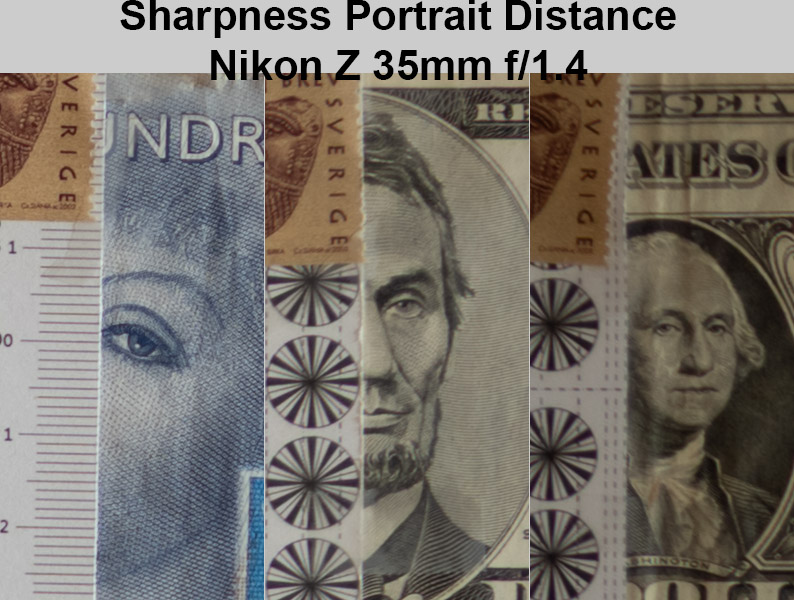
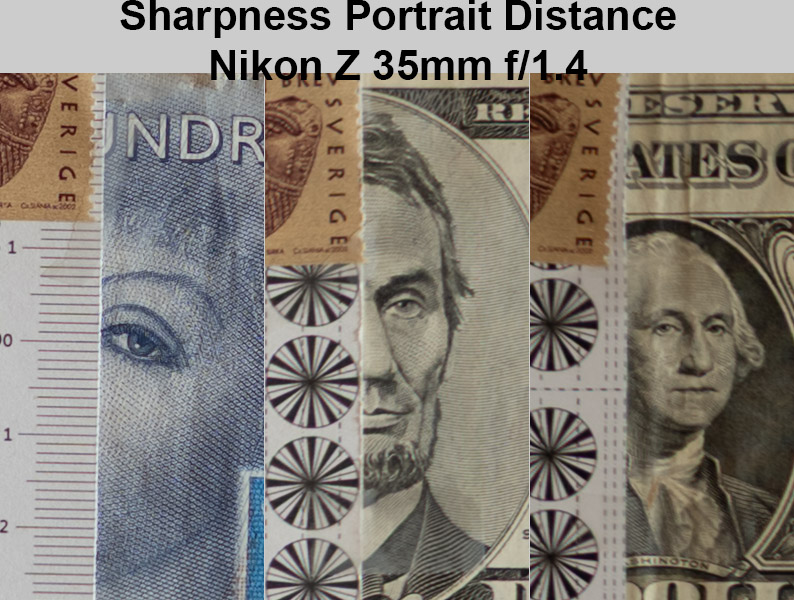
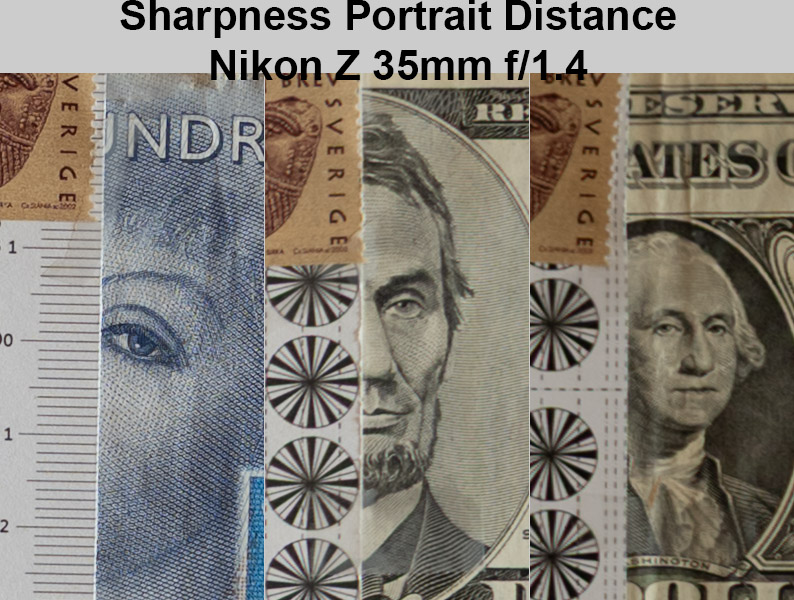
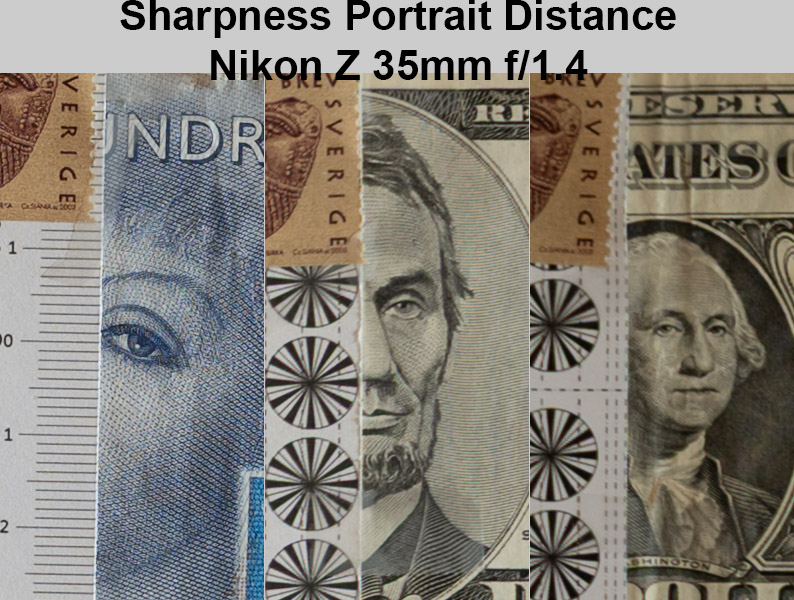
Wide open, the center sharpness is very good, and the rest of postiones are good, the outer circle is a bit dark due to vignetting. At f/2, the center is excellent, with improvement elsewhere to very good. By f/2.8, the sharpness is excellent at all measured points.
Sharpness (Close-up)








F/1.4 sharpness is good, but the contrast is low. Stopping down to f/2 boosts the contrast and sharpness to very good. From f/2.8 we can see that the lens reaches excellent sharpness.
Lens Distortion
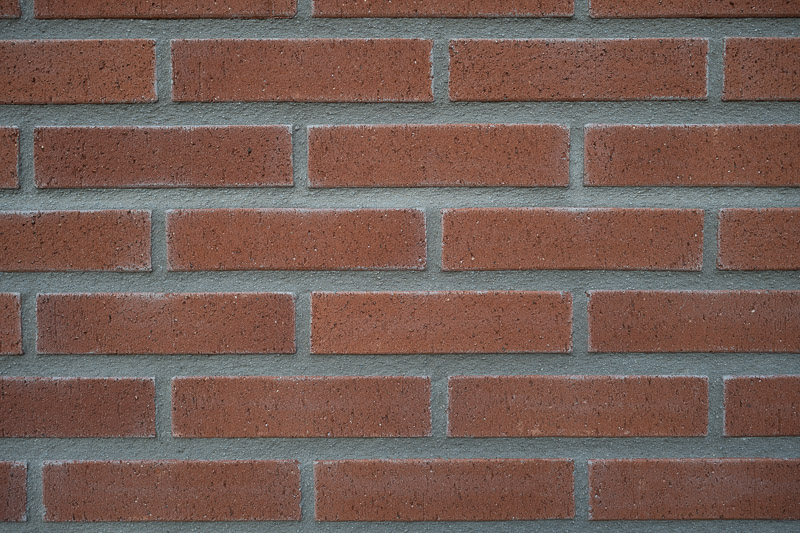
This 35mm f/1.4 shows near-zero distortion and very good overall control. However, in-camera Auto distortion control cannot be disabled, so these results are with correction enabled.
The Nikon Z 35mm f/1.8 allows in-camera correction to be turned off, and even then produces an essentially distortion-free image. With correction enabled, it delivers a perfectly distortion-free result.
Vignetting
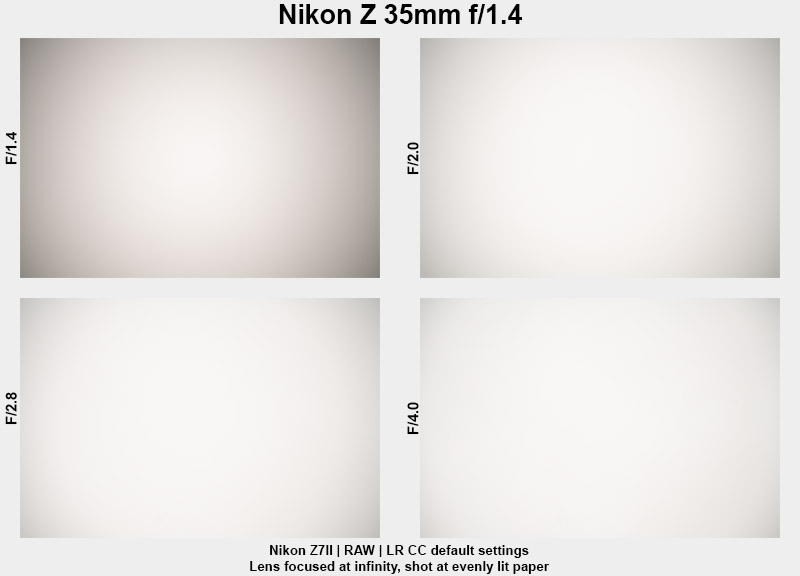
Vignetting is high wide open, decreases to moderate high at f/2, to low at f/2.8 and very low at f/4 and f/5.6, to become negligible at f/8.
Compared to Z 35/1.8, this lens has marginally higher vignetting wide open, but 1.8 version’s vignetting becomes negligible already at f/4, two stops faster than on this lens.
| Nikon Z 35/1.4 | Nikon Z 35/1.8 S |
|
|
Focus Shift & Aberrations
Longitudinal chromatic aberration is strong wide open at f/1.4. It remains clearly visible at f/2 and f/2.8, but decreases substantially with each stop. At f/4 it is still present but rarely noticeable in normal use, and by f/5.6 it is effectively gone.
Compared to the f/1.8 version, this lens shows stronger LoCA wide open, which is not surprising, as the S lens uses two ED elements while this one uses none. However, it catches up by f/2.8, where the two are more or less at the same level.
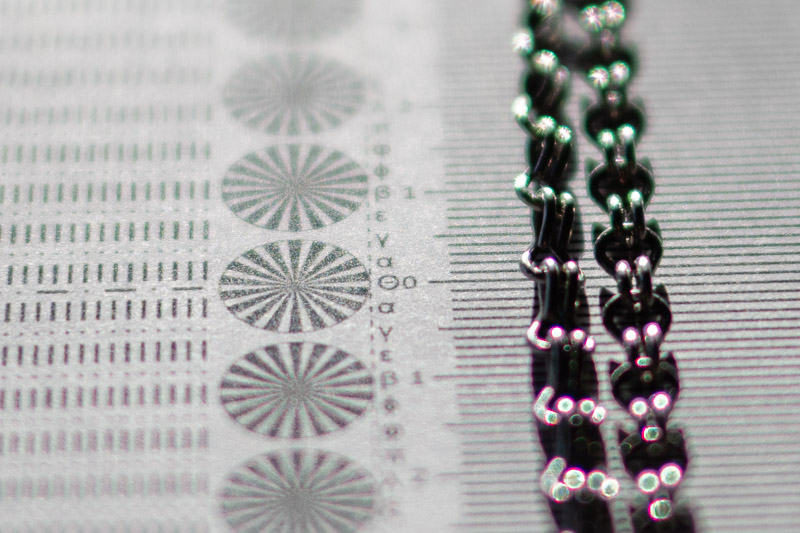
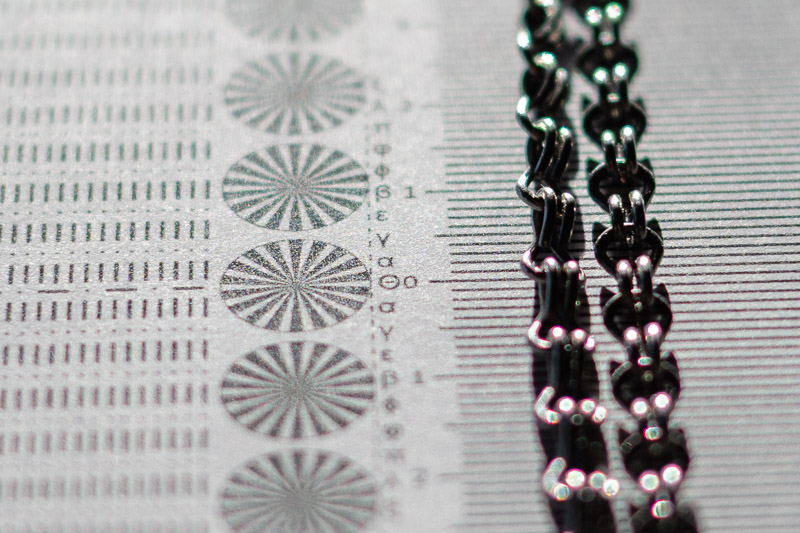
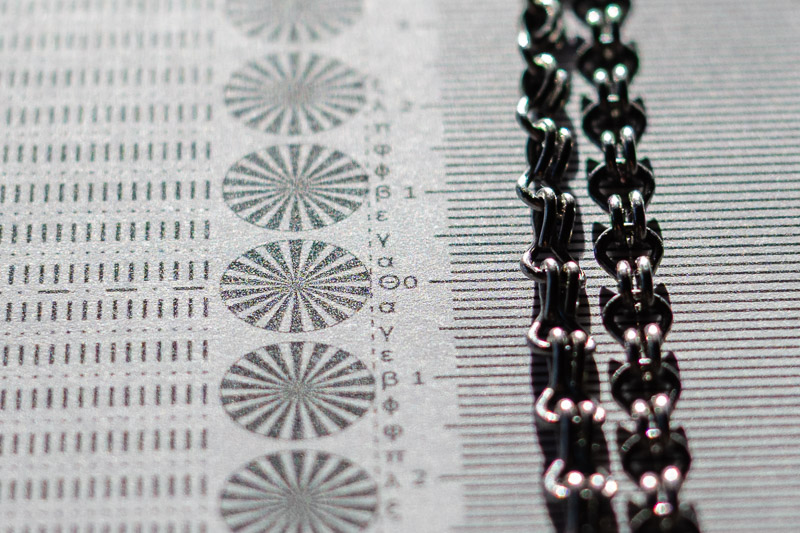
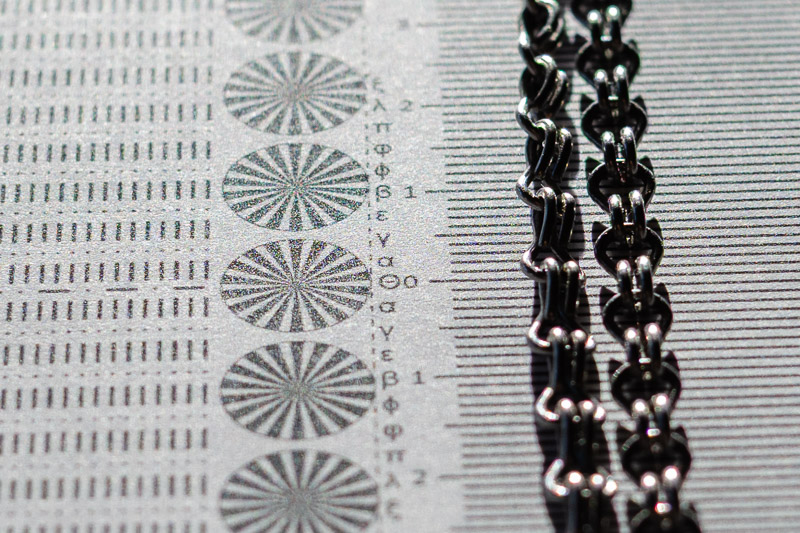
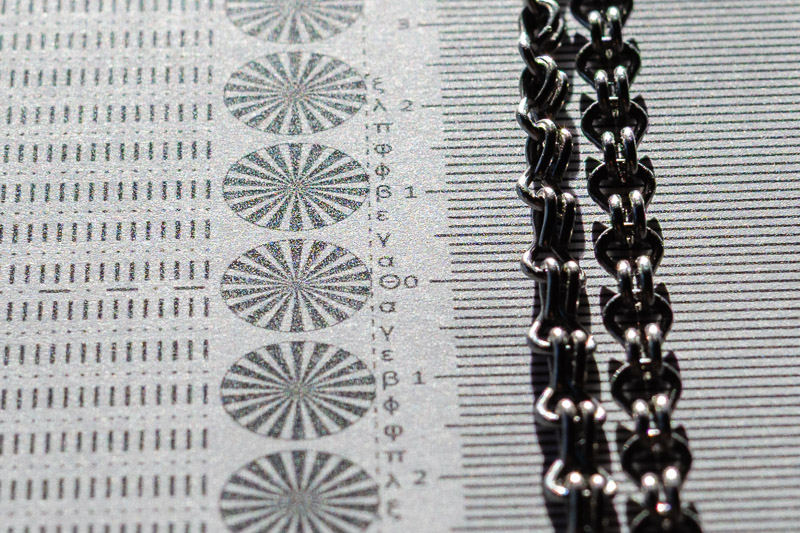
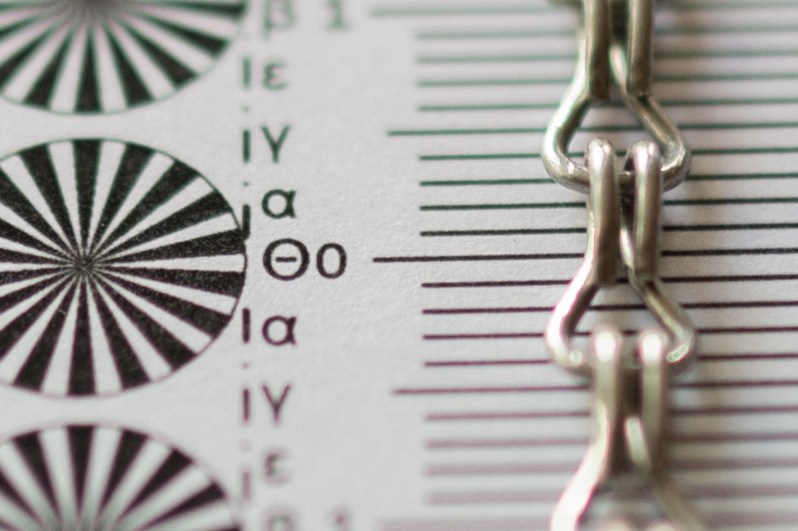
Lateral chromatic aberrations are negligible.
Flare Resistance
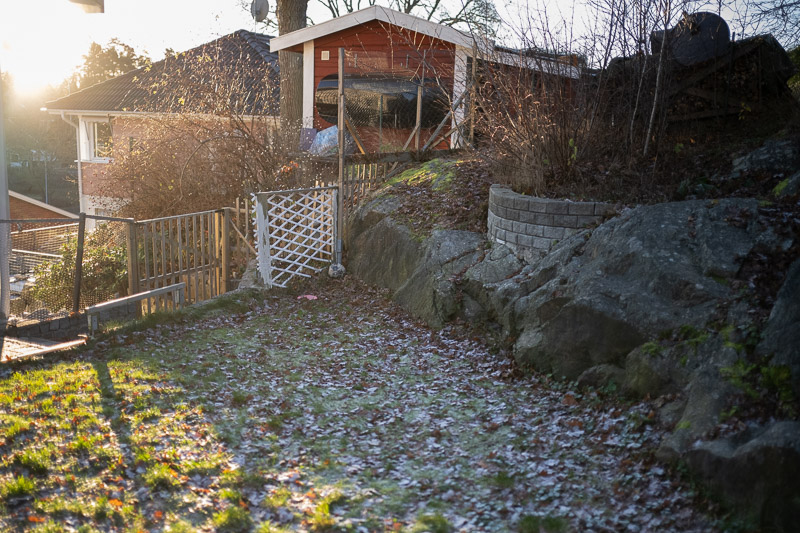
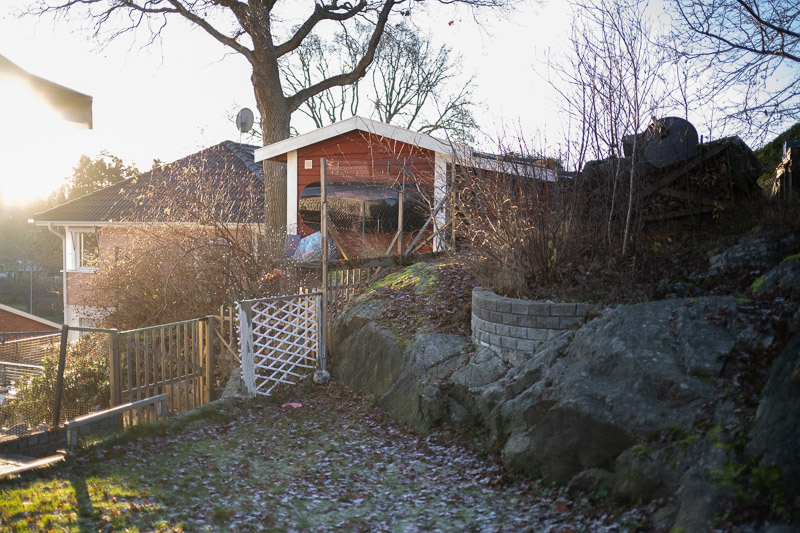
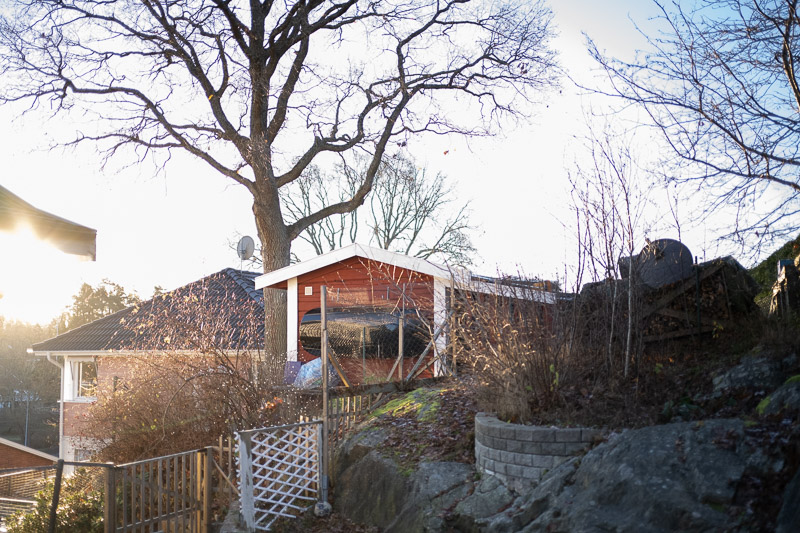
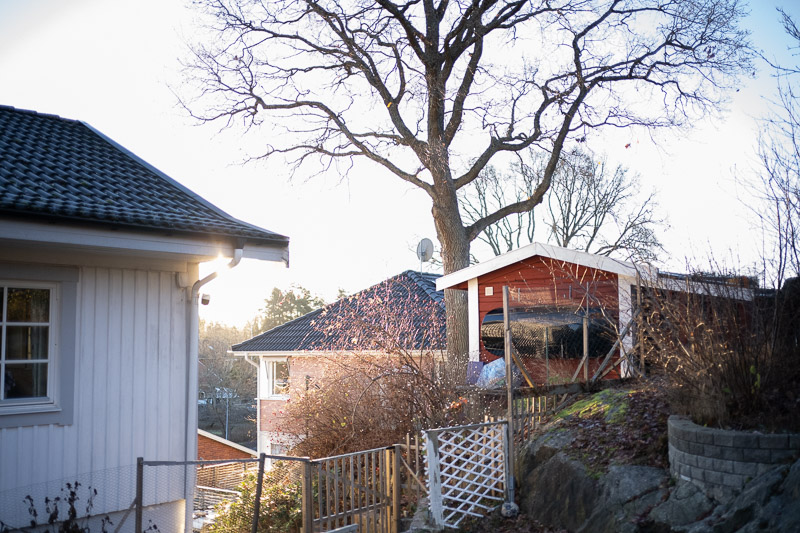
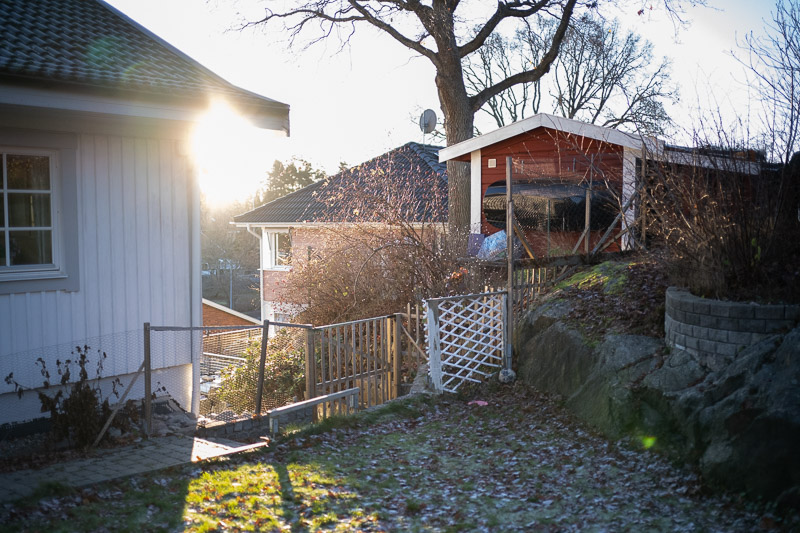
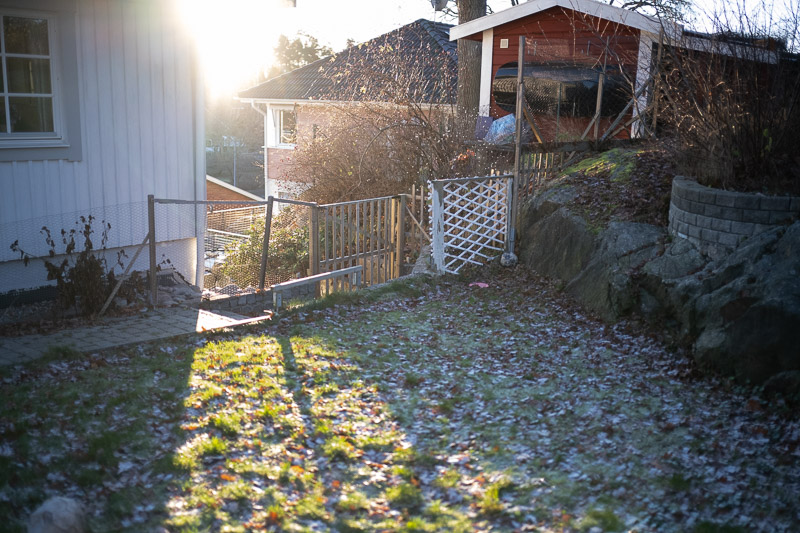
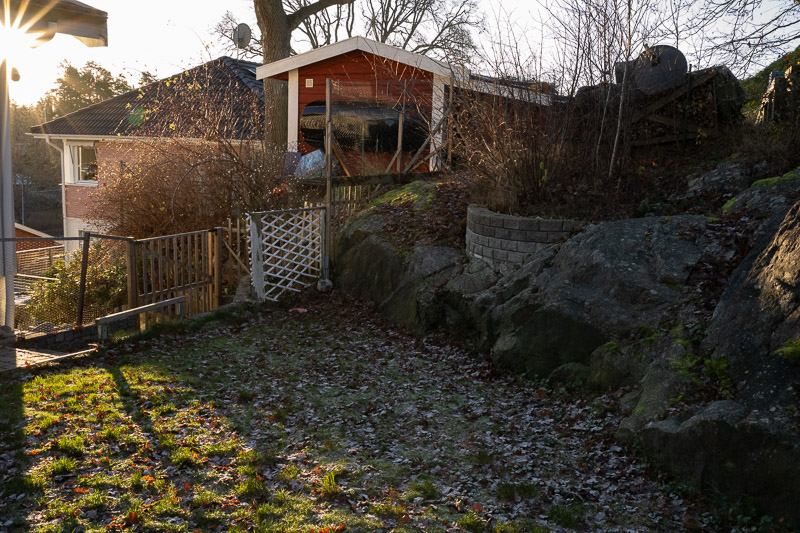
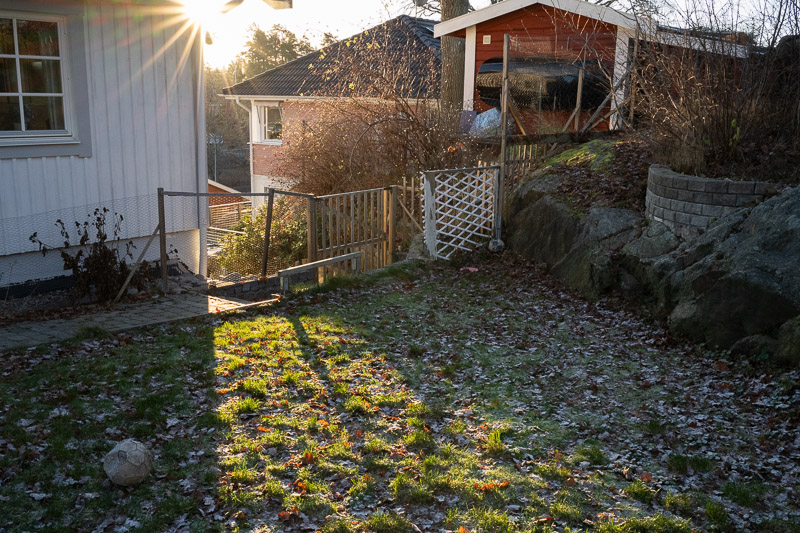
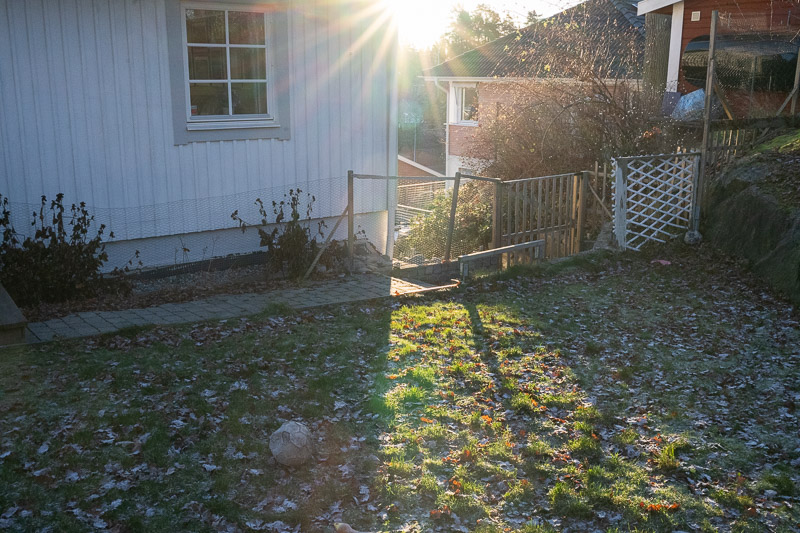
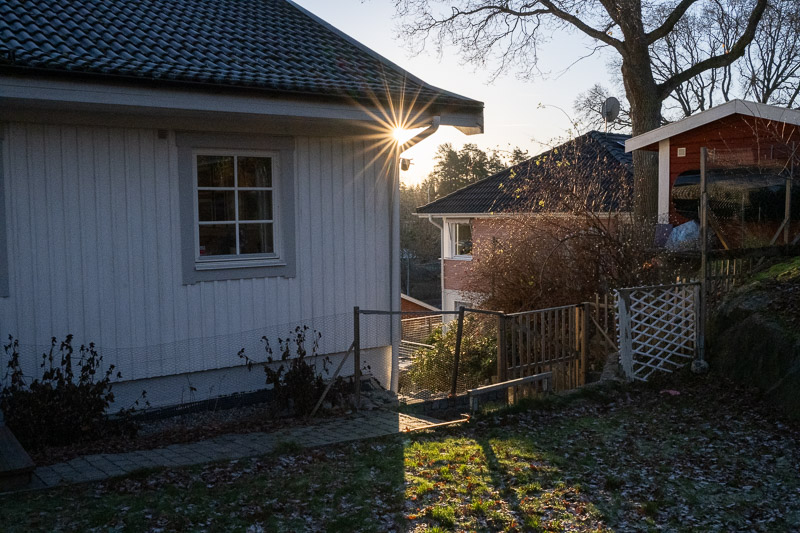
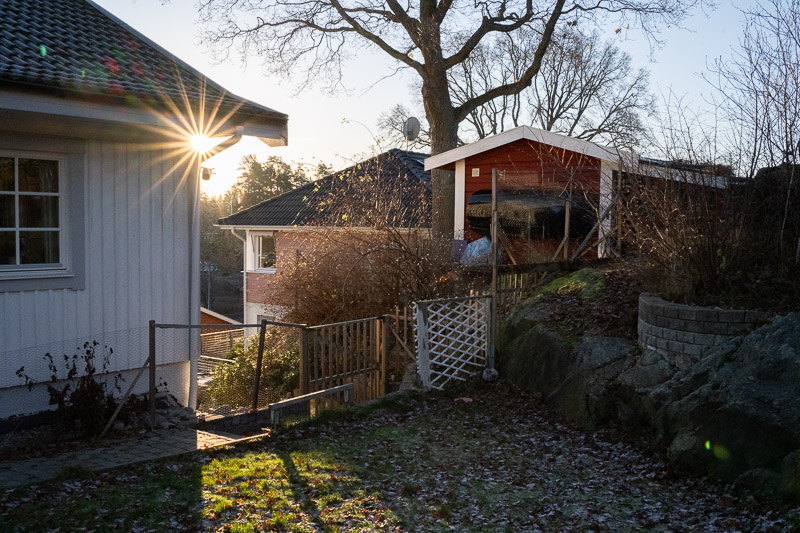
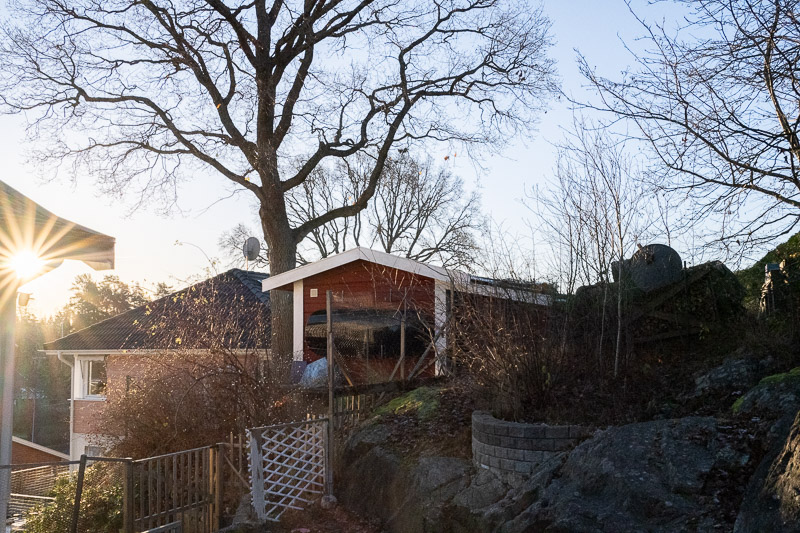
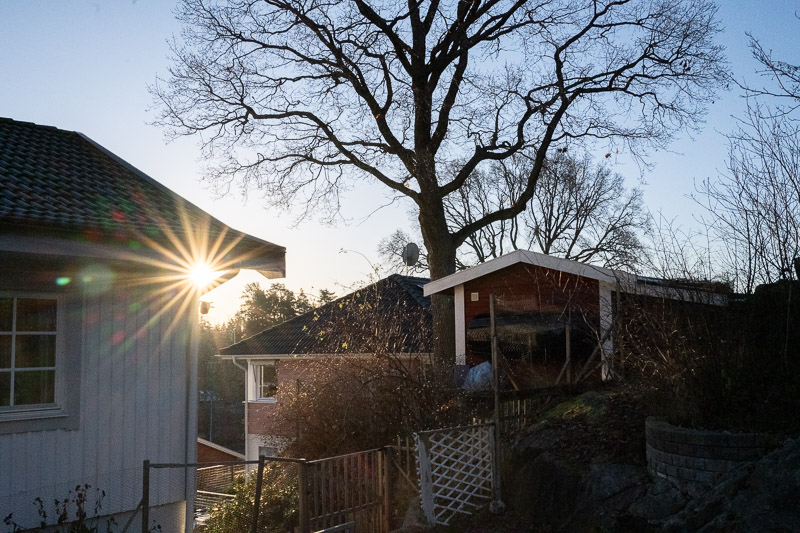
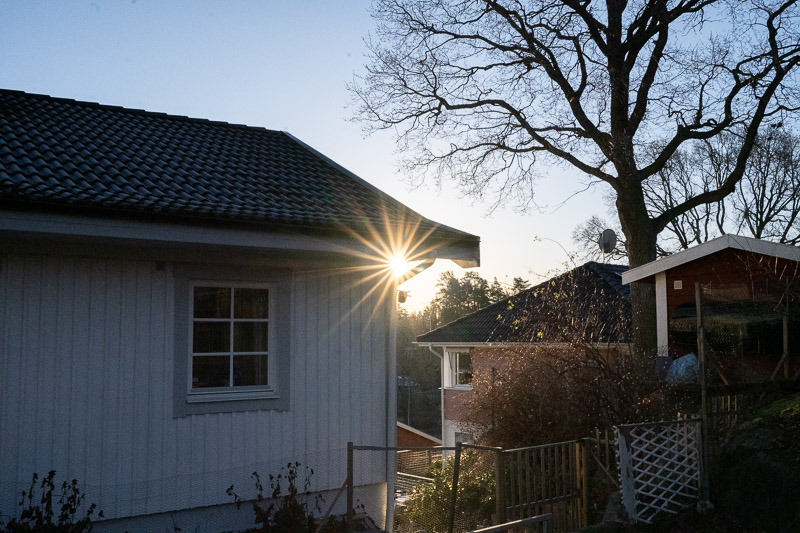
In this category, it’s possible to make almost any lens look bad if you try hard enough. Here, I deliberately pushed the lens to show its weaknesses, and while some veiling flare can be seen around the sun in certain positions, along with a few ghost flares when stopped down, overall flare resistance is good compared to many other lenses.
Compared to the Z 35mm f/1.8 S, the f/1.8 S uses Nano Crystal Coat, while this lens has “only” Super Integrated Coating. The S lens also features a fluorine coating on the front element for dirt and moisture repellence and easier cleaning, whereas this lens uses standard glass.
While flare resistance on this lens is good, it comes in second in this comparison, as the S lens performs even better, with almost no ghosting or veiling flare and higher contrast in most situations with the sun in the image.


Coma
This 35mm f/1.4 shows relatively strong coma, clearly visible at f/1.4. Stopping down one stop to f/2 improves it significantly, though some coma remains. By f/2.8 it is cleared.
The 35mm f/1.8 also shows a small amount of coma wide open, which likewise clears by f/2.8, but the overall amount is noticeably lower than on the f/1.4. So, the 1.8 S version wins here.
Sunstars
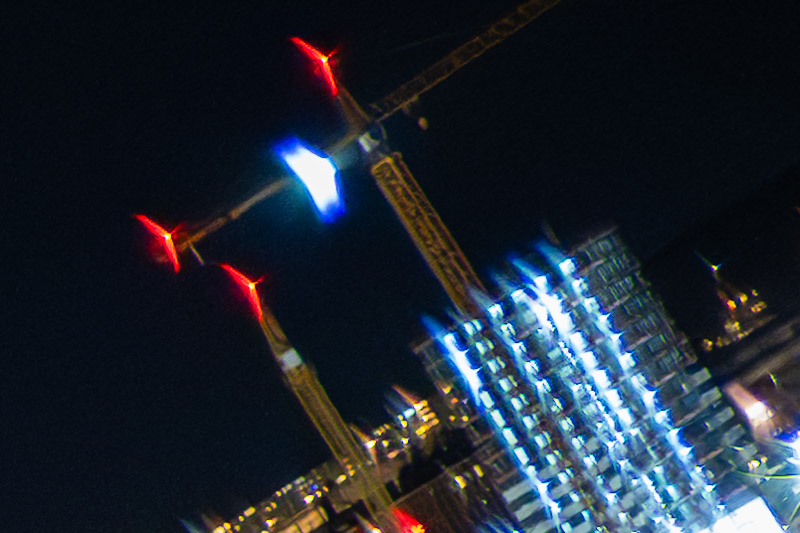
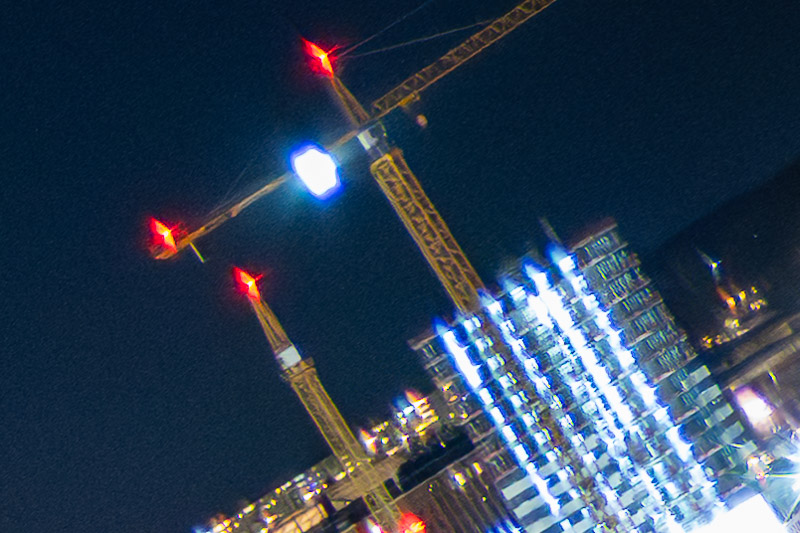
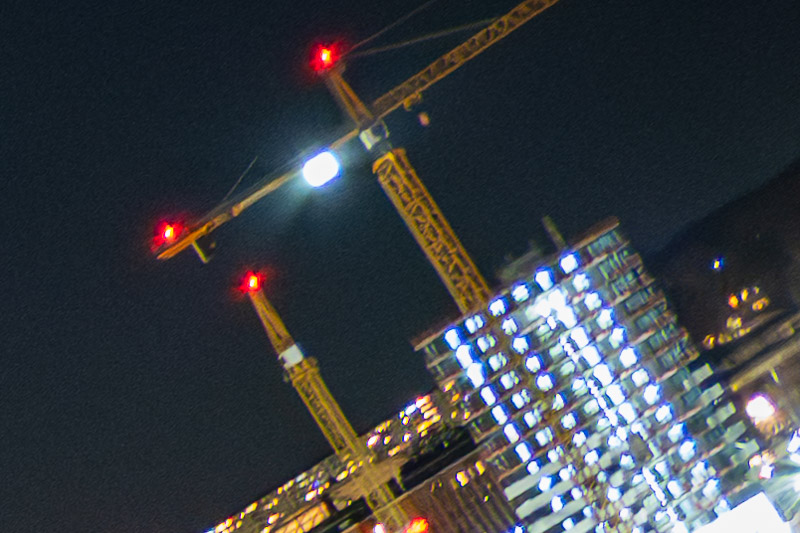
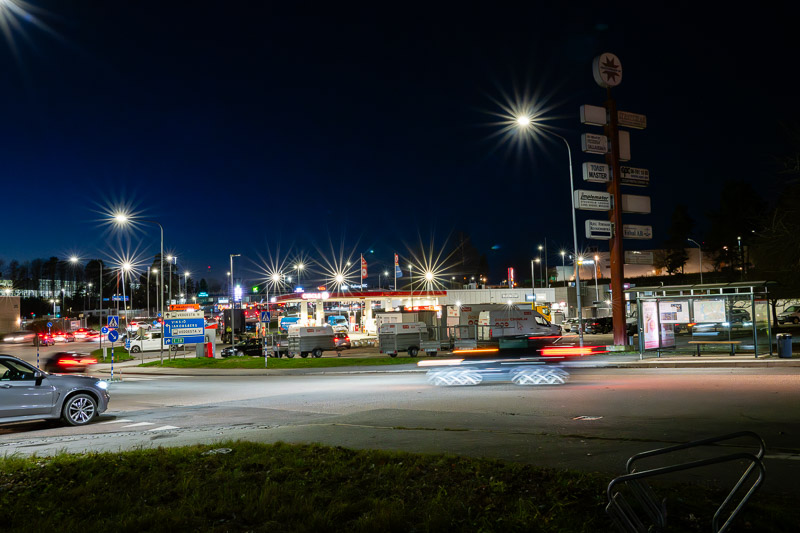
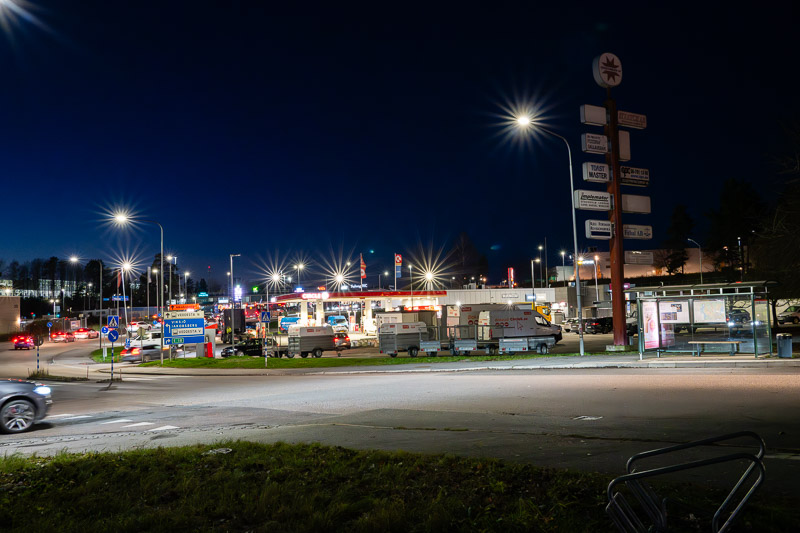
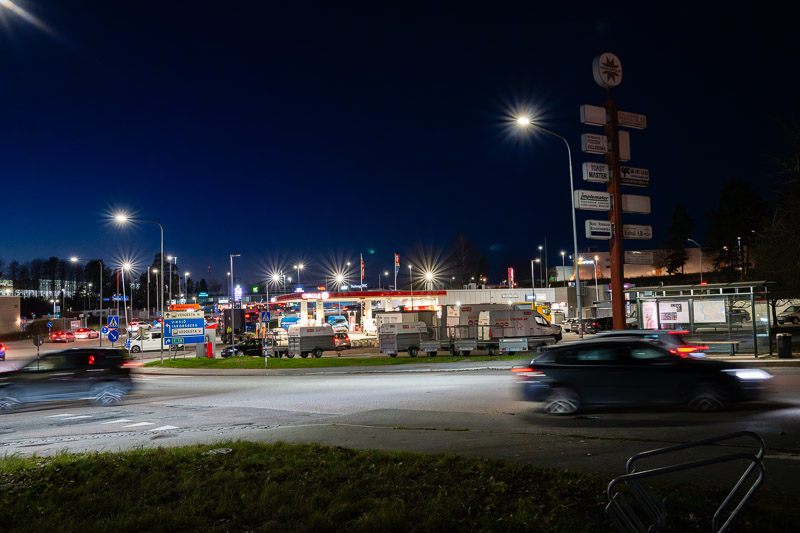
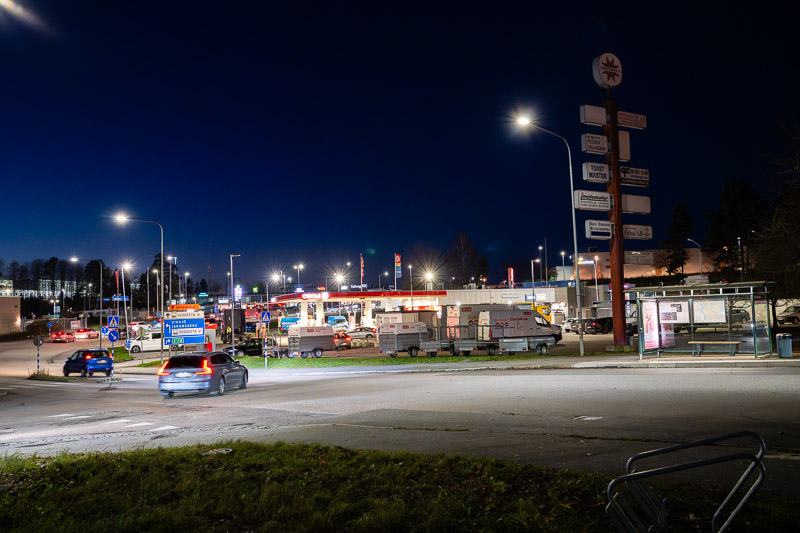
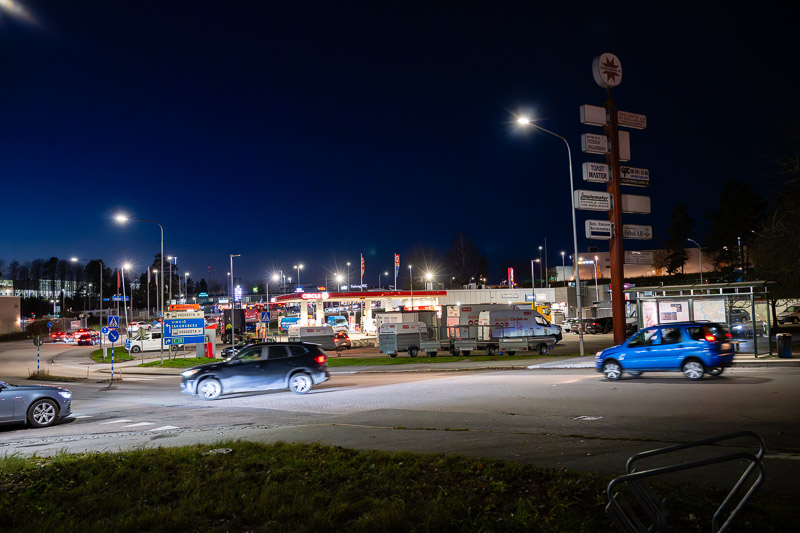
You can get 18-rayed sunstars from this lens, but they only become somewhat well-defined from f/11, with the best result at f/16. This is more or less the same performance as from the 35mm f/1.8 S.
Focus Breathing
A small amount of focus breathing is visible. It isn’t excessive and is unlikely to be disturbing for videographers; however, it is not as well controlled as on the Nikon Z 35mm f/1.8 S, which shows almost no focus breathing.

Bokeh
One inherent advantage of lenses with a large maximum aperture is their theoretical ability to create more pleasant background blur than lenses with smaller apertures. With its larger aperture, this lens should have an edge over the f/1.8 S version. To make sure this advantage isn’t missed, I took quite a few images to evaluate it.
Let’s have a closer look at the background blur at different distances!
Short Distance
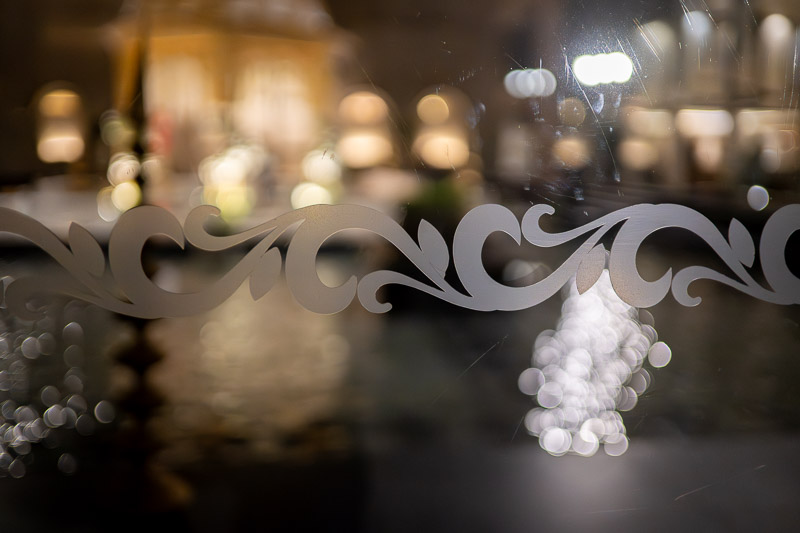

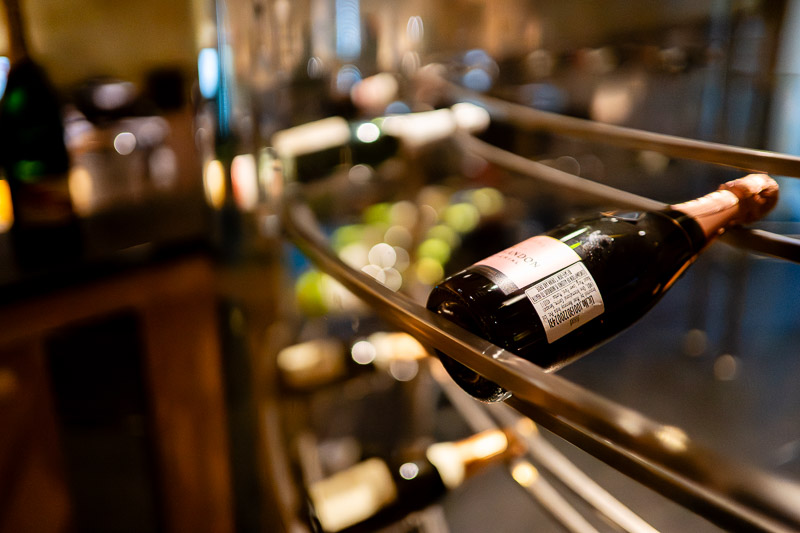



At close distances, it performs quite nicely, producing a soft and pleasing background in most cases, and the bokeh balls do not show cat’s-eye shapes. That said, in some situations, the rendering isn’t quite as creamy as I’d like.
Mid-Distance





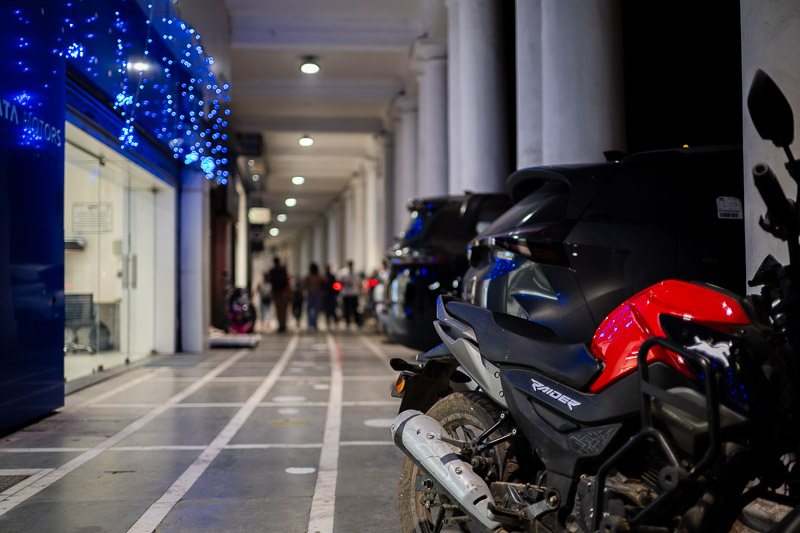
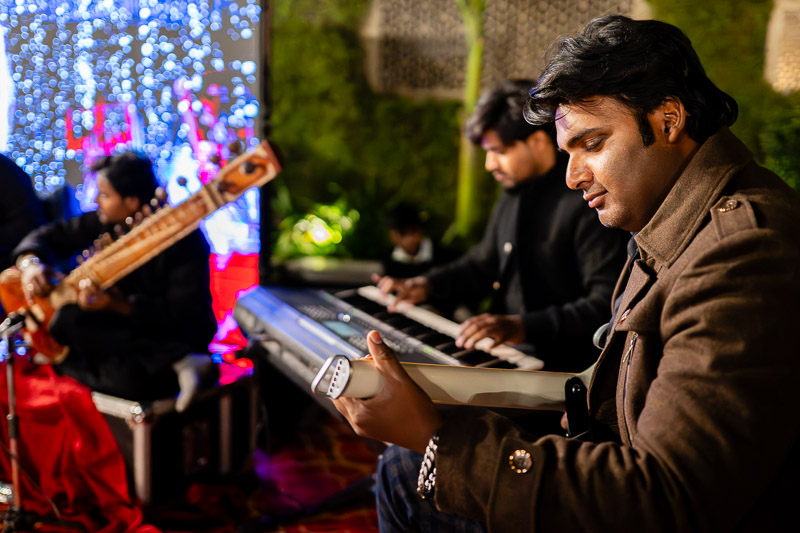
This is a distance where a 35mm lens is very useful, for portraits, street photography, everyday photography, travels, even landscapes and cityscapes, and having pleasing bokeh will come in handy here. At this distance, while the background is still soft in most cases, there is a slight tendency toward busyness in some situations. It’s not pronounced, but enough to show up here and there.
Long Distance
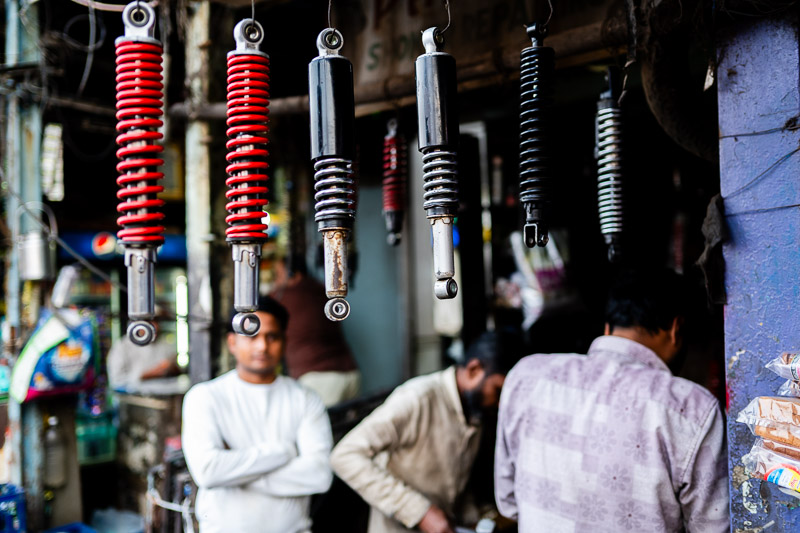
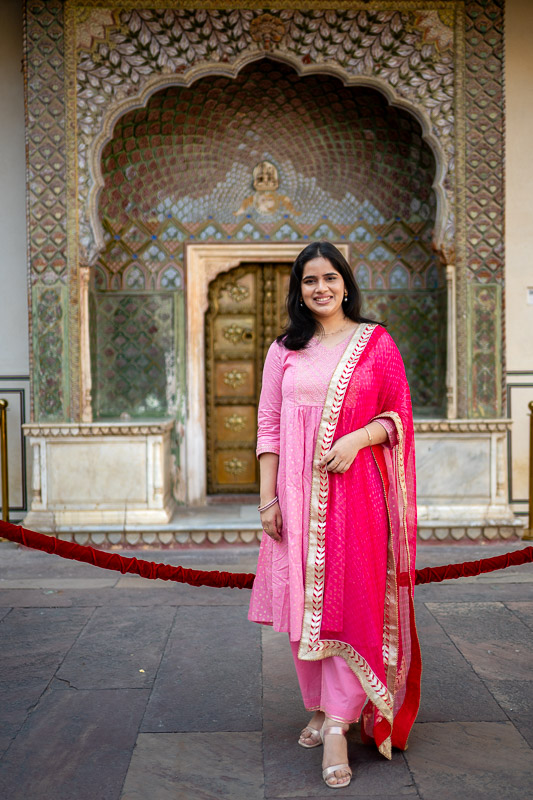


Even here, there is some background busyness, mostly toward the edges of the frame, similar to what was seen at mid distances. It’s not overly disturbing, but noticeable if you look for it.
Bokeh is, of course, very subjective, and what appeals to me may not appeal to everyone. While this lens produces more background blur than the 1.8 S version, I slightly prefer the background rendering of that lens.
Conclusion
| I LIKE | AVERAGE | I DON’T LIKE |
|
|
As the table shows, there’s little to complain about. This is a solid lens, and its price and compact size are major advantages for an f/1.4. If you’re looking for a 35mm f/1.4 for your Nikon Z camera, it’s a sensible choice, and considering the price—especially for a Nikkor—it performs well.
That said, in direct comparison with its older sibling, the 35mm f/1.8 S, it doesn’t quite reach the same level. This isn’t a poor showing by any means, but the S lens performs slightly better across most categories.
This f/1.4 lens can produce slightly more background blur, but I prefer the quality of the blur rendering from the S lens—this is ultimately a subjective judgment. Sharpness is broadly similar between the two; depending on frame position and aperture, one may have a small advantage over the other. Coma, longitudinal CA, focus breathing, vignetting, and flare resistance are all marginally better on the S lens.
All in all, if you want a 35mm f/1.4 for your Nikon Z, this is a solid choice — in fact, it’s the only option in this category from Nikon. Its lower price compared to the f/1.8 is a strong selling point, and that extra half stop of light can be very useful. This comparison should help you decide which lens best suits your needs.
Writing articles like this one is both time-consuming and costs us a lot of money. If you found this article helpful and decided to buy one of these lenses, please consider using one of the affiliate links.
If you are not interested in buying any of the lenses, but you still found this article useful, interesting, or it saved you a lot of money, treat us to a coffee (donate)!
| Buy new: B&H, Amazon (anywhere) for $ (Affiliate links) Buy used: eBay |
More Sample Images





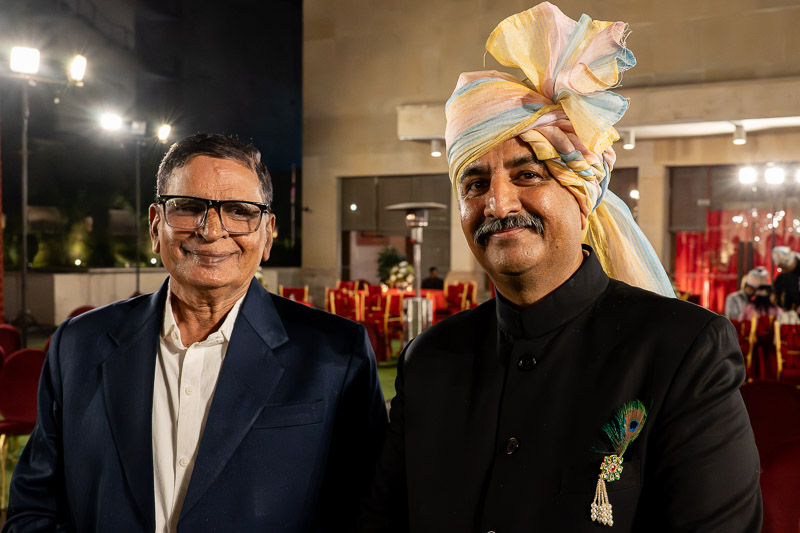
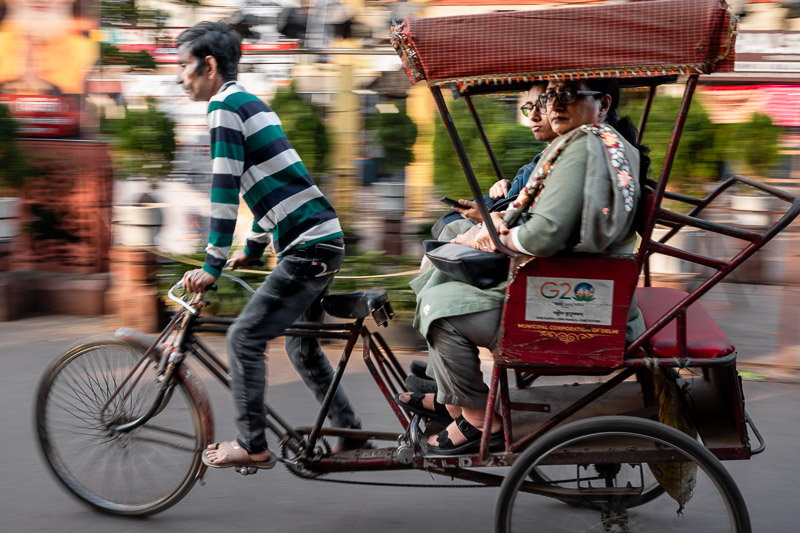




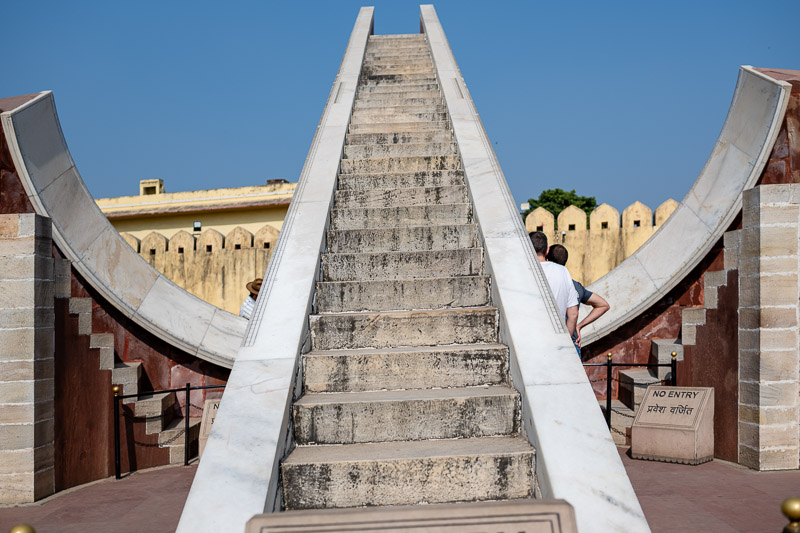
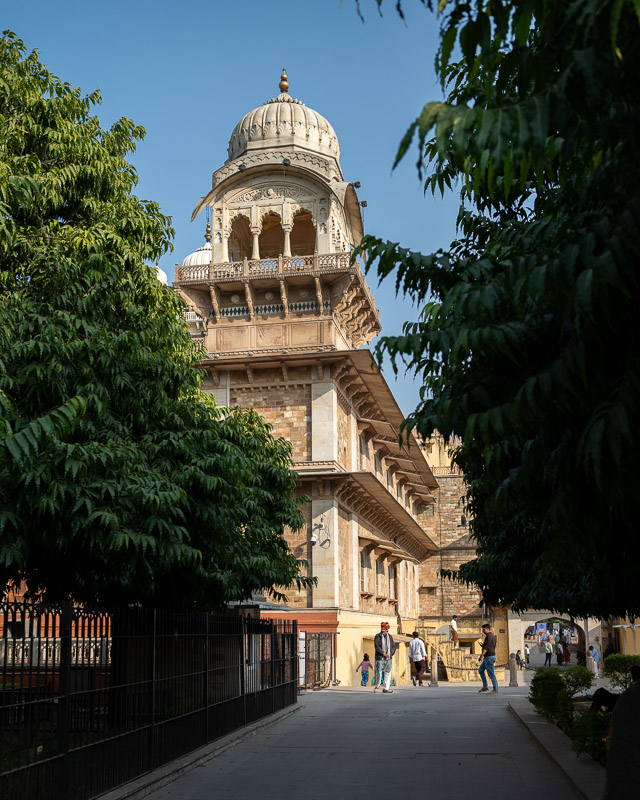


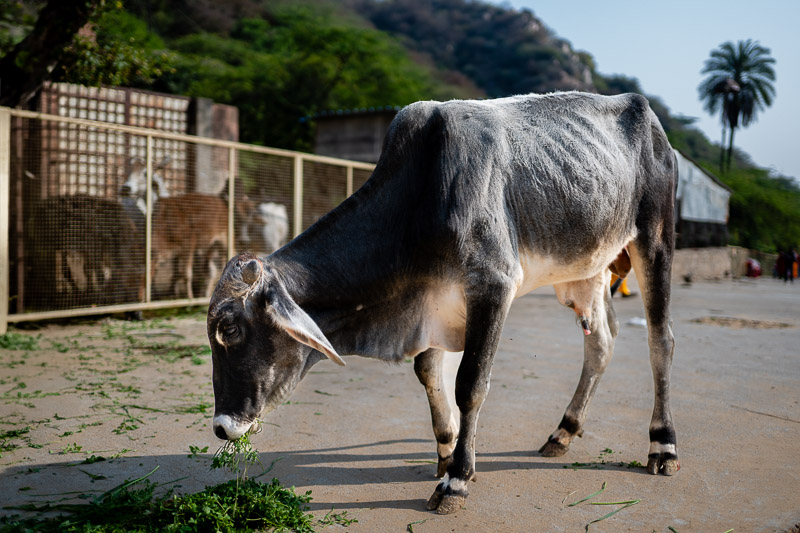



Most of the sample images in this review and many more can be found in higher resolution here.
Alternatives
Nikon Z 35mm f/1.8 S
This is not an f/1.4 lens but I mention it because if you want an original Nikon alternative, then this is your closest pick
Nikon AF-S 35mm f/1.4G
Another original Nikon 35/1.4 but with the older F-mount. You need an adapter to use it on you Nikon Z body, but you get autofocus and full EXIF communication with camera.
Pergear 35mm f/1.4
A manual focus and tiny lens, which is also (one of) the cheapest alternatives out there.
Further Reading
- What camera gear and accessories do I use most frequently?
- Review: Nikon Nikkor Z 35mm f/1.8 S
- Review: Pergear 35mm 1.4 – The cheapest 35mm fullframe lens
- Review: Nikon AF-S 35mm 1.4G
Support Us
Did you learn something new, find this article useful, or simply enjoy reading it? We’ve put a lot of time and resources into creating it, and your support helps us keep going. If you’d like to show your appreciation, please consider clicking the Donate button!



(Donations via Paypal or bank card)
What’s in my camera bag? MY 2024 KIT!!
- Main camera : https://amzn.to/3TsGtKg
- Camera grip : https://amzn.to/4e0G3CR
- Memory Card 1: https://amzn.to/47pA20i
- Memory Card 2 : https://amzn.to/3XHYxlZ
- Camera 2 : https://amzn.to/3Xifou8
- Camera grip: https://amzn.to/4dYYpV9
- Memory card 1: https://amzn.to/4e5h2H0
- Memory card 2: https://amzn.to/3zu7W7n
- Small travel tripod: https://amzn.to/4goIX68
- Mini tripod: https://amzn.to/4e09XXX
- Small shoulder bag: https://amzn.to/47tPMiY
- Medium shoulder bag: https://amzn.to/4ej4bjY
This site contains affiliate links, for which I may receive a small commission if you purchase via the links at no additional cost to you. This helps support the creation of future content.


Martin
Latest posts by Martin (see all)
- Analogue Photography: Part 6 – Kodak Gold 200 - March 11, 2026
- REVIEW: TTArtisan Tilt-Shift 17mm F4 ASPH. - March 4, 2026
- REVIEW: Meike 24mm f/1.4 MIX - February 25, 2026
Thank you for the review!)
Your conclusions are generally the same as mine. But the evaluation of this lens changes when you realize that it was the lightest and cheapest full-frame lens with a focal length of 35 mm and an aperture of f/1.4.
I am very pleased with it. And I use it much more often than the optically more advanced, but more expensive, large and heavy Tamron 35 f/1.4.
As my experience has shown. If you see the flaws of the bokeh shot using the Z35 f/1.4, then this frame should not have been taken, because its content and idea are weak and not interesting to the viewer)
You’re very welcome! Just a few small points: this isn’t the smallest or lightest 35mm f/1.4—Pergear makes one that’s much smaller and lighter, but it’s a manual lens.
I’m not sure I share your opinion about the bokeh, but I’m not saying it’s bad either. Bokeh is a personal thing—personally, I like the f/1.8 S’s bokeh better, though someone else might prefer this lens’s bokeh.
Martin. I agree. It would be more accurate to say about autofocus lenses)
About the comparison of the Z35 f/1.4 and Z35 f/1.8S side panels. In general, even in a blind test, I can determine which one was taken from one camera on a tripod without changing the position. I’ve done a lot of comparison of 35mm lenses for myself. Elementary, everyone in reality had a different viewing angle and, accordingly, the focal length))
Generally. There are conditions / distances where I like the f/1.4 sideboard more, and sometimes the opposite happens where f/1.8. But in any case, I got the best sideboard using the Tamron 35 f/1.4.
But in the end, according to the sum of factors: weight, size, 3D image, sharpness, etc. for me, the winner is the Z35 f/1.4. But if Tamron releases a mirrorless version of its 35 f/1.4 and is able to reduce weight and size, then by eliminating the adapter…
it’s really interesting.
You have to think about it.
I would have already bought Viltrox. But it’s big and heavy. And I’ve discovered that the heavier and bigger the lens, the less often I use it… To buy a lens, no matter how cool it is, but not to use it, seems to me like stupidity.
Yes, Tamron SP 35mm f/1.4 Di USD, to be exact, which I have actually used and tested, is a fantastic lens. But it is a DSLR lens, and as you mention it is bigger and heavier. The Viltrox 35mm f/1.2 lens is also a fantastic lens and is designed for mirrorless, but it is even bigger and heavier. Let’s hope Tamron makes a new mirrorless version of its DSLR lens.
In a vacuum, if I were to choose between the two lenses, I would choose the f/1.8. However, in reality I never choose a f/1.8 lens over f/2.8 zoom or the Tamron 35-150mm f/2-2.8. Therefore I would choose the f/1.4. Furthermore, even the f/1.4 is softer than the f/1.8, it’s vastly superior to most of the 35mm f/1.4 lenses (vintage, Chinese, or Voigtlander) that you’ve reviewed. It’s a no-brainer for me.
Agreed
Great review, Martin. I’d love to see a review of the Sirui 35mm 1.4 on Z mount as well!
Thanks Jared. If I get my hands on a Sirui, I will certainly review it.
I don’t own the 1.8Z and therefore can’t compare, but I’ve a bunch of 35mm MF. I was hesitant about my choice after reading the reviews, but I can say it was an immediate bond with that lens! Admittedly it’s not the best 35mm AF on the market but I’m a happy camper.
thank you for the comparison, it probably a question for every Nikon user looking for a 35 if the 1.8 or 1.4 ist the better choice.
I’m in Sonyland where things are a bit different. Because the bokeh of the cheaper Sony 35f1.8 was too distracting for me i got the Sony 1.4 GM and never looked back.
I dont know why i should opt for the Nikon 1.4 if i had to. Honestly bokeh at mid distance is the most important factor for me in a 35mm. But im not able to use a huge 1.2 Sigma or MF Argus 0.95
what i wouldve liked to see is a more detailed bokeh comparison between the f1.4 and f1.8
Its typically with detailed background like foliage where i guess the f1.4 would struggle. Something that is not uncommon and why i prefer my GM
S.B.
Two points.
First. You can’t choose between the FE 35mm F1.4 GM and the Z35 f/1.4 without changing the camera. And using the Z7, I can) And I chose the Z35 f/1.4. Funny isn’t it?))
The second point. Comparing lenses that differ in price by more than two times is an extremely controversial decision. Extremely.
It probably didnt come across as i intended. I think bokeh is the most important factor in fast prime lenses. So i wouldve liked to see the differences in detail between the two choices here, as we’ve seen on this blog before
Ah, you’d like to see a bokeh comparison à la Bastian.
Unfortunately, I only had the 35mm f/1.4 for a limited time and wanted to resell it as soon as possible. I was also traveling for a good part of that period — which may be obvious from the sample images.
I think the differences are still visible, even though the test shots aren’t shown side by side. If you’d like a direct comparison, you can open the 35mm f/1.8 review in a separate window and view the bokeh shots next to each other.
For future comparisons, I’ll try to provide proper side-by-side shots of the same subjects whenever I have both lenses at the same time. However, lenses are often loaned to us at different times, which makes that difficult.