Introduction
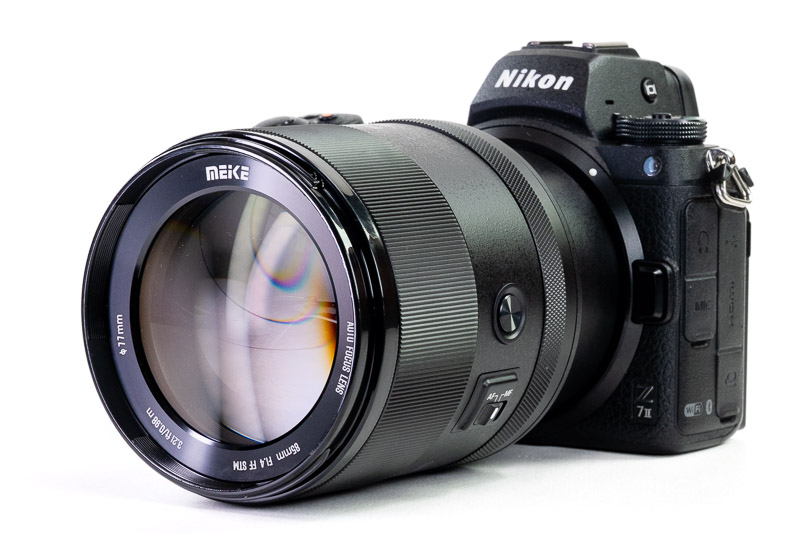
Meike is stepping up its autofocus game with a bold new lens: an 85mm f/1.4. While it’s not their first AF lens, it’s a pro favourite for portraits and shots that really make the subject pop, with that classic strong subject separation. Meike even claims it’s China’s first 85mm f/1.4 portrait flagship lens—a pretty bold statement. Naturally, I was curious to see it for myself when they offered a copy for review. Let’s find out how good it really is.
 I tested this lens on a 46 Mp Nikon Z7ii (Sample images were taken with a Nikon Zf)
 You can see this review as a YouTube video here!
 Sample images in high resolution here.
Sample Images



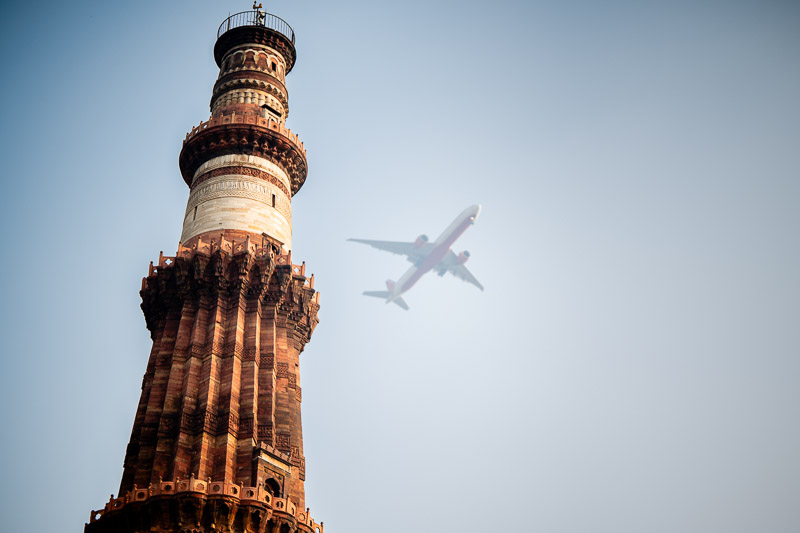

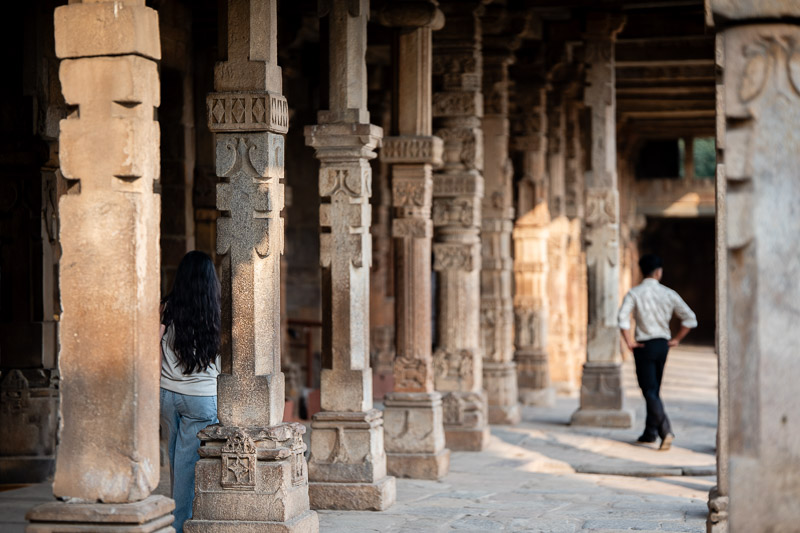



Most of the sample images in this review and many more can be found in higher resolution here.
Specifications
| Focal Length | 85mm |
| Angle of View | 24.1° |
| # of Aperture Blades | 12 |
| Max Aperture | f/1.4 |
| Min Aperture | f/16 |
| Min Focus Distance | 0.978 m |
| Filter Size | 77mm |
| Lens Mount | E / Z / L |
| Weight | ≈ 800 g |
| Size (D x L) | ≈ 87 x 114 mm |
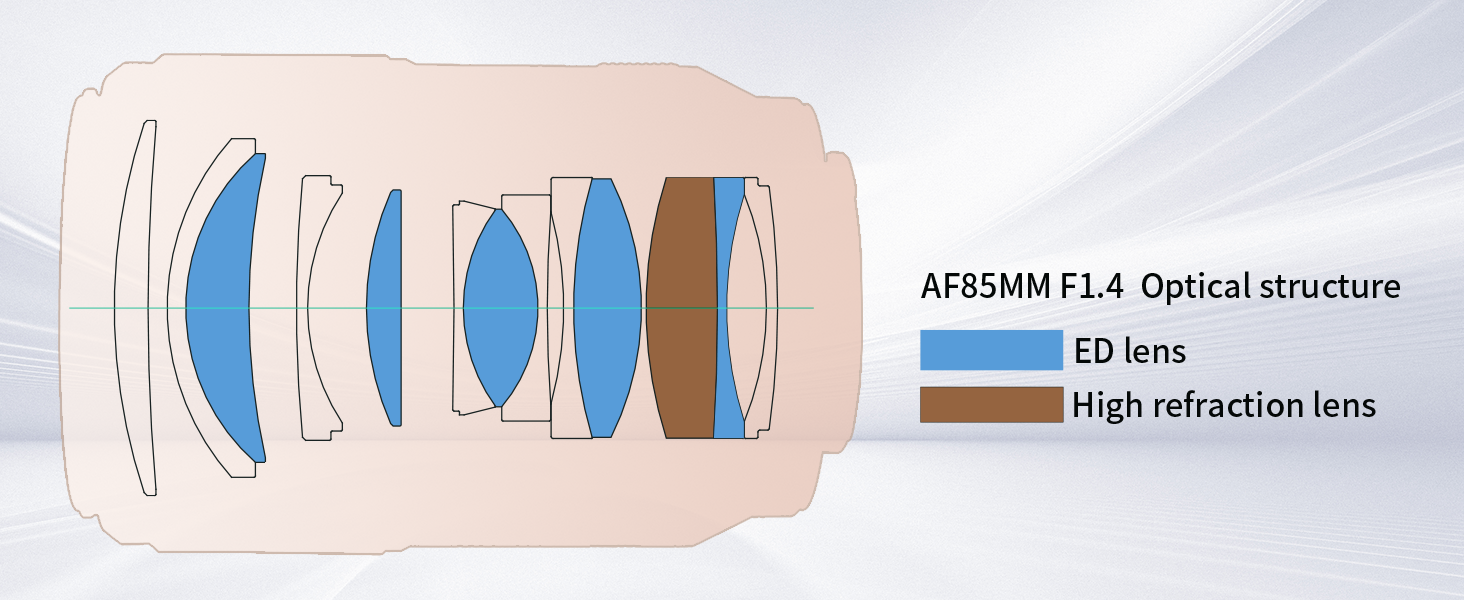
| Elements/Group | 13 / 8 |
|
Buy new: MEIEK Store, Amazon (anywhere) for $400 (Affiliate links) |
Disclosure
Meike kindly provided this lens for test and review purposes.
Handling and Build Quality
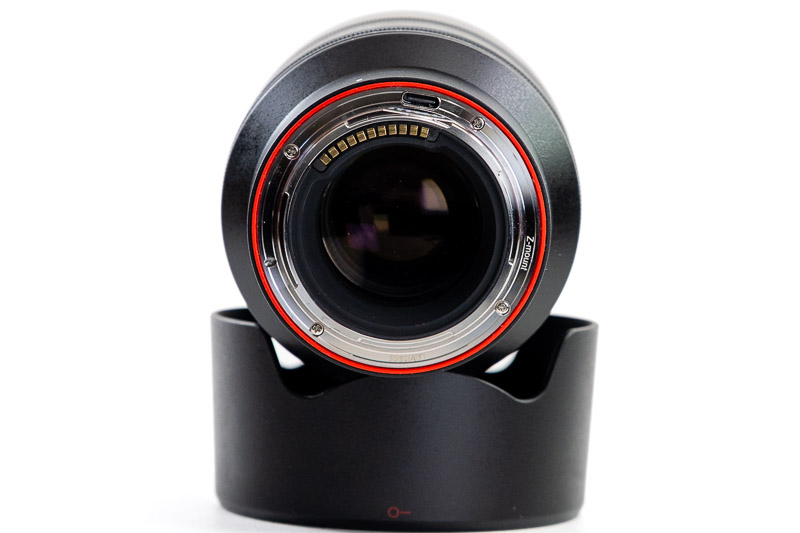
The Meike 85mm f/1.4 is a fairly bulky lens, made of hard plastic similar to Nikon Z lenses, but without the premium feel you get from Nikon’s build. A Type-C USB port on the lens’s metallic mount plate allows firmware updates via Meike’s website. Electronic contacts on the mount handle EXIF data transfer and electronic aperture control. Around the mount, there’s an attractive red rubber gasket for environmental sealing.
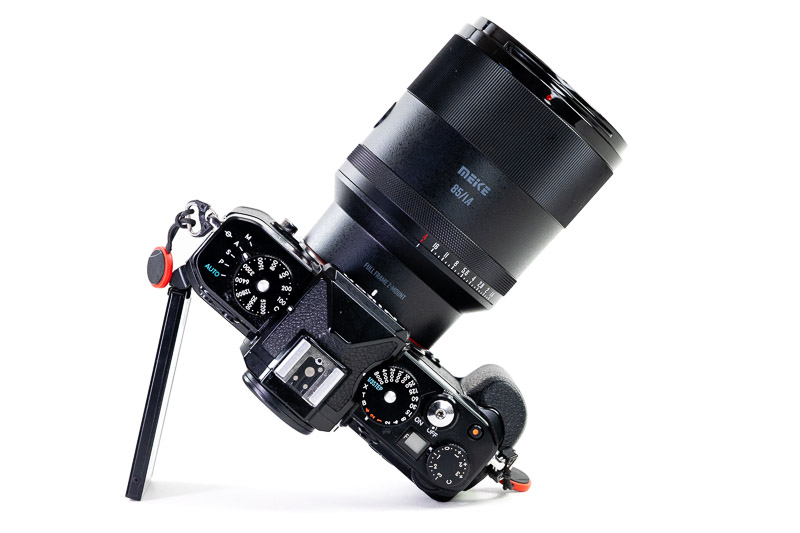
Moving forward, the lens has an aperture ring marked in one-third stops from f/1.4 to f/16, with an A position in red for automatic aperture control from the camera. The ring clicks distinctly at every third of a stop, but feels rather rough—like dry cogs engaging with each other. There’s no option to declick the ring.
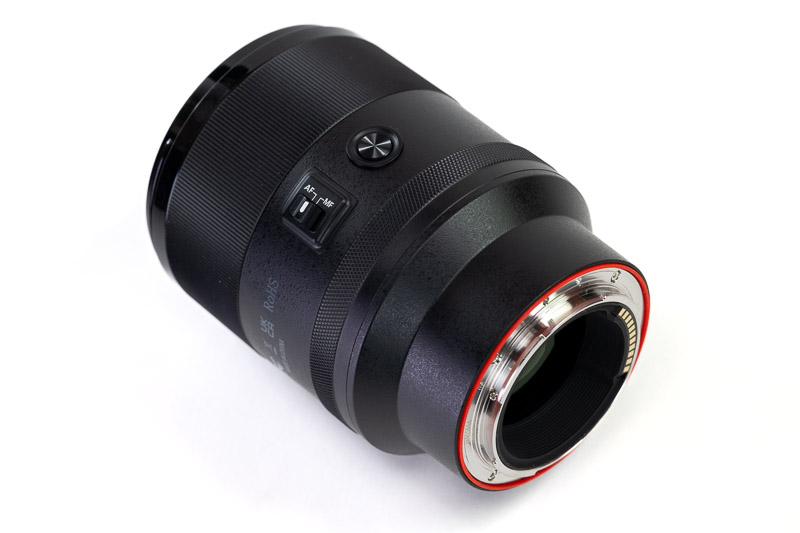
On the side of the barrel, you’ll find a customisable focus-hold button and an AF-MF switch. The lens also has a relatively large manual focus ring that turns smoothly, though, like the aperture ring, it has a slightly rough feel.
The lens uses a silent STM motor, which is quiet and accurate. That said, it’s on the slow side and sometimes hesitates, requiring a little back-and-forth “chase” before it locks focus.
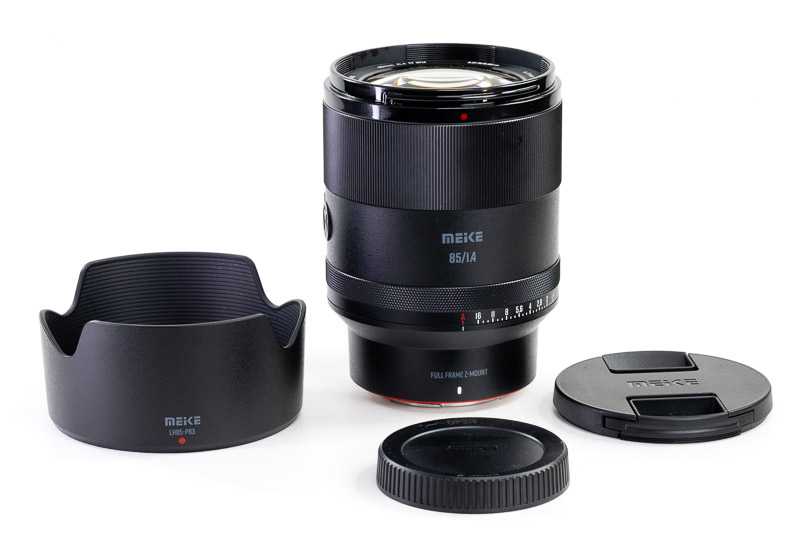
The lens comes with a deep lens hood made of hard plastic, though it doesn’t feel as substantial or sturdy as Nikon Z lens hoods. There’s no image stabilization built into the lens. Overall, the build quality feels good and is quite satisfactory.
Optical Features
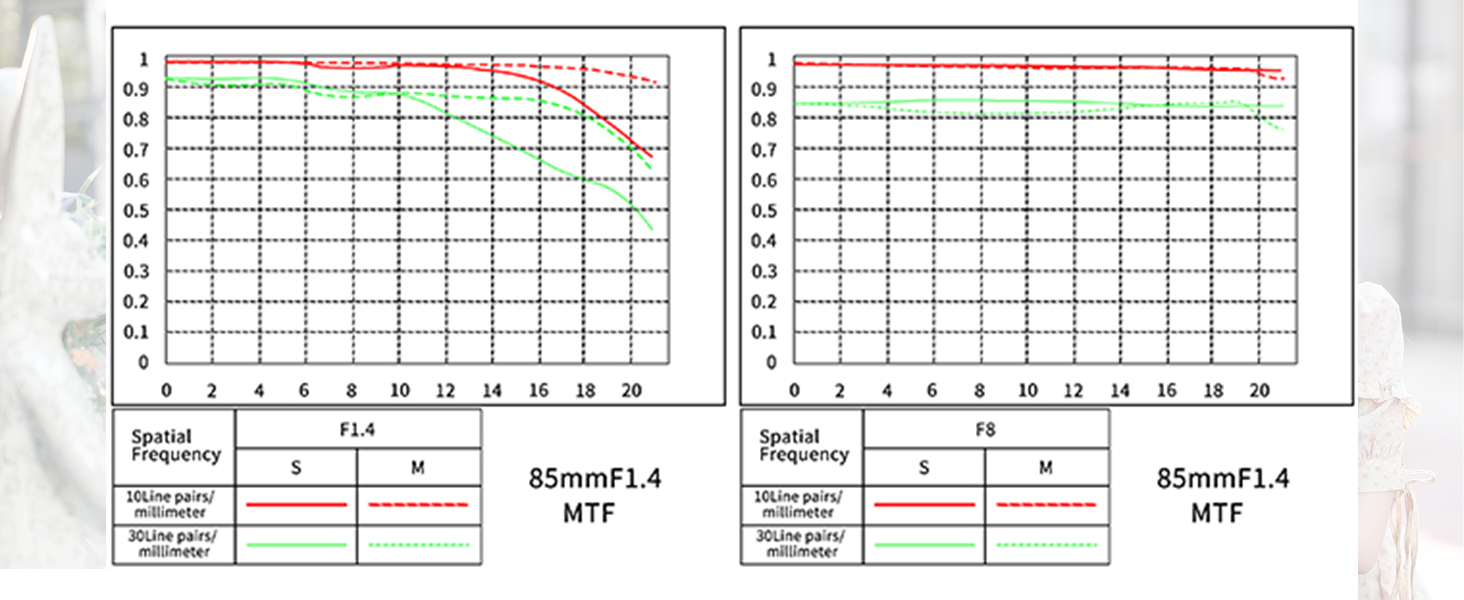
This is an impressive MTF chart, let’s see how it holds in real life tests.
Sharpness (Infinity)
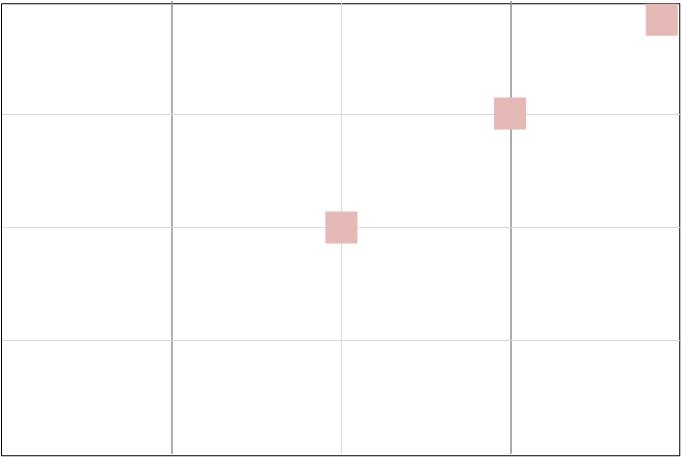
For the infinity sharpness test, we look at three areas of the image, centre, mid-frame, and corner, see highlighted areas in the image below!
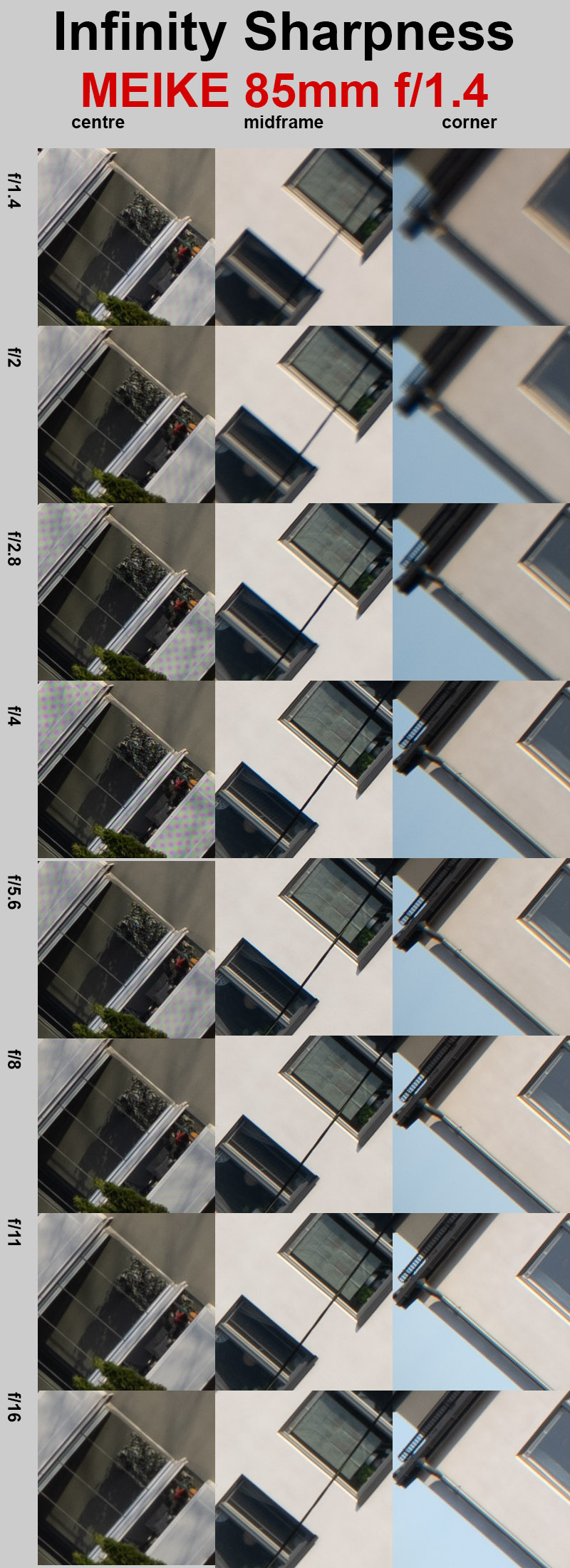
I have to say directly that the centre sharpness is outstanding.
Wide open at f/1.4, the centre sharpness is already very good, the midframe is good, but the corners remain soft. Stopping down one stop brings the centre to excellent, the midframe to clearly good, while the corners are still soft.
By f/2.8, the centre sharpness exceeds what the Nikon Z7ii’s 46 MP sensor can fully resolve, producing visible moiré patterns. The sensor cannot keep up with the fine detail the lens delivers in the centre. The midframe is very good, and the corners are now just OK.
At f/4, the centre remains extremely sharp, the midframe is excellent, and the corners are finally good. By f/5.6, the corners improve further, and at f/8 they become very good. Diffraction starts to impact the centre at f/8, reducing it slightly to excellent. The best across-the-frame sharpness is achieved between f/8 and f/11.
Overall, the centre sharpness is truly impressive.
Sharpness (Portrait)
Let’s look at the points of interest for portraits at the portrait distance: the very centre, the centre’s inner periphery (1/3 rule intersection), and the centre’s outer periphery (1/4th intersection).
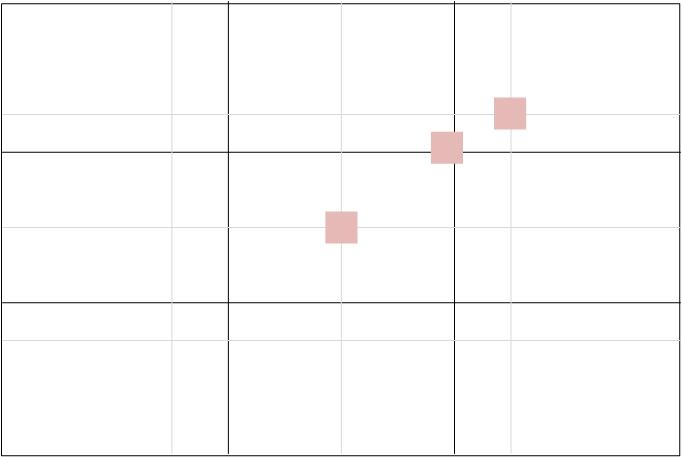
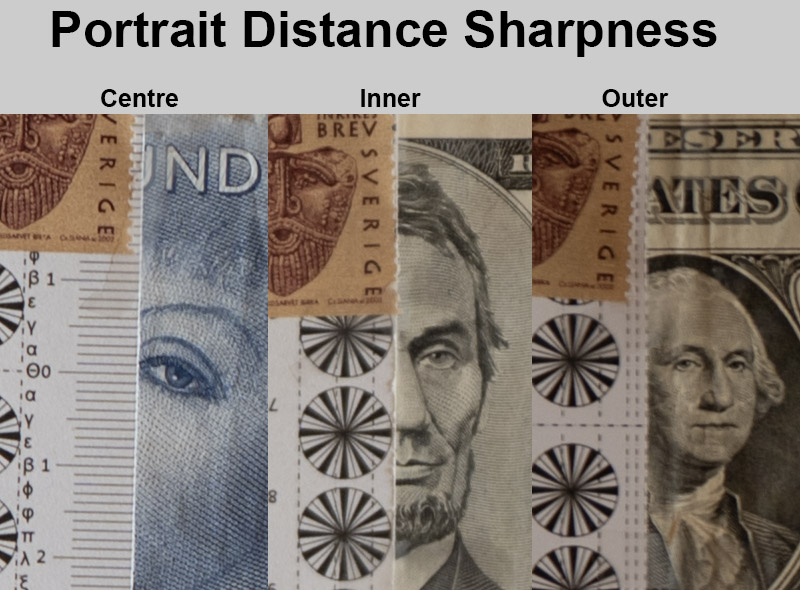
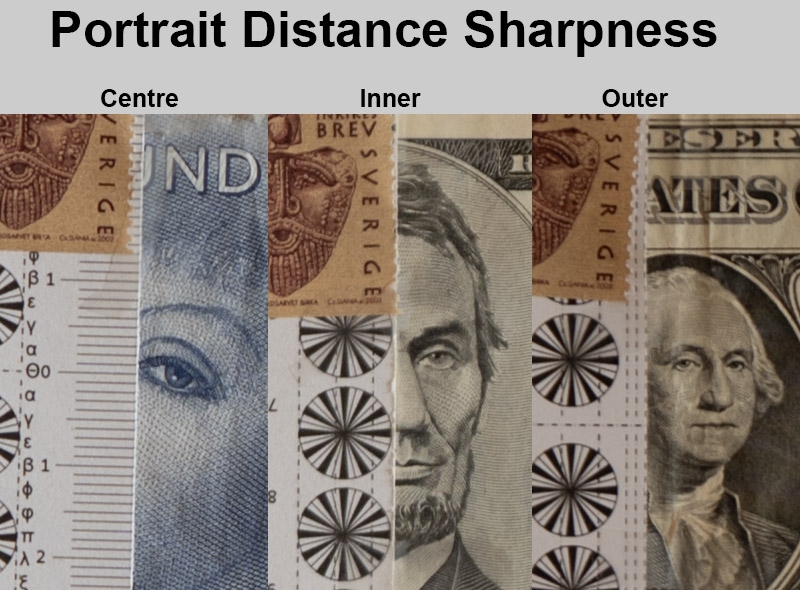
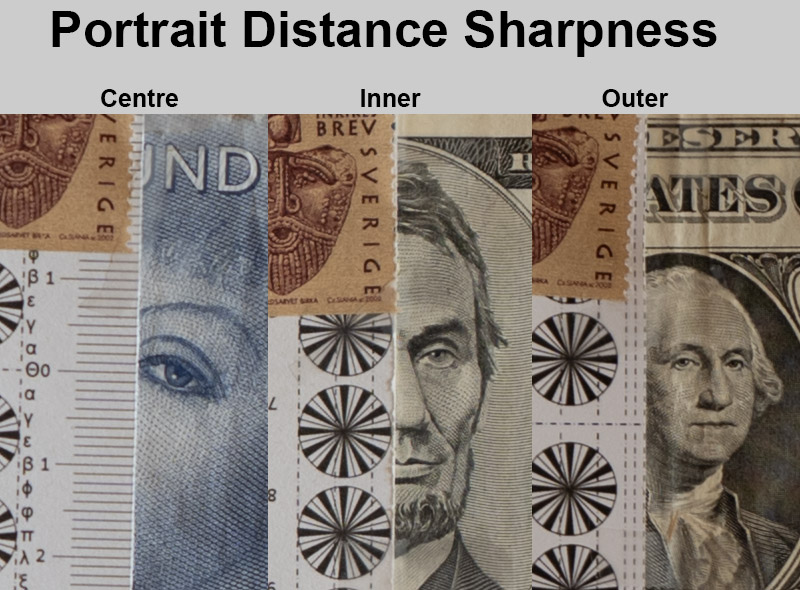
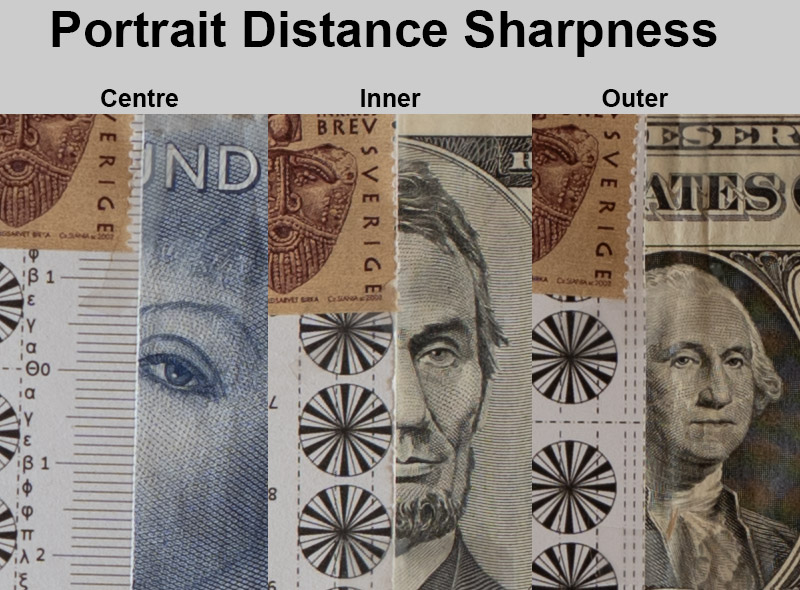
At portrait distance, the centre sharpness is very good, while the inner and outer circles are more than just good. The outer circle is slightly darker due to vignetting. At f/2, the centre is excellent, and the other points become very good. From f/2.8 onward, sharpness is excellent at all measured points.
Sharpness (Close-up)



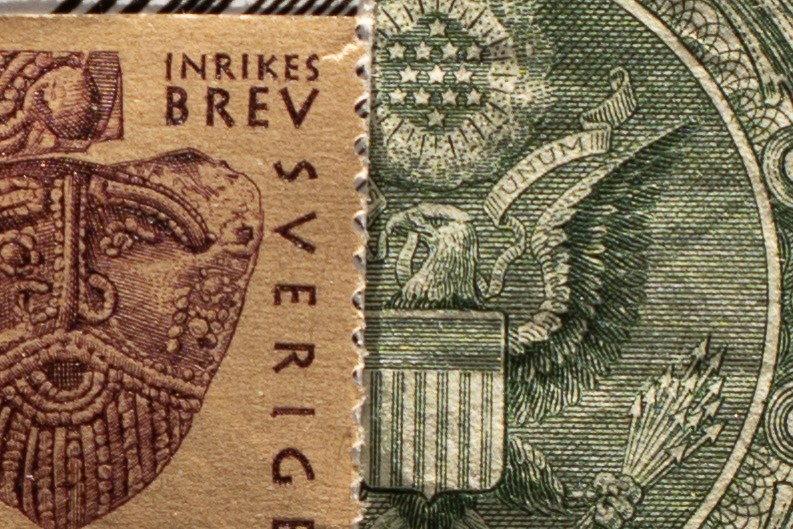




At close-up distances, an interesting pattern emerges: sharpness is good at f/1.4, very good at f/2, and excellent at f/2.8 and f/4. At f/5.6, there is a visible drop in sharpness. While this could partly be due to camera shake, it appears that diffraction starts quite early with this lens at very close distances.
Lens Distortion
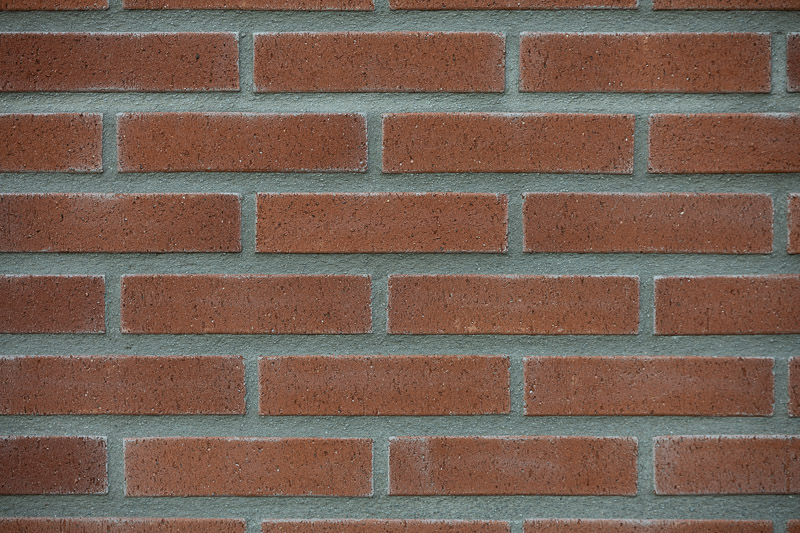
There is no notable lens distortion visible.
Vignetting
Vignetting is moderate at f/1.4. At f/2, it is low, decreasing further to very low at f/2.8. At smaller apertures, vignetting is negligible. Telephoto lenses typically exhibit relatively low vignetting, and this lens follows that pattern.
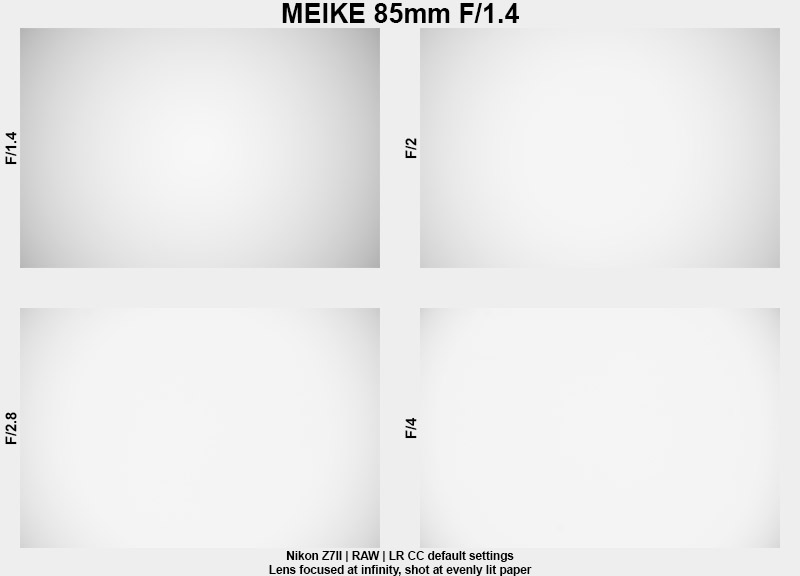
- F/1.4: 1.8 EV
- F/2.0: 1.3 EV
- F/2.8: 1.15 EV
- F/4.0: 0.95 EV
- F/5.6: 0.7 EV
Chromatic Aberrations
There is a negligible amount of Longitudinal chromatic aberration, which can only be seen in extreme cases and very large magnifications. In real-life scenarios, you’ll not notice it.
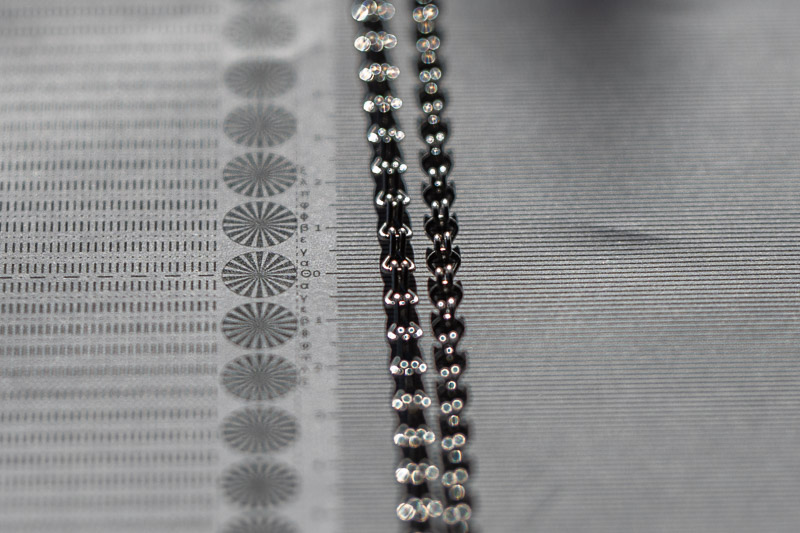
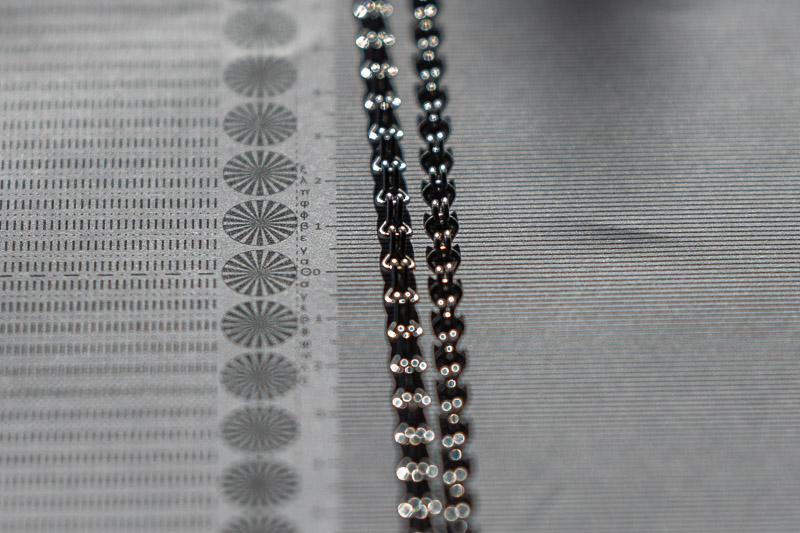

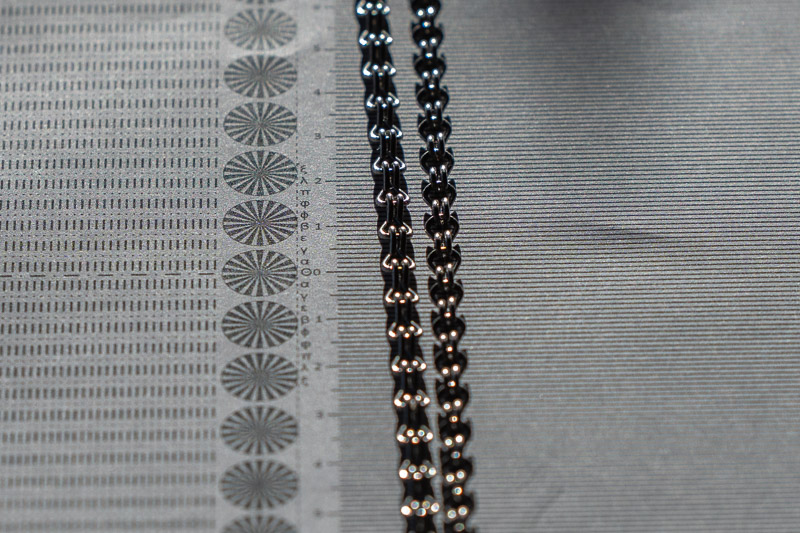
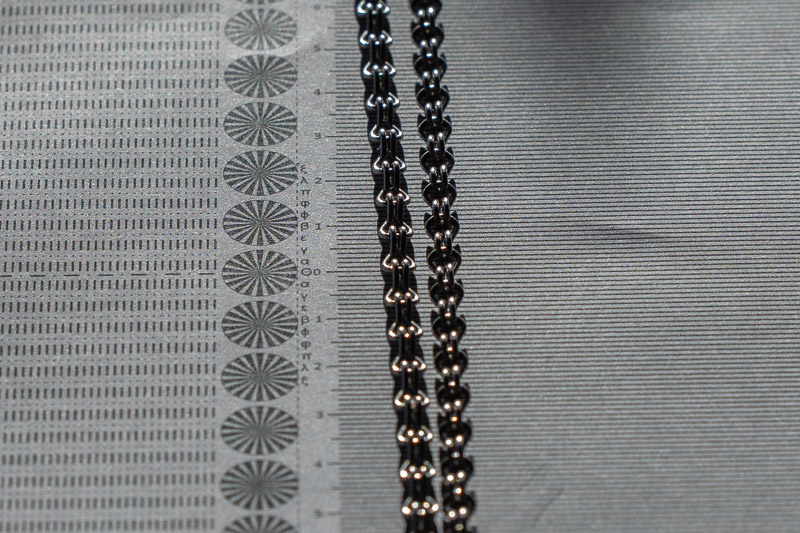
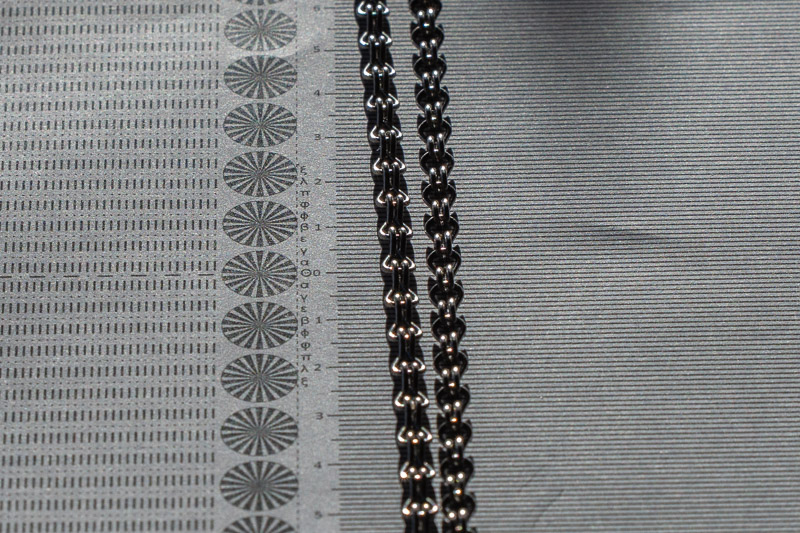
Again, there is a negligible amount of lateral CA, but you will not notice it in any normal situation.
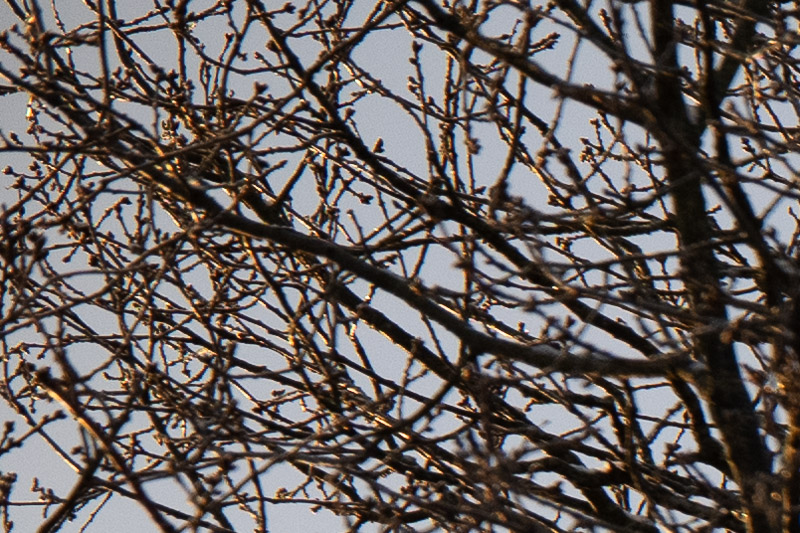
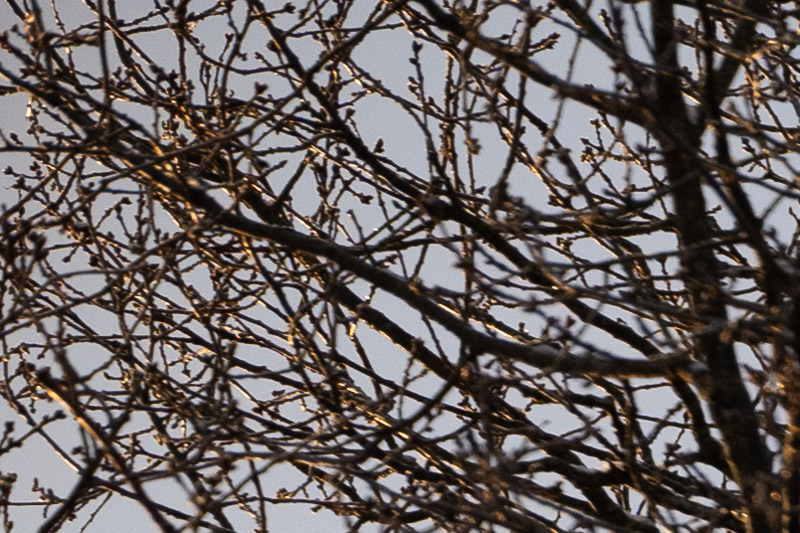
Good performance in this area.
Flare Resistance
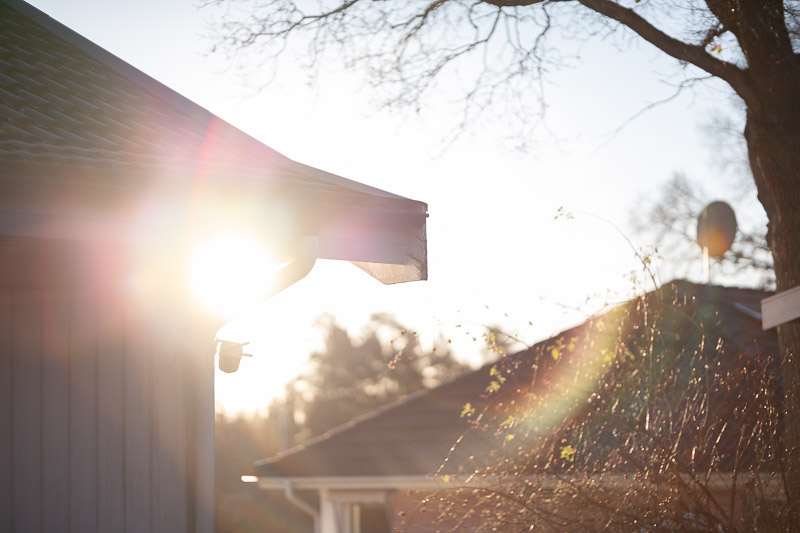
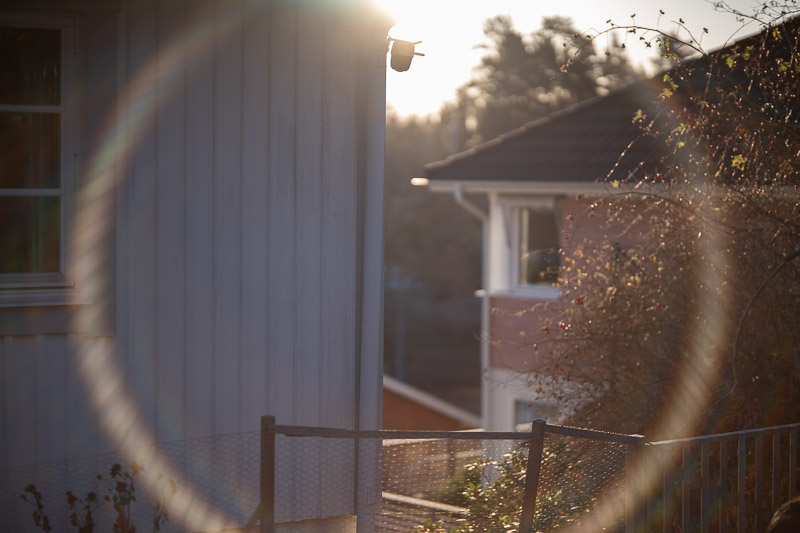
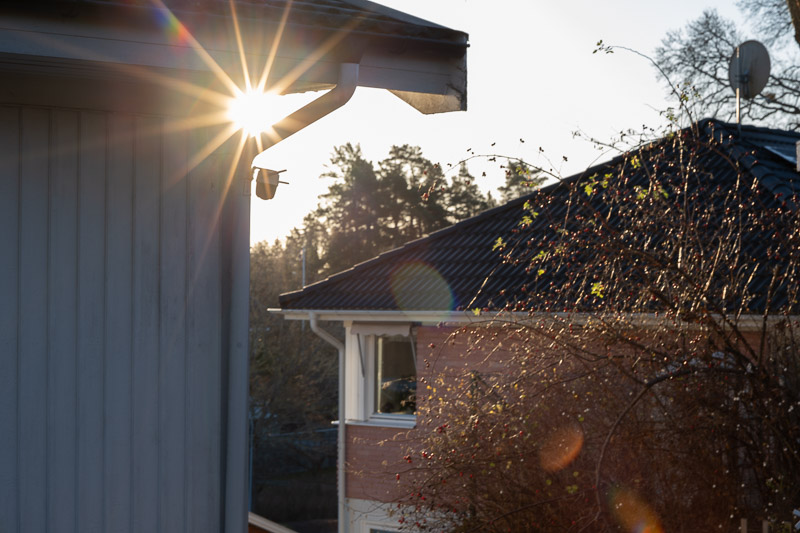
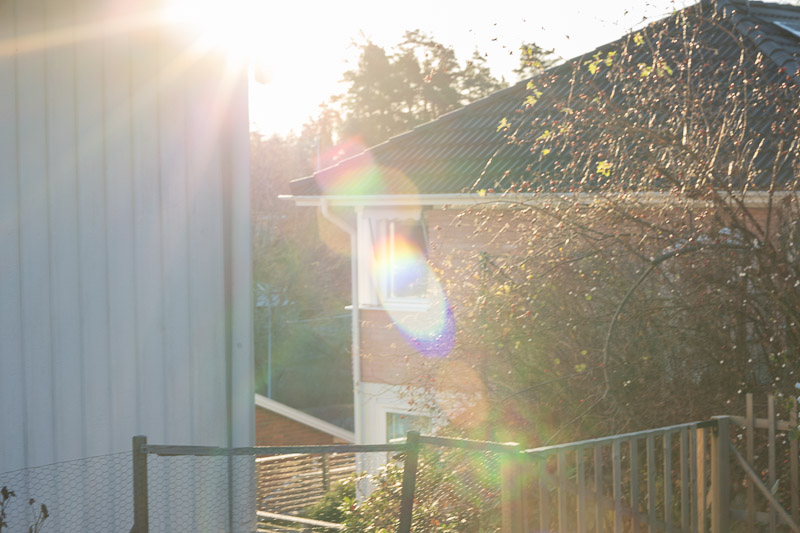
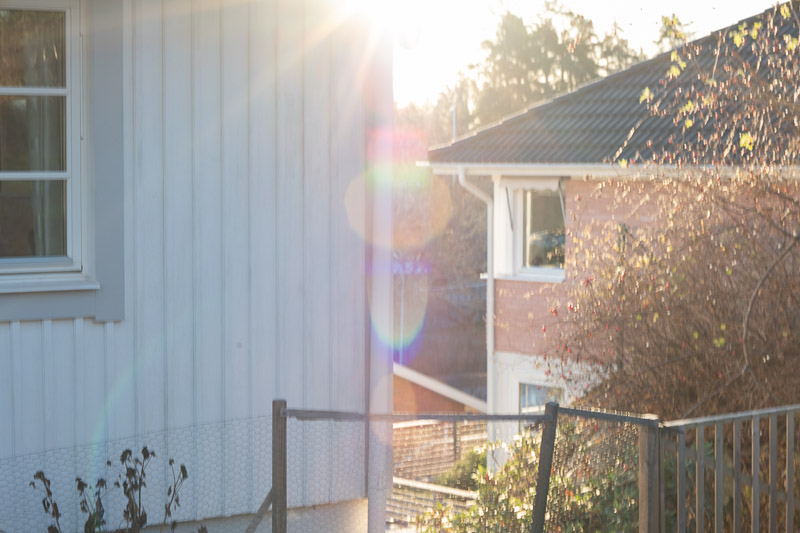
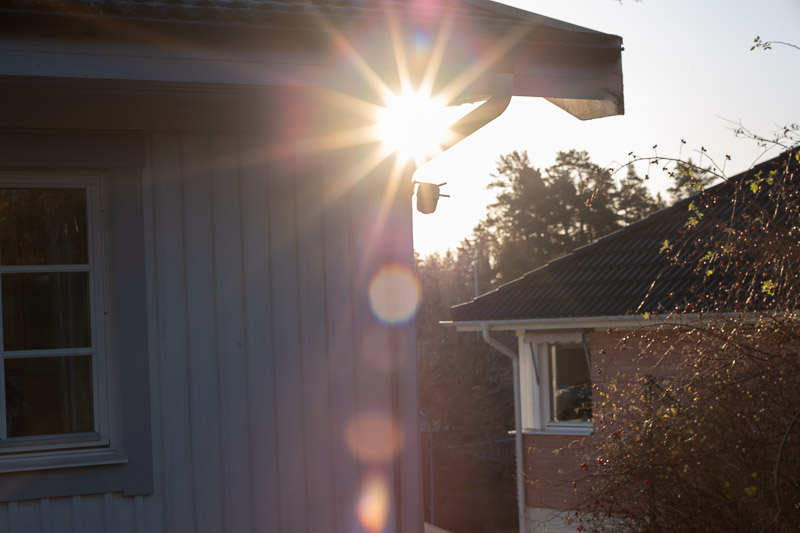
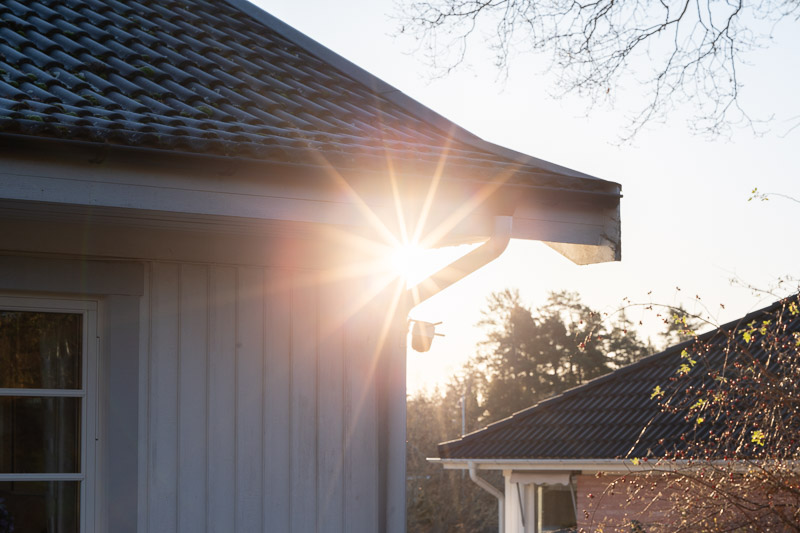
Unfortunately, the lens shows weak flare resistance and produces flare artifacts at all apertures. At wider apertures, however, the character of the flare changes; the distinctive flare patterns, including ring flare, could be used creatively in some portrait work.
Wide Aperture
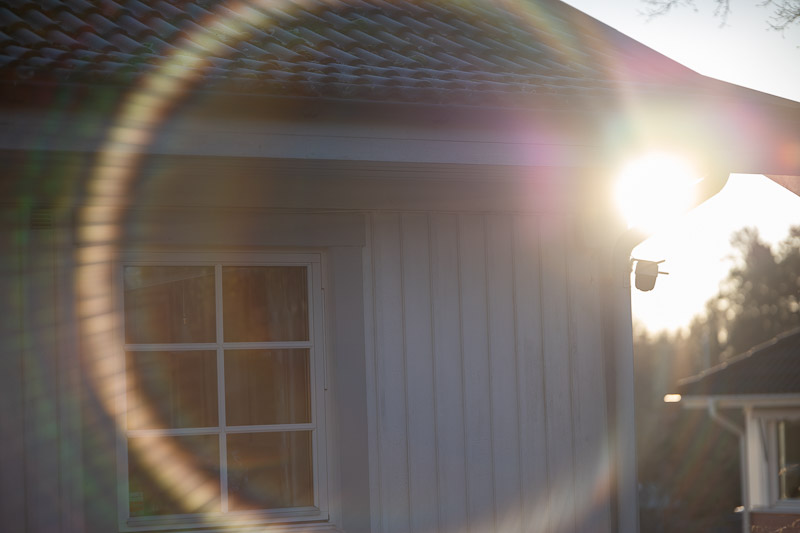
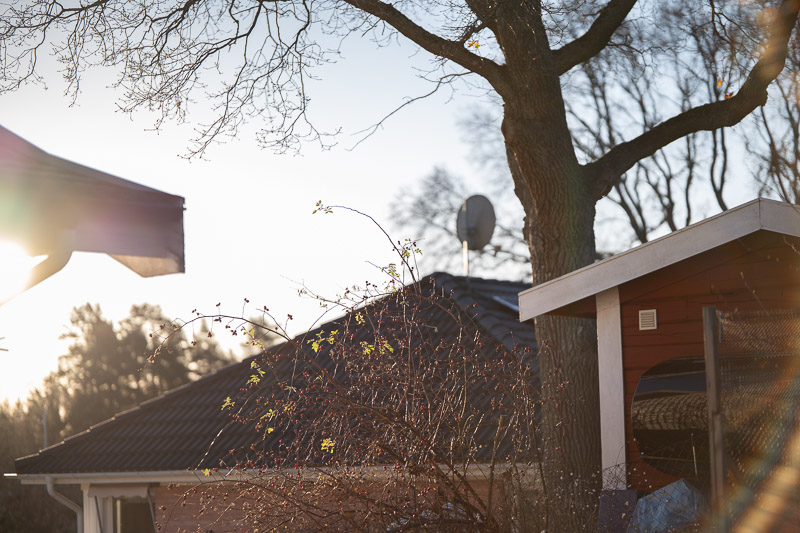


Small Aperture

Coma
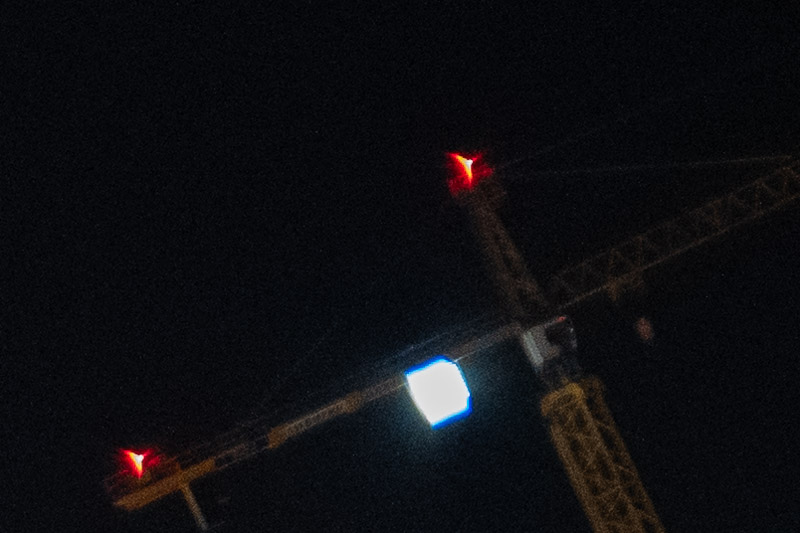
The lens shows some coma wide open at f/1.4, which improves significantly by f/2 and becomes negligible from f/2.8 onward.
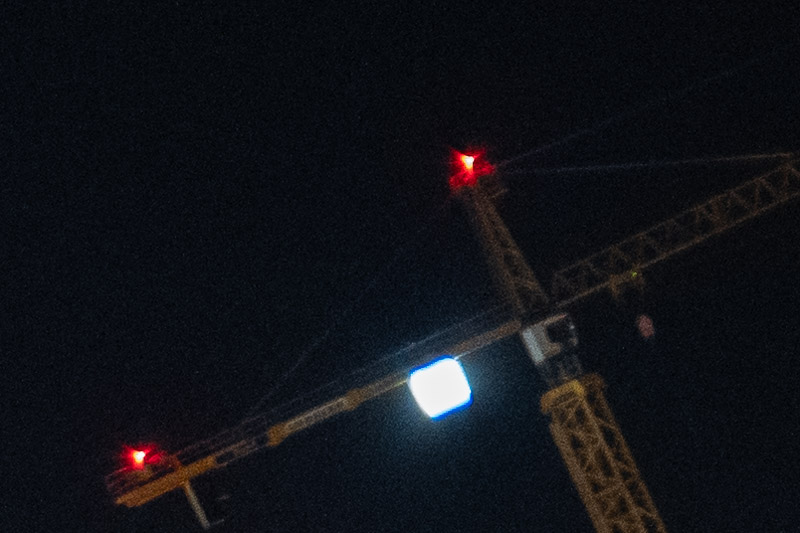
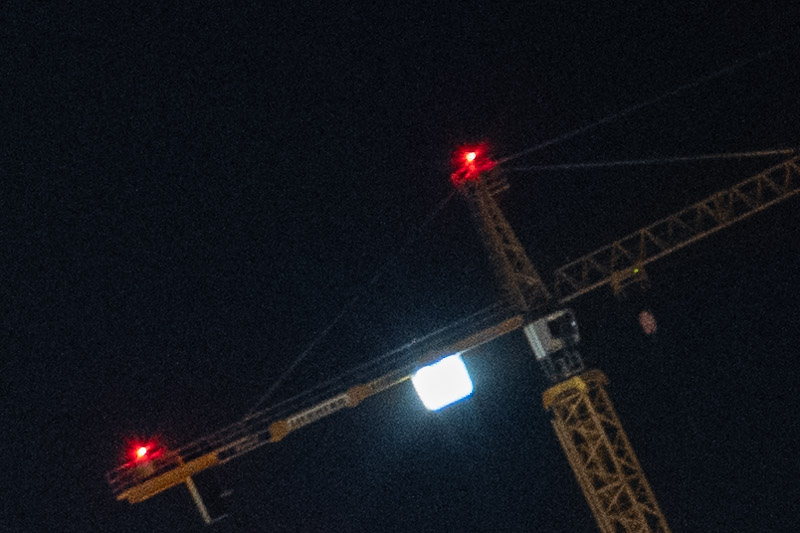
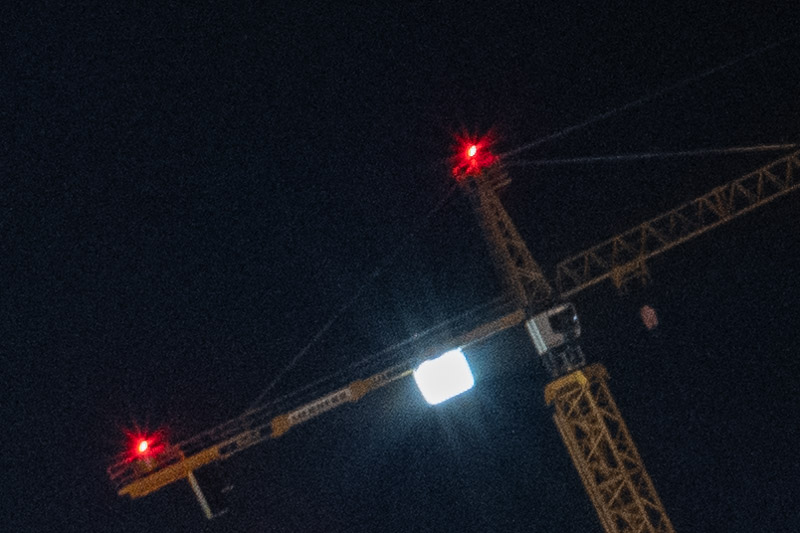
Sunstars
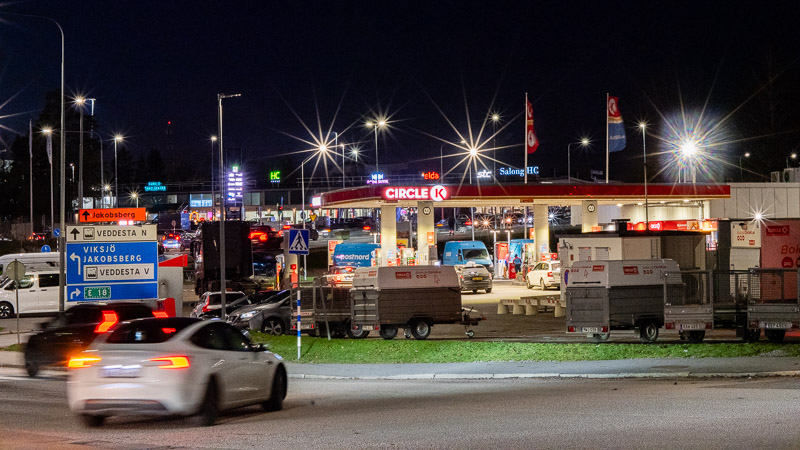
Portrait lenses are not usually known for producing nice sunstars, but this lens is a pleasant surprise: it can create twelve-spiked sunstars from as wide as f/4. They become more well-defined at f/5.6 and very distinct and attractive from f/8.


Focus Breathing
The lens suffers from quite strong focus breathing, as can be viewed here.
Bokeh
For this lens, this is one of the most important categories, so it’s worth being a bit more critical here. Let’s have a look at bokeh highlights!
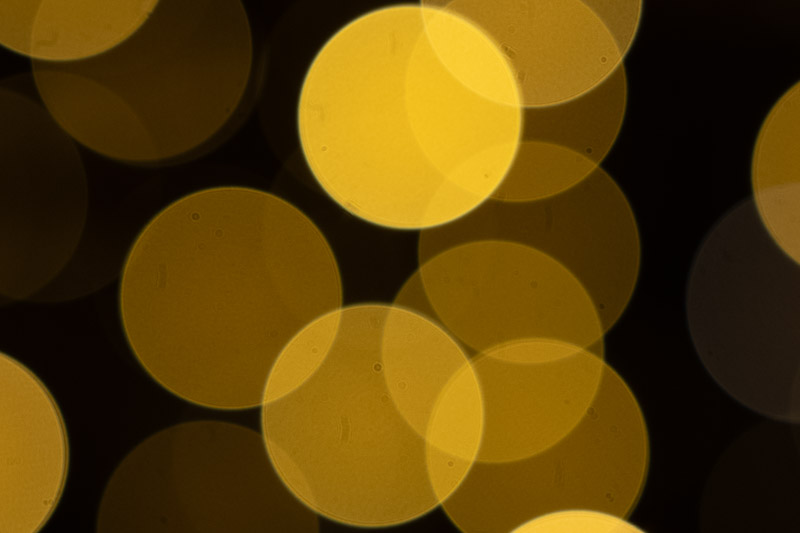
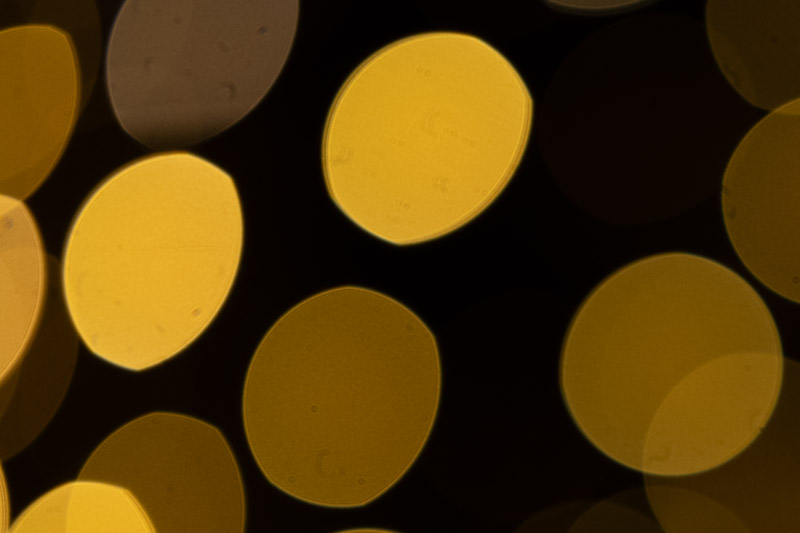
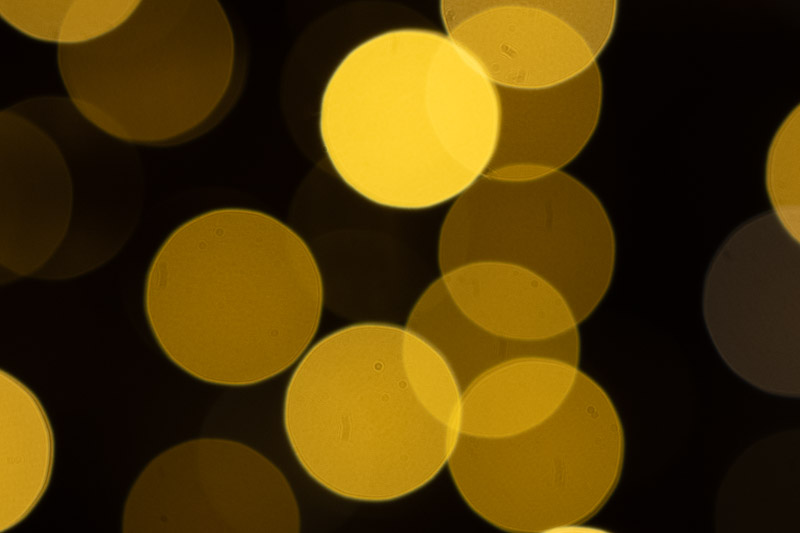
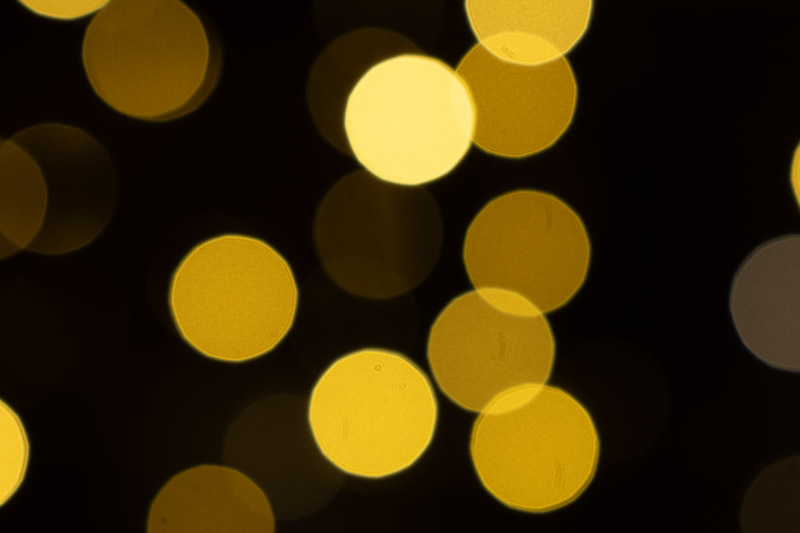
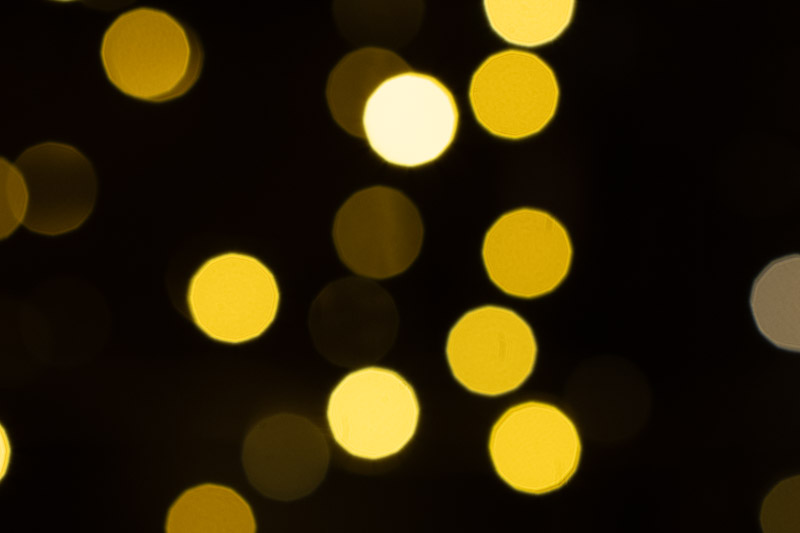
There are some artifacts in the bokeh balls, but nothing too distracting. The edges stay soft, with just a bit of green fringing. Bokeh balls in the corners are well controlled and avoid cat’s-eye shapes. The twelve rounded blades help keep them nicely round even when stopping down a couple of stops.
Next, let’s look at how the background blur behaves at different distances.
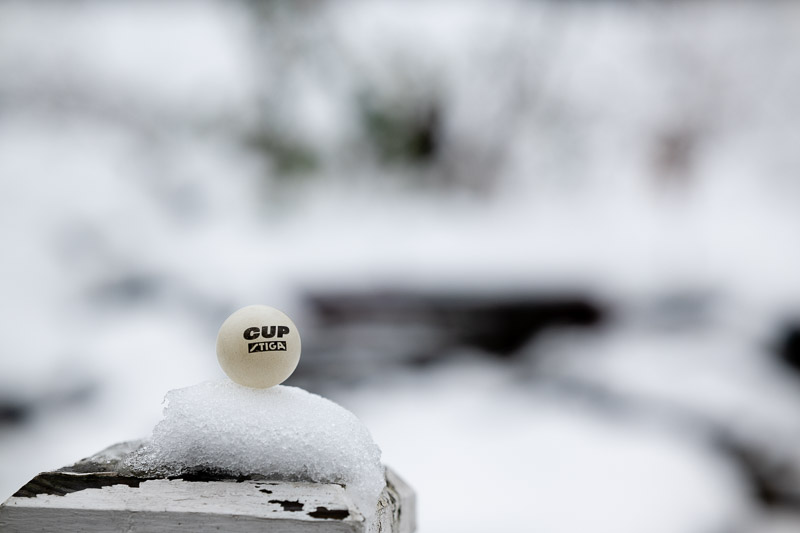
Short Distance
A one-meter minimum focus distance on an 85mm lens is, to put it mildly, not impressive. It’s about 25% farther from the subject than most other lenses with the same focal length. That said, the background blur is very soft and pleasing—at least to my eyes. Still, most lenses perform well at this distance.

Mid-Distance
This is the most important distance, and I’m glad to see it handles the background blur very nicely here too.





Long Distance
But the most impressive part is that not many lenses can render a smooth background blur at long distances the way this one can.

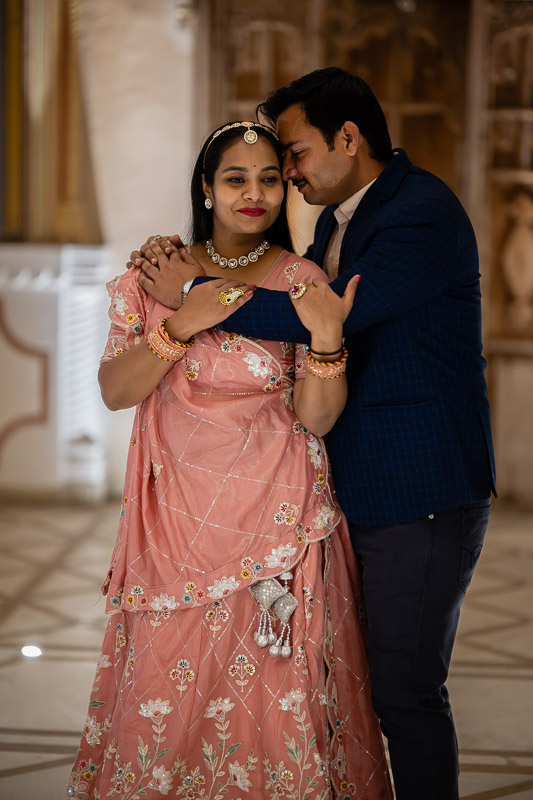
Bokeh is subjective, but I personally really liked this lens. There are plenty of other sample images in this review—have a look and see what you think.
Conclusion
| I LIKE | AVERAGE | I DON’T LIKE |
|
|
|
Writing articles like this one is both time-consuming and costs us a lot of money. If you found this article helpful and decided to buy one of these lenses, please consider using one of the affiliate links.
If you are not interested in buying any of the lenses, but you still found this article useful, interesting, or it saved you a lot of money, treat us to a coffee (donate)!
|
Buy new: MEIKE Store, Amazon (anywhere) for $400 (Affiliate links) |
Alternatives
Viltrox AF 85mm 1.4 Pro
A good alternative, and one that is closest to this lens. The corner sharpness is better wide open with this lens, but the centre sharpness does not come to the same level as the Meike. The bokeh balls in the corner have more cat’s eye shapes with this lens, and the long-distance bokeh is not as soft as Meike’s. On the other hand, it has better flare resistance. This lens is a little 35% higher in price.
Buy new: Viltrox Store, Amazon (anywhere) | B&H , eBay.com for $538 (Affiliate links)
Sony FE 85mm 1.4 GM II:
Sony’s latest 85mm 1.4 lens. Sony has a very high resolution at f/1.4 and a very fast AF. If the latter is important to you and you have a Sony camera, this might still be the lens you want, but it is 5 times more expensive.
buy from Amazon (anywhere ) | B&H (affiliate links) for $2048
Sony FE 85mm 1.4 GM:
Sony’s earlier 85mm 1.4 GM lens. It is is also a lens with a very pleasing bokeh, but it gets harder every day to justify spending even the used price, when you have options like this Meike or even the Viltrox 1.4 Pro or the Samyang MK II.
buy from amazon (anywhere) | B&H (affiliate links) for $1498 (new) or starting at $750 (used)
Sigma 85mm 1.4 Art DG DN:
When it had been released this was the most compact and lightweight 85mm 1.4 E-mount lens. Sony’s FE 85mm 1.4 GM II caught up though, so its main advantage now is its cheaper price.
buy from Amazon (anywhere) | ebay.com | B&H (affiliate links) for $1099 new
Sirui 85mm 1.4 Aurora:
One of the smallest and lightest 85mm 1.4 lenses for E-mount. Not as sharp as this Meike. The Sirui renders also a smooth bokeh, but that is a subjective matter.
buy from Amazon.com | B&H | ebay.com (affiliate links) for $440
Samyang AF 85mm 1.4 FE MK II:
I haven’t used this lens personally yet, but I am looking to change that in the future. It looks like a very sensible lower-budget option to me, but there are already cheaper options avialable.
buy from Amazon.com | ebay.com | B&H (affiliate links) for $499
More Sample Images

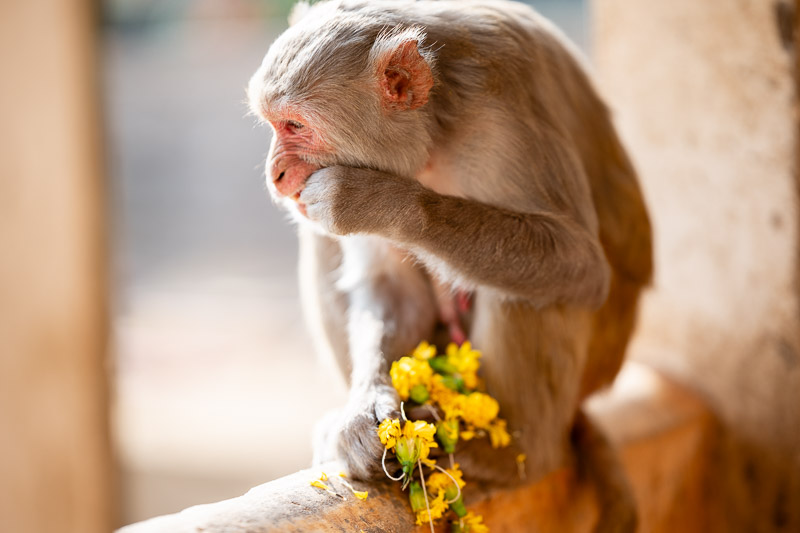

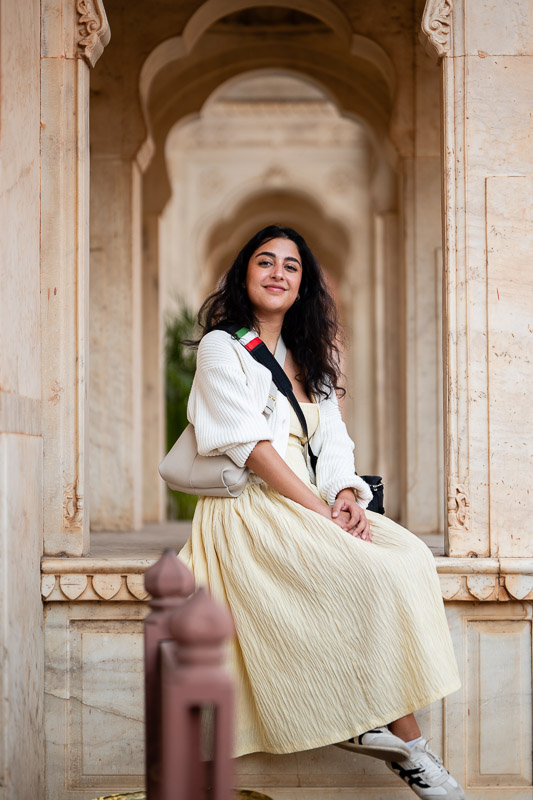


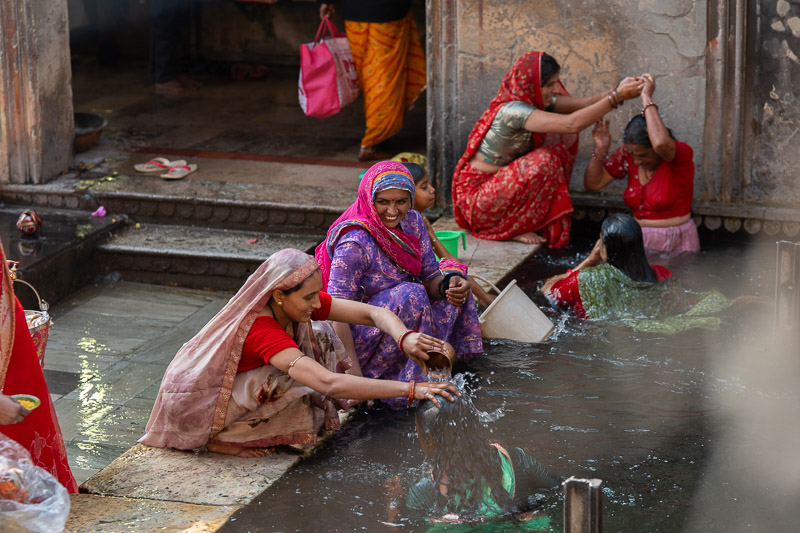




Most of the sample images in this review and many more can be found in higher resolution here.
Further Reading
- What camera gear and accessories do I use most frequently?
- Review: Nikon Nikkor Z 85mm f/1.8 S
- Review: Viltrox AF 85mm f/1.8 Z
- Review: TTArtisan 75mm f/1.5 – A Modern and Affordable Zeiss Biotar 75/1.5?
- Review: TTArtisan AF 75mm f/2
Support Us
Did you learn something new, find this article useful, or simply enjoy reading it? We’ve put a lot of time and resources into creating it, and your support helps us keep going. If you’d like to show your appreciation, please consider clicking the Donate button!



(Donations via Paypal or bank card)
What’s in my camera bag? MY 2024 KIT!!
- Main camera : https://amzn.to/3TsGtKg
- Camera grip : https://amzn.to/4e0G3CR
- Memory Card 1: https://amzn.to/47pA20i
- Memory Card 2 : https://amzn.to/3XHYxlZ
- Camera 2 : https://amzn.to/3Xifou8
- Camera grip: https://amzn.to/4dYYpV9
- Memory card 1: https://amzn.to/4e5h2H0
- Memory card 2: https://amzn.to/3zu7W7n
- Small travel tripod: https://amzn.to/4goIX68
- Mini tripod: https://amzn.to/4e09XXX
- Small shoulder bag: https://amzn.to/47tPMiY
- Medium shoulder bag: https://amzn.to/4ej4bjY
This site contains affiliate links, for which I may receive a small commission if you purchase via the links at no additional cost to you. This helps support the creation of future content.


Martin
Latest posts by Martin (see all)
- REVIEW: Nikon Z 20mm f/1.8 S - March 25, 2026
- Review: Nikon Z 24-200mm f/4-6.3 - March 22, 2026
- Analogue Photography: Part 6 – Kodak Gold 200 - March 11, 2026
This last image @f14 is like a painting of the XVIe century, Italian or Flemish school. Beautiful. Bravo!
(worth a tighter crop IMHO)
Thanks a lot phenix.
Good review, Martin!
Thank you!
Please note Sharpness (Close-up) examples has minor camera-shake blur .
Thank you John,
Yes, I am aware of the camera shake, which I also have mentioned in the review, but that is mainly for f/5.6 and to possible to some less degree f/8.
Maybe I repeat that test, but not sure.
gorgeous photos in this review, Martin; it’s always a treat to see your example images. The lousy minimum focus distsance rules it out for me, but for those who don’t prize versatility in that respect this looks like a corker of a lens. A pleasant surprise!
In a crowded market, the Kase 85mm f1.4 is probably the most intriguing option for me, though it mostly seems to have flown under the radar.
Thanks a lot, Tammy — you’re very kind.
Yes, it doesn’t have a very close minimum focus distance; in fact, it’s longer than most other 85mm lenses.
And yes, the Kase 85/1.4 does seem to have flown under the radar, as you say.
That lens is twice the price, though. At that level there are many other alternatives, while this lens, at roughly half the price of the Kase, is a very good budget option.
Strange. Everything in my comment after ‘radar’, i.e., but that lens has the double price. this lens with half Kase’s price is a very good budget option.’ was not written by me (as i hope is evident by the style / grammatical errors). Idk if some kind of bot can access the comments or something, but thought i should flag it up.
Thanka again for your work
Thanks, a glitch, I think.