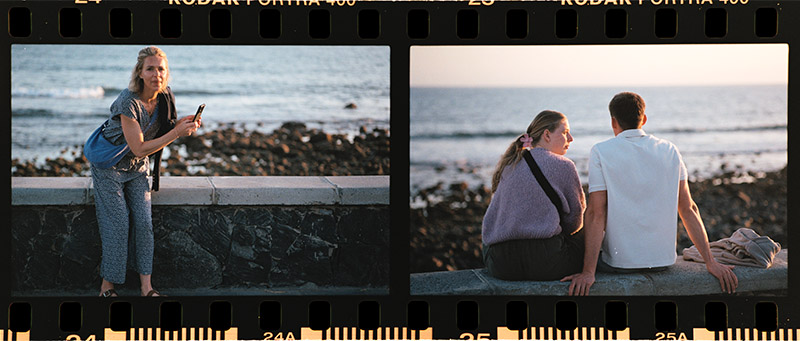
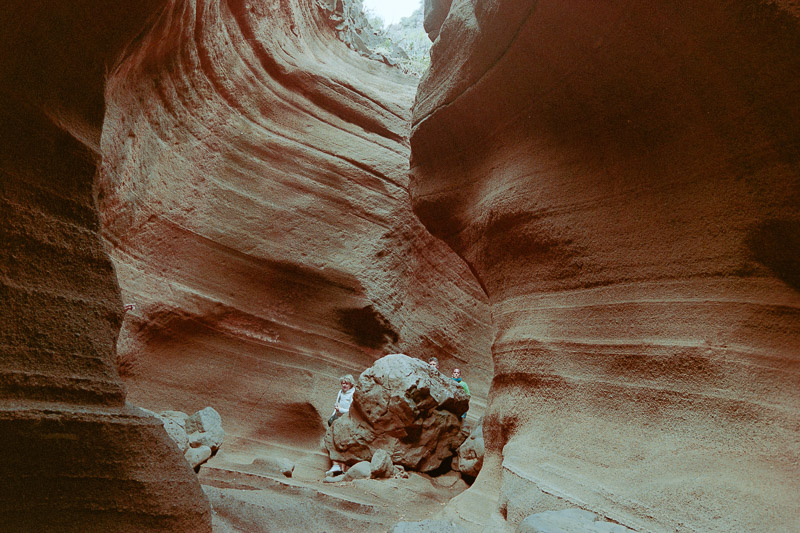
When I traveled to Gran Canaria earlier this year, I wanted to bring a roll of analog film to capture the island’s varied landscapes. From the intense sunlight and dramatic contrasts of the volcanic mountains in the island’s interior to the warm golden sands of the coastal dunes, deep shadows in narrow ravines, and vibrant urban scenes, the island offered plenty of photographic opportunities. Choosing the right film stock would be important, especially given the challenging lighting conditions I expected to encounter.
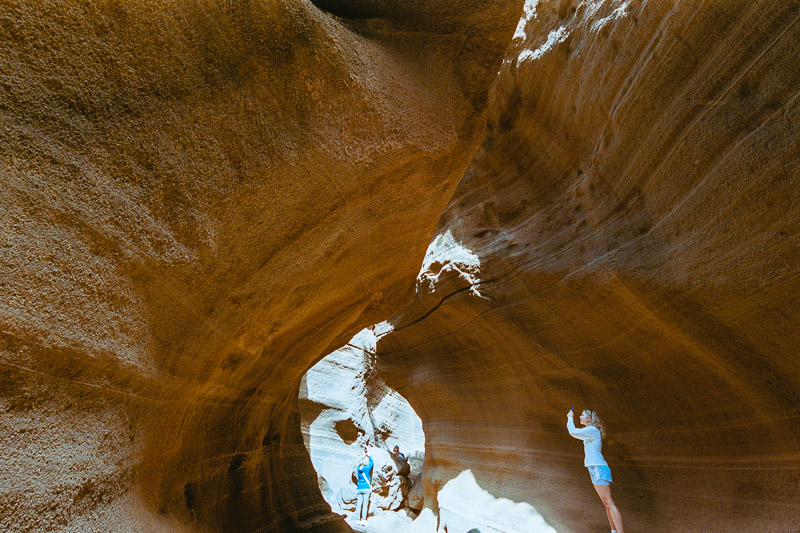
After considering three options — Kodak Gold 200, Ektar 100, and Portra 400 — I eventually settled on Portra 400. I expected to do much of my photography in bright midday sunlight, with some sunset landscapes thrown in. I wanted a film that could handle the contrast between bright skies and deep shadows while retaining good detail and natural-looking colors.
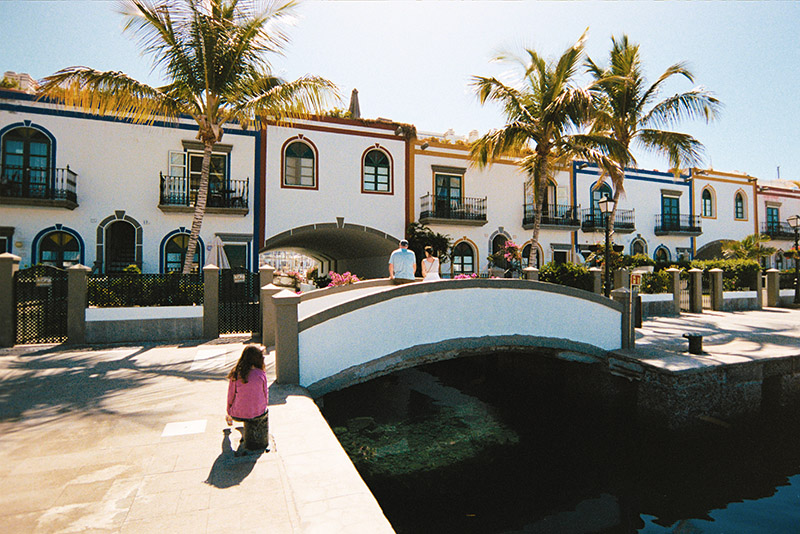
Portra 400 seemed like the most suitable choice. Its generous exposure latitude, particularly its ability to handle overexposure, made it an appealing option for the harsh Canarian sunlight. I hoped it would preserve highlight detail and produce usable shadow detail in scenes with a wide range of brightness, while delivering the natural colors and skin tones the film is known for.
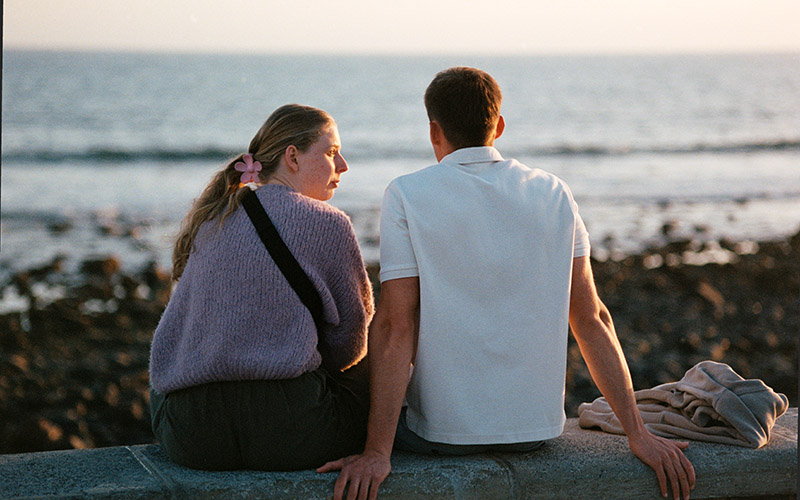
Of course, negative film cannot match the dynamic range and flexibility of a modern digital camera, particularly when it comes to recovering shadow detail. But among the three films I was considering, Portra 400 seemed to offer the best balance for the conditions I expected. At least, that was my thinking before the trip. Now it was time to see how it would perform in practice.
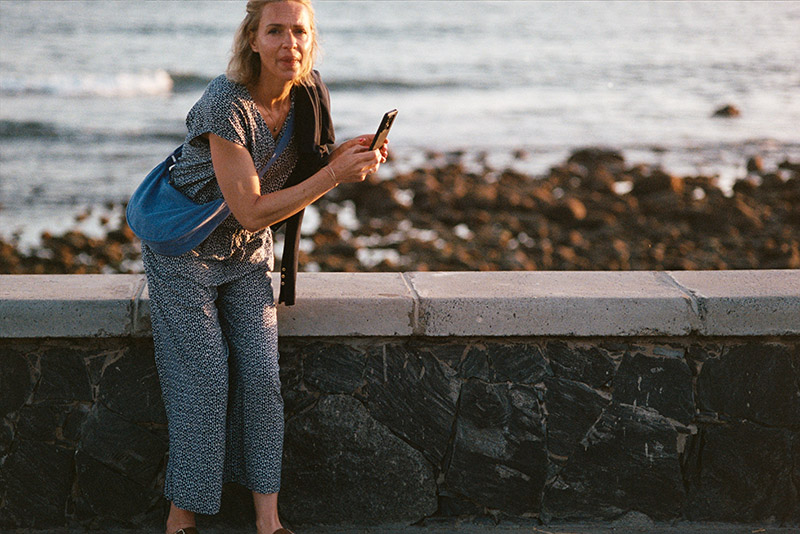
The first place I used the film was in a canyon deep in the island’s mountainous interior, where harsh sunlight penetrated an otherwise shadowed gorge. Formed by the island’s explosive volcanic activity millions of years ago, the landscape was later carved by water erosion, as powerful flash floods rushed down the steep volcanic slopes toward the sea. I have already shown two pictures of that canyon above and here are few more
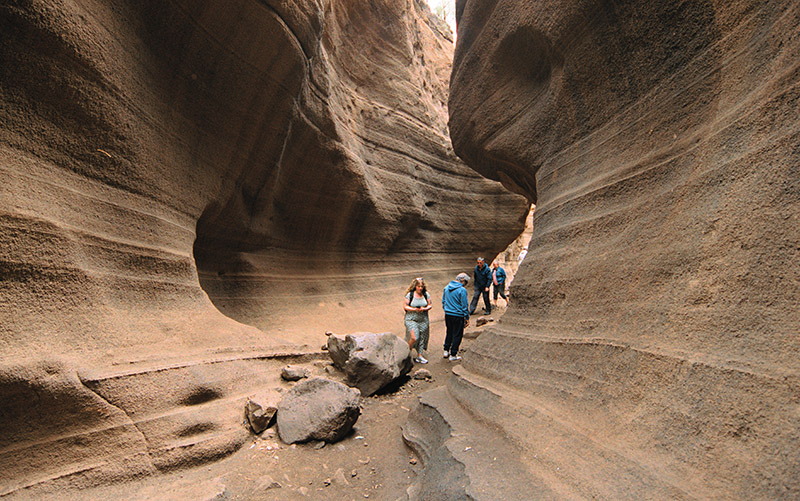
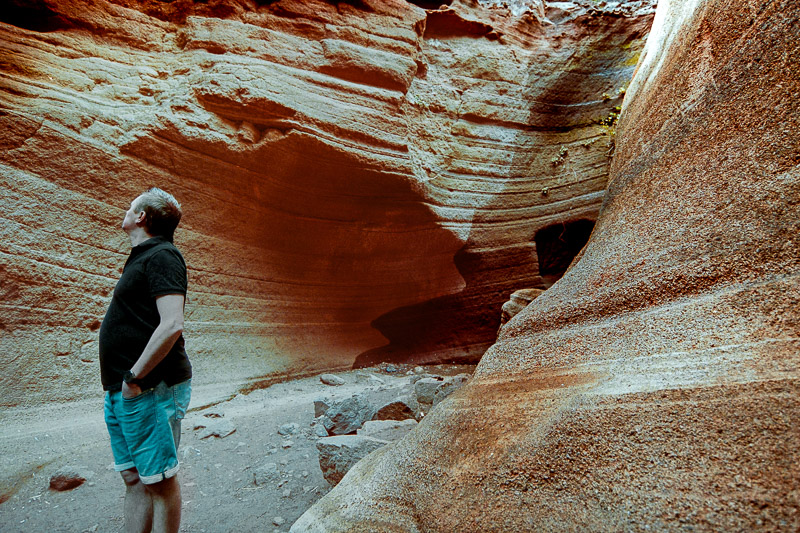
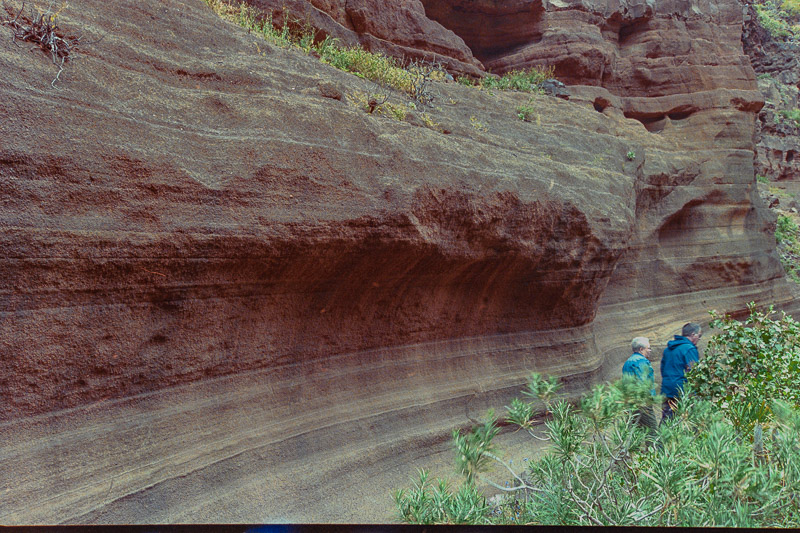
A demanding lighting condition, but the film handled it better than expected. Next, I took it to the mountain peaks, looking out over deep valleys under harsh sunlight, creating a very challenging contrast for the film.
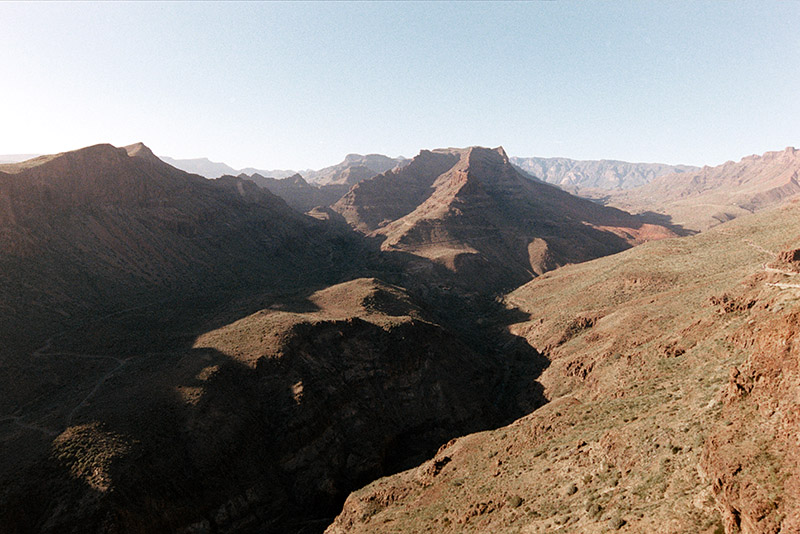
To be frank, I had little hope for this one, but I’m positively surprised. The arid mountain under a clear, sunny sky was a pretty demanding scene. I’m sure the film could perform even better, but I only had one roll with me, and every frame was worth its weight in gold. So I only took two shots here, as I wasn’t sure how the film would handle it.
Here’s the other one.

The next place I took out the film camera was this desert-like landscape right on the Atlantic coast. Its dunes are made up of finely crushed marine shells, coral, and eroded coastal limestone, shaped and deposited here over thousands of years. It’s one of the most iconic natural landmarks in the Canary Islands.
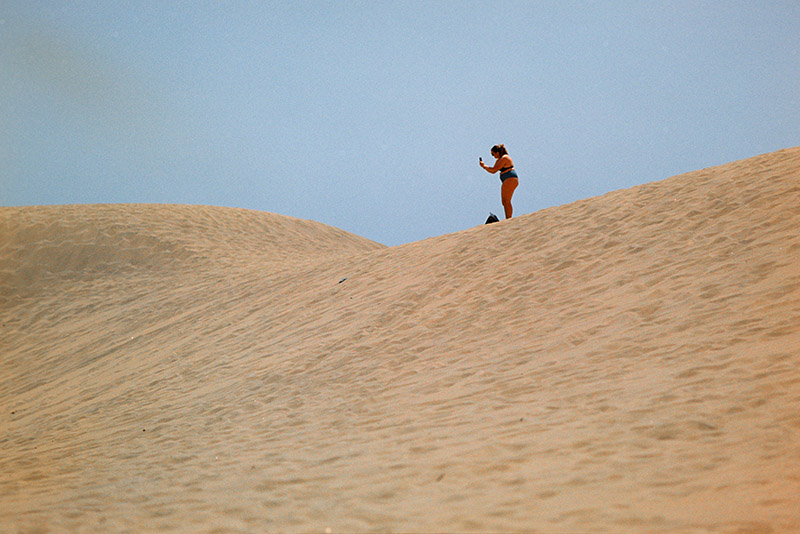
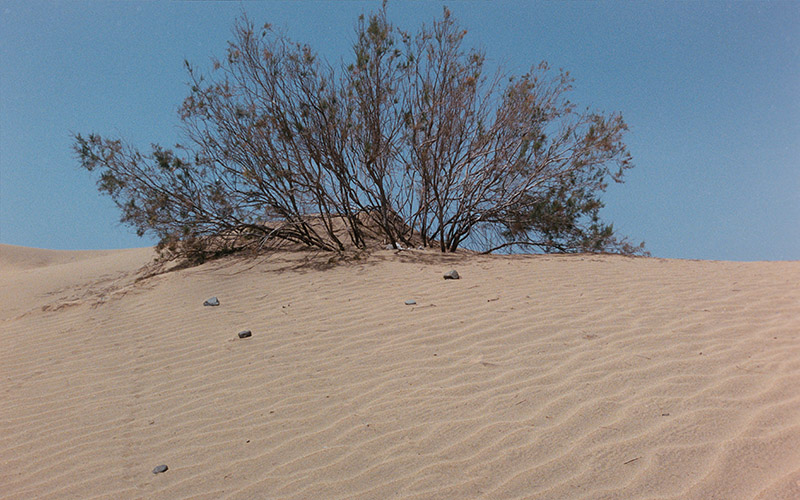
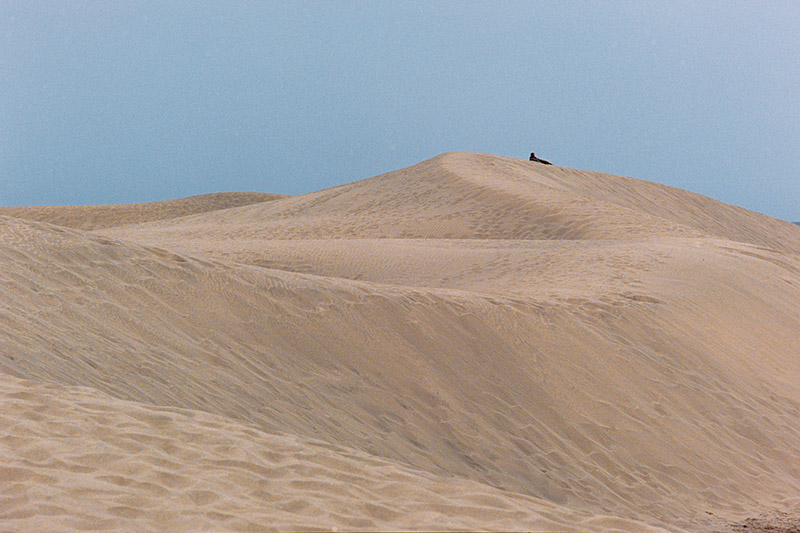
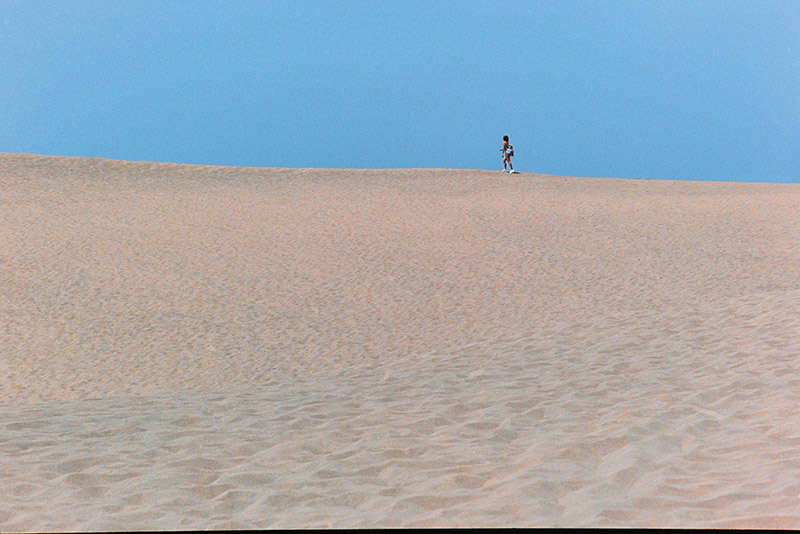
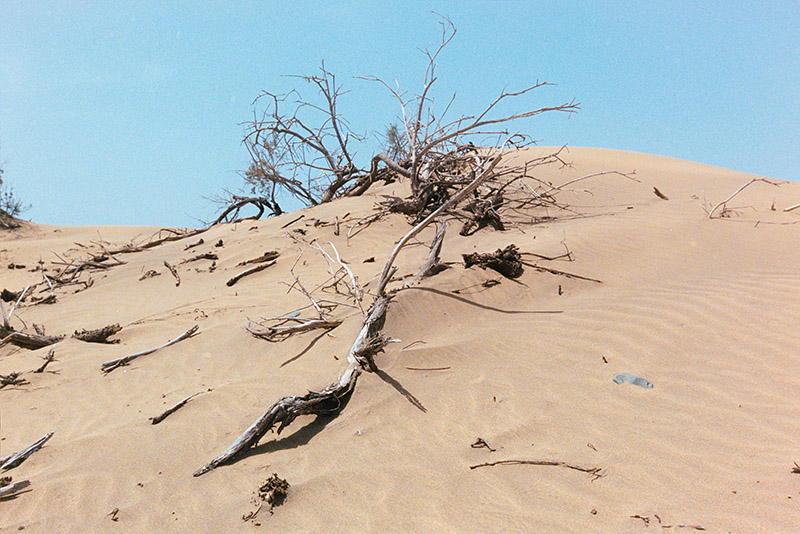
One day we visited Puerto de Mogán, a small and picturesque village with colorful alleys and a certain resemblance to Venice. It’s not hard to see why it is often called “Little Venice.”
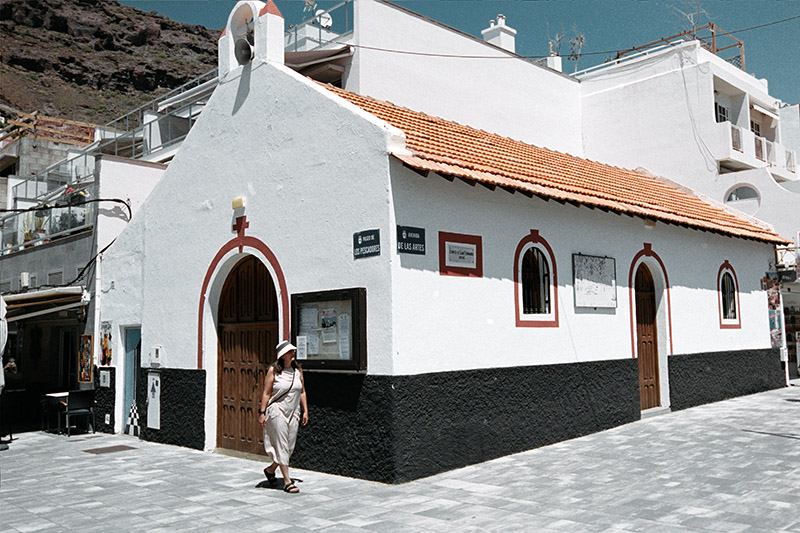

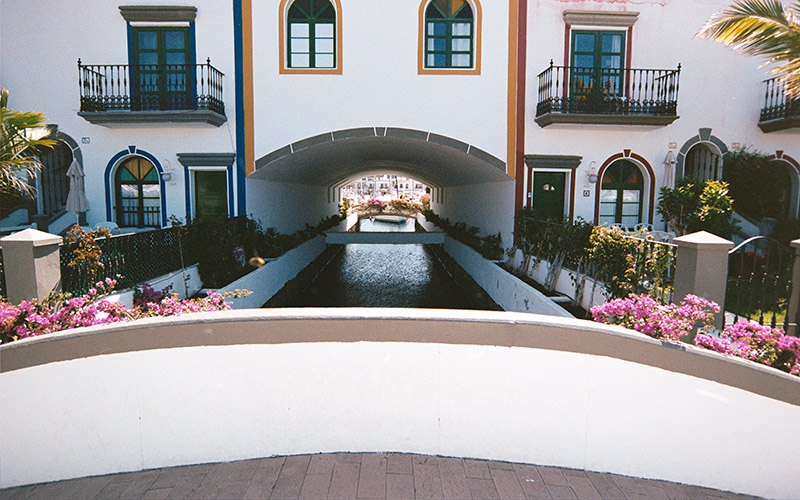
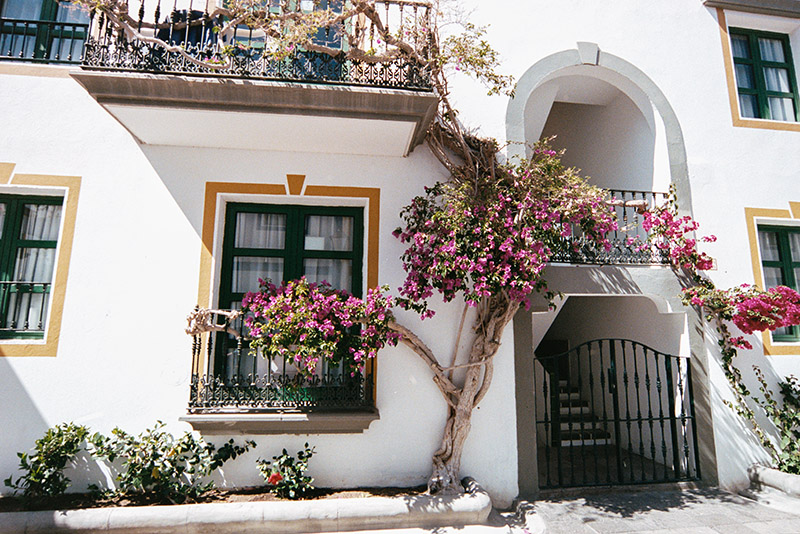
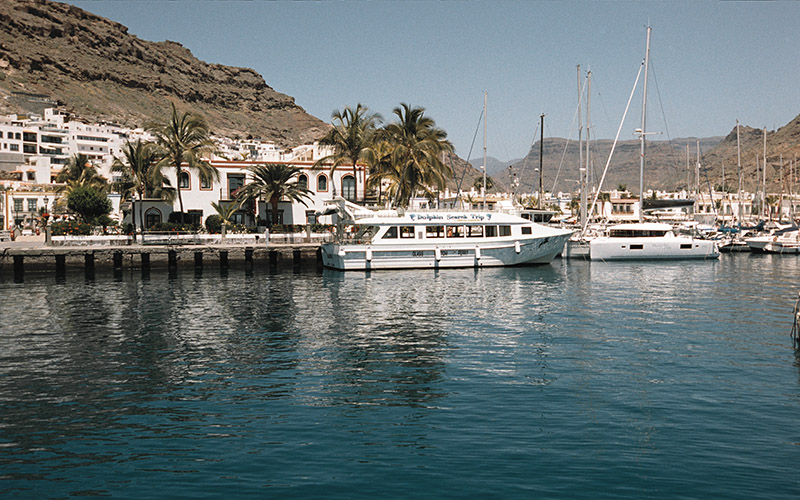
And of course, I snapped a few shots while walking along the boardwalk and strolling on the beach. They turned out to be some of the pictures I personally like the most.
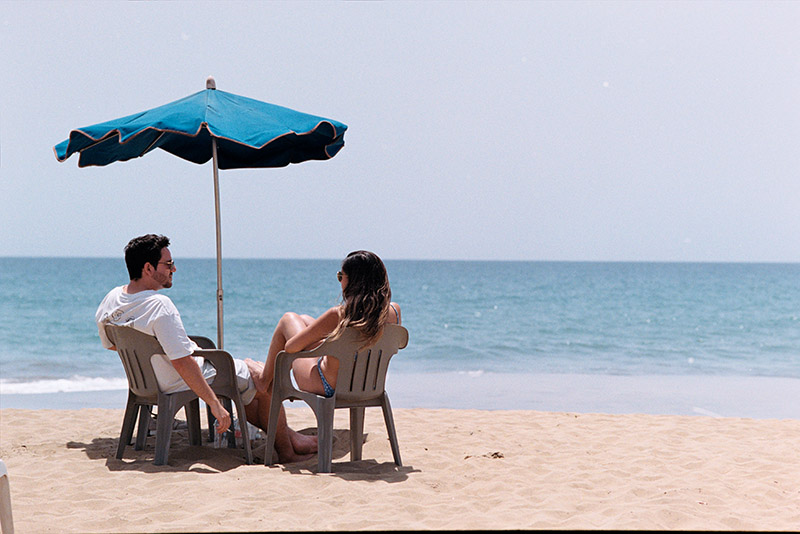
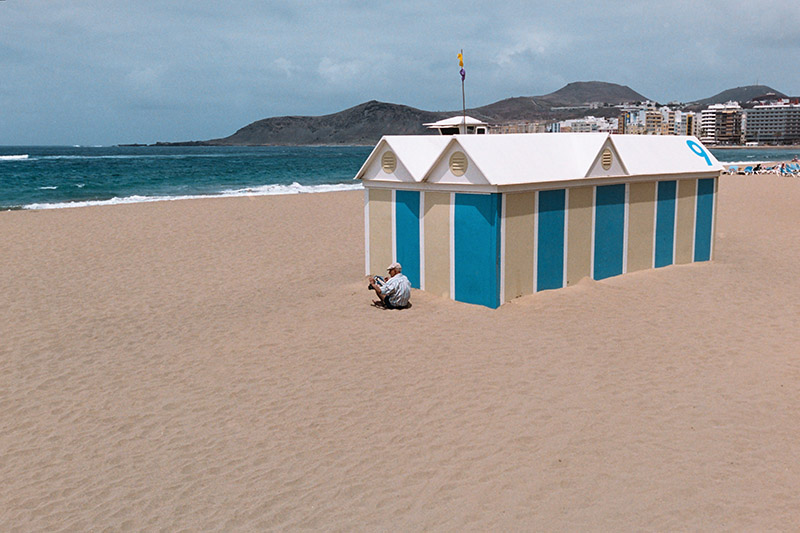
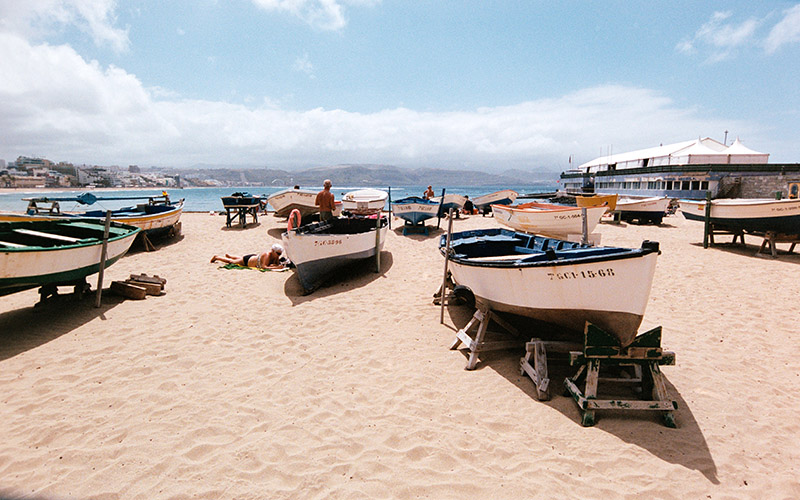


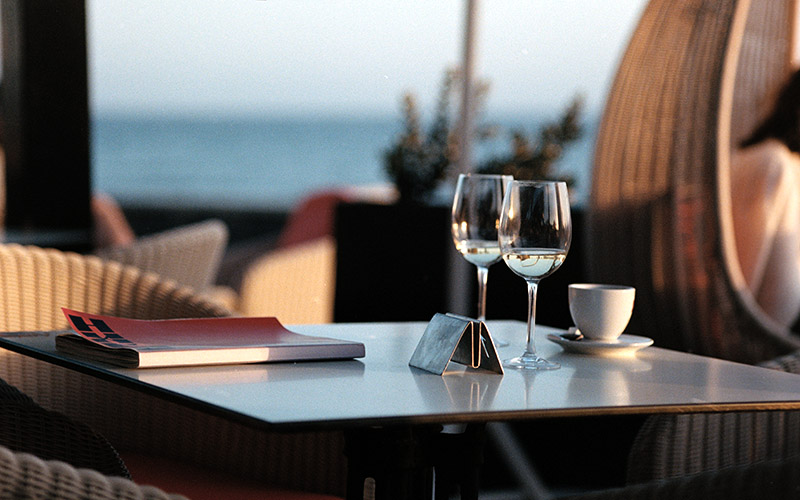
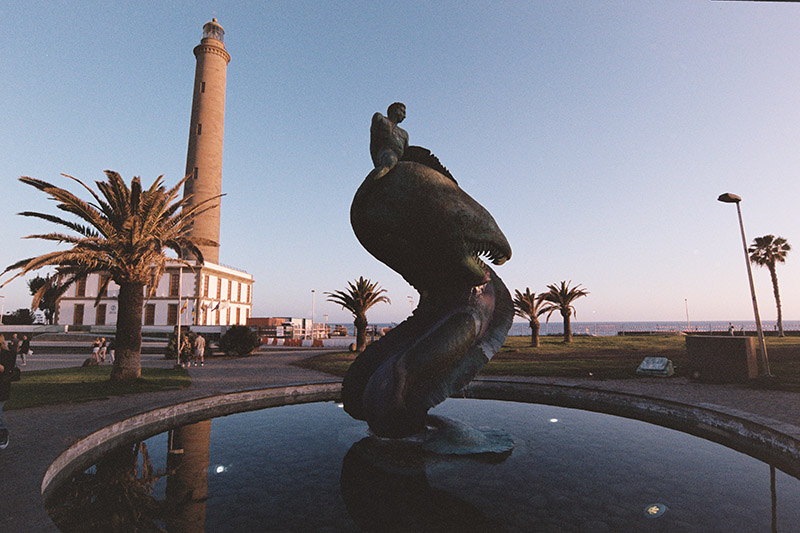
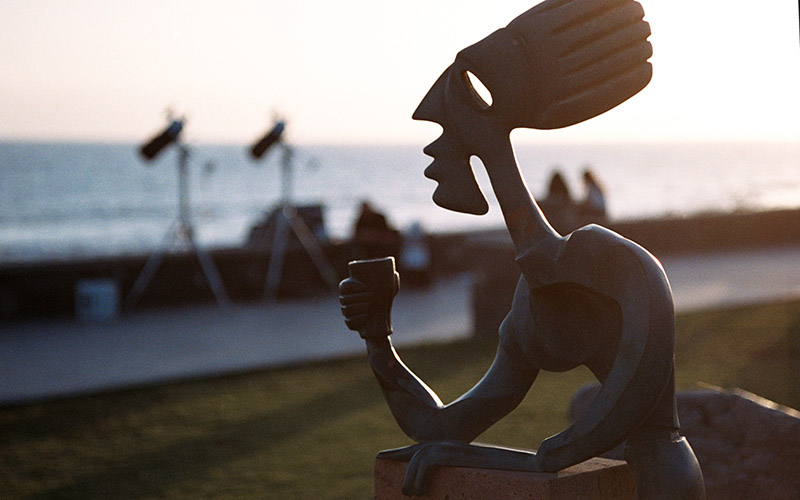
And lastly, of course I tried to get a few sunsets, I’m not sure what to think of them, but I include them as well for having all the frames and more complete set of different situations.

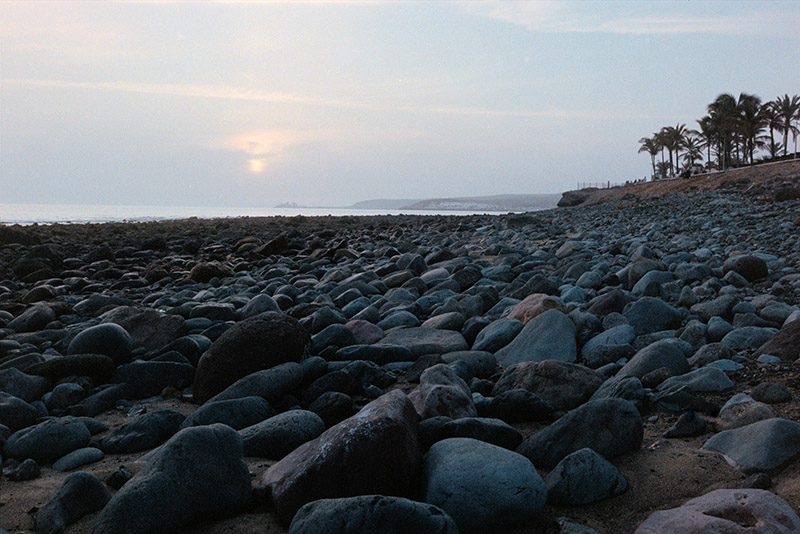
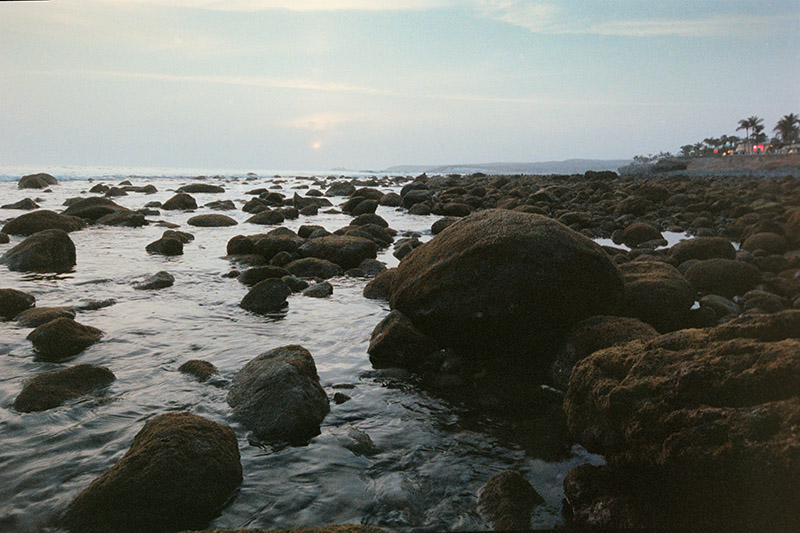
Looking back at the results, Portra 400 handled the challenging contrast better than I expected. The highlight detail was generally well preserved, and I was particularly surprised by how well some of the scenes with deep shadows turned out.
I could easily have used 10 rolls during that trip, but I had a digital camera with several other lenses I wanted to test, and this actually wasn’t a photography trip. Well, it is what it is.
What do you think? Did I choose the right film? Which image or images are your favorites? And what is your experience with this film?
Gear Used
- Analogue camera: Nikon F80
- Film: Kodak PoPortra 4000
- Digitizing camera: Nikon Zf
- Digitizing lens: TTArtisan 100mm f/2.8 Macro 2X
- Digitizing scanning solution: Valoi easy120
- Conversion software: FilmLab (Adobe Lightroom Classic for 2-3 frames)
Further Reading
- What camera gear and accessories do I use most frequently?
- Analogue Photography – Part 1: A Personal Journey into Film Photography 1/2
- Analogue Photography: A Personal Journey – Part 2 – Embracing Colours
- Analogue Photography: Part 5 – Kodak ColorPlus 200 at Nostalgic Car Show
- Analogue Adventures landing page
Support Us
Did you learn something new, find this article useful, or simply enjoy reading it? We’ve put a lot of time and resources into creating it, and your support helps us keep going. If you’d like to show your appreciation, please consider clicking the Donate button!



(Donations via Paypal or bank card)
Or alternatively support us via this link.
What’s in my camera bag? MY 2026 KIT!!
- Main camera : https://amzn.to/3TsGtKg
- Camera grip : https://amzn.to/4e0G3CR
- Memory Card 1: https://amzn.to/47pA20i
- Memory Card 2 : https://amzn.to/3XHYxlZ
- Camera 2 : https://amzn.to/3Xifou8
- Camera grip: https://amzn.to/4dYYpV9
- Memory card 1: https://amzn.to/4e5h2H0
- Memory card 2: https://amzn.to/3zu7W7n
- Main tripod: Leofoto LS-324CPRO
- Small travel tripod: https://amzn.to/4goIX68
- Mini tripod: https://amzn.to/4e09XXX
- Small shoulder bag: https://amzn.to/47tPMiY
- Medium shoulder bag: https://amzn.to/4ej4bjY
- APS-C camera 1: https://link.amazon/B0iKSCc8a
- APS-C camera 2: https://link.amazon/B0duP43QI
This site contains affiliate links, for which I may receive a small commission if you purchase via the links at no additional cost to you. This helps support the creation of future content.


Martin
Latest posts by Martin (see all)
- Analogue Photography: Part 7 — Gran Canaria with Kodak Portra 400 - September 30, 2026
- REVIEW: Leofoto 25L All-in-One Travel & Camera Backpack - September 16, 2026
- REVIEW: TTArtisan AF 50mm f/1.8 NEO - September 13, 2026