Introduction
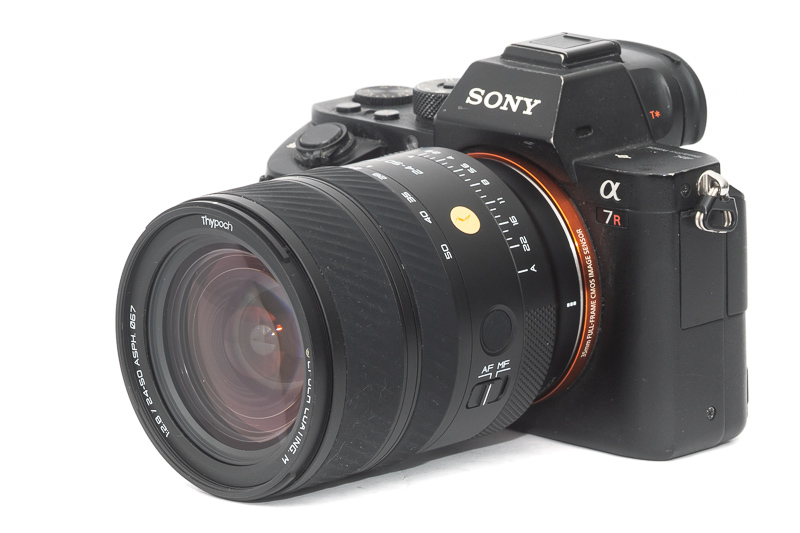
By mid 2026 we have seen a lot of lenses from the Chinese manufacturers: some with class leading optical performance, some with unique specifications, some very affordable. There is one thing we haven’t seen yet though (at least not that I can recall): an autofocussing zoom lens. I would have first expected a lens like that from Viltrox, Laowa or 7Artisans, but it is Thypoch – so far specialized in all manual M-mount lenses – bringing a lens like this to the market: the Thypoch 24-50mm 2.8 Voyager. Did they succeed in designing a lens like this, or was it too ambitious? Let’s find out together in this review!
Update 08/26: I received a mass production sample and had a look if there are any changes compared to the pre production model, but I found it to perform identically. After some delay the lens finally ships to the buyers.
Sample Images
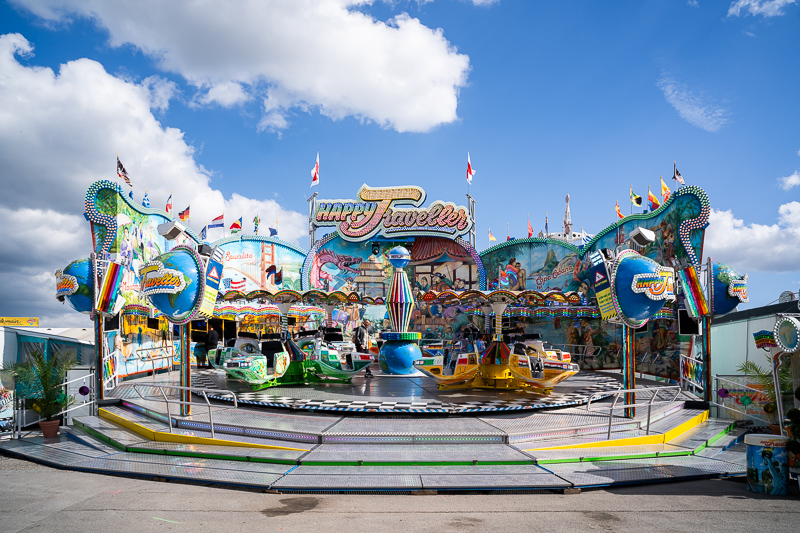


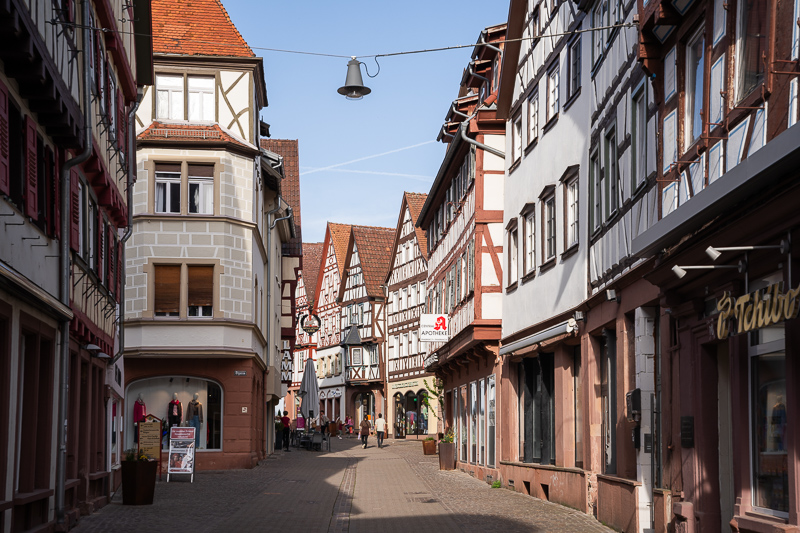




Most of the sample images in this review can be found in full resolution here.
Specifications
This Thypoch 24-50mm 2.8 Voyager for Sony E-mount has the following specifications:
- Diameter: 70 mm
- Field of view: 47° to 83° (diagonally)
- Length: 93 mm
- Weight: 433g (without hood[18g] and caps)
- Filter Diameter: 67 mm
- Number of Aperture Blades: 10 (rounded)
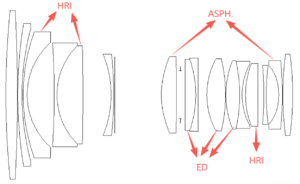
- Elements/Groups: 16/13
- Close Focusing Distance: 0.3 m
- Maximum Magnification: 1:9.5 at 24mm to 1:4.7 at 50mm (measured)
- Mount: E-mount
buy from manufacturer’s shop (use code PRNET for 5% discount) | ebay.com | ebay.de | B&H (advertisement/affiliate links) for $649
Disclosure
Thypoch lend me a pre production sample of this lens for reviewing purposes a few weeks prior to release.
There was a significant delay between the release of this lens and final production models actually shipping and I heard of some issues with mass production, so I requested another loaner of a mass produced sample to see if it performs the same as the lens I reviewed. After testing I can confirm: both samples show near identical performance.
Handling / Build Quality
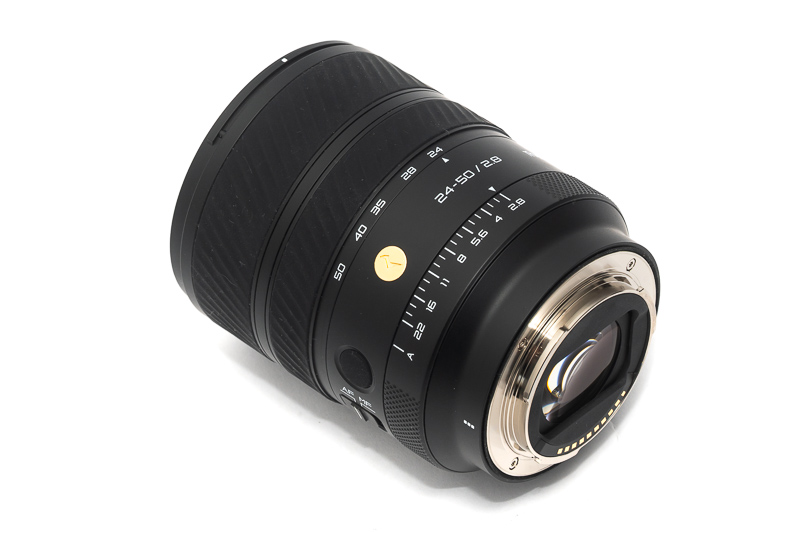
Generally Thypoch took a lot of inspiration from Sony’s G and GM lenses in terms of handling which I – as someone uses various lenses from different manufaturers – consider to be a very good decision. Thie means: we are getting an AF-MF switch, aperture ring, focus hold button and linear manual focus.
The rubberized focus ring has decent damping and it takes around 360° from the minimum focus distance to infinity. Personally, I think 360° is a bit much and would have rather preferred something in the 180° range. No matter how fast you turn it, as the coupling is linear.
When you turn your camera off, the lens will not remember the last focus position, focus will always be set to ~2 m distance when you turn the camera on.
The rubberized zoom ring has a pleaseant (slightly higher than the focus ring) resistance and it is mechanically coupled. Being an internal zoom I don’t think there is the risk of zoom creep developing over time.
The rubber used for the focus and zoom rings – and I am sure that is already obvious from the product pictures thanks to my cat – are very good at attracting dust and other debris.
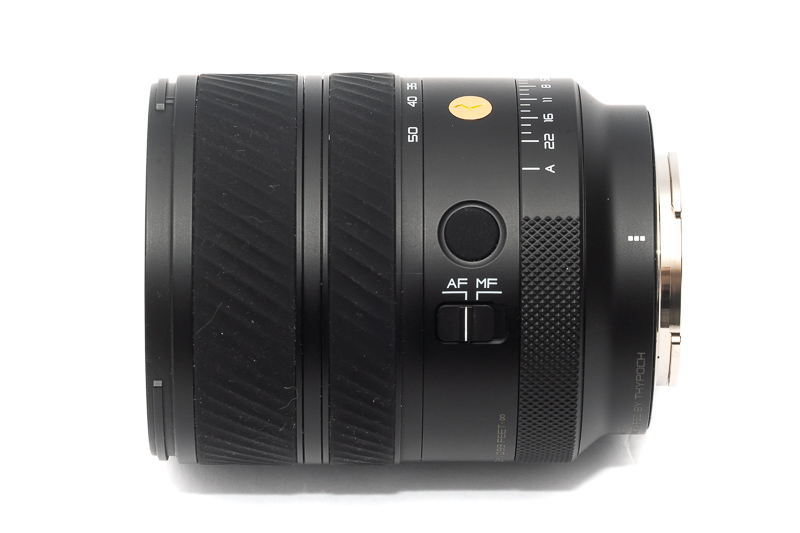
The zoom ring is situated closer to the camera and has markings for 50, 40, 35, 28 and 24 mm. This is almost a parfocal zoom, if you change the focal length, focus needs to be adjusted. Unlike the Sony FE 20-70mm 4.0 G this lens does not feature an “iris lock”, for locking the aperture ring.
Contrary to the Sony FE 24-50mm 2.8 G there is no de-click lever to be found.
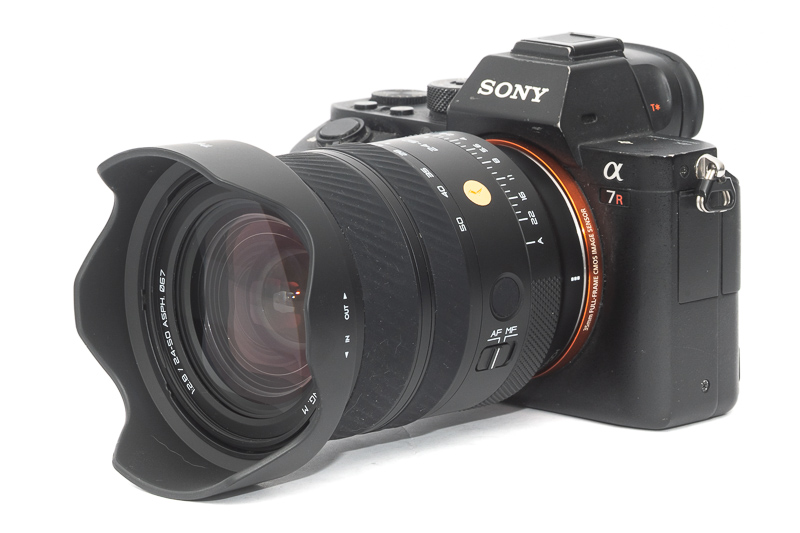
The lens comes with a plastic bayonet-style tulip-shaped lens hood that can also be attached reversed.

A unique feature of this lens is, that it is an internal focus and internal zoom design, so the length stays constant when changing the focal length. This is especially impressive, because it is as small as the Sony FE 24-50mm 2.8 G at its shortest setting.

I did try this lens via the megadap ETZ21pro+ on my Nikon Zf and it is being recognized with the correct focal length and aperture values but the AF did not work properly, so this is not a combination I can recommend at this point.
Update 08/26: the final production model features very nice packaging similar to the latest Sigma lenses.
Autofocus
I am not shooting sports or fast moving animals/humans so if you want to know if the lens is fast enough for this, or how it compares to other lenses in this segment, you may have to look for a different review with a more detailed assessment of this aspect.
The AF was generally fast and accurate and didn’t give me any trouble during the testing period. It is not completely silent though and I also did not receive any intel what kind of AF motor is being used.
Vignetting
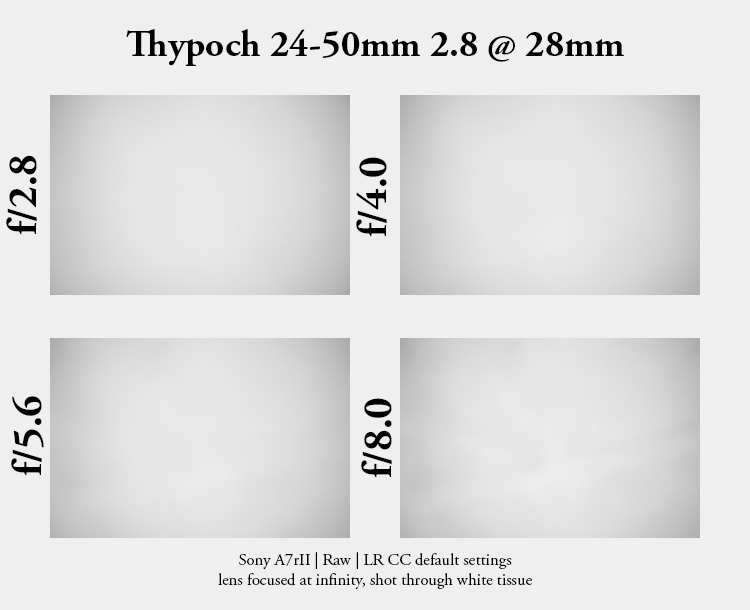
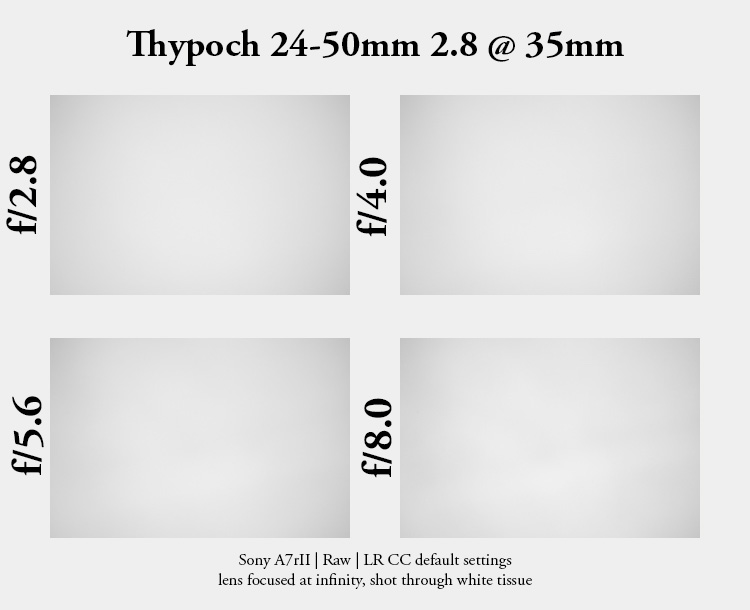
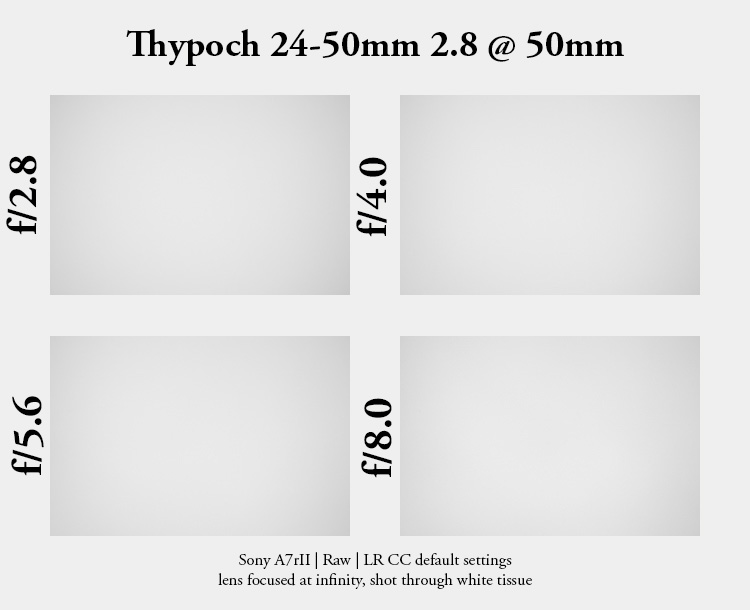
| 24mm | 28mm | 35mm | 50mm | |
|---|---|---|---|---|
| f/2.8 | 2.1 EV | 1.8 EV | 1.2 EV | 1.0 EV |
| f/4.0 | 2.0 EV | 1.7 EV | 1.1 EV | 0.9 EV |
| f/5.6 | 1.9 EV | 1.7 EV | 1.1 EV | 0.9 EV |
| f/8.0 | 1.8 EV | 1.7 EV | 1.1 EV | 0.9 EV |
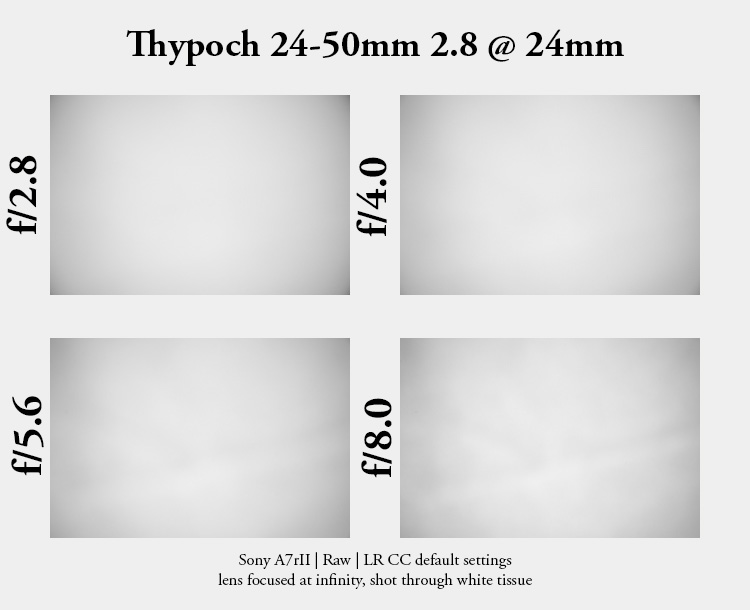
The situation here is very interesting, especially compared to the Sony FE 24-50mm 2.8 G. This Thypoch lens shows lower vignetting values at its maximum aperture – especially at the longer focal lengths. However, there is only very little change in vignetting on stopping down – from 28 to 50mm almost none, as can be seen from the following graphs. The Sony lens shows a stronger decrease in vignetting on stopping down and therfore less falloff in the 24 to 28mm range.
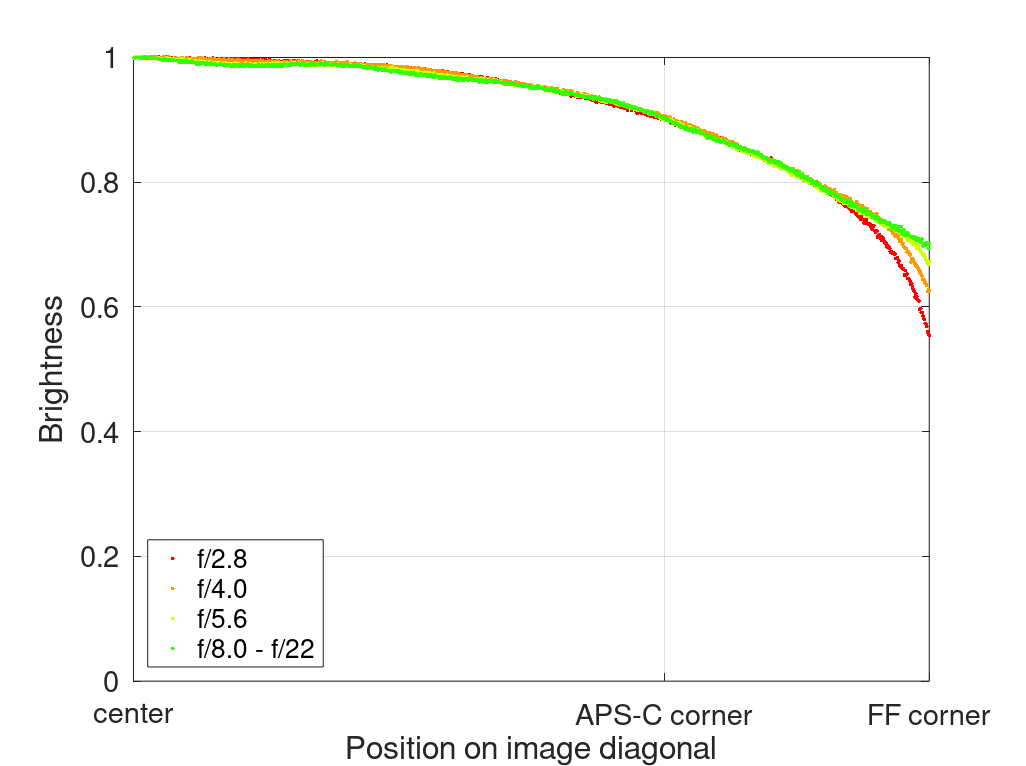
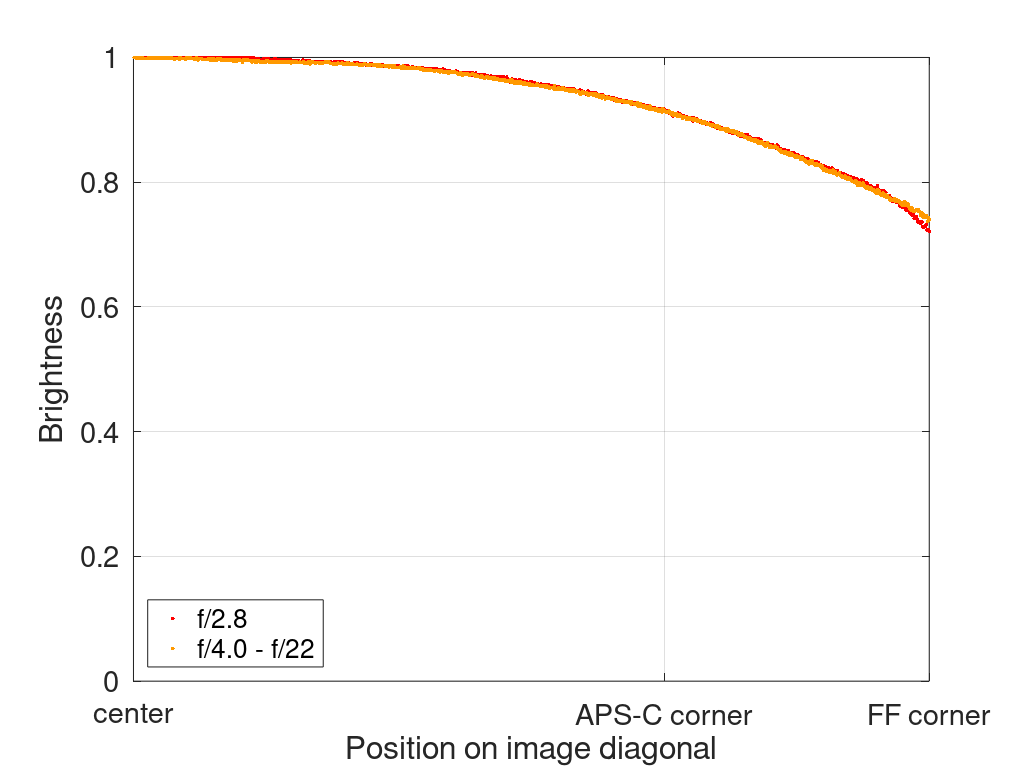
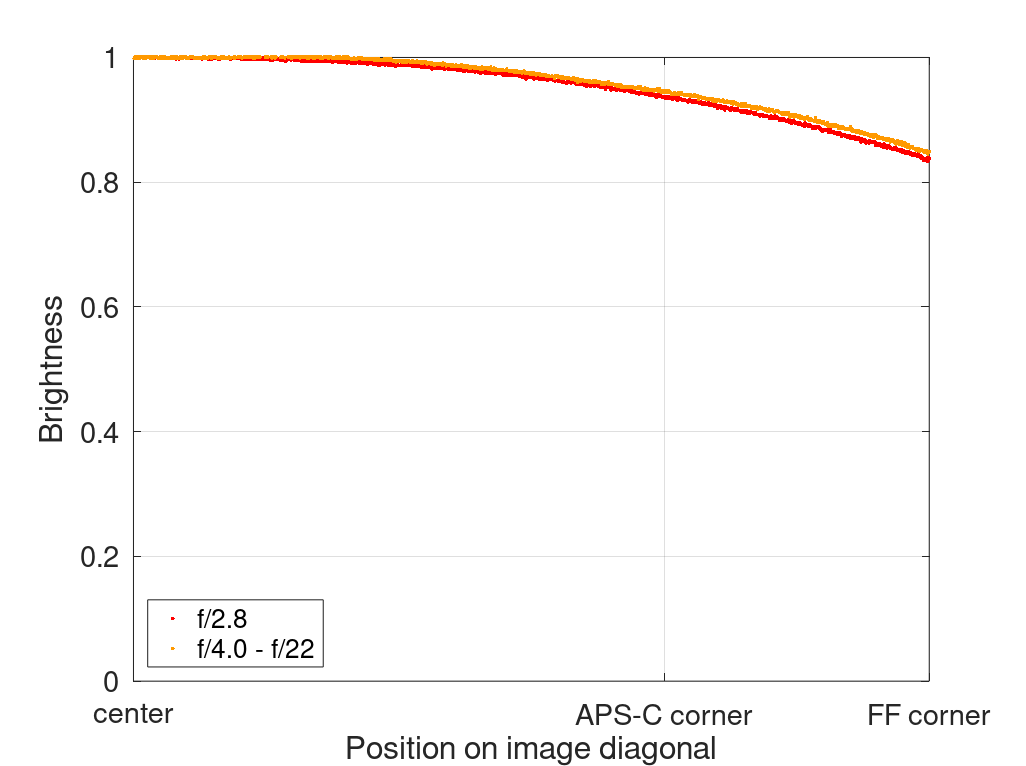
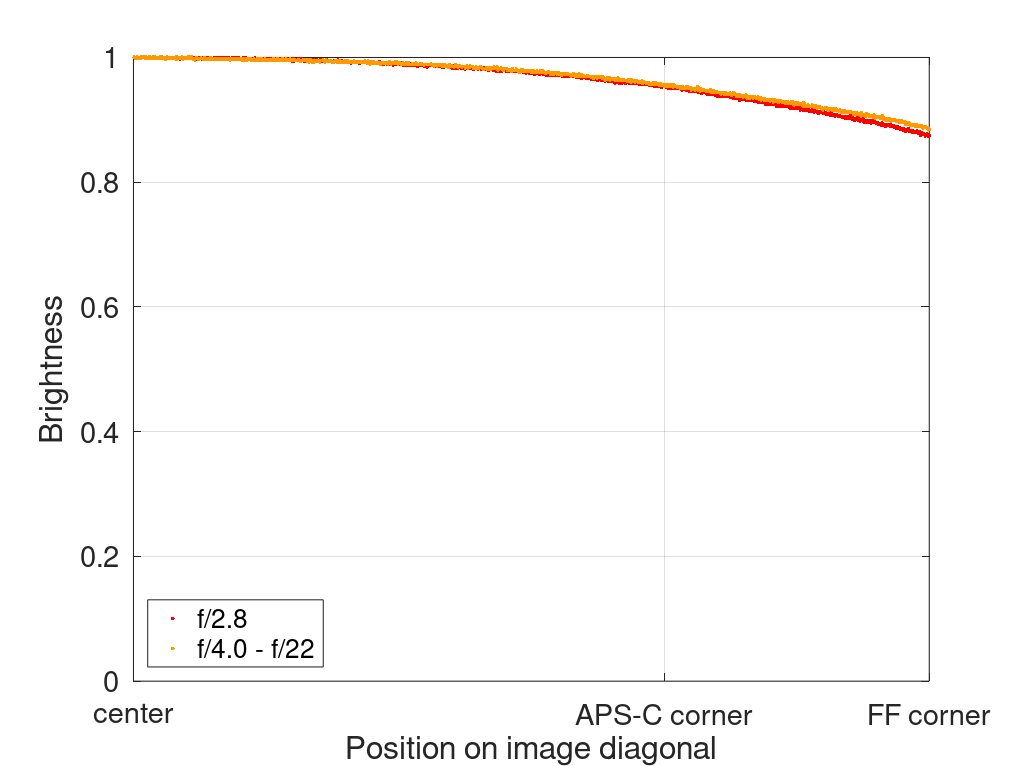
It is recommended to have a look at this article first to get an idea how this brightness graph works.
Sharpness
infinity (42mp Sony A7rII)
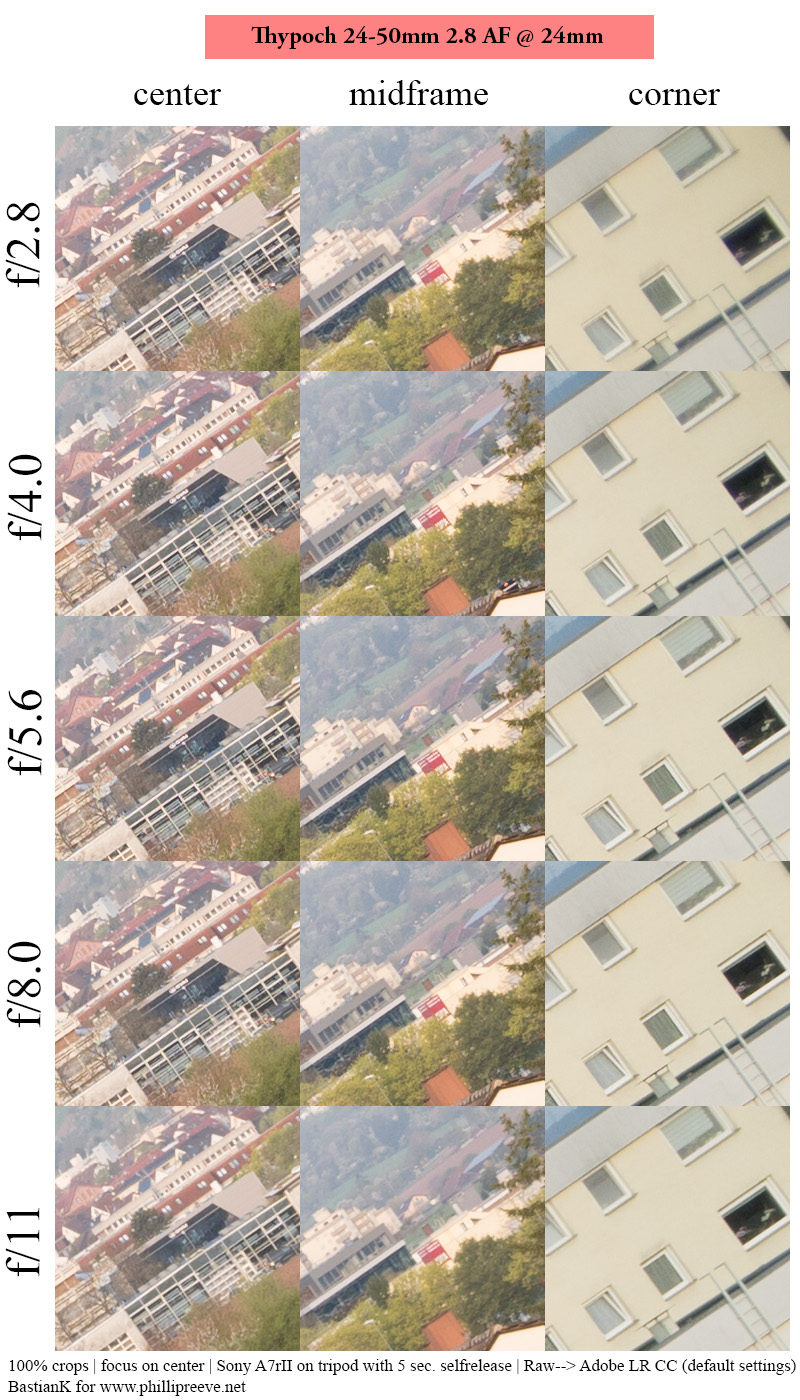
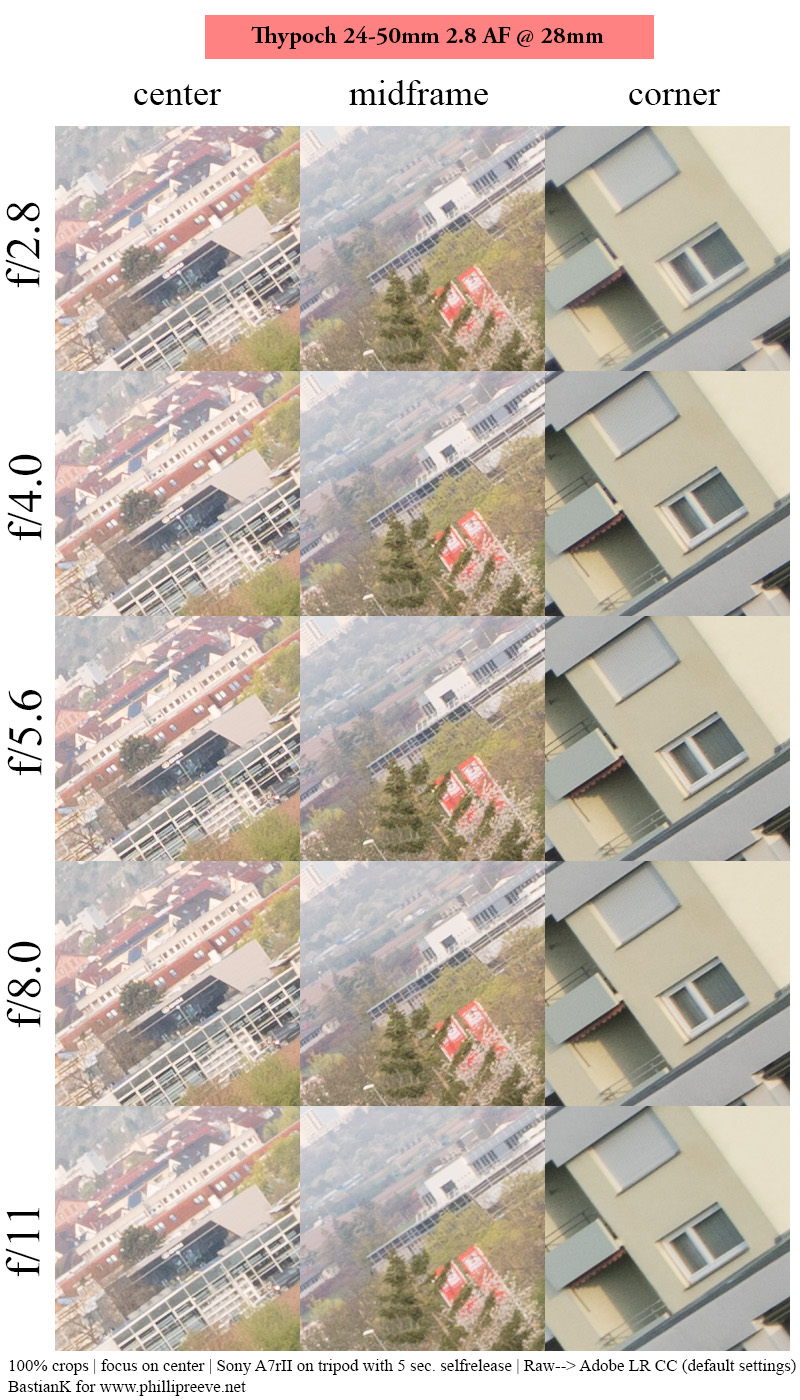
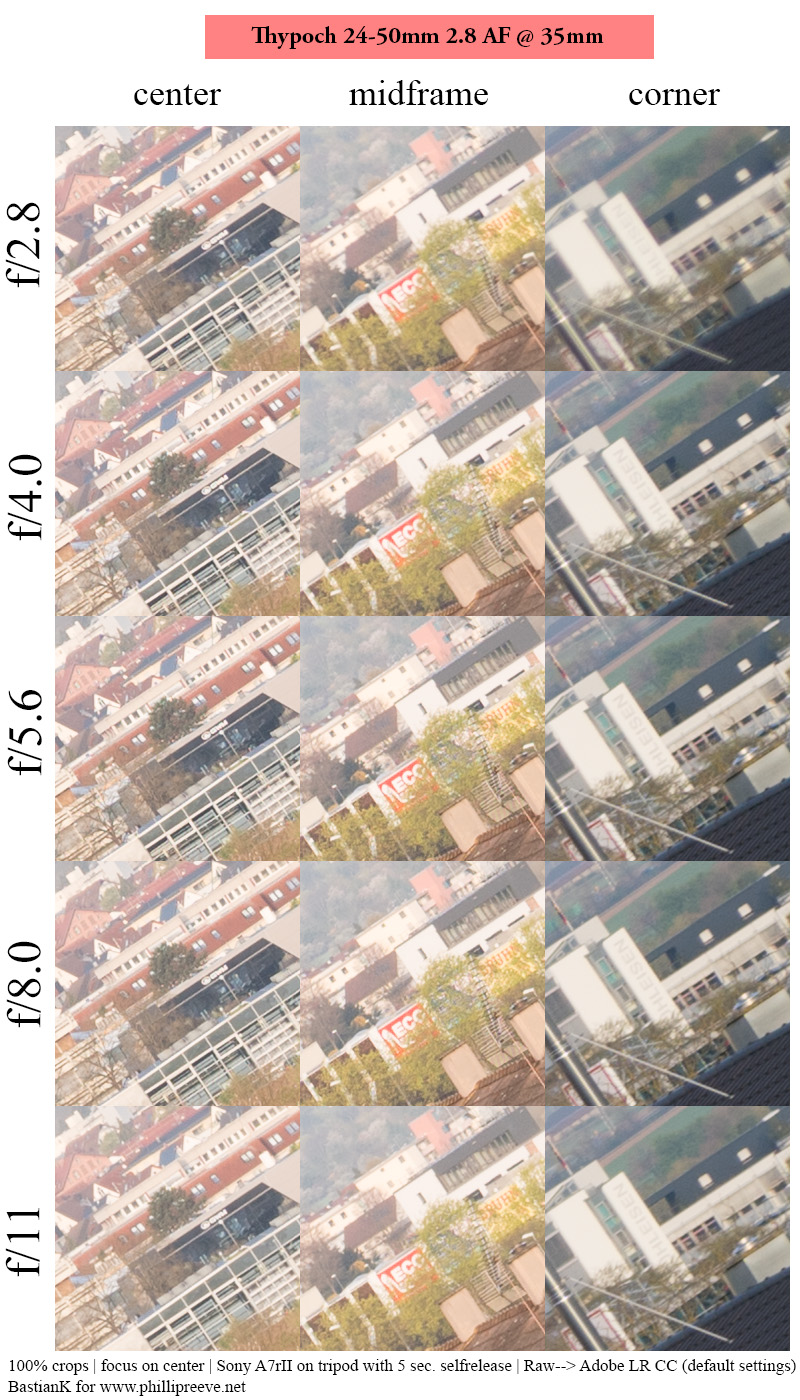
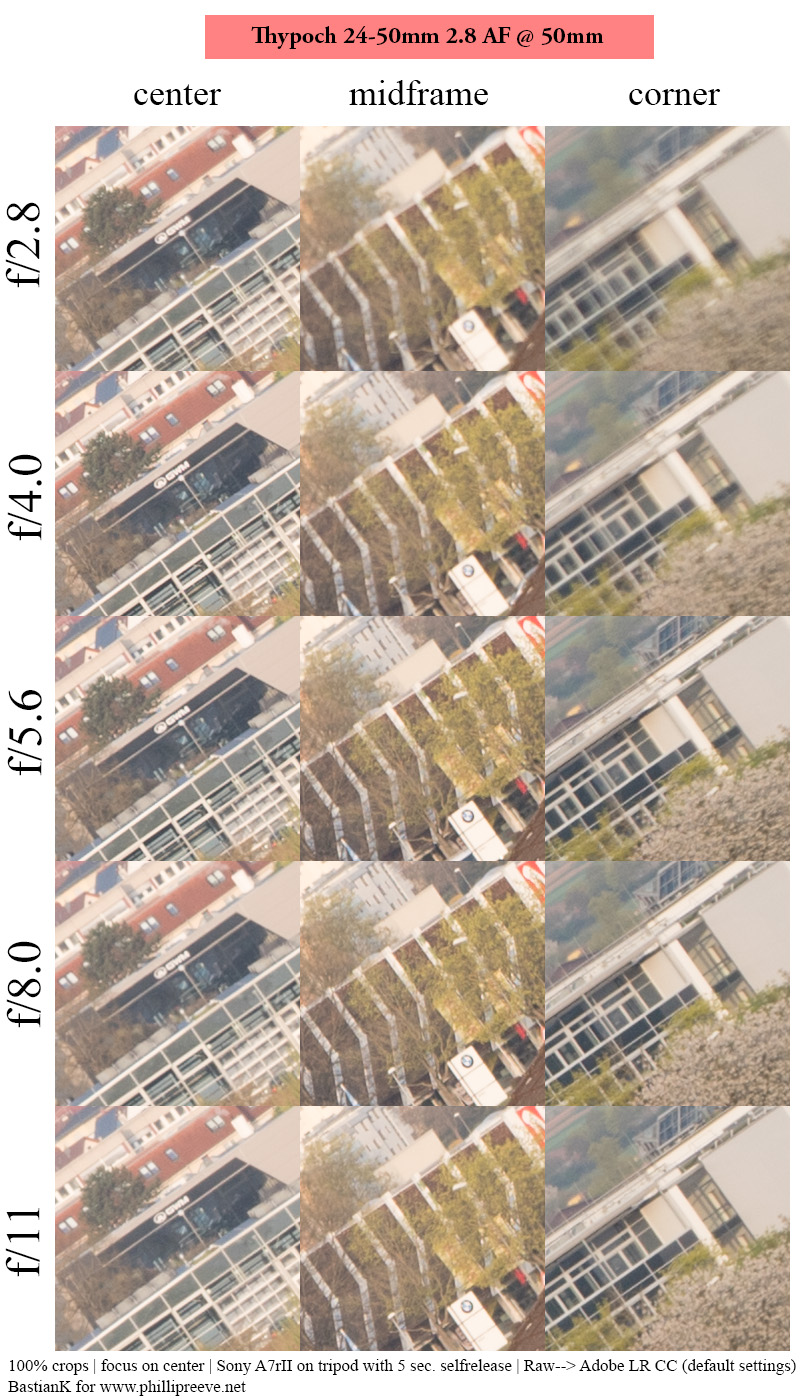
At the wide end (24mm and 28mm) this Thypoch lens shows the strongest performance. Here it looks really good from its maximum aperture and hardly leaves something to be desired. At 28mm it actually shows a better performance than the sample of the Sony FE 24-50mm 2.8 G I reviewed.
At 35mm the corners don’t look as good anymore and stopping down to f/8.0 to f/11 is needed for them to show their best performance. Even stopped down they don’t look as good as they do at 24 to 28mm.
At infinity the long 50mm end is the weak spot of this lens. Here the whole frame is a bit softer at f/2.8, there is a midzone dip and the corners don’t look great either. The center looks very good from f/4.0, the midframe from f/5.6 and at f/8.0 to f/11 the whole frame looks good.
The Sony FE 24-50mm 2.8 G shows a more even performance, devoid of a noticeable drop in image quality at the long end. At 24 to 28mm the corners of this Thypoch lens look better at f/2.8 though.
close (42mp Sony A7rII)
24mm


50mm


This Thypoch lens maintains its minimum focus distance of 0.3 m throughout the zoom range, so it offers the highest magnification at the 50mm end. The performance is actually very good from f/2.8 in the center, there is a lot of field curvature at close distances though (as is the case for many standard zoom lenses) so it isn’t the ideal choice for taking pictures of flat objects at f/2.8 at close distances.
The Sony FE 24-50mm 2.8 G showed significantly less field curvature at close distances.
Flare resistance
The Thypoch Simera M-mount lenses showed a decent but not amazing performance in this category. They also make some M-mount lenses with “vintage coatings” and I was wondering where this E-mount zoom will fit in.
For all the pictures in this section the supplied hood was used.
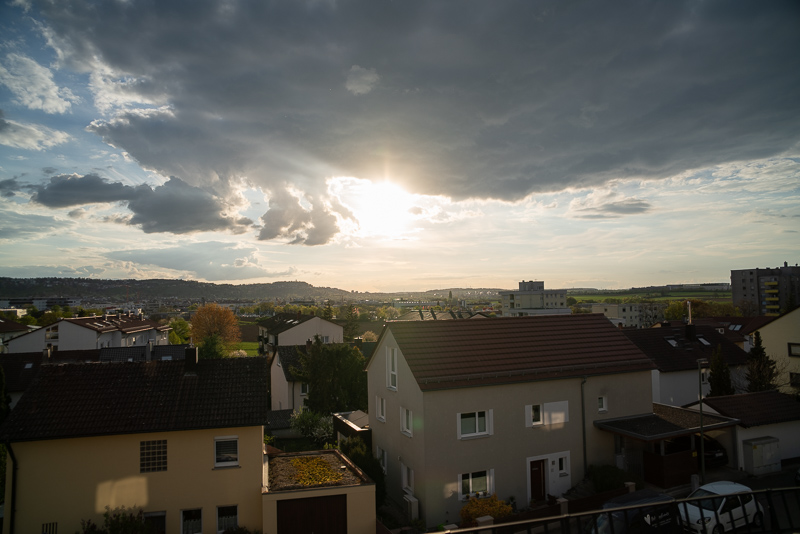
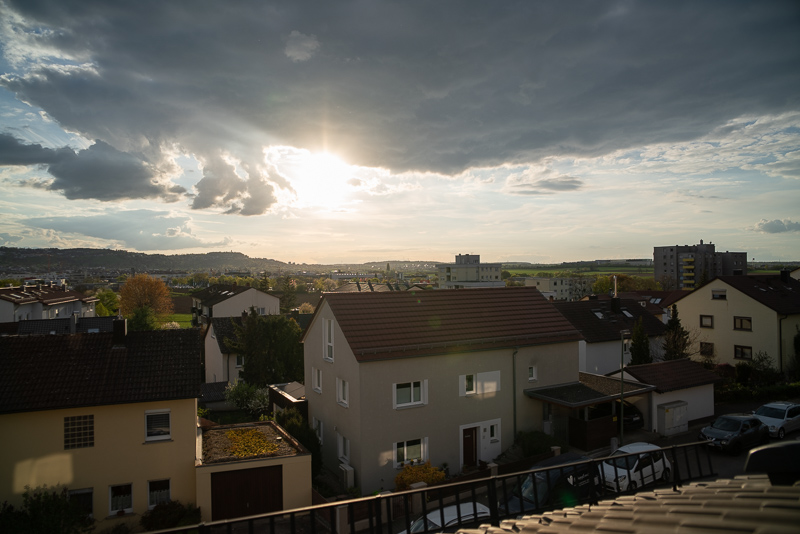
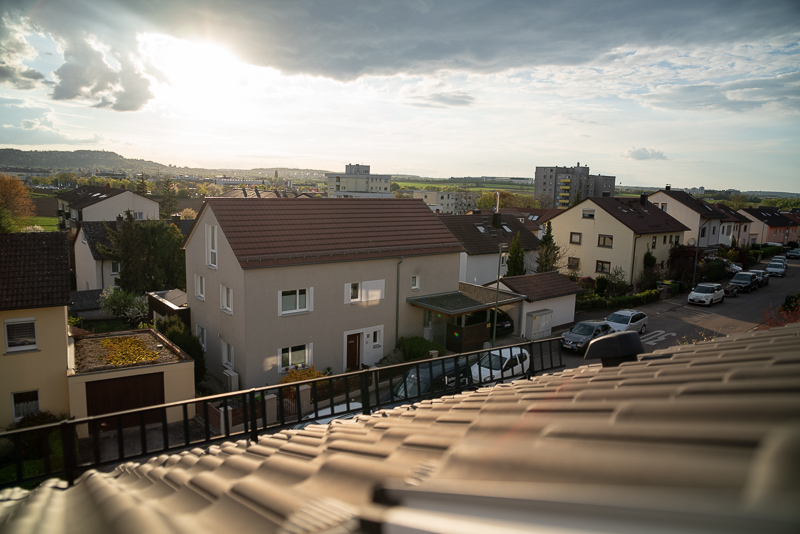
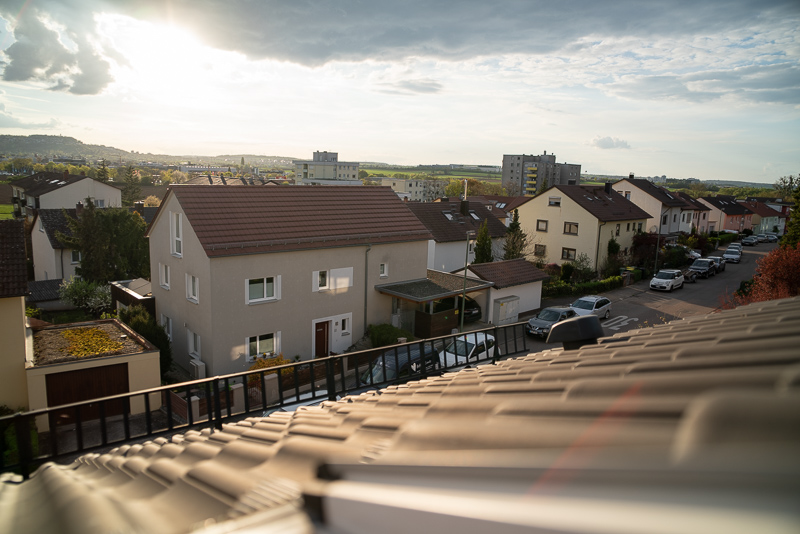
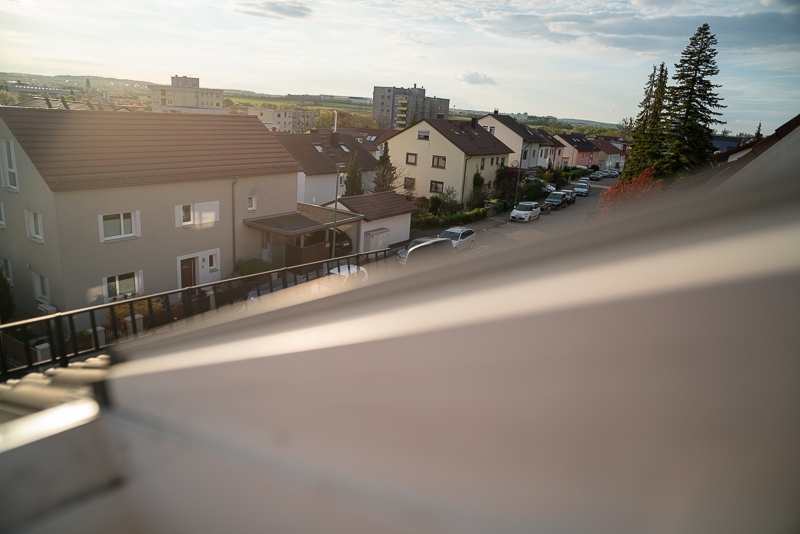
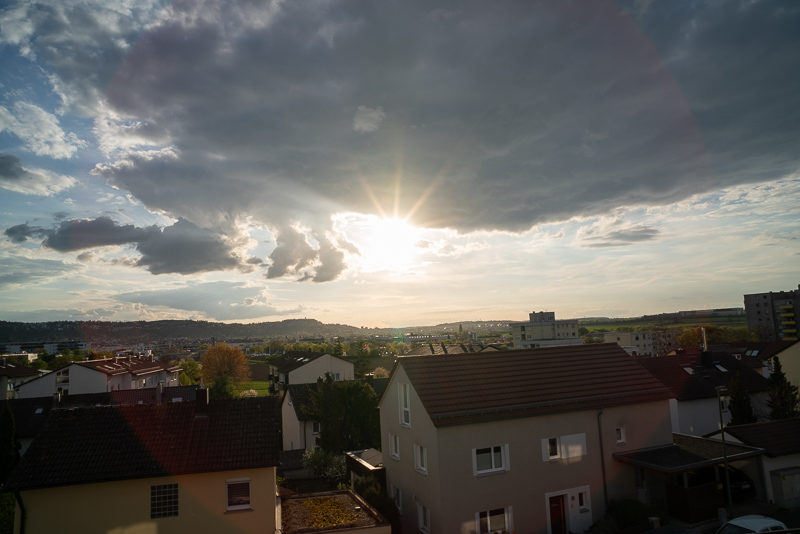
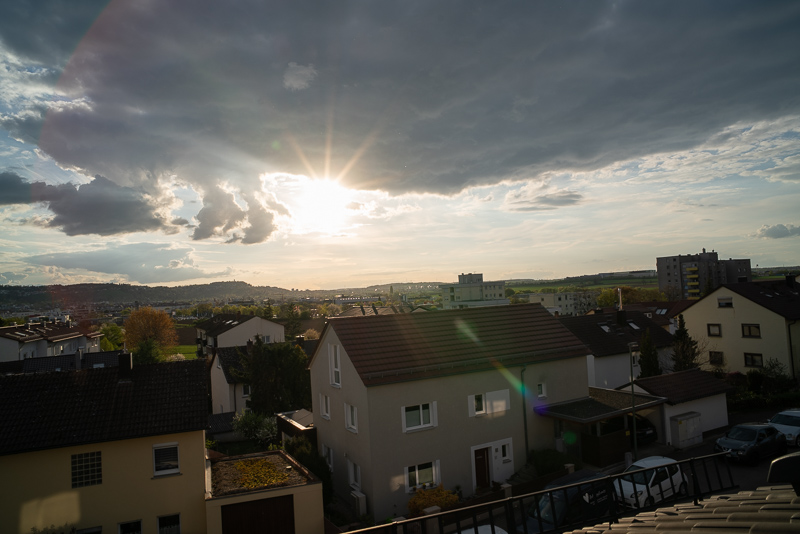
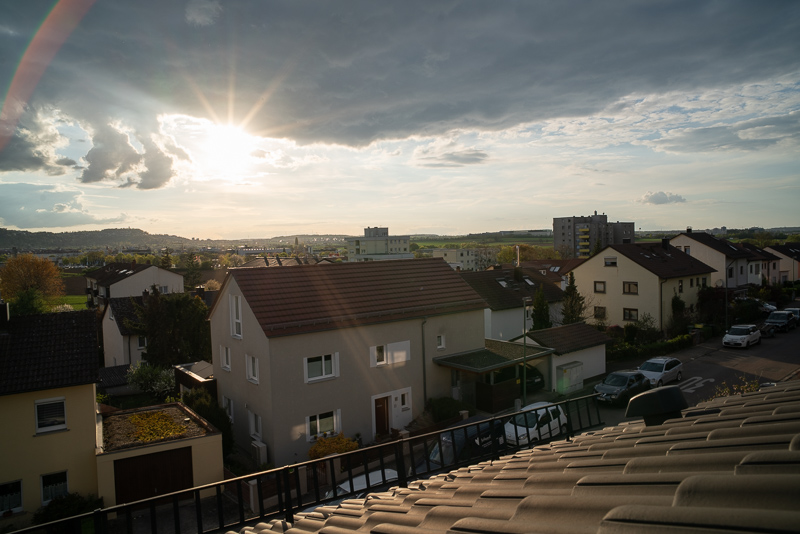

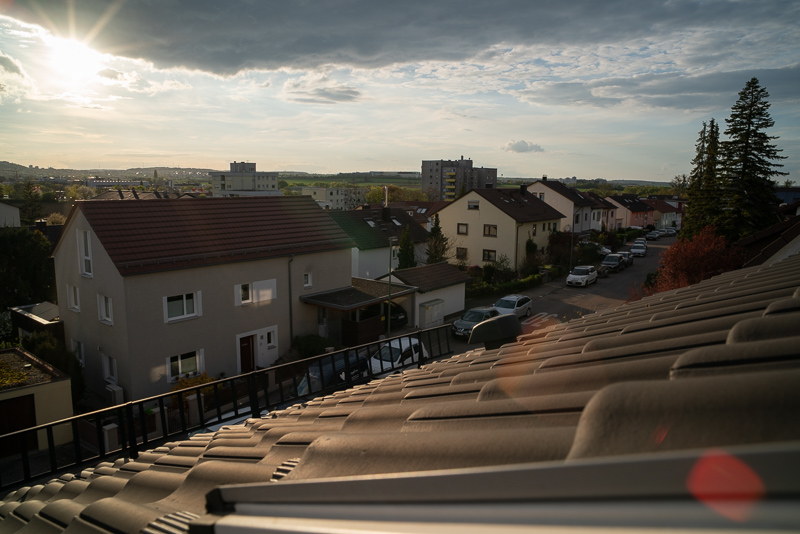
At the 24mm setting at f/2.8 we can see some minor artefacts, but the contrast stays on a high level even with the sun inside the frame. With the sun outside the frame veiling flare becomes more of a problem. Stopped down to f/11 there are more issues with huge ghosts and also a big ring flare.
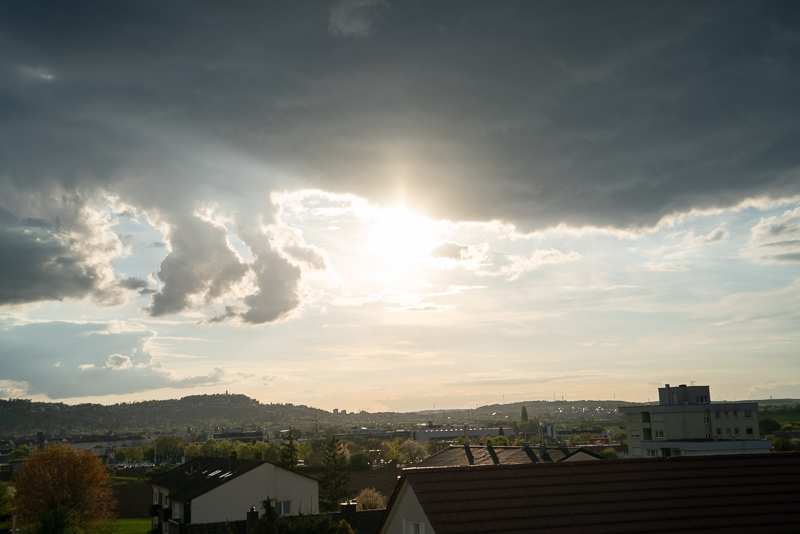

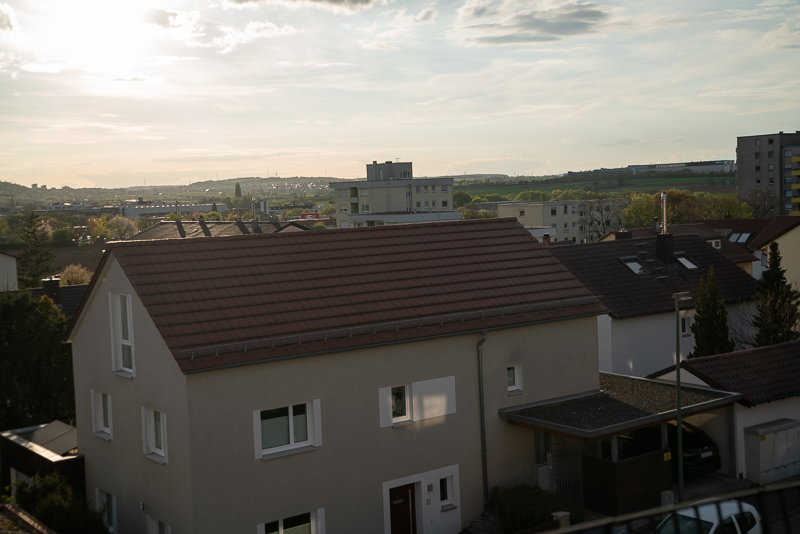
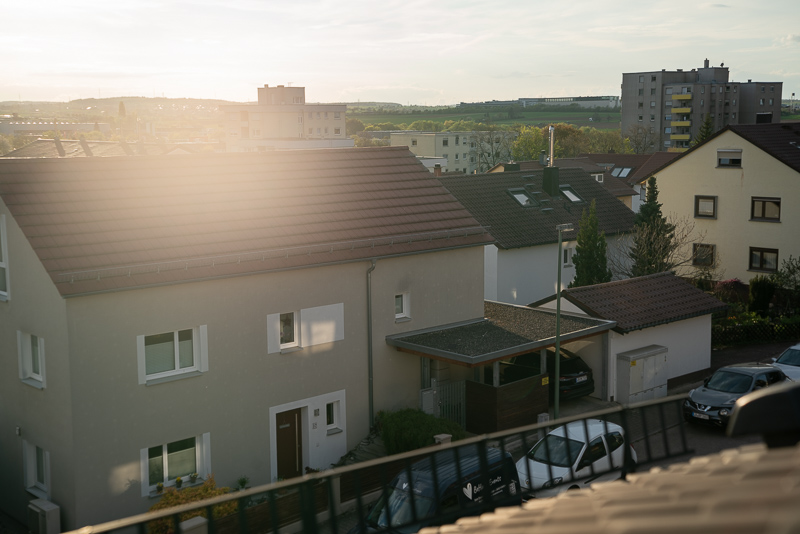
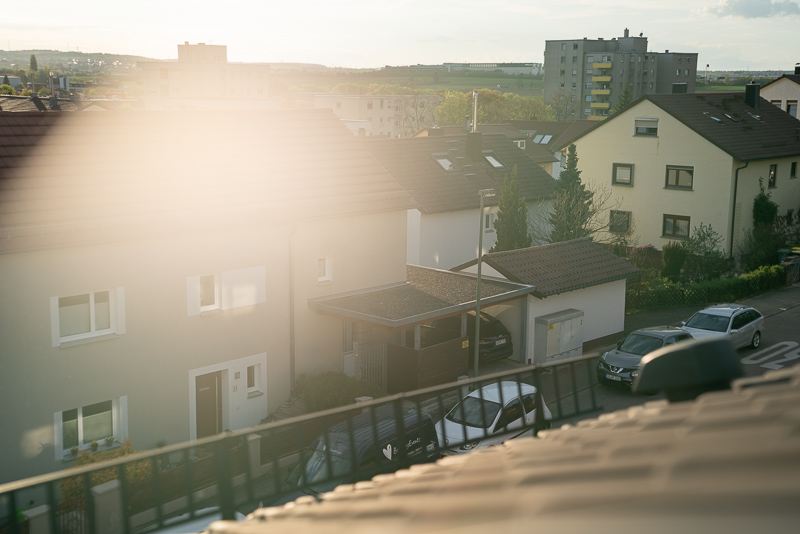
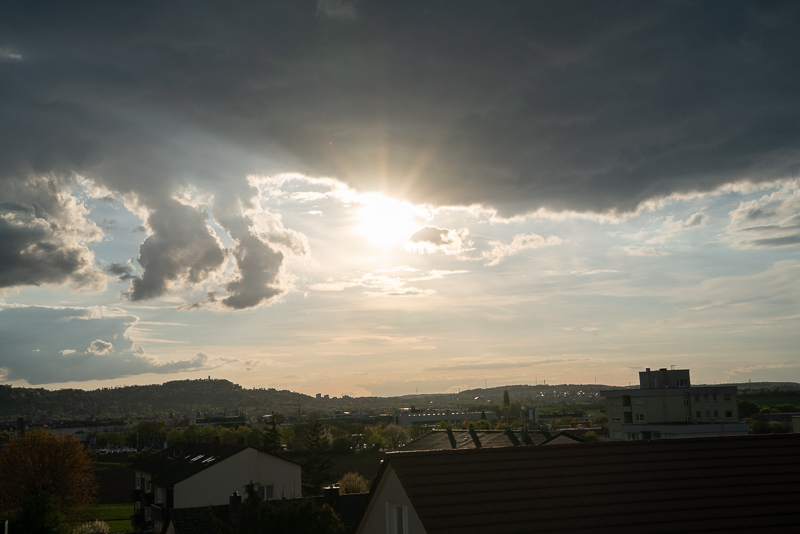
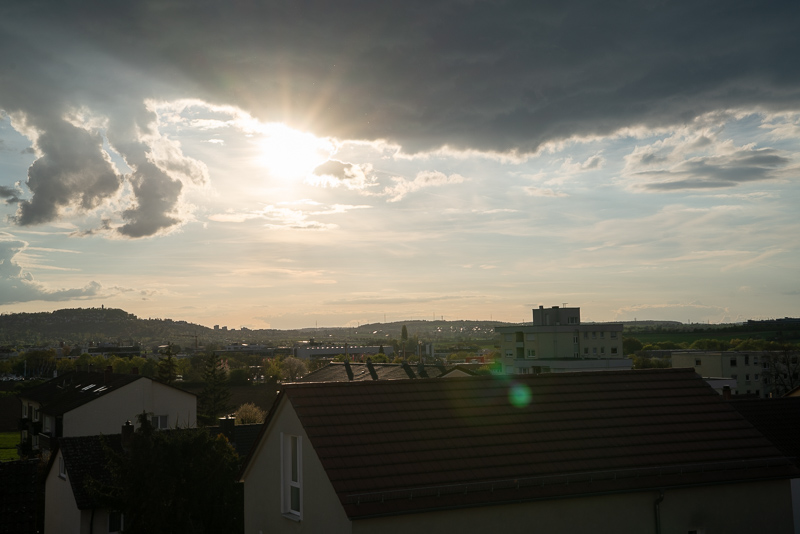


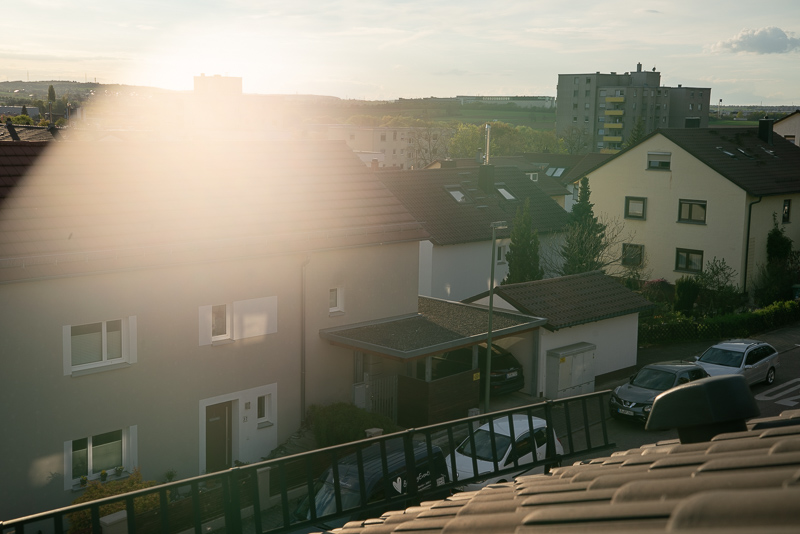
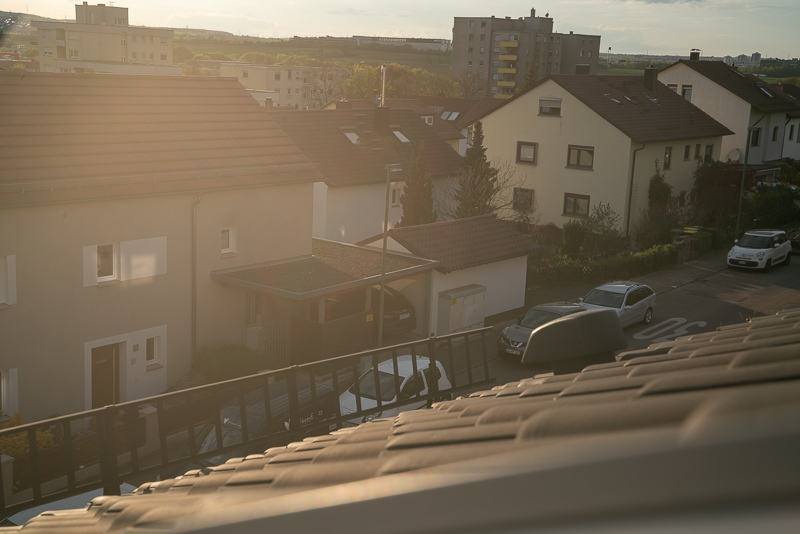
At the 50mm end ghosts are much less of a problem, but veiling flare with the sun outside the frame sure is something to watch out for.
While still better than many zoom lenses from a few years ago, this is not a great performance compared to today’s competitors. The Sony FE 24-50mm 2.8 G definitely performed better here.
Coma correction
24mm
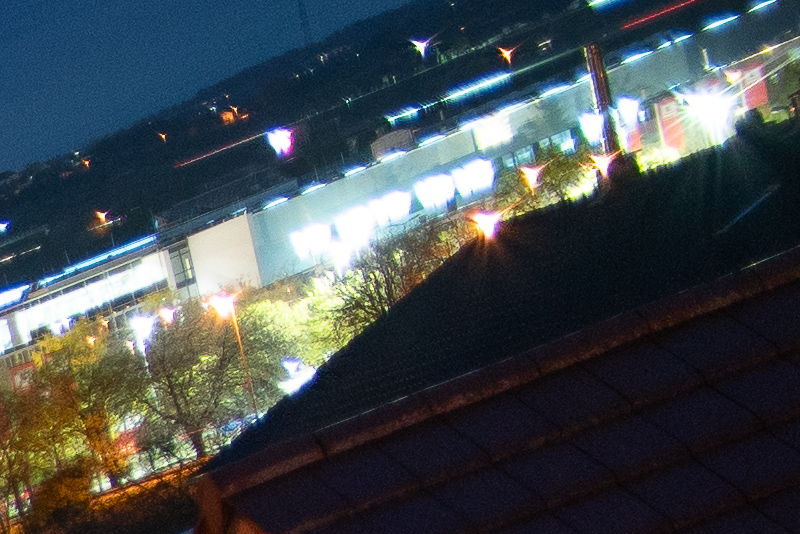
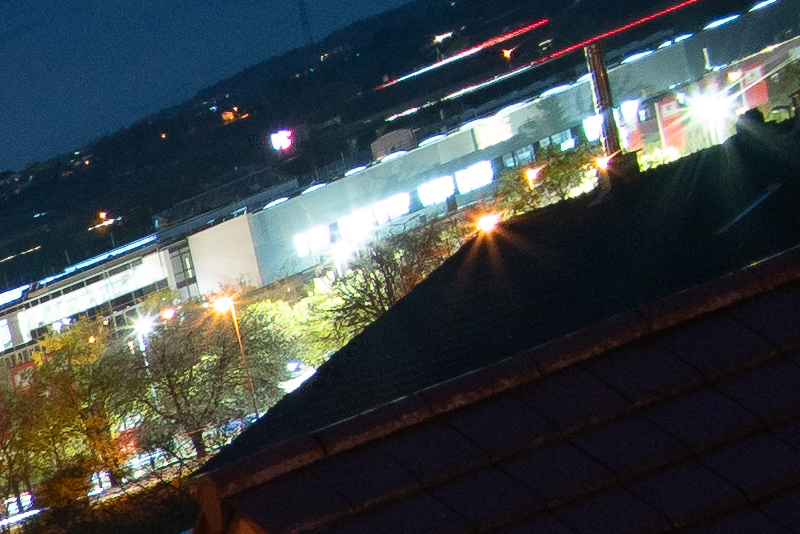
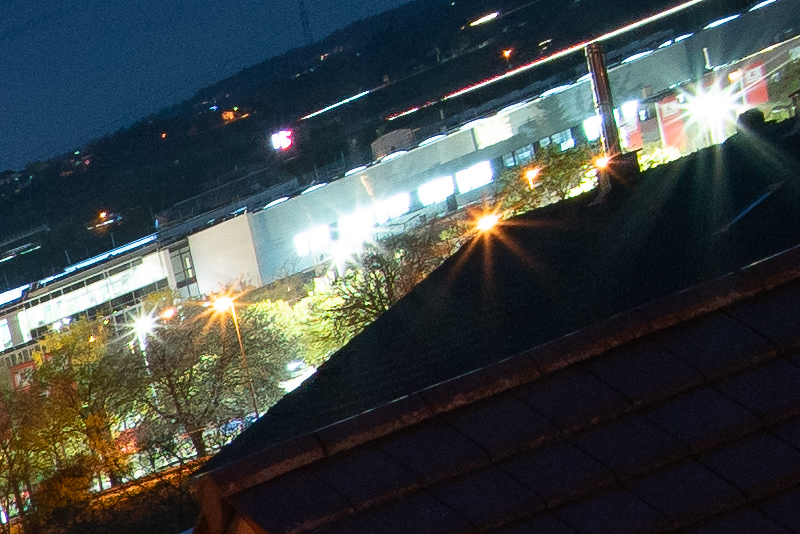
50mm
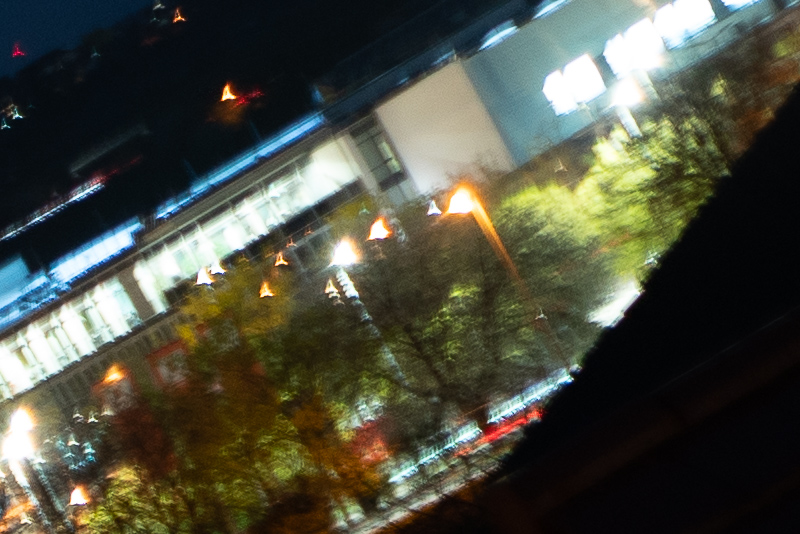


Compared to the Sony FE 24-50mm 2.8 G this Thypoch lens shows bigger artefacts at wider apertures, especially at 24mm, but then stopped down to f/5.6 the situation changes and this Thypoch actually looks better.
We also again see that at 50mm the corners don’t exactly look great, as we already noticed in the sharpness infinity section.
A solid performance, but if possible I would use a tripod and stop down to at least f/5.6 when taking pictures of blue hour cityscapes.
Distortion








Standard zooms often have barrel distortion at the wide end that turns into pincushion distortion at the long end and this is in fact the case here as well.
At the 24mm end the distortion pattern is also wavy, so a lens specific profile is needed to fully correct it, it is noticeably lower than the distortion of the Sony FE 24-50mm 2.8 G though. In the 28 to 50mm range the distortion is mostly uniform and can easily be corrected manually.
This lens features built-in correction profiles for Jpegs, for Raw files software specific profiles would be needed and I hope Thypoch or Adobe will provide such profiles in the near future for Lightroom/CameraRaw.
Sunstars
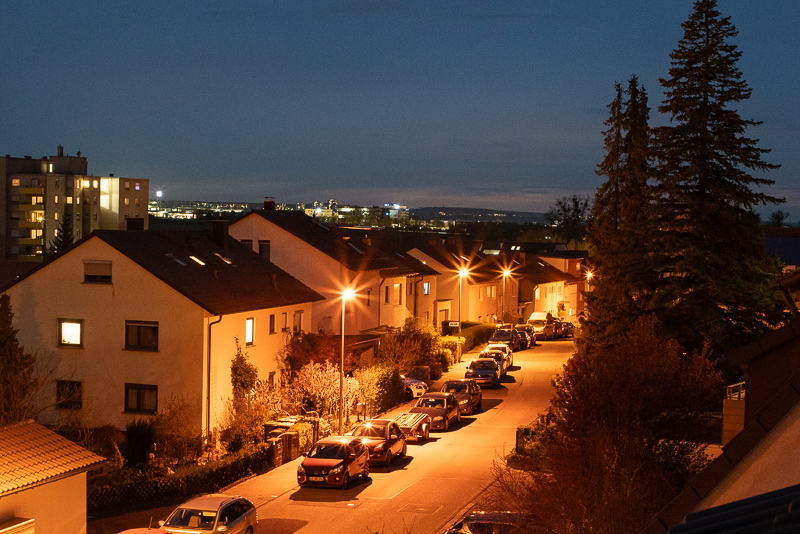
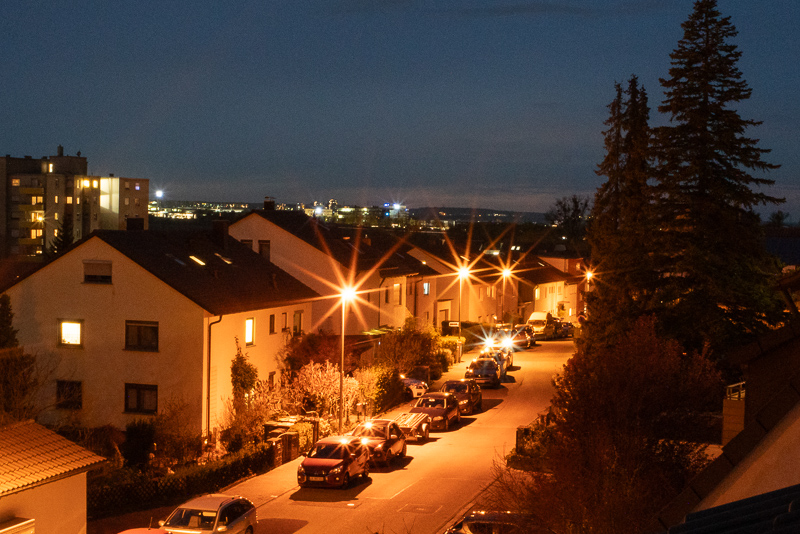
24mm




50mm


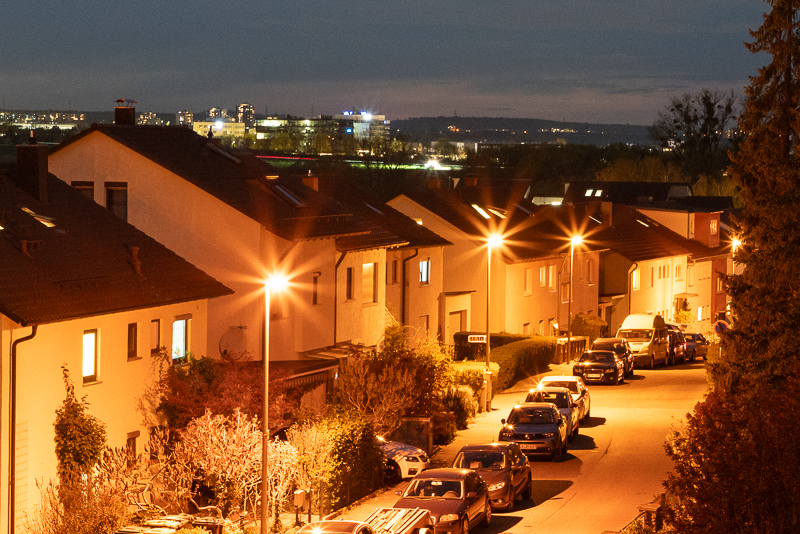
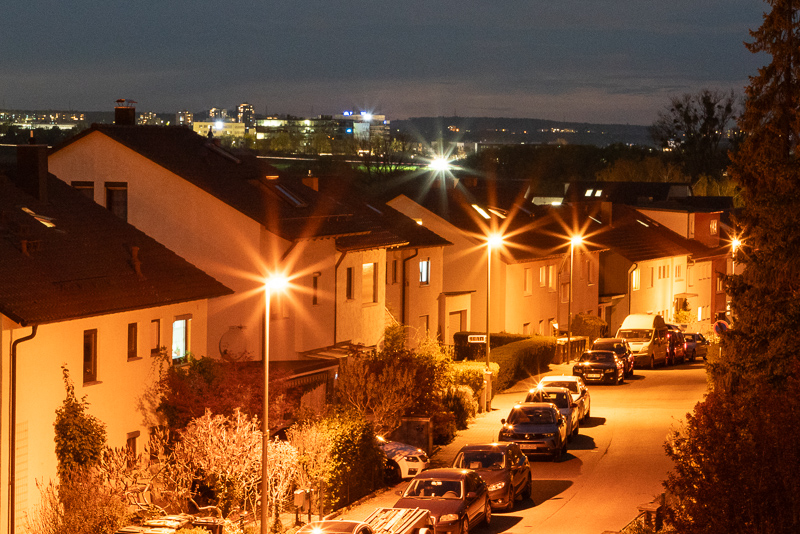
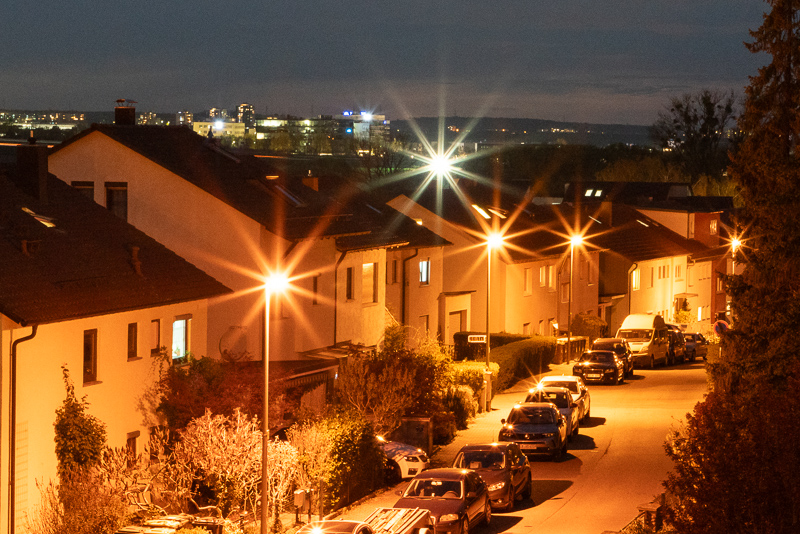
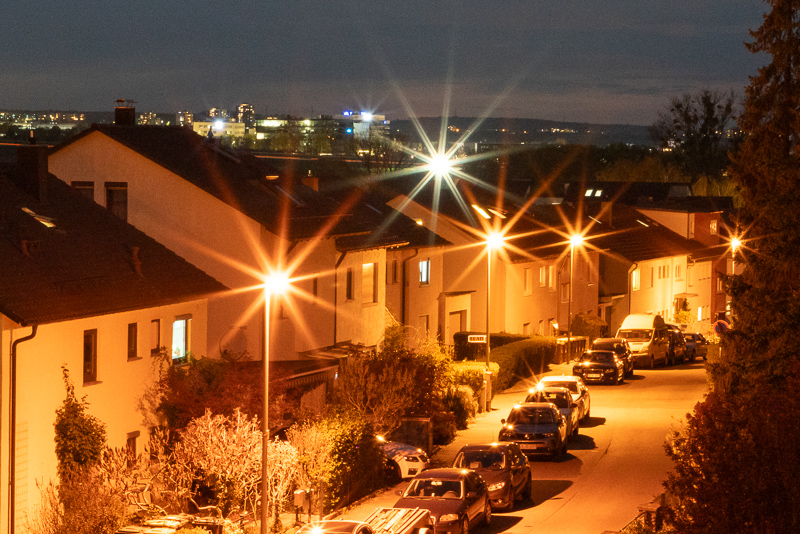
For many years I have been wondering why there are so few lenses featuring an even number of rounded aperture blades. This should allow for nicely round out of focus highlights stopped down a bit and at the same time nice sunstars stopped down. Thypoch didn’t ask for my opinion, but it sure seems like they listened, as this Thypoch 24-50mm 2.8 Voyager features 10 rounded aperture blades leading to well defined sunstars in the f/11 to f/22 range. This is also a stand-out feature, as to my knowledge there is no other autofocussing fullframe standard zoom lens with a diaphragm construction like this.
As this is a highly subjective topic, may have a look at this article to see which kind of sunstars you prefer.

Bokeh


I am a big fan of standard zooms offering a short minimum focus distance that allows for macro like shots like the ones you see above. These standard zooms are often used as the only lens someone is carrying at a time and I surely find it beneficial for such a lens to be as versatile as possible.
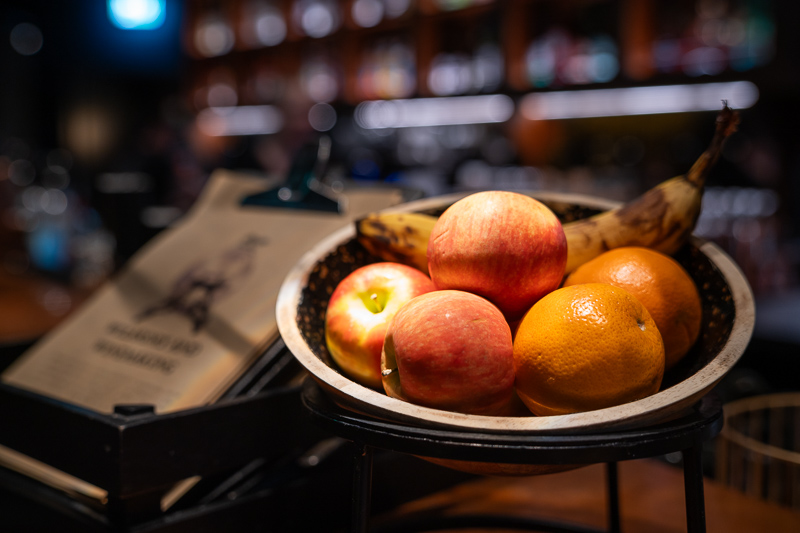
At longer focus distances – due to the rather moderate specifications – there will only be a subtle amount of blur.


Generally, the bokeh is of the modern, undistracting type, which I consider a good choice for a standard zoom. That being said, the 24-70mm 2.8 and the 28-75mm 2.8 lenses do have an advantage in this category, as their long end has a bigger entrance pupil leading to a bit stronger blur.
Chromatic aberrations
Lateral
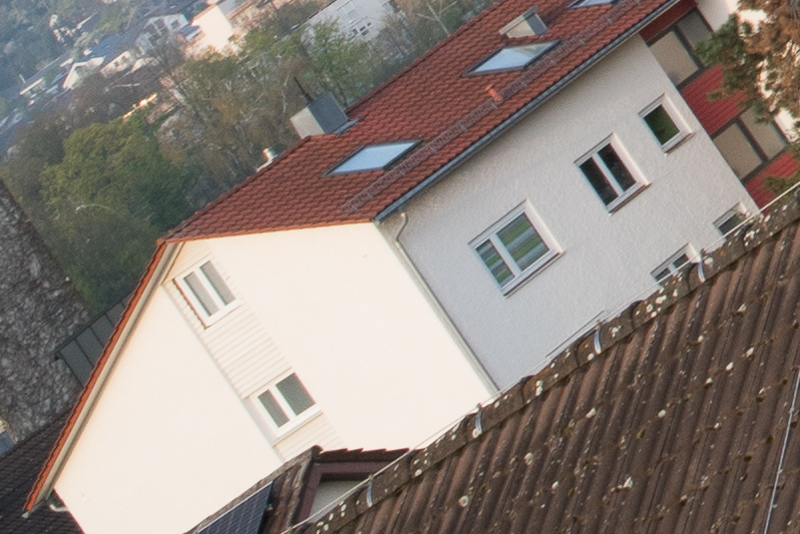
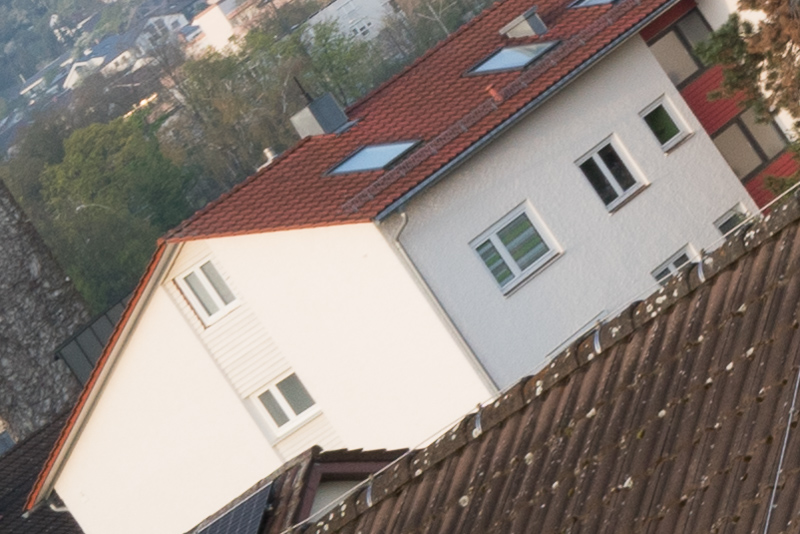
Unlike many other modern lenses with electronic contacts, this Thypoch 24-50mm 2.8 does not feature a built-in correction profile for lateral CA. They are on a very low level throughout the zoom range though, as example I am showing the lateral CA at 24mm with and without correction here.
Longitudinal

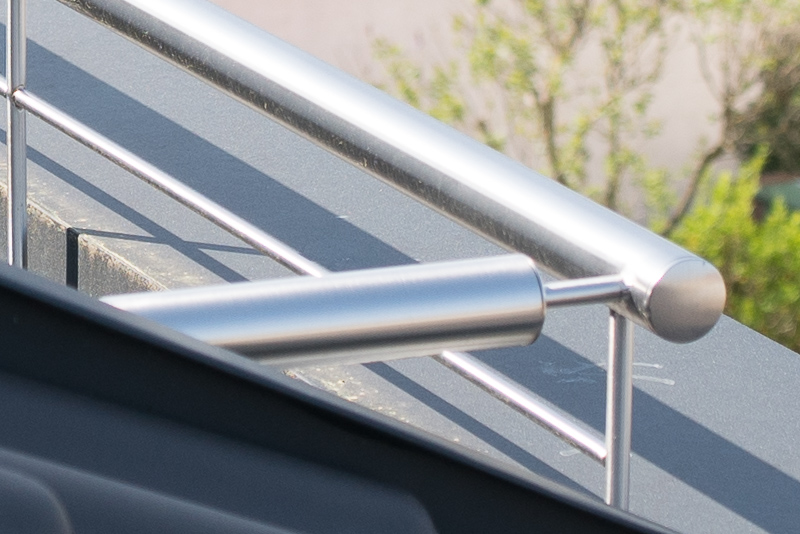


Most of Thypoch’s previous lenses already showed an above average performance in this category and this zoom lens follows that trend. There are hardly any color aberrations to be found in the out of focus areas, a better performance than many lenses carrying an “Apo” tag and also better than the Sony FE 24-50mm 2.8 G.
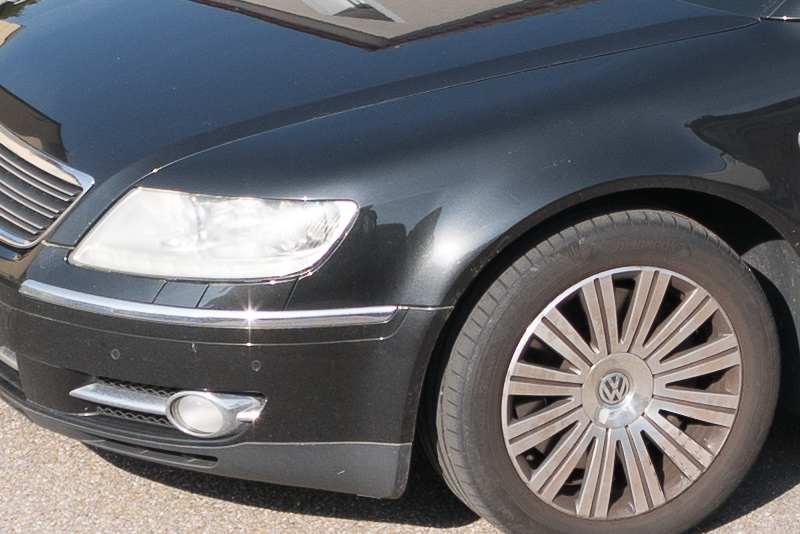

Purple fringing is corrected perfectly as well.
Conclusion
good
|
average
|
not good
|
I found many of Thypoch’s M-mount lenses to be very capable and even consider some of them to be the best balanced option for a given combination of focal length and maximum aperture (looking at you, Thypoch 28mm 1.4 Simera and Thypoch 75mm 1.4 Simera) – also compared to (much) more expensive options from Japan and Germany. With their Simera lenses, Thypoch has also shown, that they are capable to design (and manufacture) complex lenses with floating elements.
I was still surprised to see them releasing a zoom lens as their first AF lens instead of starting with an easier to design prime lens. As you can see from the table above, this turned out to be a capable lens without any real outstanding flaws. Once more the flare resistance leaves something to be desired and the performance at its maximum aperture at 50mm also falls a bit behind of what it is capable of at the wide end.
I was genuinely surprised to find out that this is an internal zoom design that doesn’t change its length on zooming and I also applaud Thypoch for choosing 10 rounded aperture blades for the diaphragm, yielding actually nice sunstars without making the bokeh stopped down a bit look unnatural. The CA correction is very good as is the performance at the wide end. Compared to many of Sony’s and Sigma’s latest lenses the distortion can also be considered low, but as it is of the wavy type at the wide end I still hope Thypoch (or Adobe) will provide correction profiles for Raw files.
At the end of the day I consider this Thypoch 24-50mm 2.8 Voyager to be an interesting zoom option with some good and unexpected decisions (internal zoom, diaphragm construction) I surely didn’t see coming.
Tell me in the comment section or on our Discord server what you think of Thypoch’s first AF and zoom lens.
buy from manufacturer’s shop (use code PRNET for 5% discount) | ebay.com | ebay.de | B&H (advertisement/affiliate links) for $649
Alternatives
The most obvious alternative is the Sony FE 24-50mm 2.8 G, sharing the same specifications. You can find many more of the recent E-mount standard zoom lenses with different specifications discussed in our Sony FE Guide.
Sony FE 24-50mm 2.8 G
I already compared this Thypoch to the Sony FE 24-50mm 2.8 G in most of the categories above. The Sony does show a more even performance across the zoom range and especially its flare resistance is better. In some areas this Thypoch lens offers advantages though (internal zoom, lower vignetting at wider apertures, better sunstars, less distortion, almost 50% cheaper) so depending on what you are looking for, you may actually prefer one or the other.
buy from amazon.com | amazon.de | ebay.com | ebay.de | B&H (advertisement/affiliate links) for $1198
Sample images


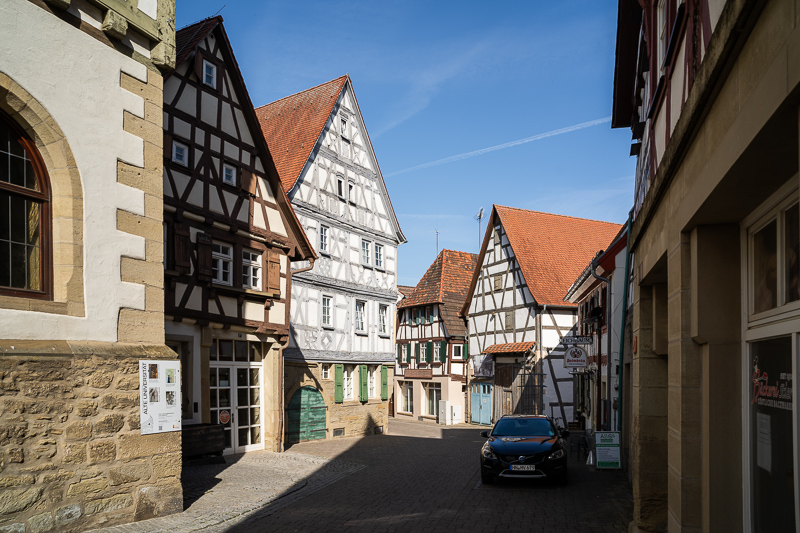






Most of the sample images in this review can be found in full resolution here.
Further Reading
- All Lens Reviews
- Review: Sony FE 12-24mm 2.8 GM
- Review: Sony FE 20-70mm 4.0 G
- Review: Sony FE 50mm 1.2 GM
- Review: Sigma 135mm 1.4 DG Art
- Discuss this review with our Discord community
Support Us
Did you find this article useful or just liked reading it? Treat us to a coffee!

 via Paypal
This site contains advertisement/affiliate links. If you make a purchase using any of the links marked as advertisement/affiliate links, I may receive a small commission at no additional cost to you. This helps support the creation of future content.


Latest posts by BastianK (see all)
- Analogue Adventures – Part 58: Adox Color Mission 200 C-41 - October 21, 2026
- Review: Nikon Z 35mm 1.2 S Nikkor - October 17, 2026
- Prime Day Photoshop+Lightroom offer for Amazon Prime Members (EU/UK) | Update: also at B&H - October 7, 2026
Looking especially at vignetting, sharpness and distortion, the Voyager seems to be optically superior to the Sony 24-50, which heavily relies on correction profiles.
The Voyager, already without those profiles, seems to deliver very well. I am curious to see its performance once correction profiles become available.
I can see this being a very useful lens for any gimbal user, where rebalancing is a huge annoyance and balancing for the middle of the zoom range may impact stabilizing performance on either end negatively.
Now let us hope for an autofocussing 28mm 1.4….
I often wondered when we’ll get to see the first Chinese AF zoom lens, and my bet was definitely on either Viltrox or TT. This is very surprising to see, but I’m used to being surprised when it comes to Chinese offerings and their business strategy (positively more often than not).
Whilst reading this review my opinion of this lens shifted a couple of times, but it’s fair to say that this is a very strong debut.
Sharpness is great at the wider end, and I’d rather have that than the opposite, at least. What matters is that I can get good results at any FL when stopping down. Perhaps not every copy will have the same bias though.
Distortion is far better than expected, as well as aberrations. Price is pretty good too.
Flare resistance though… Wider end is this lens’ strong suit, but that’s also where this usually matters the most. Low distortion and great sharpness at 24mm sounds perfect, but many shots can get ruined, so I don’t know…
I don’t mind this with more “creative” lenses, but it would bother me in a general use (mostly for travel) lens.
But then again, there are so many positives, especially for the price. It’s definitely a lens to at least consider, imho.
Thanks for another informative review. I saw another review elsewhere, which only prompted me to check this page instead. 🙂
Looks like very interesting lens! Too bad the european prices are like 850€.
What do you think about Samyang AF 24-60 2.8 as a comparison?
Haven’t tried that Samyang lens, cannot really comment on it.
Photo Erhardt has it for 679e.
Nice images and interesting with an af lens with 10 blades. As expected the sunstars are pretty nice stopped down (may be a bit hard to manage with the flare issue) . I do like the look of the oof background, at least up close. I wonder what it’s like at portrait distances with busier backgrounds.
It’s an interesting lens though for a standard zoom I do prefer a greater range.
Fact is, at 50mm 2.8 at longer distances there is hardly any bokeh, which is the reason for the lack of samples showing it.
Thank you for the review. I have been interested in this lens for a while. While people have different tastes, I thought their lens designs look cool–not really my taste, but not ugly either. Internal zoom and optical correction are two things I prefer this over Sony.
However, according to Chris Frost video review, corner is soft at 24/5.6-8, and center is soft at 50/2.8, both are somewhat important for the intended uses. In your review, 24mm corner at landscape apertures look much better and usable, but the 50/2.8 looks about the same. I wonder how much sample variation there is.
A Chinese influencer was invited to the company factory about a month ago. His video shows assembly worker not wearing gloves when handling glasses, and he was “invited” to assemble a lens. That really makes me wonder about their production and quality control system. Guess I might order this lens from Amazon for easy exchange to try it out.
I think the bokeh quality (subjective) in front of and behind the focal plane is quite pleasing and has a nice character to it, and not distracting, which we don’t often see in many 24-70 f/2.8 zooms.
Looks like an amazing travel and general ‘walk around’ lens.
The color rendition of this lens looks amazing, as well as the contrast. If I did not already own the Sigma 18-50mm f/2.8 DC DN I would definitely be looking at the Voyager as my primary travel lens.