Introduction
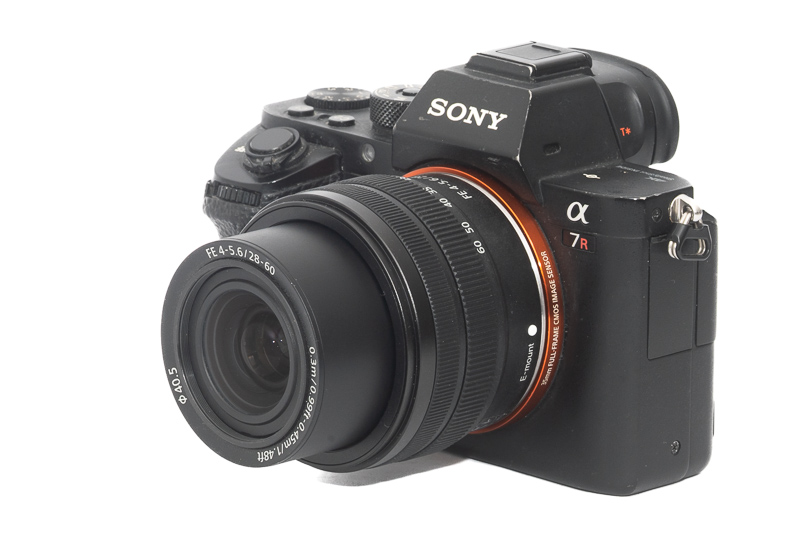
Often sold as kit lens, the Sony FE 28-60mm 4.0-5.6 is the most compact zoom lens you can find for your fullframe E-mount camera. These kit lenses often perform better than people think, but is that also the case for this cheap retractable one, that can often be found for less than 200 bucks? Let’s find out in this review.
Sample Images
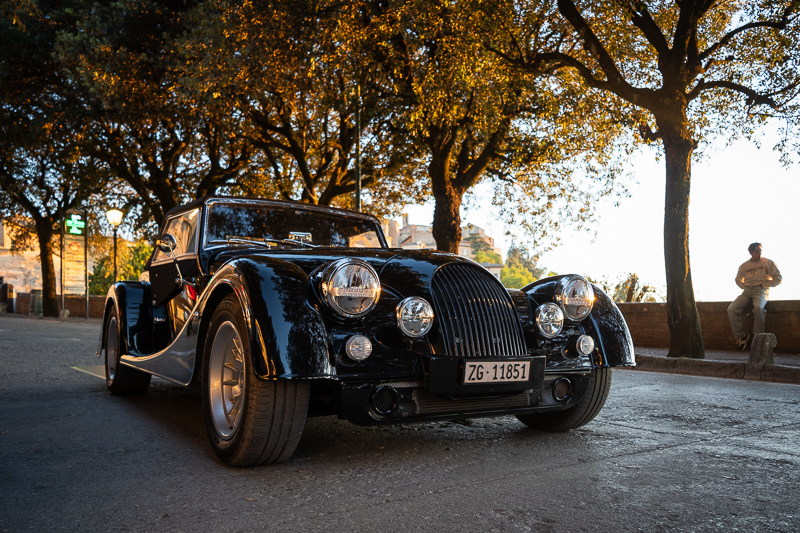



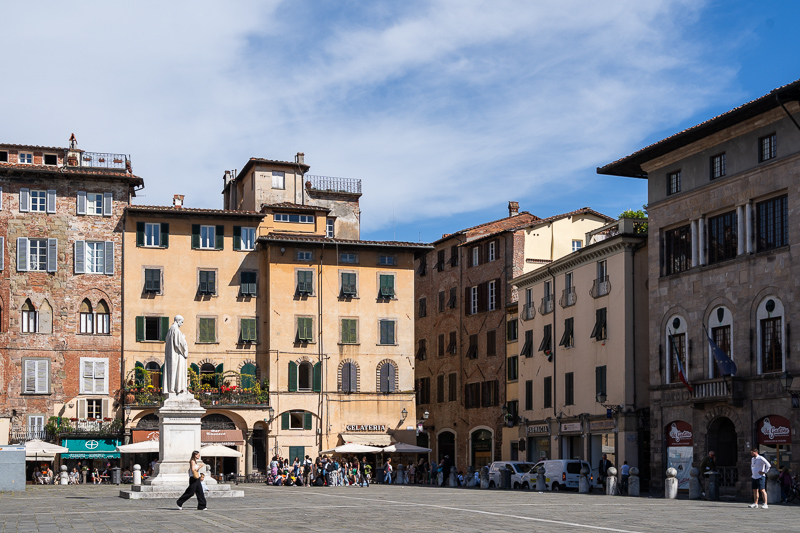


You can find most of the sample pictures in full resolution here.
Specifications
This Sony FE 28-60mm 4.0-5.6 has the following specifications:
- Diameter: 67 mm
- Field of view: 40° to 75° (diagonally)
- Length: 46 mm (retracted), 68 mm (at 28mm)
- Weight: 167g (without hood and caps)
- Filter Diameter: 40.5 mm
- Number of Aperture Blades: 7 (rounded)
- Elements/Groups: 8/7

- Close Focusing Distance: 0.3 m (28mm) – 0.45 m (60mm)
- Maximum Magnification: 1:7.4 at 28mm to 1:5.6 at 60mm (measured)
- Released: September 2020
- Mount: E-mount
buy from Amazon.com | Amazon.de | ebay.com | ebay.de | B&H (advertisement/affiliate links) for $498 (new) or starting at $200 (used)
Handling / Build Quality

The design of this Sony FE 28-60mm 4.0-5.6 is about as basic as it gets. The casing seems to be exclusively made from polycarbonate, some users of cheap Nikon Z lenses may be jealous of the metal mount though.
The rubberized focus ring has okayish resistance but a linear coupling and it takes exactly 180° from the minimum focus distance to infinity.
The zoom is mechanically coupled (no power zoom) and features markings for 28, 35, 40, 50 and 60mm.
And that is already it. No AF/MF switch, no lens button.
There is also no official lens hood available for this lens, you can find some third party options though.
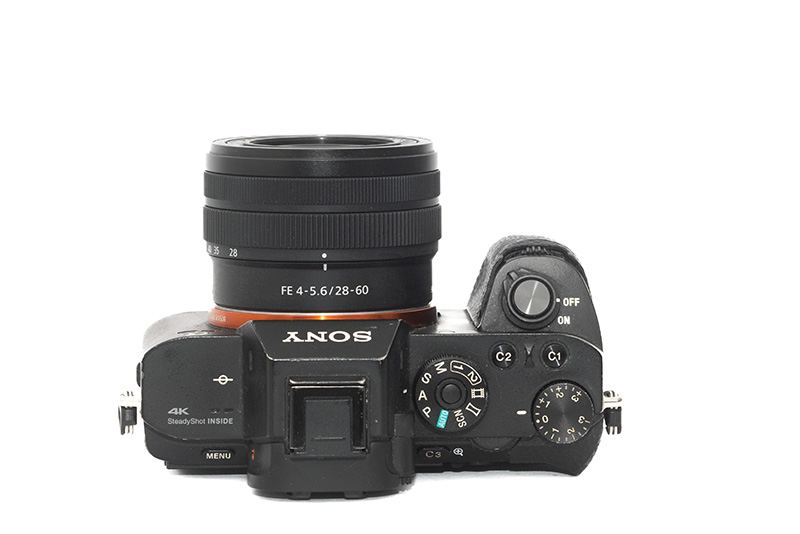
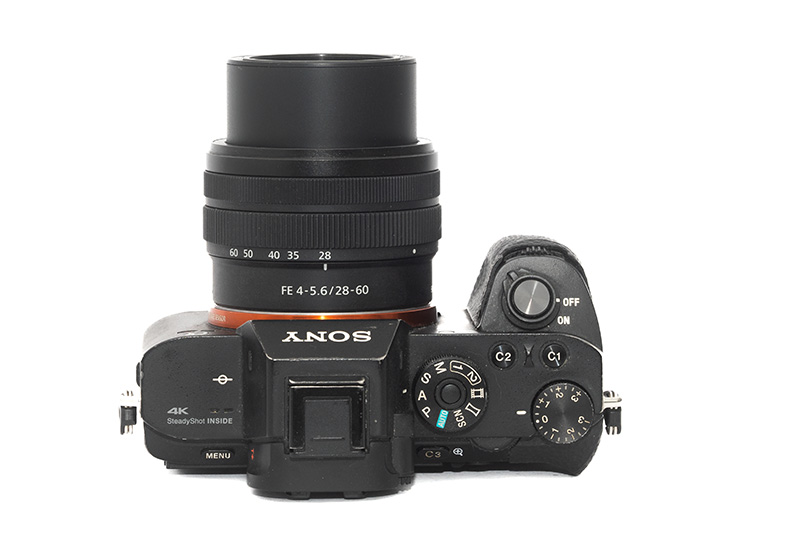
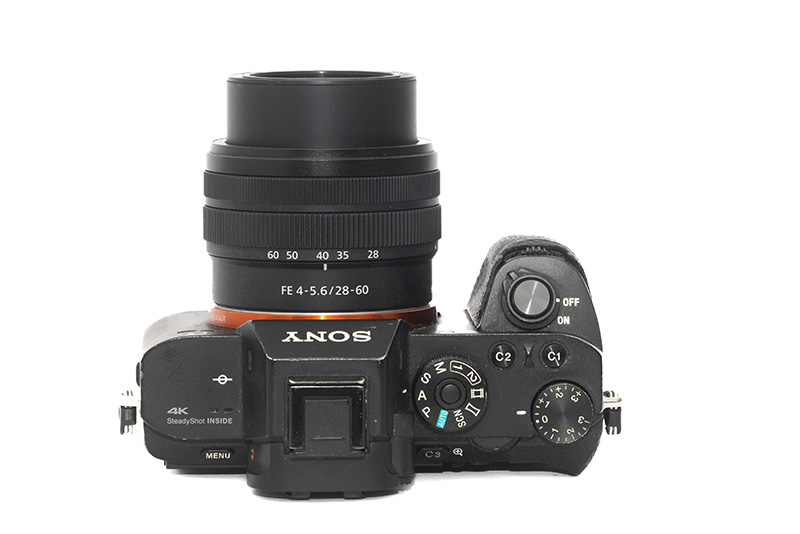

This is a retractable/collapsible zoom lens, meaning when it is in its transport position you first have to extend it to actually use it. When in working mode it is shortest around 40mm and extends towards 28mm as well as 60mm. The zoom ring also acts as the switch to move from transport mode to working mode.
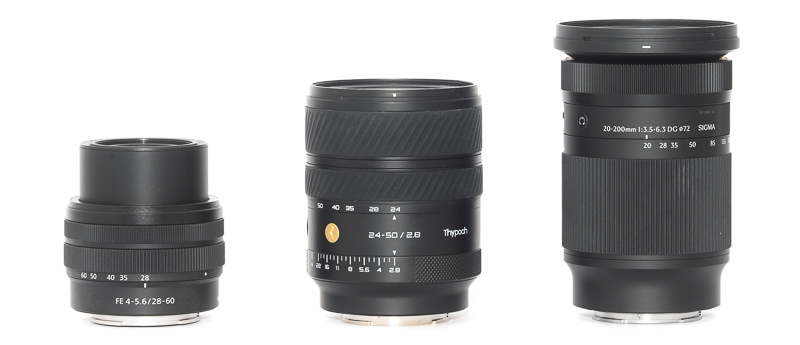
In transport mode this is indeed a very small lens, similar to Sony’s G primes 24mm 2.8, 40mm 2.5 and 50mm 2.5. When in working mode it is actually not that small anymore, comparable to lenses like the Sony FE 28mm 2.0 or the Viltrox AF 35mm 1.8 Evo.
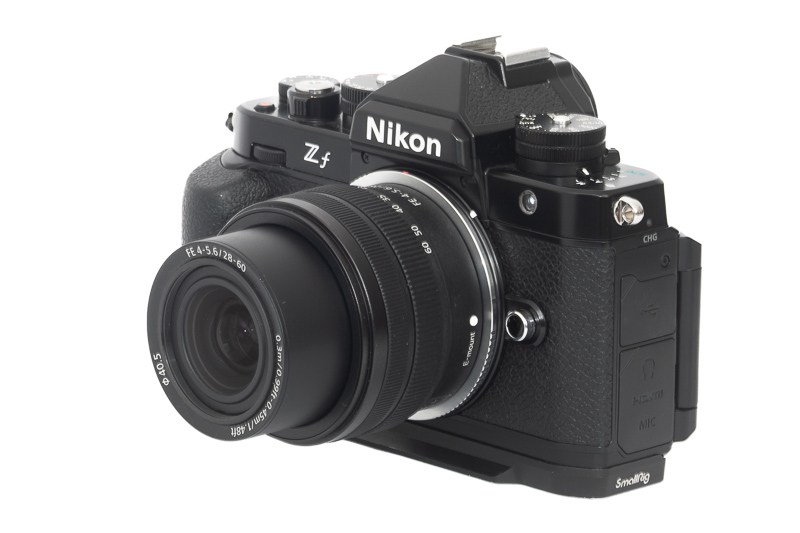
When in working mode this lens also worked well on the Nikon Zf via the megadap ETZ21pro+, but going from transport mode to working mode didn’t function properly, here reattaching the adapter with the lens already extended or a restart of the camera is needed. As Nikon Z users have access to the arguably more interesting Nikon Z 24-50mm 4.0-6.3, I doubt many of those will be interested in adapting this Sony lens anyway.
Autofocus
I am not shooting sports or fast moving animals/humans so if you want to know if the lens is fast enough for this, or how it compares to other lenses in this segment, you may have to look for a different review with a more detailed assessment of this aspect.
The AF is reasonably fast and accurate and it is also completely silent. With its specifications this lens is also not that demanding when it comes to the accuracy of the AF though.
Vignetting
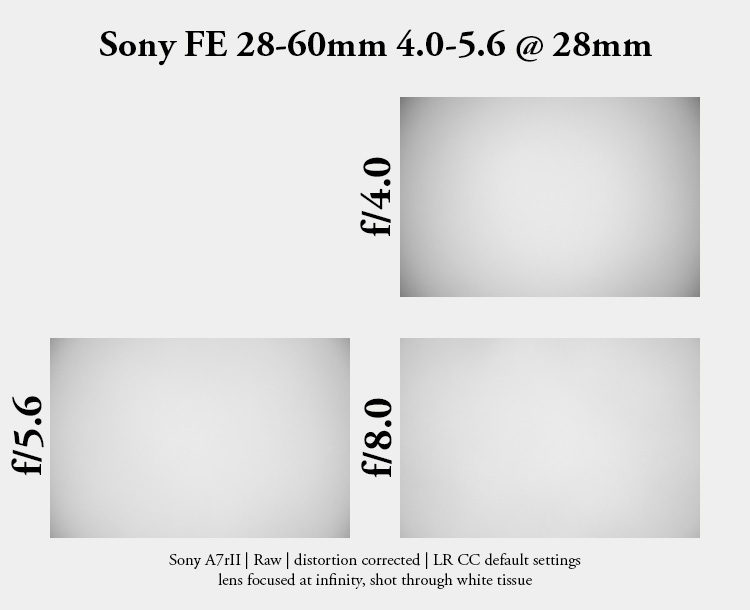

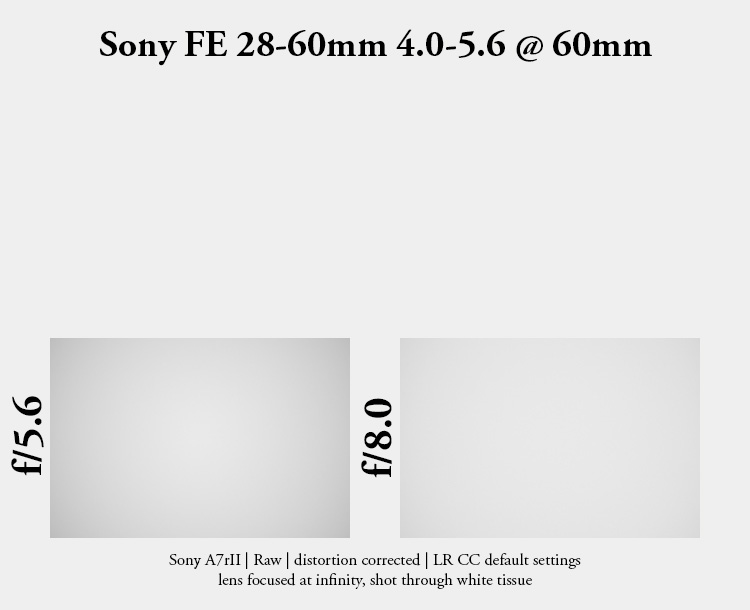
| 28mm | 40mm | 60mm | |
|---|---|---|---|
| f/4.0 | 2.2 EV | ||
| f/5.0 | 1.5 EV | ||
| f/5.6 | 1.8 EV | 1.3 EV | 1.3 EV |
| f/8.0 | 1.3 EV | 1.0 EV | 0.5 EV |
| f/11 | 1.2 EV | 0.9 EV | 0.5 EV |
The vignetting figures are very typical for a midrange zoom. At longer focal lengths they are actually lower than I would have expected from a lens as compact as this.

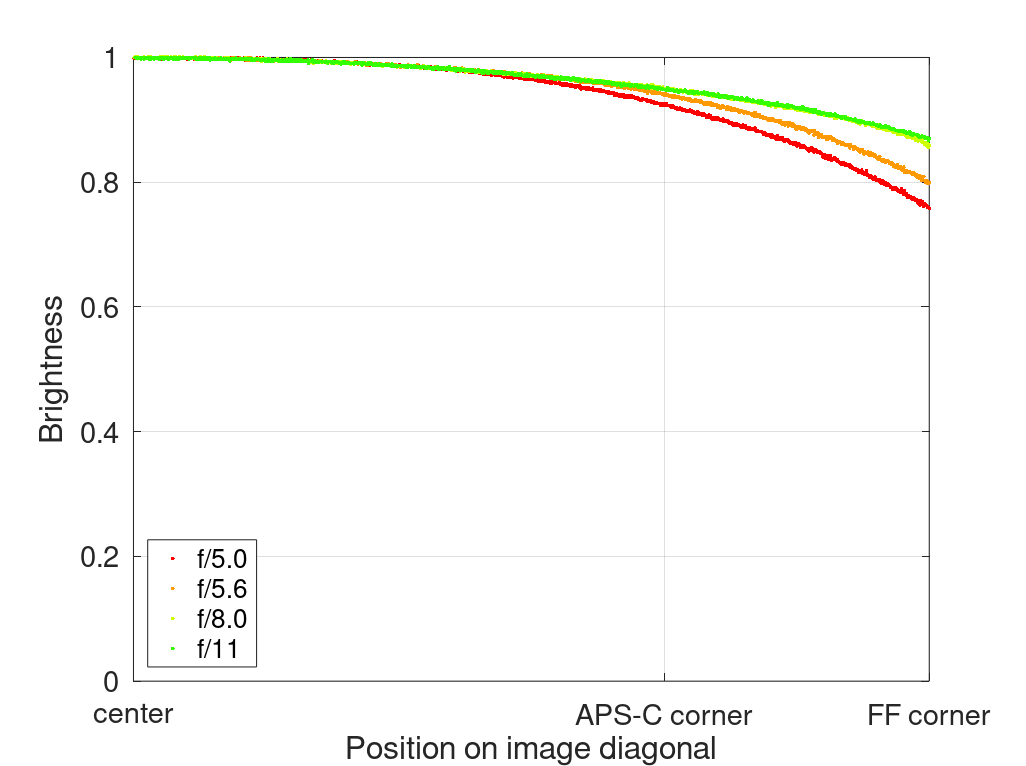
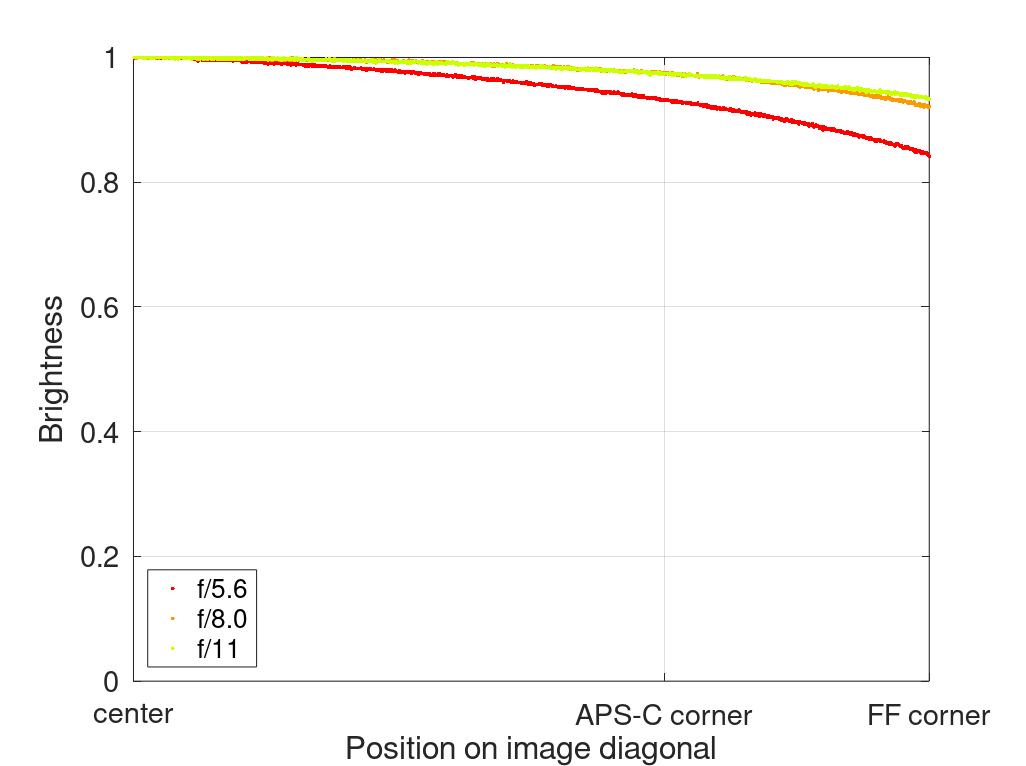
It is recommended to have a look at this article first to get an idea how this brightness graph works.
Sharpness
infinity (42mp Sony A7rII)


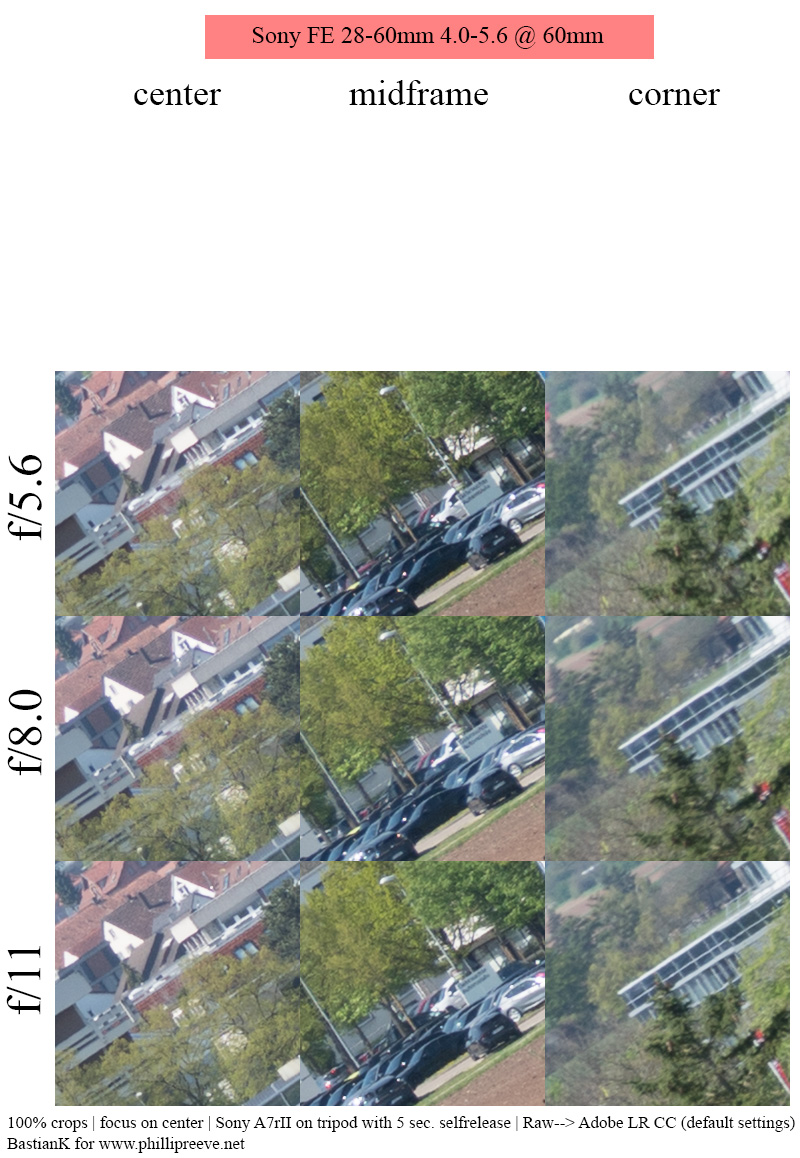
This Sony FE 28-60mm 4.0-5.6 shows a good albeit not amazing performance throughout its zoom range at infinity. Luckily this lens also performs well from its maximum aperture, as having to stop down for that first would be more painful with this already slow lens.
The corners also never look amazing, especially at the 28mm end, so if you are using a camera with a lot of megapixels and you are looking for very high resolution from corner to corner you might have to get a fancier lens to be fully satisfied.
Nevertheless, if you are not able to create high quality pictures in good light with this lens, it is probably not the lens’ fault.
close (42mp Sony A7rII)
28mm, 1:7.4



60mm, 1:5.6



Compared to other recent midrange zooms this Sony FE 28-60mm 4.0-5.6 only offers a moderate maximum magnification of 1:5.6 which is reached at the 60mm end. Here it is also a bit soft at its maximum aperture, whereas at the 28mm end it already performs well from f/4.0.
Flare resistance
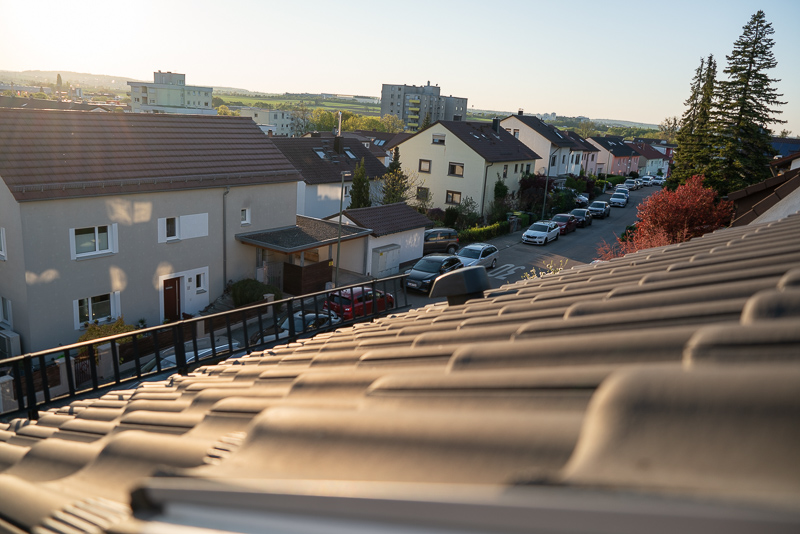
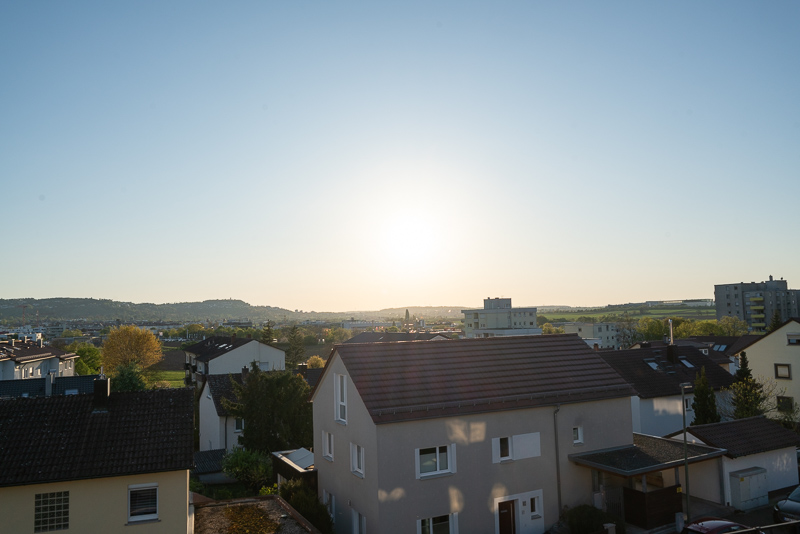
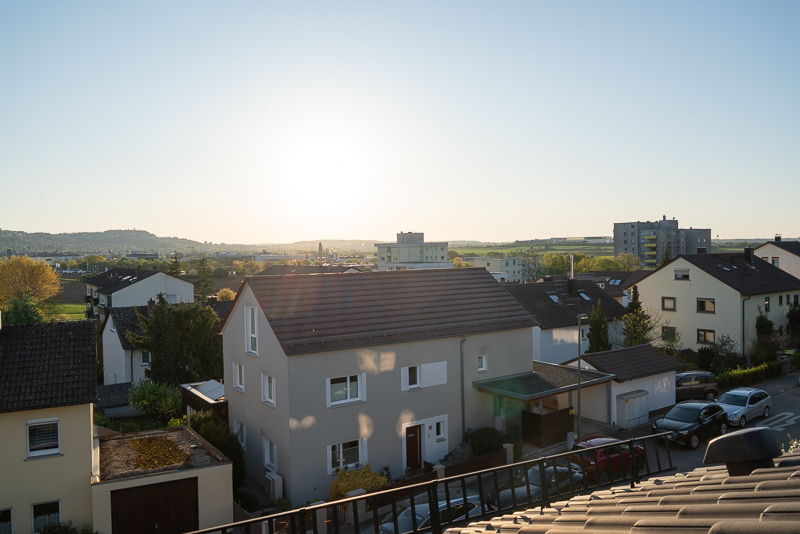
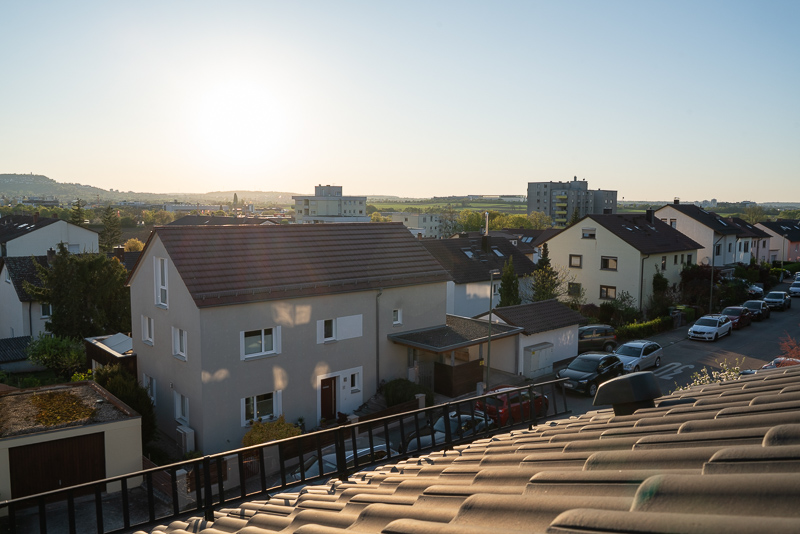
Generally, if you try hard and long enough, you can make almost any lens look bad in this category. Zoom lenses are often more prone to issues here, due to many air-glass surfaces and plenty of moving parts inside.
28mm

60mm
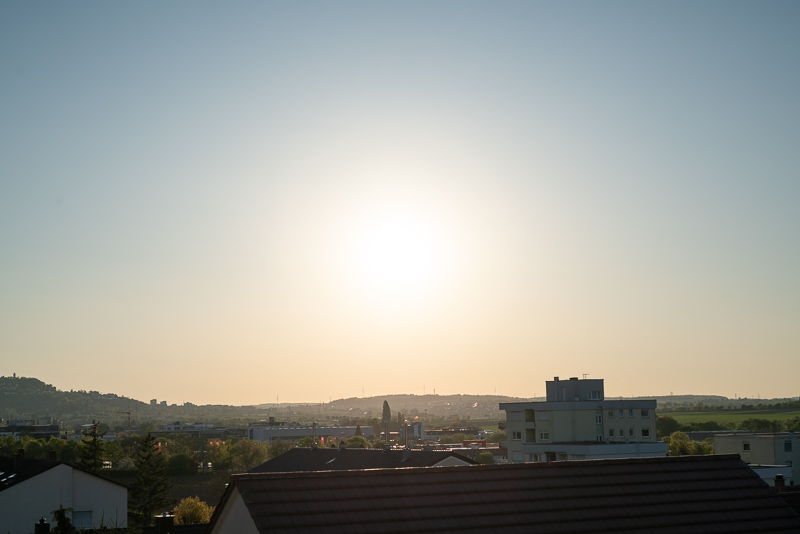
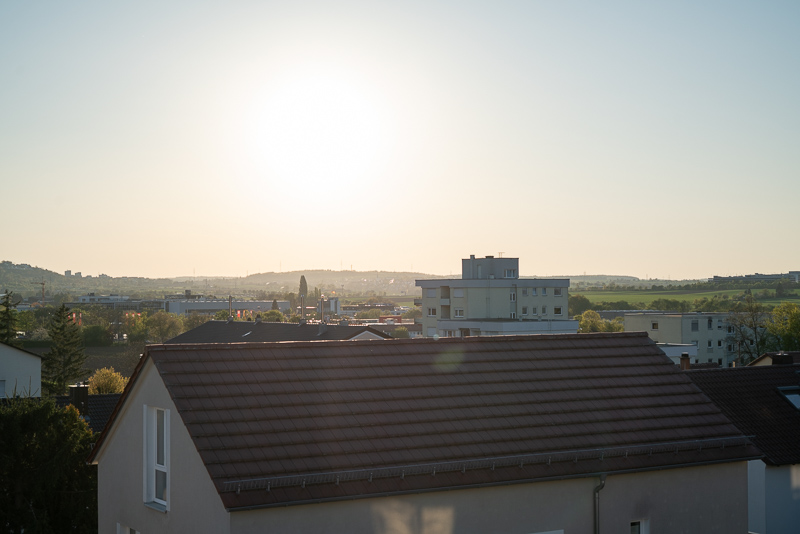
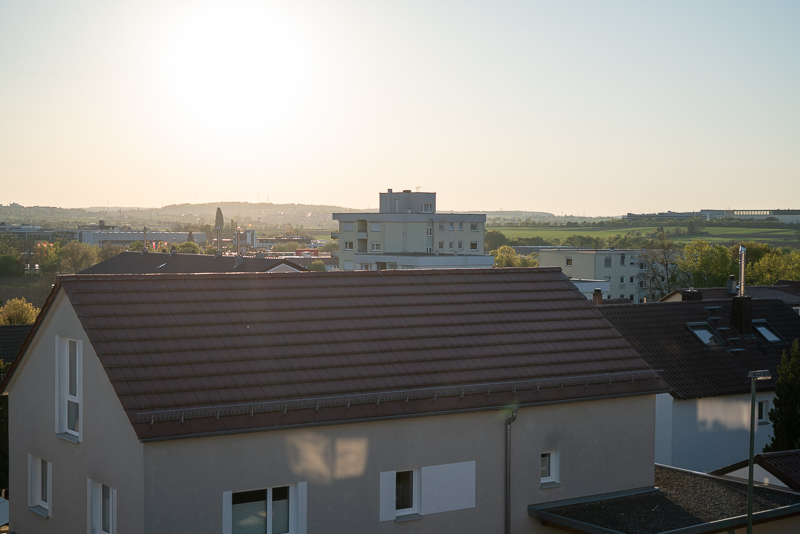
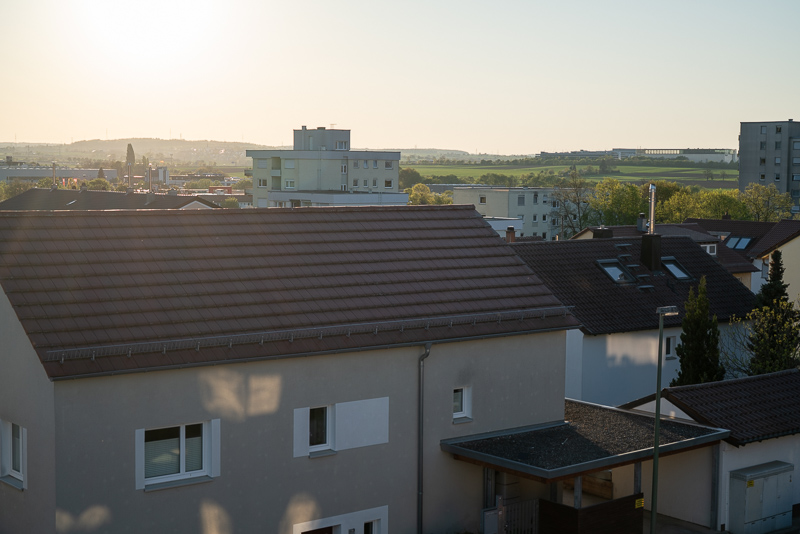
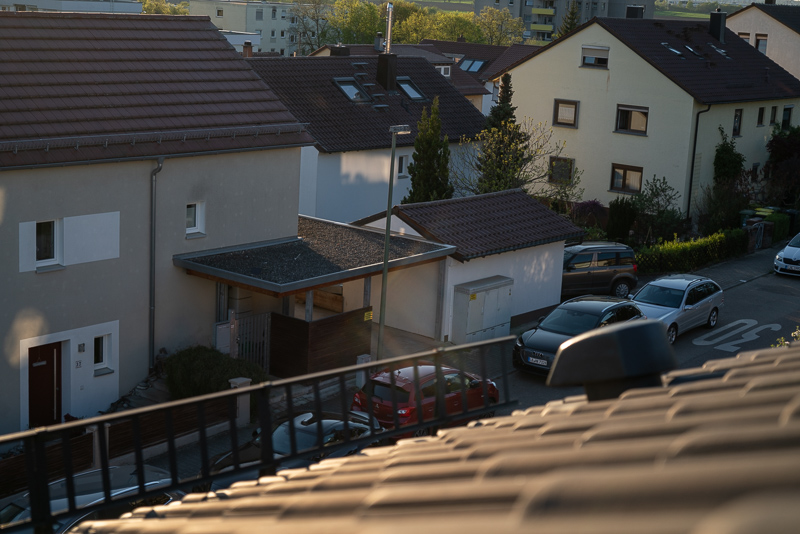
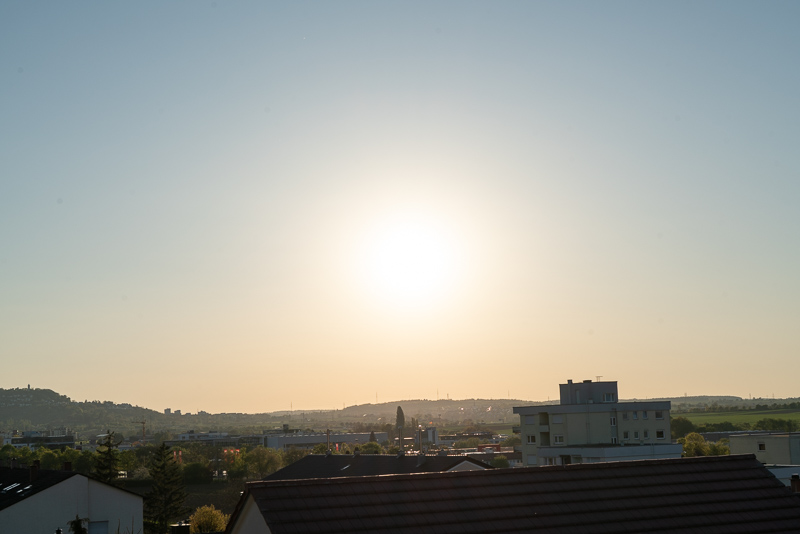
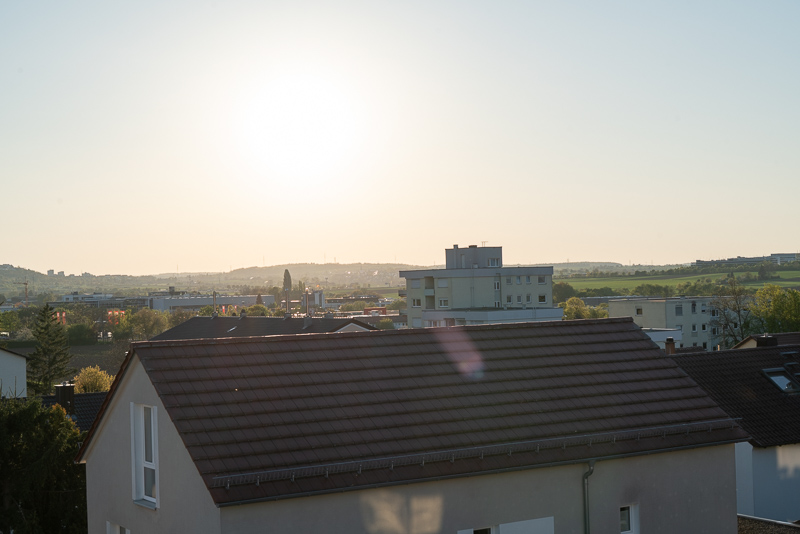
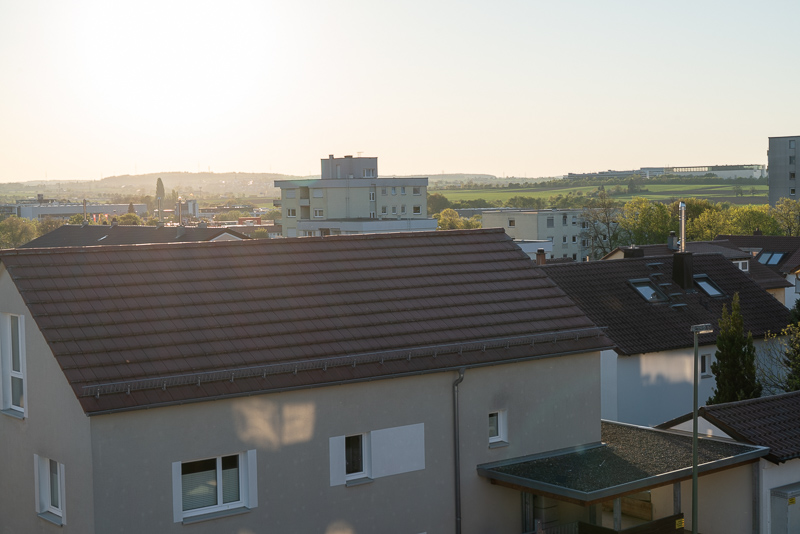
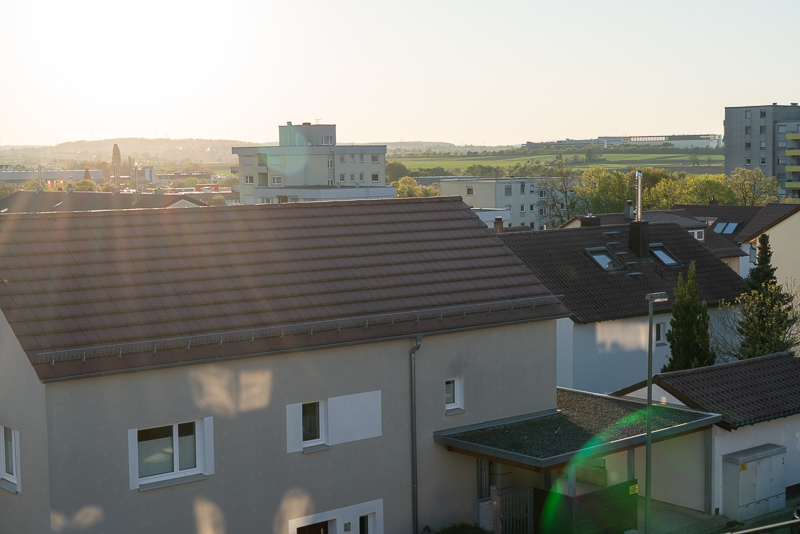
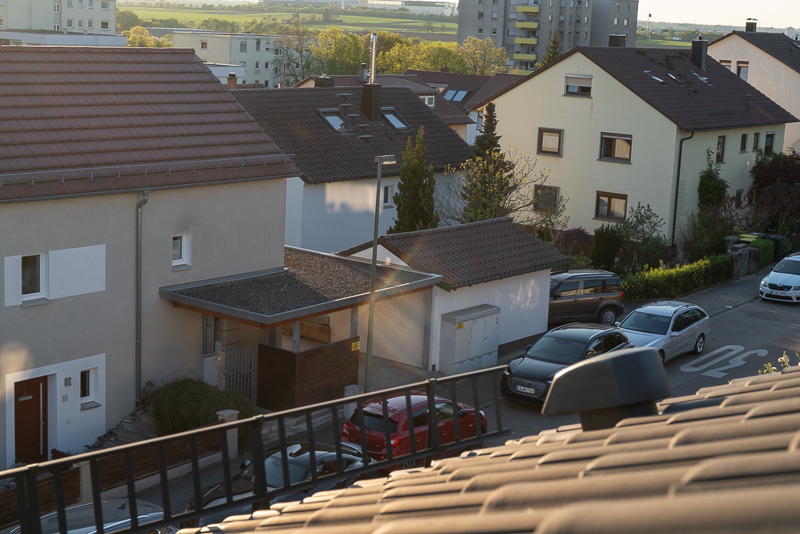
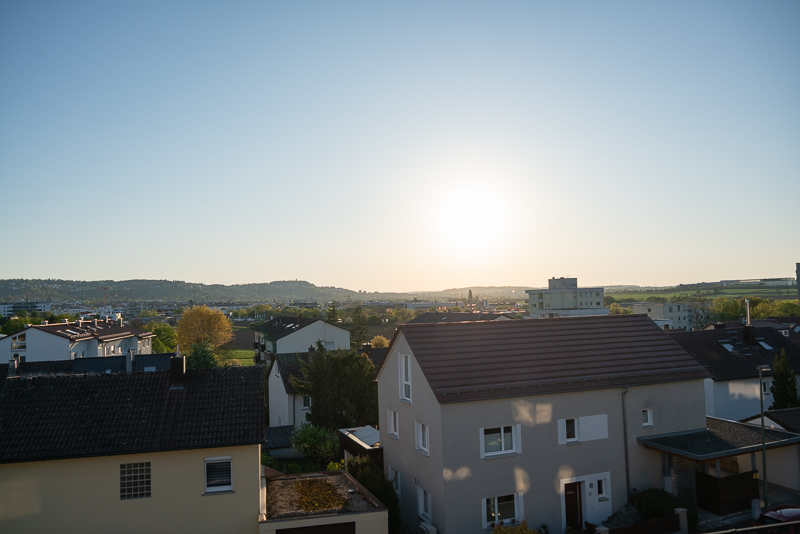
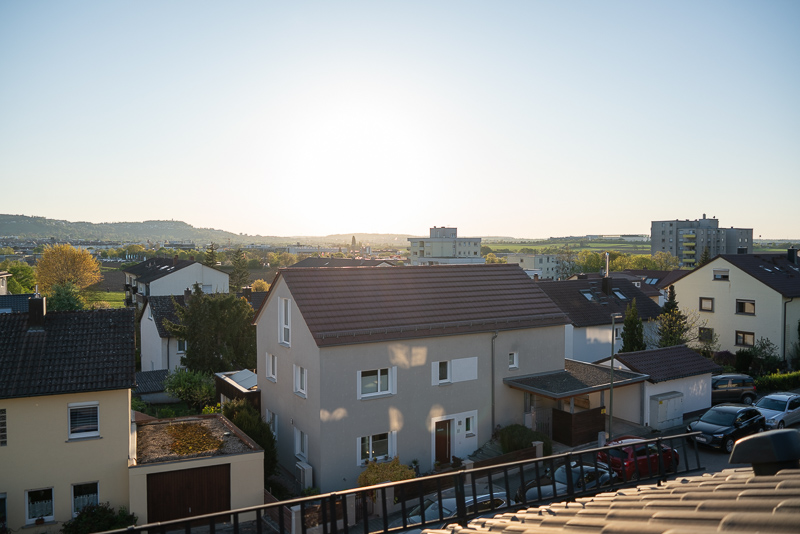
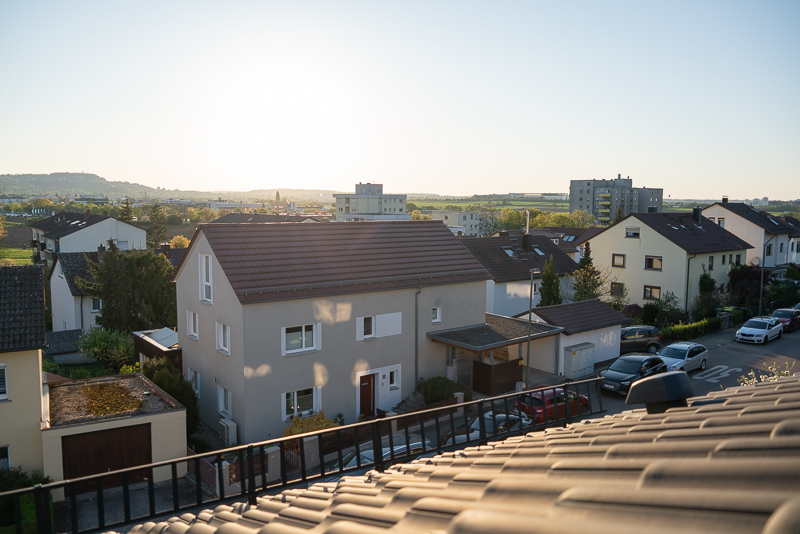
In my testing this lens showed a solid performance with only minor artefacts at 28mm and more distracting ones at the 60mm end. Shooting some backlit scenes in the field it actually looked worse at 60mm than in my tests above.
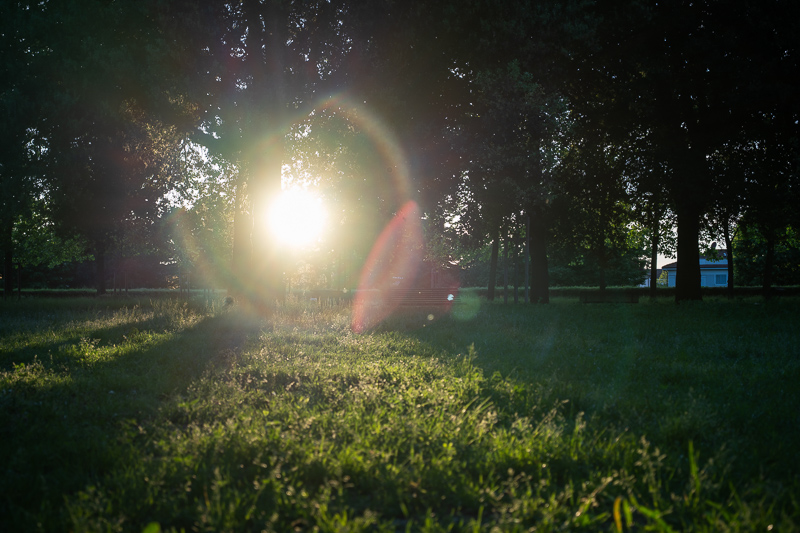
Veiling flare due to stray light from the side (where a hood which isn’t included could potentially help) is luckily not a problem with this lens.
Also here a solid but not an amazing performance.
Coma correction
28mm
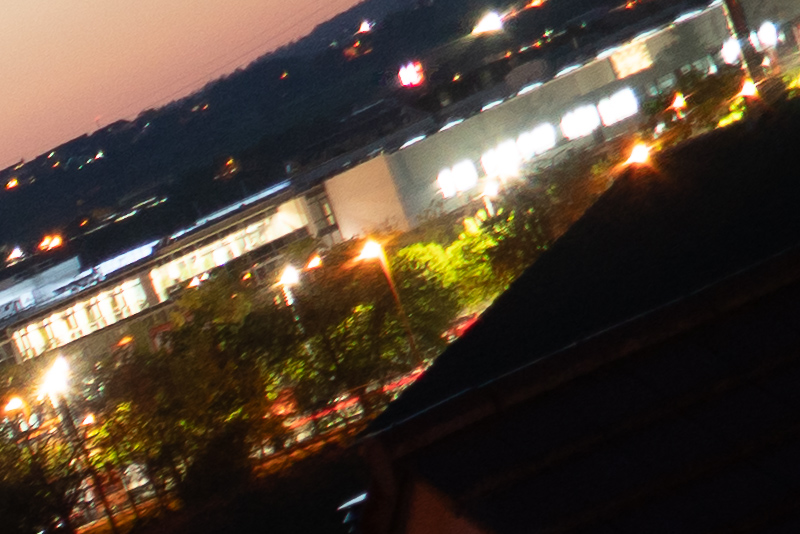
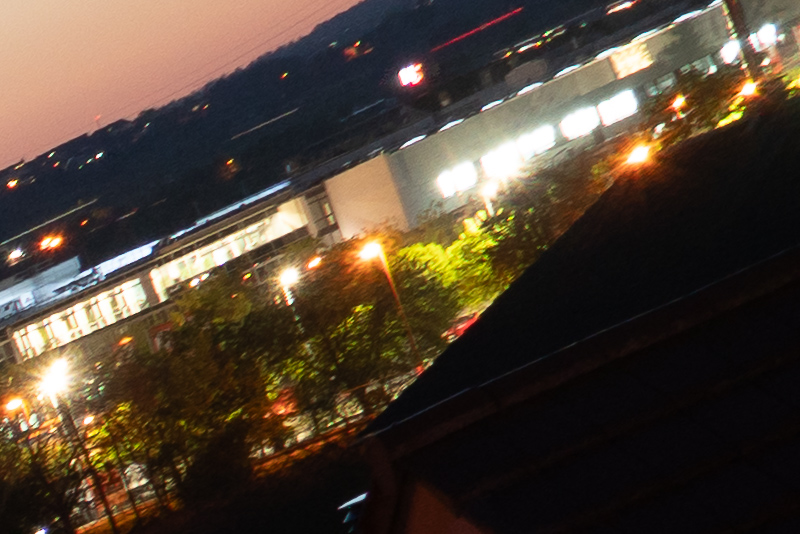
60mm
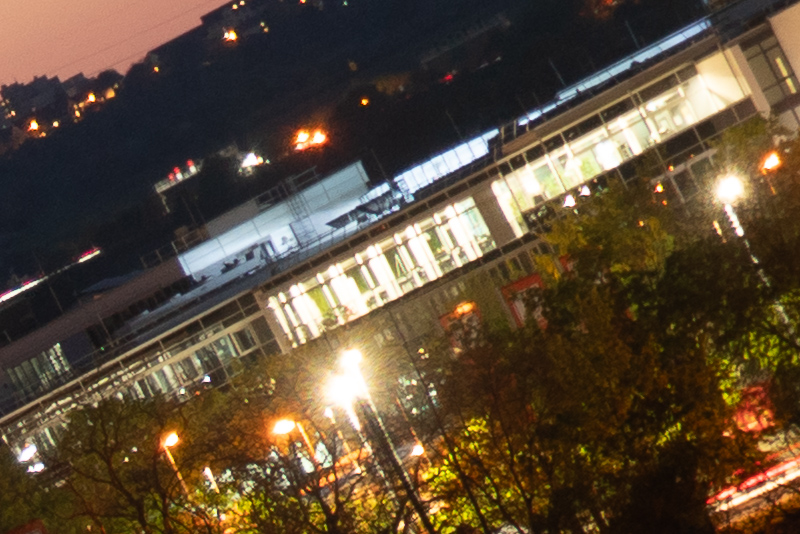
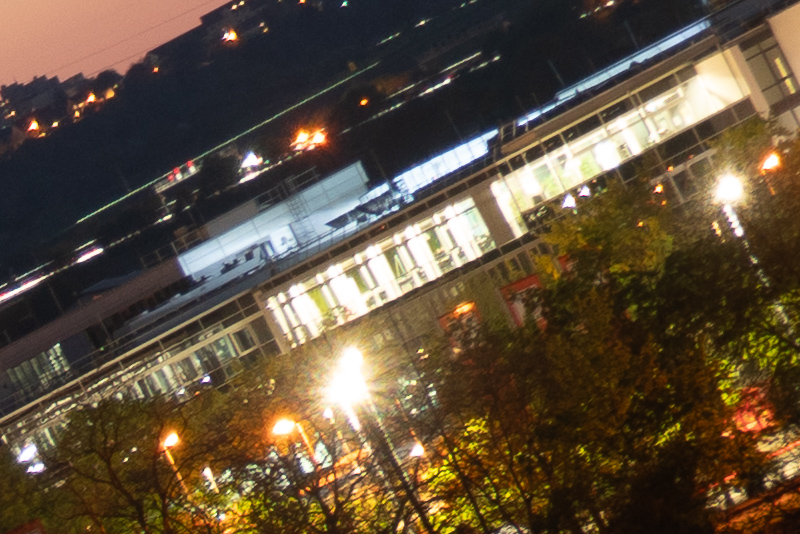
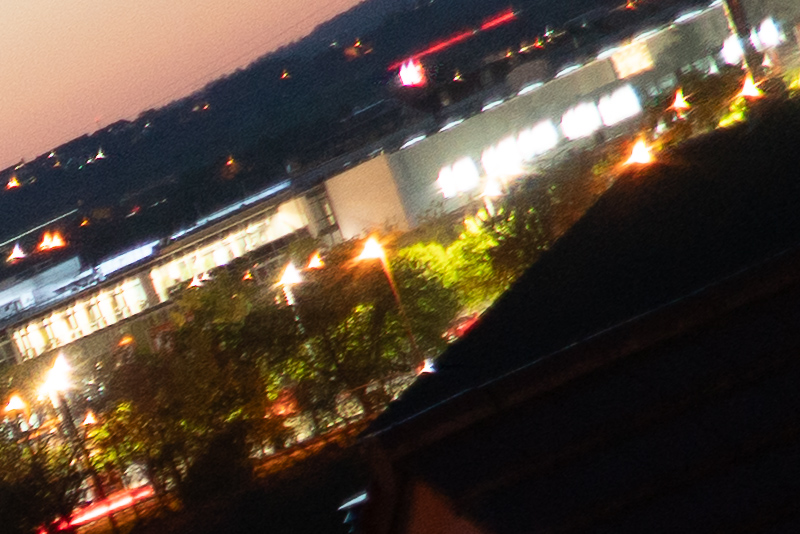
The Coma correction is decent. At the 28mm end stopping down one or two stops definitely reduces the size of the artefacts in the corners, at 60mm there are hardly any artefacts to begin with.
This is obviously not a lens I would recommend for astrophotography because it is so slow, but for blue hour scenes this is still important.
Distortion
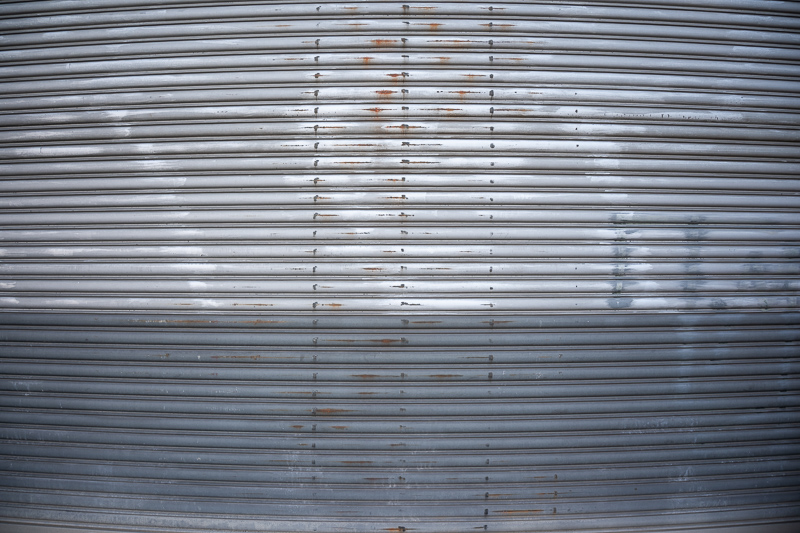

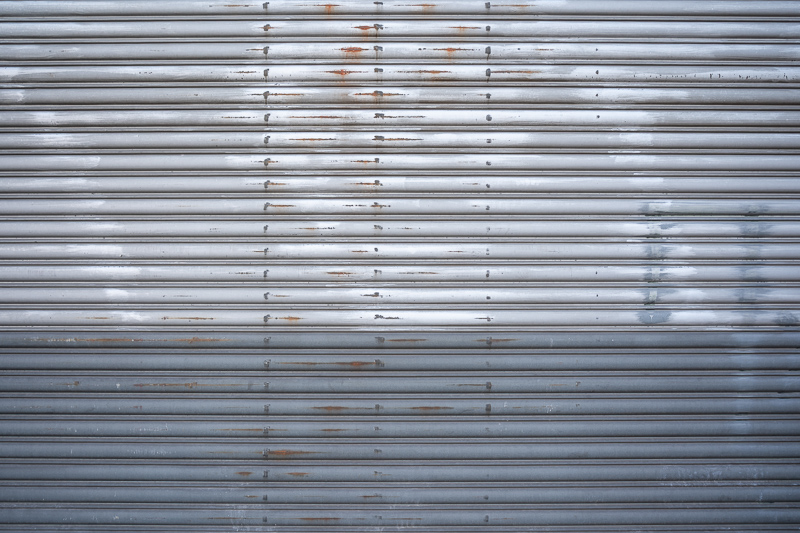


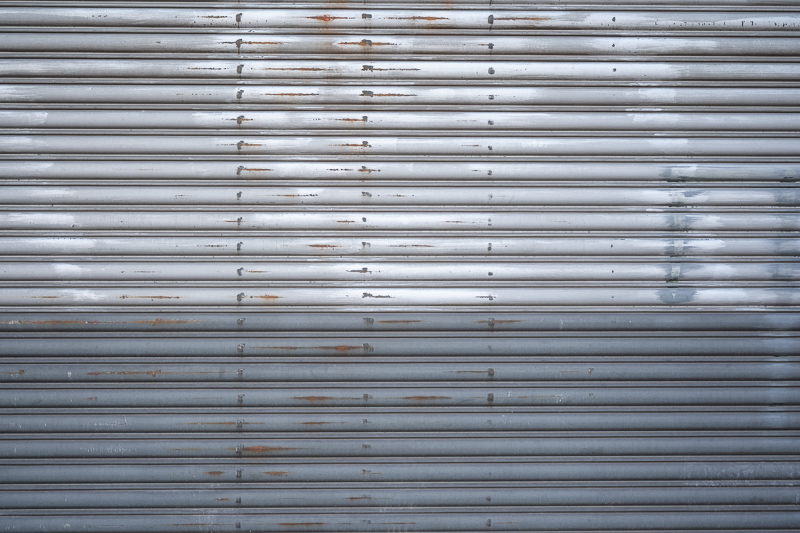
The distortion pattern is actually very interesting. At the 28mm end there is strong (mostly uniform) barrel distortion which decreases upon zooming in and from 40 to 60mm there is hardly any distortion left – rather unusual for a compact zoom lens.
Using this lens on a Sony camera the distortion will already be corrected for the viewfinder image and Adobe CameraRaw/Lightroom also features correction profiles for this lens that do a very good job.
Sunstars
28mm

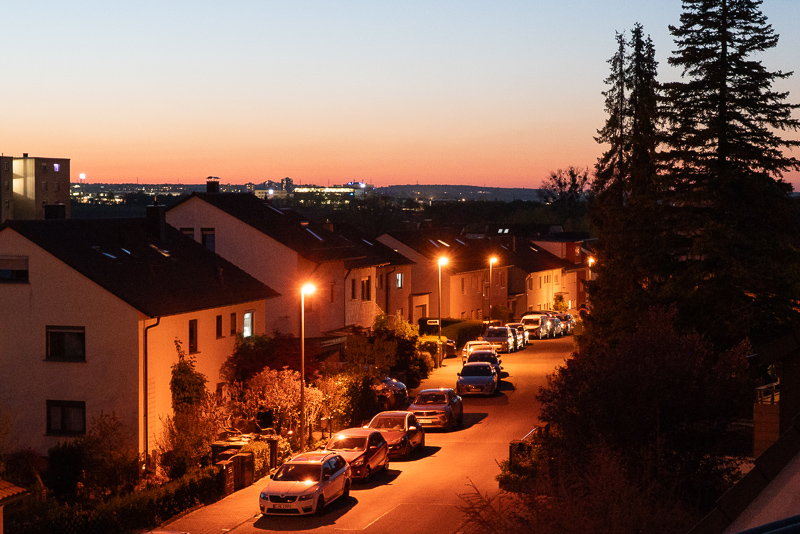
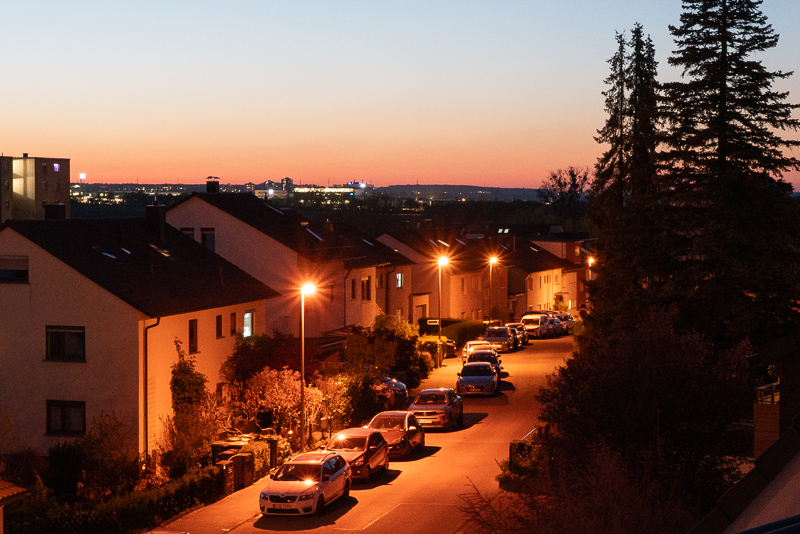
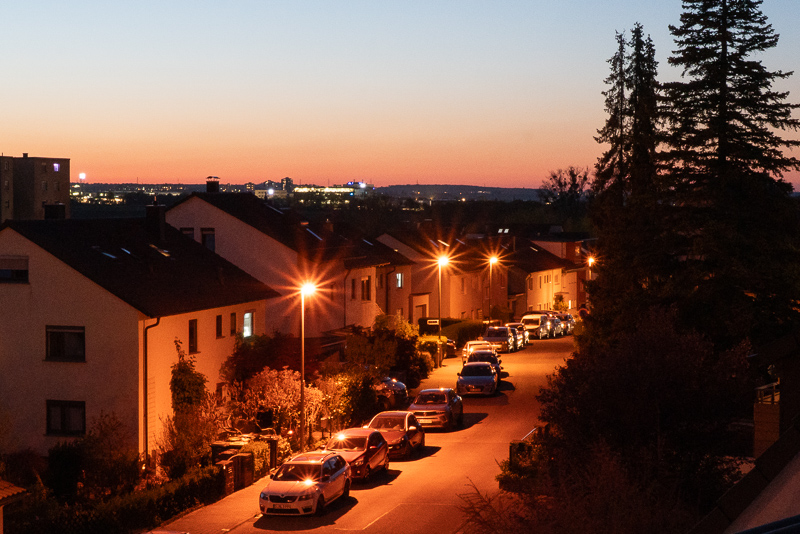
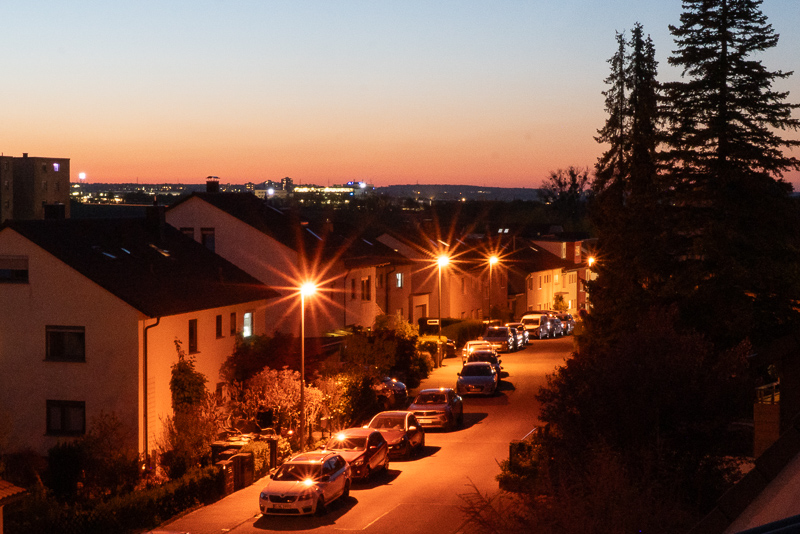
60mm

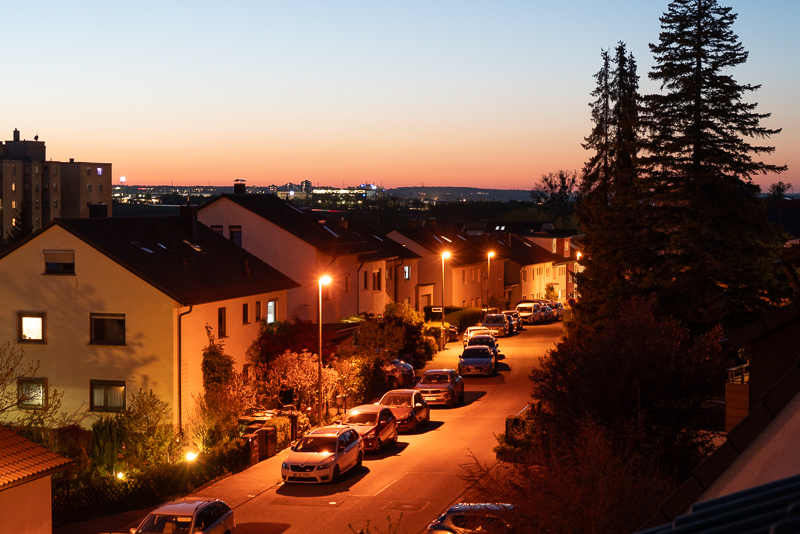
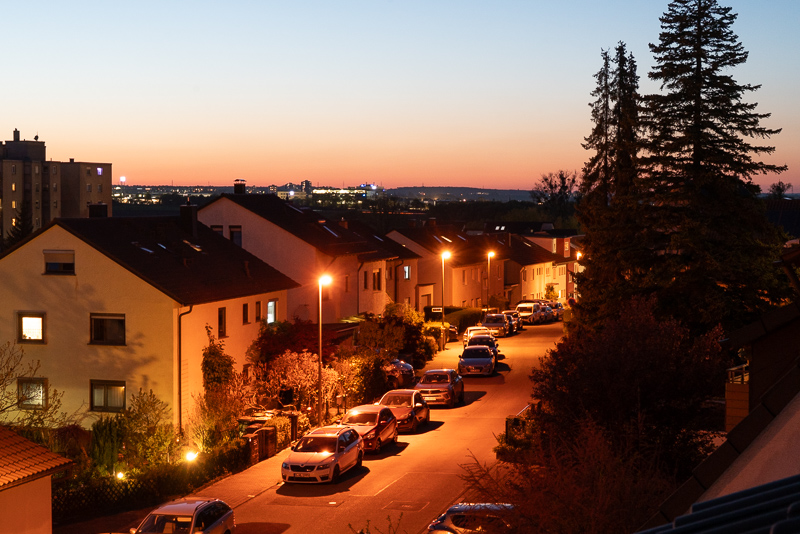
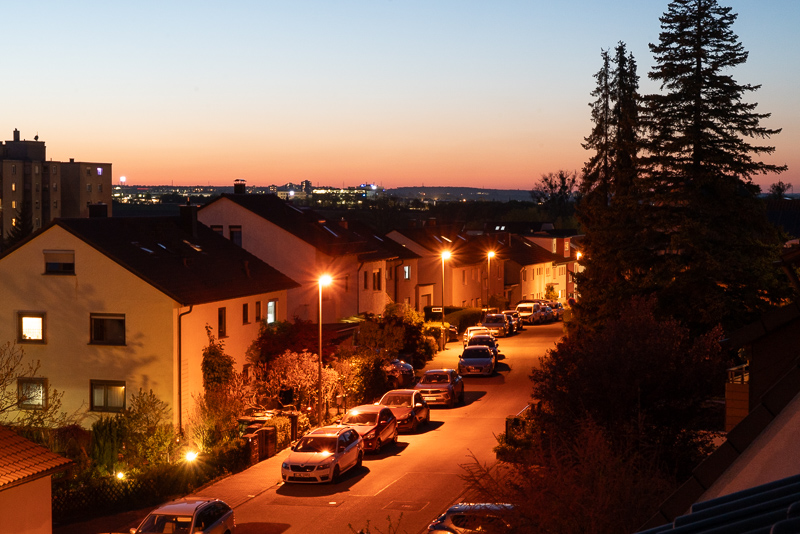
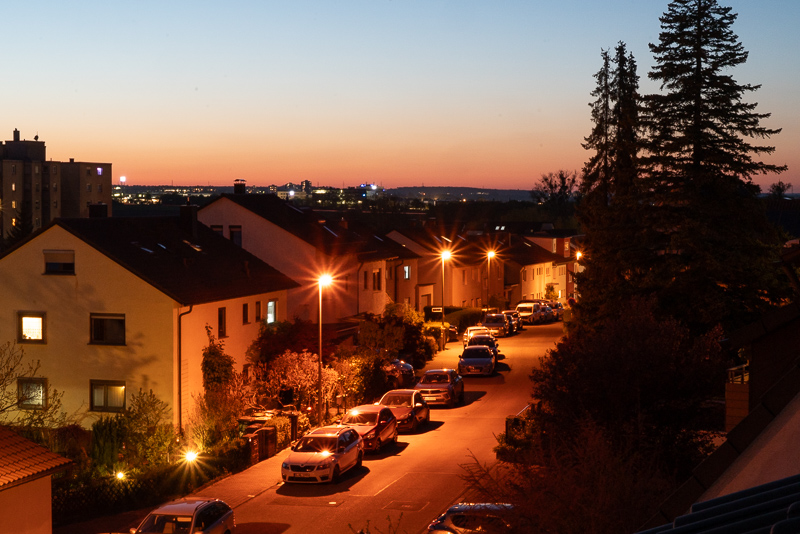
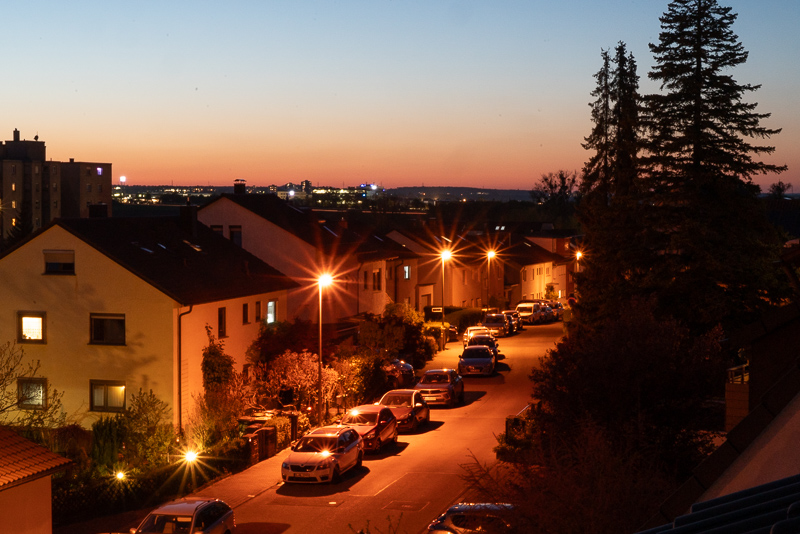
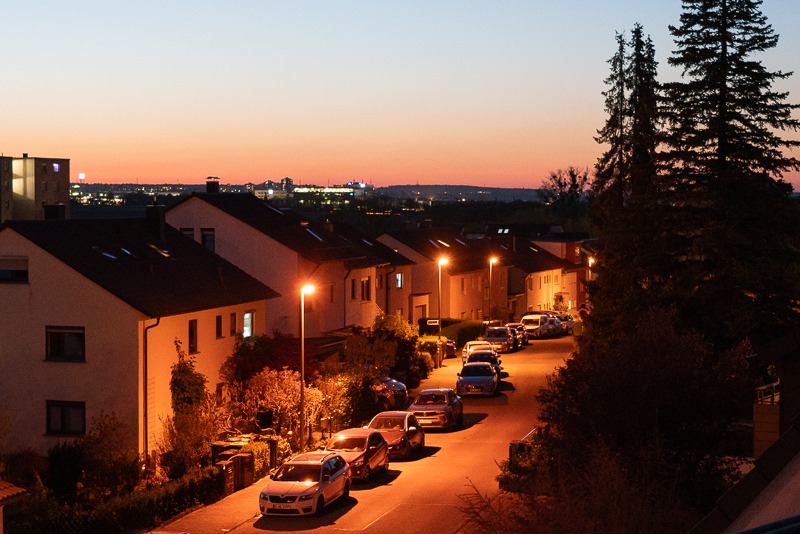
At maximum aperture and two stops down this lens hardly creates any sunstars. Stopped down four to five stops (meaning f/16 to f/22 at 28mm and f/22 to f/32 at 60mm) they actually look well defined and nice, but sadly you are already in diffraction territory here, robbing you of some resolution.
As this is a highly subjective topic may have a look at this article to see which kind of sunstars you prefer.
Bokeh

Having a look at the specifications of this lens it should be obvious that it is not a lens for shallow depth of field photography.
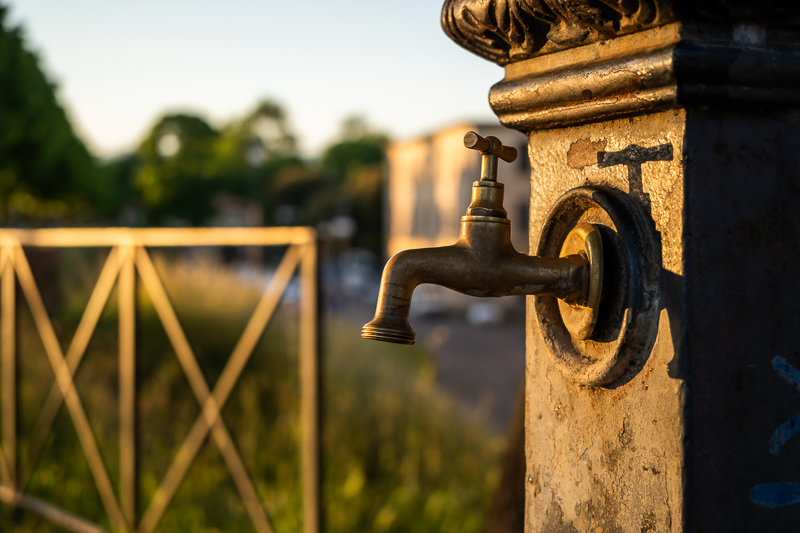



Only at close focus distances you can create some bokeh and its quality is actually quite nice.
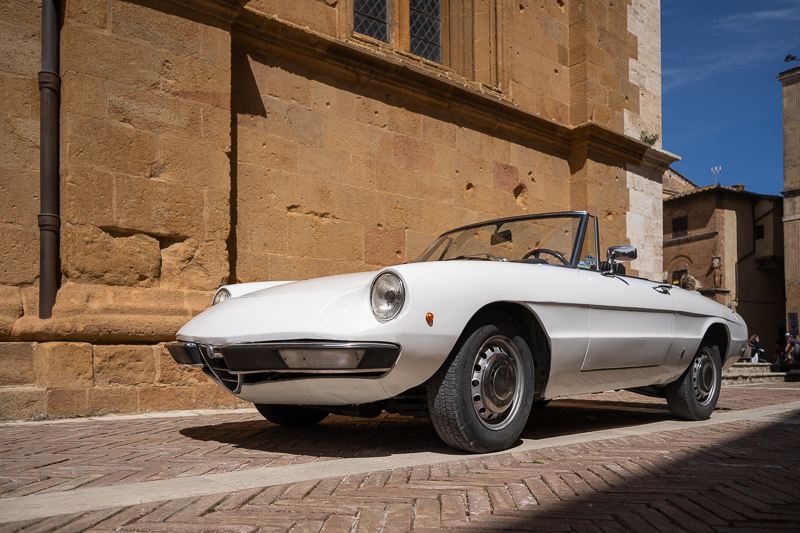

With bigger objects and at longer focus distances the background will only be faintly out of focus and we cannot really speak of bokeh here.
Chromatic aberrations
Lateral
With Sony’s AF lenses lateral CA are automatically corrected and those corrections are also automatically applied in Lightroom and cannot be turned off. Long story short: unless you are using a more obscure raw developer you won’t be seeing any lateral CA in your pictures.
Longitudinal
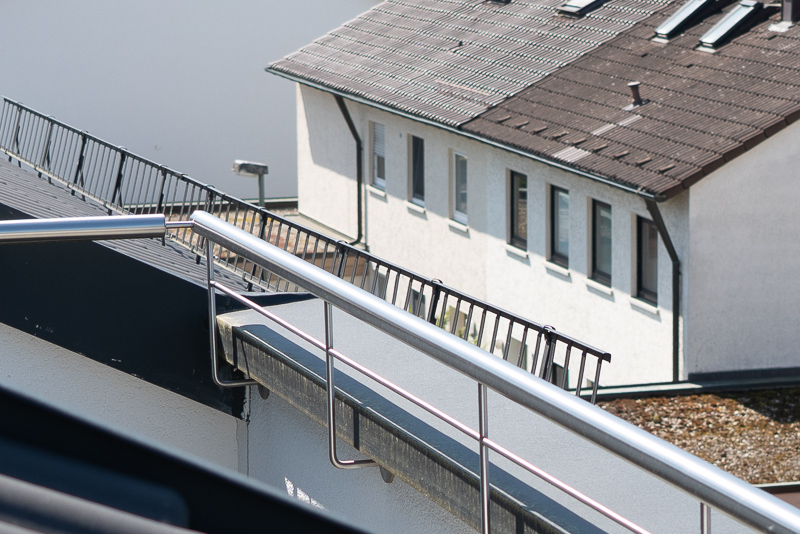

As this is not a very fast lens longitudinal CA in the form of bokeh fringing are nothing to worry about.
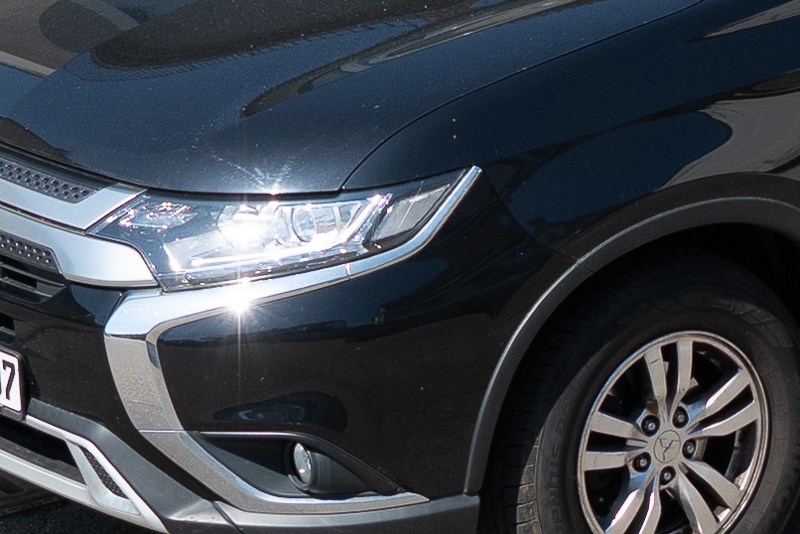

Also purple fringing is corrected very well. In the sample above sunlight was hitting the chrome parts directly and we do not see any kind of discoloring.
Conclusion
good
|
average
|
not good
|
The Sony FE 28-60mm 4.0-5.6 is a solid lens without any outstanding flaws but it is also one of the most uninspiring lenses I have ever reviewed.
The zoom range is not only limited, it also barely scratches the wide angle realm as well as the tele realm. Personally I prefer Nikon’s choice to offer a 24-50mm 4.0-6.3 lens here, which features a less limiting 24mm field of view.
For most people this 28-60mm 4.0-5.6 will merely be a step-stone before getting a “better” lens. I spend some time thinking who would actually appreciate this lens and I only came up with hikers who count every gram, but then would I advise them to carry a heavy fullframe camera only to use this lens? Not really. I would rather use a compact but much faster prime like the Sony FE 28mm 2.0 or Viltrox AF 35mm 1.8 Evo. I actually also consider my Vivo X200 Ultra to be way more versatile, offering the field of view of an ultra wide as well as a tele lens (and focusing much closer).
On the used market this lens is very affordable though – there are people who spend more on a lens hood, camera strap or filter – and if the focal length range is what you are looking for – and you don’t mind the slow maximum aperture – you may be very happy with it.
buy from Amazon.com | Amazon.de | ebay.com | ebay.de | B&H (advertisement/affiliate links) for $498 (new) or starting at $200 (used)
Alternatives
There is actually no direct competitor to this lens, as this is the only collapsible fullframe E-mount zoom and therefore by far the smallest and also one of the cheapest. The first generation Sony FE 28-70mm 3.5-5.6 OSS can be found for even less money but it is significantly bigger and optically worse (from my memories of the short time I spent with it). I haven’t tried the newer Sony FE 28-70mm 3.5-5.6 OSS II, but again for that extra 10mm reach it is significantly bigger.
You can find many E-mount standard zoom lenses discussed in our Sony FE Guide.
Sample images
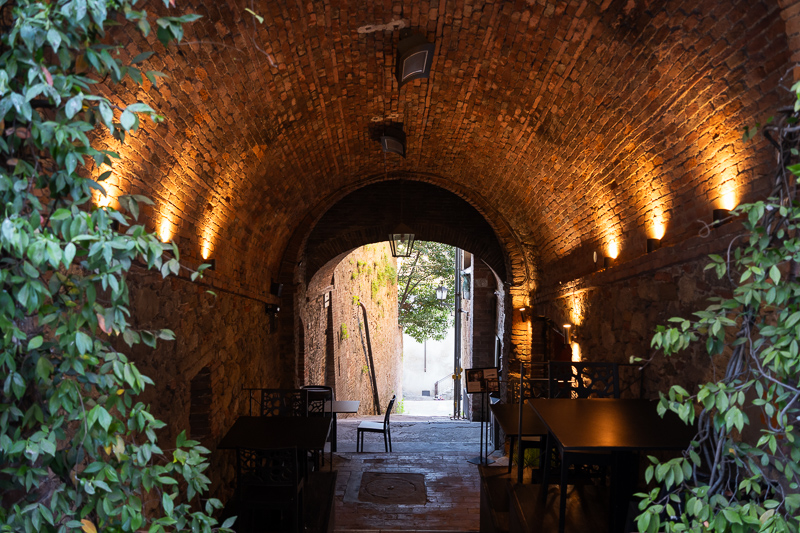
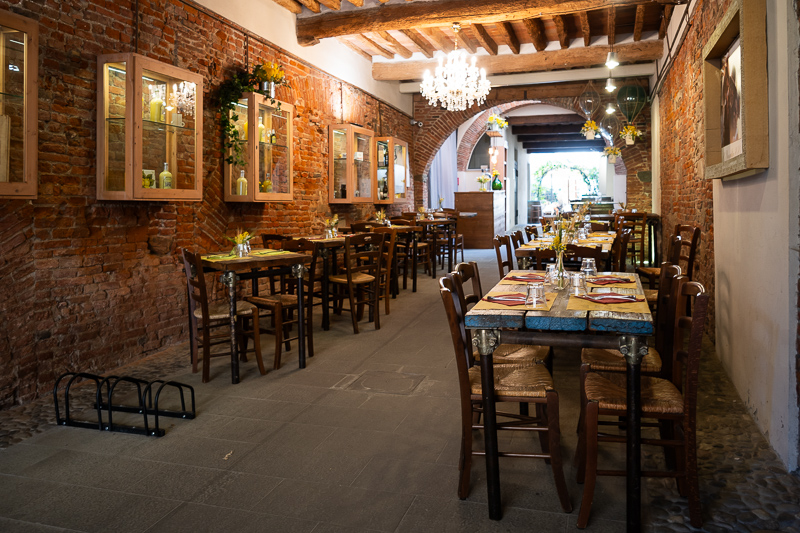
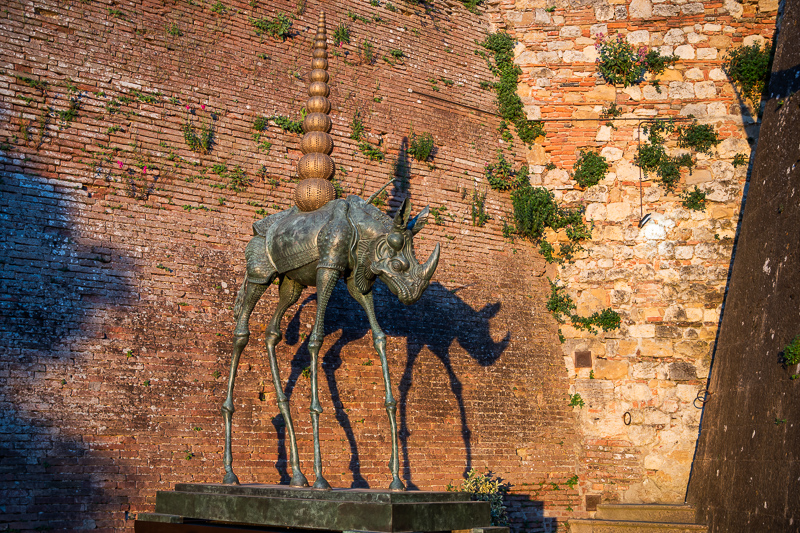




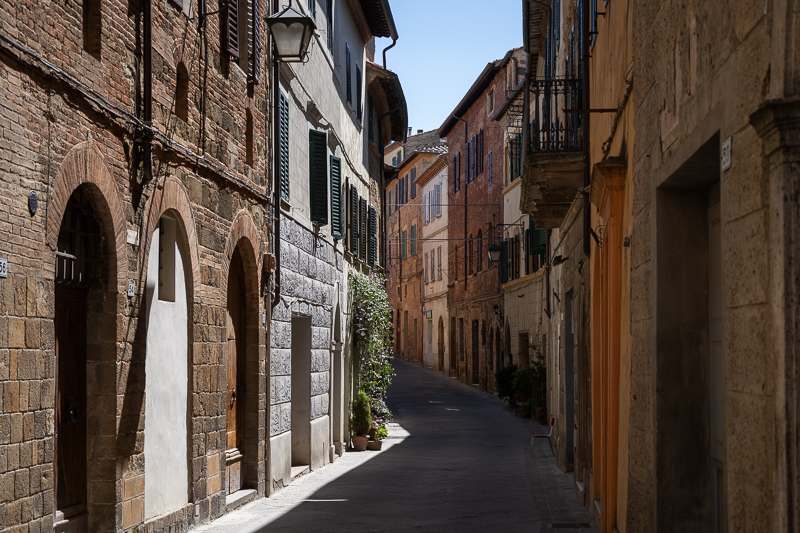
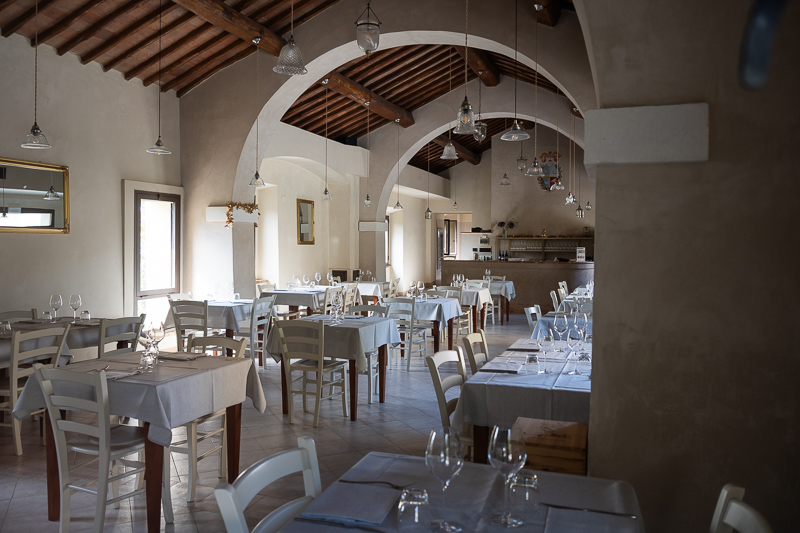

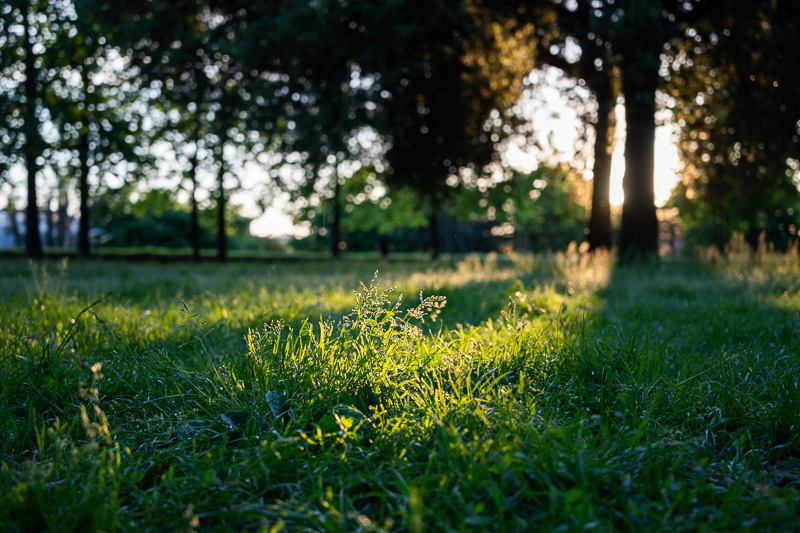
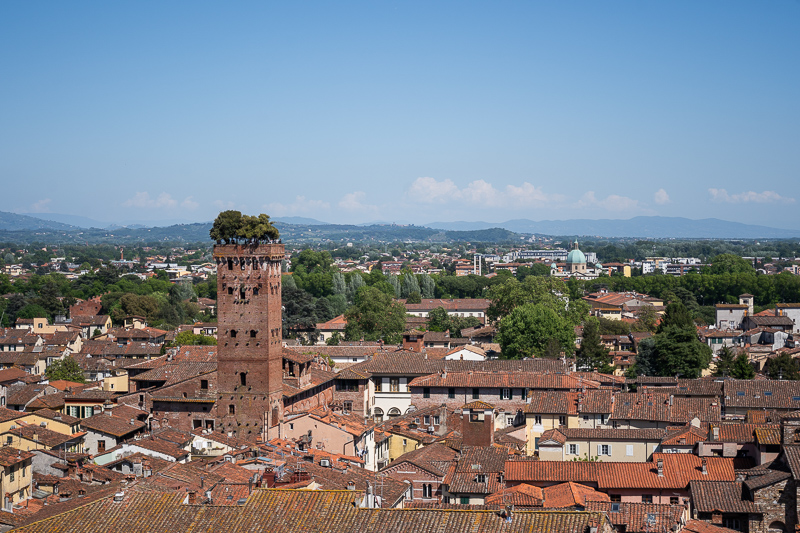


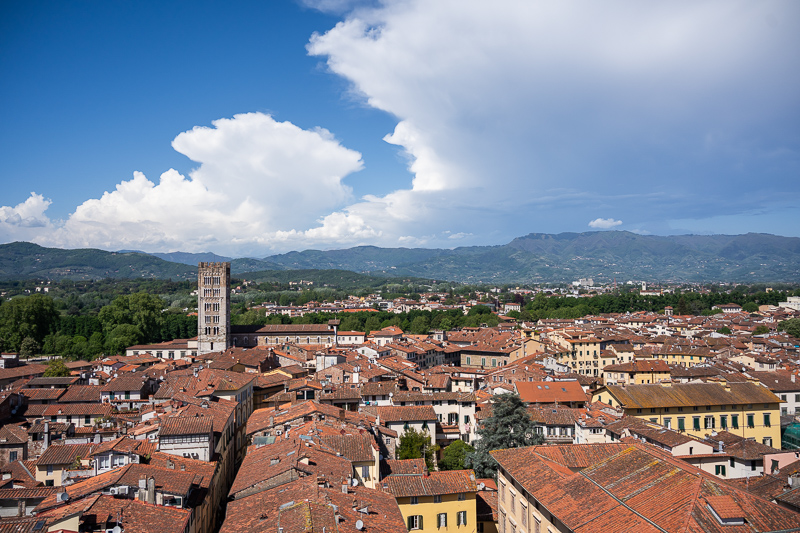

You can find most of the sample pictures in full resolution here.
Further Reading
- All E-moun Lens Reviews
- Review: Samyang 14-24mm 2.8 AF
- Review: Sony FE 20-70mm 4.0 G
- Review: Sony FE 50mm 1.2 GM
- Discuss this review with our Discord community
Support Us
Did you find this article useful or just liked reading it? Treat us to a coffee!

 via Paypal
This site contains advertisement/affiliate links. If you make a purchase using any of the links marked as advertisement/affiliate links, I may receive a small commission at no additional cost to you. This helps support the creation of future content.


Latest posts by BastianK (see all)
- Analogue Adventures – Part 58: Adox Color Mission 200 C-41 - October 21, 2026
- Review: Nikon Z 35mm 1.2 S Nikkor - October 17, 2026
- Prime Day Photoshop+Lightroom offer for Amazon Prime Members (EU/UK) | Update: also at B&H - October 7, 2026
Basitain, I think you should give this lens a little more credit. For such an incredibly useful focal range and it being the smallest full frame zoom lens on the market, I think the performance is extraordinary. I too was skeptical of this lens and you actually didnt force it into the one situation where it fails – a close up pile of shiny jewelry (do a google search for reviews of this lens and go halfway down). 90% of my photography takes places in the 28-60 range, and although it might be heresy to admit, I actually use the APSC mode on my Sony to get effectively 90mm as well. I know you dont cover auto focus, but the AF on this lens is bonkers with my A7RV, probably the best of any lens I’ve used. I would not have bought this lens at twice the price, but its actually worth that much now I realize, and while the 24-50 2.8 is what many serious photographers will go for, this little kit lens is a revelation and honestly one of the very best lenses on emount, especially if you value size and weight considerations.
Cheers for the test. And as usual your images show why it might be a useful lens to some : )
My use case has been in a coat jacket pocket with an A7C type camera. No other lens in my possession has really fit there. The Viltrox 26/2,8 does now though and I’ll probably carry that going forward. The primary reason being something I didn’t see you mention – the feel of the zoom ring being jerky and horrible. (I don’t think it’s just my example, I’ve read of others who have formed the same opinion).
I too have read similar criticism of the zoom ring. Not to minimize or excuse that, but many internet reviewers rush to get their reviews online when the product is new. So I wonder whether that roughness improves with use, or has been improved over time by Sony, or whether it is mostly inherent to the product’s design and still present. I also wonder if it varies much with the particular sample.
It’s a kit zoom, in my experience that’s par for the course with kit zooms… Granted I’ve mostly handled kit zooms for a different system (similarly small ones tho), but yeah it can most definitely vary from sample to sample. I’ve had identical kit zooms that turned and felt very differently even when bought around the same time.
I have owned the lens for three years, and for the past two years, the zoom ring has operated so smoothly that there is no stuttering during video recording.
This lens is remarkable at least for bucking the trend and NOT going to f/6.3 or f/7.1 at the long end. 🙂 That alone makes it deserve some credit.
When I saw the Nikon 24-50mm f/4-6.3, I thought it was the most uninspiring lens ever. But then, Canon topped that by making a 24-50mm f/4.5-6.3. 🙂
I rather have 6.3 instead of 5.6 at the long end if that means I get 24mm instead of 28mm at the wide end.
Well, sure – after all, I’m a man who swapped out a 100-400mm f/4.5-5.6 lens for a 50-400mm f/4.5-6.3 one, so the 1/3 stop slower aperture doesn’t bother me all that much, especially if I get some more useful range to trade it for. But you gotta applaud Sony for going against the trend. 🙂
BTW Klaus at OpticalLimits has just tested the Nikon 24-50mm. It’s not a bad lens actually. 🙂
I’ve been close to buying the 28-60 a few times, if it was a 24-50 I likely would’ve… Most of the time if I’m carrying a minimal 2-lens kit I just want something somewhat wider at that end tho, and if the 28-60 can’t be that and can’t replace that nor a fast normal then what do I want it for…
I might be a hypocrite tho since I did buy the 26/2.8 EVO pancake, heh…
I found myself enjoying this lens more than I thought. Price is very good secondhand and although the handling sucks (zoom ring is not very smooth, no other controls, etc), it’s got more than you’d expect from the price and unassuming looks (XD linear motor, full weather sealing, etc) and doesn’t use a plastic lens mount like many of the other brands like Nikon and Canon.
Surprisingly sharp too, it can’t fully resolve my a7R V but it’s not far off and it does a lot better than the Samyang 24-60 as well as the Tamron 28-200.
Flare is definitely one of the weaker aspects of the lens but it only really causes issues in more extreme situations.
Just two days ago I was thinking it would be cool if you tested this zoom!
Surprisingly, it is a fine practical lens with clean undistrating image quality. It seems this lens will let you focus on the shot but the aperture range is technicaly boring for me. Picture quality is fine.
That was my first AF lens for full frame Sony, and not bought as a kit 🙂 The idea was to have it as a travel companion for MF primes for when I’m not in position to use MF on vacations etc. I still own the lens and still use it when traveling, however, much less after I got 28-200 Tamron. In the end, A7r2 is heavy even with this tiny lens, so it’s not a dramatically different package to carry around. The reach Tamron gives is, however, dramatic 🙂 And it’s also arguably way more “inspiring” (because of DOF at longer FLs and busier bokeh). But the lens was meant for a7c, not r2, and there it makes way more sense, I think.
Nice review, as usual. I agree with the conclusion. Hard to find a reason for purchase. The only one I could imagine is to pair it with A7C series cameras for ultralightweight(and only one lens) travelling.
There is another interesting lens coming however. Sigma 20-60 2.8-4 Contemporary. Different focal range thought, not to mention price. But it looks interesting anyway.
I actually appreciate the design of this lens. I personally hate the focal lengths of 24mm and 50mm, and so the lenses that stop at either of these lengths are low utility to me. I would rather have a lens that is slower/larger and 20mm or smaller/faster and 28mm over 24mm. Apparently a sigma 20mm-60mm f2.8-4 just got announced too, which is good news.
The new Sigma 20-60 may give this lens some significant competition, for some uses. Not nearly as small, but not big, and with a much brighter aperture and down to 20mm on the wide end, while still reaching 60mm on the long end.
By the way, I would think close focus capability on this Sony could be noticeably improved (in magnification ratio, if not necessarily in quality), through use of a screw-in diopter. Normally I wouldn’t suggest that with a cheap lens (would wonder about whether the AF motor or zoom mechanism could handle the extra weight). But this one is internal AF, I believe, and as for the zoom/extension mechanism, I would think that with a filter size of only 40.5mm, that a reasonable-strength single-element diopter wouldn’t add enough weight to be problematic. And with the relatively-small aperture of this lens, even a single-element diopter, if not overly-strong, would produce decent results.
Single element close-up lens will inevitably introduce uncorrected aberrations. You need achromatic lens to have decent results.
great review bastian, thank you. i also think this lens is underrated for street shooting. i use this in the summer for 90% of my shots! together with a fast prime it‘s a very good combination for travel and streets.
I use this lens when traveling light, and it has never let me down—whether on motorcycle tours through Laos or camel rides in the desert. I have taken well over 8,000 photos with it so far, and some have even been published. It reaches its resolution limits on the 42 MP A7R III, but the photos are outstanding at 24 MP. Depending on the task, I pair it with the Sigma 17mm f/4 or the Viltrox 14mm. This creates a compact, lightweight setup that allows me to travel very unobtrusively. That said, I do experience about 3 or 4 focus errors for every 500 shots—an issue I never encountered with other Sony lenses—but the rate is acceptable.
I bought this lens used for under €200. The SEL2860 is ideal for anyone who relies on low weight and a compact size. Its modest aperture (f/4–5.6) means it mainly shines in daylight and well-lit interiors. It especially appeals to travel and casual photographers who primarily shoot landscapes, architecture, or even portraits. A fantastic little lens, particularly on the A7C or A7C II. Highly recommended.
Hello, I’ve read many of your reviews and find myself a little intrigued by your comments on the 28-60, which I own since getting back into photography end 23, with an A7C. The photos you present look great, frankly better and sharper than many from reviews you made of lenses which you gave a lot of praise to, and your sharpness tests are good. I chose the A7C with the 28-60 because tests already showed clear FF IQ in a tiny lens. Every year I think of upgrading but to what ? OK a zoom with the 24 end could be nice, but the 24 length is not my favourite as unnatural perspective, and I dont need the 70 end as cropping is no issue on FF. Maybe a little bit better IQ… but a bit of extra sharpness and clarity in post and I get really nice photos. The MTF is pretty good. I just cant bring myself to use a typical 400g or so lens, physically longer, for such a small IQ advantage. By the way, the TH1000XUE lens hood on Amazon works great, it’s pre-bored at 52mm as well as 40.5, I get no vignetting using 52mm filters. I’m going to add the Sony 28 f2 for low light/night photos with crop if needed, to complement the 28-60.
The more you know about lenses, the less you care about sharpness.
It will be difficult to find a modern lens from a reknown manufacturer that fails in that department.
If you don’t need any focal lengths outside the 28-60mm range this is great news, as that means you can be (apparently you actually are) very happy with one of Sony’s cheapest lenses.
Well, I do also have a Sony 50 1.8 and a Tamron 50-300. The 50 gives me great photos in low light and nice bokeh during the day, the original reviews were sometimes lukewarm because of the AF, but it works fine on the A7C, you gave it a good review! I do expect that both of these lenses would be less good across the frame on a 61mp sensor.