Introduction
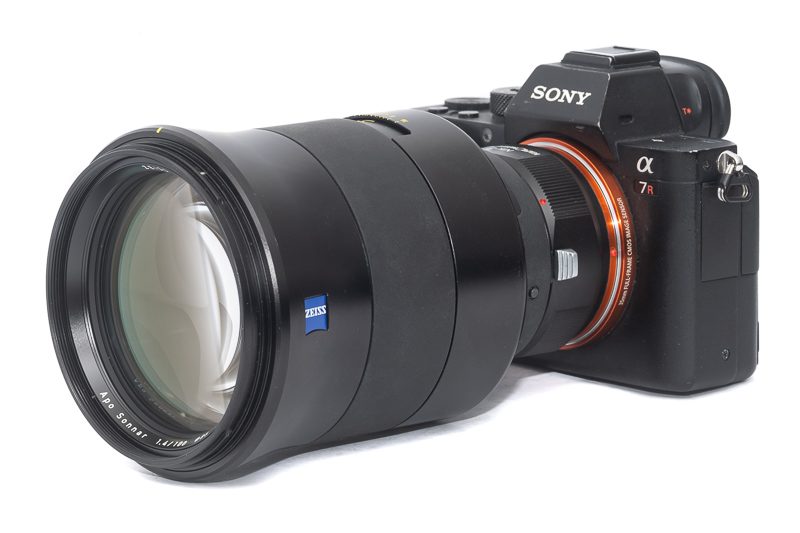
Released in 2019, the Zeiss 100mm 1.4 Otus Apo-Sonnar might actually be the last lens Zeiss designed for DSLRs. Having been released shortly after the Sigma 105mm 1.4 DG HSM Art – but costing 2.5 times as much – surely puts it in a tough spot. Is there a reason to still get this rare and exotic lens today? Let’s find out in this review!
Sample Images

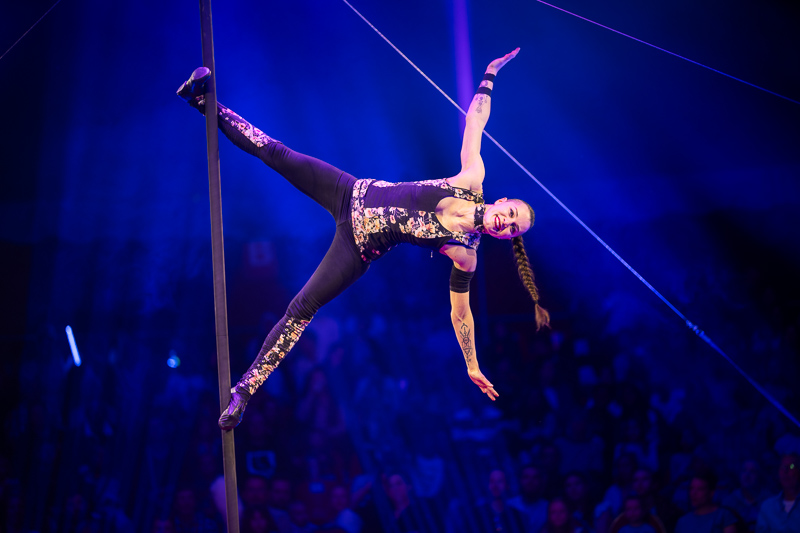

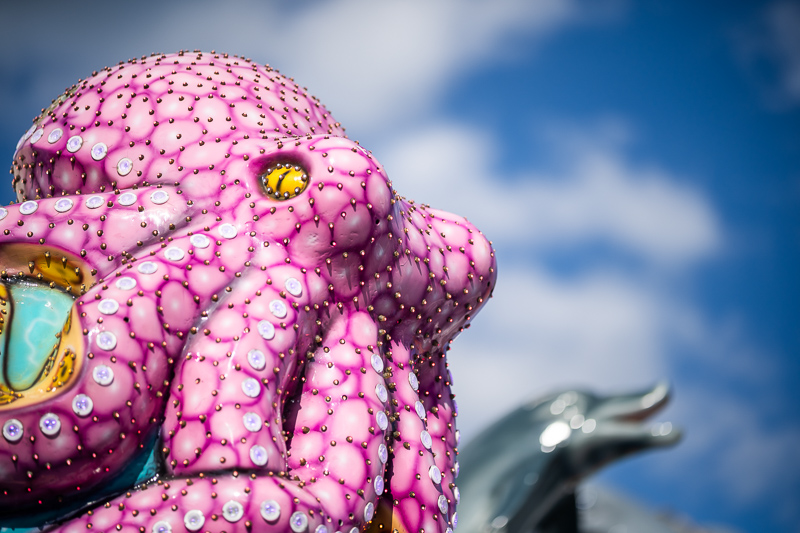
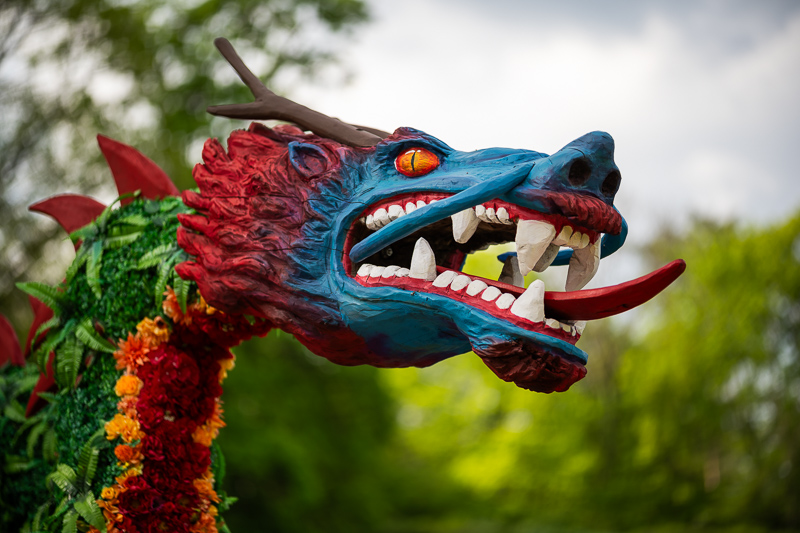

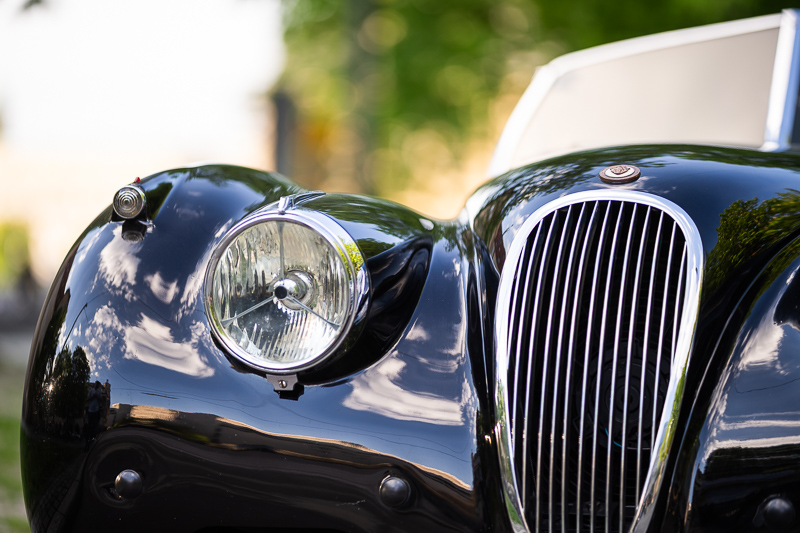

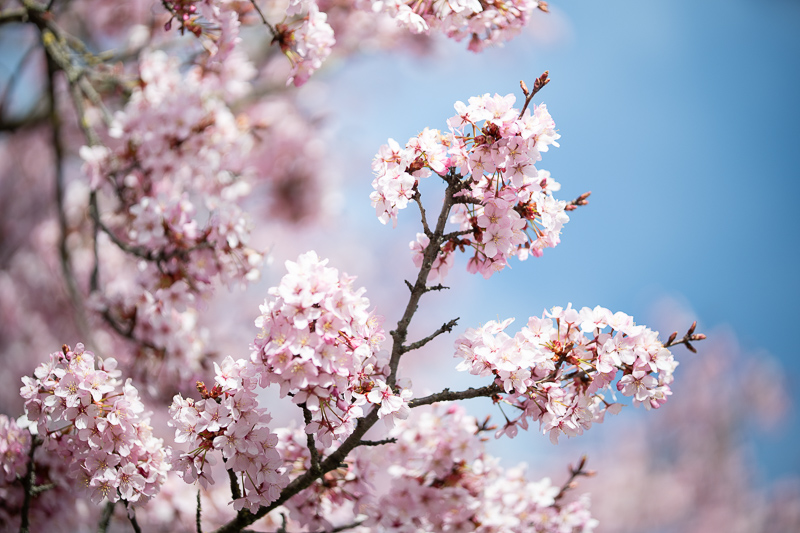
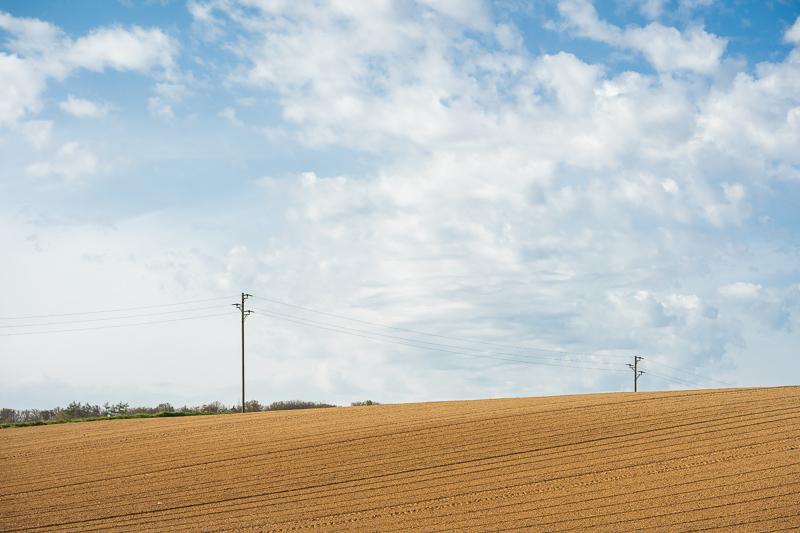
You can find many of the sample images in full resolution here.
Specifications
The F-mount (ZF.2) version of this Zeiss Otus 100mm 1.4 Apo Sonnar has the following specifications:
-
- Diameter: 101 mm
- Field of view: 24.1° (diagonally)
- Length: 126 mm
- Weight: 1310g (without hood[98g], without caps)
- Filter Diameter: 86 mm
- Number of Aperture Blades: 9 (rounded)
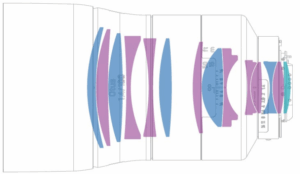
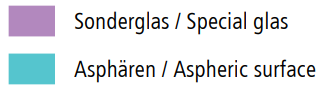
- Elements/Groups: 14/11
- Close Focusing Distance: 1.0 m
- Maximum Magnification: 1:8.6 (measured)
- Mount: Nikon F (ZF.2) | Canon EF (ZE)
buy from amazon.com | amazon.de | B&H | ebay.com | ebay.de (advertisement/affiliate links) for $4000
Disclosure
A long time reader lend me this lens for a few weeks to write this review. Thanks a lot!
Handling/Build quality
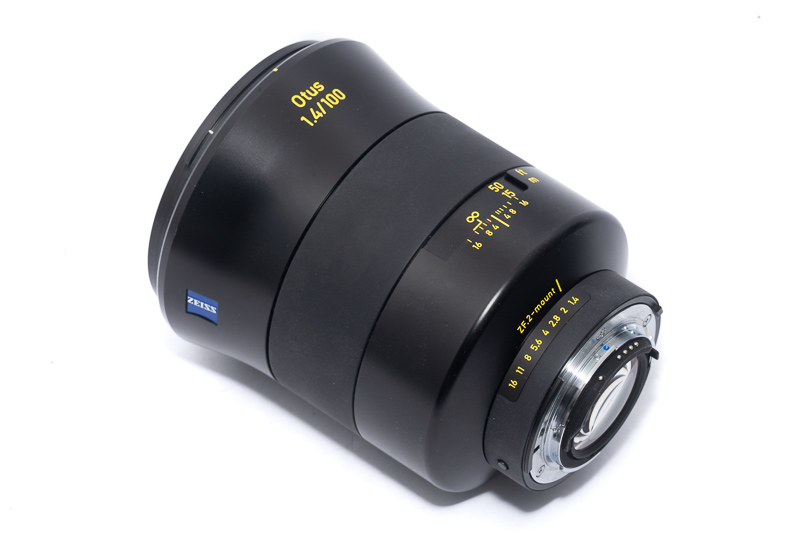
The Zeiss 100mm 1.4 Otus features a big rubberized focus ring. It rotates exactly 315° from infinity to the minimum focus distance of 1.0 m. For me the resistance of the focus ring could be a bit higher, but that is a matter of personal taste to some degree.
Being the ZF.2 F-mount version of this lens there is also an aperture ring and as is typical for F-mount lenses it is located right at the bayonet. It has half-stop click-stops between f/1.4 and f/11 and a full-stop click-stop between f/11 and f/16. When you set the ring to f/16 it also locks itself, you have to press that small button to be able to change its value again.
I am not a big fan of the rubber used for the focus and aperture rings. It already doesn’t smell particularly nice and I have severe doubts about its longevity.
The casing seems to be made of some kind of metal and is a bit shiny and slippery. All the markings are engraved and filled with paint.
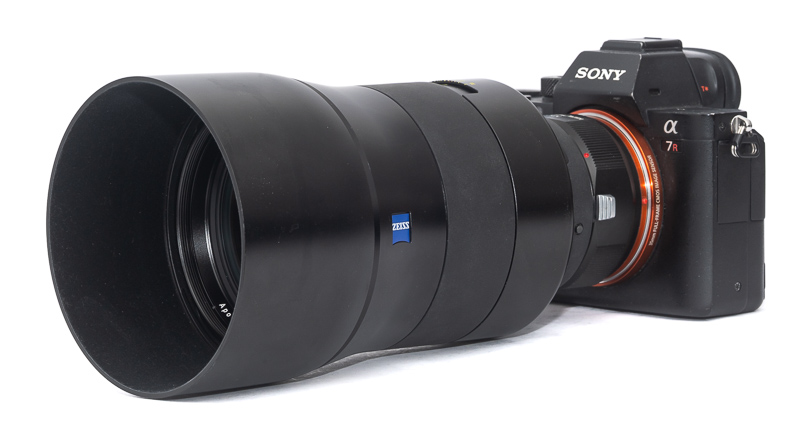
A huge bayonet type lens hood is also part of the package. The lens certainly looks nicer with the hood attached, but it makes it so bulky, it gets even harder to carry around.
The lens also doesn’t feature a tripod foot, considerings its weight that might have been a good idea though.
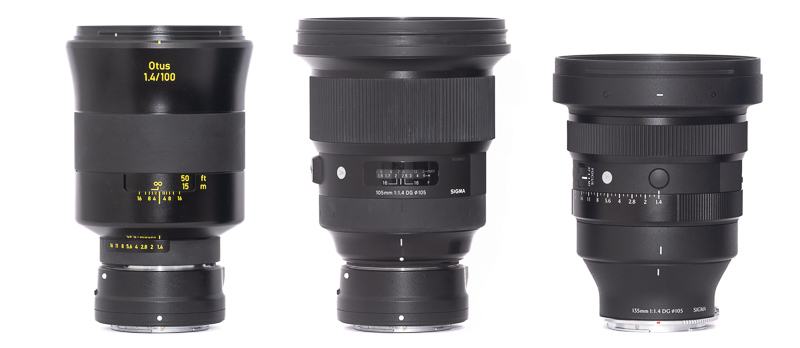
When it comes to fast 28mm lens the Zeiss 28mm 1.4 Otus is clearly the biggest lens you can find. Here that isn’t the case though: the Sigma 105mm 1.4 Art with its oversized front element is actually bigger and also about 200g heavier.
Zeiss chose the same casing design for their Otus, Milvus, Batis and Touit lenses and I am not a big fan of it. Not only led their minimalistic yet organic shape to them looking pretty awful without their (huge) hoods attached, the rubberized focus rings also don’t feel particularly nice and I severly doubt they will stand the test of time.
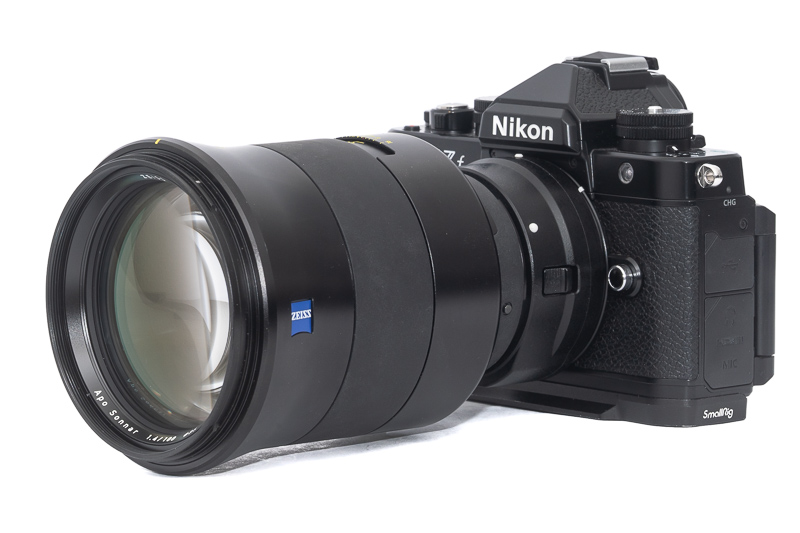
Being an all manual lens with aperture ring the ZF.2 version of this Zeiss lens also does not feature any electronics that could break, which means it will still be serviceable in decades to come.
Vignetting
light falloff
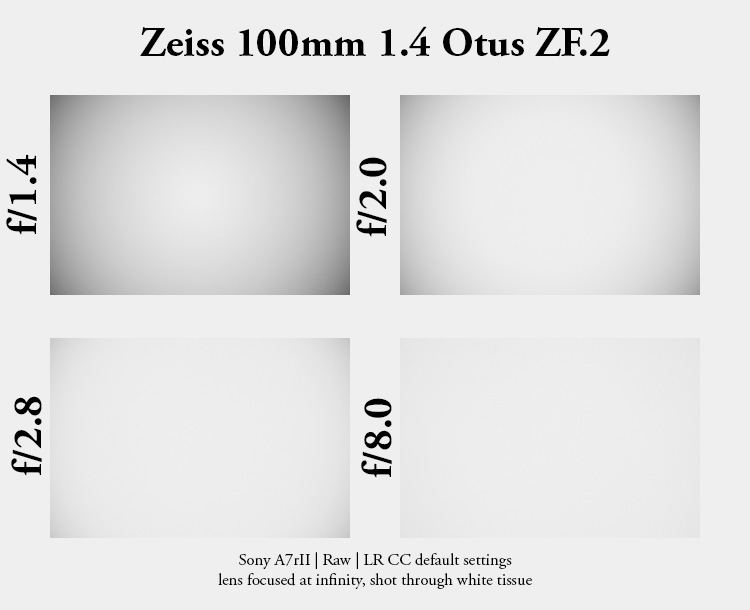
| f/1.4 | 2.9 EV |
| f/2.0 | 2.1 EV |
| f/2.8 | 1.2 EV |
| f/4.0 | 0.6 EV |
| f/5.6 - f/16 | 0.4 EV |
Often people think that when lenses are very big that leads to low vignetting figures, sadly most of the time that isn’t true and I think all the Zeiss lenses I have reviewed so far show above average vignetting figures.
But where does this Zeiss lens fit in between the even bigger Sigma 105mm 1.4 DG HSM Art and the Nikon AF-S 105mm 1.4E? Just going by the size, we would expect the Nikon to show the highest vignetting figures and the Sigma the lowest. That isn’t the case though, this Zeiss 100mm 1.4 Otus shows by far the highest vignetting figures at wider apertures. At f/2.0 and f/2.8 the vignetting figures are double those of the Sigma lens. Only stopped down to f/5.6 or further all these lenses show the same (low) vignetting of around 0.4 EV.
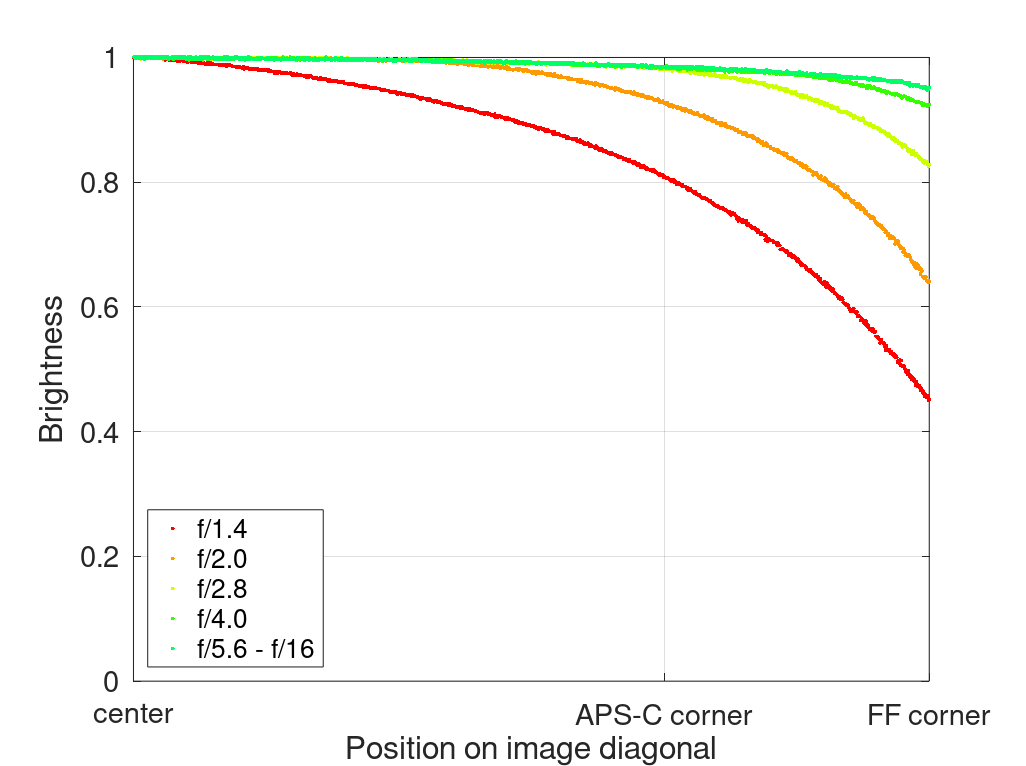
It is recommended to have a look at this article first to get an idea how this brightness graph works.
optical vignetting
Fast lenses usually show a noticeable amount of optical vignetting. Without going too much into technical details optical vignetting leads to the truncation of light circles towards the borders of the frame.
In the center of the frame almost every lens will render a perfect circle, but only lenses with very low optical vignetting will keep this shape in the corners.
So in the following comparison we move from the center (left) to the extreme corner (right) and see how the shape of the light circle changes.
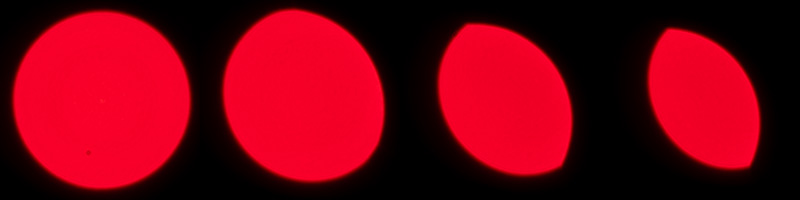
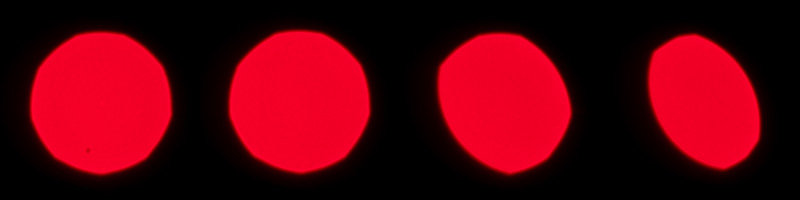
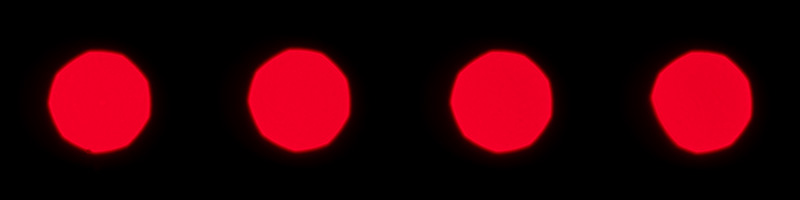
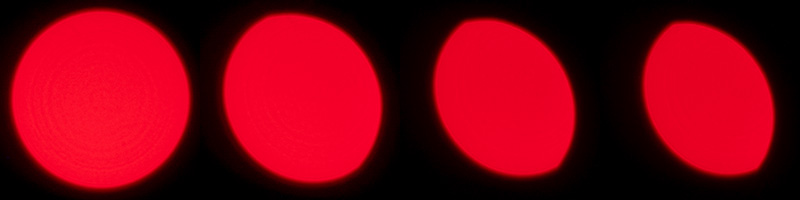
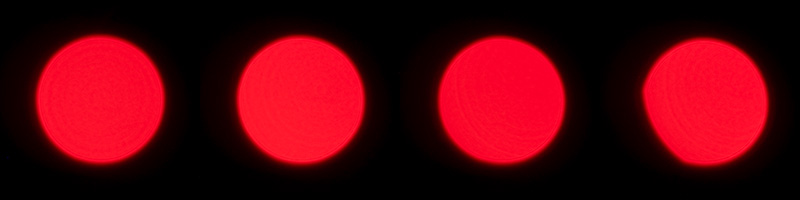
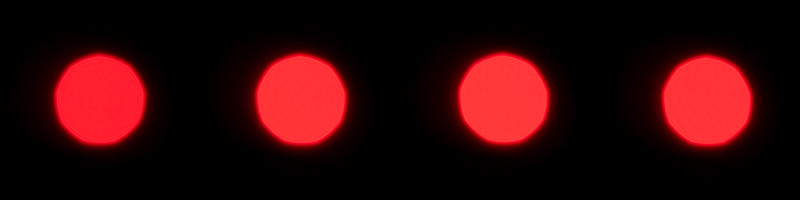

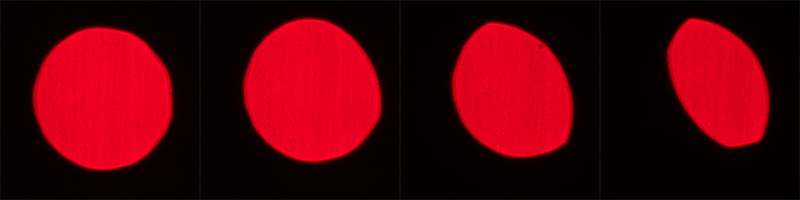

I did not shoot these lenses side by side, but I set all of them to a focus distance of 1.2 m. With the Nikon lens I used a glass as mirror, hence the vertical lines.
The results here came out exactly as I expected. The Sigma with its oversized front element shows the least amount of optical vignetting, the Nikon is the worst and this Zeiss Otus sits inbetween.
Despite the usage of one aspherical element each, neither the Zeiss nor the Sigma have any issues with onion ring structures in the out of focus highlights.
Sharpness
MTF-Graphs
The MTF graphs promise an impressive performance at f/1.4 across the whole frame with only minimal astigmatism. Stopped down to f/4.0 the graphs promise impeccable performance.
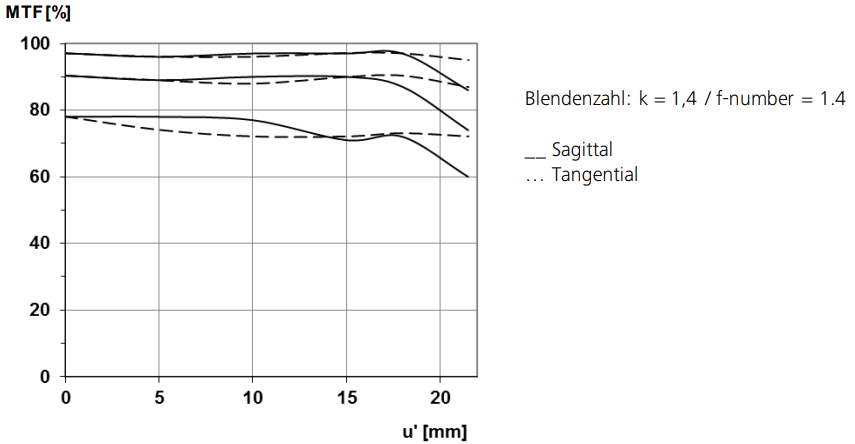
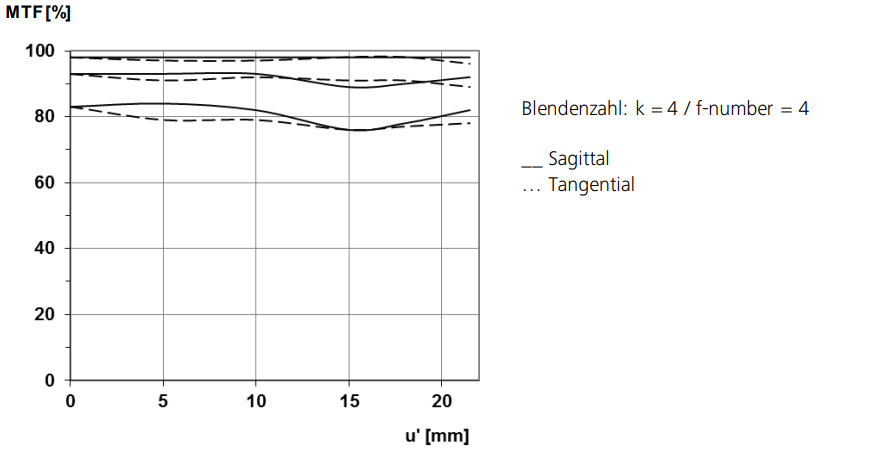
Most MTF-Graphs show calculated values that do not take into account manufacturing tolerances and sample variation, so the actual performance in the field may vary.
Focus Shift
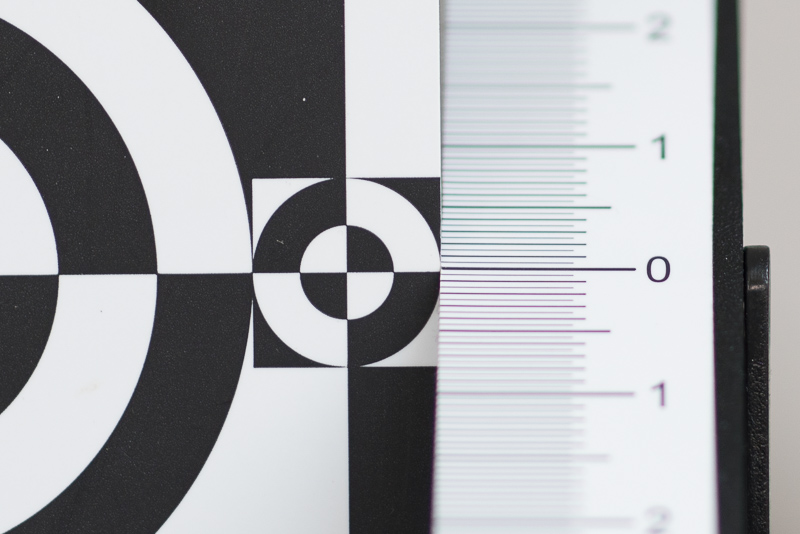
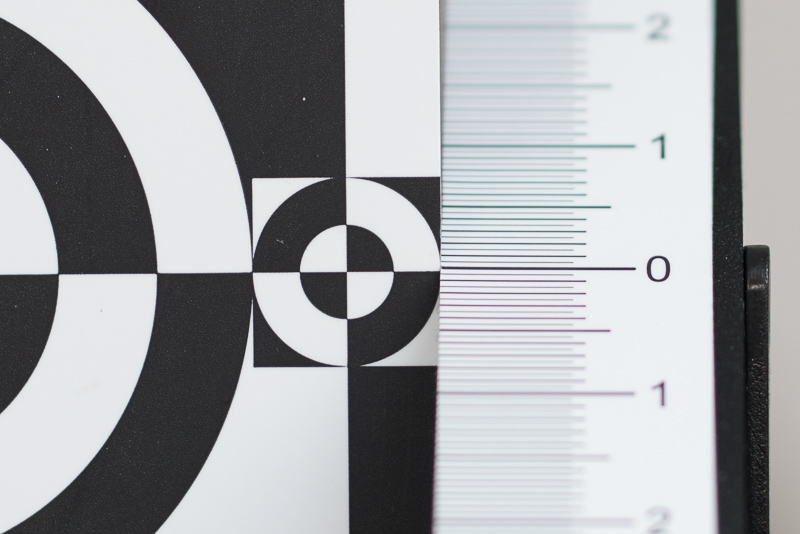
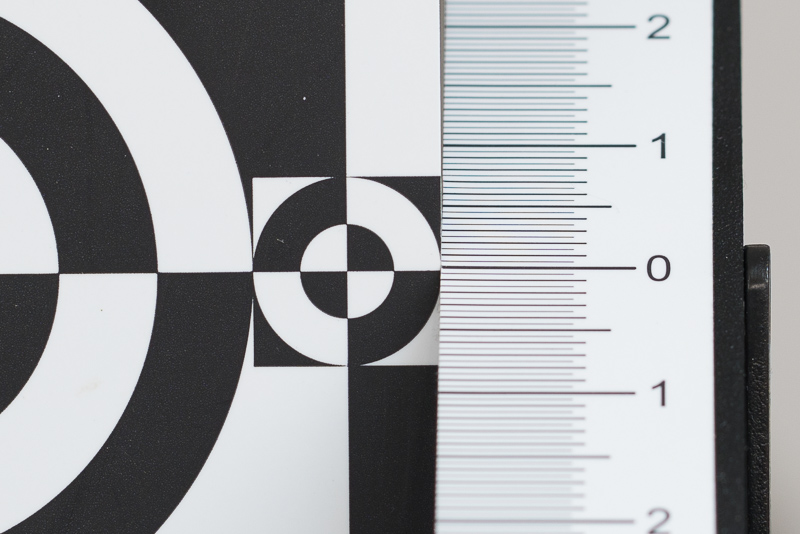
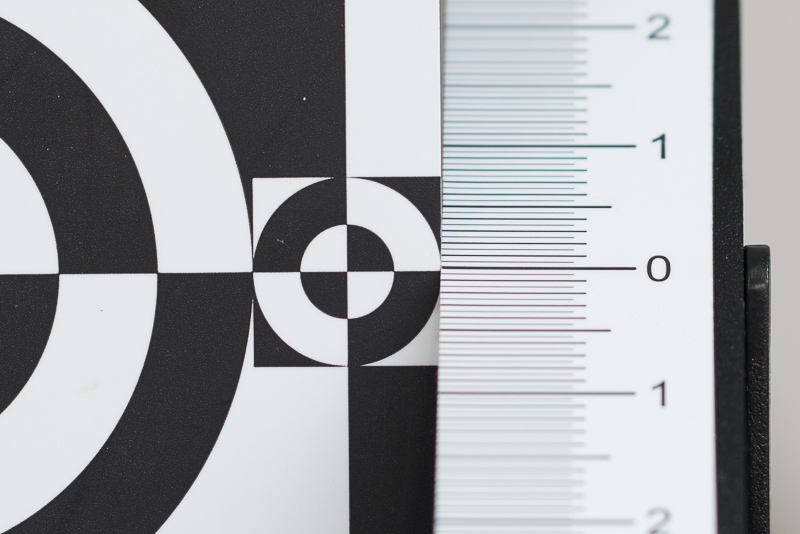
Here the Zeiss 100mm 1.4 Otus compares favourably to the Sigma 105mm 1.4 DG HSM Art and the Nikon AF-S 105mm 1.4E, as it hardly shows any focus shift.
infinity (42mp Sony A7rII)
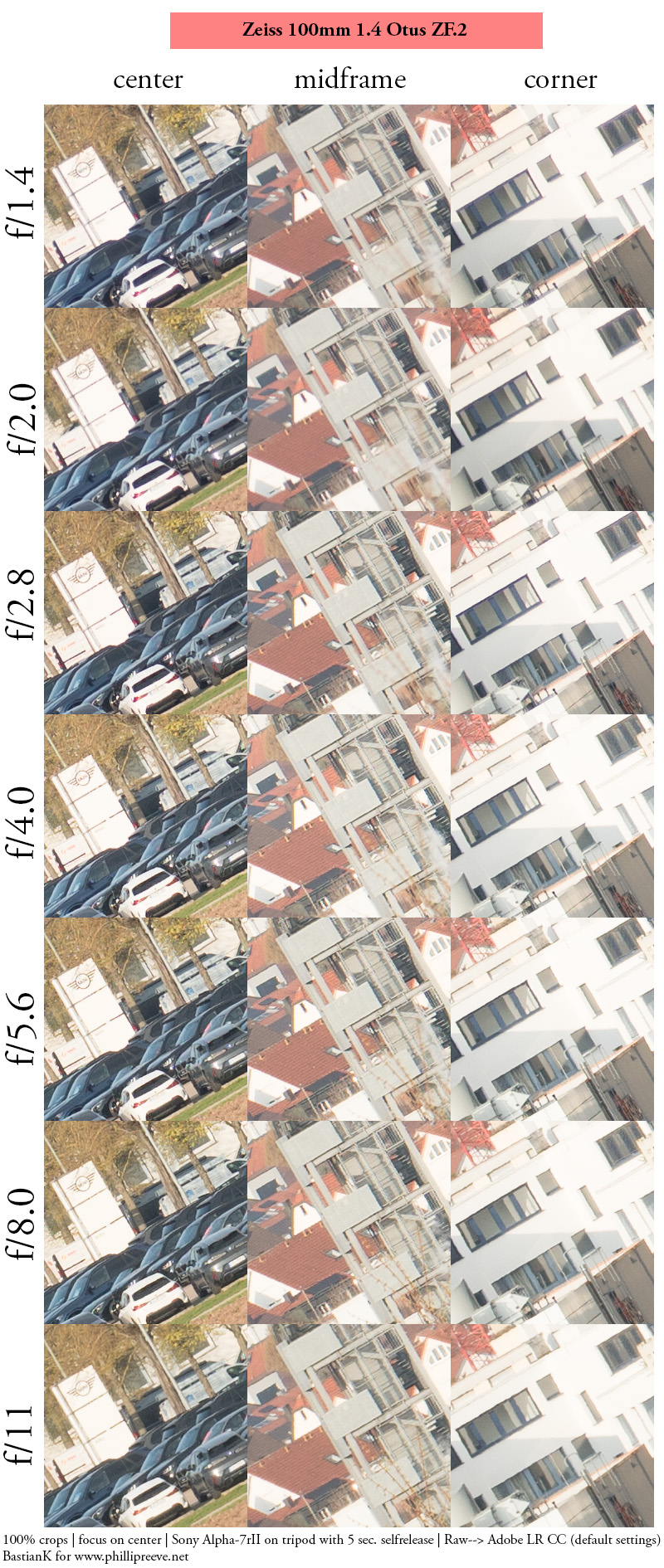
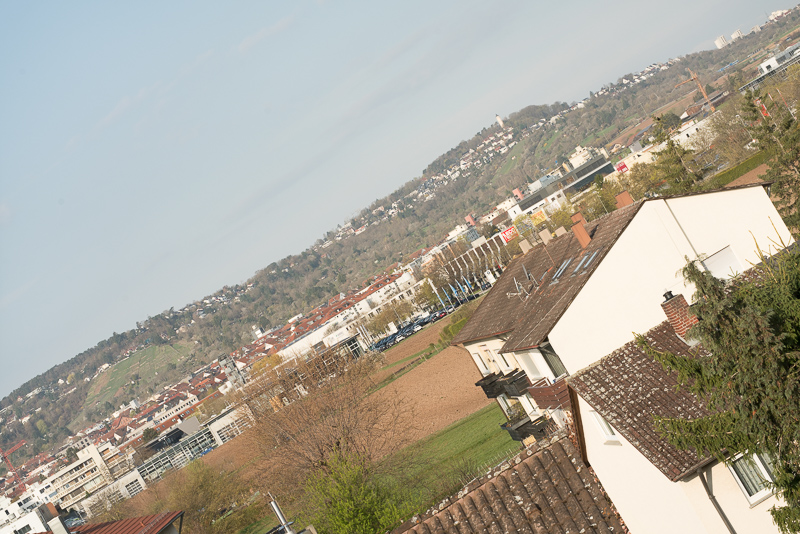
The performance at infinity is simply very good and hardly leaves anything to be desired even at f/1.4. Here the Zeiss lens also looks better than the Sigma 105mm 1.4 DG HSM Art (slight midzone dip) and the Nikon AF-S 105mm 1.4E (corners not looking great). With those two lenses I had to use worse adapters (in terms of giving the correct flange focal distance) that allow for changing the electronically controlled aperture, so with different setups the outcome might have been different.
portrait distance (2.4 m, 42mp Sony A7rII)
For portraiture it isn’t so important how flat the field is, it is more interesting to see what the sharpness is like when focused at different parts of the frame to take field curvature out of the equation.
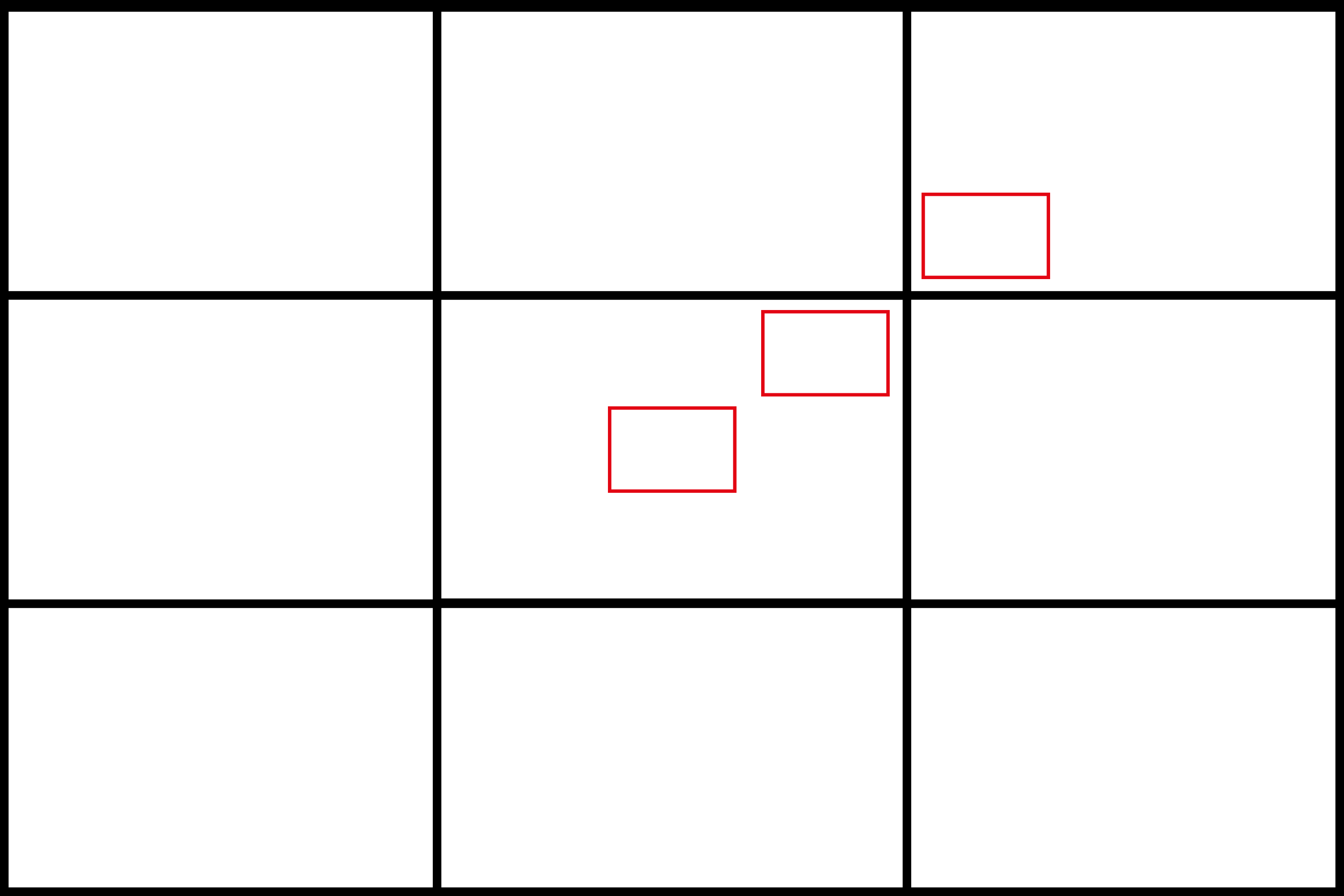
This is what I did here, I refocused for every shot and aperture to get the best possible result at different locations in the frame (center, inner midframe and outer midframe).
Focus distance was roughly 2.4 m and the circle of the dollar bill is more or less the size of a human eye.
f/1.4 <————> f/2.0
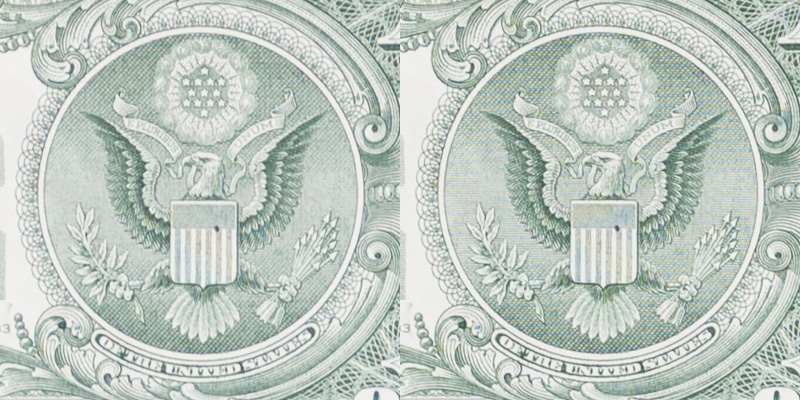


The performance here is very good, but not as impressive as that of the Sigma 105mm 1.4 DG HSM Art, where I encountered Moiré everywhere in the frame already at f/1.4. Whether that difference has any field relevance is surely debatable though.
The Nikon AF-S 105mm 1.4E has deliberately designed to be a bit softer at its maximum aperture for more appealing rendering.
close 1.0 m, 1:8.6 (42mp Sony A7rII)




All the 100/105mm f/1.4 lenses I reviewed have a minimum focus distance of 1.0 m. This Zeiss 100mm 1.4 Otus shows the worst magnification (not by a lot though) but the best performance, as it doesn’t show any softness at its maximum aperture. The Sigma 105mm 1.4 DG HSM Art follows closely behind whereas the Nikon AF-S 105mm 1.4E has to be stopped down to f/2.8 for a decent performance here.
Flare resistance
As always evaluating flare is a complex matter since you can get any lens to look bad if you push it hard enough and a slight change of scenario can affect results a lot.
Fast tele lenses traditionally haven’t been exactly great performers in this category, but then Zeiss (or rather Cosina) lenses often fared very well here, so I am curious to find out how this Zeiss 100mm 1.4 Otus will perform.
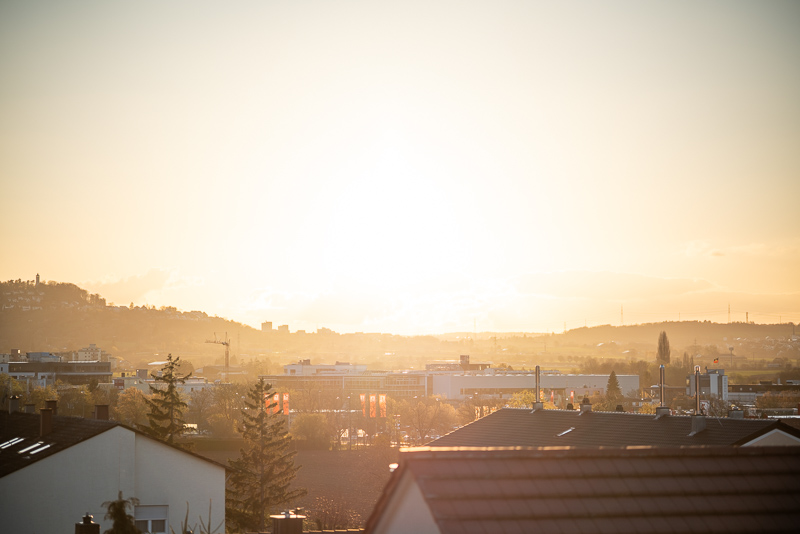
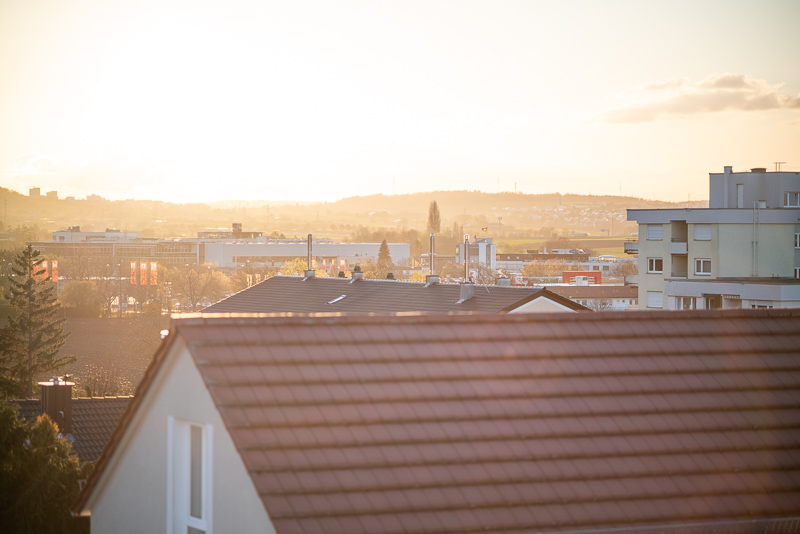
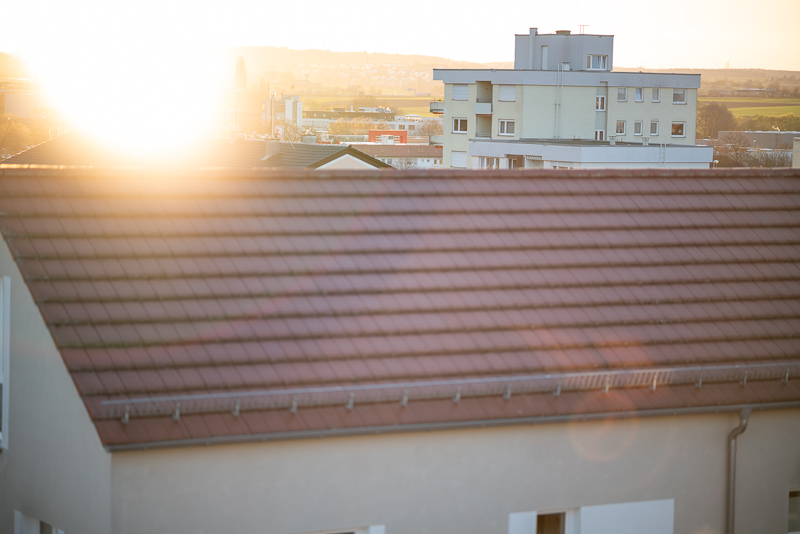
At f/1.4 you can catch some ghosts with the sun inside the frame and also some veiling flare with it outside of the frame.
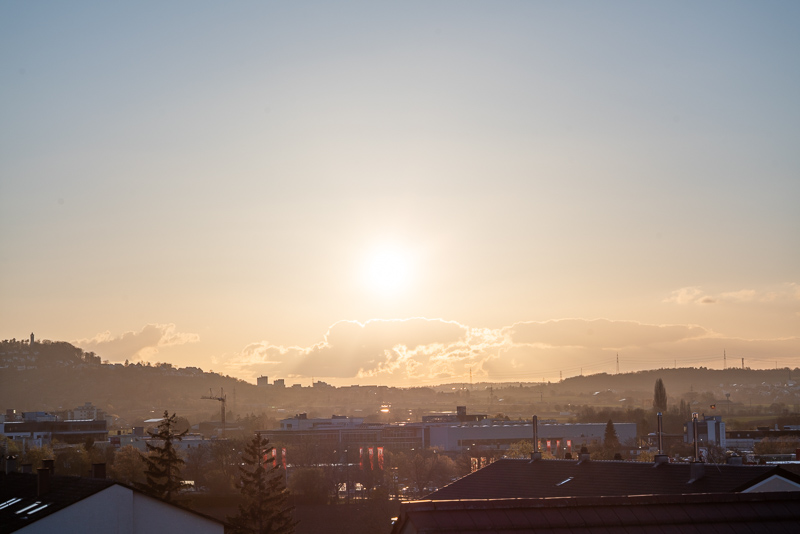
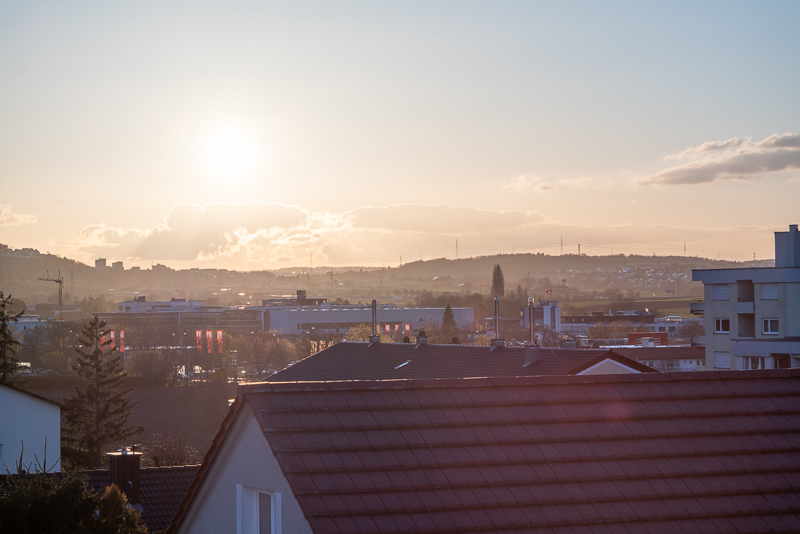
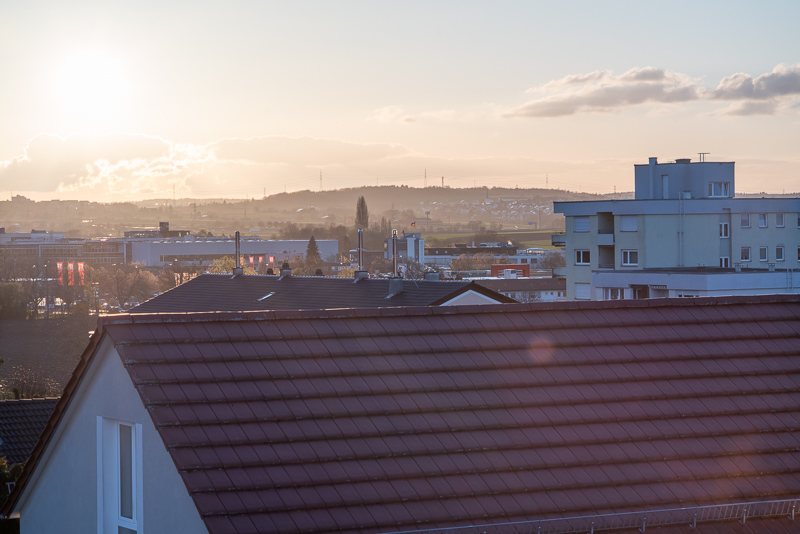
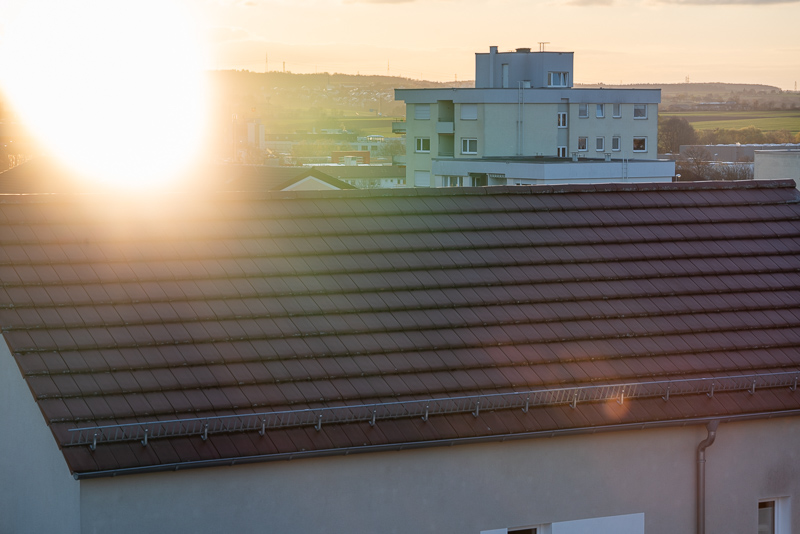
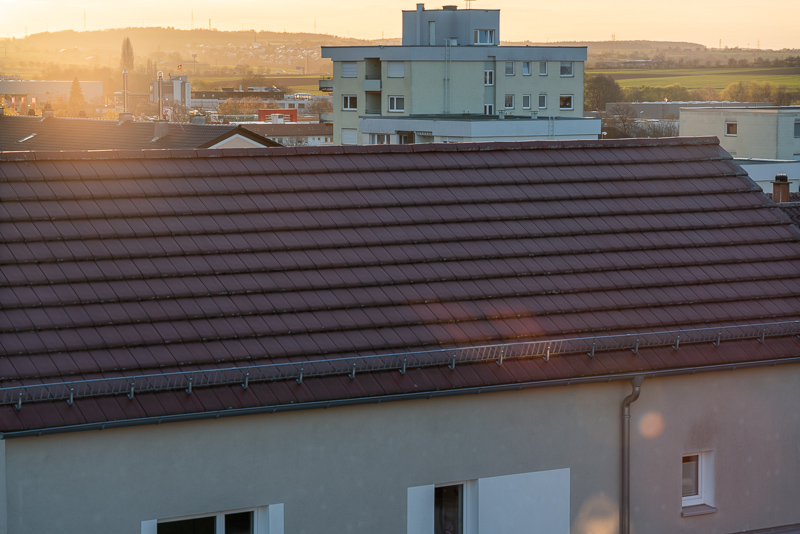
Stopped down to f/11 the situation changes for the worse, as we can see more ghosts and also the veiling flare is still present.

I also tried if the big hood actually makes a difference wit the light source outside the frame, but in most of the situations it sadly didn’t.
It would be hard for me to pick a winner here between this Zeiss 100mm 1.4 Otus, the Sigma 105mm 1.4 DG HSM Art and the Nikon AF-S 105mm 1.4E, as they all show a similar performance.
Coma
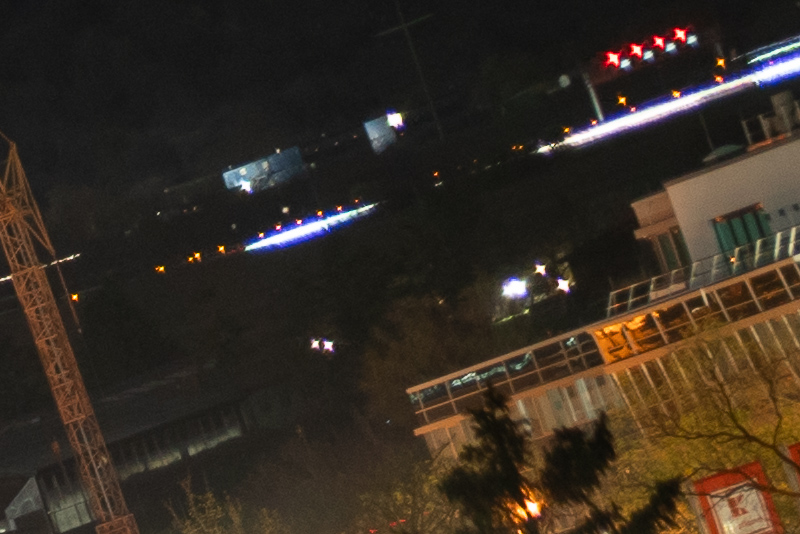
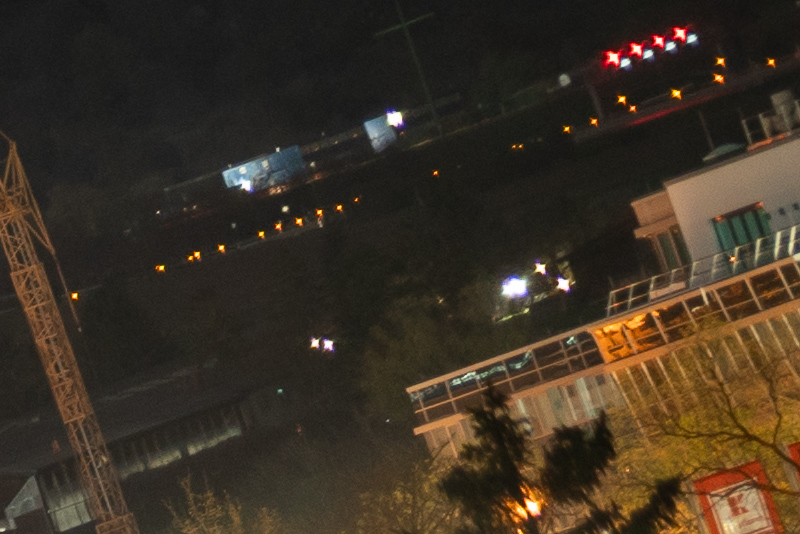
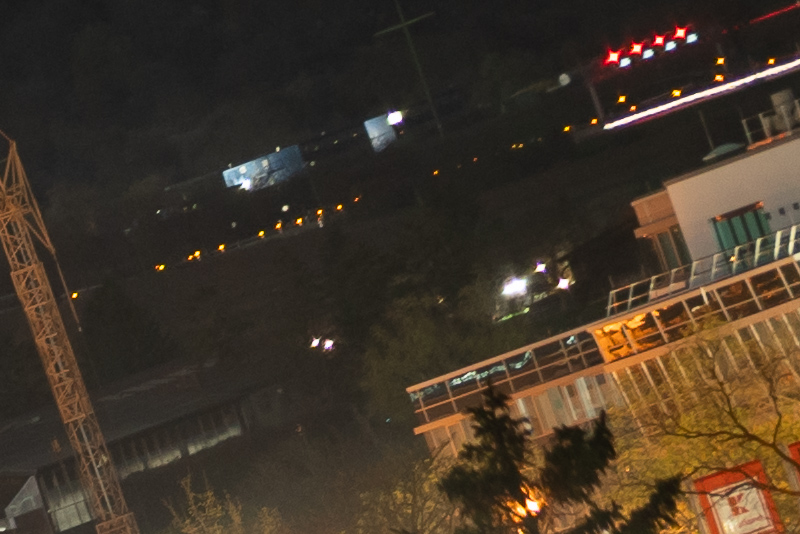
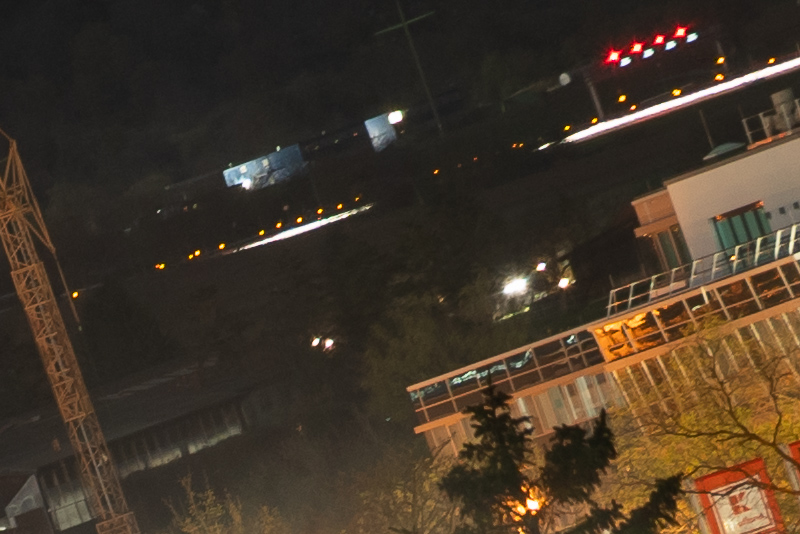
For a lens this complex (and expensive) the performance in this category was a bit of a negative surprise to me as we see distinct artefacts at f/1.4 and f/2.0 and we can still see some traces of them at f/2.8. The Sigma 105mm 1.4 DG HSM Art performed clearly better here whereas the Nikon AF-S 105mm 1.4E showed a similar performance.
Distortion
The Zeiss 100mm 1.4 Otus shows a low amount of pincushion distortion – typical for short tele lenses. Correction profiles are readily available (e.g. in Lightroom).
Bokeh
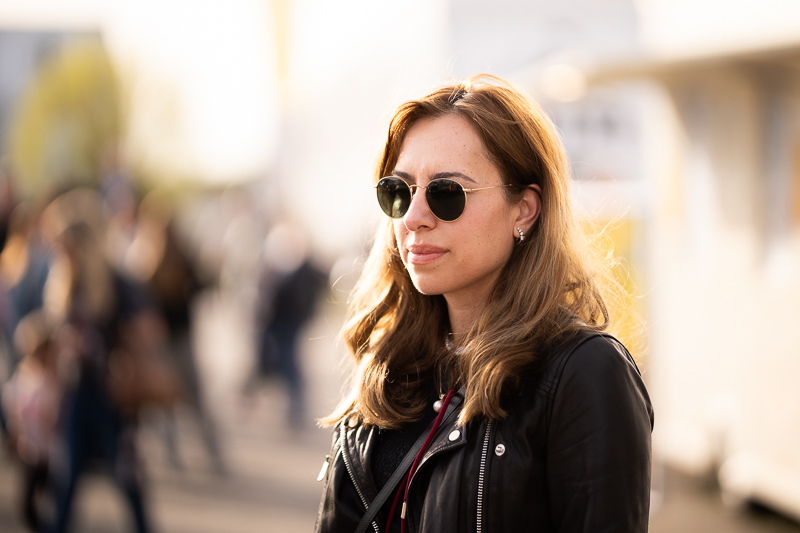
I guess most people that are interested in a 100mm f/1.4 lens are also interested in its bokeh rendering. As ususal, let’s see what this lens has in store for us in different scenarios at different distances.
Close distance
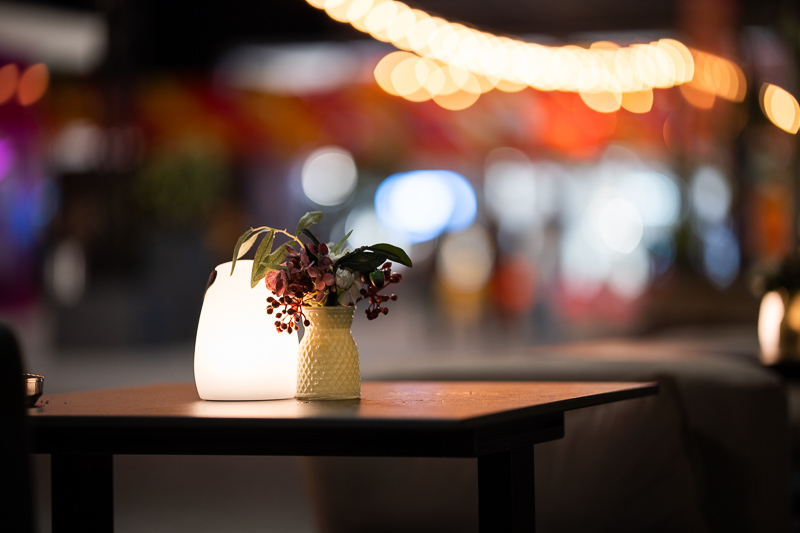
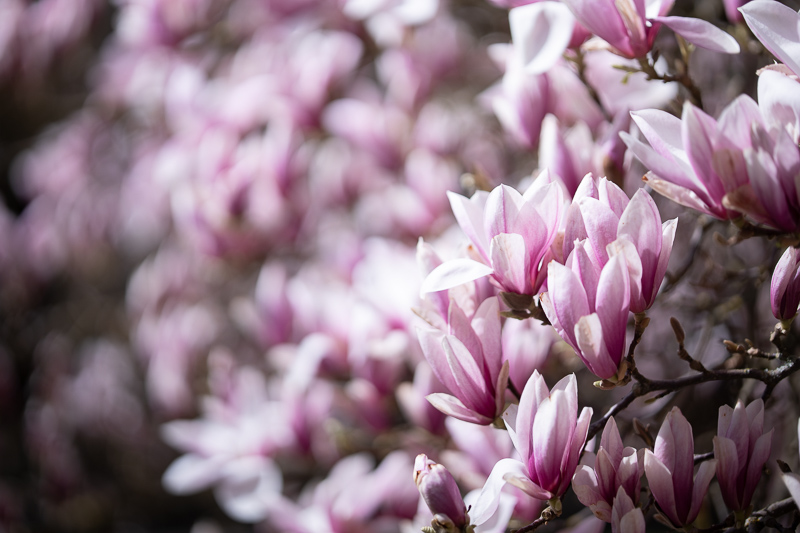
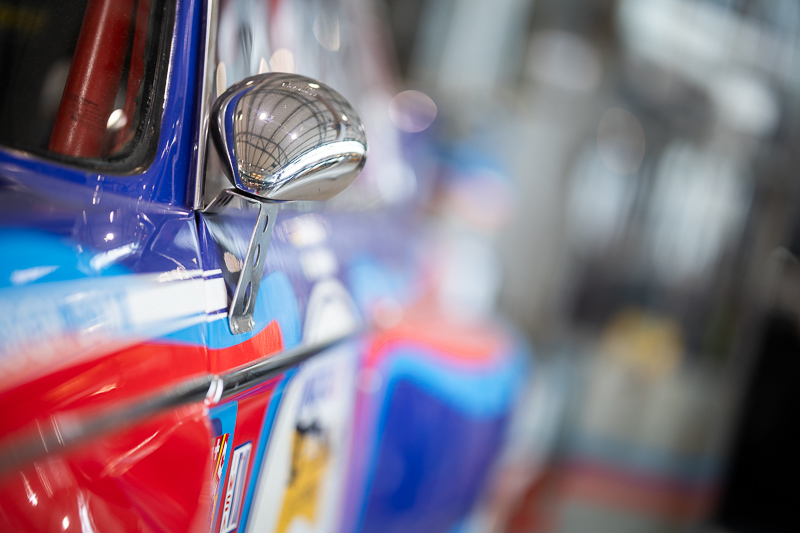
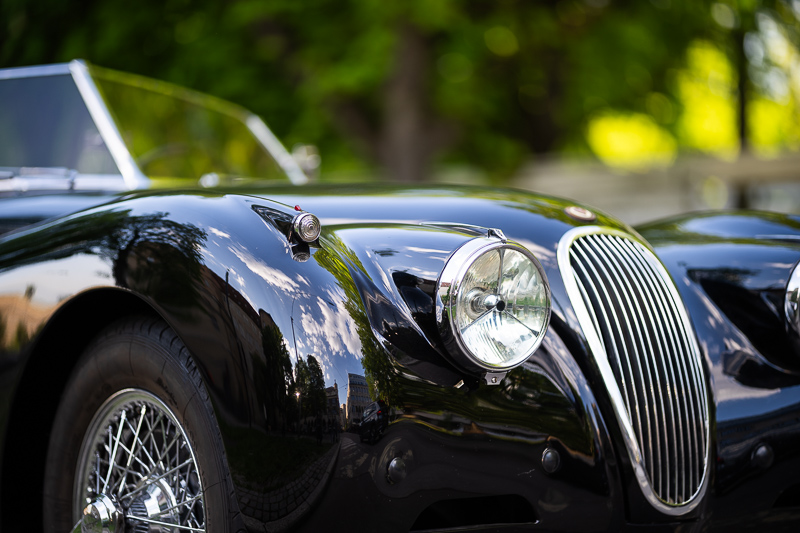
At close distances not many lenses struggle, but here two things stand out to me: the strong optical vignetting (cat’s eyes, first picture) and the busy transition zone (pictures two and three above).
Medium distance





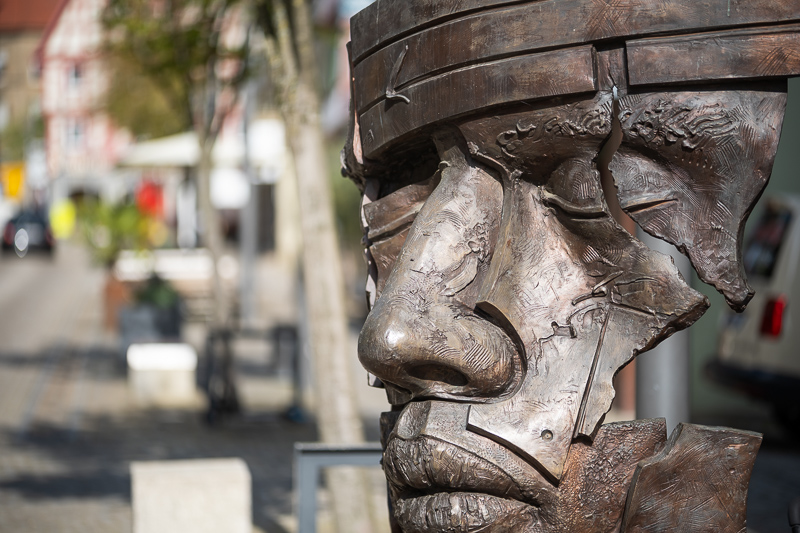
For a lens with these parameters I am suprised by how busy the backgrounds are rendered already at medium distances. At medium distances with the “right” backgrounds I even see a noticeable swirl, which personally I am not a big fan of, but then I do know some of you are.
Long distance
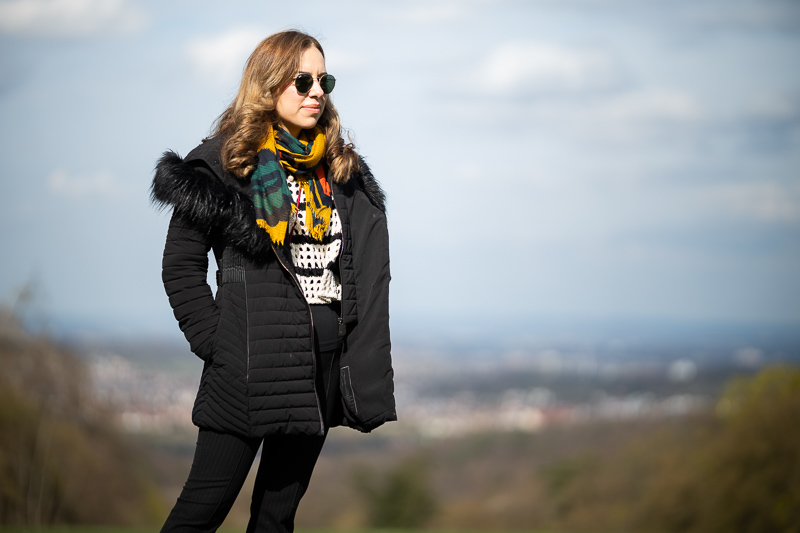
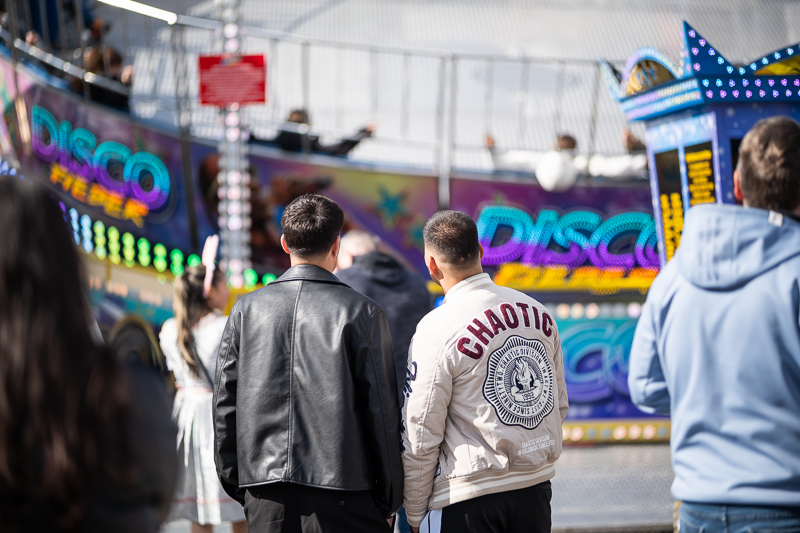
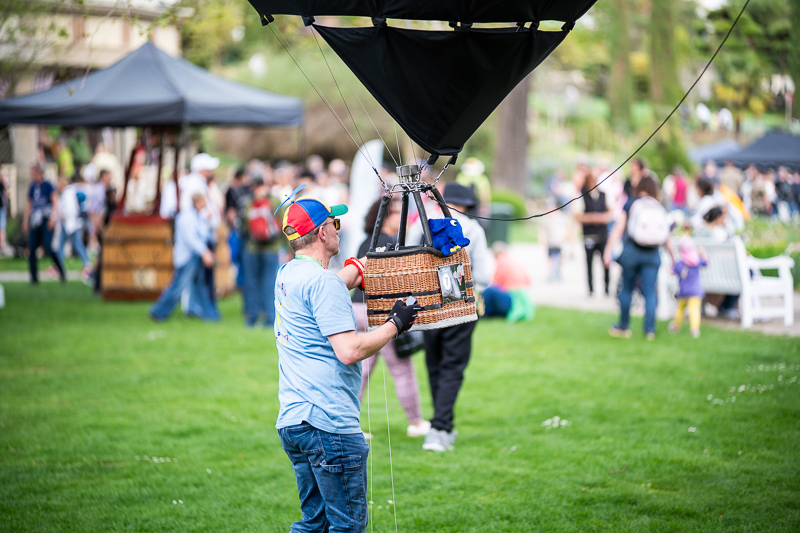
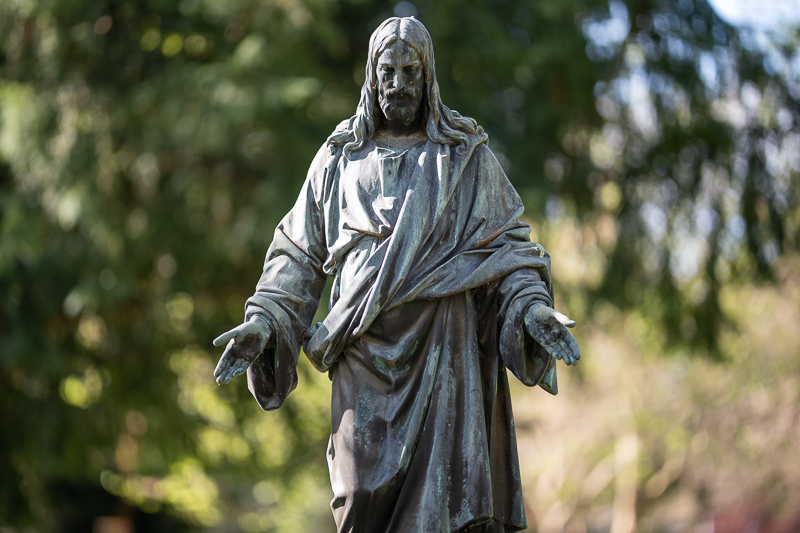

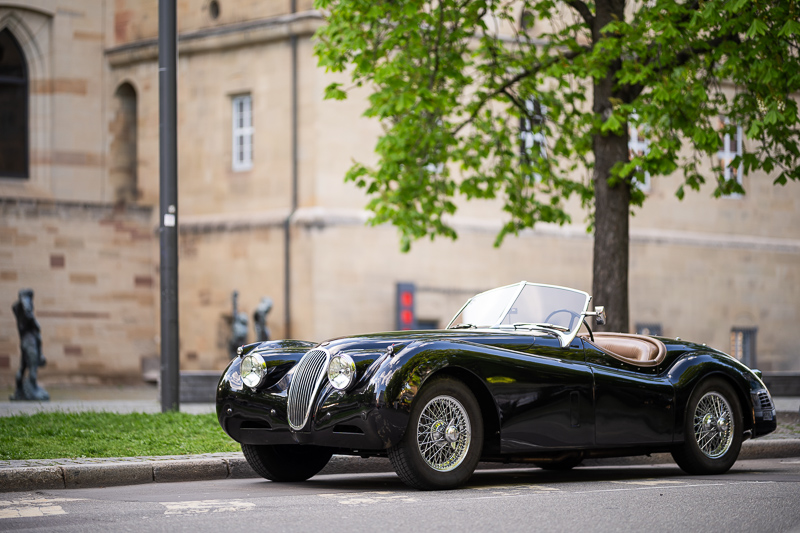
As is often the case, long distances are where differences between lenses become more obvious. Looking at the first sample above, if there is no transition zone in the picture and the background is far away the bokeh looks smooth and undistracting.
Where that isn’t the case – e.g. in the second and third picture – the backgrounds can even look a bit distracting with a noticeable falloff towards the corners. Not something I would expect of a 100mm f/1.4 lens.
Long story short: I didn’t exactly fall in love with the bokeh rendering of this lens. But as usual: this is also a matter of personal taste, so maybe it is exactly what you are looking for.
Sunstars
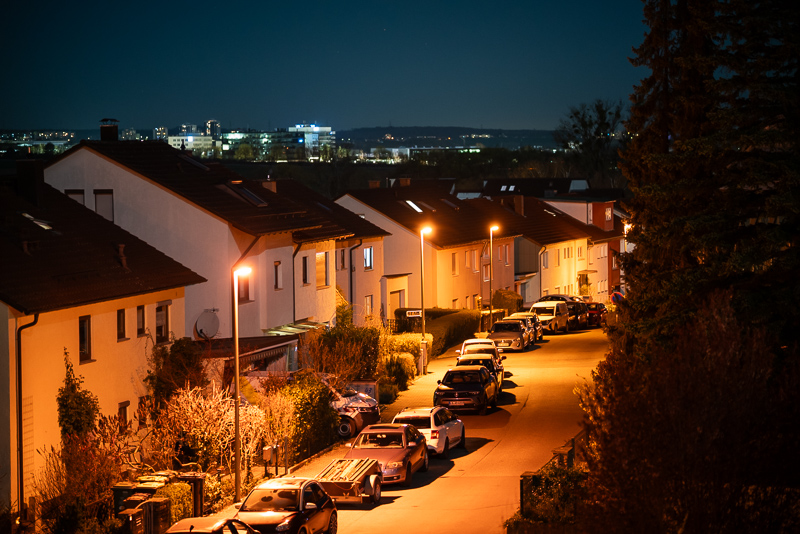
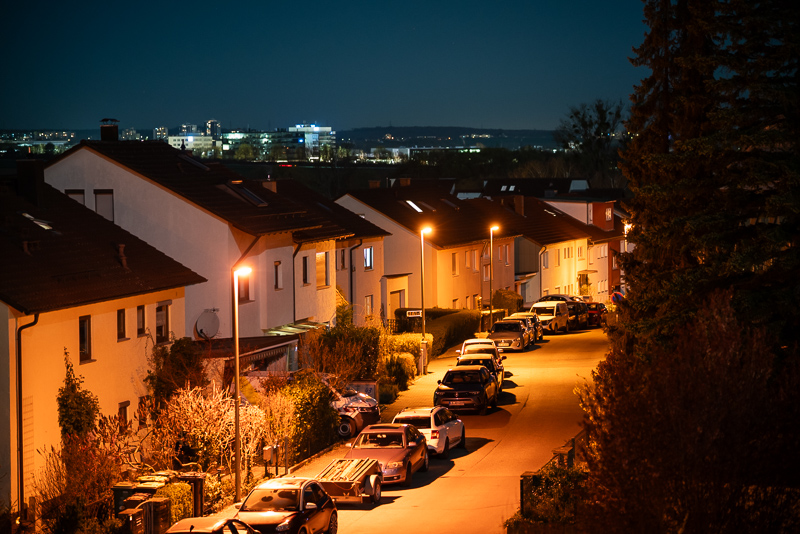
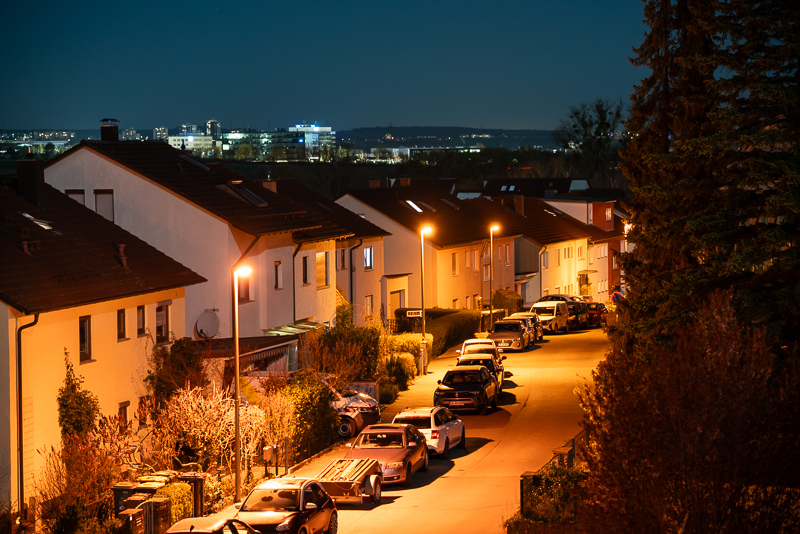
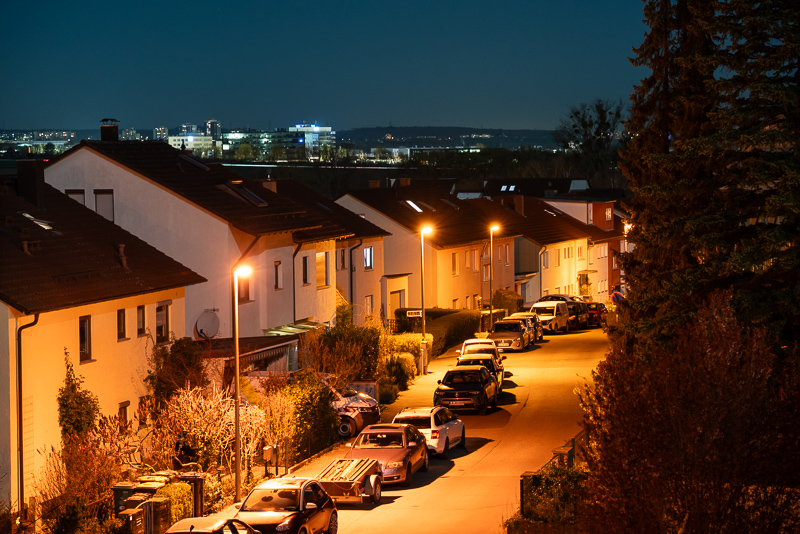
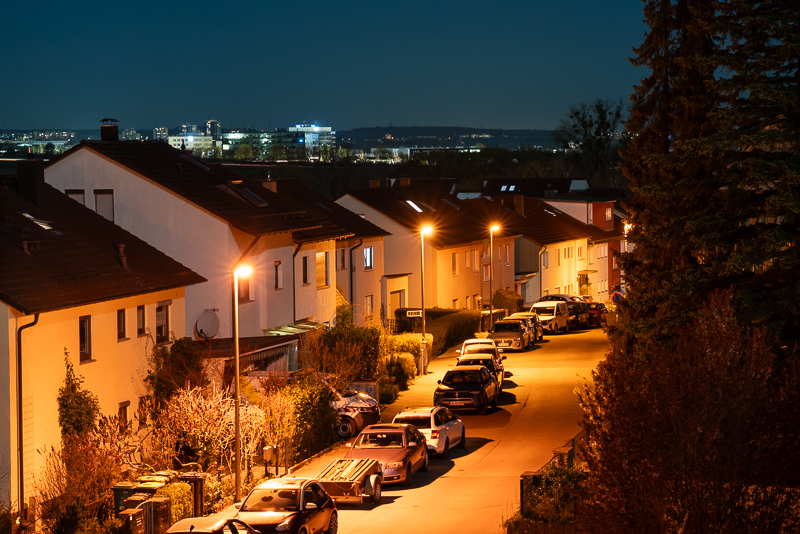
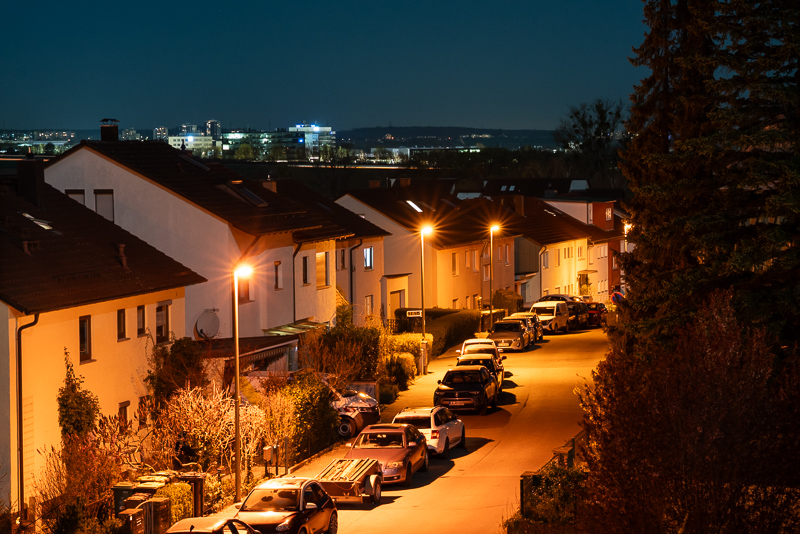
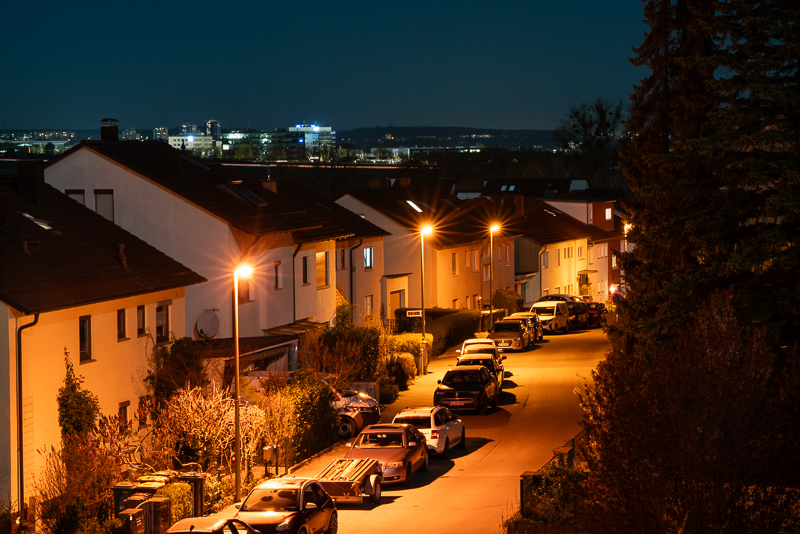
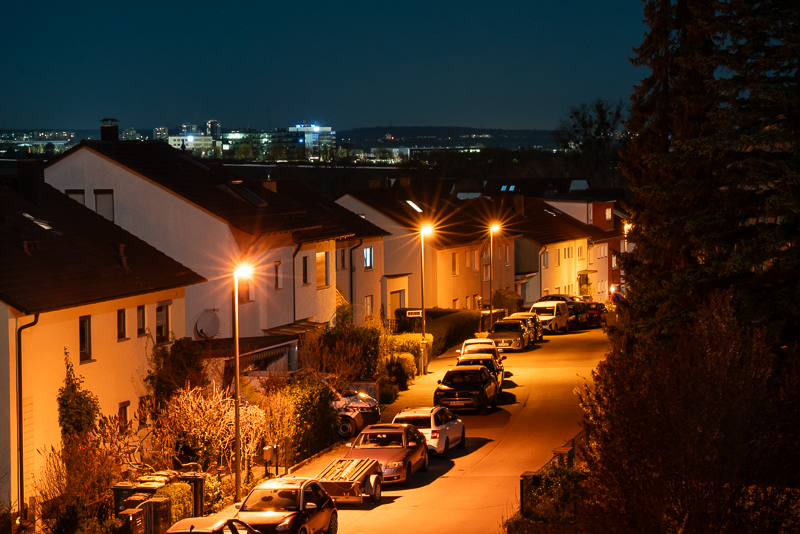
Just like the Zeiss 28mm 1.4 Otus, also this Zeiss 100mm 1.4 Otus has an aperture diaphragm made of 9 rounded aperture blades. The alignment of the blades is pretty good, so we see decent 18-pointed sunstars with rays of mostly even length from f/8.0 to f/16.
If you want to learn more about this topic have a look at this article.
Chromatic aberration
lateral
There are hardly any lateral CA to be found here.
longitudinal



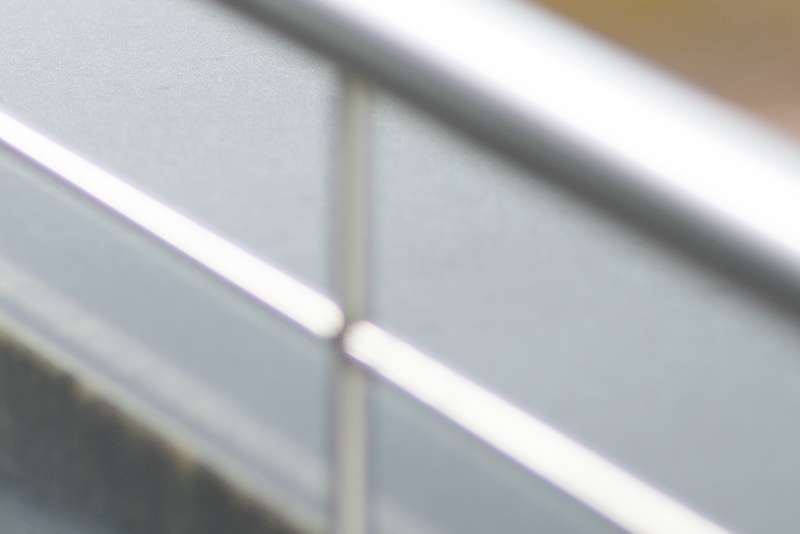
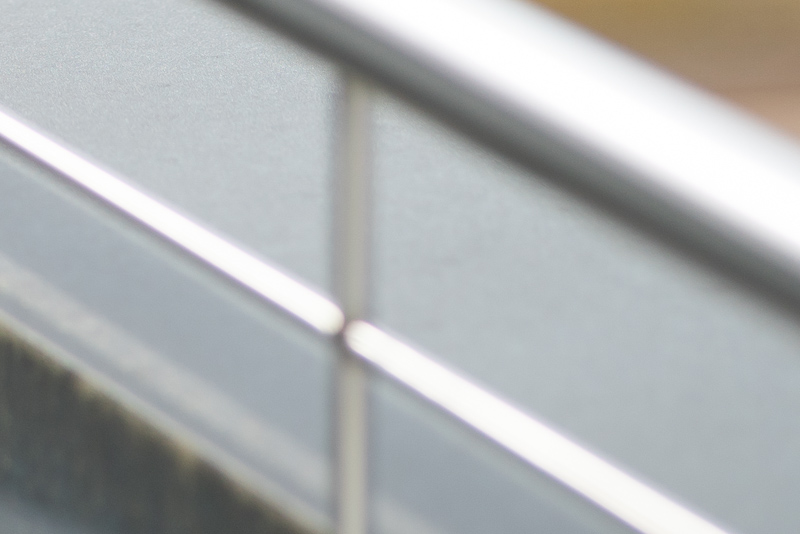
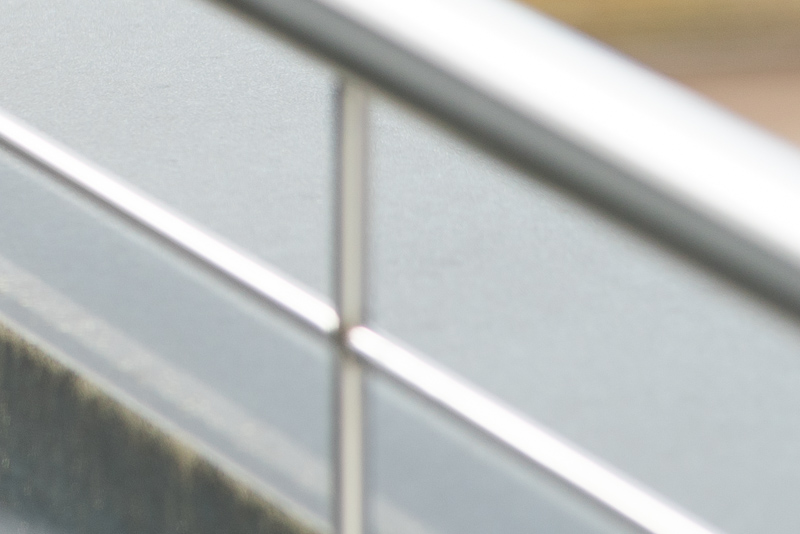
This lens’ full name is Zeiss 100mm 1.4 Otus Apo-Sonnar, so with the “Apo” designation we would expect a perfect correction of longitudinal CA – at least when it comes to purple fringing.
When it comes to bokeh fringing, we definitely see some at f/1.4 and f/2.0 and even at f/2.8 there are some traces left.
The Sigma 105mm 1.4 DG HSM Art performed admirably here, not showing any discoloring. The Nikon AF-S 105mm 1.4E on the other hand – as is typical for Nikon’s AF-S era f/1.4 primes – shows rather strong bokeh fringing.
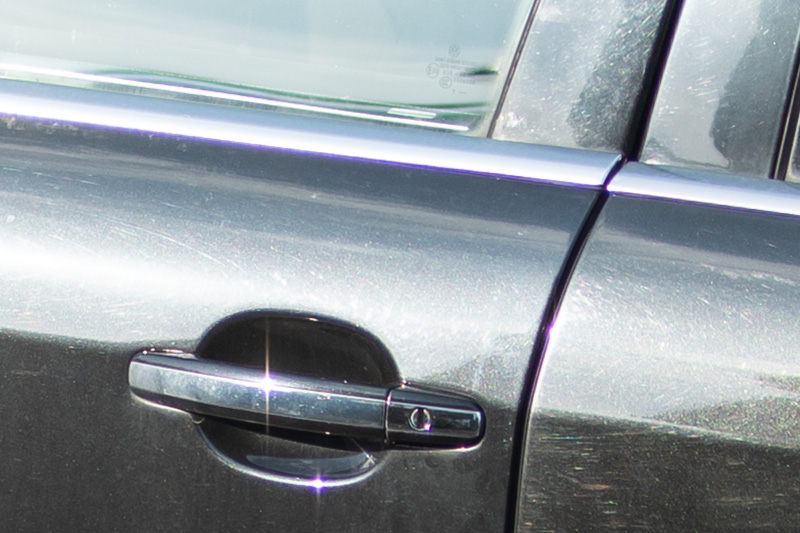
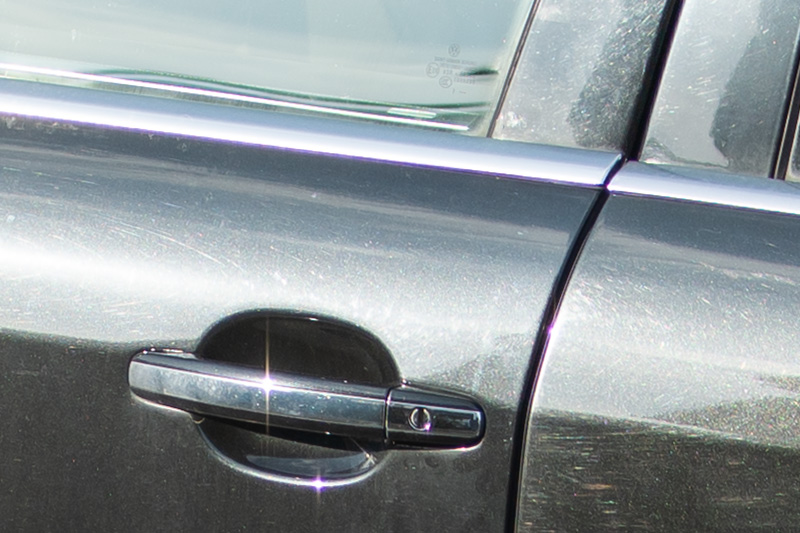
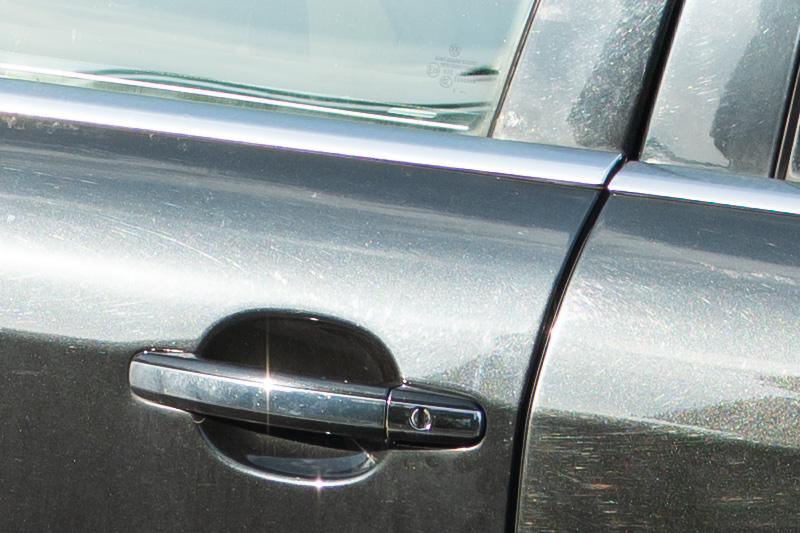
Even purple fringing – which perfect correction would be mandatory to award an Apo tag – is clearly visible at f/1.4 and still at f/2.0.
Now in the field I doubt you will ran into any issues because of the longitudinal CA, but considering complexity, price and Apo designation I would have expected better here. Especially because Sigma has shown that it is possible to correct this aberration perfectly a year earlier.

Conclusion
good
|
average
|
not good
|
When it comes to the lineup of Zeiss’ (or Cosina’s?) Otus lenses, they are obviously not for everyone. Their pricing is rather prohibitive and the lack of autofocus will surely make them less attractive for many professionals, even if they don’t care that much about price, size and weight.
When reviewing lenses, I often discuss whether they follow a “modern” concept, meaning a best possible correction of aberrations (the Sigma 105mm 1.4 DG HSM Art falls into this category), or if they offer a “vintage” or “soft” rendering, putting a stronger emphasize on creating a specific look (the Nikon AF-S 105mm 1.4 E falls into this category). The Otus lenses obviously fall into the first category. I see one problem with that though: there will always be someone who can design a higher performing lens, whether it be due to more elements, more special glass or improved manufacturing.
And that is, what in my opinion happened here compared to the Sigma 105mm 1.4 DG HSM Art. The Sigma has even higher resolution and contrast (except for the minimum focus distance), it corrects CA and Coma better, it distorts less, it vignettes less and in my opinion also draws a more appealing bokeh. Now consider that it also offers autofocus and only costs a fraction, and not a lot of reasons remain to take the plunge for the Otus.
So I think, the Zeiss 100mm 1.4 Otus is mainly for those that want a purely manual lens that will never run into issues with the electronics dying (only true for the ZF.2 version though) or the collectors that want the (probably) last (D)SLR lens with a Zeiss badge ever produced.
buy from amazon.com | amazon.de | B&H | ebay.com | ebay.de (advertisement/affiliate links) for $4000
Alternatives
There are two obvious alternatives, the Sigma 105mm 1.4 DG HSM Art and the Nikon AF-S 105mm 1.4E. I already compared these three lenses in most of the sections above, but I will still summarize the important differences here. If you see 85mm or 135mm lenses as an alternative, you can find many of those in our Guide to 85-135mm Portrait Lenses.
Sigma 105mm 1.4 DG HSM Art:
Slighty heavier (200g) and bigger but better optical performance, nicer bokeh (to my eyes at least), comes with autofocus and a lot cheaper. Also comes with a removable tripod collar which I find to be a useful addition. My personal recommendation when it comes to ~100mm f/1.4 lenses.
buy from Amazon.com | Amazon.de | B&H | ebay.com | ebay.de (advertisement/affiliate links) for $1599 (new) or starting at $900 (used)
Nikon AF-S 105mm 1.4E:
The Sigma corrects most optical aberrations better (noticeably so sometimes) but it is also significantly bigger and heavier. If I was to compare their bokeh rendering, they both have their strengths. The Sigma has very low optical vignetting, with a lot of defocused points of light in the background this can lead to a more natural look compared to the Nikon. The Nikon on the other hand has more residual spherical aberration (= it is less sharp) at longer focus distances, which can lead to a more desirable look for portraits – depending on your preferences. On Nikon’s Z-mount mirrorless cameras it works flawlessly, for Sony E-mount you need one of the Monster adapters, on other cameras you will not get it to work with aperture control and AF.
buy from amazon.com | amazon.de | B&H | ebay.com | ebay.de (advertisement/affiliate links) for $1599
Sample Images

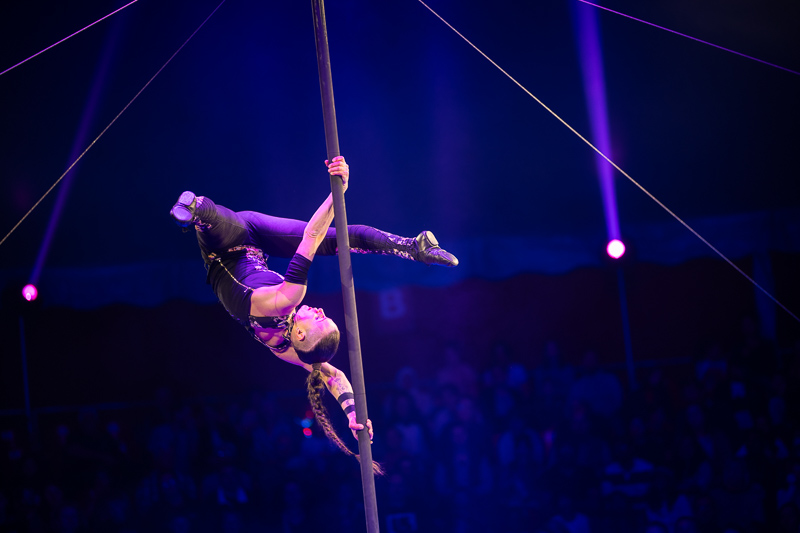
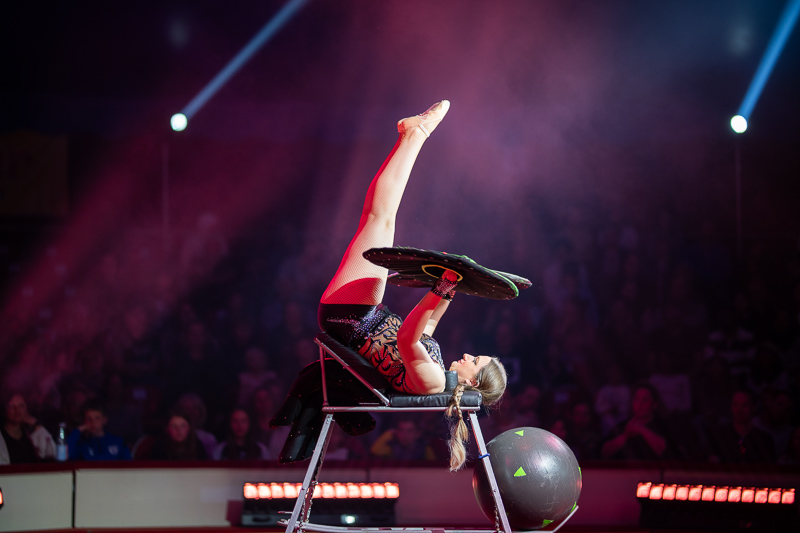

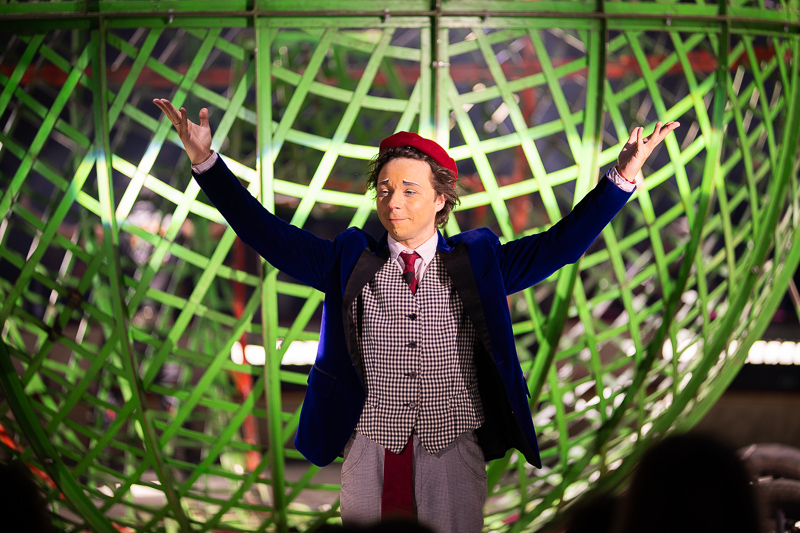




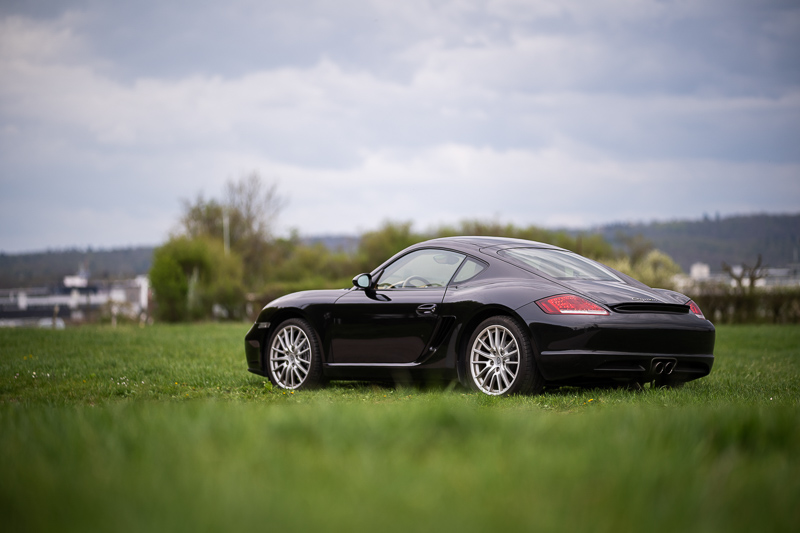
You can find many of the sample images in full resolution here.
Further Reading
- Guide to 85-135mm Portrait lenses
- Review: Zeiss 25mm 1.4 Milvus
- Review: Viltrox AF 35mm 1.2 FE LAB
- Review: Sigma 135mm 1.4 DG Art
- Bokeh explained
- Reviewing Lenses isn’t really worth it
Support Us
Did you find this article useful or just liked reading it? Treat us to a coffee!

 via Paypal
This site contains advertisement/affiliate links. If you make a purchase using any of the links marked as advertisement/affiliate links, I may receive a small commission at no additional cost to you. This helps support the creation of future content.


Latest posts by BastianK (see all)
- Analogue Adventures – Part 58: Adox Color Mission 200 C-41 - October 21, 2026
- Review: Nikon Z 35mm 1.2 S Nikkor - October 17, 2026
- Prime Day Photoshop+Lightroom offer for Amazon Prime Members (EU/UK) | Update: also at B&H - October 7, 2026
Bonjour!
Very informative review, as usual. Thanks a lot.
Another Zeiss lens that falls short compared to the less expensive options…
Remark
5th photo from the bottom, upside down I suppose.
About the rubber used for focus ring. My old Batis got sticky after ten years of use. Talc powder helps a lot!
“Their pricing is rather prohibitive“ —Truly. Idk what it is with Zeiss thinking their lenses are worth as much as they demand. Leica has their own unique camera system which makes it work for them but Zeiss doesn’t and they have little more to offer, if anything, compared to the 3rd party competition. I’m glad to see they are making lenses again for e-mount but I kind of doubt that it is going to be a big success if they don’t get more reasonable with their prices. Some of their lenses have a very unique character and *shine* to them but so does voigtlander and voigt designs are usually less than half the price.
I have no idea why Zeiss who is a industry leader in optics manufacturing that outcompetes everyone release such uncompetitive sub par products when it comes to photo lenses
I had this lens and sold it. For my shooting environment it didn’t work. Optically the pictures I took seemed like I was looking directly at the person I had taken the picture of, it was so neutral and perfect. However, I had rented a Canon RF 50mm f1.2 and the images were very similar and that lens worked better for me so I sold the Otus and replaced it with that. The Otus is a beautiful lens, the build quality is fantastic. But it’s a big heavy beast. I own a Milvus 85mm and 135mm and I might give the edge to the 135mm over the Otus. I want to add I bought the Samyang XP 85mm f1.2 based on your review. Thanks for making me aware of that gem. I have an XP 50mm that is supposed to be delivered tomorrow. Thanks also for showcasing that one.
For a lens with such exotic parameters I’m shocked at how much I disliked the bokeh rendering. Very busy, aggressive outlining… a shame! I have always adored Zeiss’s design language (in both consumer and scientific realms) but their lenses just aren’t worth it sadly.
I’ve been using this lens for years. Purple fringing and Loca do bug me a bit but you won’t see it very often. To me the weight and size of this thing is barely within manageable territory and I picked mine up @ $2300 almost unused so it made more sense than sigma. It is kind of cool mounted on monochrome camera as the resolution and the amount of blur is one of a kind
@Scott – modern “Zeiss” manual lenses, including Otus, are produced by Cosina. Voigtlander is a brand owned (to be precise – licensed) by Cosina. So both Otus and Voigtlander lenses are produced in the same factory… I don.t know who designed Otus lenses, but you could find Cosina patents fitting Otus lenses. In other words people are paying 200% premium just for brand name.
The images are beautiful. Considering you’ve taken the photo with a manual lens, it’s even more impressive. The optics is beautiful too. I wonder which company would make an AF 105mm f/1.4 or even f/1.2 for mirrorless first.
I wonder too.
I thought it would be Sigma, by offering a new DG DN version of their 105mm 1.4 Art lens, optimized for mirrorless cameras. But Sigma has brought us the great 135mm 1.4 DG Art instead, and I guess now it does not make much sense for them to make a new version of the 105mm 1.4. But these days Sigma loves to surprise us; I am looking forward to their new 85mm 1.2 (coming soon), and maybe a 100/105mm 1.2 could follow …
I just cringe whenever I see a lens that falls within what I consider to be the “basic” focal length range but weighs as much as this one does.
For me, the “basic” focal length range goes from about 24mm to about 105mm (on full-frame), those numbers ranging from about half to about double the traditional 50mm “normal”, so that perspective won’t be hugely distorted for the subjects and at the distances they will generally be used. (I generally prefer perspective to be at least semi-realistic).
A lens falling within the “basic” focal length range means (at least for me) that it will get much more use than anything outside that range, so that in turn implies need for a weight that won’t be a burden, a weight that won’t make me regret that I’ve brought it along, even after a full day of carrying it. I really wonder what some manufacturers (and not just Zeiss) were thinking when they created and approved for production some of these monstrosity designs. This is no matter how good (or how distinctive) a lens might be optically; what good is special optical performance if at the end of the day one or more of hand, wrist, shoulder, or back aches?
I think weight tolerance is pretty subjective. tm That being said, there’s several modern 135/1.8 that are much lighter than this, Samyang’s is almost 60% the weight…
I have a Sony 50-150mm f/2 which has basically the same weight and I think it’s quite alright for travel.
I was actually going to mention the Sony 50-150 f/2 in my earlier post. As you said, almost the same weight as this Zeiss. All tests I’ve seen rate it as excellent optically, and it can take the place of three primes, 50, 85, and 135, with the added convenience of no lens switching, so it can be considerably justified on the basis of those factors.
However, at least for me, there remains the issue of in-hand weight, which I consider at least as important as total weight, and I think I’d find the Sony zoom too heavy in-hand as one of my “basic” lenses. Additionally, for either travel or candid people photography, I think it’s too big, in the sense that it undesirably calls attention to itself far more than does a moderate aperture prime. But as the saying goes, to each his own; glad it works for you.
Hi,
to start with I applause for the very nice review (as usual on this blog!).
In my opinion what is sometimes overlooked with Zeiss lenses:
– The color reproduction and clarity is usually exceptionally pleasing (yes something which might be subjective to personal taste and can also be altered in post but for jpg shooters this is very nice), for me those qualities are not that different from some of the evaluation criteria like bokeh or sunstar rendering which are also very subjective or criteria like distortion correction where the “this is easily fixable in post” approach to some degree also applies
– I think Zeiss also strives to design their lenses to match their characteristic rendering style which at some times might come at cost of technical perfection. This also comes in handy when buying multiple lenses from a Zeiss lens series and building a set that offers consistent rendering qualities
– Another aspect is the consistency in physical design language that keeps the look and also the handling of lenses very consistent. E.g. looking at some Voigtländer lenses I see a change in the design language for lenses which seem to belong to the same series (and I am not talking about the apo series which do follow a consistent design language).
For some people those aspects among others (e.g. build quality, QA) might be worth the premium Zeiss asks for their lenses, for others it isn’t – that’s also totally fine.
I do agree the better Zeiss lenses have very high clarity and that might have been a unique selling point once.
But these days the higher end Sigma/Sony/Nikon and probably also Canon (not enough hands on experience with those to make that claim) lenses are no worse in that regard.
With the Otus series I might be able to see a coherent rendering to some degree, but not with the ZM or ZF/ZE/Milvus lenses. The ZF series for example features high performance modern lenses (e.g. 21mm 2.8 or 135mm 2.0) but at the same time slightly altered vintage Contax designs (e.g. 28mm 2.0, 50mm 1.4 and 85mm 1.4).
Even if we look at the Milvus series – claiming they got rid of the old designs for that – we have completely different types of lenses: highly corrected ones like the 135mm 2.0, but also those severly ridden by CA, like most of the f/1.4 lenses and also the 100mm 2.0 which they decided to keep for reasons I do not understand.