Introduction
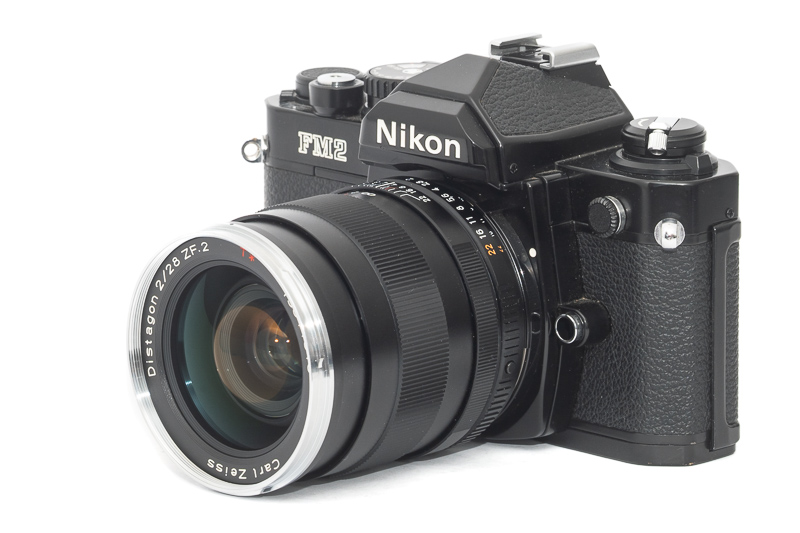
We haven’t seen a lot of exciting fast 28mm primes for the mirrorless mounts (yet), so today I am having a look at the Zeiss 28mm 2.0 Distagon (ZF.2 version) first released in 2009. Is there still a reason to consider this lens today or will it suffer the same fate as the Zeiss 18mm 3.5 Distagon I previously reviewed? Let’s find out!
Sample Images


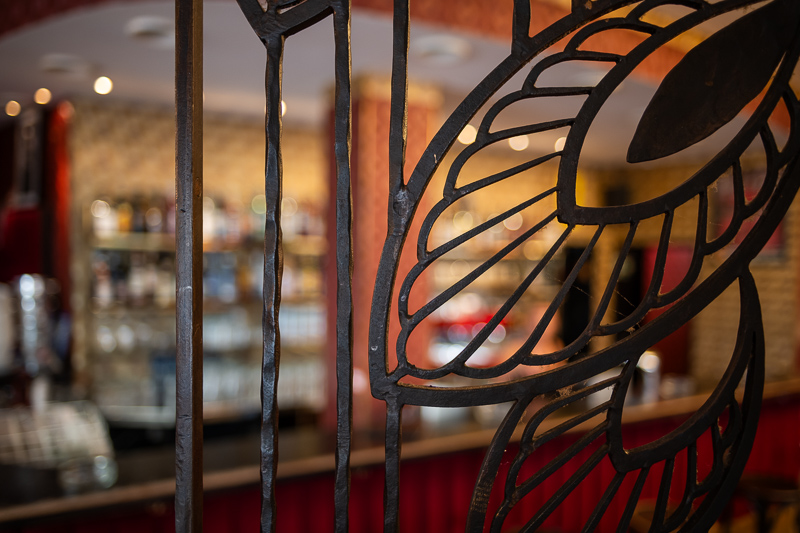



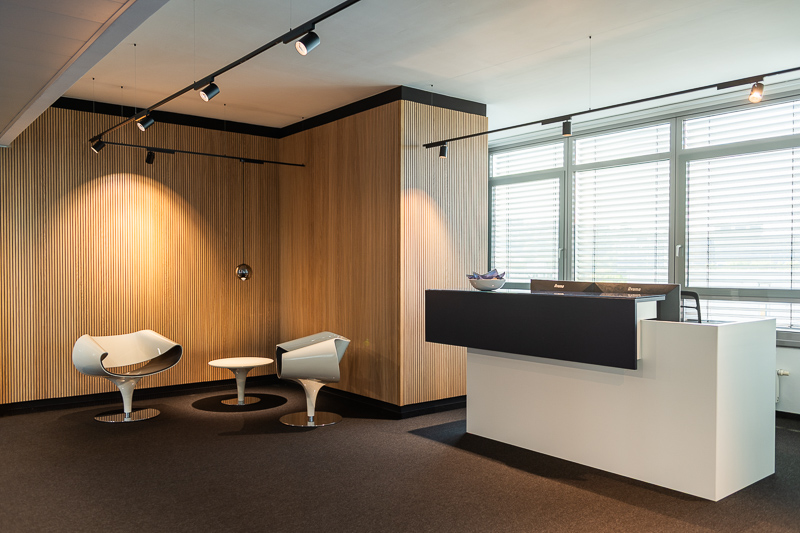

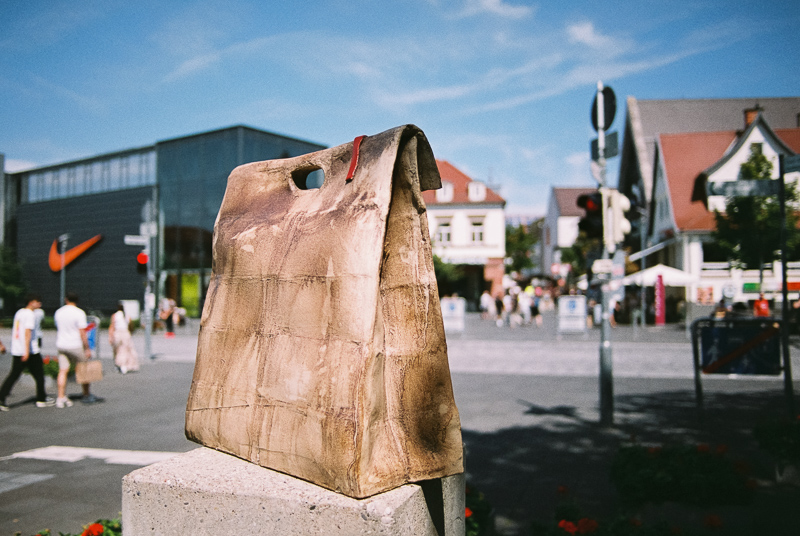
Most of the sample images in this review can be found in full resolution here.
Specifications
This Zeiss 28mm 2.0 has been available for Nikon F-mount and Canon EF-mount. For Nikon F-mount it came in two versions, ZF without electronic contacts and ZF.2 with electronic contacts. This is a review of the ZF.2 version and it has the following specifications:
-
- Diameter: 65 mm
- Field of view: 74° (diagonally)
- Length: 68 mm
- Weight: 505g (without hood[28g] and caps)
- Filter Diameter: 58 mm
- Number of Aperture Blades: 9 (rounded)
- Elements/Groups: 10/8

- Close Focusing Distance: 0.24 m
- Maximum Magnification: 1:4.9 (measured)
- Released: 2009
- Mount: Nikon F, Canon EF
buy used from ebay.com | ebay.de (advertisement/affiliate links) starting at $600
Handling/Build Quality
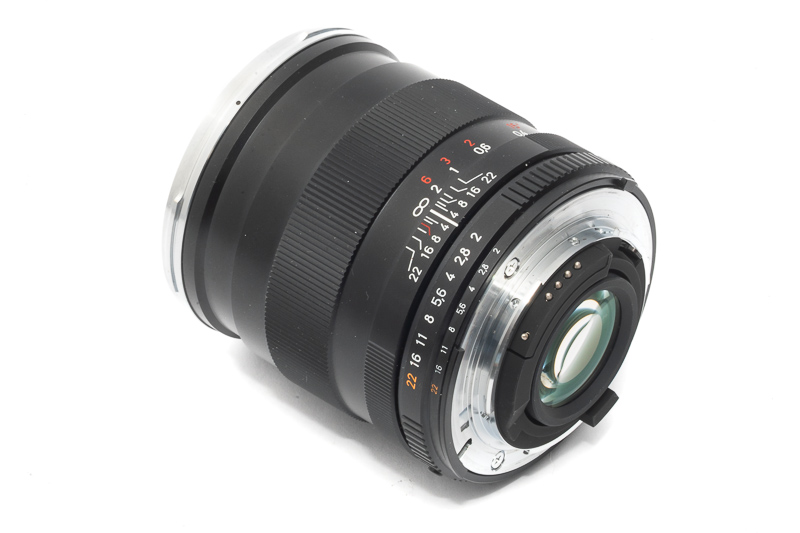
These Zeiss ZE/ZF/ZF.2 lenses are solid manual focus lenses that seem to be made mostly from metal. All the markings are engraved and filled with paint.
The focus ring has a nice resistance and travels exactly 117° from the minimum focus distance (0.24 m) to infinity.
Being the F-mount version of this lens there is also an aperture ring and as is typical for F-mount lenses it is located right at the bayonet. It has half-stop click-stops between f/2.0 and f/16 and a full-stop click-stop between f/16 and f/22. When you set the ring to f/22 it also locks itself, you have to press that small button to be able to change its value again.
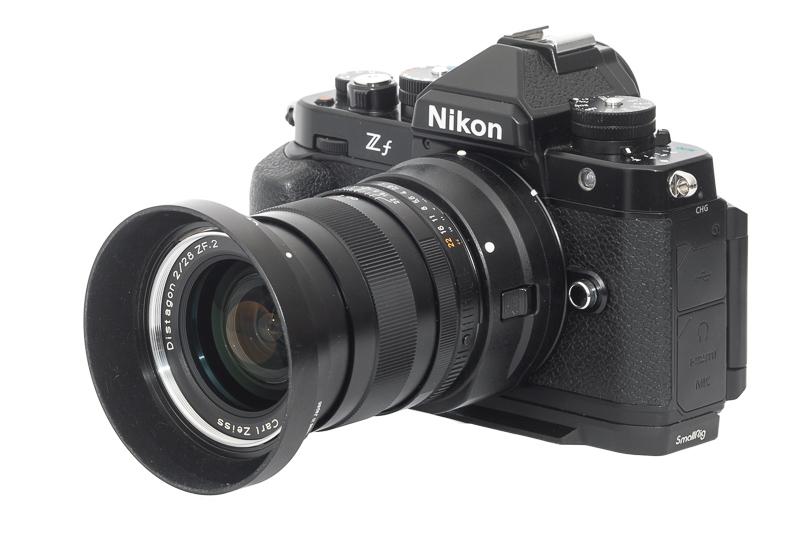
There is also an official hood available for this lens. It is of the bayonet type, made from metal and has felt on the inside.

This Zeiss 28mm 2.0 Distagon is neither a particularly big nor small lens. While it is noticeably smaller than Nikon’s higher end faster Nikon AF-S 28mm 1.4E, it is only a little smaller yet a lot heavier than Nikon’s mid tier Nikon AF-S 28mm 1.8G.
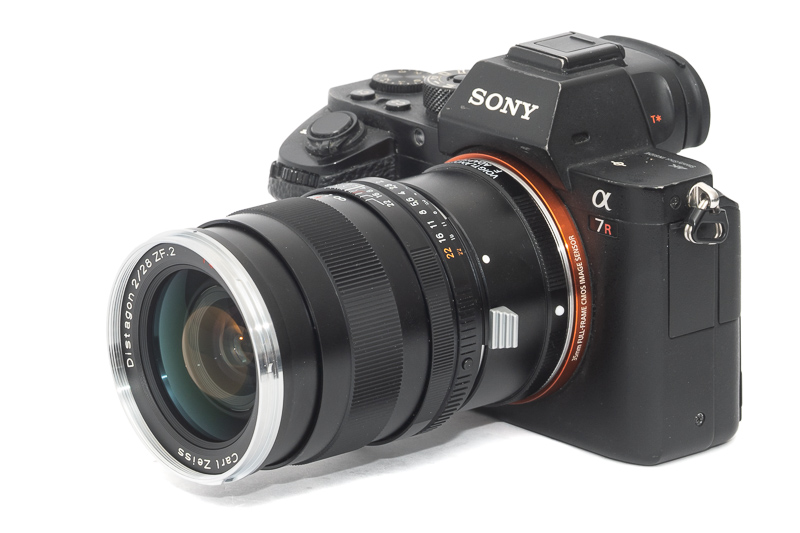
Being an all manual lens this Zeiss 28mm 2.0 ZF.2 can be adapted to pretty much all the modern mirrorless cameras. Sadly I encountered some issues using it via the FTZ II adapter on a Nikon Zf as the focus confirmation is not fully supported (which was also the case for the Zeiss 18mm 3.5 ZF.2 and the Zeiss 28mm 1.4 Otus I tried) and it being registered as a “5mm f/1” lens with a focal length of 28mm in the Exif data.
Vignetting
Light falloff
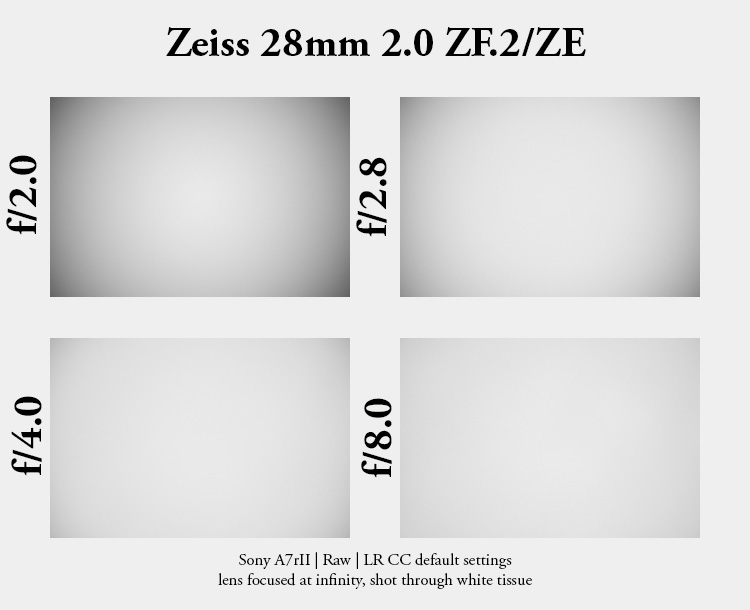
| f/2.0 | 2.7 |
| f/2.8 | 2.1 |
| f/4.0 | 1.4 |
| f/5.6 - f/16 | 0.9 |
Regular readers already know: lenses designed for (D)SLRs often have an advantage here over mirrorless designs. If we compare it to the super compact Voigtländer VM 28mm 2.0 Ultron Type I/II that is indeed the case: the M-mount lens shows roughly 1 EV stronger vignetting at every aperture setting and also the Viltrox FE 28mm 1.8 AF generally shows higher vignetting figures.
So, this is good news? Well, I cannot call almost 3 EV vignetting at the maximum aperture good news and I had actually hoped for a bit less.

It is recommended to have a look at this article first to get an idea how this brightness graph works.
Optical vignetting
Fast lenses usually show a noticeable amount of optical vignetting, especially so the compact ones. Without going too much into technical details optical vignetting leads to the truncation of light circles towards the borders of the frame.
In the center of the frame almost every lens will render a perfect circle, but only lenses with very low optical vignetting will keep this shape in the corners.
So in the following comparison we move from the center (left) to the extreme corner (right) and see how the shape of the light circle changes.
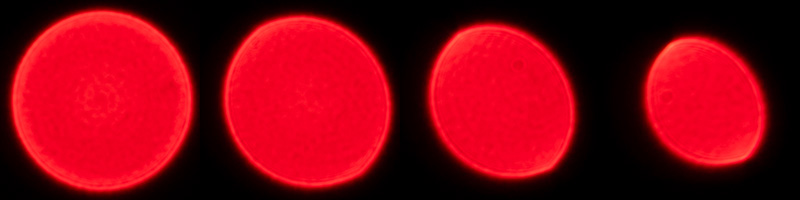
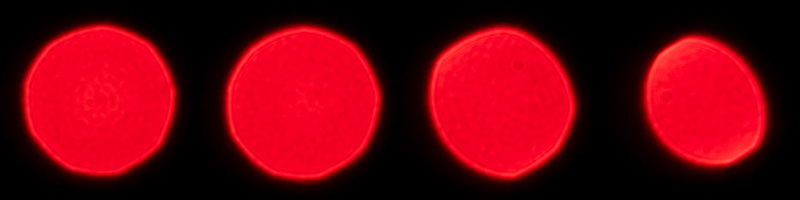
The amount of optical vignetting is pretty average for a lens with these parameters. The shapes look rather natural for a wide angle lens though and thanks to the lack of aspherical elements there are no onion rings to be found. The circles are not perfectly evenly lit, we will have a closer look at that in the bokeh section.
Sharpness
Focus Shift
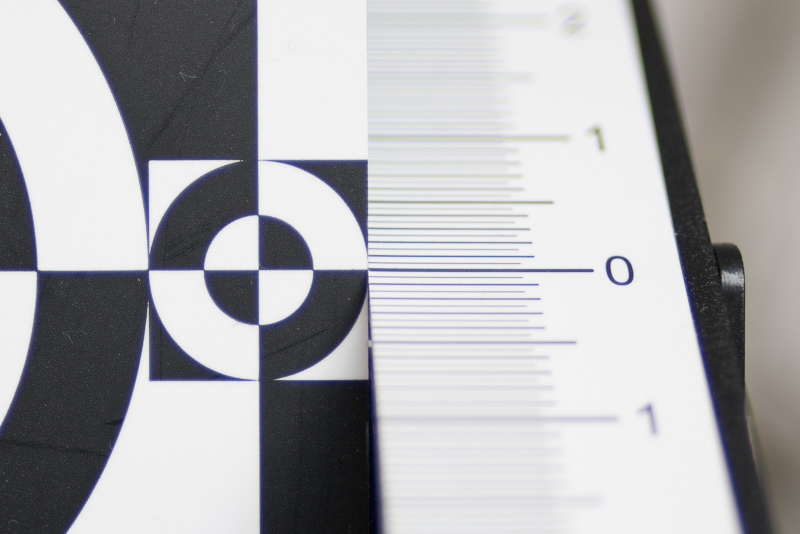
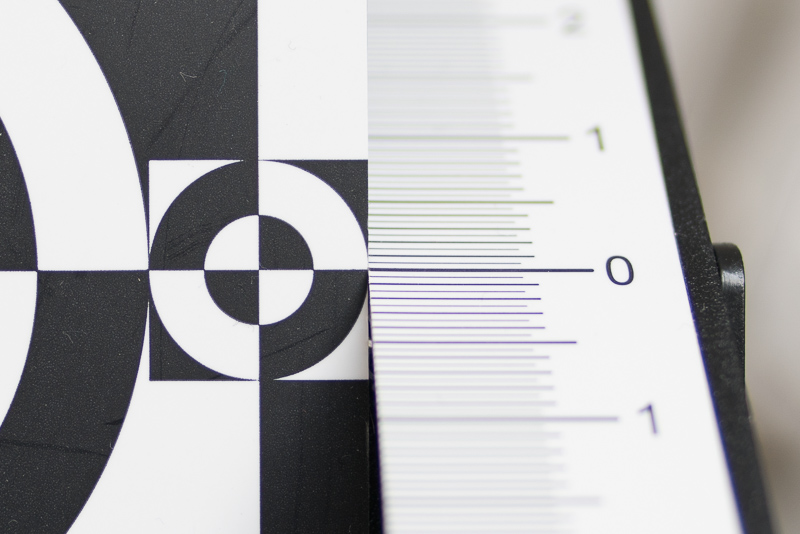
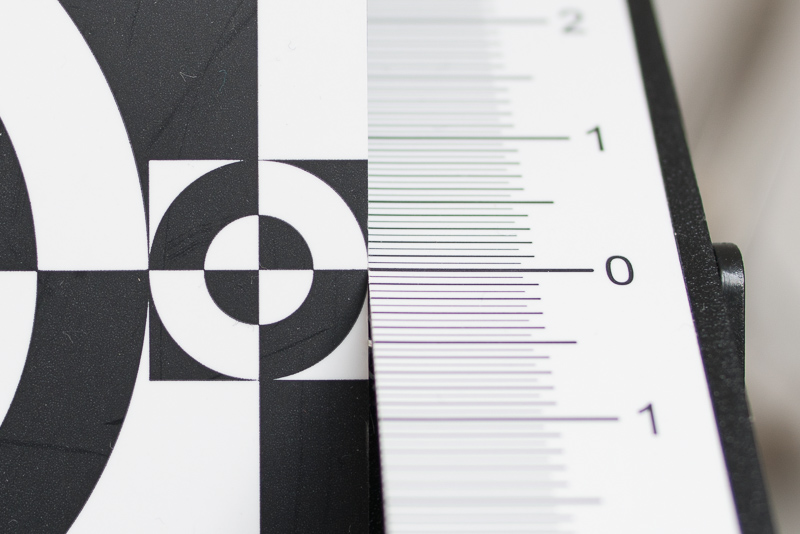
With some lenses the point of optimal focus shifts on stopping down. Here I don’t see a field relevant focus shift.
MTF Graphs

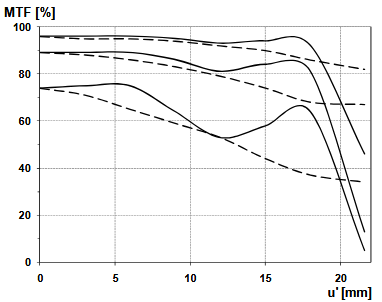
These MTF graphs promise a good performance in the center of the frame, but some Astigmatism already in the midframe and pretty bad corner performance. Stopped down to f/4.0 the performance looks good from center to midframe, but the corners still look bad.
Some reviews wrongfully claim these Zeiss 28mm 2.0 ZE/ZF/ZF.2 lenses feature the same optical design as the earlier Contax/Yashica version. This is not the case: the C/Y lens features one lens element less and according to Zeiss’ MTF graphs it performs significantly worse at its maximum aperture and shows a stronger midzone dip stopped down.
infinity (42mp Sony A7rII)
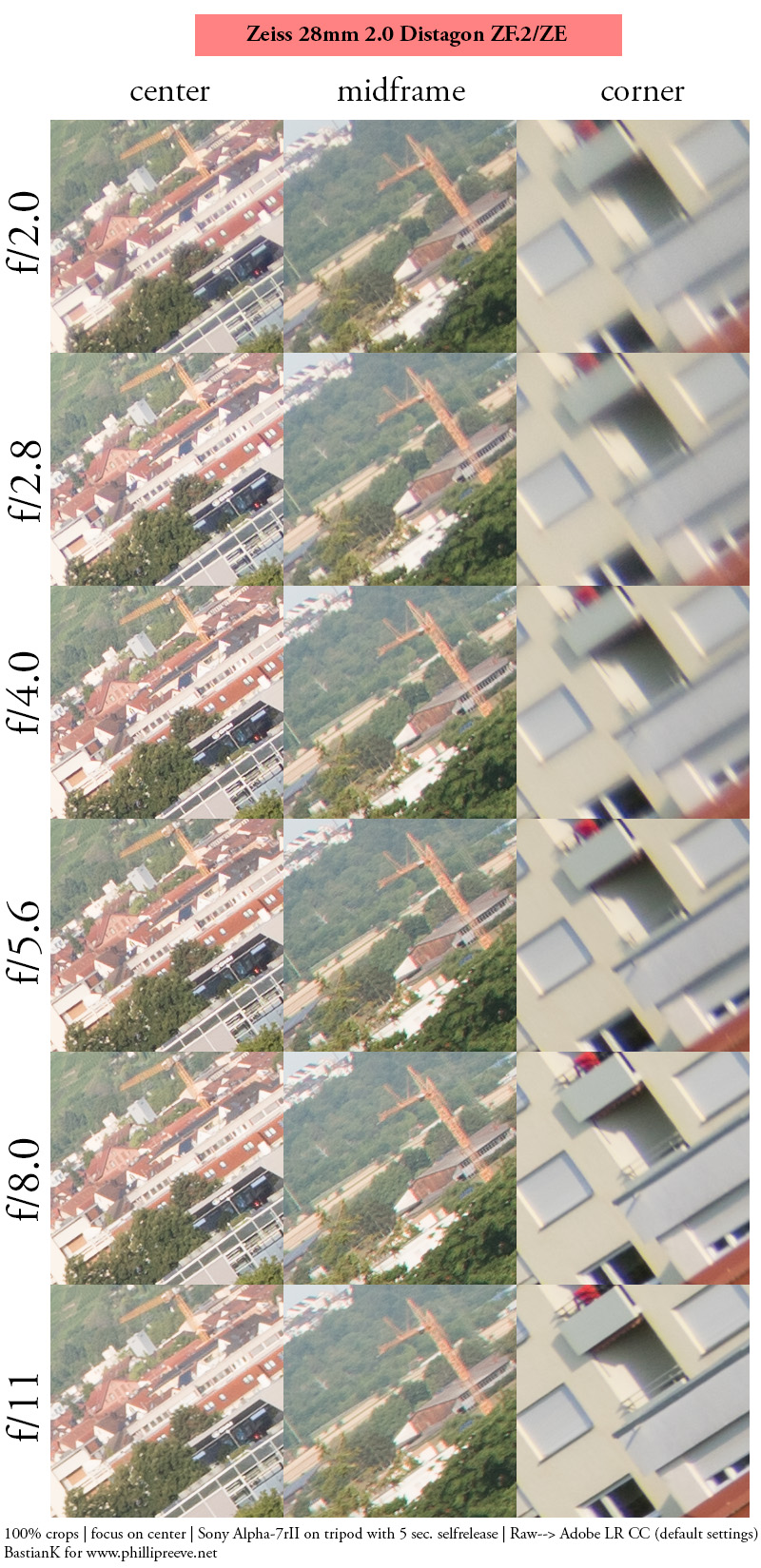
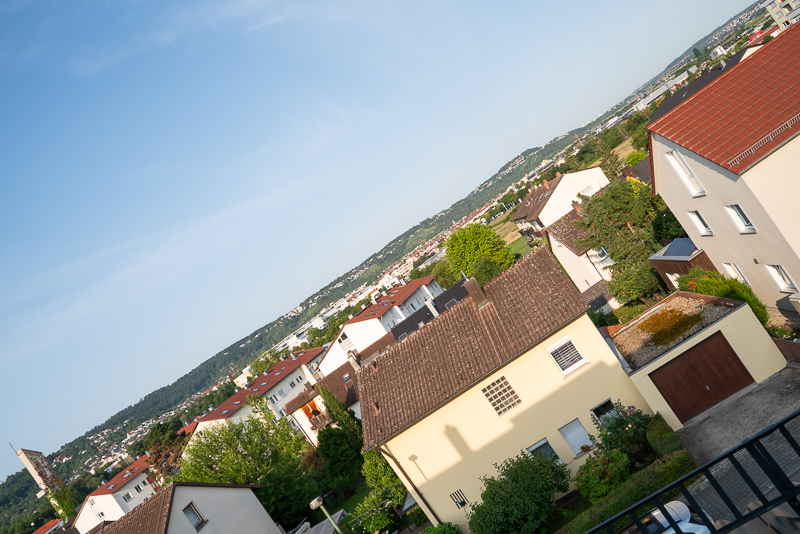
At wider apertures this Zeiss 28mm 2.0 does not show as amazing a performance as the latest mirrorless designs, but still a good performance in the center and also midframe area without a really noticeably drop in contrast or color aberrations compared to stopped down a bit.
Depending on what you are looking for the corner performance might be an issue though. The corners look really soft at wider apertures (as was promised by the MTF graphs) and they actually look best at f/11, where we can already see a loss of details in the central part of the frame thanks to diffraction. Many of the recent 28mm 1.8 or 1.4 lenses I reviewed look show great performance across frame already at f/5.6, where diffraction isn’t as much of a problem.
A good performance stopped down in this category, but not one that would get me excited in 2025 and counting.
portrait distance 0.9 m (42mp Sony A7rII)
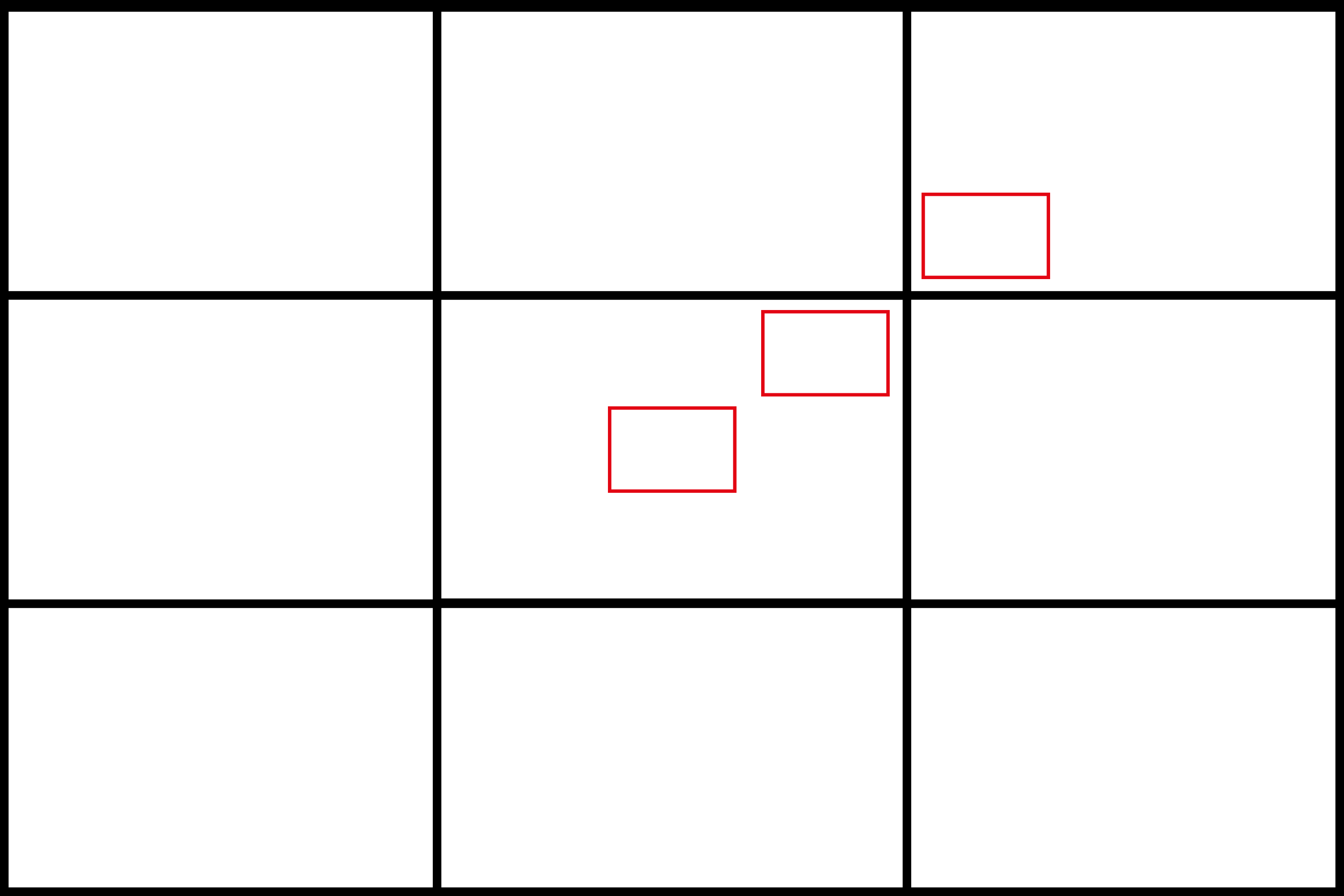
I refocused for every shot and aperture to get the best possible result at different locations in the frame (center, inner midframe and outer midframe).
The circle of the dollar bill is more or less the size of a human eye.
f/2.0 <—> f/2.8



This Zeiss 28mm 2.0 might actually be optimized for these distances: good to very good performance already at f/2.0.
close 0.25 m, 1:4.9 (42mp Sony A7rII)



The image is a bit soft at f/2.0 but clears up nicely already on stopping down to f/2.8. Typical behaviour for a lens like this and very similar to the Nikon AF-S 28mm 1.8G or the Viltrox AF 28mm 1.8 FE, no complaints again.
Flare resistance
As always evaluating flare is a complex matter since you can get any lens to look bad if you push it hard enough and a slight change of scenario can affect results a lot. Zeiss lenses are said to perform well in this category though, so let’s hope that is actually the case here, too.
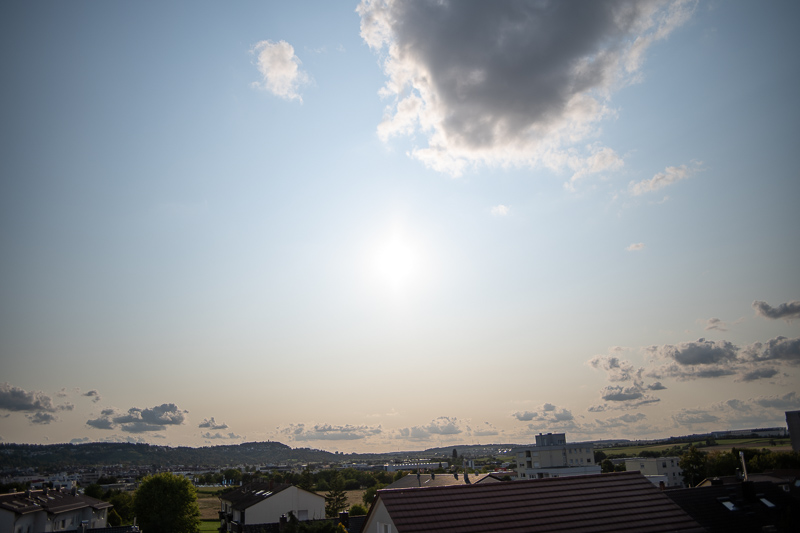
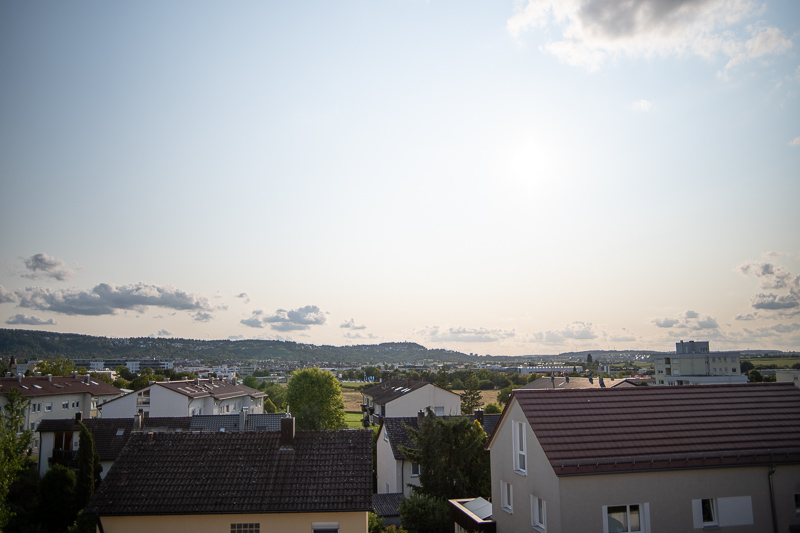
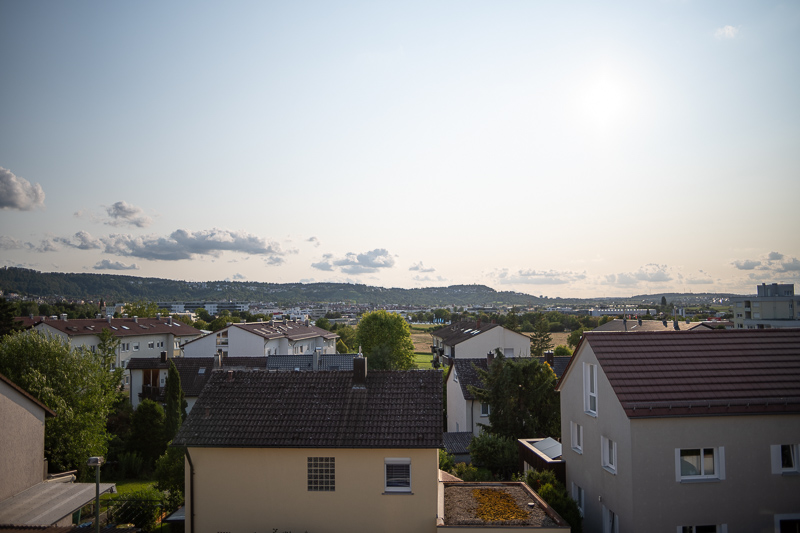
At the maximum aperture it was pretty much impossible to create any unwanted artefacts.
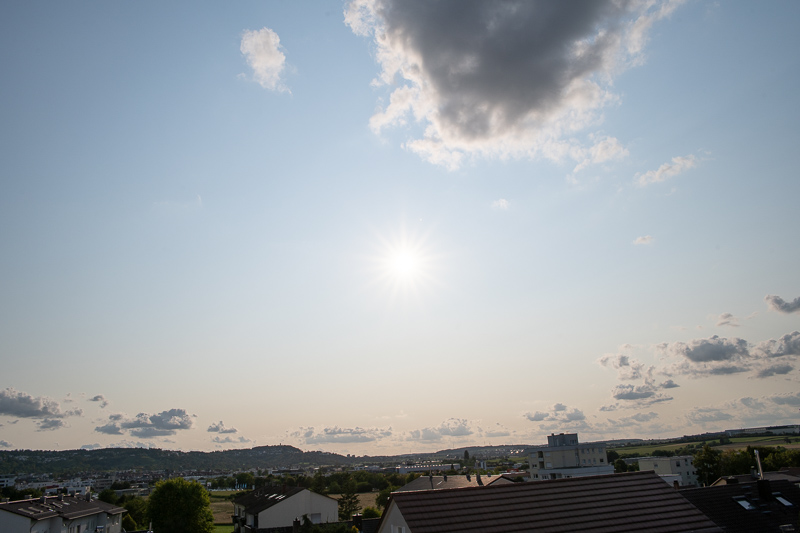
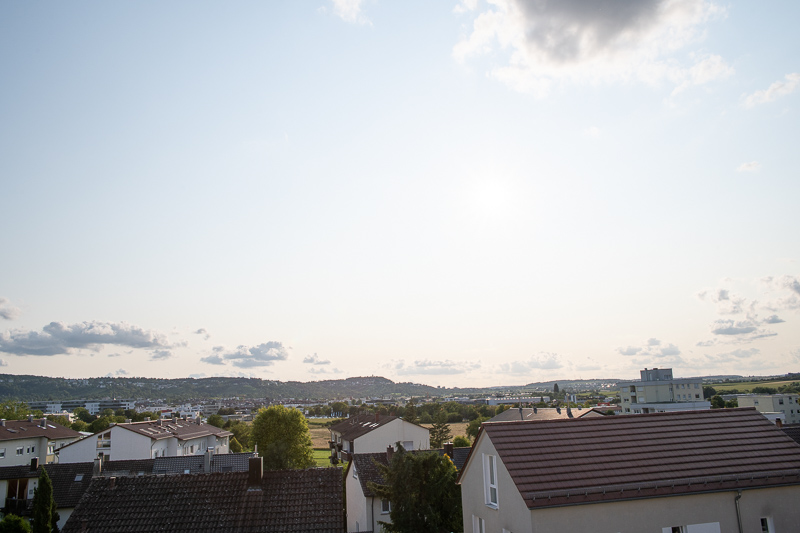
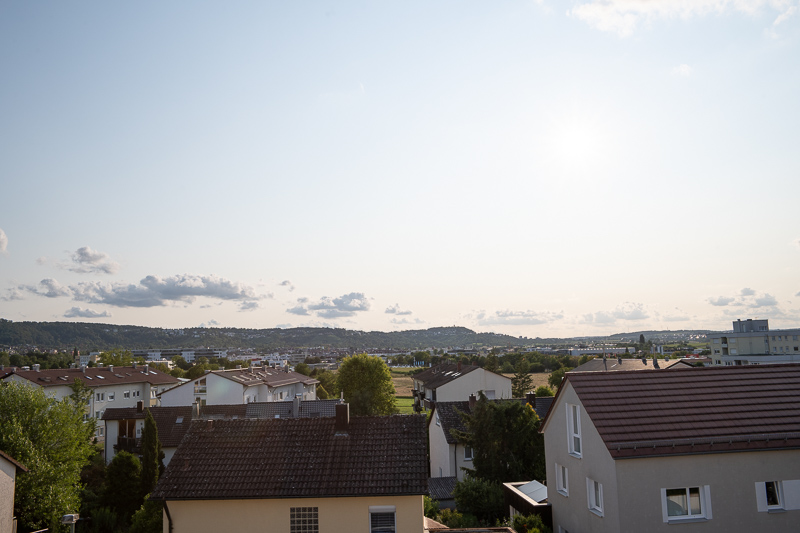
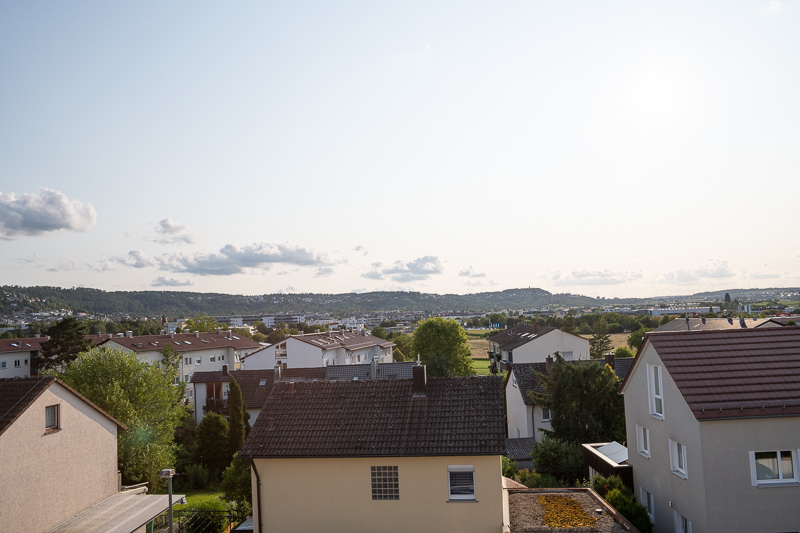
Stopped down to f/11 I did manage to create a few small ghosts which are actually hard to find in the pictures above.
A good performance, better than the Nikon AF-S 28mm 1.8G or the Viltrox AF 28mm 1.8 FE.
I also wasn’t using the short hood for any of the pictures in this review and I do think it mainly serves a cosmetic purpose.
Coma
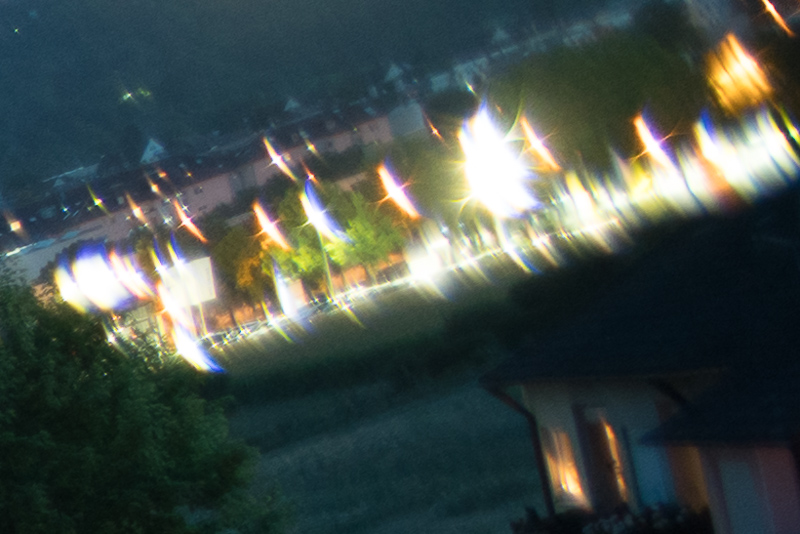

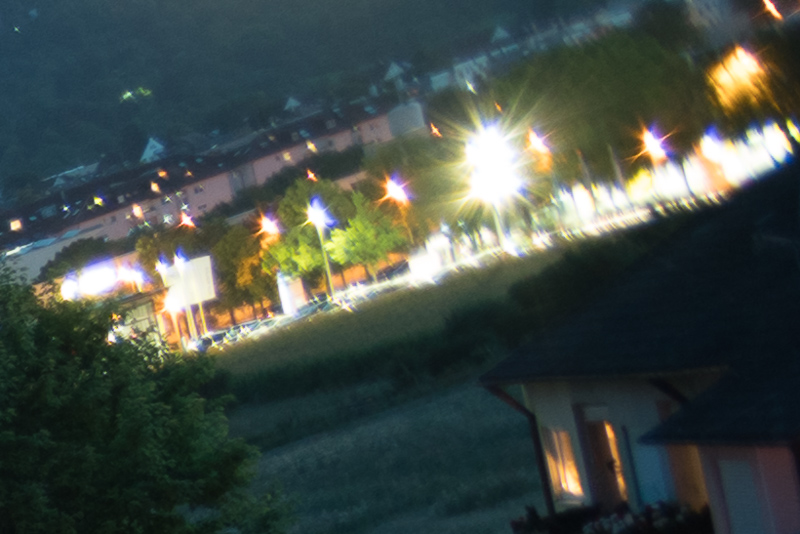
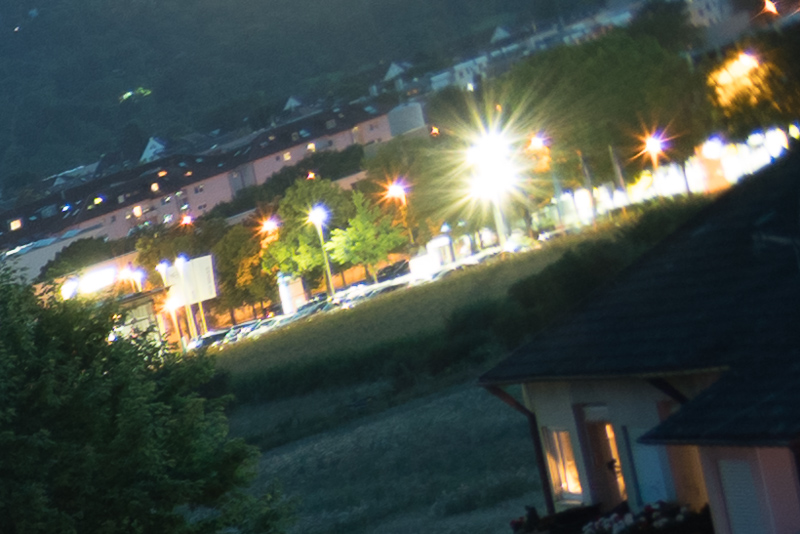
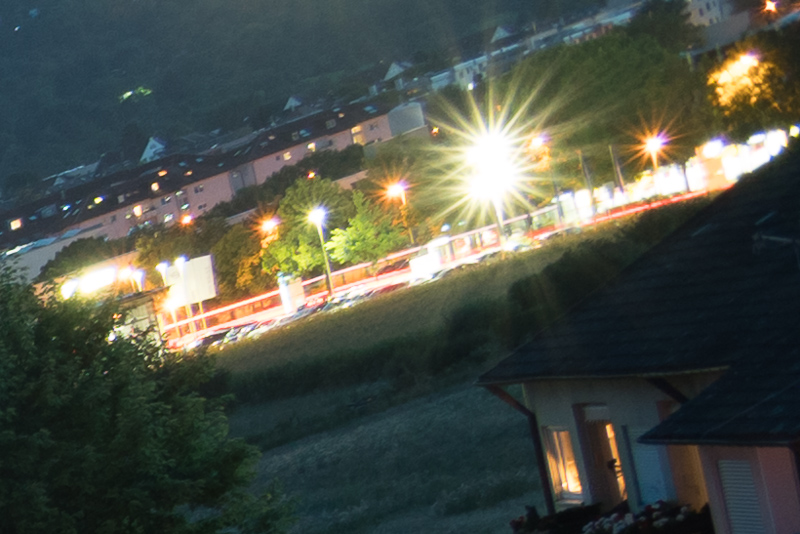
A fast wide angle lens without aspherical elements? Buckle up, this is going to be a wild ride. We can see big artefacts at f/2.0 to f/2.8 and f/4.0 still doesn’t look particularly great. Now we know which aberration is the reason for the bad corner performance at infinity.
If you are looking for a lens for astrophotography at wider apertures this is not it. Have a look at the Nikon AF-S 28mm 1.4E or Sigma 28mm 1.4 Art instead. Also the Sony FE 28mm 2.0 is doing a better job.
Distortion
The Zeiss 28mm 2.0 shows a low amount of wavy barrel distortion. A correction profile is available in Lightroom and it is doing a good job as you can see here. I used it for many of the sample pictures in this review.
Bokeh

A fast 28mm is a lens I would be using for environmental portraits, so the bokeh quality would be of high interest to me.


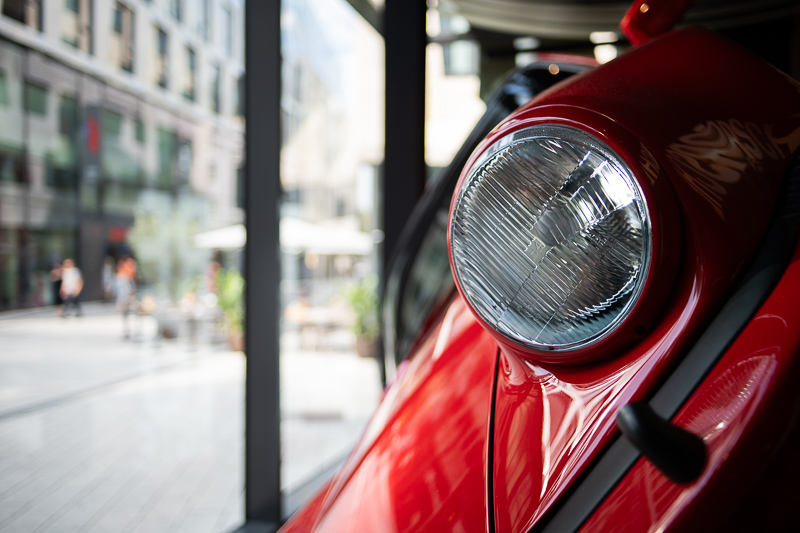
But let’s first have a look at close focus scenarios. Here the minimum focus distance of 0.24 m in combination with the floating elements design are good preconditions, as those allow for a shallow depth of field with a very well defined focal plane.
The bokeh is not the smoothest I have seen from a wide angle lens, but still mostly unobtrusive.

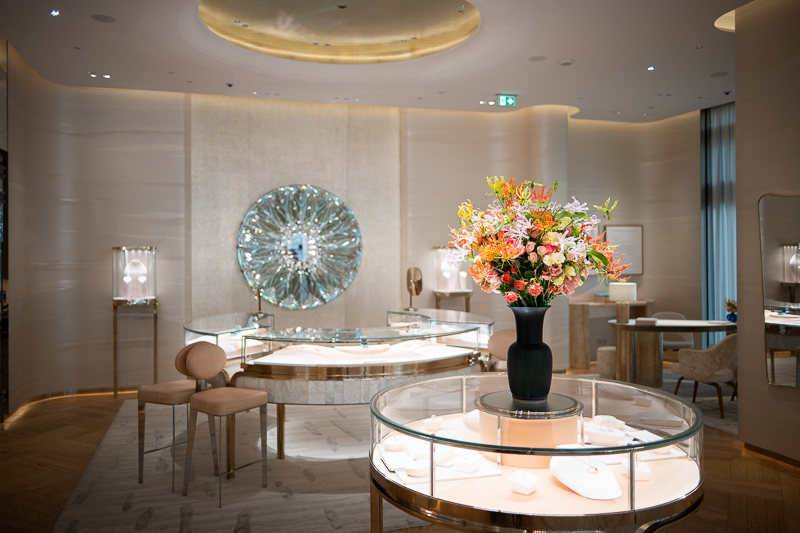
At medium distances it does already make sense to pay some attention to the background, as it seems we are dealing with unfavourable field curvature here which leads to the corner and border regions being more in focus than they should be.
To illustrate this better, let’s have a look at the following comparsion.
Compared to: Nikon AF-S 28mm 1.4E
When it comes to the Zeiss 28mm 2.0 for Contax/Yashica there is an urban legend that it features a special field curvature pattern leading to especially appealing bokeh rendering.
Now I already told you this ZF.2 version does not feature the same exact optical formula as that older C/Y lens, but still a similar one. Also, whenever I actually noticed field curvature having an effect on a lens’ bokeh rendering, that wasn’t a positive effect.
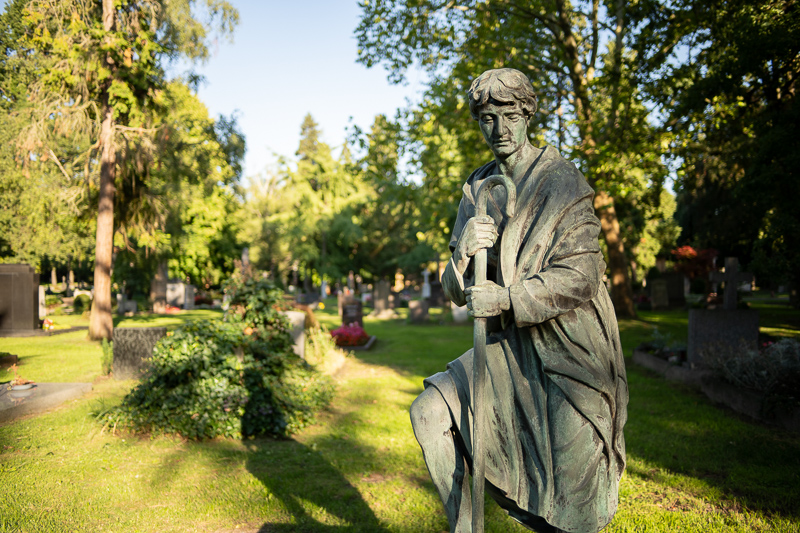
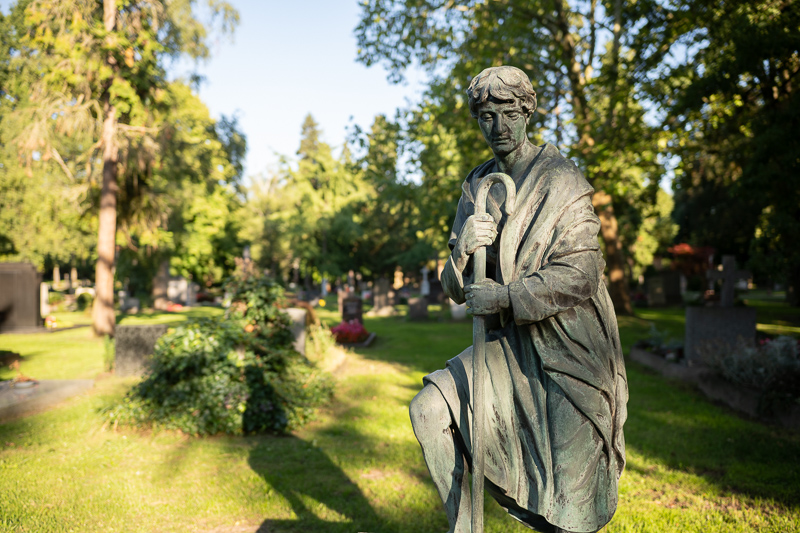
So I decided to compare the bokeh rendering of this Zeiss 28mm 2.0 ZF.2 to that of the Nikon AF-S 28mm 1.4E when stopped down to f/2.0. The Nikon is one of the best fast 28mm lenses ever made with a very flat field, so let’s see how this Zeiss compares to it.
Scene 1: Mid Distance




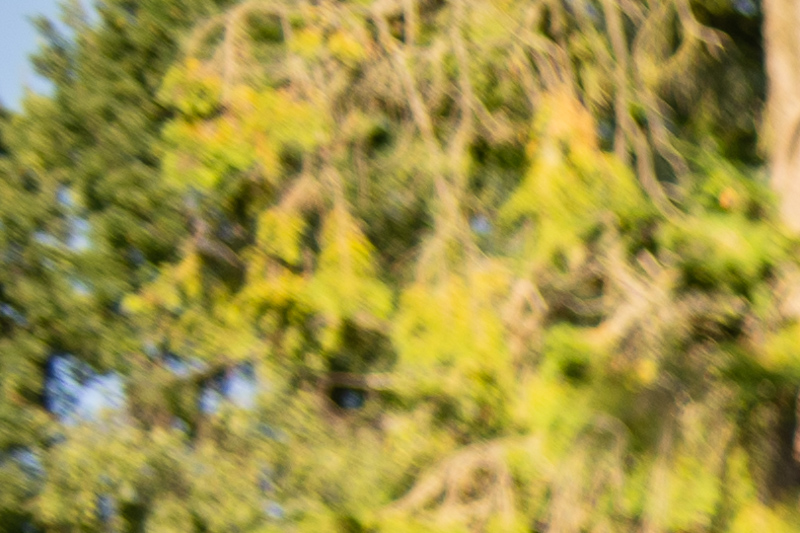
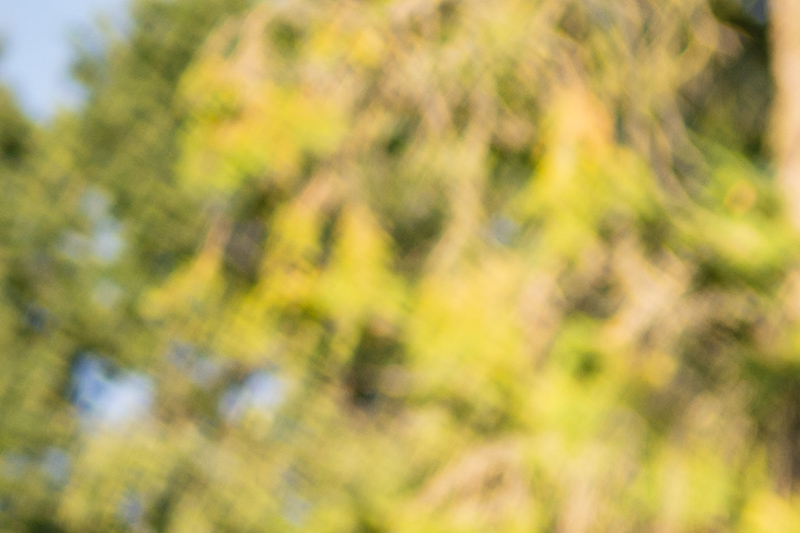
Scene 2: Long Distance


Observations
In both scenes it actually looks like the Nikon lens creates a way shallower depth of field, so why is that?
The Zeiss 28mm 2.0 has an unfavourable field curvature pattern making the edges appear more in focus than they should be. This won’t be obvious at shorter focus distances but will be very obvious at long and here even at mid distances.
This is very obvious in the second example: when looking at the center of the frame the size of the out of focus highlights is in fact similar – we do see the Zeiss creates some outlining due to slightly overcorrected spherical aberration though.
Now in the corners it looks like the Nikon lens was 2-3 stops faster, despite both lenses having been shot at the same f/Stop, such is the effect of the Zeiss’ field curvature pattern.
Personally, I am not a fan of that uneven bokeh created by the unfavourabe field curvature of this Zeiss lens, but I was of course wondering if this is only me, so I once more conducted a blind test among our Discord members, asking if they prefer the picture taken with the Nikon lens or the one taken with the Zeiss lens and the final standings were 7:1 in favour of the Nikon’s picture.
PS: Jannik had a look at the C/Y 28mm 2.0 and from the pictures in his review I don’t see it performing any different in this regard than these later ZF/ZF.2/ZE versions.
Sunstars
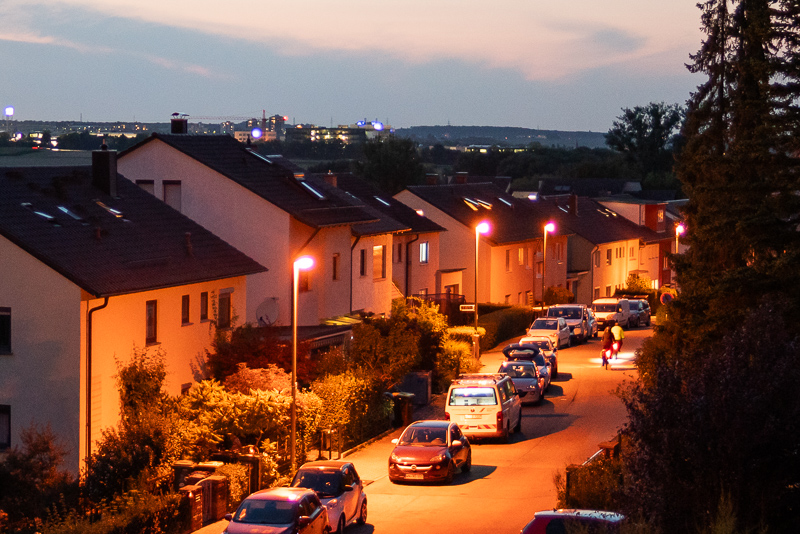
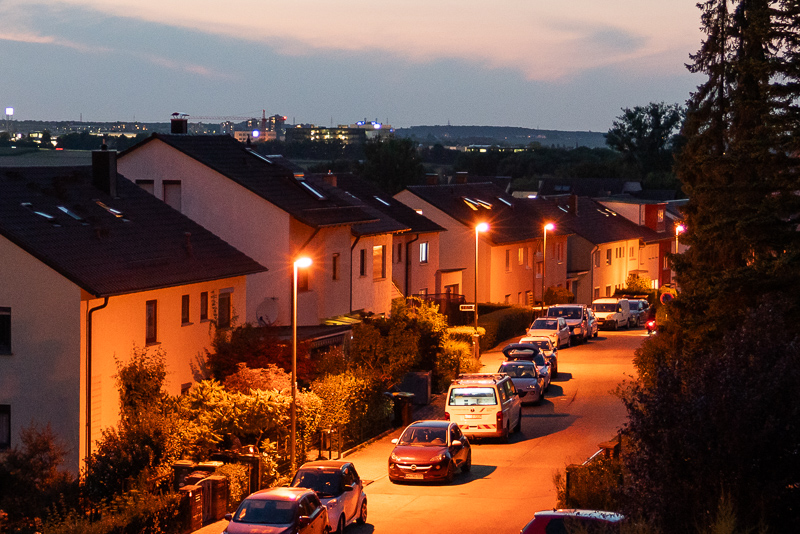
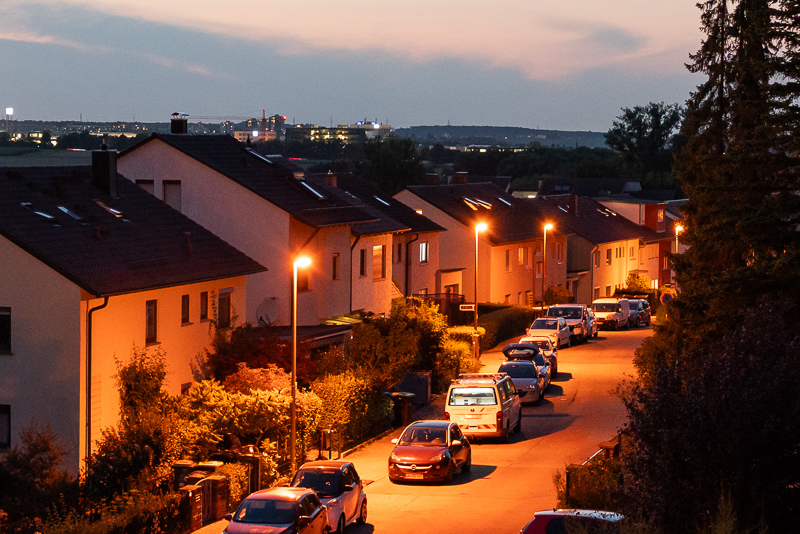
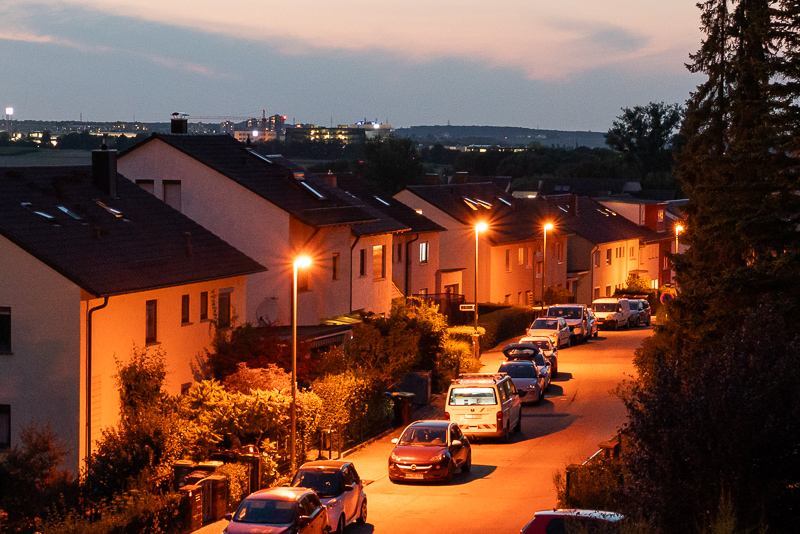
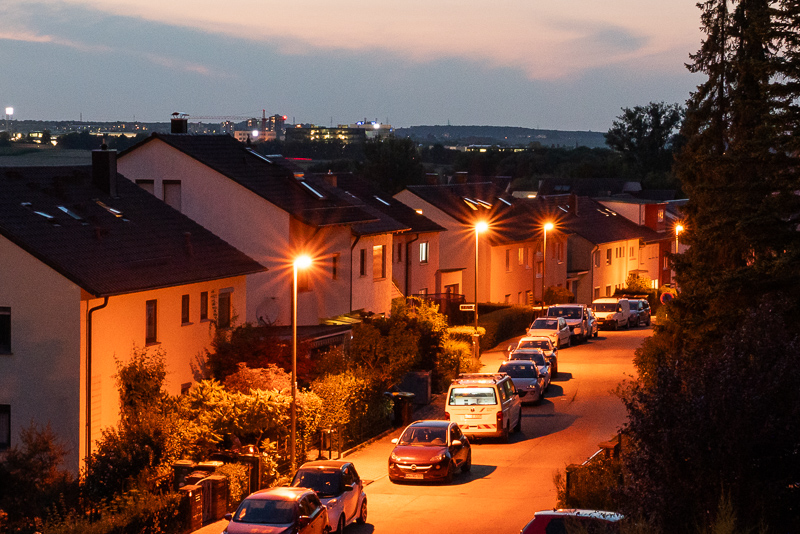
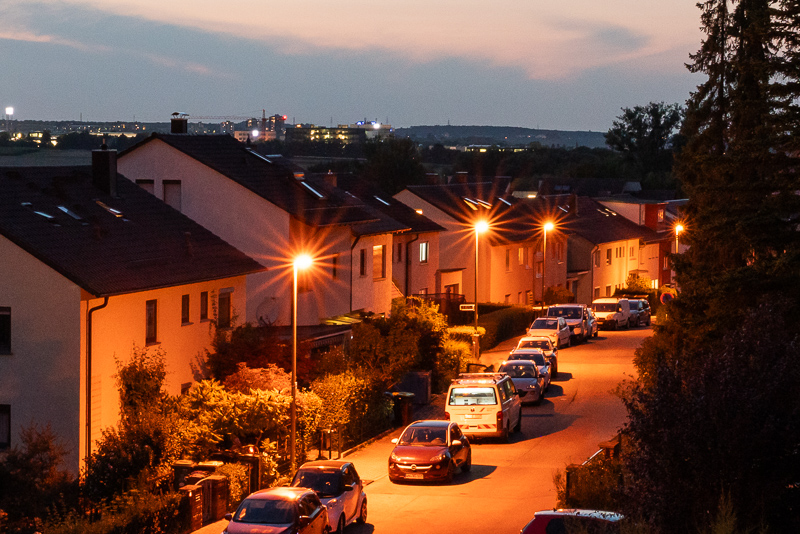
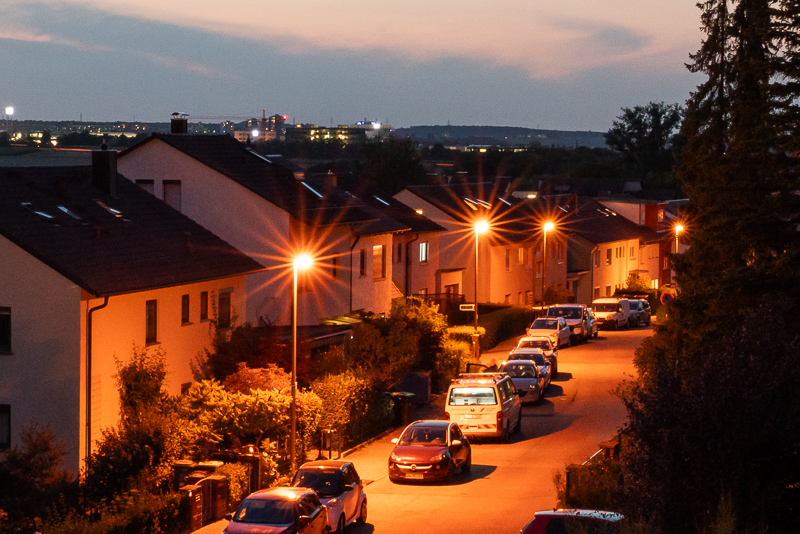
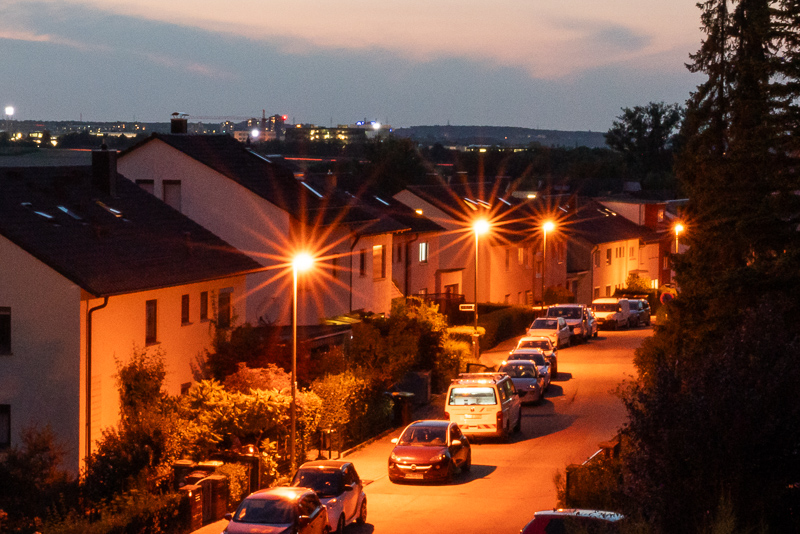
Zeiss decided to use 9 rounded aperture blades for this lens. For creating well defined sunstars stopping down to f/11 or f/22 is needed.
If you want to learn more about sunstars have a look at this article.
Chromatic aberration
lateral

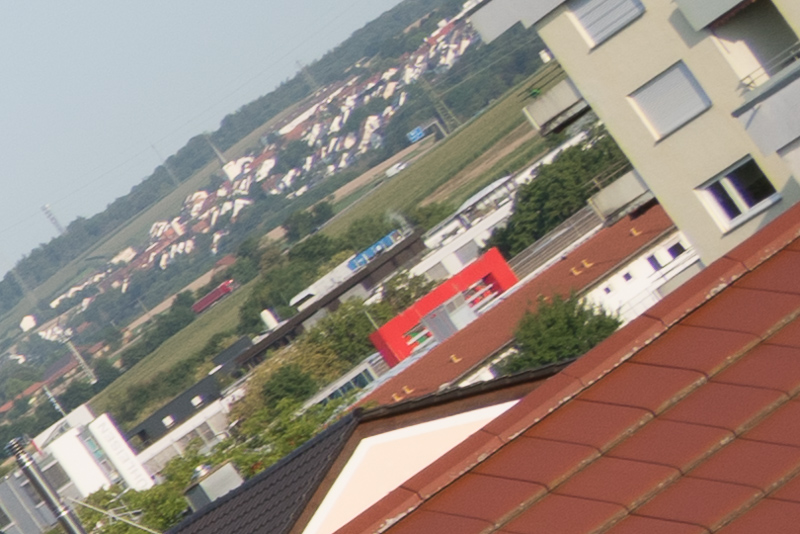
Similar to the Zeiss 18mm 3.5, also this 28mm 2.0 shows a noticeable amount of lateral CA. The correction e.g. in Lightroom does a very good job here though.
longitudinal
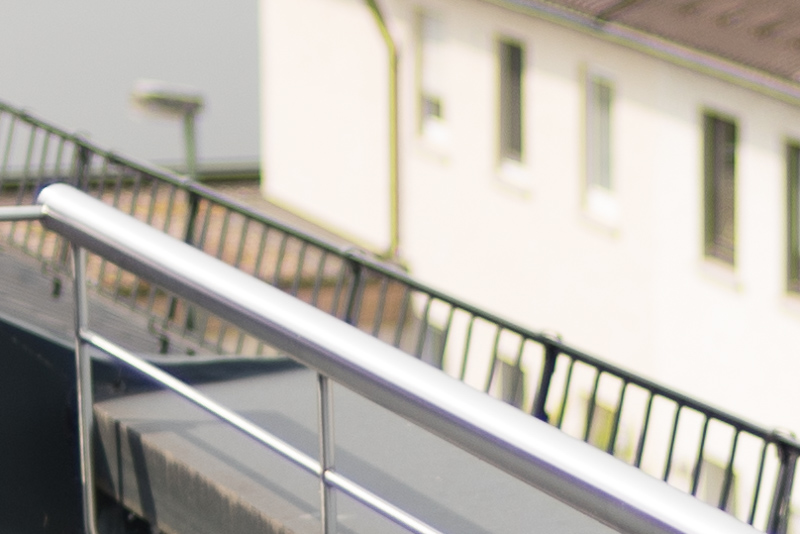
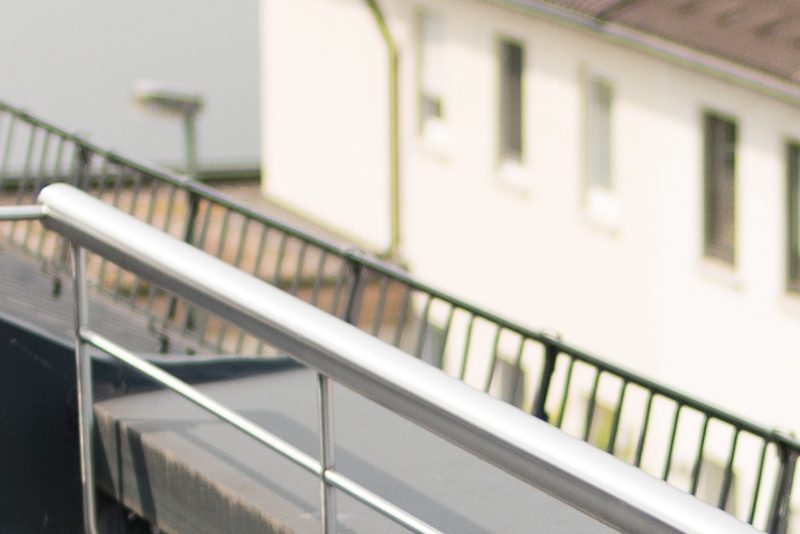
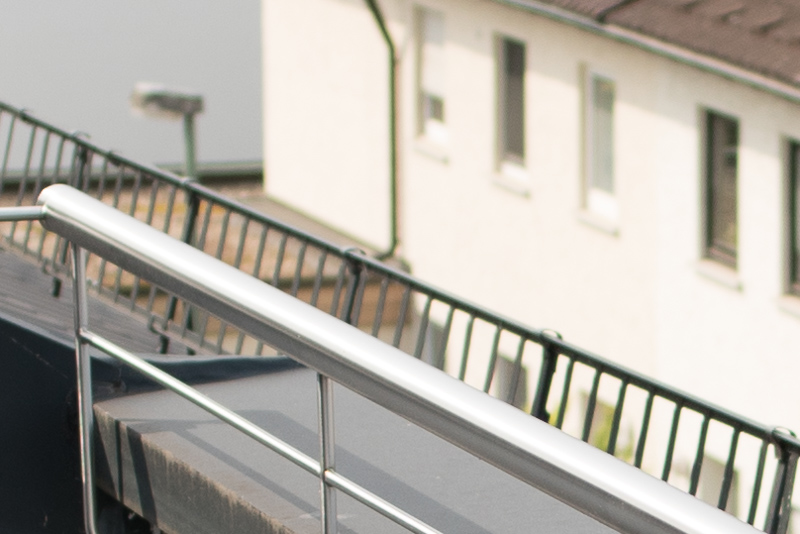
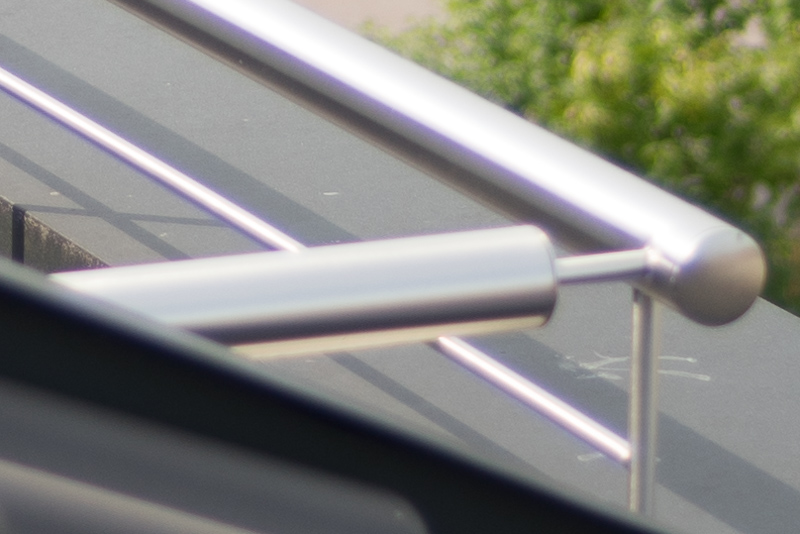
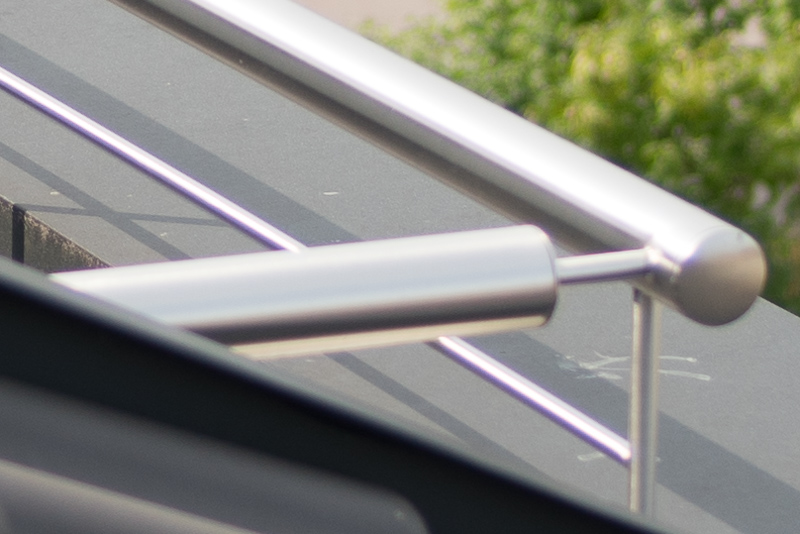
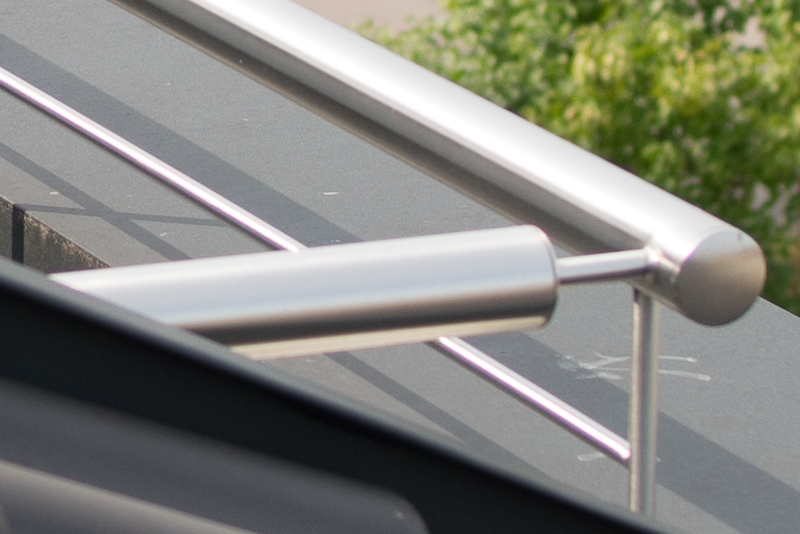
Considering this Zeiss 28mm 2.0 is not exactly super fast with its f/2.0 maximum aperture, the bokeh fringing is a bit on the high side and we can still see some outlining stopped down to f/4.0.
Admittedly, also the Nikon AF-S 28mm 1.8G from its era and even newer designs like the Viltrox AF 28mm 1.8 FE or the Sony FE 28mm 2.0 don’t perform a lot better here.
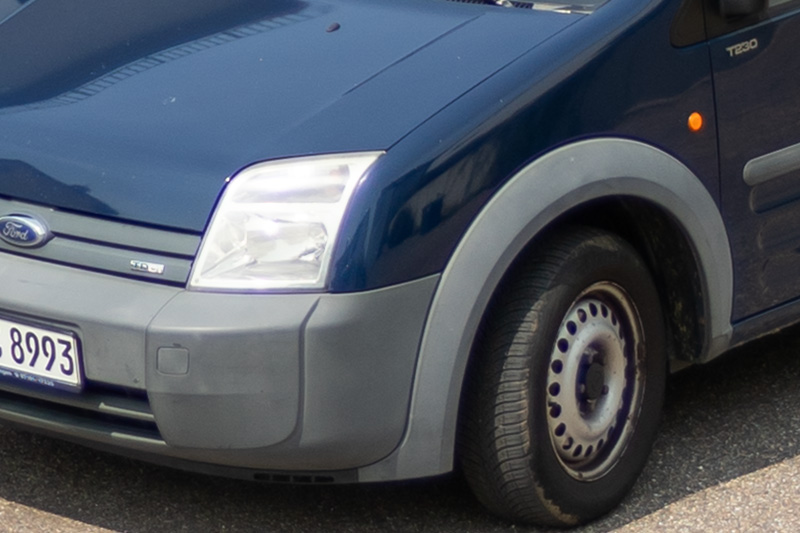

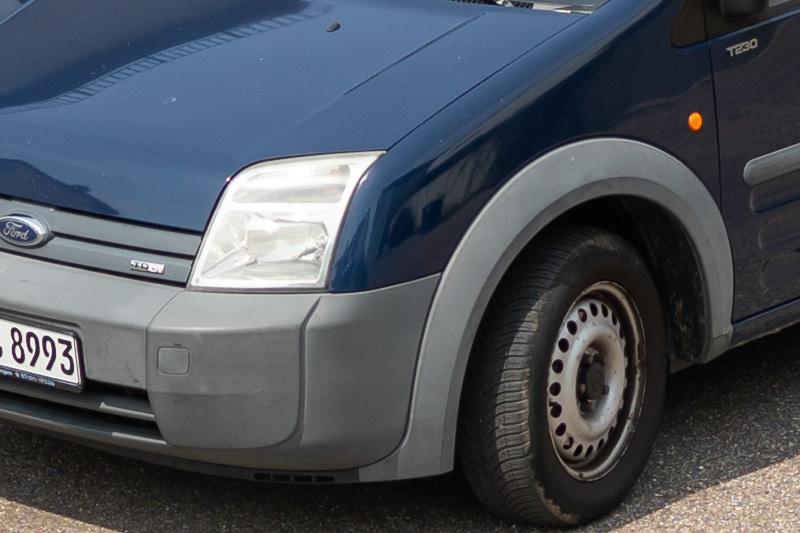
Also purple fringing can be spotted at f/2.0 and still at f/2.8 if looking closely.
Conclusion
good
|
average
|
not good
|
These Zeiss Classic lenses are beautifully crafted manual focus lenses and also personally I greatly prefer their mechanical design to that of the newer Zeiss Milvus lenses. In terms of optical performance, these lenses are not really a match to today’s competitors though.
While not entirely the same, the optical design does seem to take a lot of inspiration from the Contax/Yashica 28mm 2.0 released some time in the 1970s to 80s and it shows: the lack of aspherical elements leads to mediocre corner sharpness unless stopped down a lot – thanks to Coma – and we also have to deal with some unfavourable field curvature having a negative effect on the bokeh rendering at mid to long focus distances.
In today’s times I think this lens mainly makes sense for people who are still using manual focus F-mount SLRs or who highly value a classic mechanical design. Everyone else is probably better of with one of the alternatives.
buy used from ebay.com | ebay.de (advertisement/affiliate links) starting at $600
Alternatives
I will only talk about the obvious alternatives here, meaning other modern 28mm primes available for E-mount. There are of course many zooms available covering 28mm as well, you can find those discussed in our FE Guide.
F-mount
Nikon AF 28mm 1.4D:
This was the first 28mm 1.4 fullframe lens ever made when it was released in 1994. It uses a hand ground aspherical element as well as a very complex floating elements design, but it does not match the performance of the newer Nikon AF-S 28mm 1.4E or of the Sigma 28mm 1.4 Art. It also has become a bit of a collector’s item, driving up its used price. For most people not a really good choice, but it does have a high compatibility among Nikon SLRs and works without limitations on e.g. the FE/FM series.
buy used from ebay.com (advertisement/affiliate link) starting at $1200
Nikon AF-S 28mm 1.4E:
The successor to the aforementioned lens. One of Nikon’s last (and best) lenses designed for the F-mount that therefore comes with an electronic aperture diaphragm. A good choice to use adapted on a Z camera, not so great choice for other camera systems as only very few and costly adapters allow to change its aperture setting.
buy from Amazon.de | B&H | ebay.com for $1799 new / $1000 used (advertisement/affiliate links)
Nikon AF-S 28mm 1.8G:
In some of the categories there are differences compared to the 28mm 2.0 Zeiss lens being reviewed here, but I do rate their performance being very similar. Therefore for most people this affordable Nikon lens probably makes more sense.
Unlike the aforementioned lens it does not work as well with older Nikon SLRs due to the lack of an aperture ring, it does however work flawlessly with the latest Z-mount mirrorless cameras.
buy from Amazon.com | Amazon.de | ebay.com | ebay.de | B&H (advertisement/affiliate links) for $700 (new) or $300 (used)
Sigma 28mm 1.4 Art:
If you are looking for a high performance 28mm lens with auto focus this is one of your few options and quite affordable these days.
buy from amazon.com | amazon.de | B&H | ebay.com (advertisement/affiliate links) for $799 (new) or $550 (used)
Mirrorless
You can find many alternatives discussed in our Guide to 20-28mm lenses. You may want to have a closer look at the Viltrox AF 28mm 1.8 FE if you are looking for a lens with auto focus or the Voigtländer 28mm 1.5E or the Laowa 28mm 1.2 Argus if you are looking for a manual focus lens.
If you actually like the field curvature pattern of this Zeiss 28mm 2.0 I have shown in the bokeh section the Laowa lens should be exactly what you are looking for as it has similar issues at longer focus distances.
Sample Images
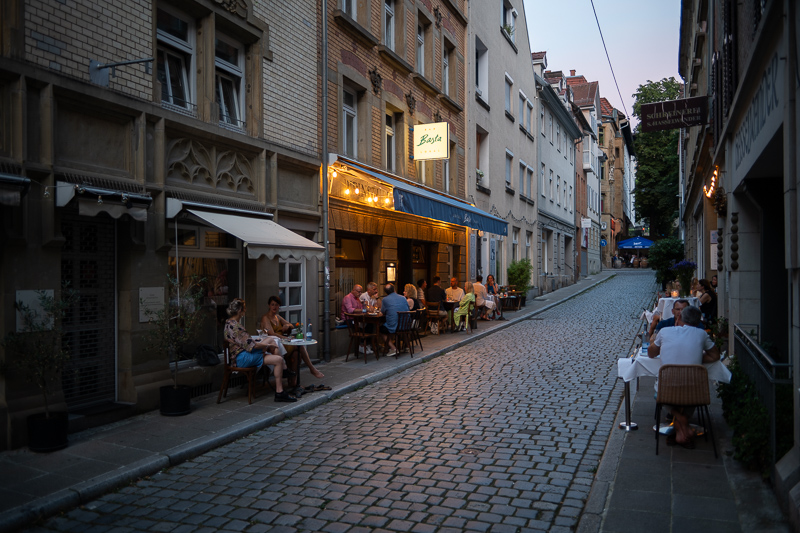
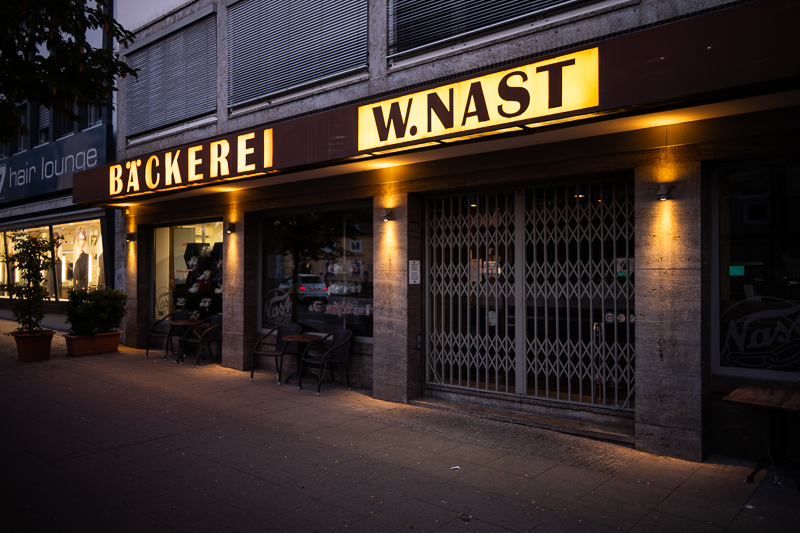

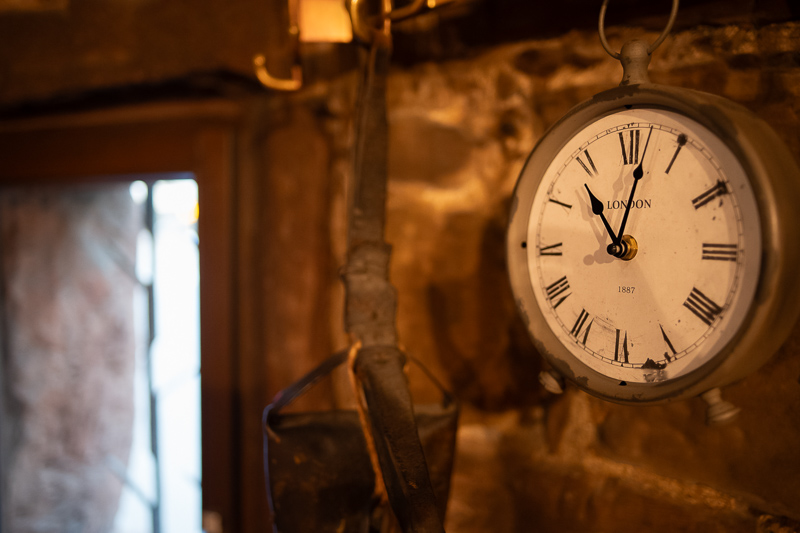
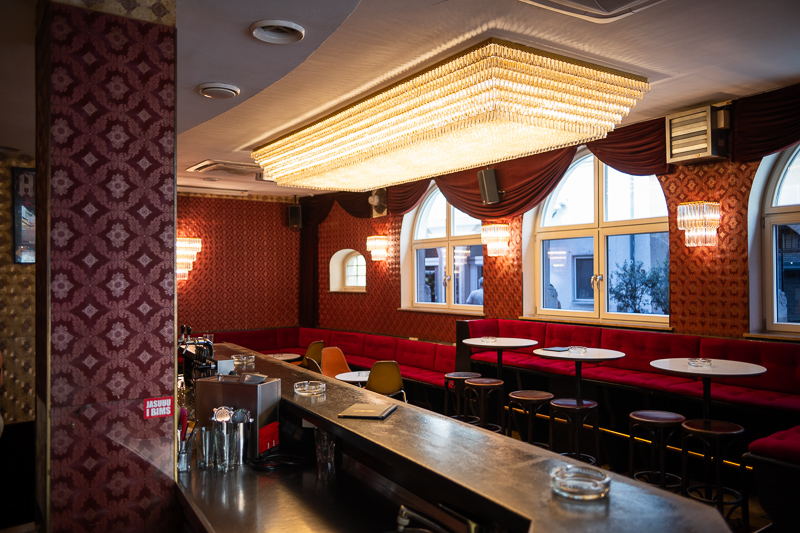

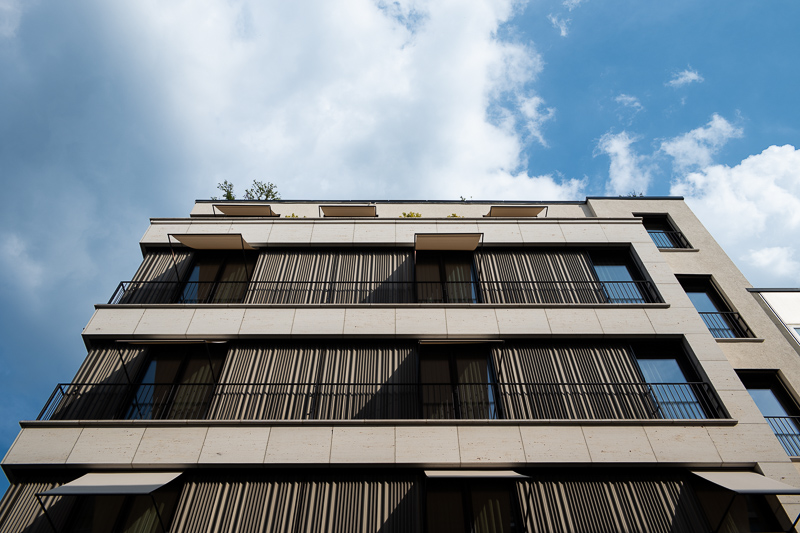
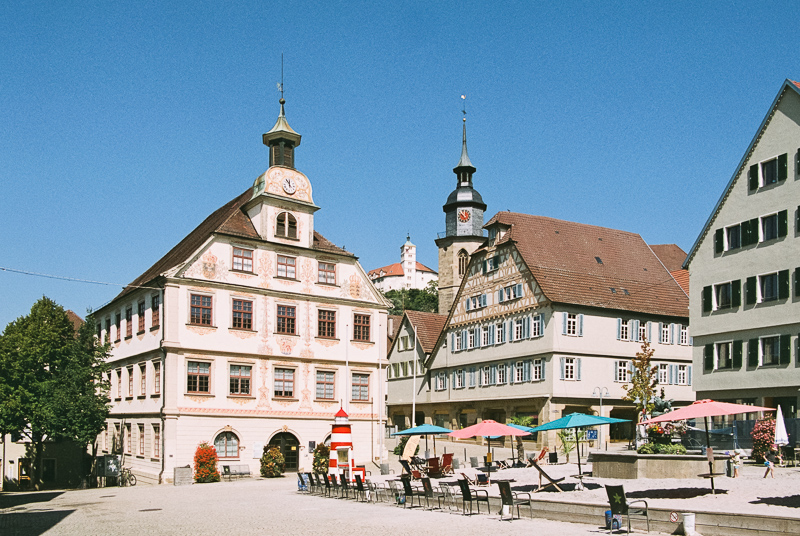
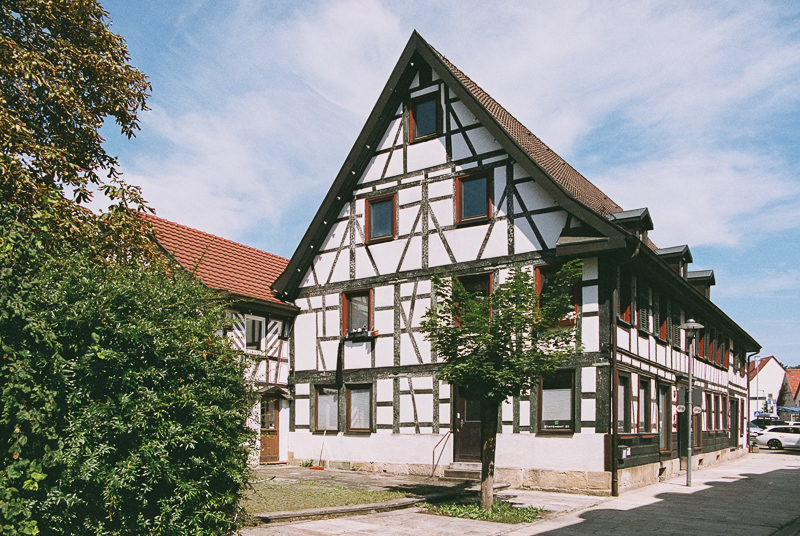
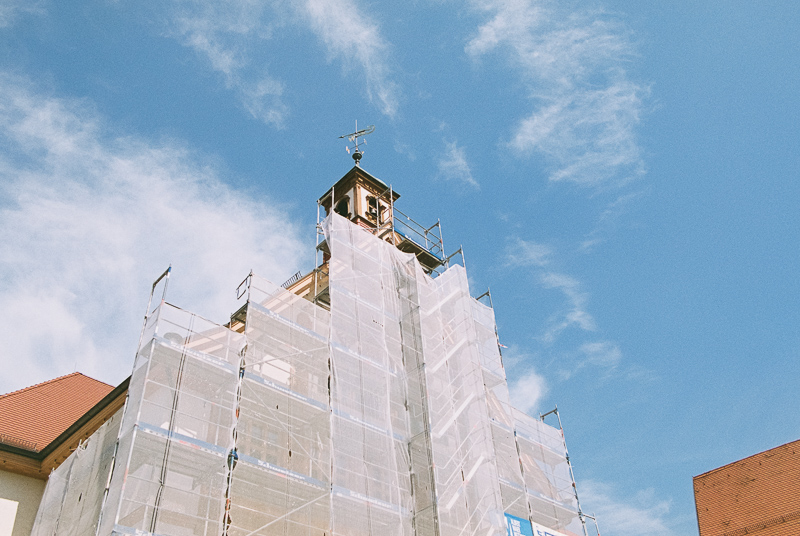
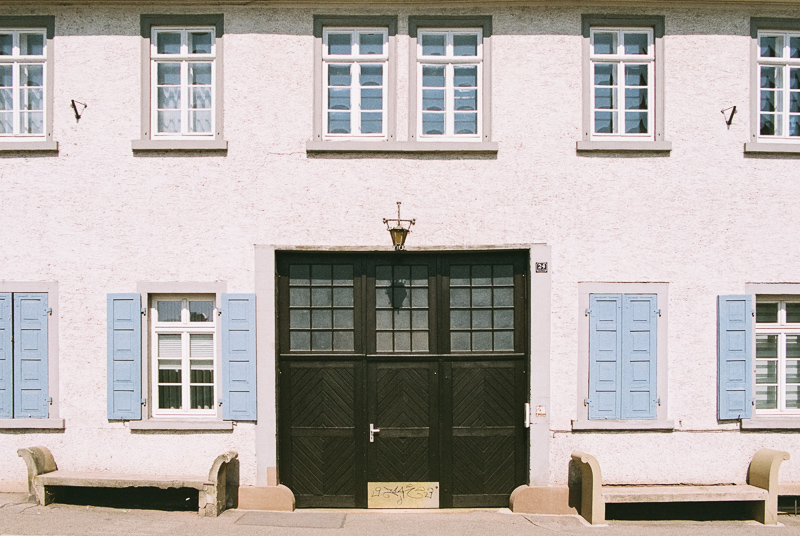
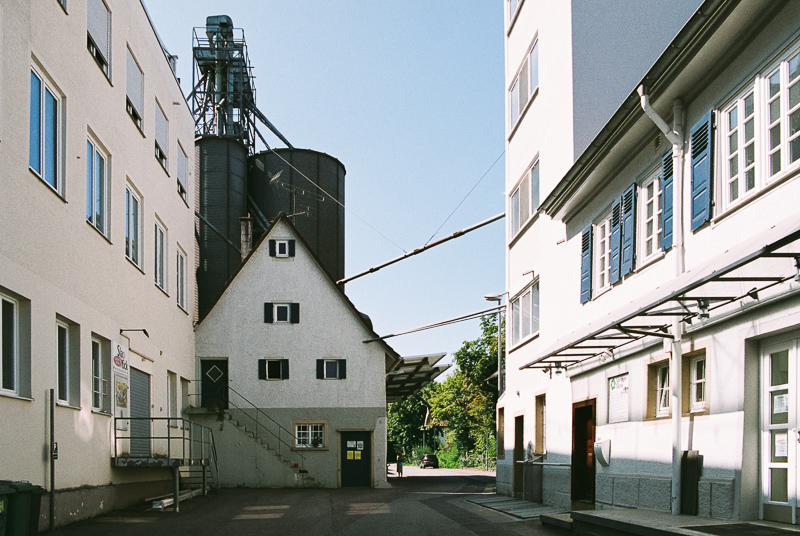
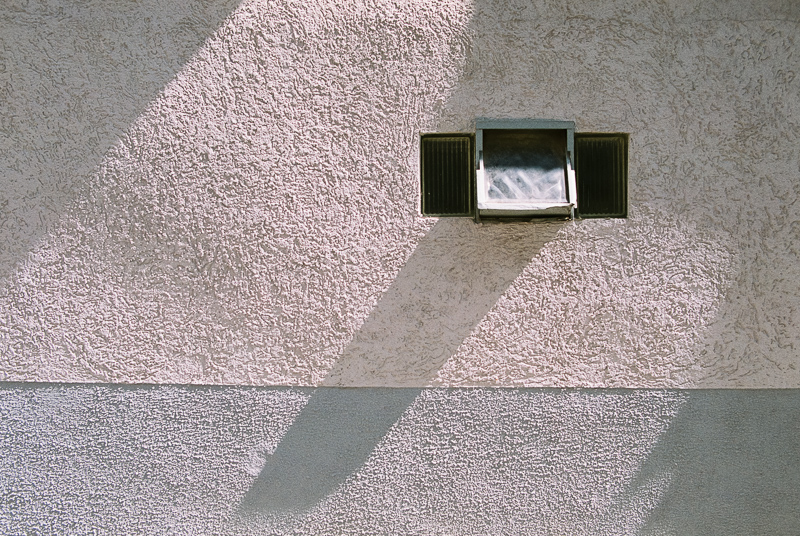

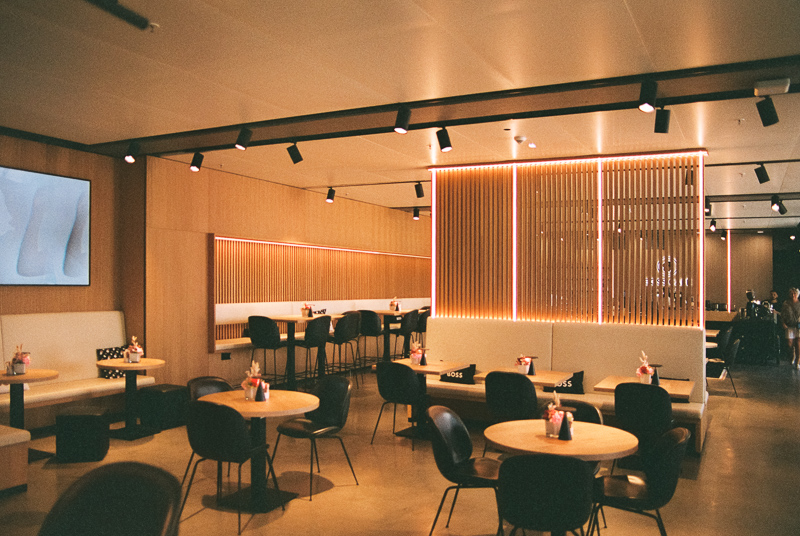
Most of the sample images in this review can be found in full resolution here.
Further Reading
- All Lens Reviews
- Lens aberrations explained
- Review: Zeiss 16mm 8.0 Hologon
- Review: Zeiss ZM 18mm 4.0 Distagon
- Guide: 20-28mm lenses for Sony FE
- Follow us on Discord
Support Us
Did you find this article useful or just liked reading it? Treat us to a coffee!

 via Paypal
This site contains advertisement/affiliate links. If you make a purchase using any of the links marked as advertisement/affiliate links, I may receive a small commission at no additional cost to you. This helps support the creation of future content.


Latest posts by BastianK (see all)
- Prime Day Photoshop+Lightroom offer for Amazon Prime Members (EU/UK) | Update: also at B&H - October 7, 2026
- Review: Nikon AF-S 18-35mm 3.5-4.5G - October 7, 2026
- Review: Sigma 14mm 1.4 DG Art – World’s widest f/1.4 lens - September 26, 2026
I have both the Voigtlander F and K mount adapters for Sony E. I was wondering if you found the final baffle (closest) to the mount too small for a FF sensor?
It seems a little bit small to me, never noticed a difference myself.
With the Voigtländer F mount adapter I did in fact remove the rear light baffle as it led to black corners on some Tele lenses I used it with.
Don’t have the Pentax adapter, situation might be similar.
Consider obeserving the rear element of most lenses. Sony E mount is adequately large.
He was talking about that Voigtländer adapter, not the E-mount itself.
According to a recent SonyAlphaRumors.com post, a previously-accurate source claims that a Sony FE 28mm f/1.8 G is in development. If true, and assuming one can wait, that will probably be the best option, at least on Sony full-frame, for a 28mm with good optical performance including out to the corners.
I think you might be overlooking the main strength of the lens. The field curvature will separate the subject from nearby objects that are in the same plane or closer! It of course won’t help when the surrounding objects are deep in the background. It really has nothing to do with the bokeh quality. The lens has the ability to put adjacent figures more out of focus, a feature wonderfully useful to cinematographers for obvious reasons.
No it won’t because when taking pictures of nearby objects the field curvature is not noticeable.
While I see your point to limit sharpness to the middle of the picture, using a lens with high field curvature for this seems to be very cumbersome to me.
High strong field curvature, objects in the background suddenly become sharp if they are at the edge of the frame, which can be quite challenging to handle.
If you want blurred edges, why don’t you use a vintage lens that is generally not sharp outside the center? Any cheap Helios or Domiplan or other old lenses will do the trick.
The field curvature can be used for _more_ bokeh too, if the object / focus is placed at the side of the frame, or am I wrong?
I’m not sure, if you the field curvature is a pure negative, it can be used creatively, as Ming Thein pointed out, but you have to be aware of it. A new discord poll with the subject at the side of the frame would be interesting.
The subjects are already on the side in the comparisons.
For what kind of pictures would you regularly place your subjects at the edge of the frame?
I have yet to see a picture that benefits from this type of field curvature.
Some of Saul Leiters Images are like that, maybe something like “Kreidefelsen auf Rügen” by Caspar David Friedrich could benefit from this (spectators in a half circle at the bottom of the frame), Ming Theins example is a plate with food, that looks rather nice. Another example is your picture of a plate with food, but you profit from being in focus rather than out of focus, the focus follows the plate.
But your right, it’s not very common. I’ll try to create my own version and come back to you, the uncommonness is motivating 😉
This is a very nice and helpful review, it was a pleasure to read, thank you!