Introduction
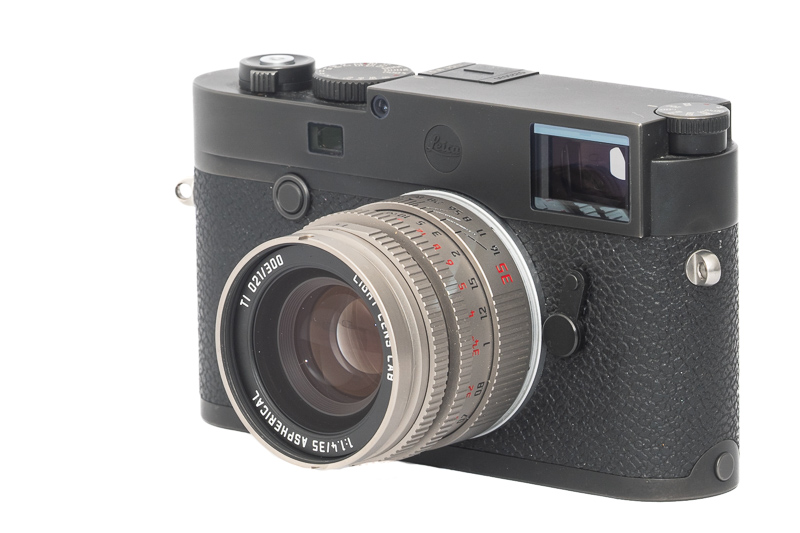
When it comes to 35mm M-mount lenses, you may think the current Leica 35mm 1.4 Summilux-M FLE MK II ($6900) is the most expensive one, but then there is also the slower Leica 35mm 2.0 Apo-Summicron-M ($9500) and if you are up to date you have also heard of the faster Leica 35mm 1.2 Noctilux-M ($9650). But all these lenses are nothing compared to a Leica 35mm 1.4 Summilux-M “11873” AA “Double Aspherical” from 1990, fetching around $20000 on the used market. Light Lens Lab decided to recreate this rare lens from the past while adding some small improvements on the way. Let’s have a look at this Light Lens Lab 35mm 1.4 Aspherical “11873”.
Sample Images
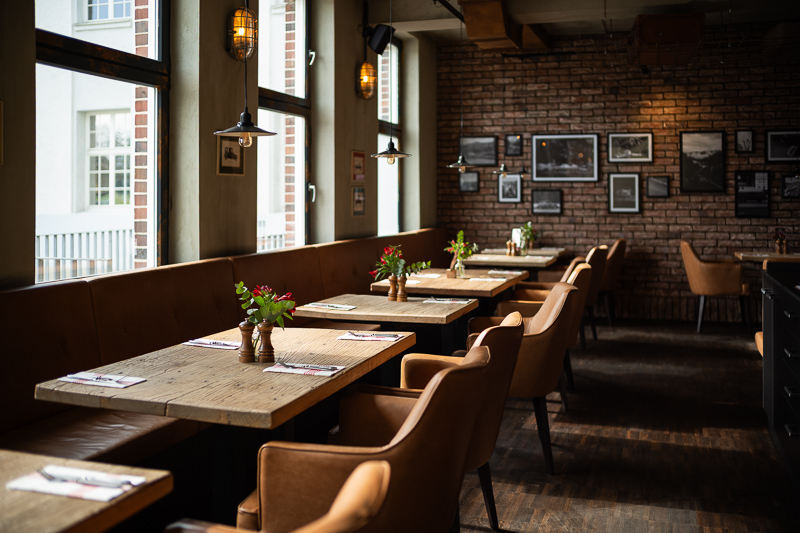

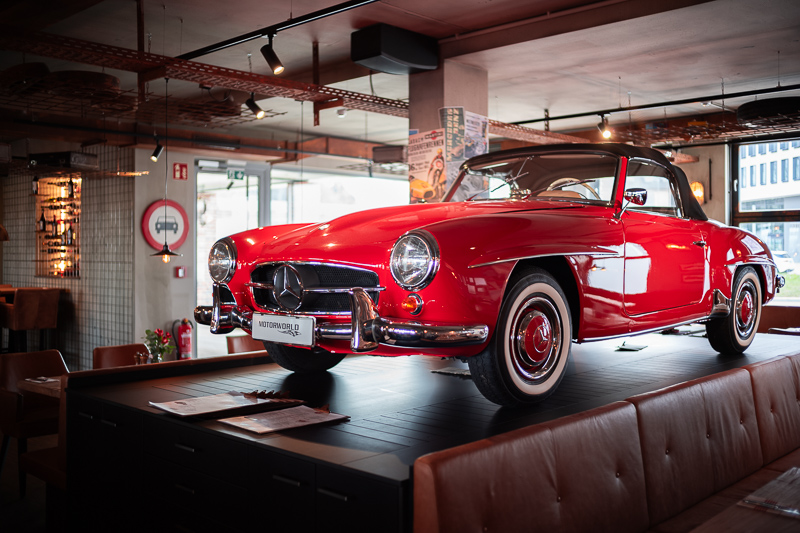
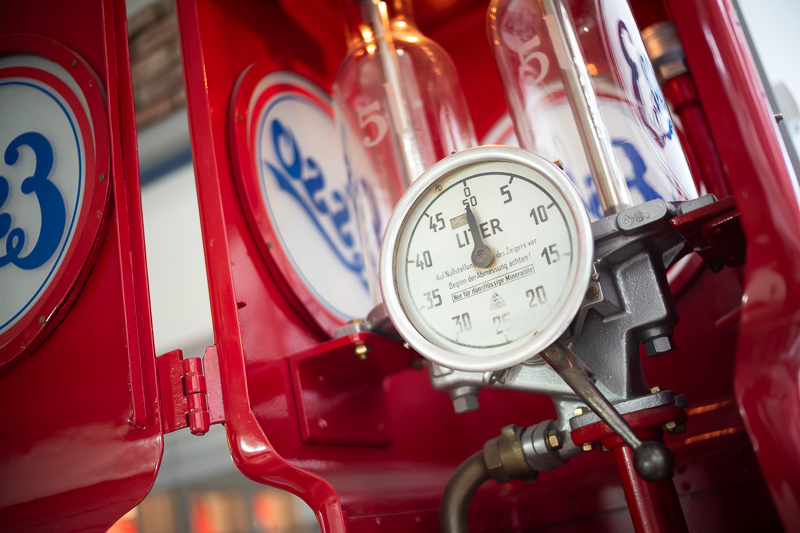
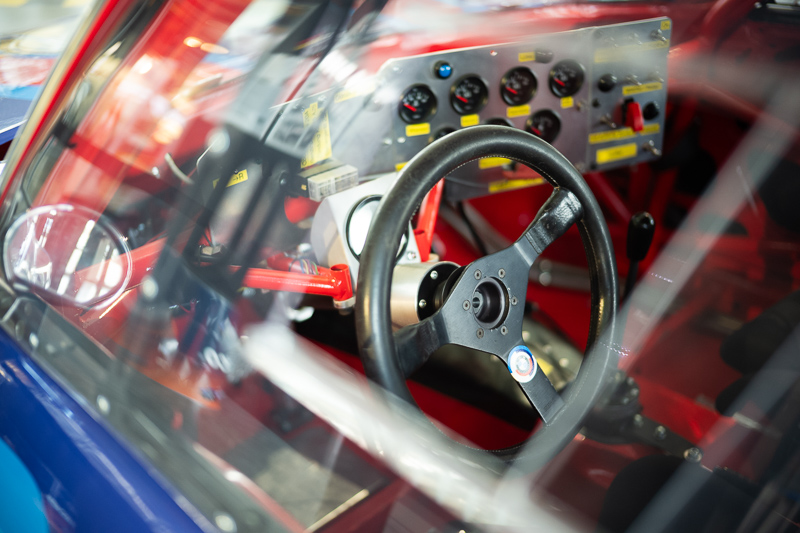
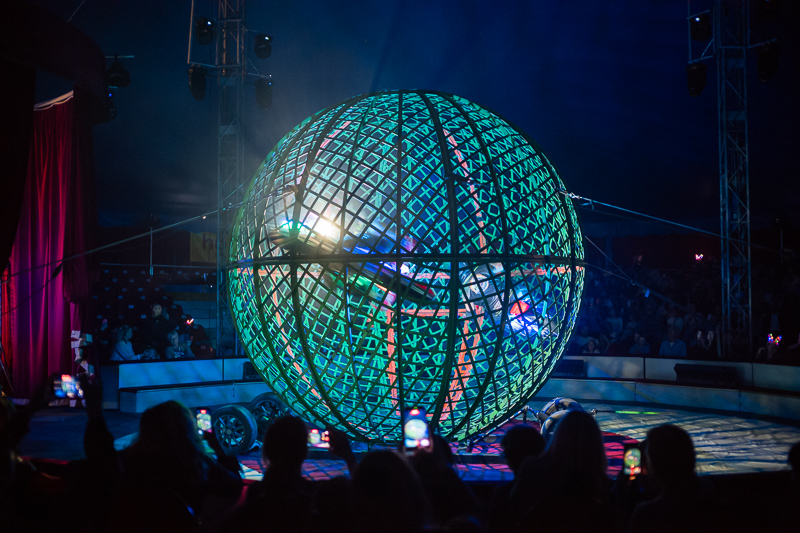
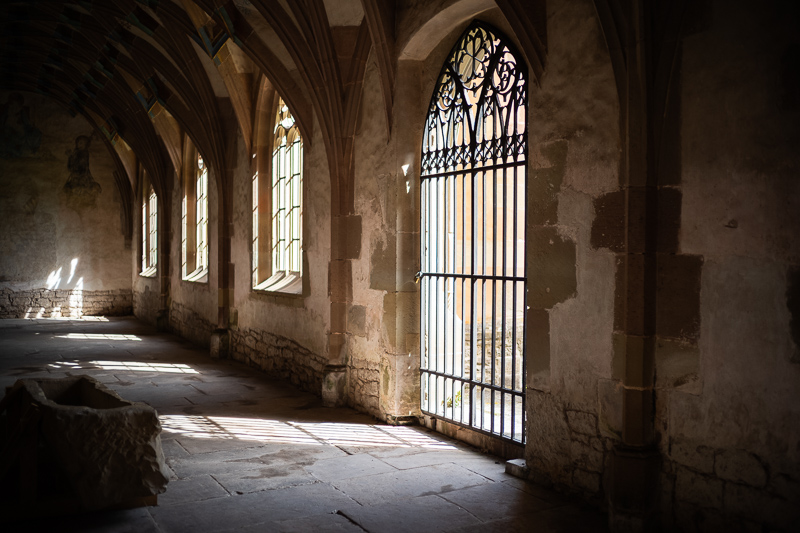
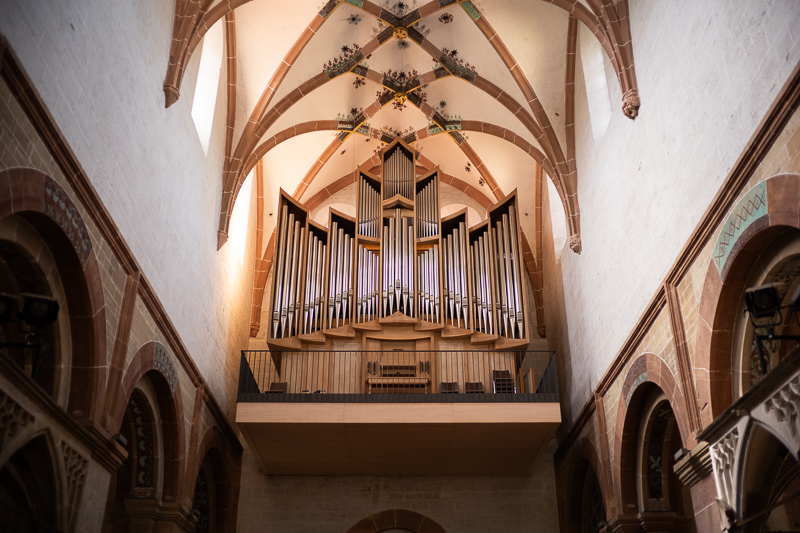
You can find most of the sample pictures in this article in full resolution here.
Specifications
-
- Diameter: 53 mm
- Length: 44 mm
- Weight: 299g (without titanium hood[30g], without caps)
- Filter Diameter: E46
- Number of Aperture Blades: 10 (straight)
- Elements/Groups: 9/5
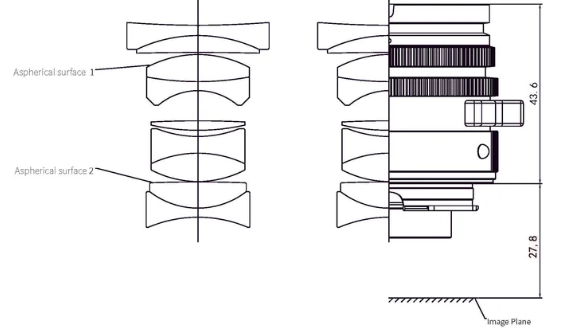
- Close Focusing Distance: 0.7 m
- Maximum Magnification: 1:17 (measured)
- Mount: Leica M
You can order this lens from the official homepage as well as ebay.com (advertisement/affiliate links) for $1399 (black/chrome) up to $1699 (titanium)
Disclosure
This Light Lens Lab 35mm 1.4 Aspherical was kindly provided free of charge by the Light Lens Lab NA distributor for reviewing purpose for a duration of 4 weeks.
Handling/Build Quality
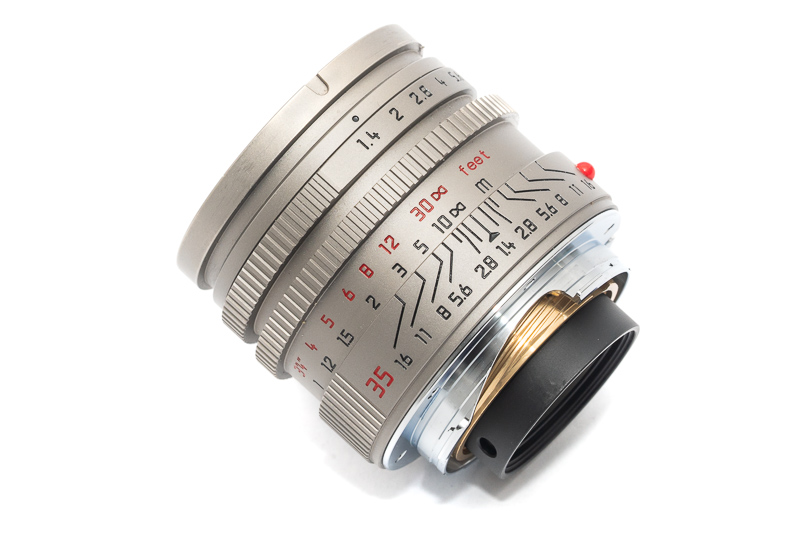
The. latest Light Lens Lab lenses I reviewed actually featured really nice build quality. This time I received the limited “Titanium” version and the same holds true here as well. Sadly I do not have one of the titanium M cameras, so I cannot tell you how well this lens’ finish matches that of those cameras.
The focus ring has a nice resistance and turns about 140° from the minimum focus distance of 0.7 m to infinity.
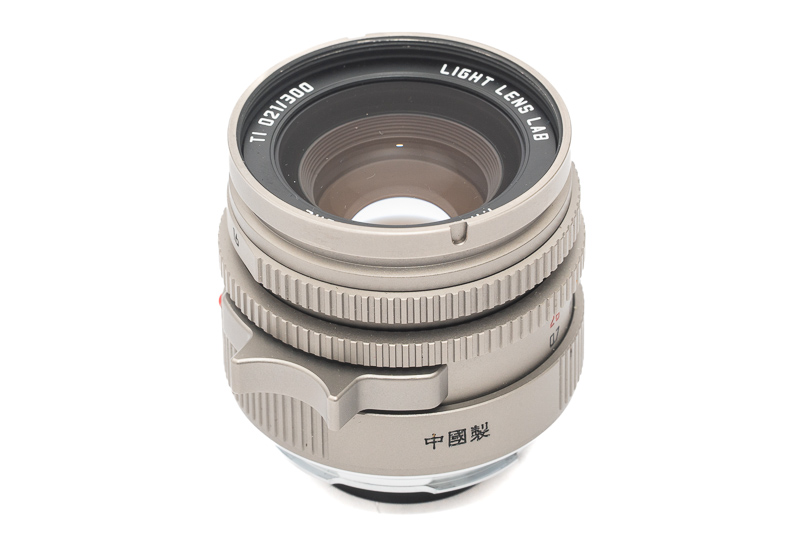
A focus tab is also present but this time without a built-in infinity lock (unlike the Light Lens Lab 35mm 2.0 8e and 28mm 2.8 9e) which I surely prefer.
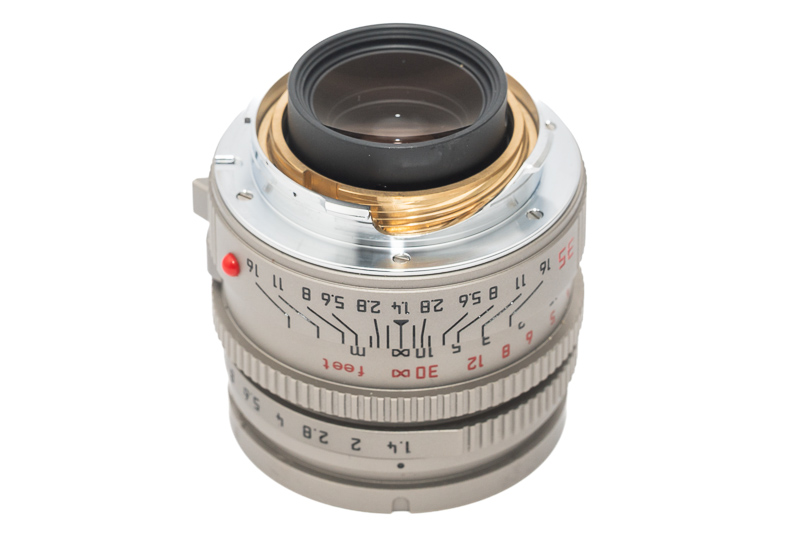
There are also no holes to be found in the bayonet for easily 6-bit coding this lens.
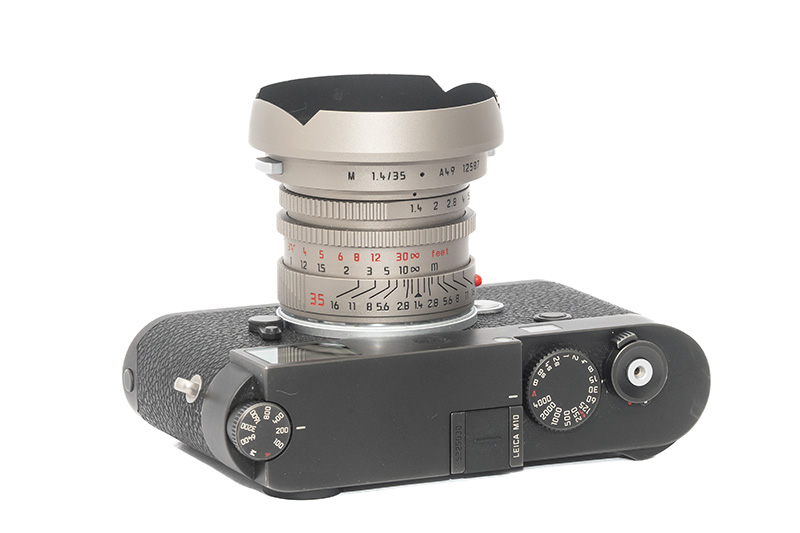
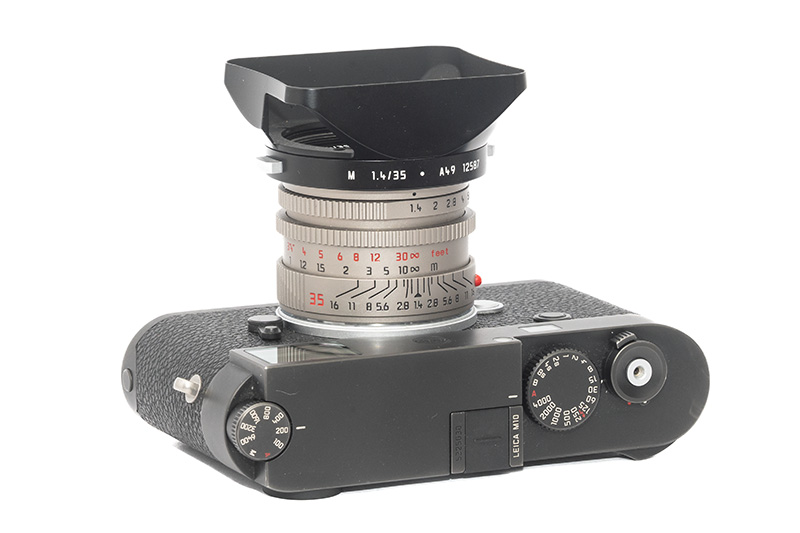
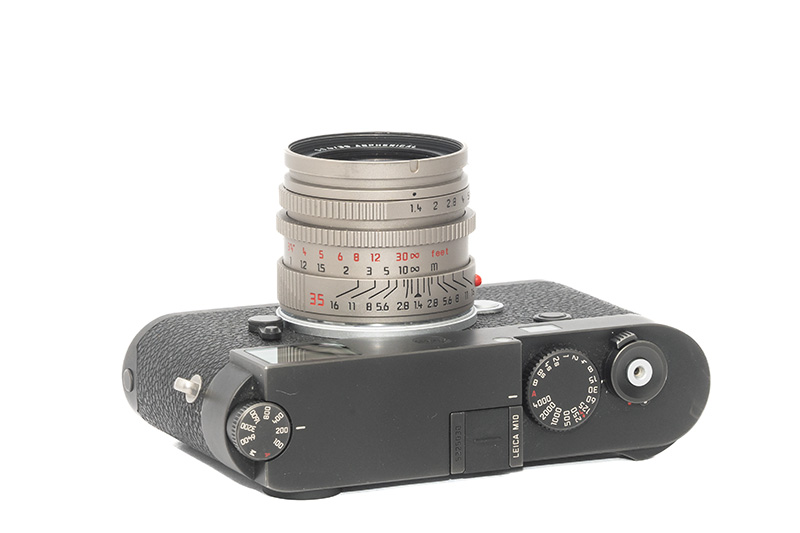
Light Lens Lab shipped this 35mm lens to me with two different hood options: a round vented titanium hood and a rectangular black hood with. They are both clamped to the front of the lens and are being held in place with springs, so they don’t sit perfectly tight.
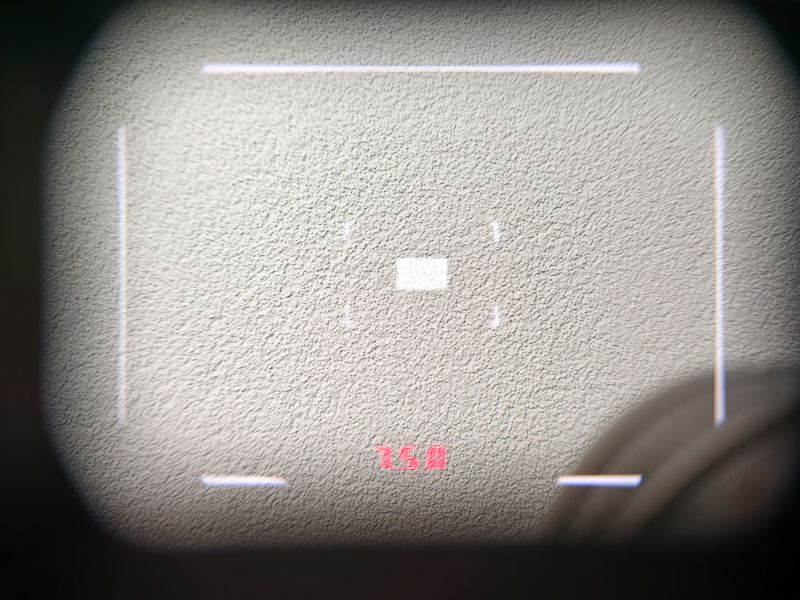
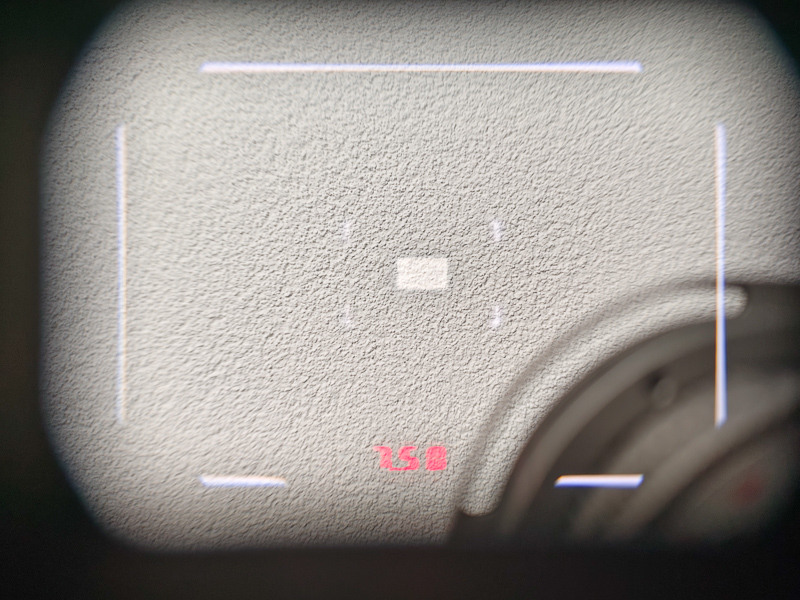
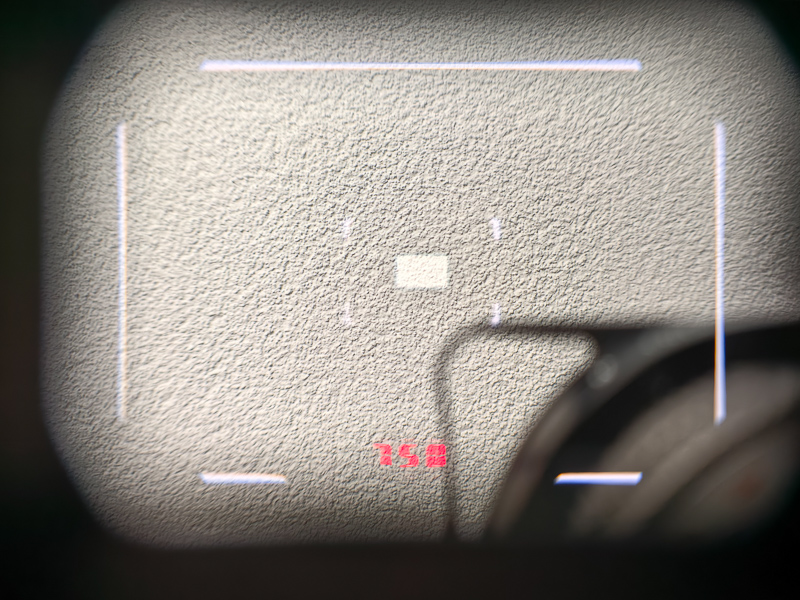
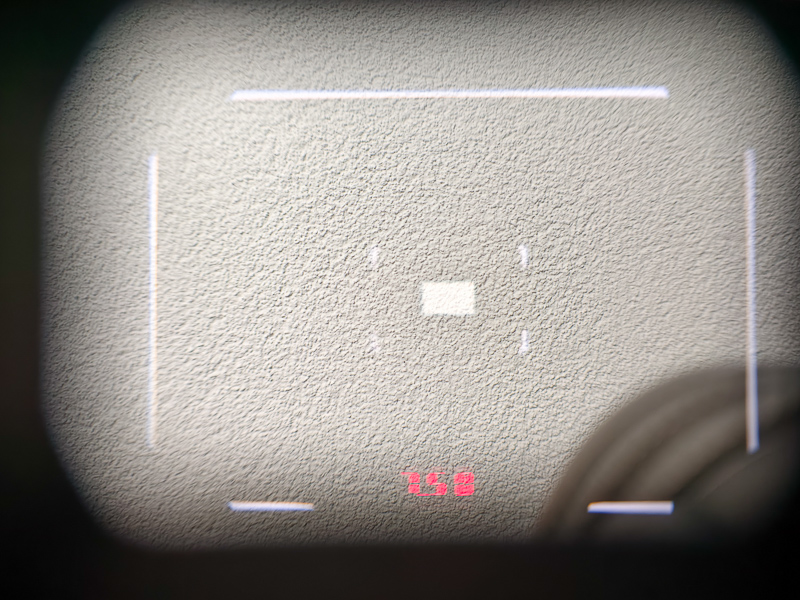
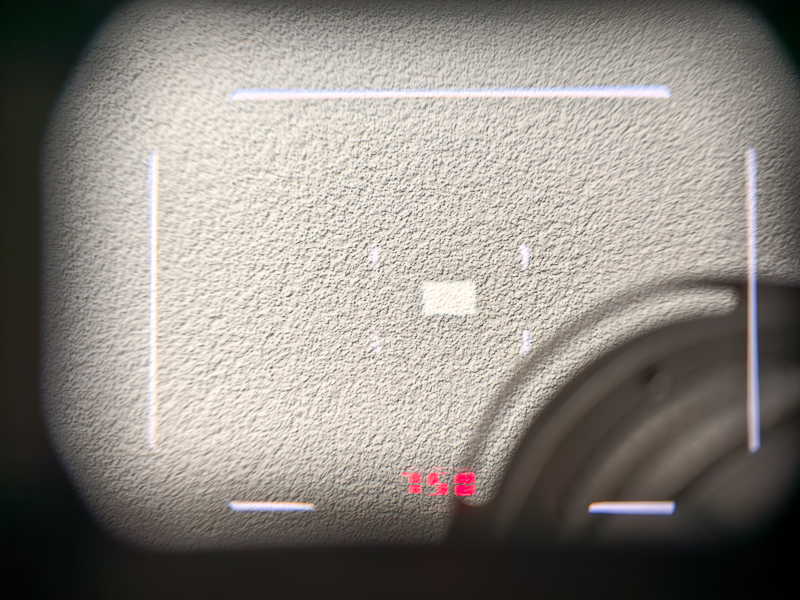
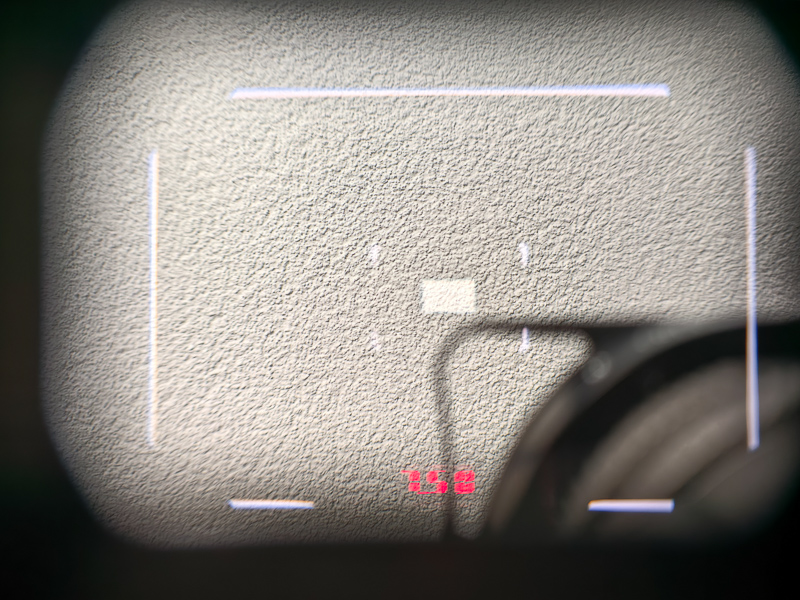
The lens brings up the correct frameline pair and without the hood there is only little rangefinder blockage at infinity, but already some at closer distances. With the hoods there is a lot more and I don’t have a clear favorite between these two.

I consider this a medium sized 35mm 1.4 M-mount lens. It is slightly smaller than the latest Leica 35mm 1.4 FLE MK II and the Thypoch 35mm 1.4 Simera, noticeably smaller than the Zeiss ZM 35mm 1.4 Distagon, but it is also noticeably bigger than the Voigtländer VM 35mm 1.5 Nokton and the simpler 35mm 1.4 designs like the Artizlab 35mm 1.4 Classic or the Voigtländer VM 35mm 1.4 Nokton Classic.
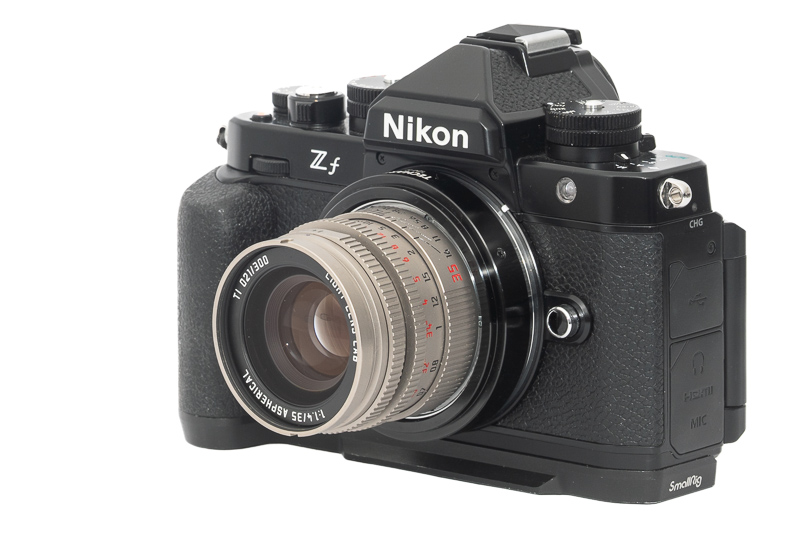
Being an M-mount lens this Light Lens Lab 35mm 1.4 Aspherical can be adapted to pretty much all the current mirrorless systems. On top you can see it attached to a Nikon Zf via the Techart TZM-02 AF adapter.
Vignetting
Light falloff
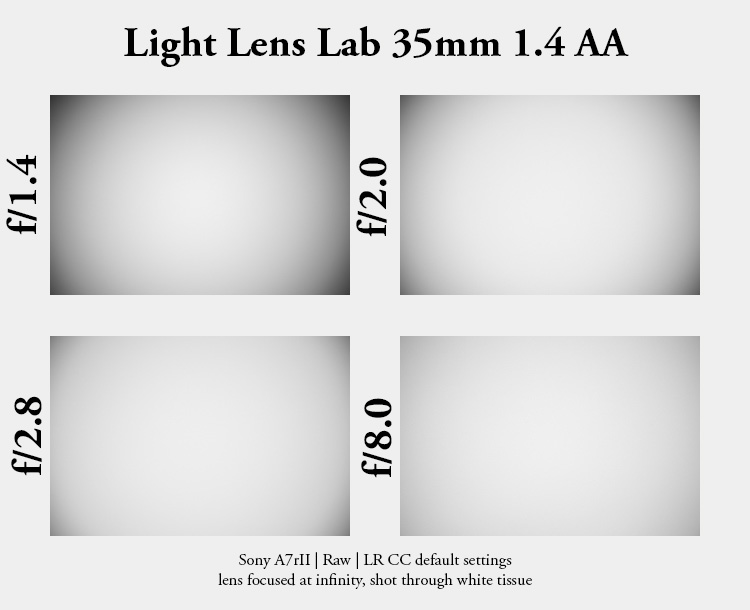
| f/1.4 | 4.0 |
| f/2.0 | 3.2 |
| f/2.8 | 2.6 |
| f/4.0 | 2.1 |
| f/5.6 - f/16 | 1.9 |
The 35mm 1.4 Asph FLE MK II with its almost 4 EV vignetting at its maximum aperture is one of the record holders in this category. This Light Lens Lab 35mm 1.4 performs very similar, showing even slightly higher vignetting figures (within the margin of error though).
The Thypoch 35mm 1.4 Simera (which also features a similar optical design) shows about one stop less corner shading at wider apertures as does the Voigtländer VM 35mm 1.2 Nokton III when set to f/1.4.
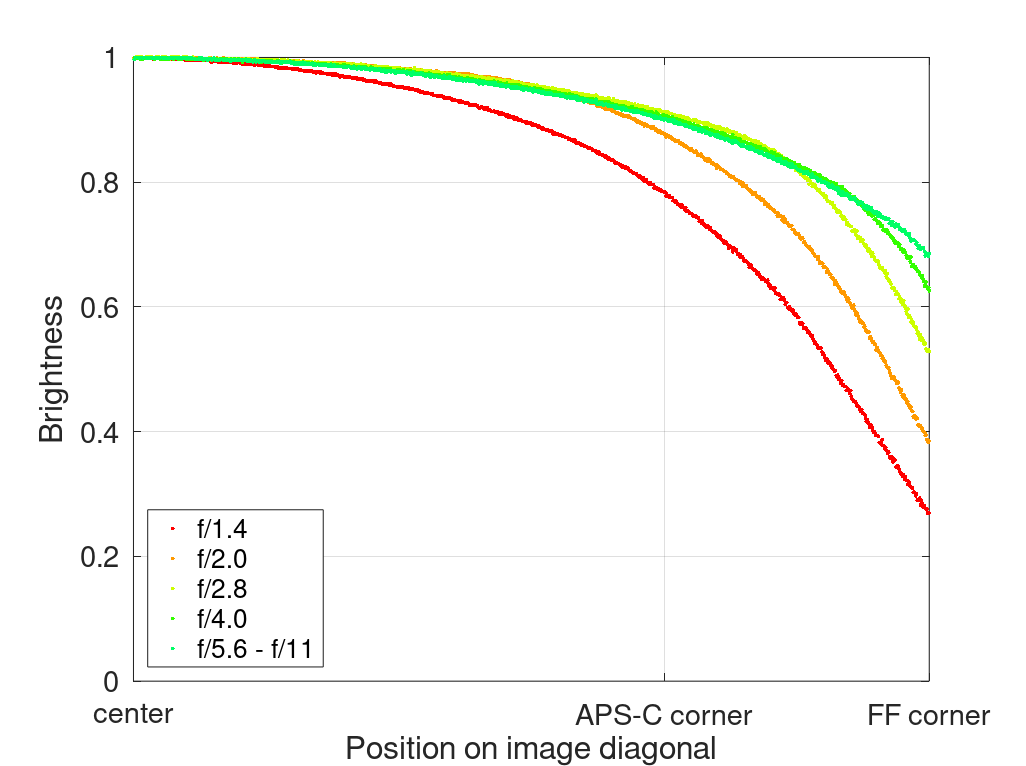
It is recommended to have a look at this article first to get an idea how this brightness graph works.
Optical vignetting
Fast and compact lenses usually show a significant amount of optical vignetting. Without going too much into technical details optical vignetting leads to the truncation of light circles towards the borders of the frame.
In the center of the frame almost every lens will render a perfect circle, but only lenses with very low optical vignetting will keep this shape in the corners.
So in the following comparison we move from the center (left) to the extreme corner (right) and see how the shape of the light circle changes.
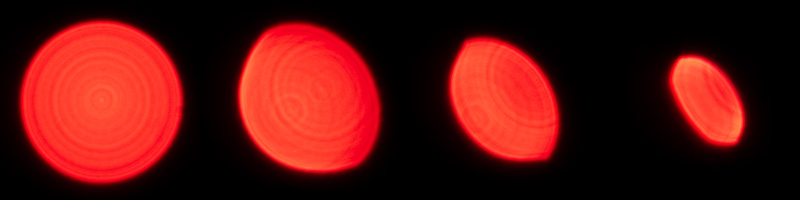
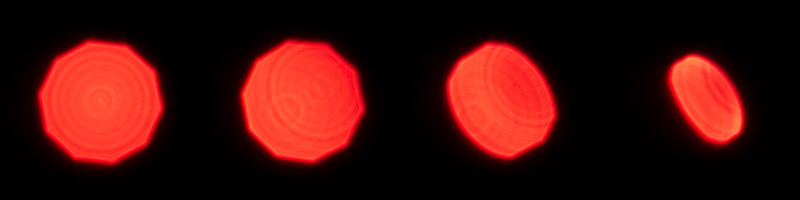


I have yet to come across a 35mm 1.4 M-mount lens which does not show strong optical vignetting and this Light Lens Lab 35mm 1.4 is no exception, as the amount of optical vignetting is very high – but then also similar to other 35mm 1.4 lenses, so no surprises here.
We also see some onion ring patterns caused by the aspherical elements.
Sharpness
Focus Shift
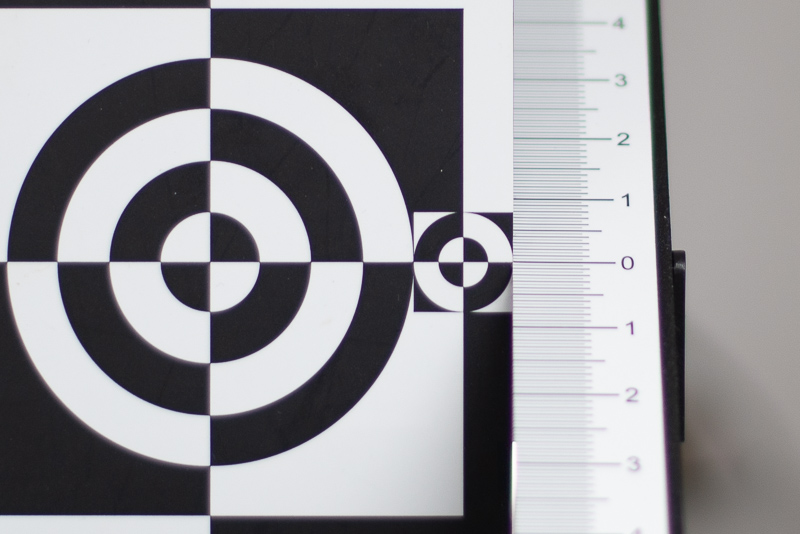
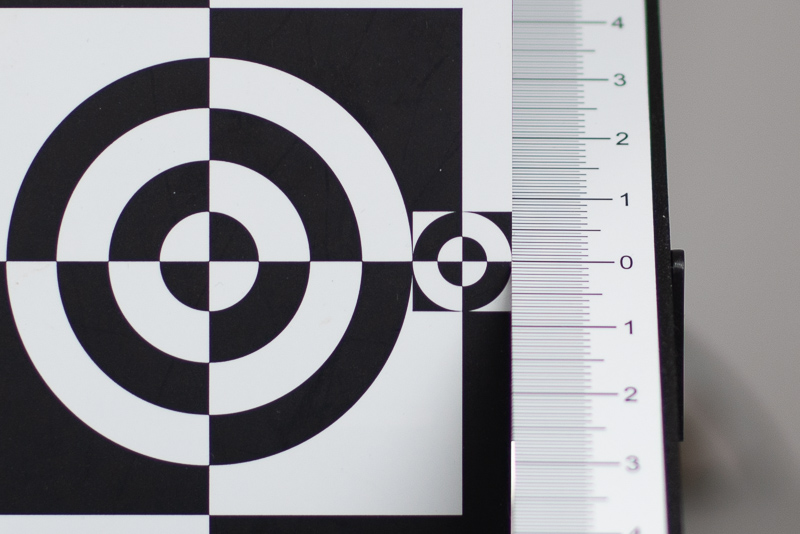
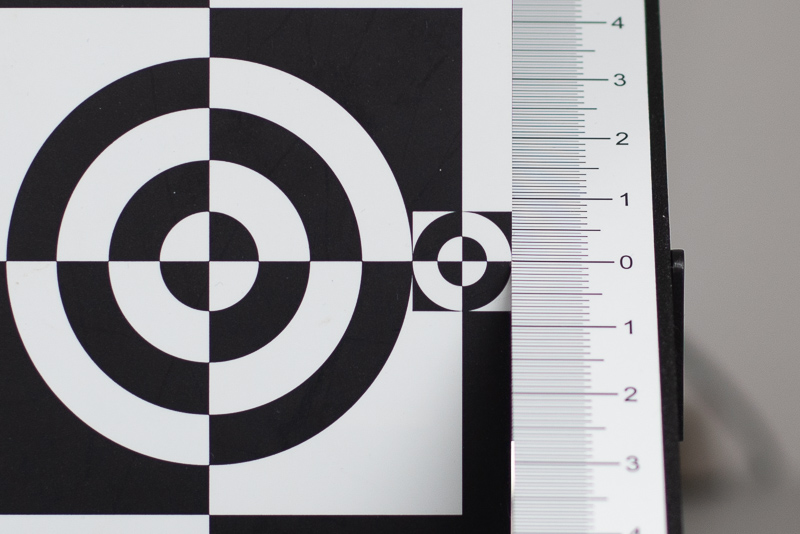

Many of these compact 35mm 1.4 lenses suffer from focus shift (just have a look at my review of the Artizlab 35mm 1.4 Classic…), but that is not the case for this Light Lens Lab 35mm 1.4, which hardly shows any. This is definitely good news for the rangefinder users.
MTF Graphs
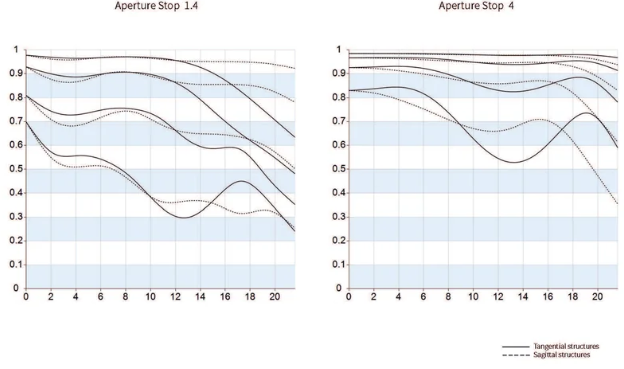
At the maximum aperture we should expect very good good performance in the center of the frame up to the inner midframe with only little astigmatism. There is a midzone dip in the outer midframe area though and towards the corners also more astigmatism.
Stopped down to f/4.0 the contrast should be very even across frame, but when it comes to resolution there is still a midzone dip and also astigmatism in the corners is still present.
These graphs are not that dissimilar from those of the Leica 35mm 1.4 Summilux-M FLE Mk II, which features a very similar optical design.
infinity (24mp Leica M10, 42mp Sony A7rII)
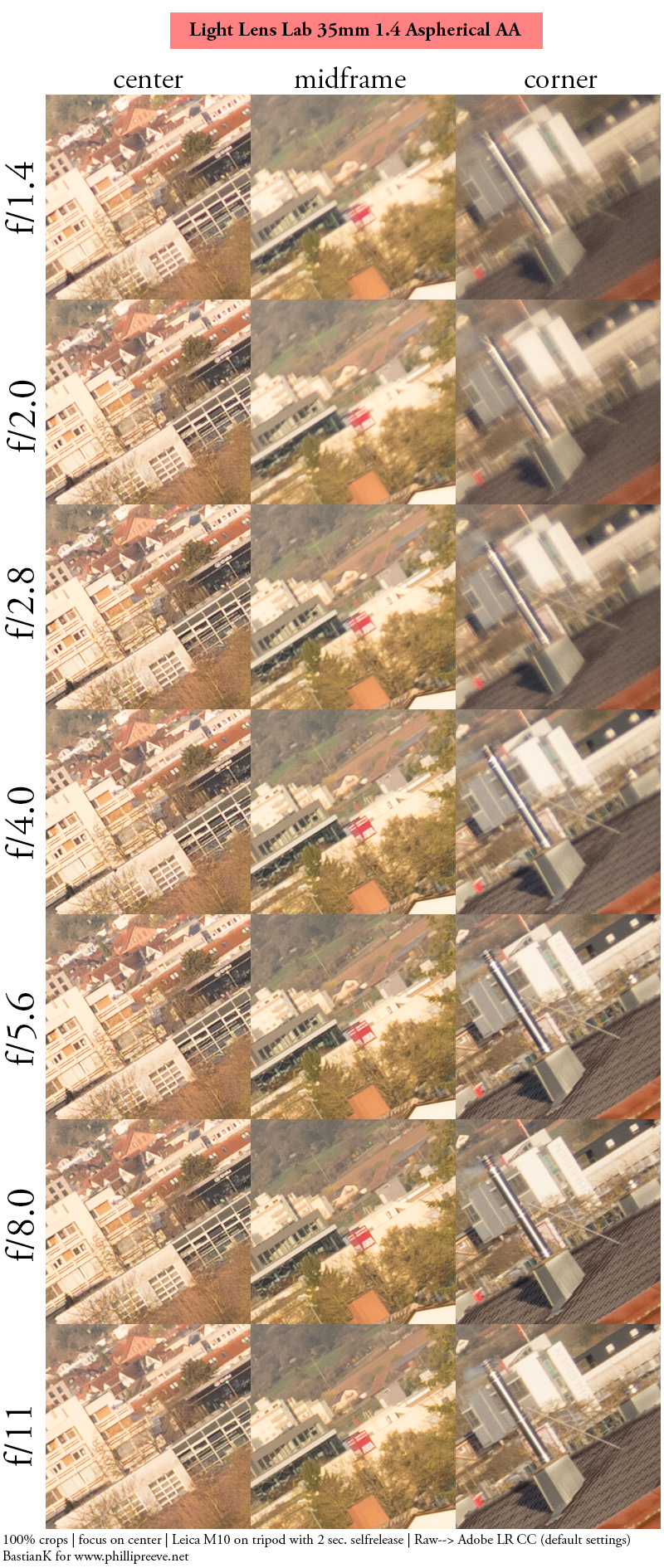
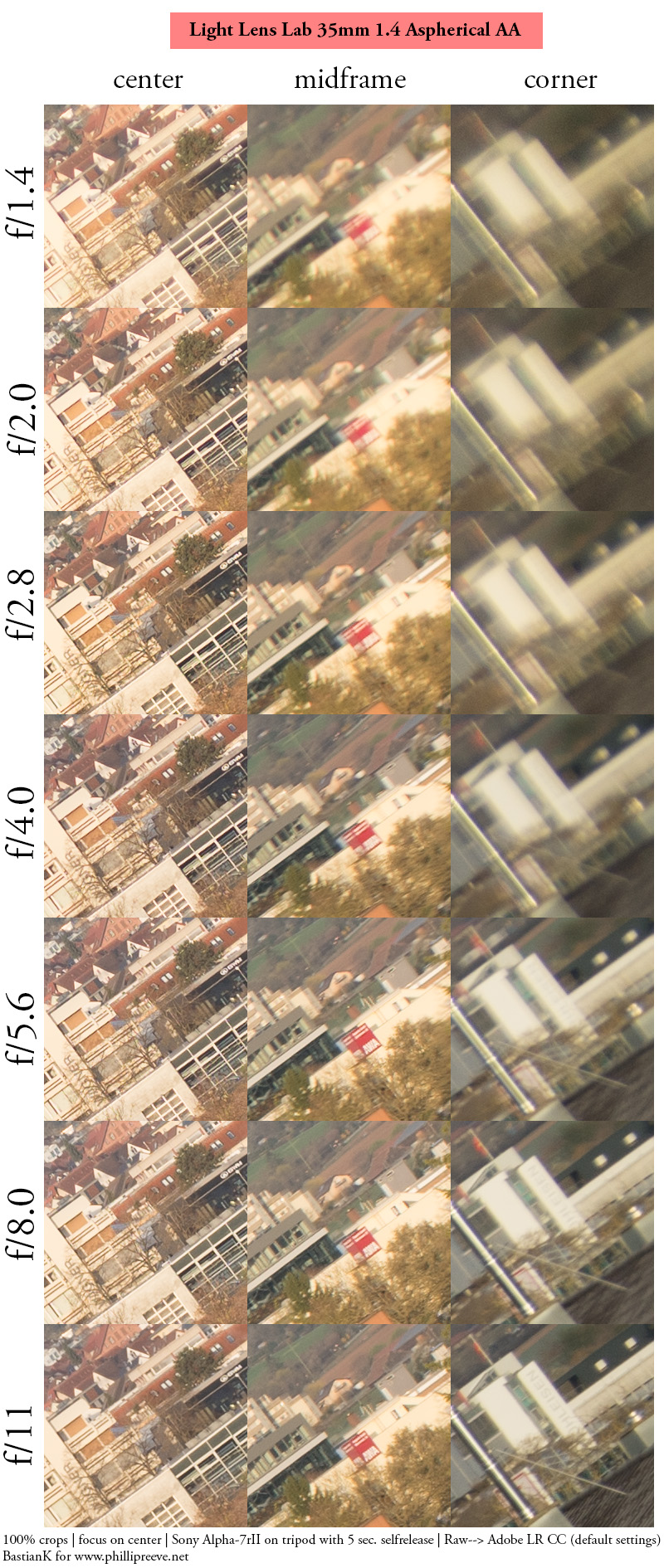
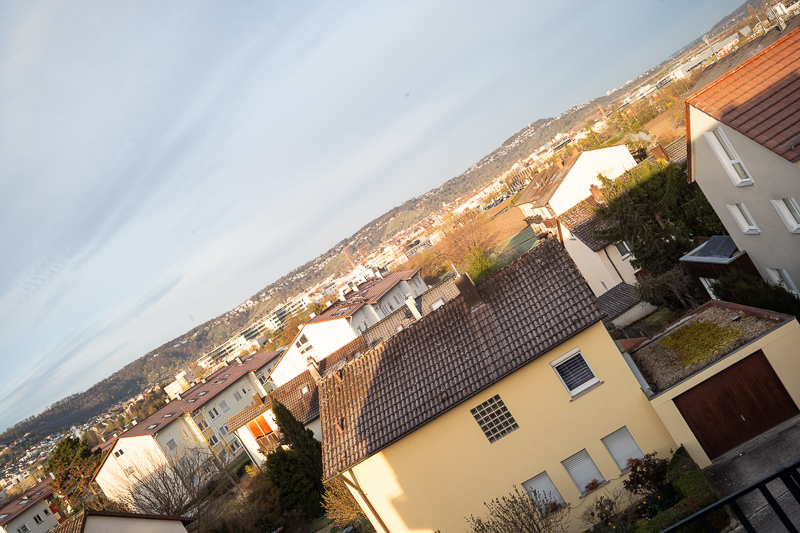
So, does the performance on the Leica M10 match what was promised in the MTF graphs?
The center does look good from f/1.4 there is a bit of spherical aberration though – which according to its marketing material was deliberately left in. Stopped down to f/2.0 that glow is gone. The midframe shows a stronger dip compared to what we see in the MTF graphs (needs f/5.6 to look really good) and the corners look best stopped down to f/8.0. The corners don’t look awful at wider apertures though, I have clearly seen worse.
The latest Leica 35mm 1.4 FLE MK II is more contrasty in the center at f/1.4 and the corners generally look better, but it also suffers from a noticeable midzone dip and therefore needs to be stopped down to f/5.6 for very good across frame performance.
The Voigtländer VM 35mm 1.5 Nokton also is a bit softer at f/1.5 and also suffers from midzone dip and mediocre corners at wider apertures. Also here stopping down to f/5.6 is needed for best across frame performance (f/4.0 is very close though).
The Thypoch 35mm 1.4 Simera is the lens that suffers the least from a midzone dip – already stopped down to f/2.8 it is gone. The corners look okay at wider apertures, but for best across frame sharpness f/8.0 was needed with my sample of it.
The differences between all these lenses are not exactly huge. The Thypoch and the Leica are the ones that perform best in the f/1.4 to f/2.0 range. Stopped down to f/5.6 or further they show a very similar performance.
On the Sony A7rII with its thick filter stack this 35mm 1.4 generally performs worse and the corners never actually look good.
portrait distance 1.0 m (24mp Leica M10)
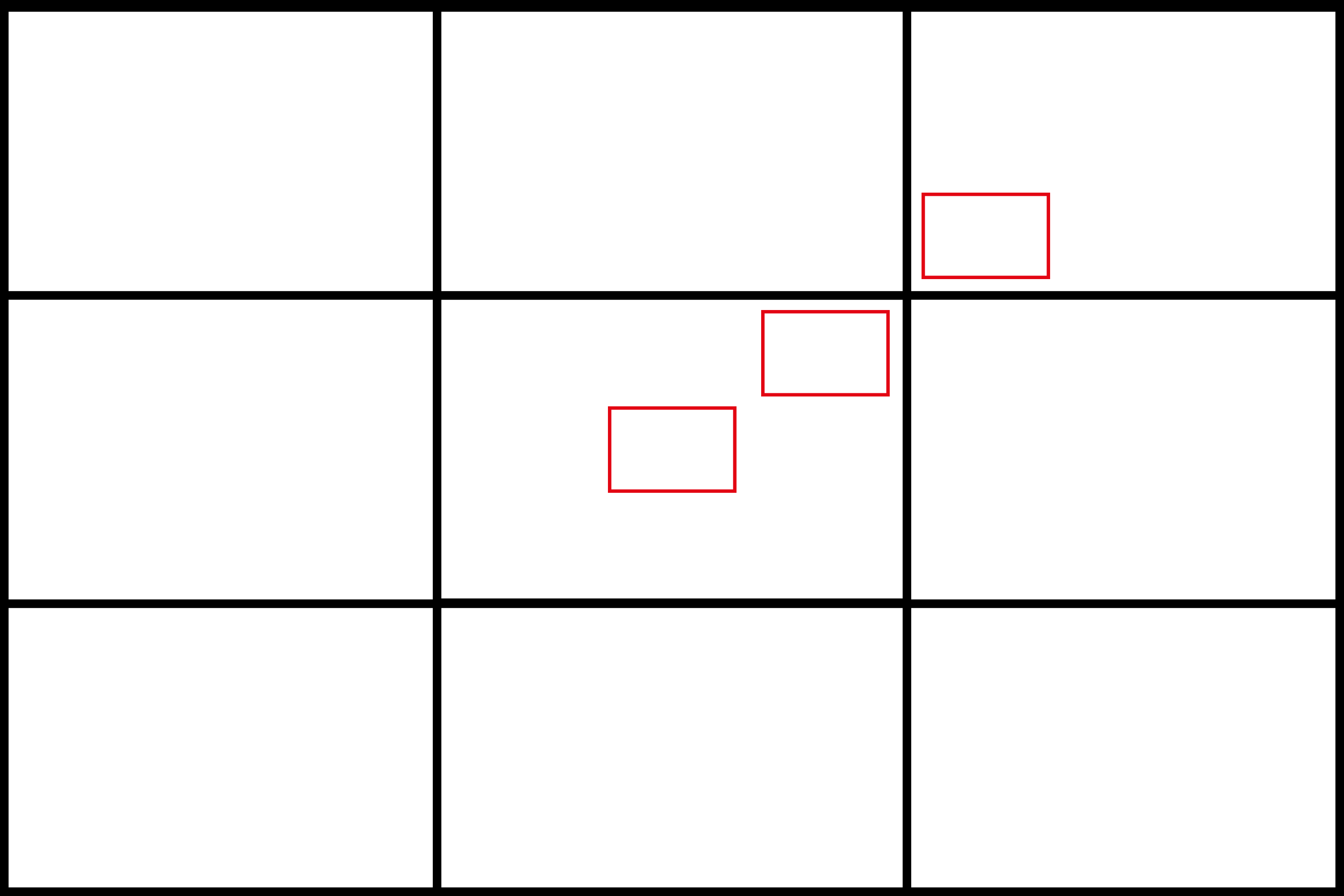
I refocused for every shot and aperture to get the best possible result at different locations in the frame (center, inner midframe and outer midframe).
The circle of the dollar bill is more or less the size of a human eye.
We will be looking at 100% crops from the Leica M10.
f/1.4 <—> f/2.0

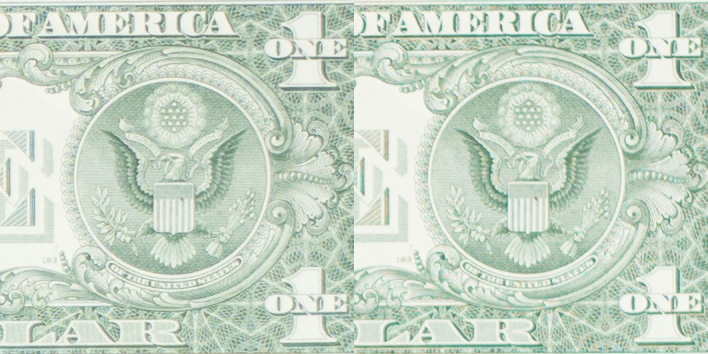
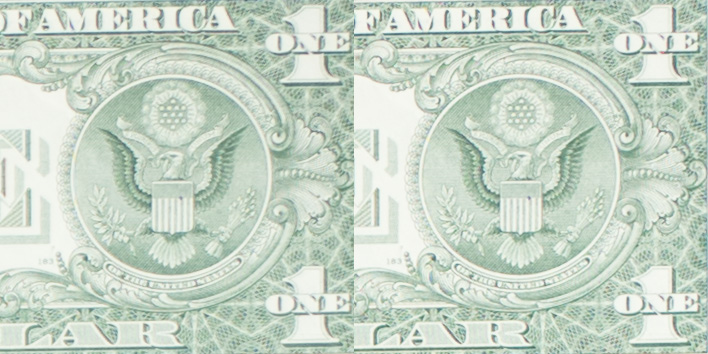
The Light Lens Lab 35mm 1.4 AA shows a good performance here, as the lens is fully usable at f/1.4 no matter where you place your subject.
The Leica 35mm 1.4 FLE MK II as well as the Thypoch 35mm 1.4 Simera showed almost the same performance, the Voigtländer lenses VM 35mm 1.5 Nokton and VM 35mm 1.2 Nokton III/I were a bit softer off center at wider apertures.
Among the 35mm 1.4 M-mount lenses I reviewed, this Light Lens Lab actually performed the best in this category. The differences compared to the Leica 35mm 1.4 FLE MK II and the Thypoch Simera are within the margin of shot-to-shot consistency, so not really something to get excited about (especially if you are using the rangefinder mechanism to focus).
close 0.7 m (42mp Sony A7rII)




A minimum focus distance of 0.7 m has long been typical for the 35mm M-mount lenses, luckily lately we have seen 0.5 m more often, the latest Leica 35mm 1.4 FLE MK II even offering 0.4 m.
Light Lens Lab decided to stay true to the original here, not improving the minimum focus distance and keeping it at 0.7 m instead. Performance is solid at f/1.4 and f/2.0, stopped down to f/2.8 the contrast is slightly higher though.
Flare resistance
If you are a regular reader you already know: evaluating the flare resistance of lenses is not an easy endeavour as a slight change in scenario can have a huge impact on the performance.
Again Light Lens Lab decided to go with single coating here, so we should not expect a performance rivaling the latest modern lenses.
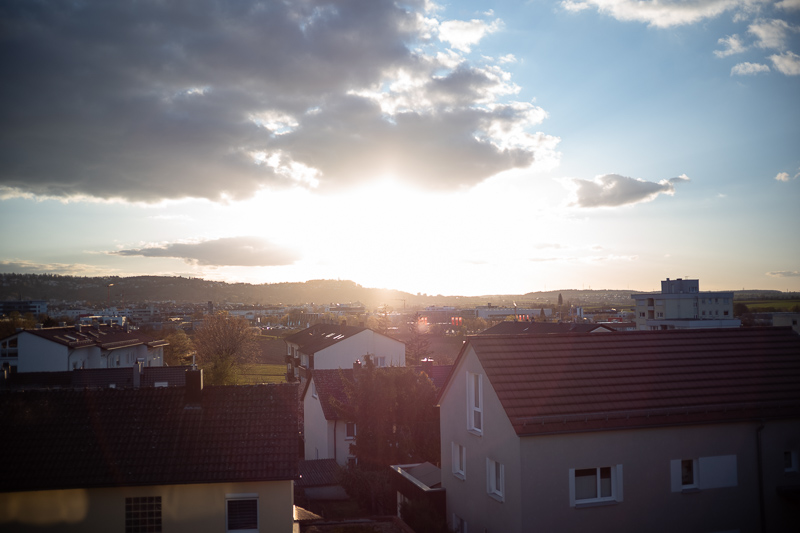

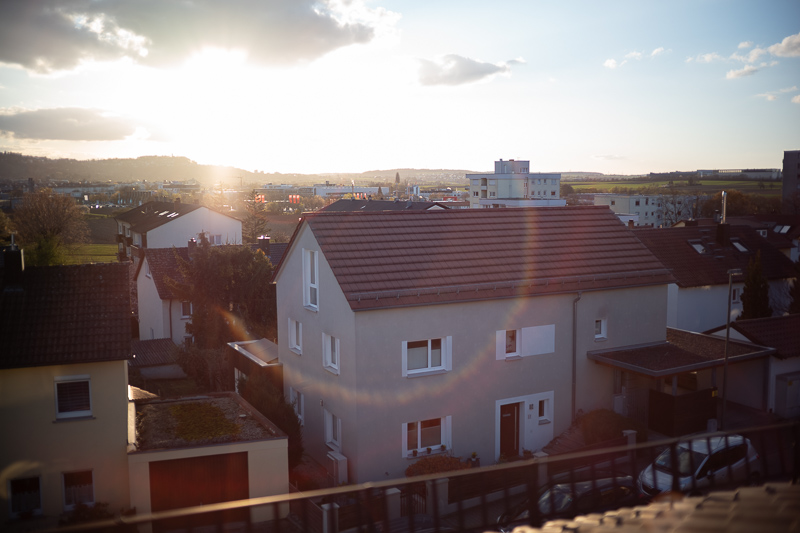
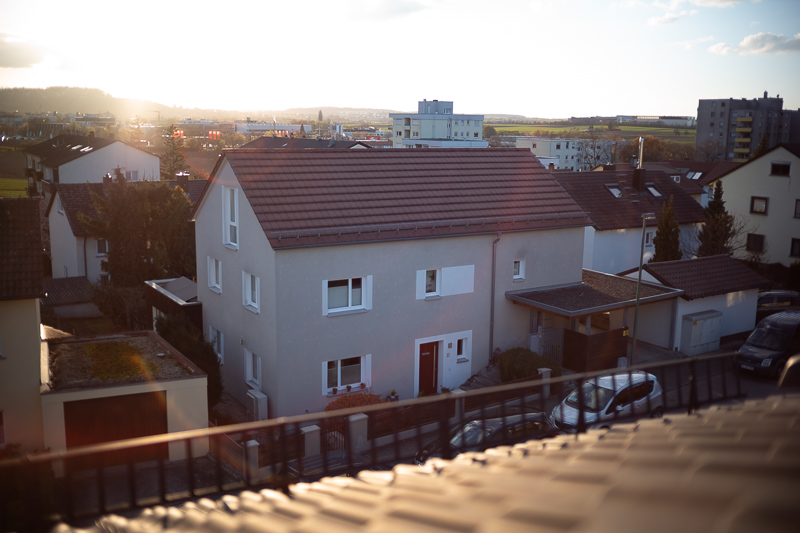
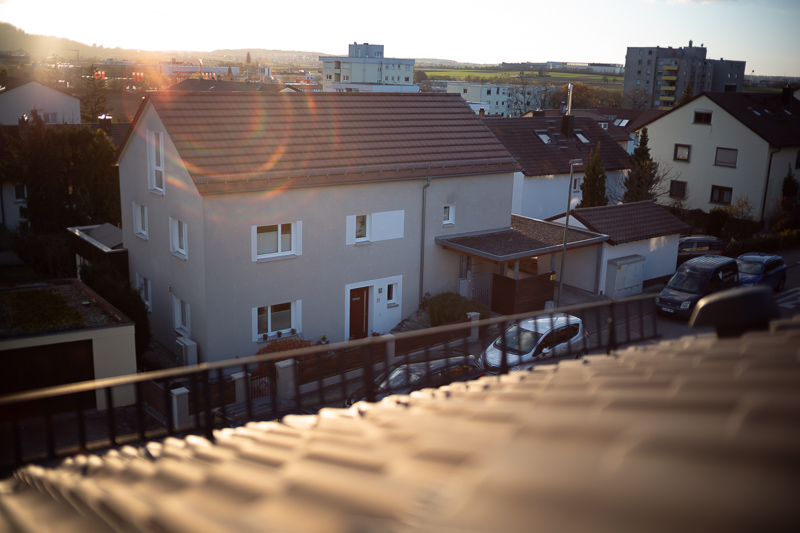

At f/1.4 we can encounter all kinds of artefacts: internal reflections manifesting itself as ring flares, veiling flare and also some bigger ghosts.
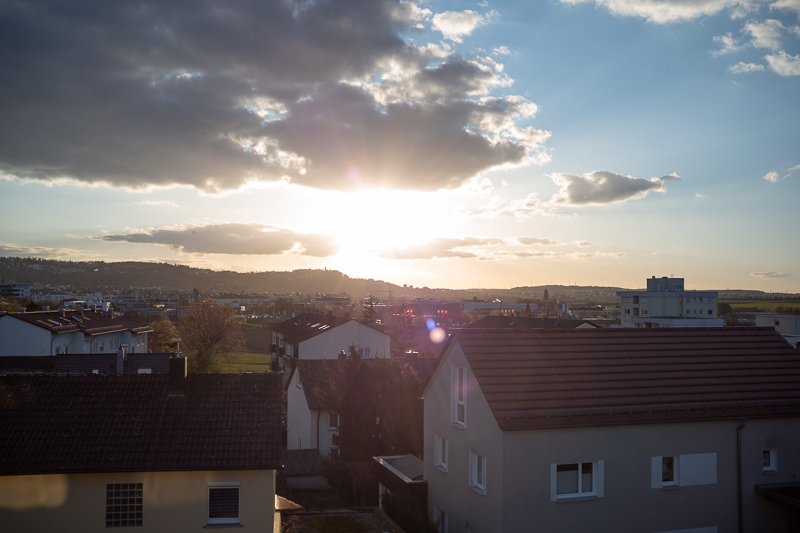


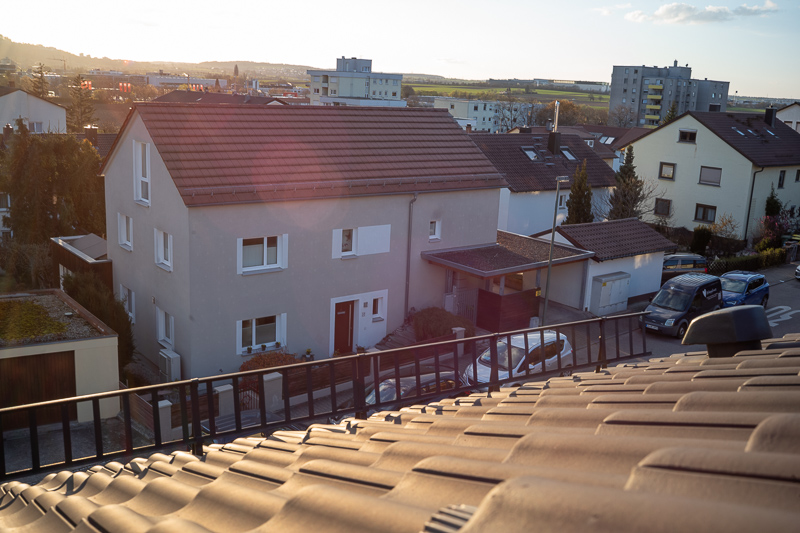
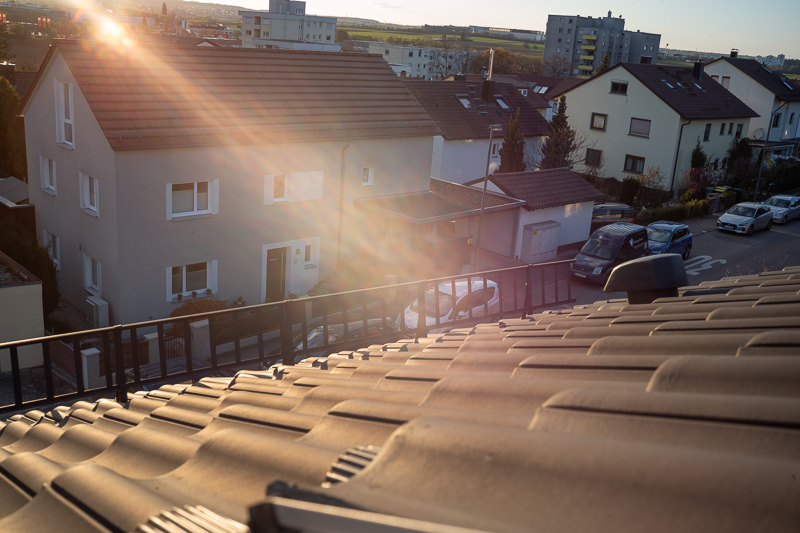
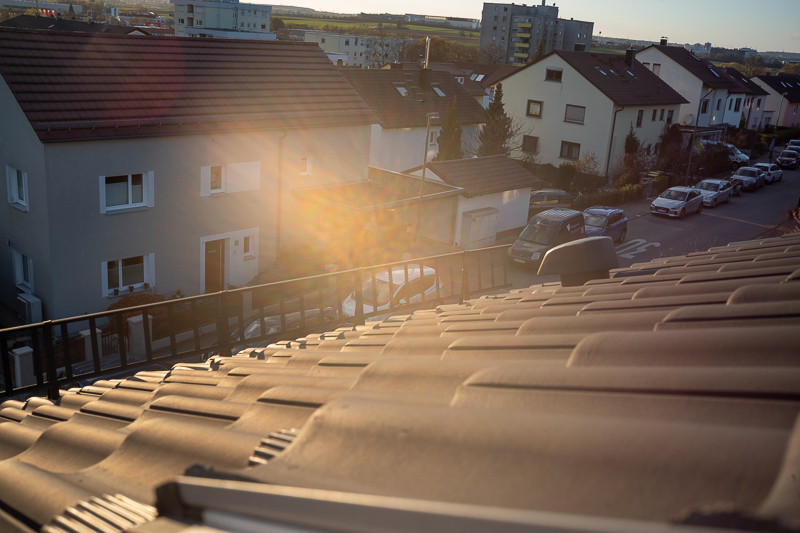
Stopped down the internal reflections are gone, veiling flare and big ghosts can still be encountered.
If the performance in backlit scenarios is important to you and you like your images to be as artefact free as possible I recommend to have a closer look at the modern Voigtländer lenses – especially the VM 35mm 1.5 and the VM 35mm 1.7 Ultron. Also the Thypoch 35mm 1.4 Simera and the Leica 35mm 1.4 FLE MK II showed a better performance in my testing, we should not come as much of a surprise, considering all these lenses feature multi coated elements.
Coma
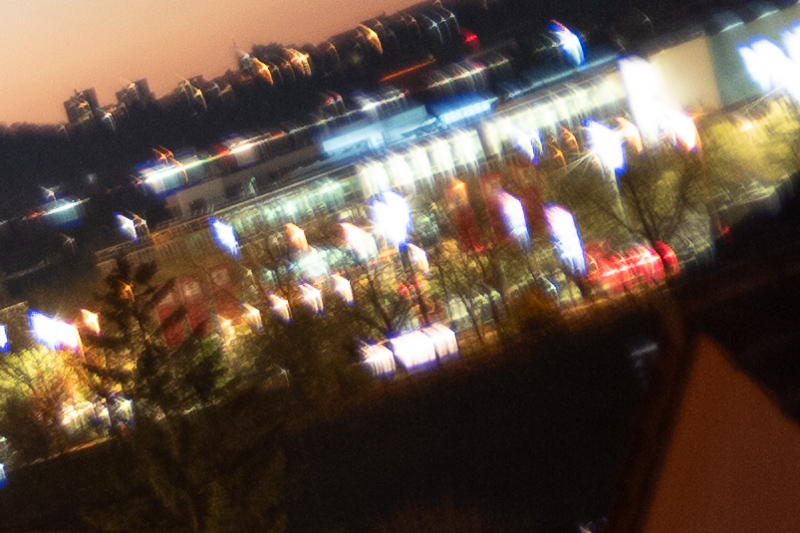


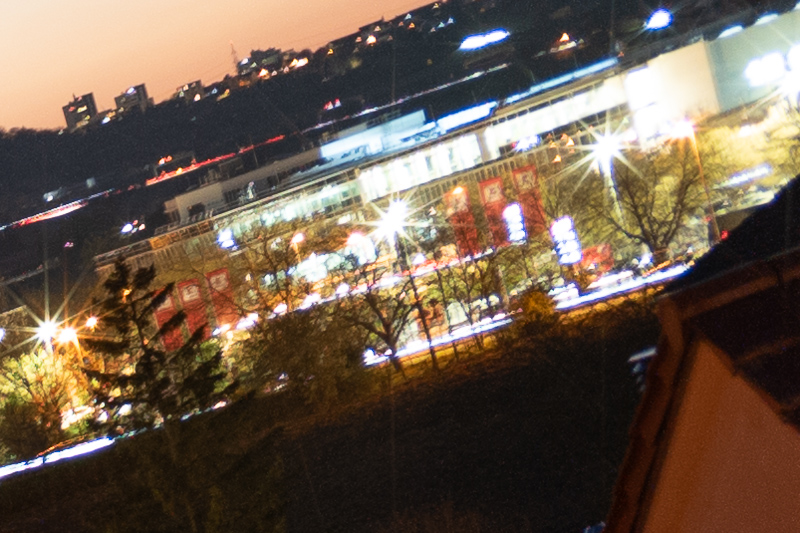

One of the main applications for aspherical elements is correcting Coma, so how did that work out here?
We certainly see some artefacts at wider apertures and the performance is pretty much exactly the same as that of the latest Leica 35mm 1.4 FLE MK II and the Thypoch 35mm 1.4 Simera. The Voigtländer VM 35mm 1.5 Nokton as well as the VM 35mm 1.2 Nokton III/I correct it a bit better, showing smaller artefacts at wider apertures whereas all the 35mm 1.4 lenses with simpler all spherical designs look awful by comparison.
Keeping in mind this lens has originally been released in 1991, this is actually a very impressive performance. Just have a look at the Nikon AF-S 35mm 1.4G, Nikon’s 35mm flagship lens of that time, which has been released two decades later in 2010 and in fact looks noticeably worse…
Distortion
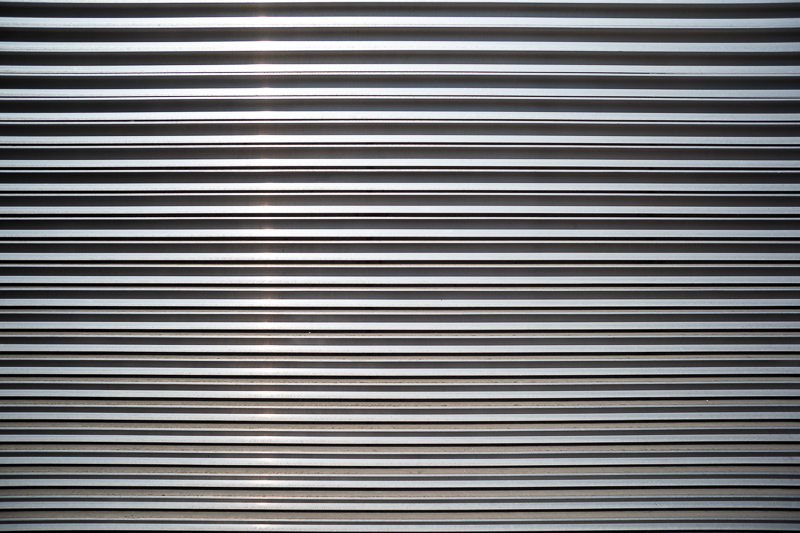
This 35mm 1.4 shows a very low amount of distortion, but it is slightly wavy towards the edges. I did not correct it in any of the sample pictures.
Bokeh

I really like to use fast 35mm lenses for environmental portraiture and other shallow depth of field applications, hence I care a lot about the bokeh qualities of these lenses, so let’s see how this Light Lens Lab 35mm 1.4 behaves at different distances and how it compares to some other fast 35mm M-mount lenses.
Close Distances

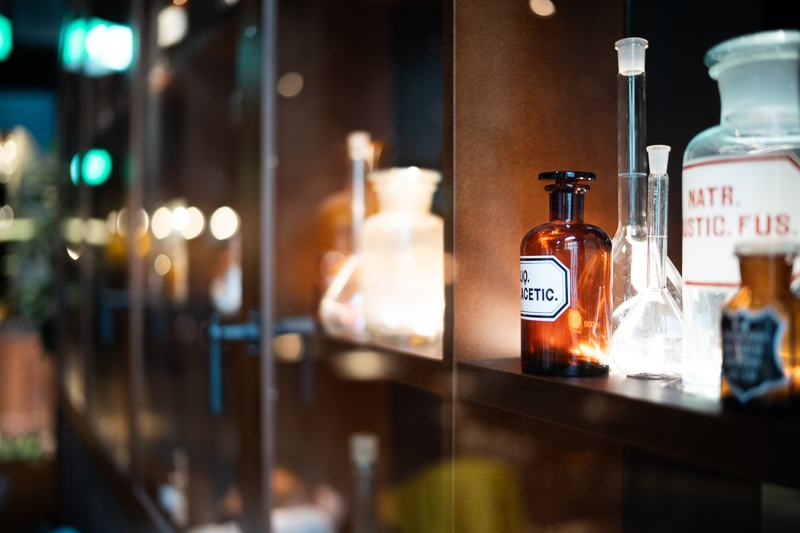
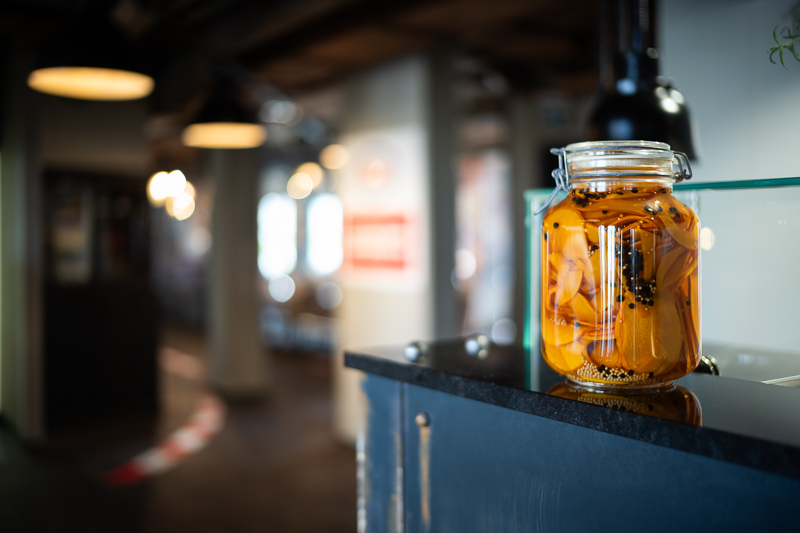

Personally I find a minimum focus distance of 0.7 m a bit limiting when it comes to 35mm lenses. As that is the original Leica’s minimum focus distance, that choice does not come as a surprise though.
It is still possible to create a very shallow depth of field at 0.7 m and the bokeh quality also looks nice to me here.
Mid Distances
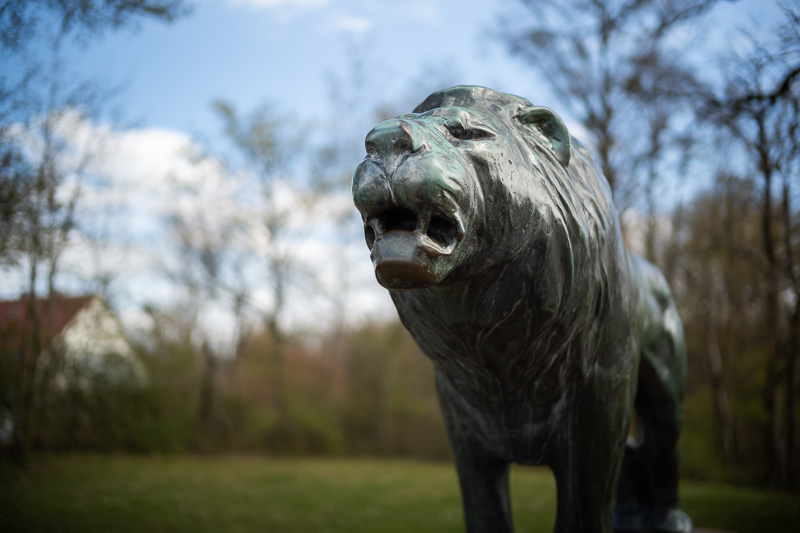
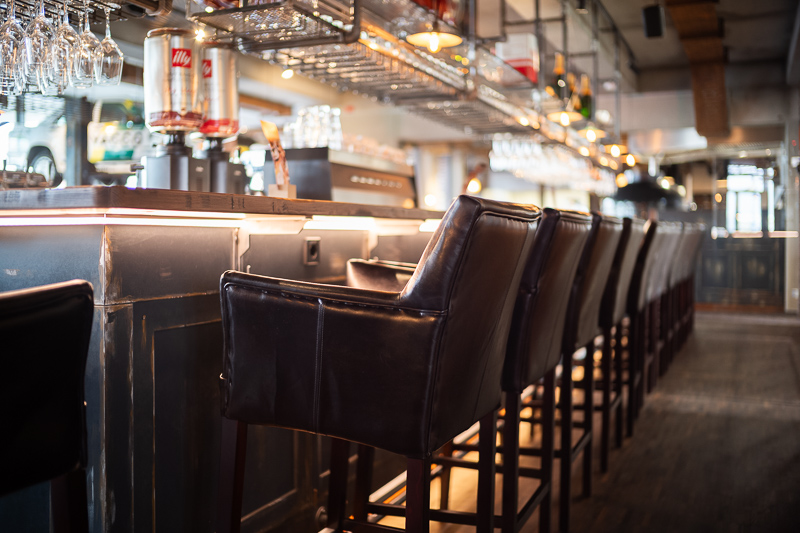
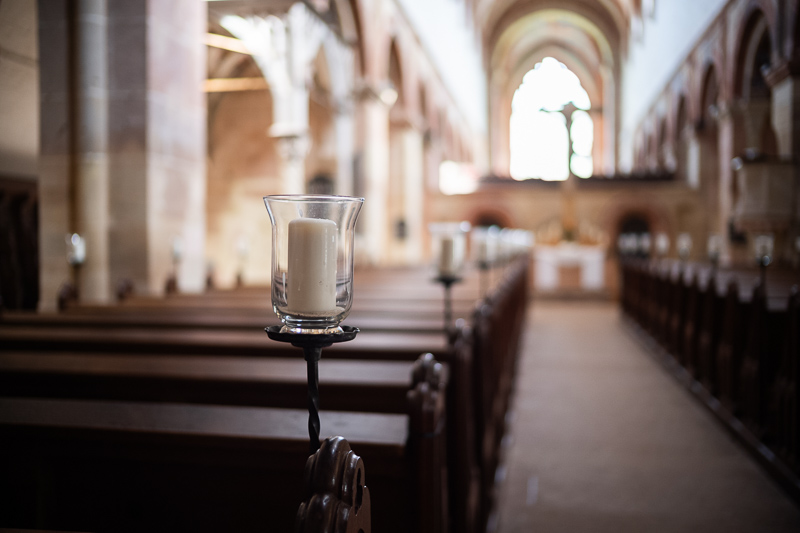
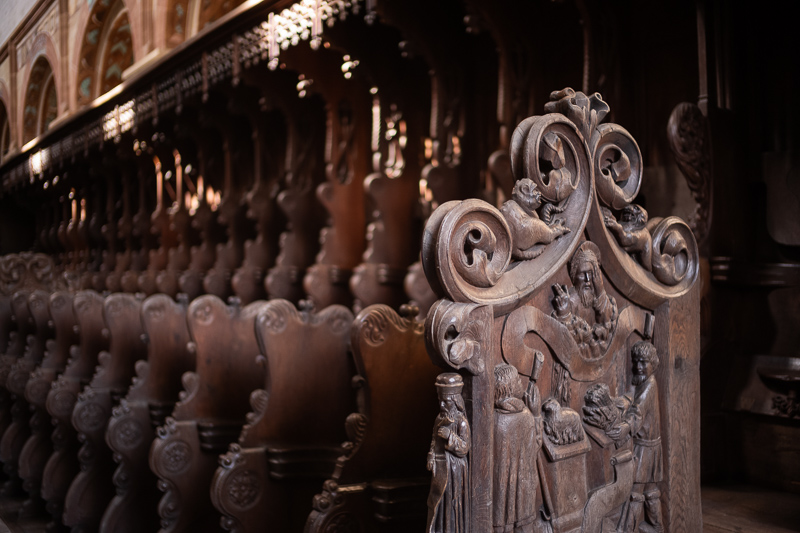
Also at mid distances I find the rendering of this lens very appealing: the subject is well defined already at f/1.4 and clearly stands out from the background.
In the last sample above I think I can see some field curvature having a negative effect on the bokeh rendering though – a common issue with Leica’s 35mm 1.4 M-mount lenses.
Long Distances
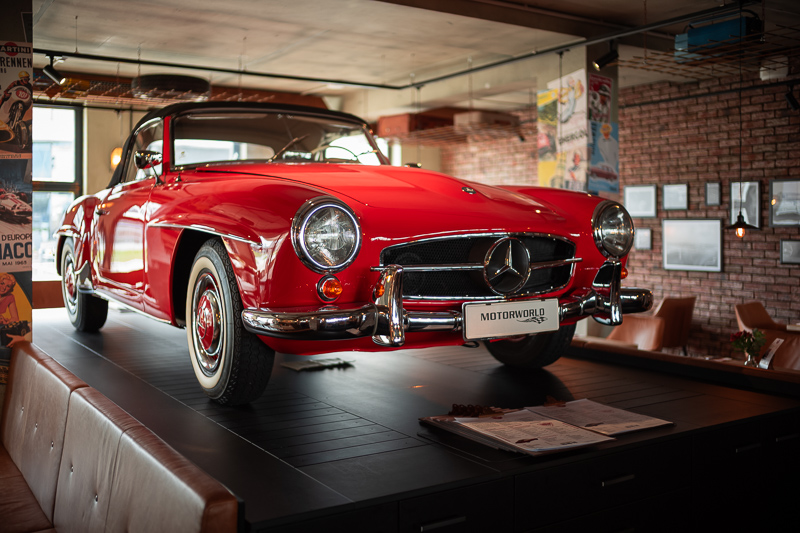
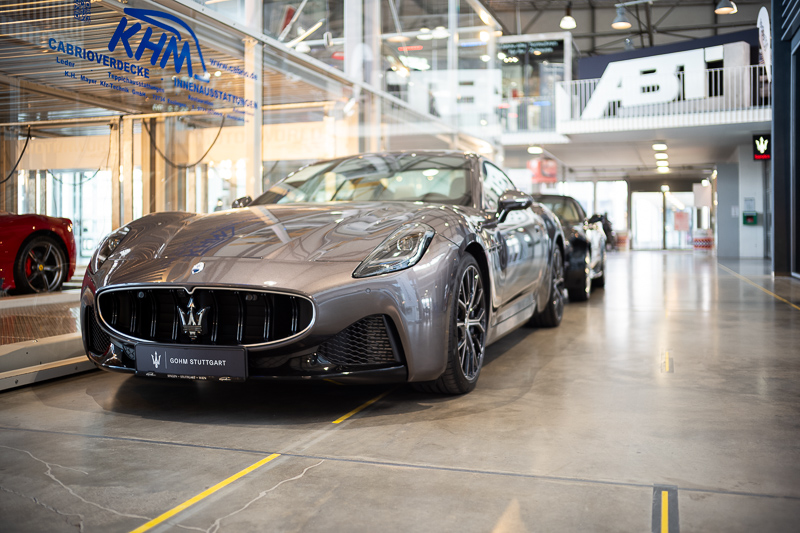
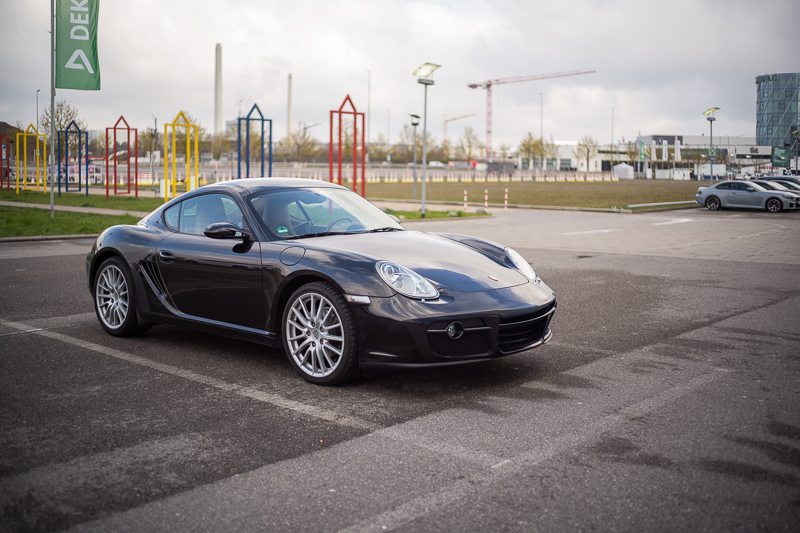
At longer focus distances that field curvature becomes very obvious: while the central parts of the frame are nicely out of focus, the same cannot be said about the border and corner regions, as the focal plane bends significantly to the back, pulling objects into focus even though they clearly shouldn’t be.
Regular readers already know: this is not a look I personally find particularly appealing. Some people – including those that spend thousands of dollars for Leica lenses that behave the same – think this creates some kind of 3D effect. Personally I think the complete opposite is the case, so I decided to include some comparisons to the Voigtländer VM 35mm 1.2 Nokton III, so you can decide for yourself which rendering you prefer.
Compared to: Voigtländer VM 35mm 1.2 Nokton III
The Voigtländer lens has a slightly narrower field of view, so the pictures taken with the Light Lens Lab 35mm 1.4 have been cropped slightly for the field of view of the two lenses to match and making comparisons easier.
Scene 1: Forest 1.0 m


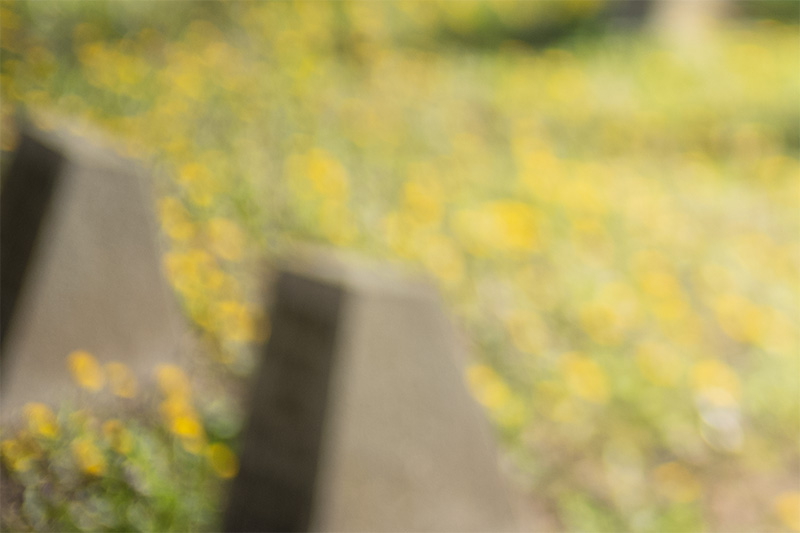

Scene 2: Forest 1.1 m


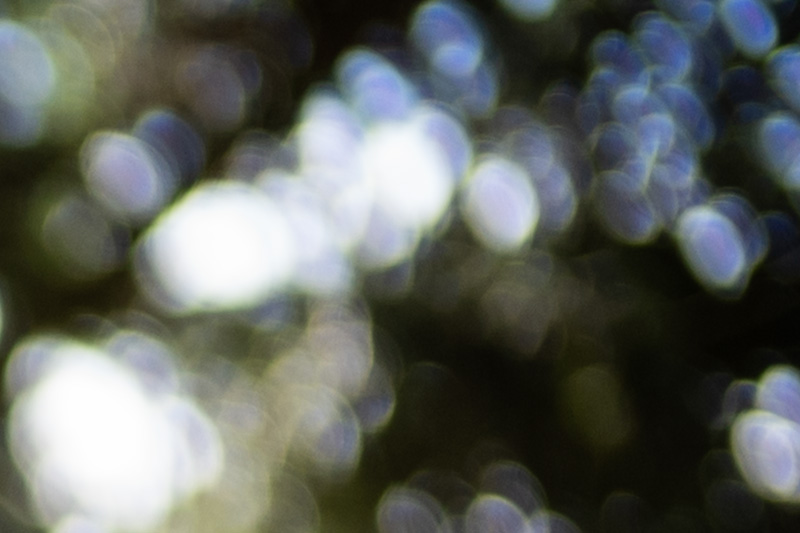

Scene 3: Forest 2.3 m




Scene 4: Forest 2.9 m


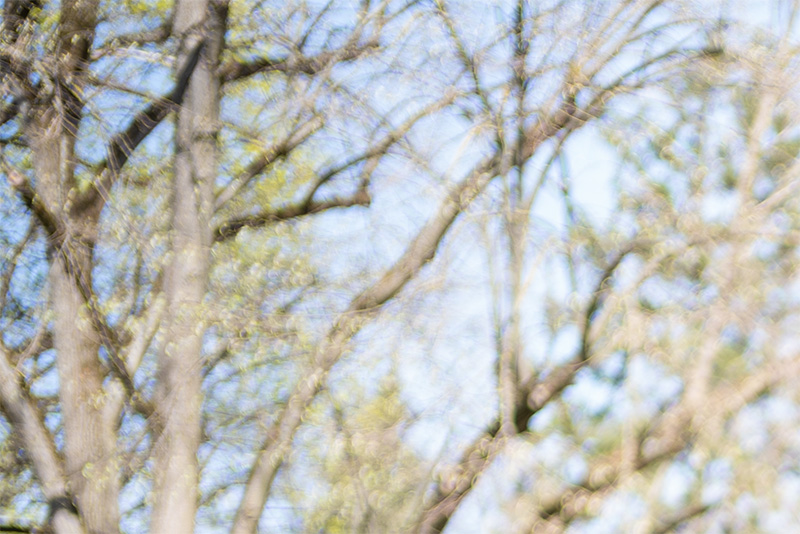

Scene 5: Forest 3.0 m
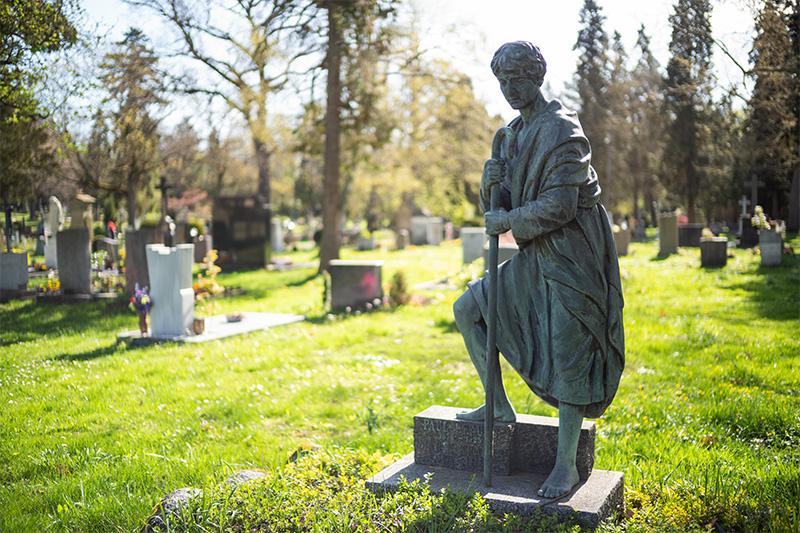



Observations
In all these scenes the Voigtländer lens creates a smoother, less structured bokeh.
At longer focus distances the differences become more obvious, as the Light Lens Lab 35mm 1.4’s field curvature pattern has a significant influence on the bokeh rendering, as already pointed out in the previous section.
Sunstars
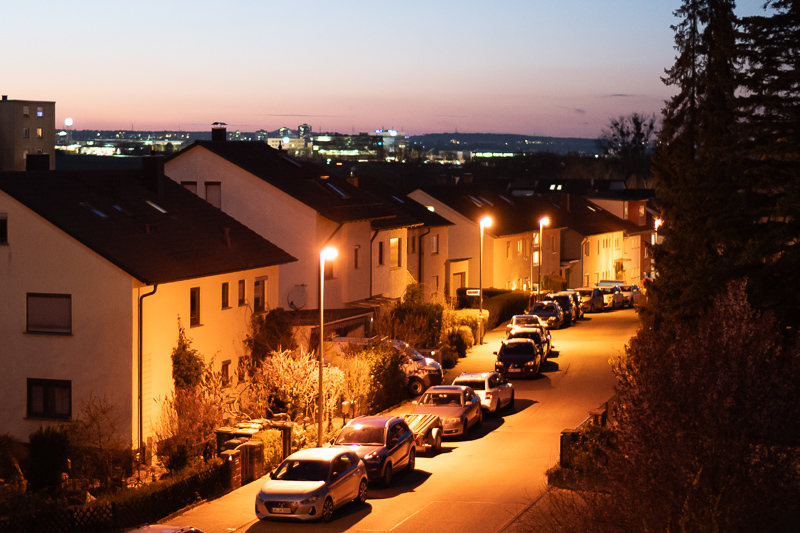


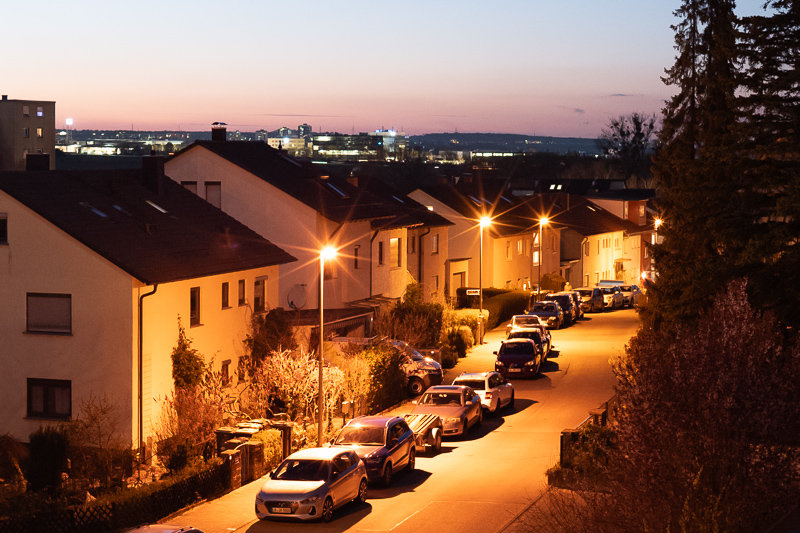
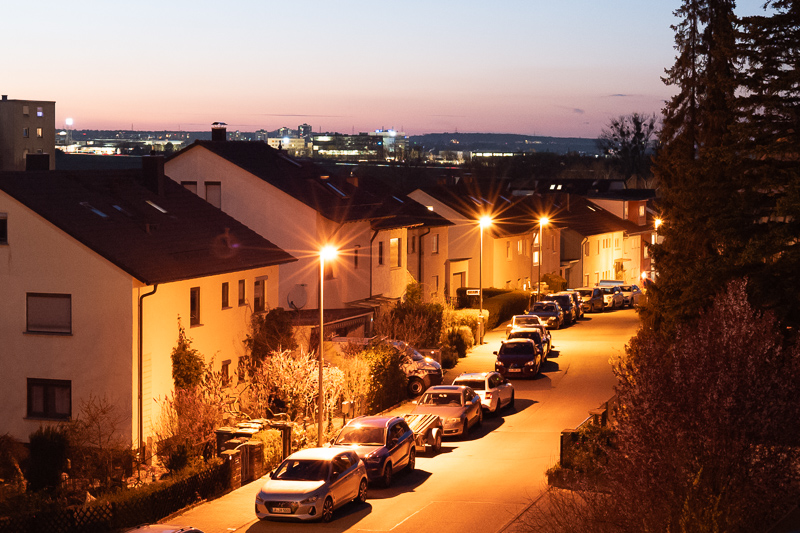

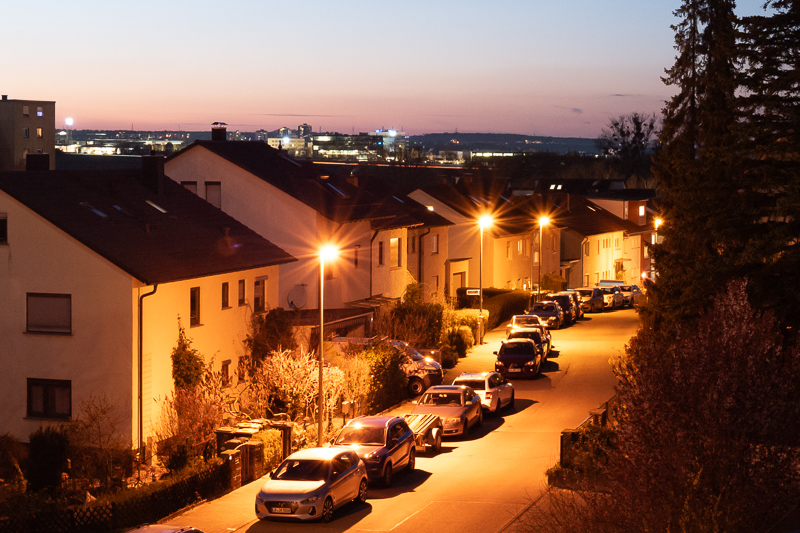

This Light Lens Lab 35mm 1.4 features a very interesting diaphragm. At f/2.0, f/2.8, f/4.0 and f/8.0 it forms a perfect decagon, creating pointy ten ray sunstars. At f/5.6 the blades are inwardly curved, creating rather messy sunstars and at f/11 and f/16 the opening is perfectly round, leading to messy/undefined sunstars again.
If you want to know more about sunstars have a look at this article.
Chromatic aberration
lateral
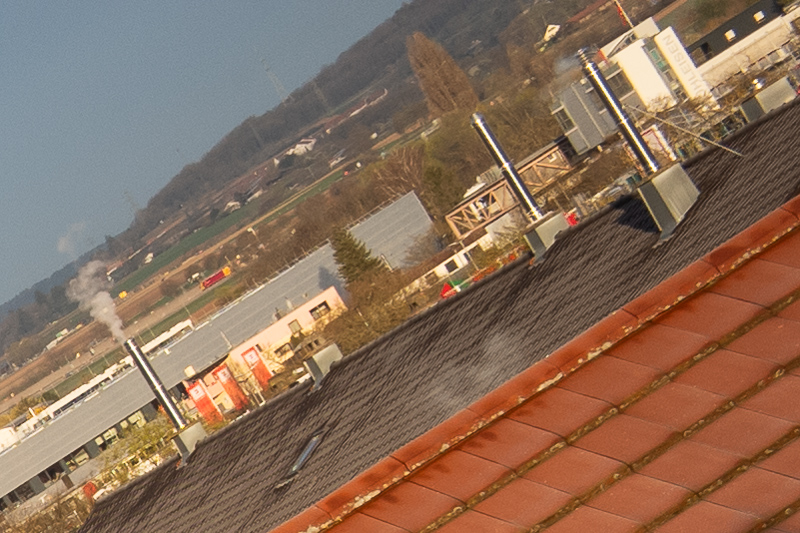
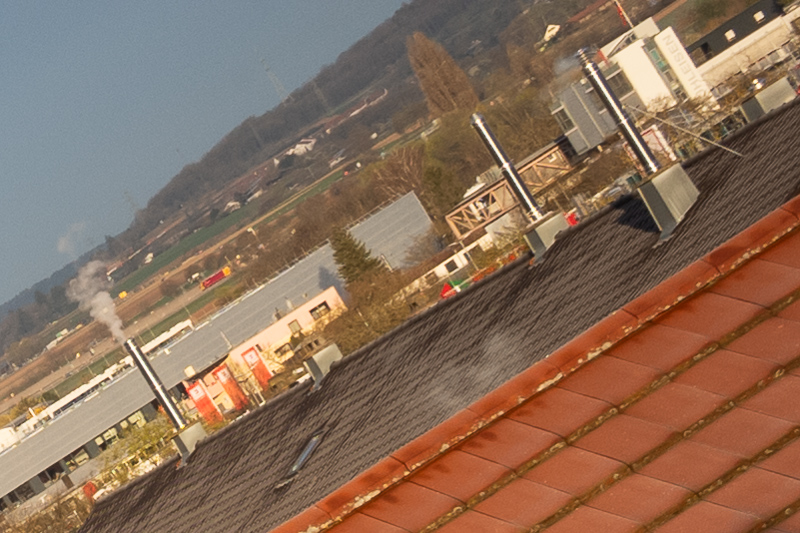
This lens shows only a very low amount of lateral CA.
longitudinal
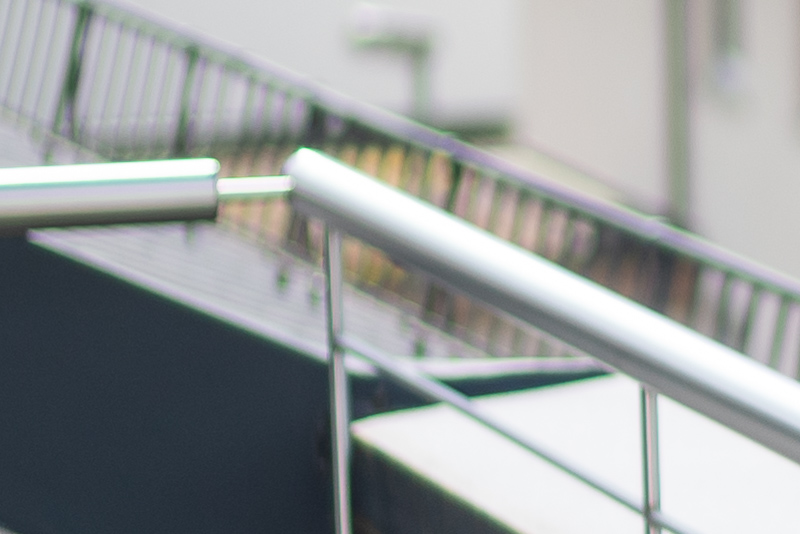

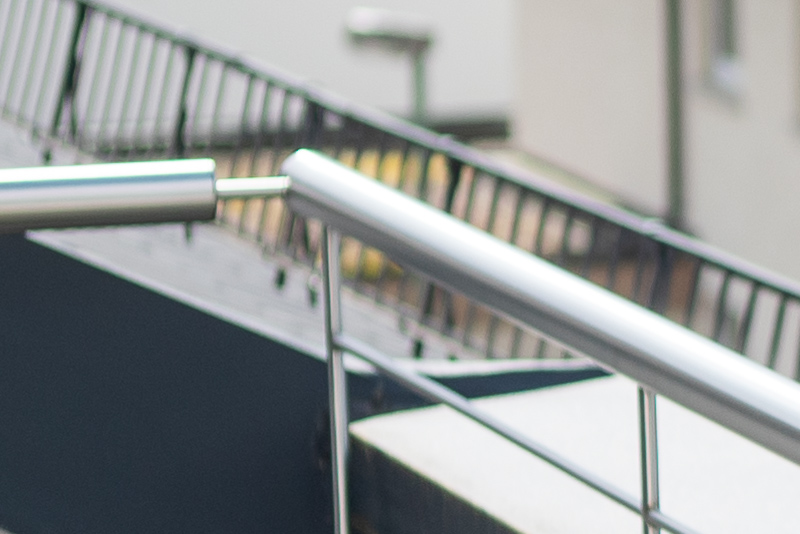
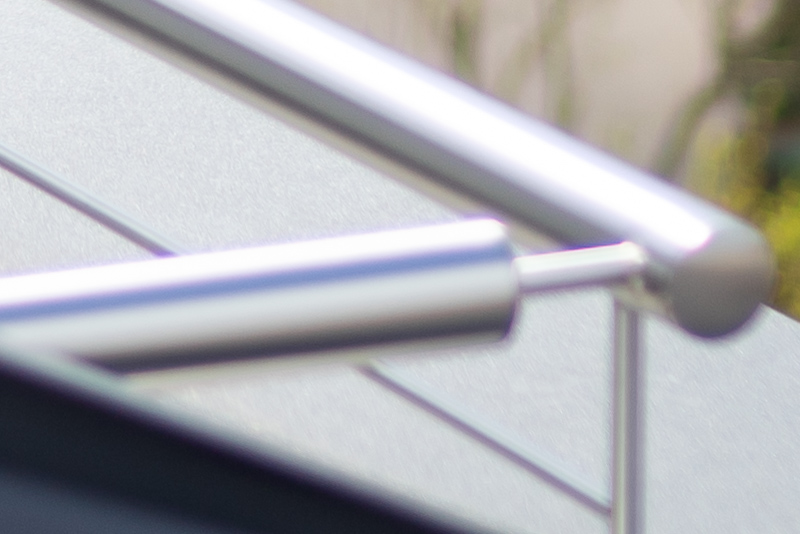

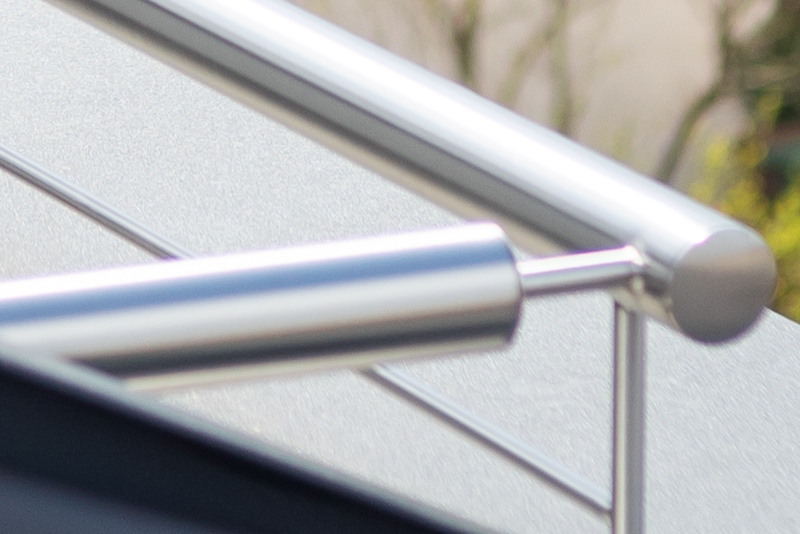
Sony A7rII | Light Lens Lab 35mm 1.4 Aspherical | 100% crops
Light Lens Lab claims they improved the optical design with the aim to decrease chromatic aberrations. I found the performance here to be very similar to modern fast 35mm M-mount lenses, considering this lens’ original design is from 1990, that could be seen as a success then.
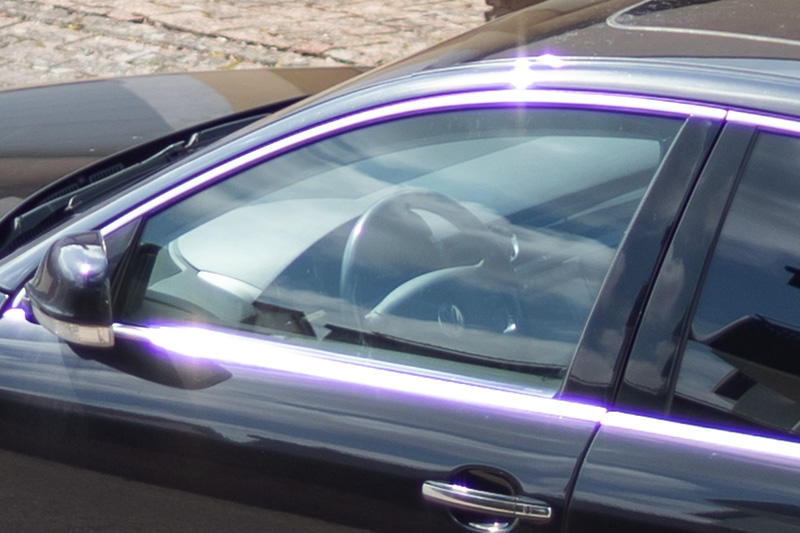
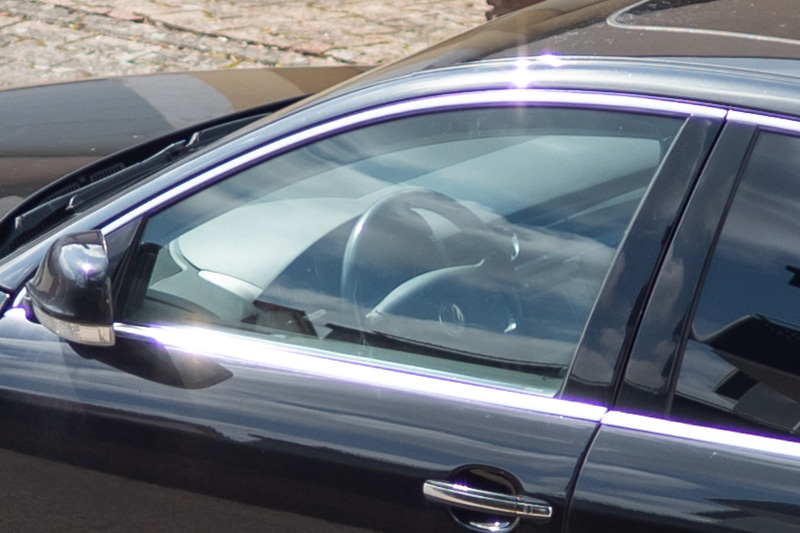
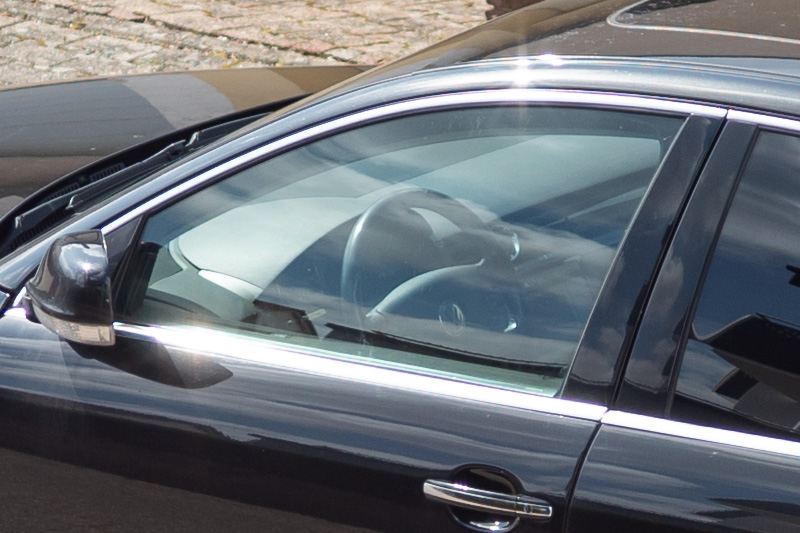
Sony A7rII| Light Lens Lab 35mm 1.4 Aspherical | 100% crops
When it comes to purple fringing the situation is the same.
Conclusion
good
|
average
|
not good
|
Once more Light Lens Lab decided to recreate a rare and exotic M-mount lens from the past. For people that just want to experience such lenses without spending thousands of dollars, this is a great opportunity.
For 1990, when the original was released, it shows a performance way ahead of its time and it took many years for other manufacturer’s 35mm 1.4 lenses to surpass it.
Still, today you can find higher performing 35mm M-mount lenses, so if you are looking for highest possible resolution and contrast or best flare resistance or smooth bokeh be sure to have a look at the alternatives section first.
As was already the case for the Light Lens Lab 28mm 2.8 9e, also this 35mm 1.4 features a beautiful build quality.
I exposed a several films with this lens but even months later I still haven’t received the scans, if I ever get them, this review will be updated.
You can order this lens from the official homepage as well as ebay.com (advertisement/affiliate links) for $1399 (black/chrome) up to $1699 (titanium)
Alternatives
I already reviewed a lot of fast 35mm lenses for M-mount. You can find all their reviews here. There are some notable alternatives to have a closer look at here though:
Leica 35mm 1.4 Summilux-M 11873:
The original from 1990 this Light Lens Lab 35mm 1.4 is based on. On the used market these seem to go for something around 20 grand. Only the most deluded collectors will pay that price and I hope none of you is stupid enough to do that, but if you are, by all means: please use one of these affiliate links. For everyone else this Light Lens Lab 35mm 1.4 Aspherical looks like a great alternative.
buy from ebay.com (advertisement/affiliate links) for $20000
Leica 35mm 1.4 FLE MKII:
Leica’s latest 35mm 1.4 M-mount lens. It actually has a very similar optical design, but it features floating elements, a much better minimum focus distance and also better flare resistance.
buy from ebay.com | ebay.de | B&H (advertisement/affiliate links) for $5395
Leica 35mm 1.4 FLE MKI:
The predecessor of the aforementiond lens with pretty much the same performance. If you don’t care about the improved minimum focus distance – e.g. because you are using an M-mount camera without liveview – you can just as well use the older version.
buy from amazon.com | ebay.com | ebay.de | B&H for $5195 (new) or starting at $3000 (used) (advertisement/affiliate links)
Thypoch Simera 35mm 1.4:
Another lens featuring a similar optical design and also floating elements. Instead of spending thousands on the aforementioned Leica lenses, maybe give the Thypoch a try.
buy from ebay.com | B&H (advertisement/affiliate links) for $699
Voigtlander VM 35mm 1.5 Nokton:
If you are looking for a fast yet compact M-mount lens with a “modern” rendering this is the one you should have a closer look at. It is very small and lightweight and also features a 0.5 m minimum focus distance. A great fit to the compact M-mount cameras.
buy from amazon.com | amazon.de | ebay.com | ebay.de | B&H for about $799 (advertisement/affiliate links)
Voigtlander VM 35mm 1.2 Nokton III:
This is currently my personal choice when it comes to fast 35mm lenses for the Leica M-mount thanks to its appealing bokeh and reasonable size. Now available as slightly lighter MK IV version with same optics.
Those that care more about small size and lower weight than a faster maximum aperture may prefer the aforementioned f/1.5 version though.
buy from amazon.com | ebay.com | ebay.de | B&H for about $949 (advertisement/affiliate links)
Zeiss ZM 35mm 1.4 Distagon:
The last entry of the Zeiss ZM lineup. Very high contrast, very good performance at wider apertures but too big and heavy for most M-mount users.
buy from amazon.com | amazon.de | ebay.com | ebay.de | B&H starting at 1600$/1600€ (advertisement/affiliate links)
Sample Images



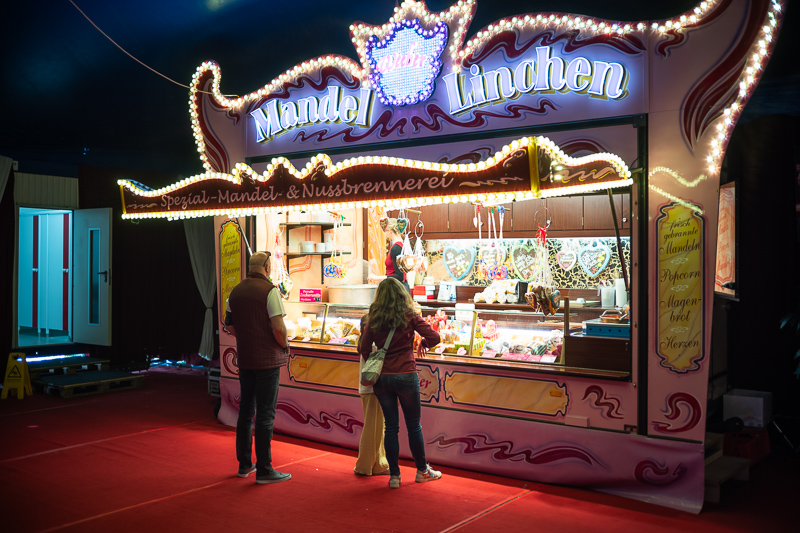
You can find most of the sample pictures in this article in full resolution here.
Further Reading
- All M-mount Lens Reviews
- Lens aberrations explained
- Review: Light Lens Lab 28mm 2.8 9e
- Review: Thypoch 75mm 1.4 Simera
- Review: Leica 90mm 2.0 Summicron-M pre Asph
- Follow us on Discord
Support Us
Did you find this article useful or just liked reading it? Treat us to a coffee!

 via Paypal
This site contains advertisement/affiliate links. If you make a purchase using any of the links marked as advertisement/affiliate links, I may receive a small commission at no additional cost to you. This helps support the creation of future content.


Latest posts by BastianK (see all)
- Review: Light Lens Lab 35mm 1.4 Aspherical “11873” - September 19, 2026
- Analogue Adventures – Part 57: Bern - September 9, 2026
- Review: Sony FE 28-60mm 4.0-5.6 - September 5, 2026