Category Archives: Uncategorized

Defects in Manual Lenses and lens buying advice

This blog is mostly about manual lenses which are usually 30 to 50 years old. And while most of them are surprisingly reliable the are a few things you should check before or after buying a lens.

This checklist is based on the experience I gained from buying  more than a hundred lenses since I discovered how much fun it is to use them on Sony’s Alpha cameras.

If you have additional info about a defect not listed or disagree with my assessment please leave a comment!

Scratches on the lenses
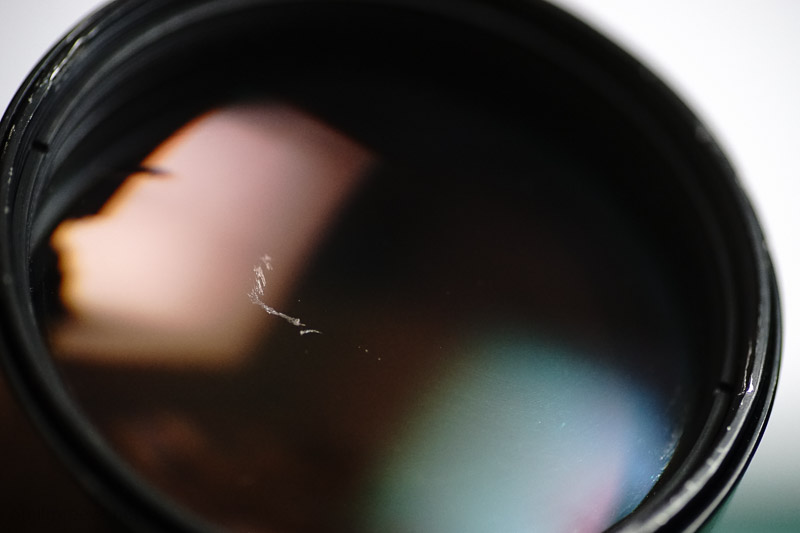
kratzer
a large scratch on the front lens of a AI-S Nikon 4.5/300

Use a large light source like a window and place the lens between you and the light so that you can see the colorful coating of the lens.

Scratches are seldom a problem in the real world but they lower the resale value of a lens. In theory they could reduce the contrast of a lens or cause some flare but I have never seen that happen.

You can’t really do anything to restore coatings but it sometimes makes sense to fill larger scratches with black paint to avoid light scattering.

Continue reading Defects in Manual Lenses and lens buying advice
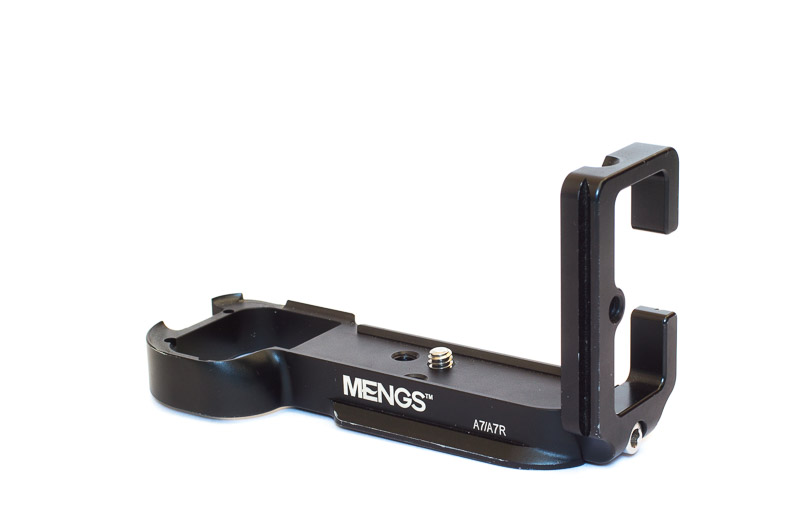
Useful Accessory for the Sony Alpha 7: A L-Bracket

What is an L-bracket?

An L-bracket is a peace of metal which serves about three functions:

  • It makes it possible to mount the camera in portrait orientation on a tripod
  • It is a more solid connection to the camera than quick release plates because it has a much bigger area of contact to the camera.
  • It increases the size of the grip and makes holding the camera easier.
lwinkel-4
my L-bracket

For me an L-brackets has improved the everyday experience of my Sony Alpha 7 and I think too few people know about L-brackets so I want to share my experience in this post.

Continue reading Useful Accessory for the Sony Alpha 7: A L-Bracket

How I create Images – Part 3: Postprocessing

In party 3 of my series I will  tell you about my approach to post processing. This is my personal approach and there are many different approaches, some of them more sophisticated than mine, but I found that it works quite well for me this way.

In case you haven’t read part 1 and 2 yet, here are the links:
How I create Images – Part 1: looking for motifs and light
How I create Images – Part 2: working with the Sony a7

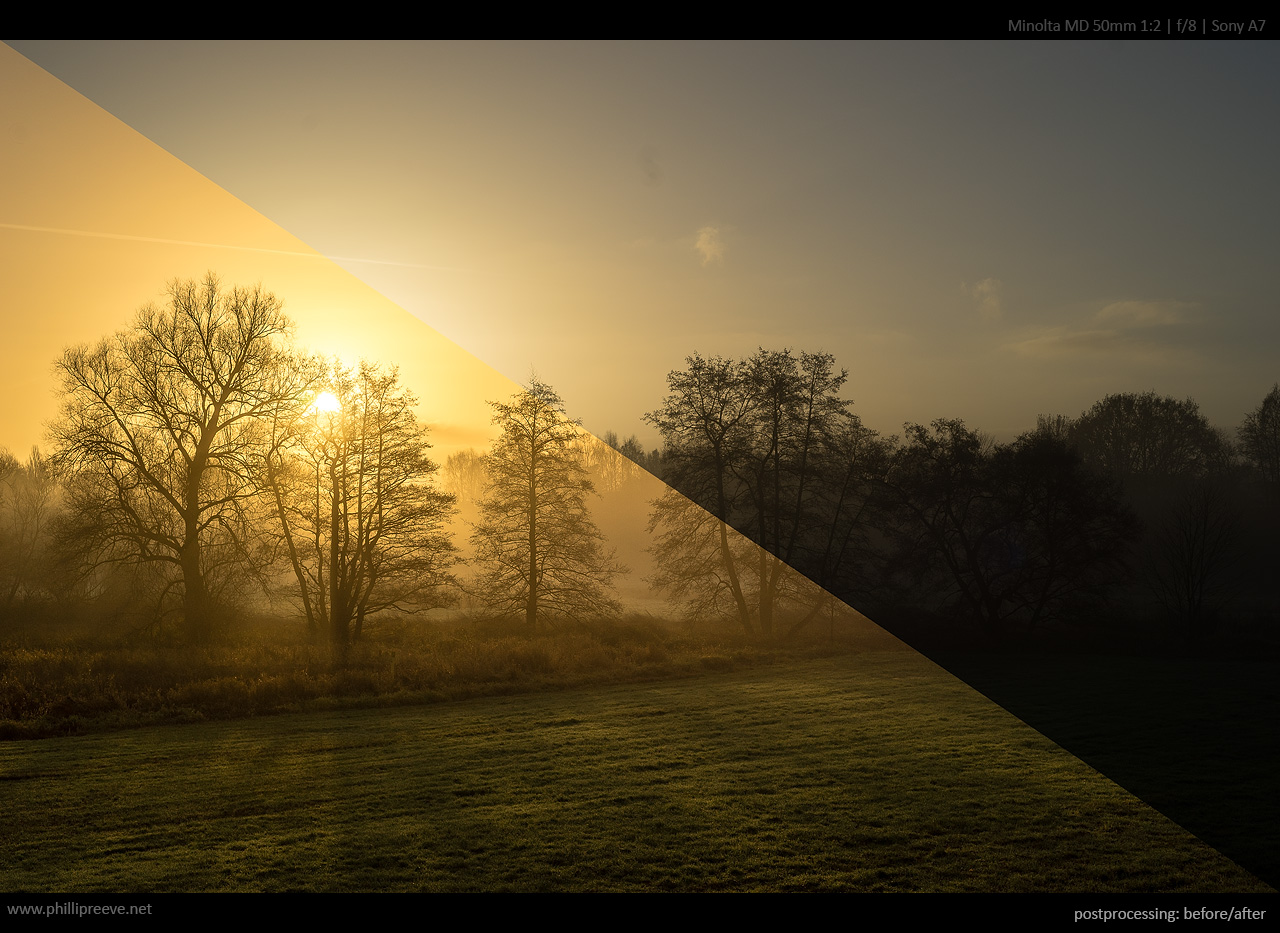
beforeAfter

I will talk about this image later, but it makes a nice intro

Continue reading How I create Images – Part 3: Postprocessing