Introduction
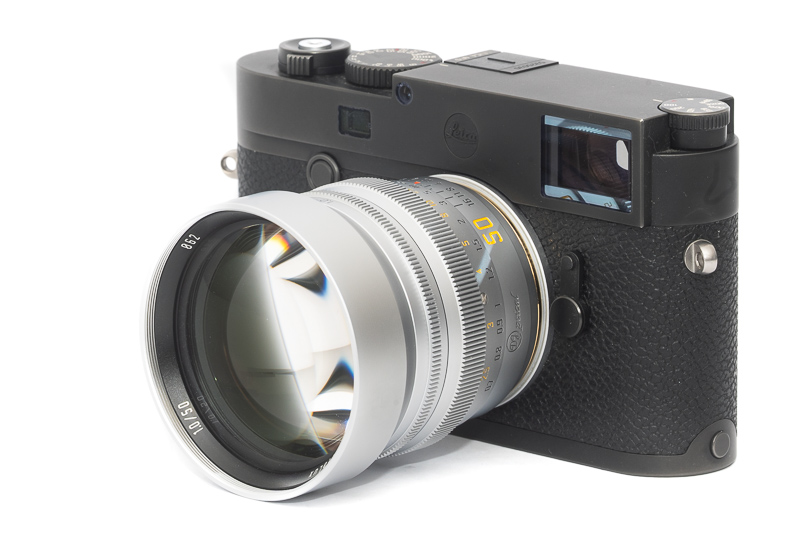
Most manufacturers producing M-mount lenses have at least one super fast 50mm lens in their portfolio and quite often these are prestigious flagship lenses for them. The latest entry is DJ-Optical with his 50mm 1.0 lens for M-mount – produced only in small quantities and officially being sold only in China at the moment. Thanks to one of my readers I was still able to acquire one of these to review it for you, so let’s have a closer look at this intriguing lens.
This lens will be reviewed on the 24mp Leica M10 and the 42mp Sony A7rII.
Sample Images


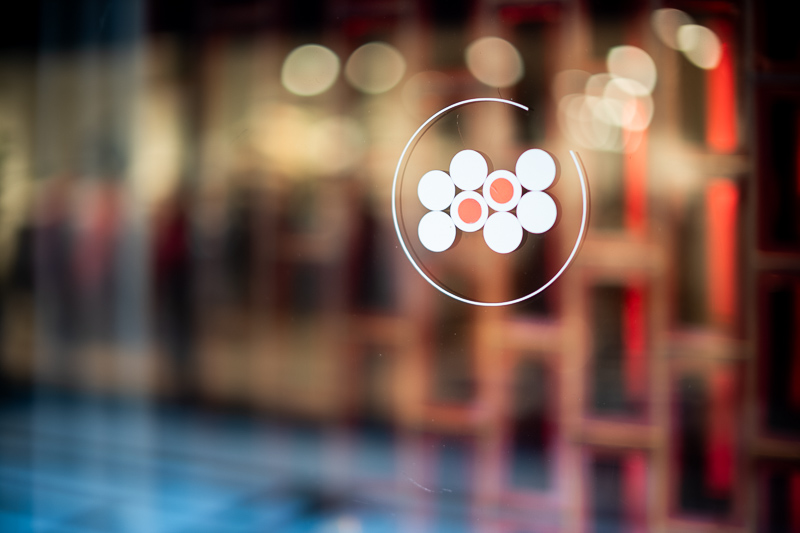
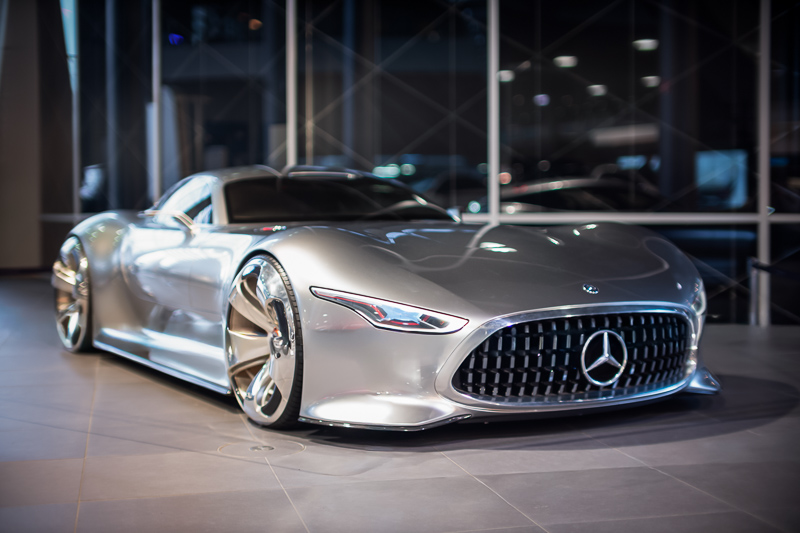
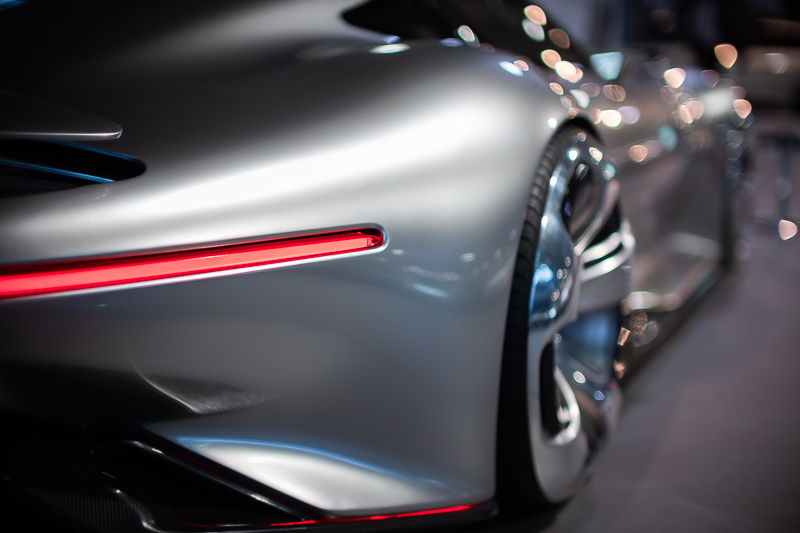
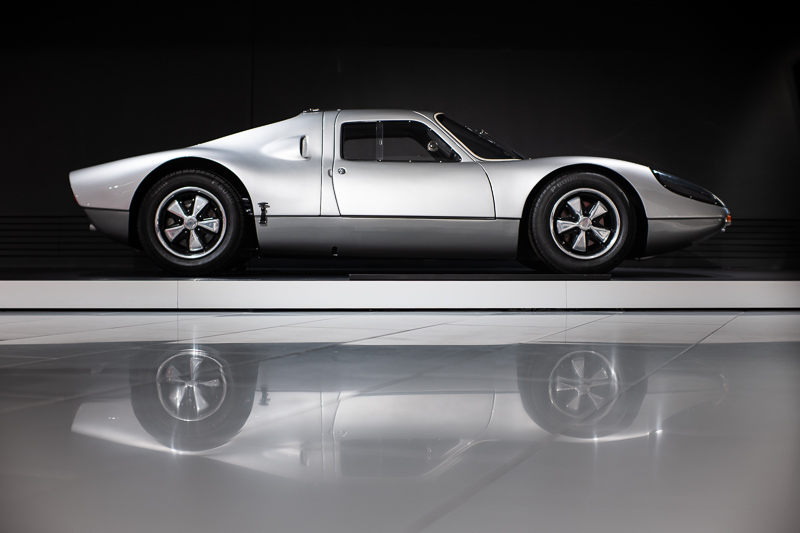
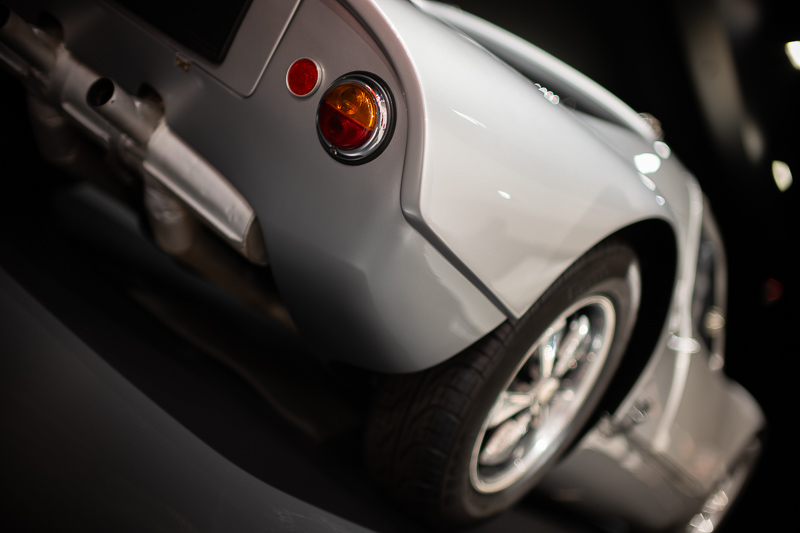


Most of the sample images in this review can be found in full resolution here.
Contents
Specifications
The DJ-Optical 50mm 1.0 has the following specifications:
- Diameter: 65 mm
- Length: 67 mm
- Weight: 474g (without lens hood[40g], without caps)
- Field of view: 44.5° (diagonally)
- Filter Diameter: 62mm + 67mm in hood
- Number of Aperture Blades: 12 (straight)
- Elements/Groups: 10/6
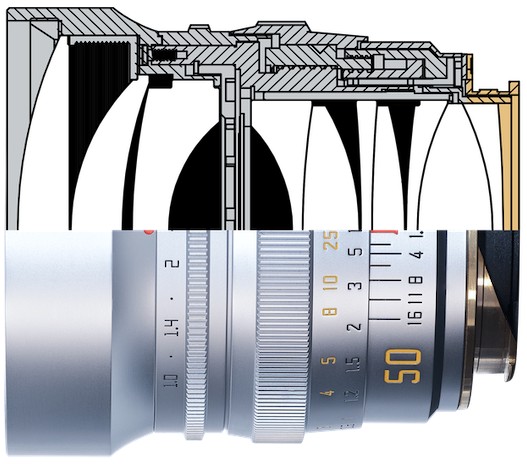
- Close Focusing Distance: 0.7 m
- Maximum Magnification: 1:12.7
- Mount: Leica-M
you could only buy this lens directly from DJ-Optical in China, maybe in the future some used samples will surface on ebay.com (advertisement/affiliate link)
About DJ-Optical
I have already reviewed many lenses designed by DJ-Optical: the early 7Artisans M-mount lenses and the TTArtisan M-mount lenses. I was told this 50mm 1.0 design was once pitched to TTArtisan but rejected in favour of the TTArtisan 50mm 0.95. Now DJ-Optical decided to have this lens produced on his own.
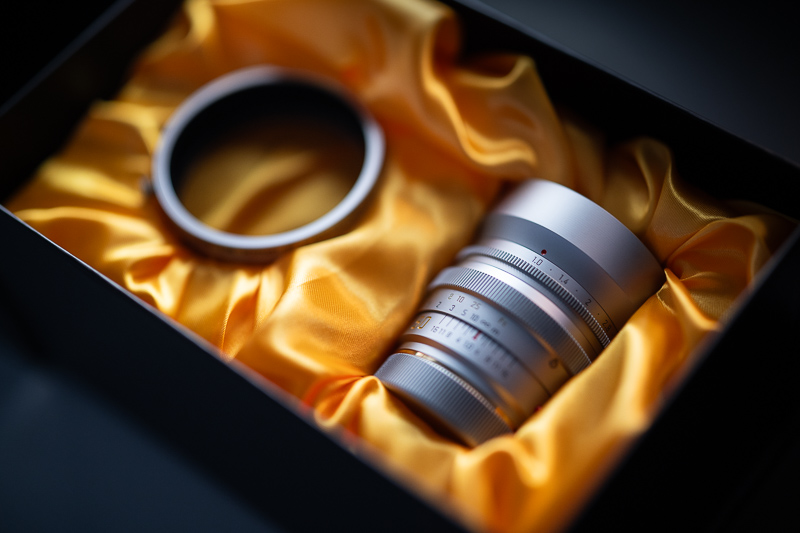
In terms of materials used and finishing this is one of the best manual focuses lenses I have come across so far – and I don’t even like silver lenses to begin with. Huge emphasize was put on the aesthetics here: which fonts on the casing to be used, what kind of engraving, what type of aluminium and its polishing process, even specifically made stainless steel screws were used.
There are still some design oddities though. On the lens hood is written “Noctis Lux by DJ-OPtical” (no idea why the “P” is capital here) whereas on the lens’ retention ring is written “NyctaLux”.
It was said that only 300 pieces of this lens will be made, which is a very low number and the preorder price of 370€ was also surprisingly low. Interestingly after the preorder period the price has been raised to almost 800€ for the remaining copies.
Handling / Build Quality

Generally this DJ-Optical lens takes a lot of inspiration from Leica’s M-mount lenses. Font, colors and even the red dot look very similar, only the gold plated bayonet is something you don’t usually see on Leica’s lenses.
In terms of focus ring and aperture ring this DJ-Optical actually feels better than the modern Leica lenses I handled, especially because the aperture ring is not wobbly and has clearly defined hard stops at both ends.
The focus ring rotates 120° from the minimum focus distance of 0.7 m to infinity. The aperture ring has nice and distinct half-stop click-stops between f/1.0 and f/8.0 and full-stop click-stops between f/8.0 and f/16. The spacing is more or less equidistant between f/1.0 and f/2.8, but no so much after that.
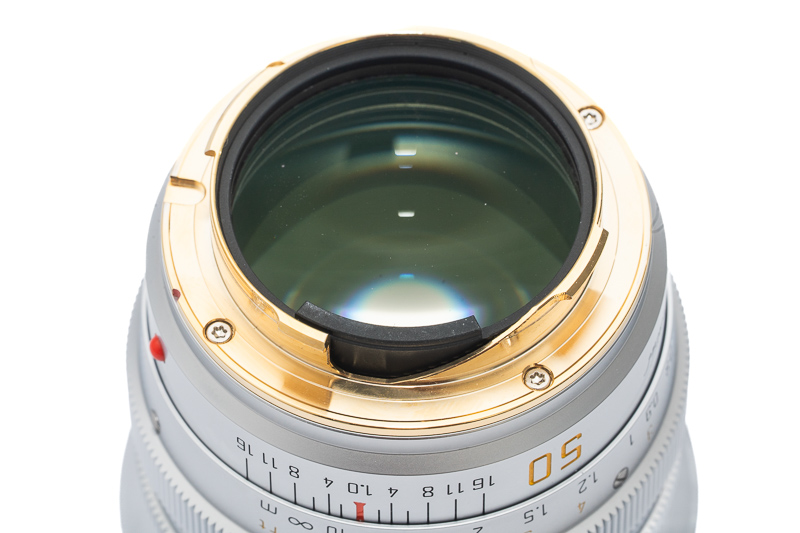
When you look at the rear of the lens you can see that this lens has a rear element diameter as big as technically possible. Because of a very clever mechanical design it actually has the highest rear element diameter of all the super fast 50mm M-mount lenses (the SLRmagic 50mm 0.95’s rear element is only smaller by 0.5 mm though).
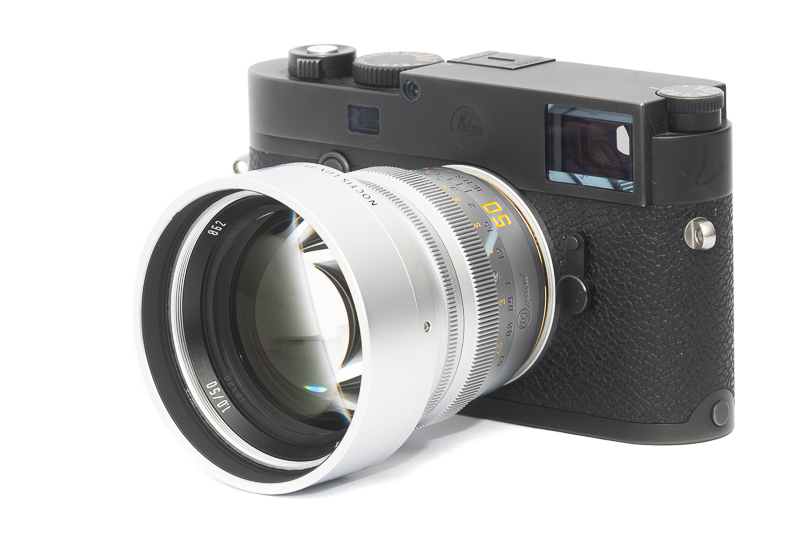
A slip-on lens hood with felt on the inside and a locking screw is also included in the package. Because it is very short I don’t find it particularly useful. Similar to some MS-Optics lenses there is another filter thread in the hood though which is always welcome.
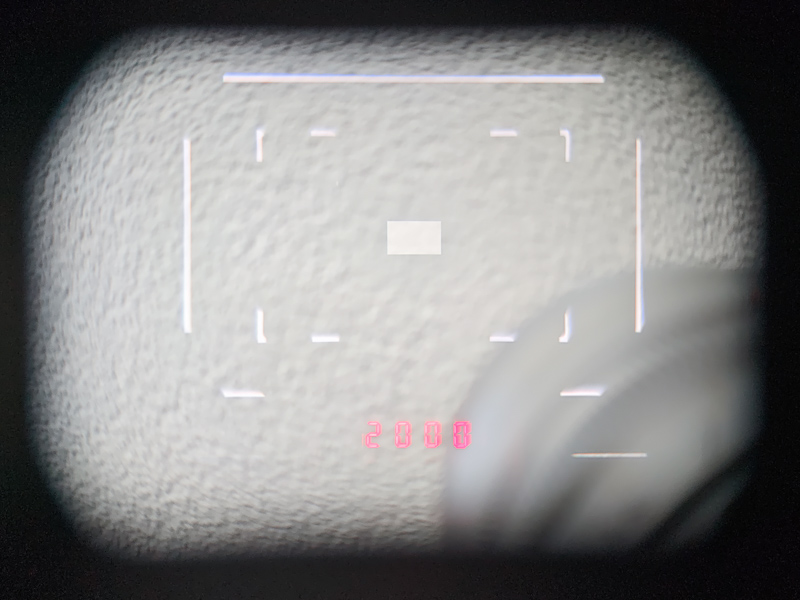
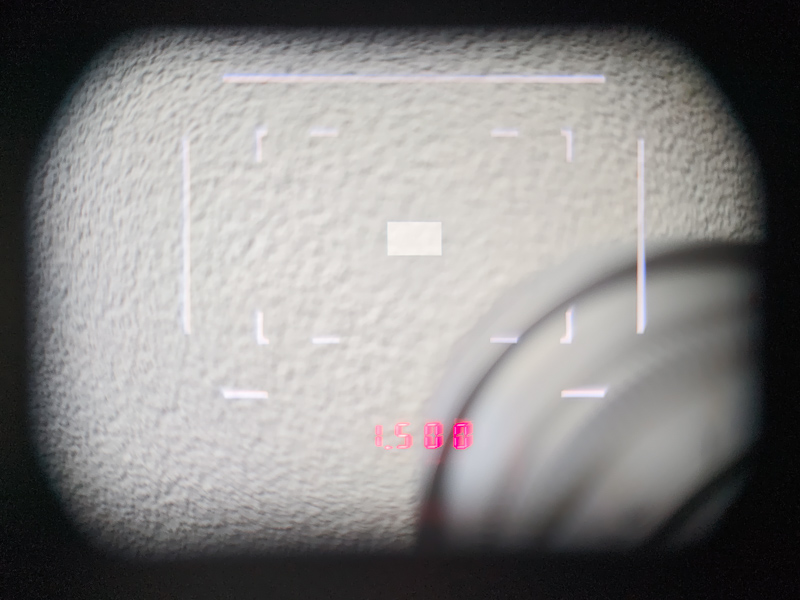

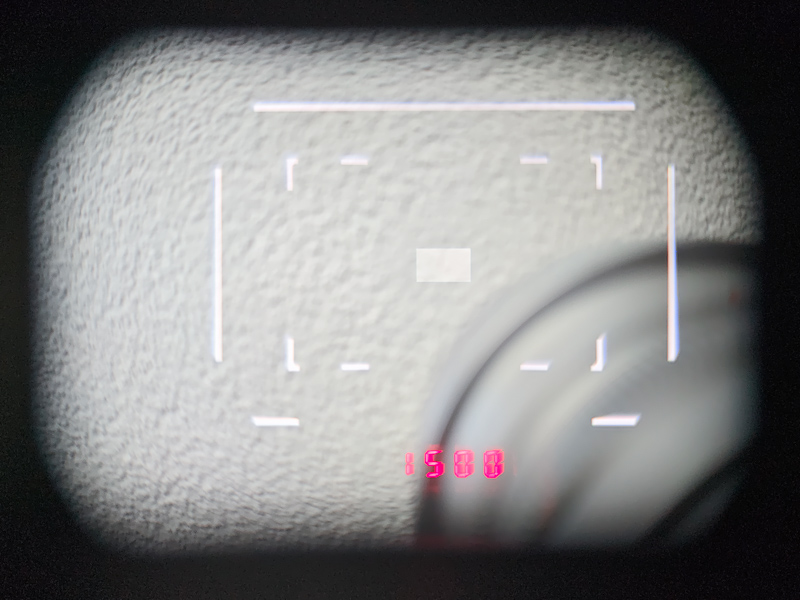
It shouldn’t come as a surprise that the rangefinder blockage is significant with this lens. This is not the worst I have seen among the super fast 50mm M-mount lenses though.
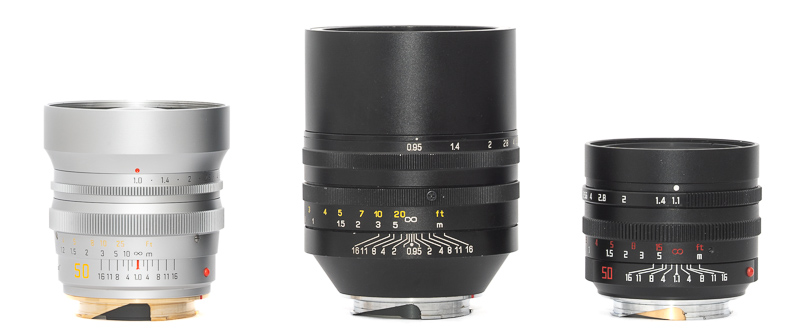
In terms of size and weight this DJ-Optical 50mm 1.0 is actually one of the more reasonable f/0.95 to f/1.0 M-mount lenses. You can have a look at the specifications of many of its competitors here.

This lens can be adapted to all kinds of mirrorless cameras, I found that some adapters (e.g. the TTArtisan 6-bit adapters) introduce mechanical vignetting (black corners) because of this lens’ unusually high rear element diameter.
Light Transmission
Measuring the actual light transmission of lenses is not something that can be easily done. What is possible, is comparing different lenses to each other, to see, which one let’s in the most light.
| Lens | Light transmission |
| Canon 50mm 0.95 Dream Lens | ± 0 |
| SLRmagic 50mm 0.95 Hyperprime | -0.24 EV |
| Leica 50mm 0.95 Noctilux-M | -0.35 EV |
| Zhong Yi 50mm 0.95 M | -1.05 EV |
| Voigtländer VM 50mm 1.0 Nokton | -0.15 EV |
| DJ-Optical 50mm 1.0 | -0.32 EV |
| MS-Optics 50mm 1.0 ISM | -0.35 EV |
| Mr. Ding 50mm 1.1 | -0.95 EV |
| Voigtländer VM 50mm 1.2 Nokton | -0.65 EV |
This DJ-Optical 50mm 1.0 does not let in as much light as the Voigtländer VM 50mm 1.0 Nokton, but about the same amount as the Leica 50mm 0.95 Noctilux-M or the MS-Optics 50mm 1.0 ISM. That means I do not see an unusually bad transmission here as we did with the Zhong Yi 50mm 0.95 M and the Mr. Ding 50mm 1.1.
Vignetting
Light falloff
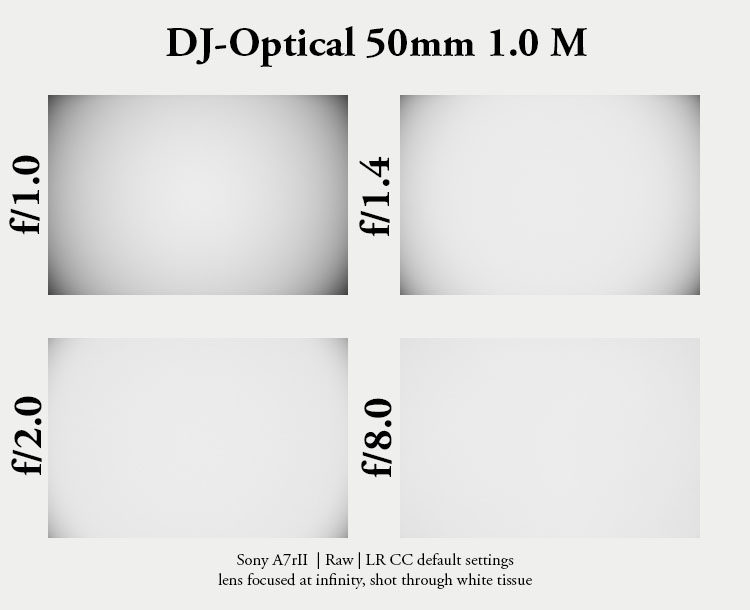
| f/1.0 | 3.5 EV |
| f/1.4 | 2.5 EV |
| f/2.0 | 1.8 EV |
| f/2.8 | 1.1 EV |
| f/4.0 | 0.6 EV |
| f/5.6-f/16 | 0.4 EV |
The problem with designing lenses this fast for the narrow M-mount is, that the vignetting figures will always be massive and this is once more the case here. The vignetting figures of this DJ-Optical 50mm 1.0 are exactly the same as those of the Leica 50mm 0.95 Noctilux-M and hence a little lower than those of the Voigtländer VM 50mm 1.0 Nokton. You can have a look at my comparison of super fast 50mm M-mount lenses to see how many of the competitors compare.

It is recommended to have a look at this article first to get an idea how this brightness graph works.
Optical vignetting
Fast lenses usually show a noticeable amount of optical vignetting, especially so the compact ones. Without going too much into technical details optical vignetting leads to the truncation of light circles towards the borders of the frame.
In the center of the frame almost every lens will render a perfect circle, but only lenses with very low optical vignetting will keep this shape in the corners.
So in the following comparison we move from the center (left) to the extreme corner (right) and see how the shape of the light circle changes.
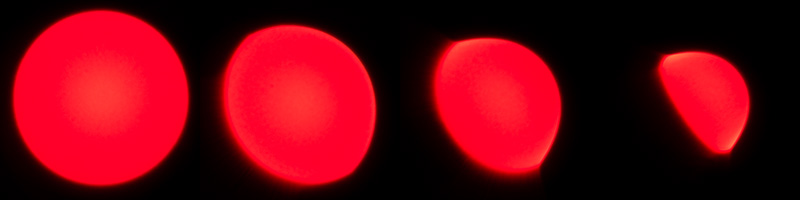
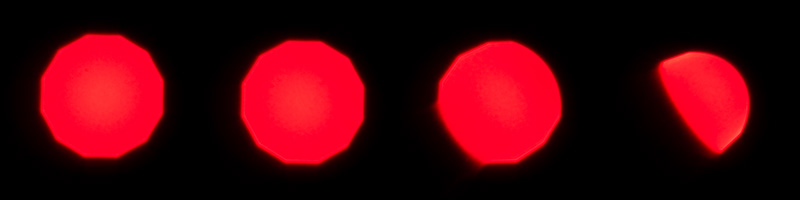

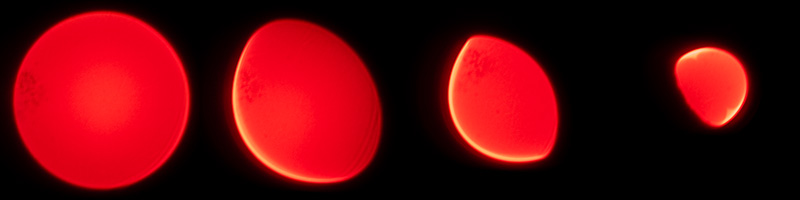
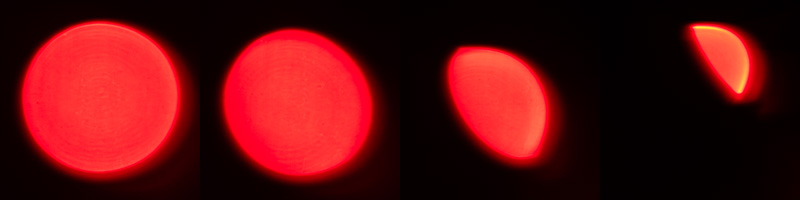
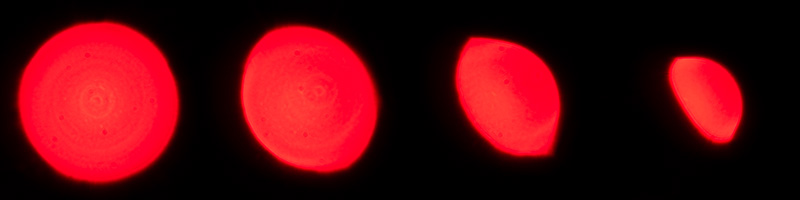
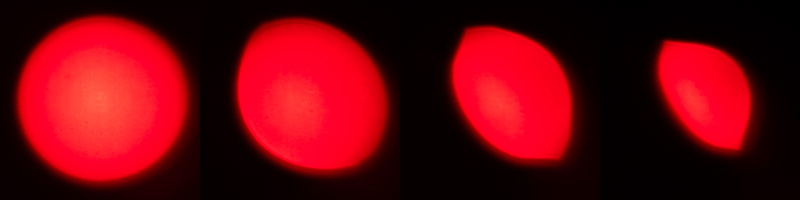
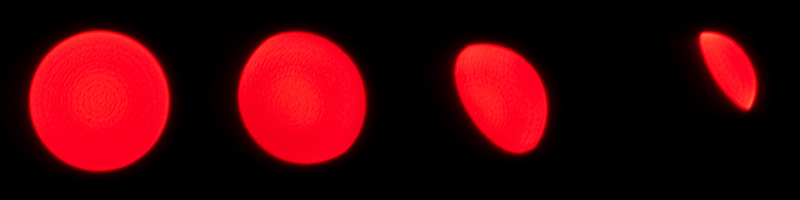
I did not shoot all these lenses side by side, so the sizes of the circles are not directly comparable.
All the super fast lenses for the narrow M-mount show strong optical vignetting, but we still see very obvious differences. This DJ-Optical 50mm 1.0 is one of the better ones here, similar to the SLRmagic 50mm 0.95 Hyperprime and the Zhong Yi 50mm 0.95 M.
The Leica, Voigtländer and Canon show noticeably more optical vignetting with tiny highlights in the corners. The Leica and Canon also show a lot of outlining which usually is a sign of busier bokeh.
Sharpness
Focus shift
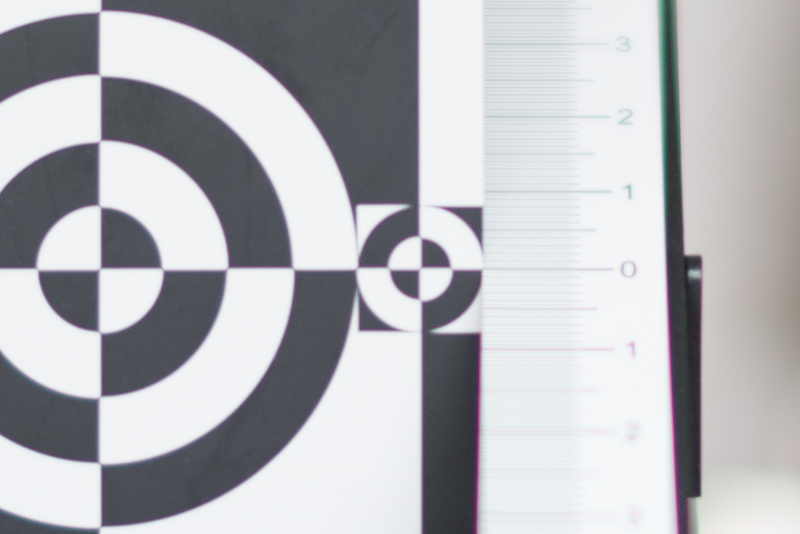
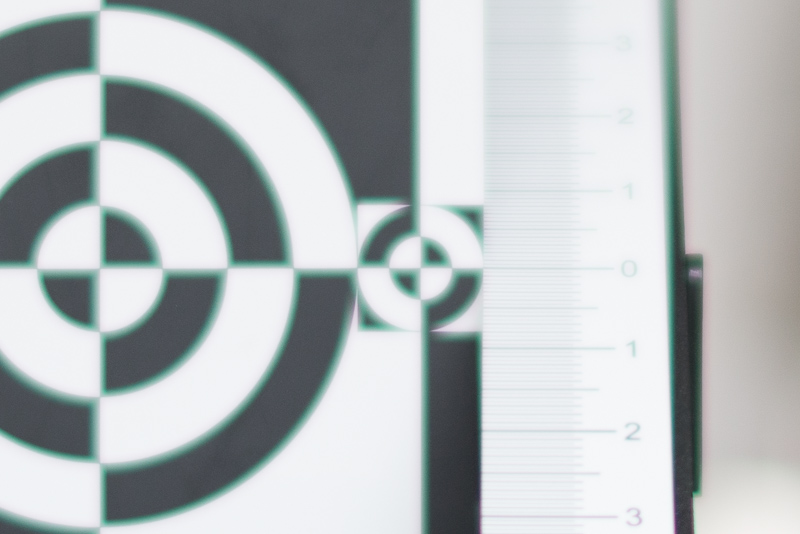

This time, there is a lot to talk about in this section. Similar to some over very fast lenses, contrast and resolution do not peak in the same focal plane at closer distances and the focal plane with the least chromatic aberrations is yet another one.
You can see these three “options” above. The first picture shows the highest possible contrast but also strong chromatic aberrations and bad resolution. The second one shows good resolution but very low contrast and again strong chromatic aberrations. The third shows the least amount of chromatic aberrations but contrast and resolution are somewhat inbetween.
Which would be the right one? That depends on what you prefer and what you are taking pictures of. For me, if I had to pick one of these, it would be the one with the least amount of chromatic aberrations, so we continue with that one.


We can see that this DJ-Optical 50mm 1.0 has wild focus shift at closer distances, as here the focus shifts about 1 cm to the back per stop.

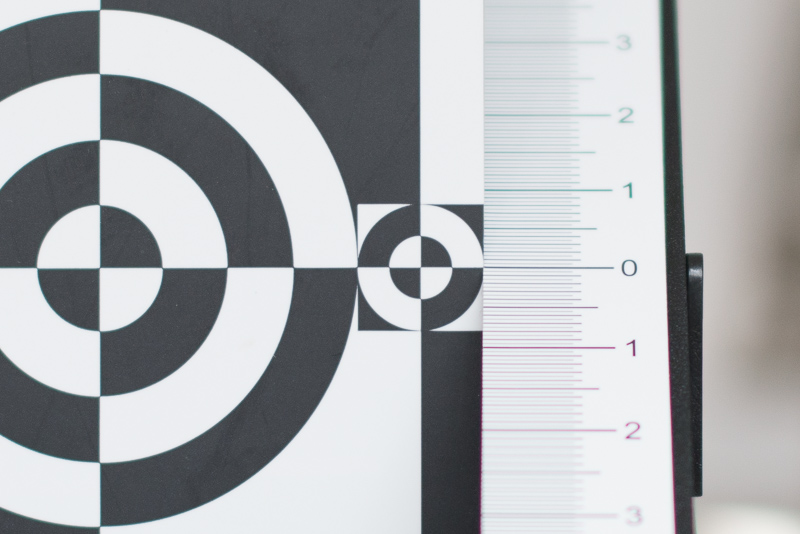
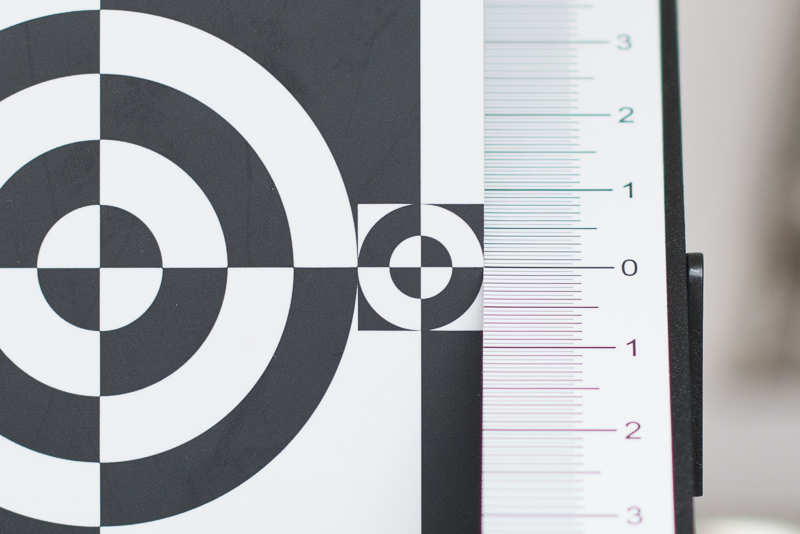
Above you can see the best possible performance that can be achieved at close distances when using liveview and adjusting the focus after having stopped the lens down.
Because of the focus shift I would definitely avoid using the rangefinder mechanism to focus this lens at closer distances in the f/1.4 to f/4.0 range.
At portrait distances and at infinity I found focus shift to be less of a problem, I would still advise to use liveview and not the rangefinder mechanism with lenses as fast as this one.
MTF Graphs
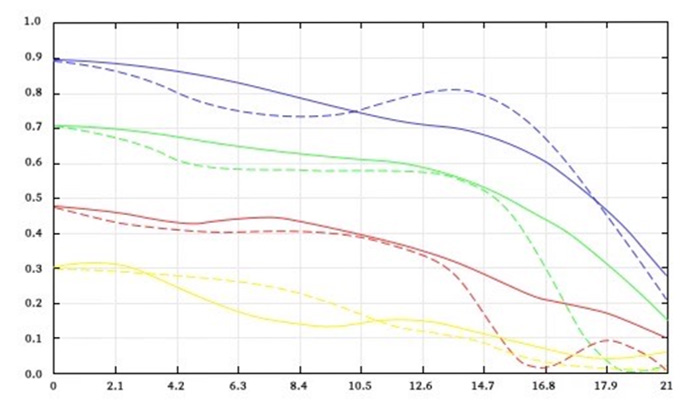

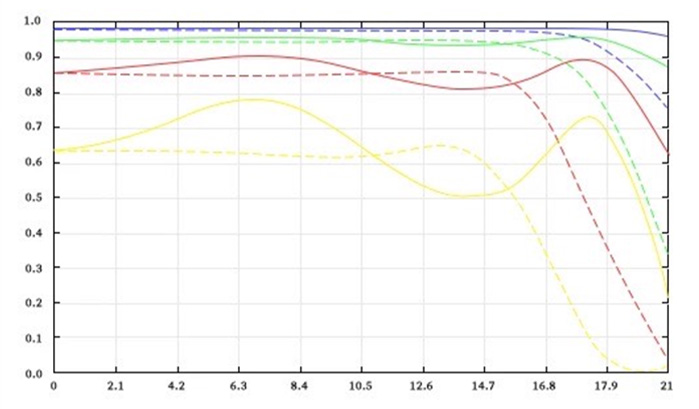
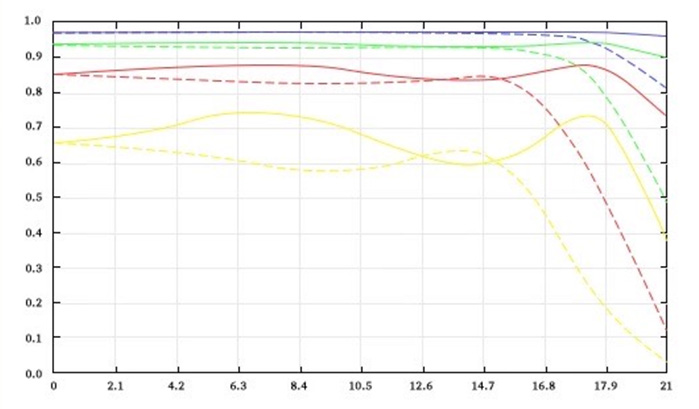
DJ-Optical provided MTF graphs for this lens which I guess show the performance at infinity. According to these graphs, at f/1.0 the lens shows good contrast and decent resolution in the center of the frame as well as the midframe area and low astigmatism. The corners are nothing to write home about.
Stopping down to f/2.0 should improve contrast and resolution noticeably – except for the corners that still look bad.
According to these graphs there is not of lot of difference between f/5.6 and f/8.0. Most parts of the frame look very good here, but the corners still leave something to be desired and especially the huge astigmatism looks a bit worrying.
Let’s see if actual pictures confirm what is shown in these graphs.
infinity (24mp Leica M10/42mp Sony A7rII)
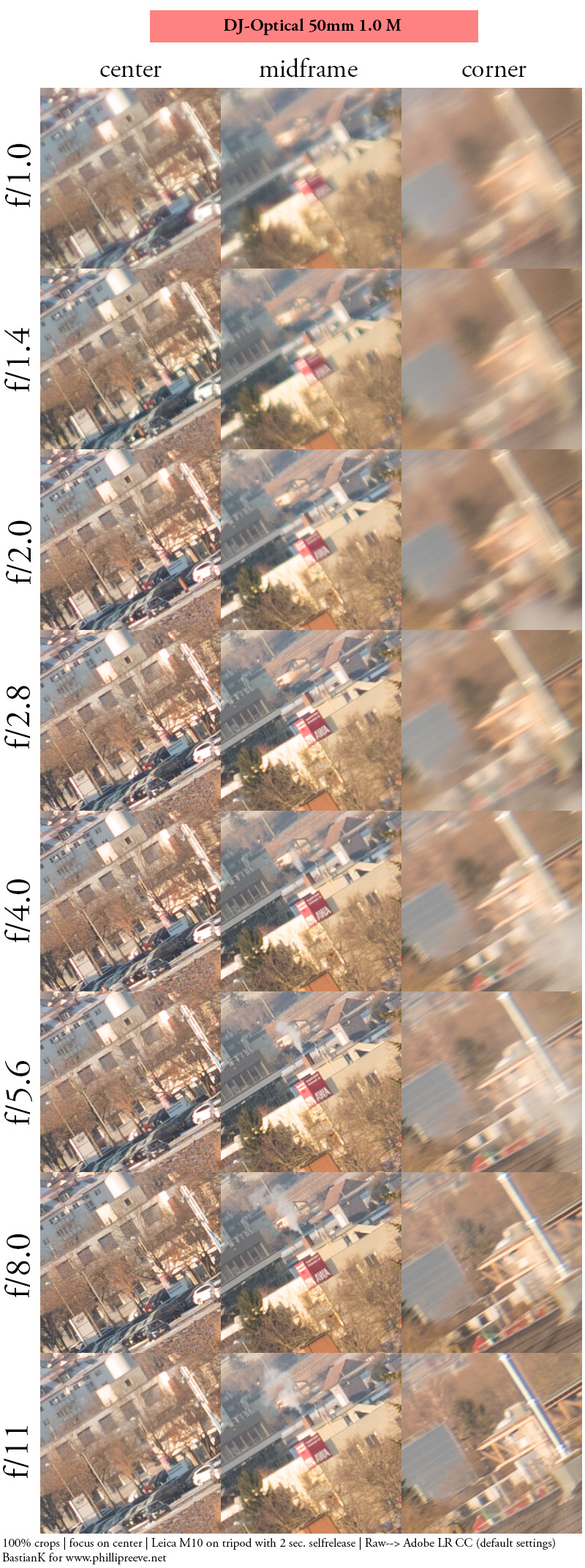


The whole image is generally a bit softer at the maximum aperture – a rather typicak behaviour for the super fast 50mm M-mount lenses, with the Voigtländer VM 50mm 1.0 Nokton being a bit of an exception.
Performance in the center improves fast on stopping down, by f/2.0 we get high resolution and contrast.
For the midframe to look actually good stopping down further is needed. Here f/2.8 on the Leica with its thin filter stack and f/4.0 the Sony with its thicker filter stack is needed.
The MTF graphs did promise bad corner performance and that is definitely true. Even stopped down to f/11 the last bit of the corner still doesn’t look good – similar to the Mr. Ding 50mm 1.1 or the Voigtländer 40mm 1.2.
Not the ideal lens for taking high resolution pictures of flat landscapes, but that shouldn’t really come as a surprise.
portrait 1.5 m (24mp Leica M10/Sony A7III)
Let’s see what the performance is like at a typical portrait distance for a 50mm lens of ~1.5 m.
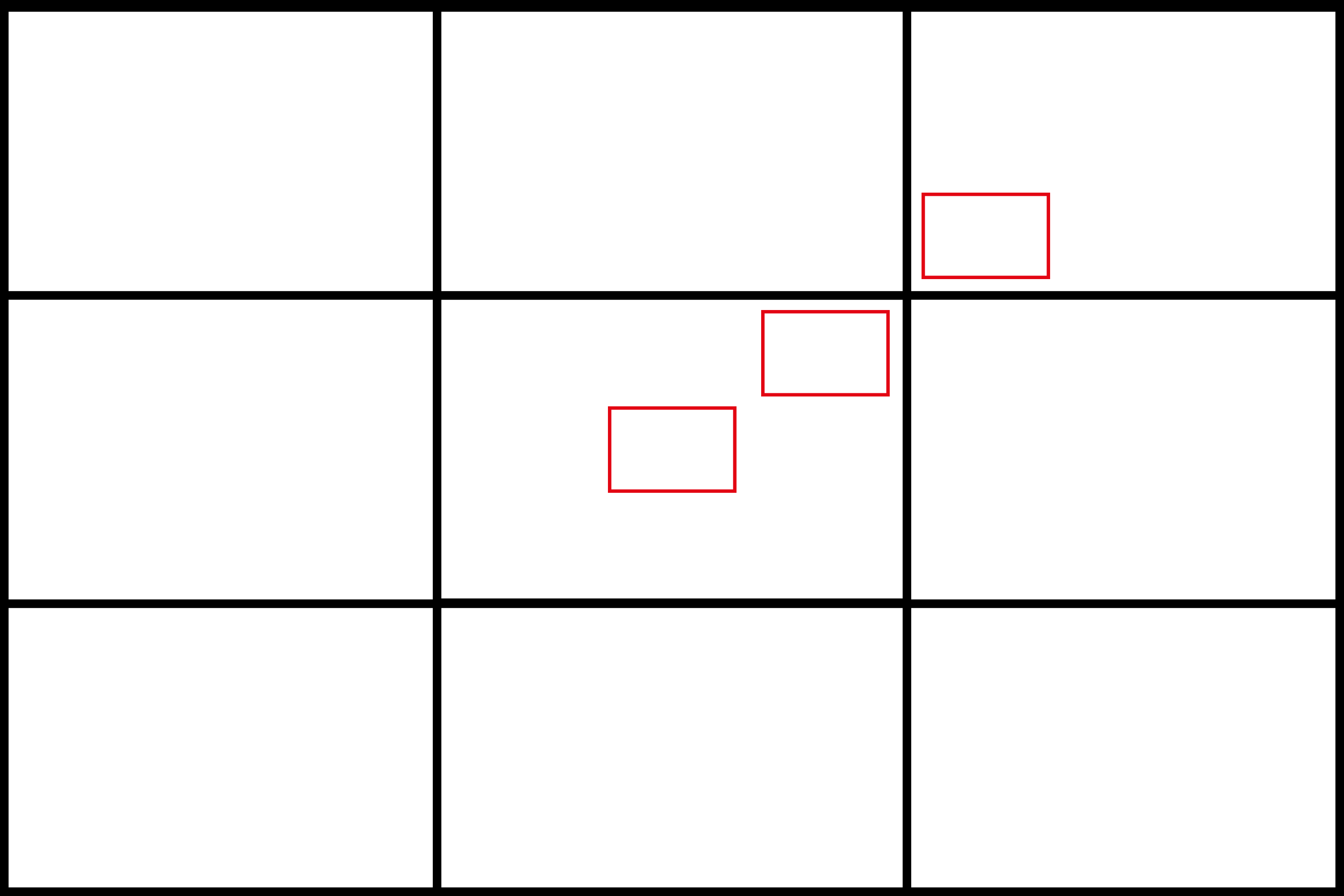
We will be looking at 100% crops from the 24mp Sony A7III and the Leica M10. Both cameras do not have an anti aliasing filter in front of the sensor.
Leica M10 <—> Sony A7III









The performance in this category is very important to me, as this is where I would typically use a lens like this.
This DJ-Optical 50mm 1.0 actually shows a good performance here. Even in the outer midframe – where many of these lenses struggle – it doesn’t have any problems with Astigmatism. A similar performance to the much bigger and heavier SLRmagic 50mm 0.95 Hyperprime.
The Zhong Yi 50mm 0.95 M shows a rather bad performance at this distance in general and the Leica 50mm 0.95 Noctilux-M Asph looks pretty awful in the outer midframe, too. The TTArtisan 50mm 0.95 also looked surprisingly good in this category, if we also have a look at f/1.0 lenses the Voigtländer VM 50mm 1.0 Nokton easily outperforms all of the f/0.95 M-mount lenses and also this DJ-Optical lens.
When we compare the Leica and Sony crops, we mainly see the effect of the Sony having much better liveview than the Leica, which makes focusing easier and leads to better results.
Close 0.7 m, 1:12.7 (42mp Sony A7rII)





While most of the modern 50mm M-mount lenses offer a minimum focus distance of 0.7 m, that isn’t true for those being as fast as f/1.0 or f/0.95. The Voigtländer VM 50mm 1.0 Nokton offers 0.9 m, Leica 50mm 0.95 and Zhong Yi 50mm 0.95 M only 1.0 m – despite the Voigtländer and the Leica featuring floating elements designs, that could ensure better performance at closer distances.
Personally, I am always happy when a lens focuses close, but when looking at the performance in this category, we see why other manufacturers decided to limit the minimum focus distance of their super fast 50mm lenses. At f/1.0 it is almost impossible to focus (also see Focus Shift section) and at f/1.4 it is super soft. In close focus scenarios I therefore often stopped down to at least f/2.0.
Flare resistance
As always evaluating flare is a complex matter since you can get any lens to look bad if you push it hard enough and a slight change of scenario can affect results a lot. That being said, the super fast 50mm lenses often fared pretty bad in this category, so let’s see if this DJ-Optical 50mm 1.0 can improve on them.
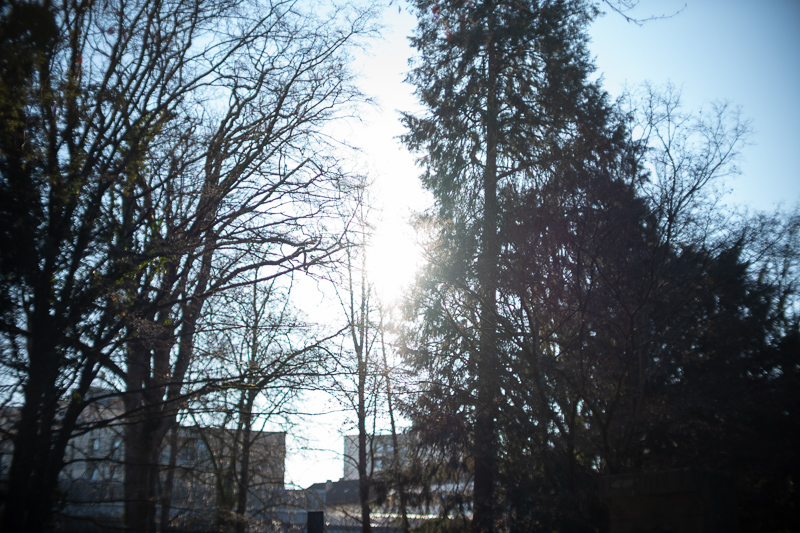
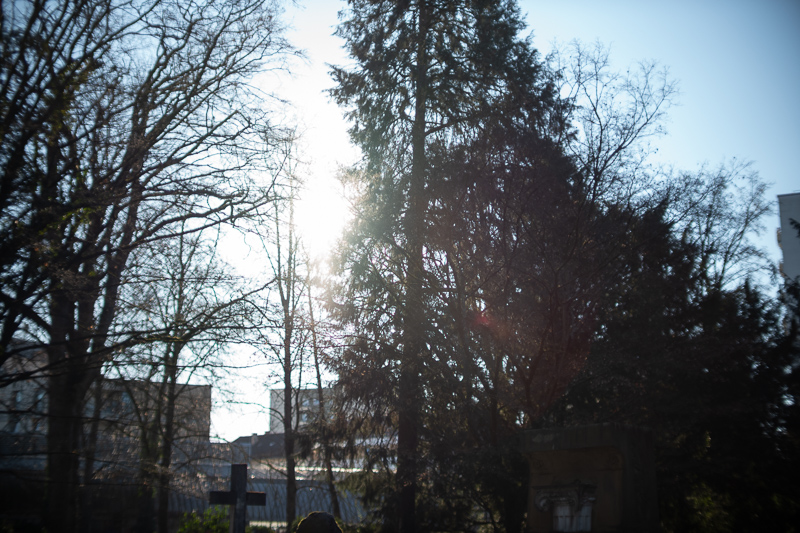

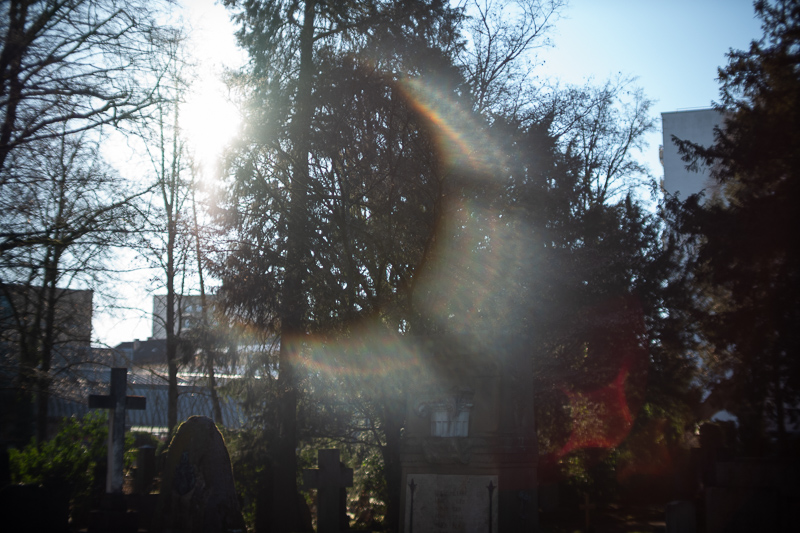
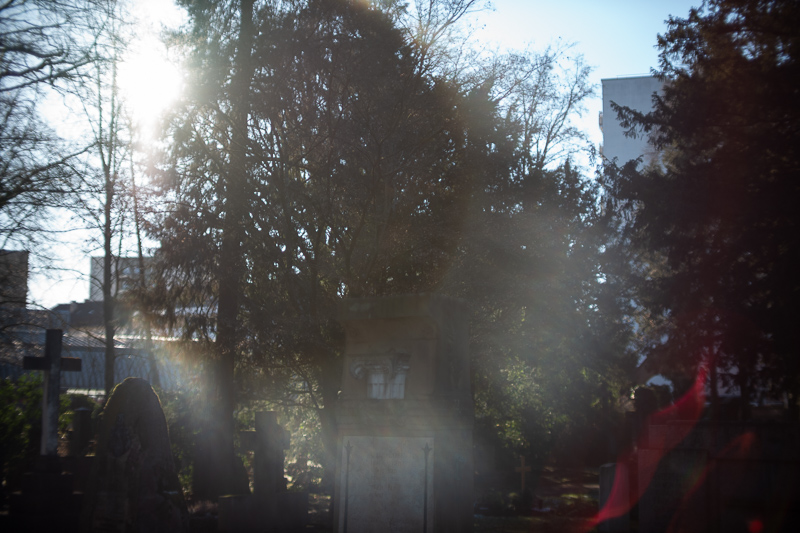
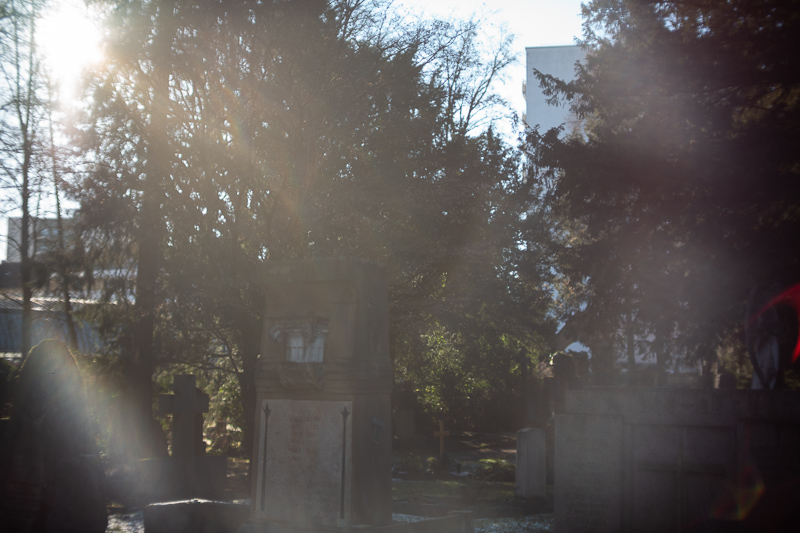

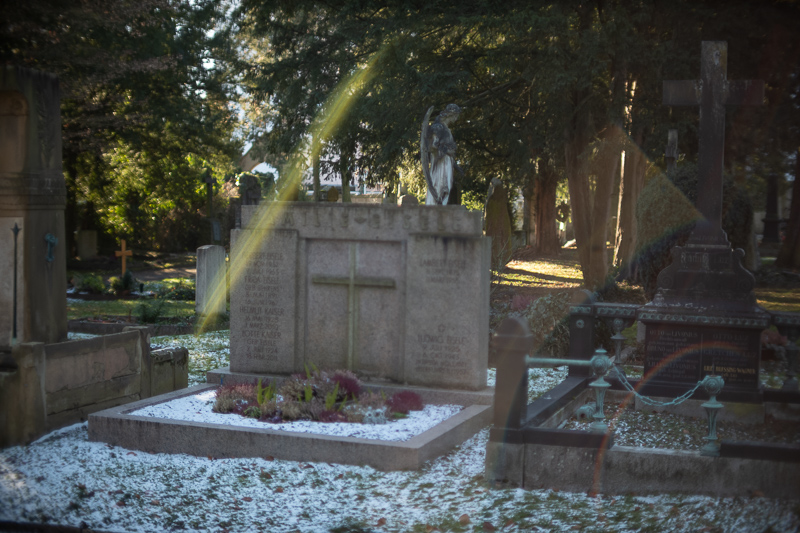
Now this doesn’t exactly look good. At its maximum aperture we can create all kinds of (huge) artefacts and not the kind that can easily avoided by slightly reframing.
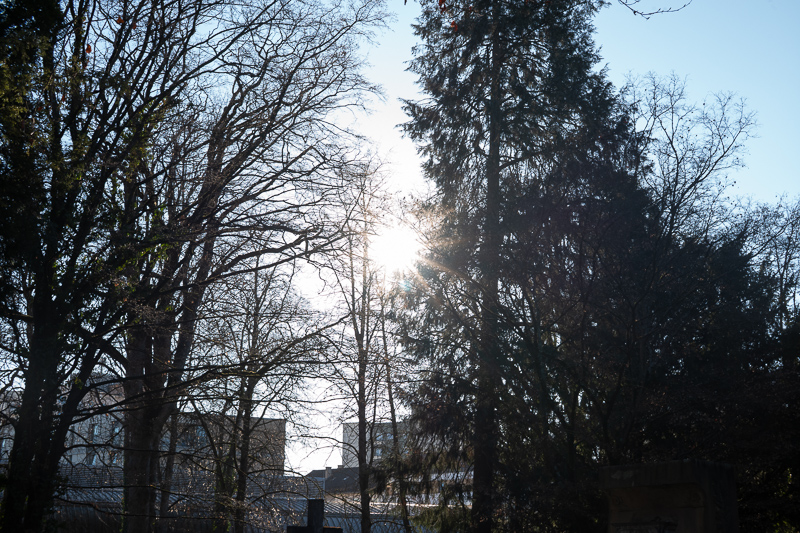
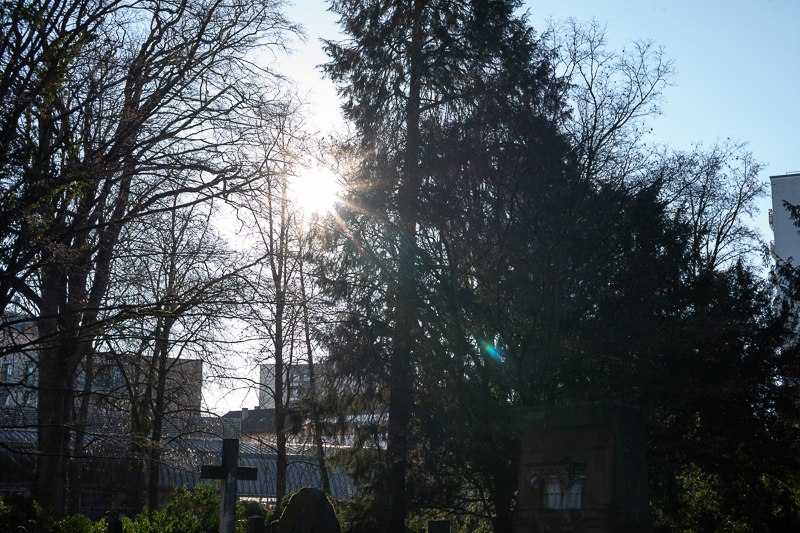
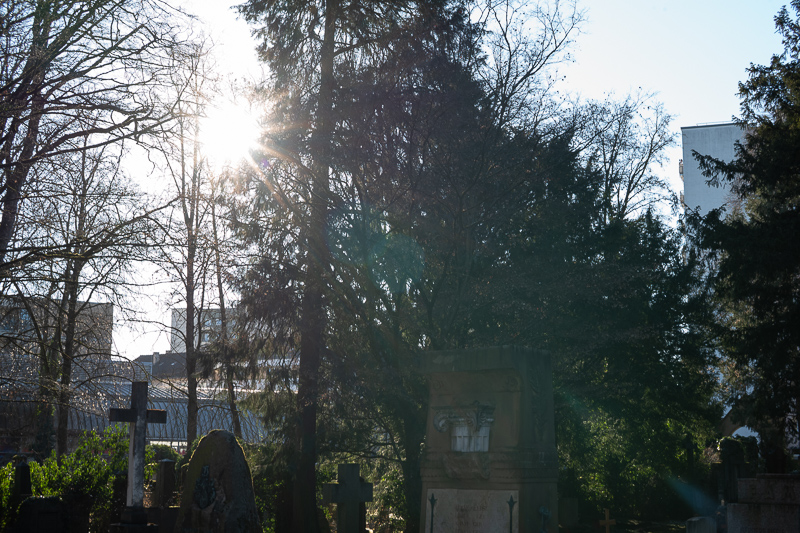
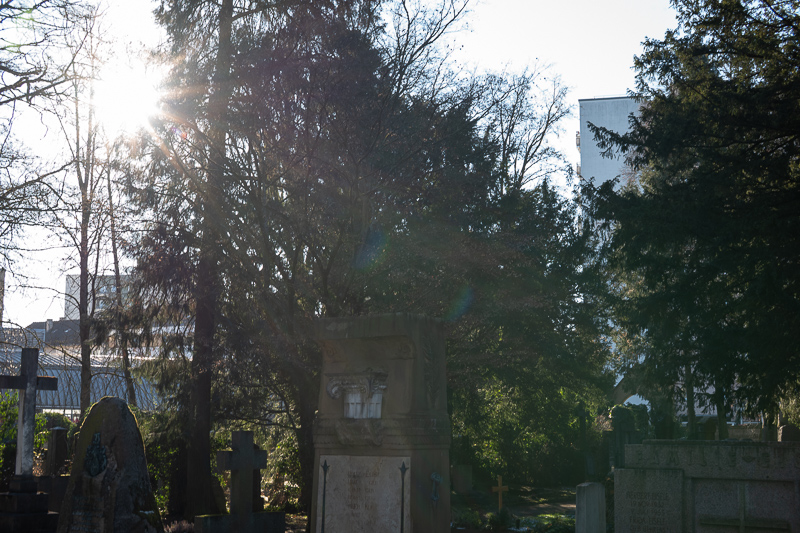
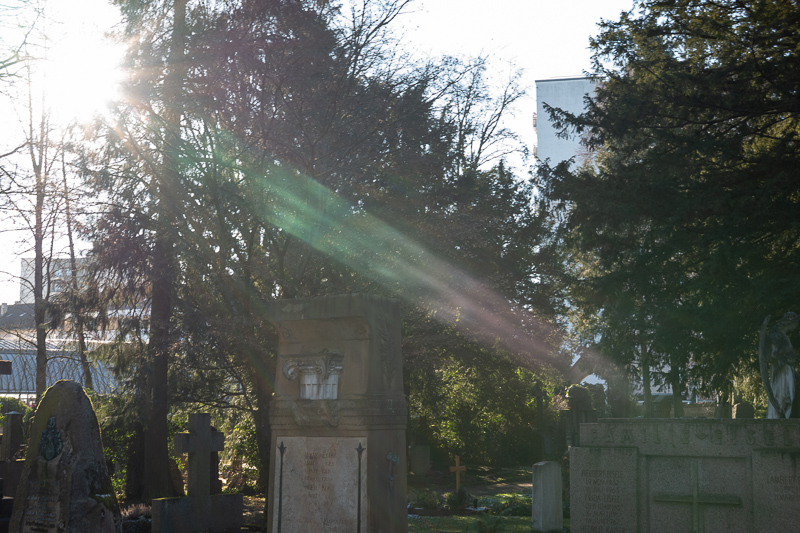
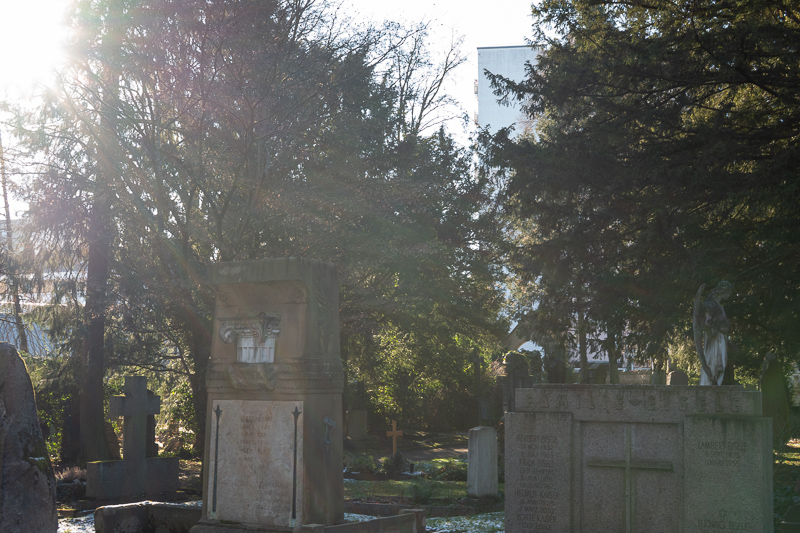

Stopped down the situation is a bit better, but not by a lot. Especially the huge flares with the sun outside the frame are a bit worrying, as they may appear in situations where you don’t expect them.
At the end of the day this is a rather typical performance for a super fast 50mm lens though
Coma
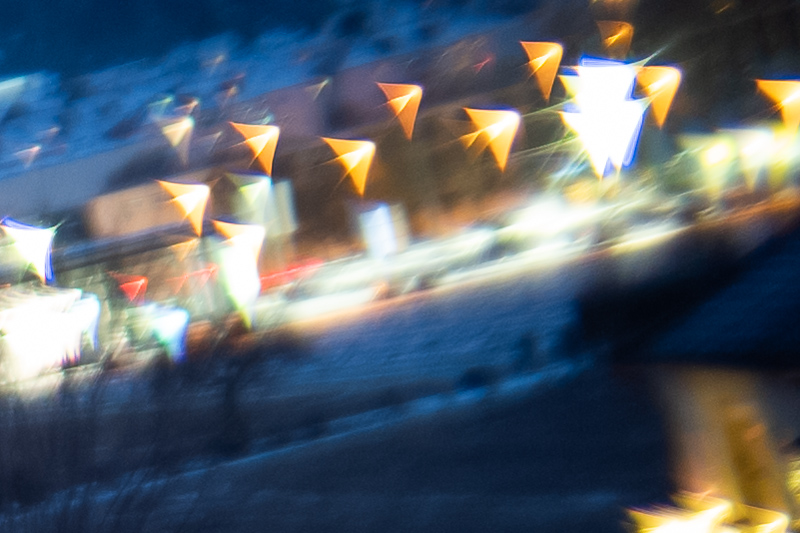
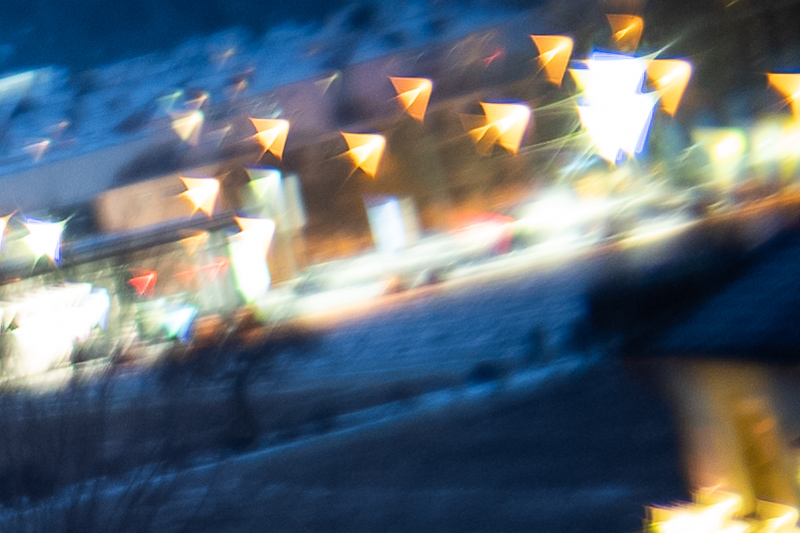


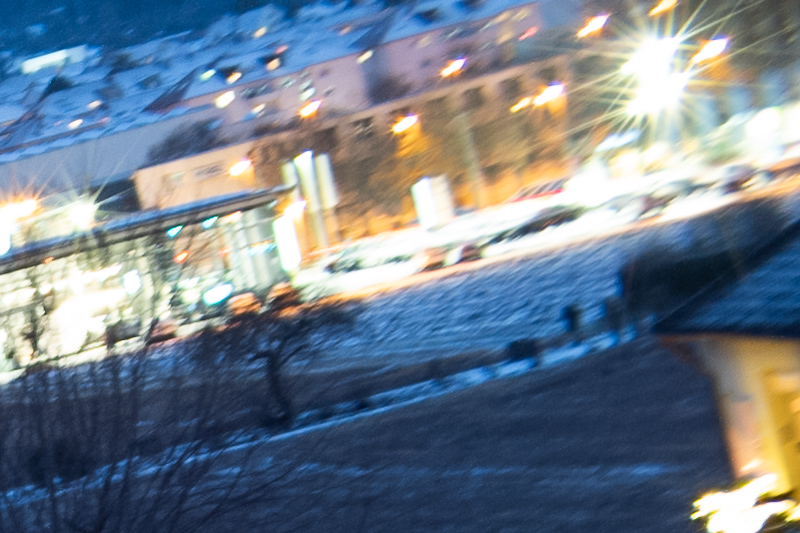

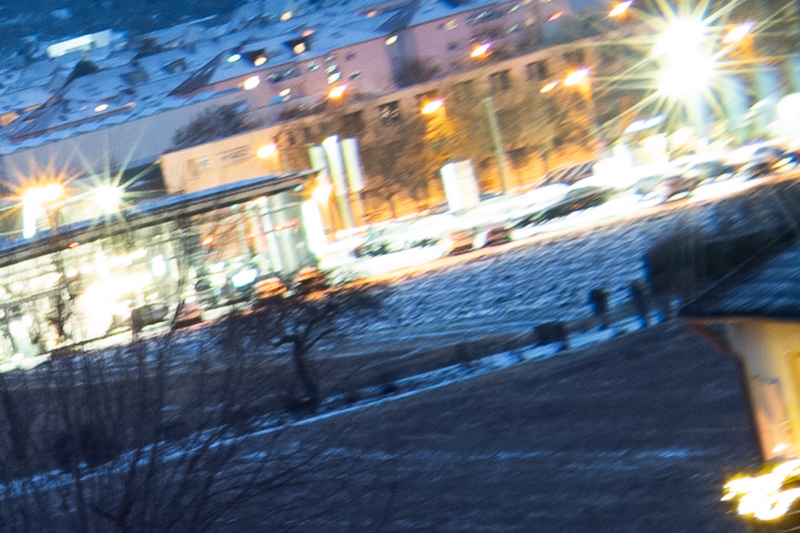
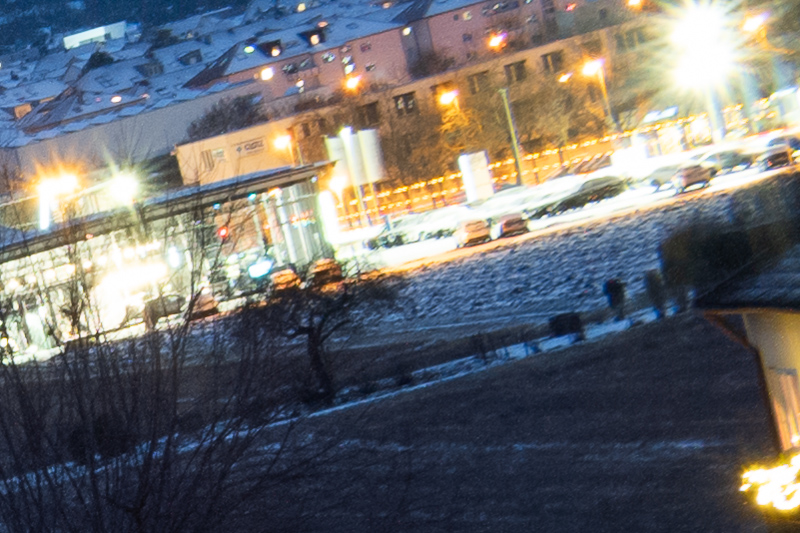
The super fast M-mount lenses – except for the Voigtländer VM 50mm 1.0 Nokton – have all been pretty awful at their maximum aperture in this category and this DJ-Optical is no different.
As we have seen in the sharpness infinity section, the corners never look particularly good. At around f/4.0 most of the Coma has been tamed, but Astigmatism seems to take over to make the corners look bad. Only at f/16 the corners look somewhat good.
Distortion

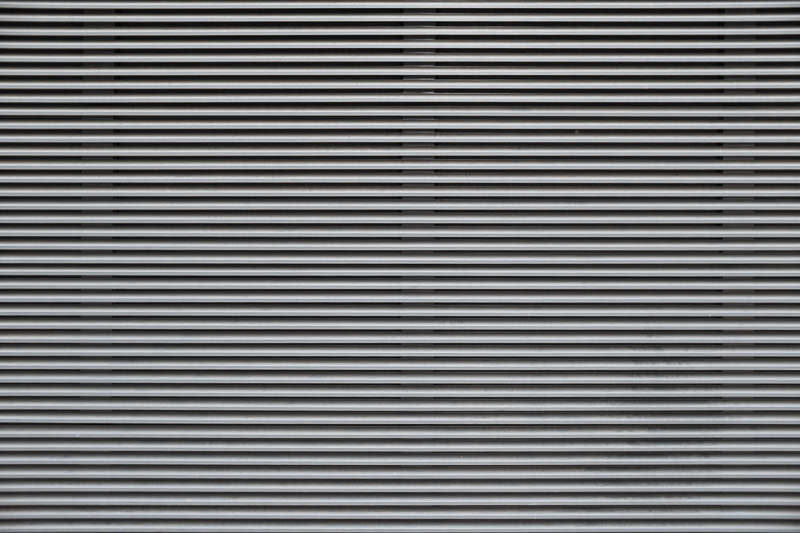
Leica M10 | DJ-Optical 50mm 1.0 | f/2.0
The DJ-Optical 50mm 1.0 shows a low to medium amount of barrel distortion. Luckily it seems to be of the non-wavy type and can therefore be easily corrected by dialing in +5 in Lightroom/CameraRAW.
Bokeh
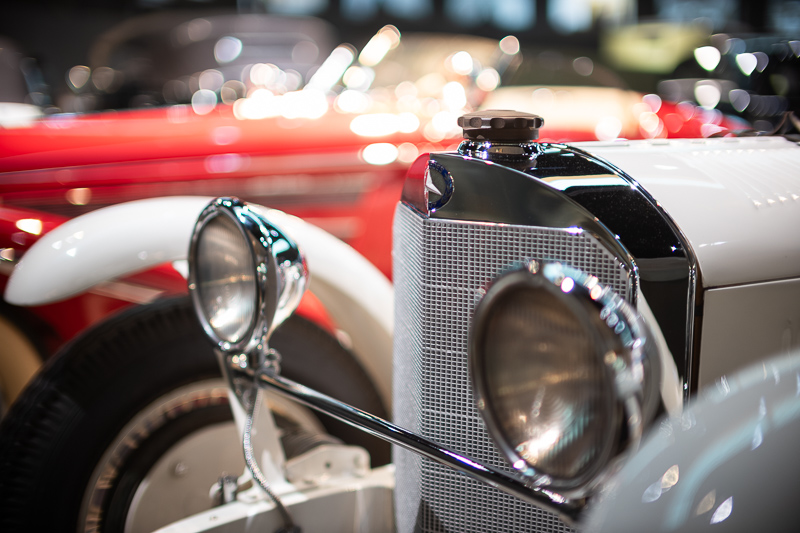
The nice thing about these super fast 50mm M-mount lenses is, that they often render completely different pictures, despite seemingly similar specifications. Reason for this is, that the designers have to compromise (meaning over- and/or undercorrecting various aberrations) to realize lenses like this and different manufacturers simply decide for different compromises here.

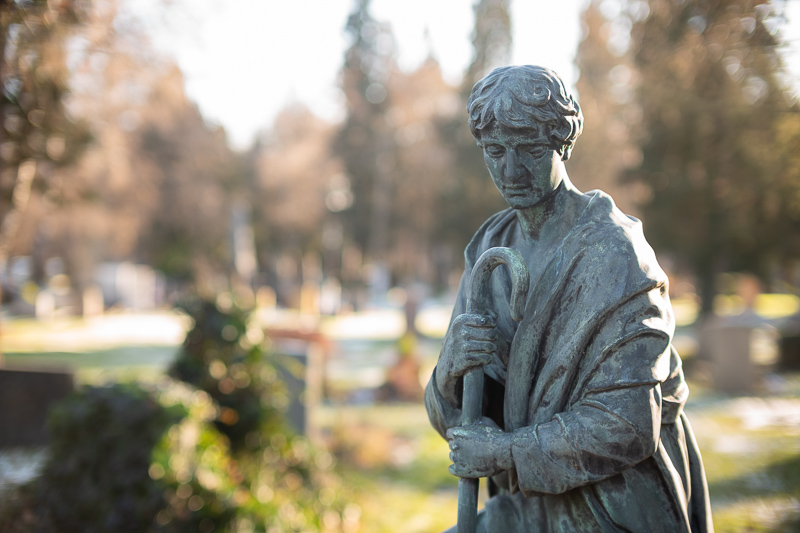
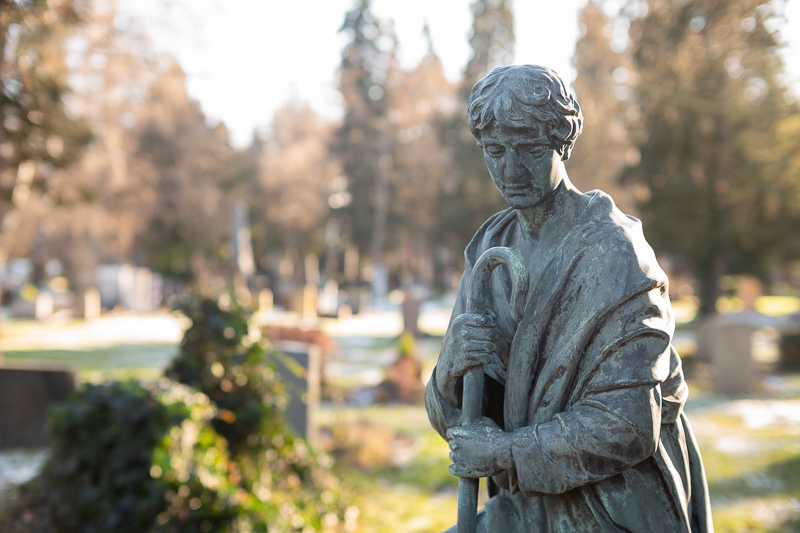

With its design consisting of only spherical elements we should definitely expect a “classic” rendering, meaning the out of focus areas are not perfectly smoothed out but still show some structure and the shapes of defocused light points are being heavily deformed towards the corners of the frame. This is especially true for the f/1.0 and f/1.4 (and to some degree f/2.0) settings, whereas stopped down further the differences compared to other (also modern) lenses become significantly smaller.
Close distance



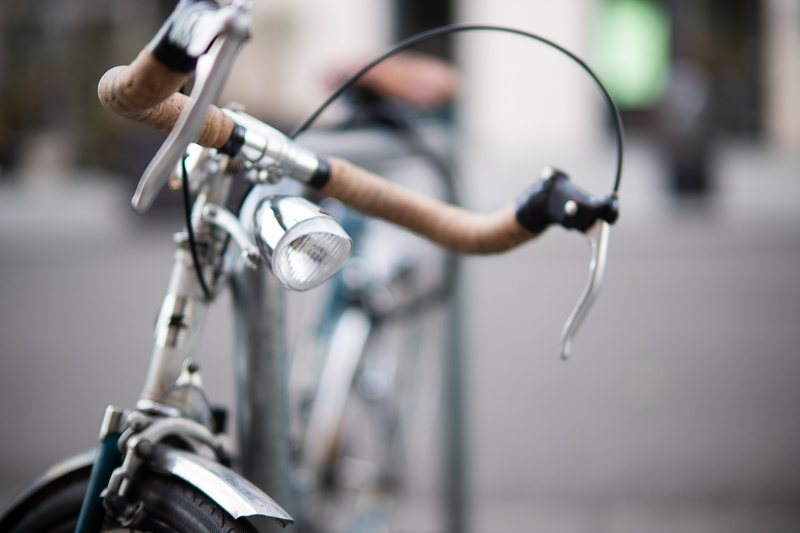

Most lenses draw a smooth bokeh at close distances, which is generally also the case here. As you have seen in the Sharpness Close and Focus Shift sections this lens is really soft at its minimum focus distance when set to f/1.0 or f/1.4, so in these scenarios I often often stopped down to f/2.0, not necessarily to increase the depth of field, but to improve contrast and resolution in the focal plane.
Mid distance

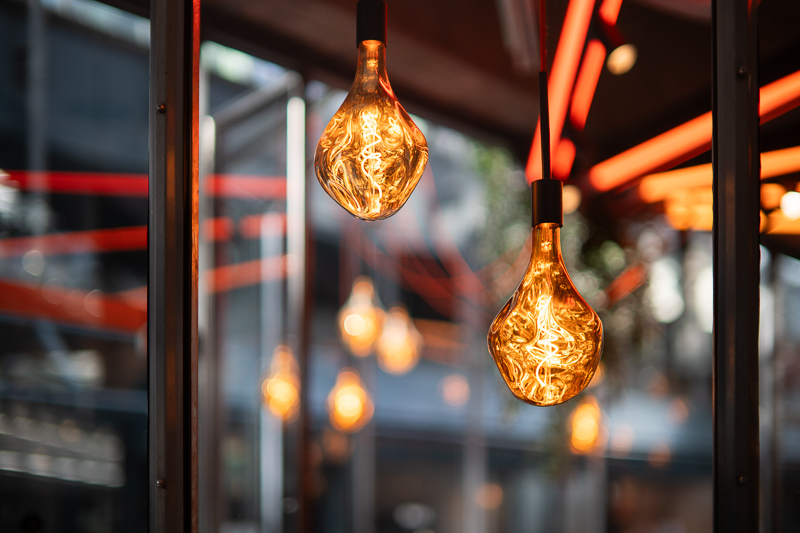


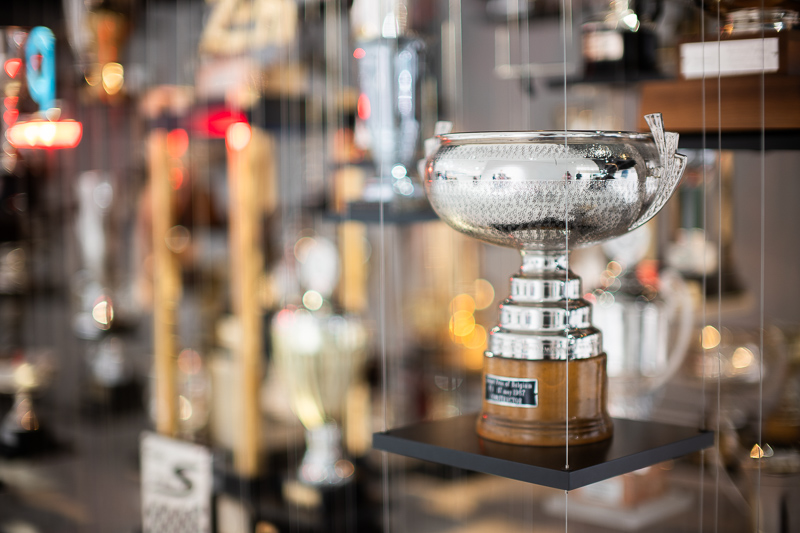
Mid distances are where I think this lens performs best and might have been optimized for. Contrast and resolution are pretty good at focus point, but depending on the background of the scene the bokeh can be smooth and undistracting or also rather messy towards the corners.
Long distance

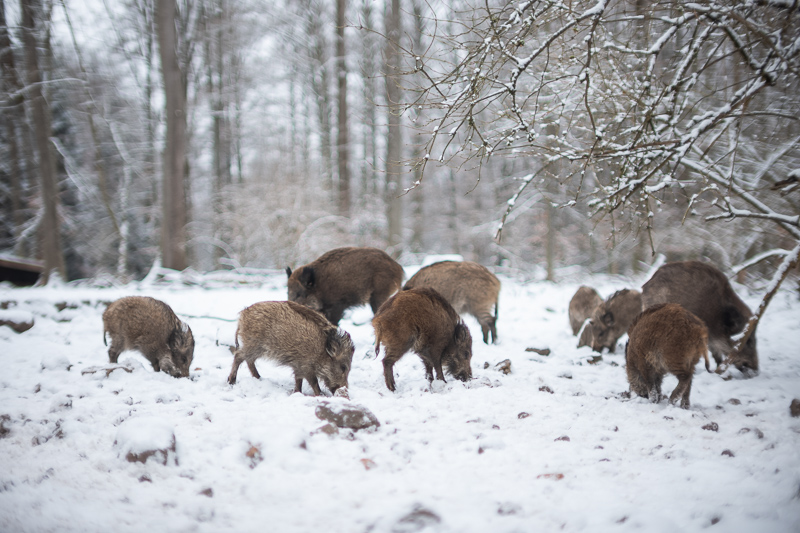

As is very often the case, things get most interesting at longer focus distances. Here out of focus highlights towards the edges and corners take on rather distinct triangle shapes which definitely have the potential to take away attention from the actual subject. If you are bored with the smooth out of focus rendering of modern lenses you might also see this is a benefit though.
At these distances also the color aberrations are a bit stronger, but contrast and resolution should still be good enough at f/1.0 for most use cases where you would need such a fast aperture.
In the following section we will compare the bokeh this DJ-Optical lens creates to the Mr. Ding 50mm 1.1 and the SLRmagic 50mm 0.95 Hyperprime. Two of the super fast M-mount lenses, whose bokeh I personally find very appealing.
You can find more lenses like this in my comparison of super fast 50mm M-mount lenses for further reference.
Compared to: SLRmagic 50mm 0.95 Hyperprime and Mr. Ding 50mm 1.1
The Mr. Ding has a slightly tighter viewing angle than the other two, so the SLRmagic’s and this DJ-Optical’s pictures have been cropped slightly.
Scene 1: Forest 1.1 m






Scene 2: Forest 2.1 m
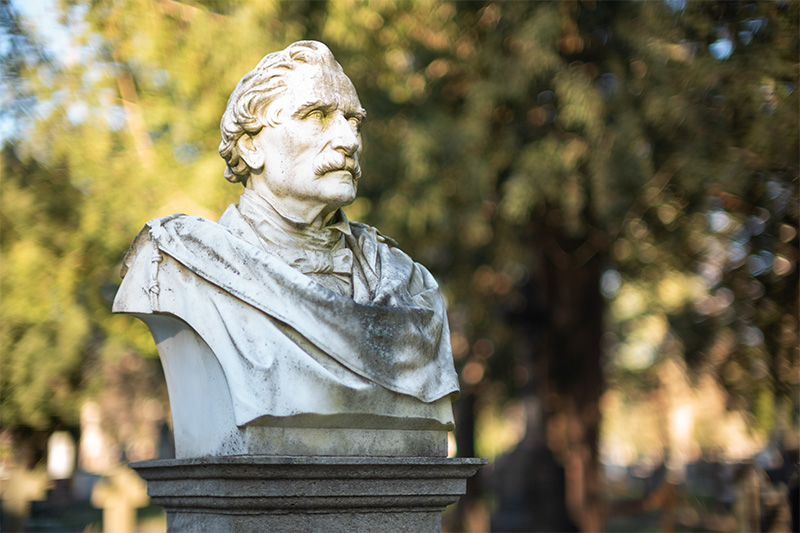
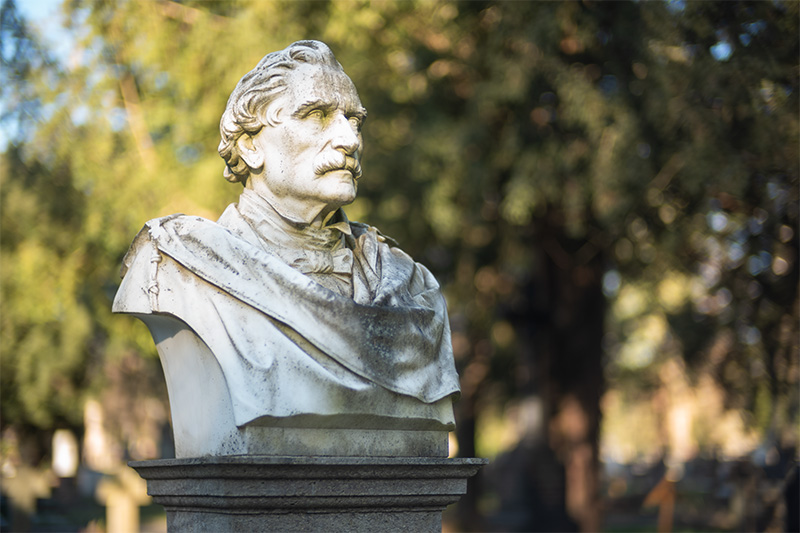



Scene 3: Forest 2.8 m





Scene 4: Forest 2.9 m






Scene 5: Forest 3.3 m



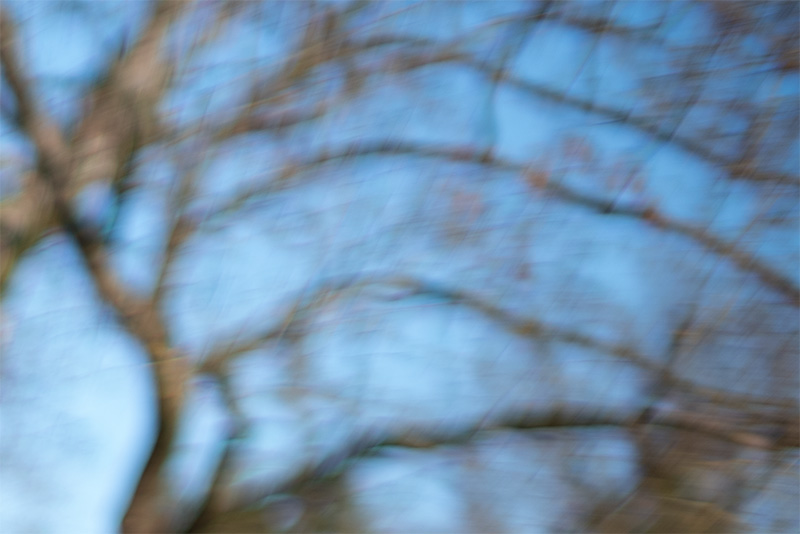
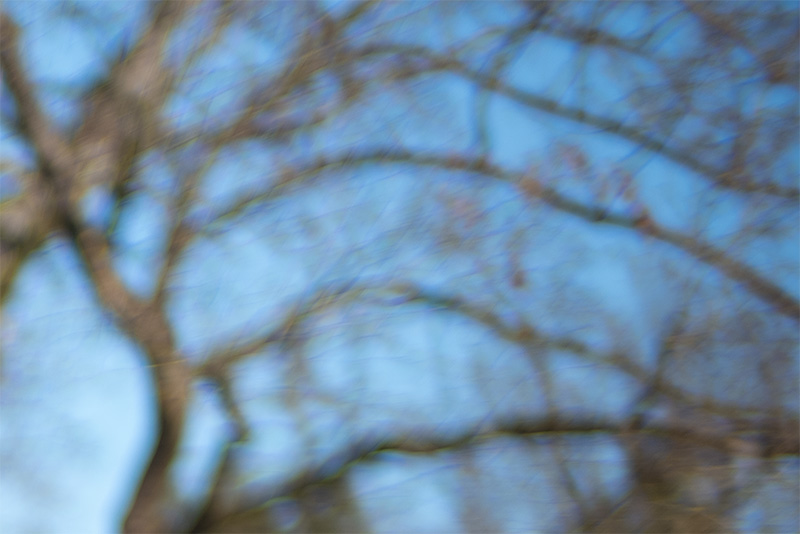




Observations
What can we learn from these comparisons?
In Scene 1 we can see that the DJ-Optical has less issues with shooting in backlit situations than the other two, as it shows noticeably higher contrast here. This is the only scene where that was the case though. Looking at the bokeh crops we see that the Mr. Ding has the worst f/Stop here and we als see that the SLRmagic has a slightly bigger f/Stop – this was to be expected obviously. We also see that this DJ-Optical renders a slightly less smooth bokeh with more outlining.
In Scene 2 – looking at the full pictures – we can see that the Mr. Ding creates the smoothest and least distracting bokeh – despite it having the worst f/Stop of the three. Looking at the corner crops we see a strong tendency towards triangular highlights with the DJ-Optical, a slight tendency with the SLRmagic and much cleaner and less distracting corners from the Mr. Ding.
Scene 3 shows similar results as Scene 2. Here I decided to show bokeh crops from the center of the frame, and we can again see strong outlining leading to almost a bubble bokeh from the DJ-Optical compared to perfectly smooth – almost as if an APD element was used – bokeh from the Mr. Ding with the SLRmagic being somewhere inbetween.
In Scenes 4 and 5 I added crops from the focus point, to see if there are significant sharpness differences between these lenses and I can’t say I see a clear winner here. They all show different aberrations to a different degree and thinking about normal viewing distances I say those differens are negligible. The differences in bokeh rendering are much bigger and I also used Scene 4 for a blind test on our Discord server with more than 80% of the participants preferring the rendering of the Mr. Ding lens.
If you prefer smooth and undistracting backgrounds that will likely push you towards the Mr. Ding lens. If you prefer a more structured or distinct bokeh the DJ-Optical might appeal to you more. The huge and unobtainable SLRmagic sits inbetween those.
Sunstars
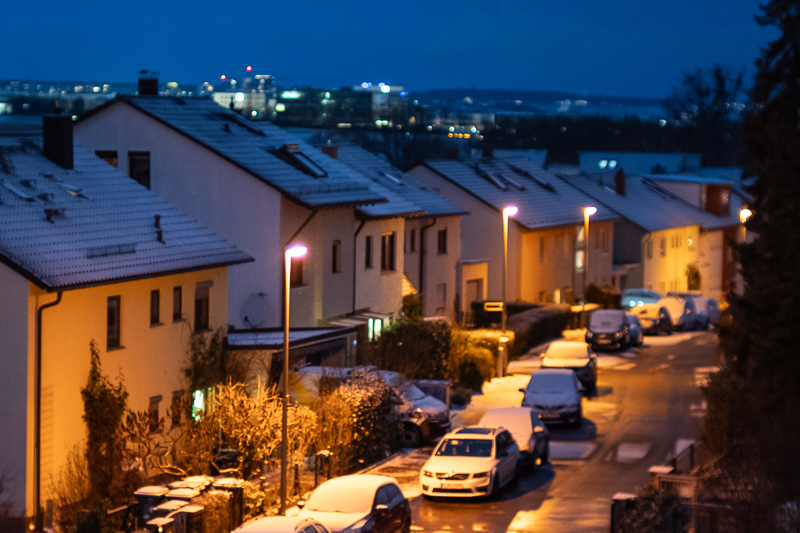
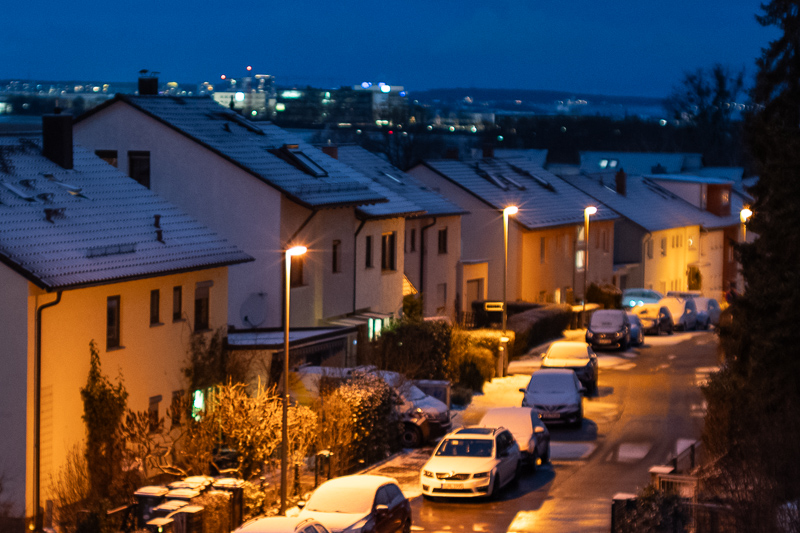
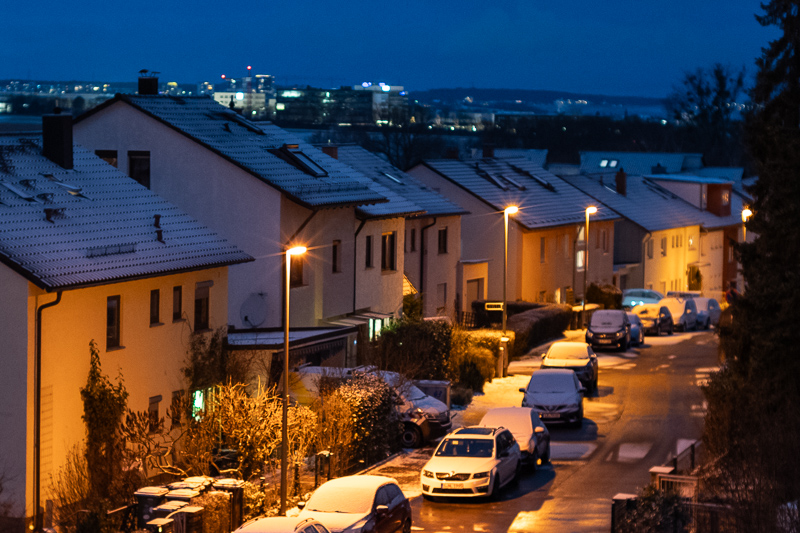
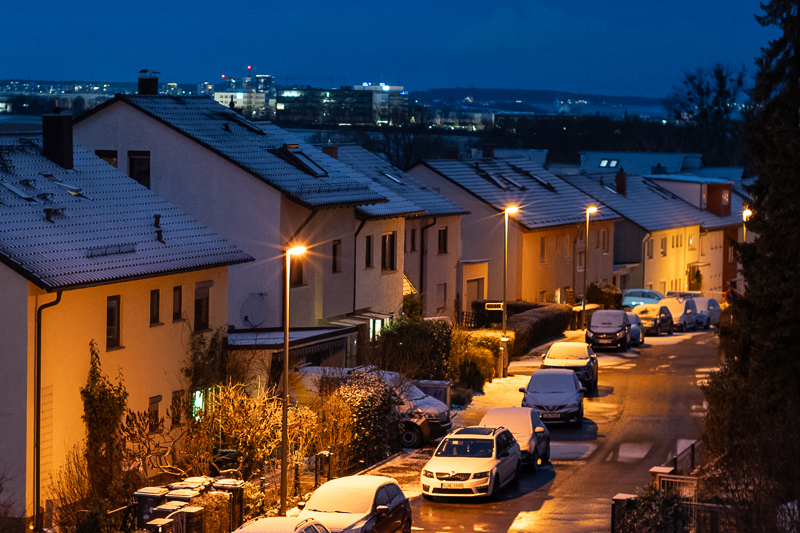

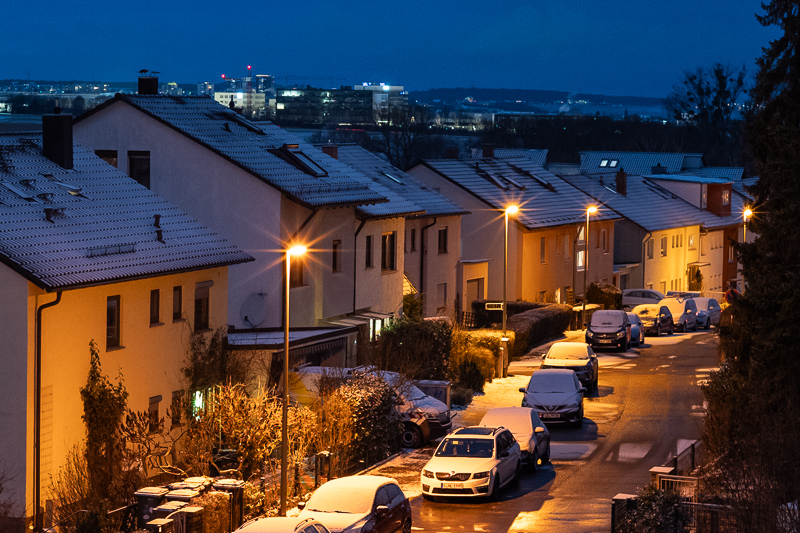

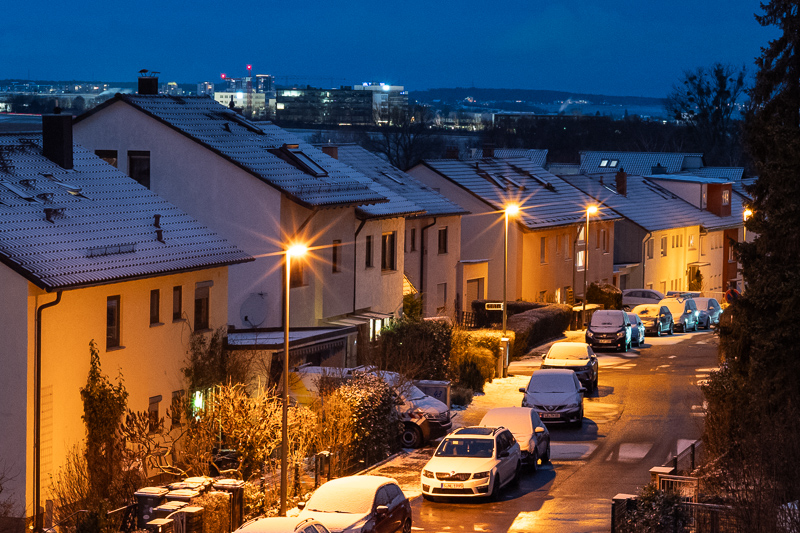

Similar to many of Cosina’s newer fast VM lenses, also this DJ-Optical lens features 12 straight aperture blades. They may not look as perfect here on close examination but still very appealing between f/2.0 and f/16.
If you want to learn more about sunstars have a look at this article.
Chromatic aberration
lateral
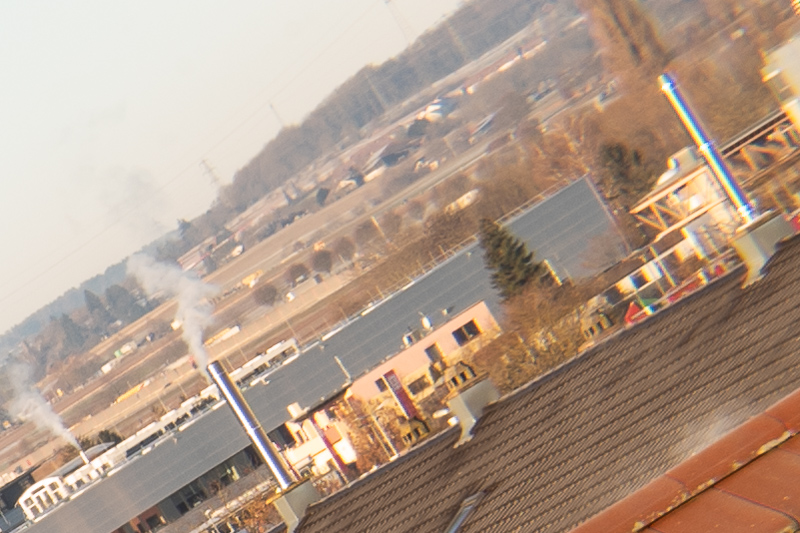

As you have seen in the sharpness infinity section, the corners never look particularly good. Stopped down lateral CA are visible in the extreme corners but still easily corrected in a decent raw developer.
longitudinal
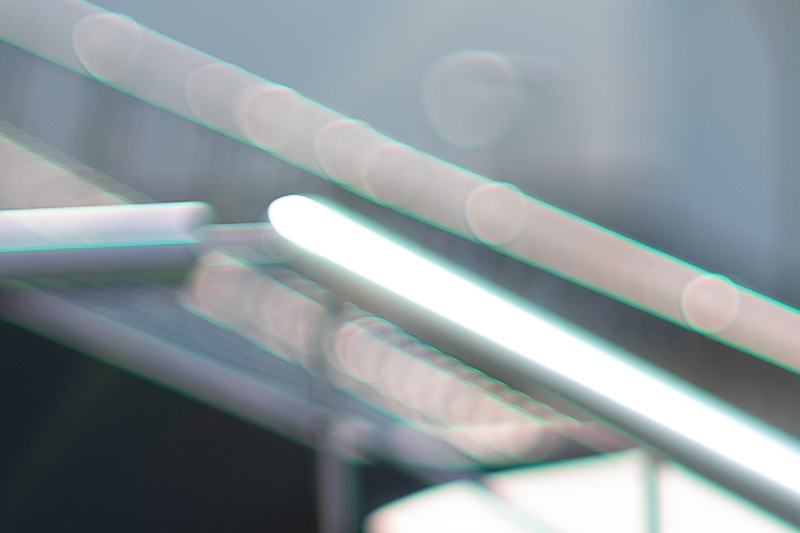
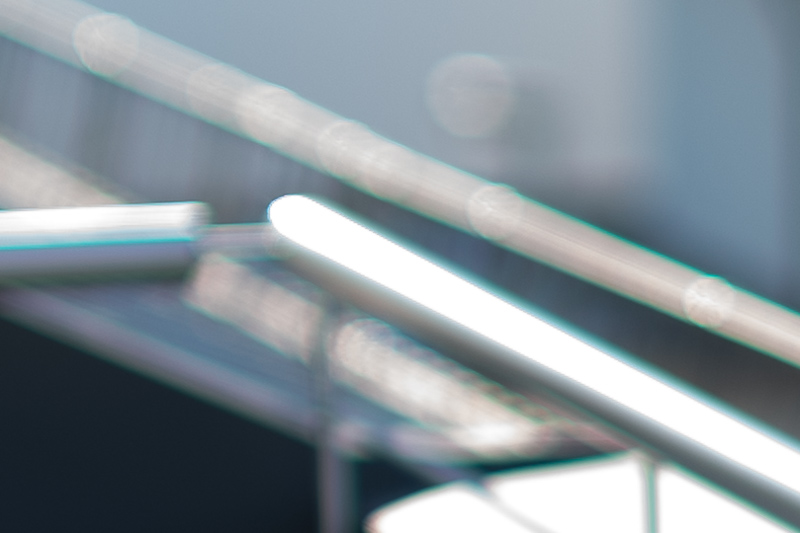
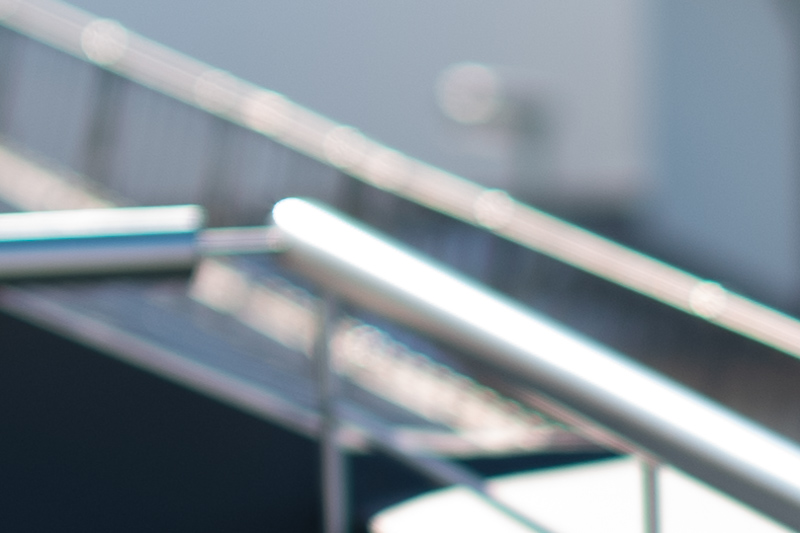
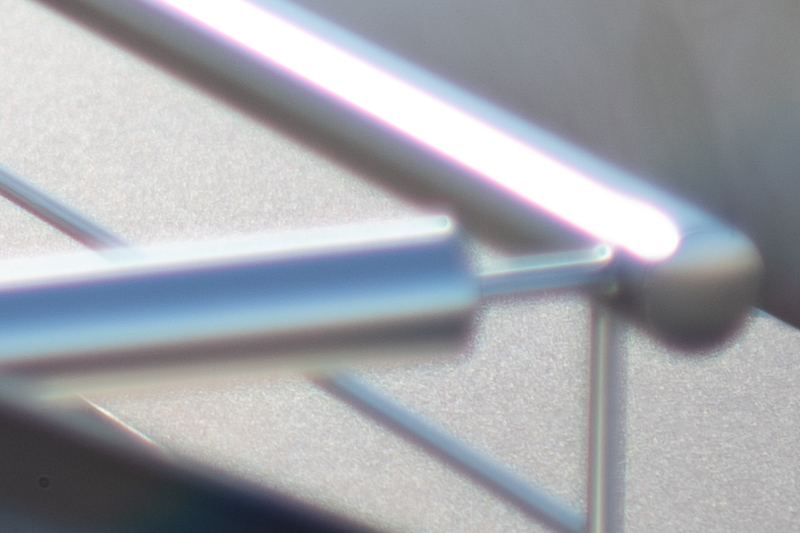
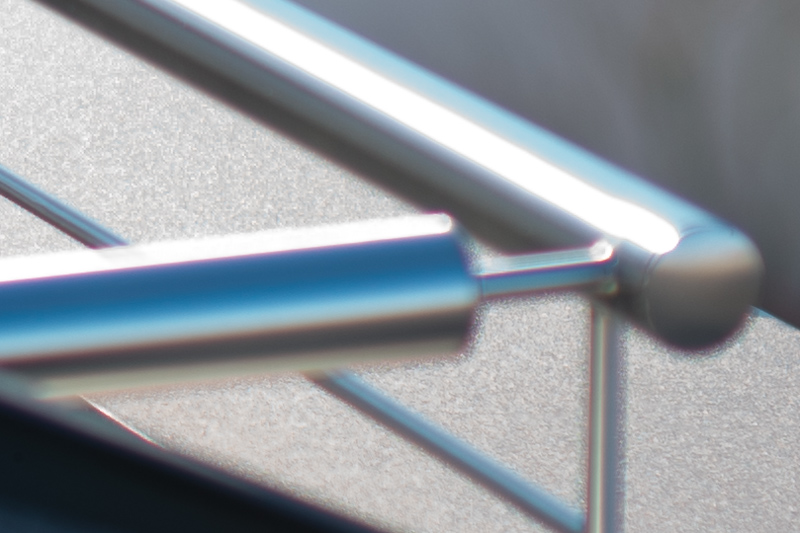
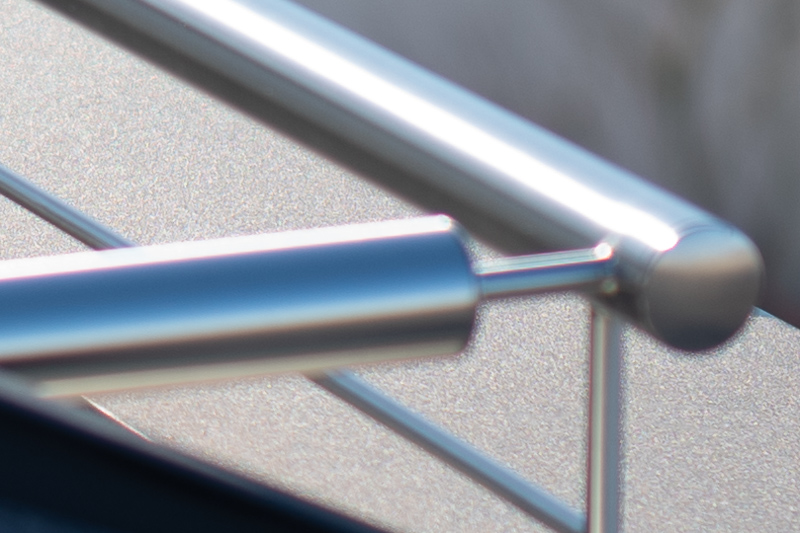
A typical performance for a 50mm f/1.0 M-mount lens. The cyan outlining is a bit on the stronger side though, especially at f/1.0 but still at f/1.4.
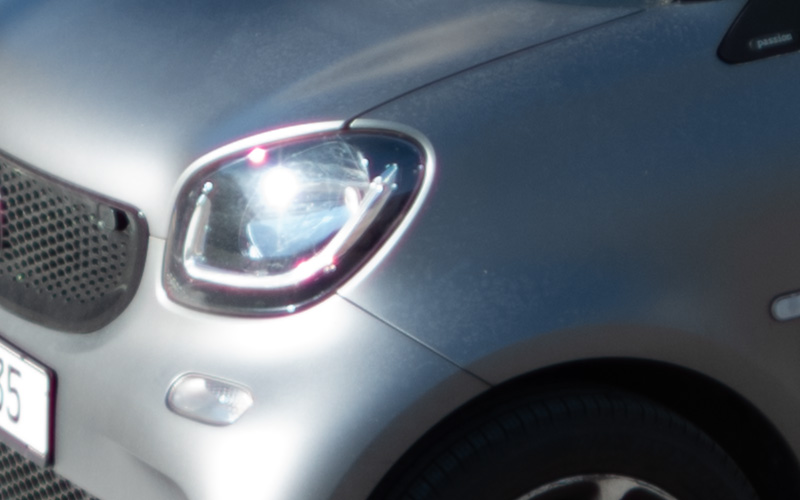
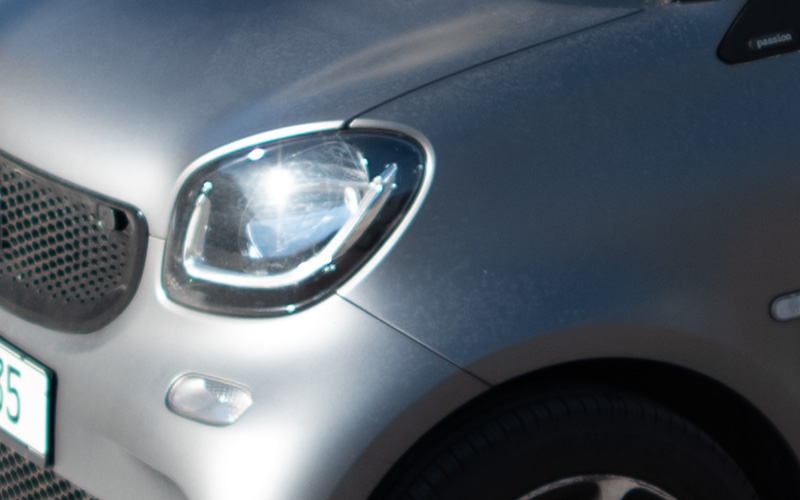
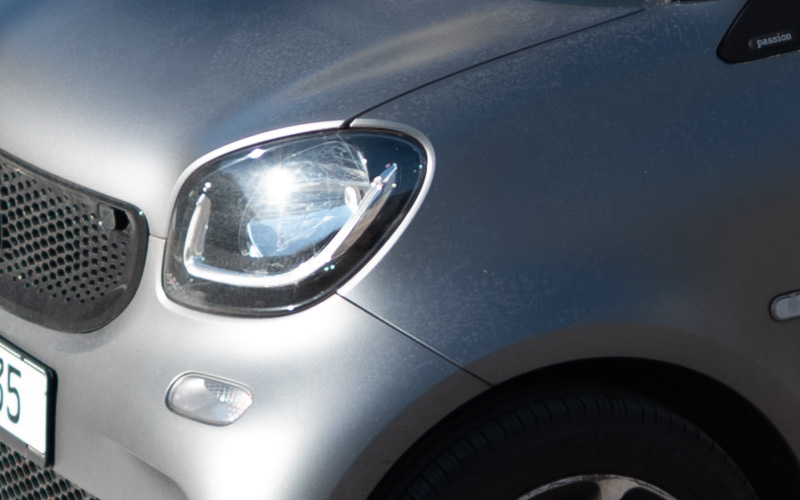
Leica M10 | DJ-Optical 50mm 1.0 M | 100% crops
The situation with purple fringing is a bit better. Compared to other M-mount lenses with similar specifications there is actually a little less purple fringing to be found here. Similar to the Mr. Ding 50mm 1.1 a bit of softness at its maximum probably helps to mask some of the fringing.
Conclusion
good
|
average
|
not good
|
I have used and reviewed most of the f/1.0 and faster 50mm fullframe lenses by now. I have also often talked about the limitations of the narrow M-mount when it comes to designing lenses with these parameters. These limitations do not only make these lenses difficult to design, but also lead to different designers deciding to make different compromises. These compromises can lead to lenses with the seemingly same parameters – 50mm and f/1.0 – to create completely different pictures.
What did DJ-Optical aim for with his design? In terms of size and weight this is definitely one of the more manageable super fast 50mm M-mount lenses. The contrast is also surprisingly high, even in backlit scenarios and astigmatism is well corrected at portrait distances. Due to strong Coma leading to those triangular out of focus highlights (especially at f/1.0 and f/1.4), the bokeh rendering of this lens is one of the most distinct I came across so far. It reminds me a lot of the Canon EF 50mm 1.0L USM, which creates similarly shaped out of focus highlights.
Whether you like this rather peculiar bokeh rendering or not, that is a personal question you have to answer for yourself. It definitely makes the pictures taken with this lens stand out though and this is not something I can say about a lot of lenses that are being released these days.
you could only buy this lens directly from DJ-Optical in China, maybe in the future some used samples will surface on ebay.com (advertisement/affiliate link)
Alternatives
I reviewed a lot of 50mm M-mount lenses all of which you can find listed here. And lately I also published a comparison of six super fast 50mm M-mount lenses (Leica 50mm 0.95 Noctilux-M, Zhong Yi 50mm 0.95 M, Voigtländer VM 50mm 1.0 Nokton, MS-Optics 50mm 1.0 ISM, Mr. Ding 50mm 1.1 and Voigtänder VM 50mm 1.2 Nokton) and in the meantime I also reviewed the Canon 50mm 0.95 Dream Lens and the SLRmagic 50mm 0.95 Hyperprime.
Sample Images







Most of the sample images in this review can be found in full resolution here.
Further Reading
- All M-mount reviews
- Analogue Adventures Landing Page
- Lens aberrations explained
- Bokeh explained
- Review: Nikon Z 58mm 0.95 S Noct-Nikkor
Support Us
Did you find this article useful or just liked reading it? Treat us to a coffee!

 via Paypal
This site contains advertisement/affiliate links. If you make a purchase using any of the links marked as advertisement/affiliate links, I may receive a small commission at no additional cost to you. This helps support the creation of future content.


Latest posts by BastianK (see all)
- Review: 7Artisans 40mm 2.5 AF - March 28, 2026
- Analogue Adventures – Part 50: What I learned from Shooting Film (so far) - March 18, 2026
- Review: 7Artisans 75mm 1.25 II - March 14, 2026
Thank you for the test.
Could this lens have the worst close-up sharpness ever?
Oh I need to think about this.
Some f/2.8 tele lenses are also awful at their minimum focus distance.
Definitely a distinct rendering, not necessarily in a good way though 😀
The optical vignetting results made me wonder – do we know whether the Voigtländer 50mm f1 has less optical vignetting on Nikon Z / Canon RF mount compared to Leica M? At least in theory those mounts are less limiting. The offical lens diagram shows the exact same size for the rear element though..
From everything I have seen Cosina made no alterations for the mirrorless versions. I will measure their rear element diameter when I get the chance though.
Thanks a lot for reviewing this rare lens.
I can’t say that I’m overly sorry that this lens is only being sold in China though.
It seems that with the recent rise of “retro aesthetics”, some lens manufacturers try to keep pushing the envelope to find out how badly they can build a lens and call it “character”.
Bastian, just wanted to thank you wholeheartedly for actually testing light transmission on these very fast lenses. 99% of reviewers talk about how “fast” lenses are without even bothering to actually measure their actual brightness. You’re the only one consistently doing it lately, so again thank you for this.
On a side note… I know it’s already been requested in the comment section of one of your arricles, but if ever you have the opportunity to review the Nokton 50/1.0 for Sony E, please do! The IQ is nothing like the adapted VM version. Barely any mid-field dip, superb infinity sharpness, better corners, smoother rendering… all tested and proven by Fred Miranda himself!
Even if a bit pricey, it’s really a gem, probably the single best f1.0 lens out there especially for the Sony system.
Cheers!
I had a look.
Unsurprisingly the E-mount version looks better on an E-mount camera than the M-mount version.
The E-mount version on a E-mount camera doesn’t look better than the M-mount version on an M-mount camera though.
I am a bit fed up with Cosina doing the absolute minimum effort in porting their M-mount designs to other cameras with significantly less restrictive bayonets.
I have the DJ i must say its build quality/tactile feedback is best in class (the focus tap could have been bigger). I am actually quite pleased with this lens for its special bokeh making it unique in the many 50mm f1.0 lens. The only downside might be the bokeh fringing is rather distracting. The sharpness is more than enough at portrait distance.
I advocate creating a collection of name variations around the original “Noctilux”. The list is likely already in the double digits…
Thank you for tantalizing us with this obtainable-only-if-you-have-a-friend-in-China lens! Since decent middle-distance contrast and usable-ish sharpness are the things I care about the most, it would be an interesting candidate. Unfortunately, it will have to go onto my fantasy wish list along with the only-sporadically-available Mr. Ding…
That’s why I was almost glad that this lens performs somewhat poorly, though the look it renders is interesting (for better or worse). I think I’d have good fun with it, but I most certainly would not pay the full price (pre-order price was attractive though).
I like subject separation in Bastian’s wide open samples, which is something “character lenses” can struggle with. To my eye, it’s great at portraiture distances.
I do enjoy these reviews of exotic, hard or impossible to obtain lenses, just the way some of us are curious about vintage cars we’ll never buy due to rarity, price or practical reasons.
I wonder how many people read lens reviews for entertainment and general knowledge vs seriously considering the lens in question. I guess that most people care more about reviews of e.g. 70-200mm F4 zooms, it would make sense. Personally, I mostly enjoy seeing unexpected results, or not knowing what to expect when I start reading. Few years ago I thought this would become so rare, as lens design gets perfected and increasingly sterile (for better or worse). And then all these unconventional lenses started arriving from China… OK, this one decided to remain there. 🙂
Going by my massive monthly affiliate income I say most people come here for entertainment rather than buying advice 🙂
Ehh, I come here for a good mixture of both tbh. Bastian has the experience, the access, the perspective and the eye to make these reviews & samples not only entertaining but instructive… I’m not gonna churn thru a buncha rare manual lenses looking for something really unusual, but there’s also very practical & accessible options* that I wouldn’t know about or wouldn’t know how they truly measure up if not for the reviews here.
*Still talking about manual primes there, not yet old/new 70-200. Although Bastian’s review of the 70-180 G1 & G2 were still far more useful than most.
Well, not exactly entertainment, but rather curiosity is the reason to read these reviews, and in all these years since 2014? I only once bought a lens (Viltrox 85mm EVO) after reading the review here.
These reviews inform me what’s on the market, what’s available and how it compares.
And I look here, because I do have trust that there is as much objectivity as possible.
My point of view though is a bit different in the way that bokeh is not my priority any more, I like to see more then an isolated subject. So my priority is not the fastest glass, but rather weight.
But that’s just my opinion.
So there is enough for me to see and learn from these reviews and I thank you for that!
Thank you for this curiosity. The comparisons confirmed my early impressions, contrast/bokeh recipe : No GAS here.
The SLRmagic is still my favourite (lucky you), but yes, Mr.Ding proudly competes.
Great review, as always Bastian!
Found myself bitting my fingers really hard as soon as I saw this review poped up, as I been looking into buy this lens ever since I heard talks about it and later on been following the 15 article series (Translated).
Just after its release I found a known seller that actually could grab a copy from the used market in China and send it to me.
Used it quiet a bit on an old Sony A7R, but my main focus was an early M3 which I shoot about 2-3 rolls (but haven’t yet developed) so haven’t had the time to discovered the strong focus shift my self just yet.
My understanding is that its quite inspired by the Noctilux f1.0 and I like the rendering for most parts. Its seems that many readers that comments interpreted that this lens is pretty awful but perhaps I´m a bit too bias, but that´s not at all what I take from reading your review.
It´s a really great build lens! Probably one of the best I own.
My main problem is the focus tab. It´s a bit too small and quite annoying to be frank. Much prefer a flat focus ring that was on one of the prototypes (like on the Nokton f1.2, which I also own)
I really hope that I can live with this heavy focus shift on my M3 though…
The focus tab is a bit delicate and I would have also preferred just a normal (flat) ring.
This lens has a rather distinct rendering with the strong triangle bokeh.
I certainly see why many people are not interested in this lens because of that that, but I also see why some people will be very interested in it for the same reason.
I don’t see it as my job to judge what people like or dislike.
Of course not. Everyone is entitled to its own taste and I do prefer Mr.ding in some of your test shoots myself.
I mostly shot this lens in dimmed lighting and/or indoors in a pretty controlled environment and almost always wide opened or stopped down to f1.2-1.4.
Differs from the Nokton, which is a wonderful lens by itself (but a bit too modern/contrasty for my taste at f1.8 and smaller) First I was keen to try the Mr.ding to get a lens with less contrast. This got perhaps more contrast/less fall of then Mr.Ding but its a great portrait lens on its own in my opinion.
I was hunting that SLR Magic for many years but… I need to calm down and focus on taking pictures instead of buying lenses.
And…It is a beautiful lens in my opinion (even thou I usually prefer black painted ones) But what´s up with that name/font/text printed on the lens?
We all wonder…