Introduction
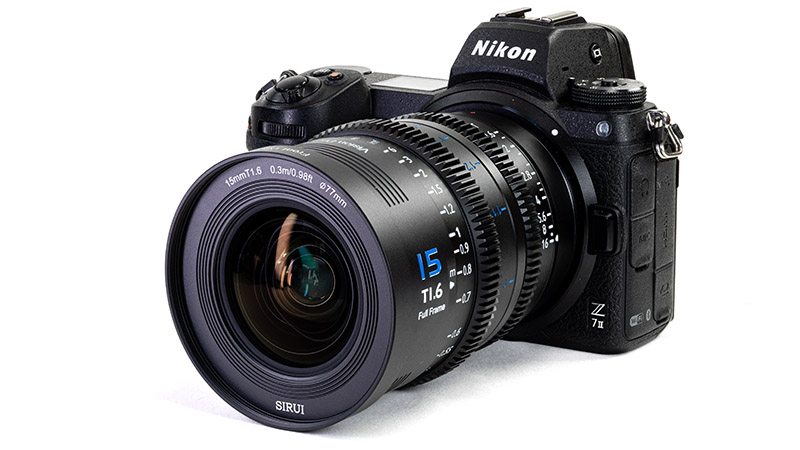
Today, we’re looking at the Sirui Vision Prime 15mm T1.6, an ultra-wide-angle cine lens with an impressive maximum T-stop of T1.6. That’s a pretty fast lens for an ultra-wide-angle, especially for a cine lens.
But this lens also has a rather unusual trick up its sleeve: the same lens can be used on Sony E, Nikon Z, Canon RF, and L-mount cameras.
Let’s have a look at how it performs.
 I tested this lens on a 46 Mp Nikon Z7ii (Sample images were taken with a Nikon Zf and Sony A7C II)
 You can see this review as a YouTube video here!
 Sample images in high resolution here.
Disclosure
Sirui kindly provided this lens for testing and review purposes.
Sample Images










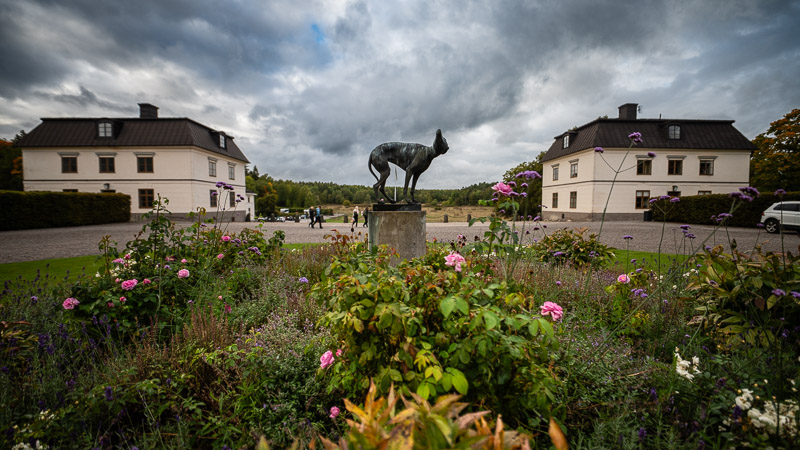
Most of the sample images in this review and many more can be found in higher resolution here.
Specifications
| Focal Length | 15mm |
| Angle of View | 109.3° |
| # of Aperture Blades | 12 |
| Max Aperture | T1.6 |
| Min Aperture | T16 |
| Min Focus Distance | 0.3 m |
| Filter Size | 77mm |
| Lens Mount | E, RF, L, Z |
| Weight | E: 607 g RF: 620 g L: 607 g Z: 620g |
| Size (D x L) | E: 80 x 107 mm RF: 80 x 105 mm L: 80 x 105 mm Z: 80 x 109 mm |
| Elements/Group | 17 / 12
3 Aspherical elements |
| Where to Buy:
New: Sirui Store, Amazon (anywhere), B&H for $649 (Affiliate links) |
Handling and Build Quality
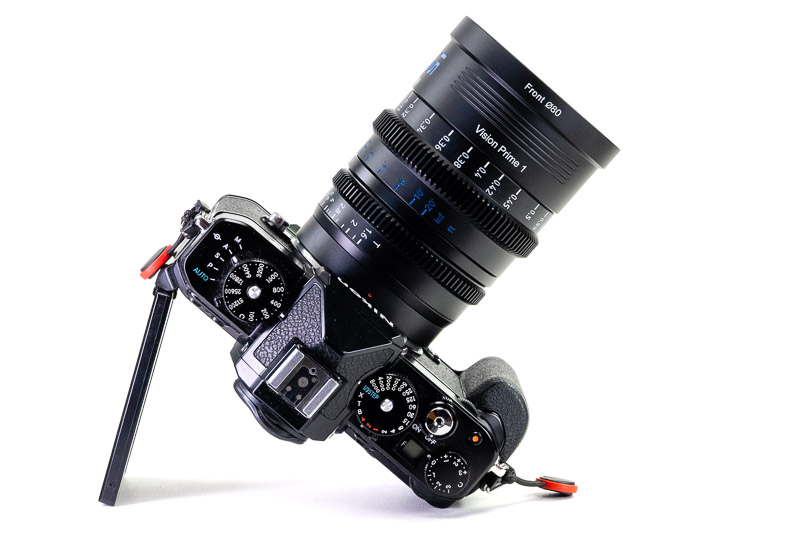
The lens is built entirely of metal and feels very solid in the hand. That’s what we’d normally expect from a cine lens, and this one is no exception. As is typical of dedicated cine lenses, it’s fully manual, with no autofocus or automatic aperture control from the camera. There aren’t even any electronic contacts on the lens mount for data transmission. There’s a rubber gasket around the lens mount for weather sealing.
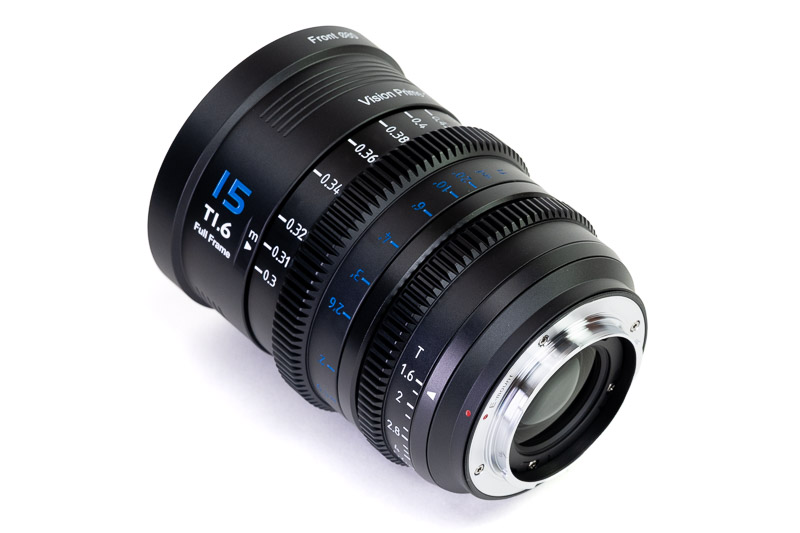
The focusing ring turns very smoothly and has a massive 270-degree rotation, allowing for precise adjustments. However, because of the ultra-wide angle of view, details appear so small that precise focusing can be difficult. Using focus magnification or an external monitor is strongly recommended. On several occasions, I thought I had nailed the focus, only to discover later, when reviewing the images on my computer, that the shots were out of focus and had to be deleted.
The focusing distances are engraved in feet and meters and filled with paint. The meter markings are white, while the feet markings are blue. The two scales are completely separate and do not align with each other. The meter scale is on the left side of the lens, while the feet scale is on the right.
The aperture ring is clickless and marked in one-third-stop increments from T1.6 to T4, then in full-stop increments from T4 to T16. The spacing between the markings varies, becoming so small beyond T5.6 that there’s no room for a T11 marking. Instead, only a dot indicates its position. Since the aperture ring is clickless, it can be difficult to tell whether you’re actually at T11, T9.5, or T14.
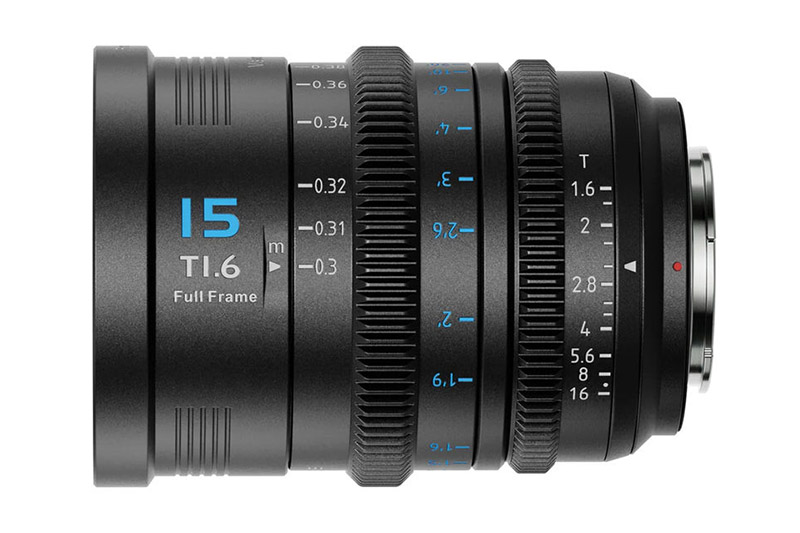
Both the focusing ring and the aperture ring are geared. The gears have the same specifications as those on the other five lenses in the series (24, 35, 50, 75, and 150mm), making it easy to switch between lenses when using a follow-focus system. However, this lens has a 77mm filter thread, while all the others in the series use 67mm filters.
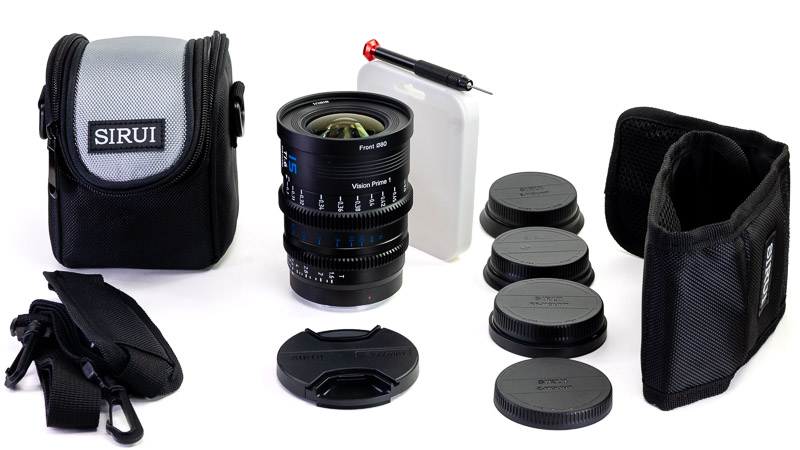
The lens comes with four different mounts: Sony E, Nikon Z, Canon RF, and L-mount. You can swap the mounts using the included screwdriver. There are also eight spare screws in the box. Each mount has its own rear cap.
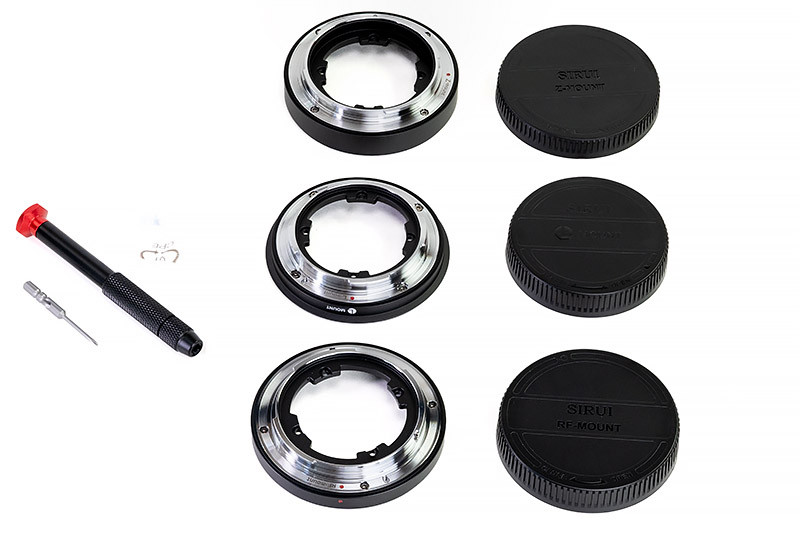
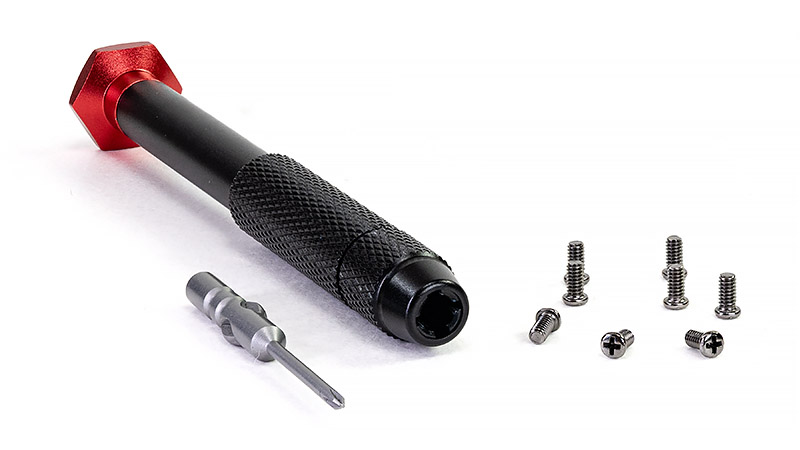
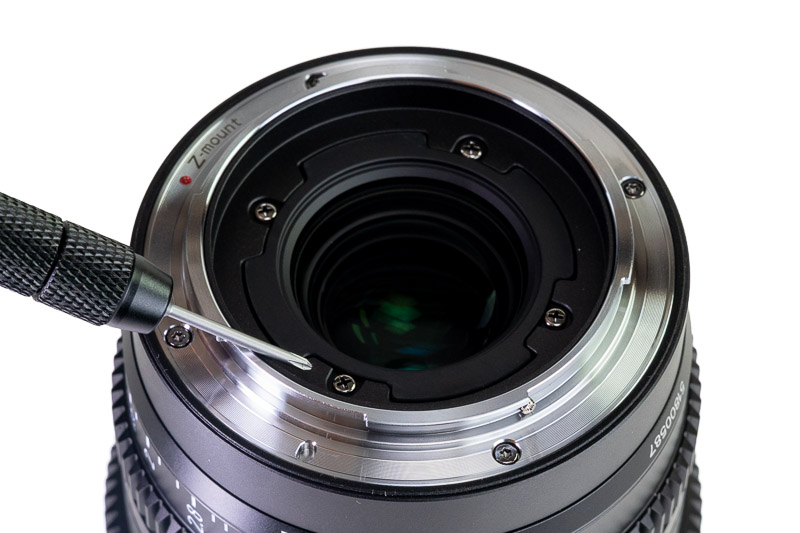
You also get a standard front cap, a carrying bag for the lens, a pouch with pockets for the extra mounts, and some cleaning tissue.
Optical Features
Sharpness (Infinity)
For the infinity sharpness test, we’ll look at three areas of the image — center, mid-frame, and corner — as highlighted below. Focus was set on the center of the image!
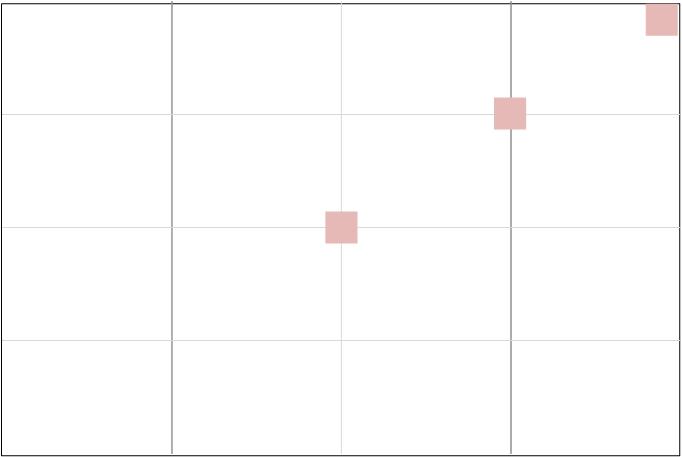
I focused on the center of the image.
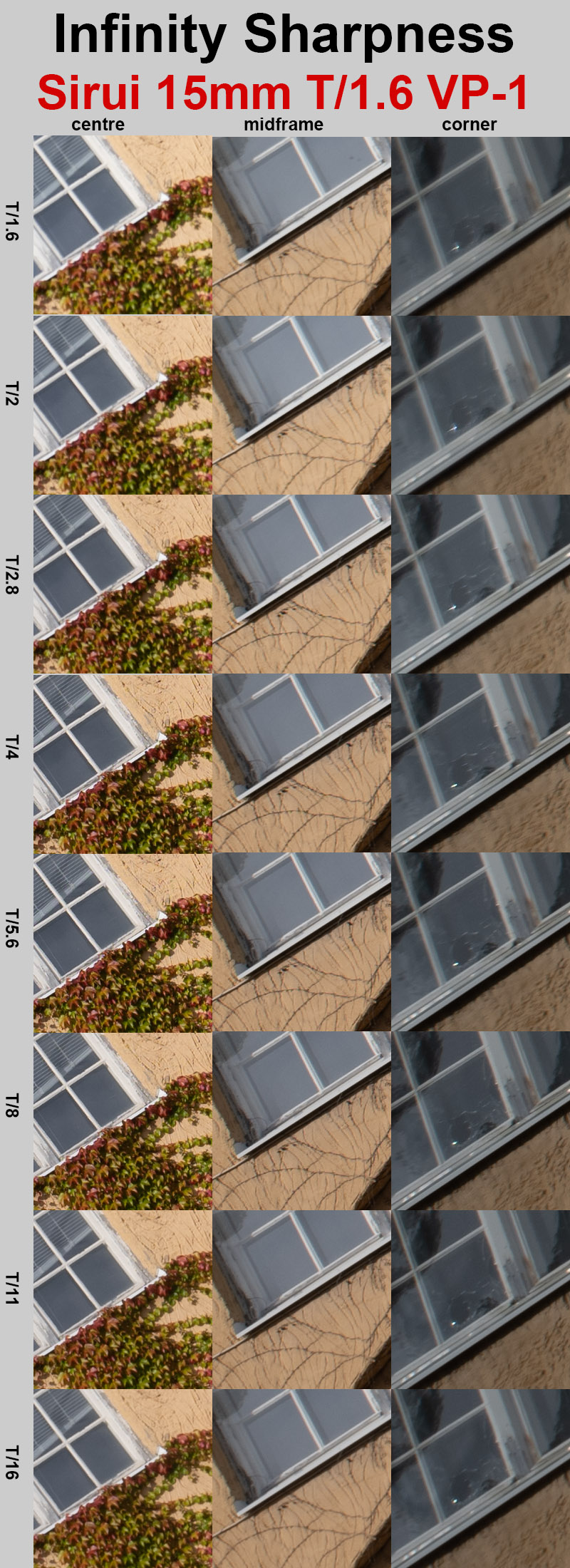
Note that I tested sharpness using a 46MP Nikon Z7II. This is a demanding test for a cine lens, as even 8K video has a resolution of only about 33MP per frame, while 4K video is approximately 8.3MP per frame. As a result, some weaknesses that are visible in my still-image tests may be less noticeable in video.
Wide open at T1.6, the center is sharp, the midframe is OK, but the corners are a little soft. Stopping down to T2 improves sharpness across the frame, and at T2.8, the center is very sharp, while the midframe is good. At T4, center sharpness is excellent, and the midframe is very good. The corners reach peak sharpness at T8, but they never become as sharp as the rest of the frame.
Sharpness (Close-up)
For close-up testing, I focused on the center and only included a 100% center crop.








Close-up sharpness is very good wide open and becomes excellent at T2. It remains excellent through T11, after which diffraction makes the image slightly less sharp at T16.
Lens Distortion
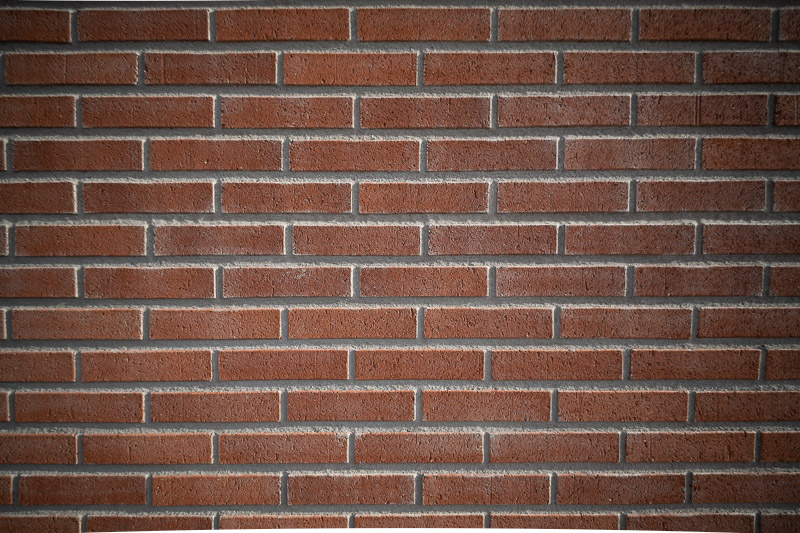
The lens exhibits quite strong barrel distortion. To correct it, you’ll need to set the distortion correction to +10 in Photoshop or Lightroom.

Vignetting
Wide open, this lens shows quite strong light fall-off toward the corners. Stopping down reduces it, but the light fall-off remains noticeable. However, some filmmakers might find that the vignetting helps create a more cinematic look.
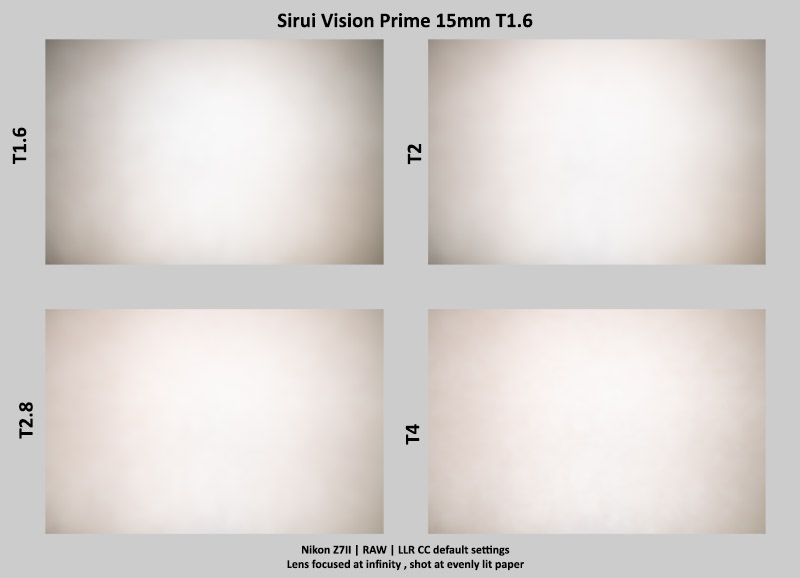
- T1.6: 2.9 EV
- T2.8: 2.2 EV
- T4.0: 1.9 EV
- T5.6: 1.8 EV
- T8.0: 1.8 EV
- T11: 1.8 EV
Chromatic Aberrations
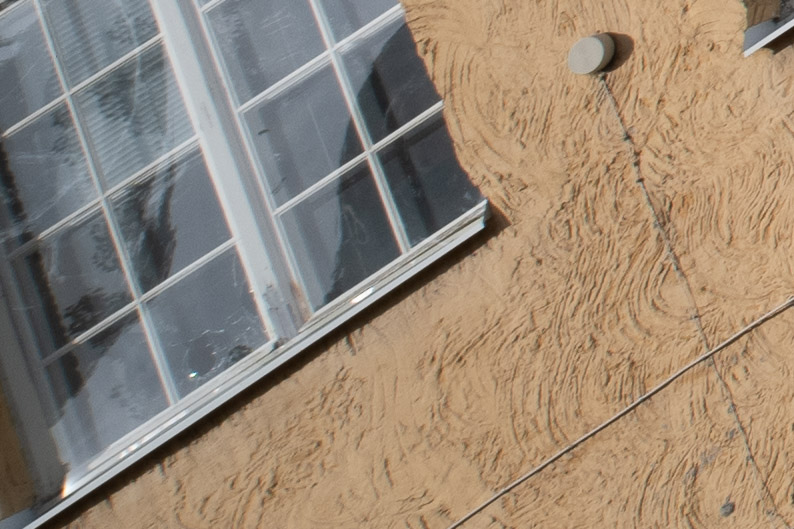
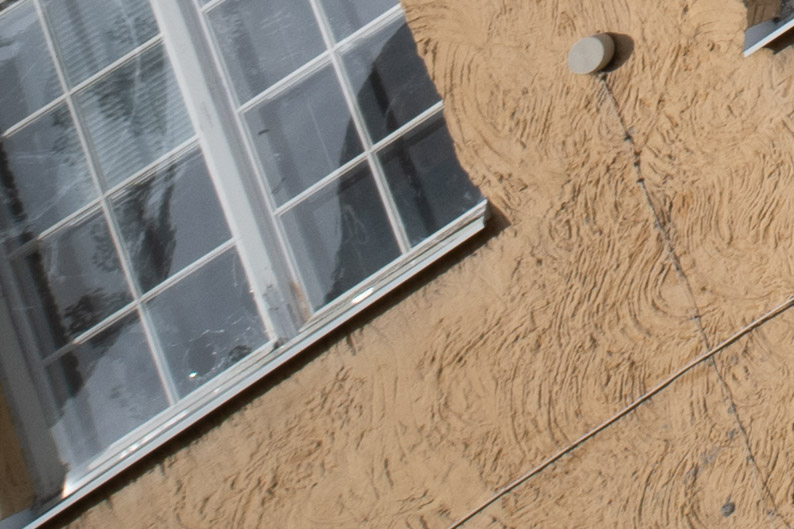
Longitudinal chromatic aberration is quite well corrected. A small amount is visible under close inspection in extreme situations, but it is completely negligible.





A very small amount of lateral CA is visible in the extreme corners under certain conditions, though it is barely noticeable. It is easily corrected in Photoshop or Lightroom for still images and is virtually negligible in video, especially since even 8K video has a much lower resolution than images from the Nikon Z7II, let alone 4K video.
Flare Resistance
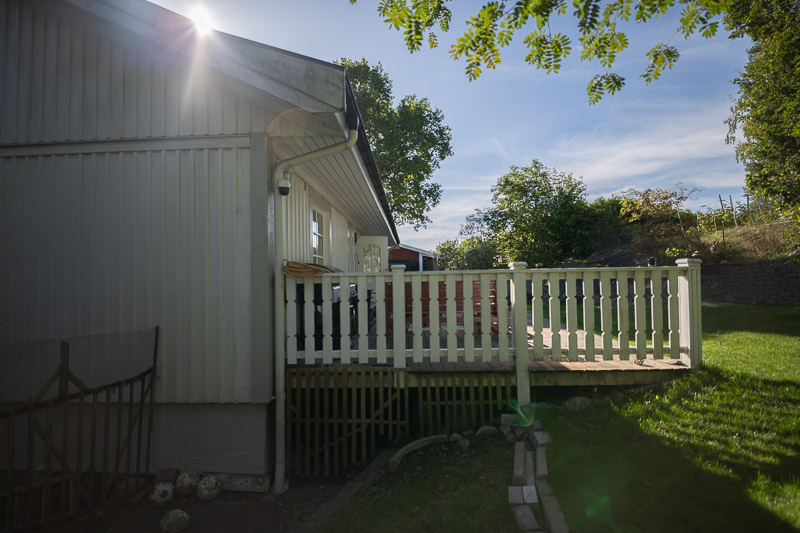
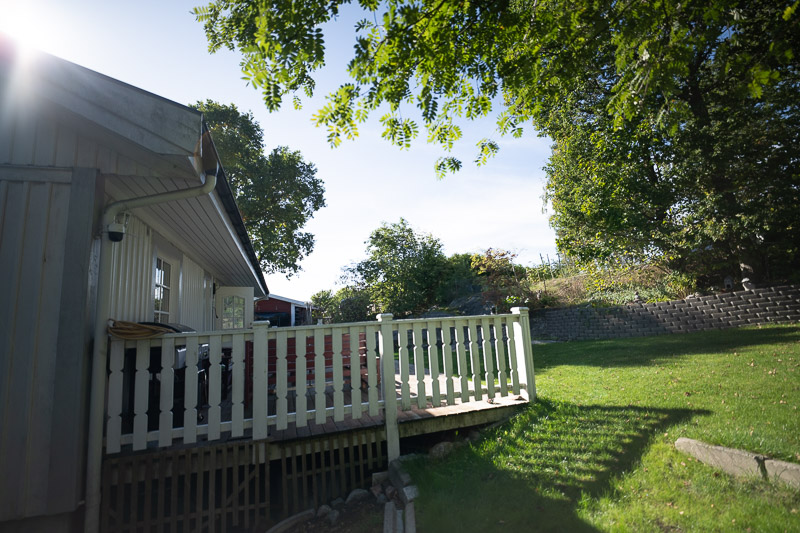
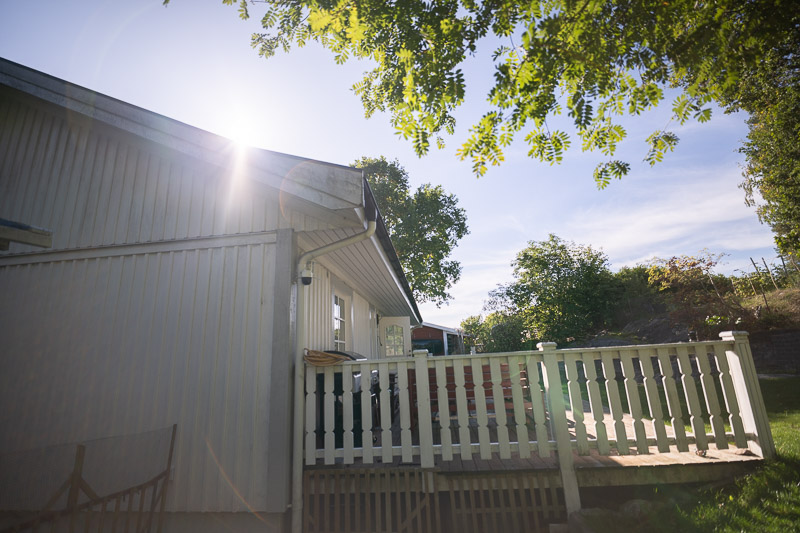
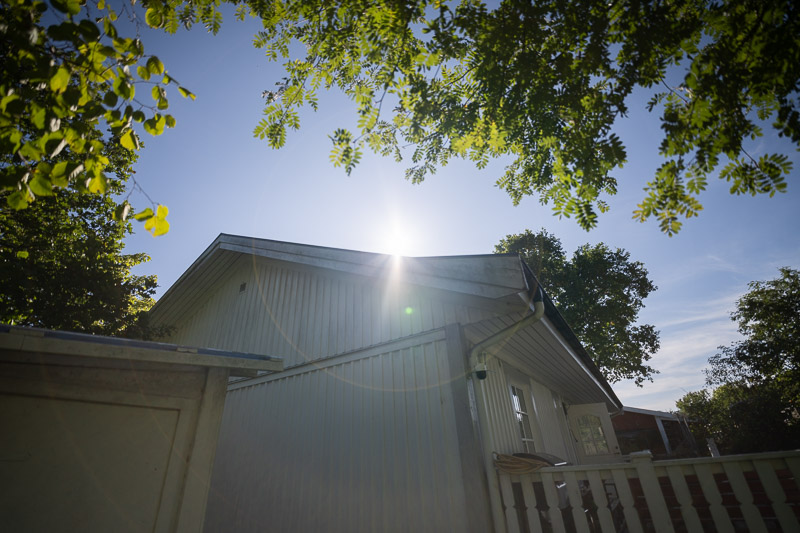
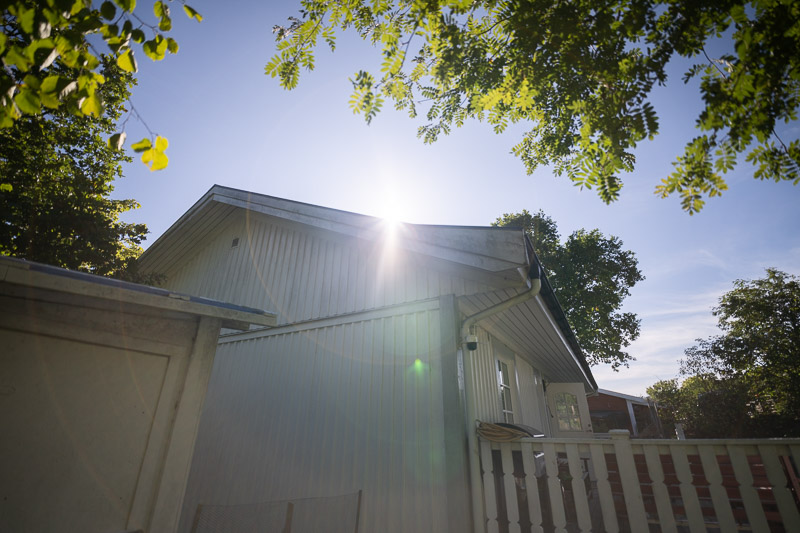
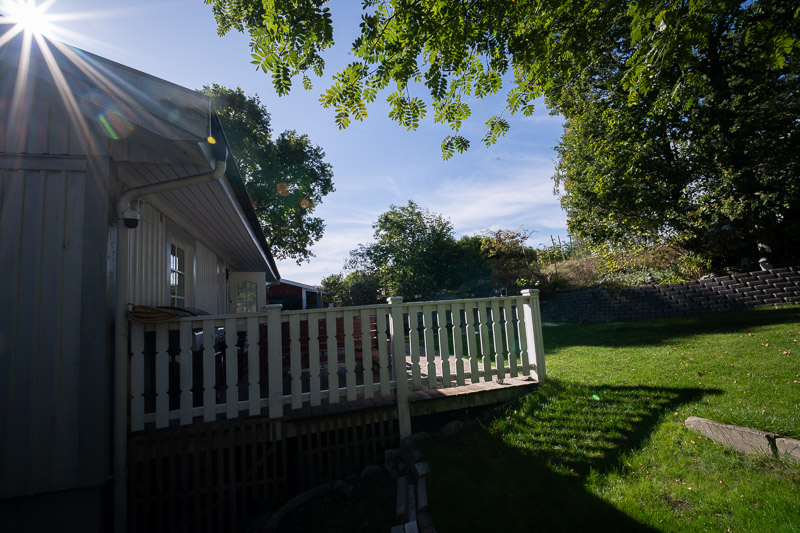
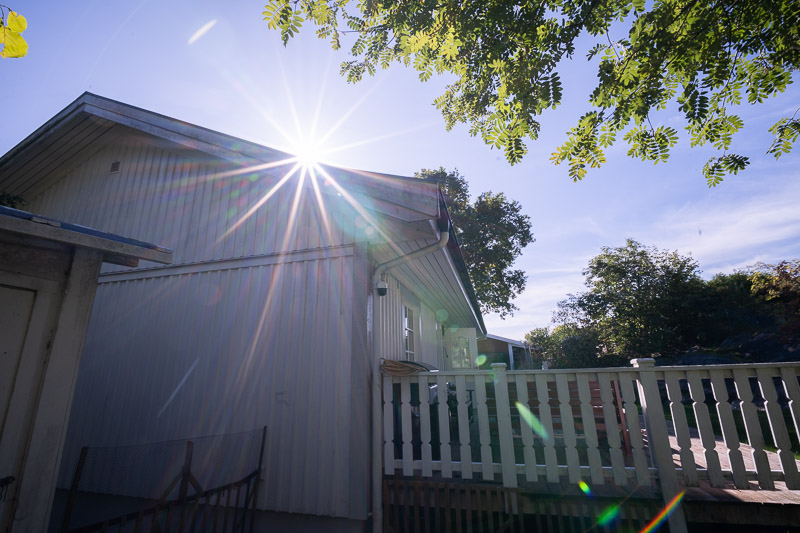
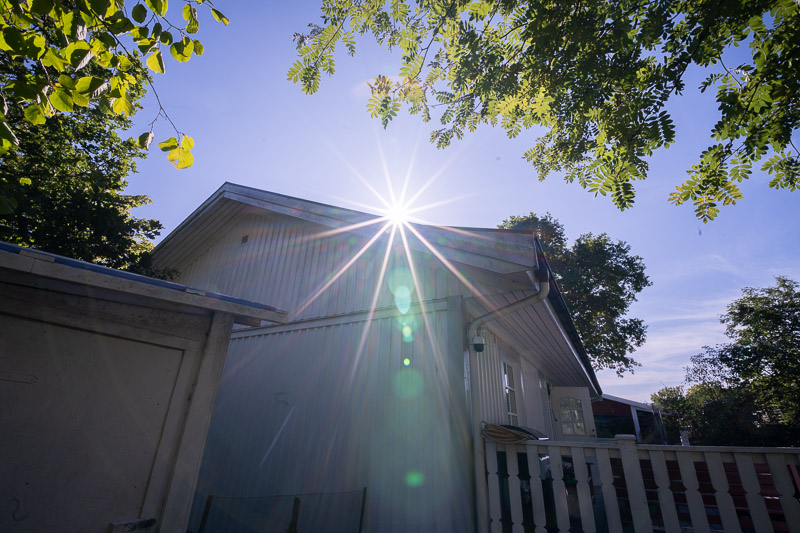
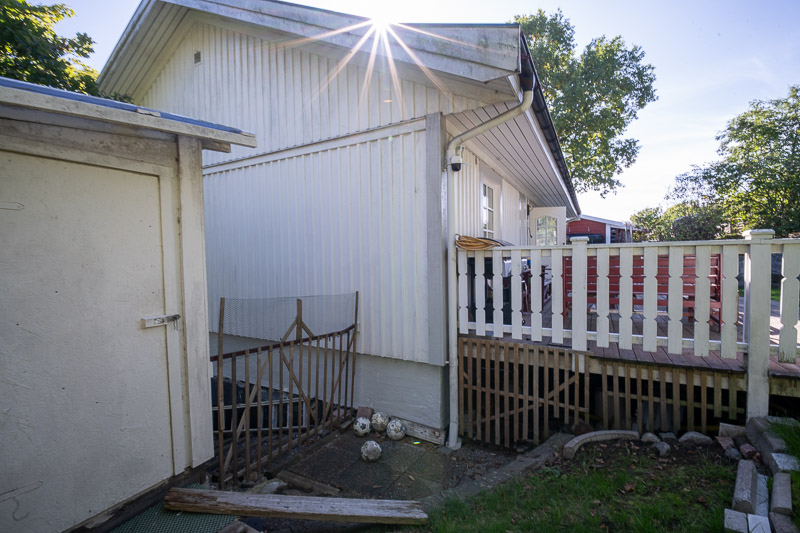
Flare resistance is acceptable for a cine lens. At wide apertures, the lens shows some veiling flare and minor ghosting, while ghosting becomes more pronounced when stopped down. However, the flare does not ruin the images, and many videographers may find this type of flare desirable in their footage.
Coma
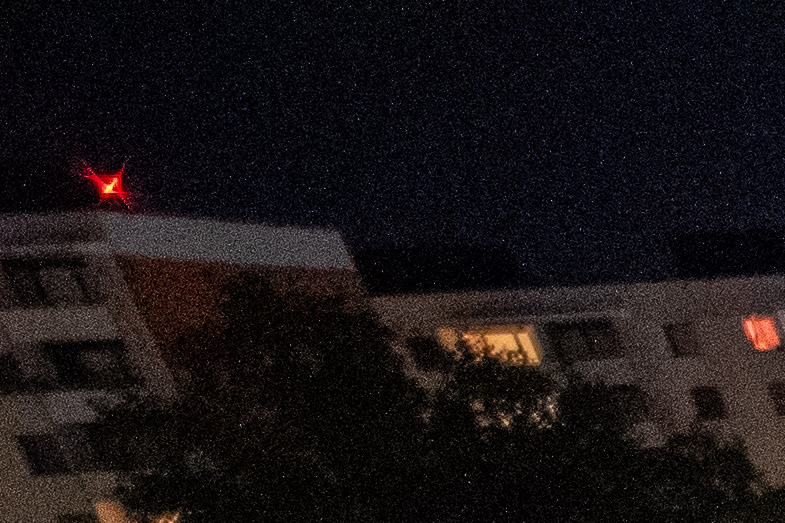
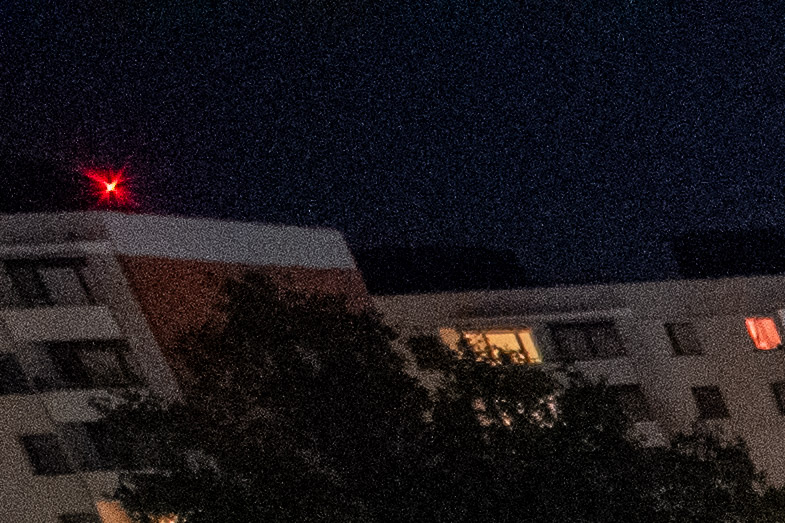
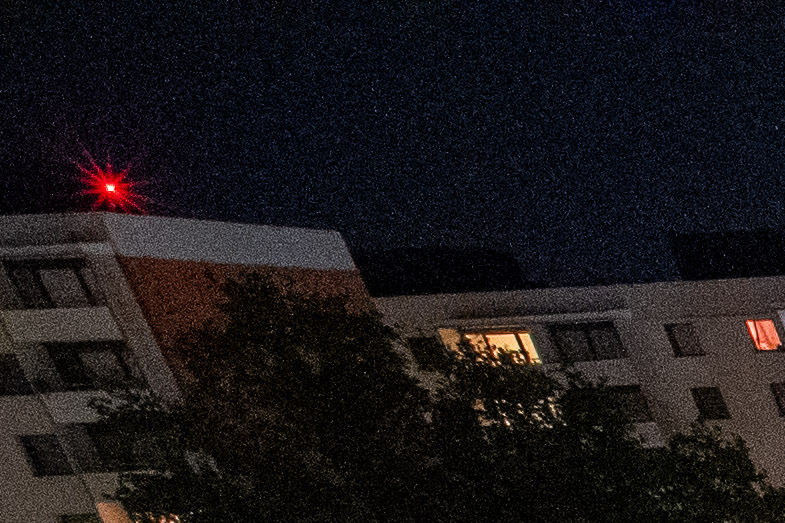
Coma is clearly visible in the corners of the frame at T1.6. Stopping down to T2 reduces it, and by T2.8, it is completely gone.
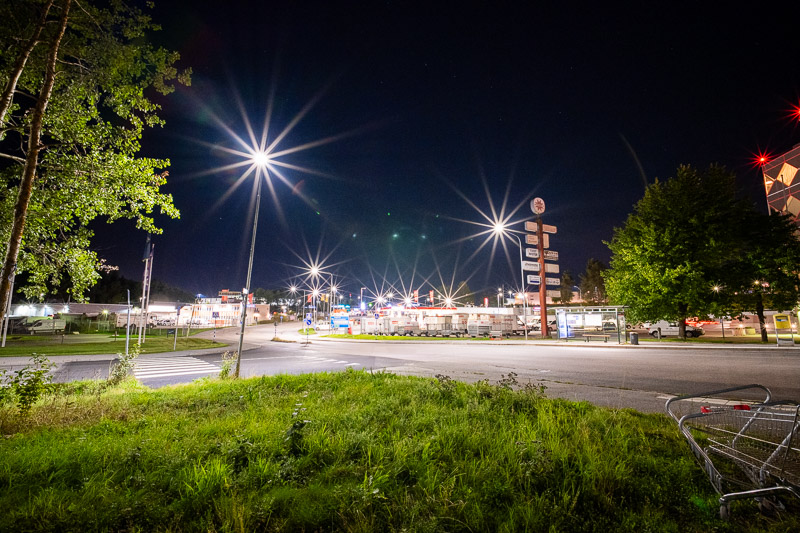
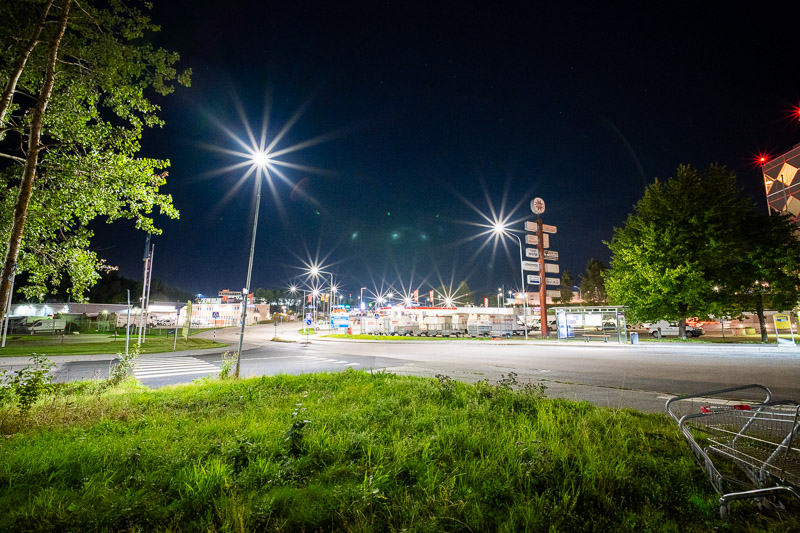
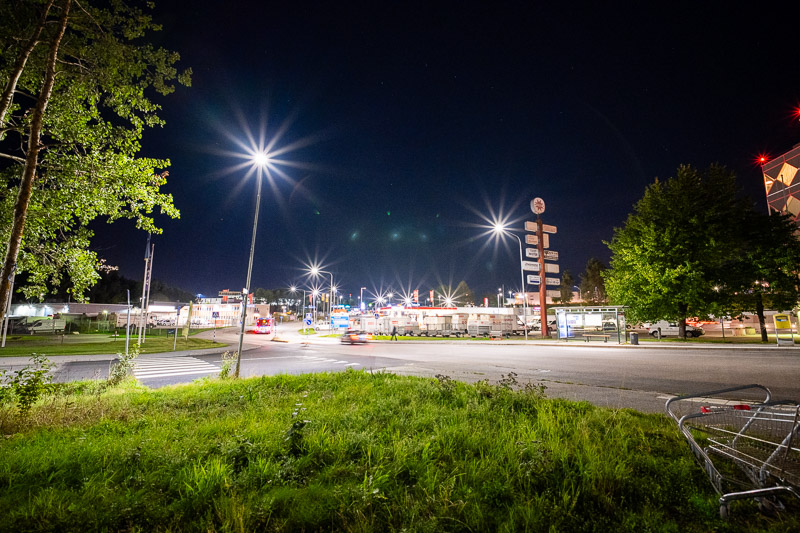
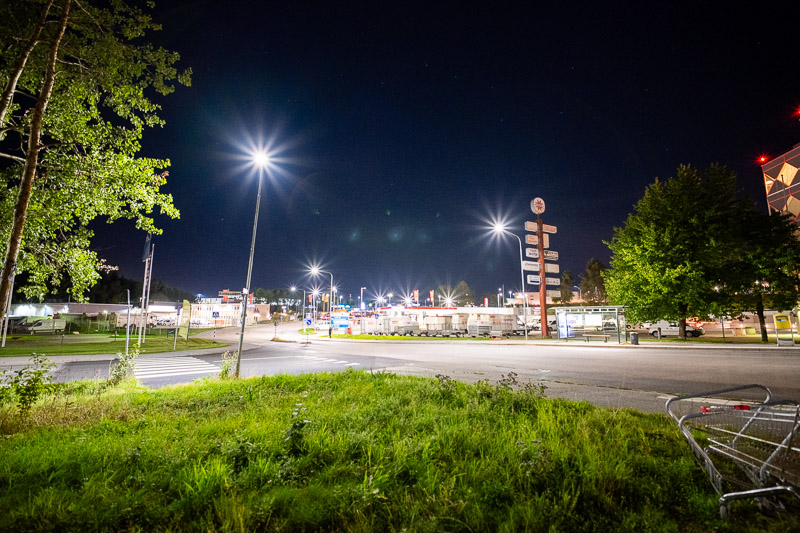
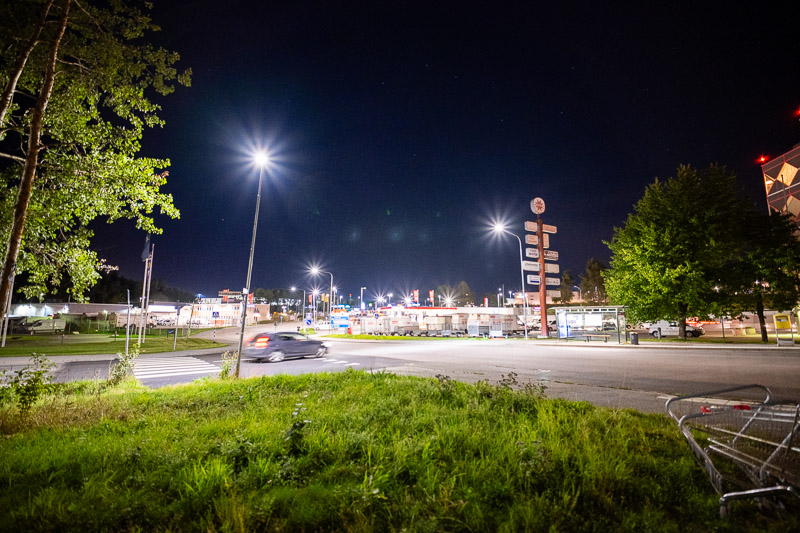
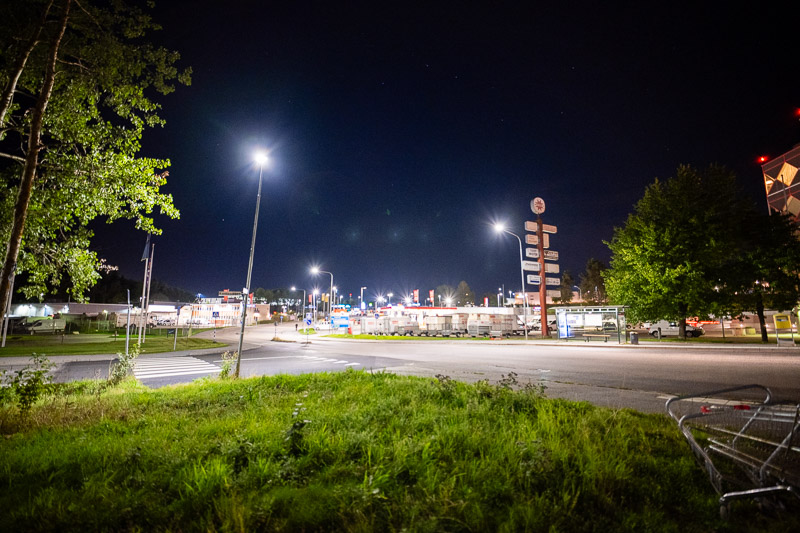
Sunstars
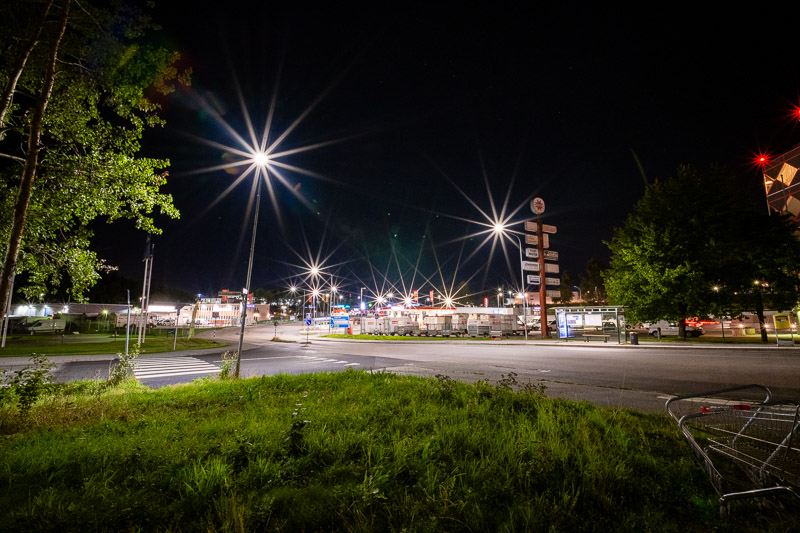
The even number of aperture blades and their good alignment help this lens produce symmetrical sunstars from T4. They become very well-defined between T4 and T5.6. Nice!
Focus Breathing
Wow, focus breathing is perfectly controlled. There’s no visible change in the angle of view when focusing with this lens. Well done.
Bokeh
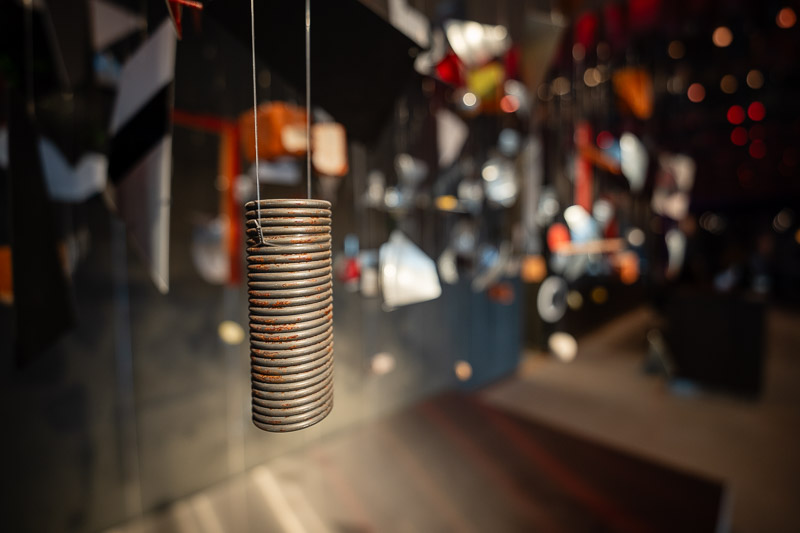
Bokeh is subjective, and since we’re dealing with an ultra-wide-angle lens, we should keep our expectations in check. That said, it can produce background blur when shooting close-up subjects. The bokeh has a little more character than a soft, dreamy look, but I wouldn’t describe it as overly busy.









Conclusion
| I LIKE | AVERAGE | I DON’T LIKE |
|
|
This is a very good lens for video, thanks to its fast T1.6 aperture and very good sharpness where it matters. It can be particularly useful in low-light situations and confined spaces, and it’s also an excellent choice for establishing shots.
Trivia: The Revenant was shot almost entirely with very wide-angle lenses, with a 14mm lens serving as the main lens. It’s a great example of how wide-angle lenses can create an immersive experience by keeping both the actors and their surroundings in the frame.
As we’ve seen, sharpness is more than sufficient for video, chromatic aberrations are well controlled, focus breathing is virtually nonexistent, and the lens produces beautiful sunstars.
Distortion, vignetting, corner sharpness, flare resistance, and coma aren’t outstanding, but they’re acceptable for a cine lens at this price. The price is reasonable, and the interchangeable mounts are a significant advantage if you use multiple camera systems or are considering switching systems. They allow you to keep using the same lenses instead of having to sell them and buy replacements.
If you shoot professional video, whether for cinematic, corporate, or wedding productions, or for short films and feature films, this series is worth considering.
If autofocus is important to you, Sirui also offers a series of autofocus anamorphic lenses that we hope to review in the near future, so stay tuned.
Writing articles like this one is both time-consuming and costs us a lot of money. If you found this article helpful and decided to buy one of these lenses, please consider using one of the affiliate links.
If you found this article useful, interesting, or it saved you money, consider supporting our work. You can make a donation or buy us a coffee —every contribution is greatly appreciated.
| Where to Buy
New: Sirui Store, Amazon (anywhere), B&H for $649 (Affiliate links) |
Alternatives
Buy new: Amazon (anywhere) for $ (Affiliate links)
Buy used: eBay.com, eBay.de, eBay.co.uk from $ (Affiliate links)
More Sample Images

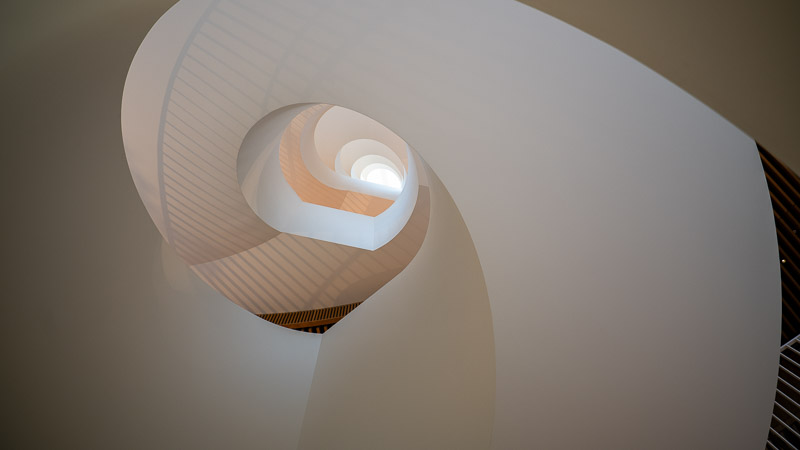

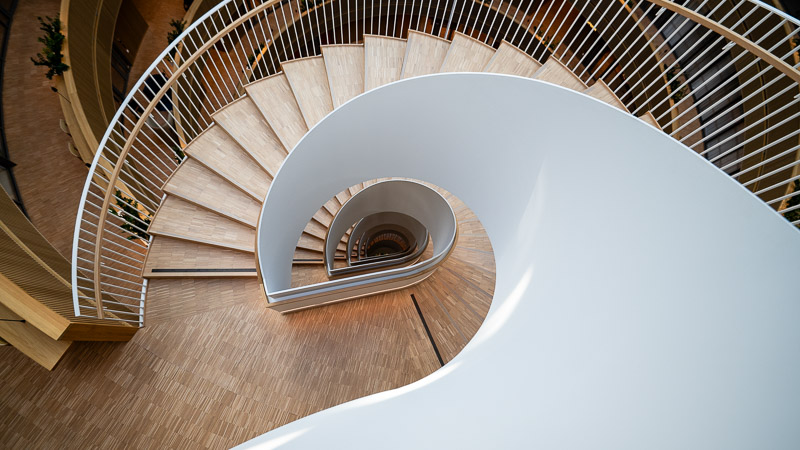

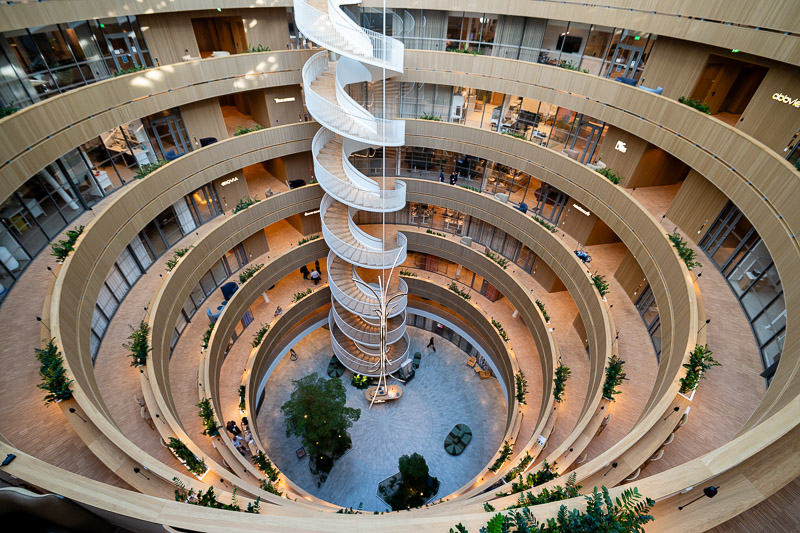

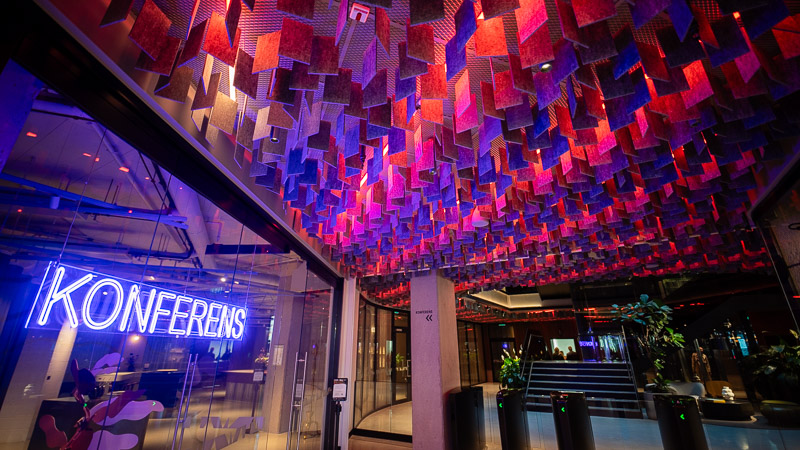


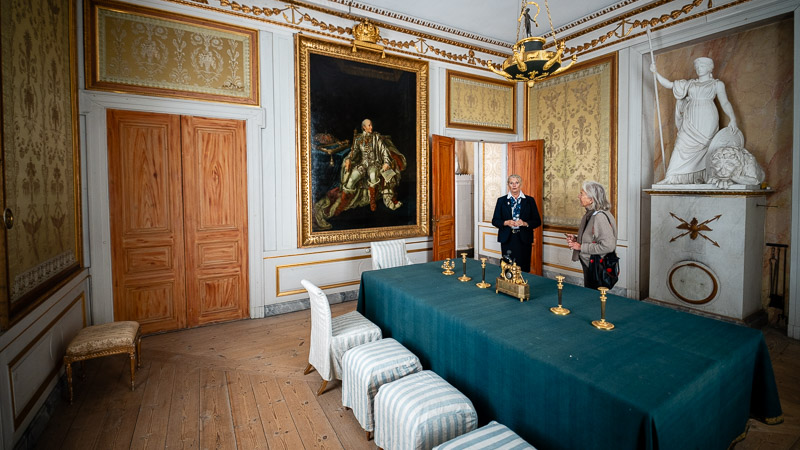
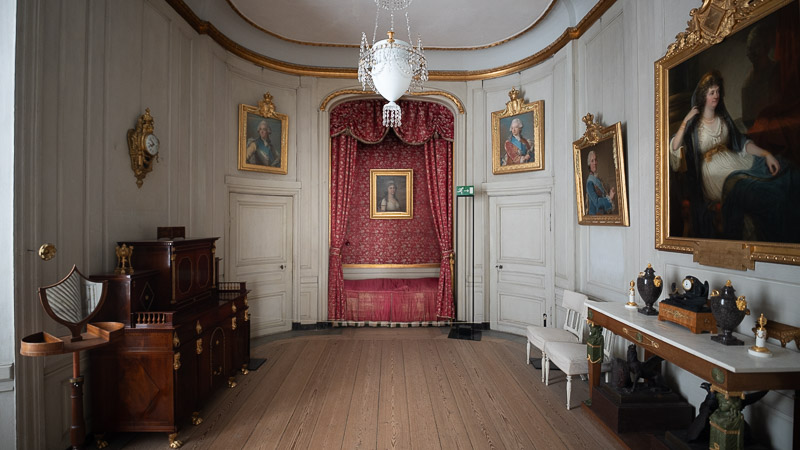
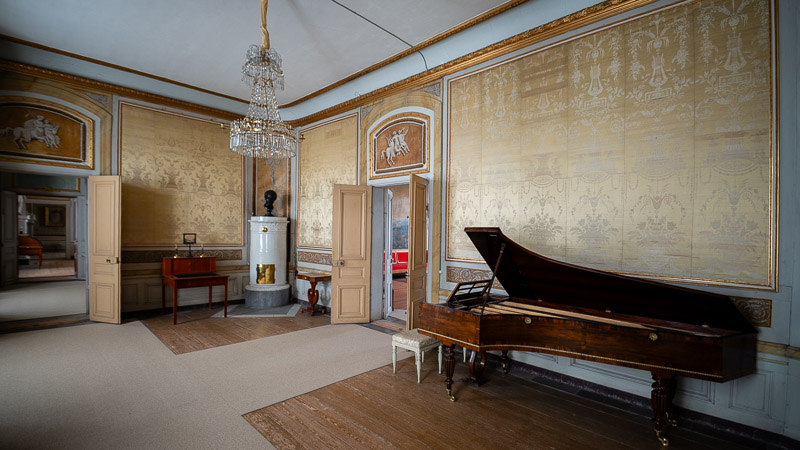





Most of the sample images in this review and many more can be found in higher resolution here.
Further Reading
- What camera gear and accessories do I use most frequently?
- Review: TTArtisan 35mm T/2.1 – Dual-Bokeh Cine Lens
- Review: 7Artisans 35mm 2.0 | 50mm 2.0 | 85mm 2.0 Spectrum Cine lenses
Support Us
Did you learn something new, find this article useful, or simply enjoy reading it? We’ve put a lot of time and resources into creating it, and your support helps us keep going. If you’d like to show your appreciation, please consider clicking the Donate button!



(Donations via Paypal or bank card)
Or alternatively support us via this link.
What’s in my camera bag? MY 2026 KIT!!
- Main camera : https://amzn.to/3TsGtKg
- Camera grip : https://amzn.to/4e0G3CR
- Memory Card 1: https://amzn.to/47pA20i
- Memory Card 2 : https://amzn.to/3XHYxlZ
- Camera 2 : https://amzn.to/3Xifou8
- Camera grip: https://amzn.to/4dYYpV9
- Memory card 1: https://amzn.to/4e5h2H0
- Memory card 2: https://amzn.to/3zu7W7n
- Main tripod: Leofoto LS-324CPRO
- Small travel tripod: https://amzn.to/4goIX68
- Mini tripod: https://amzn.to/4e09XXX
- Small shoulder bag: https://amzn.to/47tPMiY
- Medium shoulder bag: https://amzn.to/4ej4bjY
- APS-C camera 1: https://link.amazon/B0iKSCc8a
- APS-C camera 2: https://link.amazon/B0duP43QI
This site contains affiliate links, for which I may receive a small commission if you purchase via the links at no additional cost to you. This helps support the creation of future content.


Martin
Latest posts by Martin (see all)
- Review: Sirui Vision Prime 15mm T1.6 (Cine Lens) - November 1, 2026
- REVIEW: 7Artisans AF 10mm F2.5 MAX – Fisheye FF - October 25, 2026
- REVIEW: SIRUI AURORA 35mm F1.4 - October 14, 2026