Introduction
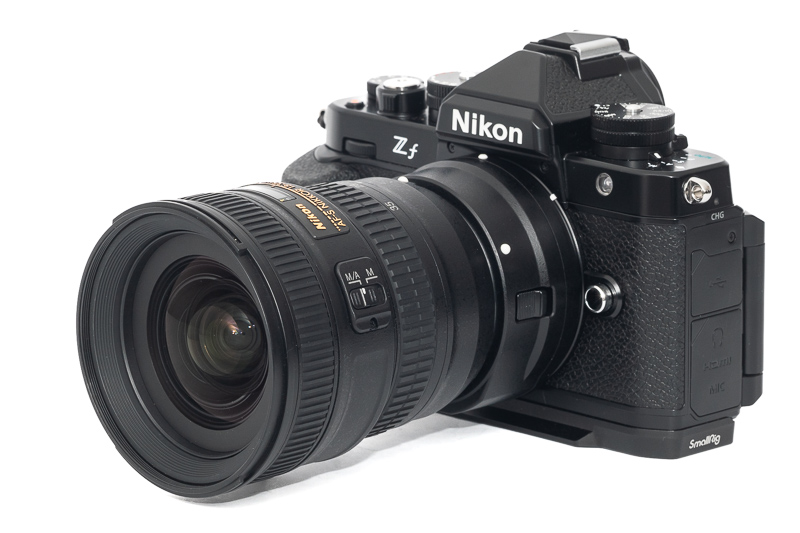
After serving the professionals first with the Nikon AF-S 14-24mm 2.8G in 2007 and the prosumers afterwards with the Nikon AF-S 16-35mm 4.0G VR in 2010, Nikon came out with this Nikon AF-S 18-35mm 3.5-4.5G aimed at the entry level market in 2013. Overlooked by all those that already owned one of the aforementioned lenses, this one offers surprisingly good image quality in a very lightweight package, so let me tell you more about this now very affordable ultra wide angle zoom for the F-mount in this review.
Sample Images




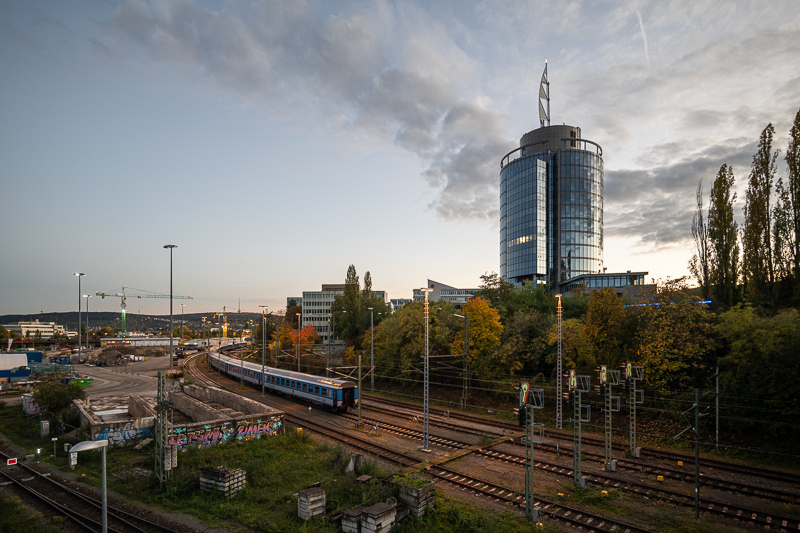


Many of the sample images in this review can be found in full resolution here.
Specifications / Version History
There have been two different 18-35mm 3.5-4.5 lenses by Nikon for the F-mount:
- Nikon AF 18-35mm 3.5-4.5D ED
370g, 11/8 design, 1 aspherical, 1 ED, D-Type (aperture ring) 2000-2008 - Nikon AF-S 18-35mm 3.5-4.5G ED
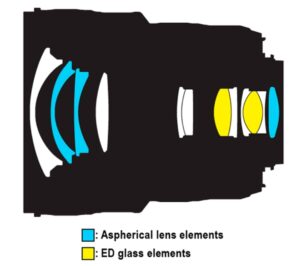
382g, 12/8 design, 3 aspherical, 2 ED, G-Type (no aperture ring), 2013-2023
While only two small letters in the name of these two lenses are dissimilar, these are completely different lenses and from everything I have seen this new version offers vastly superior performance in every regard. The only disadvantage is, that it does not feature an aperture ring anymore.
This is a review of the improved newer version from 2013 and its full specifications are:
-
- Diameter: 83 mm
- Field of view: 63° to 100° (diagonally)
- Length: 95 mm
- Weight: 382g (without hood [21g] and caps)
- Filter Diameter: 77 mm
- Number of Aperture Blades: 7 (rounded)
- Elements/Groups: 12/8
- Close Focusing Distance: 0.28 m
- Maximum Magnification: 1:4.5 at 35mm to 1:8.7 at 18mm (measured)
- Mount: Nikon-F
buy from ebay.com | ebay.de (advertisement/affiliate links) starting at $200 (used)
Focal Lengths




Handling / Build Quality
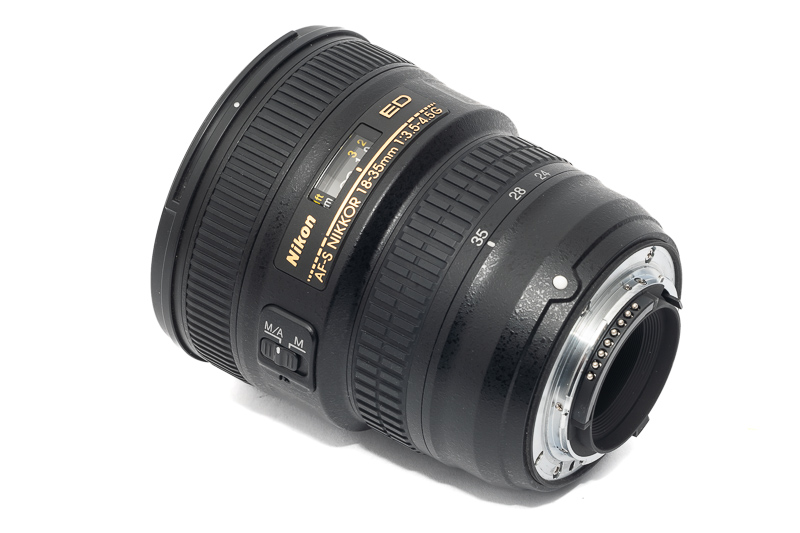
As this is one of Nikon’s more affordable AF-S lenses the focus was not on solid build quality with lots of metal, but on an affordable, lightweight construction – similiar to e.g. the Nikon AF-S 50mm 1.8G.
The focus ring is situated at the front of the lens. It is mechanically coupled and rotates around 90° from the minimum focus distance of 0.28 m to infinity. The resistance of the focus ring of this sample is quite nice actually, but as is the case for most of Nikon’s more affordable AF-S lenses there is some slack when changing the direction of rotation of the focus ring.
The zoom ring is situated closer to the camera and has markings for 18, 24, 28 and 35 mm. This sample does not show any zoom creep, but maybe those that have been used more do. A great surprise was, that this is actually a parfocal zoom, so when zooming in or out the focus stays in the same plane.
On the left side of the lens the AF/MF switch is located. As said before the focus ring is mechanically coupled to the internal mechanics, so we also get a distance scale.
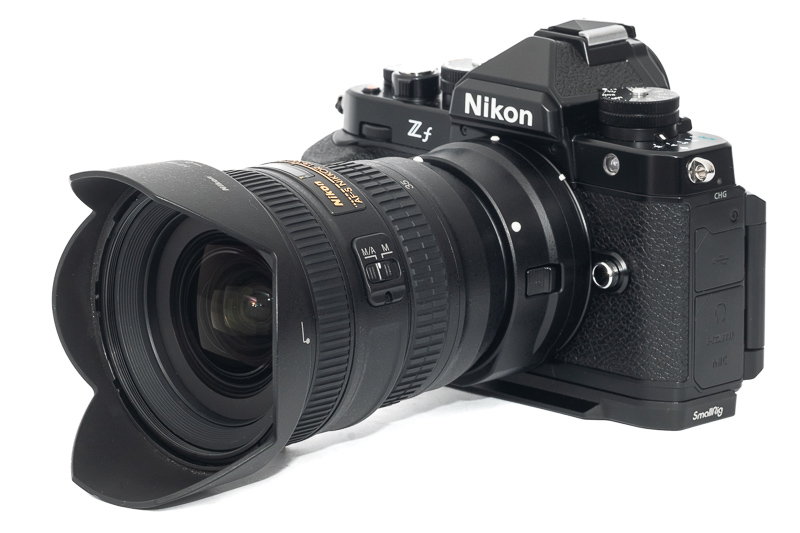
The lens shipped with the HB-66 tulip-shaped hood which can also be mounted reversed for transport.
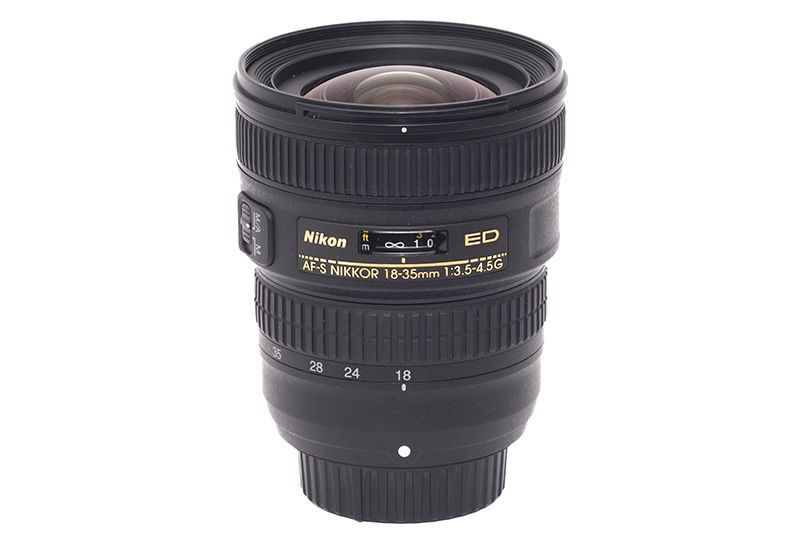
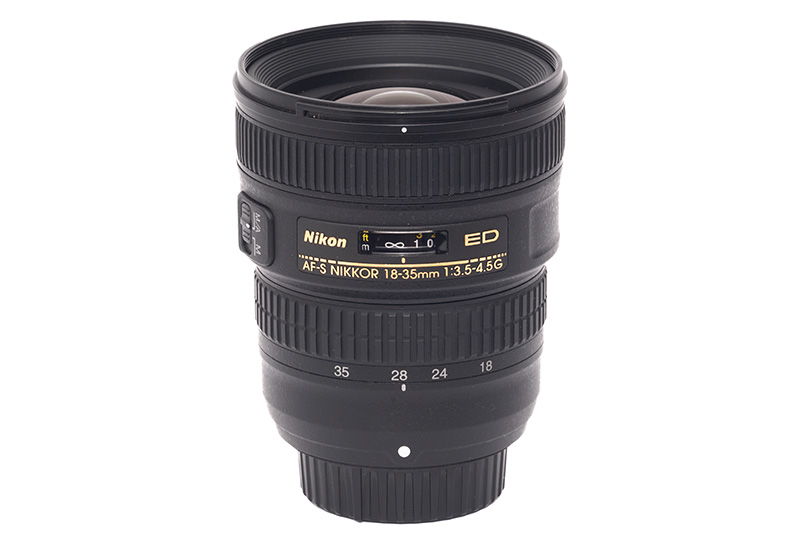
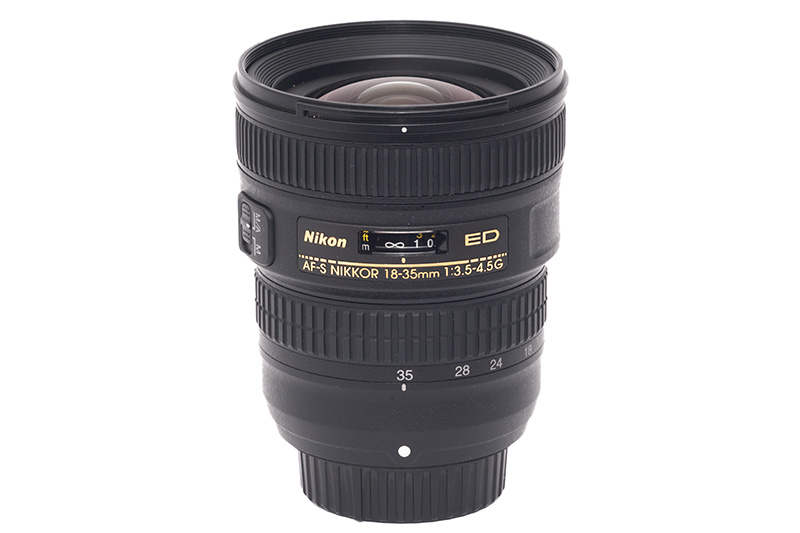
Surprisingly for a low cost zoom lens, the length of the outer casing stays the same, only the front group moves in and out on zooming. This lens also features a similarly complex structure as the Nikon AF-S 24-70mm 2.8G: it is shortest at the 28mm setting, longest at 18mm and somewhere inbetween at the 35mm setting.
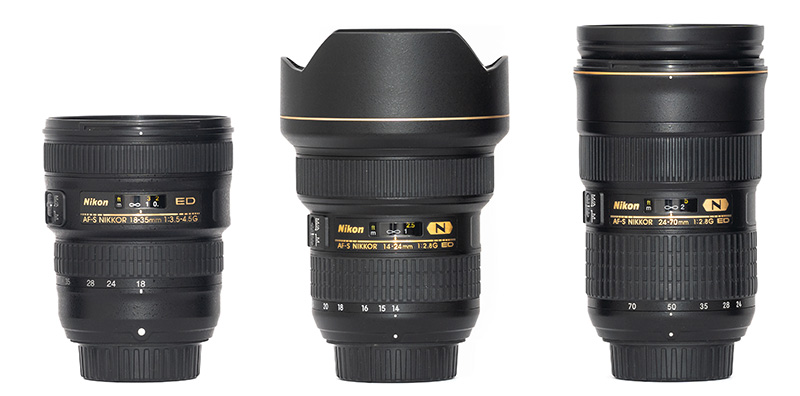
This was Nikon’s smallest ultra wide angle zoom for F-mount and it is noticeably smaller and lighter compared to the Nikon AF-S 14-24mm 2.8G and the Nikon AF-S 16-35mm 4.0 VR. In the mirrorless world we haven’t seen directly comparable lenses yet and I don’t think we ever will, as zooms starting at 14, 16 and 17 mm (let alone 10 and 12 mm) seem to be more desirable these days.
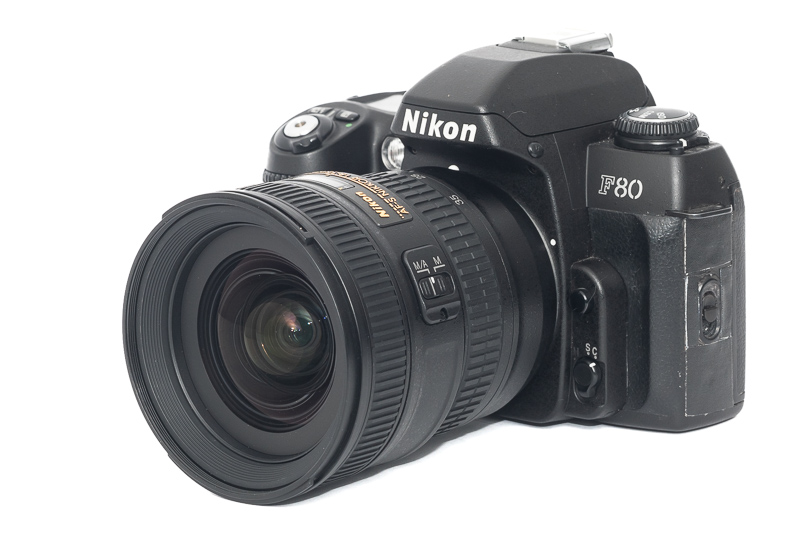
There are also some analgoue cameras that fully support this lens. The cheapest is the Nikon F80, but also the F100, F5 and F6 can make full use of this lens and support the autofocus and allow you to change the aperture – this is not the case for all the manual focus SLRs and also the older autofocus SLRs though.
AF performance
I am not shooting sports or fast moving animals/humans so if you want to know if the lens is fast enough for this, or how it compares to other lenses in this segment, you may have to look for a different review with a more detailed assessment of this aspect.
This lens only features a small micro motor and the lens elements that need to be moved are small and lightweight, so the actual speed looks similar to the AF-S f/1.8G and f/1.4G primes to me.
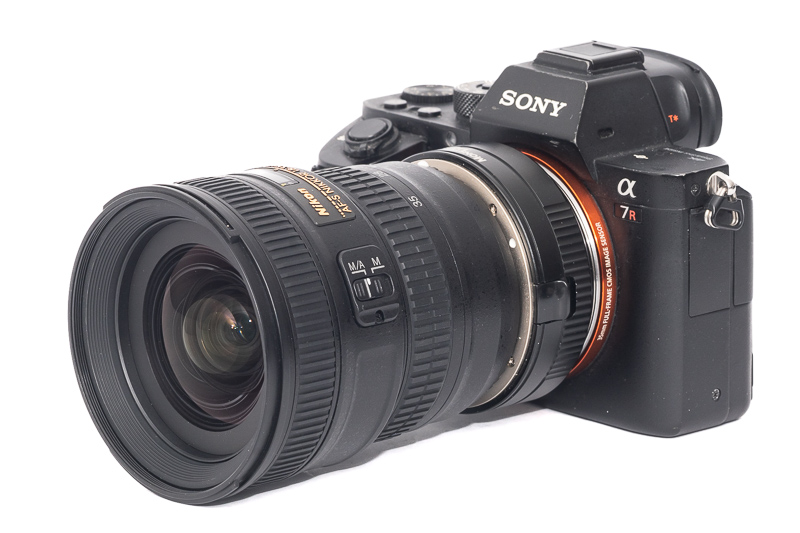
The AF worked fine via Monster LA-FE1/2 adapter on a Sony E-mount camera, but I found these adapters to be a bit too short, which hurts the image quality of internal focus lenses like this one. I also found that when using the lens with one of these adapters it is not parfocal anymore.
When adapting this via the FTZ adapter to Nikon Z-mount cameras there are no such issues and everything works flawlessly.
Vignetting

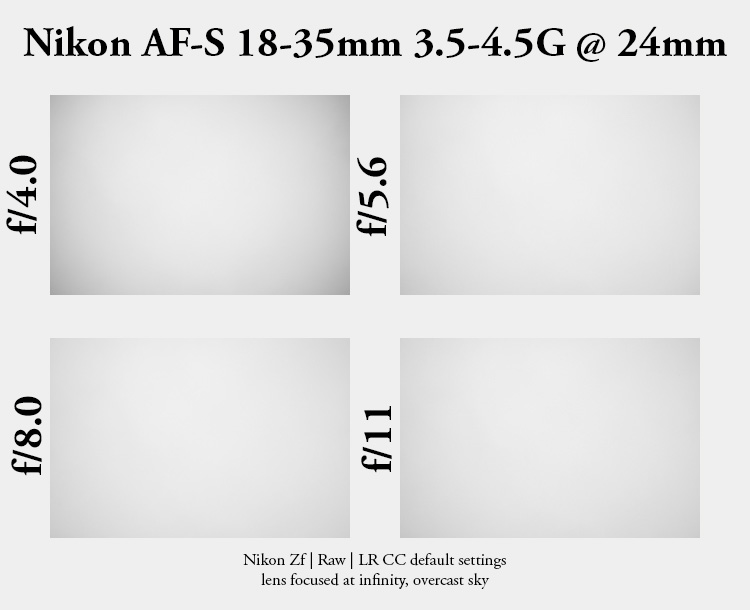
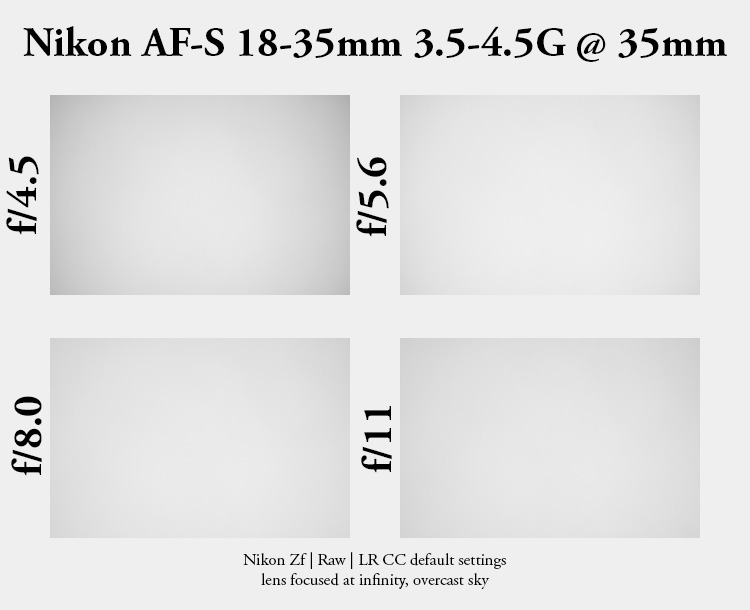
| 18mm | 24mm | 35mm | |
|---|---|---|---|
| f/3.5 | 2.4 EV | ||
| f/4.0 | 2.3 EV | 1.8 EV | |
| f/4.5 | 1.5 EV | ||
| f/5.6 | 1.7 EV | 1.1 EV | 1.1 EV |
| f/8.0 | 1.4 EV | 1.0 EV | 0.8 EV |
| f/11 | 1.4 EV | 1.0 EV | 0.8 EV |
For a lens with these parameters we see a very typical performance here. Vignetting is strongest at the wide end and stopped down around 1 EV remains.
If we look at F-mount prime lenses, the Tokina 17mm 3.5 AF AT-X Pro shows the same amount of vignetting at f/3.5 and slightly more stopped down, the older Tokina 17mm 3.5 SL as well as the Zeiss 18mm 3.5 ZF.2 show about 1 EV more vignetting at f/3.5.


It is recommended to have a look at this article first to get an idea how this brightness graph works.
Sharpness
MTF Graphs
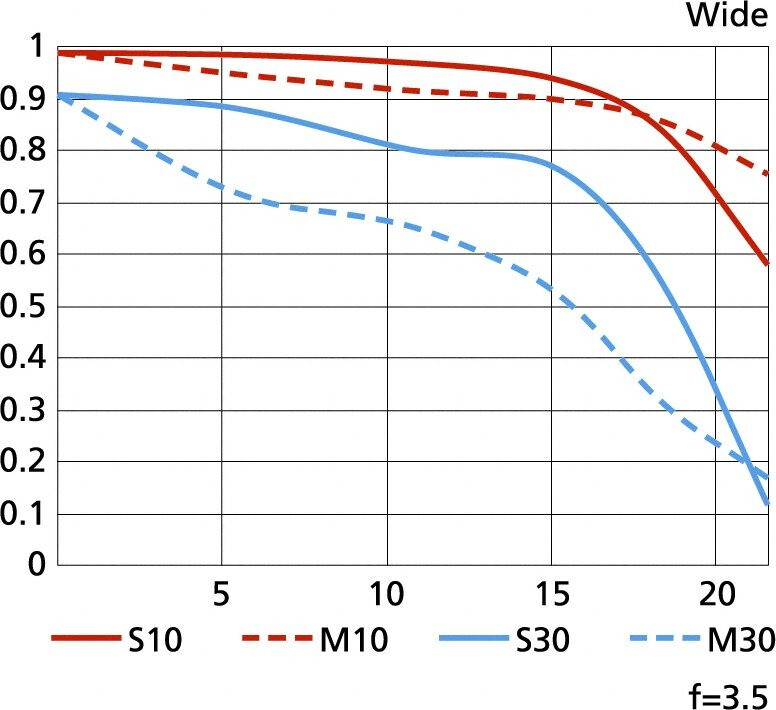
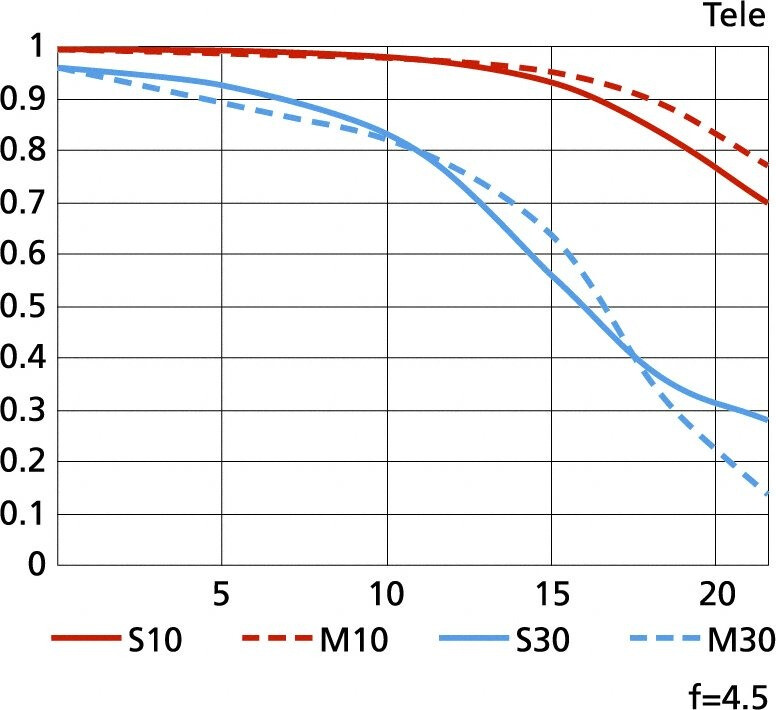
The MTF graphs Nikon published do not promise an amazing performance in the corners at the maximum aperture, but what is interesting is that this lens looks better at 18mm in the corners than the more expensive Nikon AF-S 16-35mm 4.0G VR does.
To my experience these ultra wide angle zooms perform best at the wide end and worse at the tele end. According to these graphs this Nikon 18-35mm lens is supposed to actually perform better at the tele end when focused at infinity though, so let’s see in the following section who is right.
infinity (42mp Sony A7rII)
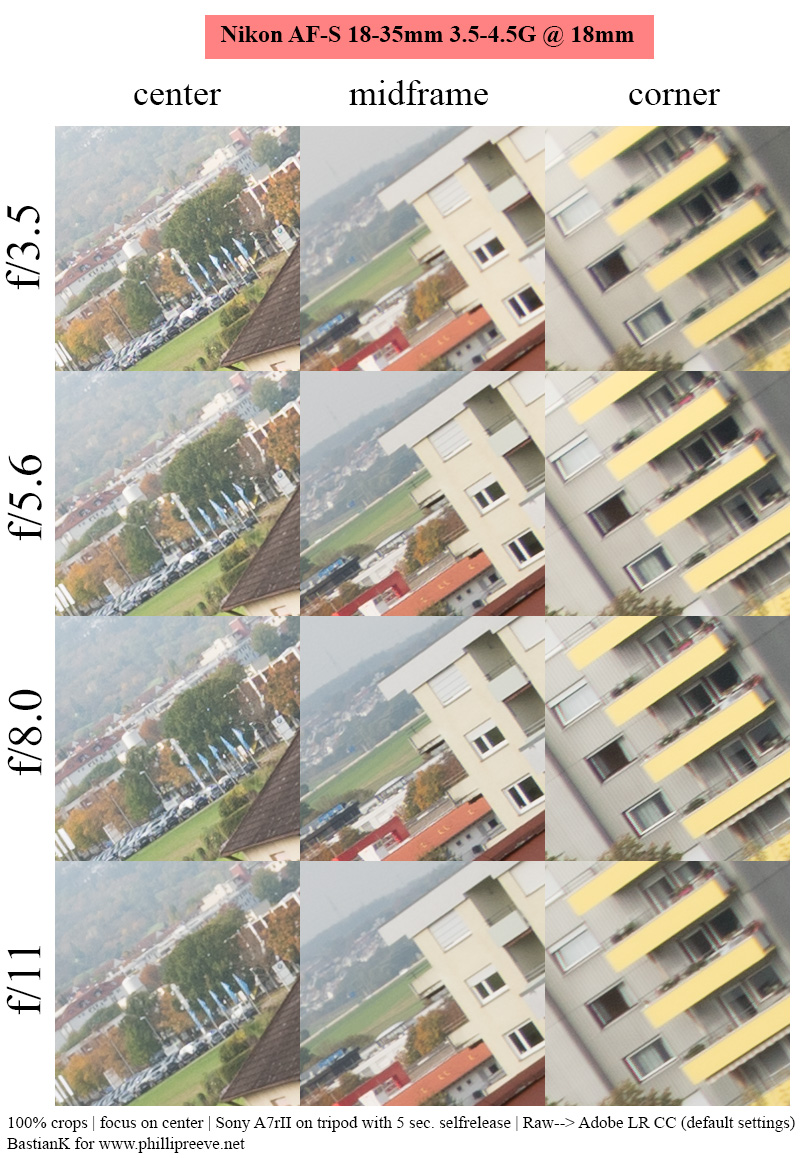
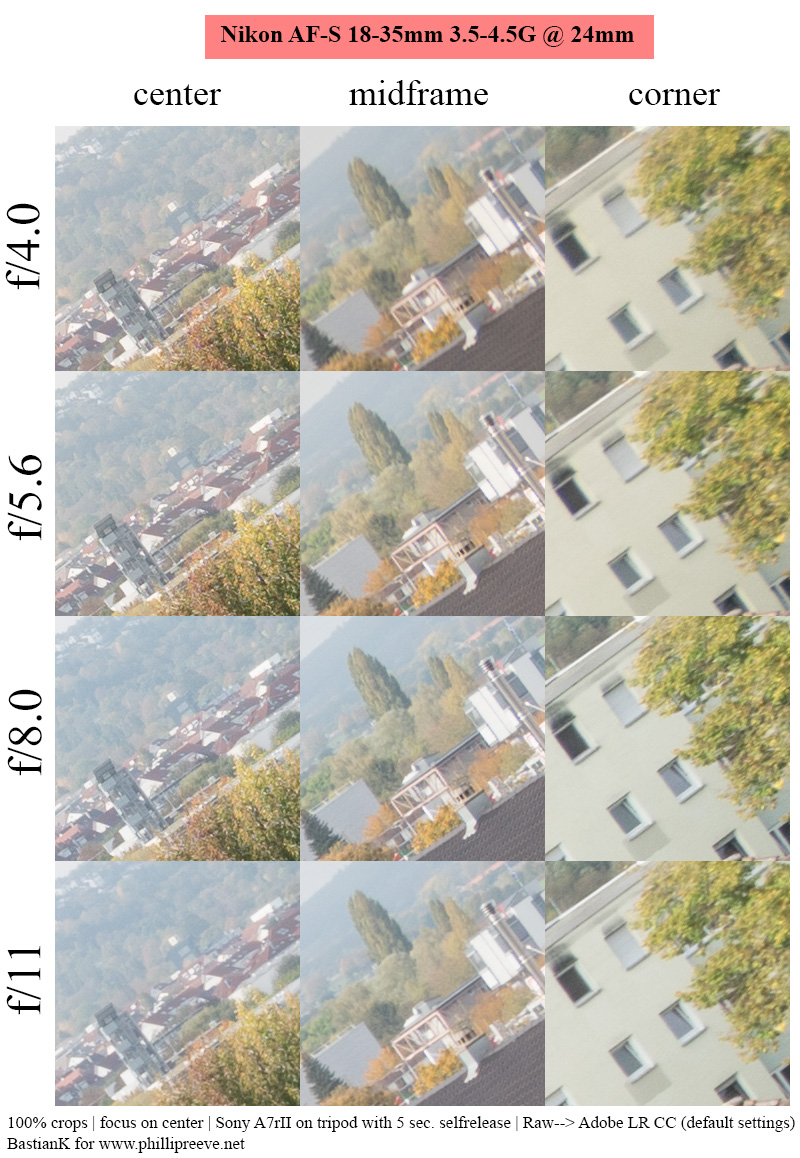
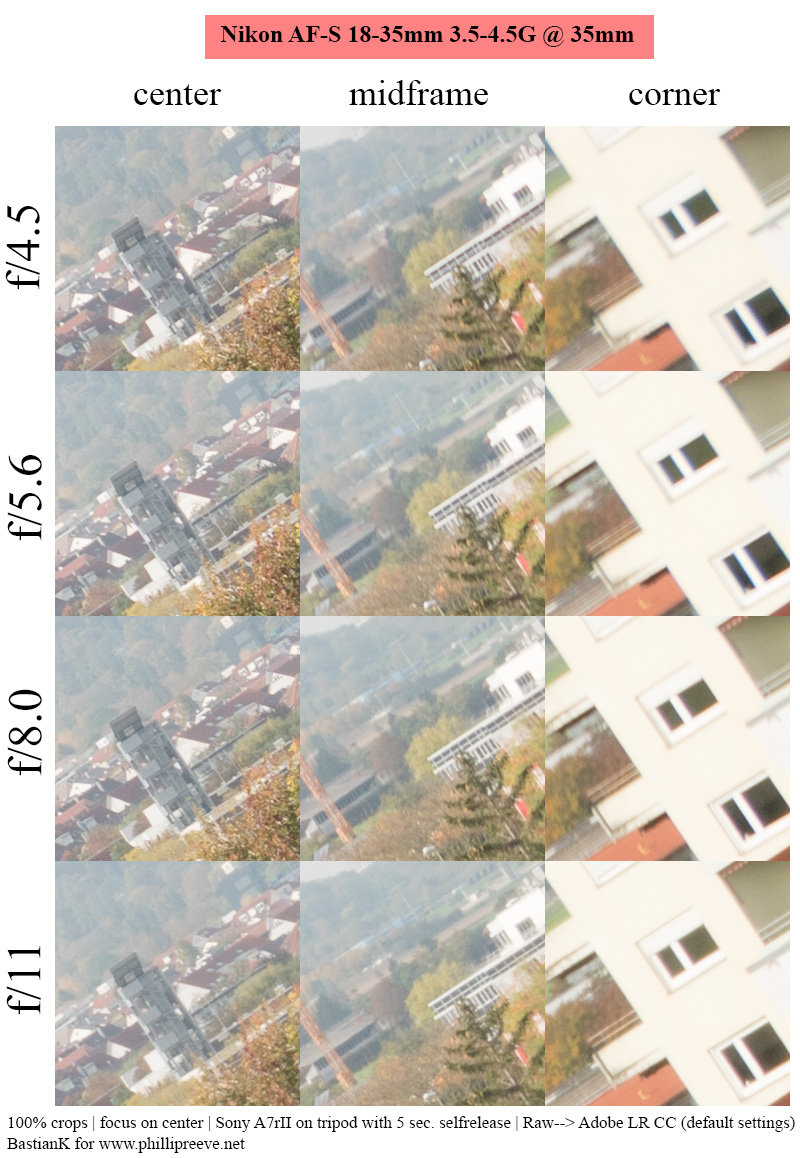
As we can see here, the Nikon AF-S 18-35mm 3.5-4.5G does show its best performance at the wide end. The corners benefit from stopping down 1-2 stops, but they are already usable from f/3.5.
At 24mm not only the corners but also the midframe benefits from stopping down a bit.
Also at the long 35mm end there is a bit of a midzone dip and the corners still don’t look great at f/11.
The performance at the long end isn’t something special, but at 18mm it shows one of the best performances you can find in the F-mount world. It is better than the Nikon AF-S 16-35mm 4.0G VR at the wide end and actually better at f/3.5 than the Zeiss 18mm 3.5 ZF.2. Only stopped down the Zeiss shows a slightly better performance in the very corners.
No matter what aperture you set on the Tokina lenses 17mm 3.5 SL and 17mm 3.5 AF AF-X Pro, this Nikon surpasses their performance already at f/3.5.
On the Monster LA-FE1/2 adapters I saw a degradation in image quality in the midframe area as well as in the corners as the length of these adapters seems to be a little bit too short. With the Rayqual adapter on a Sony E camera or with an FTZ adapter on a Nikon Z camera the lens performs as expected.
close 0.28 m (42mp Sony A7rII)
18mm



100% crops from center, A7rII
35mm



100% crops from center, A7rII
At its minimum focus distance this lens shows a very good performance as well – no matter the focal length set.
A maximum magnification of 1:4.5 at the 35mm end is pretty generous and at 18mm it actually offers a higher magnification than the Zeiss 18mm 3.5 ZF.2, Tokina 17mm 3.5 SL and Tokina 17mm 3.5 AF AT-X Pro.
Looking at modern mirrorless designs, the Samyang FE 18mm 2.8 AF offers an 1:6.7 magnification and the Sigma 17mm 4.0 DG DN C shows an even more impressive 1:4.6 magnification.
Flare resistance
As always evaluating flare is a complex matter since you can get any lens to look bad if you push it hard enough and a slight change of scenario can affect results a lot. With a zoom lens there are even more variables, as the performance can change a lot with the focal length as well.
As this was meant as a low-cost entry level lens, Nikon did not include its fancy Nano coating here. Does that mean this Nikon AF-S 18-35mm 3.5-4.5G will perform worse than the more expensive Nikon AF-S 14-24mm 2.8G and Nikon AF-S 16-35mm 4.0G VR? Let’s have a closer look to find out.
18mm
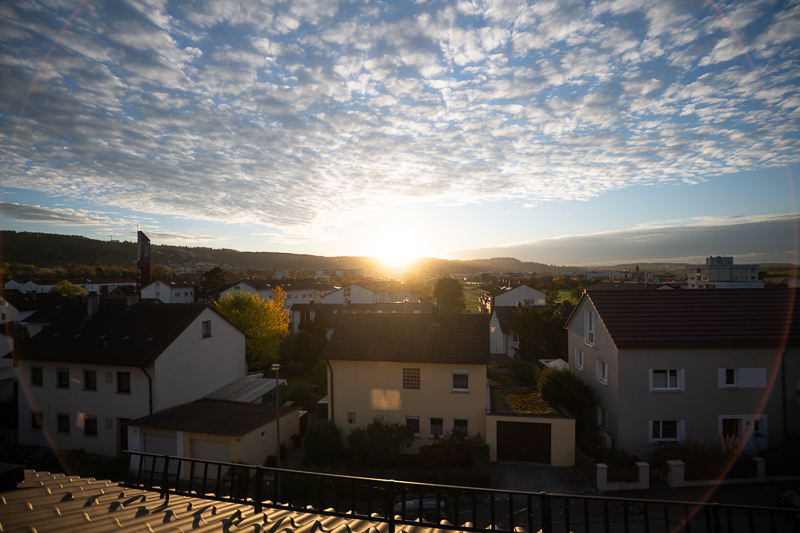



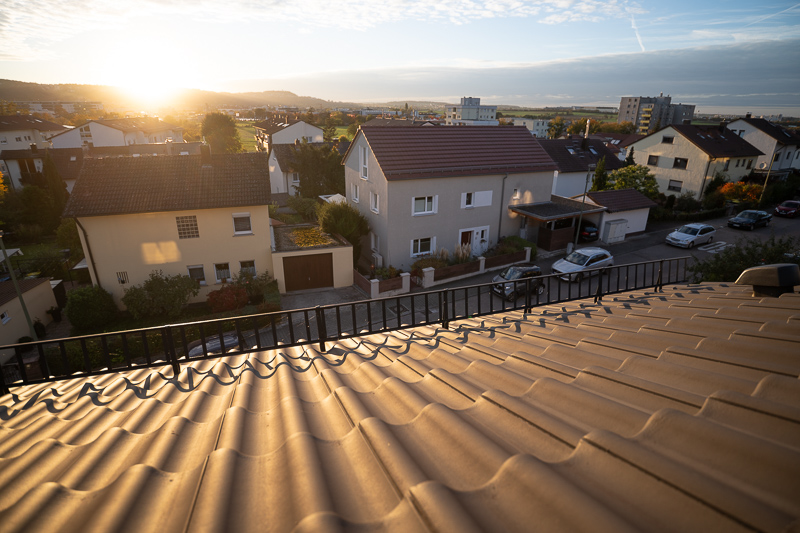
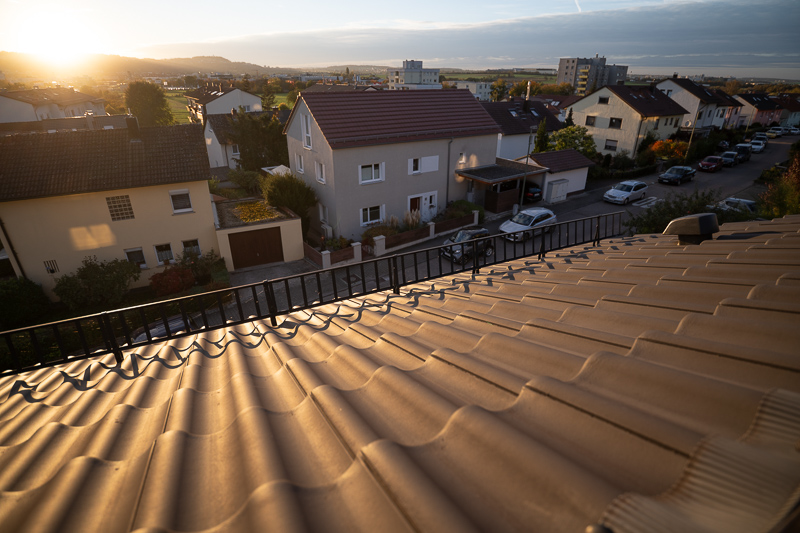
The performance at the 18mm end at f/3.5 is really good. It is possible to create a ring flare with a strong light source directly in the center of the frame, but apart from that I cannot spot any notable artefacts. This cheap zoom puts many way more expensive (prime) lenses to shame here.
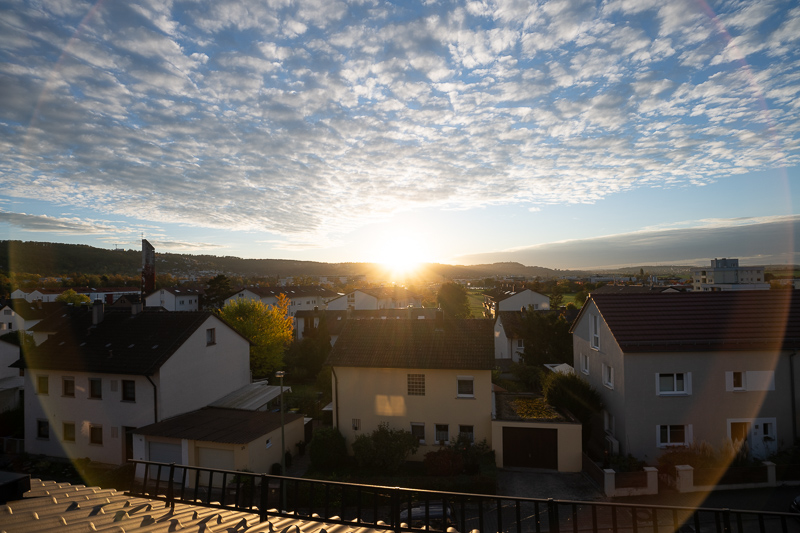
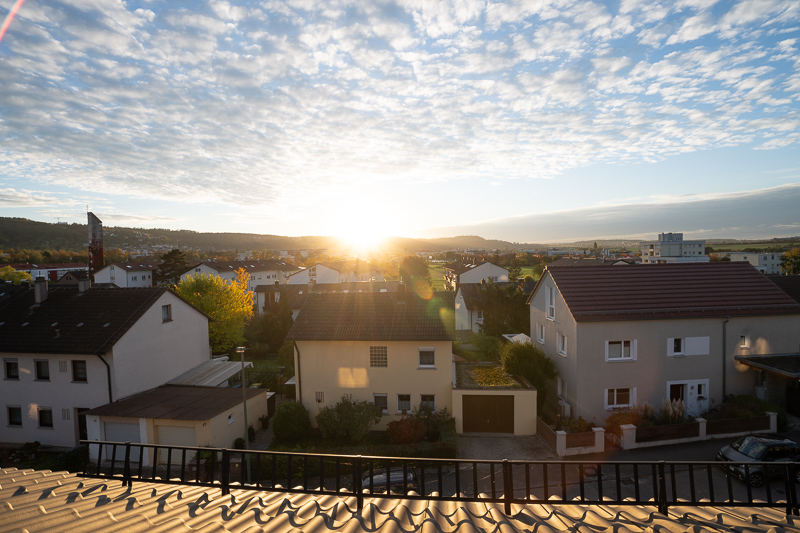

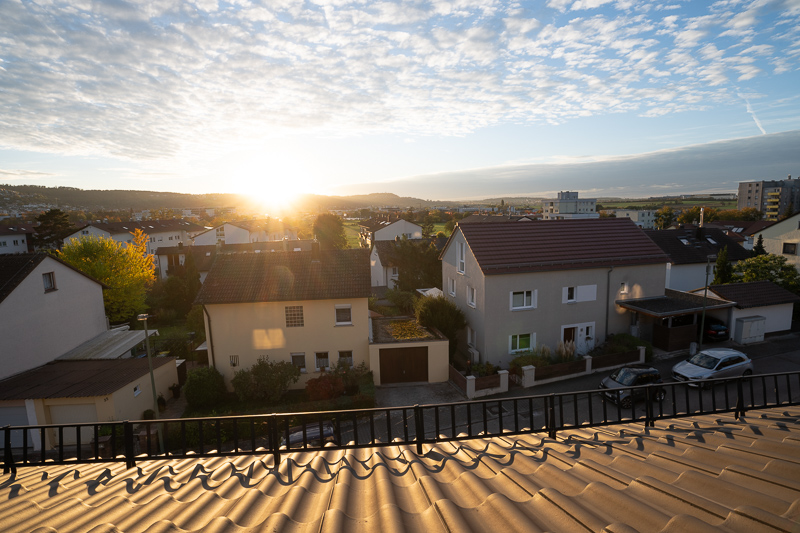



Stopped down the ring flare is more obvious with the sun in the center and we can also see some ghosts with it being close to the center. This is still a good performance.
35mm

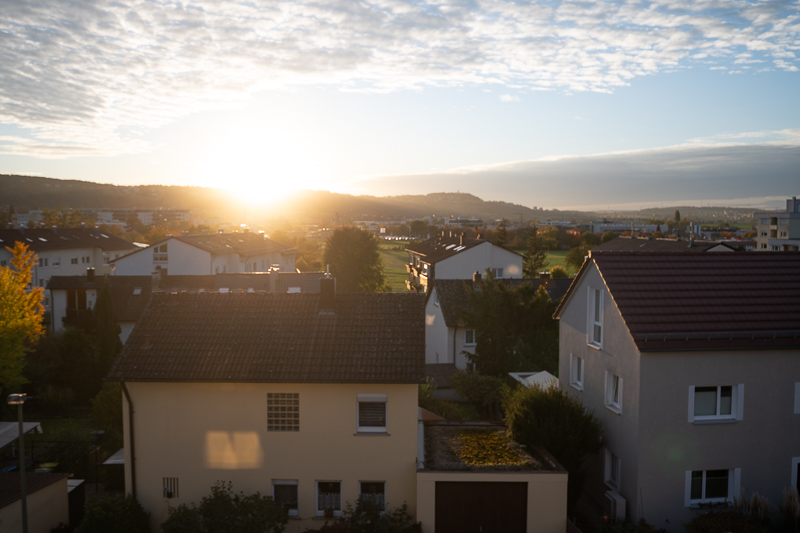
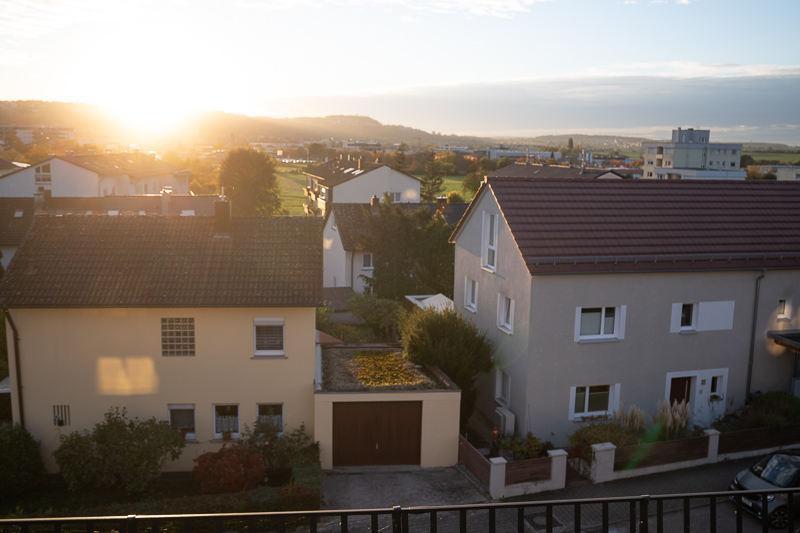
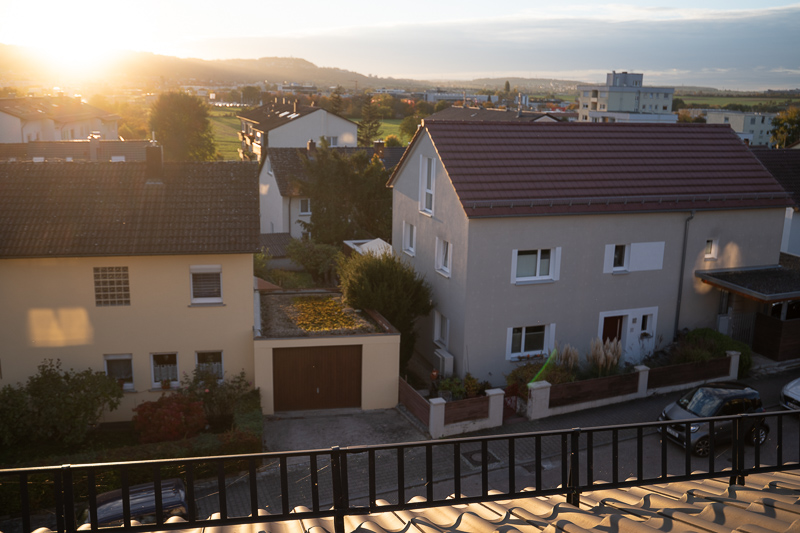
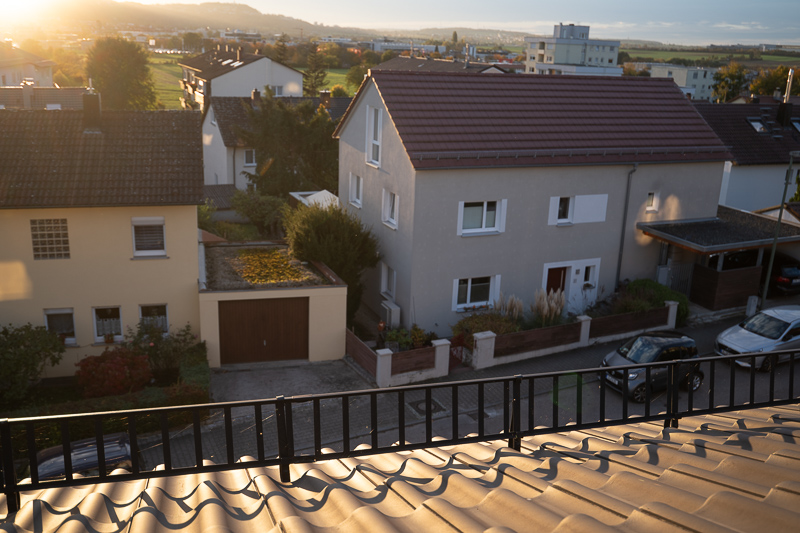
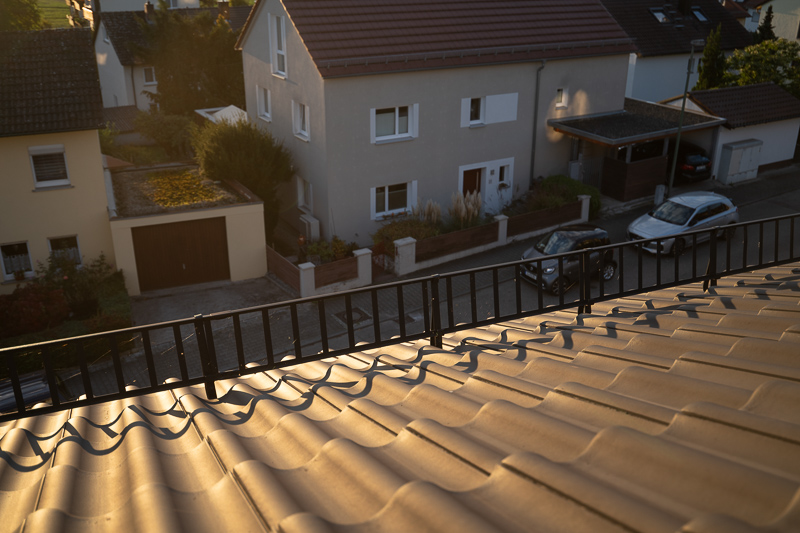
At the 35mm end when set to the maximum aperture I managed to create a few small ghosts and with the sun outside the frame we can also see a small amount of veiling flare.

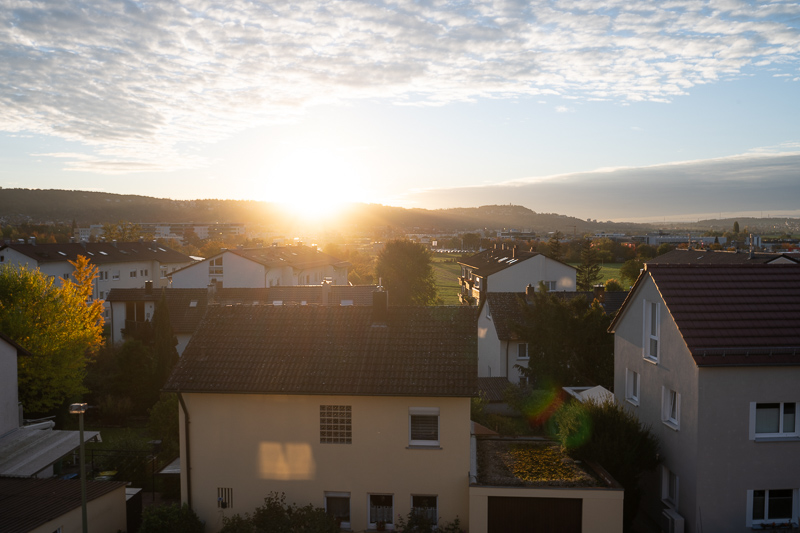
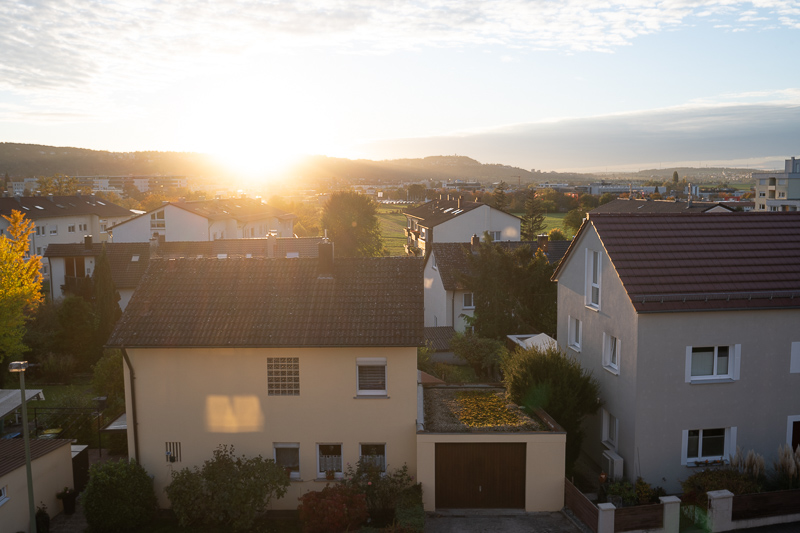
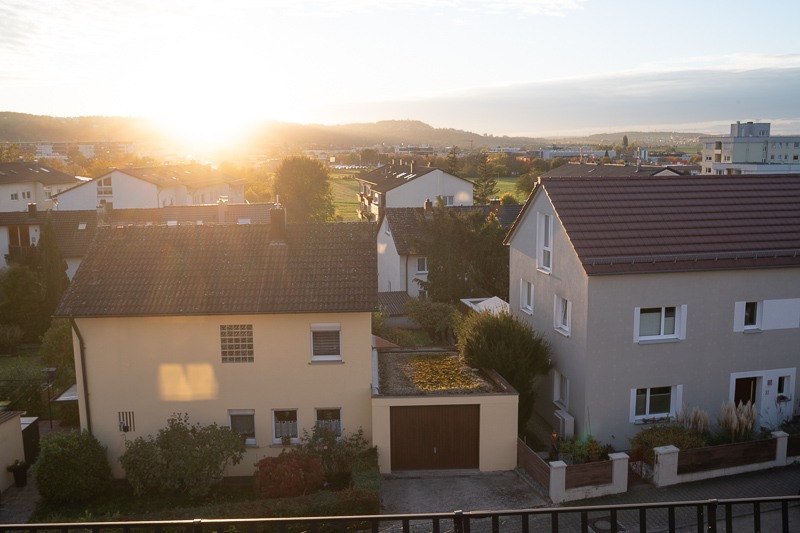
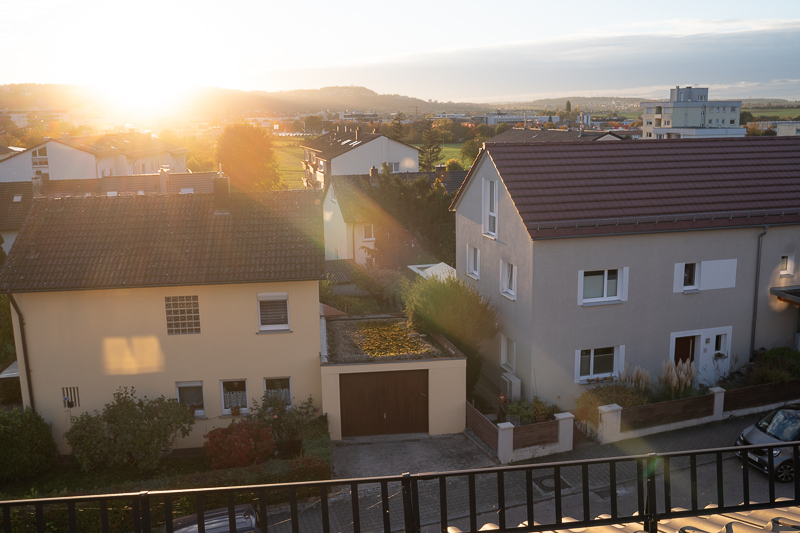
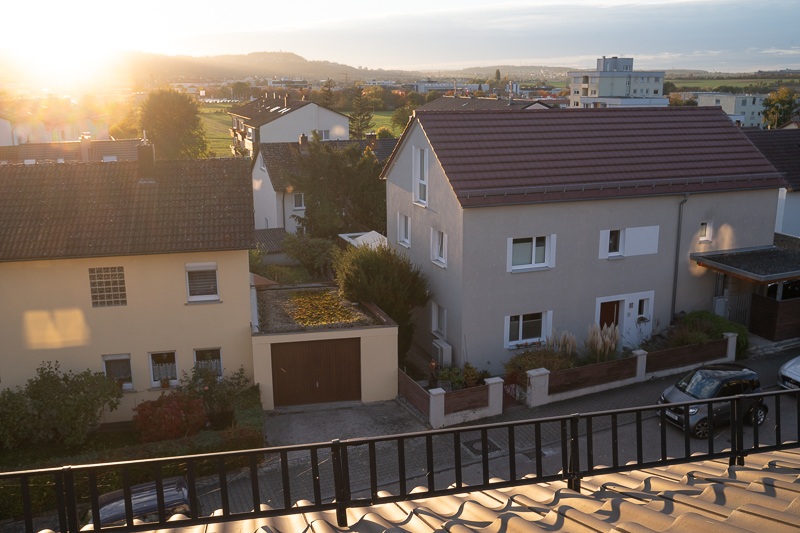
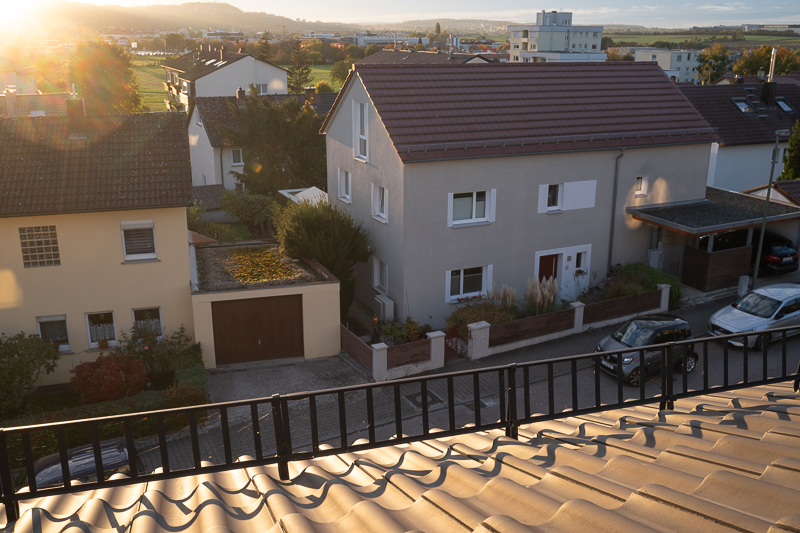
Here stopped down we can see some more artefacts and it makes sense to pay some attention, as slightly reframing might save you from huge artefacts.
Looking at the 18mm end, this is one of the best performances you will be able to find from a lens covering 18mm in the F-mount world. This lens actually does not have to hide from much newer and pricier modern lenses.
Towards the 35mm end the performance is slightly worse, but this is mainly true for these staged scenarios, in the field I did not encounter any issues with the flare resistance of this lens and I cannot say that about a lot of ultra wide angle lenses.
Coma
18mm
35mm




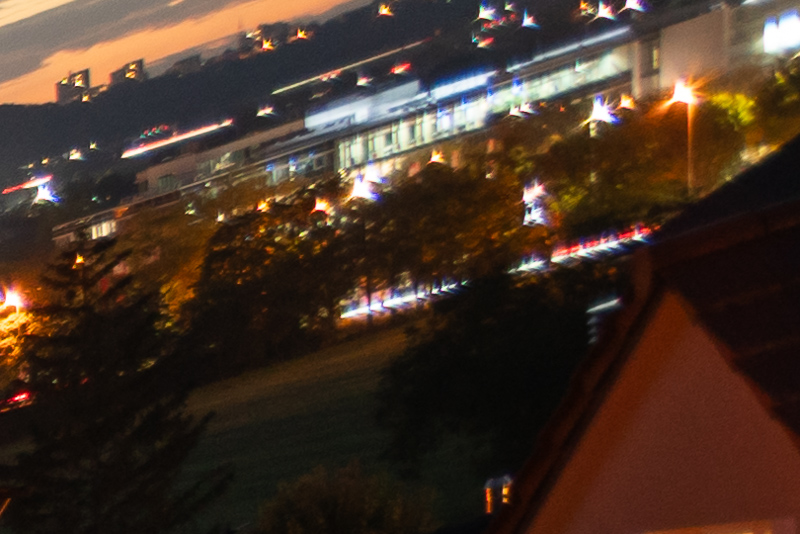
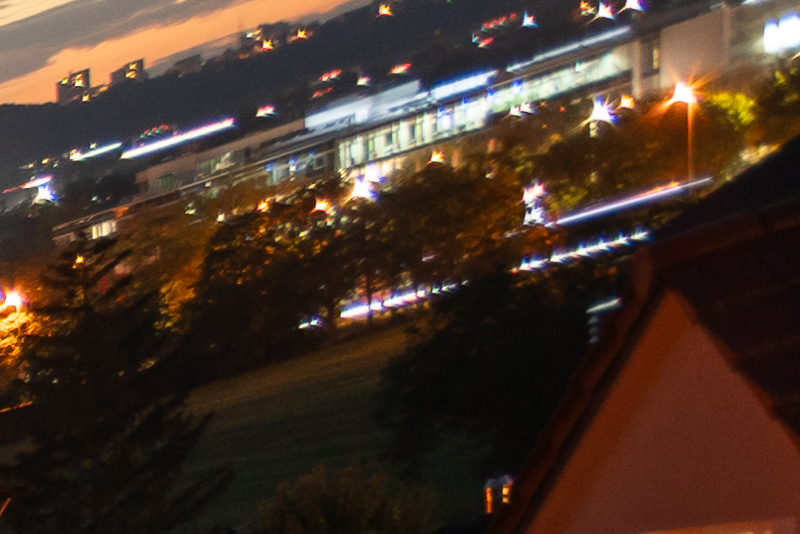
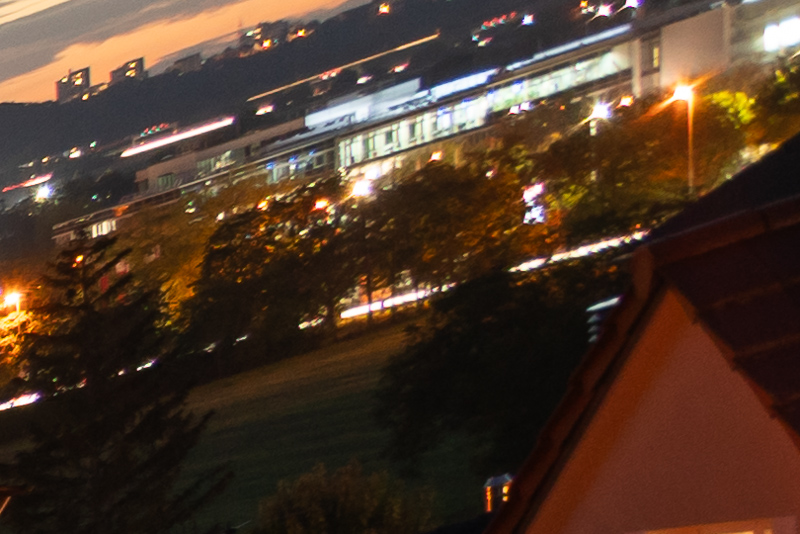
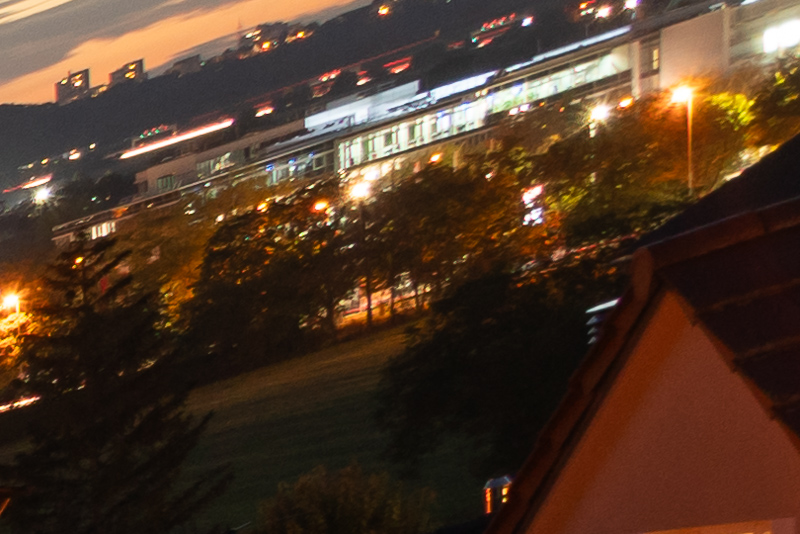
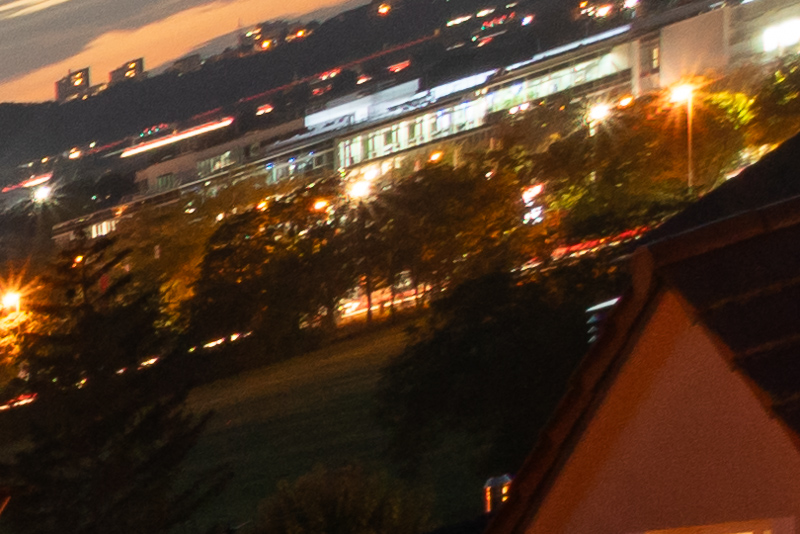
There is a decent amount of special glass in this lens and in this category it sure shows. At 18mm there is only minor coma at f/3.5 but already by f/5.6 it is pretty clean. This is a much better performance than all the 17mm to 18mm primes are showing (Tokina 17mm 3.5 SL, Tokina 17mm 3.5 AF AT-X Pro and Zeiss 18mm 3.5 ZF).
At the 35mm end coma ain’t high either, but as we have already seen in the sharpness section, stopping down to f/11 is advisable for actually good corner performance in the corners here.
Distortion







In a way, this Nikon AF-S 18-35mm 3.5-4.5G was a bit ahead of its time, as it already featured some wavy distortion that needed correction. Something true for pretty much every zoom lens these days.
We see stronger wavy barrel distortion at the wide end and as we zoom towards 35mm it decreases to only a small amount barrel distortion.
As you can see, the correction profiles in e.g. Lightroom, Photoshop or – if you are using a modern Nikon camera – directly in camera correct this perfectly.
Bokeh

A slow ultra wide angle zoom is obviously not the right choice if you are after shallow depth of field photography. Nevertheless the short minimum focus distance allows to create some bokeh even at the 18mm end. Here the bokeh is also surprisingly nice, the Zeiss 18mm 3.5 for example looks significantly worse.
Sunstars
18mm

35mm
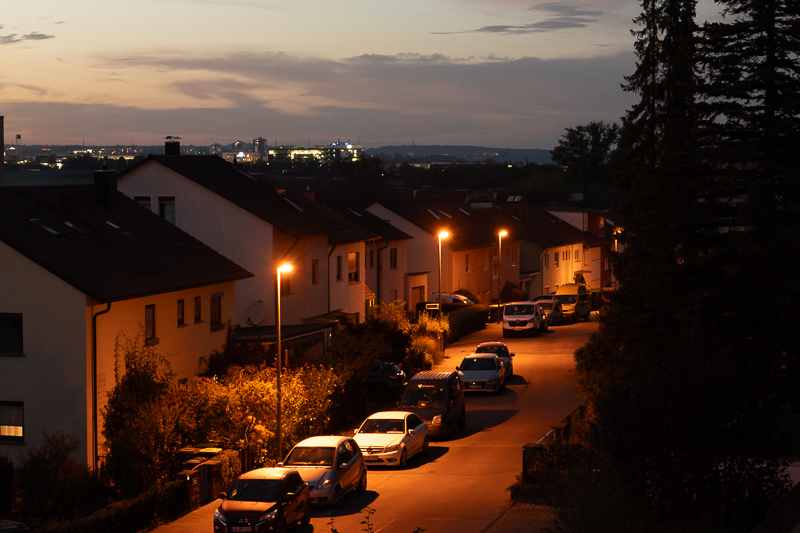
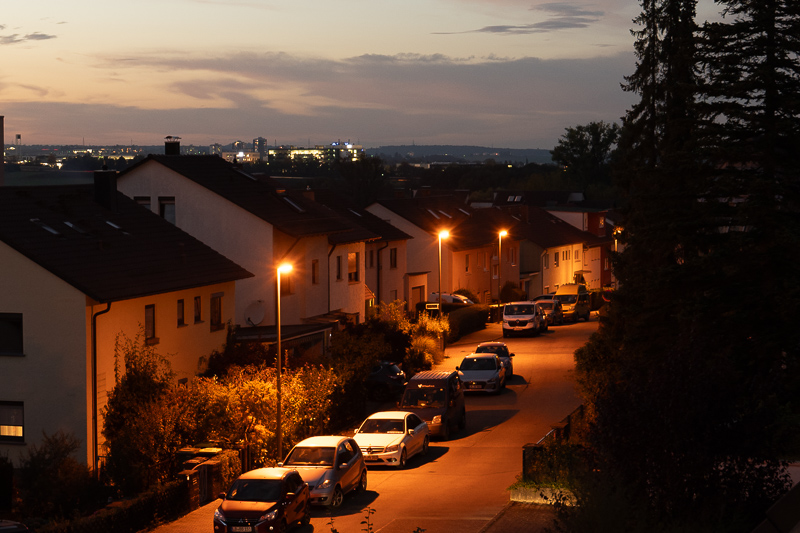
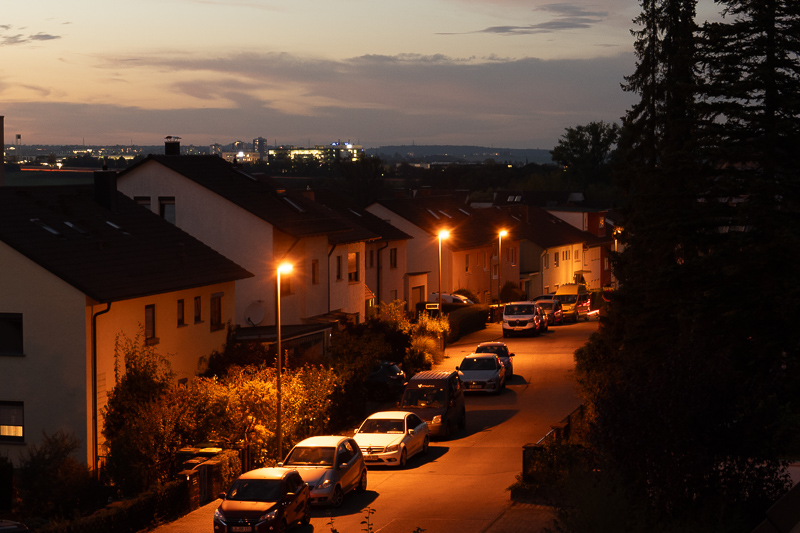
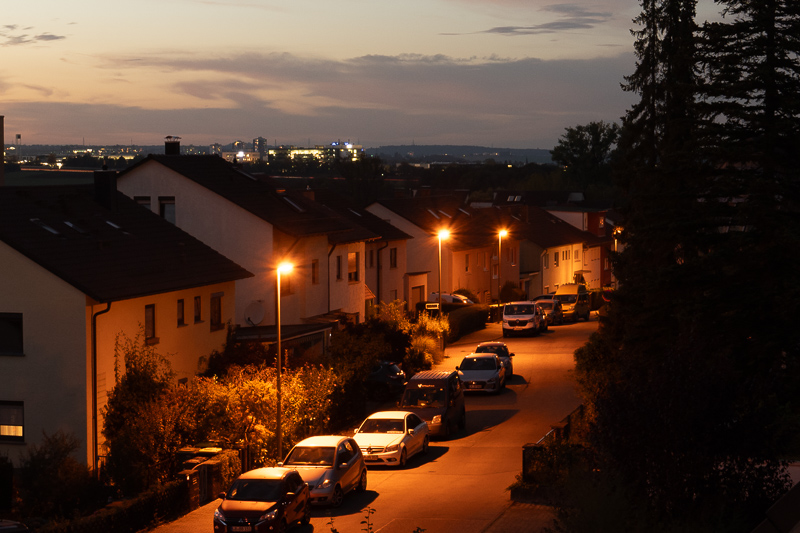
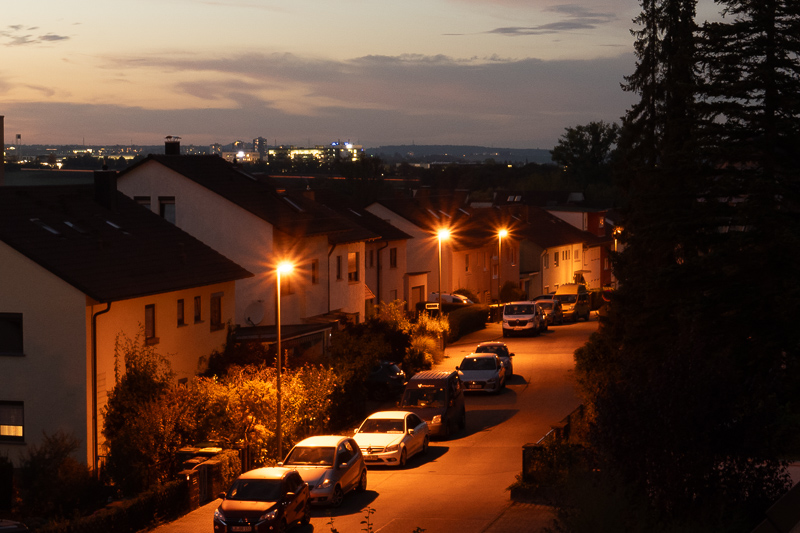
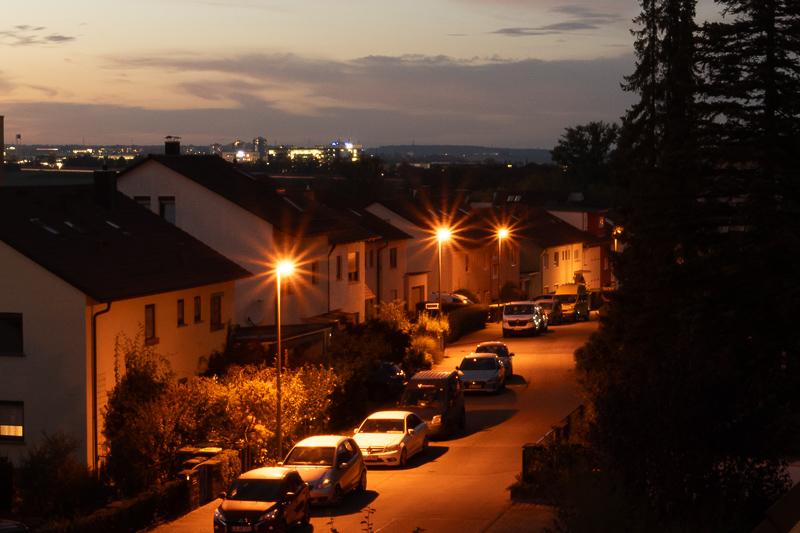
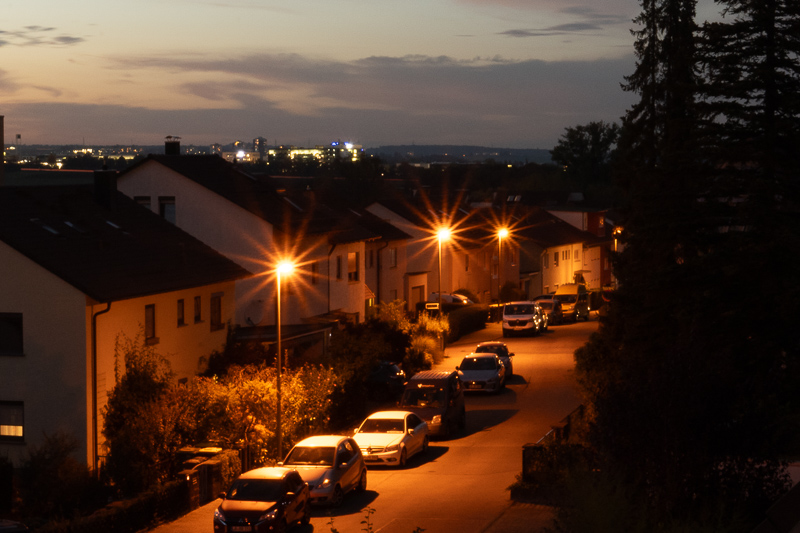
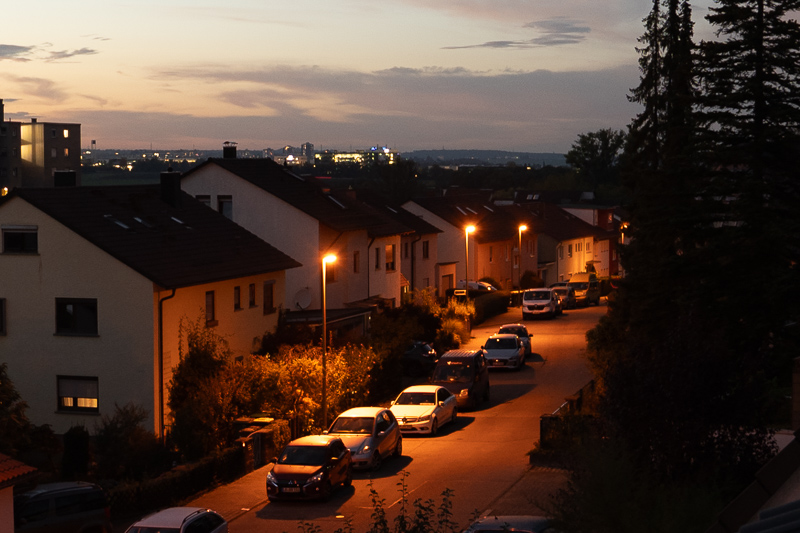
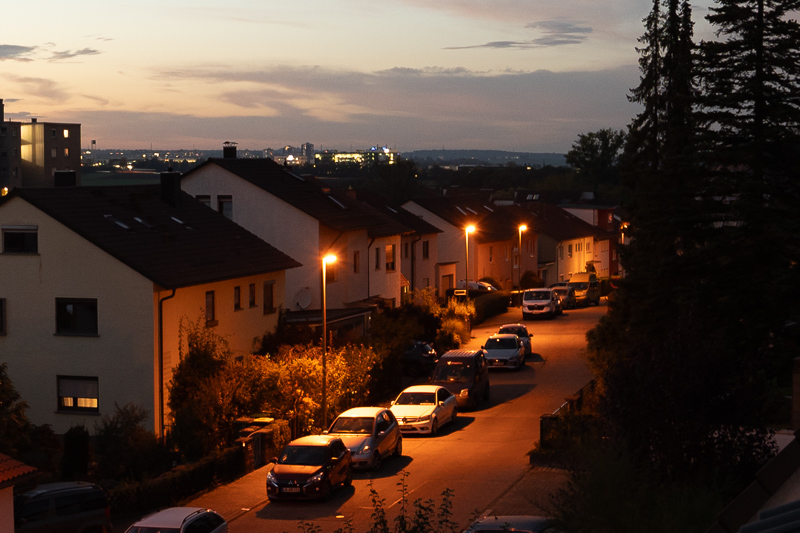
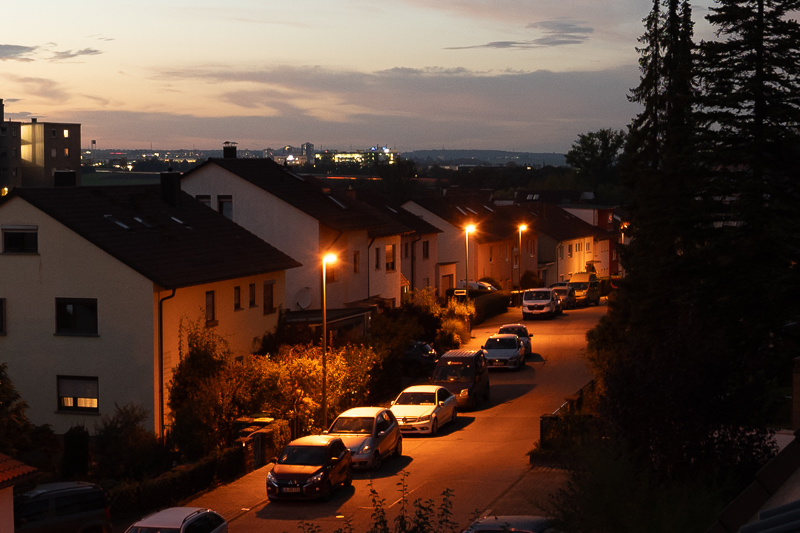
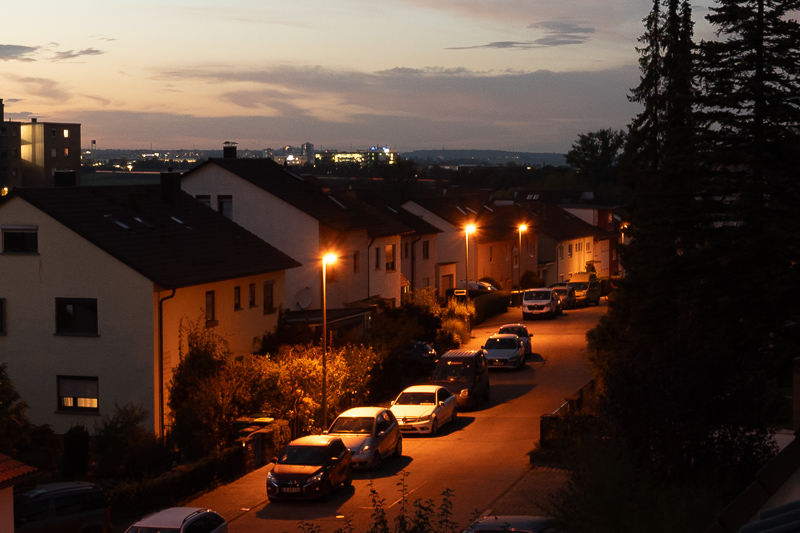
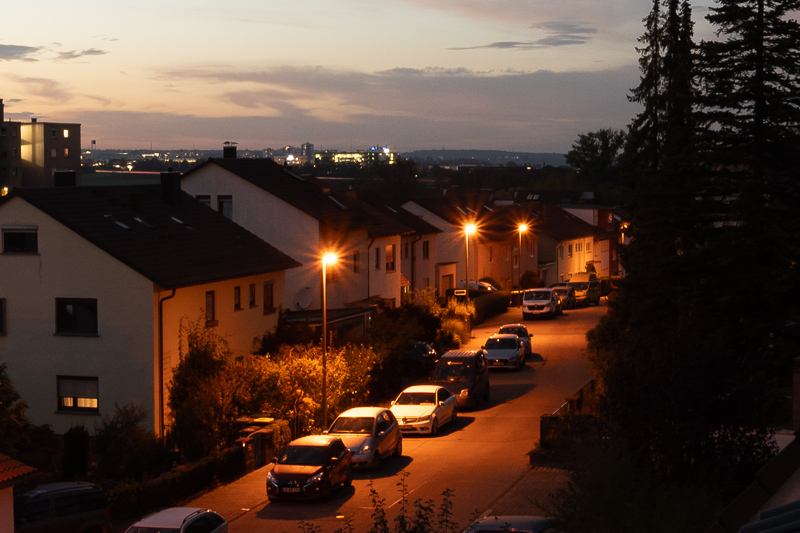
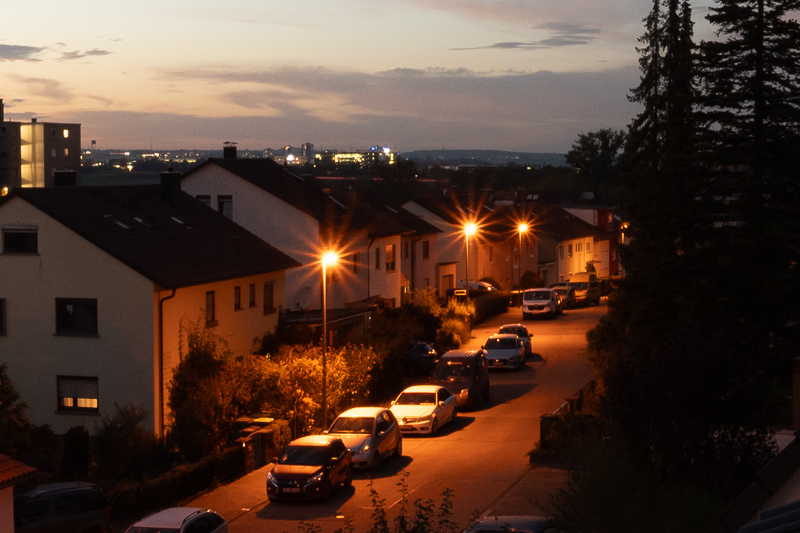
I have said it many times, Nikon’s seven blade aperture diaphragms are a bit hit and miss in this category. With this 18-35mm lens stopping down a lot is needed for somewhat decent sunstars. At the 18mm end we need at least f/16 and at the 35mm end f/22. Problem is, that puts us far into diffraction territory, so this isn’t the ideal lens if you are into after nice sunstars.
As this is a highly subjective topic may have a look at this article to see which kind of sunstars you prefer.
Chromatic Aberrations
lateral
18mm

35mm


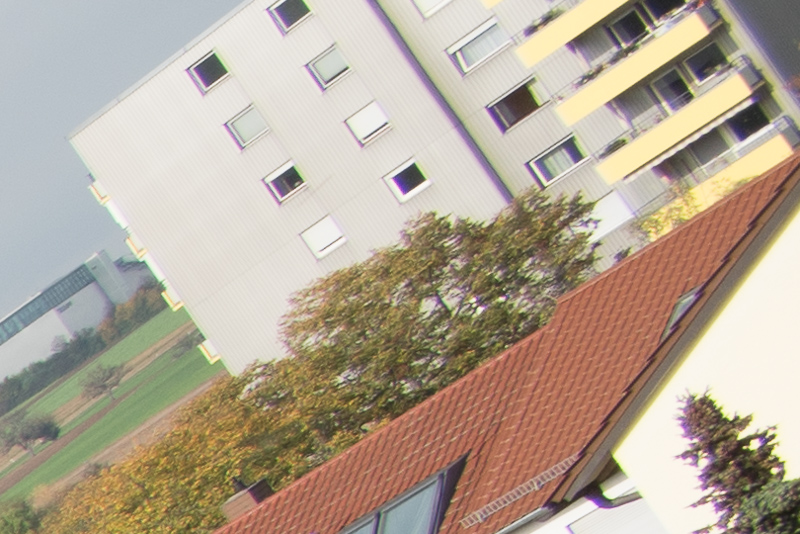
Ultra wide angle lenses are often prone to showing a high amout of lateral CA, but this isn’t really the case here. We only see a small to medium amount at the 18mm end as well as at 35mm. Since the D300/D3 era Nikon corrects these automatically in camera for Jpegs anyway and any decent raw converter like Lightroom can fix these by just one click.
longitudinal
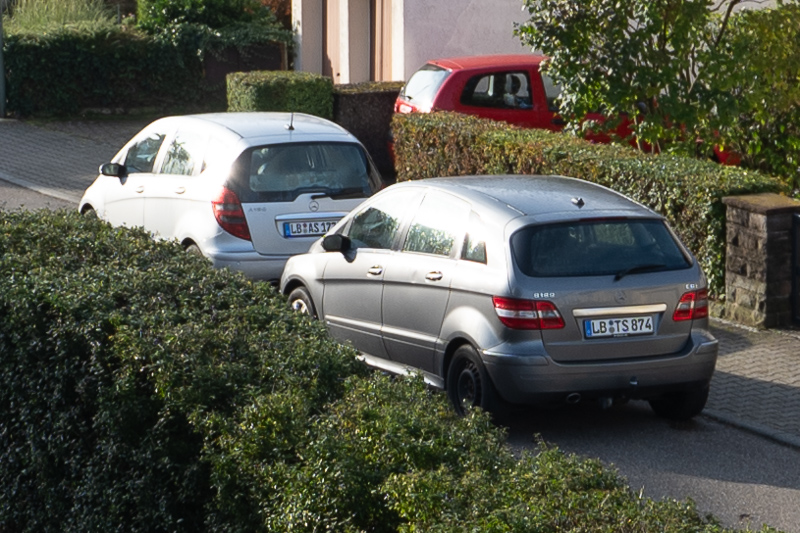
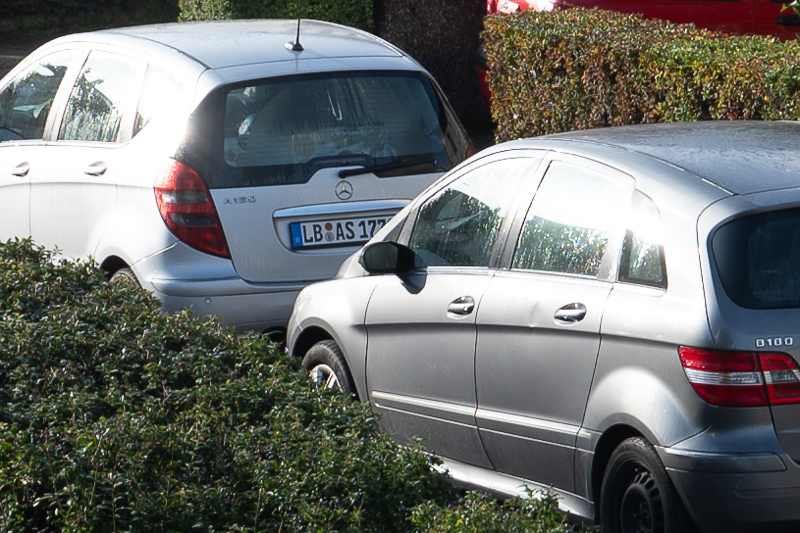
Because of the parameters bokeh fringing isn’t really something to worry about and also purple fringing hardly exists. Again a better performance here than what I have seen from the Tokina 17mm 3.5 AF AT-X Pro.
Conclusion
good
|
average
|
not good
|
Towards the end of the DSLR era Nikon released this Nikon AF-S 18-35mm 3.5-4.5G as an affordable entry level ultra wide angle zoom for fullframe cameras. It came just in time for the Nikon D600, which was released a bit earlier. Only starting at 18mm and lacking the gold ring as well as the nano coating of the higher end F-mount lenses, many dismissed it though, probably because they expected corners have also been cut in terms of optical performance.
In fact, this was not the case. Not at all actually. Especially at the 18mm end this cheap zoom lens not only rivals, but beats most of the ultra wide angle primes in the 17-18mm range in the F-mount world. Especially the good flare resistance is something you rarely saw at that time in ultra wide angle lenses, let alone zoom lenses.
The regular readers know, when it comes to ultra wide angle lenses, mirrorless designs have a big advantage (have a look at the Tamron 17-28mm 2.8), so I doubt there are a lot of people who would still consider this Nikon lens today to adapt it to a Z-mount camera, but I cannot tell you any 18mm lens that performs this well and you can get for $200. And you get some additional focal lengths on top of that for free.
buy from ebay.com | ebay.de (advertisement/affiliate links) starting at $200 (used)
Alternatives
As usual, I will only talk about the most obvious alternatives here. You can find many more ultra wide angle options in our 9-18mm Ultra Wide Angle Guide.
F-mount
Nikon AF-S 16-35mm 4.0G VR:
I have used the 16-35mm in the past. Thanks to today’s cameras with IBIS, an in-lens VR has become pretty useless in ultra wide angle lenses. On top of that it isn’t very effective here anyway. The image quality at 16mm also isn’t stellar and neither is the flare resistance. Considering all that, if you can live with 18mm instead of 16mm, this cheaper Nikon AF-S 18-35mm 3.5-4.5G is the better performing lens.
buy from ebay.com | ebay.de (advertisement/affiliate links) starting at $350 (used)
Tokina 17-35mm 4.0 AT-X Pro FX / atx-i FF:
I haven’t used this lens personally yet. As all the Tokina lenses from that era I have used so far have awful flare resistance I am also not overly keen on changing that. I do expect a more solid build quality here though.
In 2020 the AT-X Pro FX has been replaced by the atx-i FF. From all I can see the optical design remains unchanged, I don’t know if there have been hidden changes like improved flare resistance.
buy from Amazon.com | Amazon.de | B&H | ebay.com | ebay.de (advertisement/affiliate links) for $399 (new) or starting at $190 (used)
If – due to the lack of decent F-mount ultra wide angle prime lenses – you are mainly interested in the wide end of this zoom lens, also the few ~18mm primes might be an alternative. Here we have the Nikon AF 18mm 2.8D, the Zeiss 18mm 3.5 ZF.2, the Tokina 17mm 3.5 AF AT-X Pro and the even older Tamron 17mm 3.5 AF and Sigma 18mm 3.5. The situation is simple here, this Nikon AF-S 18-35mm 3.5-4.5G outperforms all these prime lenses and is lighter than most of them on top of that. So even if – like me – you don’t care about the 19-35mm range, this zoom is still the better choice.
Z-mount and E-mount
Nikon/Tamron 17-28mm 2.8:
For E-mount Tamron released the Tamron 17-28mm 2.8 Di III RXD which is a very solid performer. You can also get the same lens with Nikon branding and Nikon branding surcharge for your Z-mount camera. It is a stop faster and slightly wider but tops out on 28 instead of 35mm.
This is the affordable, compact ultra wide angle zoom of the mirrorless age and therefore the spiritual successor to this Nikon AF-S 18-35mm 3.5-4.5G.
buy the Nikon branded version for Z-mount from amazon.com | amazon.de | B&H | ebay.com | ebay.de (advertisement/affiliate links) for $1199 (new)
buy the Tamron branded version for E-mount from amazon.com | amazon.de | B&H | ebay.com | ebay.de (advertisement/affiliate links) for $799 (new)
Further Sample Images








Many of the sample images in this review can be found in full resolution here.
Further Reading
- All Lens Reviews
- Review: Laowa 9mm 5.6
- Review: Nikon AF-S 24mm 1.4G
- Review: Nikon AF 85mm 1.4D
- Review: Nikon 200mm 2.0 IF-ED
Support Us
Did you find this article useful or just liked reading it? Treat us to a coffee!

 via Paypal
This site contains advertisement/affiliate links. If you make a purchase using any of the links marked as advertisement/affiliate links, I may receive a small commission at no additional cost to you. This helps support the creation of future content.


Latest posts by BastianK (see all)
- Review: Nikon AF-S 18-35mm 3.5-4.5G - October 7, 2026
- Prime Day Photoshop+Lightroom offer for Amazon Prime Members (EU/UK) - October 6, 2026
- Review: Sigma 14mm 1.4 DG Art – World’s widest f/1.4 lens - September 26, 2026
My comment isn’t directly about the lens in the article, but more about UWA lenses of that period mentioned in the article: the Tokina 17mm 3.5 (more than one optical version?) was also available under the Vivitar brand.
Magazine articles (and my own experience) repeatedly pointed out that the Vivitar branded samples tended to perform better than the Tokina branded ones, especially concerning corner sharpness.
Given apparently identical optics, could the Vivitar samples have been made with tighter tolerances or maybe were selected samples?
In any case, I consider the Vivitar 17 3.5 one of the best UWA lenses of its period, coming close to the CY/Rollei Zeiss 18mm 4.0, just with more flare.