Introduction
In the last 12 months, I have tested several 7Artisans AF lenses, and I have been pleasantly surprised every time. Most recently, I tested their amazing 135mm f/1.8 MAX.
Now, 7Artisans has introduced the second lens in its MAX series: a 10mm f/2.5 fisheye. It has at least three advantages over the fisheye lenses we have tested before: it offers autofocus, a slightly faster maximum aperture of f/2.5, and an even wider 185° angle of view.
Let’s see if this MAX lens is just as good as its sibling, the 135mm f/1.8 MAX.
 I tested this lens on a 46 Mp Nikon Z7ii (Sample images were taken with a Nikon Zf)
 You can see this review as a YouTube video here!
 Sample images in high resolution here.
Disclosure
7Artisans kindly provided this lens for testing and review purposes.
Sample Images
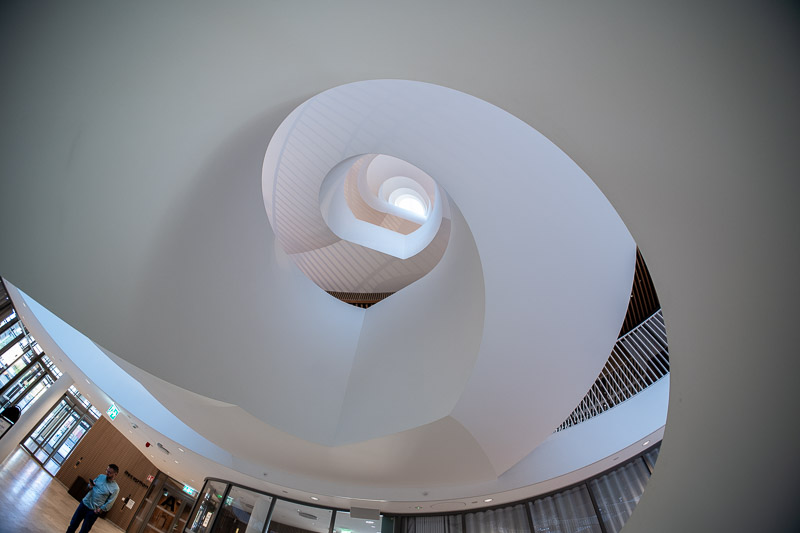
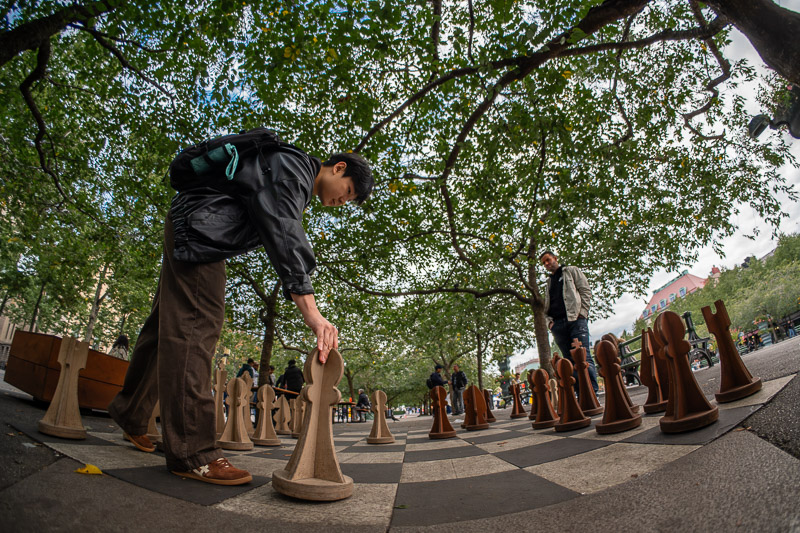
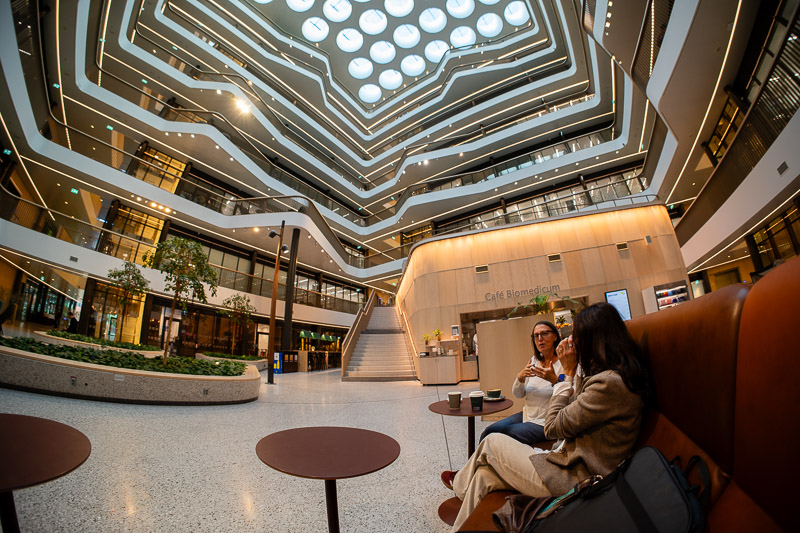
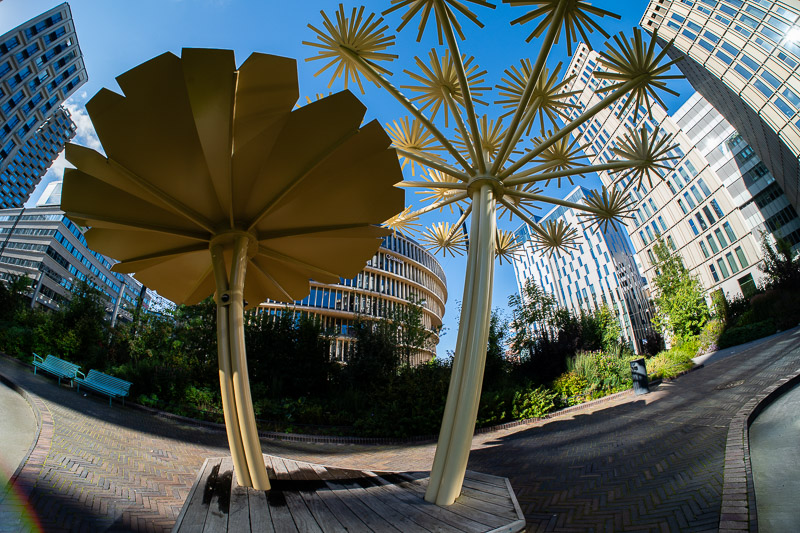
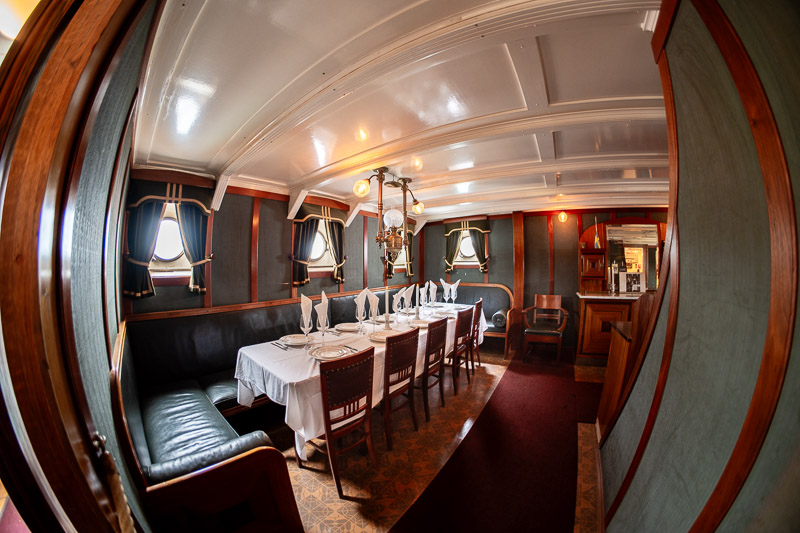
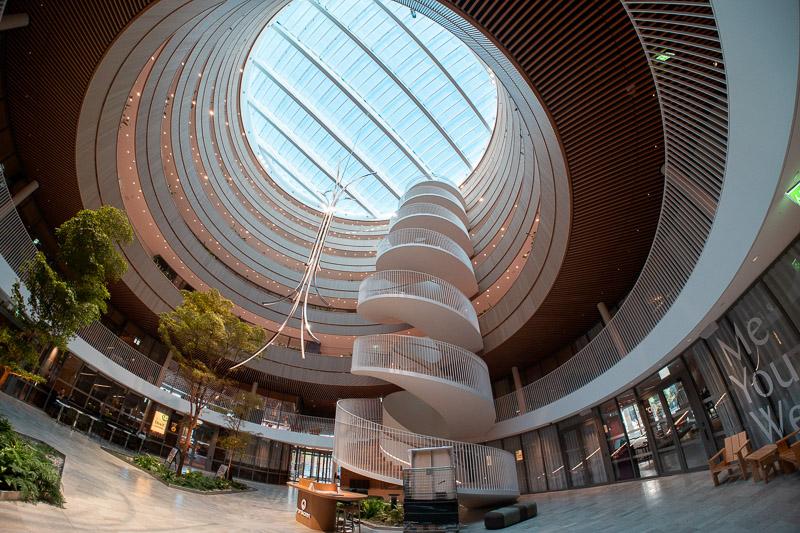
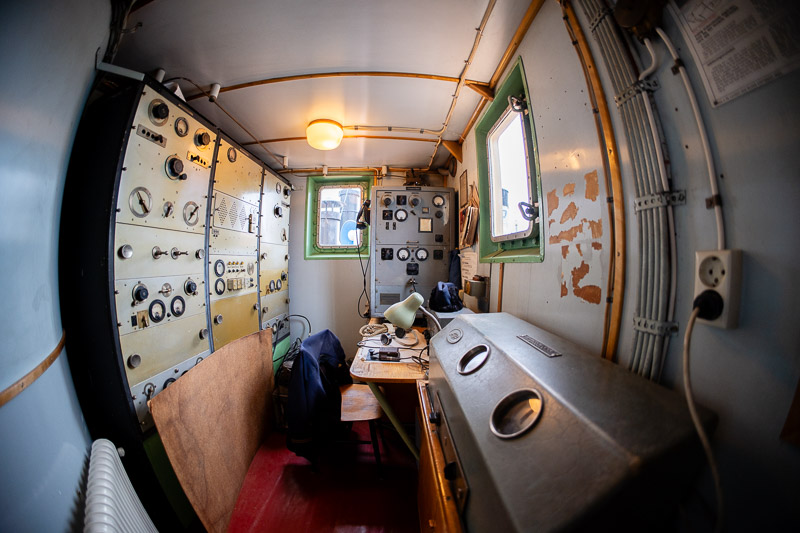
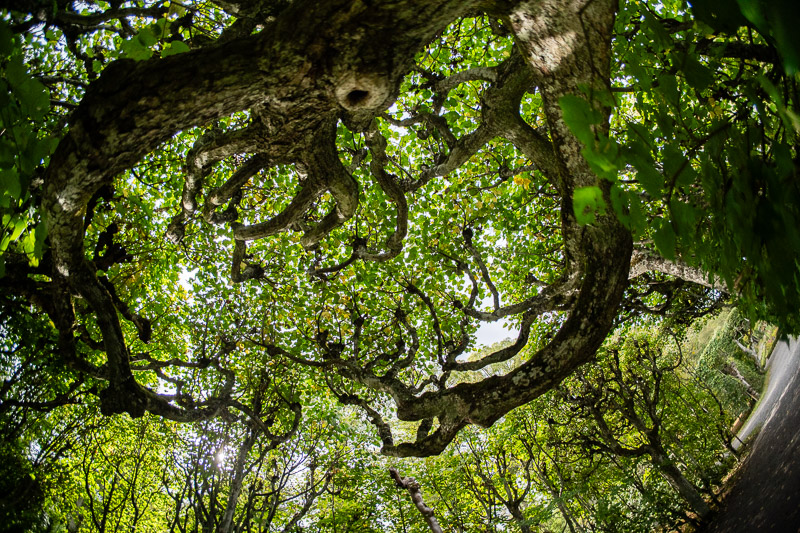
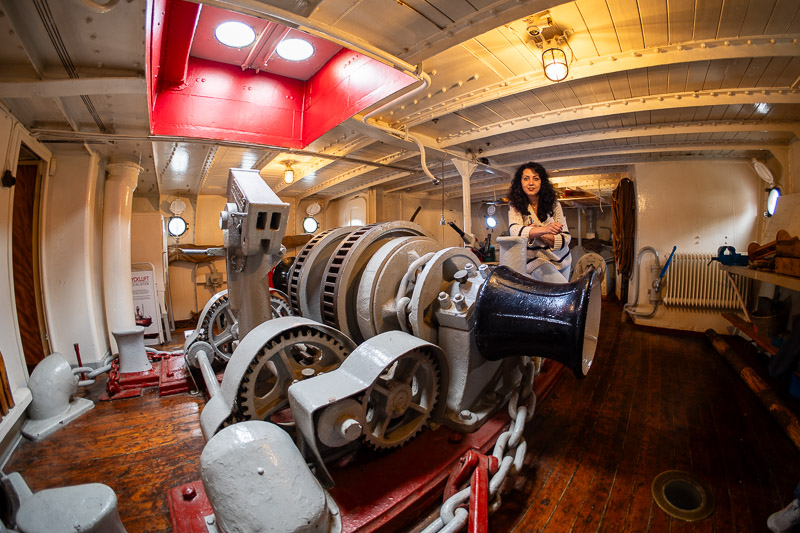
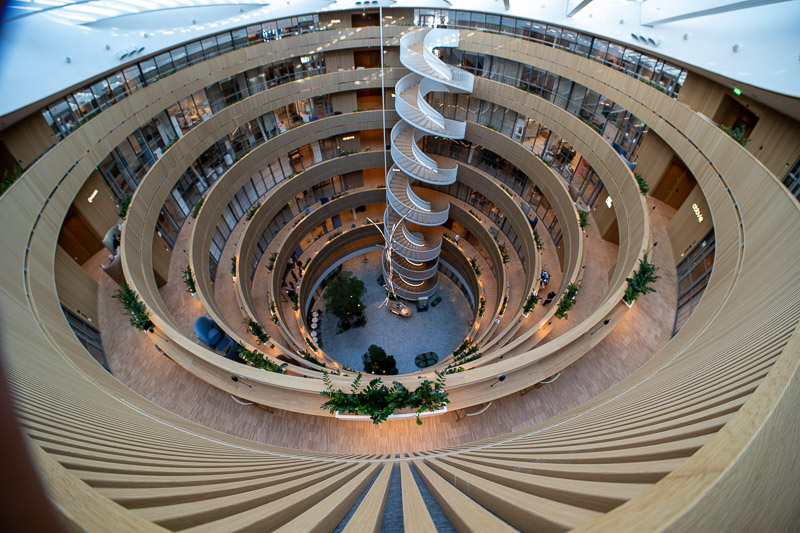
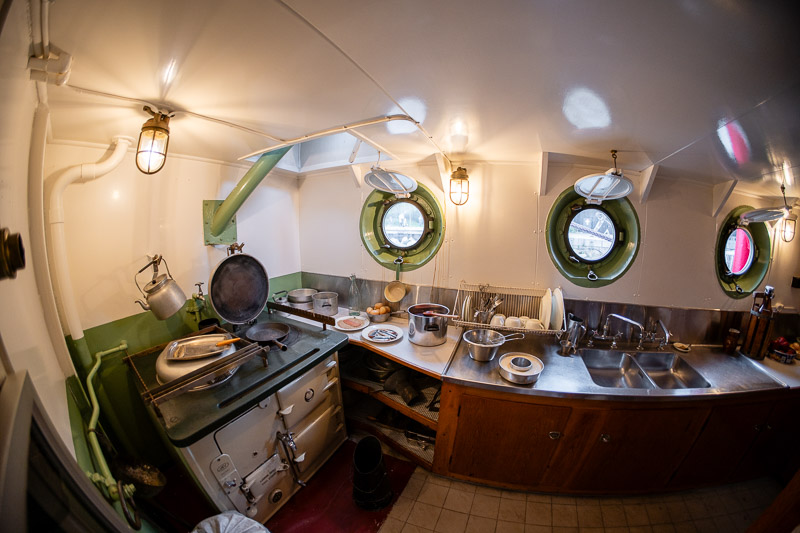
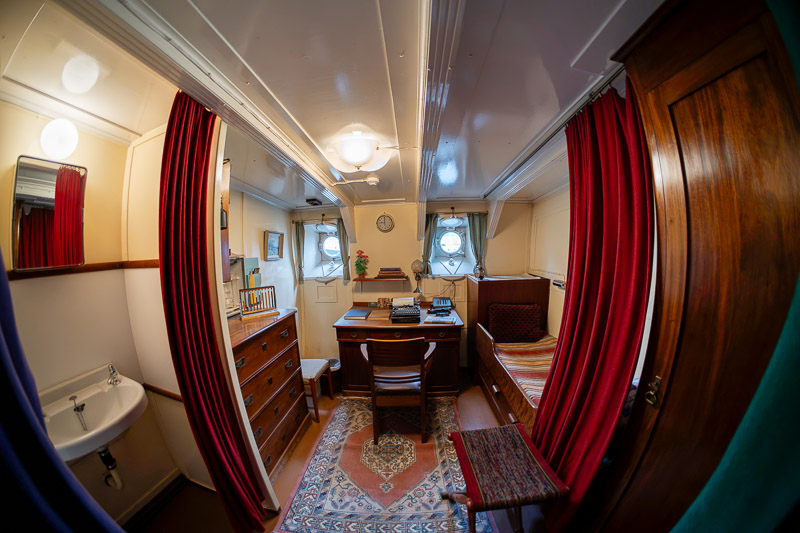
Most of the sample images in this review and many more can be found in higher resolution here.
Specifications
| Focal Length | 10mm |
| Angle of View | 185° |
| # of Aperture Blades | 9 pcs |
| Max Aperture | F/2.5 |
| Min Aperture | F/16 |
| Min Focus Distance | 0.15 m |
| Filter Size | – |
| Lens Mount | E / Z / L |
| Weight | ≈504g (E) |
| Size (D x L) | Φ76 x L94 mm |
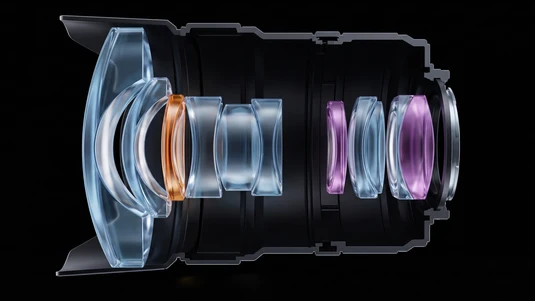
| Elements/Group | 11 elements in 8 groups (2 ED + 1 Asph.) |
| Where to Buy:
New: 7Artisans store, Amazon (anywhere), B&H for $404 to $499 (Affiliate links) |
Handling and Build Quality
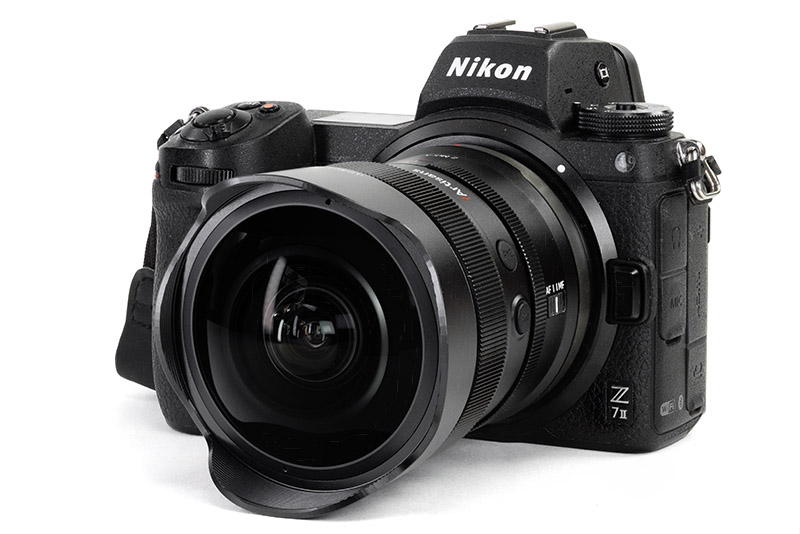
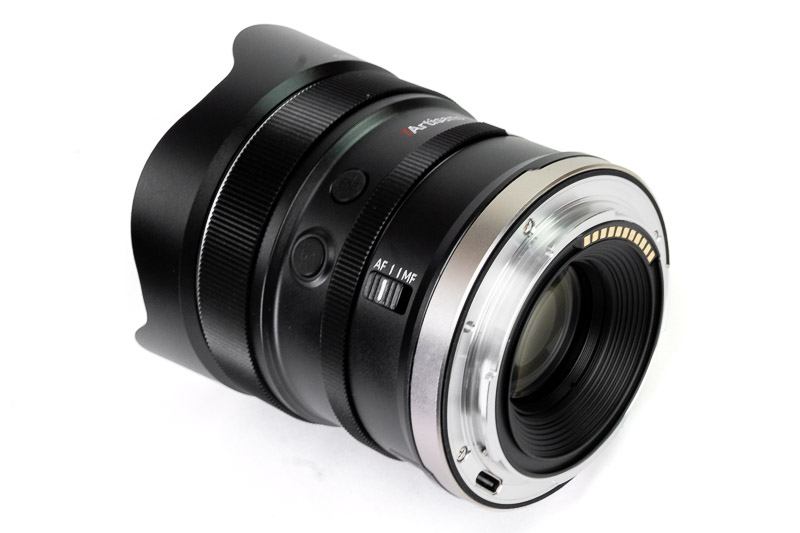
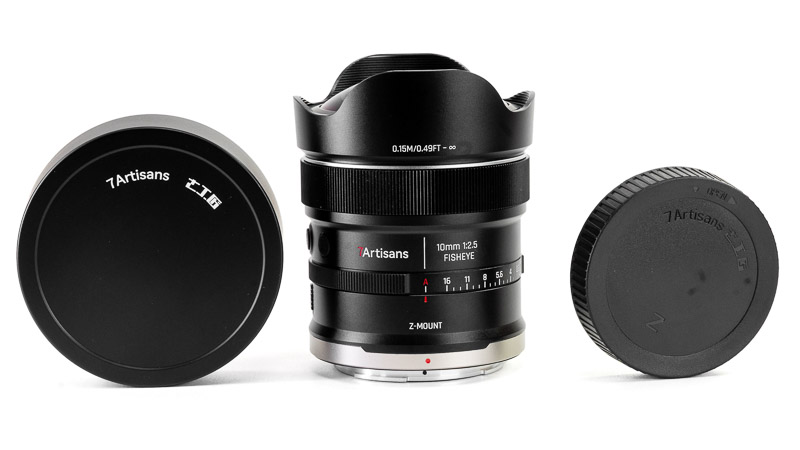
The 7Artisans 10mm f/2.5 Fisheye MAX has an all-metal body, which makes it feel dense and heavy in the hand. There is a USB-C port on the mount plate for firmware updates, as well as a weather-sealing gasket.
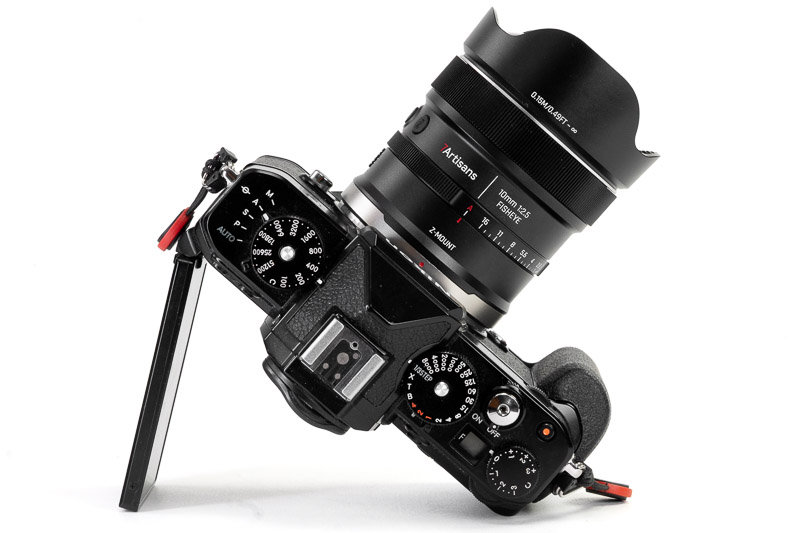
The aperture ring is marked and clicked in one-third-stop increments from f/2.5 to f/16, with an A position for automatic aperture control by the camera. The A position has no locking mechanism, making it easy to accidentally knock the ring out of this position.
There is an AF-MF switch plus two customizable function buttons (Fn1 and Fn2). Fn1 supports customizable functions for quick access to frequently used features. The Fn2 button functions as a preset focus tool, allowing you to store two focus distances, A and B, in the lens’s internal memory and switch focus between them at the press of a button.

The manual focus ring is made of metal, like the rest of the lens, and turns smoothly. Manual focusing is focus-by-wire, meaning there is no mechanical coupling between the focus ring and the focusing mechanism.
Autofocus is accurate, but its speed is only average, which is not an issue for a fisheye lens.
The front element has an anti-smudge coating designed to repel fingerprints, water stains, and oil residue. The box includes a plastic front cap that fits tightly and stays securely in place, as well as a standard hard-plastic rear cap. The lens has a fixed, petal-shaped hood, and there is no way to attach a filter to the lens.
Optical Features
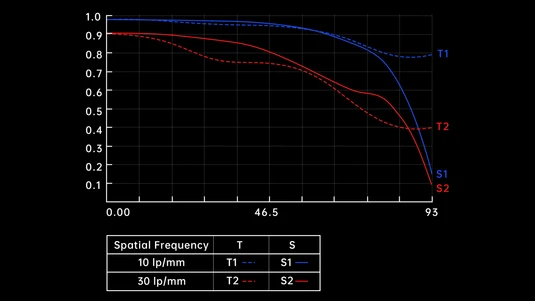
The MTF chart promises impressive sharpness and contrast in the center and midframe, with significantly weaker performance in the corners. Let’s see if the real-world results live up to those expectations.
Sharpness (Infinity)
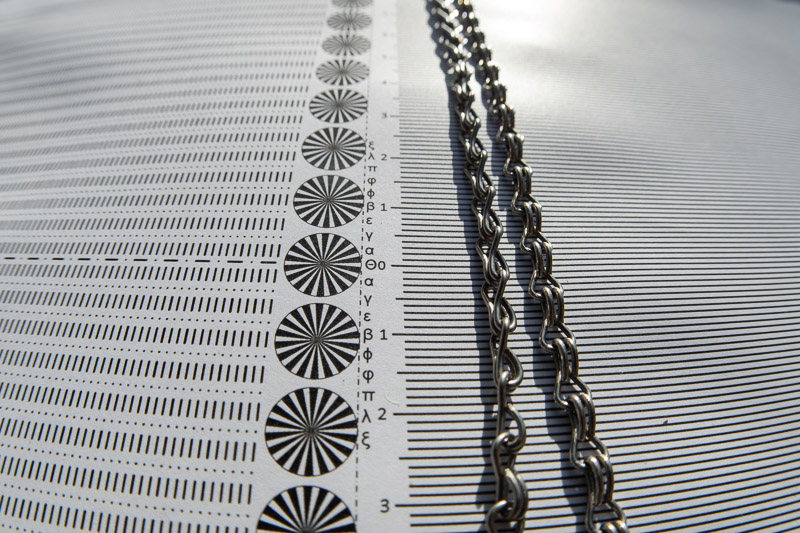
For the infinity sharpness test, we’ll look at three areas of the image — center, mid-frame, and corner — as highlighted below. Focus was set on the center of the image!
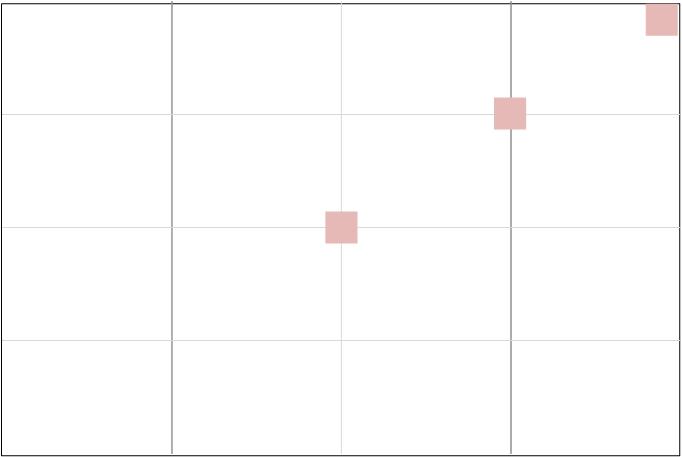
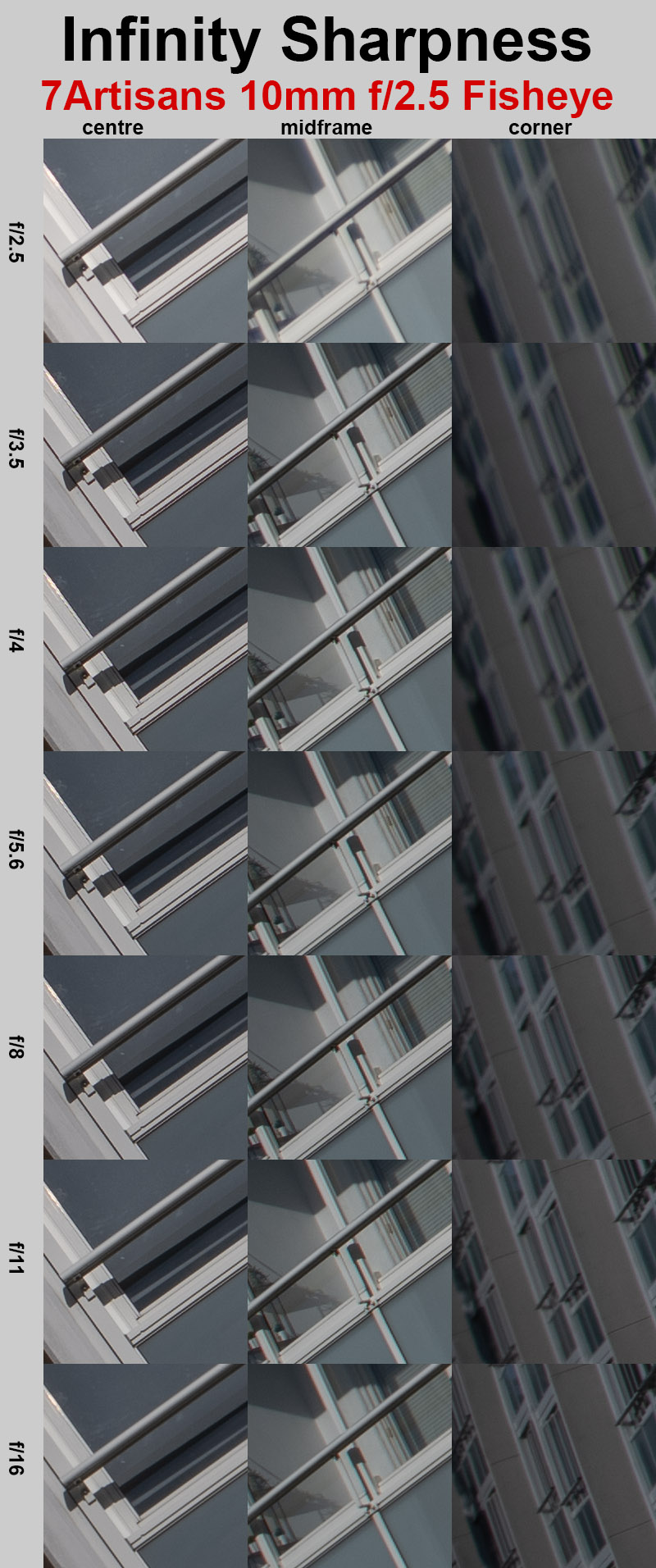
I focused on the center of the image.
Wide open at f/2.5, center sharpness is excellent, and the midframe is very good, although the corners are soft.
Just one stop down, midframe sharpness is also excellent. However, the corners need to be stopped down to between f/8 and f/11 to become reasonably sharp.
Color fringing is visible from the midframe to the corners.
Sharpness (Close-up)
For close-up testing, I focused on the center and only included a 100% center crop.
Close-up sharpness is amazing and remains excellent from f/2.5 to f/11, where diffraction starts to soften the image slightly. The effect becomes more pronounced at f/16.







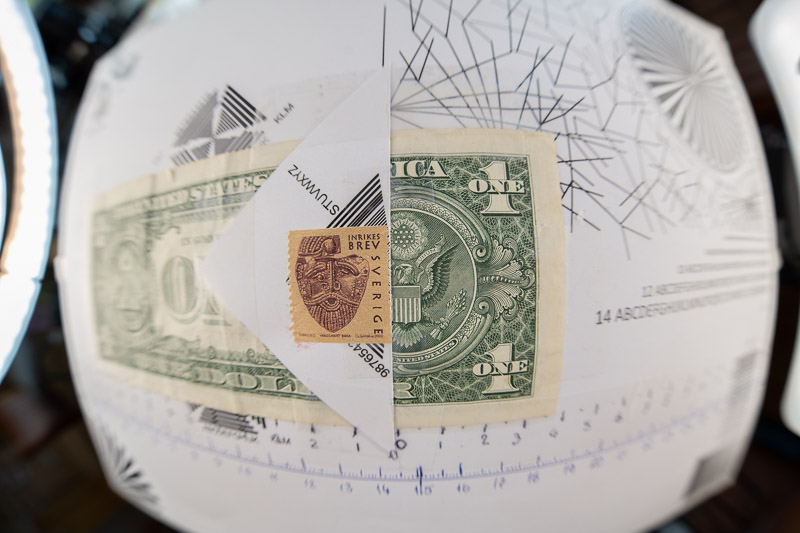
Lens Distortion
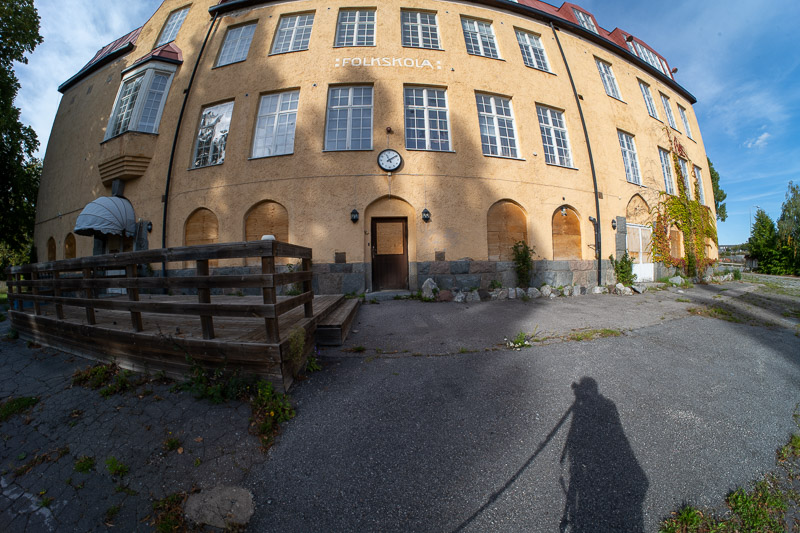
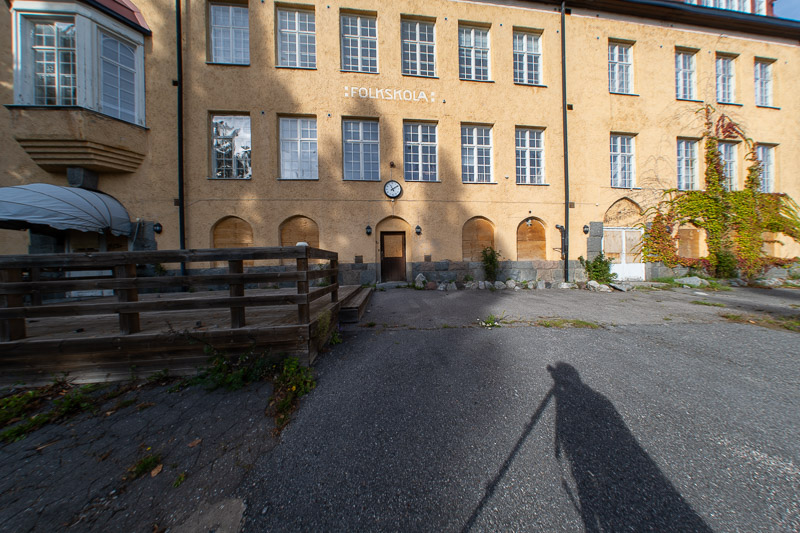
Being a fisheye lens, it should come as no surprise that this lens exhibits substantial geometric distortion; it is an inherent characteristic of fisheye lenses.
7Artisans has released an official lens correction profile that converts the image into a more natural-looking wide-angle image.
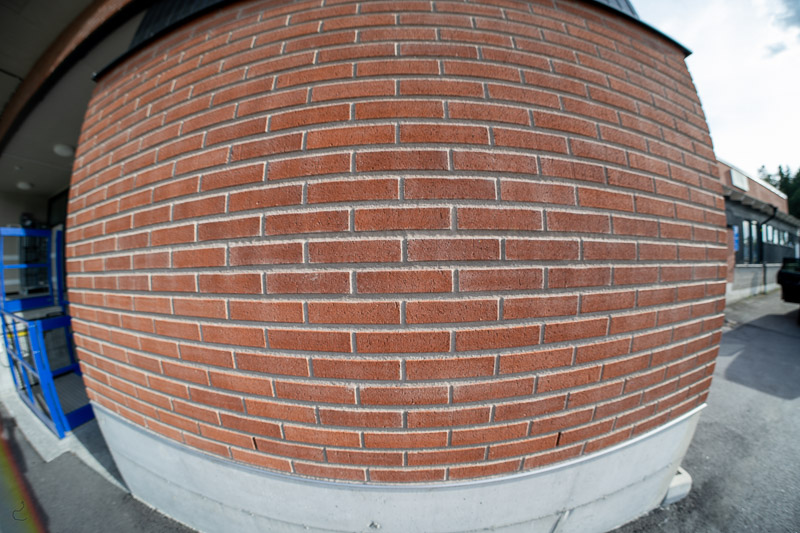
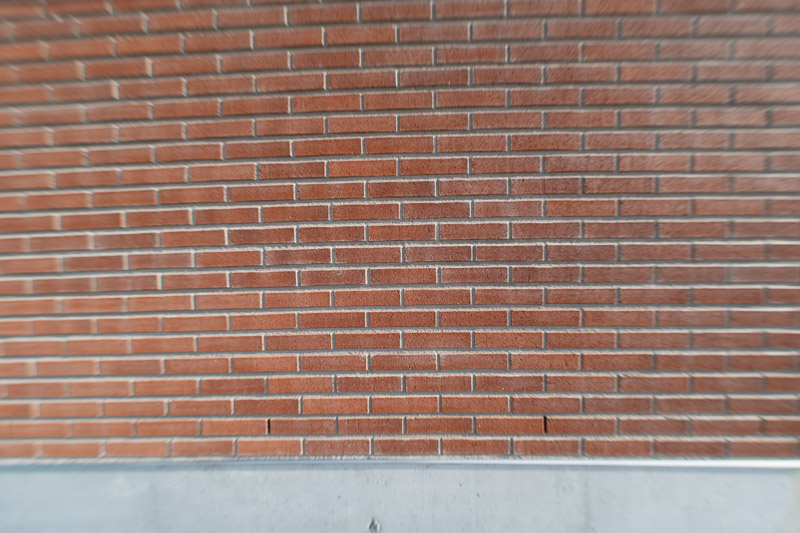
The example above may not be a typical image you would want to correct, so let’s also look at a more conventional example.
Vignetting
Measuring light fall-off with a fisheye lens is not straightforward. Nevertheless, I have attempted to measure it, although the results should be considered approximate, with some margin of error. The aim is simply to get a general idea of how much light fall-off there is.
Wide open, light fall-off is very high. At f/4, it is high, and at f/5.6, it is moderate. From f/8 onward, it is low.
- f/2.5: ≈3.1 EV
- f/4.0: ≈2.0 EV
- f/5.6: ≈1.5 EV
- f/8.0: ≈1.3 EV
- f/11: ≈1.2 EV
- f/16: ≈1.2 EV
Chromatic Aberrations
Longitudinal chromatic aberration is well controlled. Although a hint of it is visible wide open at f/2.5, it is negligible and only noticeable in extreme cases. It disappears by f/4, just one stop down.
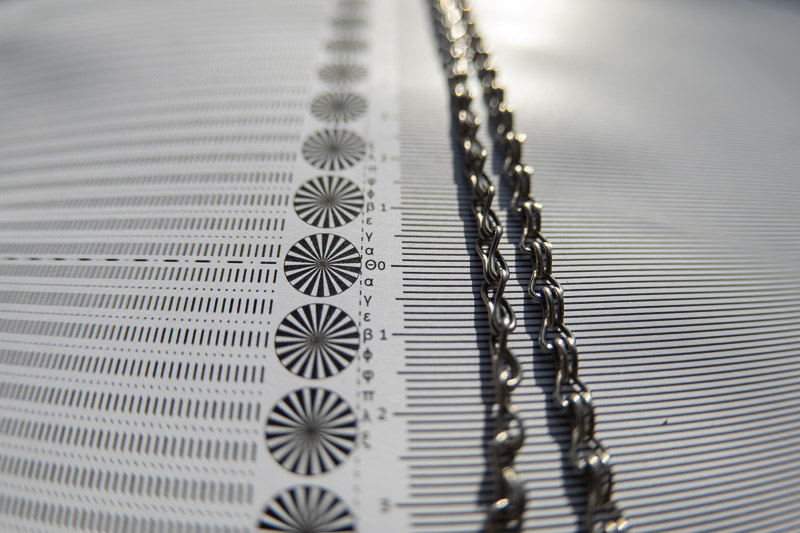
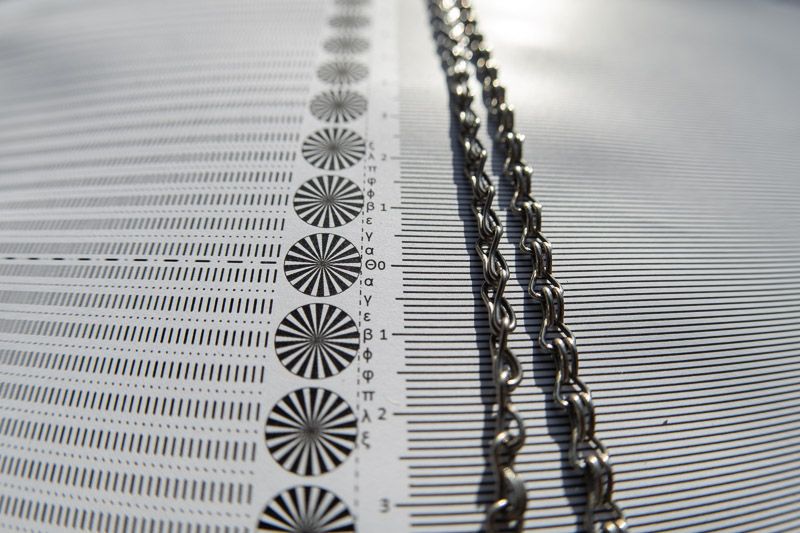
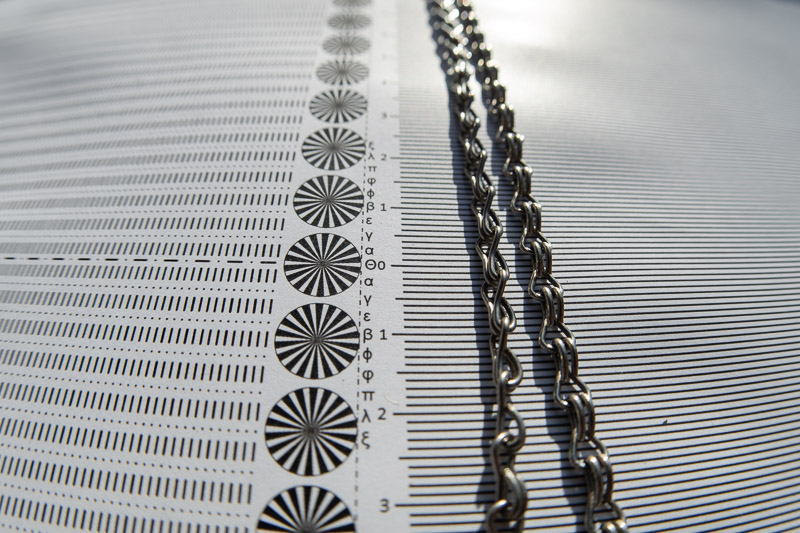
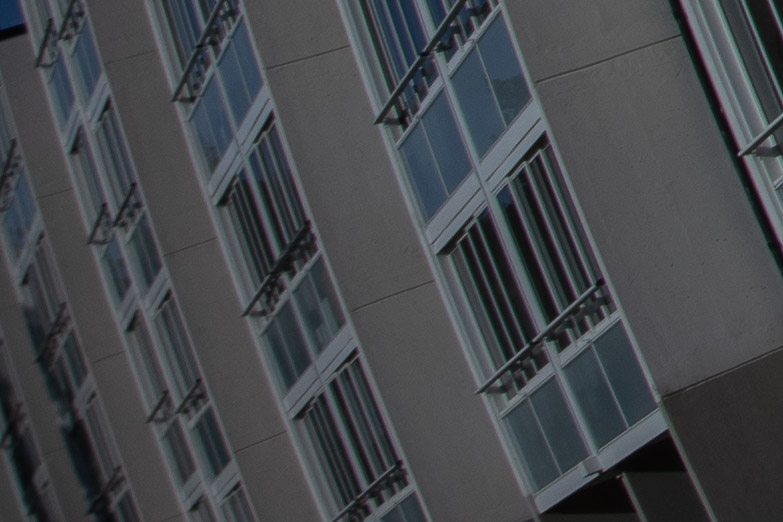
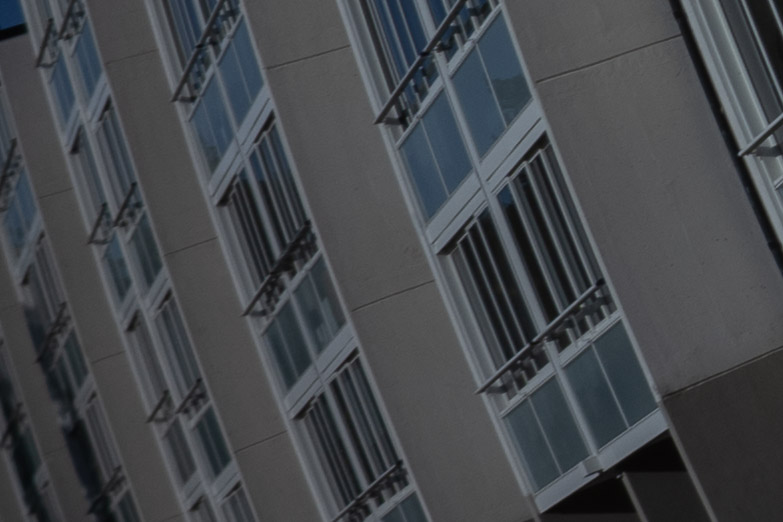
There is a small amount of lateral chromatic aberration, visible as green and purple fringing, but it is easy to correct with one click in post-processing.
Flare Resistance
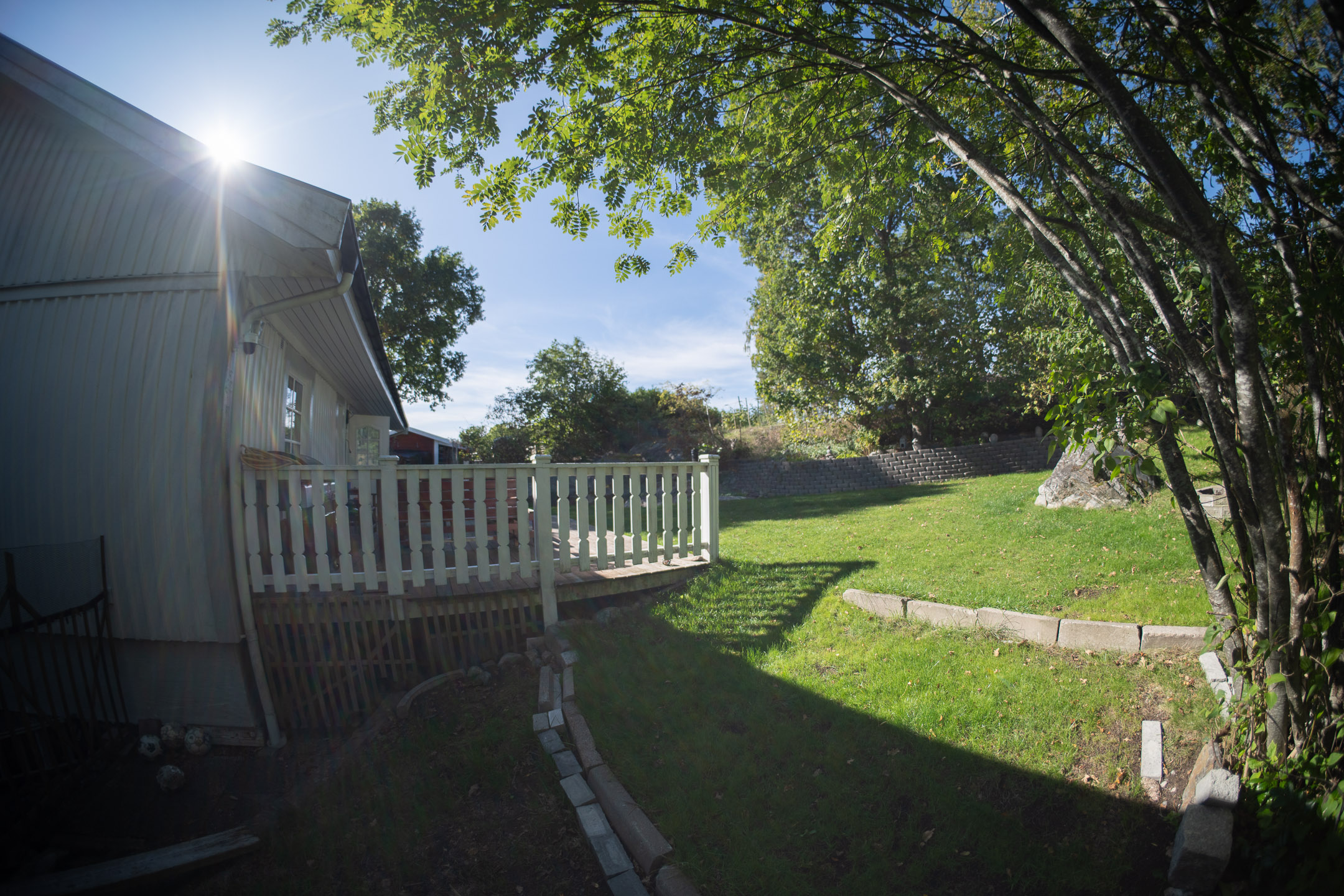
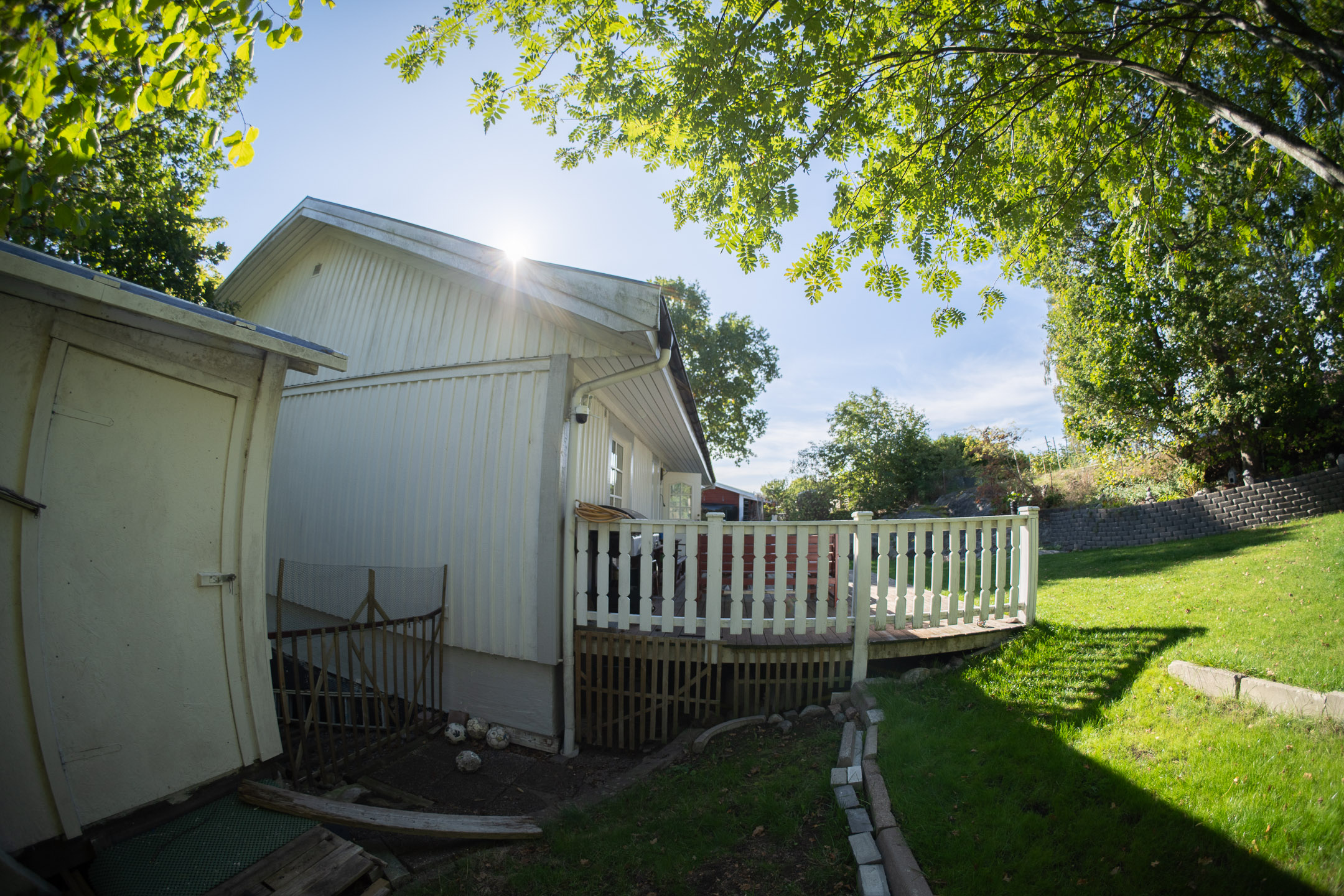
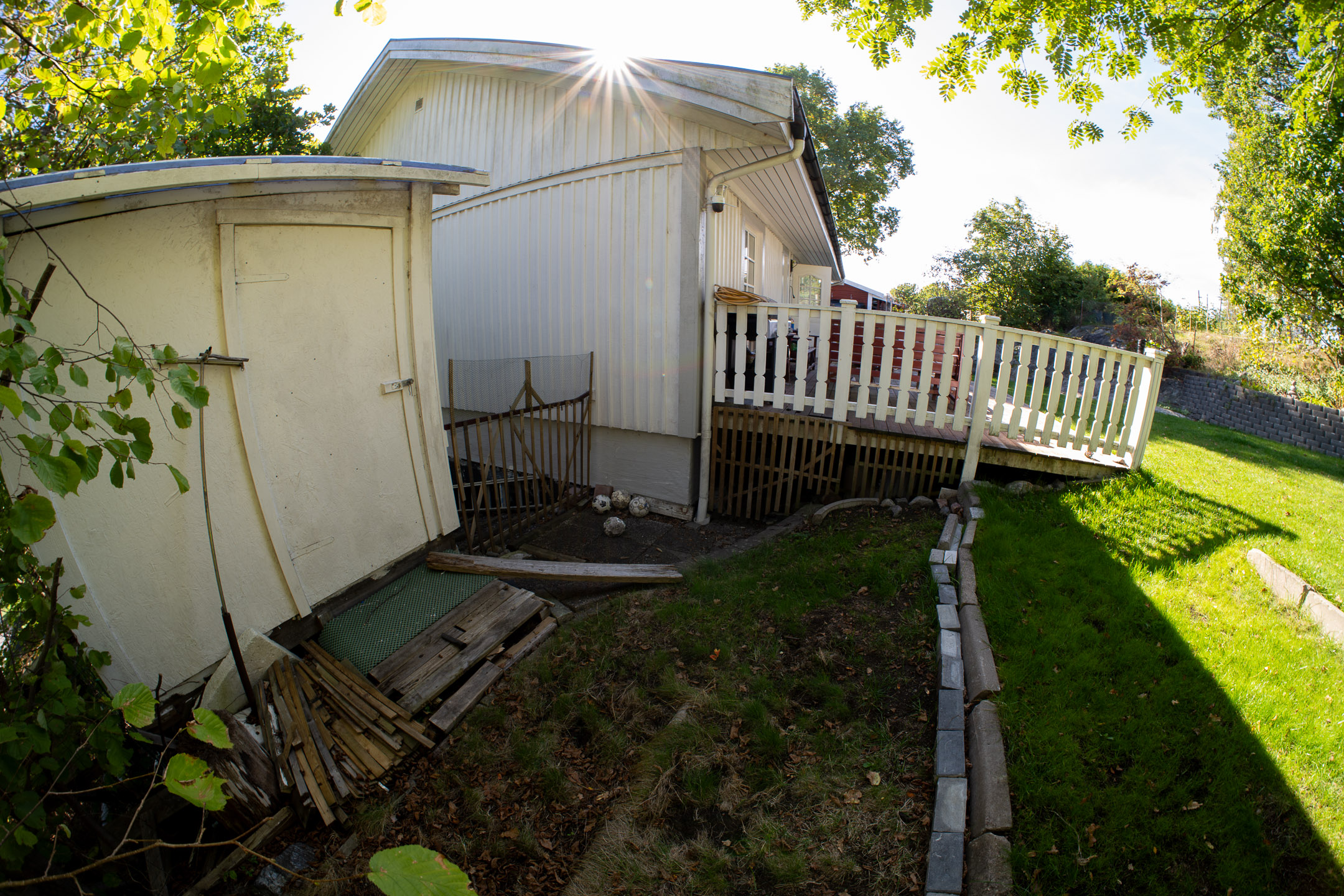
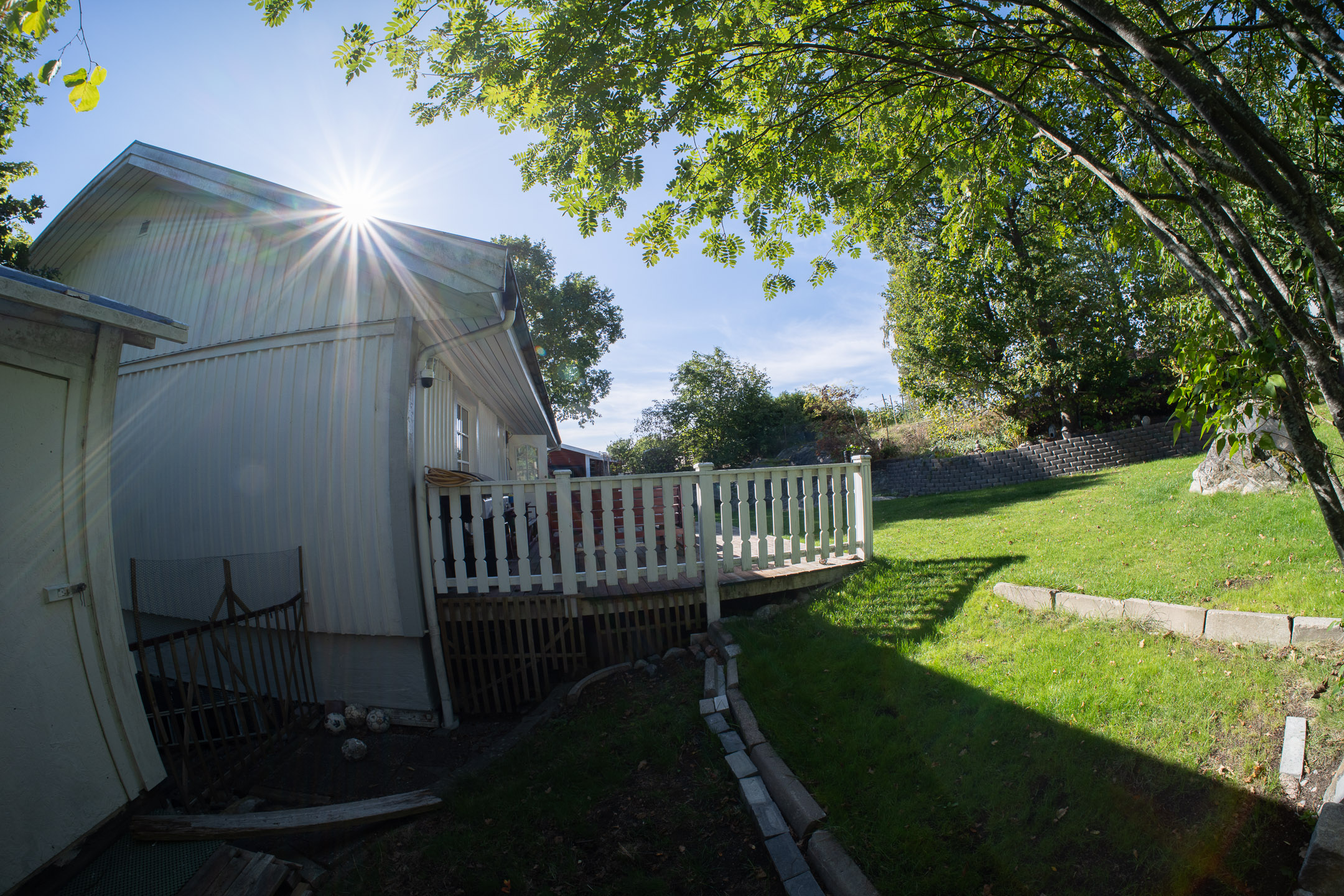
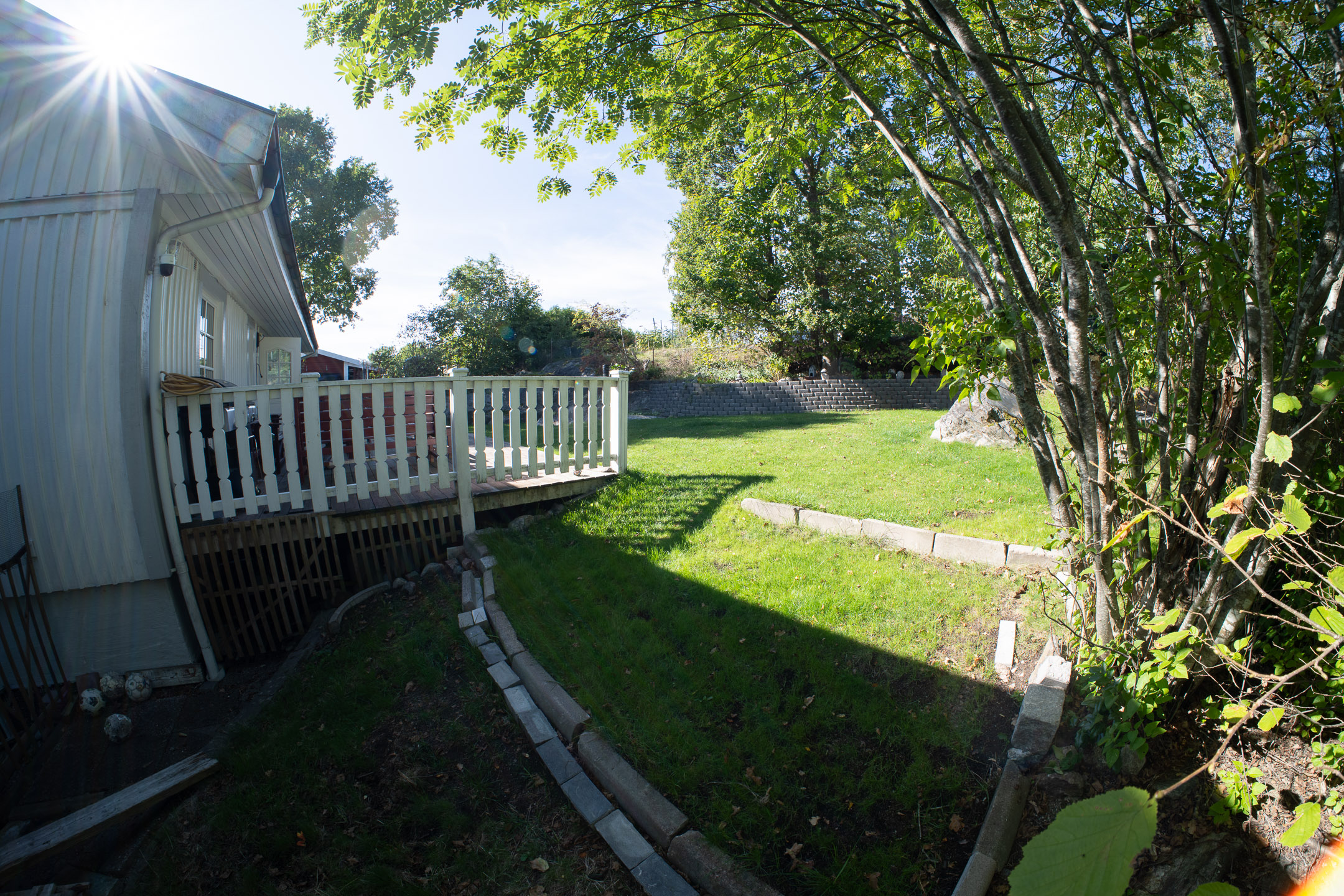
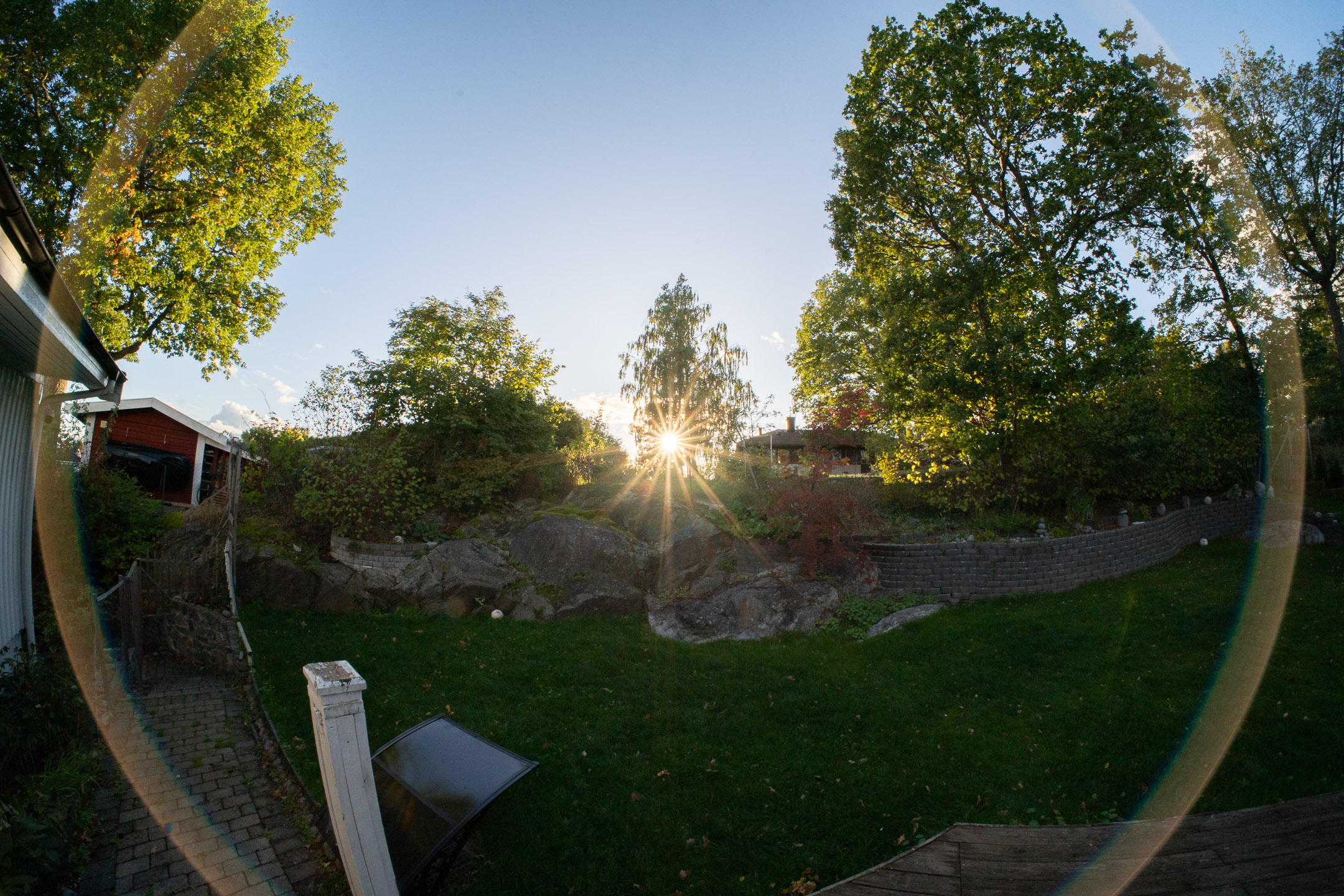
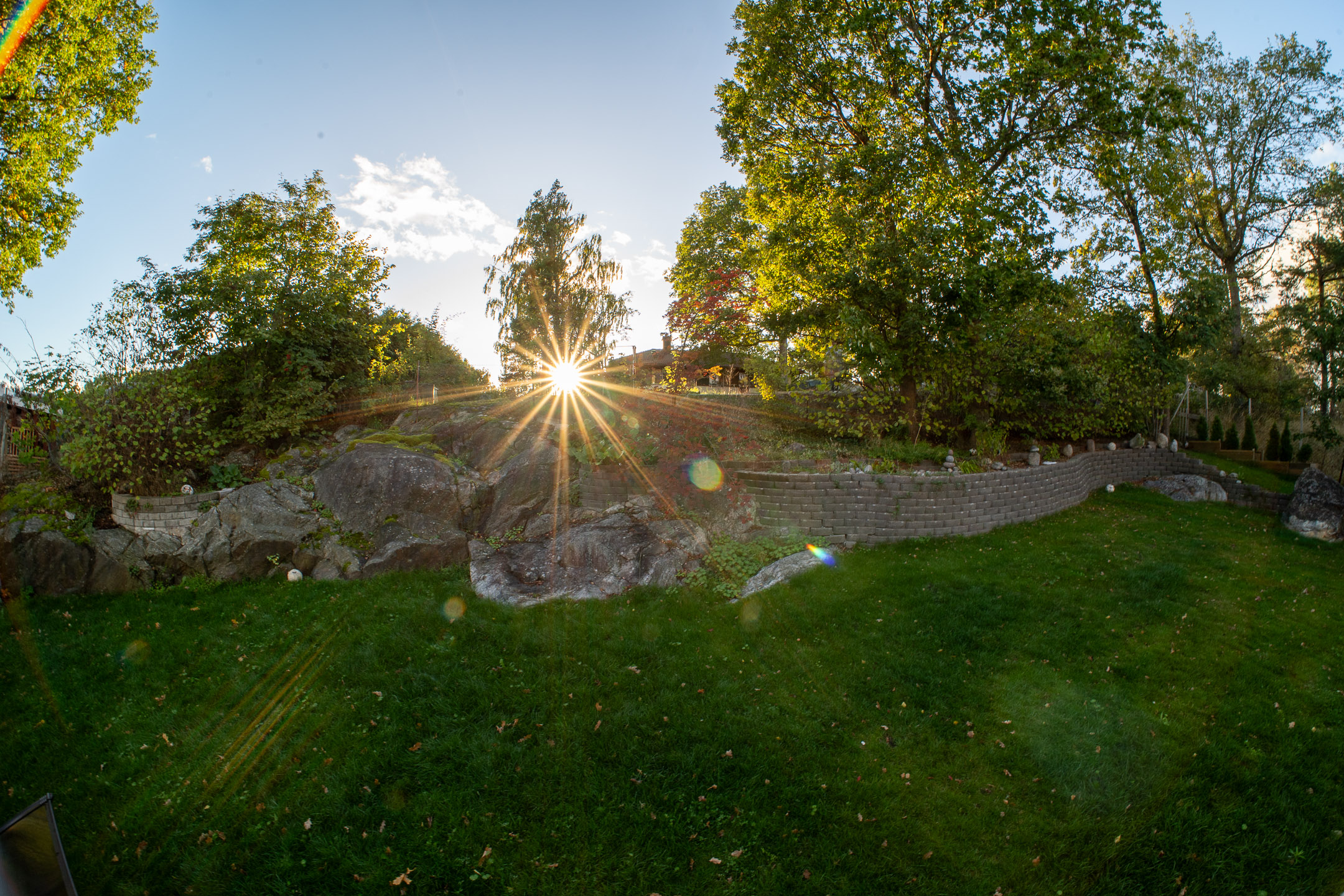
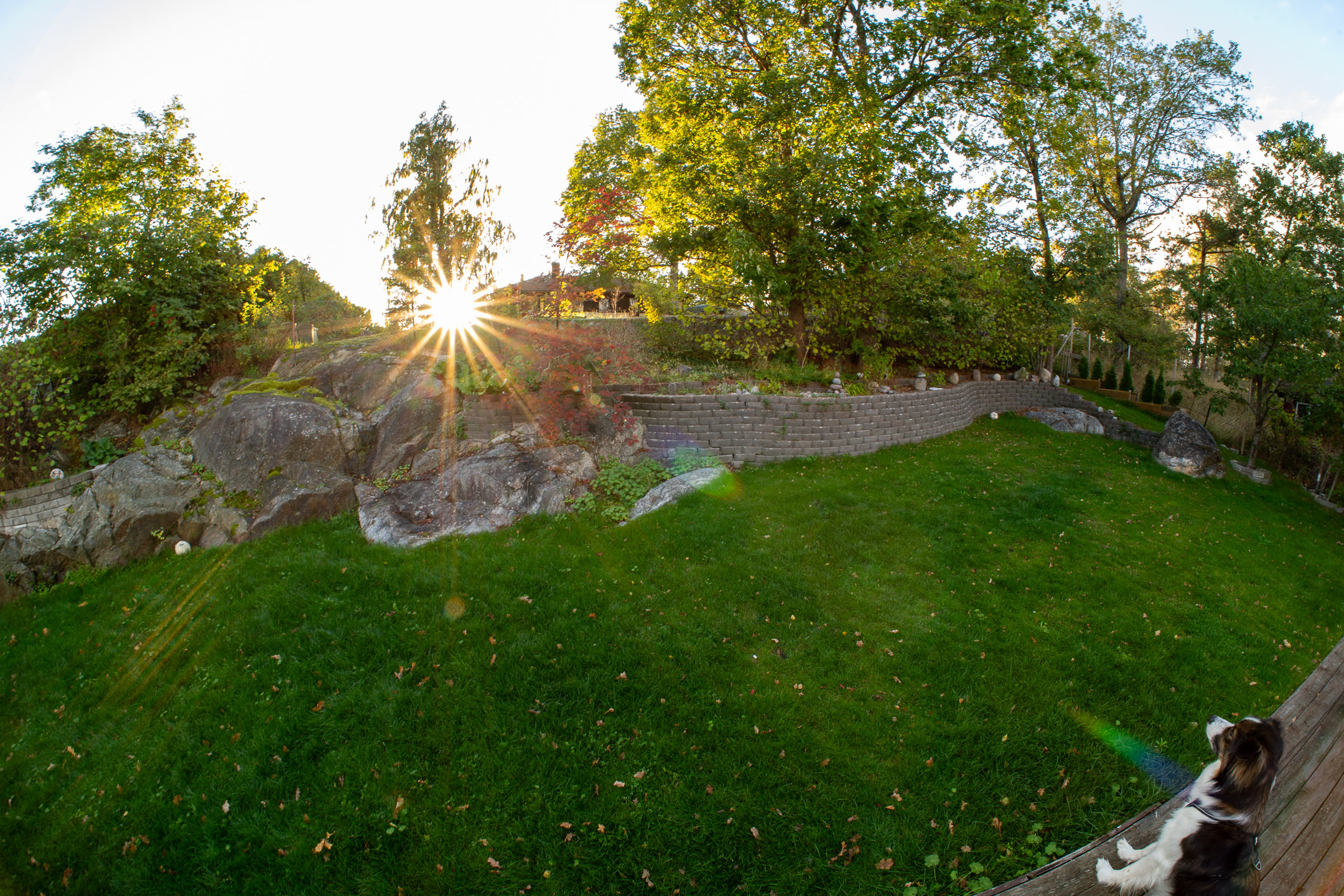
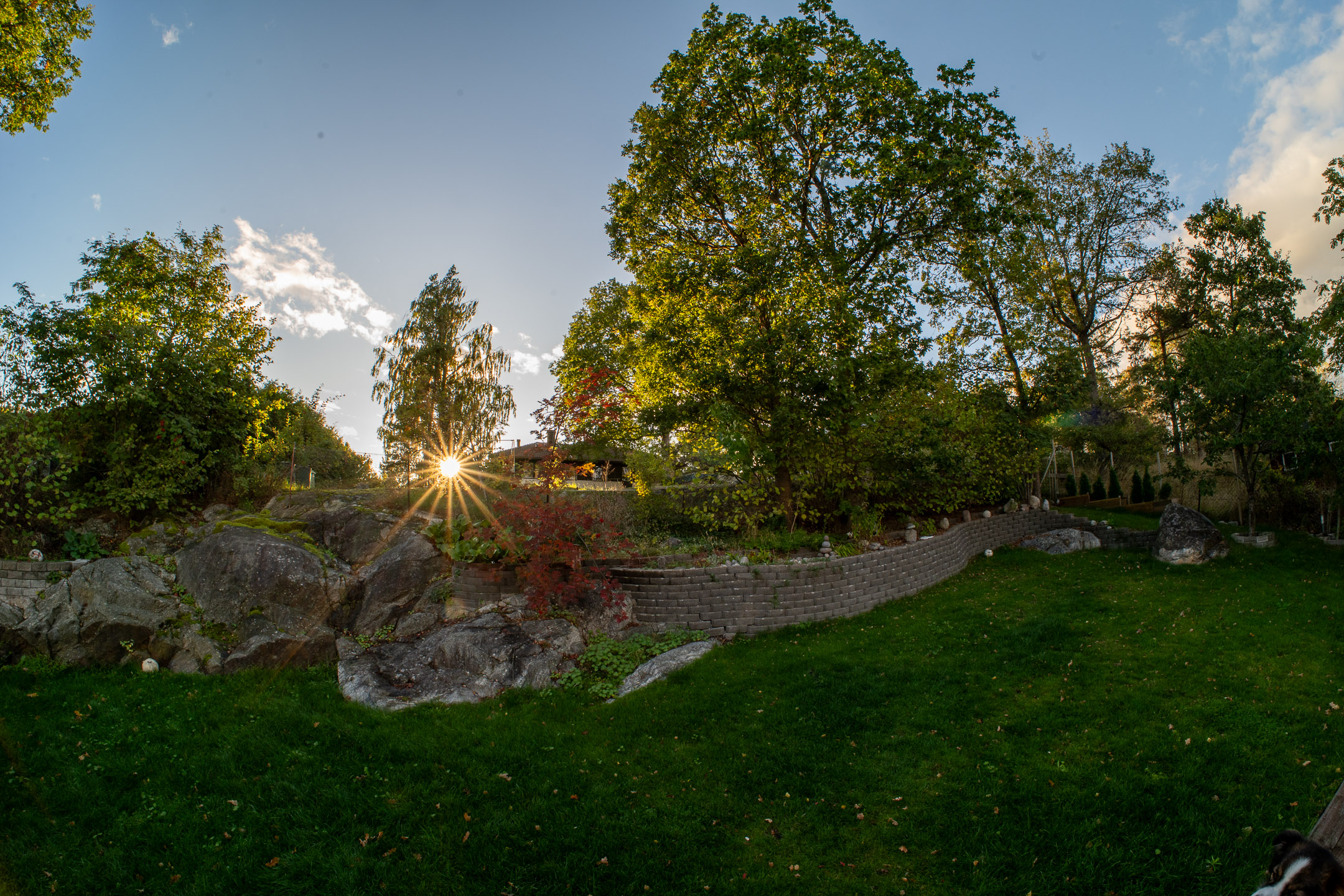
Wide open, the lens is well protected against veiling flare, although some minor ghosting is visible here and there.
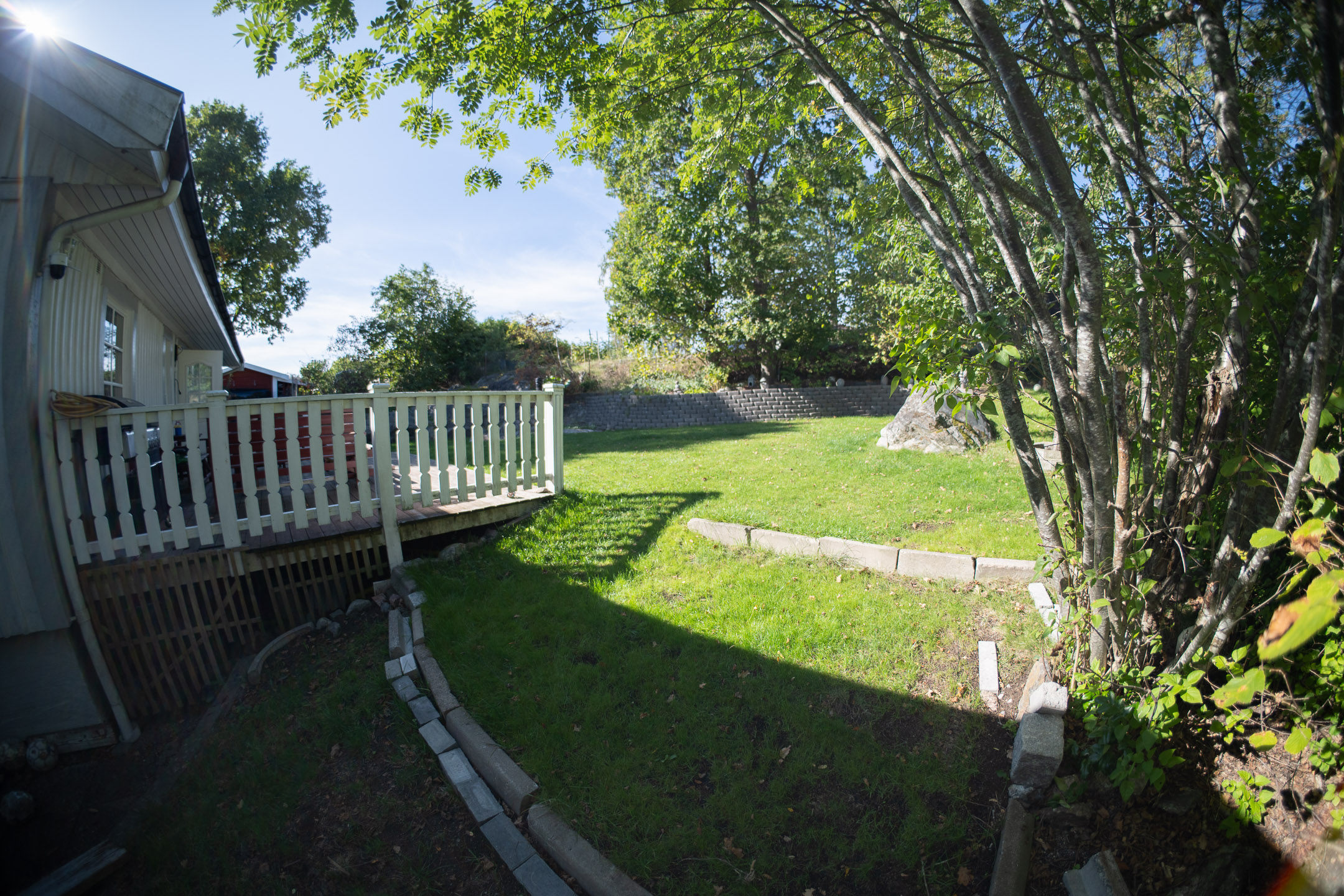
Stopped down, the lens is prone to flare. When the sun is near the center of the frame, a large ring-shaped flare appears in the image (Tab E in the Small Aperture series).



Coma
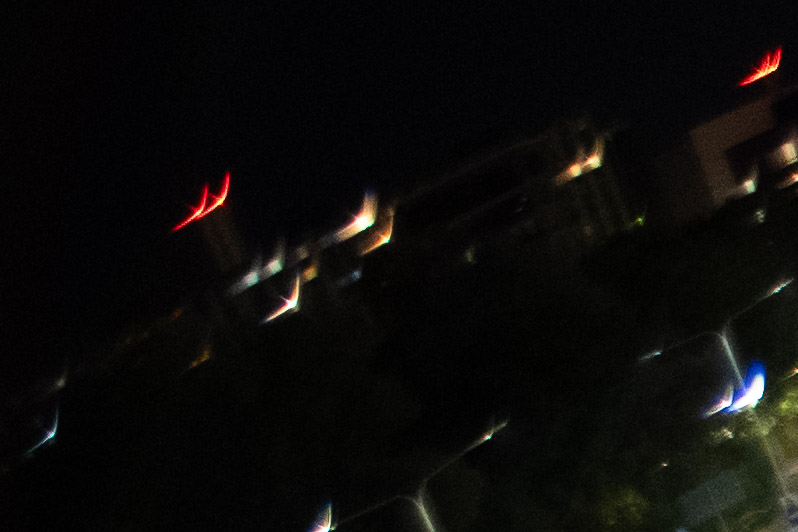
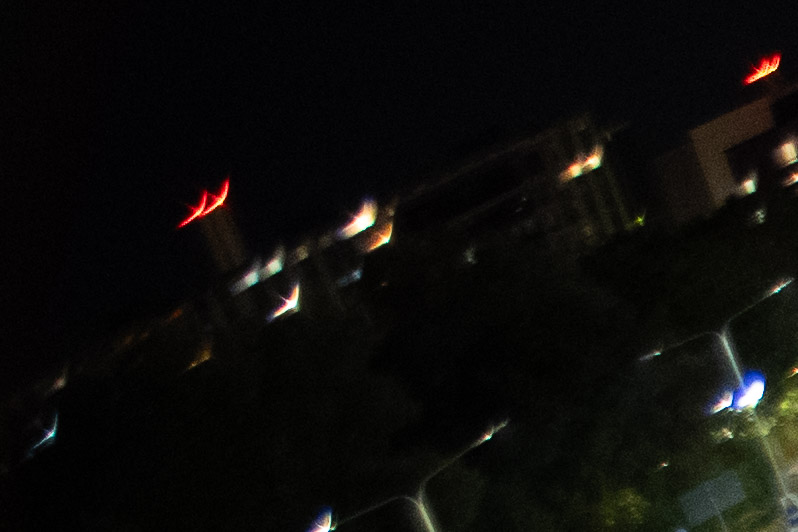
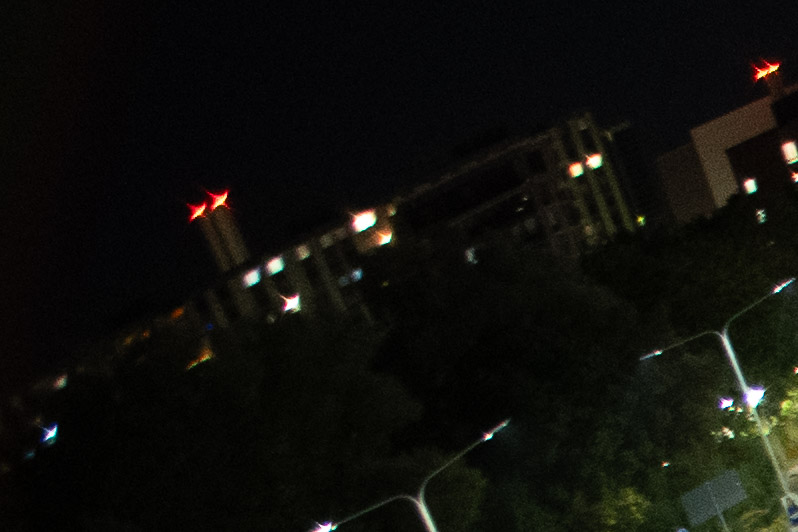
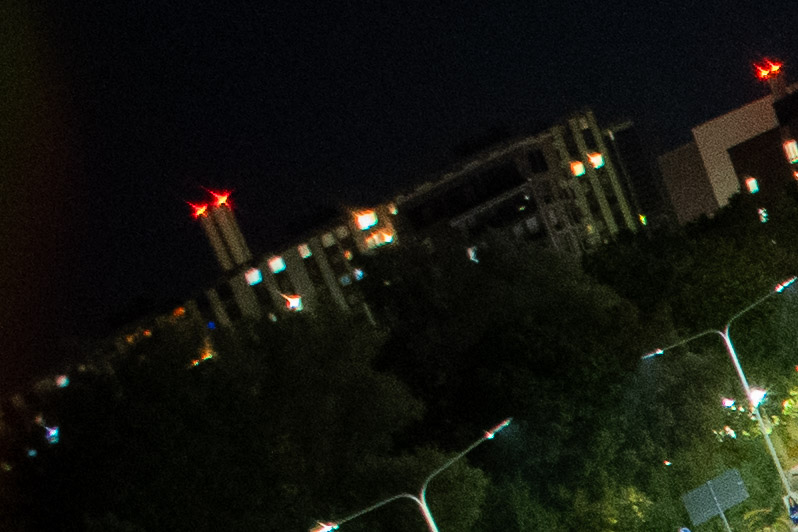
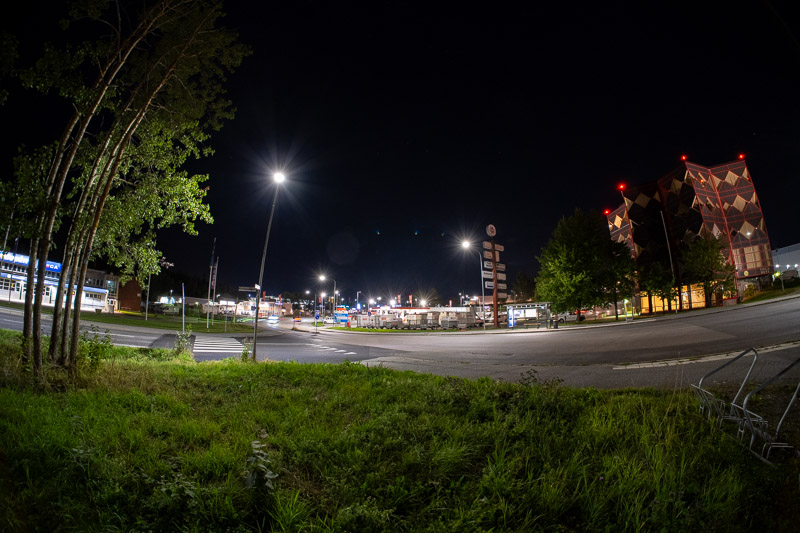
This lens suffers from moderate coma, which is only well controlled when stopped down to at least f/8. However, the issue is mainly confined to the extreme corners, so it may still be suitable for astrophotography if you can tolerate some distortion in the stars at the corners of the frame.
Sunstars
Sunstars start to appear from f/8 and become reasonably well-defined at f/11 and f/16.
Focus Breathing
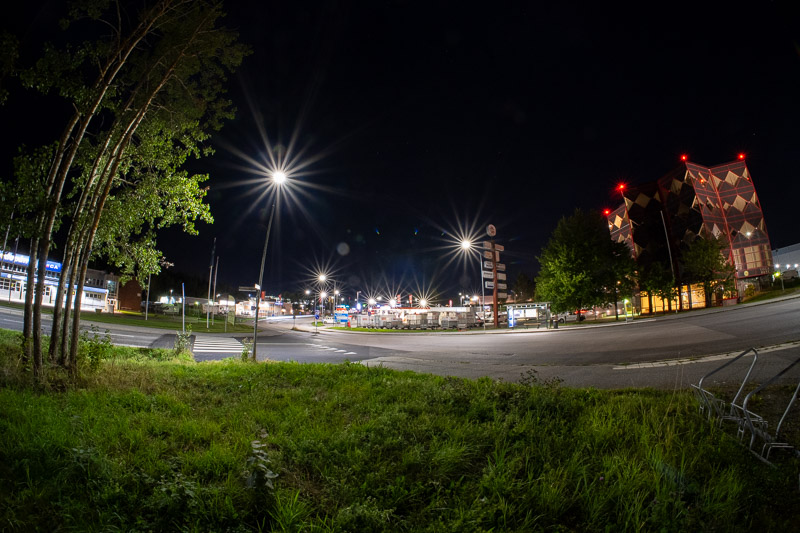
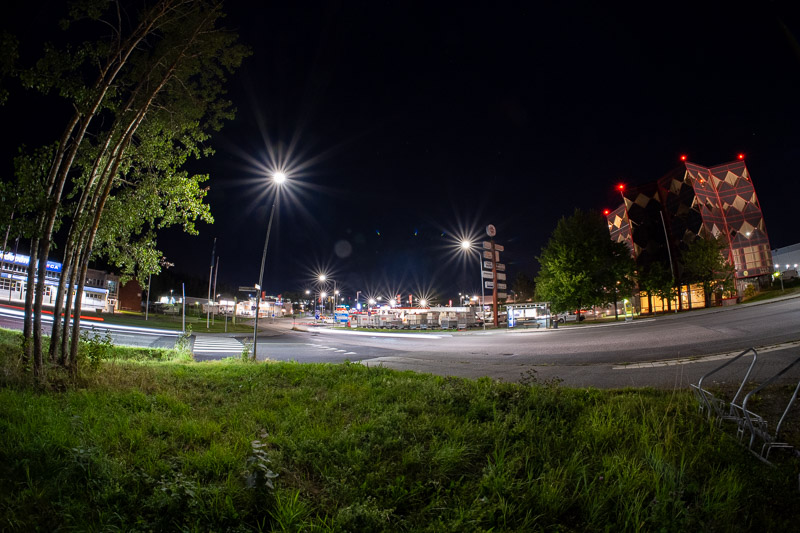
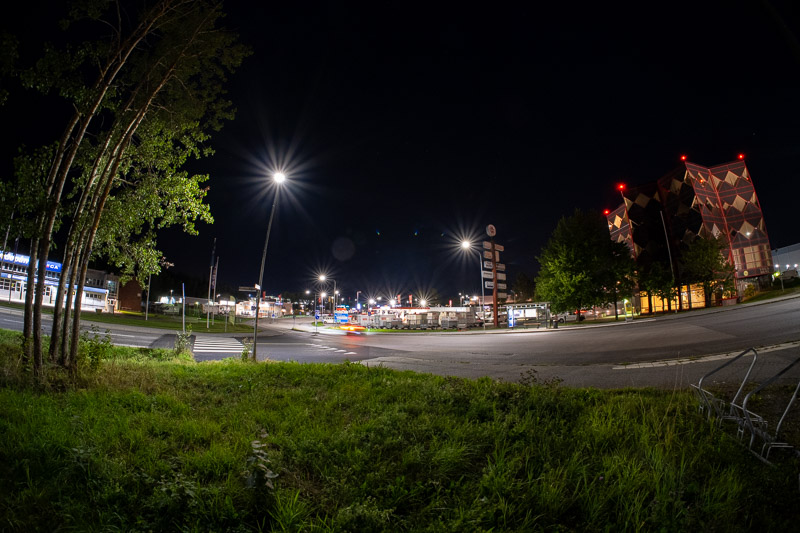
There is a small amount of focus breathing when pulling focus from 1 m to infinity. It becomes a little more noticeable when focusing all the way down to 15 cm, although that is a less practical range for most situations.
Bokeh
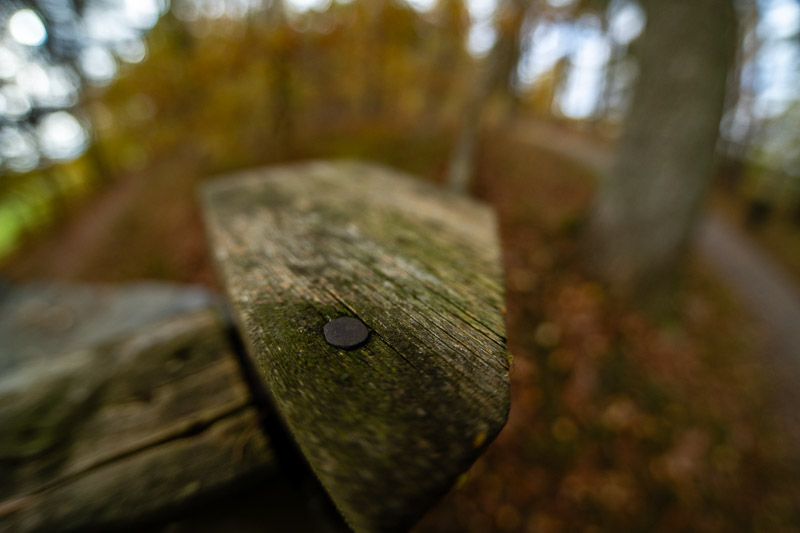
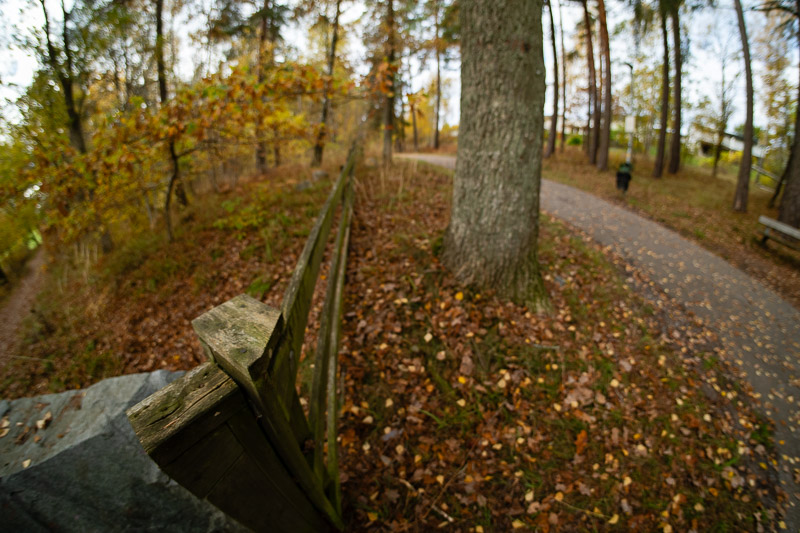
A fisheye lens is probably the last type of lens you’d choose for its bokeh. However, thanks to its very short minimum focusing distance, you can still get reasonable background blur. I’m not sure how practical or useful this is in real-world shooting, though. After all, you choose a fisheye lens to include as much of the surroundings as possible, not to blur them out.





Conclusion
| I LIKE | AVERAGE | I DON’T LIKE |
|
|
|
This is a unique fisheye lens, thanks to its f/2.5 maximum aperture, autofocus, and the fact that it can see behind itself.
Sharpness is excellent across most of the frame, although the extreme corners are softer. Longitudinal chromatic aberration is very well controlled. Build quality feels solid, and autofocus is accurate, even if its speed is only average. The weather-sealing gasket is a welcome addition.
The lens is larger and heavier than Nikon’s old AF 16mm fisheye. However, the Nikon was made mostly of hard plastic, while the 7Artisans has an all-metal body. Z-mount lenses also tend to be larger than their F-mount counterparts.
The aperture ring and two Fn buttons are nice features, but I’d prefer a lock switch for the A position instead of one of those buttons.
Vignetting, lateral chromatic aberration, sunstars, and focus breathing are all well controlled, although they don’t quite reach an excellent level. More disappointing, however, are the flare resistance and coma performance, both of which could be better in a fisheye lens.
Although I wouldn’t choose this lens for astrophotography because of the coma in the extreme corners, I think it is a fun and versatile lens that can be used in a wide variety of situations.
Writing articles like this one is both time-consuming and costs us a lot of money. If you found this article helpful and decided to buy one of these lenses, please consider using one of the affiliate links.
If you found this article useful, interesting, or it saved you money, consider supporting our work. You can make a donation or buy us a coffee —every contribution is greatly appreciated.
| Where to Buy
New: 7Artisans store, Amazon (anywhere), B&H for $404 to $499 (Affiliate links) |
Alternatives
Sigma 15mm f/1.4 Fisheye DG DN Art Lens
The Sigma 15mm f/1.4 Art is the fastest fisheye lens available, with a 180° diagonal field of view and autofocus. It costs more than four times as much as the lens we’re testing.
Buy new: Amazon (anywhere), B&H for $2199 (Affiliate links)
Nikon 16mm f/2.8 AF-D
Nikon F mount autofocus diagonal fisheye. It requires an adapter for use on mirrorless cameras.
Buy used: eBay.com, from $330 (Affiliate links)
Nikon 16mm f/2.8 AI-s
Nikon F mount manual focus diagonal fisheye. It requires an adapter for use on mirrorless cameras.
Buy used: eBay.com, from $275 (Affiliate links)
Sigma 15mm f/2.8 EX DG
This one is available for Canon EF, Nikon F, and Sony A mount.
It is an autofocus lens, like the Nikon 16mm AF-D uses the older AF mechanism.
Buy used: eBay.com from $150 (Affiliate link)
ZOOM LENSES
Laowa 8-15mm f/2.8 FF Zoom Fisheye
A zoom lens that goes from diagonal fisheye to circular fisheye, covering 180° in all directions
Buy new: LAOWA Store, B&H, Amazon (anywhere) for $699 (Affiliate links)
Nikon AF-S Fisheye Nikkor 8-15mm f/3.5-4.5E ED
A variable aperture, about 0.7 EV to. It offers both autofocus and weather sealing. A DSLR lens that is easily adaptable to Nikon mirrorless cameras.
Buy new: Amazon (anywhere) for $1150 (Affiliate links)
Buy used: ebay.com, ebay.de, ebay.co.uk from $999 (Affiliate links)
Canon Fisheye Zoom EF 8-15mm f/4 L USM
It boasts autofocus and electronic aperture control from the camera. It is smaller and 100 g lighter than the Laowa. It offers both autofocus and weather sealing. As an L lens, it also offers weather sealing. A DSLR lens that is easily adaptable to mirrorless cameras.
Buy new: Amazon (anywhere) , B&H for $1150 (Affiliate links)
Buy used: ebay.com, ebay.de, ebay.co.uk from $730 (Affiliate links)
More Sample Images
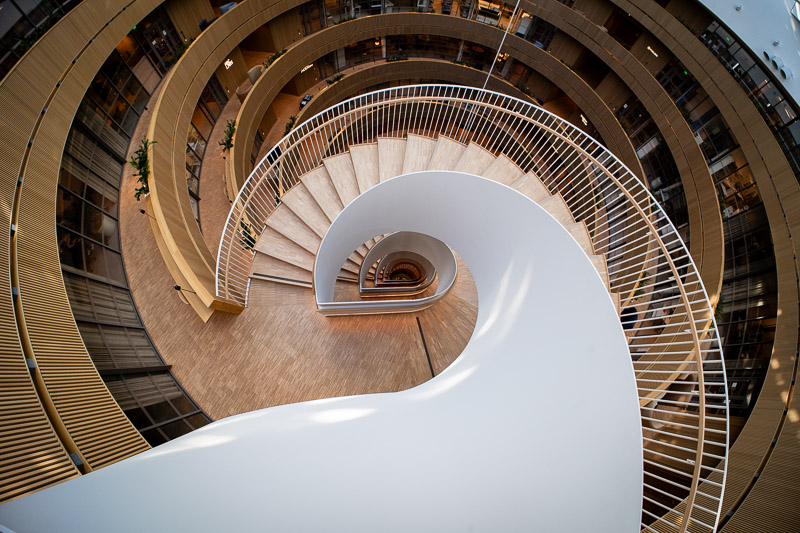
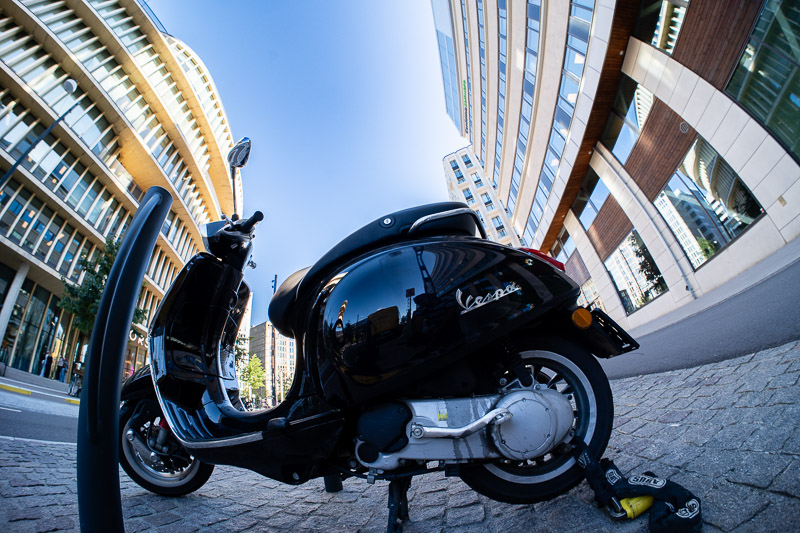
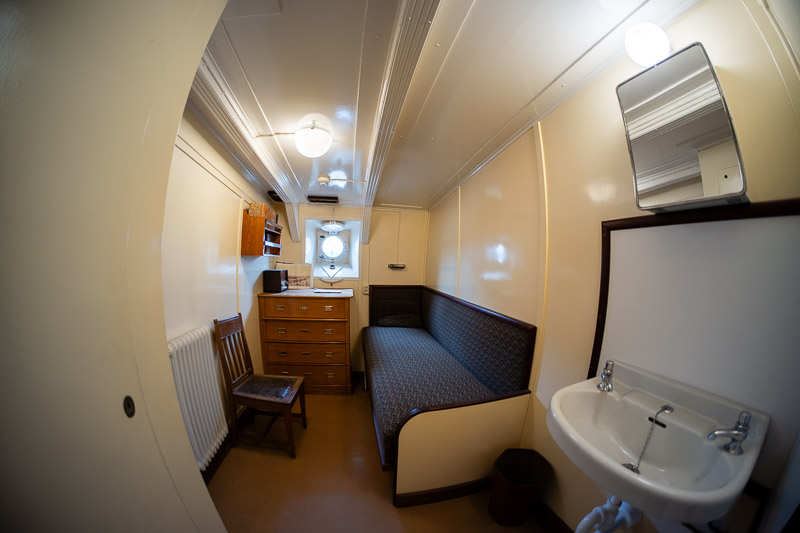

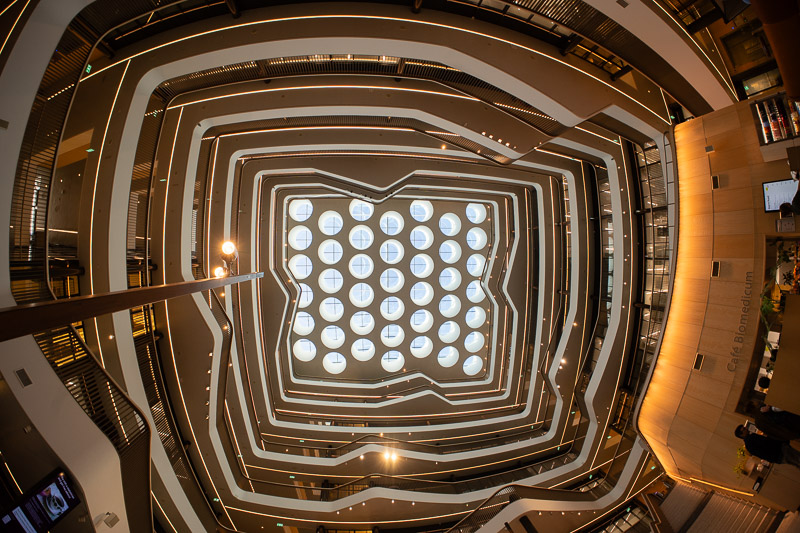
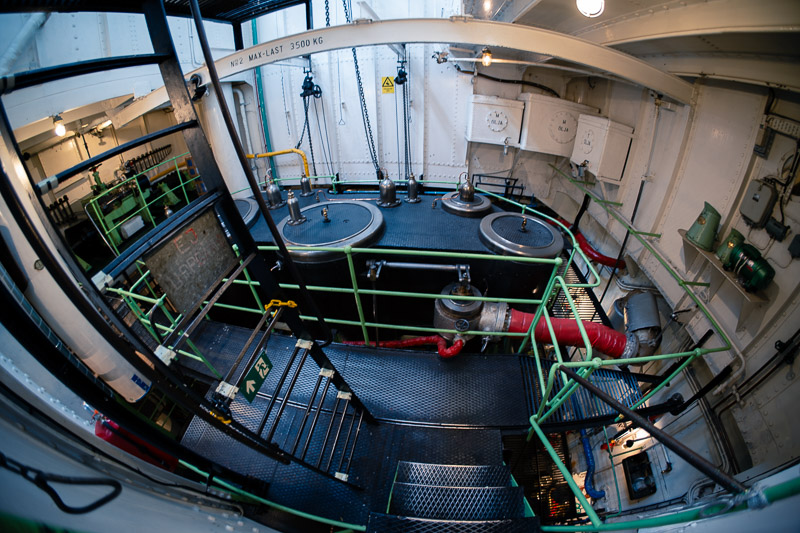
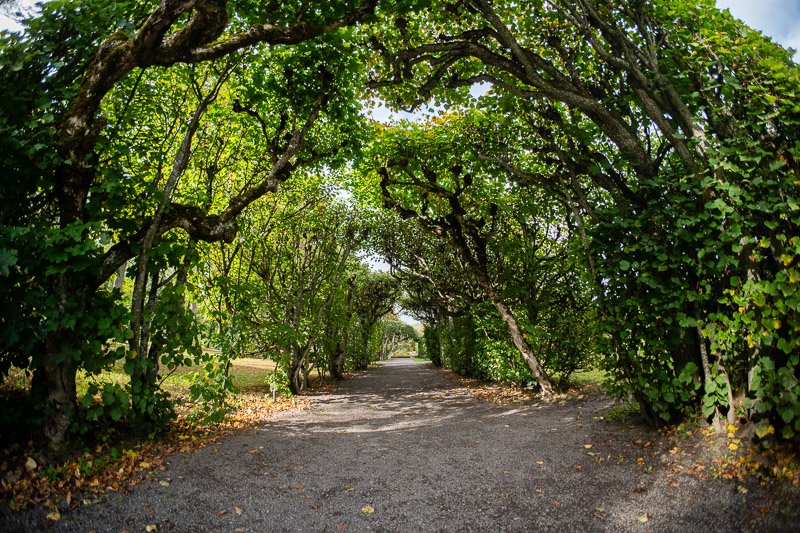
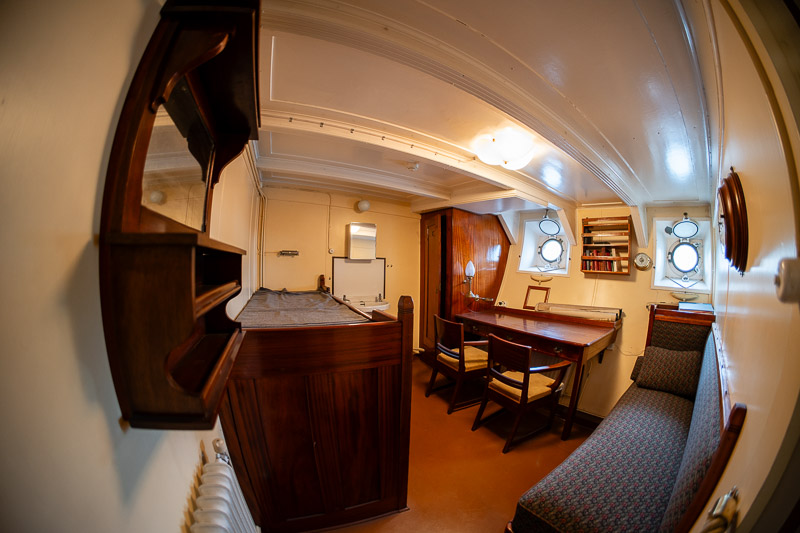
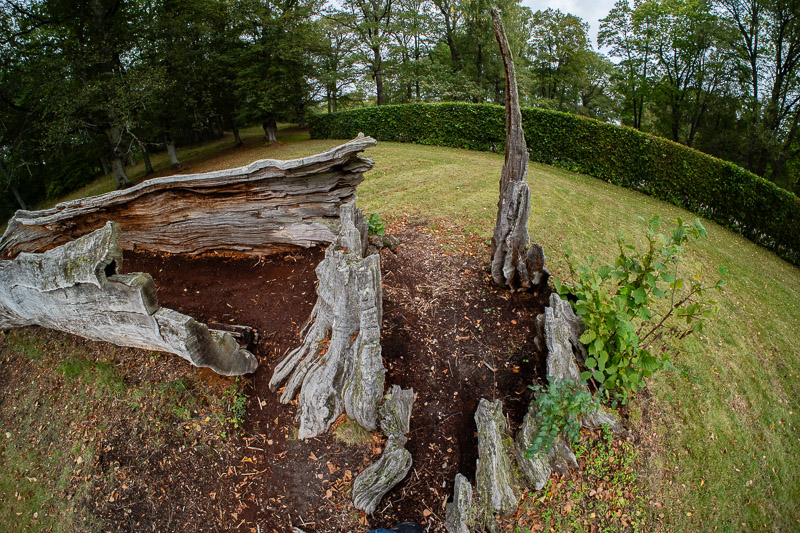
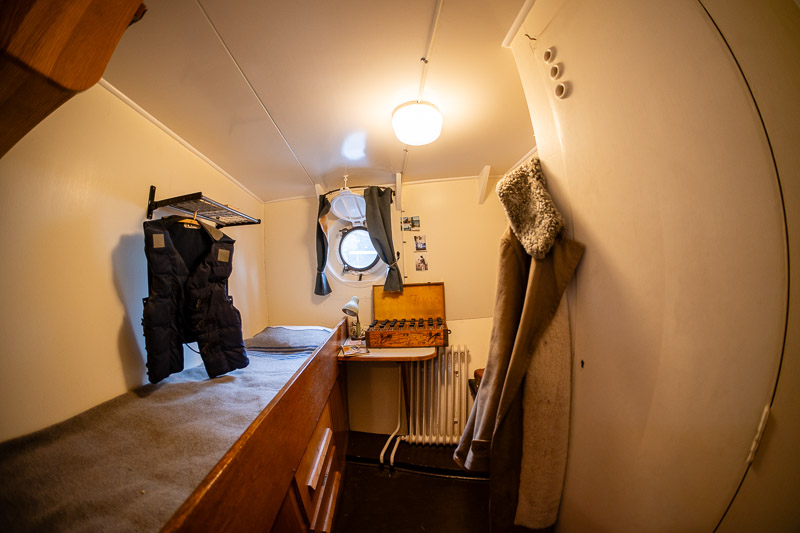

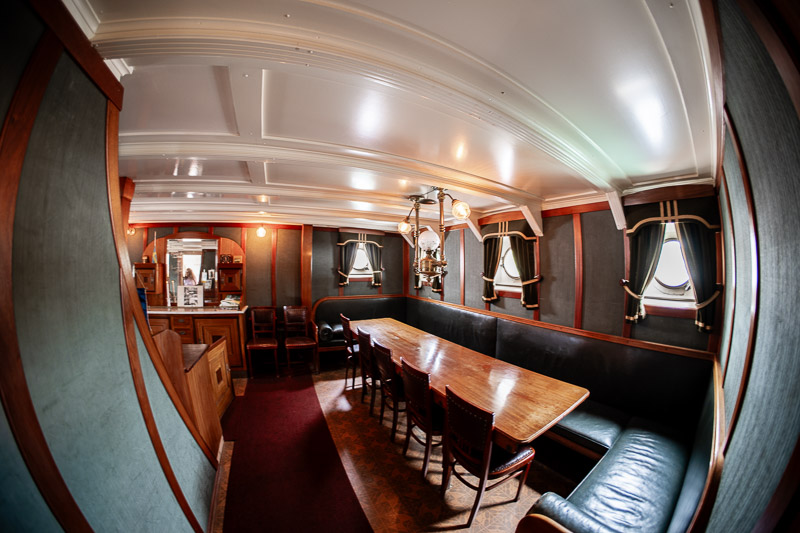
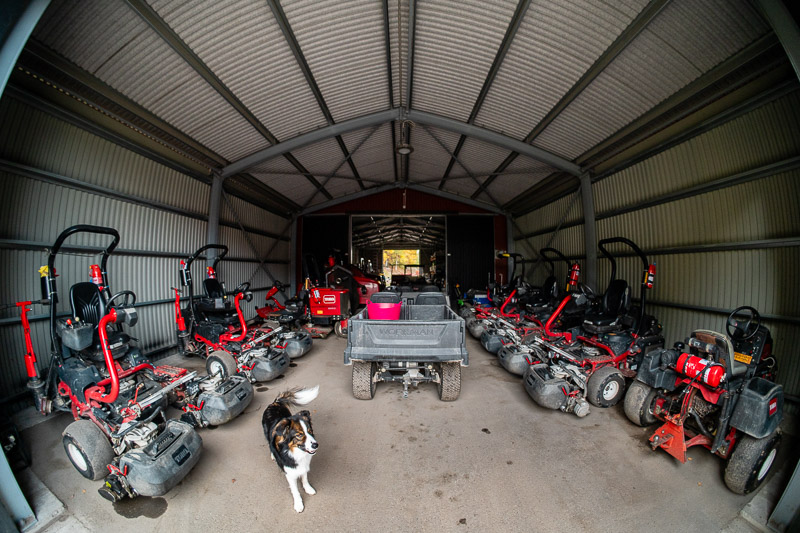
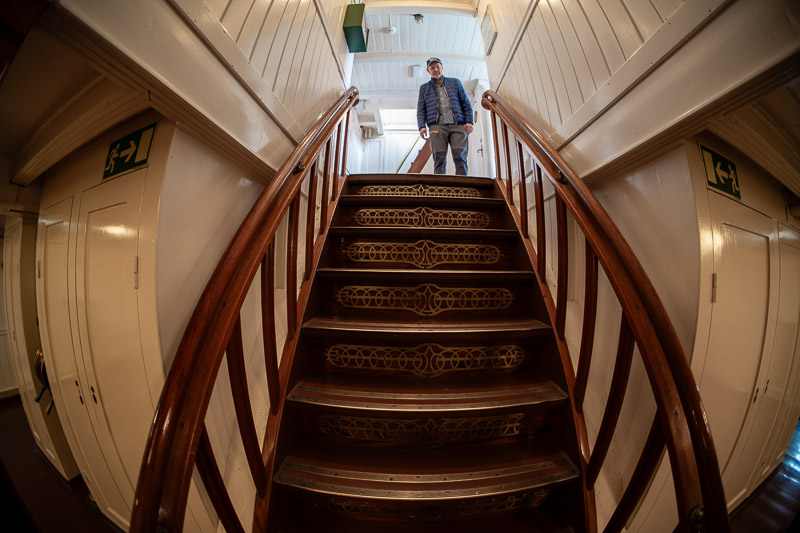
Most of the sample images in this review and many more can be found in higher resolution here.
Further Reading
- What camera gear and accessories do I use most frequently?
- REVIEW: Laowa 8-15mm f/2.8 FF Zoom Fisheye
- TTArtisan 7.5mm f/2 Pro Fisheye – Ultra Wide for Dramatic Views and Ultra Confined Places
- Review: AstrHori 12mm 2.8 Fisheye
Support Us
Did you learn something new, find this article useful, or simply enjoy reading it? We’ve put a lot of time and resources into creating it, and your support helps us keep going. If you’d like to show your appreciation, please consider clicking the Donate button!



(Donations via Paypal or bank card)
Or alternatively support us via this link.
What’s in my camera bag? MY 2026 KIT!!
- Main camera : https://amzn.to/3TsGtKg
- Camera grip : https://amzn.to/4e0G3CR
- Memory Card 1: https://amzn.to/47pA20i
- Memory Card 2 : https://amzn.to/3XHYxlZ
- Camera 2 : https://amzn.to/3Xifou8
- Camera grip: https://amzn.to/4dYYpV9
- Memory card 1: https://amzn.to/4e5h2H0
- Memory card 2: https://amzn.to/3zu7W7n
- Main tripod: Leofoto LS-324CPRO
- Small travel tripod: https://amzn.to/4goIX68
- Mini tripod: https://amzn.to/4e09XXX
- Small shoulder bag: https://amzn.to/47tPMiY
- Medium shoulder bag: https://amzn.to/4ej4bjY
- APS-C camera 1: https://link.amazon/B0iKSCc8a
- APS-C camera 2: https://link.amazon/B0duP43QI
This site contains affiliate links, for which I may receive a small commission if you purchase via the links at no additional cost to you. This helps support the creation of future content.


Martin
Latest posts by Martin (see all)
- REVIEW: 7Artisans AF 10mm F2.5 MAX – Fisheye FF - October 25, 2026
- REVIEW: SIRUI AURORA 35mm F1.4 - October 14, 2026
- REVIEW: Zhiyun FIVERAY M60 Ultra & Molus X100 RGB - October 11, 2026