Introduction
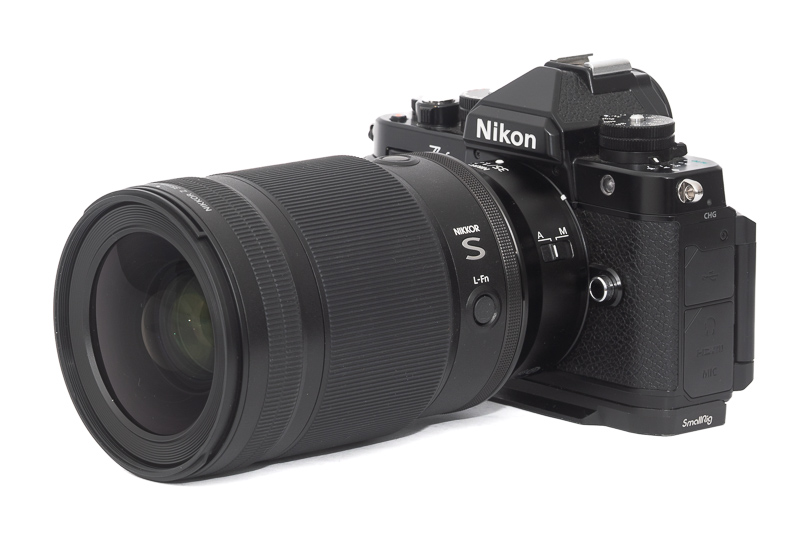
While Sigma already released a 35mm 1.2 fullframe AF lens in 2019, until early 2025 none of the three major camera manufacturers had a lens matching these specifications in their portfolio. The first (and still the only one by mid 2026) to change that is Nikon with this Nikon Z 35mm 1.2 S Nikkor. I cannot say I was impressed by any of Nikon’s 35mm lenses during the AF-S (D)SLR era and the Nikon Z 35mm 1.8 S Nikkor also seems to be the weakest lens in their otherwise compelling f/1.8 Z-mount lineup. Can this huge 35mm 1.2 lens set the record straight? Let’s find out in this review!
Sample Images








Most of the sample images in this review can be found in full resolution here.
Specifications
This Nikon Z 35mm 1.2 S Nikkor is Nikon’s first and so far only 35mm lens with a maximum aperture of f/1.2. Its full specifications are:
-
- Diameter: 90 mm
- Field of view: 63° (diagonally)
- Length: 150 mm
- Weight: 1060g (without hood[43g] and caps)
- Filter Diameter: 82 mm
- Number of Aperture Blades: 11 (rounded)
- Elements/Groups: 17/15
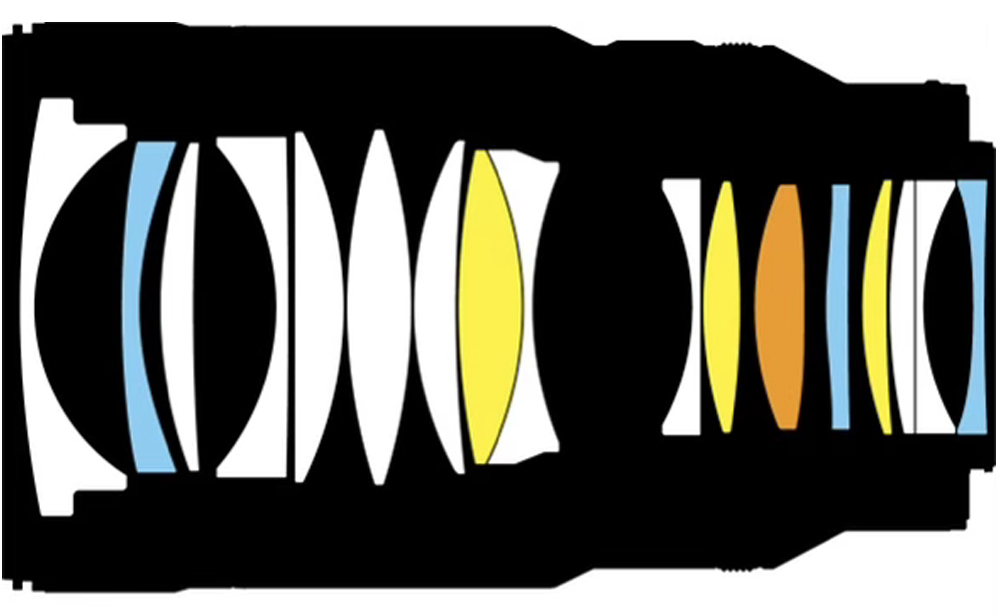
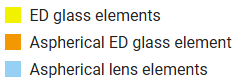
- Close Focusing Distance: 0.3 m
- Maximum Magnification: 1:4.5 (measured)
- Released: February 2025
- Mount: Nikon Z
buy from amazon.com | amazon.de | B&H | ebay.com | ebay.de (advertisement/affiliate links) for $2897
Handling/Build quality
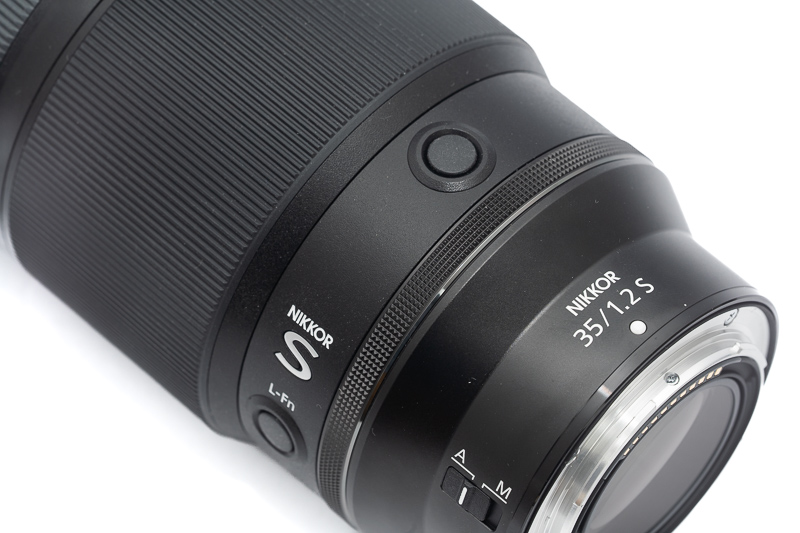
The Nikon Z 50mm 1.2 S was Nikon’s first f/1.2 Z-mount lens and featured a small display on top (just like the Nikon Z 58mm 0.95 S Noct-Nikkor) which has been omitted already for the Nikon Z 85mm 1.2 S and also this Nikon Z 35mm 1.2 S does not feature one. I found it rather useless to begin with, so I am not sad about that.
The choice of materials is very much typical for Nikon’s Z-mount lenses. It does feel like there are more metal parts under the polycarbonate casing compared to cheaper lenses like the Nikon Z 50mm 1.4, but generally these differences are not huge.
The focus is by wire and if your camera is set to standard values it takes non-linear ~180° of rotation from the minimum focus distance of 0.3 m to infinity. On Nikon Z cameras you can change the behaviour of the manual focus ring and decide how long you want the throw to be or if you prefer it to be non linear (non linear is the standard setting). With this lens I checked in detail and that setting is not very accurate, I found the throw to usually be ~30° more than what you picked in camera.
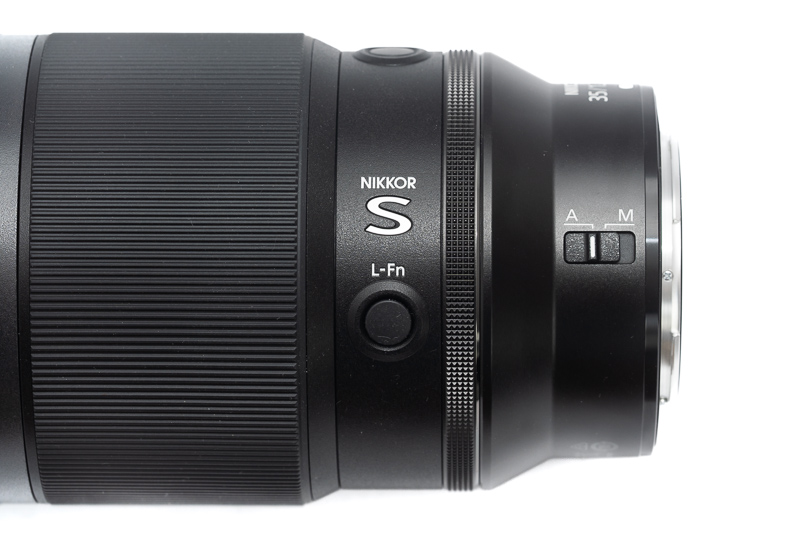
We have two radially oriented “L-Fn” lens buttons, the control ring and close to the bayonet an AF/MF switch. I find that switch to be in a bit of an uncomfortable position and prefer where Nikon placed those on their AF-S lenses. I am also generally not a huge fan of that control ring and would have preferred a dedicated aperture ring as we see it from many other manufacturers like e.g. Sony, Sigma and Viltrox.
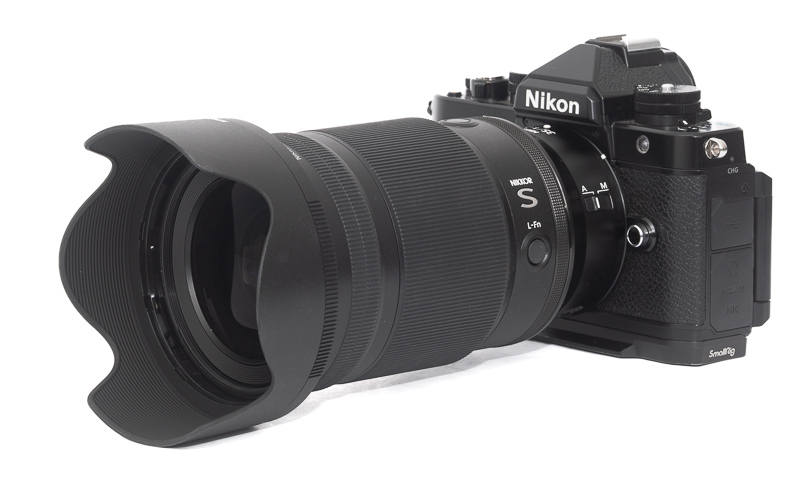
A bayonet style hood is also part of the package but considering this lens’ price tag it leaves something to be desired as it is made from thin plastic and feels flimsy and cheap – worse than the hoods from Sigma’s 35mm 1.2 lenses and also the Viltrox 35mm 1.2 LAB.

If it wasn’t for the first generation Sigma 35mm 1.2 DG DN Art, this Nikon Z 35mm 1.2 S would be the biggest and heaviest 35mm 1.2 AF lens. The Viltrox AF 35mm 1.2 LAB is lighter by about 15% and the second generation Sigma 35mm 1.2 DG Art II even by 30%. As you can see from the comparison above, this Nikon lens is also noticeably longer.
AF performance
I am not shooting sports or fast moving animals/humans so if you want to know if the lens is fast enough for this, or how it compares to other lenses in this segment, you may have to look for a different review with a more detailed assessment of this aspect.
Nikon’s f/1.2 lenses are not the fastest focussing lenses in their lineup, but they sure are an improvement over the earlier f/1.4 AF-S lenses of the DSLR era. Nikon is still using STM motors for this 35mm 1.2 whereas Sony, Sigma and Viltrox are using linear actuators these days and I do think this lens’ STM motor is a bit slower. There is one advantage though: the focus group is not moving around freely when the lens is without power and this is something that still seems to worry many people.
In my testing and using of this lens I found its AF to be reasonably fast, very accurate and not completely silent.
Vignetting
light falloff
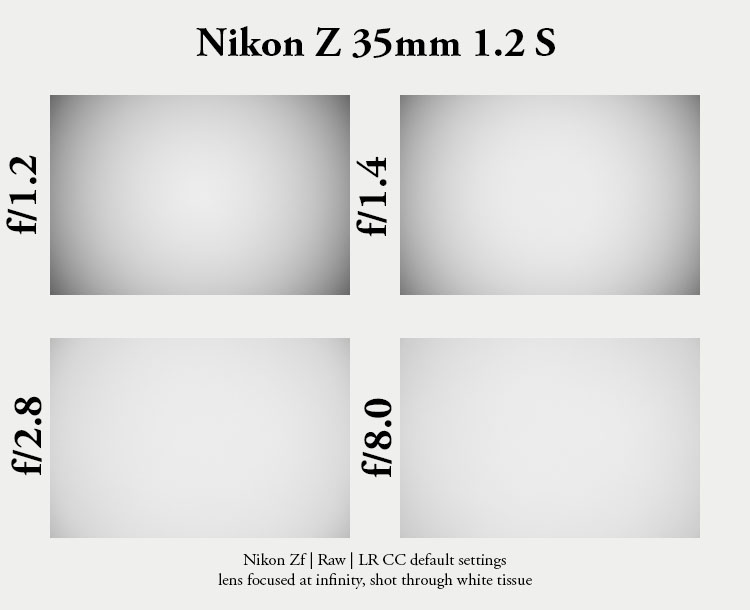
| f/1.2 | 2.7 EV |
| f/1.4 | 2.4 EV |
| f/2.0 | 1.7 EV |
| f/2.8 | 1.4 EV |
| f/4.0 - f/16 | 1.1 EV |
In this category the huge size seems to be an advantage for once, as the vignetting figures at f/1.2 are slightly lower than those of the competitors. This generally still holds true stopped down when compared to the Sigma 35mm 1.2 DG Art II and the Viltrox AF 35mm 1.2 LAB, but the similarly sized first generation Sigma 35mm 1.2 DG DN Art shows even slightly lower vignetting in the f/8.0 to f/11 range.
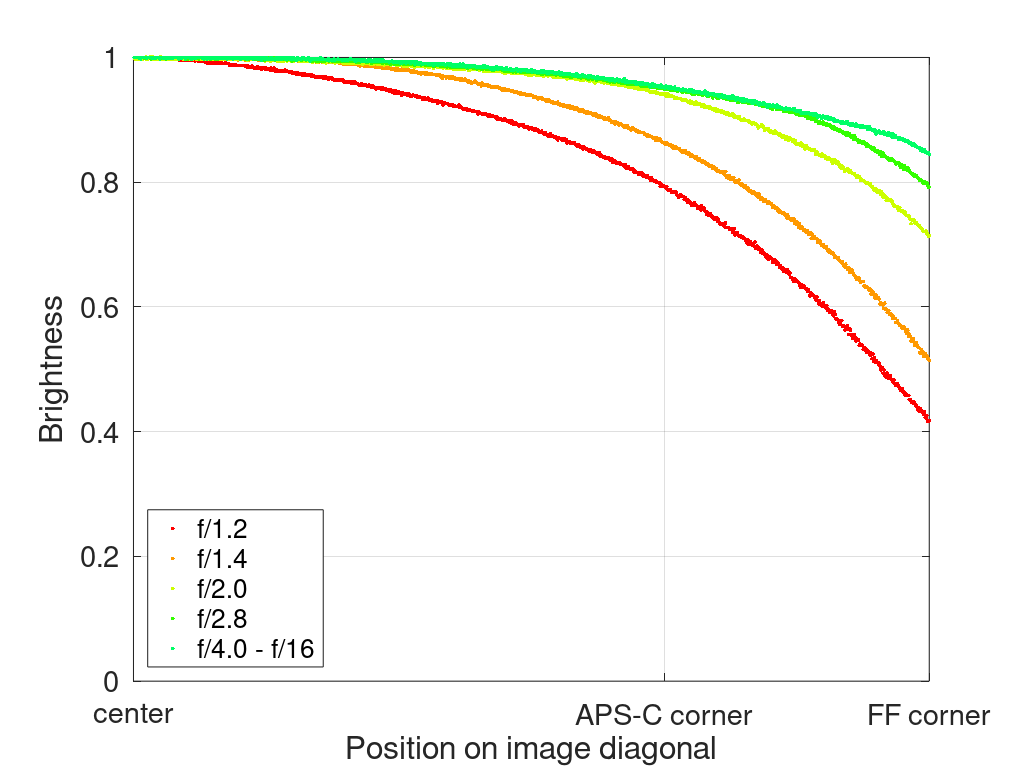
It is recommended to have a look at this article first to get an idea how this brightness graph works.
optical vignetting
Very fast lenses usually show a significant amount of optical vignetting. Without going too much into technical details optical vignetting leads to the truncation of light circles towards the borders of the frame.
In the center of the frame almost every lens will render a perfect circle, but only lenses with very low optical vignetting will keep this shape in the corners.
So in the following comparison we move from the center (left) to the extreme corner (right) and see how the shape of the light circle changes.
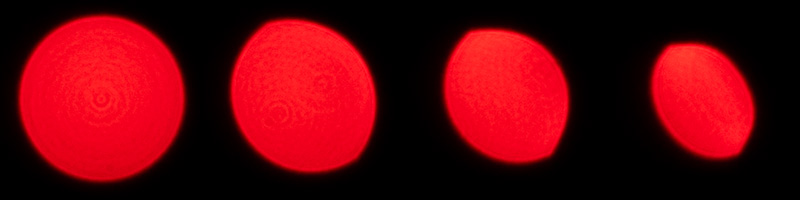
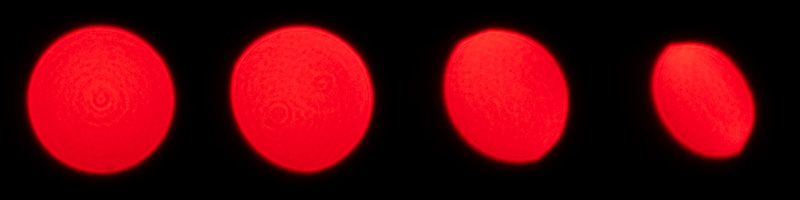
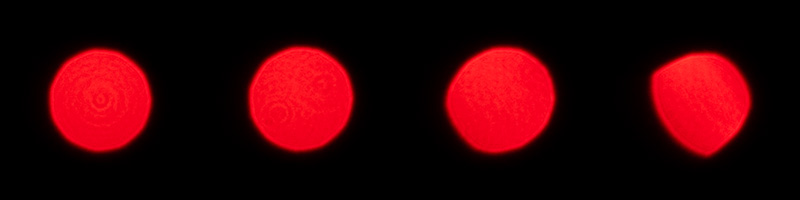
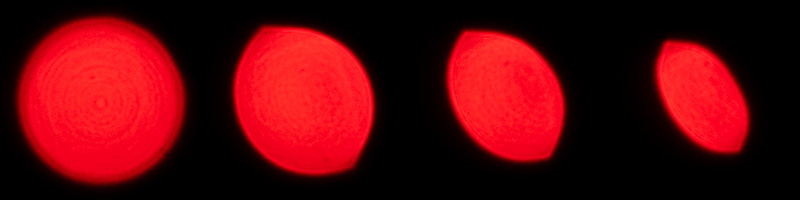

I shot these three lenses side-by-side so the sizes of the circles are directly comparable.
Also here the big size of the Nikon lens might be seen as an advantage – at least compared to Sigma’s 35mm 1.2 lenses – as the optical vignetting is definitely lower.
However, the still smaller Viltrox has the least amount of optical vignetting and also seems to have the best polished aspherical elements. The Viltrox also creates the biggest circle in the center of the frame, so we could assume that it has a marginally better f/Stop, but it also has a longer effective focal length at closer distances, which is the main reason for the out of focus circles appearing bigger.
Out of the four different 35mm 1.2 fullframe AF lenses in existence at the time of writing this review, the Nikon Z 35mm 1.2 S takes the second place in this category – closely behind the Viltrox – so I see this as a positive result compared to the two Sigma lenses.
Sharpness
MTF Graphs
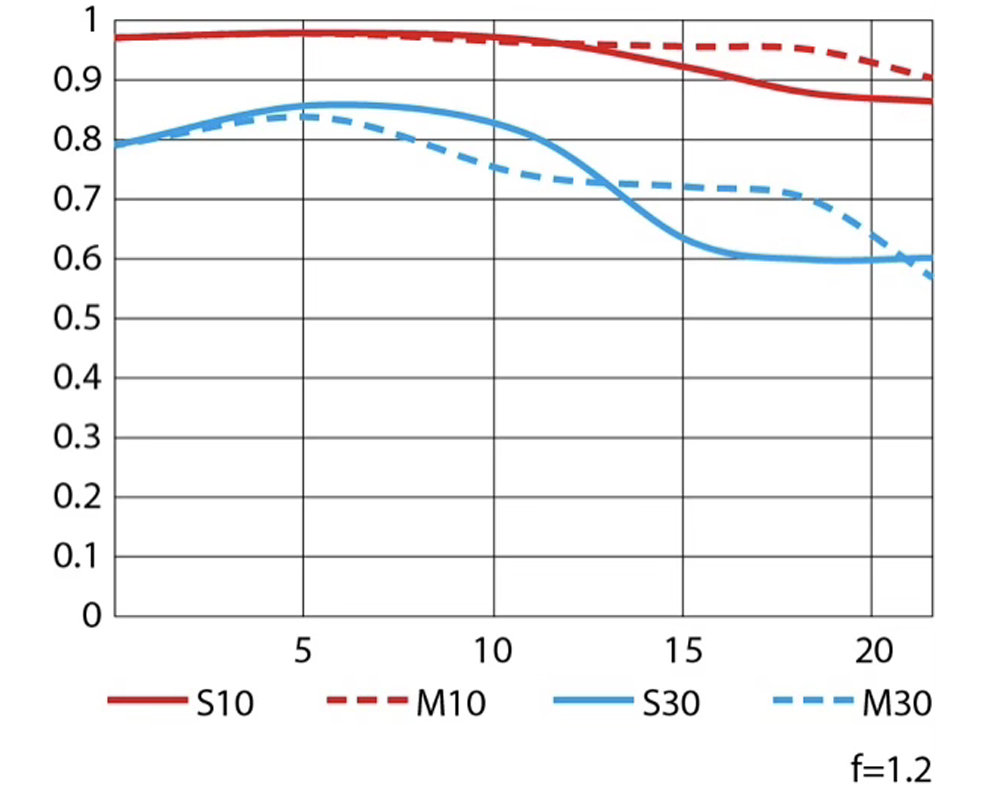
According to Nikon’s MTF graphs we should expect very high contrast (red lines) across the whole frame at infinity whereas resolution (blue lines) does not peak in the center of the frame but in the midframe area. This is a bit of an unusual pattern, but let’s see how these graphs translate into reality.
Focus shift
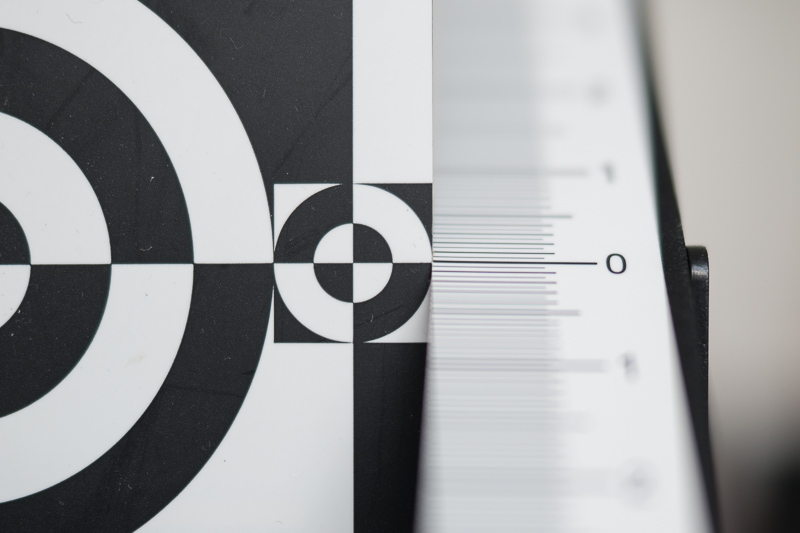
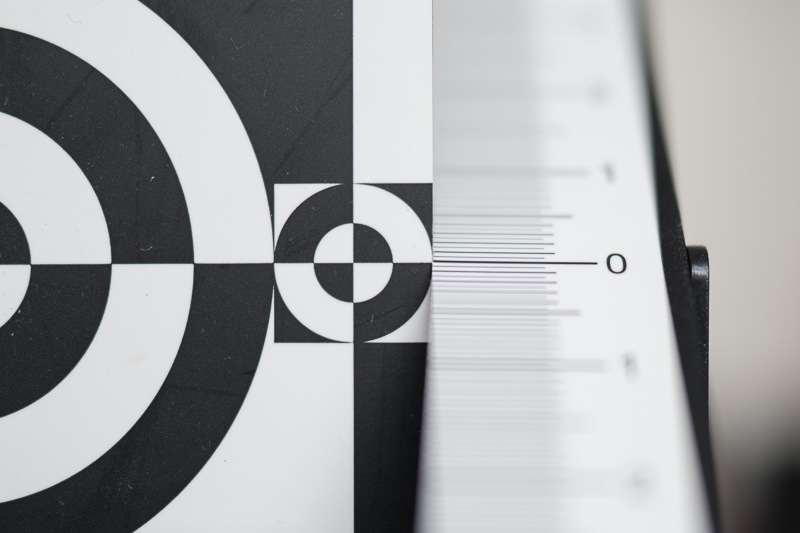


I do not see any field relevant focus shift here and what’s more the performance at the minimum focus distance looks really good: a clearly defined focal plane without any apparent softness or longitudinal CA.
infinity (24mp Nikon Zf)
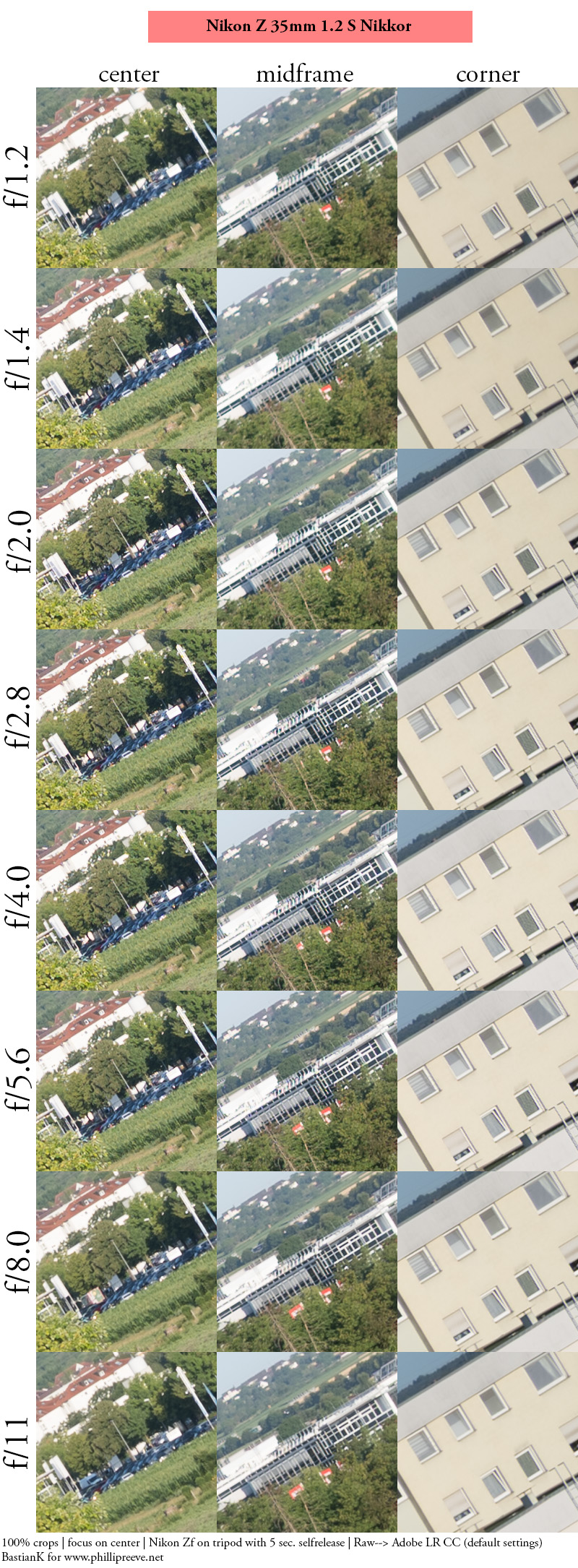
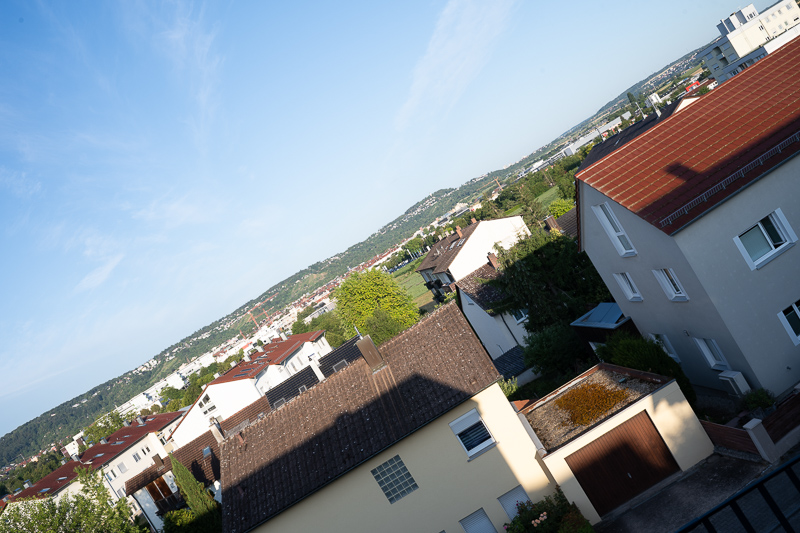
This Nikon Z 35mm 1.2 S shows a very good performance here that hardly leaves something to be desired. At f/1.2 the center looks a little bit softer compared to stopped down a bit, but I wouldn’t mind using this lens at f/1.2 whenver needed.
portrait distance 1.0 m (24mp Nikon Zf)
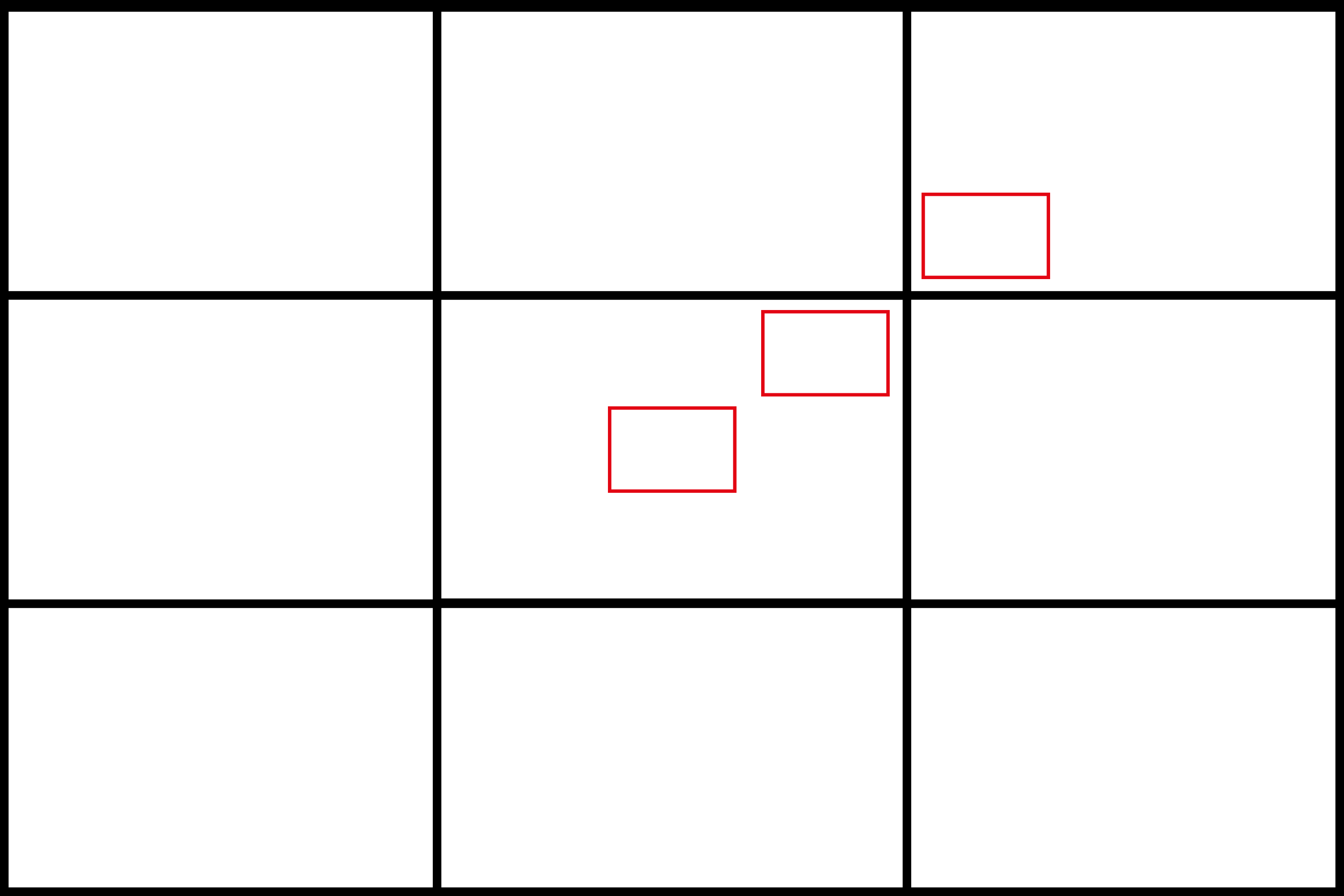
I refocused for every shot and aperture to get the best possible result at different locations in the frame (center, inner midframe and outer midframe).
The circle of the dollar bill is more or less the size of a human eye.
f/1.2 <—> f/2.0



At f/1.2 the center looks a bit softer than the inner midframe, so maybe the MTF graphs didn’t lie after all. Apart from that the performances here matches the Viltrox AF 35mm 1.2 LAB and the Sigma 35mm 1.2 DG Art II.
close 0.3 m, 1:4.5 (24mp Nikon Zf)




This Nikon Z 35mm 1.2 S is actually the 35mm 1.2 fullframe lens offering the highest magnification (very closely followed by the Sigma 35mm 1.2 DG Art II though).
The image is a bit softer here at f/1.2 and f/1.4 and the Sigma 35mm 1.2 DG Art II and especially the Viltrox AF 35mm 1.2 LAB show a more impressive performance at their respective minimum focus distances.
Flare resistance
According to Nikon’s marketing fluff they used all of their coating technology for this lens: Super Integrated Coating, Nano Crystal Coat, Meso Amorphous Coating and Arneo Coating. Will all this actually lead to superior flare resistance?
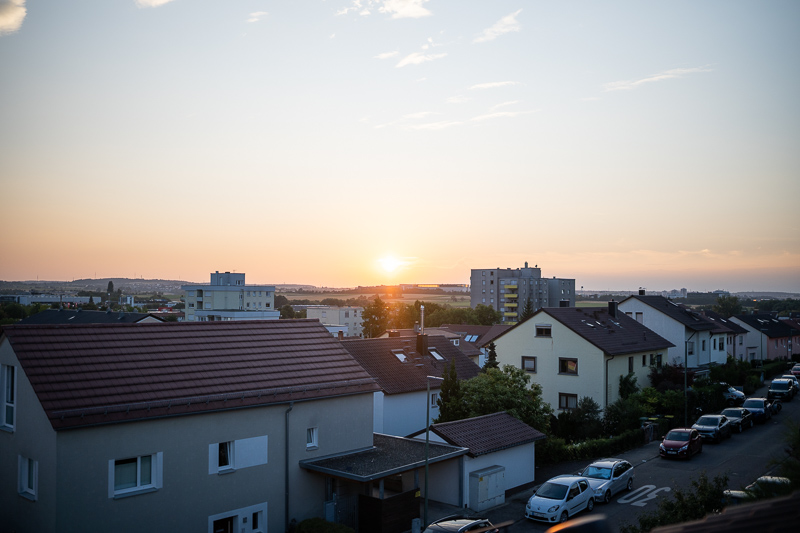
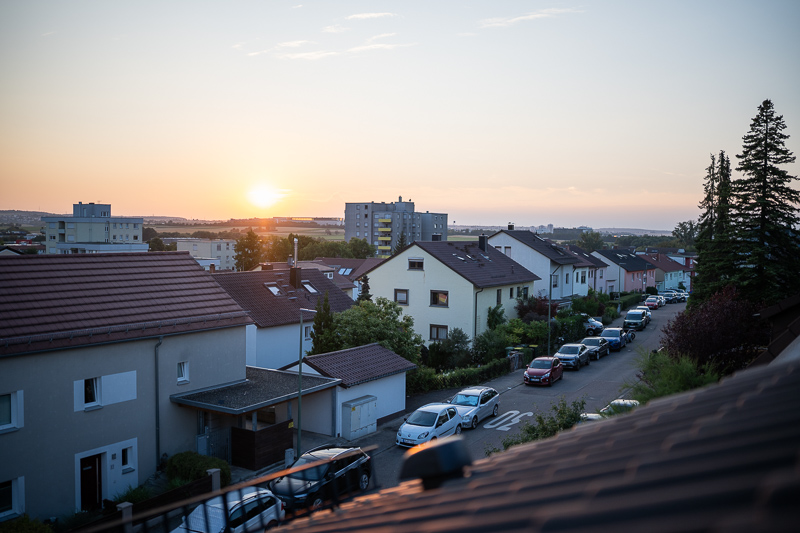
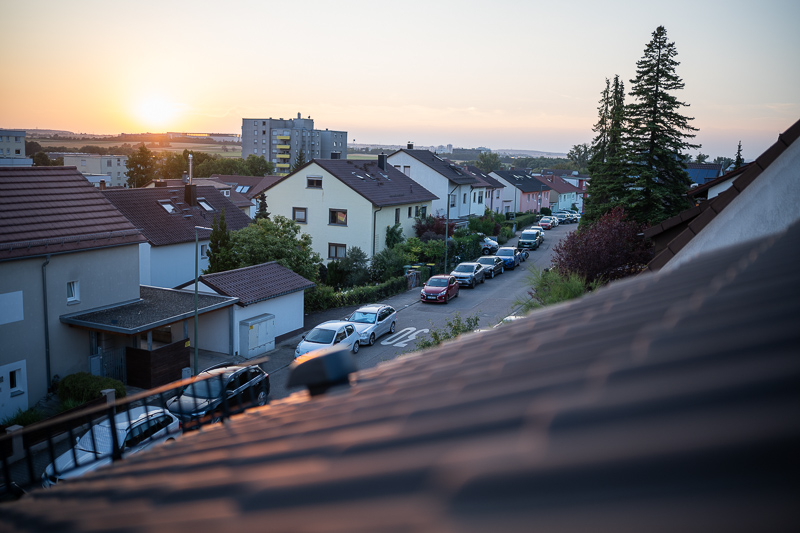
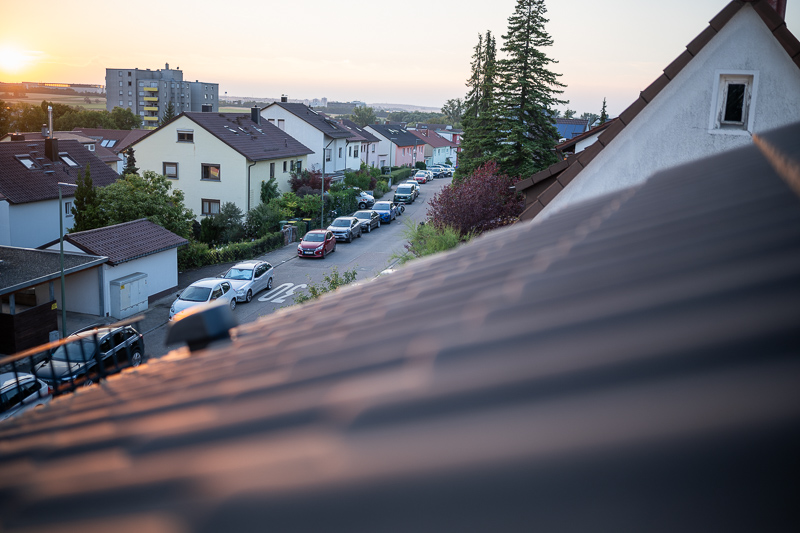
At f/1.2 it is hardly possible to create any unwanted artefacts with this lens.
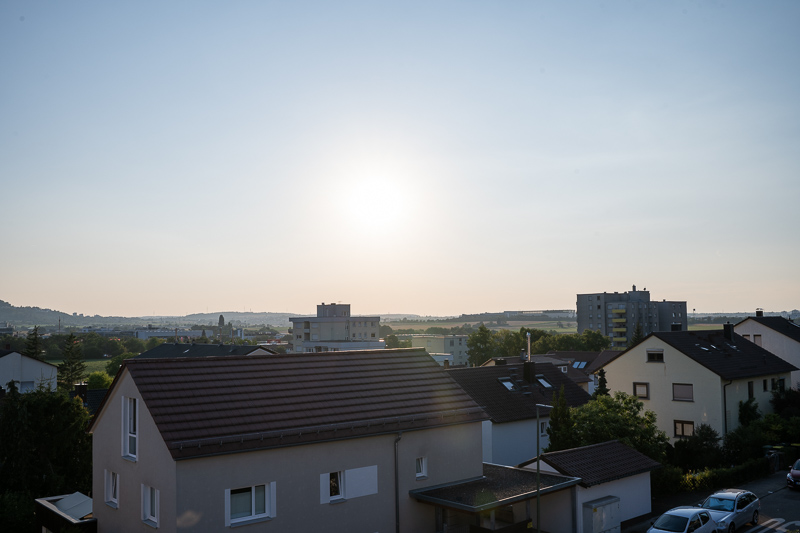
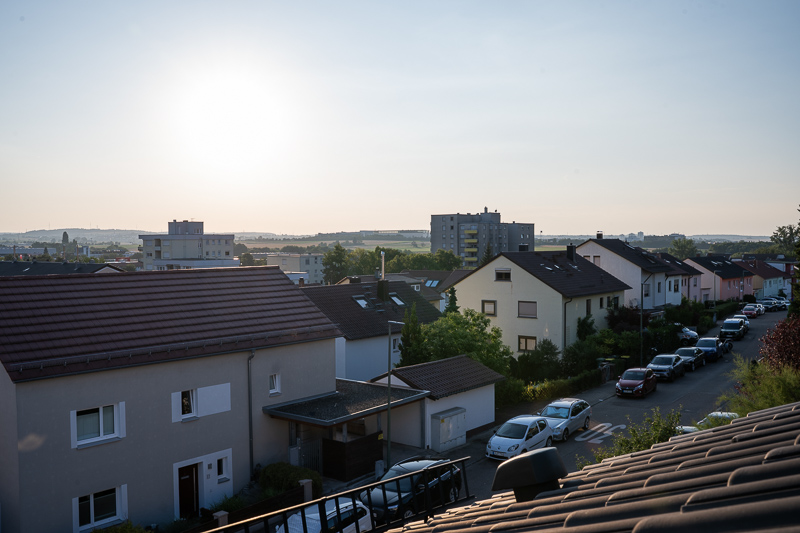
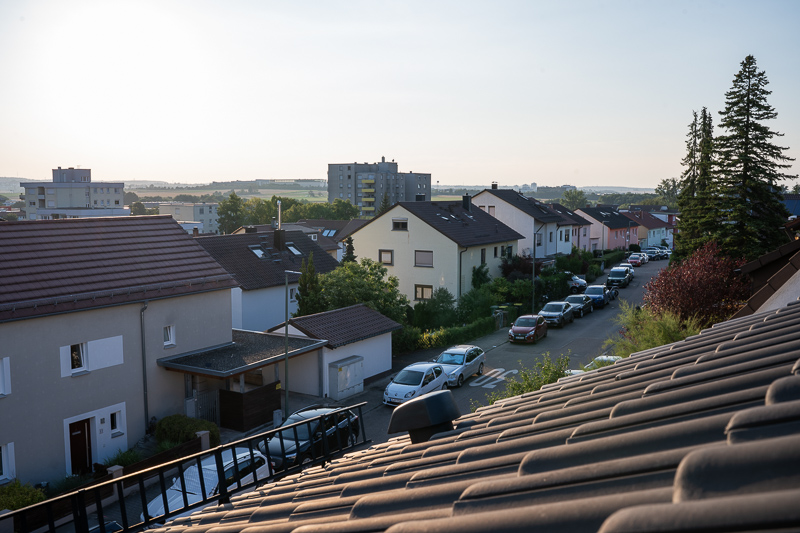
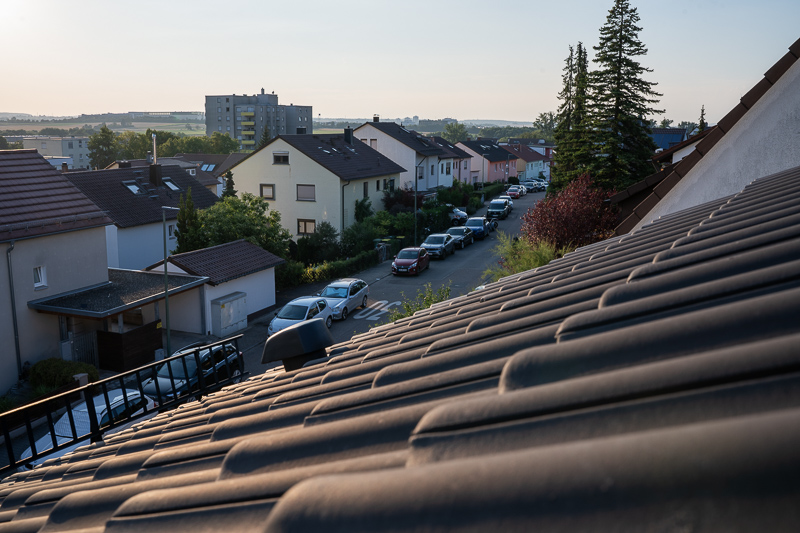
Also stopped down – where lenses are often more prone to showing ghosts – I did not manage to create any artefacts in these staged scenarios.
This is actually an amazing performance, but then the Viltrox AF 35mm 1.2 LAB and the Sigma 35mm 1.2 DG Art II hardly perform worse in this category. I did encounter some rainbow artefacts at night with the Sigma and some minor ghosts with the Viltrox in my staged tests, so by a small margin this Nikon is actually the best performer among these 35mm 1.2 lenses here.
Coma
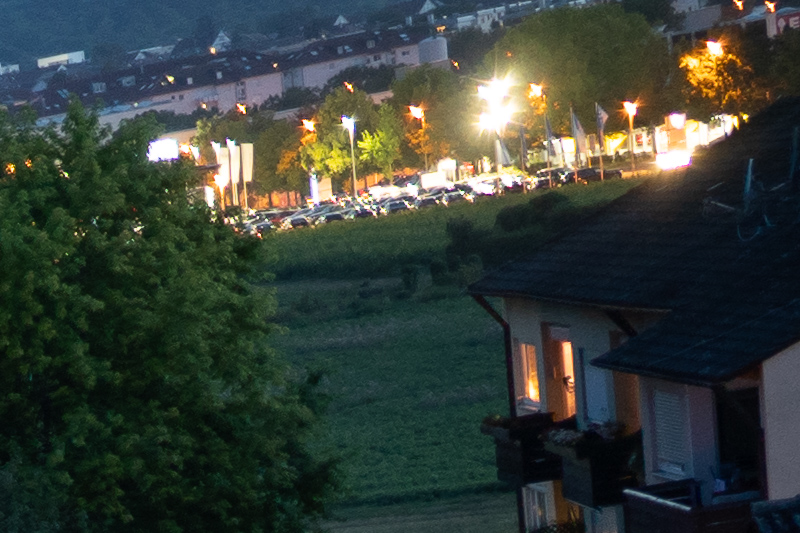
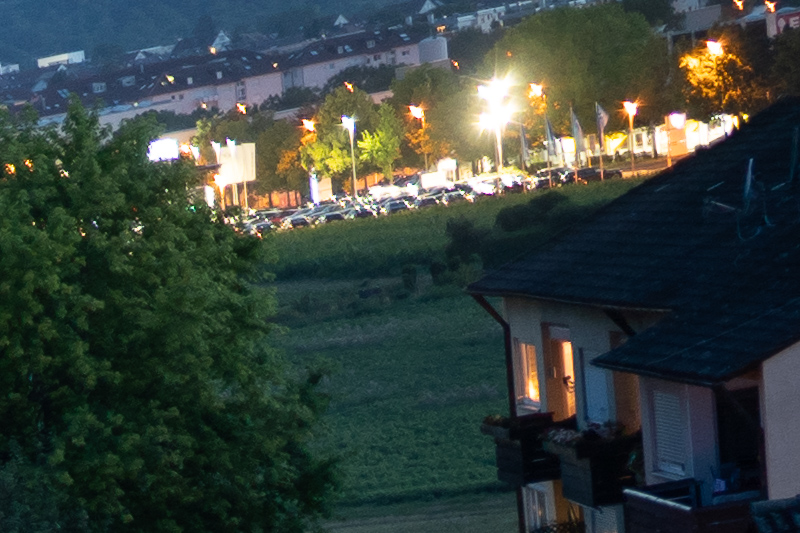
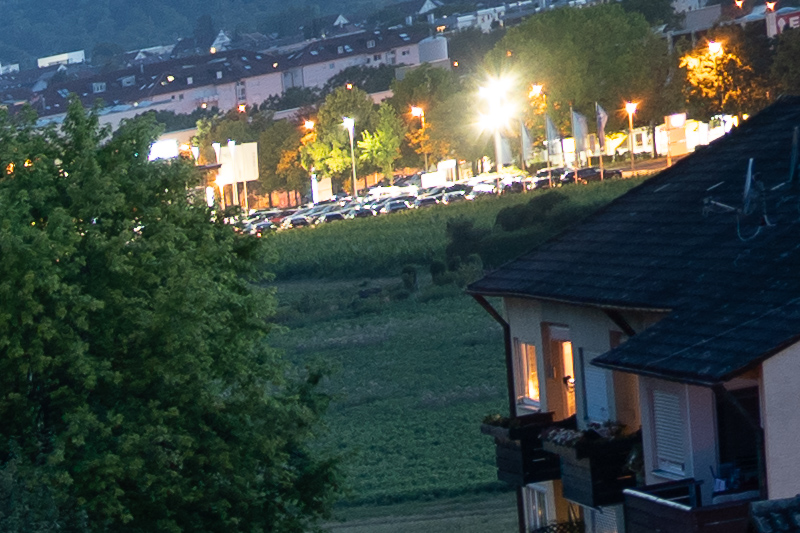
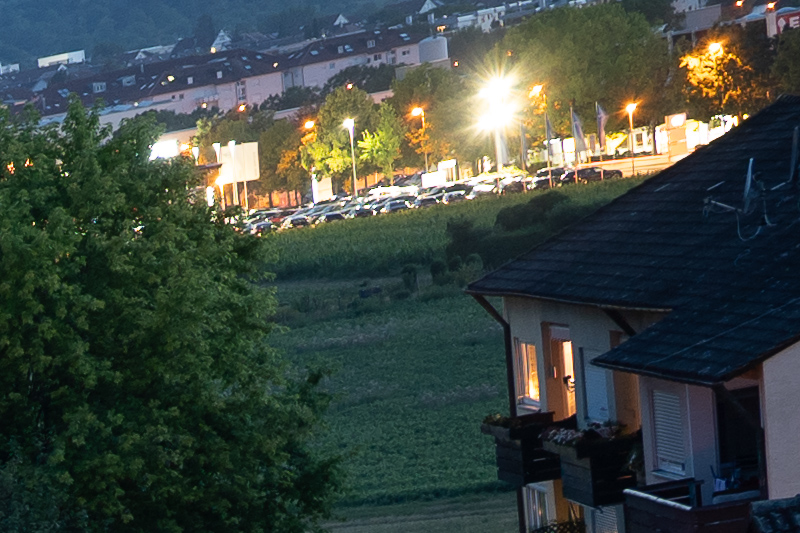
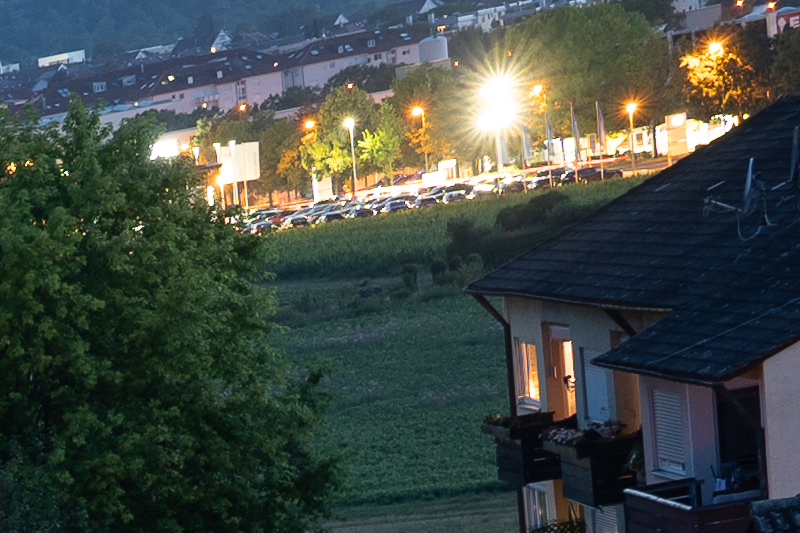
We can see some small artefacts at f/1.2 and f/1.4, by f/2.0 they are almost gone and by f/2.8 completely. This is a good performance, but the Viltrox AF 35mm 1.2 LAB actually looked even better in my tests and also the Sigma 35mm 1.2 DG Art II creates slightly smaller artefacts.

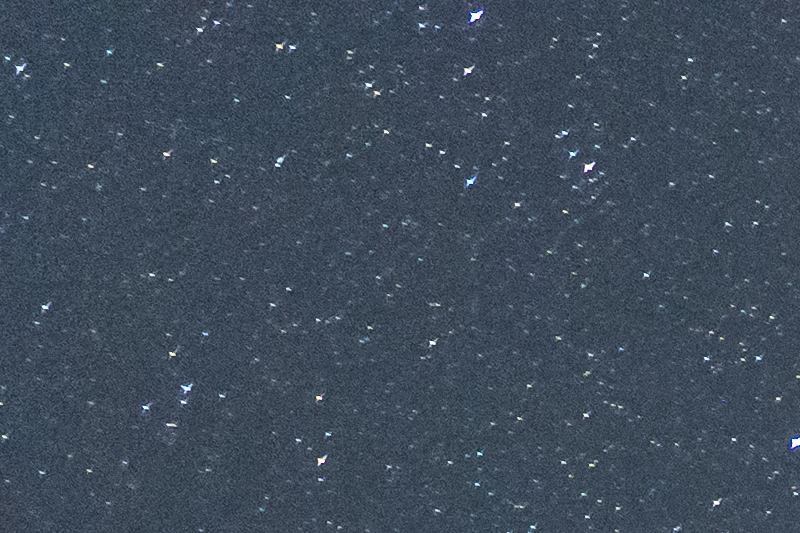
Nikon Zf | Nikon Z 35mm 1.2 S | 100% crops
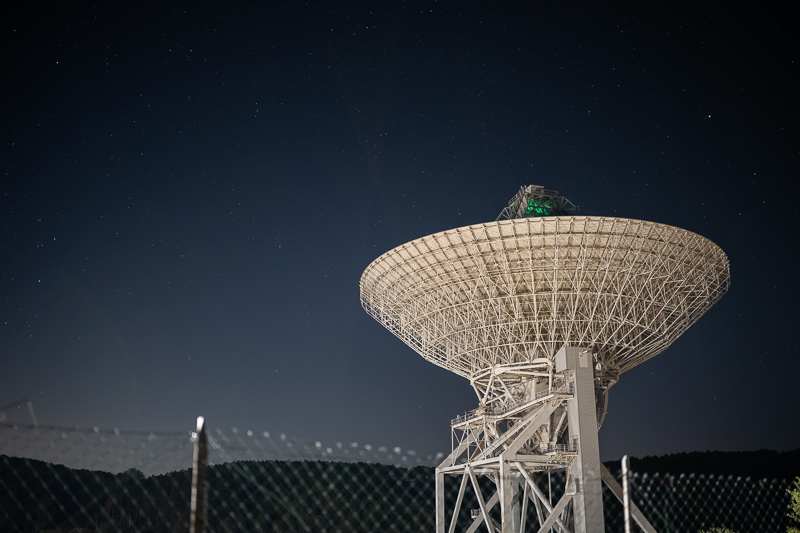
As you can see from several sample pictures throughout this review, I found this lens to be very capable for astrophotography.
Distortion
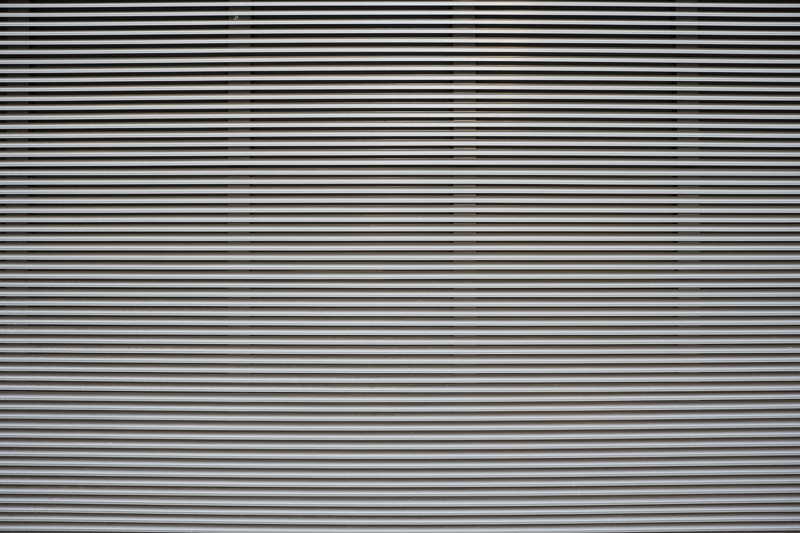
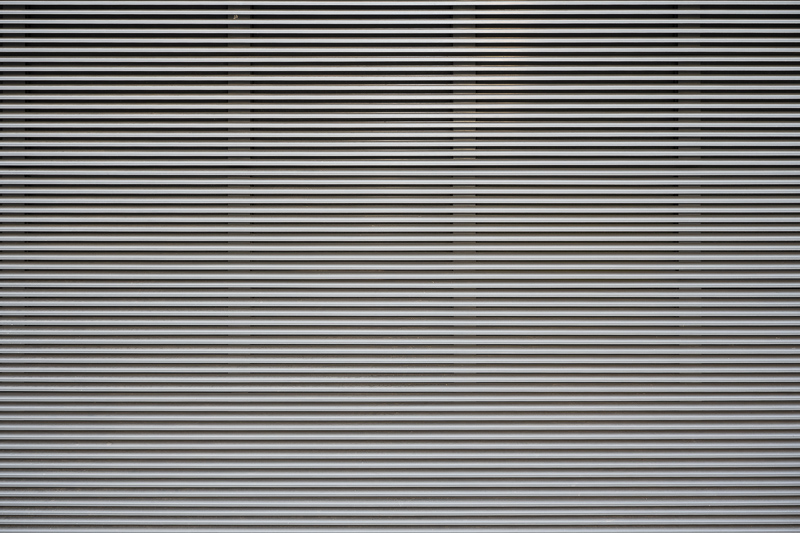
This Nikon Z 35mm 1.2 S comes with a built-in correction profile for distortion so I checked what the situation looks like with the lens slightly disconnected from camera to bypass any possible digital corrections. We can see that Nikon decided to correct distortion by the optical design as there is only a very low amount of it to begin with.
Bokeh

In a fast 35mm lens this is one of the most important categories to me and the competition is strong, so let’s have a closer look.
Close Distance



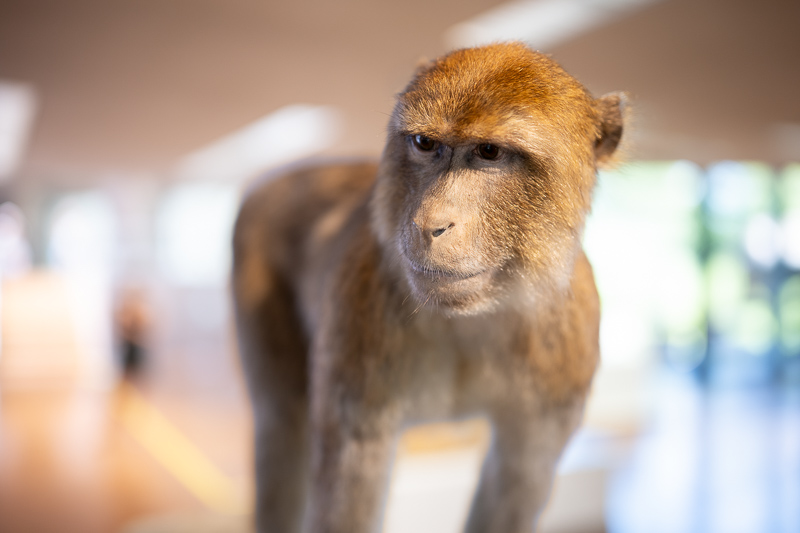
In the sharpness close section this Nikon lens did not look as impressive as some of its competitors, but with actual 3D subjects it creates very pleasing images with a clearly defined, contrasty focal plane, a smooth transition zone and smooth background with a reasonable amount of optical vignetting.
Mid Distance

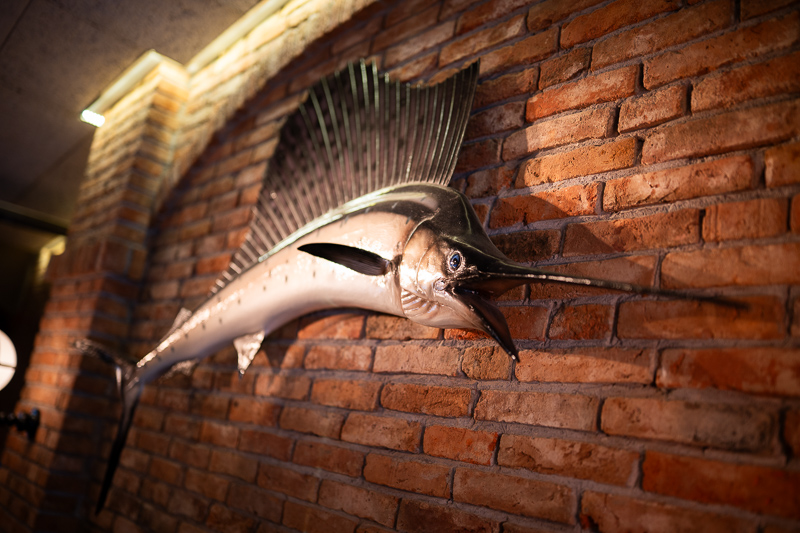


Also at mid distances the high contrast and resolution really makes the subject stand out against the blurred background.
The rendering is actually a bit smoother than that of the Viltrox AF 35mm 1.2 LAB, giving it an advantage with complex backgrounds like foliage.
Long Distance



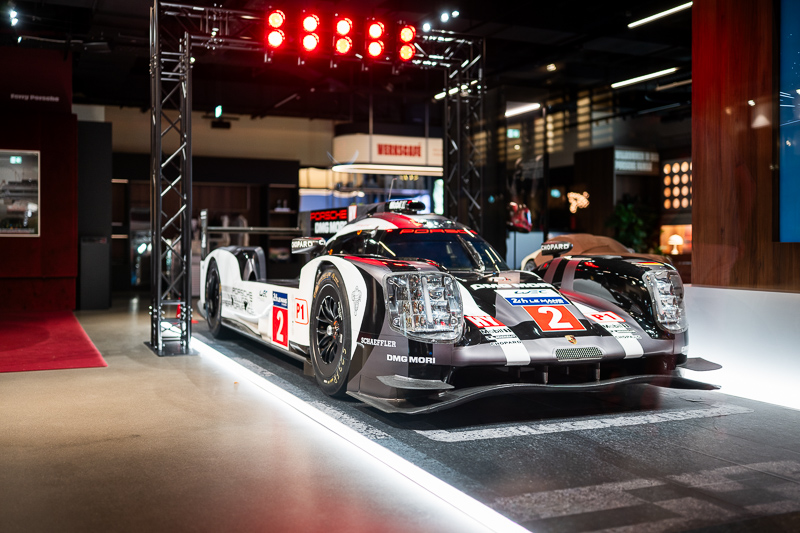
Long distances are where things get interesting with these fast wide angle lenses and sometimes even a fast maximum aperture is not enough to create an appealing background, when unfavourable field curvature or too strong optical vignetting spoil the game.
Here neither is the case: this lens creates a flat field with rather homogeneus backgrounds that won’t draw unwanted attention due to field curvature or double edged structures.
Judging a lens on its own is one thing, but it is usually more revealing to compare it to its competitors, so I put together my Second Super Fast 35mm Comparison where I compare this Nikon lens directly to the Viltrox AF 35mm 1.2 LAB as well as the Sigma 35mm 1.2 DG Art II.
Sunstars
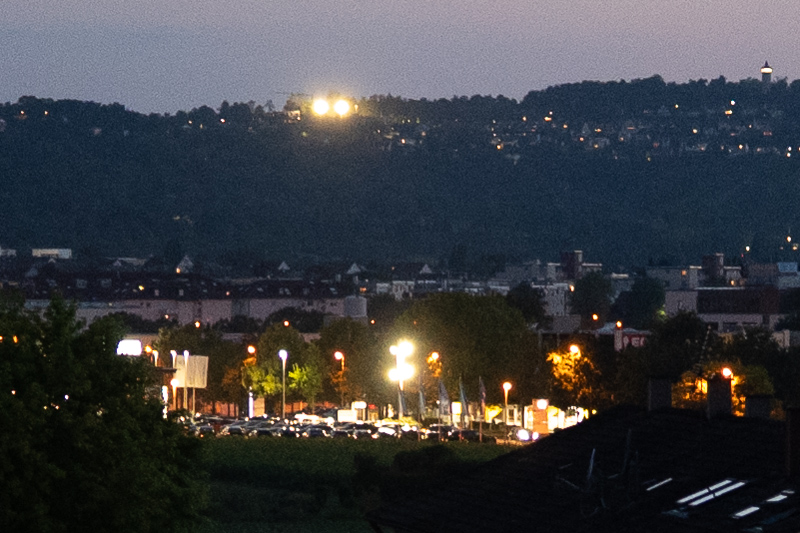
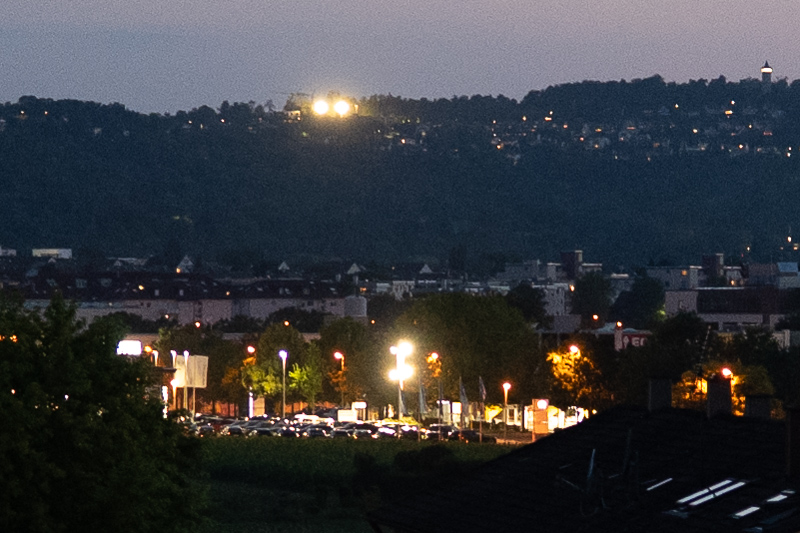
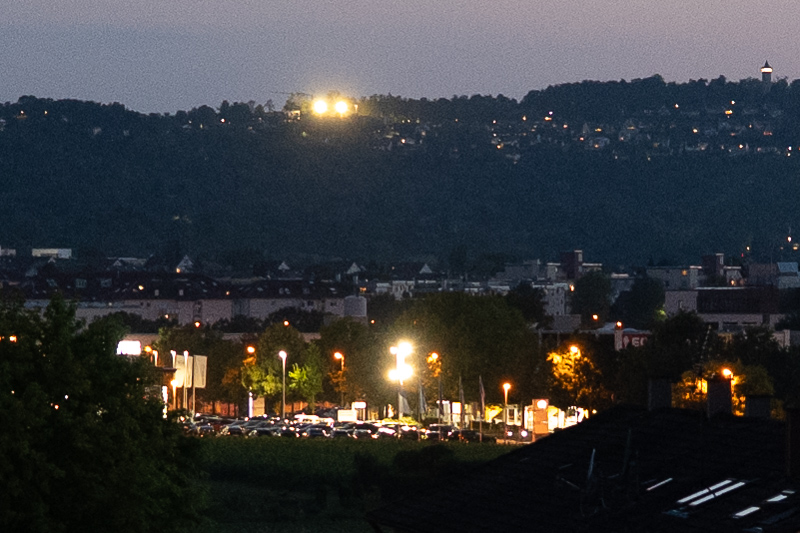
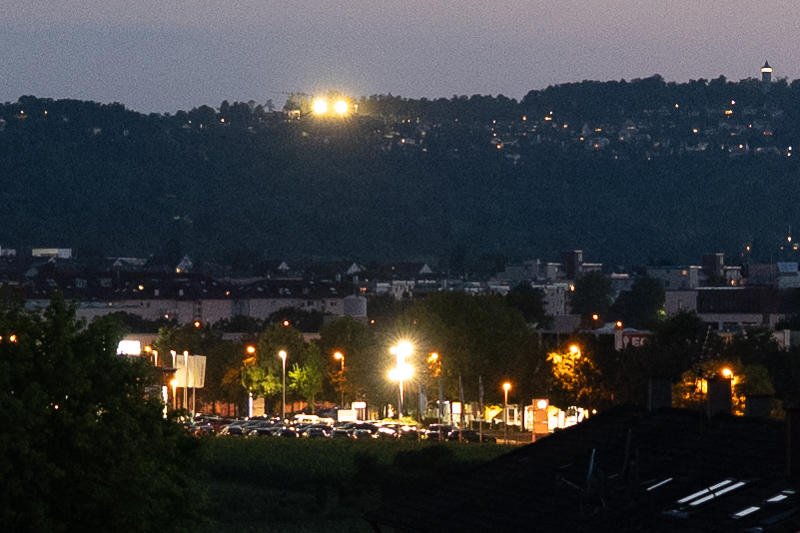
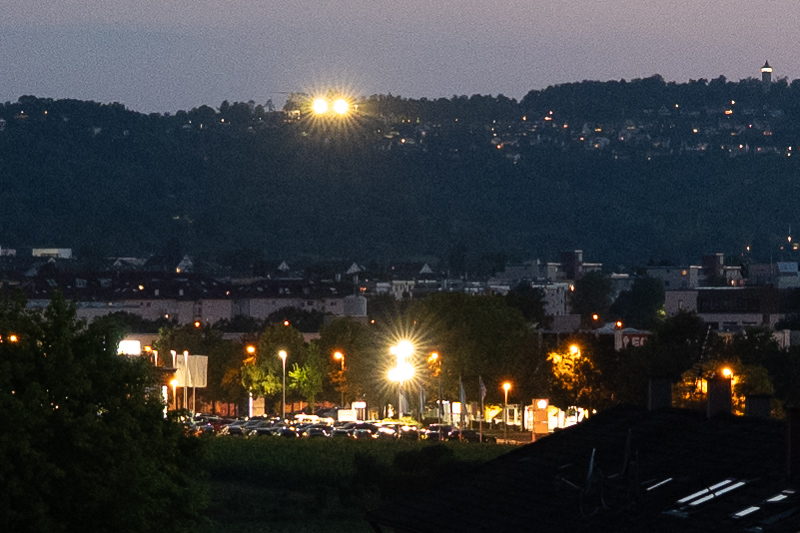
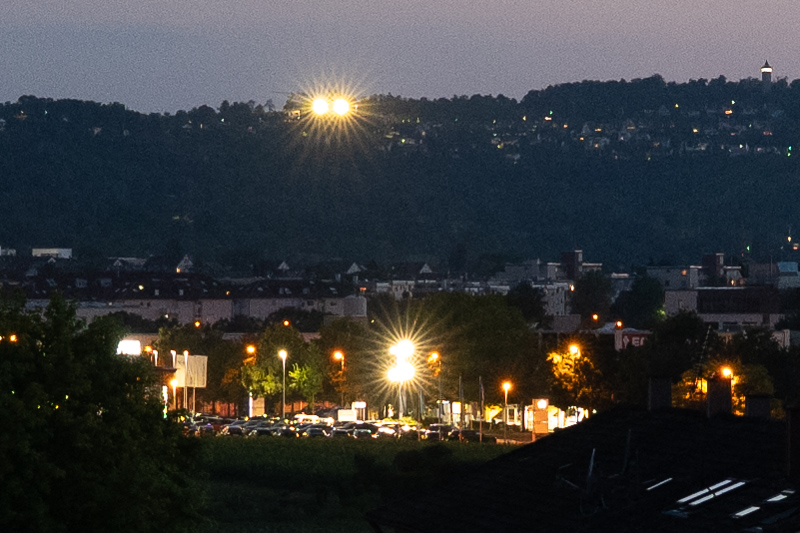
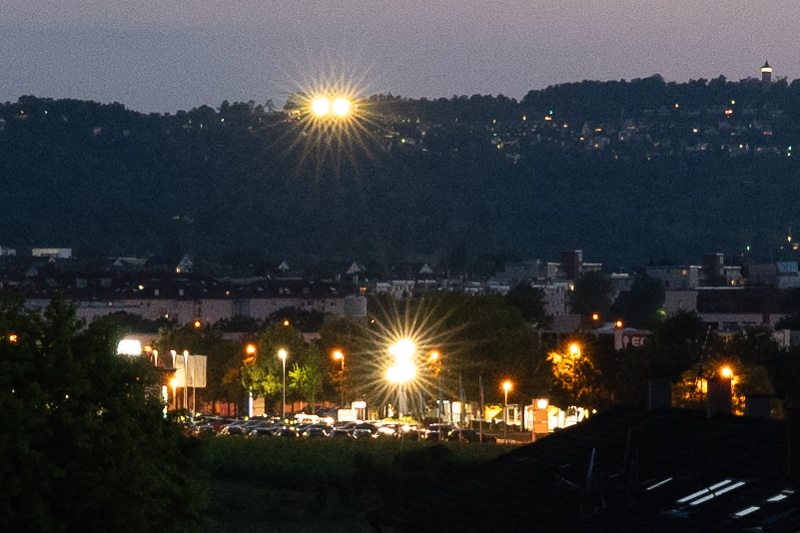
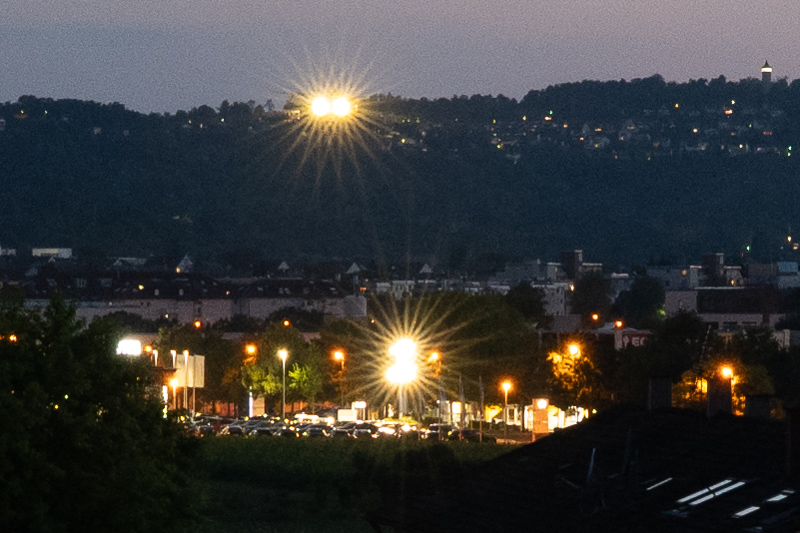
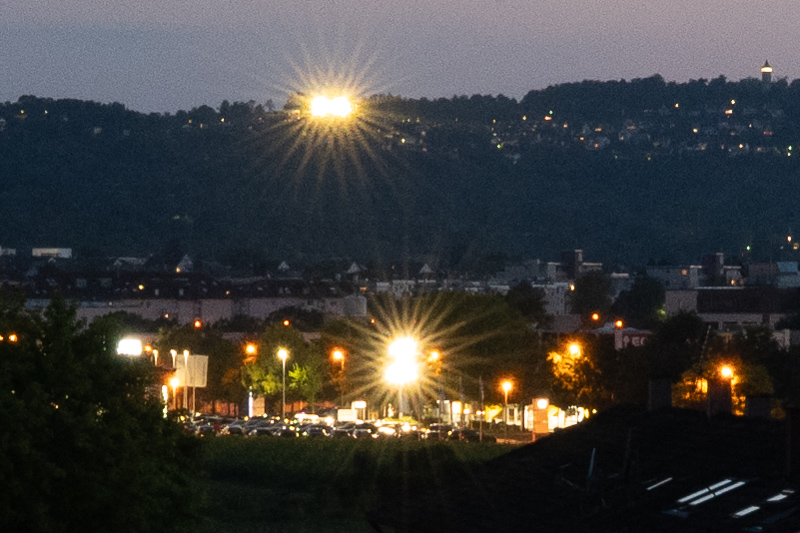
Like both of Sigma’s 35mm 1.2 Art lenses and the Viltrox AF 35mm 1.2 LAB also this Nikon Z 35mm 1.2 S makes use of a diaphragm made of 11 rounded aperture blades. With this configuration not in many situations you will see distinct sunstars, the alignment of the blades is very good though, so from f/5.6 to f/16 the sunstars are clean with an even length of the rays.
If you want to know more about sunstar rendering of different lenses have a look at this article.
Chromatic aberration
lateral
The Nikon Z 35mm 1.2 S Nikkor features a built-in lens correction profile for lateral CA that will be recognized and automatically applied in most raw converters.
longitudinal
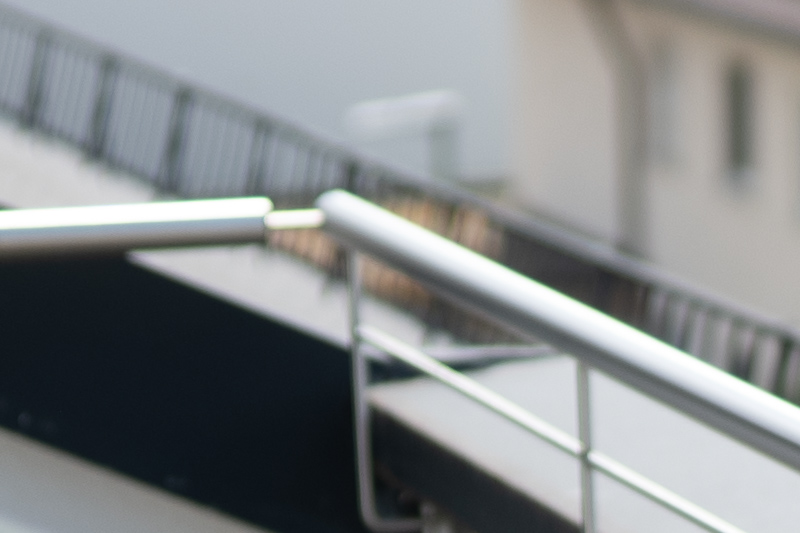

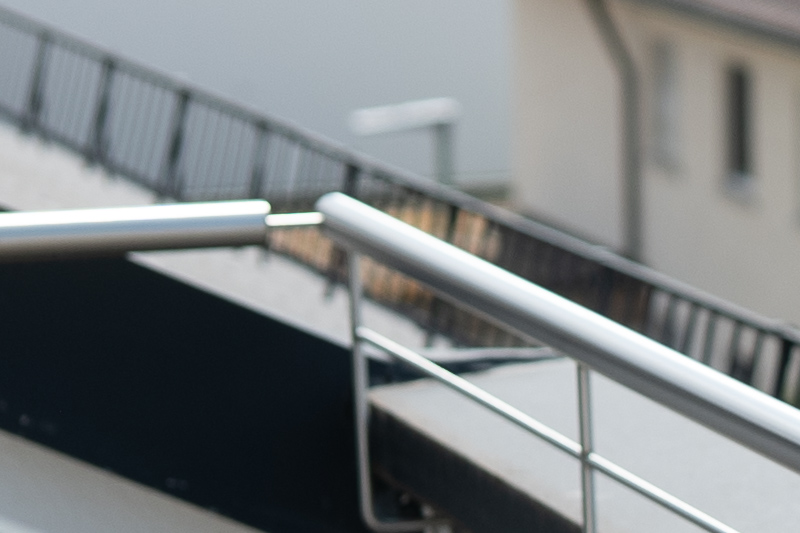


Nikon Zf | Nikon Z 35mm 1.2 S | 100% crops
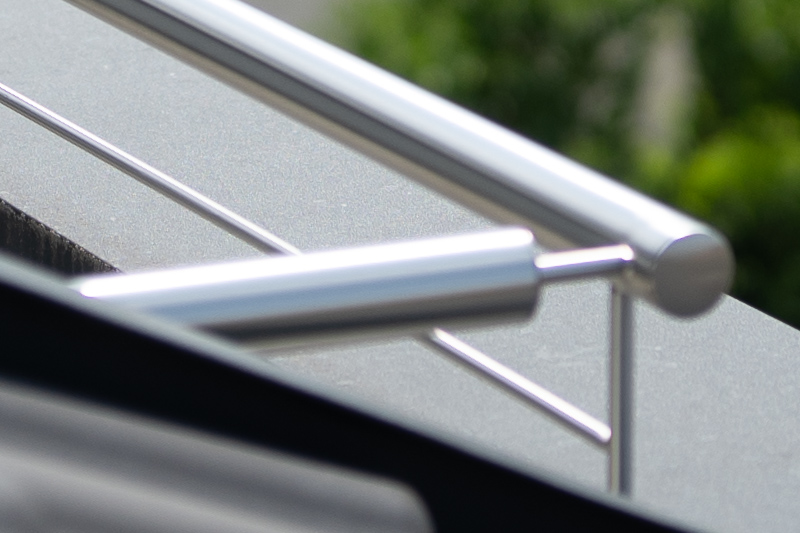
We see a very low amount of bokeh fringing at f/1.2 and f/1.4 which by f/2.0 is gone. This is a very good performance and the amount of bokeh fringing would hardly be enough to ruin your shots, but also here the Viltrox AF 35mm 1.2 LAB and the Sigma 35mm 1.2 DG Art II perform even better.

Nikon Zf | Nikon Z 35mm 1.2 S | 100% crops
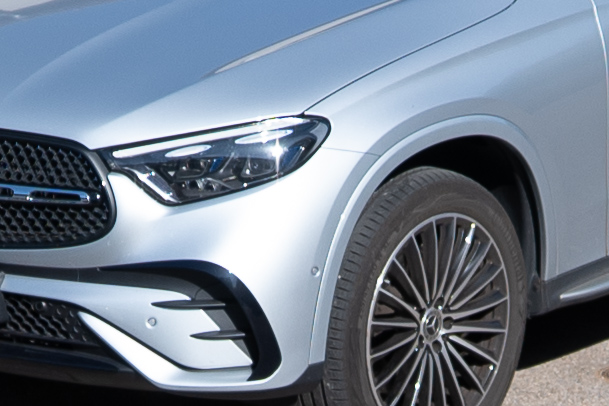
Purple fringing is nowhere to be found.
Conclusion
good
|
average
|
not good
|
Let me first say, this is definitely the best 35mm lens that ever carried a “Nikon” branding. After the lackluster 35mm lenses during the AF-S era, this is actually a really good lens that doesn’t have to shy away from its competitors.
I have used all the 35mm 1.2 AF fullframe lenses that have been released to this day and this is actually my favorite in terms of optical performance, as for any kind of application I could think of for a fast 35mm 1.2 lens, it performed admirably and manages to combine very appealing bokeh with reasonable optical vignetting and a very good correction of most optical aberrations.
The pricing is extremely prohibitive though and looking at what a great performer the Viltrox AF 35mm 1.2 LAB is for a third of the price and how small Sigma managed to make their Sigma 35mm 1.2 DG Art II, still makes this Nikon lens hard to recommend – despite me being sure that everyone who buys one will surely be happy with the results he or she will be getting.
buy from amazon.com | amazon.de | B&H | ebay.com | ebay.de (advertisement/affiliate links) for $2897
Alternatives
I will only talk about the most notable 35mm lenses which are faster than f/1.4 here. You can find many more 35mm lenses being discussed in our 35mm guide.
And best first have a look at my Second Super Fast 35mm Comparison where I directly compare this Nikon Z 35mm 1.2 S to the Sigma 35mm 1.2 DG Art II and the Viltrox AF 35mm 1.2 LAB N.
Z-mount
Viltrox AF 35mm 1.2 LAB:
The Viltrox clearly gives this Nikon a run for its money. Not only is it smaller and lighter, it also performs better in several categories like Coma, loCA and central sharpness at f/1.2. This Nikon creates smoother bokeh, has slightly less vignetting and minimally better flare resistance though.
buy from manufacturer’s shop (use the code “BK3512LAB5” for 5% discount) | Pergear | amazon.com | amazon.de | B&H | ebay.com | ebay.de (advertisement/affiliate links) for $999
Laowa 35mm 0.95 Argus:
If you don’t need autofocus the Laowa 35mm 0.95 Argus creates a look you cannot achieve with any other 35mm lens. It is not corrected as well for optical aberrations as any of the other lenses mentioned here though.
buy from the manufacturer’s homepage | ebay.com | B&H (advertisement/affiliate links) for $649
E-mount
Sigma 35mm 1.2 Art DG DN II:
Sigma’s second generation 35mm 1.2 is the smallest and lightest 35mm 1.2 fullframe AF lens. In many categories it performs as well as this Nikon lens, its main disadvantage is the strong optical vignetting (cat’s eye bokeh).
buy from amazon.com | amazon.de | B&H | ebay.com | ebay.de (advertisement/affiliate links) for about $1549
Sigma 35mm 1.2 Art DG DN:
Also the first generation Sigma lens is a high performing lens. It is as big and heavy as this Nikon lens while having stronger optical vignetting and worse flare resistance. I replaced mine with the Viltrox AF 35mm 1.2 LAB because of that.
buy from amazon.com | B&H | ebay.com | ebay.de (advertisement/affiliate links) for about $1499 (new) or starting at $750 (used)
Sample Images




























Most of the sample images in this review can be found in full resolution here.
Further Reading
- All Lens Reviews
- Review: Viltrox AF 16mm 1.8 Pro
- Review: Zeiss 28mm 1.4 Otus
- Review: Nikon Z 58mm 0.95 S Noct-Nikkor
- How to: Creating Environmental Portraits
- Discuss this review in our Discord community
Support Us
Did you find this article useful or just liked reading it? Treat us to a coffee!

 via Paypal
This site contains advertisement/affiliate links. If you make a purchase using any of the links marked as advertisement/affiliate links, I may receive a small commission at no additional cost to you. This helps support the creation of future content.


Latest posts by BastianK (see all)
- Review: Nikon Z 35mm 1.2 S Nikkor - October 17, 2026
- Prime Day Photoshop+Lightroom offer for Amazon Prime Members (EU/UK) | Update: also at B&H - October 7, 2026
- Review: Nikon AF-S 18-35mm 3.5-4.5G - October 7, 2026