Introduction
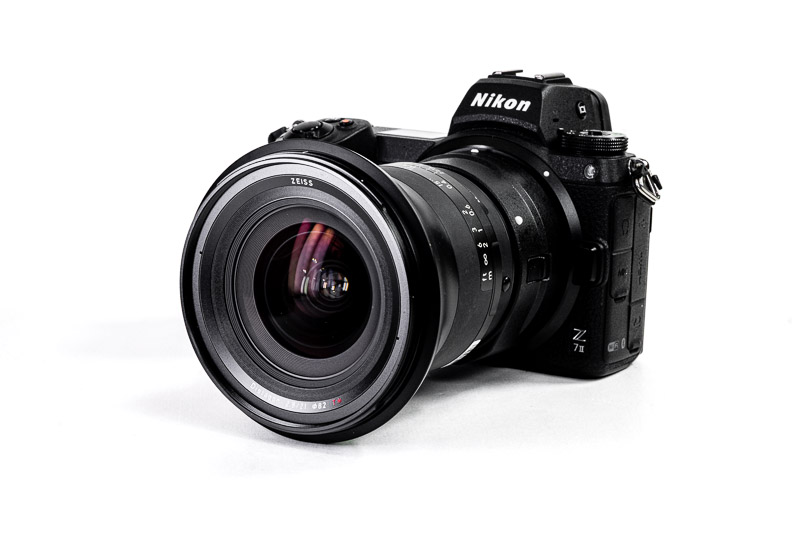
Let’s take a look at a lens from one of the industry’s heavyweights, Carl Zeiss—the 21mm f/2.8 from the Milvus series. It offers the immersive field of view that many people love for landscape, architecture, and environmental portrait photography, without being so wide that composition becomes tricky. As Zeiss’s final DSLR-era lineup, the Milvus lenses benefited from decades of optical experience, aiming to deliver high image quality in a more practical, less bulky package than the no-compromise Otus line. Let’s see how it performs.
 I tested this lens on a 46 Mp Nikon Z7ii (Sample images were taken with a Nikon Zf)
 You can see this review as a YouTube video here!
 Sample images in high resolution here.
Sample Images







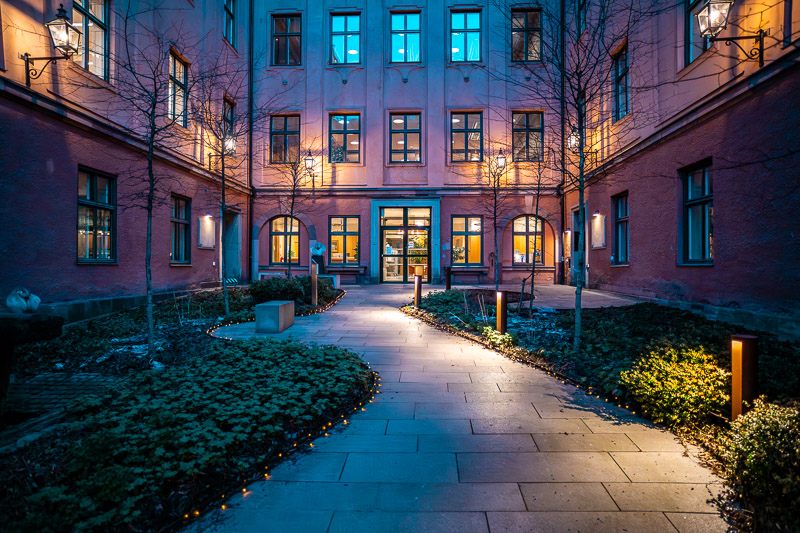

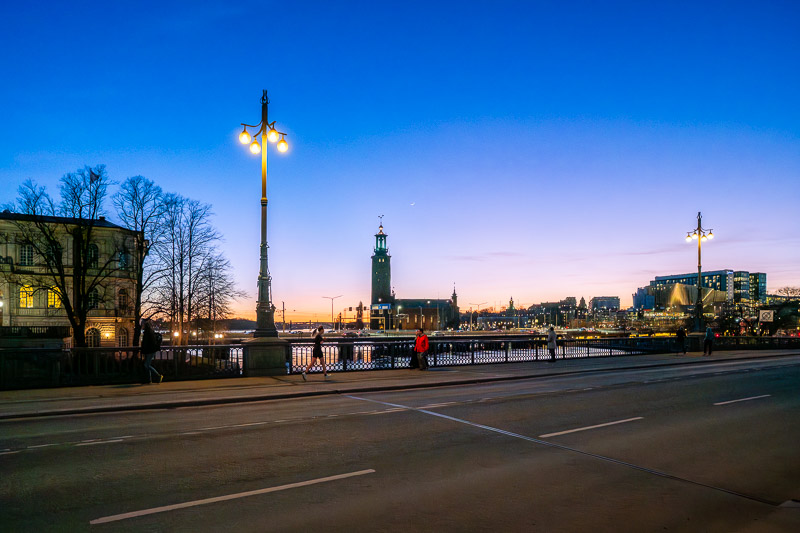


Most of the sample images in this review and many more can be found in higher resolution here.
Specifications
| Focal Length | 21mm |
| Angle of View | 90° |
| # of Aperture Blades | 9 (Rounded) |
| Max Aperture | f/2.8 |
| Min Aperture | f/22 |
| Min Focus Distance (Magnification) | 22 cm (1:5 or 0.2x ) |
| Filter Size | 82 mm |
| Lens Mount | Nikon F (ZF.2) , Canon EF (ZE) |
| Weight | 735 g |
| Size (D x L) | 95 x 93 mm |
| Elements/Group | 16 Elements in 13 Groups |

| Buy new: Amazon, B&H for $1299 (Affiliate links) Buy used: Kamerastore, eBay.com from $1050 (Affiliate links) |
Disclosure
Kamerastore kindly Loaned this lens to me for testing and review.

Variations
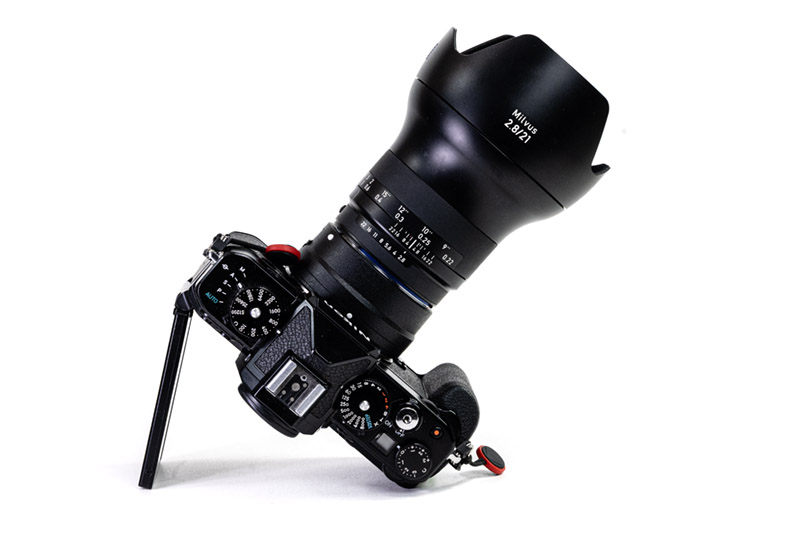
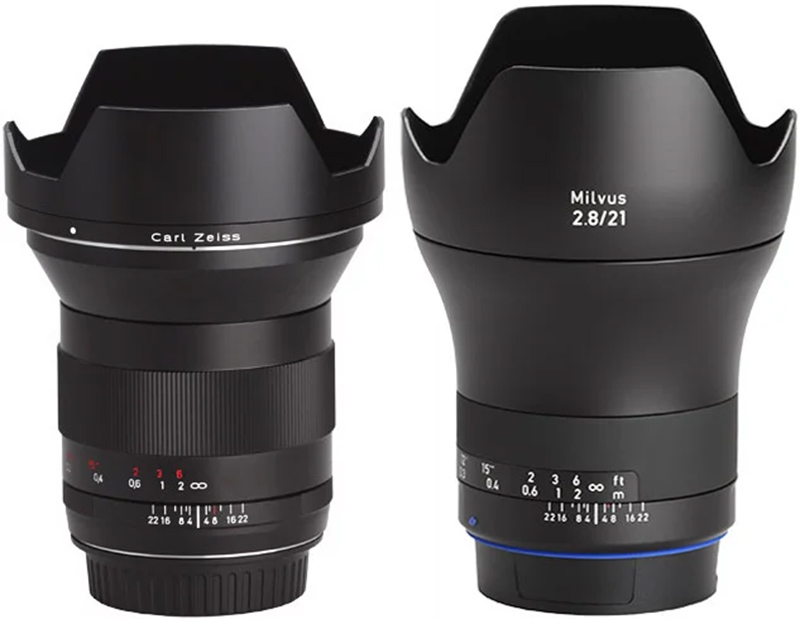
While most Milvus lenses share the same optical construction as the classic ZE/ZF.2 designs, they are housed in a redesigned, more modern casing. However, the Milvus line also introduces several meaningful updates beyond the exterior.
For example, in the Milvus 21mm f/2.8, Zeiss uses newer, higher-index glass elements to better control chromatic aberration. The lens also features an updated iteration of the T* anti-reflective coating, “specifically optimized for digital sensors”, according to ZEISS.
In addition, the Milvus series incorporates more light-absorbing materials and improved internal baffling, which helps increase micro-contrast and reduce ghosting when shooting into bright light sources like the sun.
Another key improvement is the addition of weather sealing, new to the Milvus lineup, which I discuss further below.
Handling and Build Quality
This Zeiss lens is metallic, heavy, and solid—exactly how I imagine a Zeiss lens should feel. It is heavy, but since the overall package is relatively compact, that weight translates into a reassuring sense of heft. This lens is available in either Nikon F or Canon EF mount; I am testing the Nikon F version.
There are several small details here that really highlight the level of quality and attention to detail. Starting from the front element and moving toward the camera, you get the rubberized, mechanically coupled focus ring. It turns smoothly, with what feels to me like perfect damping and about 124° of rotation.
The ring is, as mentioned, rubberized—except for the distance scale. Here, the distance markings in both meters and feet are engraved into the metal and filled with paint.
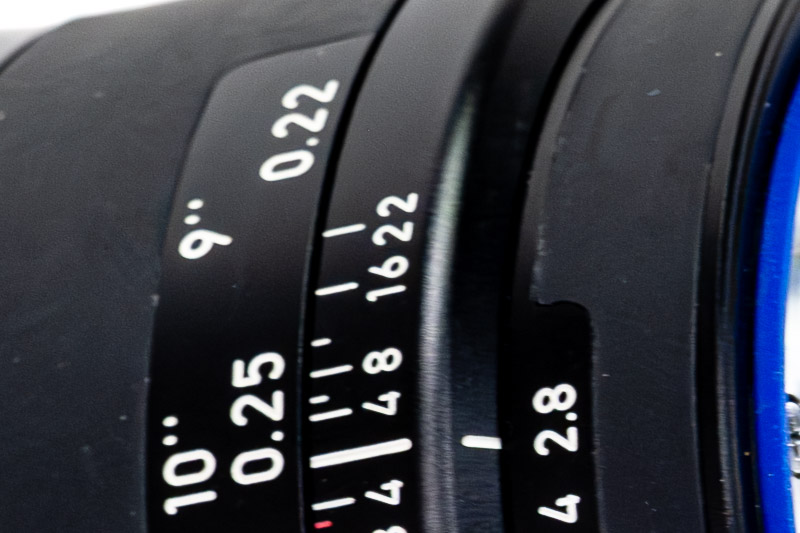
Even more impressive—and quite unusual—is that the focus direction is different depending on the mount. The Nikon version I’m testing has minimum focus distance to the right and infinity to the left, matching Nikon’s manual focus tradition. The Canon version is reversed, with infinity to the right and minimum focus distance to the left.
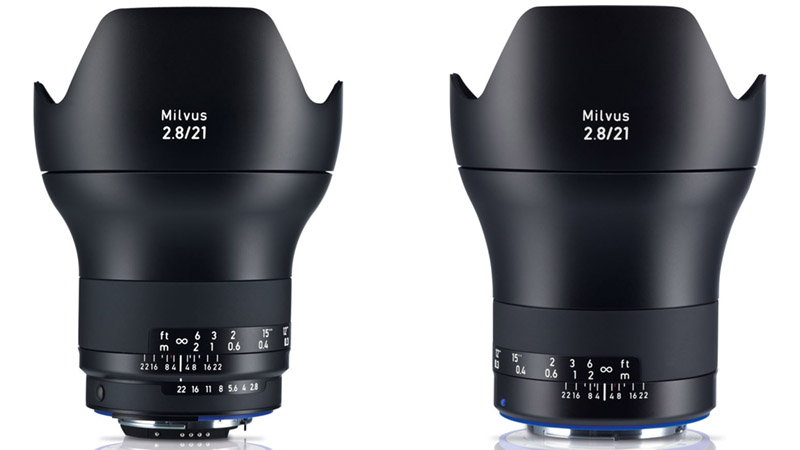
Next is the depth-of-field scale on the barrel, followed—on the Nikon mount version only—by the aperture ring. Like the focus ring, it is rubberized for optimal grip, except where the aperture values are engraved into the metal. The ring clicks distinctly in half-stop increments. At f/22, it locks into place, as this position also enables automatic aperture control from the camera. A button on the ring releases the lock, allowing a return to manual control. The ring can be declicked, but you need a small screwdriver-like tool that normally comes in the box when you buy a new lens.
The mount plate is metal and resembles that of an AI-S lens, but with added electronic contacts for aperture control and EXIF data transmission. The lens does not include image stabilization.

A distinctive ZEISS blue rubber ring is visible around the mount. In addition, Zeiss specifies four pairs of weather-protection rings in typical Milvus lenses to guard against dust, moisture, and splashes.
The Carl Zeiss Milvus 21mm comes with a sturdy, all-metal, petal-shaped lens hood that matches the build of the lens itself.

Important Note for Nikon Z Users
You cannot use the aperture ring on a Nikon Z camera when using a ‘smart’ adapter such as Nikon’s FTZ or FTZ II. This is because the camera effectively overrides manual aperture control.
This lens was designed for Nikon DSLR cameras, where the working aperture is mechanically controlled via a lever on the lens mount that engages a corresponding mechanism inside the camera body. Nikon Z cameras and the FTZ adapter lack this linkage.
At the same time, because this is a CPU lens, the electronic contacts signal its presence to the camera, which then assumes full control over the aperture. As a result, if you move the aperture ring away from f/22, the camera will display an error and refuse to fire until the ring is reset. In practice, this effectively turns your Milvus into a G-type lens, removing manual aperture control in favor of electronic operation.
By contrast, when using a simple ‘dumb’ adapter without electronic contacts, the camera treats the lens as fully mechanical, allowing full use of the tactile aperture ring. You can also place a small piece of paper over the contacts on the lens or FTZ adapter to achieve the same effect, retaining light metering and aperture priority. However, this disables EXIF data and removes the option to control the aperture via the camera.
In practice, this is one of those cases where the camera ends up being a bit too smart for its own good.
Optical Features
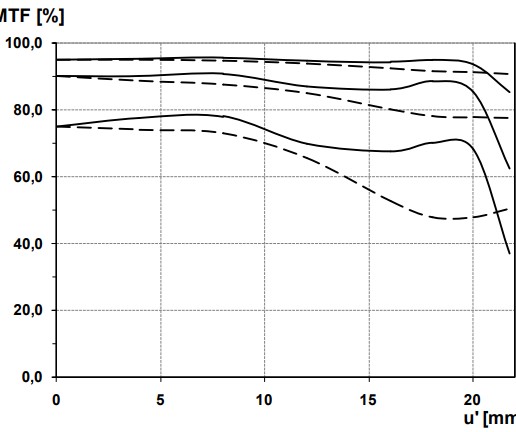
Sharpness (Infinity)
For the infinity sharpness test, we look at three areas of the image, centre, mid-frame, and corner, see highlighted areas in the image below!
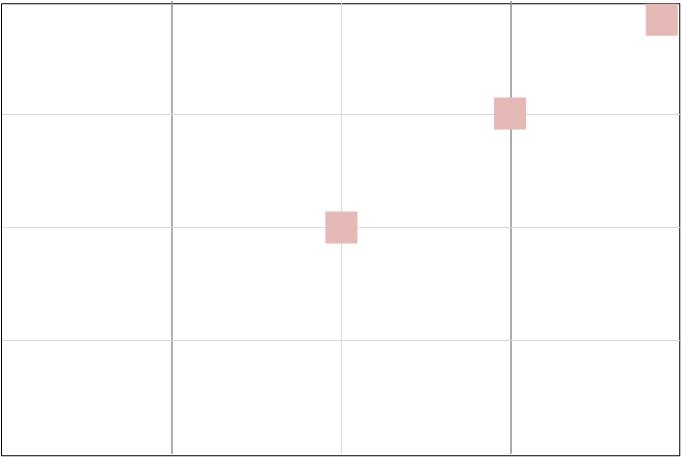

The center sharpness is very good already wide open at f/2.8, with the midframe and corners also showing good sharpness. Stopping down to f/5.6 brings the center to excellent levels. For excellent midframe sharpness, stopping down to f/8 is recommended. The best corner performance is achieved at f/11, although it never quite reaches the same level as the center or midframe. Some color fringing is also visible in the corners and does not disappear completely when stopping down.
Sharpness (Close-up)







The lens delivers very good close-up sharpness, although contrast is somewhat low wide open at f/2.8. Stopping down to f/4 brings both contrast and sharpness to excellent levels. Diffraction begins to appear at f/11, but remains subtle enough to go largely unnoticed. It becomes more noticeable at f/16, while sharpness is still very good, and is most pronounced at f/22.
Lens Distortion
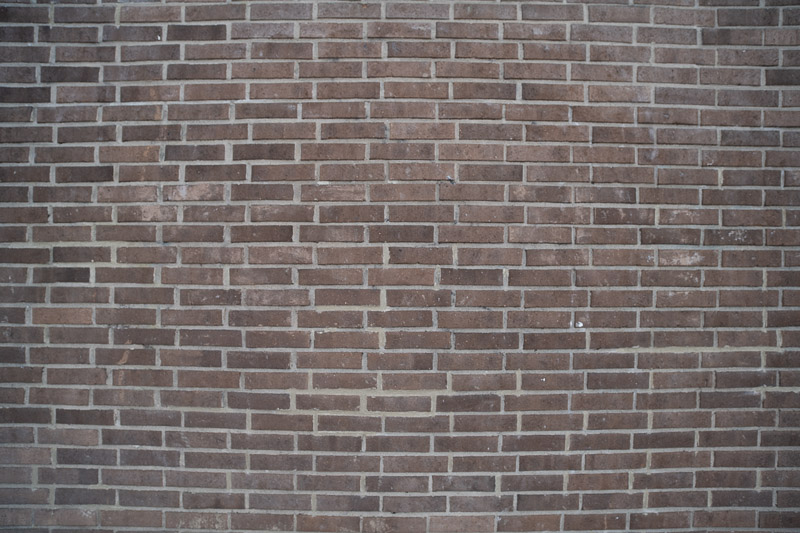
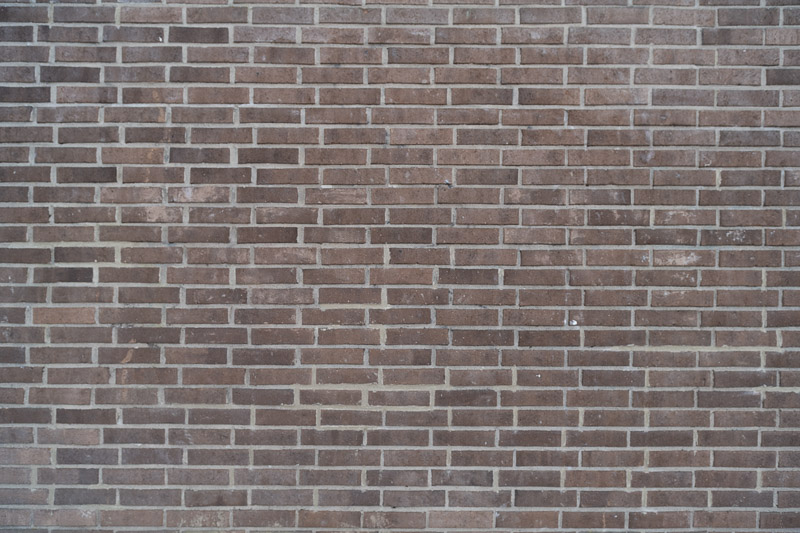
This Milvus 21mm lens exhibits an unusual type of distortion—mustache distortion. It appears almost distortion-free across most of the frame, except in the corners, where it suddenly shows pincushion-type distortion. Manual correction is difficult, as correcting the corners causes the center to bulge outward. Fortunately, Lightroom includes a built-in profile for the Zeiss Distagon T* 2.8/21 ZF.2, which shares the same optical design as this Milvus. It corrects the distortion quite effectively and, as a bonus, also removes the vignetting.

Vignetting
Vignetting is noticeable at f/2.8, moderate at f/4, and low at f/5.6 and smaller apertures, but it never becomes negligible. Even at narrower apertures, it remains visible in scenes such as snowy landscapes.

- F/2.8: 2.2 EV
- F/4.0: 1.6 EV
- F/5.6: 1.3 EV
- F/8.0: 1.2 EV
- F/11: 1.1 EV
Focus Shift & Aberrations
Longitudinal chromatic aberration is negligible, and the focus shift is no problem here.

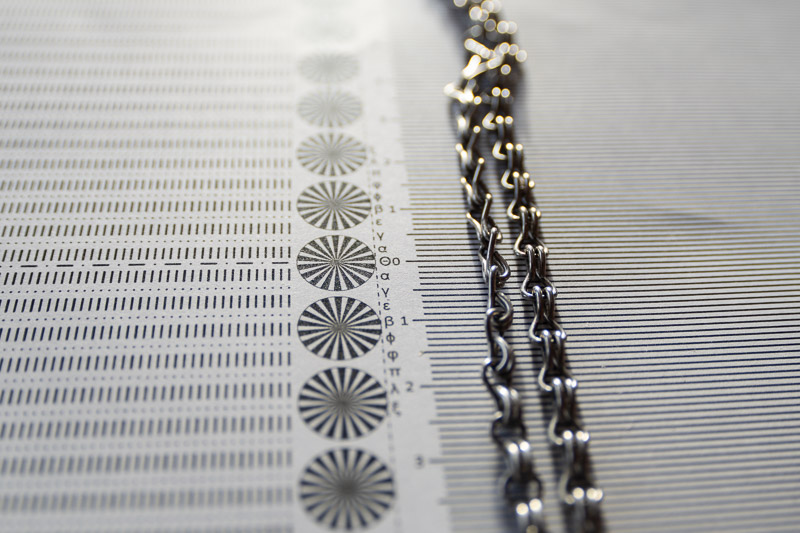
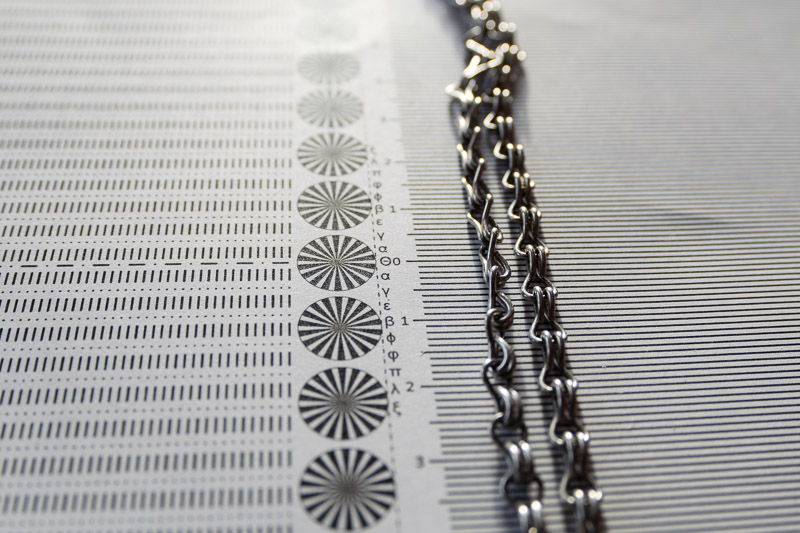
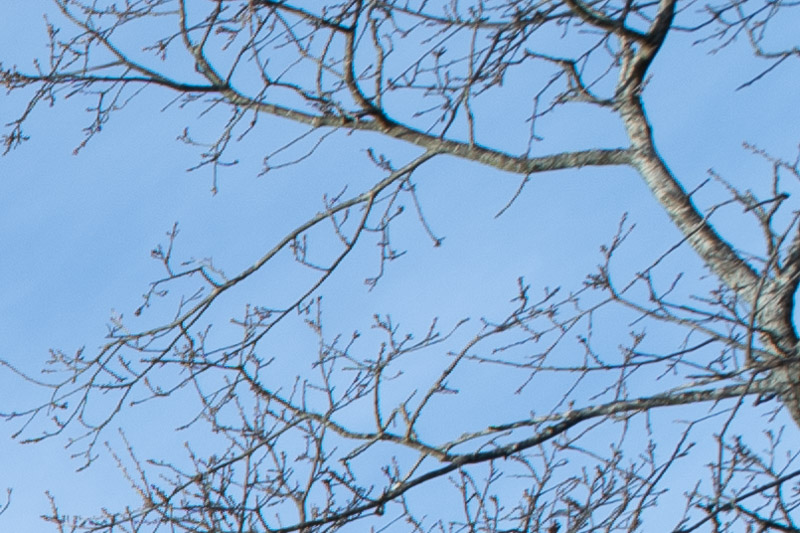
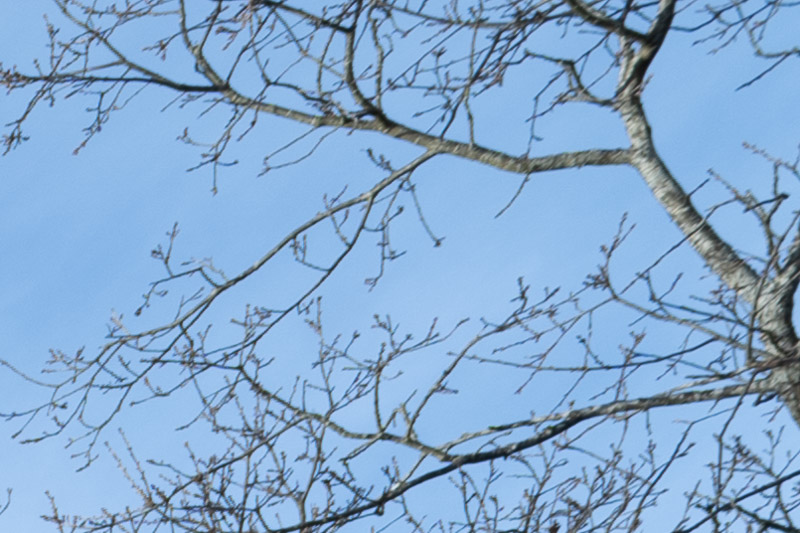
Lateral chromatic aberration, on the other hand, is there, nothing serious though. You can correct it with a single click in LR or PS.
Flare Resistance
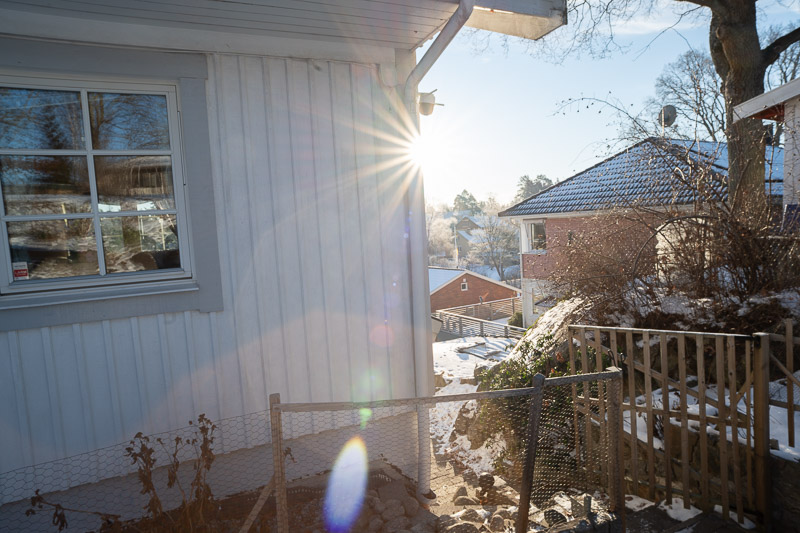
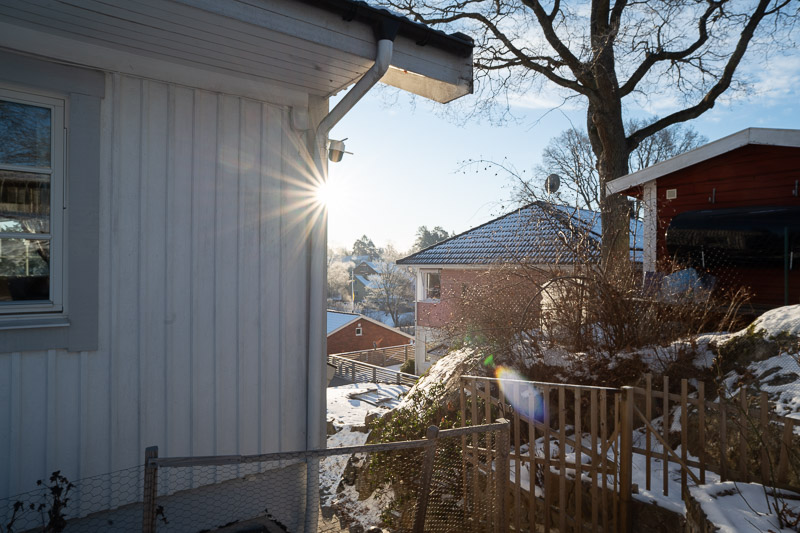
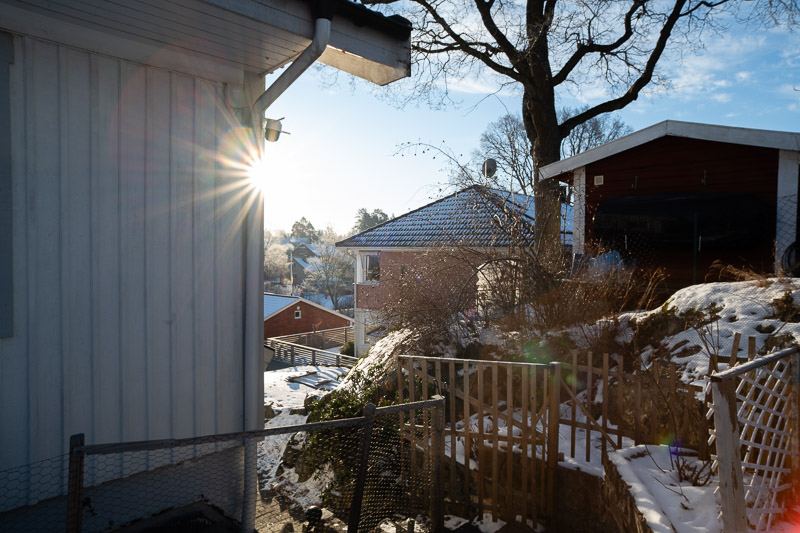
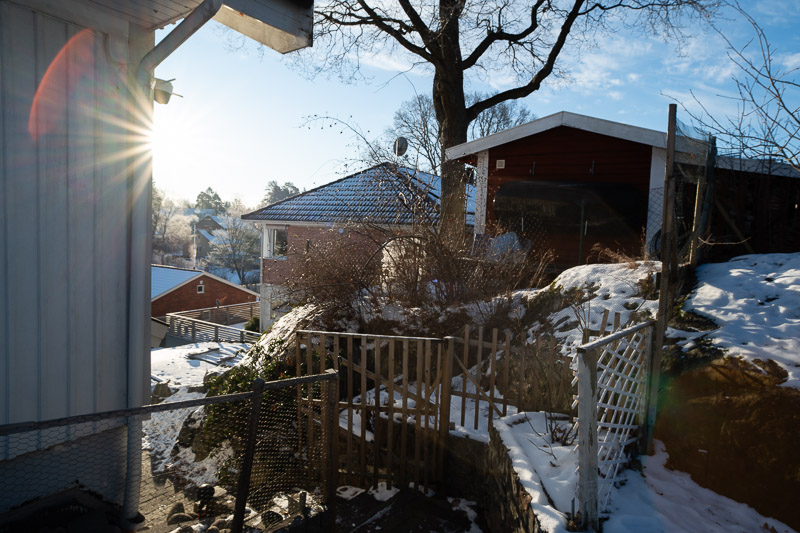
In this category, almost any lens can struggle, and in most cases, a small change in position or angle can make a dramatic difference. Flare resistance is relatively good, though not outstanding. At wider apertures, flare is generally not an issue, except in rare cases where a slight pink color cast and reduced contrast may appear. At smaller apertures, however, ghosting can become noticeable.







Coma
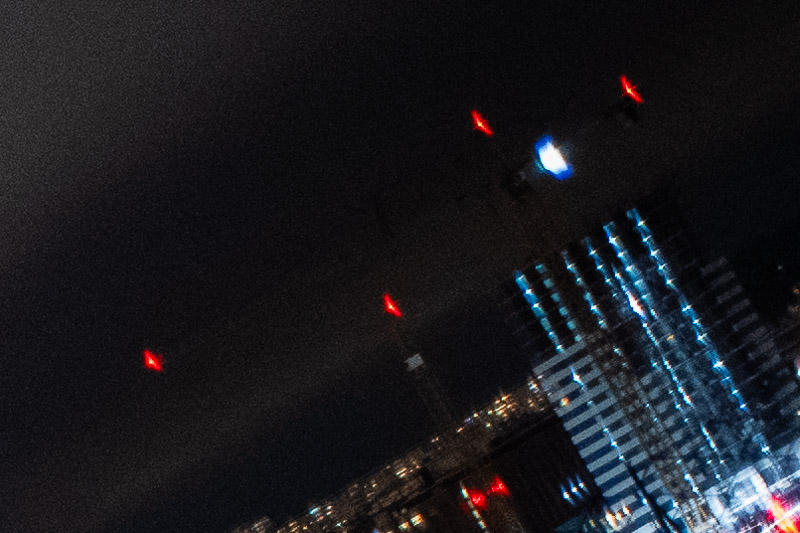
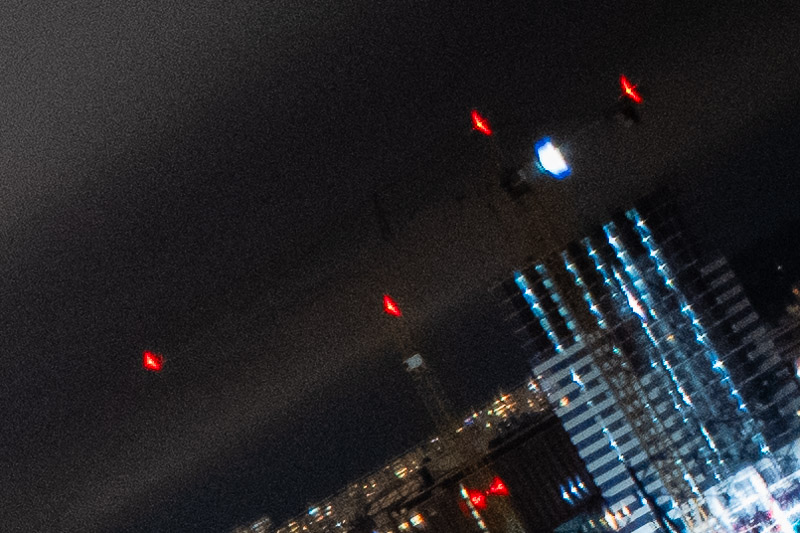
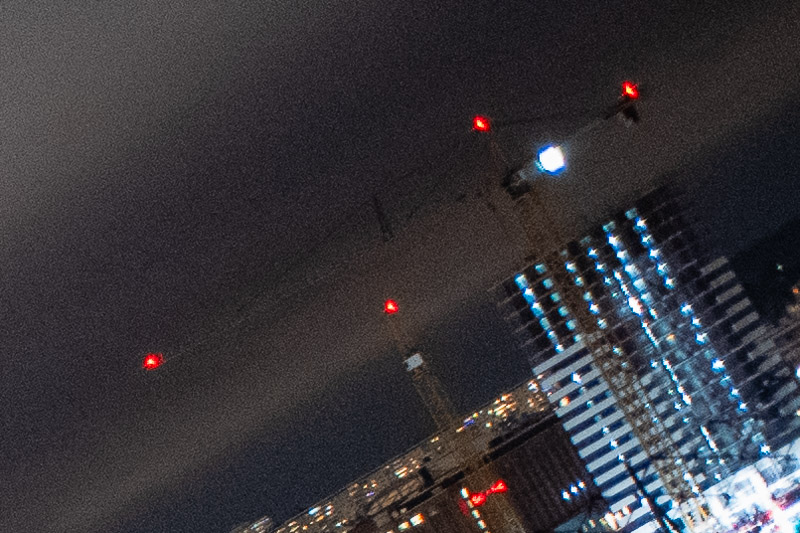
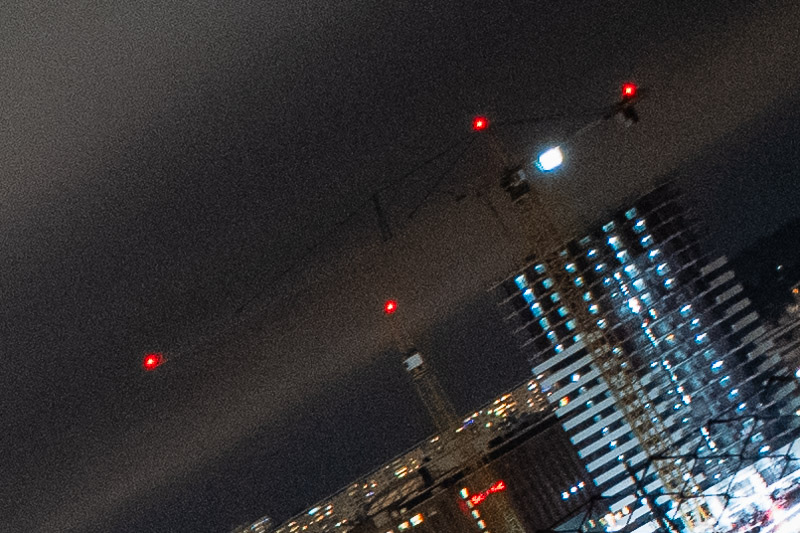
A small amount of coma is visible in a 100% crop of the image corners. Stopping down to f/4 has little effect, but by f/5.6 it is noticeably improved. At f/8, coma is completely eliminated.
Sunstars
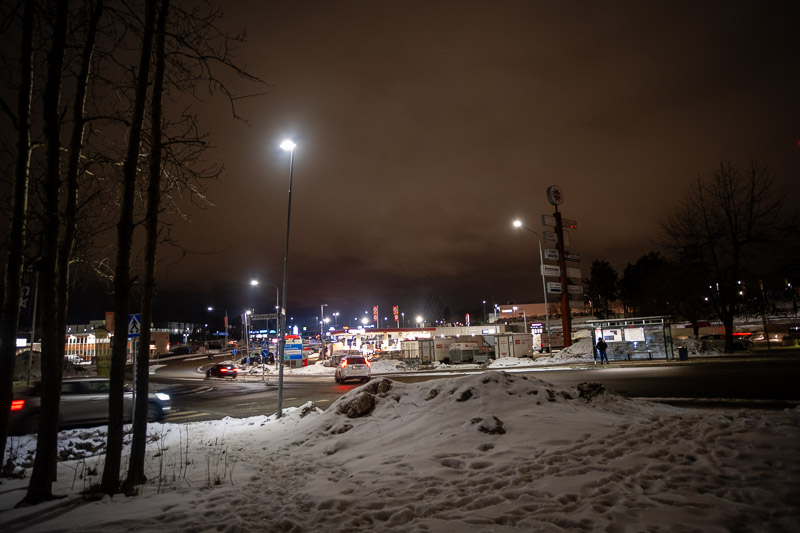
This lens can produce attractive 18-pointed sunstars starting at f/8, but to achieve well-defined stars with long rays, you need to stop down to at least f/11, or even smaller apertures.
f5.6






Focus Breathing
This Milvus, shows a moderate amount of focus breathing as seen here.

Bokeh
A 20mm lens with a maximum aperture of f/2.8 is not something you would typically buy for pleasing bokeh. You may notice a mild colored ring around bokeh highlights, but the good news is that optical vignetting is well controlled, with bokeh balls remaining relatively round and undisturbed even in the corners.

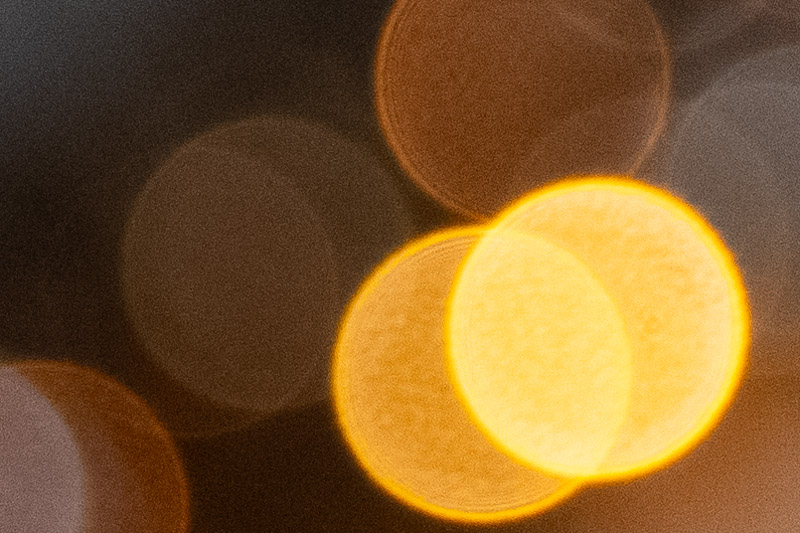

Let’s have a closer look at the background blur at different distances!






As you can see, the background blur is not very pronounced unless you are very close to your subject, but the small amount present is not distracting.
Conclusion
| I LIKE | AVERAGE | I DON’T LIKE |
|
|
|
This lens offers superb build quality and mechanical operation. Sharpness is very good, contrast is high, and it produces attractive sunstars in a compact package.
The main caveat is that the tactile aperture ring cannot be used when mounting the lens on a Nikon Z camera with a smart adapter, which is somewhat disappointing.
Vignetting is also on par with competing lenses. Distortion control, coma, lateral chromatic aberration, and focus breathing are well controlled, although they do not quite reach the level of some modern competitors. The main downsides are its weight and price. The weight becomes even more noticeable when used on mirrorless cameras, as the addition of an adapter makes the setup feel very front-heavy.
For DSLR users who appreciate manual focus lenses, the mechanical focus operates beautifully, and the optical quality at this focal length is close to the best you can get on a DSLR. Otherwise, especially on mirrorless systems, it may be worth considering some of the alternatives listed below.
Writing articles like this one is both time-consuming and costs us a lot of money. If you found this article helpful and decided to buy one of these lenses, please consider using one of the affiliate links.
If you are not interested in buying any of the lenses, but you still found this article useful, interesting, or it saved you a lot of money, treat us to a coffee (donate)!
| Buy new: B&H , Amazon for $1299 (Affiliate links) Buy used: Kamerastore, eBay.com from $1050 (Advertisement) |
Alternatives
ZEISS 21mm f/2.8 Distagon
This is the predecessor of the reviewed lens with the same lens construction. I have explained the differences in the Variations section.
Buy used: Kamerastore, ebay.com , eBay.de from $580 (Advertisement)
Voigtländer 21mm f/1.4 Nokton
This is the fastest option in the list, offering a two-stop advantage, and it is also the smallest among the faster lenses. It features a fully mechanical manual focus design with an aperture ring. The lens is available only in E and M mounts, both of which can be adapted to Nikon Z.
Buy new: Amazon (anywhere), B&H for $899 (Affiliate links)
Buy used: Kamerastore, ebay.com, ebay.de from $ (Advertisement)
Nikon Z 20mm f/1.8 S
This lens is slightly longer than the reviewed lens at 85 × 109 mm, but weighs about half as much. Optically, it outperforms the Zeiss in virtually every category, except possibly sunstars. If you use a Nikon Z system, this is arguably the best 20mm lens available.
Buy new: Amazon (anywhere) for $ (Affiliate links)
Buy used: Kamerastore, ebay.com, ebay.de from $ (Advertisement)
Nikon AF-S 20mm f/1.8G
This lens is both smaller and lighter (81 × 83 mm) than the reviewed lens and is available in Nikon F mount. It is an autofocus design without an aperture ring, but optically it is at least as good as the reviewed Milvus, at a fraction of the price. If you can live without mechanical manual focus and an aperture ring, this lens is an easy recommendation for Nikon DSLR users.
Buy new: Amazon (anywhere) for $503 (Affiliate links)
Buy used: Kamerastore, ebay.com, ebay.de from $303 (Advertisement)
Sony FE 20mm 1.8 G
If you are a Sony mirrorless user, consider this compact (74×85 mm) lens. I have not used it and cannot comment on its quality. Bastian can possibly comment if you ask him in the comments.
Buy new: Amazon (anywhere) for $998 (Affiliate links)
Buy used: Kamerastore, ebay.com, ebay.de from $ (Advertisement)
Viltrox 20mm 2.8 AF FE and Z
This is the slowest lens in the list, matching the reviewed lens in maximum aperture, but it is also the smallest at 65 × 55 mm. It is a decent performer that can get the job done, but compared to the other lenses in the list, it falls short either in build quality, optical performance, or both.
Buy new: Amazon (anywhere) for $176 (Affiliate links)
Buy used: Kamerastore, ebay.com, ebay.de from $ (Advertisement)
More Sample Images













Most of the sample images in this review and many more can be found in higher resolution here.
Further Reading
- What camera gear and accessories do I use most frequently?
- Review: Nikon Z 20mm f/1.8 S
- Review: Nikon AF-S 20mm f/1.8G
- Review: Viltrox 20mm 2.8 AF FE and Z
- Review: Voigtländer VM 21mm f/1.4 Nokton
Support Us
Did you learn something new, find this article useful, or simply enjoy reading it? We’ve put a lot of time and resources into creating it, and your support helps us keep going. If you’d like to show your appreciation, please consider clicking the Donate button!



(Donations via Paypal or bank card)
What’s in my camera bag? MY 2024 KIT!!
- Main camera : https://amzn.to/3TsGtKg
- Camera grip : https://amzn.to/4e0G3CR
- Memory Card 1: https://amzn.to/47pA20i
- Memory Card 2 : https://amzn.to/3XHYxlZ
- Camera 2 : https://amzn.to/3Xifou8
- Camera grip: https://amzn.to/4dYYpV9
- Memory card 1: https://amzn.to/4e5h2H0
- Memory card 2: https://amzn.to/3zu7W7n
- Small travel tripod: https://amzn.to/4goIX68
- Mini tripod: https://amzn.to/4e09XXX
- Small shoulder bag: https://amzn.to/47tPMiY
- Medium shoulder bag: https://amzn.to/4ej4bjY
This site contains affiliate links, for which I may receive a small commission if you purchase via the links at no additional cost to you. This helps support the creation of future content.


Martin
Latest posts by Martin (see all)
- REVIEW: Zeiss Milvus 21mm f/2.8 - April 5, 2026
- REVIEW: Nikon Z 20mm f/1.8 S - March 25, 2026
- Review: Nikon Z 24-200mm f/4-6.3 - March 22, 2026