Introduction
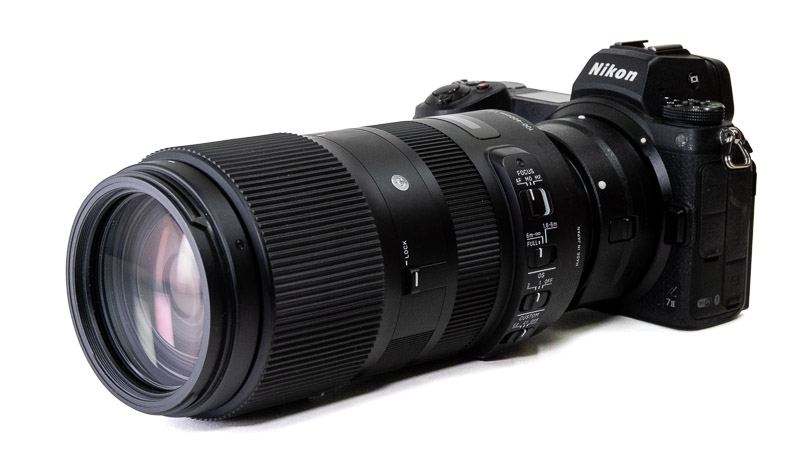
Today we’re looking at a somewhat older autofocus telephoto zoom, the Sigma 100-400mm f/5-6.3 DG OS HSM Contemporary, introduced in 2017.
As part of Sigma’s Contemporary line, it was designed to combine refined optical performance with a compact and lightweight construction.
After testing Nikon’s AF-S 200-500mm f/5.6E ED, I decided to go with this lens, mainly because of its lighter and more compact design. I also appreciated the 100mm focal length at the short end, which makes it more versatile when using the same lens for landscape photography. This meant giving up 20% of the telephoto reach, but without making too many compromises in optical quality. It also works perfectly well on APS-C cameras, where the crop factor gives it an equivalent field of view of 150-600mm.
Let’s see how well it holds up today.
 I tested this lens on a 46 Mp Nikon Z7ii (Sample images were taken with a Nikon Zf and a Nikon D7200)
 You can see this review as a YouTube video here!
 Sample images in high resolution here.
Disclosure
I purchased this lens with my own funds at retail price. No manufacturer or distributor was involved in this review, and all opinions are our own.
Sample Images











Most of the sample images in this review and many more can be found in higher resolution here.
Specifications
| Focal Length | 100 to 400mm |
| Angle of View | 24.4° to 6.2° |
| # of Aperture Blades | 9, Rounded |
| Max Aperture | f/5 to 6.3 |
| Min Aperture | f/22 |
| Min Focus Distance | 1.6 m |
| Filter Size | 67 mm |
| Lens Mount | Canon EF / Nikon F / Sigma |
| Weight | 1160 g |
| Size (D x L) | 86.4 x 182.3 mm |
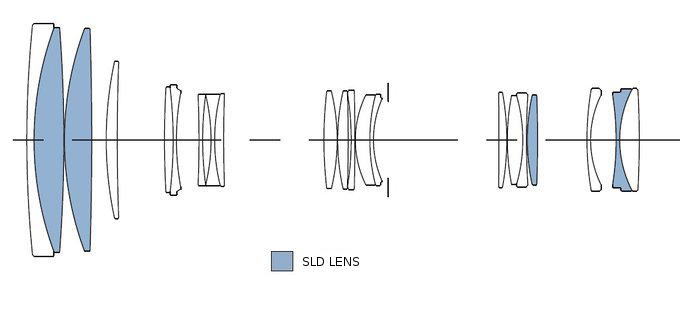
| Elements/Group | 21 Elements in 15 Groups
4 SLD glass elements |

| Where to Buy:
Used: YouTube video here, ebay.de, eBay.co.uk from $600 |
Variations
Handling and Build Quality
It is quite compact for a telephoto zoom lens. It is made mostly of plastic, which helps keep the weight down to 1.16 kg. That’s relatively light for a lens with such a wide zoom range. The mounting plate is metal, with a weather-sealing gasket around it.
Moving from the lens mount towards the front, the first things you encounter are a distance scale window on top of the barrel, showing the focusing distance in both meters and feet, and four switches on the left side of the lens.
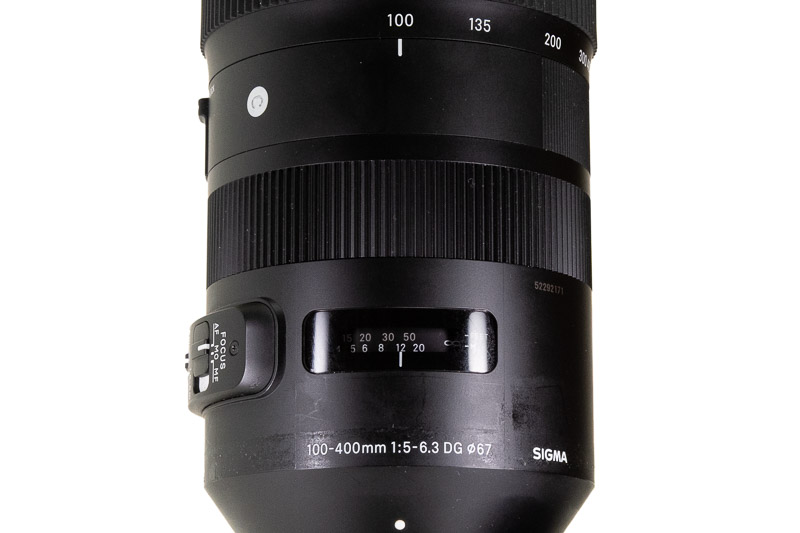
The first is the FOCUS switch, with AF, MO and MF positions. The focus ring turns smoothly, and you can override autofocus at any time when the switch is set to MO.
The second switch is the focus limiter, which helps the autofocus work faster and reduces hunting. It has three positions: 1.6m–6m, 6m–infinity and Full.
The third switch controls the OS (Optical Stabilizer), with three positions: OFF, Position 1 and Position 2. Position 1 provides standard, balanced stabilization, while Position 2 disables one axis of stabilization for improved panning.
The fourth switch allows you to customize some of the functions we just mentioned. You can change the focus limiter range, select one of three AF speed settings (Fast, Balanced or Smooth), and choose between different stabilization modes. However, customization requires Sigma’s dedicated USB Dock, which must be purchased separately.
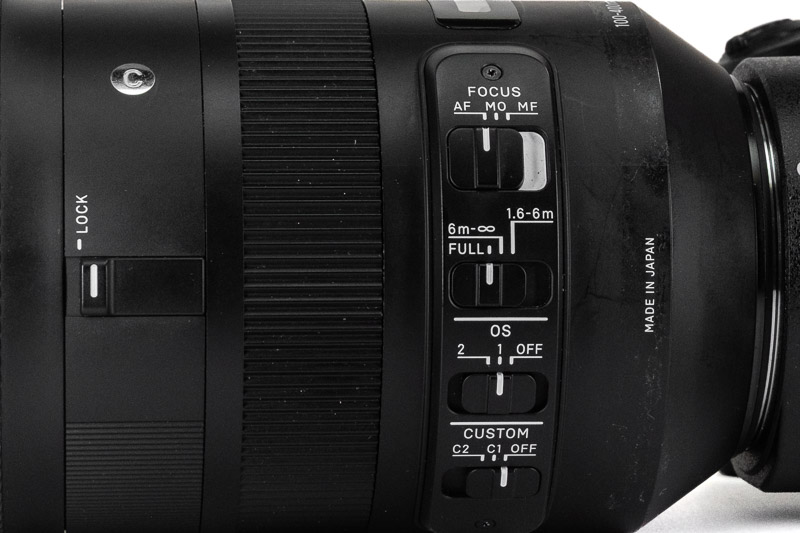
The lens also features a zoom lock switch between the focus and zoom rings. It only locks the zoom mechanism when the lens is fully retracted, at the 100mm position.
Autofocus is quite fast at the shorter end of the zoom range, but becomes slow at 400mm when racking focus from MFD to near infinity. However, setting the focus limiter to 6m–∞ makes autofocus very fast.
The image stabilization also shows its age. It helps, but its effectiveness is rather limited. In our testing, we achieved approximately 1–2 stops of stabilization, occasionally reaching 3 stops under the best conditions.
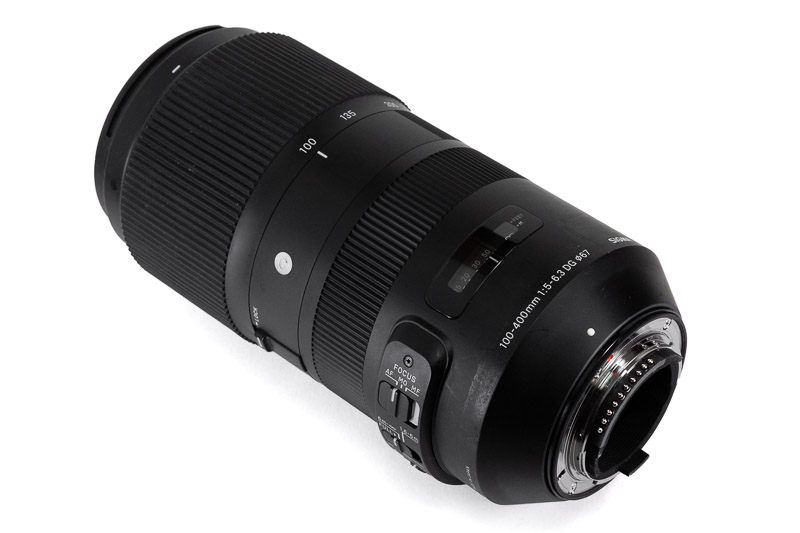
Updating the firmware and selecting a different stabilization mode might improve performance. However, I don’t have the required Sigma USB Dock, so I haven’t been able to try either.
The zoom ring is very large and rubberized, with focal length markings at 100, 135, 200, 300 and 400mm.
There is no aperture ring on the lens, so aperture has to be controlled through the camera. The maximum aperture varies throughout the zoom range as follows:
- f/5.0: 100–113mm
- f/5.6: 114–233mm
- f/6.3: 234–400mm
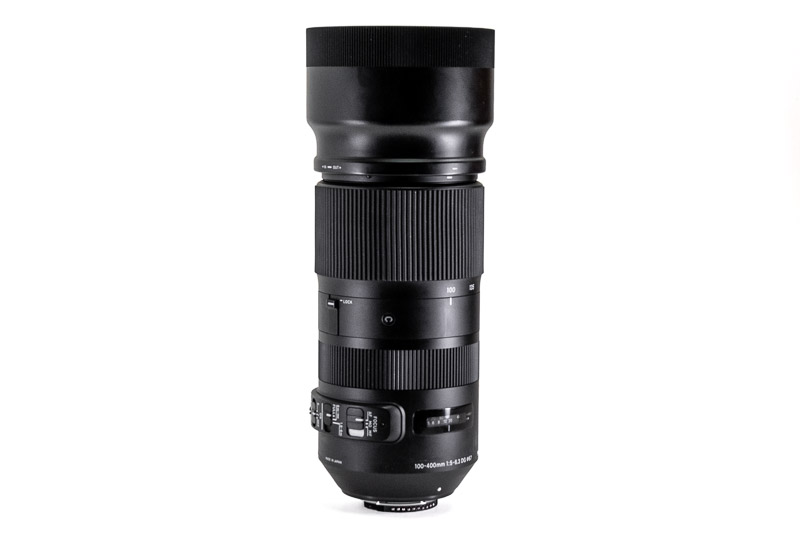
The box includes the usual front and rear caps, as well as a lens hood.

Optical Features
Sharpness (Infinity)
For the infinity sharpness test, we’ll look at three areas of the image — center, mid-frame, and corner — as highlighted below. Focus was set on the center of the image!
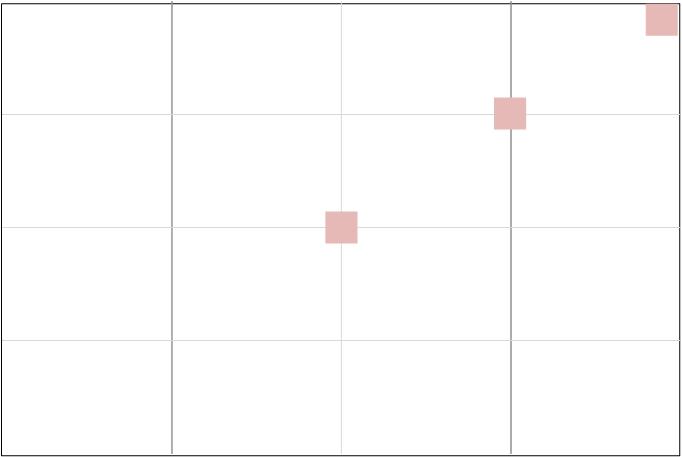
I focused on the center of the image.
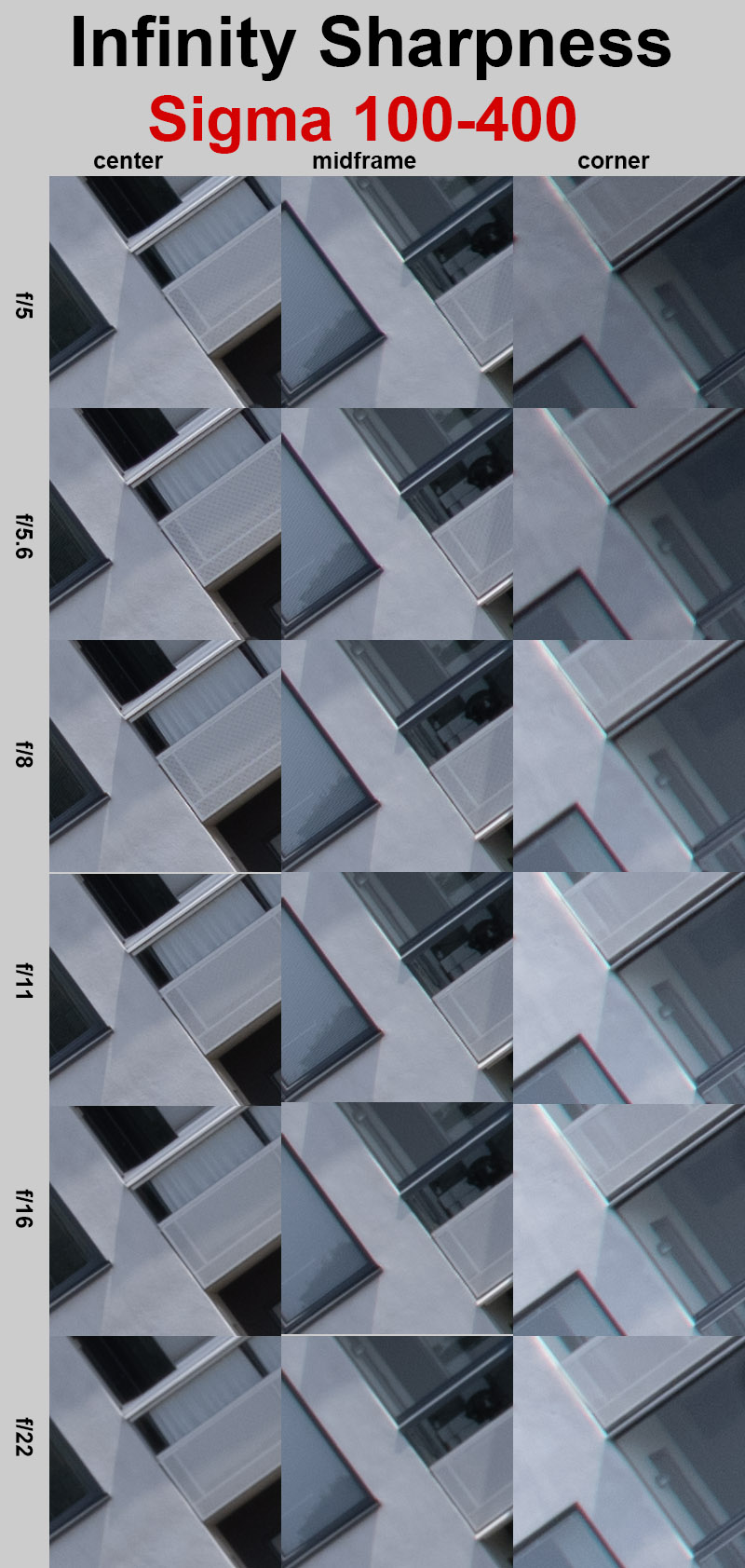
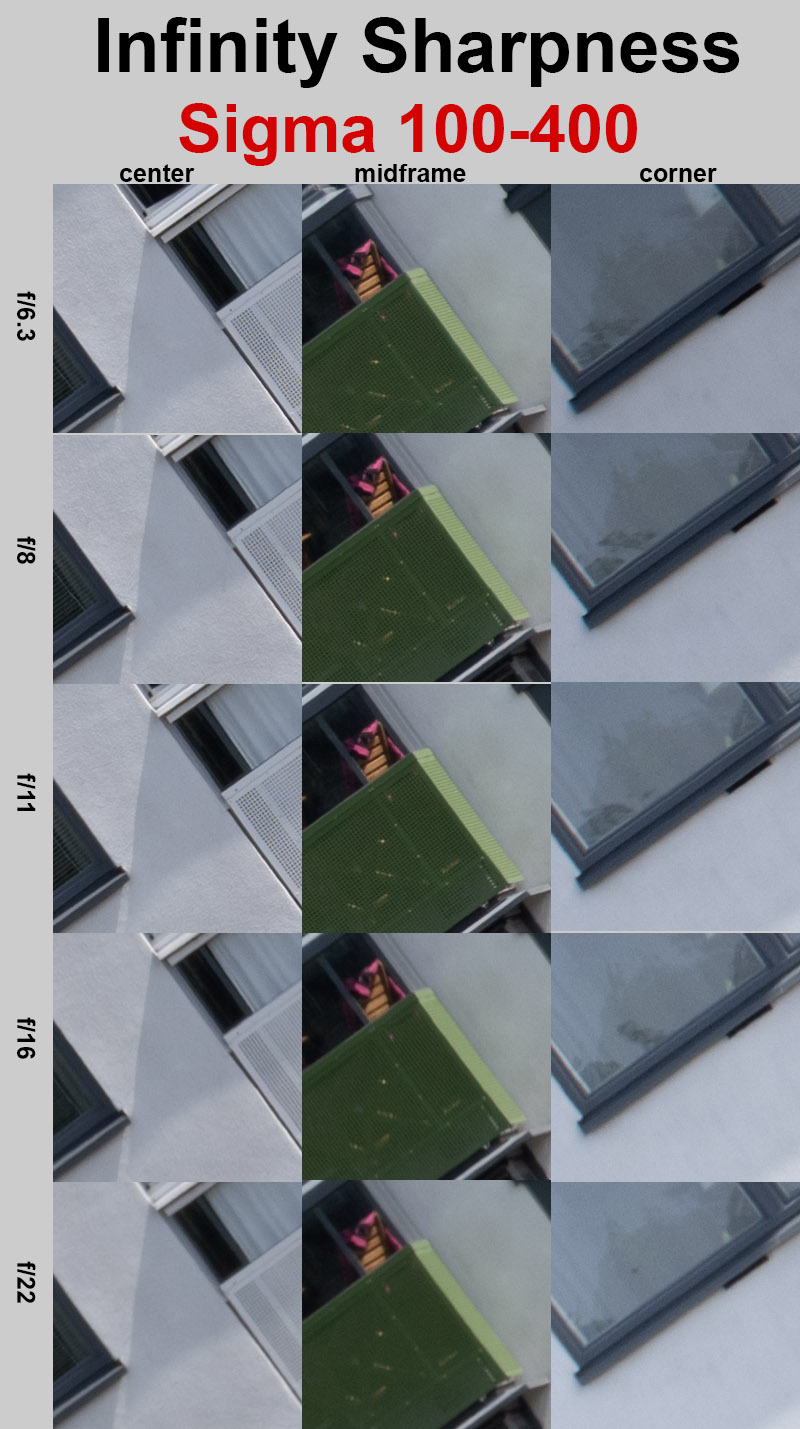
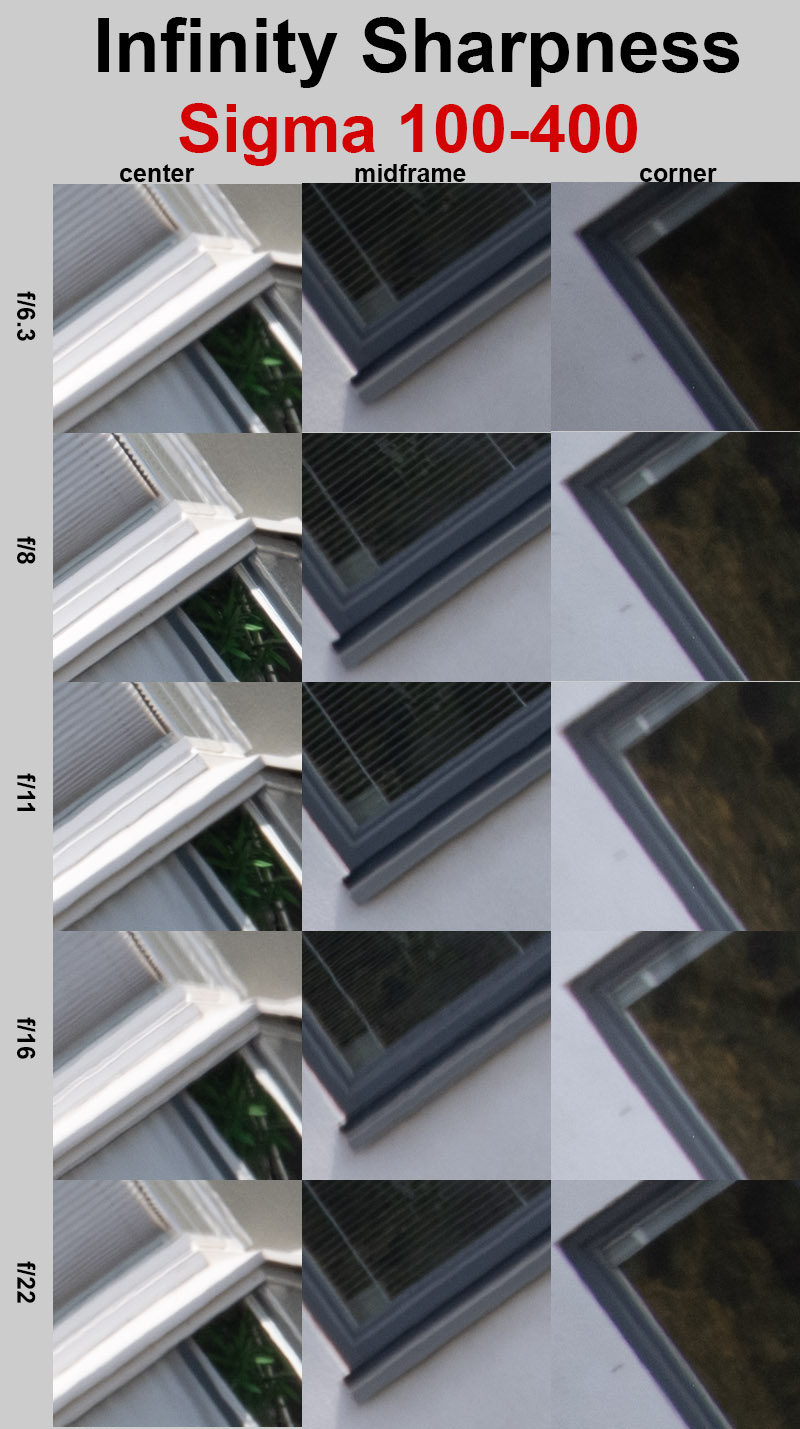
Excellent sharpness wide open at all tested focal lengths in the center of the frame. The midframe delivers very good sharpness, while the corners are softer but still perfectly usable.
The 100–200mm focal lengths perform better than 400mm, and f/8 generally delivers the best overall sharpness. At f/11, sharpness actually drops slightly compared to wide open, although it remains very good. At f/16, diffraction becomes clearly visible, and smaller apertures should be avoided as the effect becomes increasingly pronounced.
Purple fringing is visible from the midframe towards the corners.
Sharpness (Close-up)
For close-up testing, I focused on the center and only included a 100% center crop.
Excellent sharpness even at close focusing distances across all focal lengths. Stopping down provides a marginal improvement, while diffraction starts to reduce sharpness slightly at f/11. The effect becomes increasingly pronounced at smaller apertures.

















Lens Distortion
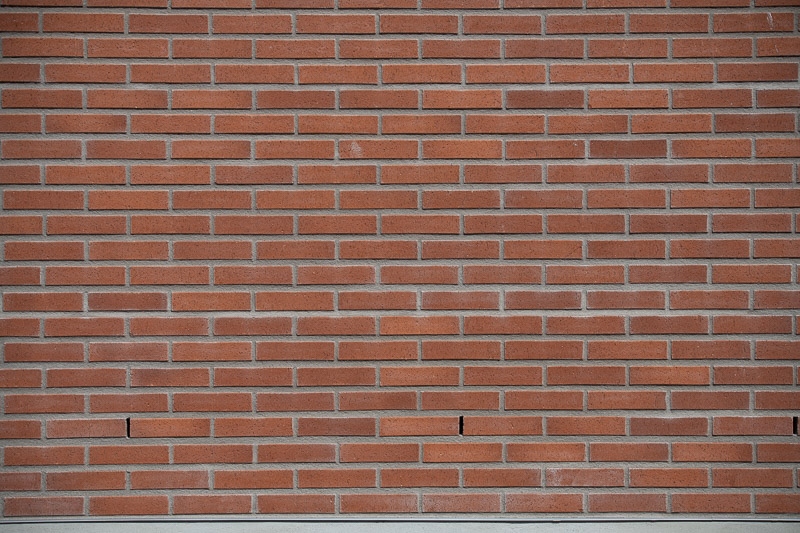
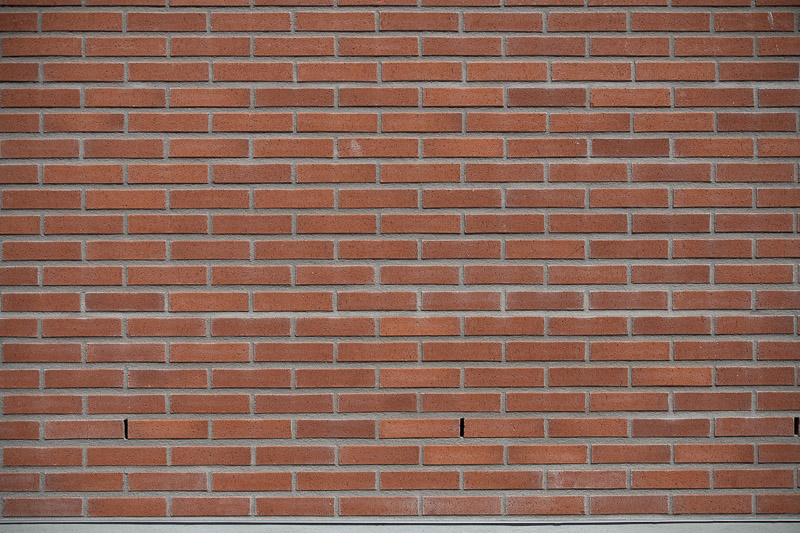
The Sigma 100-400mm DG Contemporary shows mild to moderate pincushion distortion throughout the zoom range, increasing gradually from 100mm to 400mm.
Vignetting
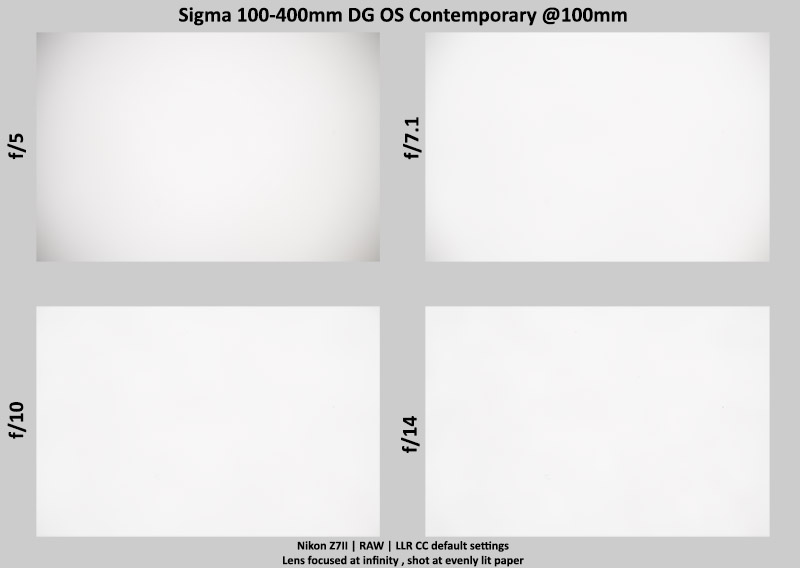
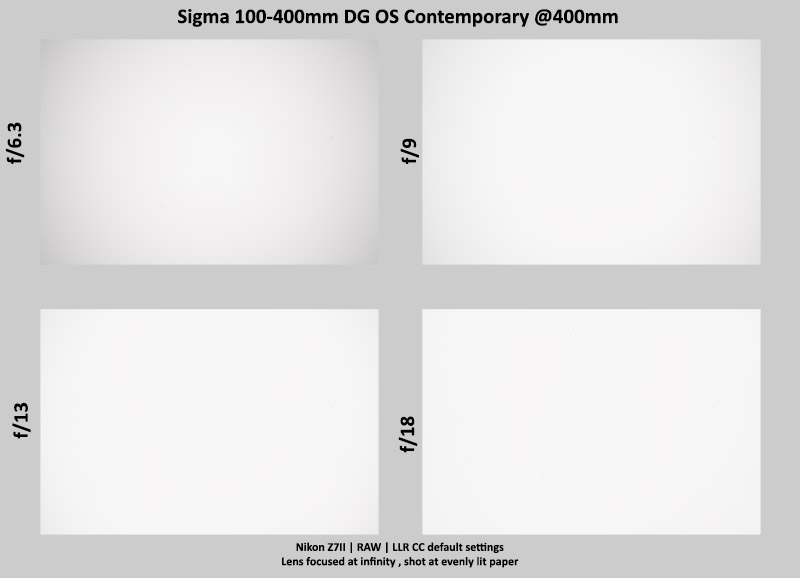
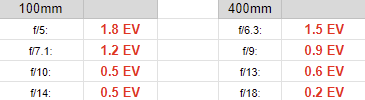
Vignetting is moderate at the lens’s widest aperture at both ends of the zoom range. It is slightly stronger at 100mm, where it becomes quite mild after stopping down by one stop and negligible after that. At 400mm, vignetting is already negligible after stopping down by one stop. This is slightly more light fall-off than average, but not that much.
Chromatic Aberrations
At 100mm, we can see some moderate longitudinal chromatic aberration (LoCA). It improves when stopping down and is almost completely gone by f/11.
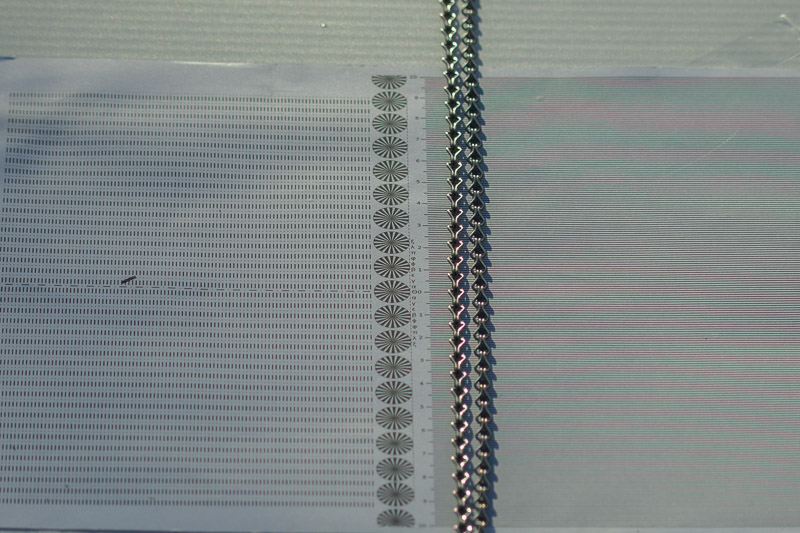
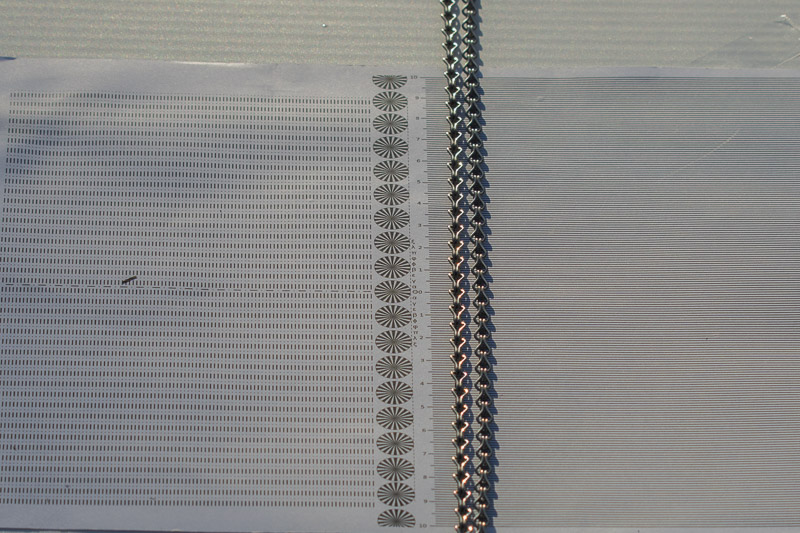
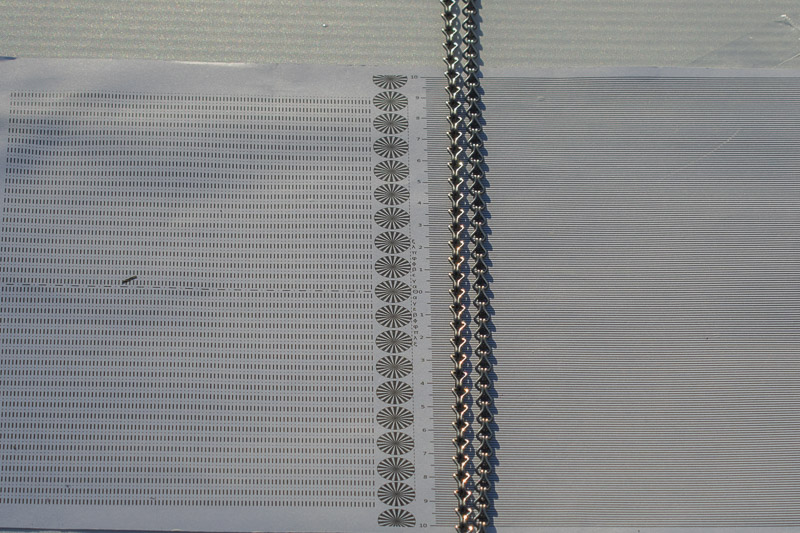
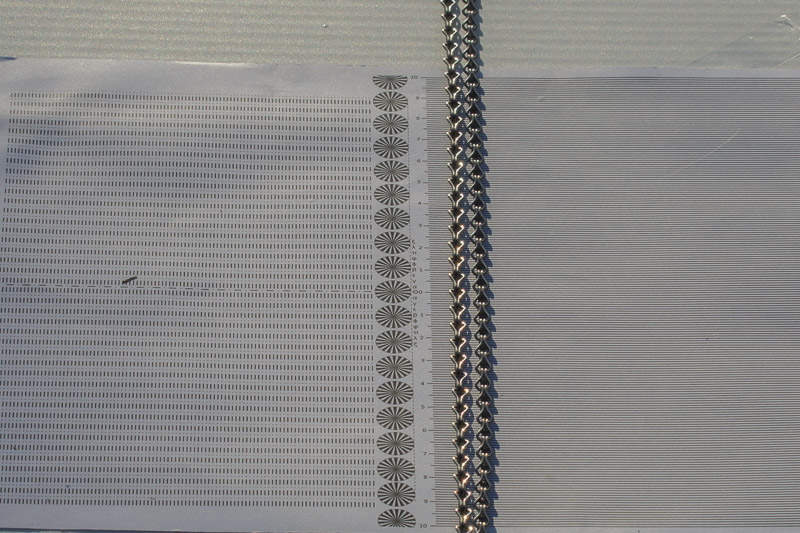
The situation is much better at 200mm and 400mm end, where LoCA is negligible even at the maximum aperture of f/6.3.
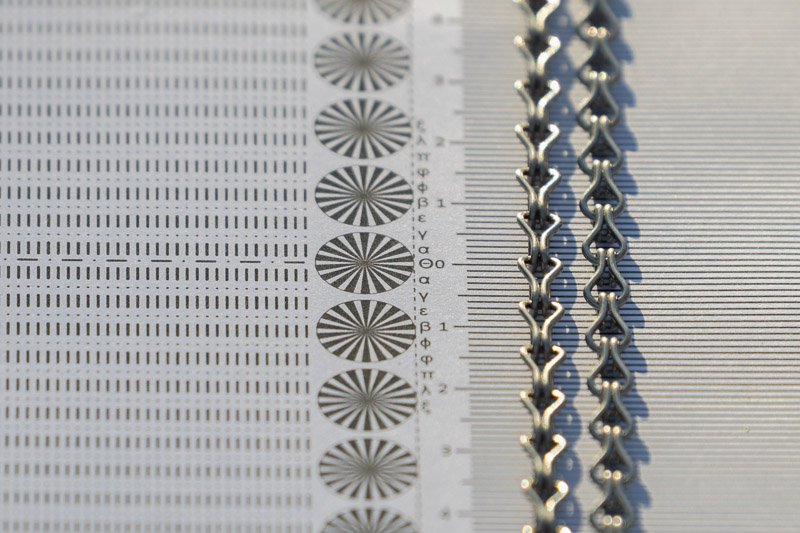
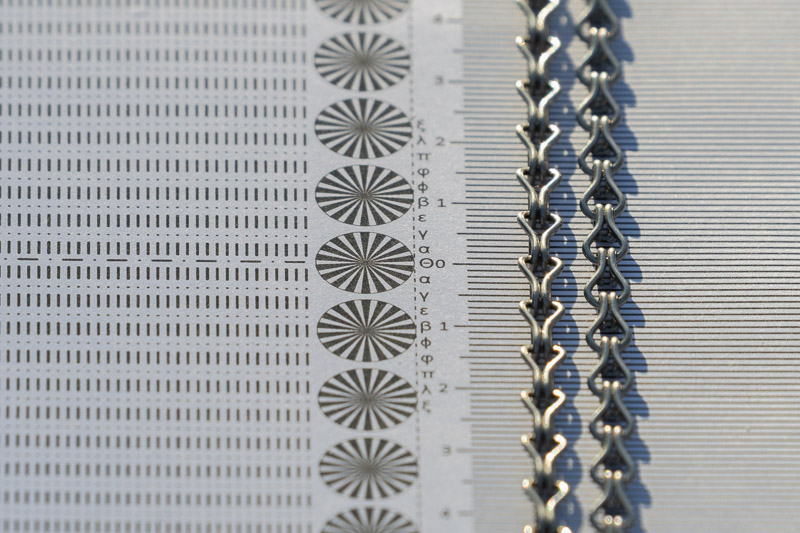
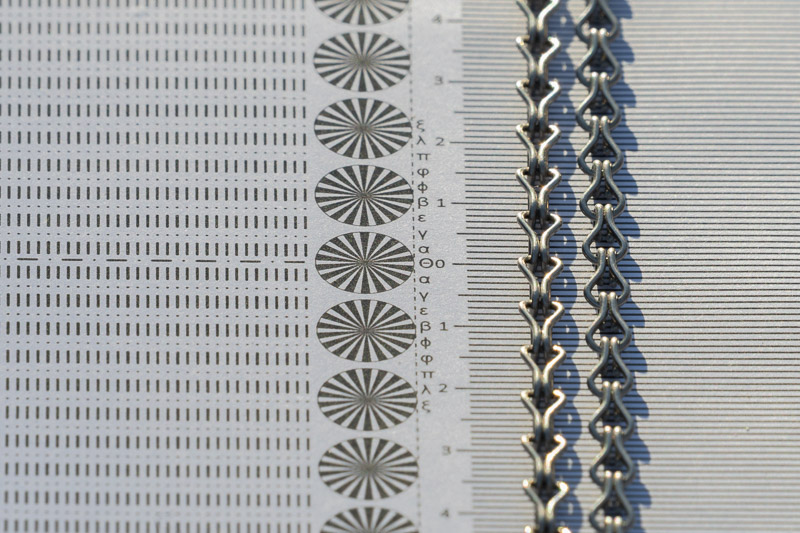
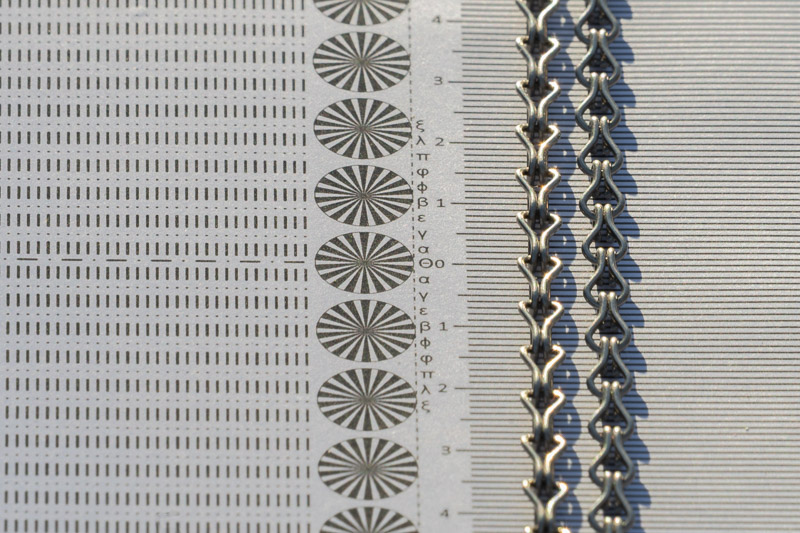
Lateral chromatic aberration is quite low and well controlled. Faint traces can be seen in extreme situations at 100mm and 200mm, but they are virtually negligible. At 400mm, there is almost no lateral CA.






Flare Resistance
In general, telephoto lenses have problems with veiling flare, both at larger and smaller apertures, and this lens is not an exception. On the other hand, the chance of getting the sun in the frame decreases as the focal length increases.
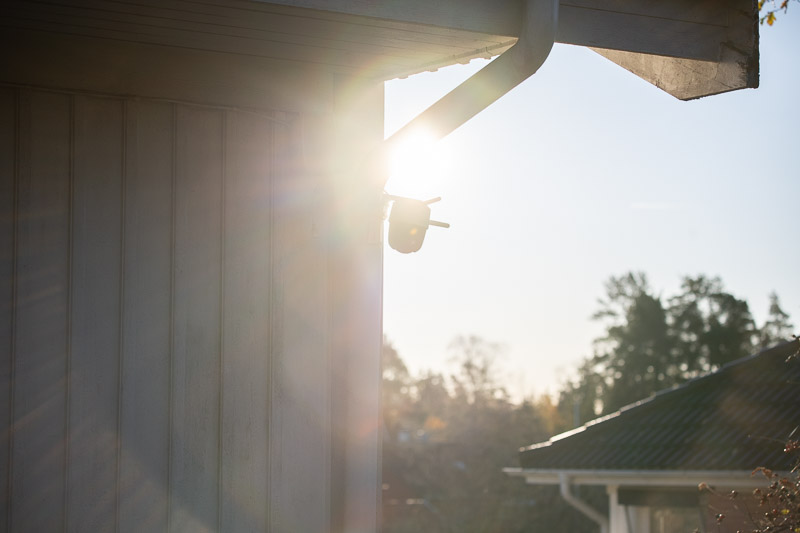
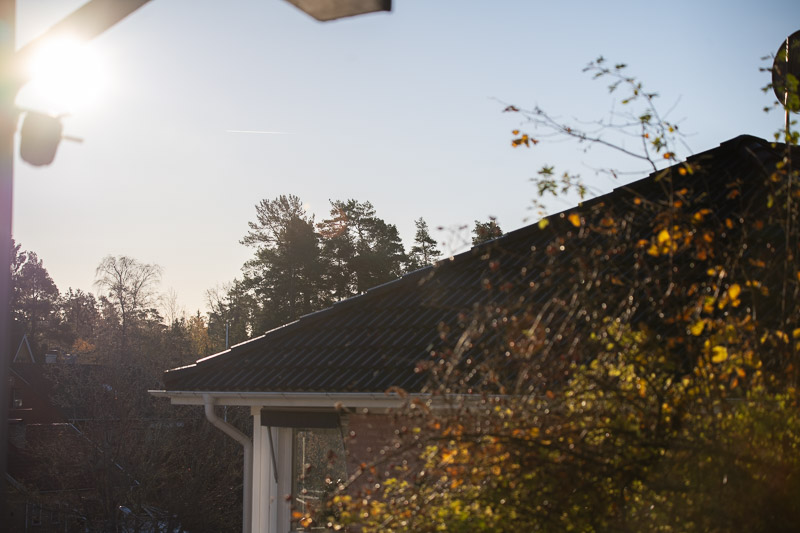
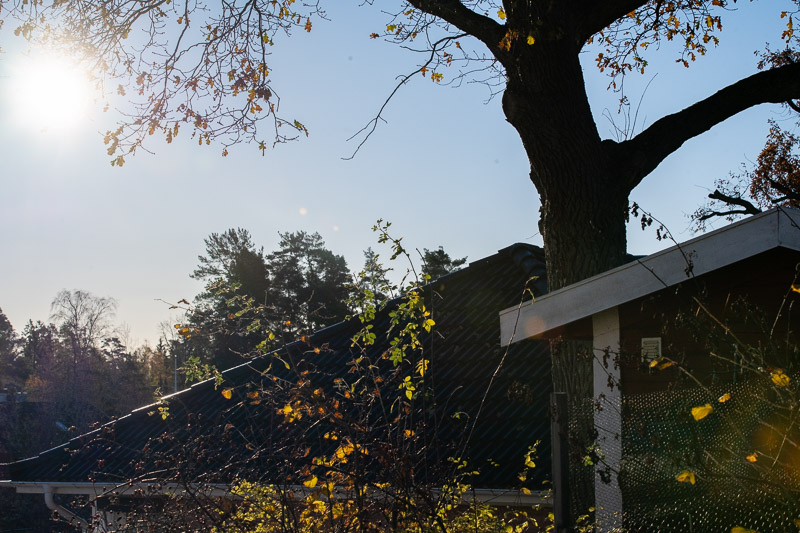
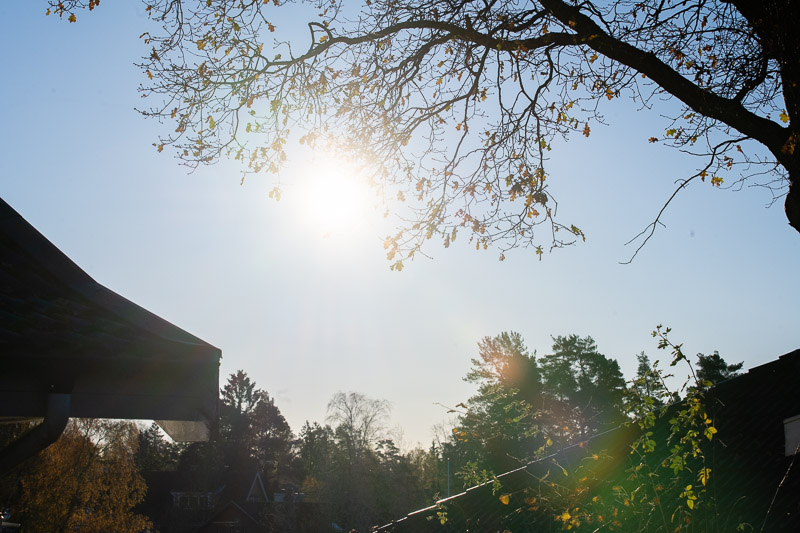






At longer focal lengths, it is really difficult to produce flare artefacts in these staged scenarios because strong light sources are usually so large that they fill the entire frame, making it difficult to determine whether any flare is present.
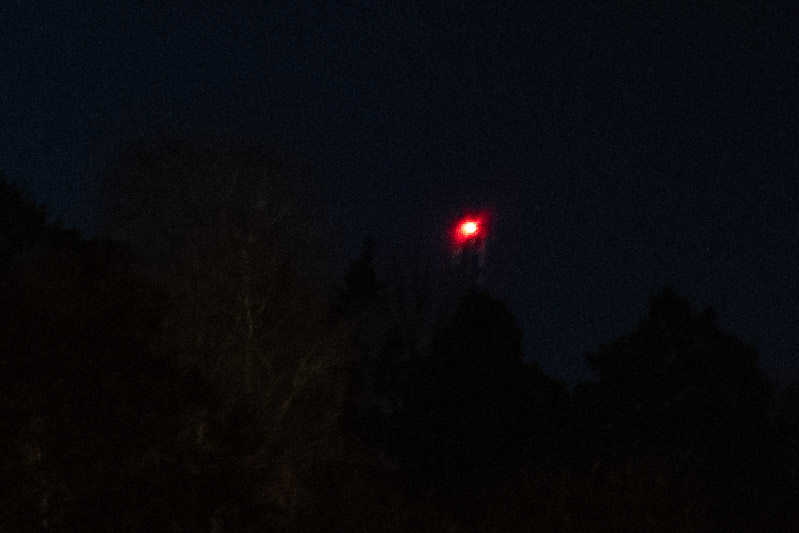
Coma
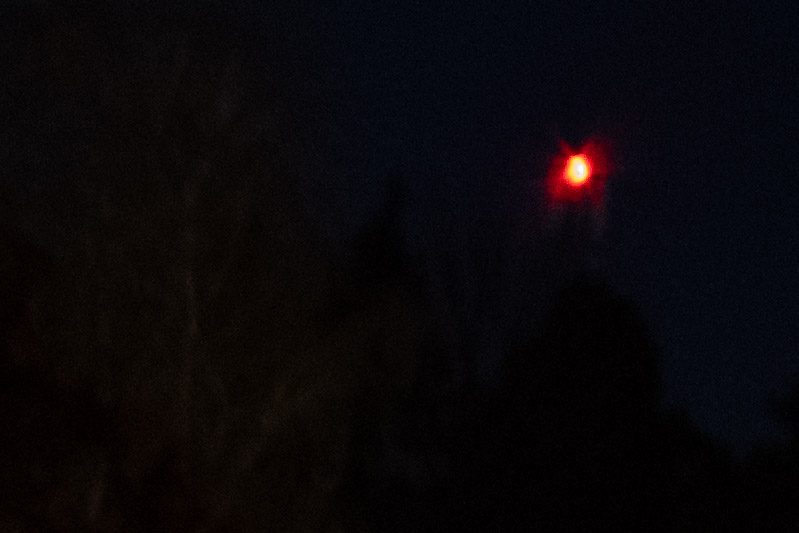
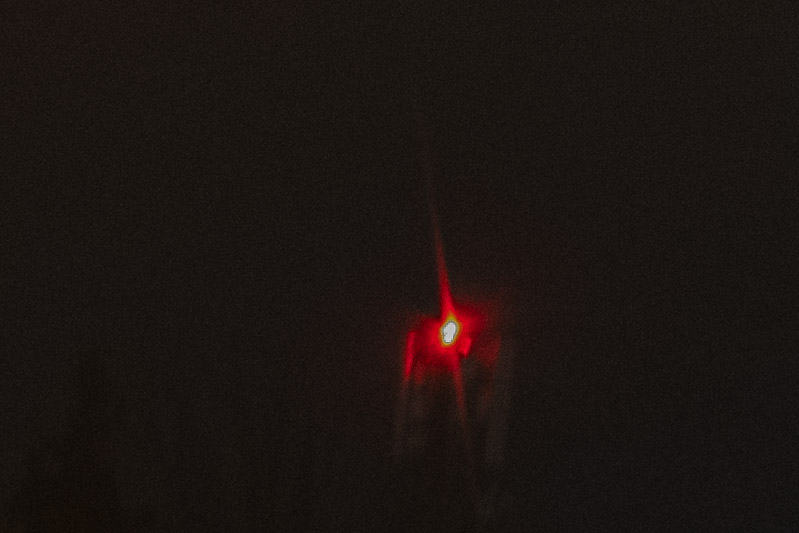
I’m not sure how many people use this lens for astrophotography, but it is completely free of coma smearing.
Focus Breathing
The Sigma 100-400mm Contemporary shows impressive control of focus breathing, with almost none visible at either end of the zoom range.


Bokeh
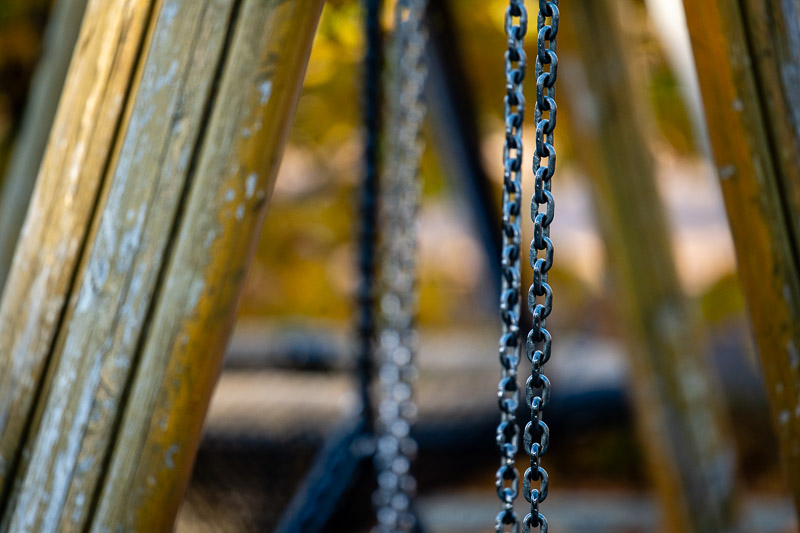
At close distances, near the minimum focusing distance, this lens has no problem throwing the background into a soft, unrecognizable blur, regardless of focal length.




The bokeh highlights are nicely rounded and soft, although they develop a mild cat’s-eye shape towards the corners. The effect is very subtle and not distracting.



At longer distances, the 100mm f/5 is not particularly impressive when it comes to background separation. An f/6.3 aperture might sound quite modest, but considering the 400mm focal length and its resulting large entrance pupil, combined with the perspective compression associated with shooting at longer distances, this lens can produce a surprising amount of background blur. Under suitable conditions, it can even achieve a degree of background separation comparable to, or greater than, that of an 85mm f/1.4.

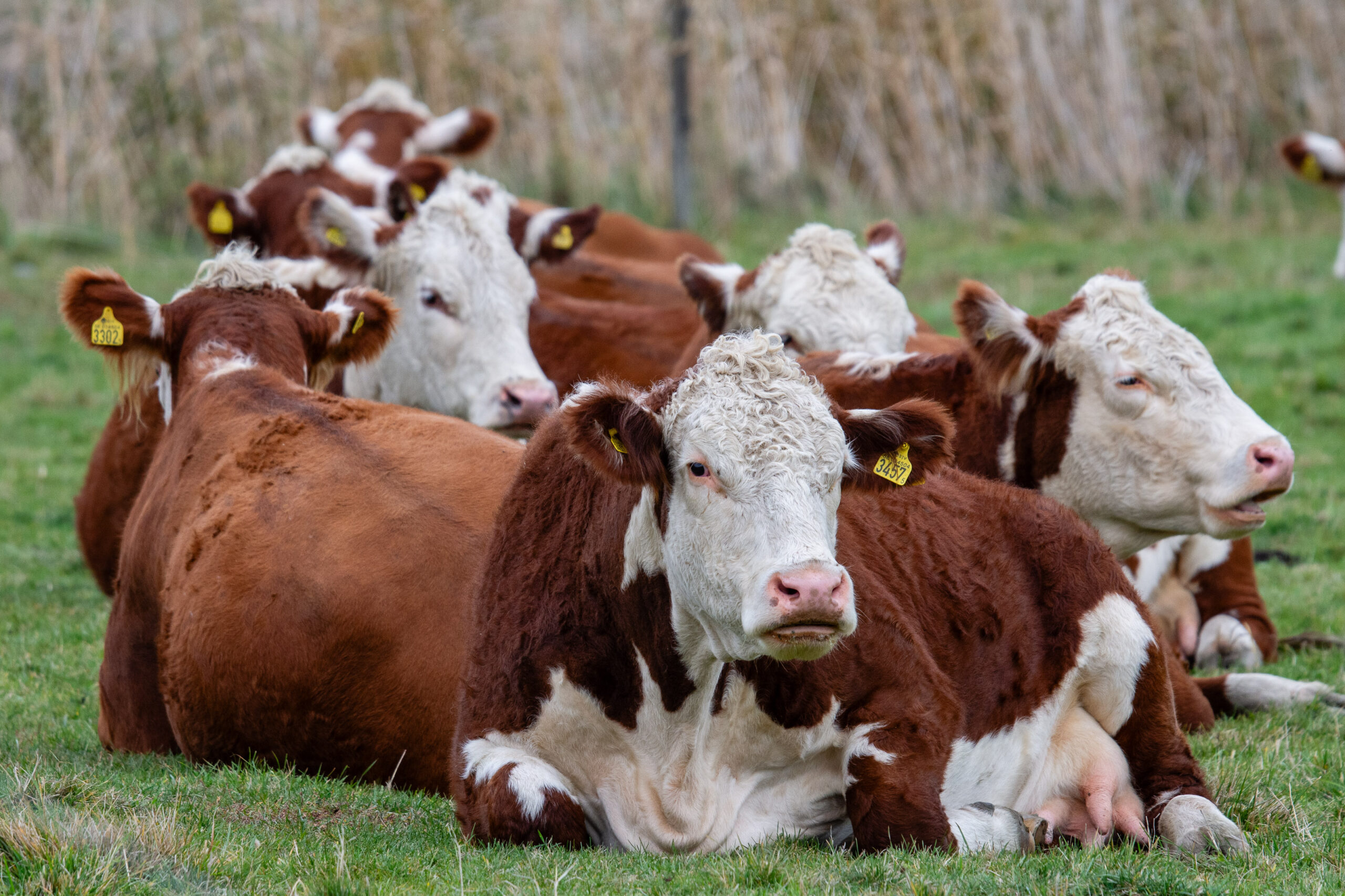
The bokeh quality and smoothness are quite good and pleasant at 400mm, at almost any focusing distance.





The actual amount and rendering of background blur will, of course, depend on the optical design, as well as the camera-to-subject and subject-to-background distances.
Conclusion
| I LIKE | AVERAGE | I DON’T LIKE |
|
|
|
There is a lot to like about this lens. It is quite sharp, even if it cannot quite match the latest 100-400mm lenses, has nice bokeh, and distortion, chromatic aberration, and coma are all well corrected. Focus breathing is virtually non-existent, it is quite small and light for the focal length it covers, and it is budget-friendly too.
Of course, not everything is perfect. Vignetting is about average for a lens of this type, autofocus could definitely be faster, and image stabilization is not much to write home about these days. One area that could definitely benefit from improvement is flare resistance. Luckily, long telephoto lenses are less likely to include the sun in the frame, but if you do, you should be aware of the risk of flare.
Does it still hold up today? Well, yes, I think so. Considering its price and relatively good optical performance, it still has a place in today’s market. You can get better lenses with the same focal length coverage today, but they are more expensive. I am still using it actively via an adapter on my Nikon Z cameras, and until now I have not felt a need to upgrade it, although a Nikon Z 100-400 or similare at two and a half times the price would perform better, especially in AF spped and image stabilization. So, if you are on a budget, this is a good candidate.
Writing articles like this one is both time-consuming and costs us a lot of money. If you found this article helpful and decided to buy one of these lenses, please consider using one of the affiliate links.
If you found this article useful, interesting, or it saved you money, consider supporting our work. You can make a donation or buy us a coffee —every contribution is greatly appreciated.
| Where to Buy
Used: YouTube video here, ebay.de, eBay.co.uk from $600 (Advertisement) |
Alternatives
Tamron 100-400mm f/4.5-6.3 Di VC USD
Used: eBay.com, eBay.de, eBay.co.uk from $580 (Affiliate links)
Sigma 100-400 f/5-6.3 DG DN OS Contemporary
The successor of the reviewed lens, available only with Sony E and L mount.
Buy new: Amazon (anywhere), B&H, for $1049 (Affiliate links)
Buy used: eBay.com, eBay.de, eBay.co.uk from $700 (Advertisin, Affiliate links)
Nikon AF-S 80-400mm f/4.5-5.6G ED VR
This is the closest Nikon alternative from the DSLR era; it is older and also needs to be adapted to new Nikon Z cameras.
Buy used: eBay.com $610 (Advertisin, Affiliate links)
Nikon Nikkor Z 100-400mm f/4.5-5.6 VR S
One-third of a stop faster. This lens has the shortest minimum focusing distance throughout the zoom range of all the lenses on this list, at 0.75 m, allowing for a maximum magnification of 0.38x.
Buy new: Amazon (anywhere), B&H, for $2697 (Affiliate links)
Buy used: eBay.com, eBay.de, eBay.co.uk from $1800 (Affiliate links)
Tamron 50-400mm f/4.5-6.3 Di III VC VXD
This lens is the newest of most of the lenses on the list, extends the zoom range on the short end to 50mm, is designed for mirrorless cameras, and is available in Sony E and Nikon Z mounts. Could be a good alternative to the new Nikon Z at less than half the price.
Buy new: Amazon, B&H for $1199 (Affiliate links)
Canon EF 100-400 f/4.5-5.6L IS II USM
Buy new: Amazon (anywhere), B&H, for $2699 (Affiliate links)
Buy used: eBay.com, eBay.de, eBay.co.uk from $1450 (Affiliate links)
Sony FE 100-400 f/4.5-5.6 GM OSS
Buy new: Amazon (anywhere), B&H, for $2698 (Affiliate links)
Buy used: eBay.com, eBay.de, eBay.co.uk from $1300 (Affiliate links)
Sony FE 100-400mm f/4.5 OSS
The largest and heaviest lens on this list, but also the fastest fixed aperture, and the most expensive.
Buy new: Amazon (anywhere), B&H, for $4298 (Affiliate links)
Buy used: eBay.com, eBay.de, eBay.co.uk from $4000 (Affiliate links)
SONY FE 100-400 f/5.6-8 OSS
The smallest and lightest lens on this list, but also the slowest.
Buy new: Amazon (anywhere), B&H for $848 (Affiliate links)
Buy used: eBay.com, eBay.de, eBay.co.uk from $825 (Affiliate links)
Leica Vario-Elmar-SL 100-400 f/5-6.3
Buy new: Amazon (anywhere), B&H, for $2590 (Affiliate links)
Buy used: eBay.com, eBay.de, eBay.co.uk from $2200 (Affiliate links)
More Sample Images


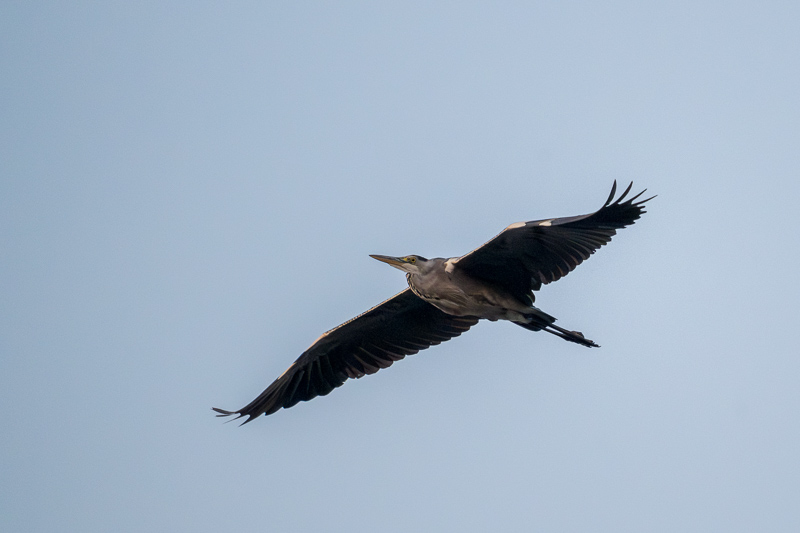



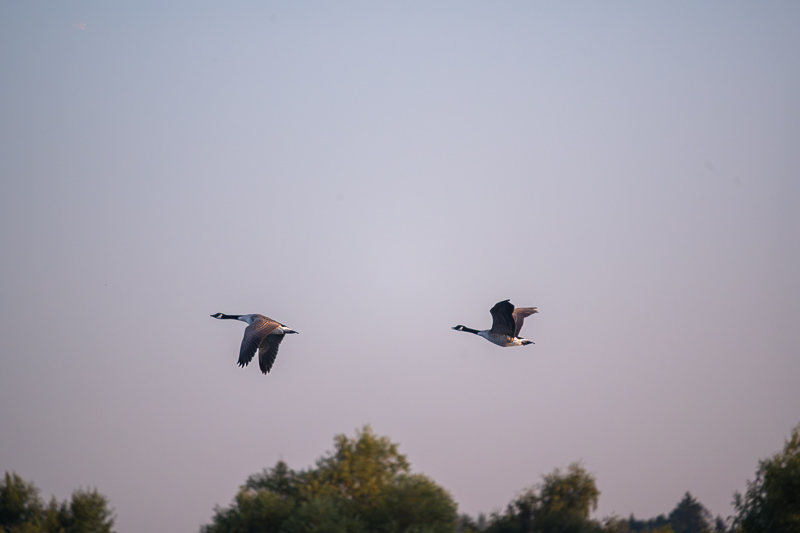
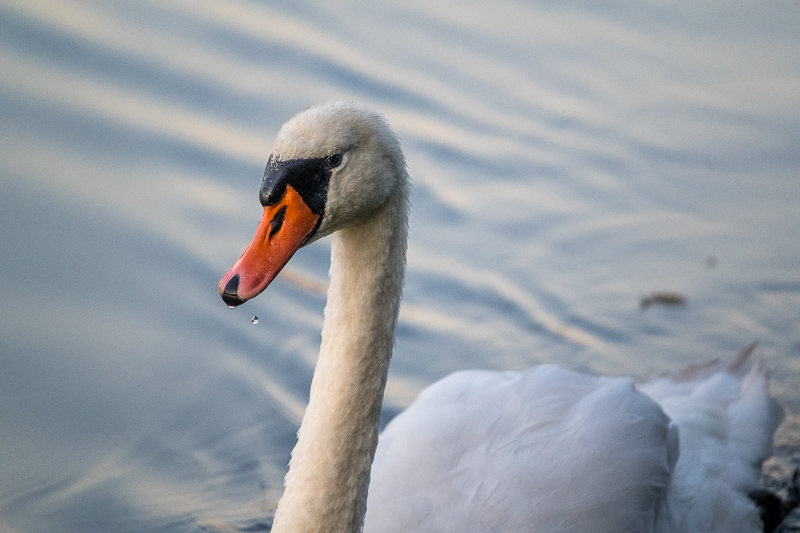

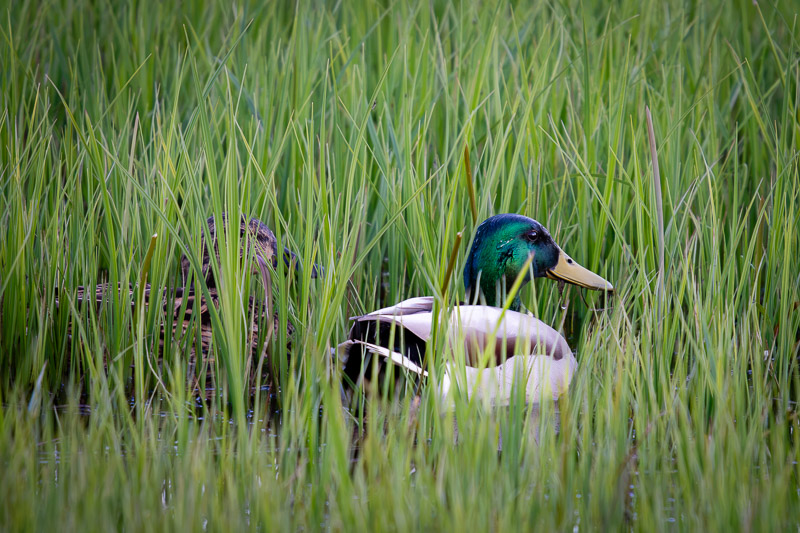






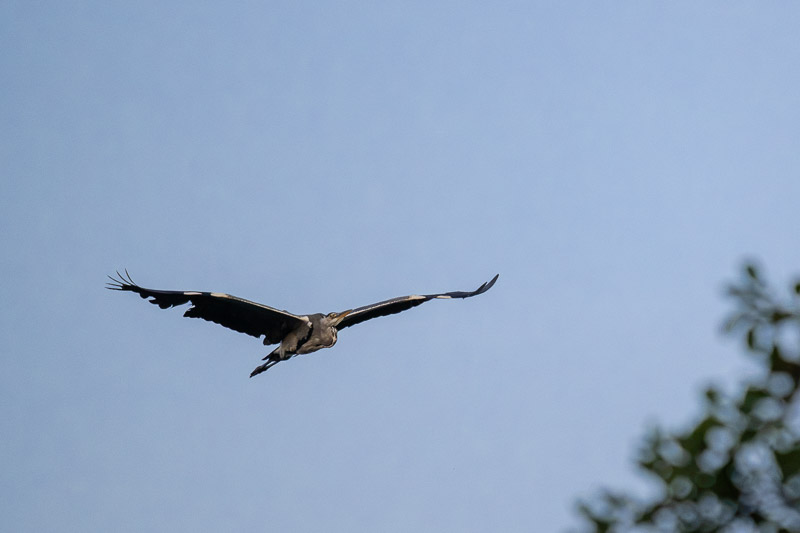


Nikon Zf | Sigma 100-400mm f/5-6.3 DG OS HSM Contemporary | @400mm f/6.3Most of the sample images in this review and many more can be found in higher resolution here.
Further Reading
- What camera gear and accessories do I use most frequently?
- Review: TTArtisan 500mm 6.3 ED IF
- All Lens Reviews
- Nikon Z-mount Reviews
Support Us
Did you learn something new, find this article useful, or simply enjoy reading it? We’ve put a lot of time and resources into creating it, and your support helps us keep going. If you’d like to show your appreciation, please consider clicking the Donate button!



(Donations via Paypal or bank card)
Or alternatively support us via this link.
What’s in my camera bag? MY 2026 KIT!!
- Main camera : https://amzn.to/3TsGtKg
- Camera grip : https://amzn.to/4e0G3CR
- Memory Card 1: https://amzn.to/47pA20i
- Memory Card 2 : https://amzn.to/3XHYxlZ
- Camera 2 : https://amzn.to/3Xifou8
- Camera grip: https://amzn.to/4dYYpV9
- Memory card 1: https://amzn.to/4e5h2H0
- Memory card 2: https://amzn.to/3zu7W7n
- Main tripod: Leofoto LS-324CPRO
- Small travel tripod: https://amzn.to/4goIX68
- Mini tripod: https://amzn.to/4e09XXX
- Small shoulder bag: https://amzn.to/47tPMiY
- Medium shoulder bag: https://amzn.to/4ej4bjY
- APS-C camera 1: https://link.amazon/B0iKSCc8a
- APS-C camera 2: https://link.amazon/B0duP43QI
This site contains affiliate links, for which I may receive a small commission if you purchase via the links at no additional cost to you. This helps support the creation of future content.


Martin
Latest posts by Martin (see all)
- Review: Sigma 100-400mm f/5-6.3 DG OS HSM Contemporary - November 11, 2026
- Review: Sirui Vision Prime 15mm T1.6 (Cine Lens) - November 1, 2026
- REVIEW: 7Artisans AF 10mm F2.5 MAX – Fisheye FF - October 25, 2026
In the alternatives list, you forgot the excellent, even more versatile, nicely compact and light Tamron 50-400!
Was about to suggest that. The 50-400 is a very nice lens I bought to replace the old Canon 100-400mm. The wider range is awesome to have and the narrower aperture… well, it’s just 1/3 stop, so no deal breaker. It’s also pretty lightweight compared to the previous generation(s) of xx-400mm lenses. The wright saving, at ~300 grams, isn’t a make or break thing, but noticeable for me especially when combined with the savings entailed by switching to the Tamron 16-30mm f/2.8 from the adapted Canon 16-35mm.
Yup, I get a TON of use out of the shorter short end on the Tamron 50-400, and the max. magnification from 50 thru 100 or 135mm is really useful. I’ve not shot a lot of FF zooms (mostly UWAs), but the 50-400 is one I can see myself owning for quite a long time, my only complaint was the lack of a bundled collar (nor a Tamron option with strap lugs) and 3rd party options addressed that. The button & switch customization options are underrated too.
I’m selling it. The Z28-400, which is darker, lighter, and has a wider focal range, has smoother bokeh and a more pleasant transition zone into unsharpness at 400mm. Perhaps I just got unlucky with the particular unit.
But after buying the Z28-400 and comparing the results with the Sigma, I stopped using the latter.
Thanks for the review. I was recently searching telezoom options for Nikon Z (or adaptable) and this one (together with the similar Tamron) regularly comes up. It feels more like a practical than desirable option, if one still owns it. Otherwise I am more hesitant to adapt heavy and extending zoom lenses that are neither cheap nor available in abundance.
For completeness, the Nikon Nikkor AF-S 80-400 mm f/4.5-5.6G ED VR would also fit the alternatives list, I think.
Right, the Nikon 80-400mm is an alternative, but the best alternative without needing to adapt is the Tamron 50-400.