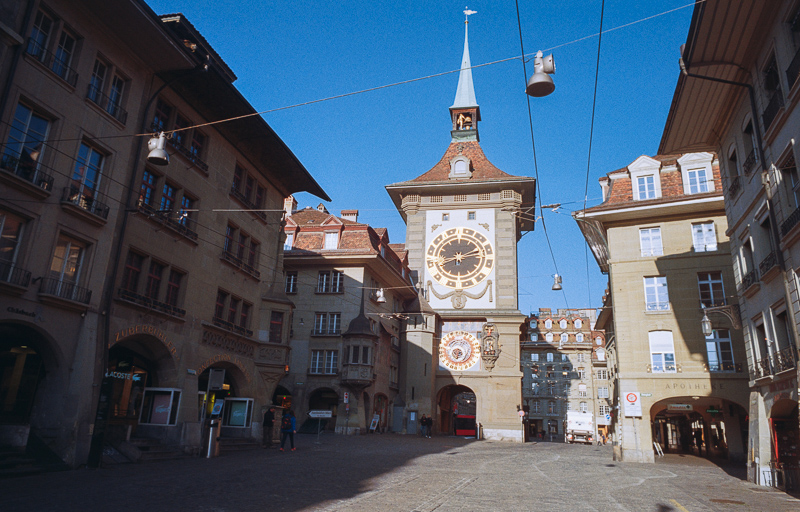
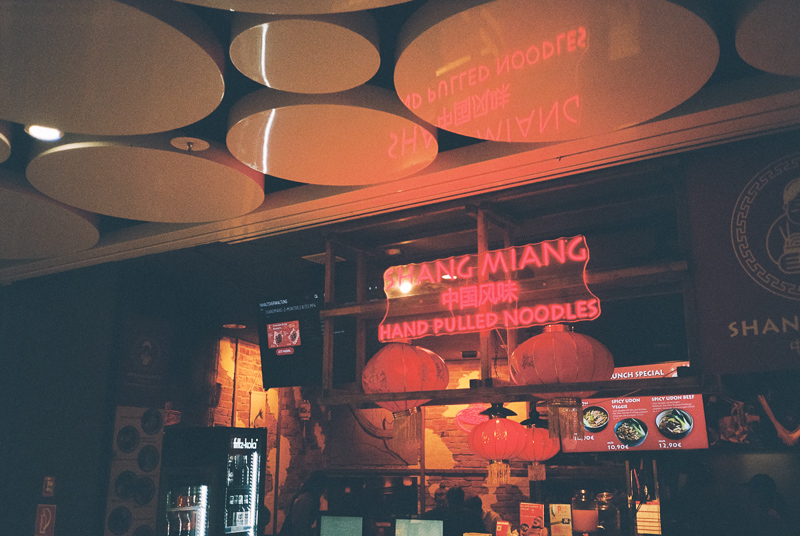
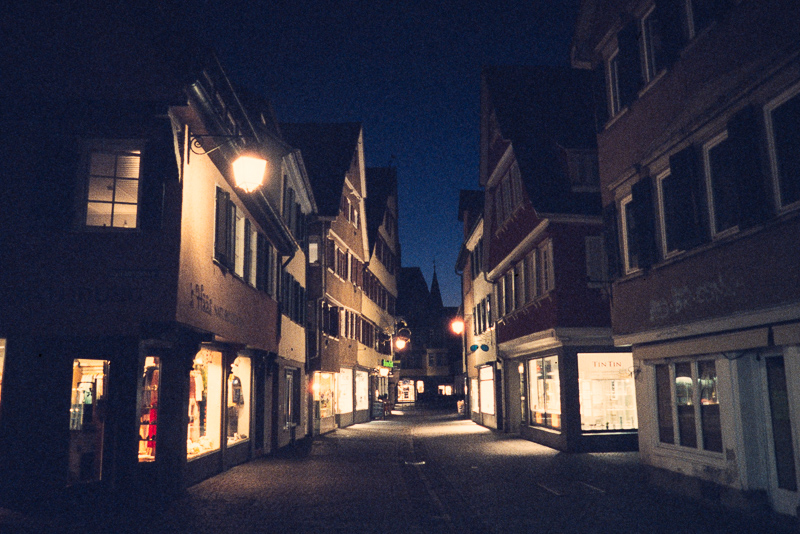
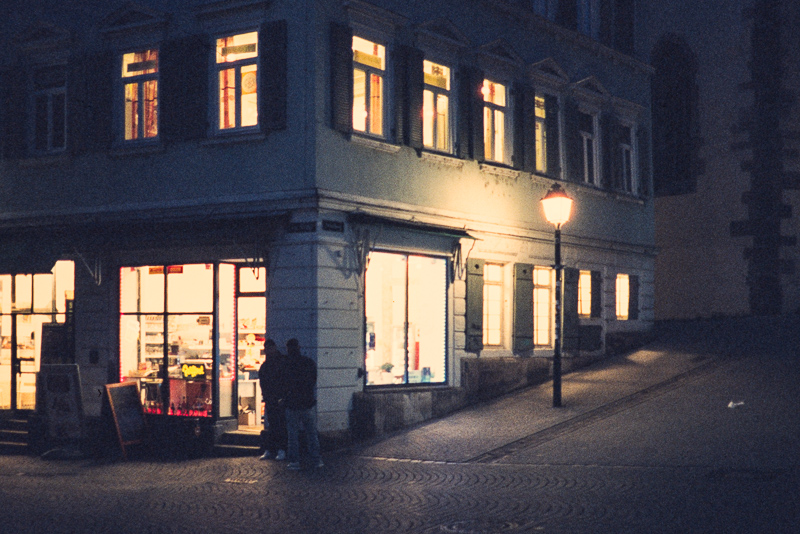
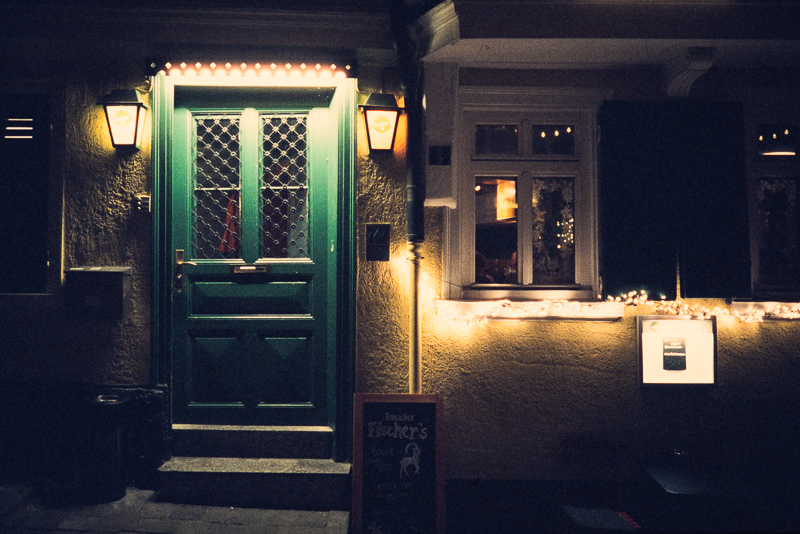
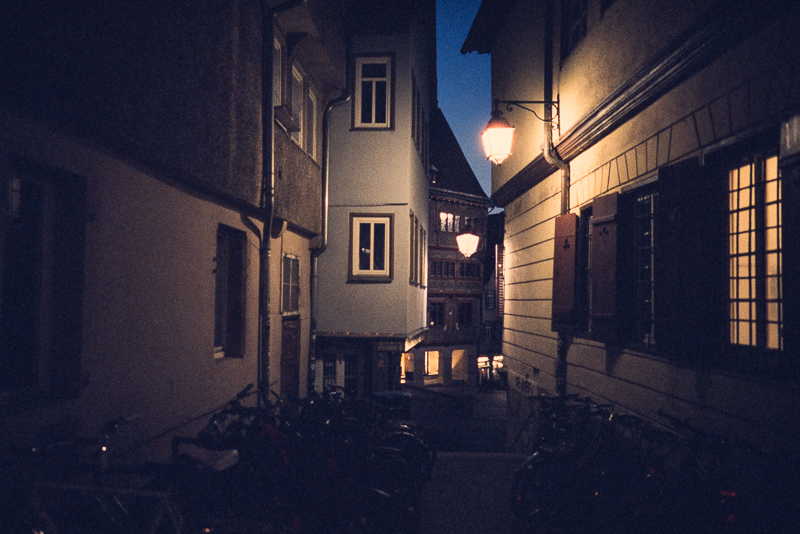
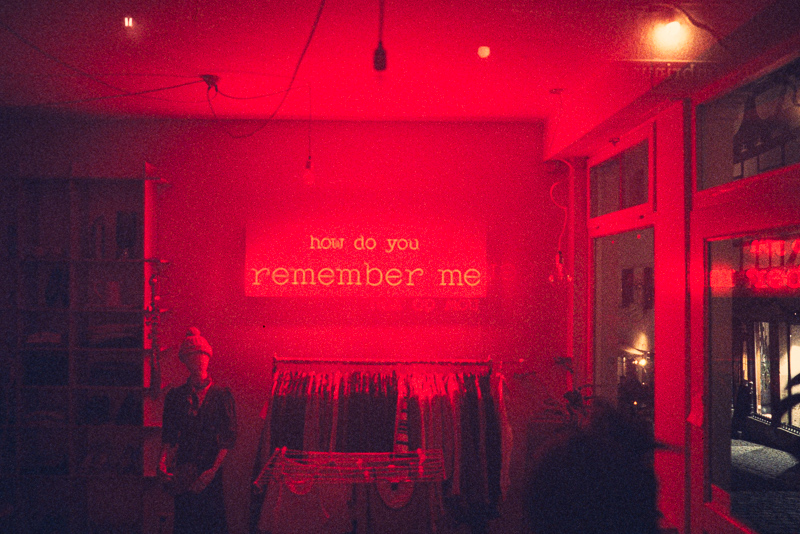
On a short trip to Bern in Switzerland I exposed two rolls of still available color negative film as well as a roll of expired high ISO slide film. Let me take you on a stroll through this beautiful city!


On a short trip to Bern in Switzerland I exposed two rolls of still available color negative film as well as a roll of expired high ISO slide film. Let me take you on a stroll through this beautiful city!


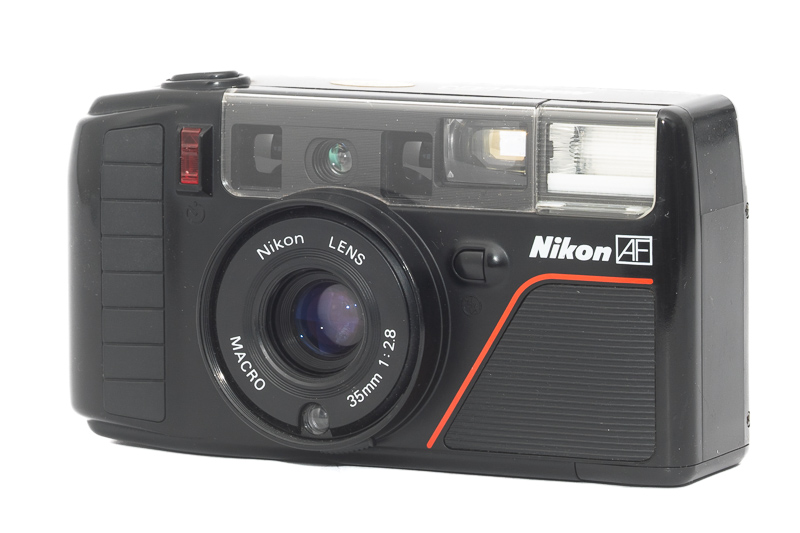
Among all the Revueflex and Porst junk cameras I usually see on the local flea markets, I discovered the familiar “Nikon” logo on a compact analogue camera. The cameras was very dirty, there was no way of knowing if it actually works, but for 25 bucks I decided to take the gamble.


Continue reading Analogue Adventures – Part 56: Nikon AF3 35mm 2.8

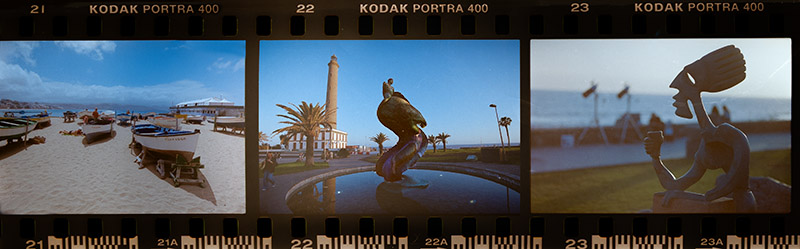
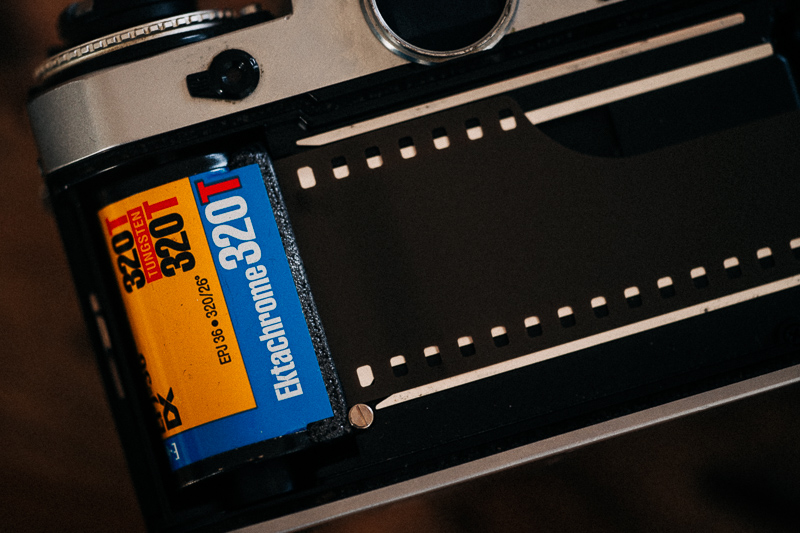
As already pointed out: in 2025 no one makes slide film faster than ISO100 anymore. And no one makes slide film to shoot under artifical light (“Tungsten based”) anymore either. That wasn’t always the case and from 1992 to 2003 Kodak offered this Ektachrome 320T, a higher speed tungsten based slide film. These have all long expired, but thanks to our readers I got my hands on a roll. Let’s see what we can do with it.
Processing (E-6) was done at ProLab in Stuttgart, scanning was done by one of our readers via a DSLR. The pictures you see in this article are from one roll.


Continue reading Analogue Adventures – Part 55: Kodak Ektachrome 320T (expired)

Kodak Ektar 25 was a professional low ISO colour negative film first released in 1989. This film was already discontinued in 1994 and that probably makes it one of the oldest films I had a look at here.
Processing (C-41) and scanning was done at urbanfilmlab in Germany, the pictures in this article are from one roll of film. I also took into account it expired some time ago and chose ISO12.



Continue reading Analogue Adventures – Part 54: Kodak Ektar 25 (expired) C-41

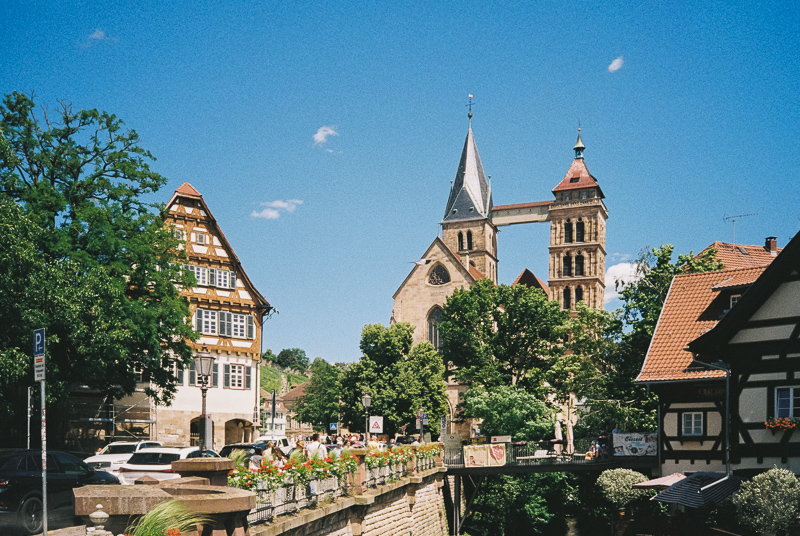
This Harman Phoenix 200 is said to be a newly designed colour negative analogue film that hit the market in early 2024. Many people did not expect anyone except for Kodak and Fuji even being able to produce a (new) color negative film, so it created quite the buzz. I already had this film developed in C-41 and I wasn’t too happy with the results, so this time I tried the ECN-2 process.
Processing (ECN-2) and scanning was done at Silbersalz in Germany. The pictures in this article are from one roll of film. Per recommendation when having the film ECN-2 developed I shot it at half box speed (ISO 100).



Continue reading Analogue Adventures – Part 53: Harman Phoenix 200 ECN-2