
On a short trip to Bern in Switzerland I exposed two rolls of still available color negative film as well as a roll of expired high ISO slide film. Let me take you on a stroll through this beautiful city!
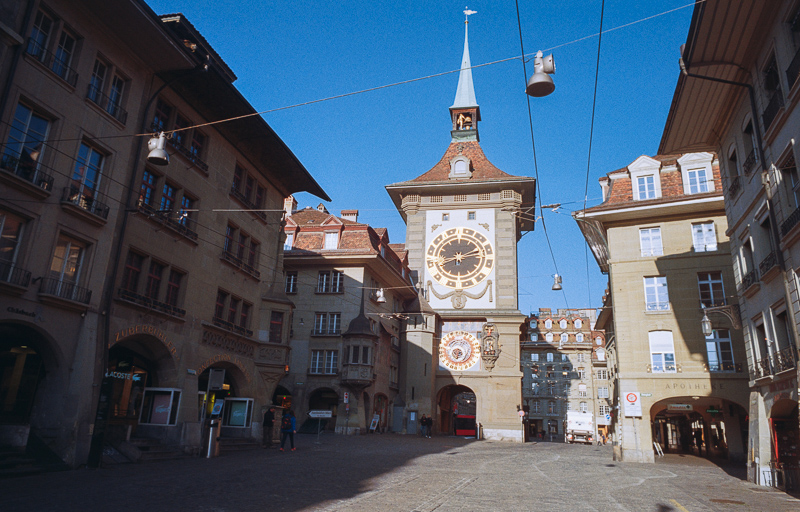


On a short trip to Bern in Switzerland I exposed two rolls of still available color negative film as well as a roll of expired high ISO slide film. Let me take you on a stroll through this beautiful city!

As many readers asked for and looked forward to a follow-up to the Projector Lenses article—one that explains how Mark carried out the conversion and offers some hints and guidance so you can try it yourself—he kindly put together this second piece on the subject. All photos and text are by Mark; the article design and layout are by me, Martin.
So, I’ll hand it over to Mark…

Welcome back! This post seeks to introduce you to the possibilities of adapting old 16mm-film projector lenses to Evils, SLRs and even Rangefinders. The aim is using these old treasures for creative photographic expression. But whilst the charm lies in the resulting pictures more than the resulting object, feel free to wake your inner fine mechanic! Mine has definitely been fast asleep, and yet, through immersion, I graduated from first putty attempts to a solid interchangeable mount setup, the recipe of which I’ll share.
So here we go, I guess.


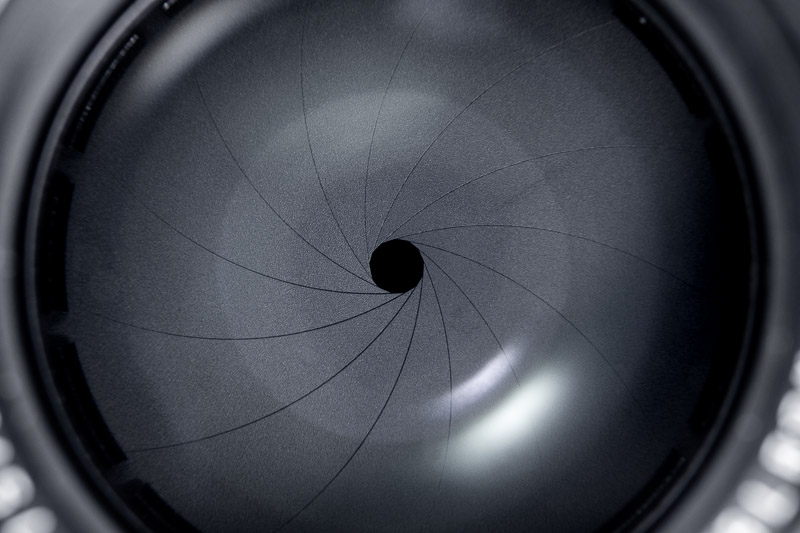
When comparing camera lenses, one of the most commonly discussed features is how “fast” a lens is—usually expressed in terms of f-numbers. But what do those numbers actually mean, and how precise are the differences we talk about, like “half a stop” or “two-thirds of a stop”?
In this article, we’ll unpack how f-numbers relate to light transmission, explore why the system isn’t always as exact as it seems, and show you how to calculate these differences for yourself—or simply reference our handy table at the end. Continue reading Understanding F-Numbers and Light Transmission

With the growing interest in analogue photography, as Bastian so inspiringly explores in his Analogue Adventures, I too have decided to create a series of film-related articles. I’ve chosen not to use the same title, as my own relationship with film photography goes back to a time when it was simply photography to me. While Film Photography would feel like the most natural title, I’ve decided to go with Analogue Photography instead, to keep a sense of continuity with Bastian’s series.


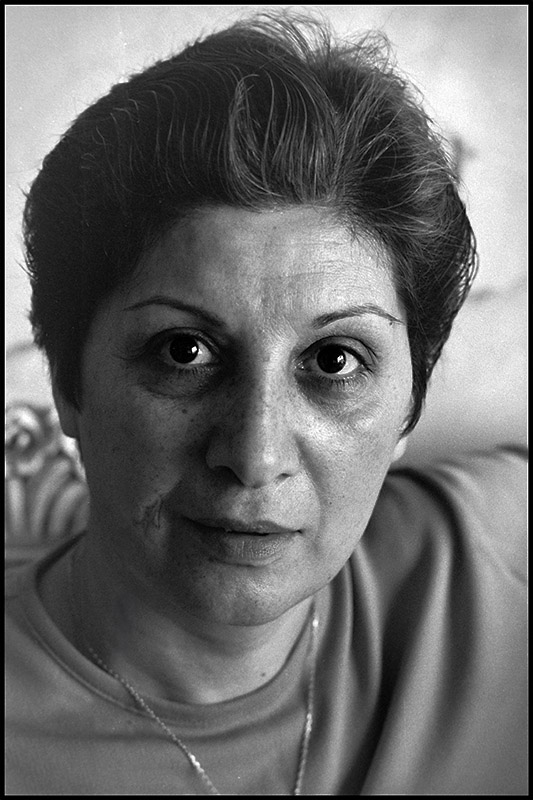

Continue reading Analogue Photography – Part 1: A Personal Journey into Film Photography 1/2
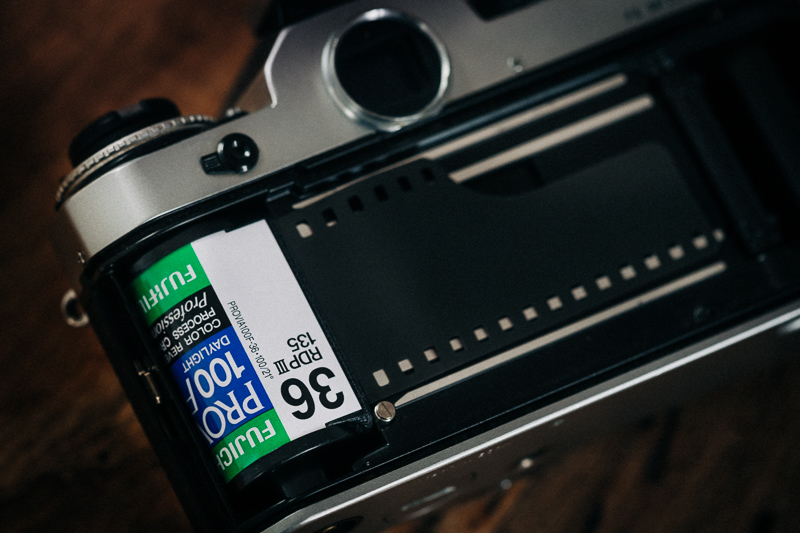
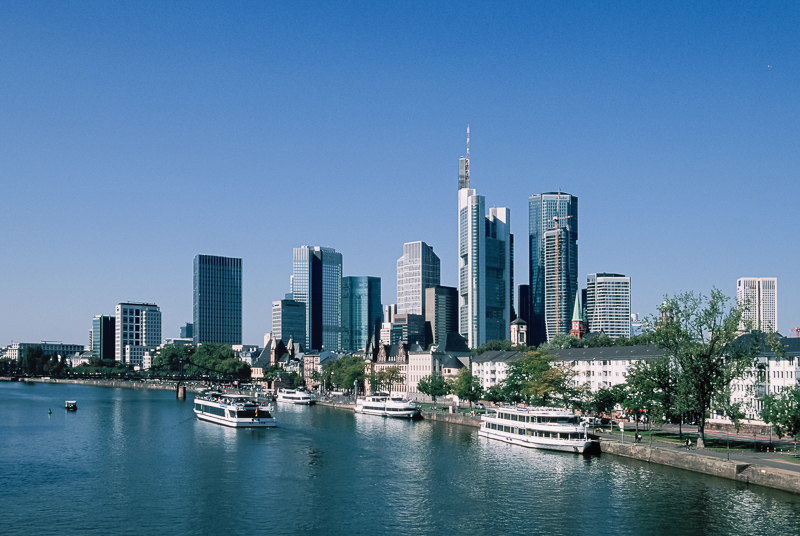
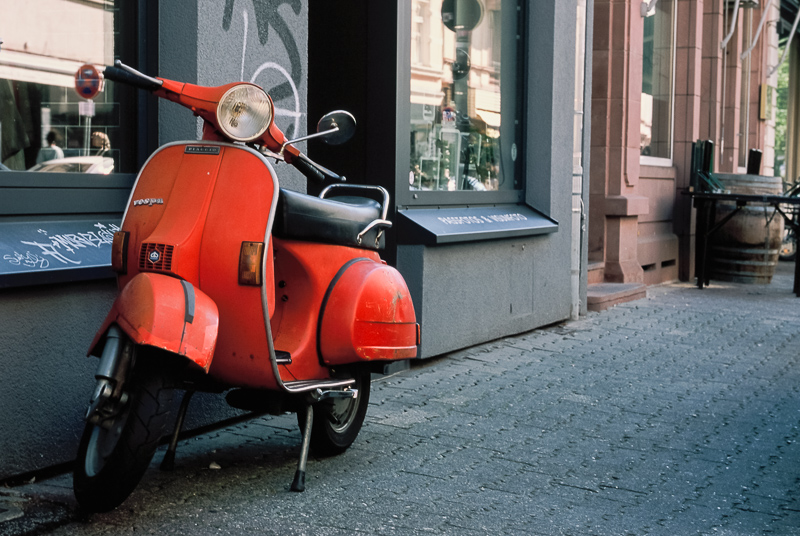
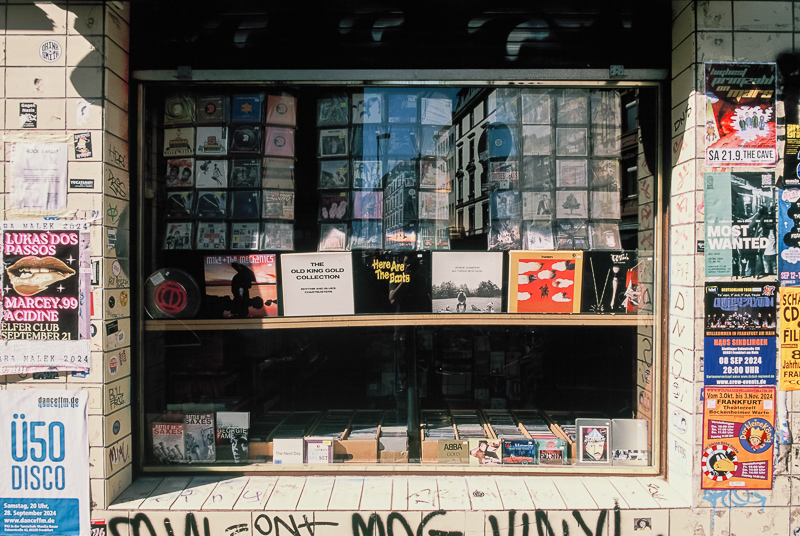
In the Fujichrome world, Provia is supposed to be the more neutral slide film compared to Velvia. I wasn’t a huge fan of Velvia 100, so let’s see how this Provia 100F worked out for me.
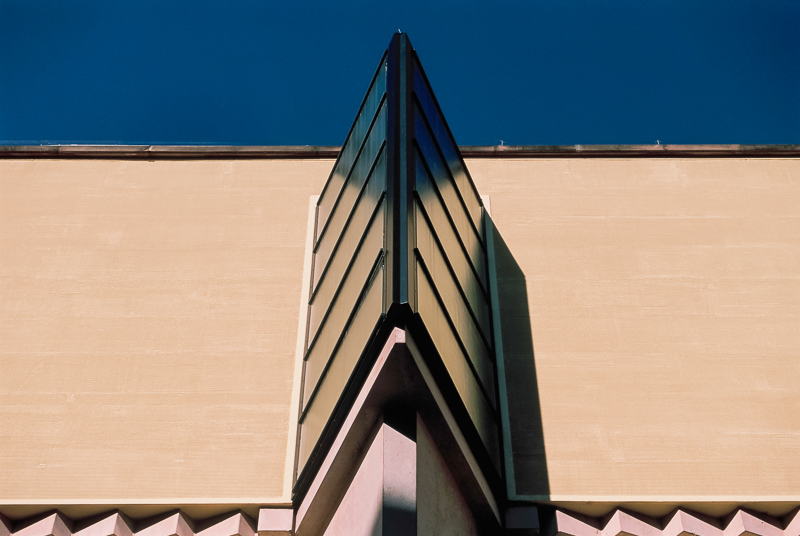
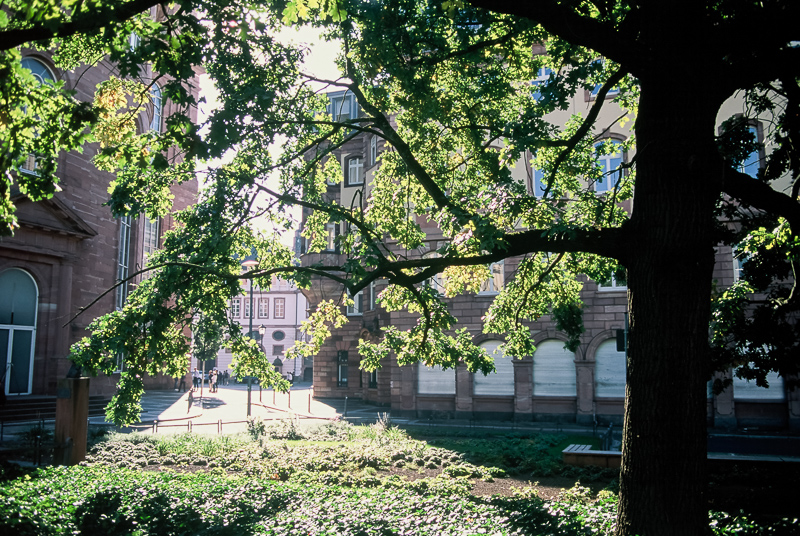
Processing (E-6) and scanning was done at urbanfilmlab in Germany. The pictures you see in this article are from one roll.

Continue reading Analogue Adventures – Part 40: Fujichrome Provia 100F