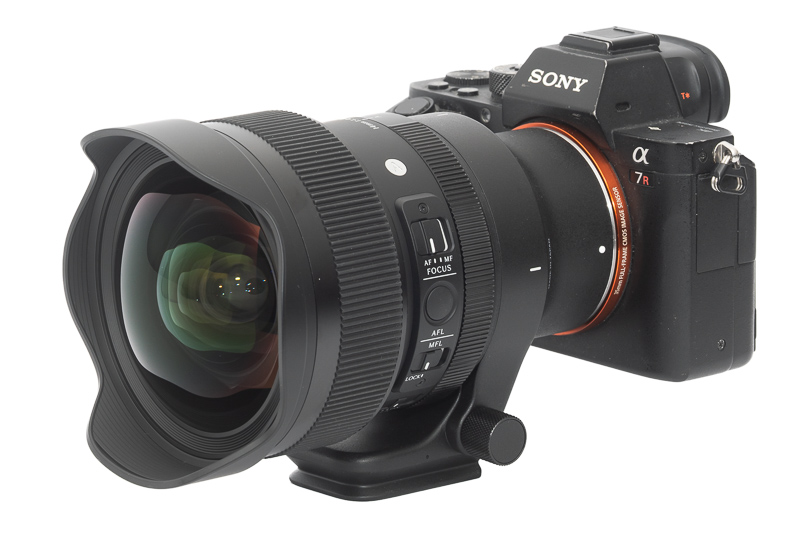
Released in 2007, the Nikon AF-S 14-24mm 2.8G was the first ultra wide angle zoom combining a 14-24mm viewing angle with a maximum aperture of f/2.8. Coming in at almost 1 kg, many people considered it to be too heavy to carry around all day and that bulbous front element didn’t help either. Almost two decades later Samyang decided to show us what the advantages can be, designing a lens with the same specifications, but for today’s mirrorless cameras. Let’s have a look together at the smallest and lightest 14-24mm 2.8 lens – that even comes with a standard 77mm filter thread – the Samyang x Schneider Kreuznach AF 14-24mm 2.8 FE.
Sample Images
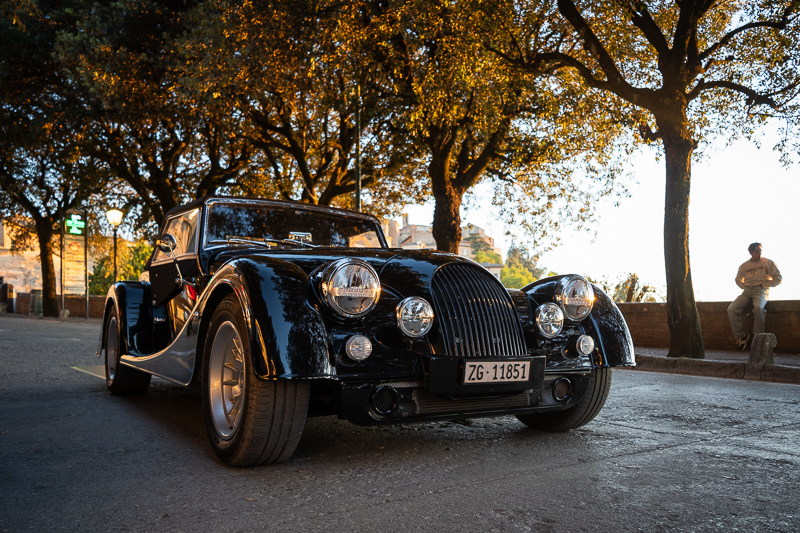
Sony A7III | Samyang AF 14-24mm 2.8 FE | 14mm | f/2.8Sony A7III | Samyang AF 14-24mm 2.8 FE | 14mm | f/2.8Sony A7III | Samyang AF 14-24mm 2.8 FE | 14mm | f/5.6Sony A7III | Samyang AF 14-24mm 2.8 FE | 14mm | f/4.0Sony A7III | Samyang AF 14-24mm 2.8 FE | 18mm | f/2.8Sony A7III | Samyang AF 14-24mm 2.8 FE | 18mm | f/2.8Sony A7III | Samyang AF 14-24mm 2.8 FE | 24mm | f/2.8
We summarize our experience with all the native E-mount and a few manual legacy lenses in the 9-18mm bracket to give you a compact and independent resource for choosing the right super- to ultra-wide-angle lens for your Sony A7 cameras. In this summary we also included some adapted lenses we think are worth mentioning.
We have no association with any lens manufacturer apart from occasionally loaning a lens for a review. Before any short introduction we tell you how long we have used a lens and if we have borrowed it from a manufacturer. But in most cases we have bought the lenses new from retail stores or on the used market.
Many of these lenses are manual focus only (MF) whereas some of them feature auto focus (AF). There is also a noticeable amount of lenses listed here that do not feature electronic contacts to communicate with the camera (no Exif).
If we have left any question unanswered please leave a comment or contact us on social media and we will do our best to answer it.
Last update: May 2026 | Added: Samyang x Schneider-Kreuznach 14-24mm 2.8, TTArtisan 14mm 2.8, Laowa 17mm 4.0 TS C-Dreamer, TTArtisan 17mm 4.0 TS Asph | Updated: Sigma 14mm 1.8, Sigma 17mm 4.0 DG DN C
We summarize our experience with all the native E-mount and a few manual legacy lenses in the 20-28mm bracket to give you a compact and independent resource for choosing the right wide-angle lens for your Sony A7/A9/A1 camera. In this summary we also included some adapted lenses we think are worth mentioning. We didn’t include any zoom lenses, you can find those in our general guide to FE lenses as well as the guide to 9-18mm ultra wide angle lenses.
Some of these lenses are manual focus only (MF) whereas others feature auto focus (AF). There is also a noticeable amount of lenses listed here that do not feature electronic contacts to communicate with the camera (no Exif).
We have no association with any manufacturer apart from occasionally loaning a lens for a review. Before any short introduction we tell you how long we have used a lens and if we have borrowed it from a manufacturer. But in most cases we have bought the lenses on the market. If you want to support our independent reviews please consider using one of the affiliate links. It doesn’t cost you anything and helps us a lot.
If we have left any question unanswered please leave a comment or contact us on social media and we will do our best to answer it.
Last update: May 2026, Meike 24mm 1.4 MIX added, 7Artisans 24mm 1.8 AF added, Sigma 24mm 2.0 DG DN C updated, Sony FE 24mm 1.4 GM updated, layout updated
Not that long ago we reviewed the Viltrox AF 85mm 2.0 Evo – the first lens of the Evo series – and it turned out to be a very compelling lens; correcting most optical aberrations very well in a compact, affordable package. It didn’t take long for Viltrox to extend the lineup, so here is the Viltrox AF 35mm 1.8 Evo and this time Viltrox even added an “Apo” tag, hinting at even better optical performance. Did they design the ideal compact autofocussing 35mm lens? Let’s find out in this review. Update May 4th: new sample pictures added
Sample Images
Sony A7III | Viltrox AF 35mm 1.8 FE Evo | f/1.8Sony A7III | Viltrox AF 35mm 1.8 FE Evo | f/1.8Sony A7III | Viltrox AF 35mm 1.8 FE Evo | f/1.8Sony A7III | Viltrox AF 35mm 1.8 FE Evo | f/1.8Sony A7III | Viltrox AF 35mm 1.8 FE Evo | f/1.8Sony A7III | Viltrox AF 35mm 1.8 FE Evo | f/1.8Sony A7III | Viltrox AF 35mm 1.8 FE Evo | f/1.8
Viltrox has just released two new full-frame lenses in its EVO series—a 35mm f/1.8 and a 55mm f/1.8—both featuring APO designs for improved correction of chromatic and spherical aberrations. Here, I’m testing the 55mm lens.
Based on Viltrox’s earlier Air and EVO lenses, which delivered exceptional sharpness, I was curious to see if this new 55mm can reach the same level as Nikon’s 50mm f/1.8 S—a lens I regard as the best “nifty fifty” Nikon has ever produced, with outstanding sharpness and overall optical quality. Let’s find out.
Available for Sony E, Nikon Z, and Leica L mounts.
Sample Images
Nikon Zf | Viltrox 55mm f/1.8 EVO | f/16Nikon Zf | Viltrox 55mm f/1.8 EVO | f/1.8Nikon Zf | Viltrox 55mm f/1.8 EVO | f/1.8Nikon Zf | Viltrox 55mm f/1.8 EVO | f/2.8Nikon Zf | Viltrox 55mm f/1.8 EVO | f/13Nikon Zf | Viltrox 55mm f/1.8 EVO | f/2.2
Sony α | Leica M | Nikon Z/F New articles every week
This website uses cookies to improve your experience. We'll assume you're ok with this, but you can opt-out if you wish.AcceptRead More
Privacy & Cookies Policy
Privacy Overview
This website uses cookies to improve your experience while you navigate through the website. Out of these, the cookies that are categorized as necessary are stored on your browser as they are essential for the working of basic functionalities of the website. We also use third-party cookies that help us analyze and understand how you use this website. These cookies will be stored in your browser only with your consent. You also have the option to opt-out of these cookies. But opting out of some of these cookies may affect your browsing experience.
Necessary cookies are absolutely essential for the website to function properly. This category only includes cookies that ensures basic functionalities and security features of the website. These cookies do not store any personal information.
Any cookies that may not be particularly necessary for the website to function and is used specifically to collect user personal data via analytics, ads, other embedded contents are termed as non-necessary cookies. It is mandatory to procure user consent prior to running these cookies on your website.