Introduction
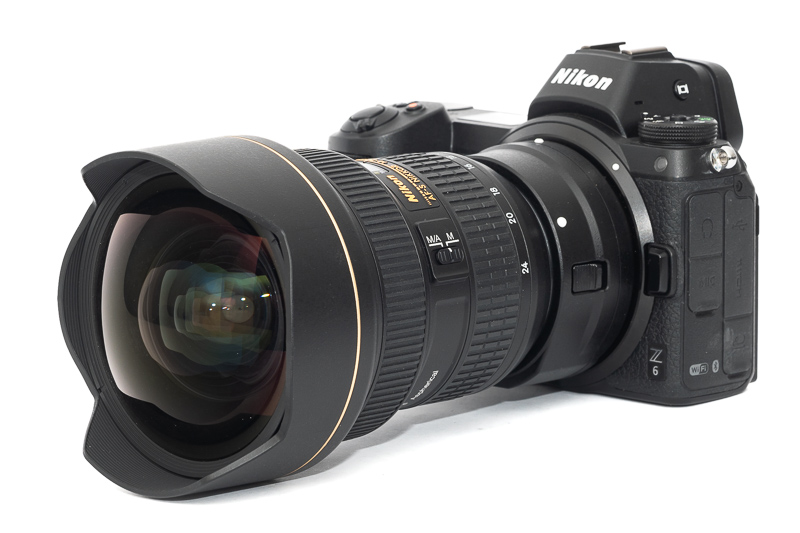
Released in 2007, the Nikon AF-S 14-24mm 2.8G was way ahead of its time. It pushed the limits of what can be expected from a very wide f/2.8 ultra wide angle zoom – by a lot actually – and not only rendered a bunch of primes in the 14mm to 24mm range useless, it also survived three generations of 70-200mm 2.8 zooms and two generations of 24-70mm 2.8 zooms, because it was simply so good, that it wasn’t necessary to replace it. Is it still a lens worth considerng today? Let’s find out in this review!
Sample Images




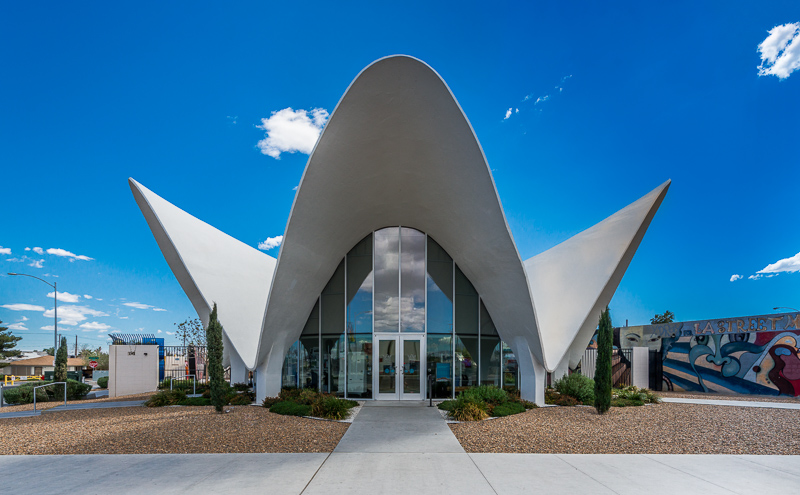


Many of the sample images in this review can be found in full resolution here.
Contents
Specifications
This Nikon AF-S 14-24mm 2.8G for F-mount was released in 2007 (together with the D3/D700/D300) and has been Nikon’s top of the line ultra wide angle lens until their move to Z-mount and also here it took until 2020 for it to be replaced by the Nikon Z 14-24mm 2.8 S.
-
- Diameter: 98 mm
- Field of view: 84° to 114° (diagonally)
- Length: 132 mm
- Weight: 979g (without caps)
- Filter Diameter: none
- Number of Aperture Blades: 9 (rounded)
- Elements/Groups: 14/11

- Close Focusing Distance: 0.28 m
- Maximum Magnification: 1:6.0 (at 24mm) 1:12.8 (at 14mm)
- Mount: Nikon-F
buy from ebay.com | ebay.de | amazon.com | amazon.de | B&H (advertisement/affiliate links) for $1750 (new) or starting at $600 (used)
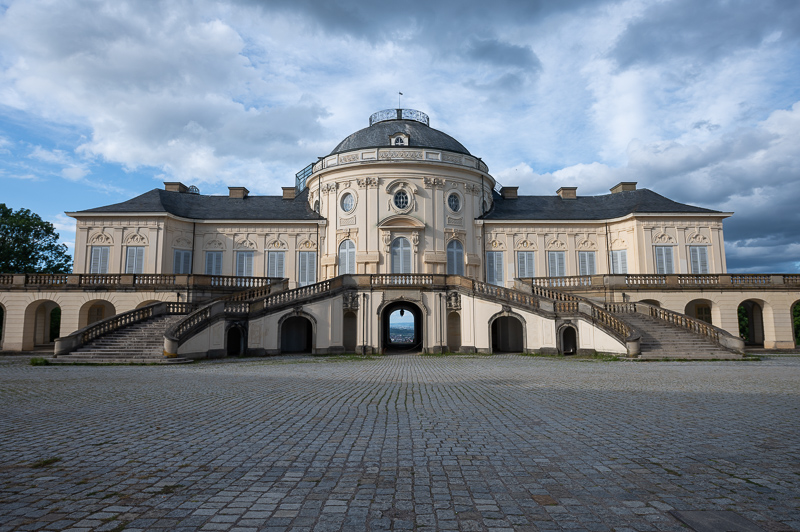
Focal Lengths

Handling / Build Quality
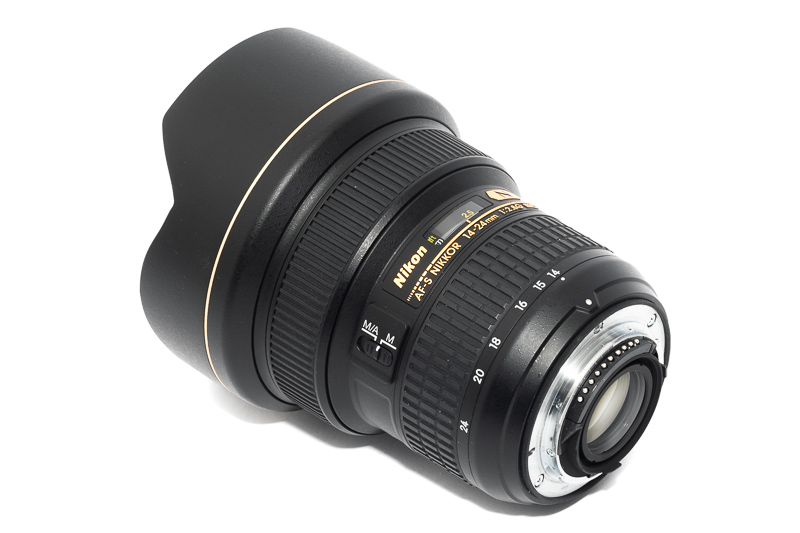
These f/2.8 zooms have been specifically designed to withstand years of professional (ab)use and this one is not exception. It feels solid, everything is where you would expect it to be and it just works.
The focus ring is situated at the front of the lens. It is mechanically coupled and rotates around 60° from the minimum focus distance of 0.28 m to infinity. The resistance of the focus ring of this sample is quite nice actually and there is no slack when changing the orientation of rotation.
The zoom ring is situated closer to the camera and has markings for 14, 16, 18, 20 and 24 mm. This sample does not show any zoom creep, but maybe those that have been used more do. This is also not a parfocal zoom, if you change the focal length, focus needs to be adjusted.
On the left side of the lens the AF/MF switch is located. As said before the focus ring is mechanically coupled to the internal mechanics, so we also got a distance scale. Unlike the Nikon AF-S 70-200mm 2.8G VRI this lens does not feature lens buttons.
The lens hood is built-in and there is neither a front nor a rear filter thread. Many filter manufacturers offer holders that allow to use rectangular 150mm filters though.
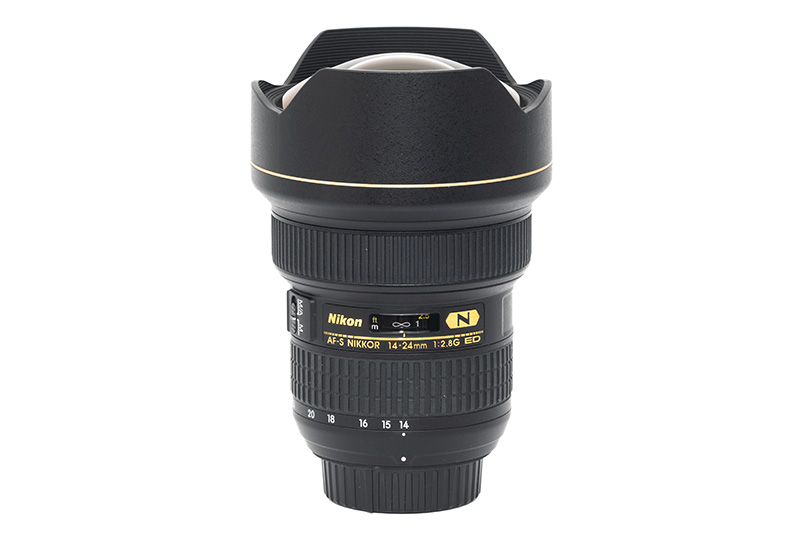
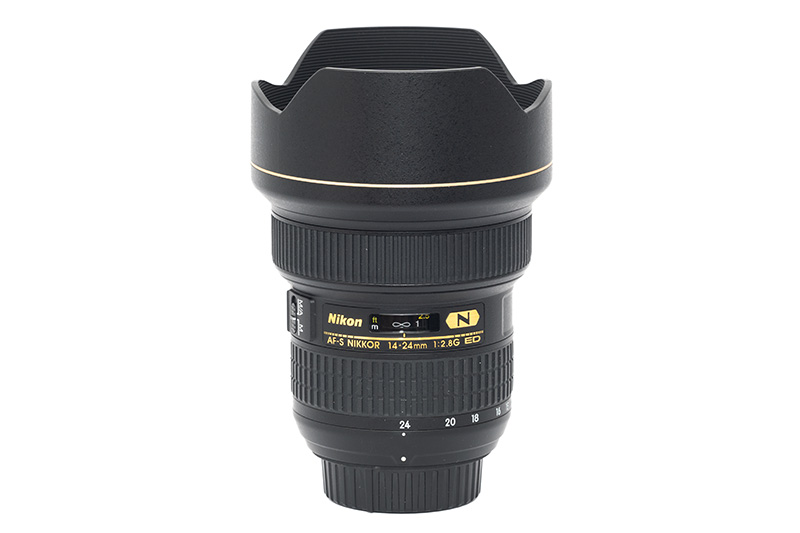
The outer casing stays the same, but on zooming the huge front group moves. It protrudes the most at the 14mm end and retracts towards the 24mm end.
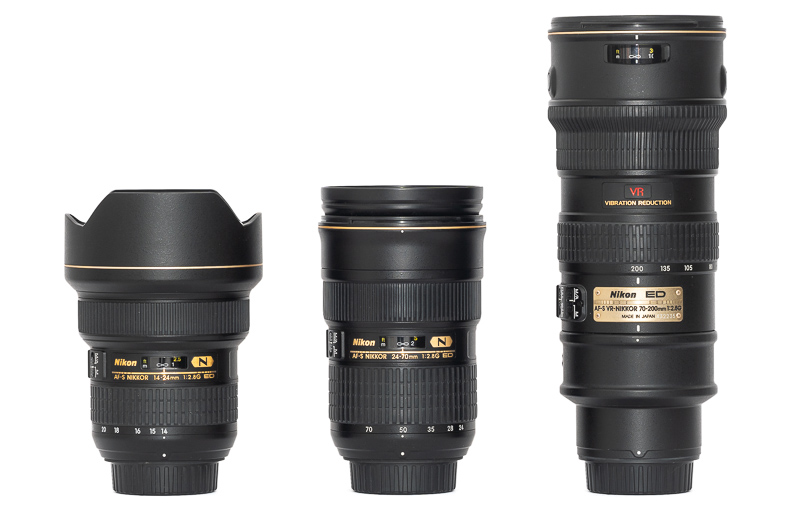
This is by no means a small lens, but when it was released it was better than Nikon’s 14mm, 18mm, 20mm and 24mm primes, so if you could replace 2-3 of those, it was still a sensible choice in terms of bulk.
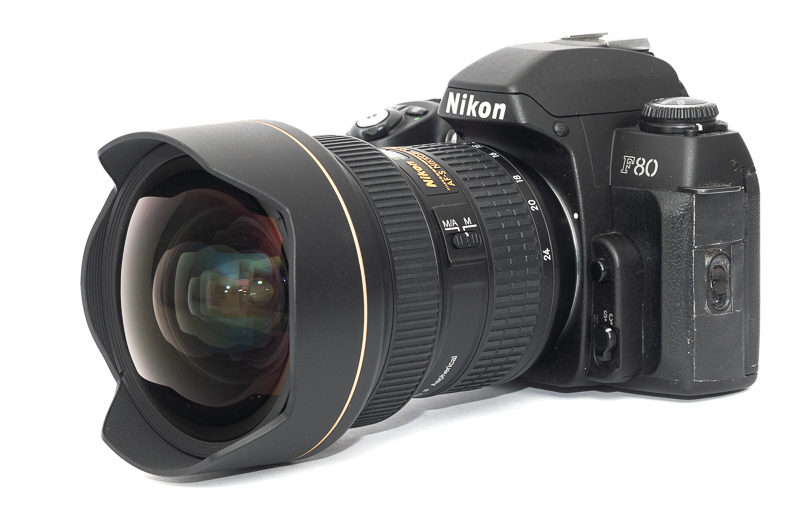
There are also some analgoue cameras that fully support this lens. The cheapest is the Nikon F80, but also the F100, F5 and F6 can make full use of this lens and support the autofocus and allow you to change the aperture – this is not the case for all the manual focus SLRs and also the older autofocus SLRs though.
AF performance
I am not shooting sports or fast moving animals/humans so if you want to know if the lens is fast enough for this, or how it compares to other lenses in this segment, you may have to look for a different review with a more detailed assessment of this aspect.
Generally Nikon’s f/2.8 zooms are widely known for their fast AF speed. I think this one is a bit slower than the 24-70mm and 70-200mm zooms, but it also isn’t that demanding here due to its wider depth of field.
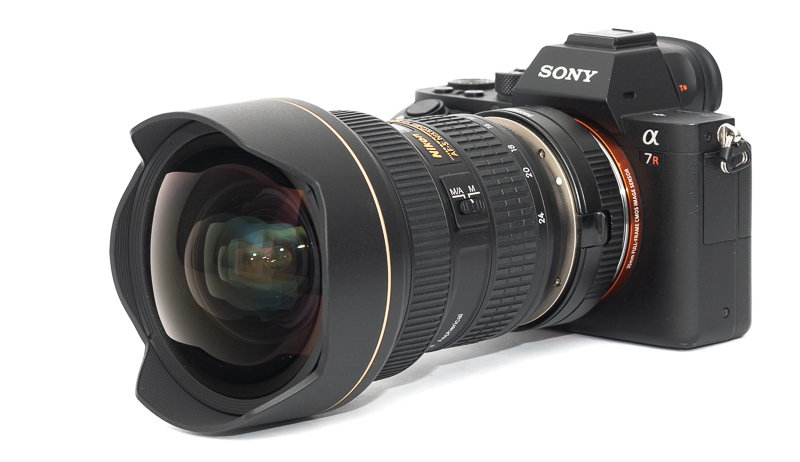
The AF worked fine via Monster LA-FE1/2 adapter on a Sony camera and of course also when adapting it via the FTZ adapter to Nikon Z-mount cameras.
Vignetting

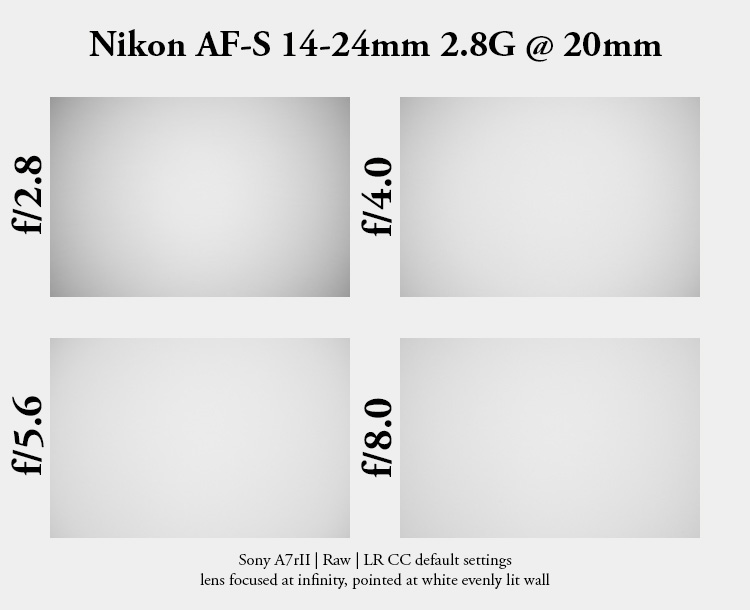
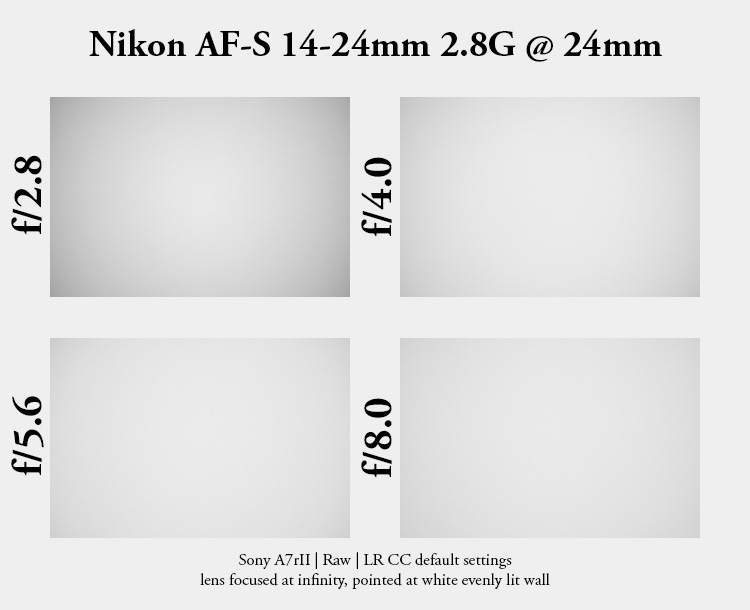
| 14mm | 20mm | 24mm | |
|---|---|---|---|
| f/2.8 | 2.5 EV | 1.8 EV | 1.7 EV |
| f/4.0 | 2.0 EV | 1.4 EV | 1.3 EV |
| f/5.6 | 1.6 EV | 1.1 EV | 1.0 EV |
| f/8.0 | 1.1 EV | 0.9 EV | 0.8 EV |
| f/11 | 1.0 EV | 0.8 EV | 0.8 EV |
For a lens with these parameters we see a very typical performance here. Vignetting is strongest at the wide end and stopped down around 1 EV. Looking at the results from the Sony FE 12-24mm 2.8 GM the performance is very similar. Today we also have faster 14mm options like the Sony FE 14mm 1.8 GM, that lens shows slightly less vignetting at f/2.8, but doesn’t improve on stopping down further, so both the zooms actually show less vignetting from f/4.0 onwards.
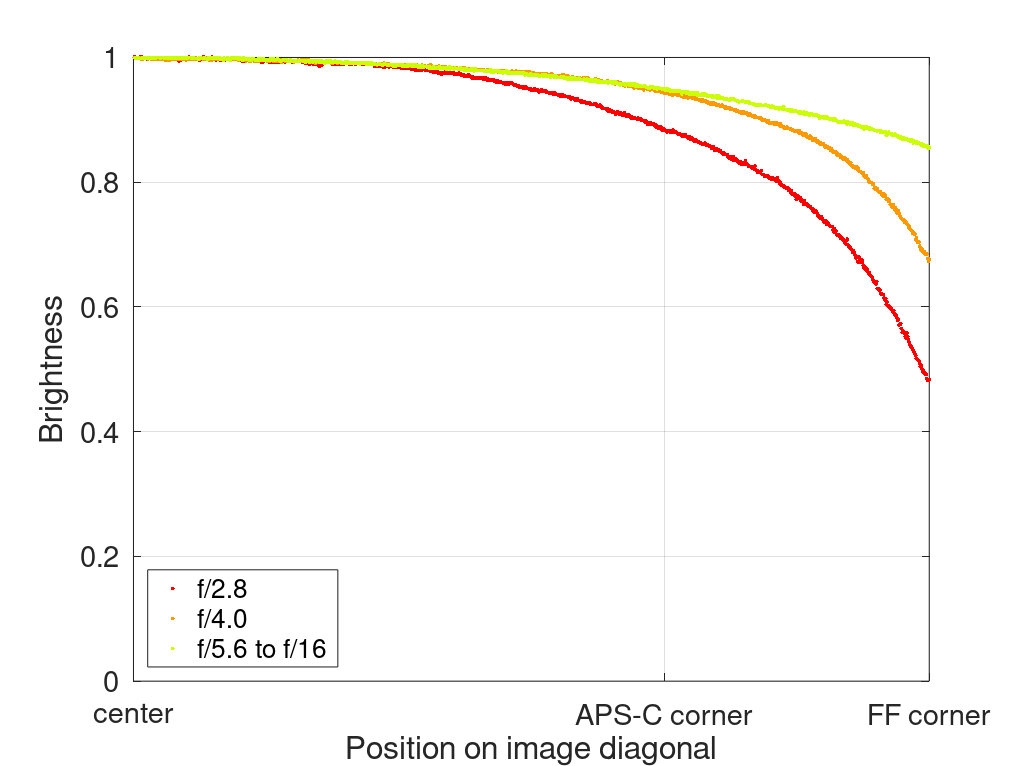
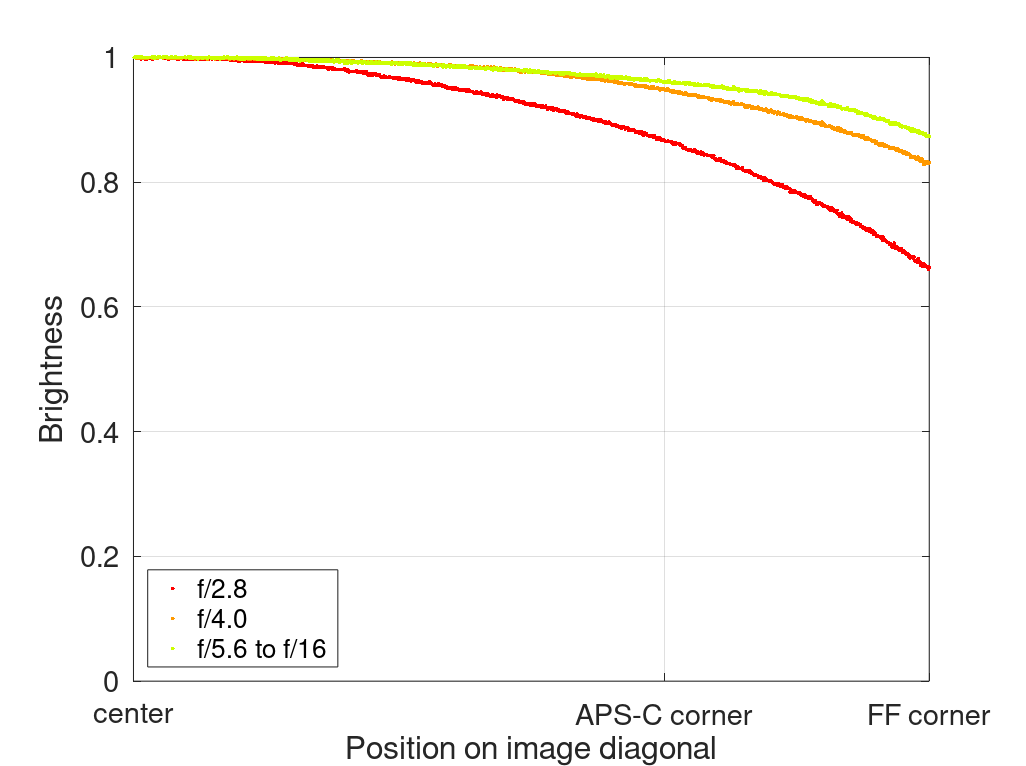
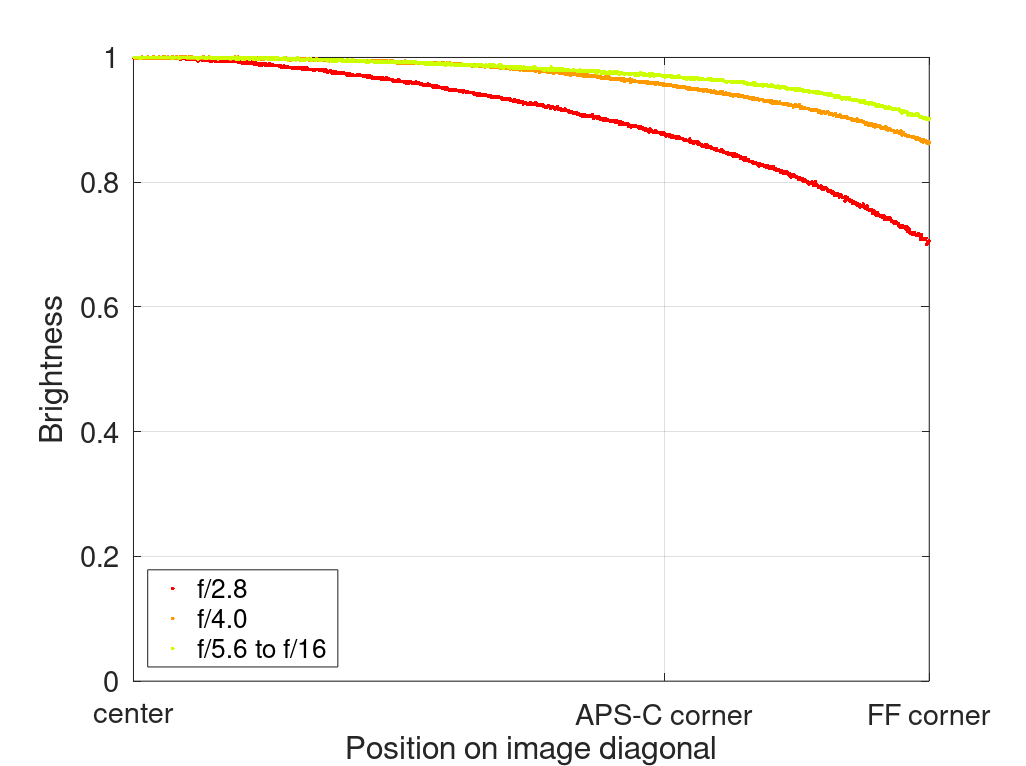
It is recommended to have a look at this article first to get an idea how this brightness graph works.
Sharpness
infinity (42mp Sony A7rII)

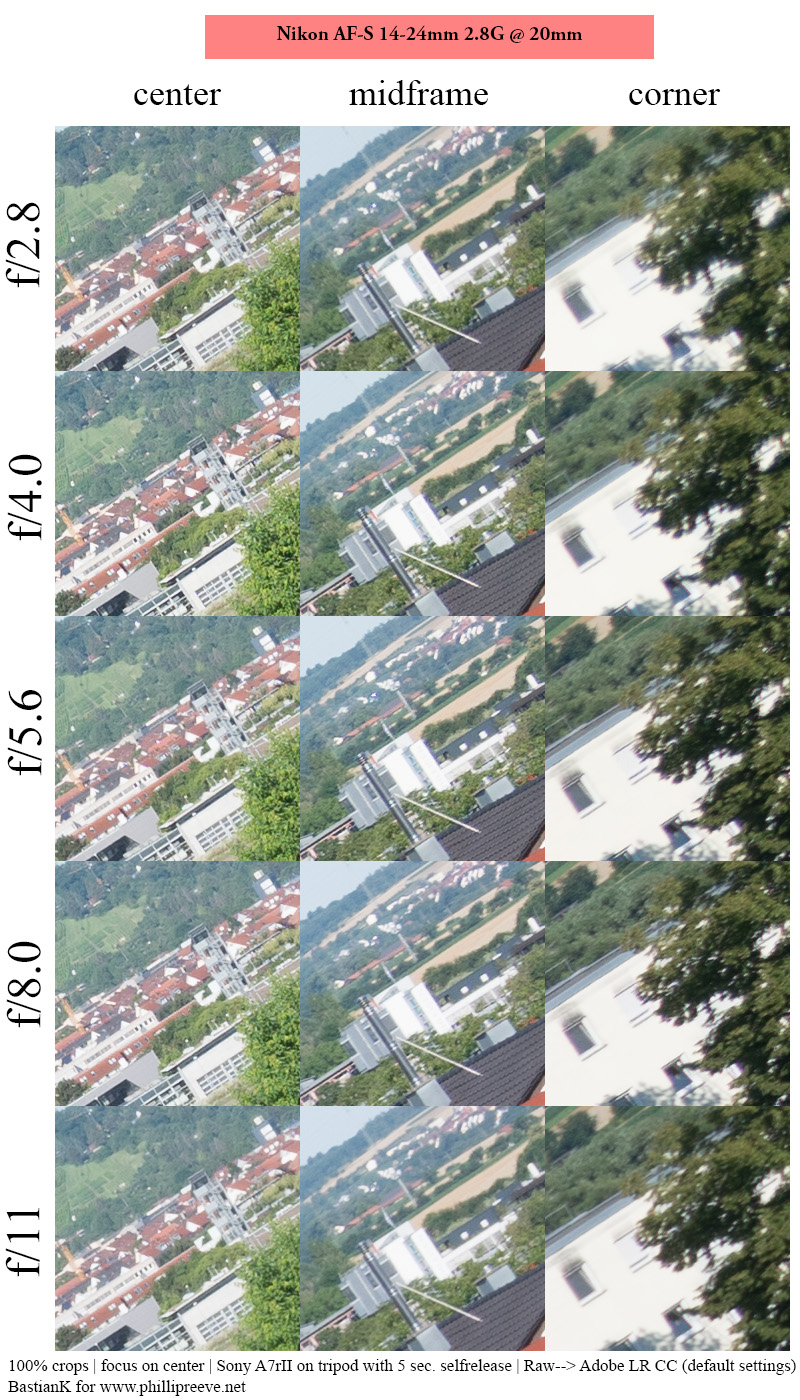
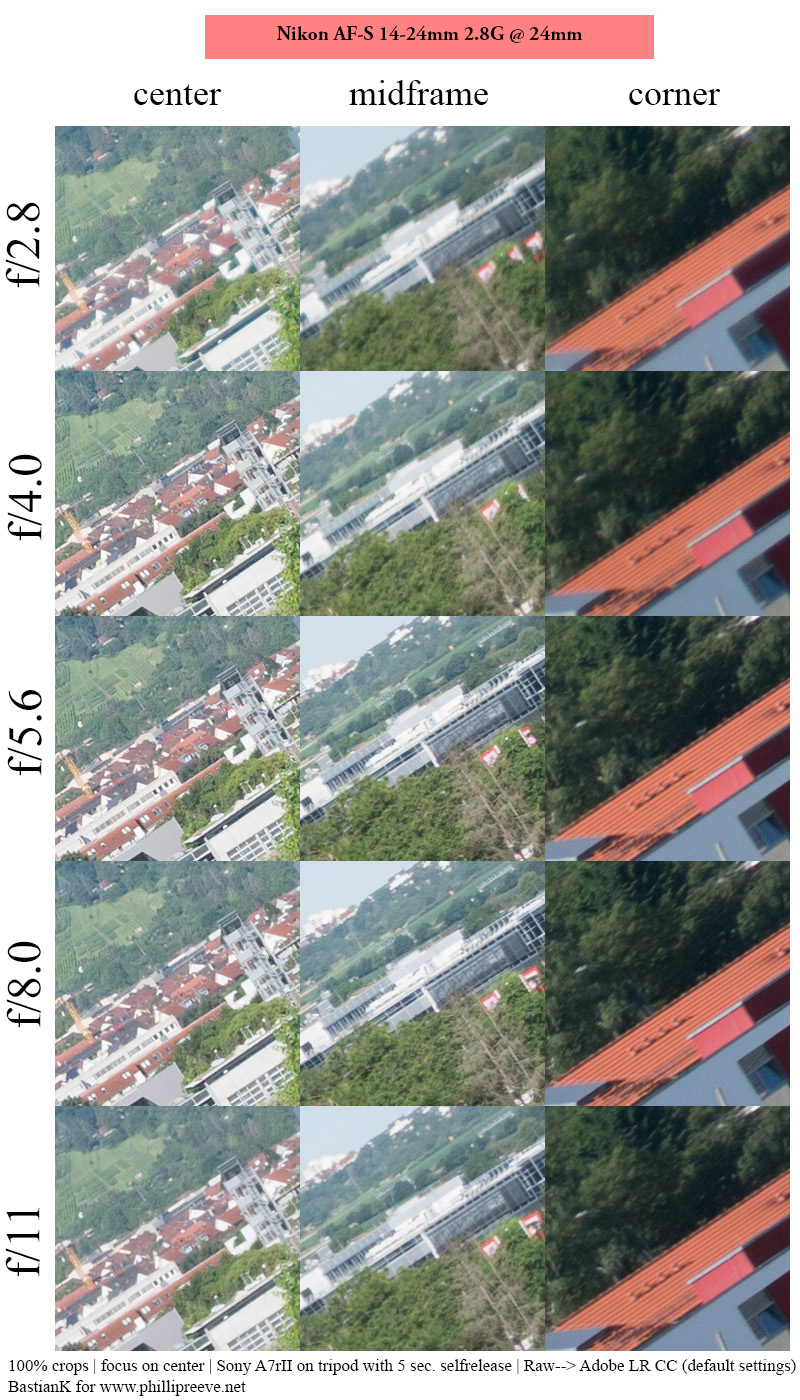
When this lens was released in 2007 it was a revelation, because it performed better than all of Nikon’s prime lenses in this focal length range that came before it. Admittedly, most of those weren’t exactly the best lenses of their era. Still, for 10 years no one was able to release a better performing 14mm 2.8 lens.
The wide end – as is usually the case for ultra wide angle zooms – is definitely the strong end. At f/2.8 the midframe looks very good already and the corners decent. For the corners to look very good stopping down to f/5.6 is advisable.
At 20mm the situation is similar, only that I would use f/8.0 for best across frame sharpness.
This is the second sample of this lens that I have been using and what both have in common is that the 24mm end is the weaker one. Here we actually see a bit of a loss of contrast due to spherical aberration – even in the center of the frame – so for crisp results I would use at least f/4.0, if I was looking for best across frame performance again f/8.0.
All in all, this is still a good performance to this day and nothing to be ashamed of.
On the Monster LA-FE1/2 adapters I saw a degradation in image quality in the midframe area as their length seems to be a little bit too short. With the Rayqual adapter on a Sony E camera or with an FTZ adapter on a Nikon Z camera the lens performs as expected.
close (0.28 m)
14mm



100% crops from center, A7rII
24mm



100% crops from center, A7rII
The minimum focus distance is achieved throughout the whole focal length range, which leads to the highest magnification (1:6.0) being available at the 24mm end.
Also at these distances the image is a bit softer at f/2.8 at the 24mm end and at the 14mm end we see a bit of field curvature – as is often the case for ultra wide angle lenses in close focus scenarios.
Flare resistance

As always evaluating flare is a complex matter since you can get any lens to look bad if you push it hard enough and a slight change of scenario can affect results a lot. With a zoom lens there are even more variables, as the performance can change a lot with the focal length as well.

Many lenses with bulbous front elements struggle in this category – and this Nikon AF-S 14-24mm 2.8G has a front element as bulbous as they come – but for a lens from 2007 it actually did a pretty good job, better than many of the competitors.
But let’s have a closer look at what to expect here.
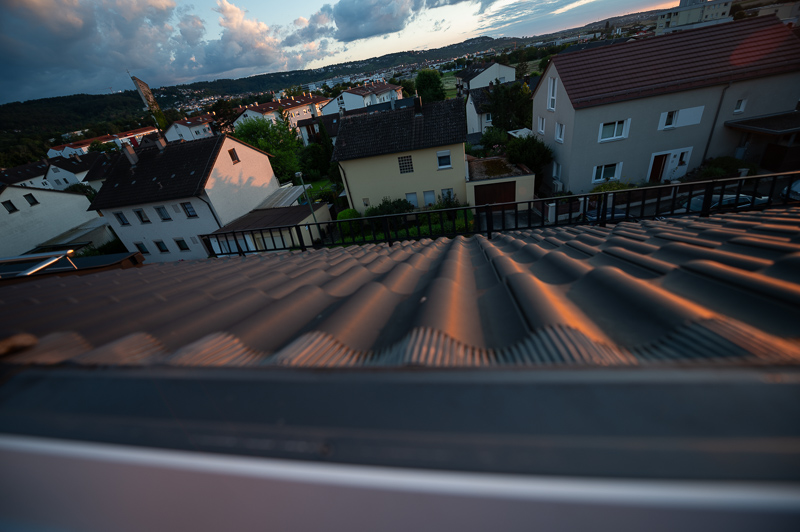
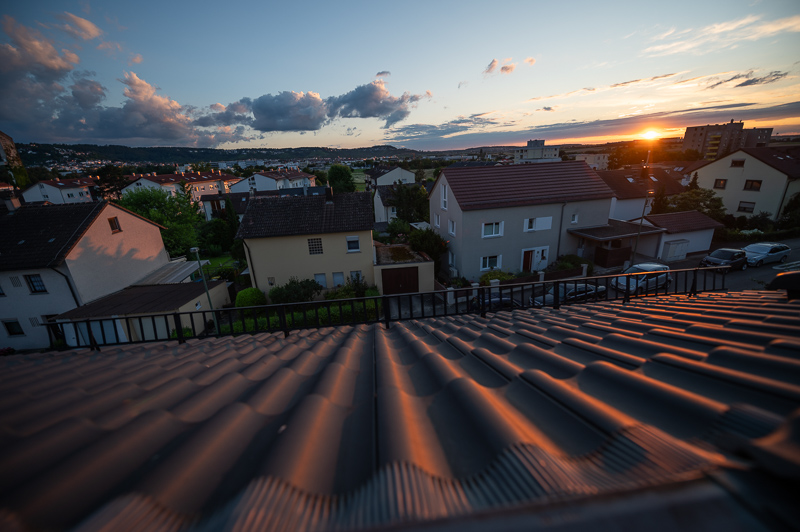
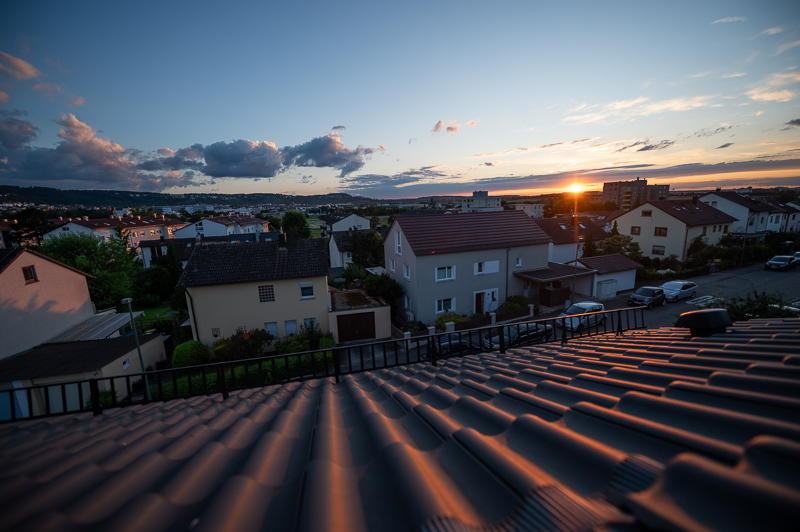
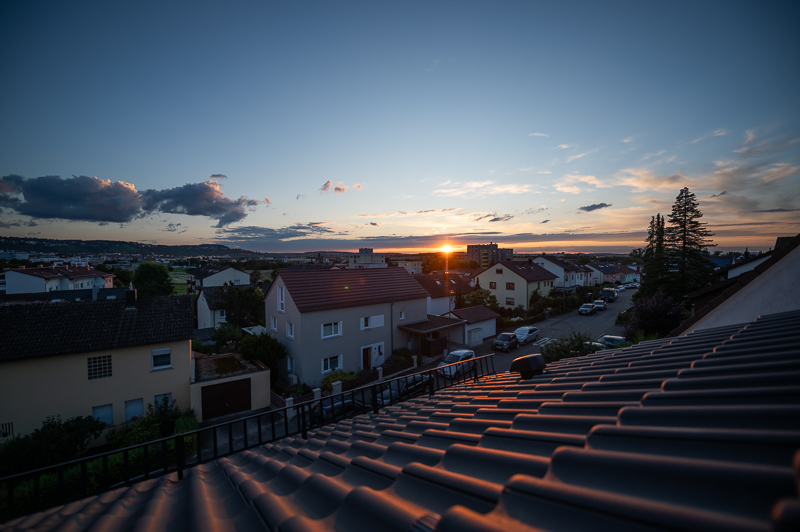
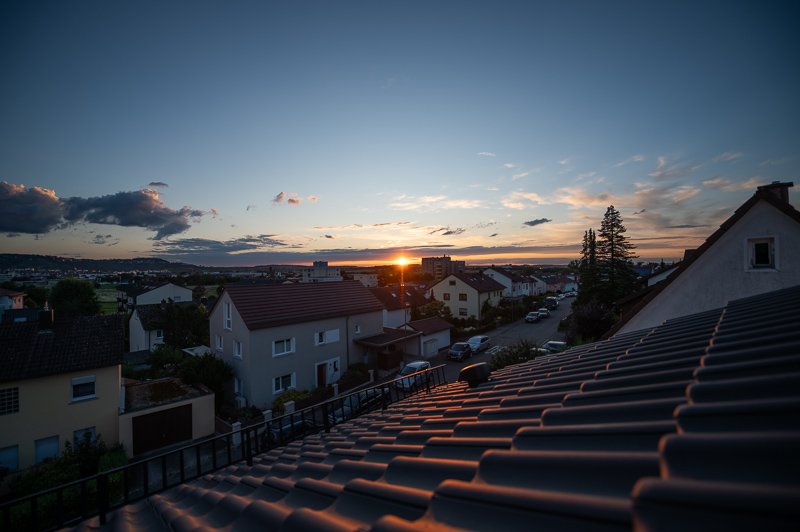
At f/2.8 at 14mm I mainly encountered some small ghosts. There are also some good news: the contrast generally stays on a high level and veiling flare is less of an issue.
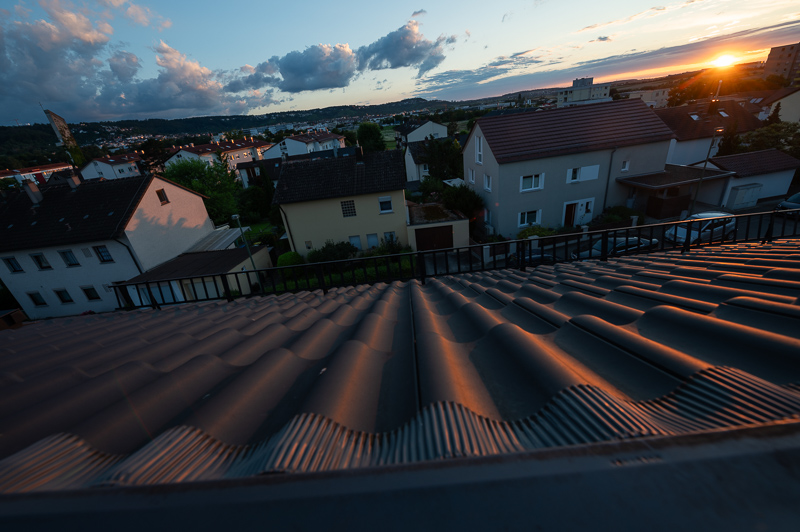
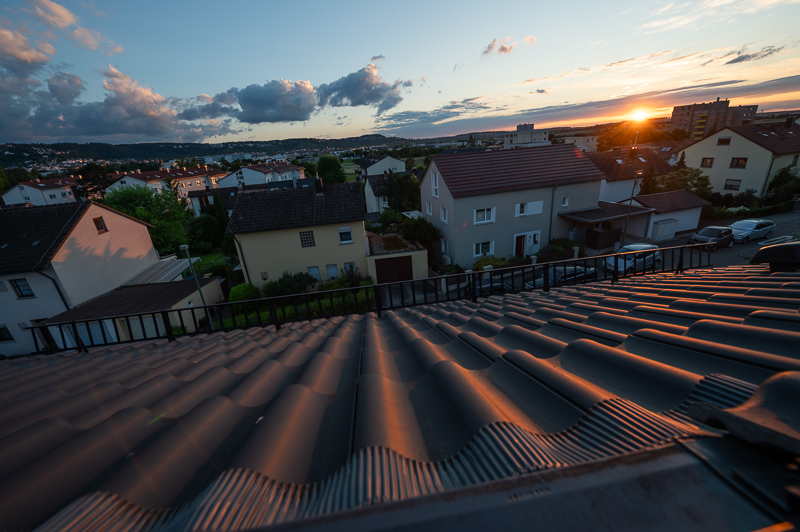
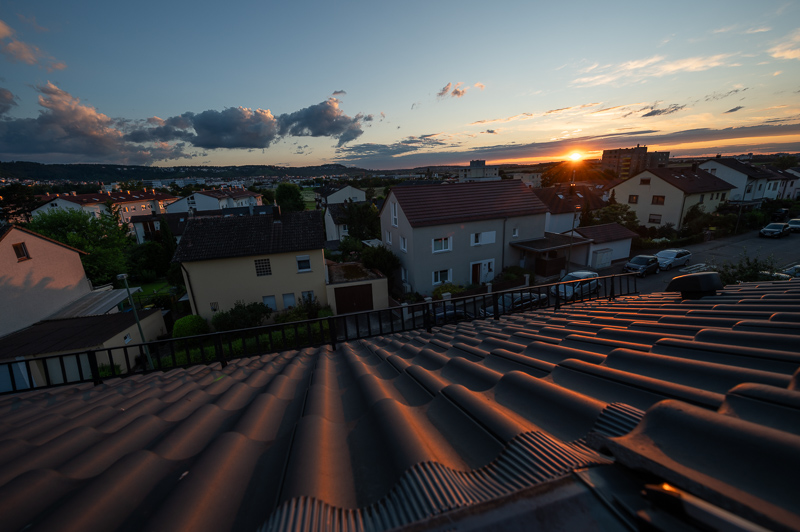
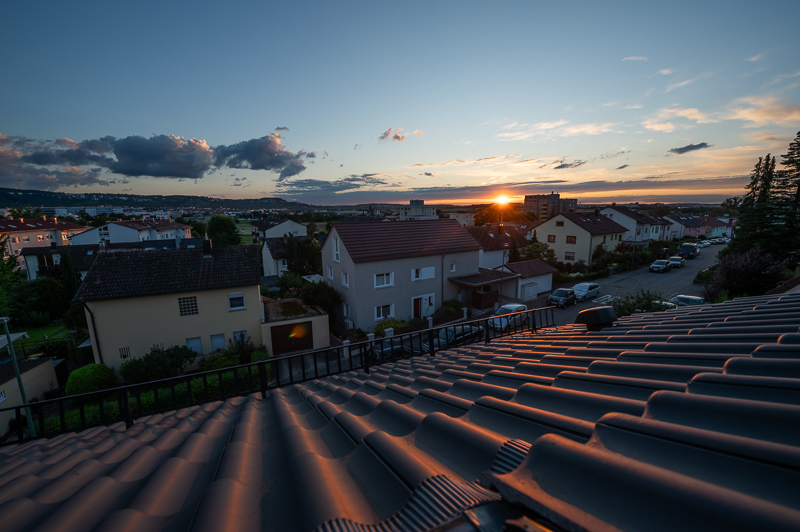
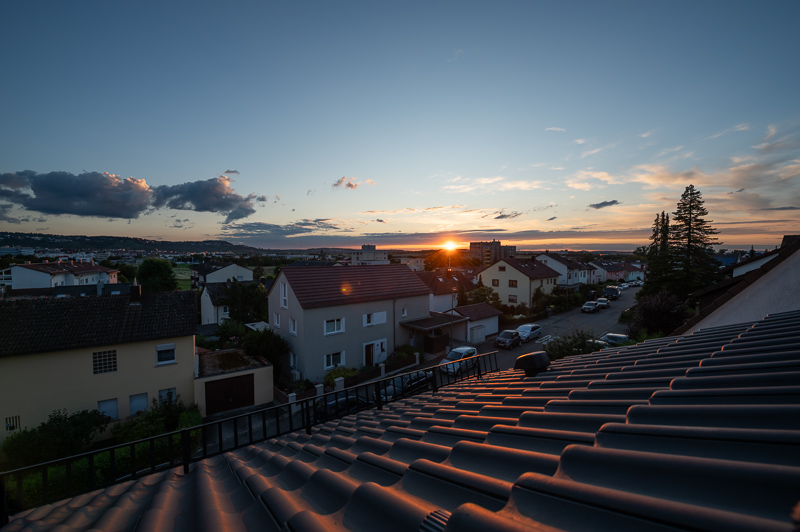
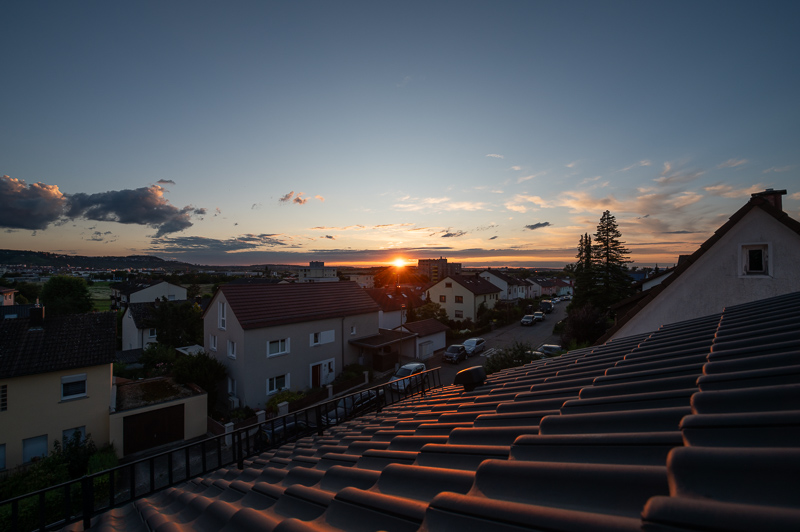
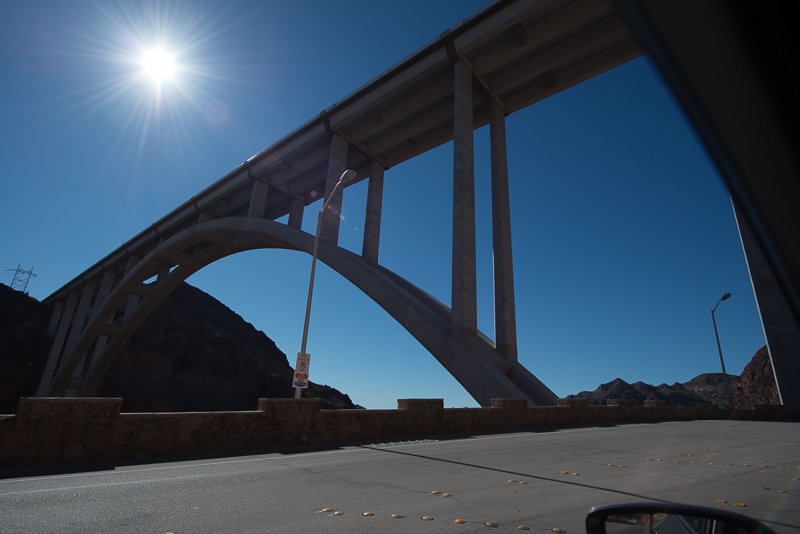
Stopped down – with the sun close to the edge – also rainbow artefacts can appear. In the pictures at the top and bottom of this section these are more obvious and easier to spot.
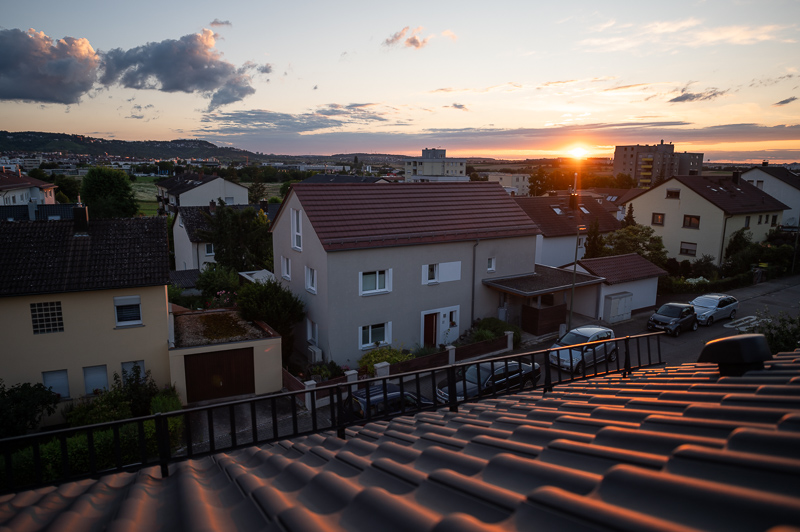
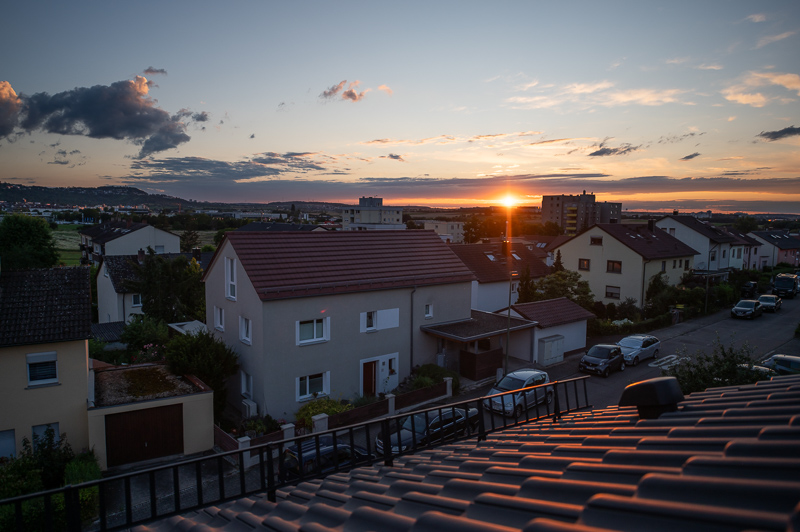
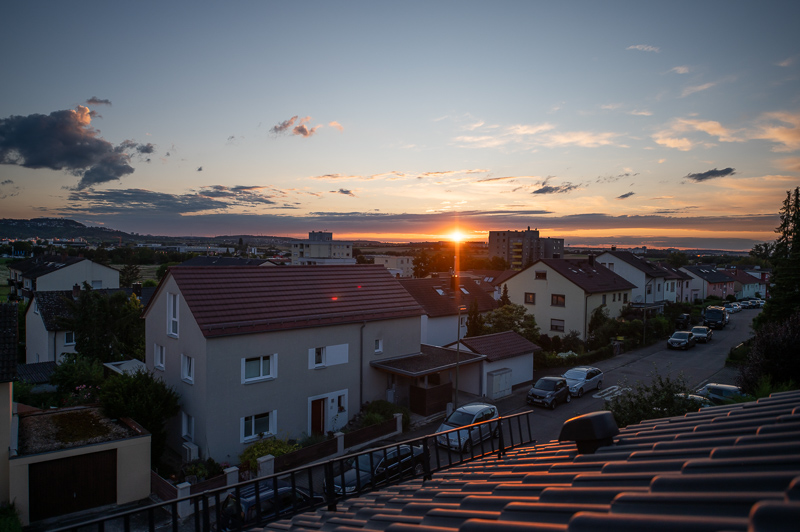
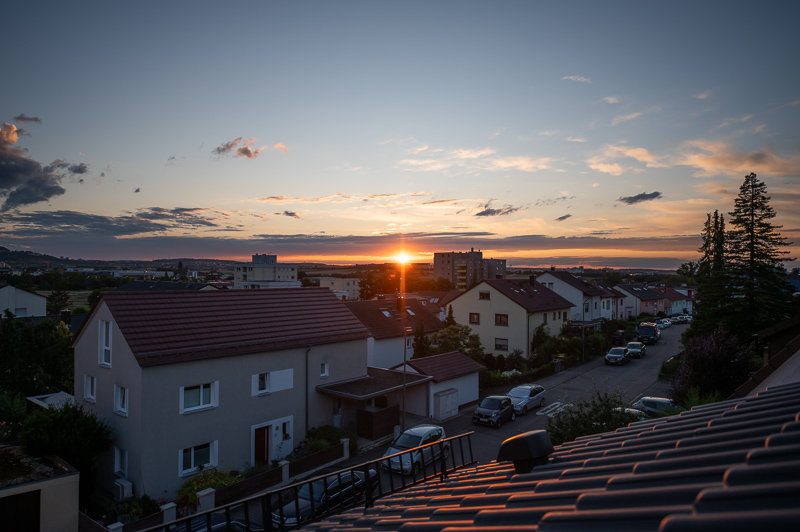
At the 24mm end I found the performance to be a bit better. I guess those rainbow artefacts are simply not in the frame here anymore.
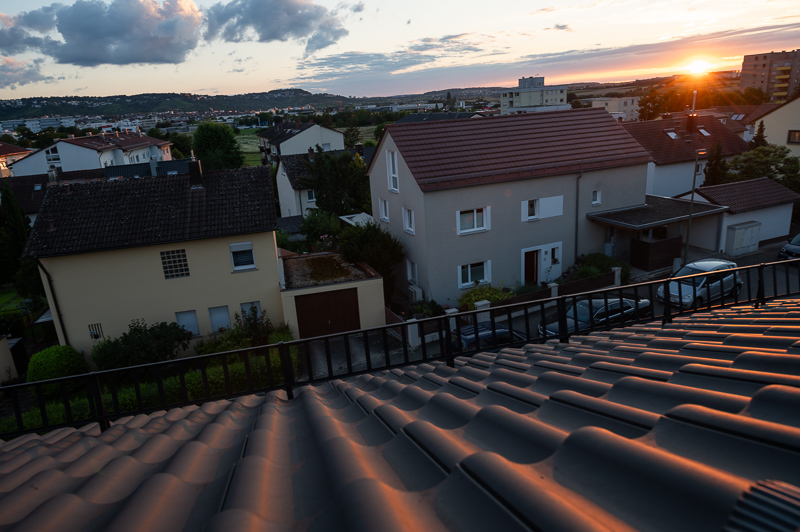
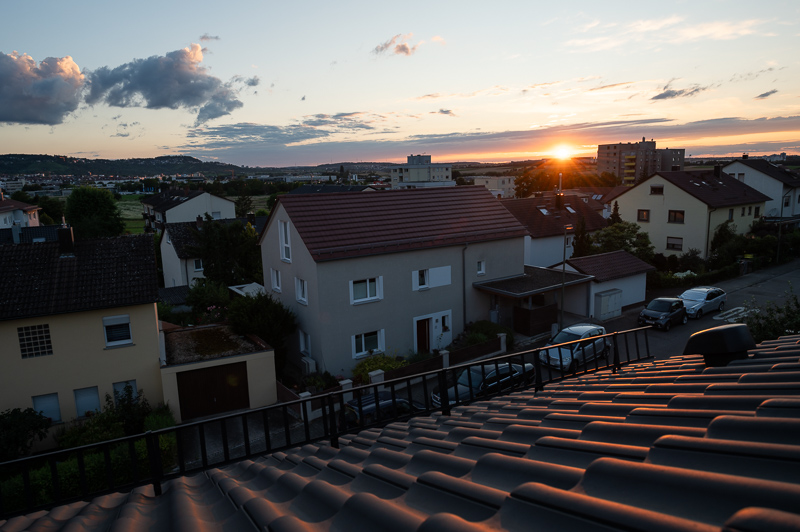
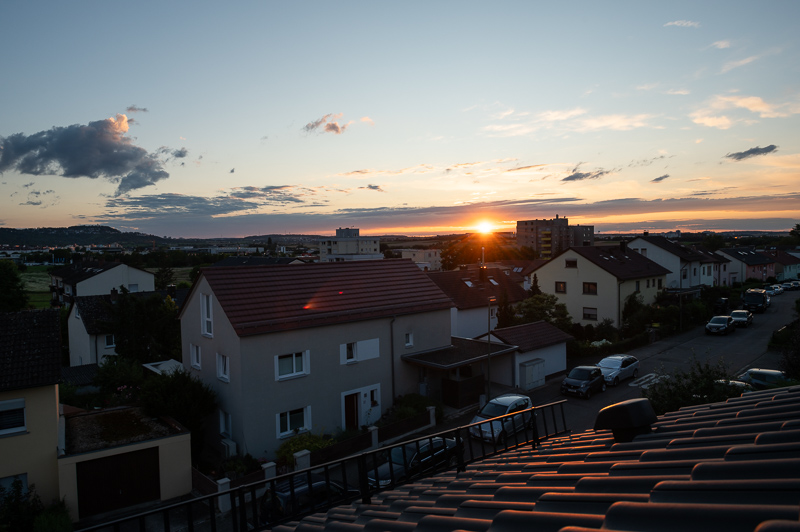
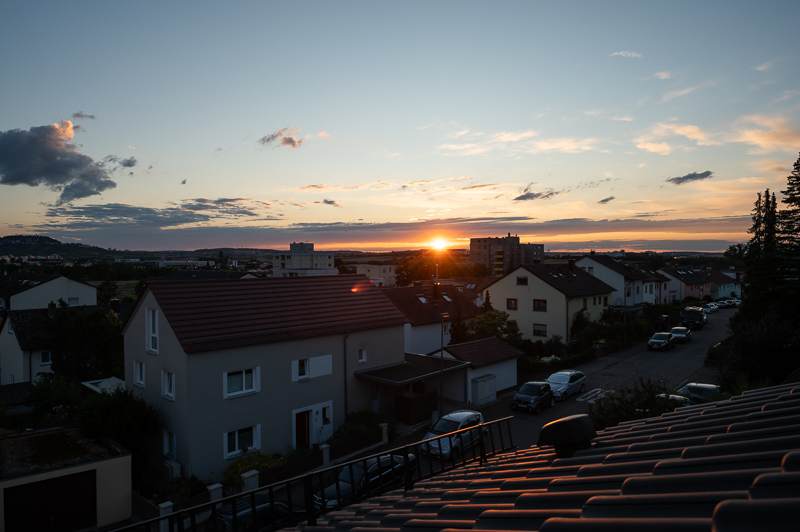
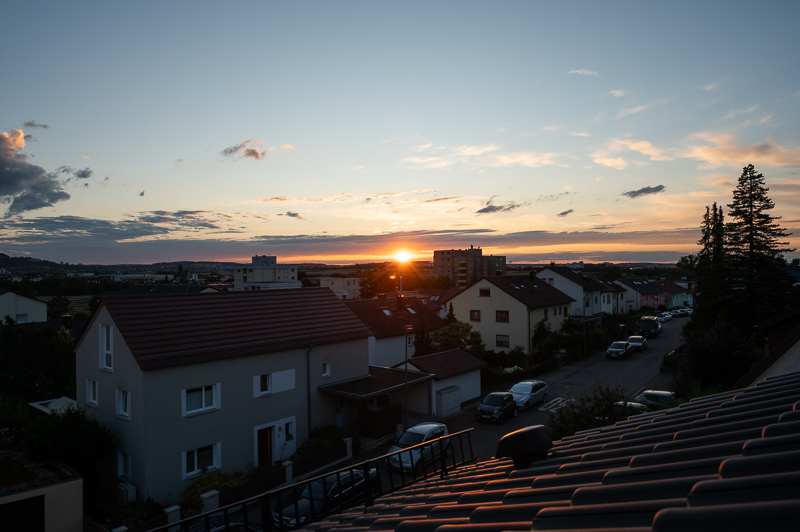
Considering its specifications, that huge front element and that it had been released in 2007, this is a solid performance even today. Still, Sony’s latest lenses perform really well in this category, more than one decade of technological progress makes itself felt.
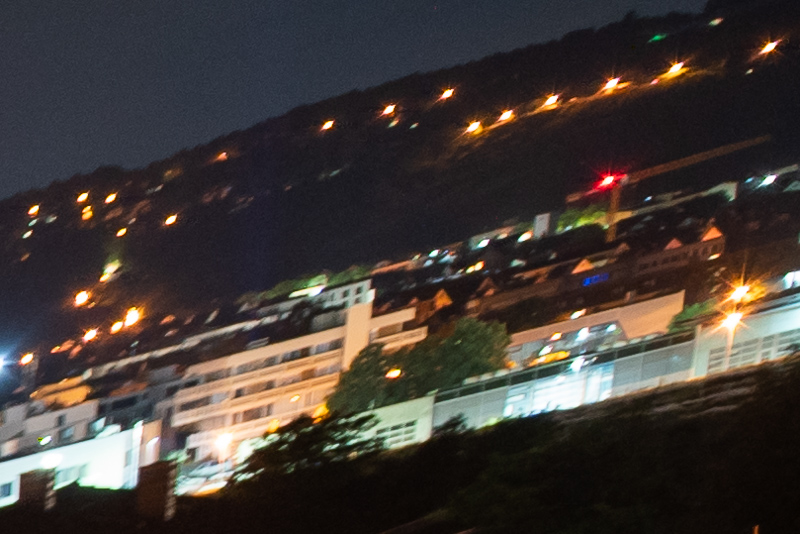
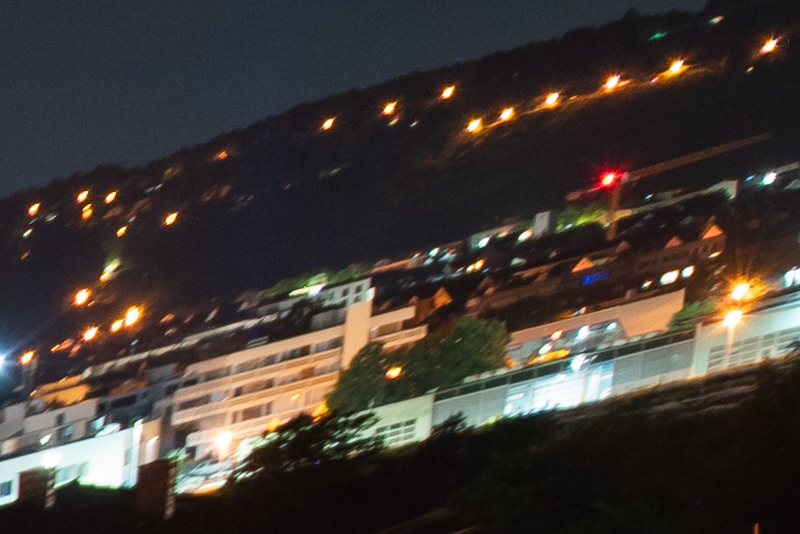
Coma
14mm
24mm
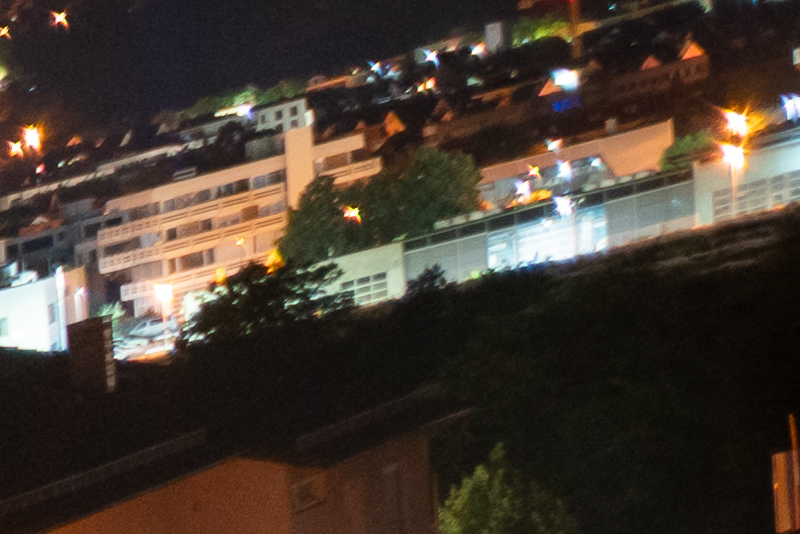
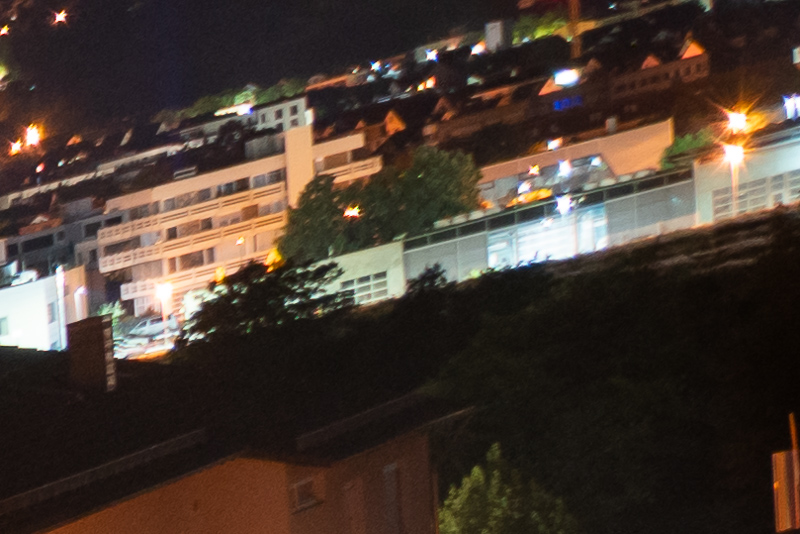
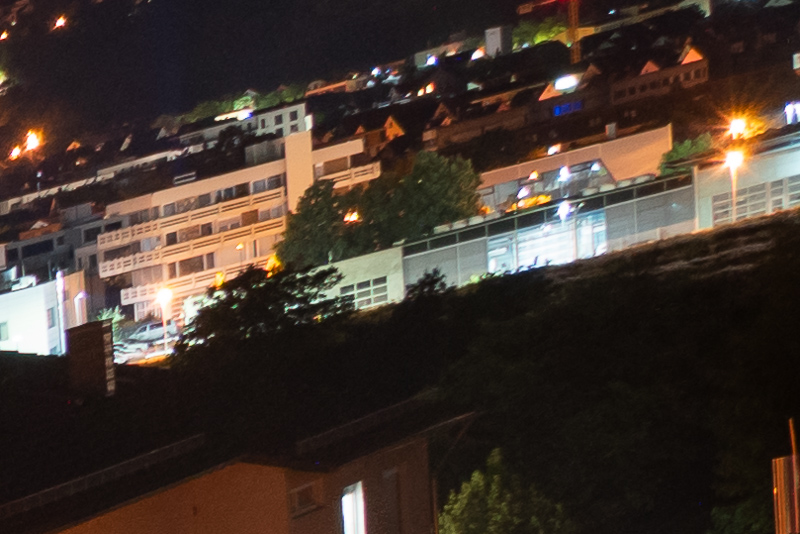
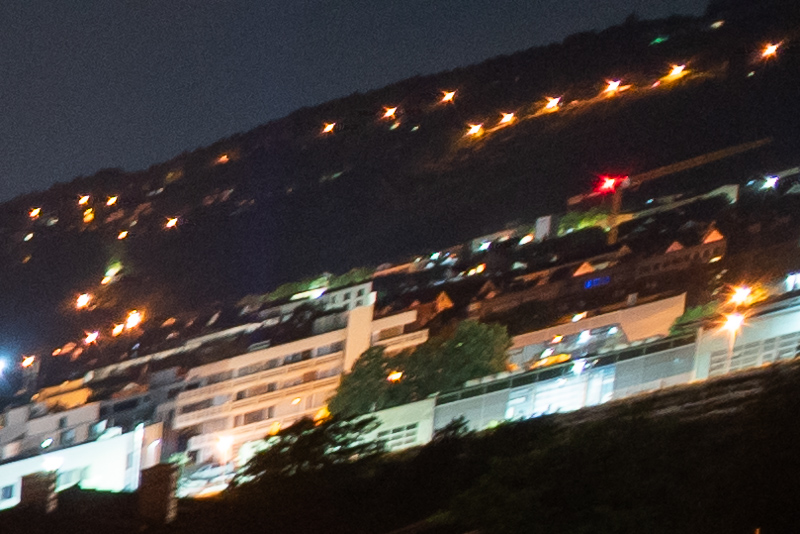
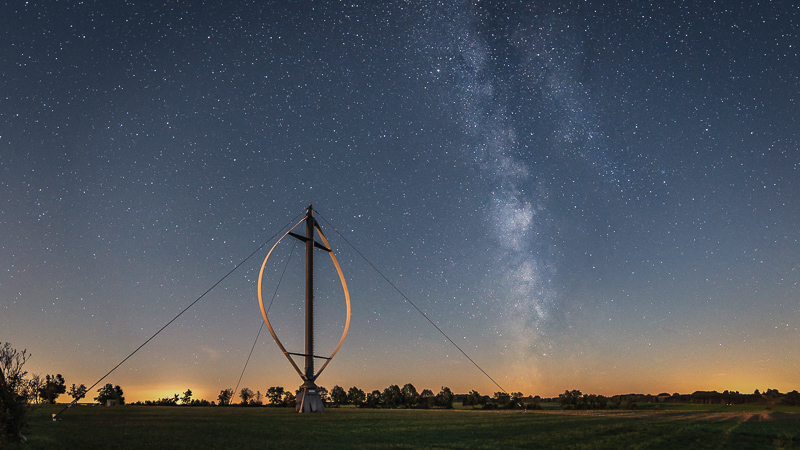
When this lens was released in 2007 it was one of the best options for landscape astrophotography available and also personally I used it for this task a lot.
At the more important 14mm end only really small artefacts appear in the corners, at the 24mm end they are a bit bigger and here I would rather stop down a bit.
Distortion


Today’s ultra wide angle zooms usually feature a lot of wavy distortion that needs to be corrected by the help of a profile.
For this Nikon AF-S 14-24mm 2.8G that isn’t the case though. It only shows a low amount of barrel distortion at the wide end and almost none at the long end.
Bokeh

This isn’t really a main application for a lens like this in my opinion, at close focus distances it is still possible to get a bit of background blur in your pictures though, even at the 14mm setting.
Sunstars
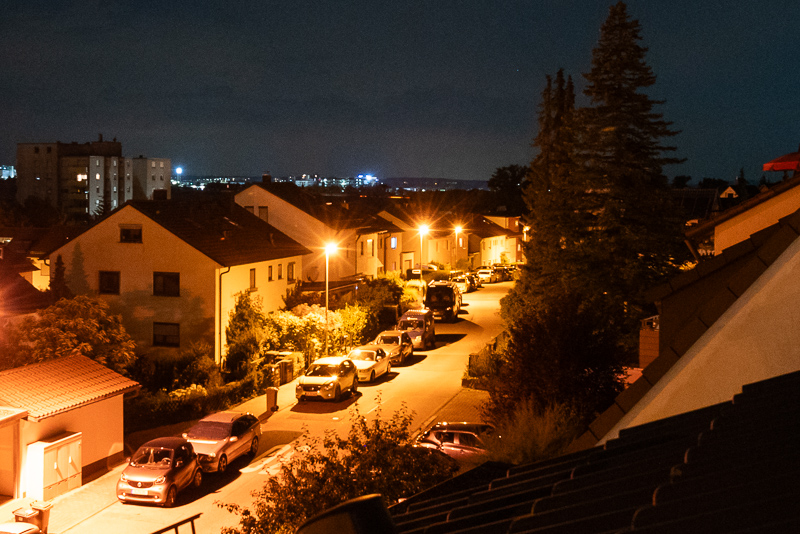
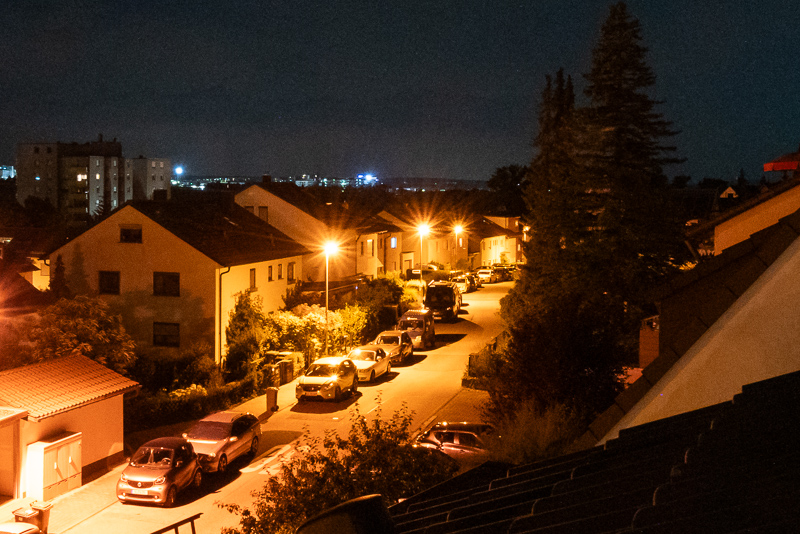
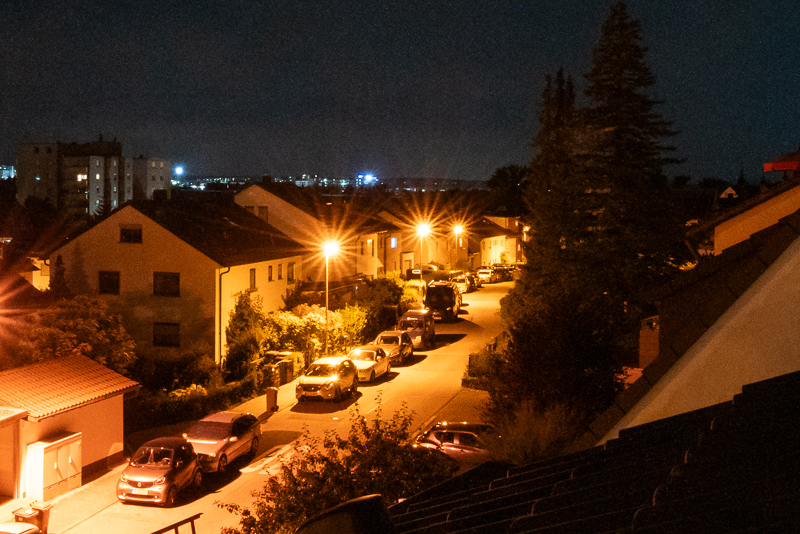
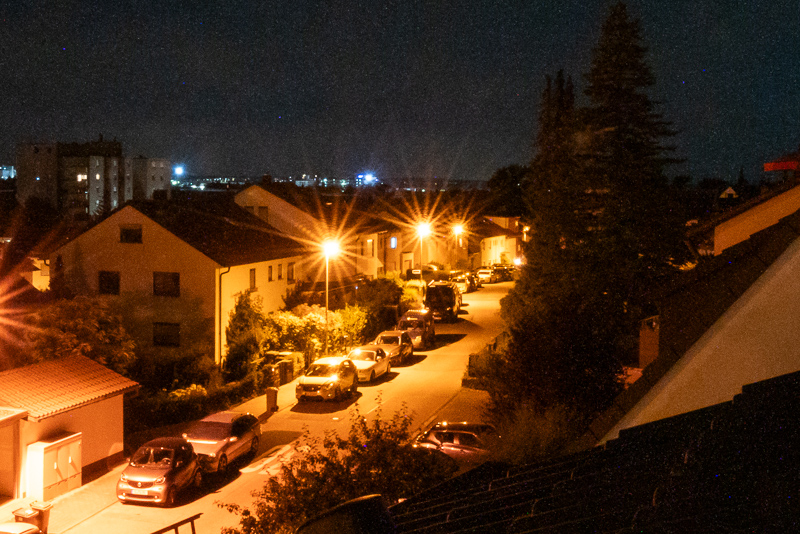
14mm

24mm
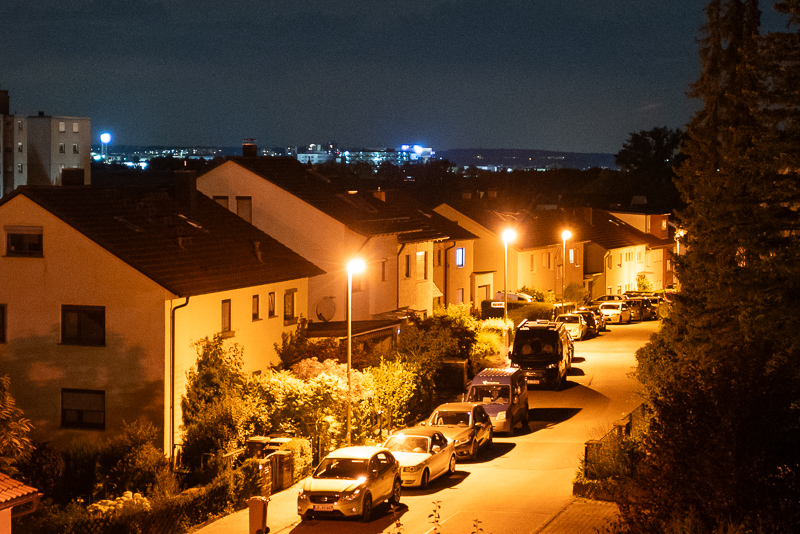
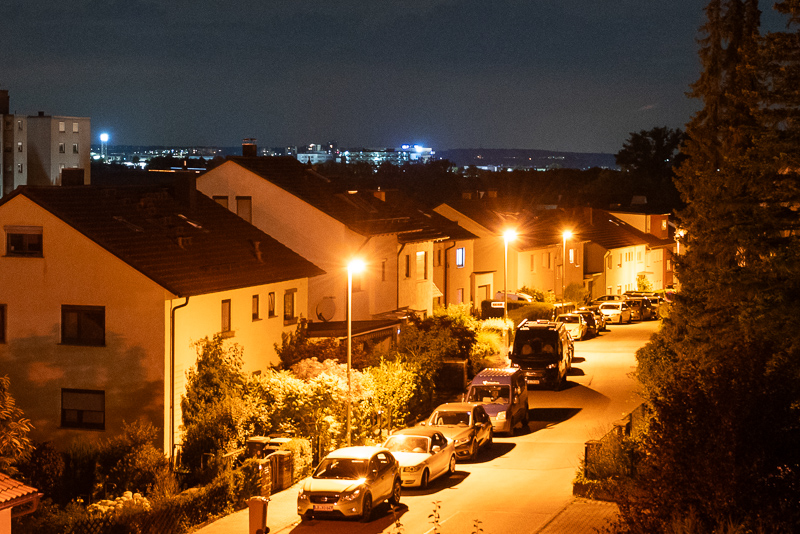
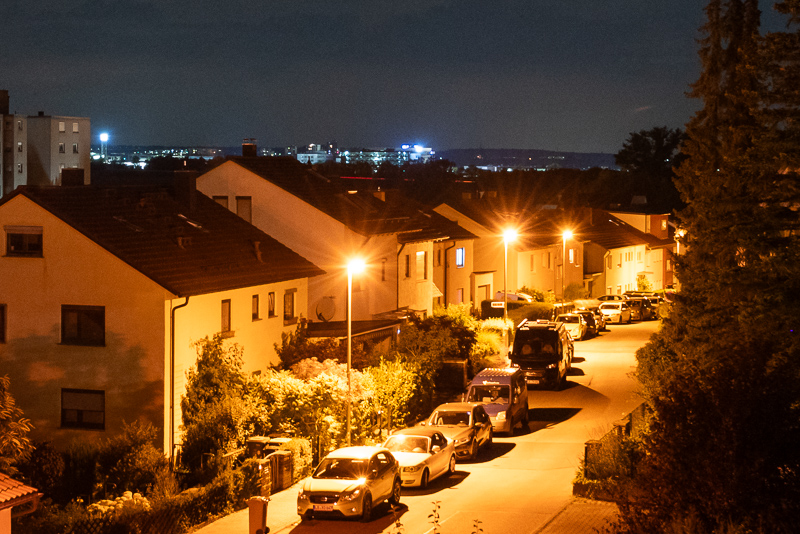
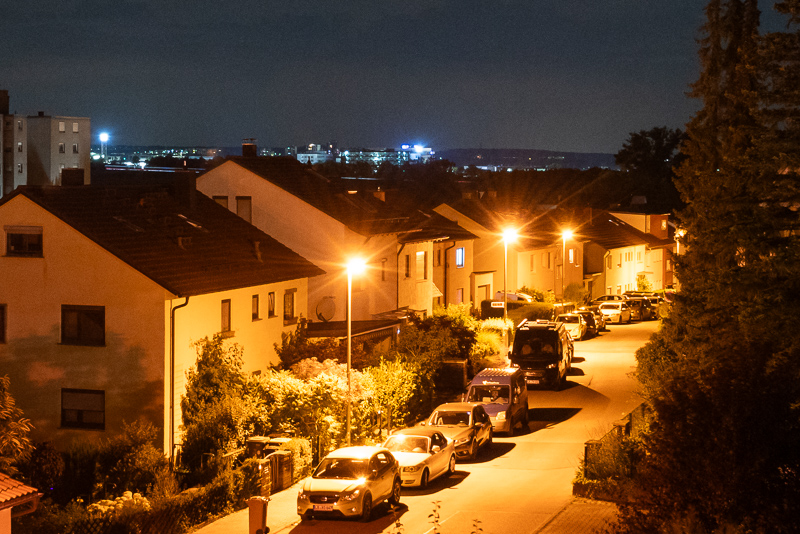
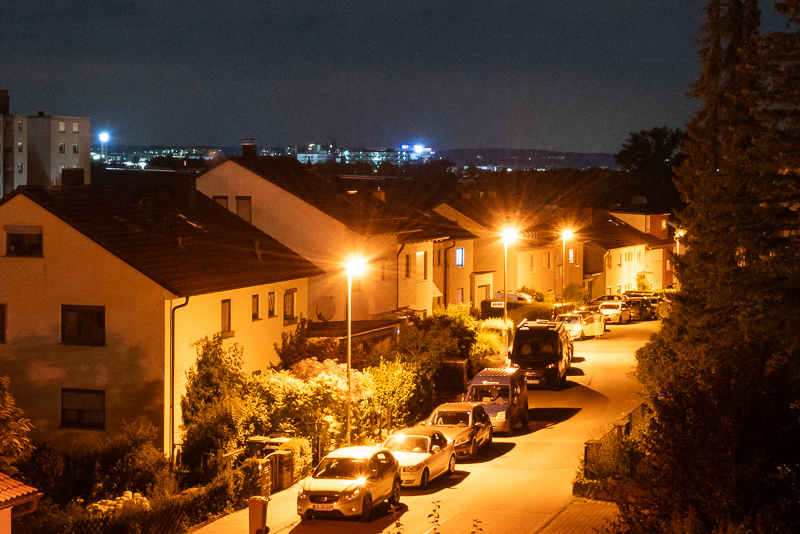
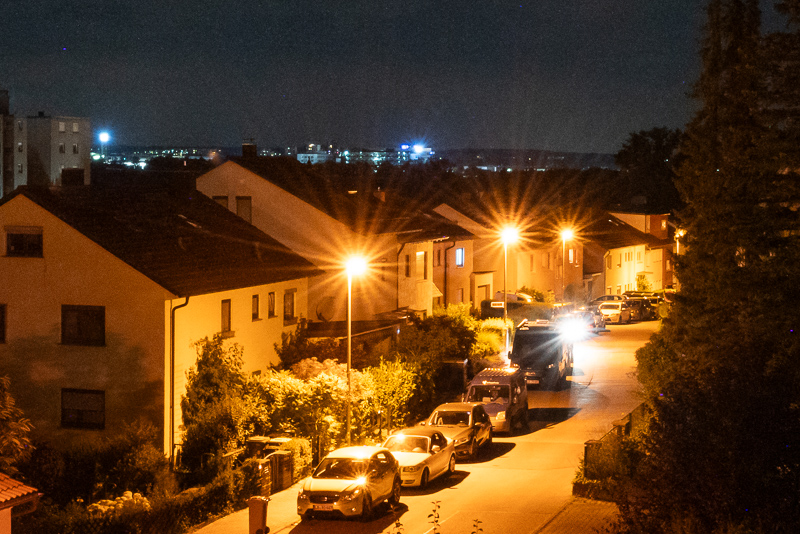
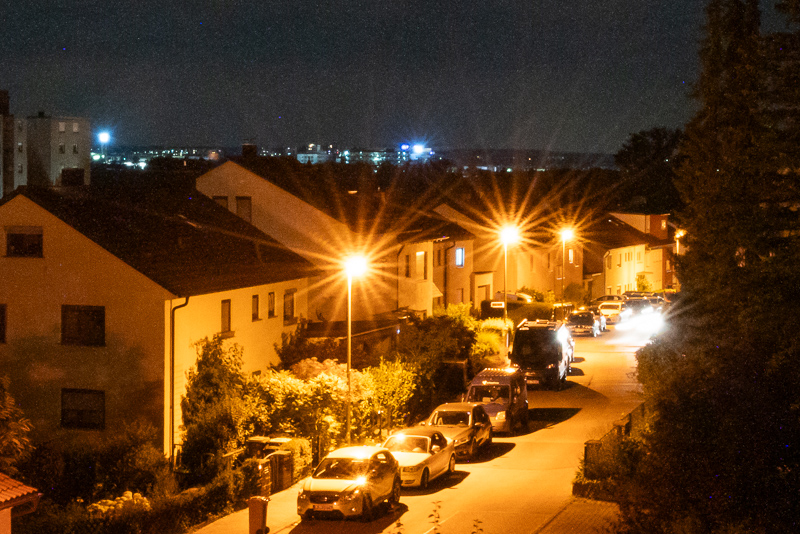
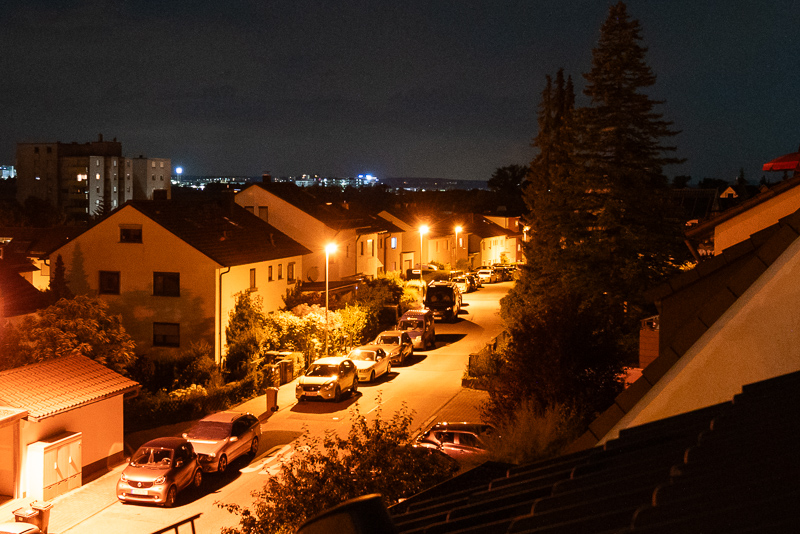
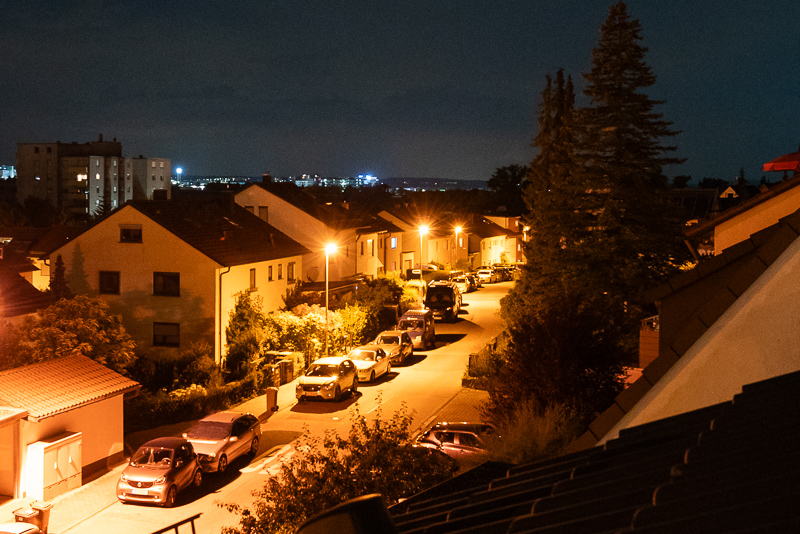
Nice sunstar rendering wasn’t really high on the priority list for this lens. The alignment of the aperture blades isn’t great to begin with, so they look frayed and not particularly nice due to rays with uneven length and spacing.
As this is a highly subjective topic may have a look at this article to see which kind of sunstars you prefer.

Chromatic Aberrations
lateral
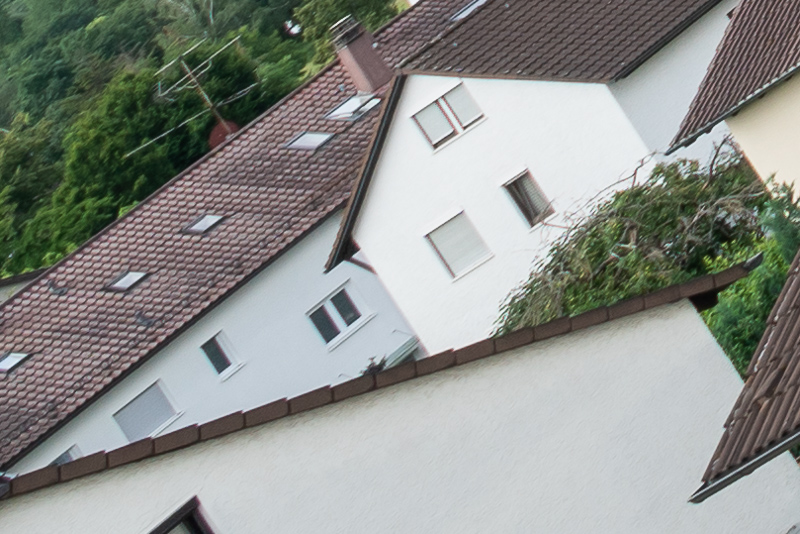
14mm
24mm

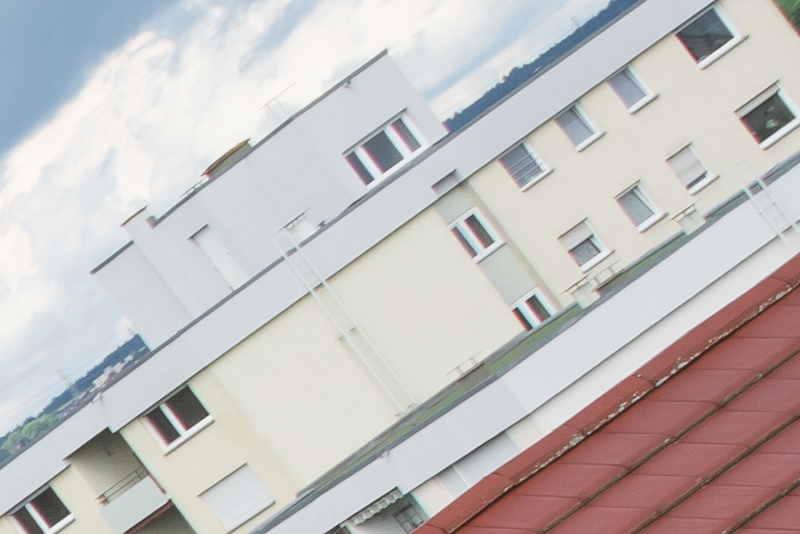
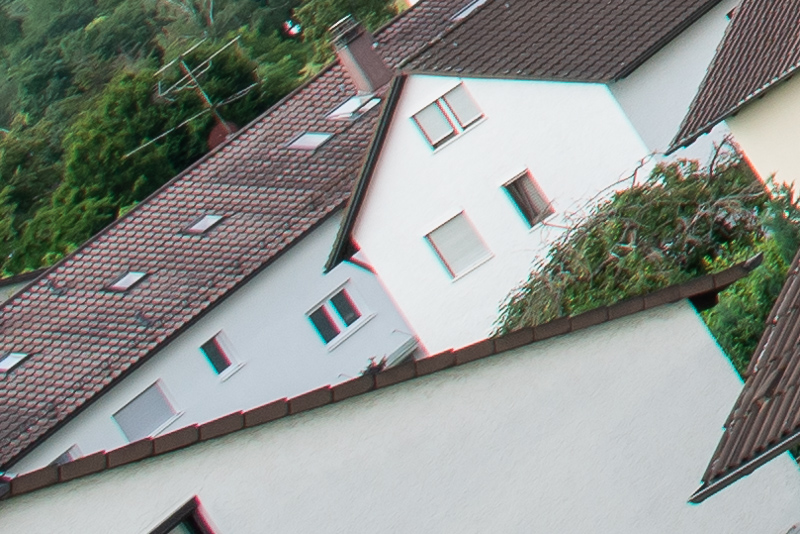
Lateral CA often appear in ultra wide angle lenses and this is also the case here. Since the D300/D3 era (also released 2007) Nikon corrects these automatically in camera for Jpegs and alternatively you could use their free NX software to correct the Raw files, so this was a sensible trade off.
longitudinal
Because of the parameters bokeh fringing isn’t really something to worry about and also purple fringing hardly exists.
Conclusion
good
|
average
|
not good
|
When released in 2007, this wasn’t merely the best ultra wide angle zoom Nikon could make, it was the best ultra wide angle zoom anyone could make. It actually took more than 10 years for another lens manufacturer to match and exceed its performance, this is how good it was. And also personally, I am still very happy with the pictures I got from this lens.
The performance at f/2.8 at 24mm didn’t wow me 10 years ago and nothing has changed about that in the meantime, here stopping down to at least f/4.0 is a good idea. But at the 14mm end, this is still a very good and capable lens even by today’s standards. And because Nikon made so many of this Nikon AF-S 14-24mm 2.8G, it can often be found at very reasonable prices on the used market now.
If you are in the market for a lens like this now, be sure to check out the alternatives section first though.
buy from ebay.com | ebay.de | amazon.com | amazon.de | B&H (advertisement/affiliate links) for $1750 (new) or starting at $600 (used)
Alternatives
As usual, I will only talk about the most obvious alternatives here. You can find many more ultra wide angle options in our 9-18mm Ultra Wide Angle Guide.
F-mount
Sigma 14-24mm 2.8 Art DG HSM:
It took until 2018 for someone to match the performance of this Nikon lens and it was Sigma with their 14-24mm Art DG HSM. The performance is very similar at the 14mm end, but the Sigma shows a better performance at the 24mm end and it also seems to have better flare resistance. This is reflected by its used prices, as it is often more expensive than this Nikon lens.
buy from amazon.com | amazon.de | B&H | ebay.com | ebay.de (advertisement/affiliate links) for $1249 (new) or starting at $700 (used)
Sigma 14mm 1.8 Art DG HSM:
If you mainly care about 14mm, this is a faster option that will give you an advantage for astrophotography.
buy from Amazon.com | Amazon.de | B&H | ebay.com | ebay.de (advertisement/affiliate links) for $1299 (new) or starting at $900 (used)
Z-mount
Nikon Z 14-24mm 2.8 S:
For their Z-mount mirrorless cameras Nikon released this successor in 2020. I have no doubt that it will be a better performer, but compared to the next lens, it looks a bit like a low effort compared to what this original Nikon AF-S 14-24mm 2.8G accomplished in 2007.
buy from amazon.com | amazon.de | B&H | ebay.com | ebay.de (advertisement/affiliate links) for $2097 (new)
E-mount
Sony FE 12-24mm 2.8 GM:
Sony released their flagship ultra wide angle zoom Sony FE 12-24mm 2.8 GM in July 2020. In many ways it is a reincarnation of this Nikon lens. Not only does it look almost exactly the same from the outside, it also pushed the boundaries of what was deemed possible by offering an even more impressive 12mm focal length at the wide end. That is not all: Sony also has figured out how to make ultra wide angle lenses with bulbous front elements yet very good flare resistance.
buy from Amazon.com | Amazon.de | B&H | ebay.com (advertisement/affiliate links) for $2998 (new)
Sigma 14-24mm 2.8 Art DG DN:
Sigma further improved upon its DSLR lens and from what I have seen they succeeded at it. If you don’t need the 12mm of the aforementioned Sony lens, this seems to be the best f/2.8 wide angle zoom starting at 14mm these days.
buy from amazon.com | amazon.de | B&H | ebay.com (advertisement/affiliate links) for $1299
Sony FE 14mm 1.8 GM:
If you are an E-mount user, this is a very compact 14mm 1.8 option. Compared to Sigma’s offerings it has higher vignetting figures though.
buy from amazon.com | amazon.de | B&H | ebay.com | ebay.de (advertisement/affiliate links) for $1598 (new) or starting at $1000 (used)
Sigma 14mm 1.4 Art DG DN:
Released in June 2023, this is a unique 14mm offering with its maximum aperture of f/1.4. I did not get my hands on it yet, but I would expect it to be the best performing 14mm lens money can buy today.
buy from amazon.com | amazon.de | B&H | ebay.com | ebay.de (advertisement/affiliate links) for $1599
Further Sample Images


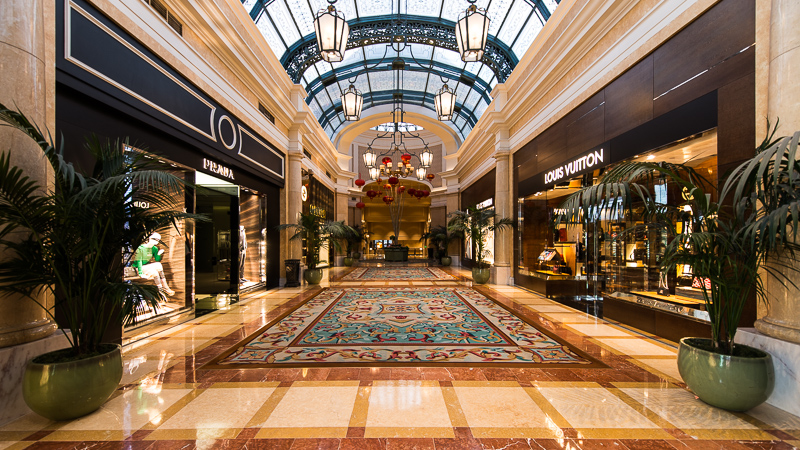




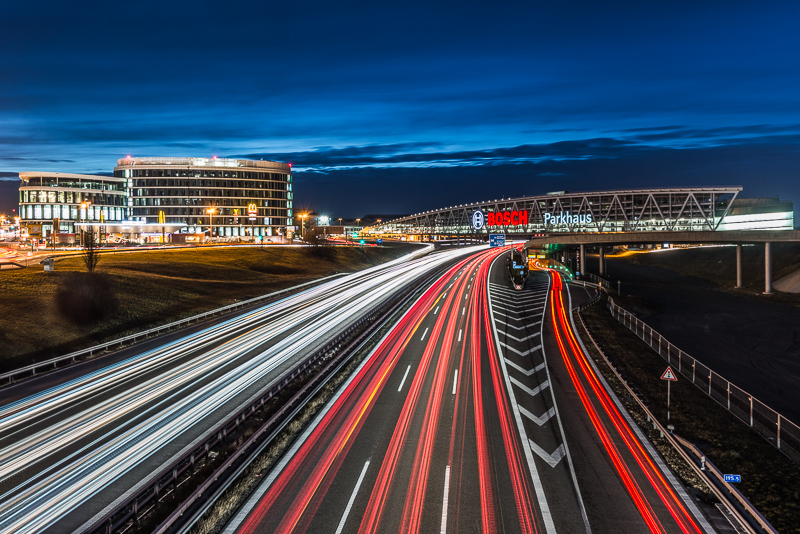
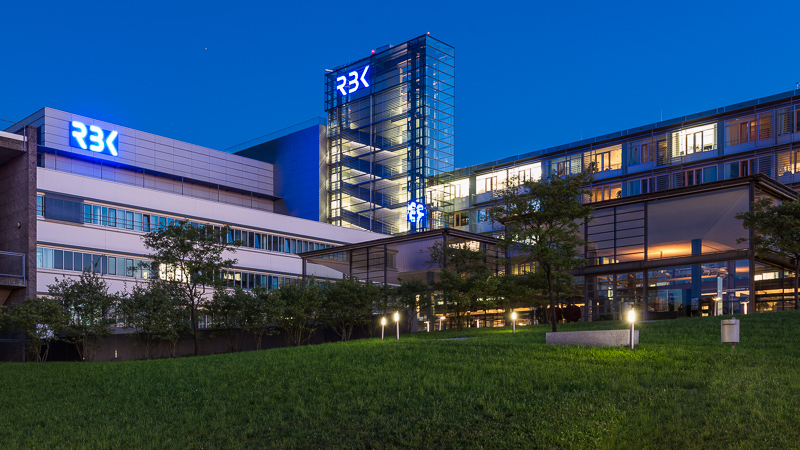

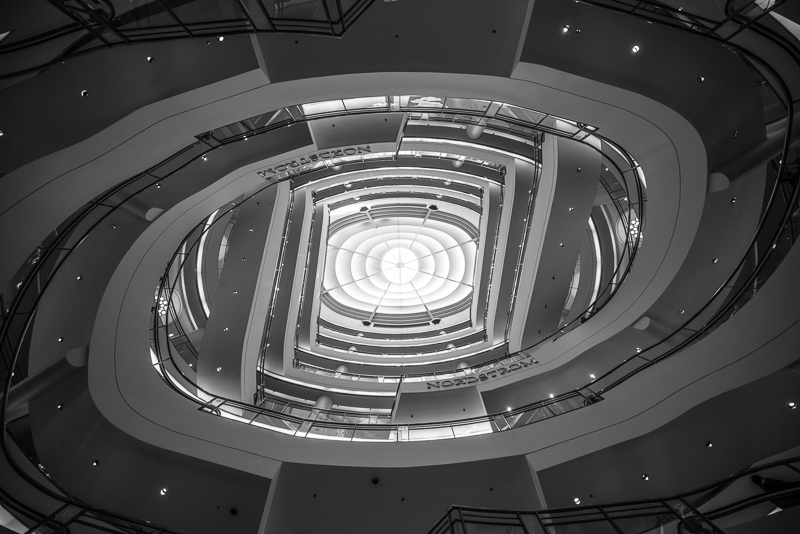

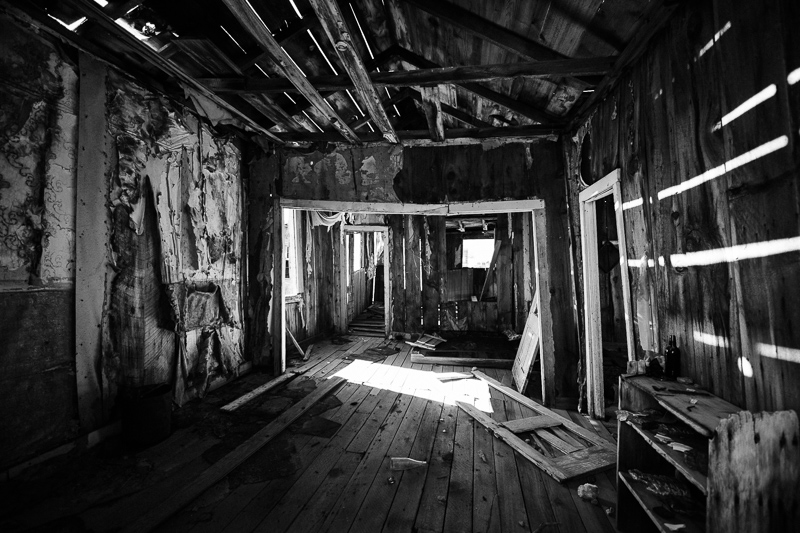
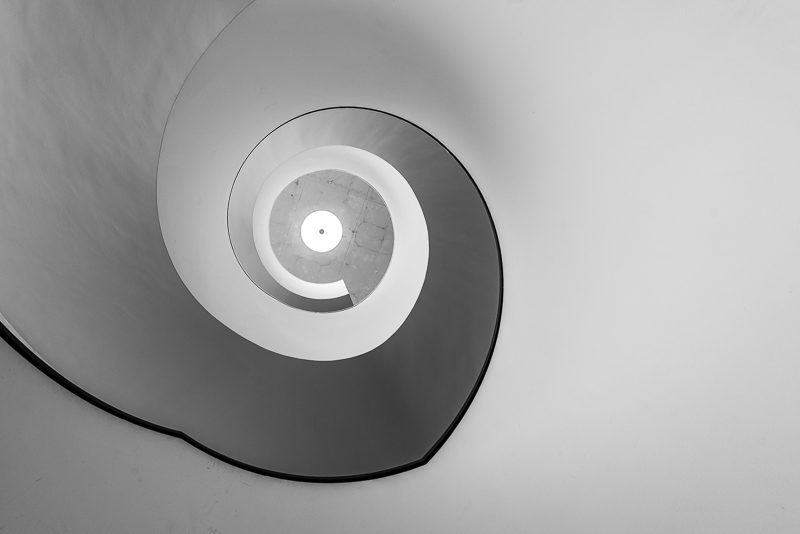




Many of the sample images in this review can be found in full resolution here.
Further Reading
- All Lens Reviews
- Review: Laowa 9mm 5.6
- Review: Laowa 10mm 2.8 AF
- Review: Sigma 35mm 1.2 Art DG DN
- Review: Nikon 200mm 2.0 IF-ED
Support Us
Did you find this article useful or just liked reading it? Treat us to a coffee!

 via Paypal
This site contains advertisement/affiliate links. If you make a purchase using any of the links marked as advertisement/affiliate links, I may receive a small commission at no additional cost to you. This helps support the creation of future content.


Latest posts by BastianK (see all)
- Review: 7Artisans 40mm 2.5 AF - March 28, 2026
- Analogue Adventures – Part 50: What I learned from Shooting Film (so far) - March 18, 2026
- Review: 7Artisans 75mm 1.25 II - March 14, 2026
You should really have considered evaluating the bokeh too. You can still get quite a lot of it especially in the 24mm end. And it can range from ugly like in 24/2 Nikkor, to nice.
I really like the images, and good to great performance stopped down within F5.6 to F8 range is all I could really ask for in a moderately priced (at least today – used) lens.
Sunstars are obviously meh, as well as flare resistance, which is a shame and something to consider as part of the compromise.
I’m really impressed with distortion correction. Today they would probably push things farther in this department. This matters a lot to me as it means less cropping out with correction in post, and less planning for that while composing the image.
I’m actually considering buying a used D800 so I can play with older Nikon lenses. I still need to learn more about it, but it seems to be the best option within its price range, for a slower shooter who doesn’t require the fastest AF.
As for the bokeh, that’s a non-factor imho, simply because I don’t think that anyone would consider that when choosing a wide angle zoom, and compromise on other features.
This was my first full frame UWA lens when I spent all my allowance as a university student on a 2nd beater. I tried to adapt it on a Canon DSLR which was really not nice, which made me a Nikon user for the following 6 years. Even after I embraced Sony mirrorless, this lens continued to serve for several years, until successors like Sony 12-24mm GM and Nikon Z 14-24mm S appeared. This review brings back so much memory!
For Sony e-mount there is now a Samyang 14-24mm f2.8 too. Fairly compact with what seems to be good image quality with a normal 77mm filter thread.
Perhaps a lens worth adding to your “alternatives” section.
After I have reviewed it maybe.
It seemed to me like you had not reviewed all the alternatives suggested, hence mentioned it 🙂
For those lenses enough other reliable reviews are available, for the Samyang that sadly isn’t the case yet.
Great set of images in this review. You clearly USED this lens for an extended period of time.
Another possible alternative, and also one of the very first lenses that I adapted to mirrorless, is the Tamron SP 15 -35 f2.8 which I used to use all the time. Although a bit big and heavy it performed well. Eventually I replaced it with native primes but you have inspired me to give it another go. I have the Sony A mount version, which I seem to recall was not too expensive (the joy of an out of favour mount) . There was a review by Wim Arys back in 2015 if anyone is interested – thttps://www.wimarys.com/tamron-sp-15-30mm-f2-8-di-usd-lens-sony-a-mount-review/