Introduction
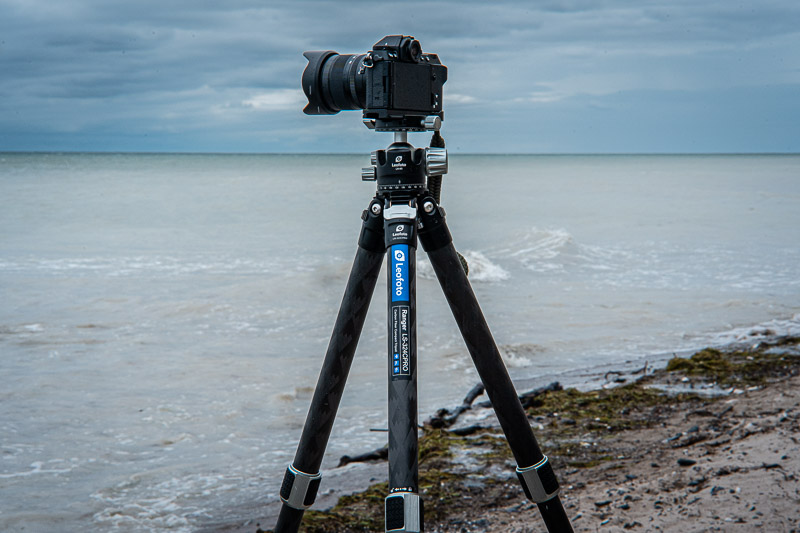
Many photographers are familiar with high-end tripod brands like Gitzo and Really Right Stuff, but are we always willing to pay the premium that comes with their reputation? Over the last few years, Leofoto has established itself as a serious alternative, producing tripods that can match—or at least come very close to—the performance of the established brands.
In this review, I take a look at one of Leofoto’s flagship models, the flat-apex, center-column-free travel and field tripod, the LS-324CPRO.
 You can see this review as a YouTube video here!
Sample Images
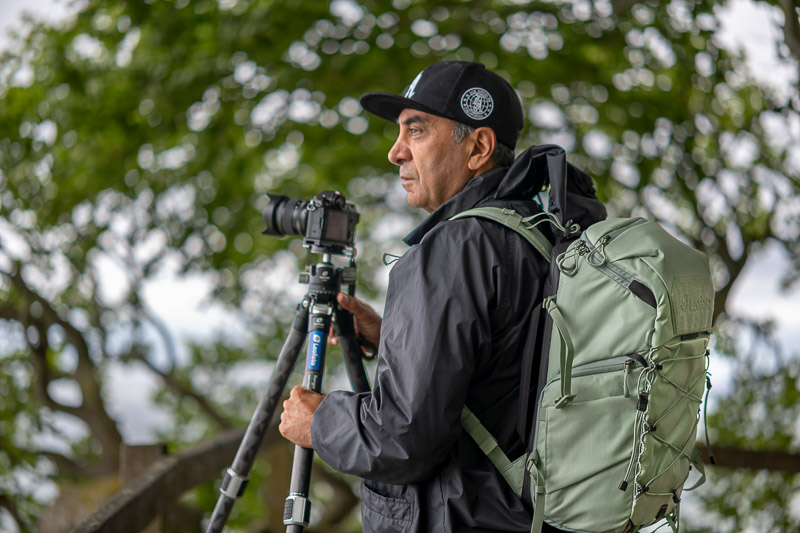

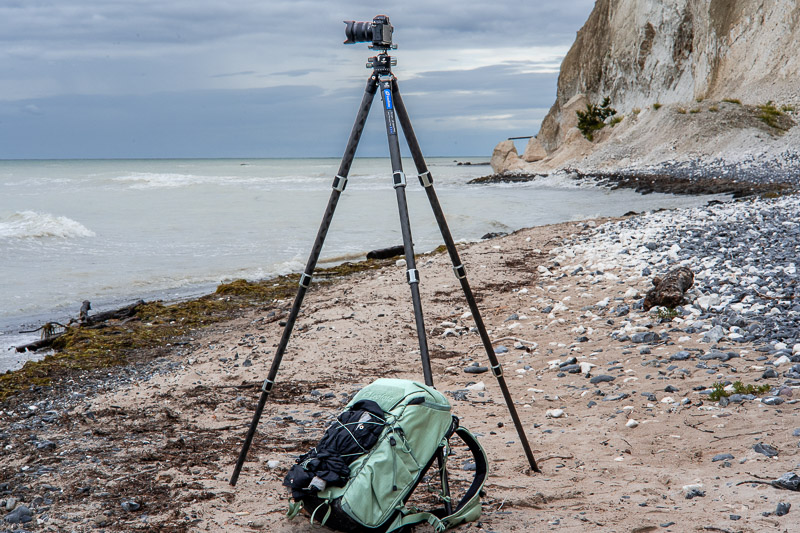


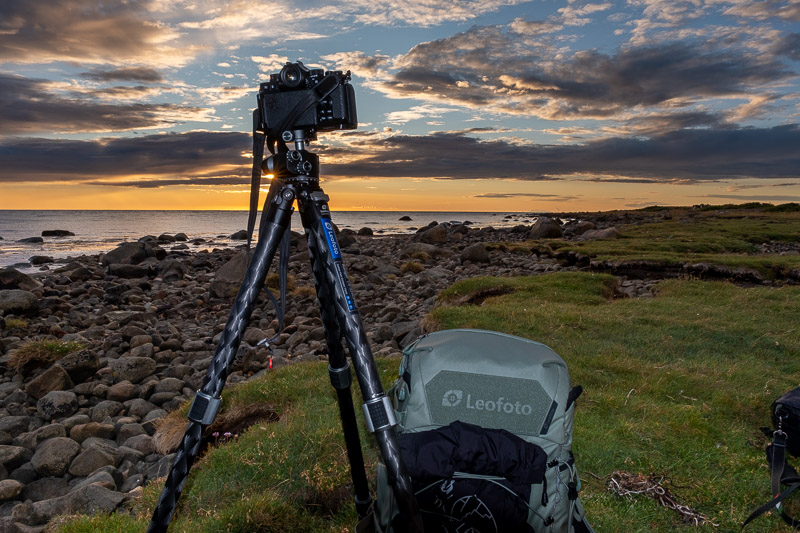
Most of the sample images in this review and many more can be found in higher resolution here.
Specifications
| Folded size (with head | w/o head | w/o head and feet) |
≈60 cm | ≈51 cm | ≈48.5 cm |
| Max height with head (without head) | ≈150 cm (≈141 cm) |
| Center column | N/A |
| Min height with head (without head) | ≈ 18.5 cm (10 cm) |
| Weight (incl. head) | ≈ 2 kg |
| Max load (manufacturer) | 15 kg |
| Number of leg sections | 4 |
| Leg section lock type | Twist lock rings |
| Diameter of Tube | ≈ 32.4 mm |
| Head Model | Leofoto LH-40 Ball Head |
| Ball diameter (manufacturer) | 40 mm |
All lengths and weights (unless otherwise stated) are my own measurements, taken with the standard rubber feet attached.
Buy: Tripod only: Leofoto LS-324CPRO: Leofoto USA, Amazon (anywhere) (Affiliate links) Ballhead only: Leofoto LH-40: Lefoto USA, Amazon (Affiliate links) Tripod+Ballhead kit: Leofoto USA, Amazon, B&H $440 (Affiliate links) |
Disclosure
Leofoto kindly provided this tripod for testing and review. However, this is a completely independent review.
Variations
There are a couple of other variations of the LS-324 tripod distinguished by their suffixes:
- C: The original (basic) LS-324 but in Carbon-fiber. It lacks the water-resistant leg joints, features simpler leg-angle locks, and offers three leg-angle positions instead of four.
- CX: Similar to the LS-324C, but with improved leg-angle locks for easier one-handed operation.
- CEX: video & panorama version, integrated leveling base, replaces the rigid plate with a hemispherical leveling bowl built straight into the apex.
- CEXX: Similar to CEX with added ergonomic leg-angle locks
- CPRO: weatherproofing, material upgrades (denser carbon-fiber), 4 leg angles, and improved max height from 131 to 141cm
- CXPRO: As CPRO, but with added ergonomic leg-angle locks (US version.
The naming of Leofoto tripods reveals some information about the tripod: “LS” designates the Ranger series, “32” refers to the diameter of the top leg section, and “4” indicates the number of leg sections. There are other tripods in the Ranger series with both thinner and thicker leg sections, as well as models with two, three, four, and five leg sections.
The head also has laso a variant:
- LH-40L: lever-lock clamp for the quick-release plate instead of the traditional screw-lock clamp
- LH-40PCL: As L version but with panning mechanism on camera platform.
Handling and Features
The Tripod
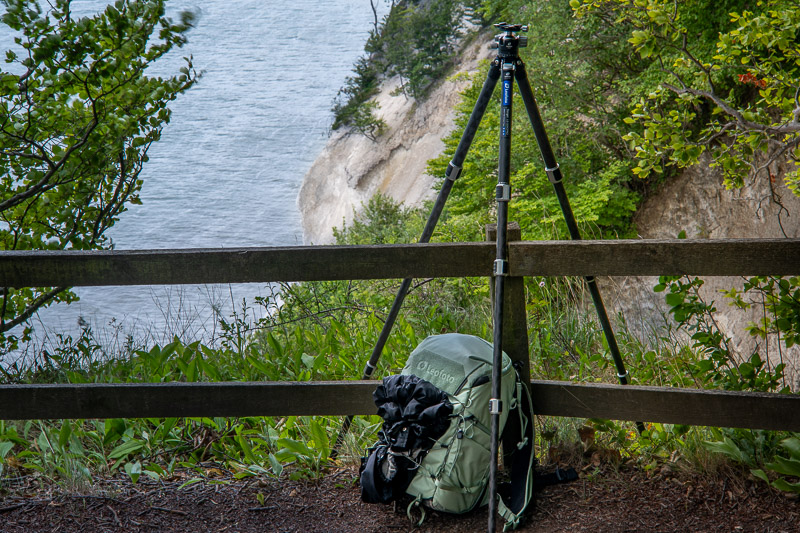
The tripod looks and feels solidly built with attention to details. All leg sections of the Leofoto LS-324CPRO are constructed from 10-layer Japanese Toray carbon fiber. This results in a total weight of approximately 2 kg, including the ball head. The LS-324CPRO features traditional cylindrical legs but omits a center column, eliminating the primary source of flex and column wobble and allowing the legs to pack against each other, making it compact in diameter when packed.
Unlike Leofoto’s standard landscape tripods, the PRO version features, besides the dense carbon fiber, water- and sand-resistant construction, with internal double O-ring seals inside the twist locks. This places it in the sealed, weather-resistant “element-proof” category, designed to withstand salt water, mud, sand, and snow. The twist locks require only a quarter turn to lock or unlock.
At the bottom of the spider is a 1/4-inch female thread for attaching the included carabiner, allowing you to hang ballast or a backpack to increase weight and stability, for example in windy conditions. The thread can also be used to attach other accessories.
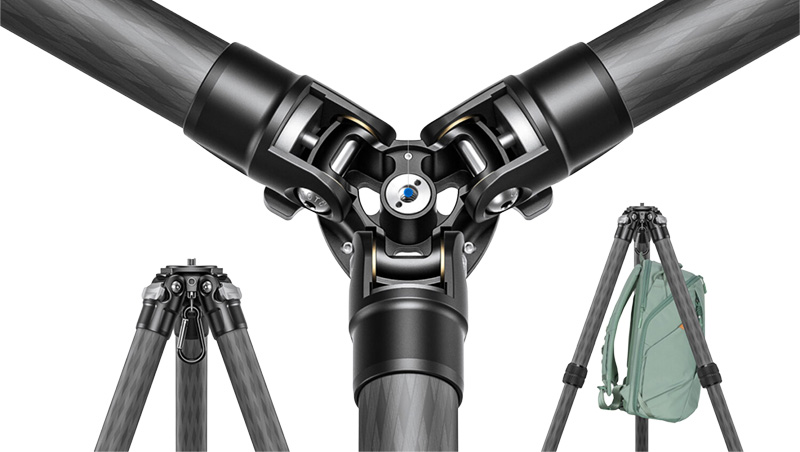
The legs can be set to four different angles, providing greater versatility on steep slopes and for low-angle shooting than standard three-angle tripods.
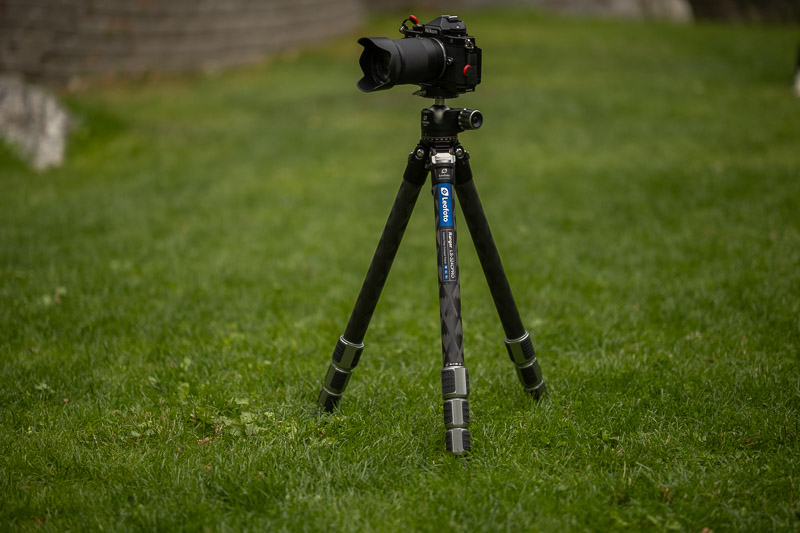
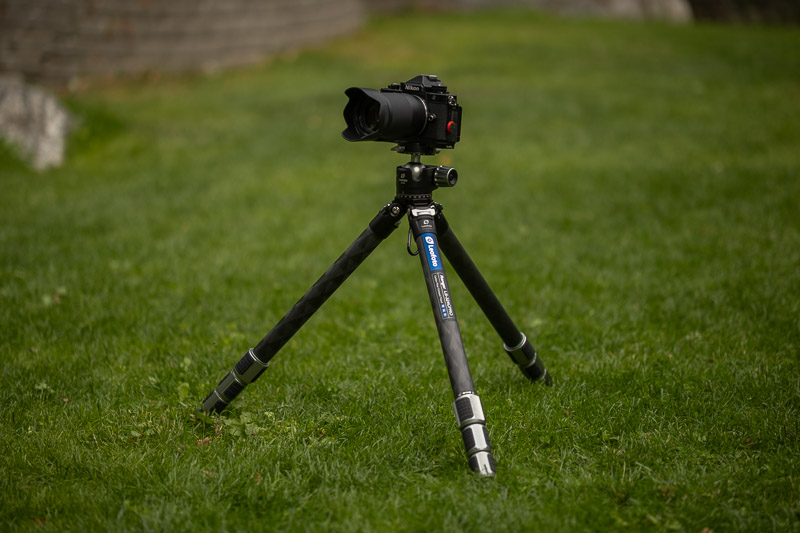
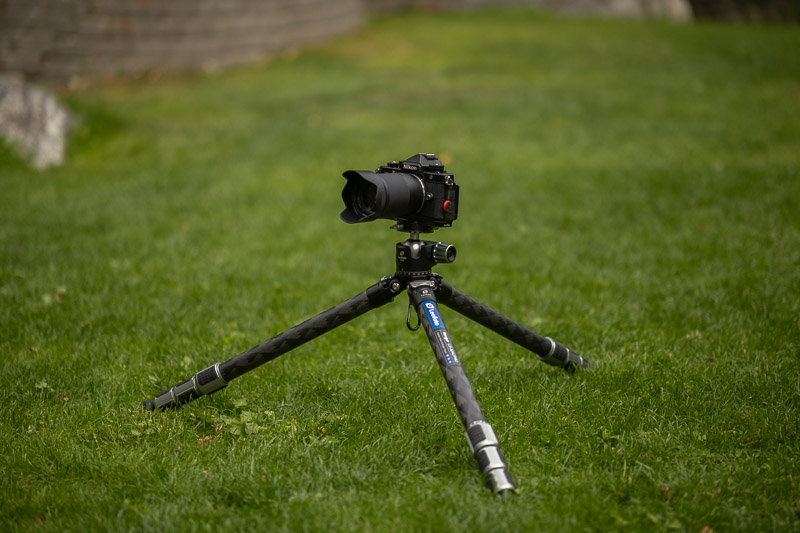
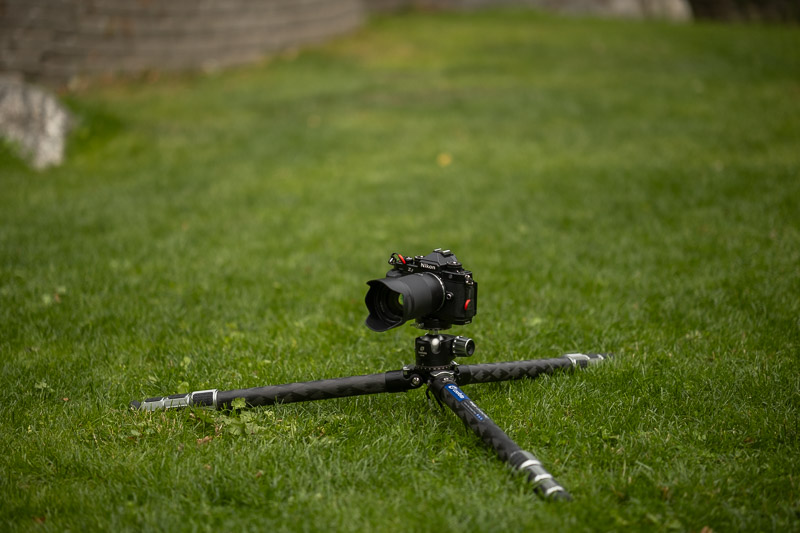
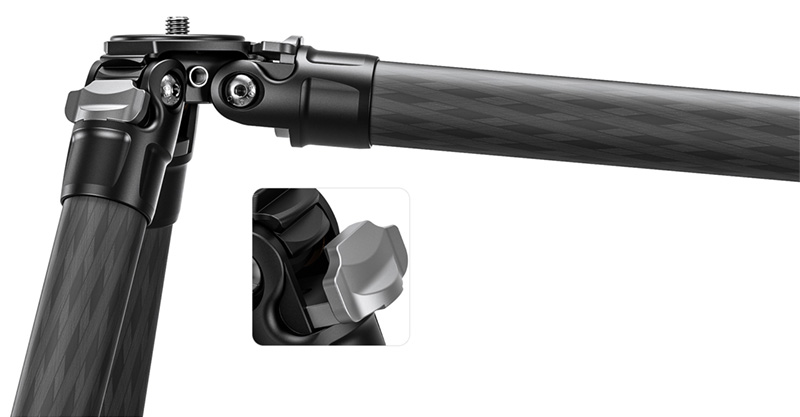
To adjust the leg angle, pull out the angle stop (or push it out from behind the leg), move the leg to the desired angle, and lightly press the angle stop. It will ratchet into place and lock automatically.
To activate the automatic angle-stop mechanism, pull the angle stop out fully and raise the leg to the horizontal position until the angle stop engages. You can then move the leg to the desired angle, and the angle stop will automatically ratchet into the next locking position.
The leg section locks feature textured, semi-rubberised twist-lock rings at each joint, allowing you to loosen all three sections of each leg in a single motion while maintaining a secure grip.

The tripod comes fitted with rubber feet as standard, which can be easily removed by unscrewing them. Three spike feet are also included and can be screwed in when extra stability is needed on uneven, soft, or icy surfaces.
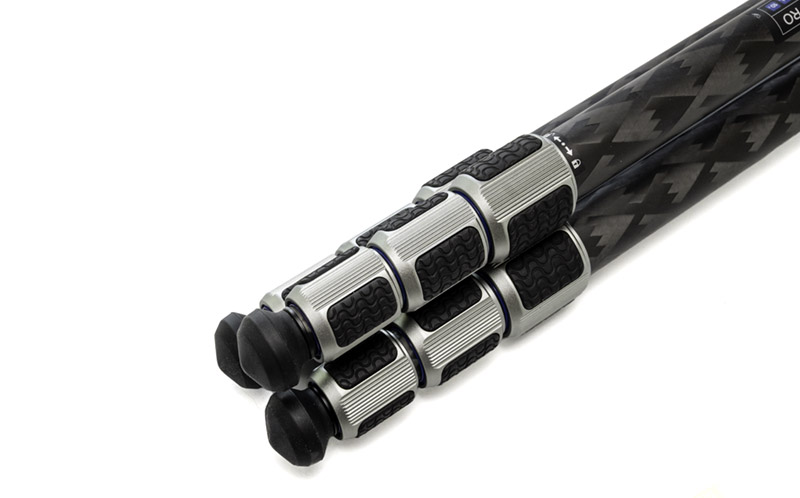
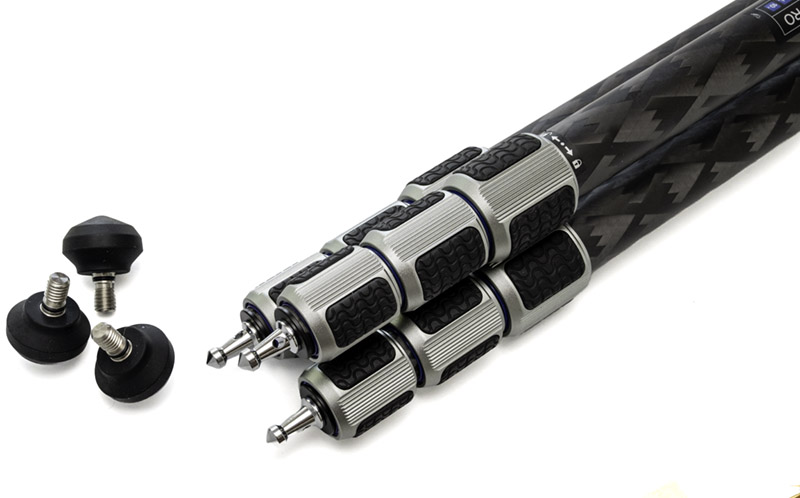
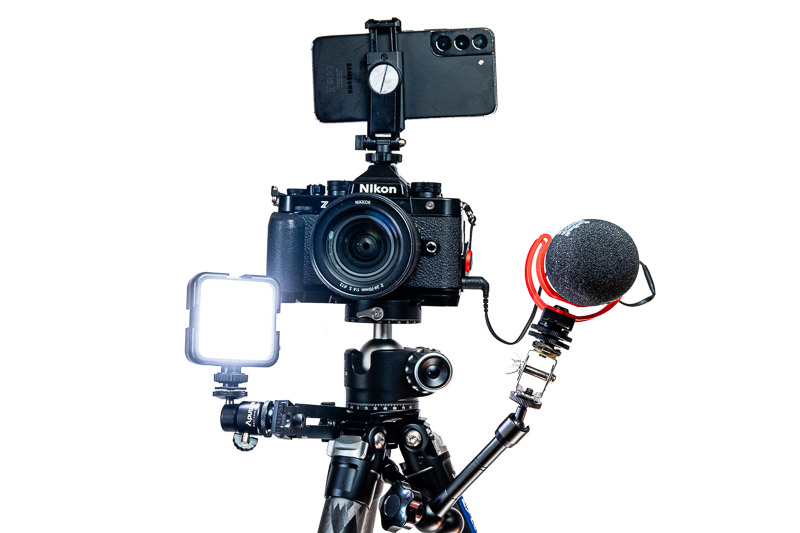
One excellent feature—which I think should be standard on all photographic equipment—is the threaded 1/4-inch mounting hole for attaching accessories.
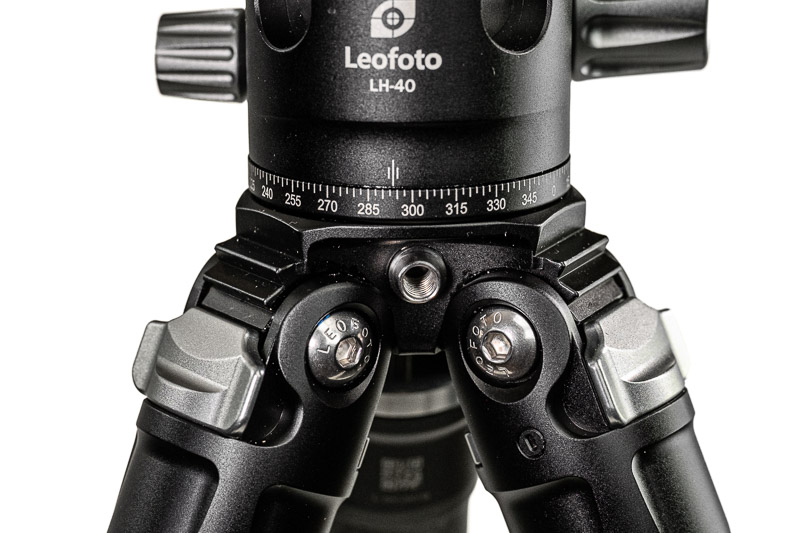
The tripod therefore offers two 1/4-inch accessory mounting holes: one on the underside of the spider and one on its side.
The Head
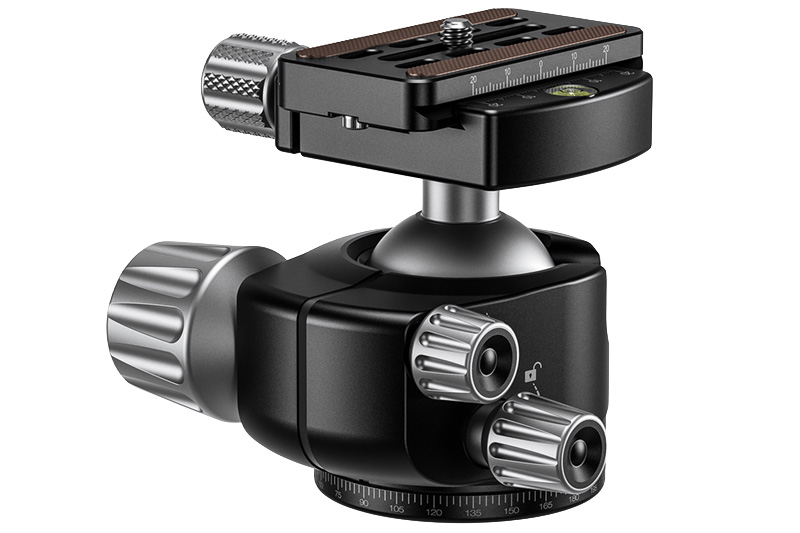
| Model | LH-40R + NP-60 |
| Clamp | Screw-knob clamp |
| Quick Release Plate | NP-60 |
| Ball Diameter | 40 mm |
| Hight | 90 mm |
| Base diameter | 57 mm |
| Mounting screw | 3/8″ |
| Max load | 20 kg |
| Weight | 0.54 g |
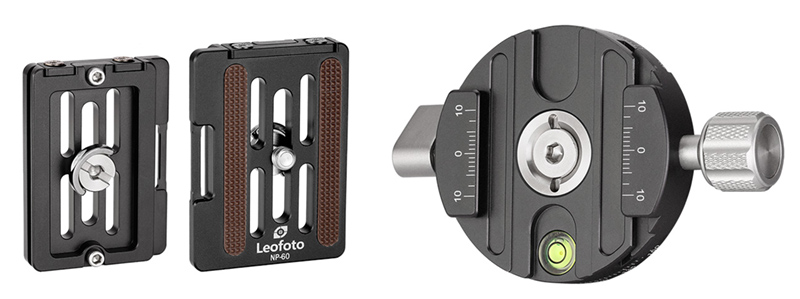


The ball head included in the kit is the Leofoto LH-40, supplied with the Leofoto NP-60 quick-release plate. According to the specifications, it has an impressive maximum load capacity of 20 kg.
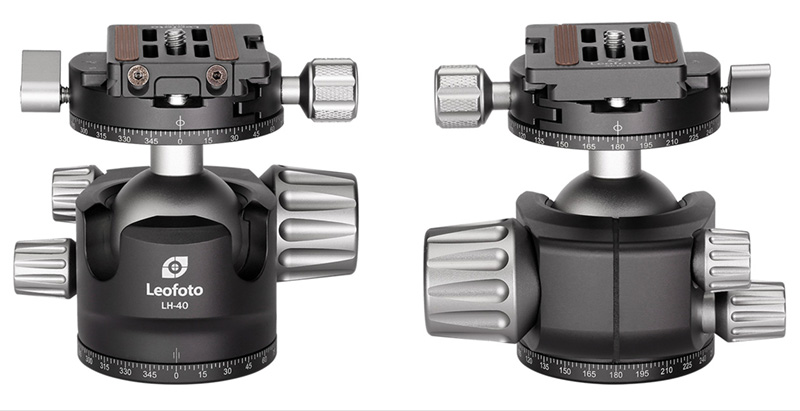
The quick-release system is Arca-Swiss compatible and works with most camera plates and L-brackets that follow the Arca-Swiss standard. The clamp uses the traditional screw-knob locking mechanism.
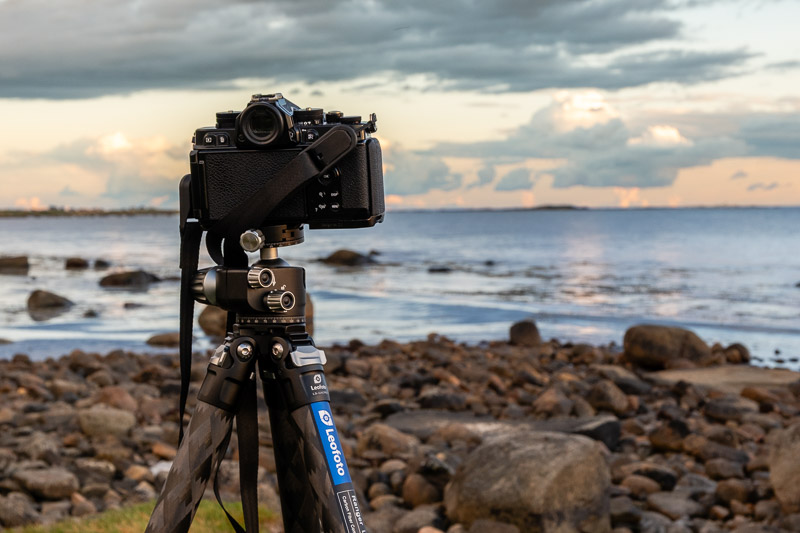
The main lock knob is the largest one, with a smaller tension adjustment knob located on the opposite side. The panning base knob is positioned slightly below and to the right of the tension knob. It allows the entire head to pan 360°. The panning base is laser-engraved with markings in 2.5-degree increments from 0 to 360 degrees.
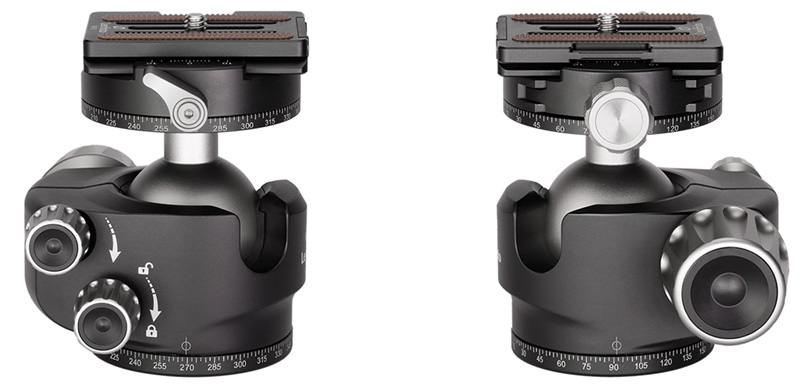
In addition to panning the head, you can also rotate the camera platform 360°. Its base sits above the ball mechanism and is also laser-engraved with a 360-degree scale in 2.5-degree increments. It has its own locking lever on the camera platform, opposite the quick-release locking knob.
This second panorama mechanism is useful on uneven terrain where it can be difficult to level the entire tripod. Instead, you can level the camera platform independently.
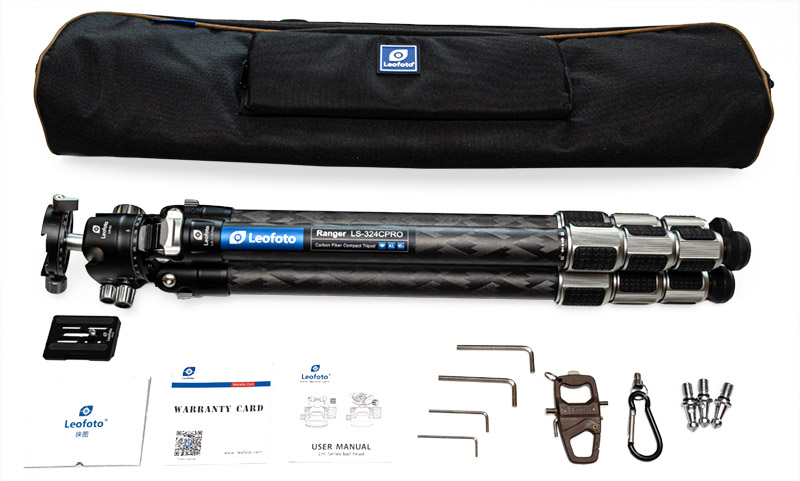
Last but not least, I’d like to mention the contents of the box besides the tripod. These include a waterproof carrying bag, three spike feet, a carabiner for hanging ballast underneath the tripod, a multi-function tool, four hex keys in three different sizes, a user manual for the head, a warranty card, and a user manual for the tripod.
Field Use Experience
The Leofoto LS-324CPRO is a relatively light and compact travel and hiking companion for a heavy-duty tripod. It is not overly large, but it is also not as compact as a lightweight travel tripod.
Two things caught my eye immediately when I saw the ball head. The first was the dual drop notches. They make it much easier to switch the camera from landscape to portrait orientation, and I found them to be a very useful feature.
The second thing that caught my eye was the abundance of knobs and controls. On the one hand, this provides maximum adjustability and makes fine-tuning the ball head easy. On the other hand, the number of controls can feel a little overwhelming and confusing at first. Overall, I liked the knobs, as they are relatively large and easy to grip, even when wearing gloves and working in cold weather.
The twist locks allow all sections of a leg to be locked and unlocked at once and are easy to grip and operate. The leg sections extend under their own weight, which makes setup quick and effortless.
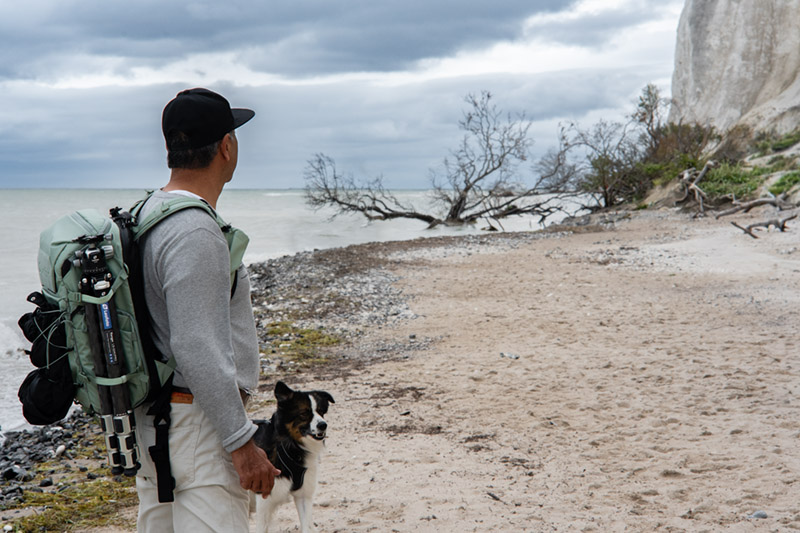
The omission of a center column is an excellent way to eliminate a potential source of instability and keep the tripod rigid at all times. It also makes the tripod slimmer when packed, making it easier to carry or attach to a backpack. The height was almost perfect for me; I am 179 cm tall, and I did not need to bend down (much) to look through the viewfinder. This is taller than most tripods, especially travel tripods and models without a center column.
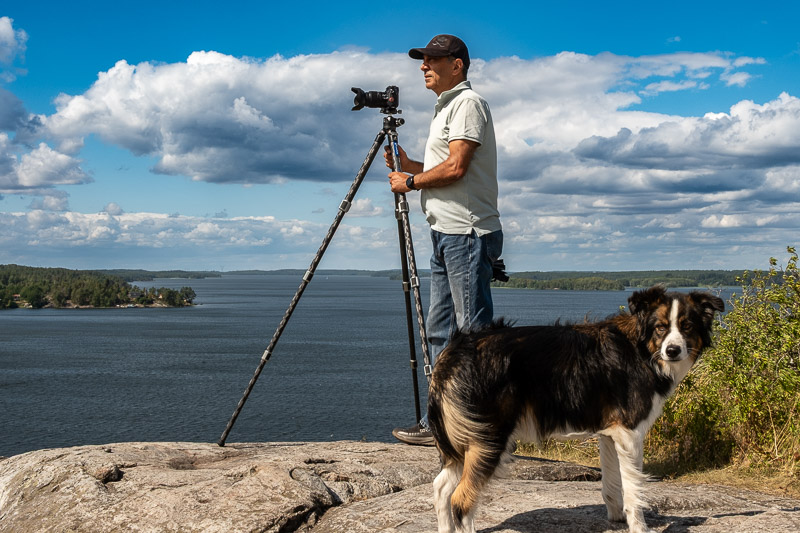
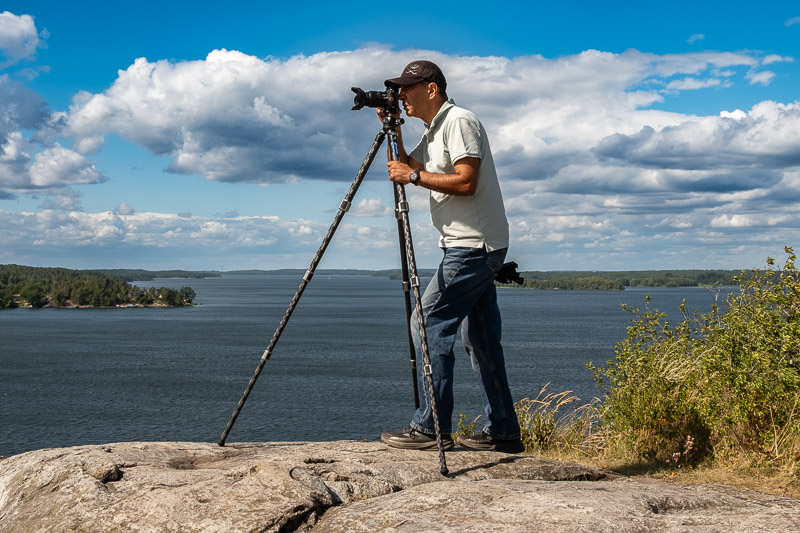
However, the omission of the center column is a double-edged sword, as it also makes the tripod less versatile. Sometimes I do not need maximum rigidity or extremely long exposures, and in those situations, I would accept a compromise in stability by using a raised center column and slightly faster shutter speeds in exchange for the extra height.
That said, in high-end landscape, architecture, wildlife, and studio photography, center-column-free tripods are also widely preferred by other premium tripod makers and photographers. It is also worth noting that Leofoto offers other models with center columns.
One feature I really liked was the built-in panorama function on the camera plate support. This meant I didn’t have to level the entire tripod, which can be tedious since it requires adjusting each leg individually. Instead, I could simply use the ball head to level the camera in one quick motion for panorama shots.

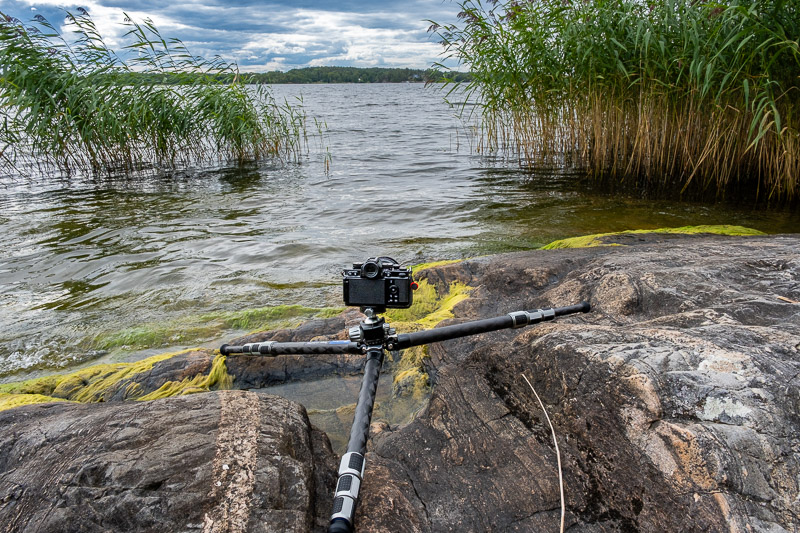
Another feature I really appreciate is its weather sealing. I frequently use the tripod in snow, water, and mud, so this gives me extra peace of mind.
There are a couple of things I would like to see improved.
First, I appreciate that Leofoto includes interchangeable spike feet, as I use them frequently. However, I do not like the hassle of unscrewing the rubber feet and screwing in the spikes every time I need them, only to have to reverse the process when I am done. First, there is always a risk of losing the feet; second, it takes some time. It is worth mentioning that this is not unique to Leofoto; it is also the solution used by most reputable tripod manufacturers today.
My old tripod had an integrated solution with both rubber feet and spikes. The rubber feet had a hole in the center through which the permanently attached spikes protruded. When I needed the spikes, I simply unscrewed the rubber feet slightly to expose them. The rubber feet remained attached to the tripod, so there was no risk of losing either the feet or the spikes, and it was much faster whenever I needed them.
Second, as someone living in a cold country, I would also appreciate it if one of the legs were partially covered with foam or rubber, making the tripod more comfortable to carry with bare hands when the legs are below freezing.
Conclusion
| I LIKE | AVERAGE | I DON’T LIKE |
|
|
|
First of all, I do not think there is a perfect tripod that ticks all the boxes at the same time. Every tripod involves compromises: they may not be rigid enough, tall enough, compact enough, light enough, or they may fall short in another area depending on the user’s priorities.
The Leofoto LS-324CPRO sits in a fairly specific category: a premium, compact, center-column-free, 32 mm carbon fiber travel/field tripod. It competes less with ultra-light travel tripods and more with serious landscape and outdoor tripods where stability is prioritized over minimum weight. With a weight of around 1.5 kg (without head), a 15 kg load rating, and a maximum height of around 1.5 m without a center column, it offers a strong balance between portability and stability.
The LS-324CPRO is rigid, and the ball head feels equally solid, making it a tripod that most photographers can confidently rely on for virtually all of their photography. The weather and sand proofing is just icing on the cake. It competes with premium field tripods such as the Gitzo Mountaineer series and Really Right Stuff’s carbon fiber tripods. While those brands have a longer history and a stronger reputation, Leofoto has significantly closed the gap in terms of design, build quality, and features, often at a more competitive price.
Writing articles like this one is both time-consuming and costs us a lot of money. If you found this article helpful and decided to buy one of these lenses, please consider using one of the affiliate links.
If you are not interested in buying any of the lenses, but you still found this article useful, interesting, or it saved you a lot of money, treat us to a coffee (donate)!
Buy New: Tripod only: Leofoto LS-324CPRO: Leofoto USA, Amazon (anywhere) (Affiliate links) Ballhead only: Leofoto LH-40: Lefoto USA, Amazon (Affiliate links) Tripod+Ballhead kit: Leofoto USA, Amazon, B&H $440 (Affiliate links) |
Alternatives
There are numerous tripods out there—it’s a jungle! While I can’t list them all, here are a few tripods from some well-known brands.
Gitzo GT2532 Mountaineer
Better-known brand, excellent machining and finish, but Leofoto offers more features for the money. Leofoto has better value.
Buy (legs only): Amazon (anywhere), B&H for ≈899 (legs only) / $1500 (with head) (Affiliate links)
Really Right Stuff (RRS) TFC-24L / TFC-34
Same design philosophy as the reviewed tripod: no center column, landscape oriented, maximum rigidity, premium machining and finish. They are more minimalist, while Leofoto includes more features. Generally, the Leofoto offers a similar concept at a lower price.
Buy: Amazon (anywhere), B&H for ~ $1385 (legs only) / $1945 (w/ head) (Affiliate links)
FLM CP30-L4 II
Another established brand with a model that is quite close to the reviewed tripod, but has a little higher max working height, and is rated 20 kg max load, but is also more expensive
Buy: FLM CP30-L4 II, B&H $536 (Legs only) (Affiliate links)
3 Legged Thing Winston 2.0
Generally, not as rigid is the Leofoto, with less traditional pro tripod design and more unusual features
Buy: Amazon (Anywhere) $499 (Affiliate links)
Benro Rhino FRHN34C / Tortoise series
Closest competitors to the reviewed tripod in terms of price and specifications
Buy: Rhino Amazon (anywhere), Tortoise @Amazon $530 (legs only) | $750 (w/ head) (Affiliate links)
Further Reading
- What camera gear and accessories do I use most frequently?
- REVIEW: FotoPro Origin Plus Travel Tripod
- Tripods for Mirrorless Cameras
Support Us
Did you find this article useful or did you just like reading it? It took us a lot of time and money to prepare it for you. Use the Donate button to show your appreciation!



(Donations via Paypal or bank card)
What’s in my camera bag? MY 2024 KIT!!
- Main camera : https://amzn.to/3TsGtKg
- Camera grip : https://amzn.to/4e0G3CR
- Memory Card 1: https://amzn.to/47pA20i
- Memory Card 2 : https://amzn.to/3XHYxlZ
- Camera 2 : https://amzn.to/3Xifou8
- Camera grip: https://amzn.to/4dYYpV9
- Memory card 1: https://amzn.to/4e5h2H0
- Memory card 2: https://amzn.to/3zu7W7n
- Small travel tripod: https://amzn.to/4goIX68
- Mini tripod: https://amzn.to/4e09XXX
- Small shoulder bag: https://amzn.to/47tPMiY
- Medium shoulder bag: https://amzn.to/4ej4bjY
This site contains affiliate links, for which I may receive a small commission if you purchase via the links at no additional cost to you. This helps support the creation of future content.


Martin
Latest posts by Martin (see all)
- REVIEW: 7Artisans AF 10mm F2.5 MAX – Fisheye FF - October 25, 2026
- REVIEW: SIRUI AURORA 35mm F1.4 - October 14, 2026
- REVIEW: Zhiyun FIVERAY M60 Ultra & Molus X100 RGB - October 11, 2026
I found that the locking mechanism often requires a significant amount of torque to fully engage. My specific camera setup struggled with that initial adjustment.
I didn’t experience this behaviour.
I’d also take a good look at the similarly specced, nearly identical weight (1500 g. without head) and center column-free FLM CP30-L4 II, which, however, will reach 172 cm (without head).
The LH-40R head is a blatant copy of the Really Right Stuff BH-40 Ball Head, though, compared to earlier versions, they seem to have redesigned the knobs and tweaked their positions a little so that the cloning is a bit less obvious now.
I would second that. I am using CP34-M4 II and am very happy with it. The carbon “texture” design is the same as Leofoto though and since FLM tripods are no longer produced in Germany(only heads and accessories are still Germany made), I would guess they are of the same origin as Leofoto.
I took a look, and it also looks very interesting. I had missed it. I added it to the Alternatives list, but note that this FLM tripod costs $506 for the tripod **only**, while the Leofoto costs $440 as a kit, including the ballhead. And that is the whole point of it: similar specs and quality (or at least very close) at a lower price.
The key difference for me is the 172cm height, meaning no stooping in use and also more practical to use on slopes.
That’s actually a valid point, and I show exactly how the height limitation affects the tripod when standing on a slope in my video review.
I have an older, slightly different version of this Leofoto tripod. I myself like that the feet get unscrewed in order to attach spikes, that gives me the option of three different length spikes from Leofoto, plus any other feet/spikes that also attach via the standard 3/8-inch thread. (By the way, anyone considering a tripod might want to investigate pre-purchase what thread is used for foot/spike attachment, as some brands use metric, but I have found there to be fewer choices in metric accessories than in the common 3/8-inch size. (Some thinner-leg Leofoto tripods use a 1/4-inch foot thread, also giving fewer foot options)).
I use the Leofoto “long” spikes, which are specified as 113mm long, and have an unscrewable foot on the end. This additional length is beneficial, both when I want to maximize the height of the tripod at full extension, and also to guarantee extra distance between ground and a lower leg collar when not fully extended. The only problem is that the removable foot on the end of the spike is really like hard plastic, so no real grip if used indoors on floors; were I using it that way, I’d possibly dip it in silicone or add an additional real rubber cap or find a rubbery substitute. Leofoto also sells a 138mm 3/8-inch attachment extra-long spike, pure spike with no foot on the end.
Good point about screwable spikes; I had not thought of it. Then, there is a good reason to have detachable spike feet anyway.
I use wide velcro tape (the soft side) on the tripod legs to make the tripos more comfortable to hold, specially during the colder period. It is easy to find (eg amazon…) in different sizes, I prefer 20cm or 30 cm to wrap around the tripod legs and since it is self-adhesive it is easy to attach. A other benefit is that the velcro makes it sturdier to hold, better grip.
Smart, I’ll definitely try it. Thanks for the tip.
I used the Leofoto LS-325C and was initially thrilled with its size, weight, and overall performance. However, that initial enthusiasm gradually turned into frustration with the brand.
After about two years of use (using it sometimes a few times a week, sometimes weekly, but quite heavily overall), a problem started to appear: the leg twist locks began loosening on their own. I had to tighten them very firmly, and the twist-lock mechanism lost its smooth feel—it no longer had that premium touch.
Then, one of the internal plastic shims inside the leg cracked. It turned out this part wasn’t available in Europe. Although it was listed on the Leofoto USA website, you had to buy a full set of 12 plastics, which, including customs duties, would have cost around €80—completely unreasonable.
More importantly, when I bought the tripod, I was informed—and there was even a sticker on the tripod itself—that it came with a 10-year warranty. The retailer where I purchased it referred me to the official Polish distributor, who stated that the tripod didn’t come from official distribution channels and refused to help. A year later, I tried again, and this time customer support offered to repair it at my expense for around €40. So, based on my experience, while the tripod initially felt like a premium product, it certainly didn’t deliver premium quality or durability under moderate-to-heavy use. On top of that, the warranty turned out to be misleading.
I also have an experience with the Leofoto G4 Pro geared head. I was examining it in a store with the intention of buying it, but when turning the gear mechanism, there was a noticeable stiffness in one spot, followed by excessive play/backlash in another. The store sent it to the distributor to be inspected, but I was told that “everything is working as intended.” I decided not to buy it—for a geared head at that price point, I expect absolute precision, consistency, and smooth operation.
On the other hand, I have also used and owe the Leofoto LH-40 ball head, and in my opinion, it is very good and highly recommended.
Thanks for the feedback. I’ve had mine for less than six months, and so far, so good. In fact, my colleague has owned several Leofoto tripods for several years and hasn’t experienced the same issues. However, since he owns five or six tripods, he may not have used any single one as extensively as you have.
I am a bit surprised because my Leofoto 225CEX’s legs have a different design without shims.