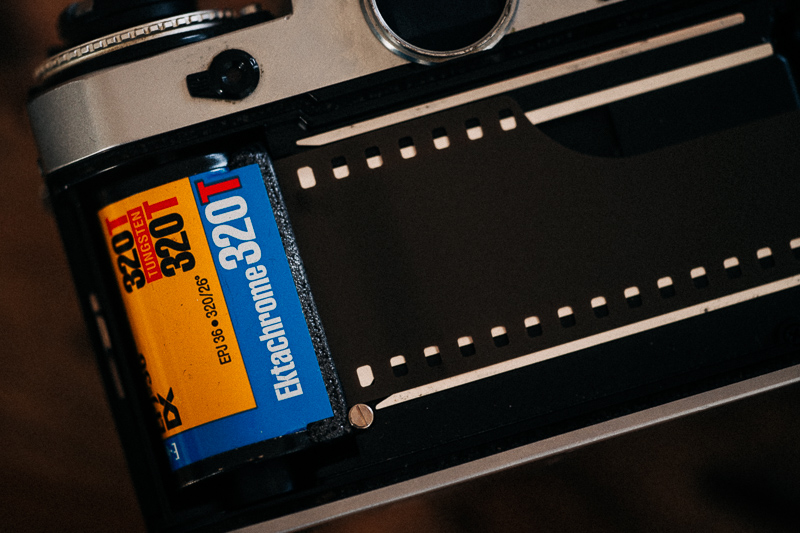
As already pointed out: in 2025 no one makes slide film faster than ISO100 anymore. And no one makes slide film to shoot under artifical light (“Tungsten based”) anymore either. That wasn’t always the case and from 1992 to 2003 Kodak offered this Ektachrome 320T, a higher speed tungsten based slide film. These have all long expired, but thanks to our readers I got my hands on a roll. Let’s see what we can do with it.
Processing (E-6) was done at ProLab in Stuttgart, scanning was done by one of our readers via a DSLR. The pictures you see in this article are from one roll.
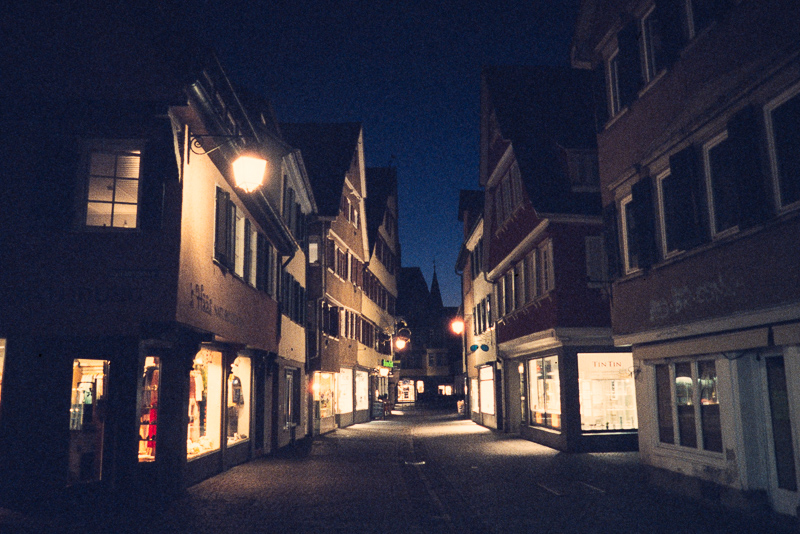
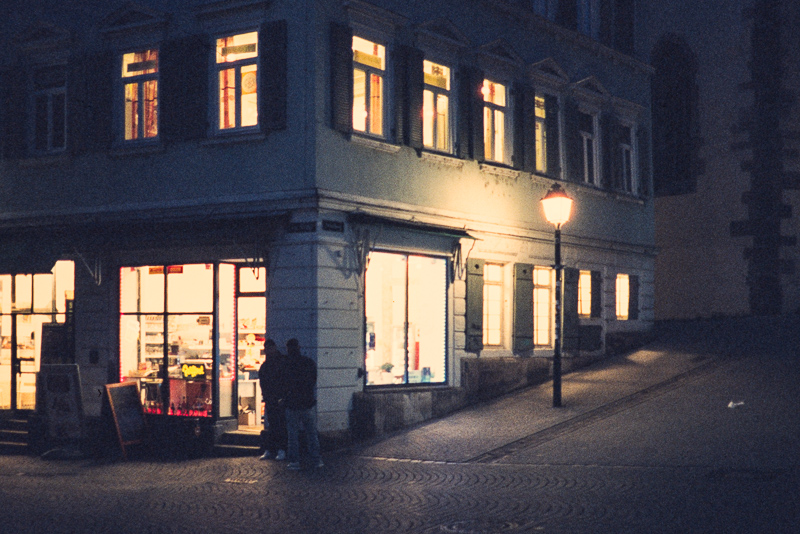
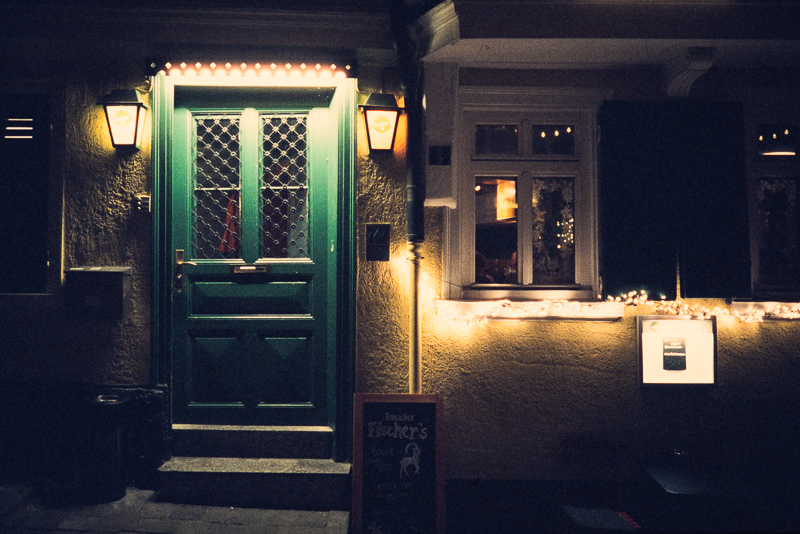
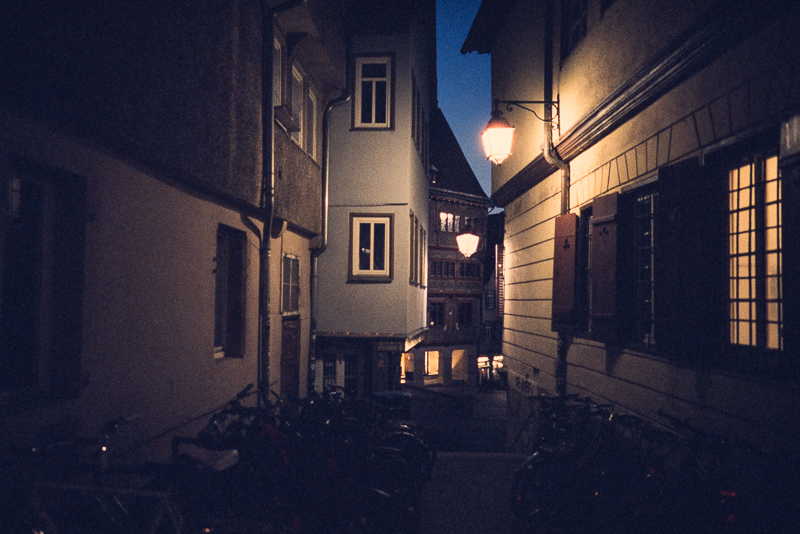
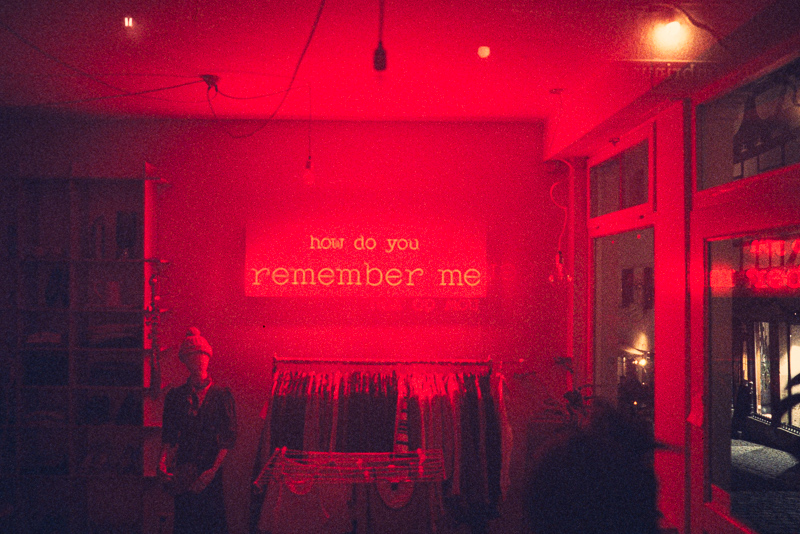

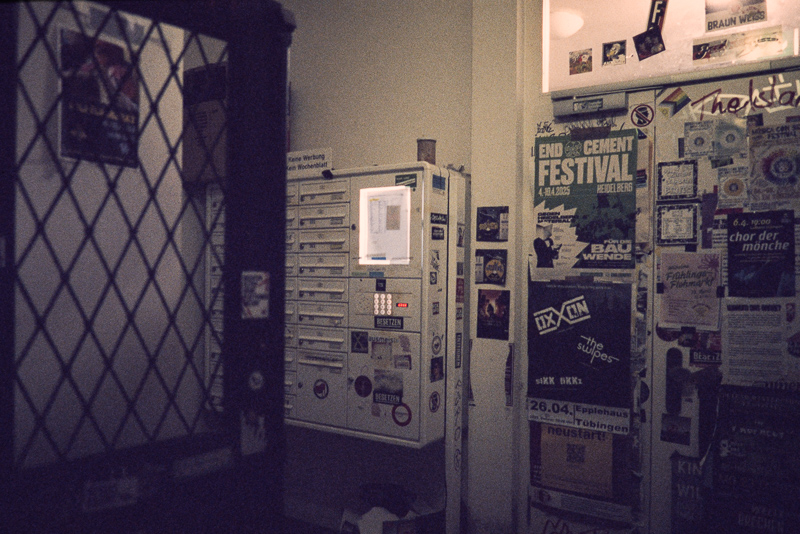
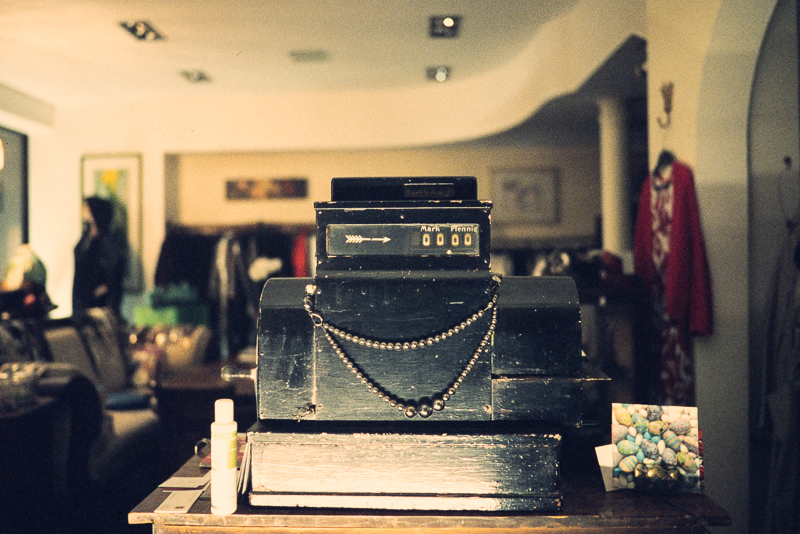
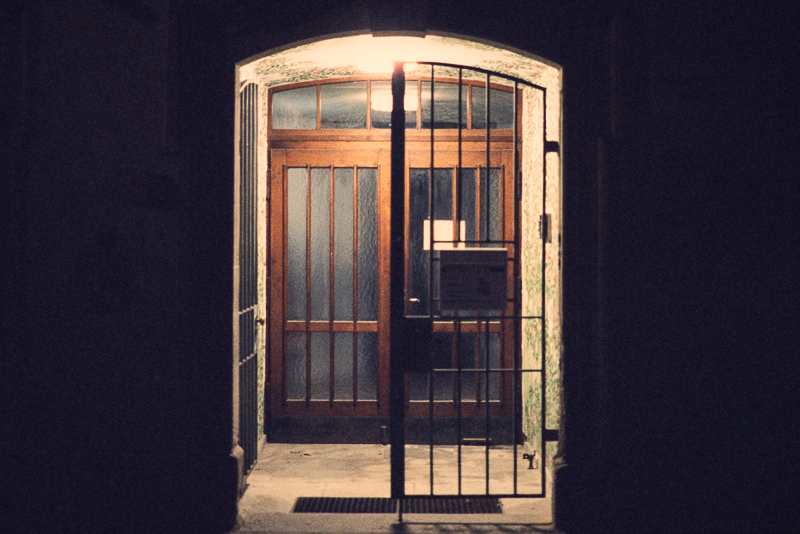
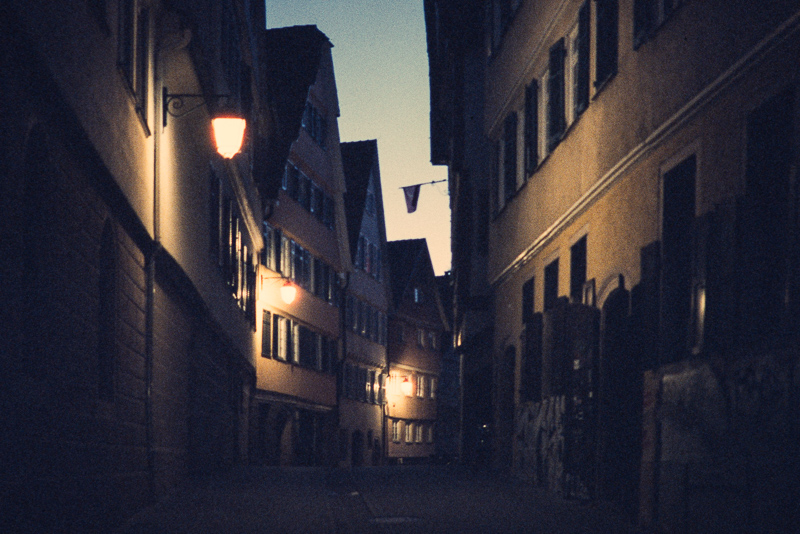
The first thing I noticed after picking up the developed film: this film is very blue, even when shot under artificial light, and contrast also seems to have taken a hit due to its age. This is what the scans looked like before any adjustments in post:
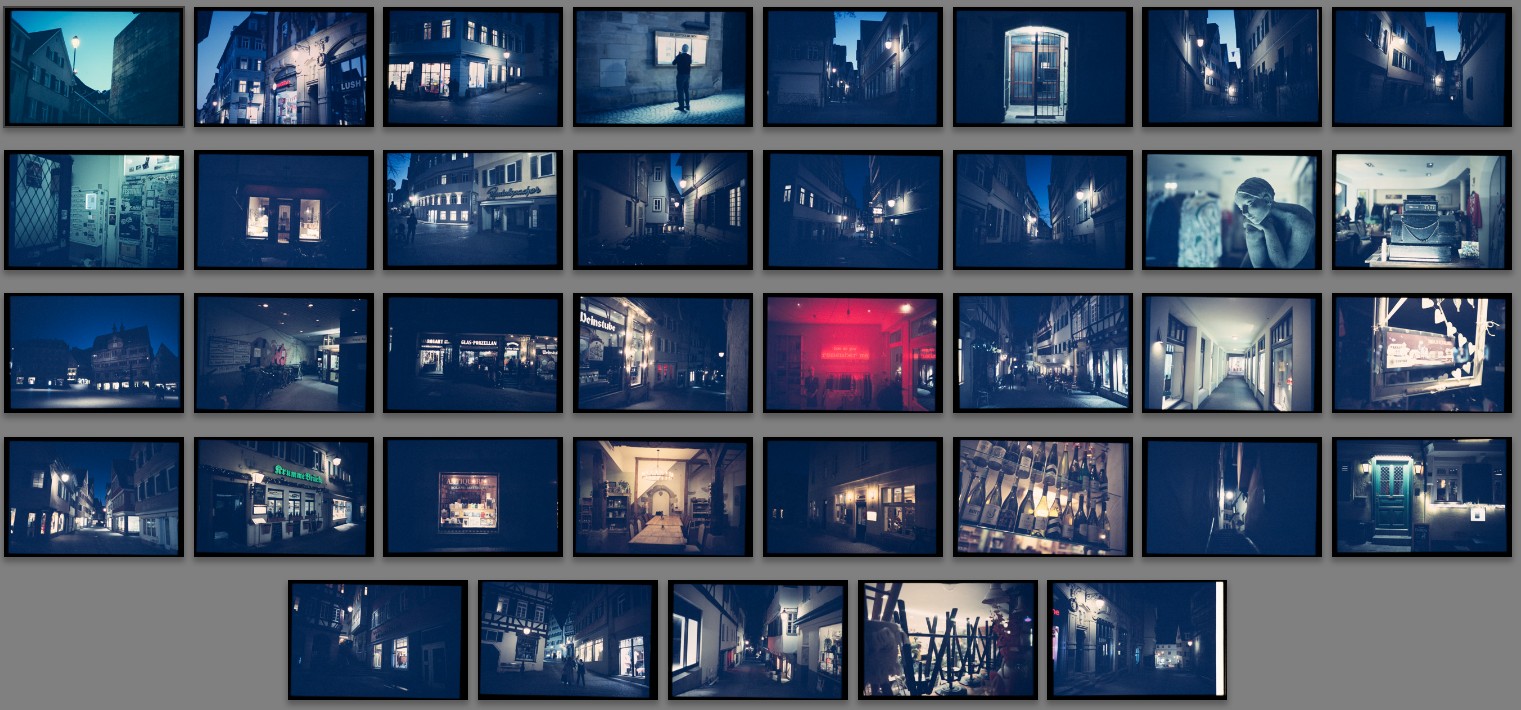
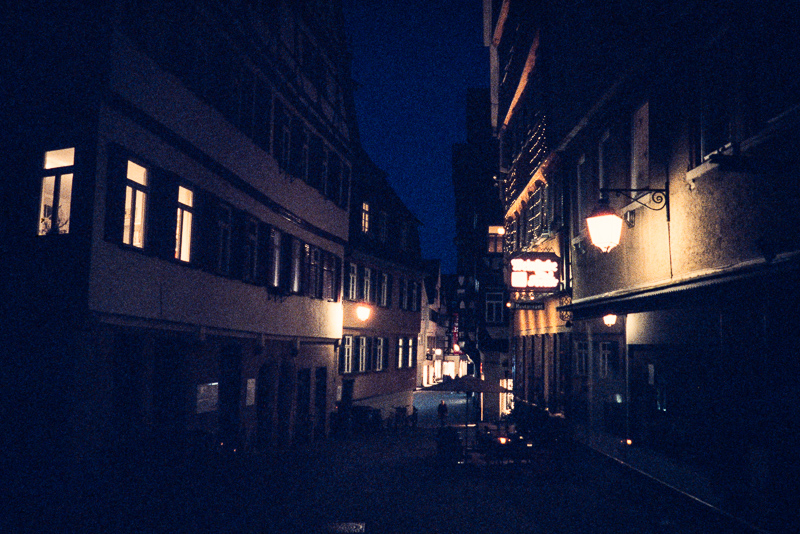
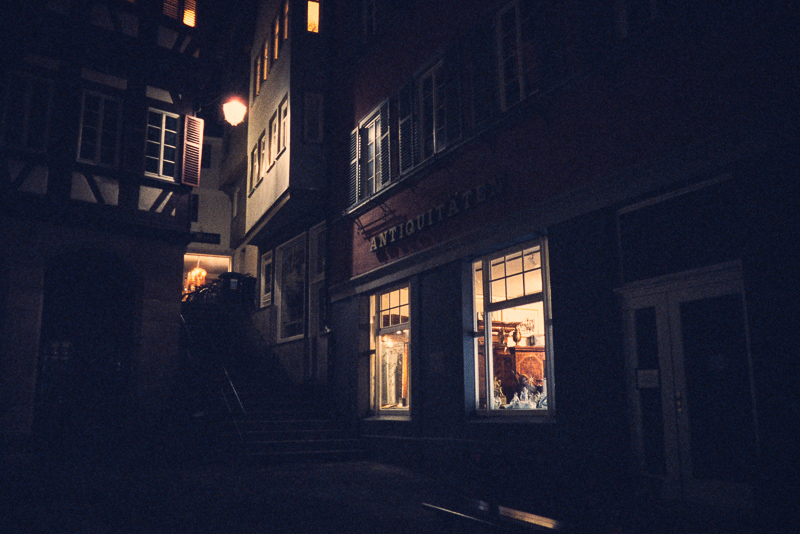
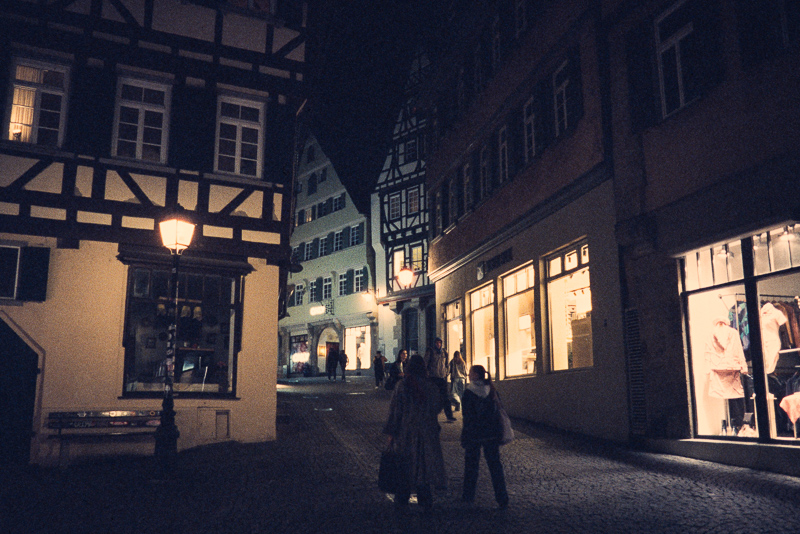
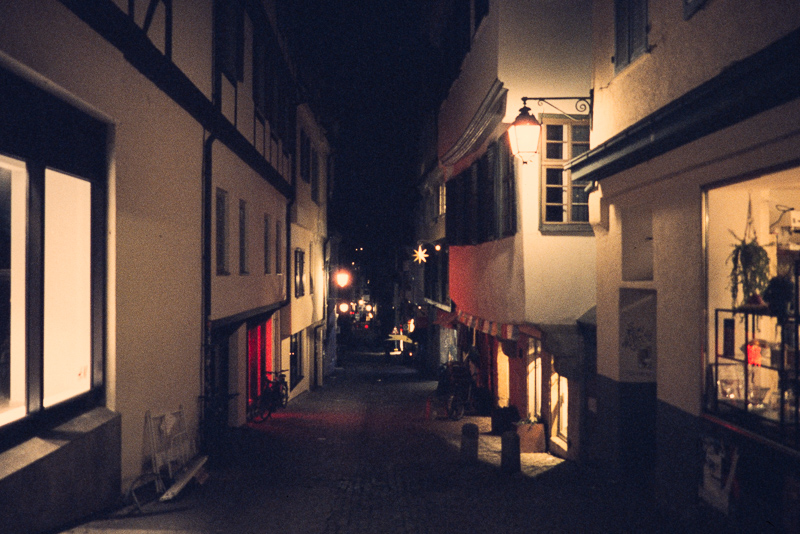
All the pictures in this article have been optimized in post for white balance to give more realistic colors.
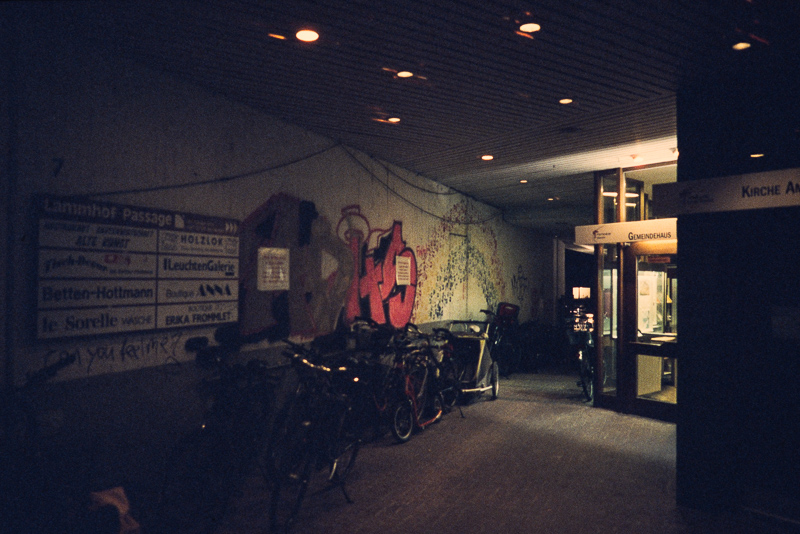
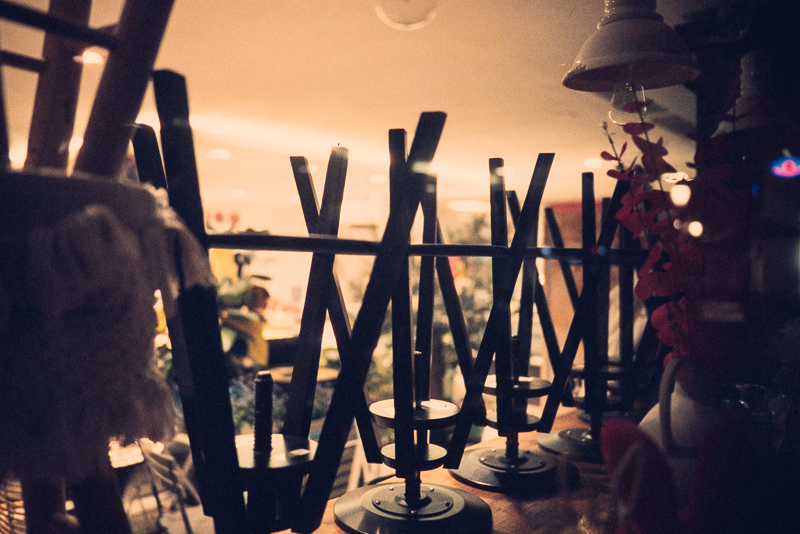
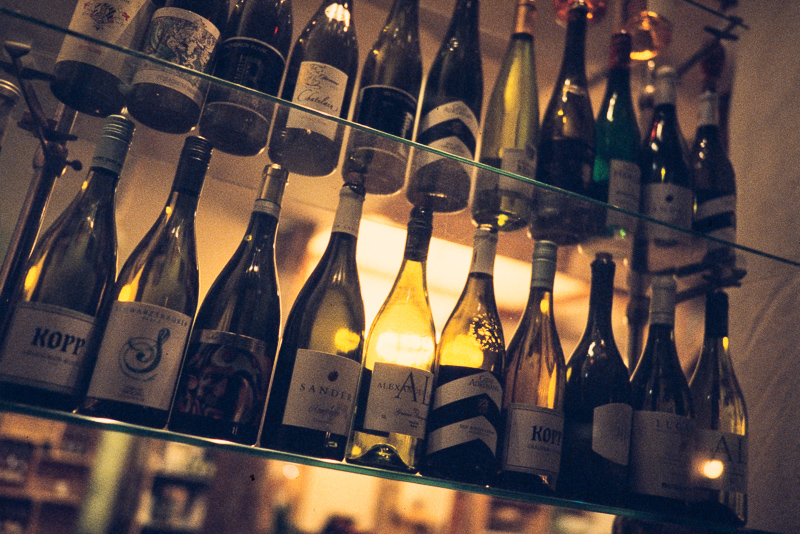
I was shooting the complete roll during the blue hour and for these scenes the dynamic range of this expired slide film certainly left something to be desired: the highlights are blown out and the shadows lack any detail – a clear sign of insufficient dynamic range of the film. Maybe a fresh roll would have had a slightly better dynamic range, but this is still far from what we can achieve with today’s digital cameras in a single exposure.

Further Reading
Support Us
Did you find this article useful or just liked reading it? Treat us to a coffee or a roll of film!

 via Paypal


Latest posts by BastianK (see all)
- Review: Sigma 14mm 1.4 DG Art – World’s widest f/1.4 lens - September 26, 2026
- Review: Nikon Z 135mm 1.8 S Plena - September 23, 2026
- Review: Light Lens Lab 35mm 1.4 Aspherical “11873” - September 19, 2026
Blue in the blue hour…
Can you tell something about post adaptation of the color please.
Do you use Capture One?
I use Lightroom and the only thing I did was adjusting the white balance.
Yep, I’d only ever use a black & white film, potentially pushed well past 6400 ASA, during the night – it’s a lot less hassle, a lot less to worry about, it’s *almost* easy.
Dmitri from Analog.cafe pushed and pulled Ilford HP5+ from 3 ASA to 100000 ASA with great success. 🙂
I remember using that once. Wasn’t that the only film available for tungsten lighting back then? Unless you could get hold of cine film and the right processing—which wasn’t exactly easy at the time.