Introduction
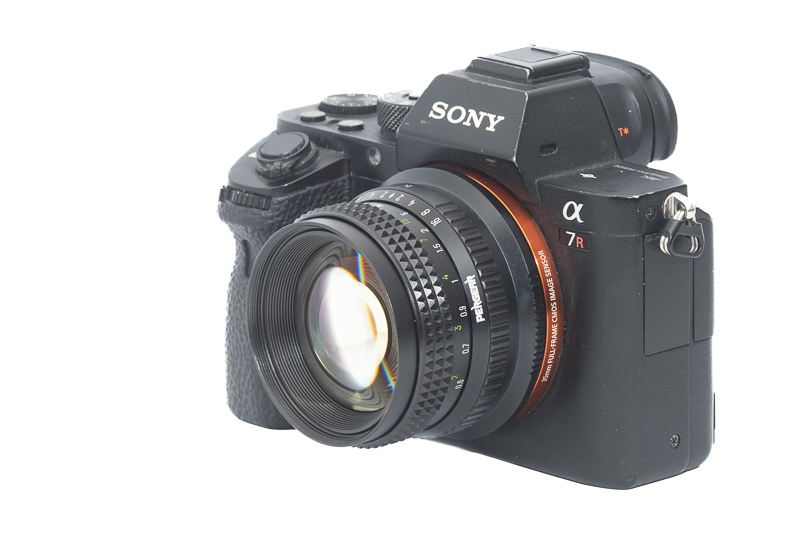
In 2023 Pergear surprised us with their Pergear 35mm 1.4 lens, as it turned out to be a compact and very affordable 35mm 1.4 lens with surprisingly decent image quality. In 2026 – 3 years later – Pergear released this Pergear 50mm 1.4: similar size, similar price, different focal length and a lot more competitors. Can this new lens also convince us? Let’s find out in this review!
Sample Images


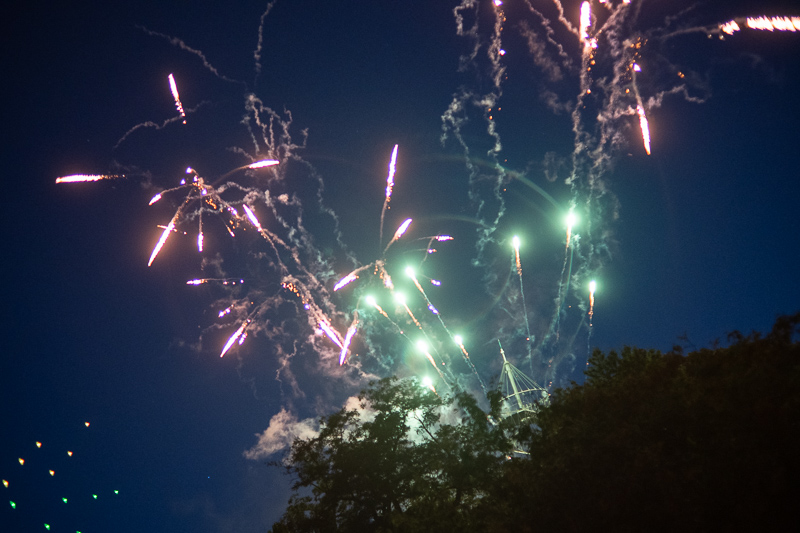
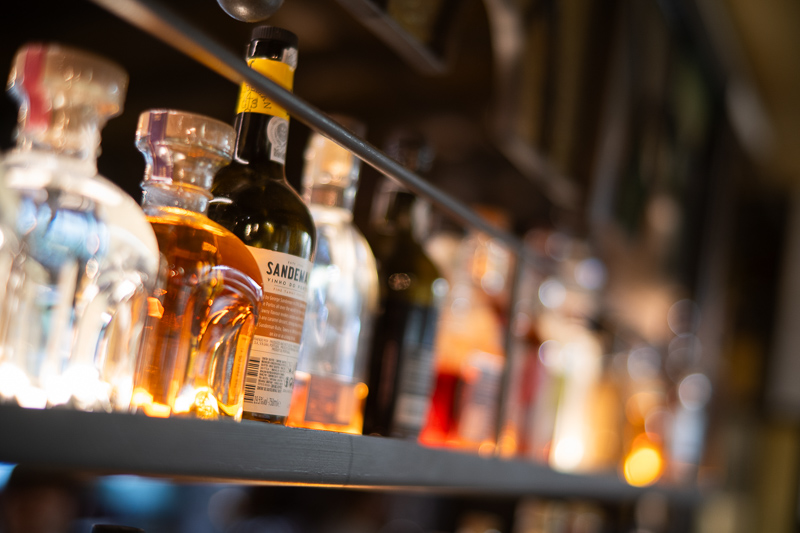
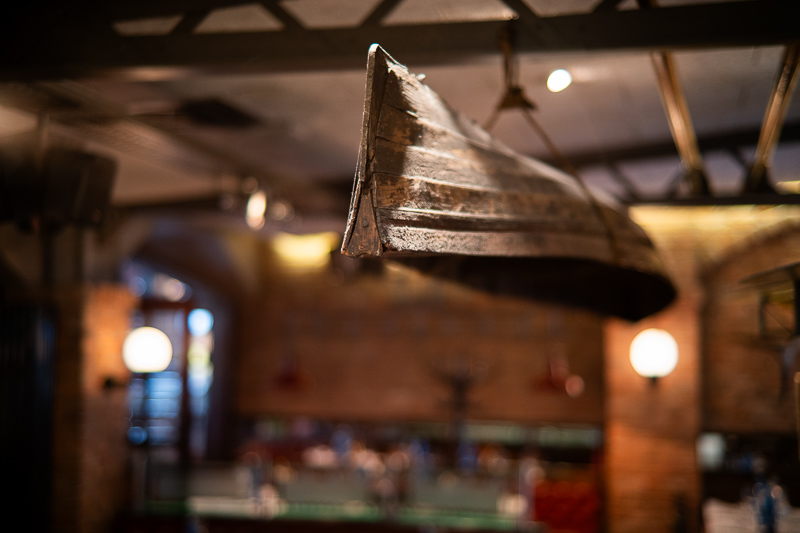
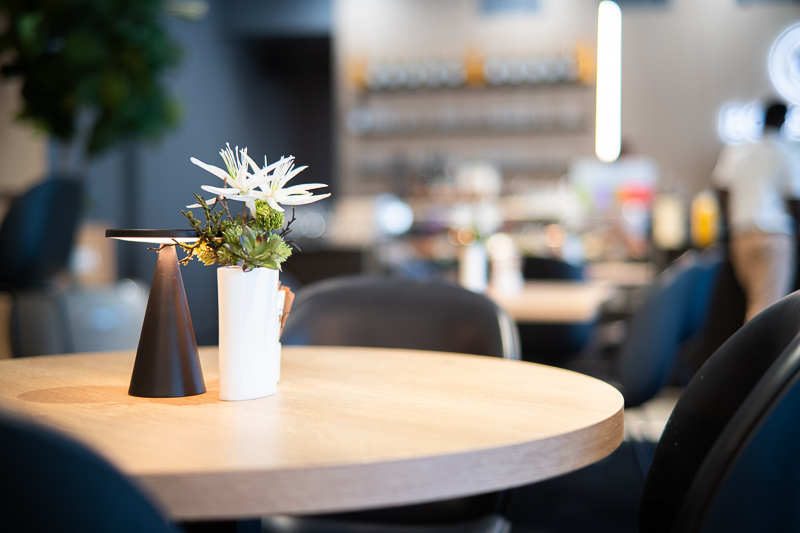
Most of the sample images in this review can be found in full resolution here.
Specifications
This is a review of the Pergear 50mm 1.4 for E-mount which has the following specifications:
- Diameter: 66 mm
- Length: 43 mm
- Weight: 260g (without caps)
- Field of view: 46° (diagonally)
- Filter Diameter: 52 mm
- Number of Aperture Blades: 12 (rounded)
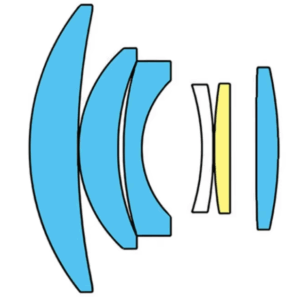
- Elements/Groups: 6/6
- Close Focusing Distance: 0.6 m
- Maximum Magnification: 1:9.5 (measured)
- Released: August 2026
- Mount: Sony E, Nikon Z, Canon RF, L-mount
buy from amazon.com (use code 8VQNDWZJ until August 30th for 10% discount) | amazon.de | pergear.com | ebay.com | ebay.de (advertisement/affiliate links) for $129
Disclosure
The Pergear 50mm 1.4 was kindly provided free of charge by Pergear for reviewing purposes.
Handling / Build Quality
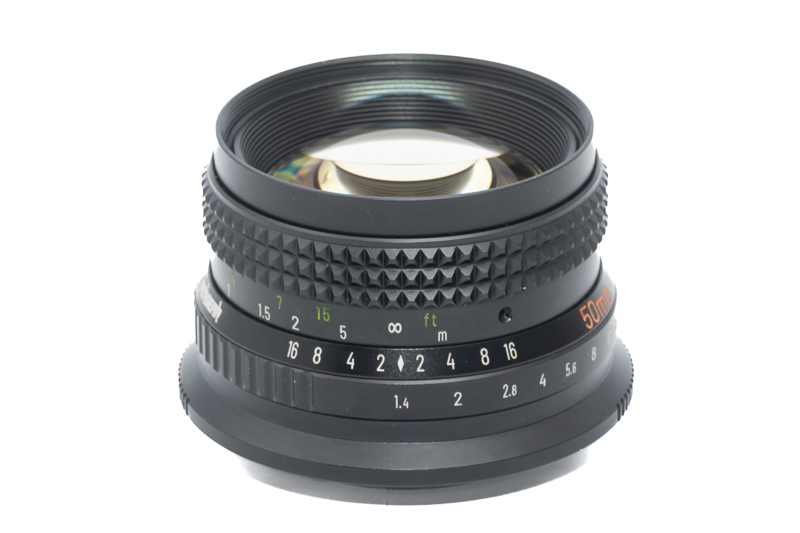
The focus ring has a nice, even resistance and travels ~120° from the minimum focus distance (0.6 m) to infinity. As was already the case for the Pergear 35mm 1.4, the constructrion in itself is also very slightly wobbly, so there is a tiny bit of slack when changing the direction of rotation of the focus ring.
The aperture ring is a clear improvement over the Pergear 35mm 1.4: full-stop click-stops and the stops are almost equidistantly spaced.
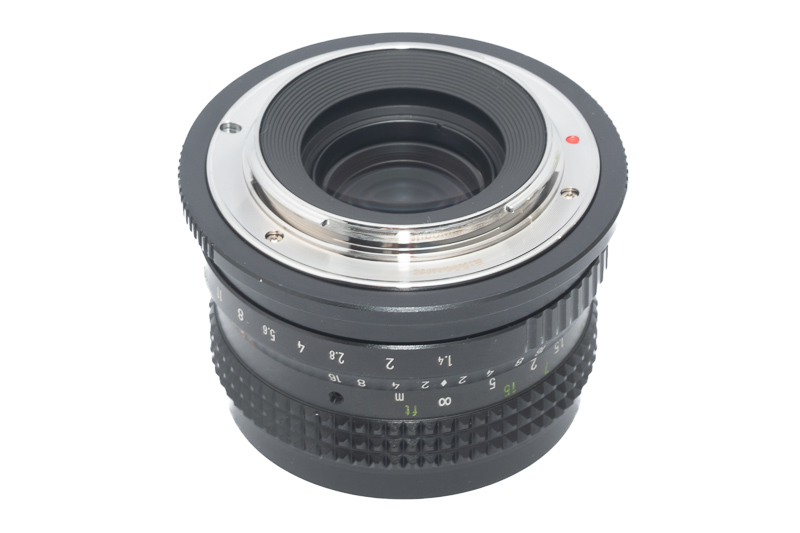
The lens seems to be made from metal, but – except for the “16” on the aperture ring and the “50mm” – all the markings are only printed on so could potentially wear off.
The lens is a standard unit focus design and the front element does not rotate, so using a polarizer is a hassle free operation
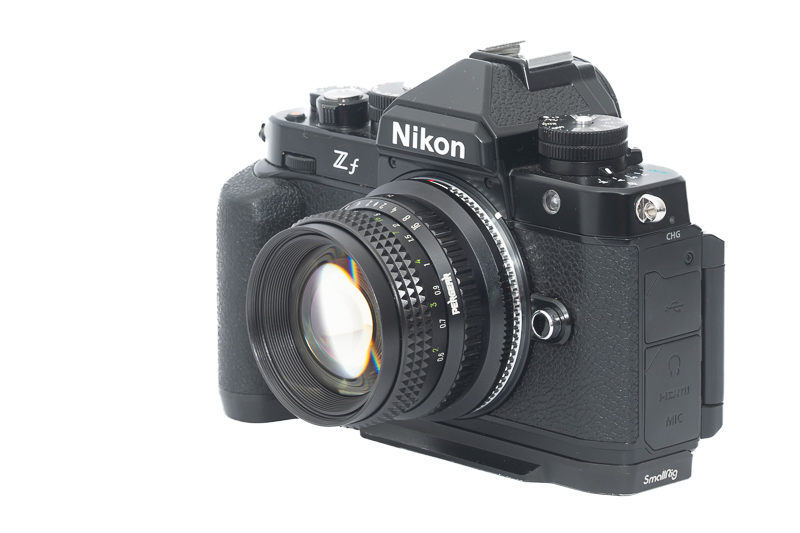
The lens does not feature any electronic contacts to communicate with the camera.
There is another oddity: towards the bayonet the diameter of the E-mount version of this lens matches the diameter of the Nikon Z-mount bayonet. Therefore it looks a bit odd on an E-mount camera.
Vignetting
Light falloff
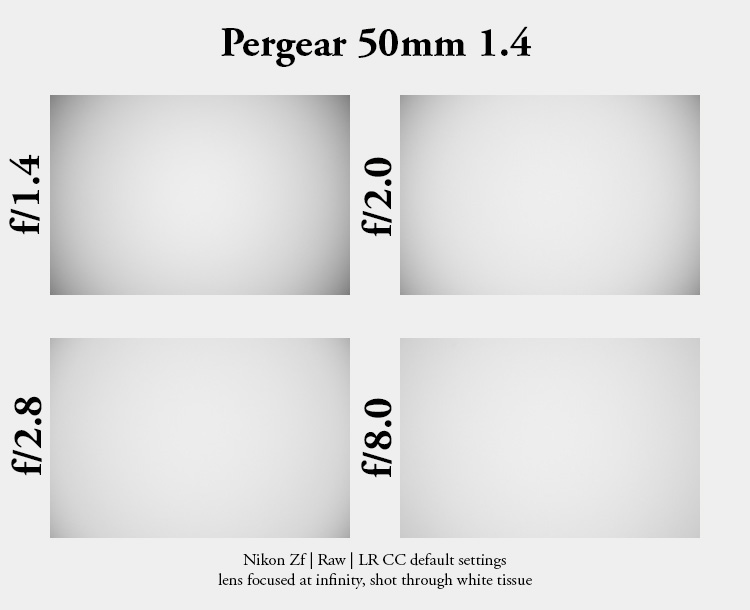
| f/1.4 | 2.4 EV |
| f/2.0 | 2.0 EV |
| f/2.8 | 1.6 EV |
| f/4.0 | 1.2 EV |
| f/5.6 | 1.0 EV |
| f/8.0 - f/16 | 0.9 EV |
The vignetting figures are very typical for a 50mm 1.4 lens. I feared because of its small size it may show higher than average vignetting figures than bigger lenses with the same specifications, but that actually isn’t the case.
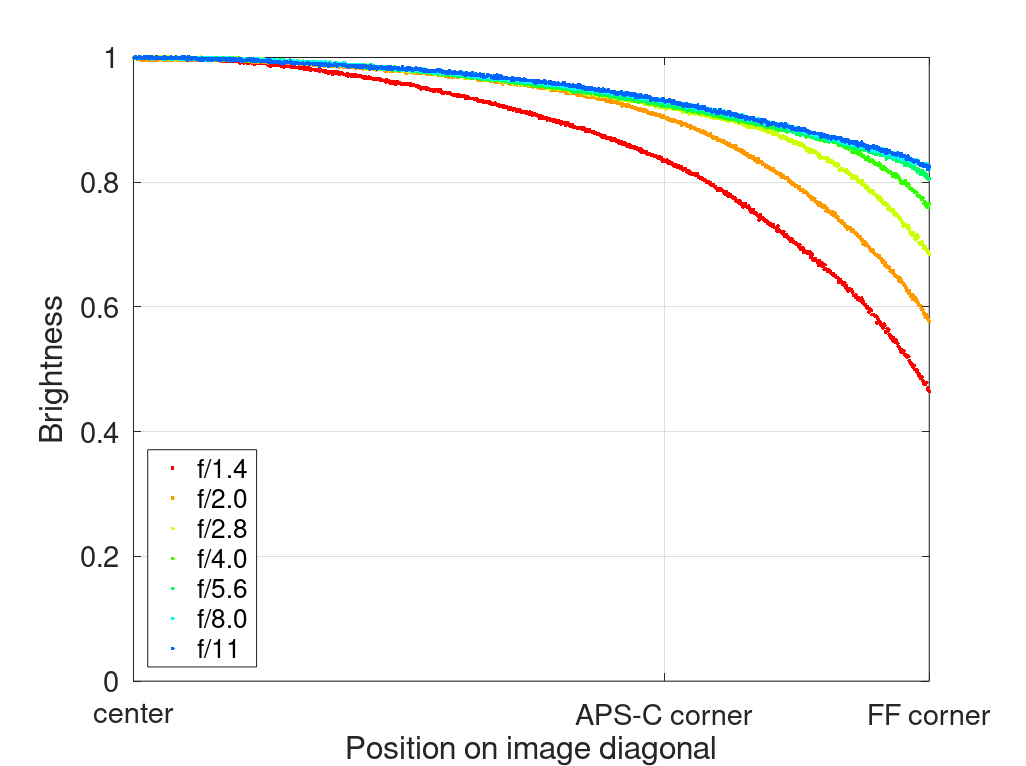
It is recommended to have a look at this article first to get an idea how this brightness graph works.
Optical vignetting
Fast lenses usually show a noticeable amount of optical vignetting, especially so the compact ones. Without going too much into technical details optical vignetting leads to the truncation of light circles towards the borders of the frame.
In the center of the frame almost every lens will render a perfect circle, but only lenses with very low optical vignetting will keep this shape in the corners.
So in the following comparison we move from the center (left) to the extreme corner (right) and see how the shape of the light circle changes.
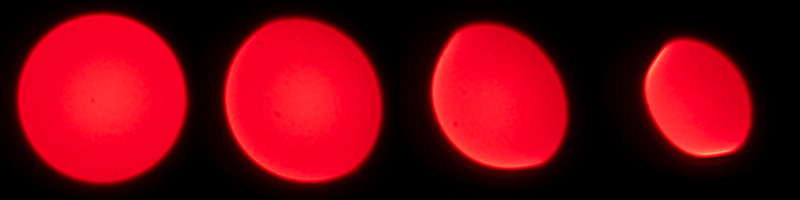
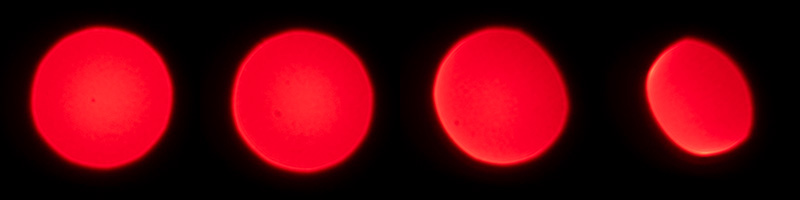
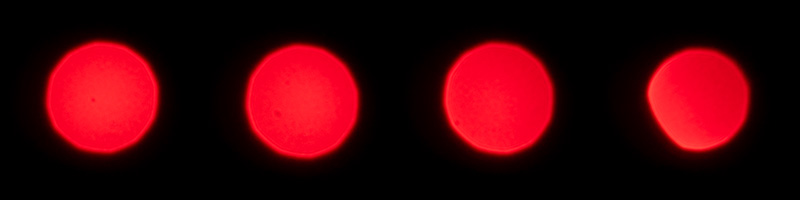
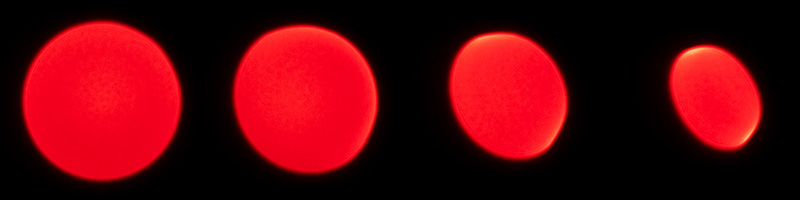

I did not shoot all these lenses side by side, so the size of the circles is not directly comparable.
The amount of optical vignetting is also typical for a 50mm 1.4 lens. In the corners defocused points of light are slightly deformed, but I have surely seen worse.
As this lens does not feature any aspherical elements, there are no onion ring structures to be found here.
Sharpness
Focus shift
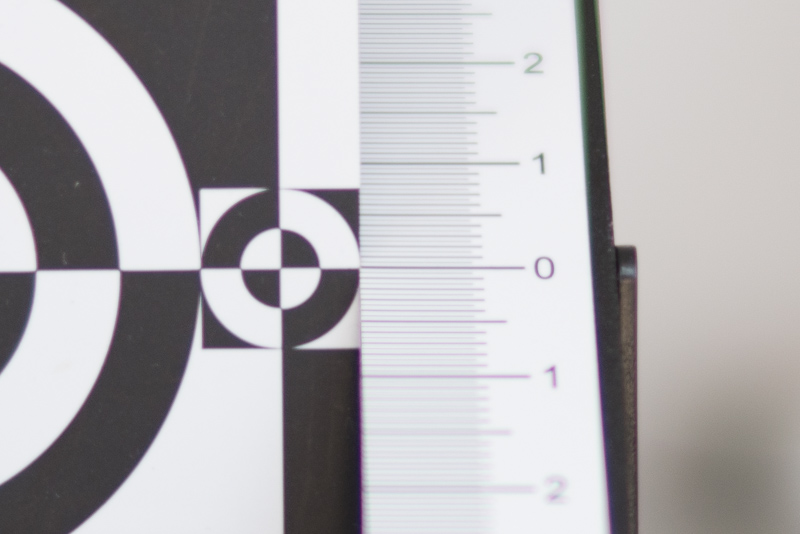
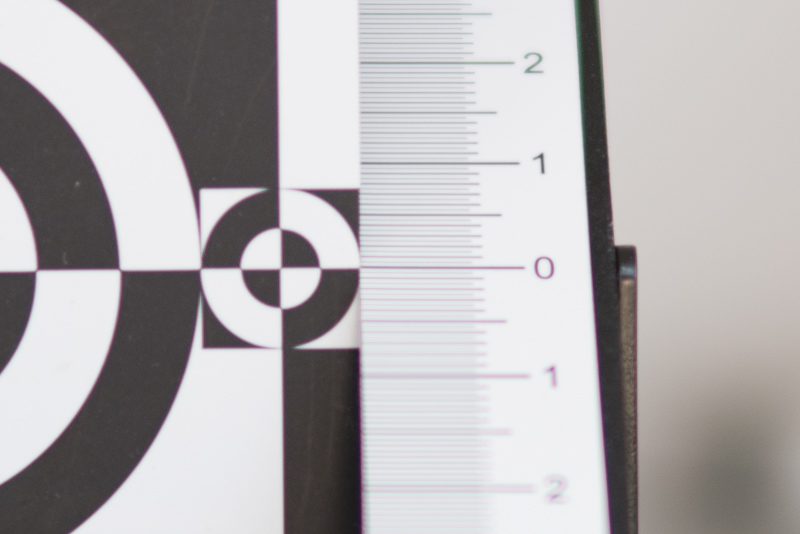
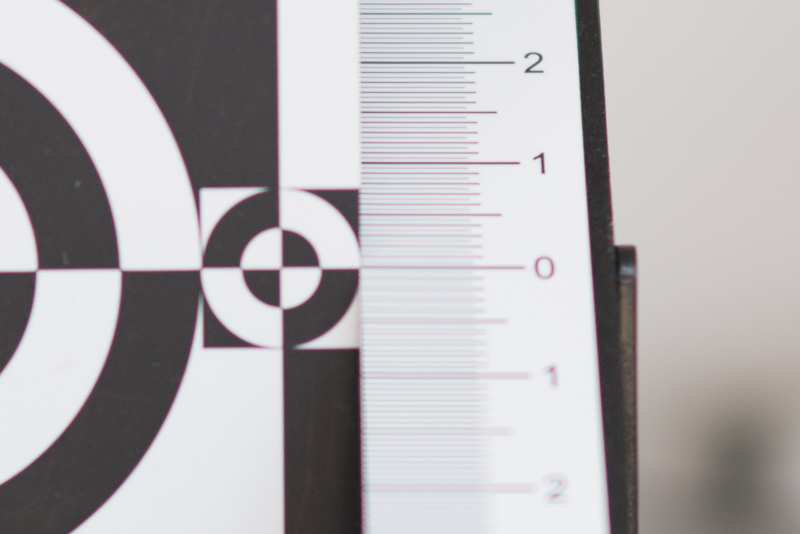
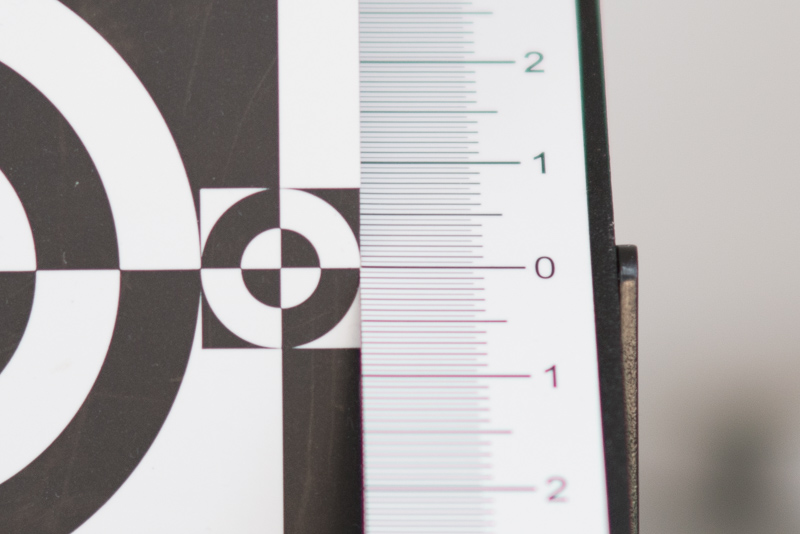
I haven’t seen this much focus shift in a long time. Make sure to stop the lens down to the desired aperture before focusing.
infinity (42mp Sony A7rII)
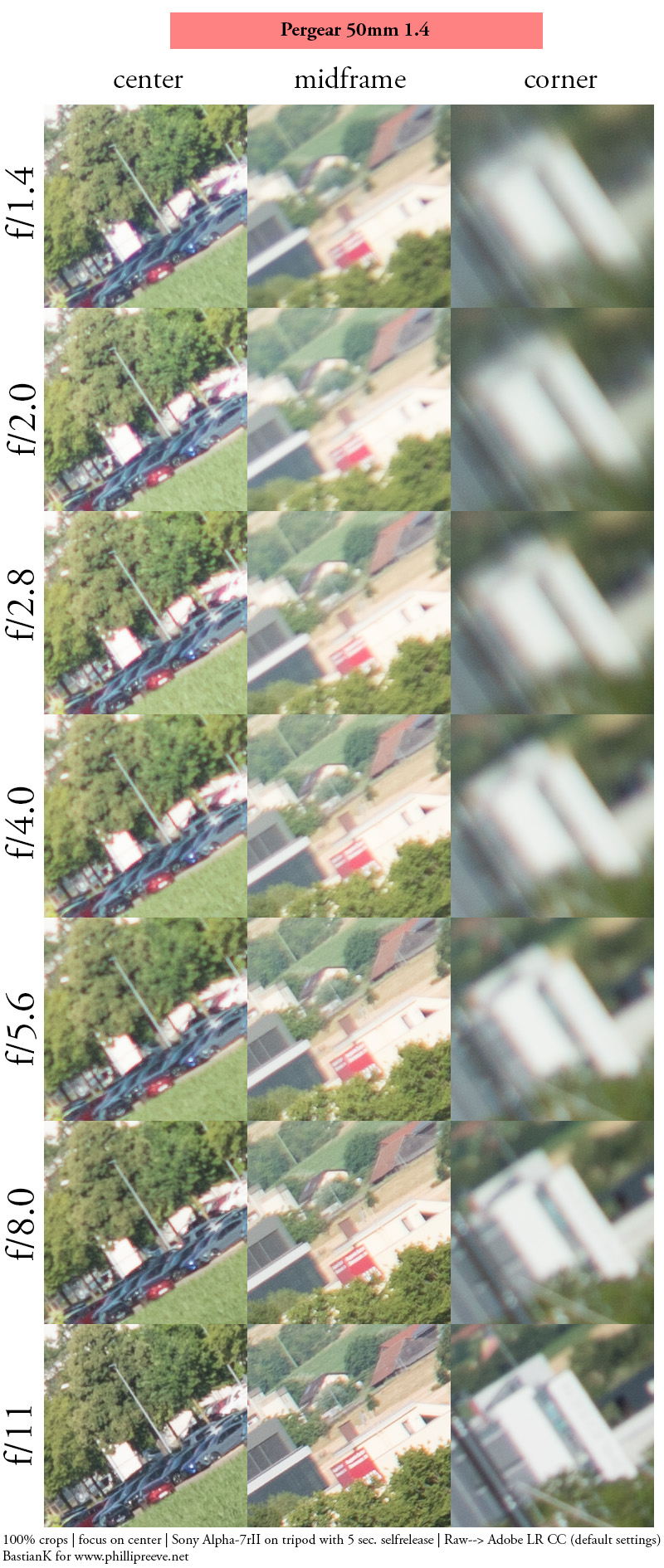
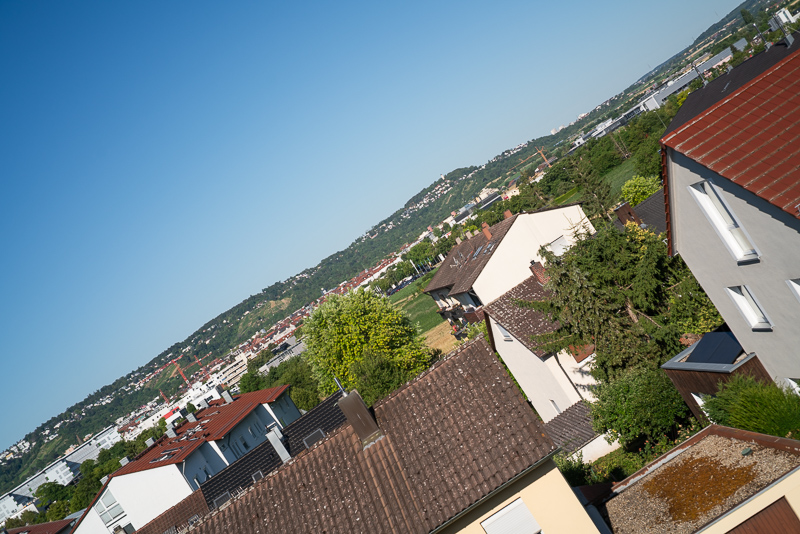
The performance at infinity is simply not good. The center looks ok with some CA, but midframe and corners look really bad at wider apertures and also at these distances we still see the focus shift, as the center actually starts to look worse when stopping the lens down.
At f/11, center and midframe are in the same focal plane and look decent, but the corners still look bad because of field curvature.
If you are using a high resolution camera and you are looking for a lens yielding high resolution across frame this is not it.
portrait 1.4 m (42mp Sony A7rII)
I guess many people will want to use this lens for portraits, so let’s see what the performance is like at a typical portrait distance for a 50mm lens of ~1.4 m.
f/1.4 <—> f/2.0



After having seen the performance at infinity I had hoped this lens to be optimized for shooting at portrait distances. Sadly also here the results are nothing to write home about.
Not only at f/1.4 but still at f/2.0 this lens is very soft and if your subject is not in the center of the frame, focusing is actually a bit difficult because the focal plane isn’t well defined.
Close 0.6 m, 1:9.5 (42mp Sony A7rII)





A minimum focus distance of 0.60 m with a maximum magnification of 1:9.5 is rather limiting compared to other 50mm lenses.
Unsurprisingly for a rather simple unit focus design the image is very soft at wider apertures at these distances due to spherical aberration. If you want really crisp results at these distances it is a good idea to stop this lens down by 3-4 stops.
Flare resistance
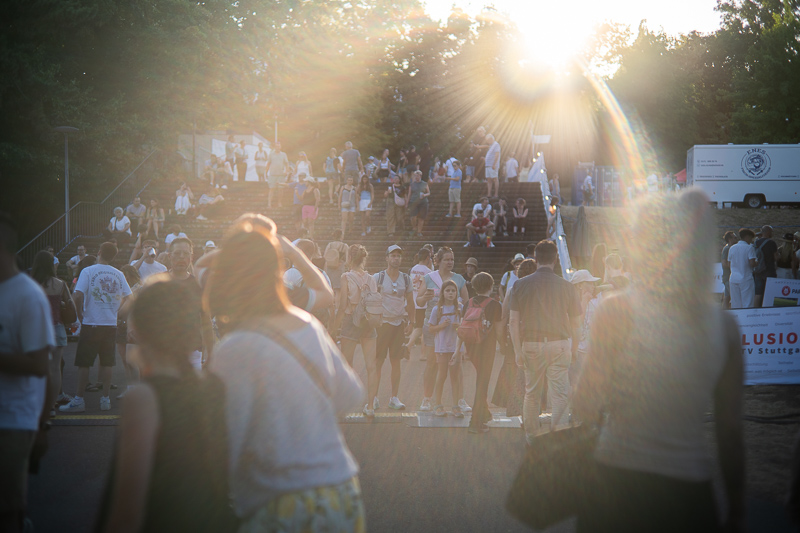
As always evaluating flare is a complex matter since you can get any lens to look bad if you push it hard enough and a slight change of scenario can affect results a lot.
Mediocre flare resistance was the biggest issue of the Pergear 35mm 1.4, did they manage to make some improvements here?
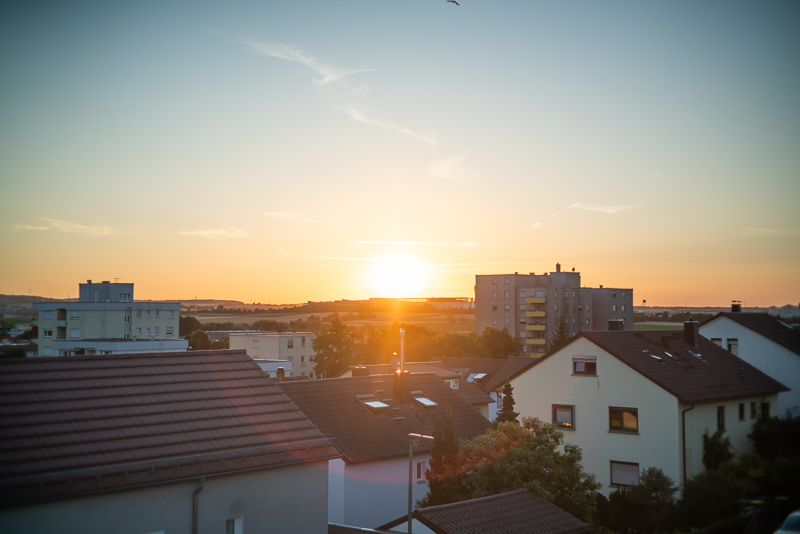
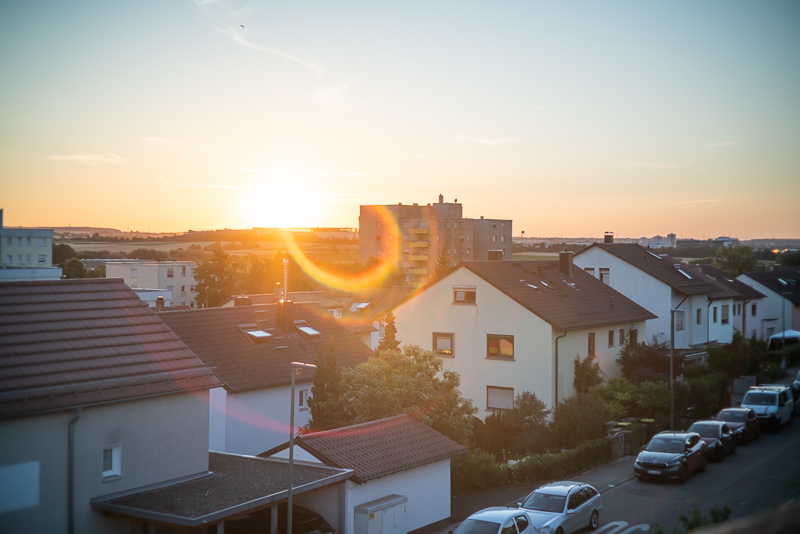
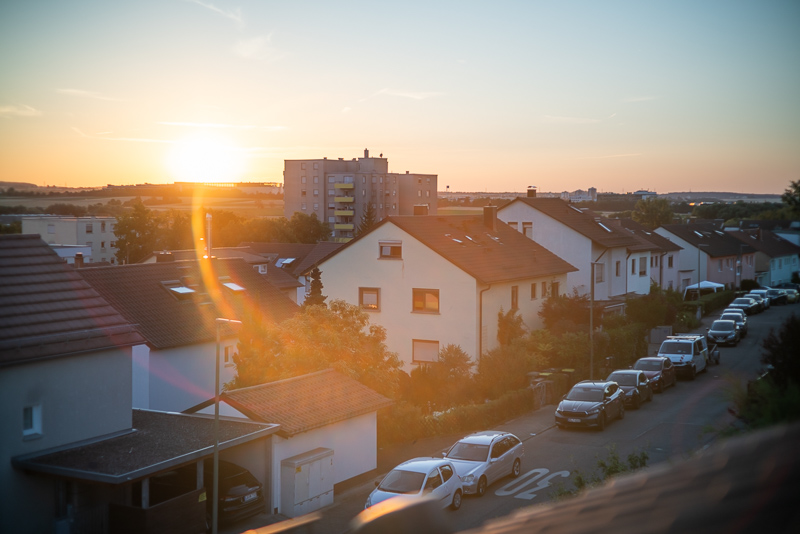
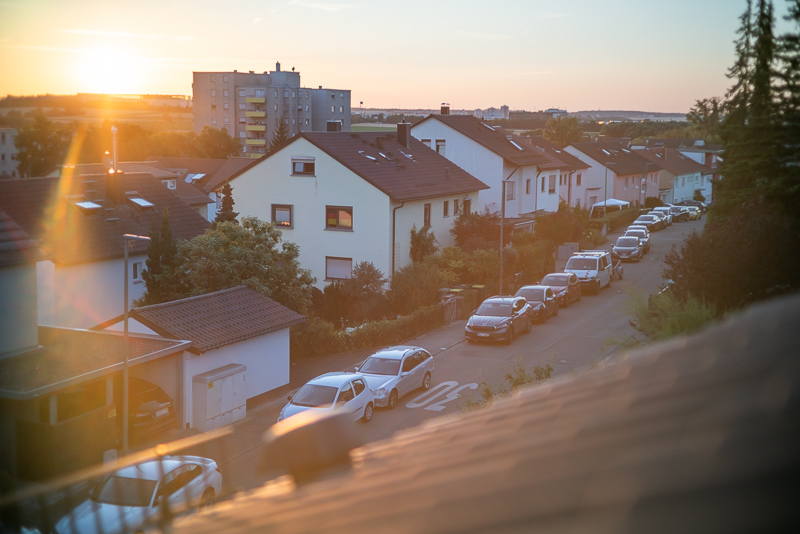
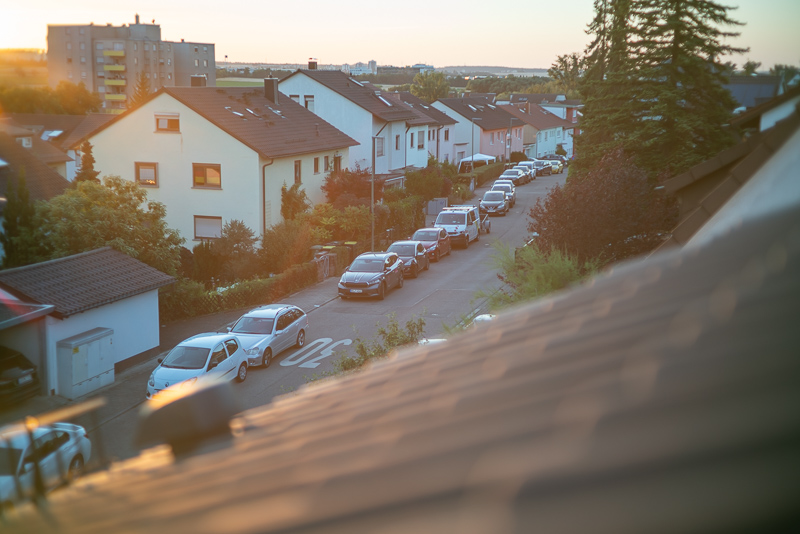
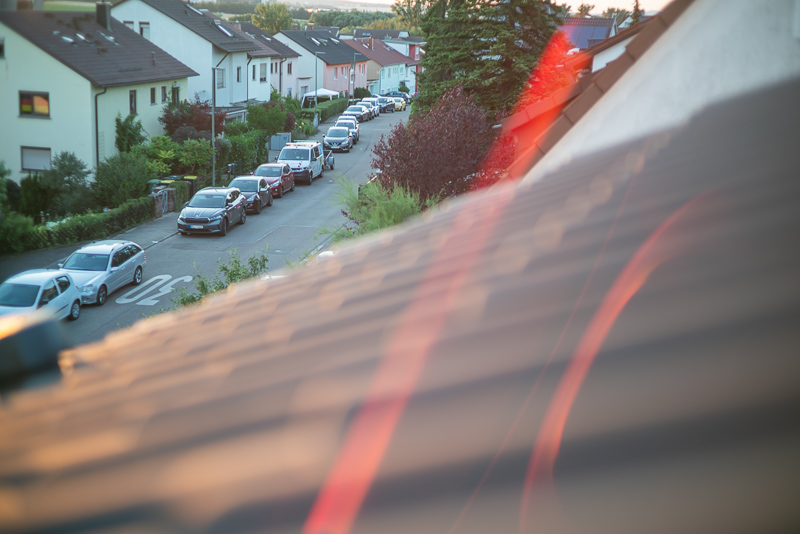
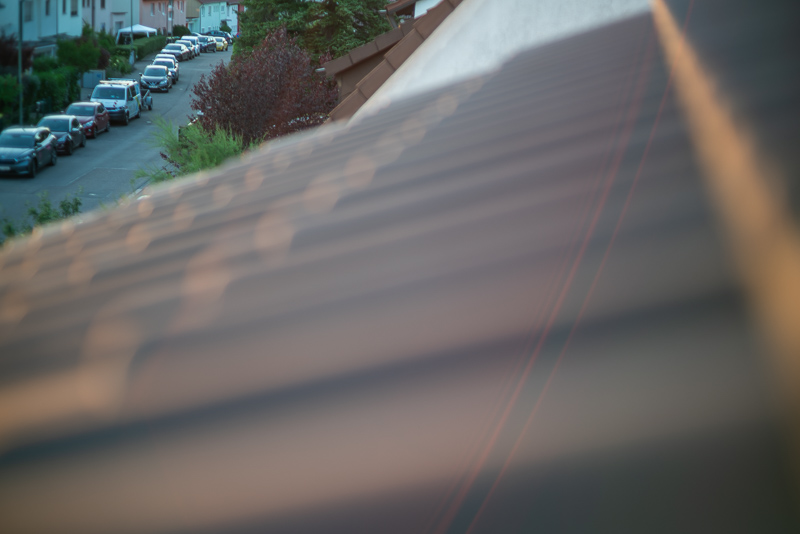
At the maximum aperture I see a lot of issues: ring flares, huge ghosts and a loss of contrast. It also doesn’t matter whether the point light source is inside or outside the frame.
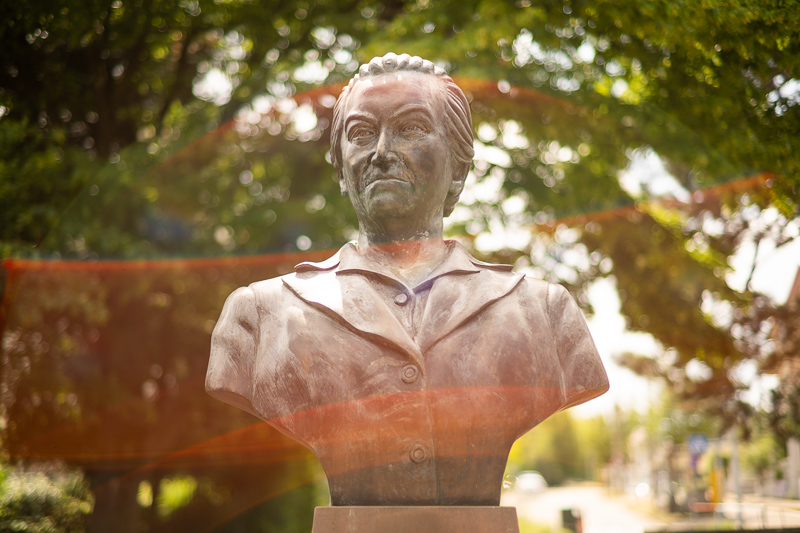
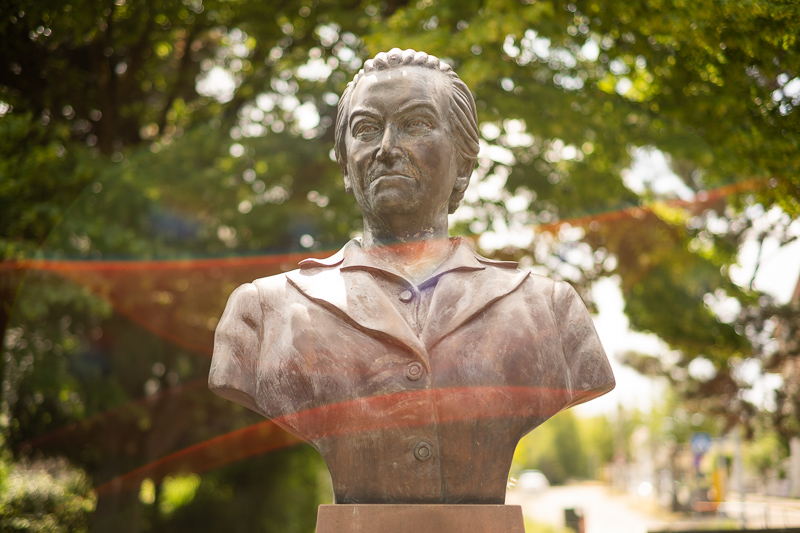
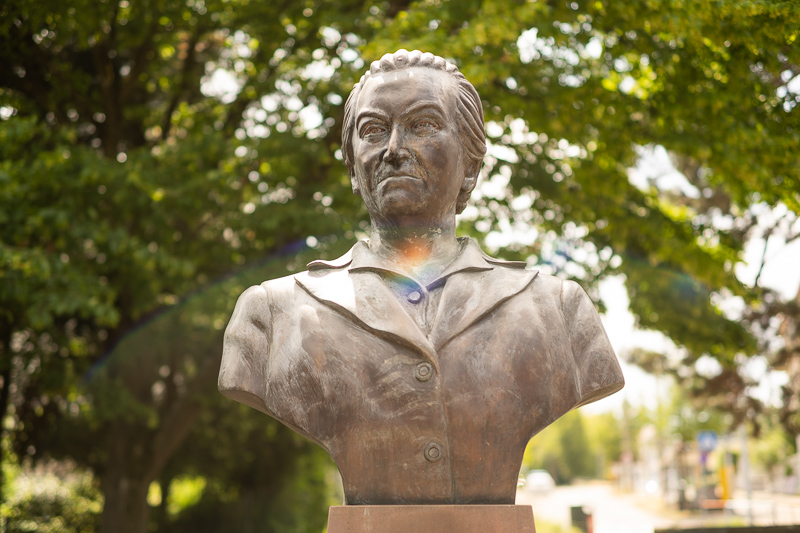
With some lenses stopping down by just one stop is sufficient to get rid of the most obnoxious artefacts. Here that sadly is not the case. Even at f/2.8 there are still plenty artefacts to be found.
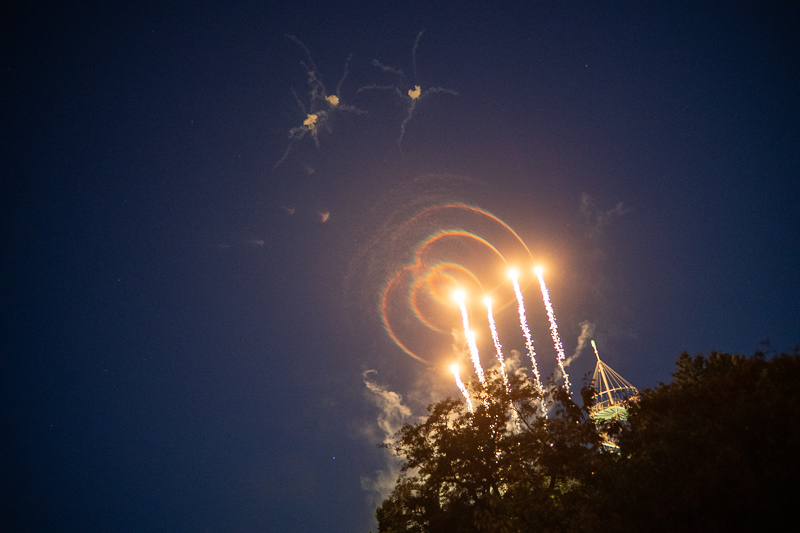
Also at night we see a lof of issues: even around those fireworks we see huge ring flares. This is not something I have seen from any other lens. Admittedly: I haven’t shot fireworks with every lens I have reviewed.
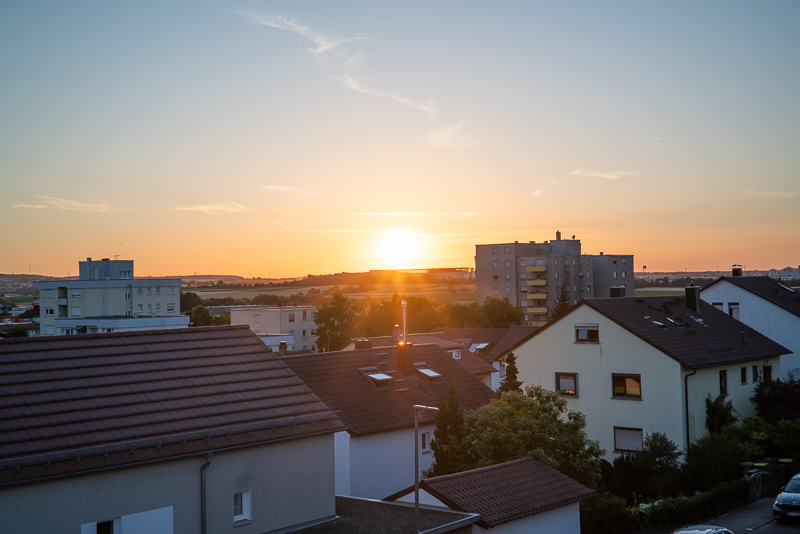
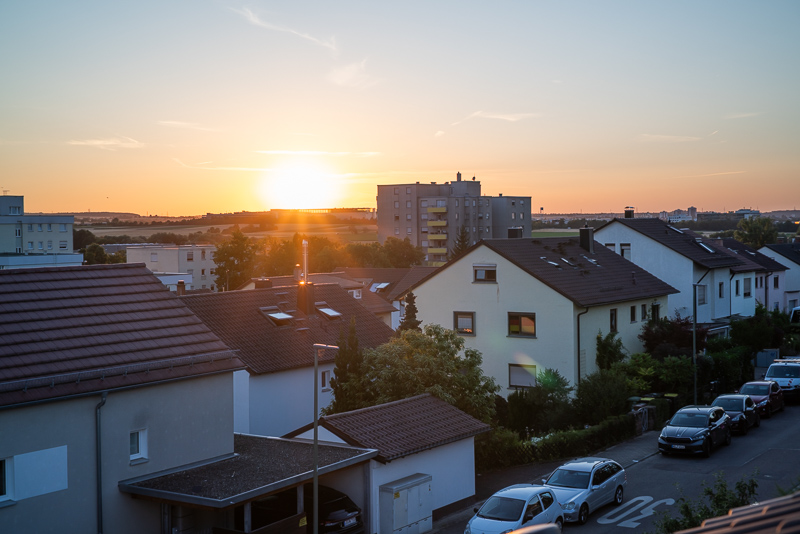
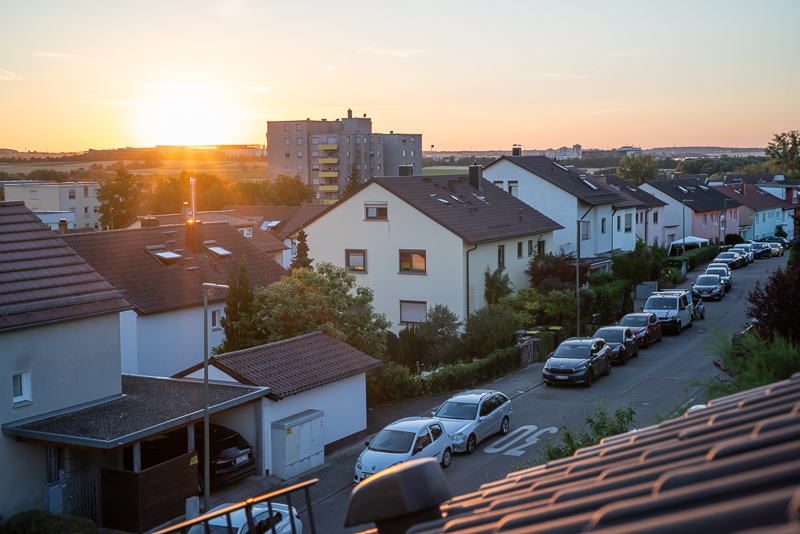
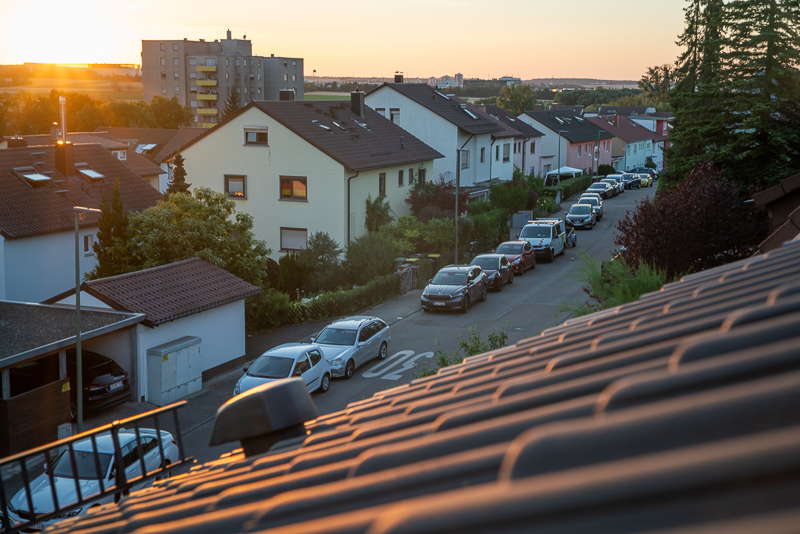
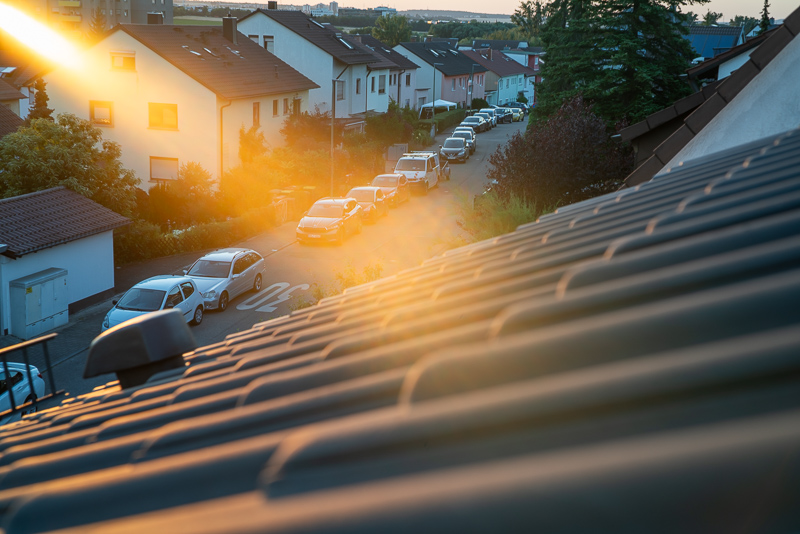
Good news: stopped down the performance is significantly better. The ghosts are gone, ringflares are nowhere to be found and contrast looks good as well. Only one specific angle leads to a huge flare, but that is easily avoided.
At the maximum aperture there are a lot of issues, luckily stopped down the performance is much better which means you can actually make use of that well defined sunstars.
Coma
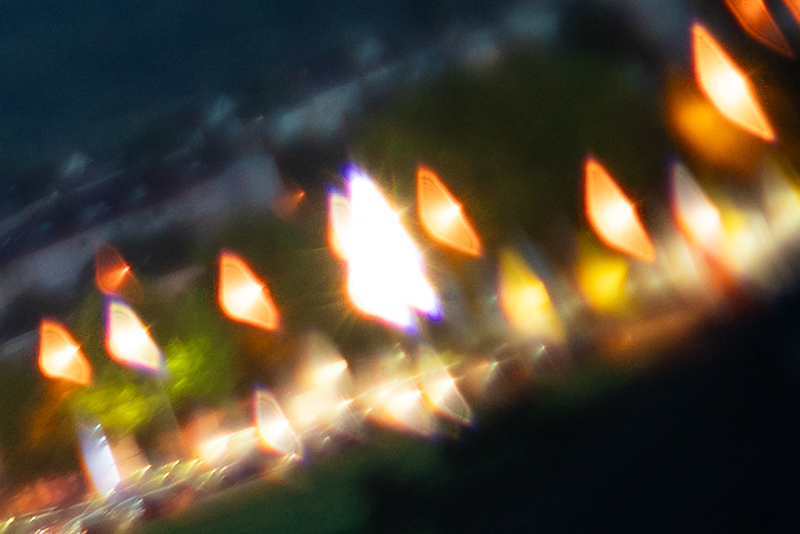
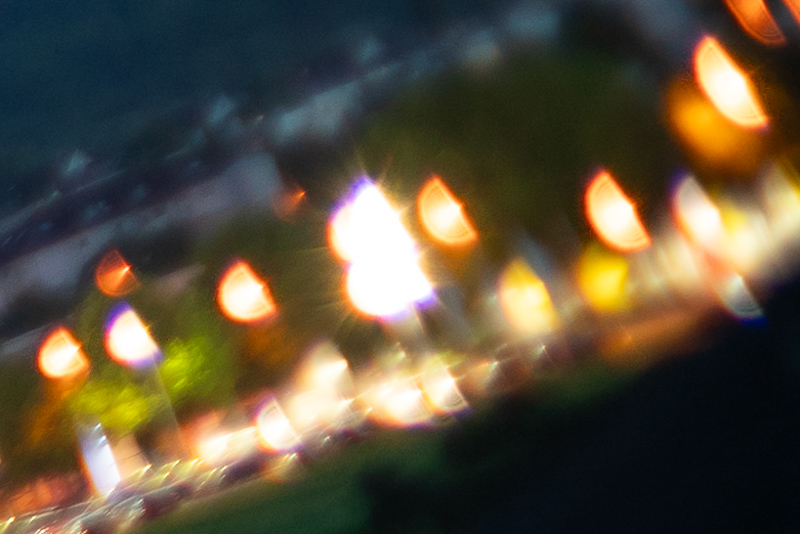
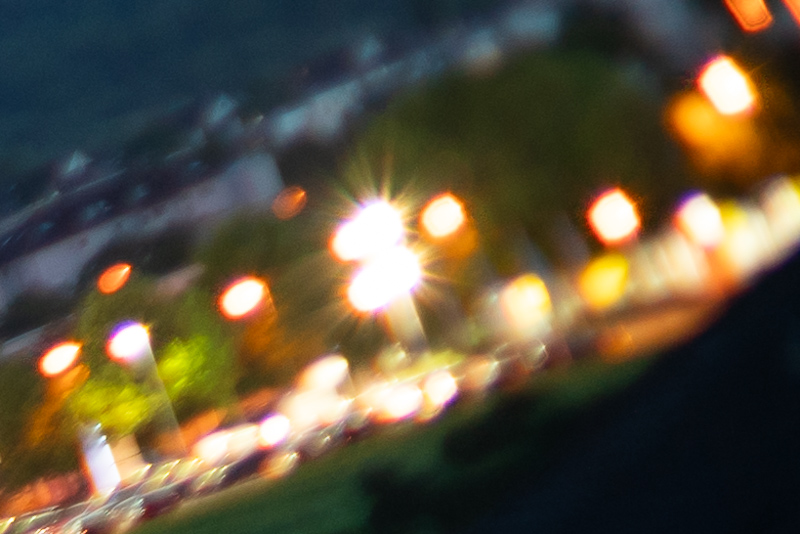
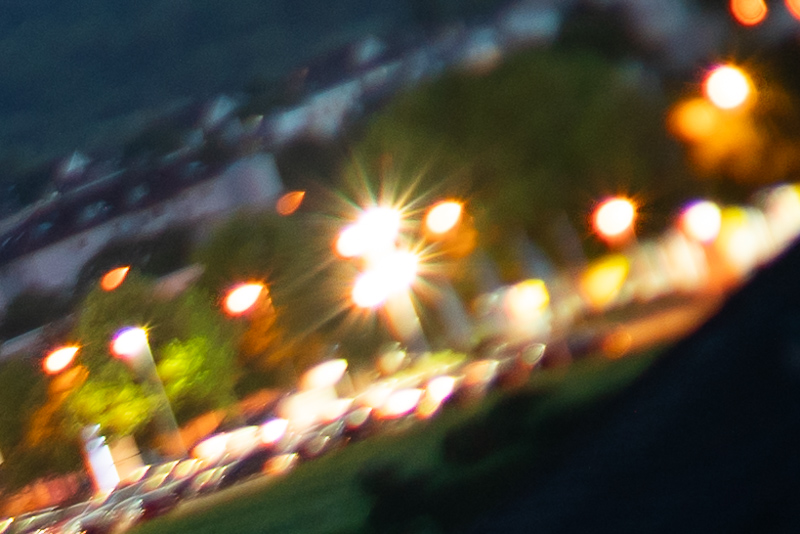
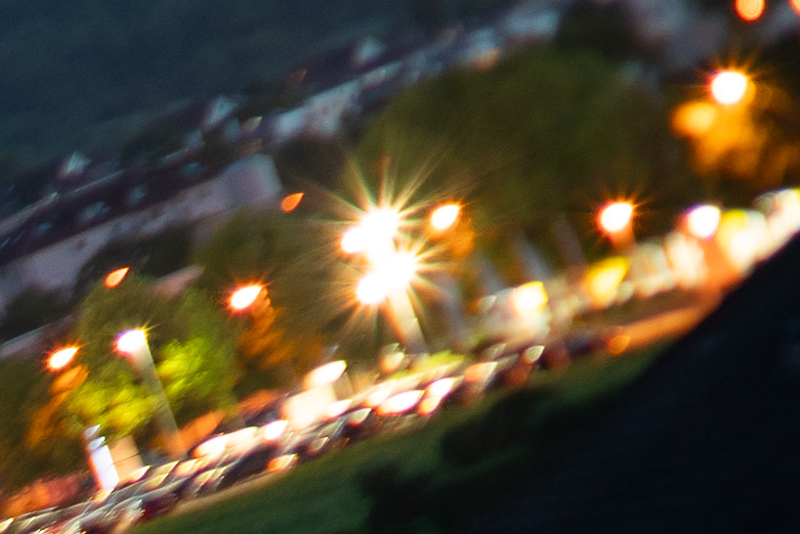
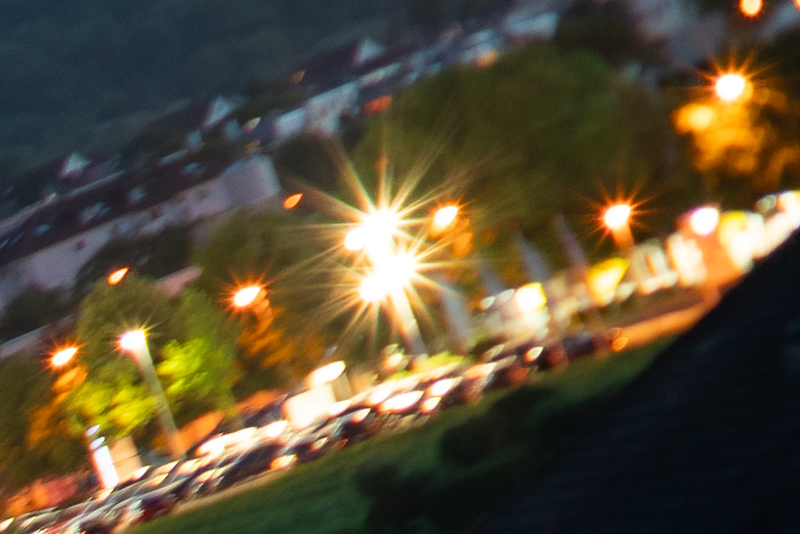
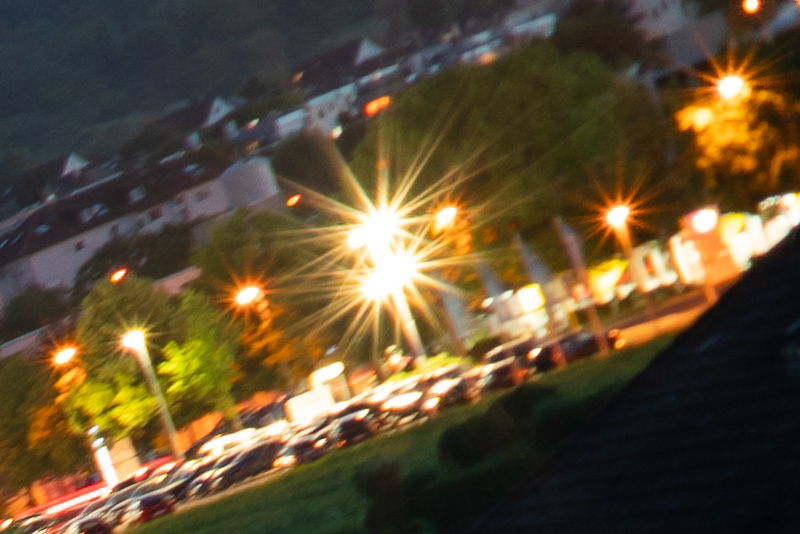
As we have seen in the sharpness section, the corners never look great because of field curvature. That problem is still obvious here. At f/1.4 to f/2.0 we see noticeable Coma artefacts, whereas by f/4.0 field curvature seems to be the main issue. Around f/11 the depth of field is deep enough to somewhat cover the field curvature, but still the corners don’t look actually good.
Distortion
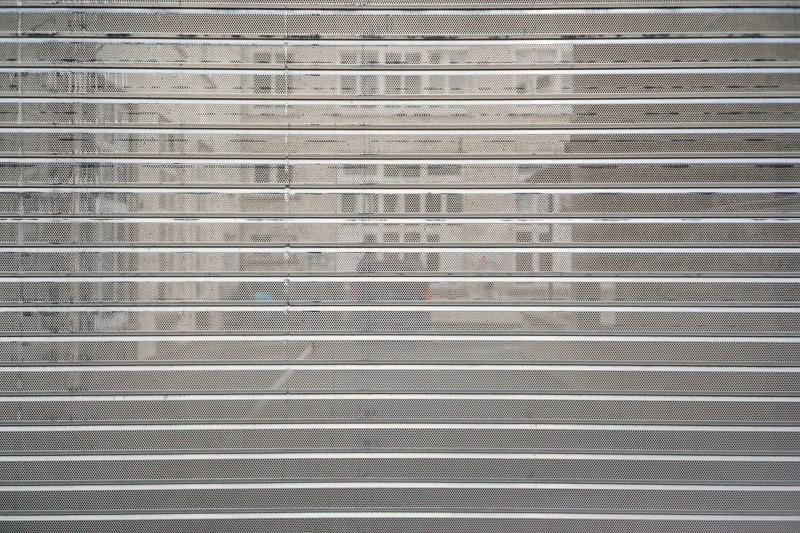
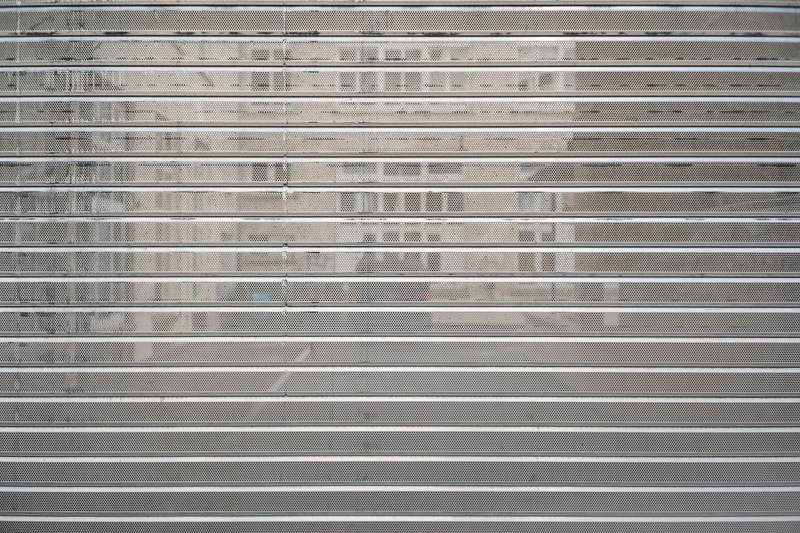
This Pergear 50mm 1.4 shows slighty wavy pincushion distortion. Dialing in -4 in Lightroom/CameraRAW does a decent job at correcting this.
Bokeh
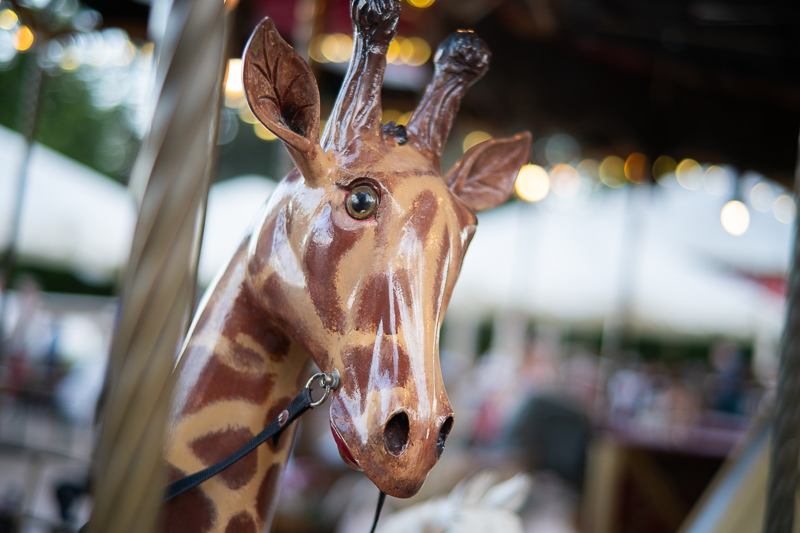
We have seen in some of the previous sections that this is not a lens that corrects every aberration perfectly – to say the least. But if it draws an appealing bokeh that could be a bit of a redeeming factor, so let’s have a closer look.

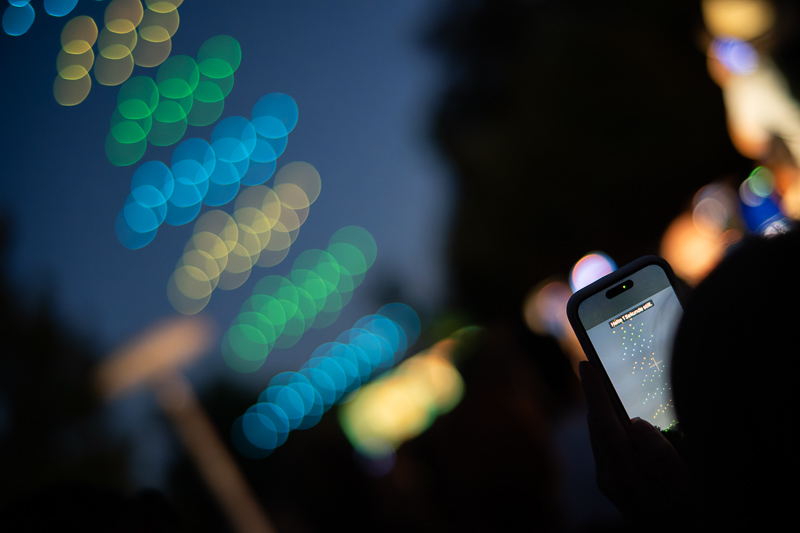
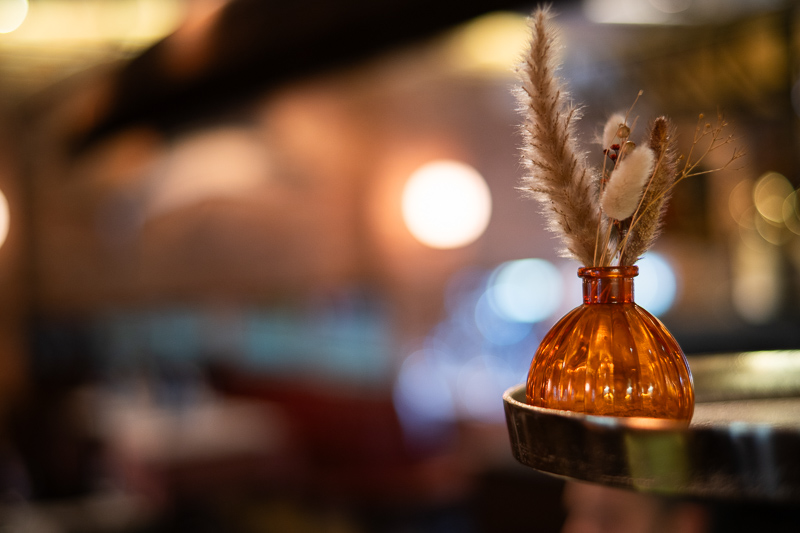
Already at close distances this lens shows a tendency to create double edged structures. The two samples above confirm what we have seen before though: optical vignetting is not much of a problem.


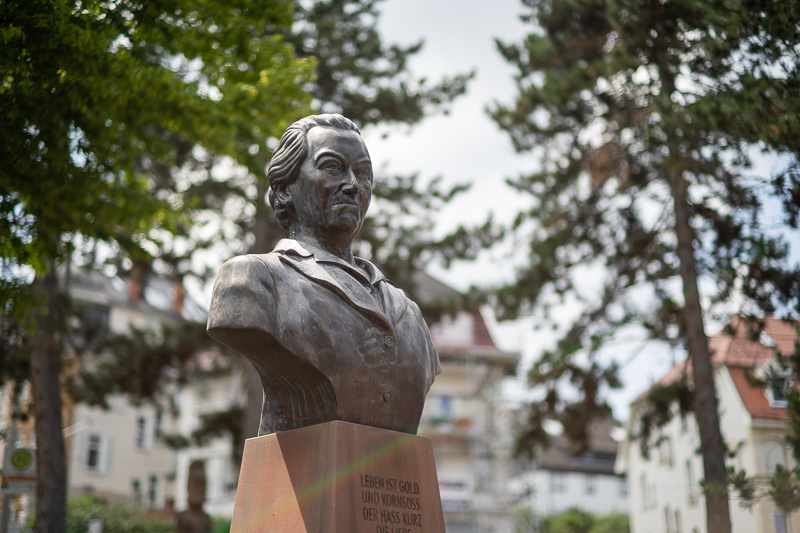
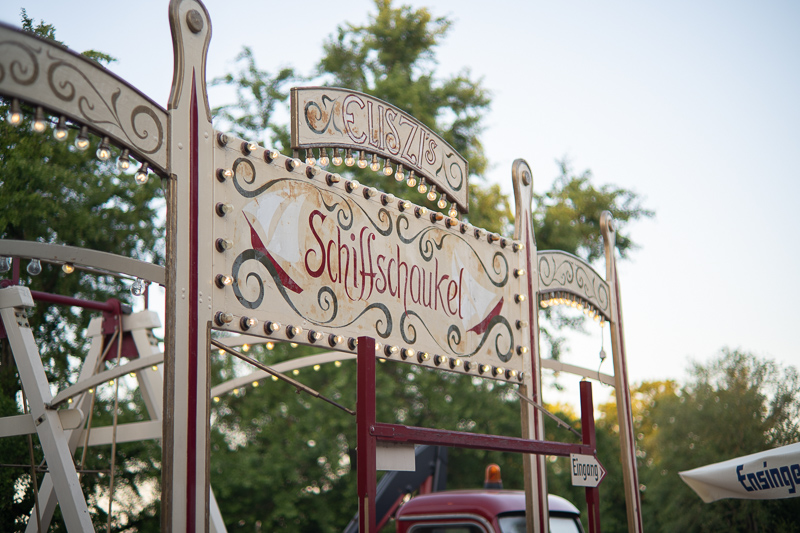

At mid distances we can easily start to notice the strong field curvature which becomes even more of a problem at longer focus distances.
This lens is a bit of a mixed bag for me here. At close to mid distances the bokeh usually looks quite alright, but with complex backgrounds double edged structures lead to nervous and obtrusive bokeh and at longer distances field curvature becomes a problem, pulling the corners back into focus which often looks out of place and wrong.
Sunstars
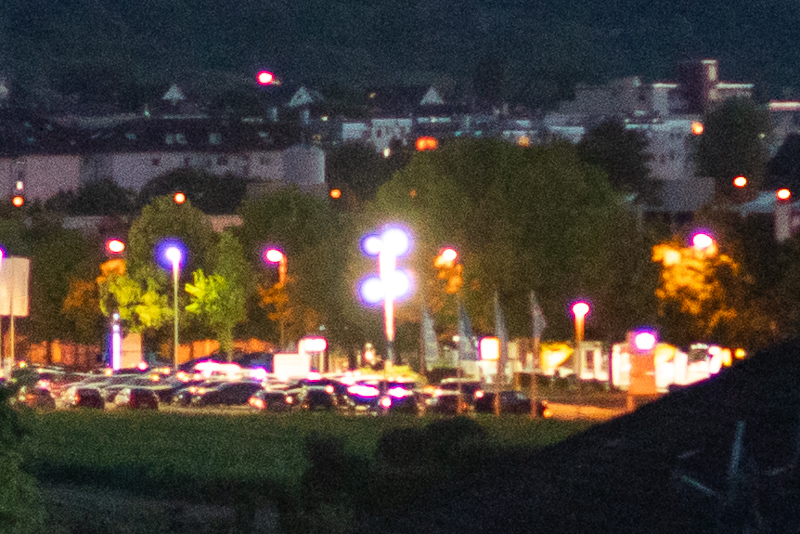
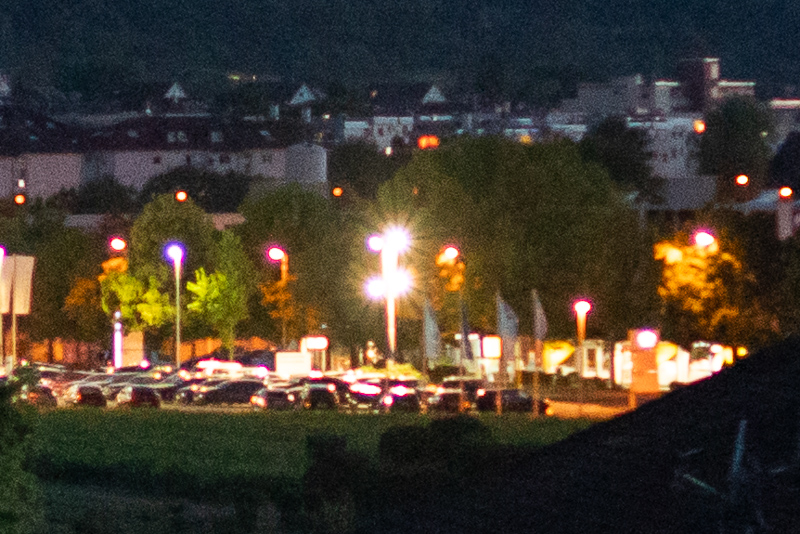
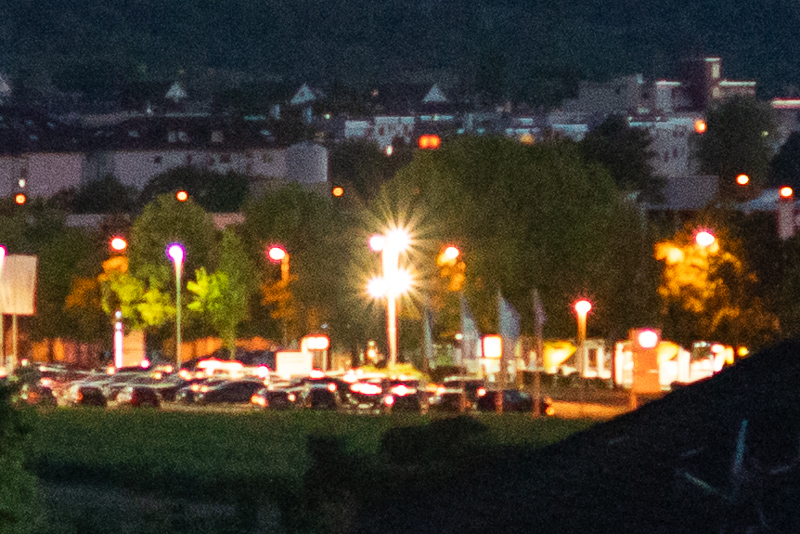
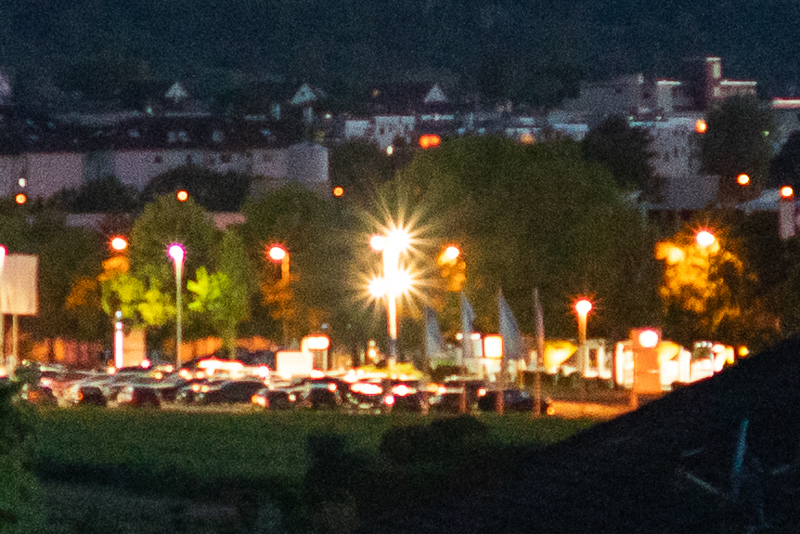
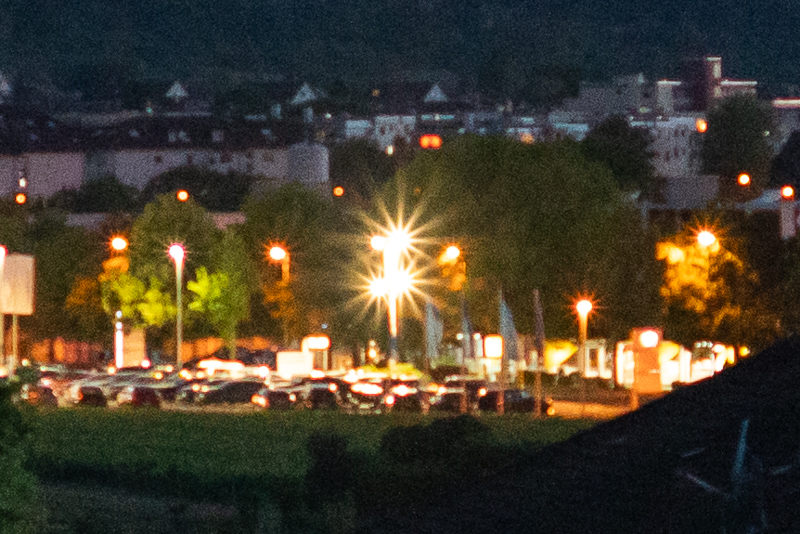
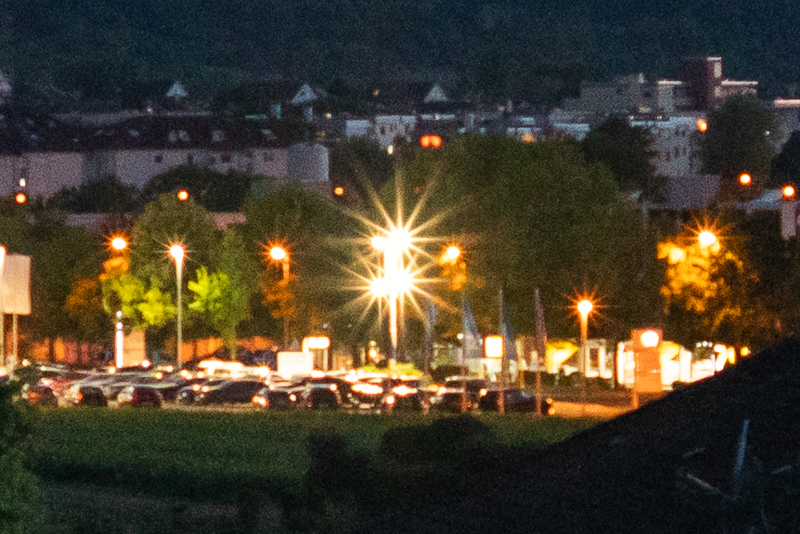
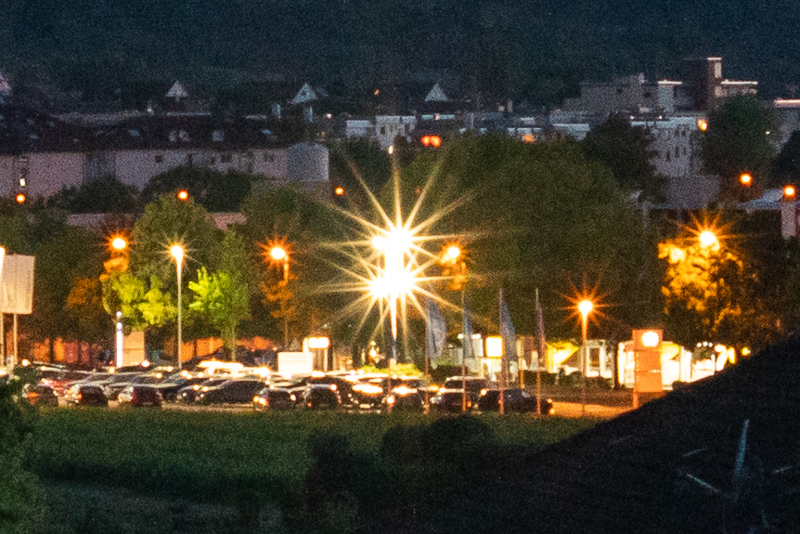
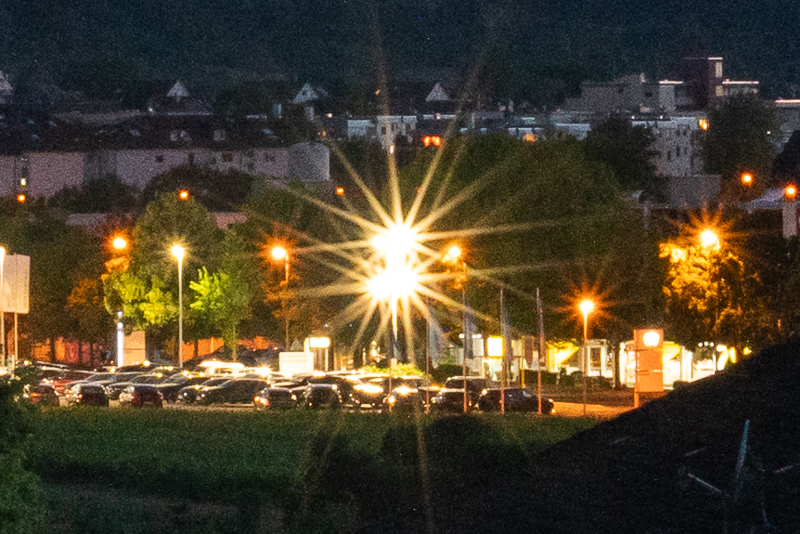
While the Pergear 35mm 1.4 features 10 rounded aperture blades, this 50mm 1.4 features 12 rounded ones. For a low cost lens the alignment of the blades is surprisingly good as we see nice, well defined sunstars from f/5.6 to f/16.
If you want to learn more about this topic have a look at this article.
Chromatic aberration
lateral
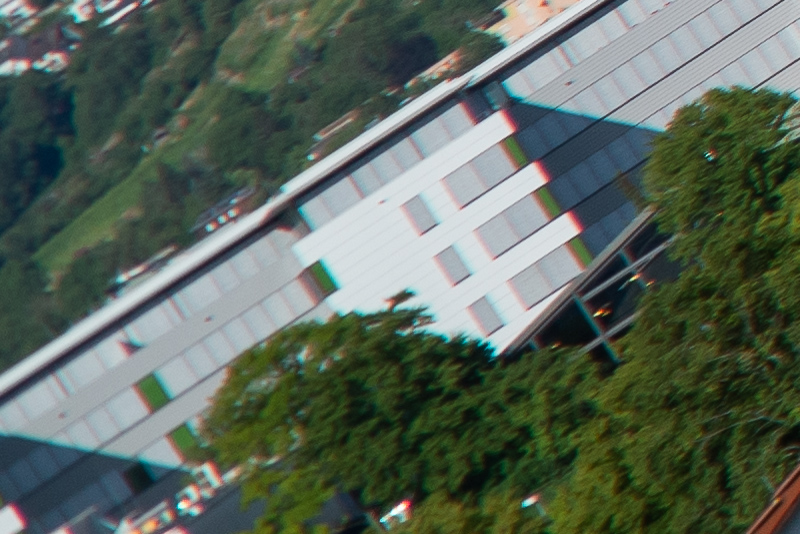
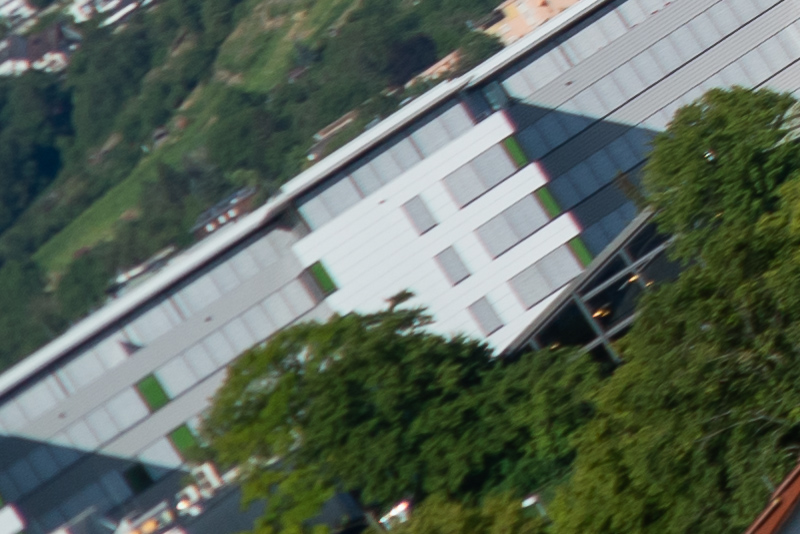
In most raw converters the lateral CA can be corrected by one click. Here they are a bit strong for a 50mm lens, but luckily the correction in Lightroom still does a good job at removing them.
longitudinal
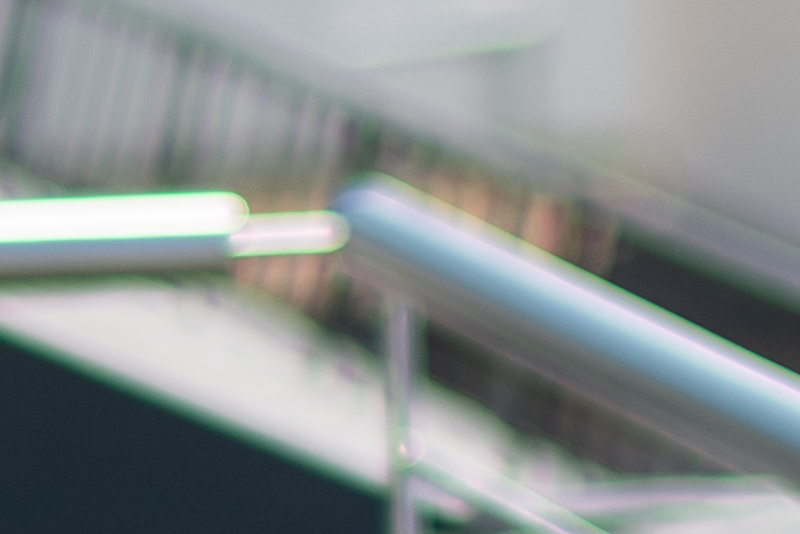
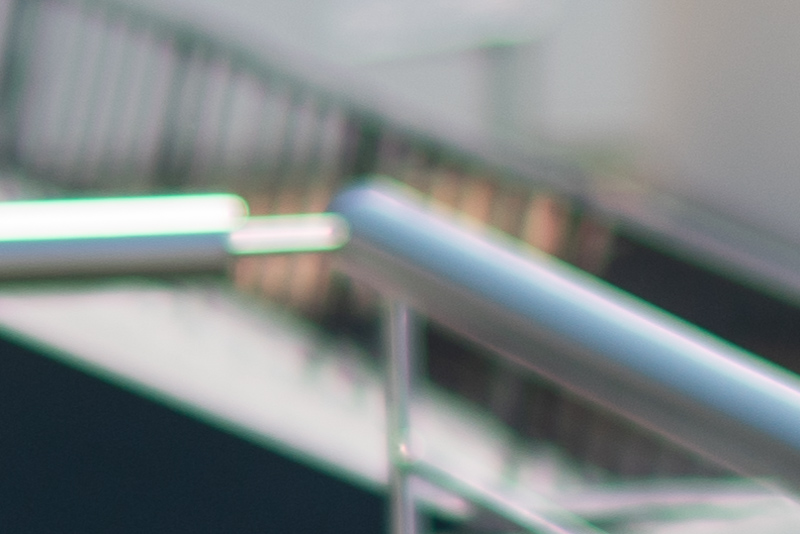
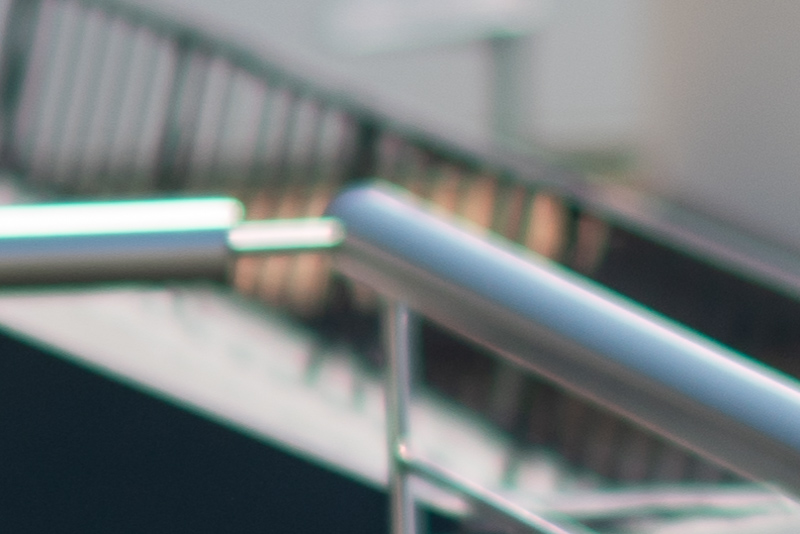
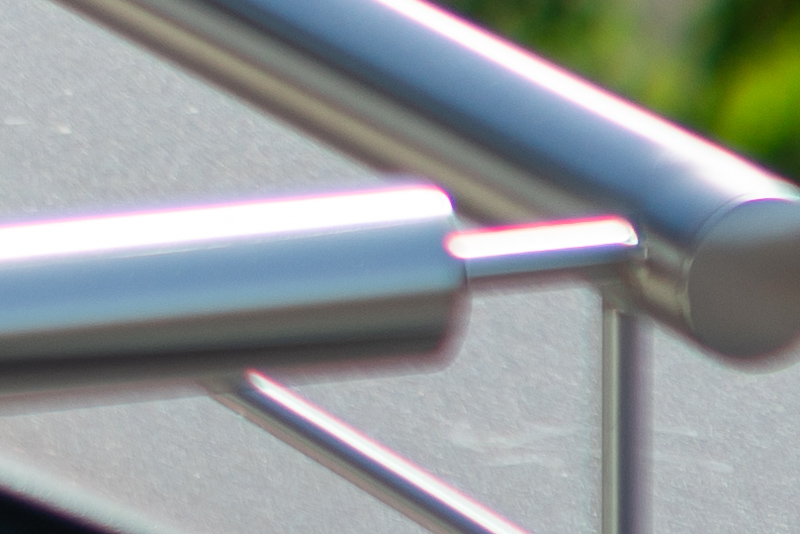
Bokeh fringing is also stronger than I like and even stopping down to f/2.8 is not enough to get rid of it. In fact: I hardly see a difference here between f/1.4 and f/2.8.
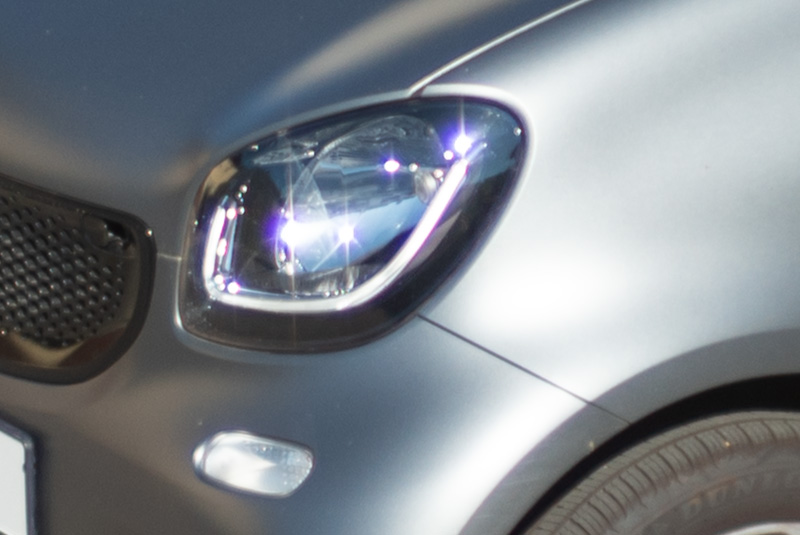
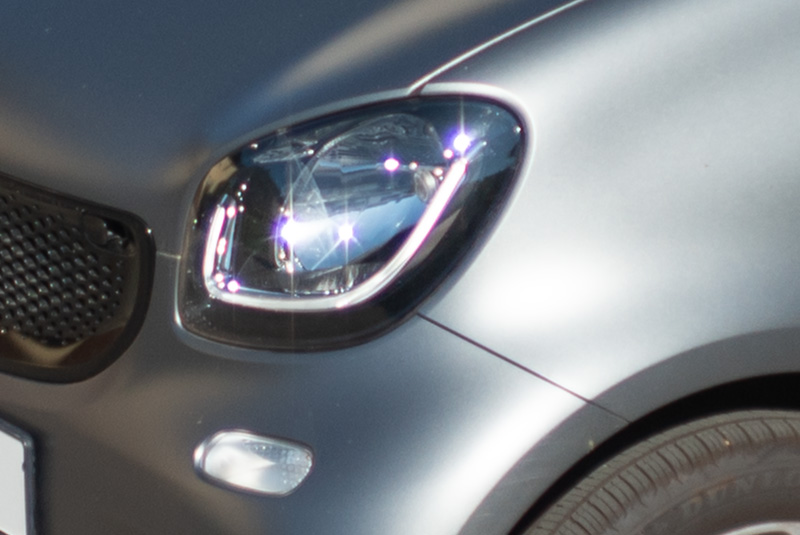
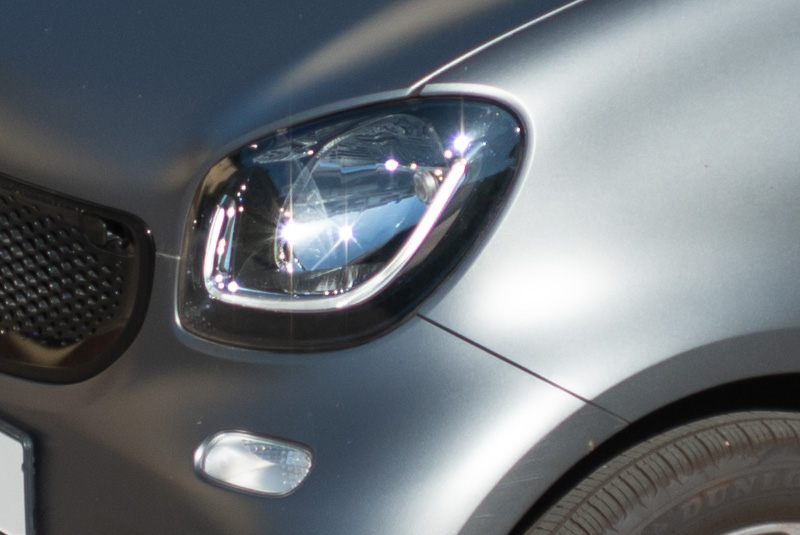
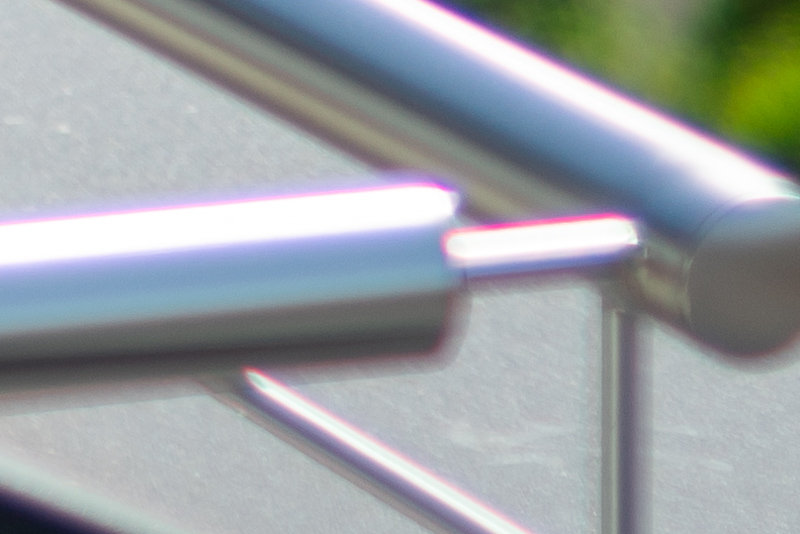
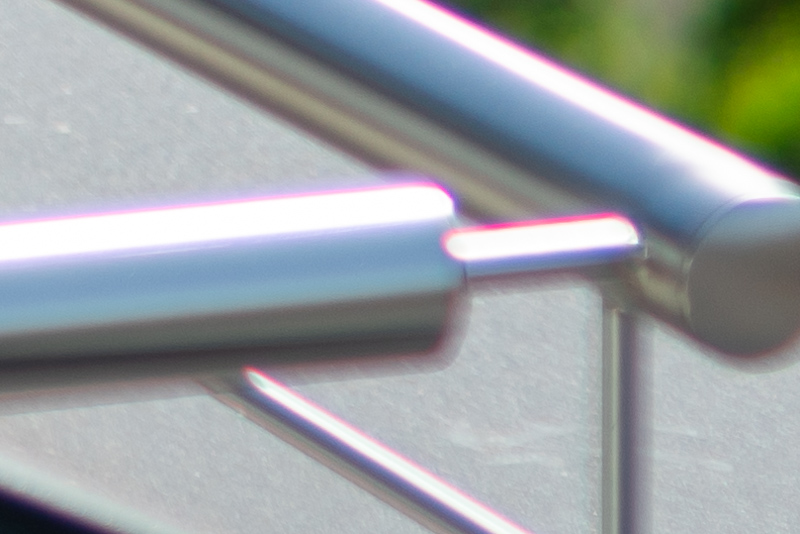
Also purple fringing is noticeable and not completely gone by f/2.8. The situation is still a bit better compared to bokeh fringing, as stopping down to f/2.8 at least makes a visible difference.
Conclusion
good
|
average
|
not good
|
When reviewing a lens that retails for only $129 I always have to manage my expectations. We review many lenses here that are way more expensive and you cannot expect the same performance from an affordable and compact offering like this Pergear 50mm 1.4.
The Pergear 35mm 1.4 also had its shortcomings, but I still found it to be an appealing option for those that want a 35mm 1.4 lens without paying a lot of money for it or having to carry a big and heavy lens, so it even ended up on my list of The Best Fullframe Lenses from China.
Sadly that won’t be the case for this Pergar 50mm 1.4. Not only does it perform generally worse than the Pergear 35mm 1.4 – something I did not expect – it also faces fiercer competition, as there are way more affordable (legacy) 50mm 1.4 lenses available than 35mm 1.4 lenses.
Lens flares at wider apertures are a real issue, as in many of the sample pictures you can find artefacts caused by light sources that weren’t even in the scene. The general performance at f/1.4 also leaves a lot to be desired, making focus actually difficult because you cannot clearly see the focal plane and also the CA correction is still a problem stopped down to f/2.8, where most other (even legacy) lenses start to look much cleaner. The bokeh is nice at close distances and not as busy as many vintage lenses, the field curvature can be a problem at medium to longer focus distances though.
I guess this lens is mainly for those among you that really embrace those huge flares for portrait photography and are looking for a very small yet affordable manual 50mm 1.4 lens.
buy from amazon.com (use code 8VQNDWZJ until August 30th for 10% discount) | amazon.de | pergear.com | ebay.com | ebay.de (advertisement/affiliate links) for $129
Alternatives
You can find many 50mm lenses being discussed in our Guide to the best 50mm fullframe E-mount lenses. Lenses you should have a closer look at when looking for affordable manual focus lenses are the TTArtisan 50mm 1.4 and the TTArtisan 50mm 2.0 and if you are looking for something special maybe also the TTArtisan 50mm 1.4 Tilt. If you would prefer an autofocus lens, the 7Artisans 50mm 1.8 AF and the Viltrox AF 50mm 2.0 Air – even though they are a bit slower – are affordable options worth considering.
Sample Images

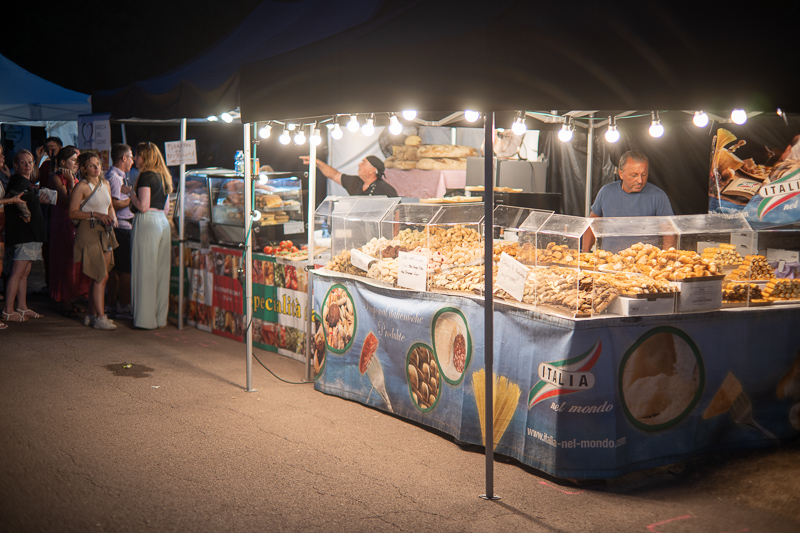

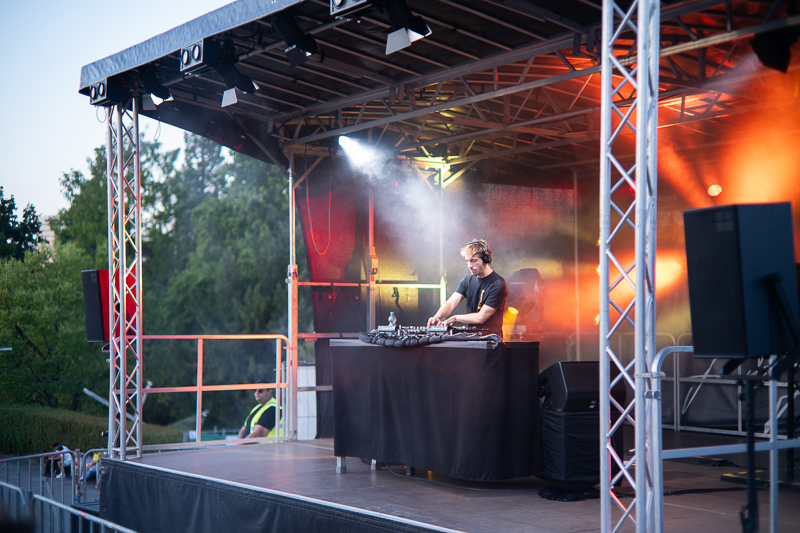

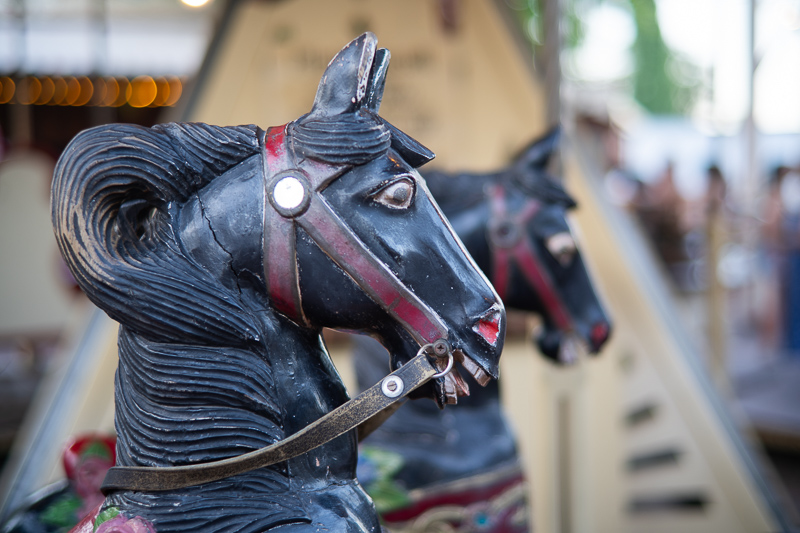
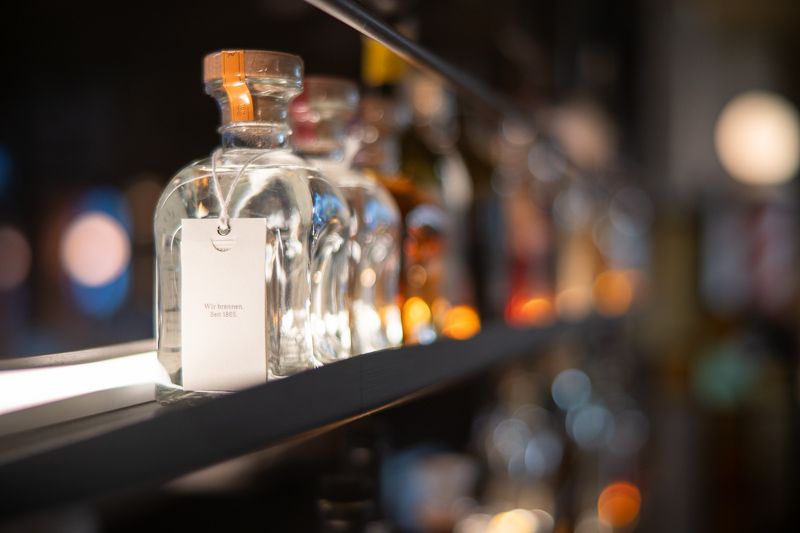
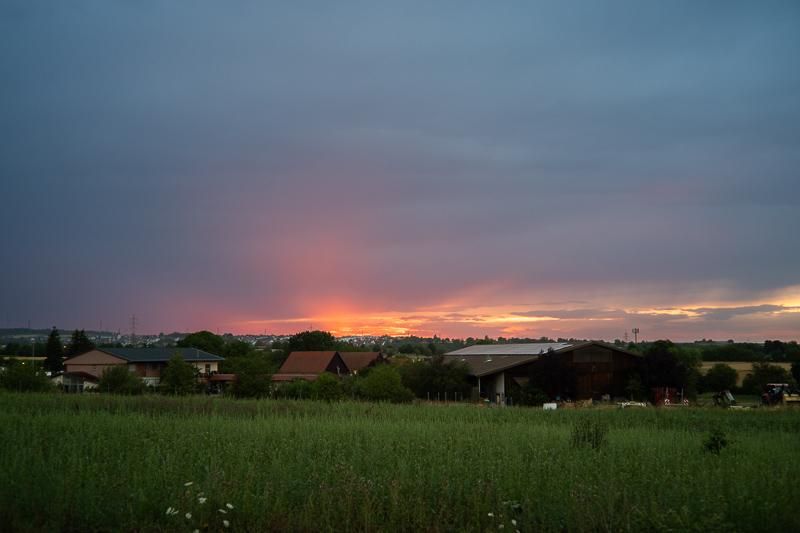
Most of the sample images in this review can be found in full resolution here.
Further Reading
- All Lens Reviews
- Review: Pergear 14mm 2.8 II
- Review: Pergear 35mm 1.4
- Review: Pergear 60mm 2.8 2x Macro
- Bokeh explained
Support Us
Did you find this article useful or just liked reading it? Treat us to a coffee!

 via Paypal
This site contains advertisement/affiliate links. If you make a purchase using any of the links marked as advertisement/affiliate links, I may receive a small commission at no additional cost to you. This helps support the creation of future content.


Latest posts by BastianK (see all)
- Prime Day Photoshop+Lightroom offer for Amazon Prime Members (EU/UK) | Update: also at B&H - October 7, 2026
- Review: Nikon AF-S 18-35mm 3.5-4.5G - October 7, 2026
- Review: Sigma 14mm 1.4 DG Art – World’s widest f/1.4 lens - September 26, 2026
I miss the old sunstar test lamps already. This does seem to be outperformed by cheaper legacy 50s, and there’s an abundance of. Makes this a tough sell. The 35 1.4 was excellent value.
You and me both…
Do you know of any other compact manual lenses similar to the Pergear 35 1.4, with an aperture of 1.4? I’m referring to other focal lengths. I have the 7artisans 35 1.4 Wen and the 7artisans 35 2.0 Wen, but using an adapter with a Sony camera is still quite inconvenient.
There are some compact f/1.5 lenses available from Voigtländer for M-mount, but hard to find something as small as the Pergear 35mm 1.4.
You buy a lens like this because of its character, shape and compactness; for 110 euros, I don’t expect miracles – I actually quite like a bit of imperfection. If I want quality, I’ll grab my Sigma 50mm f/1.2; with old lenses, you’re always faffing about with a massive adapter. If you’re looking for quality you definitely shouldn’t buy this one – just like the 35mm f/1.4, my favourite lens on the Lumix S9. Nice review, by the way.
After so many “perfect” lenses it is quite refreshing to see something that bad. 🙂 Any legacy fifty would be much better in every aspect. Yet you still managed to produce very decent pictures with it.
After purchasing the Pergear 35 1.4, I hoped that this 50mm would be a more compact replacement for my Canon FDn 50 1.4 or Nikkor 50 1.4 Ai, but the review shows that it is significantly inferior in quality.
The review also shows that Bastian can take beautiful photos with any lens)
Looks like a joke / toy lens, and a surprising answer to the question “Can a serious* producer of optics release a bad lens in the 2020s?” Canon came perilously close to providing an affirmative answer with their 45mm f/1.2 but at least that lens is good at f/4+. 🙂 But a 50mm f/1.4 lens that is barely sharp in the center at f/8.0 has to be the new (negative) record, and it’s a fully manual one, to boot. The Viltrox 50mm f/2 Air looks like a much smarter purchase for just about anyone, and it costs not much more???
*The “serious” clause removes the likes of MS-Optics from the list. 🙂
For those that want the speed and/or manual focus mechanics (and much smoother rendering) the TTA 50/1.4 remains far more attractive even if it’s a little longer physically… And their 50/2 is smaller still than this Pergear, and cheaper.
E mount is already spoiled for compact options between those, the Voigtlander Nokton, and the AF 50/55 from Viltrox. Never mind the Samyang 50/1.4 II, and all the higher end options… I dunno what Pergear was thinking, hoping this would sell on reputation alone?
It seems the Zenitar 50 f/0,95 is not the worst IQ 50mm lens anymore
honestly, this looks worse than my Canon FD 50/1.4 which doesnt perform much worse than the ttartisan that i also own (which is much heavier)
Keep forgetting to say: I really admire how beautiful your photos are, even with the worst lenses.
Thank you, always trying!
Your images usually even make “lenses with character” shine. With this one though, I already could tell from the thumbnails that this lens is bad, which is quite the achievement.
I’d rather see this image quality in some “My first camera” for kids than in a contemporary lens for proper cameras. This is not character, this is just plain bad.