Introduction

The year 2025 was the year of the 35mm 1.2 fullframe lenses, as we saw Nikon and Viltrox releasing their first lens with these specifications and Sigma updating their original 35mm 1.2 Art lens from 2019, releasing a completely overhauled second generation model.
How do these lenses compare? Where does the more affordable Viltrox lens stand compared to the lenses from the reknown manufacturers from Japan? Let’s find out all that and more in this comparison.
Disclaimer: I only tested one sample of each lens. As sample variation comes into play, it is possible that any one of these lenses may perform above or below average in certain areas, e.g. corner sharpness.
Furthermore no lens is perfectly symmetrical, so it is possible I picked the best corner of one lens while I picked the worst of another. Sample variation usually has less of an effect on other aspects like bokeh, vignetting and color correction though.
The Viltrox AF 35mm 1.2 FE LAB N was provided by Viltrox prior to its release, the Sigma 35mm 1.2 DG Art II was provided by a reader, the Nikon Z 35mm 1.2 S I bought myself.
No one paid me to do this comparison, but if you found it helpful feel free to use this donation button or one of the affiliate links in the next section when making any purchase from my partners.

 via Paypal
Specifications
| Nikon Z 35mm 1.2 S | Viltrox 35mm 1.2 LAB N | Sigma 35mm 1.2 DG Art II | |
| Diameter | 90 mm | 89 mm | 81 mm |
| Length | 150 mm | 120 mm | 114 mm |
| Filter Thread | 82 mm | 77 mm | 72 mm |
| Weight | 1060g | 917g | 745g |
| Min. focus distance from sensor | 0.30 m | 0.34 m | 0.28 m |
| Max. Magnification | 1:4.5 | 1:6.1 | 1:4.6 |
| Number of aperture blades | 11 (rounded) | 11 (rounded) | 11 (rounded) |
| Elements/ Groups | 17/15 | 15/10 | 17/13 |
| Floating Elements | Yes | Yes | Yes |
| Bayonet | Z-mount | E/Z-mount | E/L-mount |
| Released | 2025 | 2025 | 2025 |
Nikon Z 35mm 1.2 S Nikkor Nikon
$2.897 (new)
buy from amazon.com | amazon.de | B&H | ebay.com | ebay.de (advertisement/affiliate links)
Viltrox AF 35mm 1.2 LAB N Viltrox
$999 (new)
buy from manufacturer’s shop (use the code “BK3512LAB5” for 5% discount) | Pergear | amazon.com | amazon.de | B&H | ebay.com | ebay.de (advertisement/affiliate links)
Sigma 35mm 1.2 Art DG II Sigma
$1.499 (new)
buy from amazon.com | amazon.de | B&H | ebay.com | ebay.de (advertisement/affiliate links)
To not always having to write the full lens names, in the following comparisons I will use the abbreviations as highlighted in red above.
Build quality/Handling
There are some notable differences in terms of size, weight, handling as well as build quality here. I will only mention a few specifics, for more detailed information you can always check out their individual reviews.
Nikon Z 35mm 1.2 S Nikkor
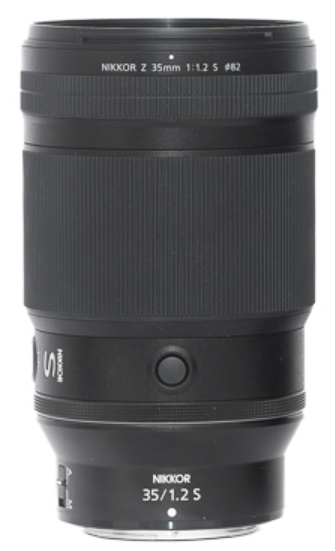 The Nikon Z 35mm 1.2 S Nikkor is the biggest and heaviest lens in this comparison. It is also the first 35mm 1.2 lens released by any of the major camera manufacturers. Unlike the other two lenses it comes with a control ring instead of a dedicated aperture ring. The lens hood negatively surprised me as it is made from rather thin plastic.
Viltrox 35mm 1.2 LAB N
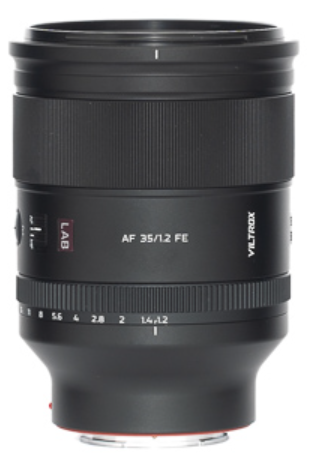 This Viltrox AF 35mm 1.2 LAB comes in two versions: with and without (“N” version) a small OLED display. The version with display also features a control ring whereas the version without features a dedicated aperture ring. In terms of size and weight this Viltrox lens sits inbetween the Nikon and the second generation Sigma.
Sigma 35mm 1.2 Art DG II
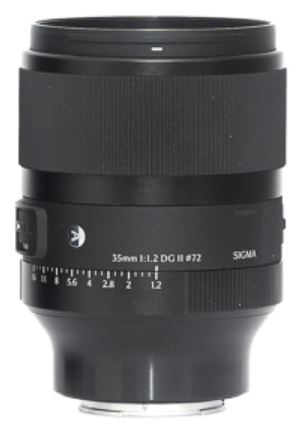 The second generation Sigma 35mm 1.2 DG Art II is the smallest and lightest lens in this comparison and compared to the first generation Sigma 35mm 1.2 this level of downsizing is an impressive achievement.
Field of view
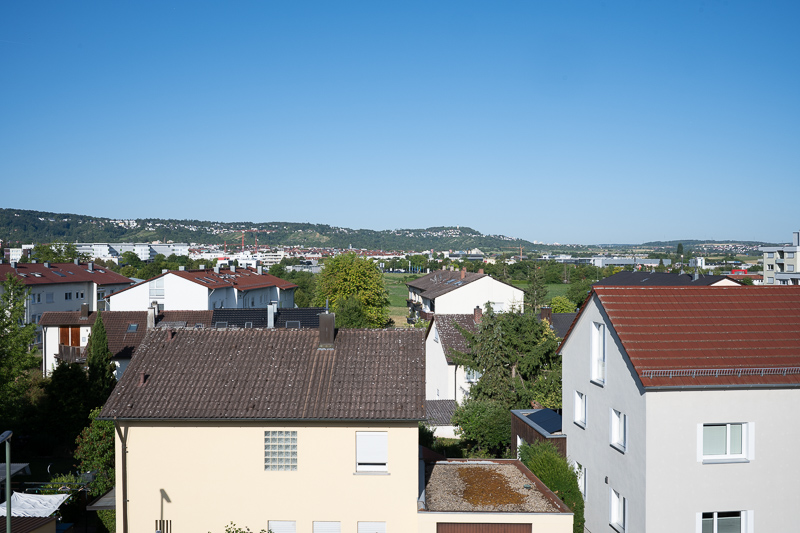
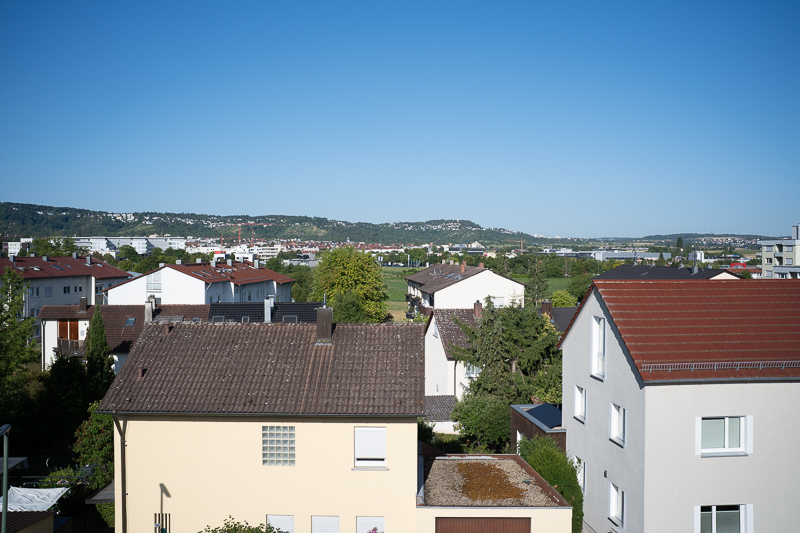
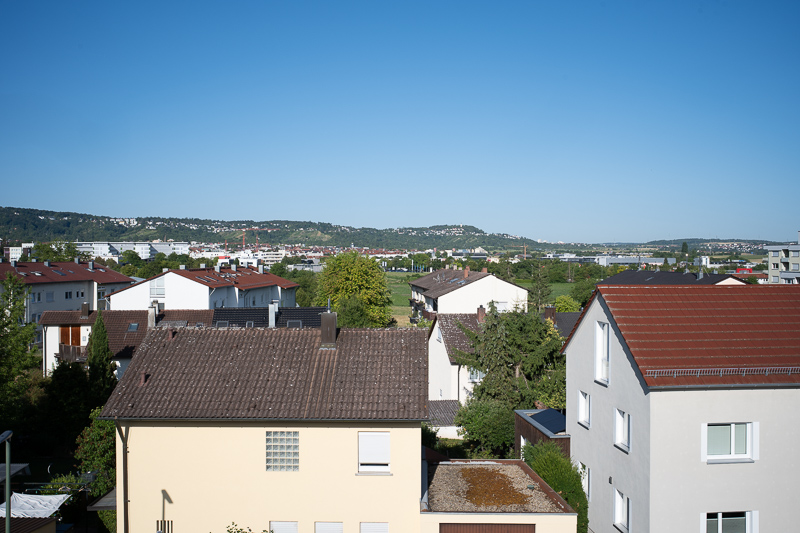
At infinity the differences in field of view are minimal. The Sigma is slightly tighter than the other two but not by enough to get concerned about. All these lenses feature floating element designs, so the situation can (and will) differ at closer distances.
Relative transmission
While the f/Stop describes the actual geometric relations of focal length and aperture opening, lenses with the same f/Stop may still have different light transmissions. The number of air-to-glass surfaces, the quality of the coatings and especially the type of glass can make the difference here.
Measuring the actual light transmission of a lens is a very difficult endeavour not possible without fancy measuring equipment (which I obviously don’t have).
What I can try, is to see what the relative differences are. To do that I took pictures of an evenly lit surface with all lenses set to infinity with the same camera settings. Afterwards I checked which lens is the brightest in the center and then how much I need to increase the exposure in the center to get the other lenses to that same level. We also have to assume here, that the ISO and shutter speed values are actually constant when manually set, which they should be.
| Lens | Light transmission |
| Nikon Z 35mm 1.2 S | ±0 |
| Viltrox 35mm 1.2 LAB N | -0.16 EV |
| Sigma 35mm 1.2 DG Art II | -0.04 EV |
The differences between the Nikon and the Sigma are absolutely negligible and within the margin of error. The Viltrox is about 1/6 EV worse which might be caused by the higher number of high refractive elements. These differences are so small, they should not be the deciding factor for or againgst any of these lenses as they are hardly field relevant.
Take these values with a grain of salt though. I used to do these transmission comparisons with the lenses slightly rotated at the bayonet, so that there is no electronic connection/communication between lens and camera. With the Sigma 35mm 1.2 DG Art II this is not possible: the second it looses connection to the camera, the focus groups move immediately and the lens looses its focus position. I did compare Nikon and Viltrox with and without connection and the exposure difference was the same in both cases.
Vignetting
Light Falloff
| Nikon Z 35mm 1.2 S | Viltrox 35mm 1.2 LAB N | Sigma 35mm 1.2 DG Art II | |
| f/1.2 | 2.7 EV | 2.8 EV | 3.0 EV |
| f/1.4 | 2.4 EV | 2.5 EV | 2.7 EV |
| f/2.0 | 1.7 EV | 1.9 EV | 2.0 EV |
| f/2.8 | 1.4 EV | 1.7 EV | 1.7 EV |
| f/4.0 - f/16 | 1.1 EV | 1.4 EV | 1.5 EV |
These values are for the extreme corners.
The results here are exactly what one would expect: the bigger Nikon lens has the lowest vignetting figures and the smaller Sigma lens the highest with the Viltrox inbetween. Once more these are not huge differences.
Optical Vignetting
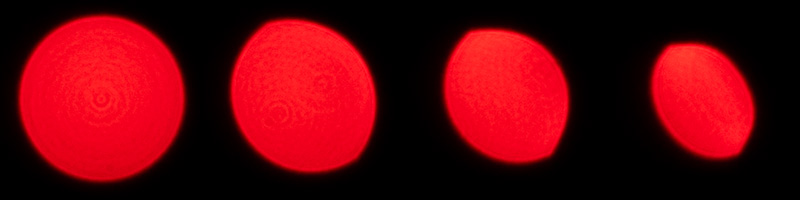
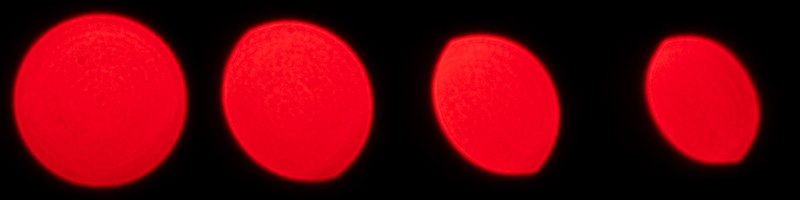
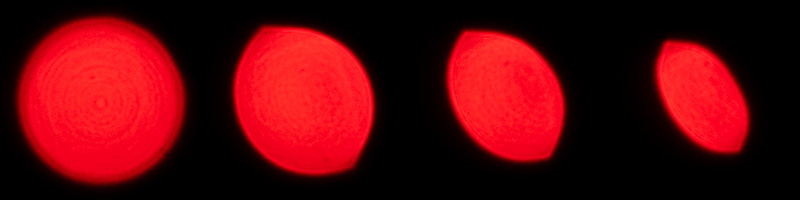
Fast lenses usually show a noticeable amount of optical vignetting, even the not so the compact ones. Without going too much into technical details optical vignetting leads to the truncation of light circles towards the borders of the frame.
In the center of the frame almost every lens will render a perfect circle, but only lenses with very low optical vignetting will keep this shape in the corners.
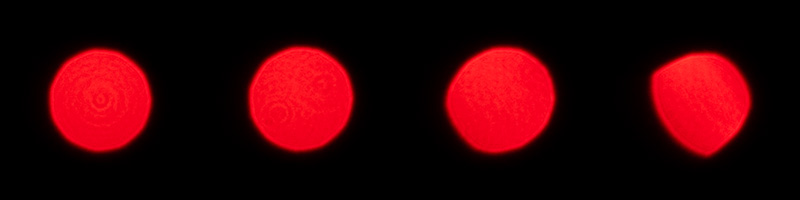
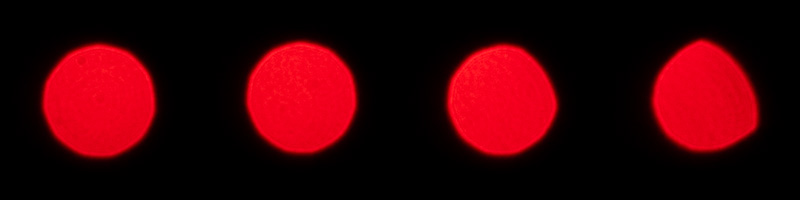
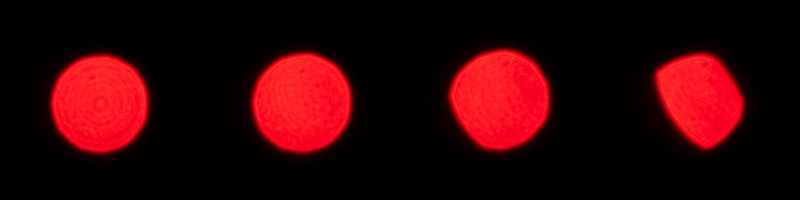
So in the following comparison we move from the center (left) to the extreme corner (right) and see how the shape of the light circle changes.
This comparison was done at a focus distance of 0.7 m and with a test target it was ensured that all lenses are focused at exactly the same distance so that the sizes of the circles are directly comparable.
f/1.2
f/2.0
Observations
Here we see some interesting things worth talking about. The Viltrox creates the biggest circle in the center of the frame, so we could assume that it has a marginally better f/Stop than the others. However: in close focus scenarios (as we will see later in the bokeh comparisons) it has a longer effective focal length than the other two lenses which will also lead to the out of focus circles appearing bigger.
With the Sigma we can see a bit of undercorrected spherical aberration (softer rim of the circles) at f/1.2 but also some lemon shaped light spill off center, something I have seen before only from Laowa and Zhong Yi f/0.95 lenses.
The Sigma also has the strongest optical vignetting in the corners, considering it is the smallest of these lenses that should not come as much of a surprise.
Stopped down to f/2.0 all these lenses create weird shapes in the corner of the frame. The Viltrox looks most natural to me here, the Sigma the worst as points of light become almost rectangular.
All these lenses feature aspherical elements, but not all suffer from onion ring structures to the same degree. The Viltrox performs best here which is astonishing considering it is also the cheapest lens in this comparison.
Sharpness Infinity
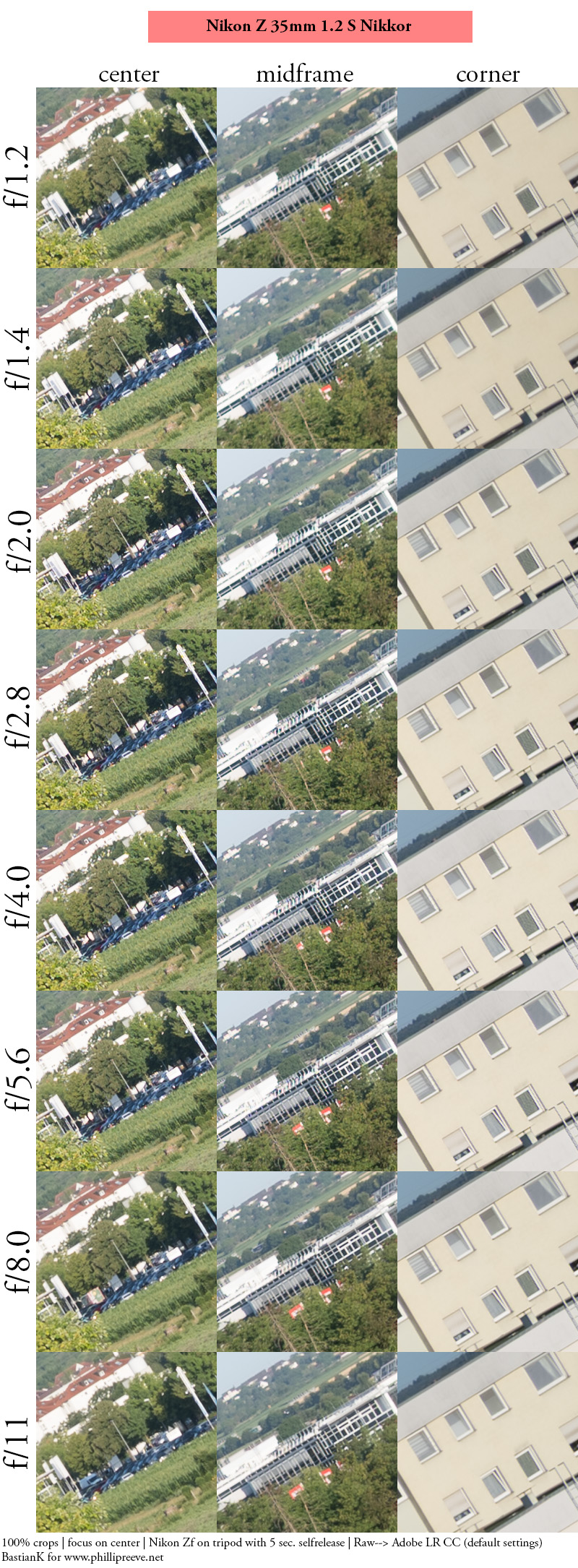
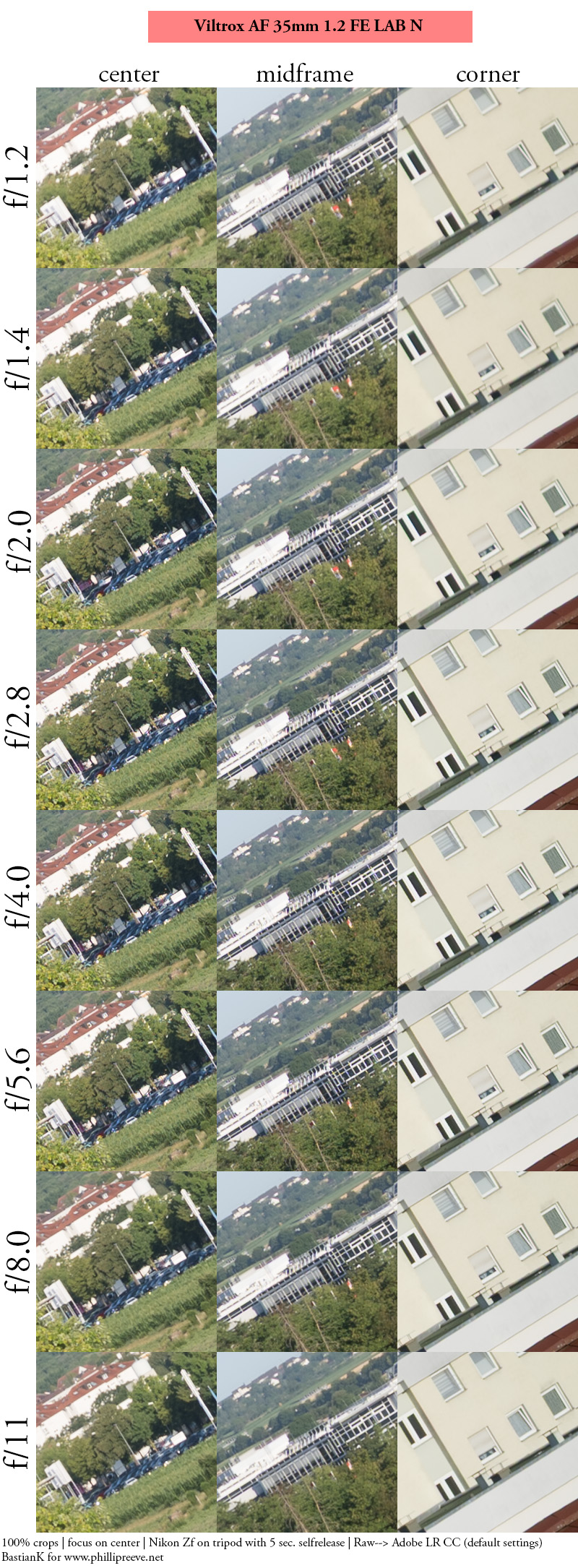
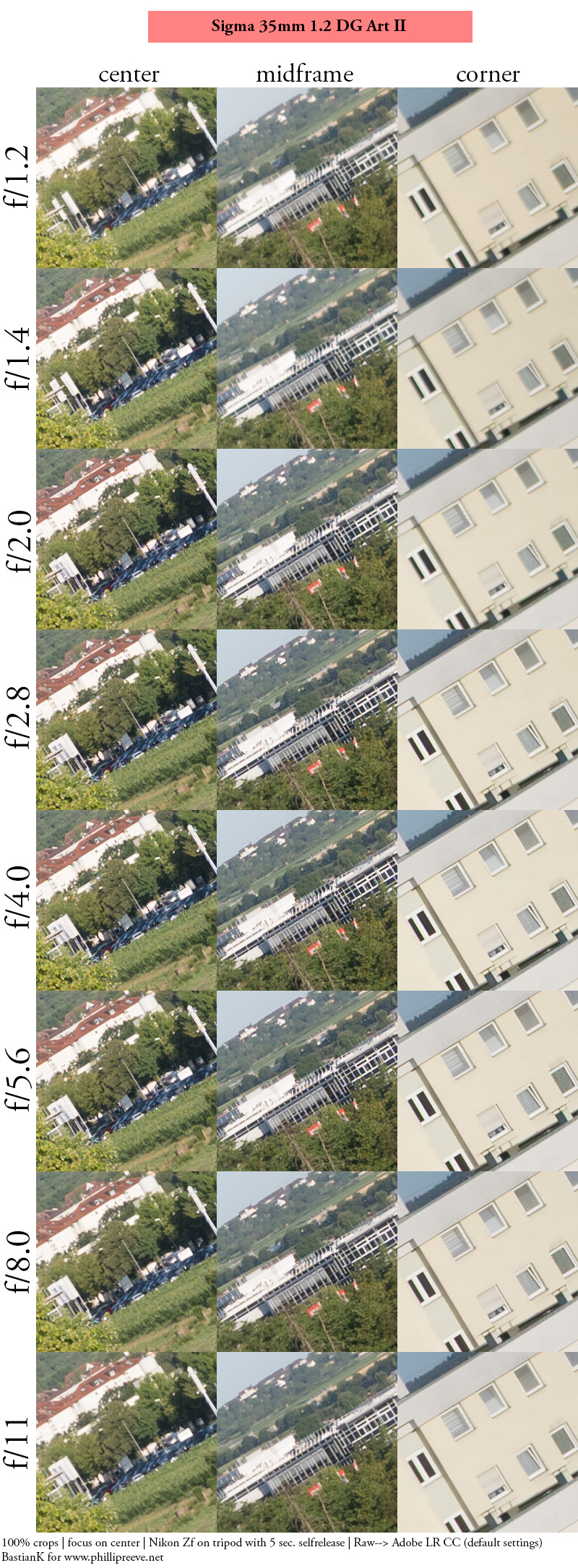
I used the Nikon Zf for all lenses meaning the Sigma and Viltrox lenses were used with the megadap ETZ21pro+ adapter. I was afraid the difference in filter stack between Nikon and Sony cameras may lead to problems here, but it seems these third party lenses have already been designed with this in mind, as they do not seem to be affected by this in a meaningful way. You can still see how the Viltrox and the Sigma perform on a Sony camera in their individual reviews.
I will make the assessment short here: all three lenses show an amazing performance. The Sigma is just a tiny bit softer at f/1.2 because of the slightly undercorrected spherical aberration, but seriously: these three lenses perform better already at f/1.2 than most lenses do at any aperture stopped down.
Sharpness portrait distance
For portraiture it isn’t so important how flat the field is, it is more interesting to see what the sharpness is like when focused at different parts of the frame to take field curvature out of the equation.
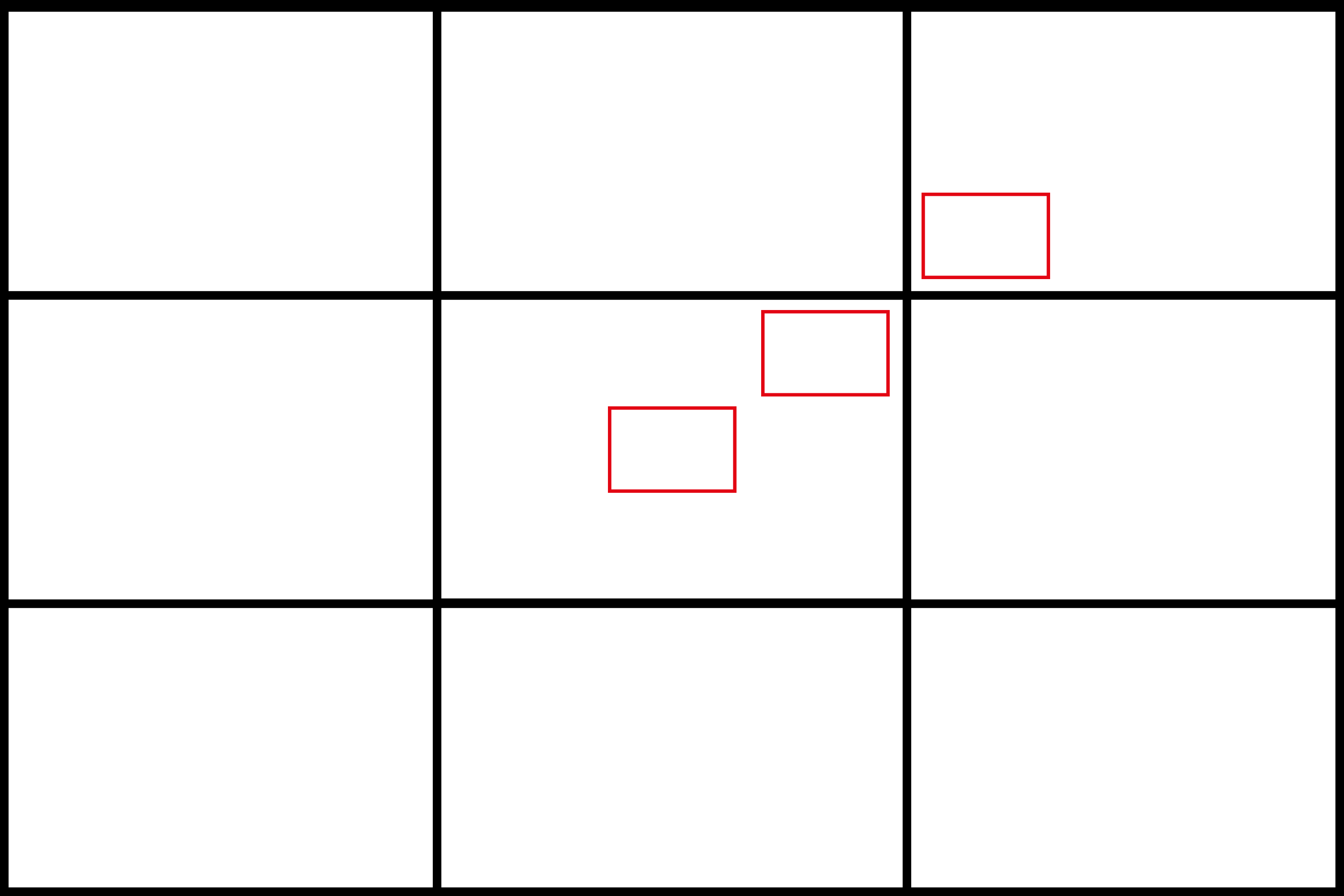
This is what I did here, I refocused for every shot to get the best possible result at different locations in the frame (center, inner midframe and outer midframe).
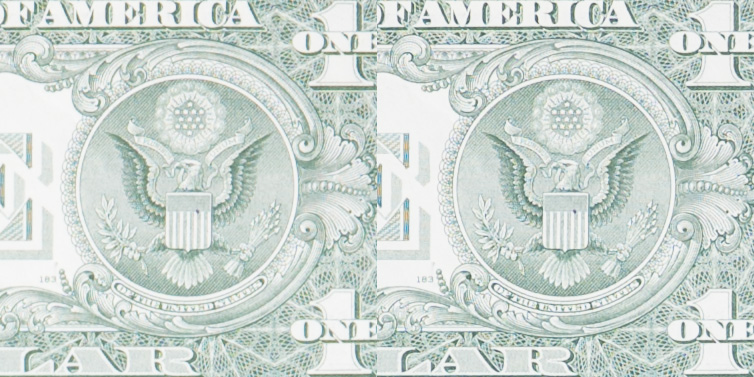
Focus distance was 1.0 m and the circle of the dollar bill is more or less the size of a human eye. I used the Nikon Zf for all three lenses.
Center
f/1.2 <———-> f/2.0



Inner midframe
f/1.2 <———-> f/2.0


Outer midframe
f/1.2 <———-> f/2.0



Observations
The trend we saw in the sharpness infinity section continues here: all three lenses show a really good performance. The Nikon is slightly weaker in the center than the midframe, which is a bit odd but matches Nikon’s MTF graphs for this lens.
In the inner and outer midframe I cannot even tell you which looks better or worse because they all look really good and shot-to-shot variation will likely be higher than the differences between the actual designs.
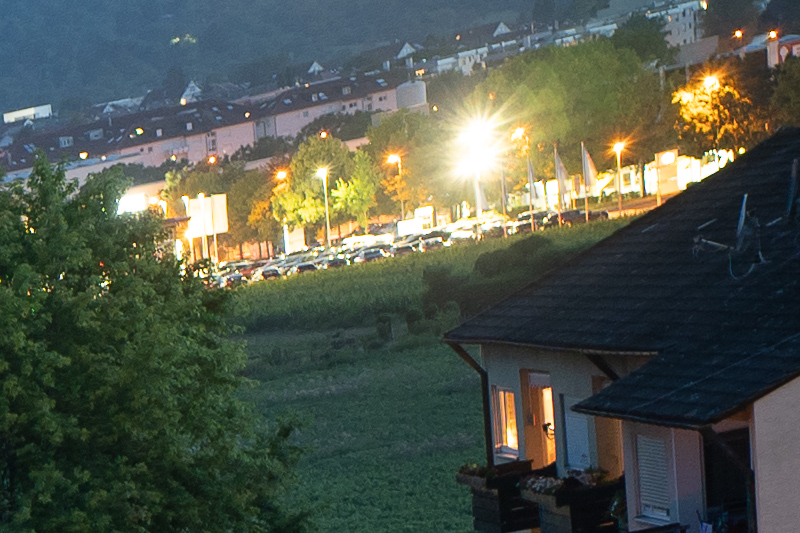
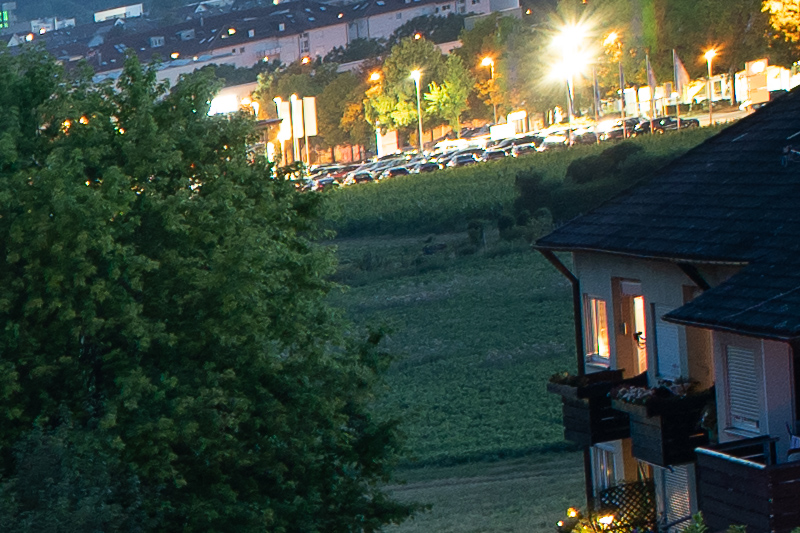
Coma
f/1.2
f/2.0
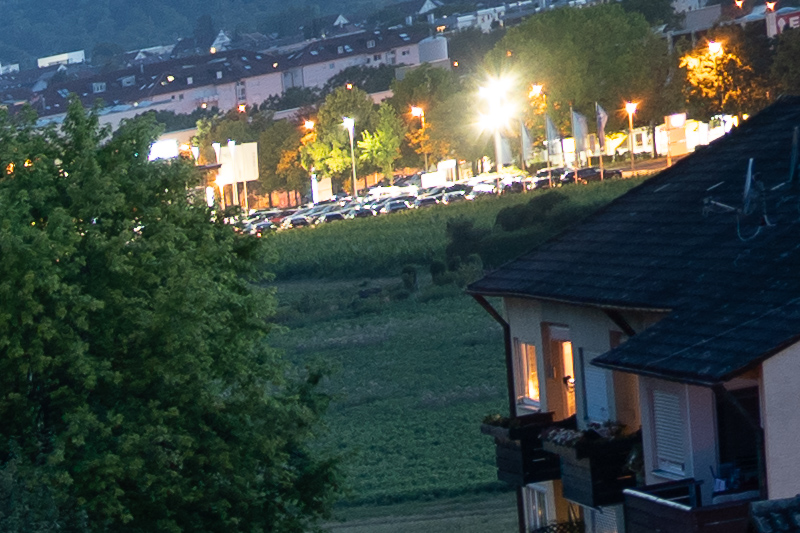
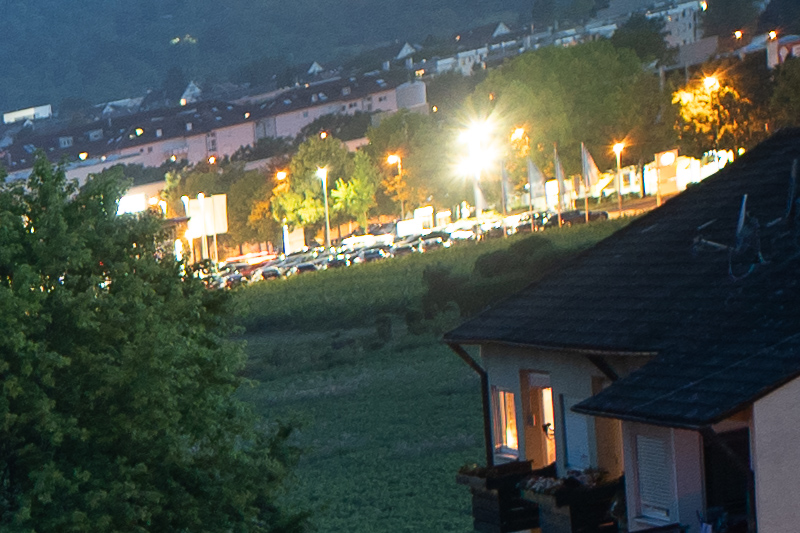
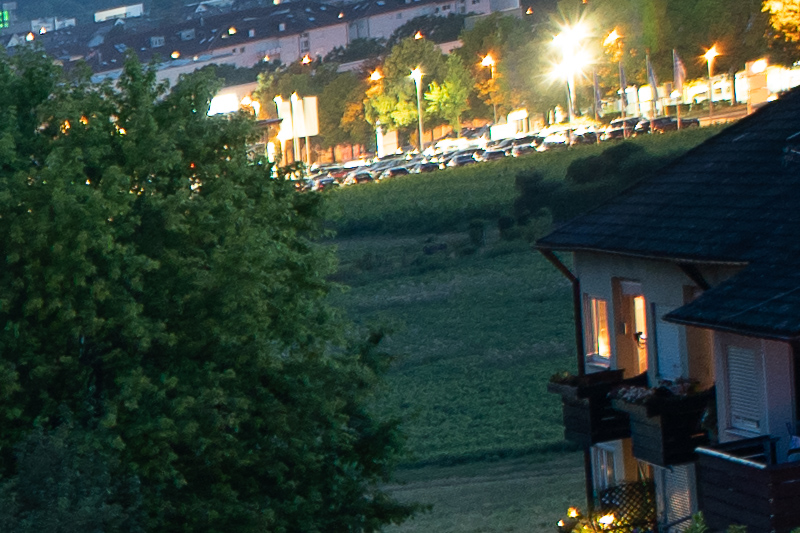
f/2.8
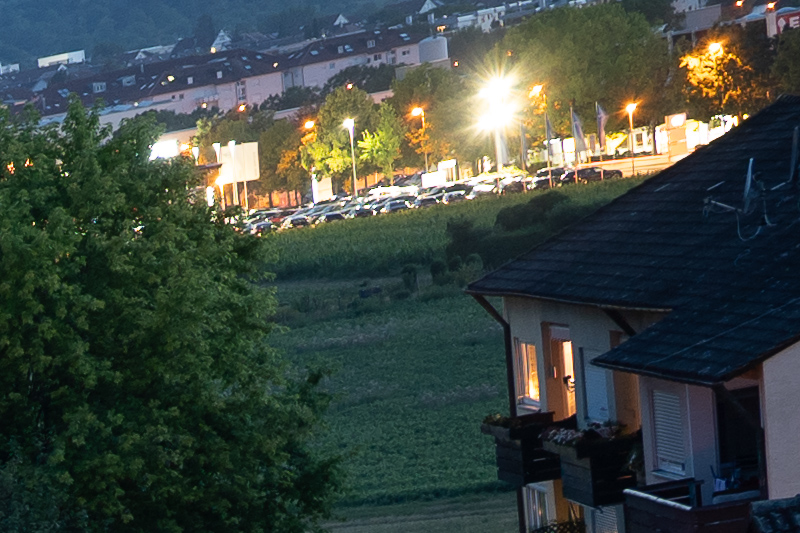
Observations
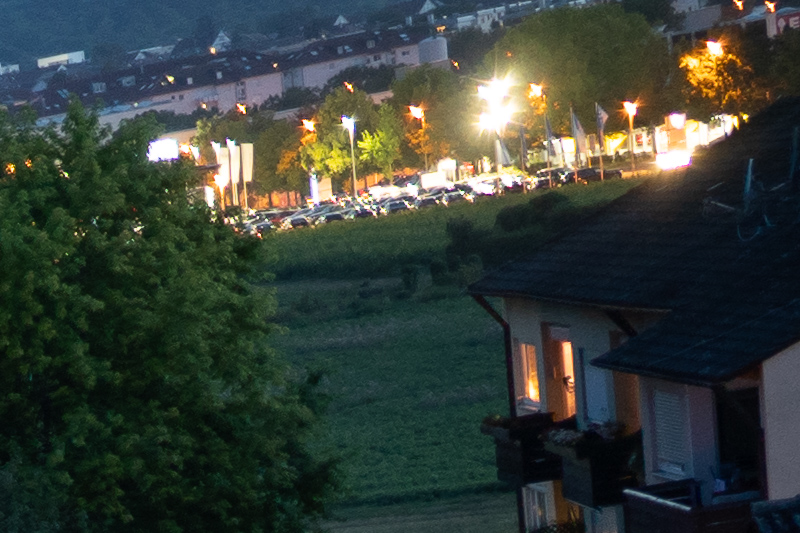
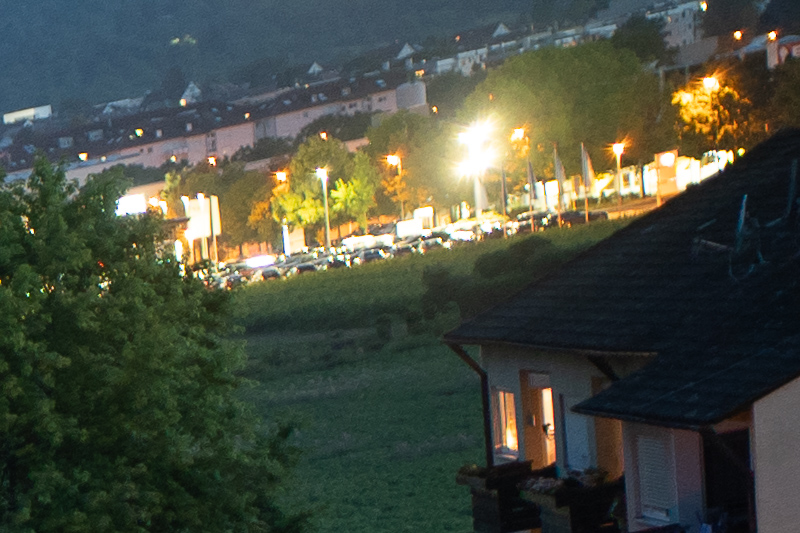
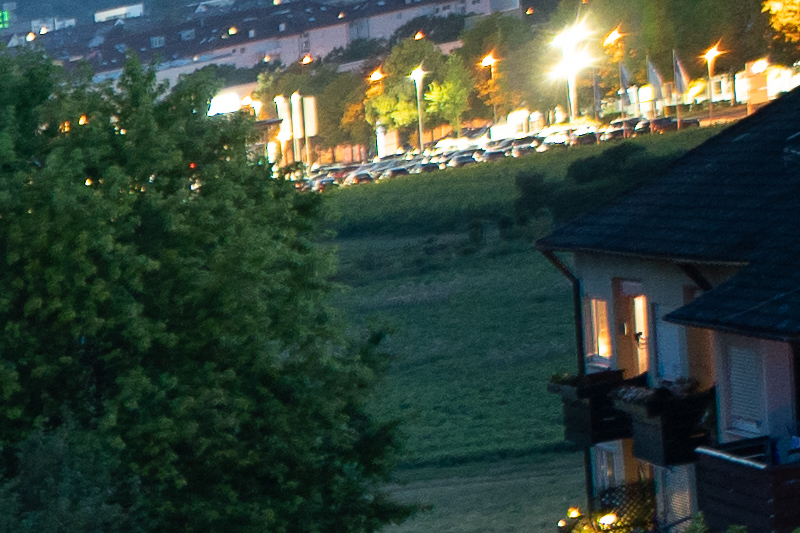
Finally a category where there are some differences. At f/1.2 the Viltrox shows the lowest amount of Coma, followed by the Sigma. The Nikon shows more noticeable artefacts.
At f/2.0 the Viltrox still looks best, Sigma and Nikon look similar to me here.
By f/2.8 all these lenses are pretty much free from Coma, the Sigma creates some rainbow artefacts around those strong point light sources in the corner though.
Flare resistance
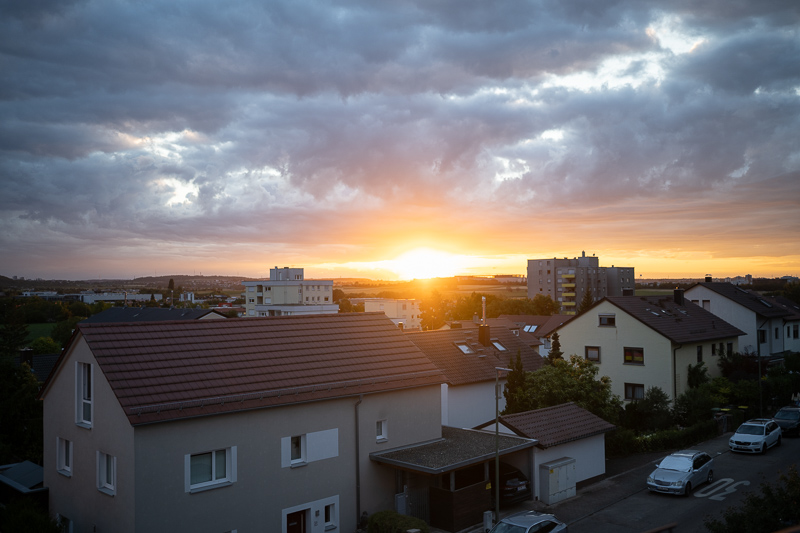
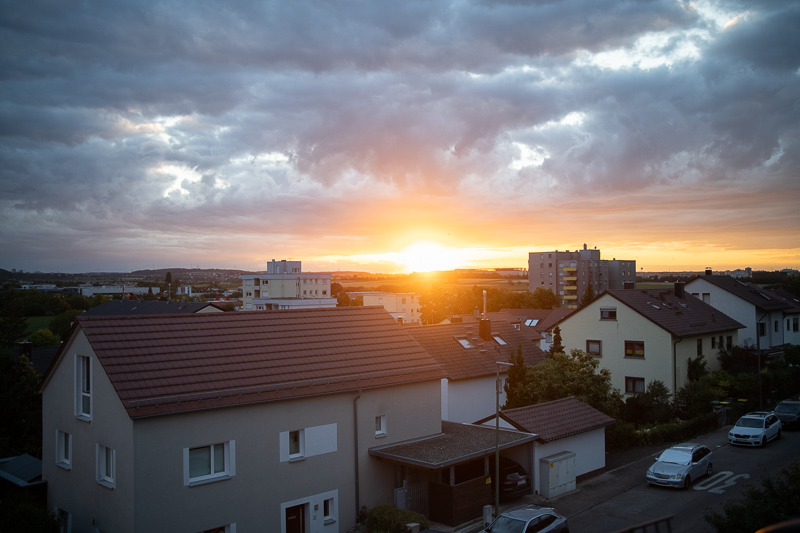
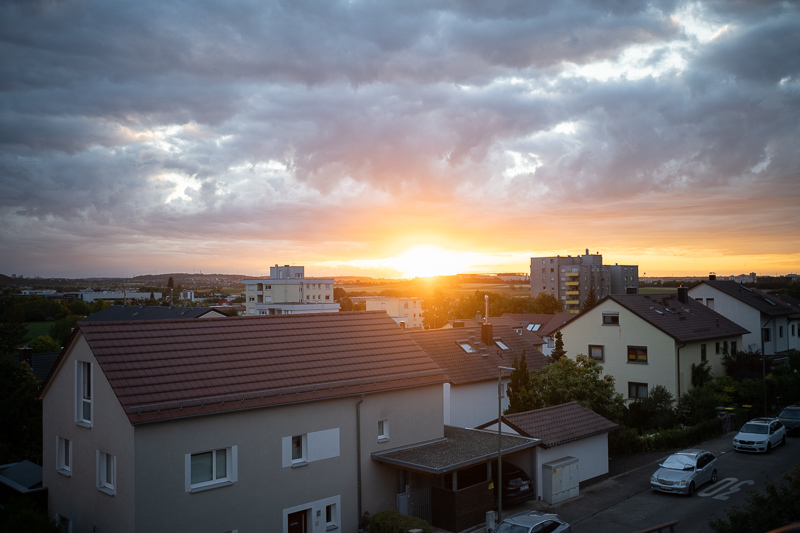
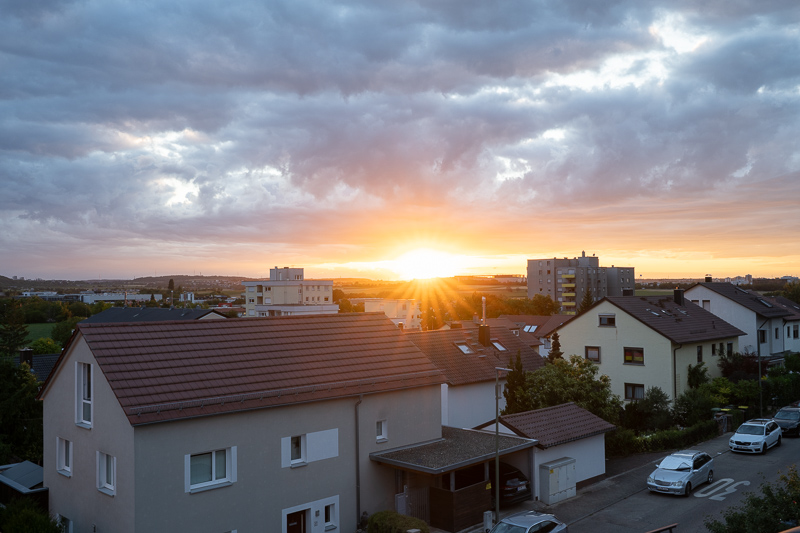
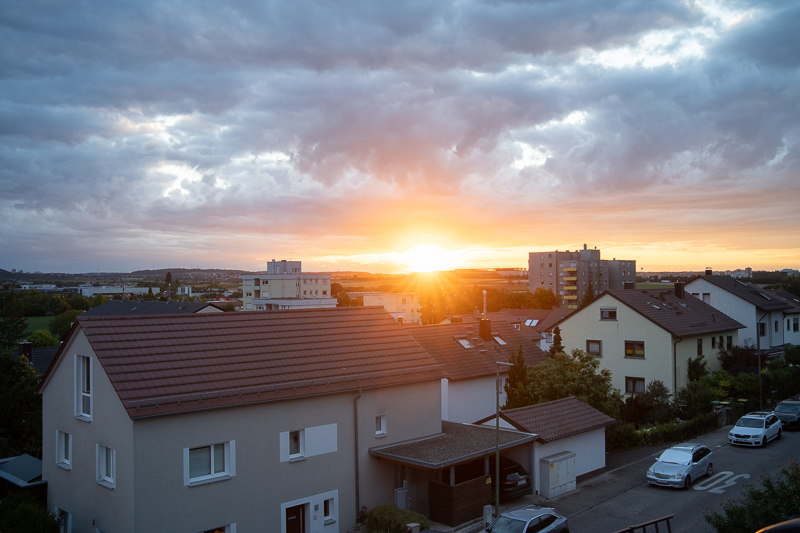
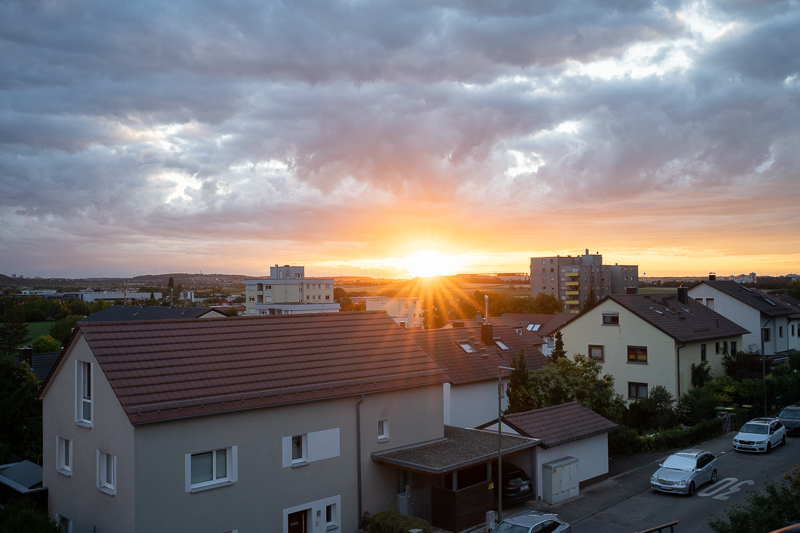
Sun in center
Sun in midframe
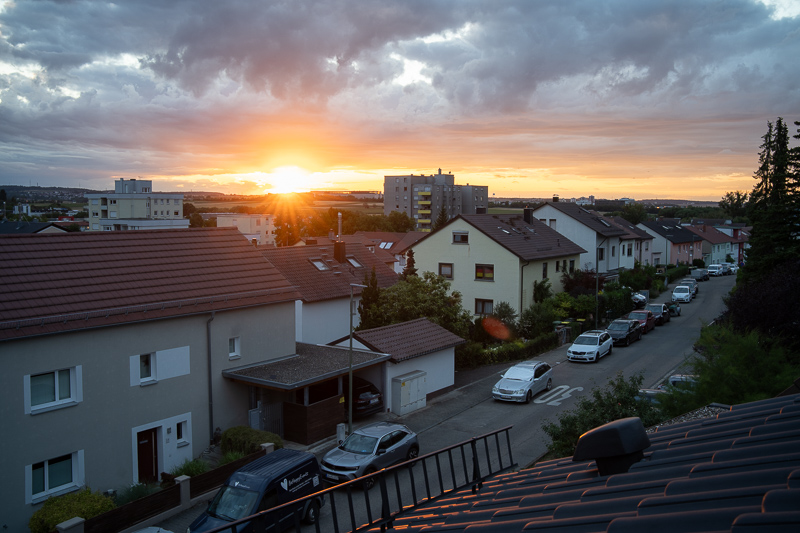
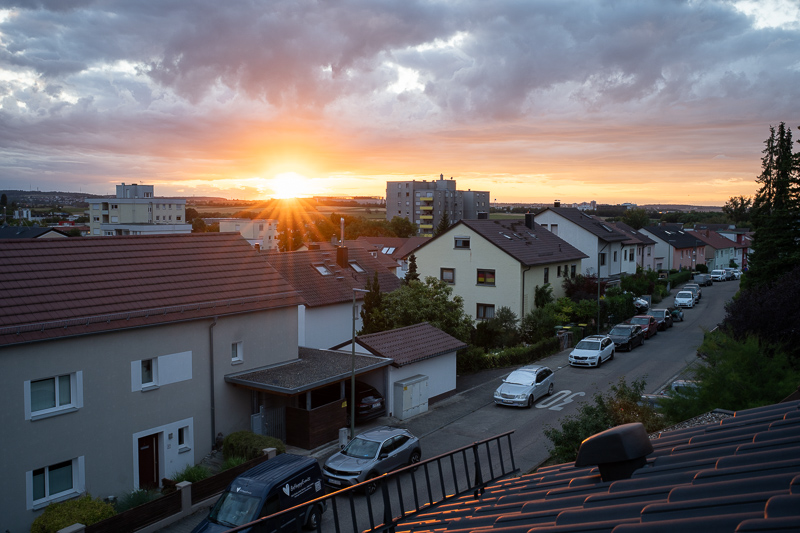
Sun in corner
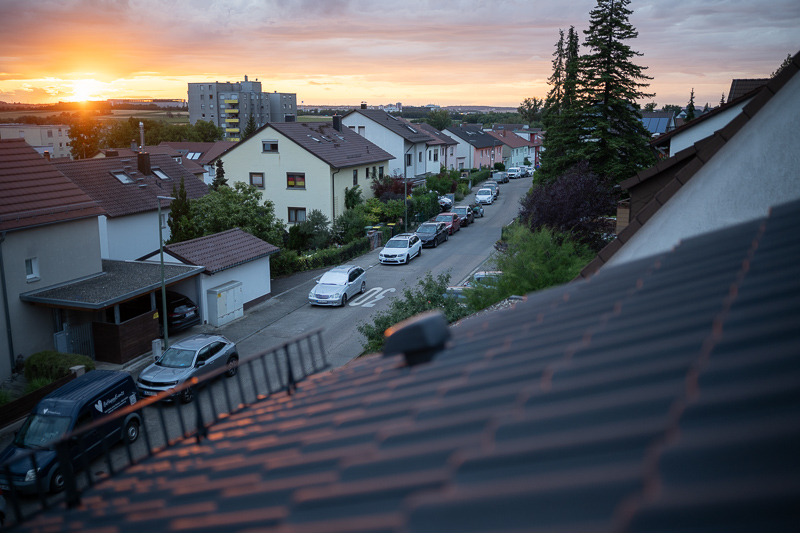
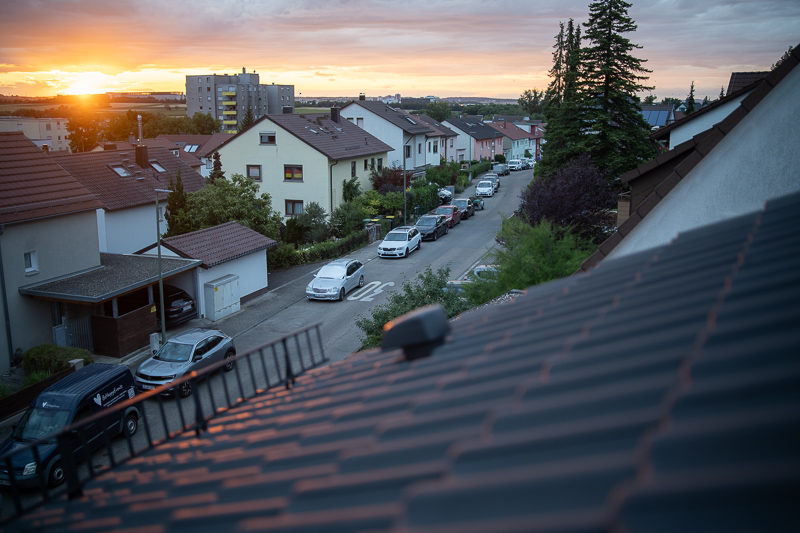
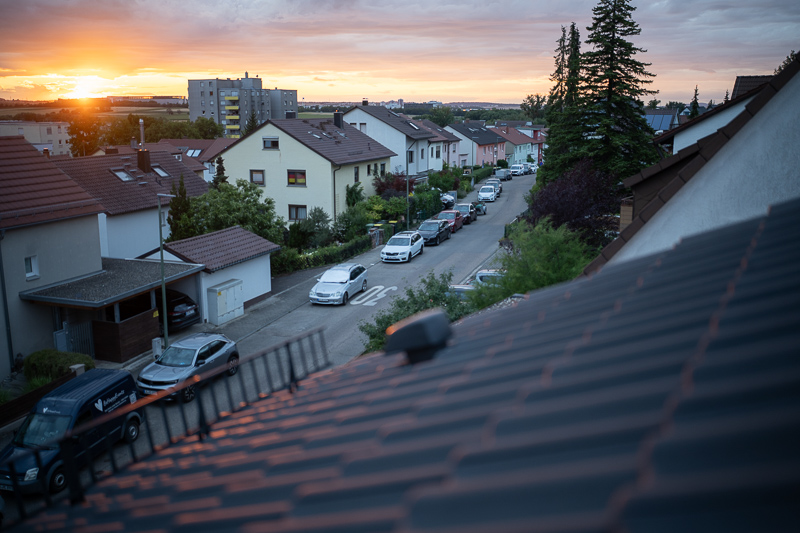
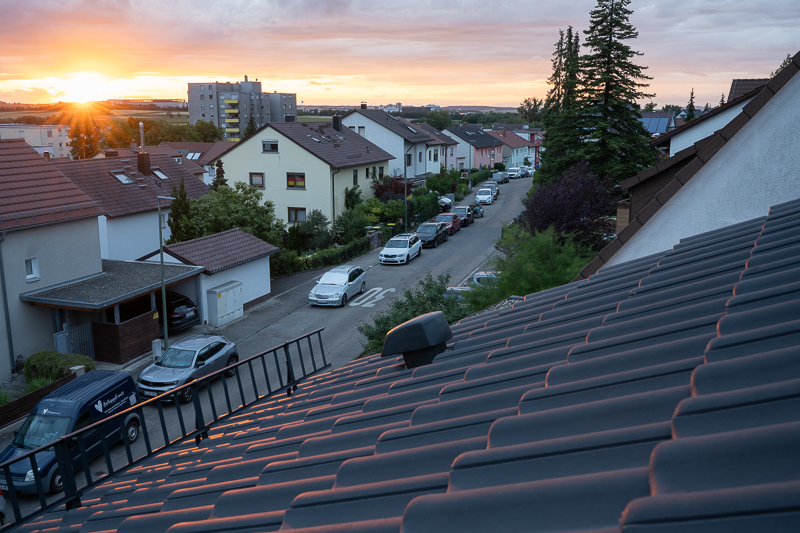
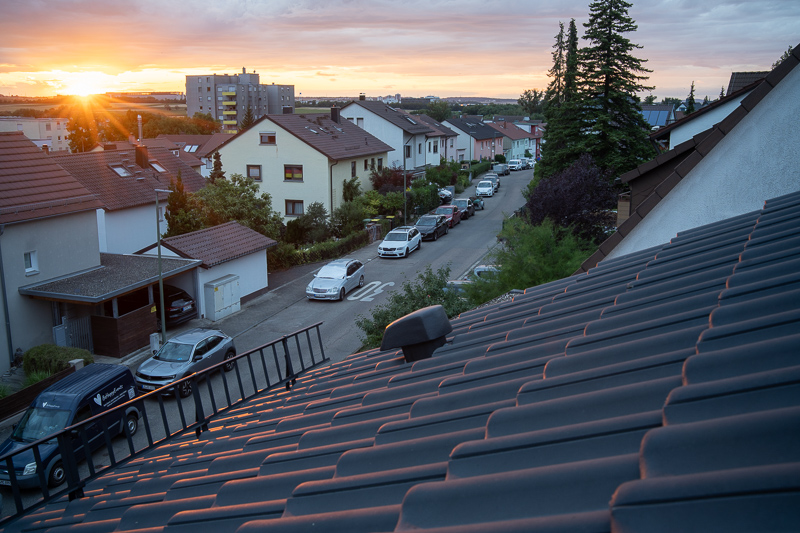
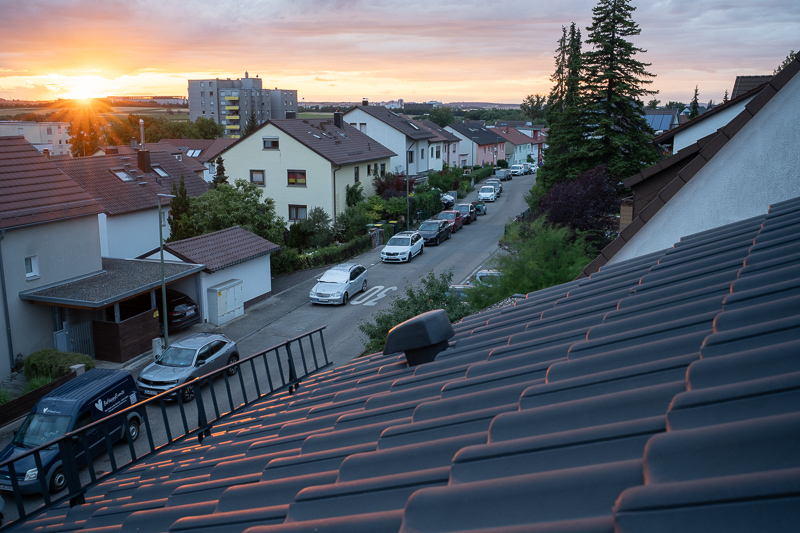
Observations
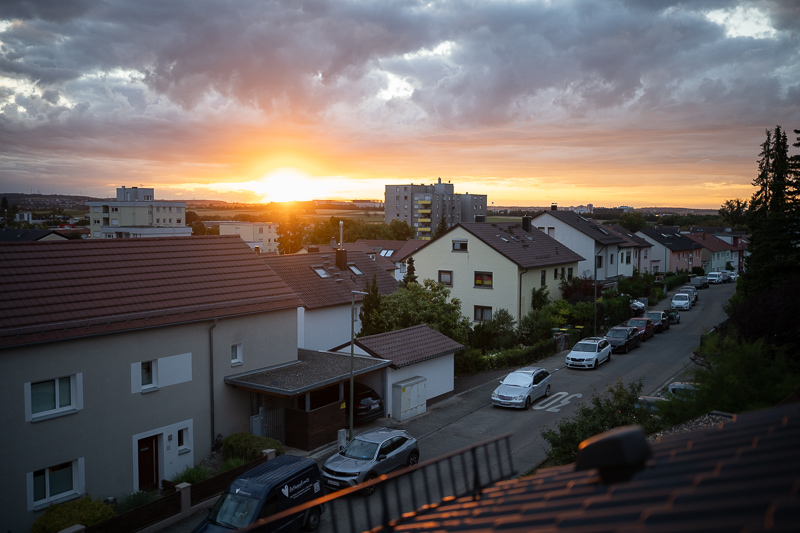
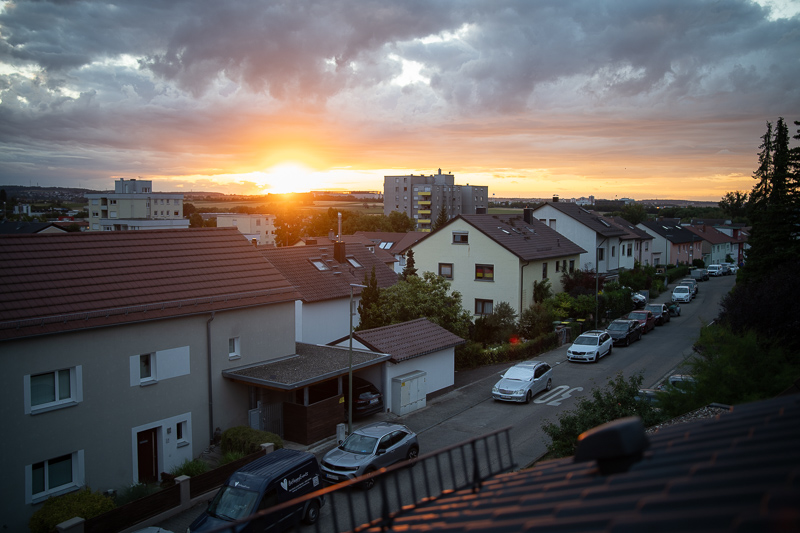
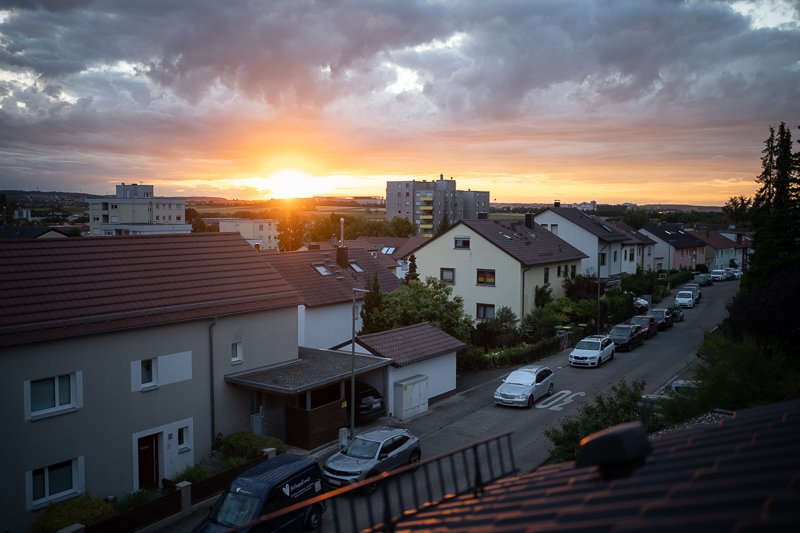
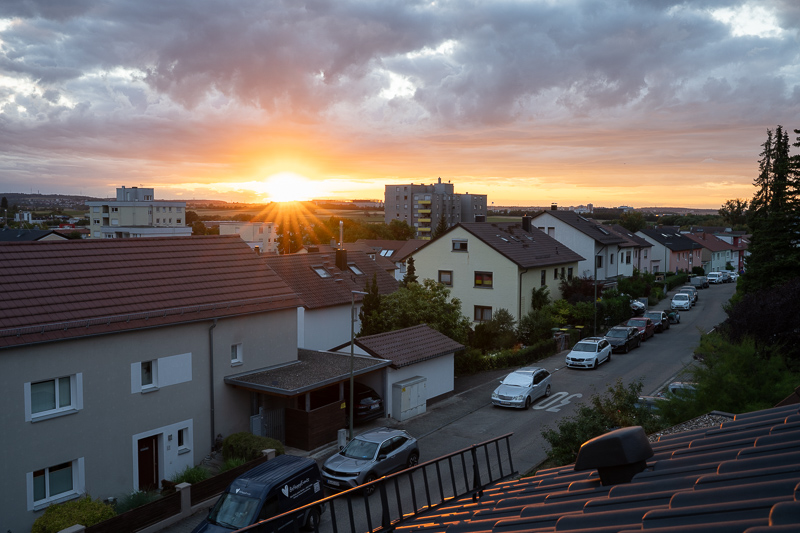
This time I actually did side-by-side comparisons in this category. I did not do this for my other lens comparisons, because even a slight change of camera angle can have a huge impact and may make one lens look better or worse than the others. I was still interested to find ouf if we may discover some differences in the way these lenses handle backlit situations.
All three lenses show an above average performance in this category. None of them showed significant issues with ghosting or veiling flare. The Viltrox shows a low amount of veiling flare around the sun in some scenes, but this is not something I would have actually noticed without these side-by-side comparisons. It also created a small ghost with the sun in the midframe area.
What you don’t see from these pictures: I also encountered some small rainbow artefacts in the Sigma’s night shots in the corners (see Coma section).
Rendering / Bokeh
I always took these pictures tripod based and from the same distance. Except for Scene 1 I normalized their field of view (FoV) in Photoshop, meaning I cropped the pictures from the wider lenses to make them easier to compare.
Very rarely pictures have been adjusted for white balance individually (usually the Nikon lens being a bit cooler), apart from that there have not been individual adjustments.
When it comes to subject separation there are two things to consider, one is obviously the bokeh (quantity and quality) itself, but what can be just as important is the difference between contrast and resolution in the focal plane compared to the out of focus areas.
The ideal lens has high contrast and resolution in the focal plane and smooth out of focus areas without any outlining around highlights or contrasty edges. If this is the case it is easier to create an illusion of depth (or “3D effect” as some may call it). Only few lenses manage to strike this balance though.
Bokeh is a bit of a subjective thing, but I see it like this: Bokeh is to the subject, the same as the pot is to a bonsai tree. It should be a nice addition, but not distract from the actual thing.
When the bokeh is so weird or eccentric that you cannot take your eyes of it, I definitely think there is something wrong with it and it failed its purpose.
All lenses have been used on the Nikon Zf here, Viltrox and Sigma via the megadap ETZ21pro+ adapter. I took the same shots with Viltrox and Sigma on the Sony A7III and – as was already the case in the sharpness infinity section – there were no meaningful differences.
You can find these pictures in full resolution here. Because I didn’t obey the manual of the megadap adapter, some of the Exif are bogus. The picture name tells you which lens has actually been used.
Scene 1: City Lights 0.5 m



In this scene we can see two things: the differences in focal length at closer distances and the Sigma having the strongest optical vignetting (“cat’s eyes”).
Scene 2: Forest 0.95 m




This scene with the foliage in the background and the high contrast is a bit of a stress test. Honestly I do not see significant differences between the lenses here. The Viltrox creates slightly harsher bokeh than the other two, but even in this side-by-side comparison that is hardly noticeable.
Scene 3: City Lights 1.1 m
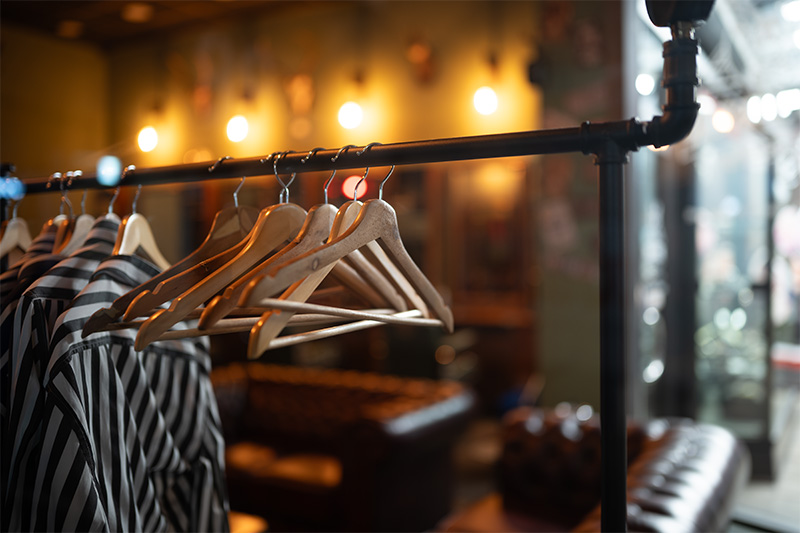
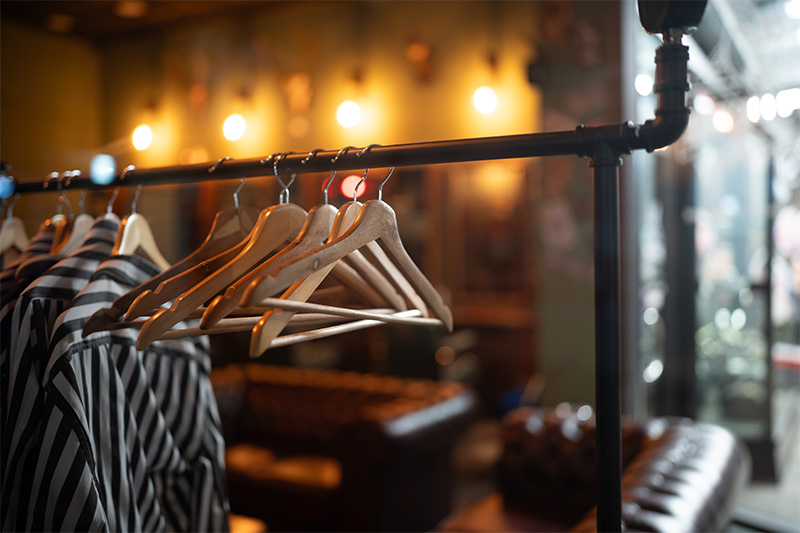

Do you see any meaningful differences in this scene? I don’t.
Scene 4: Forest 1.1 m



Looking at the full pictures we see the Sigma having slightly stronger optical vignetting and the Viltrox creating less smooth background bokeh.



Looking at these crops from the edge this becomes more obvious.
Scene 5: City Lights 1.2 m






In this scene we can see that the Sigma creates shapes that remind me more of lemons than cat’s eyes due to the light spill on the edges. Thanks to the orange out of focus light point we can also compare the polishing quality of the aspherical elements.
Scene 6: City Lights 2.0 m
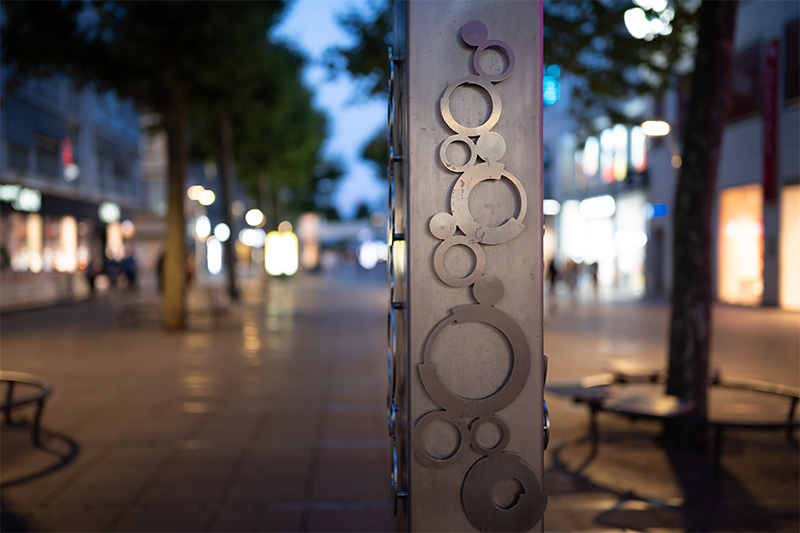
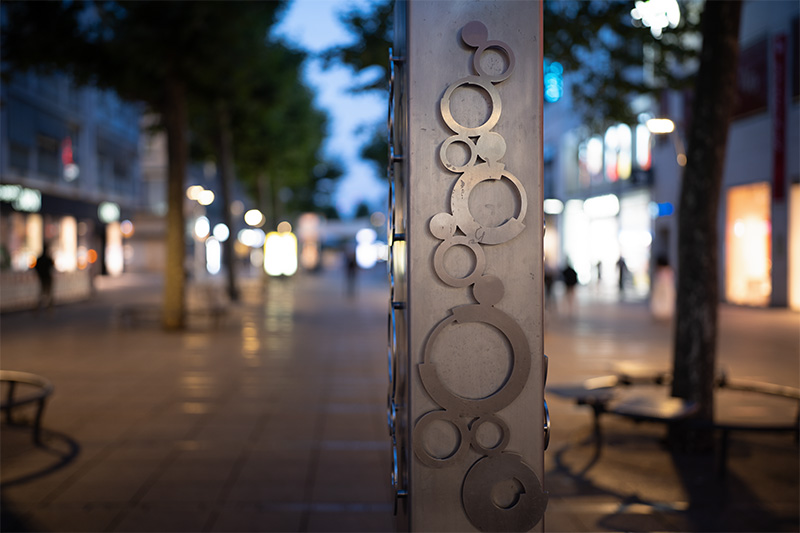
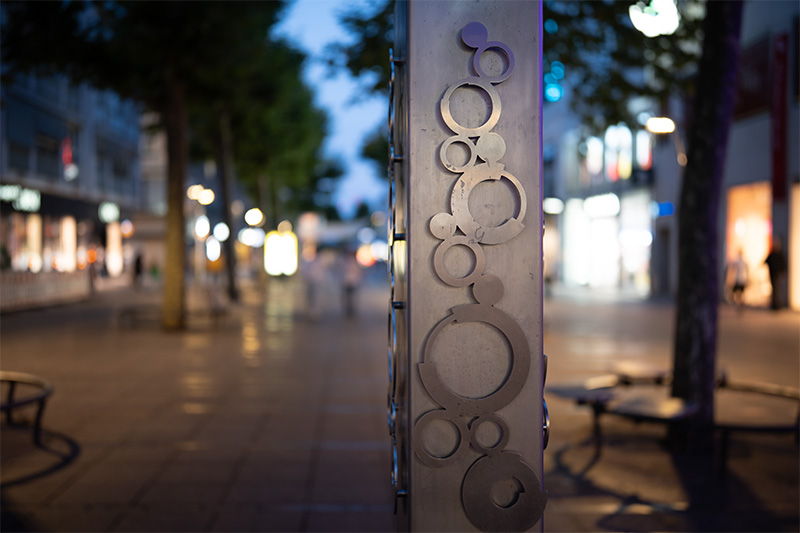


We again see the Sigma’s lemon shaped highlights and looking to the corners and edges also its higher optical vignetting. Apart from that the three lenses look very similar in this comparison.
I used this scene for a blind test among our Discord members and the winner was the Nikon with the other two being tied for the second place.
Scene 7: Forest 3.0 m



Foliage at longer focus distances is surely one of the most difficult scenarios and here we start to see some more differences between these lenses.


In the central part of the frame the Sigma’s residual spherical aberration really smoothens out the background whereas you can clearly see the edges of the individual circles with the Viltrox. The Nikon sits inbetween the other two.
Scene 8: Forest 3.2 m



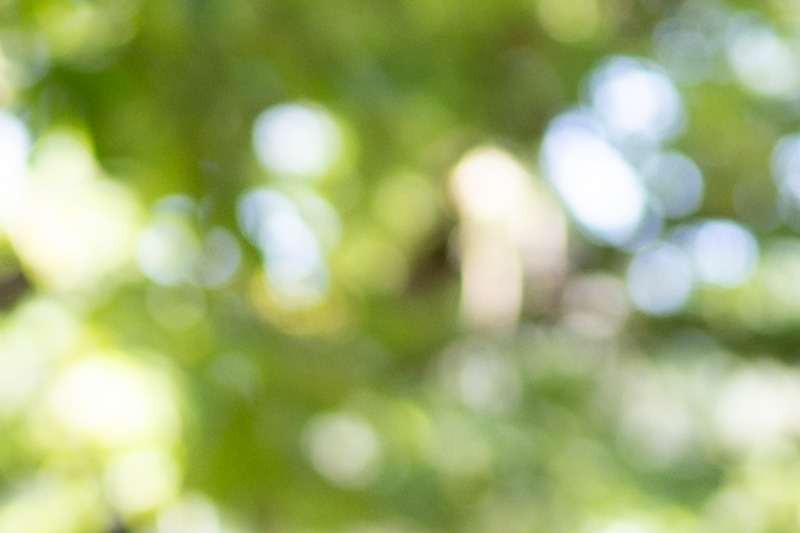

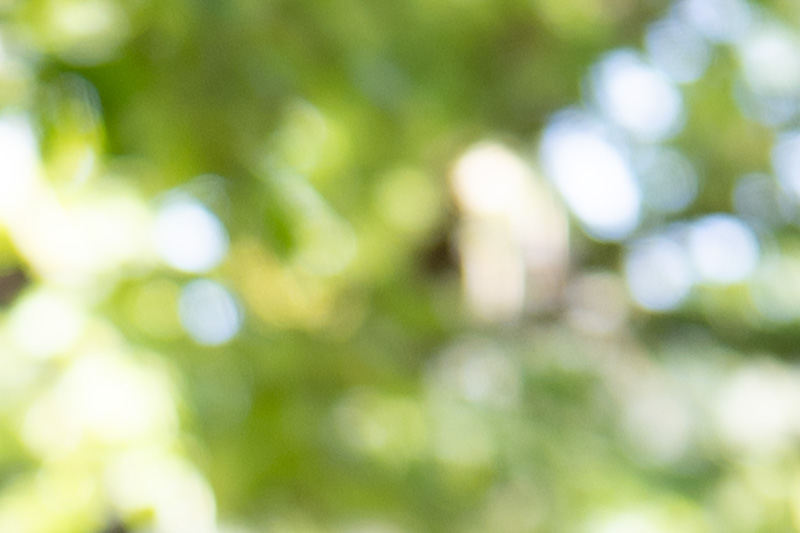
In the midframe area the result is very similar to what we have seen in the previous scene.
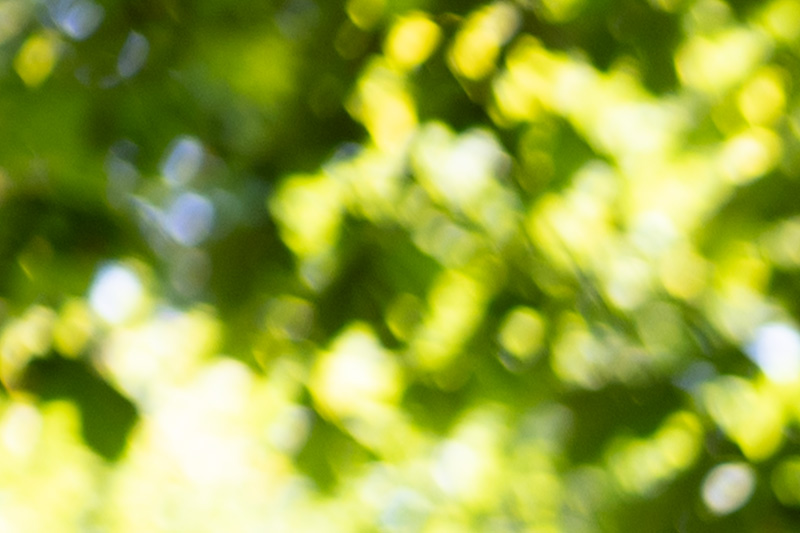
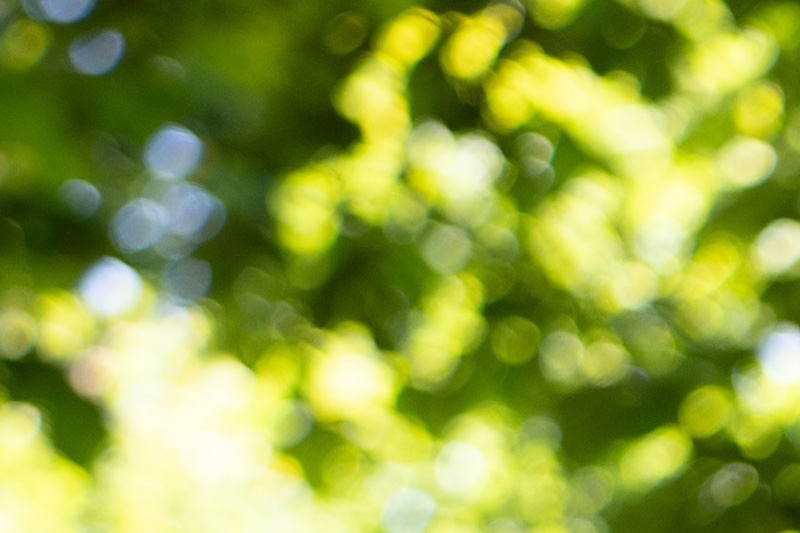

In the corners the situation is different though: the Sigma’s corners look less smooth compared to the center of the frame. The Viltrox has the lowest optical vignetting with the Nikon having a very similar amount while being a bit smoother.
I also used this scene for a blind test among our Discord members and here the winner was the Sigma.
Scene 9: Forest 3.5 m



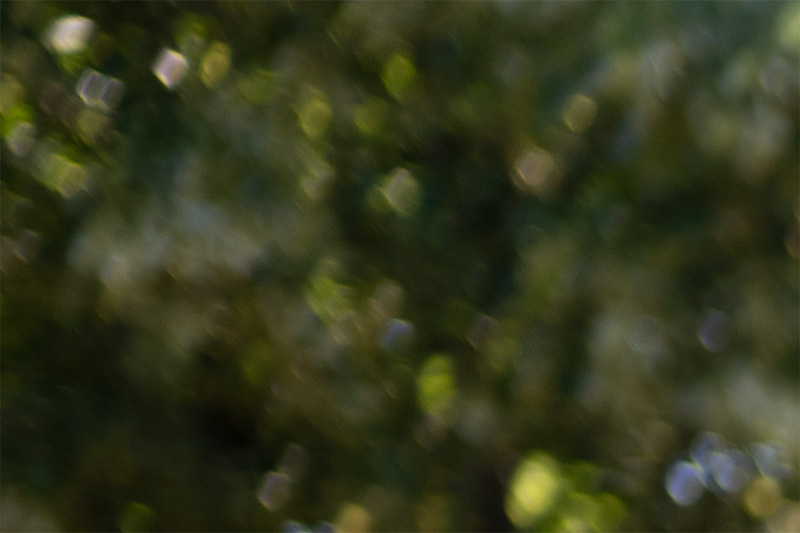

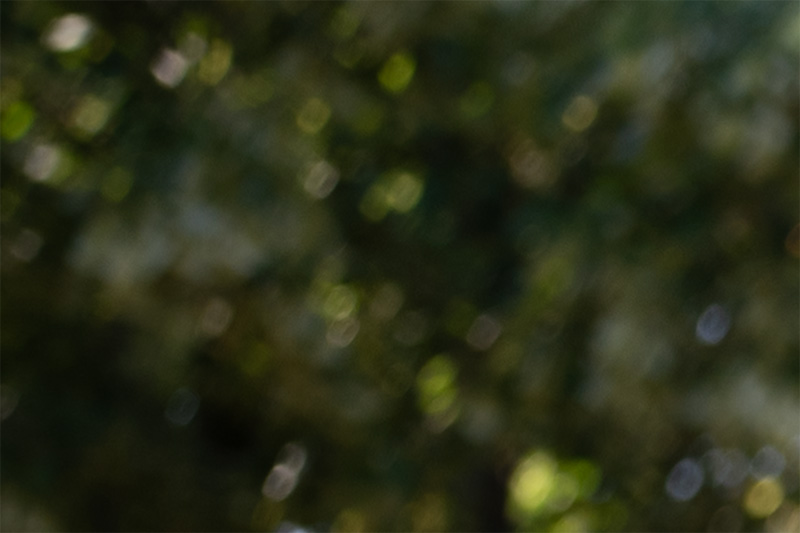
At this longer distance none of these lenses creates a great bokeh in the corners. Here the Viltrox looks best to me, as the points of light are rendered as something that at least resembles a circle whereas Sigma and Nikon create highlights that have more of a rectangular shape.
Bokeh Summary
The background and distance relations obviously have a big influence here and to some degree this is also a bit of a subjective topic. Either way, this is how I see the things here:
The Sigma 35mm 1.2 DG Art II has some residual spherical aberration at longer distances, leading to a smoother, almost STF-like bokeh in the central part of the frame. In that way it is comparable to lenses like the Sony FE 85mm 1.4 GM or the Voigtländer 50mm 1.2 E. Sadly it also has the highest optical vignetting leading to the strongest cat’s eyes – the price to be paid for it being the smallest and lightest lens in this comparison.
The Viltrox AF 35mm 1.2 LAB N has the lowest optical vignetting but at the same time creates the harshest bokeh with some outlining. In that way it is a bit of the opposite of the aforementioned Sigma.
The Nikon Z 35mm 1.2 S Nikkor tries to combines the best of both worlds: it renders bokeh almost as smooth as the Sigma while having almost as little optical vignetting as the Viltrox.
Generally the differences between these lenses are marginal. If it wasn’t for the lemon shaped light spill of the Sigma (which often gives it away in blind comparisons) I would not be able to tell you which picture had been taken with which lens. I would be perfectly happy to use any of these lenses here as my main 35mm lens.
Chromatic aberrations
lateral CA
These are all modern lenses with built-in correction profiles so unless you use rather obscure Raw converters you won’t see any.
longitudinal CA
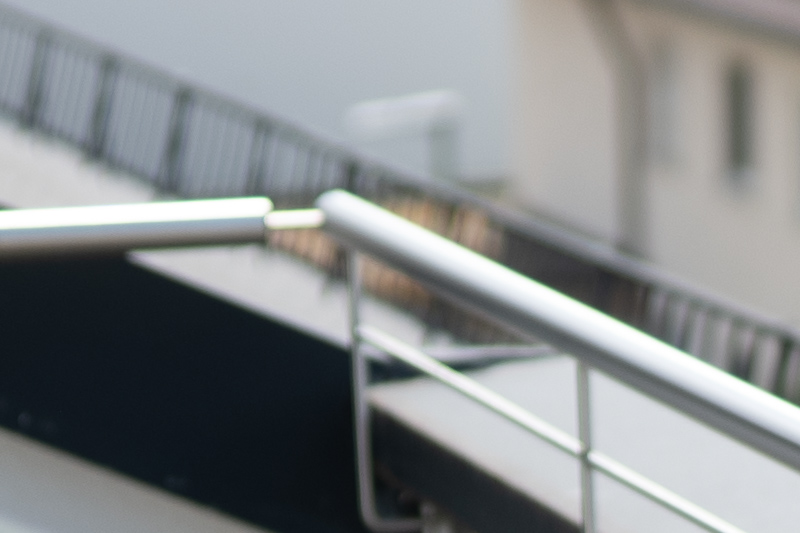
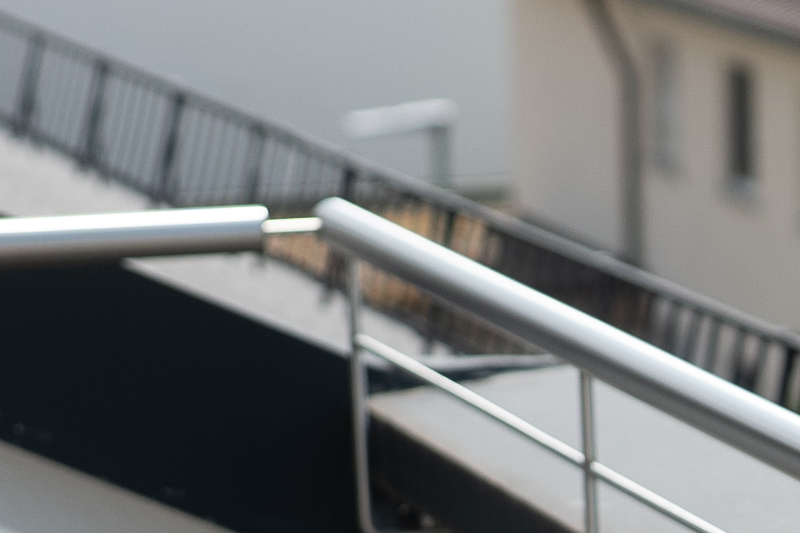
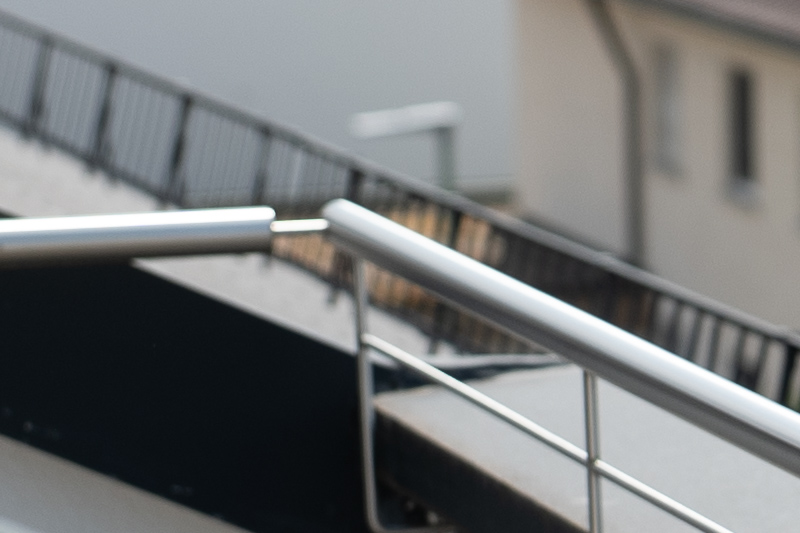
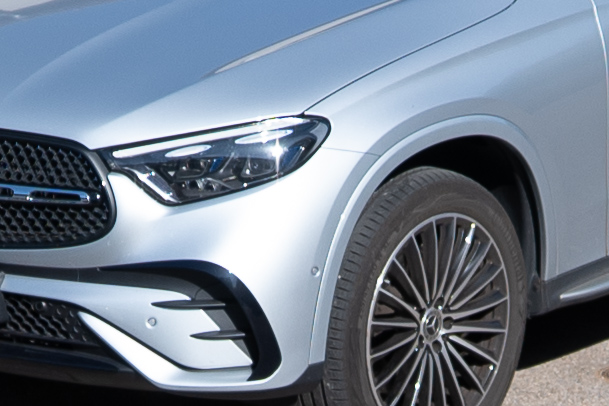
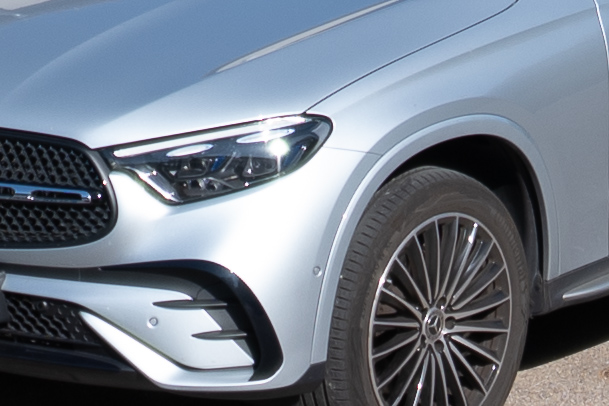
Longitudinal chromatic aberrations come in different forms. In the following comparsions we will have a look at “bokeh-CA” or “bokeh fringing” which you will see in the out of focus areas and “purple fringing” which shows up close to the plane in focus.
Bokeh Fringing
We will be looking at 100% crops from the central part of the frame from the Nikon Zf with 24mp here.
f/1.2 – Background
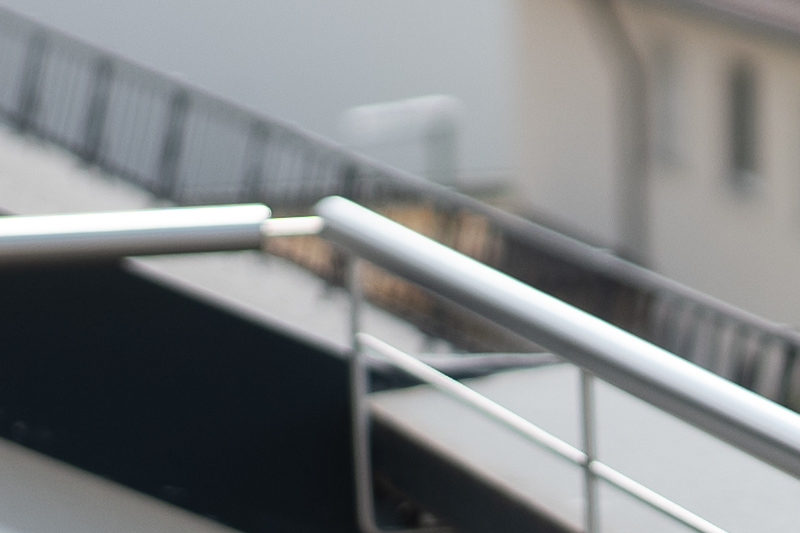
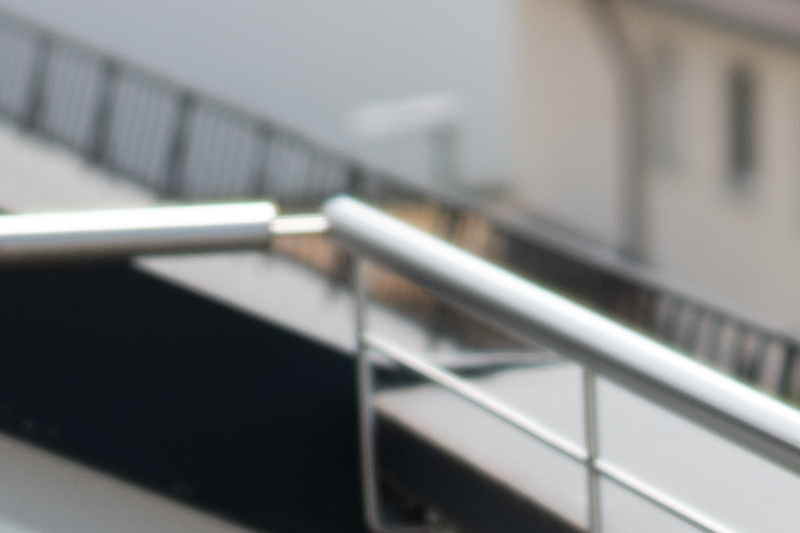
f/1.2 – Foreground


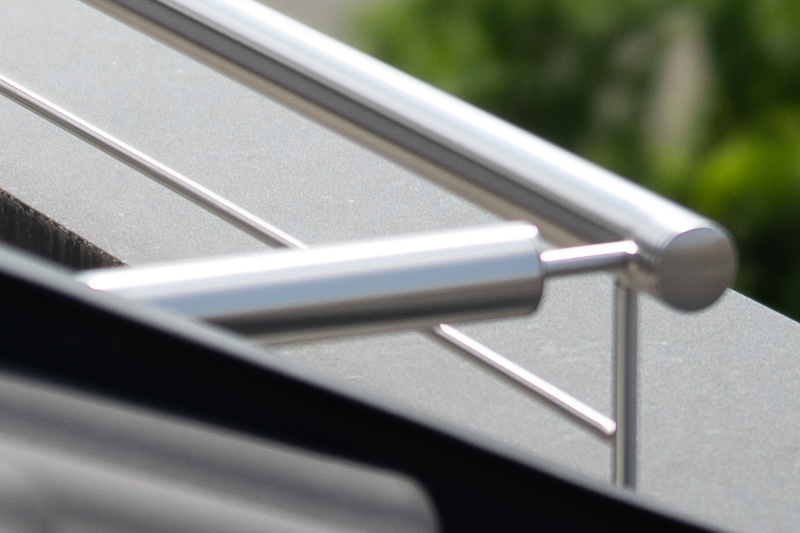
f/2.0 – Background
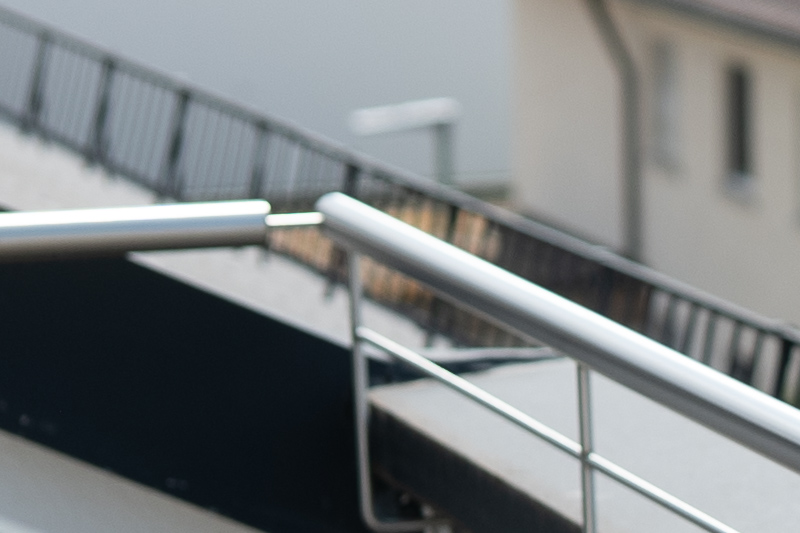
f/2.0 – Foreground


Observations
It is amazing to see how much the quality of fast 35mm fullframe lenses has improved in only a few years. These f/1.2 lenses correct CA better than the best f/1.4 lenses from just a few years ago.
At their maximum aperture the Viltrox easily looks best as it shows the least amount of outlining. The Sigma comes next and this is a bit harder to rate as the undercorrected spherical aberration (“glow”) masks the CA a bit. The Nikon shows the most noticeable green outlining but it is still on a low level and should not give you any trouble in the field.
Stopped down to f/2.0 these lenses are pretty much free from bokeh fringing.
Purple Fringing
We will be looking at 100% crops from the central part of the frame from the Nikon Zf here.
f/1.2

f/2.0


Observations
None of these lenses has problems with purple fringing.
Conclusion
My opinion on these lenses
Nikon Z 35mm 1.2 S Nikkor
The Nikon Z 35mm 1.2 S Nikkor is a well balanced lens when it comes to the optical performance as there isn’t any particular flaw I could point out here. Price and dimensions are a different topic though: for being by far the most expensive and at the same time the biggest and heaviest lens in this comparison it should excel in most of the categories, but only its vignetting figures are a little lower and the flare resistance marginally better compared to the Viltrox.

Viltrox AF 35mm 1.2 LAB N
I have reviewed most of the Viltrox fullframe lenses and in my opinion this is their best one yet. It did really well in my first Comparison of Super Fast 35mm lenses and it still competes on equal terms with the recent offerings from Nikon and Sigma. Best Coma correction, best CA correction, lowest optical vignetting while carrying the lowest price tag. The other two lenses do render a smoother bokeh though, which may still sway the scale for you.

Sigma 35mm 1.2 DG Art II
It is impressive that Sigma managed to make their 35mm 1.2 lens significantly smaller and lighter by such a high margin. I expected more optical compromises because of that, but this new lens actually performs better in many categories than its predecessor, so if you found the first generation of this lens to be too big and heavy this is worth a closer look. Unsurprisingly it shows the highest vignetting of all these lenses and I am not a huge fan of the lemon shaped out of focus highlights.

Which is the right lens for you?
In my first Comparison of Super Fast 35mm lenses the Viltrox 35mm 1.2 LAB was my general recommendation as it improved on the first generation Sigma 35mm 1.2 DG DN Art in several categories while being smaller, lighter and more affordable.
The second generation Sigma 35mm 1.2 DG Art II is a stronger competitor: like the first generation Sigma it is 50% more expensive than the Viltrox, but this time the Sigma lens is smaller and lighter. For some the 170g difference might not be relevant whereas for others it might be the deciding factor. The Sigma generally renders a smoother bokeh whereas the Viltrox has less optical vignetting. Check the rendering section to see what you would prefer – or if you even notice those differences.
The Nikon Z 35mm 1.2 S is in a tough spot being so expensive and at the same time so big and heavy. It is a very good lens and I don’t think anyone will complain about its optical performance or its appealing bokeh rendering, but considering these strong – and at the same time much cheaper – alternatives I find it hard to recommend.
Support Us
If you found this article helpful and you decide to buy one of these lenses, please consider using one of the following affiliate links.
If you are not interested in buying any of these lenses, but you still found this article useful, just liked reading it or it saved you a lot of money: treat us to a coffee!
via Paypal
This site contains affiliate links. If you make a purchase using any of the links marked as affiliate links, I may receive a small commission at no additional cost to you. This helps support the creation of future content.
Nikon Z 35mm 1.2 S Nikkor
$2.897 (new)
buy from amazon.com | amazon.de | B&H | ebay.com | ebay.de (advertisement/affiliate links)
Viltrox AF 35mm 1.2 LAB N
$999 (new)
buy from manufacturer’s shop (use the code “BK3512LAB5” for 5% discount) | Pergear | amazon.com | amazon.de | B&H | ebay.com | ebay.de (advertisement/affiliate links)
Sigma 35mm 1.2 Art DG II
$1.499 (new)
buy from amazon.com | amazon.de | B&H | ebay.com | ebay.de (advertisement/affiliate links)
Further Reading
- All Lens Reviews
- Bokeh Explained
- Lens Aberrations Explained
- Comparison: Fast 28mm fullframe lenses
- Comparison: Super Fast 50mm M-mount lenses


Latest posts by BastianK (see all)
- Prime Day Photoshop+Lightroom offer for Amazon Prime Members (EU/UK) | Update: also at B&H - October 7, 2026
- Review: Nikon AF-S 18-35mm 3.5-4.5G - October 7, 2026
- Review: Sigma 14mm 1.4 DG Art – World’s widest f/1.4 lens - September 26, 2026
Quote: “You can still see how the Viltrox and the Sigma perform on a Sony camera in their individual reviews.”
Did you already publish a review of the Sigma version II lens, because I can’t find it ?
Not yet, will probably publish it on 30th.
Great. The amount of work you guys put into this site is admirable!
This article has painstaking attention to detail, I cannot imagine how much work you put into this. To me if you are not price/size/weight sensitive and need the best autofocus and already are in the Nikon ecosystem only then does it make sense. The viltrox seems like the winner if you want optically excellent and don’t mind the size but do mind the price. Sigma if you are willing to pay a bit more to save on weight/size and don’t mind the corner bokeh. Honestly can’t say the optical qualities of any of these would steer me personally they all have the best bokeh I’ve seen on a 35, while having extreme corners sharper at 1.2 than some good teles have in the center stopped down.
I agree with all of this.
The shorter MFD of the Sigma might be one thing that would get me to pay a bit more for it over the Viltrox, and being somewhat smaller/lighter would clinch it. I’m not in the market for any of them but those were the same reasons I opted for the GM a few years ago, I think I’d have bought the Mk II Sigma if I was shopping today.
“best bokeh” is subjective though. For example, these all have very uniform clean looking bokeh… however, the first version Sigma f/1.2 DG DN Art lens has a specific character to the bokeh, i.e. has sort-of horrizontal lines in the bokeh, which gives it a particular look that I think looks pretty cool actually. If we all strive for perfectly uniform looking bokeh everybody’s images are going to start looking the same and boring….
I’m not sure how bokeh that’s roughly equally smooth bokeh could make everyone’s images the same considering everything else that goes into making a photo and the ever changing nature of light… If the bokeh is what sets a shot apart I think something else tends to be lacking, no offense.
I think some of us nitpick bokeh rendering for far different reasons, eg wanting it to be as smooth and undistracting as possible vs wanting it to be some kinda unmistakable signature. It’s definitely subjective as you said, but the direction lens design heads in might indicate some kinda interpreted consensus.
I must admit I enjoy when you rip into a subpar effort, but when all the options are good what can you do. Great review thanks.
very interesting!
It’s a shame that Sigma lenses are still not available for Z-mount. The Nikkor 35mm and 50mm f1.2 render beautifully, but they are just too large..
What was your experience regarding AF performance of the Sigma with the ETZ21pro+?
Oh and does the aperture ring work on adapted lenses?
Yes.
It was good enough for everything I do but I don’t do systematic AF tests.
Thanks! I don’t think my AF requirements go beyond yours so that’s a very helpful comment 🙂 might have to consider the ETZ if there continue to be no new on Sigma x Z-Mount
ETZ21pro+ works very well in 95% of cases with most lenses I would say.
For some reviews of E-mount lenses I mainly used the Nikon Zf with said adapter for the sample pictures and I didn’t notice not using a native lens.
If I was shooting sports or bird in flight I might come to a different conclusion but I simply cannot comment on that.
Looks like this copy of Sigma has a centering issue… It can be seen in the color fringing shots the best.
In the LoCa shots, not color fringing.
Tour de force products, and a great review from you, but frankly, my Sony 35mm f/1.4 GM is 30% lighter than the lightest of the three lenses here, and no one has ever said that the results it enables weren’t good enough. I think that lens manufacturers, in their quest for novelty and profit, have traveled much too far into diminishing-returns territory.
OTOH the GM is about as expensive as the Sigma, I’m very happy with my GM too and I think the square Haoge hood (w/push-on cap) that I got for it improved the handling a lot, but if I was buying today it’s very likely I’d go with the Sigma… I do have smaller options (a 40/2 currently) so why not.
One thing is for sure, E mount is spoiled for options and Z mount isn’t far behind.
Well, f1.8 lenses are smaller and lighter still and I don’t think clients would complain about those either – for one reason or another, one either needs the larger aperture or one does not. If F1.4 is sufficient for one’s work, there’s no reason to look any further.
side by side its visible that nikon lens has a certain pattern of making the background look futther away which gives more 3D effect to the subject. It feels like a certain amount of distortion. The effect is fairly low, but side by side it does add more of that 3d pop.
Different real focal length at those distances.
🏆Sigma for the weight, hands down. 745g AF!
I use the Laowa 35/0.95 @755g, great lens but it is Not a great pleasure to carry 😉
I use Laowa as well, its not bad weight wise. Cant think of anything better with those specs, although it doesnt have AF which is a problem sometimes, but its intended for slow cassual photography. For non professional fast shooting its a superb lens.
For what it’s worth, I have a lot of 35mm and my copy of the 35mm f1.2 DG II is sharper wide open on my S1II than my copy of the Nikon 35mm f1.2S on my Z6III, even at infinity (using default ACR settings).
I also found the Nikon has nicer colors and nicer rendering, it just shows more depth in the image and stronger contrast. The Sigma often look more flat. Its size is impressive though and it is really nice to use in video despite making some noise when focusing.
The Z6III has an AA filter whereas the S1II doesn’t, so it should not come as a surprise that the Sigma on the Panasonic looks sharper, as that AA filter difference is way more significant than the differences between those two lenses.
excellent comment.. in fact I dislike any camera now if it includes an AA filter.
” I dislike any camera now if it includes an AA filter.”
I’d be inclined to agree, except that the Polish parent site of Lenstip, which also tests cameras, when they tested the S5 or S5ii (don’t remember which), found that it could exhibit significant moire.
I think that the resolution capabilities of modern lenses (primes definitely, but also zooms potentially) are now so good that moire needs to be considered a significant issue for the quasi-standard ~24MP resolution sensors on full-frame. (It’s less of a problem for 20-24 MP APS-C and MFT, because what counts for the production of moire (for a given subject) is the absolute resolution (lp/mm) of the lens relative to the pixel dimensions, and while lenses for smaller formats tend to have higher lp/mm resolutions, their resolutions, at least at consumer lens price points, usually haven’t risen as much as the sensor pixel dimensions have decreased on the smaller sensors).
Bottom line: I think that on full-frame cameras, at the ~24 MP level, at least if you intend to use modern primes, probably better to incorporate an AA filter in order to avoid moire worries; and if you want to avoid the AA filter, which will usually be because you want to maximize resolution, probably best to step up to a 45-47 or even 60-67 MP sensor, where the sensor pixel pitch itself provides higher resolution, and additionally, by resolving higher reduces the likelihood of moire production when the AA filter is omitted.
Yes, it’s probably true, I was also surprised to see my cheap Lumix 50mm f1.8 sharper wide open in the center than my Nikon 50mm f1.8S.
Something that’s not mentioned is the distortion profile of each lens and this is exactly where I lost interest in the Viltrox.
The reason being a wavy distortion pattern that is not particularly correctable by the user and can make city shots and landscapes look weird. This is a common pattern in other Viltrox lenses that I wish they have addressed better.
For these, who use RAW converters with perpetual licenses or the camera manufacturer’s own one, that can be an issue.
It is now common to optimize new lenses for resolution and reviews, this is why Nikon doesn’t get too much love, going for a more balanced approach on where it actually matters for some people, while their prices are becoming prohibitive for many.
Too bad Sigma went for a lighter build here that somehow affects rendering in the corners, but overall I find it very compelling. For portrait shooting, too much resolution is not a feature.
How the three lenses bokeh compared to Voigtlander 35mm f1.2 SE? the voigt still is smoother?
The Voigtländer is by far the least smooth, especially at longer distances.
You can have a look at my first fast 35mm comparison to see how it compares to the Viltrox as well as the first generation Sigma.
I’m so happy I found your site. Thank you, Bastian & Martin. I’m certainly bookmarking it.
You are most welcome!