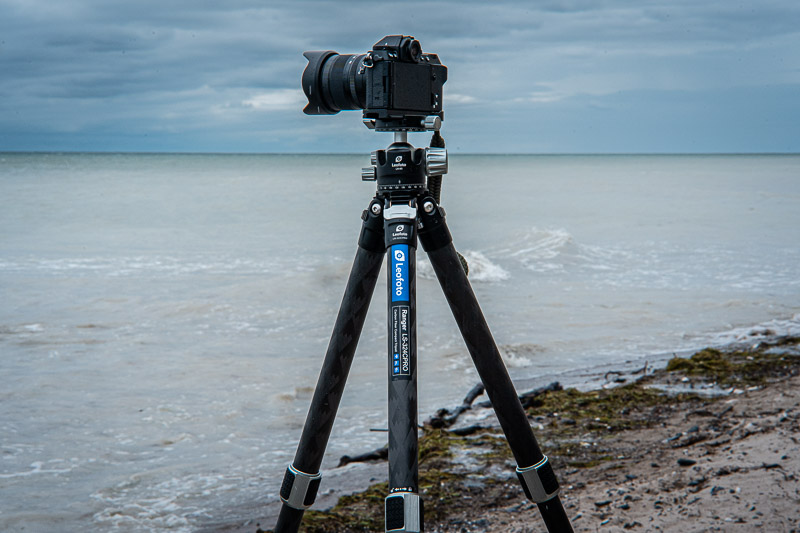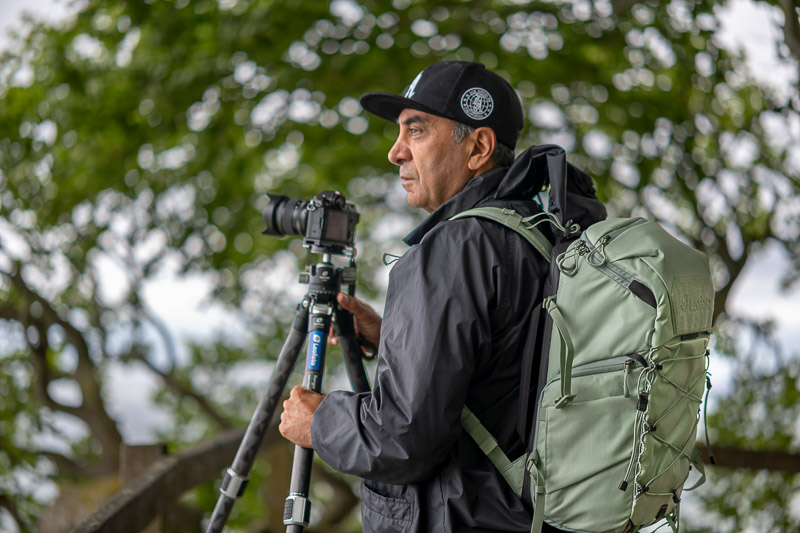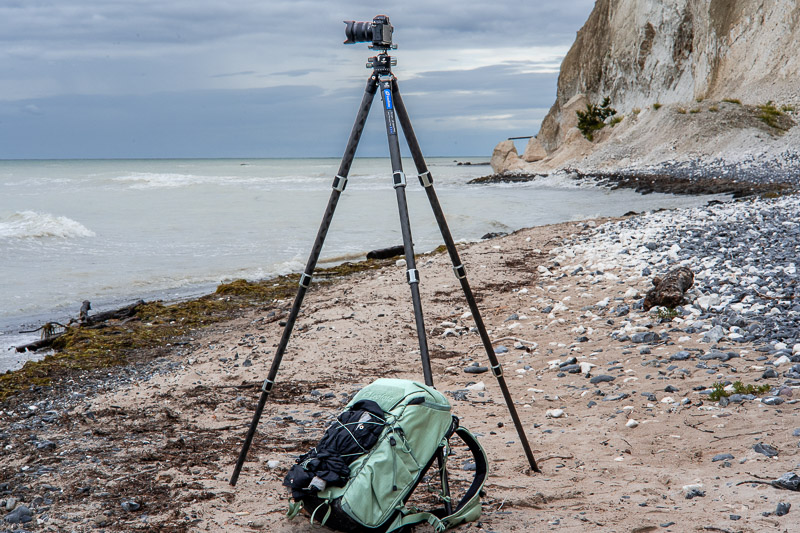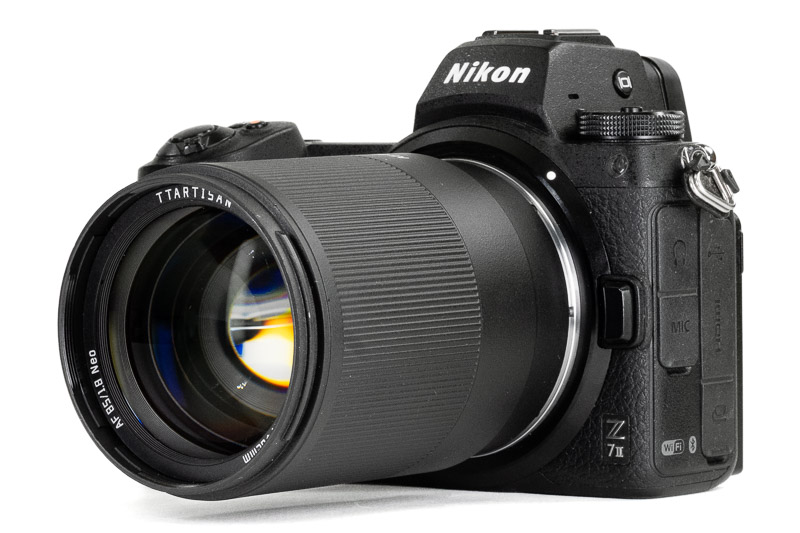
Martin M.H. lives outside Stockholm, Sweden. He is a M.Sc. in Computer Technology but he has been a passionate photographer for over 50 years. He started his photographic adventures when he was thirteen with an Agfamatic pocket camera, which he soon replaced with a Canon rangefinder camera that his mom gave him in his teenages. After that he has been using Canon SLR, Nikon SLR manual focus and Autofocus, Sony mirrorless crop sensor, Nikon DSLR and Nikon Mirrorless. He has photographed any genre he could throughout the years and you can see all kind of images in his portfolio. During the later years though it has been mostly landscape, nature, travel and some street/documentary photography.
TTArtisan has released three tilt-related lenses to date: a tilt-only 35mm APS-C, a tilt-only 50mm full-frame, and a 100mm tilt-and-shift full-frame — none of which are well suited to architectural photography.
This lens changes that: a 17mm full-frame tilt-and-shift with a complex, sophisticated optical and mechanical design. Despite that, it costs just $550.
On paper, that sounds like a bargain — assuming the performance delivers. Let’s find out.
Today I’m taking a look at another lens from Meike’s high-end MIX series of autofocus primes: the 24mm f/1.4 MIX. I reviewed their 85mm f/1.4 not long ago and was pleasantly surprised—even impressed—by its features and optical quality. Now it’s time to see whether the 24mm can live up to that standard.
Can a $369 lens really compete with a $6,600 Leica? Fair warning: some results may surprise Leica fans, for better or worse.
Today I’m taking a closer look at the Thypoch Simera 35mm f/1.4 ASPH. Thypoch entered the market about two years ago, joining a growing group of Chinese manufacturers initially producing lenses for the Leica M mount. Since then, they’ve expanded their lineup from 21mm to 75mm, mostly with fast f/1.4 apertures, and have begun offering additional mounts beyond M.
In this post, I’ll be testing the Nikon Z version of the 35mm f/1.4—and putting it side by side with Leica’s own Summilux FLE II.
In this review, we take a look at the Nikon Z 35mm f/1.4, released several years after the original Z-series 35mm, the Z 35mm f/1.8 S. It brings the long-sought f/1.4 aperture typically found on Nikon’s pro lenses, which is always an exciting option, but without the “S” designation used for the company’s higher-end optics.
The pricing is what really stands out: the f/1.8 S is actually more expensive, despite being about two-thirds of a stop slower. So which one makes more sense? A direct comparison should help clarify which lens is the better fit—and what compromises, if any, come with the faster option.
Sony α | Leica M | Nikon Z/F New articles every week
This website uses cookies to improve your experience. We'll assume you're ok with this, but you can opt-out if you wish.AcceptRead More
Privacy & Cookies Policy
Privacy Overview
This website uses cookies to improve your experience while you navigate through the website. Out of these, the cookies that are categorized as necessary are stored on your browser as they are essential for the working of basic functionalities of the website. We also use third-party cookies that help us analyze and understand how you use this website. These cookies will be stored in your browser only with your consent. You also have the option to opt-out of these cookies. But opting out of some of these cookies may affect your browsing experience.
Necessary cookies are absolutely essential for the website to function properly. This category only includes cookies that ensures basic functionalities and security features of the website. These cookies do not store any personal information.
Any cookies that may not be particularly necessary for the website to function and is used specifically to collect user personal data via analytics, ads, other embedded contents are termed as non-necessary cookies. It is mandatory to procure user consent prior to running these cookies on your website.