Introduction
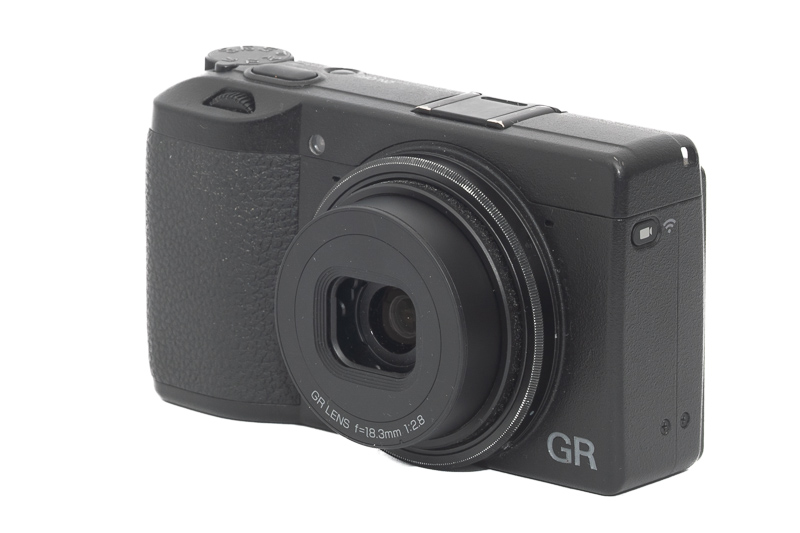
When people think of a fixed lens compact camera with an APS-C sized sensor, most will probably think of the Fuji X100 series first. However, those that are looking for a truly pocketable option may sooner or later come across Ricoh’s GR series. Not long ago the Ricoh GR IV was released, but thanks to a reader I get the chance to have a look at its popular predecessor, the Ricoh GR III.
Sample Pictures
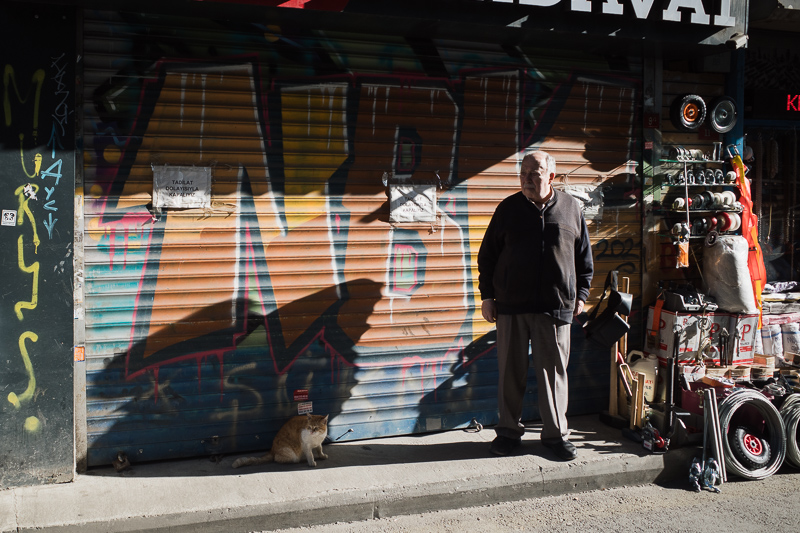
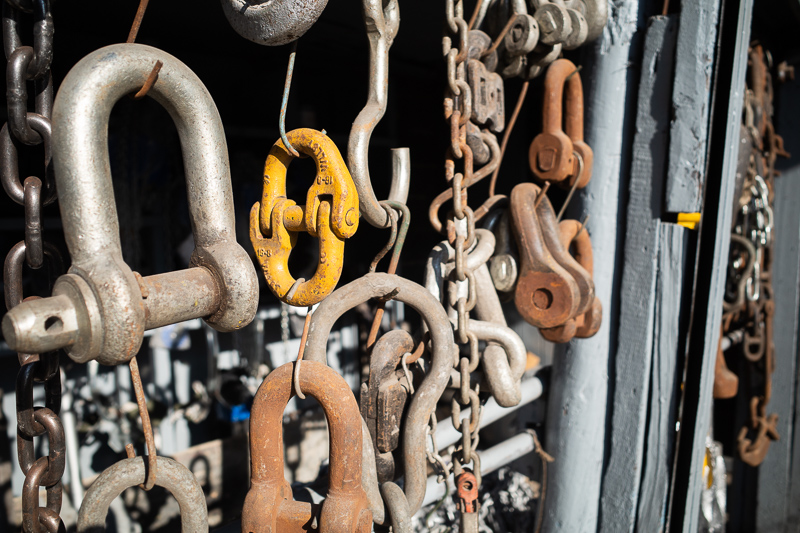
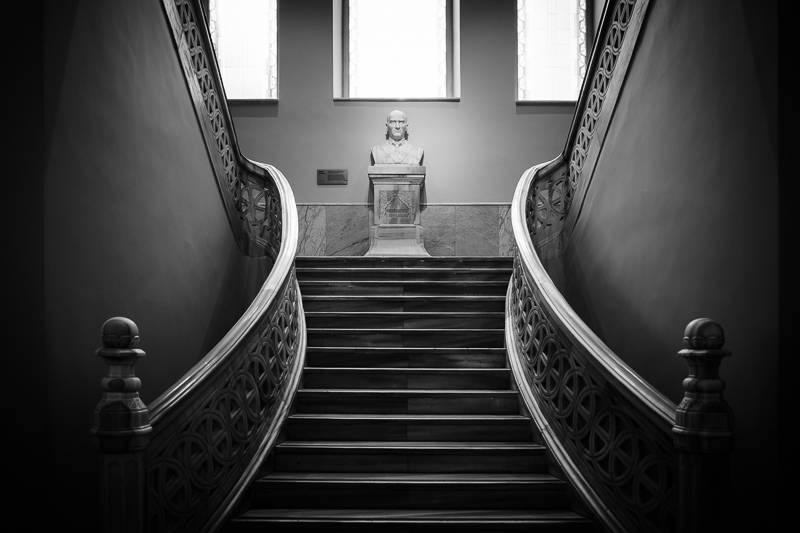
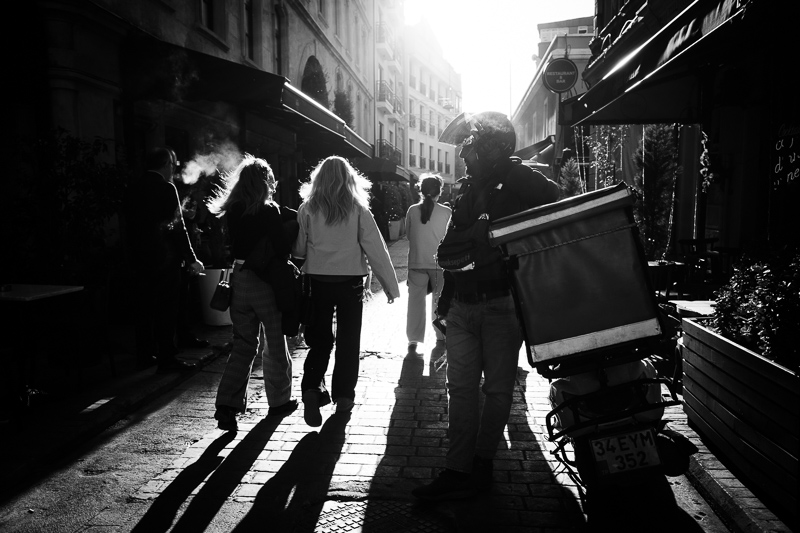
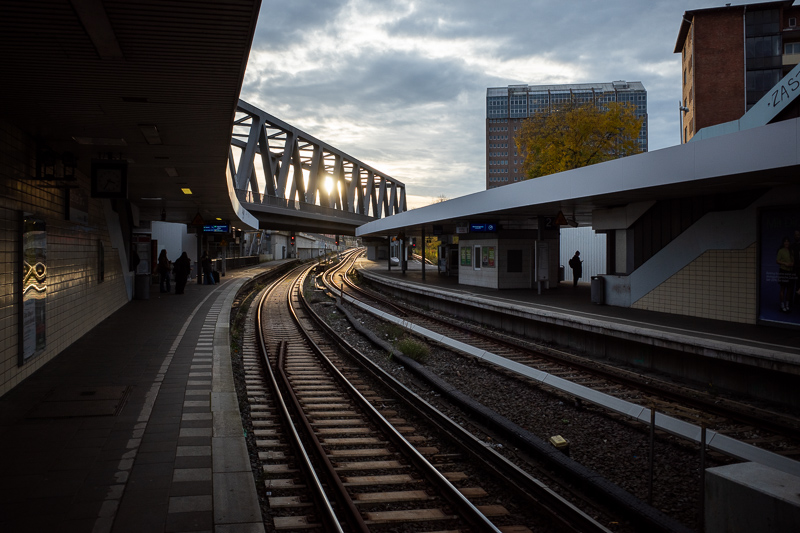

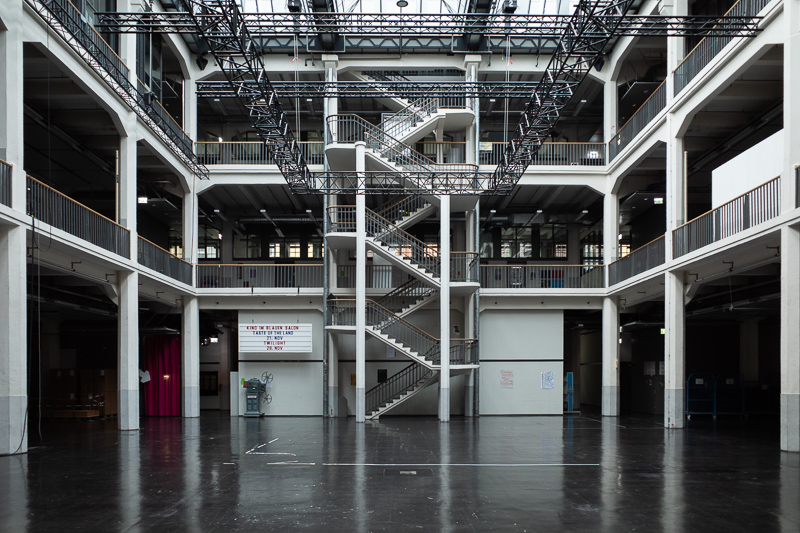

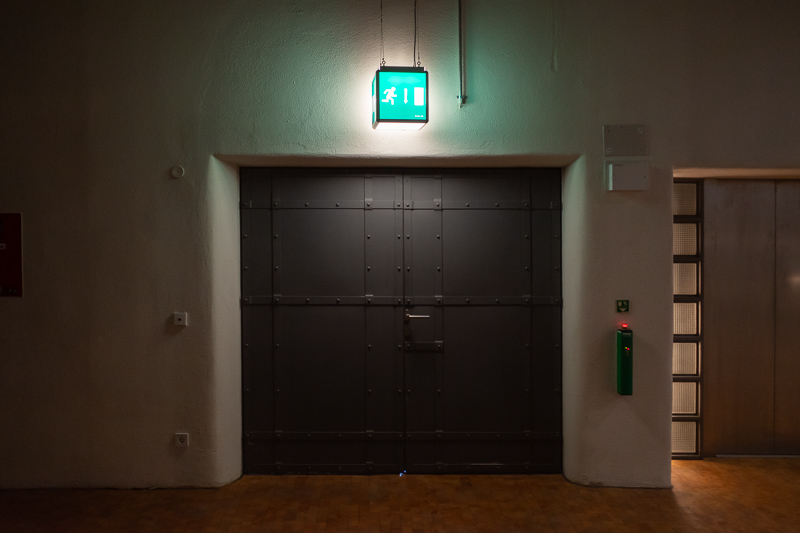
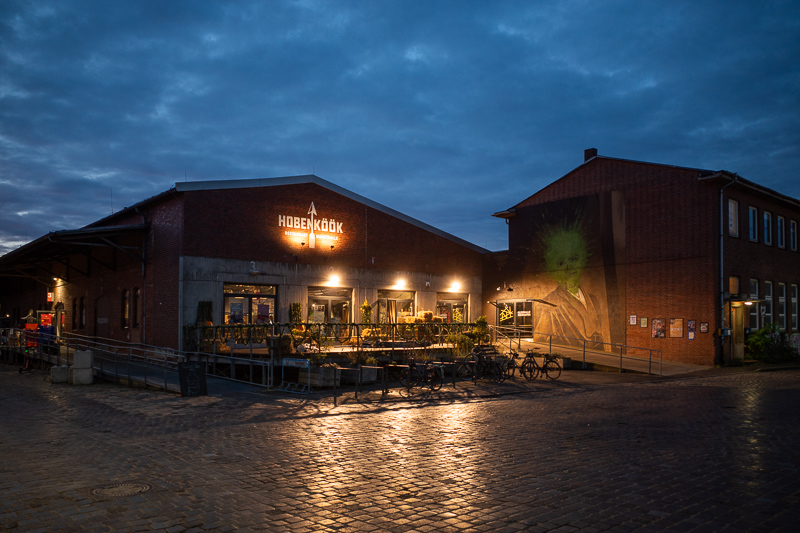

Most of the sample images in this review can be found in full resolution here.
Contents
Specifications
The Ricoh GR III has the following specifications:
- Sensor: 24mp APS-C with sensor shift image stabilization
- Lens: GR 18.3mm 2.8 (fullframe equivalent: 28mm 4.2)
- Weight: 252g (without hood and caps including battery)
- Filter Diameter: only via adapter
- Elements/Groups: 6/4
- Close Focusing Distance: 0.06 m
- Maximum Magnification: 1:2.6 (in macro mode)
buy a used Ricoh GR III from ebay.com | ebay.de (advertisement/affiliate links) starting at $1000
buy a new Ricoh GR IV from amazon.com | amazon.de | B&H (advertisement/affiliate links) for $1500
Disclosure
The Ricoh GR III was kindly provided free of charge by one of our readers for review purposes for a month. Not only that, he also included this nice photo book, thanks a lot!

History of the GR Series
The first Ricoh GR camera was the Ricoh GR1 released in 1996. It was a camera for 35mm film that came with a 28mm 2.8 lens. The Japanese street photographer Daido Moriyama is known to have used its fourth and last iteration, adding to the popularity of this camera lineup. The GRiv was also the first camera of this series featuring the Snap focus mode (more on that later). The onwer of the camera I am reviewing here was even so kind to send me one of his photobooks.
From 2005 to 2011 Ricoh offered four generations of Ricoh GR Digital cameras. These made use of smaller sensors with a crop factor of 4.7 and 28mm fullframe equivalent lenses.
Then in 2013 Ricoh ditched the Digital in the name and released the Ricoh GR with an APS-C sized sensor and again a 28mm full frame equivalent lens. In 2021 Ricoh added the GR IIIx to the lineup, featuring a lens with a 40mm fullframe equivalent focal length instead. You can find a nice overview of these digital Ricoh GR cameras here.
Handling / Build Quality
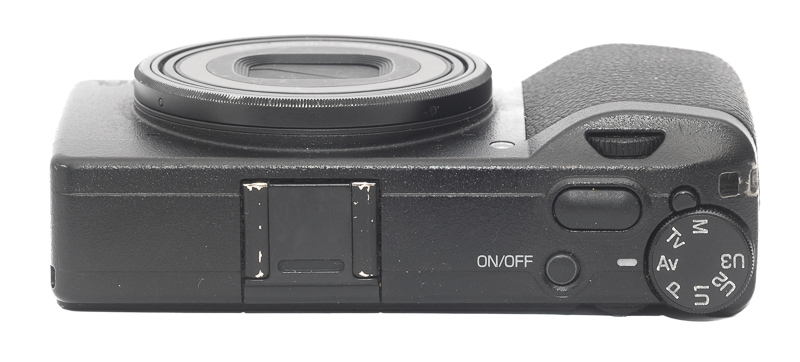
The Ricoh GR III was actually designed with efficient operation in mind, maybe more so than any other camera I have used so far.
Everything can be operated with one hand only (note to Nikon: thanks for locating the Zf’s playback button on the left side for no reason) and considering how small this camera is the engineers actually managed to implement a surprisingly high amount of controls.
On the top you can find the on/off button, shutter button, mode dial and the first control wheel.

On the back you can find the second control wheel, the multi selector and a few additional buttons. The screen is not tiltable and there is also no EVF but an actual hot shoe.
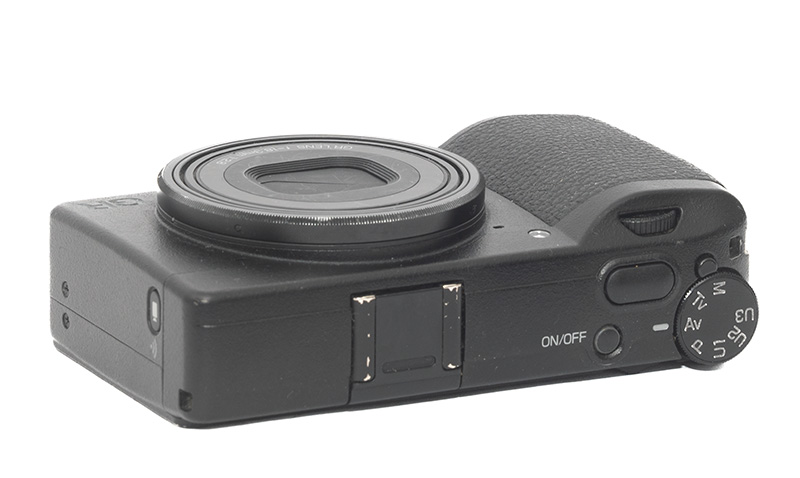
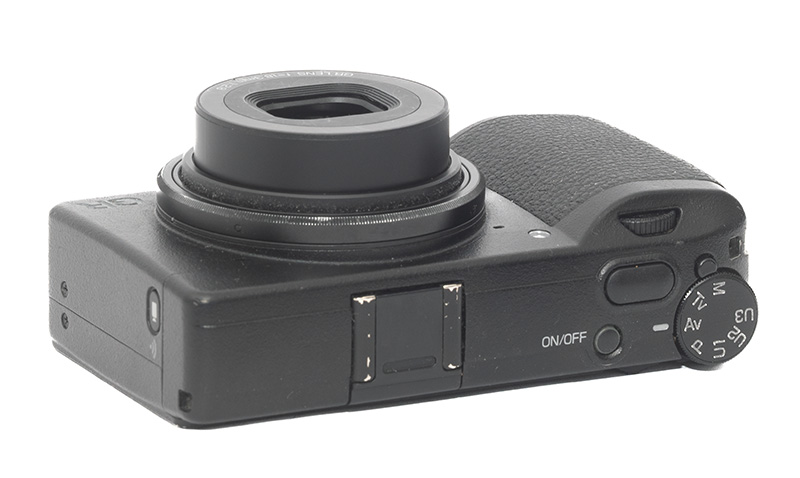
On turning the camera on, the lens has to extend first, this operation is very quick though. The camera also has a macro mode where the lens extends even further.
With my rather big hands I often accidentally touched the rear control wheel though, changing the exposure compensation unintentionally.
The camera does not feature a filter thread, several third party accessories are available to change that though.
Autofocus
My conclusion here is similar as it was for the Fuji X100VI:
Generally the performance is okay for most use cases and also eye-AF works, but the performance is not on the same level as a Sony A7III (or later) or one of the later Nikon Z cameras.
If you expect great tracking of your child or dog running around, you will probably be disappointed.
There is one interesting alternative the Ricoh GR III brings to the table though: the “Snap Focus”. With snap focus you can bypass the AF and take a picture at a predefined focus distance – similar to zone focusing with a manual lens. This can be a useful feature for street photography and I actually used it a lot.
The owner told me that having Auto ISO activated slows down the Snap Focus mode, so if you think it is too slow you may want to set a fixed ISO value.
Image Quality
Sharpness Infinity
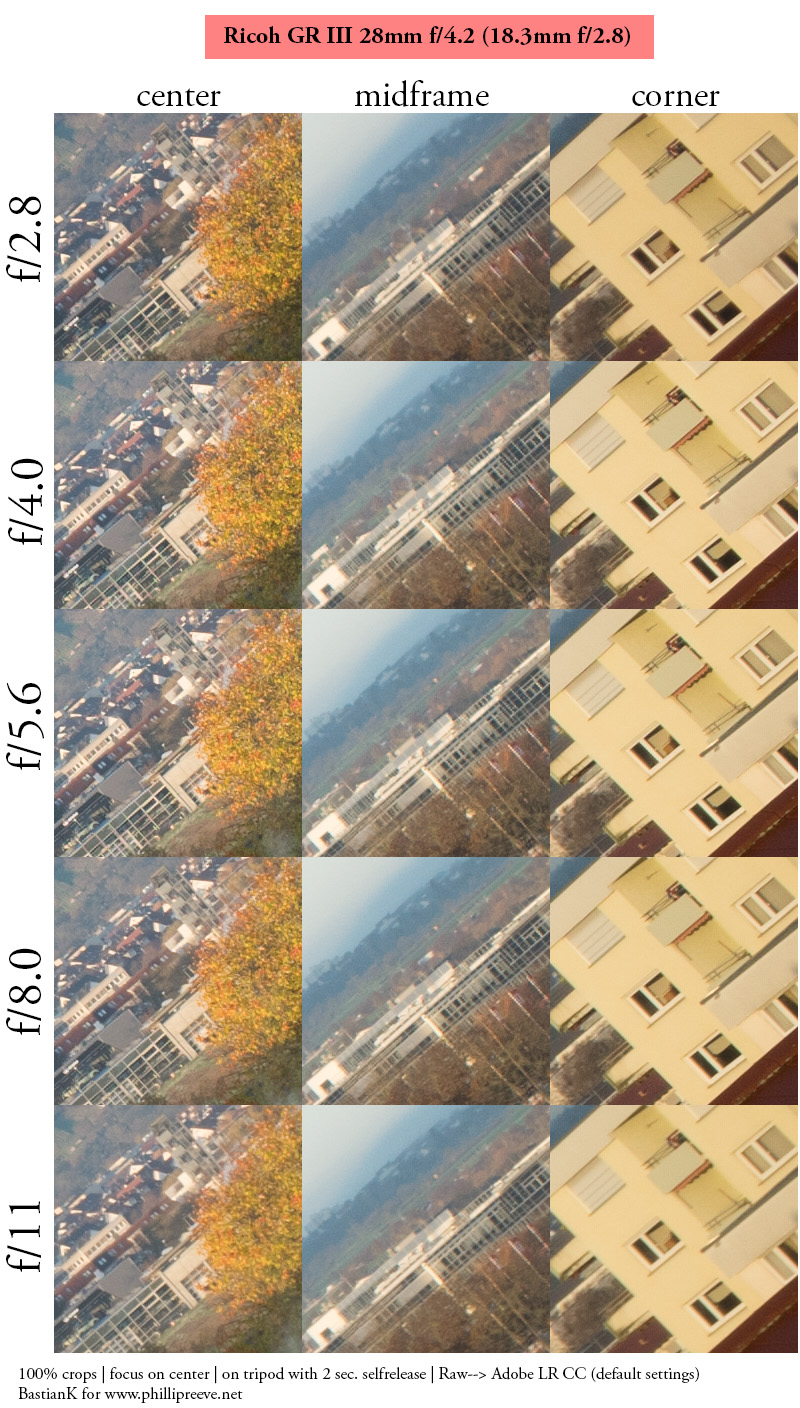
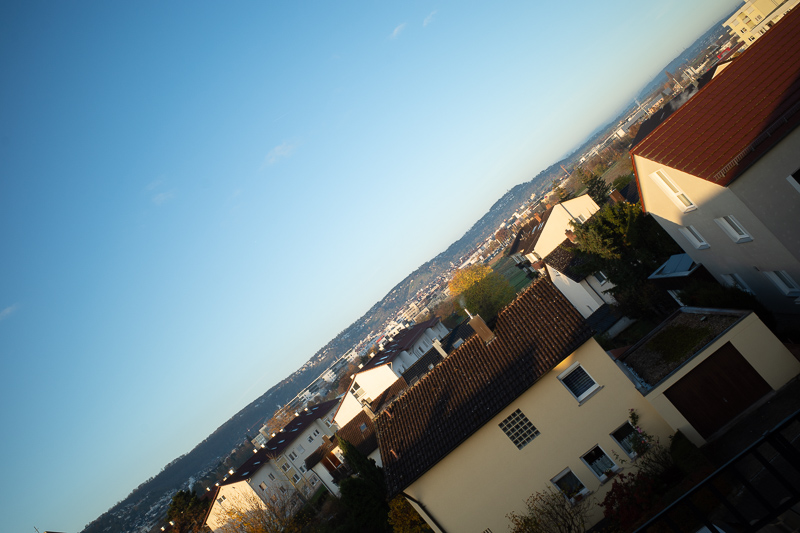
The lens offers good resolution and contrast right from its maximum aperture. Midframe and corners do benefit from stopping down one or two stops, but generally I did never mind using it at f/2.8.
Embedded Noise Reduction
Since its introduction I am a fond user of Adobe’s Ai Denoise algorithm, because unlike some third party addons like Topaz it integrates well in my workflow and doesn’t create additional trouble for me.
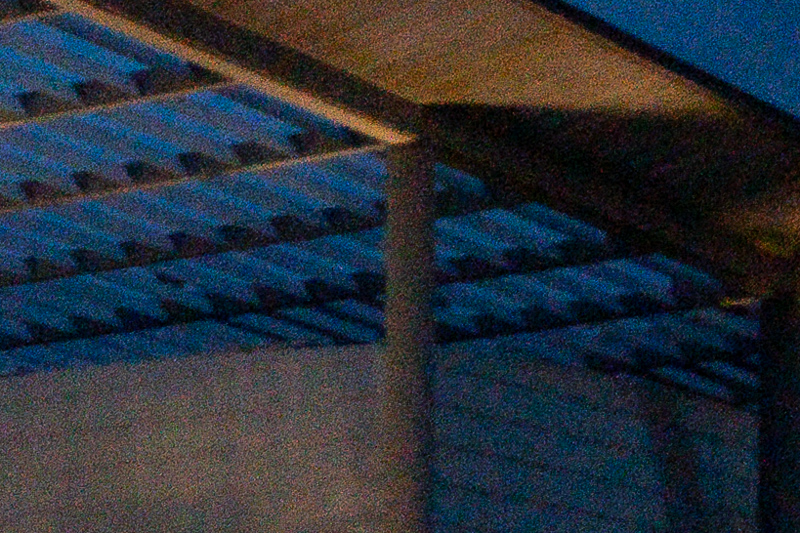
With its comparably slow lens this Ricoh GR III isn’t exactly a low light king to begin with, but there are more things to talk about: not only do I generally find the noise levels from this sensor rather high – meaning worse than other modern APS-C sensors – but there is also an even bigger problem: because Ricoh adds some noise reduction to the “Raw” files, Adobe struggles a lot with its already altered files and the Ai Denoise doesn’t work properly at all, as you can see from the following example. Adobe blames Ricoh, Ricoh blames Adobe – meaning nothing will change anytime soon.
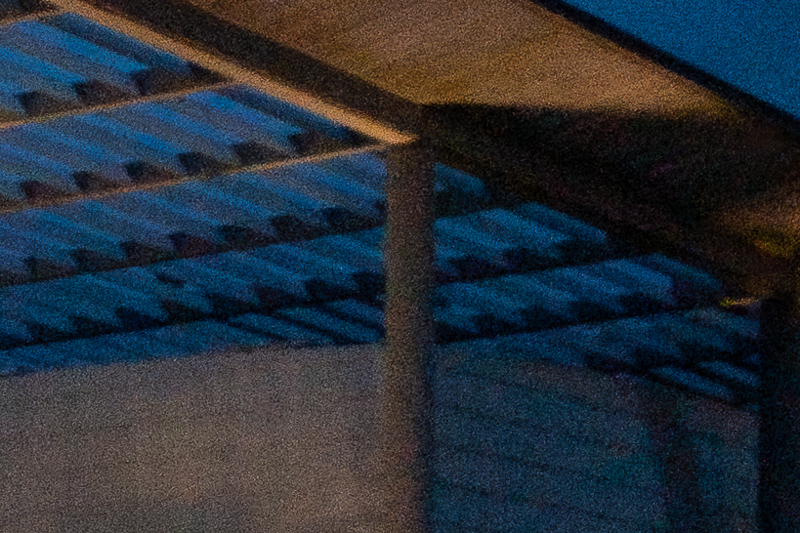
For those not familiar with what the results should look like:
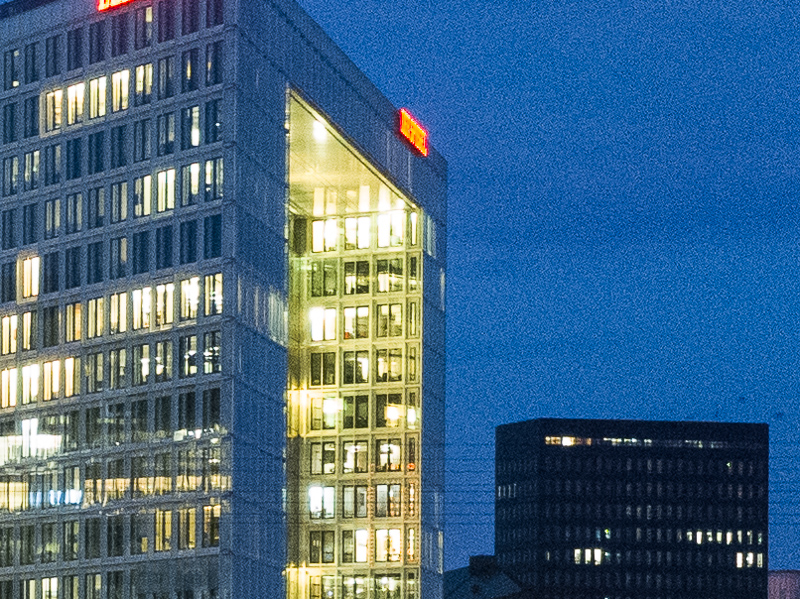
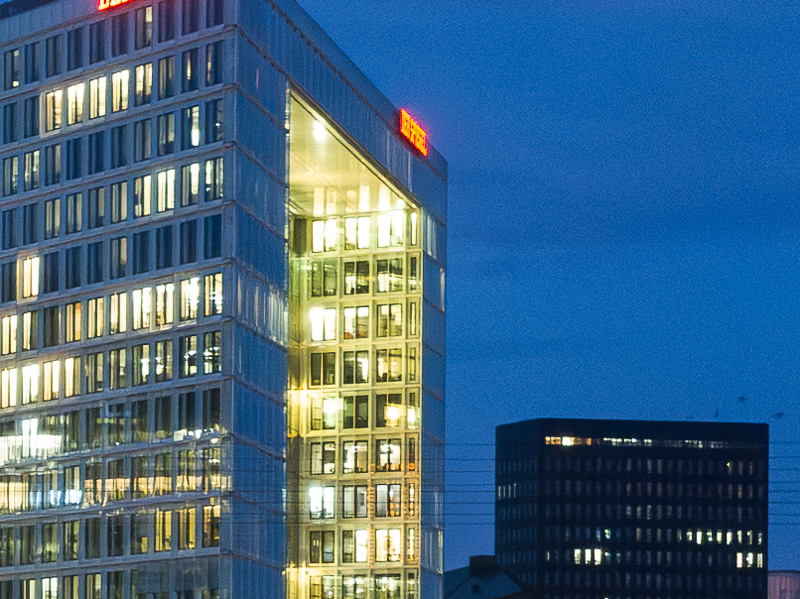
I say it is Ricoh’s fault, because the algorithm works perfectly with my Nikon, Sony and Leica cameras as well as with the Fuji X100VI‘s X-Trans sensor and even with the Raws from my Vivo X200 Ultra Smartphone (as can be seen above).
Bokeh

The 18.3mm 2.8 lens (fullframe equivalent of 28mm 4.2) is not exactly a setup that screams shallow depth of field photography. Only in close focus scenarios you will be able to create some bokeh in your pictures.
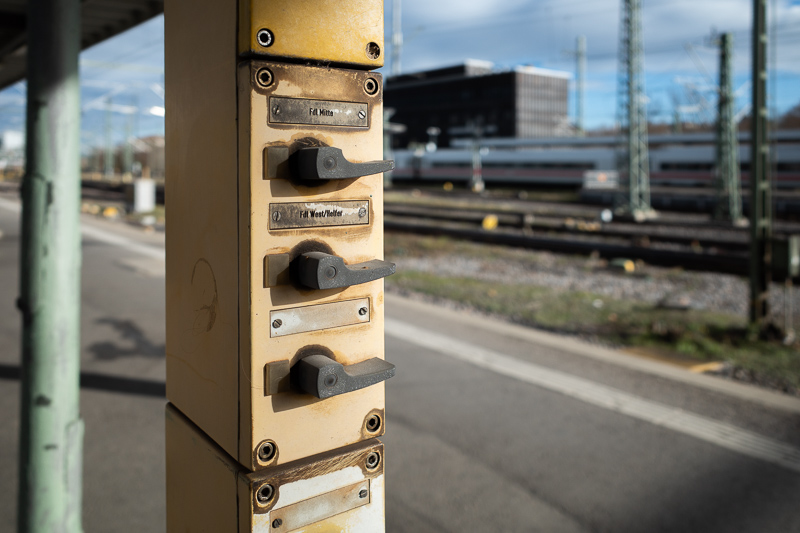
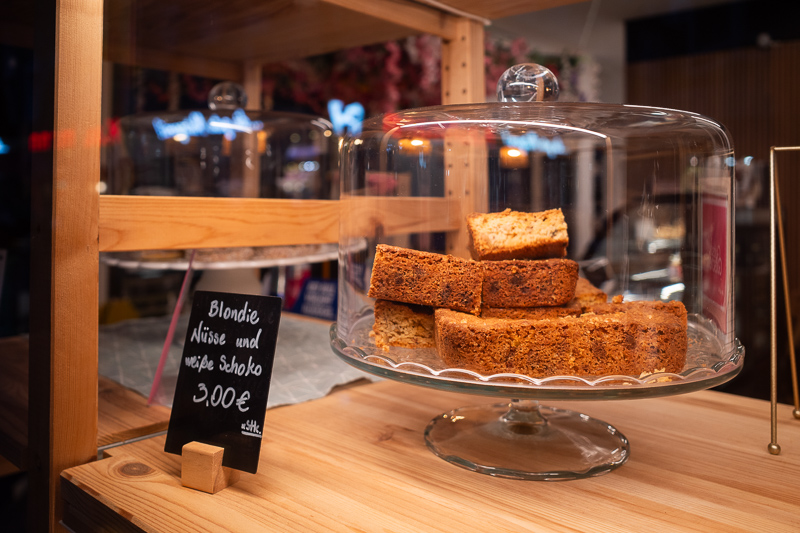

The quality of the bokeh is alright in these close focus scenarios, but nothing special, really.

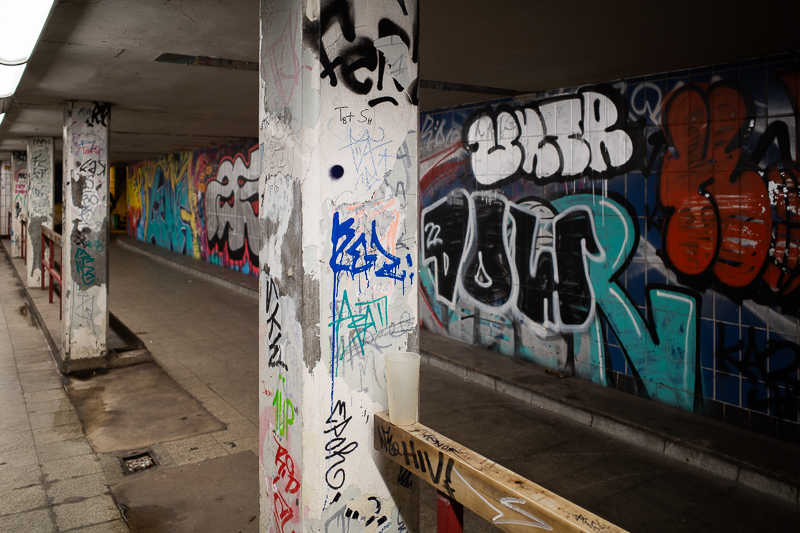
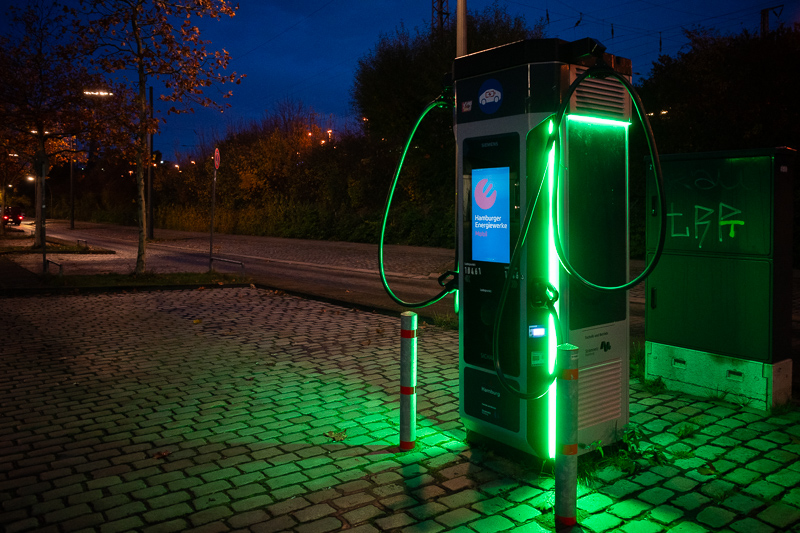
At longer focus distances – as mentioned before – practically everything is in focus even with the lens set to its maximum aperture.
Conclusion
On the one hand the Ricoh GR III is aimed at people that actually care about getting the shot and who are not merely looking for something that is more jewelry and brand image than actual camera, which is clearly something I have to applaud them for. Especially being able to completely operate this camera with one hand and the snap focus modes are actually useful features in the field.
If the field of view of a 28mm fullframe lens is all you need and you are looking for a camera that is efficient to operate and at the same time pocketable, these Ricoh GR series cameras might be exactly what you are looking for.
On the other hand this camera hardly does anything for me that the latest higher end camera smartphones couldn’t do, yet I consider those being far more capable and versatile picture taking devices. Several times – especially in dimly lit scenarios – after seeing the noisy high ISO images taken with the Ricoh, I decided to get out my Vivo smartphone and taking a shot with its multishot noise reduction, effortlessly giving me actually usable pictures out of camera. The original Ricoh GR was released in 2013 and even with its fourth iteration not much has changed, yet the world around it simply moved on.
This is your last standalone MP3 player before you figured out what Spotify is, the last CD you burned before finding out what a USB stick is, the last movie you rented on a physical medium before simply streaming it.
buy a used Ricoh GR III from ebay.com | ebay.de (advertisement/affiliate links) starting at $1000
buy a new Ricoh GR IV from amazon.com | amazon.de | B&H (advertisement/affiliate links) for $1500
Sample Pictures
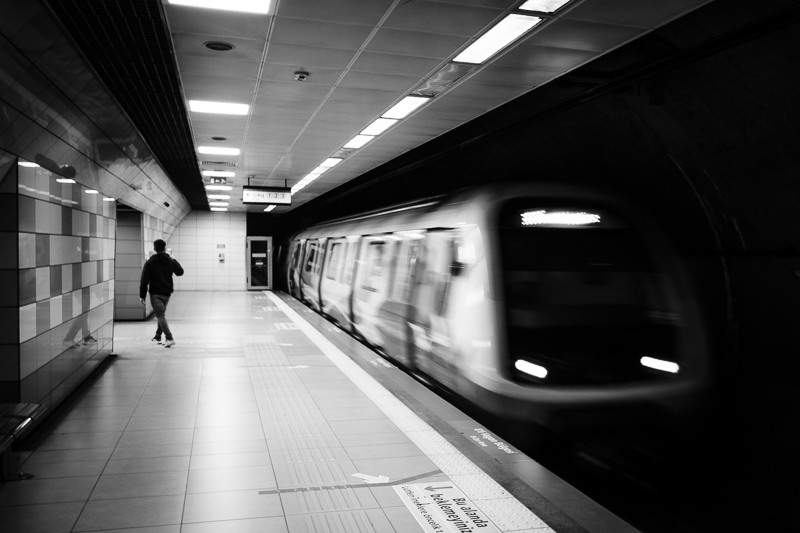


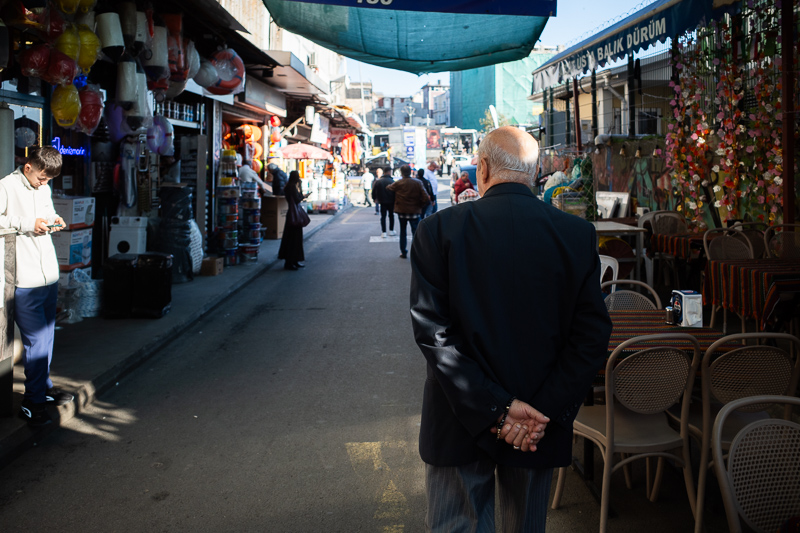
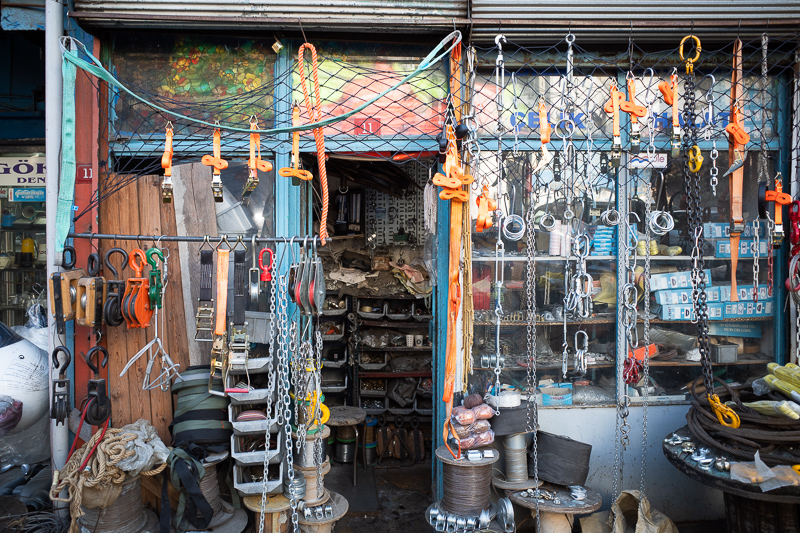

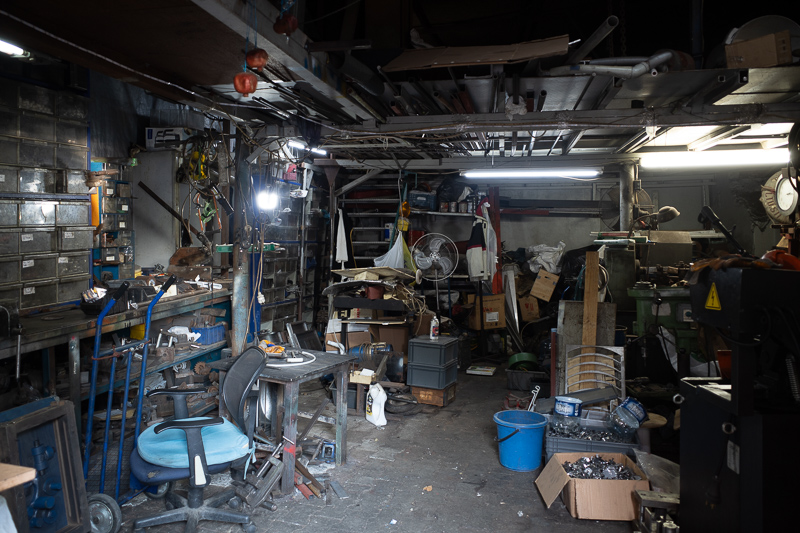
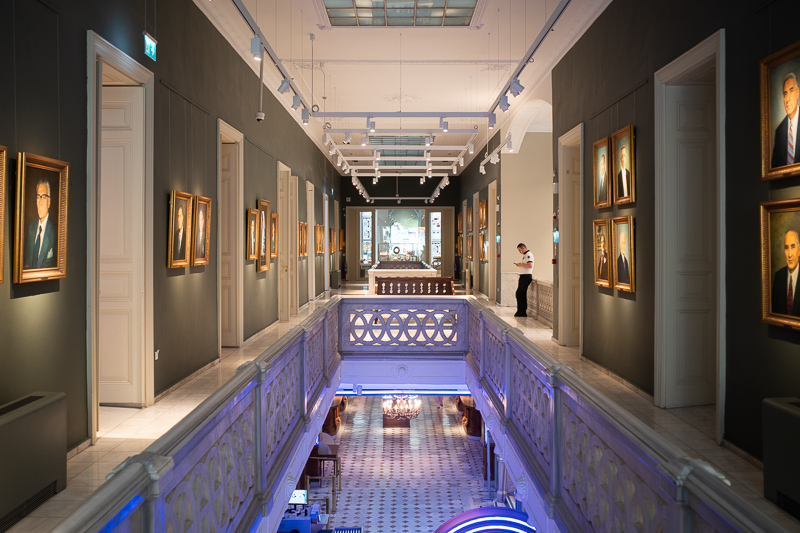
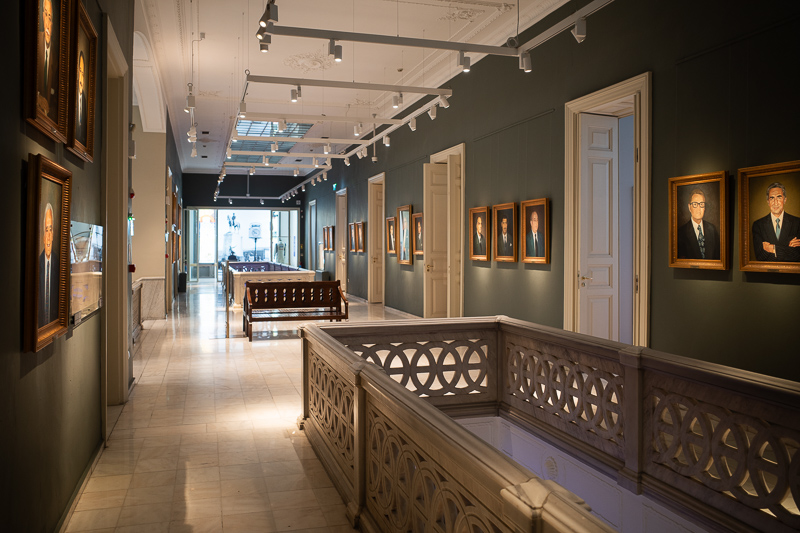





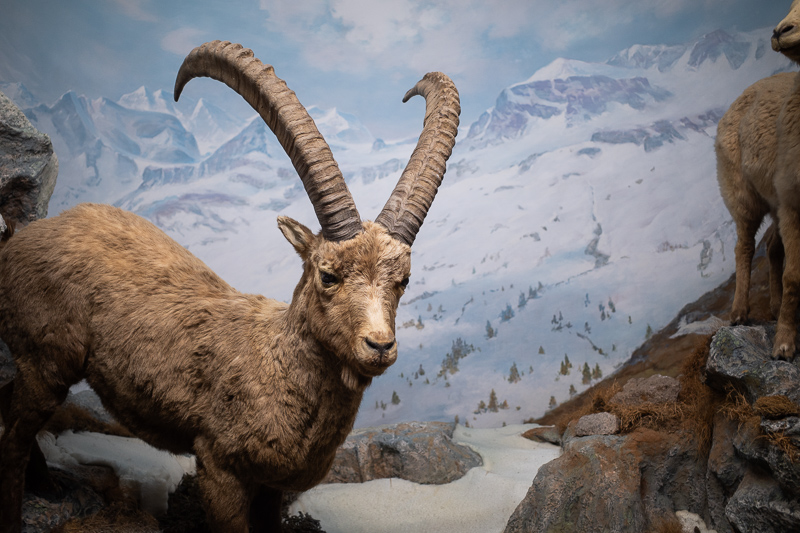
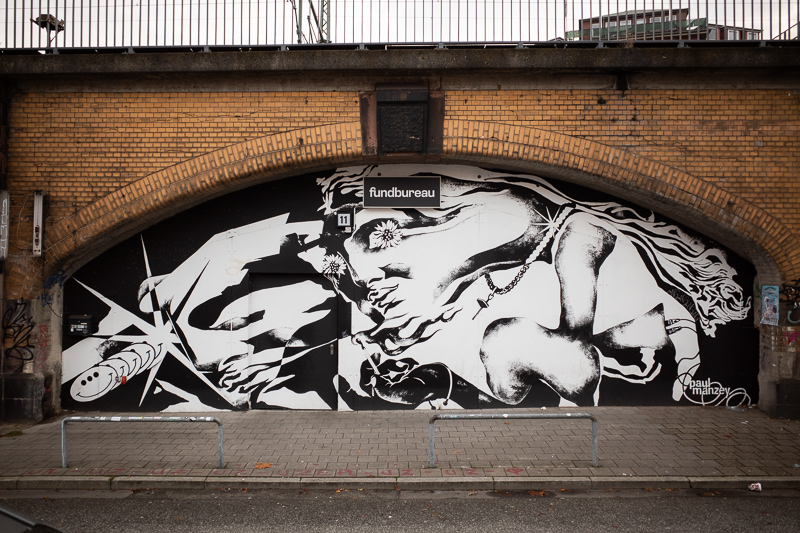


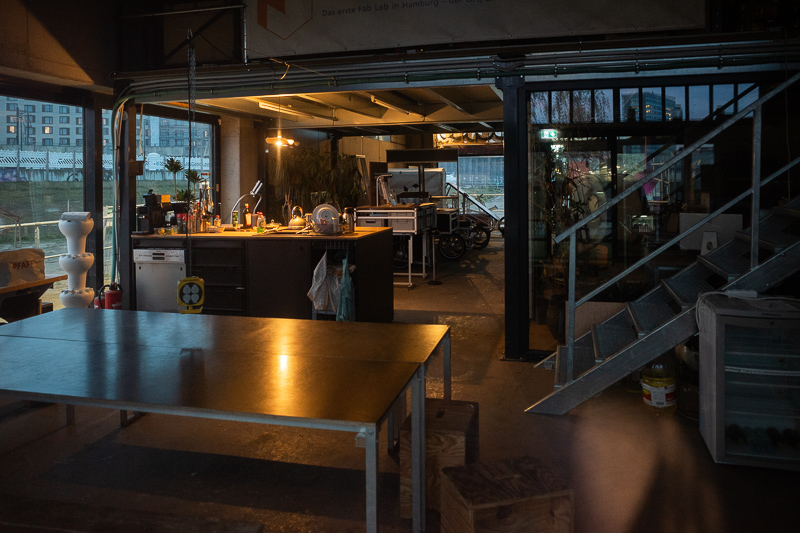

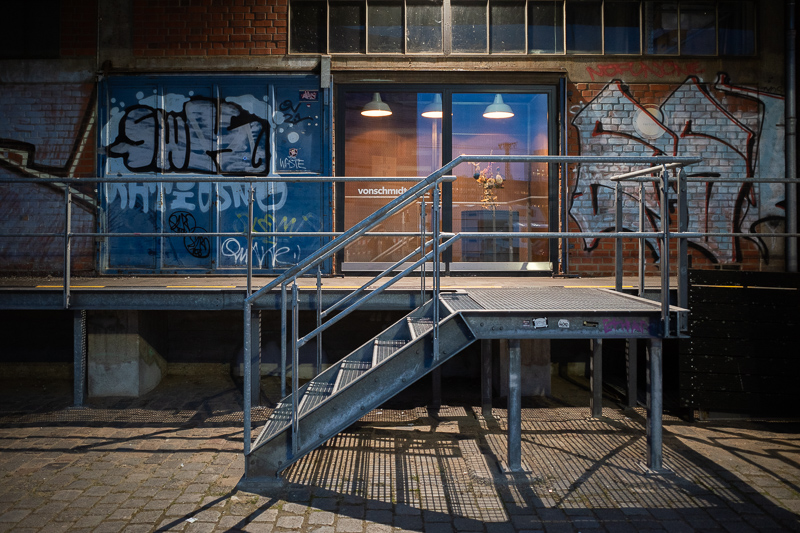
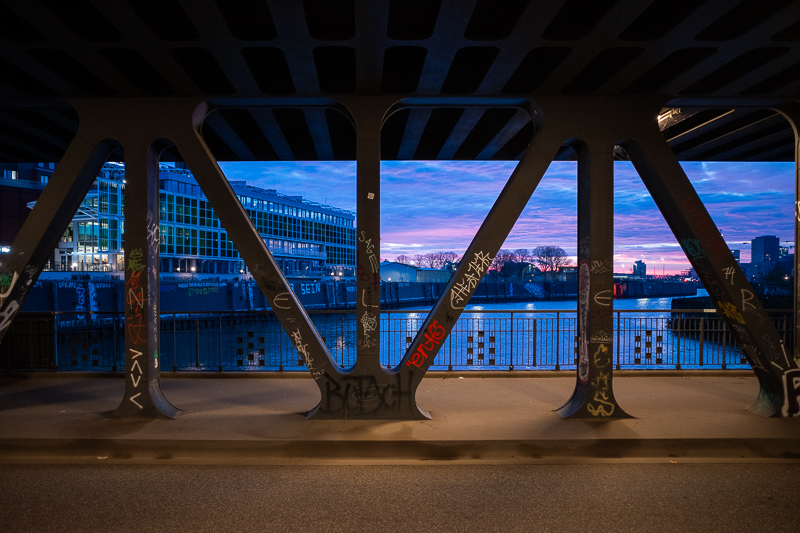
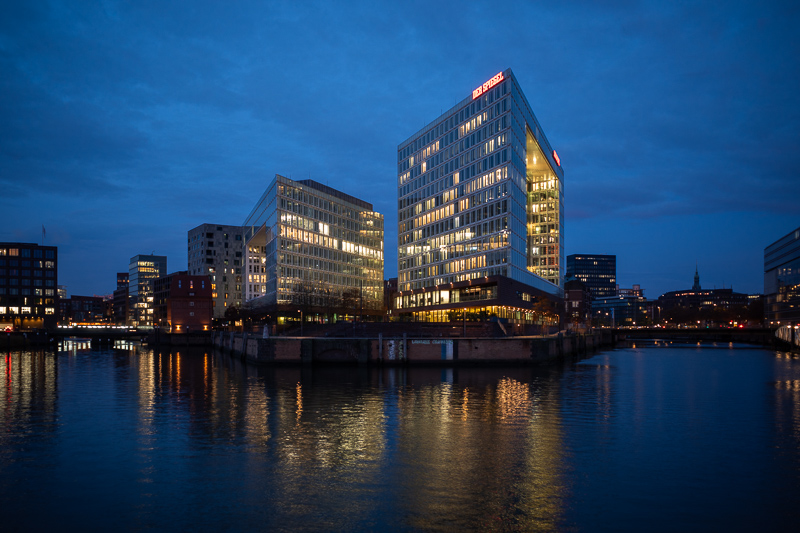
Most of the sample images in this review can be found in full resolution here.
Further Reading
- Review: Sony RX1RII
- Review: Sony FE 35mm 1.4 GM
- Review: Voigtlander 40mm 1.2 Nokton
- Review: Sony FE 40mm 2.5 G
Support Us
Did you find this article useful or just liked reading it? Treat us to a coffee!

 via Paypal
This site contains advertisement/affiliate links. If you make a purchase using any of the links marked as advertisement/affiliate links, I may receive a small commission at no additional cost to you. This helps support the creation of future content.


Latest posts by BastianK (see all)
- Analogue Adventures – Part 51: Kodak Pro Image 100 ECN-2 - April 15, 2026
- Review: Sony FE 50mm 1.4 GM - April 11, 2026
- Review: Samyang 35mm 1.2 XP - April 1, 2026
Looks like a fine and capable camera.
I wonder how much better the Ricoh GR IV actually is.
There are many comparisons of GR III and GR IV out there. Most end with the conclusion that the GR IV is better, but the difference is not worth to sell a GR III and buy a GR IV.
The GR series was always developed in a „Kaizen“ approach of incremental improvement: The basic form factor and parts of the look and feel are unchanged since the analog era.
Matching this, the IV is incrementally better in many small things: Faster, better lense but also 2.8 minimum aperture, optimized switches.
If you don’t like the III, forget about the whole GR series and buy something else. If you like the III, the IV is the better version.
Hallo Bastian,
das Rauschen ist für mich die Stärke der GRIII (neben den Dingen, die du schon genannt hast), haben die Bilder dadurch doch einen fast analogen “körnigen” Look.
Im Gegensatz zur Sony Alpha 5100, die ich vorher hatte, hat die GR eine wesentlich weniger aggressive Rauschunterdrückung, was ich sehr schätze – für mich die bessere Kamera!
Danke für diesen Bericht und beste Grüße, Marco
Wonderful review and photos, Bastian! These are some of the best photos I’ve seen from a Ricoh GR camera, which is ironic considering how you find it rather unimpressive! I think the shots you took with you the Vivo are excellent as well, but the photos you took here with the Ricoh feel far more pleasing; perhaps that is the 28mm-equivalent lens is playing tricks on my eyes.
While the Vivo has features like multishot mode, I would have guessed that the Ricoh’s insane IBIS performance (I have heard you can handhold over 1 second with it) would make up for the dark lens, but I suppose the lousy sensor performance is not doing it any favours. And Lightroom denoise is truly a marvel, but I still think—even at the lowest settings—it makes human skin (at least East Asian and South Asian(where I live)) a bit plasticky looking, and even slightly warps facial features. I think users who like the Ricoh enjoy having a camera where they don’t feel the need to edit the photos at all.
Once again, fantastic photos, and I really hope some exciting 28mm lenses are released and reviewed by you this year.
I also wish to see some nice 28mm primes…
Voigtländer Apo Lanthar 2,0/28mm.
I’m pretty sure Bastian is aware of it (plus he reviewed the 28/1.5 Nokton)… I’d like to see some AF options myself, the Voigtlanders and the Argus have been tempting though.
„This is your last standalone MP3 player before you figured out what Spotify is, the last CD you burned before finding out what a USB stick is, the last movie you rented on a physical medium before simply streaming it.“
As a previous owner of a GR II, and as person flirting with the idea of getting the newest version, this hits hard. It certainly is true – modern multi-use devices have caught up. Yet I wonder if there is not value in using devices that serve exactly one purpose. Technical convenience is one aspect, but at the same time, I feel no pleasure at all in using my phone for picture taking. This Ricoh does one thing well, and its limitations might even amplify one‘s creativity.
Heh, I kinda like that analogy in the conclusion, I think many will see it as a net negative but like you I don’t think that’s necessarily the case…
I think it’s been a couple decades since I burned a CD and nearly as long since I rented physical media, but I still use dedicated MP3 players on occasion (and buy CDs or downloads) despite having/using a Spotify sub (and YT Premium).
I don’t even think it’s about artificial limitations TBH, a phone has a better screen and can arguably output better processed photos out of the box, the touchscreen controls may not be as satisfying but it’s something millions of people are fine with…
Just like MF lenses vs AF ones tho, there’s some subtle reasons I can see people preferring the GR, it won’t be for everyone… I think for me the review shows two things that can both be true at the same time: I WOULD have fun with one, it WON’T accomplish anything my ILCs and phone can’t.
I’d be somewhat more tempted by the GR IIIx tbh.
Great pictures, as always!
For me, the GR series is about usability, not image quality.
When I photograph, I need rotary wheels and buttons that I can feel with my fingers. With a smartphone, I can take pictures, but not photographs. I tried, but never managed to produce something good with a phone – despite the image quality of modern phones is excellent.
Maybe it’s a question of age: After 40 years of turning wheels to change exposure, sliding on a screen just doesn‘t feel right.
The issues with noise reduction in post-processing is a very interesting finding: I noticed that this didn‘t turn out well, if I ran the raw files through noise reduction in post, results were not better than out-of-camera jpegs. Now, thanks to Bastian, I know that this is a systematic problem. Maybe Ricoh will fix it in future firmware versions.
I have an iPhone 15 Pro and the first generation GR. In my opinion, comparing them is like comparing apples to oranges.
The iPhone squeezes the optimum out of its limited sensors and lenses by using all kind of clever post processing algorithms. But the RAW files from the iPhone are not comparable to the ones from the GR by any means, there is no workaround for sensor and lens size.
For sure I can shoot 10 seconds with the iPhone multi-shot mode (especially on static subjects). But if I expose 10 seconds with the GR placed on the ground I get a better image with much more latitude.
And shooting with the GR is the much more satisfying experience for a photographer.
In the end it’s up to the use case. As a take everywhere / share anytime device the mobile phone cannot be beaten. But if my aim is creating photographs, I will enjoy my time much more with the GR and get the better results.
And yes, the GR would benefit from some algorithms available on modern Olympus cameras.
I have no more this camera (upgraded to the medium format equivalent), but I’d get either of GR3s instead of a premium camera smartphone. None of them can compete the ergonomics and IQ of the Ricoh.
So, Bastian, quick question, between GRIII (or GRIIIx) and a high-end camera smartphone, which one would you choose for everyday general shooting?
(I am asking because I am thinking to buy a used GRiii, which is in the same price range of a high-end camera phone…)
Is that not clear from this article? Obviously a higher end smartphone from Vivo or Xiaomi.
Sorry for questioning the obvious, but i find it hard to believe that a 1″ sensor has similar image quality with an APSC sized sensor…
But then again, its been a while since I bothered researching the capabilities of camera smartphones now-days…
Thank you for the quick review and your reply!
In high end-phones imaging sensor is 1/1.3″ or 1″ (X 17 ultra). They provide quite good IQ in certain conditions, but far from GR3 level overall. I find those phones are quite bad as phone because too expensive for a vulnerable frequently used device, and large, heavy. Also they are bad as a photographic tool, due the tiny optic and sensor restrictions.
I invite anyone to have a look at the pictures in this review and in my article on the Vivo X200 Ultra and to make up their own mind.
The Ricoh cannot take ultra wide pictures, it cannot take tele pictures, it is pretty awful in dimly lit environments without a tripod,
sharing pictures taken with it demands a second device.
This is not the case anymore.
Modern smartphones indeed take a different approach to imaging: Eg they acquire series of images, align them and use the additional information to reduce motion, image noise etc.
Additionally, they use their massive computation power to improve images.
These techniques are currently not available for bigger sensors, because of restrictions eg in readout speed.
So the paradigm that a bigger sensor automatically makes better images is history. If you don’t believe this, look at the images Bastian provided.
As said: Image quality was for me not a reason to buy the GR. It’s the specific way how I use the camera, which is very different from how I use a smartphone.
I think that, if development continues as is, very soon smartphones will reach the image quality of full-field cameras for many situations. So pure image quality will less and less be a differentiator.
I won’t much delve into ability of modern phones (I have one of those with 1″ sensor) vs “regular” cameras, and AI reconstruction vs “raw” raw file etc.
Time catches with all of us, sadly or not (I am getting sick of “AI”, but I also use it for work and other things).
With a phone, sometimes I get an image I’m quite happy with, sometimes it’s too much for my taste (in terms of initial sharpening, which can be over the top). Where it doesn’t do well is moving subjects (like birds in the sky), where things can turn out ok, but can also go utterly wrong, and then I end up having to alter the image digitally (I don’t appreciate composites).
All in all, it’s a really good tool for many situations and sometimes more practical than a “real” camera. Sometimes it will disappoint (but expectations should be managed), but rarely so if you understand the equipment you’re dealing with.
I use it for “non-artistic” work of all sorts, for images I know I’ll never print large, for documenting quick moments, and sometimes for things I didn’t think I’ll use it for too.
I’m quite happy with my phone, and it also doesn’t make me use better, more pure equipment that gives me more control, any less than before. Actually, I kinda appreciate it more whenever I grab it.
There’s place for both. Same as analogue is in trend in mid 2020’s, after almost dying 20 years before.
What’s nice with the GR is that in can be turned on very quickly and immediately take a photo, there is always something with a phone:D You can also edit photos there, there are nice presets that can be altered, macro mode (28mm), some background separation, nice blur on short distances, even the change of the format (I use sometimes 1:1 ratio) with a button. And it’s really small and light, I take it when I don’t want to take the big camera and still want to have fun with taking photos;) It also delivers these ready photos that don’t need more editing.
BastianK:
Vivo X200 Ultra is the only phone I’d consider for photography, because it’s the only one has relative good sensor with 35mm eqv. lens. 23mm main cameras are not for me, 28 or 35mm. Telephoto is not important for me. If someone make a compact phone with just one 1″ sensor with 28/35mm eqv. lens I’d happy to buy it.
I purchased a Ricoh GR IV HDF, as a companion to my film medium format and everyday P&S. First thing I noticed when turning it on was the LCD had immense bleeding, something a 150€ smartphone does not have.
Second thing when testing the lens performance:
The bokeh balls were asymmetrical when not wide open, because the aperture blades are misaligned.
Turns out this is considered in spec and when looking it up you find many users reporting it, starting with GR IIIx. Which quite frankly is some kind of joke for a 1450€ camera. Needless to say it was returned and I will not buy another one.
Thanks for the review Bastian!
Might be worth an update to the denoise section of the review, looks like Adobe just pushed out a software update for Lightroom with improved denoise performance on Ricoh Ricoh and Pentax cameras at the end of February 2026!
Also I find interesting Xiaomi ‘s modular concept with lens integrated m43 sensor.