Introduction
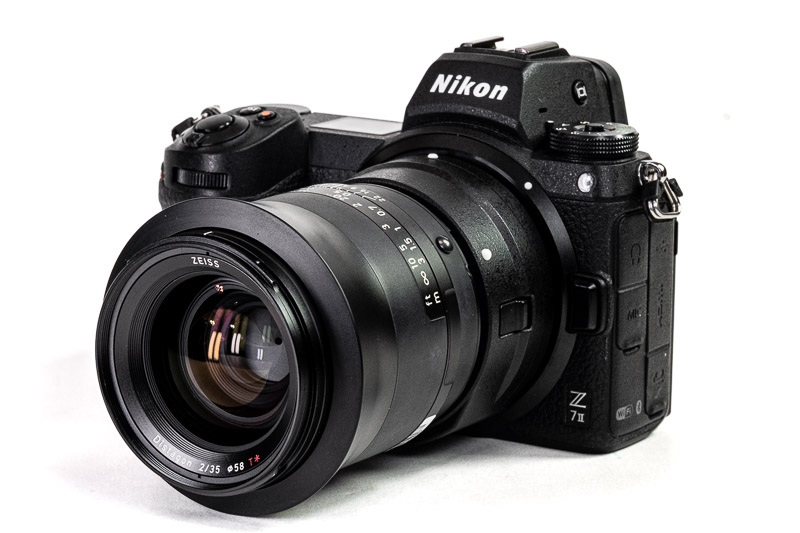
Today I’m looking at another Carl Zeiss lens from the Milvus series—the 35mm f/2. A lens that is popular for street, travel, and everyday photography. As Zeiss’s final DSLR-era lineup, the Milvus lenses benefited from decades of optical experience, aiming to deliver high image quality in a more practical, less bulky package than the no-compromise Otus line. I was impressed by the Milvus 21mm’s build and manual handling. Let’s see how it performs.
 I tested this lens on a 46 Mp Nikon Z7ii (Sample images were taken with a Nikon Zf)
 You can see this review as a YouTube video here!
 Sample images in high resolution here.
Sample Images
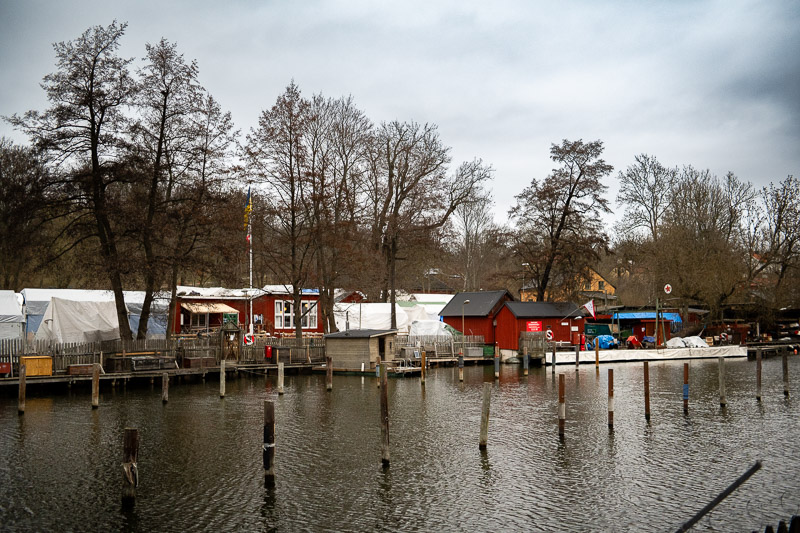

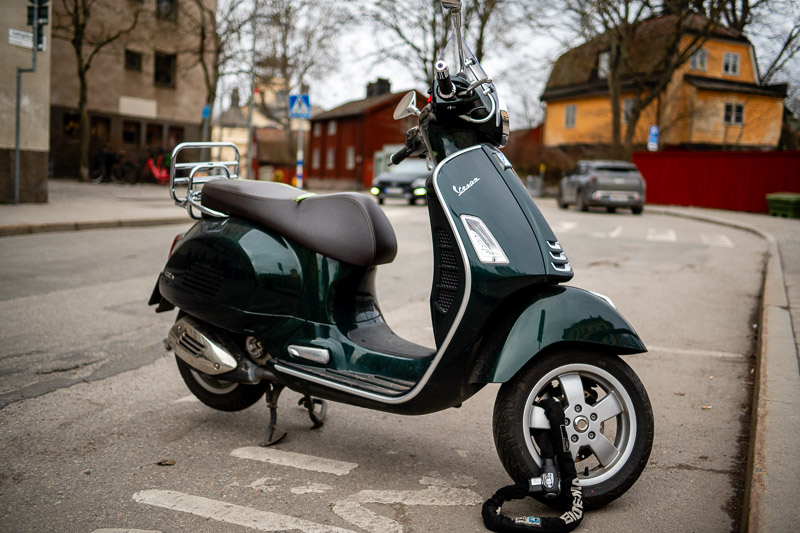








Most of the sample images in this review and many more can be found in higher resolution here.
Specifications
| Focal Length | 35mm |
| Angle of View | 62° |
| # of Aperture Blades | 9 (curved) |
| Max Aperture | f/2 |
| Min Aperture | f/22 |
| Min Focus Distance (Magnificagtion) | 0.3 m (1 : 5.3) |
| Filter Size | 58mm |
| Lens Mount | Nikon F (ZF.2), Canon EF (ZE) |
| Weight | 649 g (ZF.2) |
| Size (D x L) | 77 mm x 81.3 mm (ZF.2) |
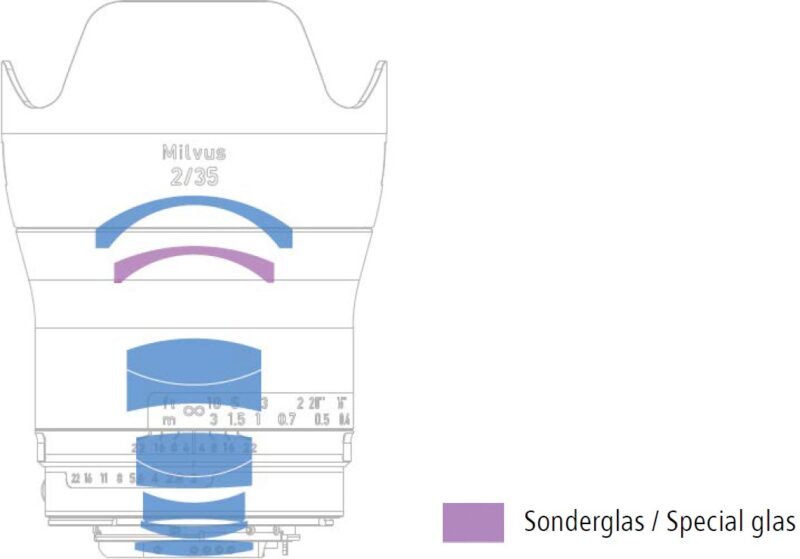
| Elements/Group | 9 / 7 |
| Buy new: Amazon (anywhere) for $899 (Affiliate links) Buy used: Kamerastore, eBay.com. eBay.de from $584 (Advertisement) |
Disclosure
Kamerastore kindly loaned this lens for test and review purposes.
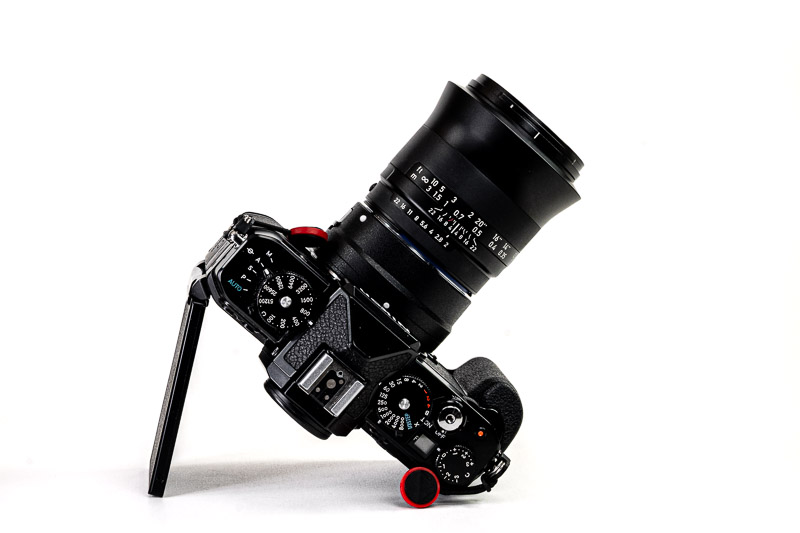
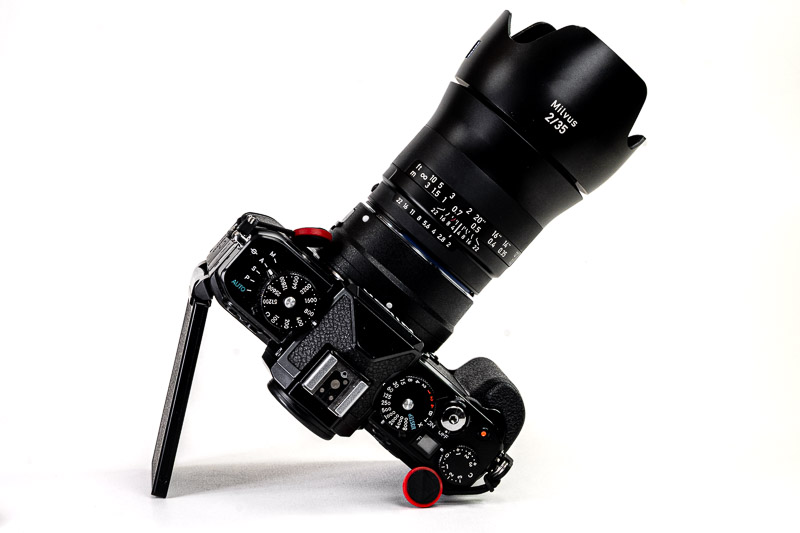
Variations
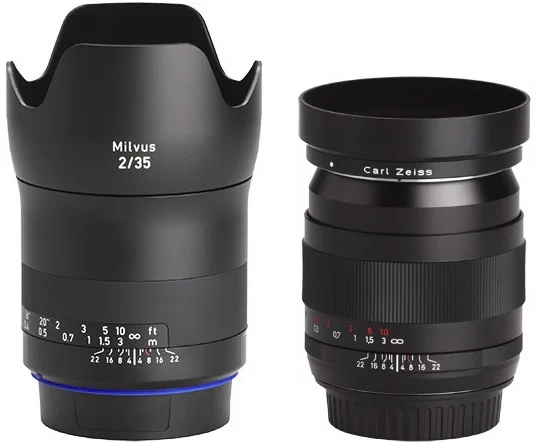
Like most Milvus lenses, this model shares its optical construction with the classic ZE/ZF.2 designs. Compared to the earlier-reviewed Milvus 21mm f/2.8, it has undergone fewer changes from its ZF.2 predecessor.
Nevertheless, there are some changes. They include the new medern-looking housing, an updated iteration of the T* anti-reflective coating, specifically optimized for digital sensors, and the physical weather-sealed housing.
Handling and Build Quality
This, like all Milvus lenses, is metallic, heavy, and solid—exactly how I imagine a Zeiss lens should feel. It is heavy, but since the overall package is relatively compact, that weight translates into a reassuring sense of heft. This lens is available in either Nikon F or Canon EF mount; I am testing the Nikon F version.
There are several small details here that really highlight the level of quality and attention to detail. Starting from the front element and moving toward the camera, you get the rubberized, mechanically coupled focus ring. It turns smoothly, with what feels to me like perfect damping and about 113° of rotation.
The ring is, as mentioned, rubberized—except for the distance scale. Here, the distance markings in both meters and feet are engraved into the metal and filled with paint.
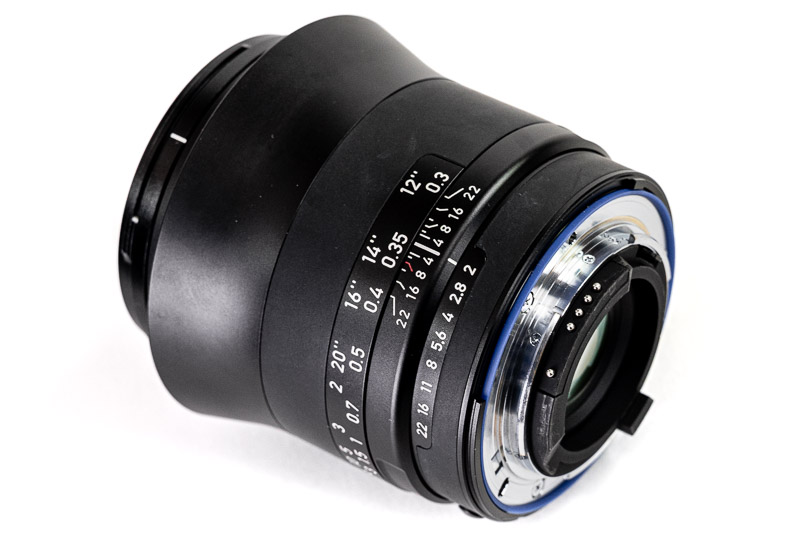
Even more impressive—and quite unusual—is that the focus direction is different depending on the mount. The Nikon version I’m testing has minimum focus distance to the right and infinity to the left, matching Nikon’s manual focus tradition. The Canon version is reversed, with infinity to the right and minimum focus distance to the left.
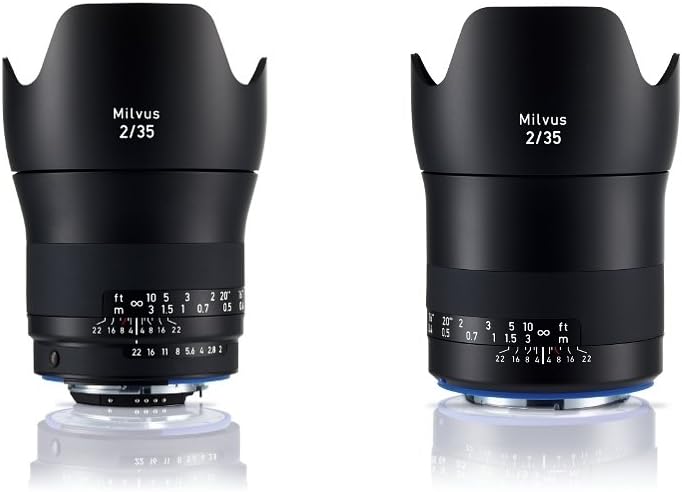
Next is the depth-of-field scale on the barrel, followed—on the Nikon mount version only—by the aperture ring. Like the focus ring, it is rubberized for optimal grip, except where the aperture values are engraved into the metal. The ring clicks distinctly in half-stop increments. At f/22, it locks into place, as this position also enables automatic aperture control from the camera. A button on the ring releases the lock, allowing a return to manual control. The ring can be declicked, but you need a small screwdriver-like tool that normally comes in the box when you buy a new lens.
The mount plate is metal and resembles that of an AI-S lens, but with added electronic contacts for aperture control and EXIF data transmission. The lens does not include image stabilization
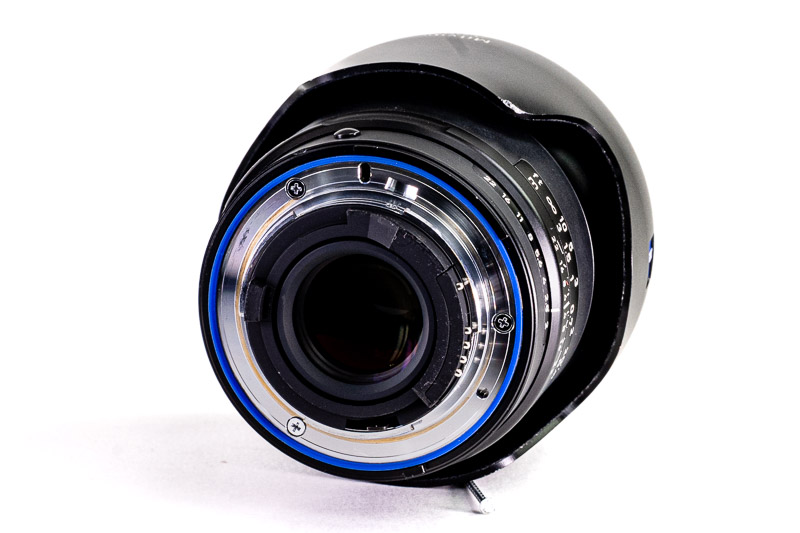
A distinctive ZEISS blue rubber ring is visible around the mount. In addition, Zeiss specifies four pairs of weather-protection rings in typical Milvus lenses to guard against dust, moisture, and splashes.
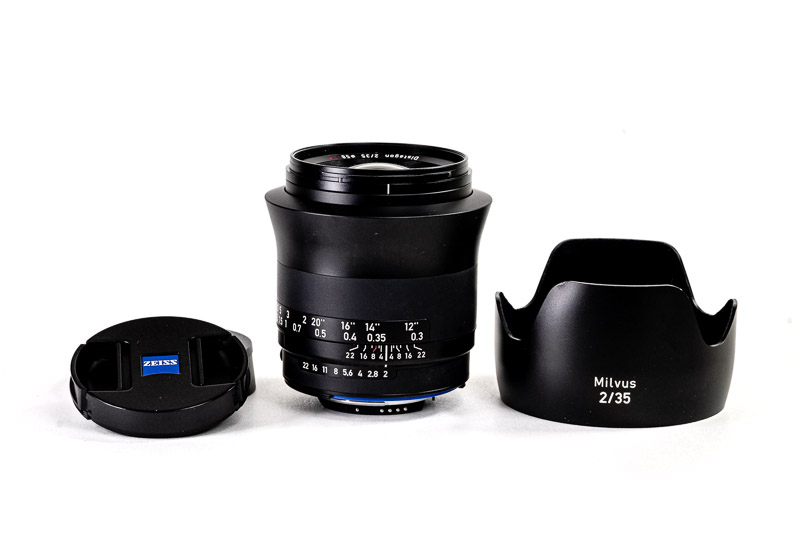
The Carl Zeiss Milvus 21mm comes with a sturdy, all-metal, petal-shaped lens hood that matches the build of the lens itself.
Important Note for Nikon Z Users
You cannot use the aperture ring on a Nikon Z camera when using a ‘smart’ adapter such as Nikon’s FTZ or FTZ II. This is because the camera effectively overrides manual aperture control.
This lens was designed for Nikon DSLR cameras, where the working aperture is mechanically controlled via a lever on the lens mount that engages a corresponding mechanism inside the camera body. Nikon Z cameras and the FTZ adapter lack this linkage.
At the same time, because this is a CPU lens, the electronic contacts signal its presence to the camera, which then assumes full control over the aperture. As a result, if you move the aperture ring away from f/22, the camera will display an error and refuse to fire until the ring is reset. In practice, this effectively turns your Milvus into a G-type lens, removing manual aperture control in favor of electronic operation, and also without AF.
By contrast, when using a simple ‘dumb’ adapter without electronic contacts, the camera treats the lens as fully mechanical, allowing full use of the tactile aperture ring. You can also place a small piece of paper over the contacts on the lens or FTZ adapter to achieve the same effect, retaining light metering and aperture priority. However, this disables EXIF data and removes the option to control the aperture via the camera.
In practice, this is one of those cases where the camera ends up being a bit too smart for its own good.
Optical Features
Sharpness (Infinity)
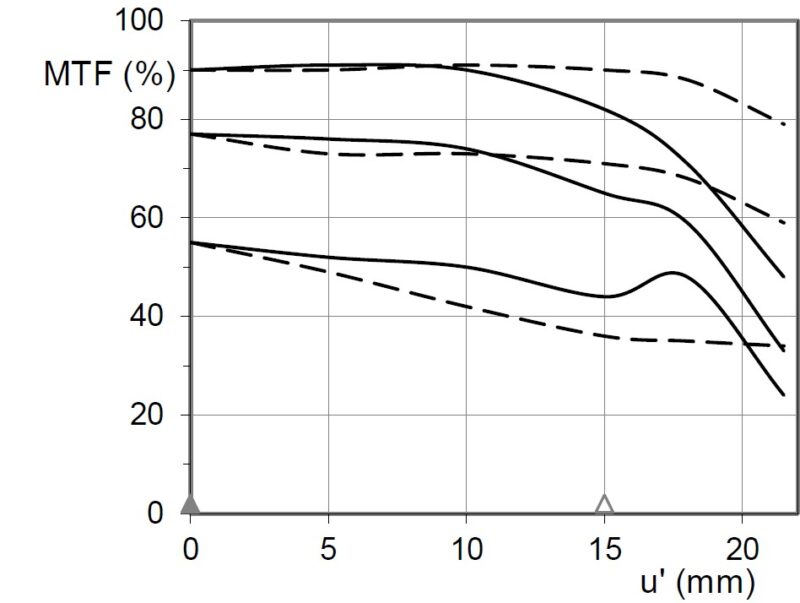
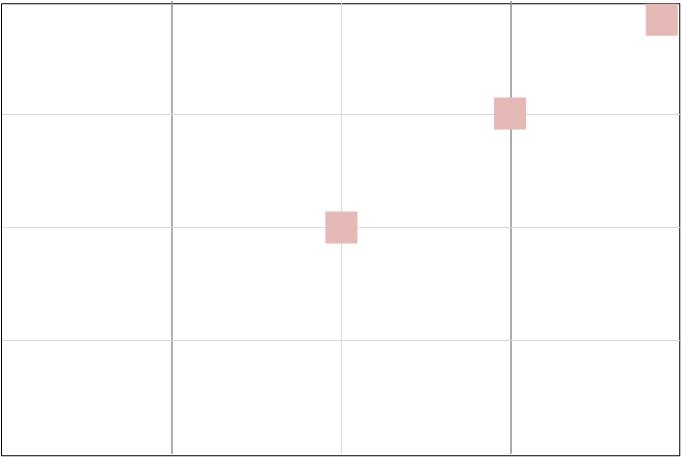
For the infinity sharpness test, we look at three areas of the image, centre, mid-frame, and corner, see highlighted areas in the image below!
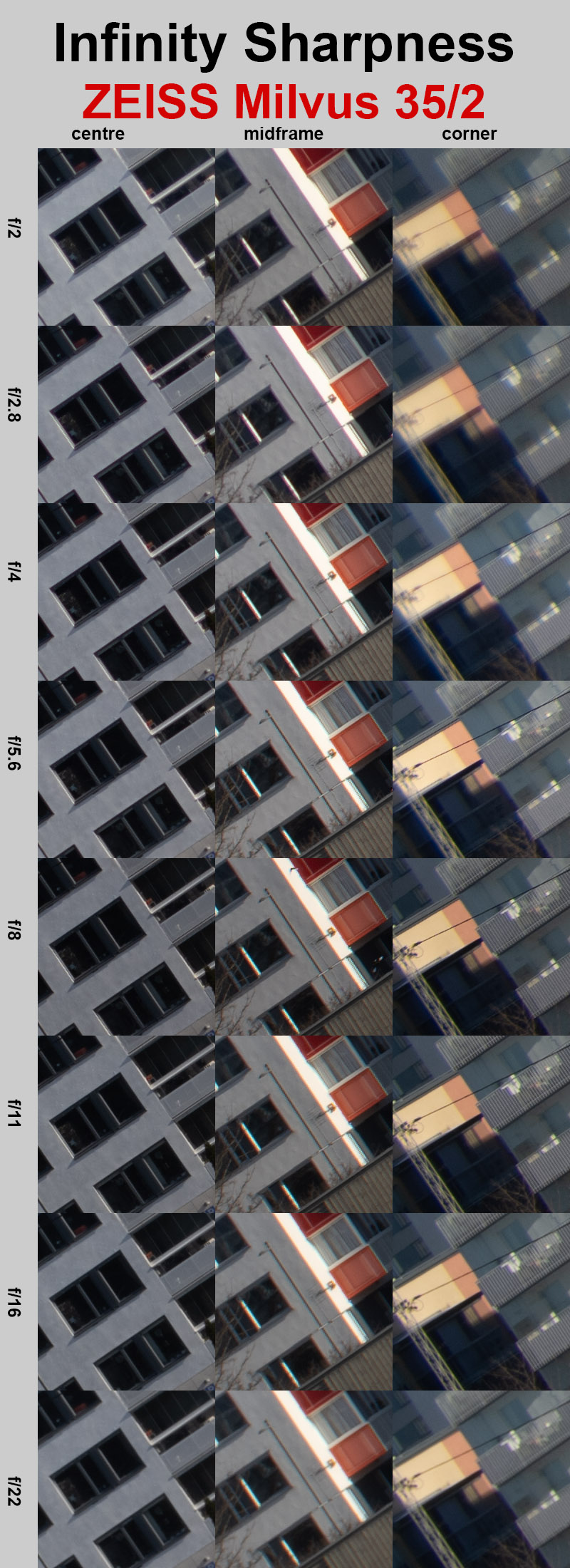
Sharpness is excellent in the center from f/2, with very good performance in the midframe and good performance in the corners. Stopping down improves results further: by f/4 the midframe is excellent, while very good corner performance requires stopping down to f/8. The best across-the-frame performance is achieved at f/11. At f/16, diffraction begins to reduce sharpness, becoming more noticeable at f/22.
There is some minor pink/orange fringing in the midframe and slight green fringing in the corners, which does not vary with aperture.
Sharpness (Portrait)
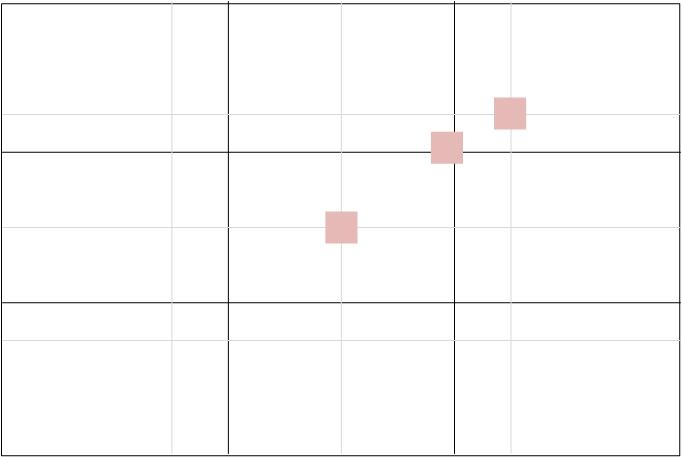
Let’s look at the points of interest for portraits at the portrait distance: the very centre, the centre’s inner periphery (1/3 rule intersection), and the centre’s outer periphery (1/4th intersection).
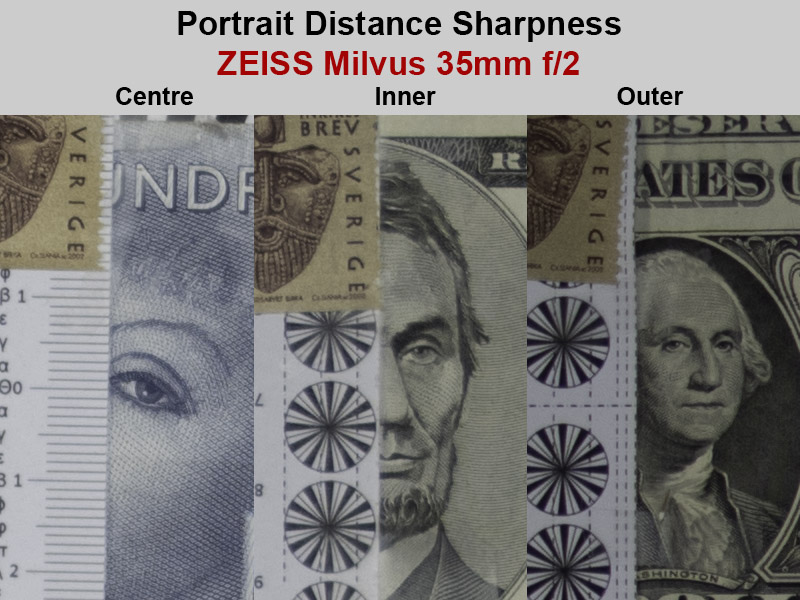
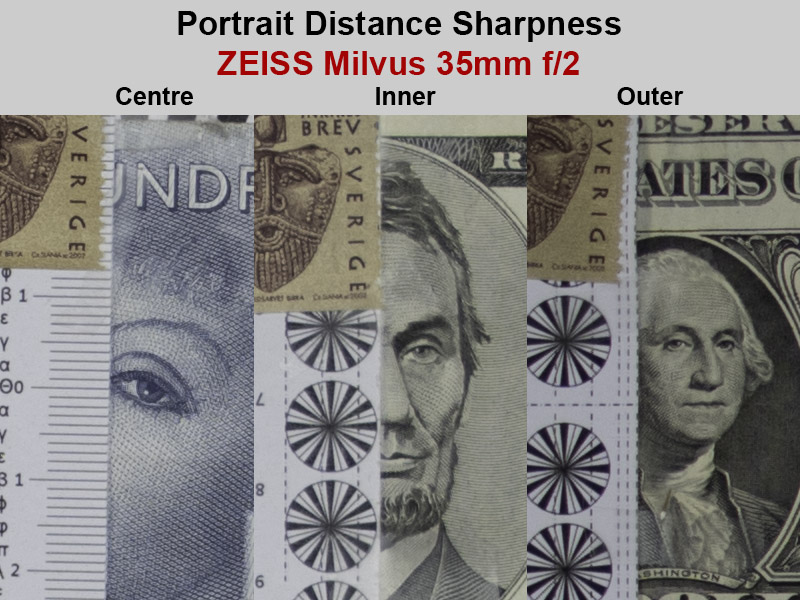
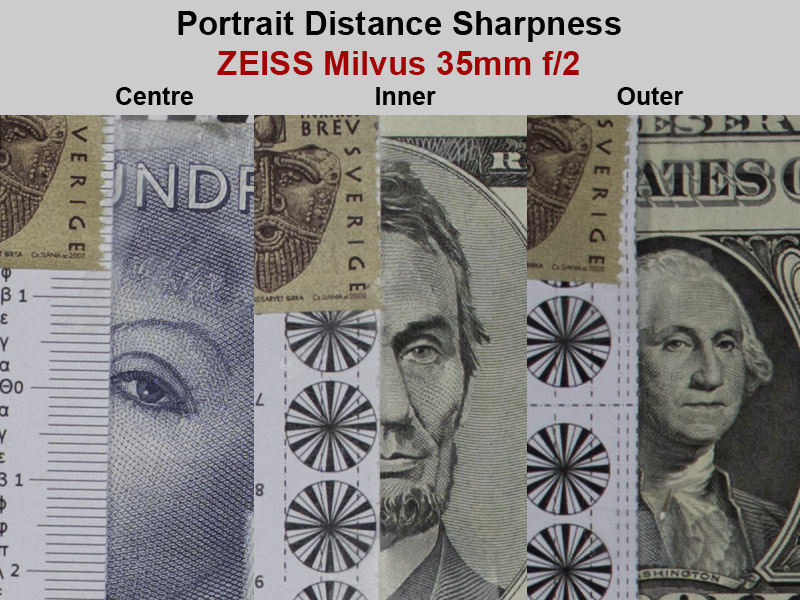
Wide open at f/2 the sharpness is good at all points. It improves to very at f/2.8 and to excellent at f/4.
Sharpness (Close-up)
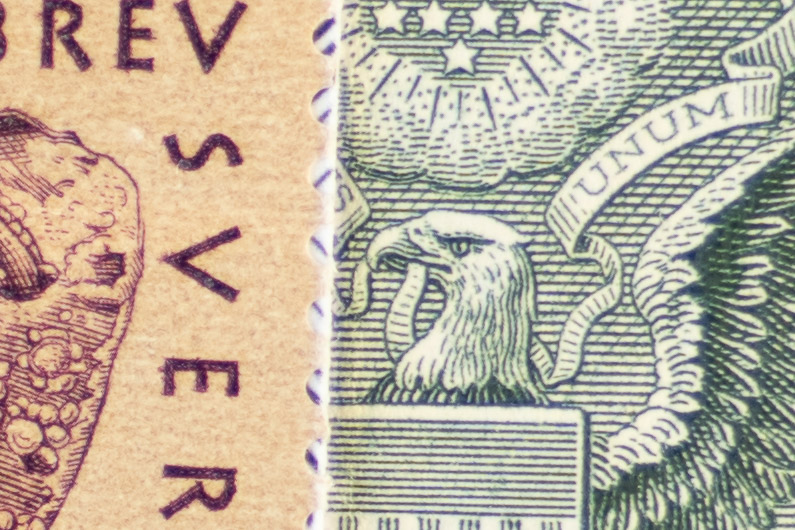

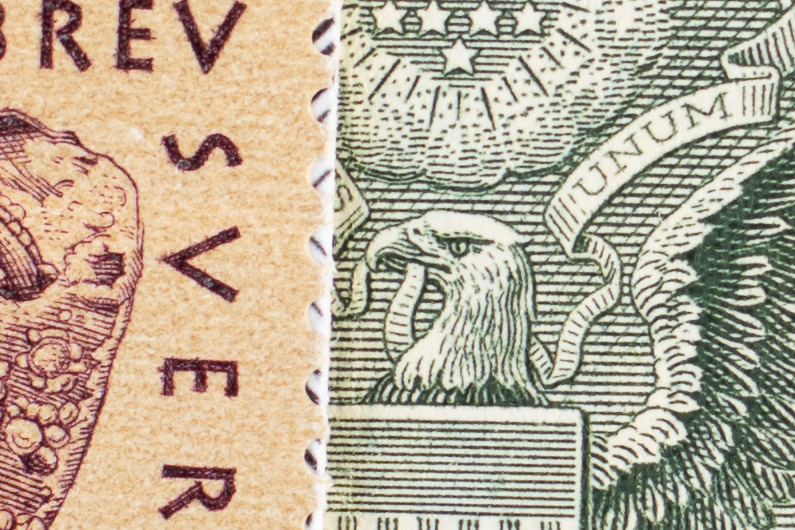
At close distances, sharpness is very good at f/2 and becomes excellent by f/2.8. It remains excellent through f/11, after which diffraction begins to have a slight impact. This is not immediately noticeable on its own, but becomes apparent in comparison. The effect is more visible at f/16 and even more so at f/22.
Lens Distortion
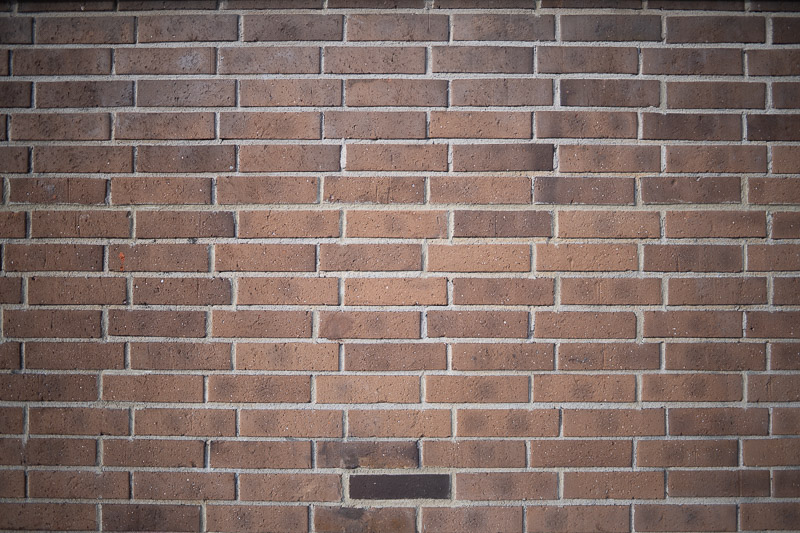
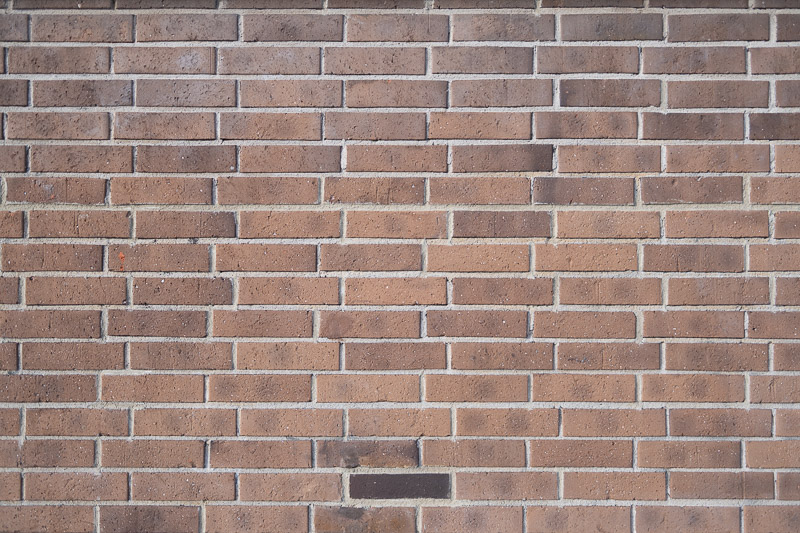
Distortion is minimal, with only slight barrel distortion. In Adobe Lightroom or Photoshop, a built-in profile for the ‘Zeiss Distagon T* 2/35 ZF2’ corrects both distortion and vignetting with a single click. Alternatively, a manual distortion correction of around +3 produces a similar result.
Vignetting
Vignetting is pronounced wide open at f/2, improving to moderate levels at f/2.8 and becoming minimal by f/4, where it is only noticeable in scenes such as snowy landscapes. From f/5.6 onward, it is no longer noticeable.
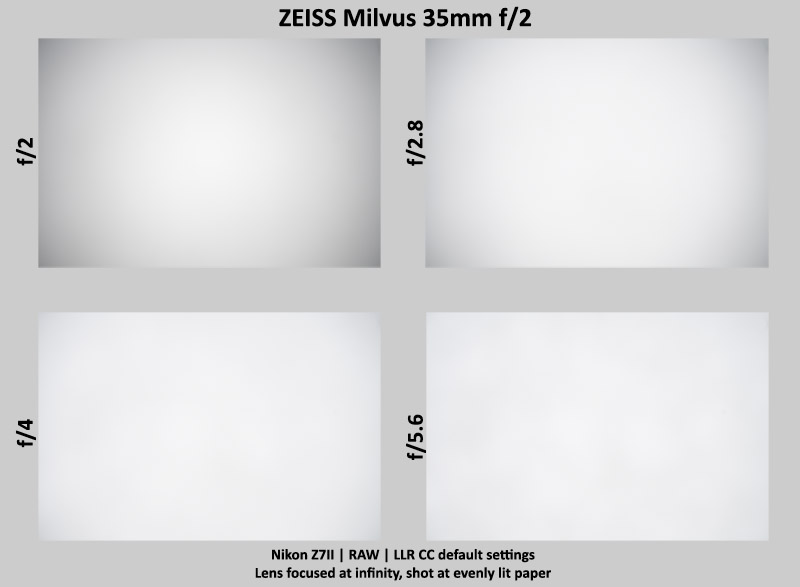
- F/1.8: 2.4 EV
- F/2.8: 1.7 EV
- F/4.0: 1.0 EV
- F/5.6: 0.7 EV
- F/8.0: 0.7 EV
Focus Shift & Aberrations
There is no focus shift to worry about. There is a small amount of longitudinal chromatic aberration visible. Stopping down helps, but not quickly; to get rid of it completely, you’ll need to stop down to f/8.
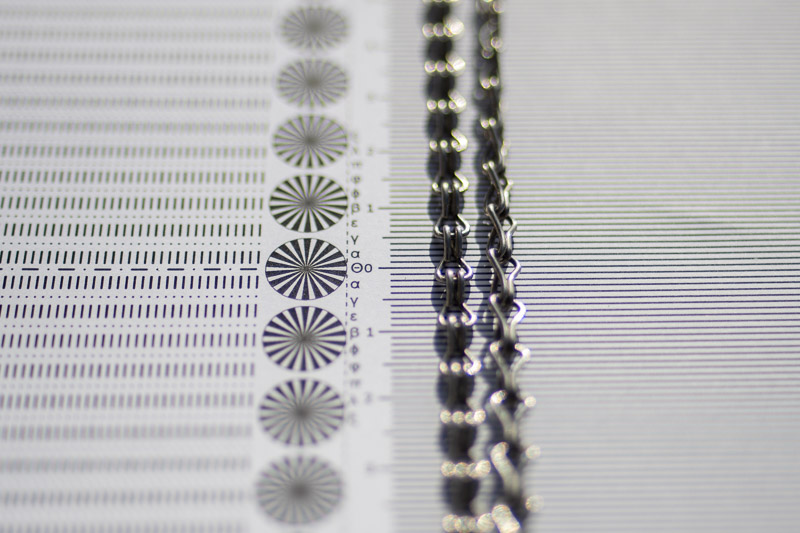
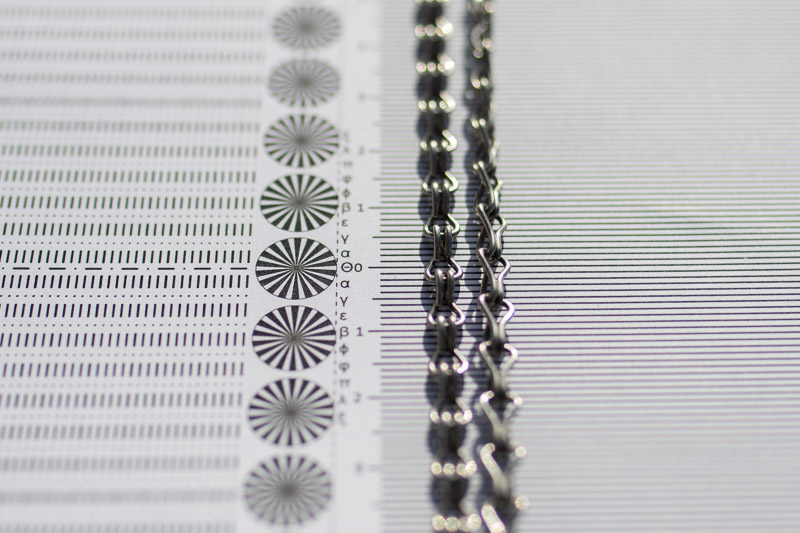
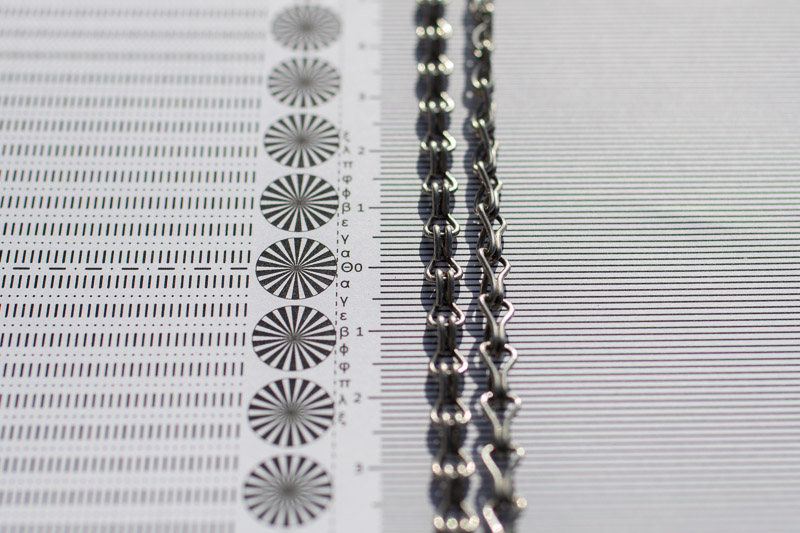
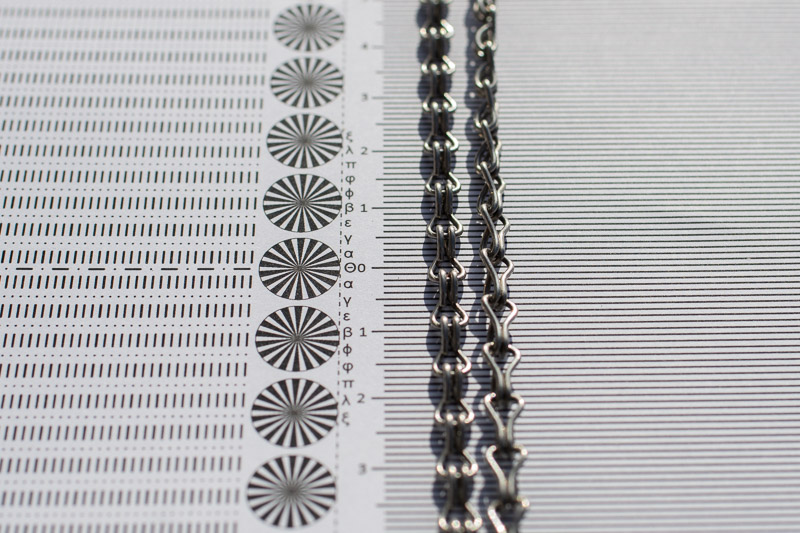
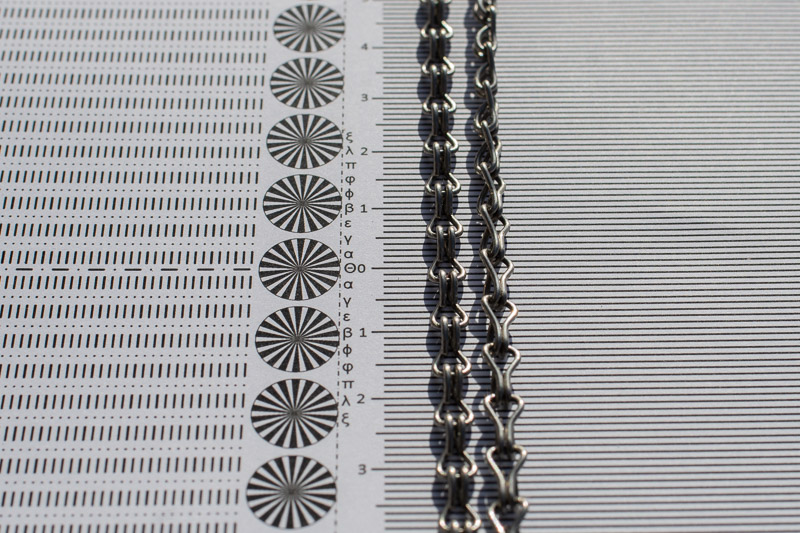
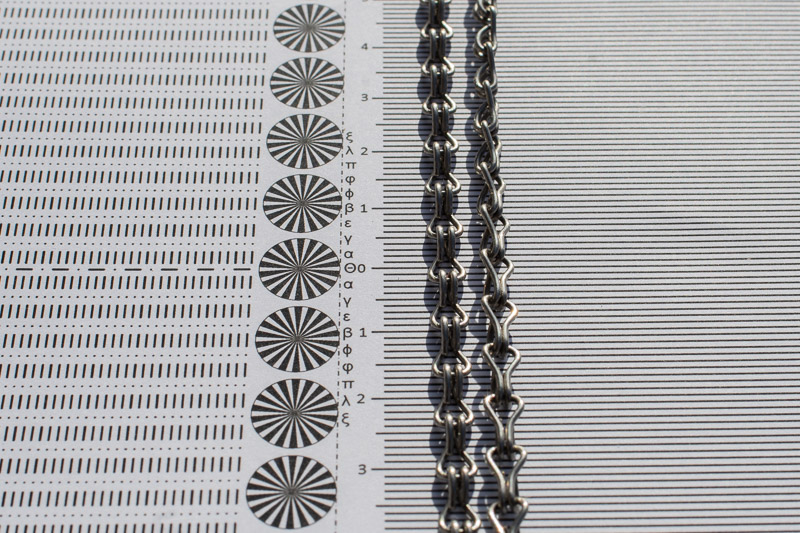
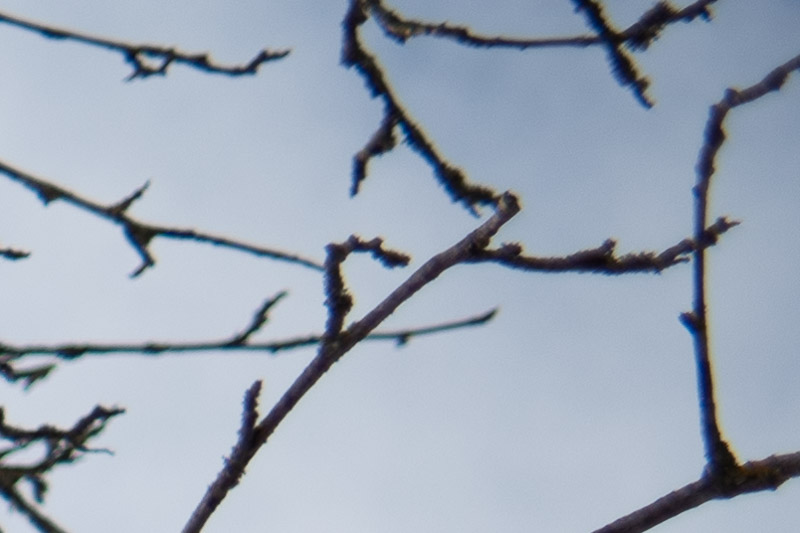
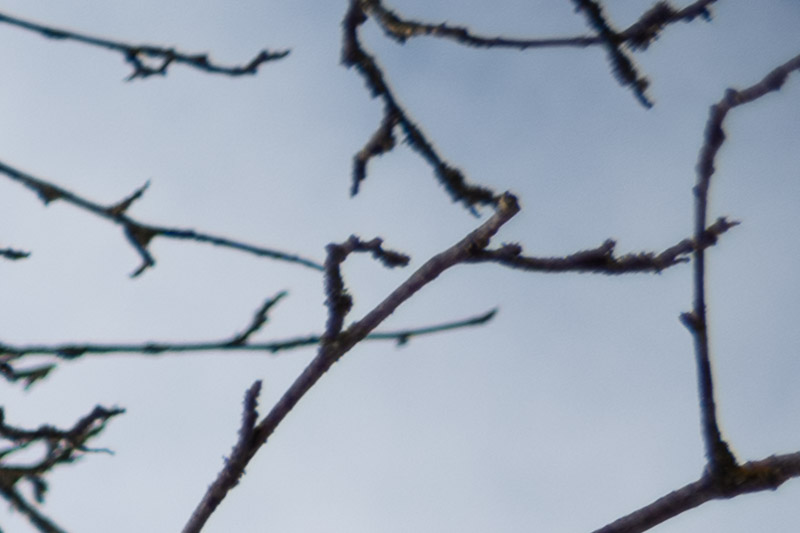
There is also a small amount of lateral chromatic aberration, not very serious though, and it can be fixed by one click in PS or LR.
Flare Resistance
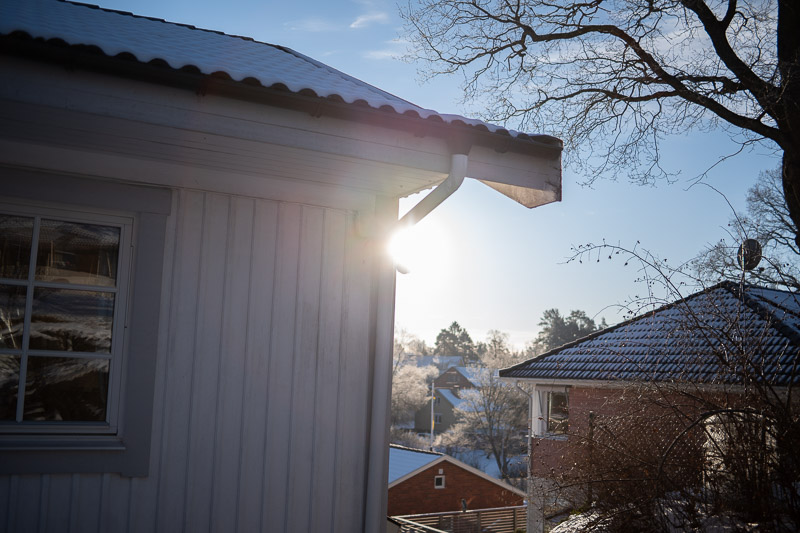
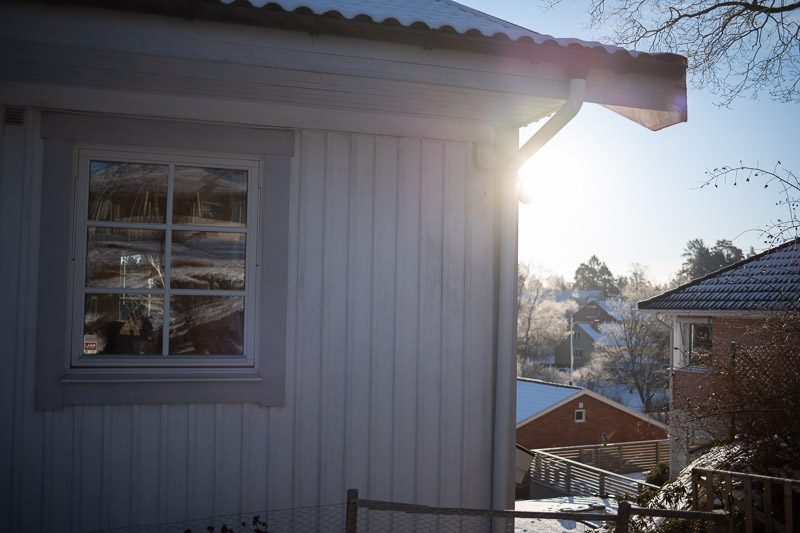
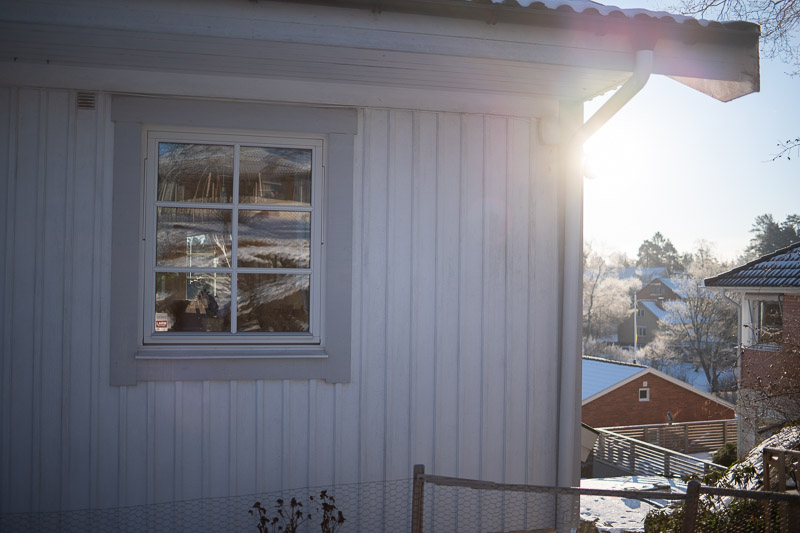
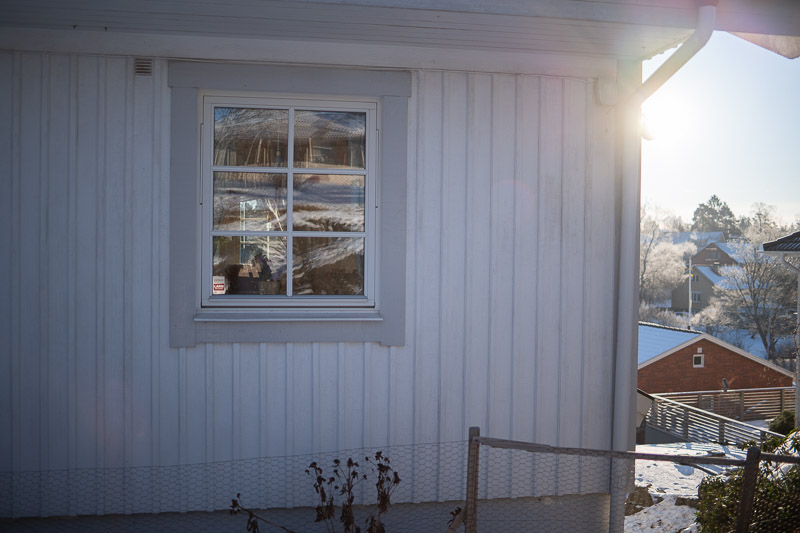
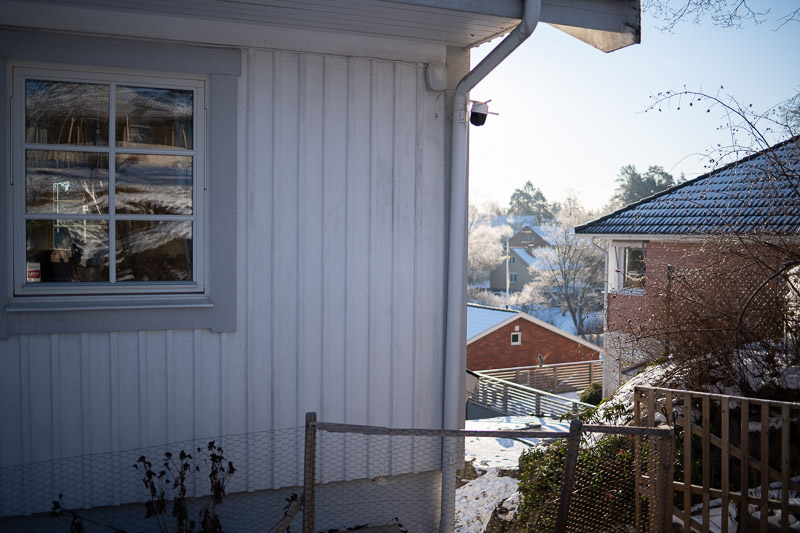
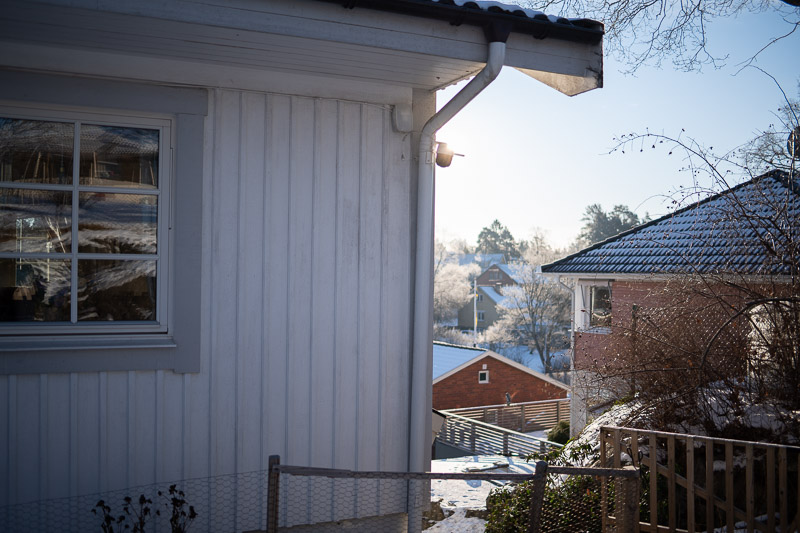
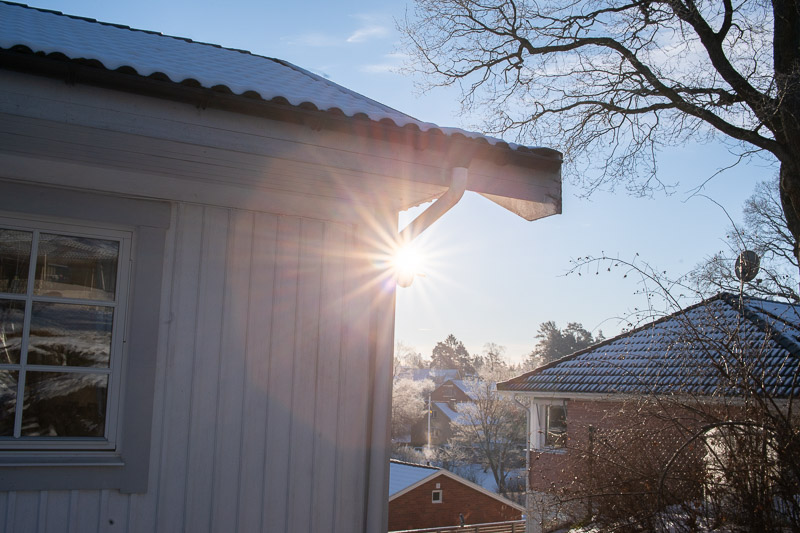
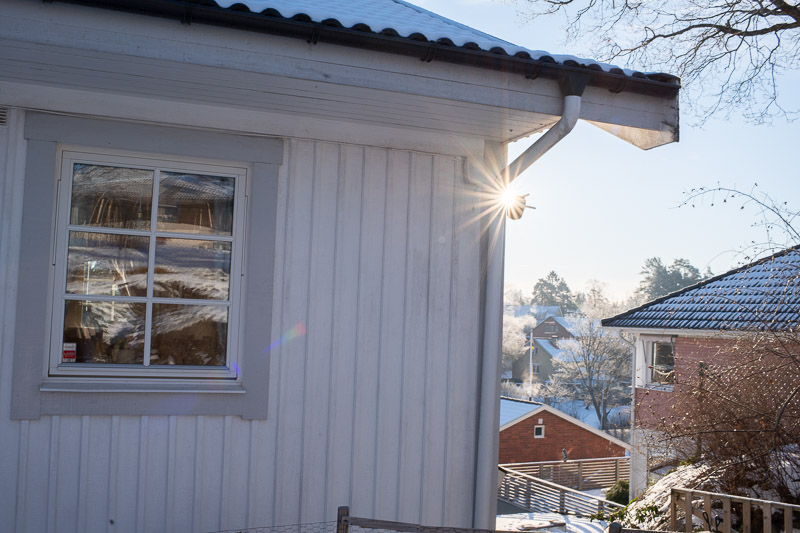
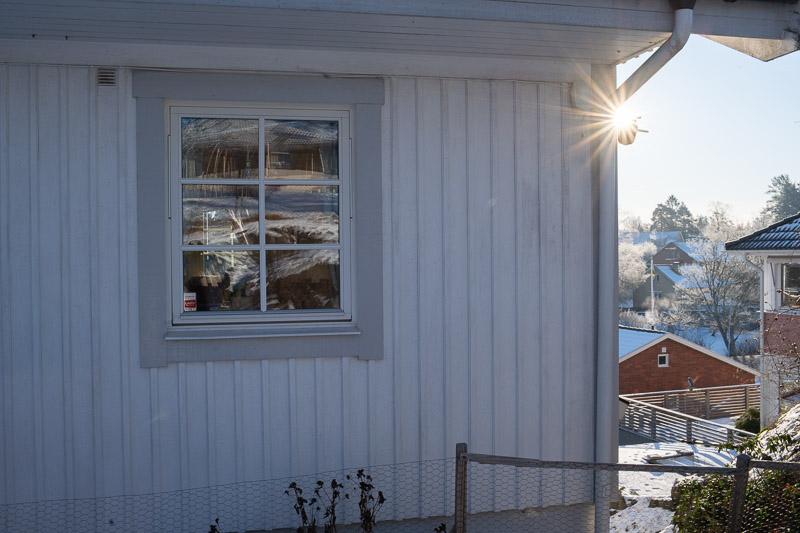
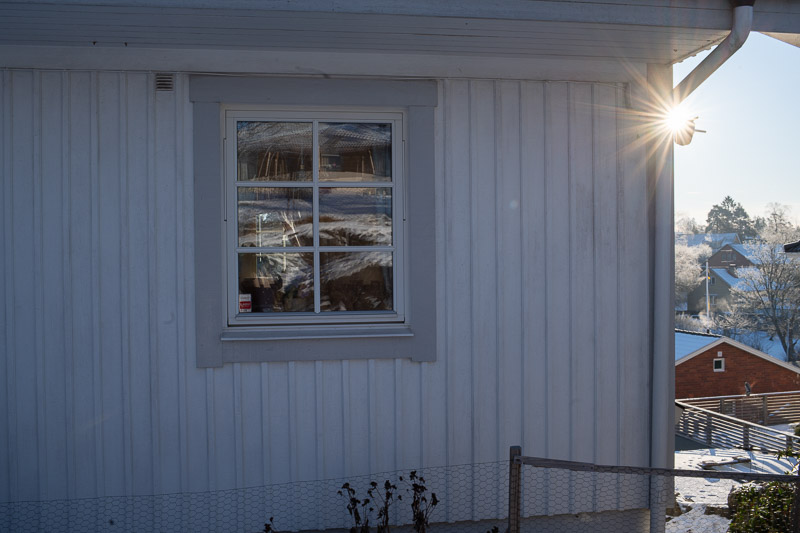
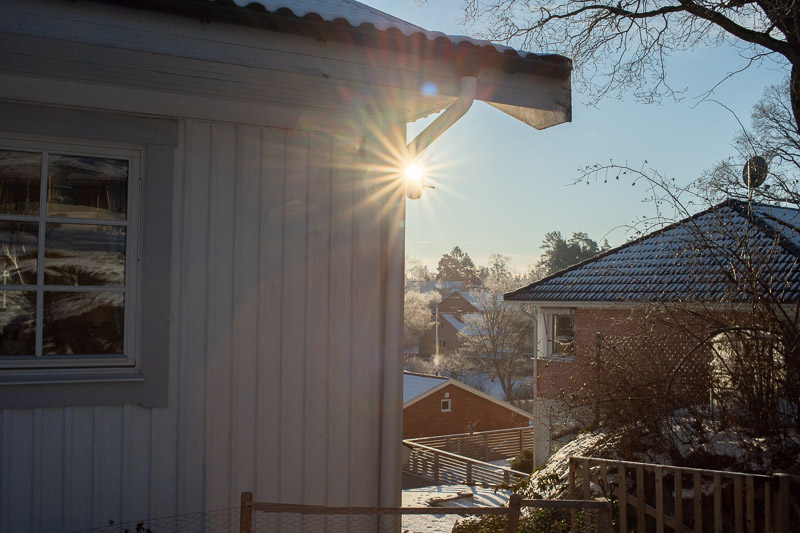
Flare resistance can be difficult to assess, as even small changes in angle or position can significantly affect the result. With this lens, performance is mixed: in some situations it handles flare well, while in others it shows weaknesses, such as reduced contrast or ghosting.

Coma
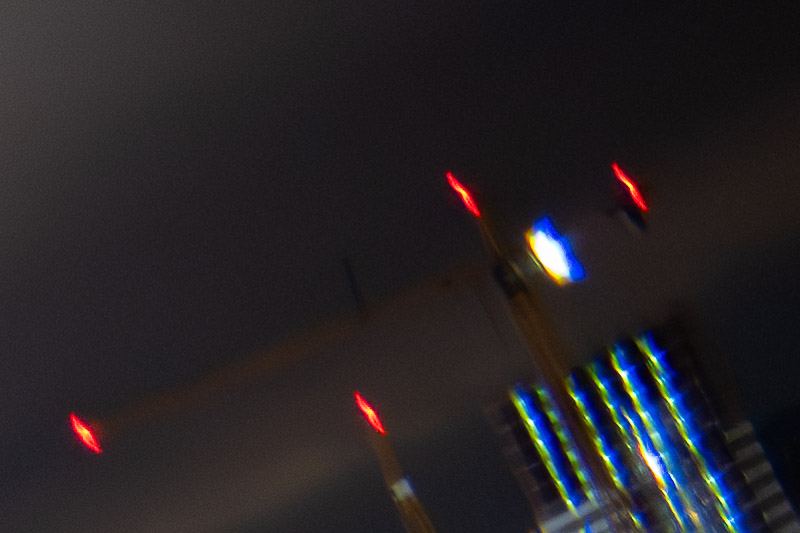
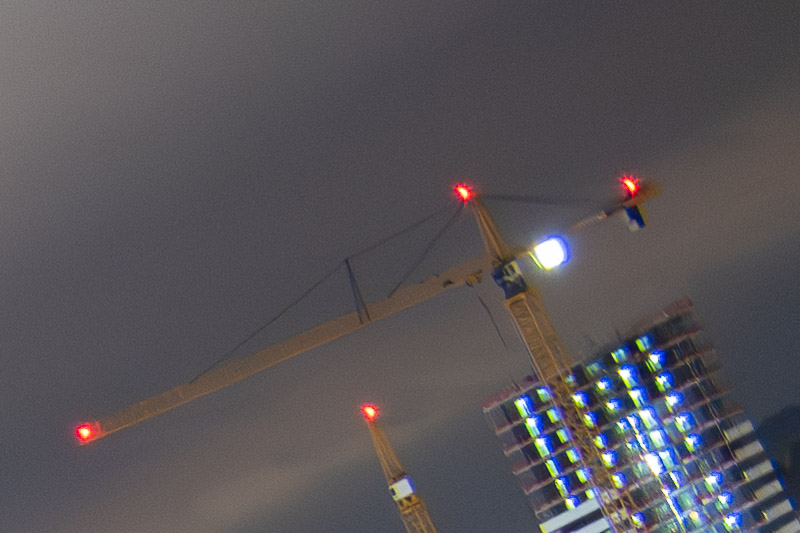
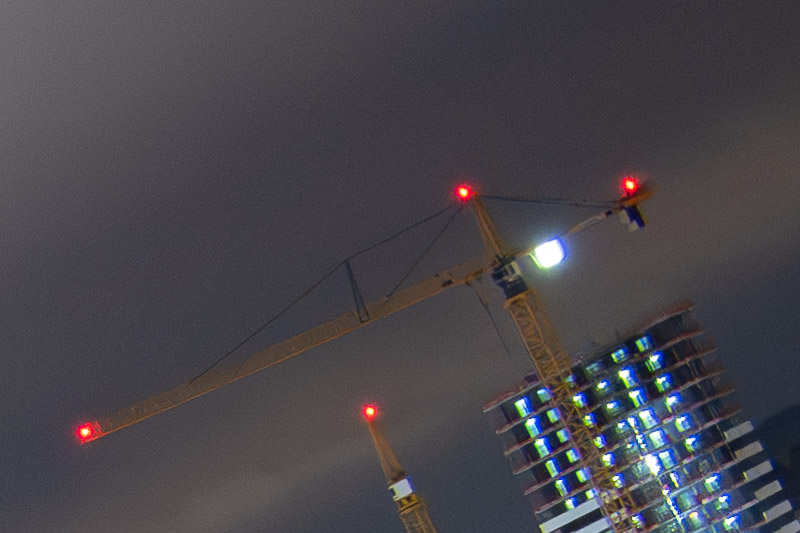
Well, I wish I could say that coma correction is good, but that isn’t the case. It’s not a catastrophe, but it isn’t negligible at f/2 or f/2.8. By f/4 it improves significantly, and by f/5.6 it is effectively gone
Sunstars
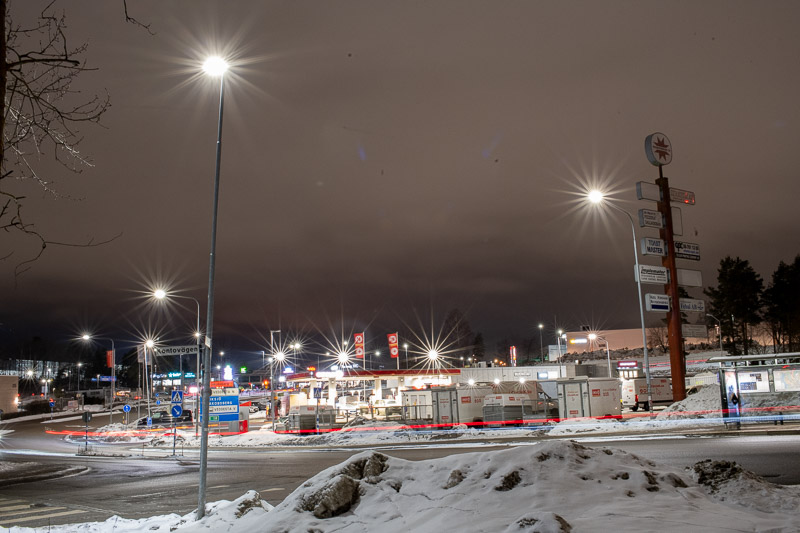
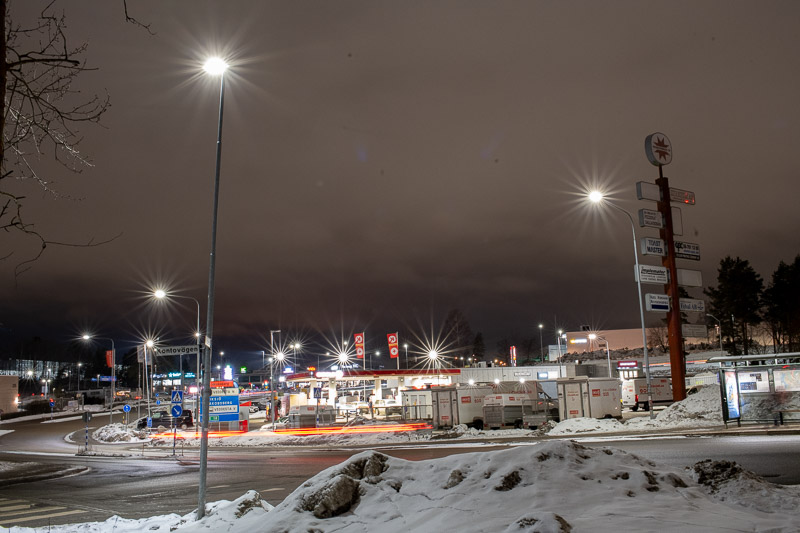
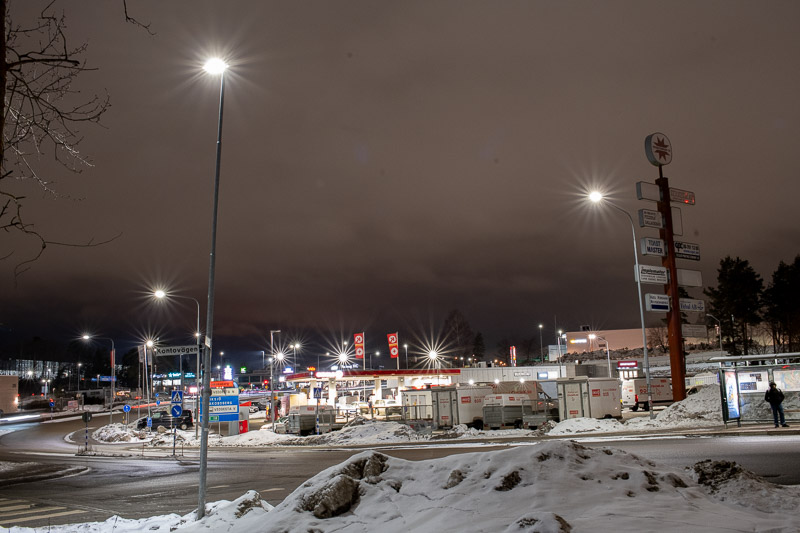
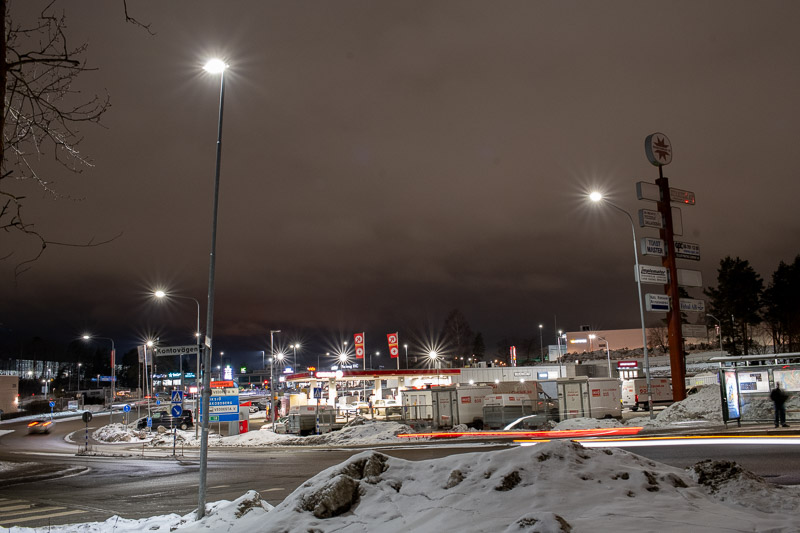
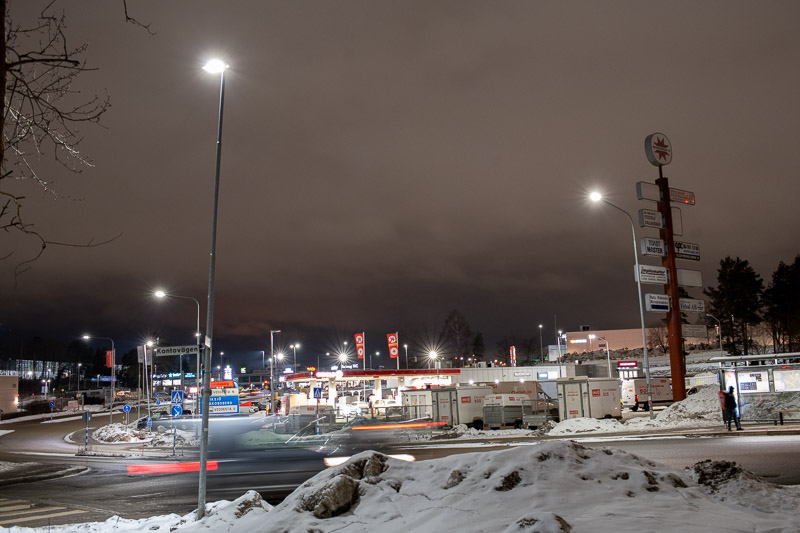
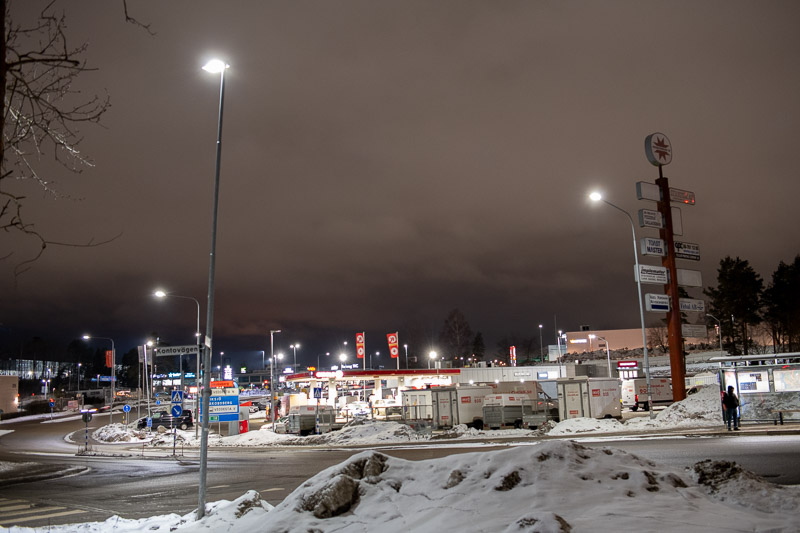
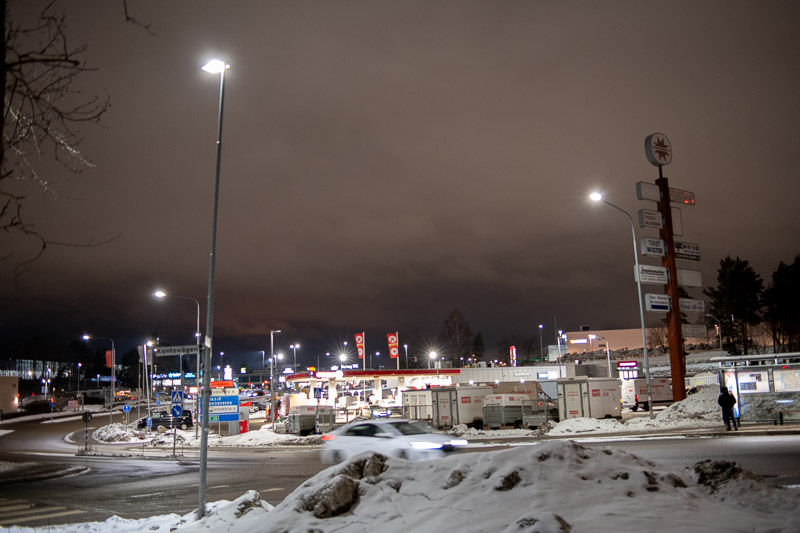
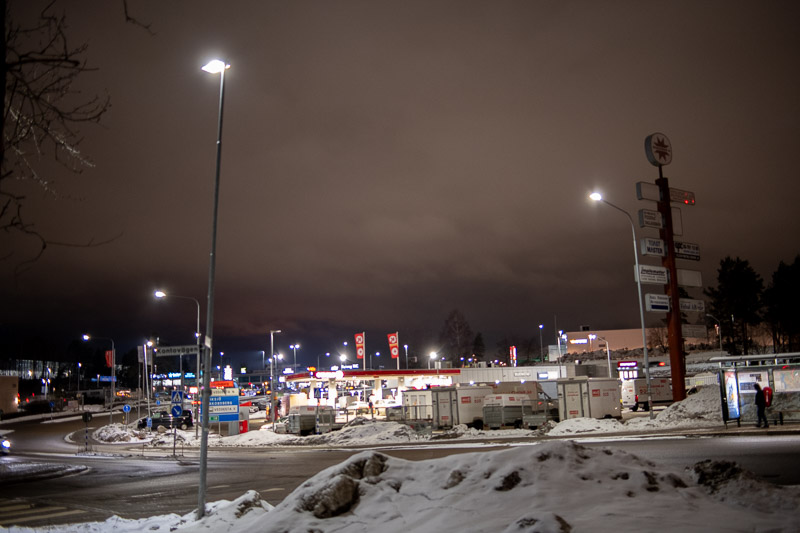
This is one of the areas where this lens shines. It can produce 18-pointed sunstars from f/5.6, becoming well-defined by f/8. By f/11, the rays are also quite long, and at f/16–f/22 they are absolutely gorgeous.
Focus Breathing
This Milvus lens exhibits moderate focus breathing, making it less suitable for video work.

Bokeh
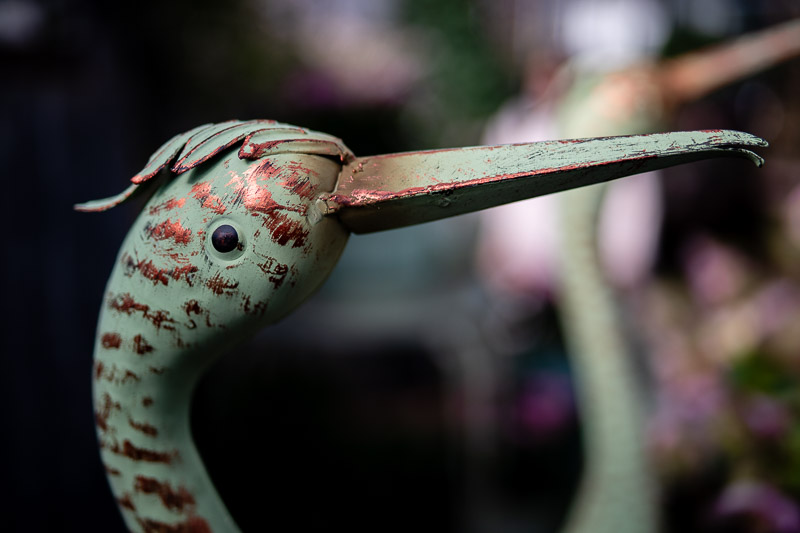
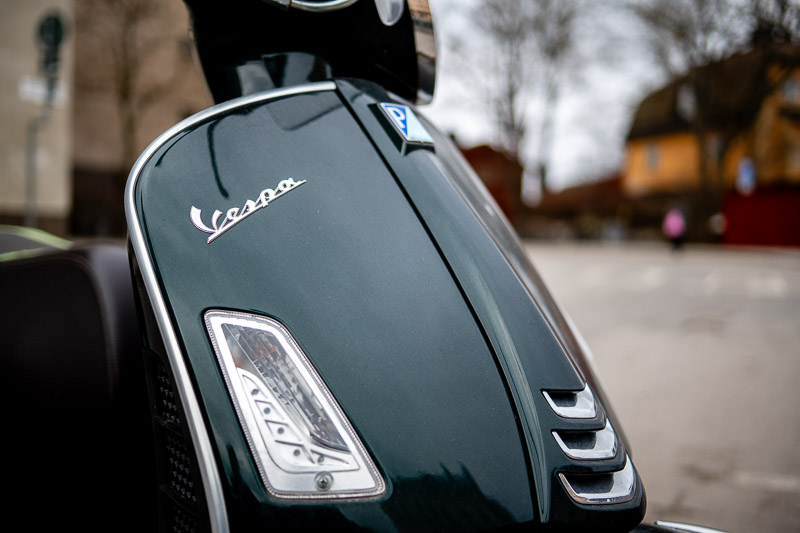
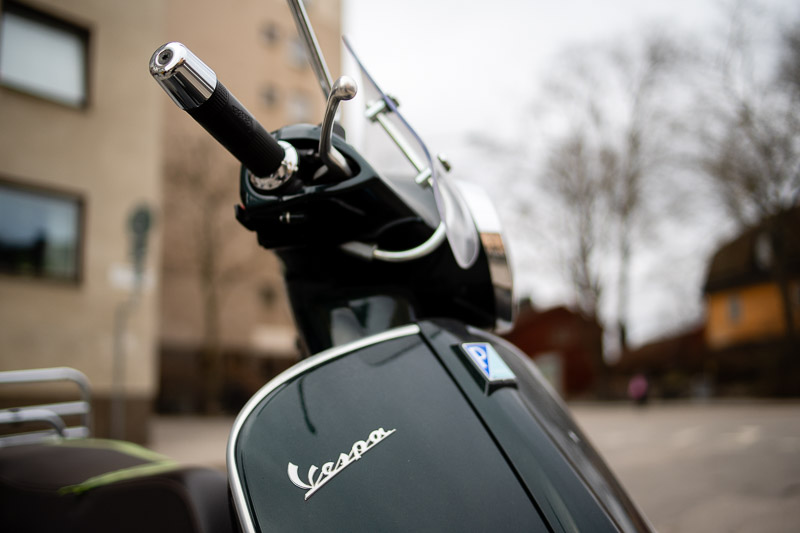
Bokeh highlights are evenly lit without artifacts or onion rings, which is good, but the light transitions are a little harsh, and the more you go from the center the more bubble bokeh effect you see around the highlight. Besides, as we saw earlier the rings around the highlight take an orange/yellow fringing in the midframe and a more greenish fringing towards the corners, and cats eye effect.

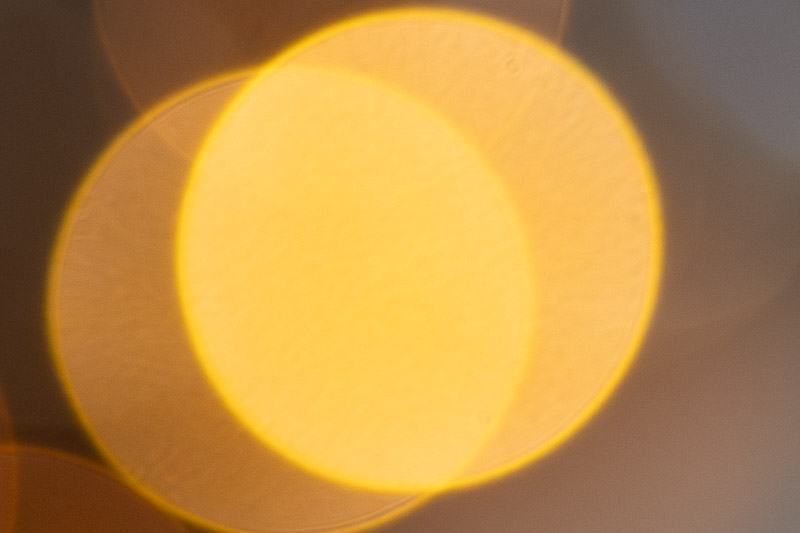
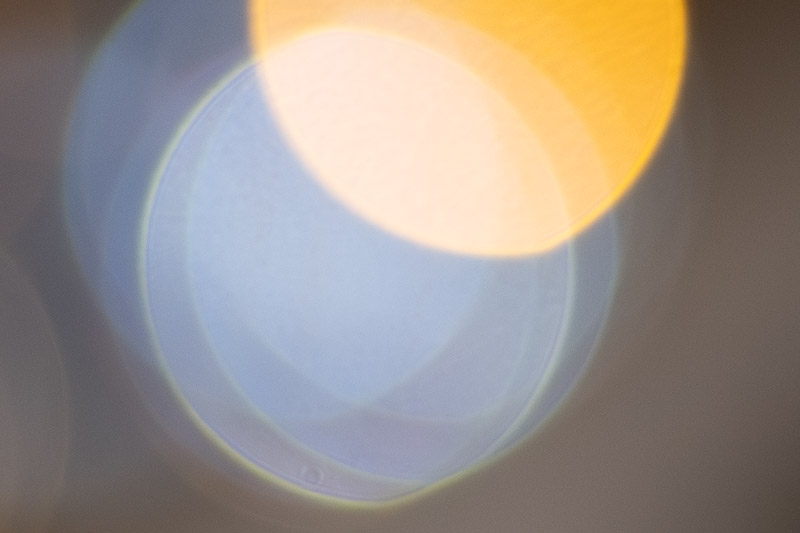
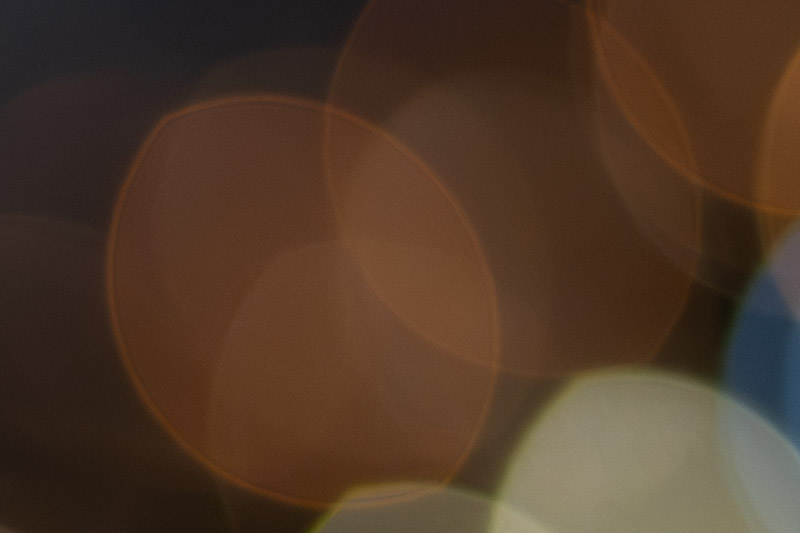
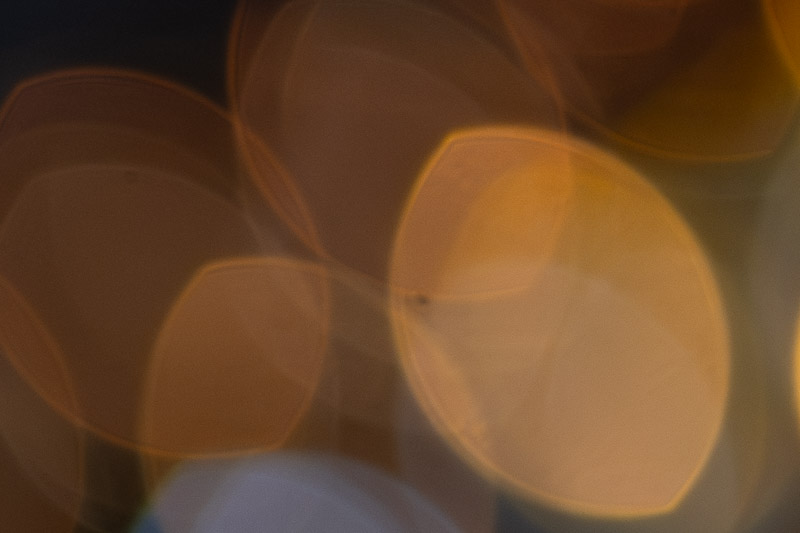
And now, let’s have a closer look at the background blur at different distances!
Short Distance



Mid-Distance


Long Distance




Bokeh is subjective. To my eye, the background blur is a little busy and not entirely to my taste. Take a look at the sample images and see how you feel about it.
Conclusion
| I LIKE | AVERAGE | I DON’T LIKE |
|
|
|
This is a very sharp lens—no issues there. It can also produce nice sunstars and shows better-than-average control of vignetting and distortion. However, overall, I expected more.
Beyond sharpness, it doesn’t truly excel in any area. Much cheaper lenses from newer manufacturers outperform it in one or several respects. Instead, this lens shows minor weaknesses across multiple categories: some distortion, noticeable vignetting wide open, slight chromatic aberration, a bit of coma, and moderate focus breathing. There’s a little of everything, rather than standout performance.
That said, optically is only part of the story. The build quality and handling are among the best available. It’s a pity, however, that the aperture ring does not function on modern Z cameras when using smart adapters with retained EXIF data.
Well, if you’re using a DSLR or film camera and enjoy manual focus, this is a very good option. Otherwise, for digital mirrorless cameras, I would look elsewhere—you can get much better performance for significantly less money.
Writing articles like this one is both time-consuming and costs us a lot of money. If you found this article helpful and decided to buy one of these lenses, please consider using one of the affiliate links.
If you are not interested in buying any of the lenses, but you still found this article useful, interesting, or it saved you a lot of money, treat us to a coffee (donate)!
Buy new: Amazon (anywhere) for $899 (Affiliate links) Buy used: Kamerastore, eBay.com. eBay.de from $584 (Advertisement) |
Alternatives
Voigtlander APO-LANTHAR 35mm f/2 Aspherical
If you absolutely want a manual focus lens with good mechanical and build quality, plus superb optical quality for your mirrorless camera, this is a very strong contender. This lens is available in Nikon Z, Sony E, and Leica M mounts. Optically, it is better than this Zeiss lens in almost every category.
Buy new: Amazon $899 (Affiliate links)
Buy used: Kamerastore, ebay.com, ebay.de, ebay.co.uk, from $ (advertisement)
ZEISS 35mm f/2 (Zf.2/ZE) Distagon
This is the classic predecessor of the reviewed lens with the same lens construction. I have explained the differences in the Variations section.
Buy used: Kamerastore, eBay.com, eBay.de from $xxx (Advertisement)
ZEISS Loxia 35mm f/2
Designed specifically for Sony α mirrorless bodies, which also offers an aperture ring and manual focus
Buy new: Amazon, for $380 (Affiliate links)
Buy used: Kamerastore, ebay.com, ebay.de ≈$320 (Advertisement)
Nikon Z 35mm f/1.8 S
This is arguably the best AF 35mm f/1.8 you can get in native Nikon Z mount. It performs excellently. If you want an AF lens for your Nikon Z, I can warmly recommend this one.
Buy new: Amazon $796 (Affiliate links)
Buy used: Kamerastore, ebay.com, ebay.de from $550 (advertisement)
Nikon AF-S 35mm f/1.8G ED
The predecessor of the Nikon Z 35/1.8 in Nikon F mount, you need an FTZ adapter to use on Nikon Z cameras, as you need for the Milvus but this one is much lighter and balaces better at a much lower price. It performs very well, but not in the same league as the Nikon Z 35/1.8. Wide open sharpness in the center is comparable, but in the corners or stopped down in the center, the Z version is far sharper. It is less expensive, though, at about $530 new.
Buy new: amazoncom, amazon.de, amazon.co.uk, amazon.fr, amazon.com.au $520 (Affiliate links)
Buy used: Kamerastore, ebay.com, ebay.de, ebay.co.uk, ebay.fr, ebay.com.au ≈$250-$350 (Advertisement)
7Artisans AF 35mm f/1.8
An autofoucs lens, which is very sharp, with much better coma correction, focus breathing, and CA control at a ridiculously low price for the optical quality.
Buy new: 7Artisans Store, B&H, Amazon (anywhere) for $299 (Affiliate links)
Viltrox 35mm f/1.8 Z-mount
The Viltrox is also autofocus and available in native Z mount. Not as sharp as Nikkor Z 35/1.8 and no weather sealing, nor the fancy coatings of the Nikkor lens, but it is half the price. If you’d like to have a native mount lens with similar features and handling like the Nikon Z lenses but are on a budget, this is the lens for you.
Buy new: Viltrox online store and get a discount with the coupon code MARTINMH or
Buy new: amazon.com, amazon.de, amazon.co.uk, amazon.fr, amazon.com.au for $380 (Affiliate links)
Buy used: ebay.com, ebay.de, ebay.co.uk, ebay.fr, ebay.com.au ≈$320 (Advertisement)
Tamron 35mm f1.8 VC
Available in Nikon F mount and more or less on par with Nikon AF-S 1.8G. For a price of $600 new, I see no reason why you’d want to buy this lens instead of the Nikon AF-S 35/1.8G.
But if you have the FTZ mount and are willing to use that to adapt other Nikon F-mount lenses, you could also get 35mm f/1.4 lenses.
Sigma 35mm f/1.4 DG HSM Art
2/3 of a stop faster, it has good build quality and is good optically. Designed for DSLRs (including Nikon F), but adaptable to mirrorless cameras. This is price-wise the closest f/1.4 35mm to the Nikon Z 35/1.8 at $900 new; it is only $100 more expensive (actually, I found that this lens is on sale at Amazon for only $700 in the US and €780 in the EU). It is available in Nikon F mount and almost all the other mounts, but not in Nikon Z.
Buy new: amazon.com, amazon.de, amazon.co.uk, amazon.fr, amazon.com.au $700-$900 (Adverstisement)
Buy used: Kamerastore, ebay.com, ebay.de, ebay.co.uk, ebay.fr, ebay.com.au from ≈$300 (Advertisement)
Tamron SP 35mm f/1.4 Di USD Lens for Nikon F
This 35/1.4 lens is is probably the best 35mm lens in Nikon F mount. It is newer, bigger, and heavier than the Sigma 35/1.4, mentioned above. Compared to the Sigma. This Tamron seems marginally sharper in test chart shots and MTF measurements, but in real-world use cases, it is difficult to see whether it is sharper at that level. Tamron has the weather-sealing advantage. Coma correction is better, but the difference is subtle to negligible. Chromatic aberration, I would say, is a draw.
It also seems that this Tamron has somewhat better AF accuracy.
Flare resistance, the Sigma has got the upper hand.
In size and weight, the Sigma wins hands down.
I personally value the size very highly. I personally see no reason to buy this when you can get the Sigma Art f/1.4 for the same price or cheaper. But if slightly better sharpness and marginally better Coma, along with weather sealing, are more important to you, go for this Tamron.
Buy used: Kamerastore, from $600
Nikon AF-S 35mm f/1.4G
Nikon’s 35mm flagship in F mount at $1700, I would not spend my money on this one, as I could get the Sigma for almost half the price. But if you want a Nikon autofocus with f/1.4 max aperture in F mount, go for it
Buy used: Kamerstore, from $600
More Sample Images






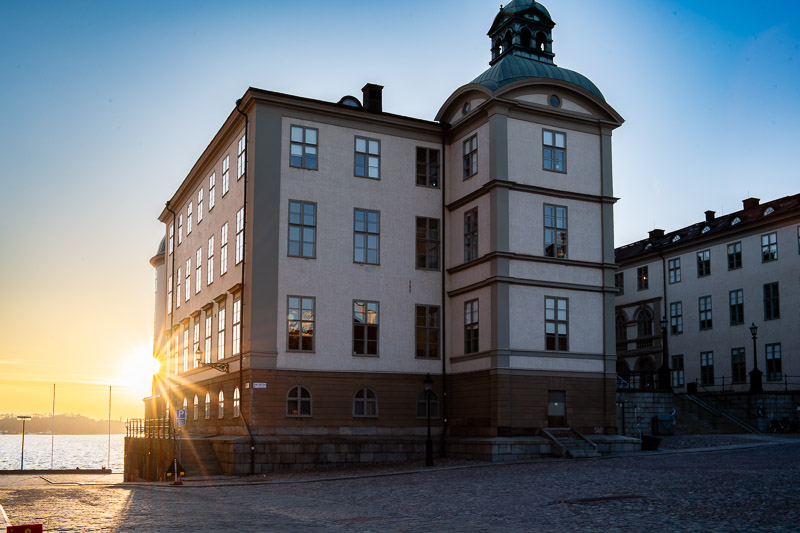







Most of the sample images in this review and many more can be found in higher resolution here.
Further Reading
- What camera gear and accessories do I use most frequently?
- REVIEW: 7Artisans AF 35mm f/1.8
- Review: Nikon Nikkor Z 35mm f/1.8 S
- Review/Comparison: Nikon NIKKOR Z 35mm f/1.4 (vs. 35/1.8 S)
- Comparison: The Battle of 35mm lenses – Nikon Z vs Sigma vs Tamron vs Zeiss vs Pergear vs Nikon Ai-s
Support Us
Did you learn something new, find this article useful, or simply enjoy reading it? We’ve put a lot of time and resources into creating it, and your support helps us keep going. If you’d like to show your appreciation, please consider clicking the Donate button!



(Donations via Paypal or bank card)
What’s in my camera bag? MY 2026 KIT!!
- Main camera : https://amzn.to/3TsGtKg
- Camera grip : https://amzn.to/4e0G3CR
- Memory Card 1: https://amzn.to/47pA20i
- Memory Card 2 : https://amzn.to/3XHYxlZ
- Camera 2 : https://amzn.to/3Xifou8
- Camera grip: https://amzn.to/4dYYpV9
- Memory card 1: https://amzn.to/4e5h2H0
- Memory card 2: https://amzn.to/3zu7W7n
- Small travel tripod: https://amzn.to/4goIX68
- Mini tripod: https://amzn.to/4e09XXX
- Small shoulder bag: https://amzn.to/47tPMiY
- Medium shoulder bag: https://amzn.to/4ej4bjY
This site contains affiliate links, for which I may receive a small commission if you purchase via the links at no additional cost to you. This helps support the creation of future content.


Martin
Latest posts by Martin (see all)
- REVIEW: 7Artisans AF 10mm F2.5 MAX – Fisheye FF - October 25, 2026
- REVIEW: SIRUI AURORA 35mm F1.4 - October 14, 2026
- REVIEW: Zhiyun FIVERAY M60 Ultra & Molus X100 RGB - October 11, 2026
Really interesting to see some of the
Zeiss SLR lenses on here thank you for your work.
I do think that the ZE/ZF original lenses have aged better in appearance compared to the milvus iteration, I don’t like the idea ah they look without a hood
I agree and have to add: that rubber also doesn’t age great. Starts to smell not particularly nice after only a few years.
I agree that the classic ZF/ZE lenses look better, but I do like the better T* coating and the weather sealing of the Milvus series even more.
Speaking of the appearance of the Milvus without the lens hood, in my personal opinion it perfectly matches the Nikon Z5/6/7 design. 😀
I own the 25/1.4 & 85/1.4 Milvus and installed follow focus gears which I’ve found help to minimize fingerprints, dirt, etc on the Milvus rubber focus rings.
That is a smart move, is it a generic no-name gear ring or a specially made for those Milvus lenses?
It’s generic but snug fit, no issues. Enhances look as well.
I have the classic version EF mount and love it . Zeiss lenses have clarity . I have also the ZE 25f2 and the ZE 50f2 macro. The last is my beloved as remindes me MF- 6×6 picture quality
Another great review.
As mentioned in the article, the Milvus 2/35 is a “repacked” version of the older Distagon design. While many people praise this lens for its high contrast, it is held back by an aging design.
It is not that fast, being an f/2 lens, neither is the best landscape performer, due to some wavy field curvature. Great, if you are shooting on film, but on a mirrorless camera, I second the Apo-Lanthar 35mm f/2 recommendation.
Finally, the Milvus 1.4/35mm and Otus-ML 1.4/35mm are far superior designs, each with its strengths. The former offers a great cinematic rendering at early apertures, that is particularly suitable for portraits, while becoming bitingly sharp with excellent control of field curvature for landscape photography.