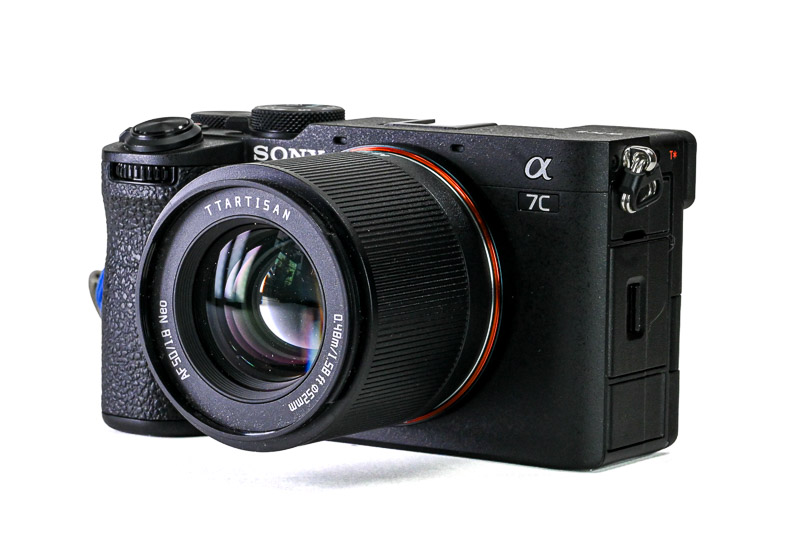
Introduction
TTArtisan has become one of the better-known Chinese lens manufacturers, offering aggressively priced lenses that often skip some of the more advanced features and exotic glass, while still delivering relatively good optical quality.
Their recent budget-friendly NEO series has taken this concept one step further by leaving out even more features, while setting some impressive price records. I reviewed their 85mm f/1.8 NEO not long ago and was impressed by how much lens you get for just $84, so I decided to take a look at their 50mm f/1.8 NEO as well.
A 50mm is a more versatile focal length, making it suitable for everything from everyday photography and travel to street photography, environmental portraits, food photography, and landscapes.
So, let’s see what we get for those $89.
 I tested this lens on a 33MP Sony A7C II.
 You can see this review as a YouTube video here!
 Sample images in high resolution here.
Sample Images





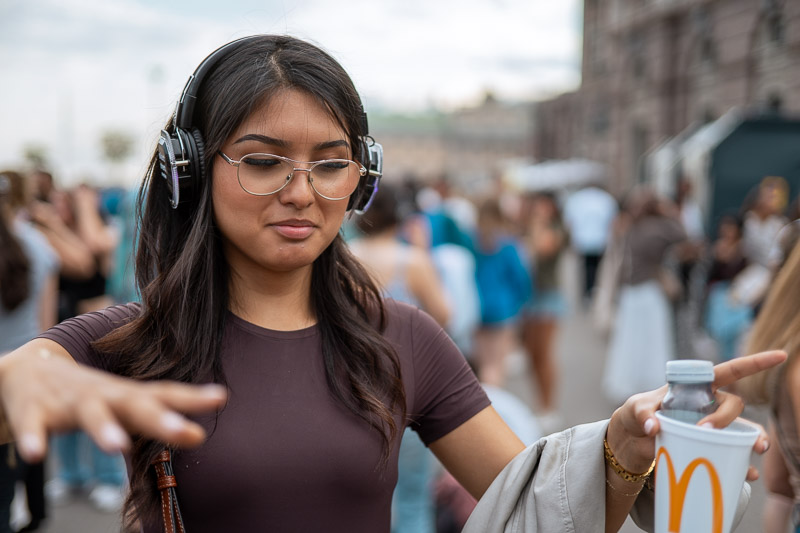
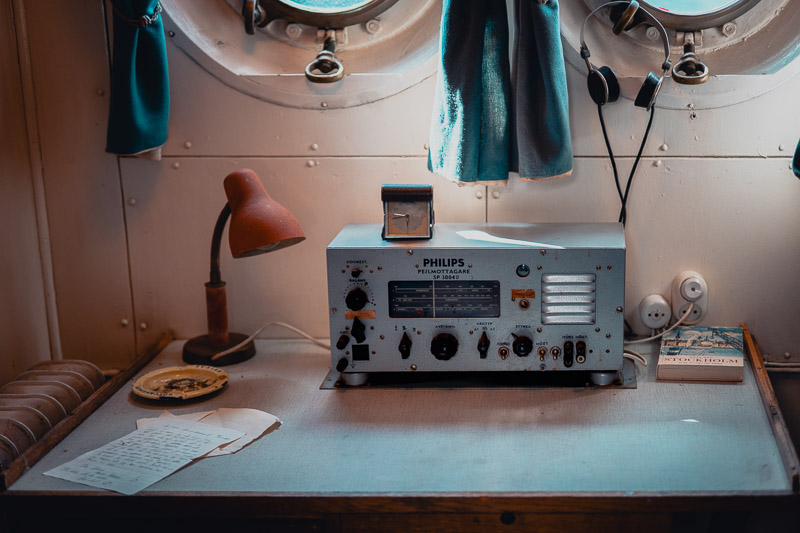

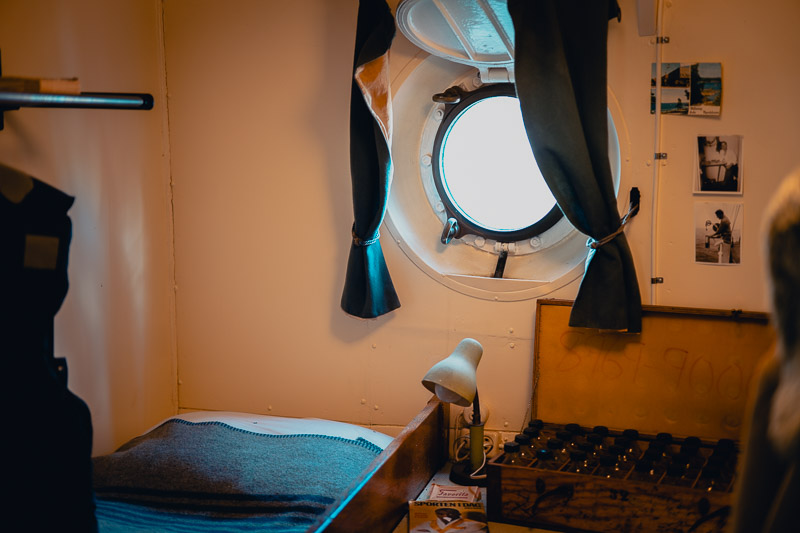



Most of the sample images in this review and many more can be found in higher resolution here.
Specifications
| Focal Length | 50mm |
| Angle of View | 45° |
| # of Aperture Blades | 7 |
| Max Aperture | f/1.8 |
| Min Aperture | f/16 |
| Min Focus Distance | 0.48 m |
| Filter Size | 52mm |
| Lens Mount | E / Z / L |
| Weight | ≈156-167g |
| Size (D x L) | 60 x 51.5 mm |
| Elements/Group | 12 Elements in 8 Groups |
| Buy new: TTArtisan Store, Amazon (anywhere) for $89 (Affiliate links)
|
Disclosure
TTArtisan kindly provided this lens for test and review purposes.
Handling and Build Quality
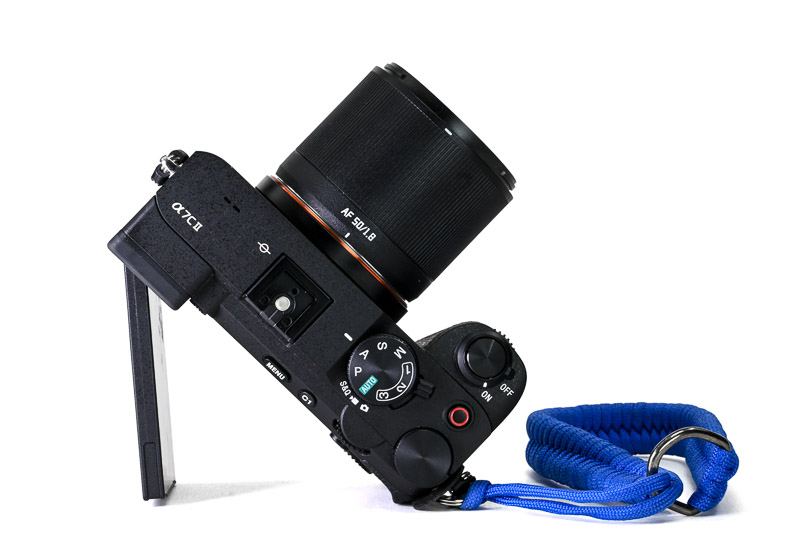
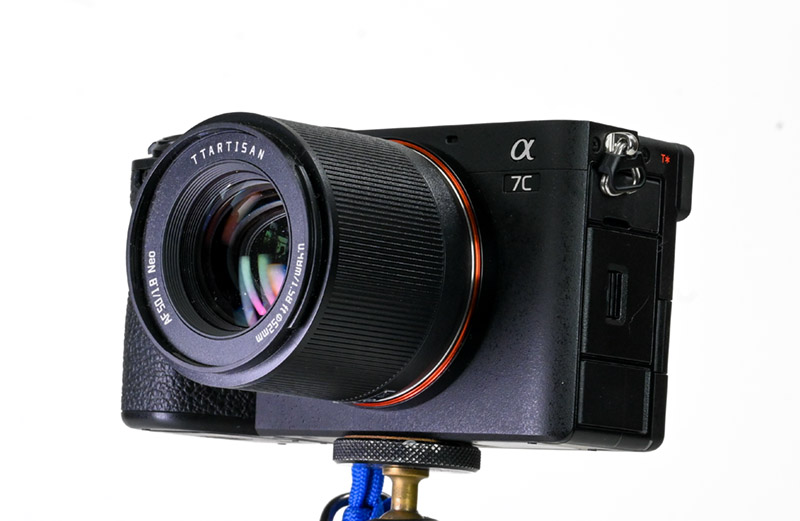
This lens shares many of its characteristics with its 85mm sibling that I reviewed just a couple of weeks ago. A body of hard plastic with a modern and neat look. This one is ultra-light and very compact
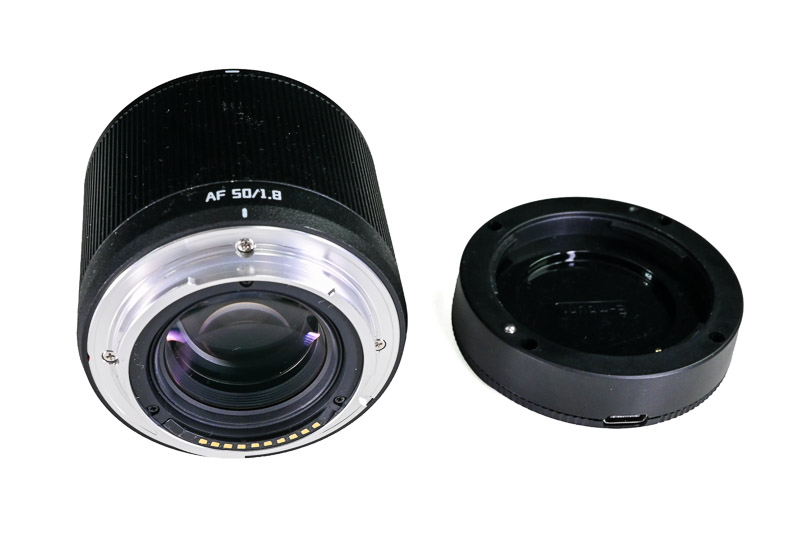
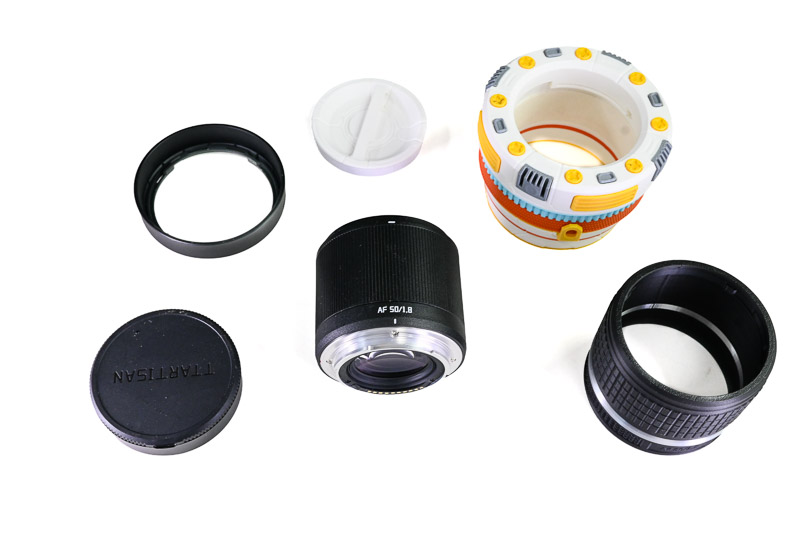
The mounting plate is made of metal and features electronic contacts for aperture control, autofocus, and EXIF data transmission, which is good to see. There’s a USB port on the rear cap, which also doubles as a dock for future firmware updates.
There are no controls on the lens, not even a focusing ring, although the lens is designed to look as if it has one. It doesn’t, though; the ring is just a dummy and doesn’t rotate.
Autofocus is accurate, but the speed is slower than average. It’s good enough for normal, everyday photography, but it struggles with candid street photography and moving subjects.
The lens has no weather sealing and no image stabilization.
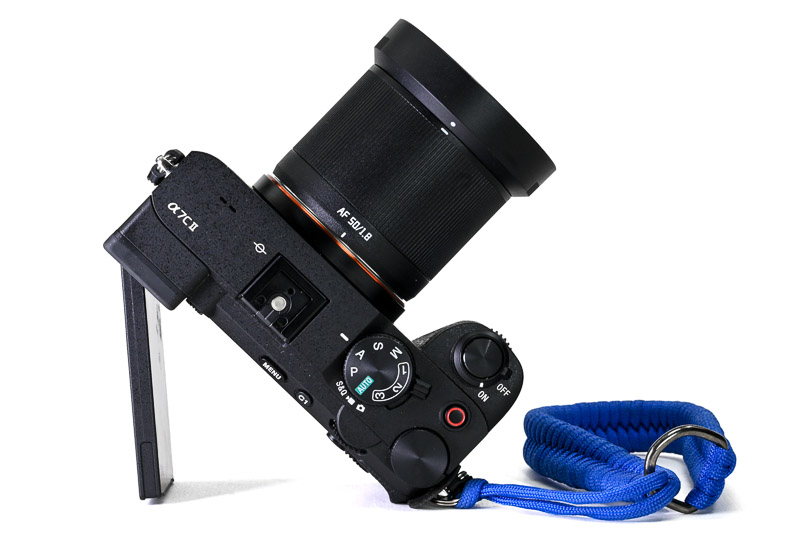
A tiny lens hood is included in the box, but I doubt it would offer much protection against hostile lighting.
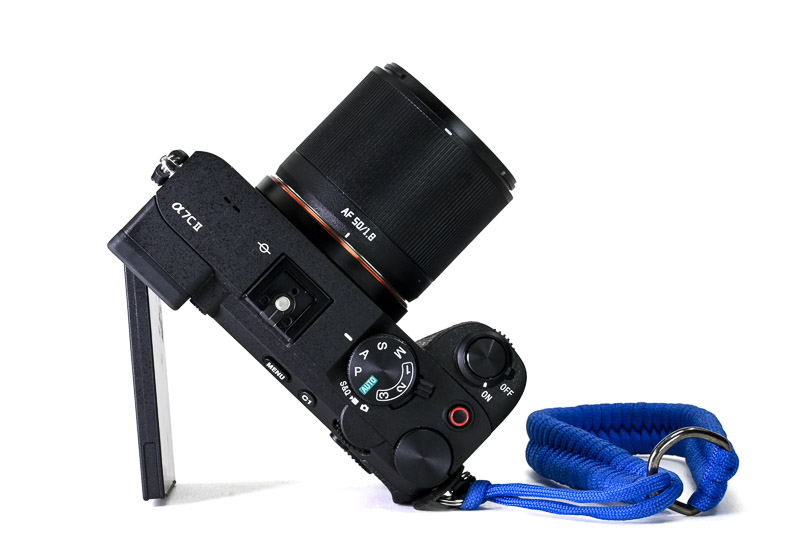
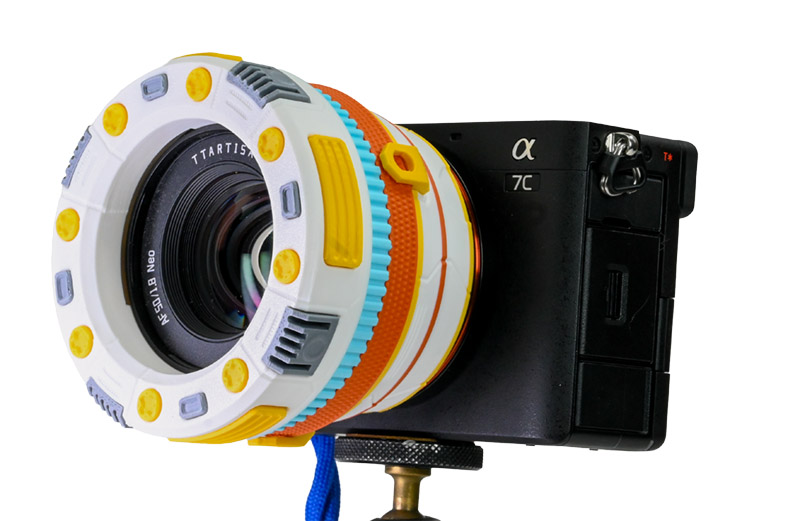
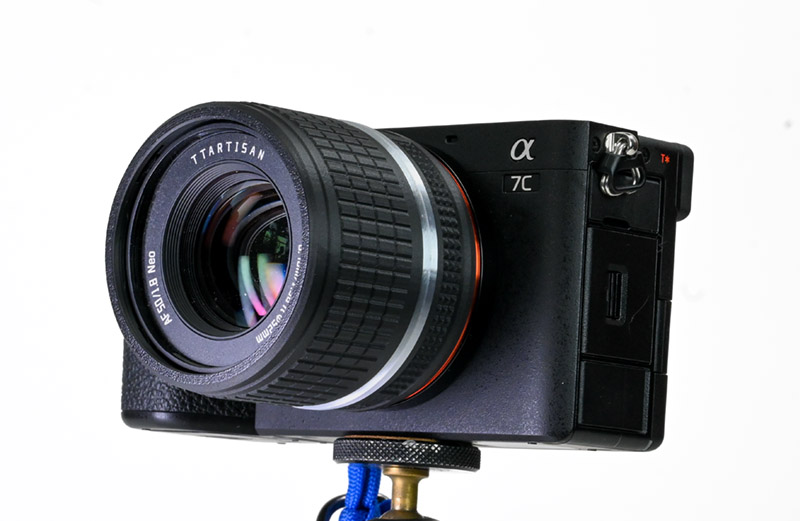
There are also a couple of optional barrel covers available, allowing you to personalize the lens with stickers, 3D printing, or custom paint.
Optical Features
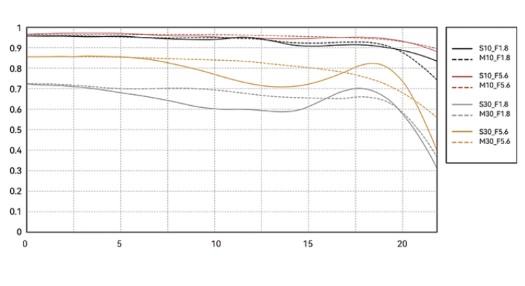
Sharpness (Infinity)
For the infinity sharpness test, we’ll look at three areas of the image — center, mid-frame, and corner — as highlighted below. Focus was set on the center of the image!
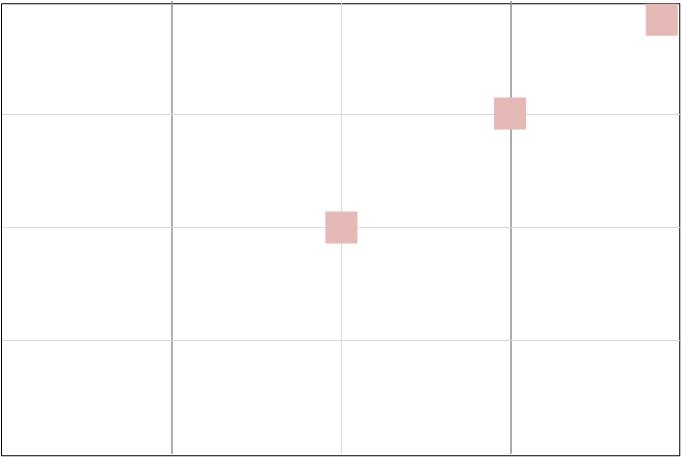
I focused on the center of the image.
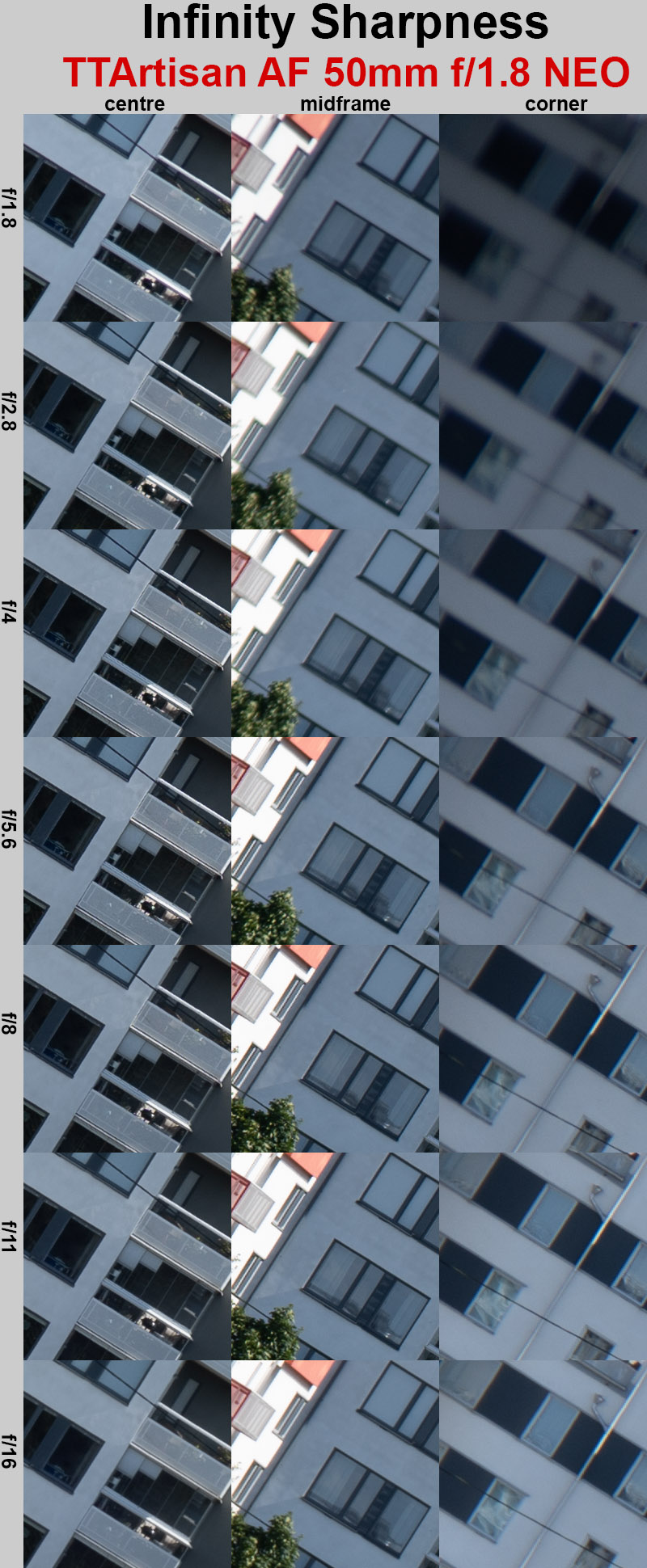
The center of the frame is sharp wide open at f/1.8; midframe is also decently sharp, but the corner is soft. Stop down to f/2.8, and the center becomes very sharp, and the corner improves but is not sharp yet.
Stopping down to f/5.6 makes the center excellent, midframe very sharp, and the corner decent, but it is first at f/8 that the corners become really sharp. This is also the sharpest across the frame aperture.
Sharpness (Portrait)
Let’s look at the points of interest for portraits at the portrait distance: the very centre, the centre’s inner periphery (1/3 rule intersection), and the centre’s outer periphery (1/4th intersection).
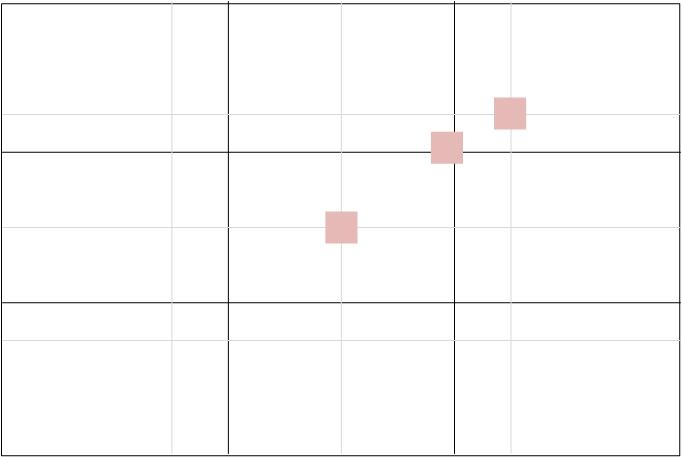
Here, I focused independently on the center, mid-frame, and corner areas to account for field curvature.
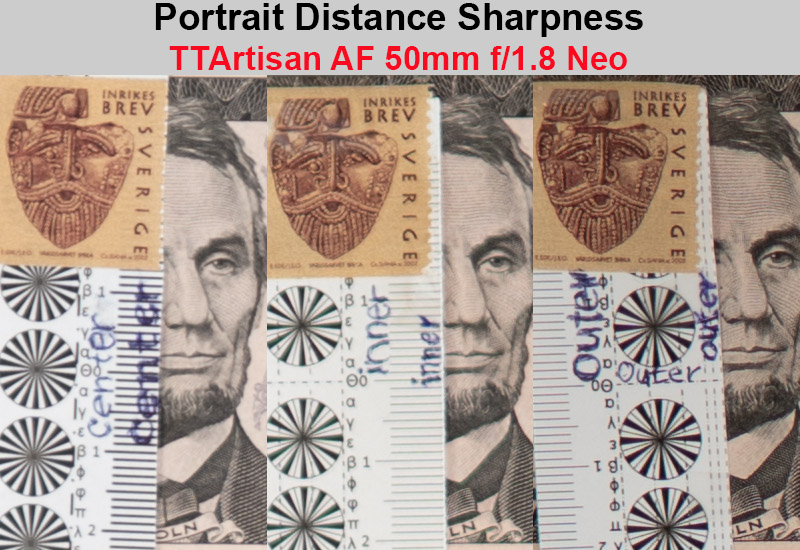
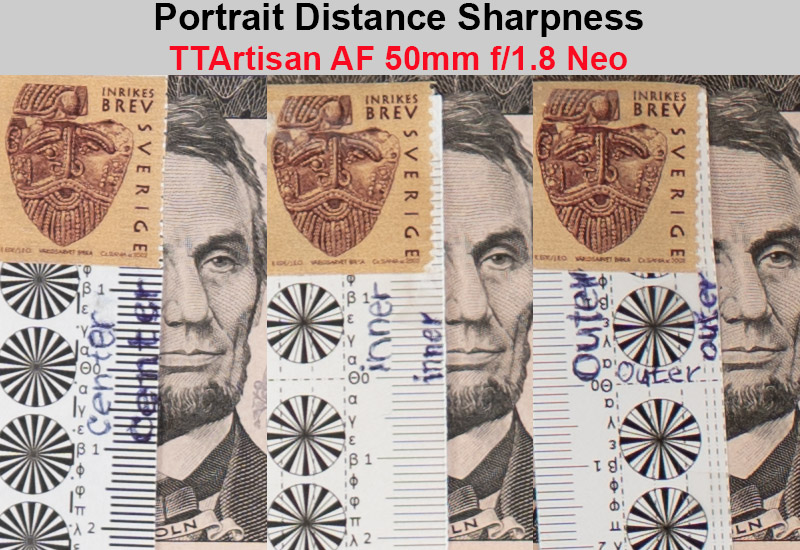
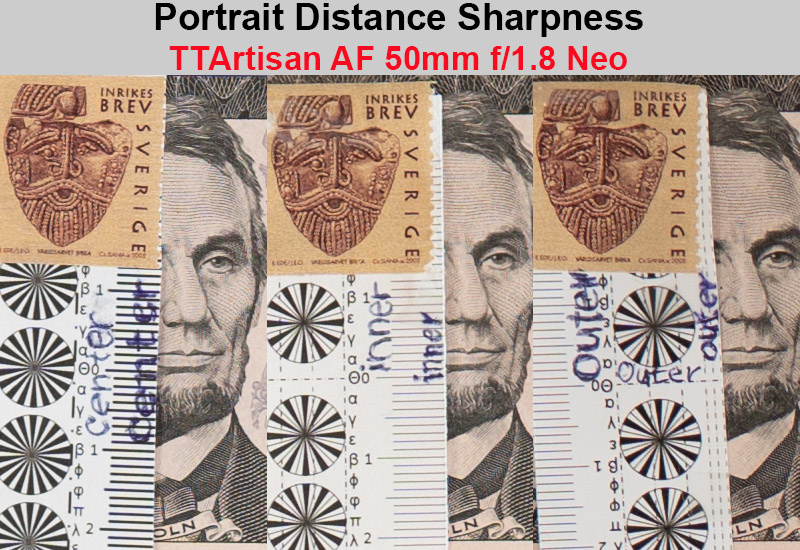
At portrait distances, the outer circle shows very good sharpness, even sharper than the center. While the center is sharp enough for portraits, it has somewhat lower contrast. At f/2.8, sharpness improves everywhere and becomes very good, and at f/4, it is excellent across the frame.
This behavior is typical of field curvature, where the midframe can be sharper than the center, especially at portrait distances.
Sharpness (Close-up)
For close-up testing, I focused on the center and only included a 100% center crop.







At close-up distances, the lens is a little soft wide open at f/1.8 and looks a little hazy too. Sharpness improves dramatically after stopping down one stop to f/2.8, reaching a very good level. Another stop down to f/4 makes it excellent. This shows that the lens has some spherical aberration, which also helps explain the behavior we saw at portrait distances.
Lens Distortion
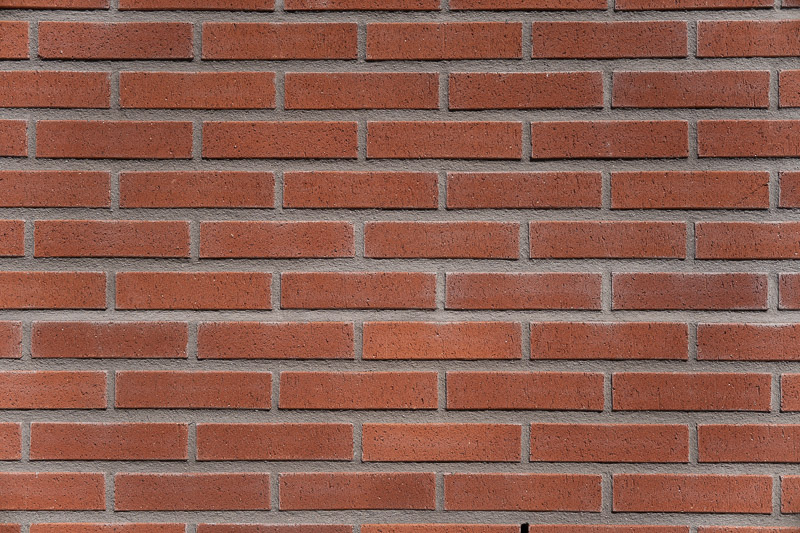
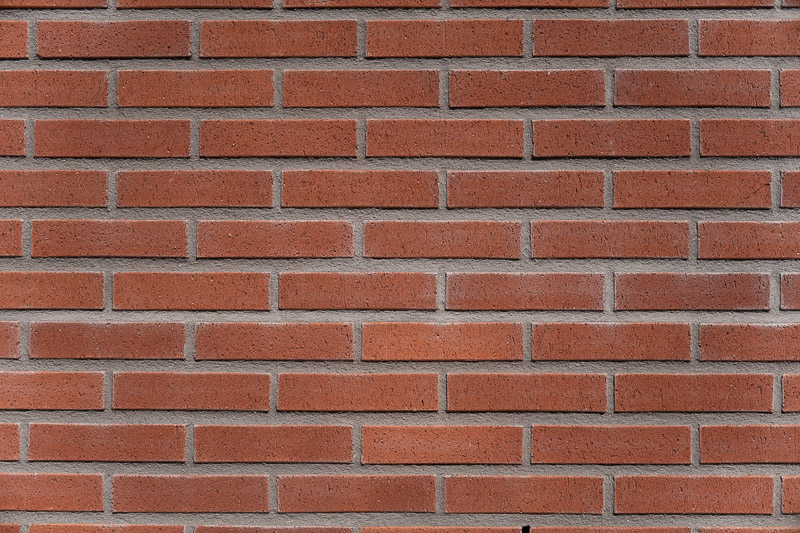
There is a moderate pincushion distortion visible in the test images. You can correct it with a -3 correction in Photoshop or Lightroom.
Vignetting
The light fall-off is normal for a fast 50mm lens and quickly becomes negligible, already at f/2.8. However, I see some strange behavior when the lens is stopped down to f/5.6 or smaller apertures.
Interestingly, at f/5.6 and smaller apertures, the light fall-off takes on an unusual pattern. Instead of gradually becoming darker toward the corners, there is a darker band in the outer part of the frame, followed by a lighter ring very close to the corners, before the corners become darker again. At wider apertures, the light fall-off follows the more typical pattern of gradually decreasing illumination toward the corners.
This isn’t something you’re likely to notice in normal use, though. As mentioned, light fall-off is already negligible at f/2.8, and this unusual pattern only shows up in controlled lab testing. However, the lighter ring close to the corners increases the contrast with the corners, which can make the corner darkening appear more pronounced than it actually is, and that darkness in the corners never disappears.
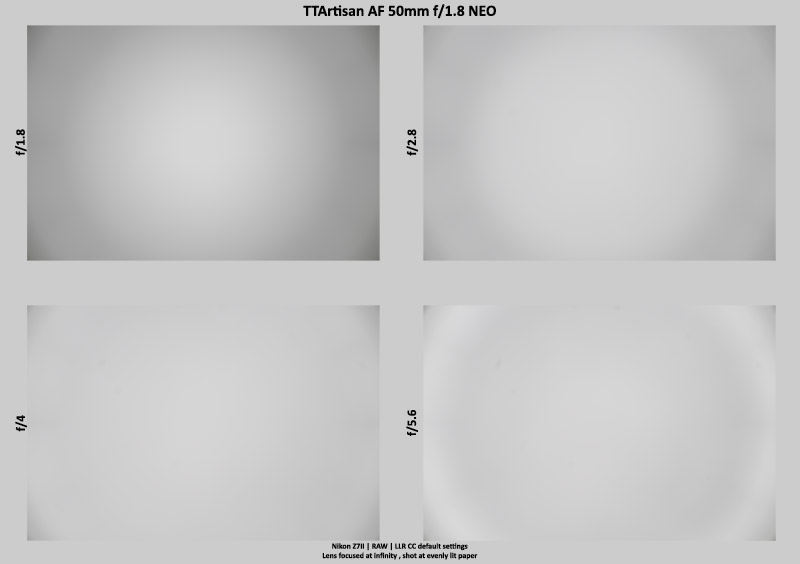
- F/1.8: 1.7 EV
- F/2.8: 0.9 EV
- F/4.0: 0.7 EV
- F/5.6: 0.6 EV
- F/8.0: 0.5 EV
- F/11: 0.2 EV
Focus Shift & Aberrations
Longitudinal chromatic aberration is moderate at f/1.8, and stopping down one stop improves it considerably. At f/4, it can only be seen in extreme situations, and at f/5.6, it has disappeared.
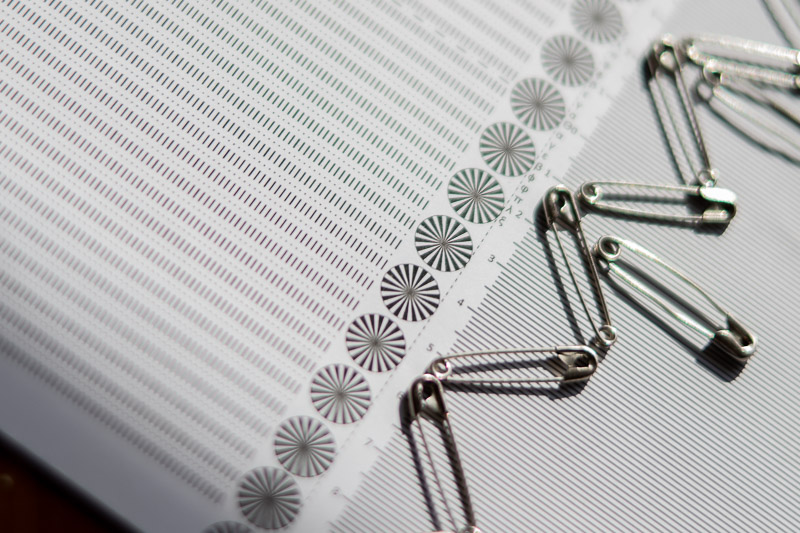
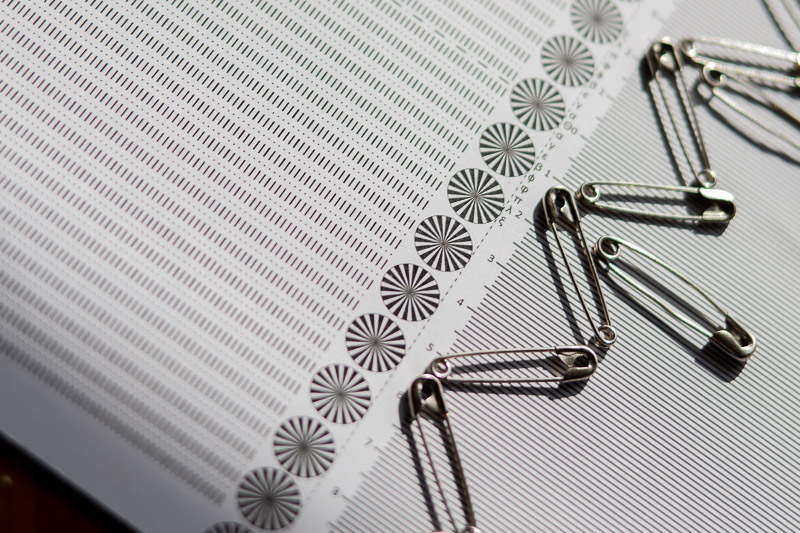
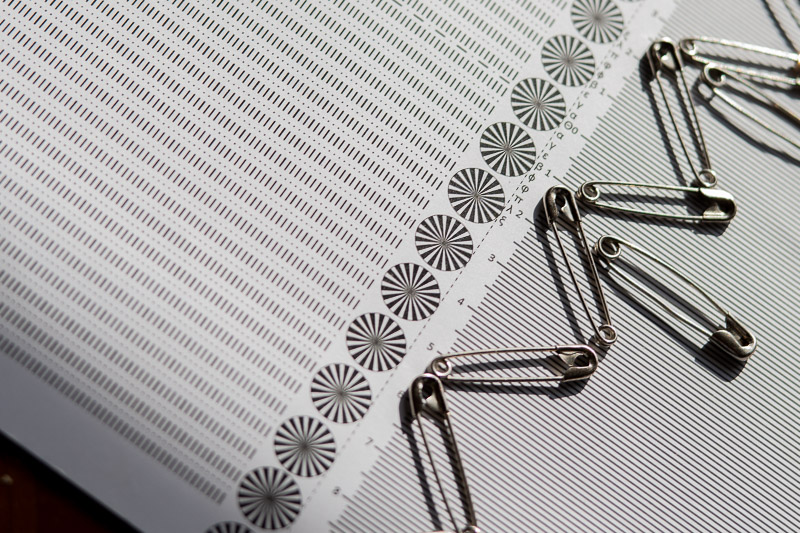
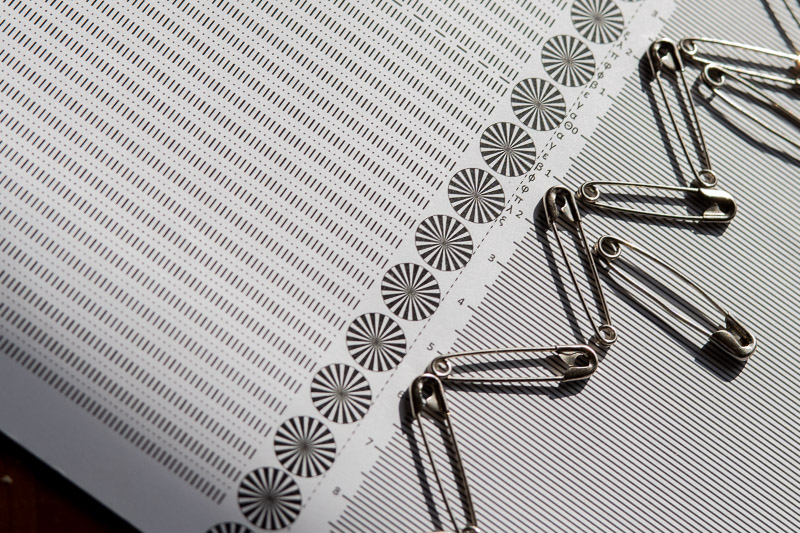
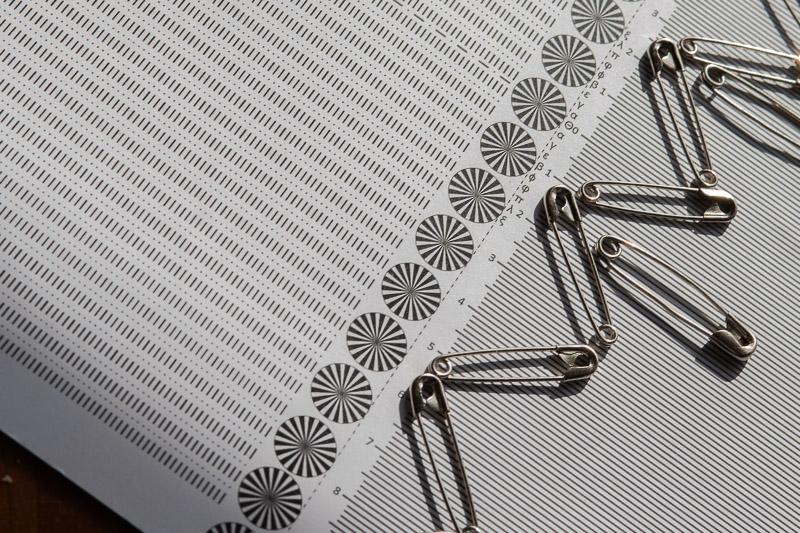
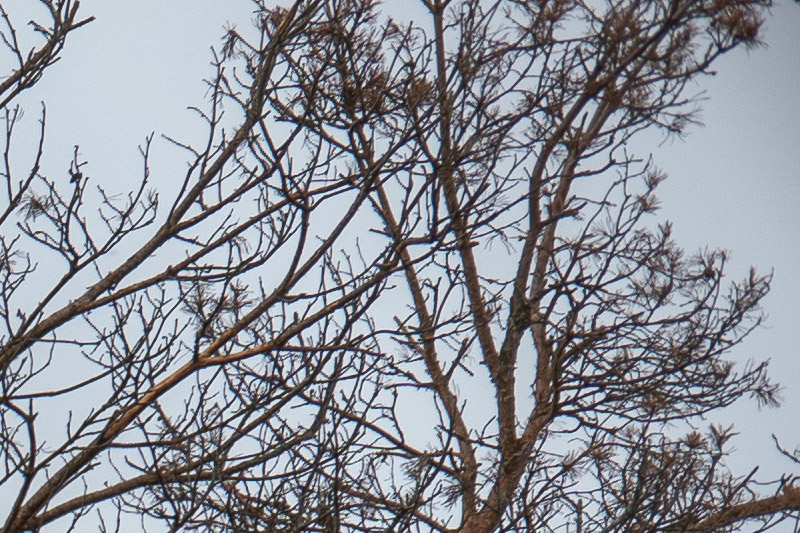
Lateral chromatic aberration, although present, is negligible, as can be seen in the 100% corner crops of test shots with and without correction.
Flare Resistance
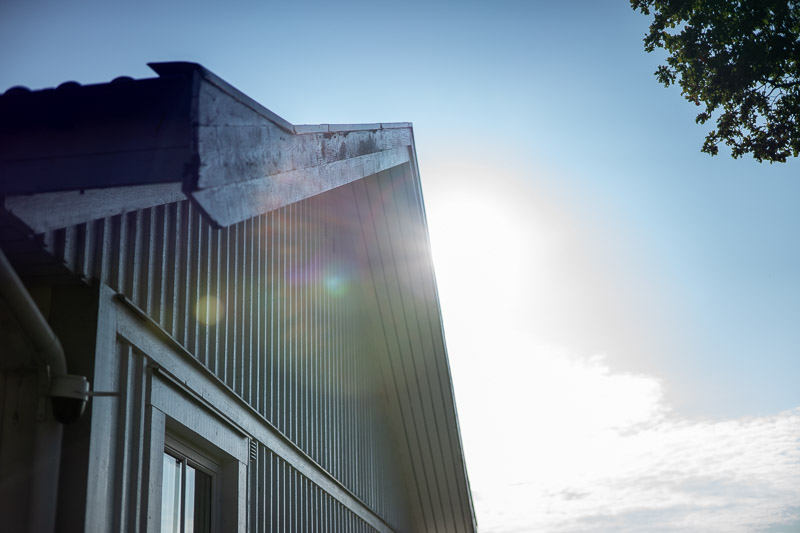
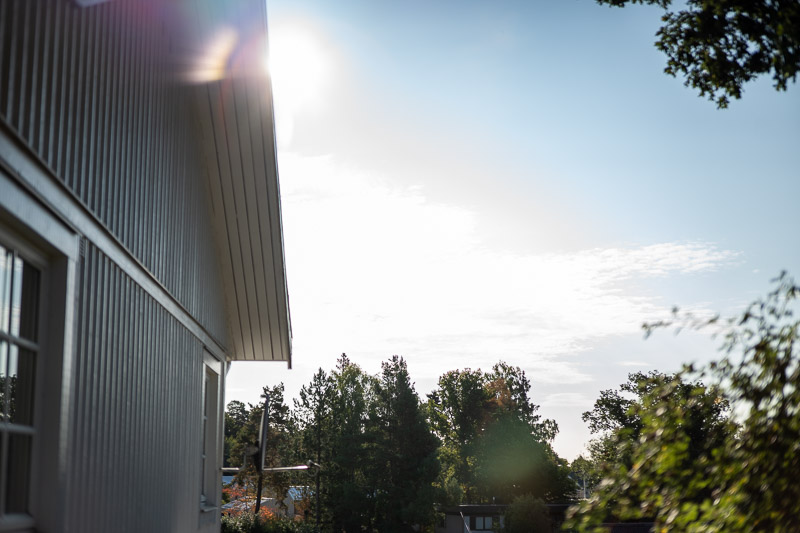
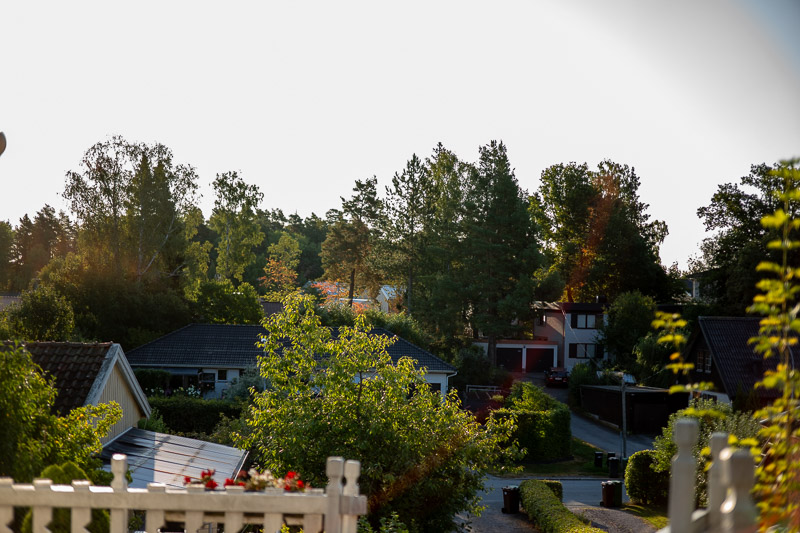
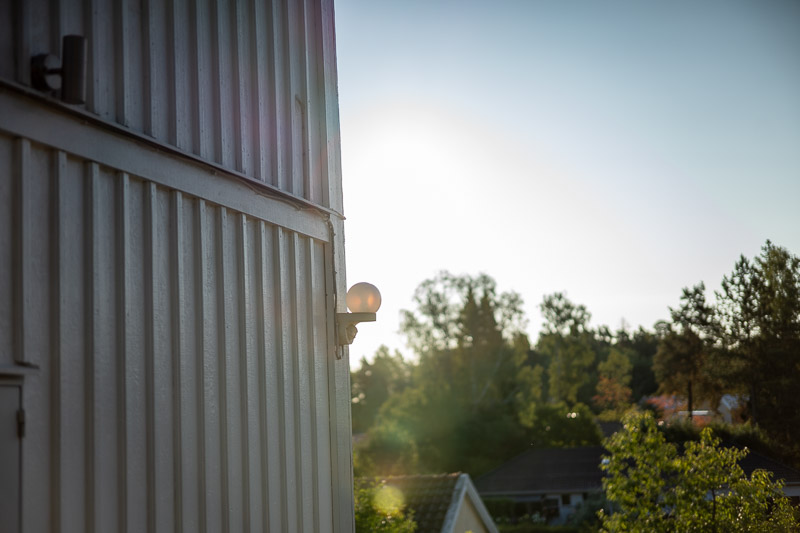
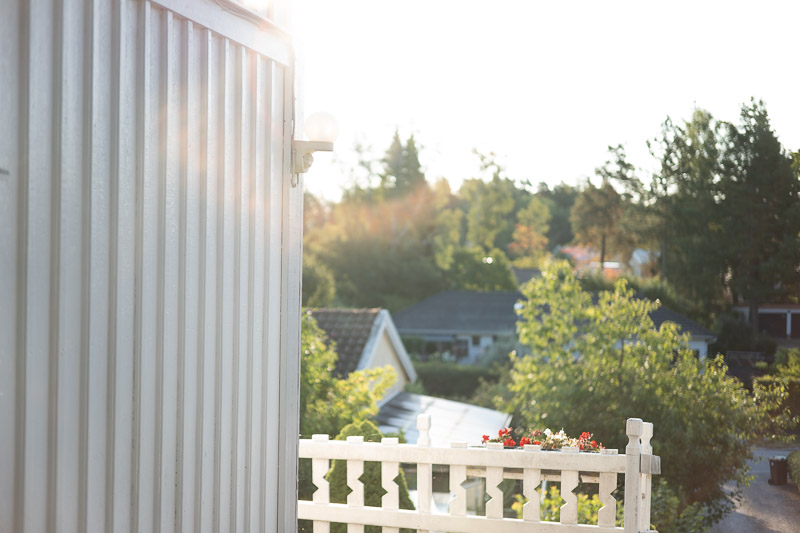
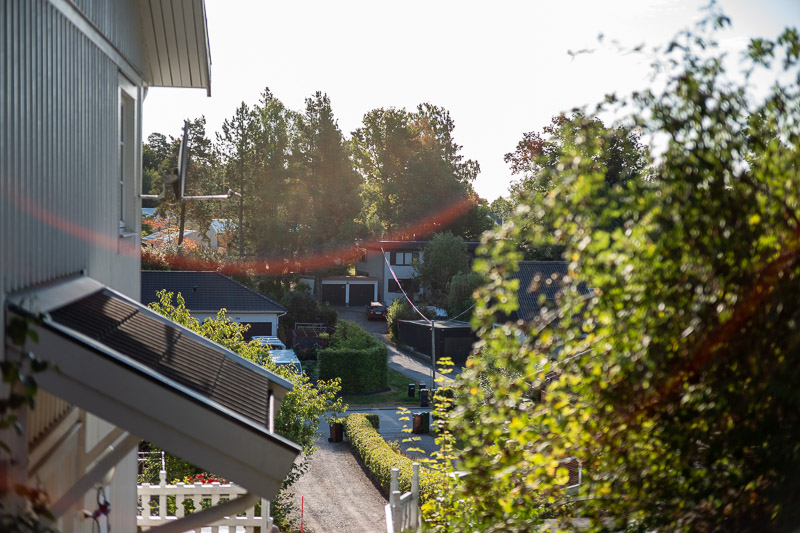
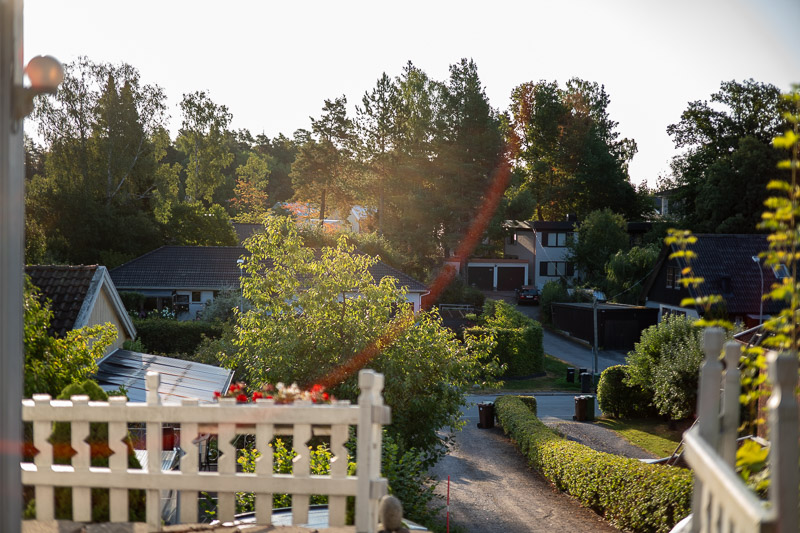
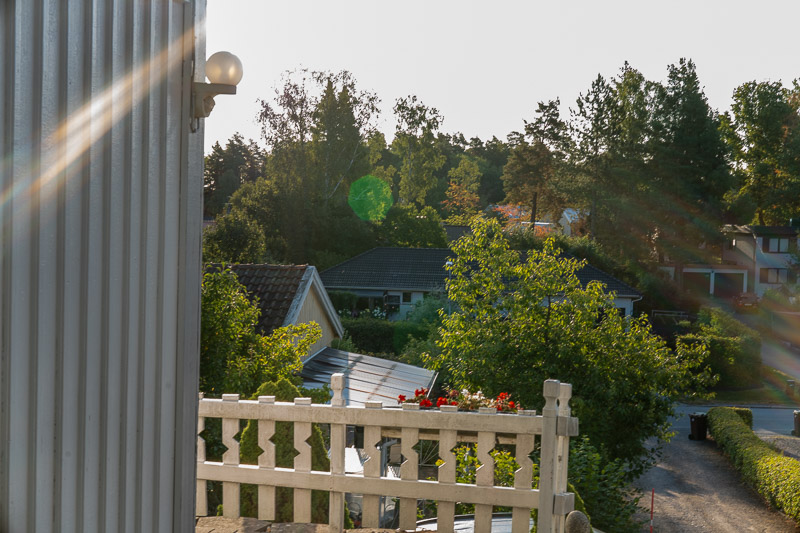
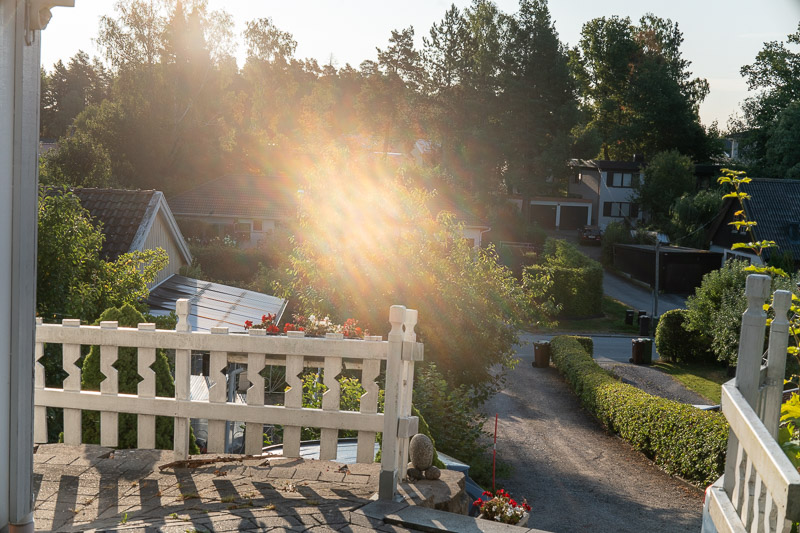
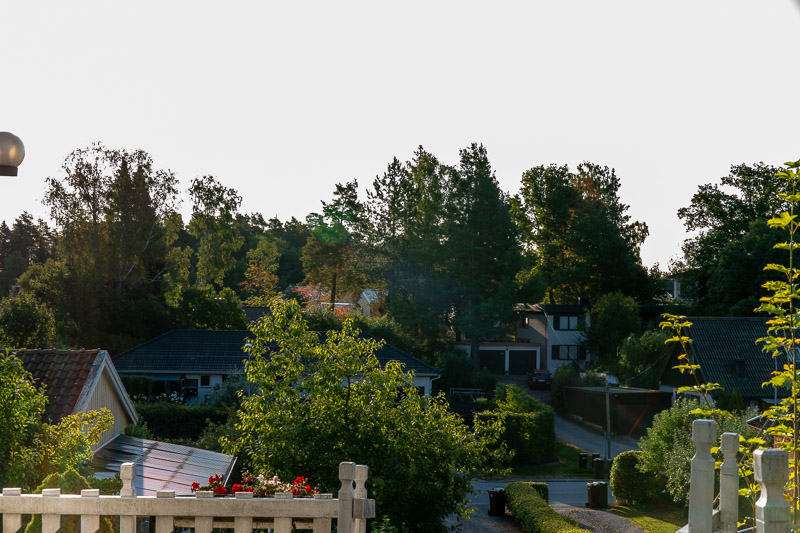
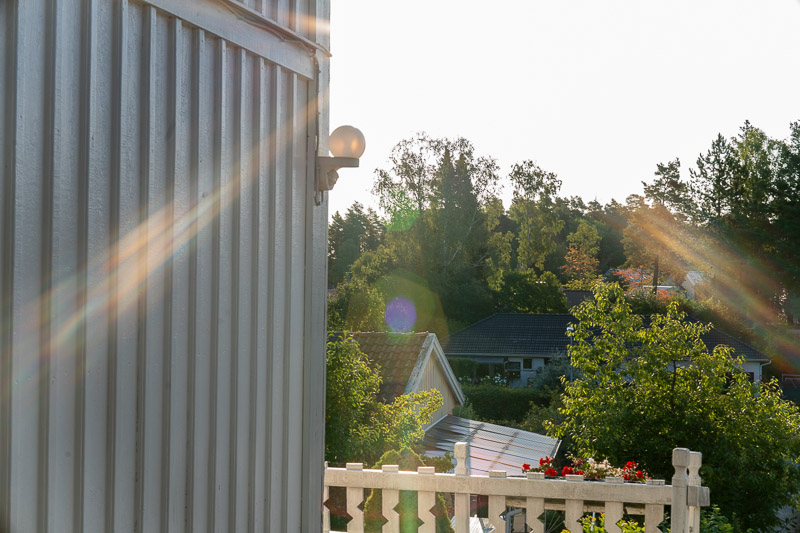
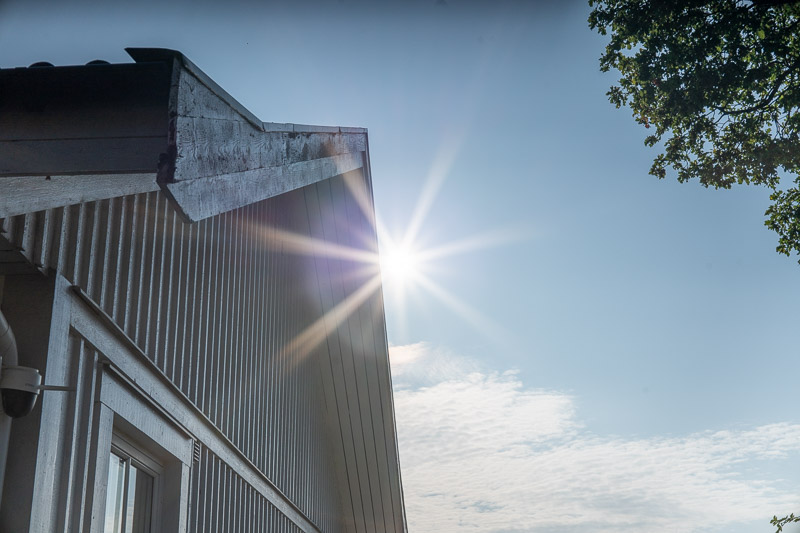
TTArtisan has improved a lot in this category, as their earlier lenses had huge problems with flare, even their better lenses. This lens is not fantastic in that regard, but it is a lot better than their earlier lenses. Generally, you can get ghosting around the sun or other strong light sources at both wide and small apertures. At smaller apertures, it is more resistant to veiling flare. That said, in all cases, the lens retains contrast in the rest of the image, away from the problem area. While this is a big improvement, the flare resistance is not quite good enough yet.


Coma
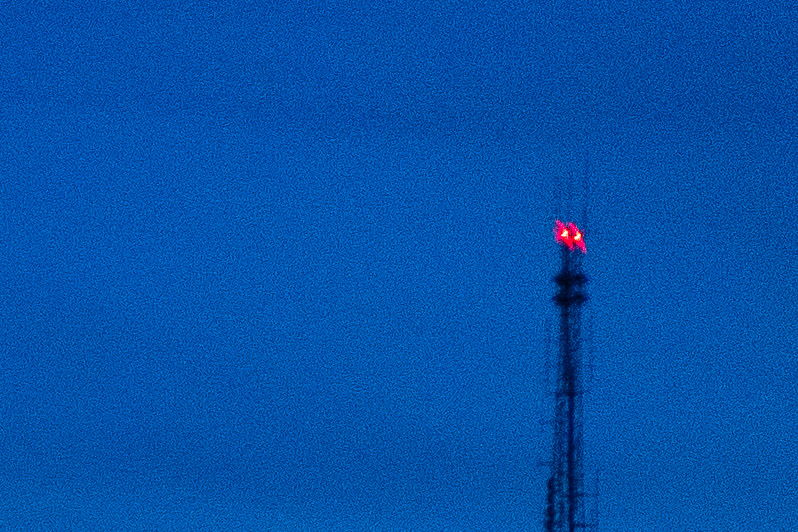
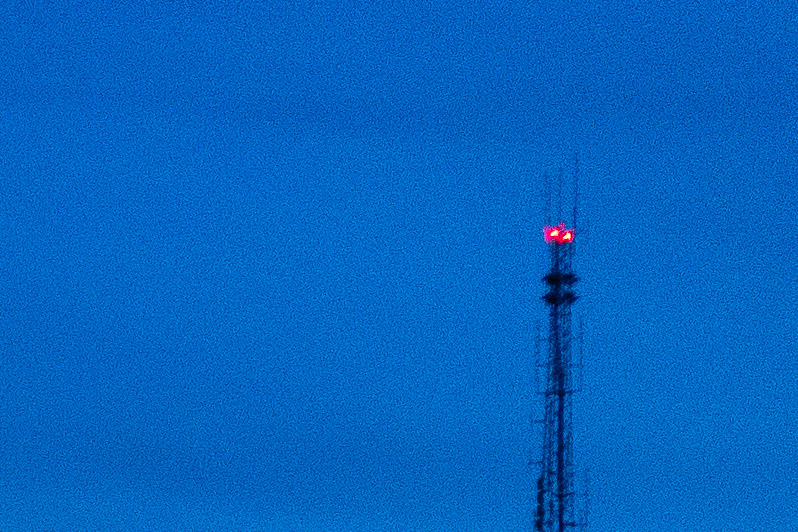
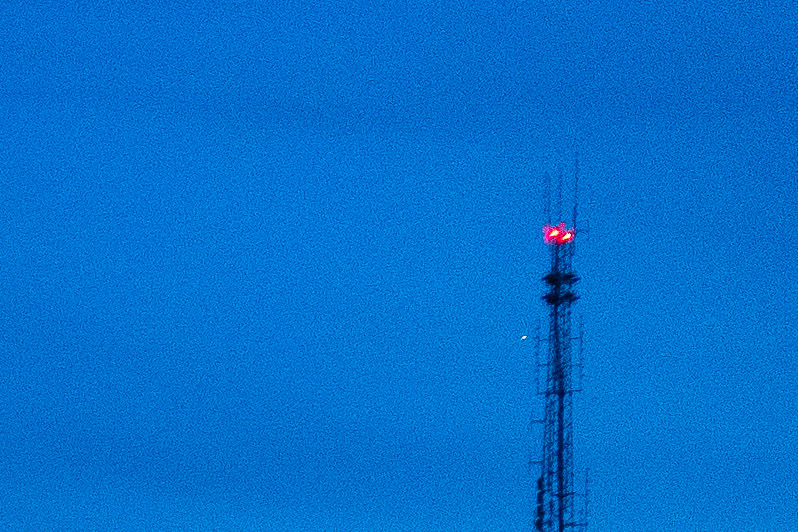
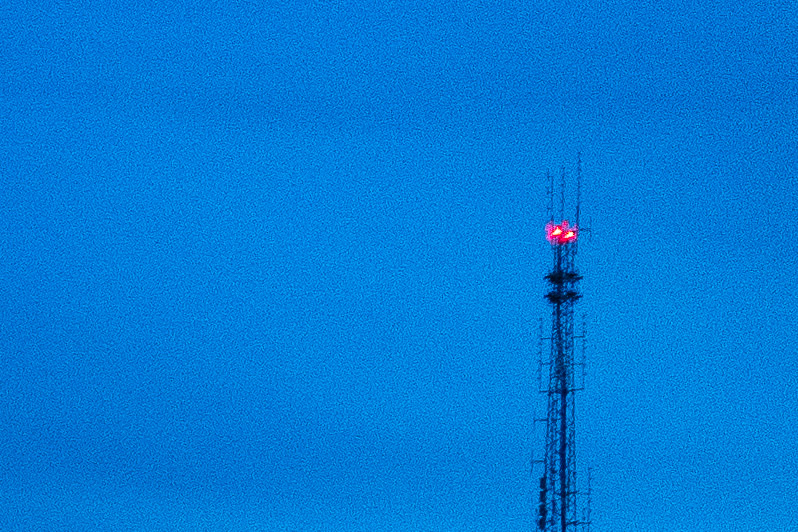
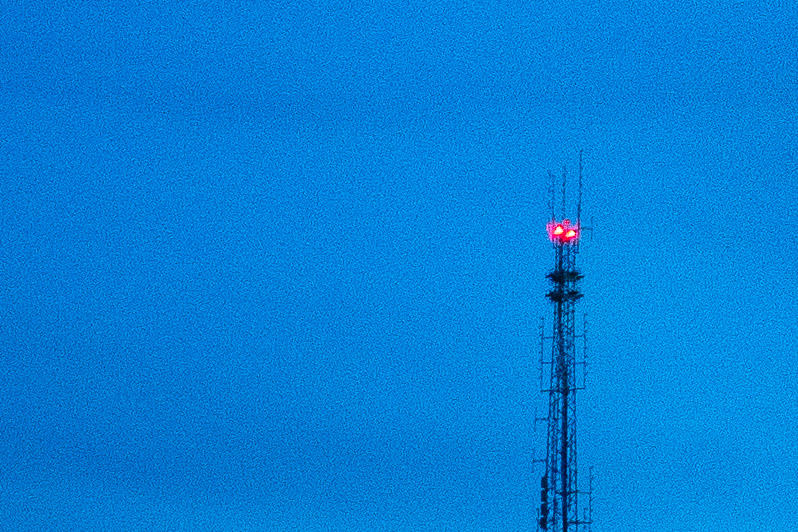
The 50mm NEO shows some mild coma smearing in the corners wide open at f/1.8. At f/2.8, it is reduced and becomes very small. From f/4 onward, coma is negligible.
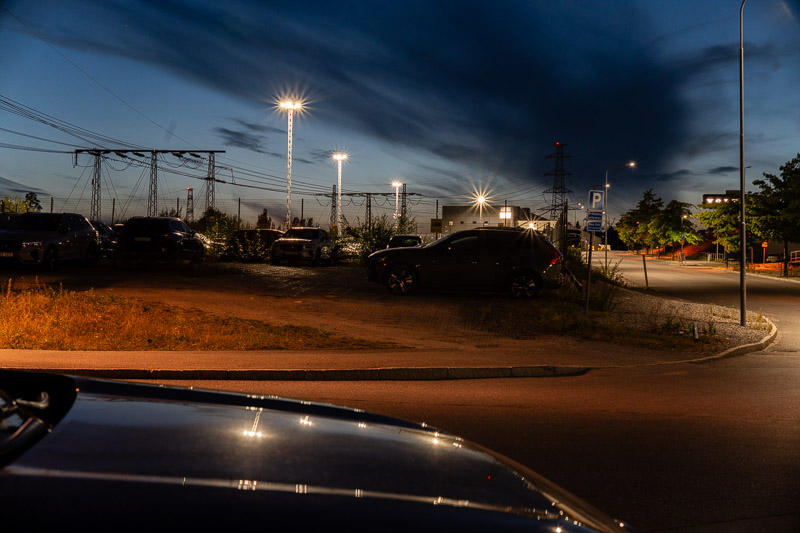
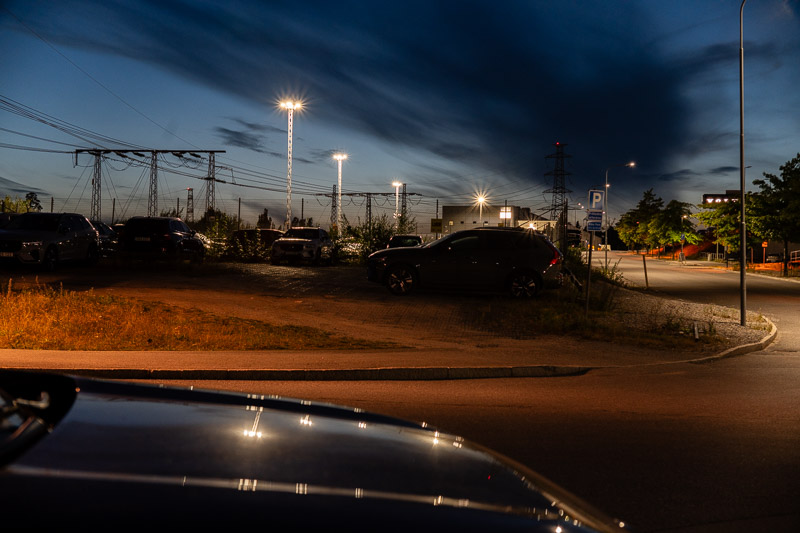
Sunstars
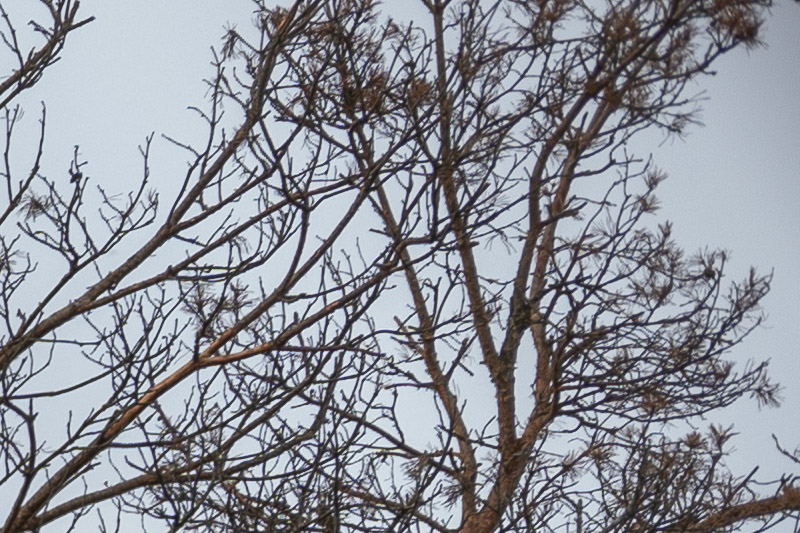
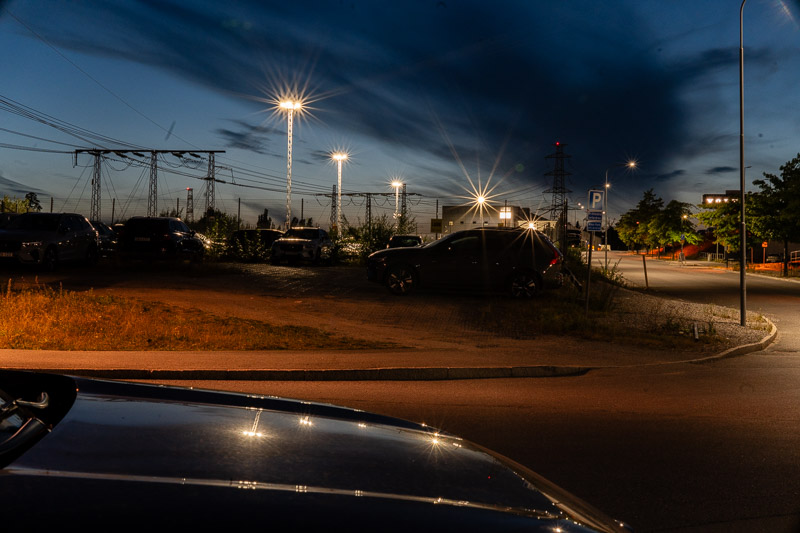
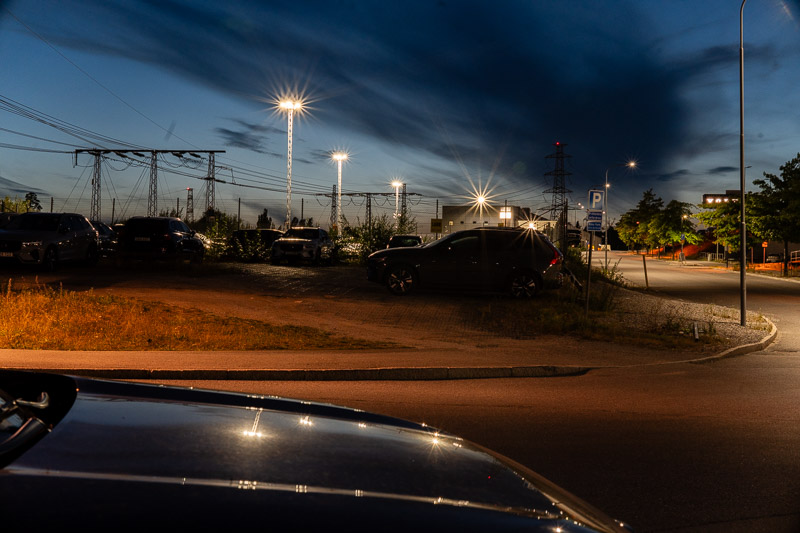
This 50mm Neo lens, like most TTArtisan lenses, produce wel-defined sunstars with long rays from f/8 and smaller apertures.
Focus Breathing

The AF 50mm f/1.8 Neo suffers from strong focus breathing as we can see here.
Bokeh
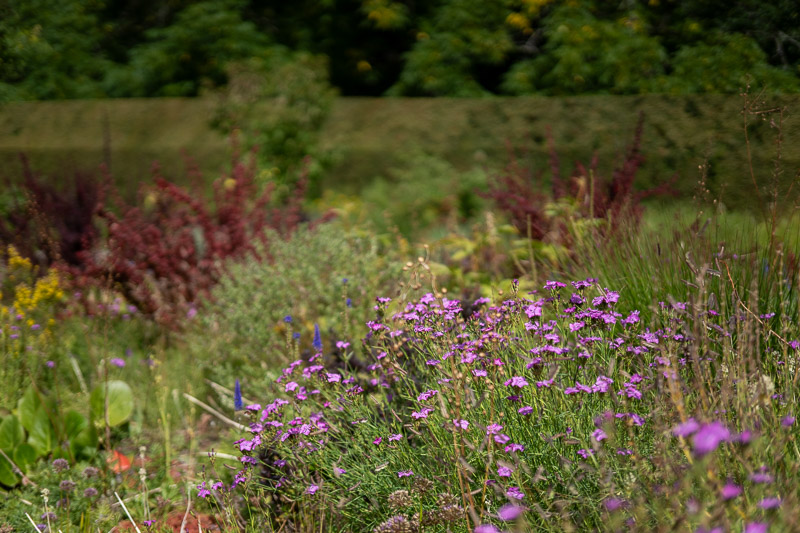
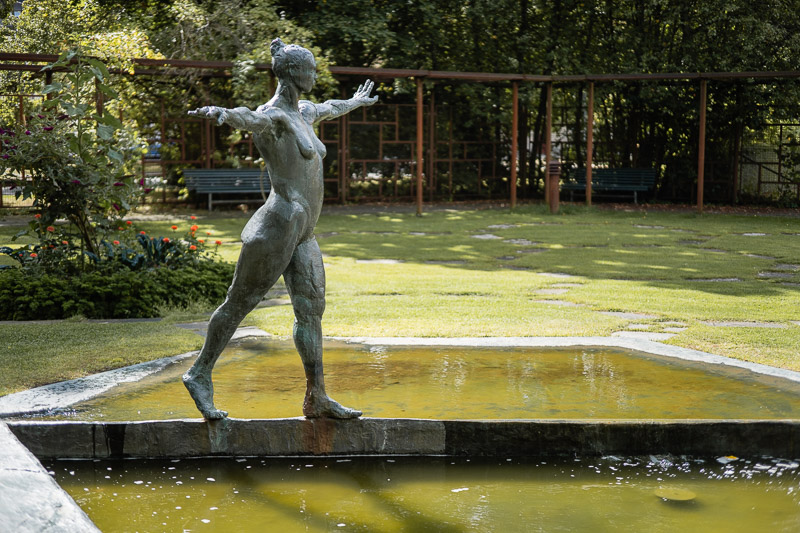
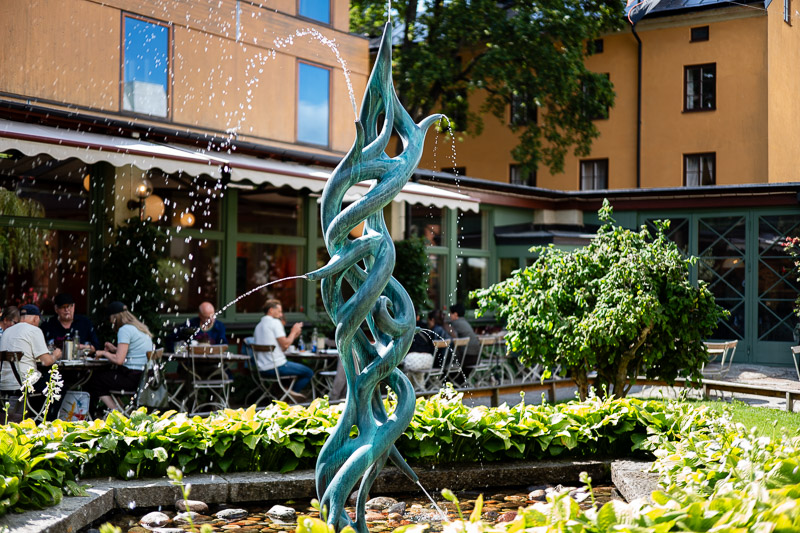
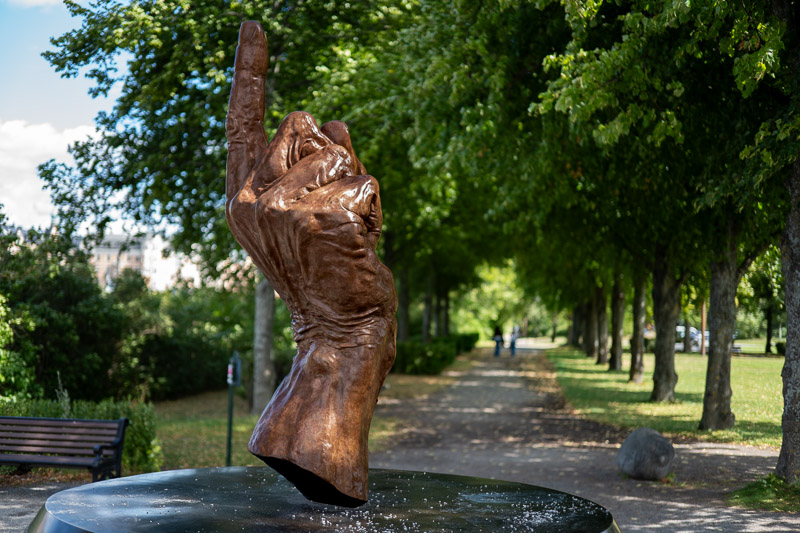
This lens has very interesting rendering characteristics as it seems to have all sorts of bokeh at the same time. Let have a look at different distances so I can explain what I mean.
Short Distance
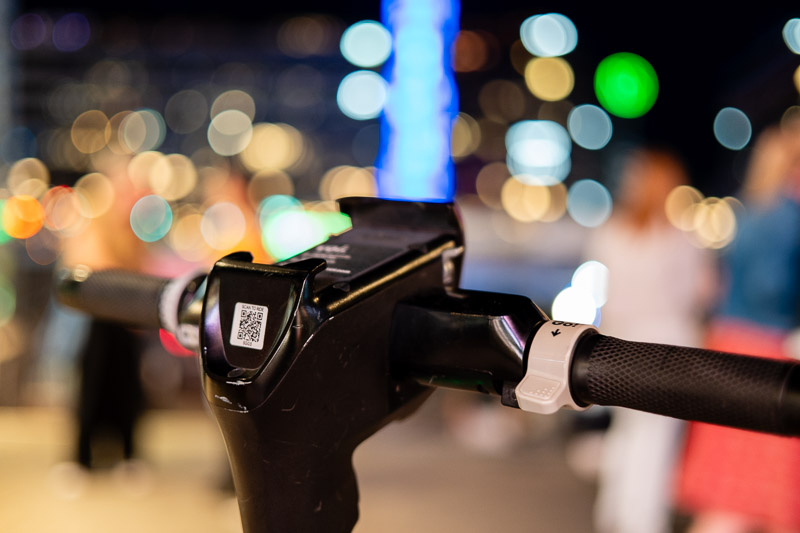


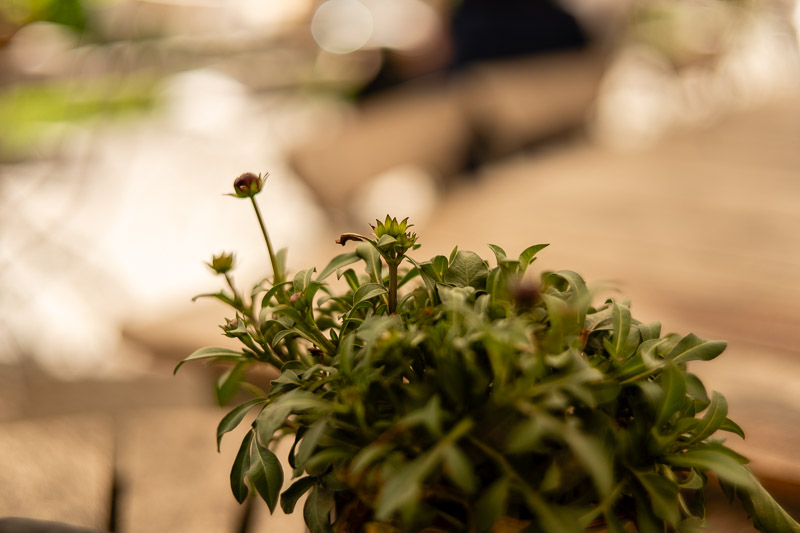
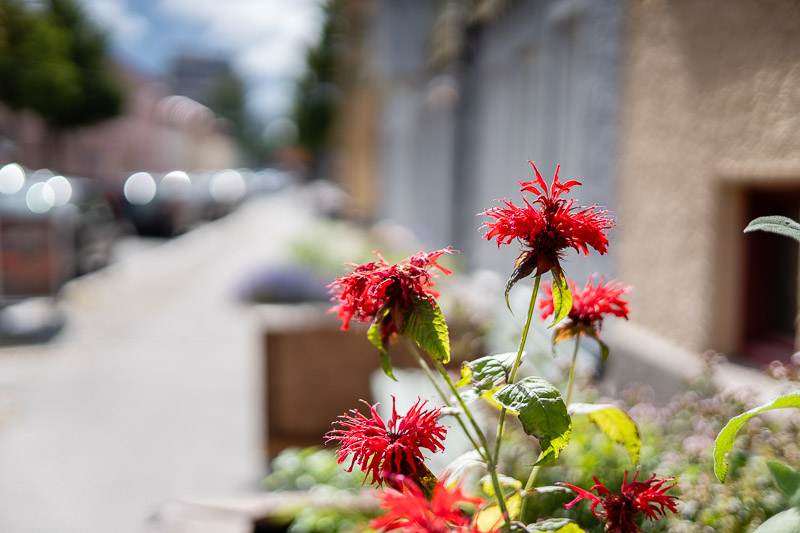

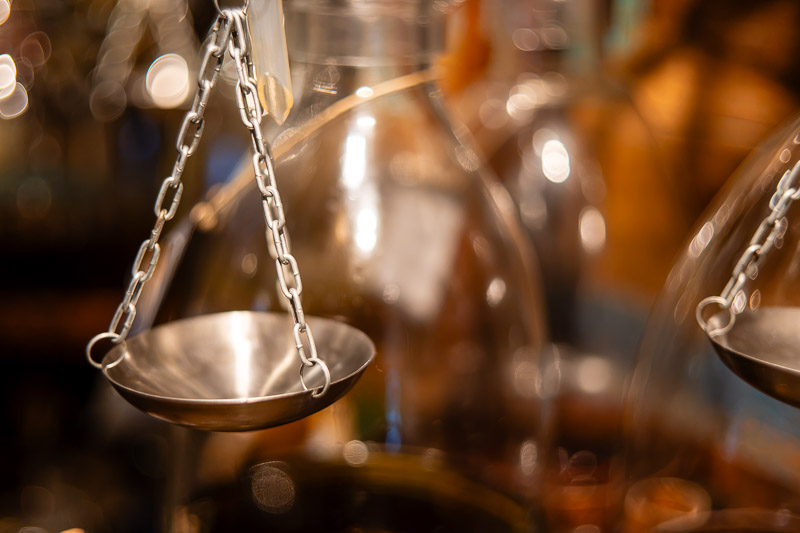
The majority of modern lenses render a dreamy, soft, featureless background at closer distances, blurring it beyond recognition. This lens is not one of them. This is not the modern, soft, watercolor-like bokeh; while it can be dreamy and soft with low-contrast backgrounds, as soon as there is some contrast, you start to see contours, and the out-of-focus highlights take on a soap-bubble effect. In other words, depending on the background, you can get soft, busy, or soap-bubble-like bokeh.
Mid-Distance

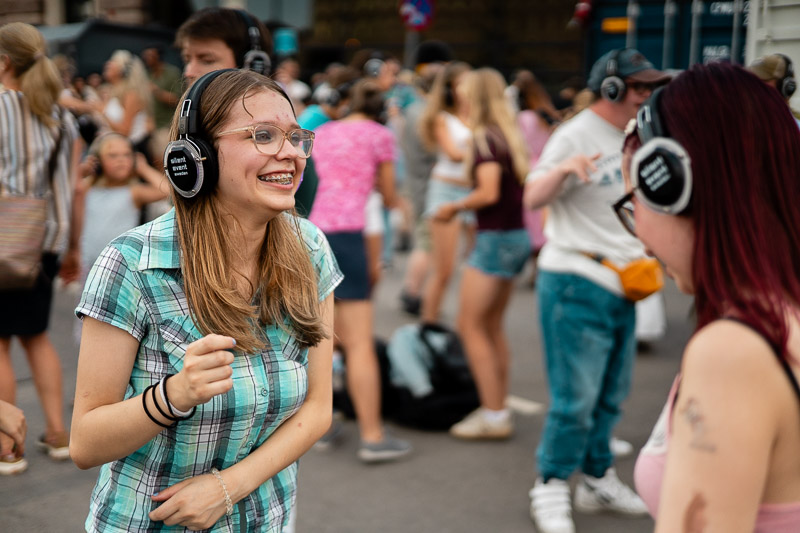
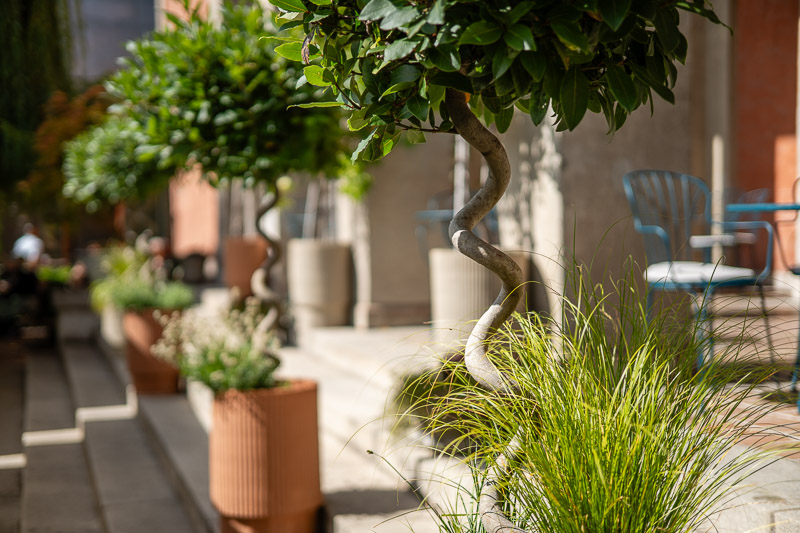
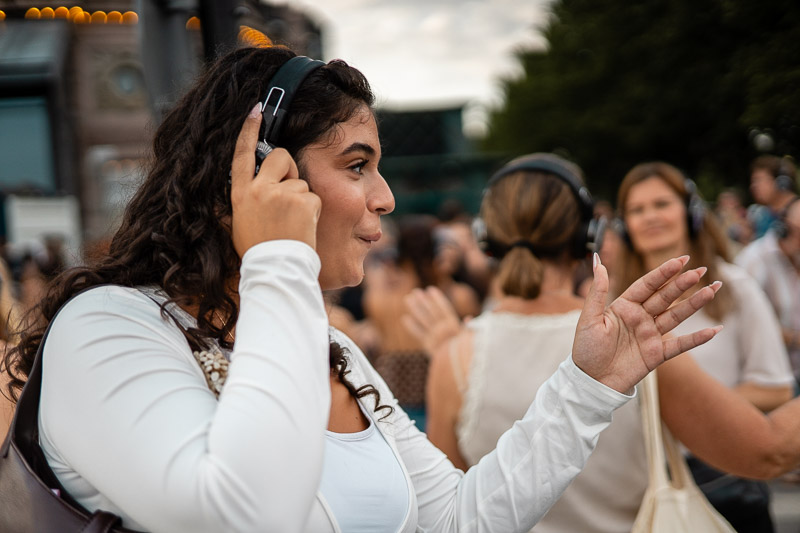
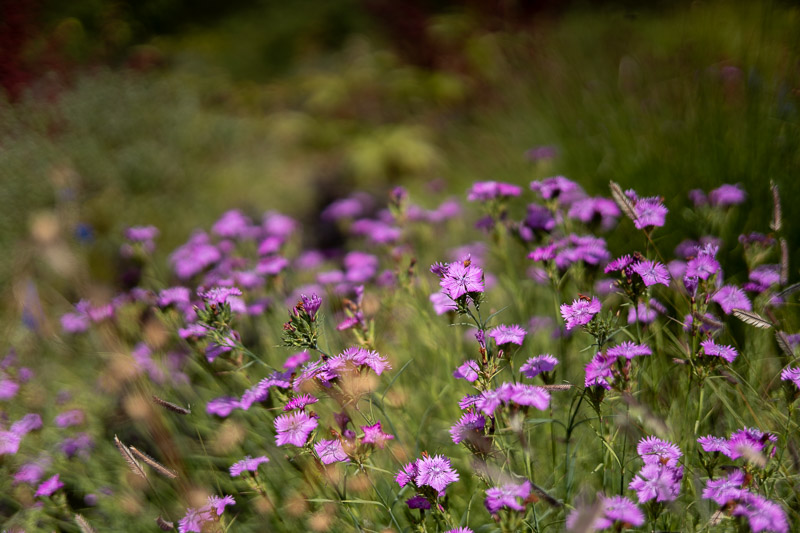
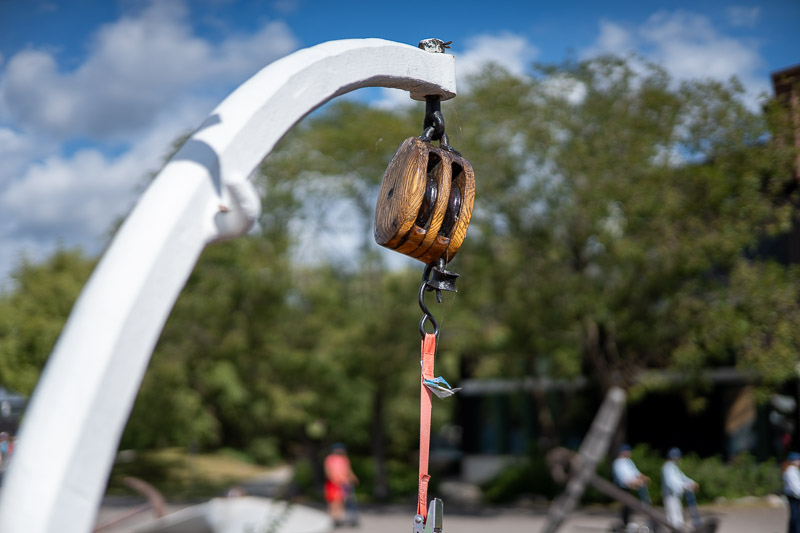

At mid distances, it gets closer to the typical bokeh rendering of a vintage lens. Instead of the watercolor-like rendering of the background, you get a somewhat agitated, harsh-edged, oil-painting-like bokeh.
Long Distance
Sony A7C II | TTArtisan AF 50mm f/1.8 Neo | f/1.8
Sony A7C II | TTArtisan AF 50mm f/1.8 Neo | f/1.8
At longer distances, the busy background rendering becomes more noticeable. The way this lens renders the background reminds me a little of the old Pentacon 50mm, a lens I personally liked for its kind of weird background rendering.
Well, bokeh is of course a subjective topic; many people love the rendering of old vintage lenses and actually prefer it to the ultra-soft bokeh of modern lenses. It has character, and with the sharpness this lens can deliver even at its widest aperture in the central areas of the image, getting that “3D pop” should not be difficult. Don’t buy a Leica if that kind of bokeh is the only reason you’re considering it.
Conclusion
| I LIKE | AVERAGE | I DON’T LIKE |
|
|
|
I deliberately left out the bokeh here, as this is a very special case. I personally prefer the modern, soft type of bokeh most of the time, but this lens is different. I could actually see myself reaching for it specifically for its vintage-style bokeh in certain situations. So, I leave the judgement of this feature to you.
Well, I did not expect this kind of performance from a lens costing under $90. Its sharpness in the central and mid-frame areas is excellent and competes with the best lenses out there, while most of its other characteristics are fairly average compared to other modern lenses. But that does not mean this is a garbage lens; it is actually quite good, just not as good overall as many of the alternatives.
On the other hand, very few lenses come anywhere near this price, and at this price, it is an excellent lens. That said, keep in mind that there is no focusing ring on this lens, so if manual focusing is important to you, this is a no-go. If you want a new lens with perfectly corrected optics, this is not for you.
Otherwise, if you are on a tight budget, like vintage lens rendering in a modern autofocus package, or simply prefer character over perfection, this lens is certainly worth considering. Just take a look at the numerous sample images, all shot wide open, and judge for yourself how well this lens can deliver.
After all, it is only $89.
Writing articles like this one is both time-consuming and costs us a lot of money. If you found this article helpful and decided to buy one of these lenses, please consider using one of the affiliate links.
If you found this article useful, interesting, or it saved you money, consider supporting our work. You can make a donation or buy us a coffee —every contribution is greatly appreciated.
| Buy new: TTArtisan Store, Amazon (anywhere) for $89 (Affiliate links) |
Alternatives
Buy new: amazon (anywhere) for $ (Affiliate links)
Buy used: ebay.com, ebay.de, ebay.co.uk from $ (Affiliate links)
More Sample Images
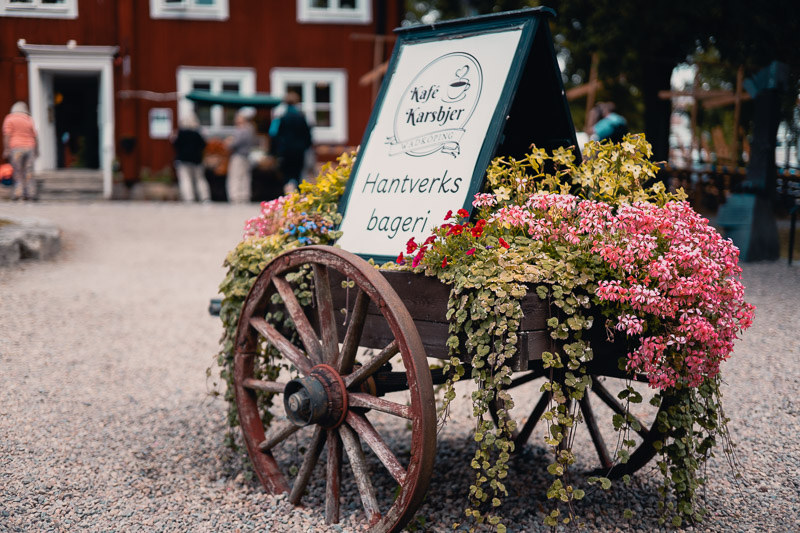
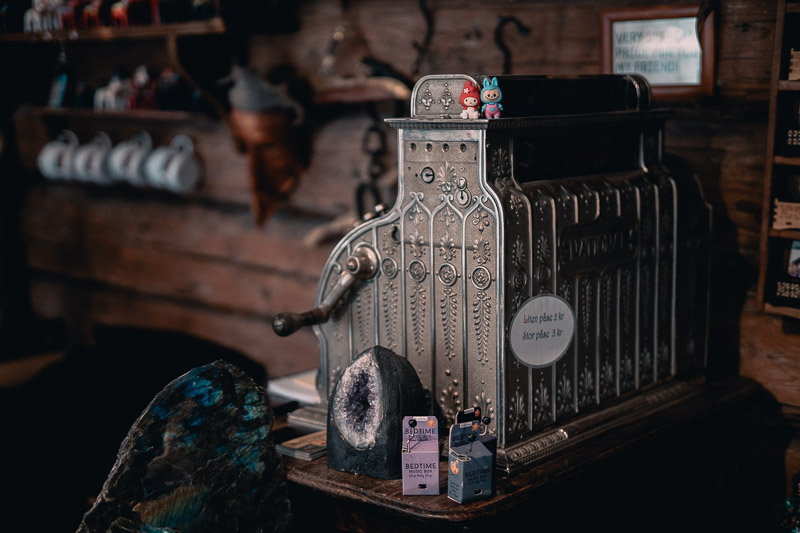
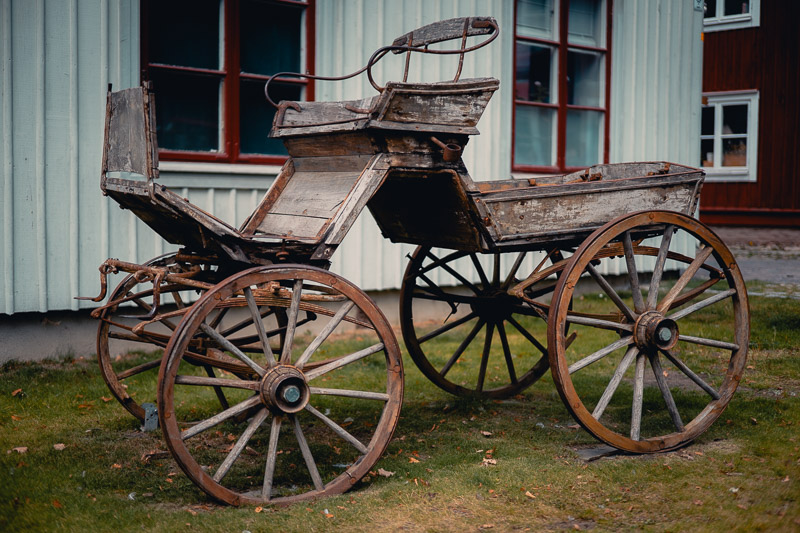
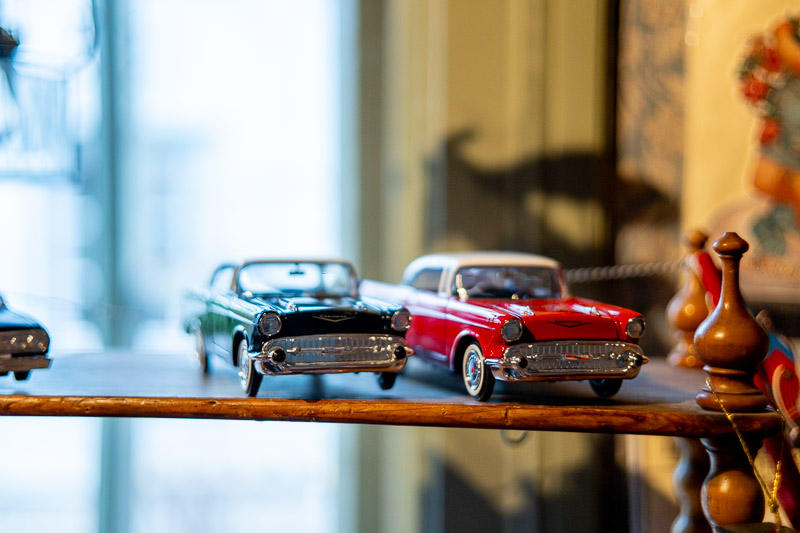
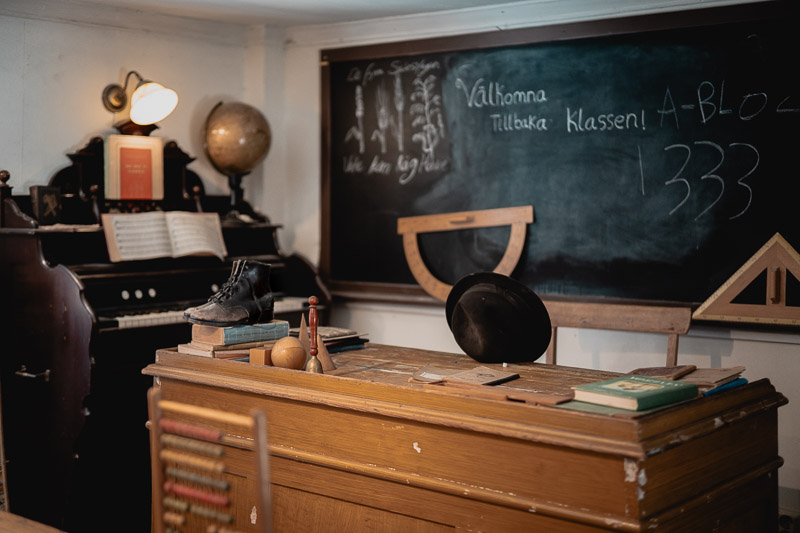
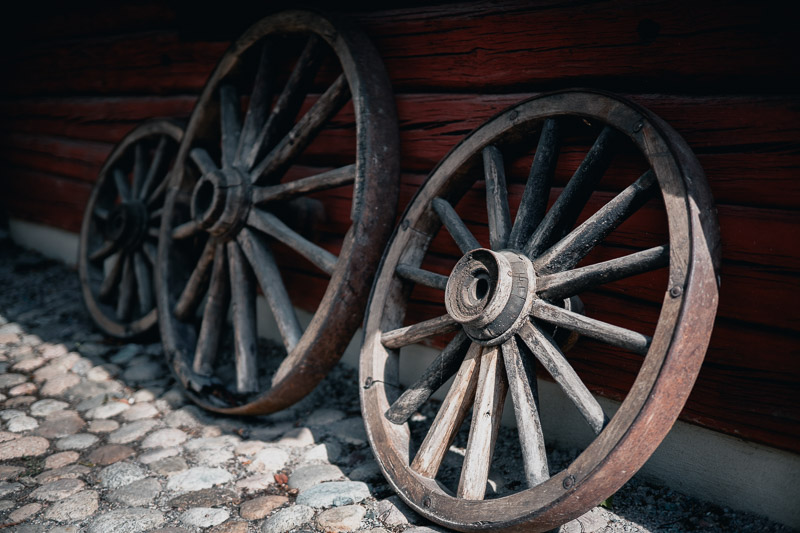
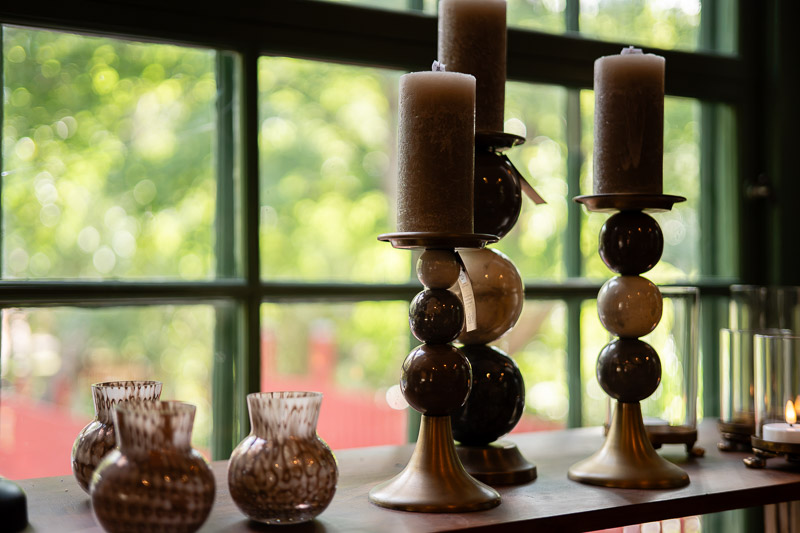
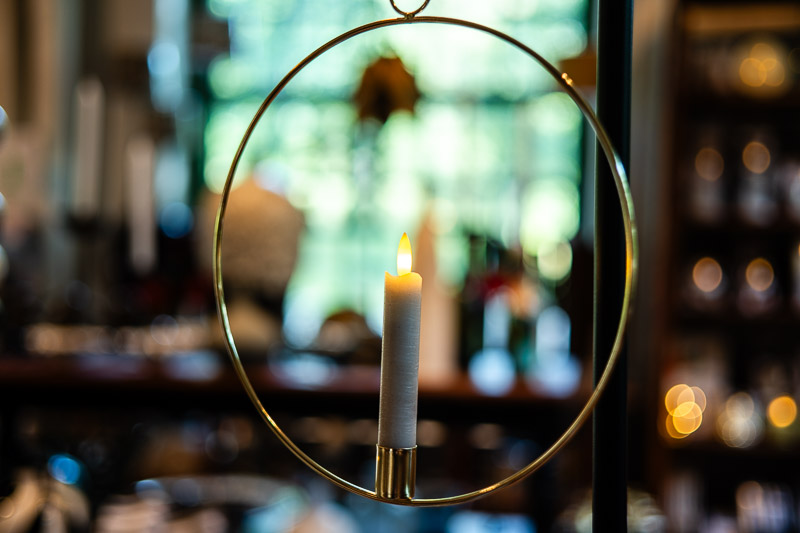
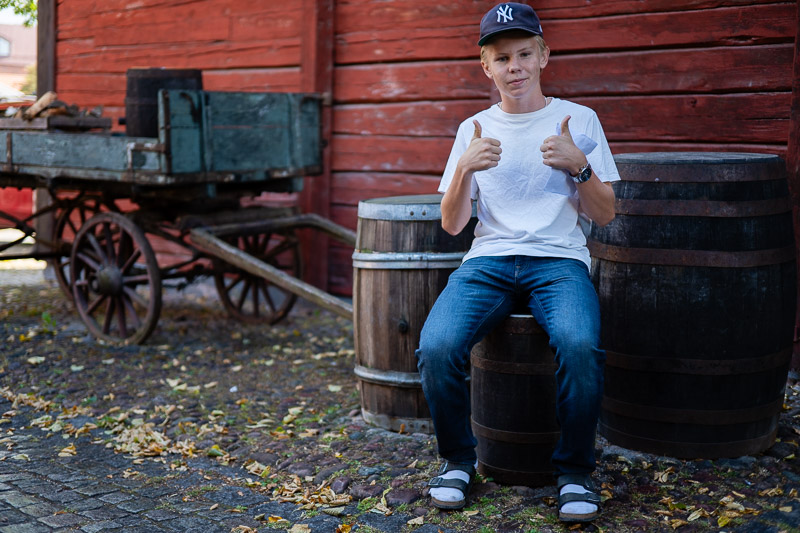
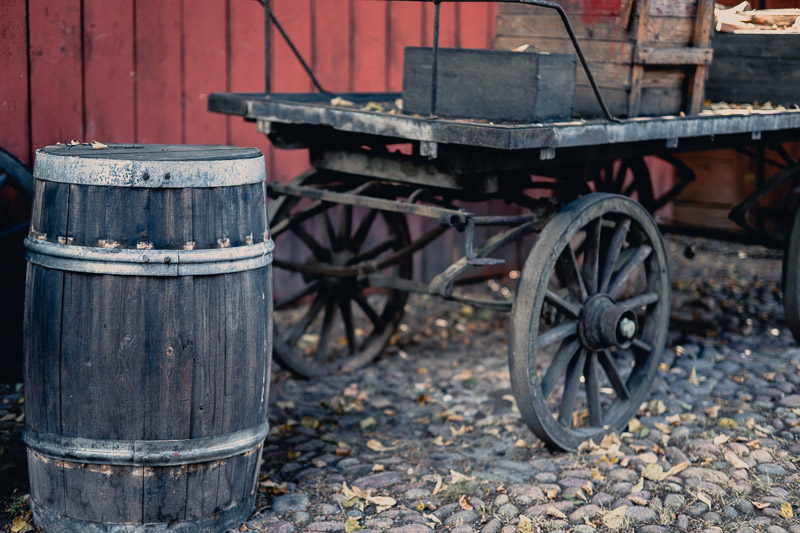
Note that I have color-graded the images featuring vintage subjects—such as old houses, clothing, tools, and other items from an open-air museum—to make them look as if they were taken 60–70 years ago. For the other sample images, I have only made very subtle color adjustments to keep the overall color palette more coherent throughout the review.





Most of the sample images in this review and many



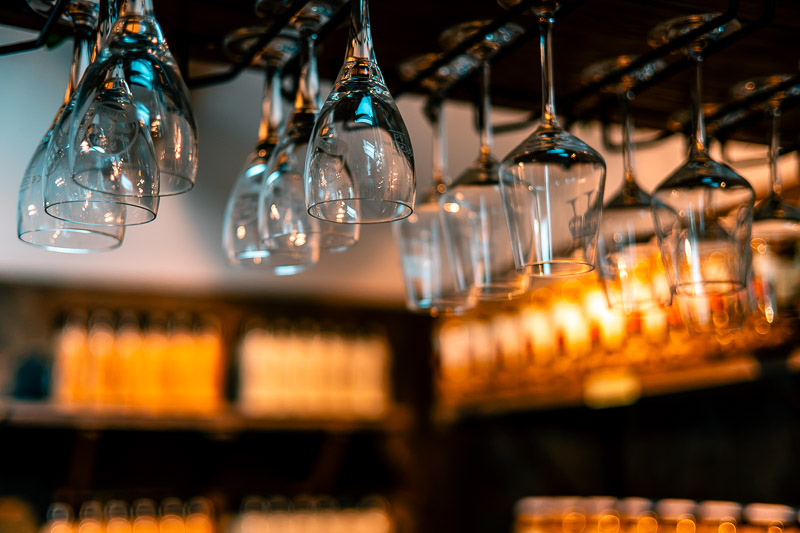



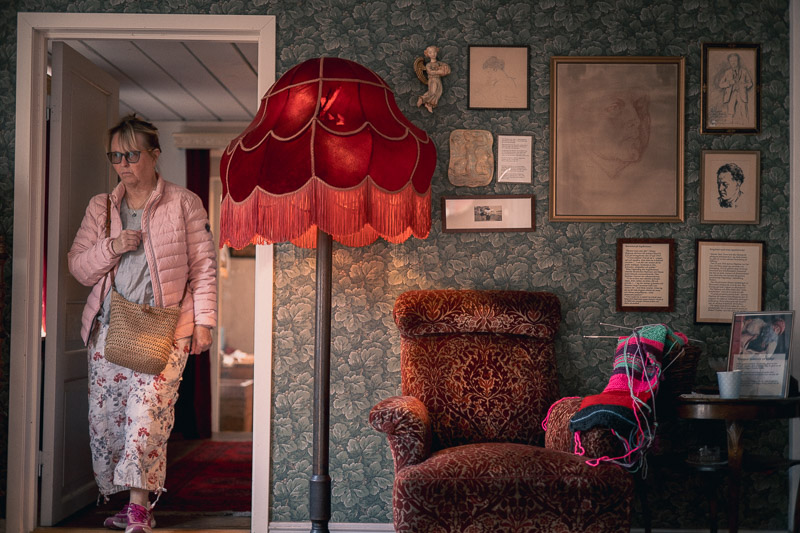
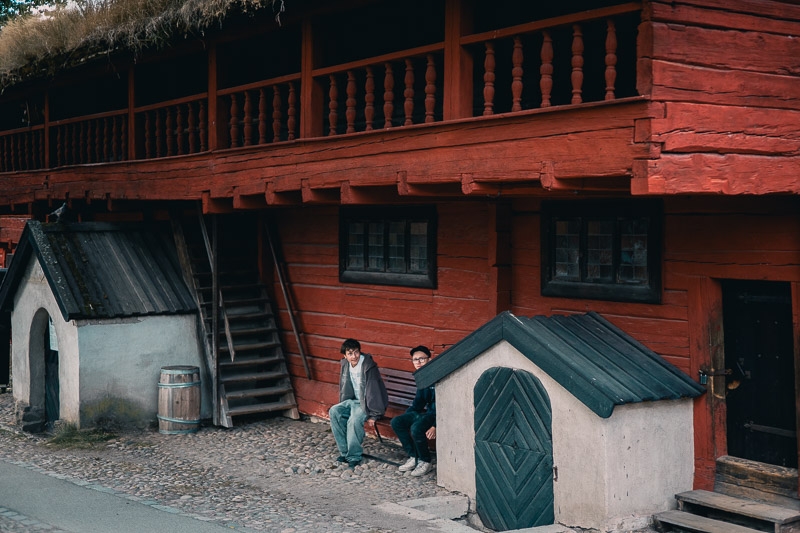

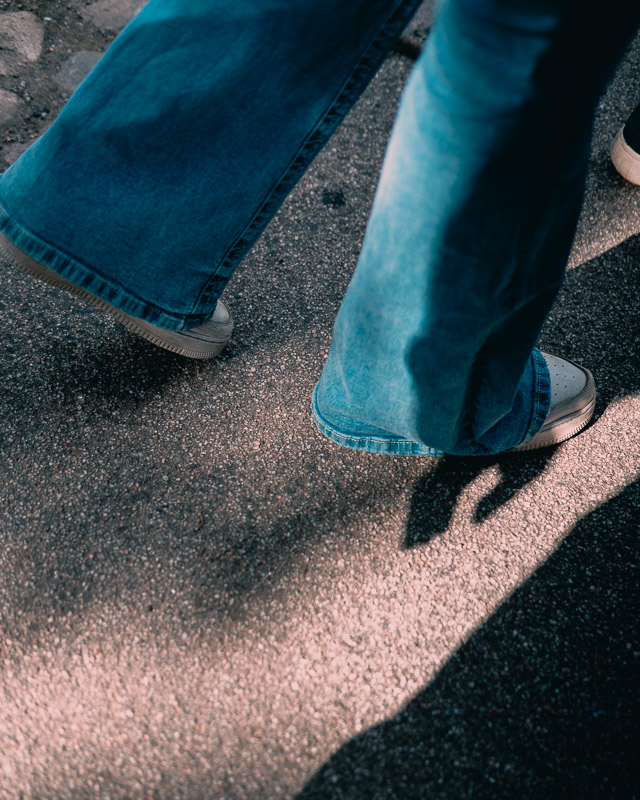





more can be found in higher resolution here.
Further Reading
What camera gear and accessories do I use most frequently?
Support Us
Did you learn something new, find this article useful, or simply enjoy reading it? We’ve put a lot of time and resources into creating it, and your support helps us keep going. If you’d like to show your appreciation, please consider clicking the Donate button!



(Donations via Paypal or bank card)
Or alternatively support us via this link.
What’s in my camera bag? MY 2026 KIT!!
- Main camera : https://amzn.to/3TsGtKg
- Camera grip : https://amzn.to/4e0G3CR
- Memory Card 1: https://amzn.to/47pA20i
- Memory Card 2 : https://amzn.to/3XHYxlZ
- Camera 2 : https://amzn.to/3Xifou8
- Camera grip: https://amzn.to/4dYYpV9
- Memory card 1: https://amzn.to/4e5h2H0
- Memory card 2: https://amzn.to/3zu7W7n
- Main tripod: Leofoto LS-324CPRO
- Small travel tripod: https://amzn.to/4goIX68
- Mini tripod: https://amzn.to/4e09XXX
- Small shoulder bag: https://amzn.to/47tPMiY
- Medium shoulder bag: https://amzn.to/4ej4bjY
- APS-C camera 1: https://link.amazon/B0iKSCc8a
- APS-C camera 2: https://link.amazon/B0duP43QI
This site contains affiliate links, for which I may receive a small commission if you purchase via the links at no additional cost to you. This helps support the creation of future content.


Martin
Latest posts by Martin (see all)
- REVIEW: TTArtisan AF 50mm f/1.8 NEO - September 13, 2026
- REVIEW: Leofoto LS-324CPRO tripod with LH-40 Ball Head - September 2, 2026
- REVIEW: TTArtisan AF 85mm f/1.8 Neo - August 20, 2026