Introduction
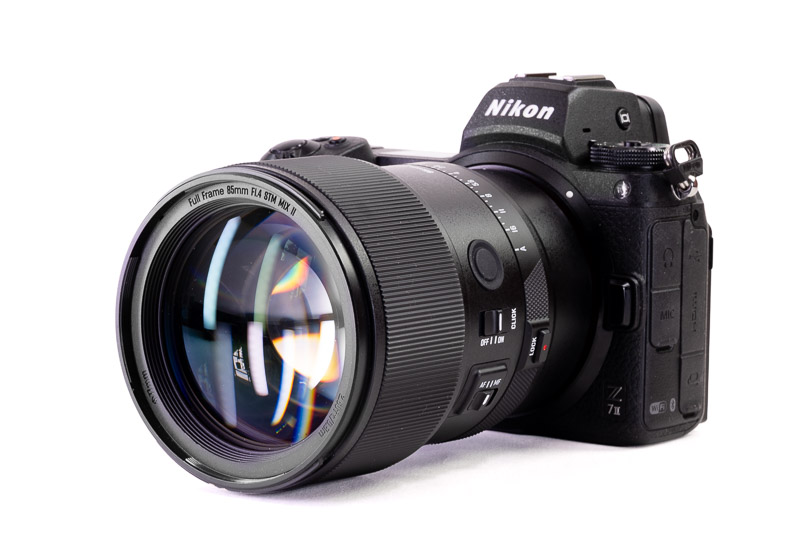
Today I’m taking a look at Meike’s new professional-grade 85mm lens, the 85mm f/1.4 STM MIX II. The 85mm focal length has long been considered the classic choice for portrait photography, but it’s also excellent for subject separation, beautiful background blur, and low-light photography. Not long ago, I reviewed the Mark I version and was pleasantly surprised by its performance. It also wasn’t the first 85mm lens Meike has released over the past couple of years. This new model is intended to be an improved version and their best 85mm yet, and at $569 it could be a very appealing option if it performs better than the Mark I version. Now I’m curious to see what Meike has improved. Let’s have a look.
 I tested this lens on a 46 Mp Nikon Z7ii (Sample images were taken with a Nikon Zf)
 You can see this review as a YouTube video here!
 Sample images in high resolution here.
Sample Images
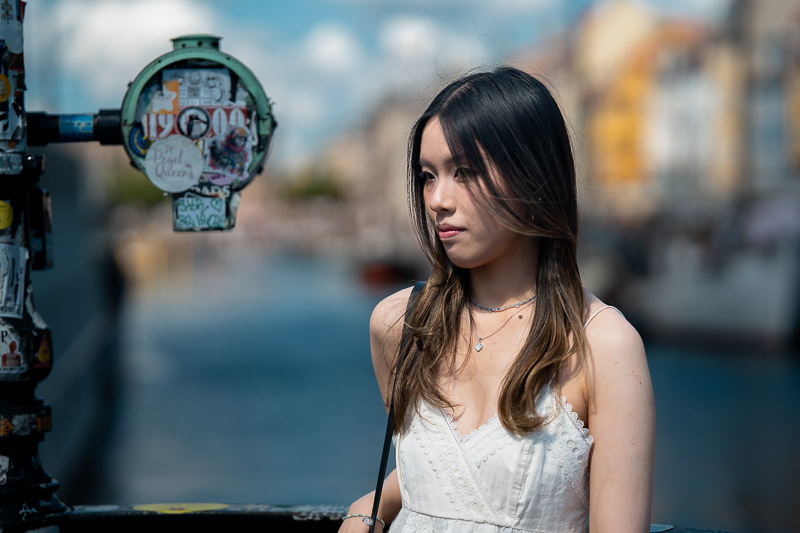

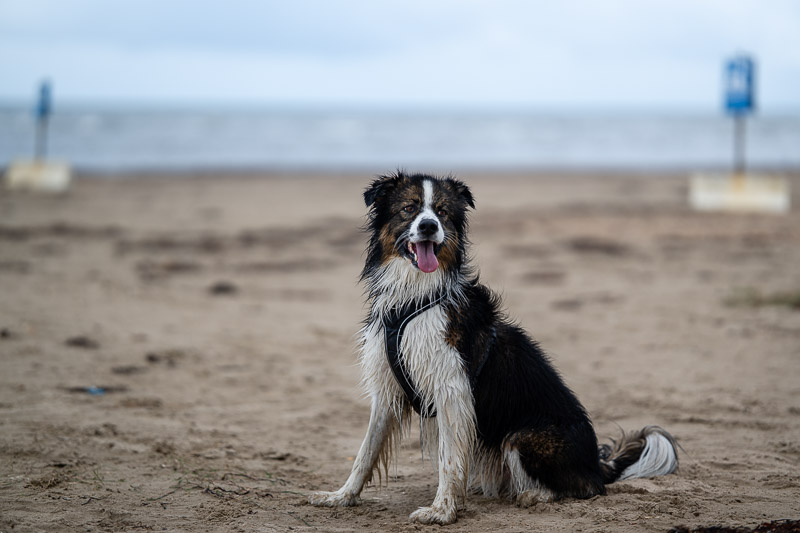
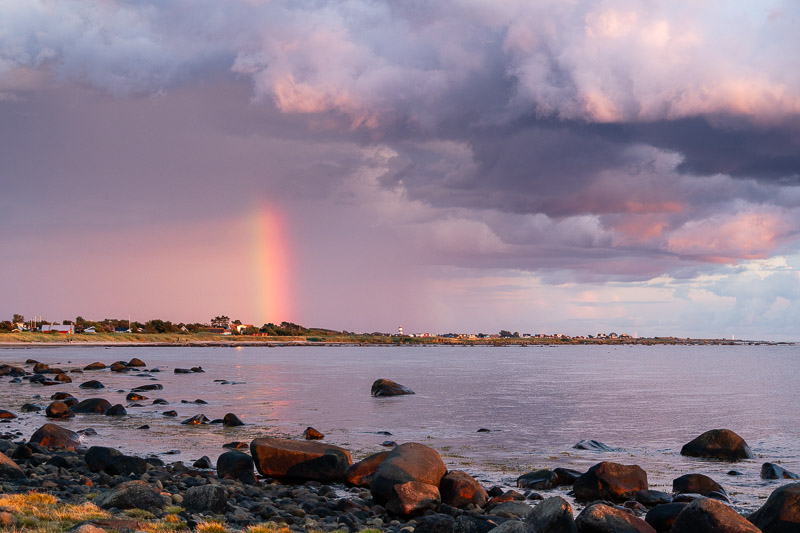

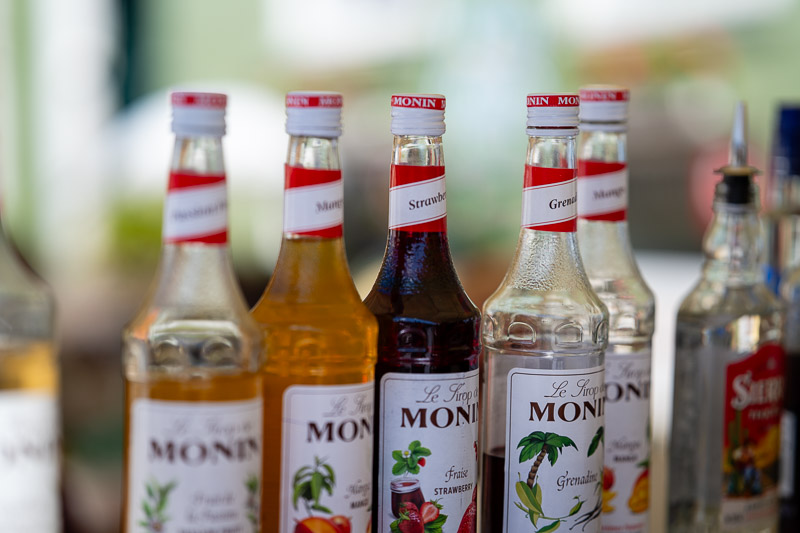

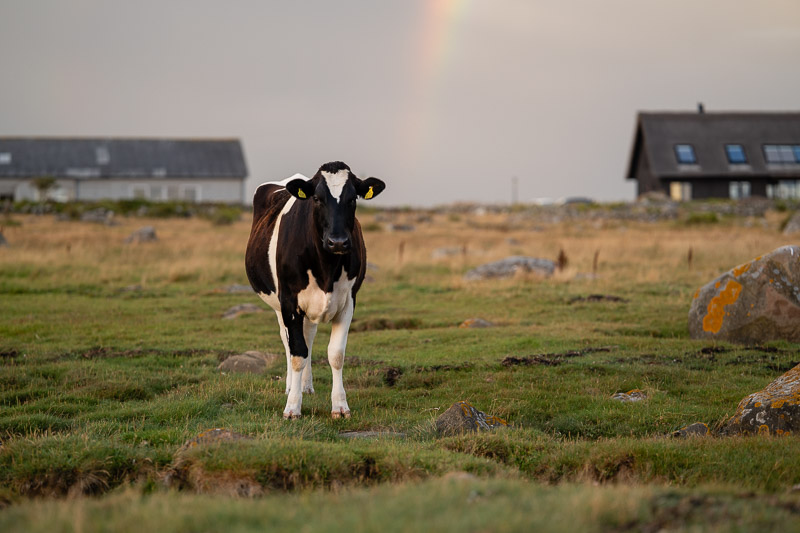

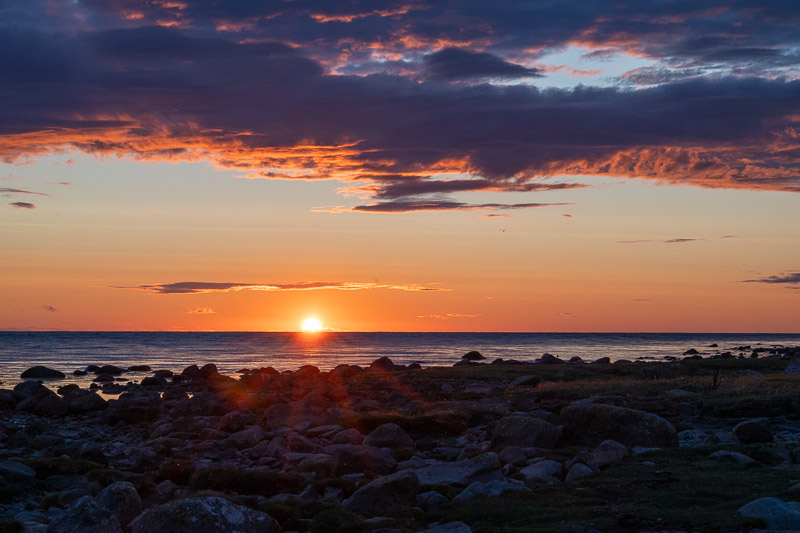
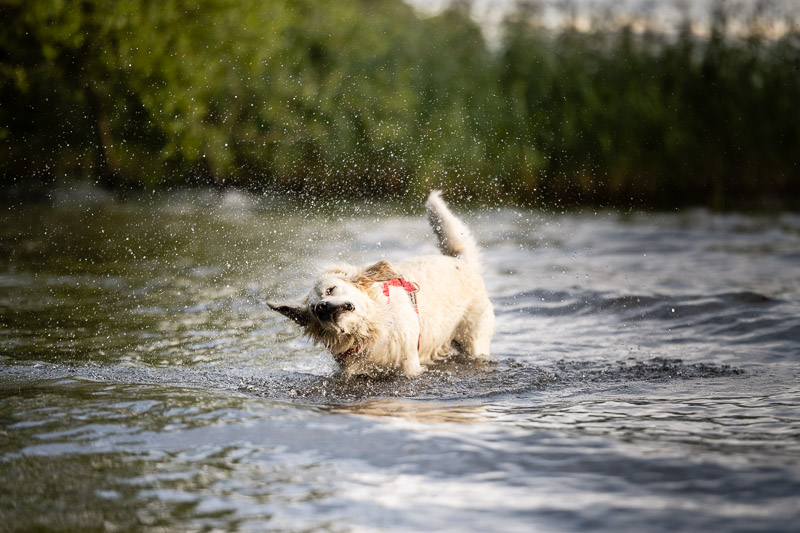
Most of the sample images in this review and many more can be found in higher resolution here.
Specifications
| Focal Length | 85mm |
| Angle of View | 28.3° |
| # of Aperture Blades | 11 pcs |
| Max Aperture | f/1.4 |
| Min Aperture | f/16 |
| Min Focus Distance | 0.81 m |
| Filter Size | 77mm |
| Lens Mount | E / Z / L |
| Weight | E-648g | Z-656g | L-653 g |
| Size (D x L) | 85 x 113 mm (Z) |
| Elements/Group | 15 / 11 |
IMG
| Buy new: Maike’s Store, Amazon (anywhere), B&H for $569 (Affiliate links) |
Disclosure
Meike kindly provided this lens for test and review purposes.
Variations
There is an older version of this named Meike 85mm f/1.4 FF STM; you can find a review of it here.
Handling and Build Quality
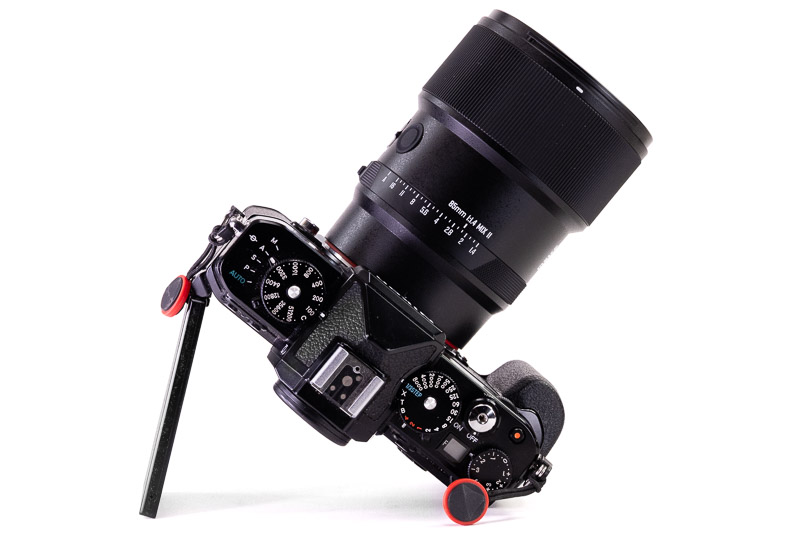
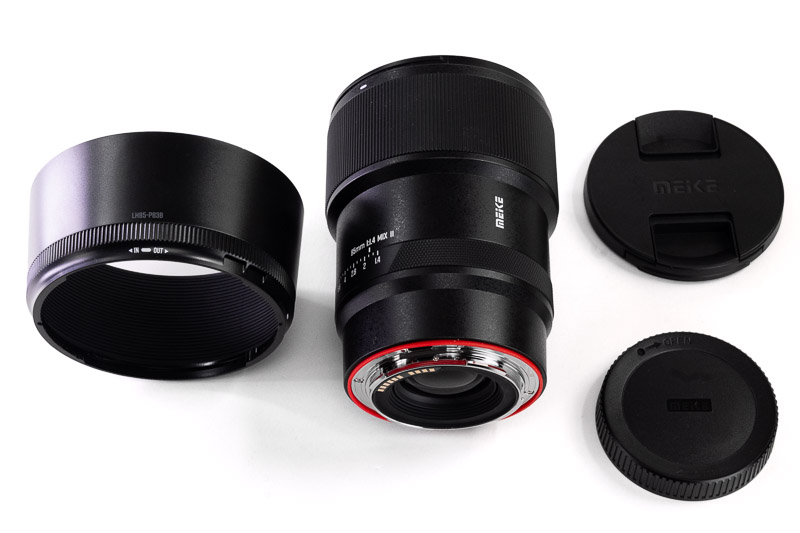
The lens is quite large, but it is not too heavy—actually, it is about 20% lighter than the first version. It feels solidly built from hard plastic (or advanced polymer materials, as Meike describes them), while the lens mount is metal and features a rubber gasket to help seal the lens against dust and moisture. There is also a USB-C port for future firmware updates. The lens comes in three colours: black, white, and a white version with black rings.
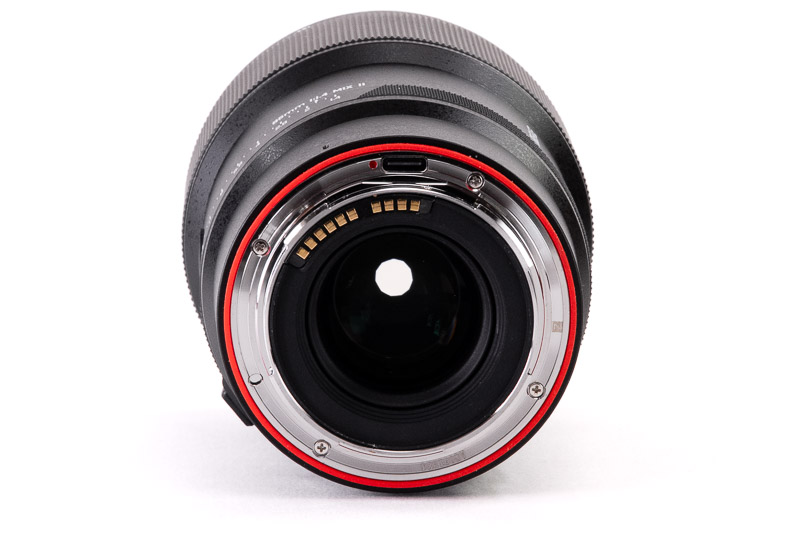
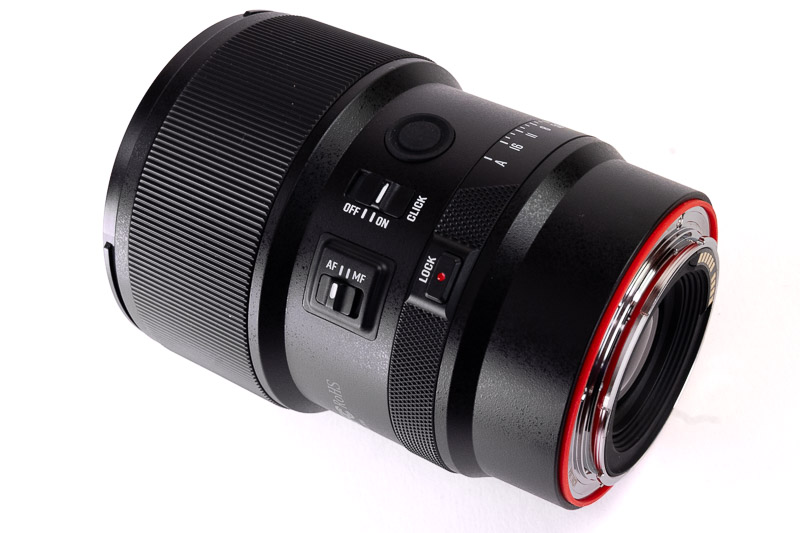
There is a function button on the side of the lens, an AF/MF switch, and an aperture ring declicking switch, which is a welcome addition and an improvement over the previous version.
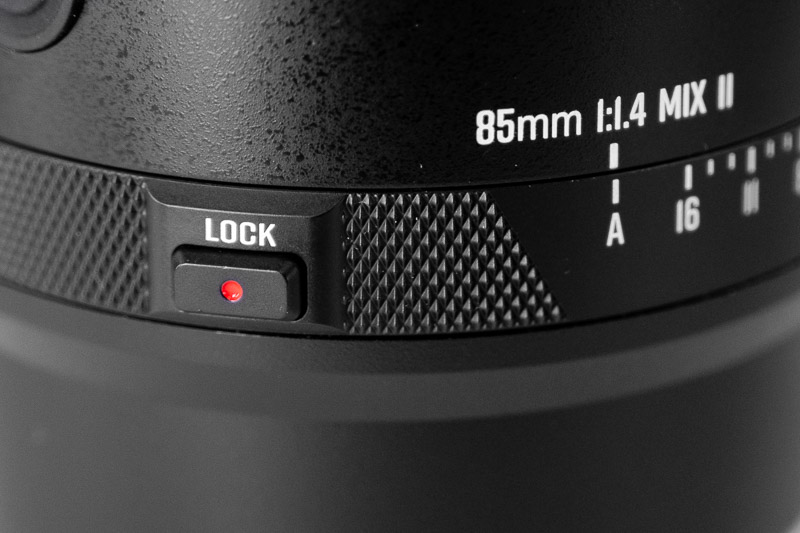
The aperture ring is marked in one-third-stop increments and includes an A position that can be securely locked. This prevents the ring from being moved to or from the A position accidentally, a clear improvement over the Mark I. In the clicked mode, the aperture ring has distinct detents, although it feels a little plasticky. The large focus ring turns smoothly, but I found that manual focusing adjusts in fairly large steps. As a result, making fine focus adjustments can be a little slow, as you may need to move back and forth a couple of times to nail the focus.
Autofocus is quiet and, while it is not among the fastest lenses or intended for sports photography, it is fairly quick in single-shot AF and even faster in continuous AF mode. Accuracy is also good, although it did miss a few shots when I photographed my running dog. Otherwise, it performed well in normal shooting and portrait photography.
The lens comes with the usual front and rear caps, along with a simple plastic lens hood that clicks securely into place. There is no image stabilisation built into the lens.
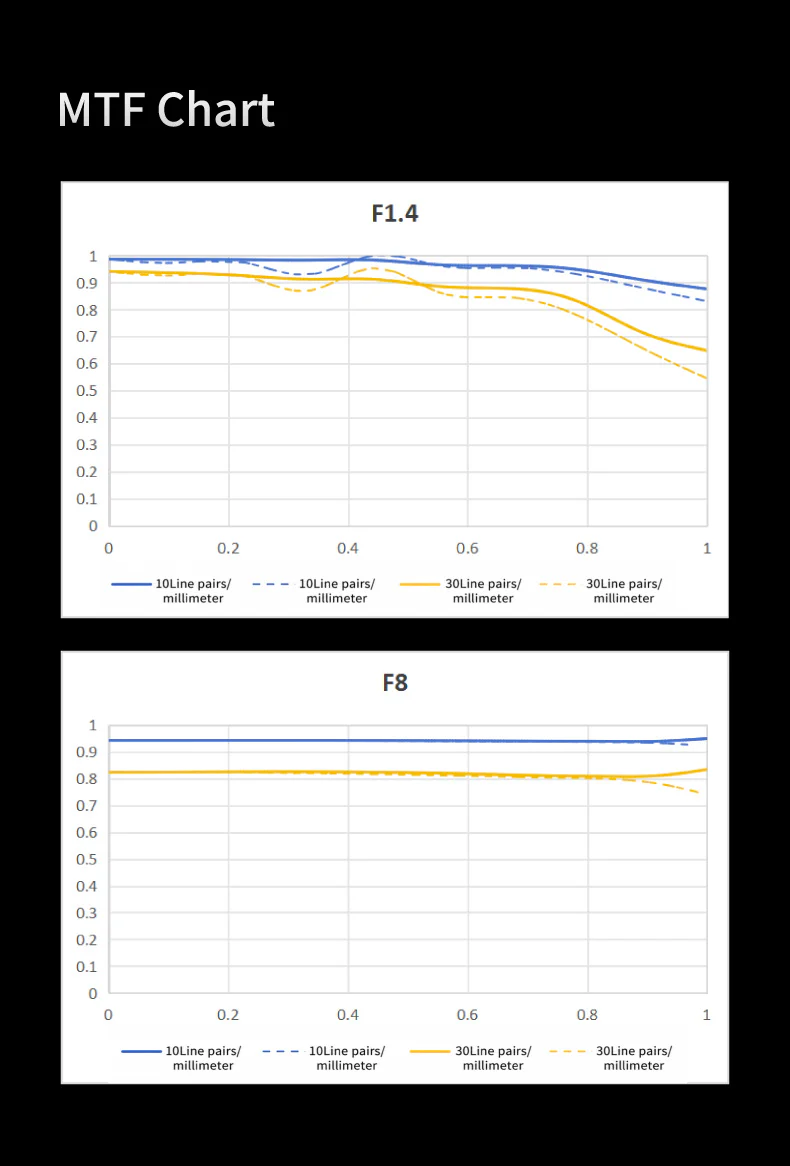
Optical Features
Sharpness (Infinity)
For the infinity sharpness test, we’ll look at three areas of the image — center, mid-frame, and corner — as highlighted below. Focus was set on the center of the image!
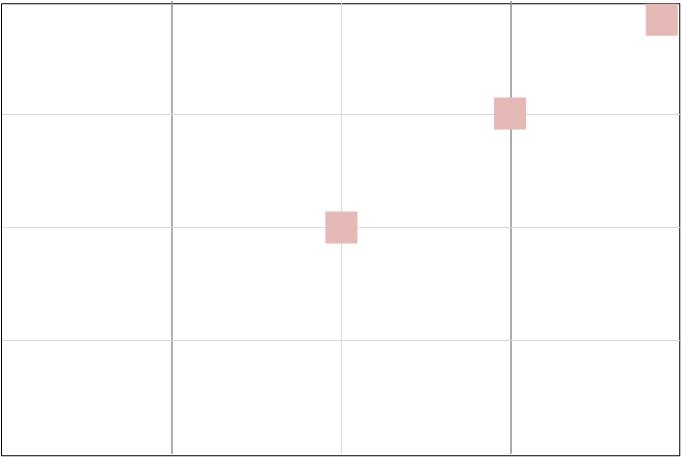
I focused on the center of the image.
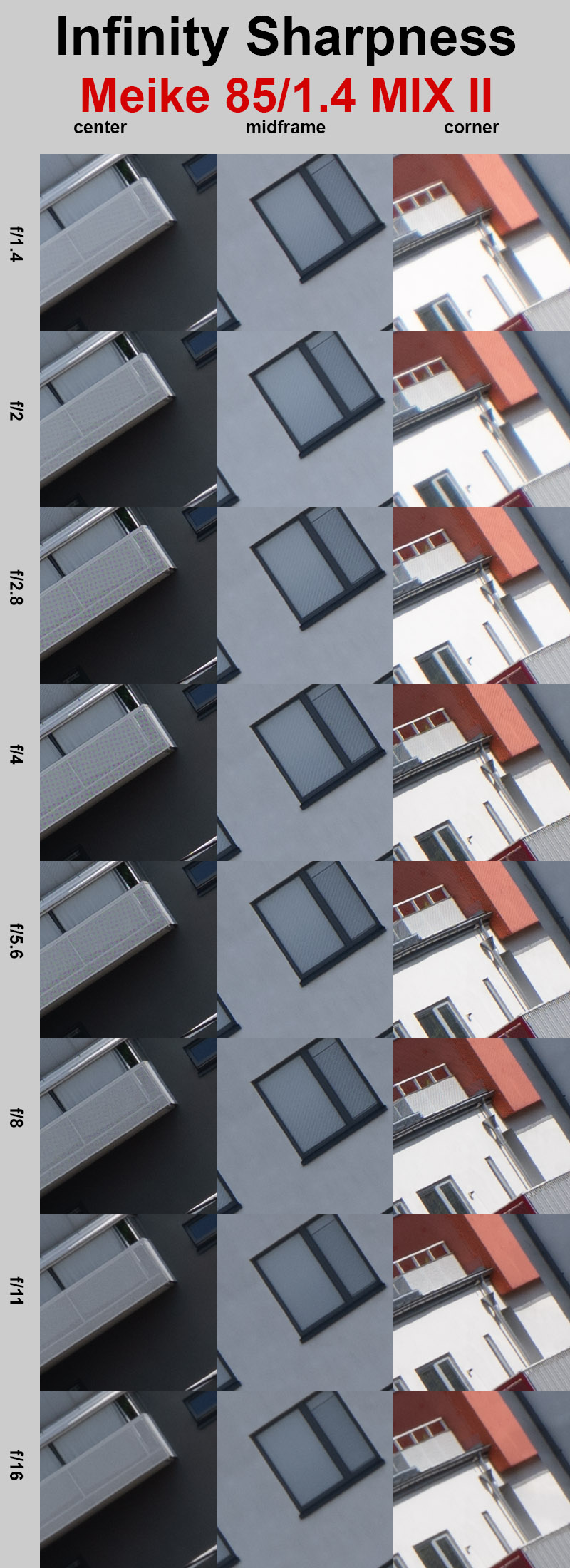
The test shots at f/1.4 and f/2 were corrected for vignetting.
I was very impressed with the sharpness of the Mark I version of this lens, and I’m even more impressed with this Mark II version. It is so sharp in the centre and mid-frame, even wide open at f/1.4, that it exceeds what the Nikon Z7II’s 46 MP sensor can fully resolve, producing visible moiré patterns in those areas. Corner sharpness is also excellent, and by f/2.8 even the corners outperform what the 46 MP sensor can resolve. Contrast is also very high across the frame.
Sharpness (Portrait)
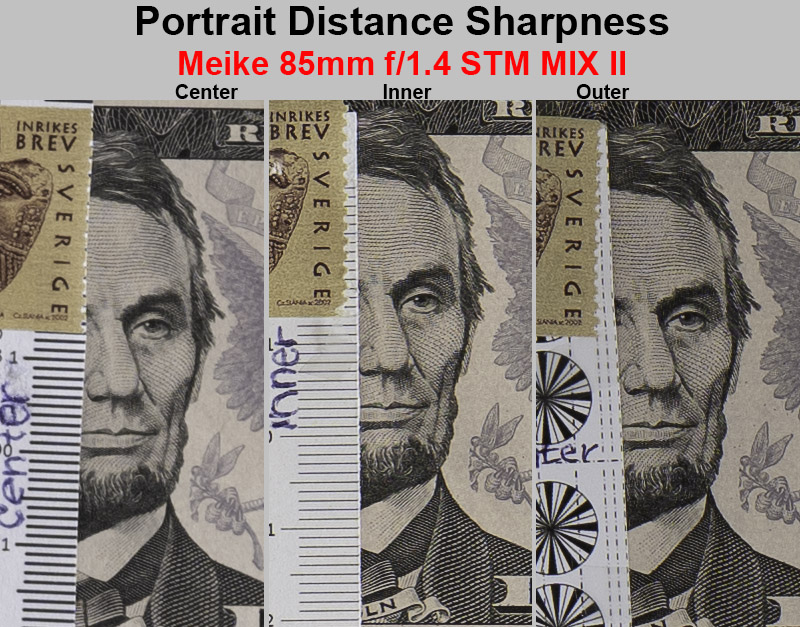
Let’s look at the points of interest for portraits at the portrait distance: the very centre, the centre’s inner periphery (1/3 rule intersection), and the centre’s outer periphery (1/4th intersection).
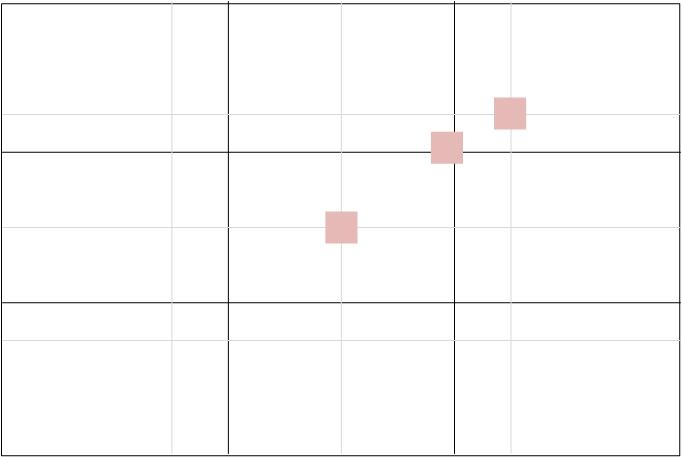
Here, I focused independently on the center, mid-frame, and corner areas to account for field curvature.
An outstanding performance here too, with excellent sharpness at all measured points right from f/1.4. Stopping down makes no difference to the centre sharpness but improves the other areas marginally.
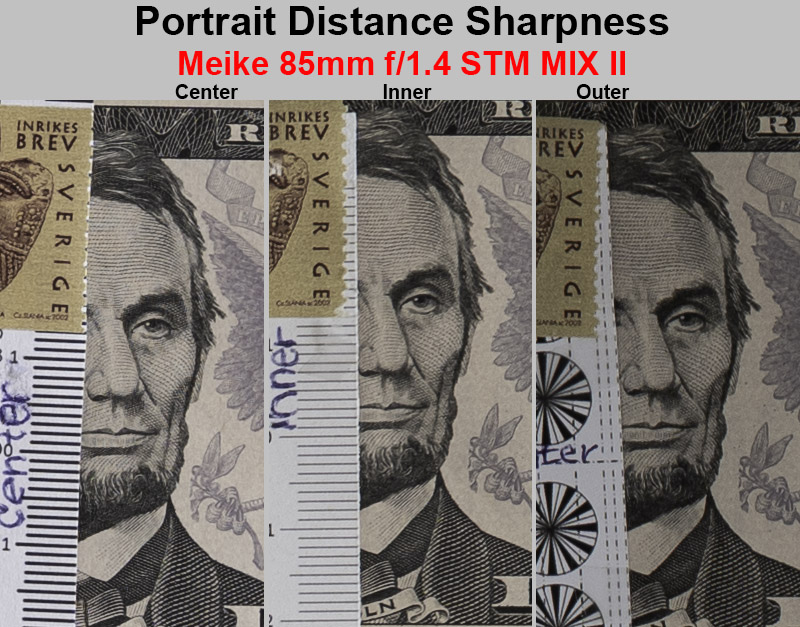
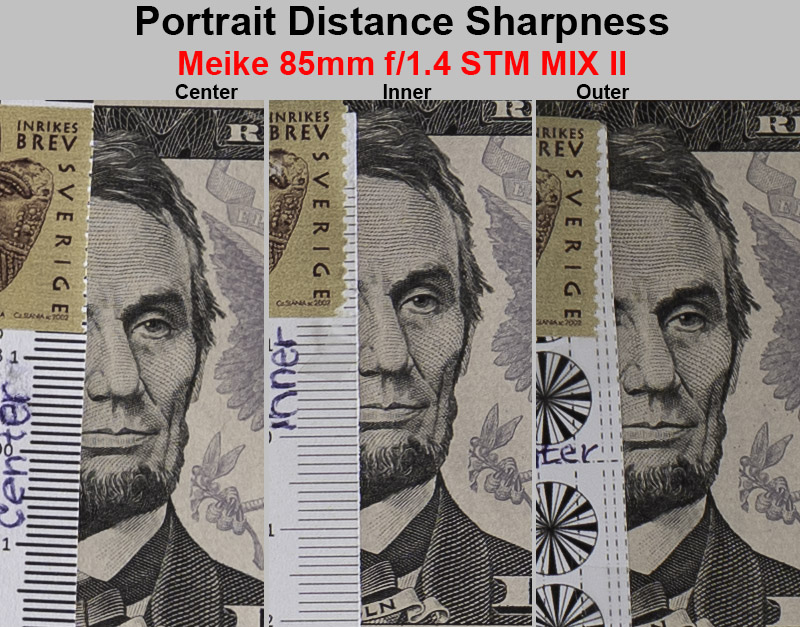
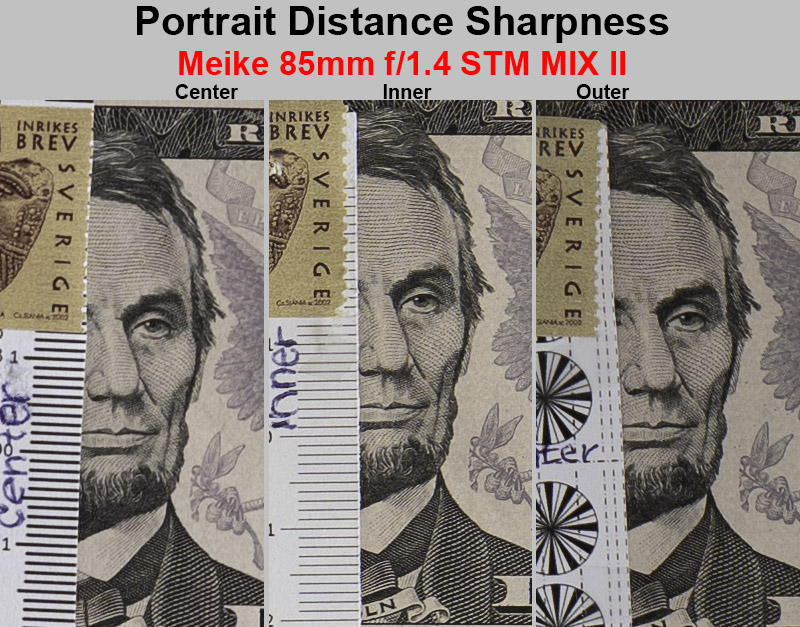
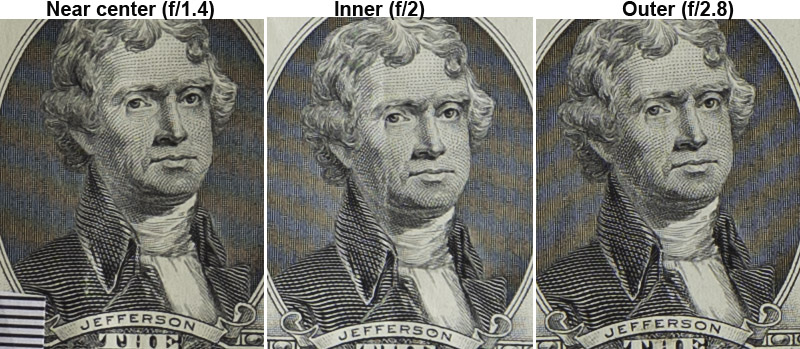
As you can see in the following chart with Jefferson, the lens outperforms the Nikon Z7II’s 46 MP sensor at f/1.4 in the centre, at f/2 in the inner circle, and at f/2.8 in the outer circle. I haven’t seen this level of sharpness from any lens at this price point.
Sharpness (Close-up)
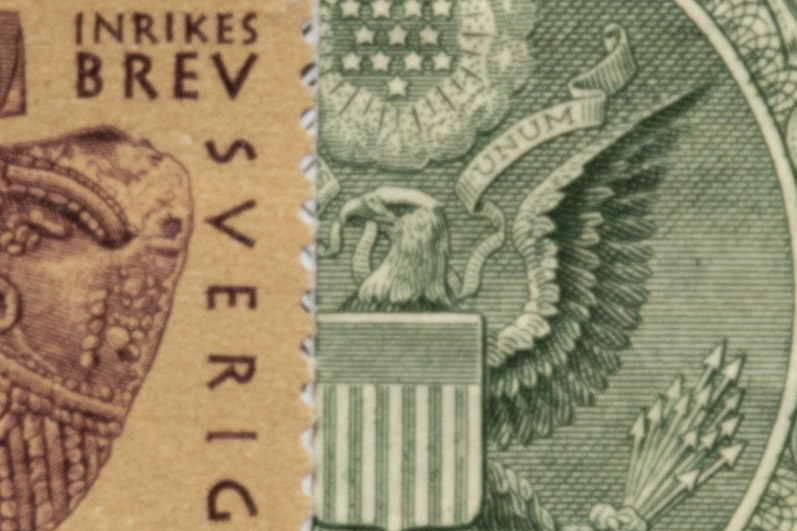
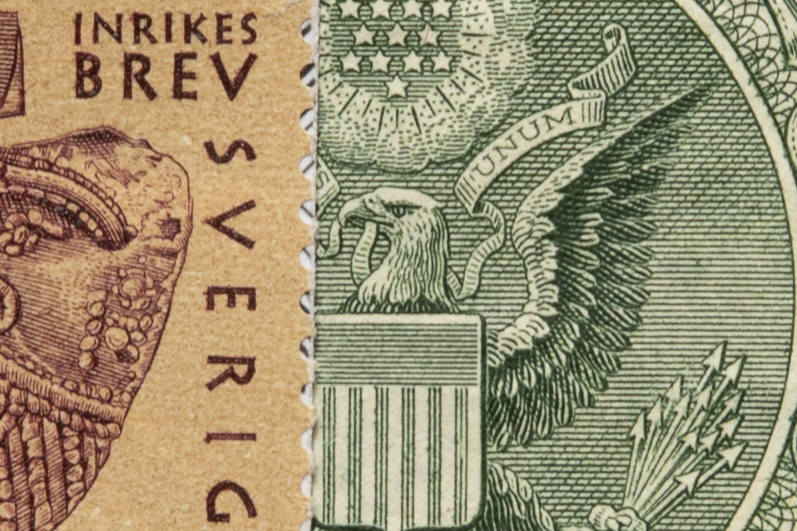
Here the superlatives stop. The close-up sharpness is quite soft wide open near the minimum focusing distance. it gets a lot better at f/2, and a lot better at f/2.8. By f/4 it reaches the excellent level similar to what we saw at other distances. Although, this is not a lens for macro or close-up work, other lenses perform better at wider apertures at this distance. The MK I version had 1 m MFD, but it performed visibly better at f/1.4 to f/4.
For close-up testing, I focused on the center and only included a 100% center crop.





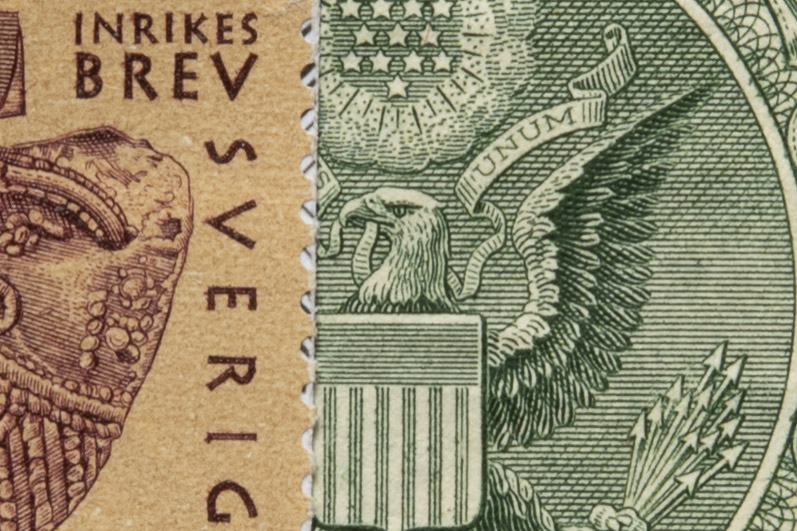
Lens Distortion
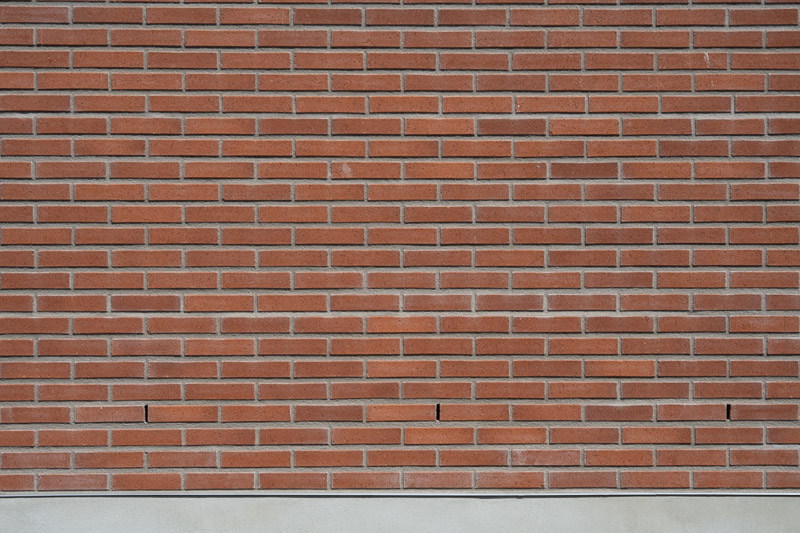
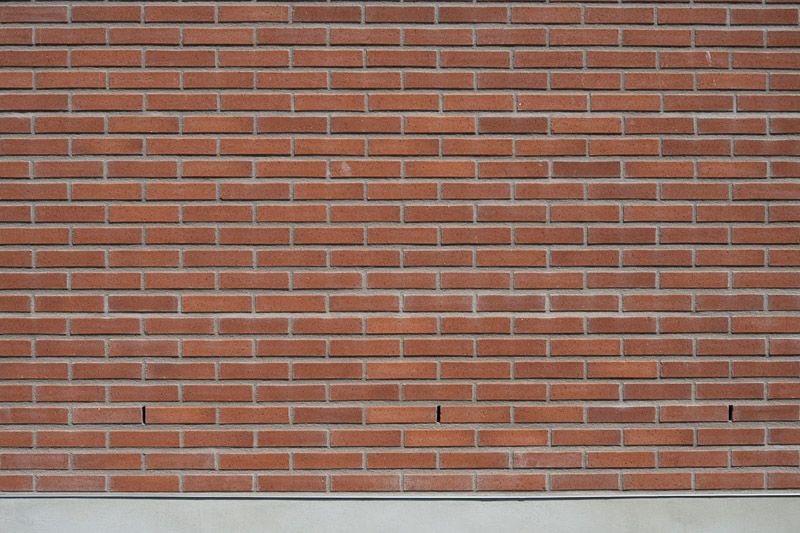
There is mild pincushion distortion. To correct it, apply a -3 correction in Lightroom or Photoshop, but in normal cases it is unnecessary.
Vignetting
Vignetting is high wide open but becomes manageable at f/2, negligible at f/2.8, and virtually disappears at smaller apertures.
Compared with other 85mm f/1.4 lenses, it delivers similar results to the Sony FE 85mm f/1.4 GM and the Viltrox 85mm f/1.4 PRO. In fact, it performs slightly better than the Sony FE 85mm f/1.4 GM II, although, somewhat surprisingly, the DSLR Sigma 85mm f/1.4 EX DG HSM produced marginally lower vignetting.
At f/2, it shows less vignetting than the Nikon, Sony FE, and Viltrox 85mm f/1.8 lenses.
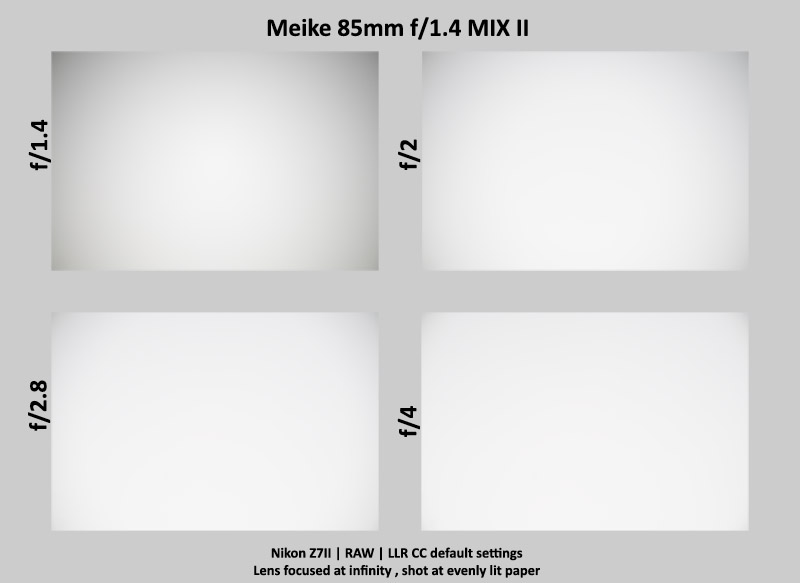
- f/1.4: 2.3 EV
- f/2.0: 1.4 EV
- f/2.8: 1.0 EV
- f/4.0: 0.8 EV
- f/5.6: 0.5 EV
- f/8.0-f/16: 0.3 EV
Chromatic Aberrations
There is a faint trace of longitudinal chromatic aberration in some extreme situations, but in most cases it is virtually invisible. To eliminate it completely, you need to stop down to around f/4 or f/5.6, although this is unnecessary in the vast majority of situations.
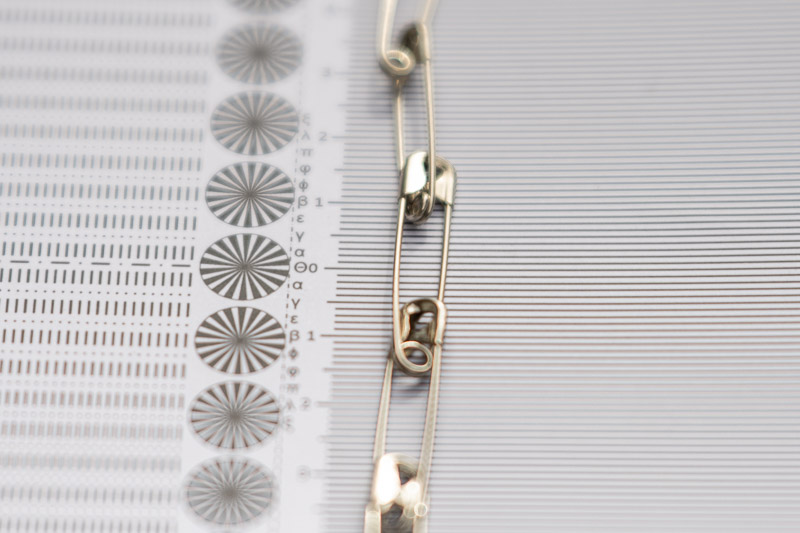
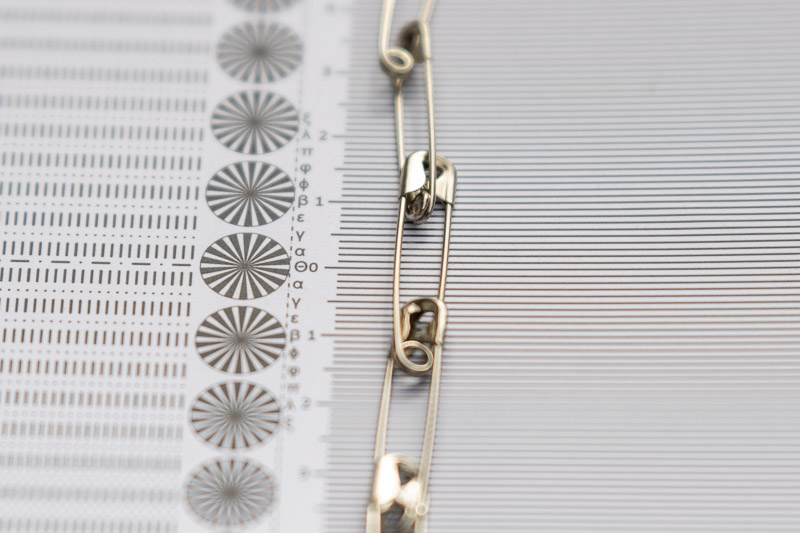
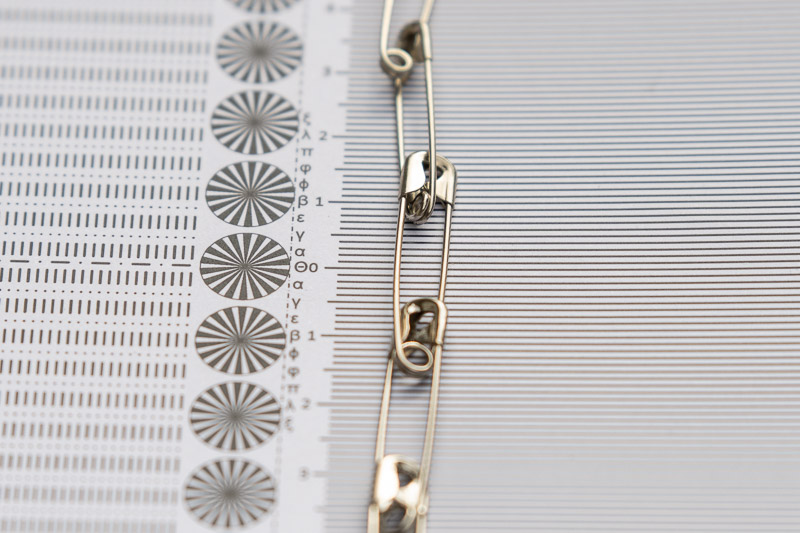
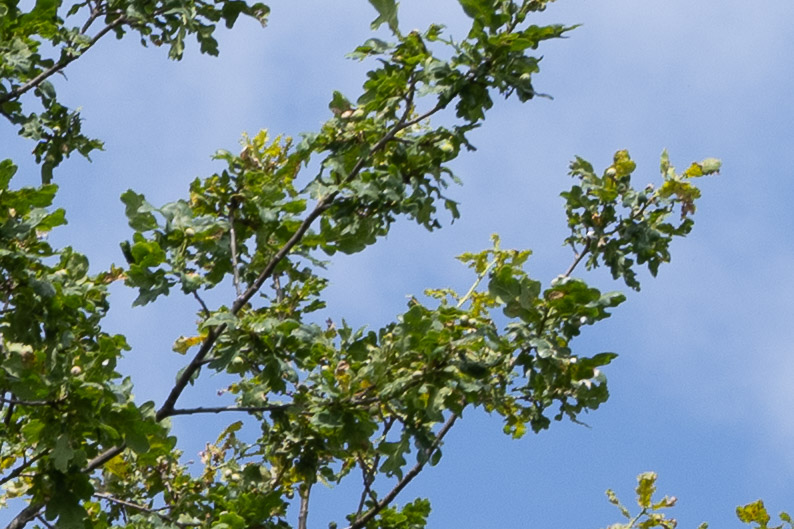
Lateral chromatic aberration is also extremely well controlled and can be ignored in 99% of cases.
Flare Resistance
Flare resistance is always difficult to evaluate, as you can make almost any lens look bad if you try long enough. With a short telephoto lens like this, the chances of having the sun in the frame are much lower than with wide-angle or even standard lenses. However, sooner or later you will find yourself shooting with the sun striking the front element.
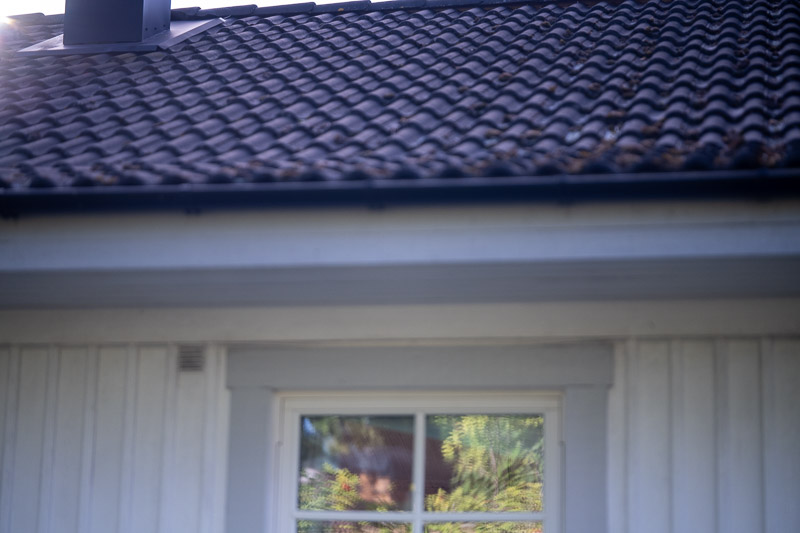
Flare resistance is a bit of a mixed bag. The sample images below illustrate my earlier point that almost any lens can be made to look bad. With the sun in almost the same position, some images remain clean, while others show noticeable veiling flare that reduces contrast.
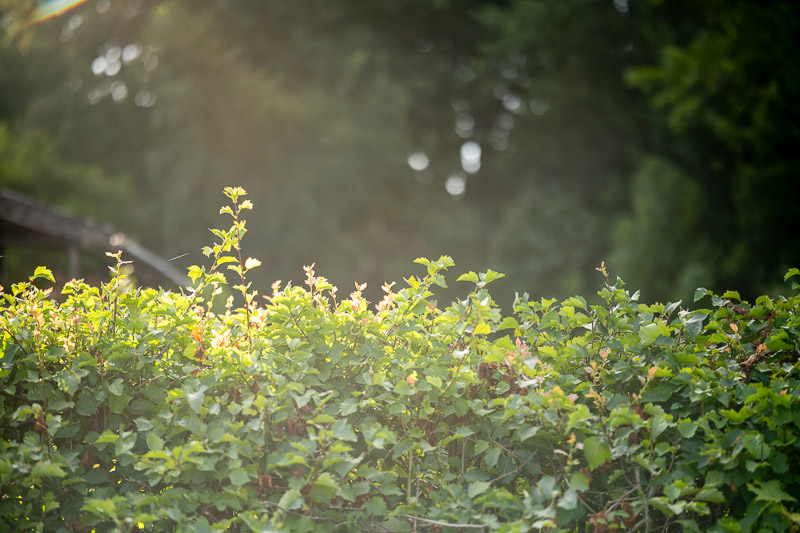
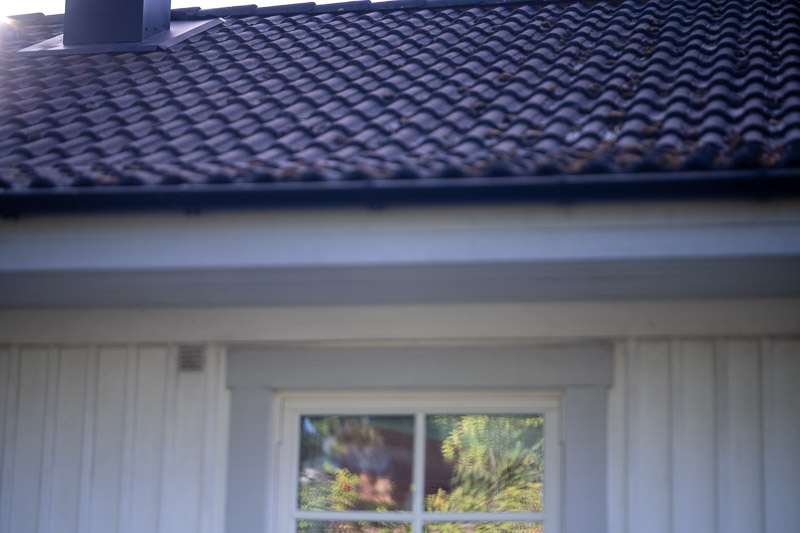
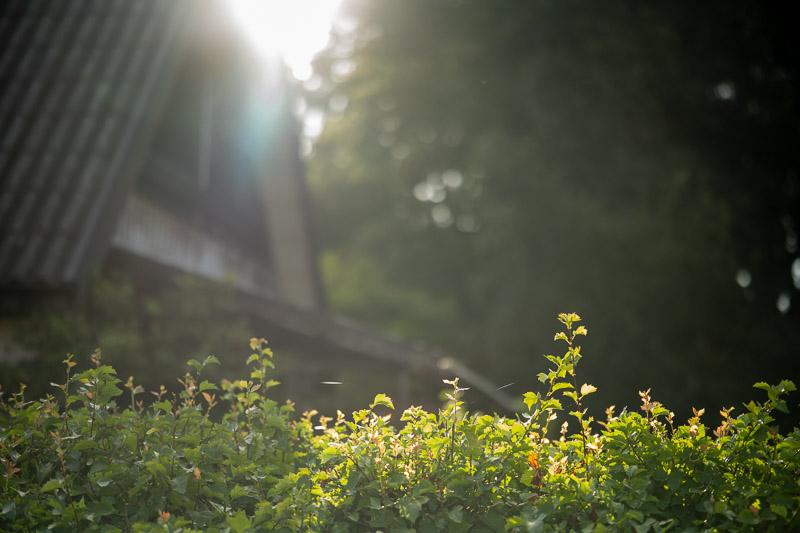

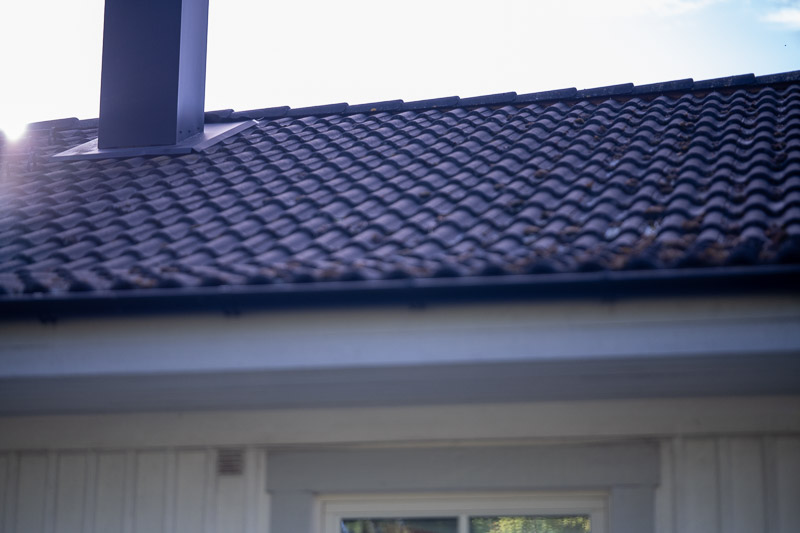
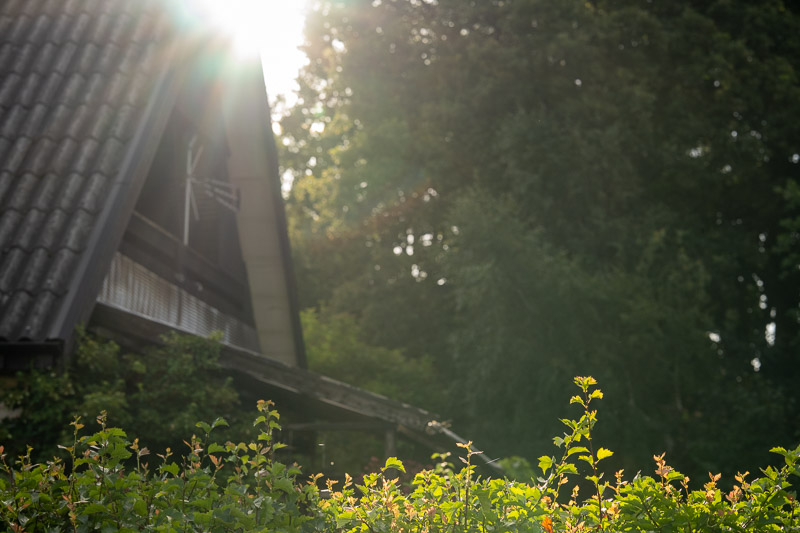
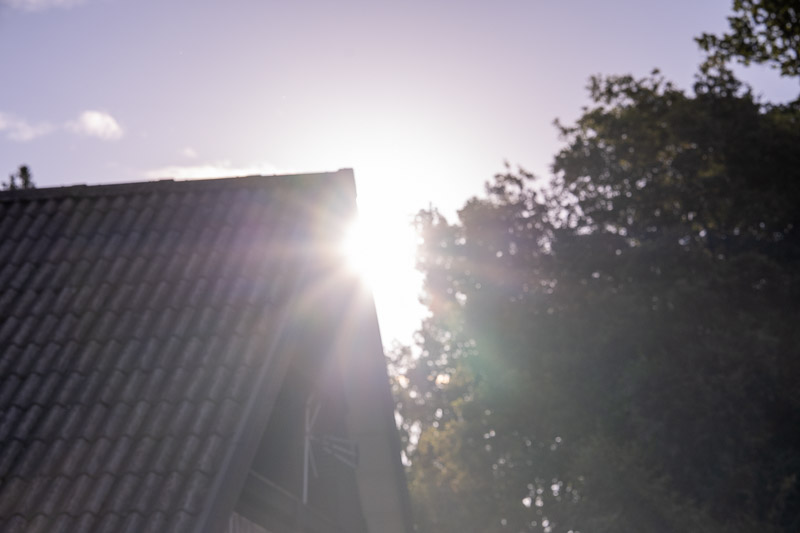
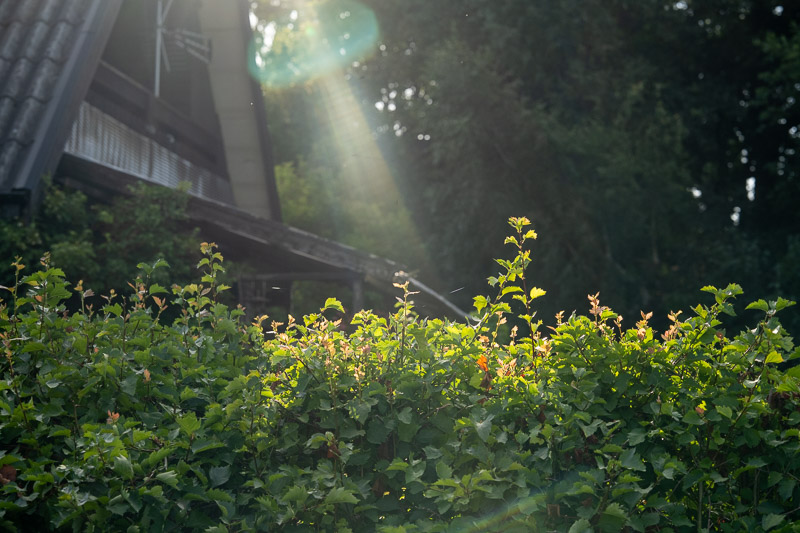
When the aperture is stopped down, the risk of ghosting increases, and in some situations you may also encounter veiling flare. Again, though, the performance is not entirely bad, as a small change in shooting angle can often produce a much cleaner result.
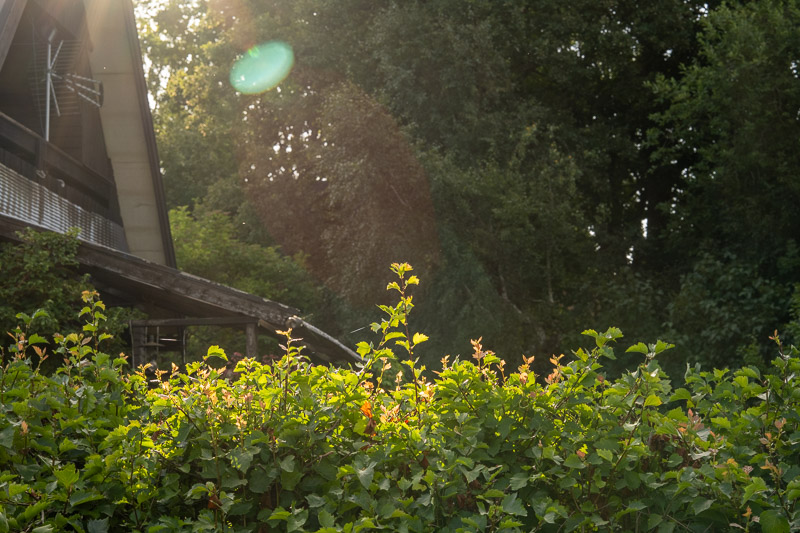
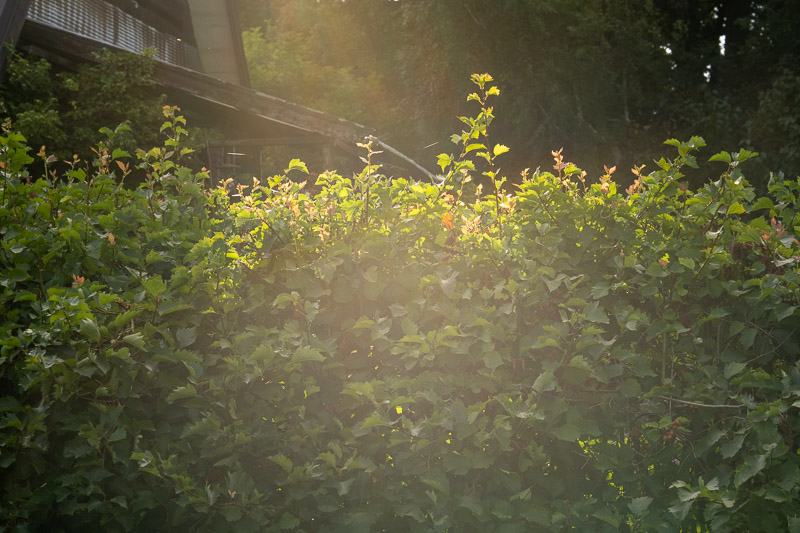
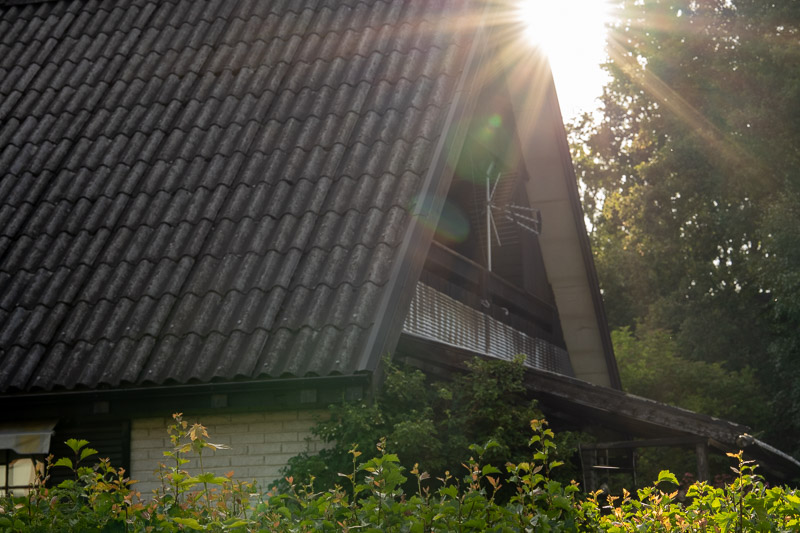
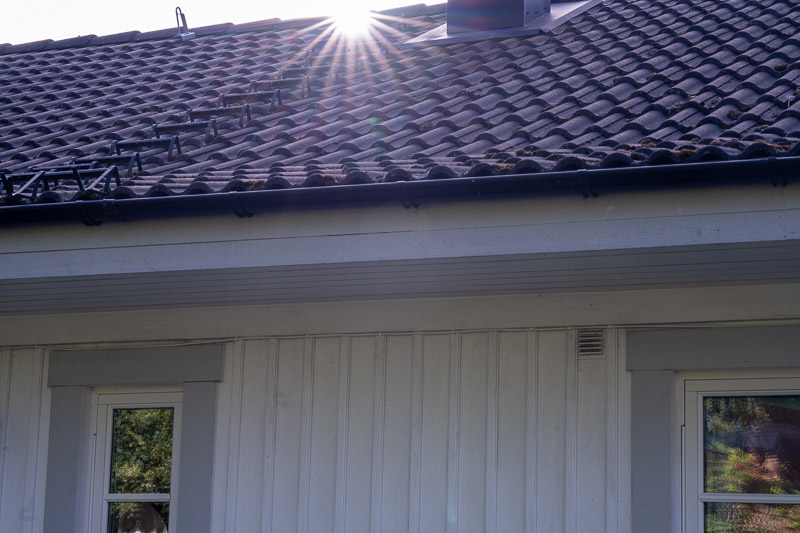
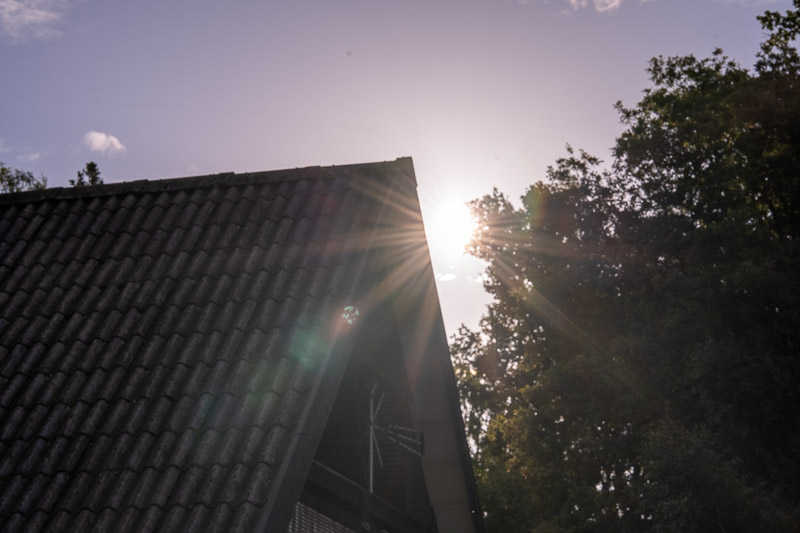
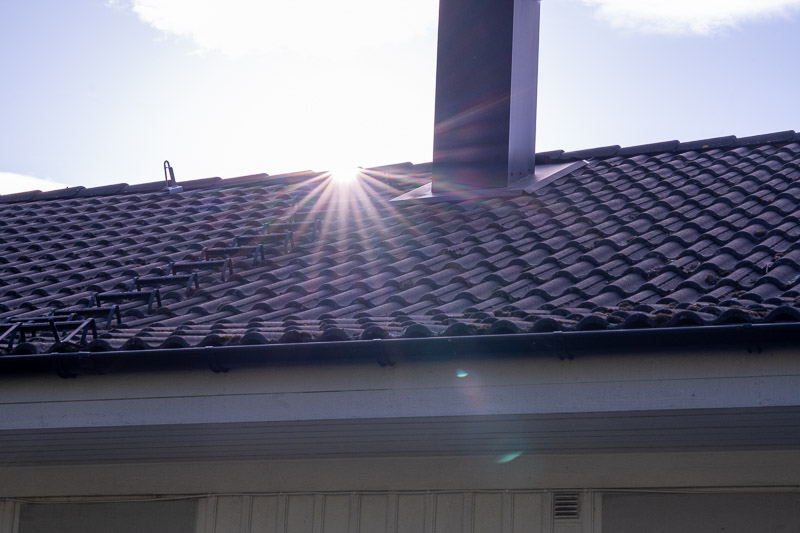
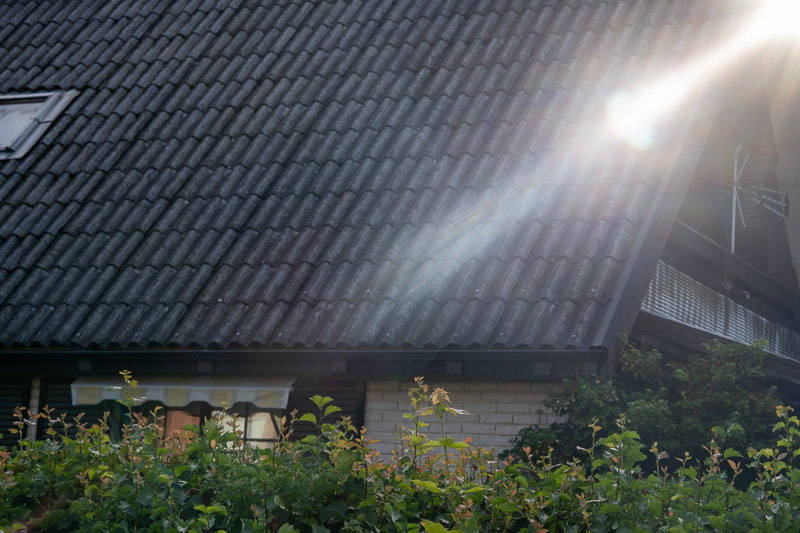
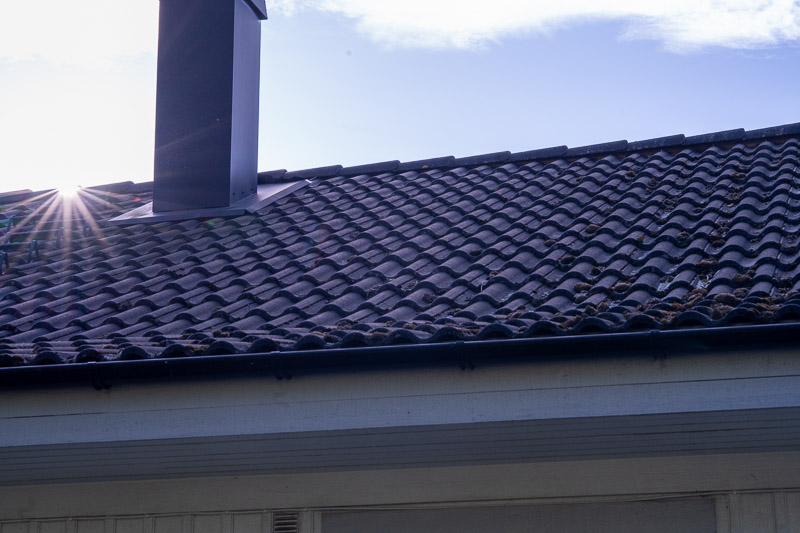
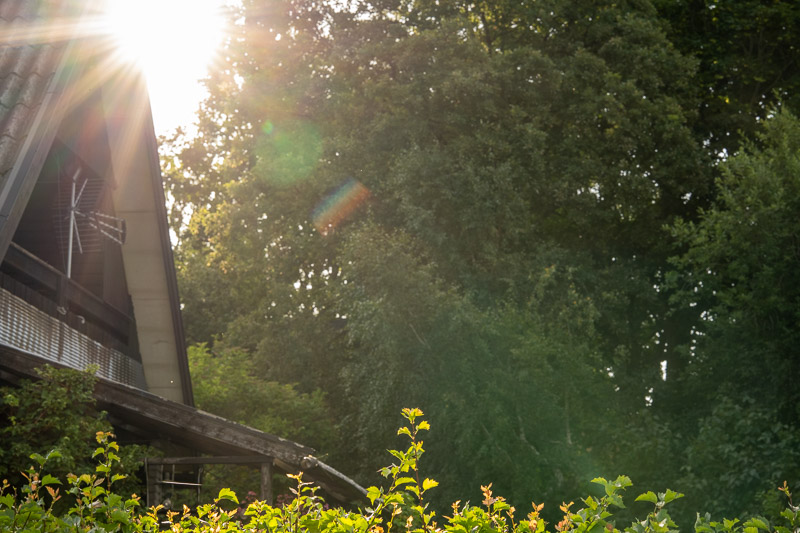
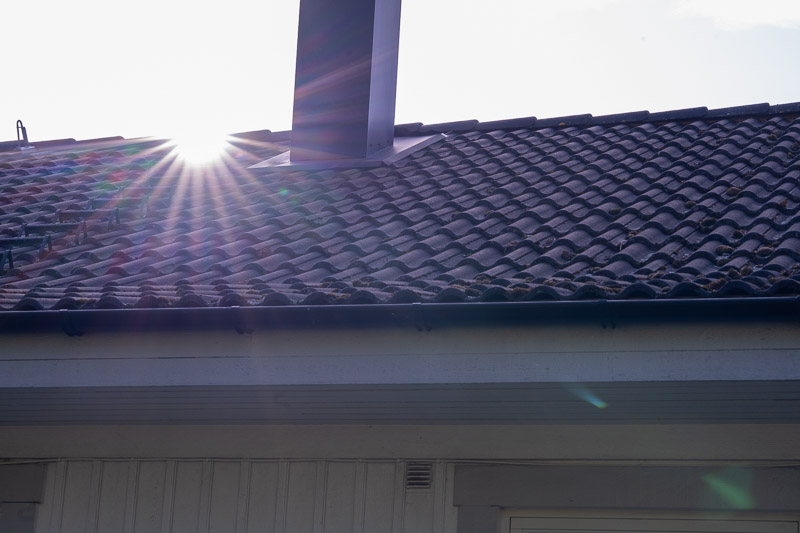
Flare resistance is much better than on the Mark I and is perfectly acceptable for a lens like this, although it is not on par with the best-in-class lenses.
Coma
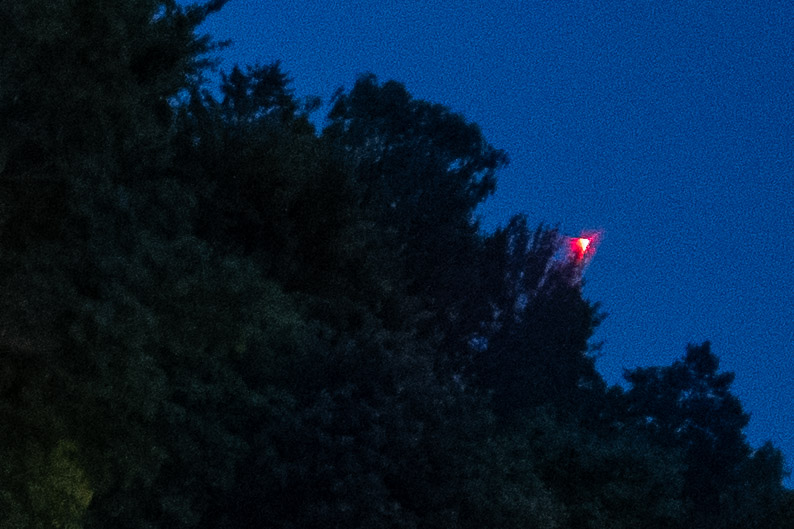
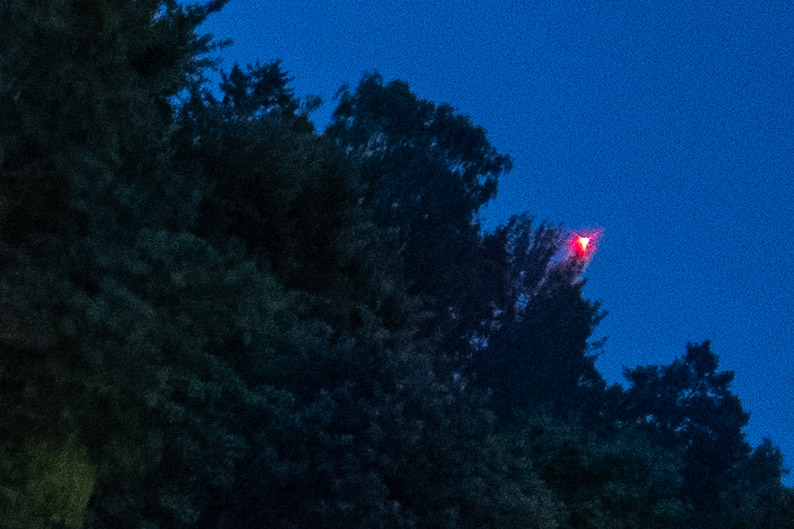
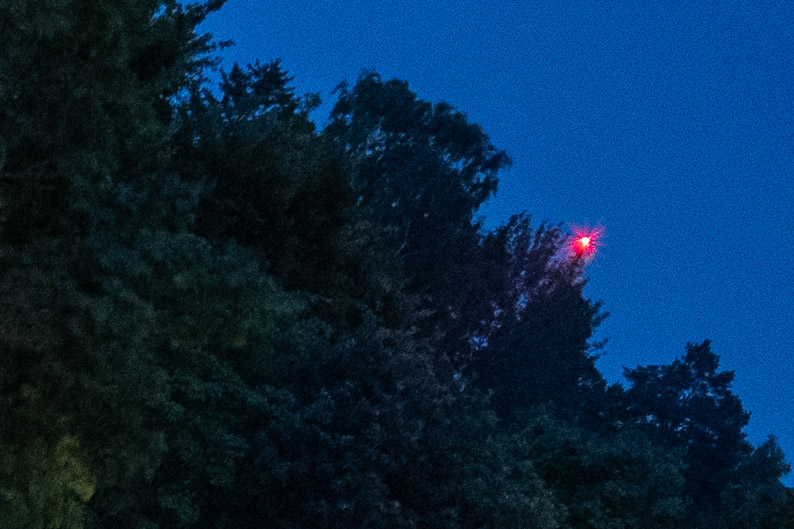
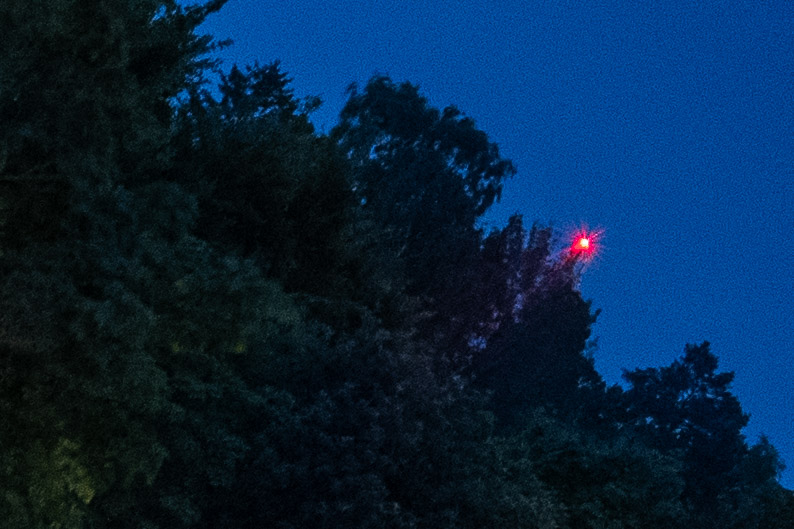
This is not a lens designed for astrophotography, and normally the corners are not very important, as they will usually be blurred out. However, if you want to examine coma performance in the corners, there is a very small amount of smearing at the widest apertures, as you can see in the 100% crops of the top-right corners of the following images. It is completely gone by f/4.
Wide-open performance is better than the Mark I.
Sunstars
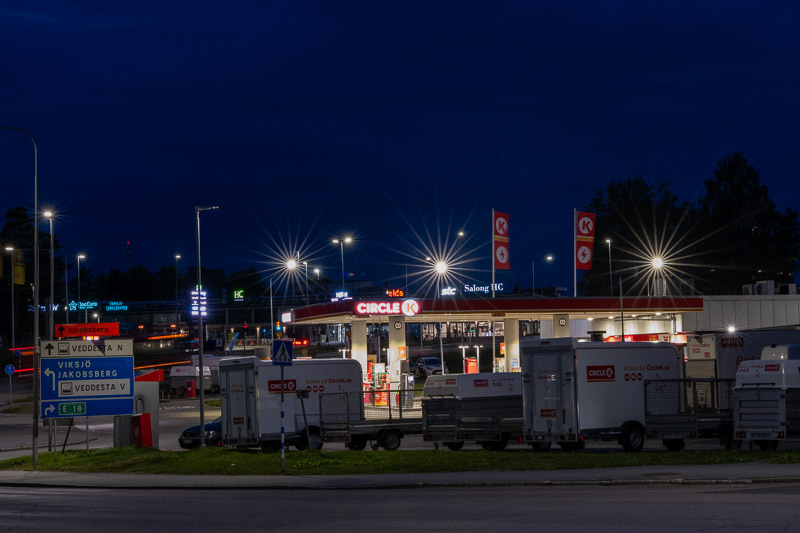
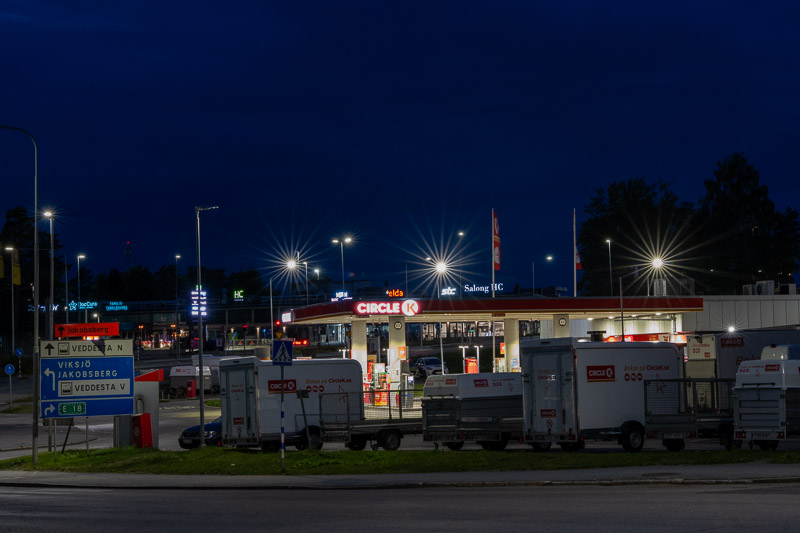
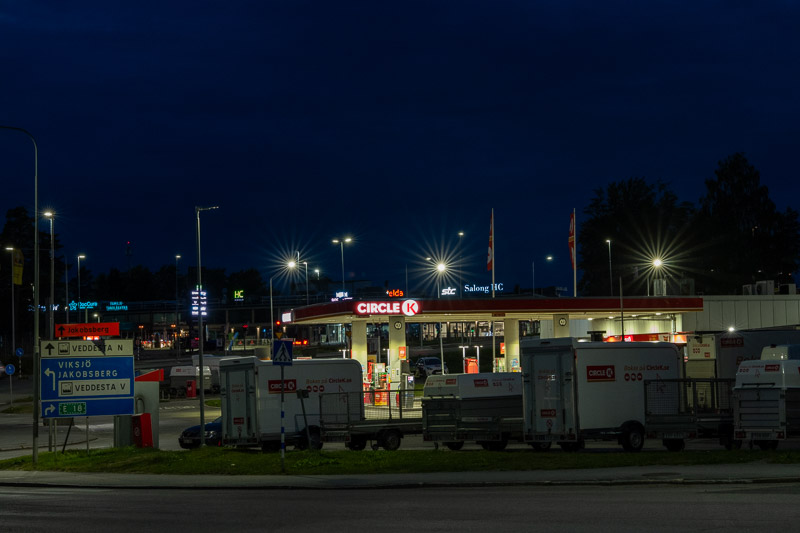
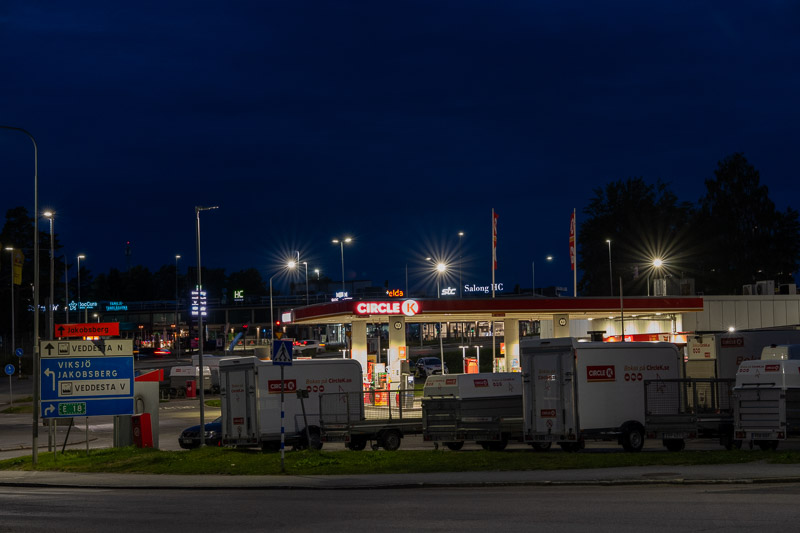
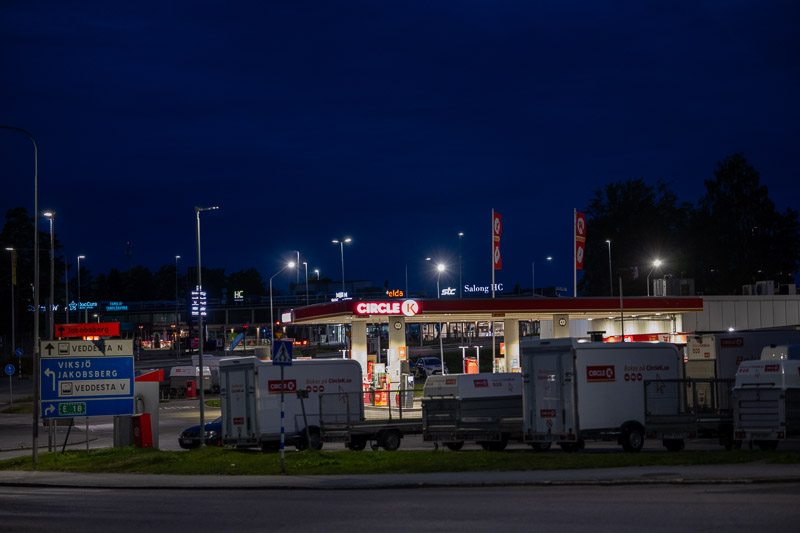
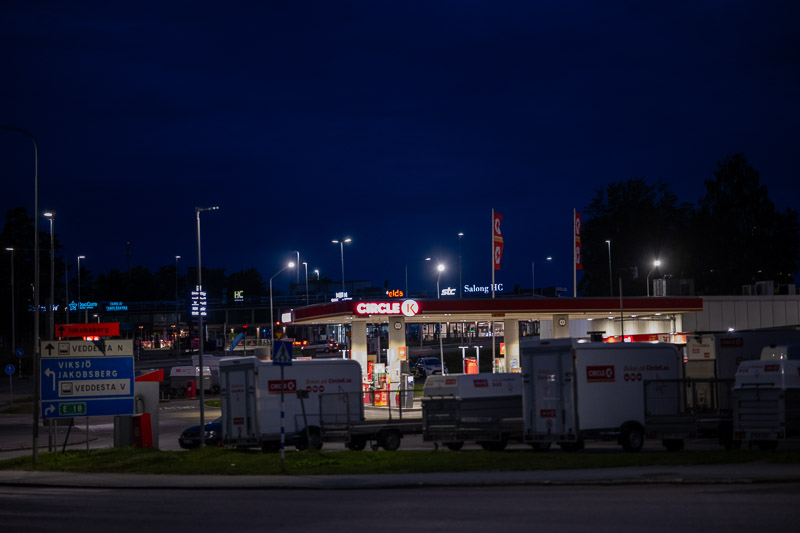
Portrait lenses are not usually known for producing nice sunstars, especially those with an odd number of aperture blades. This lens has 11 blades, but it can create sunstars, 22-spiked ones from f/8. They become a little more well-defined at f/11 and even more so at smaller apertures. I like the twelve-spiked stars of MK I version better, but that is personal.


Focus Breathing
This Meike lens suffers from relatively strong focus breathing, not great news for videographers, who like to pull the focus when filming, but not a problem for still photographers.

Bokeh
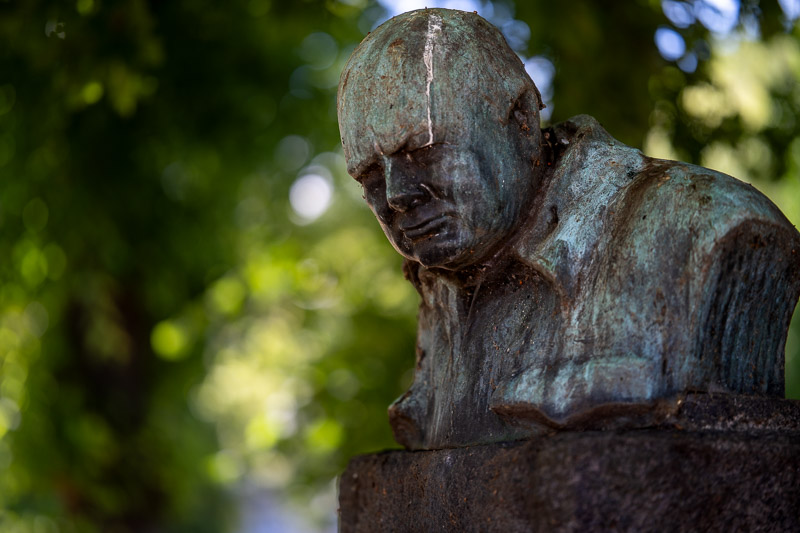
For this lens, this is one of the most important categories, so it’s worth being a bit more critical here. Let’s have a look at bokeh highlights!

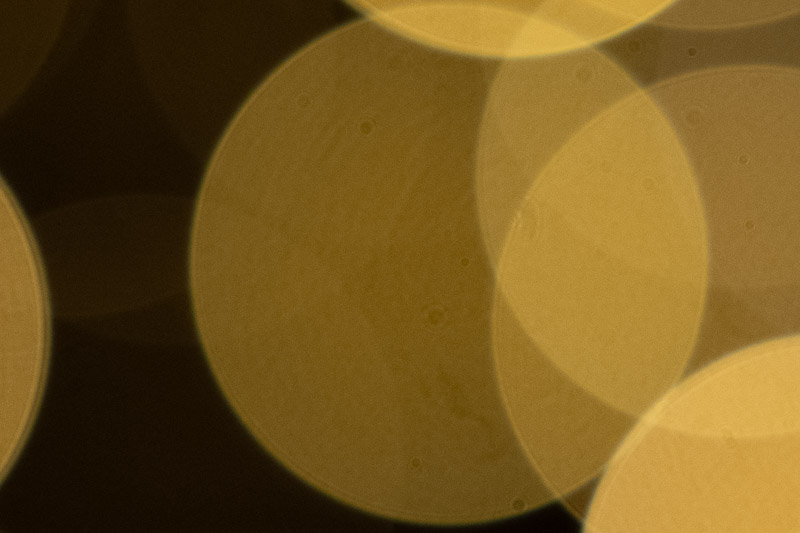

The edges of bokeh highlights stay soft, with just a faint green fringing, but nothing serious. Bokeh balls in the corners take mild cat’s-eye shapes. You can also find a trace of onion rings if you look carefully, but again not disturbing.
Let’s see how the background blur renders at different distances!
Short Distance
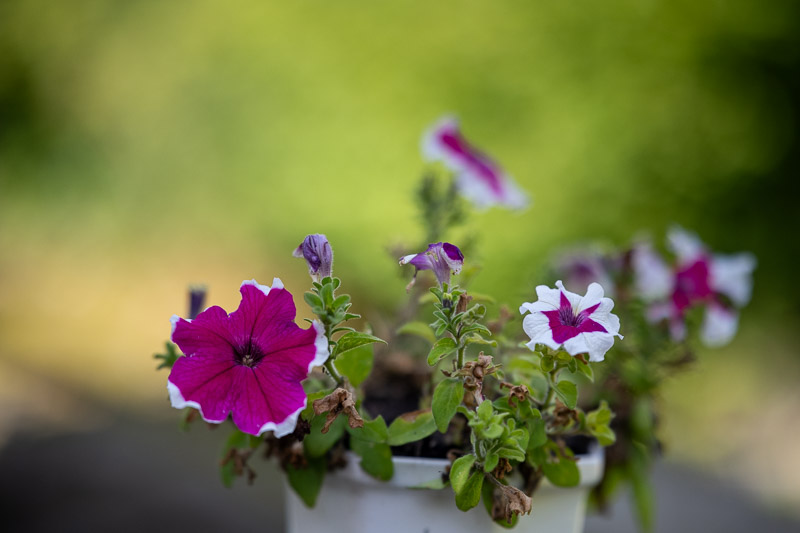
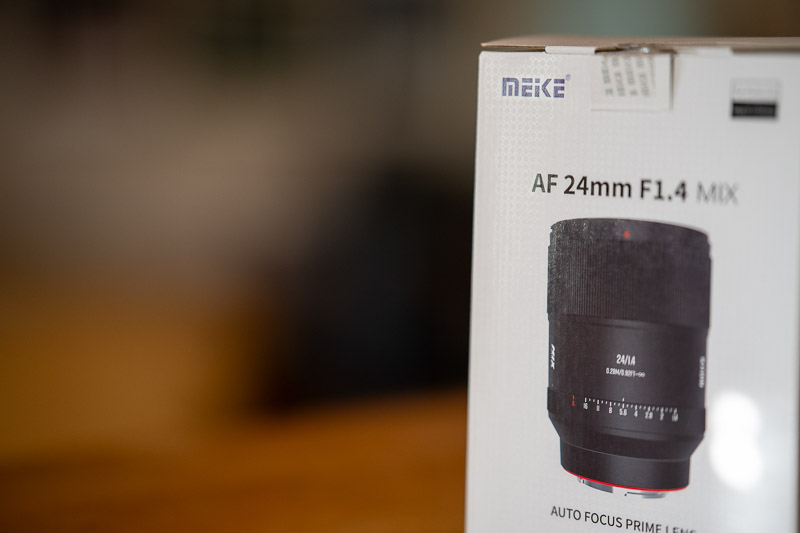

Like most lenses, especially portrait lenses at this focal lenght and max apertures, the background blur is very soft and pleasing at very close distances—at least to my eyes.
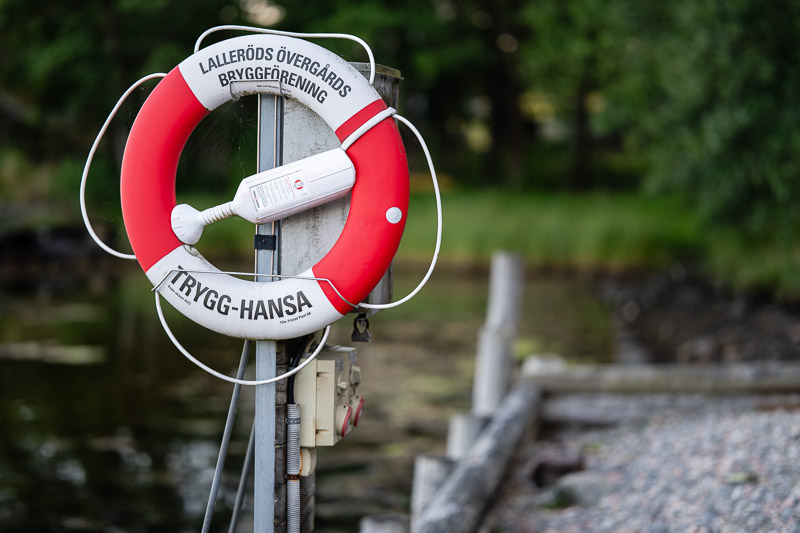
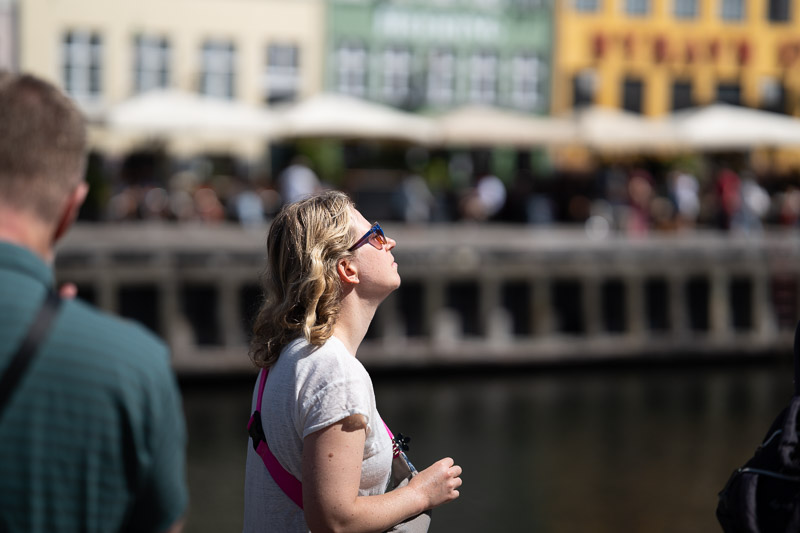
Mid-Distance
This is the most important distance for this lens, and I’m glad to see it handles the background blur very nicely here too.

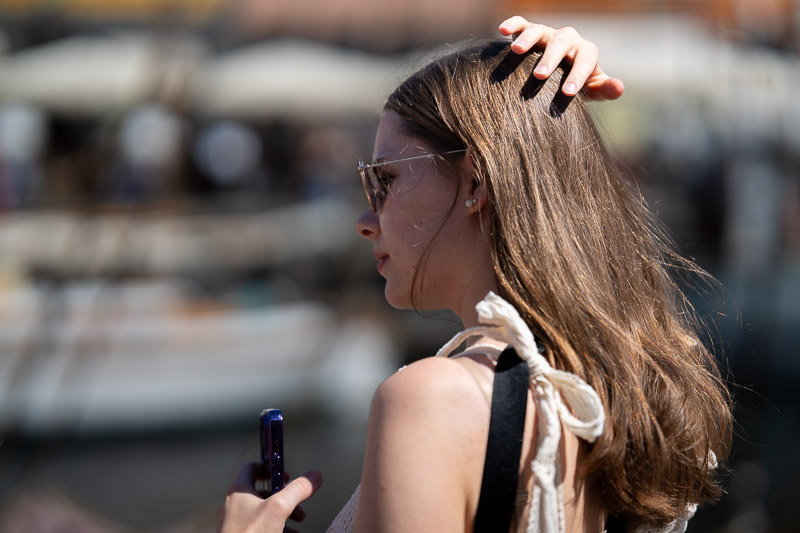
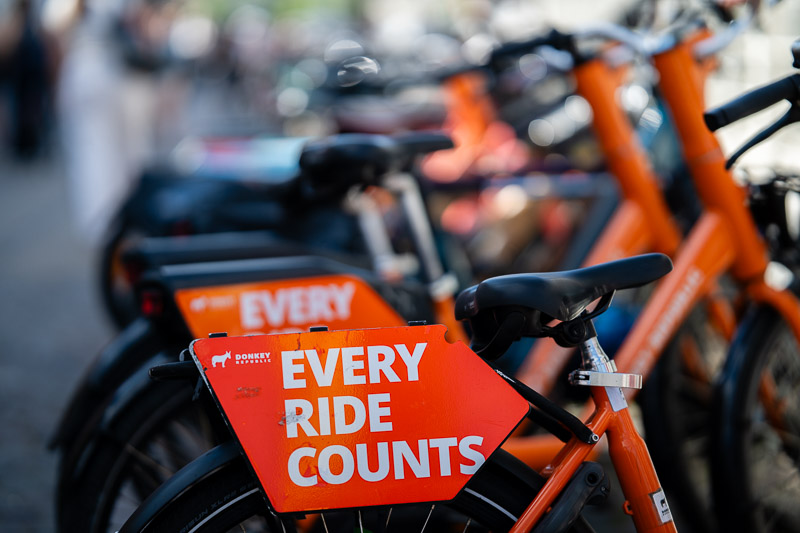
Long Distance
It can definitely create background blur at long distances and it looks fine here too, although I found Mk I blur a little more pleasing at this distance.


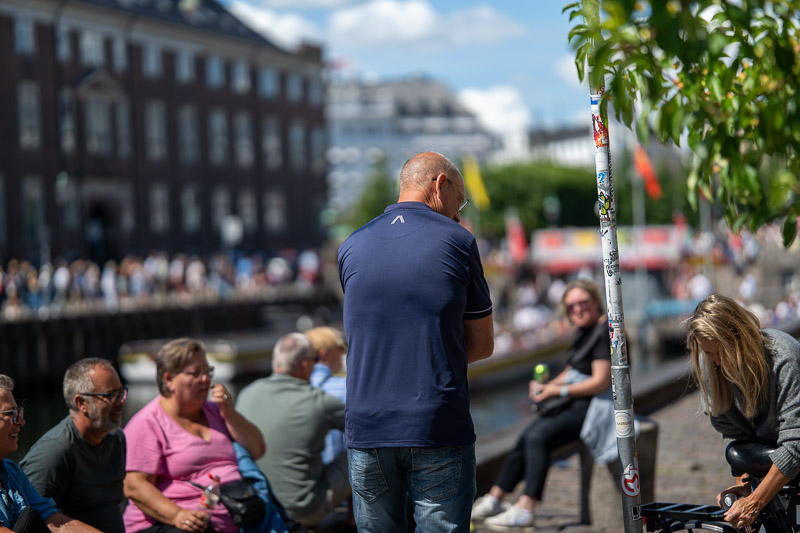



Bokeh is subjective. There are plenty of other sample images in this review—have a look and see what you think.
Conclusion
| I LIKE | AVERAGE | I DON’T LIKE |
|
|
|
As I mentioned in the introduction, I was impressed by the Mark I version of this lens, and I’m even more impressed by this one. Meike has improved the lens in several areas.
Qualities that were already good in the first version, such as sharpness, have been improved even further and are now well above expectations. Autofocus speed, coma correction, flare resistance, overall handling, and the reduced weight are all steps in the right direction. The bokeh is attractive, while distortion control and chromatic aberration correction are both very good. However, I preferred the bokeh and sunstars of its predecessor, although these are highly subjective qualities.
New features such as the clicked/declicked aperture ring and the automatic aperture lock are more than welcome, and the price of an f/1.4 lens like this is very reasonable.
Meike has taken a big step towards closing the gap to the very best lenses in this category. On the other hand, considering its price, expecting it to match the very best would be asking a little too much.
If you’re looking for a good 85mm f/1.4 portrait lens at a reasonable price, this is one of the strongest contenders currently available—and a significant improvement over the first version.
Writing articles like this one is both time-consuming and costs us a lot of money. If you found this article helpful and decided to buy one of these lenses, please consider using one of the affiliate links.
If you found this article useful, interesting, or it saved you money, consider supporting our work. You can make a donation or buy us a coffee —every contribution is greatly appreciated.
| Buy new: Maike’s Store, Amazon (anywhere), B&H for $569 (Affiliate links) |
Alternatives
Meike 85mm f/1.4 MIX (Mark I)
It is the predecessor of this lens, I have mentioned the differences throughout this review. It is still a good, more budget-friendly option.
Buy new: MEIKE Store, Amazon (anywhere) (Affiliate links
Viltrox AF 85mm 1.4 Pro
A good alternative, and one that is closest to this lens. The centre sharpness does not come to the same level as the Meike. The bokeh balls in the corner have more cat’s eye shapes with this lens, and the long-distance bokeh is not as soft as Meike’s. It has somewhat better flare resistance in certain situations. This lens is a little higher in price.
Buy new: Viltrox Store, Amazon (anywhere) | B&H , eBay.com for (Affiliate links)
Sony FE 85mm 1.4 GM II:
Sony’s latest 85mm 1.4 lens. Sony has a very high resolution at f/1.4 and a very fast AF. If the latter is important to you and you have a Sony camera, this might still be the lens you want, but it is 5 times more expensive.
buy from Amazon (anywhere ) | B&H (affiliate links) for
Sony FE 85mm 1.4 GM:
Sony’s earlier 85mm 1.4 GM lens. It is is also a lens with a very pleasing bokeh, but it gets harder every day to justify spending even the used price, when you have options like this Meike or even the Viltrox 1.4 Pro or the Samyang MK II.
buy from amazon (anywhere) | B&H (affiliate links) for (new) or starting at (used)
Sigma 85mm 1.4 Art DG DN:
When it had been released this was the most compact and lightweight 85mm 1.4 E-mount lens. Sony’s FE 85mm 1.4 GM II caught up though, so its main advantage now is its cheaper price.
buy from Amazon (anywhere) | ebay.com | B&H (affiliate links) for
Sirui 85mm 1.4 Aurora:
One of the smallest and lightest 85mm 1.4 lenses for E-mount. Not as sharp as this Meike. The Sirui renders also a smooth bokeh, but that is a subjective matter.
buy from Amazon.com | B&H | ebay.com (affiliate links) for
Samyang AF 85mm 1.4 FE MK II:
I haven’t used this lens personally yet, but I am looking to change that in the future. It looks like a very sensible lower-budget option to me, but there are already cheaper options avialable.
buy from Amazon.com | ebay.com | B&H (affiliate links) for
More Sample Images

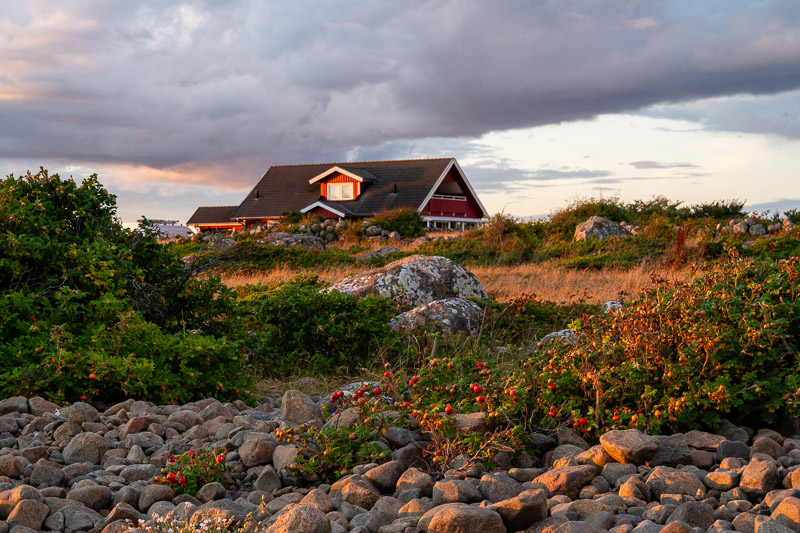
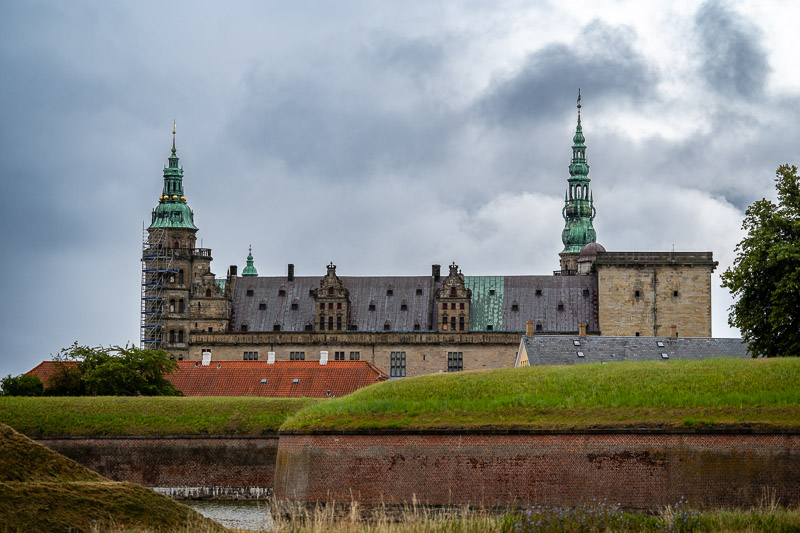

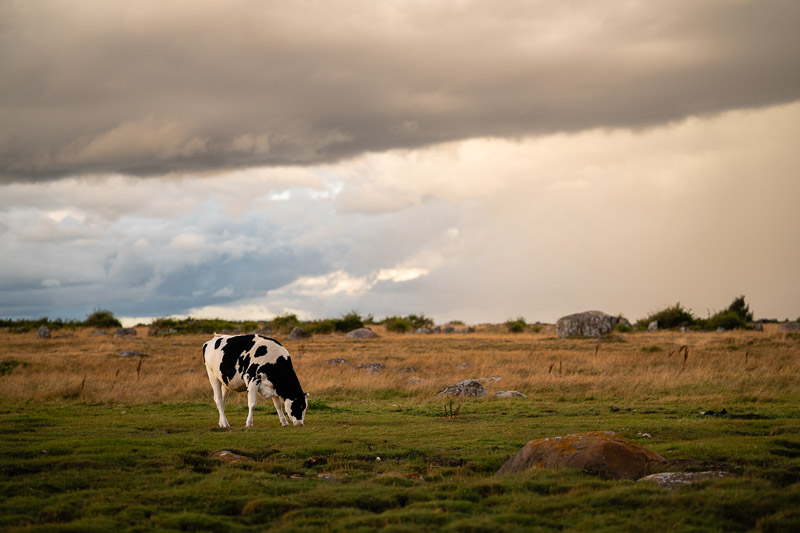
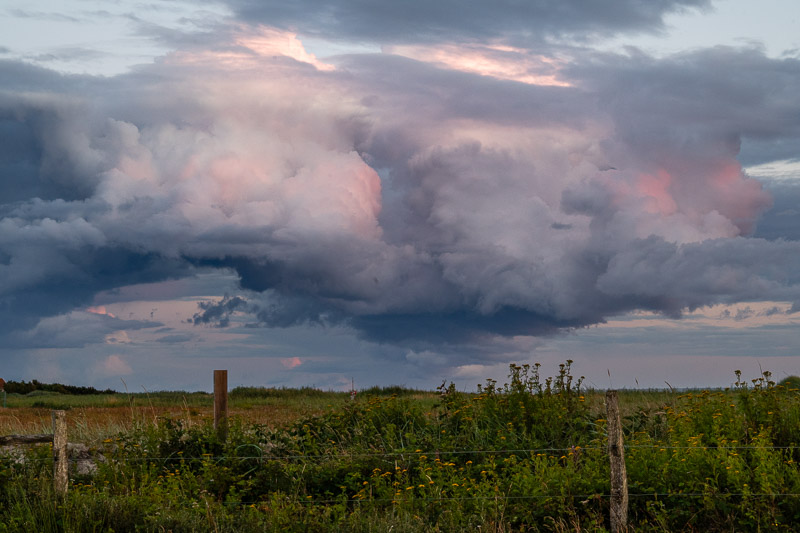
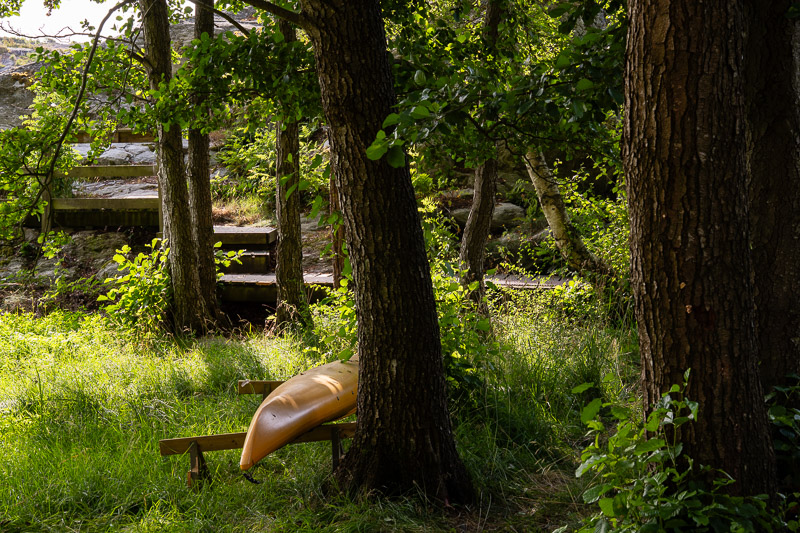
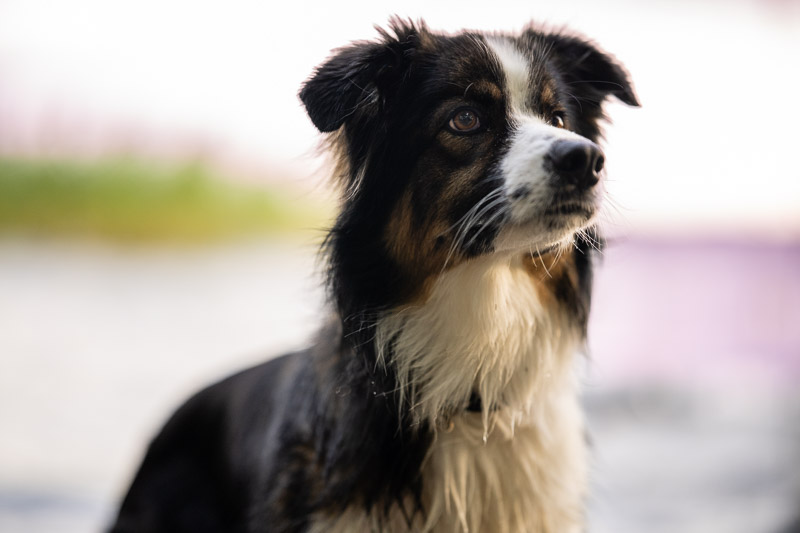

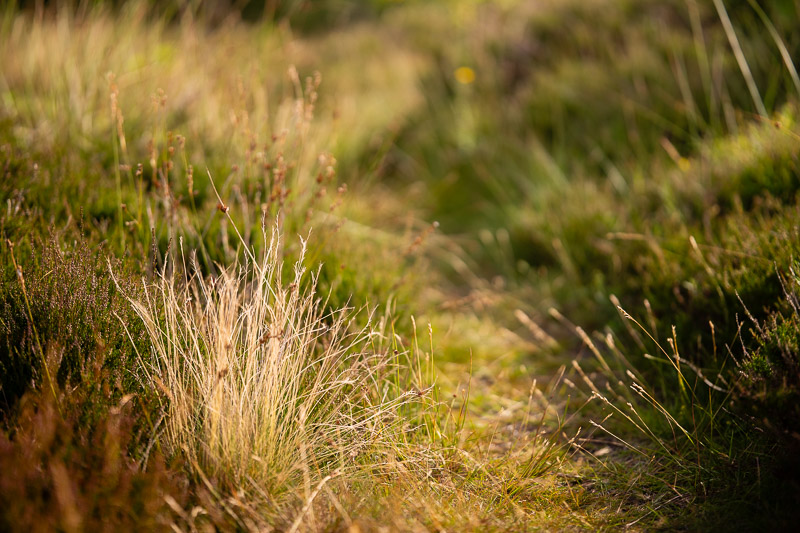


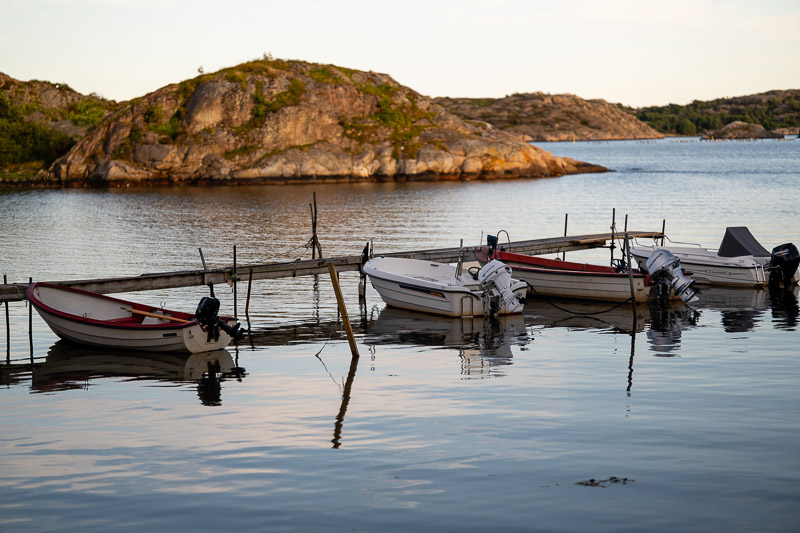
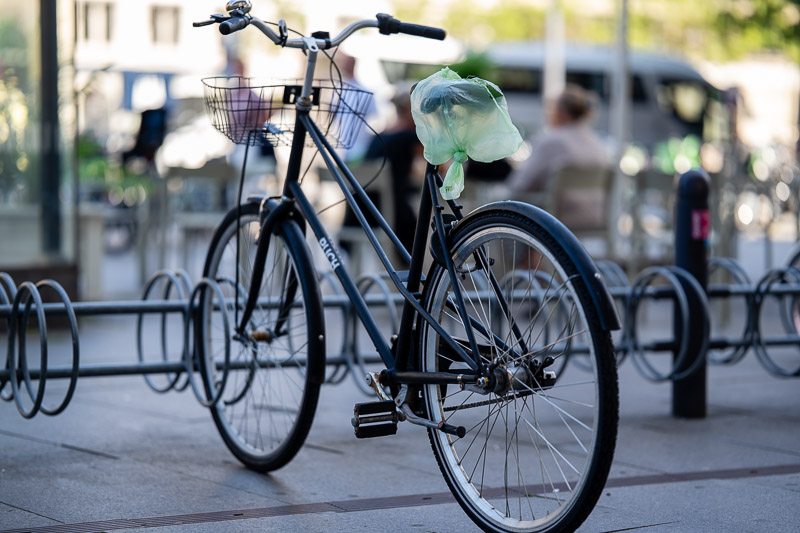
Most of the sample images in this review and many more can be found in higher resolution here.
Further Reading
- What camera gear and accessories do I use most frequently?
- REVIEW: Meike 85mm f/1.4 FF STM
- Review: Nikon Nikkor Z 85mm f/1.8 S
- Review: Viltrox AF 85mm f/1.8 Z
- Review: TTArtisan 75mm f/1.5 – A Modern and Affordable Zeiss Biotar 75/1.5?
- Review: TTArtisan AF 75mm f/2
Support Us
Did you learn something new, find this article useful, or simply enjoy reading it? We’ve put a lot of time and resources into creating it, and your support helps us keep going. If you’d like to show your appreciation, please consider clicking the Donate button!



(Donations via Paypal or bank card)
Or alternatively support us via this link.
What’s in my camera bag? MY 2026 KIT!!
- Main camera : https://amzn.to/3TsGtKg
- Camera grip : https://amzn.to/4e0G3CR
- Memory Card 1: https://amzn.to/47pA20i
- Memory Card 2 : https://amzn.to/3XHYxlZ
- Camera 2 : https://amzn.to/3Xifou8
- Camera grip: https://amzn.to/4dYYpV9
- Memory card 1: https://amzn.to/4e5h2H0
- Memory card 2: https://amzn.to/3zu7W7n
- Main tripod: Leofoto LS-324CPRO
- Small travel tripod: https://amzn.to/4goIX68
- Mini tripod: https://amzn.to/4e09XXX
- Small shoulder bag: https://amzn.to/47tPMiY
- Medium shoulder bag: https://amzn.to/4ej4bjY
- APS-C camera 1: https://link.amazon/B0iKSCc8a
- APS-C camera 2: YouTube video here
This site contains affiliate links, for which I may receive a small commission if you purchase via the links at no additional cost to you. This helps support the creation of future content.


Martin
Latest posts by Martin (see all)
- REVIEW: 7Artisans AF 10mm F2.5 MAX – Fisheye FF - October 25, 2026
- REVIEW: SIRUI AURORA 35mm F1.4 - October 14, 2026
- REVIEW: Zhiyun FIVERAY M60 Ultra & Molus X100 RGB - October 11, 2026
You left out the Viltrox 85mm f1.4 Pro in the Alternatives list – is that on purpose?
A miss, added.
Living as I do in the U.S. desert southwest, this lens’ availability in white could be an advantage to reduce heat gain from direct sunlight striking during walk-around use or when set up on a tripod.
To note, though, a white finish might sometimes be disadvantageous, as under some conditions it might show up as an undesirable reflection, for instance from a subject’s pupil or iris when doing tight portraits, or from other shiny surfaces such as storefront windows. However, I think that could be minimized if the lens hood is black (which I’d expect it to be, as white would be optically undesirable on the inside surfaces of the hood, and I’d think Meike would not go through the elaboration and added cost of making it black on the inside and white on the outside). Alternatively, one could use a black metal screw-in hood of the type that is also threaded on the opposite end, and then add on the end a black step-up ring that is either itself of significant increment and therefore significant width, or would hold there a black paper or cardstock donut, to block the white of the lens from being reflected.
Great review. I own and use Viltrox 85/1.4 a lot. Center performance at 1.4 is more than sufficient for all practical purposes. Glad that Meike is coming up with great primes, and it is even sharper than Viltrox. Competition and more choice are great customers.
We see that Chinese manufacturers have gained access to new optical production (processing) machines, and their quality has improved.
Questions remain:
• reliability (maintainability)
• alignment accuracy across batches
•Really fast autofocus motors. Currently, only Wiltrox has them.
Good luck. I have a Meike 35 1.8 Pro for L-mount. It’s a perfectly acceptable lens. It’s a shame there’s no RF, because for me, the Panasonic s5-2 is inferior to the Canon r6-2 as a camera for reportage photography.
My Sony 85 f/1.8 is still pretty good. Not sure I need to upgrade, though it’s tempting, especially at this price.
If you are happy with your Sony, just keep using it.