Introduction
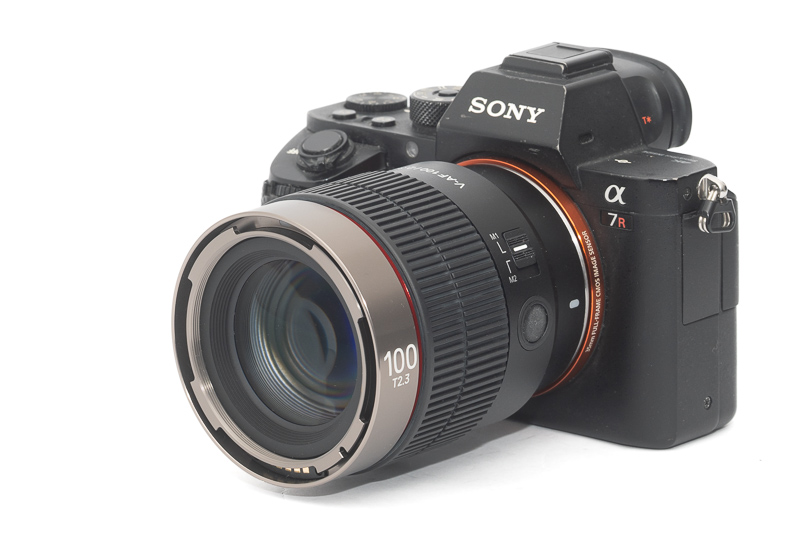
In 2023 Samyang introduced a new line of Cine lenses called “V-AF”. Mid 2026 this lineup consists of 6 lenses, 4 of which are rehoused photography lenses. The 20mm T1.9 and this 100mm T2.3 are new designs though. At first sight there do not seem to be any disadvantages to using these lenses for photography – actually their casings look and feel much nicer than Samyang’s other lenses – and there are not a lot of alternatives with similar specifications available, so I decided to have a closer look at this Samyang 100mm T2.3 V-AF.
Sample Images


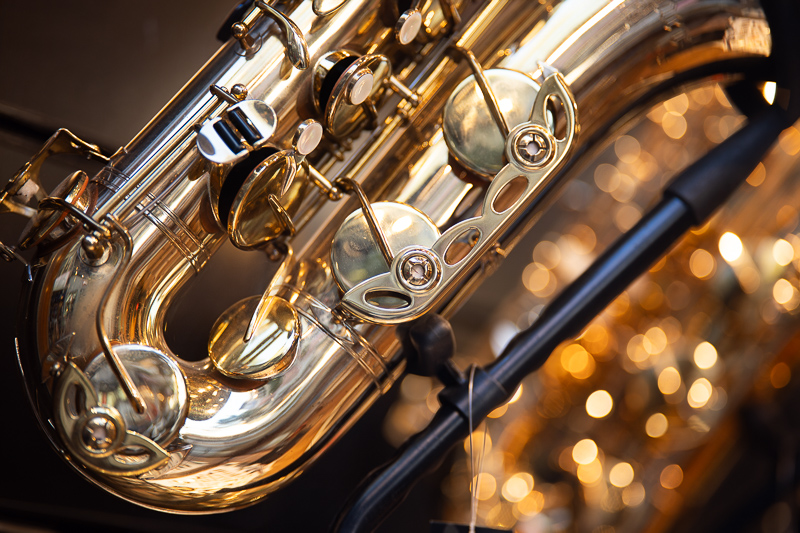

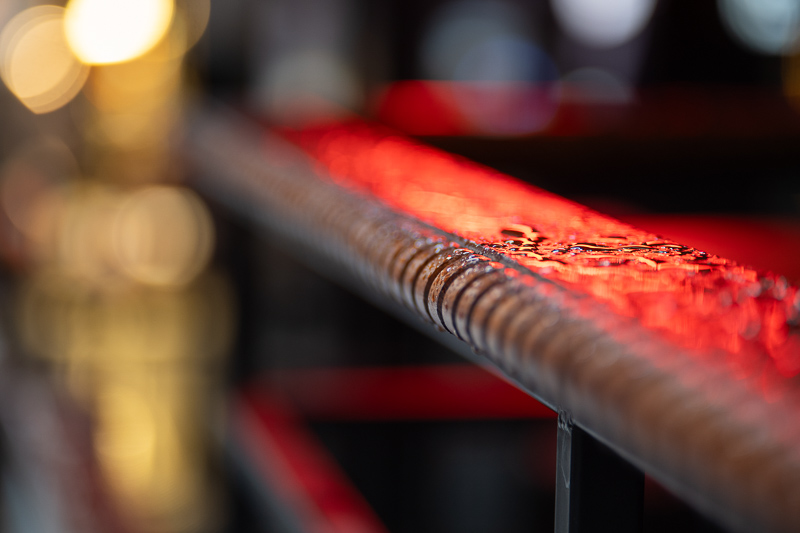
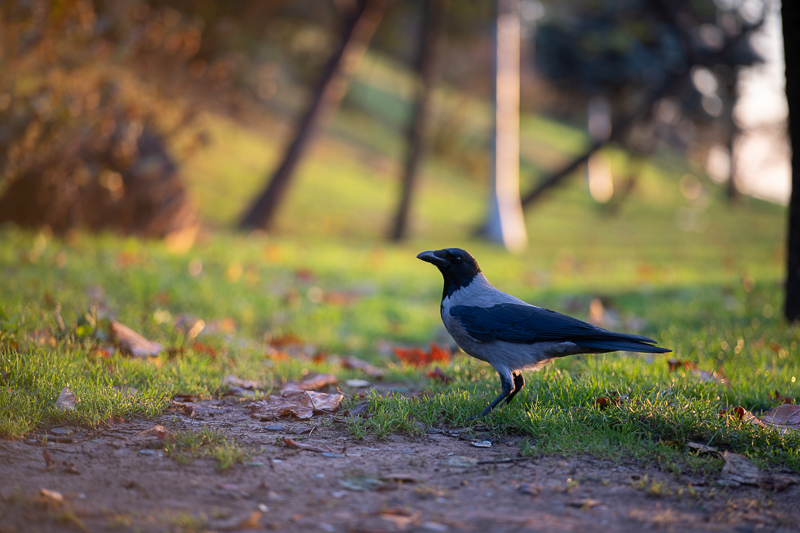



Most of the sample images in this review can be found in full resolution here.
Specifications
The Samyang 100mm T2.3 V-AF has the following specifications:
-
- Diameter: 72 mm
- Length: 85 mm
- Weight: 282g (without hood, without caps)
- Field of view: 25.4° (diagonally)
- Filter Diameter: 58 mm
- Number of Aperture Blades: 9 (rounded)
- Elements/Groups: 9/8 (?)
- Close Focusing Distance: 0.7 m
- Maximum Magnification: 1:5.7 (measured)
- Mount: Sony E
As is typical for a Cine lens, the T-Stop instead of the f/Stop is given. As the cameras work with f/Stops, they recognize it as an f/2.2 lens. Throughout this review I will use f/Stops as usual.
buy from amazon.com | amazon.de | B&H | ebay.com | ebay.de (advertisement/affiliate links) for $699
Handling/Build quality
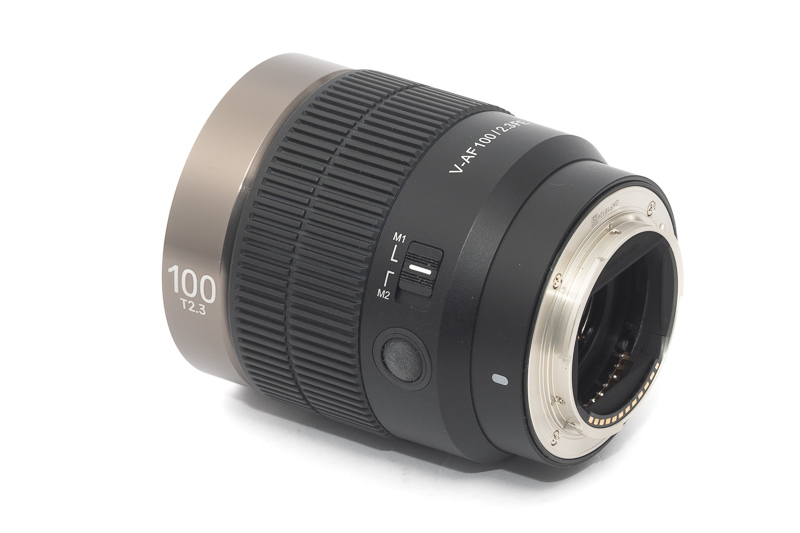
The mechanical design from these “V-AF” lenses differs from those of Samyang’s other lenses. The outer casing seems to ne made from a mix of polycabonate and metal parts.
The focus ring has a nice damping – actually similar to a manual focus lens – and a linear coupling. No matter how fast you turn the focus ring it always takes 300° from the minimum focus distance (0.7 m) to infinity.
When you turn your camera off the lens will remember the last focus position and will still be there when you turn the camera on again.
The lens features a switch which can be programmed with a Samyang lens station and a focus hold button. Out of the box when flipping the switch the focus ring will work as aperture ring.
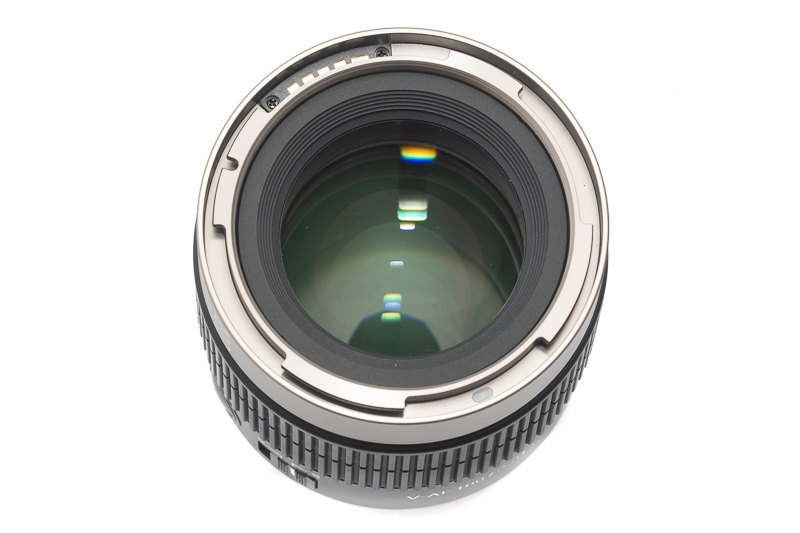
At the front this lens features a bayonet, electronic contacts and even an LED. Samyang offers two accessories that can be mounted here: a geared manual focus adapter and a front anamorphic adapter. For photography purposes I do not see a lot of use for these and I didn’t try either of them myself.

With the Samyang lens station a few settings can be changed: the switch can be turned into a more useful AF/MF switch, the direction of rotation of the focus ring can be switched as well as the color of the LEDs (I didn’t really find out what those are actually useful for though).
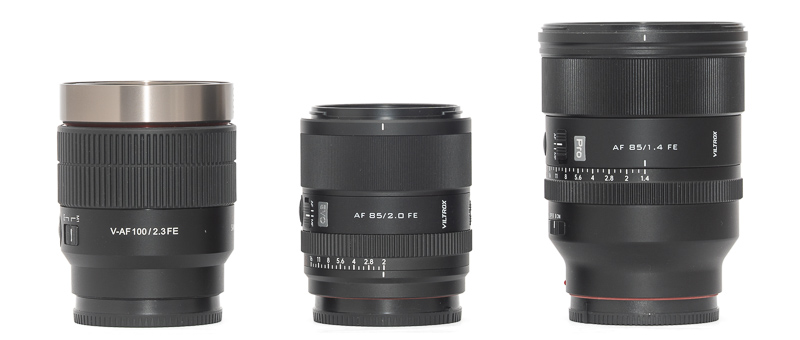
This Samyang 100mm T2.3 V-AF is a fairly compact lens. It has a similar diameter as the Viltrox AF 85mm 2.0 Evo and is only slightly longer. It does not feature an aperture ring though.
AF performance
I am not shooting sports or fast moving animals/humans so if you want to know if the lens is fast enough for this, or how it compares to other lenses in this segment, you may have to look for a different review with a more detailed assessment of this aspect.
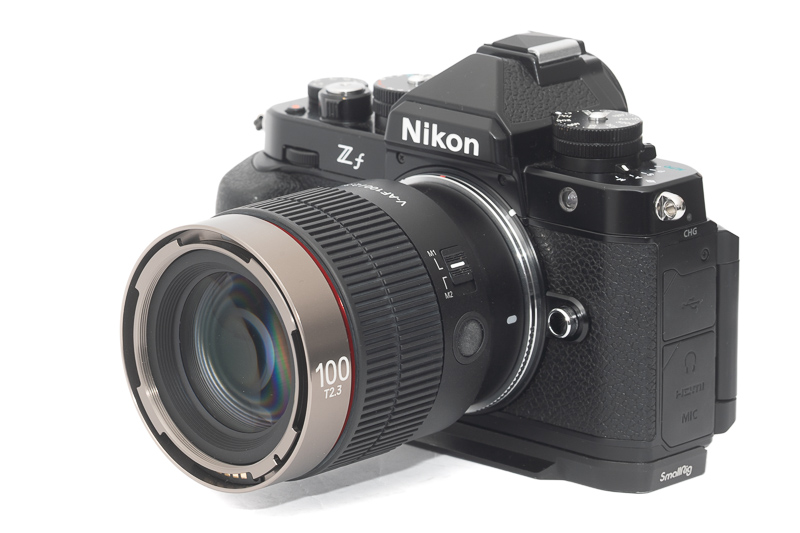
The AF is very fast and for normal use cases – especially portraiture – it certainly worked well.
This is also true when using this lens via the megadap ETZ21pro adapter on a Nikon Z-mount camera.
Vignetting
light falloff
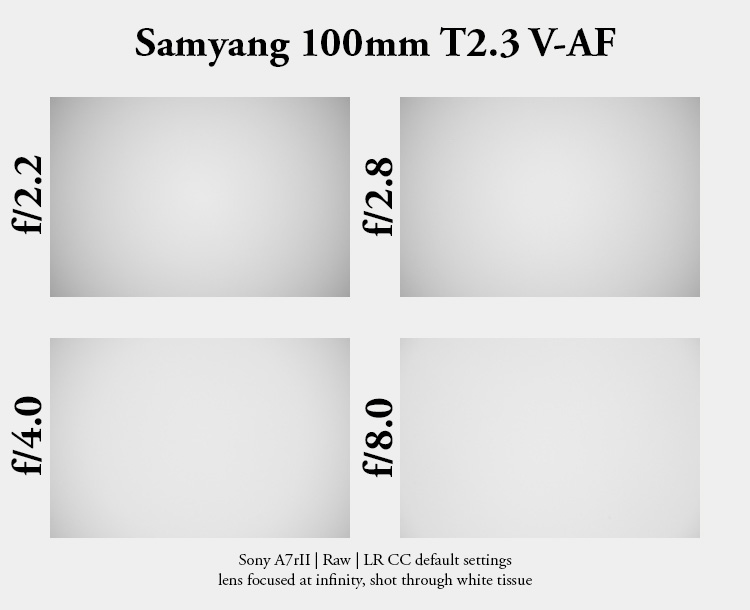
| f/2.2 | 1.7 EV |
| f/2.8 | 1.5 EV |
| f/4.0 | 1.2 EV |
| f/5.6 | 1.0 EV |
| f/8.0 | 0.8 EV |
| f/11 | 0.6 EV |
Most of the lenses with similar specifications we reviewed showed around 2 EV vignetting at their maximum aperture and this Samyang is actually one of the slightly better ones with 1.7 EV. For comparsion: the Viltrox 85mm 2.0 Evo showed 2.4 EV here.
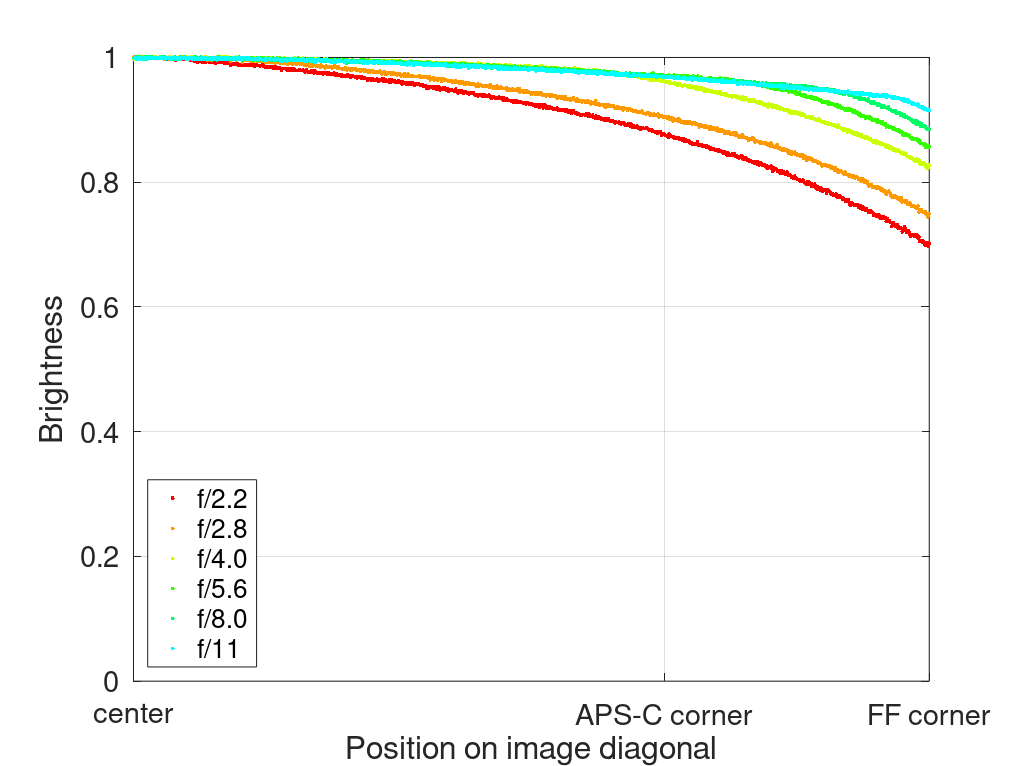
It is recommended to have a look at this article first to get an idea how this brightness graph works.
optical vignetting
Fast lenses usually show a noticeable amount of optical vignetting. Without going too much into technical details optical vignetting leads to the truncation of light circles towards the borders of the frame.
In the center of the frame almost every lens will render a perfect circle, but only lenses with very low optical vignetting will keep this shape in the corners.
So in the following comparison we move from the center (left) to the extreme corner (right) and see how the shape of the light circle changes.

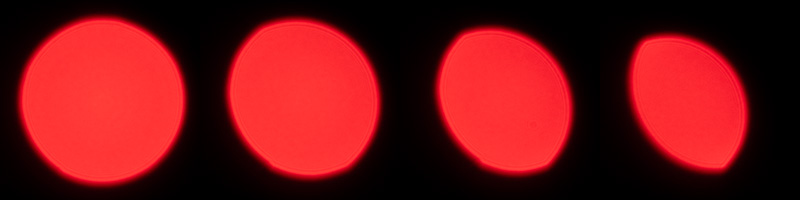
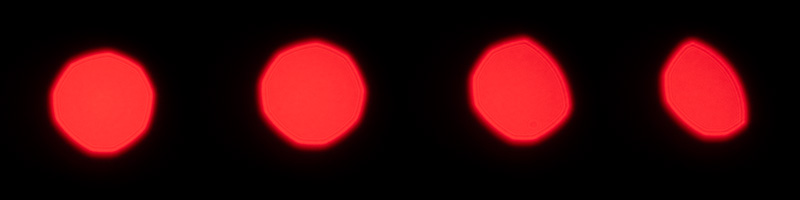
The optical vignetting is average for a lens with these parameters – and clearly better than what we saw from the similarly sized Viltrox AF 85mm 2.0 Evo.
When it comes to the mechanical design, there is sadly often something wrong with the Samyang lenses though and that is again the case here. As we can see, stopping down from f/2.2 to f/2.8 has barely any effect. Looking at the f/4.0 series we also see that the diaphragm does not close symmetrically – still a common issue with Samyang’s lenses.
f/2.2 <————> f/2.8 <————> f/4.0
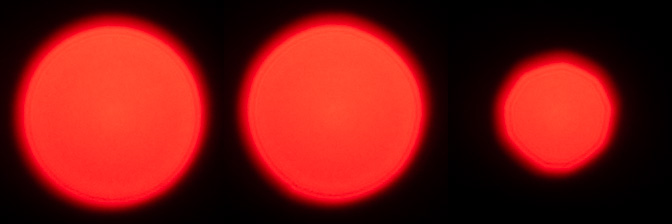
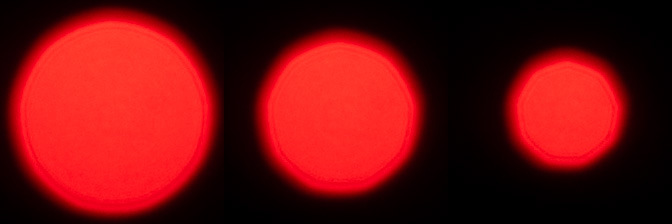
Now the question was: is the f/2.2 opening the realistic one or the f/2.8 one? I compared it to the Sigma 105mm 1.4 DG HSM Art with a fixed focus distance ensured by a test target and we can see that the f/2.8 stop is clearly the “odd one out” here. This obviously means the aperture does not close in a linear way as you would expect (especially from a Cine lens).
You may wonder if this is just sample variation, but I had a look at other reviews of this lens and even though none of them mentions this, you can clearly see it in their sample pictures, too.
You may also wonder if this only happens at closer distances, but this is not the case: also at infinity there is hardly a difference in light gathering capabilities and amount of optical aberrations (see e.g. Coma section) between f/2.2 and f/2.8.
In some of the other categories I decided to use f/3.2 instead of f/2.8 (as I usually would) as that seems to be much closer to an actual f/2.8 opening.
Sharpness
Focus Shift
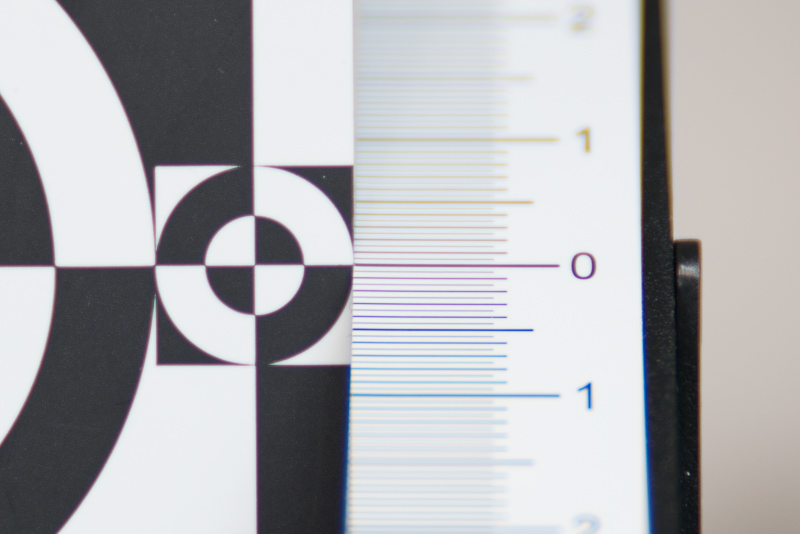
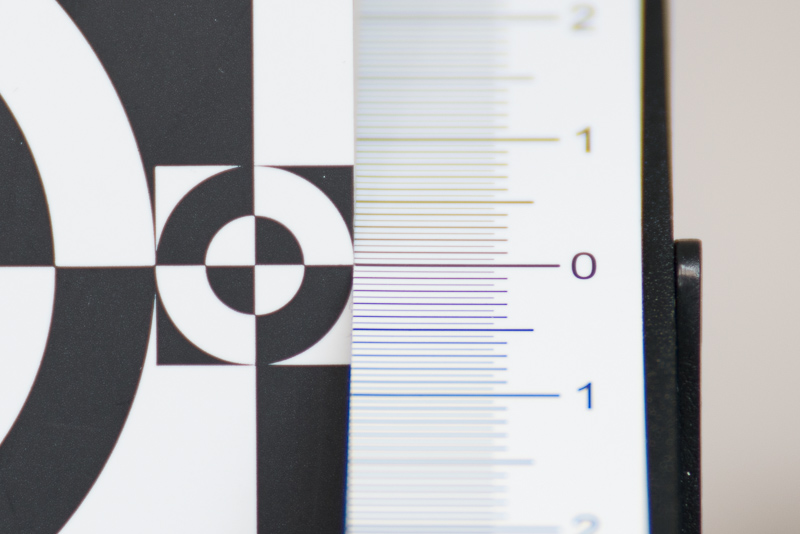
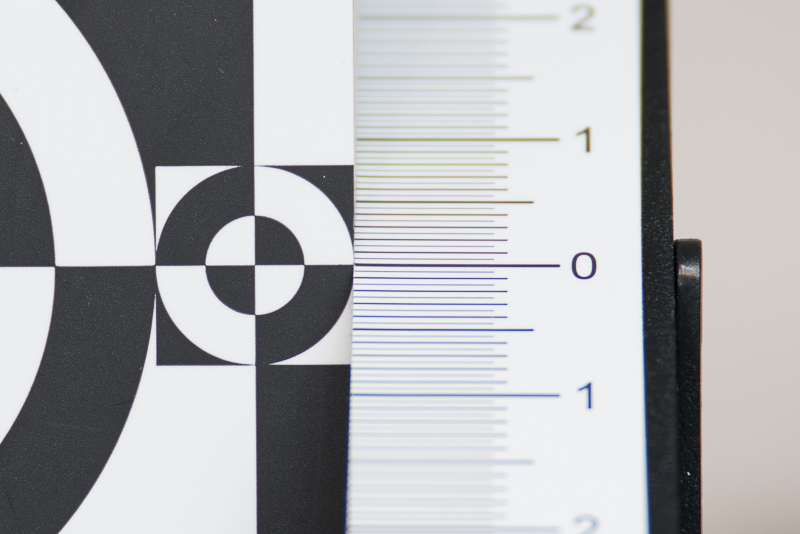
This Samyang 100mm T2.3 V-AF does show a low amount of focus shift but luckily not enough for the subject to drop out of the focal plane. We can also see that this lens is not overly well corrected for shooting at close distances as we see a lot of color aberrations here.
infinity (42mp Sony A7rII)
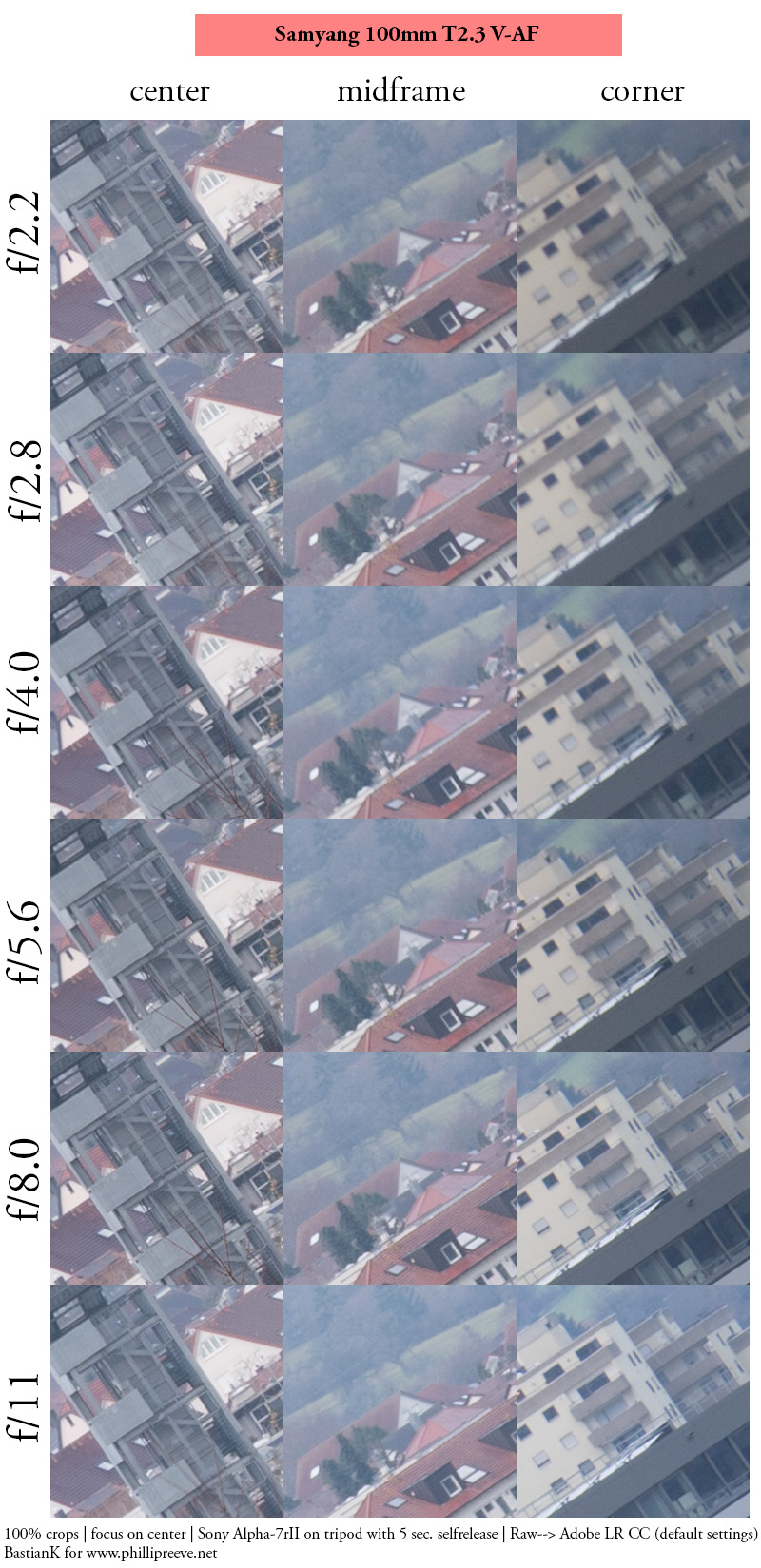
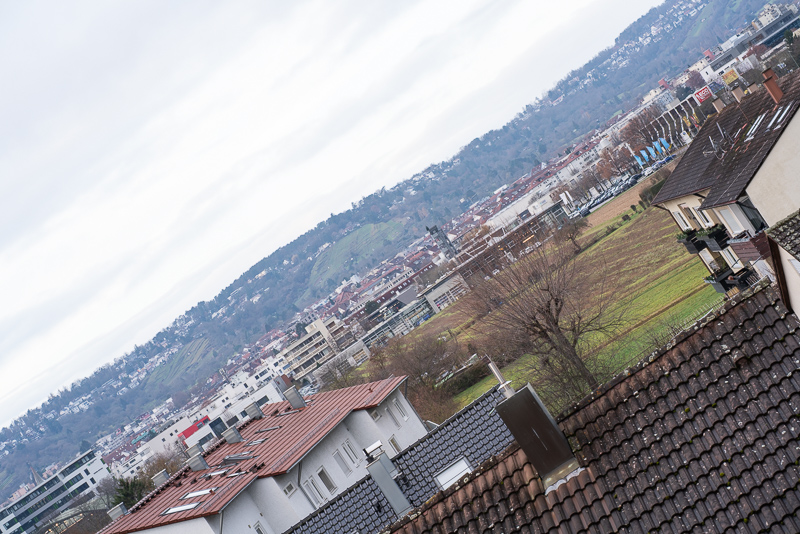
In the center this Samyang 100mm T2.3 V-AF shows a good performance from f/2.2. The midframe looks only slightly worse whereas the corners lack some resolution and details at wider apertures. Peak across frame performance is reached around f/11. If you are looking for a lens that shows a flat field and great performance already at wider apertures you might not be perfectly happy with this one.
Here the Viltrox AF 85mm 2.0 Evo showed a better performance, as it already looked very good across frame when stopped down to f/4.0.
portrait distance (2.4 m, 42mp Sony A7rII)
For portraiture it isn’t so important how flat the field is, it is more interesting to see what the sharpness is like when focused at different parts of the frame to take field curvature out of the equation.
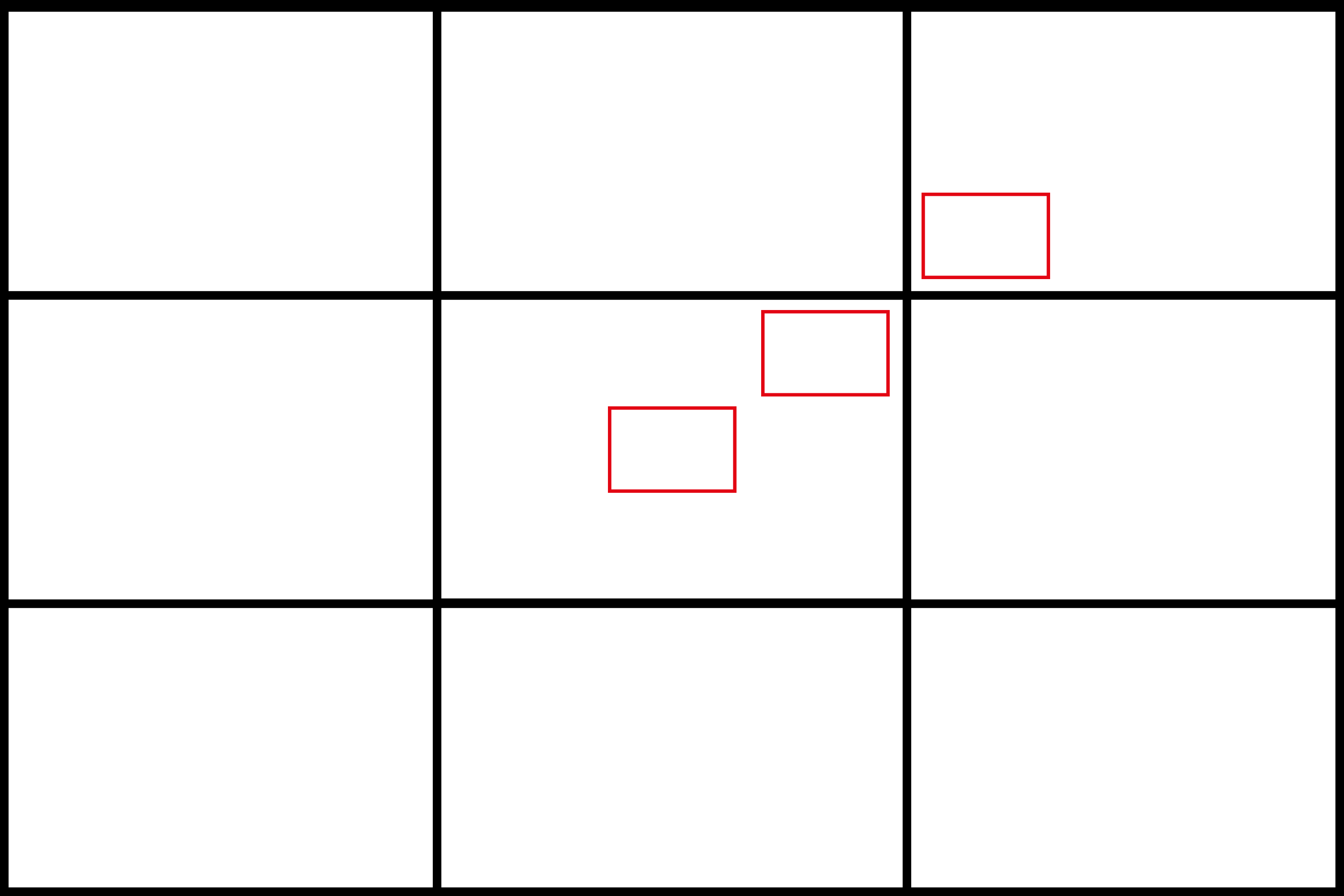
This is what I did here, I refocused for every shot and aperture to get the best possible result at different locations in the frame (center, inner midframe and outer midframe).
Focus distance was roughly 2.4 m and the circle of the dollar bill is more or less the size of a human eye.
f/2.2 <————> f/3.2



At portrait distances the performance is really impressive though. Already at its maximum aperture this lens’ image quality is really good across frame. In the outer midframe some lenses did show more Moiré in the outer midframe are in my tests (e.g. the Viltrox AF 85mm 2.0 Evo and Sony FE 85mm 1.4 GM II), but these are hardly field relevant differences.
close (0.7 m, 1:5.7, 42mp Sony A7rII)




A benefit of this Samyang 100mm lens is that it offers a better magnification than the 85mm f/1.8 to f/2.0 lenses. Whereas those lenses usually offer a maximum magnification between 1:7.5 to 1:8.0, this lens offers 1:5.7.
However, its performance also does leave something to be desired at wider apertures. It needs to be stopped down to f/5.6 for really crisp results whereas lenses like the Viltrox AF 85mm 2.0 Evo or the Sony FE 85mm 1.4 GM II can manage that already at their maximum aperture.
I know many people are not overly happy with the mediocre maximum magnification values of the fast 85mm lenses, so for those this might be an acceptable compromise.
Flare resistance
As always evaluating flare is a complex matter since you can get any lens to look bad if you push it hard enough and a slight change of scenario can affect results a lot.
With short fast tele lenses ghosting usually is not much of a problem, but veiling flare can be, so where does this Samyang 100mm T2.3 stand?
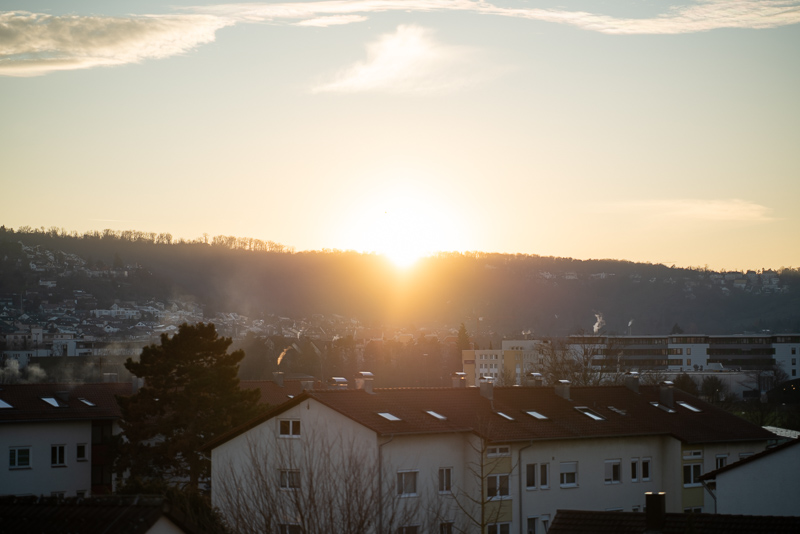
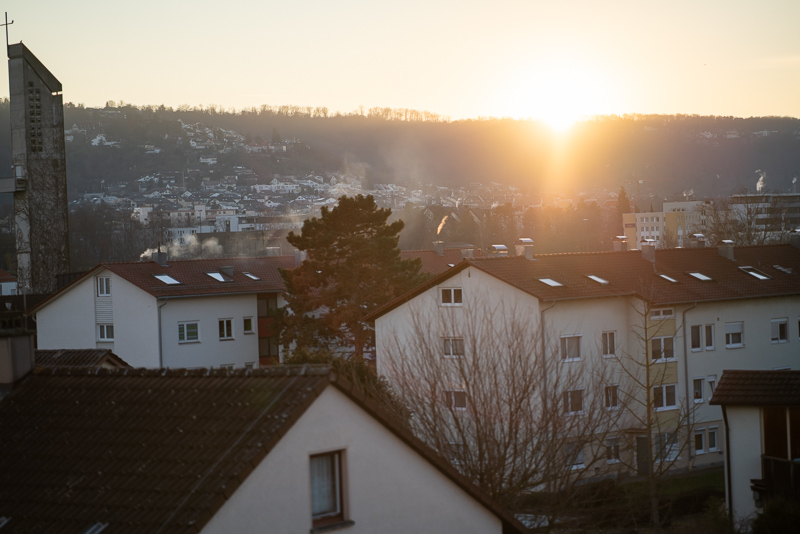

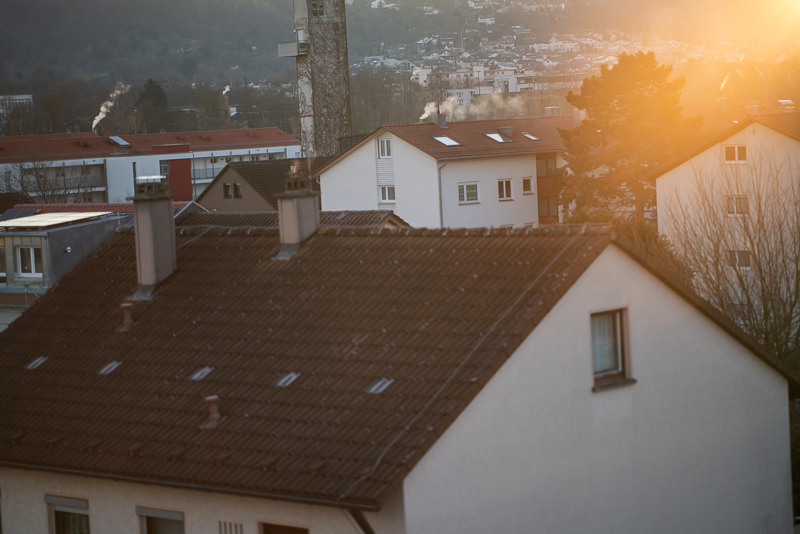
The performance at the maximum aperture is actually not bad: no issues with ghosting and veiling flare is only an issue at specific angles with the strong light source outside the frame.
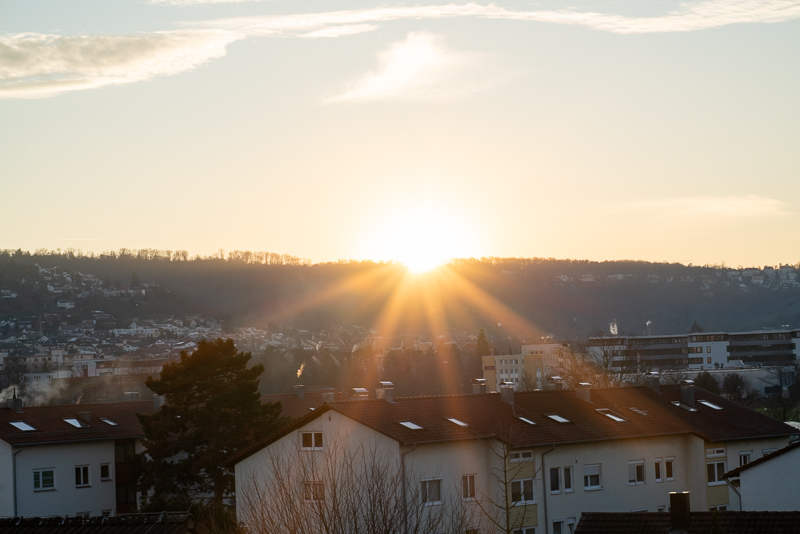
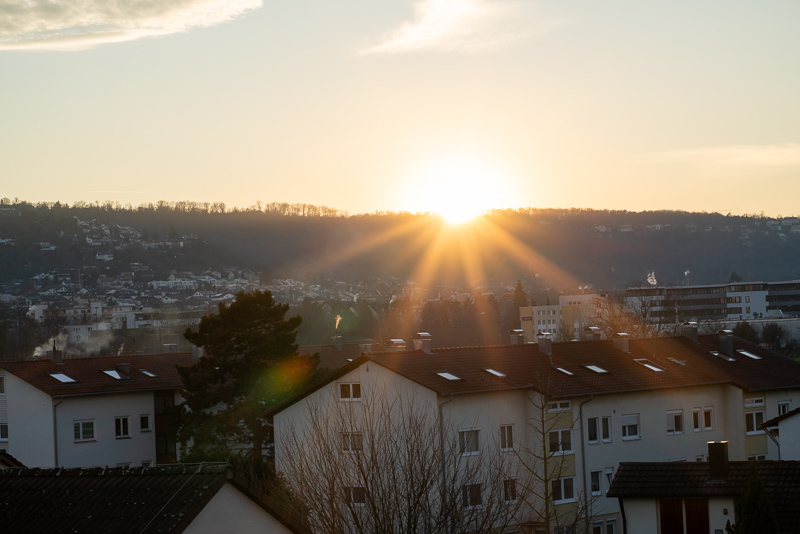
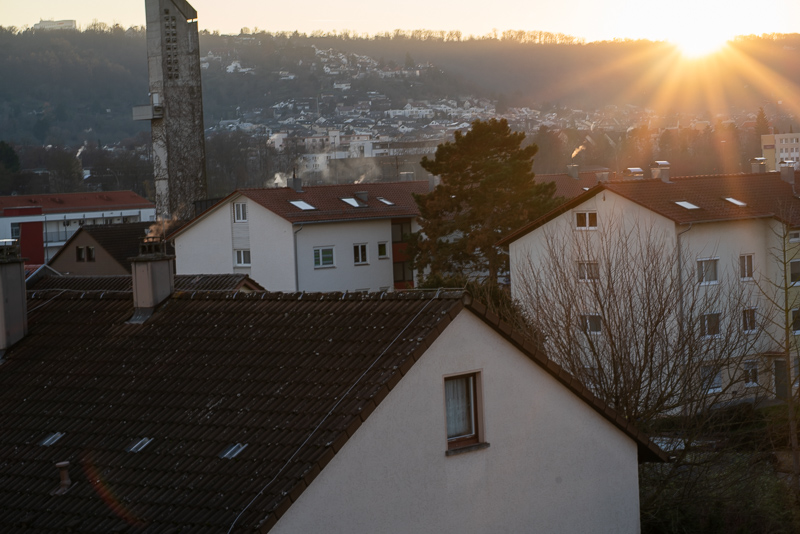
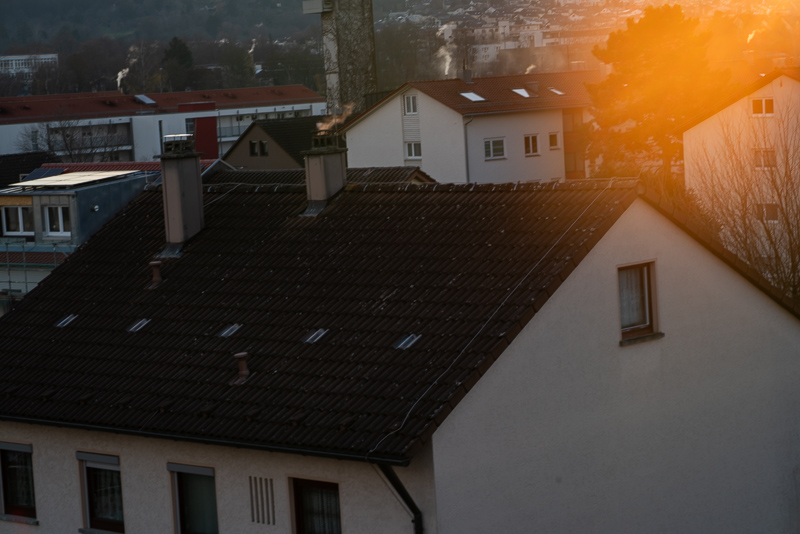
Stopped down we can see some smaller artefacts but veiling flare hardly is an issue. There is only one rather specific position where we can create a big flare which can easily be avoided.
A good performance for a fast tele lens in this category.
Coma
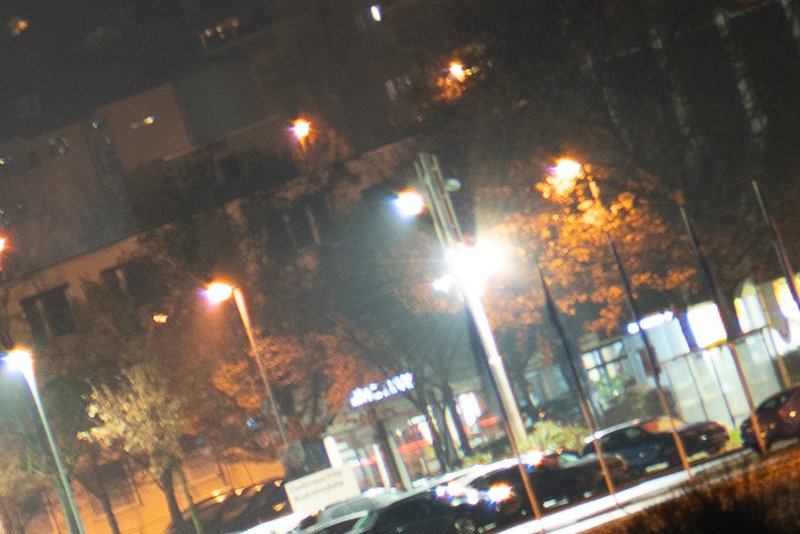
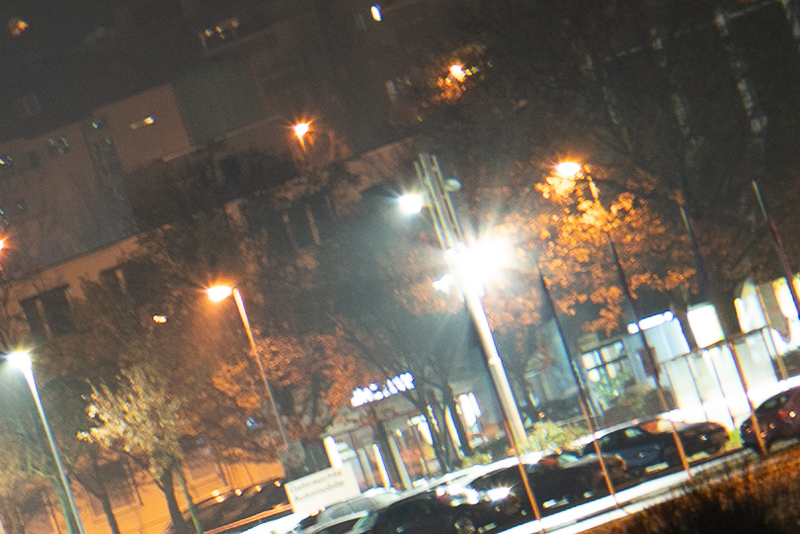
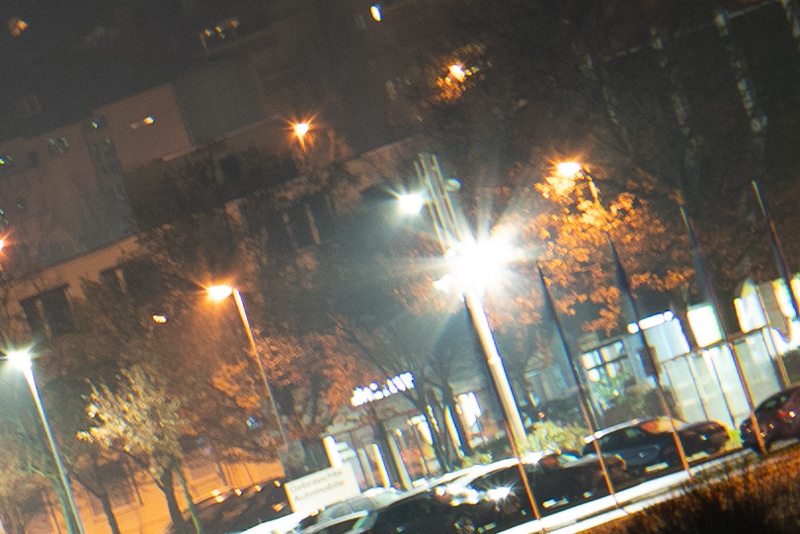
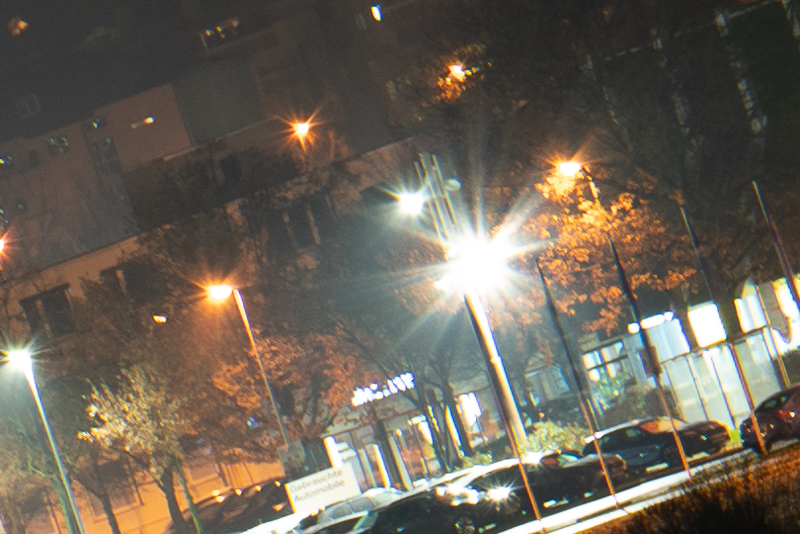
Samyang usually corrects Coma well and also here we don’t see distracting artefacts in the corners. As we have already seen in the sharpness infinity section, the corners generally don’t look great at wider apertures though, so – as we have seen before – it takes stopping down to f/5.6 for the corners to look decent.
Distortion
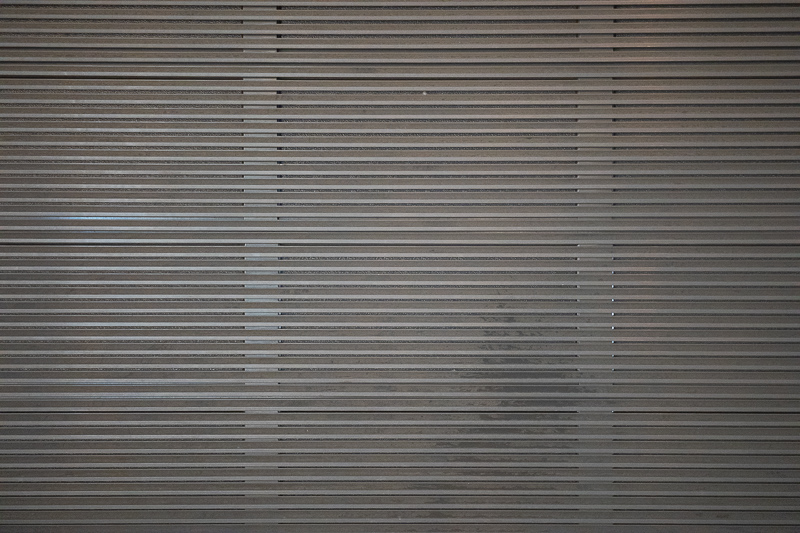

When I reviewed this lens it was announced that Lightroom will include profiles for the V-AF lenses but they still weren’t available. The distortion is low and mostly uniform though, so not a big deal. Dialing in -3 in Lightroom or Photoshop corrects it well.
Bokeh

A 100mm lens with a maximum aperture of f/2.2 is not record breaking – after all you can find 105mm f/1.4 lenses like the Sigma 105mm 1.4 DG HSM Art or the Nikon AF-S 105mm 1.4E on the market, which are 4/3rds of a stop faster. However, this Samyang 100mm T2.3 V-AF is also a more compact (and more affordable) lens and one could argue that a maximum aperture of f/2.2 is surely enough for most applications. Let’s have a closer look!
Close distance




Most lenses render an unobtrusive bokeh at closer distances and generally that is also the case here. As can be seen in the last sample above, this lens is prone to creating double edged structures towards the edges, which can look distracting.
Mid distance




At mid distances this Samyang 100mm T2.3 reminds me a lot of the recently reviewed Viltrox AF 85mm 2.0 Evo: when the background is very structured things get busier. This is true for many of the highly corrected modern lenses and something you will also see with e.g. the Voigtländer Apo-Lanthar lenses.
Long distance

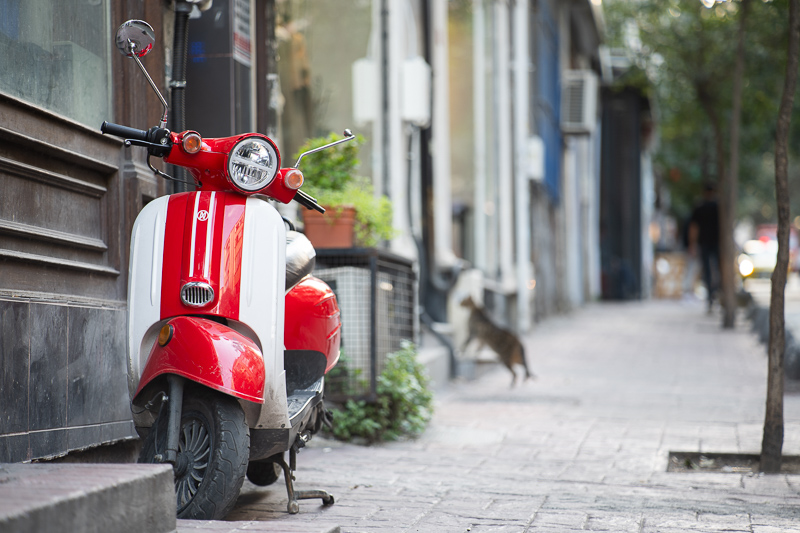


Also at longer focus distances we can see this lens having a slight tendency towards creating double edged structres with structured background.
For typical portrait applications – especially those where you can choose your background – there really isn’t anything to complain about here though.
This is a lens that will appeal more to those that a prefer a structured bokeh than those looking for perfectly smoothened out backgrounds.
Sunstars
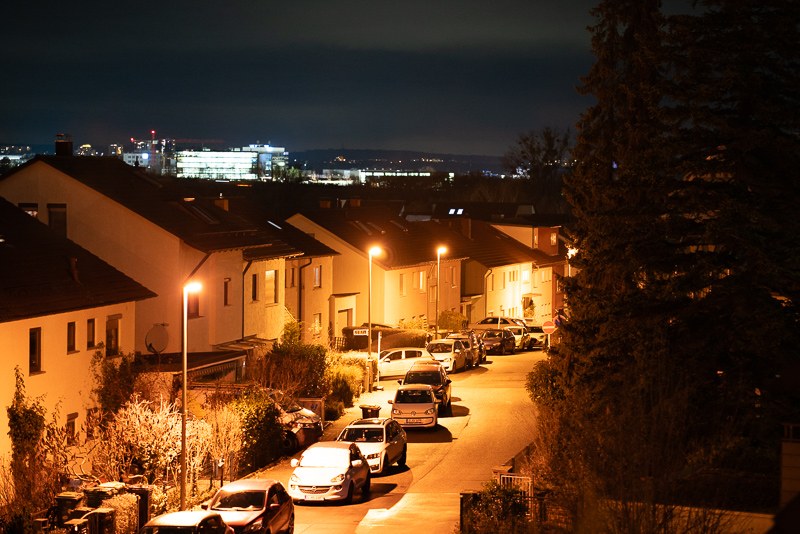
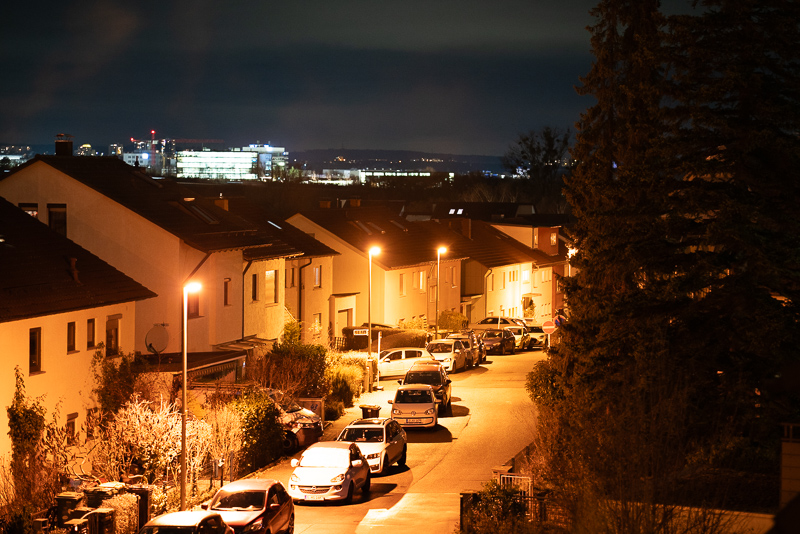
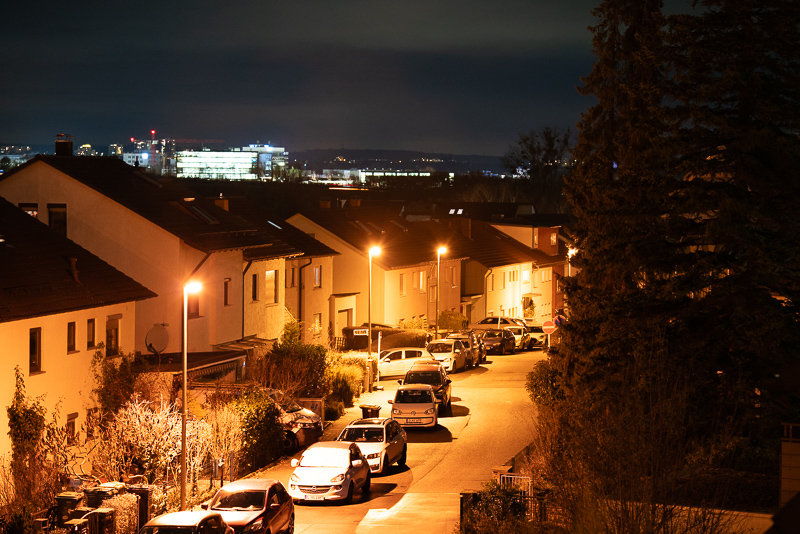
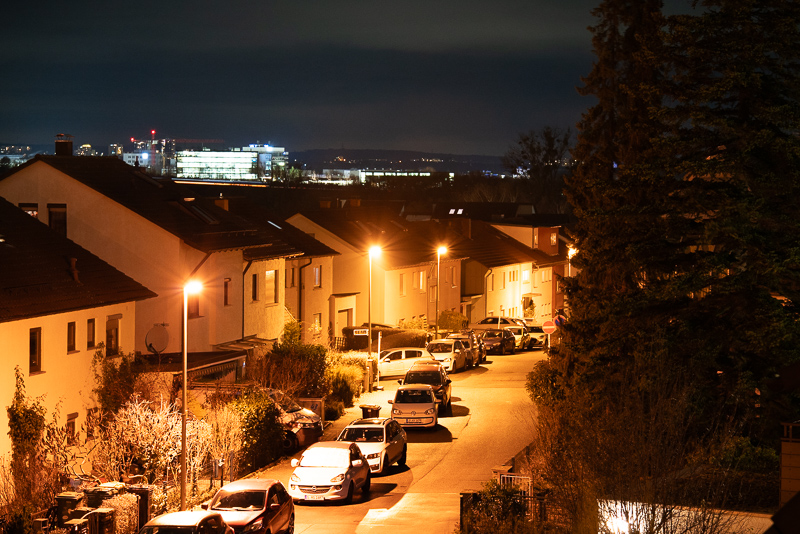
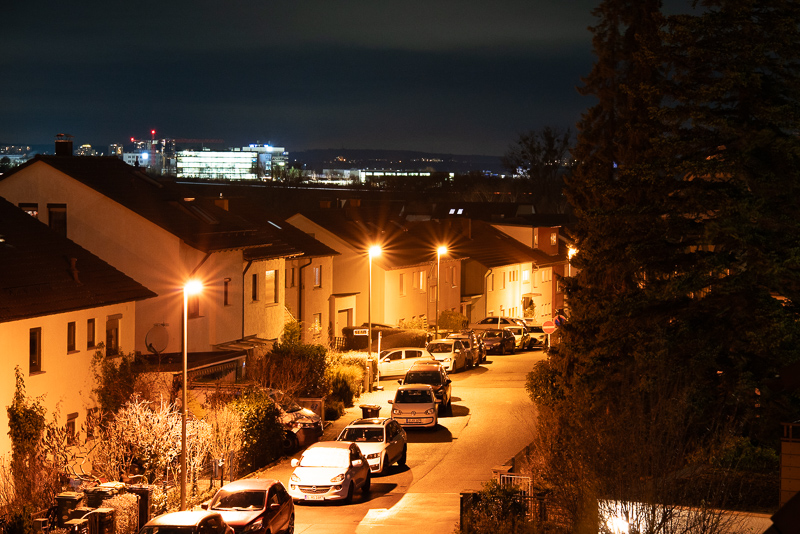
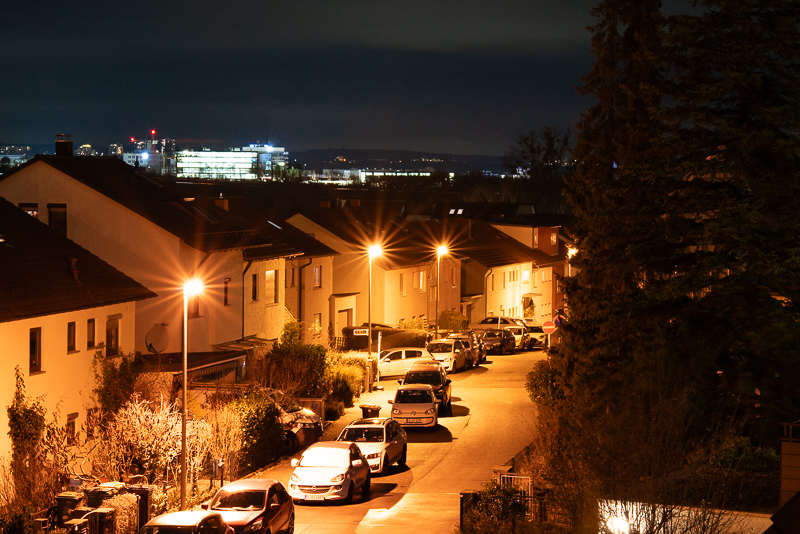
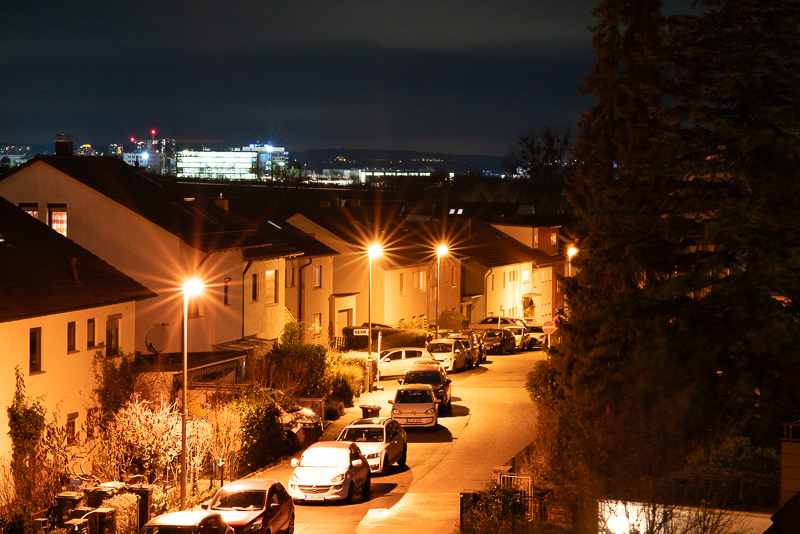
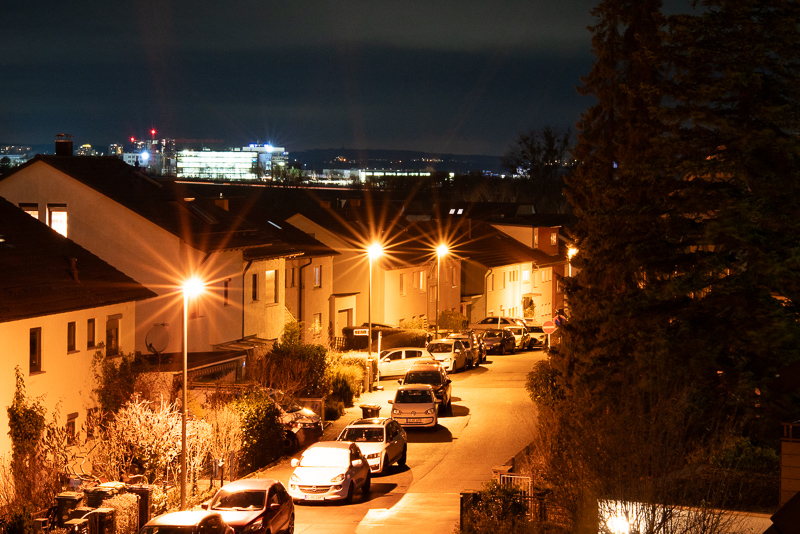
I already told you that the aperture diaphragm leaves something to be desired and that can easily be seen here again: the sunstars look messy with rays of uneven length. A rather typical performance for a Samyang lens, where this does not seem to be a priority.
If you want to learn more about this topic have a look at this article.
Chromatic aberration
lateral
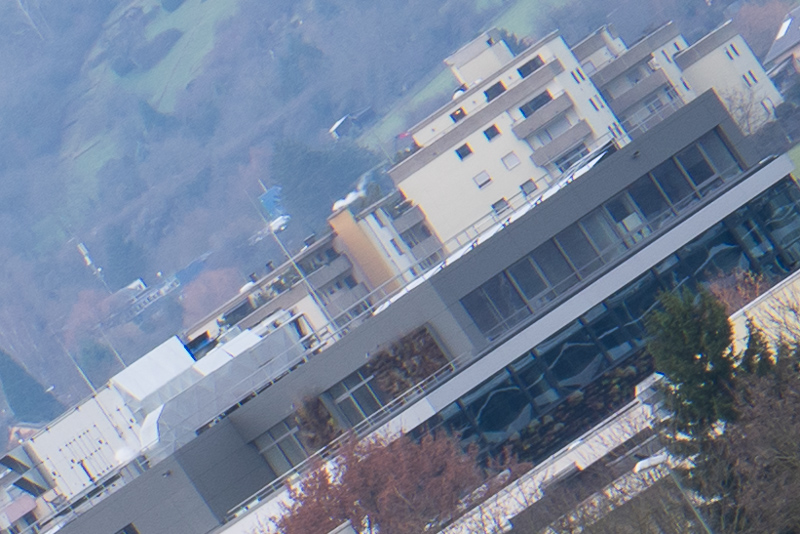
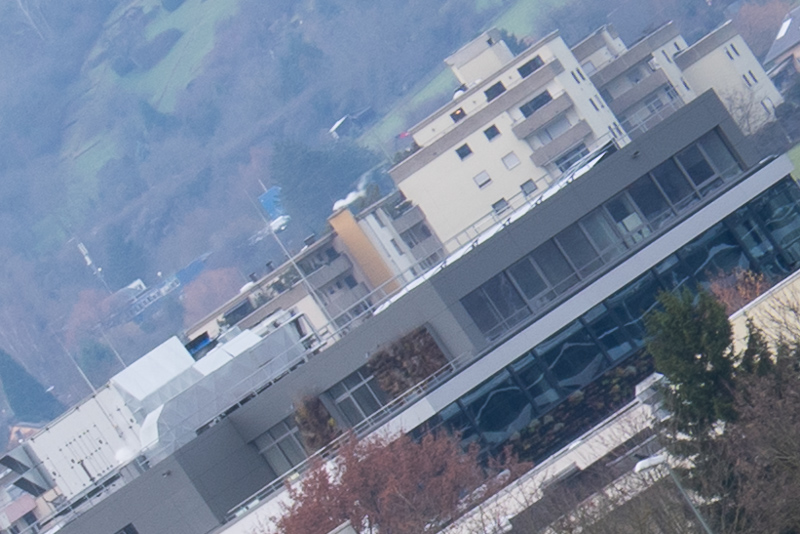
Now this was a bit interesting. Most modern lenses with electronic contacts already contain correction data for lateral CA and also here Lightroom says that an embedded profile has been applied. However, there are still rather unsightly lateral CA visible. They can still be easily corrected in a good raw converter by one click as I did here.
longitudinal


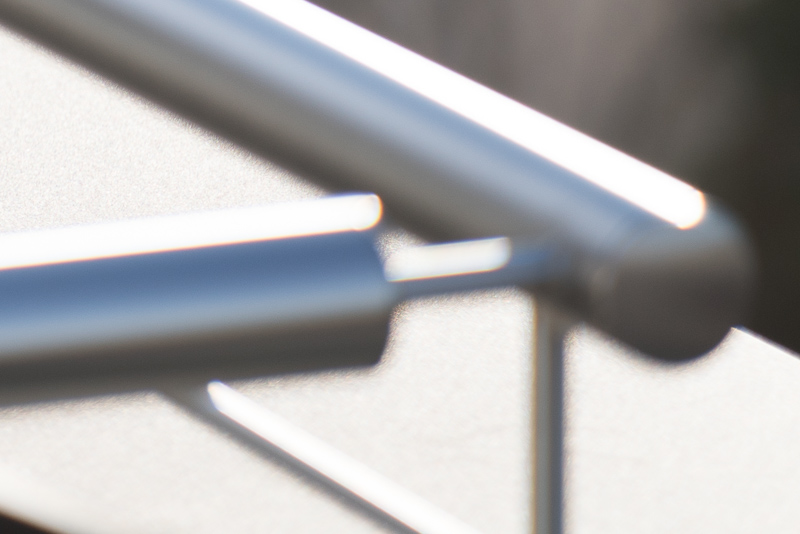

While this 100mm T2.3 lens has some issues with the color correction at closer distances, the same cannot be said about longer focus distances: here there is hardly any bokeh fringing to be found, a very good performance.
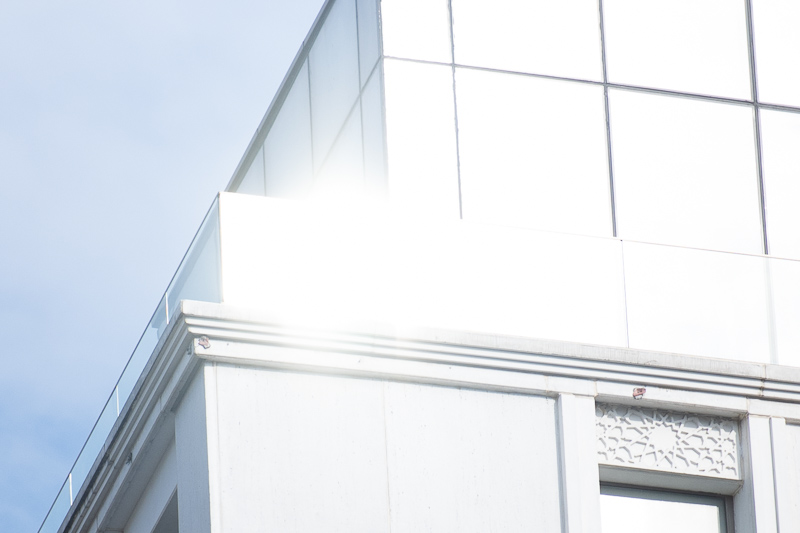
Also purple fringing does not exist.

Pictures like the one above would blatantly show any issues with purple fringing, but the dark subject against the blown out background is well defined without any purple fringing.
Conclusion
good
|
average
|
not good
|
These Samyang V-AF lenses are surely interesting devices. I prefer their general build quality over those of other Samyang lenses and especially the focus ring is surprisingly nice.
For typical applications the optical performance is also very good and it reminded me a lot of the Viltrox AF 85mm 2.0 Evo. At close distances the performance leaves a bit to be desired at wider apertures, but then this lens also focuses closer than most of the 85mm lenses, so I cannot really fault it for that.
What spoils the picture is the janky aperture diaphragm. There is hardly a difference between f/2.2 and f/2.8 and I wonder if this is actually a bigger problem for Cine applications.
If you can overlook that – and especially if you prefer 100mm over 85mm – this can be a very interesting short tele, even for purely photographic usage.
buy from amazon.com | amazon.de | B&H | ebay.com | ebay.de (advertisement/affiliate links) for $699
One final note on the price: for $699 this is not a cheap lens compared to the alternatives, but it seems this lens can often be found for a lot less during various promotions, so it might be worth it to wait for the next Cyber Monday, Single’s Day, Black Friday or whatever comes to mind next.
Alternatives
I am actually not aware of any other modern 100mm f/2.2 (or f/2.0) lenses, but there are a lot of 85mm f/1.8 to f/2.0 and 100mm f/2.8 macro lenses available these days. You can find many of those in our Guide to 85-135mm Portrait lenses. There are two 85mm lenses worth discussing in more detail though:
Viltrox AF 85mm 2.0 Evo:
The Viltrox AF 85mm 2.0 Evo is similarly sized and can often be found slightly cheaper. The Viltrox lens is sharper at close distances and at infinity in the corners and also features an aperture ring. This Samyang corrects Coma a bit better and shows less optical vignetting. At the end of the day, a bit of a draw between those two for me.
buy from manufacturer’s shop | amazon.com | amazon.de | B&H | ebay.com | ebay.de (advertisement/affiliate links) for $275
Sirui 85mm 1.4 Aurora:
One of the smallest and lightest 85mm 1.4 lenses for E-mount. It is similarly sharp as this Samyang lens, its flare resistance isn’t nearly as good and I didn’t find the AF performance overly convincing. The Sirui creates smoother bokeh though and is more than a stop faster while not being a lot bigger or heavier.
buy from amazon.com | amazon.de | B&H | ebay.com | ebay.de (advertisement/affiliate links) for $499
Sample Images

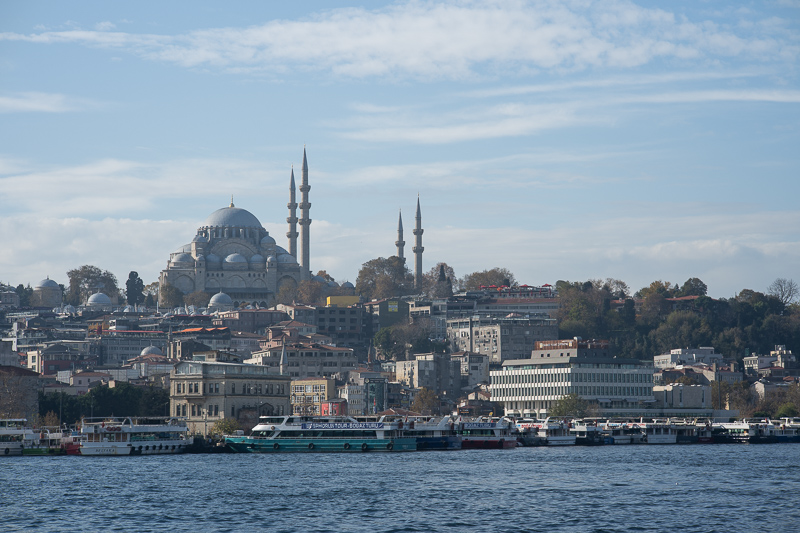
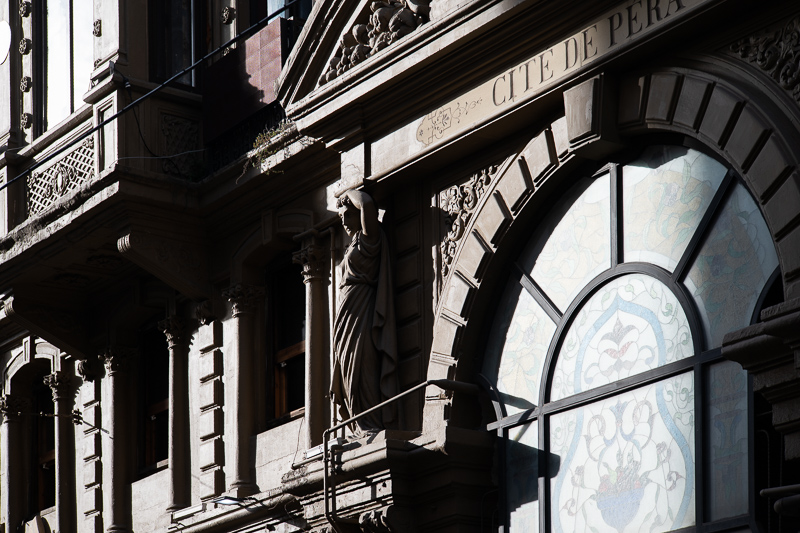




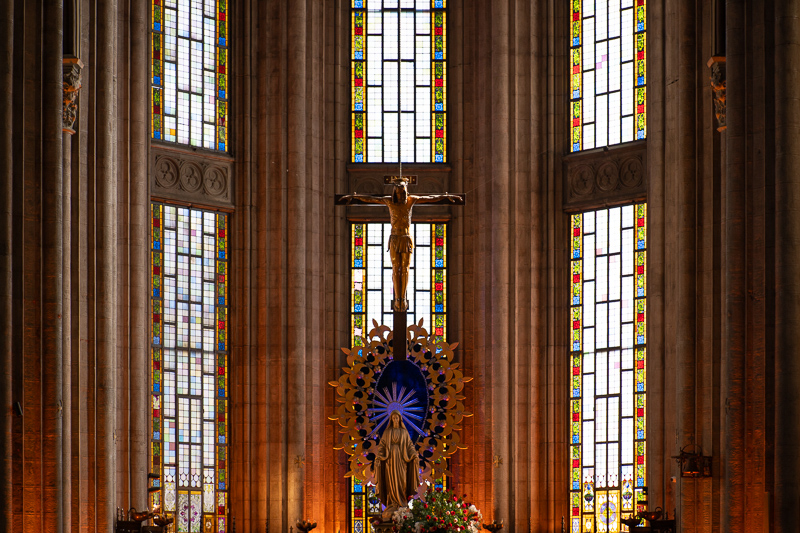














Most of the sample images in this review can be found in full resolution here.
Further Reading
- Guide to 85-135mm portrait lenses for Sony FE cameras
- Review: Samyang AF 18mm 2.8 FE
- Review: Samyang AF 24mm 1.8 FE
- Review: Samyang 50mm 1.2 XP
- Review: Samyang AF 135mm 1.8 FE
Support Us
Did you find this article useful or just liked reading it? Treat us to a coffee!

 via Paypal
This site contains advertisement/affiliate links. If you make a purchase using any of the links marked as advertisement/affiliate links, I may receive a small commission at no additional cost to you. This helps support the creation of future content.


Latest posts by BastianK (see all)
- Review: Nikon Z 35mm 1.2 S Nikkor - October 17, 2026
- Prime Day Photoshop+Lightroom offer for Amazon Prime Members (EU/UK) | Update: also at B&H - October 7, 2026
- Review: Nikon AF-S 18-35mm 3.5-4.5G - October 7, 2026
I’m not the target audience for this lens, but I have to say, you’ve really managed to get some good looking photos with it, and I really like how they turned out a lot.
At least I got some inspiration before my own trip to Turkey next month. 🙂
But yeah, I imagine that the quirky aperture won’t help any serious cinematographers, with their usual workflow. Weird…
Back during the days of film cameras, I really liked a small, moderate maximum aperture 105 prime, especially for certain architectural applications and travel. And back then, all the major camera makers offered a 100/105. Would still like such a lens now, modernized with modern coatings and better optical correction, plus AF for street usage and occasional portrait possibilities.
Unfortunately, given its so-so performance, plus that I already own the Viltrox 85mm EVO, it looks like this Samyang isn’t going to be the answer for me using Sony mount. About the only small modern 100/105 seems to be the Panasonic 100 in “L” mount, obviously of no use for a Sony user.
Really, I do not understand why manufacturers are willing to create literally dozens of 85s, yet most won’t produce a moderate-aperture, moderate-size 100/105. (Oh, some do make 100/105s, but almost all are large and heavy macros). You’d think that the huge number of available 85s producing tough competition at that focal length, along with far less competition at 100/105, would motivate a few to try their hand at that slightly longer focal length, but no such luck. Not the first time capitalism didn’t work as its proponents claim.
Yup, same here, I’ve considered this Samyang cause it’s the closest I’ve seen to a modern compact 100/2.5 or 135/3.5; the review didn’t turn me off completely but that janky aperture didn’t help sell me on it either.
I just want an E mount lens with the reach of my Oly 75/1.8 (on a M4/3 body) or close to it, something appreciably longer than a 75/85, but also something not too much larger (physically) than those lenses.
Only other alternative that comes remotely close is the small Sigma 90/2.8 i-series… Kinda slow/pricey for what it is, nice MFD & build though.
@Fred_D
How is that “so-so” performance. The lens is pretty great at everything that matters. It’s not like the somewhat compromised Panasonic 100mm will perform any better (except for macro of course)
@Frank Vigil
well if you get a version with a working aperture I am sure it is better than that Olympus 75mm. Lenses are measured these days to a much higher standard
@phanter
Chill, I didn’t say this was a bad lens. Optically, it’s undoubtedly better than the 105 I used in the film era. And Bastian has taken some nice shots with it.
But:
1) When thinking/talking about how “good” a lens is, I tend to factor-in price, I’m more critical if the lens is more expensive, and at $700 for the Samyang, and $550 for the Rokinon version currently at B&H, this is 2-2.5x what the Viltrox 85 EVO costs.
2) As I noted, I already own the Viltrox 85mm EVO. As a general principle of upgrading anything, to make the cost and effort worthwhile, one usually wants the upgrade to be a significant step up in performance from what one already owns. Otherwise, why bother? This lens isn’t that step up, relative to the 85 EVO I already have. For someone who didn’t already own a serviceable 85, this consideration wouldn’t apply.
3) there’s also the commonality of operation issue. All of my lenses with the exception of the Sony 50mm macro have a traditional aperture ring, which I would prefer to have for reasons of convenience, habit, and “muscle memory”. This lens doesn’t have that — so it’d have to be extremely good optically for me to be willing to forego that feature.
4) When evaluating something (usually a product, but could apply to people!), the negatives tend to make a bigger impression than the positives. Rightly or wrongly, users tend to give extra weight to problems or annoyances. That’s not an assertion but an established fact of consumer behavior, evidenced by the fact that a customer will tend complain to far more people if dissatisfied with a product (or some issue thereof), than he will praise it to if pleased. I think the diaphragm behavior of this lens might fall into that category (as well as do optical alignment complaints in general about Samyang lenses, even if not an issue with this particular sample. I think that at one point this site had stated that they had seen significant optical misalignment in more than half the Samyang lenses they had tested. Maybe things have improved since, but I’m in my seventies, and at my age, I just don’t have the time or patience to serve as a lens manufacturer’s quality control dept).
The 2.2 sample looks sharper with more contrast than the 2.8 one in the close up section.
This VAF line-up of lenses is targetting the lower budget hybrid shooters I suppose. Lenses are not outstanding in any field but they are pretty good enough to deliver fine results in both use cases. There is dedicated manual focus adapter too, filmmakers will apreciate.
The little lamp can be programmed to signalize standby/record mode to my knowledge. Another handy filmmaker oriented feature.
I am not sure about the MF coupling though. I saw a video on YT review(it might have been some other lens from this series though) where the reviewer showed that there are not stable results when changing the speed of rotation. After couple of turns back and forth the focused distance was off.
this happens to be the lightest telephoto (anything above 85mm) and quite sought after by ultra lightweight enthusiasts. next would be Samyang 75mm 1.8 at 230g.
Small, light, AF: A very, very, efficient modern lens (on the flat side of things).
I need 100mm F2 photo version
Wouldn’t it be f2.2 and still about the same size? Cheaper maybe…
Correct.