Introduction
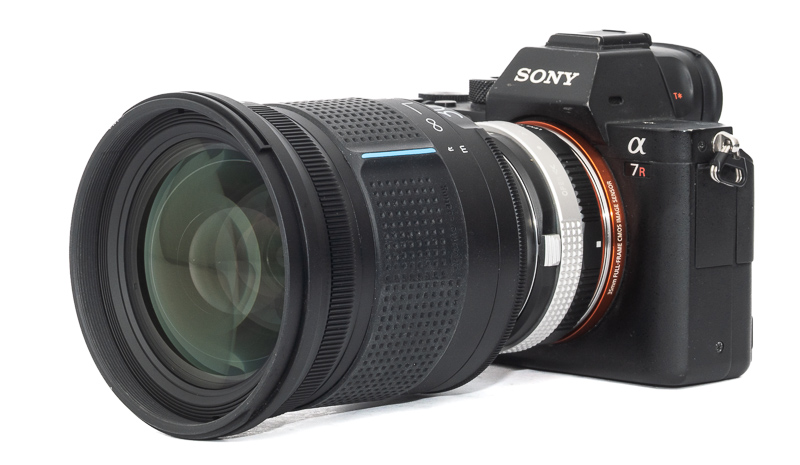
Irix released a bunch of high performance ultra wide angle and fast primes at the end of the DSLR era. Because of this rather bad timing I don’t have the feeling their lenses have been exactly popular. Their 11mm 4.0 and their 45mm 1.4 proved to be very capable lenses in my reviews, so I thought I give this 30mm 1.4 a chance as well. With its 30mm focal length it sits between 28mm and 35mm – my favourite focal lengths – so nothing can go wrong here, right?
Sample Images



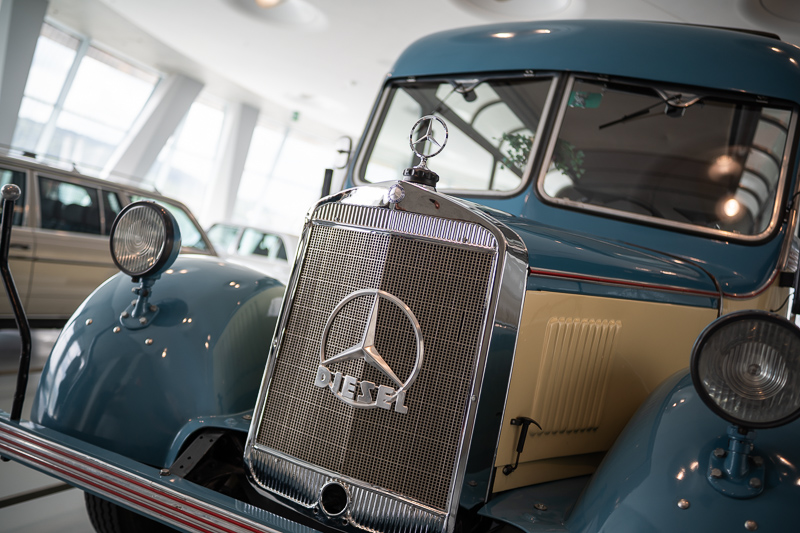

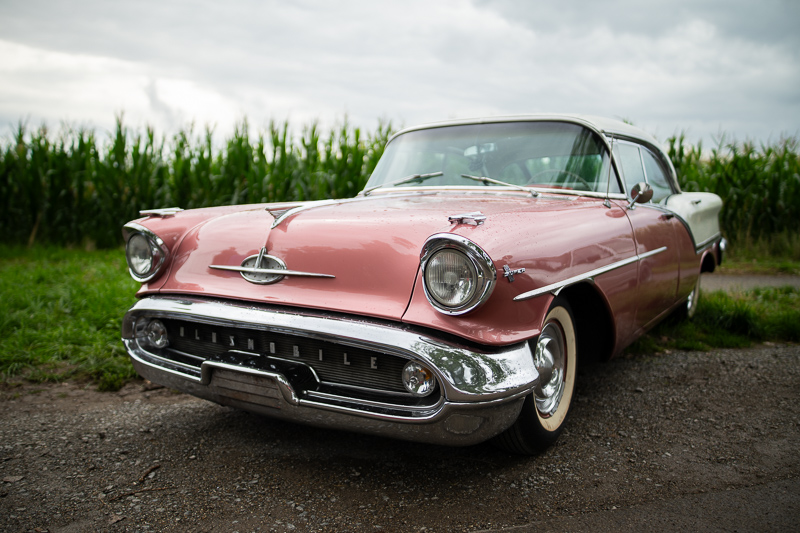
Most of the sample images in this review can be found in full resolution here.
Contents
Specifications
The Irix 30mm 1.4 Dragonfly (Nikon F version) reviewed here has the following specifications:
-
- Diameter: 94 mm
- Length: 105 mm
- Field of view: 61.9° (diagonally)
- Weight: 859g (without hood[35g] and caps)
- Filter Diameter: 86 mm
- Number of Aperture Blades: 11 (rounded)
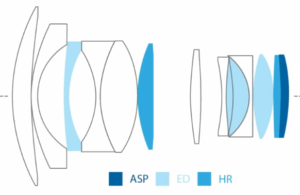
- Elements/Groups: 13/11
- Close Focusing Distance: 0.34 m
- Maximum Magnification: 1:7.2
- Mount: Canon EF, Nikon F, Pentax K
buy from amazon.de | amazon.com | B&H | ebay.com | ebay.de (advertisement/affiliate links) for $349
Disclosure
I tried no less than three samples of this lens. Usually I don’t do that. The first I bought used from a dealer in Germany and I am pretty sure it suffered fall damage, as it came with severe mechanical issues. This is not Irix’ fault.
The second sample I bought from the official Irix store. It was badly decentered. I received a replacement, but sadly this third sample was hardly any better. Still a bit decentered and this time with weird, not radially oriented Coma artefacts.
There are two more things I don’t normally do:
- reviewing faulty lenses
- commenting on other people’s reviews
Here I will do both. The only other meaningful review of this lens I am aware of is the one by lenstip.com, which I had a thorough look at before buying this lens. According to their review this lens is free from Coma and has resolution figures that are comparable to the Zeiss 28mm 1.4 Otus. None of the three samples of this lens I had shows a performance even remotely close to that.
I don’t know if lenstip received a handpicked golden copy of this lens, but by now I am pretty sure it will be impossible to receive a lens with that kind of performance if you just buy it from a dealer (or the official Irix store in my case). There are many reports of other buyers also claiming their lenses fell short of expectations, too, so I don’t think I am the only person this has happened to.
This is the reason you still get a review. To maybe get a better idea of how an average sample of the Irix 30mm 1.4 Dragonfly performs.
What makes this really sad: I see many characteristics of a truly great design here and an actually well manufactured sample could show an amazing performance at an affordable price.
Handling/Build quality
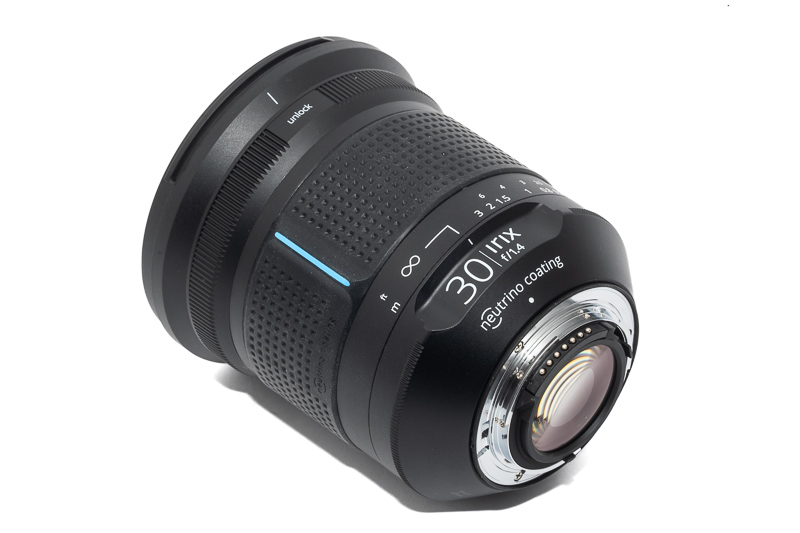
Irix claims their lenses are being designed in Switzerland and made in Korea. I could not find any official information on who manufactures these lenses in Korea, but I did find some circumstantial evidence pointing at Samyang, which does make a lot of sense actually.
These Irix lenses are purely manual focus lenses but they do feature electronic contacts to communicate with the camera.
Earlier Irix lenses came in two versions, “Firefly” (a bit cheaper and ligther thanks to using more polycarbonate) and “Blackstone” (a bit more expensive and heavier thanks to more metal). The optics were the same and I always wondered if it actually makes sense to have these two series, because the differences in price and weight actually weren’t that big. As later Irix lenses only come in one version titled “Dragonfly”, maybe the people behind Irix had the same thoughts after all.
Most Irix lenses are internal focus lenses. The focus ring of this 30mm 1.4 rotates ~180° fromt he minimum focus distance of 0.34 m to infinity – a solid choice. The focus ring is rubberized and as was already the case for the Zeiss Milvus/Otus/Batis and Samyang XP lenses that rubber is really good at attracting dust and other debris. The resistance is nice and even though.
At the front of the lens there is also a focus lock ring. It can be useful e.g. for astrophotography so that you won’t accidentally change your focus setting. On this 30mm 1.4 lens the lock is actually stronger than on the Irix 45mm 1.4 Dragonfly I previously reviewed.
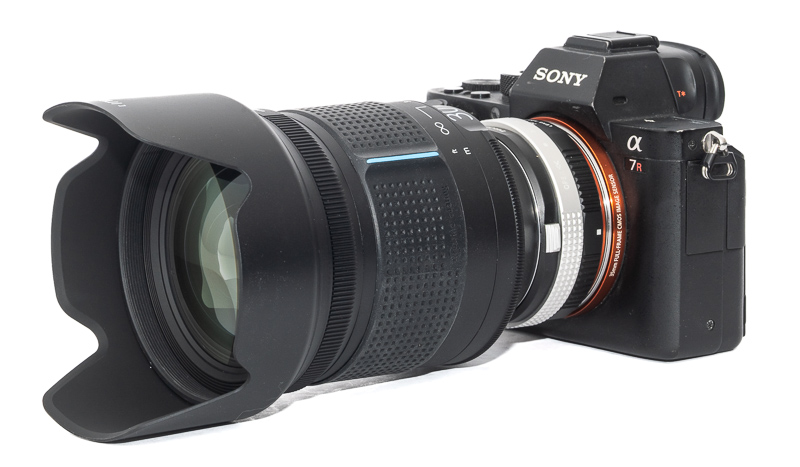
A lens hood which can be mounted reversed is also part of the package. It is a single piece of plastic, so nothing special.
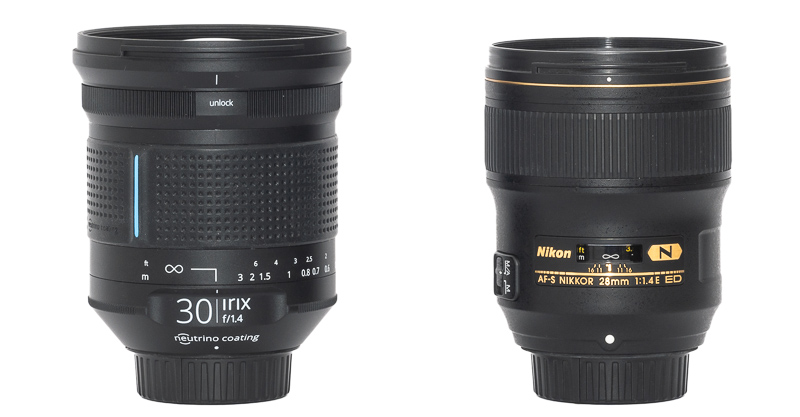
This is the only 30mm 1.4 fullframe lens I am aware of, so the next best thing are 28mm 1.4 lenses (which are also rare birds). This 30mm 1.4 is about the same size as the Nikon AF-S 28mm 1.4E, but a bit heavier and comes without autofocus.

The Nikon version of this Irix lens is a “G” lens without aperture ring. With a purely mechanical adapter that allows to change the aperture value it can be used on various mirrorless cameras.
Via Nikon’s own FTZ II adapter I was also using it on a Nikon Zf. That combination did not completely work without flaws though, sometimes when turning the focus ring the camera thought I removed the lens. With the FTZ II you also cannot make use of all the Zf’s amazing manual focus aids, so I prefer using a lens like this with a combination of an F->E and the Neewer E->Z adapter.
Vignetting
light falloff

| f/1.4 | 2.9 EV |
| f/2.0 | 2.0 EV |
| f/2.8 | 1.2 EV |
| f/4.0 | 1.0 EV |
| f/5.6 - f/16 | 0.8 EV |
The next best lenses I could compare this Irix 30mm 1.4 to are the Nikon AF-S 28mm 1.4E, the Sigma 28mm 1.4 Art and the Zeiss 28mm 1.4 Otus. All these three lenses show very similar vignetting figures. The Nikon shows a little less, the Zeiss a little more but these small differences are nothing to base a buying decision on.
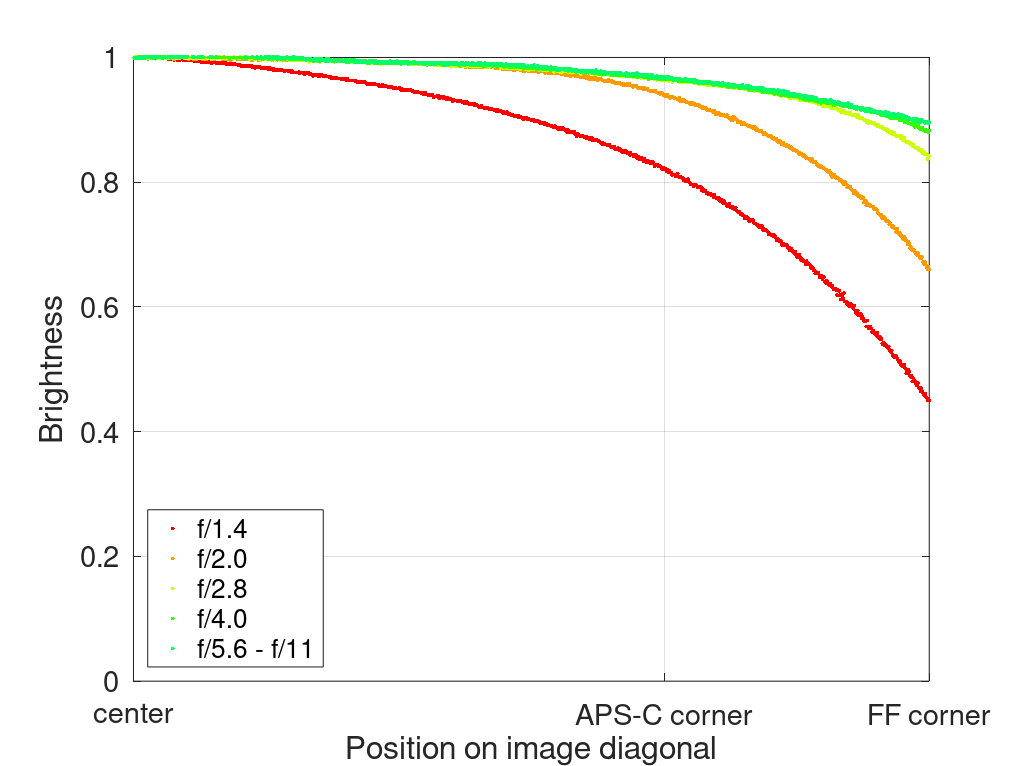
It is recommended to have a look at this article first to get an idea how this brightness graph works.
optical vignetting
Very fast lenses often show optical vignetting. Without going too much into technical details optical vignetting leads to the truncation of light circles towards the borders of the frame.
In the center of the frame almost every lens will render a perfect circle, but only lenses with very low optical vignetting will keep this shape in the corners.
So in the following comparison we move from the center (left) to the extreme corner (right) and see how the shape of the light circle changes.

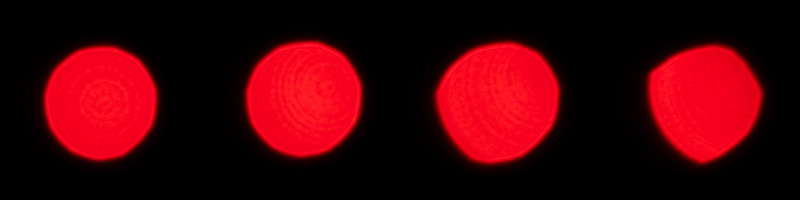
Also here we see a typical performance compared to the aforementioned 28mm lenses. Onion rings caused by the aspherical elements are not very pronounced, similar to the Zeiss 28mm 1.4 Otus, whose elements seem to have undergone the most thorough polishing process.
Sharpness
Focus Shift


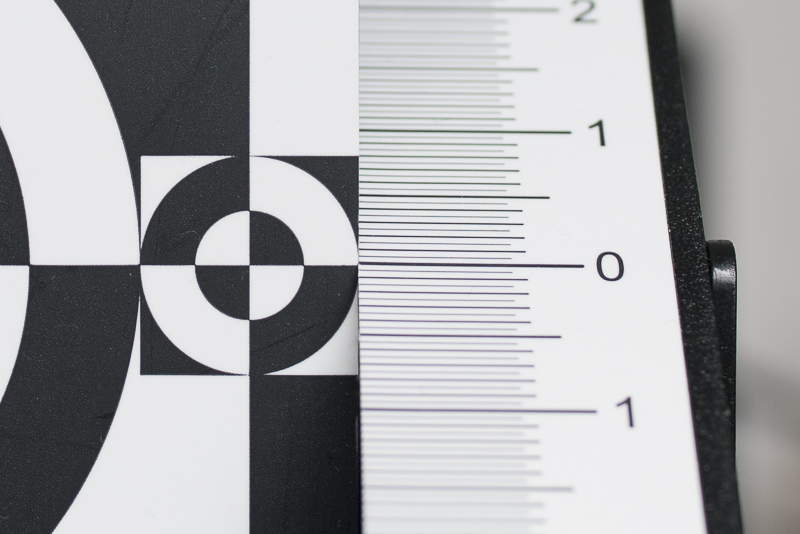
With some lenses on stopping down the focal plane shifts to the front or back, which can be an issue on (D)SLRs, as here the focus is usually obtained with the lens set to its maximum aperture.
Good news though: I don’t see any field relevant focus shift here.
infinity (24mp Nikon Zf)
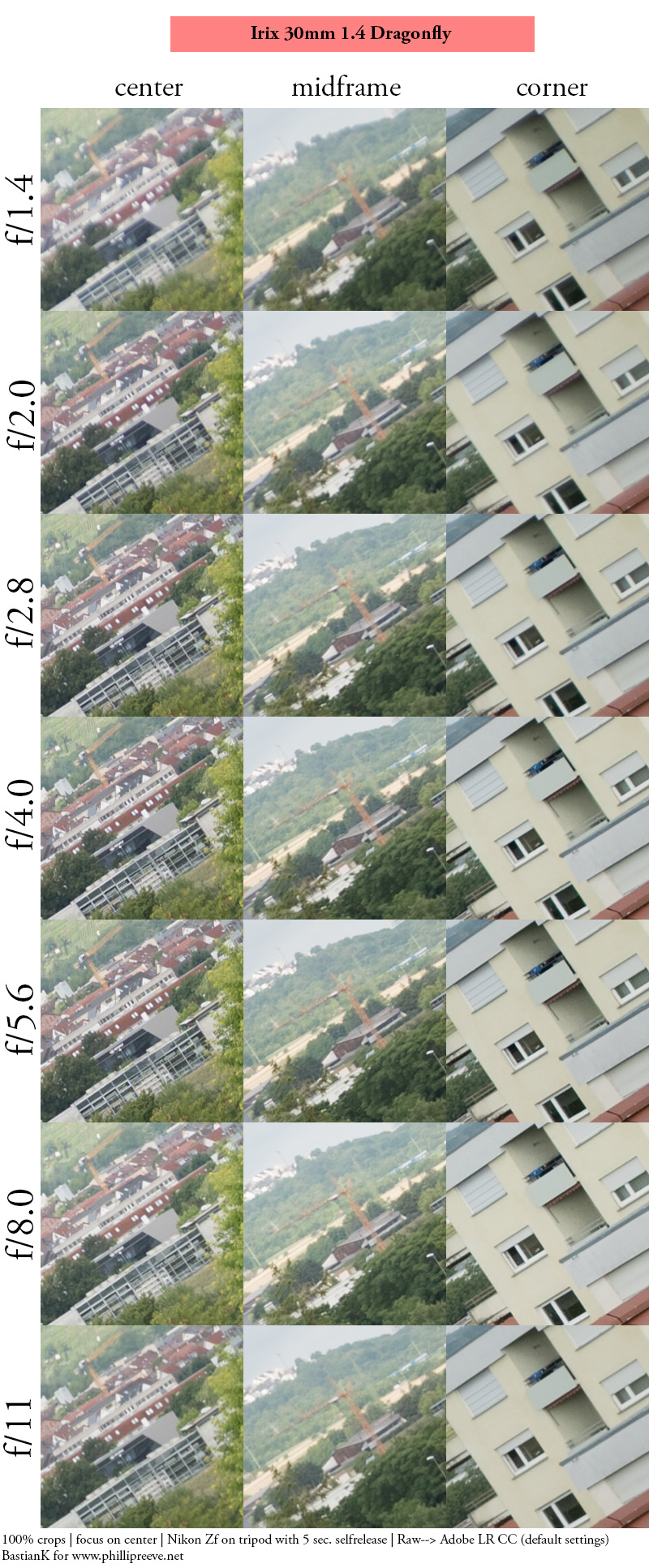
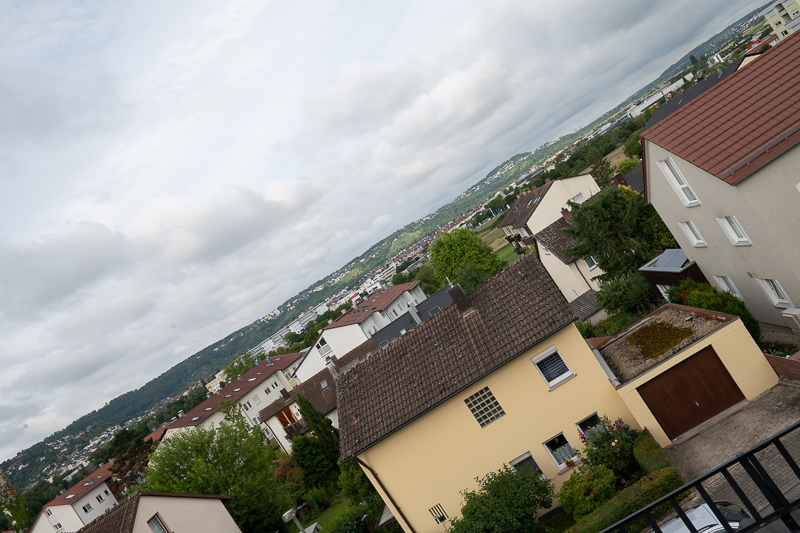
According to the MTF graphs published for this lens we should expect really good performance from f/1.4. This sample is rather soft at f/1.4 though – even in the center. I also see a bit of a midzone dip. Midzone dip can occur with complex floating elements lenses like this when the distance between lens and camera is not correct. I checked the performance on two cameras with two adapters each and what you see here is actually the best performance that could be achieved with this sample of the lens. The corners look surprisingly good from f/1.4 though.
Stopped down to f/4.0 we can see very good across frame performance that hardly leaves something to be desired.
The Sigma 28mm 1.4 Art I reviewed showed an impeccable performance from f/1.4 in this category. The Nikon AF-S 28mm 1.4E followed closely behind with only slightly softer corners. The Zeiss 28mm 1.4 Otus showed a small mid zone dip, which could have maybe be avoided by using another adapter. All these lenses look much better at f/1.4 in the center than this seemingly subpar sample of the Irix 30mm 1.4.
portrait distance 0.9 m (42mp Sony A7rII)
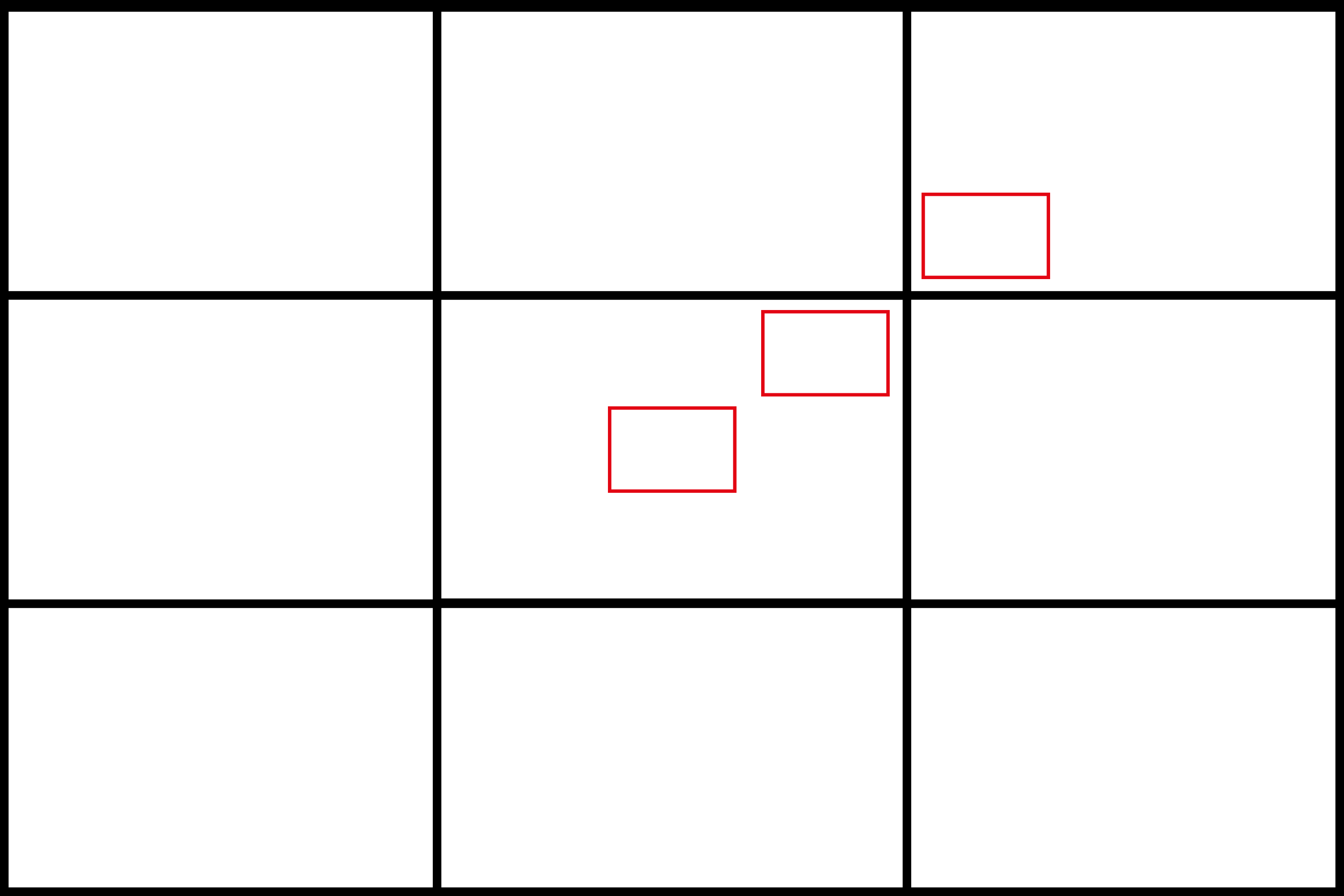
I refocused for every shot and aperture to get the best possible result at different locations in the frame (center, inner midframe and outer midframe).
The circle of the dollar bill is more or less the size of a human eye.
f/1.4 <—> f/2.0


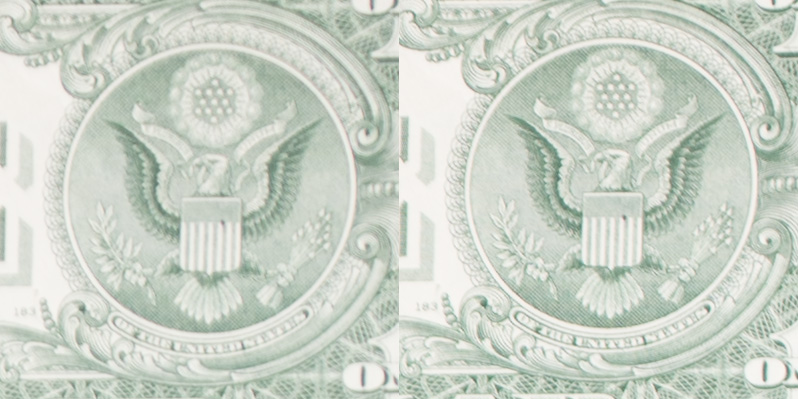
According to the lenstip.com review of this lens it showed resolution figures higher than the Zeiss 28mm 1.4 Otus at the distance they checked, which I guess is similar to my portrait distance setting.
Now this sample of the lens is noticeably softer at f/1.4 and even stopped down to f/2.0 it looks worse than the Zeiss 28mm 1.4 Otus I reviewed at its maximum aperture.
close 0.34 m, 1:7.2 (42mp Sony A7rII)




Sony A7rII | Irix 30mm 1.4 | 100% crops from center
The situation is similar at closer distances, also here the Irix is softer at f/1.4. Compared to the aforementioned 28mm 1.4 lenses it also has the worst minimum focus distance and magnification, which doesn’t really help its case.
Flare resistance
As always evaluating flare is a complex matter since you can get any lens to look bad if you push it hard enough and a slight change of scenario can affect results a lot.
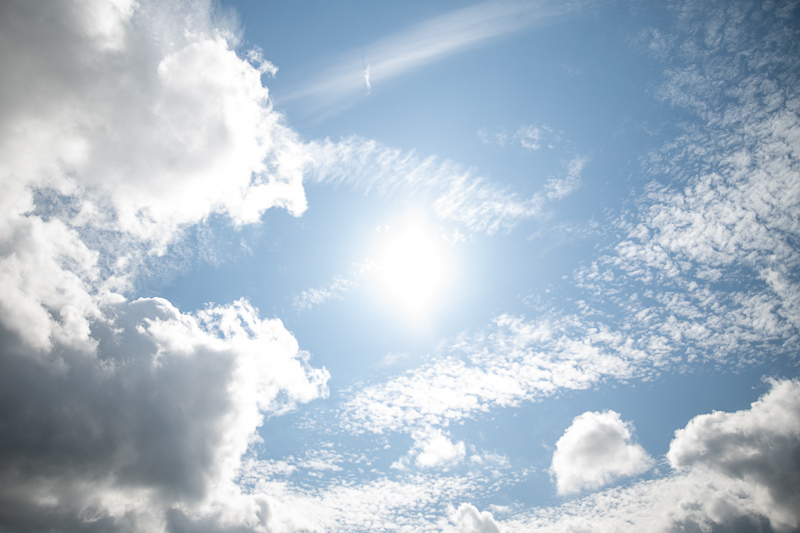
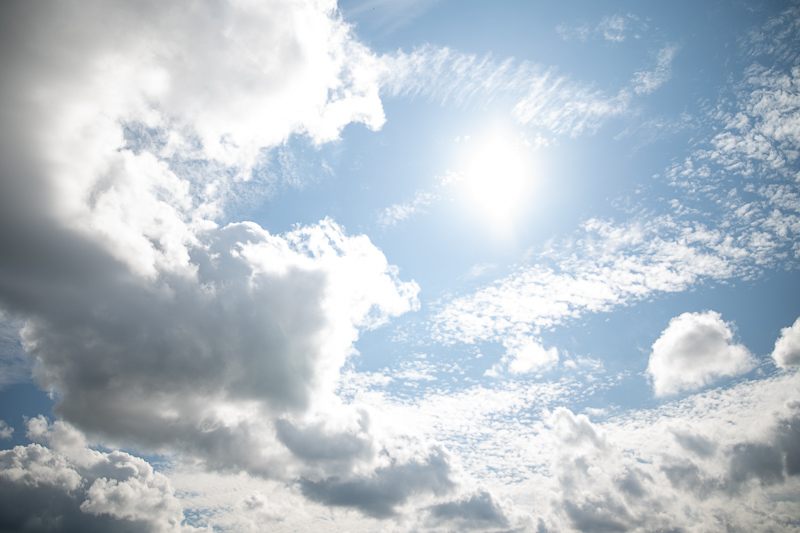
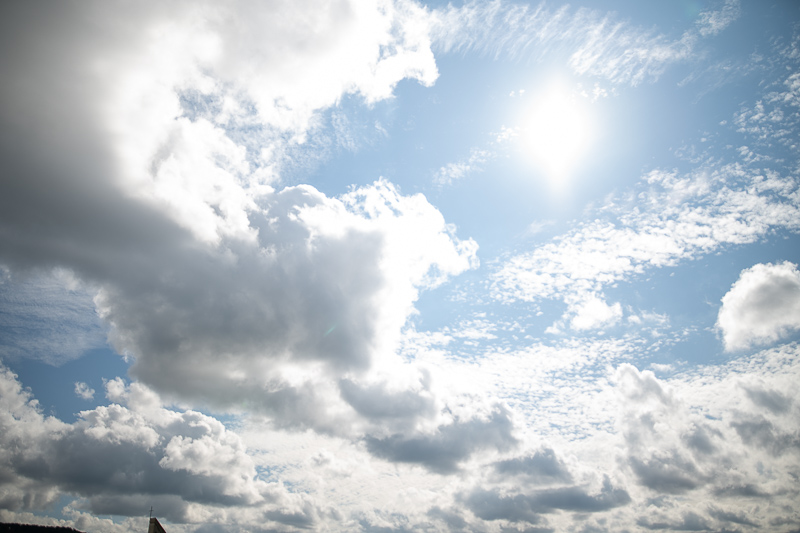
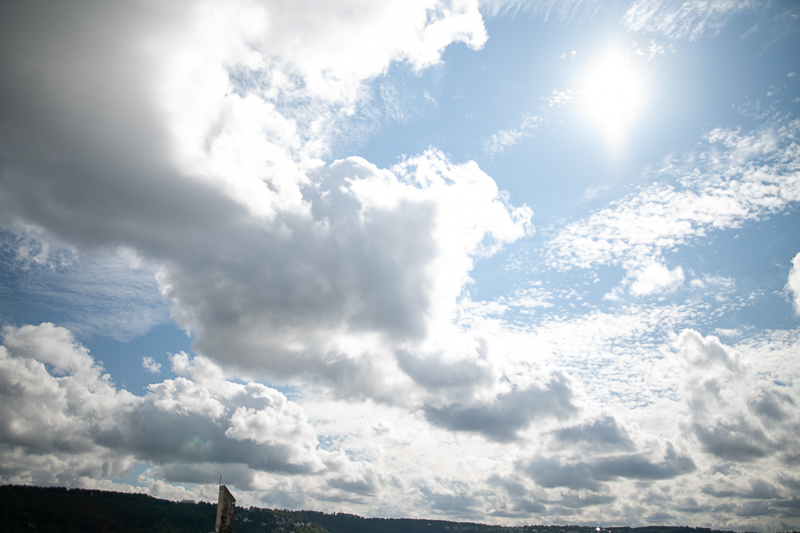
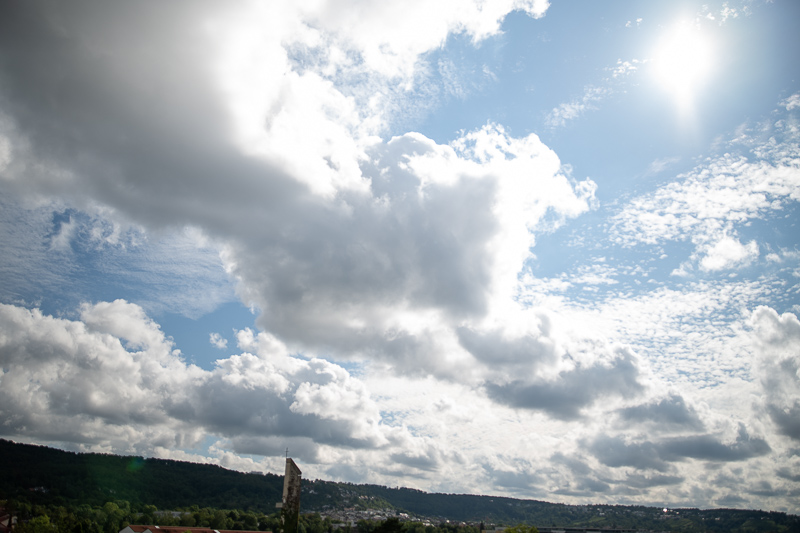
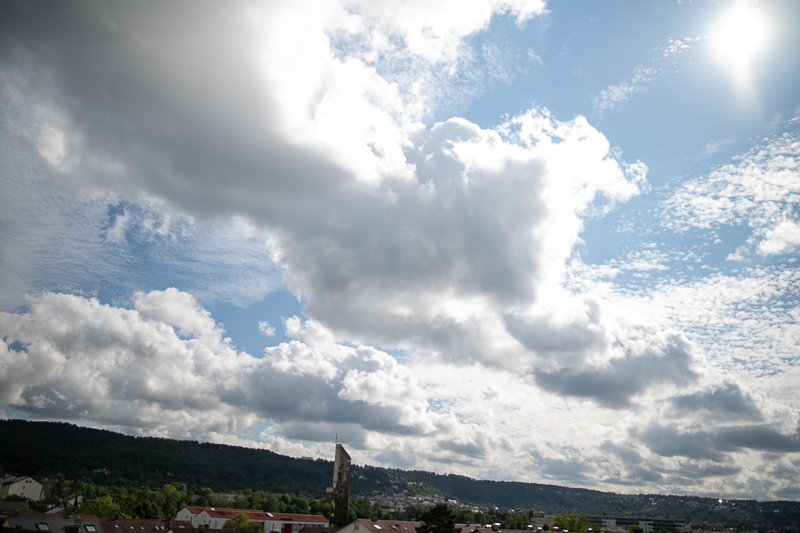
At the maximum aperture you have to look very closely to spot some small ghosts.
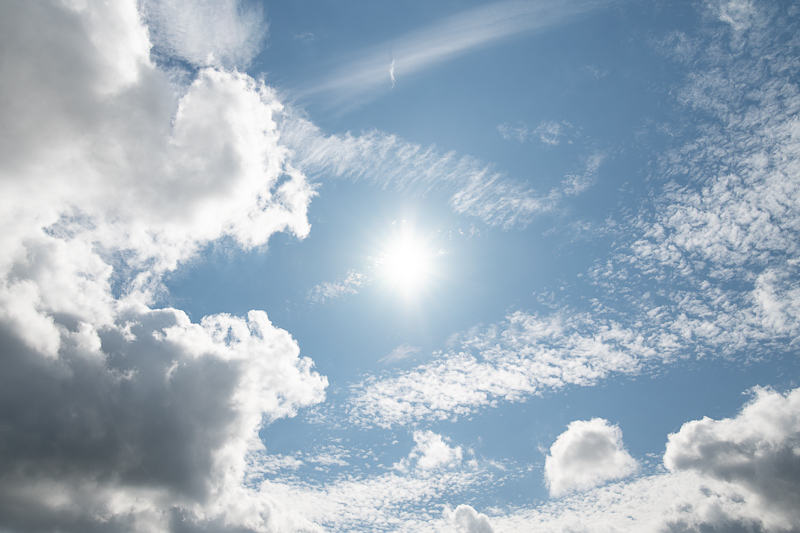
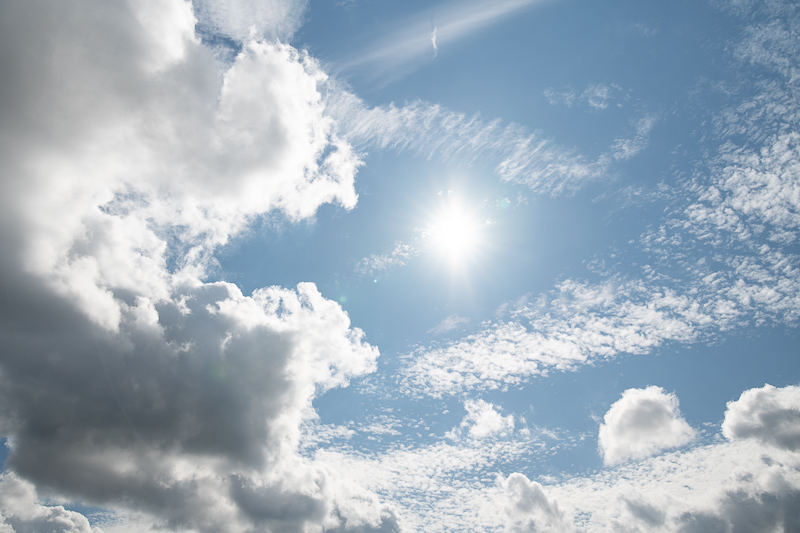
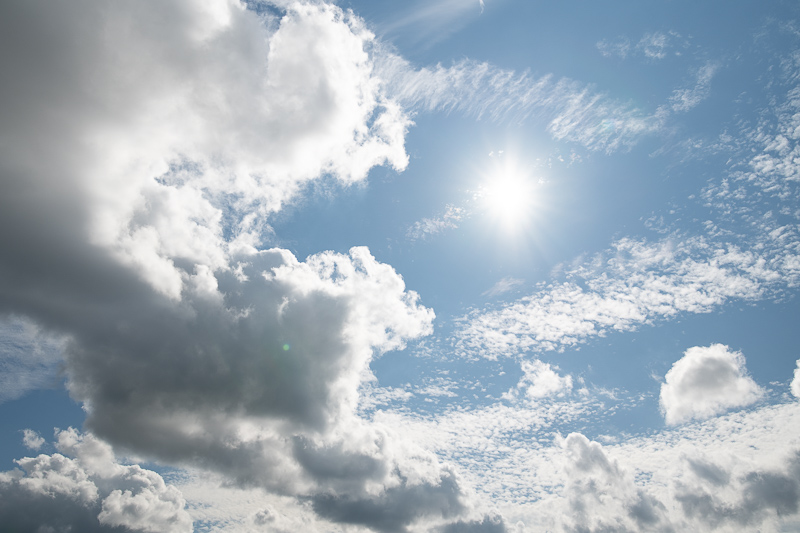
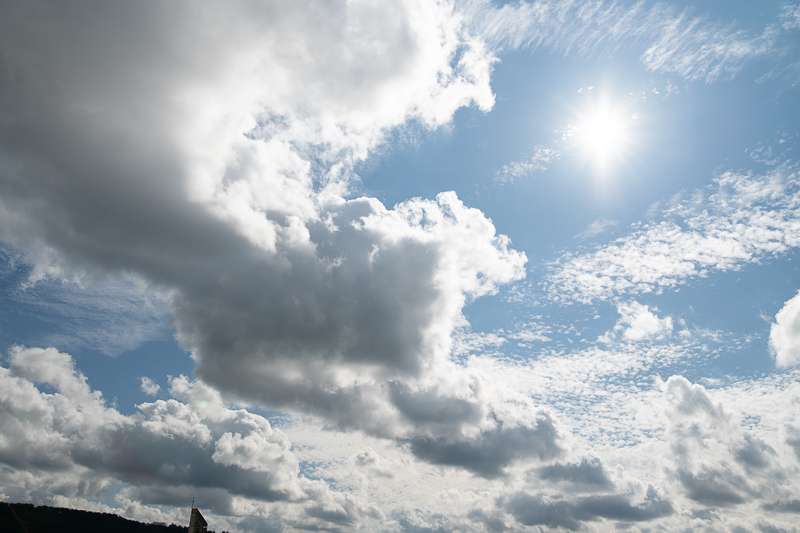
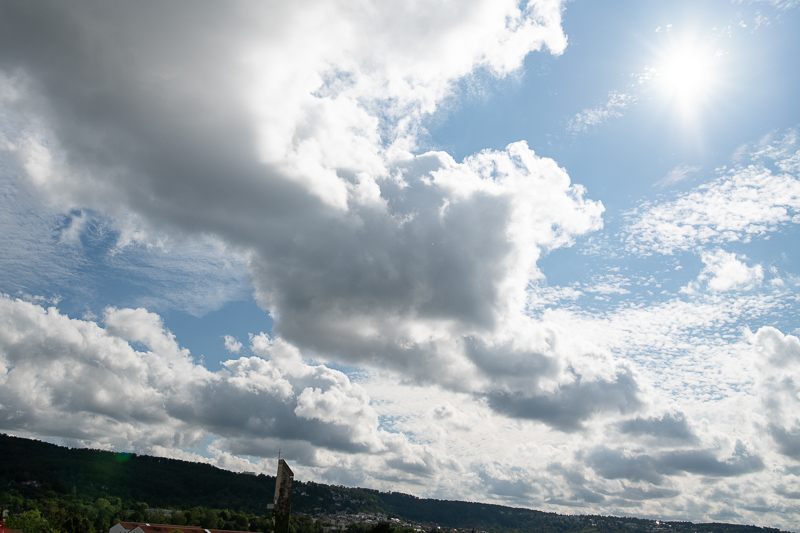
Stopped down to f/11 these ghosts in the lower left corner are a bit easier to spot, but this is still a good performance.
The Irix 45mm 1.4 was a positive surprise in this category and the same can be said about this 30mm 1.4 as well.
Coma
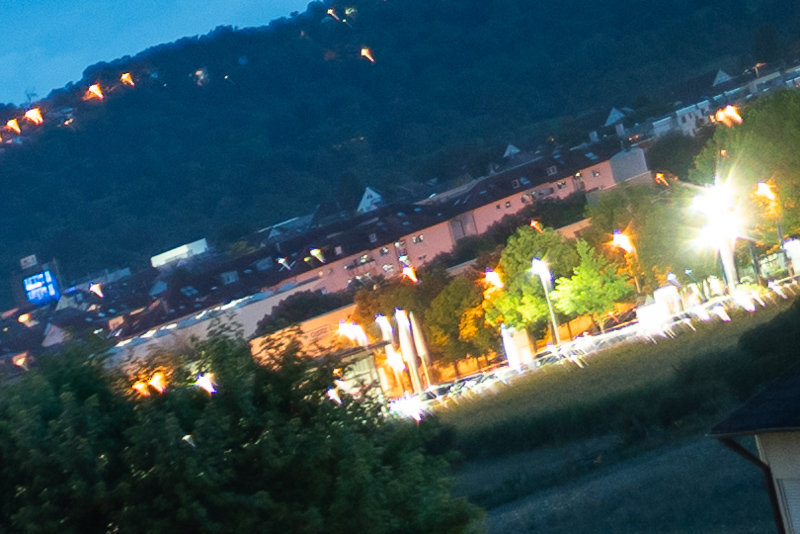

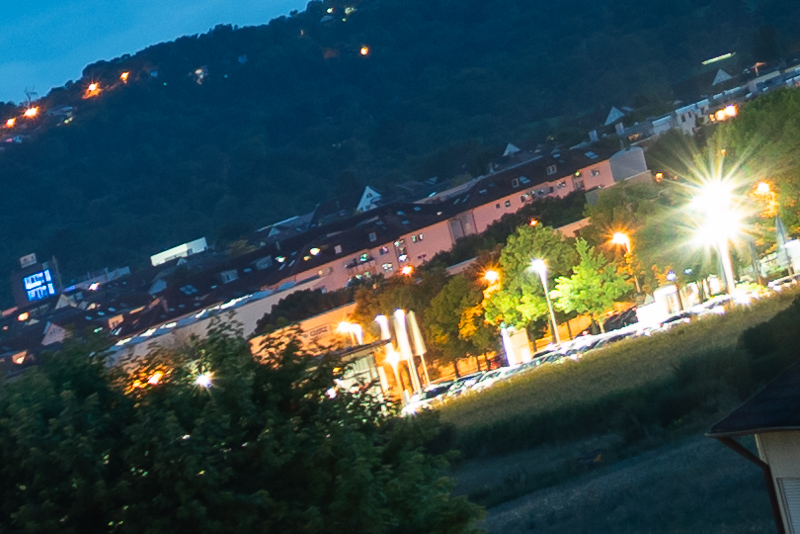
This is where shit really hit the fan. While the Irix 30mm 1.4 is supposed to have very good Coma correction, that is certainly not the case for this sample. As you can see at f/1.4 and f/2.0, points of light show comet like streaks attached to them. These looked different in every corner and were also not radially oriented, which means something is certainly wrong with this lens.
You can create similar artefacts when using a cheap ballhead that sags during the exposure or when the camera shows an IBIS malfunction. Neither of those things were the case here. As this looked so weird to me and I didn’t come across something like that before I actually repeated this test on three different cameras, always with the same outcome. You can also already see those streaks in the liveview preview before having taken the shot.
Stopped down to f/2.8 these artefacts luckily disappear, but that is not the aperture value I would have liked to use this lens at for astrophotography.
Distortion

Distortion is very low, which is good news, as Lightroom does not have a profile for this lens.
Bokeh
Because of the issues mentioned before I did not spend as much time with this lens as I usually do when writing a review, as I returned this faulty sample rather quickly – there was no way I could keep it for a few weeks and then sell it on to someone, as I often do with the lenses you see being reviewed here.
This is why this section is a little shorter than usual.

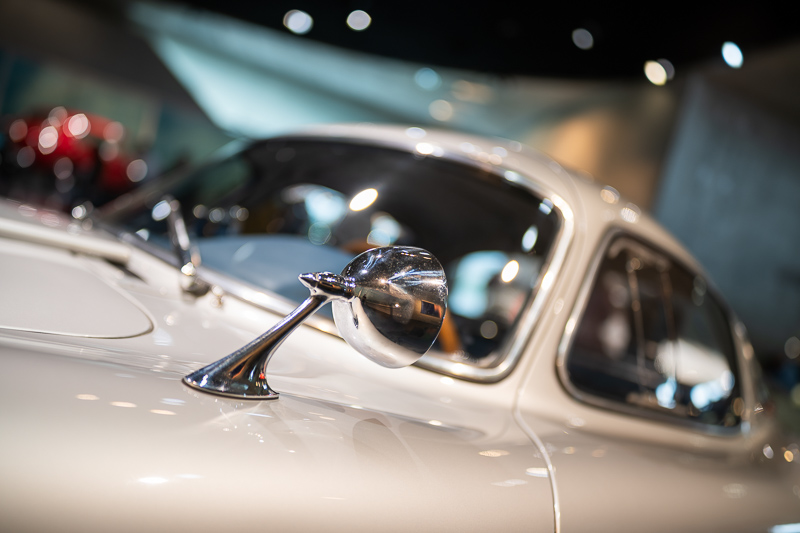
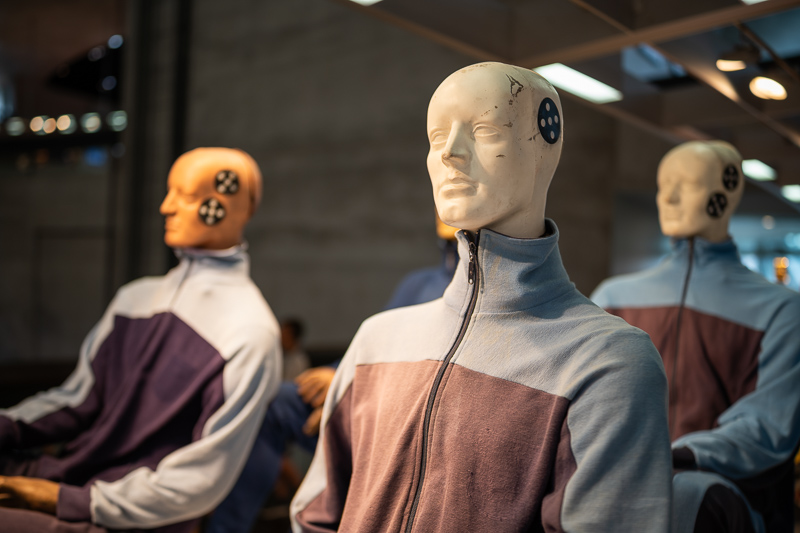
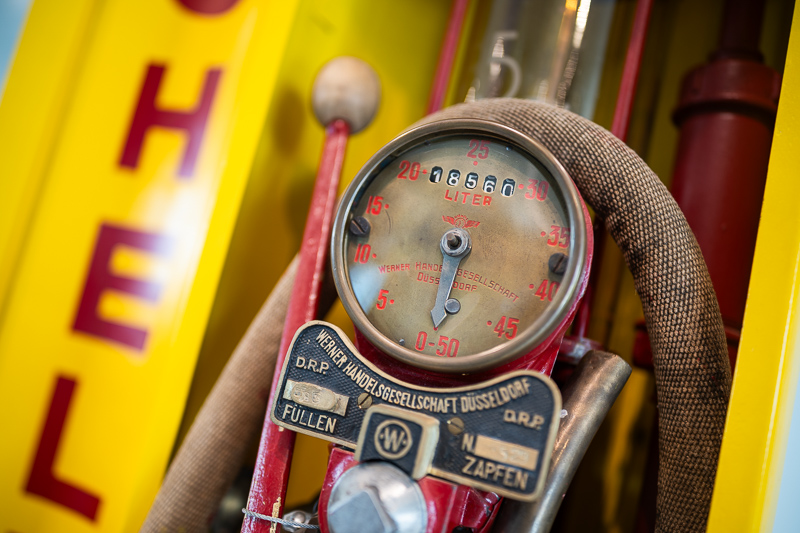
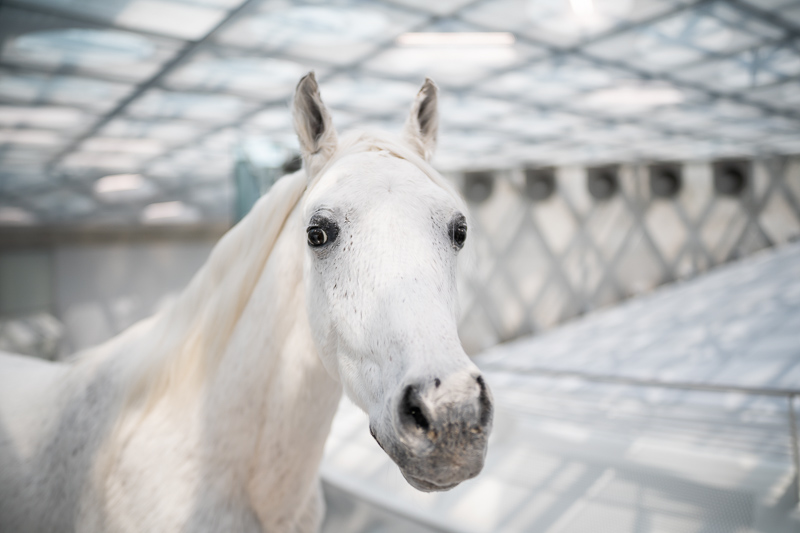
Generally, I really liked what I have seen from this Irix 30mm 1.4 when it comes to its rendering. The focal plane is well defined at short to mid distances and the bokeh is unobtrusive devoid of any field curvature issues.
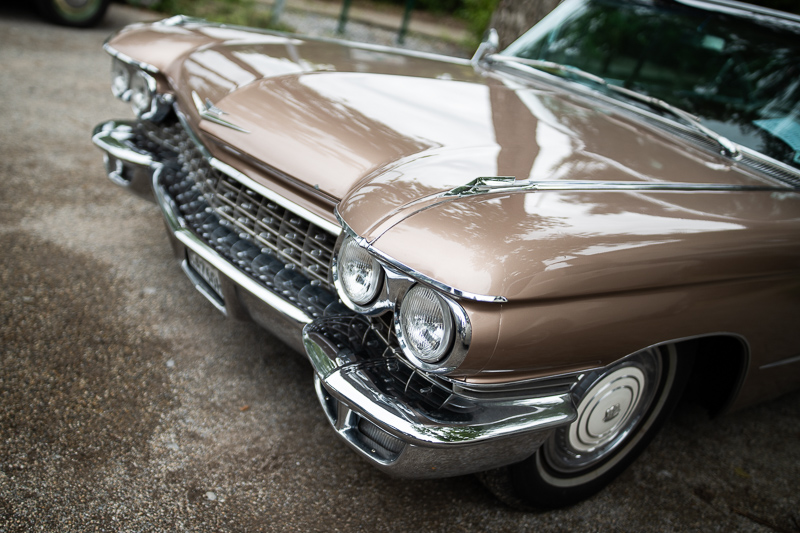

Especially at longer focus distances I was surprised: the chrome car parts come out super clean without any distinct chromatic aberrations and really stand out from the slightly out of focus backgrounds. Especially the first picture of the muscle car in the series above looks very three dimensional to me.
Here I was indeed reminded of the Zeiss 28mm 1.4 Otus, which also gave me that feeling in many scenarios.
Sunstars
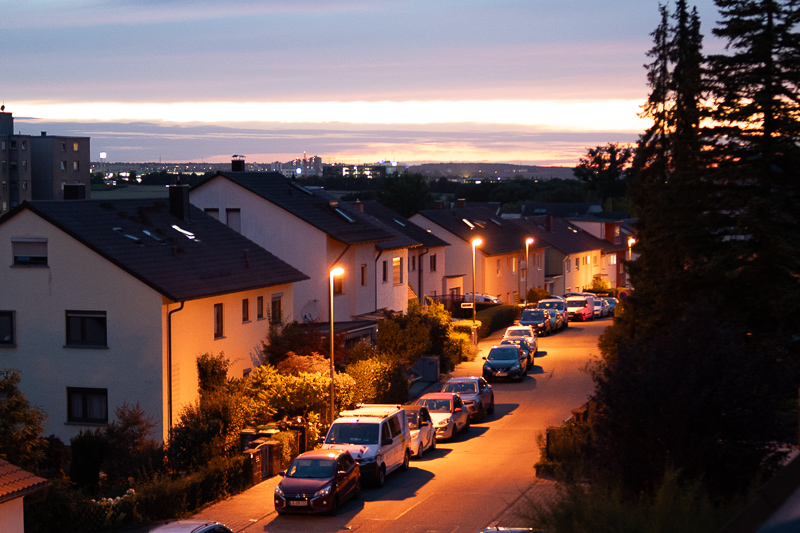
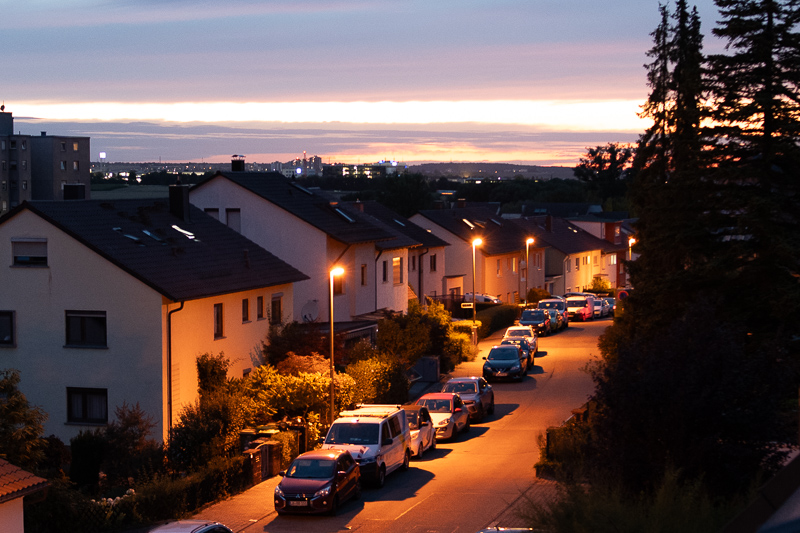


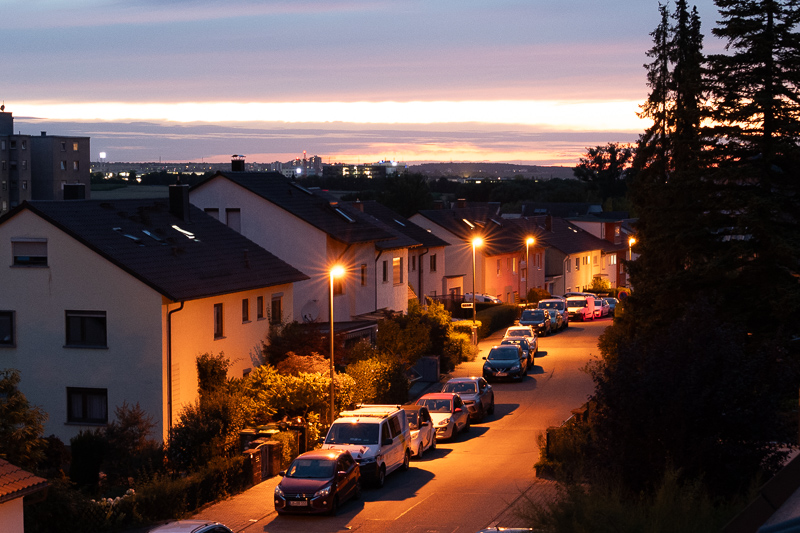
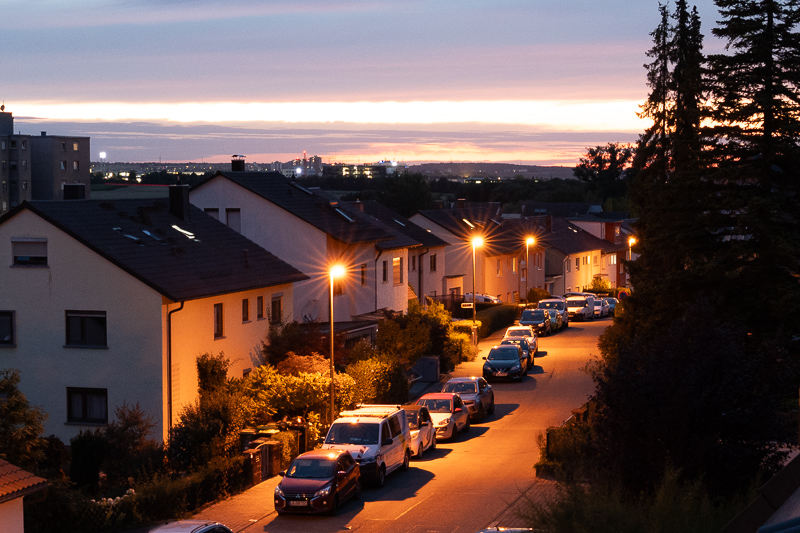
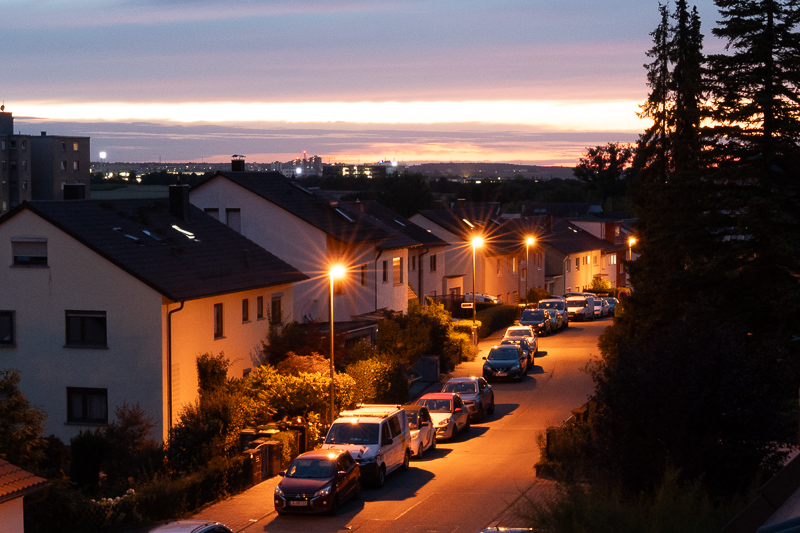
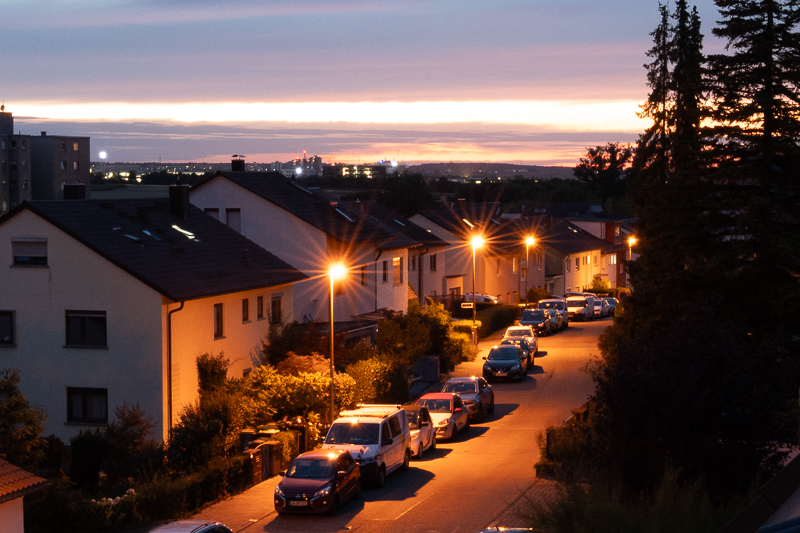
While the Irix 11mm 4.0 and 45mm 1.4 both feature 9 aperture blades, this 30mm 1.4 interestingly features 11. The sunstars are not super well defined, but they still look ok to me between f/8.0 and f/11.
If you want to know more about sunstar rendering of different lenses have a look at this article.
Chromatic aberration
lateral
The Irix 30mm 1.4 shows hardly any lateral CA.
longitudinal

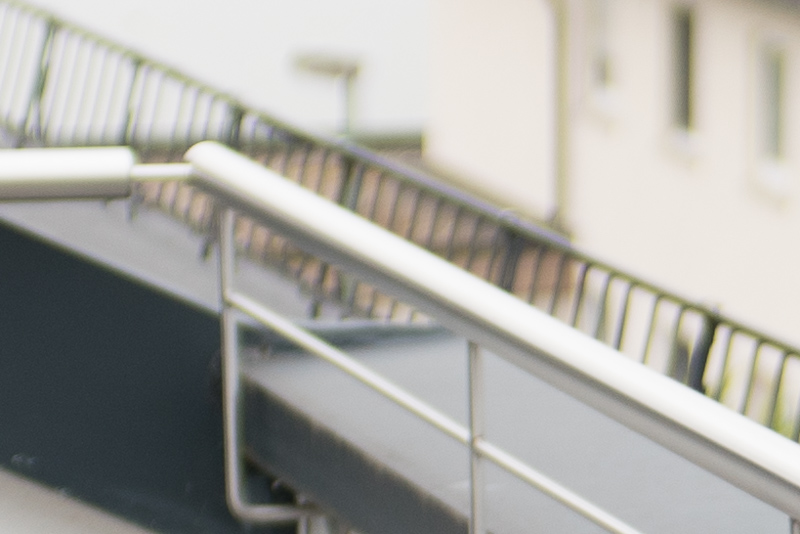
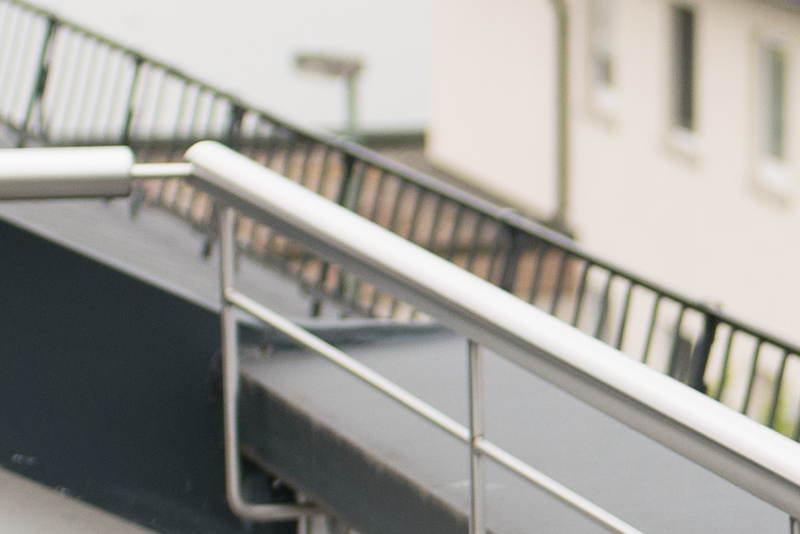
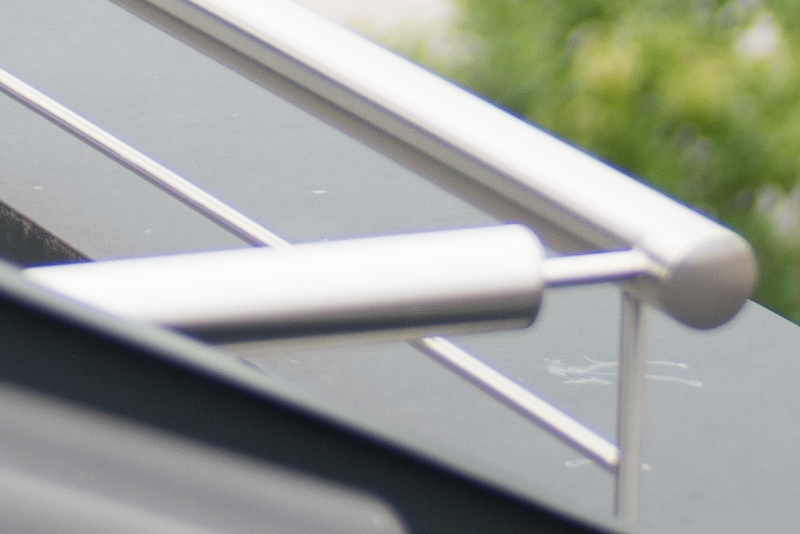

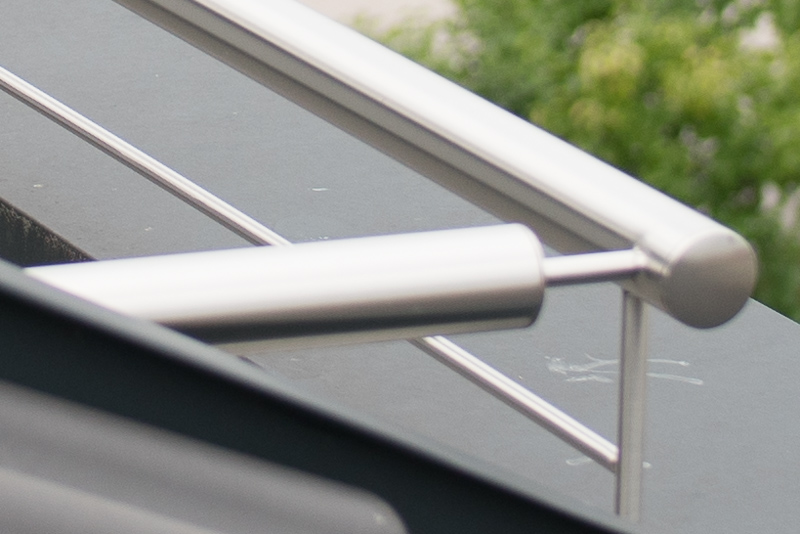
We already had a look at all those clean chrome car parts in the bokeh section, so unsurprisingly bokeh fringing isn’t much of an issue with this lens. We can see a little outlining at f/1.4, but this is actually one of the best performances I have seen from a fast wide angle lens yet.
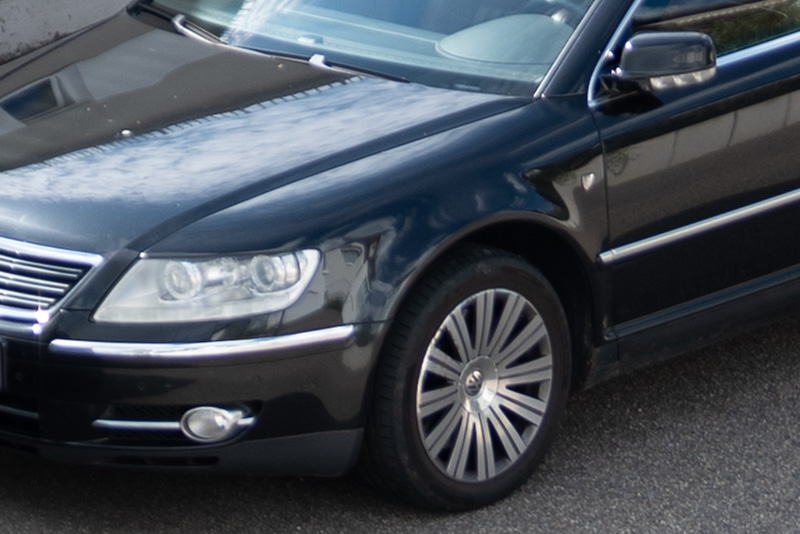
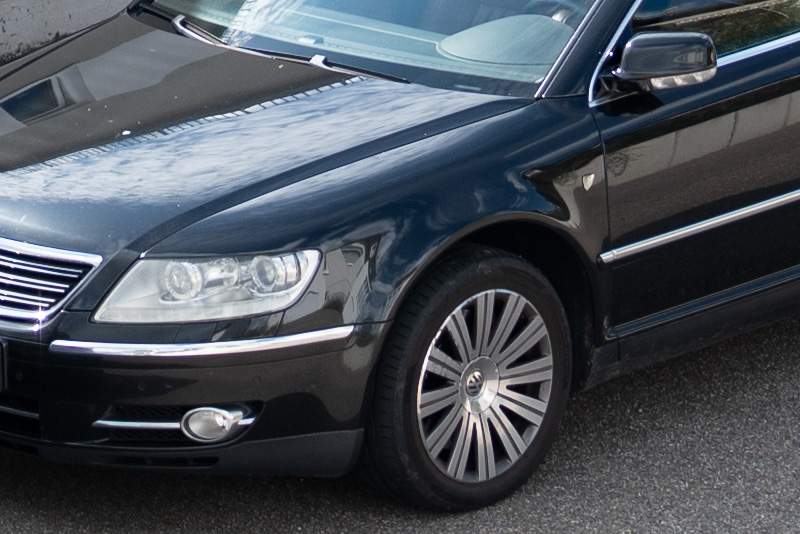
Also purple fringing is well corrected and nothing to worry about.
Conclusion
good
|
average
|
not good
|
This Irix 30mm 1.4 Dragonfly has unfortunately shown, that there can be a significant gap between the theoretical performance of a lens promised by the manufacturer’s MTF graphs and the performance of an actual sample of the lens.
The first sample I bought from the Irix EU store was badly decentered and the field was uneven and tilted – impossibe to use that lens for astrophotography. The second sample still wasn’t perfectly centered, but at least it performed decently in day light. However, at night, with point light sources in the frame, it created weird artefacts (which again must be related to severe manufacturing issues) which I haven’t come across in over 300 lenses.
The sad part is, I really like the results from this lens and what the designers tried to achieve. As you can see from the sample images, in the short time I had with this lens I got to use it for car photography and it did a really impressive job here: well defined focal plane without any CA or field curvature issues and actually nice bokeh leading to seemingly three-dimensional pictures. And also flare resistance – where the other Irix lenses I reviewed struggled a bit – is actually good here.
Because of the sample variation issues I encountered and the reports of other users who faced the same issues I cannot really recommend this lens. If you do manage to find a well manufactured copy – and you do so for less than 400 bucks – it would be absolutely amazing value though.
buy from amazon.de | amazon.com | B&H | ebay.com | ebay.de (advertisement/affiliate links) for $349
Alternatives
DSLR designs
Zeiss Otus 28mm 1.4 Apo-Distagon:
This lens does offer really good performance, probably the best in a 28mm 1.4 lens so far. It is a huge lens with its 95mm filter thread and weighs 1.3 kg though. In some categories a decently manufactured Irix 30mm 1.4 Dragonfly could actually come close to its performance.
buy from amazon.com | amazon.de | B&H | ebay.com | ebay.de (advertisement/affiliate links) for $4990 (new) or starting at $2500 (used)
Nikon AF-S 28mm 1.4E:
One of Nikon’s last lenses designed for the F-mount that therefore comes with an electronic aperture diaphragm. Very good flare resistance, similar resolution and contrast. This has a bit smoother bokeh rendering compared to the other lenses mentioned here. A good choice to use adapted on a Z camera, not so great choice for other camera systems as only very few and costly adapters allow to change its aperture setting.
buy from Amazon.de | B&H | ebay.com for $1799 new / $1000 used (advertisement/affiliate links)
Sigma 28mm 1.4 Art:
If you need autofocus and you are not a Nikon-Z user this is still your best bet. One of the few Art primes that did not see a successor for mirrorless cameras yet.
buy from amazon.com | amazon.de | B&H | ebay.com (advertisement/affiliate links) for $799 (new) or $550 (used)
Mirrorless designs
Laowa 28mm 1.2 Argus:
The Laowa is the fastest non-Cine 28mm lens ever made, it is also a true mirrorless design making use of the short flange focal distance of these cameras, so it ends up being significantly smaller than the aforementioned slower lenses. It has amazing rendering at close to mid distances, but there are sadly some field curvature issues hurting the bokeh at longer distances.
buy from manufacturer’s shop | B&H | ebay.com | Amazon.de (advertisement/affiliate links) for $599
Viltrox FE 28mm 1.8 AF:
This Viltrox lens is a bit slower but still worth mentioning, as it is probably “the next best thing” when looking for a fast 28mm lens with AF for your mirrorless camera. Sharpness is decent and bokeh is nice, but I wasn’t overly happy with the lack of a button or AF/MF switch and in the Sony world it doesn’t look particularly great next to the smaller and often cheaper Sony FE 28mm 2.0. Still, this is a lens worth checking out, especially if you care about nice bokeh.
buy from manufacturer’s shop (use the code “PRnet” for 8% discount) | B&H | ebay.com (advertisement/affiliate links) for $379
Sample Images


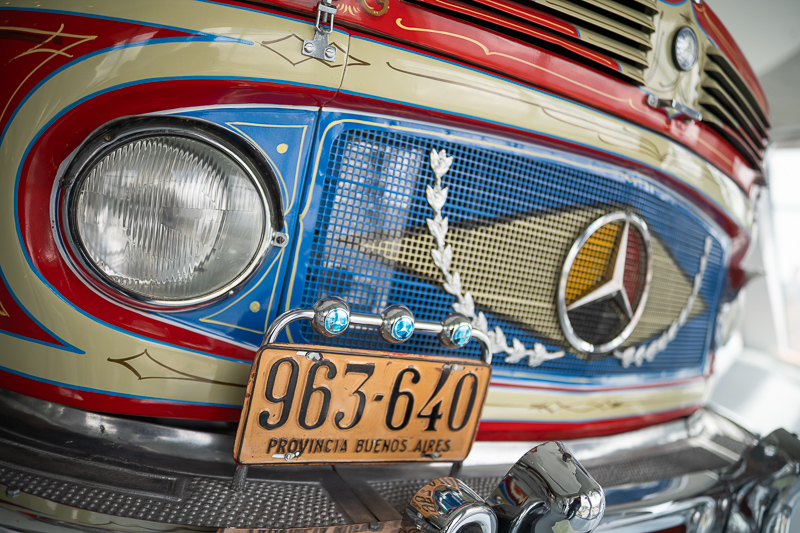
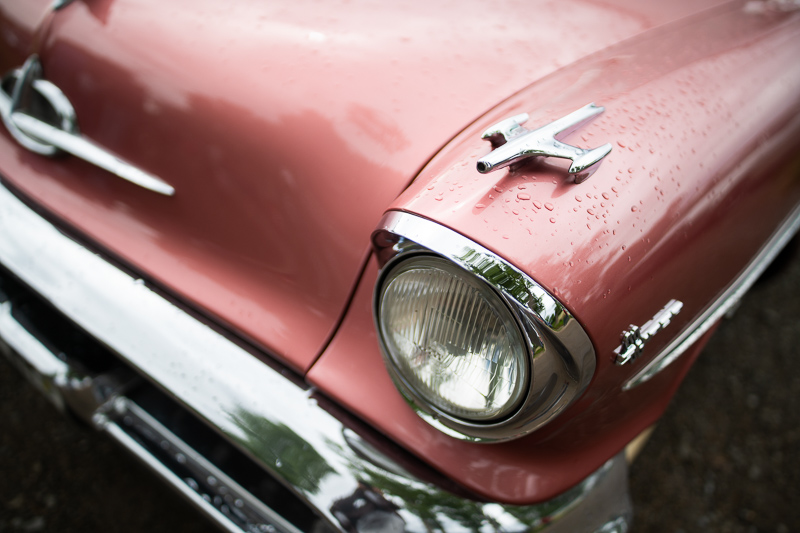

Most of the sample images in this review can be found in full resolution here.
Further Reading
- All Lens Reviews
- Review: Samyang 10mm 3.5 XP
- Review: Laowa 35mm 0.95 Argus
- Review: Sony FE 85mm 1.4 GM II
- Review: Nikon AF-S 200mm 2.0G VRI
Support Us
Did you find this article useful or just liked reading it? Treat us to a coffee!

 via Paypal
This site contains advertisement/affiliate links. If you make a purchase using any of the links marked as advertisement/affiliate links, I may receive a small commission at no additional cost to you. This helps support the creation of future content.


Latest posts by BastianK (see all)
- Review: 7Artisans 40mm 2.5 AF - March 28, 2026
- Analogue Adventures – Part 50: What I learned from Shooting Film (so far) - March 18, 2026
- Review: 7Artisans 75mm 1.25 II - March 14, 2026
Looks to be a potentially promising lens. Too bad there are such strong sample variation issues. That is always an unequivocal “no” for me. I’d rather not have to deal with that
An effective quality control is expensive.