Introduction
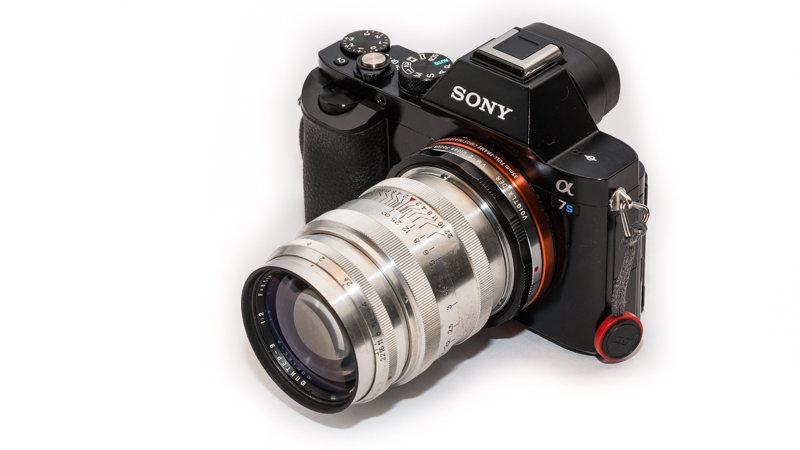
The Jupiter-9 85mm 2.0 is actually a copy of the Zeiss Sonnar 85mm 2.0 and was produced in the UDSSR after WWII. This is my favourite among the Jupiter lenses tested so far, read on to find out why!
Sample Images

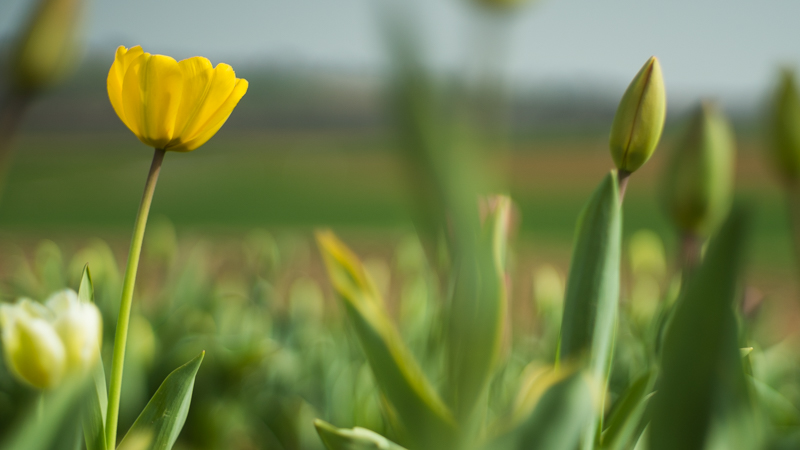
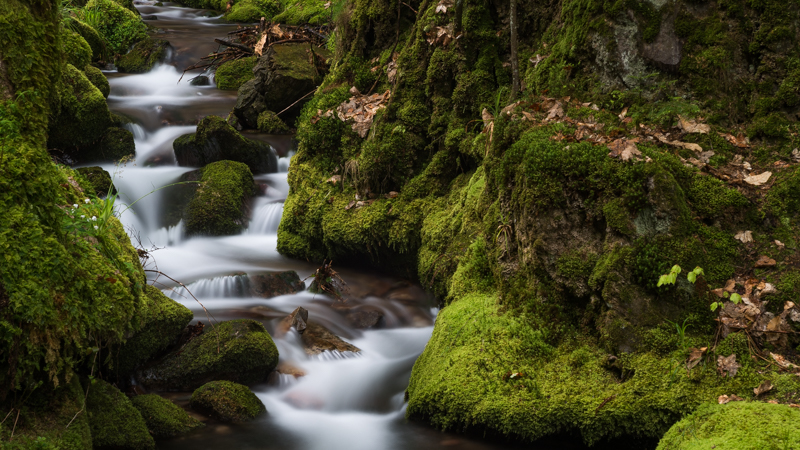
The Jupiter-9 85mm 2.0 is actually a copy of the Zeiss Sonnar 85mm 2.0 and was produced in the UDSSR after WWII. This is my favourite among the Jupiter lenses tested so far, read on to find out why!
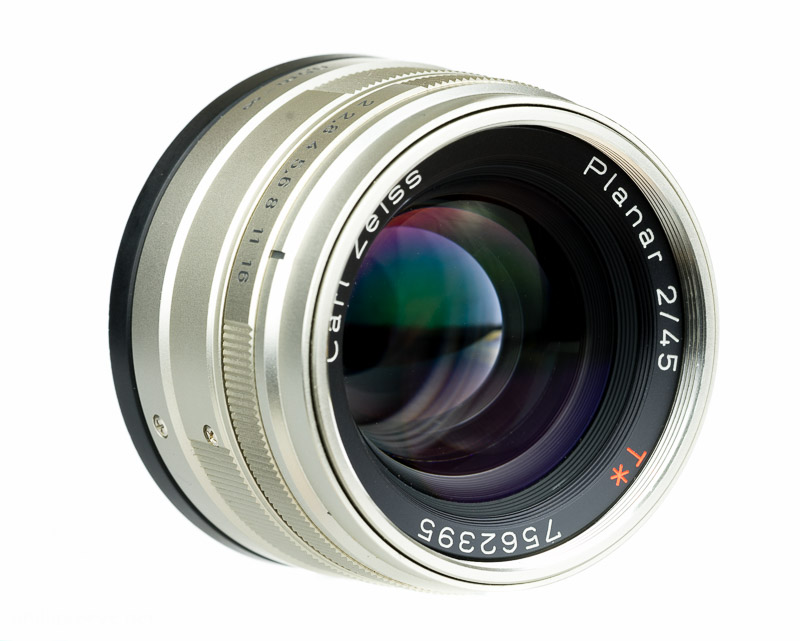 The Zeiss Planar was one of the sharpest normal lenses back in the film days. In this review I check how well it performs on the 24MP Sony a7.
Thanks to Uwe for loaning me the lens and Techart adapter for this review!


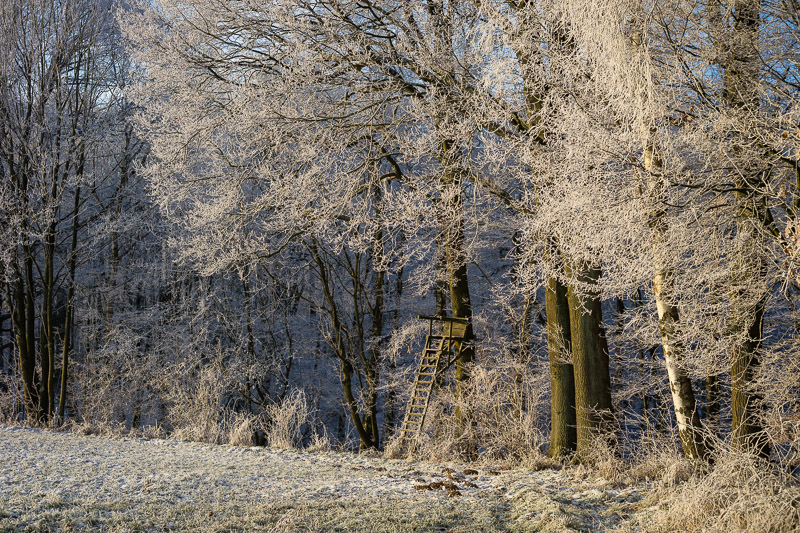
Sony a7 | Zeiss Planar 2/45 | f/8 | full resolution
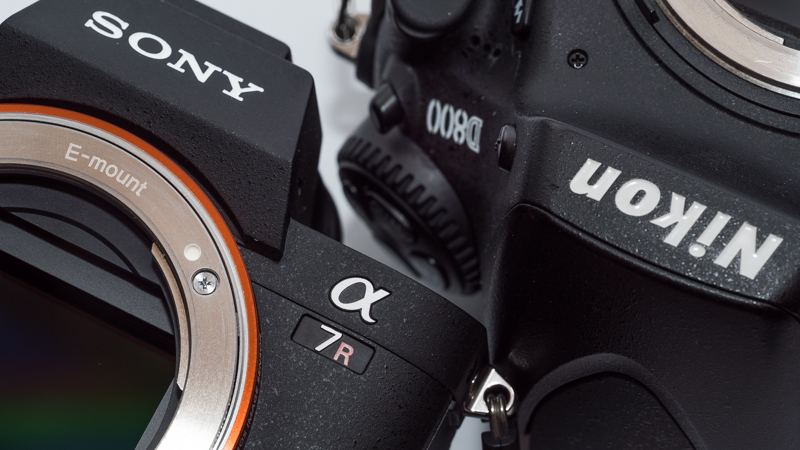
As many of you may have noticed when reading my reviews I am a former Nikon DSLR-user. In the past I had a D40, D5000, D300, D700 and still have a D800 (which is also for sale right now).
I was never unhappy with the results I got from these cameras and I think the Nikon engineers are the best at getting the most out of the Sony sensors. Still I ended up selling most of my Nikon gear. In case you are interested to find out more about this story be welcome to read on!
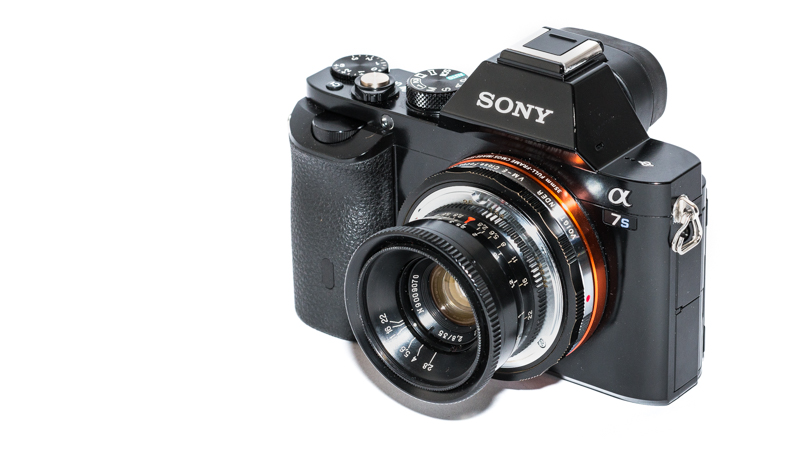
The Jupiter-12 35mm 2.8 is a copy of the Zeiss Biogon 35mm 2.8 and was produced in the UDSSR after WWII. The Jupiter lenses belong to the very few “lowcost” rangefinder lenses, but what do they have in store in terms of optical quality? Read on to find out.

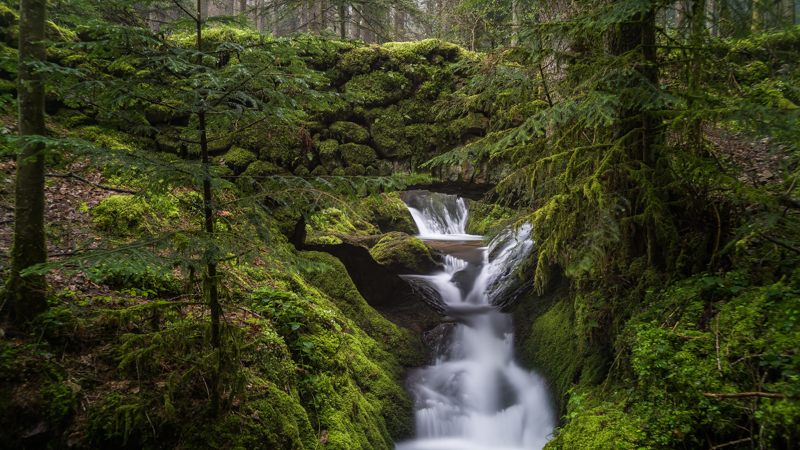


In the film era a vast amount of filters was needed to alter the colours, the temperature or to add certain effects to the photos. In digital photography many of these filters have become pretty much useless as they can be recreated in post processing with the added bonus of more control over the effect without any disadvantages.
But there are also some useful filters which can’t be fully recreated in post processing and still have a place in digital photography and these are the ones I’m going to talk about.
Update 09/27/2016: at Photokina 2016 in Cologne I checked out all the big filter manufacturers and have updated some sections accordingly. I am also working closely with NiSi filters now – not just because I think their filters offer the best quality – but because they listen to their customers and I hope to be able to help them develope the first holder I find nothing to complain about 🙂