Introduction
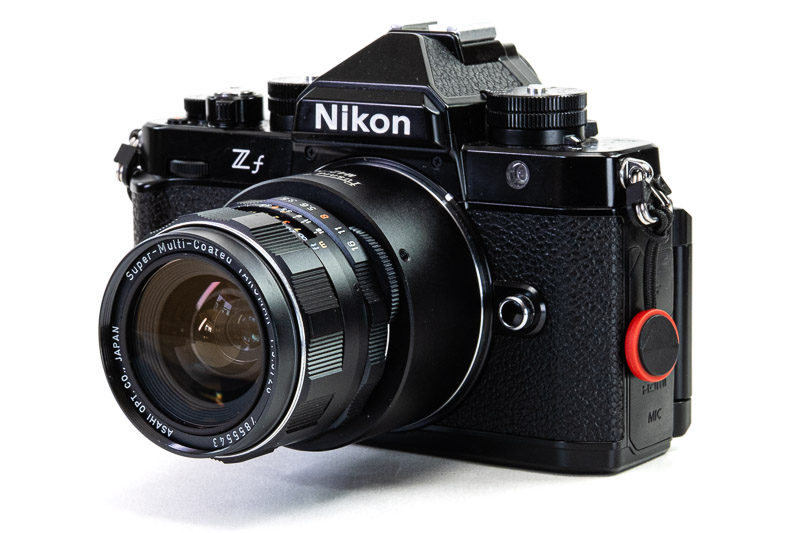
Today I’m looking at another vintage lens: the Super Multi Coated Takumar 28mm f/3.5, made by Asahi Optical Co. before the company became Pentax. Over the years, this lens has earned a legendary reputation among vintage wide-angle lenses, praised for its sharpness and coatings that were considered exceptional for their time. Naturally, I wanted to see if the hype was real. Does it still hold up today, or is it simply a relic carried by nostalgia? Let’s find out.
 I tested this lens on a 46 Mp Nikon Z7ii (Sample images were taken with a Nikon Zf)
 You can see this review as a YouTube video here!
 Sample images in high resolution here.
Sample Images
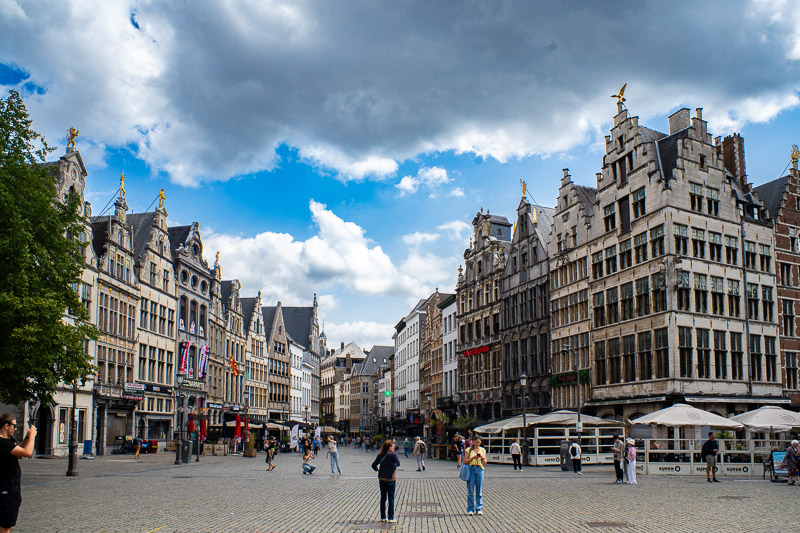
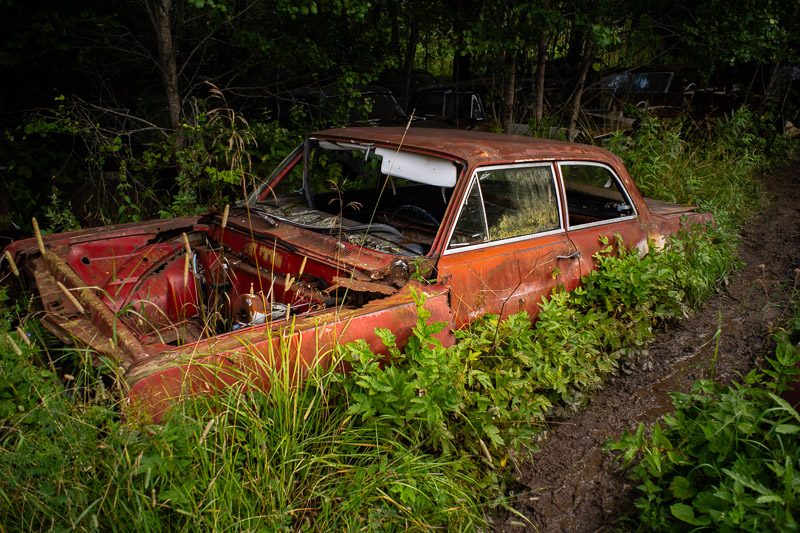
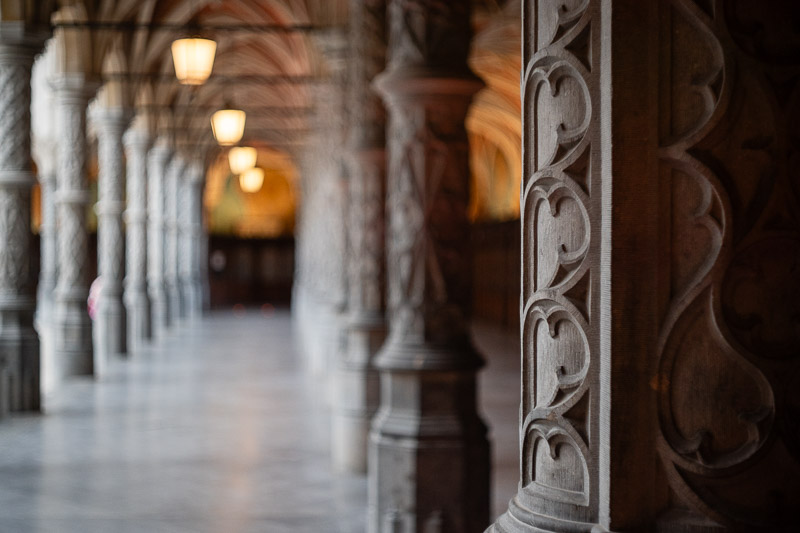


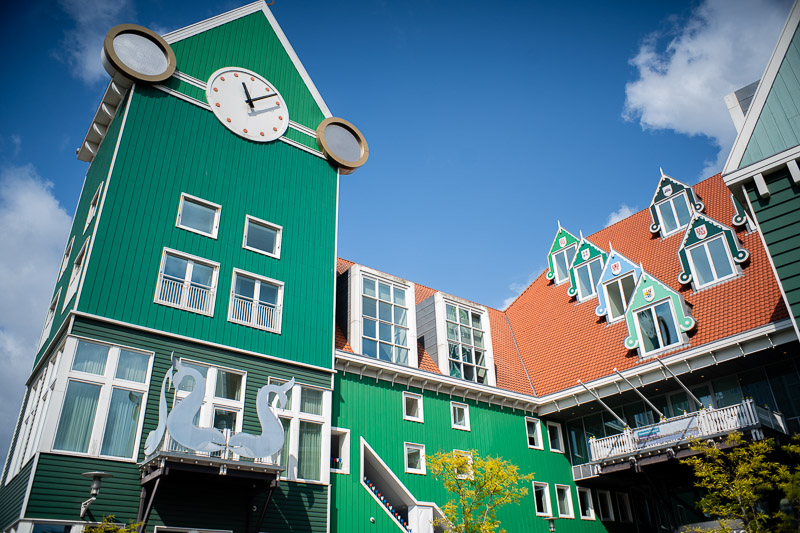
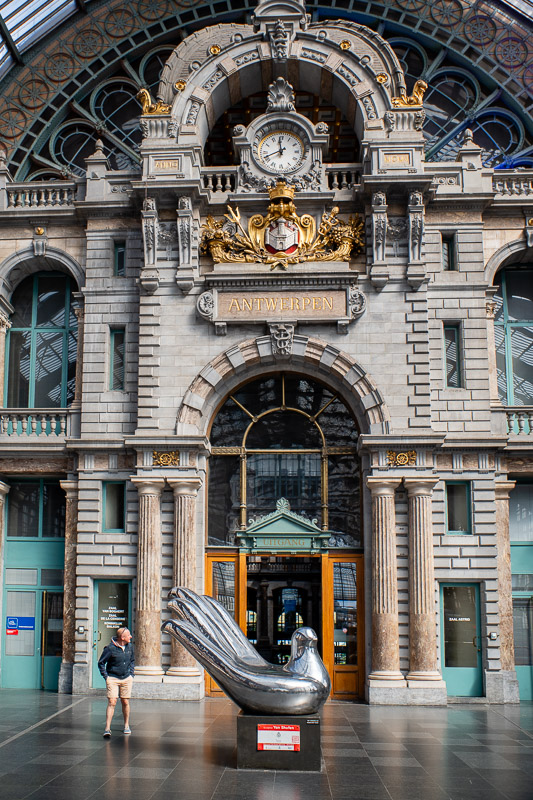


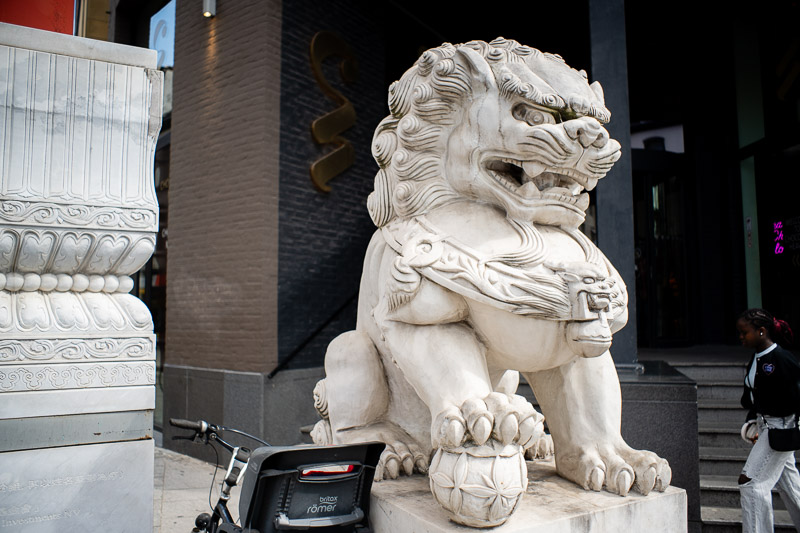
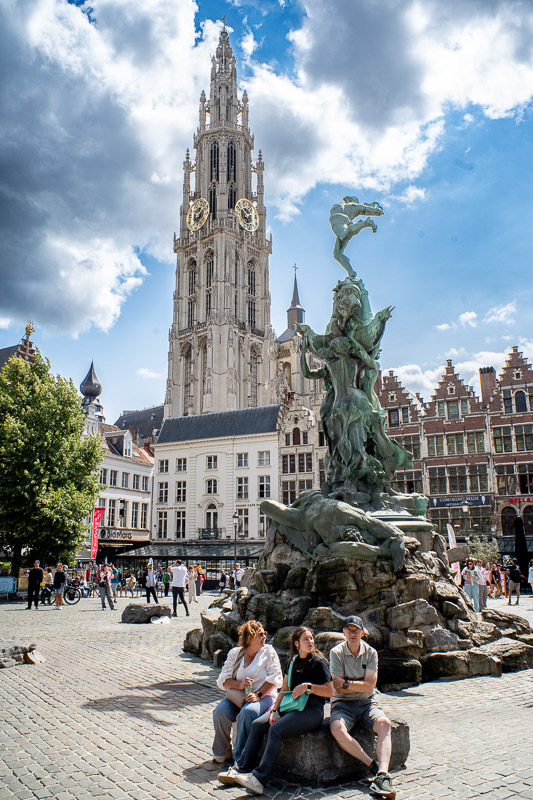
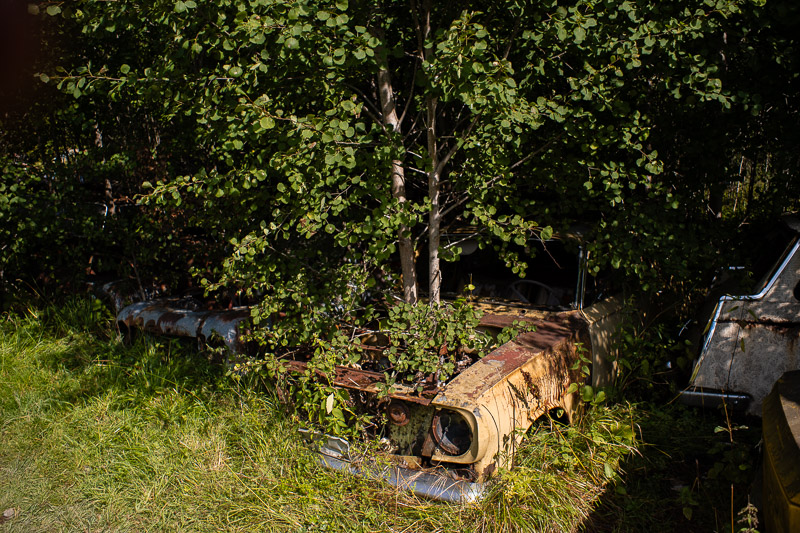
Most of the sample images in this review and many more can be found in higher resolution here.
Specifications
| Focal Length | 28mm |
| Angle of View | 75° |
| # of Aperture Blades | 5 |
| Max Aperture | f/3.5 |
| Min Aperture | f/16 |
| Min Focus Distance | 0.4 m |
| Filter Size | 49mm |
| Lens Mount | M42 |
| Weight | 212 g |
| Size (D x L) | 58 x 41.5 mm |
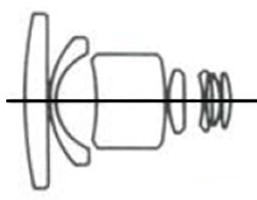
| Elements/Group | 7 / 7 |
Buy used: eBay.com, eBay.de from $90 (Advertisement) |
Disclosure
I picked up this lens specifically to test it for myself and see whether it still lives up to its legendary reputation today.
Variations
There were three different versions of this lens. The first two lacked multi-coating and were sold under the Super-Takumar name.
The first version (1962–1966) used a different optical design from the later models and featured a 58mm filter thread. It also came in two variants: an early version with a minimum aperture of f/22, and a later one with a minimum aperture of f/16.
The second (1966–1971) and third versions (1971 onward) shared the same optical design and a 49mm filter thread.
The third version — the one I’m reviewing here — was the only model to feature Takumar’s (later Pentax’s) Super-Multi-Coating.
Handling and Build Quality
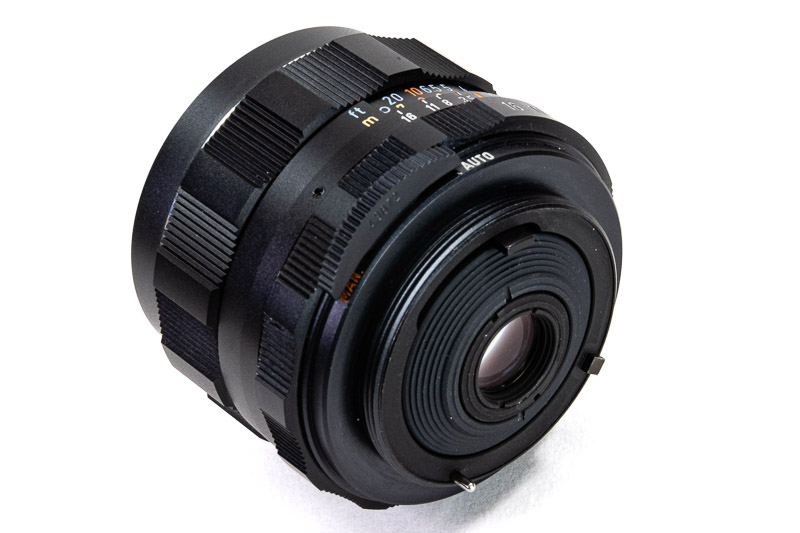
This is a very compact and light lens at only 212 g, despite being made entirely of metal and glass. The focus ring has a gentle scalloped design and turns smoothly with a pleasant resistance of about 100°. Distance markings in both meters and feet are engraved and filled with paint.
Next is the depth of field scale on the barrel, followed by the aperture ring. It is marked in full-stop values, except for the maximum aperture of f/3.5. The ring clicks at all marked apertures, with click stops between the markings up to f/11. There are no intermediate click stops between f/11 and f/16.
,
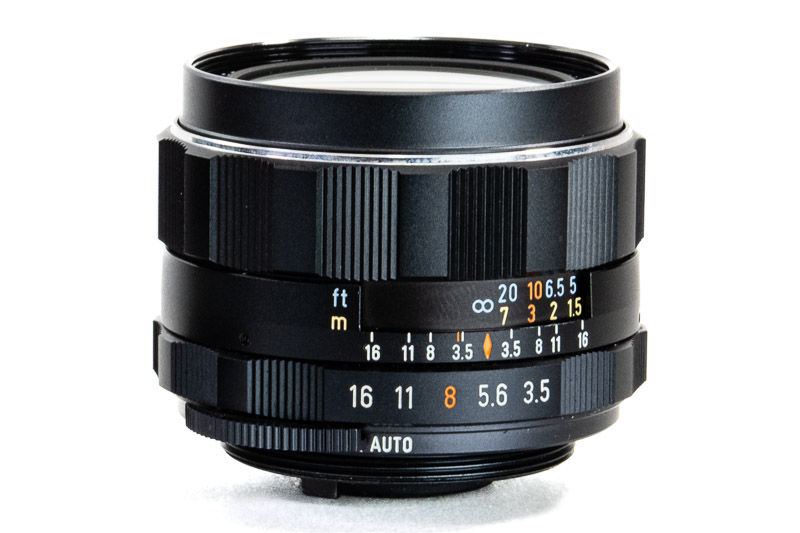
At last, there is a MAN-AUTO switch, which is used when metering at max aperture. When on Auto, the aperture is closed to the set value when you click on the shutter button, while on Manual the aperture is closed to the set value at all times.
The M42 screw mount, often called the “Universal thread mount,” was a dominant standard for SLR cameras from the 1940s through the mid-1970s. The M42 mount originated in East Germany with the Contax S (1949) and was standardized by Praktica.
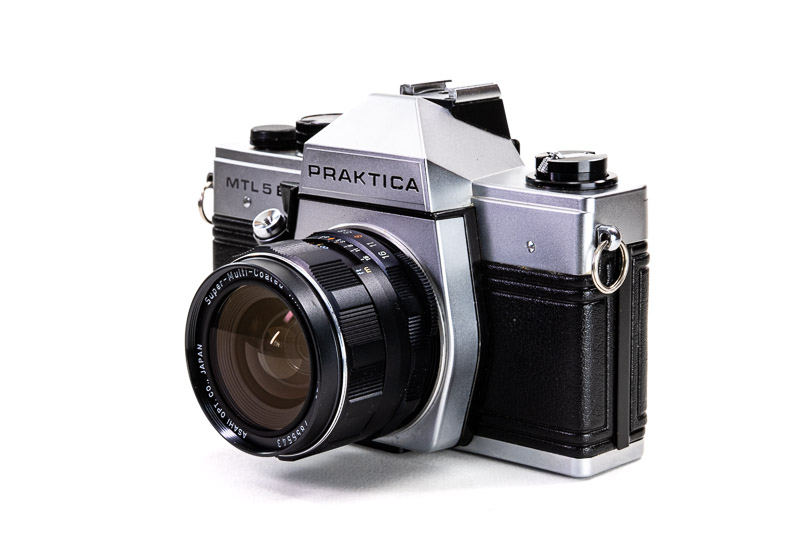
While the mount was originally developed in East Germany, Pentax made it widely popular. It is often referred to as the “Pentax screw mount.”
There is also a pin on the mount that allows the camera to stop down the aperture during exposure or when previewing depth of field in auto-aperture mode. However, this mechanism does not work as intended on mirrorless cameras when using simple mechanical adapters. Instead, the lens stays stopped down at the selected aperture, requiring stopped-down metering.
Optical Features
Sharpness (Infinity)
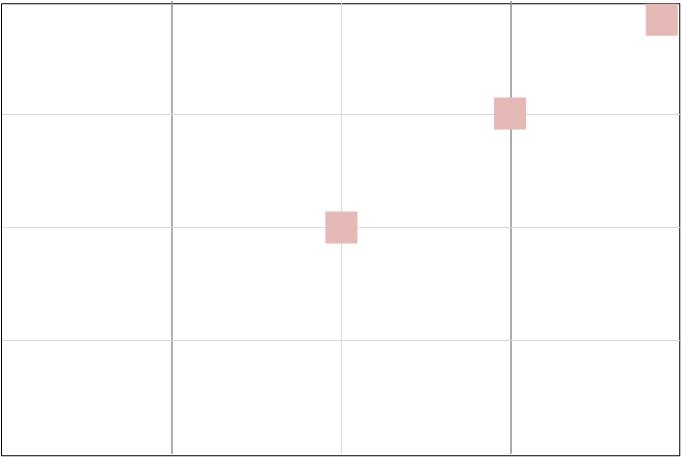
For the infinity sharpness test, we’ll look at three areas of the image — center, mid-frame, and corner — as highlighted below. Focus was set on the center of the image.
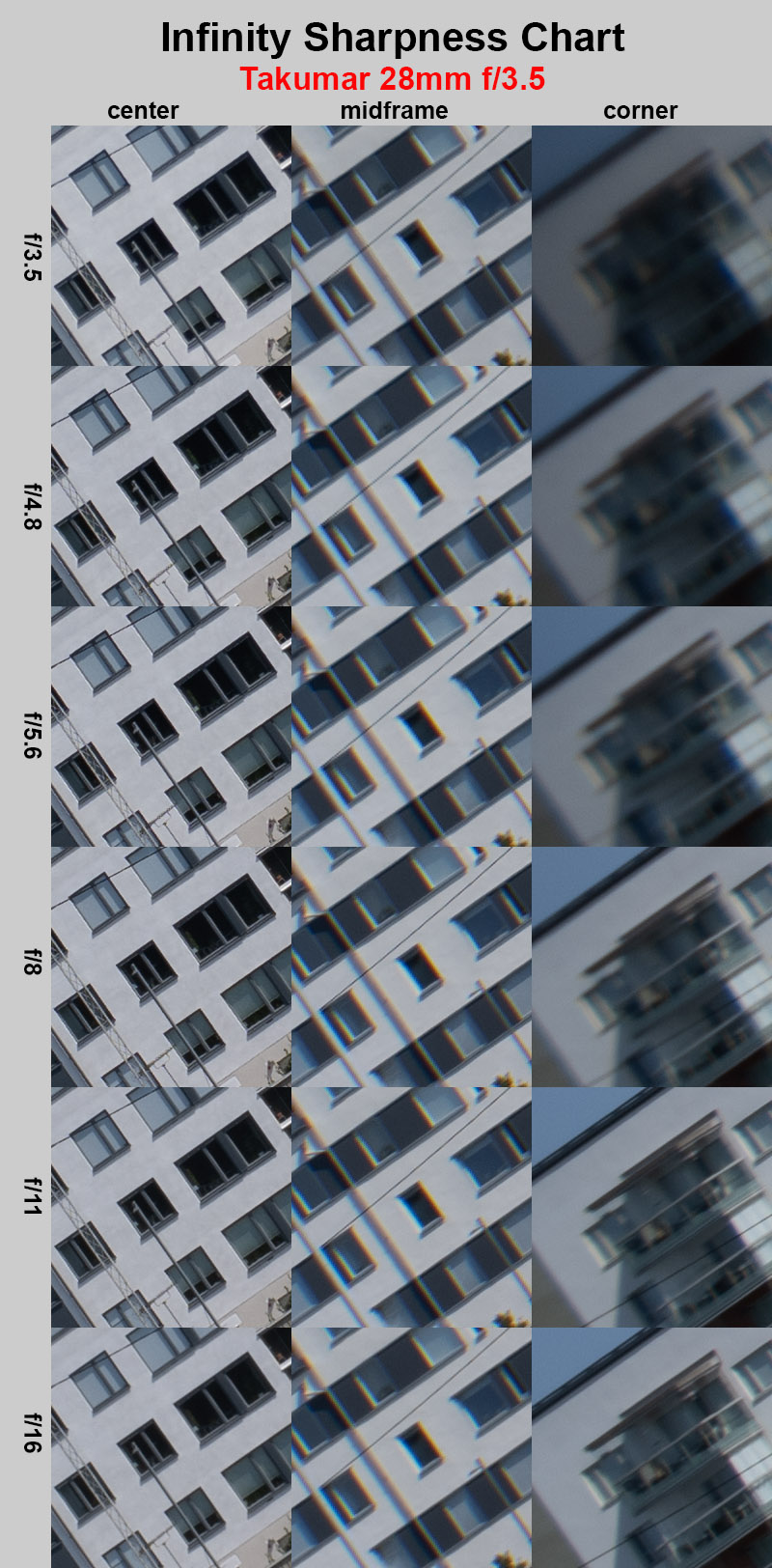
Wide open, center sharpness is very good, the midframe is just acceptable, and the corners are very soft. Heavy blue and orange fringing is visible from the midframe outward, reducing perceived sharpness. Stopping down to f/5.6 brings center sharpness to an excellent level, though the midframe and corners improve only slightly. Corner performance becomes passable at f/8 and acceptable at f/11. At f/16, center sharpness drops slightly, while the corners improve further.
Sharpness (Portrait)
Let’s look at the points of interest for portraits at the portrait distance: the very centre, the centre’s inner periphery (1/3 rule intersection), and the centre’s outer periphery (1/4th intersection).
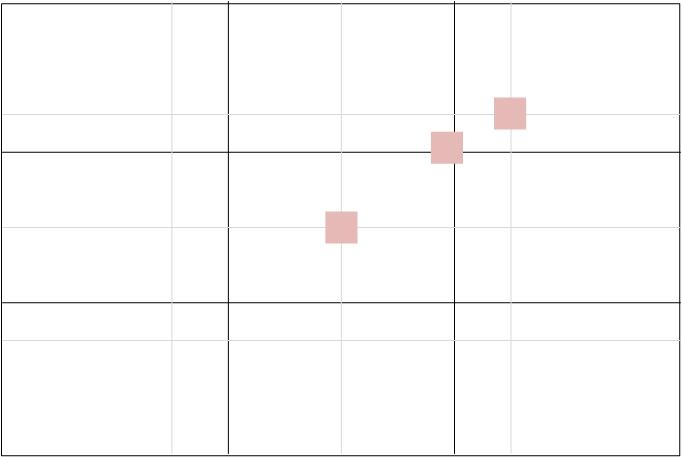
Here, I focused independently on the center, mid-frame, and corner areas to account for field curvature.
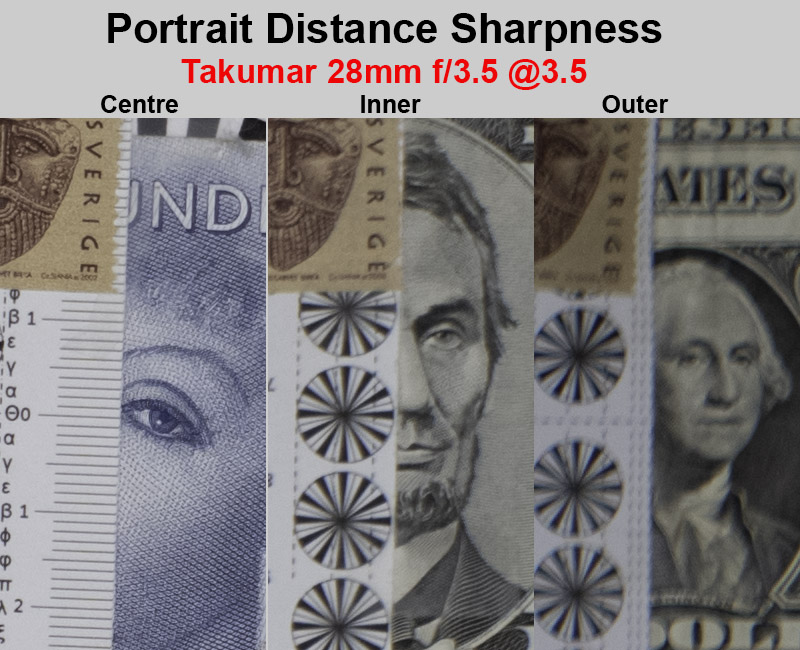
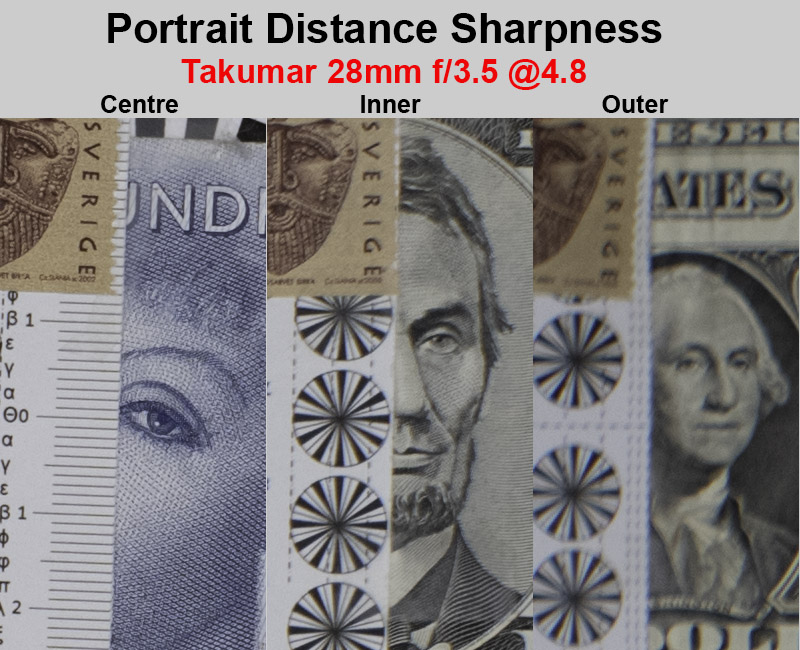
This Takumar 28mm is definitely not a portrait lens, but we’ll look at the sharpness anyway. At f/3.5, center sharpness is very good, the inner circle is good, and the outer circle is acceptable. Fringing appears faintly in the inner circle and becomes obvious in the outer circle. Stopping down one click to f/4.8 improves sharpness across all the measured points.
Sharpness (Close-up)
For close-up testing, I focused on the center and only included a 100% center crop.
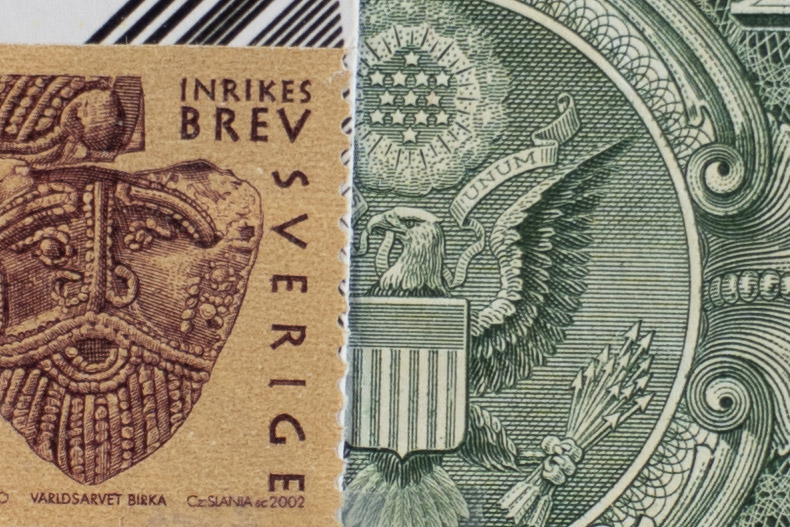
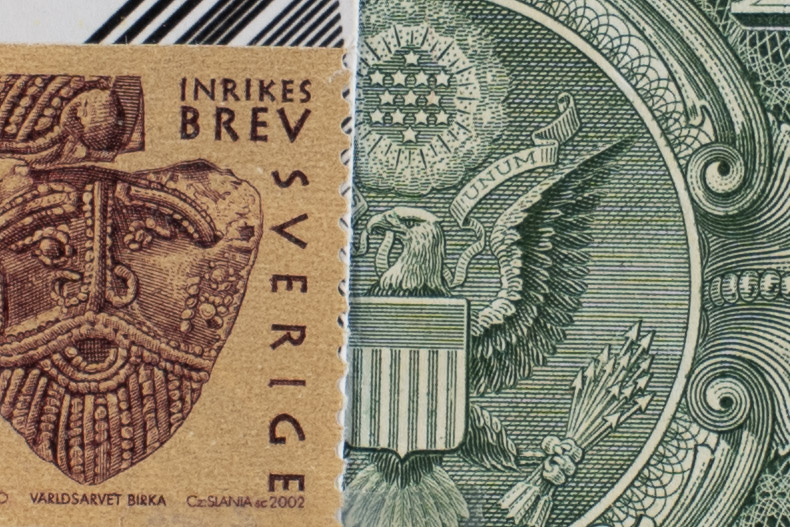
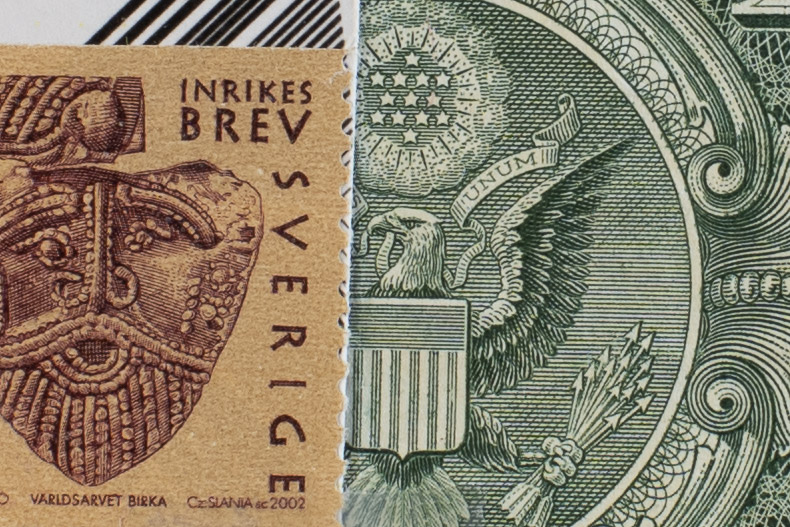
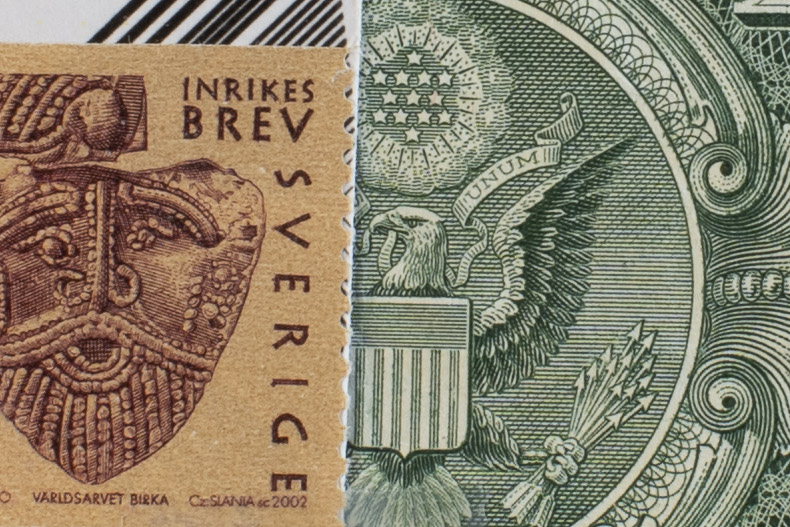
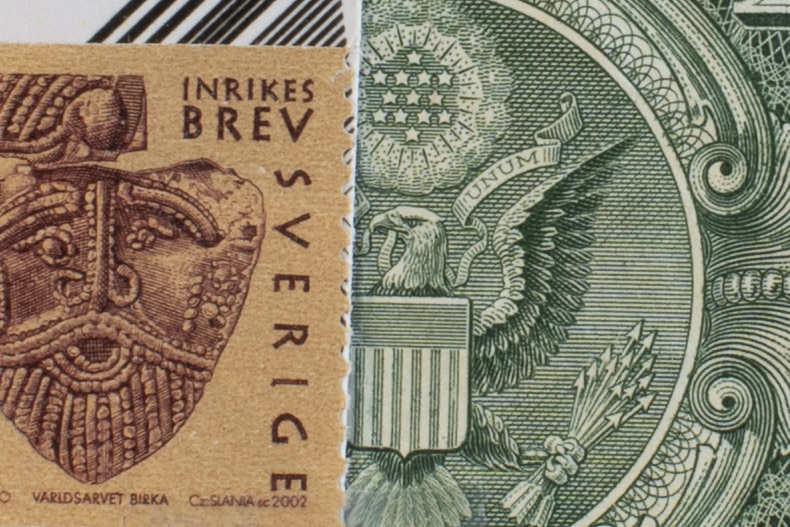
Close-up sharpness is very good and improves to excellent at f/5.6. Peak sharpness is achieved at f/8. Sharpness begins to decline at f/11 due to diffraction, which becomes more noticeable at f/16.
Lens Distortion
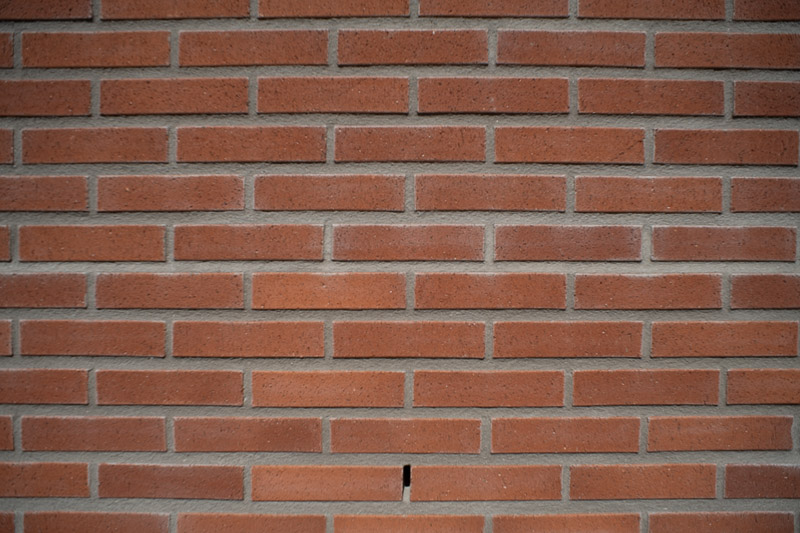
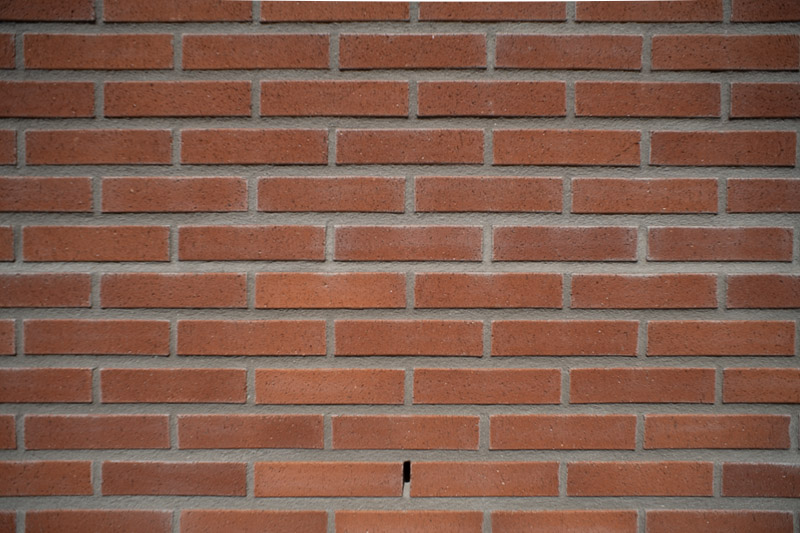
There is moderate barrel distortion combined with mild wavy distortion visible in the images. Correcting it requires approximately +6 distortion correction in Photoshop or Lightroom. This does not completely eliminate the wavy distortion, but it does improve the overall rendering.
Vignetting
Wide open, there is moderate light falloff toward the corners, roughly on par with average lenses in this focal length range. It improves significantly when stopping down, becoming fairly minor at f/5.6 and negligible from f/8 onward.
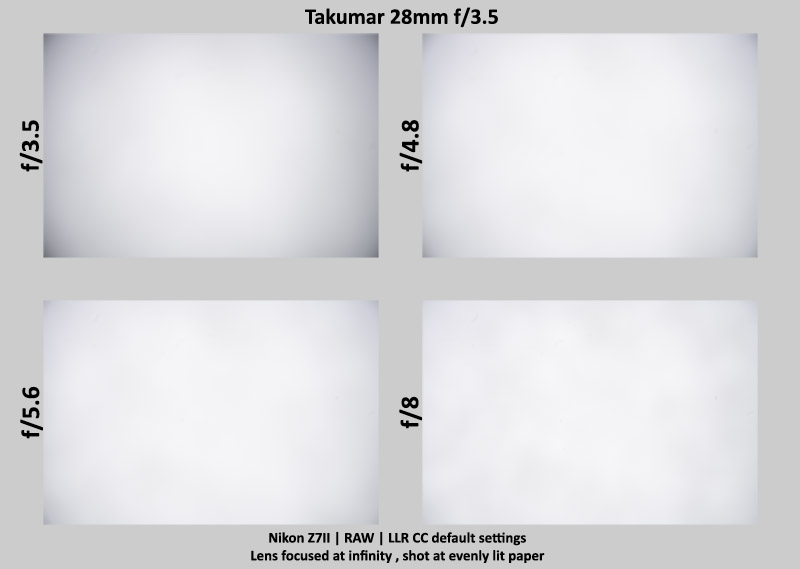
- F/3.5: 2.5 EV
- F/4.8: 1.7 EV
- F/5.6: 1.3 EV
- F/6.7 1.1 EV
- F/8.0: 0.9 EV
- F/11: 0.8 EV
Focus Shift & Aberrations
Longitudinal chromatic aberration, visible as pink and green fringing, is very well controlled, although still present. The green fringing disappears by f/11, while the slight pink fringing never fully goes away. In practice it is minor and largely negligible, but it does contribute to the red/pink fringing visible from the midframe outward.
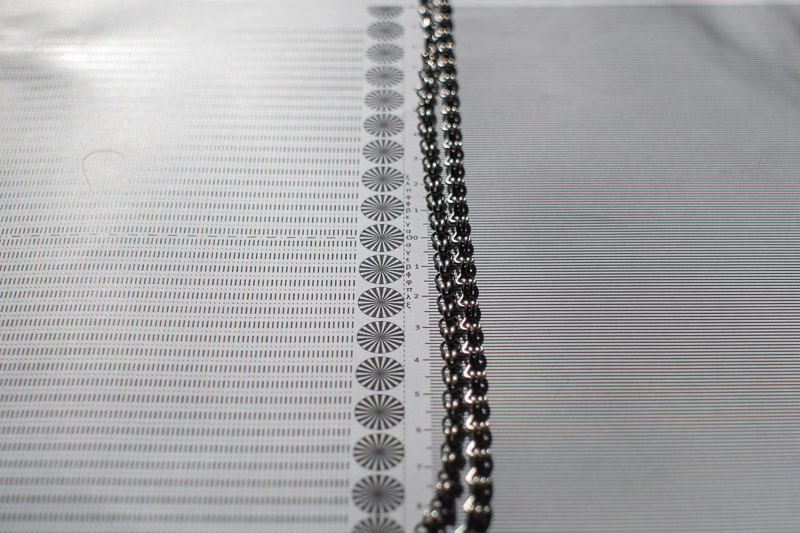
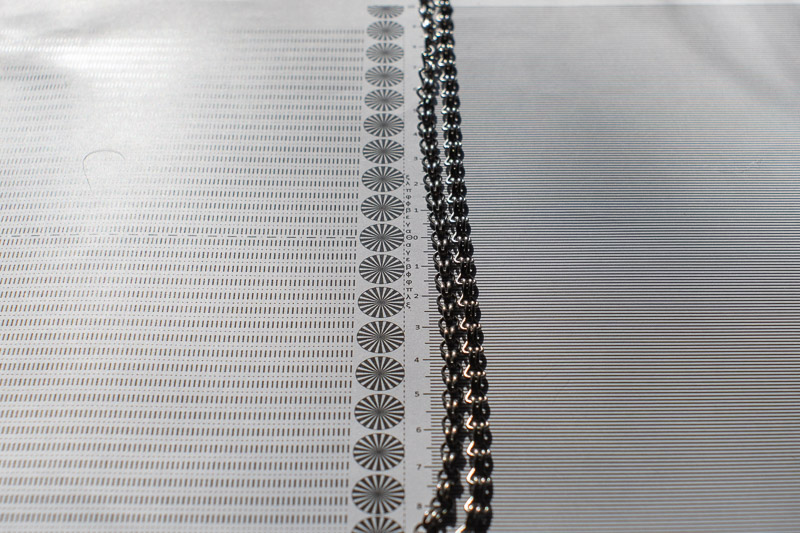
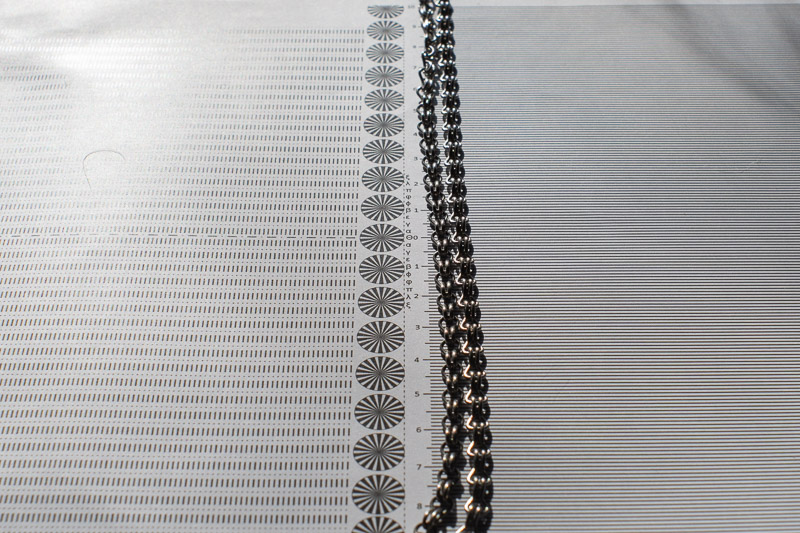
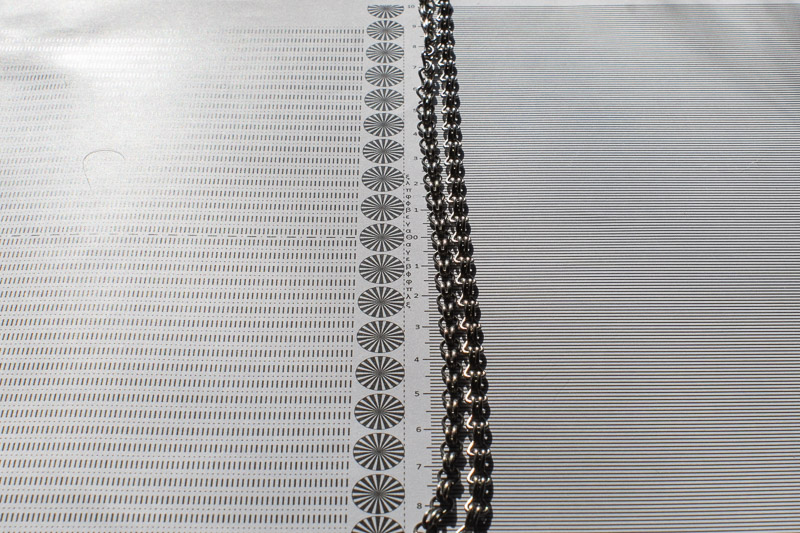
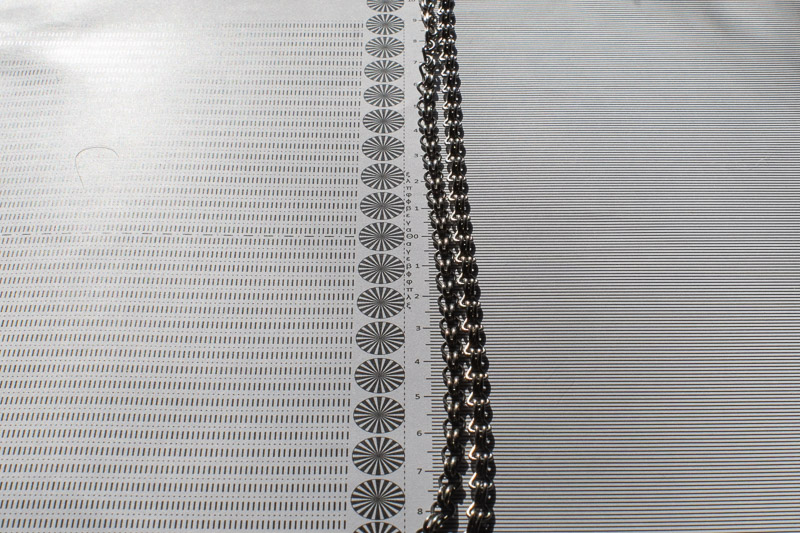
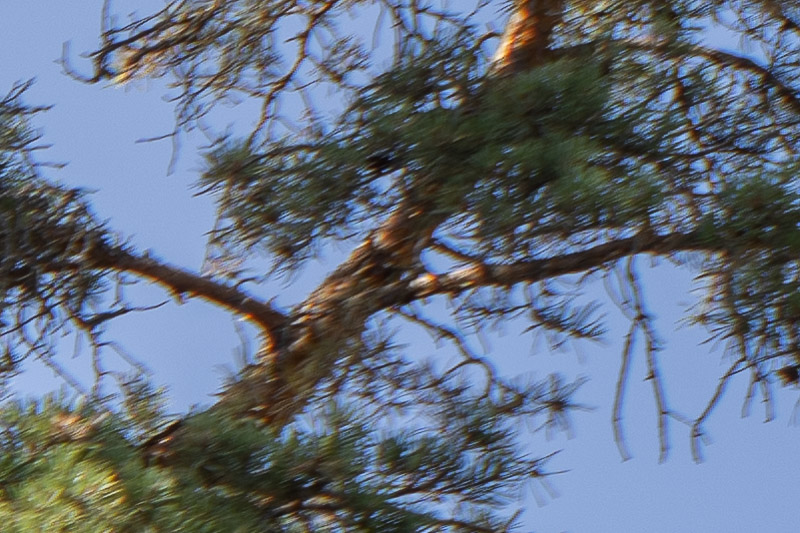
Lateral chromatic aberration is generally well controlled, though some remains visible. What complicates matters further is the orange fringing mentioned earlier. Correcting it properly requires manual adjustments to the RAW files.
Flare Resistance
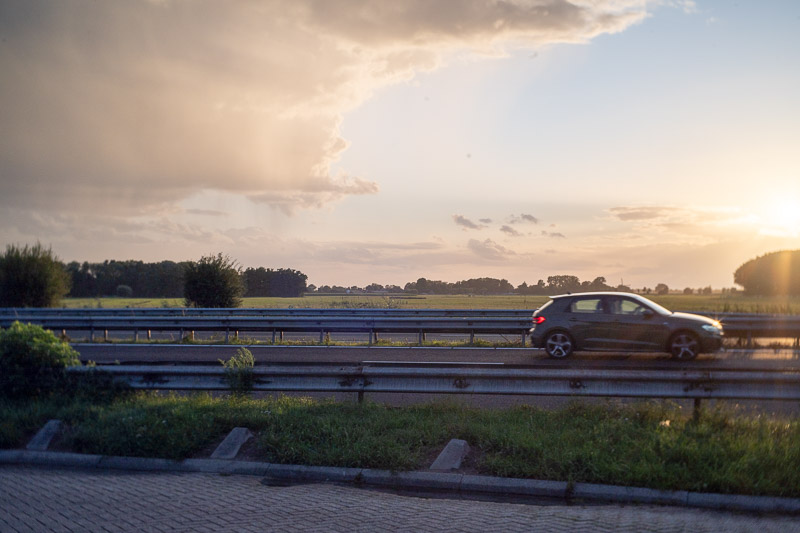
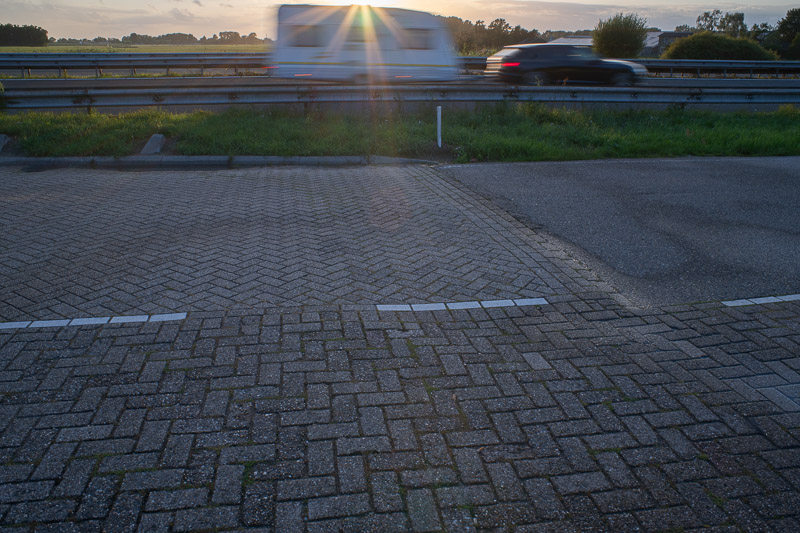
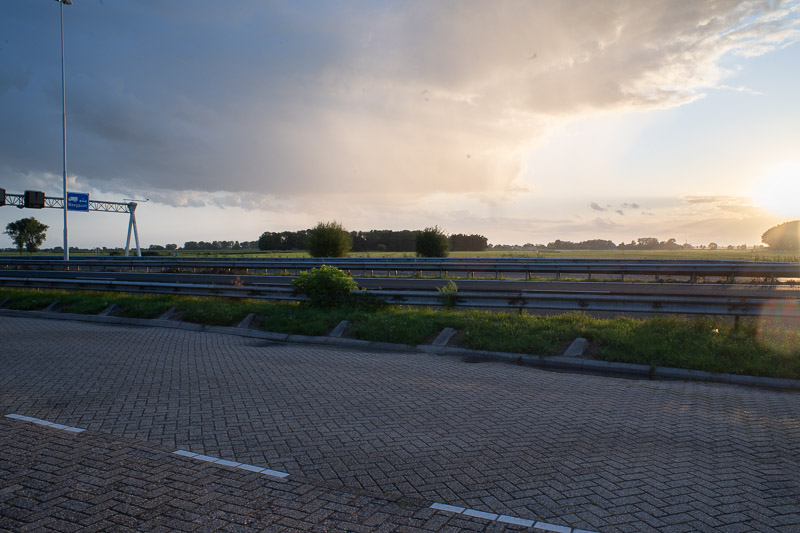
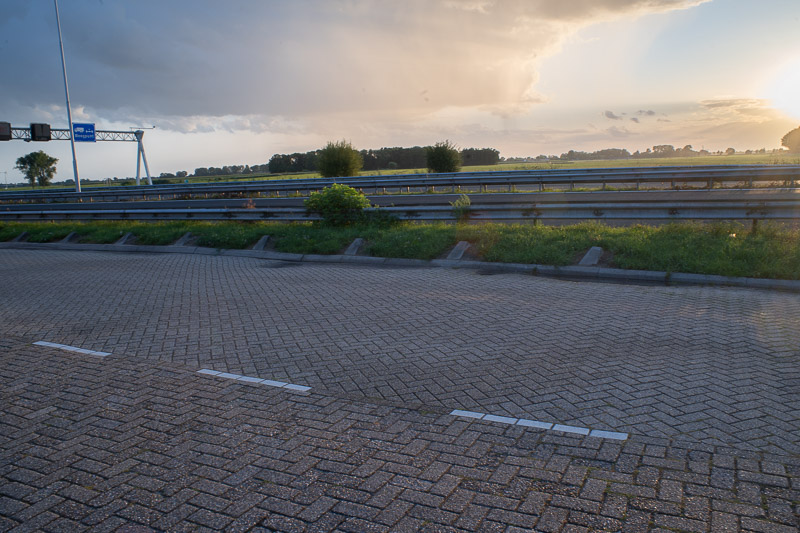
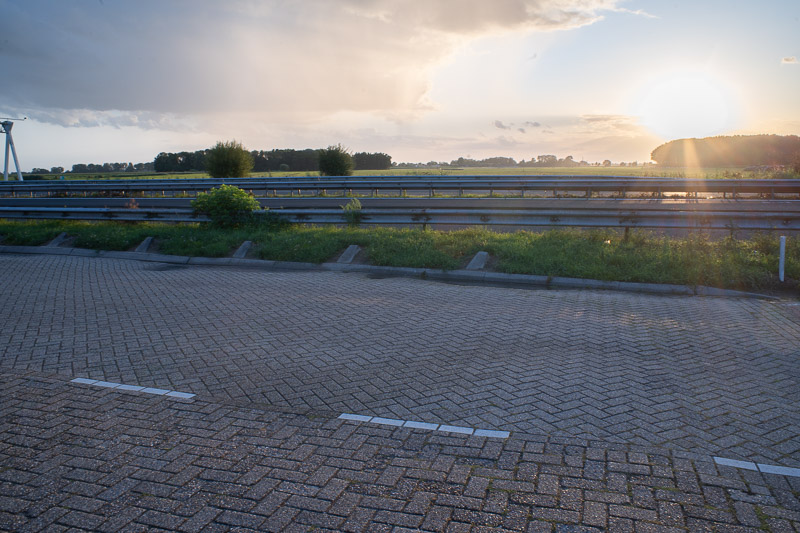
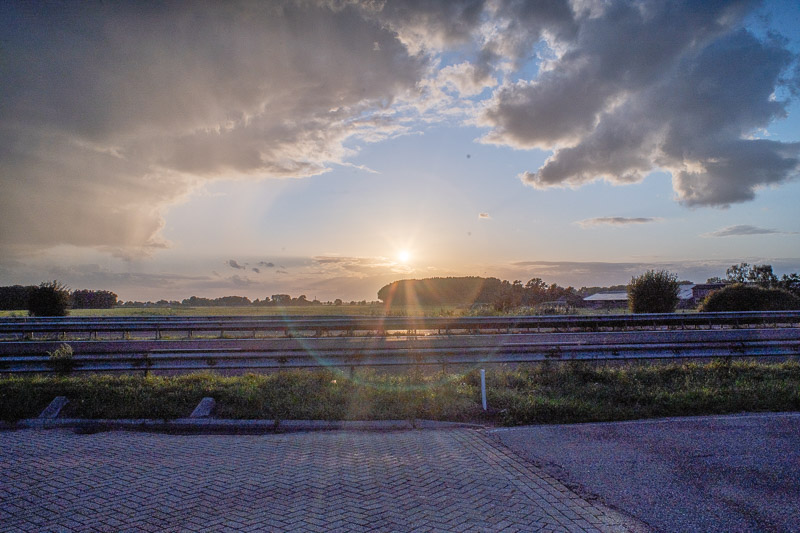
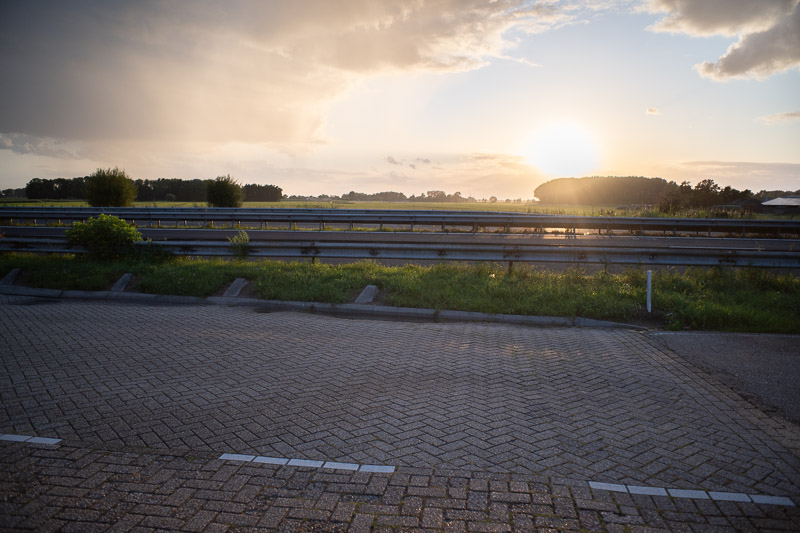
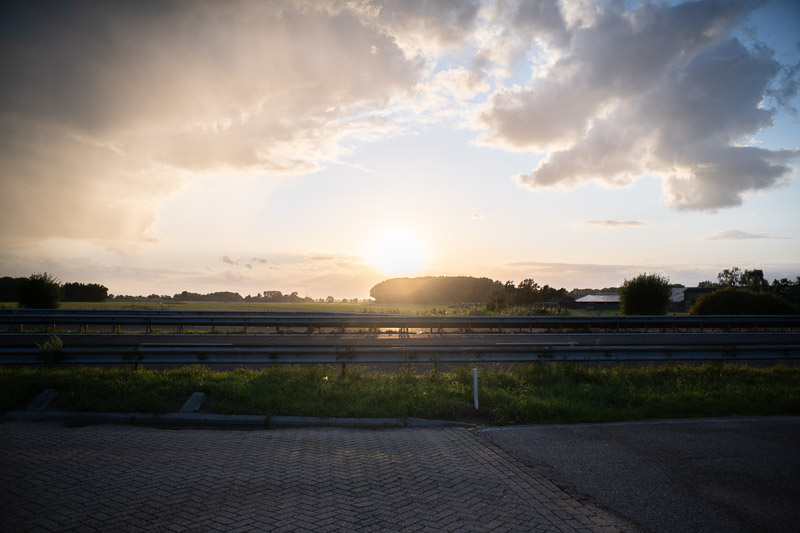
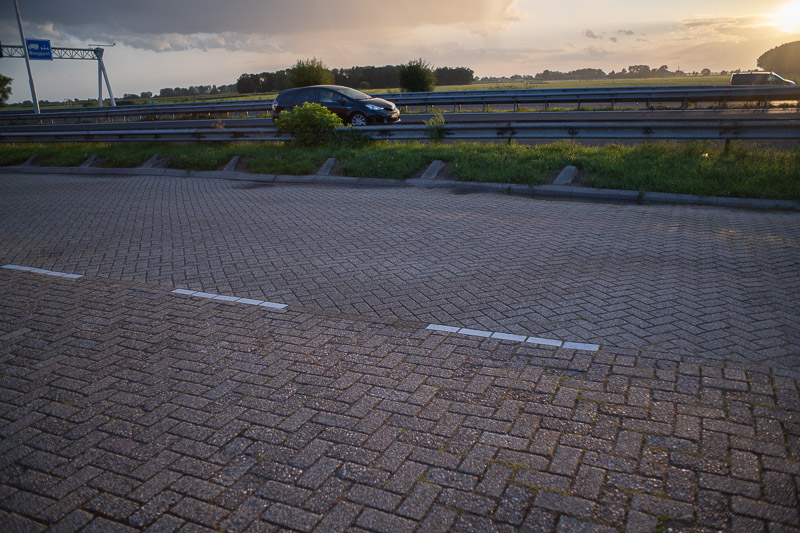
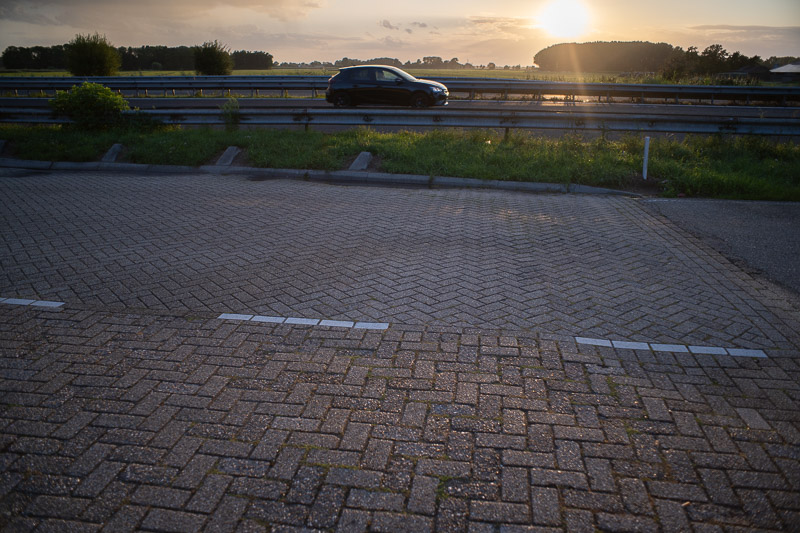
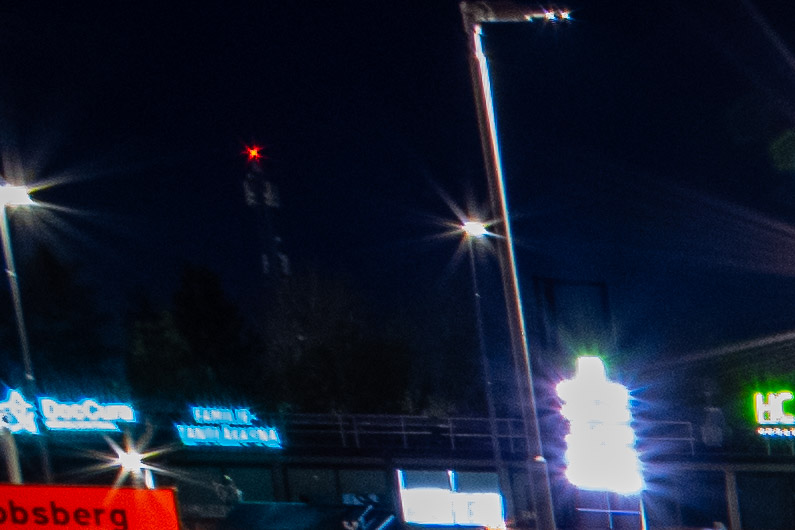
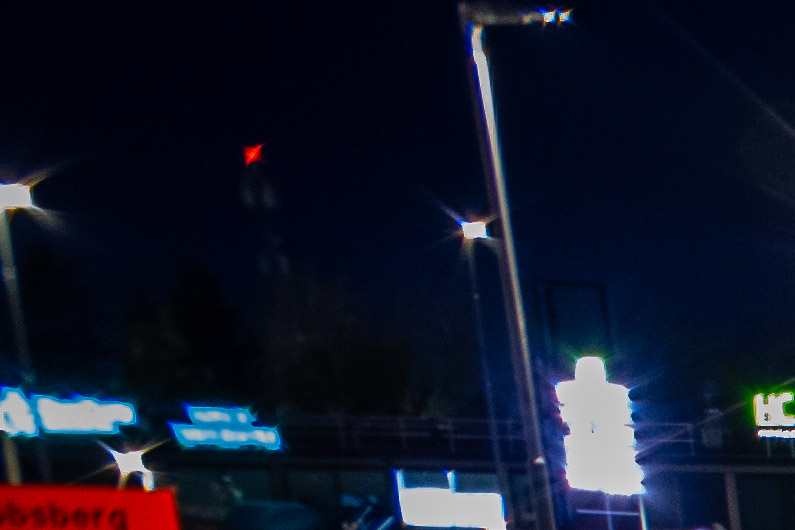
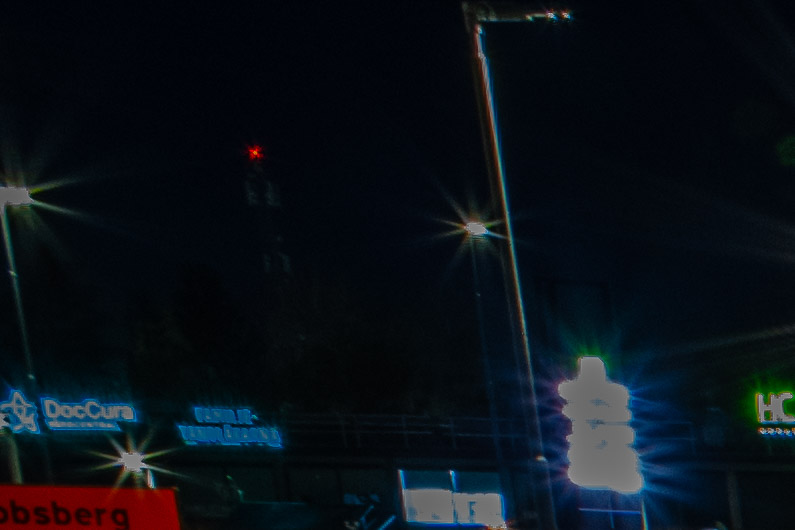
This is a vintage lens, and as such, we should not expect too much. On the other hand, Takumar’s Super-Multi-Coating was legendary in its time, and it shows. While it cannot compete with the best flare-resistant coatings of today, it performs better than many modern lenses. It generally handles ghosting flare very well, though it struggles somewhat with veiling flare, which reduces the otherwise excellent contrast of the images. When the sun is positioned in the center of the frame at smaller apertures, a faint ring flare can also appear (F).
Coma
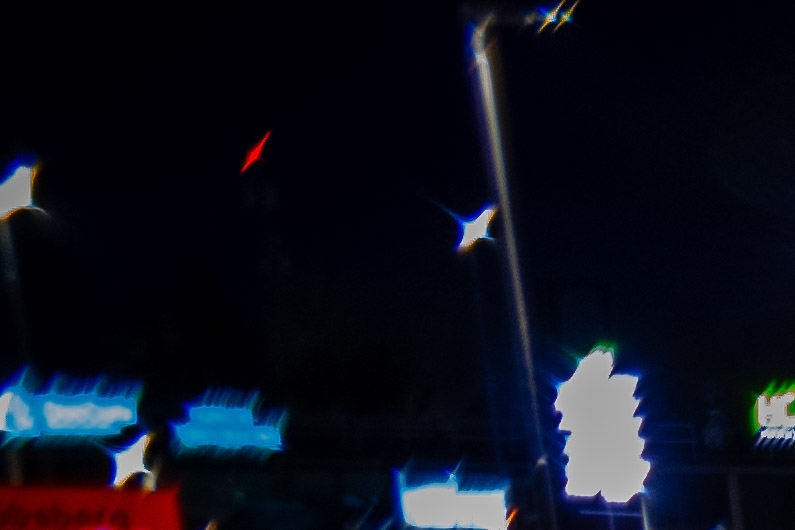
This Takumar lens suffers from coma, especially wide open. Stopping down helps, but does not eliminate it completely; traces of coma remain even at the lens’s minimum aperture of f/16. This is one of the factors contributing to the soft corners, even when stopped down.
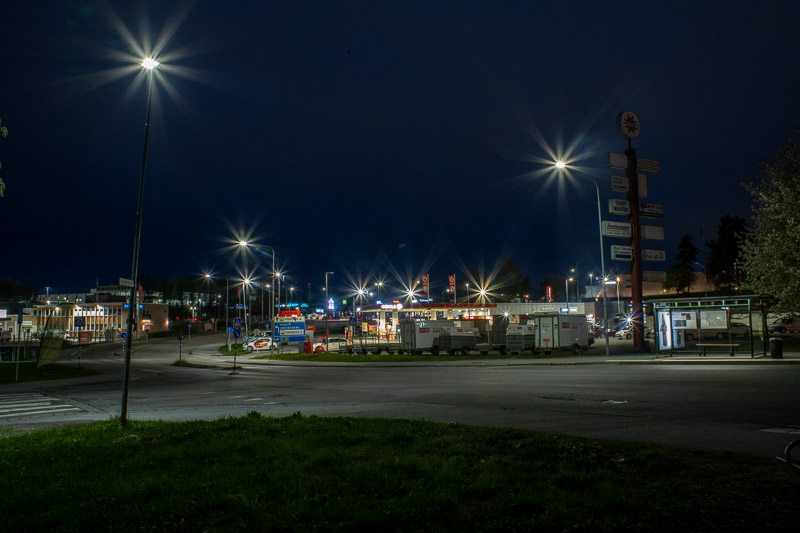
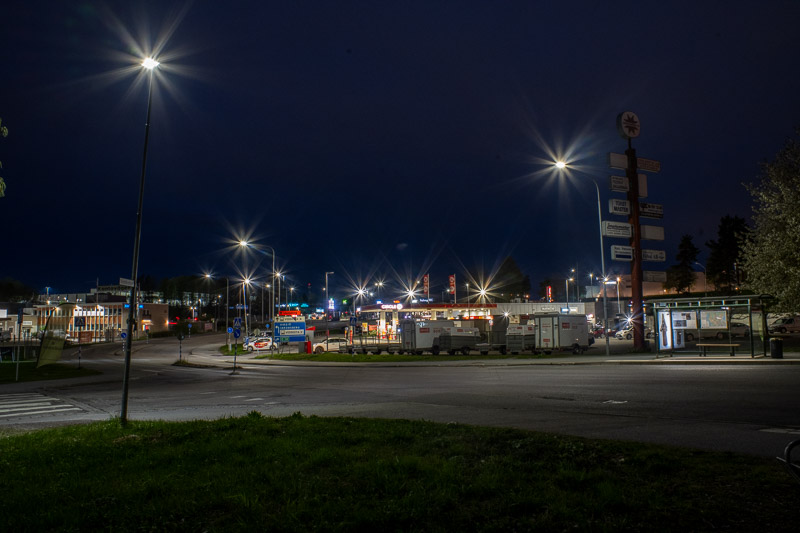
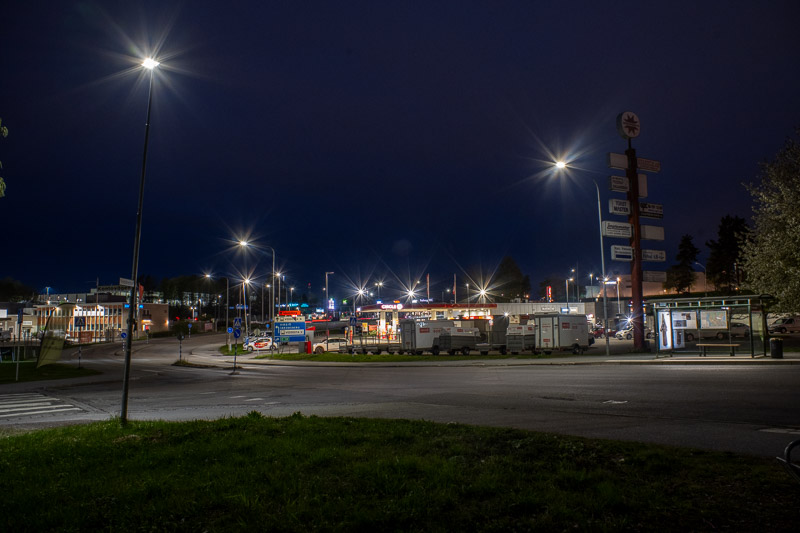
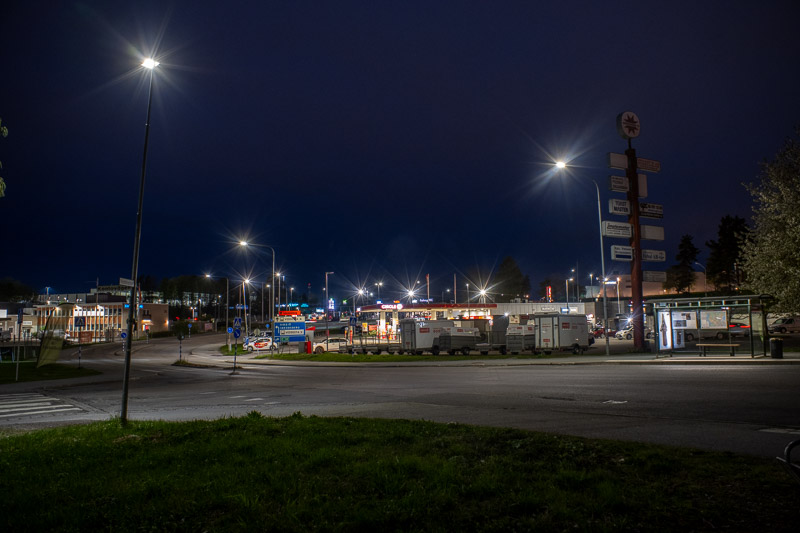
Sunstars
Normally, five-blade apertures do not produce particularly attractive sunstars, and this lens is no exception. Nevertheless, it can produce visible sunstars at f/8 and smaller apertures, though they never become especially well-defined.
Focus Breathing
This Takumar lens also exhibits noticeable focus breathing, making it less suitable for video work where focus pulls are involved.

Bokeh
While a 28mm lens with a maximum aperture of 3.5 is not the first choice for pleasing bokeh, and this lens is clearly not designed for that purpose, we take a look at how it renders background blur.
Close-Distance
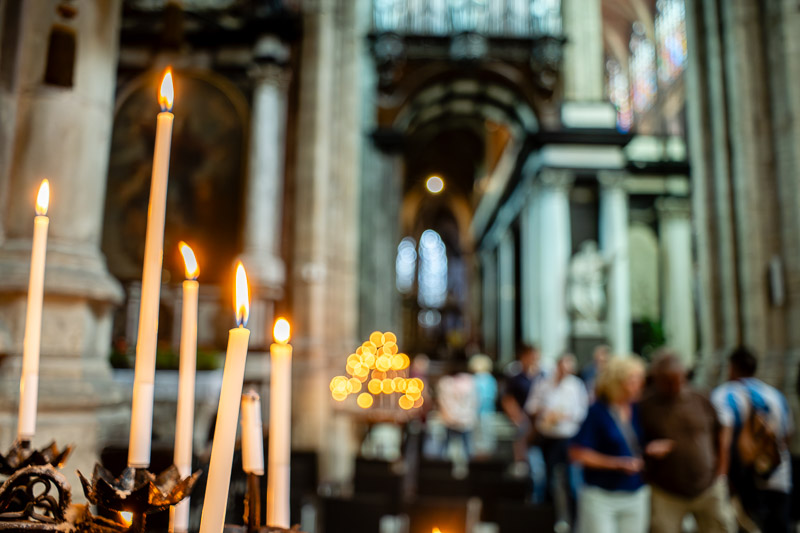
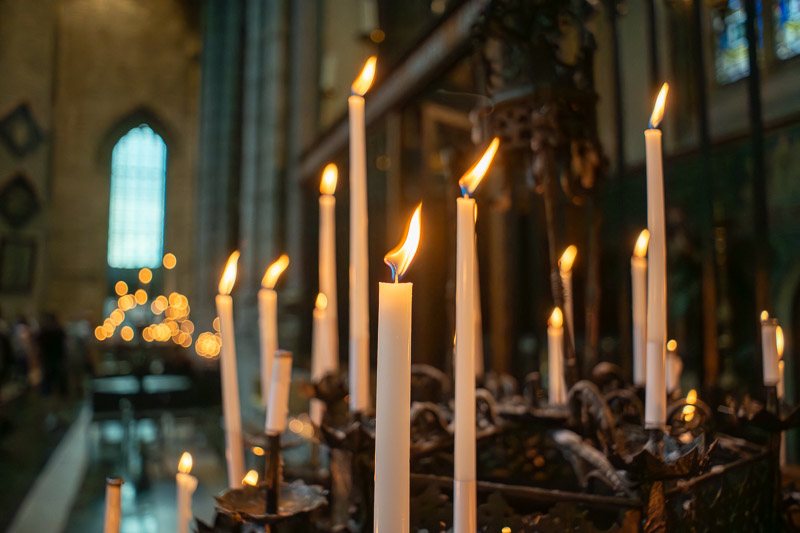
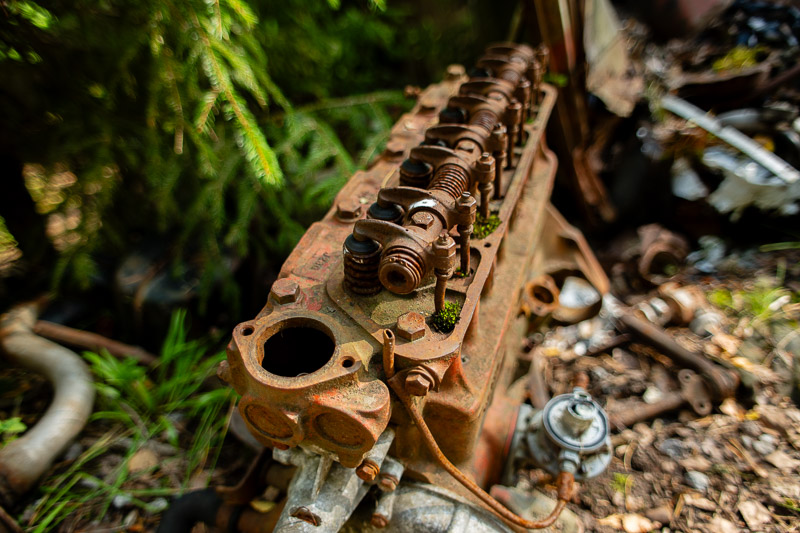
Quite busy bokeh at close distance.
Mid-Distance
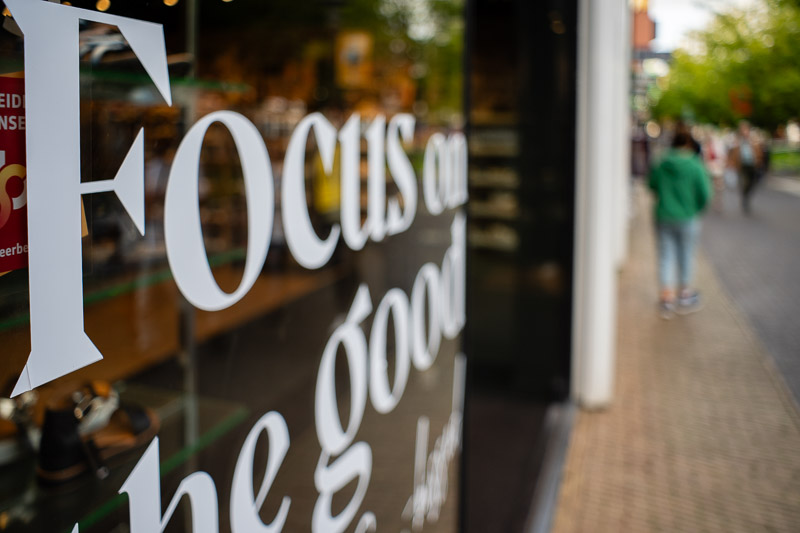
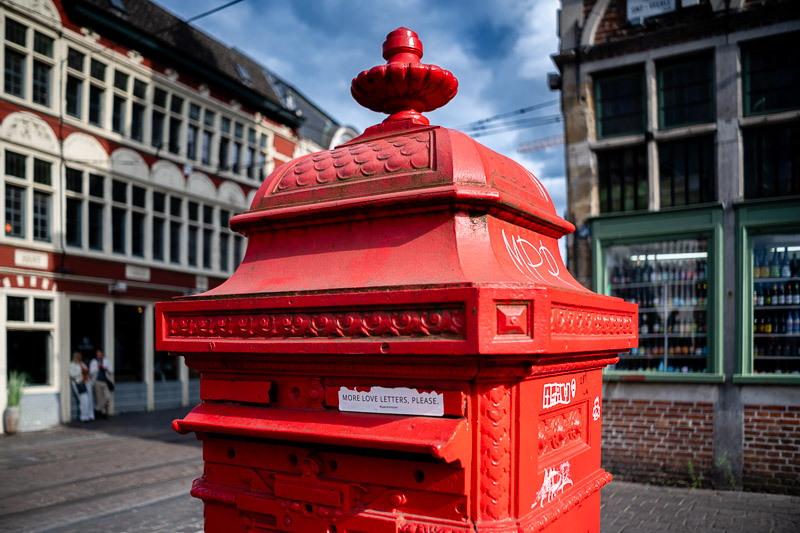
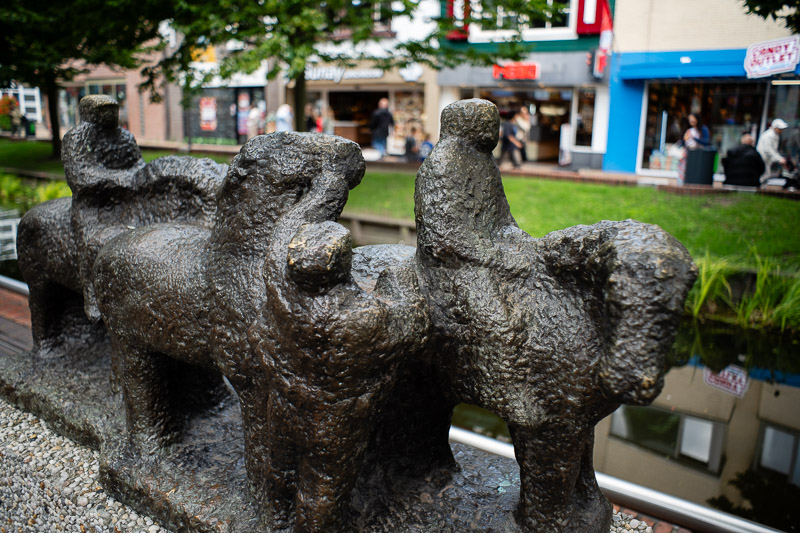

And it does not get softer at mid-distance.
Long Distance
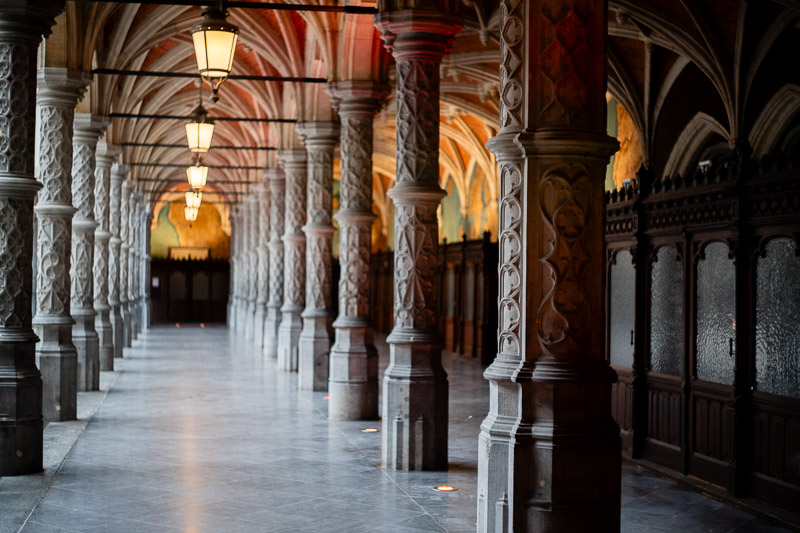
And of course, the long-distance background blur is also quite nervous.
This is a vintage lens with a typical vintage rendering, producing fairly busy bokeh even at close distances.
Bokeh is very subjective: some people like this kind of background blur, while others dislike it. Have a look and decide for yourself.
Conclusion
| I LIKE | AVERAGE | I DON’T LIKE |
|
|
|
A vintage lens with character, it is what it is: a lens with excellent center sharpness that improves further to a generally good level across the frame, with totally acceptable corners when stopped down to f/8–f/11. Flare resistance is relatively good — better than that of some modern lenses — though far from perfect. Vignetting is well controlled, and the all-metal-and-glass construction has held up impressively after more than half a century.
That said, it cannot come close to the clinical sharpness and optical refinement of modern lenses. The corners never become truly sharp, coma never fully disappears, and midframe sharpness, flare resistance, chromatic aberration, and sunstars are merely mediocre.
The verdict: if you own an M42 camera—such as a Pentax Spotmatic, Praktica, Exakta, Chinon, Yashica, Mamiya, Fujica, Ricoh, Vivitar, or Zenit—this is a worthwhile lens for film photography. It is not a top-performing modern lens, but it is far from a bad one, and has the typical character and rendering of vintage optics. However, if you’re adapting a vintage 28mm lens to a mirrorless camera, better options are available from Zeiss, Nikon, Canon, and Minolta.
Writing articles like this one is both time-consuming and costs us a lot of money. If you found this article helpful and decided to buy one of these lenses, please consider using one of the affiliate links.
If you are not interested in buying any of the lenses, but you still found this article useful, interesting, or it saved you a lot of money, treat us to a coffee (donate)!
Buy used: eBay.com, eBay.de from $90 (Advertisement) |
Alternatives
M42
Carl Zeiss Jena Flektogon 28mm
Zeiss quality with a specific rendering that many love and a very short minimum focus distance
Buy used: ebay.com, ebay.de from $150 (Advertisement)
Pentacon 29mm f/2.8
A more budget-friendly alternative with better bokeh but less sharp.
Buy used: ebay.com, ebay.de from $60 (Advertisement)
Yashica Yashinon-DS or DX 28mm f/2.8
Good build quality, more or less near the Takumar
Buy used: ebay.com, ebay.de, from $90 (Advertisement)
Chinon 28mm f/2.8 (Multi-Coated)
Good multi-coating, handles flare almost as well as the SMC Takumar
Buy used: ebay.com, ebay.de, from $50 (Advertisement)
Vivitar 28mm f/2.5
The fastest lens in the list
Buy used: ebay.com, ebay.de, from $30 (Advertisement)
Other Mounts
Pentax K SMC 28mm 1:3.5
This is Pentax’s successor to the reviewed lens, featuring a more complex optical design with improved mid-frame and corner sharpness, as well as coatings and flare resistance that are at least as good as those of the reviewed lens.
Buy used: ebay.com, ebay.de from $140 (Advertisement)
Nikon Nikkor 28mm f/2.8 AI-S
It features CRC (Close Range Correction), which means it remains tack-sharp even when you are focusing very close to a subject. It is 2/3 of a stop faster and resolves more detail for high-megapixel sensors.
Buy used: ebay.com, ebay.de from $250 (Advertisement)
Olympus Zuiko 28mm f/3.5
Incredibly compact and sharp across the frame with more modern rendering of background blur.
Buy used: ebay.com, ebay.de from $60 (Advertisement)
(Carl Zeiss) Contax/Yashica (C/Y) Distagon 28mm f/2.8
It is known for the T Coating*, which provides good flare resistance and that rich, “saturated” Zeiss color, a very sharp lens.
Buy used: ebay.com, ebay.de from $220 (Advertisement)
Canon FD 28mm f/2.8 (S.C. or nFD)
Canon FD glass is known for having pastel colors and smooth bokeh. Affordable, suits especially video for a cinematic look
Buy used: ebay.com, ebay.de $85 (Advertisement)
More Sample Images


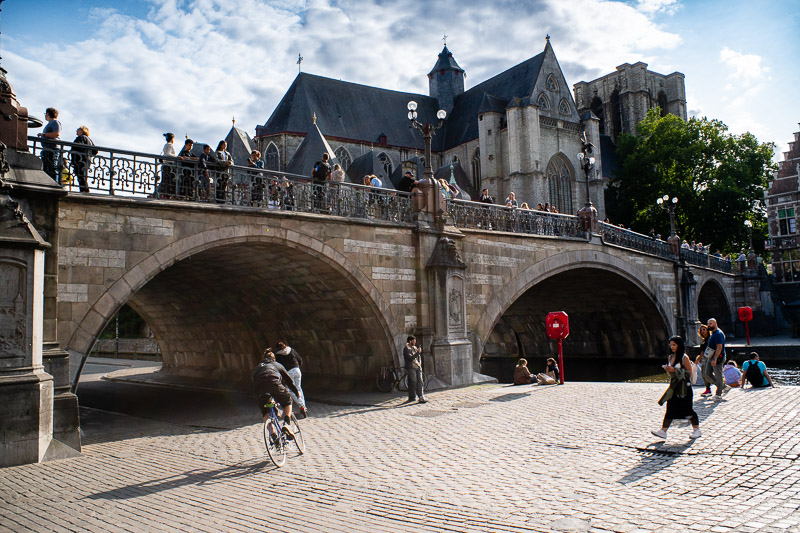

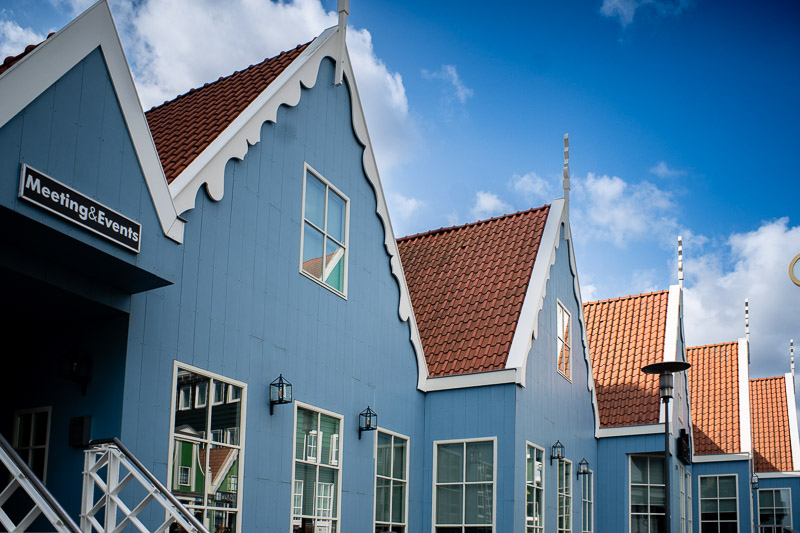
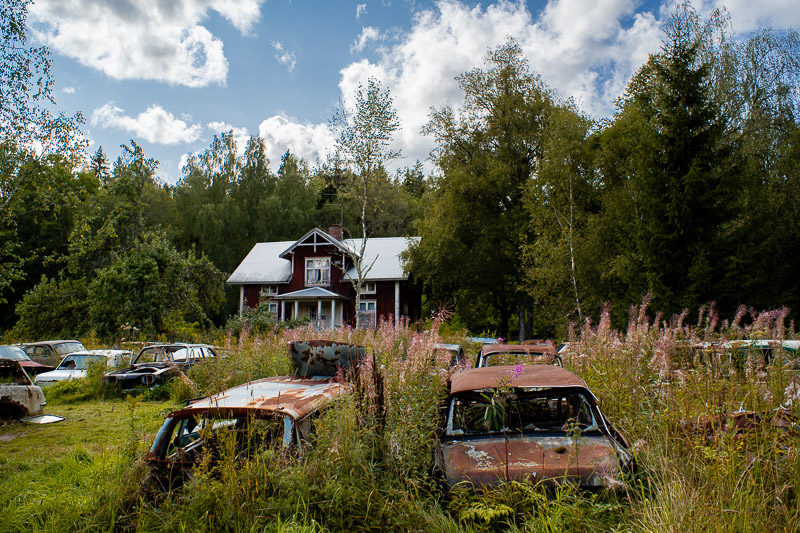
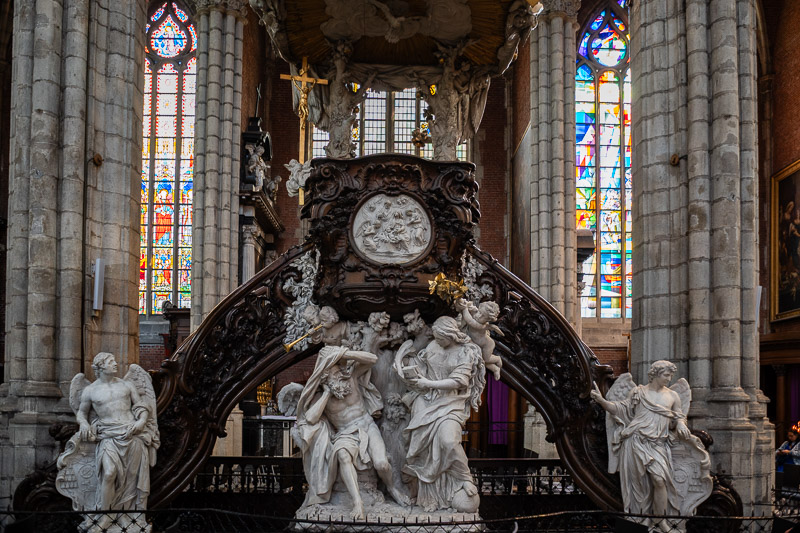
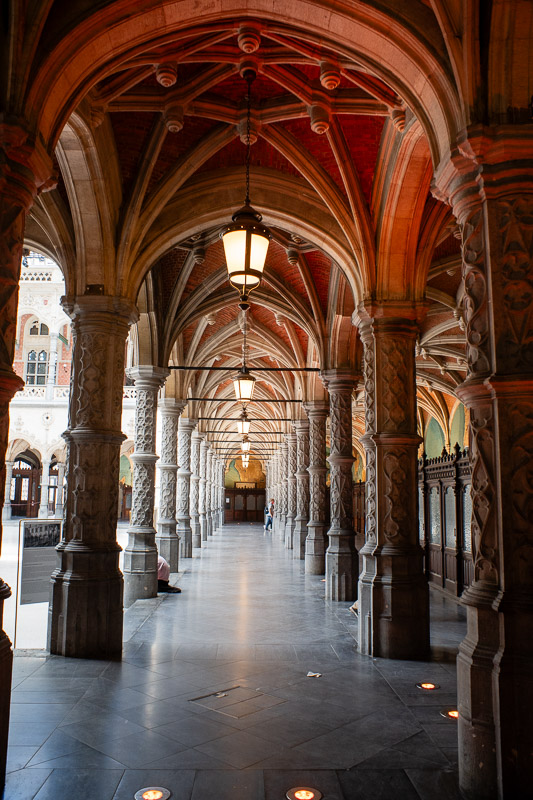
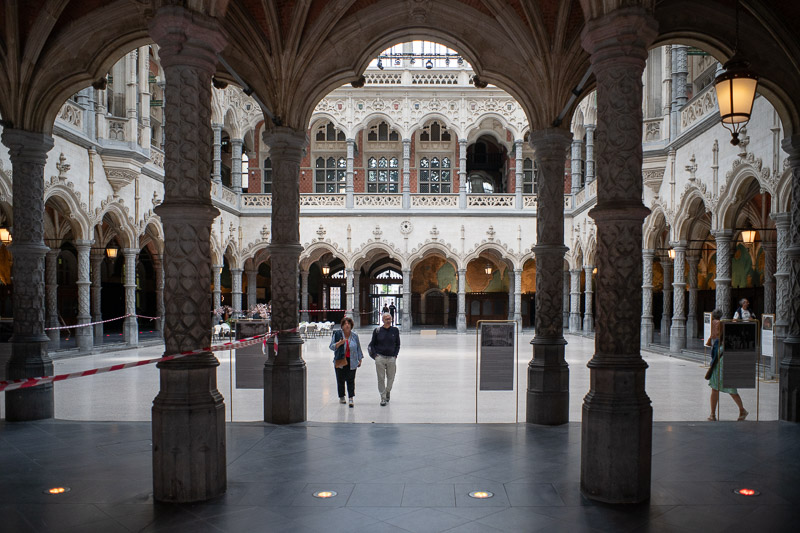
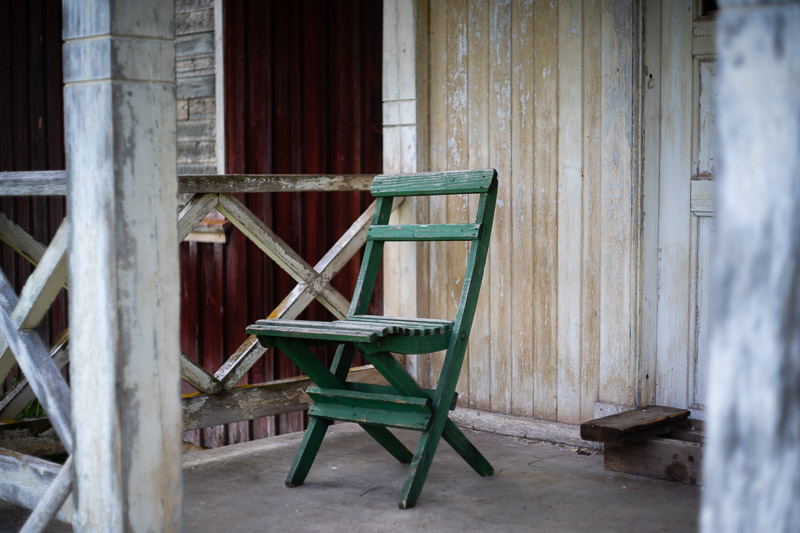
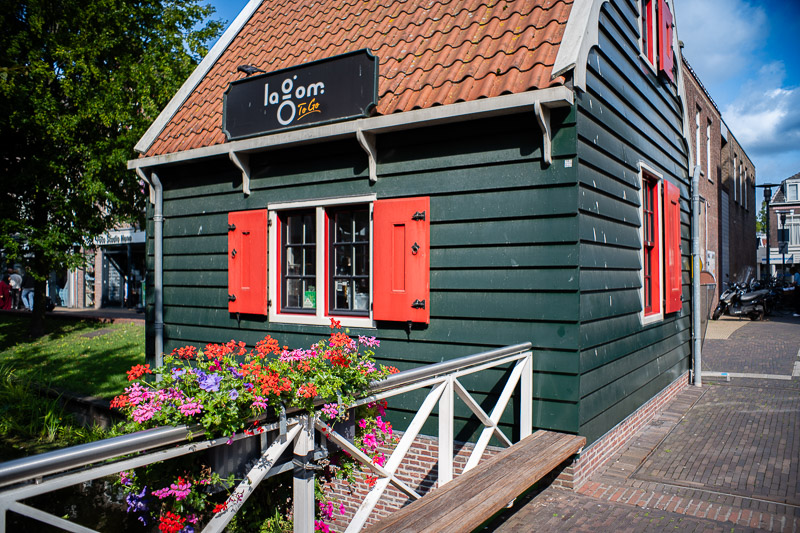

Most of the sample images in this review and many more can be found in higher resolution here.
Further Reading
- What camera gear and accessories do I use most frequently?
- Review: Voigtländer 28mm 2.8 SL IIs Color-Skopar (Nikon F)
- Review: Minolta 28mm 2.8 M-Rokkor
- Review: Minolta MD 28mm 1:2
- Review: Olympus OM Zuiko 28mm 1:2
- Review: Pentax K SMC 28mm 1:3.5
- Review: Contax Zeiss Distagon 2.0/28 T* AEG (C/Y)
- Vintage Lenses (List of all vintage lens reviews on this site)
Support Us
Did you learn something new, find this article useful, or simply enjoy reading it? We’ve put a lot of time and resources into creating it, and your support helps us keep going. If you’d like to show your appreciation, please consider clicking the Donate button!



(Donations via Paypal or bank card)
What’s in my camera bag? MY 2026 KIT!!
- Main camera : https://amzn.to/3TsGtKg
- Camera grip : https://amzn.to/4e0G3CR
- Memory Card 1: https://amzn.to/47pA20i
- Memory Card 2 : https://amzn.to/3XHYxlZ
- Camera 2 : https://amzn.to/3Xifou8
- Camera grip: https://amzn.to/4dYYpV9
- Memory card 1: https://amzn.to/4e5h2H0
- Memory card 2: https://amzn.to/3zu7W7n
- Small travel tripod: https://amzn.to/4goIX68
- Mini tripod: https://amzn.to/4e09XXX
- Small shoulder bag: https://amzn.to/47tPMiY
- Medium shoulder bag: https://amzn.to/4ej4bjY
This site contains affiliate links, for which I may receive a small commission if you purchase via the links at no additional cost to you. This helps support the creation of future content.


Martin
Latest posts by Martin (see all)
- REVIEW: 7Artisans AF 10mm F2.5 MAX – Fisheye FF - October 25, 2026
- REVIEW: SIRUI AURORA 35mm F1.4 - October 14, 2026
- REVIEW: Zhiyun FIVERAY M60 Ultra & Molus X100 RGB - October 11, 2026
I had both the M43 SMC version of that lens (the one tested here) and the Pentax-K version (not Pentax-M). The SMC was good, but the K version was better, noticeably sharper in the corners.
I would imaging as the K version is newer and also has a different more complex lens construction.
The K version is an excellent performer with mechanics of Takumars. Phillip’s review: https://phillipreeve.net/blog/review-pentax-k-smc-28mm-13-5/
That’s correct. Added in the Alternatives.
Great photos:) The colors from this lens looks very nice.
Thanks. The lens definitely has a nice warm character to start with, but I did a bit of color grading to get the final look you’re seeing.
“(Carl Zeiss) Contax/Yashica (C/Y) Distagon 28mm f/2.8
famous for the T Coating*, which provides incredible flare resistance and that rich, “saturated” Zeiss color. Nicknamed The “Hollywood” 28mm, it is famous for a very specific, beautiful way it renders light, but it is extremely expensive”
Surely we are mixing opinions/data on C/Y 28mm f2 and 28mm f2.8.
Nice review, as always.
Right, I started writing about that lens, but I changed it is I thought it is unfair to bring an f/2 lens as an alternative to the f/3.5 lens I reviewed. I changed the same point for the 2.8, but missed to remove the specific f/2 stuff.
Thanks for pointing out.
I suggest to add link of the existing review of the Contax 28 2.8 Distagon.
Great Idea, done.
still my favourite kind of review to see on here! Despite all the undeniable modern advancements, vintage optics remain the most fun & interesting lenses to look at for me, as well as the most pleasurable to use; and the images you got out of this little guy are great! The zuiko 21mm f3.5 is still my go to wide angle for film and adapting to Z mount (with the f2 50 and 90 macros completing my everyday trio) but these old takumars remain very appealing. A pleasure to read as always, cheers 🙂
Oh wow, thanks for the nice words! I wasn’t expecting such a great response to this review. It’s a very old lens, and definitely can’t compete with the optics of modern lenses in the same price bracket. This makes me think I should definitely review more vintage gear!
Very fine review, Martin.
Isn’t the “LaCA fringing” photo in the edge tree branch comparison the same as the corrected version photo? I’m not seeing any visible difference.
Thanks. I think the LaCA is difficult to see properly in the corner because that area is soft. I’ve now replaced the images with mid-frame crops, where it’s much more obvious due to the greater sharpness there.
Thanks, this was very interesting.
I love when vintage lenses are reviewed here.
Some of my favorite images were taken with Asahi lenses, including the 35 f/2.3 and the 8 element 50. As you say, they don’t compare side-by-side with some of the modern marvels, but I can’t think of much “technology” that has held up as well over 50-60 years.
Thanks for the fine review. This is the first time I’ve heard this lens described as “legendary” 😉 – I only remember the K version being described that way. I used this lens back in my high-school days when it was still (almost) current, and it was optically no better on film than may other 28mm available then, but it was probably the mechanically the nicest.
Me too 🙂 Although the SMC certainly has a bit of a legendary reputation, there’s always a first time for everything.
And yes, as mentioned, there are loads of other vintage lenses that perform better, including the K-mount Pentax 28/3.5.
A great set of photographs, thank you. I’d like to see more posts like this! I love Takumars. There’s something about their tank-like build that makes them so tactile that I can forgive their shortcomings. Let’s face it, if you’re a pixel-peeper looking for edge-to-edge sharpness, many legacy/vintage lenses are out of the question without spending the same amount of money for a modern lens. These older lenses boil down to two things: the look you get from them, and the satisfaction you get from using them. Also, if you’re the sort of photographer who gets pumped using ‘new’ kit, these are an inexpensive way of finding creative motivation.
There are quite a few vintage lens reviews on this site
https://phillipreeve.net/blog/review-carl-zeiss-jena-sonnar-135mm-f-3-5/
https://phillipreeve.net/blog/review-carl-zeiss-jena-pancolar-50mm-f-1-8-mc/
https://phillipreeve.net/blog/review-helios-44/
https://phillipreeve.net/blog/review-kmz-helios-40-85mm-f-1-5-can-the-legend-live-up-to-its-reputation/
And many more…
Here is the list with many many more:
https://phillipreeve.net/blog/lenses/vintage-lenses/
Correct, this is a more or less complete list of vintage lens reviews on this site.
https://phillipreeve.net/blog/lenses/vintage-lenses/
It’s been more than 10 years since I’ve started adapting vintage lenses on my Sony a7 and I am not as interested in adapting old lenses anymore.
While I only use modern lenses on my mirrorless now, I also enjoy shooting these vintage lenses on film cameras nowadays. What would be the best film camera to shoot the Takumar 28mm f/3.5 with? A vintage M42 camera or adapting it to a Canon EOS film camera with focus confirmation chip?
Well, which one is “best” is largely a matter of taste. Adapting M42 lenses to an EOS camera lets you use a modern camera body with those classic lenses, but there are a few factors to consider.
First, focus confirmation requires a Dandelion chip (AF-confirm chip), so a cheap manual adapter will not work for AF confirmation.
Second, some M42 lenses — especially wide-angle lenses, including the Takumar 28mm f/3.5 — have rear elements that protrude deeply into the camera body. On some EOS cameras, the mirror can hit the rear element.
If money is not an issue, I would go with a Voigtländer Bessaflex TM, a “modern” classic with an M42 mount. For second-hand options, the Pentax Spotmatic or Praktica MTL 5B are good choices, as is the Praktica Super TL1000. Even Zenit cameras can work — if they still function.
compatibility list:
http://www.panoramaplanet.de/comp/
Note, though, that the list includes cases where the same model of lens is both compatible and incompatible, presumably due to sample variation of lenses, adapters and cameras, and also the design of adapters. (I believe that adapters are often deliberately designed to be a bit short in flange focal distance, to insure that focus can reach infinity despite normal manufacturing tolerances, but some may be designed shorter than others).
Thanks, good review as always.
I might propose adding one to your endless list of lenses to review: Canon FD 28mm f/2.8 S.C.
I have one, and I think it performs well, although I haven’t done careful testing. These can be found in good condition for low prices, typically under 100 €.
At least it seems better than my copy of 24/2.8 S.S.C. (which has soft edges at larger apertures, maybe a not-so-good copy).
Many thanks Seppo,
I owned a Canon nFD 28mm f/2.8 about 45 years ago, I was very happy with it. It was stolen together with all my Canon gear, camera, lenses, extension tubes, filters, flash, everything. After that, I switched to Nikon. I will definitely consider it for a review, see if I come over a sample in the future.
Nice review.
Ah, nostalgia! I have the predecessor Super-Takumar (non-multicoated) version, which I bought new in I think 1969. Same optical design and appearance, and performance presumably essentially the same as the multicoated version, as long as one uses a lenshood and not shooting into a bright light source. (Note though, if buying the plain Super-Takumar, one should pay attention to filter size, the Super-Tak predecessor to this tested one also used a 49mm filter, but there was an earlier one taking 58mm filters. I presume the later 49mm filter version is the better one, though I don’t know for sure). Some of my favorite shots were made using it on a Spotmatic in France and Italy. (Unfortunately, the Agfa slide film I mostly shot color on in those days has not held up nearly as well as the lens has). After more than half a century, the lens’ operation is still beautifully smooth — in part attributable to Asahi Optical’s good materials and workmanship, in part perhaps due to it being unit-focusing, that is, not having the added mechanical complexity needed for floating elements.
I really wish that Sigma would make a high-quality modern updated AF 28 in its i-series, or Viltrox in its EVO. I’d pre-order, not even waiting for the reviews. If only carrying a single wide prime, I think that on full-frame, 28mm is probably the best compromise focal length (unless one is mostly doing architecture, in which case I’d want a bit wider, or mostly environmental portraits, in which case I’d grab a 35mm). And 28 is still very useful in a two-wide-prime kit for architecture, as complement to a 16, 18, or 20mm wider optic.