Introduction
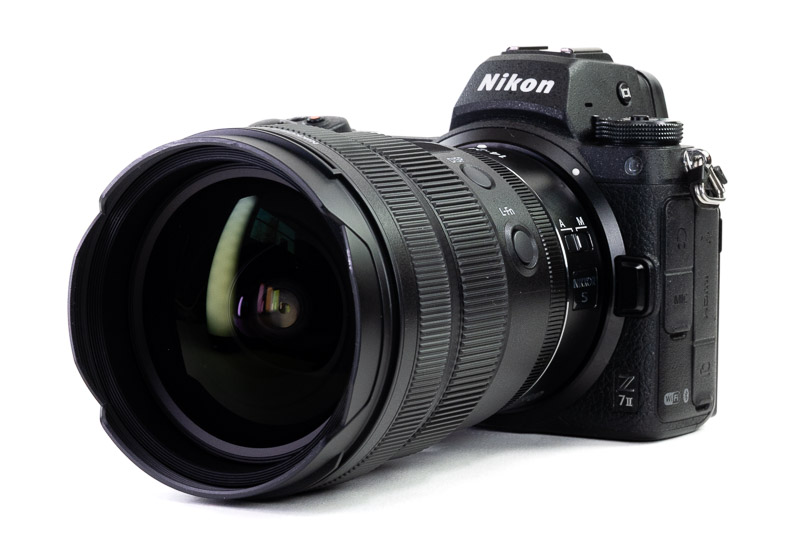
Nikon has a history of producing outstanding ultra-wide-angle zoom lenses, including the long-standing top-tier F-mount 14–24mm f/2.8. They kicked off the mirrorless Z lineup with the excellent 14–30mm f/4, and after a while they really went big by releasing the fast Z 14–24mm f/2.8. It’s fast enough to handle dark indoor scenes or even night photography. While this lens definitely isn’t budget-friendly, its price and Nikon’s track record set the expectation that it should deliver well above-average performance. Let’s check it out!
 I tested this lens on a 46 Mp Nikon Z7ii (Sample images were taken with a Nikon Zf)
 You can see this review as a YouTube video here!
 Sample images in high resolution here.
Sample Images
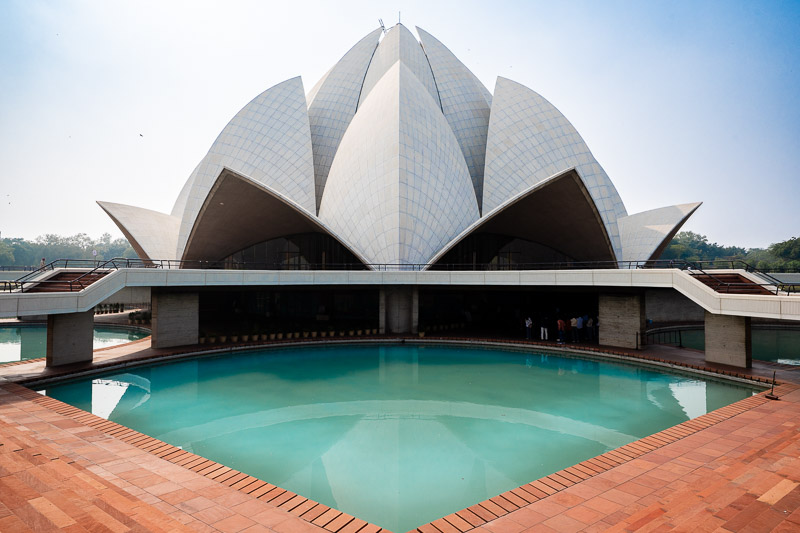
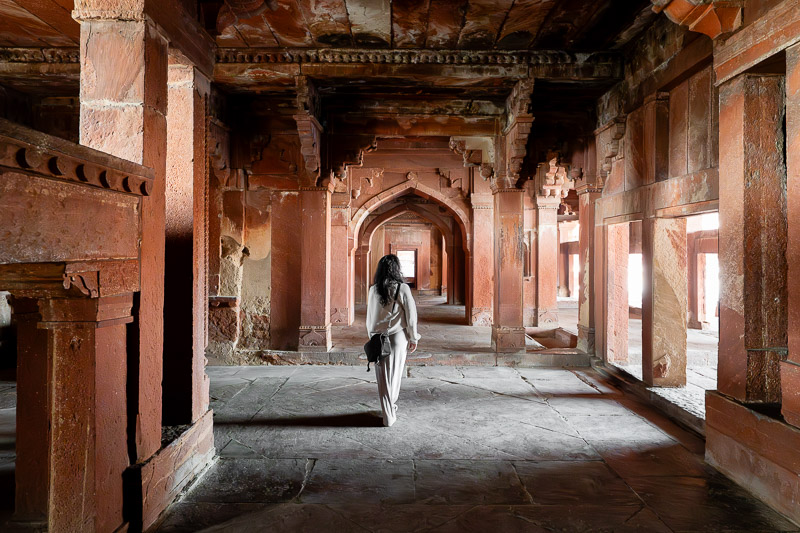
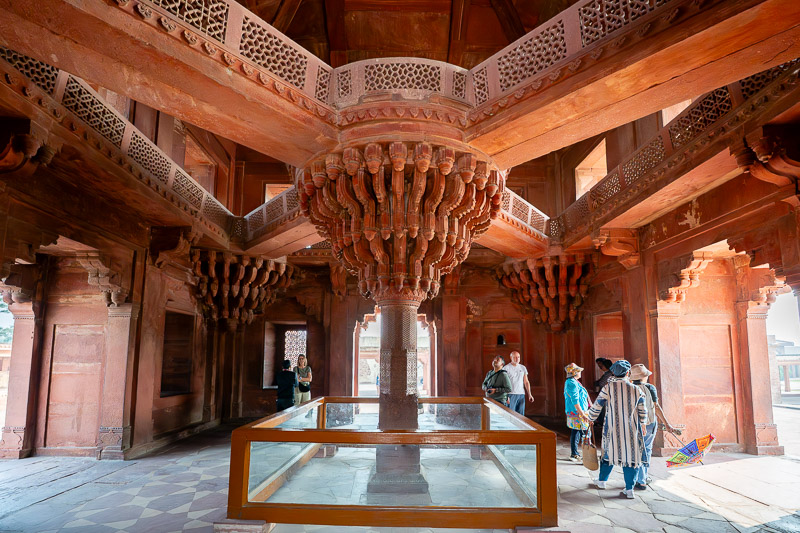
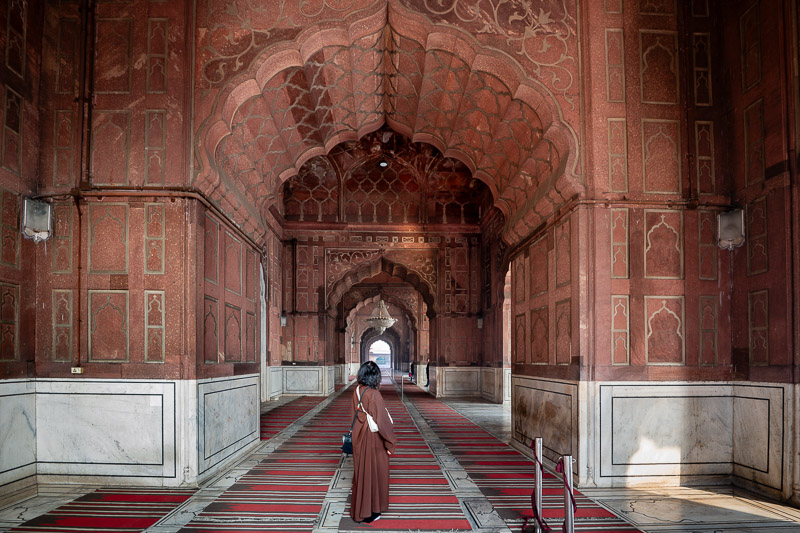
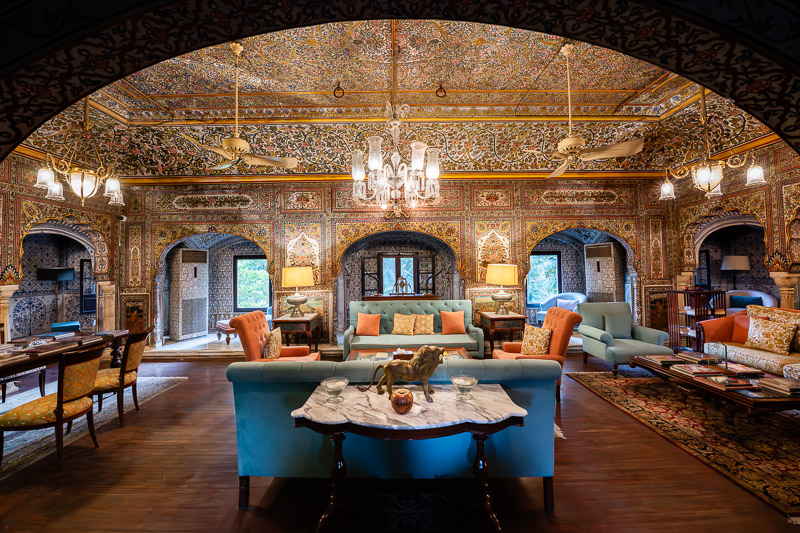

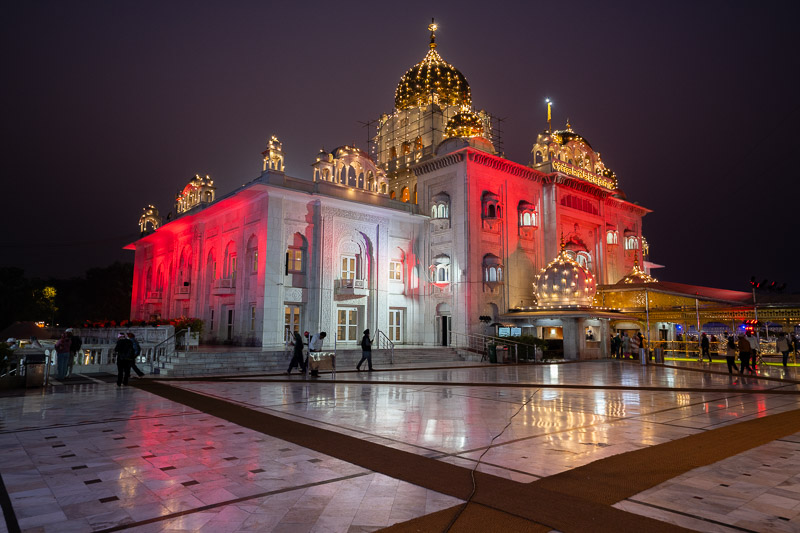
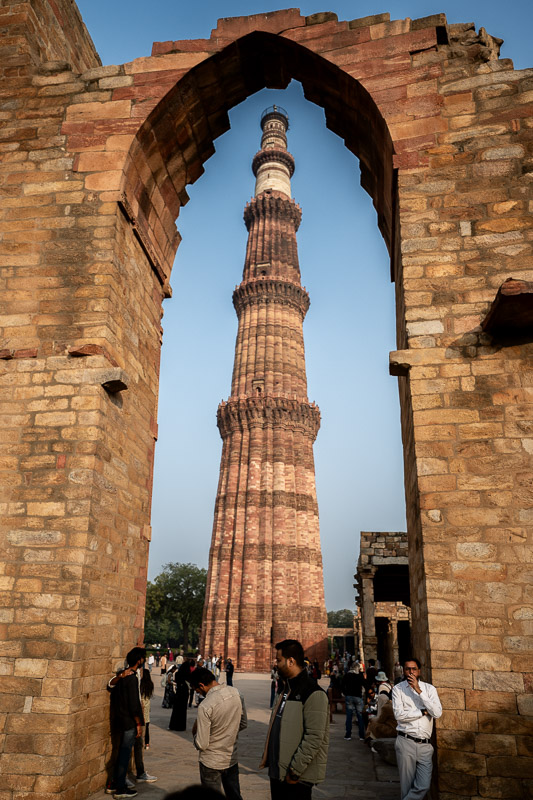
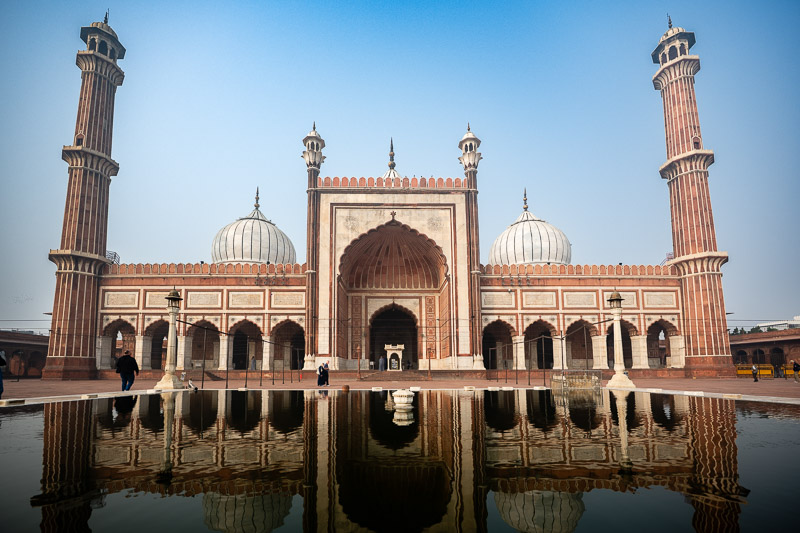
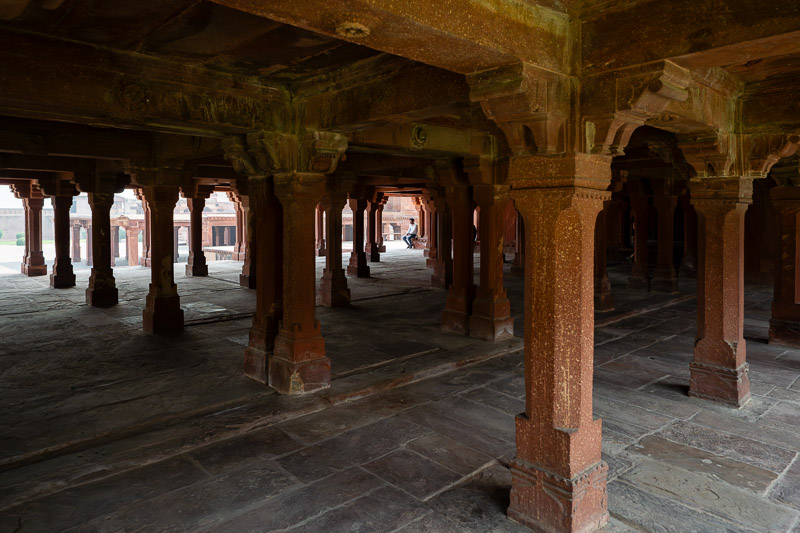
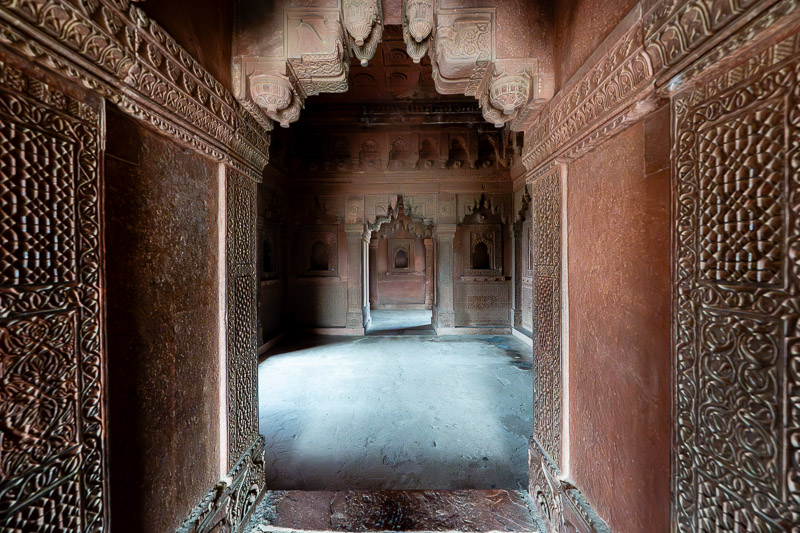

Most of the sample images in this review and many more can be found in higher resolution here.
Specifications
| Focal Length | 14–24 mm |
| Angle of View | 114° to 84° |
| # of Aperture Blades | 9 (rounded) |
| Max Aperture | f/2.8 |
| Min Aperture | f/22 |
| Min Focus Distance (Magnification) | 0.28 m (0.13x) |
| Filter Size | 112mm (with included lens hood) |
| Lens Mount | Nikon Z |
| Weight | 650 g |
| Size (D x L) | 88.5 mm x 124.5 mm |
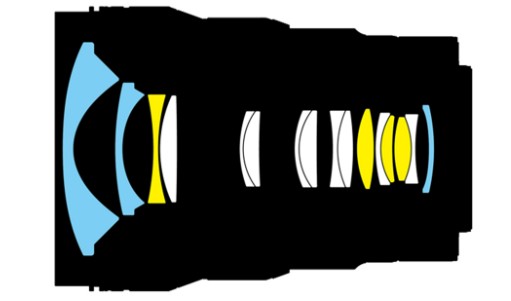
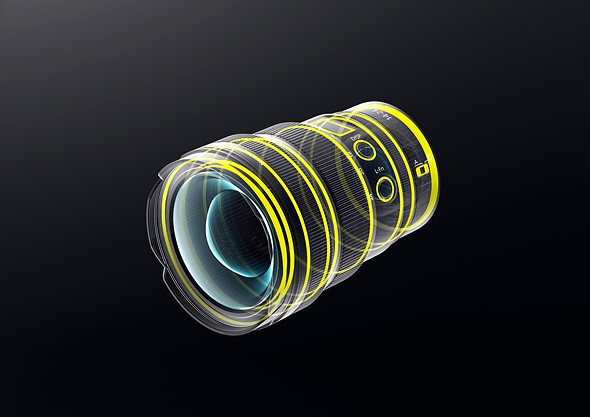
| Elements/Group | 16 elements in 11 groups |
 |
 |
| Buy new: Amazon (anywhere), B&H for $1897 (Affiliate links) Buy used: eBay.com, ebay.de from $1530 (Advertisement) |
Disclosure
I bought this lens for test and review purposes.
Handling and Build Quality
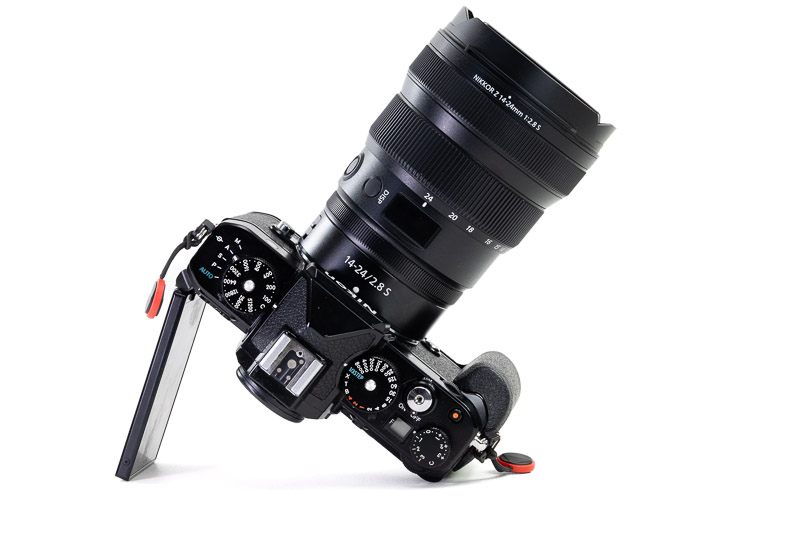
The build quality of the 14–24mm is pretty spectacular, and you notice it right away when you start handling it. It feels solid, with tight, confident assembly. The next thing you notice is the weight — in a good way. At only 650 g, it’s surprisingly light for a lens with these specs. The only lens in this category that comes in even lighter is the Sony 16–35mm f/2.8 GM II. This is partly achieved by a body made mostly of hard plastic, though the lens mount is metal. You can also use rear gel filters with the Nikon Z 14-24mm f/2.8 S, but the only way to attach or remove them is by taking the lens off your camera.
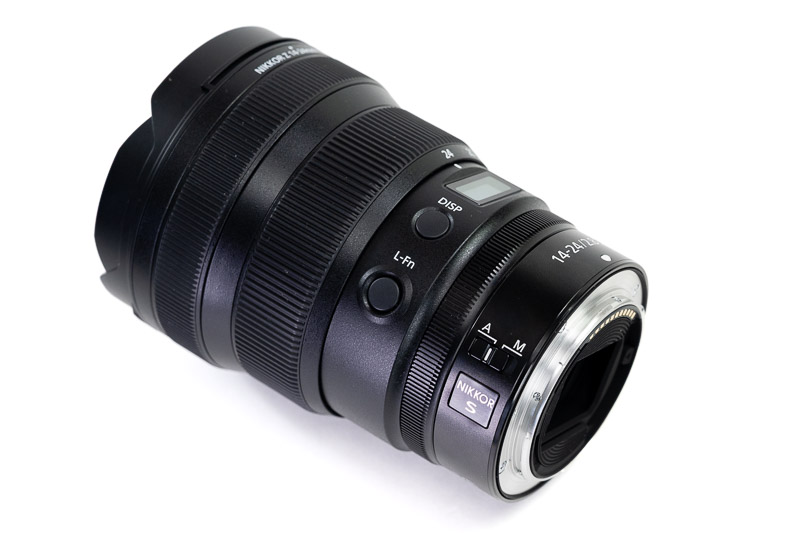
Next is the OLED display with a DISP button that lets you toggle what’s shown — working aperture, focus distance, or focal length. There’s also an L-Fn function button that can be set as a focus-hold button or assigned to other functions. Moving forward, you get a generously sized rubberised zoom ring, followed by a rubberised manual-focus ring that turns smoothly and responds well when focusing manually. Like all Nikon AF lenses, this one also has manual override, so you can fine-tune focus manually even while the camera and lens are set to autofocus.
Autofocus speed usually isn’t a top priority in ultra-wide-angle lenses, but in this case, it’s accurate and reasonably fast. It does produce a faint whirring sound while focusing. Interestingly, when you switch to video, the AF slows down a bit and becomes completely silent.
It is a weather-sealed lens, with a visible rubber gasket around the metal mount. Nikon claims superior dust and drip resistance with sealing under all moving parts.
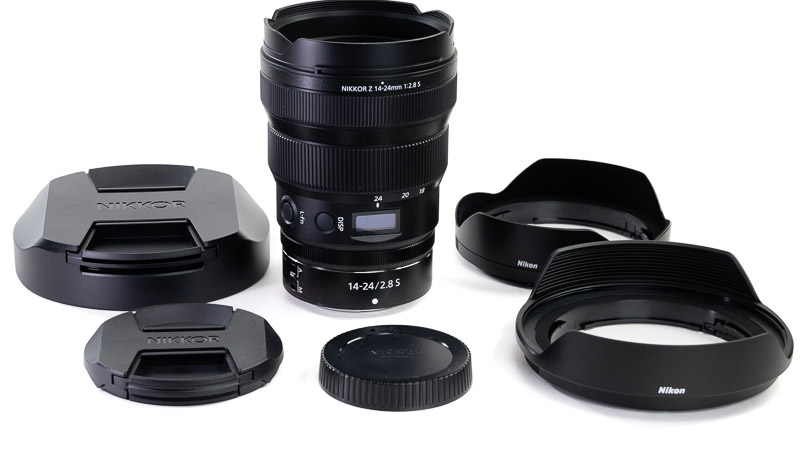
The lens comes with two different hoods and matching front caps. The smaller hood is made of hard, rigid plastic and lets you use a standard lens cap. The larger hood includes a much bigger cap and allows you to mount front filters. The insides of the hoods are treated so that they look like they have a layer of black velvet, which helps minimise reflections. That’s a nice extra touch. Nikon has released a Neutral Colour NC filter and a Circular Polarising filter specifically for this lens. With a massive 112 mm filter thread, the filters end up being fairly expensive, though, Nikon’s 112mm circular polarising filter has a $600 price tag. Something cool about the larger lens hood is that it also fits the 14-30mm f/4 S, 24-70mm f/2.8 S, and 70-200mm f/2.8 S. This means if you get one filter, you can use it on 4 lenses just by swapping the same lens hood.
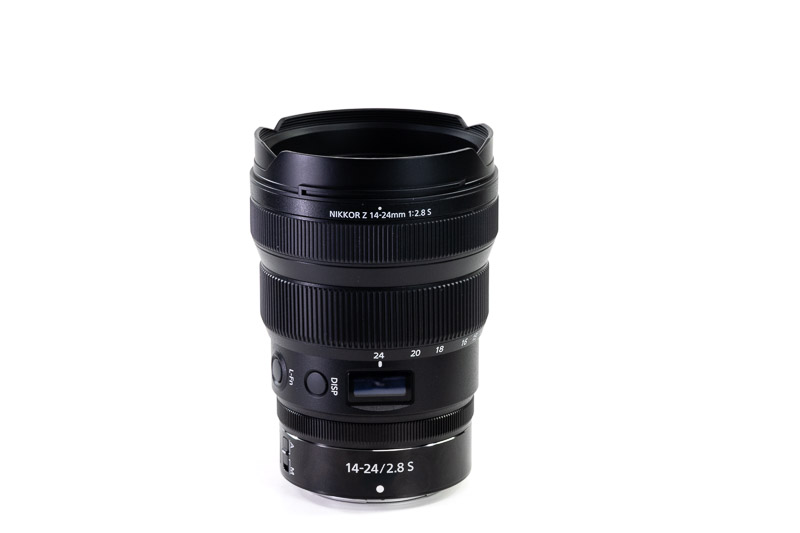
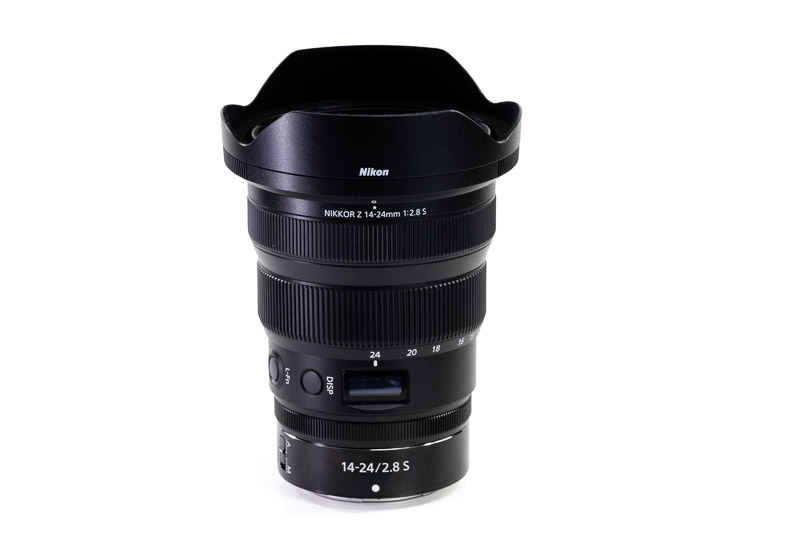
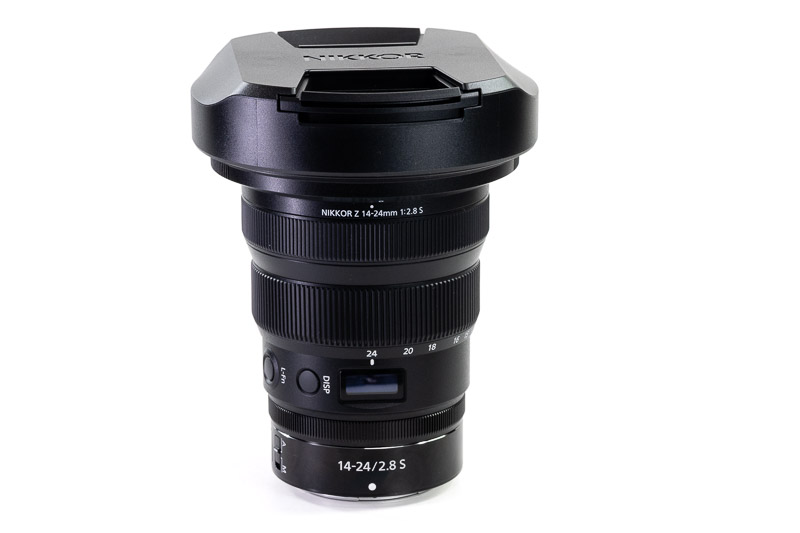
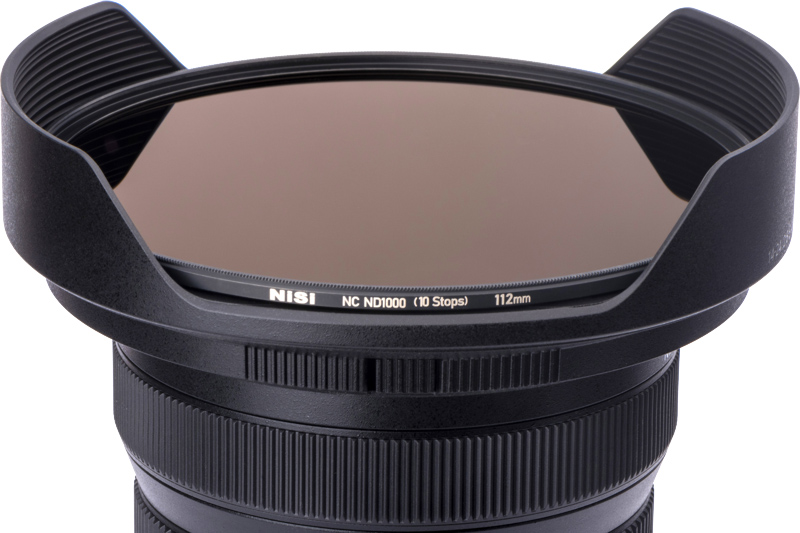
A nice feature of this lens is that it has both internal focusing and internal zooming, which means the front element doesn’t rotate during focus, and the overall length stays the same when you zoom in or out. The front element, though, is moving forward and backward within the lens’s nonmoving outer barrel.
The lens doesn’t have any built-in image stabilisation, but that’s not a big deal for an ultra-wide-angle lens, especially since most Nikon Z bodies have IBIS anyway.
Optical Features
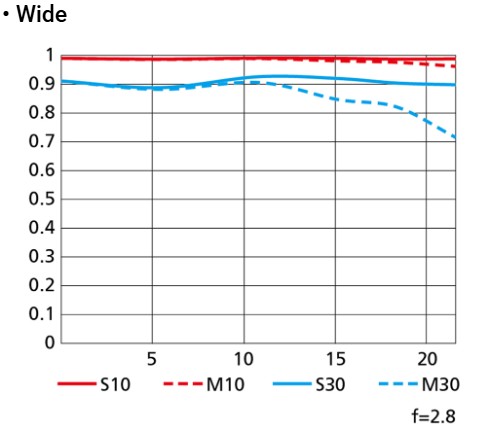 |
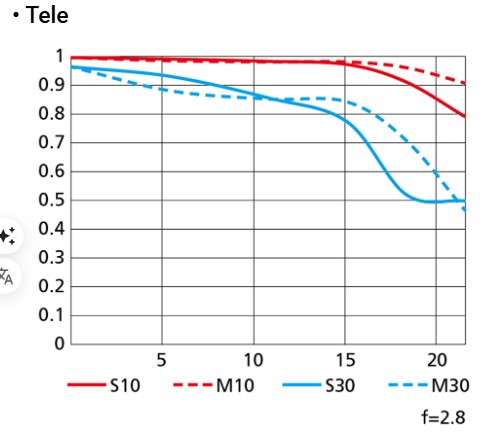 |
Nano Crystal coating, ARNEO coating, Fluorine coating.
Sharpness
Infinity
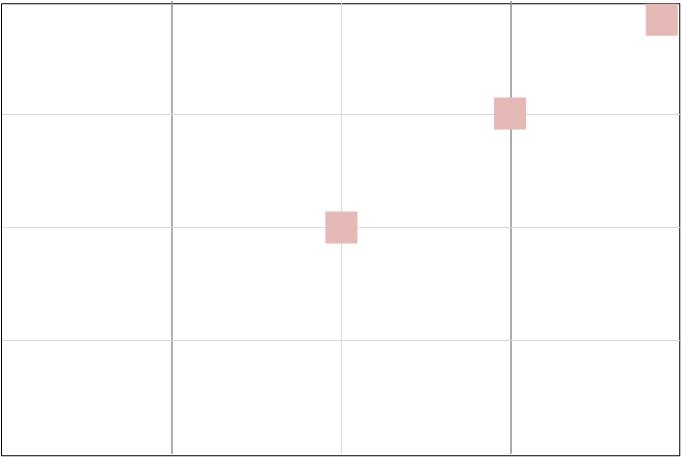
For the infinity sharpness test, we look at three areas of the image, centre, mid-frame, and corner, see highlighted areas in the image below!
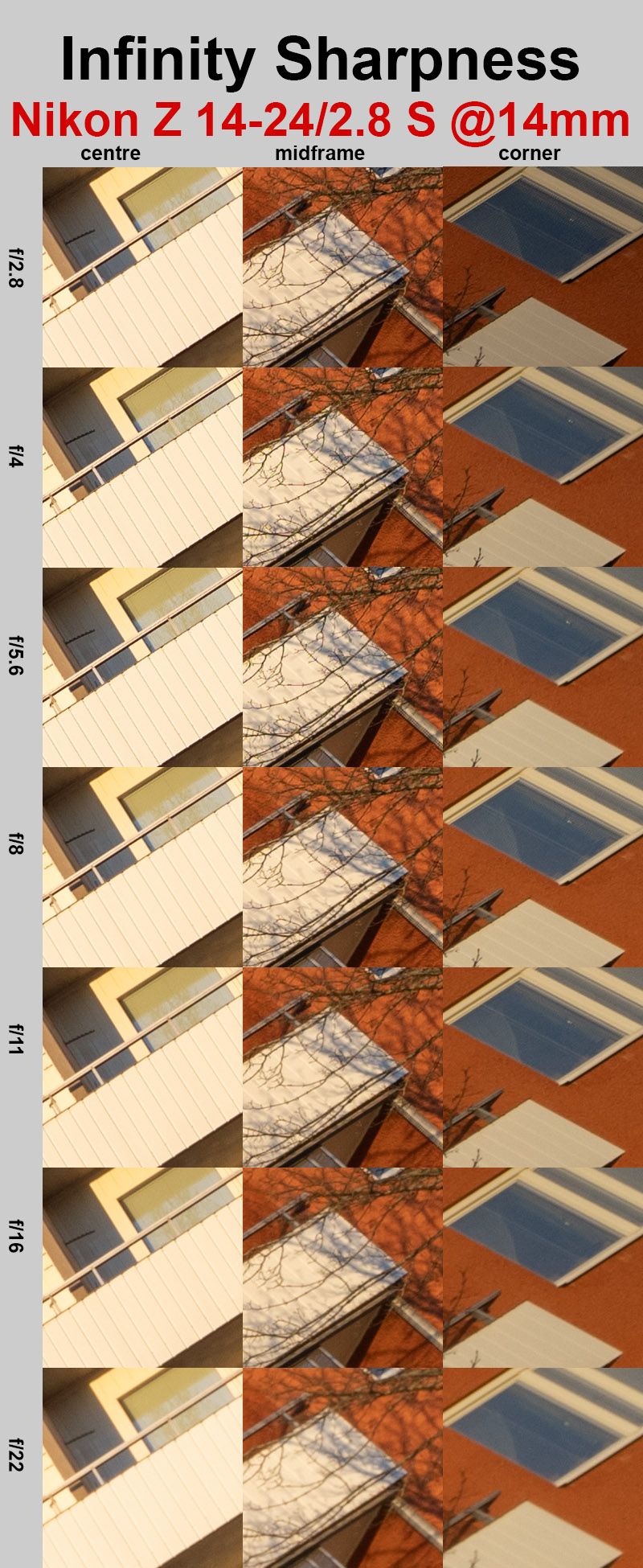

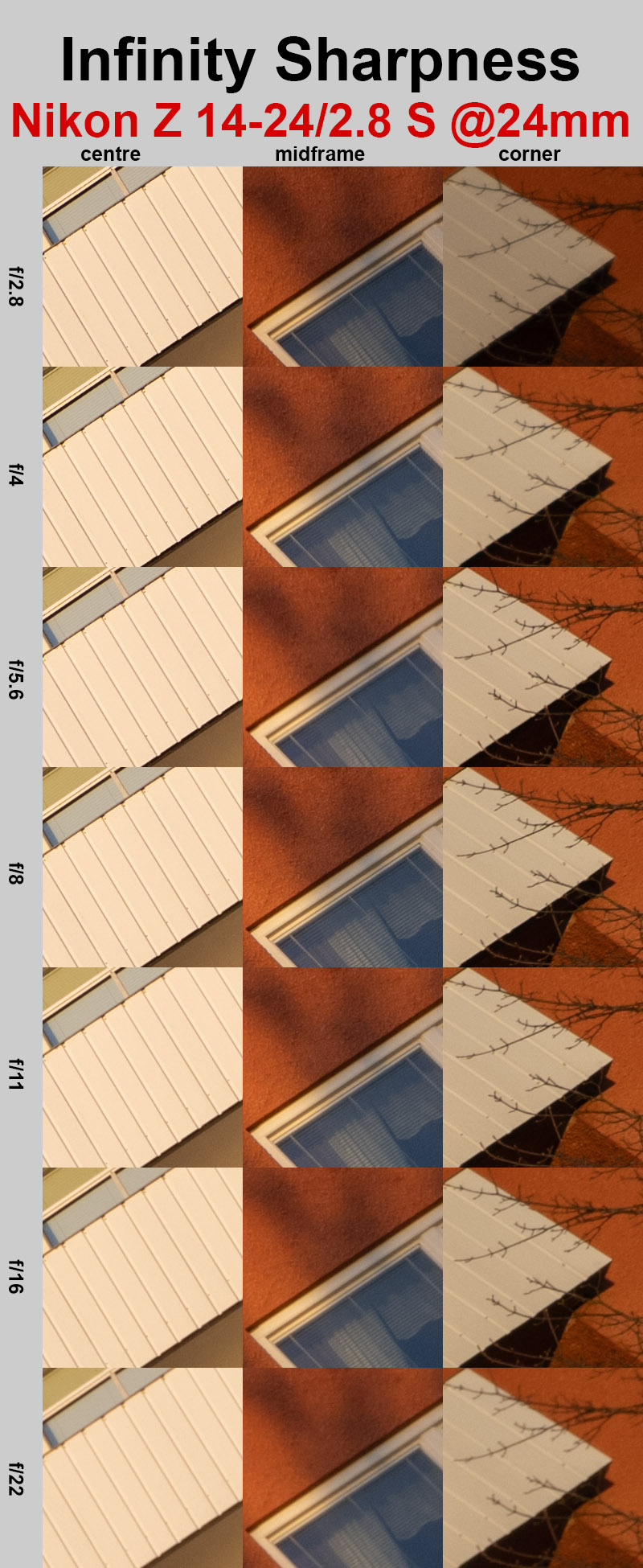
This is one of the strongest performances I have seen. At 14mm, the lens delivers phenomenal center sharpness already wide open at f/2.8, while the midframe and corners are very good. Stopping down one stop brings even the corners to an excellent level. Peak center performance is achieved at f/4, while the midframe and corners peak between f/5.6 and f/8. At f/11, there is a slight drop in sharpness due to diffraction, which becomes more noticeable at f/16, although even there the lens still delivers very good midframe sharpness and good corner sharpness.
It’s the same story at 18mm and 24mm.
Close-up
14mm






18mm







24mm






Even at near-minimum focusing distance, the lens delivers excellent sharpness already at f/2.8, at least at 14mm and 18mm. At 24mm, sharpness wide open is slightly lower than at the shorter focal lengths, although it remains very good. Stopping down to f/4 brings the 24mm close-up sharpness fully in line with the shorter focal lengths.
Lens Distortion
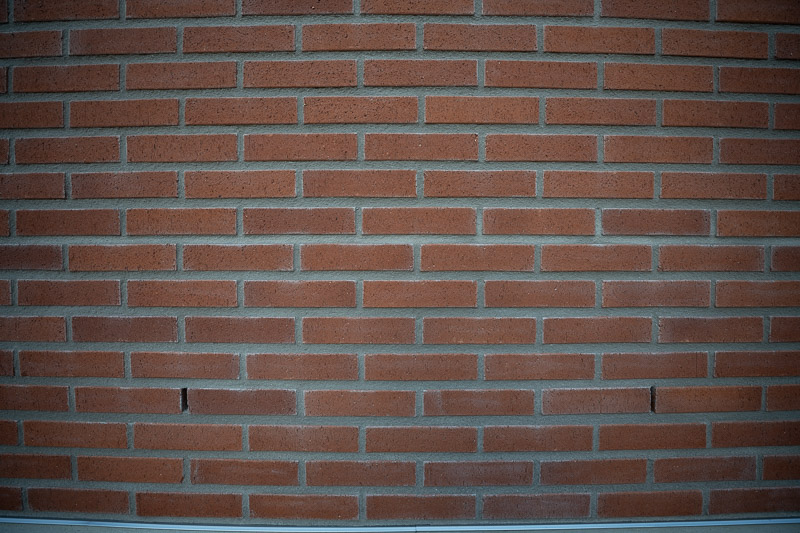
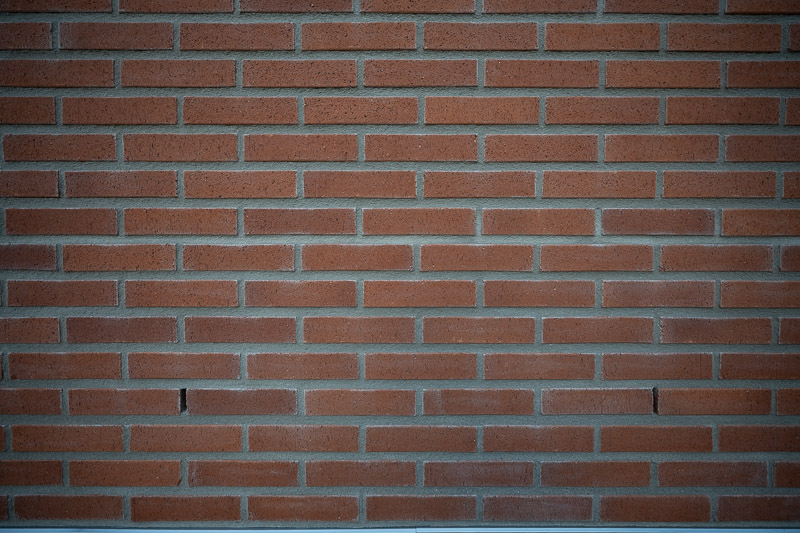
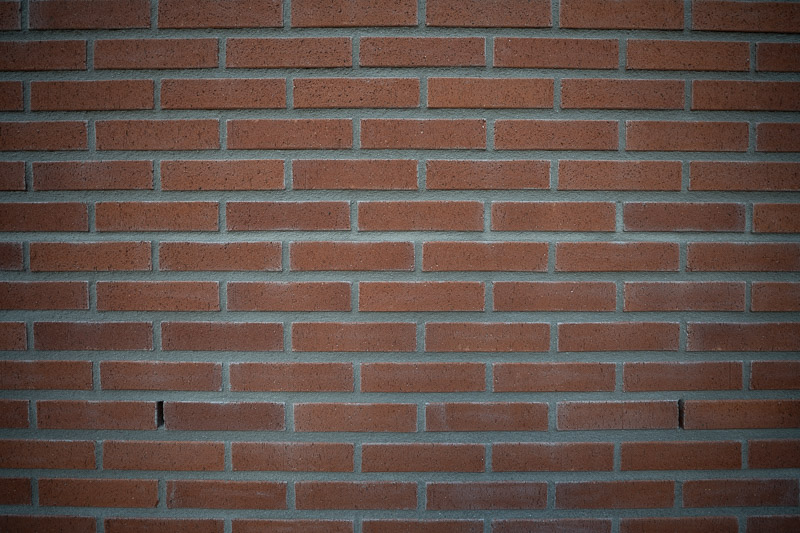
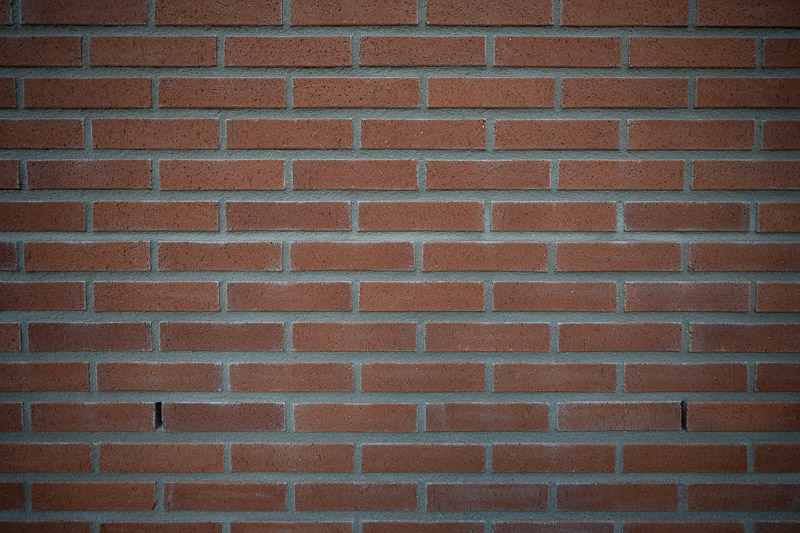
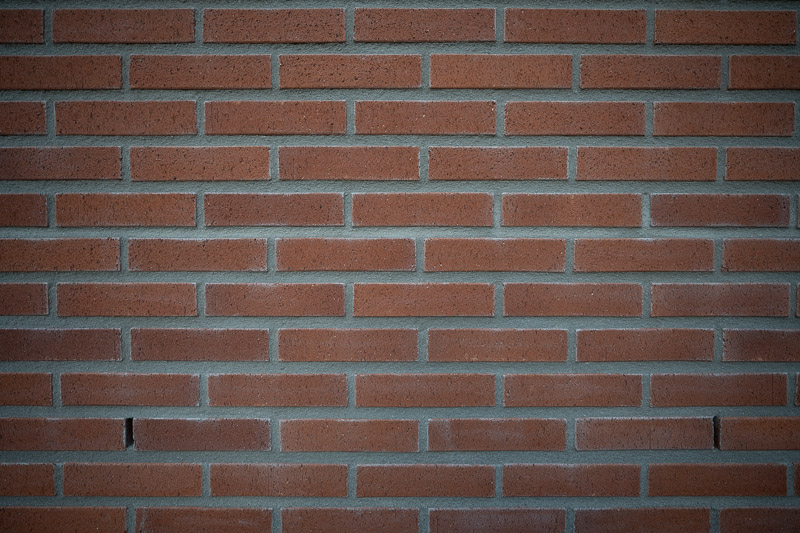
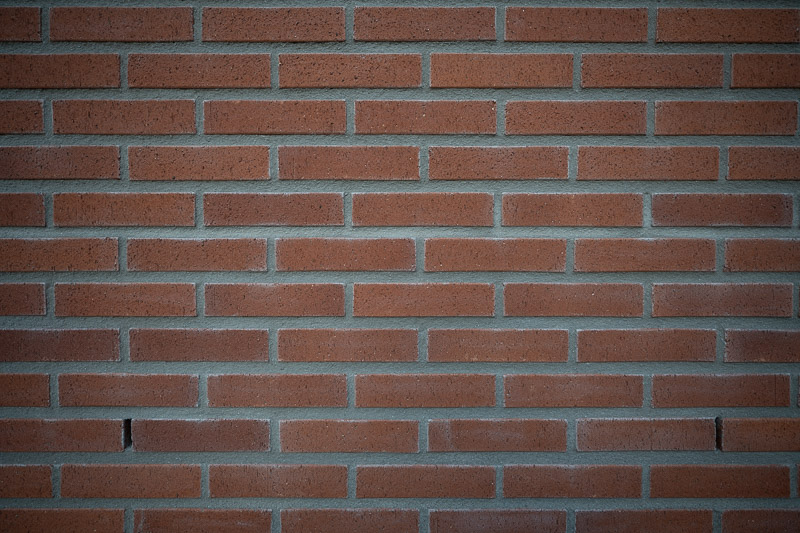
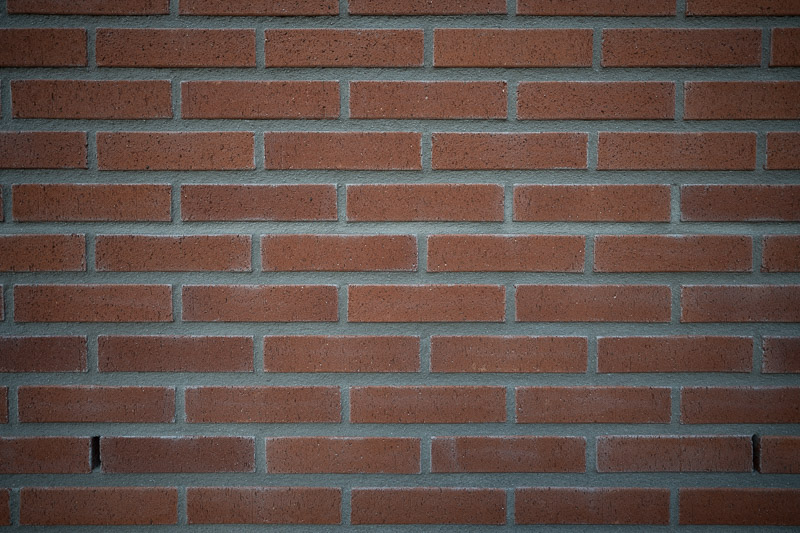
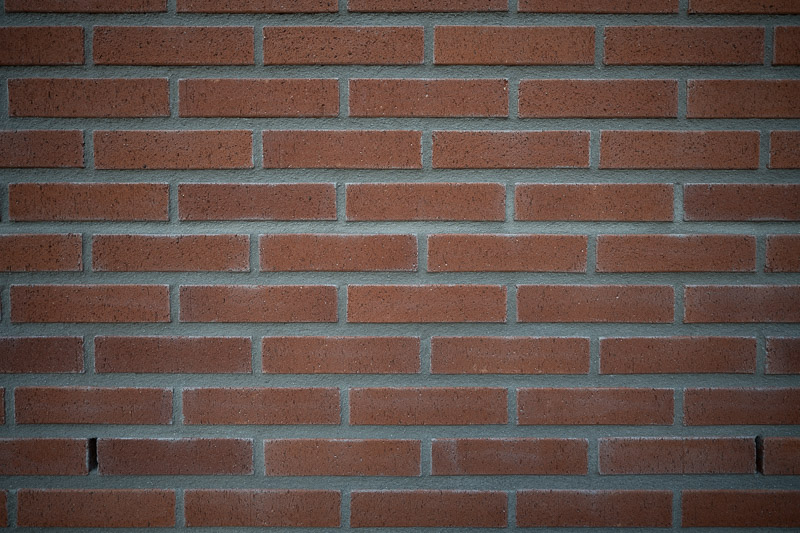
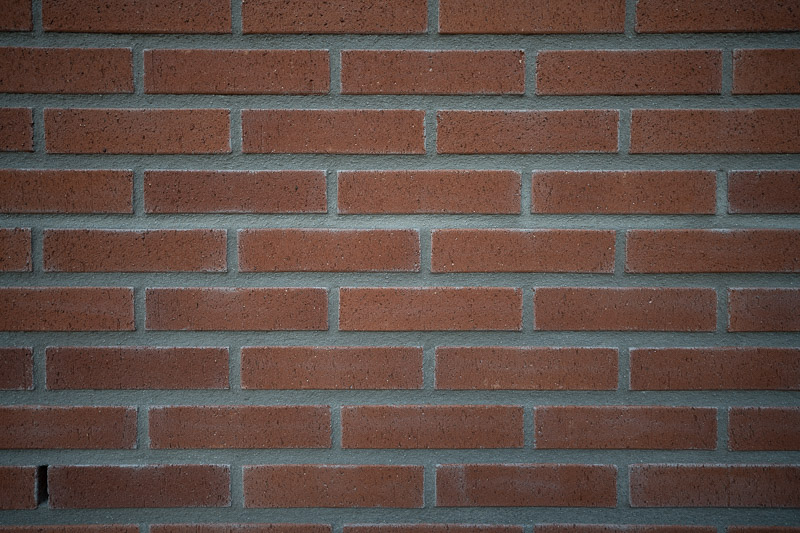
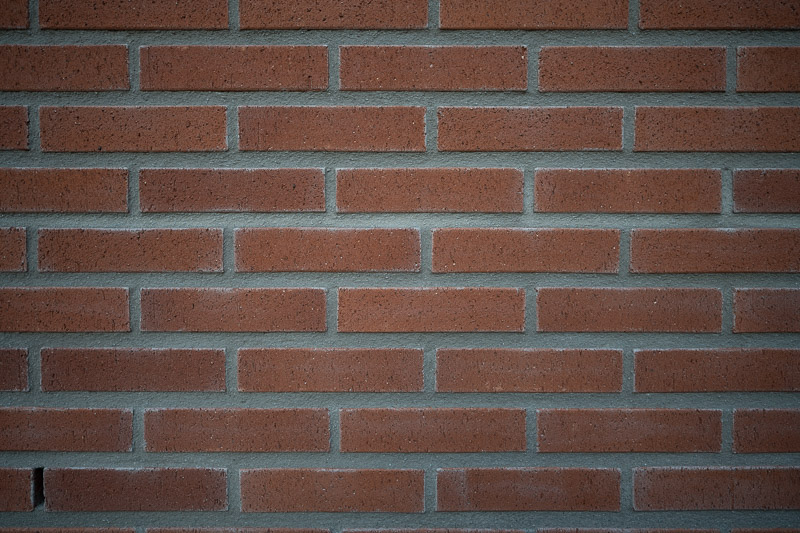
Normally, distortion correction cannot be disabled on Nikon Z lenses, although some high-end lenses allow it to be turned on or off. The 14–24mm f/2.8 S is one of them. For this test, the in-camera correction was turned off.
Distortion at 14-16mm is quite strong barrel distorion, it is mild barrel distortion at 18mm, and from 20-24mm is mild pincushion distortion.
Each number corresponds to a tested focal length. The same number followed by a ‘c’ indicates that either the in-camera correction was enabled or the embedded RAW correction profile was applied in post.
Vignetting
At f/2.8, vignetting can be visible in normal scenes, especially at 14mm, where light fall-off is strong. At f/4, it is mostly limited to scenes with homogeneous lighting, and remains more pronounced at 14mm. From f/5.6 onward, it is rarely noticeable under normal shooting conditions.
The level of vignetting is comparable to other 14–24mm f/2.8 lenses, such as the Sony FE 14–24mm f/2.8 and Nikon AF-S 14–24mm f/2.8G, making it fairly typical for this type of ultra-wide zoom.
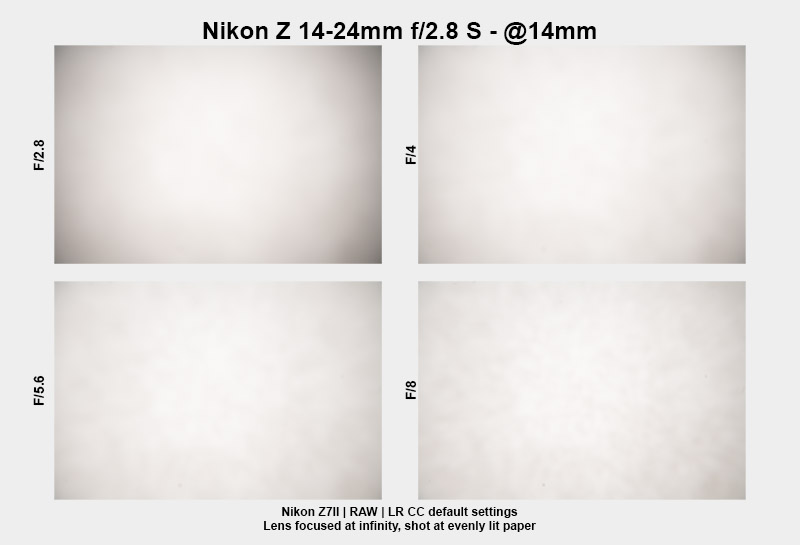
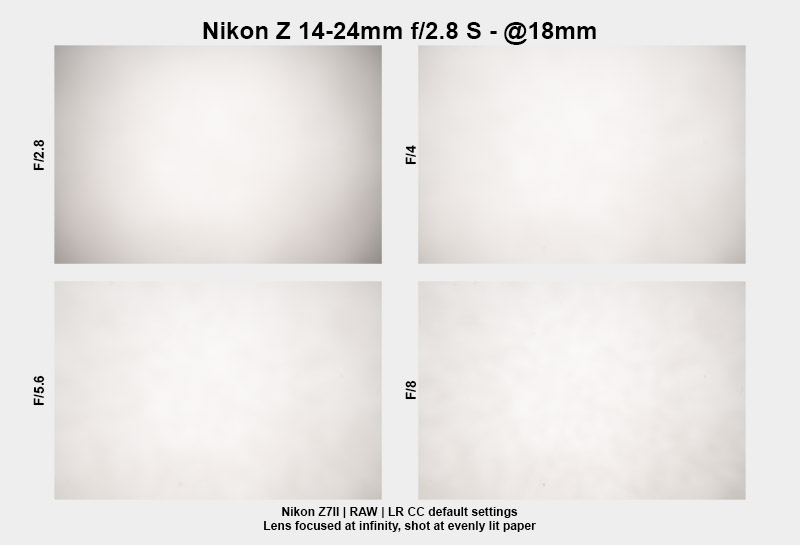
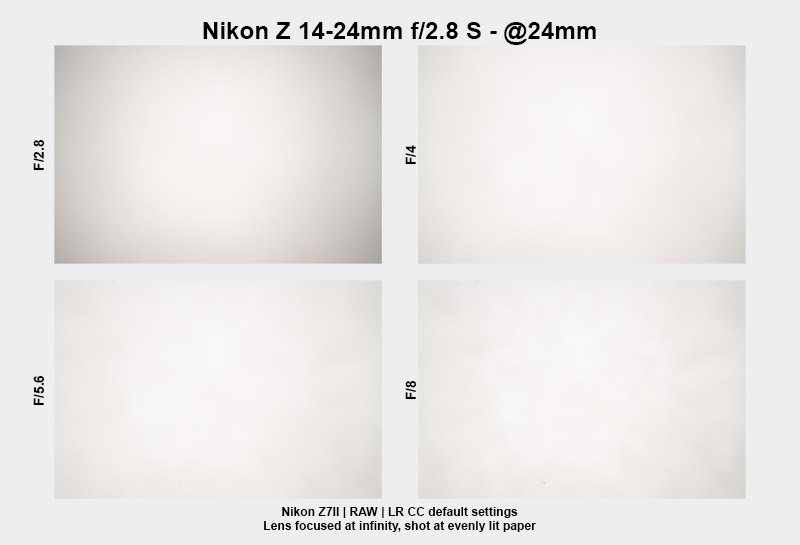
| 14mm | 18mm | 24mm | |
| F/2.8 | 2.3 EV | 2 EV | 1.8 EV |
| F/4 | 1.85 EV | 1.3 EV | 1.1 EV |
| F/5.6 | 1.5 EV | 1.2 EV | 1 EV |
| F/8.0 | 1.3 EV | 1.2 EV | 1 EV |
| F/11 | 1.3 EV | 1.1 EV | 1 EV |
Chromatic Aberrations
Longitudinal chromatic aberration is very well controlled overall, although at the 14mm end, minimal green bokeh fringing can appear in extreme cases. In normal shooting scenes, however, it is negligible. Stopping down one stop to f/4 eliminates it entirely.
14mm
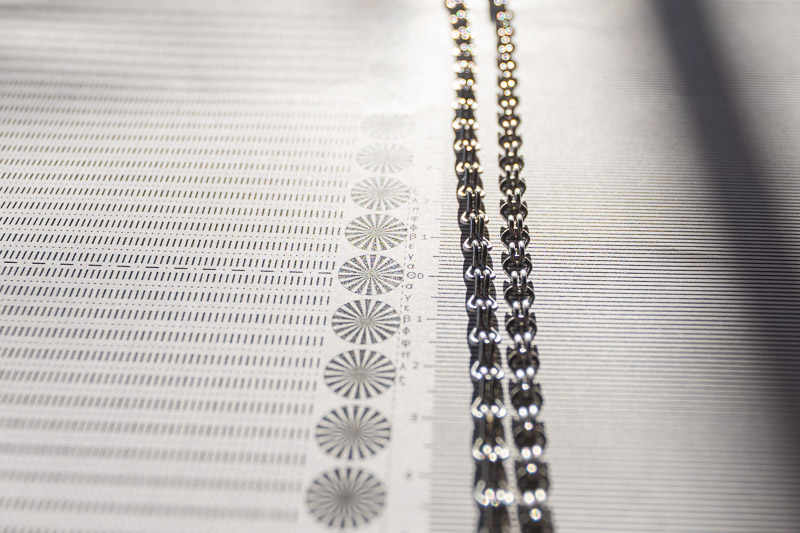
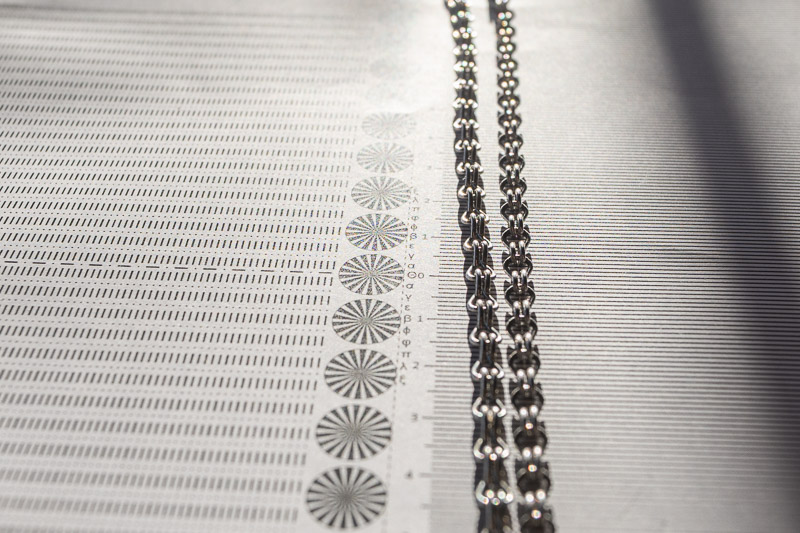
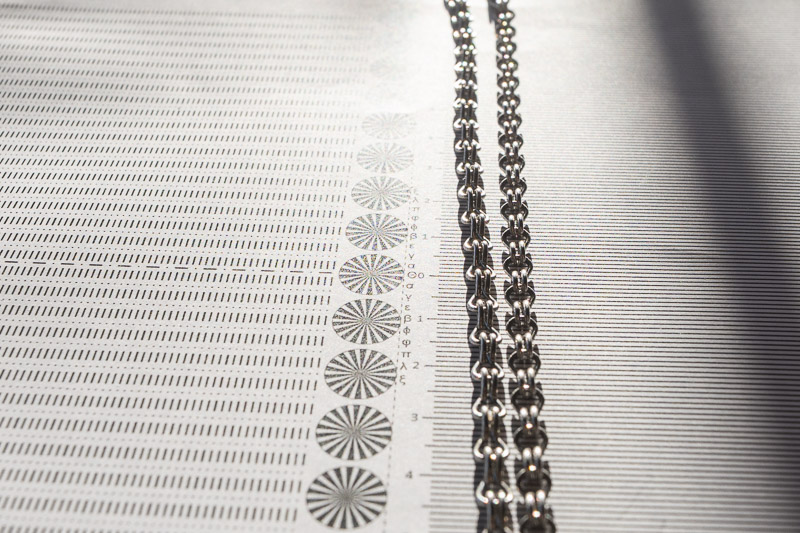
24mm
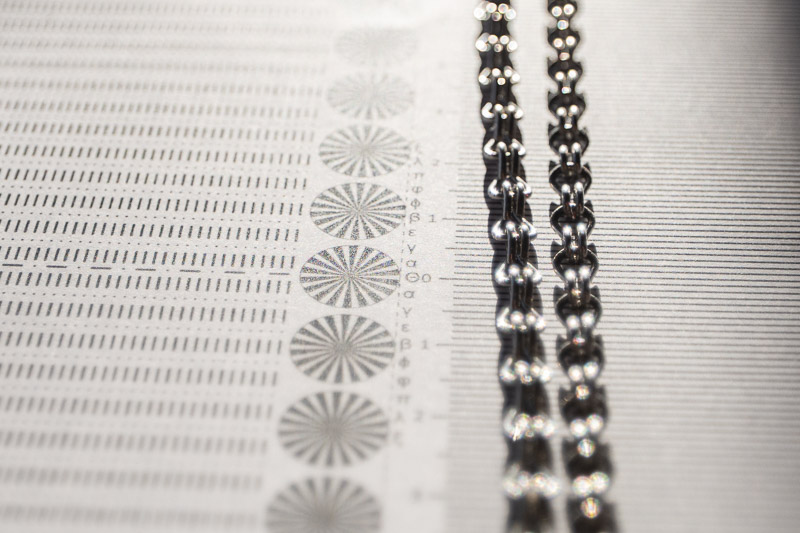

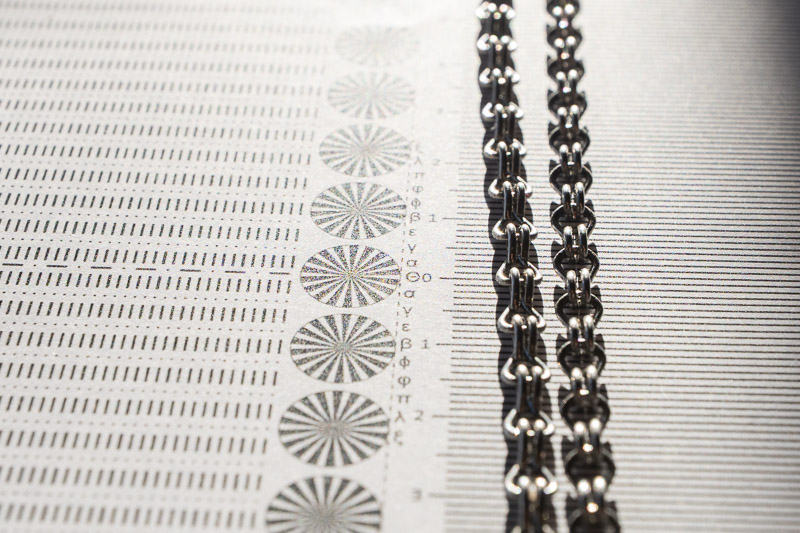
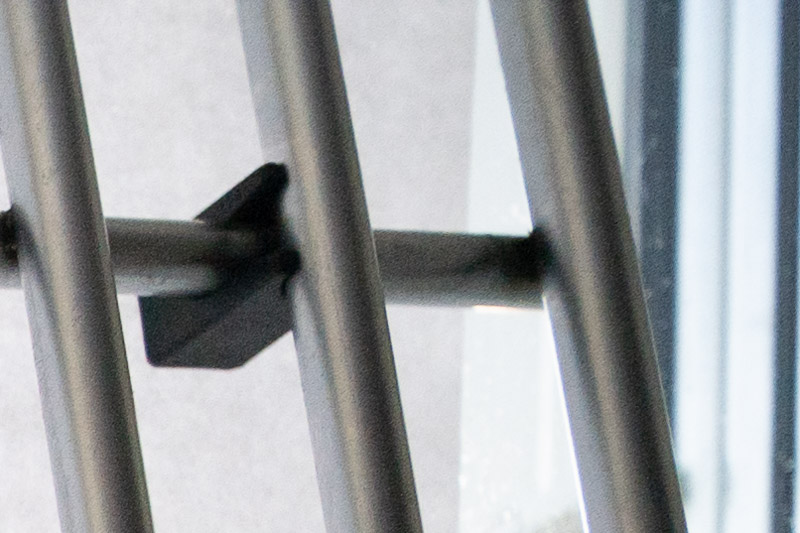
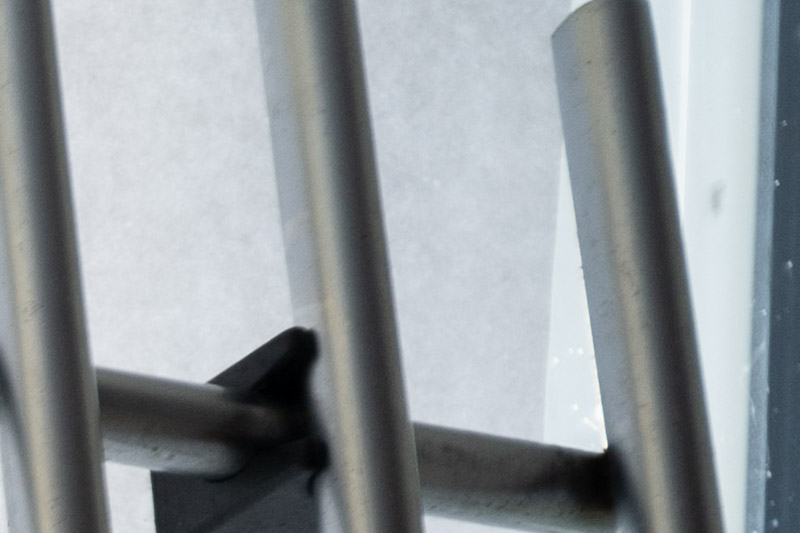
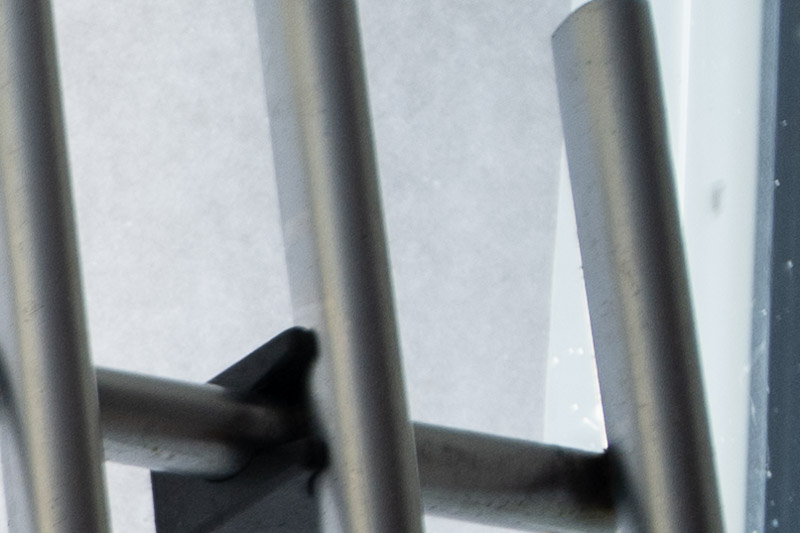
Lateral chromatic aberration tells a similar story, but in reverse. At 14mm, no visible aberrations can be seen at all, while at 24mm there is minimal fringing with negligible impact on image quality. In the 100% corner crops at 24mm, you can see just how minor it is by comparing the uncorrected and corrected versions.
Flare Resistance
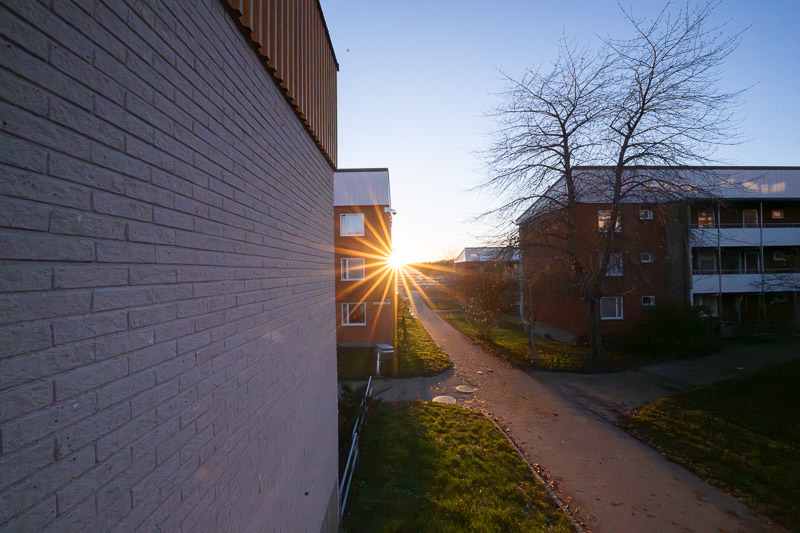
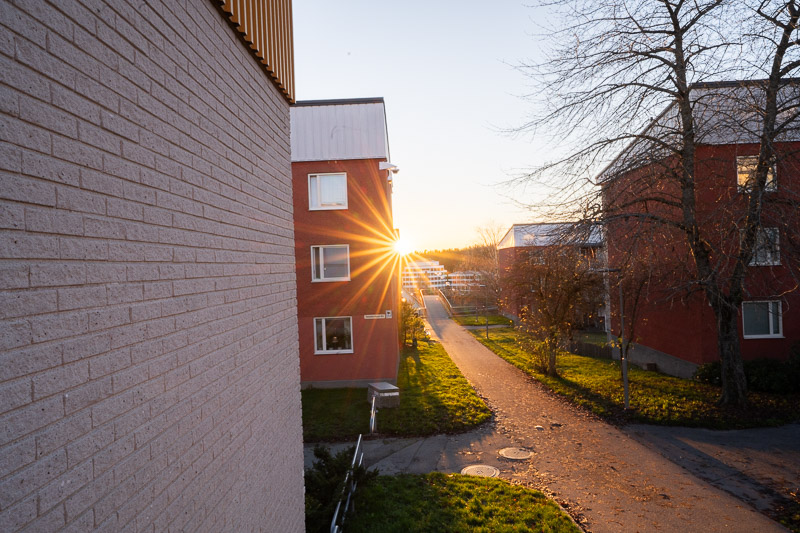
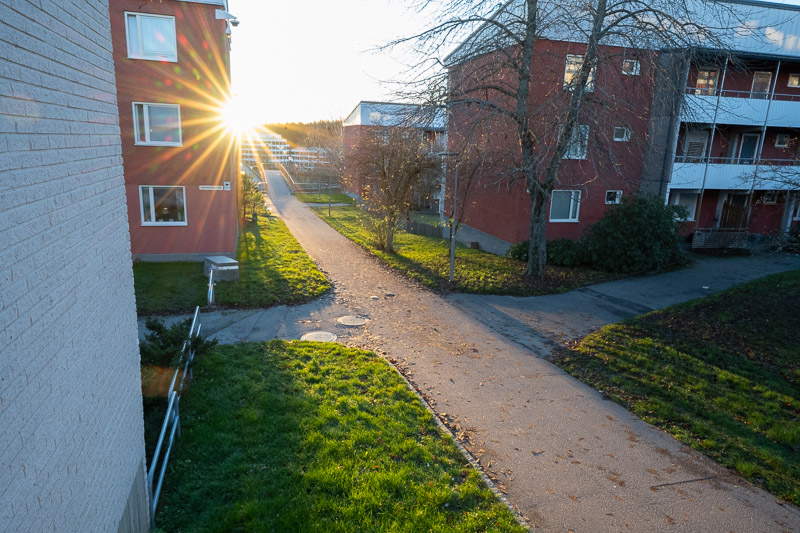
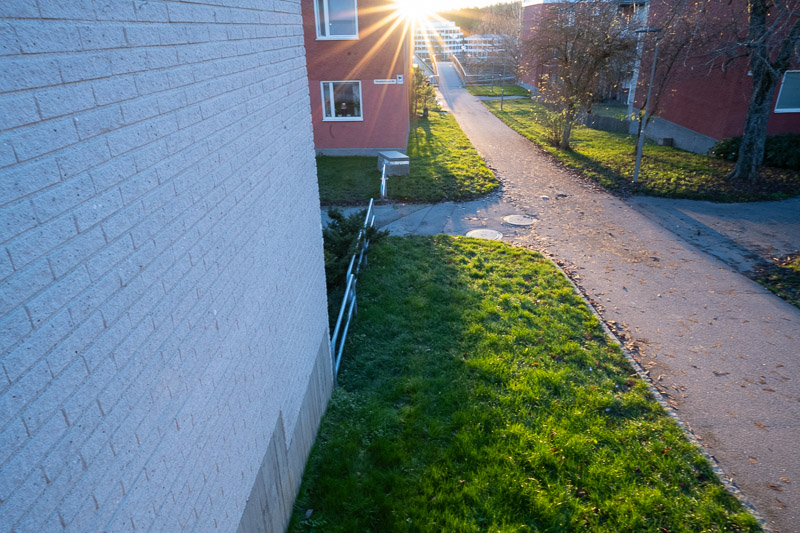
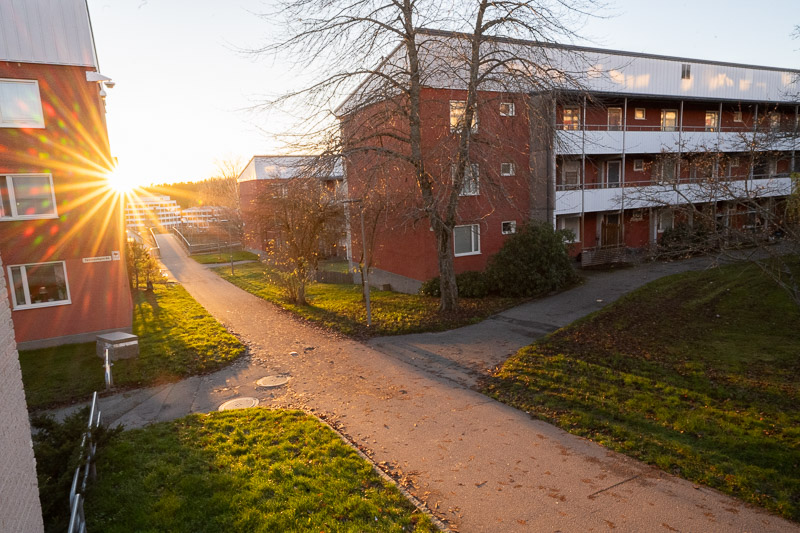
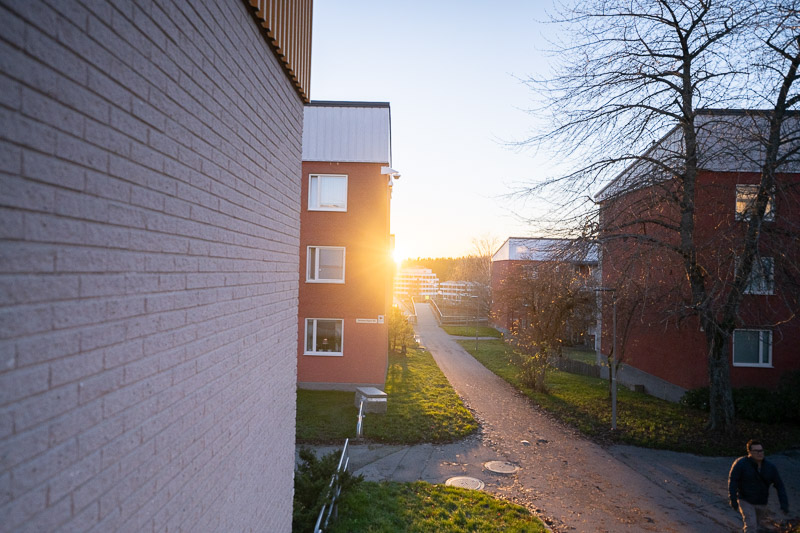
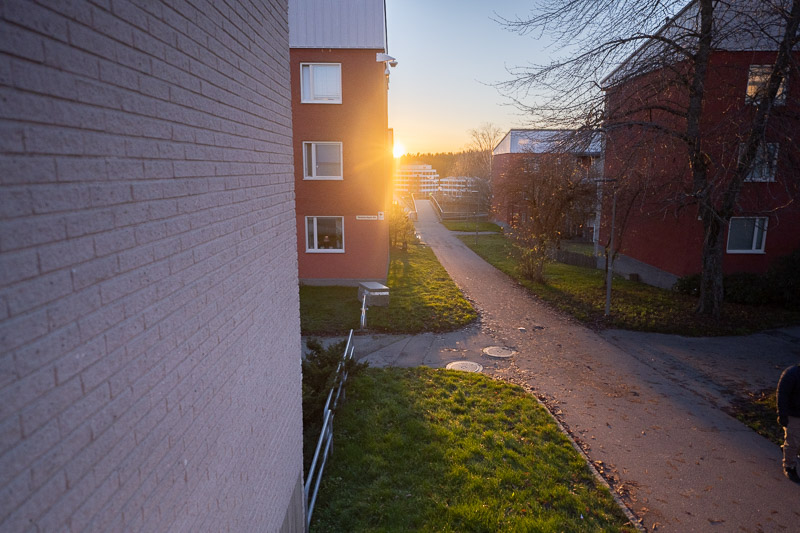
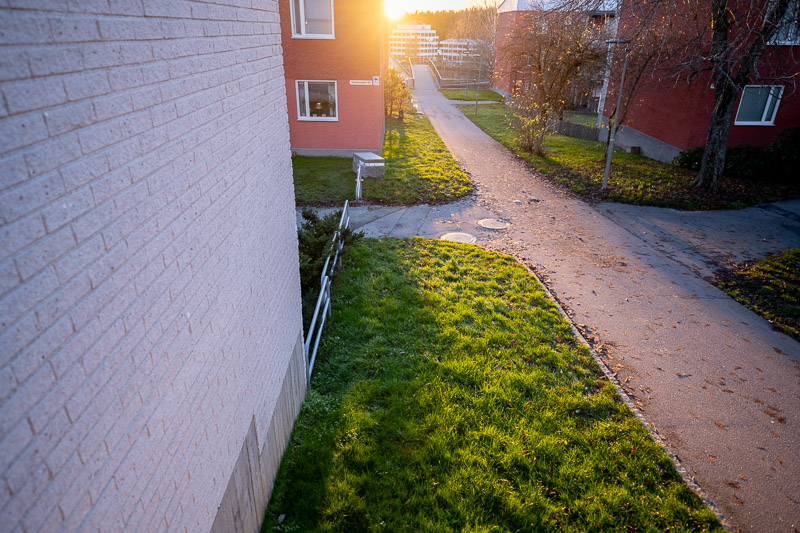
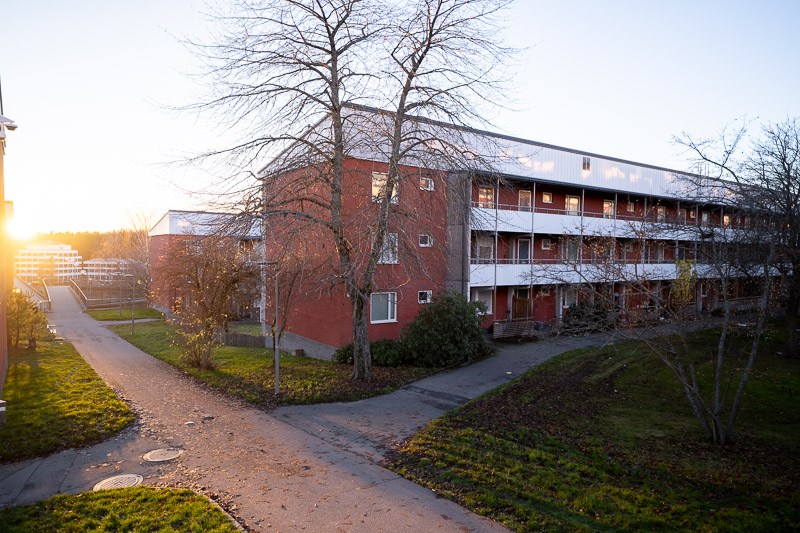
When I tested the Nikkor Z 14-30mm f/4 S, I was impressed by its flare resistance. This f/2.8 version features a more complex optical design with more glass elements and a larger front element, which theoretically makes flare and ghosting more difficult to control. Unlike the 14-30mm f/4 S, however, this lens also incorporates Nikon’s ARNEO Coat, an advanced anti-reflective coating specifically designed to suppress flare and ghosting. Nikon seems to have succeeded in compensating for the more demanding optical design, as flare resistance is exemplary for such an ultra-wide zoom.
14mm
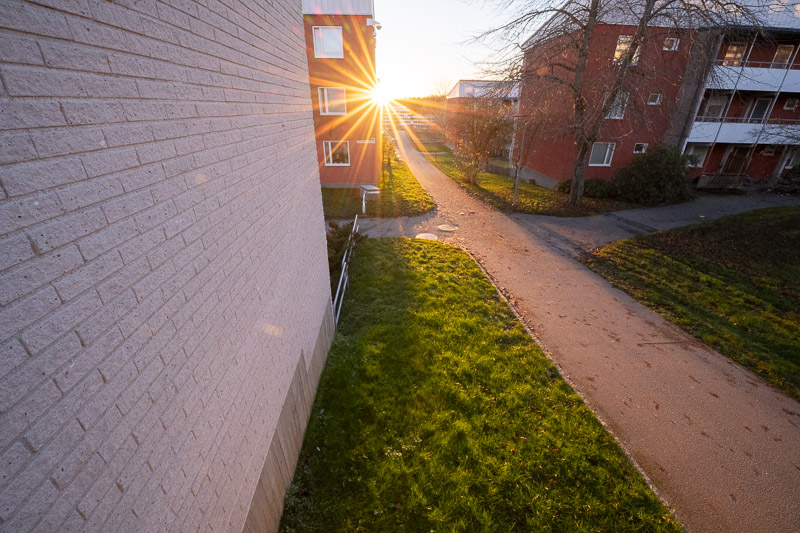
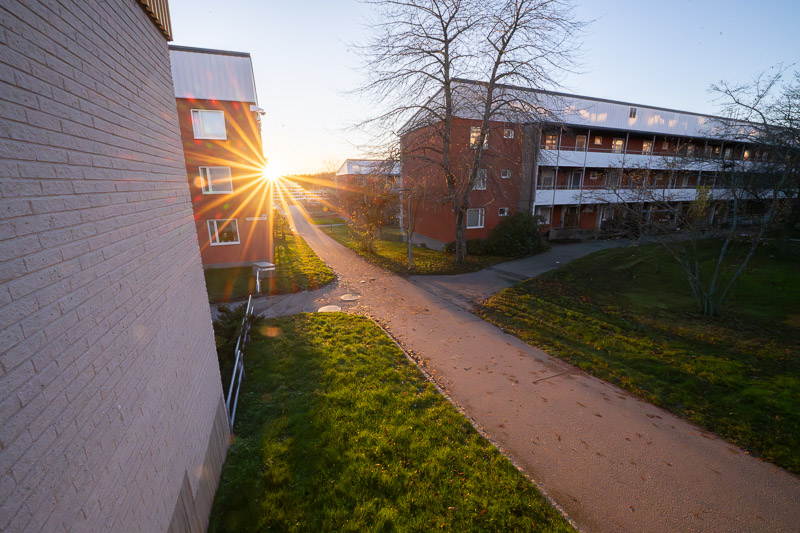
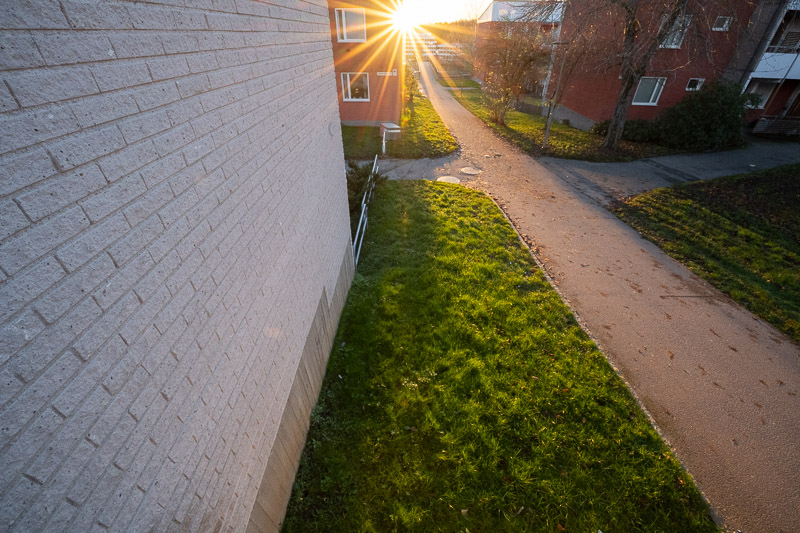
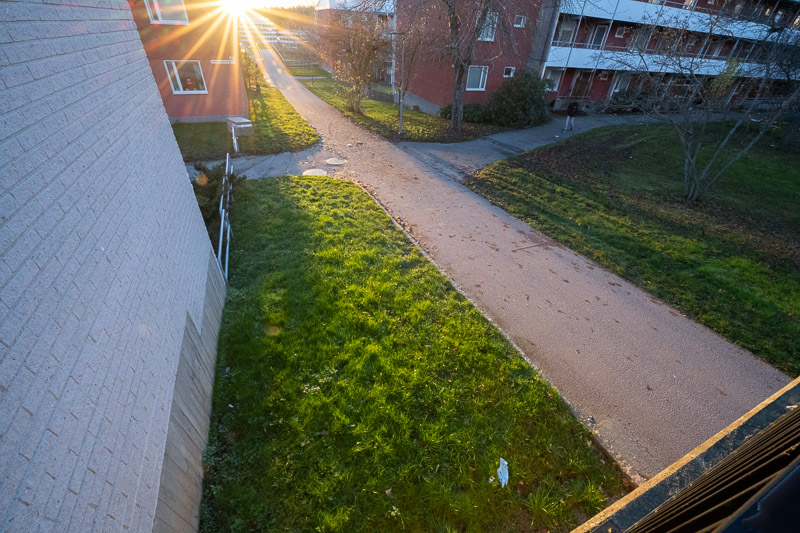
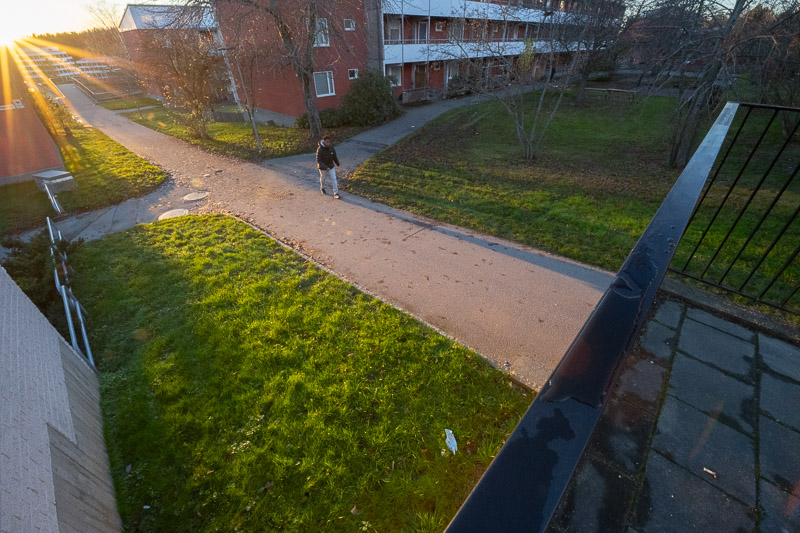
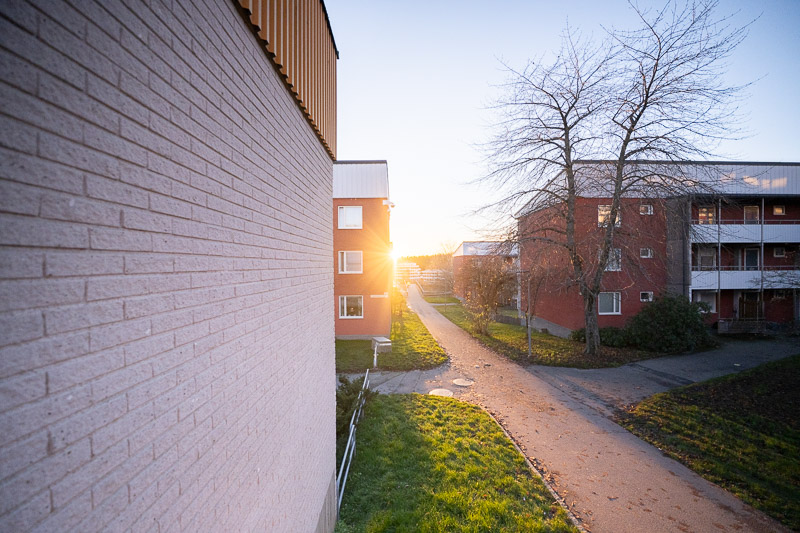
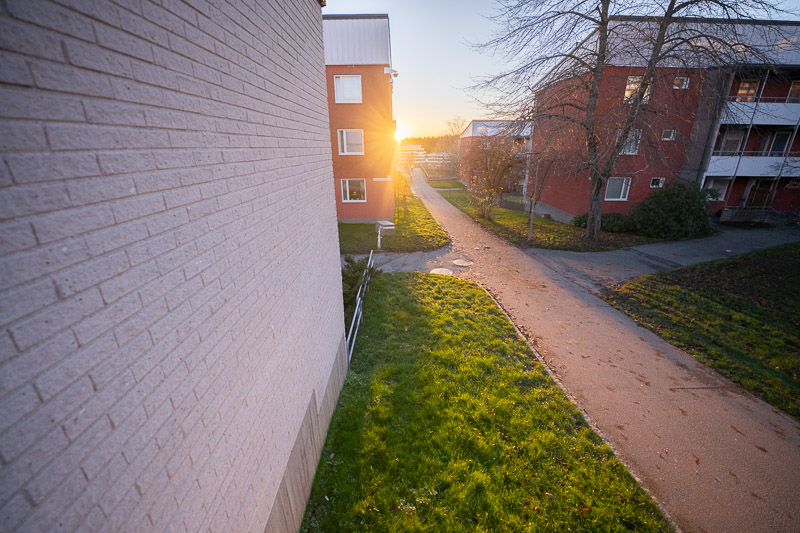
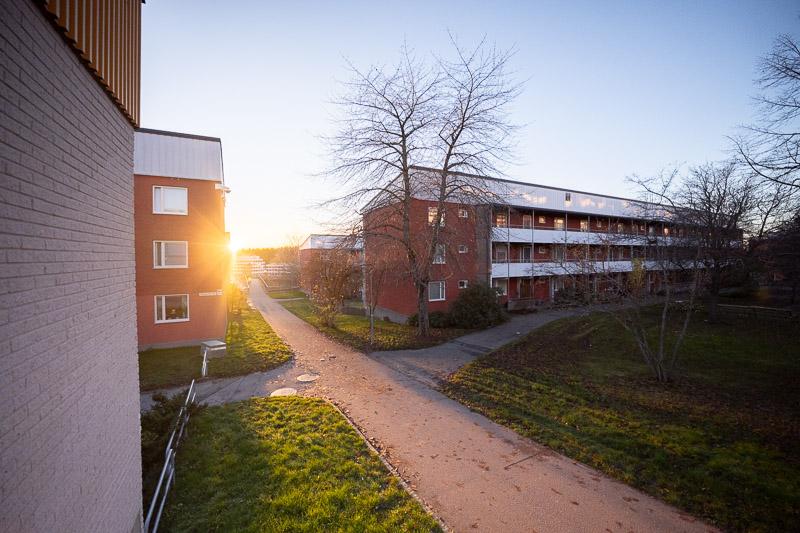
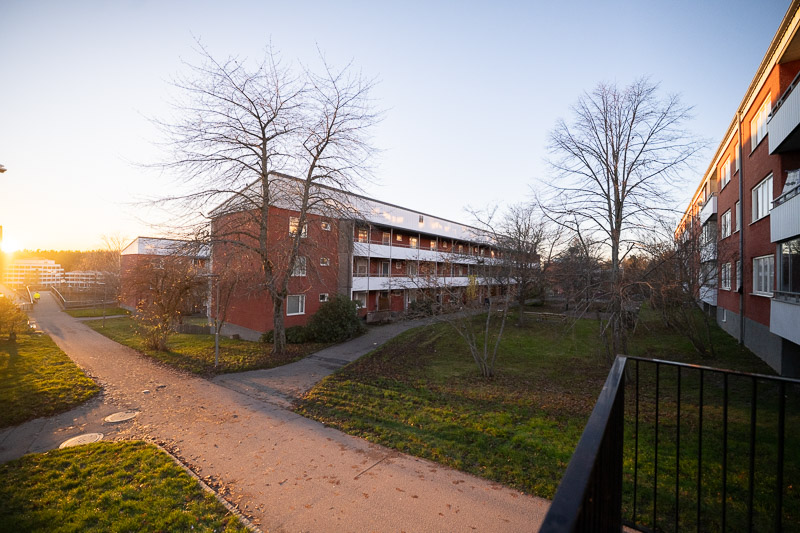
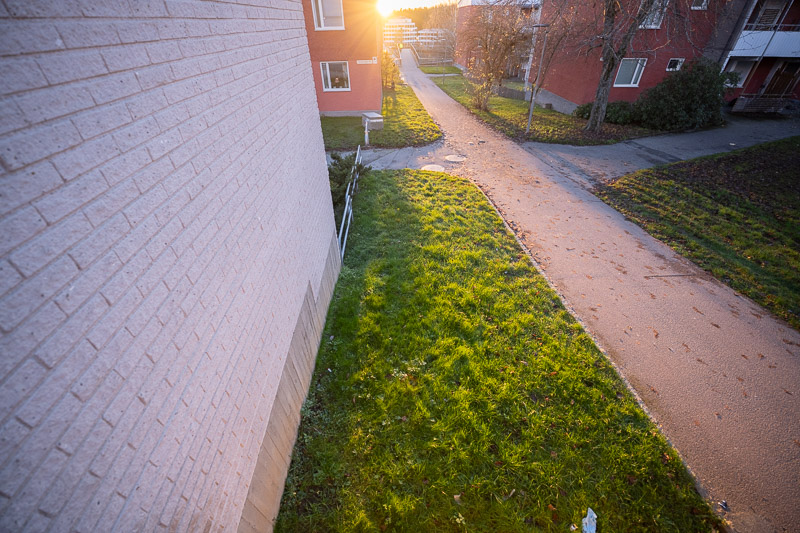
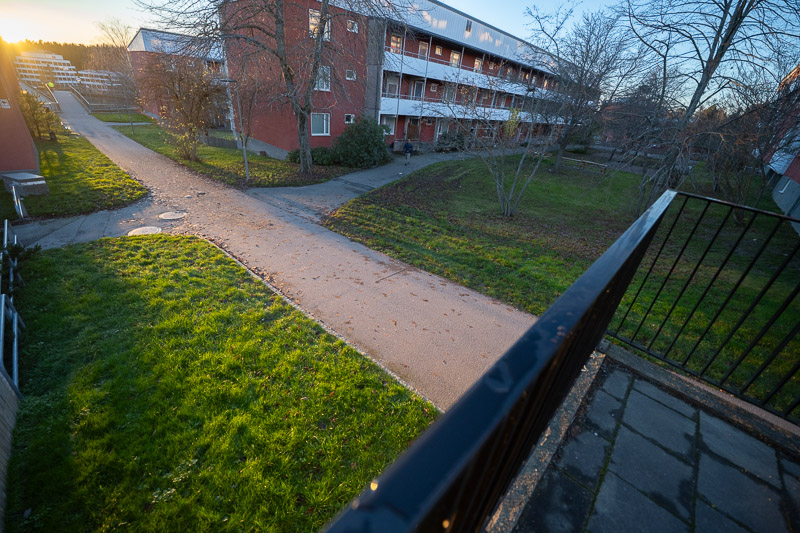
24mm



Coma
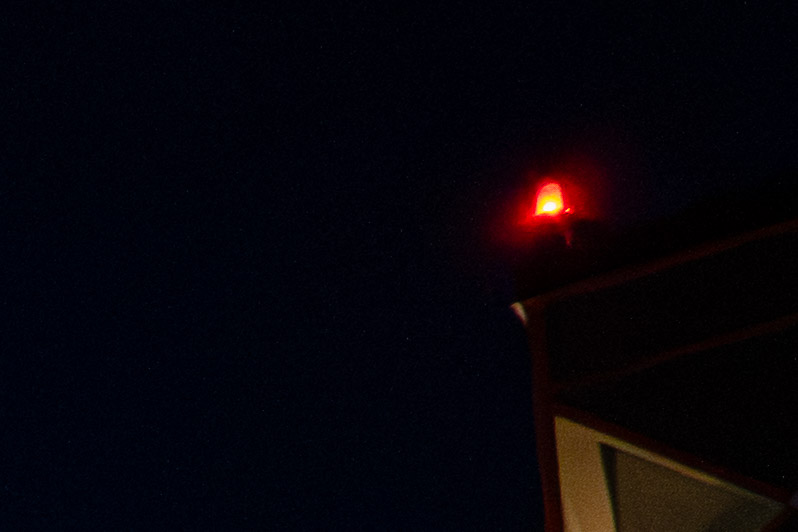
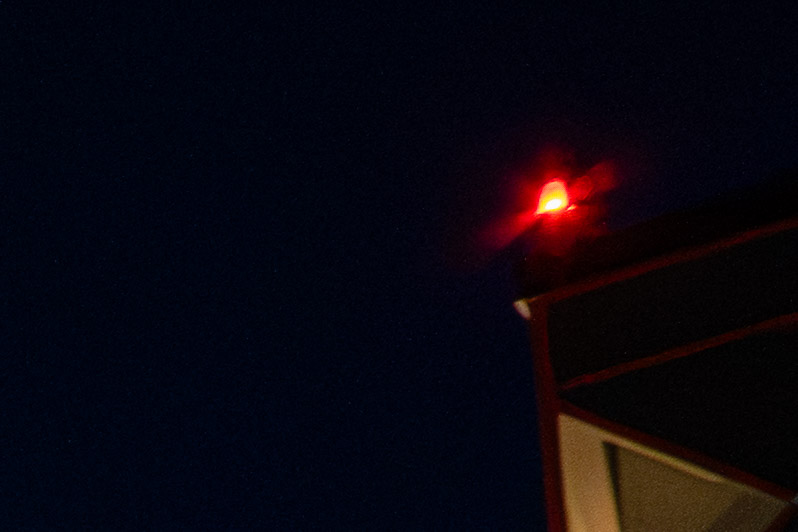
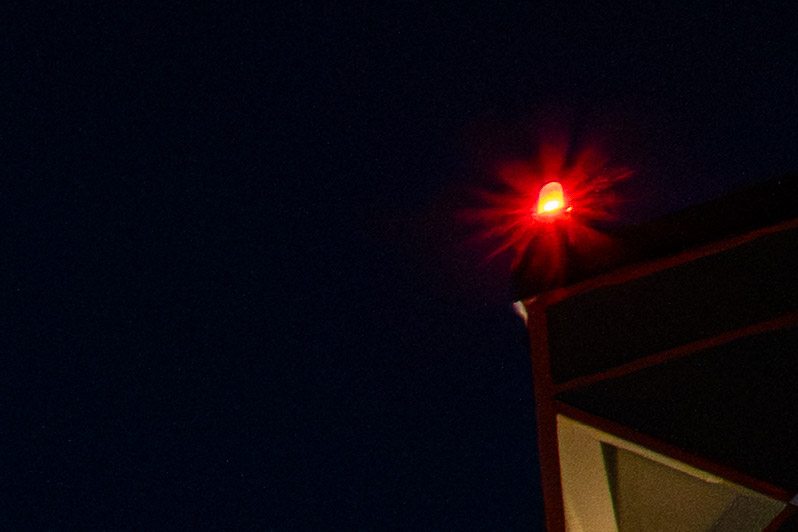
Coma correction is an important factor in a lens like this, as ultra-wide f/2.8 zooms are often used for astrophotography. Fortunately, there is excellent news here: the Nikon Z 14-24mm f/2.8 S delivers some of the best coma correction I have seen from an ultra-wide lens. Milky Way and nighttime cityscape photographers should have no trouble achieving sharp corners with this lens.
The 100% crops shown below are extreme crops from the top-right corner of images taken with the Nikon Z7 II and the Nikon Z 14-24mm f/2.8 S.

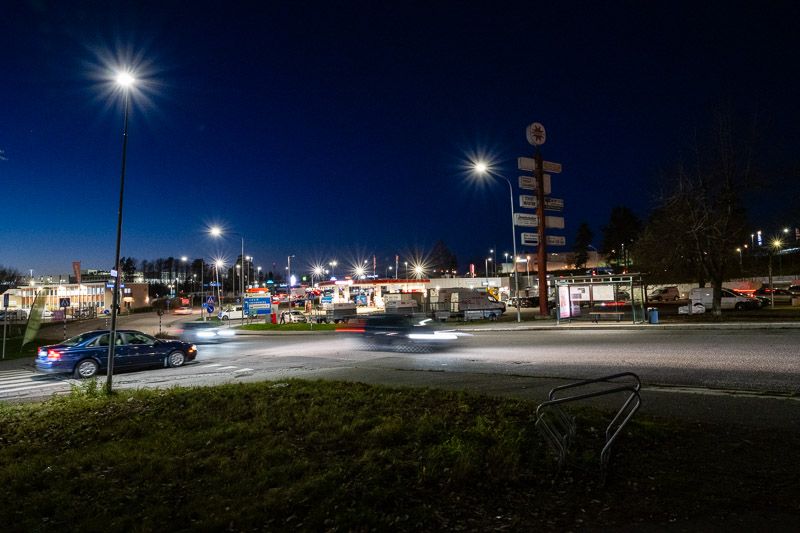
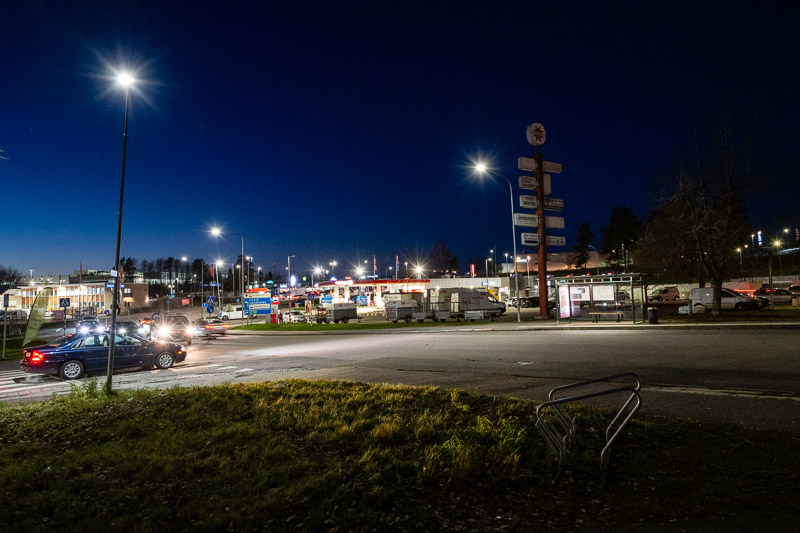
Sunstars
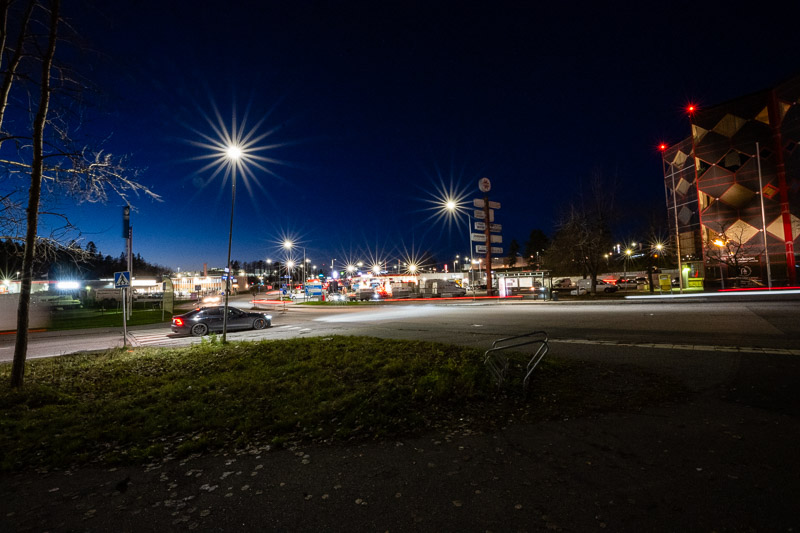
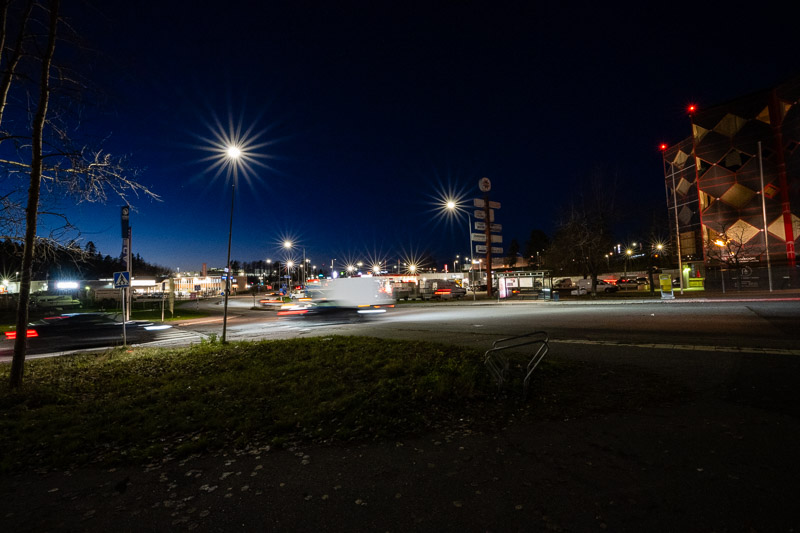
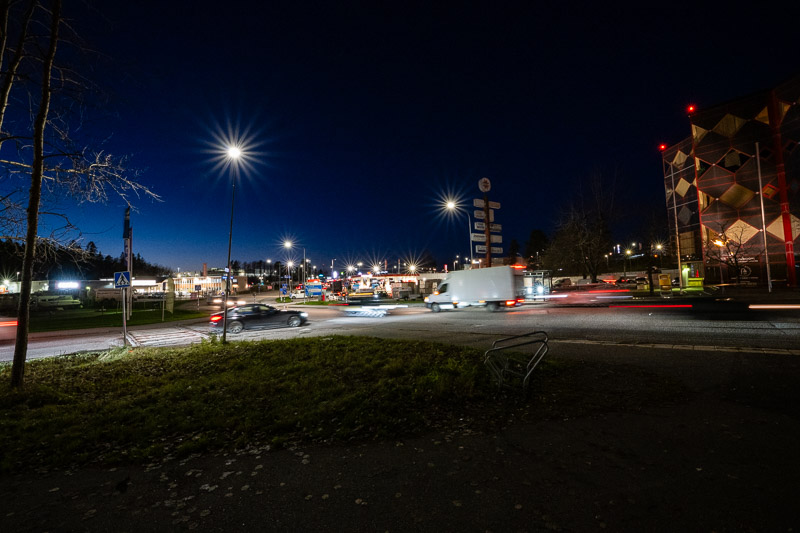
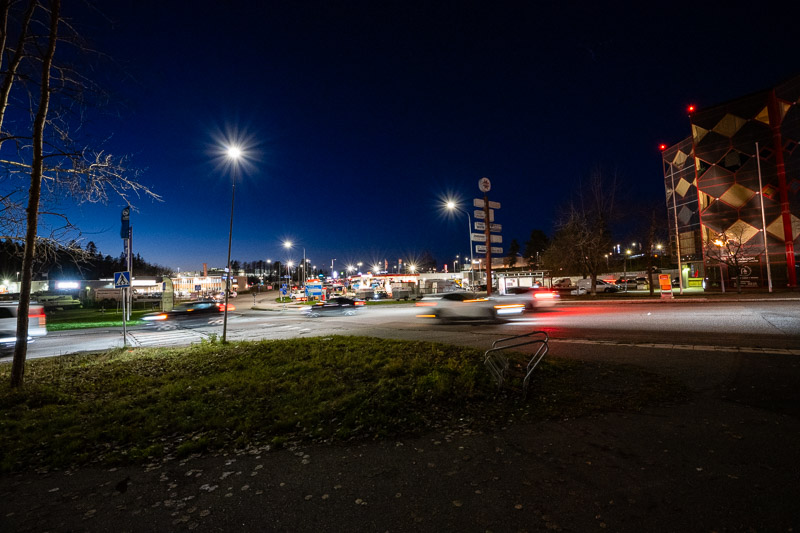
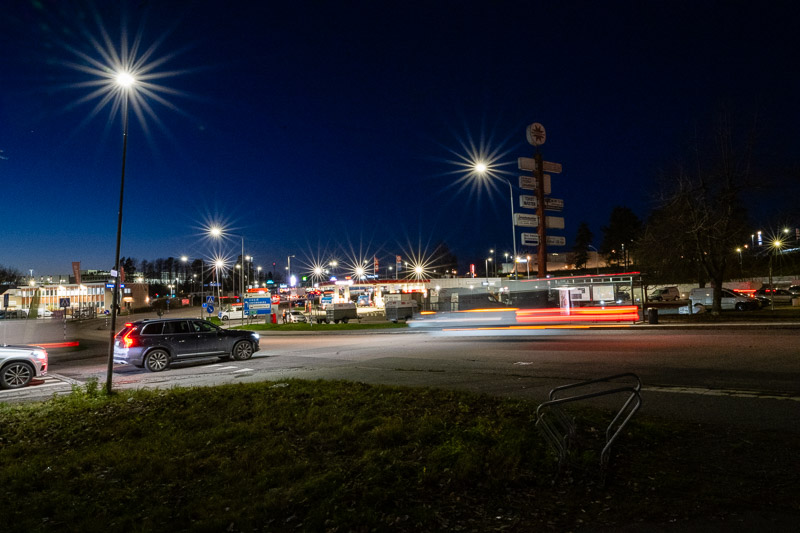
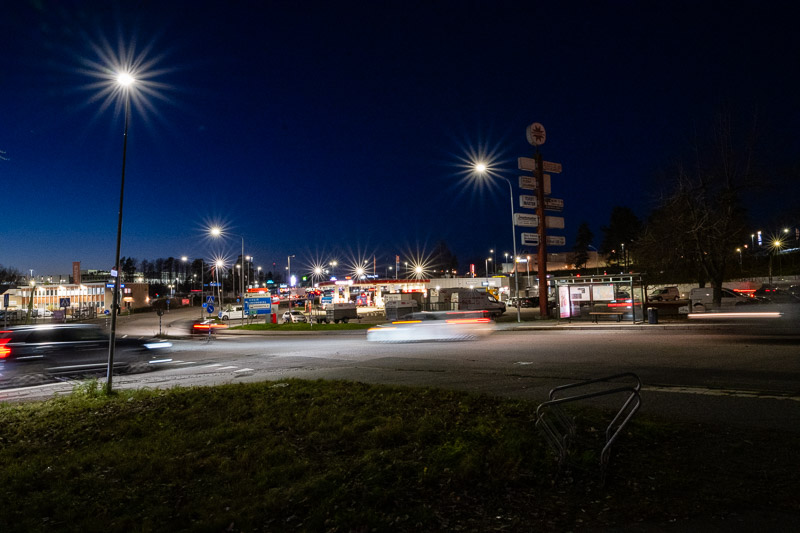
Although an odd number of aperture blades, as in this lens, is not the optimal choice of design for well-defined sunstars, Nikon has always succeeded in pulling it off, as they seem to have very good blade alignments. There is nothing to complain about here, it can create well-defined sunstars from f/11 and smaller apertures.
14mm
24mm
Focus Breathing


There is good news here as well, as the lens exhibits virtually no visible focus breathing at any focal length, making it particularly appealing for video work.
Bokeh
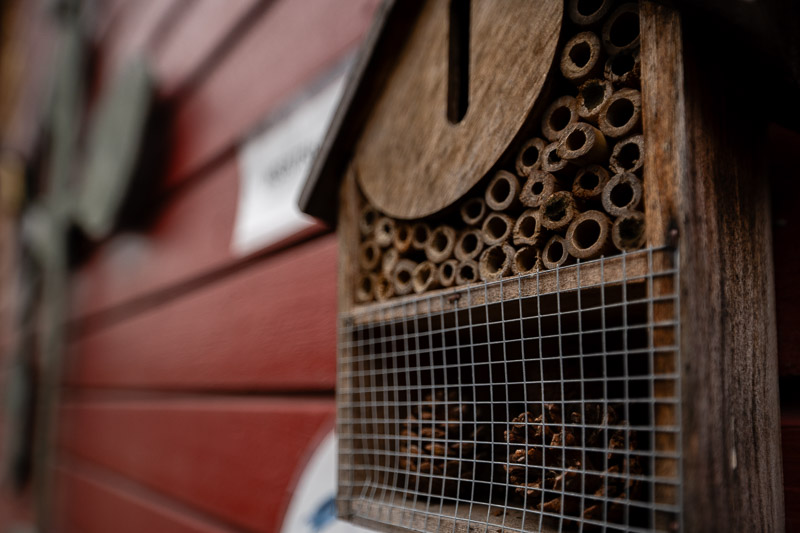
You’re not going to get much background blur from a 14–24mm f/2.8 lens. In fact, this is one reason many landscape photographers prefer ultra-wides: they naturally provide a deep depth of field. While shallow depth of field is not a primary use case for a lens like this, it is still possible to get some subject separation, even at 14mm.
Short Distance





Mid-Distance
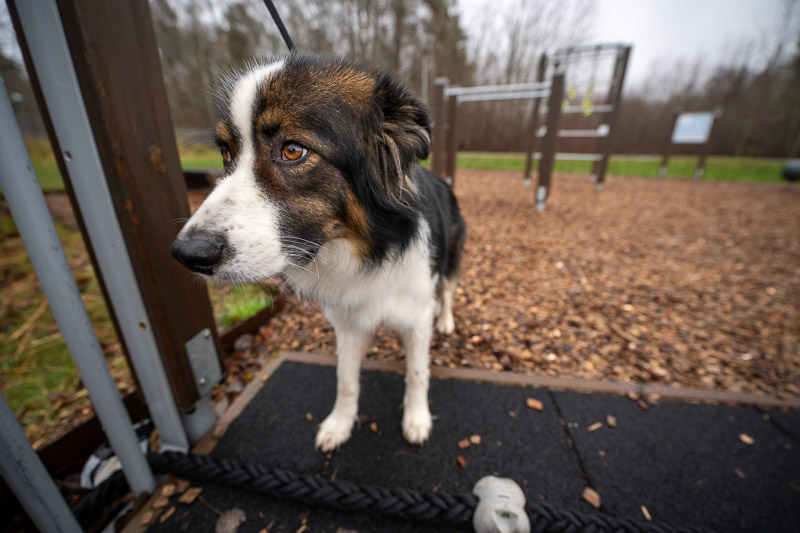
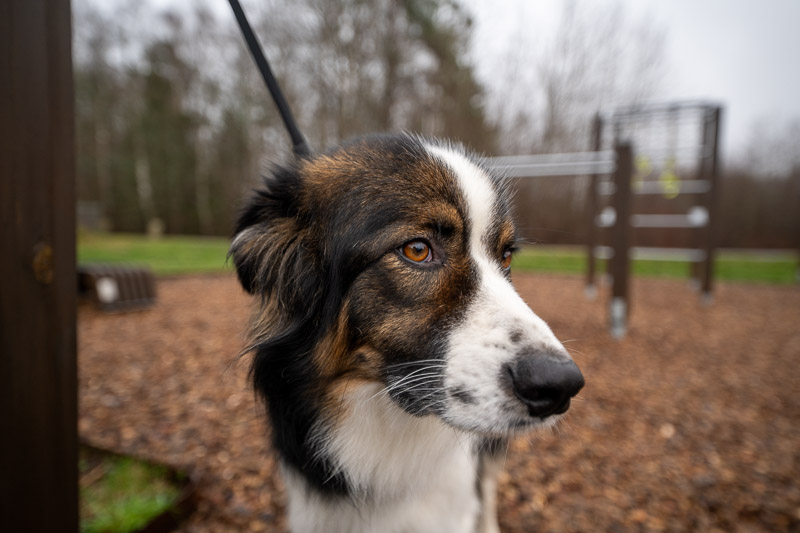
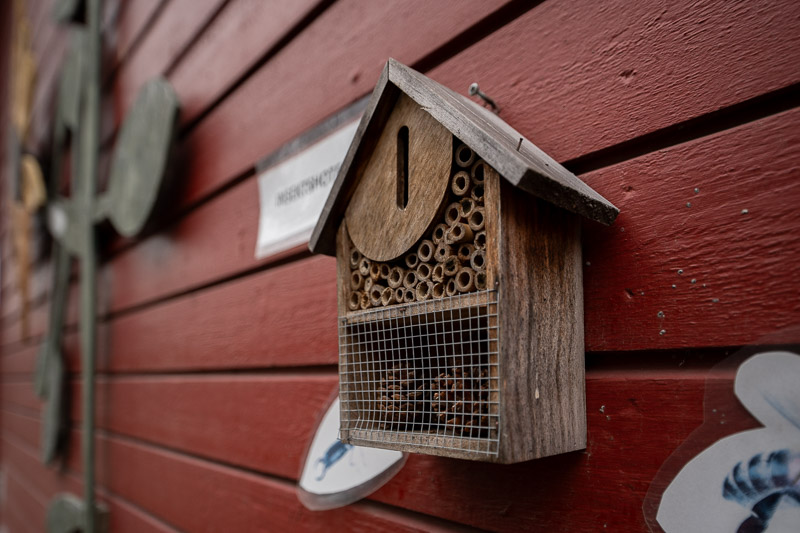

Long Distance


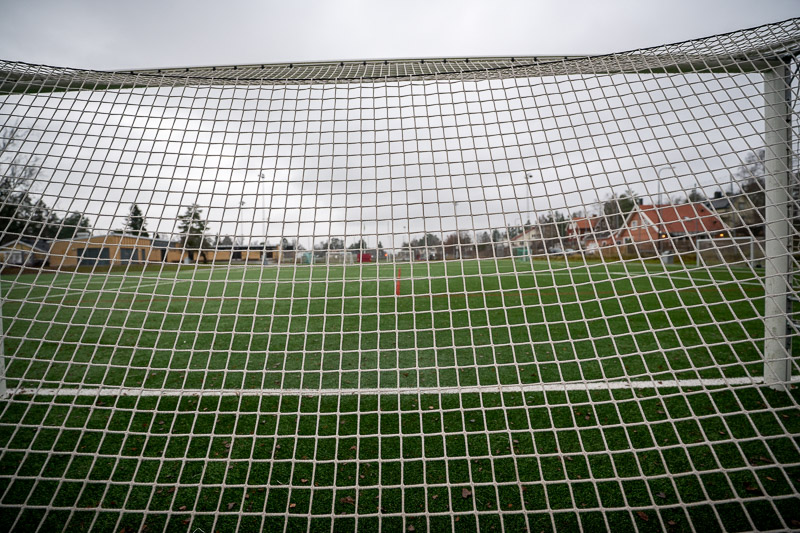
I’ve included subjects at different distances, though it’s worth remembering that this is an ultra-wide-angle lens; even what would be considered mid- or long-distance shots are still relatively close to the subject.
In practice, the amount of blur at typical shooting distances is fairly limited, and the rendering can look somewhat nervous. It does not ruin the image, however, and for most people considering a lens like this, bokeh performance should rank very low on the priority list.
Conclusion
| I LIKE | AVERAGE | I DON’T LIKE |
|
|
|
Looking at the Like/Dislike table reveals that this Nikon lens is nothing short of an engineering marvel. There are virtually no optical flaws, aside from the distortion at the widest focal lengths (14–16mm), which is invisible with in-camera correction enabled and very easy to correct in post using the existing lens profile.
Although the exterior is made of hard plastic, the lens feels extremely solid in hand, and the handling is excellent. For this focal range and maximum aperture, the weight is impressively low, while the size is not overly large for what the lens offers. The ability to use front filters is an added bonus, and autofocus is accurate and more than fast enough for a lens of this type.
There is always something to complain about, however. I wish it had a slightly larger zoom range, supported smaller filters, exhibited zero native distortion at 14mm, and was cheaper, but at this point Nikon has simply made us a little spoiled.
Do I recommend it? Absolutely. This is one of the best lenses in Nikon’s entire lineup. It’s expensive – but no more than similar lenses. If you need an ultra-wide zoom for astrophotography, night photography, or simply require an f/2.8 ultra-wide zoom in general, this is the best option currently available for the Nikon Z system.
Writing articles like this one is both time-consuming and costs us a lot of money. If you found this article helpful and decided to buy one of these lenses, please consider using one of the affiliate links.
If you found this article useful, interesting, or it saved you money, consider supporting our work. You can make a donation or buy us a coffee —every contribution is greatly appreciated.
| Buy new: Amazon (anywhere), B&H for $1897 (Affiliate links) Buy used: eBay.com, ebay.de from $1530 (Advertisement) |
Alternatives
Z-mount
Nikon Z 14-30mm f/4 S
Not an f/2.8 lens, but if you don’t need that extra stop, this is a fantastic lens with optical quality that easily matches that of the reviewed f/2.8 lens in a much more compact package and at a much lower price.
Buy from Amazon| B&H | ebay.com, eBay.de | Kamerastore (advertisement/affiliate links) for $1097 (new)
F-mount
Nikon AF-S 14-24mm f/2.8G
The predecessor of the reviewed lens, released in 2007, a true legend with optical quality that still can be regarded as very good and capable, although not at the same level as the reviewed Z version.
Buy from: Amazon | B&H | ebay.com | ebay.de | Kamerastore (advertisement/affiliate links) for $1280 (new) or starting at $650 (used)
Sigma 14-24mm 2.8 Art DG HSM
Sigma’s answer to the AF-S 14-24/2.8, released in 2018. The performance is very similar to the AF-S lens at the 14mm end, but the Sigma shows a better performance at the 24mm end, and it also seems to have better flare resistance. This is reflected by its used prices, as it is often more expensive than the Nikon AF-S lens.
Buy from: Amazon | B&H | ebay.com | ebay.de | Kamerastore (advertisement/affiliate links) for $1414 (new) or starting at $700 (used)
E-mount
Sony FE 12-24mm 2.8 GM
Sony released their flagship ultra-wide-angle zoom Sony FE 12-24mm 2.8 GM in July 2020. In many ways, it is a reincarnation of the Nikon AF-S 14-24/2.8G lens. Not only does it look almost exactly the same from the outside, but it also pushed the boundaries of what was deemed possible by offering an even more impressive 12mm focal length at the wide end. That is not all: Sony has also figured out how to make ultra-wide-angle lenses with bulbous front elements, yet with very good flare resistance.
buy from Amazon| B&H | eBay.com | eBay.de | Kamerastore (advertisement/affiliate links) for $3148 (new)
Sigma 14-24mm 2.8 Art DG DN
Sigma further improved upon its DSLR lens, and from what we have seen, they succeeded at it. If you don’t need the 12mm of the aforementioned Sony lens, this seems to be the best f/2.8 wide-angle zoom starting at 14mm these days.
buy from Amazon | B&H | eBay.com | eBay.de | Kamerastore (advertisement/affiliate links) for $1299
Samyang AF 14-24mm f/2.8
A smaller and lighter lens with a big advantage for filter users, as it has a more normal 77mm filter thread and sells for half the price. When it comes to optical features, this Nikon beats the Samyang in almost every possible point. The reviewed lens is much sharper, especially at the longer end and in midframe and corners, has better vignetting and chromatic aberration control, and much better flare resistance
Buy from: Amazon, B&H, for $990 (Affiliate links)
More Sample Images




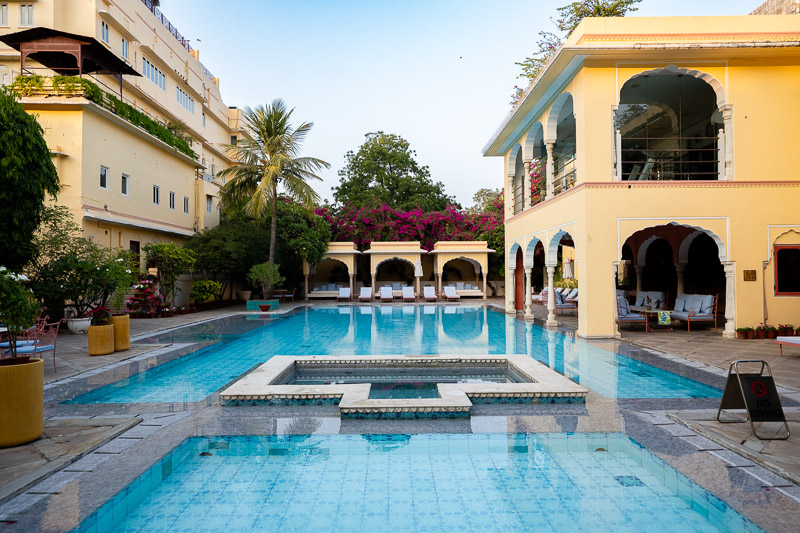
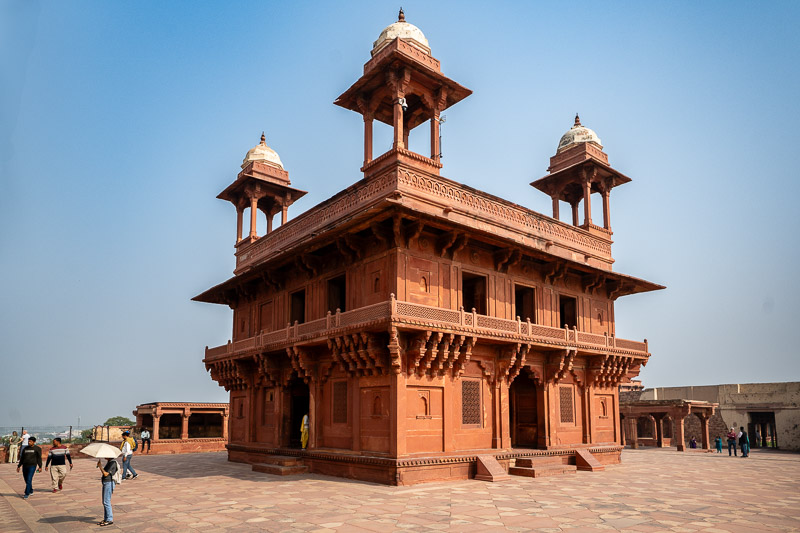




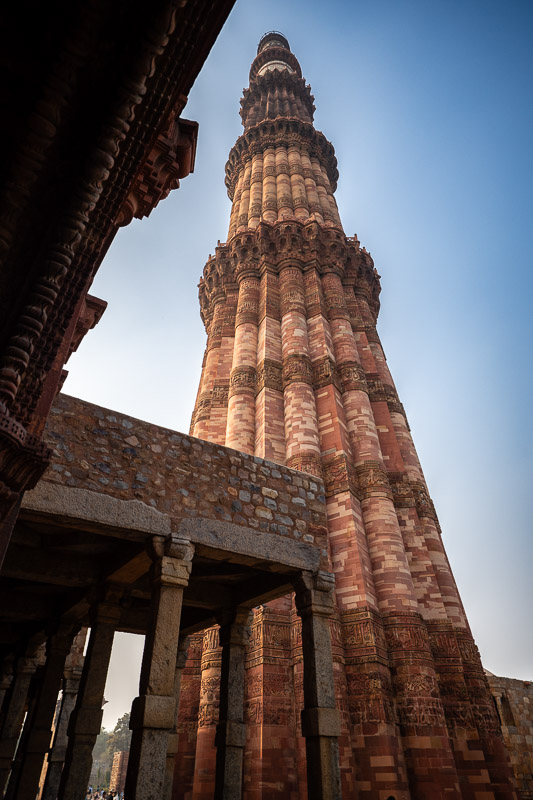

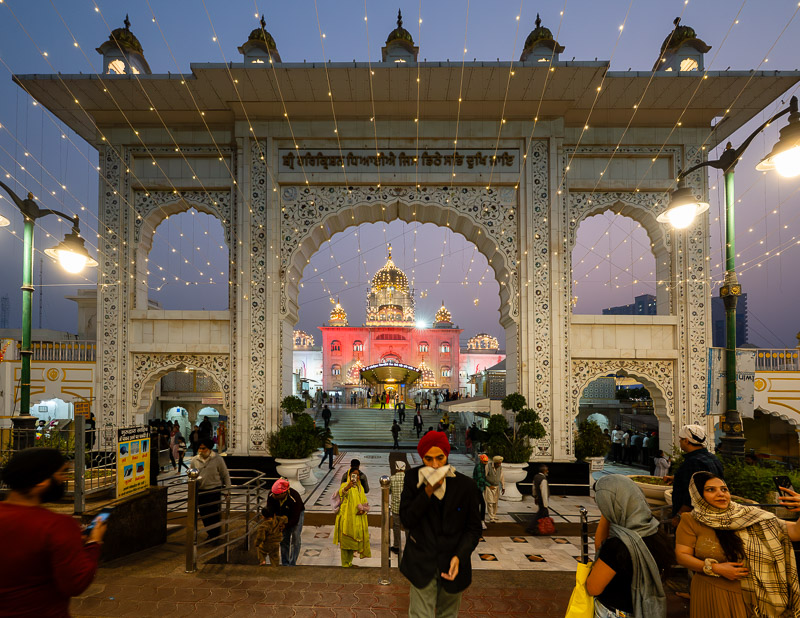

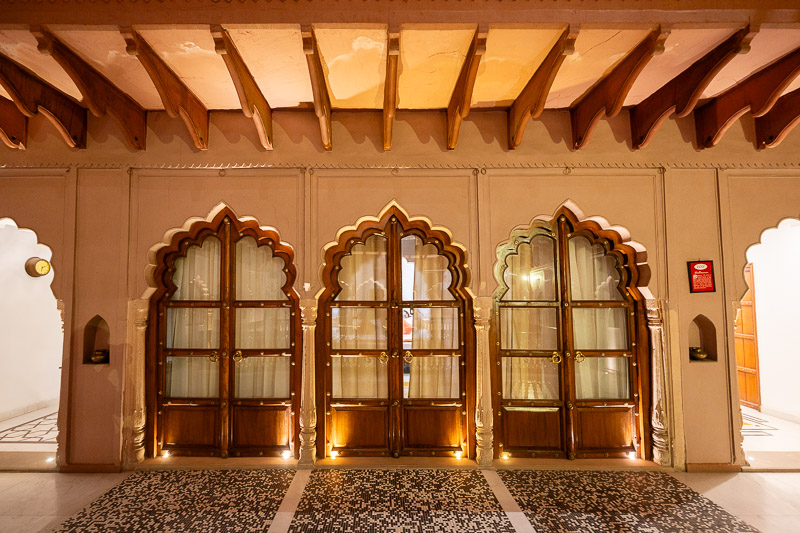
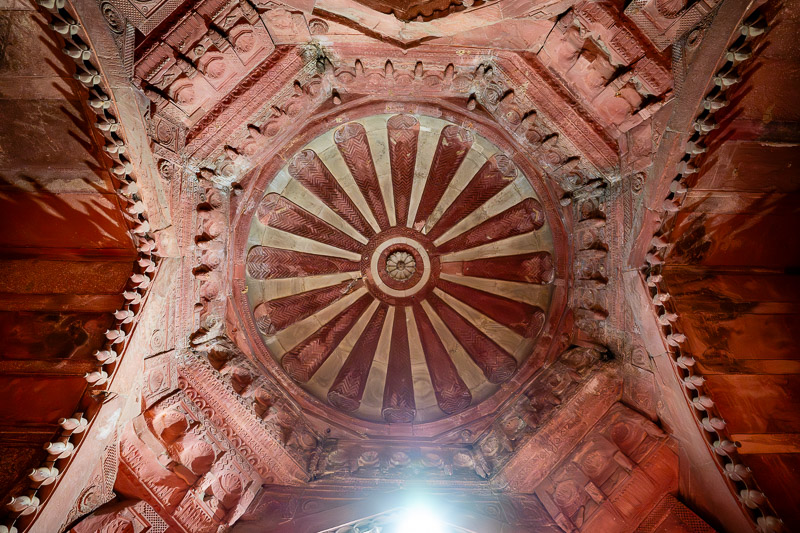

Most of the sample images in this review and many more can be found in higher resolution here.
Further Reading
- What camera gear and accessories do I use most frequently?
- REVIEW: Nikon Z Nikkor 14-30mm F/4 S
- Review: Nikon AF-S 14-24mm 2.8G – Way ahead of its time
- Review: Samyang AF 14-24mm 2.8 FE
Support Us
Did you learn something new, find this article useful, or simply enjoy reading it? We’ve put a lot of time and resources into creating it, and your support helps us keep going. If you’d like to show your appreciation, please consider clicking the Donate button!


(Donations via Paypal or bank card)
Or alternatively support us via this link.
What’s in my camera bag? MY 2024 KIT!!
- Main camera : https://amzn.to/3TsGtKg
- Camera grip : https://amzn.to/4e0G3CR
- Memory Card 1: https://amzn.to/47pA20i
- Memory Card 2 : https://amzn.to/3XHYxlZ
- Camera 2 : https://amzn.to/3Xifou8
- Camera grip: https://amzn.to/4dYYpV9
- Memory card 1: https://amzn.to/4e5h2H0
- Memory card 2: https://amzn.to/3zu7W7n
- Main tripod: Leofoto LS-324CPRO
- Small travel tripod: https://amzn.to/4goIX68
- Mini tripod: https://amzn.to/4e09XXX
- Small shoulder bag: https://amzn.to/47tPMiY
- Medium shoulder bag: https://amzn.to/4ej4bjY
- APS-C camera 1: https://link.amazon/B0iKSCc8a
- APS-C camera 2: https://link.amazon/B0duP43QI
This site contains affiliate links, for which I may receive a small commission if you purchase via the links at no additional cost to you. This helps support the creation of future content.


Martin
Latest posts by Martin (see all)
- REVIEW: SIRUI AURORA 35mm F1.4 - October 14, 2026
- REVIEW: Zhiyun FIVERAY M60 Ultra & Molus X100 RGB - October 11, 2026
- Analogue Photography: Part 7 — Gran Canaria with Kodak Portra 400 - September 30, 2026
Excellent sample images!
Thousand thanks
I enjoyed the review pretty much and glad you had positive experience with this lens.
All I can say in support of your superlatives is that I shoot primes and not much in love with zoom lenses in general. This one is *the* exception, period.
Thanks for the detailed review! Quick question: since you guys reviewed the Samyang AF 14-24mm here before, I was wondering why it wasn’t listed under the alternatives. How does it compare to the Nikkor Z 14-24mm in your opinion?
Thank you, it was a miss as I think it is only available for Sony E mount, not sure though. I added it to the alternatives list.
Thank you for the clarification! I really appreciate the detailed comparison; it puts into perspective why there’s such a clear performance difference that justifies the price gap. Your insight is very helpful!
Actually, your blog has been a huge guide for my photography journey. Thanks to your reviews, I ended up getting the Bokina (Tokina 90mm f/2.5), the Voigtländer 35mm f/1.7, and even the Vlogmagic 50mm f/1.1! I’m having so much fun shooting with all of them.
I really wanted to buy you a coffee to show my appreciation, but I just found out that PayPal donations are blocked for users in Korea, which is so frustrating! 😤 But please know that your blog has been an amazing help to my photography experience. Thank you again!
Many thanks, Charmoon. Comments like this really encourage us to continue our work.
I’m also very happy to hear that you’ve been enjoying the lenses you have acquired. That’s quite a collection of nice lenses!
Thank you as well for bringing the PayPal donation issue to my attention. Unfortunately, PayPal’s Donate button is restricted in some countries, including Korea. Because of that, I’ve now added an alternative support link to the blog post.
If you’d still like to support the blog, you can use this link:
https://www.paypal.com/ncp/payment/3D72XRU5DZX52
Either way, your kind words and continued readership are already greatly appreciated. Thank you for being part of the community.