Introduction
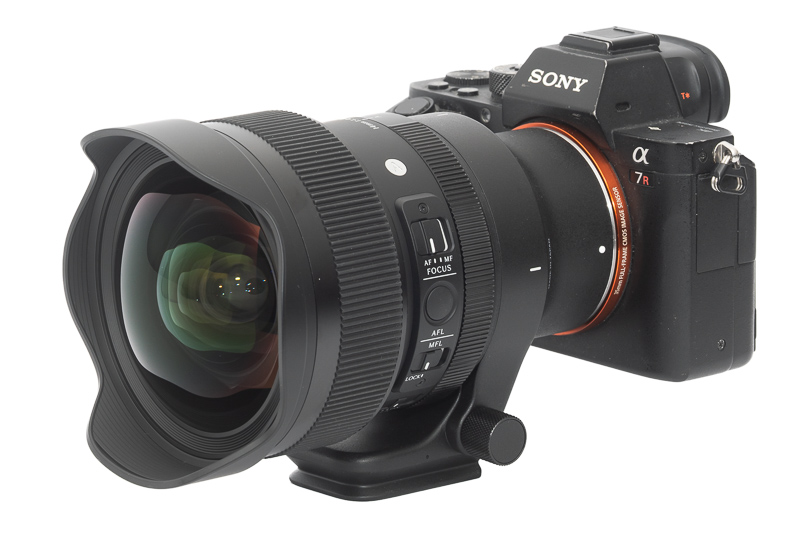
When it comes to 14mm fullframe lenses, Sigma likes to break records. The Sigma 14mm 1.8 DG HSM Art was the fastest 14mm lens for DSLRs when it was released in 2017 and this Sigma 14mm 1.4 DG Art is the fastest 14mm lenses for mirrorless cameras since 2023. This lens’ purpose is obviously astrophotography and on paper it is the ideal lens for milky way and especially aurora shooting. By my experience these fast ultra wide angle lenses have very high sample variation though, did Sigma manage to solve that issue? Let’s find out in this review.
Specifications
This Sigma 14mm 1.4 DG Art is the only 14mm lens as fast as f/1.4. It is available for E-mount and L-mount and the E-mount version I am reviewing here has the following specifications:
-
- Diameter: 102 mm
- Field of view: 114.2° (diagonally)
- Length: 150 mm
- Weight: 1073g (without front cap[91g], without tripod collar[87g], without rubber cover[18g], without rear cap)
- Filter Diameter: rear filter slot
- Number of Aperture Blades: 11 (rounded)
- Elements/Groups: 19/15
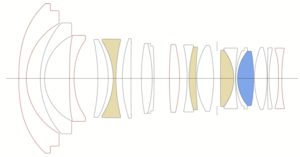
- Close Focusing Distance: 0.3 m
- Maximum Magnification: 1:7.5 (measured)
- Released: June 2023
- Mount: E-Mount, L-Mount
buy from amazon.com | amazon.de | ebay.com | ebay.de | B&H (advertisement/affiliate link) for $1839
Sample Variation Issues
If you have read any of my reviews of other fast ultra wide angle lenses you already know that these lenses have a lot of issues with sample variation, meaning often one corner or even one side looks significantly worse than the others.
If you actually want to use these lenses for astrophotography (which is their main application after all) this is a bit of a problem, because you need an even across frame performance at wider apertures for that.
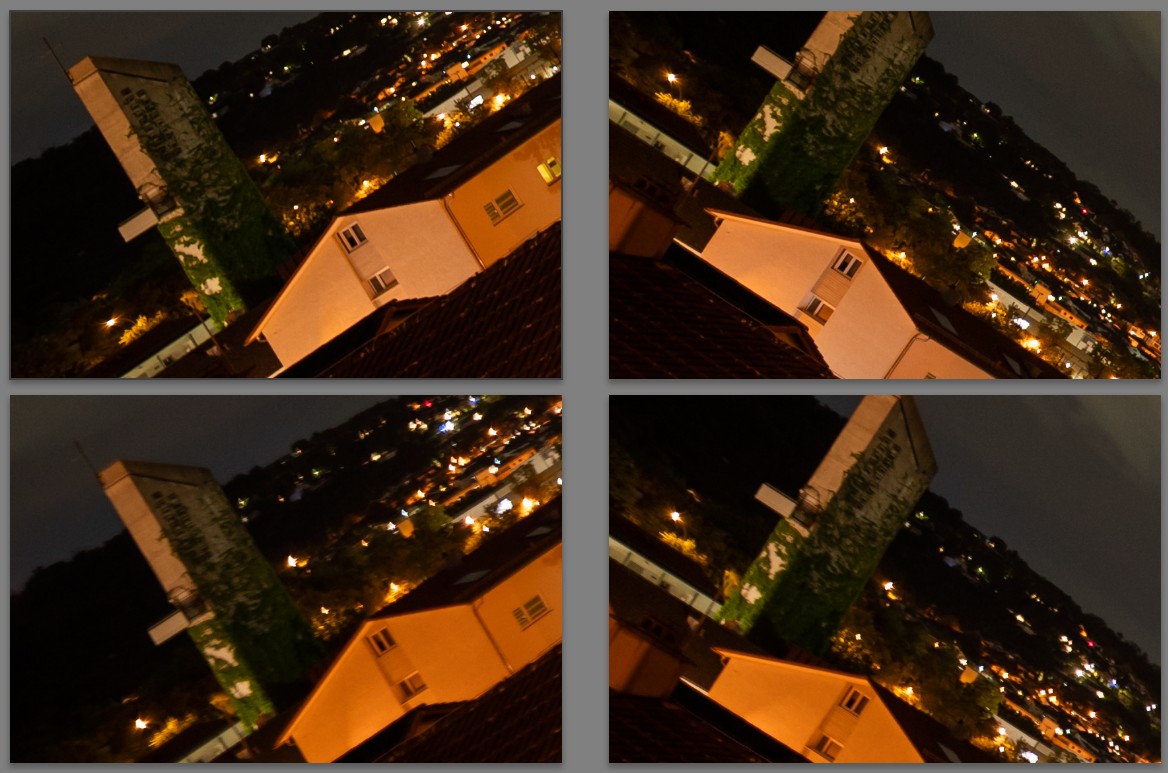
I bought the Sigma 14mm 1.4 DG Art new from a dealer. The first sample showed a noticeable decentering and one corner simply never looked particularly good. Considering price and dimensions of this lens that wasn’t acceptable to me.
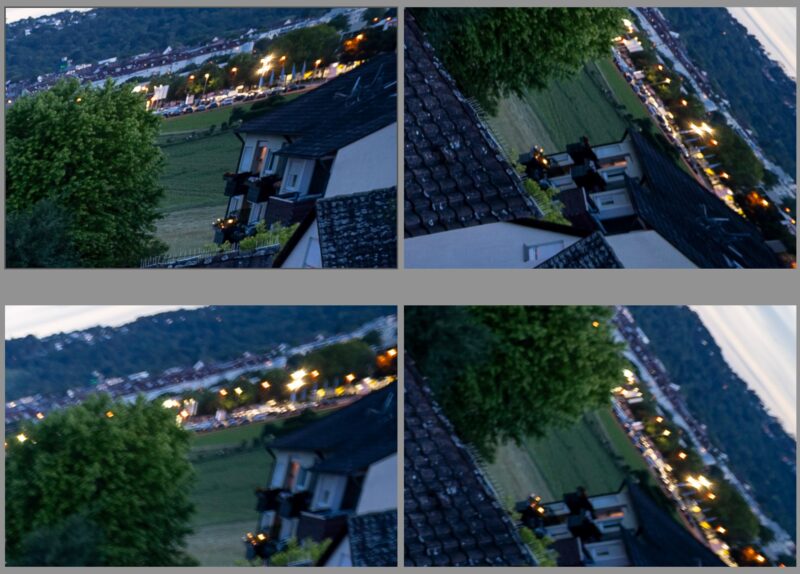
I asked the shop for a replacement which they agreed on, already at that point they informed me the second sample may not be better than the first though. That was actually an understatement, as the second sample was significantly worse than the first one. At that point I lost the motivation to try further samples and ending up on that shop’s black list in the process.
Because of this lens’ ultra wide angle view I also made an adjustment to the centering test procedure I usually use. As this lens comes with a rotateable tripod collar, I used that to rotate the lens with camera attached, thereby taking a picture of the same object with all four corners of the lens. This way it is 100% ensured that neither the angle nor the distance to the subject change even one bit.
I decided to still put together this article with my findings, as this is generally a lens you cannot find a lot of useful information on. I had to leave out some sections though and there are also no sample pictures this time.
Handling/Build quality
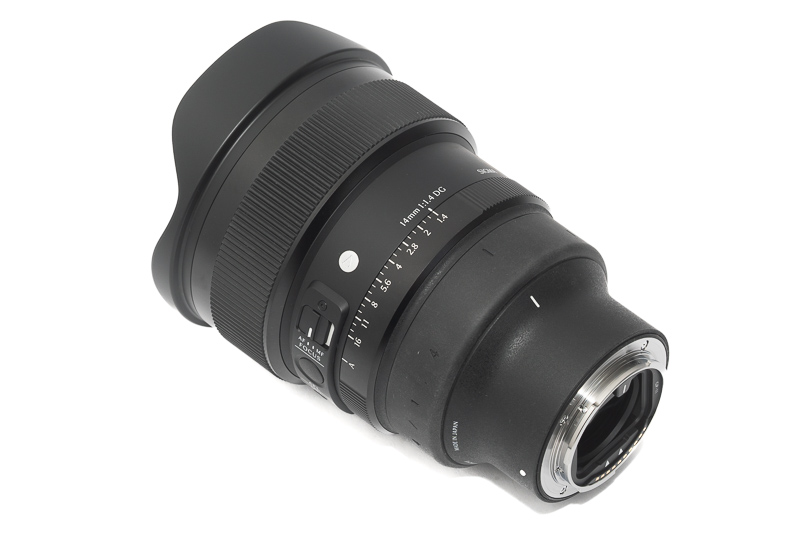
In 2025 Sigma made some changes to the styling of their products and also their packaging. The outer casing (including the filter thread) still seems to be mostly made from high quality polycarbonate, but they changed the finish a bit. It is more structured now, which is best visible in the picture above near the bayonet. The rubber gasket close to the bayonet is also still there, but it is very thin now.
This Sigma 14mm 1.4 DG Art comes in both versions, the earlier one still featuring the “DN” in its name tag and this newer version.
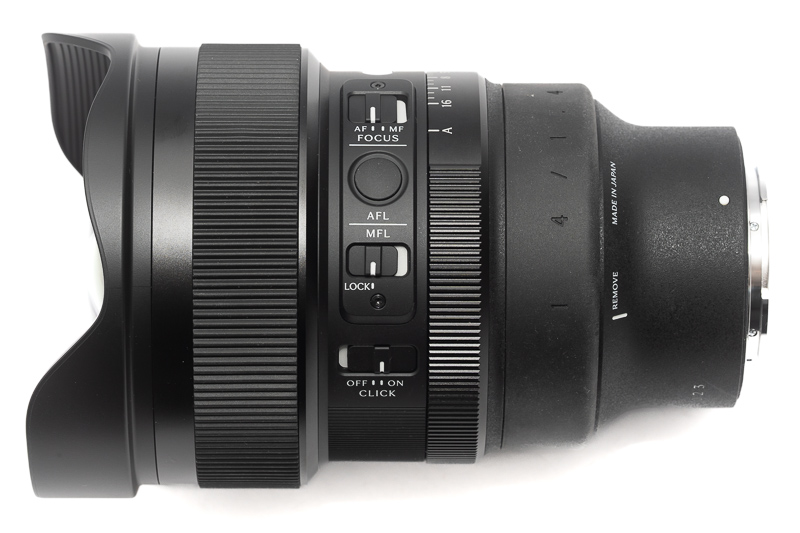
On the side we have a host of buttons: AF/MF switch, lens button, manual focus lock and aperture ring de-click switch.
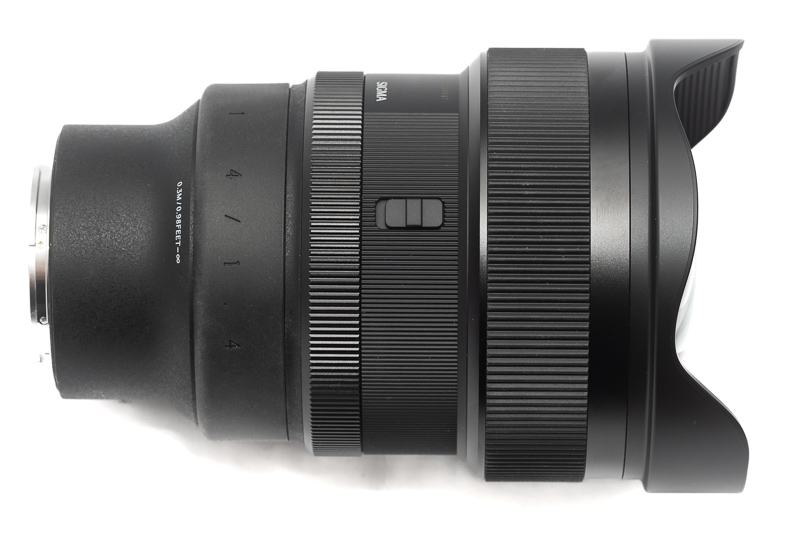
On the other side we have a lock switch for the aperture ring.

This lens does not come with a normal filter thread but it does feature a rear filter holder. Haida offers a Didymium filter for it which I would have also tried if the two samples of this lens I tried had not sucked.
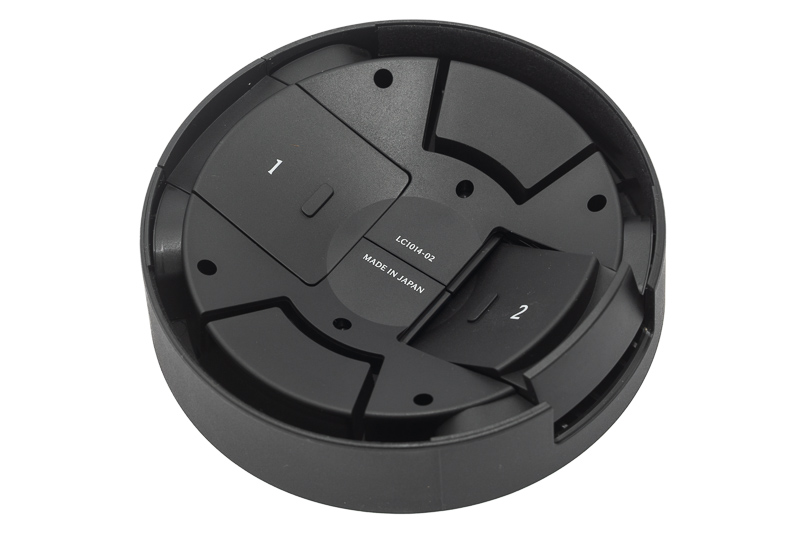
The front cap features two hidden slots for rear filters, there is also a disadvantage to this, as it makes the front cap very heavy. I would have preferred if Sigma included a normal front cap for those of us that won’t deal with rear filters to begin with.
The lens comes with a removable tripod collar. And as is also the case for the one that comes with the Sigma 135mm 1.4 DG Art it features an Arca Swiss profile from the get go, so no need to buy a replacement collar.
If you don’t need the tripod collar you can attach a rubber ring instead, which is also a very thoughtful addition.
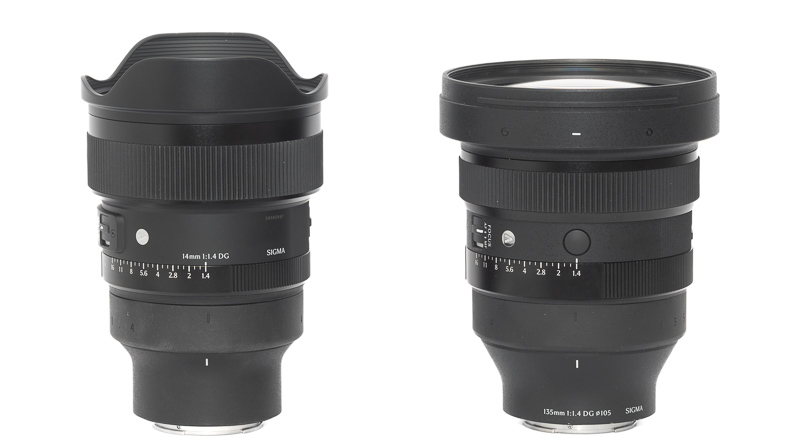
This is a huge and heavy lens, significantly bigger than its slightly slower competitors like the Sony FE 14mm 1.8 GM and especially the Sony FE 16mm 1.8 G. It is also about the same size and weight as the Sigma 14mm 1.8 DG Art HSM which was still designed for DSLRs.
Vignetting
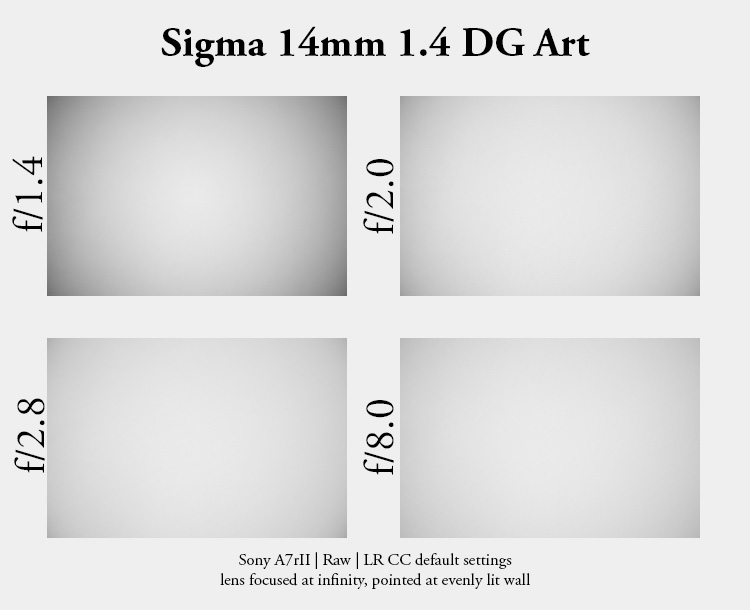
| f/1.4 | 2.5 EV |
| f/2.0 | 1.8 EV |
| f/2.8 | 1.5 EV |
| f/4.0 | 1.4 EV |
| f/5.6 - f/16 | 1.3 EV |
Considering its huge dimensions we would expect lower vignetting figures compared to the much smaller Sony FE 14mm 1.8 GM and especially the Sony FE 16mm 1.8 G. Luckily I did find the vignetting figures to be a bit lower indeed, but then not really enough to get excited about (0.2 EV better than 14mm 1.8 G and 0.5 EV better than 16mm 1.8 G). The benefit of this Sigma 14mm 1.4 is that it improves more on stopping down, so from f/5.6 it shows about 0.7 EV less vignetting. But who on their sane mind would buy this lens to mainly use it stopped down?
There is more: the older Sigma 14mm 1.8 DG HSM Art actually shows less vignetting at its maximum aperture (2.2 EV). This means, if you shoot both these lenses set to their maximum aperture with the same shutter speed and ISO setting, the corners of this 1.4 lens will hardly be brighter than those of the older 1.8 lens. This really makes me the question the usefulness of this 14mm 1.4 design…
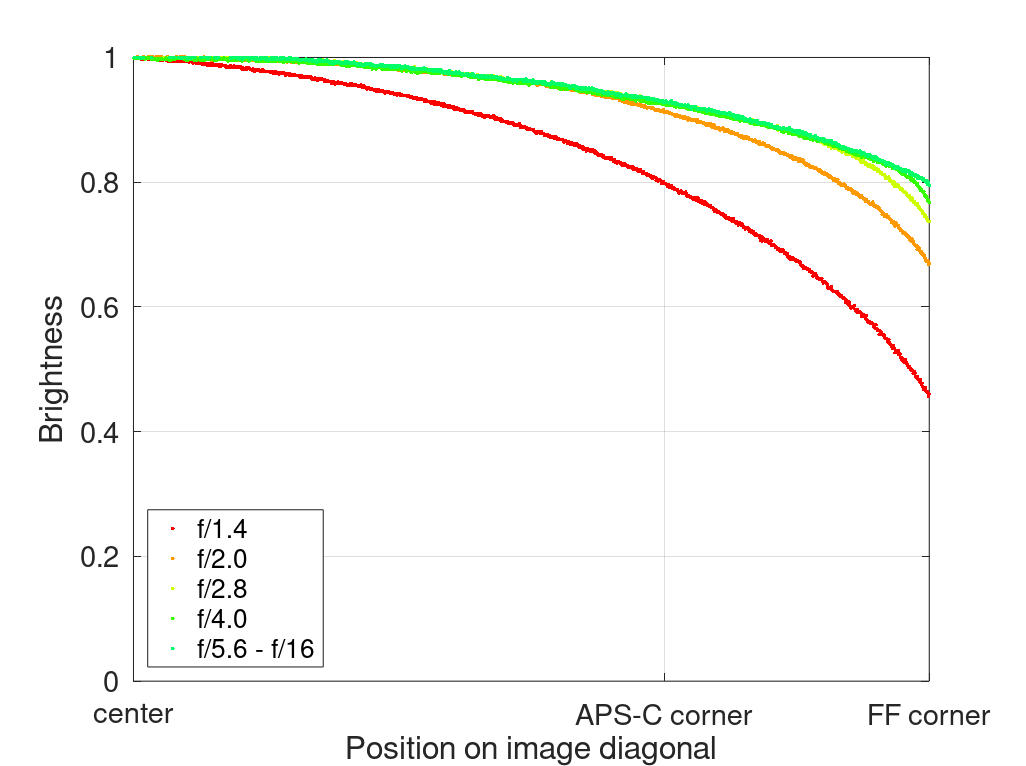
It is recommended to have a look at this article first to get an idea how this brightness graph works.
Sharpness
MTF-Graphs
The MTF graphs promise very good image quality over most parts of the frame with only little astigmatism. Towards the corners we see a slight drop in image quality and a rise in astigmatism though. Let’s see about the actual performance in the following sections.
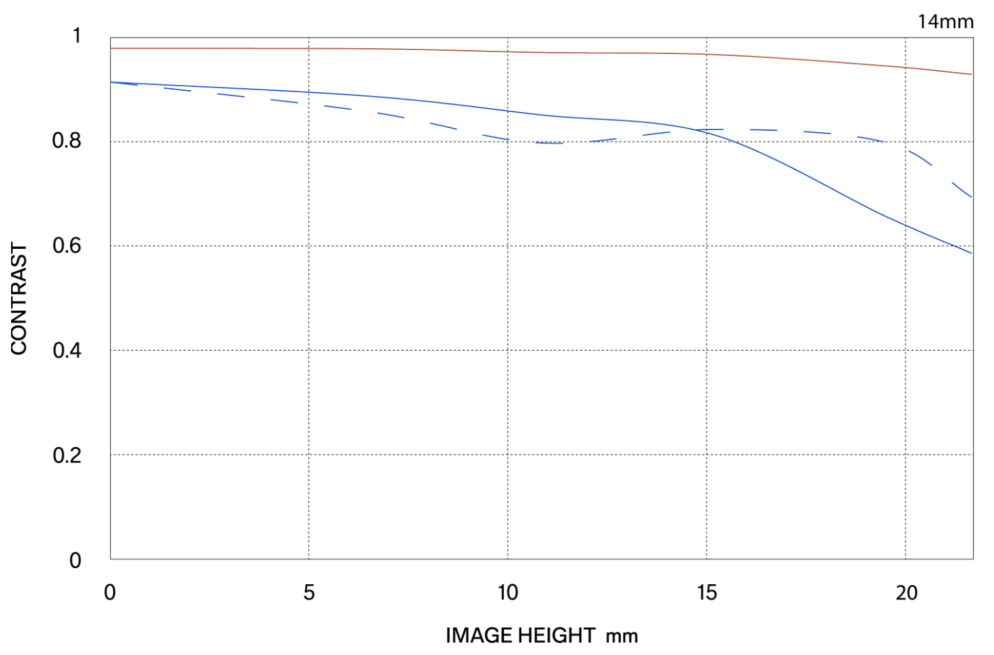
Most MTF-Graphs show calculated values that do not take into account manufacturing tolerances and sample variation. Furthermore they are usually calculated for infinity, so in the field and shooting at different distances a noticeable variation may be visible.
infinity (42mp Sony A7rII)
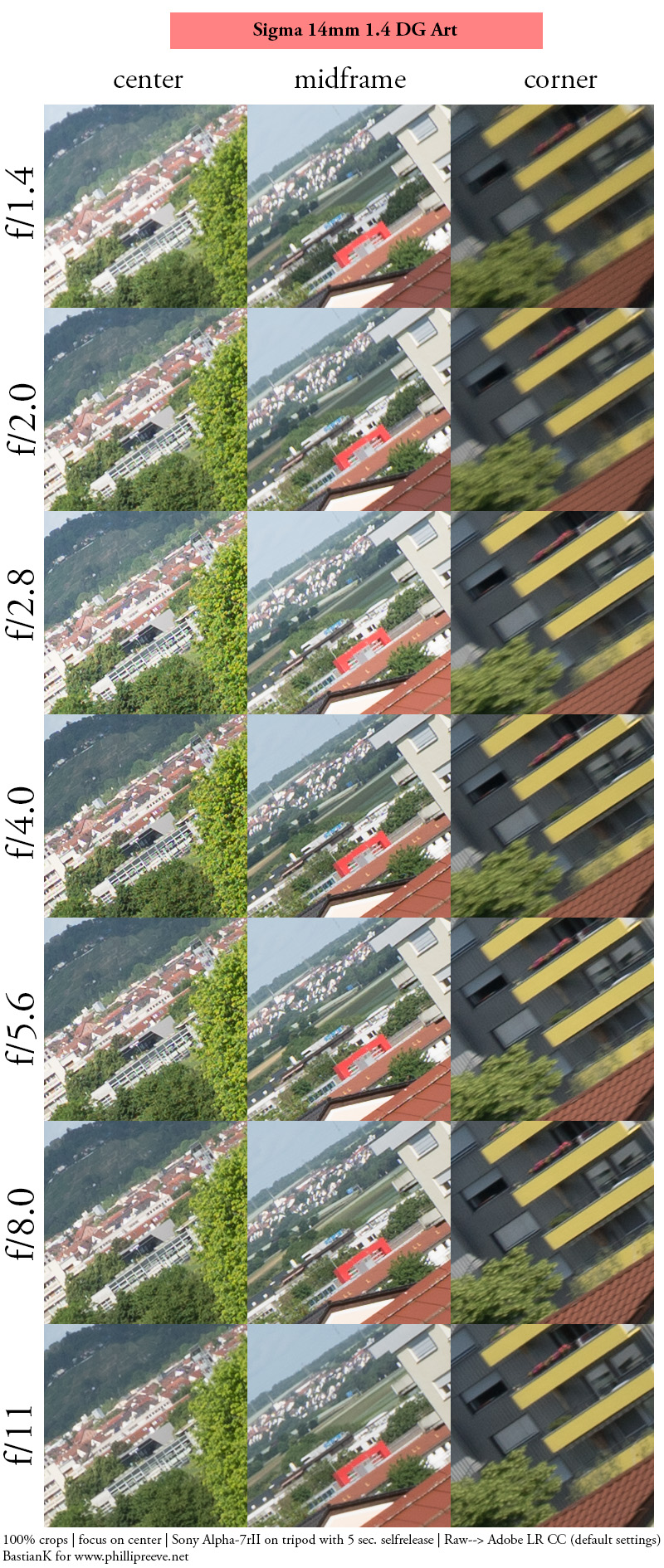
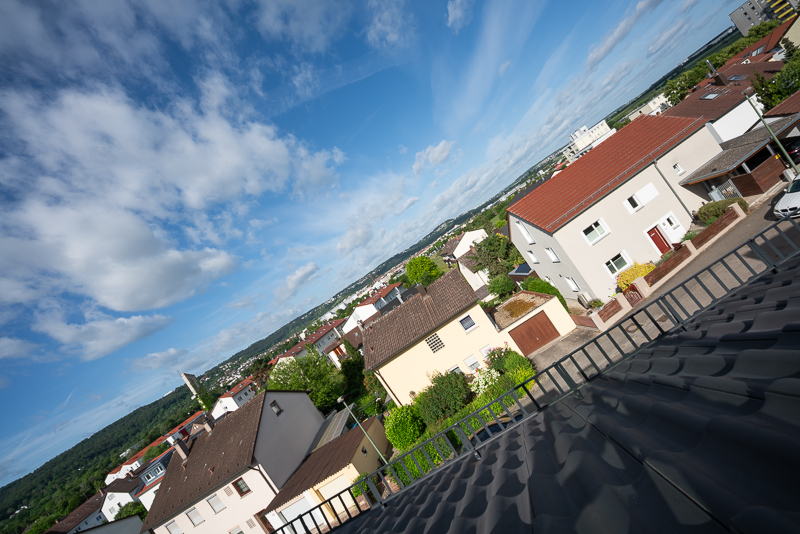
This sample of the Sigma 14mm 1.4 DG Art looks a bit softer in the center at f/1.4 but there is luckily no midzone dip. The corners leave something to be desired though, as they actually need f/8.0 to look somewhat decent (still not great).
The Sony FE 14mm 1.8 GM I reviewed looked better at wider apertures and similar stopped down. The Sony FE 16mm 1.8 G performed as well at f/1.8 as this lens at any setting. Also the older Sigma 14mm 1.8 DG HSM Art actually performed better here.
Would a perfectly centered sample of this 14mm 1.4 DG Art be able to show a better performance? I sure hope so, because otherwise there would hardly be a reason to pick this lens over its competitors.
close 0.3 m, 1:7.5 (42mp Sony A7rII)



This Sigma 14mm 1.4 DG Art shows an average minimum focus distance and maximum magnification. The Sony FE 16mm 1.8 G as well as the Laowa 15mm 2.0 focus significantly closer if you are interested in that.
At f/1.4 and still a bit at f/2.0 this Sigma lens is also soft at close distances (even in the center) and like many ultra wide angle lenses it also has a lot of field curvature here.
Flare resistance
As always evaluating flare is a complex matter since you can get any lens to look bad if you push it hard enough and a slight change of scenario can affect results a lot.
Lenses with bulbous front elements used to struggle in this category, but this lens’ predecessor, the Sigma 14mm 1.8 DG HSM Art, was a positive surprise. Will that also be the case for this newer 14mm 1.4 lens?
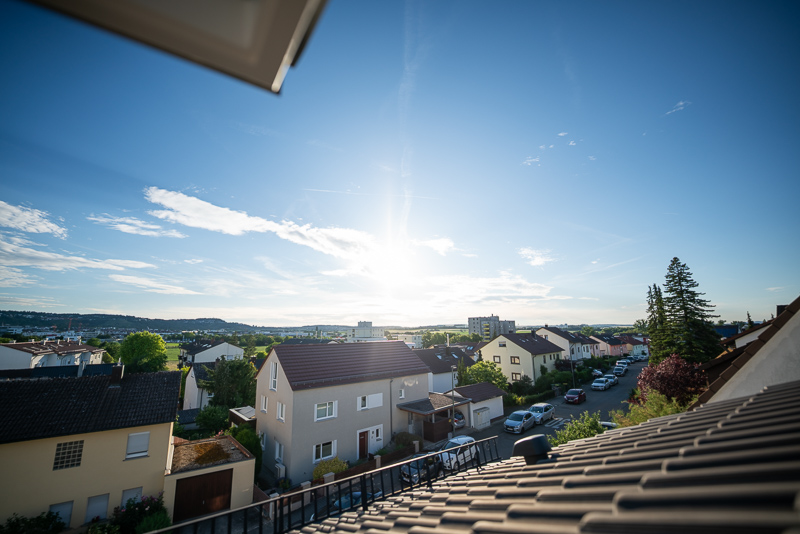
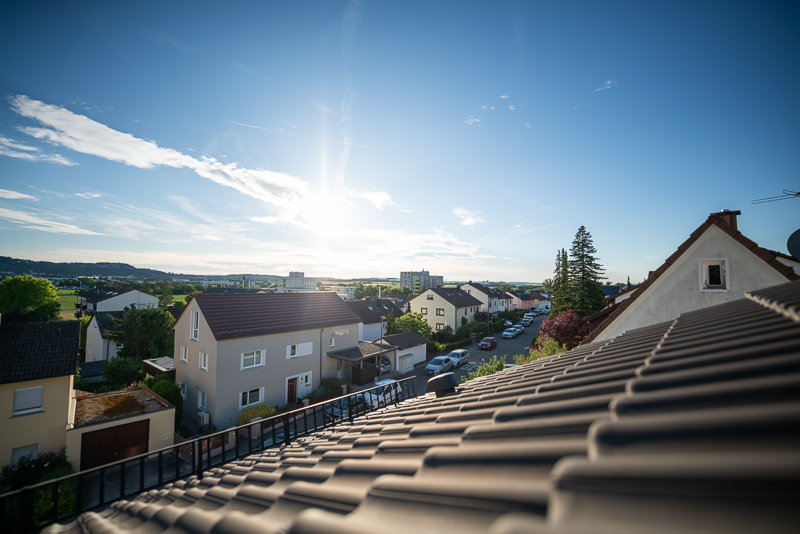
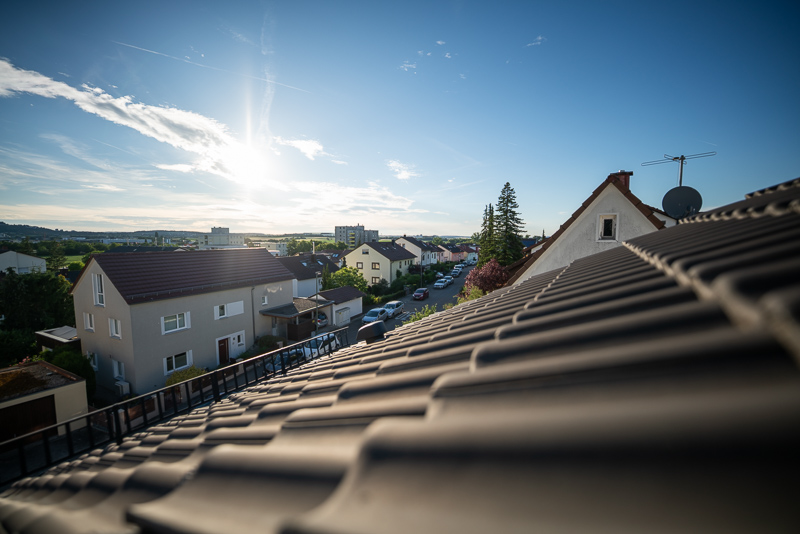
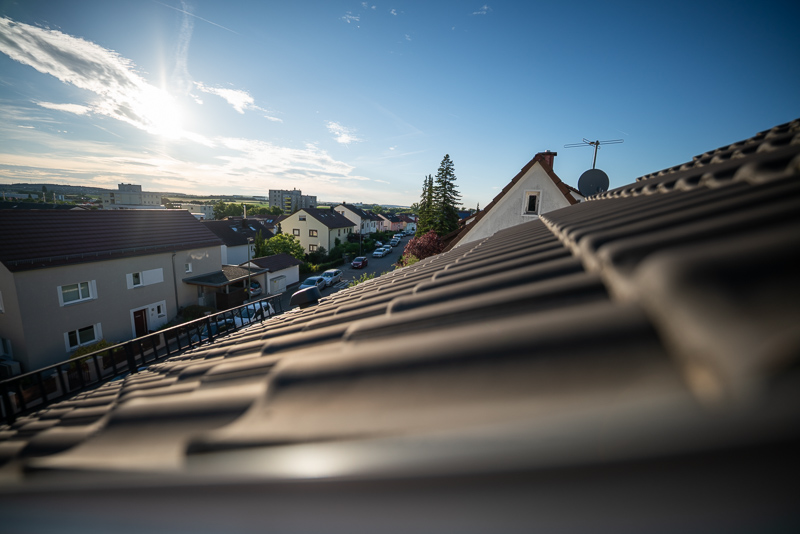
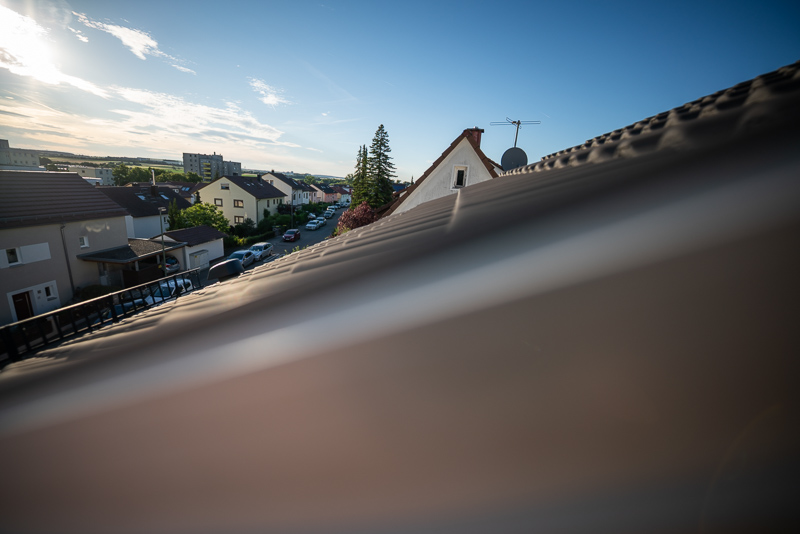
At its maximum aperture I hardly managed to create any unwanted artefacts and also the contrast stays on a high level.
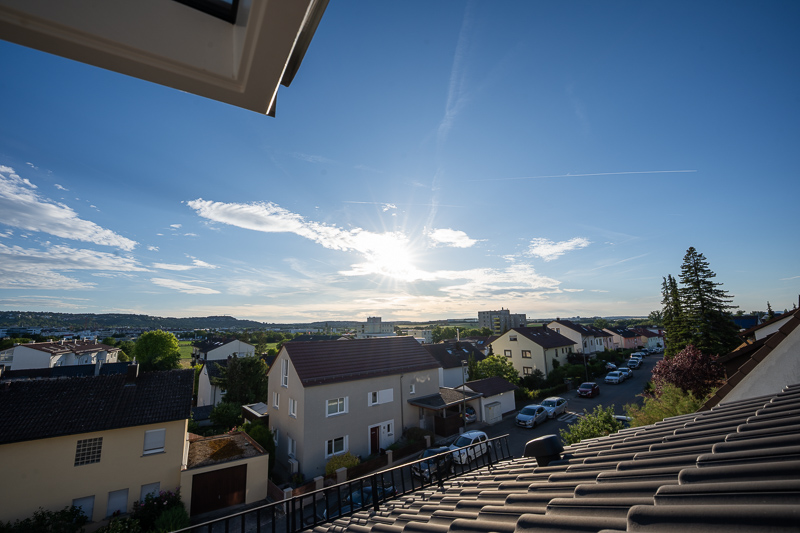
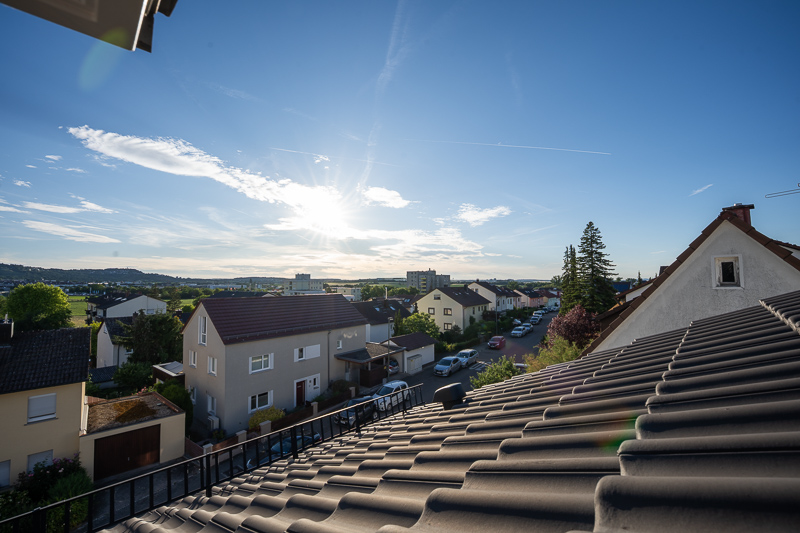
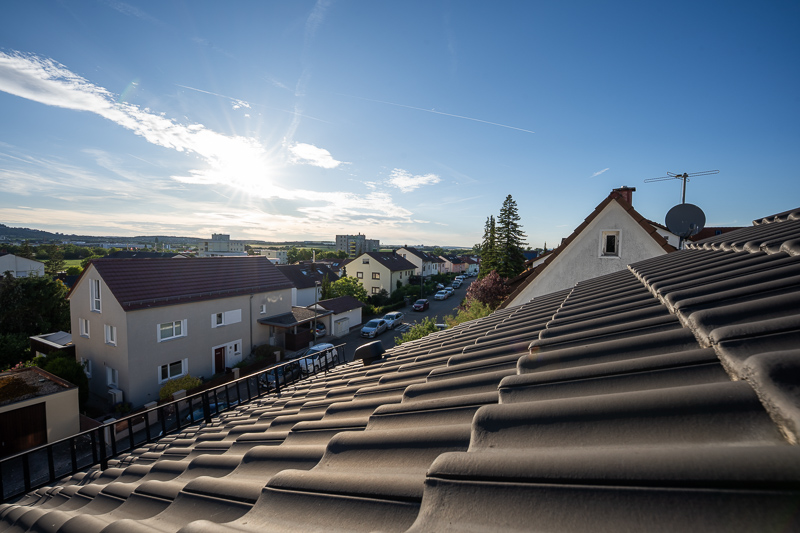
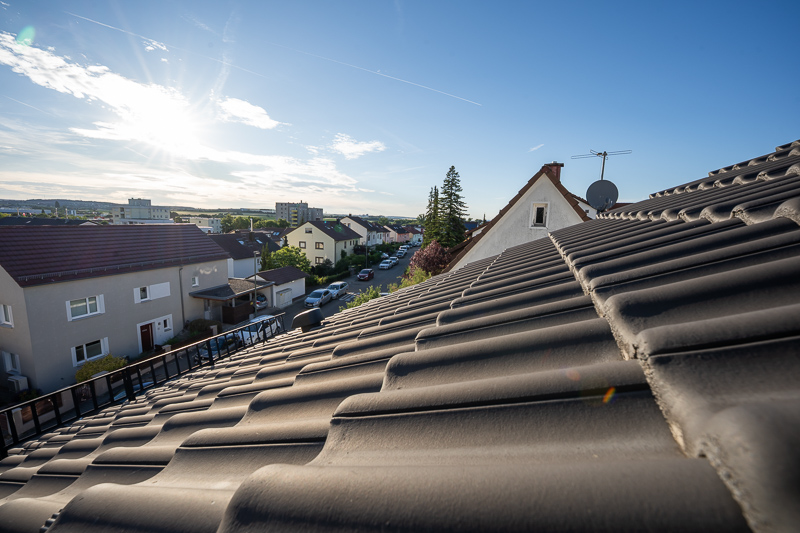
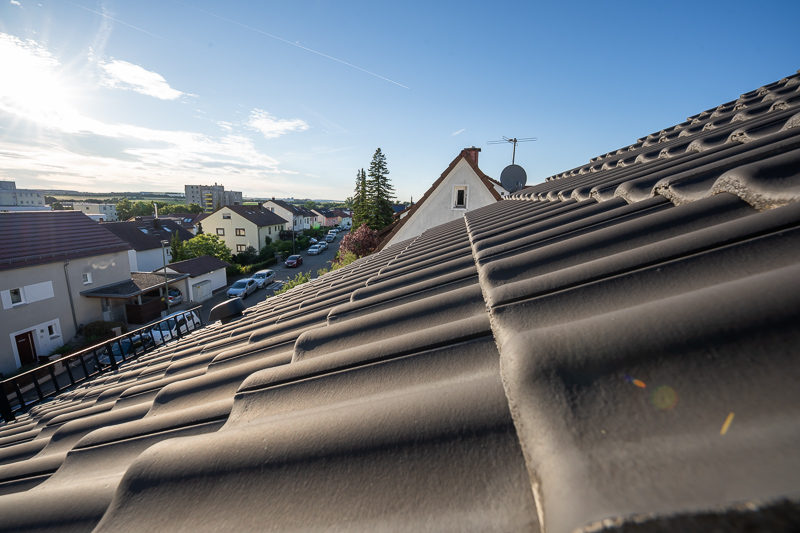
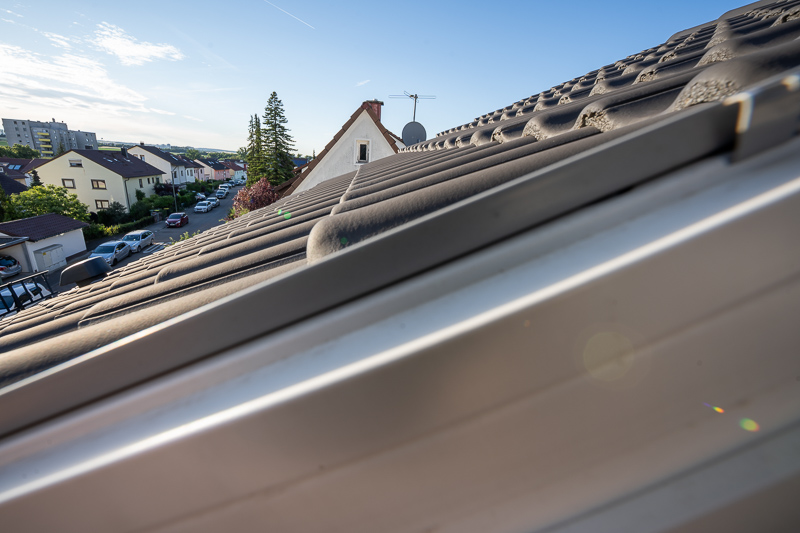
Stopped down to f/11 we can actually spot some small and rather unobtrusive ghosts but that won’t be something to regularly ruin your shots.
This is a good to very good performance but also one similar to the Sigma 14mm 1.8 DG HSM Art, Sony FE 14mm 1.8 GM and Sony FE 16mm 1.8 G.
Coma
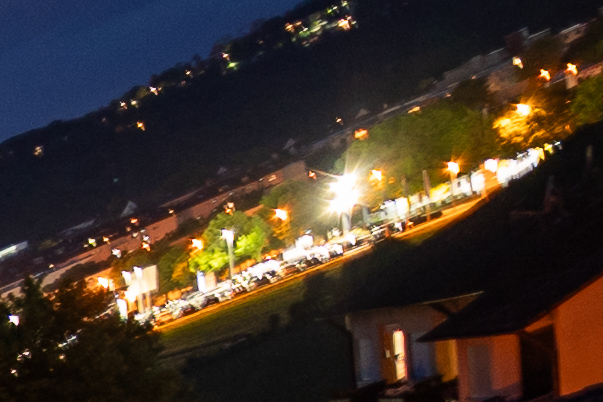
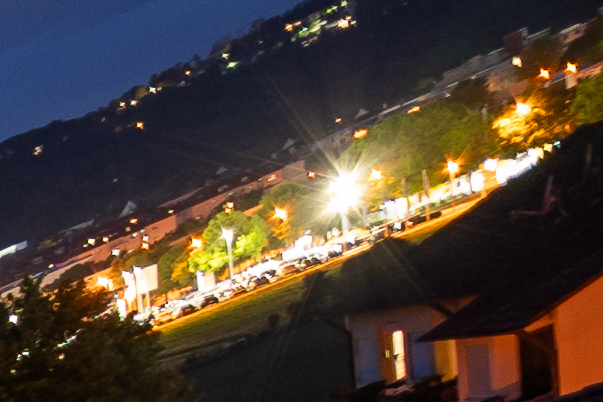
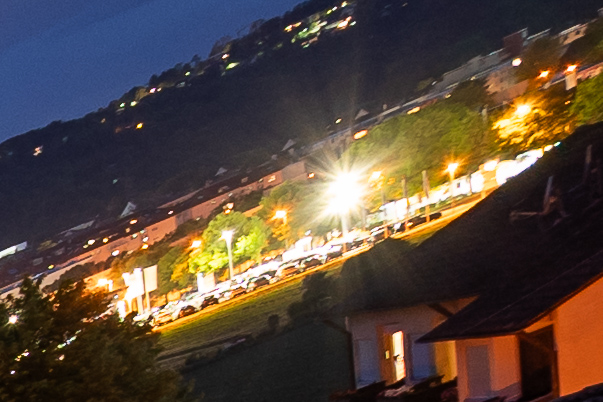
Together with vignetting this is the most important category for a lens like this. Considering this is the only 14mm lens as fast as f/1.4, what you see above could be considered a solid performance and can also be seen as an improvement over the Sigma 14mm 1.8 DG HSM Art.
The problem is: this Sigma 14mm 1.4 DG Art has some issues with field curvature and I actually had to focus on the corners for them to look good (central part and midframe are actually out of focus in the full pictures belonging to those crops you see above).
The Sony FE 14mm 1.8 GM and Sony FE 16mm 1.8 G I reviewed showed less Coma while at the same time having little to no field curvature, so I rate their performance noticeably higher here.
Sunstars
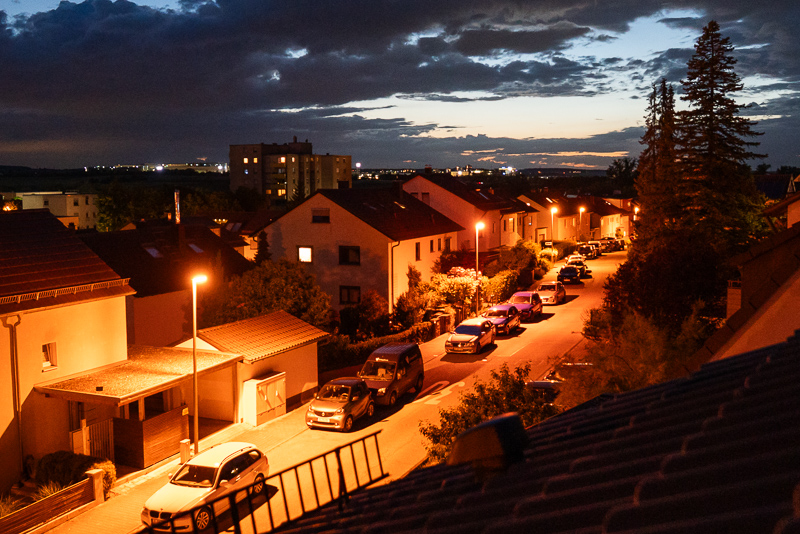
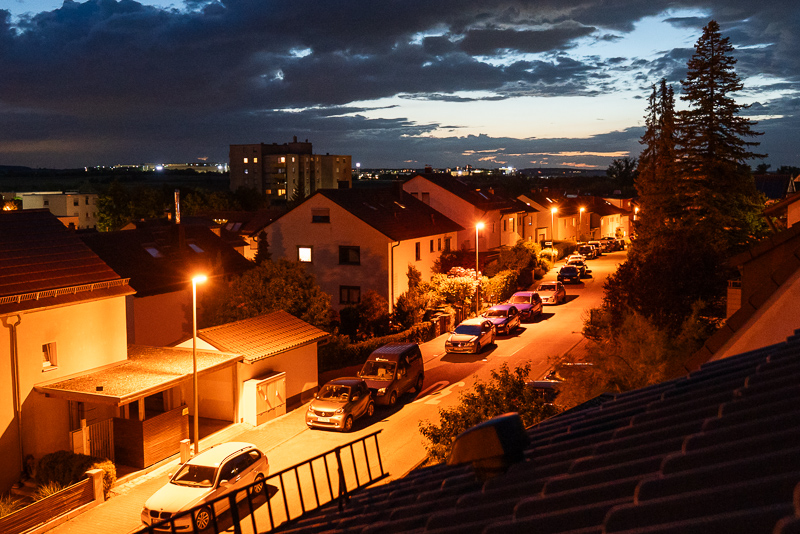
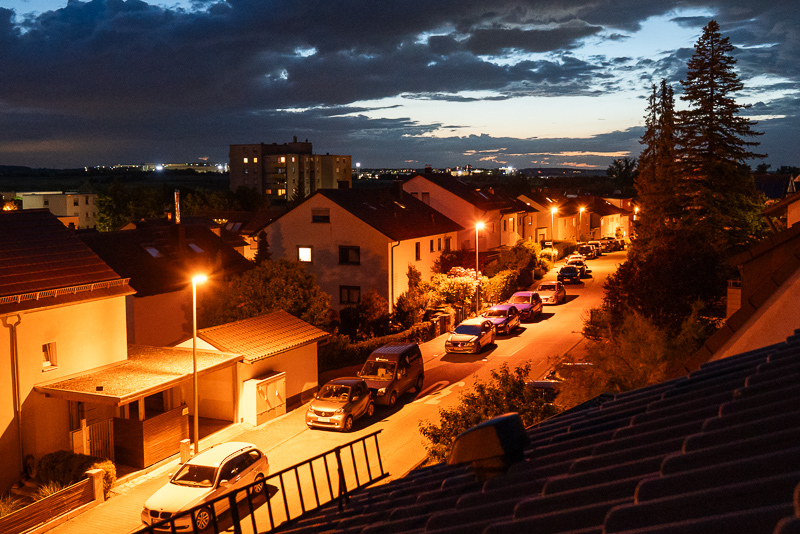
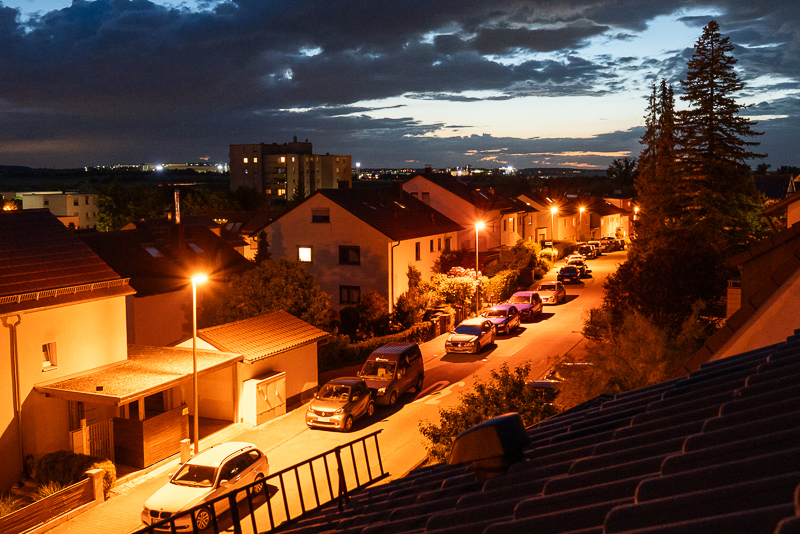
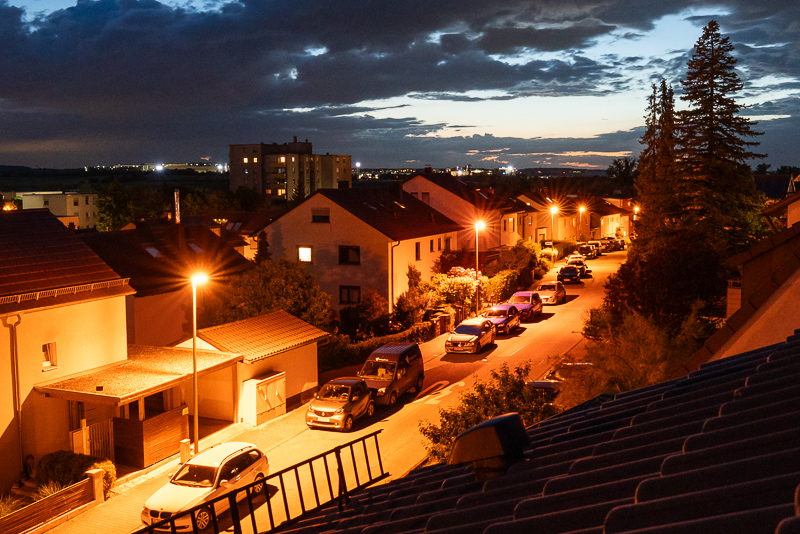
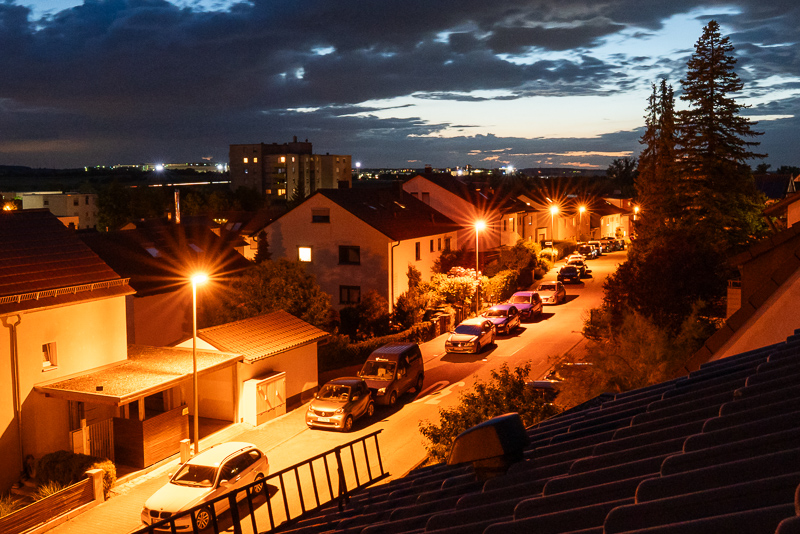
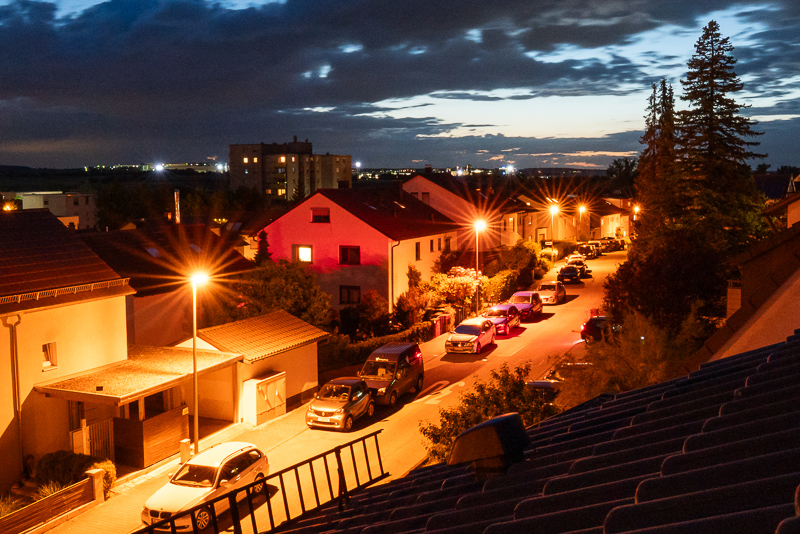
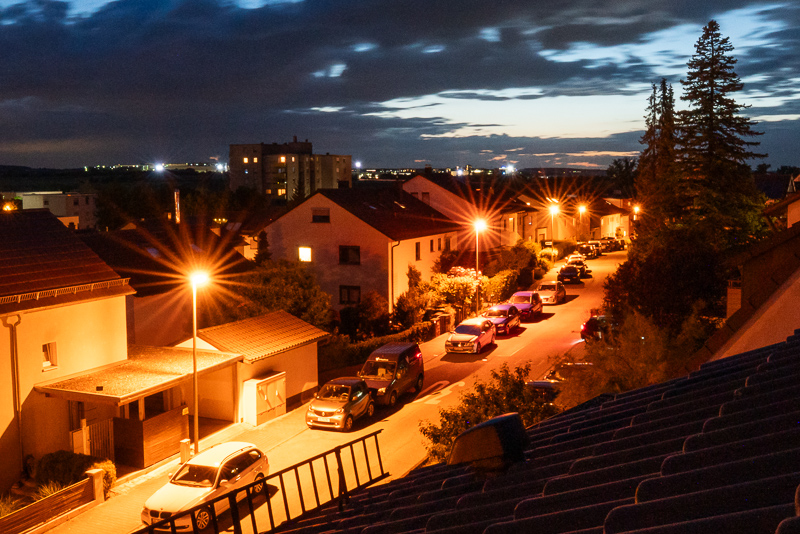
This is a category where Sigma’s lenses have seen significant improvements lately. While older Sigma lenses create unsightly, unsymmetrical sunstars, the newer ones like this 14mm 1.4 manage to create sunstars made of equidistantly spaced rays of even length – at least in the f/8.0 to f/16 range.
If you want to learn more about this topic have a look at this article.
Chromatic aberration
lateral
This Sigma 14mm 1.4 DG Art features a built-in lens correction profile for lateral CA that will also be recognized in most raw converters, so in the end: you won’t see any.
longitudinal
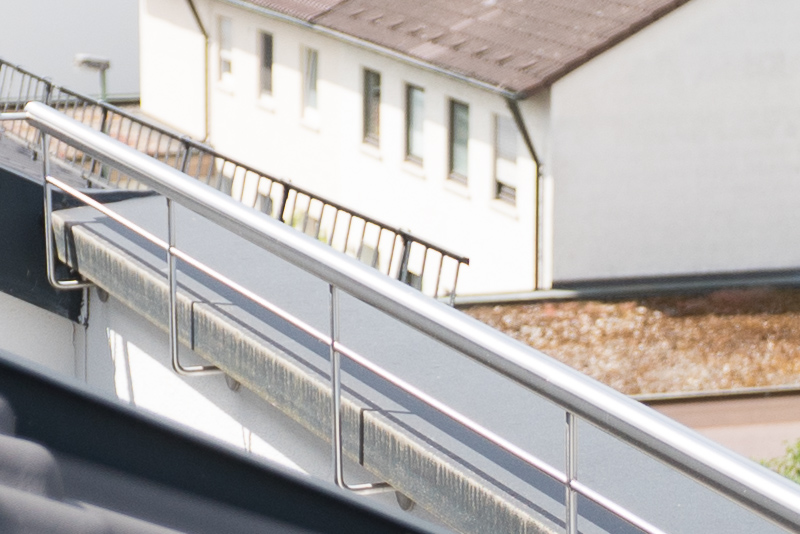
In close focus scenarios you may have enough bokeh in your pictures to potentially encounter bokeh fringing, at longer focus distances this is nothing to worry about though.
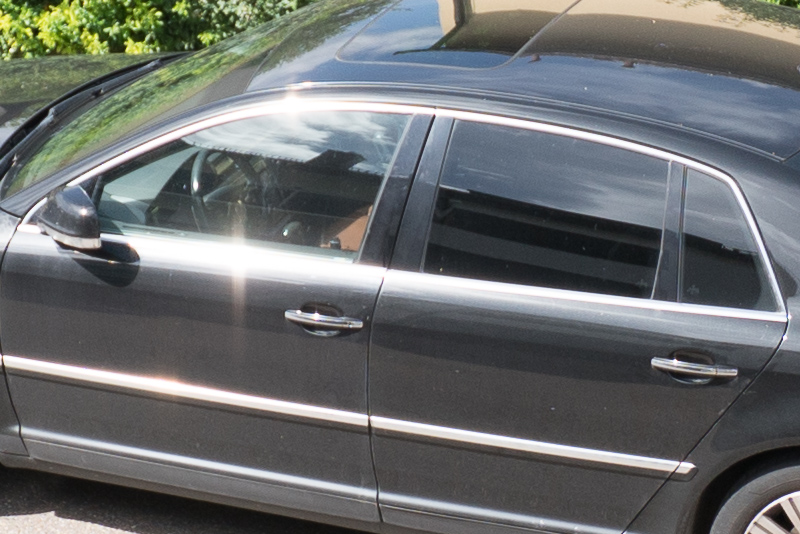
Unsurprisingly for a lens as complex as this also purple fringing around high contrast edges is nowhere to be found.
Impressions
I like to do landscape astrophotography, so since its release I have been paying close attention to this Sigma 14mm 1.4 DG Art lens, as on paper it would be the ideal lens for that task.
The problem is, it seems to have even more issues with sample variation than its competitors.
Even if a perfectly centered copy of this lens exists, I am not sure if it would actually be worth it, at least for E-mount users. The Sony FE 14mm 1.8 GM and Sony FE 16mm 1.8 G are a little bit slower, but they are significantly smaller and lighter. Taking into account front cap and tripod collar, this 14mm 1.4 weighs 4 times as much as the Sony FE 16mm 1.8 G and 2.5 times as much as the Sony FE 14mm 1.8 GM.
Now some people prioritize maximum image quality and don’t care too much about size and weight. In the past Sigma managed to satisfy these kind of customers with lenses like the Sigma 40mm 1.4 DG HSM Art, Sigma 105mm 1.4 DG HSM Art and lately the Sigma 135mm 1.4 DG Art. Here I am not so sure they accomplished that, as the vignetting figures are too high (especially compared to the predecessor) and field curvature also seems to be a bit of a problem.
If you happen to own (or even want to sell) an actually good copy of this 14mm 1.4, please leave a message in the comment section.
buy from amazon.com | amazon.de | ebay.com | ebay.de | B&H (advertisement/affiliate link) for $1839
Alternatives
All the alternatives are covered in our Guide to 9-18mm ultra wide angle lenses for E-mount, so I will only talk about the most obvious ones in detail here.
A word of caution: it seems to be quite difficult to manufacture these fast ultra wide angle prime lenses as there is a higher degree of sample variation here compared to longer lenses. Buy these lenses from places where you can thoroughly inspect/return the lens and check if it works properly for your applications before committing to it.
AF
Sigma 14mm 1.8 Art DG HSM:
This’ lens predecessor which was still designed for DSLRs. In many categories similar performance. A little less vignetting, a bit more Coma. If you have a good sample of the 1.8 lens that you are happy with, better stick to it.
buy from ebay.com | ebay.de | Amazon.com | Amazon.de (advertisement/affiliate links) for $1599 (new) or starting at $800 (used)
Sony FE 14mm 1.8 GM:
The Sony FE 14mm 1.8 GM has less field curvature and is a lot smaller and lighter. It shows slightly higher vignetting figures but not by enough to worry about.
buy from amazon.com | amazon.de | B&H | ebay (advertisement/affiliate links) for $1598
Sony FE 16mm 1.8 G:
If you can live with 16mm instead of 14mm this is actually the best performing fast ultra wide angle lens and fairly priced on top of that.
buy from amazon.com | amazon.de | ebay.com | ebay.de | B&H (advertisement/affiliate links) for $798
Viltrox AF 16mm 1.8 FE:
Also the Viltrox showed less field curvature, comes with a normal filter thread and costs significantly less. Coma correction is a little worse and flare resistance clearly so. The Viltrox is smaller and lighter, takes normal filters and can be bought for a fair price.
buy from manufacturer’s shop (use the code PRnet for 8% discount) | B&H | ebay.com (advertisement/affiliate links) for $549
MF
Laowa 15mm 2.0 Zero-D FE:
This lens has been my choice for landscape astrophotography and whenever I needed an ultra wide angle lens but couldn’t ( = wasn’t allowed to) use a tripod since 2017. Now in 2026 I would probably try to find a good copy of the Sony FE 16mm 1.8 G instead, as it performs better in most categories. The Laowa might still appeal to you if prefer manual focus or if you want an ultra wide angle lens crerating more distinct sunstars.
buy from manufacturer | amazon.com | B&H | amazon.de (advertisement/affiliate links) for $649
Further Reading
- Guide to 9-18mm Ultra Wide Angle Lenses
- Review: Sigma 24mm 2.0 DG DN Contemporary
- Review: Sigma 35mm 1.2 DG DN Art
- Review: Sigma 135mm 1.4 DG Art
- Join our Discord Server
Support Us
Did you find this article useful or just liked reading it? Treat us to a coffee!

 via Paypal
This site contains advertisement/affiliate links. If you make a purchase using any of the links marked as advertisement/affiliate links, I may receive a small commission at no additional cost to you. This helps support the creation of future content.


Latest posts by BastianK (see all)
- Review: Sigma 14mm 1.4 DG Art – World’s widest f/1.4 lens - September 26, 2026
- Review: Nikon Z 135mm 1.8 S Plena - September 23, 2026
- Review: Light Lens Lab 35mm 1.4 Aspherical “11873” - September 19, 2026
Actually Canon also has a 14mm f/1.4 lens, but of course this one is in their closed mount system so it might as well be nonexistent as far as the majority of us are concerned…
Oh and it’s also an autocorrected wonder with off the scale native distortion.
The most revealing part is that the first sample was bad, the replacement was worse, and by then returning a third began to feel socially awkward.
That is a strange place for quality control to end up.
A $1,800 astrophotography lens should probably not require the customer to become statistically significant.
At some point, sample variation becomes the product. 🦌
I bought this lens used for astrophotography.
It is heavy lens but if you are mainly doing astro its worthed.
To get sharp images you need to focus on the corners because its more like bulging the frame while focusing and in my experience coma is not visible, only some distortion to the stars remains because its not fisheye lens (center will stay the same sharpness). If you focus in the middle you wont get sharp edges and coma will ruin the image.
My copy is a bit decentered but its barely visible even when you zoom in to 100%.
Mount collar makes everything easier since you can change the orientation faster without touching the tripod.
All in all its not everyday lens but for astro it can save you 10 secs for every photo you take 😀
Hi. Did you consider the Sigma 15mm F1.4 DG DN Fisheye as it does astro without the stretch effect of the 14mm? Or are you done with Sigma now?
I have little to no use for fisheye lenses.
Ah, I thought you wrote you wanted to do astrophotography. My bad.
Landscape astrophotography and I like my landscapes not to bend.
I was seriously considering this lens, so I thank you very much for this review as I am now running fast in the opposite direction…