Introduction
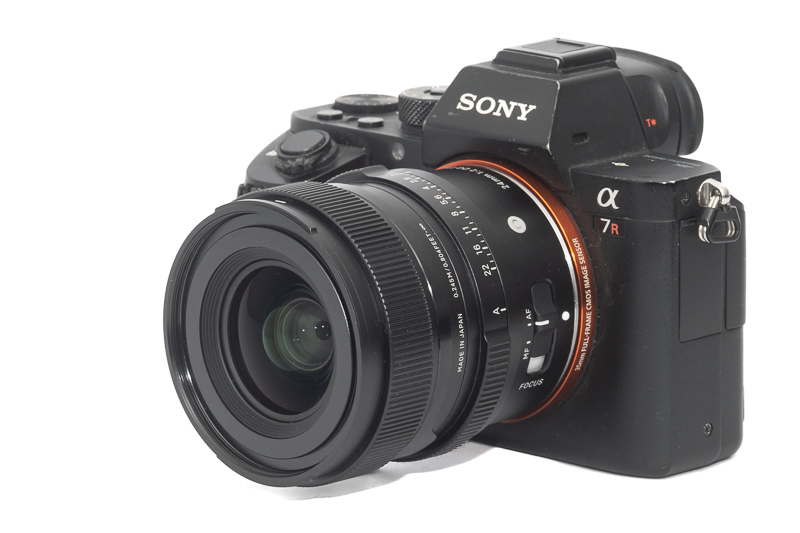
With its Contemporary “i” series primes Sigma tries to find the balance between moderaly fast maximum aperture, moderate size and metal casing with external controls. I already reviewed the Sigma 17mm 4.0 DG DN C before, this time I will have a look at the Sigma 24mm 2.0 DG DN C. There is strong competition in this field, so let’s find out who this Sigma lens is for.
Sample Image



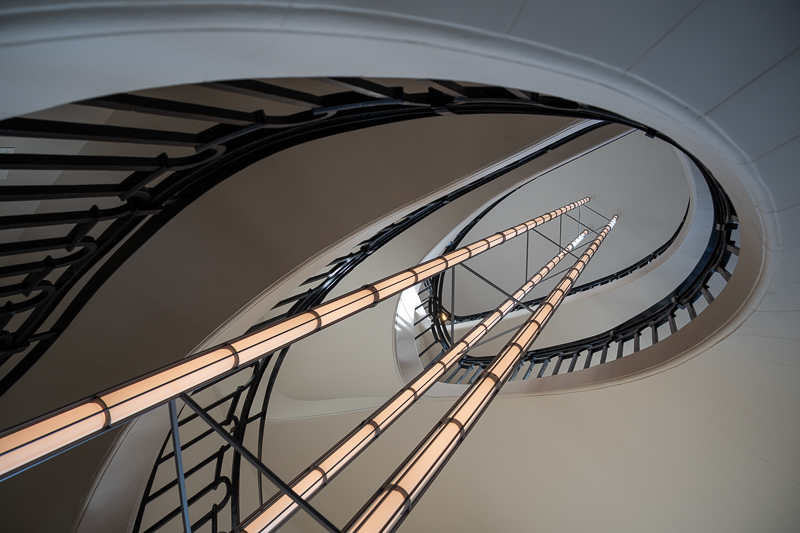
Most of the sample images in this review can be found in full resolution here.
Specifications
The Sigma 24mm 2.0 DG DN Contemporary has the following specifications:
-
- Diameter: 70 mm
- Field of view: 84.1° (diagonally)
- Length: 74 mm
- Weight: 359g (without hood[41g] and caps)
- Filter Diameter: 62 mm
- Number of Aperture Blades: 9 (rounded)
- Elements/Groups: 13/11
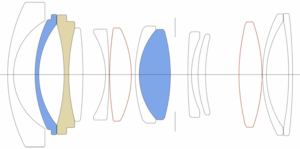
- Close Focusing Distance: 0.25 m
- Maximum Magnification: 1:5.3 (measured)
- Mount: Sony E-mount, L-mount
buy from Amazon.com | Amazon.de | B&H | ebay.com for $719 (advertisement/affiliate links)
Handling / Build Quality
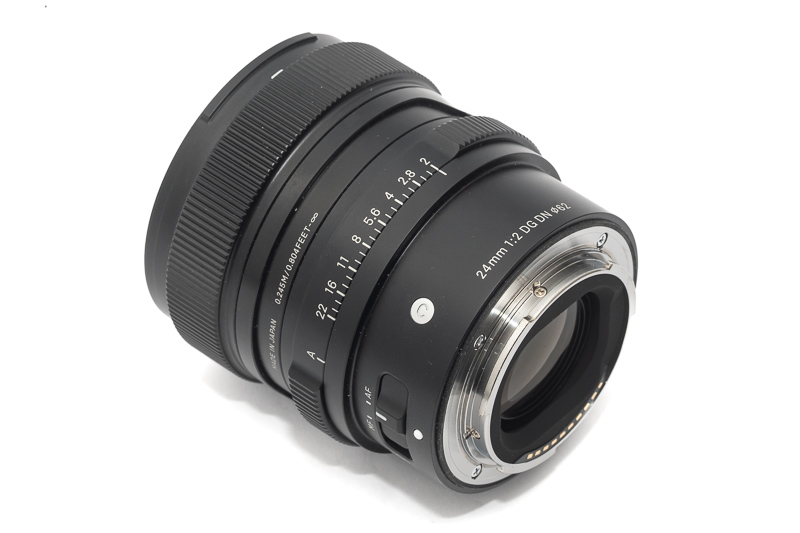
Generally Sigma did not cheap out on the build quality and controls of this series. They offer an aperture ring as well as an AF/MF switch so compared to Sony’s later “G” and “GM” primes and most of Sigma’s “Art” lenses only the lens button is missing.
According to Sigma’s marketing material the outer casings of these lenses are made from metal and they do feel solidly made. The focus ring has decent resistance but the coupling is not completely linear: when you rotate the ring fast it takes about 180° from the minimum focus distance to infinity, if you turn it very slow it can take a lot longer, up to 720° even. Not my preferred manual focus experience here.
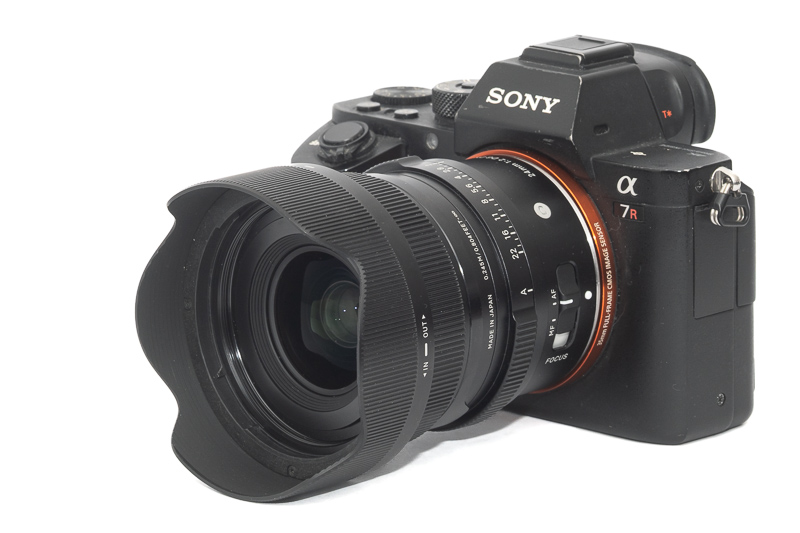
Even the lens hood is made from metal. It can be mounted reversed for transport and personally I find this lens looks much nicer with the hood attached.
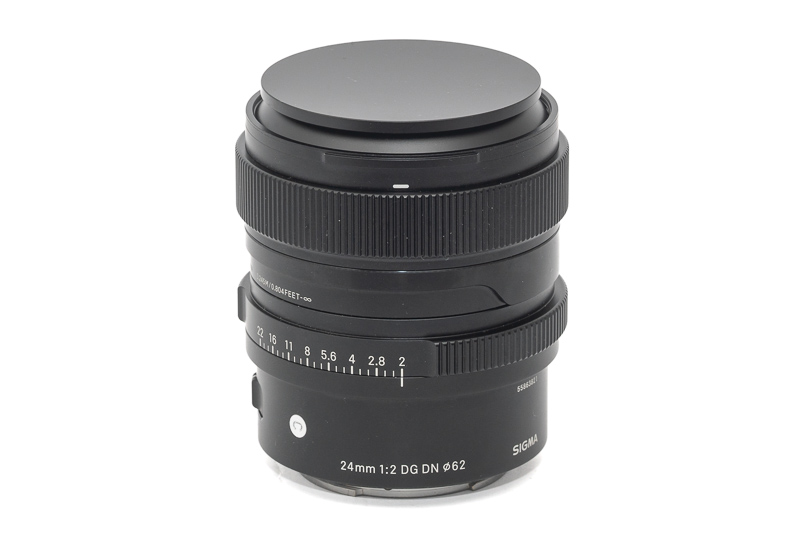
These Sigma “i” series primes also come with magnetic front caps (with felt on the inside). I don’t usually use lens caps so personally I don’t really care, but if you do these are pretty nice.
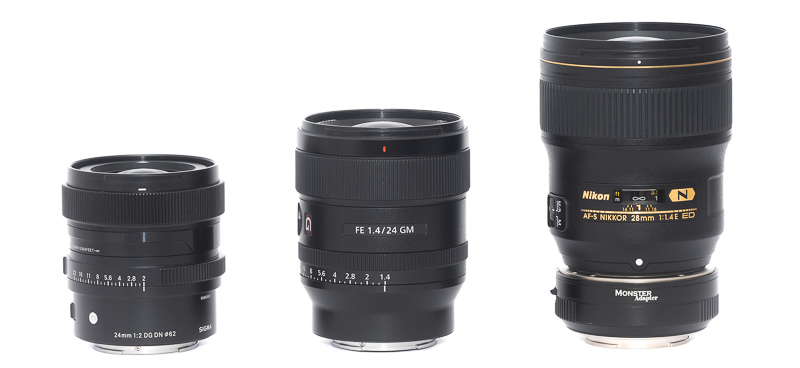
Compared to the one stop faster Sony FE 24mm 1.4 GM this Sigma 24mm 2.0 DG DN C is a bit shorter and 80g lighter.
AF performance
I am not shooting sports or fast moving animals/humans so if you want to know if the lens is fast enough for this, or how it compares to other lenses in this segment, you may have to look for a different review with a more detailed assessment of this aspect.
Generally the AF worked well, was reasonably fast and snappy and also completely silent. Also here I compared it to the Sony FE 24mm 1.4 GM and I did not notice much of a difference.
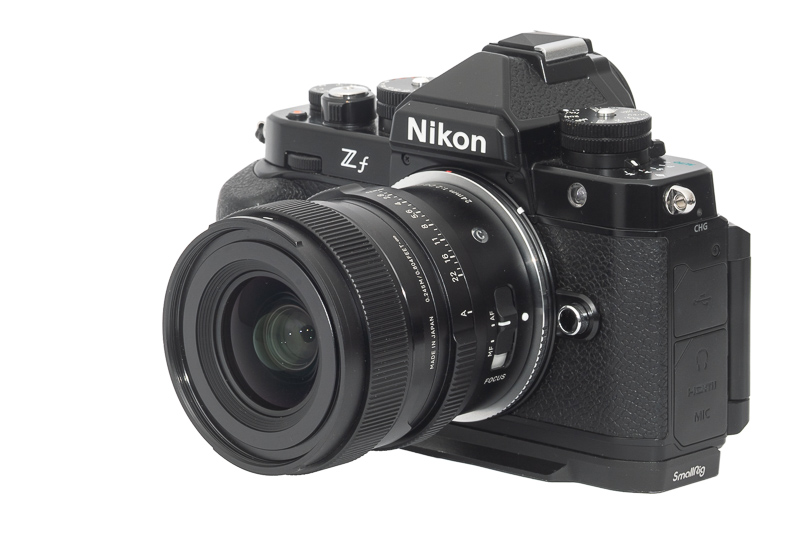
I tried using this lens with the Megadap ETZ21pro+, Neewer ETZ and Viltrox ETZ adapter on a Nikon Zf and that also worked well. The AF was best with the Megadap – as is usually the case. The correct flange focal distance is very important for internal focusing wide angle lenses like this one, so make sure to use an adapter which has the correct length.
Vignetting
light falloff
| after distortion correction | before distortion correction | |
| f/2.0 | 2.7 | 3.2 |
| f/2.8 | 2.0 | 2.4 |
| f/4.0 | 1.5 | 1.9 |
| f/5.6 - f/22 | 1.4 | 1.7 |
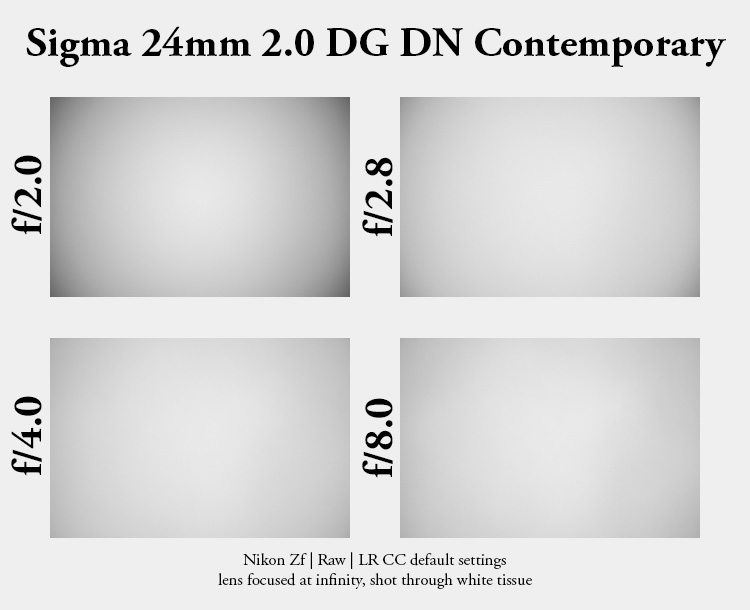
As seems to be common for Sigma’s Contemporary “i” series primes also this 24mm 2.0 shows very strong vignetting. As it is unusable for anything with straight lines without the distortion correction, I decided to show the values with and without distortion correction here.
The values after distortion correction are very similar to the Samyang AF 24mm 1.8 FE. Stopped down this Sigma lens even has an half a stop advantage. The Sony FE 24mm 1.4 GM has an advantage over the two slower lenses when stopped down to f/2.0 (only 2.1 EV falloff), but shows the same vignetting figures as the Samyang lens stopped down.
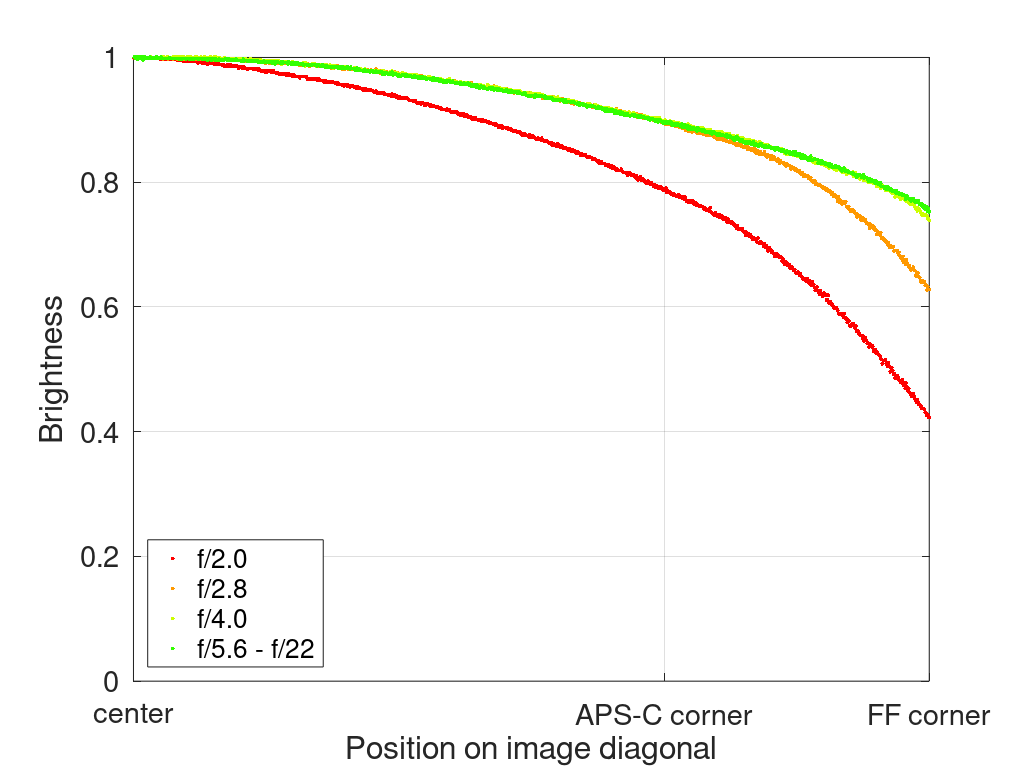
It is recommended to have a look at this article first to get an idea how this brightness graph works.
optical vignetting
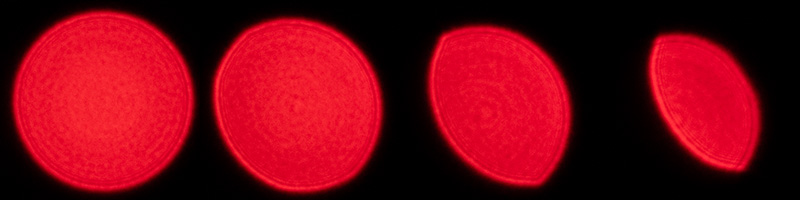
Fast lenses usually show a noticeable amount of optical vignetting. Without going too much into technical details optical vignetting leads to the truncation of light circles towards the borders of the frame.
In the center of the frame almost every lens will render a perfect circle, but only lenses with very low optical vignetting will keep this shape in the corners.
So in the following comparison we move from the center (left) to the extreme corner (right) and see how the shape of the light circle changes.
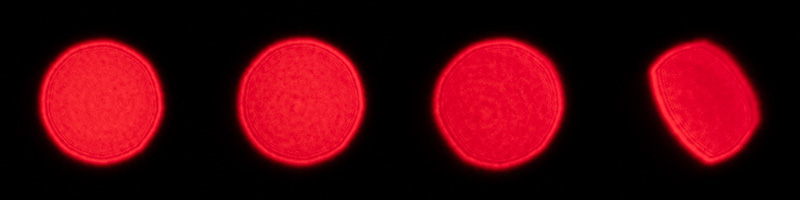


I did not shoot these lenses side by side, so the sizes of the circles are not directly comparable between different lenses.
Compared to other lenses with similar specifications, optical vignetting is strong here. Whereas other fast 24mm lenses like the Sony FE 24mm 1.4 GM or the Nikon AF-S 24mm 1.8G hardly show any optical vignetting, this Sigma lens truncates off center out of focus highlights noticeably.
We also see that the polishing of the aspherical elements doesn’t seem to be particularly great, as we can see distinct onion ring structures here.
Sharpness
MTF Graphs
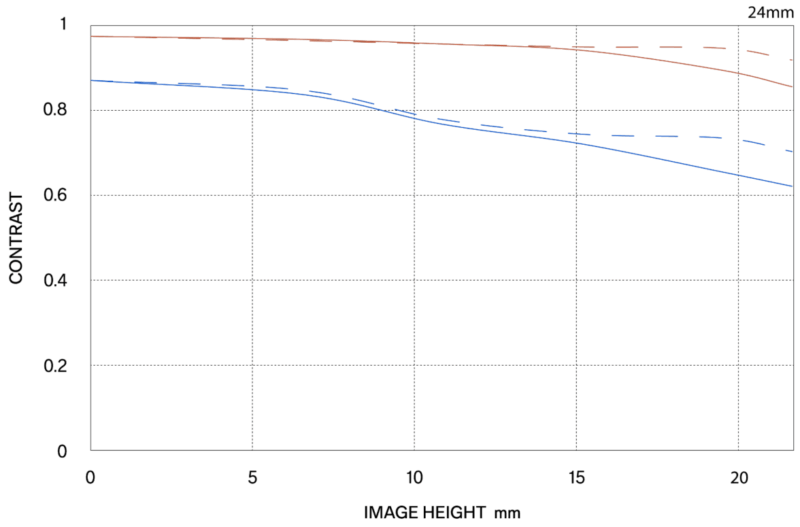
According to these MTF graphs we should expect an even across frame performance from f/2.0 with only very little astigmatism in the corners. Let’s see how they translate into reality.
Focus Shift


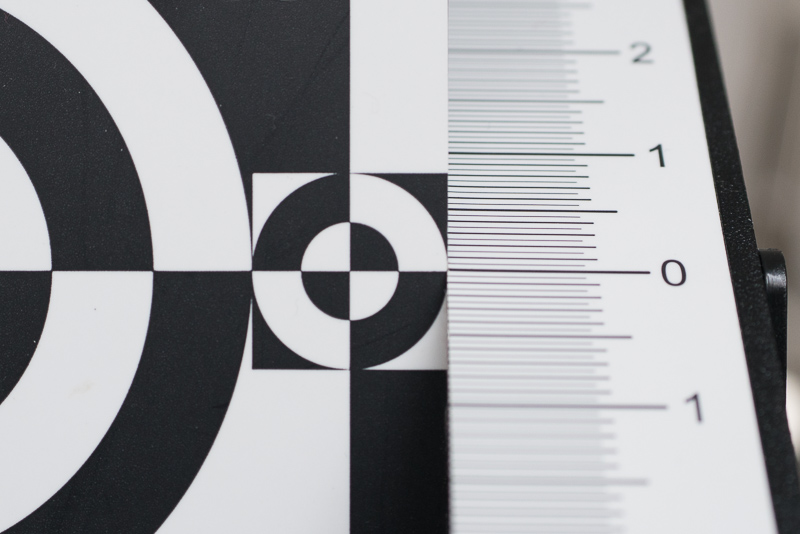

As we can see the depth of field mostly extends to the back so there is indeed a slight focus shift.
Because this is an AF lens and at wider apertures the modern Sony bodies focus at working aperture anyway this will hardly matter in the field.
infinity (42mp Sony A7rII)
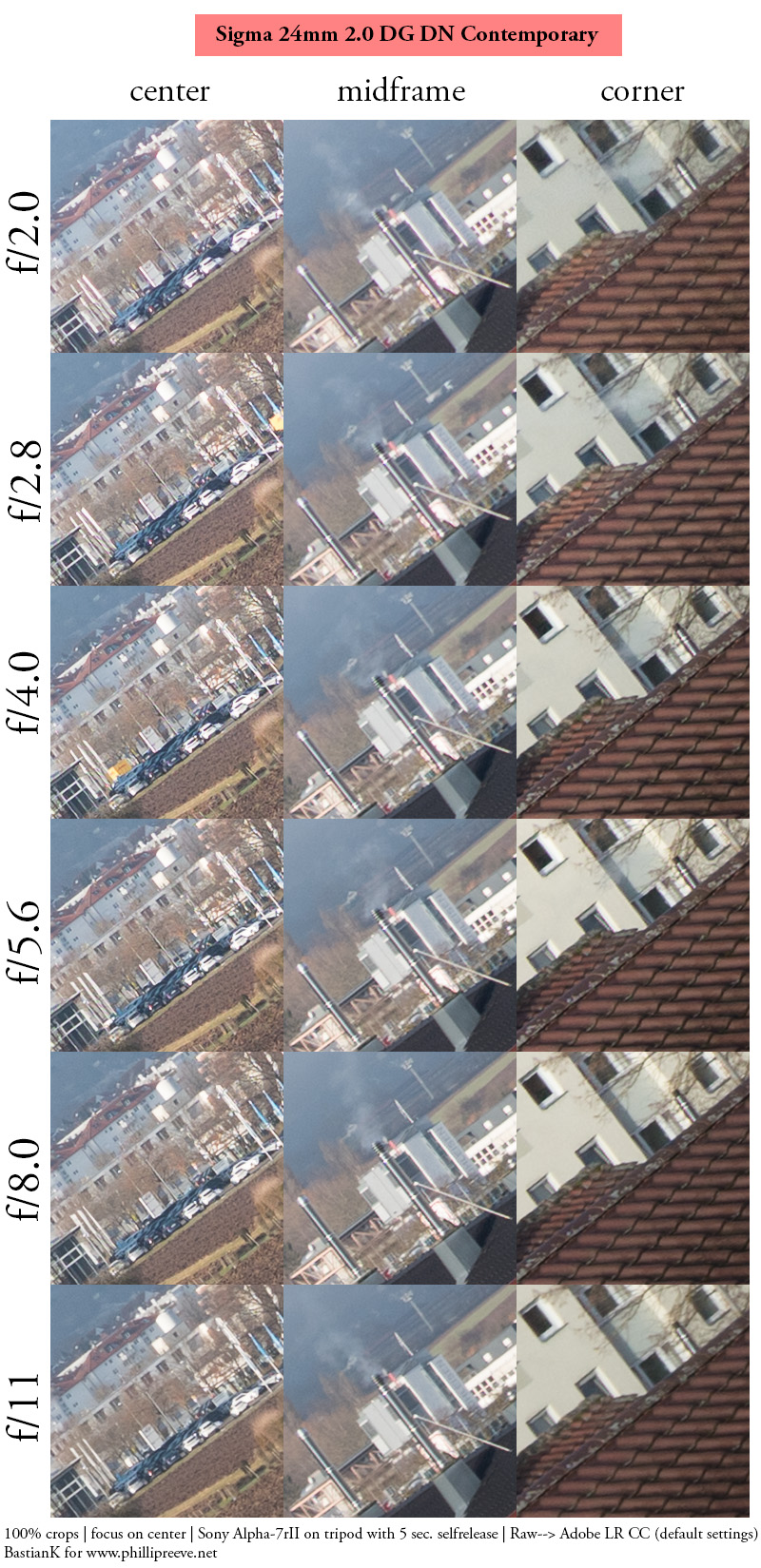
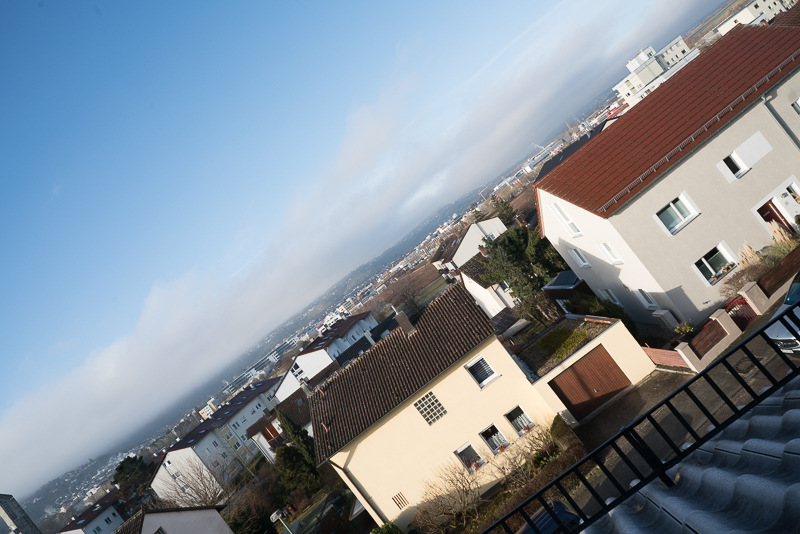
Indeed this Sigma 24mm 2.0 DG DN C shows a very good performance from f/2.0 at infinity and even does so in the corners. It looks a tiny bit less contrasty at f/2.0 compared to stopped down, but I wouldn’t mind using this lens at f/2.0 at all if needed. Peak across frame performance is reached around f/4.0 to f/5.6.
The Samyang AF 24mm 1.8 FE is a bit softer in the midframe and corners at its maximum aperture. The Sony FE 24mm 1.4 GM shows a bit more CA at f/1.4, but stopped down to f/2.0 it performs same in the center and midframe area as this Sigma lens. The Sony’s corners benefit from stopping down a bit though.
I am also showing the results after distortion correction here, so despite that strong correction, resolution and contrast are very good, even in the corners.
portrait distance 0.9 m (42mp Sony A7rII)
For portraiture it isn’t so important how flat the field is, it is more interesting to see what the sharpness is like when focused at different parts of the frame to take field curvature out of the equation.
We will be looking at 100% crops from the 42mp Sony A7rII.
f/2.0 <—> f/2.8


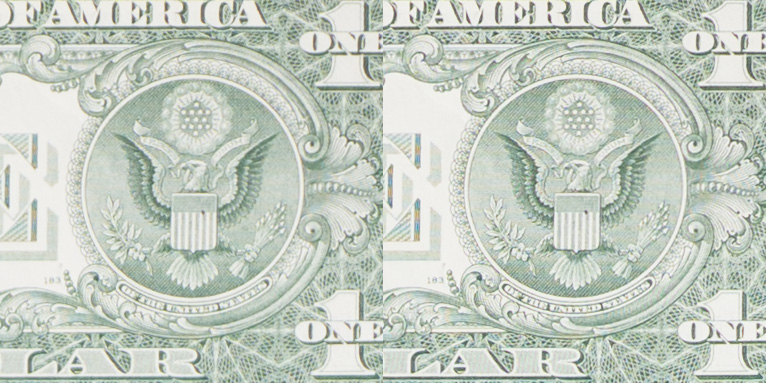
Also at portrait distances this Sigma lens shows very high resolution and contrast everywhere in the frame. The same is also true for the Samyang AF 24mm 1.8 FE and the Sony FE 24mm 1.4 GM, so this isn’t exactly a stand out feature.
Still, this is good news if you are interested in using this lens for environmental portraits. I usually place faces or other detailed objects off-center for this, so a good performance in the midframe area is important to me.
close 0.25 m, 1:5.3 (42mp Sony A7rII)


100% crops from center, A7rII, refocused for every shot.
This Sigma 24mm 2.0 shows a typical minimum focus distance and maximum magnification for a lens with these specifications. At its maximum aperture it is a bit soft though, so for really crisp results it might be a good idea to stop down a bit.
The Samyang AF 24mm 1.8 FE shows a similar performance at its maximum aperture but also focuses a bit closer. The Sony FE 24mm 1.4 GM actually performs better at its maximum aperture than the other two despite being the fastest.
Flare resistance
As always evaluating flare is a complex matter since you can get any lens to look bad if you push it hard enough and a slight change of scenario can affect results a lot.
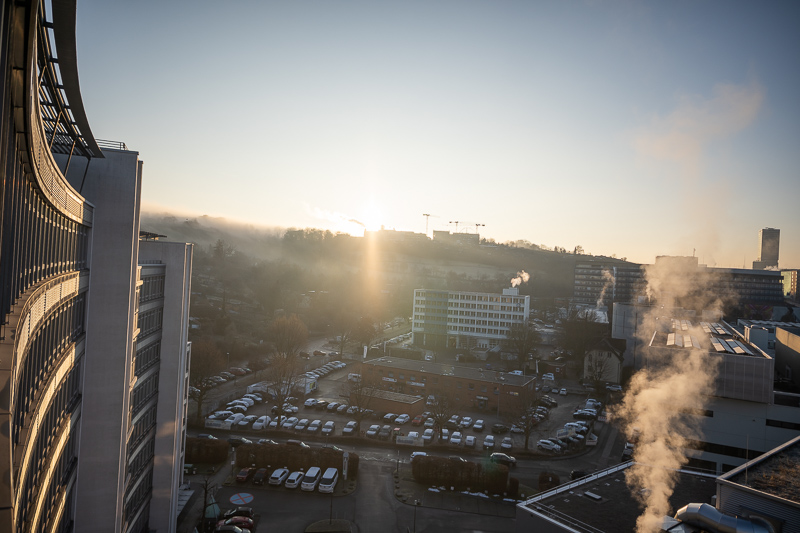
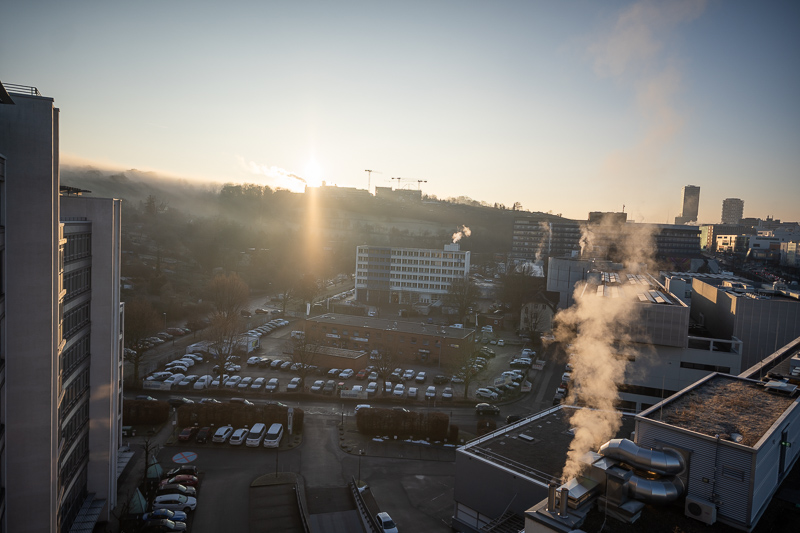
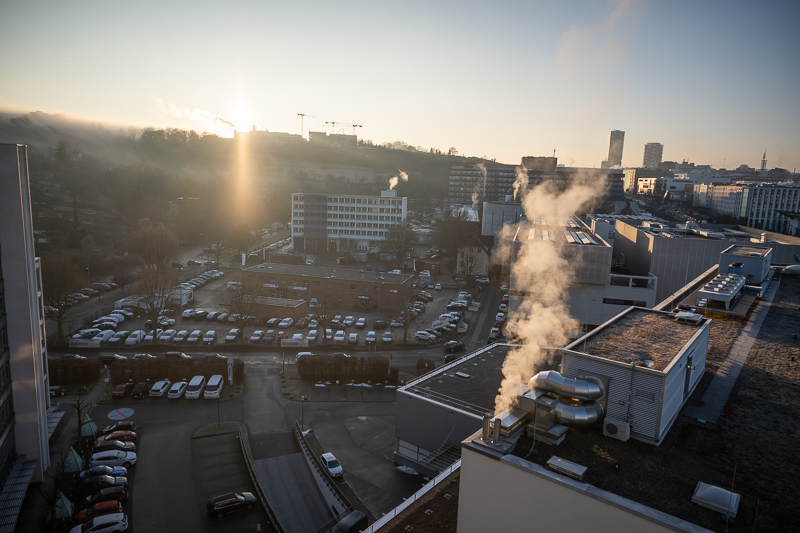
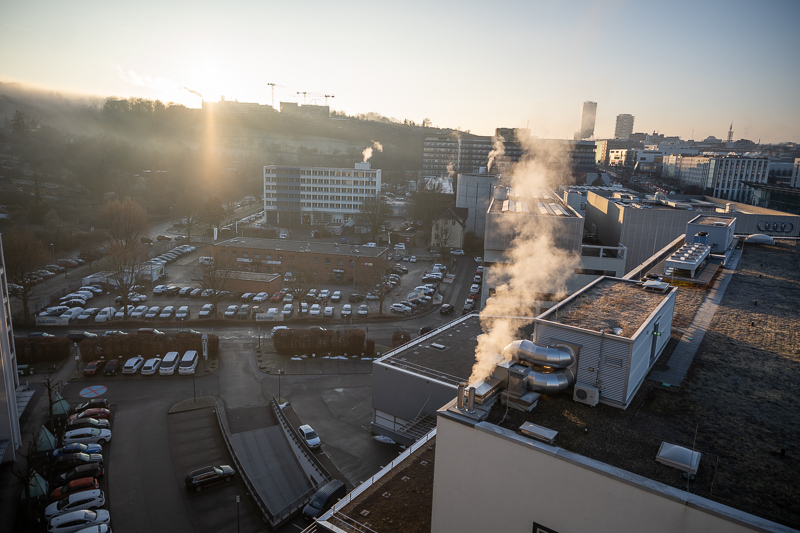
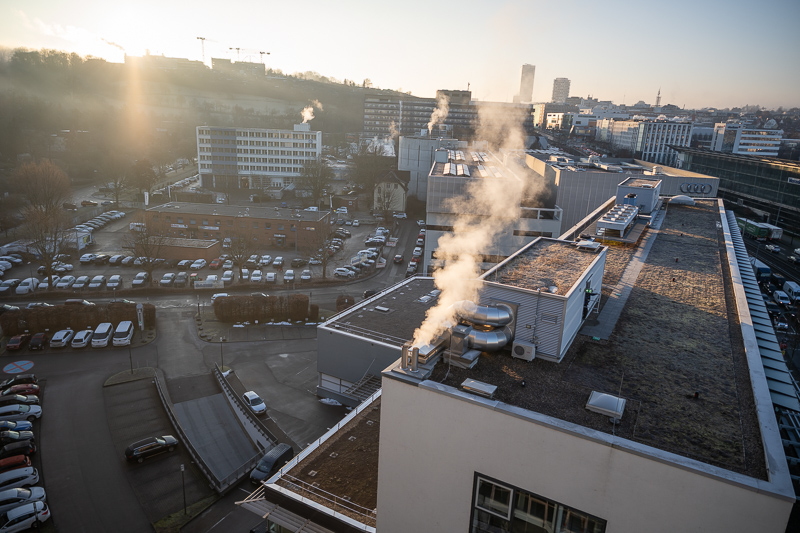
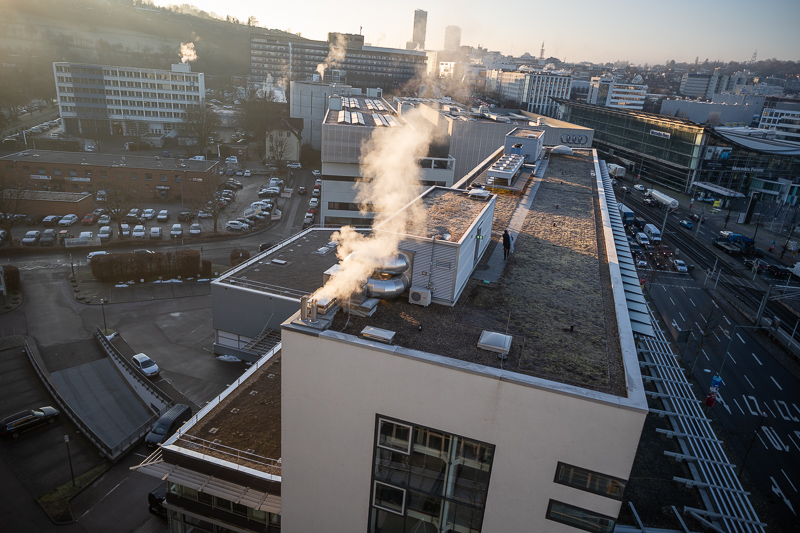
At the maximum aperture it is very rare to encounter any artefacts with this lens. This also held true during the blue hour with strong street lamps around.
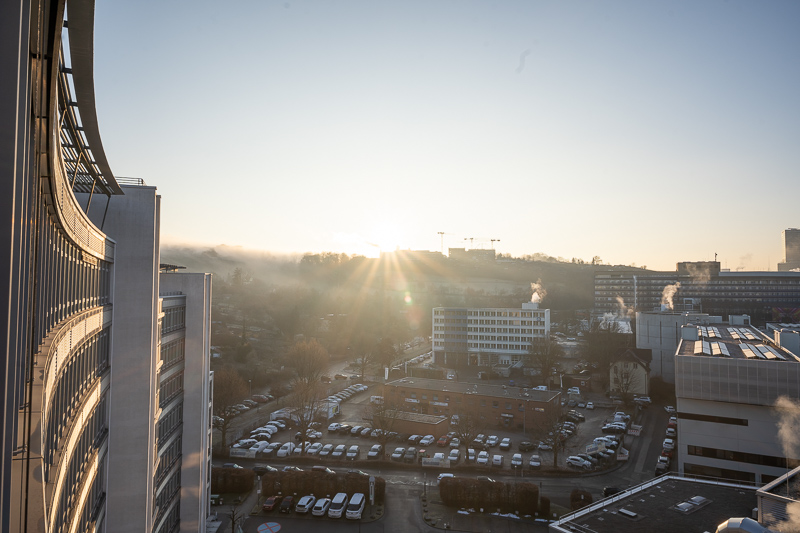
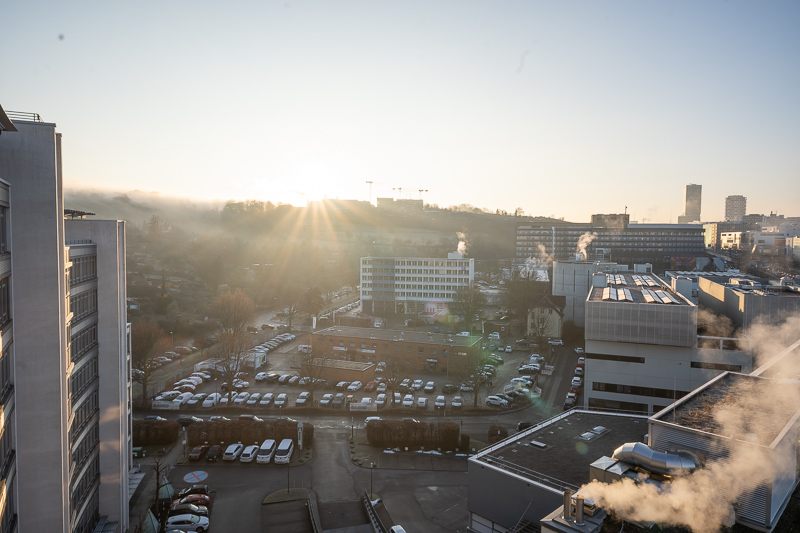
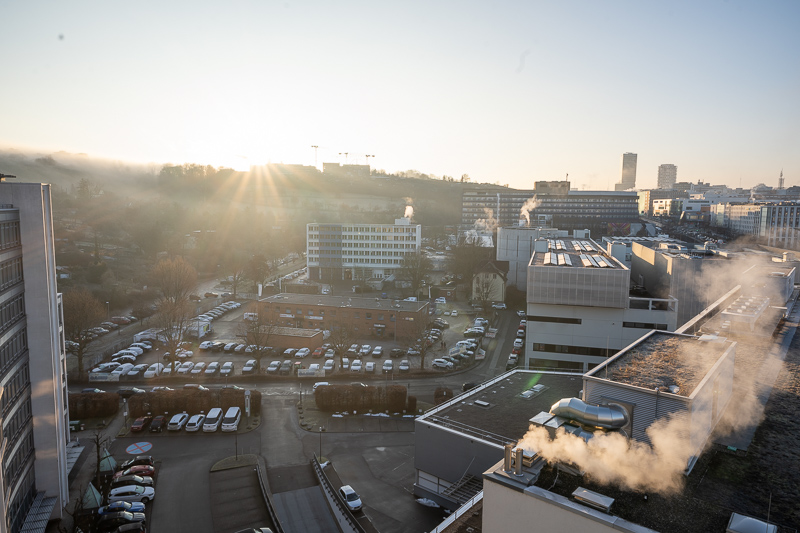
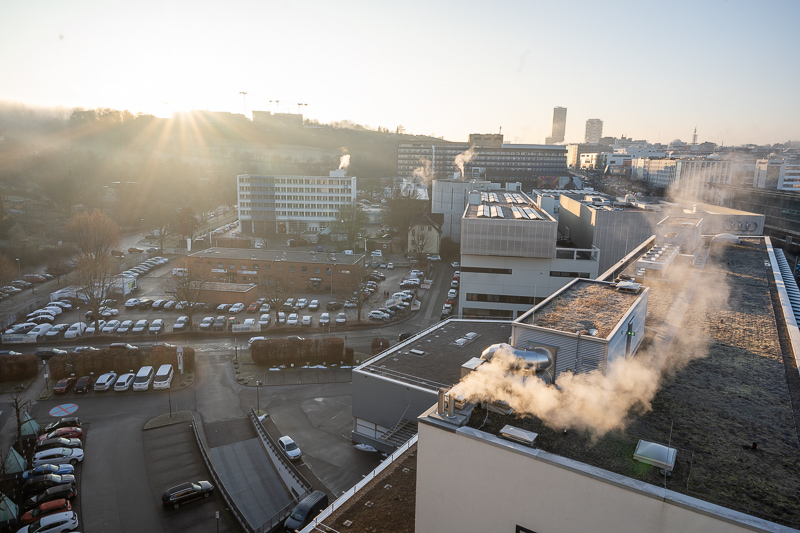
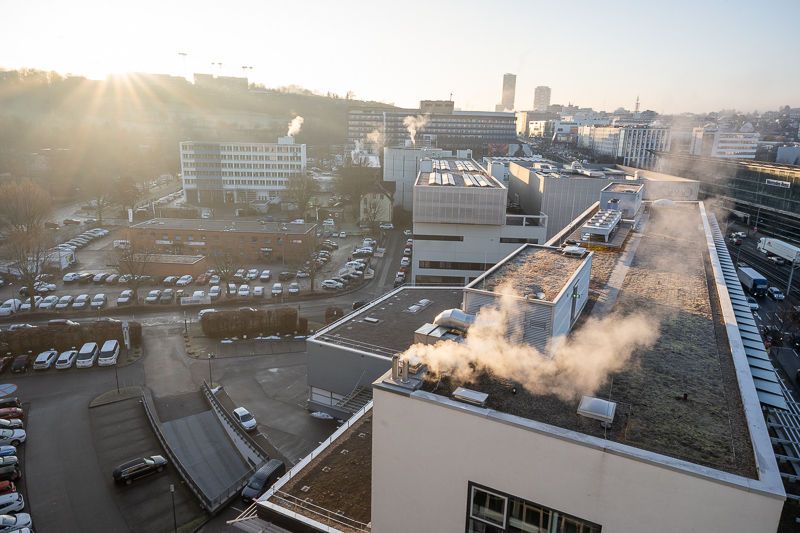

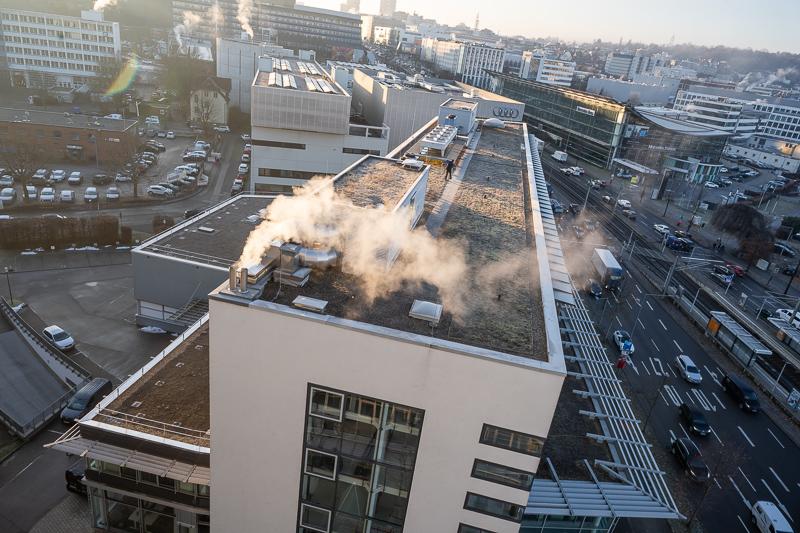
Stopped down the situation is a bit worse. While contrast stays on a high level, now some more obtrusive green ghosts can show up depending on the position of the light source in the frame.
This is still a good performance and similar to the Samyang AF 24mm 1.8 FE as well as the Sony FE 24mm 1.4 GM.
Coma


We can see some artefacts at f/2.0, already stopped down to f/2.8 these are mostly gone though. The Samyang AF 24mm 1.8 FE showed a similar performance whereas the Sony FE 24mm 1.4 GM shows less Coma at its maximum aperture despite being the fastest of these three lenses.
Distortion
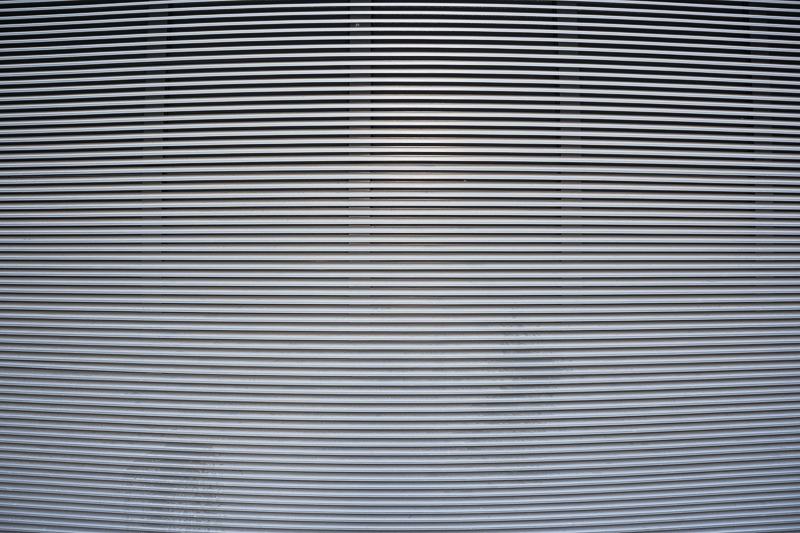

There is more to talk about here than I am happy with. Generally – and this seems to be the case for most if not all of Sigma’s Contemporary “i” series lenses – also this Sigma 24mm 2.0 DG DN C shows very high distortion figures. I recommend to turn the distortion compensation to “auto” in camera when using this lens, as otherwise framing will actually be difficult due to the huge amount of distortion (this does work on my Sony A7III but not on my older Sony A7rII, be aware of that if you are using an older generation camera).
Furthermore, when shooting Raw and correcting the files in Lightroom, I found that the correction overshoots at closer distances, here manually adjusting the strength is needed, which is (annoying) additional work in post.
Bokeh

A fast 24mm lens allows for some interesting shots that can give a pretty cool impression of depth thanks to the combination of a wide angle view with some background bokeh – if used right.
If used wrong you will easily run into distorted objects and big noses though.

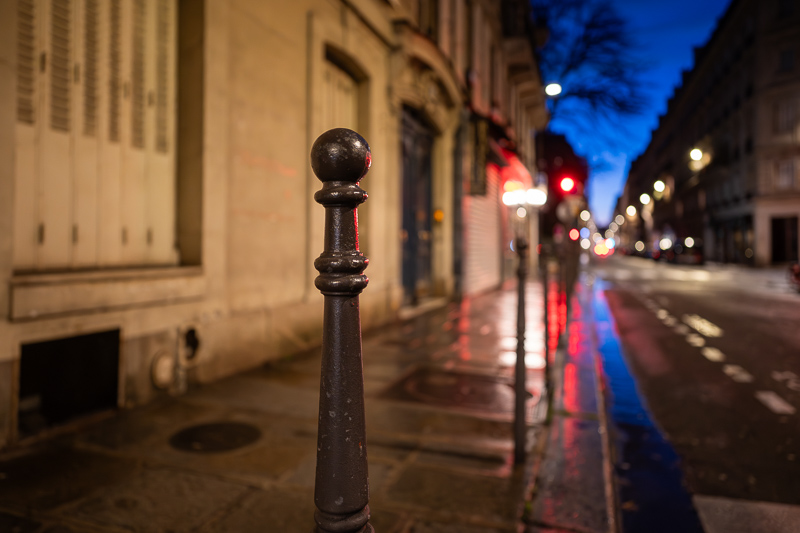

At close to mid distances this lens creates a decent bokeh but the faster f/1.4 lenses obivously have an advantage here.
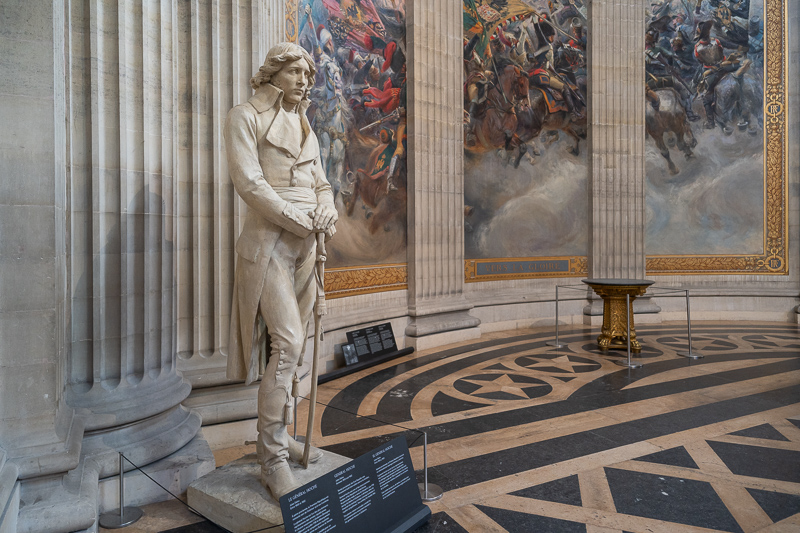
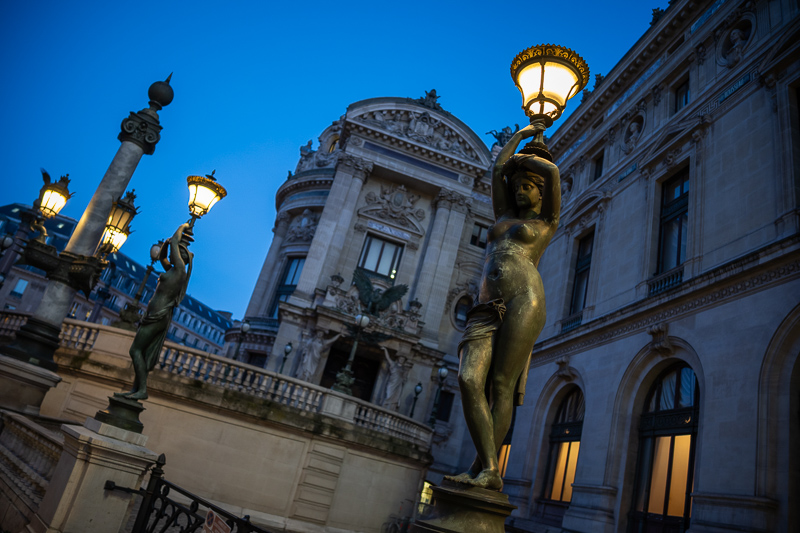


With its specifications, at longer focus distances the subject separation simply isn’t that strong anymore and with objects like cars the perspective distortion can also easily lead to unnatural proportions when you try to get closer. This is why I personally prefer having a fast 28mm or even better 35mm over a 24mm for these tasks.
I found there is not much of a difference between this Sigma lens and the marginally faster Samyang AF 24mm 1.8 FE here. If you care about the bokeh in your 24mm lens I would definitely recommend to have a closer look at the Sony FE 24mm 1.4 GM instead, as it is obviously faster and at the same time has less optical vignetting and less onion rings.
Sunstars
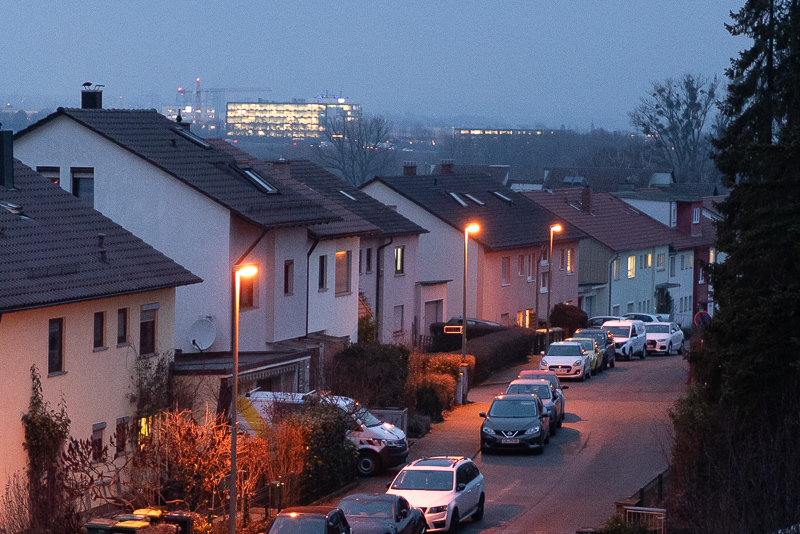
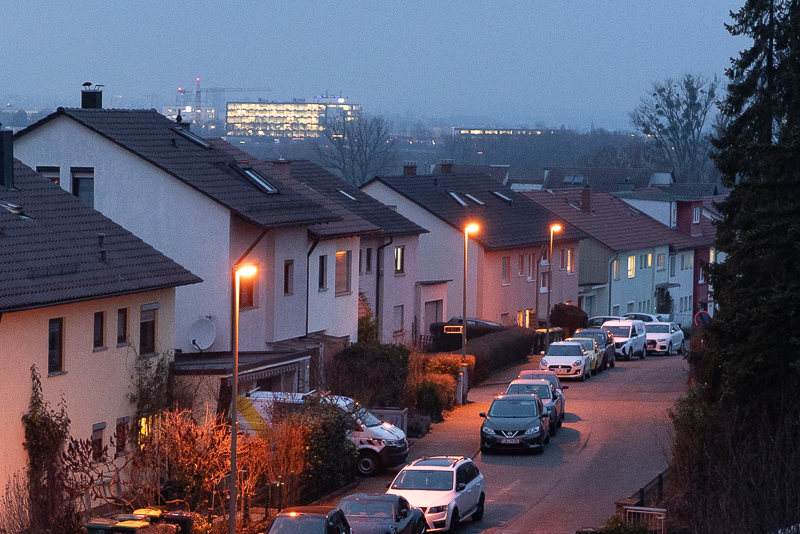


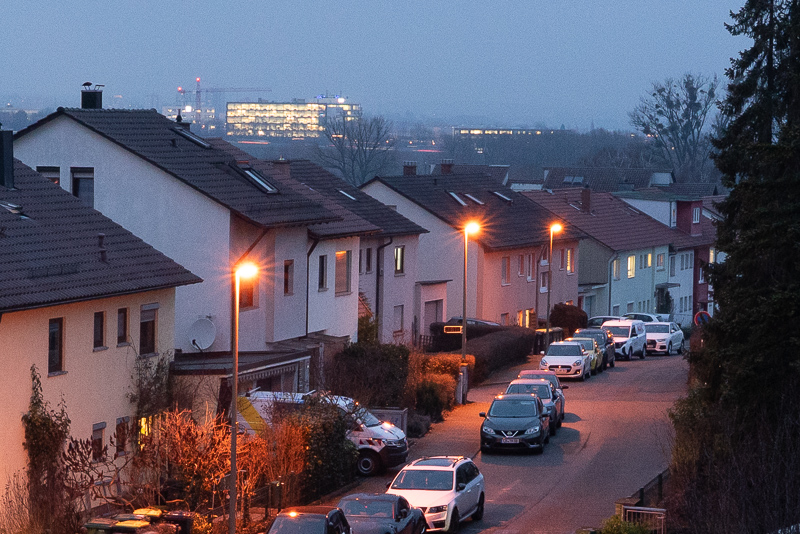
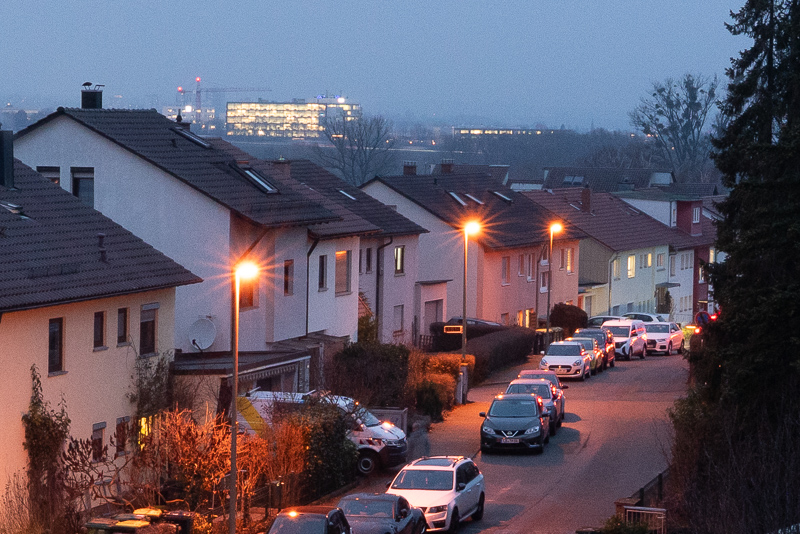

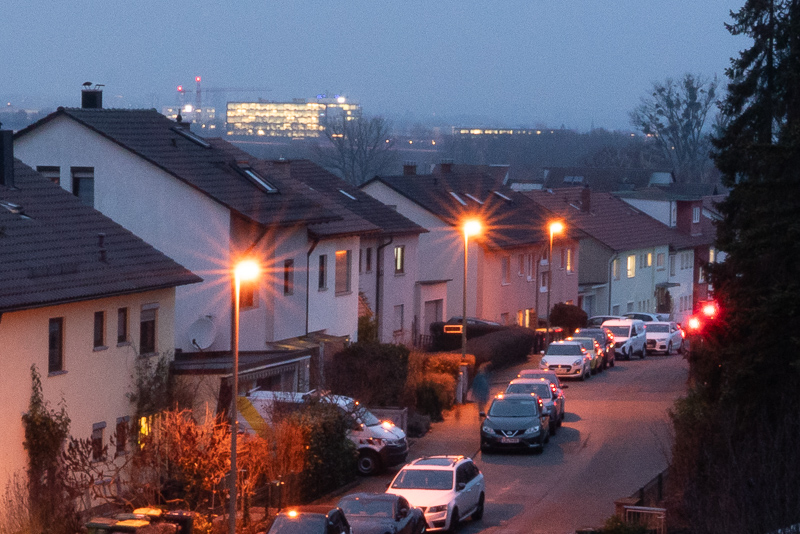
Interestingly this Sigma 24mm 2.0 DG DN C creates nicer sunstars than the Sigma 17mm 4.0 DG DN C of the same series. As both lenses feature 9 rounded aperture blades this might also be due to sample variation. Either way, here you can create decent, mostly symmetrical sunstars starting from f/11. With the Sigma 17mm 4.0 DG DN C on the other hand f/22 was needed, pushing you far into diffraction territory.
If you want to learn more about sunstars have a look at this article.
Chromatic aberration
lateral
This Sigma 24mm 2.0 DG DN C features a built-in lens correction profile for lateral CA that will also be recognized in most raw converters, so in the end: you won’t see any.
longitudinal
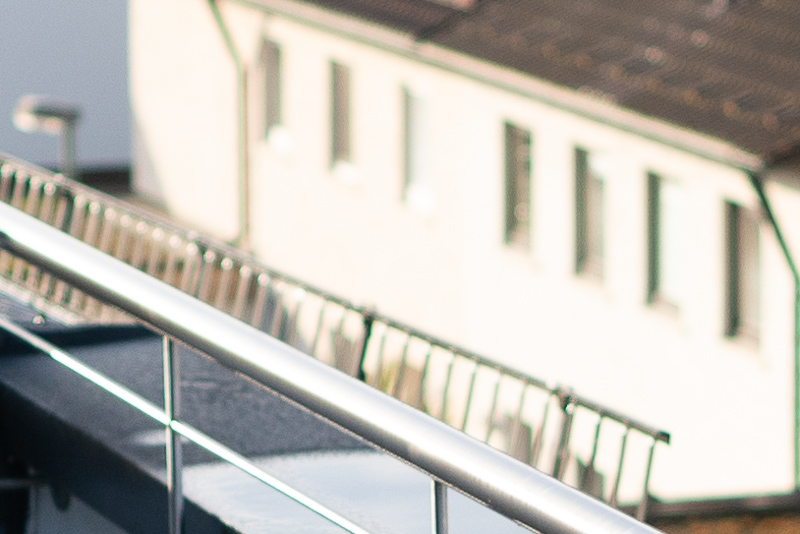


This Sigma 24mm 2.0 DG DN C is definitely not free from longitudinal CA at wider apertures, as in high contrast scenes you can encounter green and magenta outlining in the out of focus areas. Stopped down to the f/2.8 the situation improves noticeably.


When it comes to purple fringing the situation is very similar.
For a lens with these parameters this is an average performance. The Samyang AF 24mm 1.8 FE showed a similar performance, the Sony FE 24mm 1.4 GM performed slightly better when stopped down to f/2.0.
Conclusion
good
|
average
|
not good
|
After the Sigma 17mm 4.0 DG DN Contemporary this Sigma 24mm 2.0 DG DN Contemporary is the second entry of Sigma’s contemporary “i” series primes I reviewed and my conclusion is mostly the same. Also this 24mm lens is generally a well rounded device, just this time there are more and stronger competitors from other manufacturers available, making it somewhat harder to recommend.
If you are looking for a compact affordable yet fast 24mm lens I’d say the Samyang AF 24mm 1.8 FE does a slightly better job at that. It is lighter, smaller and a fair bit cheaper yet it performs similar in most categories (and doesn’t have that awfully high uncorrected distortion).
Currently in the EU for 250 bucks more (comparing used prices) you could also get the Sony FE 24mm 1.4 G, still the best 24mm 1.4 lens I have come across so far. It is a stop faster, has nicer bokeh, only very little distortion and despite all that is only 80g heavier.
As was already the case when having a closer look at the Sigma 17mm 4.0 DG DN C, also here the arguments left in favour of this Sigma 24mm 2.0 DG DN C are its nice metal casing and again I am not sure if that is enough for people to pick this lens over its competitors.
buy from Amazon.com | Amazon.de | B&H | ebay.com for $719 (advertisement/affiliate links)
Alternatives
Most of the alternatives are covered in our Guide to 20-28mm wide angle lenses for E-mount, so I will only talk about the most obvious ones in detail here.
Samyang AF 24mm 1.8 FE:
The Samyang AF 24mm 1.8 FE is your smalles and lightest option and also noticeably cheaper. It does not feature the nice metal build quality and controls but in terms of optical performance it is very similar. I compared these in most of the sections above so you should be able to decide between these two on your preferences.
buy from Amazon.com | Amazon.de | B&H | ebay.com for $399 (advertisement/affiliate links)
7Artisans AF 24mm 1.8:
Compared to the other lenses the 7Artisans has less vignetting but it also doesn’t perform particularly great at portrait distances and has rather bad flare resistance. Doesn’t look like a great option compared to some of the others listed here. It is the cheapest lens new but I would rather spend a few bucks more on the Samyang or a used Sigma.
buy from 7Artisans Shop | amazon.com | amazon.de | B&H | ebay.com | ebay.de for $329 (advertisement/affiliate links)
Viltrox 24mm 1.8 AF FE:
Generally a bit worse than the Samyang yet similarly priced so I don’t see a lot of reasons to recommend it.
buy from manufacturer’s store (use the code “PRNET” for 5% discount) | B&H | amazon.com | amazon.de for $379 (advertisement/affiliate links)
Sony FE 24mm 1.4 GM:
This is still the best 24mm lens money can buy and as I already predicted when it was released: it can be found at very reasonable prices on the used market now. For me personally, I would rather get the Sony FE 24mm 1.4 GM lens over this Sigma 24mm 2.0. It is one stop faster, has less vignetting at wider apertures and significantly less distortion while only being 80g heavier.
buy from amazon.com | amazon.de | B&H | ebay.com | ebay.de for $1598 (advertisement/affiliate links)
Sigma 24mm 1.4 DG DN Art:
I haven’t reviewed the Sigma 24mm 1.4 DG DN Art yet, so I am not sure how it compares to these other lenses.
buy from Amazon.com | Amazon.de | B&H | ebay.com | ebay.de for $879 (advertisement/affiliate links)
Sample Images



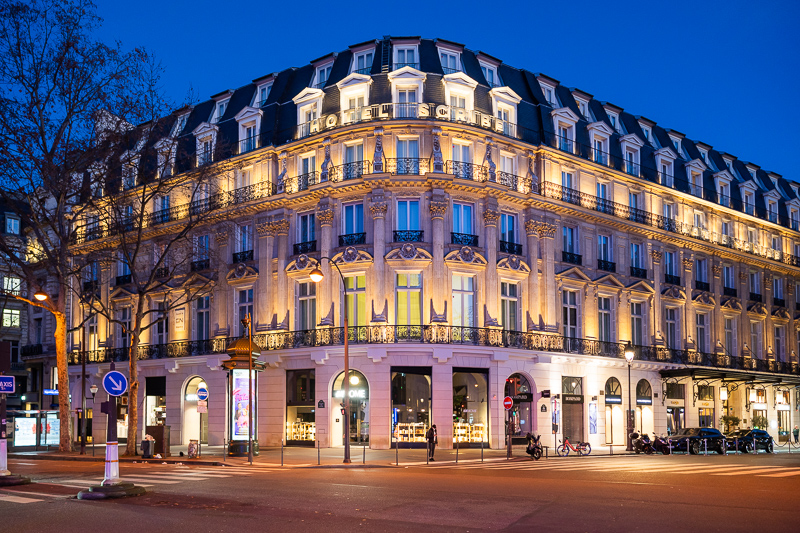

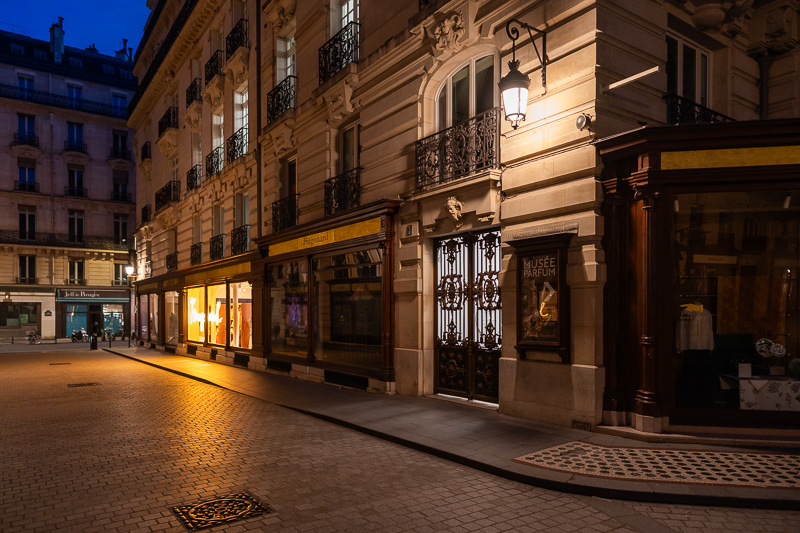
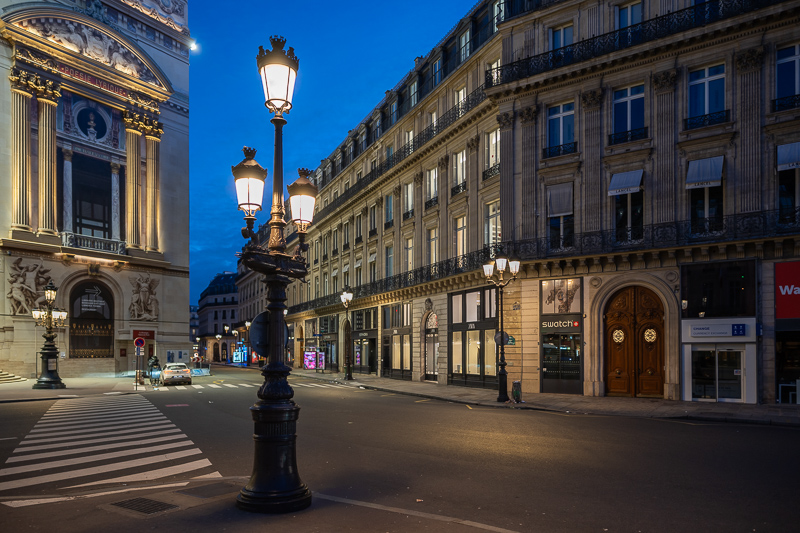
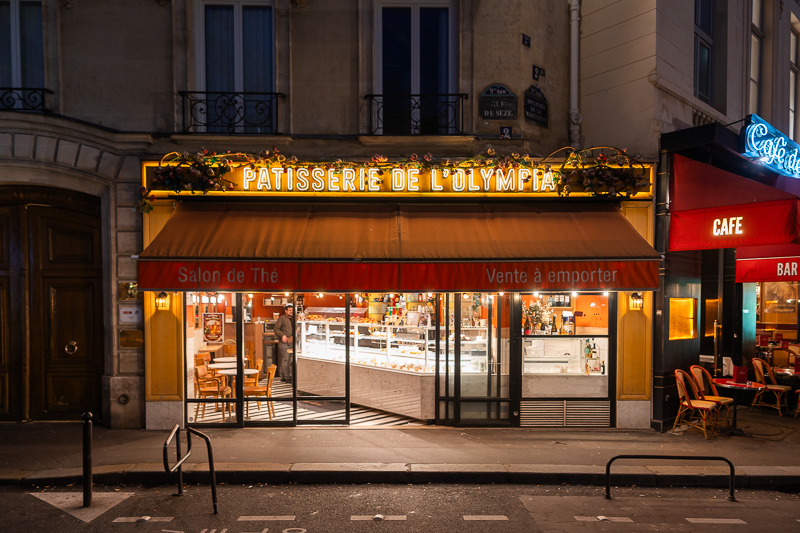
Most of the sample images in this review can be found in full resolution here.
Further Reading
- All Lens Reviews
- Guide: 20-28mm lenses for Sony FE
- Discuss this review with our Discord community
- Review: Sony FE 12-24mm 2.8 GM
- Review: Sigma 135mm 1.4 DG Art
Support Us
Did you find this article useful or just liked reading it? Treat us to a coffee!

 via Paypal
This site contains advertisement/affiliate links. If you make a purchase using any of the links marked as advertisement/affiliate links, I may receive a small commission at no additional cost to you. This helps support the creation of future content.


Latest posts by BastianK (see all)
- Analogue Adventures – Part 58: Adox Color Mission 200 C-41 - October 21, 2026
- Review: Nikon Z 35mm 1.2 S Nikkor - October 17, 2026
- Prime Day Photoshop+Lightroom offer for Amazon Prime Members (EU/UK) | Update: also at B&H - October 7, 2026
I actually found the sigma i 24mm 3.5 to be the best rendering imo. The colors and contrast of that lens is actually surprisingly some of the best i have seen from sigma
Still like their 65mm from best. I think it would even stand ‘the series’ scrutiny on this site.
As for the Samyang 24mm: I would not use that lens at f1.8 or f2 as it clearly lacks sharpness in the corners.
Likewise; and the incredible closeup capabilities of the f3.5 are a massive boon too, far more valuable than f2 for me at least, especially taking into account the dinky size. If i wanted faster i’d just go for an f1.4 at this focal length tbh
Have seen mention somewhere (maybe Dustin Abbott) that at the closest focusing distance of the Sigma 24mm f/3.5, (where m= 0.5), only the central area is sharp. While that could still be useful, I was wondering if the IQ fall-off in the outer field was at least in part because of field curvature, and could be improved with careful refocusing or stacking, or whether those don’t help. And if there is field curvature, is focus in the outer field closer or farther-away than the center? Experience?
Usually field curvature is also involved, but even with adjusting the focus the corners of these close focusing (u)wa lenses look pretty awful until stopped down to f/11.
Glad to see your review of this Sigma 24 f/2, have been thinking of purchasing it. But for me, the alternatives would not be the Samyang or the faster Sony primes that you suggested. (I would, however, consider a Viltrox EVO in 24mm, if they release one before I make a purchase).
But I think if choosing now, the competitors for me would be the Sony 16-25 f/2.8 and the Sony 16-35 f/4 PZ. You haven’t published reviews of either, but Optical Limits has, and from those reviews, they both seem like quality optics. Not perfect, cost more, and they both have a lot of distortion at the 16mm end, but it seems to be well-correctable digitally. And at their 24mm settings, these zooms seem fairly competitive with the Sigma 24mm f/2 in performance, with the caveat that they obviously don’t reach f/2, and corners aren’t quite as good, particularly on the 16-35 PZ. My feeling is that these zooms can provide the 24mm focal length that is very useful, with performance that in most situations is probably good-enough, and then other focal lengths as a bonus.
Thoughts and experience, Bastian (and anyone else)?
If you don’t need f/2.0, there are not a lof of reasons to buy an f/2.0 prime.
Not that I would seriously recommend it to your readers but another alternative is the Batis 25mm F2.
It is surprisingly even cheaper on the used market, has less vignetting and distortion. (But also less resolution) And while girthy is lighter than the Sigma.
I had it for a bit before selling it and liked it, but 24mm f/2 is a bit odd of a combo. The MSRP was way too high but you can find it used around $350 these days which makes it much more attractive.
I really liked the rendering of the lens, images are quite clean but with a bit of character.
I have a similar experience. I rather liked its near mfd shots at f/2 and it handles pretty well. I did find the magnetic cap handy. In the end I sold it since I figured 24mm can be included in a wide zoom or it needs to be faster.
In the third paragraph of conclusions, the link to the Sony FE 24mm 1.4 G points to the 16mm 1.8.