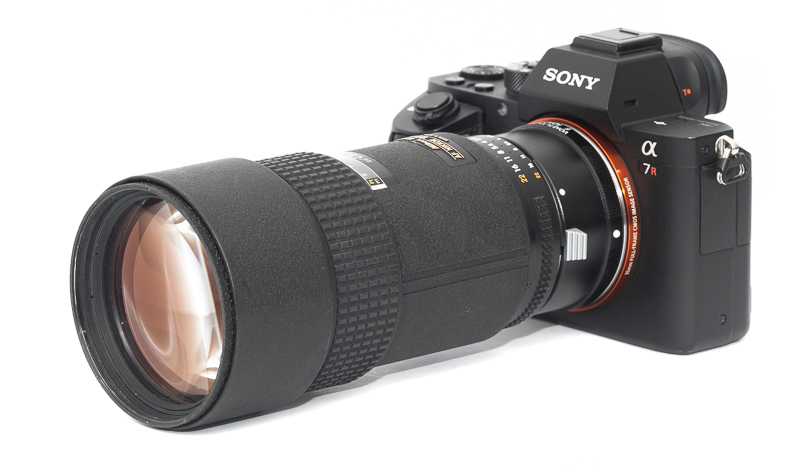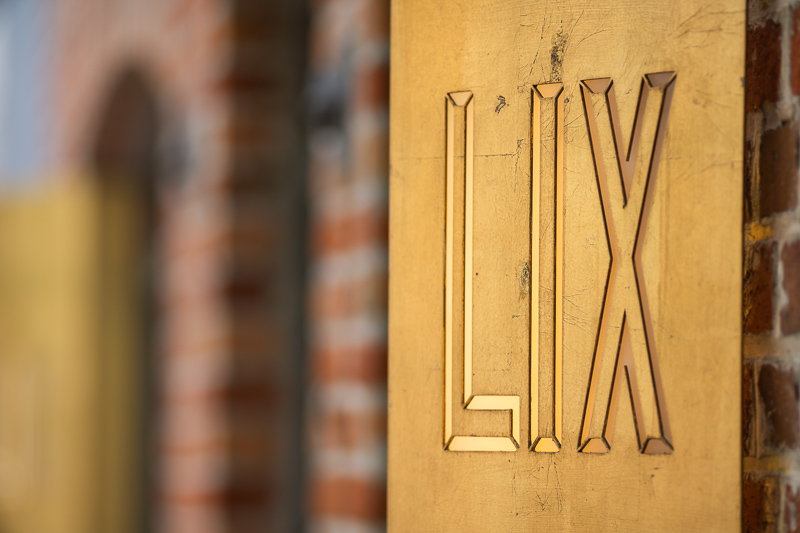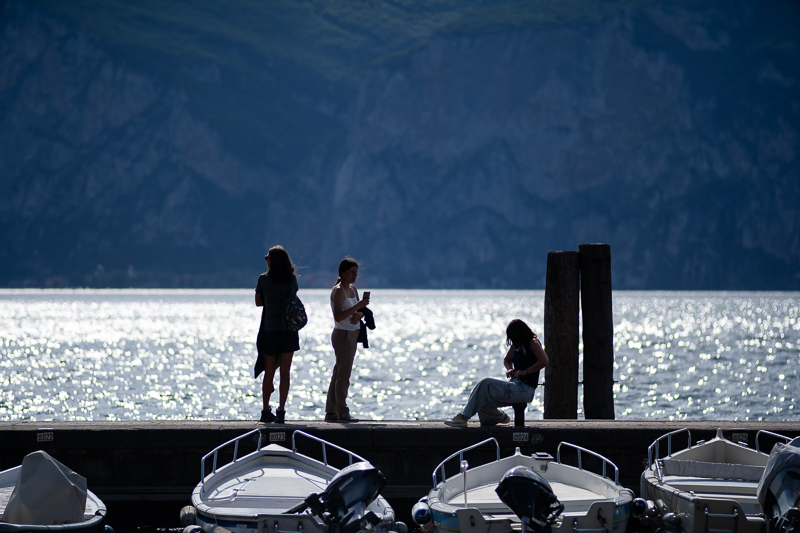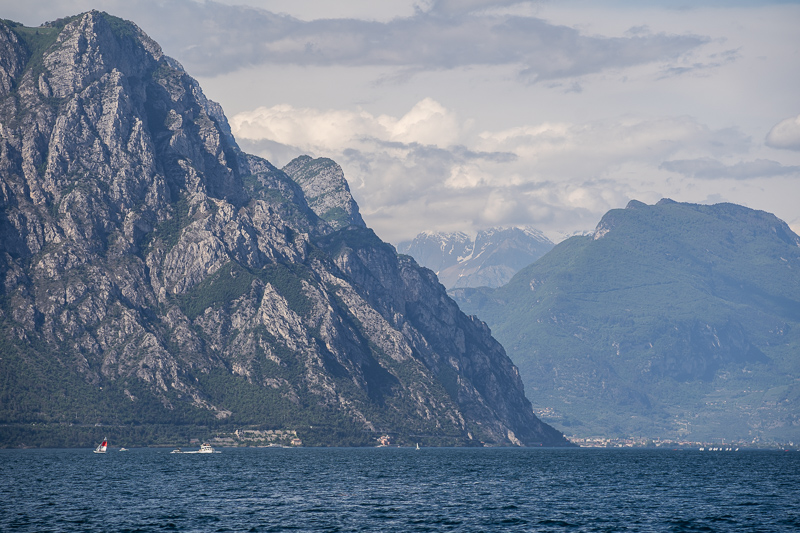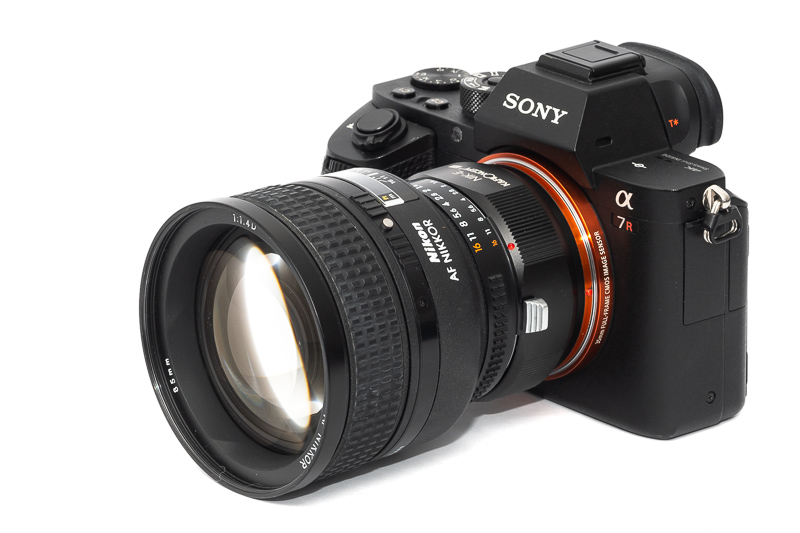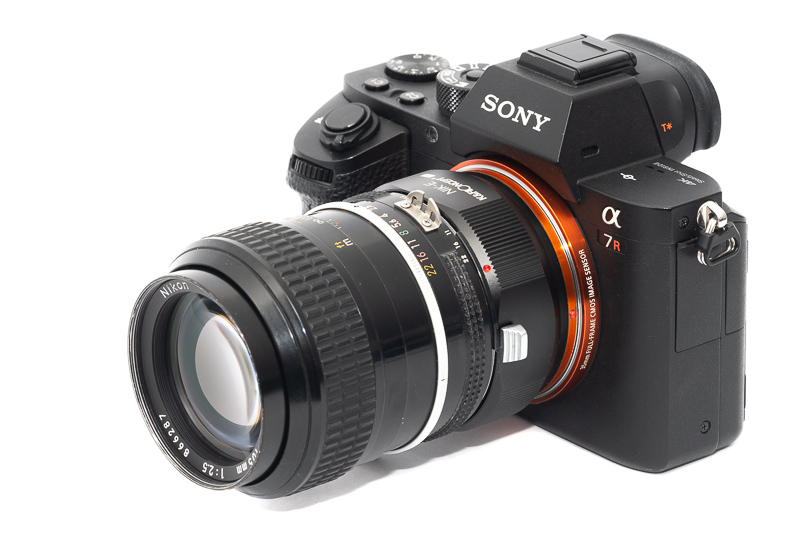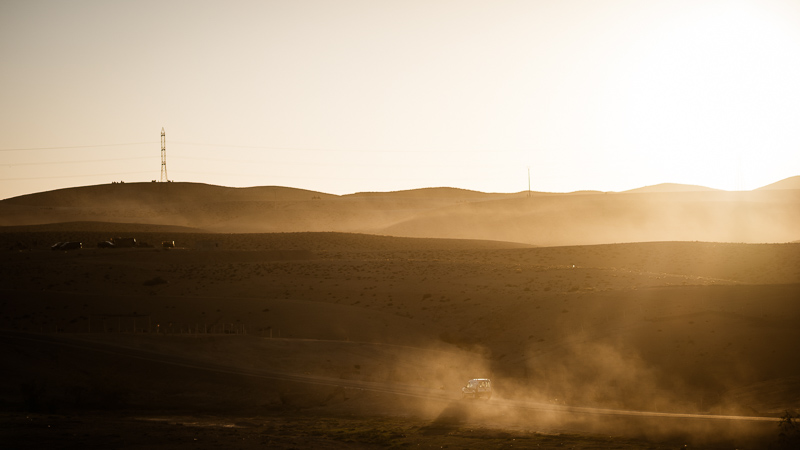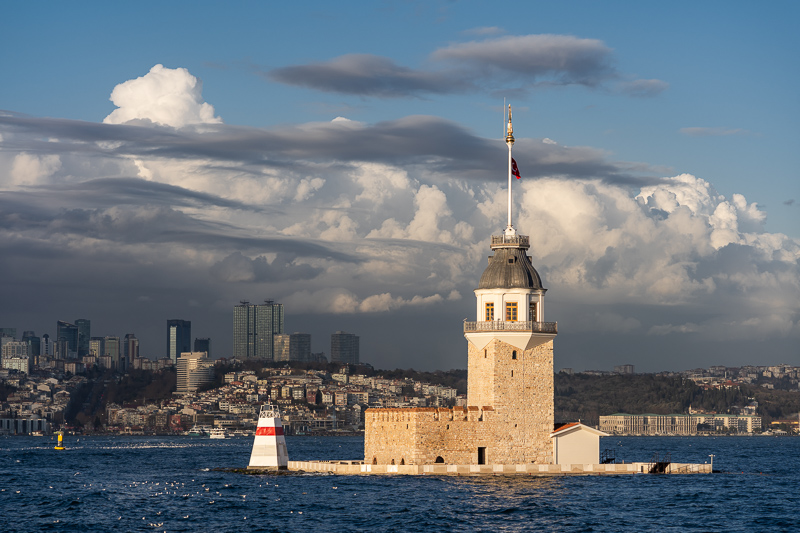
Some lenses became famous because they are rare and/or expensive. Neither is the case for the Nikon Nikkor 105mm 2.5 Ai. In fact – from the early 70s to the mid 80s – Nikon made a lot of them, it was by far their best selling short tele prime. Why was that? And are there still good reasons to use this lens today? Let’s find out in this review.
The optical design of this Nikkor 55mm 1.2 dates back to 1965, which makes it Nikon’s first f/1.2 lens for the F-mount. Among Nikon’s three manual focus f/1.2 ~50mm lenses this is not exactly a fan favorite though and usually considered the worst of the bunch. Let’s try to find out in this review if that bad reputation is actually justified.
Sample Images
Sony A7III | Nikon Nikkor 55mm 1.2 Ai | f/1.2Sony A7III | Nikon Nikkor 55mm 1.2 Ai | f/1.2Sony A7III | Nikon Nikkor 55mm 1.2 Ai | f/1.2Sony A7III | Nikon Nikkor 55mm 1.2 Ai | f/1.2Sony A7III | Nikon Nikkor 55mm 1.2 Ai | f/1.2Sony A7III | Nikon Nikkor 55mm 1.2 Ai | f/1.2Nikon FM2 | Nikon Nikkor 55mm 1.2 Ai | f/1.2 | Kodak Gold 200 | ECN-2
This time we take a look at another famed vintage lens, namely the legendary Helios 40. It’s an 85mm f/1.5 lens, known for, let´s see if we get it from its many titles: The King of Bokeh, The Bokeh King, the Russian Bokeh King, The Funky Bokeh King, The King of Russian Weird Bokeh, The Vintage Lenses’ King of Bokeh, etc. etc. etc. Dear child has many names. You get it, it has a reputation for its bokeh. It is also very popular among videographers seeking a dreamy vintage look with beautiful bokeh in their footage. While this lens was quite popular even back in the day, it has grown in popularity during the digital era to new heights and created kind of a cult around itself.
It was made by KMZ in the former Soviet Union for the Zenit range of SLR cameras. Like the previously reviewed “Helios 44”, there is a belief that when Russians got their hands on Zeiss Jena factory by the end of WWII, they took back the technology and drawings of many lenses to the Soviet Union, copied, and manufactured them. This one is believed to be a “copy” of Carl Zeiss Biotar 75mm f/1.5 from 1938. While the optical formula is very similar, it is a widespread Double Gauss Planar design. Besides, it is an 85mm lens. Therefore, some claim it was designed by Russian engineers themselves “based on” the Biotar 75/1.5 in 1950. Anyway, let’s have a closer look at it!
Sample Images
Nikon Z 7II | Helios 40 85mm f/1.5 | f/1.5Nikon Z 7II | Helios 40 85mm f/1.5 | f/1.5Nikon Z 7II | Helios 40 85mm f/1.5 | f/1.5Nikon Z 7II | Helios 40 85mm f/1.5 | f/1.5
Originally designed as Leica Summicron-C 40mm 2.0 to ship with the Leica/Minolta CL, this Minolta 40mm 2.0 M-Rokkor version with same optical design (but allegedly improved coatings) was one of the three M-mount lenses destined to be used with the improved Minolta CLE. This is still one of the most compact M-mount lenses and one of few options if you are looking for a 40mm, so let’s have a closer look. This lens will be reviewed on the 42mp Sony A7rII and the 24mp Leica M10.
In 1971 – two years before the Leitz/Minolta CL with its 40mm 2.0 lens – Minolta released the Hi-Matic E, a compact fixed lens 35mm rangefinder camera with a 40mm 1.7 Rokkor-QF lens.
While this lens is manual focus its aperture is being controlled electronically, which is why it is very difficult to turn it into an interchangeable lens that can be used on other cameras.
There might be only one person crazy enough to salvage the lens elements from such a Hi-Matic E camera, design a new housing for them and adding a manually controlled aperture diaphragm and that is Miyazaki Sadayasu from MS-Optics.
I came across one of these rare lenses in a small camera shop in Hong Kong and as this was a bit of a “once in a lifetime opportunity” I bought it without really knowing what I am getting myself into, so here we are. This lens will be reviewed on the 42mp Sony A7rII and the 24mp Leica M10.
Sony α | Leica M | Nikon Z/F New articles every week
This website uses cookies to improve your experience. We'll assume you're ok with this, but you can opt-out if you wish.AcceptRead More
Privacy & Cookies Policy
Privacy Overview
This website uses cookies to improve your experience while you navigate through the website. Out of these, the cookies that are categorized as necessary are stored on your browser as they are essential for the working of basic functionalities of the website. We also use third-party cookies that help us analyze and understand how you use this website. These cookies will be stored in your browser only with your consent. You also have the option to opt-out of these cookies. But opting out of some of these cookies may affect your browsing experience.
Necessary cookies are absolutely essential for the website to function properly. This category only includes cookies that ensures basic functionalities and security features of the website. These cookies do not store any personal information.
Any cookies that may not be particularly necessary for the website to function and is used specifically to collect user personal data via analytics, ads, other embedded contents are termed as non-necessary cookies. It is mandatory to procure user consent prior to running these cookies on your website.