Introduction
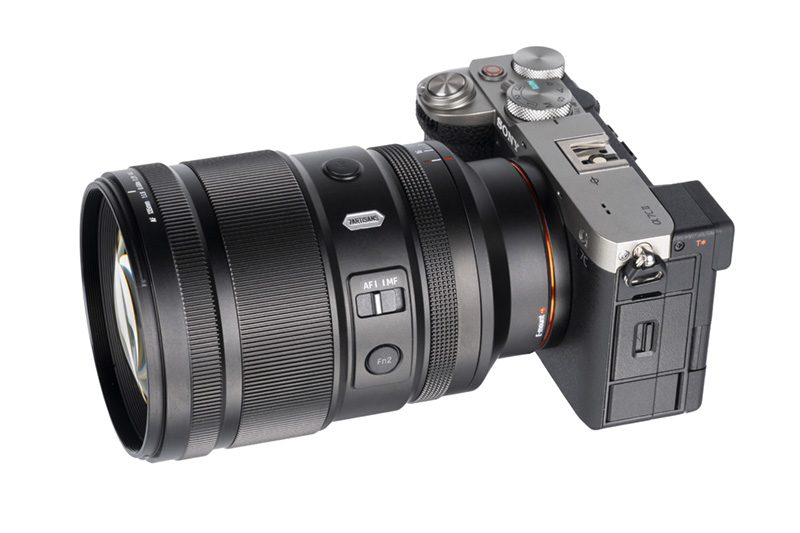
We have recently seen a few 135mm f/1.8 lenses from various manufacturers. Once considered exotic and rare, this focal length and aperture combination has become increasingly popular thanks to its ability to produce tight portraits, fashion images, and excellent subject separation.
About a month ago, 7Artisans joined the group with its own version in Nikon Z mount, the most affordable of them all. Now, it has also been released for Sony FE and L-mount. Let’s take a closer look.
 I tested this lens on a 33 Mp Sony a7C II.
 You can see this review as a YouTube video here!
 Sample images in high resolution here.
Sample Images
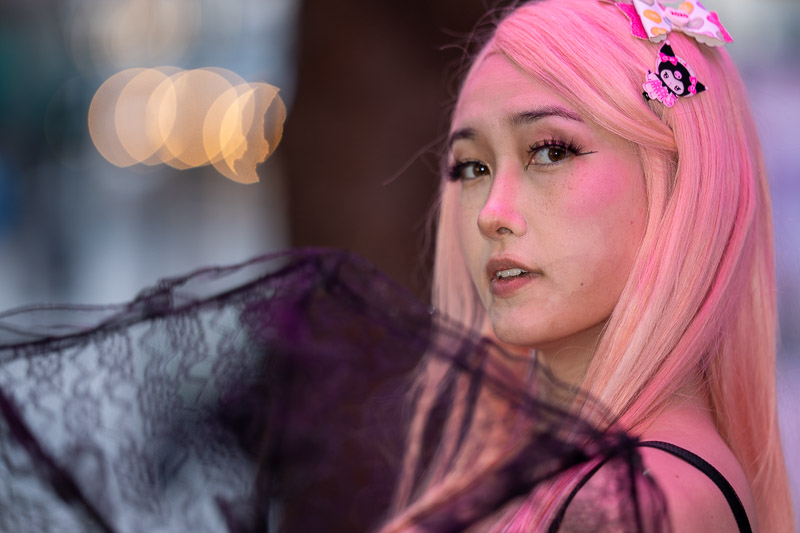


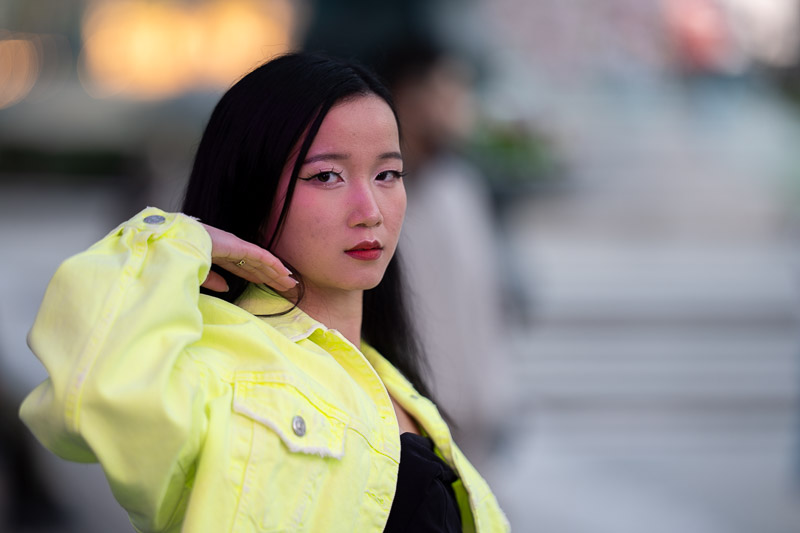
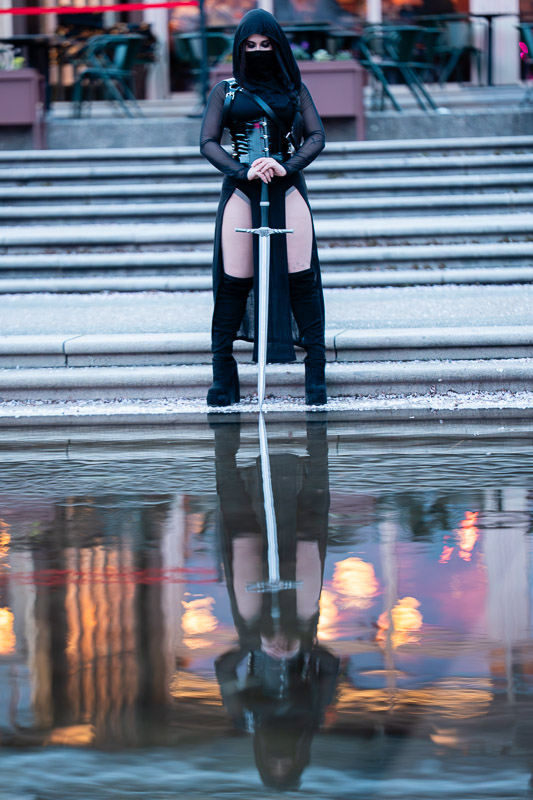


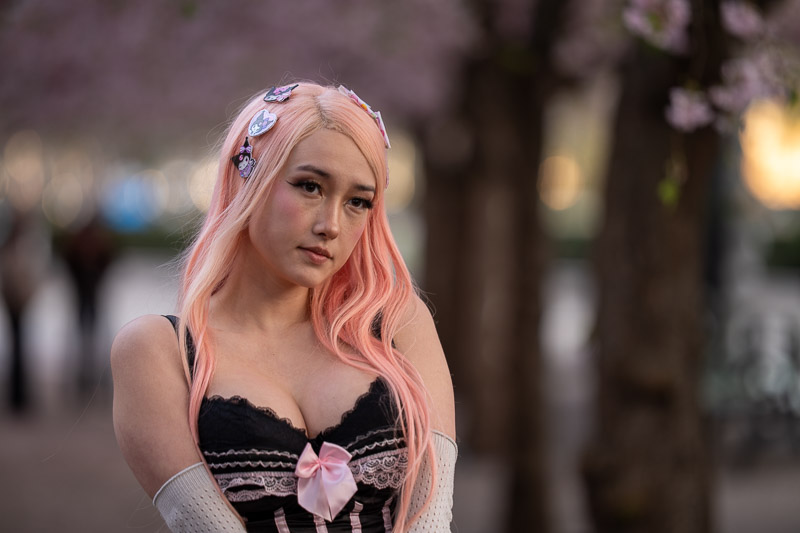

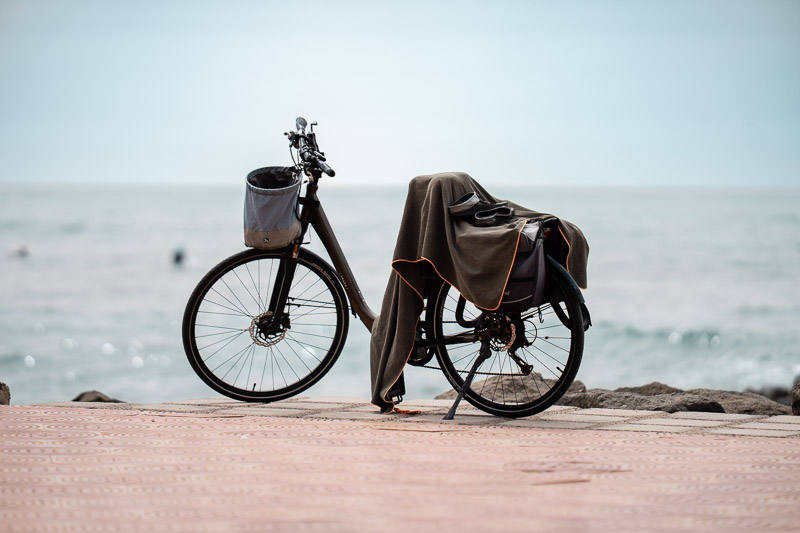
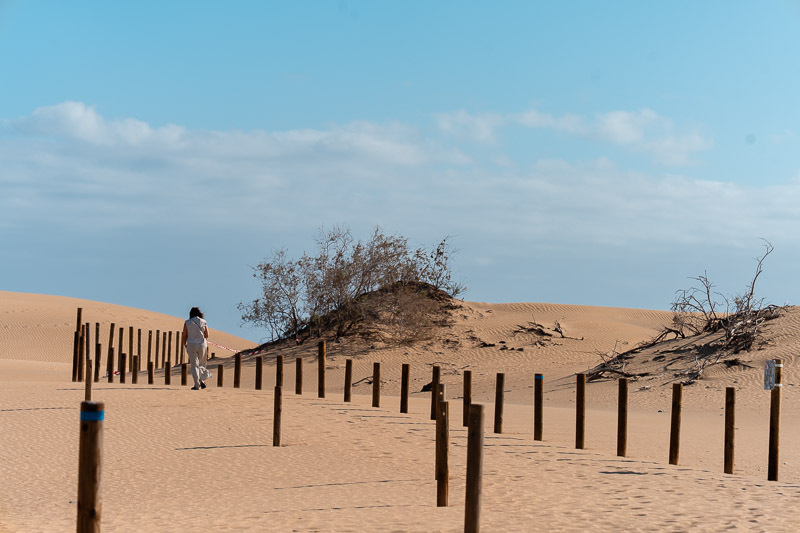
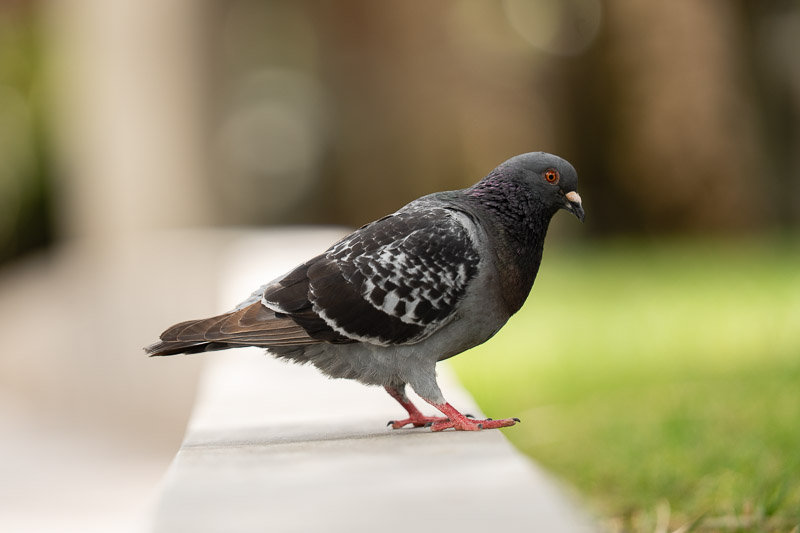
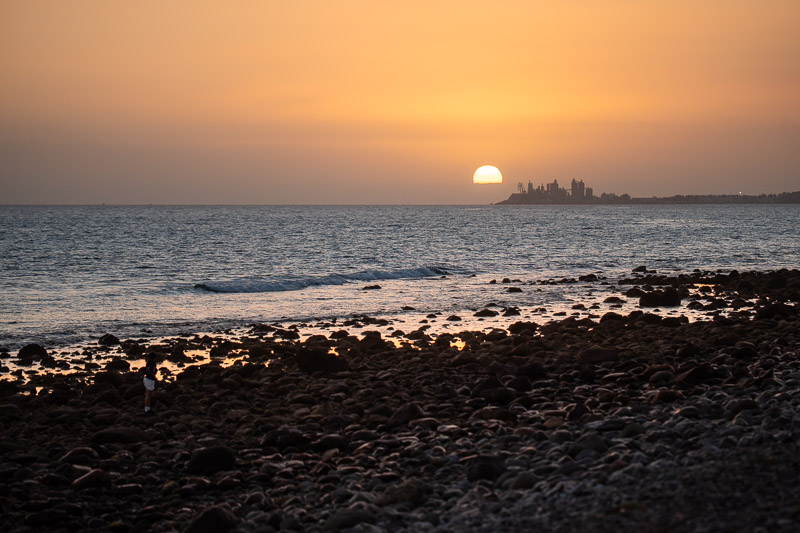
Most of the sample images in this review and many more can be found in higher resolution here.
Specifications
| Focal Length | 135mm |
| Angle of View | 18.4° |
| # of Aperture Blades | 12 |
| Max Aperture | f/1.8 |
| Min Aperture | f/16 |
| Min Focus Distance | 0.68 m |
| Filter Size | 82mm |
| Lens Mount | Sony E | Nikon Z | L-mount |
| Weight | 1014 g |
| Size (D x L) | |
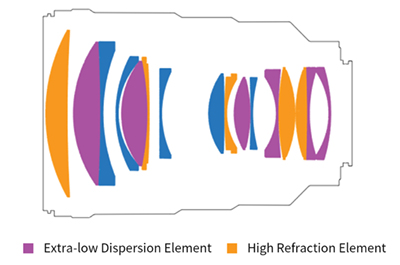
| Elements/Group | 16/ 13 |
Buy new: 7Artisans’ store, Amazon (anywhere), B&H for $689 (Affiliate links) |
Disclosure
7Artisans kindly provided this lens for test and review purposes.
Handling and Build Quality
The 7Artisans 135mm f/1.8, with its all-metal construction, feels solid but is relatively large and heavy at just over 1 kg, especially when mounted on a compact Sony A7C series camera.
The mount features a sealing gasket to help keep out dust, as well as a USB-C port. The front element has a coating that repels fingerprints, moisture, and oil.
The aperture ring on the Sony version is clicked in one-third-stop increments and includes an “A” position for automatic aperture control from the camera. However, the clicks are quite light, and there is no option to declick the ring. On the Nikon Z version, the ring is declicked with no option to make it click. One small oddity is that the spacing between f/1.8 and f/2 is much larger than between the other one-third-stop detents—almost as large as a full stop. The rotation also has a dry, draggy feel.
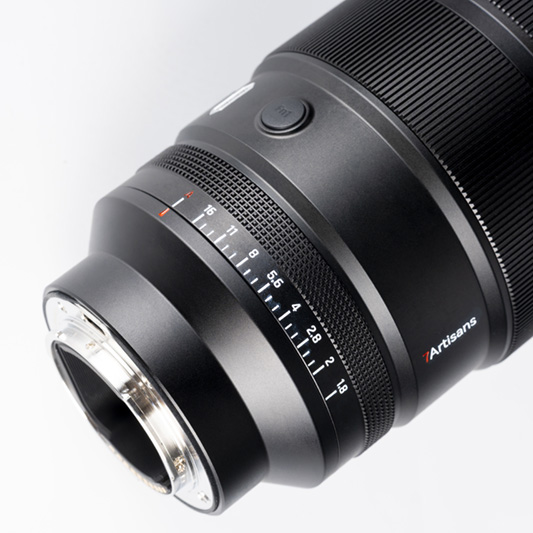
The click between the f/16 and “A” positions is just as light as the other detents, with no barrier or locking mechanism. As a result, it is too easy to accidentally move the aperture ring out of the “A” position. This happened to me several times, both while using the lens and when putting it into or taking it out of my camera bag.
There is another small quirk related to the aperture. It is not a fault, but I noticed that the aperture mechanism operates somewhat harshly. Each time the aperture is changed, either with the aperture ring or from the camera, the movement of the aperture blades is clearly audible in quiet environments.
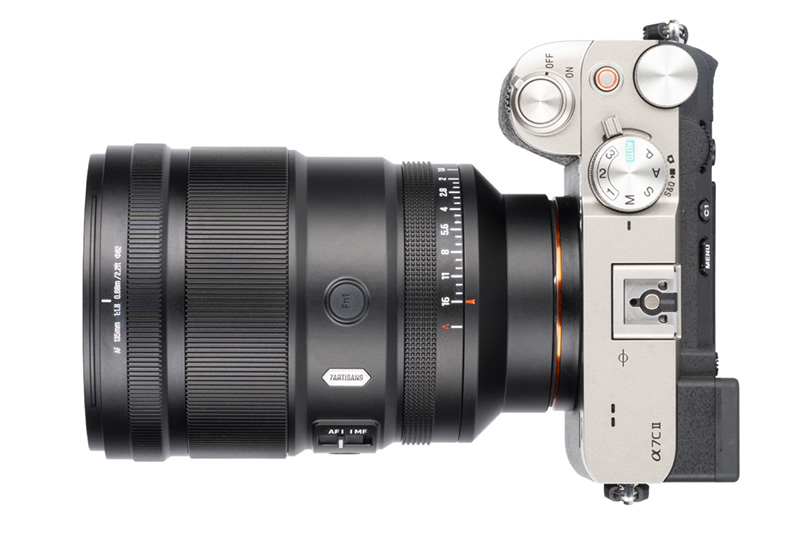
There are two function buttons (Fn1 and Fn2) on the top and left side of the lens and a AF-MF switch.
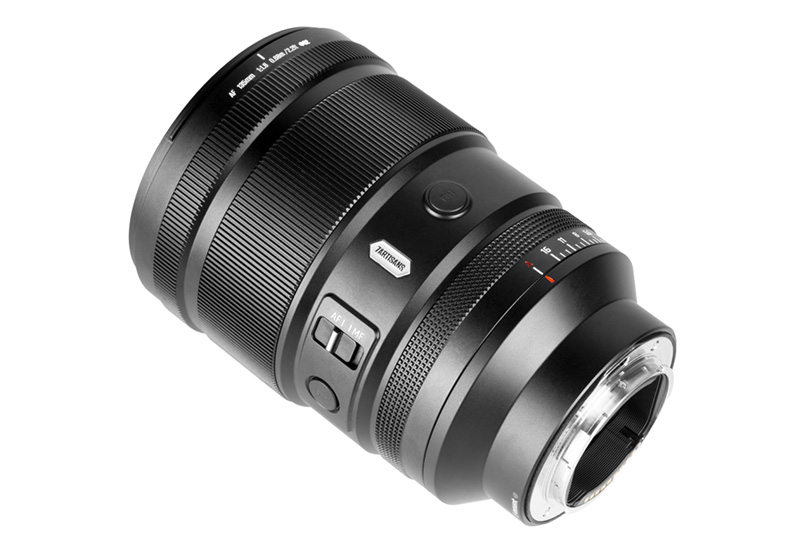
Lastly, the manual focus ring is large enough, with smooth rotation and good damping. I could not detect any lag between turning the ring and the actual change in focus.
The autofocus speed is average and accompanied by a faint whirring sound. It can occasionally hesitate before locking focus, but it eventually does. For a lens with such a long focal length, a focus limiter would have been a welcome addition, as it is found on most competitors, such as the Sony GM, Viltrox, and Samyang. The Nikon 135mm Plena does not have a focus limiter either, but its dual-motor autofocus system makes focus acquisition noticeably more confident.
In the box are the usual front and rear caps, along with a basic lens hood. The hood attaches securely to the lens, but there is no locking mechanism or distinct click when it is mounted. At the moment, there is no risk of accidentally losing it, but in five or six years, as the friction wears down, the hood may become easier to rotate. Only time will tell.
Optical Features
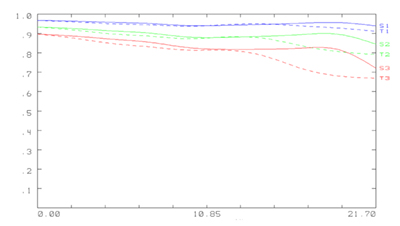
Sharpness (Infinity)
For the infinity sharpness test, we’ll look at three areas of the image — center, mid-frame, and corner — as highlighted below. Focus was set on the center of the image!
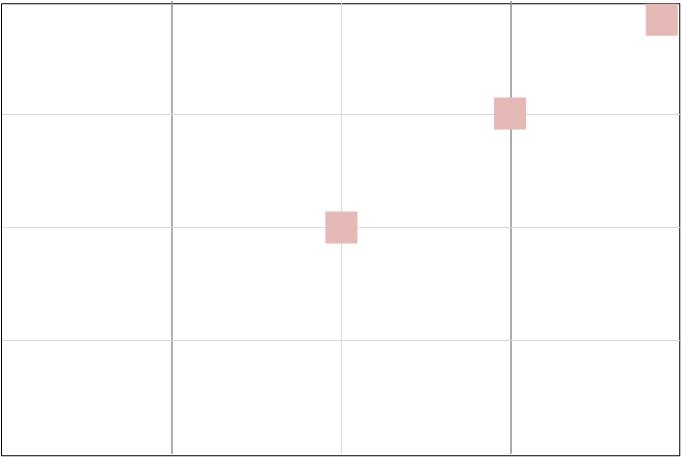
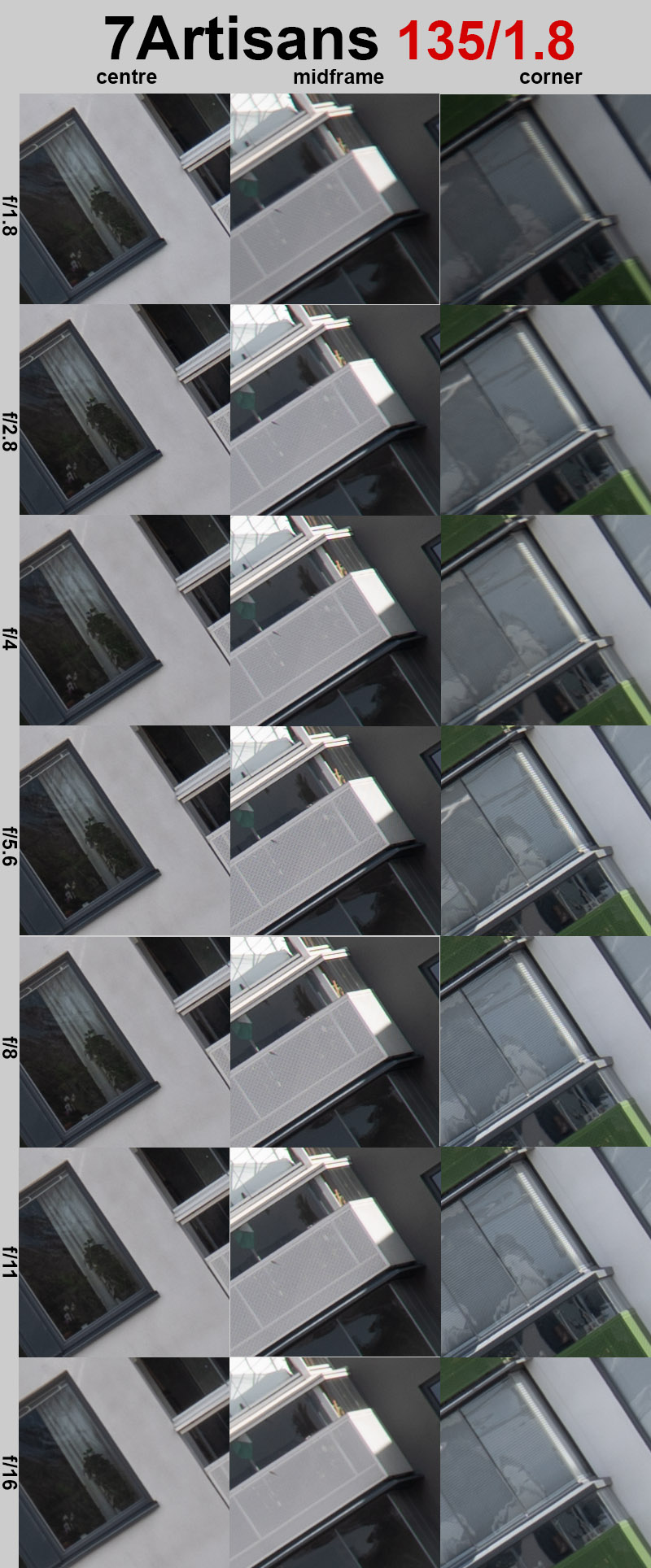
I focused on the center of the image.
The wide-open performance and f/1.8 is very good; the center is excellent. The midframe is very good and the corners better than just good. Sharpness improves by stopping down and by f4 the midframe is super sharp and just another stop at f/5.6 even the corners catch up to the same excellent sharpness.
This is a very strong performance and on par with or even better than more expensive lenses like Viltrox 135/1.8 LAB or Samyang 135/1.8.
Sharpness (Portrait)
Let’s look at the points of interest for portraits at the portrait distance: the very centre, the centre’s inner periphery (1/3 rule intersection), and the centre’s outer periphery (1/4th intersection).
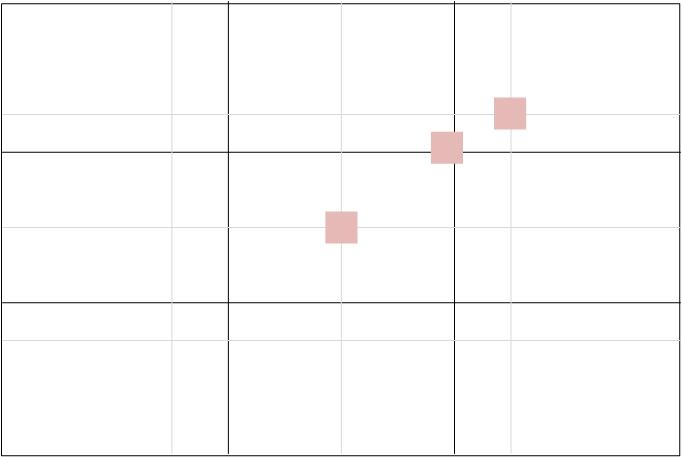
Here, I focused independently on the center, mid-frame, and corner areas to account for field curvature.
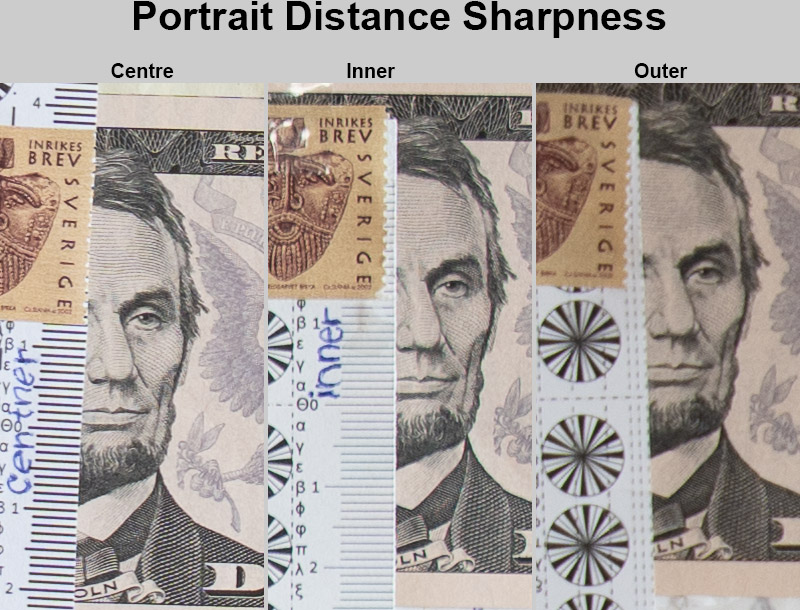
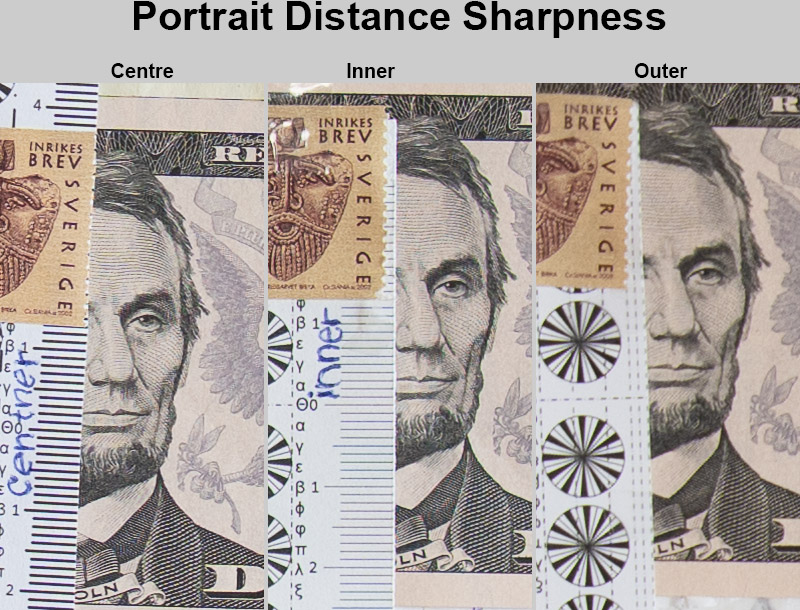
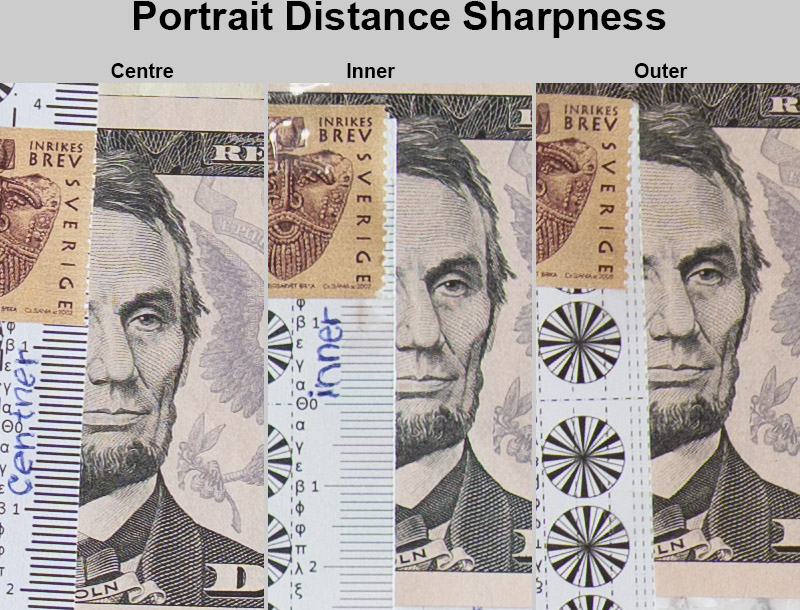
The center and mid-frame actually outperforms the AC7 II’s 33 Mp sensor already at f/1.8 and at f/4 even the area near the edge of the frame does it.
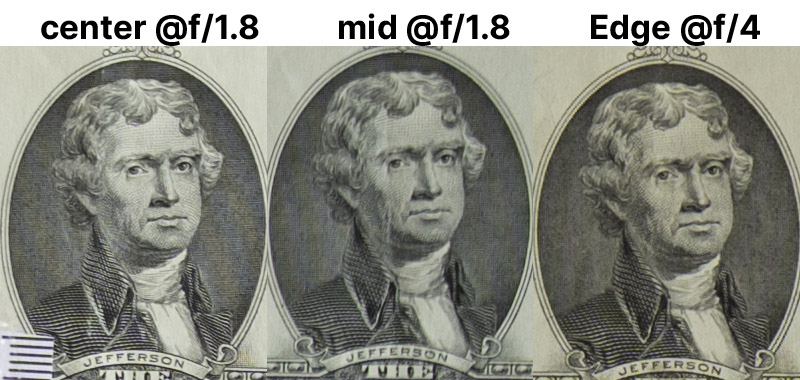
This is a an exceptional performance, on par with or even better than more expensive lenses like Viltrox 135/1.8 LAB or Samyang 135/1.8.
Sharpness (Close-up)
For the close-up test, I focused on the center of the frame and only included 100% center crops. The 7Artisans 135mm f/1.8 has a very short minimum focusing distance of 0.68 m, allowing it to achieve relatively high magnification.
The sharpness is “just” good, though. It is certainly strong, but not as impressive as at longer focusing distances, nor does it match the Viltrox 135mm f/1.8 LAB or the Samyang 135mm f/1.8. However, by f/4, it catches up.



Lens Distortion
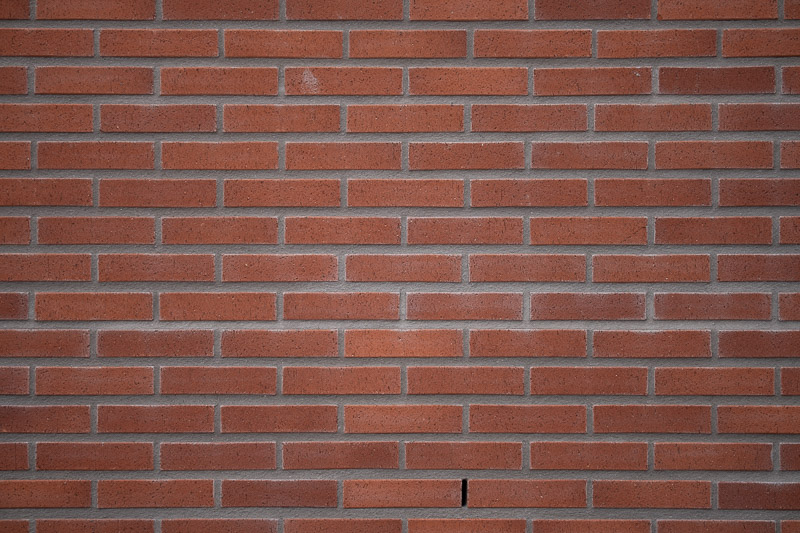
Lens distortion is very well controlled. While there is a small amount of pincushion distortion, it is negligible. A value of -1 in Lightroom or Photoshop is enough to correct it. I did not apply any distortion correction to the sample images.
Performance is on par with the Viltrox, while the Samyang is marginally better, though not by enough to be a deciding factor.
Vignetting
The vignetting figures are another strong characteristic of this lens and are much better than those of almost all competitors. It is virtually invisible right from wide open at f/1.8.
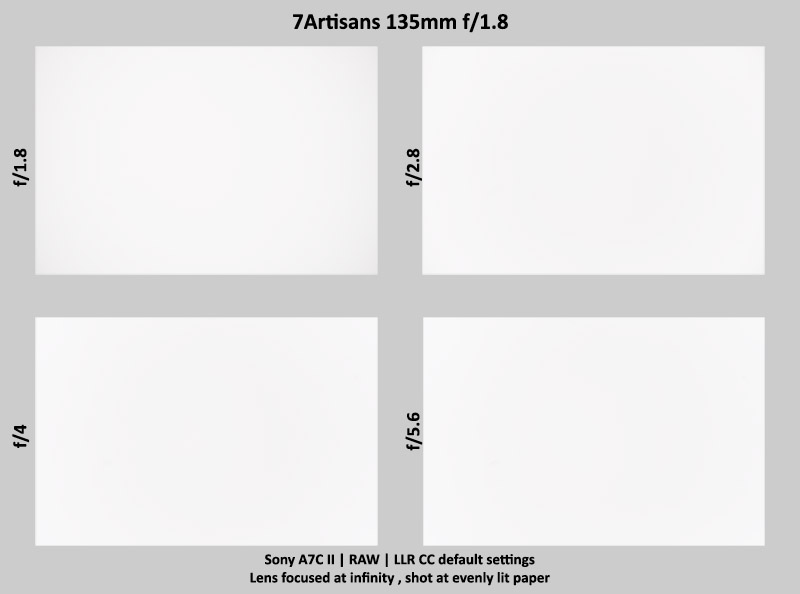
- F/1.8: 1.2 EV
- F/2.8: ≈0.3 EV
- F/4.0: ≈0 EV
- F/5.6: ≈0 EV
- F/8.0: ≈0 EV
Chromatic Aberrations
Longitudinal chromatic aberration is also well corrected. It is visible only in very extreme situations, such as sunlight reflecting off metal surfaces, and even then it is negligible.
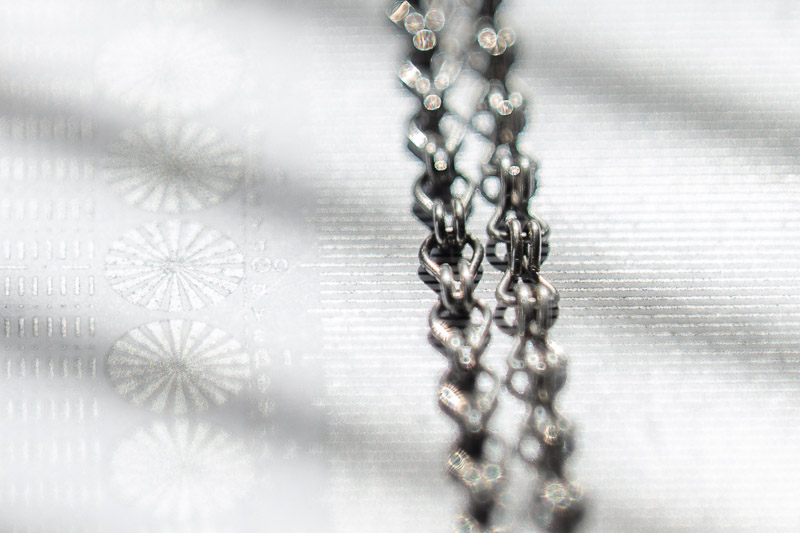
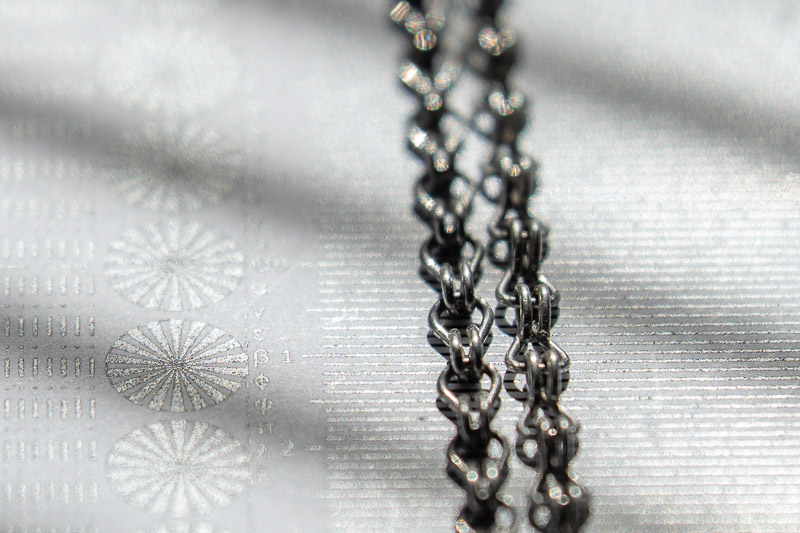
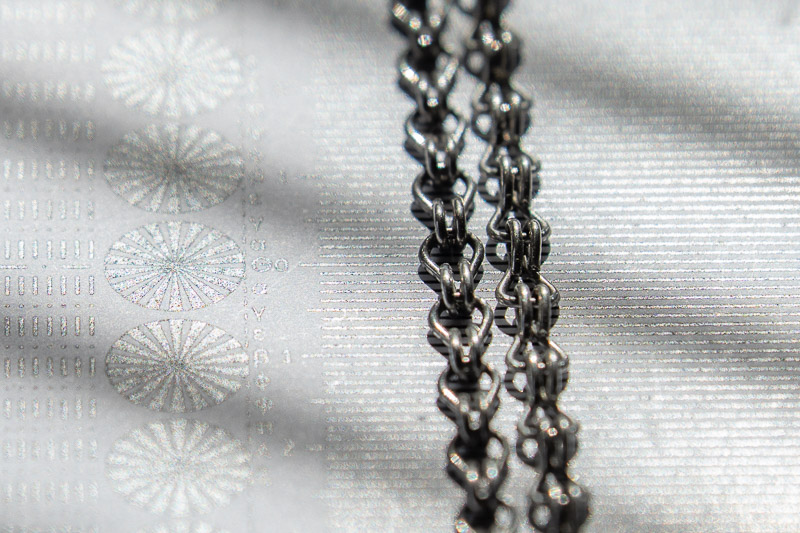
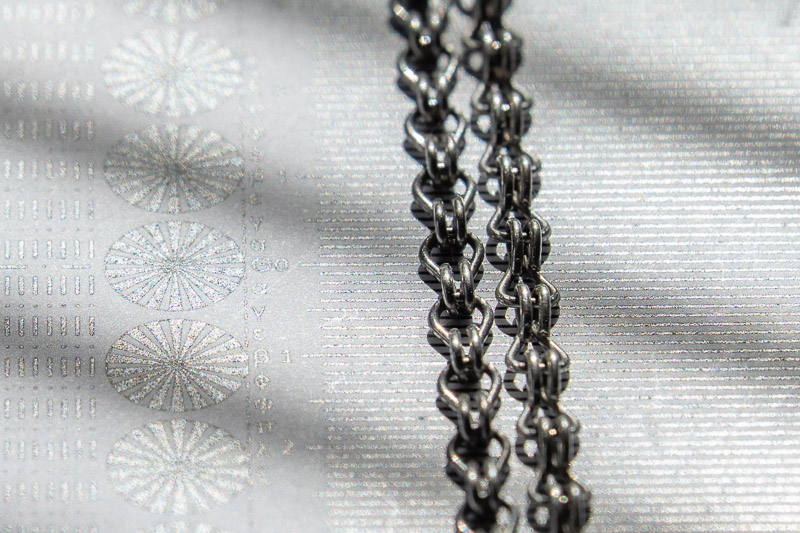
The same applies to lateral chromatic aberration. It is present, but not easily visible and negligible in practice. Here is a 100% crop of the top right corner of an image:
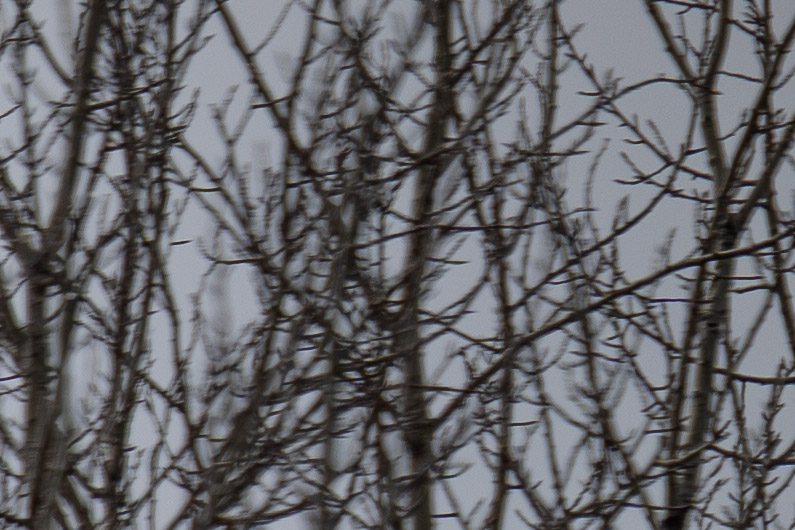
However, there is a faint purple fringing at infinity at wider apertures that clears up by f/4 or so. See the midframe shots in the Infinity Sharpness section for an example
Flare Resistance
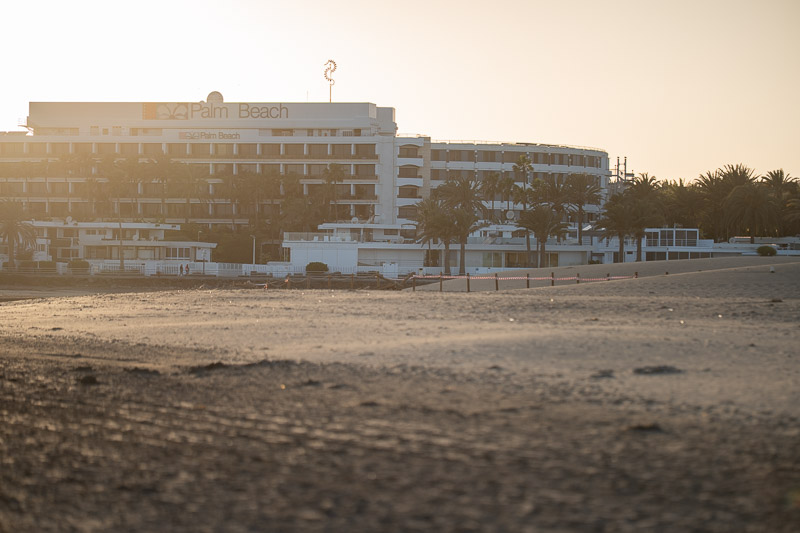
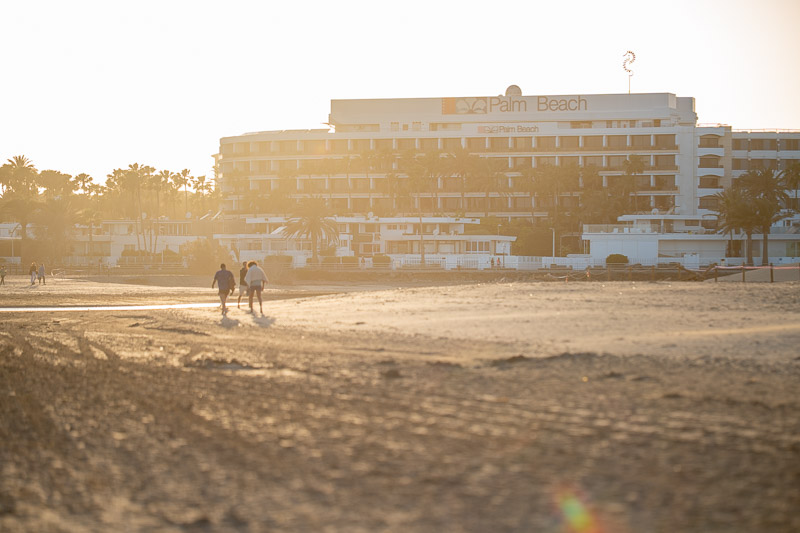
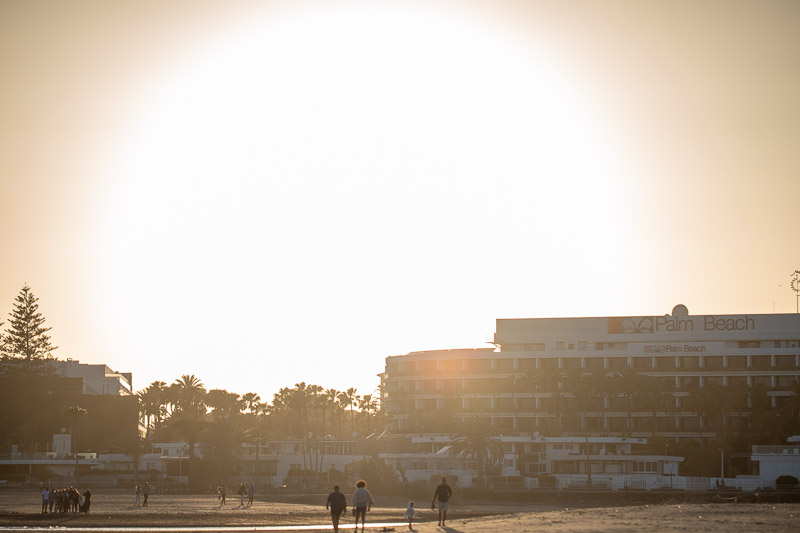
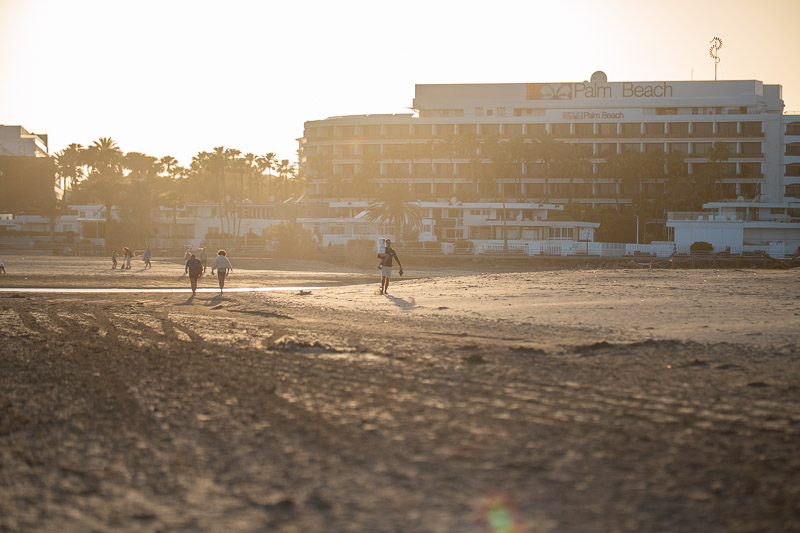
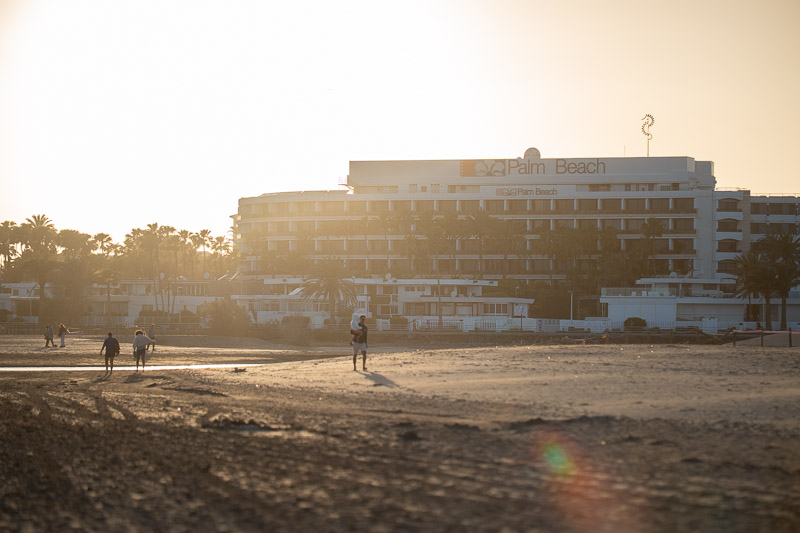
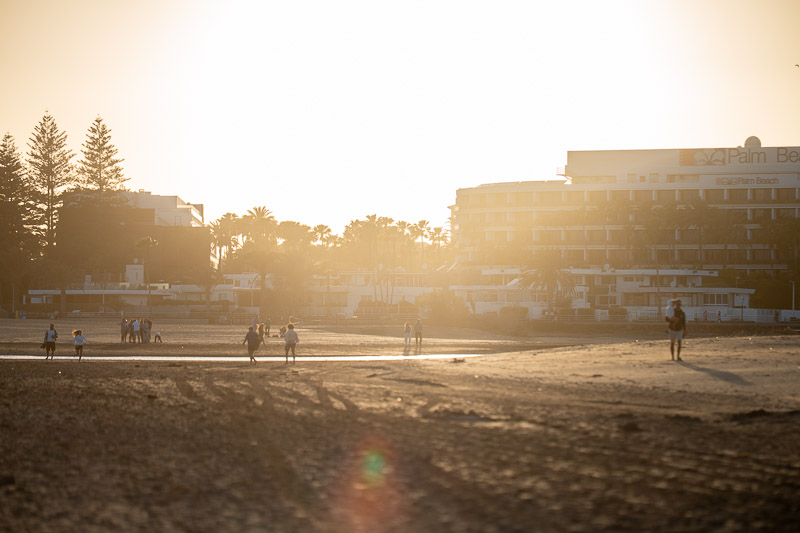
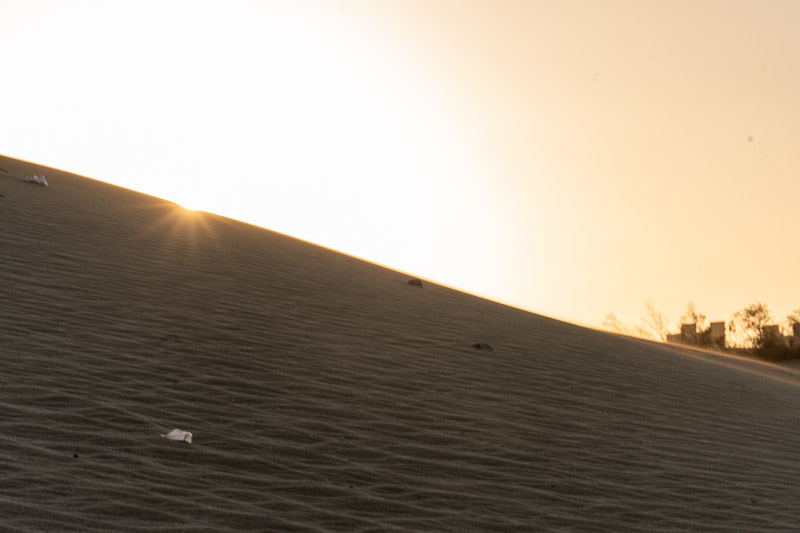
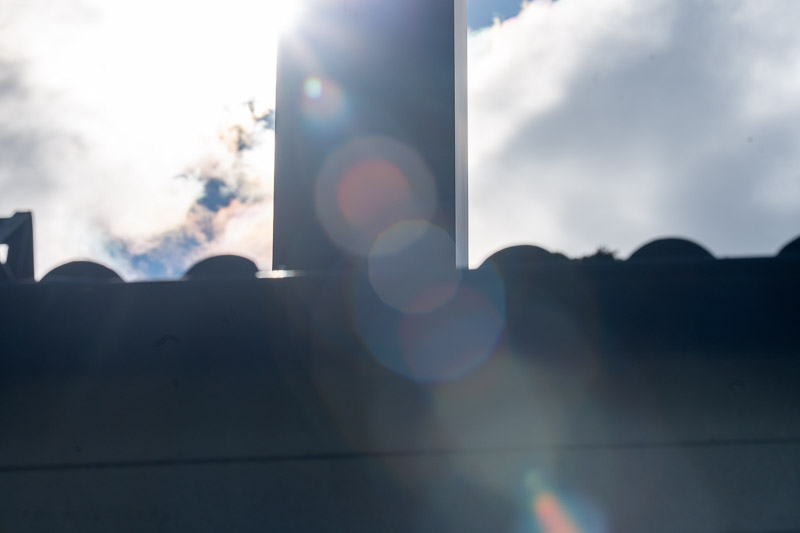
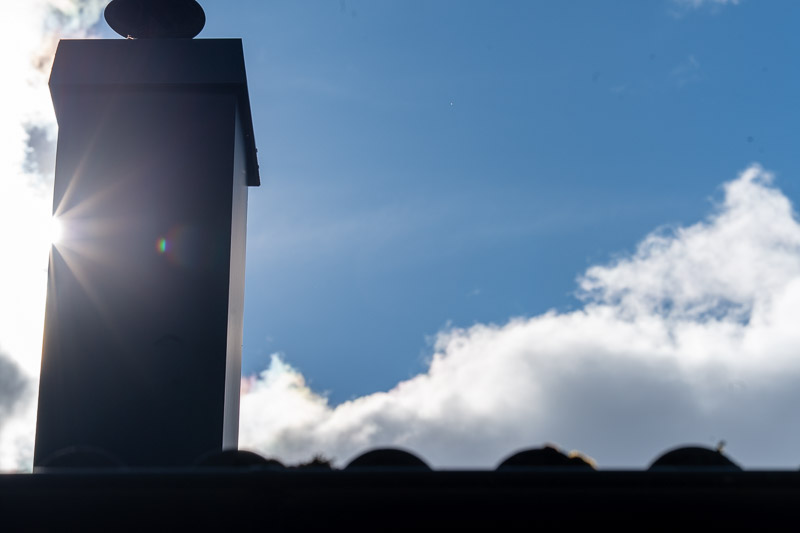
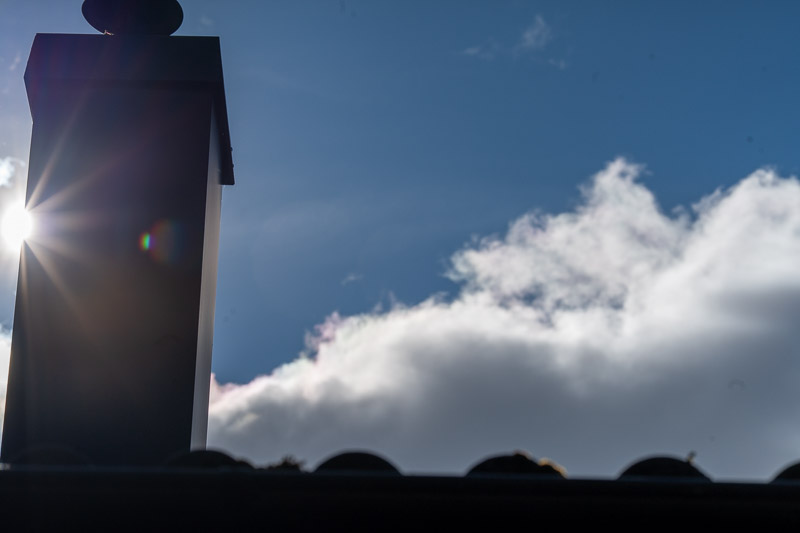
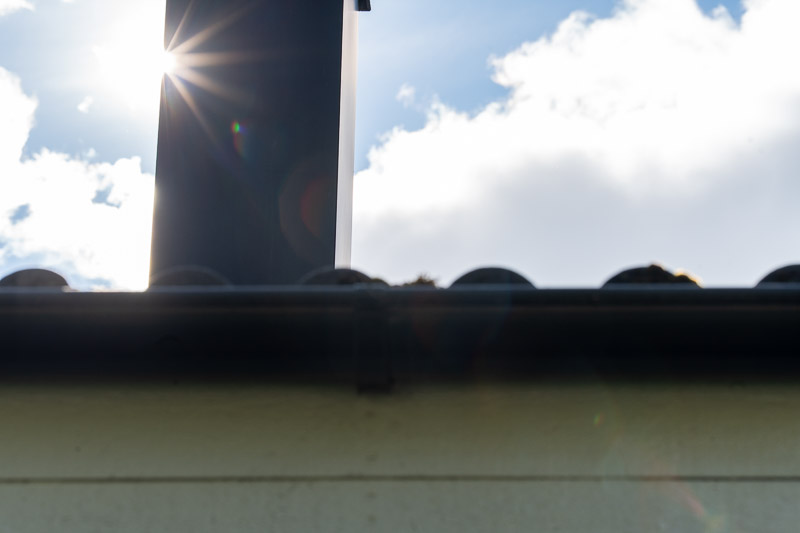
Flare resistance is always difficult to evaluate, as you can make almost any lens look bad if you try long enough. That said, I think we have found this lens’s first weak point. It is fairly easy to provoke veiling flare, especially at wider apertures. This is a more or less common weakness among telephoto lenses—Samyang, Viltrox 135mm LAB, the Sigma 135mm, and the Sony 135/1.8 GM are not immune to it either. At smaller apertures, the lens can also produce some ghosting alongside the veiling flare. Using the lens hood is therefore strongly recommended whenever the sun is in or near the frame.
For this particular lens, however, this is not always a bad thing. It is not primarily a landscape lens, and the flare can be used creatively in portrait photography.

Coma
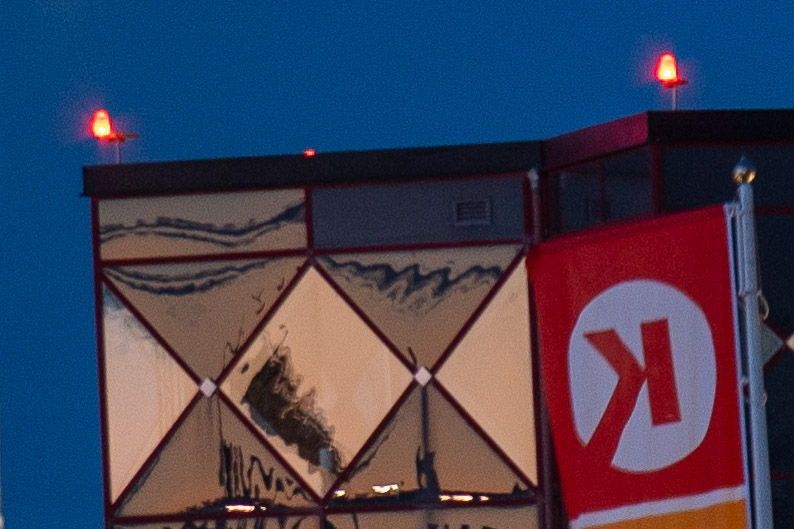
Another strong chapter for the 7Artisans 135mm is coma correction, which is virtually flawless.
Sunstars
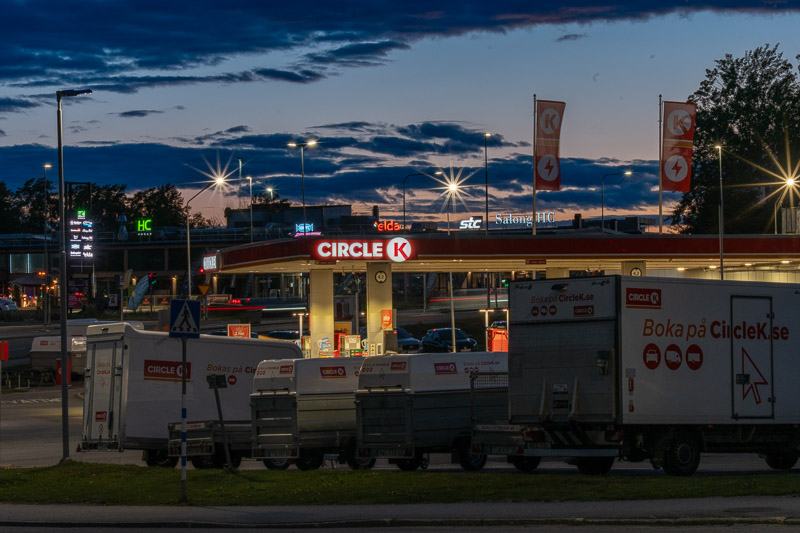
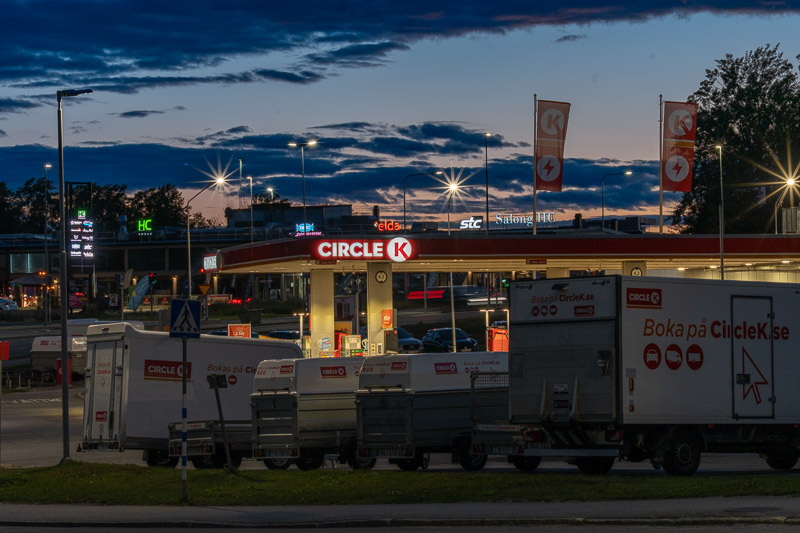
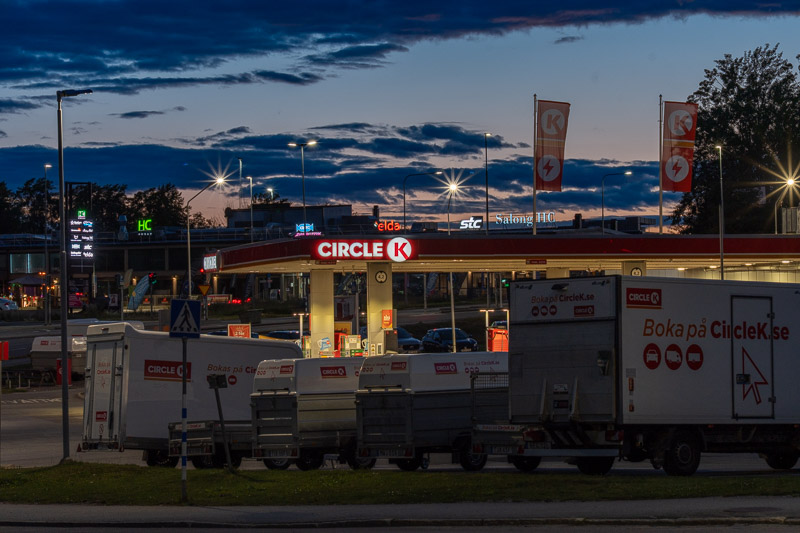
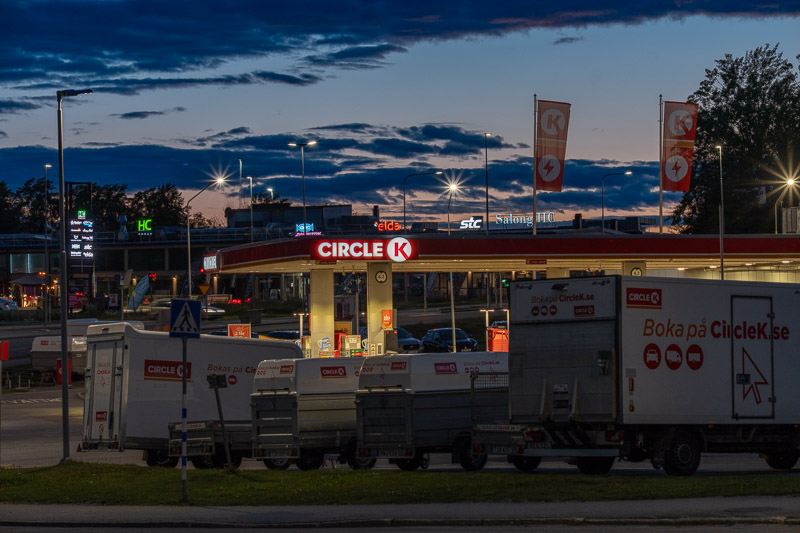
If you are into sunstars, you should not be disappointed here either, as the 7Artisans 135mm can produce attractive 12-pointed stars from f/5.6 onwards. The rays become more distinct and longer at f/8 and smaller apertures.
Focus Breathing

Focus breathing is possibly the weakest optical characteristic of this lens as it shows a clearly visible breathing when pulling focus.
Bokeh
As the 7Artisans 135mm f/1.8 has passed almost every optical test with flying colors, we come to the last—and possibly one of its most important—optical characteristics: the bokeh. For that reason, I have put a little extra emphasis on this section and included more sample images than usual.
Let’s take a closer look at the background blur at different focusing distances.
Short Distance
The combination of a very short MFD, a 135mm focal length, and a bright f/1.8 maximum aperture results in an extremely shallow depth of field. Near the minimum focusing distance, it is only a couple of millimetres, if even that. At these close distances, everything just a few millimetres away from the subject melts into an unrecognizable veil of blur.





So, I took a couple of shots from a couple of decimeters farther away to get the subjects fully in focus.





Smooth background blur without anything to complain about. So far, so good.
Mid-Distance
This is where the lens is likely to see the most use: tight portraits, from headshots and head-and-shoulders portraits to half-length portraits, or subject separation.
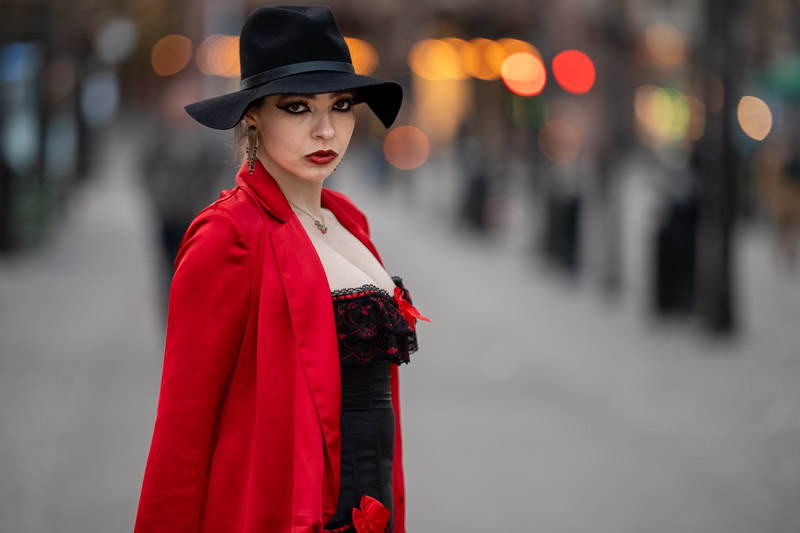



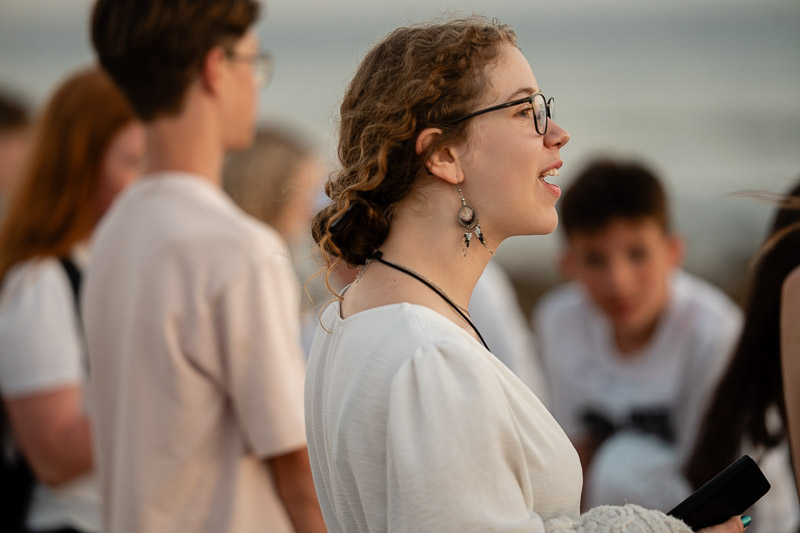
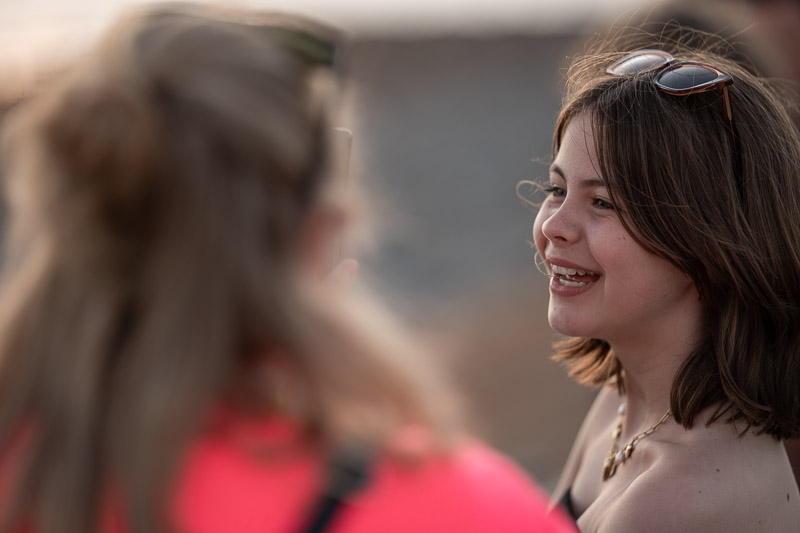

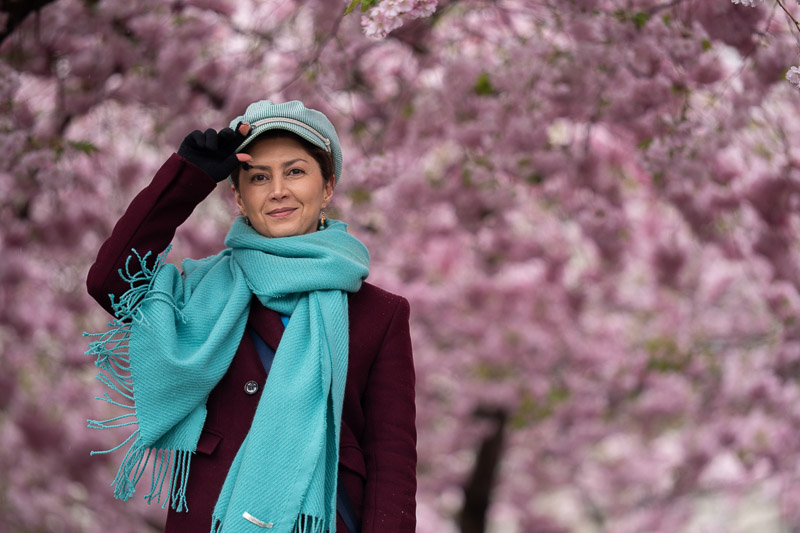
Fortunately, the 7Artisans 135/1.8 does not leave much to wish either. It separates the subjects easily at this distance and the background blur is completely fine, at least to my eye.
Long Distance
With its relatively long focal length and fast f/1.8 max aperture, one should hope for good separation even at long distances.
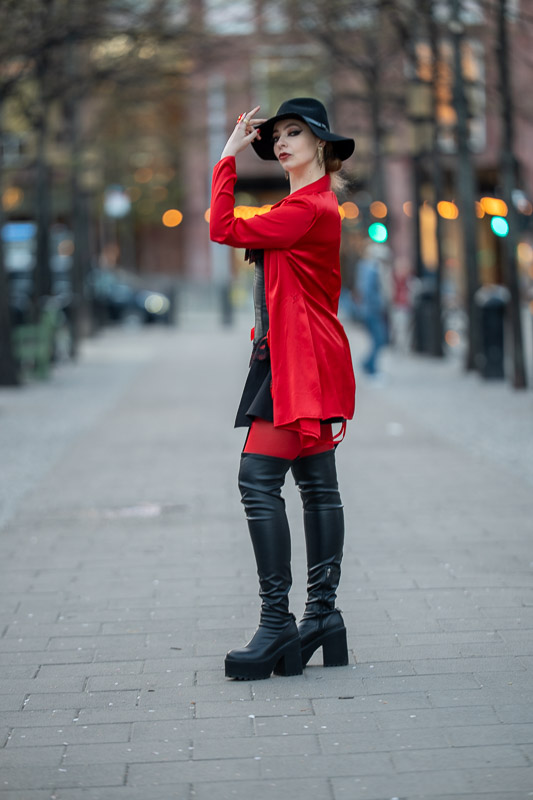
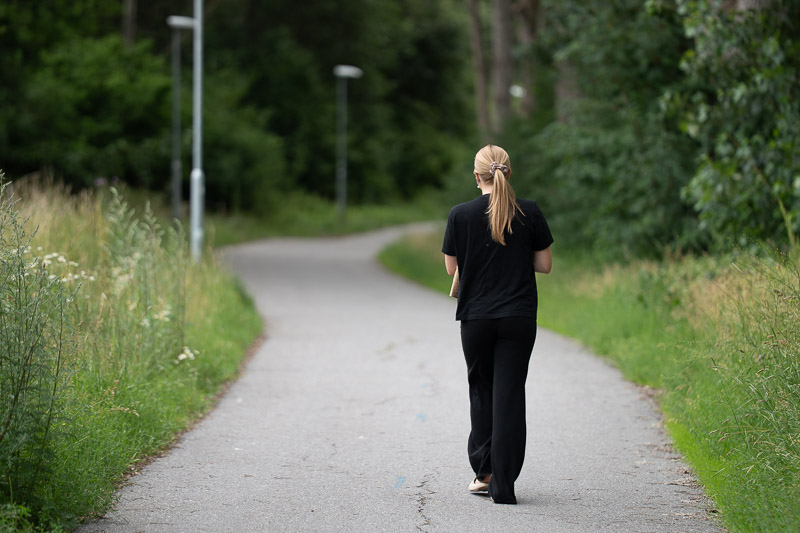
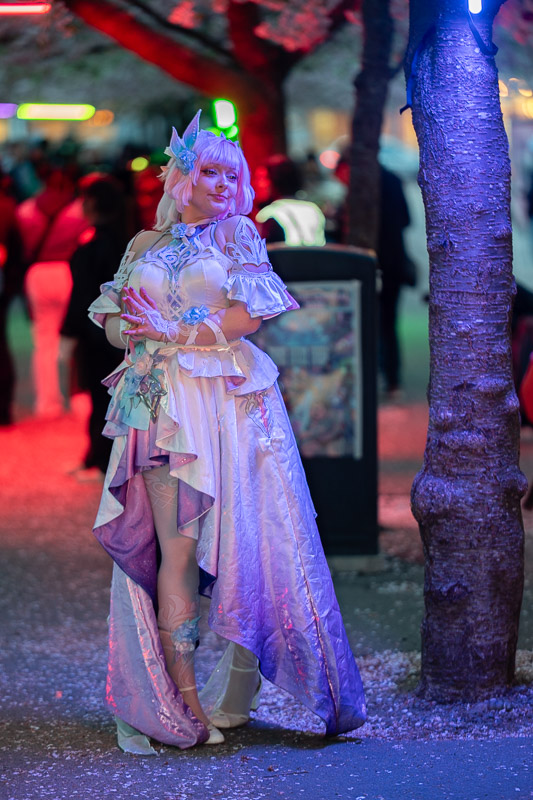

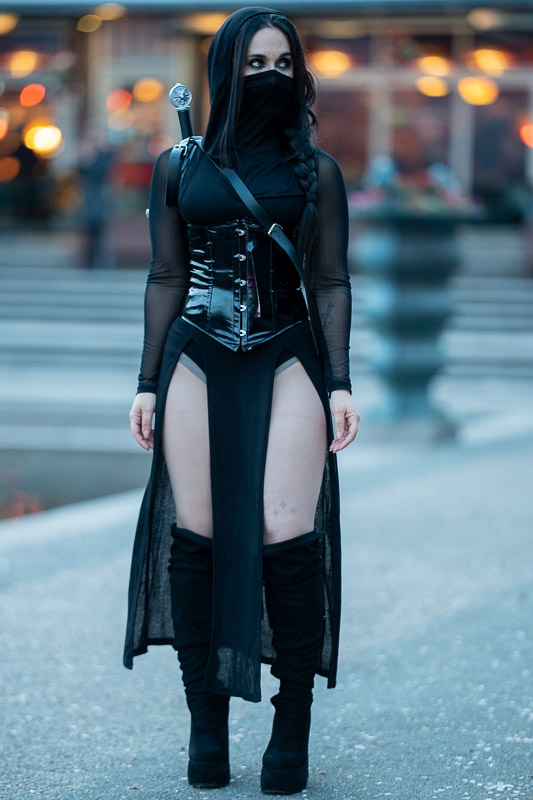

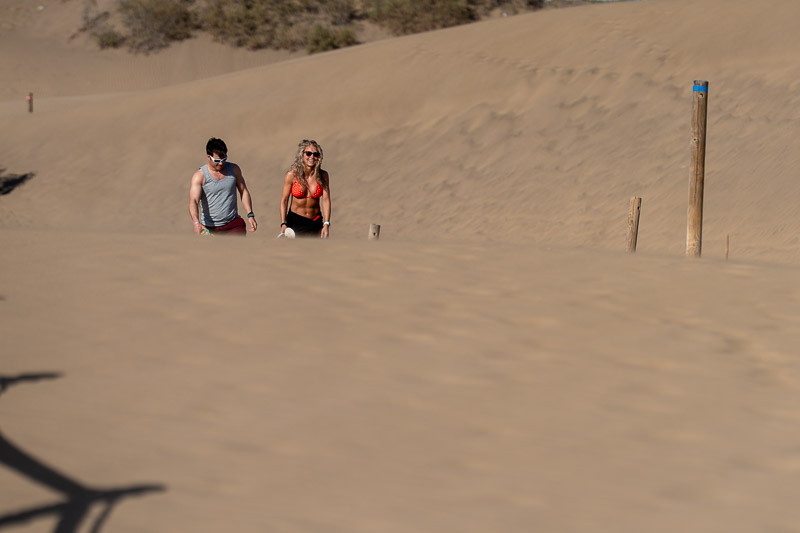
Even here, the lens manages to separate the subjects from the foreground and background with a pleasant blur.
All in all, I think this is one of the main reasons to buy a lens like this, and in this regard it does not disappoint. Of course, bokeh is highly subjective, and to my taste it is very likeable. Take a look at these images, as well as the many other samples included throughout the review, and judge for yourself.
Conclusion
| I LIKE | AVERAGE | I DON’T LIKE |
|
|
|
Looking at the like/dislike table, it is easy to conclude that this lens excels optically. In fact, it goes far beyond what you would normally expect at this price point and punches well above its weight. It delivers excellent sharpness, distortion control, low vignetting, outstanding chromatic aberration and coma correction, attractive sunstars, and beautiful background rendering.
The only real optical weaknesses are flare resistance—which may not be an issue for the lens’s intended applications and is common among lenses with similar specifications—and focus breathing, which is primarily relevant for video work. Where the lens falls short of becoming a truly outstanding professional portrait and fashion lens is in areas other than optical quality: autofocus speed, handling, and overall build quality. On the other hand, given its price, those compromises are hardly surprising.
If you are an enthusiast looking for outstanding optical performance and image quality at the lowest possible price, this lens can deliver results comparable to those of the most expensive professional lenses on the market, as long as you avoid placing the sun in the frame.
Writing articles like this one is both time-consuming and costs us a lot of money. If you found this article helpful and decided to buy one of these lenses, please consider using one of the affiliate links.
If you are not interested in buying any of the lenses, but you still found this article useful, interesting, or it saved you a lot of money, treat us to a coffee (donate)!
Buy new:7Artisans’ store, Amazon (anywhere), B&H for $689 (Affiliate links) |
Alternatives
For a comparison between the reviewed lens and its alternatives, see the relevant sections of the review where I discuss how they compare.
Samyang 135mm f/1.8
Buy new: Amazon (anywhere), B&H for $799 (Affiliate links)
Viltrox 135mm f/1.8 LAB
Buy new: Viltrox store, Amazon (anywhere), B&H for $899 (Affiliate links)
Sony 135mm f/1.8 GM
Buy new: Amazon (anywhere), B&H for $2248 (Affiliate links)
Nikon 135mm f/1.8 Plena
Buy new: Amazon (anywhere), B&H for $2359 (Affiliate links)
More Sample Images

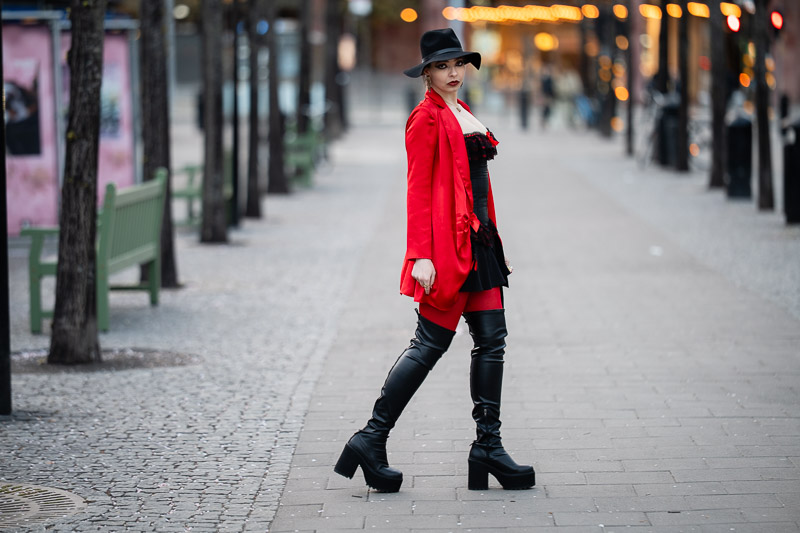
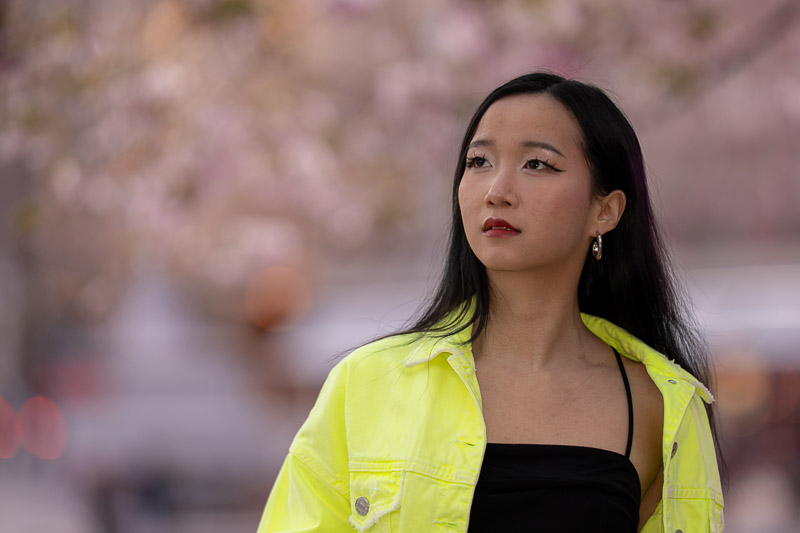
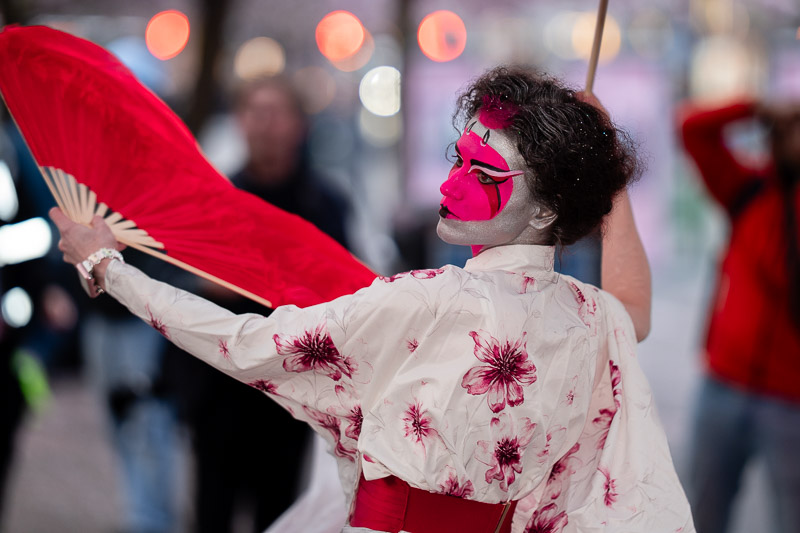
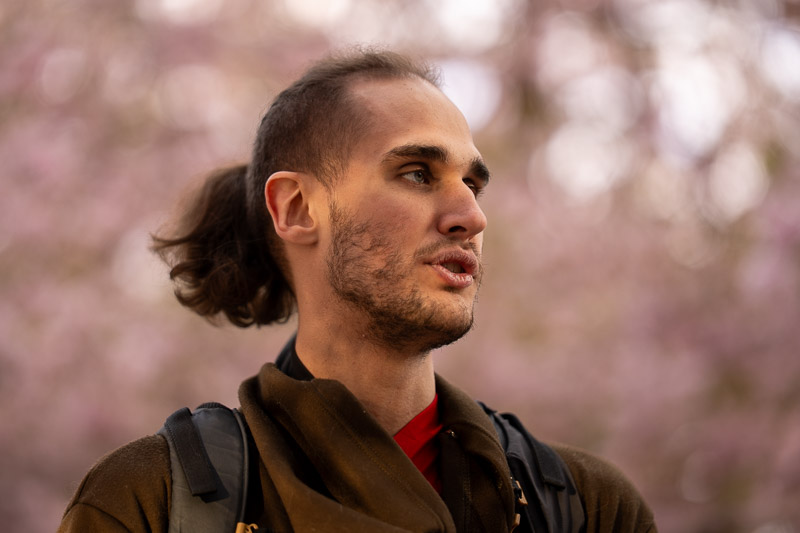
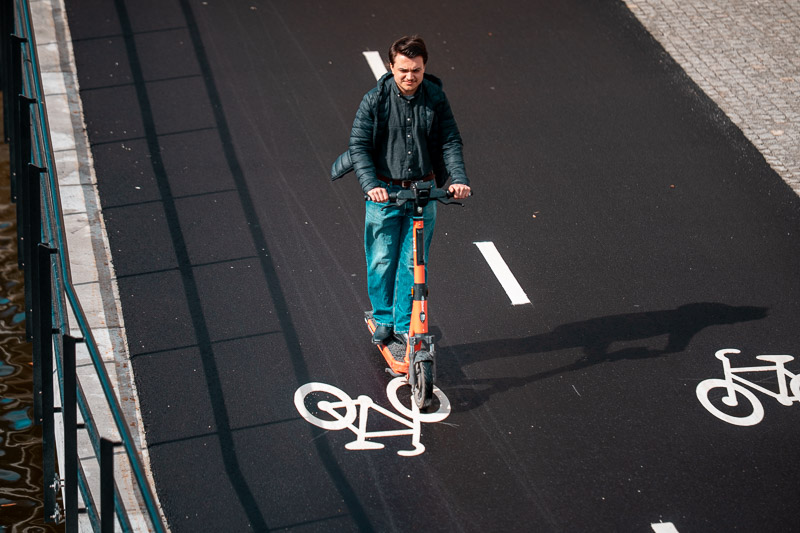
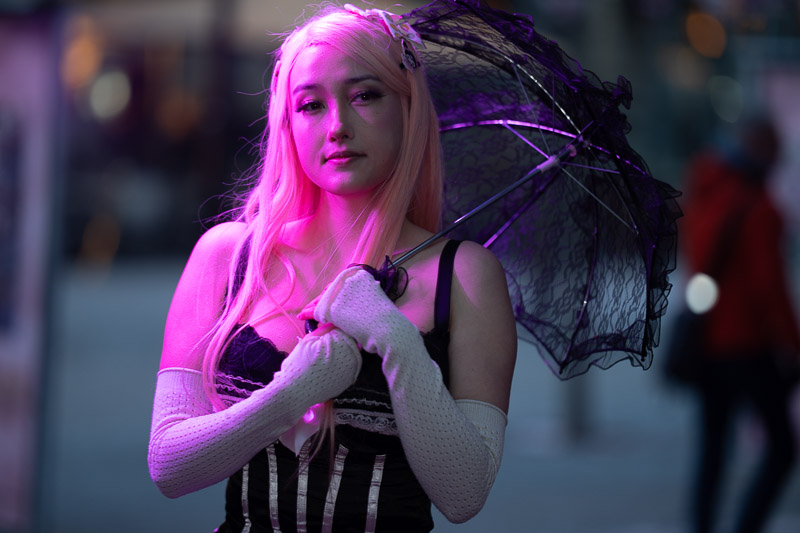
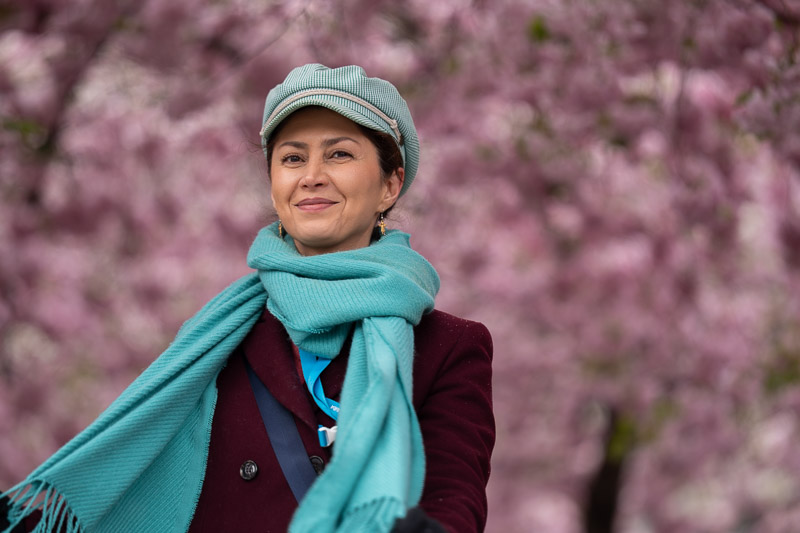
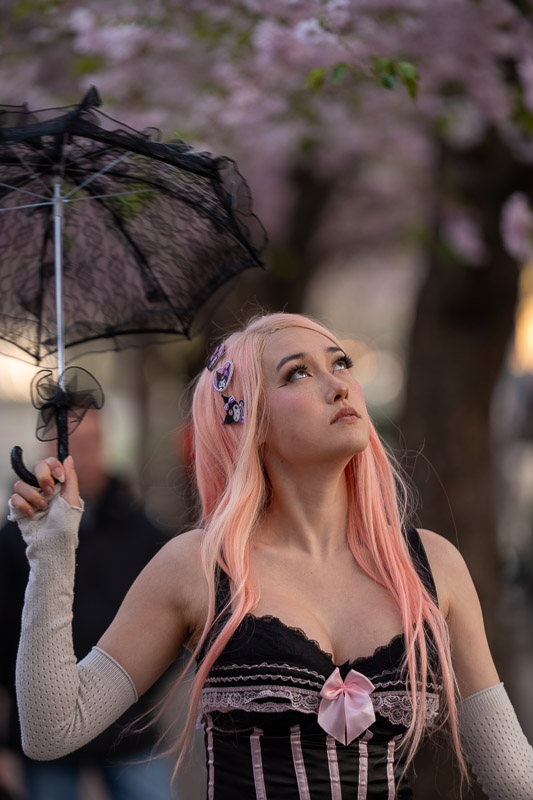
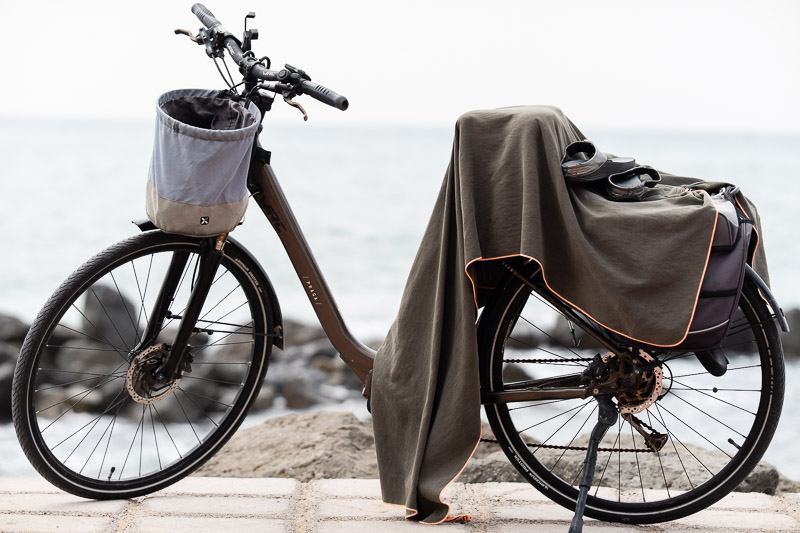

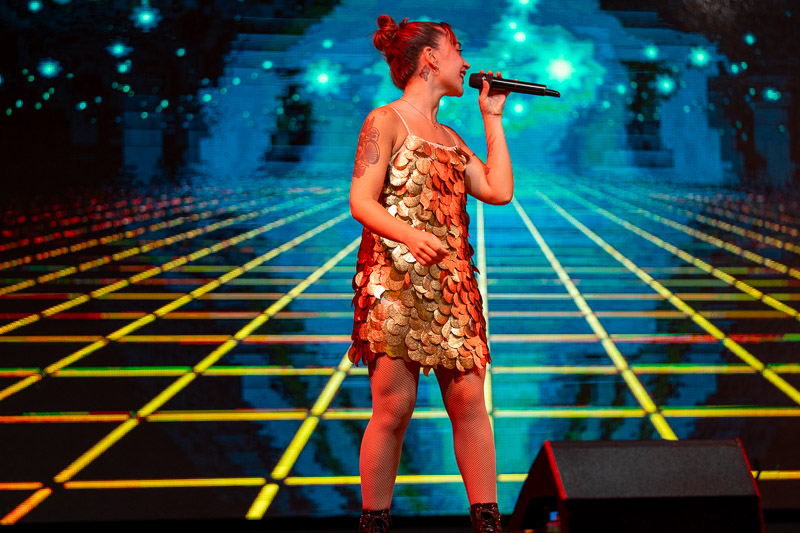
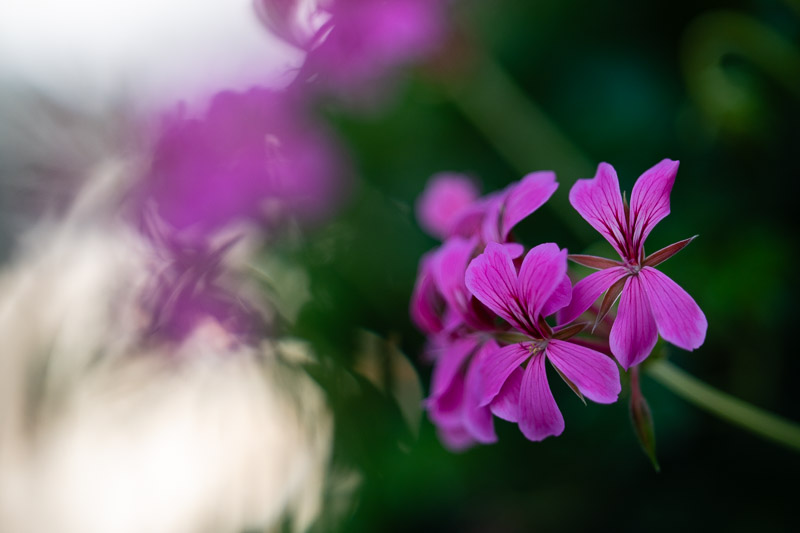


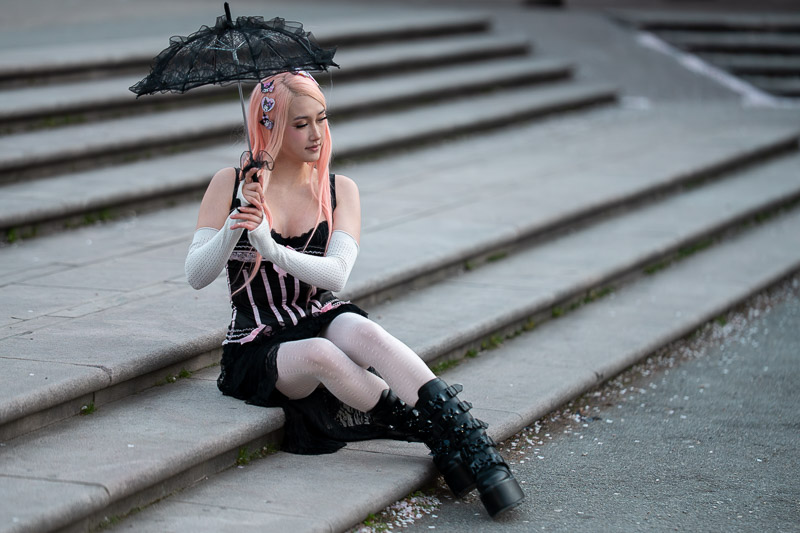
Most of the sample images in this review and many more can be found in higher resolution here.
Further Reading
- What camera gear and accessories do I use most frequently?
- Review: Sony FE 135mm F1.8 GM
- Review: Samyang 135mm 1.8 AF FE
- Review: Viltrox AF 135mm 1.8 FE LAB
Support Us
Did you learn something new, find this article useful, or simply enjoy reading it? We’ve put a lot of time and resources into creating it, and your support helps us keep going. If you’d like to show your appreciation, please consider clicking the Donate button!



(Donations via Paypal or bank card)
What’s in my camera bag? MY 2026 KIT!!
- Main camera : https://amzn.to/3TsGtKg
- Camera grip : https://amzn.to/4e0G3CR
- Memory Card 1: https://amzn.to/47pA20i
- Memory Card 2 : https://amzn.to/3XHYxlZ
- Camera 2 : https://amzn.to/3Xifou8
- Camera grip: https://amzn.to/4dYYpV9
- Memory card 1: https://amzn.to/4e5h2H0
- Memory card 2: https://amzn.to/3zu7W7n
- Main tripod: Leofoto LS-324CPRO
- Small travel tripod: https://amzn.to/4goIX68
- Mini tripod: https://amzn.to/4e09XXX
- Small shoulder bag: https://amzn.to/47tPMiY
- Medium shoulder bag: https://amzn.to/4ej4bjY
- APS-C camera 1: https://link.amazon/B0iKSCc8a
- APS-C camera 2: https://link.amazon/B0duP43QI
This site contains affiliate links, for which I may receive a small commission if you purchase via the links at no additional cost to you. This helps support the creation of future content.


Martin
Latest posts by Martin (see all)
- REVIEW: SIRUI AURORA 35mm F1.4 - October 14, 2026
- REVIEW: Zhiyun FIVERAY M60 Ultra & Molus X100 RGB - October 11, 2026
- Analogue Photography: Part 7 — Gran Canaria with Kodak Portra 400 - September 30, 2026
https://images.stockholm360.net/7artisans-135mm-f-1-8/#mwl-4846
This pic’s bokeh bothers me.
It looks like this lens bokeh is very good unless there are “lines” or structures.
Anyway, that lens is ridiculously good and anyone reading this review must look at the high res samples. The bokeh looks weirder on the small images.
Personally, I don’t like its bokeh in general. It’s not as “boringly” smooth as with some lenses, but it’s not weird or “characterful” in some interesting way either. Of course, the sheer amount of it will impress many people, and the rest is very subjective. I remember not really liking the Viltrox either. Original Sony 85mm F1.4 remains my ideal modern fast tele-ish lens in this regard.
Other than that, it’s seems to be a pretty good lens indeed, and more competition the merrier.
That specific image is very far away, about double the girl’s full length, and the background is very close behind her.
If she was a bit closer or the background a bit farther away, the blur wouldn’t look as it does here.
White balance is really inconsistent in the sample photos. Maybe not something others pay attention to, but for me it’s quite distracting as the colors are very different photo to photo. Was the camera set to Daylight despite being used in cloudy and artificial lighting etc?
Well, in most of the cases, that is intentional. The model photos were taken under artificial RGB LED lamps that changed color continually. The lighting was promoted by an LED manufacturer so we had to use those lights
“This is a very strong performance and on par with or even better than more expensive lenses like Viltrox 135/1.8 LAB or Samyang 135/1.8.”
I do not see the ‘better’. And you tested on 33Mp. Tests I’ve seen on a 61 Mp sensor show it’s good as well, but also a bit less than the other 1.8 options around.
Well, it is enough to point out only one feature that is better than the others for my claim to be true:
This lens has vignetting values that are better than any of the other 135mm lenses we have tested, that includes: The Sony, Samyang, and the Viltrox.
Your ‘better’ remark shows under ‘sharpness’, so reading as sharpness being better. But ok: sharpness is not better then?
Actually, the 7Artisans appears to be sharper in the corners wide open at f/1.8, so that claim seems to hold true there as well. However, I tested the 7Artisans on a 33 MP sensor, whereas the Viltrox and Samyang were tested on a 42 MP camera. The difference in resolution is small enough that it is unlikely to have a meaningful impact on the comparison, unlike if the other two lenses had been tested on a 60 MP sensor. Another area where the 7Artisans excels is its minimum focusing distance, which provides the highest maximum magnification of the three.
Just saw Dustin Abbott showing it’s sharper then the Viltrox in the corners at 1.8 as well. On 61Mp that is.
But it was with the second copy, the first was decentered. So that calls for some caution for potential buyers.
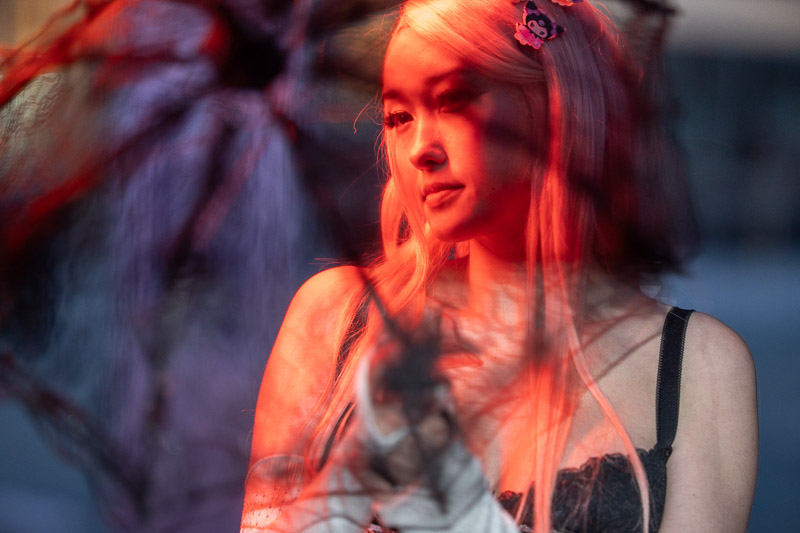
Look at the eighth photo from the top, the head&shoulders shot of the model with the pink hair: something strange is going on under her left eye. Some bad AI editing?
No AI editing, smoothing or sharpening, not even LR’s noise reduction on that image.
It is simply how she looks under that lighting.
OMG, I can’t unser it now. Some extreme showcase of a swollen eyes after a long exhausting day, to the point that it looks artificial. It shows that sharp contrasty lenses are not necessarily the best portraiture lenses in all situations