Introduction

We have seen many new lens manufacturers from China and there are still more coming. This new manufacturer gave itself the name of a famous Leica designer: “Mandler”. And as their first lens they fittingly decided to bring us this Mandler 35mm 2.0 7e, which from the outside looks exactly like a Leica 35mm 2.0 Summicron-M IV. Will it also perform like the vintage Leica lens? Let’s find out in this review.
This lens will be reviewed on the 24mp Leica M10.
Sample Images
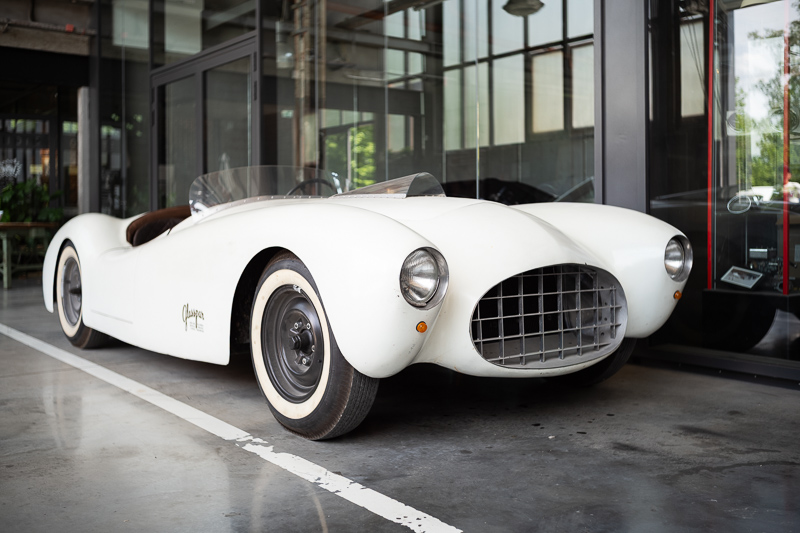
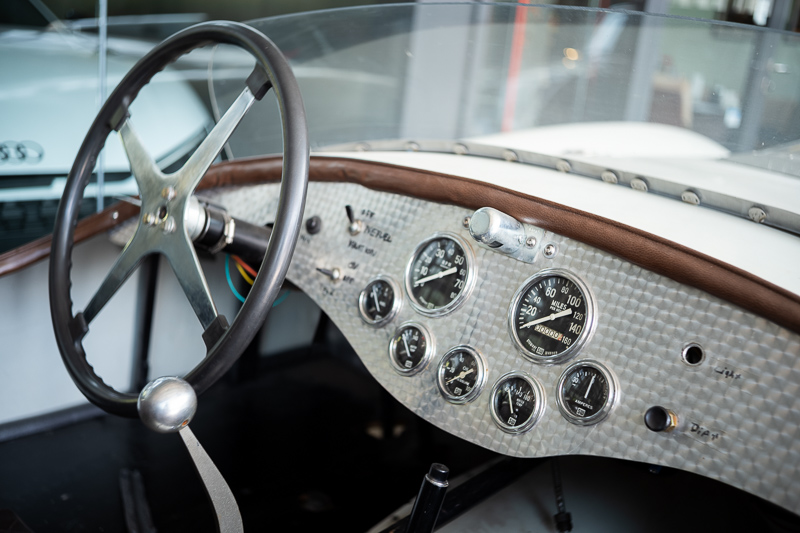
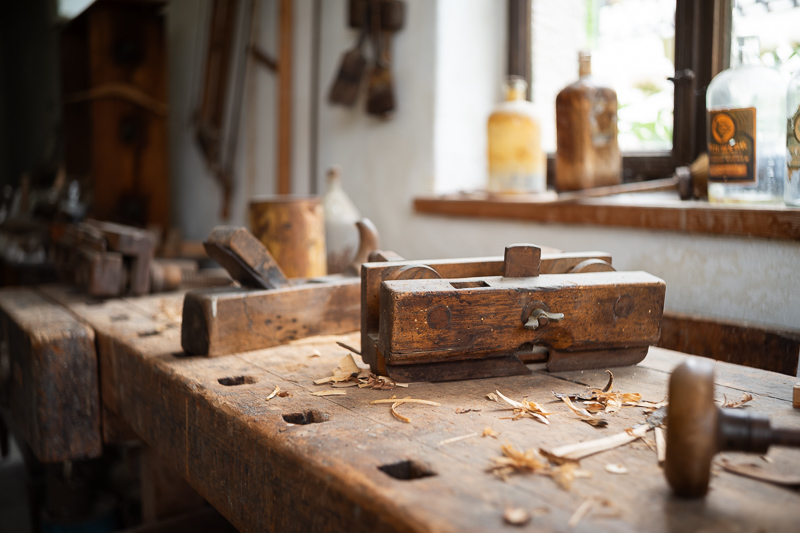
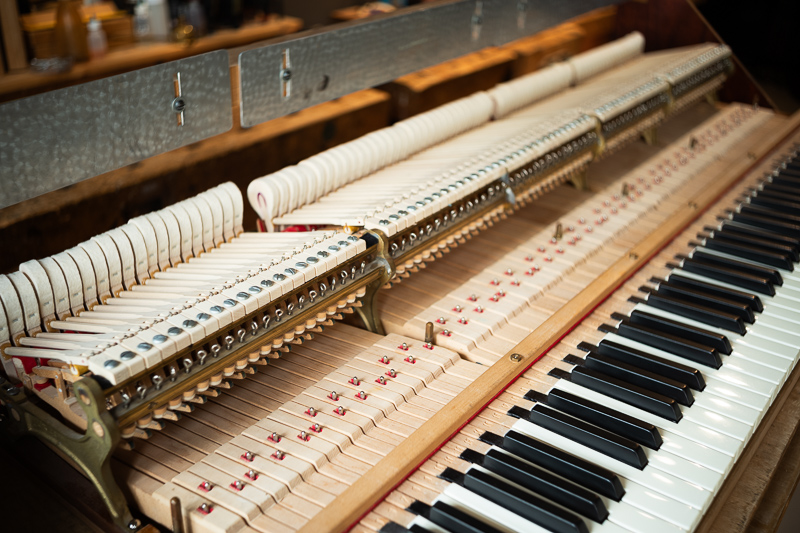
Most of the sample images in this review can be found in full resolution here.
Specifications
This Mandler 35mm 2.0 7-element (short: 7e) has the following specifications:
-
- Diameter: 53 mm
- Length: 28 mm
- Weight: 137g (no hood, no caps)
- Filter Diameter: E39
- Number of Aperture Blades: 10 (inwardly curved)
- Elements/Groups: 7/5
- Close Focusing Distance: 0.7 m
- Maximum Magnification: 1:18 (measured)
- Released: February 2025
- Mount: Leica-M
buy from the official homepage for $350 or from ebay.com | ebay.de (advertisement/affiliate links) for $700
Disclosure
The Mandler 35mm 2.0 7e was kindly provided free of charge for a few weeks by my friend Vincent from Kamerakraft.
Handling / Build Quality
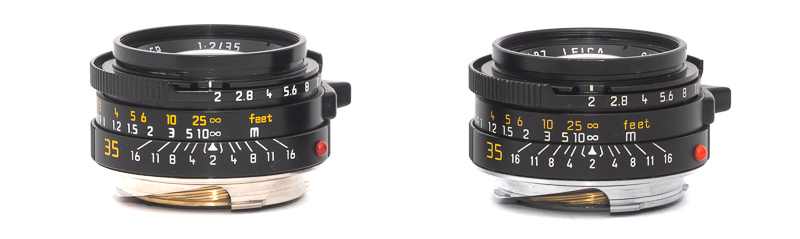
As already said before, this Mandler 35mm 2.0 7e looks almost exactly like a Leica 35mm 2.0 Summicron-M IV and the similarities don’t end there.
Also this lens seems to be made from only metal and glass and sadly some of Leica’s questionable design choices have been copied as well.
The focus ring has a pleasant resistance and turns 120° from the minimum focus distance of 0.7 m to infinity. The focus ring is also equipped with a focus tab at the bottom.
The aperture ring has equidistantly spaced half-stop click-stops, but as was the case for the Leica 35mm 2.0 IV (and many other of Leica’s M lenses) also here it can be moved a bit past the f/2.0 mark. Contrary to the Leica 35mm 2.0 IV, here the diaphragm does not open further though.
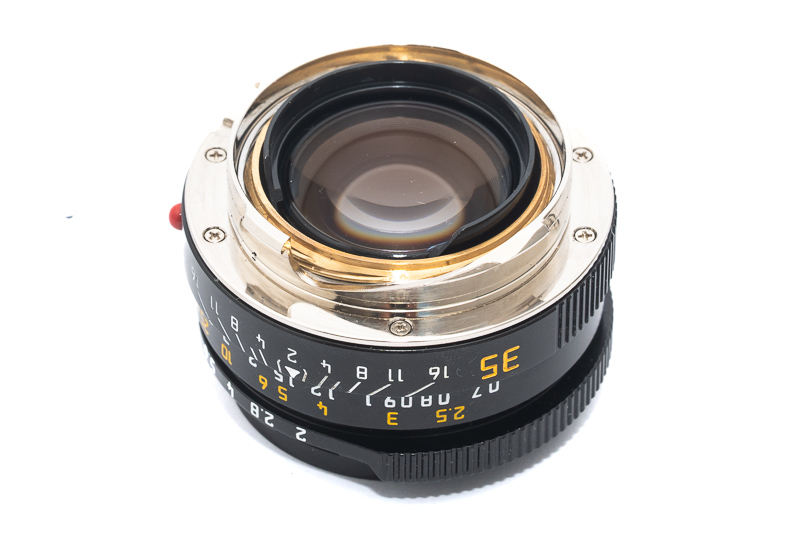
The lens brings up the correct 35/135mm frameline set and because it is so small there is hardly any rangefinder blockage when using the lens without a hood.
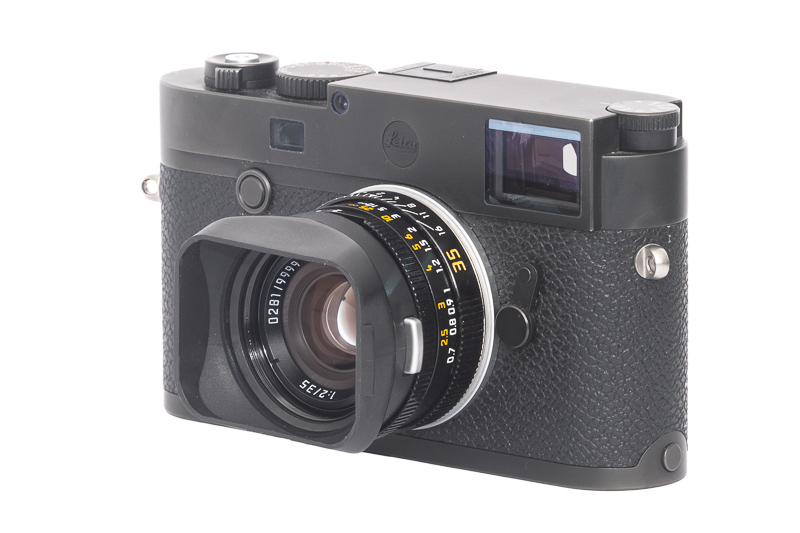
In the official shop a square plastic hood (see picture above) as well as a round vented hood made from metal are available. These hoods clamp to a small rim at the front, which is a means of attachment I am not a big fan of: the hoods sit wobbly and the spring loaded teeth can easily scratch the lens. The hoods are actually interchangeable with the Leica 35mm 2.0 IV, so if you need a new affordable hood for that lens, “Mandler” has you covered.

You can find various similarly sized 35mm M-mount lenses. As said before this Mandler 35mm 2.0 7e looks exactly the same as the Leica 35mm 2.0 IV from the outside, the Mr. Ding 35mm 1.8 Pactcron and the Thypoch 35mm 2.0 Ksana are also similarly sized but feature slightly different casing designs.
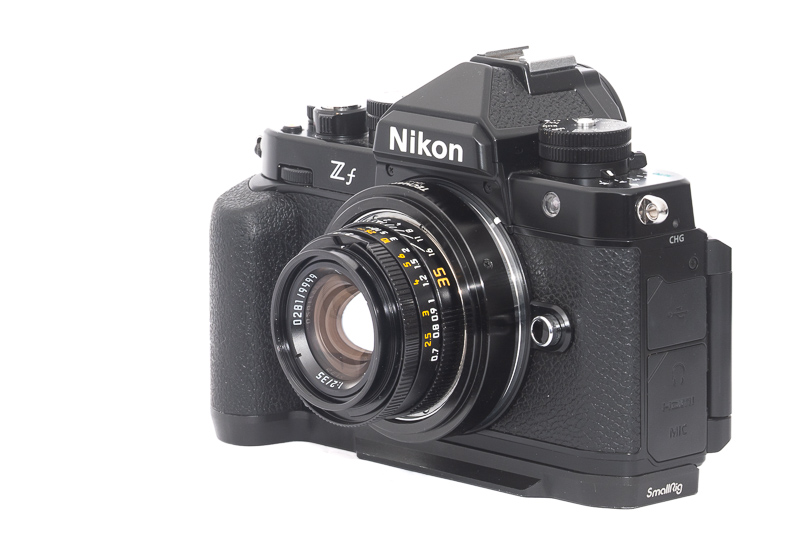
When using Sony E or Nikon Z mount cameras you can pair this lens with w.g. the TTArtisan 6-bit adapter to get EXIF data or with the Techart LM-EA9/TZM-02 adapter to even get autofocus.
Vignetting
light falloff
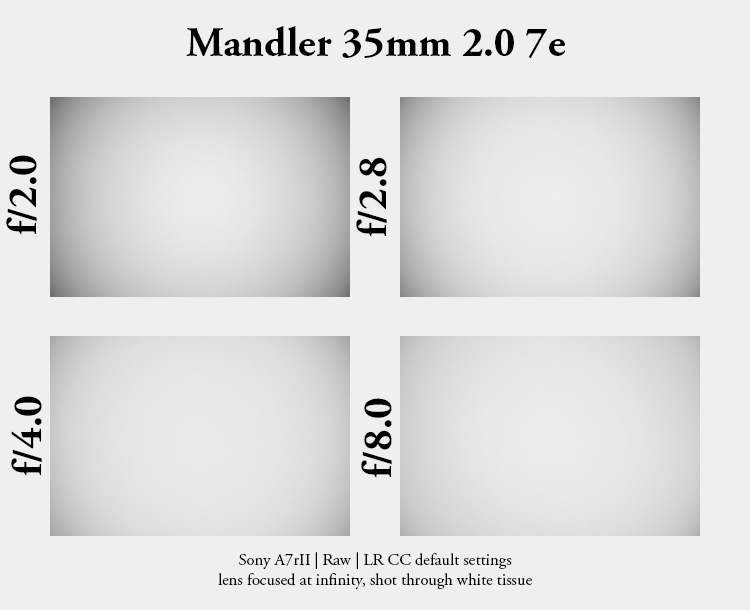
| f/2.0 | 2.8 EV |
| f/2.8 | 2.3 EV |
| f/4.0 | 1.9 EV |
| f/5.6 | 1.6 EV |
| f/8.0 - f/16 | 1.4 EV |
If until now you thought this is simply a copy of the Leica 35mm 2.0 IV, the results in this category show that is actually not the case, as this Mandler 35mm 2.0 7e shows significantly less vignetting at wider apertures. Stopped down to f/4.0 or further they are very similar.
The Thypoch 35mm 2.0 Ksana, the Mr. Ding 35mm 1.8 Pactcron and the Voigtländer VM 35mm 2.0 Apo-Lanthar showed a similar amount of light falloff, so this is a rather typical performance for a compact 35mm 2.0 M-mount lens.
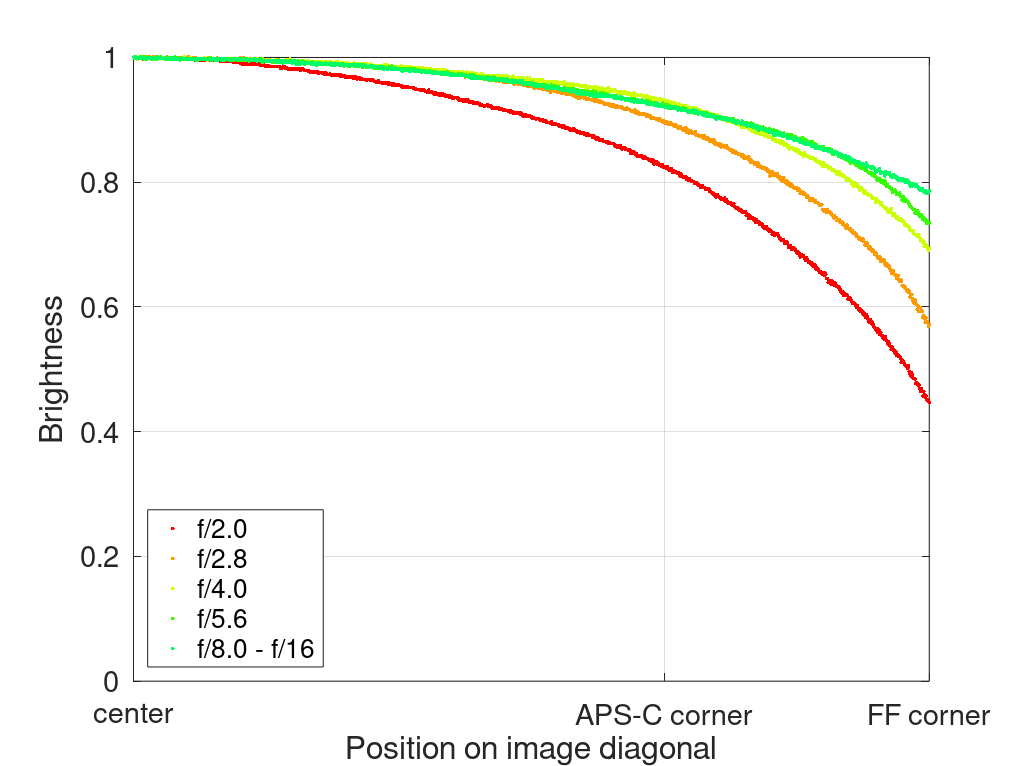
It is recommended to have a look at this article first to get an idea how this brightness graph works.
optical vignetting
In the following comparison we move from the center (left) to the extreme corner (right) and see how the shape of the light circle changes.
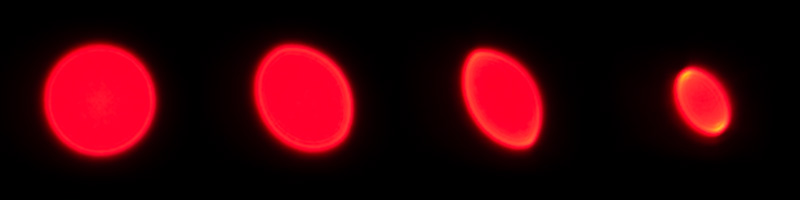
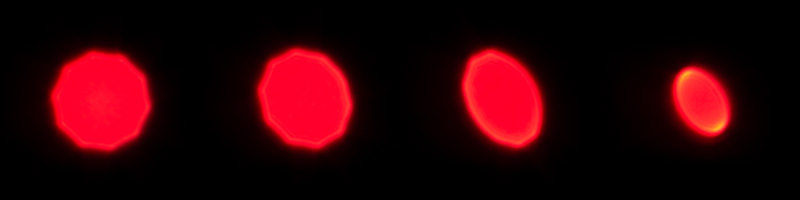
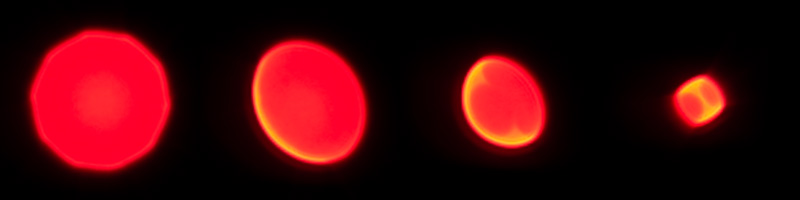
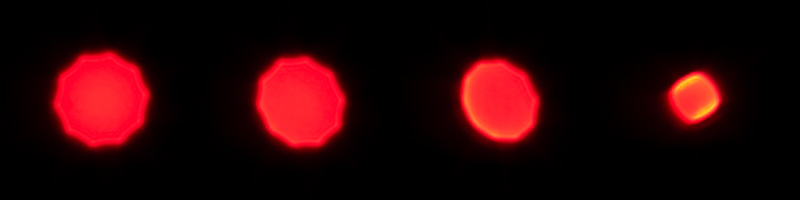

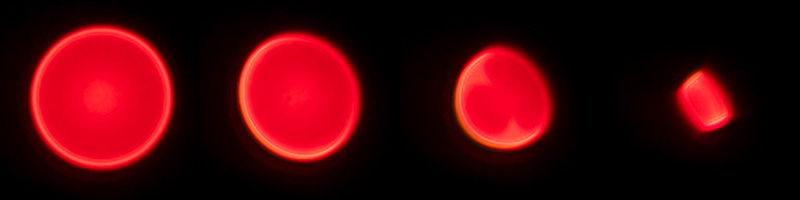
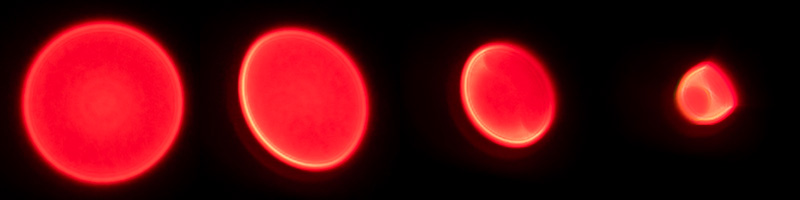
Now here there are a few things to talk about. I shot the Leica and this Mandler at the exact same distance ensured by a test target. The circles in the frame at f/2.0 should therefore have the same size, but that is clearly not the case. As we will see in several places throughout this review: this Mandler 35mm 2.0 7e is not really an f/2.0 lens but more like f/2.5.
This Mandler does show less optical vignetting than the Leica though and the light circles also look cleaner to me with less outlining.
I couldn’t find an optical diagram for this lens, but as I don’t see any onion ring structures here, I do not think aspherical elements have been used.
If you are looking for a compact 35mm 2.0 M-mount lens with a lower amount of optical vignetting (and an actual f/Stop of f/2.0), be sure to check out the Thypoch 35mm 2.0 Ksana.
Sharpness
Focus shift
Many of the compact 35mm M-mount lenses have some issues with focus shift, examples are the Leica 35mm 2.0 Summicron-M IV, the Light Lens Lab 35mm 2.0 8e or the Mr. Ding 35mm 1.8 Pactcron (to only name a few). Here I do not see any field relevant focus shift though, good news for rangefinder users and a significant advantage over the Leica 35mm 2.0 Summicron-M IV.
infinity (24mp Leica M10)
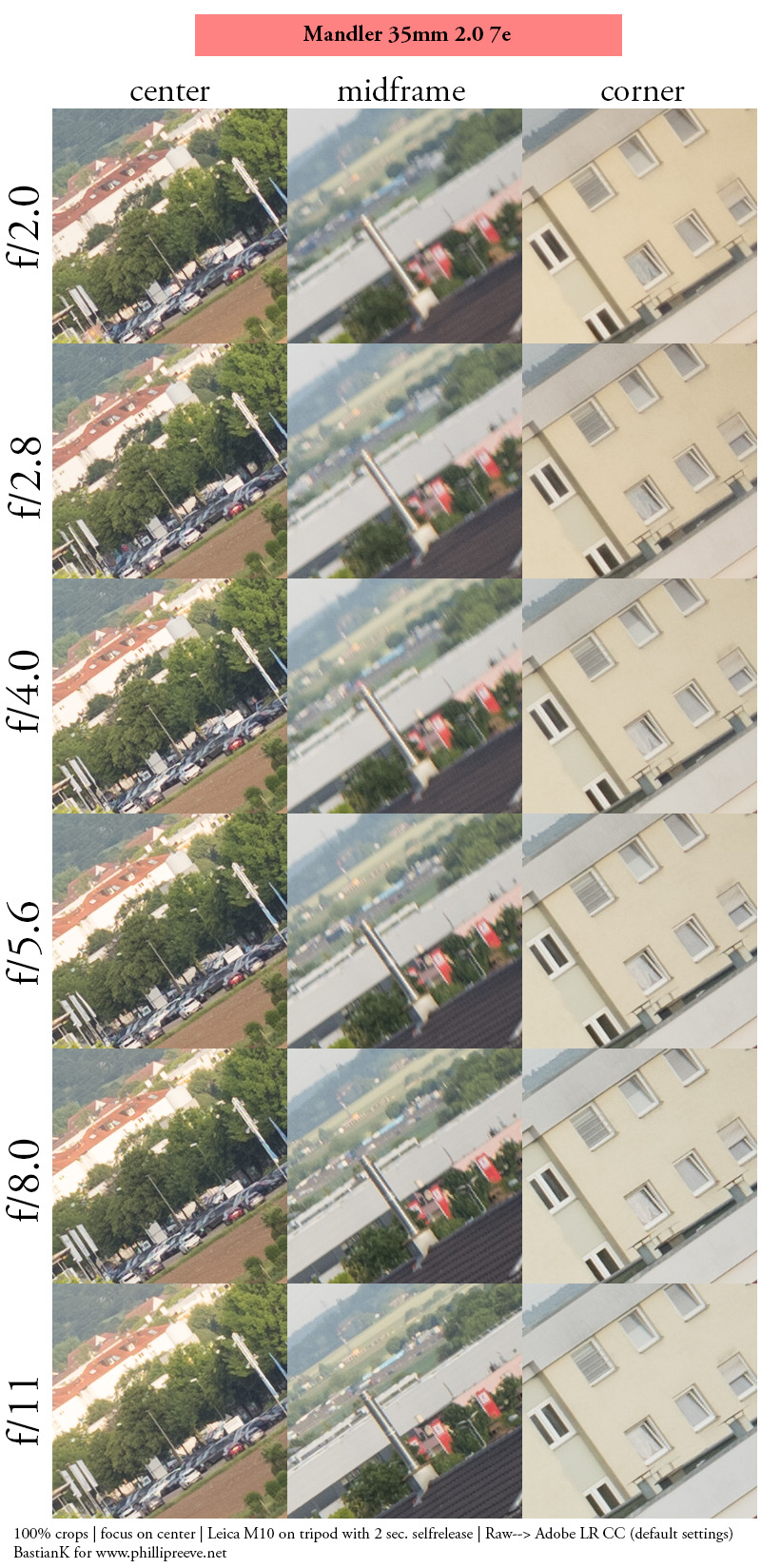
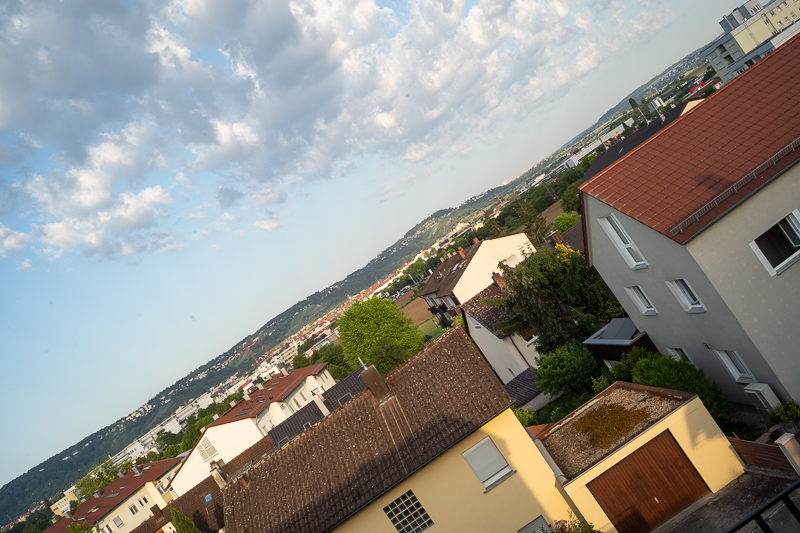
The performance at infinity holds some surprises for us. Compared to the Leica 35mm 2.0 IV this lens is definitely less soft at f/2.0. What really surprised me is how good the corners actually look from f/2.0. Sadly there seems to be a price to be paid for that: the midzone shows a significant dip in performance and that is still visible at f/8.0
Personally – if I have to choose – I prefer lenses that perform better in the midframe over those that perform better in the corners, as for me there is a higher likelihood to have important elements in the midframe than the corners.
If you care about good performance at infinity at wider apertures, check out the Thypoch 35mm 2.0 Ksana or the much bigger Voigtländer VM 35mm 2.0 Apo-Lanthar.
portrait distance 1.1 m (24mp Leica M10)
For portraiture it isn’t so important how flat the field is, it is more interesting to see what the sharpness is like when focused at different parts of the frame to take field curvature out of the equation.
We will be looking at 100% crops from the 24mp Leica M10.
f/2.0 <—> f/2.8
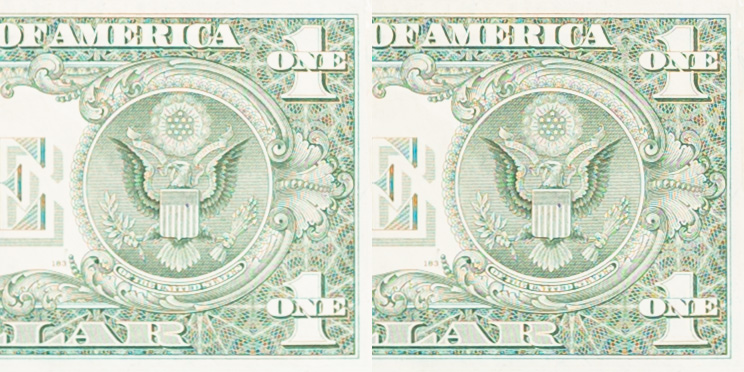
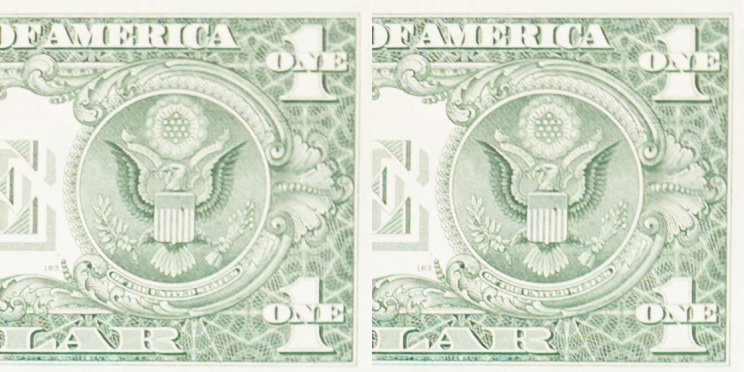
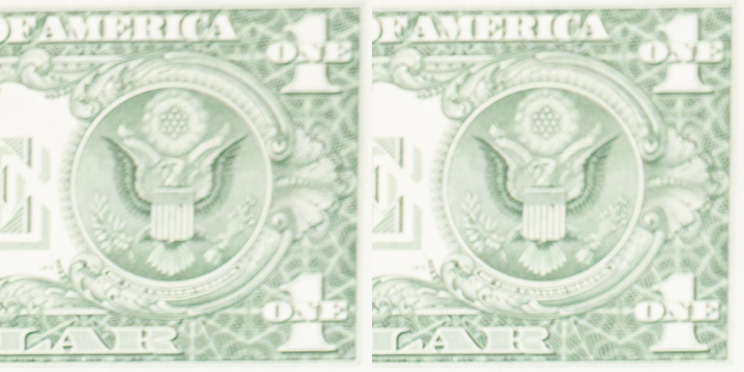
At portrait distances the performance is very good in the center of the frame from f/2.0 and the inner midframe also looks good, but the outer midframe looks really awful and stopping down to f/2.8 doesn’t exactly change that.
Actually, this is one of the worst performances among the compact 35mm 2.0 M-mount lenses I have reviewed yet with the Mr. Ding 35mm 1.8 being similarly bad. The Leica 35mm 2.0 IV also performs similar at f/2.0, but looks way better at f/2.8.
close (0.70 m, 1:18, 24mp Leica M10)
At close distances this lens’ performance is pretty good, but then a minimum focus distance of 0.7 m also isn’t exactly impressive for an M-mount lens which was released in 2025.
Still, a better performance than the Leica 35mm 2.0 IV or the Light Lens Lab 35mm 2.0 8e.
Flare resistance
From the marketing material I don’t really know what to expect here, as a lot of emphasize has been put on the color of the coating but not so much on its effectiveness. So we have to find out for ourselves.
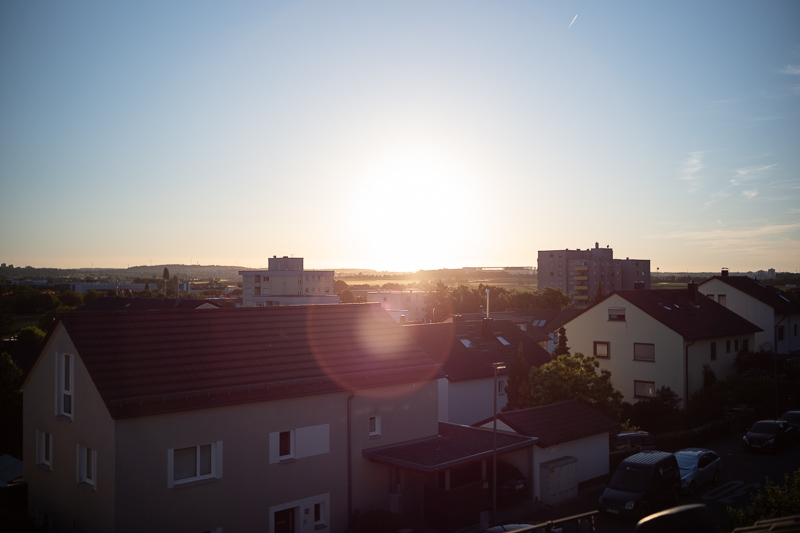
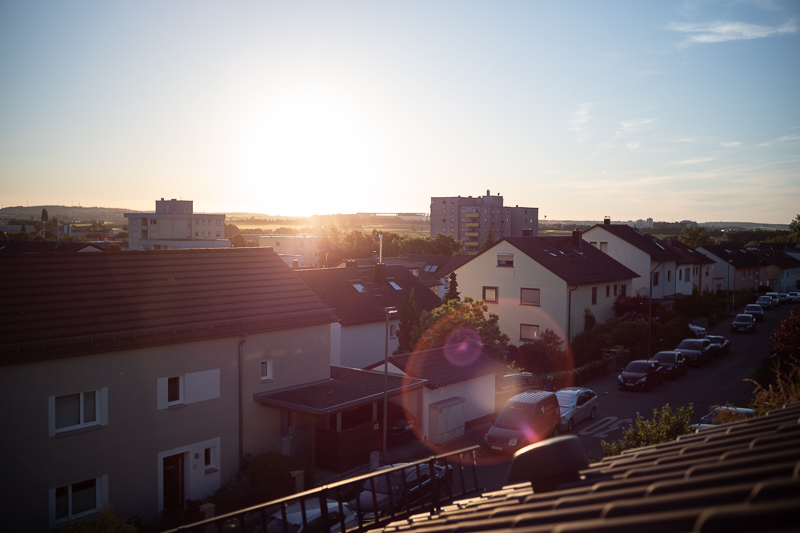
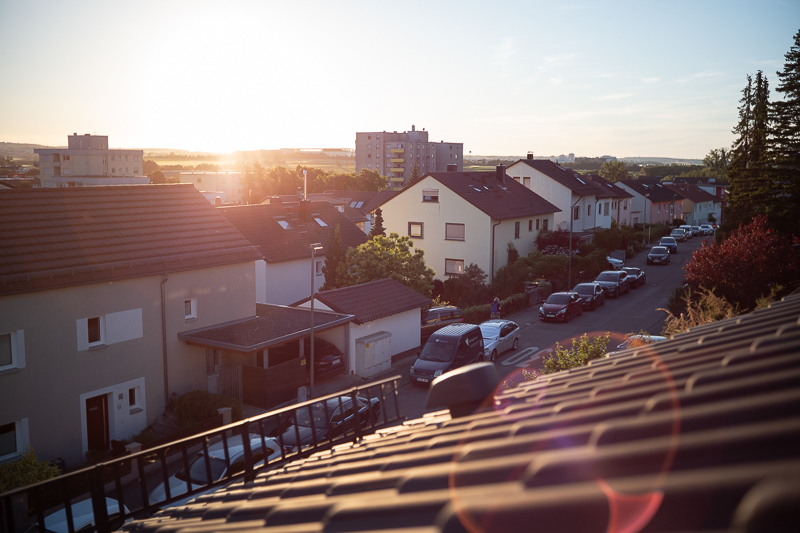
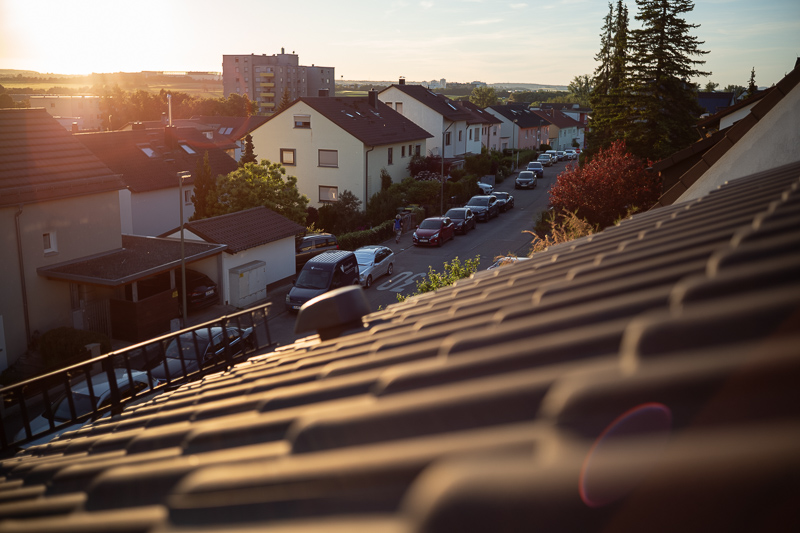
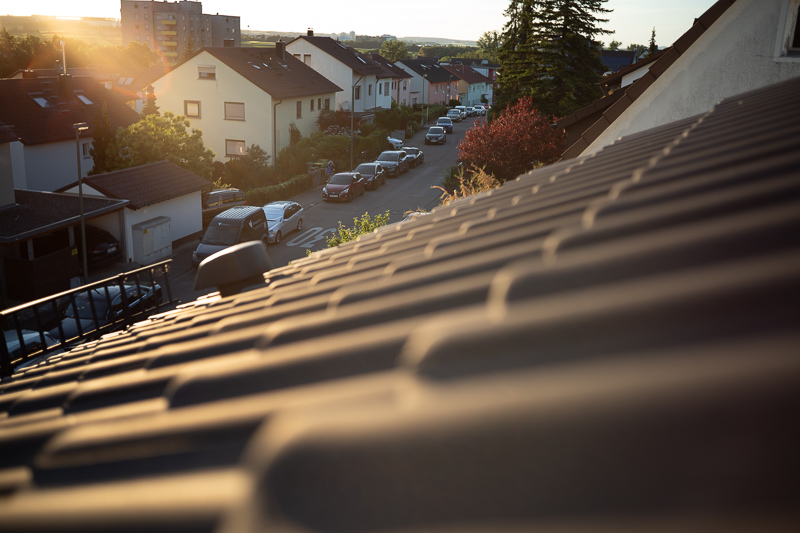
The performance in this category is extremely similar to the Leica 35mm 2.0 Summicron-M IV. I shot both lenses side by side under the same exact conditions and I would hardly be able to tell them apart.
At the maximum aperture we see all kinds of artefacts: huge ghosts of various shapes, ring flares and massive veiling flare that has a huge impact on contrast and colors.

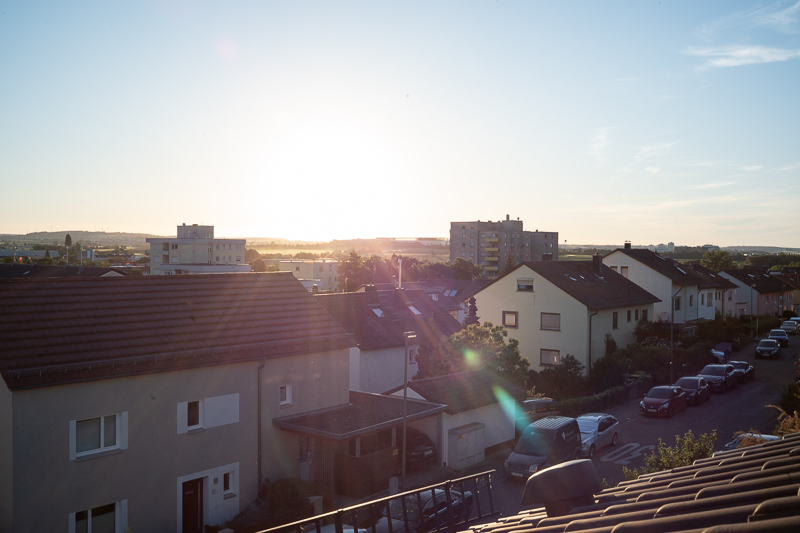
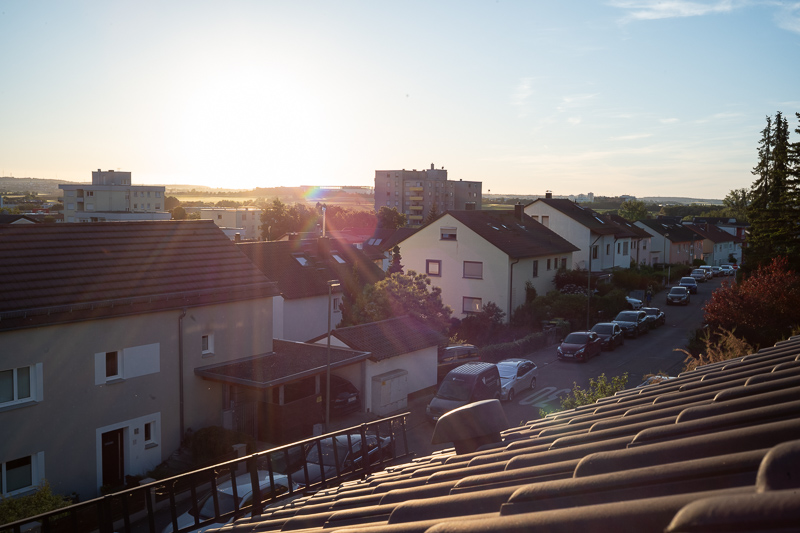
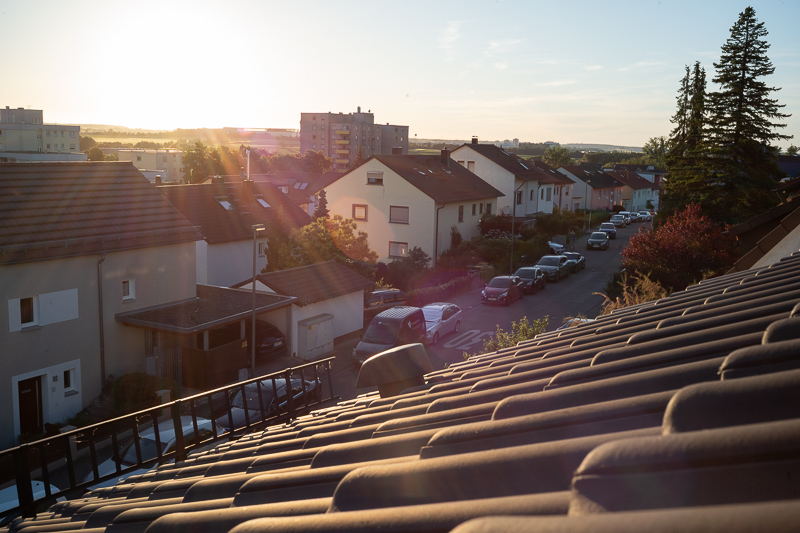
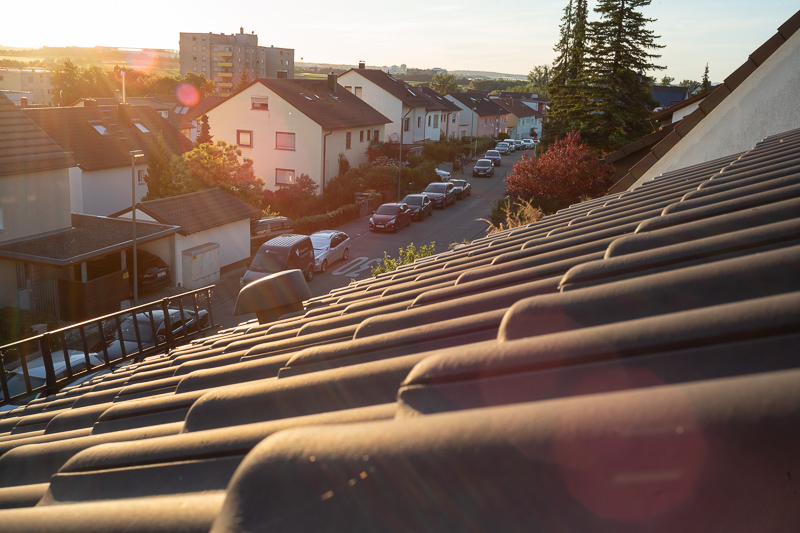
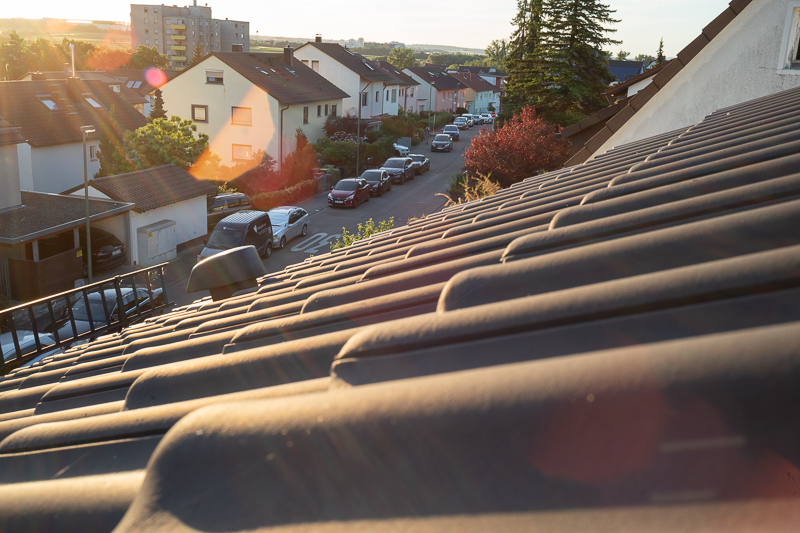
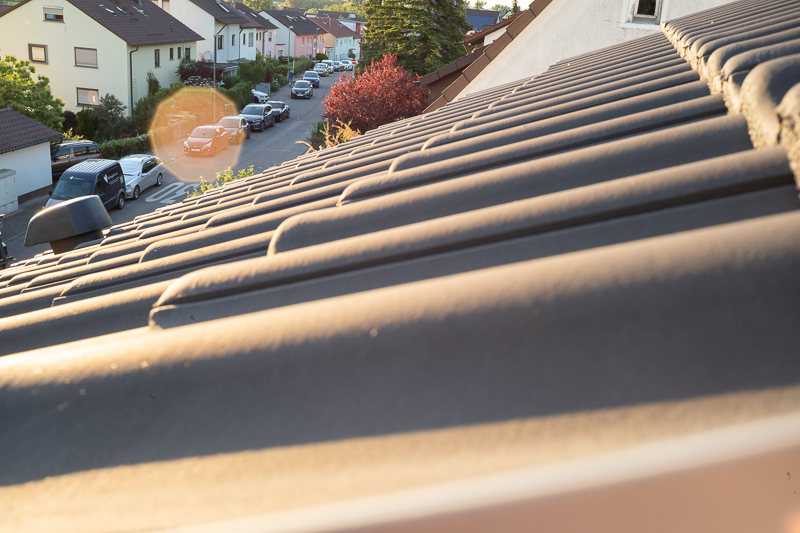
Stopped down the situation is even worse, as the artefacts are more obvious here. With the sun outside the frame this lens creates a ghost that looks exactly like that from the Leica 35mm 2.0 Summicron-M IV.
We can conclude that this Mandler 35mm 2.0 7e performs like a vintage lens in this category, so it is more for those that embrace having such huge artefacts in their pictures.
Coma
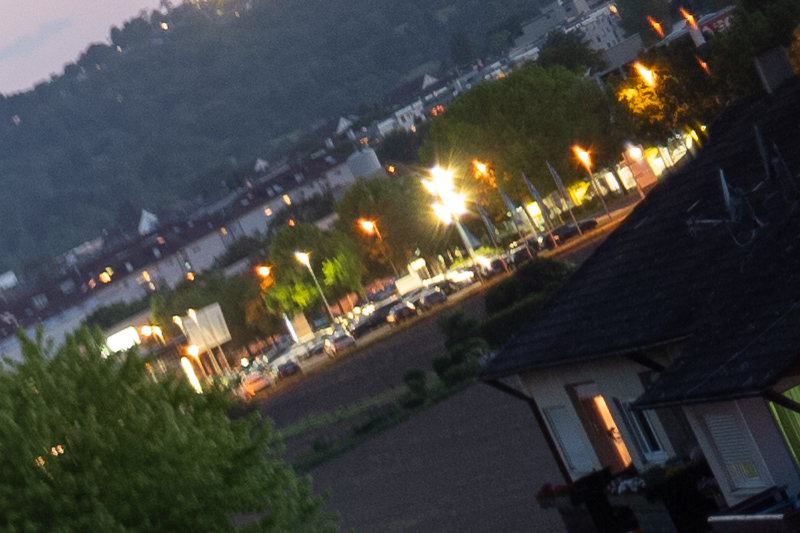
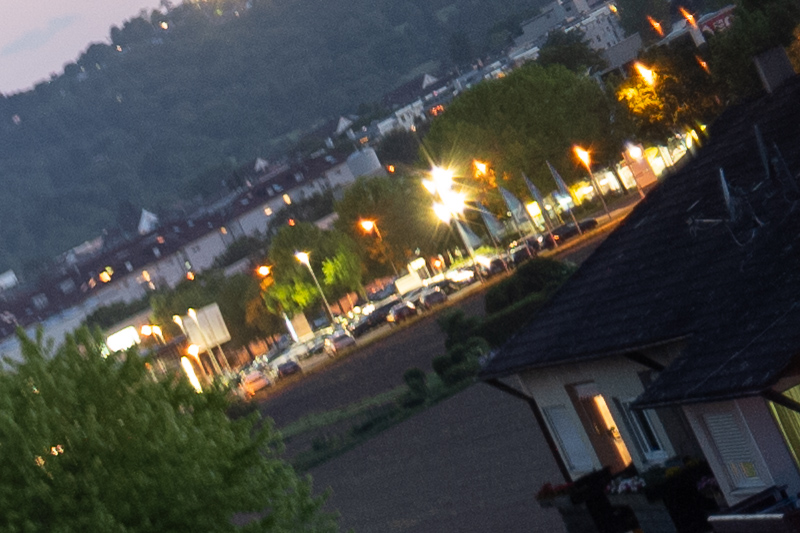
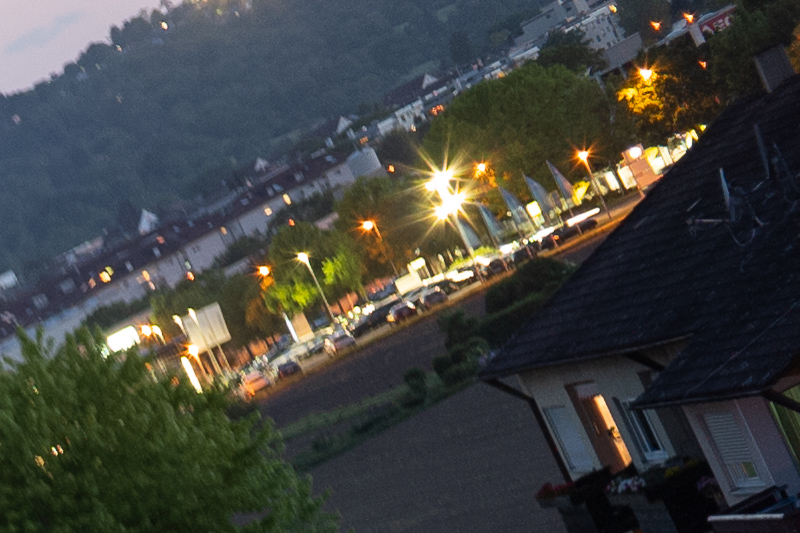
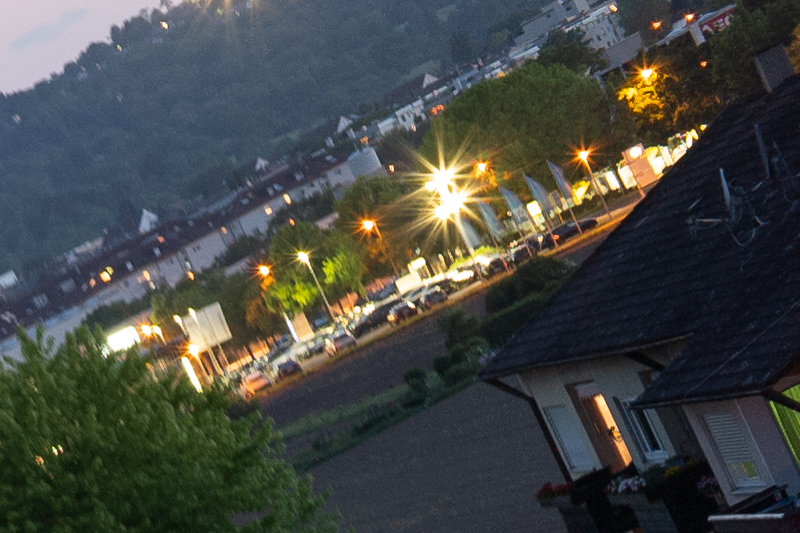
Leica M10 | Mandler 35mm 2.0 7e | 100% crops from extreme corner
Now this result is interesting. While I am pretty sure this lens does not make use of aspherical elements, the Coma artefacts are actually not that obnoxious. We also need to take into acccount that this is actually an f/2.5 lens and when comparing it to the Leica 35mm 2.0 IV with both lenses set to f/2.8, the difference is not that massive anymore. Still this Mandler definitely looks better.
Modern lenses with aspherical elements still perform much better in this category. So if you are looking for a better performance in this category, check out the Thypoch 35mm 2.0 Ksana or the Voigtländer VM 35mm 2.0 Apo-Lanthar.
Distortion
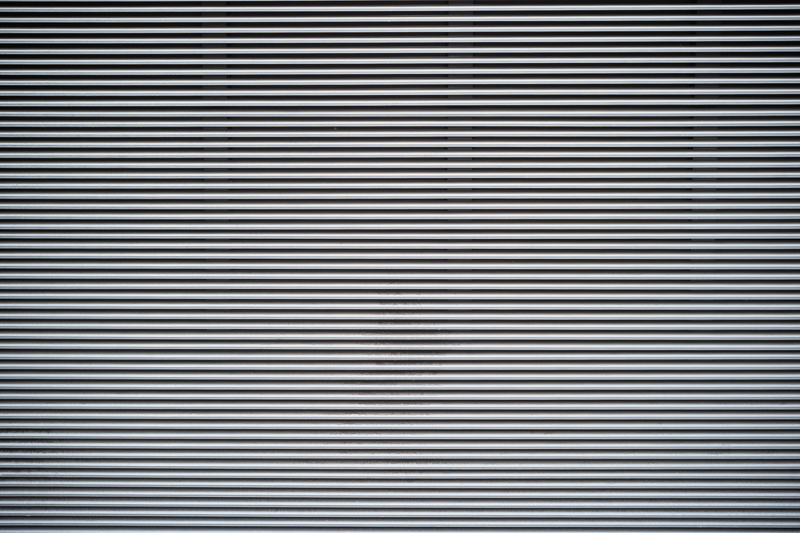
This 35mm 2.0 lens hardly shows any distortion. Good news in case you also want to use it on a film M camera.
Bokeh
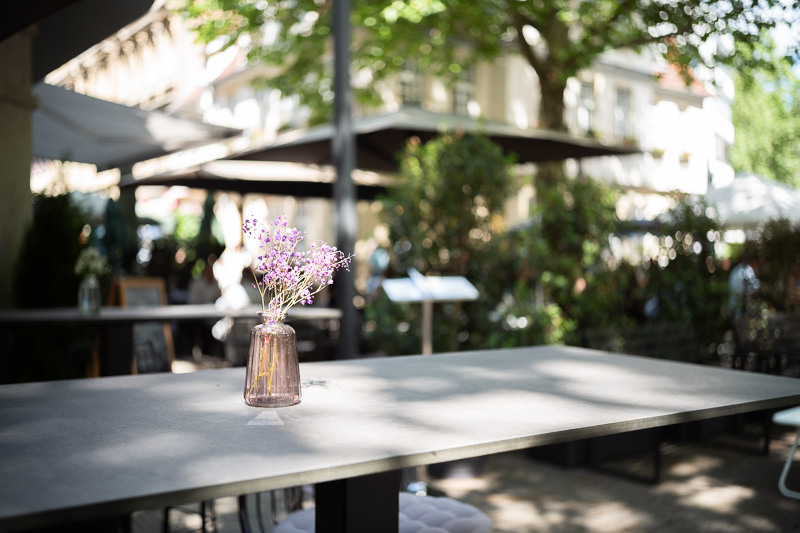
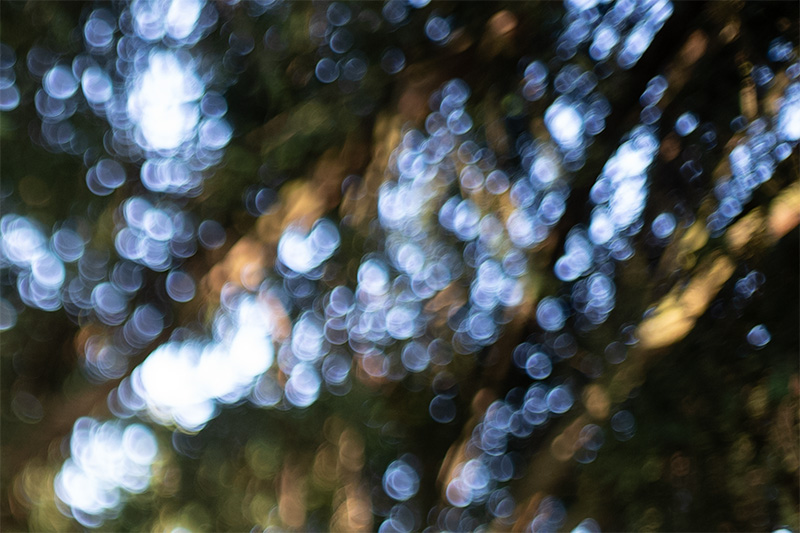
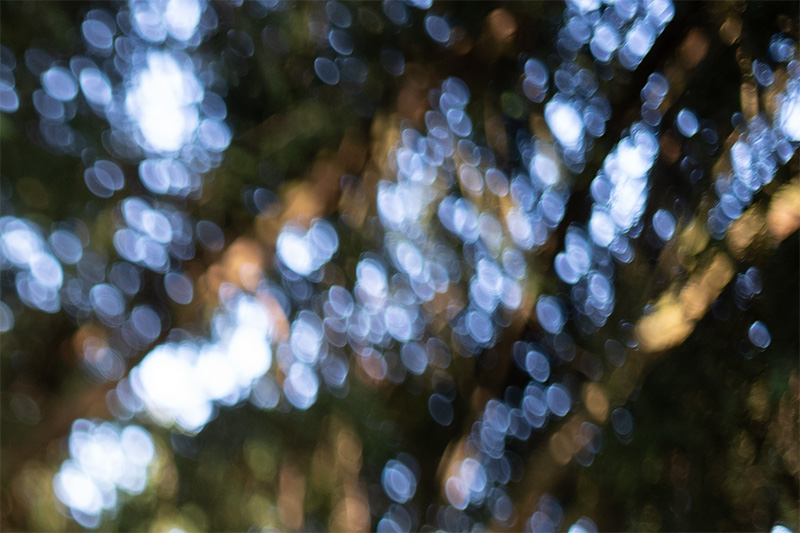
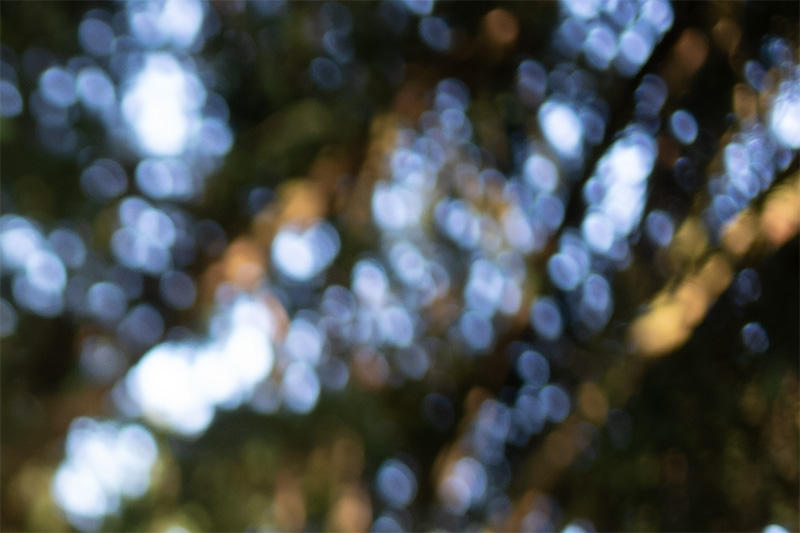
With its all-spherical design this lens creates a busy/vintage bokeh similar to actual vintage lenses like the Leica 35mm 2.0 Summicron-M IV, the Light Lens Lab 35mm 2.0 8e or modern lenses with vintage rendering like the Mr. Ding 35mm 1.8 Pactcron.
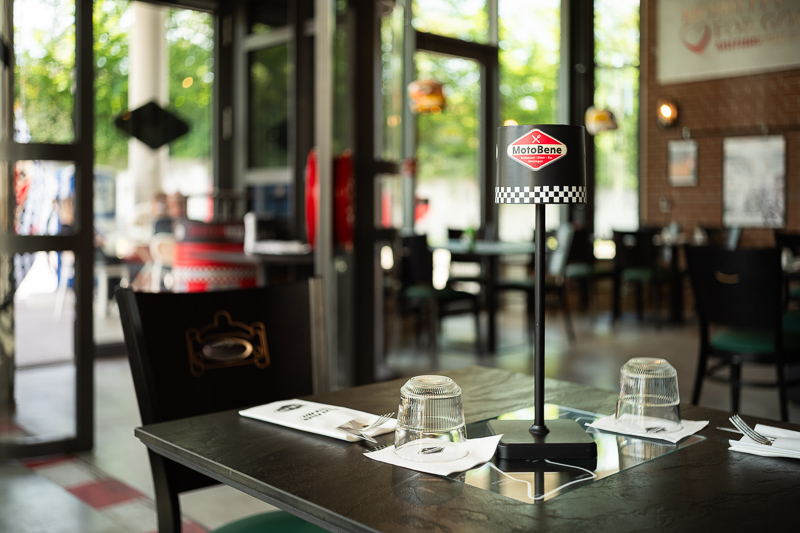
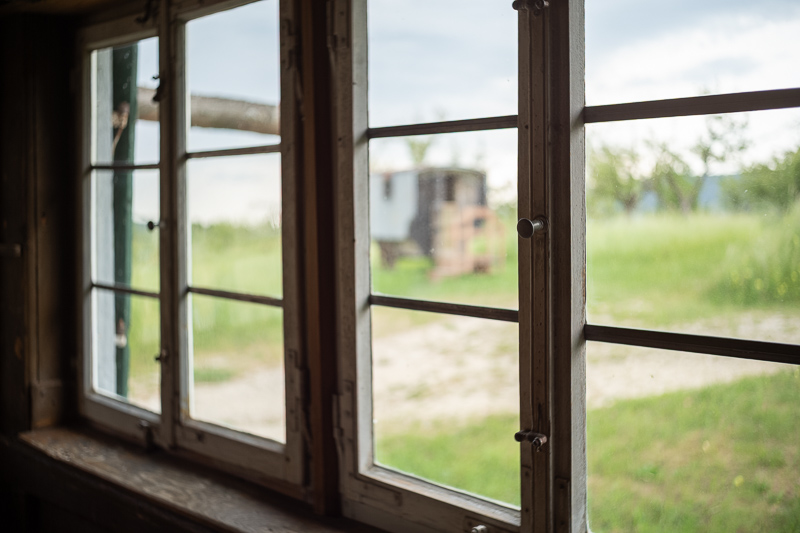

At close distances we can see rather busy bokeh with complex backgrounds, but I still consider it mostly well behaved.

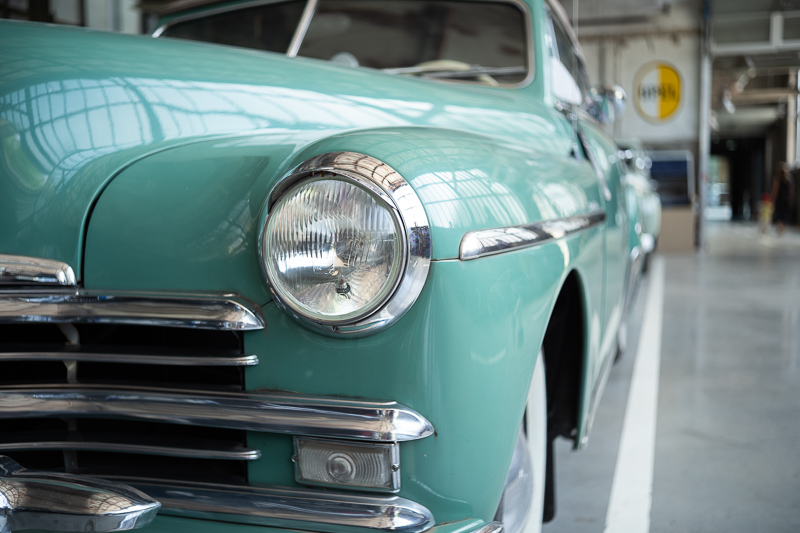
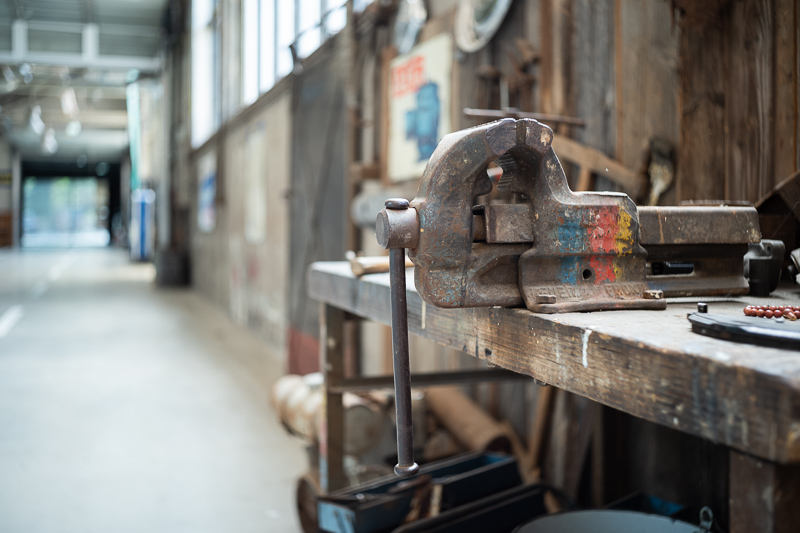
This also holds true at mid distances. Here it doesn’t look as funky as the the Leica 35mm 2.0 IV or the Mr. Ding 35mm 1.8.
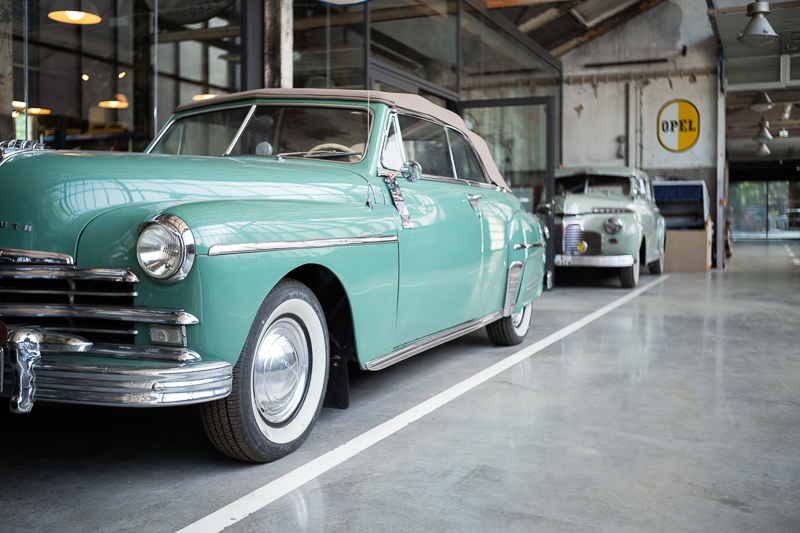
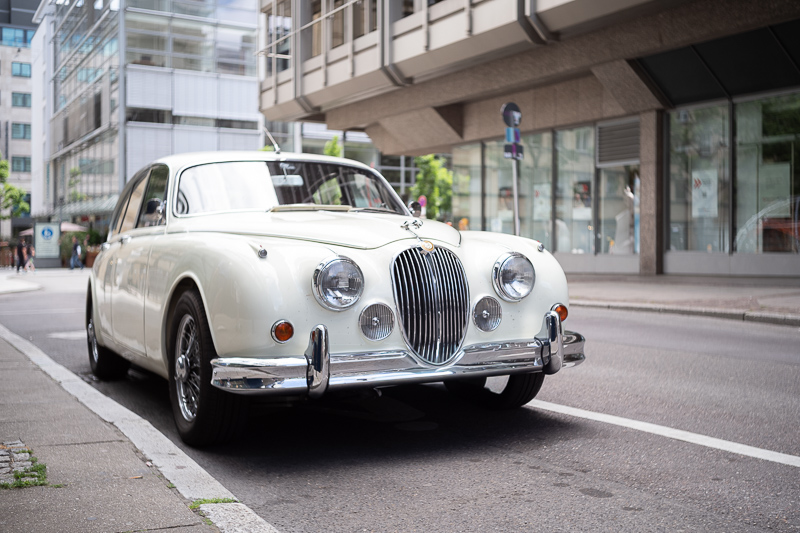
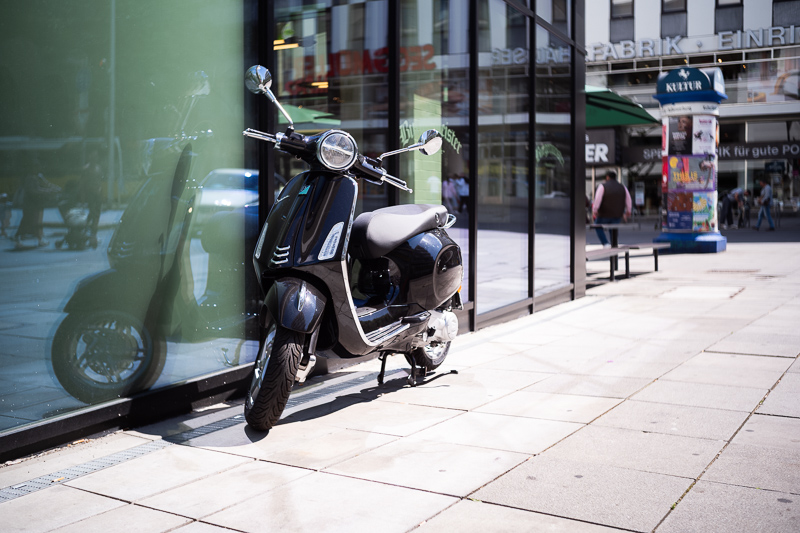
At longer focus distances you can see field curvature and optical vignetting having a negative impact on the bokeh towards the edges and corners. I have seen some lenses where this is even more of a problem but also many modern lenses that do not have these issues.
To make it easier for you to decide what you like, we will compare this Mandler lens to two other M-mount lenses with the same focal length and maximum aperture and very similar size and weight. One true vintage lens and a modern lens with aspherical element.
Compared to: Leica 35mm 2.0 Summicron-M IV and Thypoch 35mm 2.0 Ksana
Leica is the widest of these three lenses and its pictures have been cropped slightly to match the field of view of the two other lenses.
Scene 1: Forest 0.9 m



Scene 2: Forest 1.1 m






Scene 3: Forest 1.4 m






Scene 4: Forest 1.9 m






Scene 5: Forest 2.0 m






Observations
The Thypoch – due to being a modern design with aspherical element – creates the cleanest and least distracting out of focus areas.
The Leica has – like many of Leica’s M-mount wide angle lenses – some problems with the combination of optical vignetting and field curvature. At longer focus distances the corners are pulled into the focal plane even though they should not be. The bokeh is also generally very nervous and has a lot of potential to distract from the actual subject. The Leica also had more issues with loss of contrast in backlit scenarios.
This Mandler is not really an f/2.0 lens (more like f/2.5) as we have seen several times throughout this review. It creates smaller out of focus highlights in the center of the frame and it also needs slower shutter speeds to match the exposure of the others. Off center it is a little less funky than the Leica though.
If you are looking for a lens that creates a smooth out of focus rendering the Thypoch is your lens. If you are looking for busy vintage bokeh the Leica might be what you are looking for (mind you: a lot of cheaper options that do the same thing are readily available) and this Mandler sits somewhere inbetween.
Sunstars
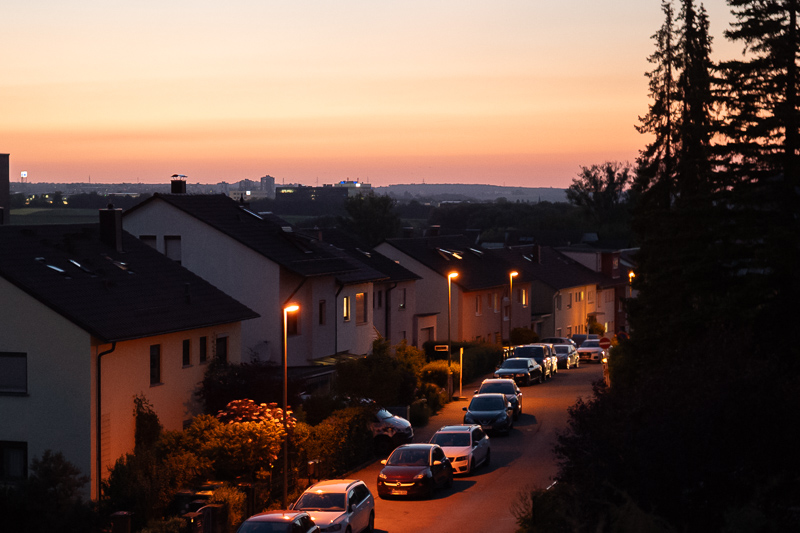
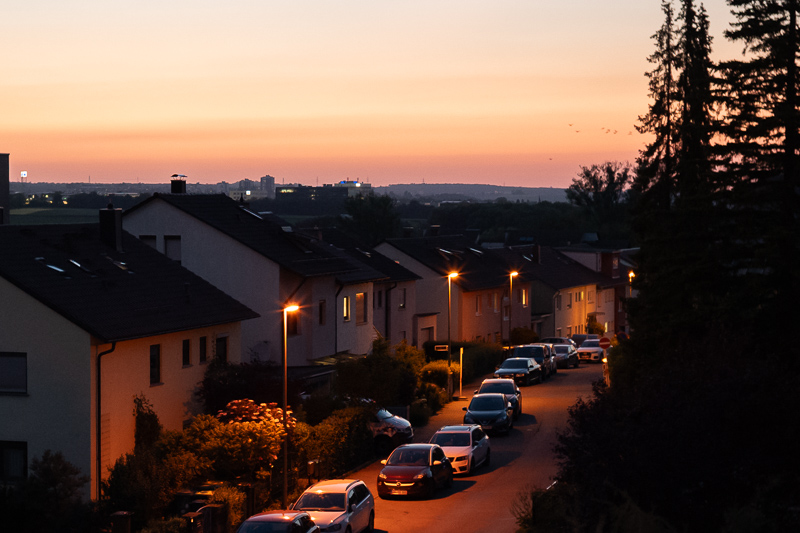
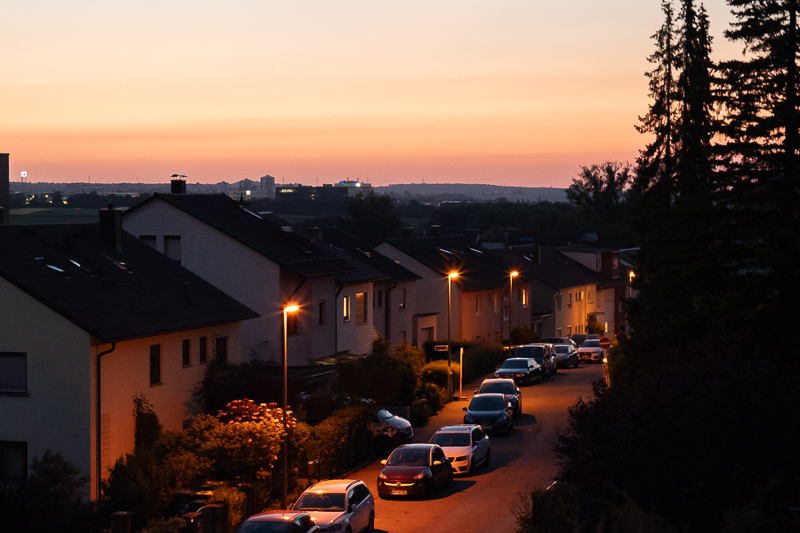
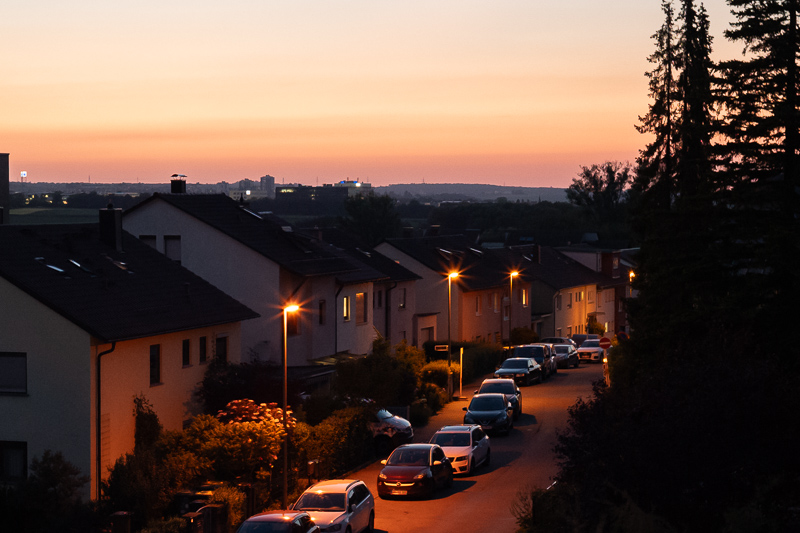
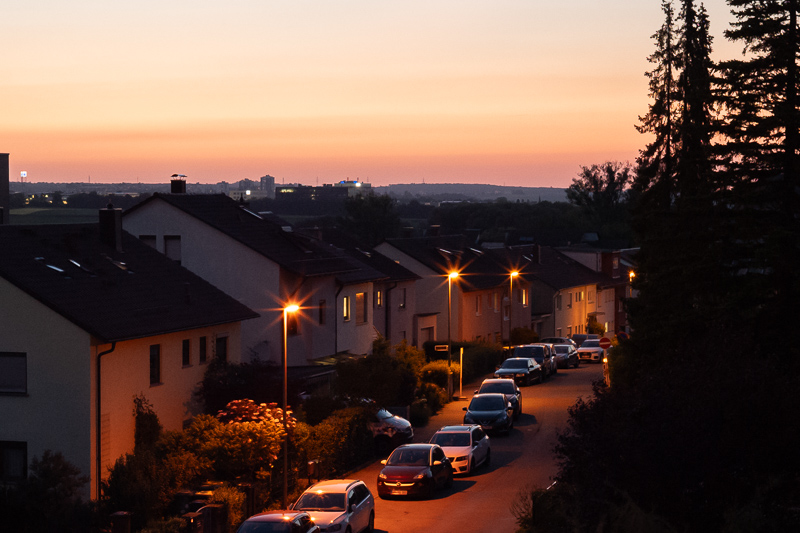
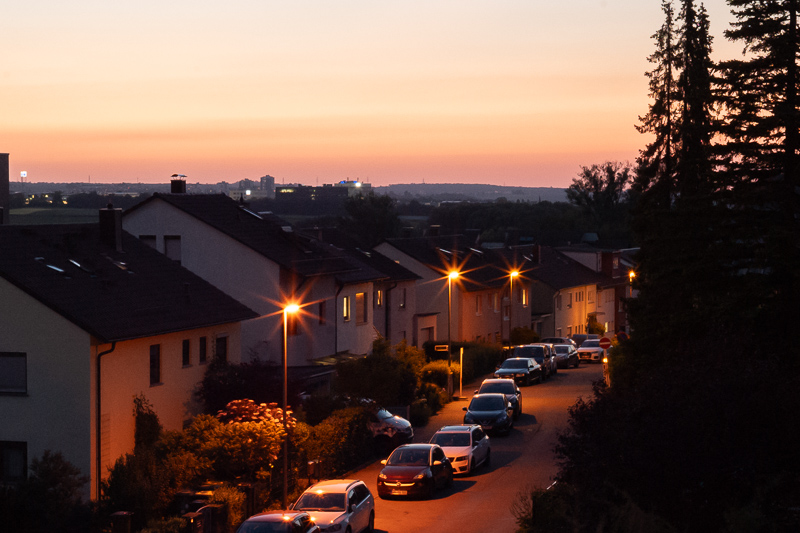
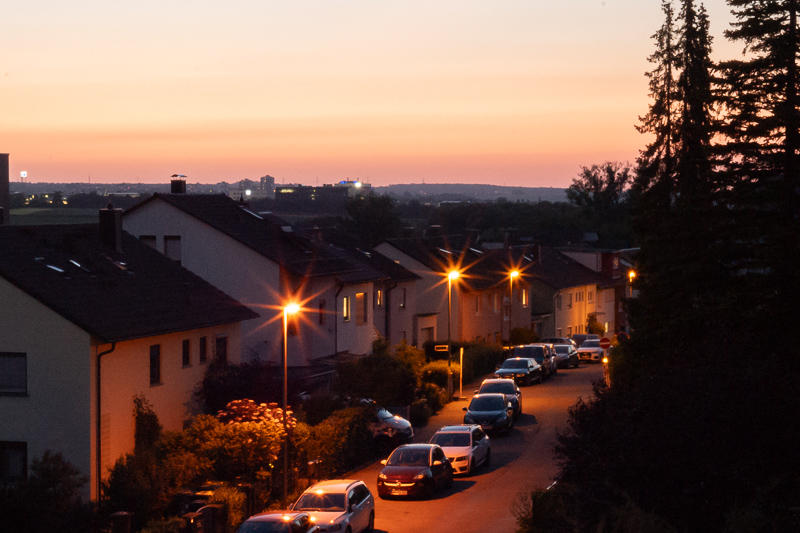
With its ten aperture blades this Mandler 35mm 2.0 7e creates distinct sunstars from f/5.6 to f/16. Another notable difference compared to the Leica 35mm 2.0 IV here: while the Leica has a perfectly round opening at f/16 creating rather whacky sunstars, here you also get very nice ones at that aperture setting.
If you want to know more about sunstar rendering of different lenses have a look at this article.
Chromatic aberration
lateral
Lateral CA are well corrected, I didn’t see any in my tests.
longitudinal

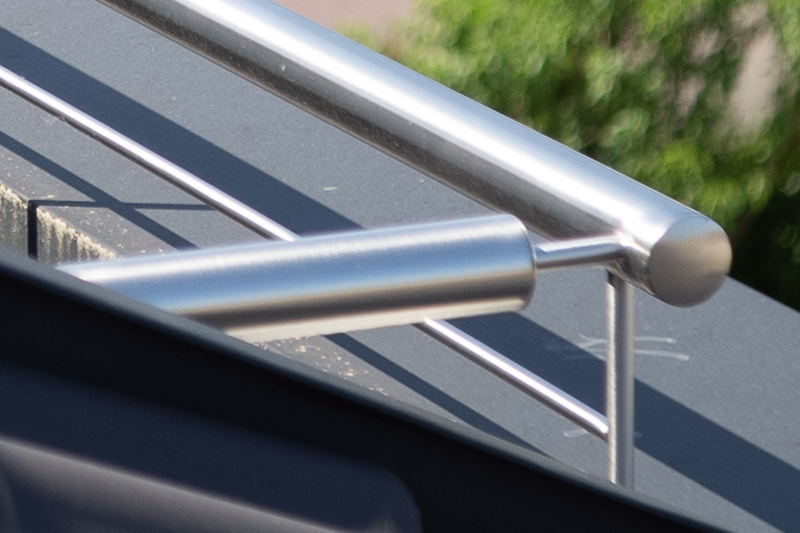
Bokeh fringing is actually not much of a problem as we can only see a low amount of outlining. Also here we should take into account the worse-than-advertised f/Stop though.
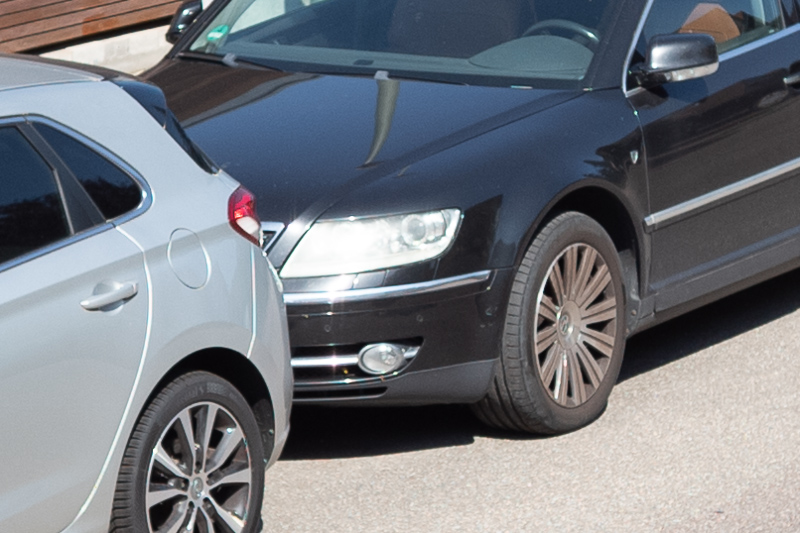
Purple fringing is almost non existent, this is of course welcome.
Conclusion
This Mandler 35mm 2.0 7e sure is a weird lens. And not exactly in a positive way.
Let’s first talk about the most obvious issue: it is not an f/2.0 lens. Neither in terms of light gathering nor when it comes to its actual geometric entrance pupil size. That also makes reviewing this lens more complicated, because comparing it directly to other f/2.0 lenses isn’t exactly fair.
I do think the manufacturer wanted to create a slightly improved version of the Leica 35mm 2.0 Summicron-M IV (which actually was designed by Walter Mandler), but I don’t think they fully succeeded.
Coma and vignetting figures look slightly better and some people may even consider the bad flare resistance to be a feature, but the strong midzone dip can really be annoying, not only at infinity but also at portrait distances.
There are some of the aforementioned flaws that may spoil this lens for you, but for $350 it is also one of the cheaper 35mm “2.0” M-mount options.
buy from the official homepage for $350 or from ebay.com | ebay.de (advertisement/affiliate links) for $700
Alternatives
There are countless 35mm options for M-mount available and I already reviewed a lot of them. You can find all my reviews of 35mm M-mount lenses here.
Generally we can separate them in two groups: lenses with vintage rendering (usually no aspherical elements) and lenses with modern rendering (usually with aspherical elements).
Vintage Rendering
Leica 35mm 2.0 Summicron-M IV
As we have seen throughout this review there are many similarities but also some differences between these two lenses. The Leica is totally overpriced and its performance is nothing special.
buy from ebay.com | ebay.de (advertisement/affiliate links) for about $2000
Light Lens Lab 35mm 2.0 8e
I found the LLL lens to perform very similar to the aforementiond Leica lens, so if I was looking for a 35mm 2.0 M-mount lens with vintage rendering I would rather buy that one new for one grand instead of a 45 years old Leica lens for two grand. In many categories I also prefer the performance of the LLL lens to this Mandler lens. If they were priced the same it would be a very easy decision.
buy from the official homepage or ebay.com (advertisement/affiliate links) starting at $1049
Mr. Ding 35mm 1.8 Pactcron
Slightly faster on paper, almost a stop faster in reality and in many categories it shows a similar performance. If you embrace that vintage reindering this is an interesting option.
buy from the official homepage (advertisement/affiliate link) for $699
Voigtländer VM 40mm 1.4 Nokton MC
If you want a lens with a bit of a vintage rendering but you don’t want to spend crazy amounts of money this lens might be for you. I found it to be a bit better behaved than the fast 35mm 1.4 vintage lenses but it is similarly small and noticeably cheaper.
buy from amazon.com | ebay.com | ebay.de | B&H (advertisement/affiliate links) starting at $300
Modern Rendering
Thypoch 35mm 2.0 Ksana
If you are looking for a compact 35mm 2.0 M-mount lens with modern rendering this is actually my recommendation at the moment. It is a well behaved lens without any fatal flaws that won’t get in the way of your shooting.
buy from manufacturer’s shop (use code PRNET for 5% discount) | ebay.com | ebay.de | B&H (advertisement/affiliate links) for $599
Most of the current Voigtländer lenses also offer a modern rendering, the Voigtländer VM 35mm 1.2 Nokton III/IV, the Voigtländer VM 35mm 1.5 Nokton and the discontinued Voigtländer VM 35mm 1.7 Ultron are all lenses I can recommend. These are not as small as the aforementioned lenses, but the 35mm 1.5 is still very small for its specifications and not much bigger than the lens being reviewed here.
If you don’t care so much about bokeh or pleasing rendering, the Voigtländer VM 35mm 2.0 Apo-Lanthar offers very high contrast and resolution from its maximum aperture everywhere in the frame.
Sample Images




Most of the sample images in this review can be found in full resolution here.
Further Reading
- M-mount lens reviews
- Review: MS-Optics 17mm 4.5 Perar
- Review: Voigtländer VM 35mm 1.5 Nokton
- Thypoch 75mm 1.4 Simera
- Analogue Adventures
Support Us
Did you find this article useful or just liked reading it? Treat us to a coffee!

 via Paypal
This site contains advertisement/affiliate links. If you make a purchase using any of the links marked as advertisement/affiliate links, I may receive a small commission at no additional cost to you. This helps support the creation of future content.


Latest posts by BastianK (see all)
- Prime Day Photoshop+Lightroom offer for Amazon Prime Members (EU/UK) | Update: also at B&H - October 7, 2026
- Review: Nikon AF-S 18-35mm 3.5-4.5G - October 7, 2026
- Review: Sigma 14mm 1.4 DG Art – World’s widest f/1.4 lens - September 26, 2026
Thanks a bunch for the extensive review. A question though: why do you state the price of the Mandler 35 as 700 USD? It’s almost exactly half that.
Seems in their own shop they recently reduced the price and significantly so.
Well, this has been the price for months now, and has been so since they started their own sales website. (I was initially skeptical whether it would actually be possible to buy the lens from Germany and have it delivered for this price including shipping – and including VAT. But when the LTM version became available again in late May I ordered one and it arrived quickly and 388 USD (LTM was a bit more than M version) was indeed the total final price including shipping to Germany, and VAT was covered, too. All that is to say that the Mandler is objectively speaking significantly cheaper than for example the Ksana.)
I can add that I am using mine with film on Canon L2, L3 and Canon 7 bodies and that I’m very happy with it. The minimum focus distance of 0.7m might be considered lacking by modern M standards, but for LTM users it’s a real boon!
Hi Bastian,
I have the Mandler and totally concur with your review. Not exactly a great lens for my taste.
Just a quick question: you also have the Thypoch Ksana 35/2. I read somewhere that it is compatible with the Leica 12504 hood (the round one that is also supplied with the Mandler 7-elements). As it seems to have a notch at the aperture marking, just like the Summicron-M 35/2 version IV and the Mandler 7-elements, I wonder it will also take the 12524 hood (the rectangular one).
All those lenses were loaners so I don’t have any of those here anymore and I don’t think I tried putting any of the Leica/Mandler hoods on the Ksana.
A great thing about your reviews, Bastian, is that one can read them with interest and fun and learns a lot even if one is not interested in the lens you are currently discussing. I am not in the market for this and similar lenses, but I really enjoyed reading your review and studying the sample photos. Your comparison of the bokeh of several lenses in otherwise identical shooting situations is really excellent and very insightful.
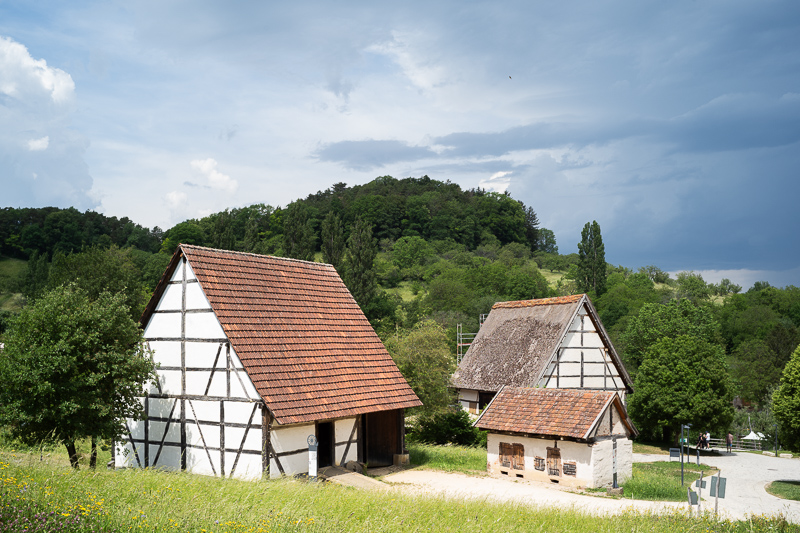
PS: Some of the photos in this review are from an open-air museum with beautiful old farmhouses and workshops. One of the images reminds me of the Freilichtmuseum Beuren. Are these photos from Beuren, or from another place? Thanks, Roman
It is Beuren, well spotted!
Thank you! I definitely need to go there again sometime. ;–)
That loss of around half a stop of light really is a big downer. I might otherwise have bought it just for the looks and quirkiness.
Despite the price being only about half of what was stated, I’d still rather opt for a Voigtländer 35mm f1.4 Nokton Classic :
Comparable size and weight, no midzone dip, similar overall (vintage) optical performance at shared apertures – yet over a full stop brighter.
The Scene 4: Forest 1.9 m. The background light source outlines in the corners are better corrected with the Mandler than the original 8 element Summicron and the LLL 8e replica. In this quality alone, and the out of focus rendering of the Mandler is what made me buy the Mandler as I have all three. It’s a different brush and that matters to me and perhaps to others more than absolute technical terms. In all regards, I love all 3 different lenses including the Mandler 35/2. Thank you for the review, it was very insighful never the less.
Thanks @ Vincent and you for this review. No test on mirrorless camera, but considering what we see on Leica, I don’t think it’s necessary (too).
Also, you can forget about the 6bit adapter for Z mount, it’s unavailable for ages now.
I think I’ve found my EDC 35mm M mount adapted on Sony/Nikon, but I’m always curious about the new products from our Chinese friends, and lately the ambitious Brightin Star project 😉
Yeah I did save myself some time here. For higher performance M lenses I will still check how they perform on the Sony filter stack.
As a newbie jumping on LTM and M mount (with adapter to another mirrorless camera), I’m interested with this affordable lens. Thank you for reviewing this one!
I’m long fans of this website since you guys are one of the few (if not only the one) who always include review about the sunstar. I really appreciate it!
Cheers!
You are welcome!