Introduction
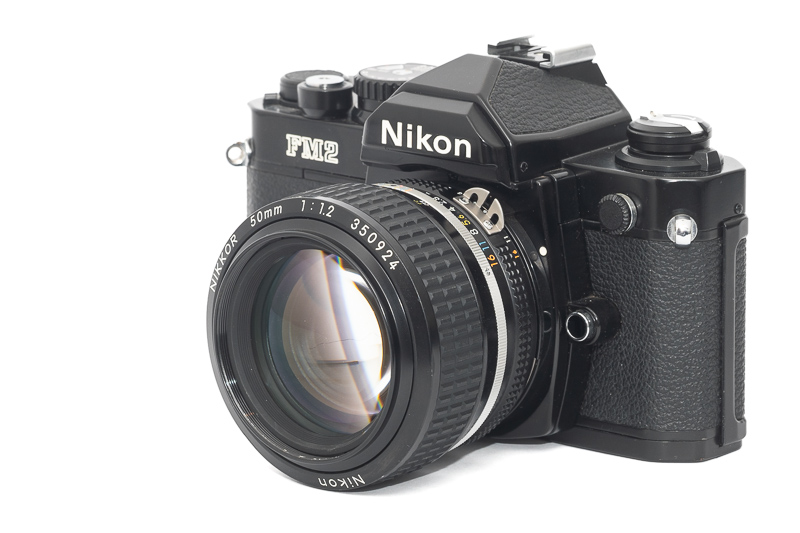
In the 1970s Nikon was comparably busy releasing f/1.2 F-mount lenses and the last of them was this Nikon Nikkor 50mm 1.2, first released in 1978. I already reviewed the first f/1.2 F-mount lens, the Nikon 55mm 1.2 from 1965, and also the famous and rare 58mm 1.2 Noct-Nikkor from 1977, so today we will have a look at a late sample of this Nikon Nikkor 50mm 1.2 Ai-s.
Sample Images






Most of the sample images in this review can be found in full resolution here.
Specifications / Version History
There have been three different f/1.2 lenses made by Nikon for the F-mount:
- Nikon 55mm 1.2
pre-Ai/Ai, 7/5 design, 7 aperture blades, 410g, 1965-1978, ~176.000 made - Nikon 50mm 1.2
Ai/Ai-s, 7/6 design, 7 or 9 aperture blades, 366g, 1978-2020, ~240.000 made - Nikon 58mm 1.2 Noct
Ai/Ai-s, 7/6 design, aspherical element, 7 or 9 aperture blades, 475g, 1977-1998, ~11.500 made
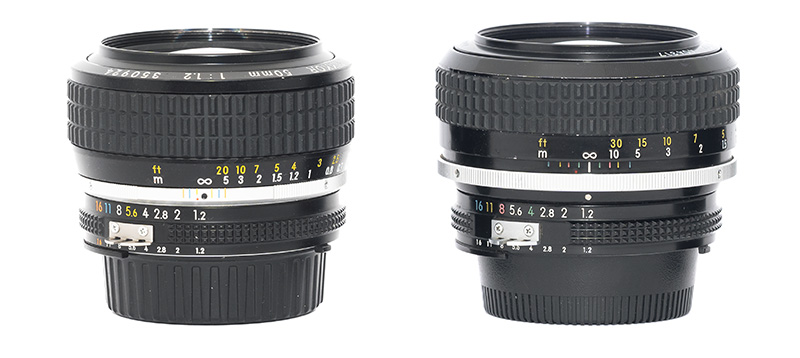
This is a review of the second one of those, the 50mm lens. It came in two sub versions, the Ai one (1978 to 1981) with 7 aperture blades and the later Ai-s version (1981 to 2020) with 9 aperture blades, which both feature the same optics.
This is a review of the later Nikkor 50mm 1.2 Ai-s which has the following full specifications:
- Actual focal length: 51.6 mm
- Diameter: 69 mm
- Length: 48 mm
- Weight: 366g (measured)
- Field of view: 46.3° (diagonally)
- Filter Diameter: 52 mm
- Number of Aperture Blades: 9 (mostly straight)
- Elements/Groups: 7/6
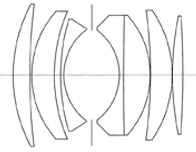
- Close Focusing Distance: 0.5 m
- Maximum Magnification: 1:7.8 (measured)
- Mount: Nikon F
buy from ebay.com | ebay.de (advertisement/affiliate links) starting at $400
History
Nikon doesn’t have a dedicated history page to this 50mm 1.2 lens, but it is briefly being talked about in Nikkor – The Thousand and One Nights – No. 49: Nikon 55mm 1.2.
Now if you have a look at that article, you will find out that is was generally the goal to design a 50mm 1.2 lens from the get go, but at first their engineers were only able to realize a 55mm lens, before they managed to create this 50mm about 13 years later.
This is also a lens that has been in production surprisingly long, as apparently new ones were still being made in 2020, making this one of Nikon’s lenses that have been in production for the longest time.
Handling / Build Quality
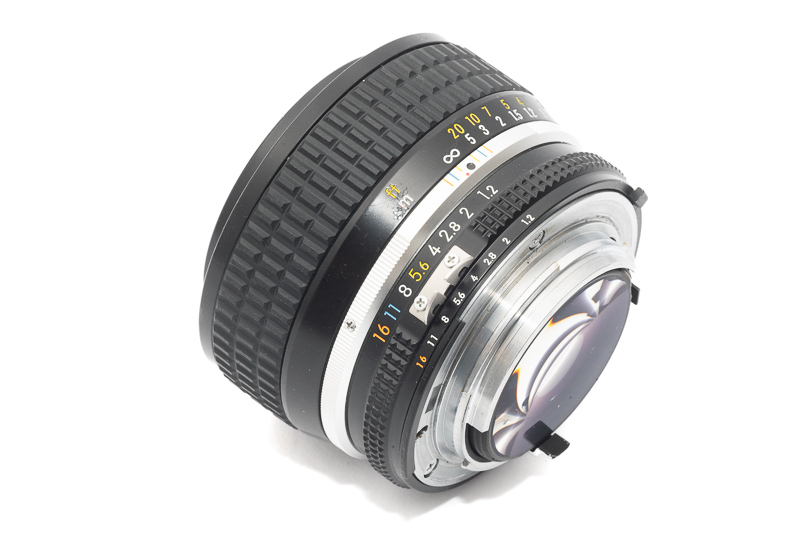
This Nikkor 50mm 1.2 has the typical build quality of Nikon’s Ai/Ai-s lenses: all metal body with engraved writings, colorful aperture stops and DoF scale.
The focus ring has a very nice and even resistance. It takes ~110° from the minimum focus distance of 0.5 m to infinity. Interestingly a lot less compared to the 230° of the Nikon 55mm 1.2 Ai.
The aperture ring is also typical for Nikon’s lenses: equidistantly spaced full-stop click stops and the aperture ring close to the camera body. The aperture ring can be moved very slightly past the f/1.2 mark, which was already the case for the Nikon 55mm 1.2 Ai and the Nikon 105mm 2.5 Ai and I am not a fan of.
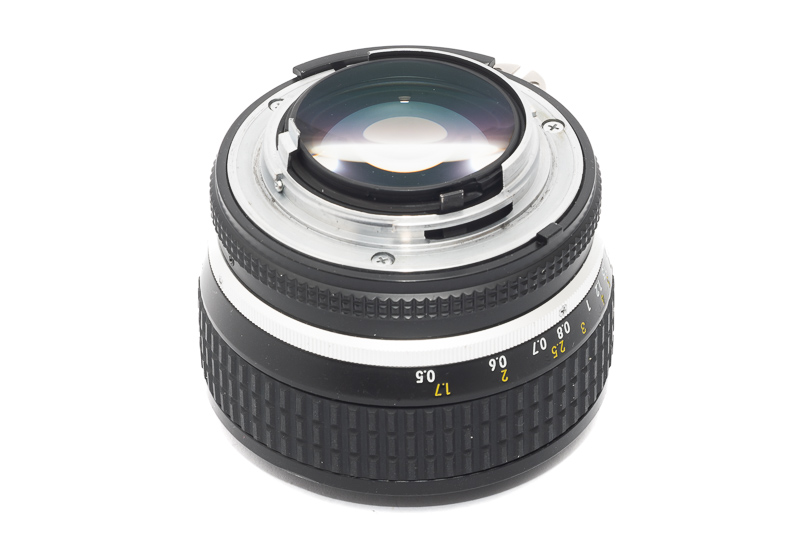
Looking at the bayonet you will notice that the rear element is not perfectly round as some space is needed for the aperture lever. More on that in the optical vignetting section.
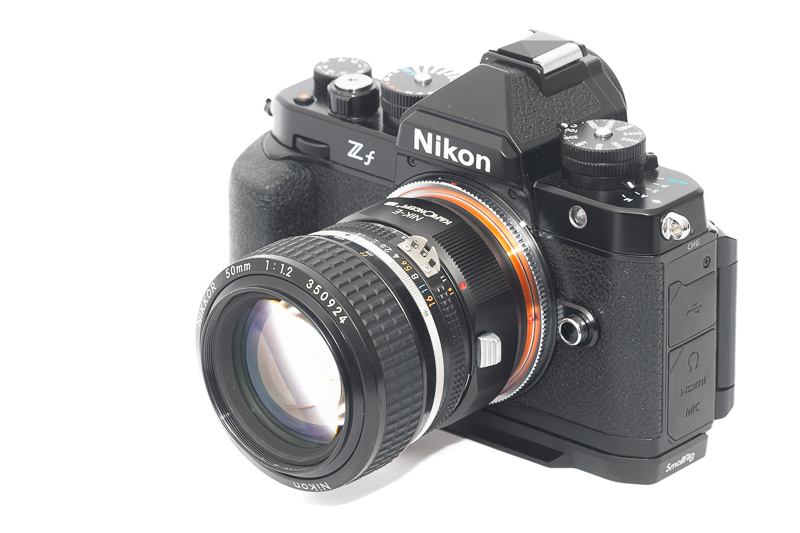
You can of course use this lens via Nikon’s original FTZ adapters on a Z-mount camera, on the latest models (Zf, Z6III) I prefer using it via a Nikon-F to Sony-E and the Neewer ETZ adapter to make full use of all the manual focusing aids. More on that in this article.
Vignetting
Light falloff
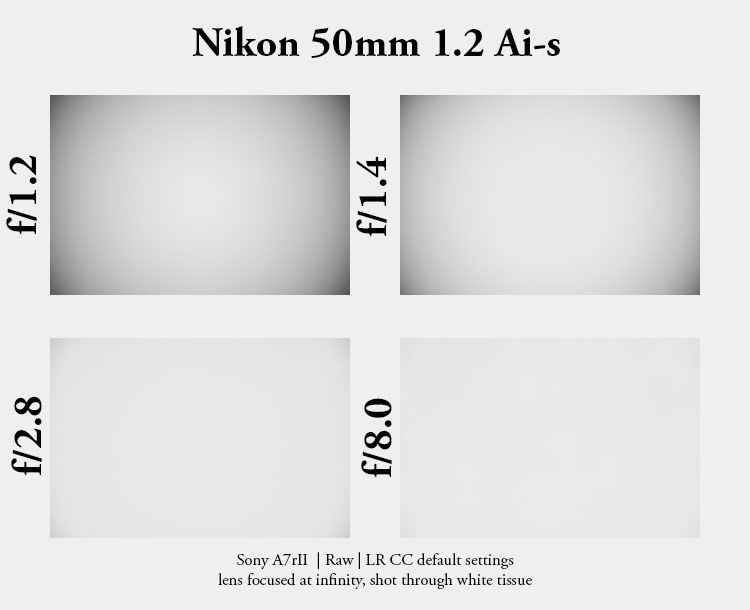
| f/1.2 | 3.1 EV |
| f/1.4 | 2.7 EV |
| f/2.0 | 1.7 EV |
| f/2.8 | 1.0 EV |
| f/4.0 | 0.5 EV |
| f/5.6 - f/16 | 0.3 EV |
Out of Nikon’s three f/1.2 F-mount lenses, this 50mm 1.2 shows the highest vignetting figures and the 58mm 1.2 Noct the lowest with the 55mm 1.2 inbetween.
The differences are not huge, but can be noticeable at f/1.2. Being the shortest lens, this 50mm is probably also at a bit of a disadvantage here.
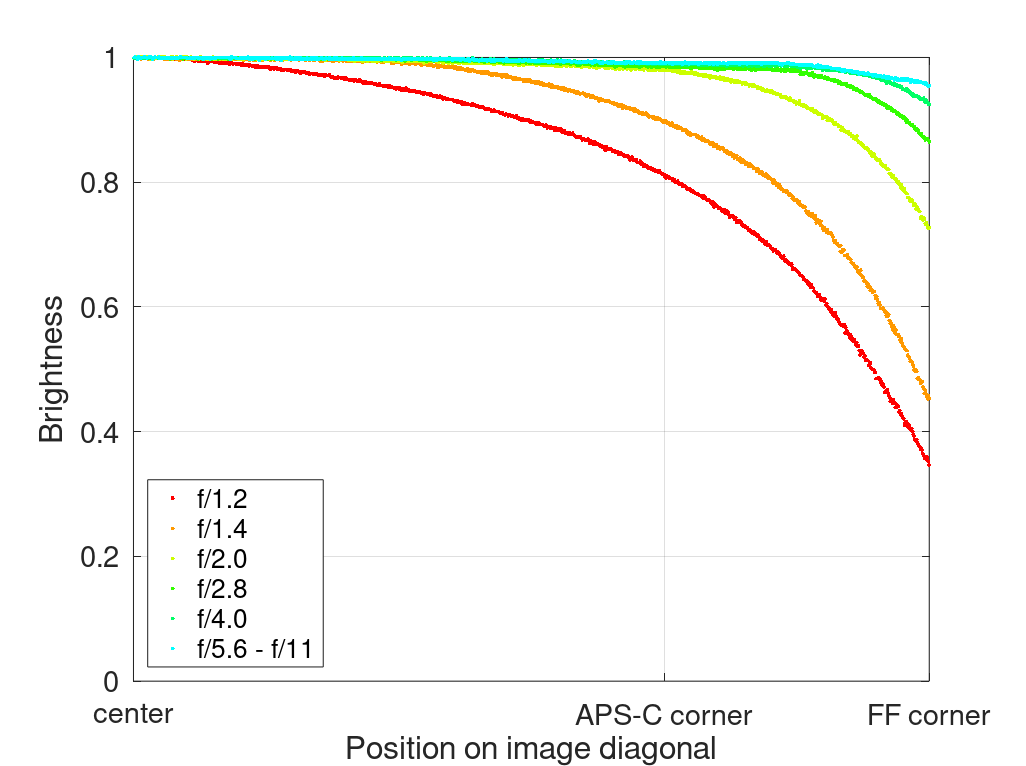
It is recommended to have a look at this article first to get an idea how this brightness graph works.
Optical vignetting
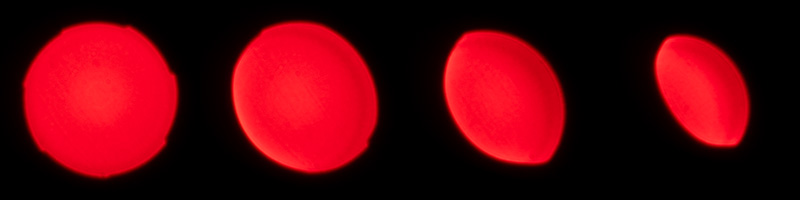
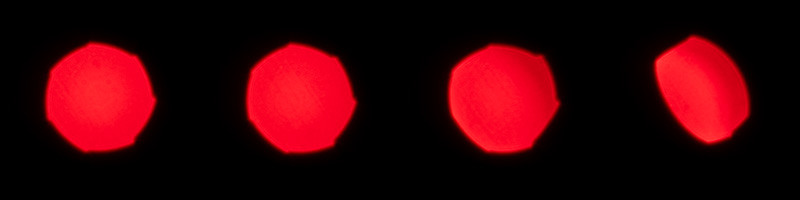
Fast lenses usually show a noticeable amount of optical vignetting, especially so the compact ones. Without going too much into technical details optical vignetting leads to the truncation of light circles towards the borders of the frame.
In the center of the frame almost every lens will render a perfect circle, but only lenses with very low optical vignetting will keep this shape in the corners.
So in the following comparison we move from the center (left) to the extreme corner (right) and see how the shape of the light circle changes.
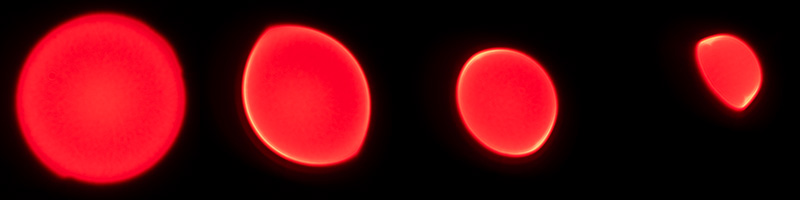
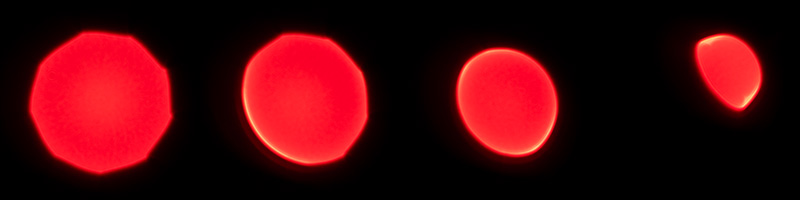
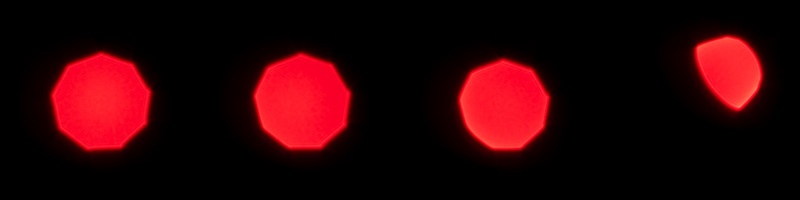
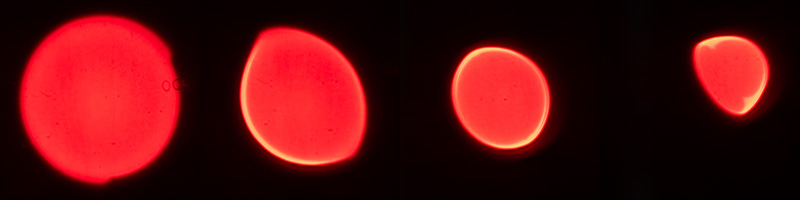
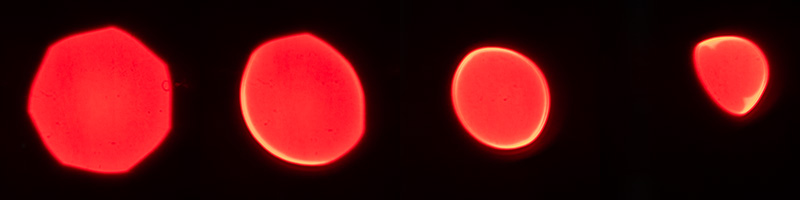
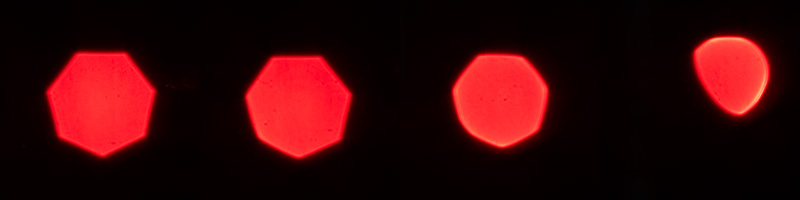

The theoretical maximum aperture an F-mount lens can have has been calculated to f/1.17 and f/1.2 is awfully close to that. The problem with these theoretical values is, that you usually cannot easily reach them in practice.
As you can see in the center the circle looks cut at f/1.2. This is because the rear element is actually not perfectly round due to the space needed for the aperture lever. This is the case for all of Nikon’s f/1.2 lenses. I am actually not sure if this should be considered optical vignetting or mechanical vignetting.
In 2023 – to my utmost surprise – Cosina released the Voigtländer 55mm 1.2 SL IIs Nokton for the Nikon F-mount. This lens features a special mechanical design (more on that in its review) that allows for a normal, perfectly round rear element. This is actually the only real f/1.2 lens for the F-mount, released 64 years after its introduction.
As we are operating at the limit of the lens mount optical vignetting is also very high – comparable to the Super Fast 50mm M-mount Lenses. The 50mm 1.2 lenses for the bigger Canon EF-mount (Canon EF 50mm 1.2L and Samyang 50mm 1.2 XP) show less optical vignetting.
The 9 aperture blades are surely a benefit over the Nikon 55mm 1.2 with only 7. The amount of optical vignetting between these two is also very similar. The 58mm 1.2 Noct-Nikkor shows a little less optical vignetting and also cleaner circles without distinct edges, which leads to a calmer bokeh.
Sharpness
Glow / Spherical Aberration
Many modern fast lenses offer astonishingly high image quality at their maximum aperture, but this is usually not the case for fast lenses from earlier times. At wider apertures these lenses often create some “glow“. This Nikon 50mm 1.2 with its design from 1978 is also one of those lenses. If we were looking for a more technical term for “glow” it would be undercorrected spherical aberration.
Spherical aberration is the only classic lens aberration that has an effect on the center of the frame. It will make your image appear softer and add some additional “glow” to already bright parts of the image. It is also an effect similar to what you get when using a diffusion/mist filter.
Some people may like this softer rendering for portraiture, but then many others simply see this as bad image quality. You can find a few image sets shot at f/1.2, f/1.4 and f/2.0 (where most of the glow/spherical aberration is gone) here, so you can better judge, if this effect is for you.
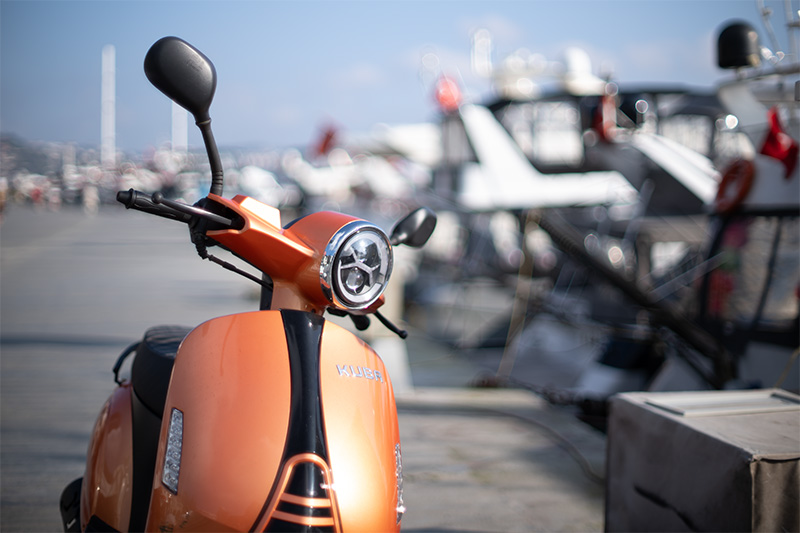
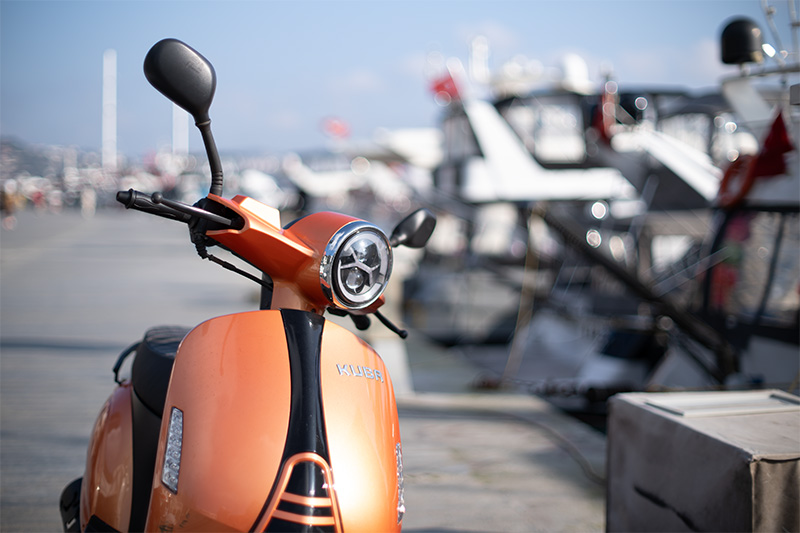
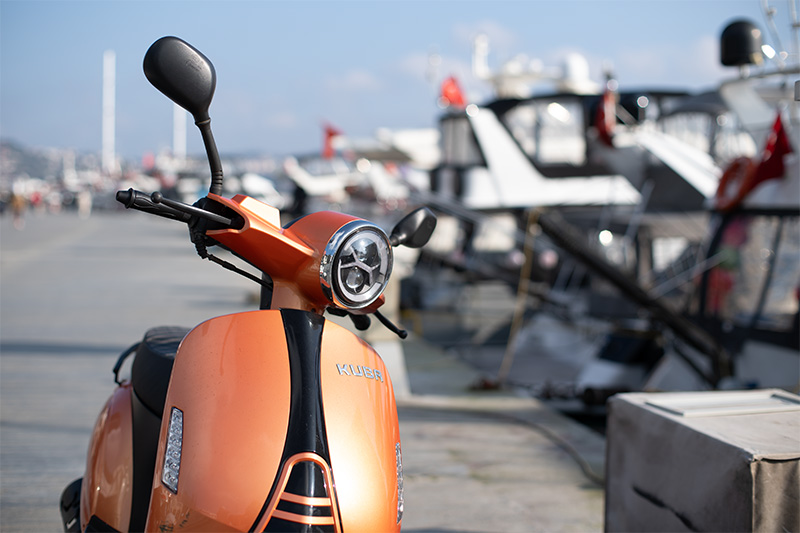



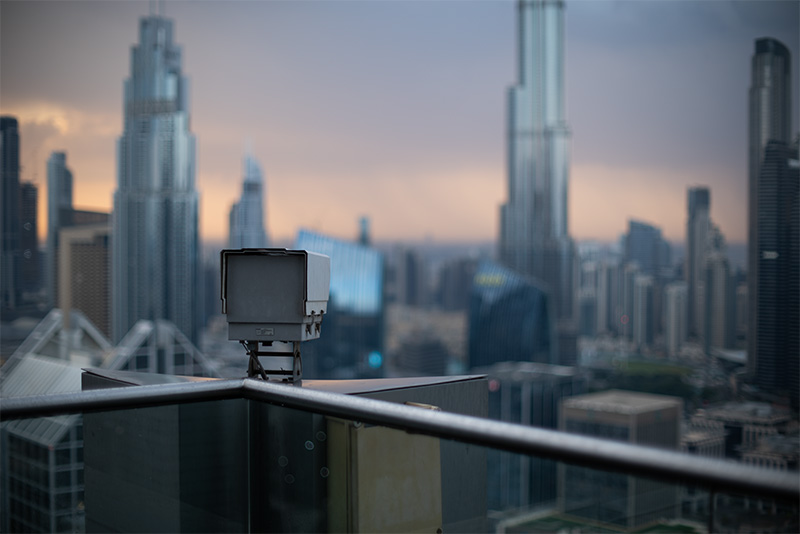
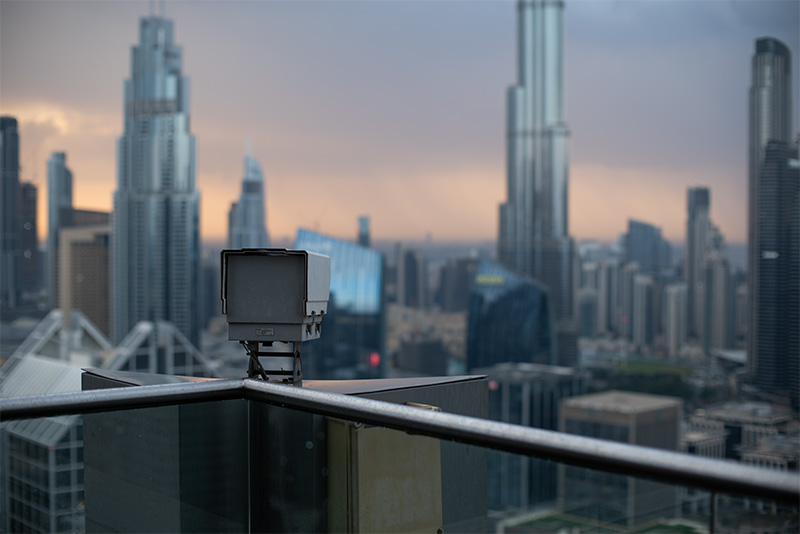
In portrait applications this softness at f/1.2 and f/1.4 can even be beneficial in some situations, where it becomes a problem, is in backlit situations, as the following series shows:



At f/1.2 the edges of the ball on top of the post aren’t very well defined and even some of the reflections cut into the post. The situation is much better at f/1.4, but it takes stopping down to f/2.0 for this to disappear.
So one better be cautious in backlit scenes, as otherwise something like this can happen, where too much information is lost in the halos around light sources, leading to rather disturbing results:


Focus shift
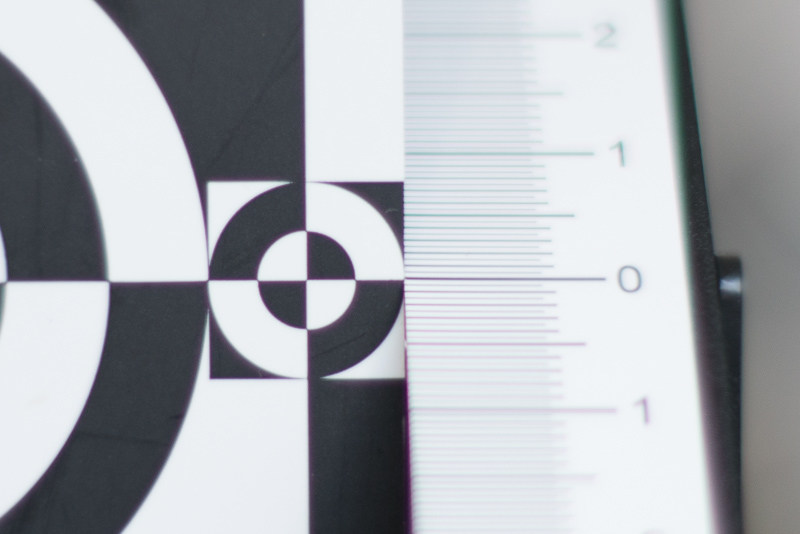
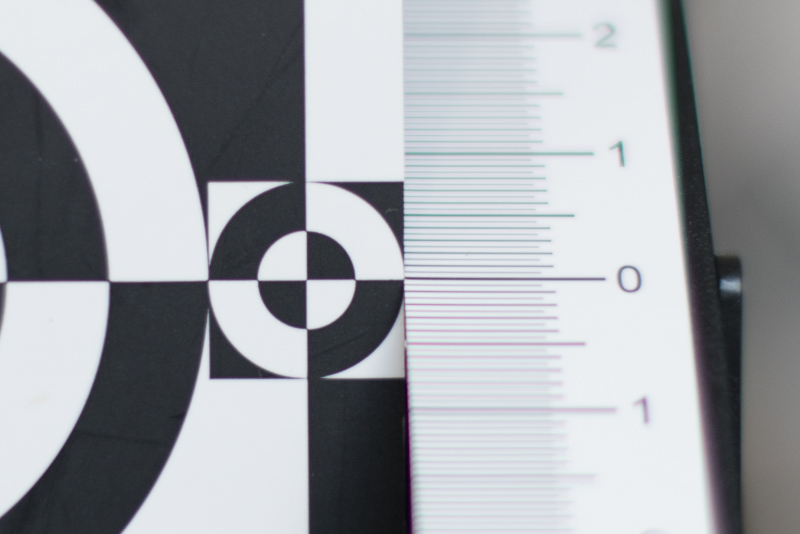


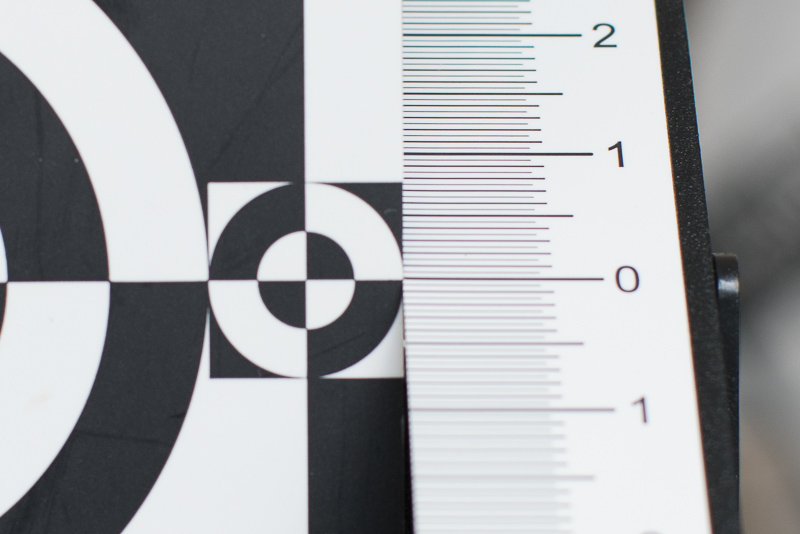

Sony A7rII | Nikon 50mm 1.2 Ai-s | 50% crops
As is very typical for lenses like this there is a lot of undercorrected spherical aberration at closer focus distances which makes finding the plane of optimal focus a bit difficult. There is clearly some focus shift between f/2.0 and f/2.8 or f/4.0, so this is something I would watch out for when using this lens on a (D)SLR.
On a mirrorless camera with working aperture this will not be a problem as long as you stop down first and then focus.
In this category all the three f/1.2 F-mount Nikkors perform the same.
Infinity (42mp Sony A7rII)


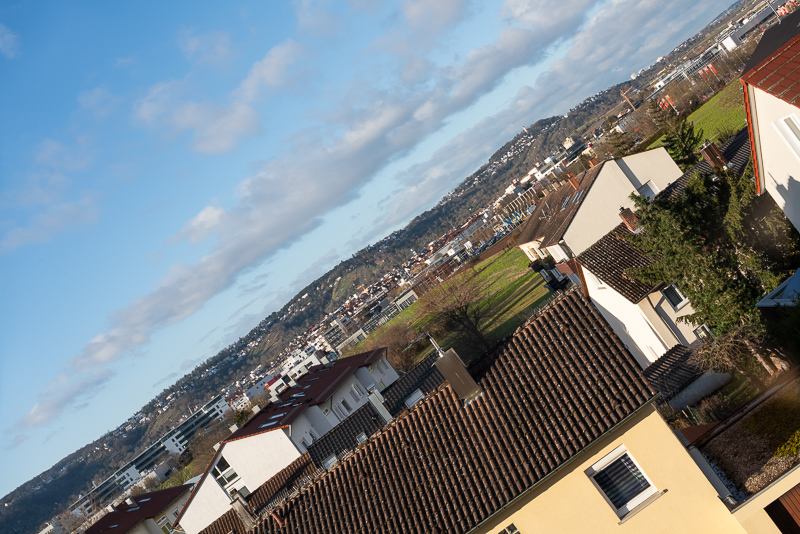
As I already said in my reviews of the two other f/1.2 F-mount Nikkors: we need to keep in mind these are unit focus lenses and unit focus lenses can only be optimized for one distance. And by my experience, for fast lenses like this, that usually wasn’t infinity, because these are often situations where you can stop the lens down a bit.
At f/1.2 to f/1.4 the lens is soft everywhere and on this bright day we can see huge artefacts around point light sources.
Stopping down to f/2.0 increases the contrast significantly and the midframe area already looks decent. These huge artefacts are also mostly gone. The corners are still nothing to write home about.
I didn’t adjust for focus shift here, so the f/2.8 center crop actually looks worse than the f/2.0 one. It takes stopping down to f/5.6 for the increased depth of field to catch up with the focus shift. For the corners to look good stopping down to f/11 is not a bad idea.
The 55mm 1.2 showed a very similar performance whereas the 58mm 1.2 Noct looks a bit worse at wider apertures thanks to stronger field curvature.
Portrait 1.4 m (42mp Sony A7rII)
For portraiture it isn’t so important how flat the field is, it is more interesting to see what the sharpness is like when focused at different parts of the frame to take field curvature out of the equation.
We will be looking at 100% crops from the 42mp Sony A7rII.
f/1.2 <—> f/1.4 <—> f/2.0



This is roughly the focus distance I would expect a lens like this to be optimized for and the pictures I took with this lens in the field also confirm that.
Modern f/1.2 and even some of the f/0.95 lenses are not this soft at their maximum aperture, but similar to the fast MS-Optics 50mm lenses astigmatism is well corrected. This makes focusing a bit easier compared to lenses where this isn’t the case.
Also here stopping down to f/2.0 greatly increases the contrast.
Compared to the Nikon 55mm 1.2 it looks to me like this 50mm 1.2 sharpens up more already at f/1.4.
Close 0.5 m, 1:7.8 (42mp Sony A7rII)





Obviously this lens features a rather simple unit focus design, so if you are looking for high resolution pictures at close distances, stopping down is definitely needed.
Also here the 50mm 1.2 and 55mm 1.2 perform very similar. The 58mm 1.2 Noct looks a bit worse at f/1.2, but same from f/2.0 onwards.
Flare resistance
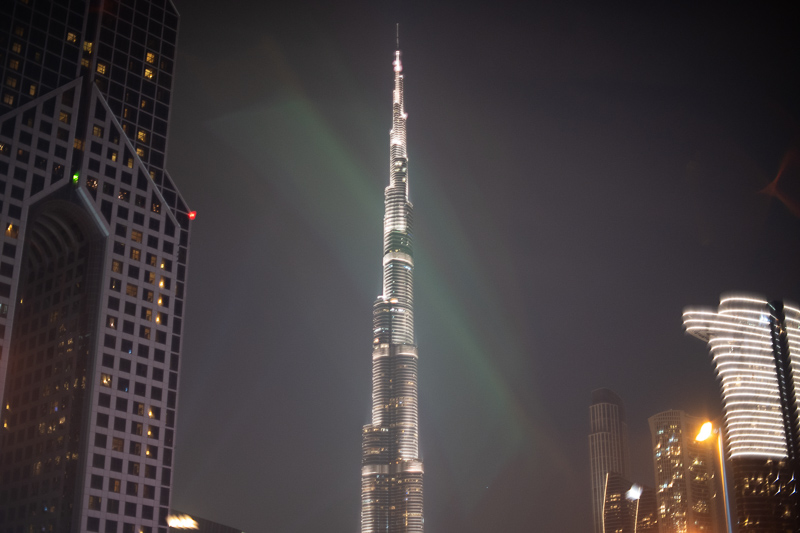
Many of the super fast lenses struggle in this category. And vintage lenses even more so, but the 55mm 1.2 was a positive surprise, so could Nikon further improve the performance in the 13 years since its release?
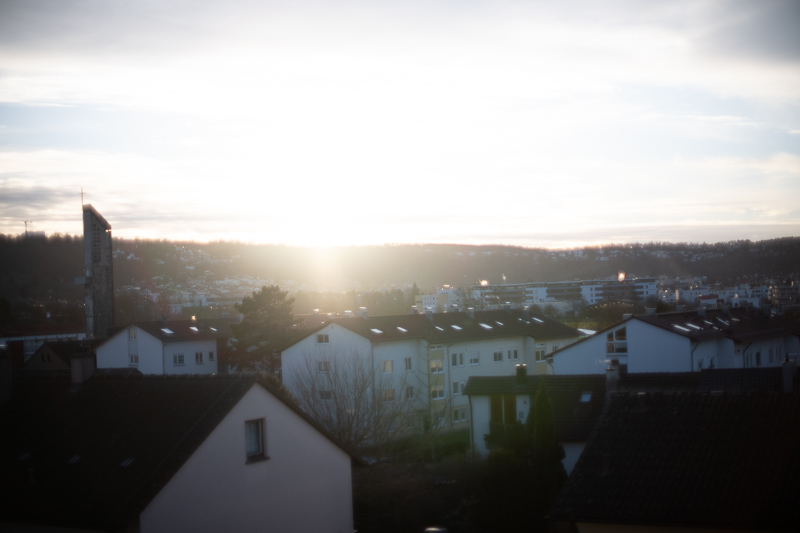
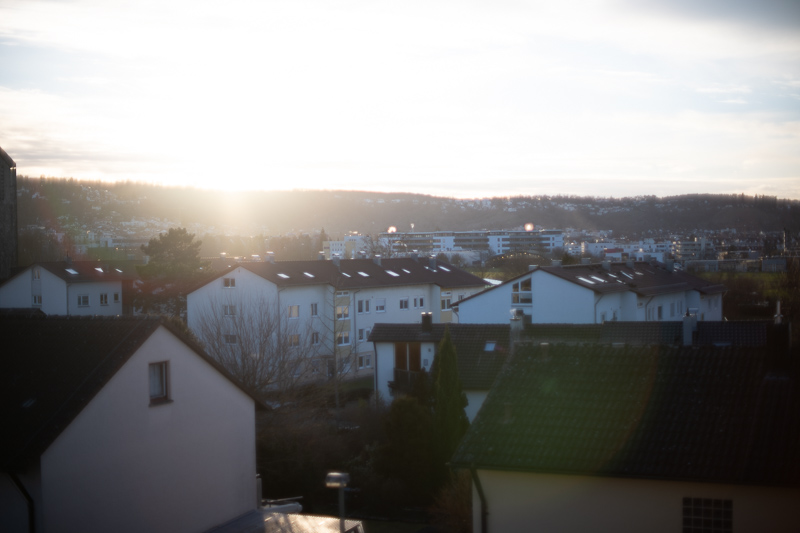
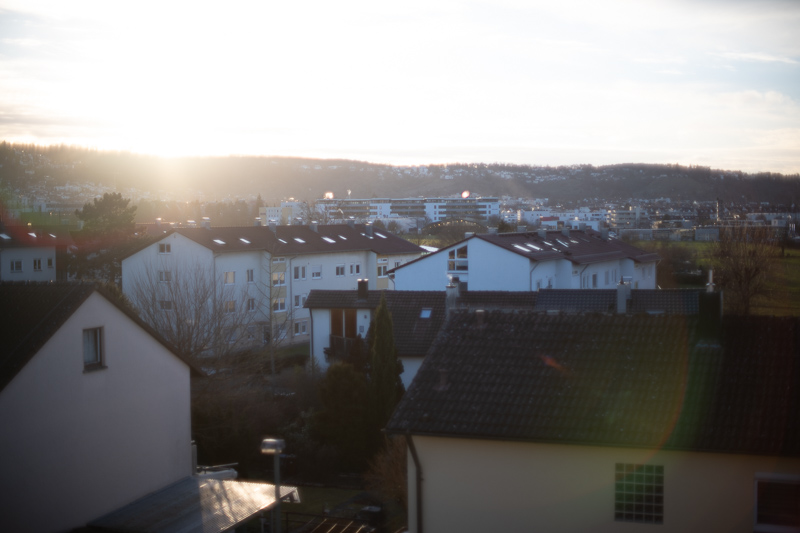
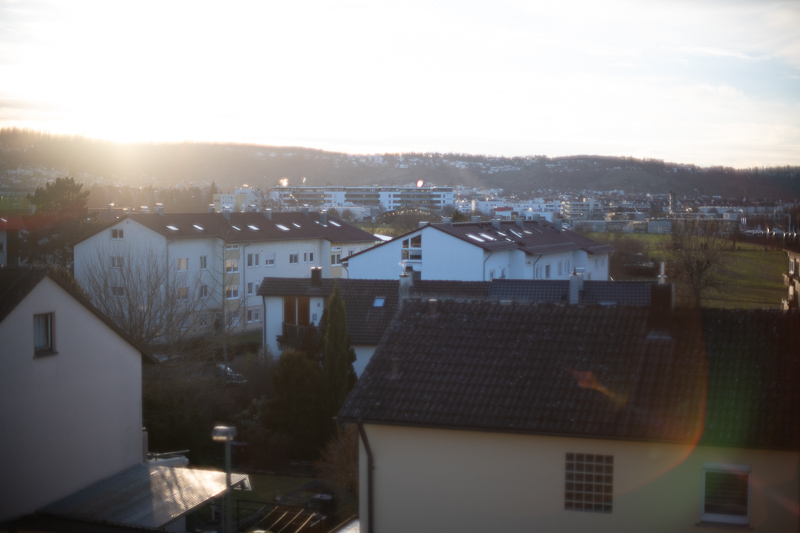
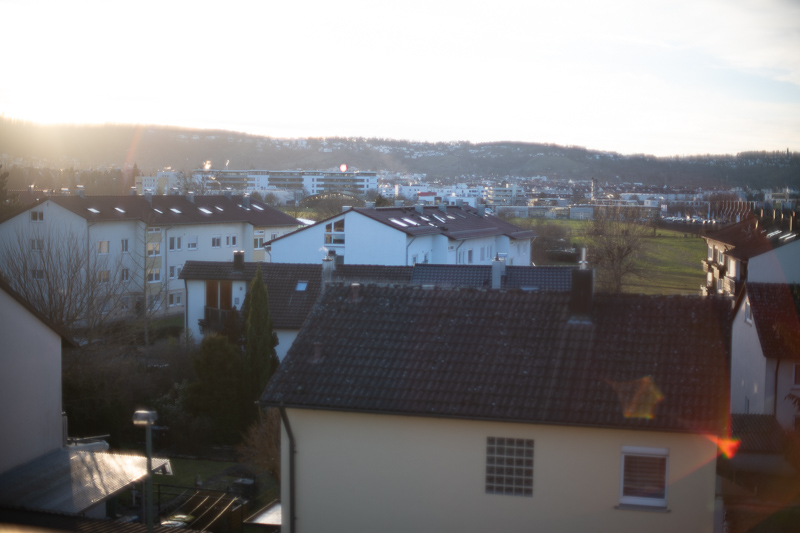
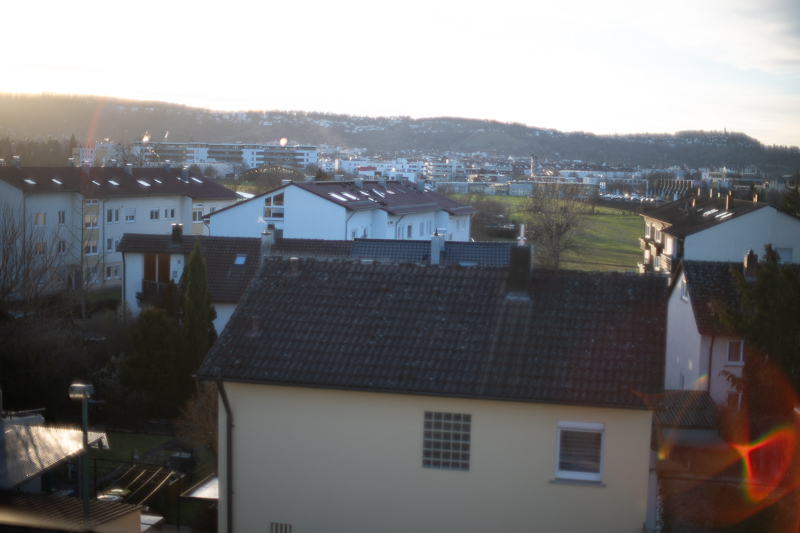
At the maximum aperture we can see some huge ghosts that are also more of the obtrusive type towards the corners. Veiling flare isn’t as much of a problem though.
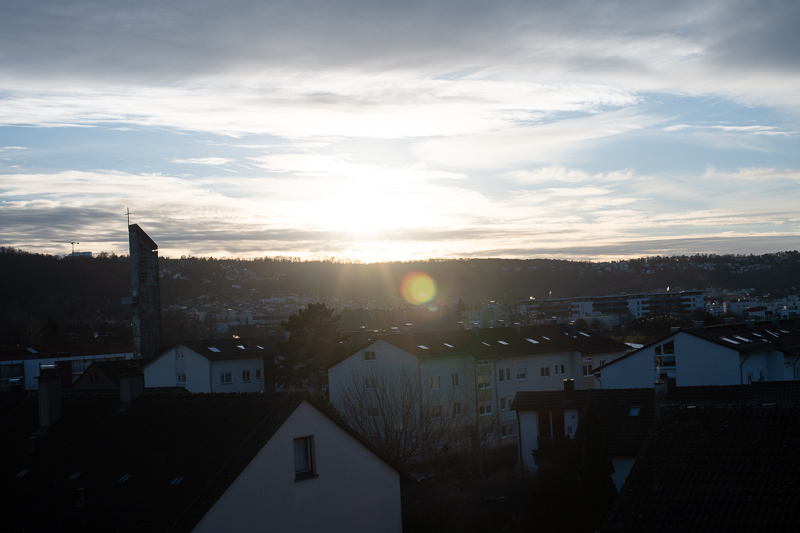
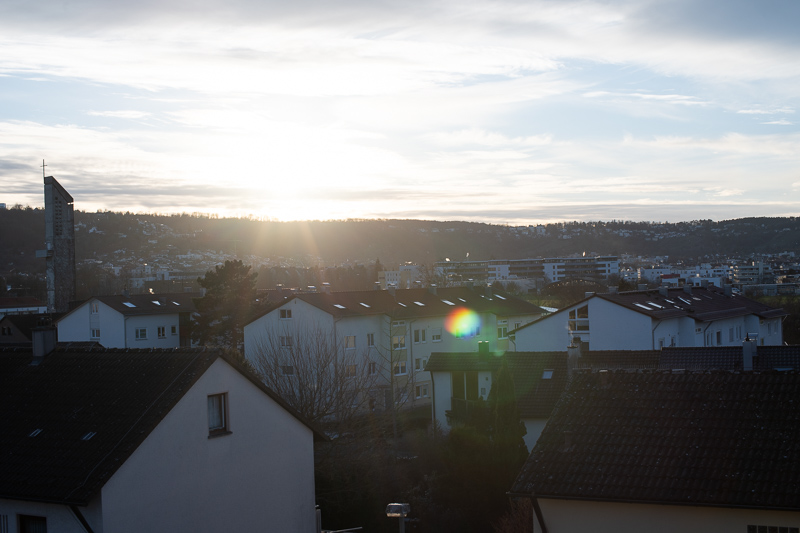
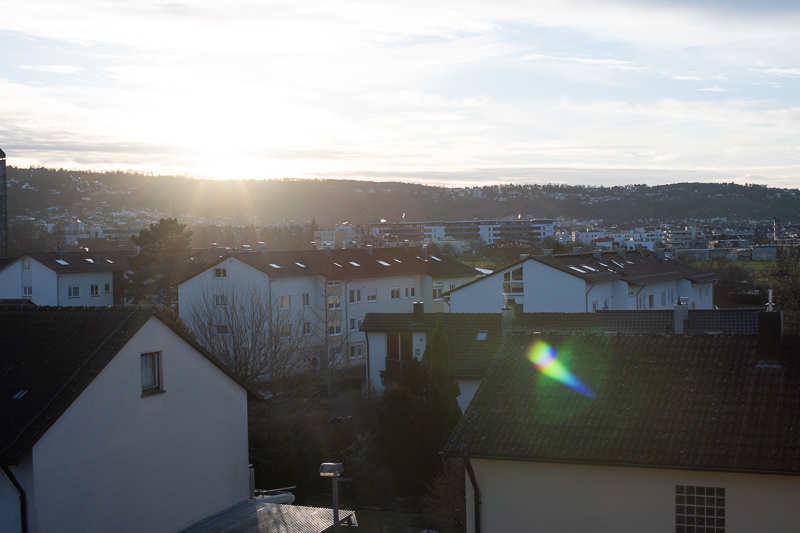
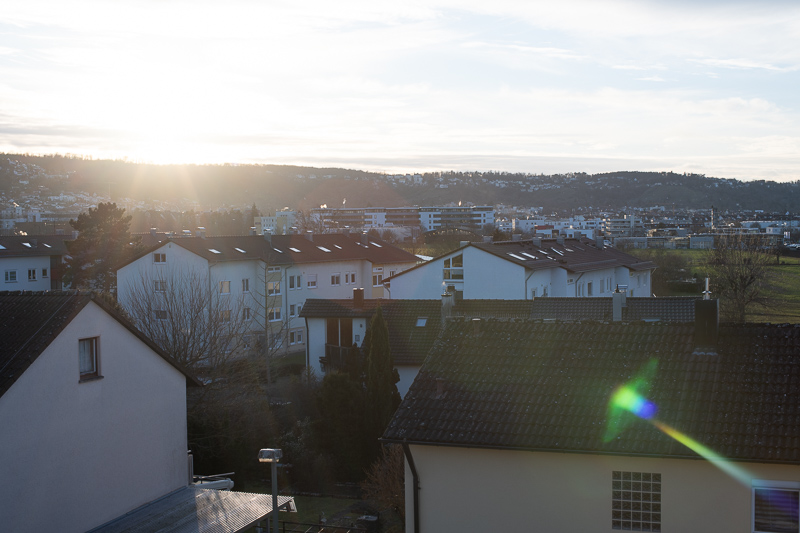
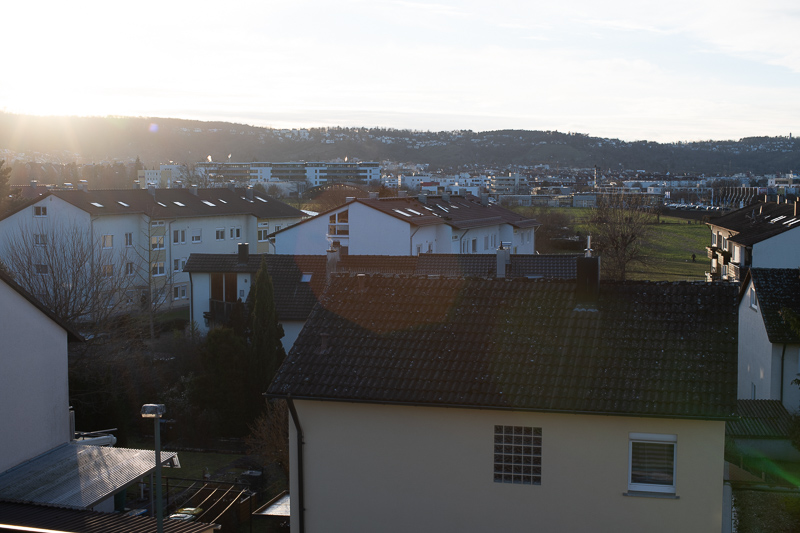
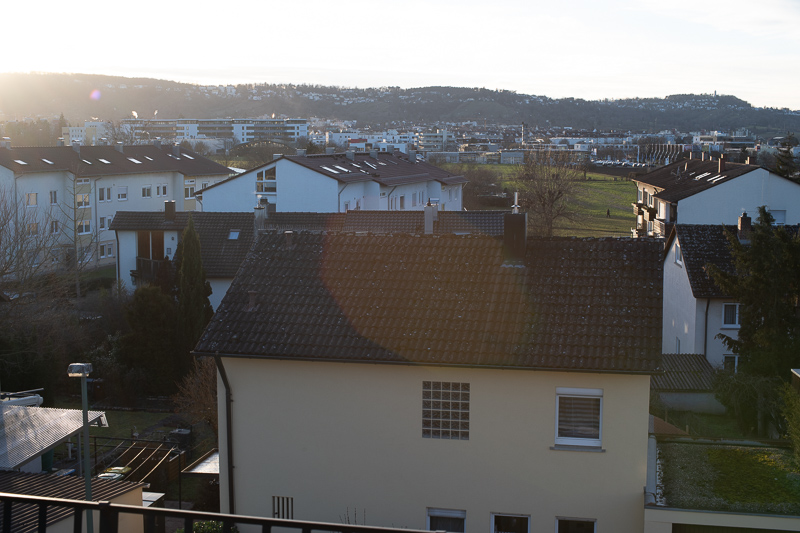
Stopped down to f/11 the ghosts look different, but I can’t say the situation improved a lot.
For a lens designed in 1978 this is actually not a bad performance, but it is still a lens where you need to be careful in backlit scenarios. Some modern lenses like the Voigtländer VM 50mm 1.2 Nokton hardly show any artefacts, even when shooting directly into the sun.
Coma
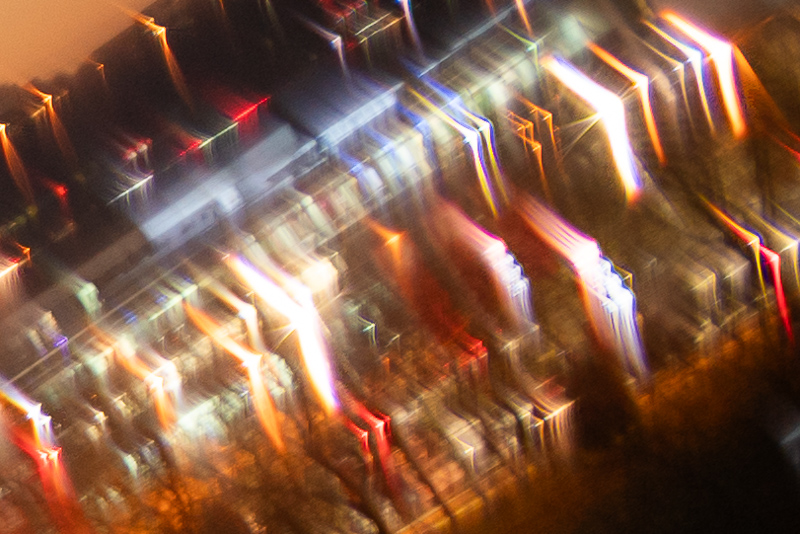
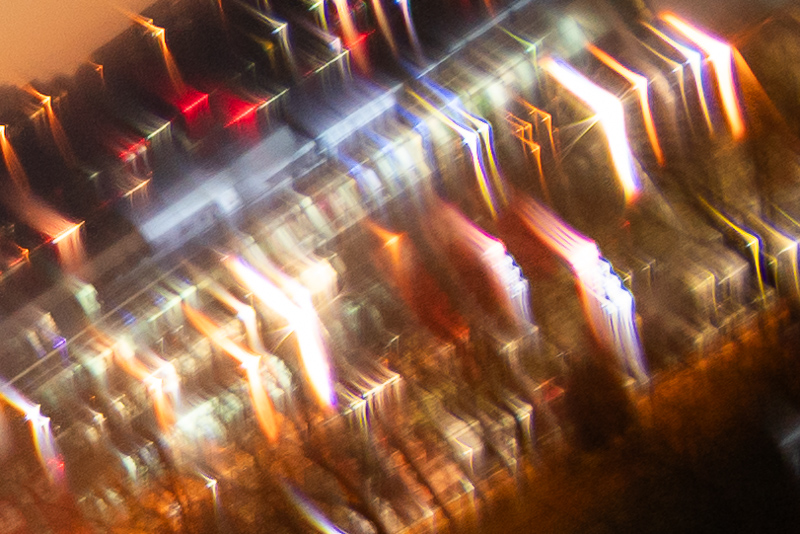
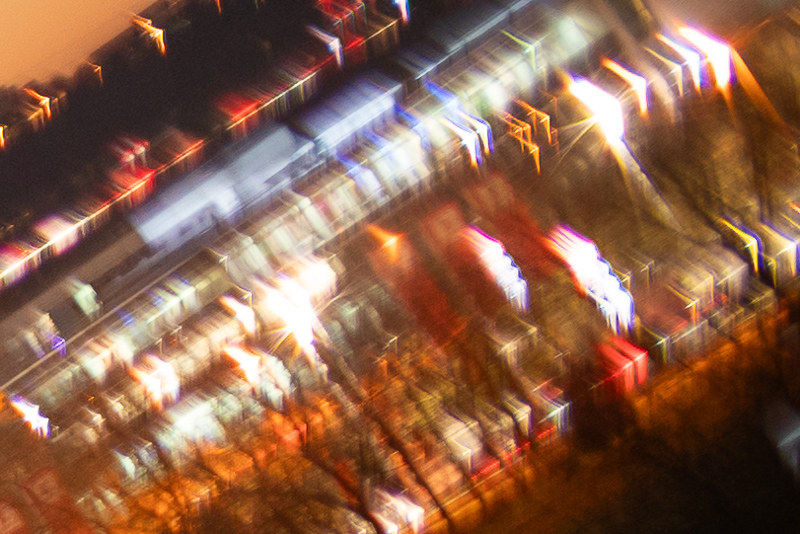
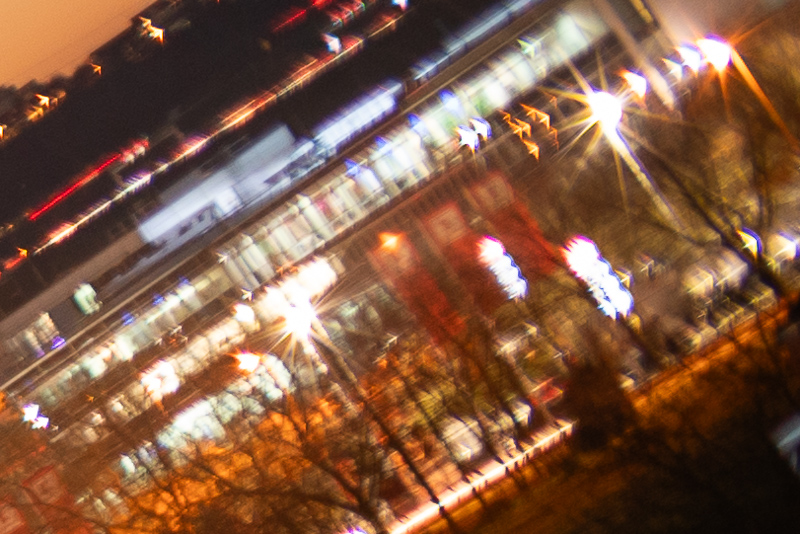
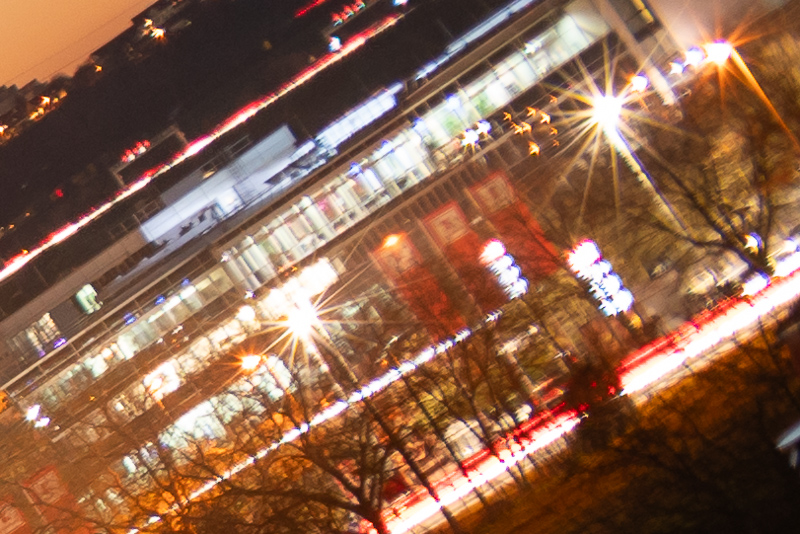
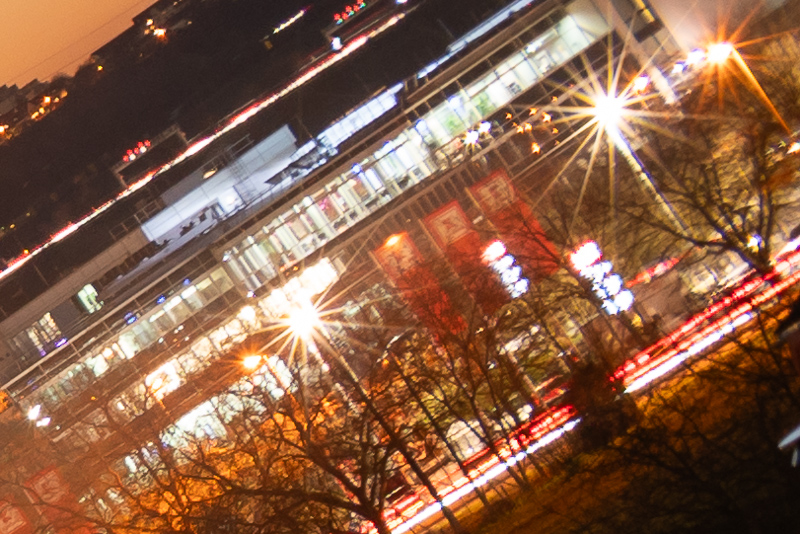
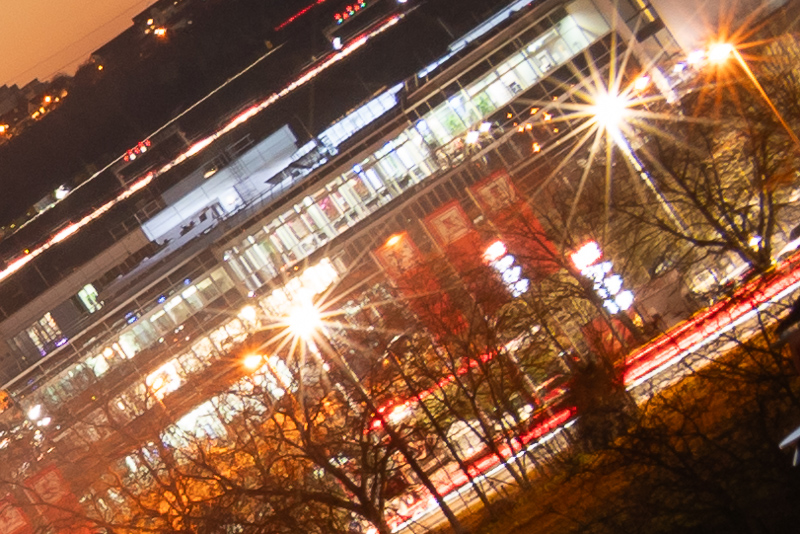
100% crops from extreme corner, focused on center, Sony A7rII
Coma is a real issue with these fast all spherical vintage ~50mm lenses and this Nikon 50mm 1.2 is by no means an exception and just as bad as the 55mm 1.2. At f/1.2 to f/2.0 we see massive coma artefacts. For mostly clean corners stopping down to f/5.6 is advisable.
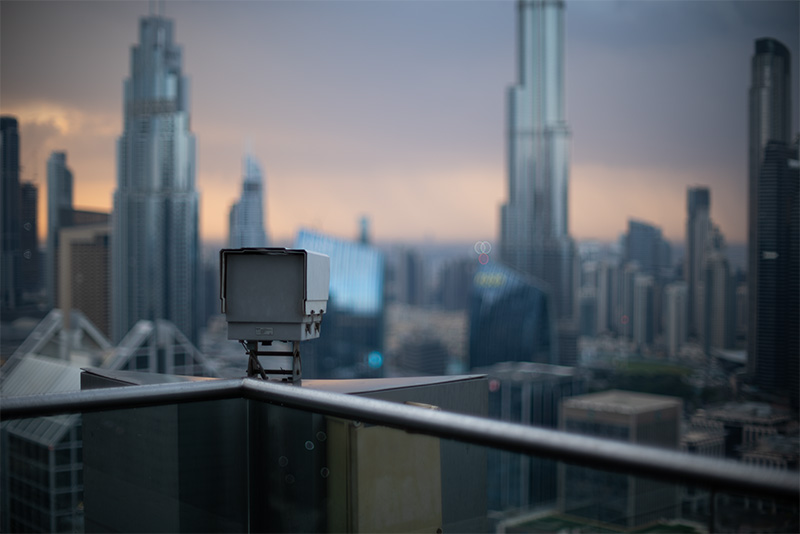
And if you think this is an aberration you will only see when taking pictures at night, maybe have a look at this sample before:

The desire to correct this aberration better is the sole reason the Nikon 58mm 1.2 Noct with its aspherical element exists. This is the one category where you will see the most notable difference between these two lenses.
Distortion
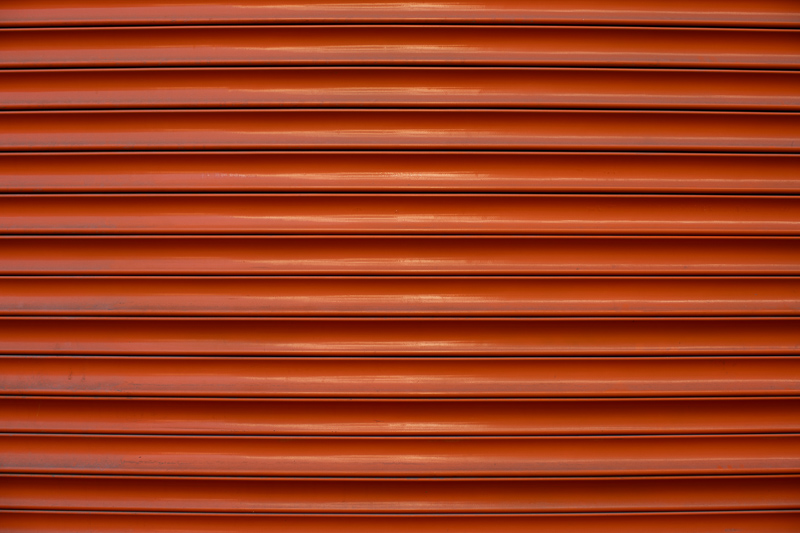

Distortion is low and uniform. Surprisingly Lightroom/Photoshop feature a profile for correction which is doing a very good job.
Another category where the three f/1.2 Nikkors show an almost indistinguishable performance.
Bokeh

If you are just looking for a short answer: very similar to Nikon 55mm 1.2 and Voigtländer 55mm 1.2 SL IIs Nokton.
Close Distance





At close distances with the lens set to f/1.2 there is obviously a high amount of blur. With not so busy backgrounds it can be really nice and while the focal plane is a bit soft at f/1.2 – thanks to spherical aberration – the subject will still stand out in these scenes. I also often used f/1.4 for a bit higher contrast and better definition of the focal plane.
Mid Distance




With complex/structured backgrounds things get more funky though. Having a look at the background behind the spices we can see a lot of weird double structures.
For head and head-and-shoulder portraits I found this lens to actually work best for me. These are the distances where I found sharpness to be the best at f/1.2.
Long Distance




At longer focus distances I think the performance is slightly better than what I have seen from the Nikon 55mm 1.2, but in many cases I still preferred stopping down to f/1.4 to make the subject stand out more against the background and also to make focussing easier.
Under the right conditions it is possible to create an appealing bokeh with this lens, but you need to be aware of its limitations and flaws to be able to make the best of it.
Sunstars
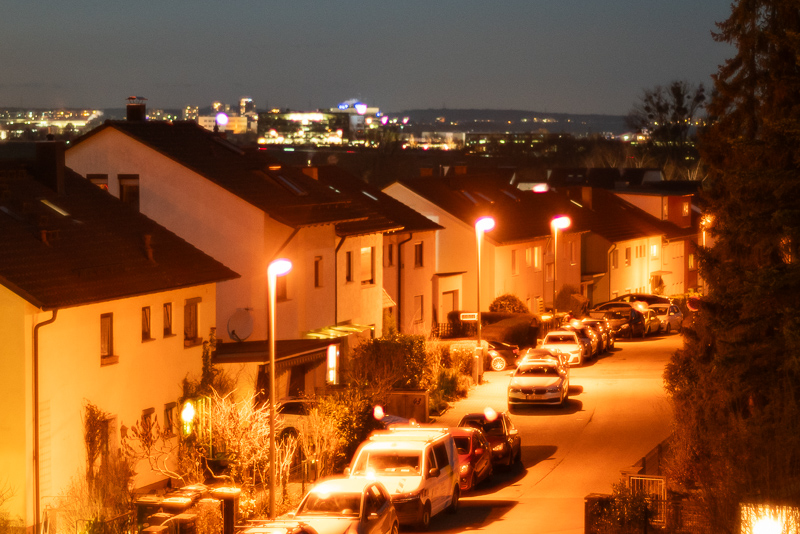
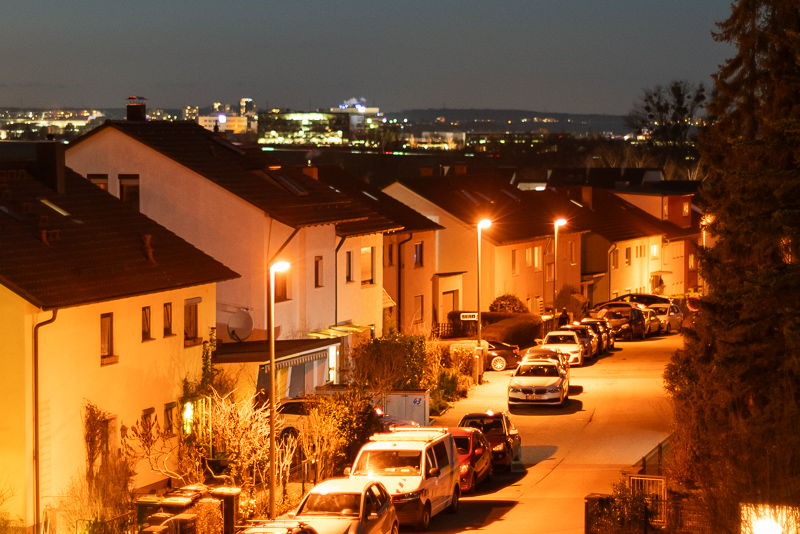
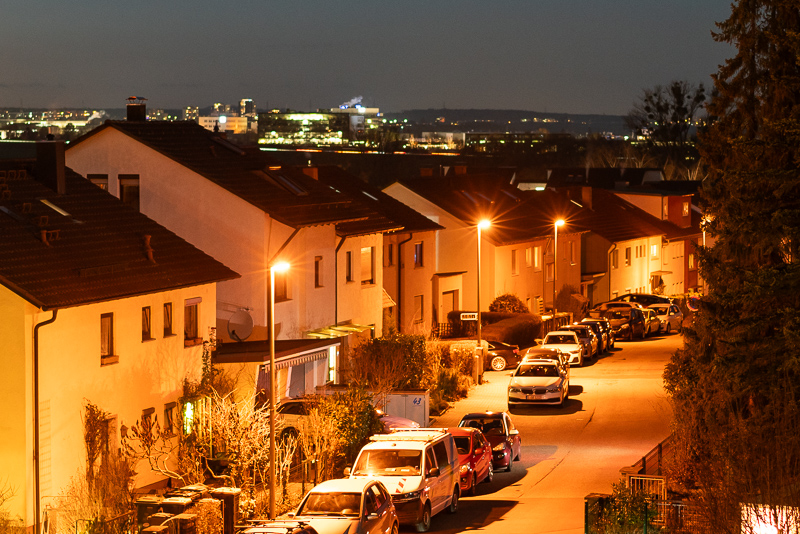
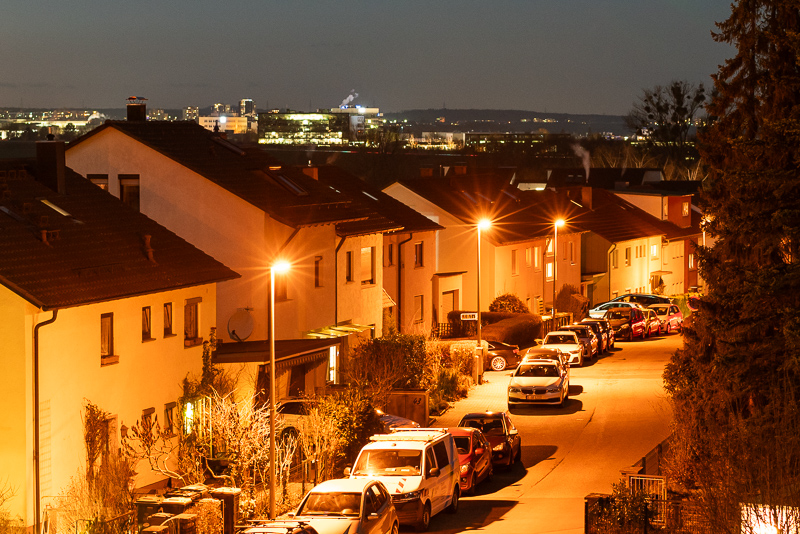
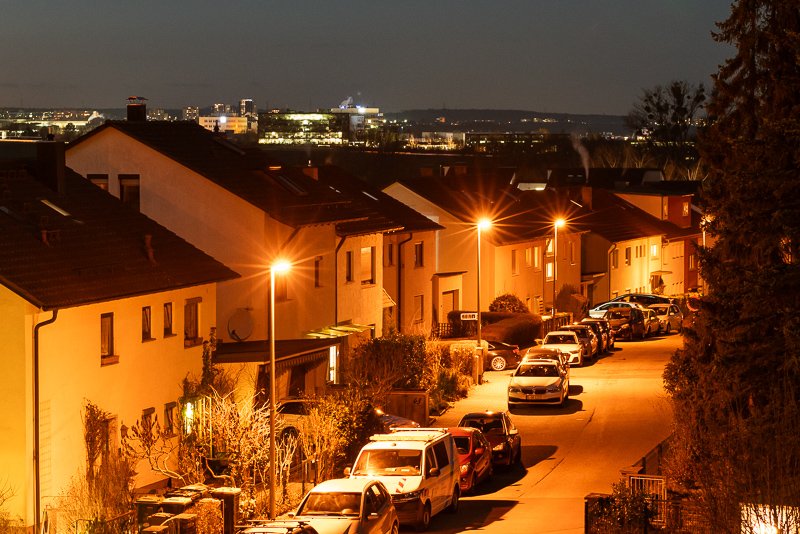
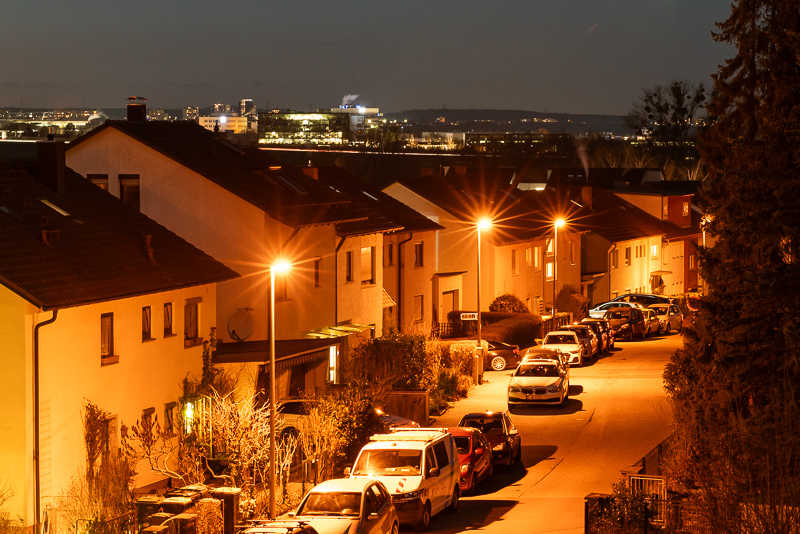
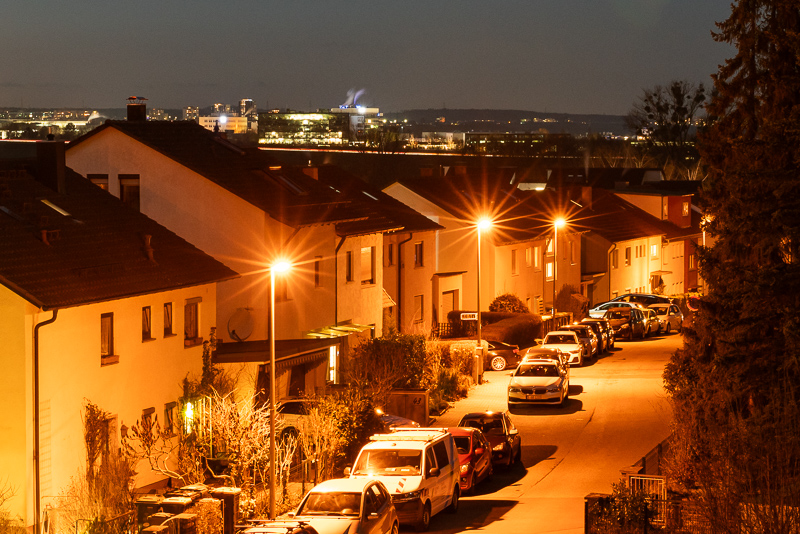
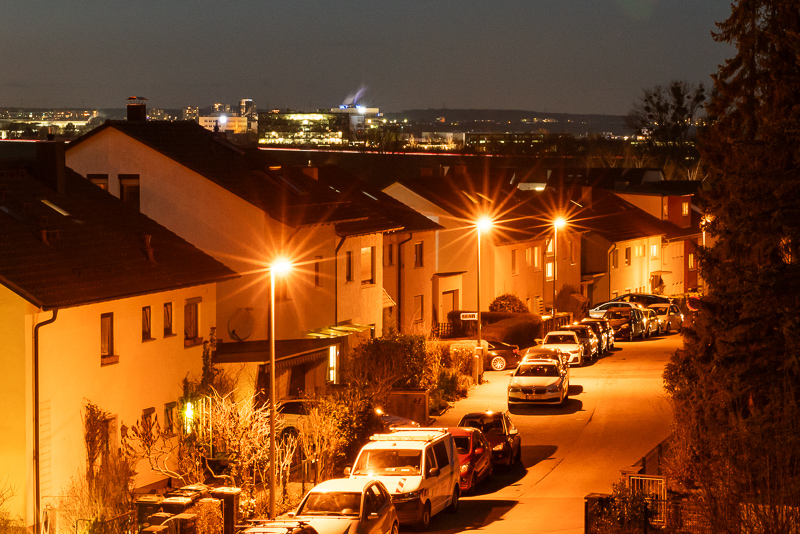
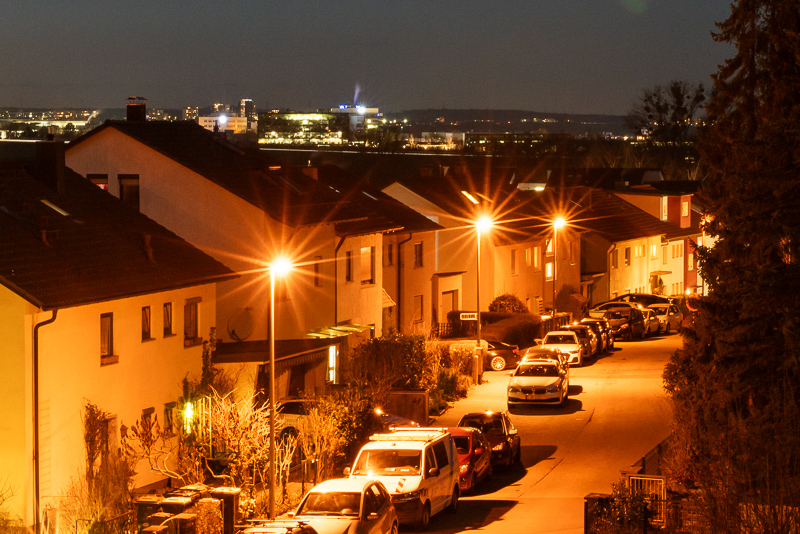
The earlier samples of this lens feature a diaphragm made of 7 straight aperture blades whereas the later ones feature 9 straight blades. This is one of the later samples with 9 that leads to rather distinct 18 pointed sunstars already at f/2.8. The lengths of the rays do not look perfectly even to me, but then I have seen much worse from lenses of that era and for that occasional blue hour picture these would be perfectly fine for me.
If you want to know more about sunstar rendering of different lenses have a look at this article.
Chromatic aberration
Lateral

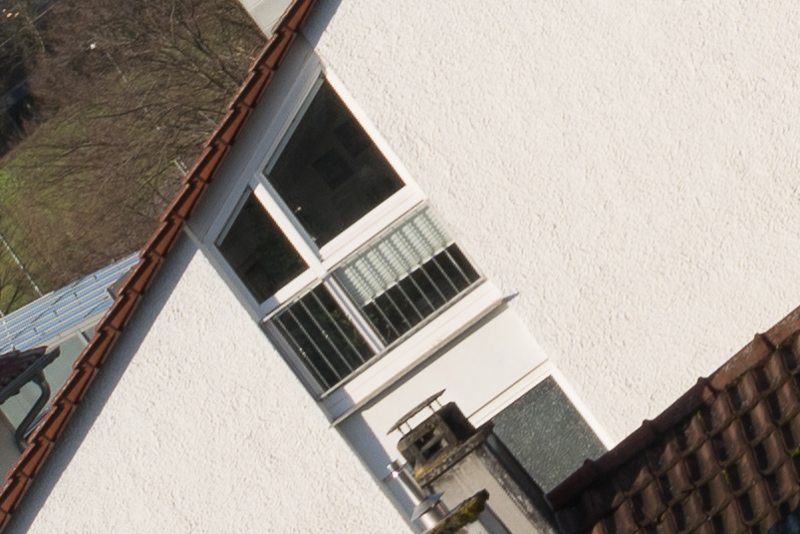
Sony A7rII | Nikon 50mm 1.2 Ai-s | f/11 | 100% crops from corner
Lateral CA are on a low to medium level. Still easy to correct in post with just one click, e.g. in Lightroom so nothing to worry about.
Longitudinal

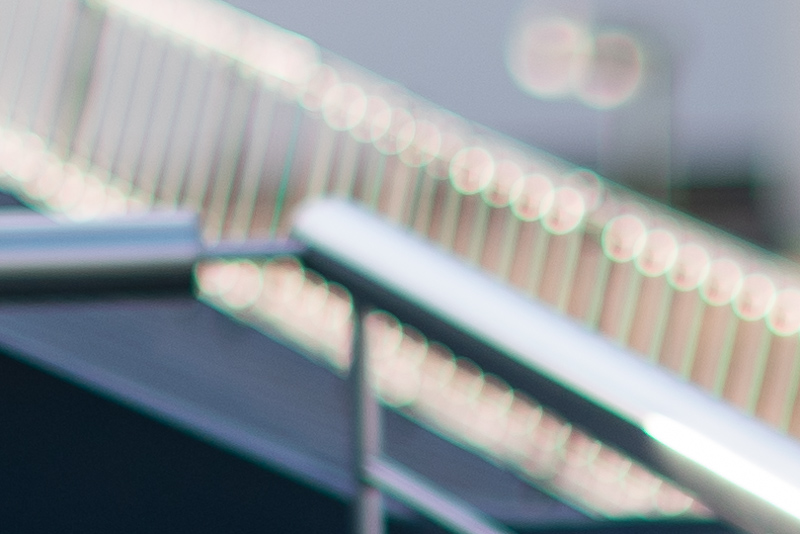




Sony A7rII | Nikon 50mm 1.2 Ai-s | 100% crops
Longitudinal CA are at a medium level – again we see a performance very similar to the Nikon 55mm 1.2 Ai and the 58mm 1.2 Noct-Nikkor.

When taking a picture like the one above you can easily see the bokeh fringing even in low resolution pictures.
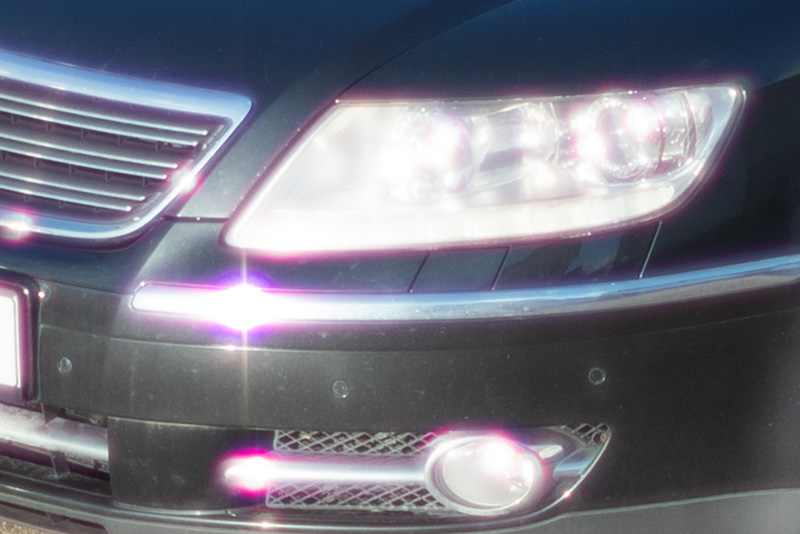
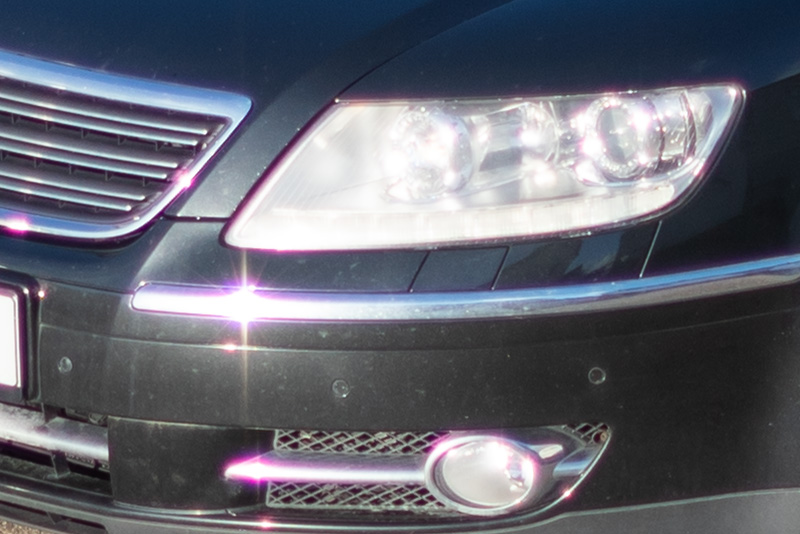
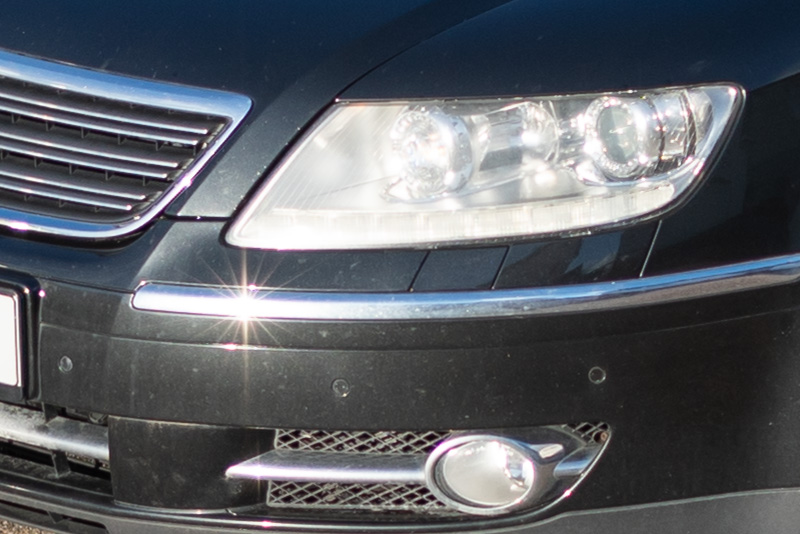
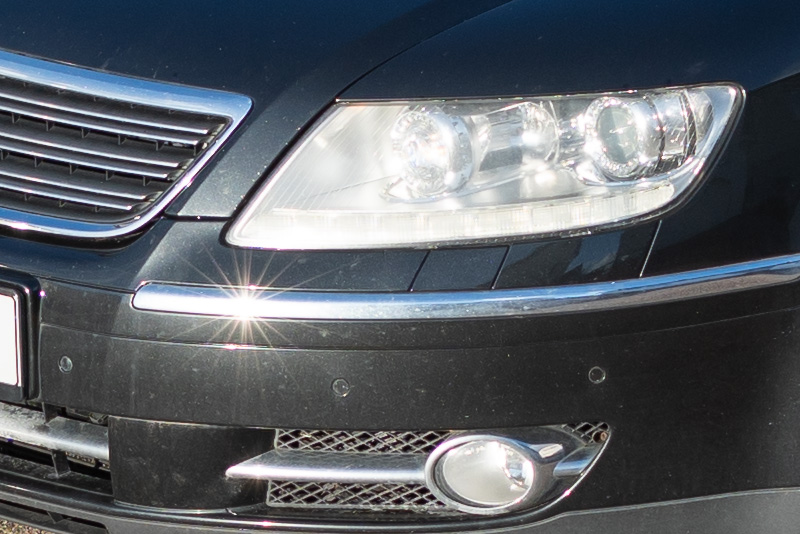
At the maximum aperture I think the Nikon 55mm 1.2 Ai corrected this aberration slightly better, the 58mm 1.2 Noct looks just the same to me. From f/2.0 they are all free of this color aberration.
Conclusion
good
|
average
|
not good
|
Just having a look at the table, you will see it is the same as that of the Nikon 55mm 1.2 I previously reviewed.
Indeed, the main difference is that this updated version has a slightly shorter focal length, but when looking closely there are more differences. This 50mm 1.2 also comes as Ai-s version with 9 instead of 7 aperture blades, the flare resistance is a bit better and I also found it to generally perform better at f/1.2 and f/1.4. The reason for the latter might also be sample variation though.
I will reuse the following paragraph from my review of the Nikon 55mm 1.2:
In today’s times this lens is for those that are looking for something different. Who are bored by the “optical perfection” of modern lenses and are looking for a specific look, that “vintage rendering”. If you are among those, this 50mm 1.2 is an affordable entry ticket. You should also be aware this lens is not as easy to use as modern ones. It is optimized for close to mid distances at f/1.2. For full body portraits your subject better be in the center, otherwise it is probably a good idea to stop down a bit.
Modern f/1.2 lenses perform great from their maximum aperture for pretty much any task, with these older lenses that is not the case. Understanding their strengths and weaknesses is necessary to make best use of them and maybe this review can help with that.
buy from ebay.com | ebay.de (advertisement/affiliate links) starting at $400
Alternatives
I reviewed a lot of fast 50mm lenses but most of them have been M-mount lenses. I also did a Comparison of Super Fast 50mm M-mount Lenses that might be worth a look.
We also have a Guide on 50mm Lenses that can be used on E-mount cameras (most of them also on other mirrorless cameras) that will give you a good overview.
Nikon 55mm 1.2:
The older 55mm lens can sometimes be found cheaper, especially if it doesn’t have to be an Ai vesion for you. The look these lenses produce is very similar, as this 50mm 1.2 performs a bit better at f/1.2 and the Ai-s version evern features 9 aperture blades I would rather get one of those.
buy from ebay.com | ebay.de (advertisement/affiliate links) starting at $300
Nikon 58mm 1.2 Noct Ai(-s):
Thanks to its hand ground aspherical element this 58mm corrects coma much better and I also found it to be more contrasty and simply more usable at f/1.2. If money was no object this would be my pick out of Nikon’s three f/1.2 F-mount lenses.
Sadly the collectors have driven up the price of the 58mm 1.2 Noct to completely absurd levels, making it awful value. For the same price you can buy this 50mm 1.2 (or the 55mm 1.2) and Nikon’s latest Nikon Z 50mm 1.2 S in addition to that.
buy from ebay.com | ebay.de (advertisement/affiliate links) starting at $3000
Voigtländer 55mm 1.2 Nokton SLIIs:
While Nikon declared the F-mount dead, Cosina is surprisingly still designing new F-mount lenses like this 55mm 1.2. Unlike Cosina’s f/1.2 lenses for other camera systems it does not make use of aspherical elements though and in fact its rendering is very similar to this old Nikon lens. If it doesn’t have to be an “original” vintage lens, I think this is a better choice than this 50mm and the 55mm 1.2 thanks to featuring 9 rounded aperture blades, more nicely shaped out of focus highlights, perfectly round rear element without cut-out and better flare resistance.
buy from Amazon.com | B&H | ebay.com | ebay.de (advertisement/affiliate links) for $699/649€ or find your local Voigtländer distributor
Sample Images


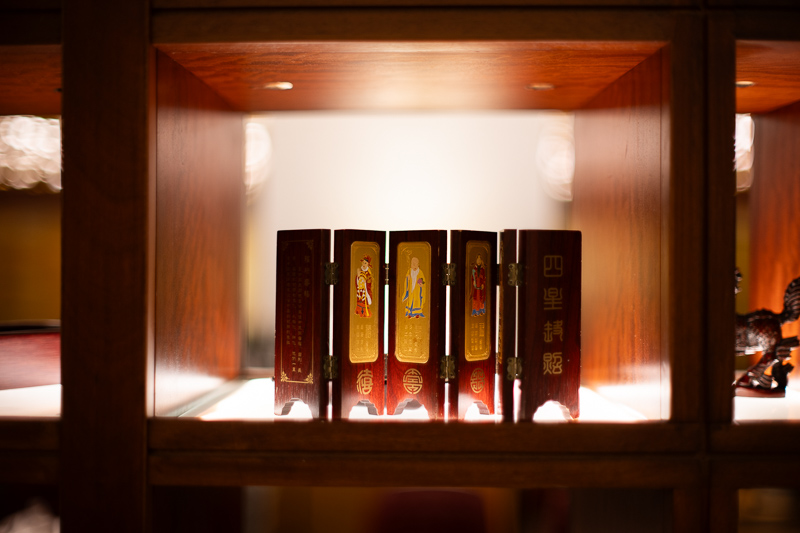





Most of the sample images in this review can be found in full resolution here.
Further Reading
- All Lens Reviews
- Review: Nikon AF 28mm 1.4D
- Review: Nikon AF-S 58mm 1.4G
- Review: Nikon 105mm 2.5 Ai
- Review: Nikon 200mm 2.0 IF-ED Ai
Support Us
Did you find this article useful or just liked reading it? Treat us to a coffee!

 via Paypal
This site contains advertisement/affiliate links. If you make a purchase using any of the links marked as advertisement/affiliate links, I may receive a small commission at no additional cost to you. This helps support the creation of future content.


Latest posts by BastianK (see all)
- Prime Day Photoshop+Lightroom offer for Amazon Prime Members (EU/UK) | Update: also at B&H - October 7, 2026
- Review: Nikon AF-S 18-35mm 3.5-4.5G - October 7, 2026
- Review: Sigma 14mm 1.4 DG Art – World’s widest f/1.4 lens - September 26, 2026
This pretty much corelates with my own limiited experience (didn’t keep it) with the lens. Perfectly fine stopped down (but no better than F2 version), usable sharpness wide open for expected applications. The glow can be a feature or a curse, usually I like having it wide open with character lenses. I didn’t particularly enjoy its bokeh, which didn’t surprise me, so it moved on. I definitely liked it better than F1.4 Nikkors, though their funky character does have its connoisseurs.
It’s always nice to see such reviews here. It’s really hard to find a fast vintage 50mm that does it for me bokeh-wise, except at very close range. Funnily enough same goes for most modern 50’s, that go in too opposite direction (too generic).
Which was the first f/1.2 coma-free lens ever?
I am not sure there is one, but the Viltrox 35mm 1.2 is probably the best one so far.
Haven’t used the latest Canon and Nikon 85mm 1.2, but being tele lenses it isn’t really fair to compare them to 50mm (or wider) ones.
I love this lens. i use to shoot it mainly on my f6, f3 and d3s. but today, i shoot it on my m11.
see some sample here
https://www.purerangefinder.com/showstory.php?storyid=11
Seeing all of the downsides when it comes to sharpness, vignetting, all sorts of aberrations and then seeing how great the sample photos are makes me think my issue is not my lens, but rather me.
Thank you for the review, sample photos are amazing as always.
my thoughts exactly 😀
I was quite disappointed with my copy of this lens and sold it on, but I suppose in specific use cases it is quite useful and can produce, but certainly not an everyday lens.
Judging from the blur shape of background point light sources, this exhibits typical overcorrected spherical aberration, rather than the undercorrected spherical aberration mentioned in the text. A prime example of the latter is the 58mm F1.2 Noct.