Introduction
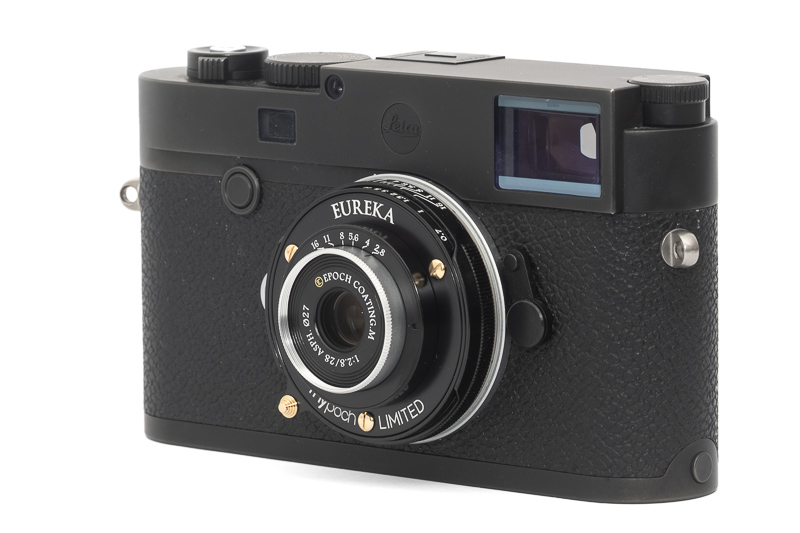
As the second entry of its lineup of more compact “Eureka” M-mount lenses Thypoch released this 28mm 2.8 in a limited edition run. This is certainly an M-mount lens with a very unique look but it also has a direct competitor: the Funleader x Brightin Star 28mm 2.8 XSlim Pro. So which one is the better compact 28mm lens? Let’s find out in this review.
Lens is being tested on 42mp Sony A7rII and 24mp Leica M10
Sample Images


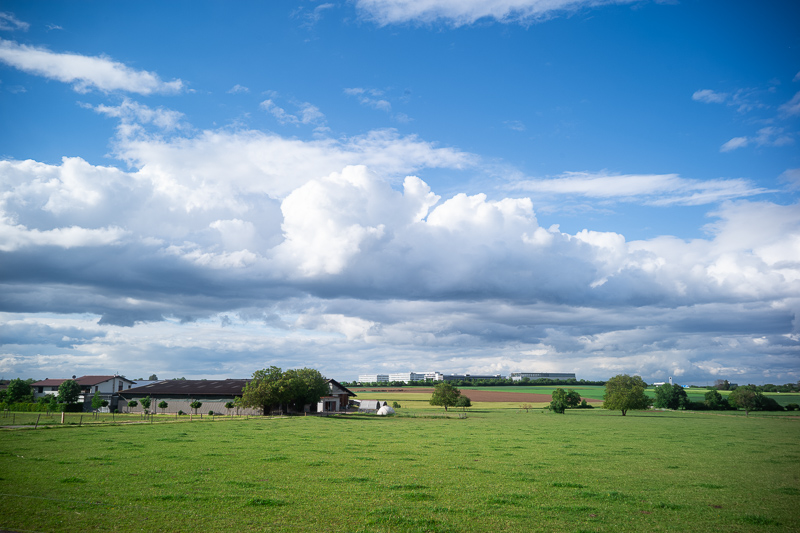

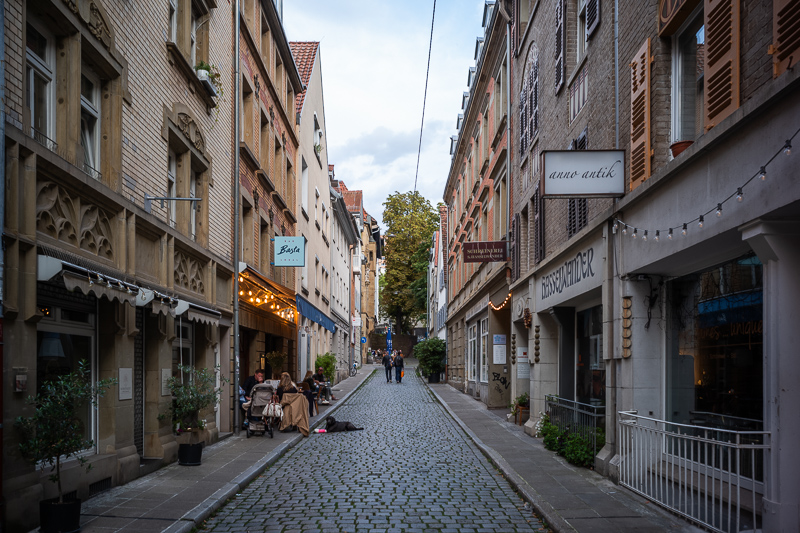
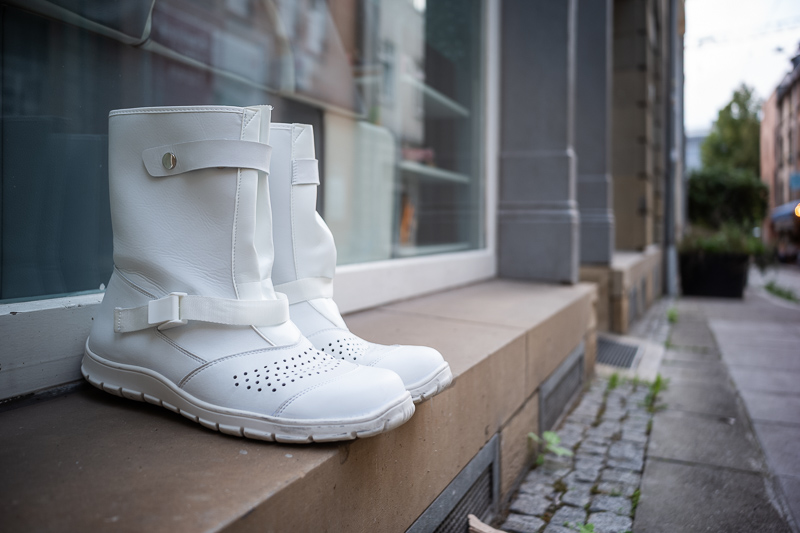
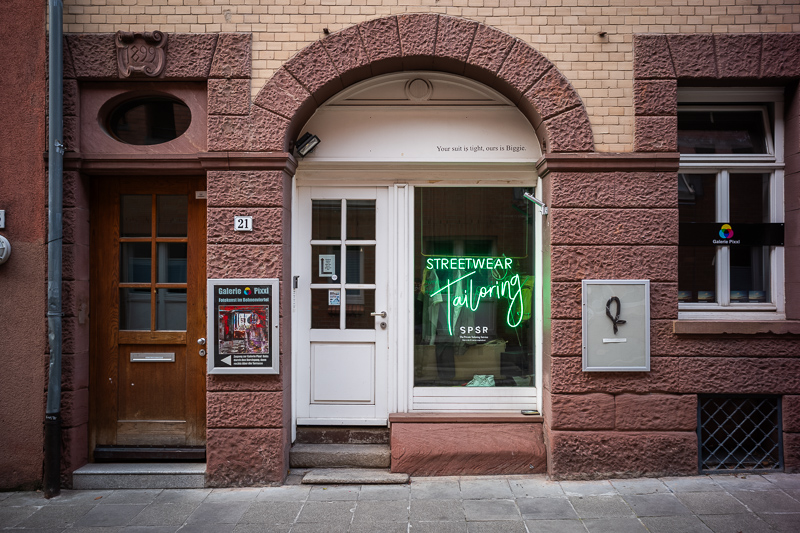

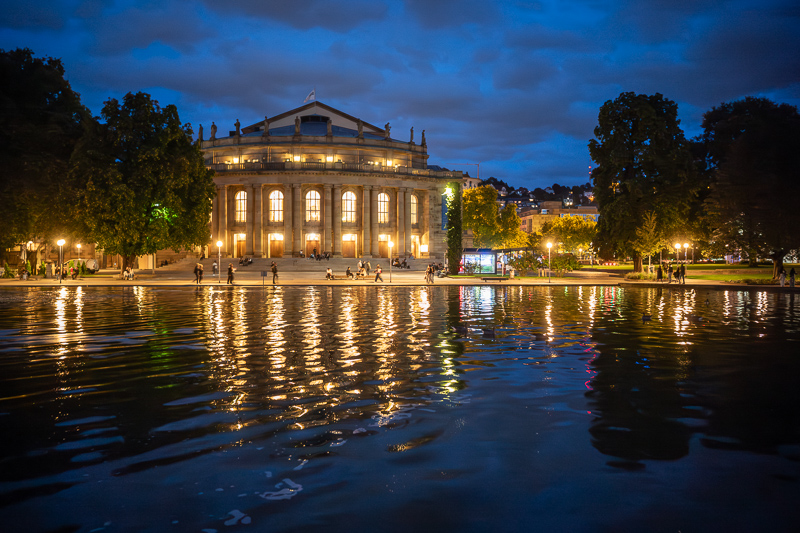
You can find most of the sample images in full resolution here.
Disclosure
I first received an early prototype of this lens in September 2025. Sadly I found it to have severe color cast issues on the Leica M10 and earlier digital M cameras. This led to a complete redesign of the optical block and I receided an improved version from Thypoch/DZO in May 2026. This review covers the improved version.
Specifications
This Thypoch 28mm 2.8 Eureka has the following specifications:
-
- Diameter: 52 mm
- Length: 19 mm
- Weight: 134g (measured)
- Number of Aperture Blades: 8 (slightly rounded)
- Filter diameter: 27 mm
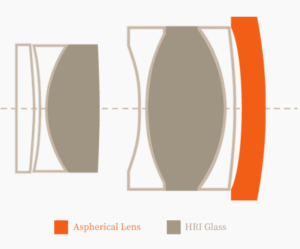
- Elements/Groups: 7/4
- Close Focusing Distance: 0.4 m
- Maximum Magnification: 1:11.8 (measured)
- Mount: Leica-M
buy from manufacturer’s shop (use code PRNET for free shipping) | ebay.com | ebay.de | B&H (affiliate links) for $459
Handling / Build Quality
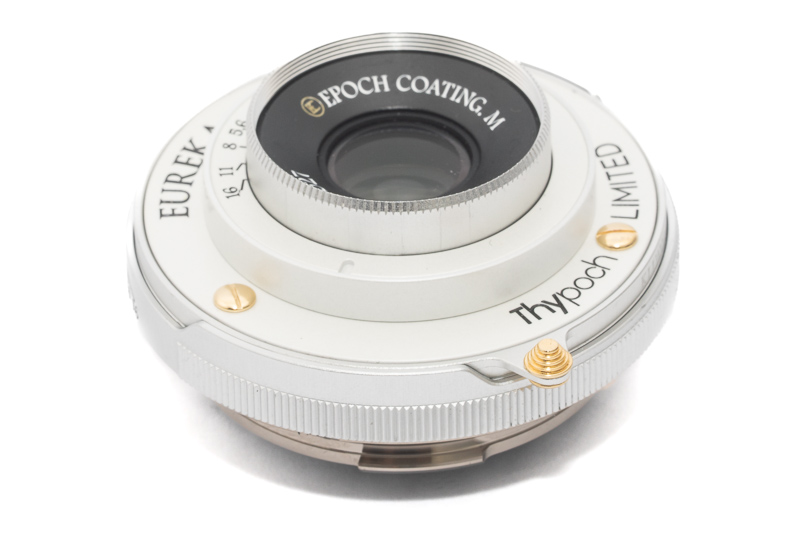
This Thypoch lens come in two version: one features a unique casing design unlike an other lens I am aware of: a silver casing and white surfaces with gold plated screws. The lens seems to be made from aluminium and all the writings are engraved.
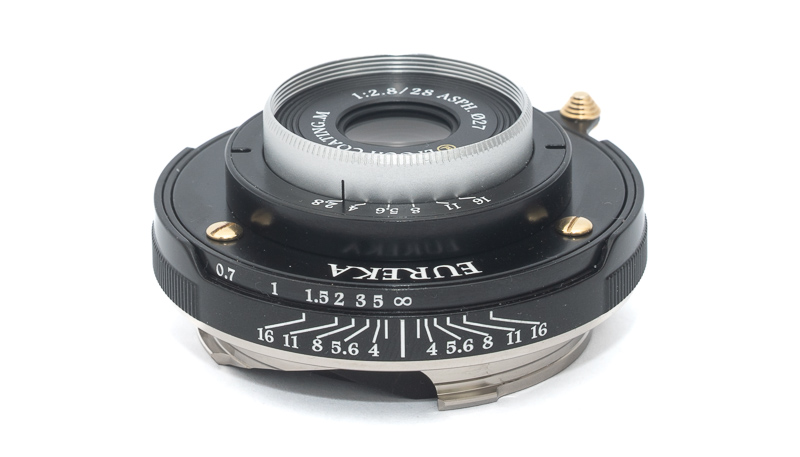
It is also available as black with gold screws but the inner tube is still silver here.
The aperture ring is actually the optical block – similar to some MS-Optics lenses. There are no click stops and you cannot see the markings from top, so it is a bit fiddly to adjust the aperture setting. The filter thread also rotates when changing the aperture setting.
To focus a small tab at the bottom of the lens should be used. It rotates 90° from the minimum focus distance of 0.4 m to infinity. Sadly there is no click stop at the 0.7 m setting. Resistance of the focus ring is nice and on focusing filter thread and front element do not rotate.

The Voigtländer VM 28mm 2.8 Color-Skopar is also a very small lens, yet it looks pretty big next to this lens – their length is very similar though and the Voigtländer lens surely has less quirky handling. The Brightin Star 28mm 2.8 is shorter and features a similar control scheme as this Thypoch lens.
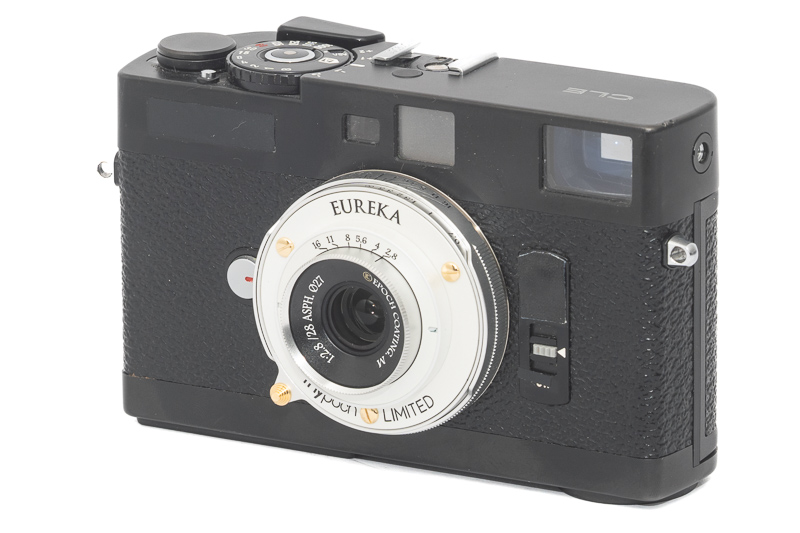
If you are looking for a very compact analogue setup, this lens also pairs nicely with the Minolta CLE.
Vignetting
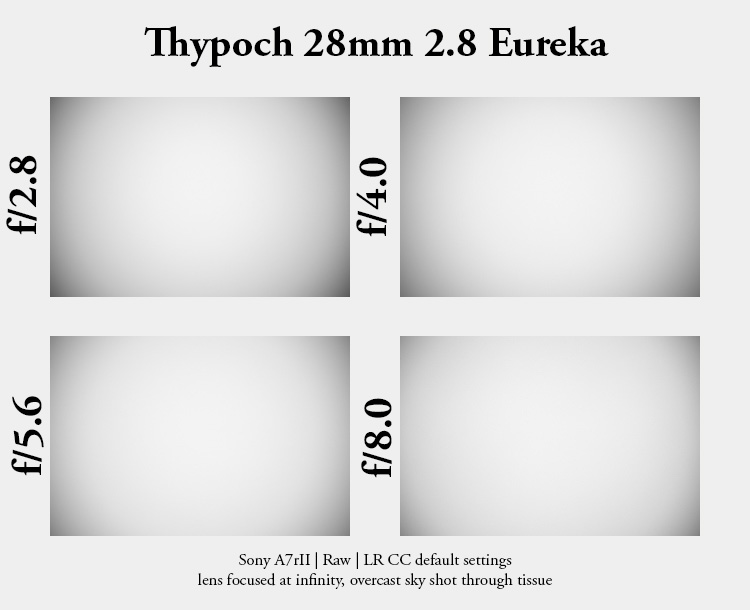
| f/2.8 | 3.3 EV |
| f/4.0 | 2.7 EV |
| f/5.6 | 2.6 EV |
| f/8.0 - f/16 | 2.5 EV |
This Thypoch 28mm 2.8 Eureka shows high vignetting figures – not uncommon among such compact lenses. The Voigtländer VM 28mm 2.8 Color-Skopar shows similarly high vignetting figures at shared apertures, the Brightin Star 28mm 2.8 – probably thanks to its huge rear element – as well as the much bigger Light Lens Lab 28mm 2.8 9e show less vignetting.
Around 3 EV vignetting are still a whole lot though and even stopped down more than 2 EV remain.
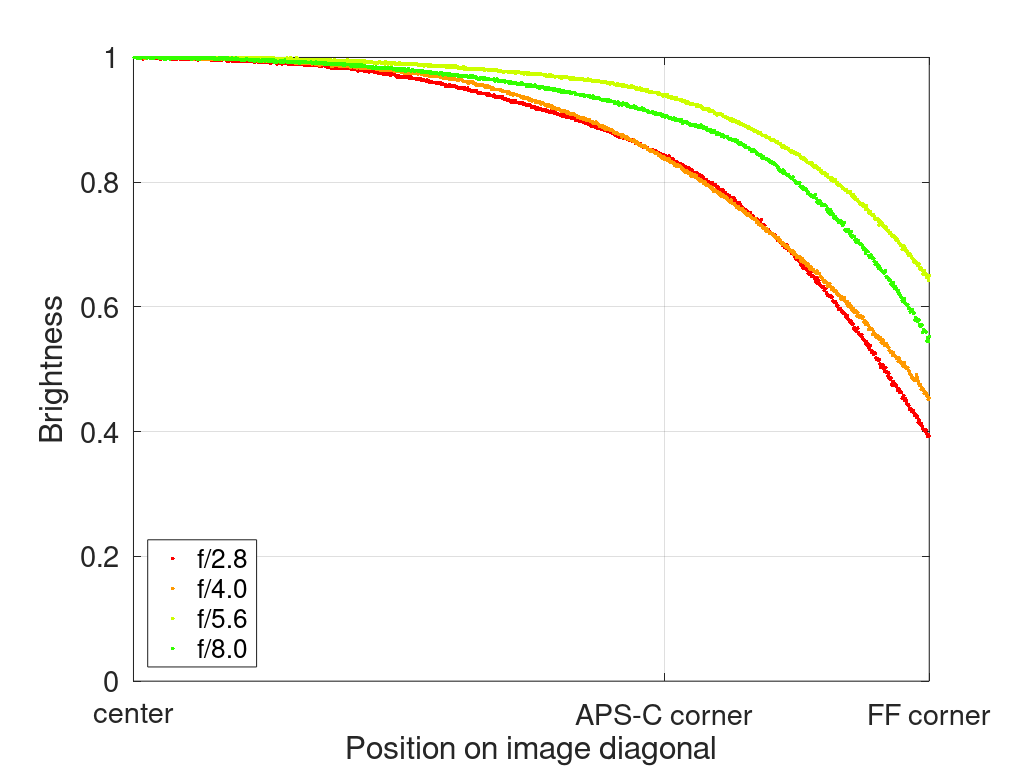
It is recommended to have a look at this article first to get an idea how this brightness graph works.
Color Cast

If using this lens on the Leica M10 there is hardly any color cast visible which is good news.
Sharpness
Focus shift
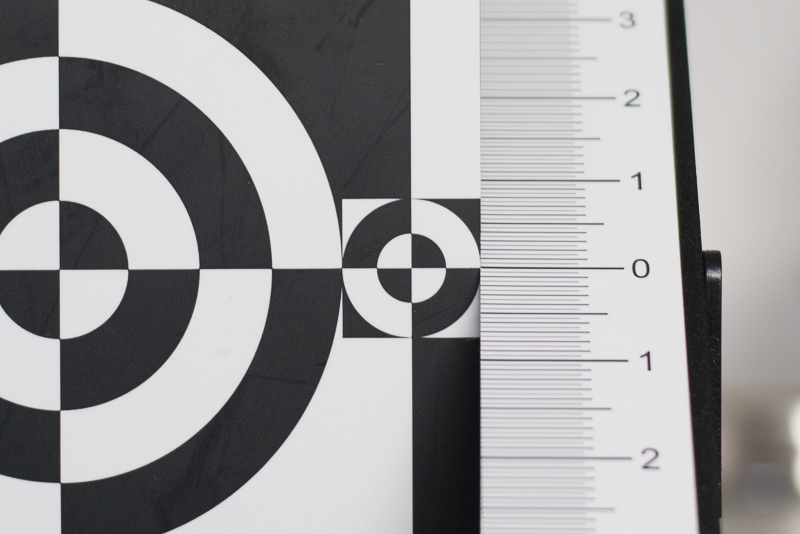
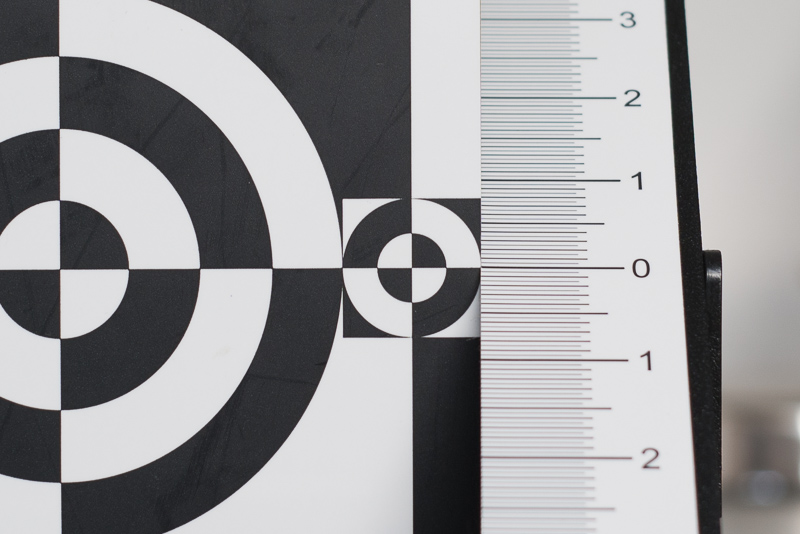
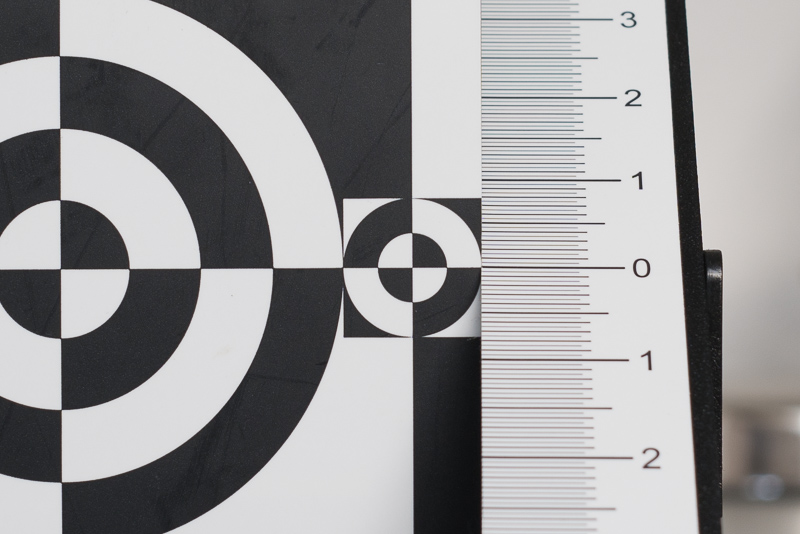
This Thypoch 28mm 2.8 Eureka shows a little bit of focus shift. It is not enough for the subject to drop out of the focal plane, so it shouldn’t be an actual problem in the field.
infinity (24mp Leica M10, 42mp Sony A7rII)
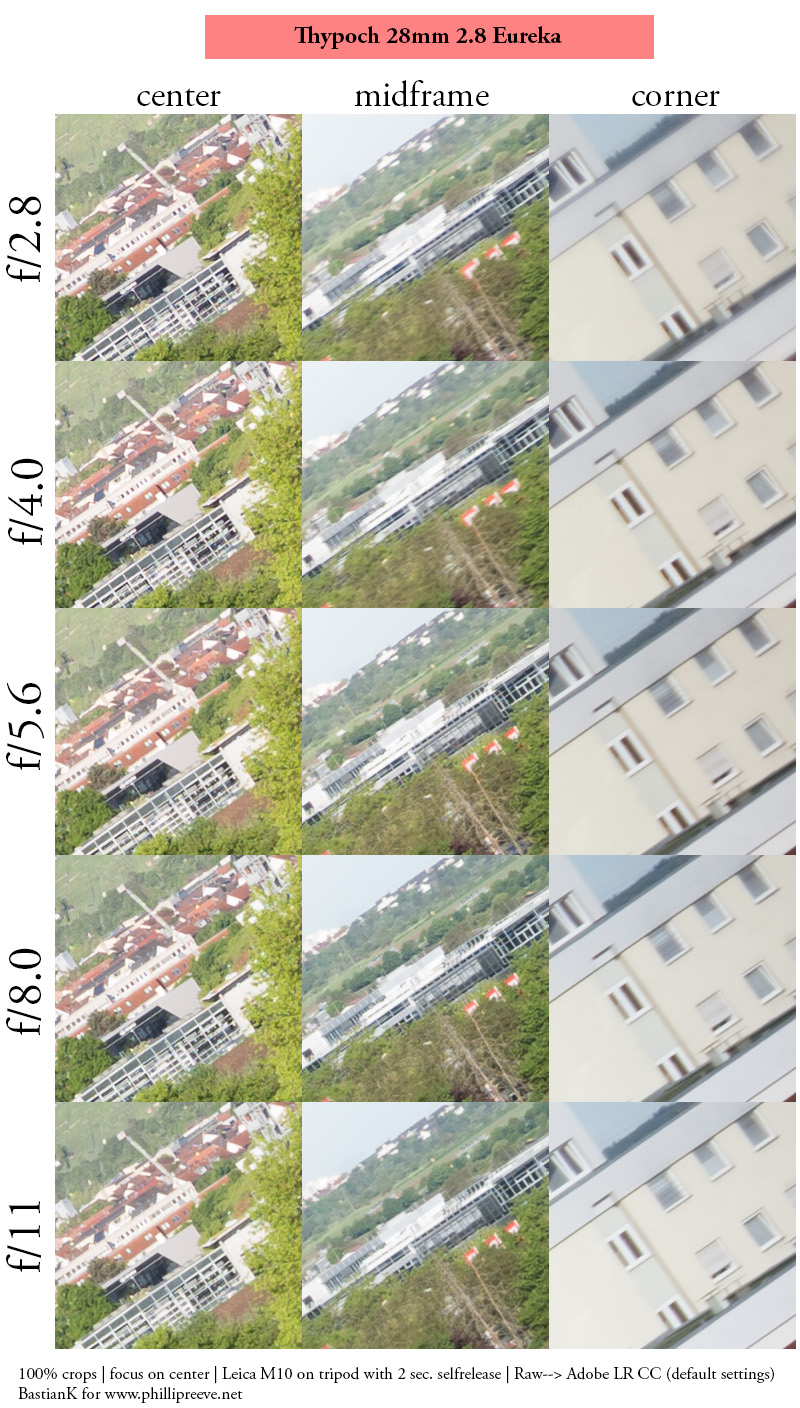
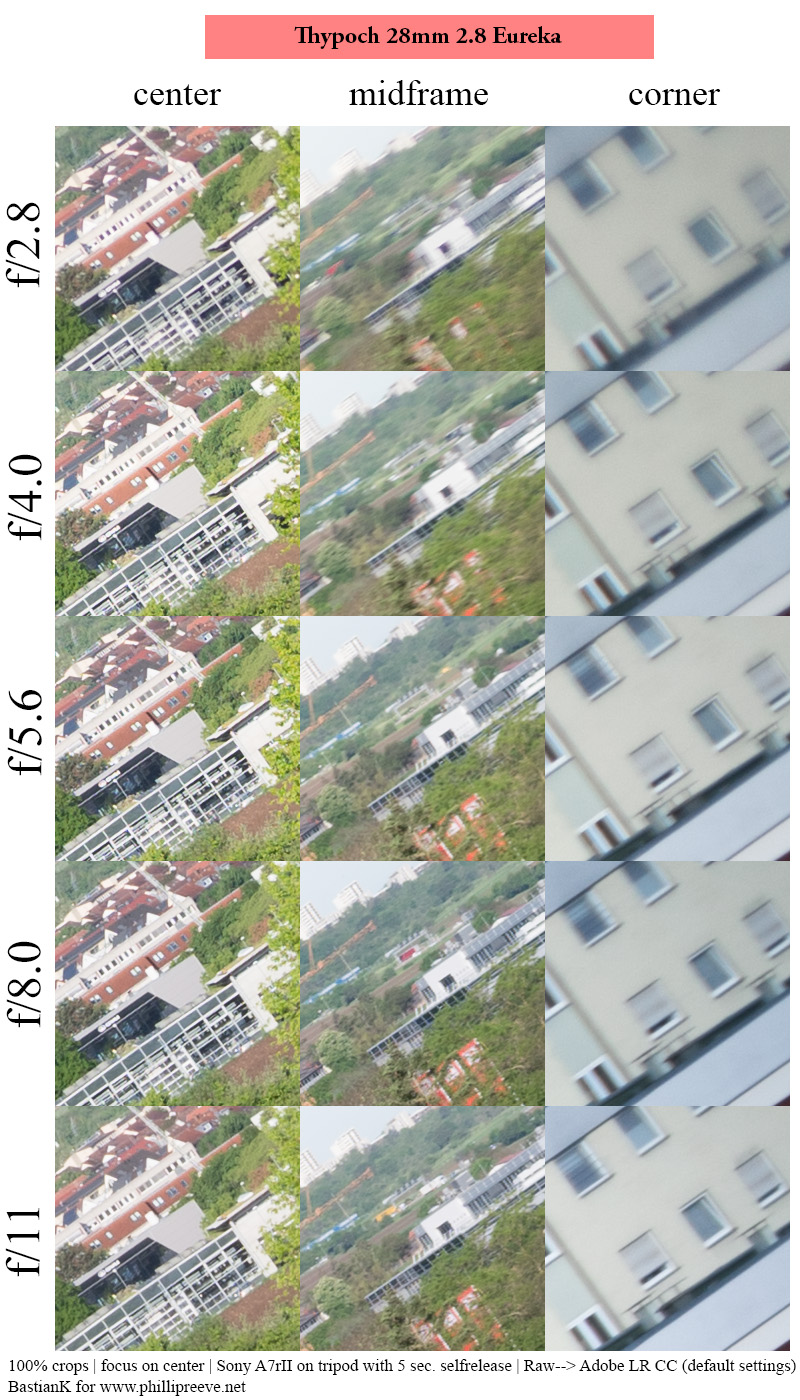
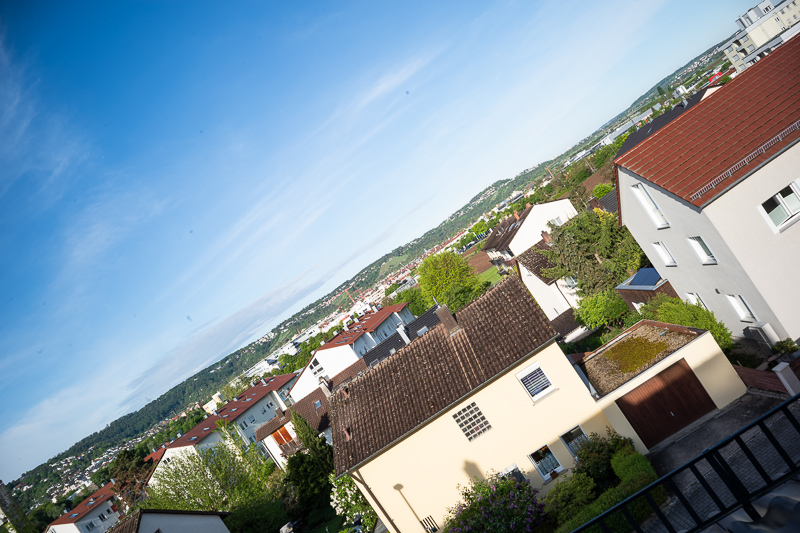
On the Leica M10 this Thypoch 28mm 2.8 Eureka shows a good performance: already at f/2.8 it is usable across the whole frame.
The Voigtländer VM 28mm 2.8 Color-Skopar and the Light Lens Lab 28mm 2.8 9e did perform even better here, but they are also bigger. The similarly small Brightin Star 28mm 2.8 looks pretty awful by comparison.
On the Sony A7rII this lens does not perform particularly well – thanks to its thicker filter stack, which was to be expected.
close distance (0.4 m, 42mp Sony A7rII)



For a 28mm M-mount lens a minimum focus distance of 0.4 m is actually pretty good – even though the Thypoch 28mm 1.4 Simera focuses even closer.
The performance is also good at close distances from the maximum aperture, the peak performance is reached at f/5.6.
Flare resistance
The Thypoch lenses generally showed a good performance in this category, yet many of the very small lenses actually struggle. What should we expect here?
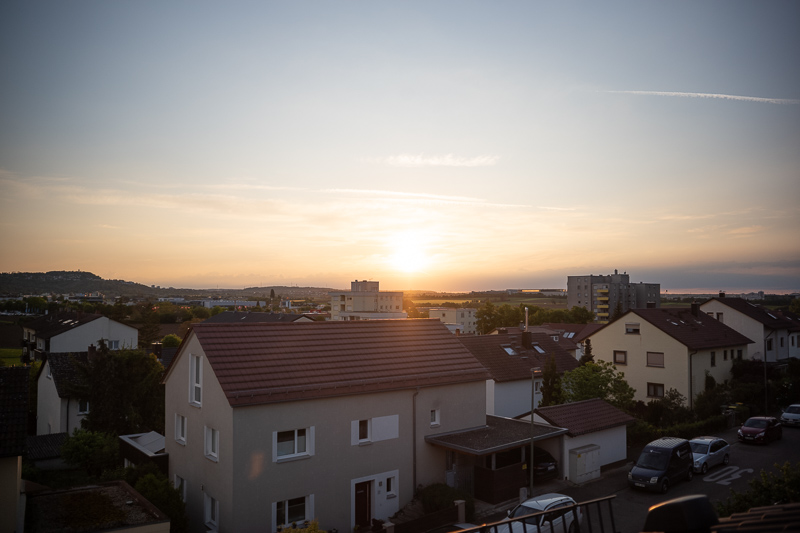
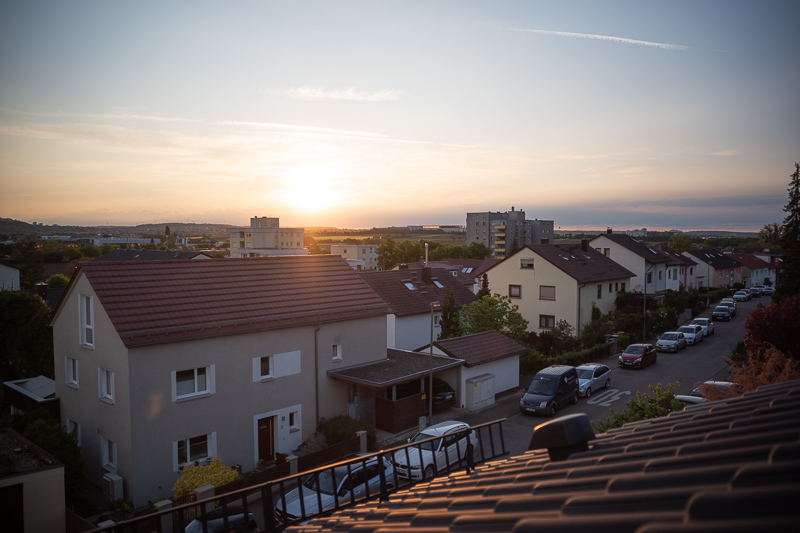
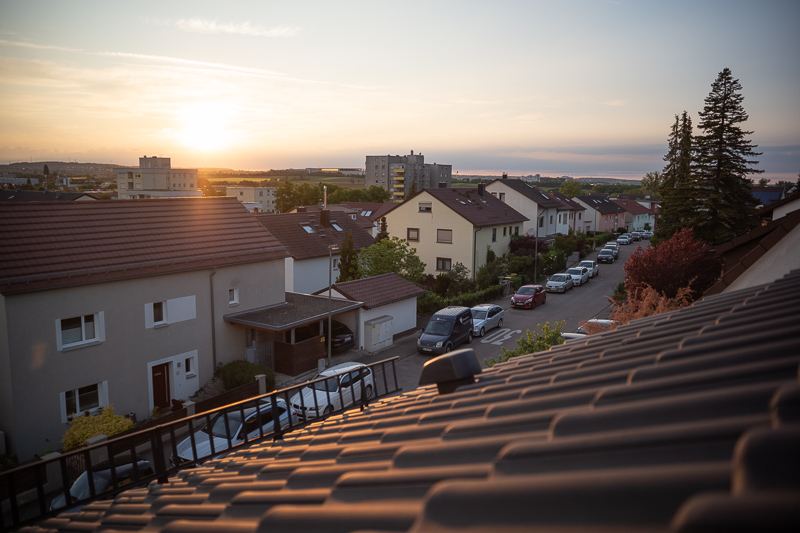
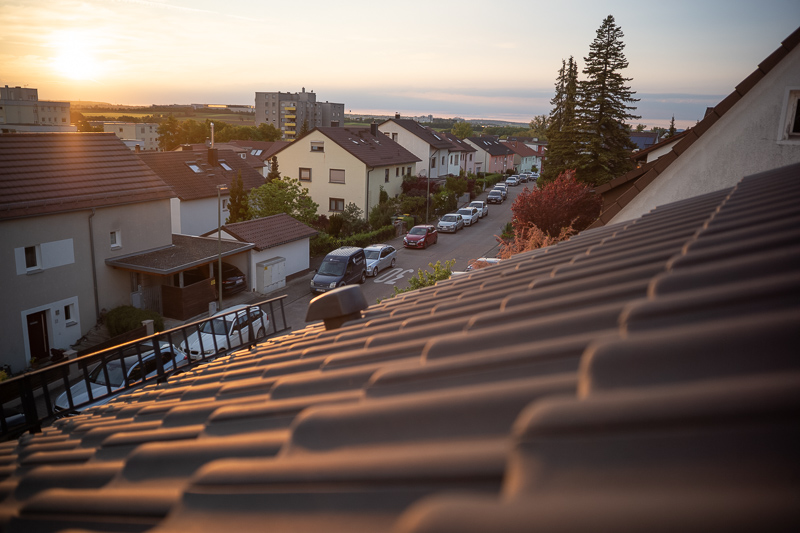
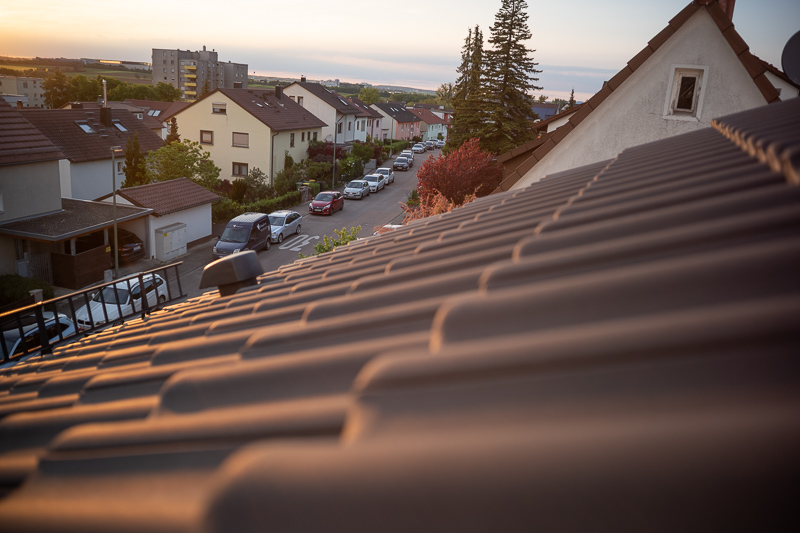
At the maximum aperture the performance is actually pretty good: contrast stays on a high level and there are hardly any issues with ghosting and only little veiling flare.
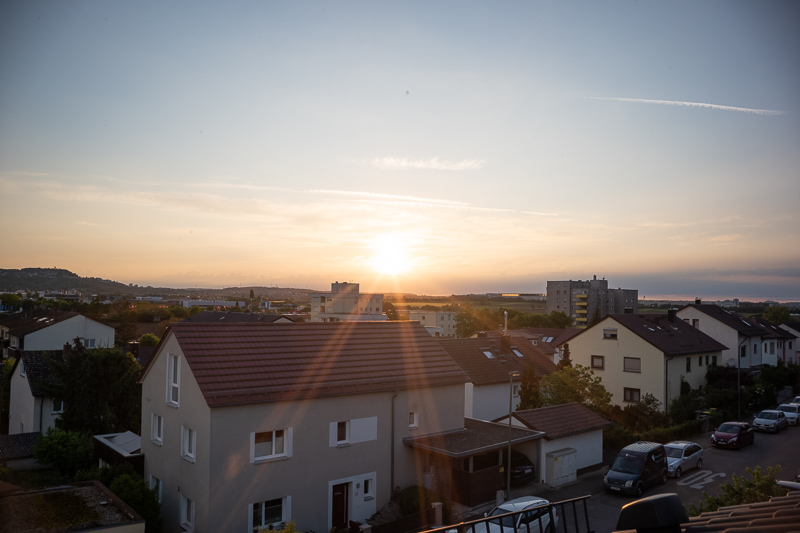
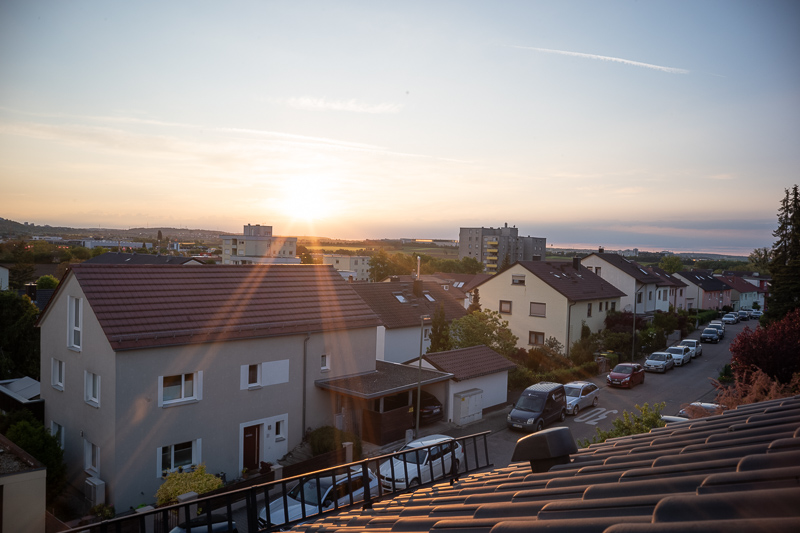
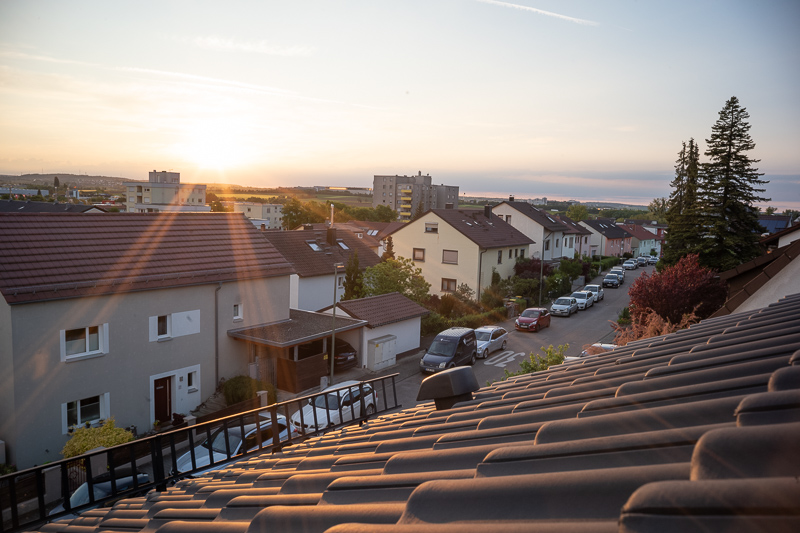
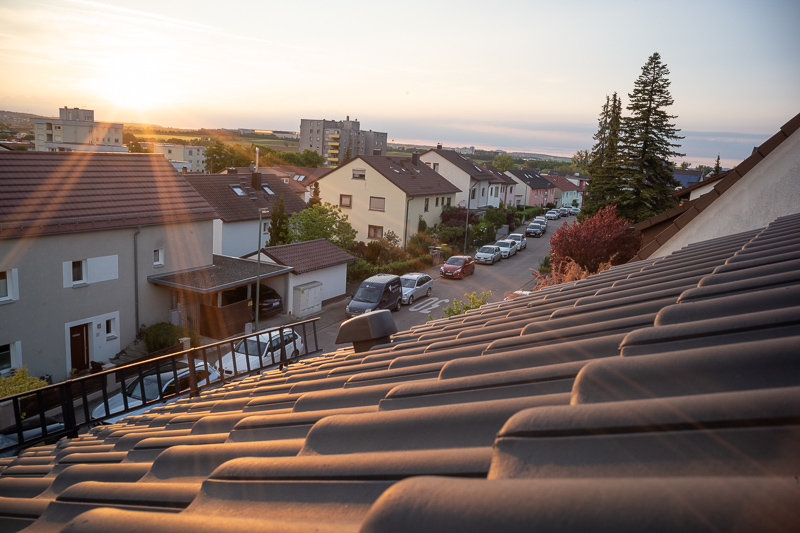
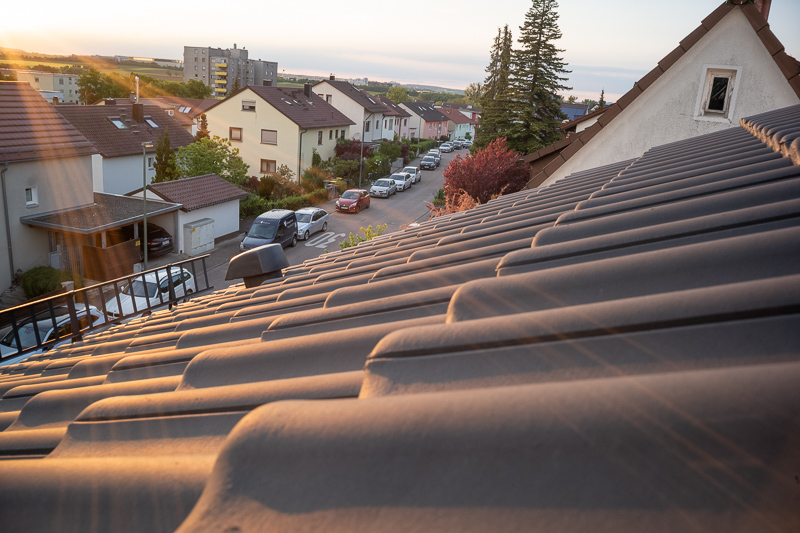
Also stopped down the performance looks good, but the sunstars do look unnecessarily huge. I encountered similar issues with the Viltrox AF 28mm 4.5 FE, another very small 28mm lens.
Coma
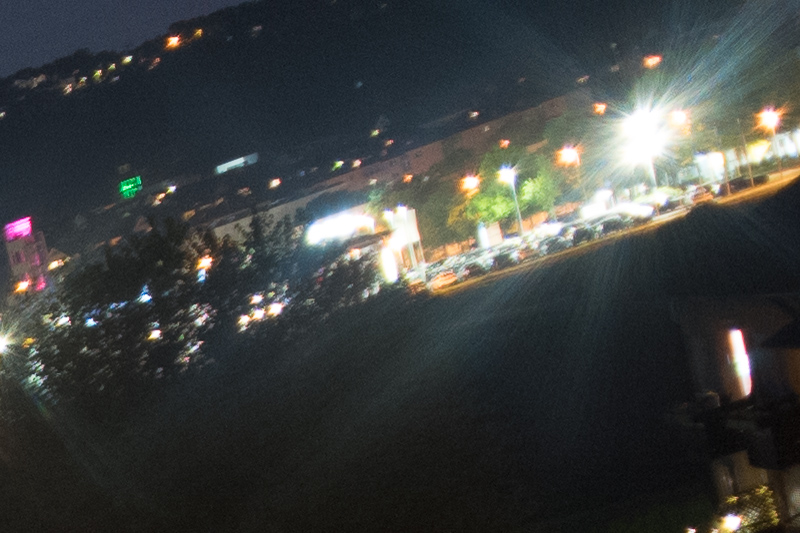
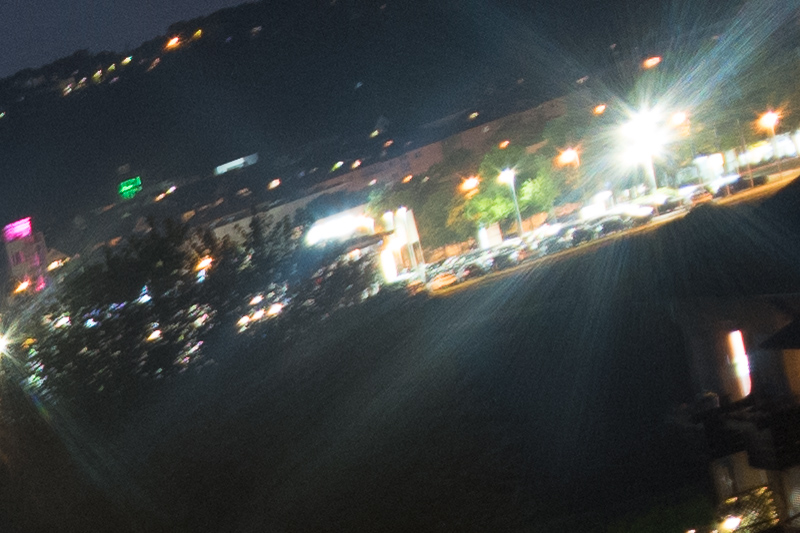
100% crops from extreme corner, Leica M10
We saw the good corner performance in the sharpness section so it shouldn’t come as a surprise that also Coma is not really a problem. This is a huge difference compared to the Brightin Star 28mm 2.8, which looked awful here.
Distortion


Distortion of this Thypoch 28mm 2.8 is very low – good news if you want to use it on film. Dialing in a correction of +2 in Lightroom/ACR gets rid of the small remaining distortion.
Sunstars
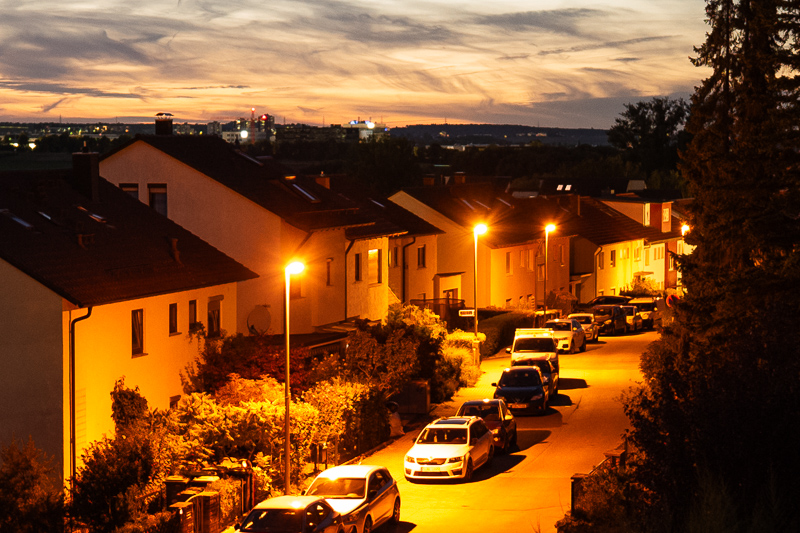
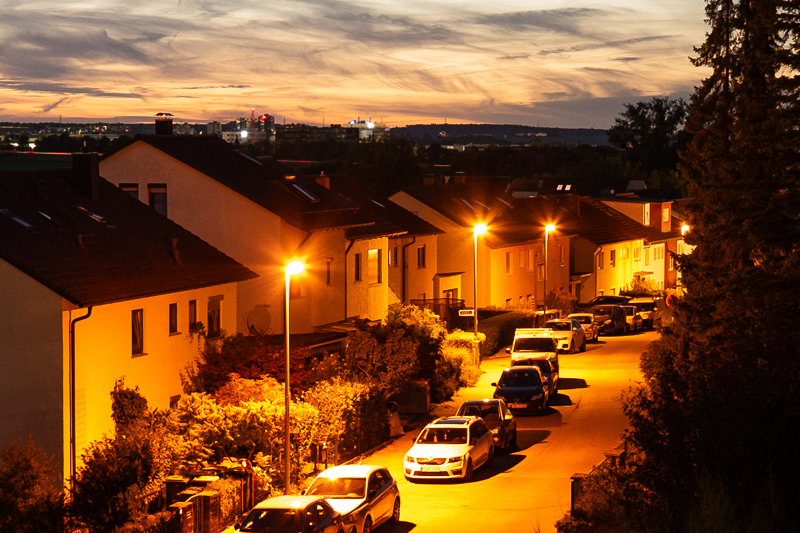
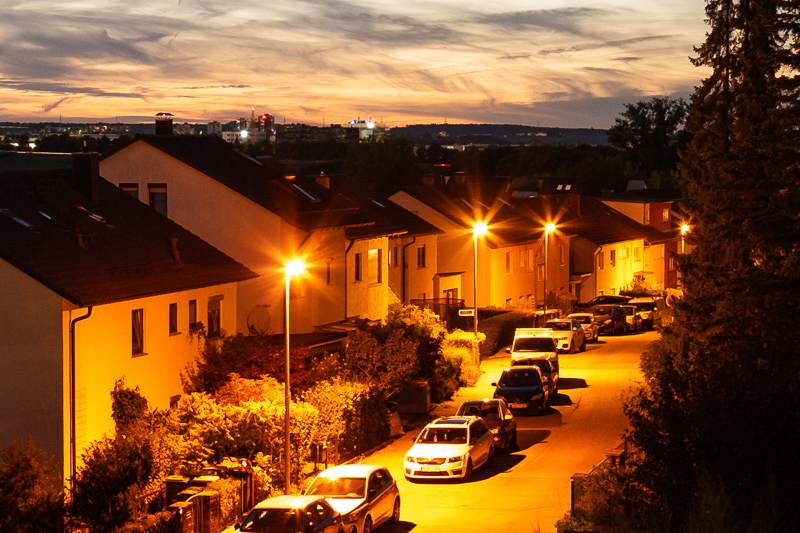
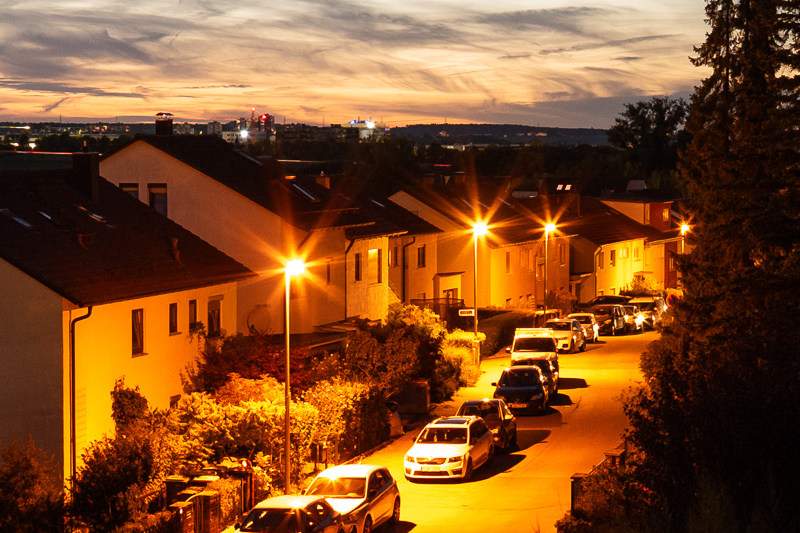
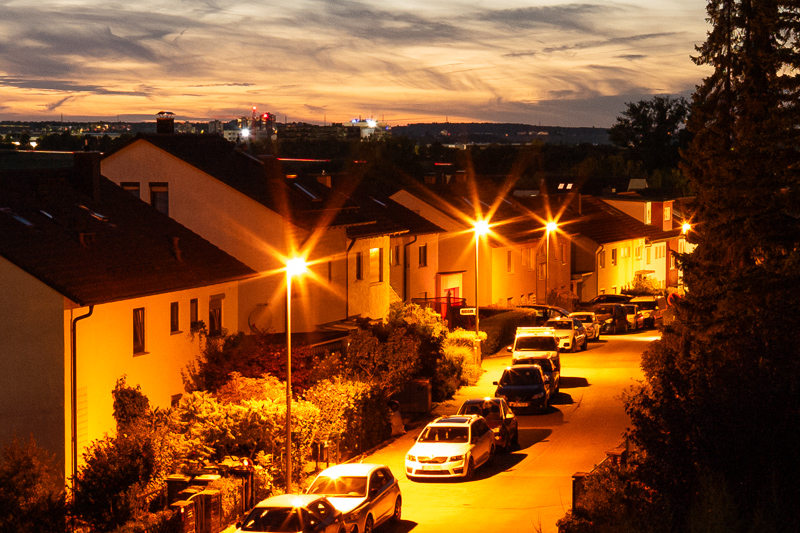
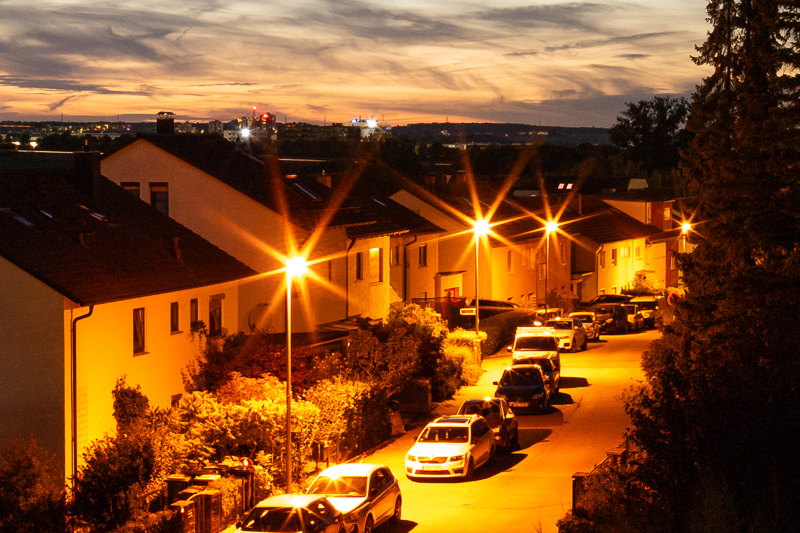
This lens makes use of 8 slightly rounded aperture blades, which is rare to see these days. An even number of aperture blades can be good news for creating distinct sunstars, the alignment of the blades is not perfect here though, so only at f/16 the rays are pointy instead of frayed.
If you want to learn more about this topic have a look at this article.
Bokeh

I have reviewed a few of these 28mm 2.8 lenses now and generally these are not the best choice of lens if you are looking to create some shallow depth of field.


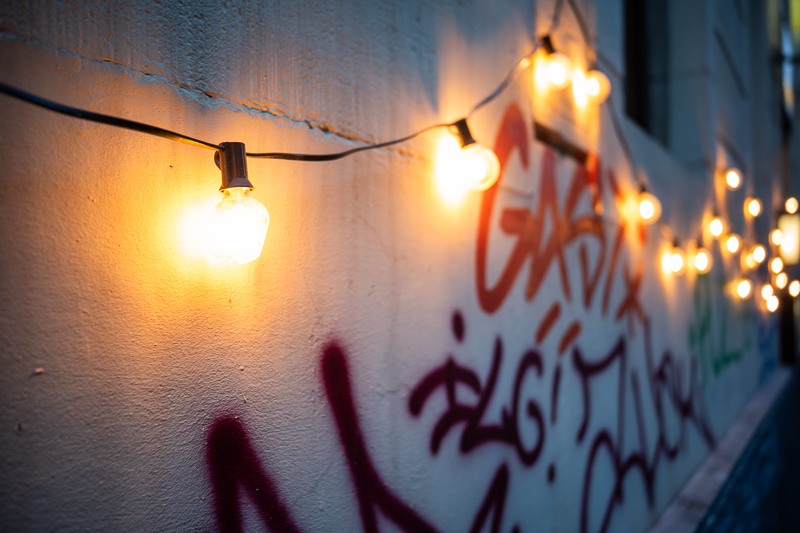
A benefit of this Thypoch lens is the generous minimum focus distance of 0.4 m. Thanks to that you can actually create some bokeh in close focus scenarios and its quality is quite alright without any apparent double edged structures.




At longer focus distances the Brightin Star 28mm 2.8 looked pretty awful here due to its field curvature and optical vignetting issues. This Thypoch lens is much better behaved and creates an uobtrusive bokeh, similar to the Voigtländer 28mm 2.8 lens.
Chromatic Aberrations
lateral
Lateral CA are well corrected, I didn’t find any in my pictures.
longitudinal

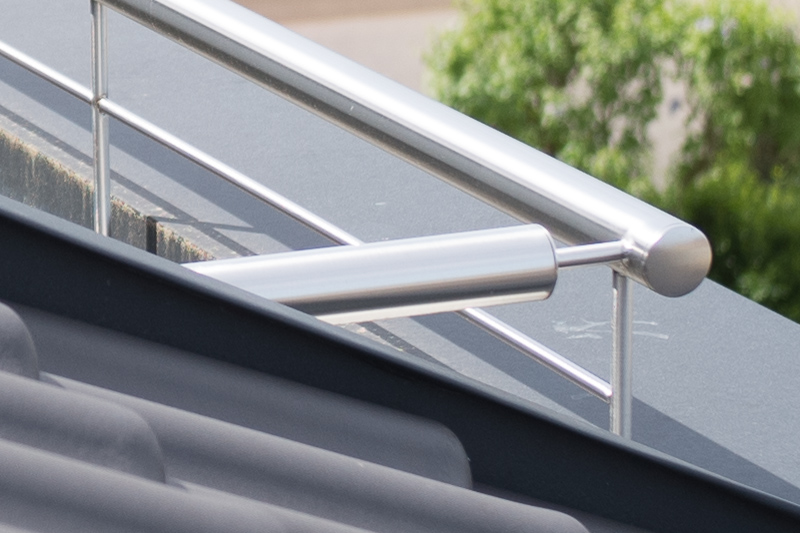
This is not a particularly fast lens and bokeh fringing hardly visible, so generally not something that should worry you in the field.
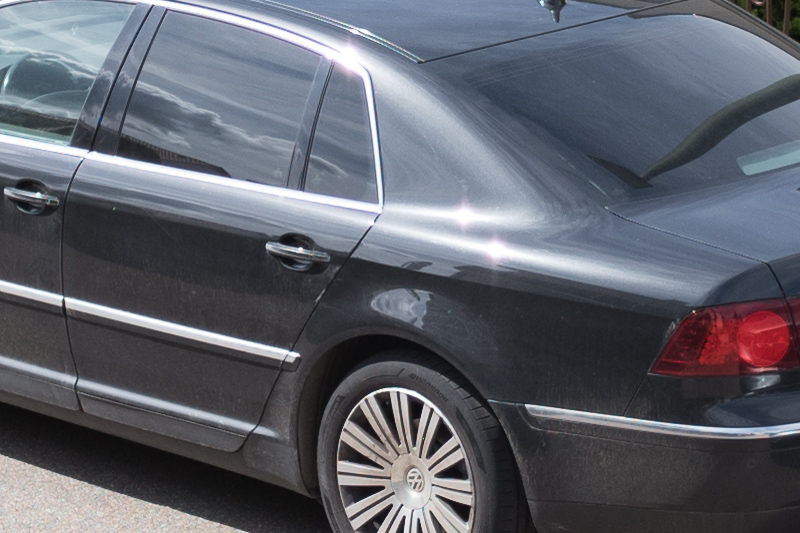
Also purple fringing is not an issue at all.
Conclusion
good
|
average
|
not good
|
Sometimes these small lenses come with severe compromises and the Brightin Star 28mm 2.8 – another small lens sharing the specifications of this Thypoch 28mm 2.8 Eureka – was one such lens: pretty awful off center at wider apertures due to uncorrected Coma, weird bokeh thanks to crazy field curvature, somewhat mediocre flare resistance and severe focus shift on top of that.
Personally, I am not a huge fan of the handling but that is partly the price to be paid for its tiny size and same is obviously true for the high vignetting figures.
The good news: this Thypoch 28mm 2.8 Eureka is generally a fully functional, well working lens – despite its tiny size. It shows good resolution and contrast from its maximum aperture, it corrects CA and Coma well, is mostly resistant to flare and it features a surprisingly good minimum focus distance of 0.4 m.
buy from manufacturer’s shop (use code PRNET for free shipping) | ebay.com | ebay.de | B&H (affiliate links) for $459
Alternatives
Brightin Star x Funleader 28mm 2.8 SXlim Pro-M:
The Brigthin Star x Funleader performs way worse in most categories. Deciding between these two, I would go for the Thypoch Eureka.
You can buy this lens directly from the Funleader.com shop | ebay.com (affiliate links) for $359
Voigtlander VM 28mm 2.8 Color-Skopar:
This Voigtländer lens is not as small as the Thypoch Eureka reviewed here or the Brightin Star, but it offers great image quality and uncompromised handling in a still very compact package.
buy from ebay.com | B&H (affiliate links) for $699
Voigtlander VM 28mm 2.0 Ultron MKII:
The best balanced 28mm lens for M-mount in my opinion. It isn’t nearly as small, but it is still small while packing a whole lot of optical performance.
buy from B&H | ebay.com | ebay.de (affiliate links) for $799
TTArtisan 28mm 5.6:
This lens is similarly small but 2 stops slower. It is decently sharp across the whole frame stopped down, but unfortunately it has some issues with lens flares and also has a minimum focus distance of 1.0 m, which I found very limiting.
buy from manufacturer’s shop and B&H (affiliate link) for $298
7Artisans 28mm 5.6:
This is bigger than the aforementioned TTArtisan lens and also not as sharp stopped down. It has similar issues with flare resistance, also a minimum focus distance of 1.0 m and the sample I had brought up the 35mm framelines. Oh well…
buy from manufacturer’s shop, ebay.com and B&H (affiliate links) for $224
Further Sample Images






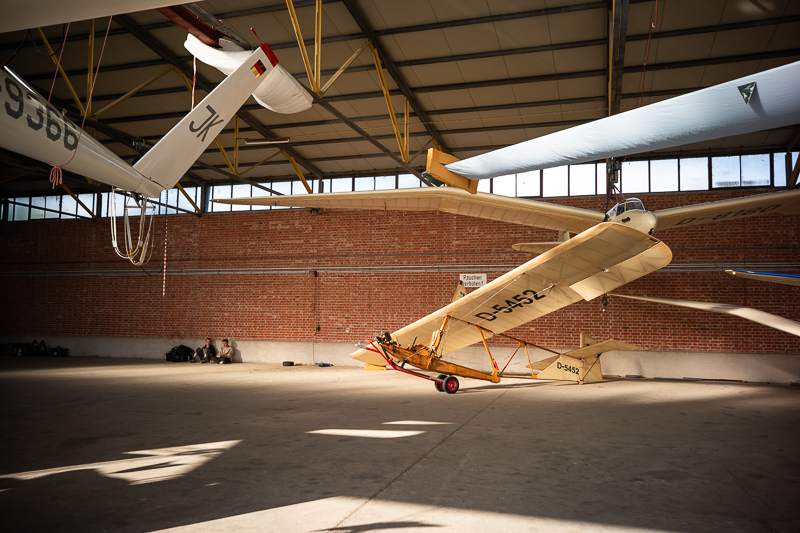
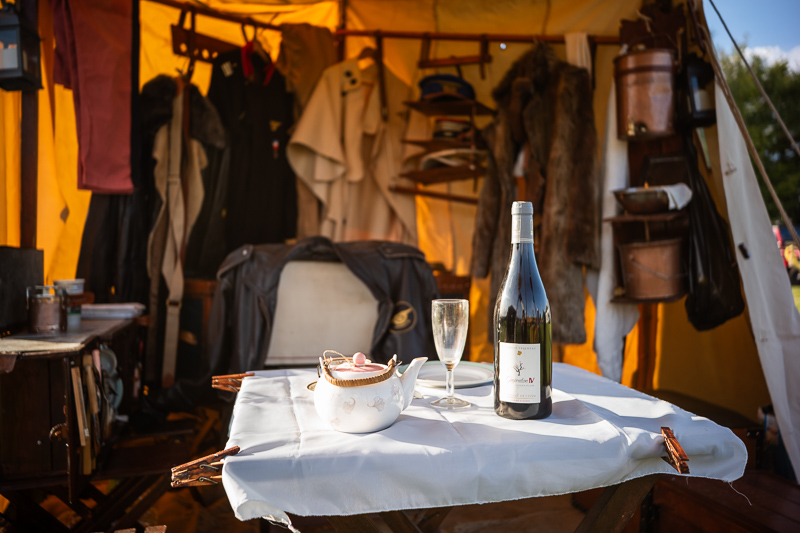

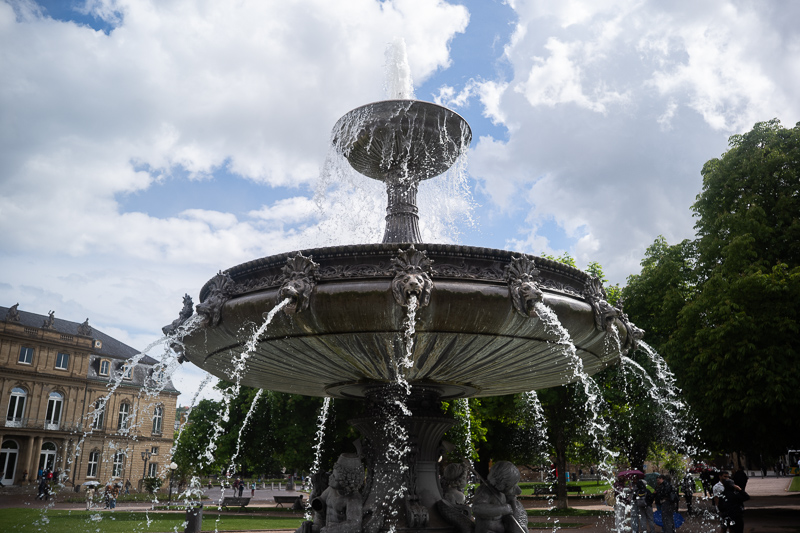
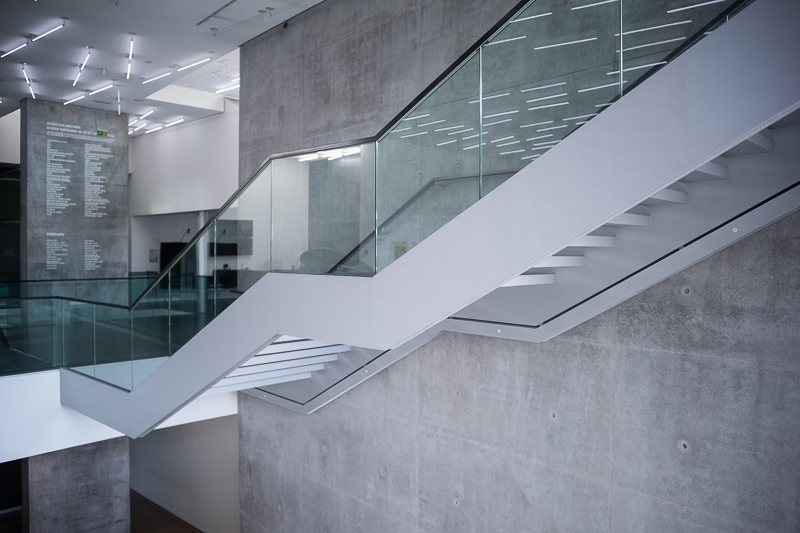
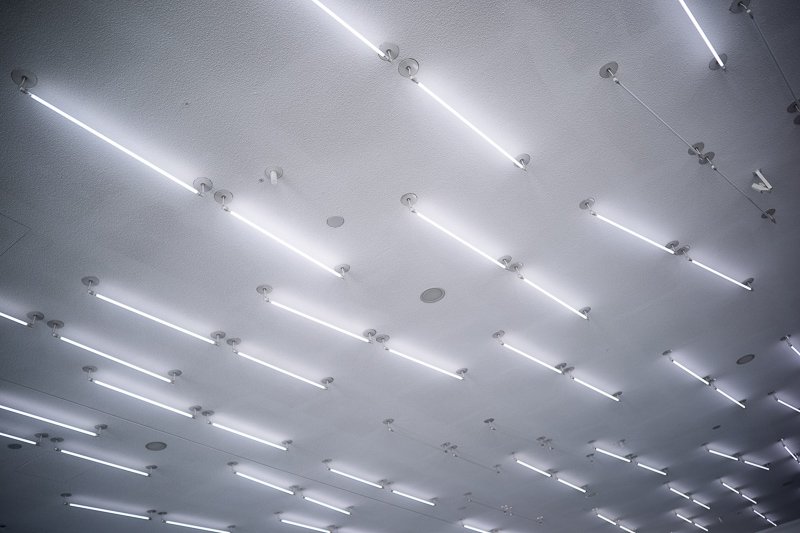




You can find most of the sample images in full resolution here.
Further Reading
- All M-mount lens Reviews
- All Thypoch Lens Reviews
- Review: Voigtländer VM 35mm 1.2 Nokton III
- Review: Leica 90mm 2.0 Summicron-M
- Discuss this review with our Discord community
Support Us
Did you find this article useful or just liked reading it? Treat us to a coffee!

 via Paypal
This site contains affiliate links. If you make a purchase using any of the links marked as affiliate links, I may receive a small commission at no additional cost to you. This helps support the creation of future content.


Latest posts by BastianK (see all)
- Analogue Adventures – Part 58: Adox Color Mission 200 C-41 - October 21, 2026
- Review: Nikon Z 35mm 1.2 S Nikkor - October 17, 2026
- Prime Day Photoshop+Lightroom offer for Amazon Prime Members (EU/UK) | Update: also at B&H - October 7, 2026
This review couldn’t be better timed, I’m looking for a lightweight compact m lens seems this might be a winner.
This looks fantastic imo. Really enjoyable review to peruse. Too bad this lens make no sense on a Sony (I suppose on Z mount too), otherwise it would go near the top of my wishlist for this year.
I’ve experienced similar handling issues with the good (bad), old Industar 50-2 lens, which has the most extreme aperture lever; this one can’t be as bad at least. Everything turning together without even being able to easily see what you’re doing can get on one’s nerves, and it’s not something you ever get completely used to. But having such a small lens, yet more capable than many, and for the price… I gotta say nice!
Too bad they won’t make a Sony version, though it would probably perform worse anyway, and less compact still.
Interesting little thing, but not for Sony…
How does it compare to the Sony 28mm f2.0 which is about the same price.
Those lenses are hardly comparable.
They both have a focal length of 28mm. The similarities end there.
The lens diagram looks like a reversed Sonnar design, quite unique for a 28mm FF lens. With 6 of the 14 surfaces cemented it is not just the coatings that keep the flare low. Modern designs often keep the elements separated to have more surfaces for correction. In a sense this is more a vintage design if the aspherical element is not considered. For a compact lens the design is smart in combining old and new methods.