Introduction

Over the past years we saw huge improvements in optical performance of 35mm format lenses – a trend started by the Zeiss Otus and Sigma Art lineups – and the latest Sony GM and Nikon Z designs offer an optical performance unheard of only a few years before. Still, there are some lenses that never saw a successor and this Canon EF 50mm 1.0L USM is one such lens. Released in 1989 this is still the fastest fullframe autofocus lens ever made. But what compromises were needed to make a lens like this, leading to no one ever daring to try this again for at least 36 years? Let’s find out in this review.
The lens is mainly being tested on a 24mp Nikon Zf.
Sample Images









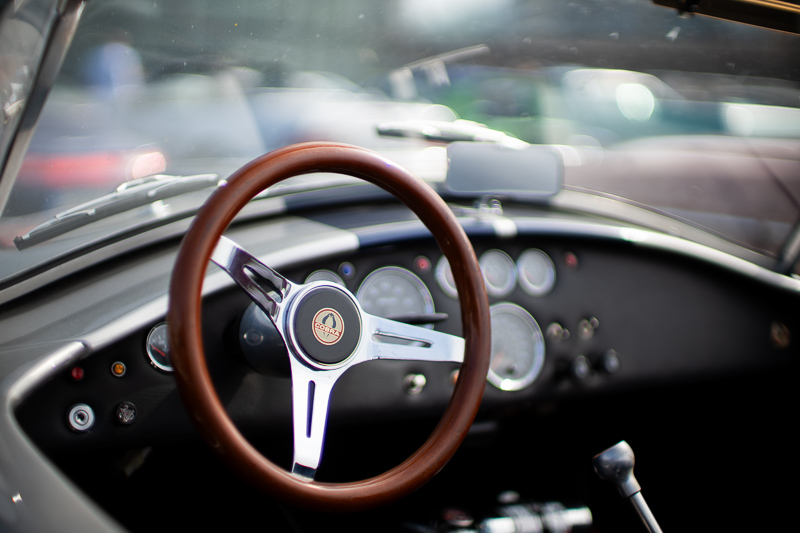
You can find most of the sample images in full resolution here.
Contents
Specifications
With the introduction of the EF-Mount in 1989 Canon released a halo flagship 50mm lens: the Canon EF 50mm 1.0 L USM. In 2007 Canon replaced it with the slower and simpler Canon EF 50mm 1.2 L USM and also for their mirrorless RF-mount they did not release a lens faster than f/1.2. This is not only true for Canon, no one released a faster AF lens to this day, so this Canon EF 50mm 1.0L USM still holds the title for being the fastest AF lens ever made 36 years later. It has the following specifications:
-
- Diameter: 92 mm
- Field of view: 45.9° (diagonally)
- Length: 82 mm
- Weight: 1008g (without hood[47g], without caps)
- Filter Diameter: 72 mm
- Number of Aperture Blades: 8 (rounded)
- Elements/Groups: 11/9
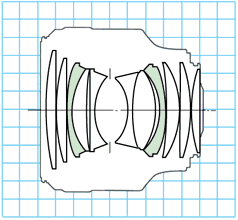
- Close Focusing Distance: 0.6 m
- Maximum Magnification: 1:9.1
- Released: September 1989
- Mount: Canon EF
buy from ebay.com | ebay.de (advertisement/affiliate links) ranging from $2000 to $4000 (used) depending on its condition
Handling/Build quality
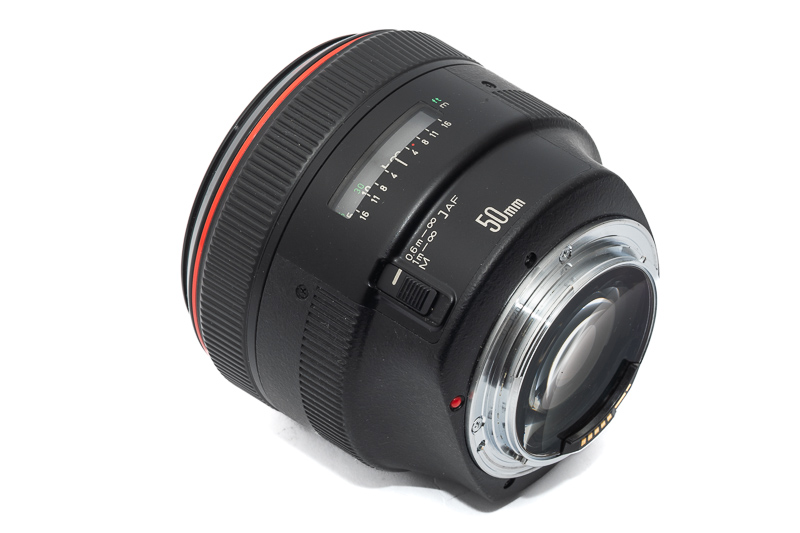
This Canon EF 50mm 1.0L USM has the same exact outer dimensions as the first generation Canon EF 85mm 1.2L USM which was released the same year. I already reviewed the second generation Canon EF 85mm 1.2L USM II, which still features pretty much the same casing. So if you read my review of that lens, you already know what to expect here.
This means, also this 50mm is a focus-by-wire design. Without power, touching the focus ring makes no difference. It takes ~270° rotation from infinity to the minimum focus distance (0.6 m) which is good for setting precise focus, but the transmission is a bit rough, meaning I didn’t enjoy the manual focus experience with this lens overly much.
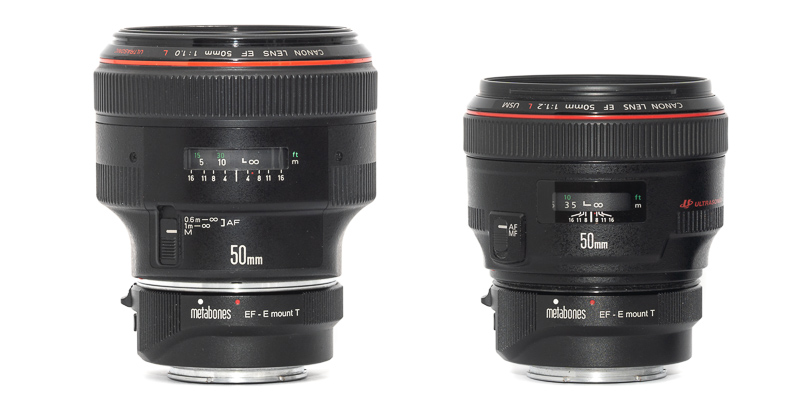
Like the Canon EF 85mm 1.2L USM II – and unlike the Canon EF 50mm 1.2L USM from 2007 – this is also a floating elements design. The rear element is fixed, all the other elements move on focusing.
This 50mm also features a rubber coating that reminds me a lot of the Sigma ZEN and Nikon F80/F100 coatings. With the Canon EF 85mm 1.2L USM II I reviewed it already started to deterioate, turning the lens into a bit of a sticky mess. Luckily this isn’t the case here. Still, this may be something to watch out for when looking for a used sample.
On the top of the lens there is a combination of an AF/MF-switch and a focus limiter.

The rear element of this lens is as big as technically possible and you can also see the plate with the electronic contacts obstructing some of that rear element.
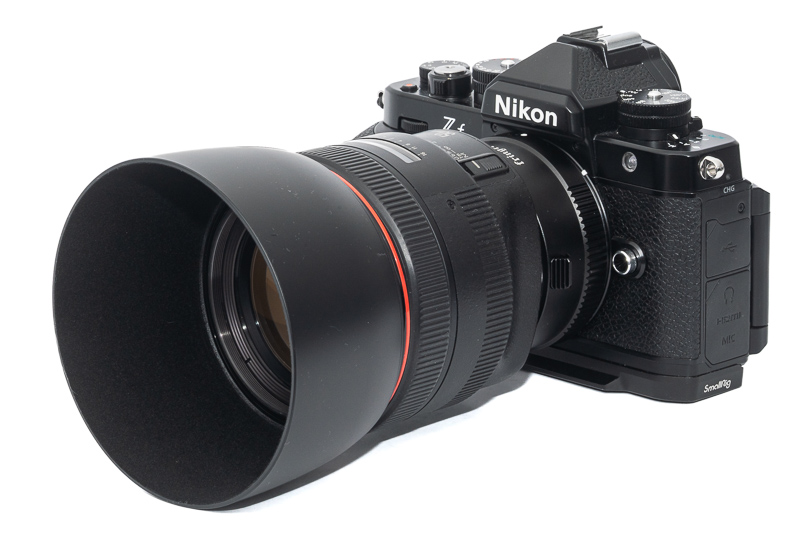
There is an official bayonet-style hood (ES-79) available for this lens. With the release of the Canon EF 85mm 1.2L USM II it has been replaced by an updated version (ES-79II) with felt on the inside. Both versions fit just as well. The hood is also attached to the focus ring, so it rotates when manually focusing the lens, which feels a bit odd.


The optical block extends quite a bit on focusing closer and I would recommend to avoid putting the lens on a table upside down when not focused at infinity in order not to put unnecessary strain on the mechanics. The hood is not attached to the moving optical block, so similar to e.g. the Nikon Z 58mm 0.95 S Noct-Nikkor you can use the hood to protect those mechanics.

You will see throughout this review that some compromises had to be made to realize a 50mm 1.0 AF lens designed for the EF-mount in 1989. With the Nikon Z 58mm 0.95 S Noct-Nikkor, Nikon released an even faster 58mm lens in 2019 with pretty much no compromises when it comes to the optical performance. However, that meant it is twice as heavy, 2-4 times as expensive and doesn’t even feature autofocus. In fact to this day no one else released an autofocus lens faster than this Canon EF 50mm 1.0L USM.
Auto Focus
On my Sony cameras I tried this lens with the Sigma MC-11 as well as the metabones MK IV and the AF generally worked with both of them. On my Nikon Zf I tried it with the Fringer EF-NZ adapter and also here everything worked well.
As this is a front focus lens – meaning a whole lot of glass has to be moved – the AF is not super fast and it also doesn’t do particularly well with tracking because of that.
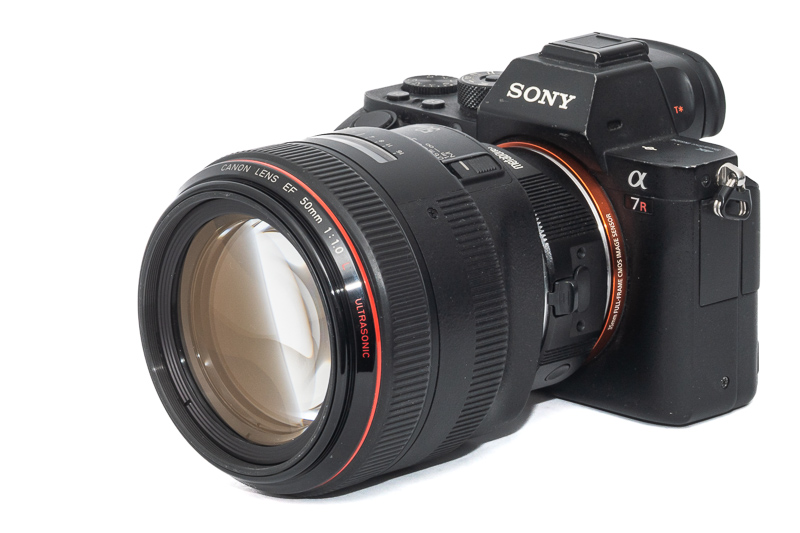
As you will see throughout this review I do not think it is a really good idea to adapt this lens to E-mount cameras, as both the adapters I tried lead to mechanical vignetting. However, using this lens on a Canon DSLR with its mirror box will also lead to severe issues with truncated out of focus highlights. This lens is best used on a Z-mount camera or a Canon RF camera.
Vignetting
light falloff
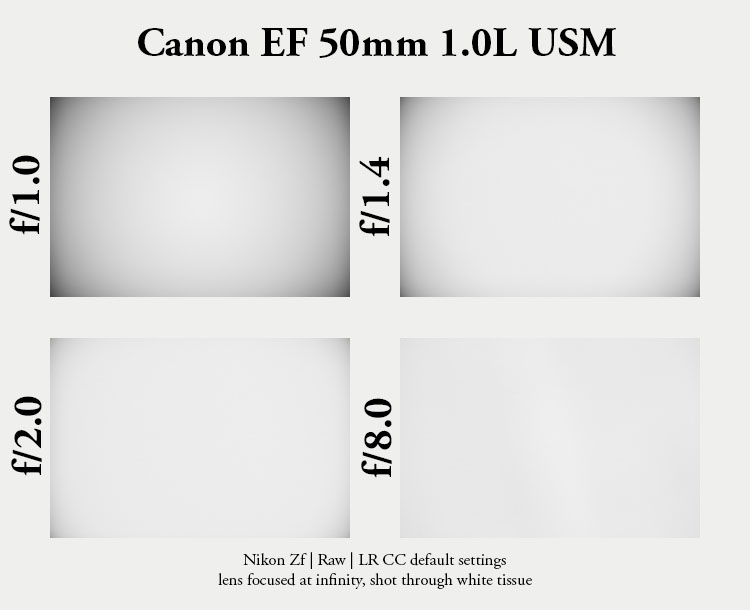
| f/1.0 | 3.5 EV |
| f/1.4 | 2.6 EV |
| f/2.0 | 1.8 EV |
| f/2.8 | 1.1 EV |
| f/4.0 | 0.8 EV |
| f/5.6 | 0.6 EV |
| f/8.0 | 0.5 EV |
| f/11 | 0.5 EV |
The vignetting figures are quite typical for a lens this fast. Most of the f/0.95 to f/1.0 lenses I reviewed show around 3.5 EV light falloff at their maximum aperture, the Nikon Z 58mm 0.95 S Noct-Nikkor being the exception with only a little more than 2 EV – you probably already know the price that had to be payed for that. Staying in the EF-mount world, the Canon EF 50mm 1.2 L USM shows very similar vignetting figures at shared apertures as does the Samyang 50mm 1.2 XP.

Caution: when using this lens with the Sigma MC-11 or the metabones MK IV smart adapter on a Sony E-mount camera not only the vignetting figures are higher, the extreme corners are pitch black stopped down, as this lens is not designed to work with the narrow E-mount diameter.

It is recommended to have a look at this article first to get an idea how this brightness graph works.
optical/mechanical vignetting
Fast lenses usually show a noticeable amount of optical vignetting. Without going too much into technical details optical vignetting leads to the truncation of light circles towards the borders of the frame.
In the center of the frame almost every lens will render a perfect circle, but only lenses with very low optical vignetting will keep this shape in the corners.
Because of its huge rear element and its chief ray angle being close to 0°, I encountered severe issues with mechanical vignetting when trying to adapt this lens to E-mount cameras, so we will also have a look at that here.
In the following comparison we move from the center (left) to the extreme corner (right) and see how the shape of the light circle changes.
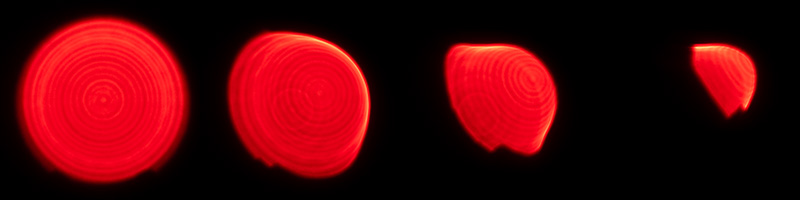
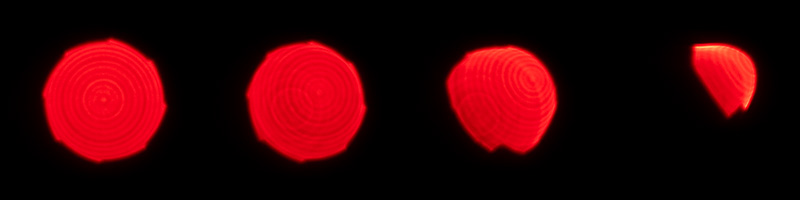

There are a lot of things to talk about here. First is, we see massive onion rings caused by the polishing process of the two hand ground aspherical elements.
You may also notice the light circles are not only deformed, they are also cut at the bottom. This happens because of the small plate with the electronic contacts overlapping with the rear element.
Stopped down to f/1.4 we can also see a bit of a sawtooth bokeh, similar to what we have seen from the Canon EF 200mm 1.8L USM.
The amount of optical vignetting is also very high, not that dissimilar to many other super fast lenses though. Still, some lenses designed for modern mirrorless cameras like the Nikon Z 58mm 0.95 S Noct-Nikkor, the Zhong Yi 50mm 0.95 III or the Laowa 45mm 0.95 Argus perform better here.
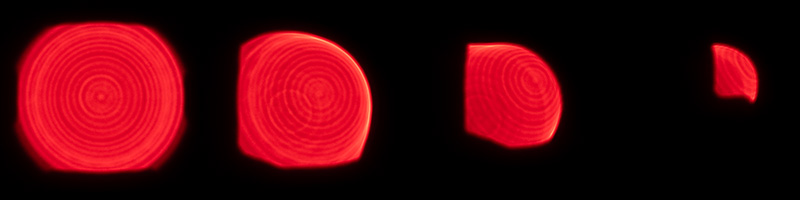
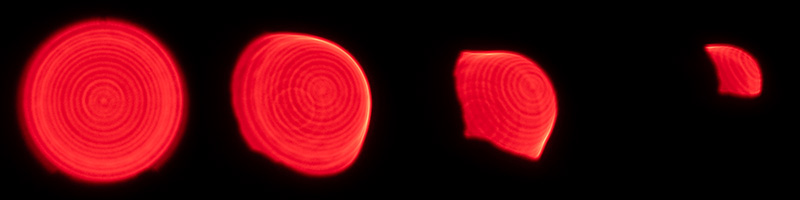
There is something else we need to talk about here. Because of the way this lens’ optical design projects the light onto the sensor, defocused light circles are being “cut” by the E-mount adapters. The same thing also happens when using this lens on a Canon (D)SLR, where the mirror box will cut the highlights in a similar way.
This also nicely illustrates the difference between optical and mechanical vignetting: optical vignetting describes the deformed shape of light circles caused by the (insufficient) diameter of the lens elements or tubes inside the lens body. Mechanical vignetting describes the cutouts caused by the electronic contacts and the truncation caused by adapters with a too narrow opening.
As said before, I would not recommend to buy this lens to use it on an E-mount camera (or a Canon (D)SLR for that matter).
Sharpness
Focus shift


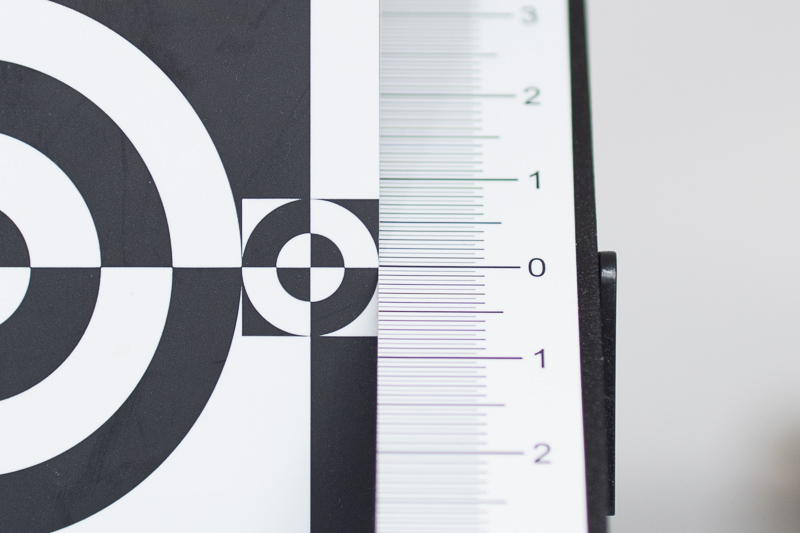
Here we also see some interesting things. On stopping down to f/1.4 the depth of field mainly extends to the front. Then at f/2.8 it extends a bit more to the back, evening out the difference at the end of the day.
Good news are: the focus shift is not strong enough for the subject to drop out of the focal plane at any aperture here. That wasn’t the case with the slightly closer focusing Canon EF 50mm 1.2L USM.
infinity (24mp Nikon Zf)


Because of its crazy chief ray angle of close to 0° this lens does not care at all about filter stack thickness. Due to the mechanical vignetting issues when used on E-mount cameras the extreme corners are just black stopped down though (see section above), so that is why you are not getting the sharpness results on the higher resolution Sony A7rII here.
These (especially older) super fast lenses are rarely great performers at wider apertures at infinity and that is clearly the case with this Canon EF 50mm 1.0L USM, too.
The lens is definitely a bit soft at its maximum aperture even in the center. Stopped down to f/1.4 it also doesn’t look particularly well. Stopping down to f/2.0 improves contrast and resolution significantly.
Now midframe and corners are nothing to write home about at wider apertures at all. The midframe starts to look good at f/5.6, but the extreme corners still leave a bit to be desired stopped down to f/11. Still usable, but nothing that a cheap modern 50mm 1.8 lens couldn’t do just as well or better.
If you are looking for an f/1.0 or f/0.95 lens that does noticeably better here the lenses you should have a look at are the Nikon Z 58mm 0.95 S Noct-Nikkor or the Voigtländer VM 50mm 1.0 Nokton and the Laowa 45mm 0.95 Argus.
Talking about the next best EF lenses, the Canon EF 50mm 1.2L USM is a little less soft at wider apertures and the Samyang 50mm 1.2 XP is clearly the best performer among the faster-than-f/1.4 50mm lenses for EF-mount.
portrait distance 1.4 m (24mp Nikon Zf)
Now obviously the main application for a 50mm lens as fast as f/1.0 is for portraiture and I would also expect this lens to have been optimized for these distances, so let’s see how it fares at a typical portrait distance of 1.4 m.
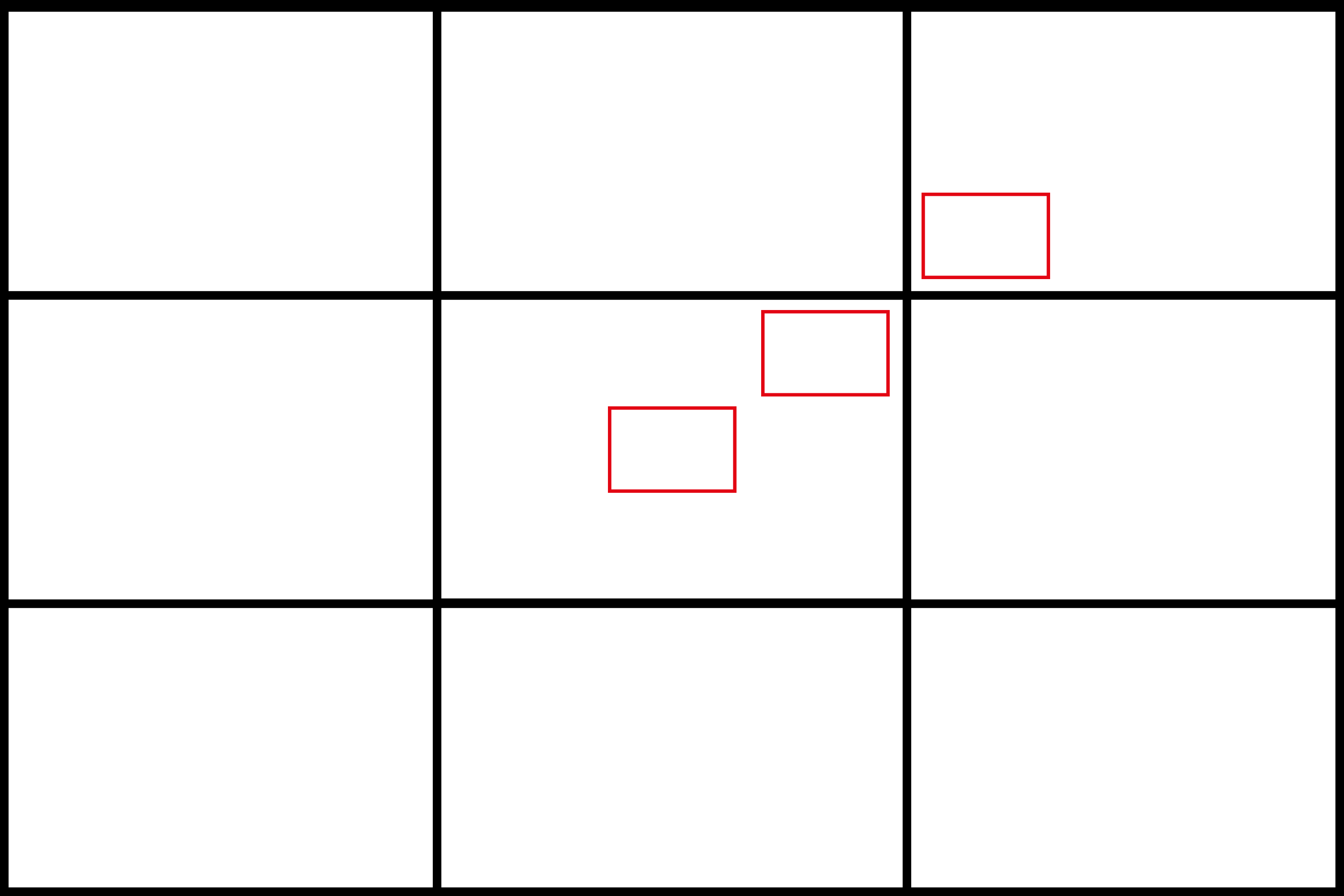
I refocused for every shot and aperture to get the best possible result at different locations in the frame (center, inner midframe and outer midframe).
The circle of the dollar bill is more or less the size of a human eye.
f/1.0 <—> f/1.4



Also at these distance this lens is definitely a bit soft at f/1.0 and still a bit at f/1.4. During finetuning the focus I also noticed that resolution and contrast do not peak at the same focus distance – a treat shared with the Canon EF 85mm 1.2L USM.
In this category most of the modern super fast 50mm lenses perform better, even the cheaper ones like the Brightin Star 50mm 0.95.
In the field I actually found it to work much better for portaits than this section might suggest though – similar to what I experienced with the Nikon Ai-s 58mm 1.2 Noct-Nikkor.
close 0.6 m, 1:9.1 (24mp Nikon Zf)




A minimum focus distance of 0.6 m is not all that exciting for a 50mm lens. The floating elements design does help though, as this 50mm 1.0L does leave many of the more basic unit focus designs (e.g. the Brightin Star 50mm 0.95 or all Zhong Yi 50mm 0.95 lenses) behind here.
In my review of the Canon EF 50mm 1.2L USM I complained that Canon cheaped out with that lens and opted for a basic unit focus design as well. Comparing these two lenses it becomes obvious why I complained: this 50mm 1.0 from 1989 looks better at closer distances at f/1.0 than the much-easier-to-design 50mm 1.2 from 2007 does at f/1.2.
Flare resistance
As always evaluating flare is a complex matter since you can get any lens to look bad if you push it hard enough and a slight change of scenario can affect results a lot.
That being said, this is a very fast lens with huge glass elements released in 1989. We probably shouldn’t expect too much.


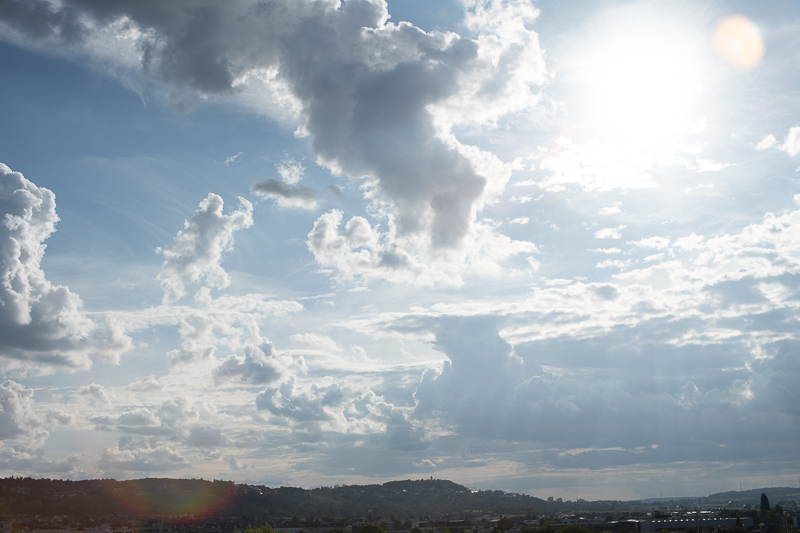

At the maximum aperture we can definitely spot some artefacts but this performance is better than I would have expected. Some of the modern f/0.95 lenses I tried – e.g. the Zenitar 50mm 0.95 E, the Brightin Star 50mm 0.95 or all Zhong Yi 50mm 0.95 lenses – were absolutely awful performers in this category after all. Also the Canon EF 50mm 1.2L USM hardly performs better here.



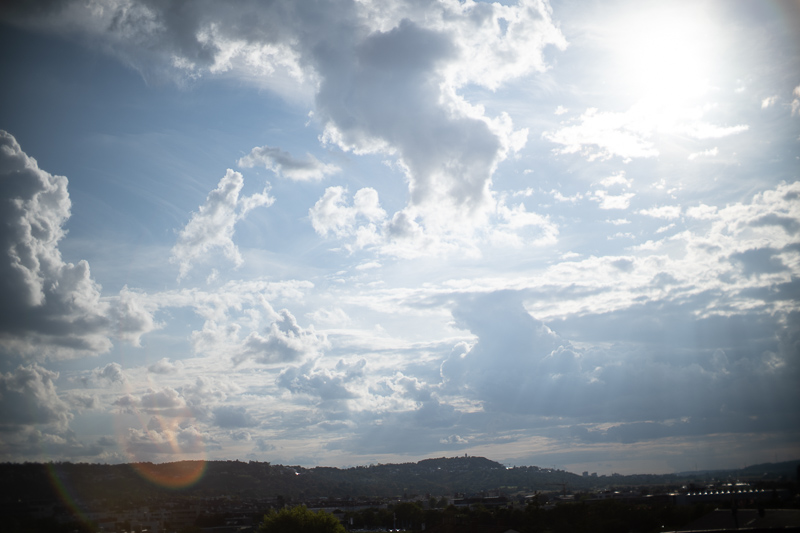
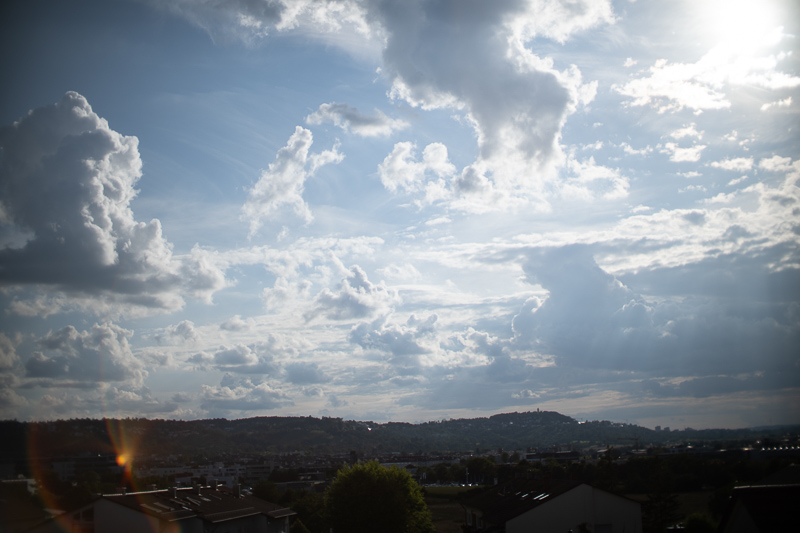
Stopped down the artefacts can be more obtrusive and it is even possible to create a ring flare with the point light source in the center of the frame. With the sun outside of the frame I also found the hood to help a bit with taming veiling flare, so this is one of the few lenses where it actually makes sense to use it.

One issue I did encounter a few times is a loss of contrast with strong point light sources in the frame. The effect it gives does look similar to what you get when using a diffusion/mist filter though, so being primarily a portrait lens, this – as well as the lens flares you saw before – might even be embraced by some users.
Coma
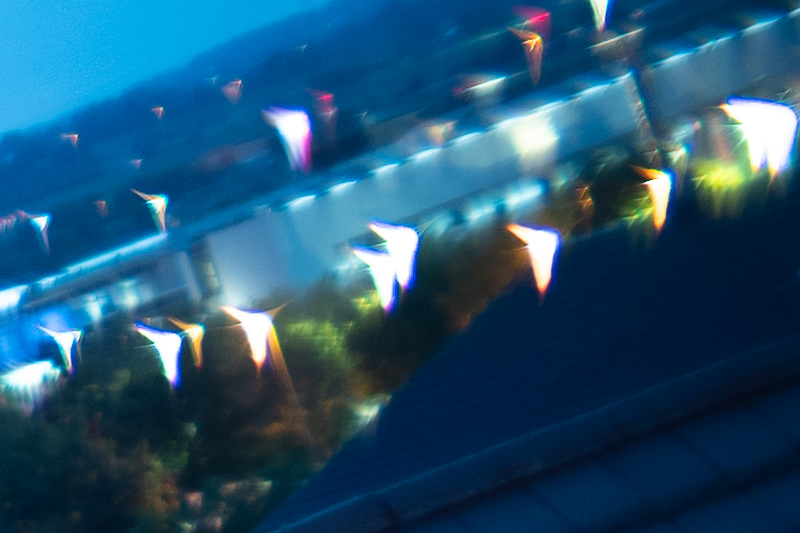
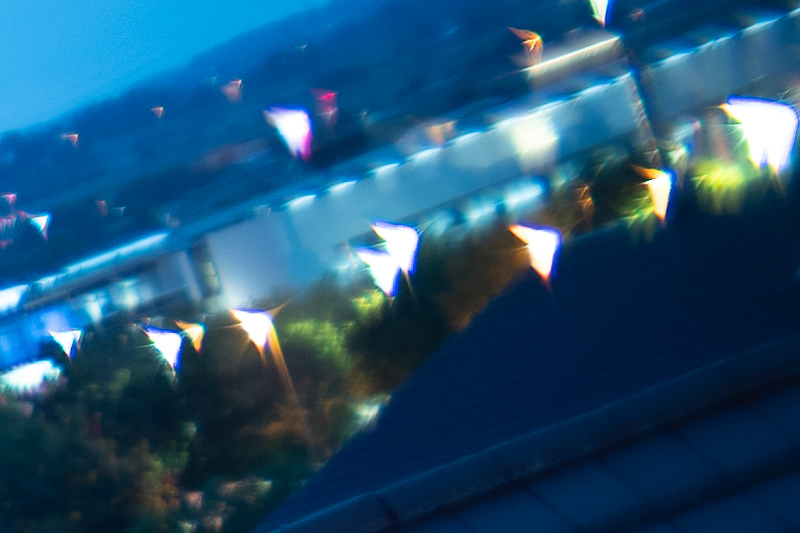
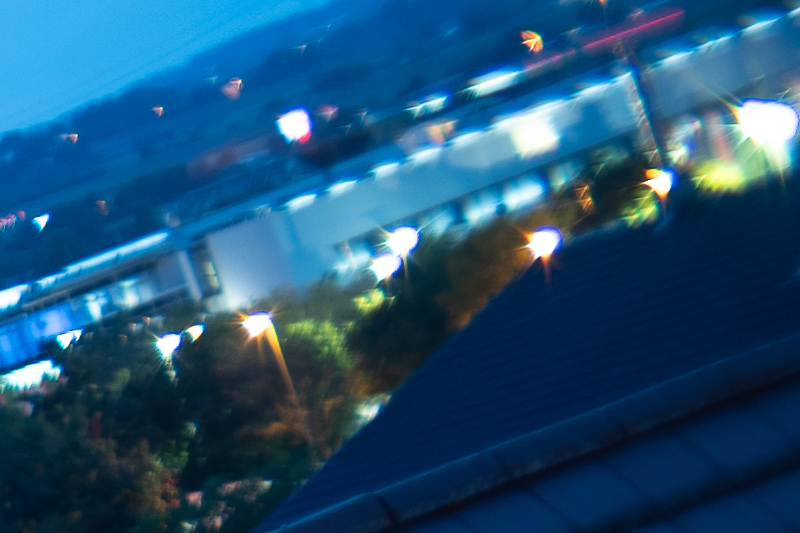
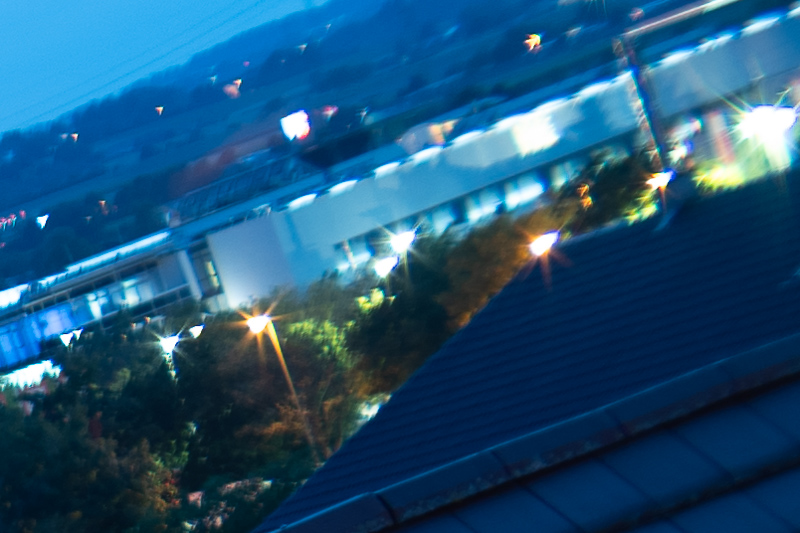
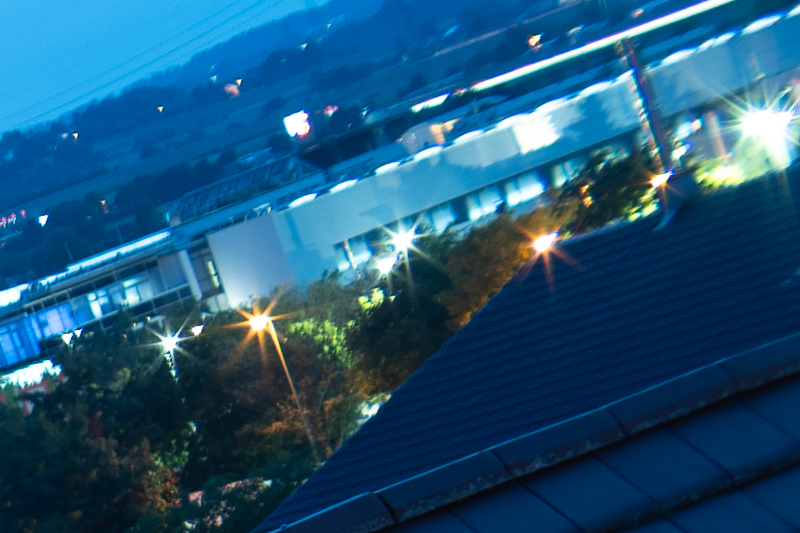
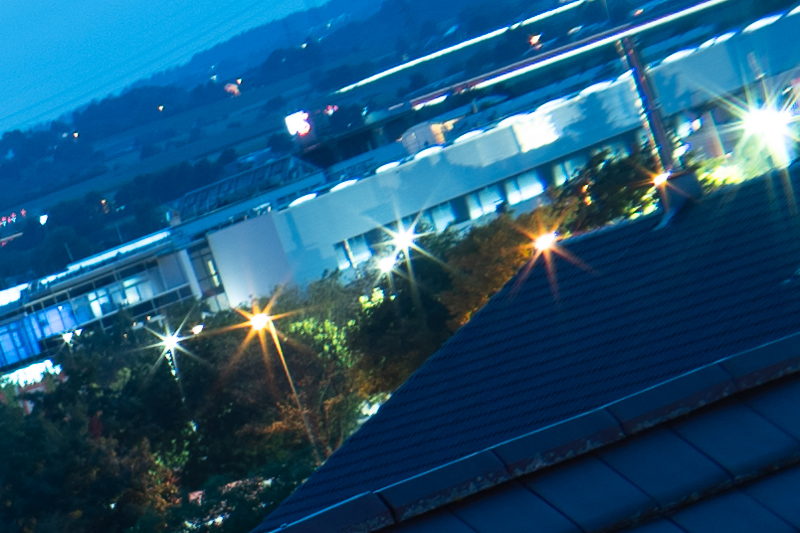
This Canon EF 50mm 1.0L USM makes use of two hand ground aspherical elements and often these are being used for improved Coma correction. Now at first sight you might think the performance doesn’t look great here, as we can still see obvious Coma artefacts at wider apertures.
However, this performance actually compares favourably to many of the other super fast 50mm lenses: not only the affordable Brightin Star 50mm 0.95 looks worse, also more complex lenses like the Leica 50mm 0.95 Noctilux-M and the Voigtländer VM 50mm 1.0 Nokton do. Not only that, also the half a stop slower and 18 years younger Canon EF 50mm 1.2L USM looks worse here.
Distortion

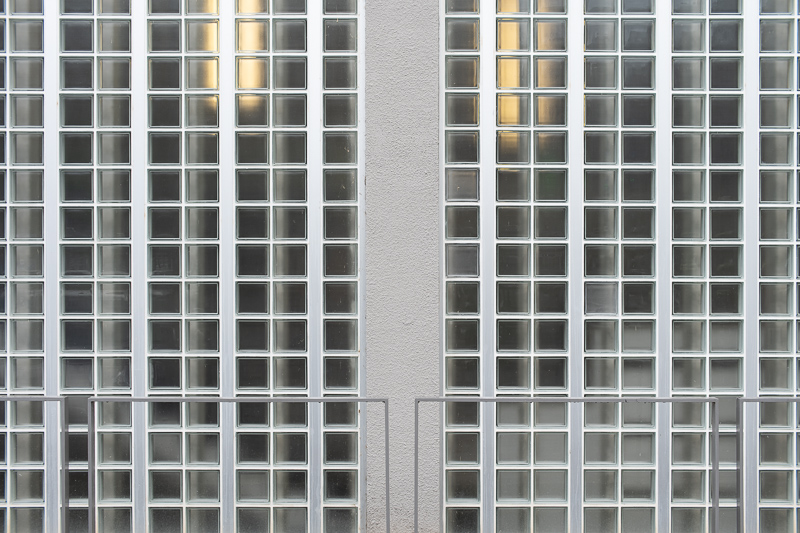
The Canon EF 50mm 1.0L USM shows a low amount of barrel distortion. Lightoom does not feature a correction profile, but I found the one for the Canon EF 50mm 1.2L USM when tuned down to 80% to do a very good job.
Bokeh

This lens had been released before there were digital fullframe cameras with amazingly low noise levels at higher ISO values or powerful Ai Denoise algorithms, so at that time having a lens which is half a stop faster than the competition could actually be beneficial. Today the only reason to buy this lens is if you like its rendering, so let’s see what to expect here.
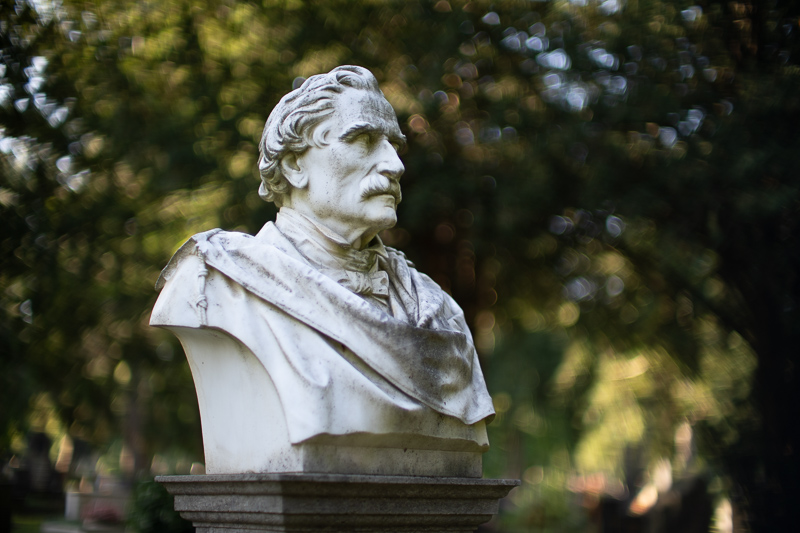


If we compare the two pictures taken at f/1.0 and f/1.4 we see that there is mainly a lot more vigneting at f/1.0 and the out of focus highlights are only bigger in the central part of the frame – as is often the case with these super fast lenses. We also see that the out of focus highlights are rendered as triangles towards the borders and corners and that it needs stopping down to f/2.8 for them to take on more circular shapes.











All I said before is even more obvious in this scene, so I also added some crops for easier comparison between the different f/Stops. Compared to many of the other super fast lenses we also see something else here: this Canon EF 50mm 1.0L USM has decently high contrast already at its maximum aperture.
As usual, let’s see how this lens performs at different distances.
Close Distance



At shorter focus distances the floating elements clearly helps and the lens is actually usable here – which is not the case for all of these super fast lenses – but already here complex backgrounds can look a bit messy and distracting.


The two samples above show quite well what I mean by messy. You can of course “tame” the bokeh a bit by stopping the lens down.
Mid Distance





At mid distances foliage and other complex backgrounds take on all kinds of shapes in the corners, as shouldn’t be too surprising after what we saw in the optical vignetting section. Contrast and resolution in the focal plane are pretty good from f/1.0 though.
Long Distance




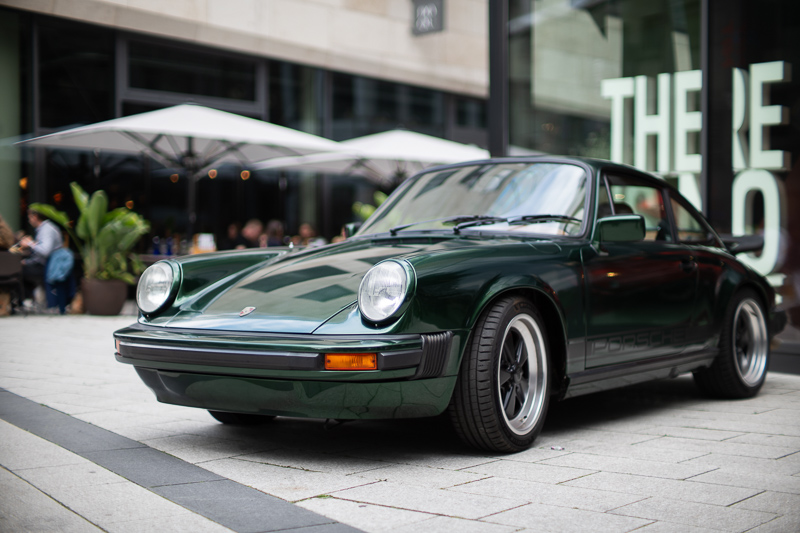
As is the case for many of these super fast lenses, contrast and resolution are a bit worse at longer focus distances which are needed for full body portraits. Here stopped down to around f/1.4 the focal plane is way better defined with higher contrast. In some cases I actually found the subject to stand out more against the background at these apertures compared to using this lens at f/1.0.
At the end of the day I found bokeh to be a rather unique mix of nice in the center and rather funky in the corners. The focal plane is well defined at close to mid distances though, which isn’t the case for all of the (sometimes even newer) f/0.95 or f/1.0 lenses.
This is a subjective topic though and I am sure there are people who really like the bokeh from this lens and others who will despise it, so best have a look at the sample images provided and decide for yourself if you like what you see or not. Nevertheless, this lens is probably not for those among you that prefer a smooth and unobtrusive bokeh rendering.
Sunstars
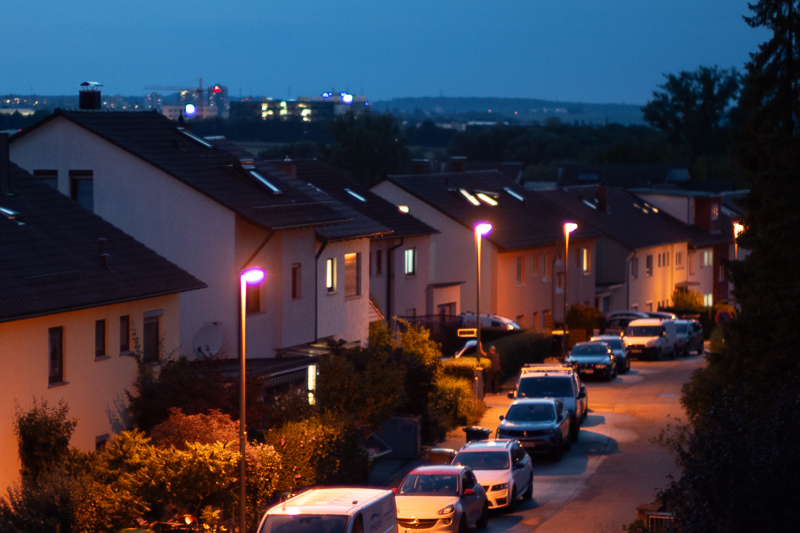

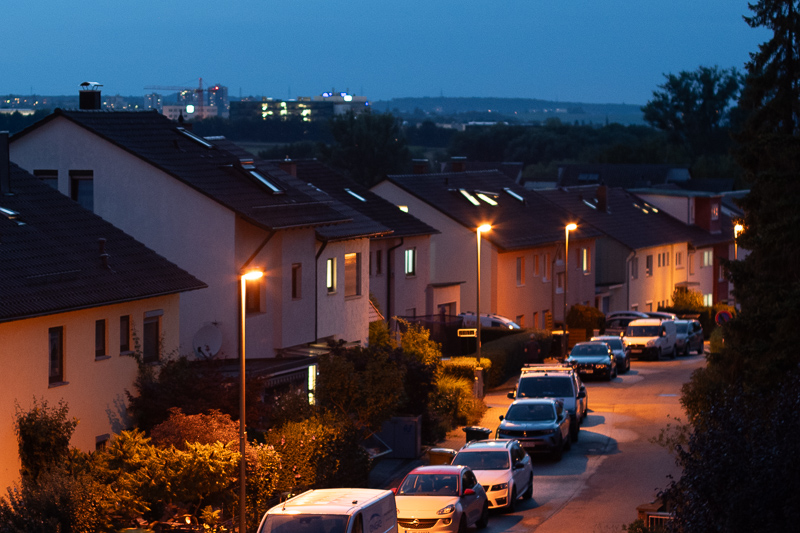
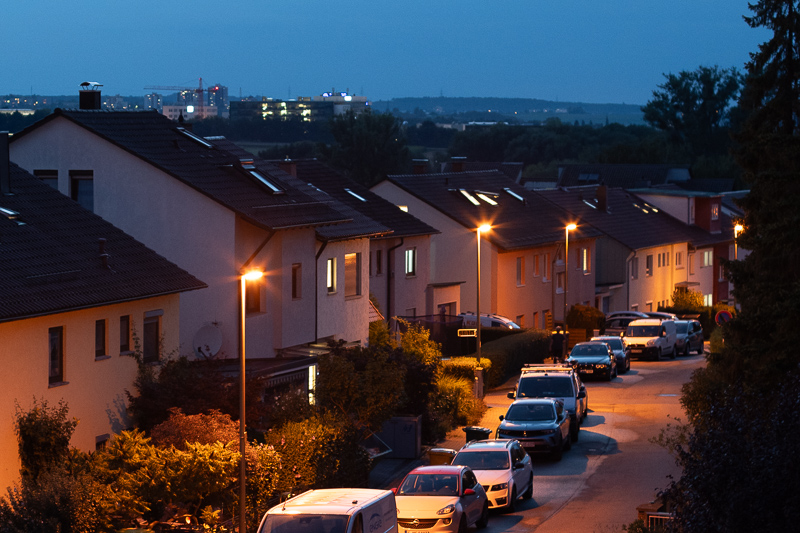


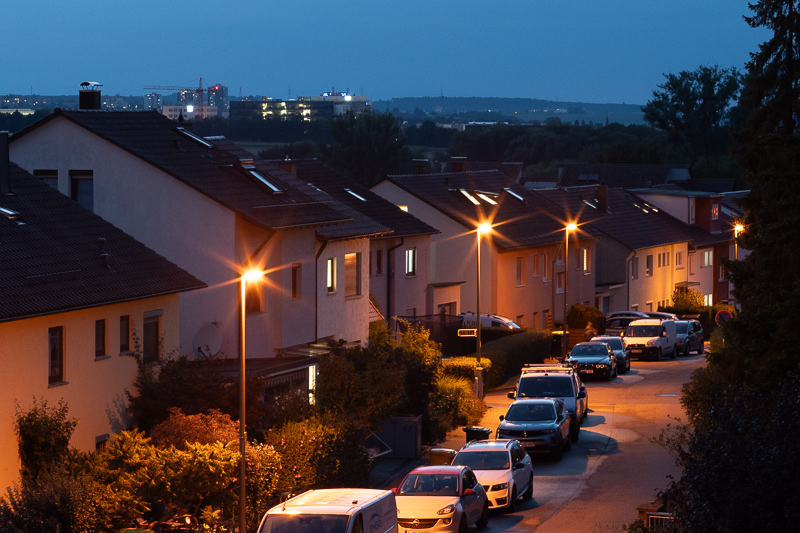
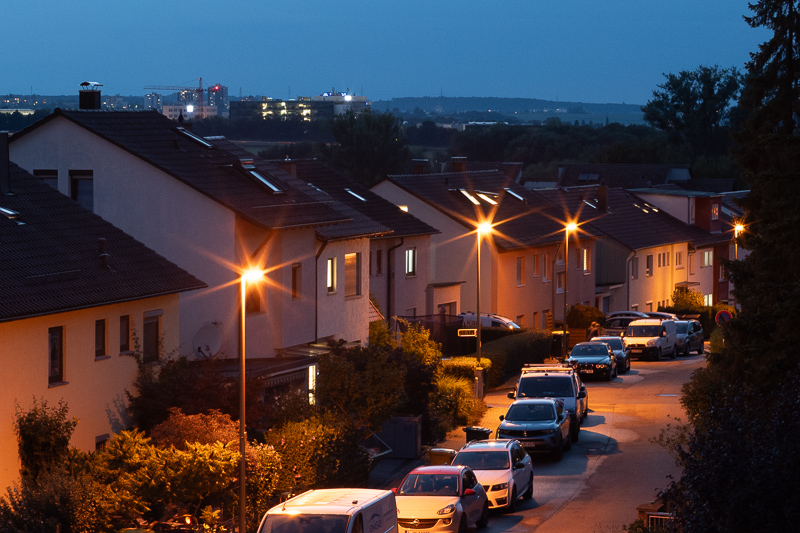
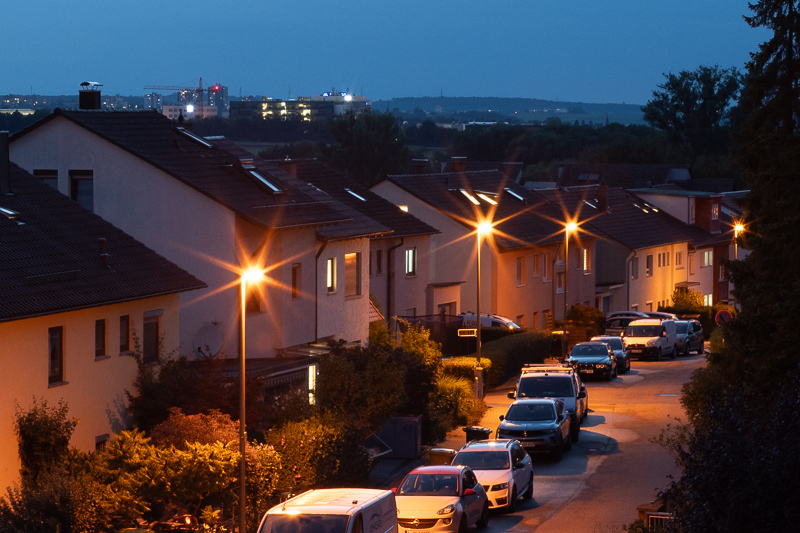
Typical for Canon’s lenses with 8 rounded aperture blades we can create very appealing sunstars from f/8.0 to f/16. Not that I think anyone would ever buy this lens to use it for some stopped down blue hour shooting…
Chromatic aberration
lateral


Lateral CA are on a medium level and easily corrected with one click in a capable raw converter like Lightroom. Nikon Z cameras will even correct this in camera.
longitudinal
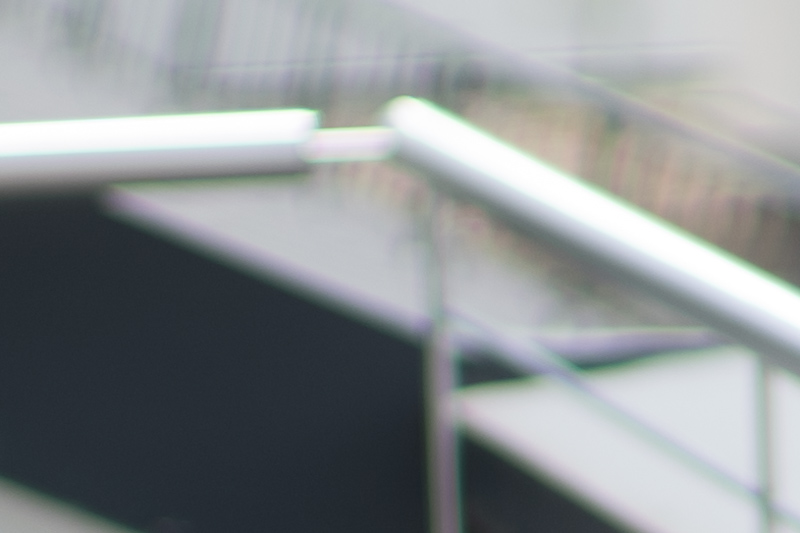



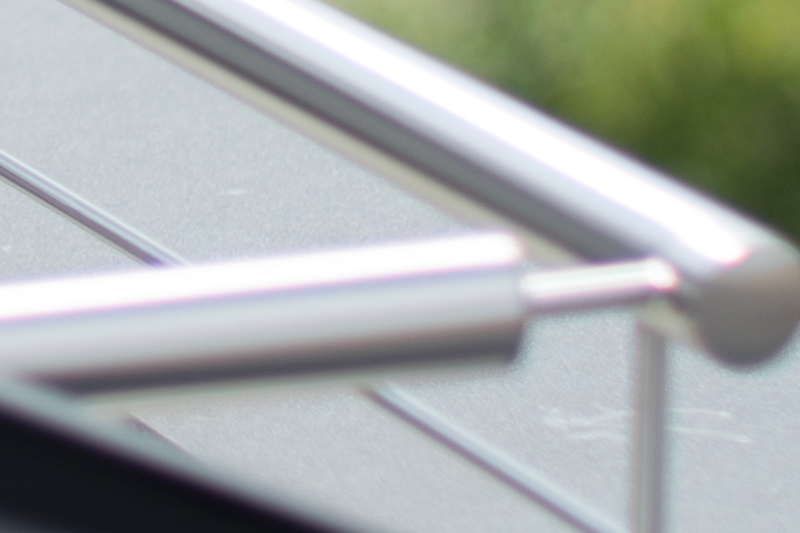
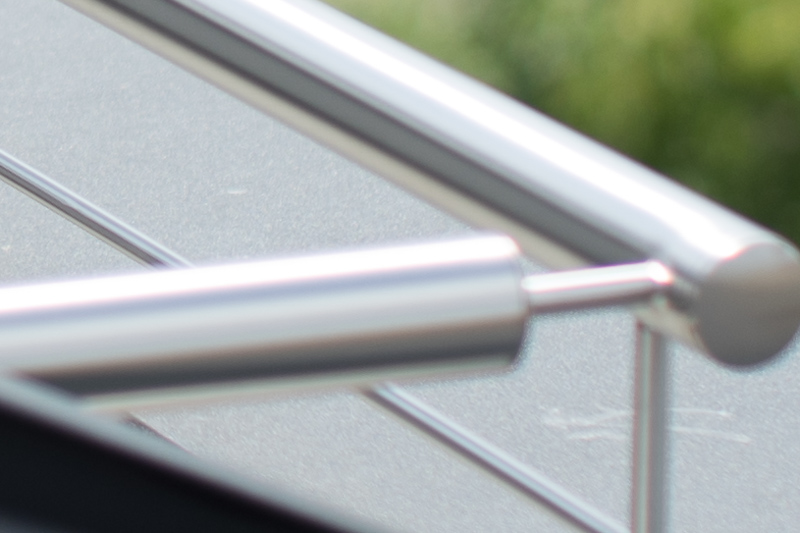
Unsurprisingly we see some bokeh fringing at wider apertures, but surprisingly the situation is not as bad as I would have expected, as I have seen newer and slower lenses that actually performed worse here.
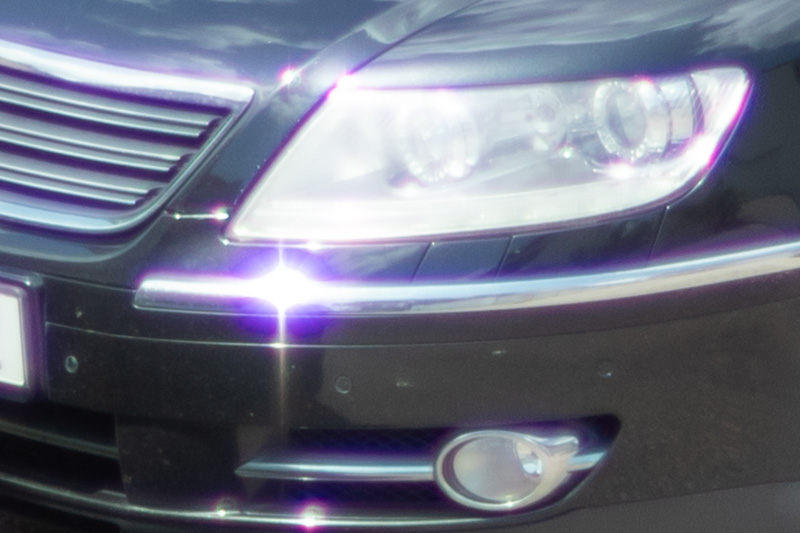
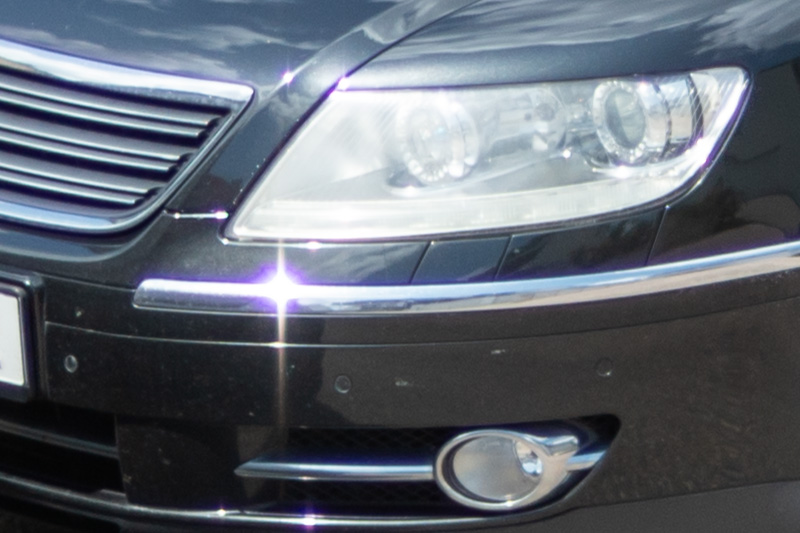
Purple fringing is very strong at f/1.0 and much less of an issue stopped down to f/1.4.
If you have a look at my comparison of super fast 50 M-mount lenses you will see that none of them showed a great performance in this category and there weren’t huge differences and also here I can’t say the Canon EF 50mm 1.2L USM performed much better.
Conclusion
good
|
average
|
not good
|
Obviously this Canon EF 50mm 1.0L USM was mainly produced to promote Canon’s new EF-mount in 1989, just as the Nikon Z 58mm 0.95 S Noct-Nikkor has been produced in 2019 to promote Nikon’s new Z-mount.
What a bold move that was is easily reflected by the fact, that no one dared to produce a lens this fast for the EF-mount ever again (except for the Zhong Yi 50mm 0.95 EF version, see Alternatives section). Or any (D)SLR mount for that matter. This lens also demonstrates how difficult it was to design lenses this fast for (D)SLRs due to their mirror box being in the way. But not only that: no one ever produced a fullframe lens this fast with autofocus for any mount after. This lens is also the pinnacle of the double gauss design with its two hand ground aspherical elements.
In terms of optical performance this is obviously no match to modern lenses. At its time it might have redefined what you can expect of a 50mm 1.0 lens – because there simply was no competition except for Canon’s own 50mm 0.95 “Dream Lens” from the 1960s and Leica’s 50mm 1.0 Noctilux from 1976 – but today many of the mirrorless f/0.95 designs can keep up with it, despite being much cheaper and usually also smaller – without autofocus though.
Obviously, the only reason to buy this lens in 2025 and counting is, if you like the distinct look it creates, especially for portraits. And whether that is the case, you can only decide for yourself.
buy from ebay.com | ebay.de (advertisement/affiliate links) ranging from $2000 to $4000 (used) depending on its condition
Alternatives
EF-mount
Zhong Yi 50mm 0.95 EF:
After their success with the mirrorless 50mm f/0.95 lenses the guys at Zhong Yi also designed a 50mm 0.95 for EF-mount – making it the world’s fastest EF lens even. I received a review sample back in the day, but because it performed so much worse than the mirrorless versions while being more than twice as heavy and much bigger I didn’t even bother to review it. Not recommended.
buy from manufacturer’s shop (advertisement/affiliate link) for $599
Canon EF 50mm 1.2L USM:
This lens is obviously half a stop slower but still the next best thing for the EF-mount. It does not have as funky rendering and for most people it is probably the better choice. Interestingly it is a simple block focus design though, so it is not a particularly good performer at closer distances.
buy from amazon.com | amazon.de | B&H | ebay.com | ebay.de (advertisement/affiliate links) and the price is $1399 (new)
Other
Nikon Z 58mm 0.95 S Noct-Nikkor:
Released in 2019, this is easily the f/0.95 with the best performance ever made. There are a few downsides though: 2 kg heavy, no autofocus, super expensive.
buy from amazon.com | ebay.com | ebay.de | B&H (advertisement/affiliate links) for $8000
In the M-mount world there are a lot of super fast 50mm lenses available, so I also did this Comparison of six super fast 50mm M-mount lenses you might want to check out. I also had a look at the first f/0.95 fullframe lens, the Canon 50mm 0.95 Dream Lens which can be seen as this 50mm 1.0L’s predecessor.
Sample Images

















You can find most of the sample images in full resolution here.
Further Reading
- Sony FE lenses: 50mm Guide
- All lens Reviews
- Review: Canon 50mm 0.95 Dream Lens
- Review: Nikon 58mm 1.2 Noct-Nikkor
- What makes a picture good?
- Bokeh explained
Support Us
Did you find this article useful or just liked reading it? Treat us to a coffee!

 via Paypal
This site contains advertisement/affiliate links. If you make a purchase using any of the links marked as advertisement/affiliate links, I may receive a small commission at no additional cost to you. This helps support the creation of future content.


Latest posts by BastianK (see all)
- Analogue Adventures – Part 51: Kodak Pro Image 100 ECN-2 - April 15, 2026
- Review: Sony FE 50mm 1.4 GM - April 11, 2026
- Review: Samyang 35mm 1.2 XP - April 1, 2026
I really like the inclusion of info about issues with various camera/adapter combinations (Canon’s own DSLR came as a surprise, a little). If one buys this lens on a whim, hopefully they can also afford the best suited camera to accompany it.
I also notice that it’s one of those lenses where you (a user) shouldn’t be much bothered about isolated tests of particular performance elements, but judge it on the image samples (and yours do a perfect job).
Do I like what I see? Well, much better if I look at images as a whole, and avoid focusing on the weaknesses. There are many images here that I really like overall. Those corners though… I don’t think they are ever a plus (but I know some will even like the look).
Some wide-open images look kinda perfect the way they are (where the corner area is less prominent), some look great despite imperfections in the rendering, and some would probably benefit from stopping down or, even better, using a different lens. That’s my subjective take. Would I be interested in this lens if it was relatively affordable and I had a Nikon Z? Well, I like the sharpness wide open, but I’ve seen nicer rendering, to my taste at least. Price being equal, I’d probably still prefer some Chinese lens, except for close up sharpness. As a character lens? Hm… I’d probably go for something else, even if a touch slower, since the rendering is funky, but interesting or fun funky? Not more so than some of the F1.2/F1.4 and slower options. After all, I seem to like the Canon better as an F1.4 lens.
So if I had a Nikon Z and 4000 eur to burn, what would I do? Probably sacrifice another 4000 and go for that Nikkor 58mm. 🙂 After all, true inflation would swallow the difference in 5 years, if not less. But I wouldn’t hate playing with this Canon.
Thanks for such an interesting review, Bastian. A perfect one to end the year.
What about Fujinon XF 50/1.0 R WR (?) 😉
Know the difference between fullframe and aps-c?
No, it’s a fair comment. Title of article is “Still the world’s fastest AF lens”. Fuji should be noted or title changed.
Read the intro and not just the title.
And an APS-C f/1.0 lens is simply not the same thing as a fullframe lens.
A bunch of butthurt APSC users in the comments.
Just like how a f1.4 iPhone lens (e.g. 13 pro) is not the same as a APSC f1.4 lens, a f1.0 APSC lens is not the same as a f1.0 full frame lens
Your title doesn’t say fastest full frame lens, it just says fastest AF lens, which is factually incorrect. So it is irritating and seems quite unprofessional for you to reply to Maciej in this manner.
Read the intro and not just the title.
And an APS-C f/1.0 lens is simply not the same thing as a fullframe lens.
Lol. Common insecure Fuji/APSC/M43 user
Just like how a f1.4 iPhone lens (e.g. 13 pro) is not the same as a APSC f1.4 lens, a f1.0 APSC lens is not the same as a f1.0 full frame lens.
Thats APS-C. Smaller image circle. It is equivalent to a 50mm f/1.8. Thus not as fast.
Another Great review! Yall really have been pushing out this reviews lately! Definitely worthy of a tip/cup of coffee!
Happy News Years to you and the team!
To go from f/1 to f/1.2 is not half a stop, but two thirds of a stop. The sequence goes
f/1 f/1.1 f/1.2 f/1.4.
On a Canon DSLR with an f/2 lens (I don’t have the f/1 lens obvs), the sequence is
f/2 f/2.2 f/2.5 f/2.8, divided by two, we get
f/1 f/1.1 f/1.25 (single digit precision so f/1.2) f/1.4
When you had ISO 25 or 64 film, the two extra thirds of a stop were a big deal. Nowadays, as you say, it doesn’t matter much. There’s not much need for lenses faster than f/2.8 today in terms of exposure.
I’m surprised that the difference in look between f/1 and f/1.4 is so small. I’d definitely get the f/1.2 lens if I were looking for an fast autofocus EF lens. Of course, hardly anyone is actually going to shoot with such an expensive lens as the f/1 (they must largely sit in collectors’ cabinets), but it was interesting to see how it performs. Thanks. I think it performs very well for a 37-year old design and perhaps it would work a bit better on a camera for which it was intended.
That’s splitting hairs. The aperture series in half stops is (arithmetical) 1(1) – 1.2(1.18) – 1.4(1.41). The aperture series in third stops is 1 – 1.1(1.122) – 1.2(1.126) – 1.4(1.44). Furthermore, you rounded incorrectly in your example, as values from 5 upwards are rounded up, not down. Therefore, 1.25 rounded to one decimal place would be 1.3.
Sorry. 1.44 should be 1.41.
I quoted how a Canon DSLR rounds it. It is splitting hairs as we’re talking of a 1/6th of a stop difference between f/1.2 expressed as half a stop versus as a third of a stop. But isn’t all this pursuit of super-fast lenses splitting hairs? Why do people fixate on whether it says f/1.2, f/1.1 or f/1 on their lens? Obviously the person with the f/0.95 is the king. It would be more useful to quote T (tranmission) numbers and then we’d perhaps find all these lenses transmit very similar amounts of light.
I don’t know why people get so fixated on this. Personally, I love fast lenses for their rendering. In digital photography, the T-stops are practically irrelevant to me at these apertures. Of course, maximum aperture doesn’t necessarily mean the best rendering. But that’s precisely why this site is worth visiting. Anyway, I think it’s ridiculous to get worked up about inaccurate aperture values just because they’re supposedly off by a sixth of a stop.
On top of that it might be worth to also take rounding into account…
Wrong. I have a 50mm f/1.0. It is 2/3rds of a stop faster and makes a huge difference. Canon doesn’t use half stops.
exactly, its 66% difference between f1.2 and f1. And f0.95 is only about 6% faster than f1.
A large aperture also means a greater angle of incidence. For F1.0, the half-cone angle of the imaging beam reaches 30°, which is comparable to the edge incidence angles of many rangefinder lenses. Even though the edge chief-ray of this lens is nearly perpendicularly incident, its large-aperture imaging is still noticeably affected by the sensor cover glass.
I enjoyed reading the review, as always, but TBH practically all the reviews of the most extreme 50s just make me want a 50/1.2 Nokton more… Hopefully it’s not discontinued anytime soon.
I have a lot of f/1 and f/0.95 lenses and I have concluded the same thing, f/1.2 lenses are just better. Nothing faster than f/1.2 performs as well as I want it to at those apertures, but a lot of f/1.2 lenses perform great wide open.
Yeah, the only reason I wouldn’t opt for an f1.2 LAB/GM is because I tend to prefer 35mm and have a 35GM and that’s about my line in the sand with regards to the size of primes (135mm aside)… But the Nokton 50/1.2 still looks like it’s much better behaved at f1.2 or even f1.4 than any of the faster options.
I’m using the TTA 50/1.4 right now when I want a 50mm. Even the 50/1.2 GM is lighter than this Canon, and not any pricier, we’ve come a long way in the last 36 years, particularly in the last ~5.
I have a 50mm f/1.0 for the past year. You can’t really test it over a few days something this insane and unique.
Of all the lenses I have or have had. This is by far the most insane of them all. And that includes my 500mm f/4.
Words cannot describe how absurdly thin the DOF is!!!!! It is much sharper than people give it credit for because not only is it dumb thin the DOF. It doesn’t focus all the wavelengths at the same point. So you have over shoot like crazy and L-Series is mandatory here. Also for critical shots. Use live view. Different focus distances and different colors of the subjects all will affect the focus.
This thing is actually sharper than the 50mm f/1.2. It’s just people shoot this thing like it is a conventional lens.
Also, these things front focus like crazy because of being a film era lens. You can probably get it focus calibrated. But I was lucky that the maximum focus calibration of my camera worked. Sometimes it doesn’t.
The look of this lens and the bokeh is wild. Like nothing I have ever use and is my favorite lens ever. It is just truly amazing.
Biggest issue is reliability. They are very old and while they work now. They will fail soon after. Like mine did, although it was mucked with by the previous owner. So now I have a $3000 lens that is in pieces for the past year.
Canon should take their RF-85mm. Make it a 50mm f/1.0. And please provide suport for the 50mm f/1.0!!!!! This is bar none a masterpiece of optical engineering and needs to stay alive!
A few years ago I saw a Chinese repairman able to convert it to manual focus, that is probably the only feasible solution if it is still offered.