Introduction
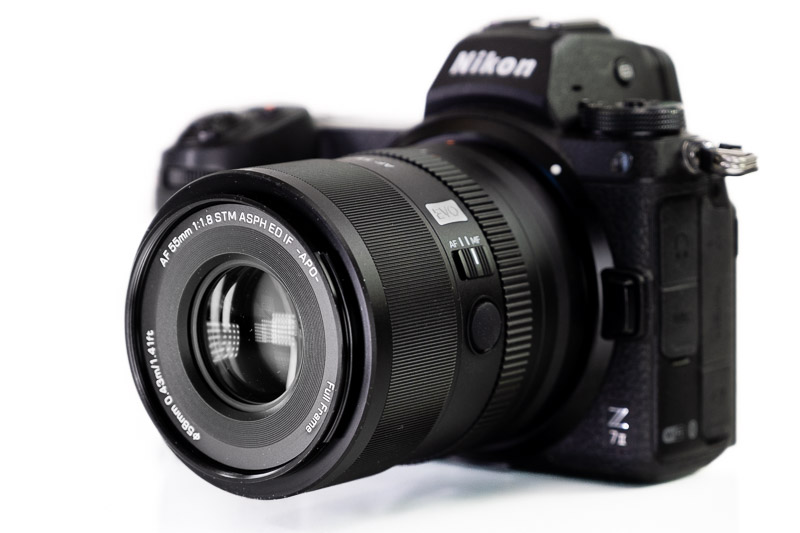
Viltrox has just released two new full-frame lenses in its EVO series—a 35mm f/1.8 and a 55mm f/1.8—both featuring APO designs for improved correction of chromatic and spherical aberrations. Here, I’m testing the 55mm lens.
Based on Viltrox’s earlier Air and EVO lenses, which delivered exceptional sharpness, I was curious to see if this new 55mm can reach the same level as Nikon’s 50mm f/1.8 S—a lens I regard as the best “nifty fifty” Nikon has ever produced, with outstanding sharpness and overall optical quality. Let’s find out.
Available for Sony E, Nikon Z, and Leica L mounts.
Sample Images












Most of the sample images in this review and many more can be found in higher resolution here.
 I tested this lens on a 46 Mp Nikon Z7ii (Sample images were taken with a Nikon Zf)
 You can see this review as a YouTube video here!
 Sample images in high resolution here.
Specifications
| Focal Length | 55mm |
| Angle of View | 43° |
| # of Aperture Blades | 9 |
| Max Aperture | f/1.8 |
| Min Aperture | f/16 |
| Min Focus Distance (Magnification) | 0.43 m (0.16x) |
| Filter Size | 58mm |
| Lens Mount | Nikon Z | Sony FE |
| Weight | ≈385 g | ≈365 g |
| Size (D x L) | 69×78 mm | 69×76 mm |
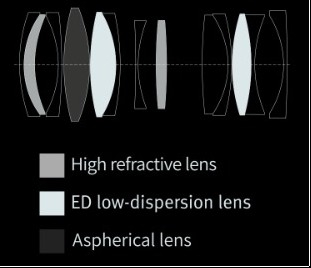
| Elements/Group | 13 / 9 |
Buy new: Viltrox Store, Amazon (US) , Amazon (EU) (Affiliate links) Price: 370.00 USD /349EUR /359GBP /539CAD /68,400JPY 5% off for first release [valid for 5 days, ends at 12 PM (UTC+8) on April 26] |
Disclosure
Viltrox kindly provided this lens for test and review purposes.
Handling and Build Quality
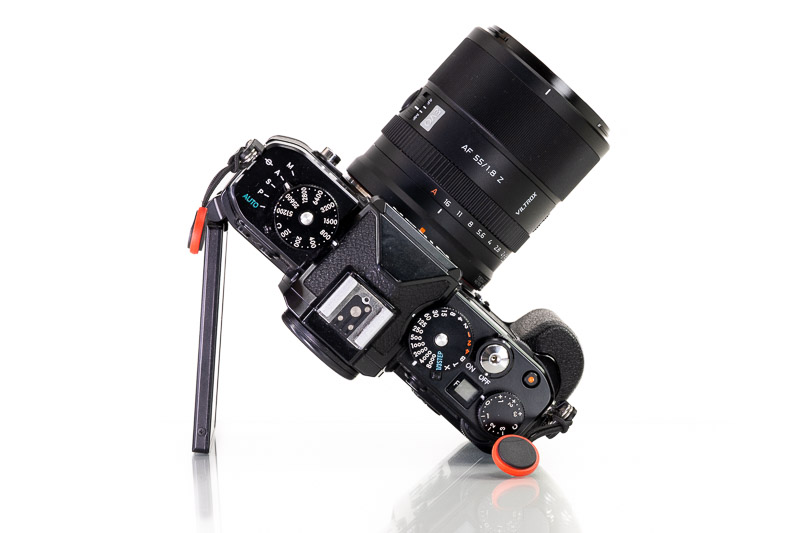
The lens gives a solid impression both visually and in hand. The body is made of hard plastic, while the rings are metal.
The focus ring is moderately large, and in manual focus mode it can be set to linear response. This means you can use a fixed focus throw—going from infinity to the minimum focus distance (MFD) always requires the same amount of rotation. The camera also remembers the last focus distance and point after powering off and on, which is a nice touch.
There’s also an AF/MF switch and a function button on the left side of the barrel.
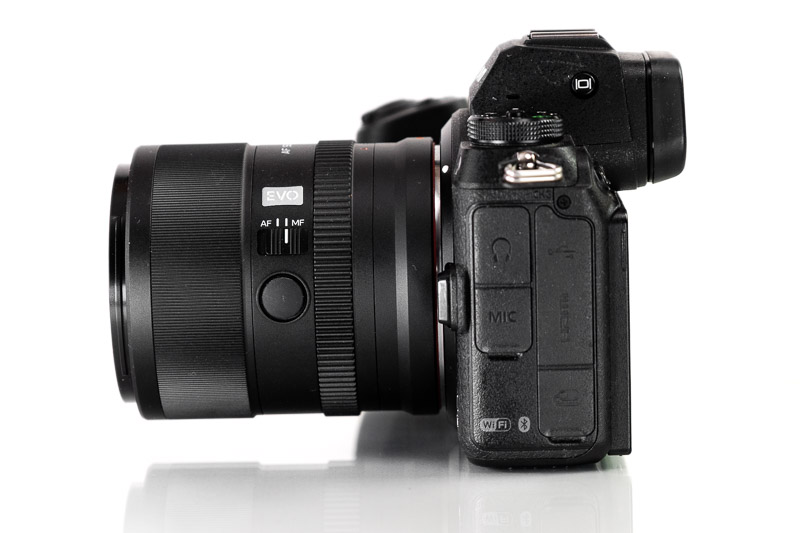
On the opposite side of the barrel, there’s another switch to toggle between a clicked and de-clicked aperture ring.
The aperture ring is marked from f/1.8 to f/16 in full stops. The ring features gentle one-third-stop clicks, and there’s also an “A” position for automatic aperture control beyond f/16 via the camera. The clicks are, as mentioned, very light, and there’s no lock for the A position, which makes it easy to unintentionally knock the ring out of A.
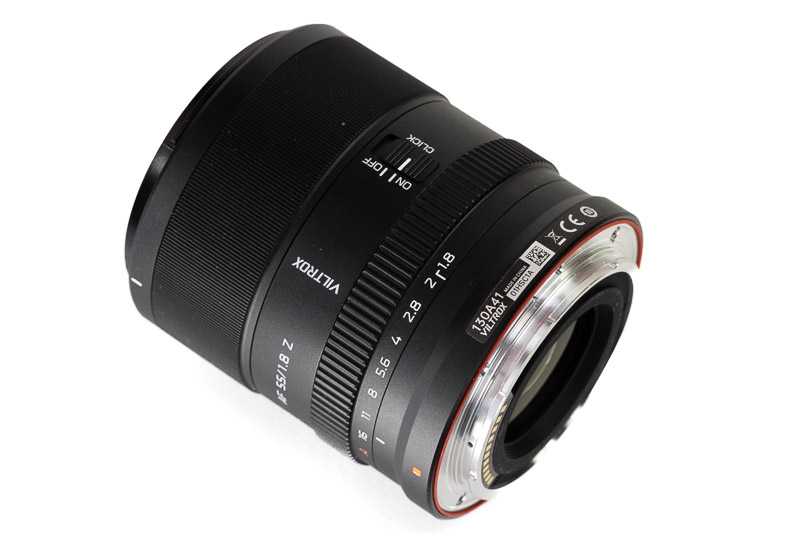
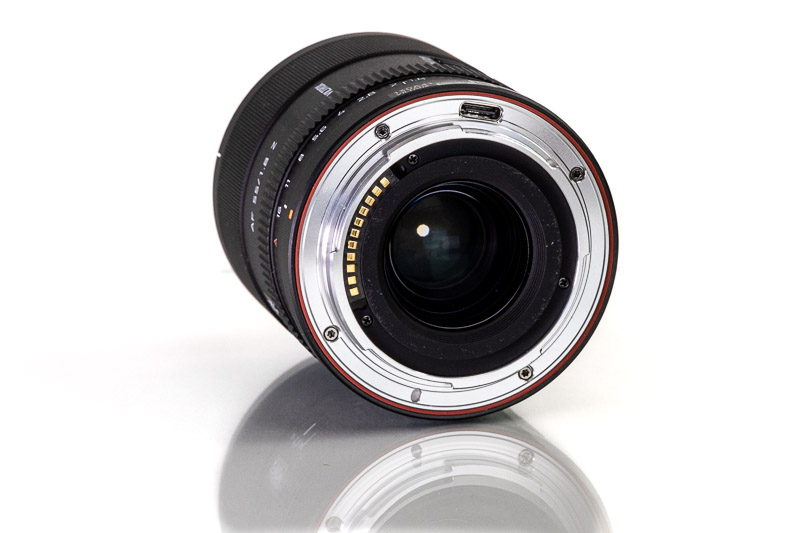
The lens mount is metallic and also features, in addition to the electronic pins, a USB-C port for firmware updates. There is a red rubber gasket around the mount, providing weather sealing.
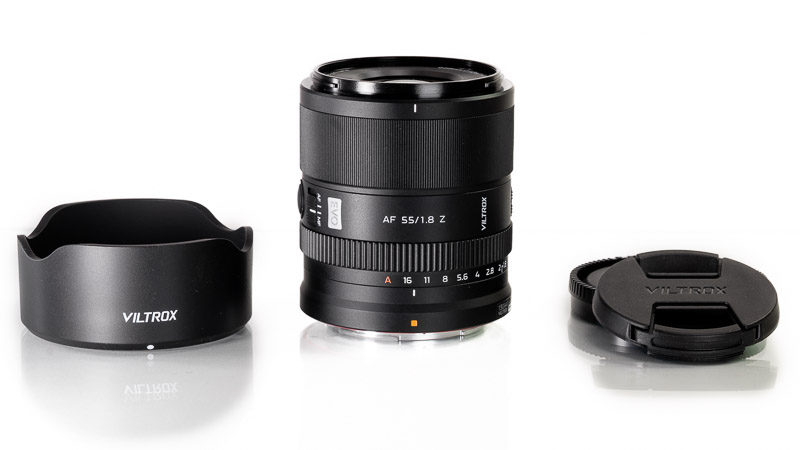
The lens comes with the usual front and rear caps, as well as a lens hood, which is quite basic but attaches securely to the lens.
The autofocus is accurate and quiet, but the speed is only average.
Compared to the Nikon Z 50mm f/1.8 S, this lens is smaller and, despite its size, includes an aperture ring—something the Nikon lacks. On the other hand, the Nikon’s autofocus is faster, although it is slightly noisier than the Viltrox.
The Nikon’s lens hood is also more substantial, and overall it gives an even more solid impression.
Optical Features
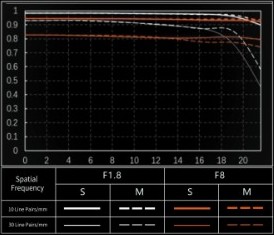
Sharpness

Sharpness (Infinity)
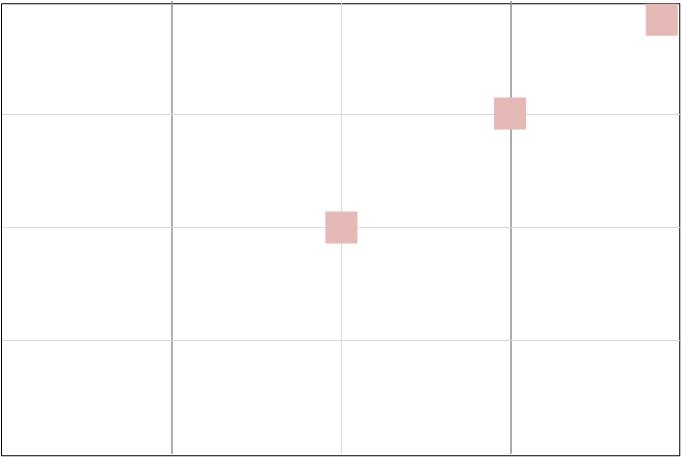
For the infinity sharpness test, we look at three areas of the image, centre, mid-frame, and corner, see highlighted areas in the image below!
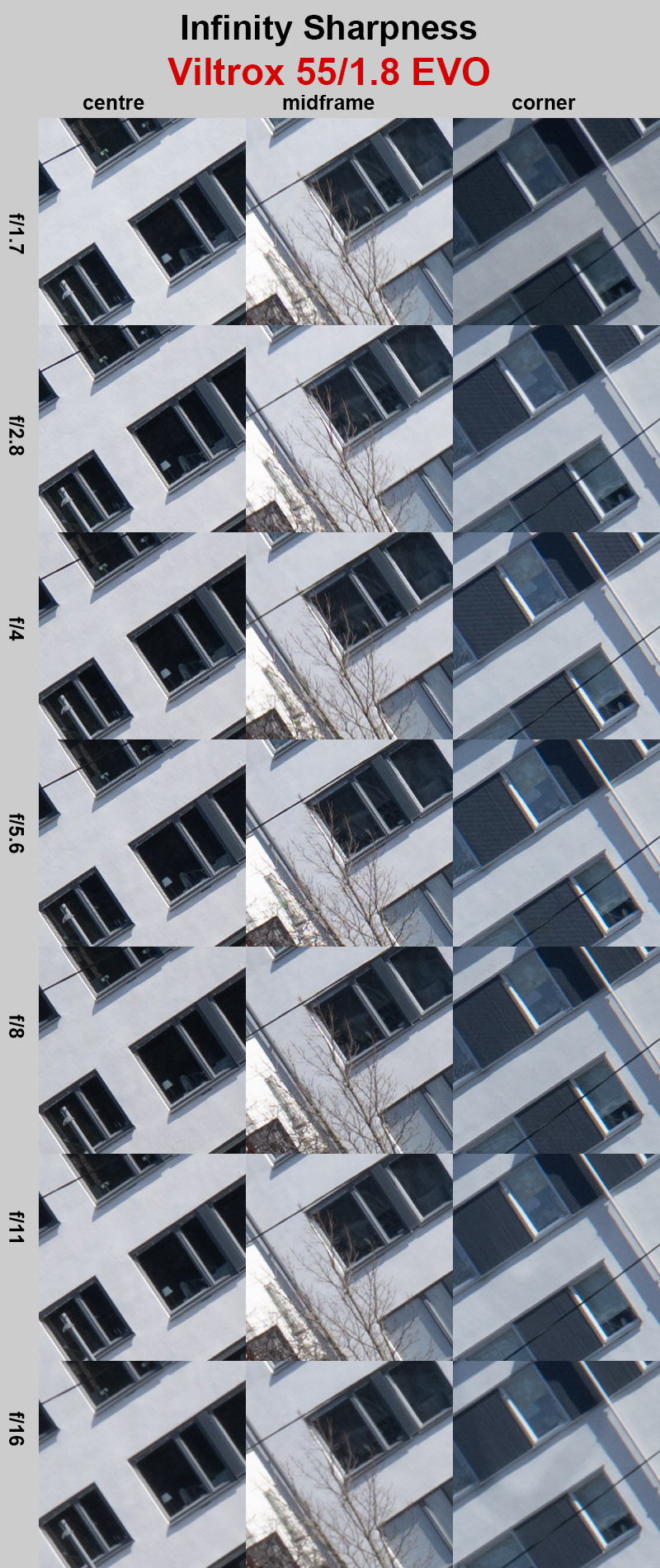
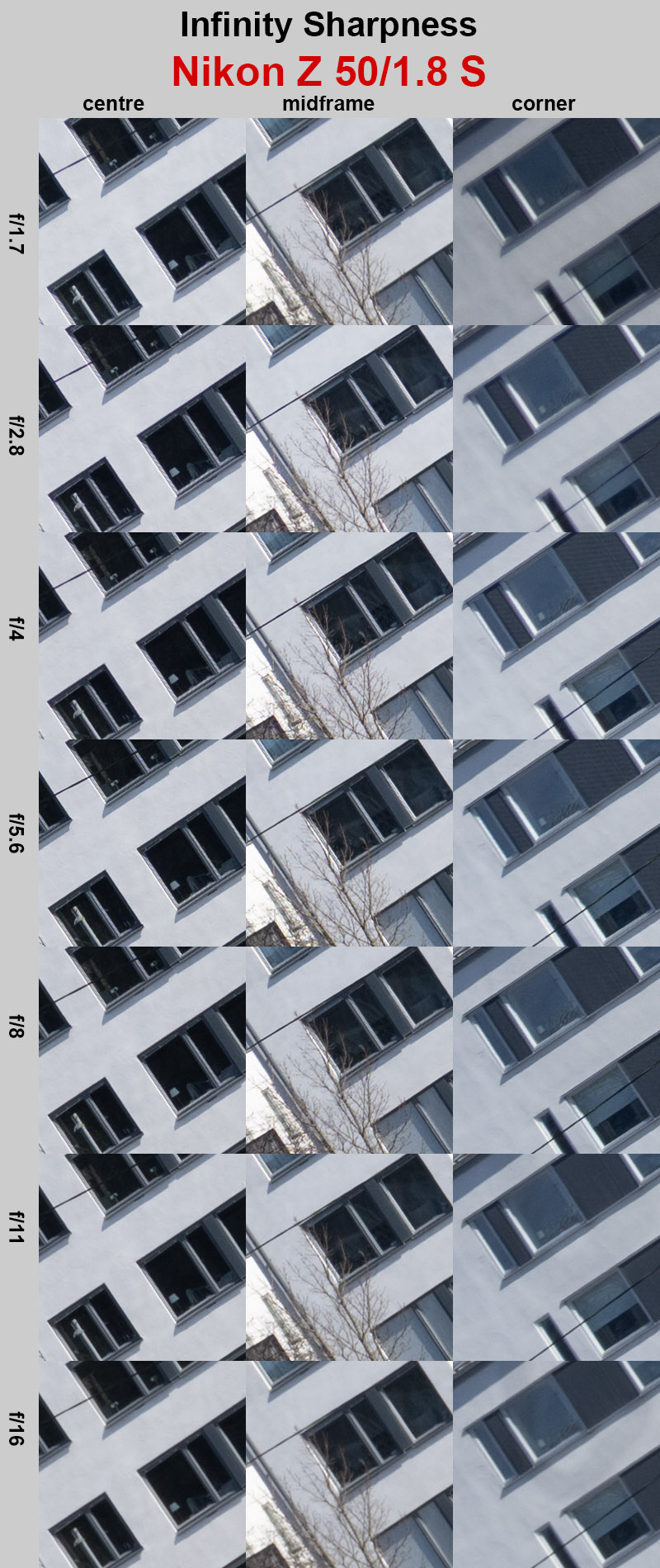
Center sharpness is already phenomenal at f/1.8, with excellent midframe performance and very good corners. By f/4, corner sharpness also reaches an excellent level. Sharpness remains impressive up to f/11, though a slight decrease from diffraction becomes visible, more noticeably at f/16, particularly off-centre—still delivering strong performance even there.
Compared to the Nikon Z 50mm f/1.8 S, this lens actually surpasses it in this category, especially in the corners.
Sharpness (Portrait)

Let’s look at the points of interest for portraits at the portrait distance: the very centre, the centre’s inner periphery (1/3 rule intersection), and the centre’s outer periphery (1/4th intersection).
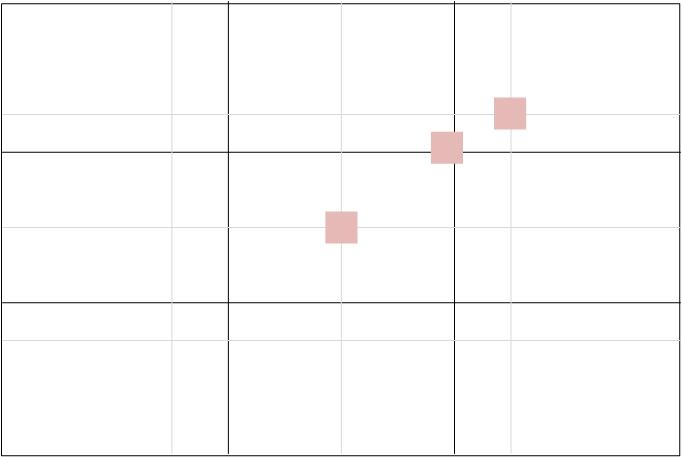
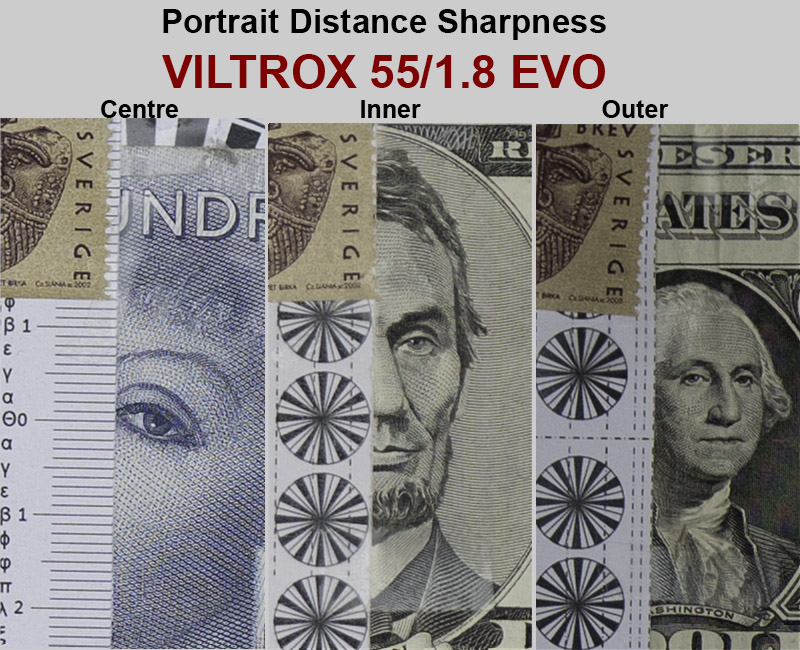
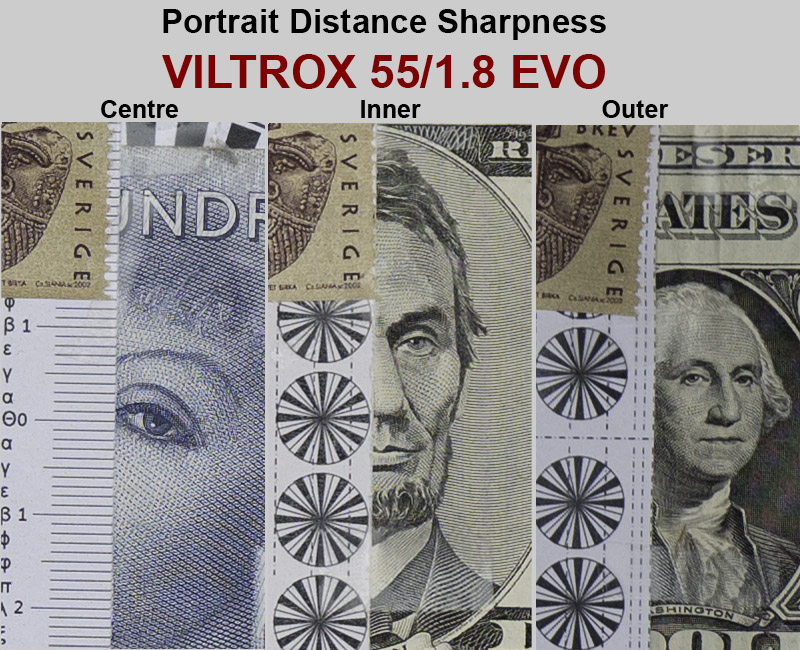
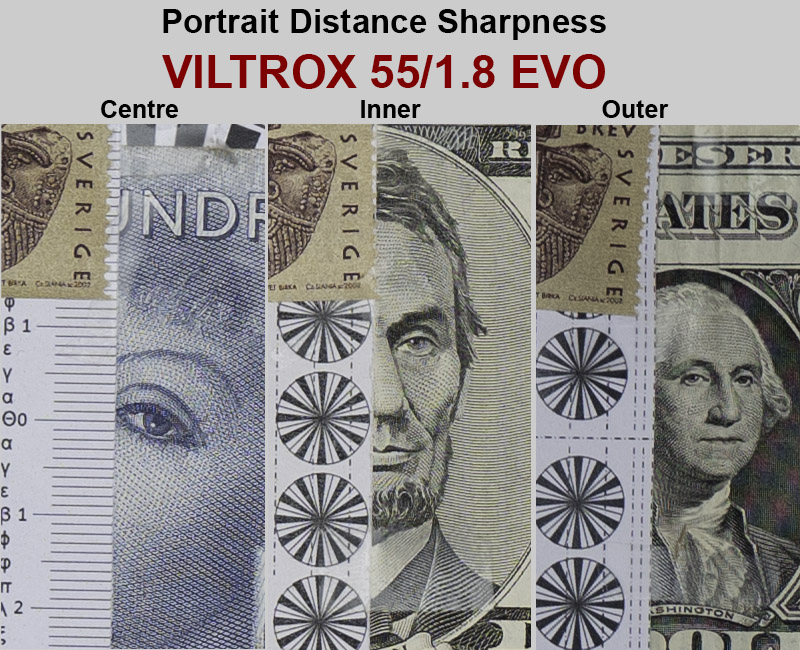
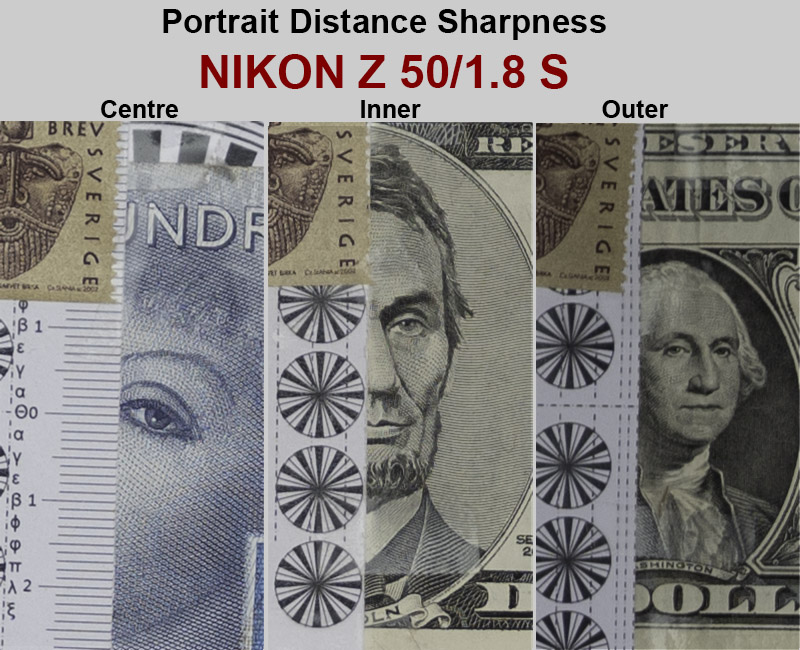
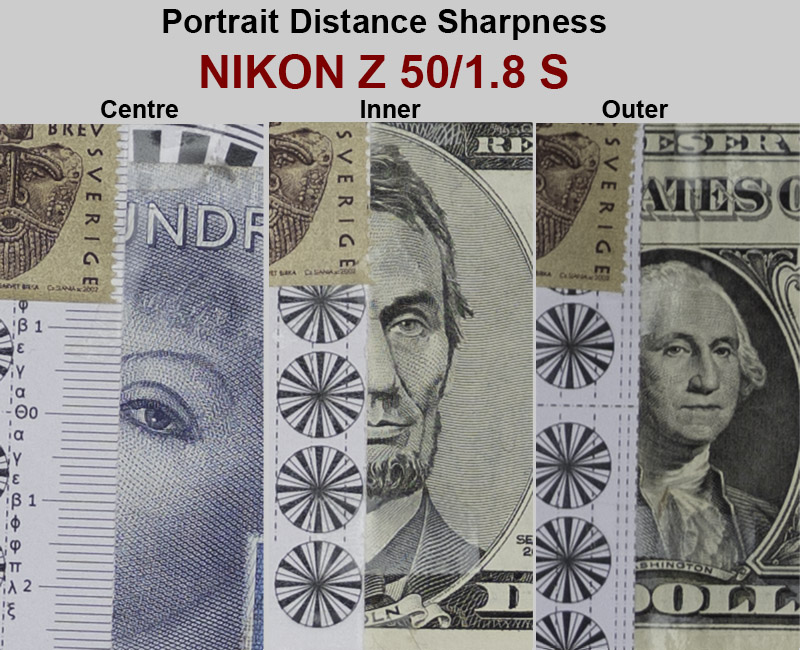
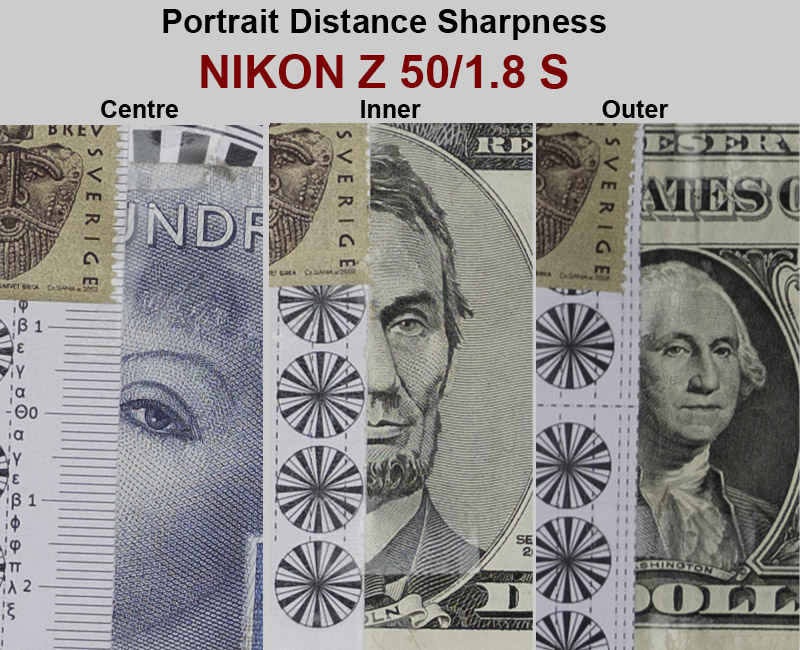
Excellent sharpness both in the center, inner and outer circles.
Even at this distance, it beats the Nikon Z 50/1.8 S in sharpness.
Sharpness (Close-up)







The close-up sharpness is very good wide open at f/1.8. Then it is excellent from f/2.8 throughout the aperture settings until f/11 where it falls back to very good due to diffraction, which becomes more obvious at f/16.
Lens Distortion
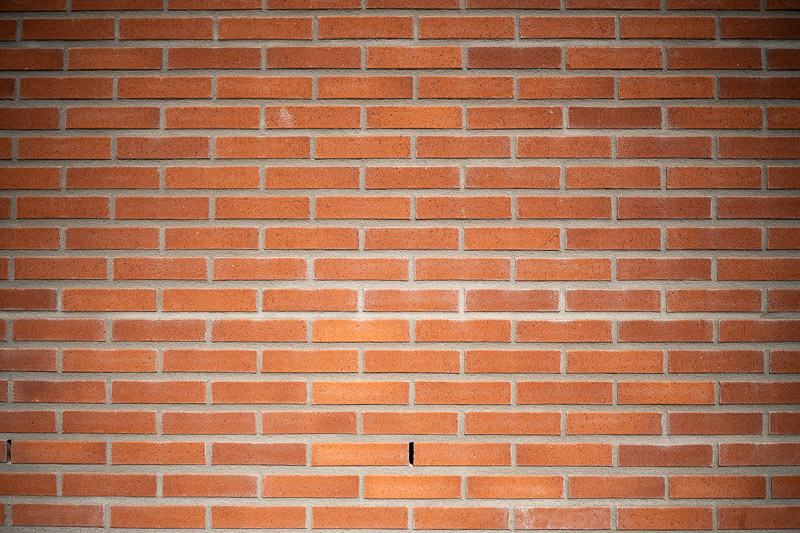
There is a small barrel distortion visible, but nothing serious. To correct it, you need to apply a manual distortion correction of +3 in Lightroom or Photoshop. A good performance here, but the Nikkor has the edge here.
Here, the Nikon Z 50/1.8 has the edge as it showed almost no distortion at all


Vignetting
The test shots were taken with in-camera correction set to OFF.
The vignetting at max aperture (1.8) is relatively high, which in certain scenes may require correction, unless the in-camera correction is on, but not worst than similar lenses. Stopping down by just 1/3 of a stop to f/2 makes it more manageable and between f/2 and f/2.8 it will be a matter of taste if you want to correct it or not, From f/4 and smaller apertures it is negligible.
Here, the performance is on par with the Nikkor, so it’s a draw.
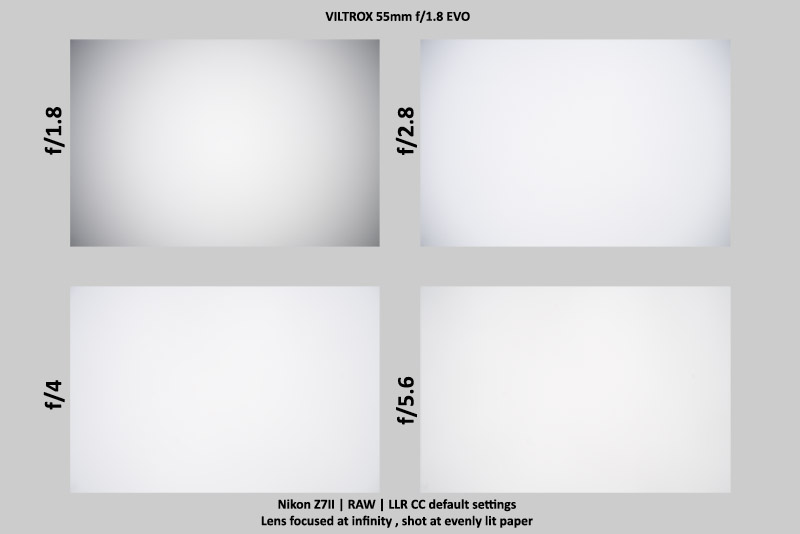
- F/1.8: 2.3 EV
- F/2.8: 1.5 EV
- F/4.0: 0.8 EV
- F/5.6: 0.8 EV
- F/8.0: 0.7 EV
- F/11: 0.7 EV

Focus Shift & Aberrations
There is no focus shift or visible spherical aberration. In fact, the lens appears slightly overcorrected for spherical aberration, which likely contributes to its biting sharpness.
The APO design also shows its strengths here, with no longitudinal chromatic aberration visible—on par with the Nikon Z 50mm f/1.8 S.
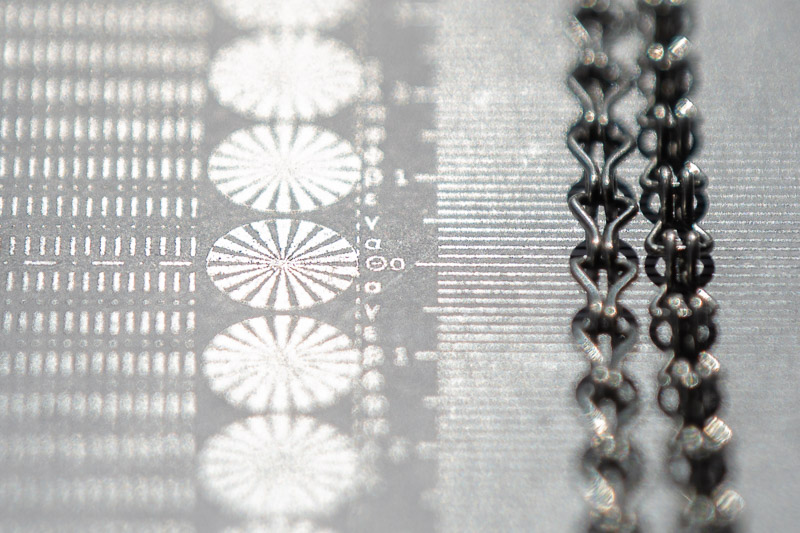
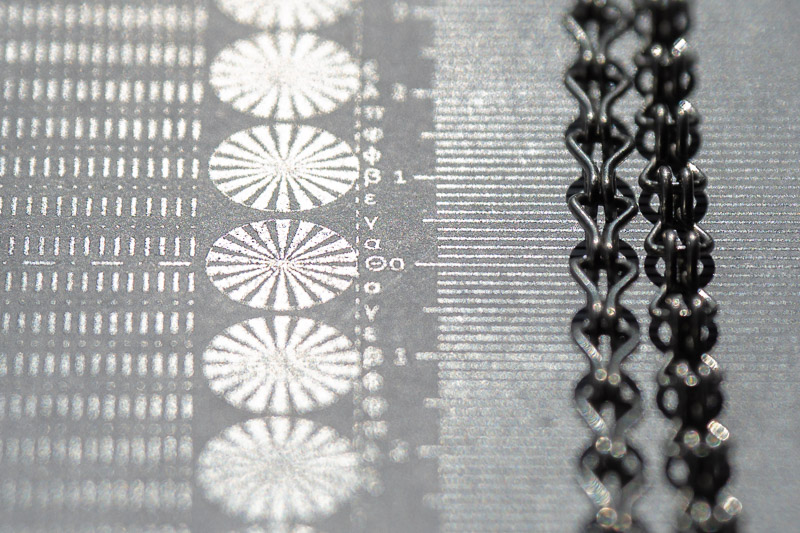
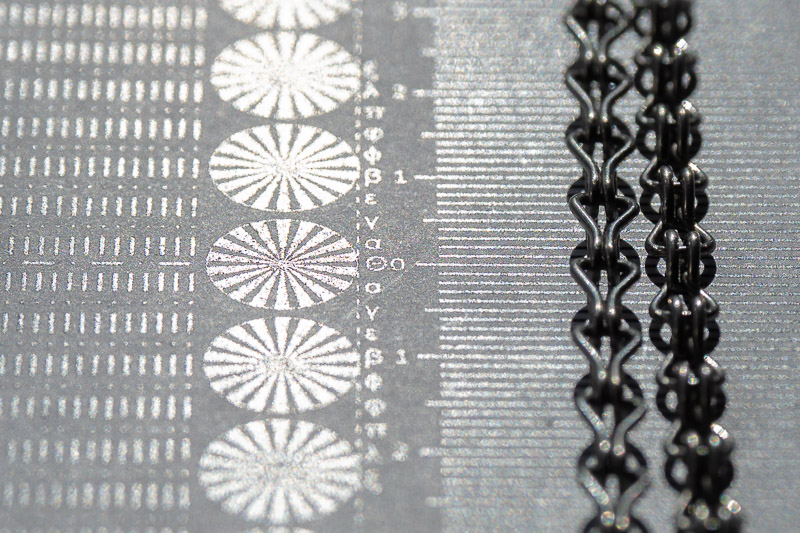
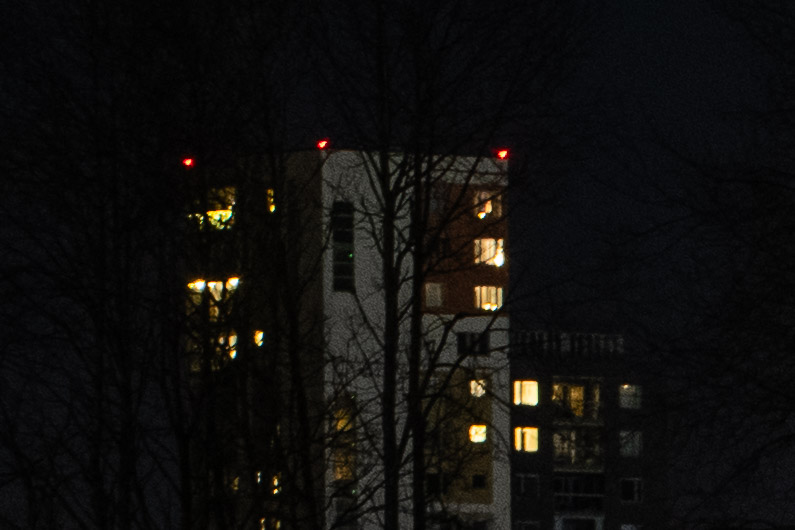
Here is a 100% crop of the image’s upper left corner from a 46 Mp sensor. We can see some small, almost negligible lateral chromatic aberration, which can be fixed with one click in post. Although very small and much better than average performance, the Nikon Z 50/1.8 was even better here.


Flare Resistance

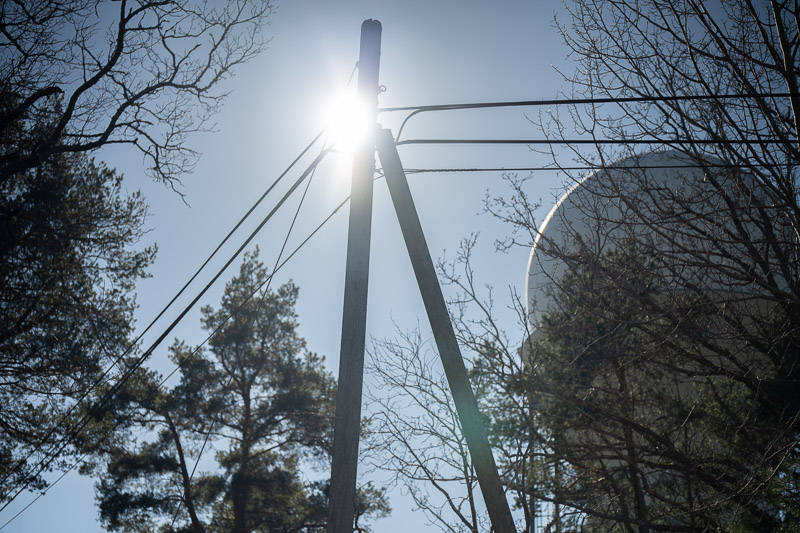
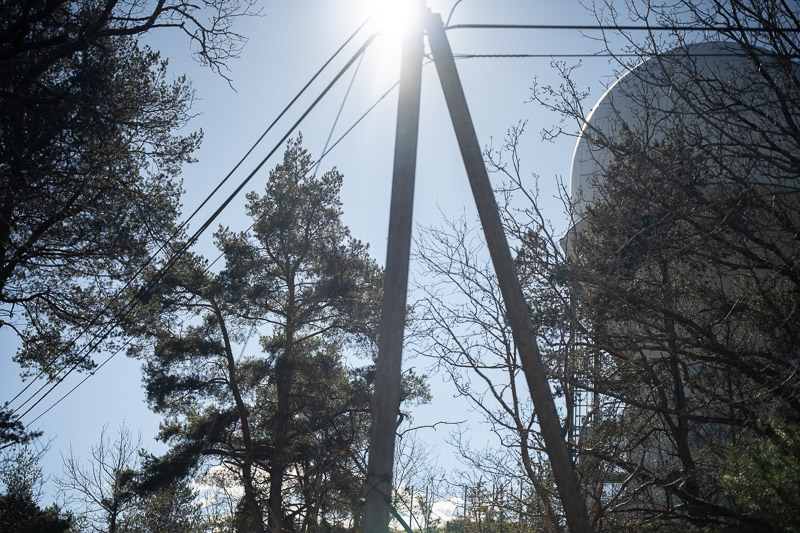
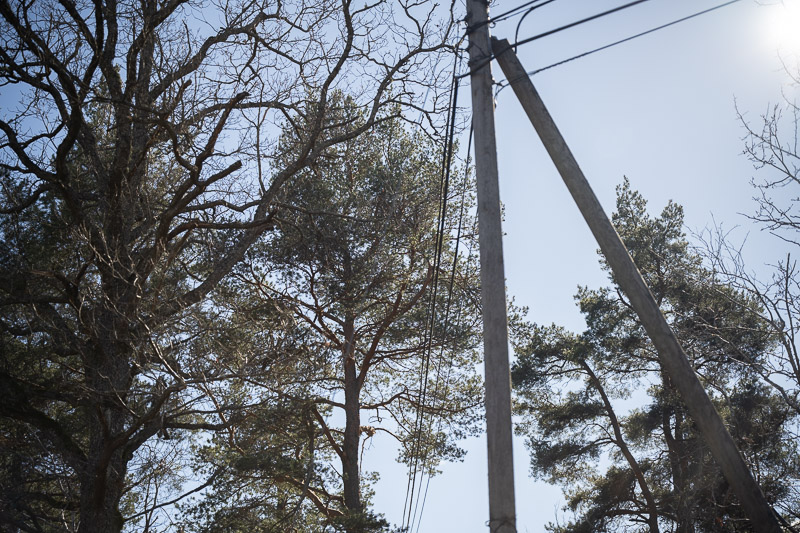
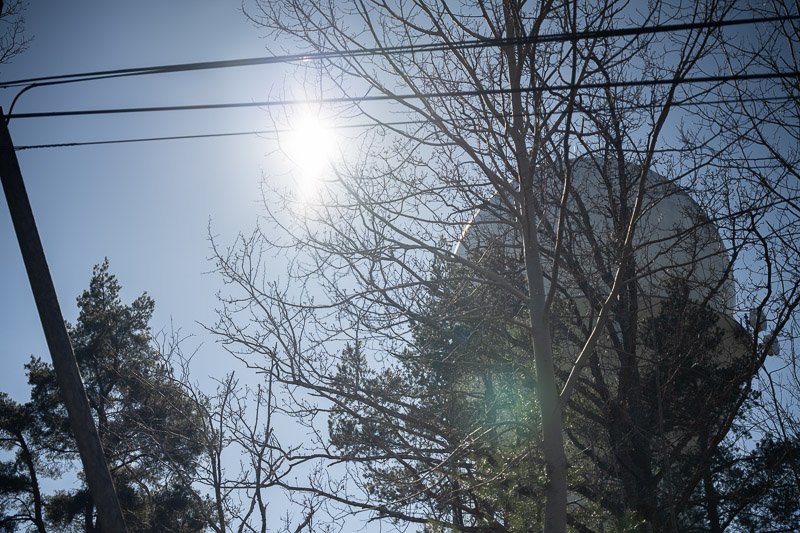
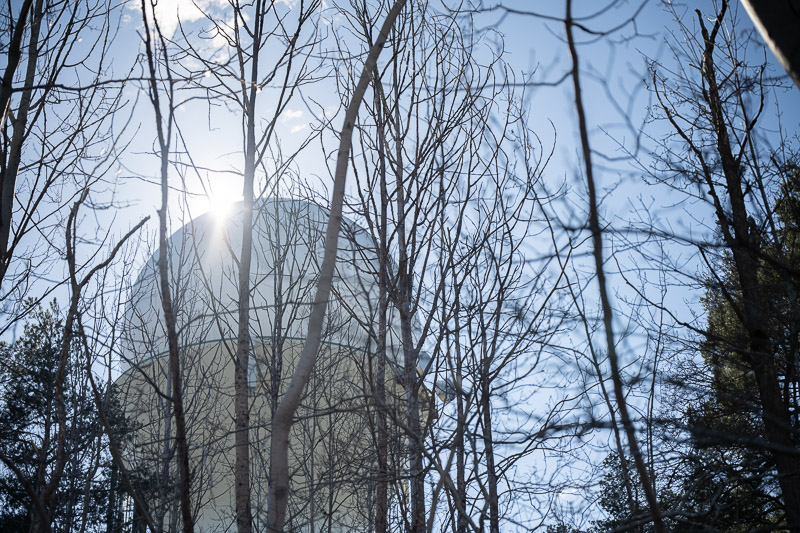
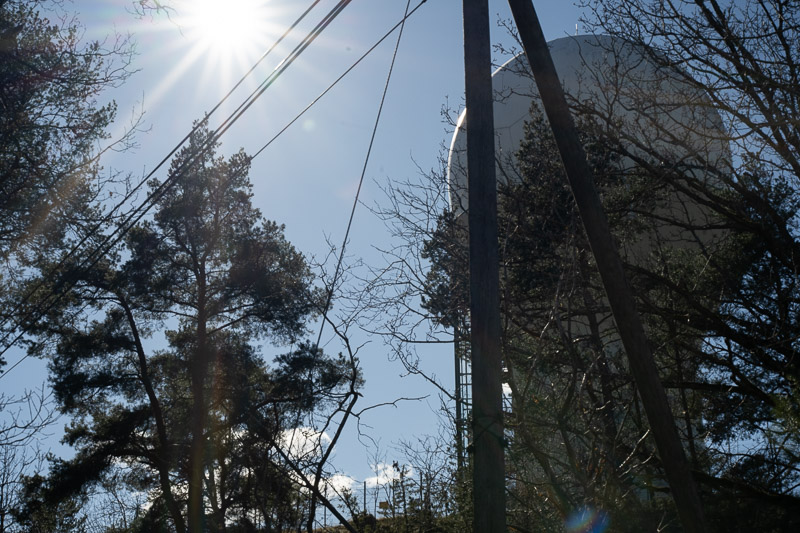
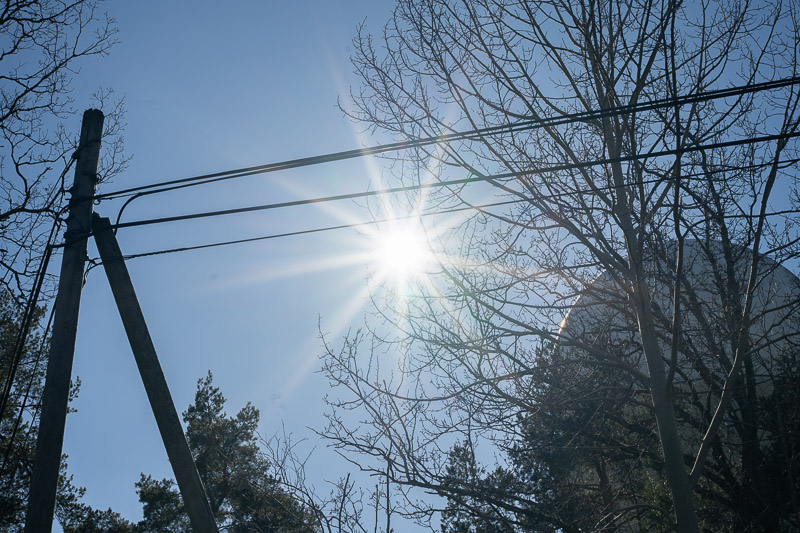
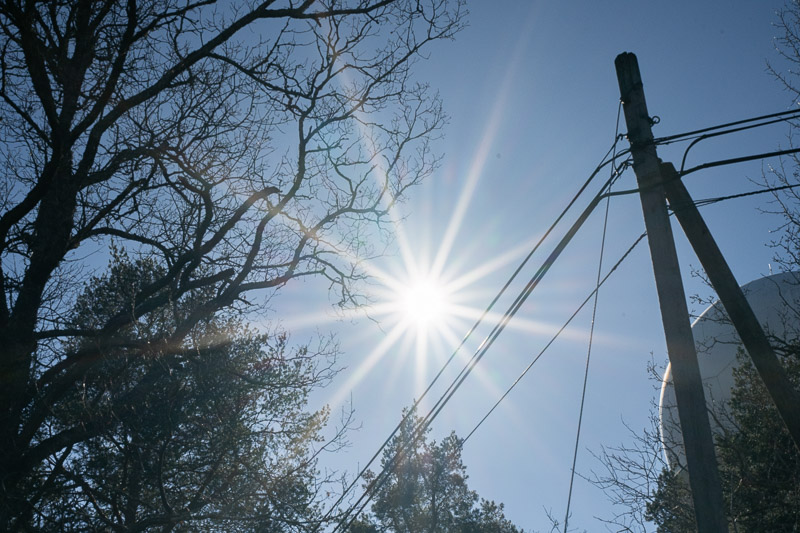
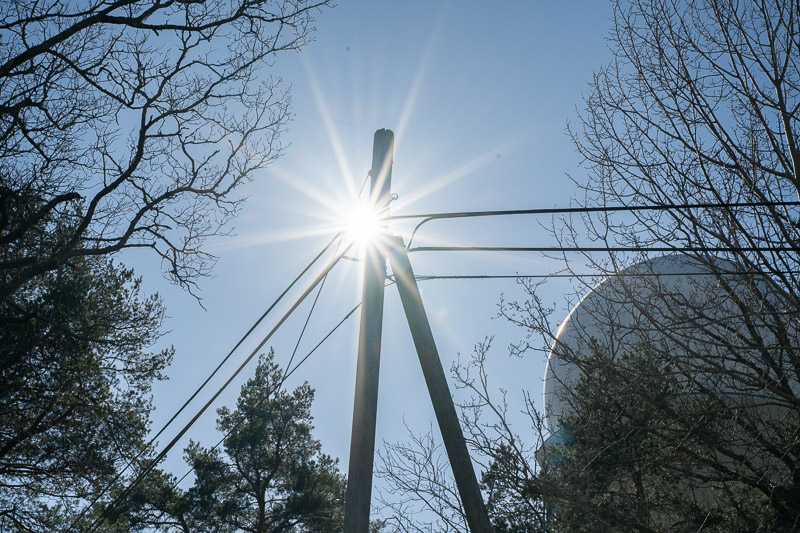
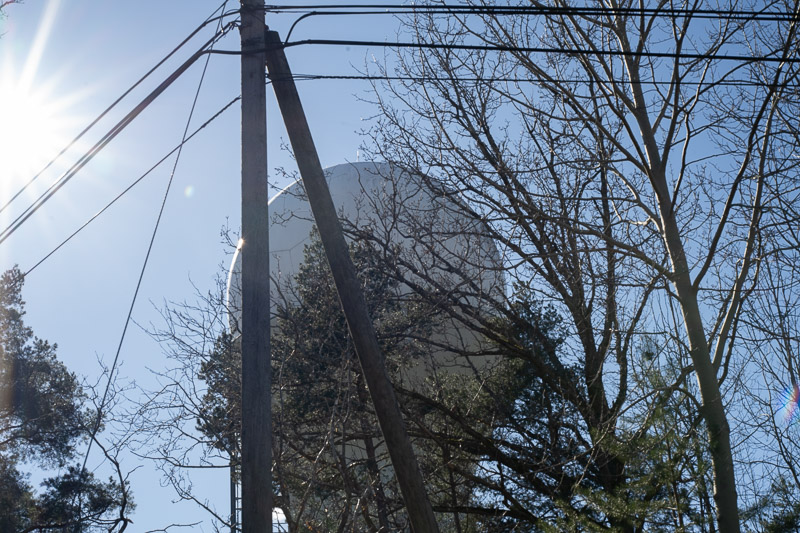
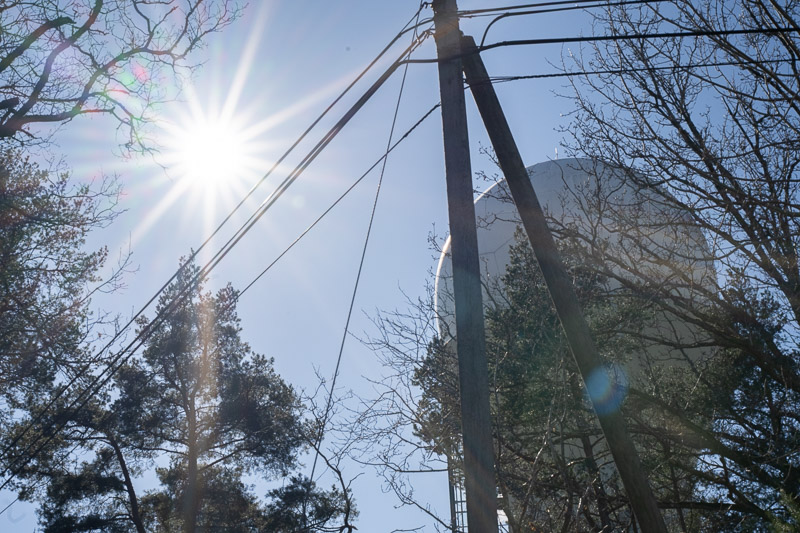
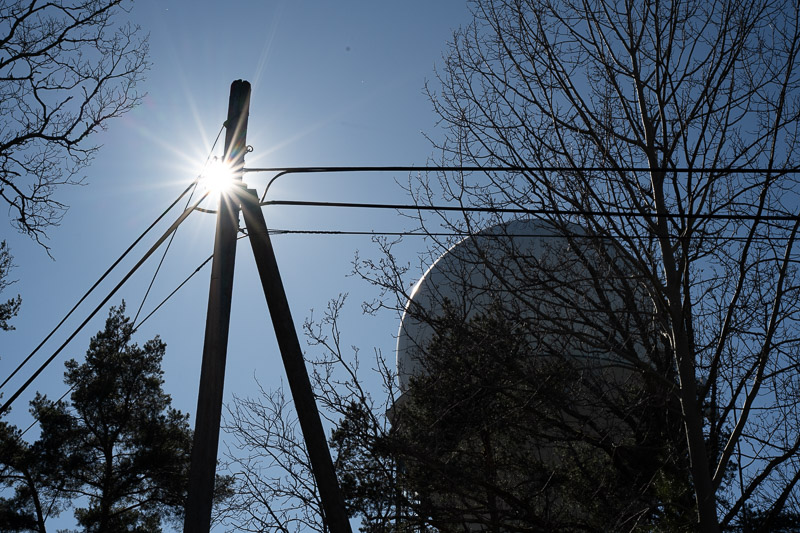
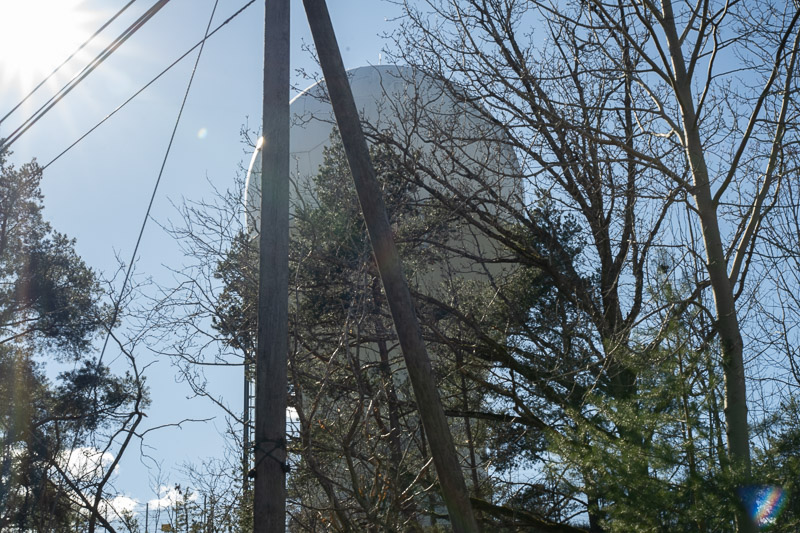
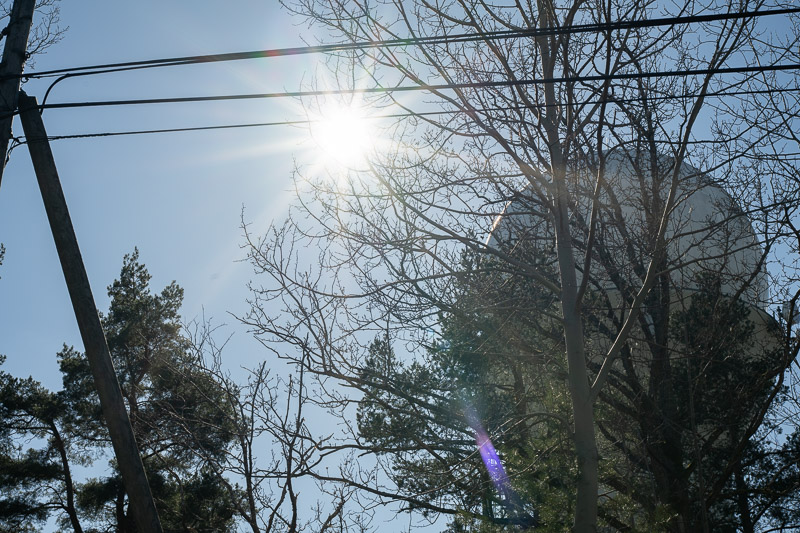
Flare resistance is a difficult category to evaluate, as small changes in angle or position can have a significant impact on the results. Here, I’ve tried to push the lens in a worst-case scenario to reveal its limitations. The performance isn’t poor, but there is a noticeable drop in contrast in some situations, along with ghosting in others—sometimes both at once.
I’ve included test shots at both wide and small apertures below.
While the results are among the best we’ve seen from Chinese lenses, they don’t quite match the level of the Nikon Z 50mm f/1.8 S, which shows excellent control with no visible ghosting and only minor contrast reduction around the sun in certain conditions.

Coma
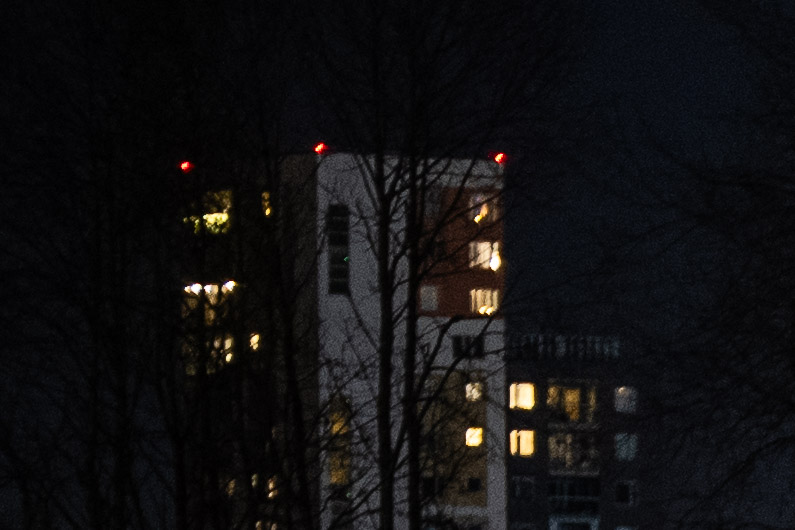
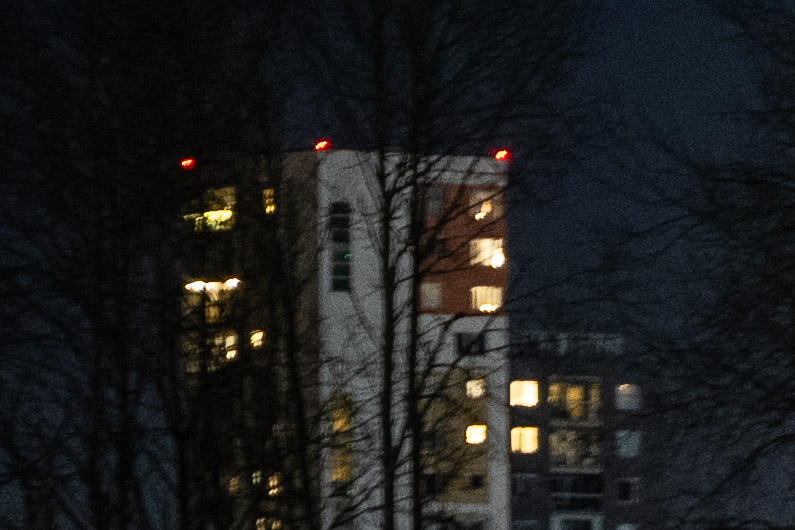
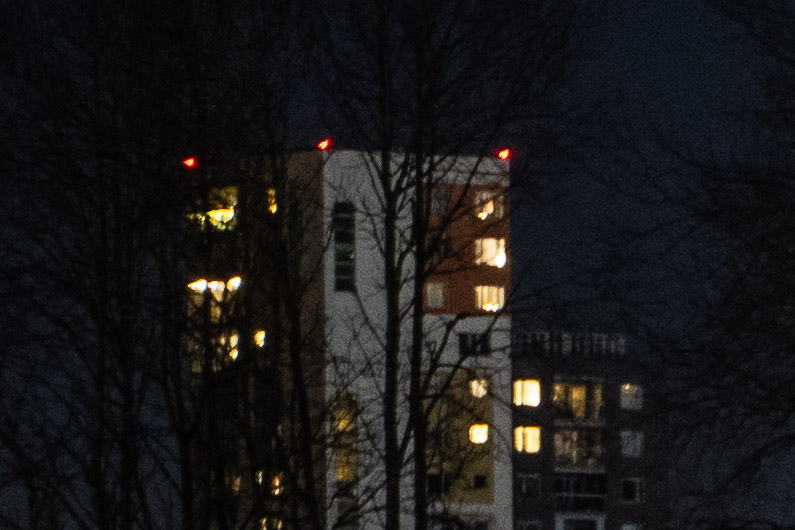
Coma correction isn’t perfect wide open, but it’s still quite well controlled. To eliminate the small—almost negligible—traces of coma entirely, stopping down to f/5.6 is required. (The f/2.8 sample isn’t entirely representative, as I later noticed slight camera shake.)
At maximum aperture, coma performance is on par with the Nikon Z 50mm f/1.8 S, though the Nikon cleans it up more quickly, requiring only a one-stop reduction.
Sunstars
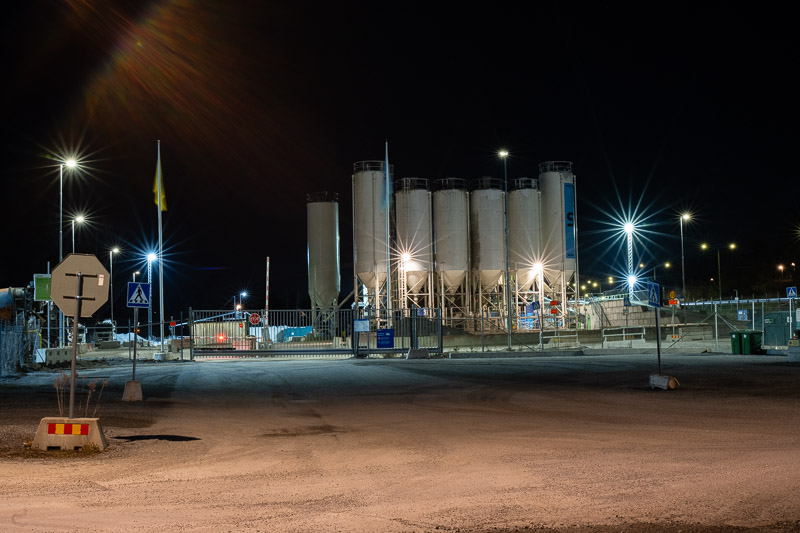
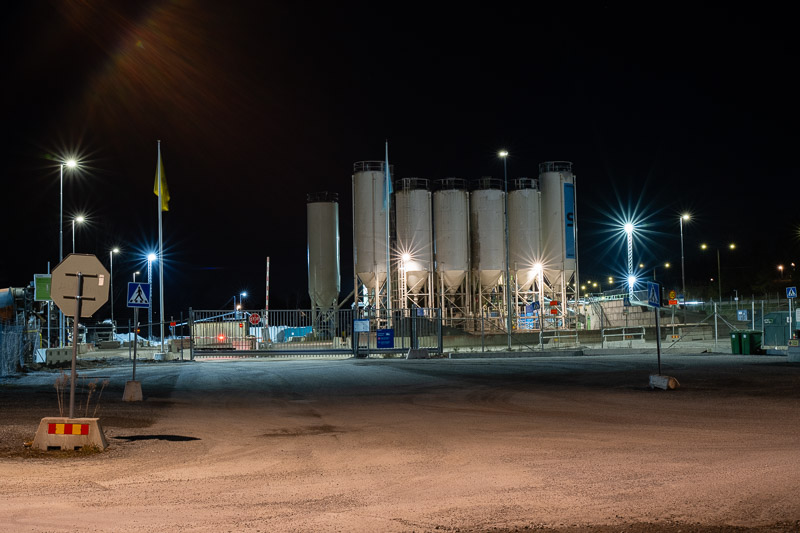
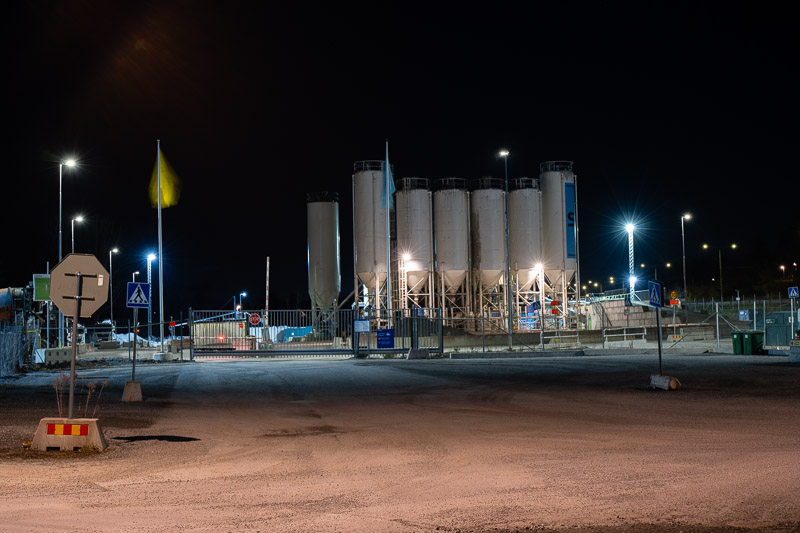
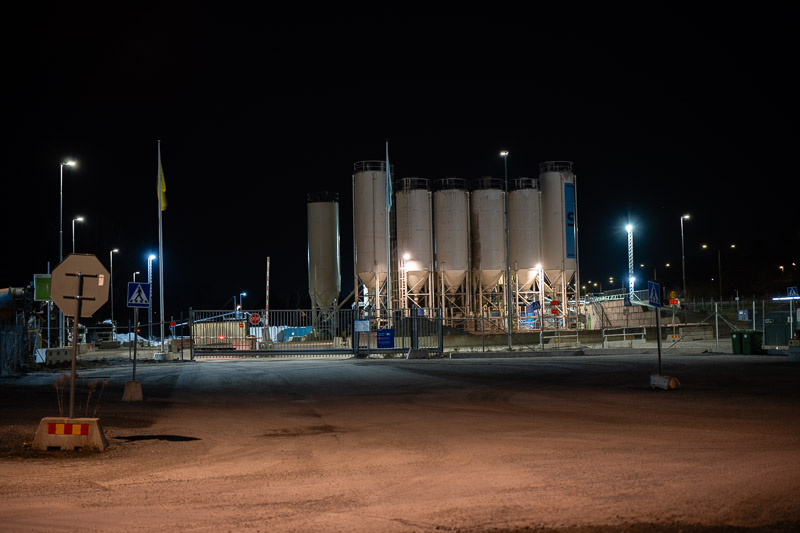
The lens produces decent 18-point sunstars from f/8, becoming more defined at f/11 and very well rendered by f/16.
In this category, it outperforms the Nikon Z 50mm f/1.8 S, as sunstars appear at wider apertures and develop more clearly when stopping down.



Focus Breathing
The Viltrox 55mm f/1.8 exhibits fairly strong focus breathing, which is unfortunate given its clickless aperture and otherwise good potential for video work. This limitation reduces its appeal for videographers.
As shown below, the Nikon Z 50mm f/1.8 S performs significantly better in this regard, showing virtually no focus breathing.


Bokeh
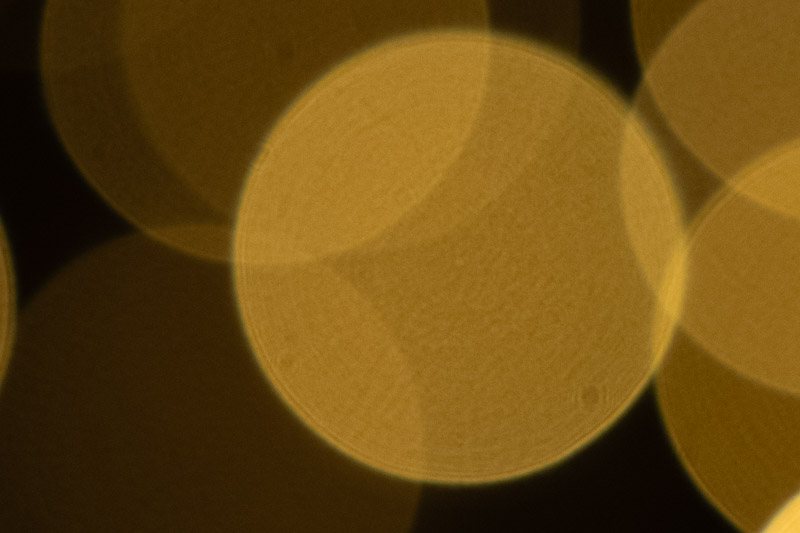
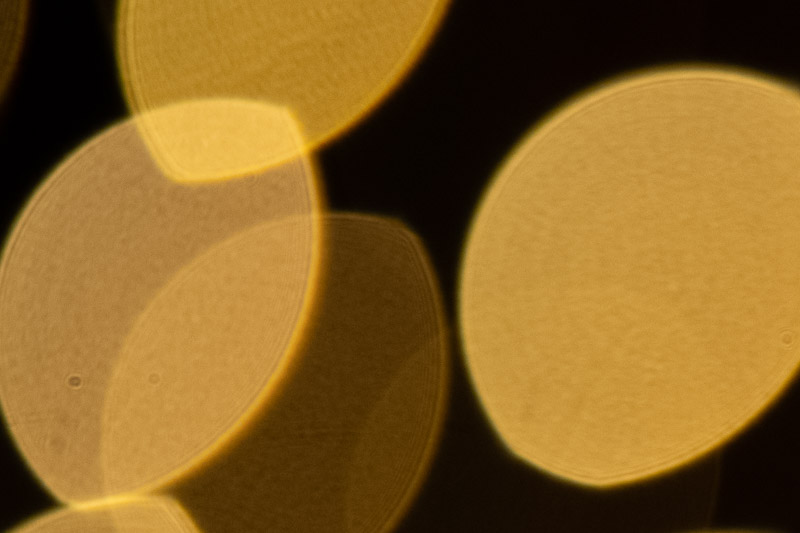
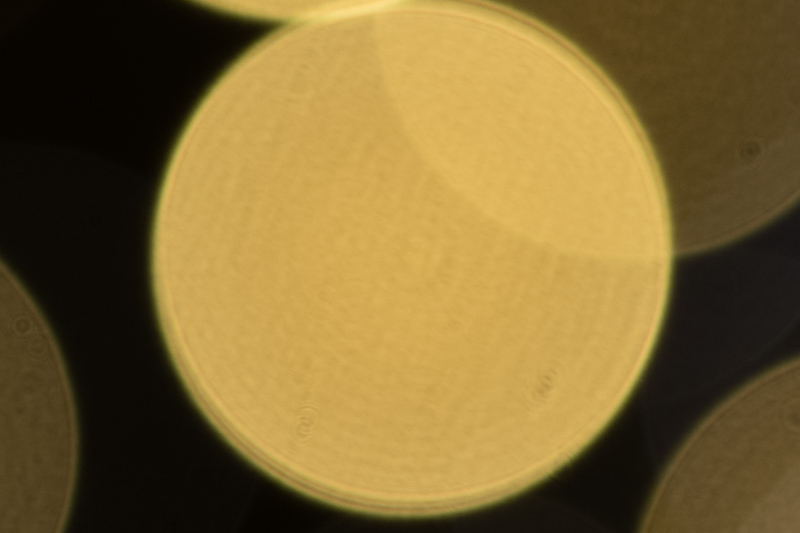
Bokeh balls look very nice, with even illumination and no visible color fringing. Some mild onion ring texture from the aspherical elements can occasionally be seen, but it’s subtle and unlikely to stand out in most images. Towards the edges of the frame, cat’s-eye shapes appear, though the overall rendering remains quite pleasing.
Compared to the Nikon Z 50mm f/1.8 S, it shows slightly more onion ring texture, a marginally less smooth transition, and a bit more pronounced cat’s-eye effect towards the corners.


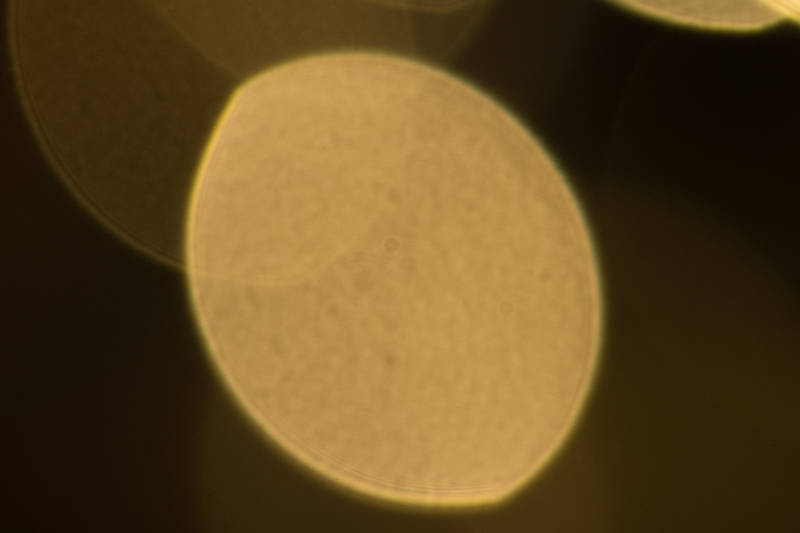
Let’s have a closer look at the background blur at different distances!
Short Distance






At minimum focusing distance, it can produce a somewhat dreamy background blur, though it’s not as creamy as some other lenses.
Mid-Distance






As we move backwards, at medium distances, the blur remains strong but takes on more character, which becomes more noticeable than at close range.
Long Distance





The somewhat vintage character becomes more noticeable in longer-distance scenes.
Bokeh is, of course, a matter of personal preference. In my view, this lens produces background blur quite easily, with a distinct vintage rendering that some will really enjoy. This character likely stems from a slight overcorrection of spherical aberration, combined with the use of aspherical elements.
Compared to the Nikon Z 50mm f/1.8 S, this lens delivers more character in its bokeh, which can sometimes appear a bit busy. The Nikon, on the other hand, produces a smoother, creamier blur—especially at minimum focusing distance and mid-range distances. Personally, I prefer the Nikon’s rendering, but it’s worth looking at the samples to see which style you like best.
Conclusion
| I LIKE | AVERAGE | I DON’T LIKE |
|
|
|
Designing a lens that is sharp and well-corrected for aberrations, distortion, and coma—while also minimizing vignetting—has always been a challenge. In the past, designers had to juggle priorities and accept compromises. With modern software correction, vignetting and distortion can now be handled quite effectively in post-processing or in-camera, allowing designers to focus more on maximizing sharpness.
With this lens, it seems that Viltrox has aimed to push performance across the board. However, the laws of physics still apply, and this comes at a cost—namely increased size, weight, and price. That said, it sits in a middle ground: not exactly cheap, but not overly expensive either.
Overall, this 55mm lens may not be the absolute top contender, but it holds its own against more expensive and bulkier competitors.
Which Lens Wins?

Compared to the Nikon Z 50mm f/1.8 S, does it come out ahead? In some areas—such as sharpness and sunstars—it does. In others, the Nikon has the edge, while some aspects are broadly on par. It’s worth noting that the Nikon is already extremely sharp, but this lens does push slightly further.
If absolute sharpness and sunstars are your top priorities, this lens is the better choice—and it’s also more affordable. If you prefer softer bokeh, lower distortion, and slightly better control of chromatic aberrations, or faster AF, the Nikon remains the stronger option, albeit with only a small advantage at a higher price.
Writing articles like this one is both time-consuming and costs us a lot of money. If you found this article helpful and decided to buy one of these lenses, please consider using one of the affiliate links.
If you are not interested in buying any of the lenses, but you still found this article useful, interesting, or it saved you a lot of money, treat us to a coffee (donate)!
Buy new: Viltrox Store, Amazon (US) , Amazon (EU) (Affiliate links) Price: 370.00 USD /349EUR /359GBP /539CAD /68,400JPY 5% off for first release [valid for 5 days, ends at 12 PM (UTC+8) on April 26] |
Alternatives
I mention only a few lenses with f/1.8 and f/2. There are loads of 50mm f/1.4 lenses too,
Nikon Z 50mm d/1.8 S
I have already explained almost all the differences between this lens and the reviewed lens in the article above.
Buy new: Amazon (anywhere) , B&H for $467 (Affiliate links)
Buy used: ebay.com, ebay.de, ebay.co.uk from $435 (Affiliate links)
Nikon Nikkor AF-S 50/1.8G:
The predecessor of the above lens- It’s smaller, lighter, with very good to excellent sharpness. The reviewed Z lens beat it in every category, though, but the AF-S version costs less than 1/3 of the Z lens, but requires an FTZ adapter to be used on Z cameras.
Buy new: amazon.com, amazon.de, amazon.co.uk, amazon.fr, amazon.com.au for $216 (Affiliate links)
Buy used from: ebay.com, ebay.de, ebay.co.uk, ebay.com.au , ebay.fr ≈$100 (Advertisement)
Viltrox 50mm F2
It is a more modern AF lens from the third-party manufacturer Viltrox. This lens exists in Nikon Z and Sony FE mounts. Autofocus and full electronic contact with the camera. If you have a Nikon Z camera, you can use this lens without an FTZ adapter, which helps you avoid the hassle of the adapter and also saves you about $170, at about $199. It’s smaller, also with very good sharpness, but not as sharp as the reviewed lens; it also lacks the aperture ring and has weaker flare resistance.
Buy New: Viltrox Store,
amazon.com, amazon.de, amazon.co.uk, amazon.fr, amazon.com.au $199 (Affiliate links)
If you buy from the Viltrox Store via the affiliate link or using this coupon code (MARTINMH) there, you’ll get an 8% discount.
Voigtländer 50mm f2 APO-Lanthar
This is a manual lens but with electrical pins, no autofocus, but proper EXIF info to the camera. It is available for Nikon Z, Sony E, and Leica M mounts. It is an outstanding lens with great sharpness; the centre sharpness, although fantastic, does not come up to Nikon’s Z 50/1.8 levels, but the midframe and corner sharpness exceed Nikon’s sharpness. None of these will be distinguishable in normal situations or seen in images unless you really enlarge the images to the extreme. It has better sunstars but is a little more prone to ghosts with the sun in the image. It is more expensive than the Nikon Z 50/1.8.
Buy New: Amazon, B&H ~ $899 (Affiliate links)
Used: eBay (Affiliate link)
More Sample Images

















Most of the sample images in this review and many more can be found in higher resolution here.
Further Reading
- What camera gear and accessories do I use most frequently?
- Review: Nikon Nikkor AF-S 50mm f/1.8G
- Review: Nikon Nikkor 50mm f/1.4 AI-S
- REVIEW: Viltrox AF 50mm F/2 Air (FE)
- Review: Nikon Nikkor Z 50mm f/1.8 S
Support Us
Did you learn something new, find this article useful, or simply enjoy reading it? We’ve put a lot of time and resources into creating it, and your support helps us keep going. If you’d like to show your appreciation, please consider clicking the Donate button!



(Donations via Paypal or bank card)
What’s in my camera bag? MY 2026 KIT!!
- Main camera : https://amzn.to/3TsGtKg
- Camera grip : https://amzn.to/4e0G3CR
- Memory Card 1: https://amzn.to/47pA20i
- Memory Card 2 : https://amzn.to/3XHYxlZ
- Camera 2 : https://amzn.to/3Xifou8
- Camera grip: https://amzn.to/4dYYpV9
- Memory card 1: https://amzn.to/4e5h2H0
- Memory card 2: https://amzn.to/3zu7W7n
- Small travel tripod: https://amzn.to/4goIX68
- Mini tripod: https://amzn.to/4e09XXX
- Small shoulder bag: https://amzn.to/47tPMiY
- Medium shoulder bag: https://amzn.to/4ej4bjY
This site contains affiliate links, for which I may receive a small commission if you purchase via the links at no additional cost to you. This helps support the creation of future content.


Martin
Latest posts by Martin (see all)
- REVIEW: SIRUI AURORA 35mm F1.4 - October 14, 2026
- REVIEW: Zhiyun FIVERAY M60 Ultra & Molus X100 RGB - October 11, 2026
- Analogue Photography: Part 7 — Gran Canaria with Kodak Portra 400 - September 30, 2026
Thank you for the review.
Do you plan to also review this lens or the 35mm on other mounts? (E-mount)
Yes, the 35mm EVO will be reviewed on E mount.
It would be nice a comparison between this 55mm EVO and the Sony/Zeiss 55mm also.
I have not reviewed the Sony 55mm and I don’t think anybody in our team has done that either, which makes it difficult to compare the lenses.
Phillip did the review long time ago…
https://phillipreeve.net/blog/sony-fe-1-855-za-sonnar-t-review/
The Sony has nice bokeh in some scenarios but looks awful in others due to massive loCA issues.
And the MF of the Sony 55mm is not lineair, so rather difficult in my opinion.
But AF is fast and that’s where the Viltrox has difficulties…, slower then the Nikon Z50mm f1.8, which is slower then the Sony 55
Very sharp is the Viltrox EVO, but sharpness is not all there is.
looks like this might be a typo, the 50 viltrox goes for less than that.
” but the lens itself is more expensive at about $360.”
Prices seem to vary at different stores and in different countries, I just wrote what Viltrox had planned before they were available.
Great colors, by the way. Not sure if that’s compliment to the Viltrox lens transmission or that together with Bastian you are both shooting mostly Nikon on these reviews, but the result is quite appealing.
Honestly, the reviewers here are just good at editing. Perhaps they could write an article about it. The lighting in these shots helps, too.
As a general rule in our reviews, test shots are presented without editing, or with only minimal adjustments when necessary to highlight the specific characteristic being evaluated. This allows for an accurate assessment of the lens’s rendering, sharpness, color, and other optical qualities.
Sample images—shown at the beginning, end, and in the bokeh section—are edited to taste. However, we never apply adjustments such as added sharpness, clarity, texture, or haze. These parameters remain untouched across all images, including both test shots and samples.
That is actually really nice to hear. I’m not so sure about some reviewers doing the same and it’s really nice knowing we’re comparing all lenses under identical conditions.
Big thank you for your hard work with these reviews and also the affiliate discounts. I’ll hold off on ordering the 35mm until you post your review, but if it’s anything like this 55mm, it may become my travel lens instead of the Nikon 40mm f/2.
The 35mm review will come soon, but on Sony E cameras.
Maybe both.
Just a small correction, this review along with all test and sample shots were done by me, not Bastian, he normally manages to do a better job in producing nice sample images.
Don’t sell yourself short, Martin. Both you and Bastian take fantastic sample images.
Thanks a lot Jared, you are too kind, I appreciate that.
Yes, these images look really great. I get a very nice vacation vibe looking at those pictures. You guys are doing the best reviews. Really, I appreciate, you are trying to do video reviews – if its for me, no need to. People are still able to read ^^
Keep the great work – all of you guys!
Thanks for the (very fast) review 👍.
I wonder since when you have the lens for reviewing 😉
Here in Germany the Viltrox lens costs 429,- Euro.
So I’m very happy with my Nikkor Z 50mm 1.8 since I bought it in spring 2020 for 349,- Euro. I have absolutely no need to change it for the Viltrox.
More interesting for me is the Viltrox 35mm evo.
Do you plan to review it in the near future?
The Nikon lens is a fantastic lens, I have also bought it and still have it. I use it time to time for my own work.
Yes, we will review the 35mm EVO in near future, but I can’t say exactly when.
Thanks for the review!
A comparison with the Sony GM 1.4/1.2 would be really really interesting.
I’d like something like Sony’s 55mm F1.8 Sonnar, either slightly improved (less aberrations if possible), or cheaper (ideally both). This is technically a better lens I gather, and I actually really like the look of some of your photos here, but would I want it beside several 50mm lenses I already own? Probably not.
If I want very smooth, modern, “boring” bokeh, this is not it. If I want something more vintage-like, this doesn’t seem to be it either. Perhaps it’s a nice compromise between the two, for some.
It is good to know that one: you like some of my photos, two: the photos have made you aware that you don’t want this lens and don’t need to spend money on it.
Absolutely. It’s great when you can get a feel for a lens from reading a review, which is a very rare thing (and I only find it here, really).
You do a great job, Martin, both you and Bastian.
Thanks for the excellent reviews. How is this compared to GM 50mm 1.4 or Sony 55mm 1.8 or smaller Viltrox 50mm f2? Size wise it is closer to Sigma 65mm f2 lens, which is a very good lens also…
I’ll let Bastian answer how it compares to Sony’s options, as he’s the Sony expert. Compared to the smaller Viltrox 50/2, this one has better coma correction and flare resistance. It also adds an aperture ring and weather sealing around the mount, which is the main differentiator between their Air and Evo series.
The link to the #Focus_Shift_Aberrations section is missing btw.
Fixed. Thanks Frank.
I personally prefer 50mm and am already looking forward to the lightweight 160g 1.8/50mm lens that ttartisan just announced. Okay, the lack of a focus ring isn’t ideal, but if the rendering is good and the autofocus is reliable, why not give it a try?
Bonjour Martin.
Thank you for the fast review.
Sharpness is very very good, but that’s not the most important for me.
I hoped for a replacement of the Sony 55mm with lineair MF…, but the AF speed slower then the Nikon 50mm f1.8 Z…
Lenstip said about the Nikon:
-When it comes to the speed, it is moderate – running through the whole distance range and confirming the focus typically takes about 0.6 of a second. That value weakly depends on the direction of work and/or lighting conditions.-
And they mention the 55mm Sony 0.5 of a second, which is the same speed as the Sony 50mm f1.4 GMaster, but the small 40 and 50mm Sony G f2.5 are both doing 0.4-0.5 of a second.
So in all these years we’ve seen more glass in lenses, so AF rapidity gets more difficult
(Sony 50mm f1.2 GM needs 4! XD lineair focus motors to move all that heavy glas in 0.5seconds, where the f1.4 is as fast with 2 XD lineairs)
The Sony FE 50mm 1.2 GM has 4 motors because of two moving groups.
Let me first say that I appreciate the review because it covers the comparison with the Nikon Z 50mm f/1.8 S as well. Thanks a lot for that!
However, though it may be considered a minor point, I think the comparison with Viltrox’ own 50mm f/2 Air in the “Alternatives” section is non-conclusive. That lens is about half the price of the 55mm f/1.8 EVO; it’s definitely not “more expensive at about $360”: the 55mm EVO is $370 at this point in time, the 50mm Air is $199 (in Viltrox’ own store). But maybe this sentence was meant to be read the other way round … Still, I’d change the wording to reflect realities.
While the Air’s performance is certainly not on the same level as the EVO’s, it’s a fine lens, much more compact and very desirable on those grounds alone. I usually pick the Air over the Nikon Z 50mm f/1.8 S for day-to-day shooting because of its size and undeniable competence.
However, owning the S-Line lens is the (only) reason I’ll not get the EVO – and I have to thank you again for confirming my decision.
Thanks Matt. I have now changed the text a little bit so that it becomes more conclusive.
I don’t understand why the Viltrox Air is still listed at $359 even after the revision. This lens has never been that expensive. Never. The launch price was just under €200, and €180 for pre-orders.
How about field curvature? I’ve seen some samples where it looks like corners are less OOF.
This can also be due to the optical vignetting, but I do not see any such issues in the sample pictures provided.
I took some test shots, especially to check this after your comment, which is why it took me a while to reply.
I couldn’t see any field curvature in my test shots.
This is an amazing lens, especially for the price. I picked up a used one from mid-2026 for only 285 dollars. It’s been used one or two times and it’s is in mint condition. Images from this lens on my Z7II are super sharp with good contrast and colors. The amount of vignetting is fairly high though, but in certain situations that’s actually a quite nice and useful feature. I also have the 85mm EVO and it’s equally great. Amazing what we can achieve with modern technology and it keeps getting better. I love that all of these lenses have the same dimensions and filter size.
Thank you for the review.
Would it be possible to develop a bit the comparison with Voigtlander 50mm APO lens please?
I am about to purchase one of the 2 lenses for landscape and travel photography. I am interested in microcontrast, sharpness across the frame and correction. Since Voigtlander was considered the reference in these aspects, is it superior to Viltrox?
In my opinion, there is very little difference in optical performance. You might find one lens has a slight edge here and the other there, but the differences are negligible. So, if you prefer autofocus, go with the Viltrox. If you prefer a classic feel and manual focus, go with the Voigtländer.