Introduction
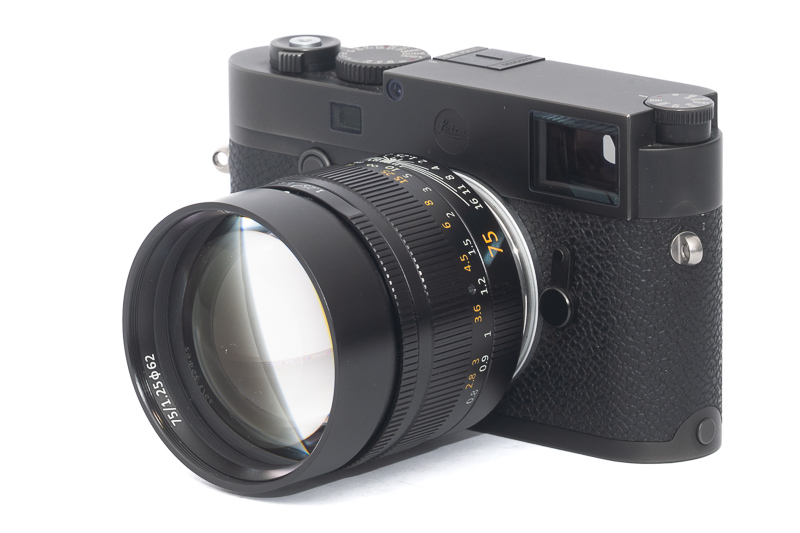
Released in 2019, the 7Artisans 75mm 1.25 was actually one of my favorite 7Artisans lenses so far, especially due to its nice bokeh rendering. Now the 7Artisans are back with this improved and at the same time lighter 75mm 1.25 II. Let’s find out in this review what has changed compared to the predecessor and what the pictures taken with this unusually fast 75mm lens look like!
Sample Images







You can find most of the sample pictures in this article in full resolution here.
Contents
Specifications/Version History
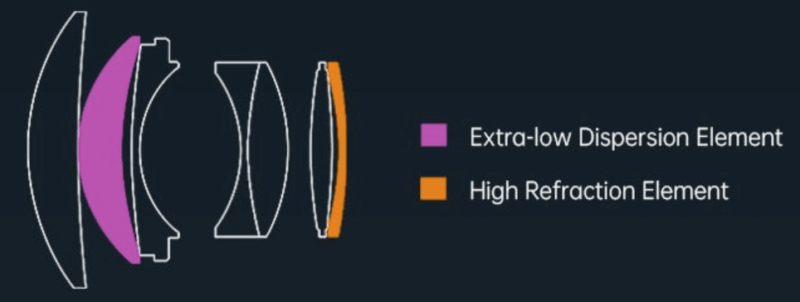
The first generation 7Artisans 75mm 1.25 was the second M-mount lens by 7Artisans when it was released in 2019. On paper the only difference is the new version’s lower weight (by 90g), 7Artisans claims that also the optical performance has been improved by the usage of one ED and one HR element though.
This is a review of the updated 7Artisans 75mm 1.25 II for M-mount from 2026 which has the following specifications:
-
- Diameter: 65 mm
- Field of view: 32.8° (diagonally)
- Length: 71 mm
- Weight: 513g (without caps)
- Filter Diameter: 62 mm
- Number of Aperture Blades: 12 (rounded)
- Elements/Groups: 7/6
- Close Focusing Distance: 0.8 m
- Maximum Magnification: 1:8.9 (measured)
- Released: 2026
- Mount: Leica M
buy from manufacturer’s shop | amazon.com | amazon.de | ebay.com | ebay.de | B&H (advertisement/affiliate links) for $469
Disclosure
7Artisans lend me a sample of this lens for reviewing purposes. Thanks a lot!
Handling/Build Quality

When it comes to M-mount lenses, 7Artisans has not really been consistent with their casing designs. The 28mm 1.4 and the first generation 75mm 1.25 took a lot of inspiration from Leica’s M-mount lenses with yellow and white lettering and a similar font choice. In the meantime we have seen three lenses from the “Wen” series (28mm 5.6, 35mm 1.4 and 35mm 2.0) which looked quite a bit different. Now this 75mm 1.25 II goes back to the roots with yellow and white lettering again.
The focus ring rotates ~120° from infinity to the minimum focus distance of 0.8 m. The resistance is even and actually really nice – neither too soft nor too hard.
The aperture ring features full-stop click-stops but they are not equidistantly spaced. As was already the case for the first generation 7Artisans 75mm 1.25, also here you can move the aperture ring a bit past the marks at both ends, so slightly beyond f/1.25 (makes no difference, I also saw this on the Leica-M 35mm 1.4 FLE by the way) and a bit past the f/16 marking, where you can actually stop down the lens a bit further.
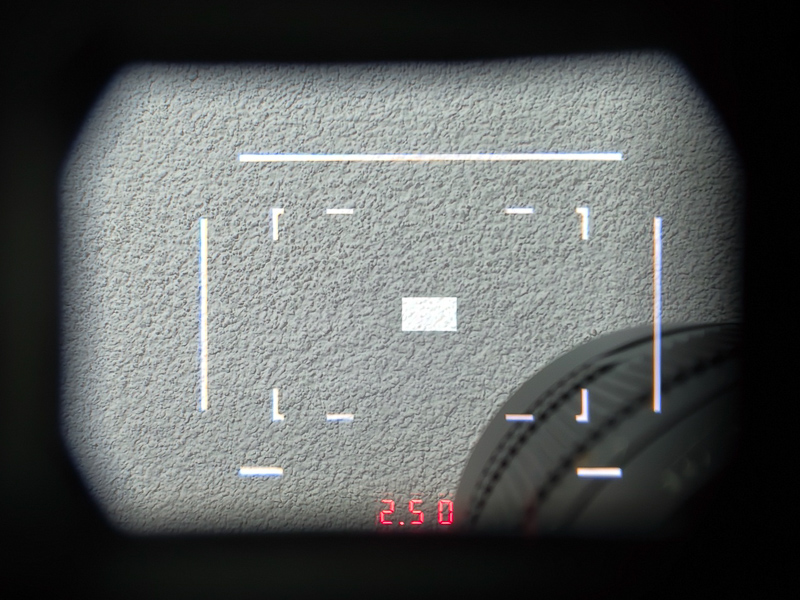
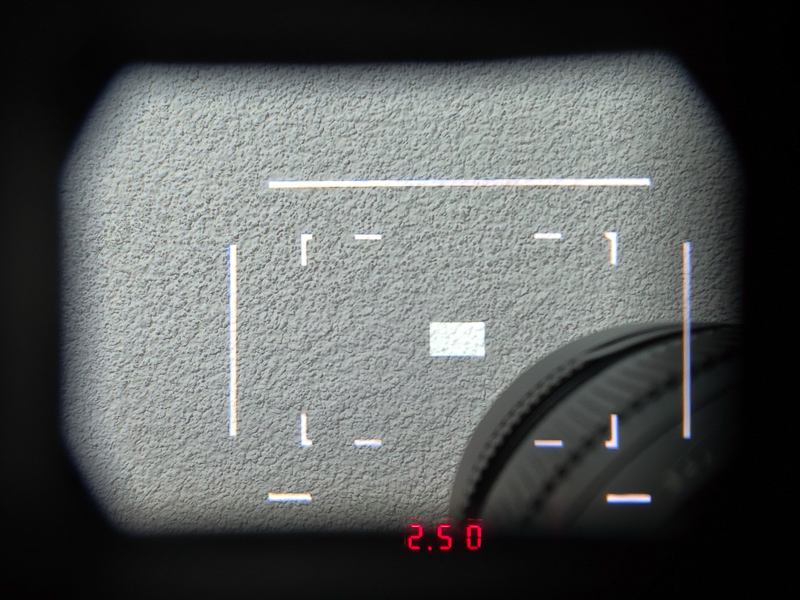
There is some rangefinder blockage here even within the 75mm framelines. The amount is very similar compared to the Thypoch 75mm 1.4 Simera and the Voigtländer VM 75mm 1.5 Nokton though.
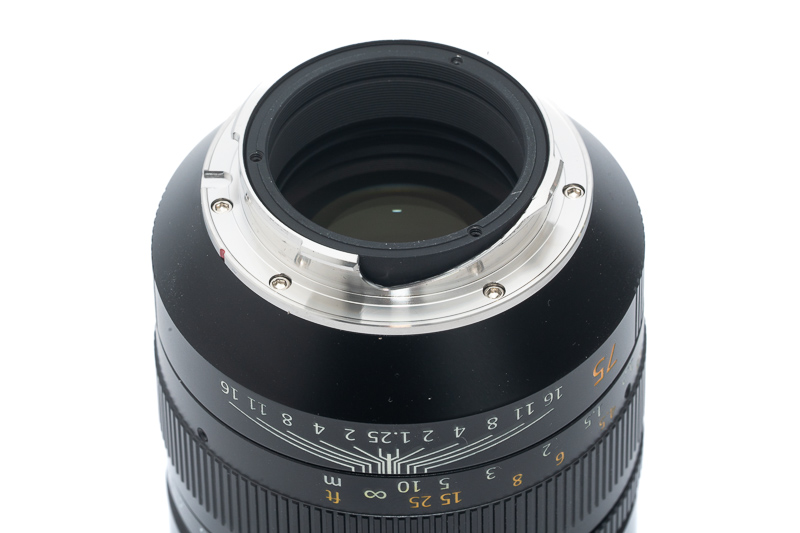
The calibration of the rangefinder was quite alright on this sample (tools to fine tune it yourself are included), but as you will see in the sharpness infinity section it wasn’t possible to focus at true infinity with this combination of lens and camera.
There is no official hood for this lens available. A generic 62mm screw-in hood might fit and offer some protection from stray light, but I did not test any.

Compared to the Thypoch 75mm 1.4 Simera and the Voigtländer VM 75mm 1.5 Nokton this 7Artisans 75mm 1.25 II is a bit bigger and heavier, the difference is not huge though and they did in fact manage to reduce size and weight compared to their first generation 7Artisans 75mm 1.25.
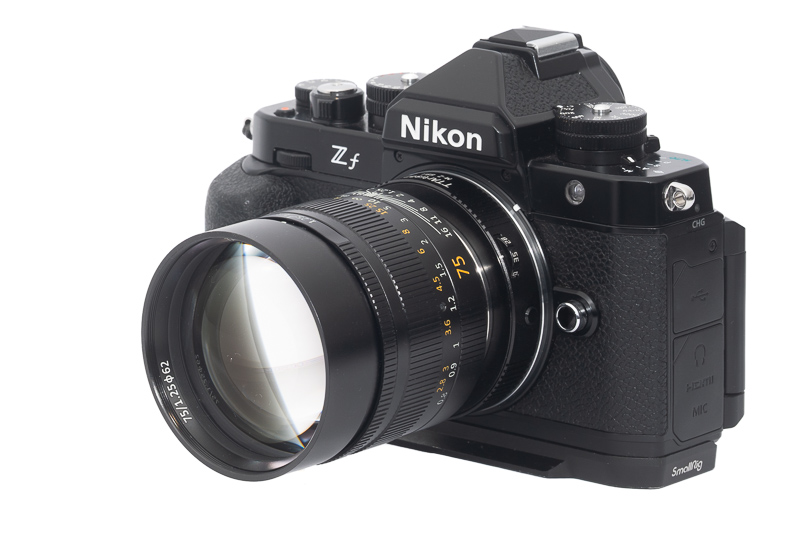
You can of course adapt this M-mount lens to all kinds of other mirrorless cameras. Above you can see it attached to a Nikon Zf via the TTArtisan M->Z 6-bit adapter, which activates all of Nikon’s focusing aids.
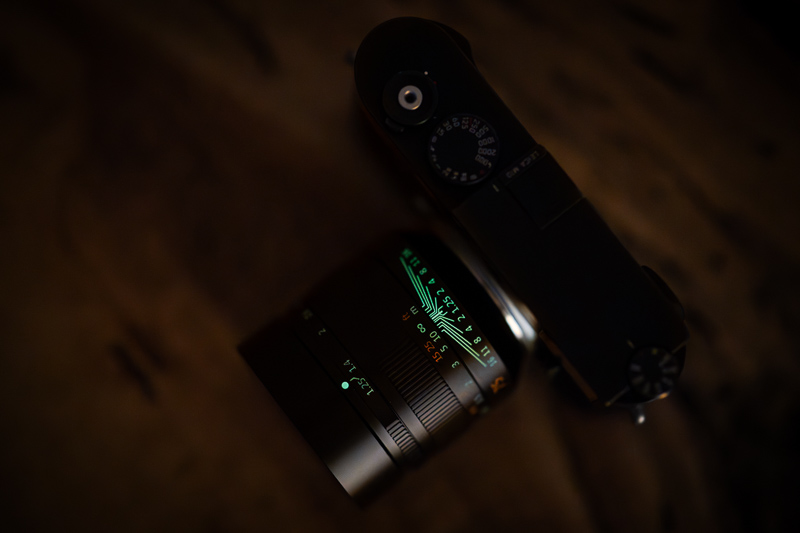
There is one more thing: the distance scale as well as the aperture scale feature glow-in-the-dark paint. It is a rather faint glow, but it can actually be helpful changing settings in the dark. I do wonder why not more lenses make use of that.
Personally, I very much like the casing design of this second generation 75mm lens. The constant diameter looks way more appealing to me than the tapered design of the first generation. It also looks similar to the Leica 90mm 2.0 Summicron-M pre Asph and the first generation Leica 50mm 1.4 Summilux-M Asph – which are to my eyes among the most beautifully designed M-mount lenses.
Vignetting
Light falloff
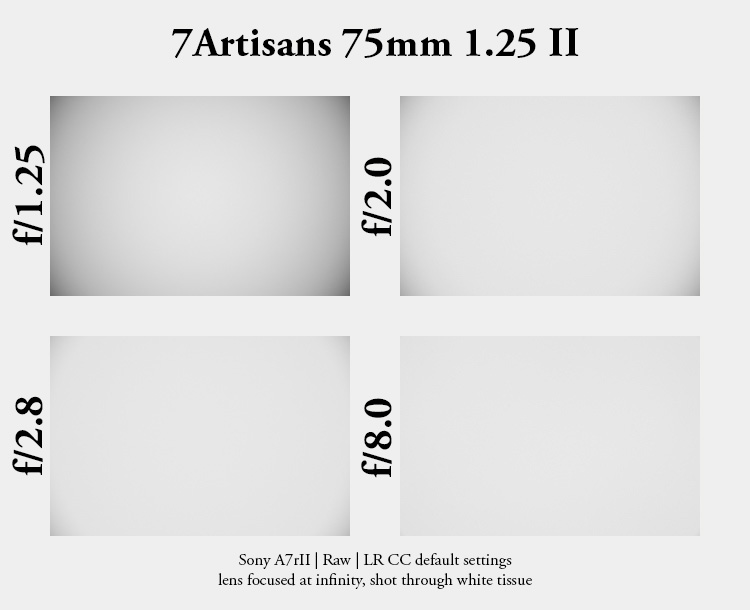
| f/1.25 | 2.3 EV |
| f/1.4 | 2.2 EV |
| f/2.0 | 1.2 EV |
| f/2.8 | 1.0 EV |
| f/4.0 | 0.8 EV |
| f/5.6 | 0.6 EV |
| f/8.0 | 0.4 EV |
| f/11 | 0.3 EV |
The vignetting figures are very similar to other fast 75mm lenses like the Voigtländer VM 75mm 1.5 Nokton and the Thypoch 75mm 1.4 Simera. I also see an improvement of about 0.6 EV compared to the original 7Artisans 75mm 1.25 which I didn’t expect but gladly take.
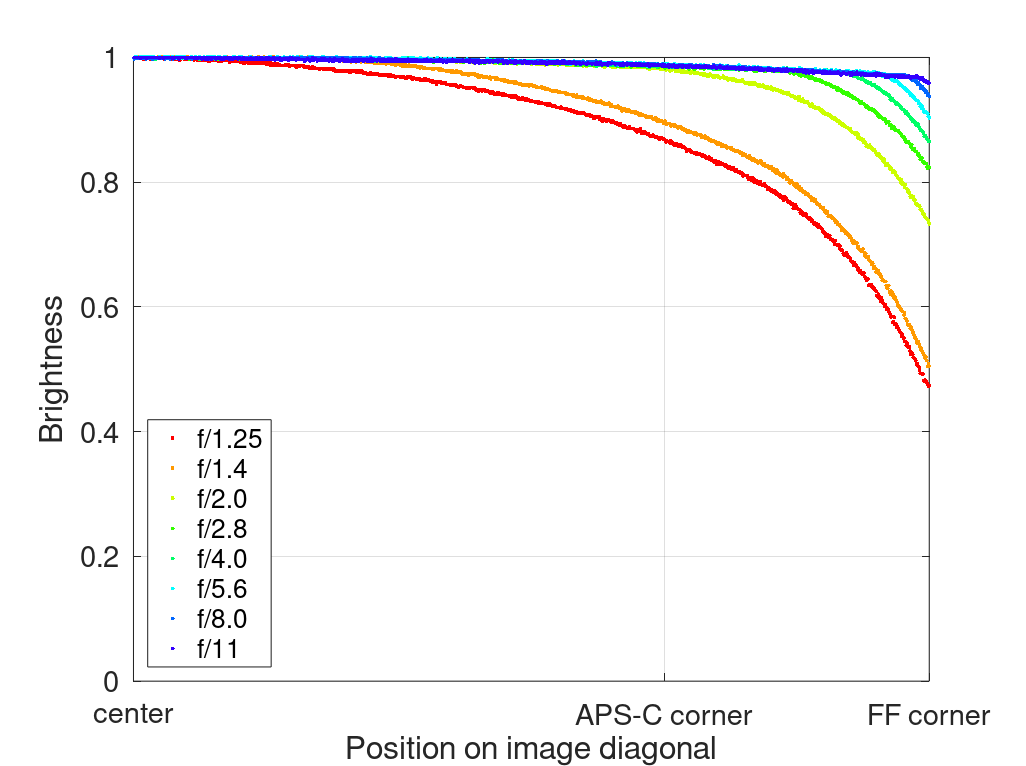
It is recommended to have a look at this article first to get an idea how this brightness graph works.
Optical vignetting
Fast lenses usually show a significant amount of optical vignetting. Without going too much into technical details optical vignetting leads to the truncation of light circles towards the borders of the frame.
In the center of the frame almost every lens will render a perfect circle, but only lenses with very low optical vignetting will keep this shape in the corners.
So in the following comparison we move from the center (left) to the extreme corner (right) and see how the shape of the light circle changes.
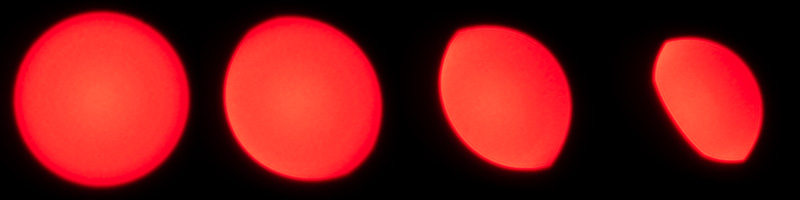
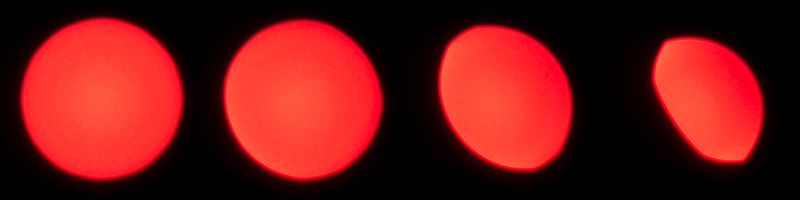
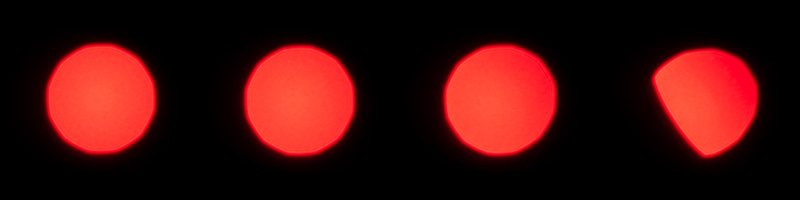
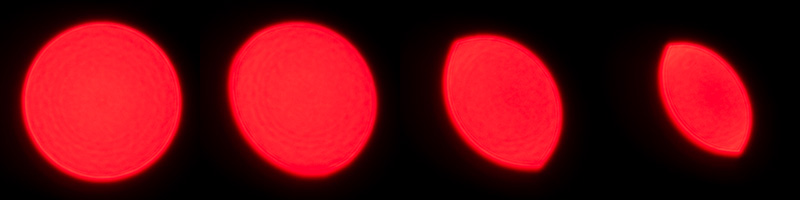
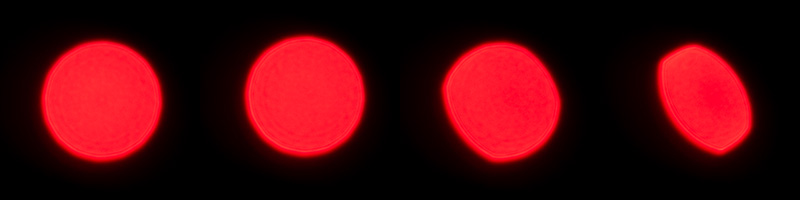
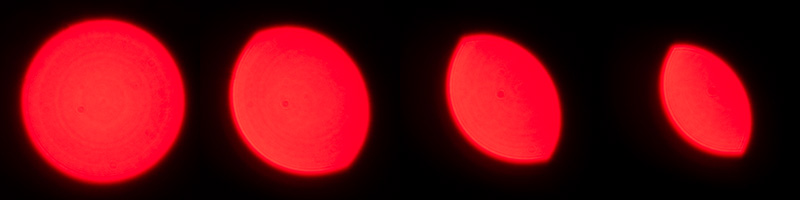
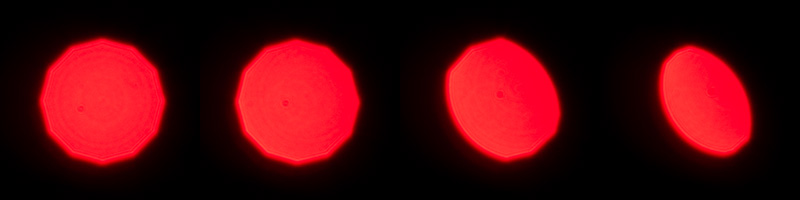

I did not shoot these lenses side by side , so the size of the circles is not directly comparable.
Despite being the fastest 75mm M-mount lens I reviewed, this 7Artisans 75mm 1.25 II holds up very well compared to the competitors, as it actually shows the lowest amount of optical vignetting of all these, I did not expect that.
And also in this category we can see a small improvement over its predecessor.
Sharpness
Focus Shift
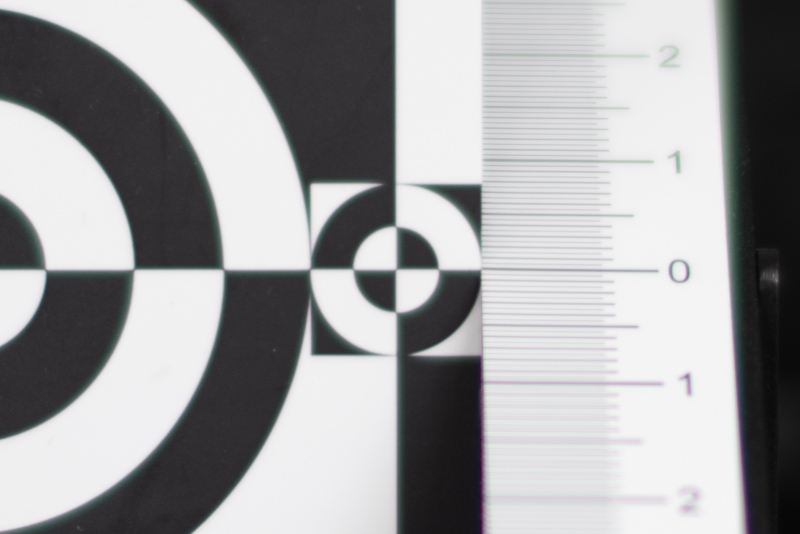
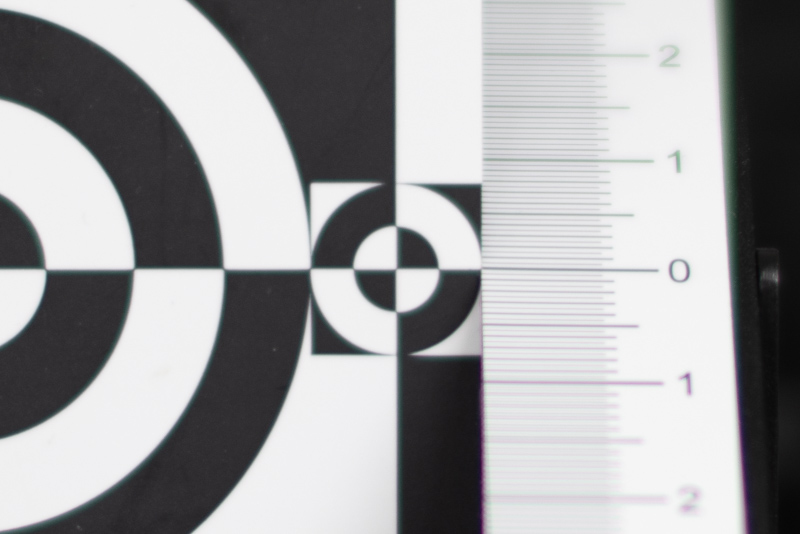
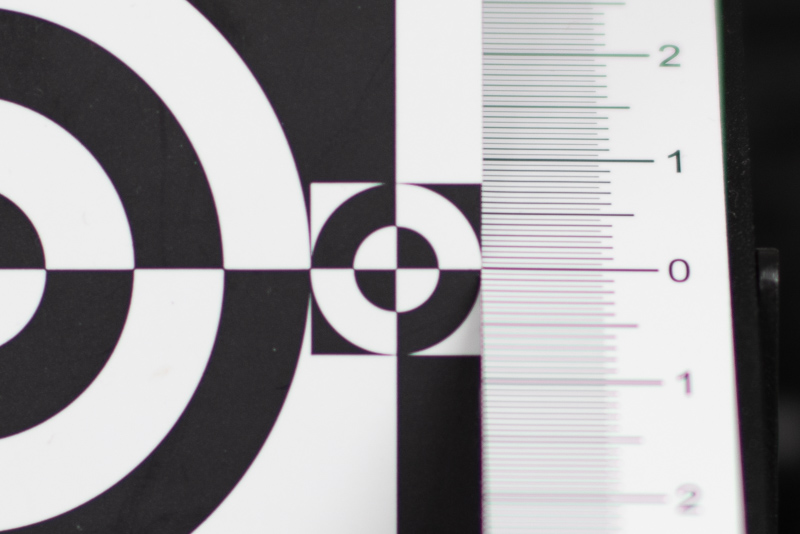
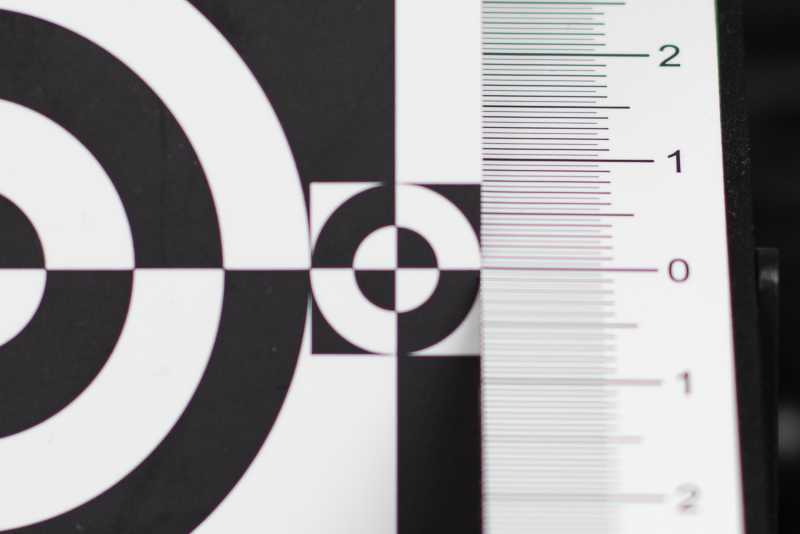

The first generation had some issues with focus shift and not much has changed here. This should not come as much of a surprise: this is still a unit focus lens that can only be properly optimized for one focus distance.
Still, this is not great news if you are brave enough to try and focus a 75mm 1.25 lens via a rangefinder. I definitely recommend to use liveview for getting consistent results with lenses like this.
infinity (24mp Leica M10, 42mp Sony A7rII)
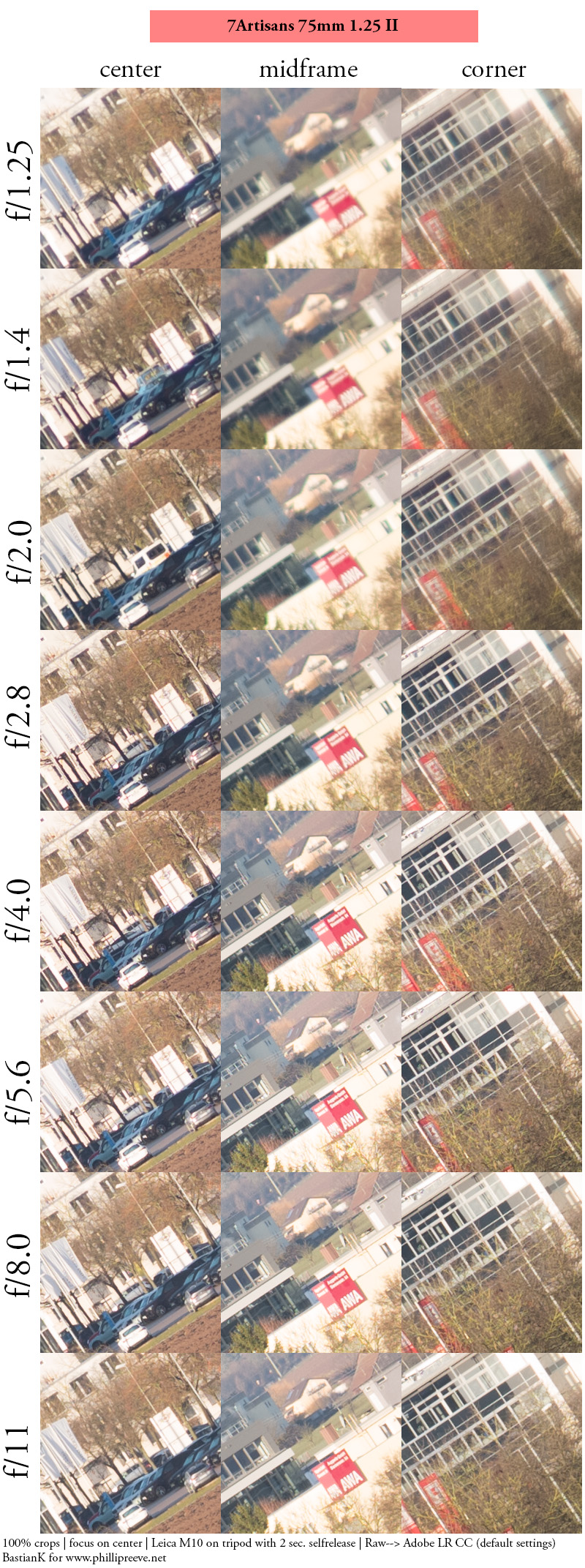
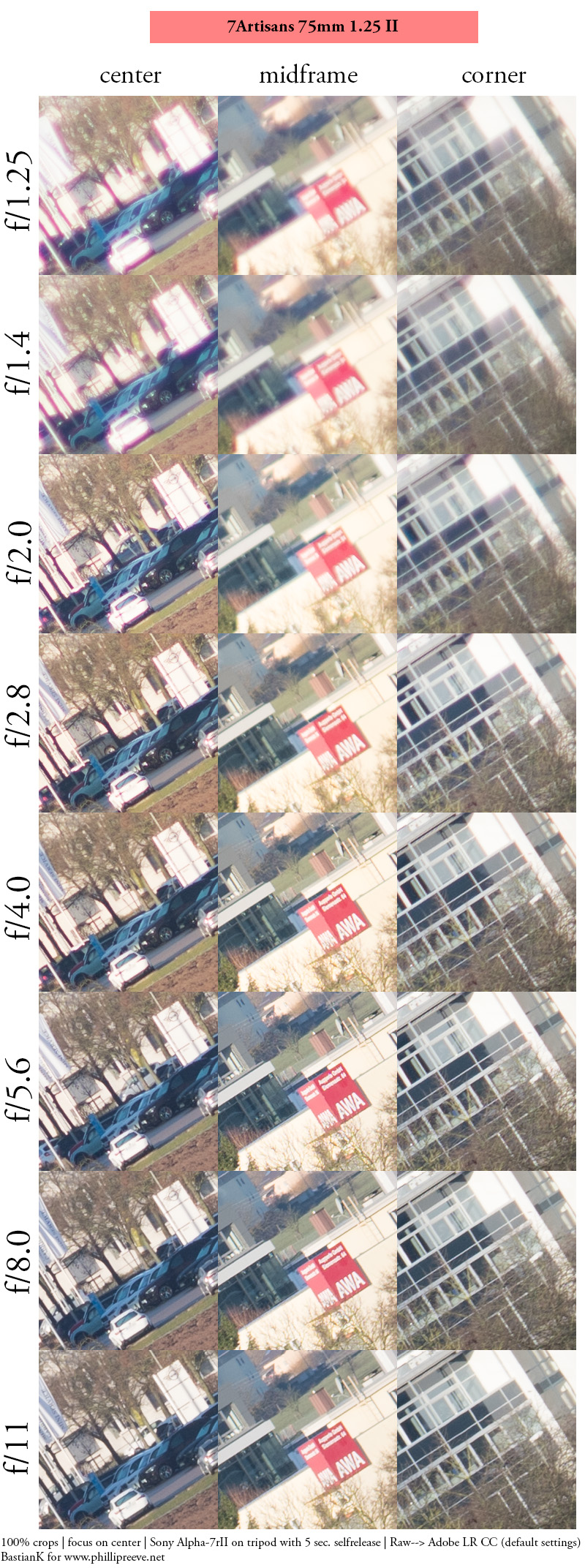
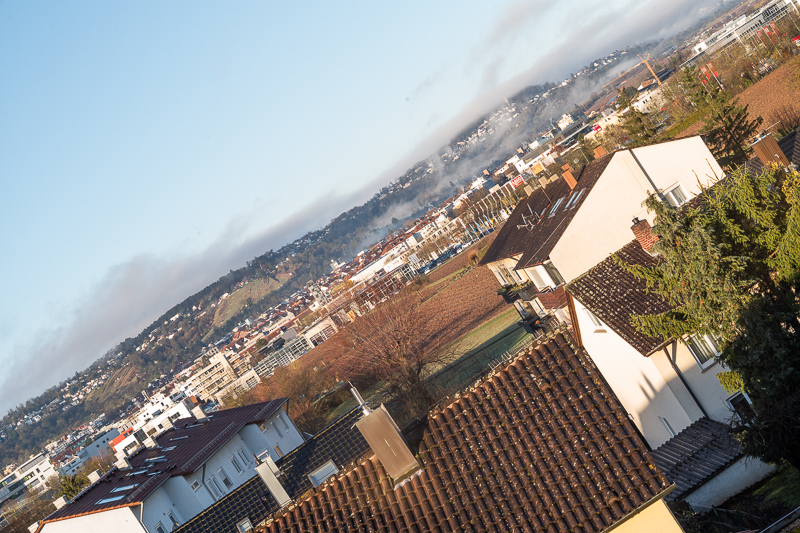
There is a bit to talk about here. Let’s start with the most obvious thing: why do we see a lot of CA on the Sony’s pictures but not the Leica’s? This is because the calibration of this lens sample’s hard stop doesn’t fit perfectly well with my sample of the Leica M10. The focal plane with the highest contrast (and more loCA) would have been past the infinity hard stop.
On both cameras we see a slight midzone dip at wider apertures whereas the corners look surprisingly good for a lens this fast made from only 7 elements.
Peak across frame performance is reached around f/4.0 to f/5.6 which is actually a pretty good result for a lens with these specifications.
At wider apertures the Thypoch 75mm 1.4 Simera and Voigtländer VM 75mm 1.5 Nokton show a more impressive performance, but if you don’t mind stopping down to f/4.0 or further this 7Artisans lens also does a good job at infinity.
portrait distance 2.0 m (24mp Leica M10, Sony A7III)
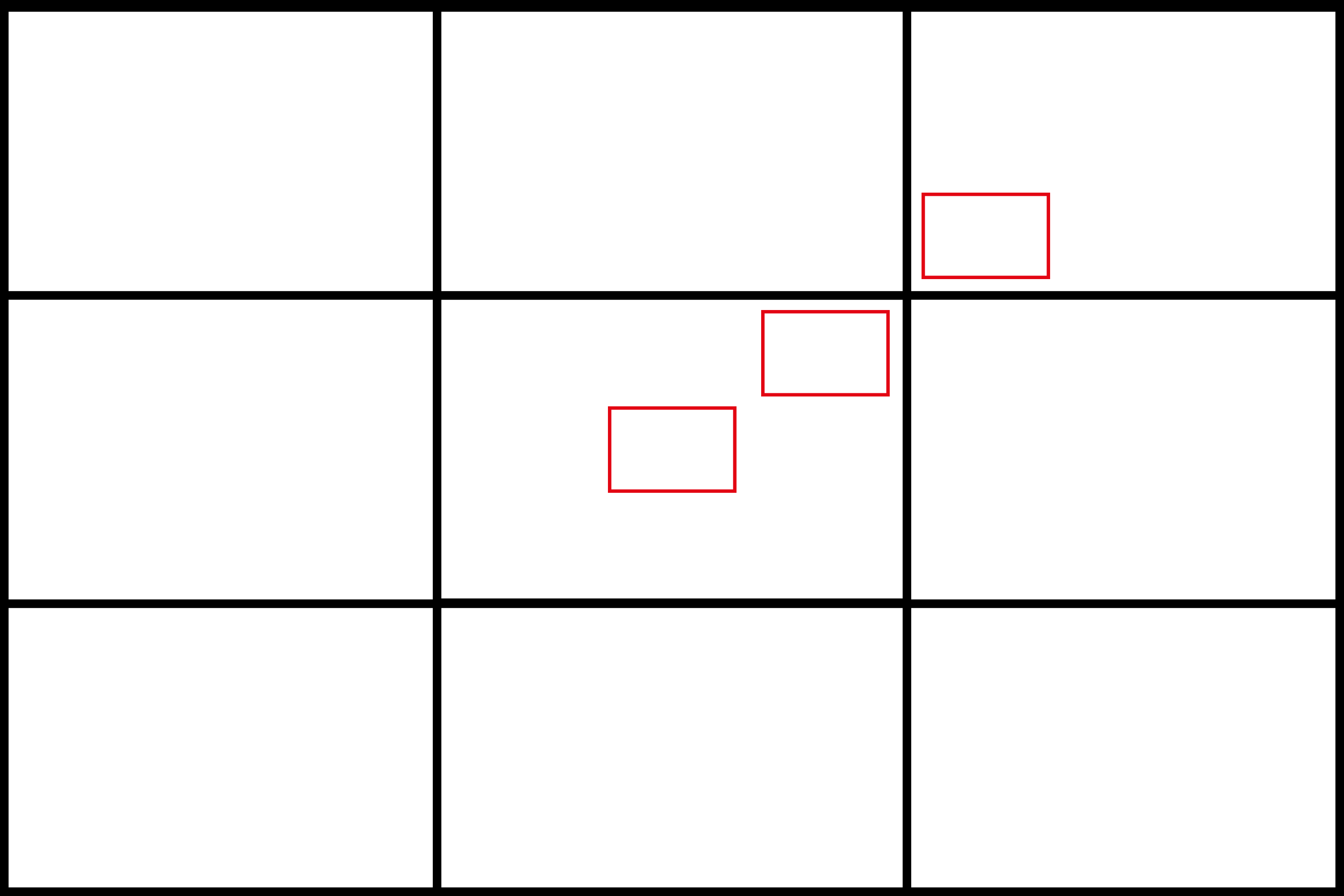
I refocused for every shot and aperture to get the best possible result at different locations in the frame (center, inner midframe and outer midframe).
The circle of the dollar bill is more or less the size of a human eye.
We will be looking at 100% crops from the 24mp Sony A7III and the Leica M10. Both cameras do not have an anti aliasing filter in front of the sensor. Focus distance was 2.0 m.
Leica M10 <—> Sony A7III






As said before this is a unit focus lens and these lenses can only be optimized for one distance. Personally I would expect a lens with these parameters to be optimized for portrait distances and that also seems to be the case here.
This lens is a bit softer at f/1.25 compared to f/2.0, but it is still a solid performance. In many cases it looks better on the Sony A7III compared to the Leica M10, which – as usual – is most likely due to the Sony camera offering superior liveview, which makes focusing easier.
Also here the slightly slower Thypoch 75mm 1.4 Simera and Voigtländer VM 75mm 1.5 Nokton perform slightly better at f/1.4 than this 7Artisans lens at f/1.25, but that was to be expected. Again I see some improvements over the first generation 7Artisans 75mm 1.25.
close 0.8 m (42mp Sony A7rII)





While up until now in many categories we saw improvements over the first generation lens that is not the case here: nothing has changed compared to the predecessor, meaning the pictures are very soft at f/1.25 and f/1.4 here.
The Thypoch 75mm 1.4 Simera not only focuses closer (0.6 m), thanks to its floating elements design it also performs much better at f/1.4. The Voigtländer VM 75mm 1.9 Ultron offers the shortest minimum focus distance (0.5 m) among the 75mm M-mount lenses, but it is also a bit soft at f/1.9 here.
Flare resistance
In many of the sections above we have seen improvements over the first generation 7Artisans 75mm 1.25. When it comes to flare resistance improvements would have actually been needed, but were the engineers able to achieve that?
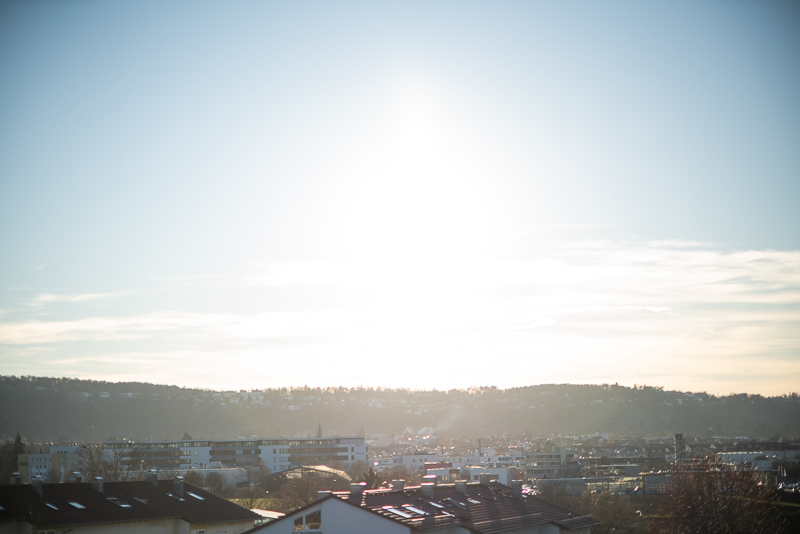
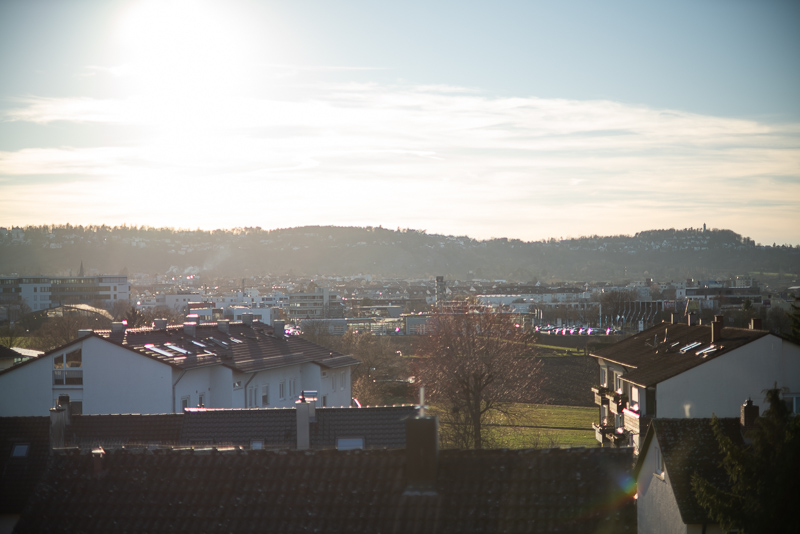
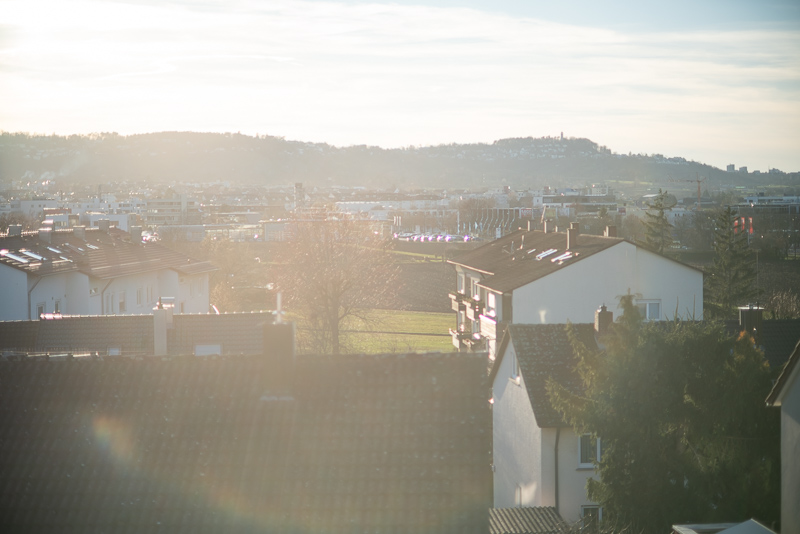
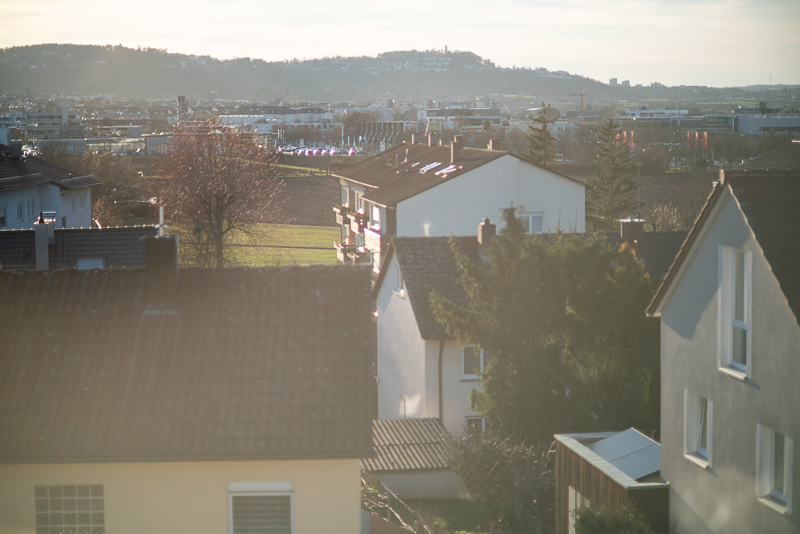
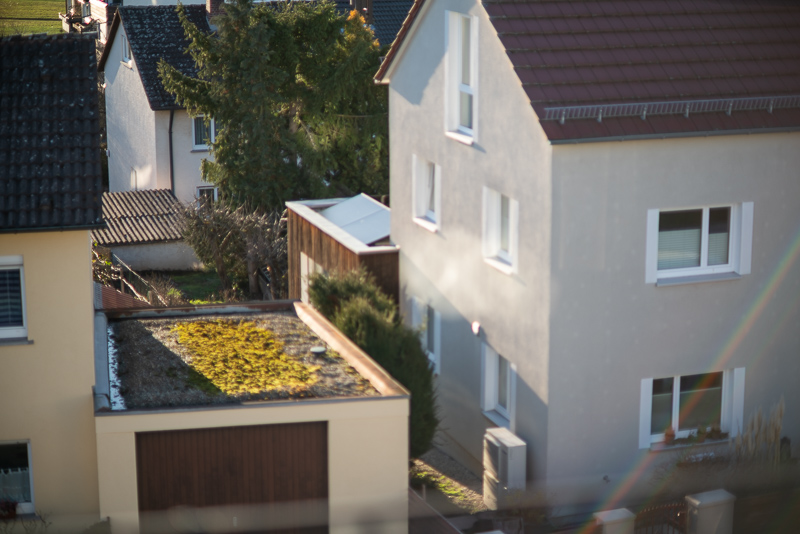
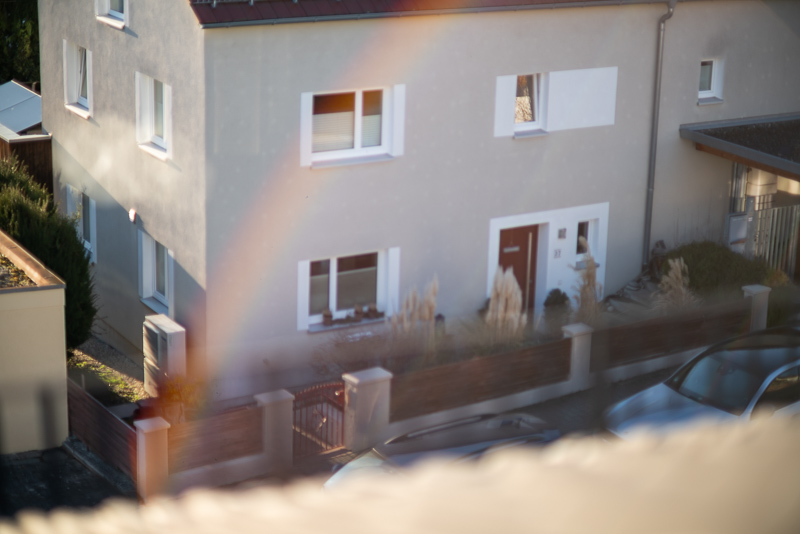
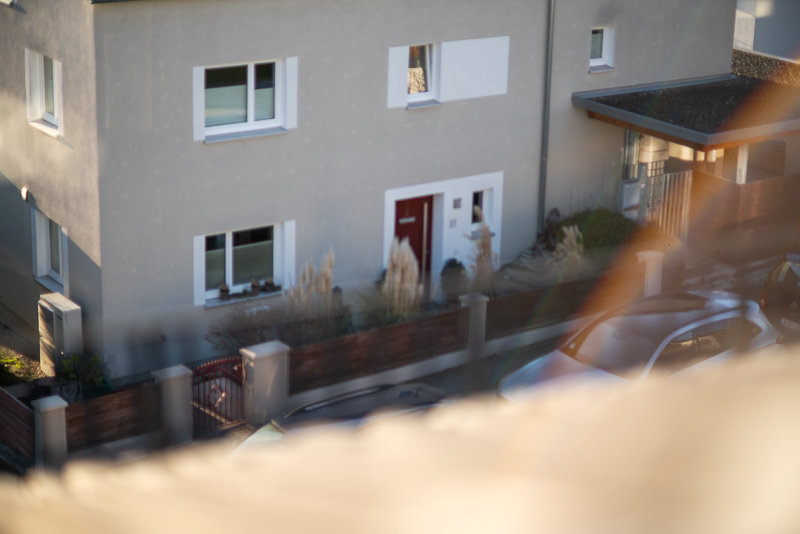
Well, this is not a good performance. With the sun inside the frame we see a lot of veiling flare and also some internal reflections. With the sun outside the frame it is very easy to catch huge rainbow artefacts.

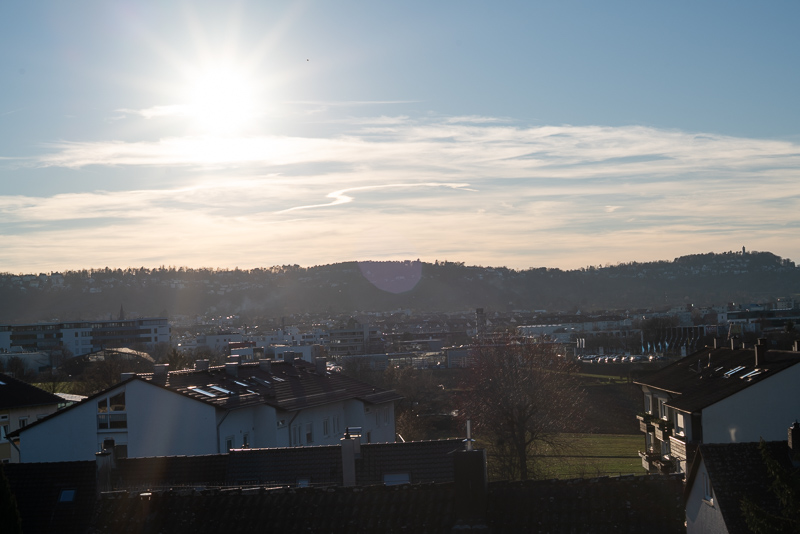
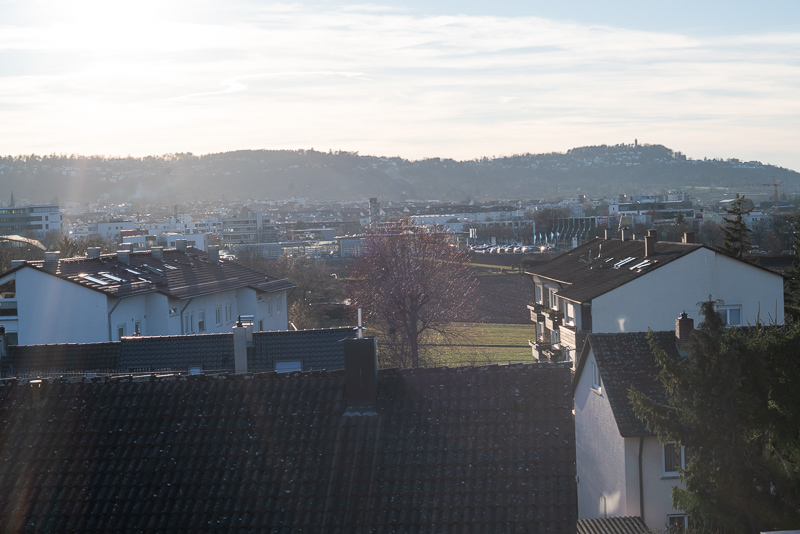
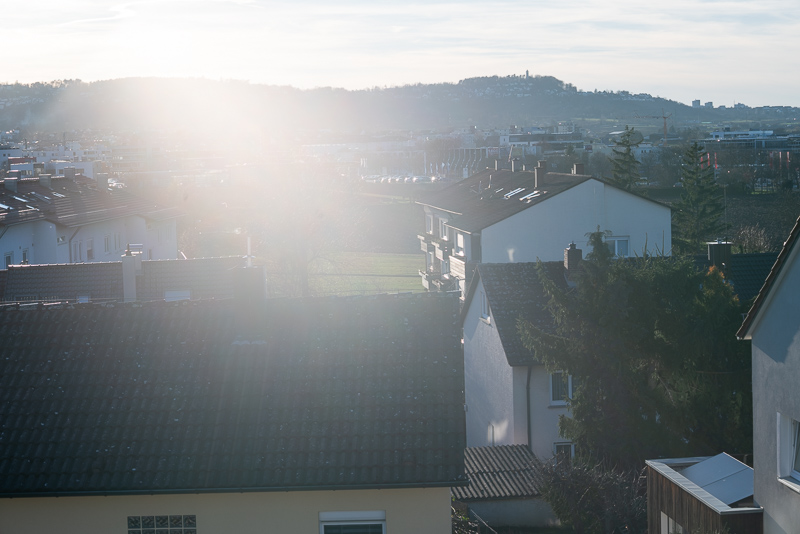
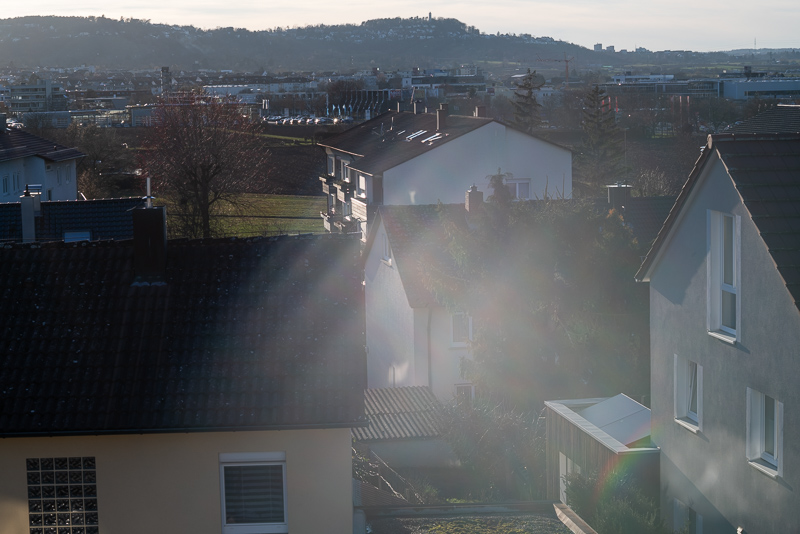
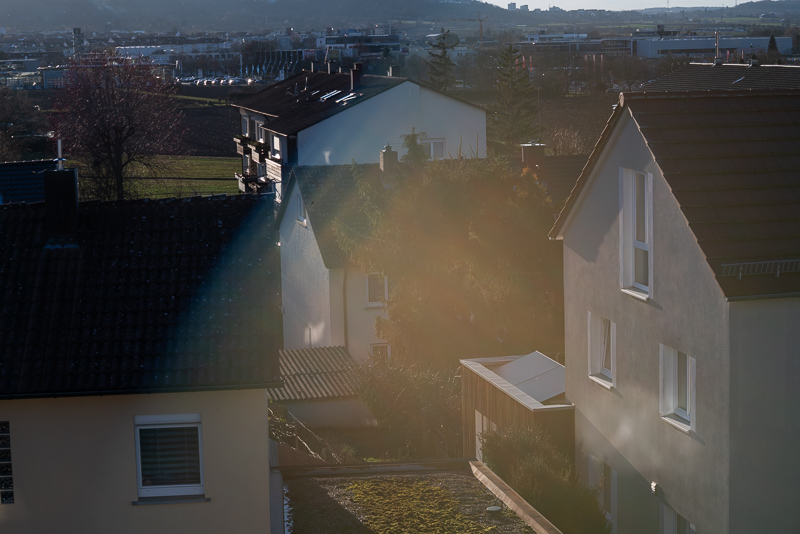
Stopped down not much has changed. Having a strong point light source outside the frame still leads to huge artefacts.
As far as I know there is no lens specific hood available for this lens, but I do think it would have made a lot of sense to design one.
None of the fast 75mm M-mount lenses has shown an amazing performance here. The Voigtländers VM 75mm 1.5 Nokton and 75mm 1.9 Ultron as well as the Thypoch 75mm 1.4 Simera do look slightly better to me at the end of the day though.
Coma
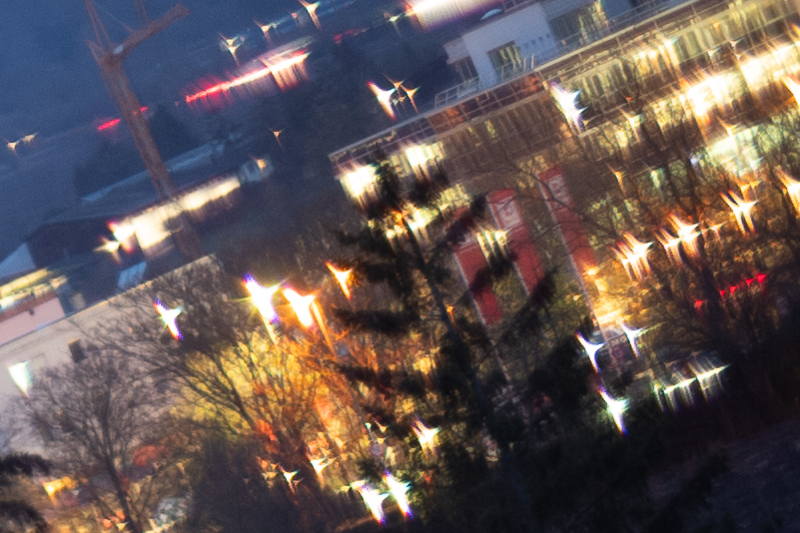
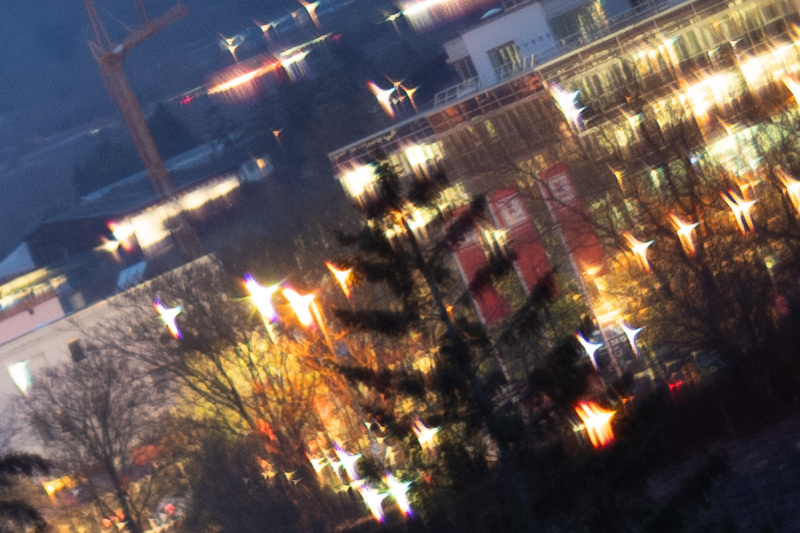
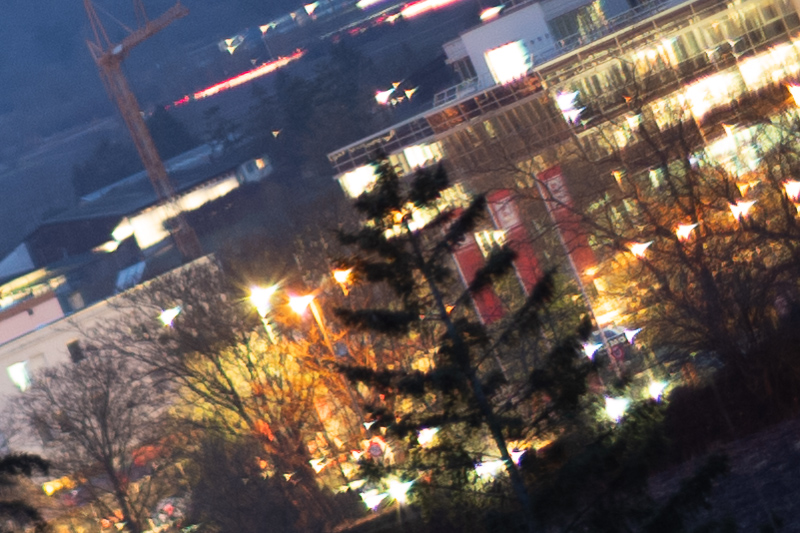
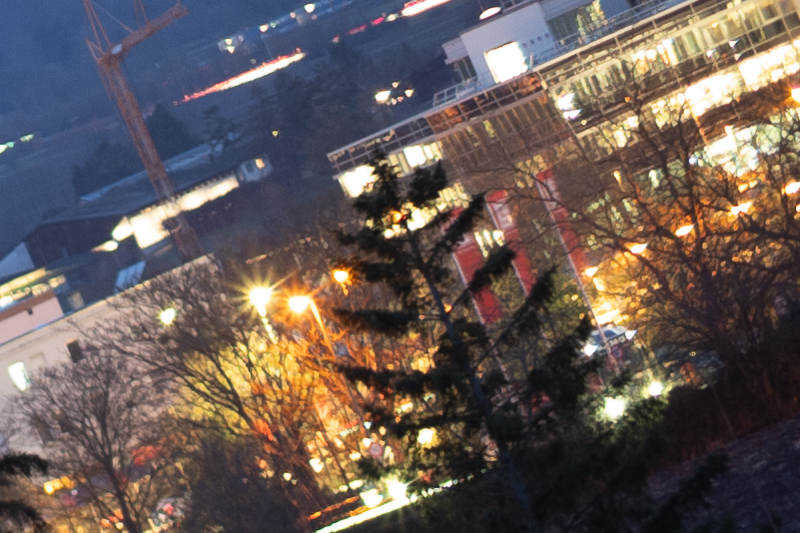
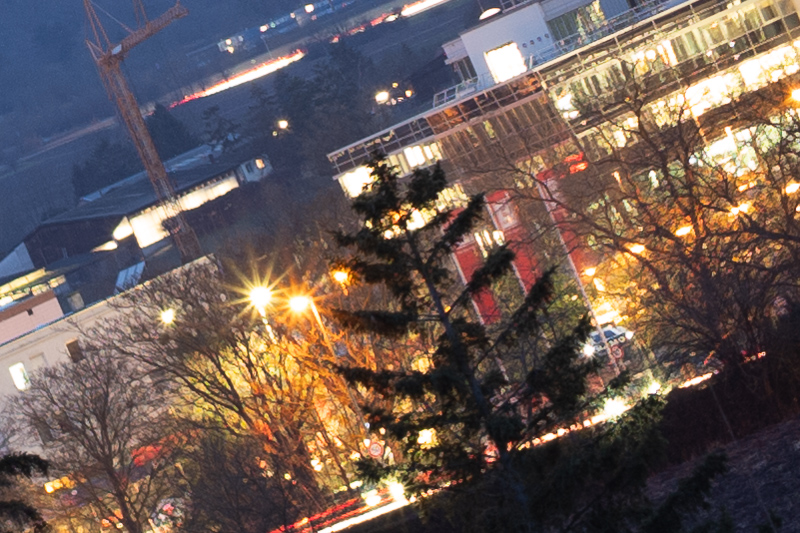
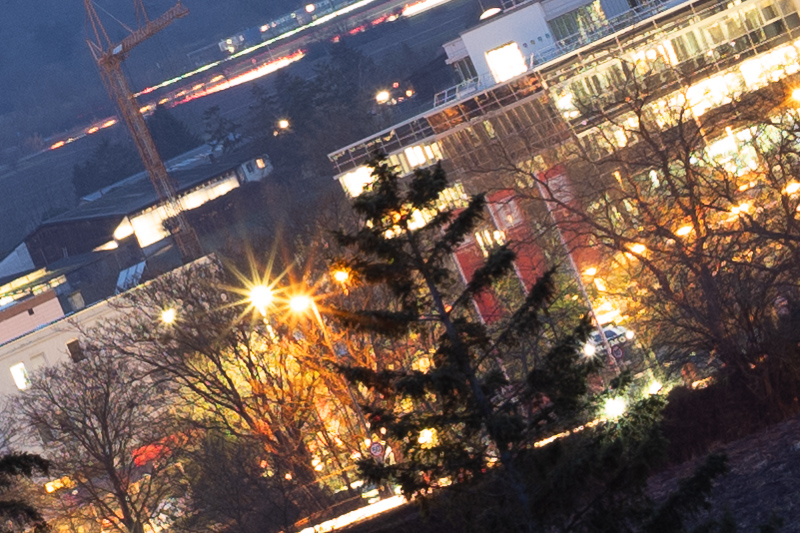
The first generation 7Artisans 75mm 1.25 had strong Coma at f/1.25 to f/1.4. I did not expect to see any improvements in this category, but actually there are. This second generation lens shows noticeably smaller artefacts in the f/1.25 to f/2.0 range which is always welcome.
The Voigtländers VM 75mm 1.5 Nokton and 75mm 1.9 Ultron show a bit smaller artefacts at their maximum aperture whereas the Thypoch 75mm 1.4 Simera actually performs similar – despite being slower and featuring an aspherical element.
I was positively surprised by the performance of this 7Artisans 75mm 1.25 II lens here.
Distortion


There is a slight amount of barrel distortion which will hardly be field relevant. If there are a lot of straight lines running through your picture you can correct it by dialing in +2 in Lightroom/Camera Raw. Nothing has changed here compared to the predecessor.
Bokeh

75mm lenses as fast as f/1.25 are still very rare birds and interestingly only available in the M-mount world at the moment. I really liked the bokeh created by this lens’ predecessor, so let’s see if that is still the case for this MK II version.
Close Distance





At closer distances this 7Artisans 75mm 1.25 II obviously creates a lot of smooth background blur. The lower contrast and resolution at f/1.25 can be noticeable here though: the focal plane is not as well defined compared to the Thypoch 75mm 1.4 Simera with its floating elements design.
Mid Distance





At mid distances I think this lens makes most of its faster aperture compared to the slightly slower 75mm M-mount lenses. The focal plane is well defined here and the depth of field unusually thin. The bokeh is not the smoothest though, it is a bit more structured compared to the Thypoch 75mm 1.4 Simera or the Voigtländer VM 75mm 1.5 Nokton. What you prefer is a personal matter.
Long Distance
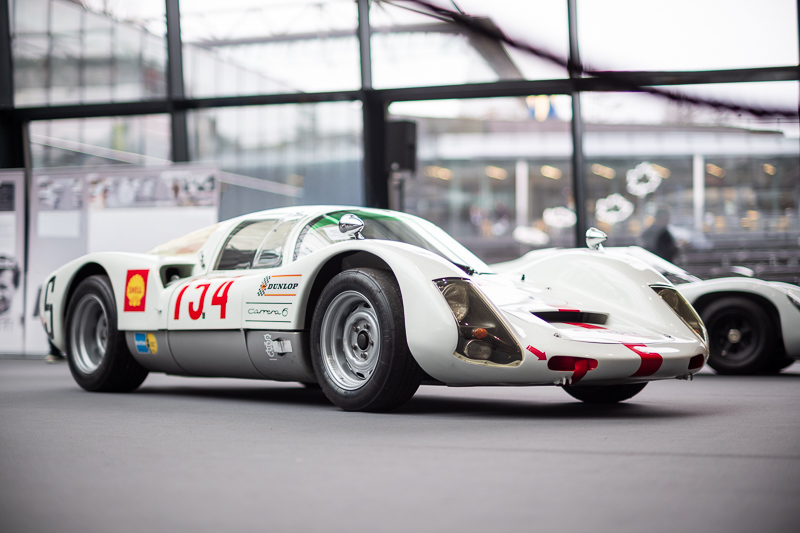
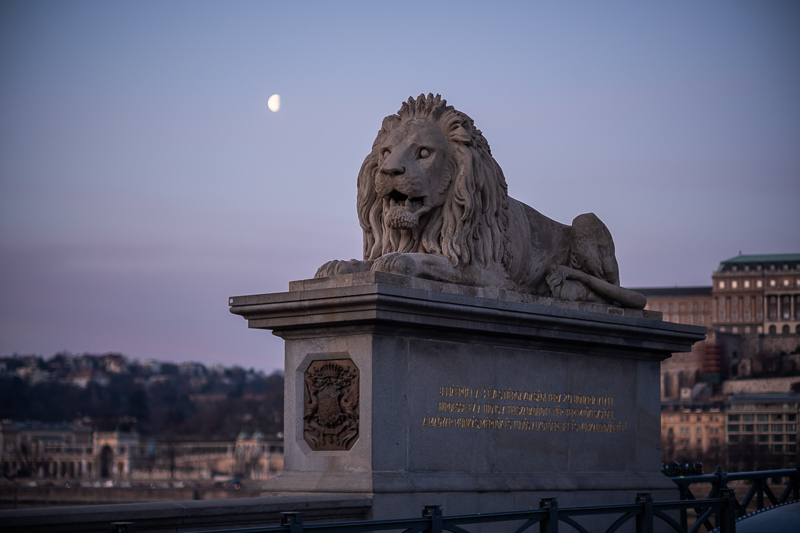

Also at longer distances the bokeh is not as “polished” as that of the Thypoch 75mm 1.4 Simera or the Voigtländer VM 75mm 1.5 Nokton, as it can be a bit harsher with double edged structures when dealing with complex backgrounds. I certainly cannot call it bad though and while I could not do side-by-side comparisons to its predecessor, I do think its character has been preserved – which I think is a good thing in this case – while contrast and optical vignetting have been improved.
As usual: have a look at the sample images in this review and also check out my reviews of the other fast 75mm M-mount lenses and then decide for yourself, which rendering fits your photography style best.
Sunstars
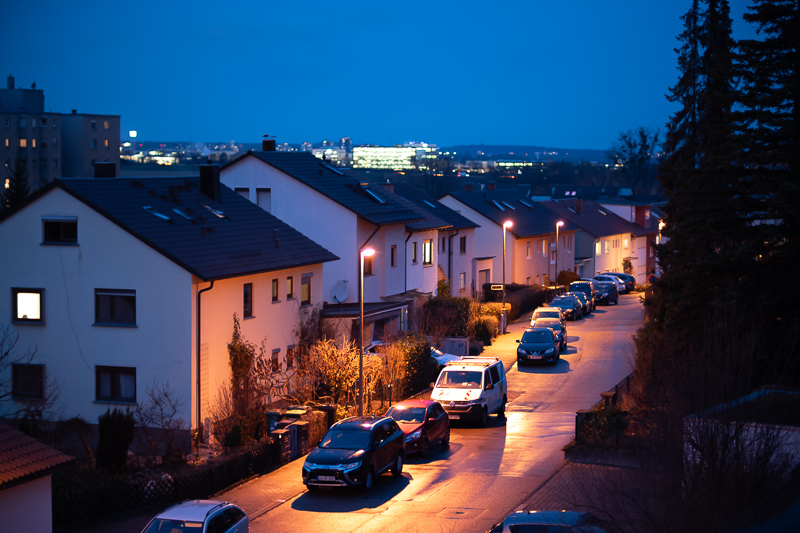
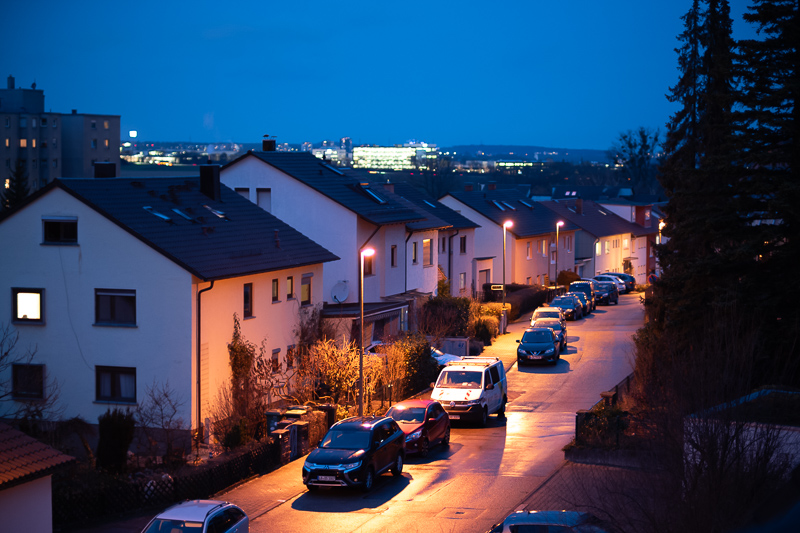
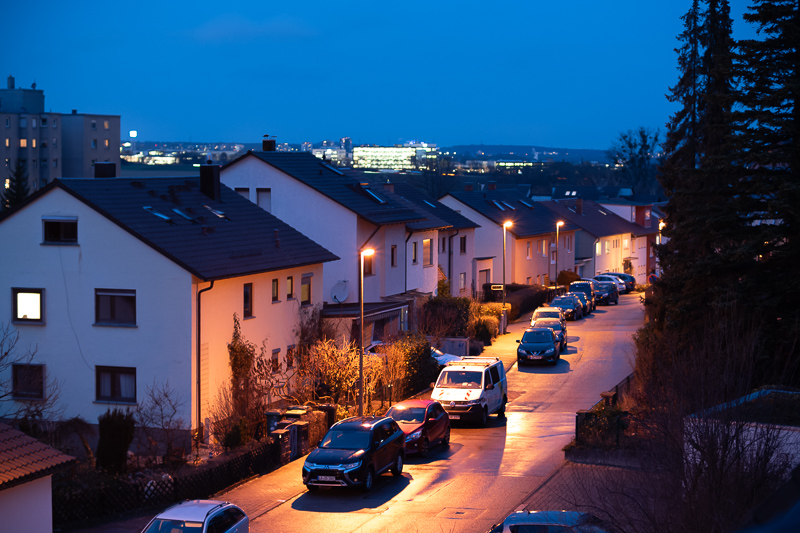
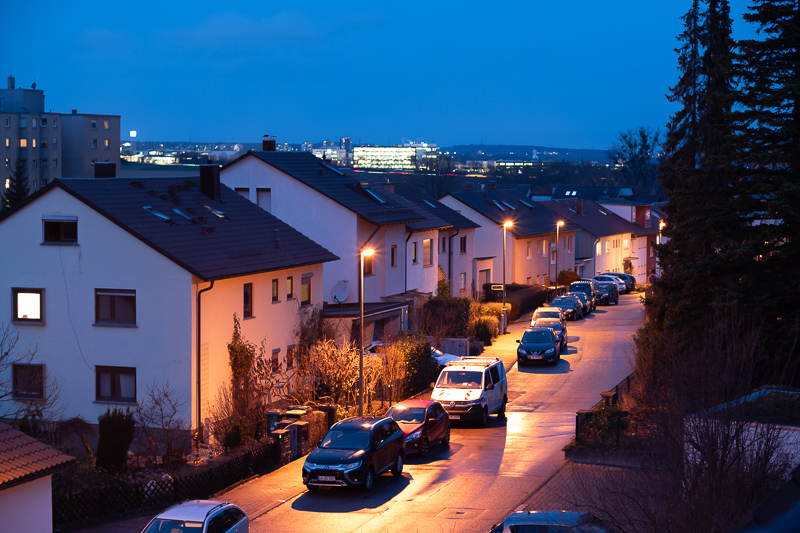

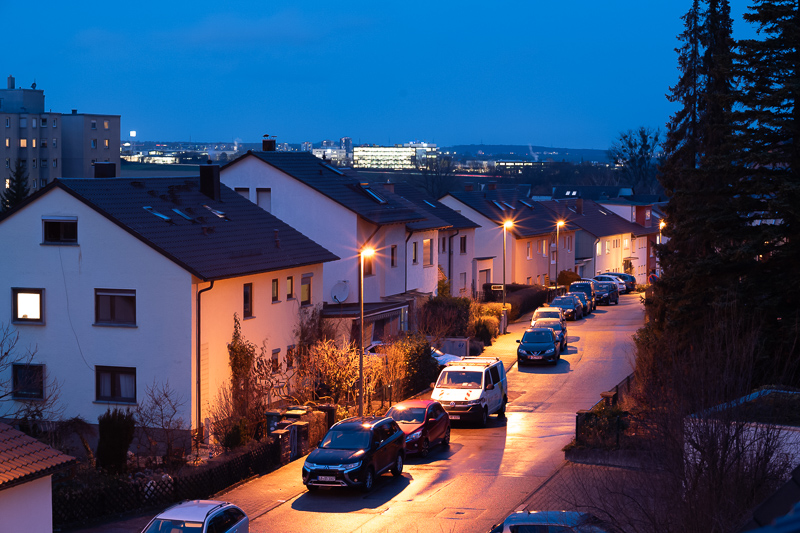
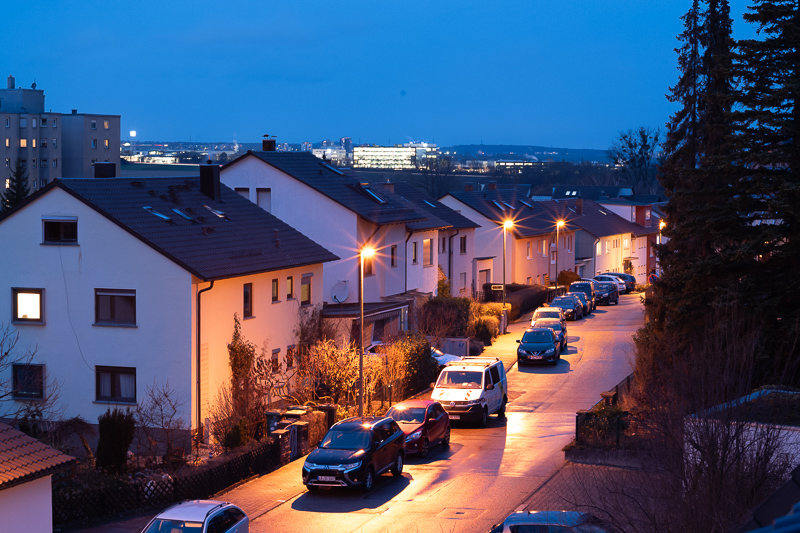
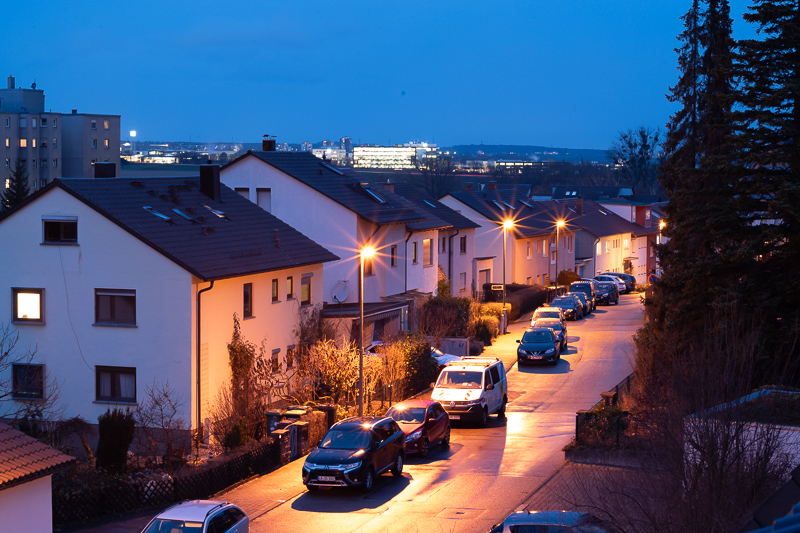
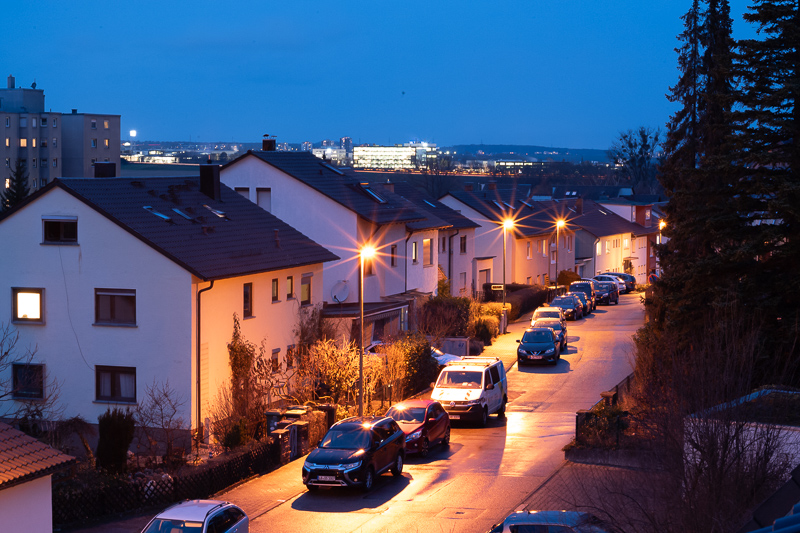
Just like its predecessor also this improved 7Artisans 75mm 1.25 II features 12 rounded aperture blades that strike a wonderful balance of nicely round out of focus highlights slightly stopped down and well defined, symmetrical sunstars.
If you want to know more about sunstars have a look at this article.
I wish more manufacturers would go for an even number of rounded aperture blades like Thypoch and 7Artisans both did for their 75mm M-mount lenses, as these lenses show that you don’t need straight aperture blades for nice sunstars.
Chromatic aberration
lateral
This lens show only minimal lateral CA, nothing to worry about.
longitudinal




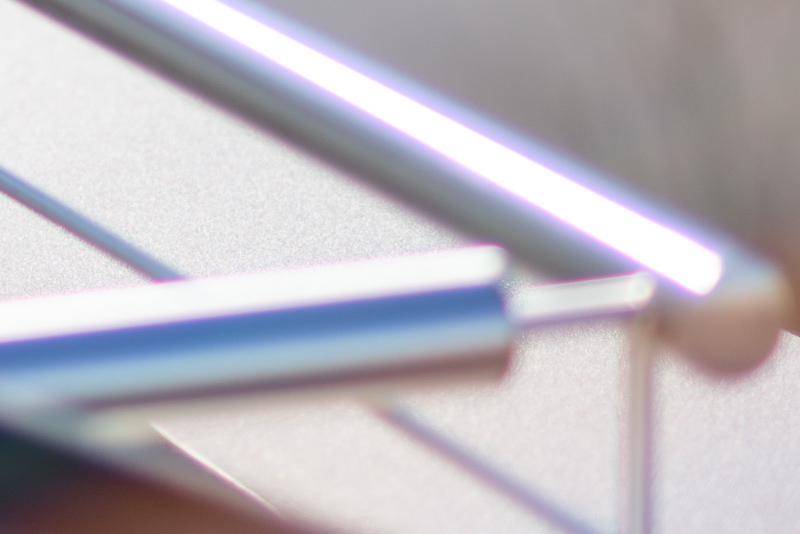
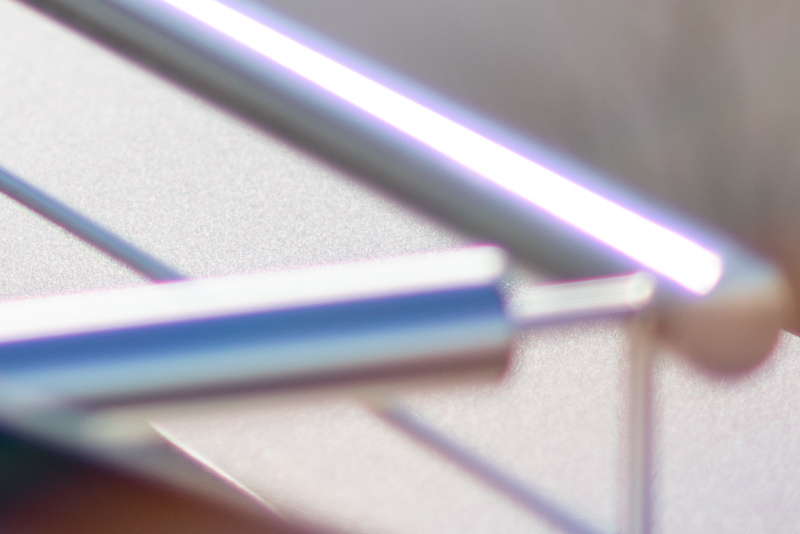
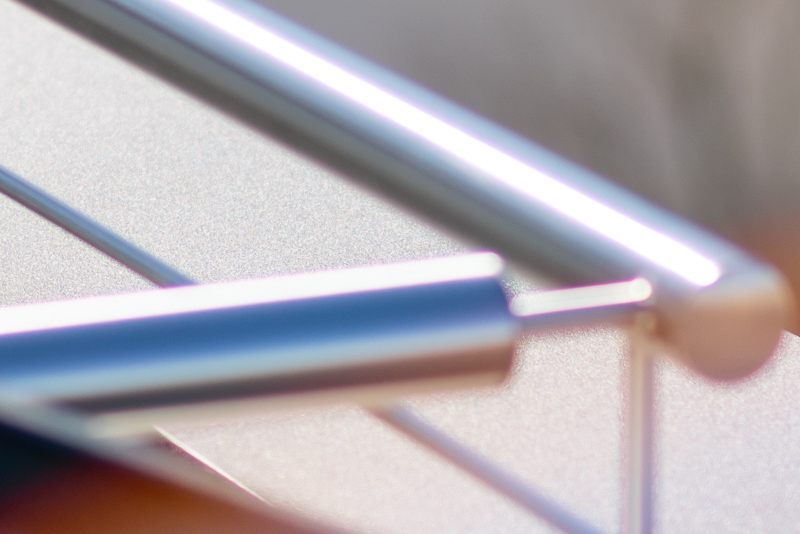
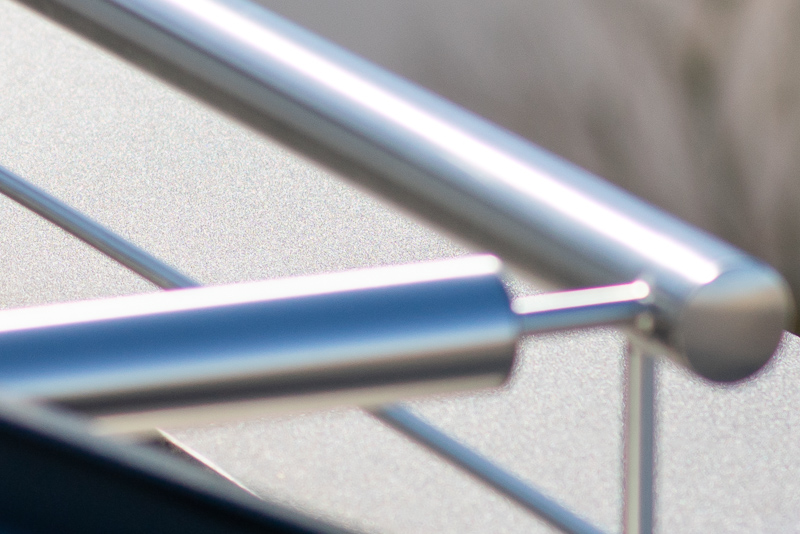
The addition of special glass elements could potentially lead to improvements in this category, but it doesn’t look to me like there are improvements over the first generation of this lens.
The amount of bokeh fringing is not all that bad though – certainly better than most vintage f/1.2 lenses and maybe even the f/1.2 Voigtländer VM lenses – and actually comparable to the slower Voigtländer VM 75mm 1.5 Nokton. The Thypoch 75mm 1.4 Simera performed a bit better here and so far is the best performer among the f/1.4 and faster 75mm M-mount lenses I reviewed.
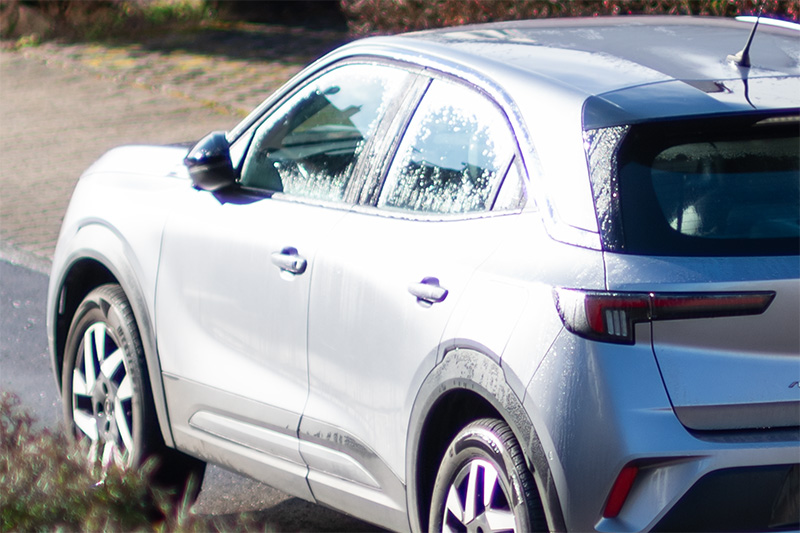
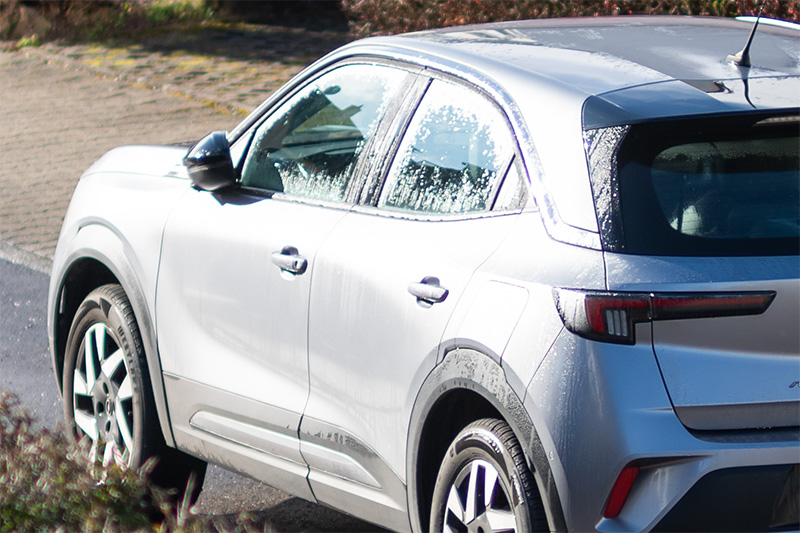
The situation is similar when it comes to purple fringing: definitely noticeably at f/1.25 to f/1.4, less of a problem stopped down to f/2.0 or further.
Conclusion
good
|
average
|
not good
|
Some of you may not be aware of this, but I am actually a huge fan of manufacturers trying to improve their already existing lenses.
This 7Artisans 75mm 1.25 II actually shows many improvements over its predecessor – including some unexpected ones. The weight has been reduced by 15% while at the same time contrast, optical vignetting, light fall off and even Coma correction have been improved. Quite the engineering achievement.
I could – once more – complain about flare resistance and focus shift is also not something I like to see in rangefinder lenses, but for shooting portraits at f/1.25 in dimly lit environments – and this is obviously what this lens has been made for – these things hardly matter.
I already liked the first generation of this lens, I like this improved version more and if you are into fast short tele lenses you should definitely have a closer look at this one – even if you are not an M-mount user.
buy from manufacturer’s shop | amazon.com | amazon.de | ebay.com | ebay.de | B&H (advertisement/affiliate links) for $469
Alternatives
7Artisans 75mm 1.25:
I already compared the first generation 75mm 1.25 to this MK II version in all of the categories above. I see improvements in almost all of those categories, so there are not a lot of reasons to still recommend the first generation lens. Even if you already have the first generation and you like it, it might be worth getting the newer one for all its improvements.
buy from amazon.com | amazon.de | B&H | ebay.com | ebay.de for $449/499€ (advertisement/affiliate links)
Thypoch 75mm 1.4 Simera:
While I consider this 7Artisans 75mm 1.25 II as being a bit of a special tool for portraiture with a distinct look, the Thypoch 75mm 1.4 Simera is to me currently (2026) the best allround 75mm M-mount lens. It has very clean and smooth bokeh at f/1.4, it focuses closer (0.6 m) and thanks to its floating elements design it performs very well across the whole distance range. It is almost double the price and it is also debatable whether its advantages actually matter for portrait photography.
buy from manufacturer’s shop (use code PRNET for free shipping) | ebay.com | ebay.de | B&H (advertisement/affiliate links) for $849
Voigtländer VM 75mm 1.5 Nokton:
If you are looking for a more lightweight yet still fast 75mm M-mount lens the Voigtländer VM 75mm 1.5 Nokton might be for you. These days I do not see a lot of reasons to pick the Voigtländer over the aforementioned Thypoch lens.
The Thypoch features a better minimum focus distance and thanks to its floating elements design it generally performs better at closer distances. On top of that it also creates a more appealing bokeh to my eyes.
The Voigtländer is 40g lighter and features better ergonomics, but that alone wouldn’t be enough for me to sway the scale if I was deciding between these today.
I also put my money where my mouth is and replaced my Voigtländer VM 75mm 1.5 Nokton with a Thypoch 75mm 1.4 Simera.
buy from amazon.com | amazon.de | B&H | ebay.com | ebay.de for $899 (advertisement/affiliate links)
Voigtländer VM 75mm 1.9 Ultron:
Out of all these 75mm lenses the 75mm 1.9 Ultron focuses closest (down to 0.5 m), but it lacks the floating elements design, so at closer distances you will often find yourself stopping down a bit for really crisp pictures. It is more than 200g lighter and also smaller than this 7Artisans which might make a big difference to you.
buy from amazon.com | amazon.de | ebay.com | B&H (advertisement/affiliate links) for $699
Voigtländer 75mm 1.8 Heliar Classic:
I used this the Heliar Classic in the past, Phillip wrote a review, neither of us was impressed with its performance or rendering. Better get one of the modern 75mm Voigtländer lenses or the Thypoch – and if you consider their rendering to be too boring, get this 7Artisans lens.
buy from ebay.com | ebay.de for ~$400 (advertisement/affiliate links)
Leica 75mm 1.4 Summilux-M:
This Leica lens is very big and heavy, very expensive and a design from the late 1970s. It doesn’t create a modern/smooth bokeh but more of a vintage/busy one. Now personally I see no reason to get this over any of the modern 75mm M-mount lenses, but not everyone shares my opinion and one of this lens’ fans wrote a guest review here on the blog, so have a closer at it and decide for yourself if it is worth to you spending 3.5 k on it.
buy from ebay.com starting at $3.500 (advertisement/affiliate links)
Leica 75mm 1.25 Noctilux-M:
In late 2017 Leica released the first 75mm 1.25 M-mount lens as successor to the aforementiond lens. It looks like a very sharp lens from some measurements lensrentals conducted, but from the few samples I have seen it seems to suffer a lot from very strong optical vignetting and personally I really wonder how much sense a 1.0 kg lens that barely even works with the rangefinder makes for the M-mount system.
Unlike this 7Artisans lens it features a floating elements design, so I would expect better performance at closer distances.
For the same price of this lens you can also get any high-end fullframe camera with the latest and best eye AF in combination with any AF portrait lens you desire, a setup which will get you better results with less hassle. Your pick.
buy from amazon.com | amazon.de | B&H | ebay.com | ebay.de (advertisement/affiliate links) for $14.395
MS-Optics 73mm 1.5 Sonnetar:
If you are looking for the smallest and lightest (~200g) lens in class that would be the MS-Optics 73mm 1.5 Sonnetar. The build quality and handling is not nearly as nice as what either of the Voigtländer, Leica, Thypoch or 7Artisans lenses has to offer, it isn’t as sharp and has more CA and flare issues.
Some people really enjoy the Sonnar rendering of this one though, personally I saw it more as an f/2.0 lens because of some aberration issues at f/1.5. If you are looking for something special it might still be for you.
you can sometimes find this lens on ebay.com (advertisement/affiliate link) for about $1000
Sample Images


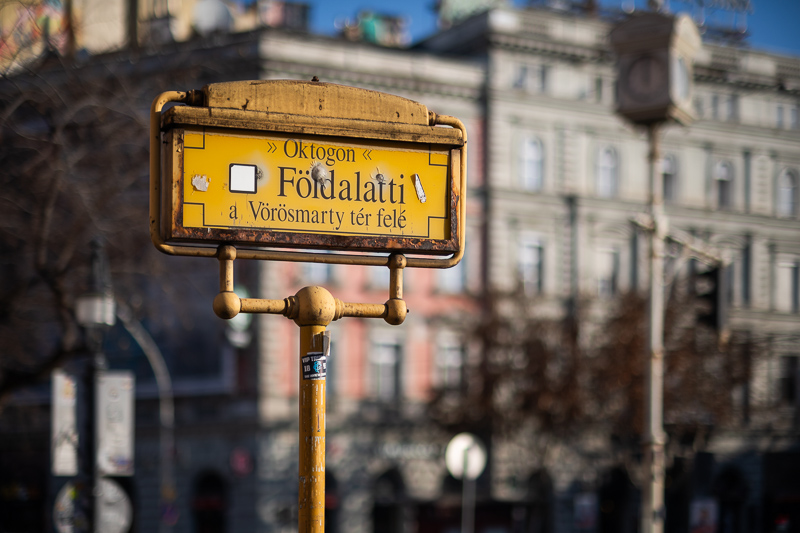









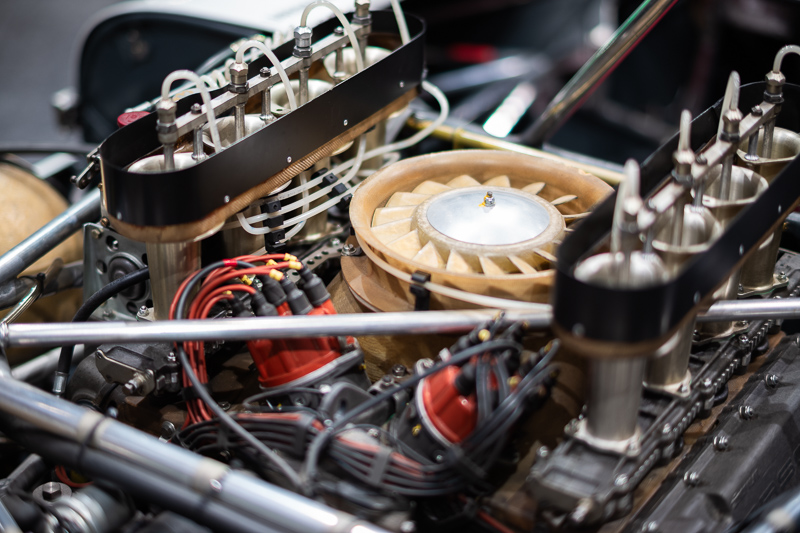







You can find most of the sample pictures in this article in full resolution here.
Further Reading
- All M-mount Lens Reviews
- Review: MS-Optics 24mm 2.0 Aporia
- Review: 7Artisans 28mm 1.4
- Review: Leica 50mm 0.95 Noctilux-M Asph
- Follow us on Discord
Support Us
Did you find this article useful or just liked reading it? Treat us to a coffee!

 via Paypal
This site contains advertisement/affiliate links. If you make a purchase using any of the links marked as advertisement/affiliate links, I may receive a small commission at no additional cost to you. This helps support the creation of future content.


Latest posts by BastianK (see all)
- Review: Samyang 35mm 1.2 XP - April 1, 2026
- Review: 7Artisans 40mm 2.5 AF - March 28, 2026
- Analogue Adventures – Part 50: What I learned from Shooting Film (so far) - March 18, 2026
Thanks for the review, I was really waiting for it! Just an opinion is it easy to focus via a rangefinder? let’s say compared to the Canon 50mm 0.95 dream lens at 0.95 what’s the hit rate wide open?
With lenses like that you are working outside of what makes somewhat sense with the rangefinder mechanism, even the manual of the M10 or M11 will tell you so.
The Canon 50mm 0.95 is pretty awful t f/0.95, that will make slight focus errors easier to overlook.
Use Liveview to focus lenses like these if you even remotely care about “hit rate” and consistency.
I get your point, but for reportage and event work Live View just slows me down. With fast lenses like the Canon 50mm f/0.95 my hit rate is actually around 90–95% using the M11 rangefinder. The Canon’s spherical aberration also makes focus transitions smoother, which helps mask slight errors. By contrast, my Noctilux E58 gives me more like 70–75%.
I shoot 99% of the time for work, so for sports I obviously use AF bodies and fast lenses, and for studio or landscapes at f/8–11 everything works fine anyway. But for reportage works, the rangefinder’s speed and flow just feel right. Maybe it’s professional habit, but focusing this way is pure joy for me.
My Leica setup goes from 9mm up to several 50s. Lately I added a 100mm bubble-bokeh lens (purchased after your review with the links you provided 🙂 ) and now I’m looking for a 75mm that matches the character of the Steel Rim, Dream Lens, and Noctilux E58. The 7Artisans seems promising,
I’m just trying to figure out if the rangefinder hit rate is comparable to the Canon or quite a bit trickier in real use since you’ve shot both.
I always find the longer lenses worse.
How do the sharpness tests compare with the Nikon ZF?
Is there a significant difference to the Sony/Leica or do you think that at these focal lengths (>>35mm) the different filter stacks are insignificant?
In general comparing not only Leica with Sony but Nikon too would be great. Although I know that this would involve a lot of additional work – and your reviews are already lots of work (that’s why these are so great resources on the net)…
Thank you!
There already isn’t a great difference between Leica and Sony here, with the Nikon in-between in terms of filter stack, don’t expect notable deviations with this lens.
I had the original version of this lens and quite liked it for making sharpness-challenging photos, but let it go because the weight made it seem seldom worth carrying. It sounds from your review as if I might like the new version even more. But the inability to reach infinity focus is worrisome… if it’s sample variation, the next sample might be worse, and if it’s a design defect, that seems lax. Did you form an opinion as to what might cause this? Did you raise the issue with 7Artisans?
It is generally just an inherent flaw of the concept of designing lenses which such shallow depth of field with a hard infinity stop.
There are already a handful of M-mount lenses where I encountered this.
Already 15 something years ago I had a Nikon 50mm 1.2 Ai-s with exactly the same problem.
On film you wouldn’t notice it, on digital with 24mp+ you surely can.
The rangefinder mechanism in combination with hard infinity stops is simply not made for using super fast lenses on a high resolution digital camera.
The usage of ED elements makes this worse, as these are more prone to temperature changes. This might even be the root cause here.
Pretty sure 7Artisans is aware of it by now.
Thanks, the ED/temperature change idea is interesting. I guess I will wait and see if anything is done. One solution might be to make the infinity stop user-adjustable, similar to the way 7Artisans already makes the coupling cam adjustable, but it would add complexity to the design.
Laowa has made lenses where you can calibrate the focus wheel to make it more accurate, but I guess using that to compensate for the infinity stop would require infinity to not be at the hard stop on most lenses to afford some leeway in that one direction…
Hope you had a lovely time in Budapest:)
Definitely!
Fantastic review, Bastian! Thanks a lot!
Question. What was your success rate wide open on the range finder?
How hard it was to nail the focus?
I don’t use the rangefinder to focus lenses like this.
The reason the A7 III performs better at close focusing distances is likely due to the thicker CMOS glass in the FE system, which partially compensates for the spherical aberration that occurs during close-up photography.
Lens seems to be decentred left side is more in front and right goes to the back
Which picture led you to that conclusion?
Landscape Danube Budapest views and architectual ones, I’m sensitve to the issue as I have sent 2 sony cameras a7II and a7rII for service both had sensor tilted.